



The sad part about takeout isn’t the sauce. It’s the steam.
A box of spicy chicken or garlicky noodles can leave the kitchen lively, glossy, and fragrant, then arrive at the table with the vegetables slumped, the crust softened, and the heat flattened into one muddy note. That’s exactly why spicy easy Chinese food for a crowd works so much better at home. You get the snap of just-cooked broccoli, the shine of a sauce that still clings, and the freedom to make one pan hotter than the next without begging a delivery app for mercy.
And you do not need a restaurant kitchen to pull it off. You need a sensible menu, a little stove discipline, and the willingness to cook in stages instead of throwing everything into one wok and hoping for the best. A home version can be cleaner, brighter, and more personal than the food in a cardboard carton — which is not a small thing when you’re feeding six, eight, or twelve hungry people who all think they know what “spicy” means.
Why You’ll Love This Approach
- Fast at the finish: Most of the work happens before the first burner turns on, so the last-minute cooking is a blur of 5- to 10-minute batches.
- Spice on your terms: You can keep the base savory and let chili oil, crisp chili flakes, or black vinegar land at the table, where each person controls the heat.
- Texture stays alive: Chicken thighs stay juicy, green beans stay blistered, and noodles don’t spend twenty minutes steaming under a lid.
- Better use of money: A few pounds of chicken thighs, tofu, cabbage, rice, and noodles go farther than a pile of individual restaurant boxes.
- Easy to scale: The same sauce can coat 1 pound or 5 pounds of protein if you know where to split the batches.
- Leftovers still make sense: The next day, the sauce tastes deeper, and the meal can turn into fried rice, noodle bowls, or lettuce cups without much extra effort.
Why Spicy Chinese Takeout-Style Dishes Scale So Well for a Crowd
Restaurant-style Chinese cooking already thinks in batches. That’s half the battle.
A stir-fry is built from separate parts that come together at the end: marinated protein, cut vegetables, a sauce mixed in advance, and a starch waiting in another pot. That structure is a gift when you’re feeding a crowd, because it lets you work in layers instead of trying to cram every flavor into one crowded skillet. You can cook the chicken first, then the broccoli, then the sauce, then bring it back together for the last thirty seconds. Clean. Controlled. Hot.
There’s another reason this style works. The flavors are bold enough to survive a room full of people talking, reaching, and wandering back for seconds. Soy sauce, garlic, ginger, chili, black vinegar, sesame oil, and a little sugar do not whisper. They hold up. They keep tasting like something after the plate has sat for five minutes, which matters more than a lot of food blogs like to admit. A delicate herb sauce is lovely; it is not what I want on a buffet.
The Four-Part Table
If you want the whole spread to feel intentional, think in four parts:
- One saucy protein dish like kung pao chicken, chili-garlic beef, mapo tofu, or chicken with black bean sauce.
- One green vegetable dish like broccoli, snap peas, green beans, or bok choy with garlic.
- One starch such as jasmine rice, lo mein, or fried rice.
- One cool or crunchy side like smashed cucumber salad, pickled cabbage, or scallion pancakes if you’re in the mood to fry.
That lineup is flexible. It also keeps the table from becoming a wall of brown. Good Chinese-American takeout does not rely on one giant dish. It relies on contrast.
A crowd menu built this way also saves you from the worst part of home entertaining: the panic of serving everything at once. You can cook the sauce-heavy items, hold them warm, and finish the vegetables right before people sit down. Not glamorous. Very practical. Much better than watching a pile of snow peas turn olive-drab while you hunt for a serving spoon.
The Heat-Balance Trick That Keeps the Table Coming Back
Heat is not a flavor by itself. It is a loud guest that needs better company.
The most satisfying spicy Chinese dishes usually balance three other things around the chili: salt, acid, and a little sweetness. That does not mean the food tastes sweet. It means the edges are rounded enough that the garlic, chilies, and fermented sauces feel deeper instead of harsh. If you’ve ever eaten a sauce that tasted like dried red flakes and regret, this is the fix.
Chili Oil Isn’t the Whole Story
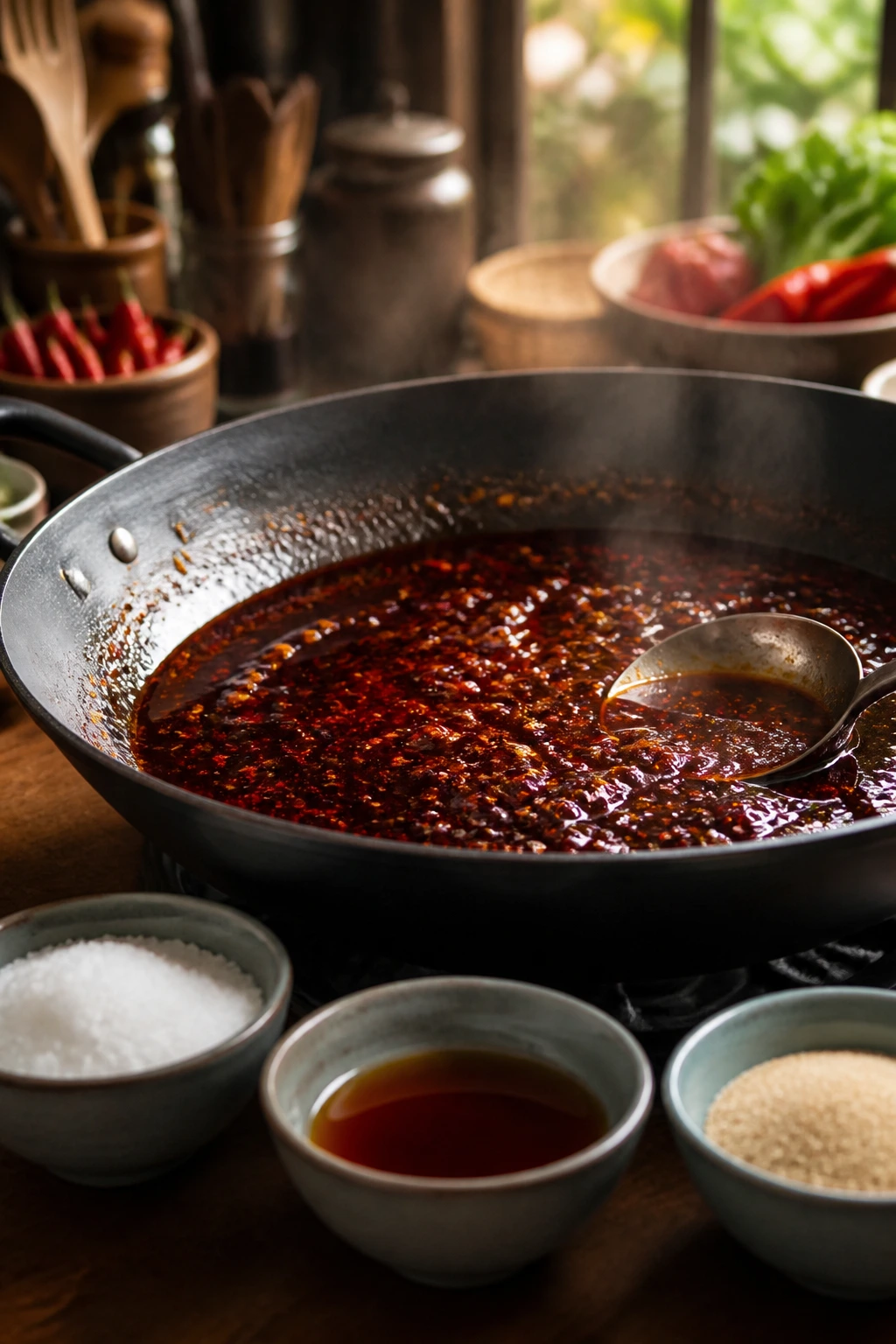
A lot of home cooks think “spicy” means pouring in more chili oil. That’s a lazy move, and it usually backfires. Chili oil gives you aroma and a quick hit on the tongue, but it can’t carry a whole dish by itself. You need dried chilies for direct heat, chili crisp for crunch, doubanjiang for fermented depth, and fresh chilies if you want a brighter burn.
Sichuan-style cooking is especially good at this balancing act. A spoonful of doubanjiang brings salt and funk; dried chilies bring heat; Sichuan peppercorn brings that strange, tingly numbness that makes the mouth pay attention. You do not need to use all of those in one dish, but the idea matters. One note is flat. Three notes feel deliberate.
Acids Keep the Sauce Awake
Black vinegar is the unsung hero of a crowd menu.
A splash at the end can wake up a wok full of noodles or green beans that taste heavy from oil and soy. Rice vinegar is softer and cleaner. Black vinegar has more backbone — dark, malty, a little sharp — and it gives a sauce the kind of finish that makes people reach for another bite without knowing why. If a dish tastes dull, try acid before you add more salt.
Sweetness Is a Brake, Not a Dessert Move
Sugar belongs here, and I mean that without apology.
Not much. A teaspoon or two in a sauce can keep the garlic from biting too hard and help the chili taste rounder. In a crowd dish, sugar also helps the glaze cling instead of sliding to the bottom of the pan. Honey works too, though I usually prefer plain sugar because it disappears more cleanly. The point is not sweetness. The point is restraint.
A good crowd sauce usually starts with a simple ratio: soy sauce for salt, rice vinegar or black vinegar for lift, sugar for balance, chili for heat, and a bit of stock or water so it coats instead of clumps. If the sauce tastes sharp in the bowl, it usually tastes better once it touches hot noodles or rice. If it tastes thin in the bowl, it stays thin on the plate.
The Dishes That Hold Up After the Wok Stops Smoking
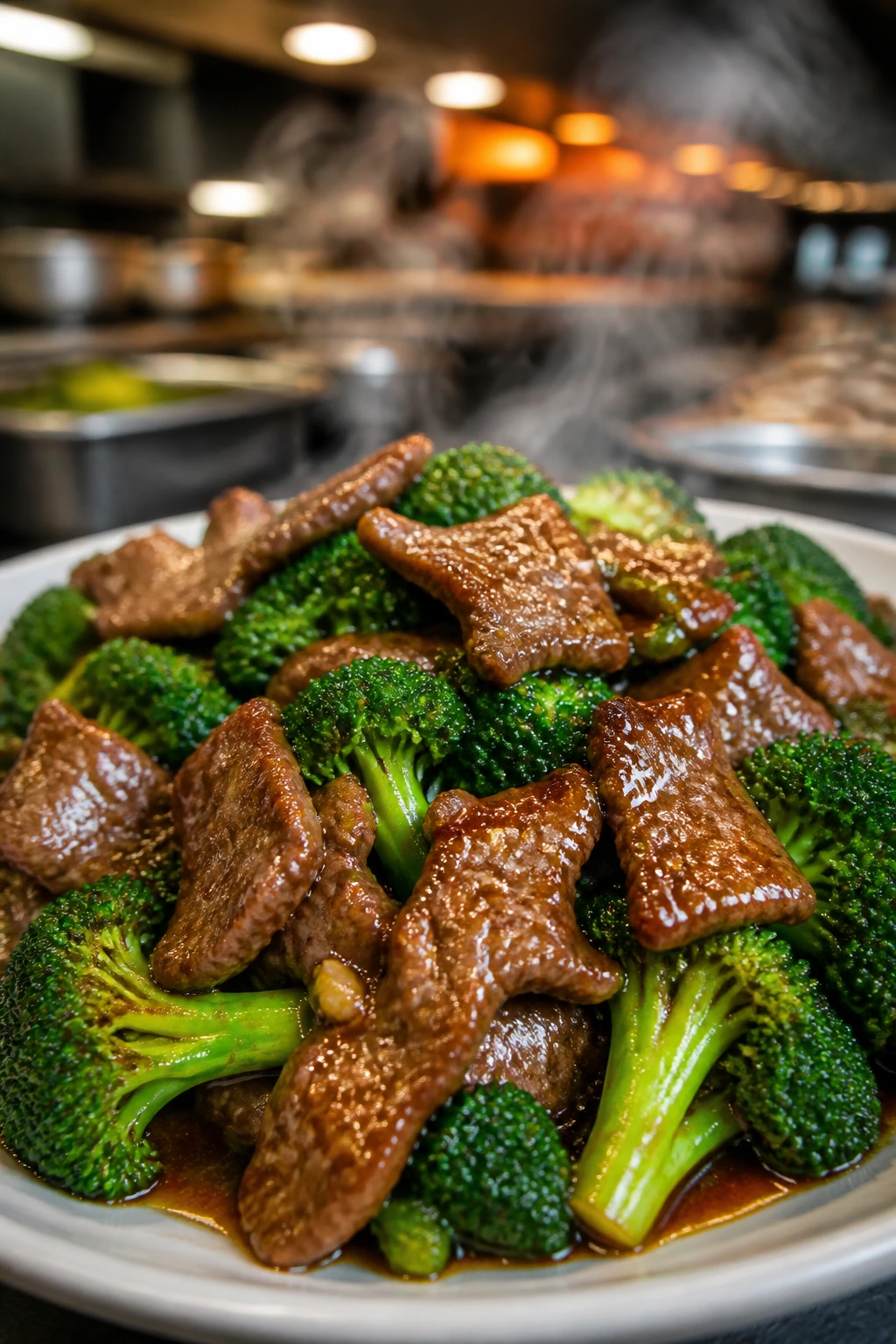
Some dishes are built for a buffet. Others are built to look good in a photo and collapse five minutes later.
For a crowd, I lean toward dishes that stay glossy, can be portioned cleanly, and do not lose their mind when they sit for a short spell. That means saucy stir-fries, braised tofu, blistered vegetables, and noodle dishes that can take a little steam. It does not mean heavily breaded items or anything that depends on a crisp shell for its whole personality. Sweet-and-sour anything tends to go soft. Same with thick batter. Save that for a smaller dinner when you can serve immediately.
The Best Anchor Dishes
A few styles earn their place every time:
- Kung pao chicken or tofu — peanuts, dried chilies, and a sticky sauce make it easy to serve over rice.
- Beef and broccoli — reliable, fast, and sturdy enough to reheat without breaking.
- Mapo tofu — bold, saucy, and excellent when you want a dish that feels richer than its ingredient list.
- Chili-garlic green beans — blistered skin, just enough char, and a clean bite.
- Dan dan noodles — best when the sauce stays separate until service, then gets tossed at the last second.
- Cumin lamb or beef — a little more aggressive, in the best possible way, with enough spice to make a table wake up.
Not every crowd wants all of those. That’s fine. The point is to pick dishes with enough moisture and enough structure to survive waiting. A crunchy fried cutlet is thrilling for three minutes. Then it becomes a project.
What I’d Skip for a Big Group
Anything battered and sauced at the last second is a risk unless you have a fryer and a line cook hiding in your pantry. Egg rolls can work if they’re baked or fried in two rounds and served fast. But for a main spread, I’d rather have a pan of garlicky eggplant, a wok of beef and peppers, and a plate of cucumbers than a tray full of limp fried bits.
A crowd wants food that feels lively on the tongue. You get that with sauce, acid, heat, and texture contrast. Not with soggy crust.
Rice, Noodles, and the Saucy Base That Makes the Whole Meal Work
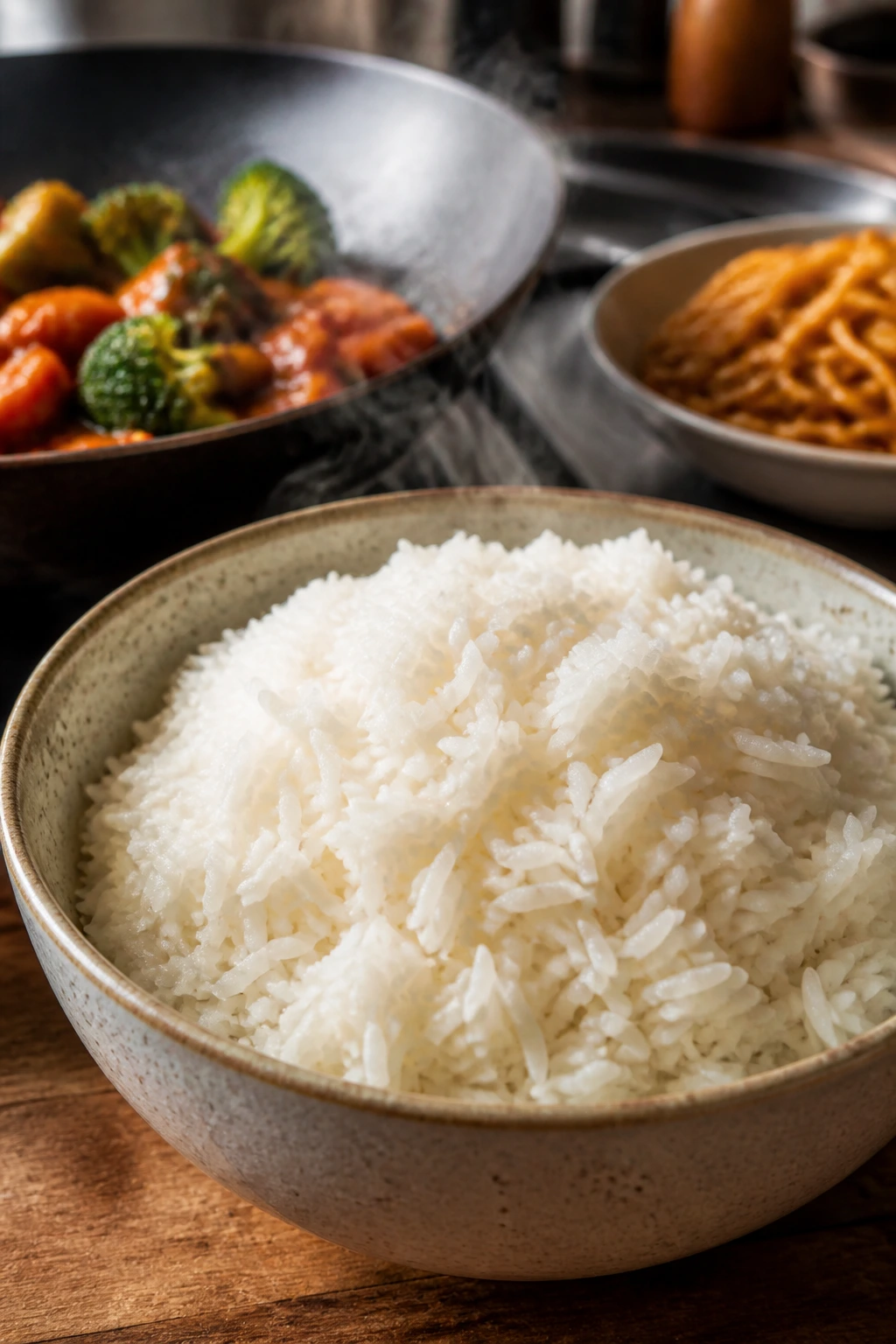
If the sauce is the voice, rice and noodles are the stage.
The wrong starch will sabotage the nicest stir-fry you make. Too dry, and the sauce pools at the bottom of the plate. Too wet, and the whole thing becomes a mash. The trick is choosing a starch that matches the rest of the menu, then cooking it with the expectation that it will be sitting around for a few minutes. That changes everything.
Jasmine rice is the safest anchor for a crowd. It has enough fragrance to stand up to soy, ginger, and chili, but it does not fight with the main dish. Medium-grain rice is a little stickier and can feel plush under saucy tofu or beef. Sticky rice has its own place, but it is more of a side story than a buffet base.
How Much Rice or Noodles to Make
For rice, a sensible crowd estimate is 1 cup uncooked rice per 3 to 4 people if it’s the main starch. For 10 people, that means about 3 cups uncooked rice, which gives you roughly 9 cups cooked. If the menu includes noodles too, you can go a little lighter on the rice.
For dried noodles, plan on 3 to 4 ounces per person for a main course. Lo mein and wheat noodles hold up better than crispy chow mein for a buffet, because crispy noodles turn soft once sauce and steam get involved. Rice noodles need more attention; they’re fine, but they clump if you do not toss them with a tiny bit of oil or sauce right after cooking.
The Starch Should Match the Sauce
A heavy black bean beef wants plain rice. A sesame noodle bowl wants vegetables and a sharp, bright dressing so the whole thing does not feel thick. Spicy chicken over rice is easy. Spicy tofu over noodles can be even better, as long as the sauce has enough looseness to coat the strands instead of gluing them together.
One thing I’d say out loud if we were standing in a kitchen: do not overcook the starch because you’re scared of serving cold food. Mushy rice is still mushy when it’s warm. Mushy noodles do not recover. Cook them just shy of done, then hold them properly.
Rice Cooker or Pot?
Both are fine. A rice cooker gives you margin and frees up a burner, which matters when the rest of the meal is happening at the same time. A pot gives you better control if your cooker runs too hot or your rice is a little old. I usually think of the rice cooker as the less glamorous but more practical choice for a crowd. It keeps the grain even and lets you focus on everything else that wants attention.
Vegetables That Stay Crisp Instead of Turning Limp
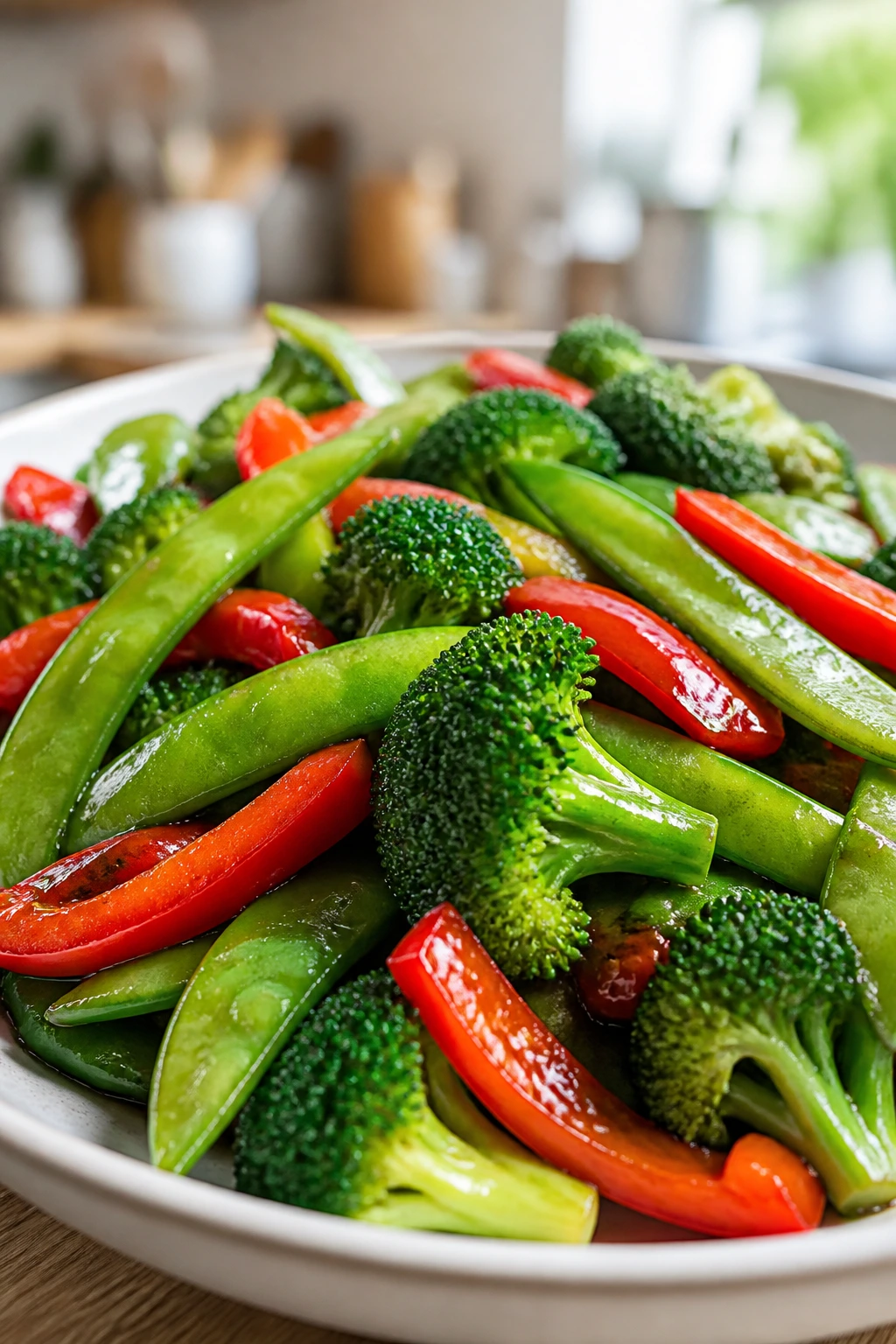
The vegetable dish is where a lot of home versions go wrong.
Restaurants often get away with this because the veg hits a screaming-hot wok and reaches the customer almost immediately. At home, the vegetables sit longer, and you can see the difference in thirty minutes if you pick the wrong ones. Watery vegetables go flat. Dense ones hold.
Broccoli is the obvious winner. So are snap peas, green beans, bok choy, cabbage, and bell peppers. Mushrooms can work too if you treat them like a separate ingredient instead of tossing them in raw and hoping they behave. They need dry heat first so they release moisture and brown a little before the sauce goes in.
The Best Vegetables for a Crowd Menu
- Broccoli florets: Cut them small so the stems cook through without overcooking the tops.
- Green beans: Blister beautifully and keep a firm bite.
- Snap peas: Fast-cooking, sweet, and perfect with garlic and chili.
- Bok choy: Separate the stems from the leaves if the bunch is large; stems need more time.
- Bell peppers: Give you color and a clean crunch.
- Napa cabbage: Shreds fast and takes sauce well without turning mushy.
If you’re working ahead, blanch sturdier vegetables for 45 to 90 seconds in salted water, then shock them in ice water and drain them well. That is a boring step. It also saves dinner. For broccoli, I like a quick blanch if the final dish is saucy. For green beans, I’d rather blister them in a pan with a little oil and salt, then finish with garlic and chili.
A Small Trick That Helps a Lot
Dry the vegetables thoroughly before they hit the wok or skillet. Water on the surface turns into steam, and steam is the enemy of browning. If the broccoli comes out of the ice bath a little wet, spread it on a towel-lined tray for ten minutes. If the mushrooms look damp, toss them in the hot pan first and let them lose their water before you add anything else.
That one habit changes the texture of the whole meal.
And yes, a little char is your friend. Not burnt. Charred edges. That’s where the flavor lives.
The Prep-Ahead Rhythm That Makes Party Cooking Feel Calm
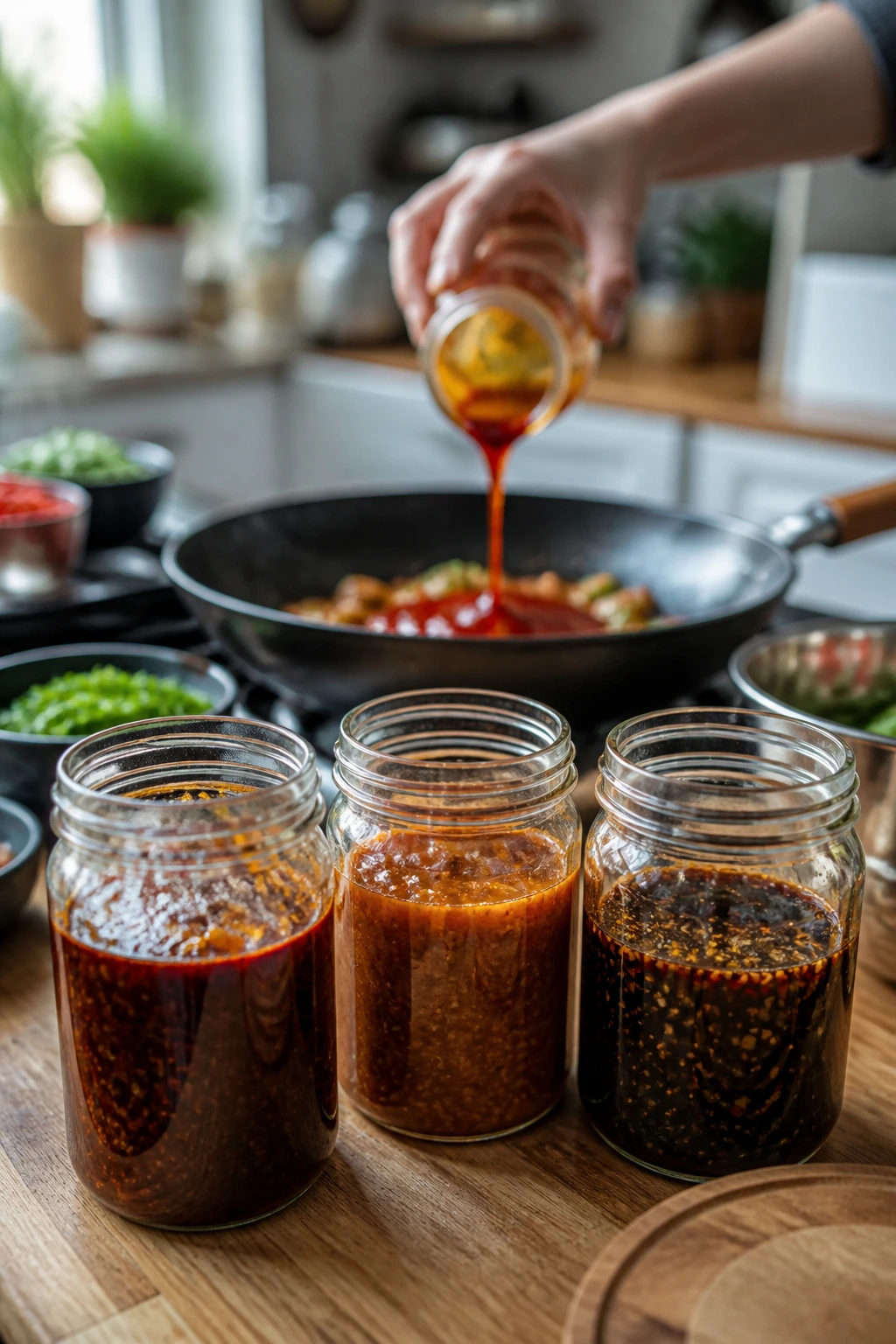
The difference between a relaxed dinner and a chaotic one is usually twenty minutes of prep that happened earlier.
Crowd cooking gets easier when you stop treating the whole meal like one final event. Separate the work into prep, cooking, holding, and finishing. A lot of the stress disappears the minute the sauce is mixed and the vegetables are cut. The stove becomes a finishing station, not a place where you panic with a knife in one hand and a spoon in the other.
The Day Before
Mix your sauce bases in jars or bowls. If you’re making two dishes, label them. Mild sauce. Hot sauce. Noodle sauce. Whatever keeps you from guessing later.
Marinate proteins early if the dish benefits from it. For chicken thighs, a solid crowd marinade might be 2 tablespoons soy sauce, 1 tablespoon Shaoxing wine or dry sherry, 1 tablespoon cornstarch, 1 tablespoon neutral oil, 2 minced garlic cloves, and 1 teaspoon sugar per pound. That gives the meat a glossy coating and helps it stay tender when cooked hard and fast. I like to think of this as insurance.
Wash and dry herbs, trim scallions, and cut sturdy vegetables. Keep leafy herbs and fresh garnishes separate so they do not wilt in the fridge.
The Morning Of
Blanch or roast vegetables that can be cooked ahead. Chill them quickly, then store them in shallow containers. Cook rice if you know you’ll be tight on stove space later. Rice can rewarm well if you steam it with a little water or hold it in a rice cooker on warm for a limited stretch.
If noodles are on the menu, undercook them by a minute, rinse briefly if the style calls for it, and toss them lightly in oil so they don’t fuse into a block.
The Last 20 Minutes
Heat the wok or skillet before anything touches it. Have the sauce nearby. Keep tongs, a spatula, and a ladle within reach. If you’re making a few dishes, line up bowls and platters before the first batch cooks. It sounds fussy. It isn’t. It’s how you keep from putting a hot pan down to hunt for a spoon.
The real goal is this: when people sit down, you want the food to taste like it was made for that moment, not like it spent half an hour waiting in a holding pattern.
Wok, Skillet, Sheet Pan, or Oven: Choosing the Right Heat
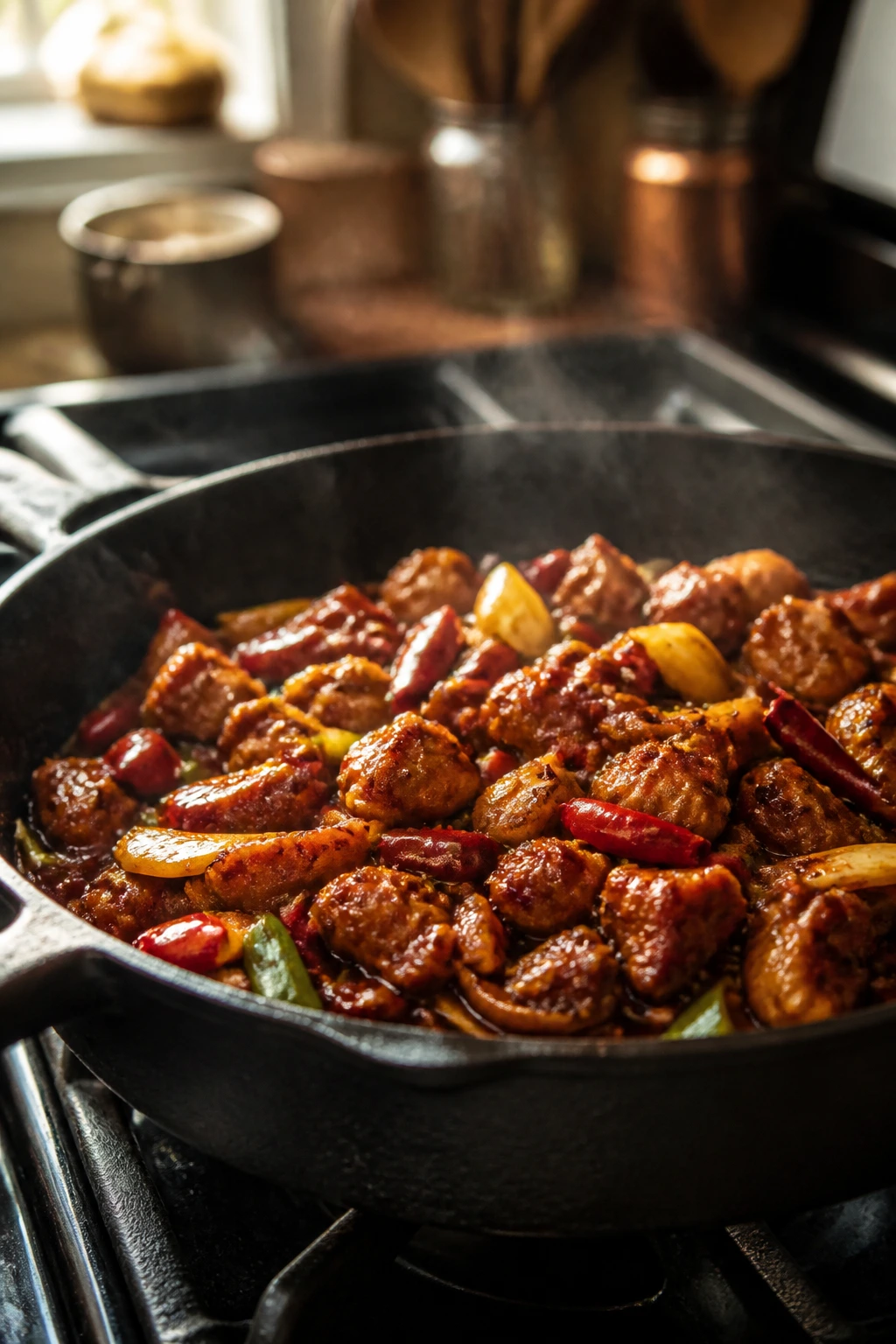
A wok is nice. It is not magic.
Home burners are often not strong enough to mimic the searing blast you get in a restaurant line, and that is fine. A lot of the best crowd food in this style can come from a heavy skillet or a sheet pan if you use the tools well. The job is not to impress the pan. The job is to get dinner on the table with the right texture.
The Wok
Use a wok when you want fast, frequent tossing and you’re cooking in small batches. It’s especially good for noodles, quick vegetable stir-fries, and any dish where you want the oil and sauce to move around the ingredients quickly. If your burner is weak, the bottom of the wok still gives you focused heat, but don’t expect restaurant smoke. A wok ring helps on some stoves and does nothing on others. Try your setup before people arrive.
The Skillet
A 12-inch stainless steel or cast-iron skillet is my favorite home-kitchen compromise.
The flat bottom gives you more contact with the burner than a wok does, which matters when you’re browning meat or blistering green beans. It also gives you more control if you’re cooking two pounds of chicken in batches. A deep skillet or sauté pan is even better if you’ve got a saucy dish, because the taller sides help with splatter.
The Sheet Pan
This is the quiet hero for crowds.
A sheet pan at 425°F to 450°F can roast marinated chicken, tofu, broccoli, peppers, or green beans into something that tastes cooked on purpose, not as a shortcut. It’s especially useful when you need to cook in volume without standing over the stove for twenty minutes. The trick is to keep the sauce light at the start and finish with a glaze or drizzle after roasting so the pan does not steam itself.
The Oven
The oven is best when you need even heat, not aggressive tossing. Braised tofu, glazed chicken, and roasted vegetables all benefit from it. A broiler can add a final hit of char, but you need to watch it like a hawk. One minute too long and a beautiful tray turns bitter at the edges.
My honest opinion? A weak burner doesn’t ruin the meal. It just changes the tool you should trust. Skillet first, sheet pan second, wok when it earns its keep.
How to Feed Spice-Lovers and Mild-Only Guests at the Same Table
This is where crowd cooking gets social.
A good spicy Chinese menu should not punish the people who like a little warmth and a lot of flavor. Nor should it make the chili lovers feel like they’re eating training-wheels food. The answer is not to make everything mild and hope someone brings hot sauce. The answer is to build a base that tastes complete, then add heat in layers.
Put the Heat on the Side
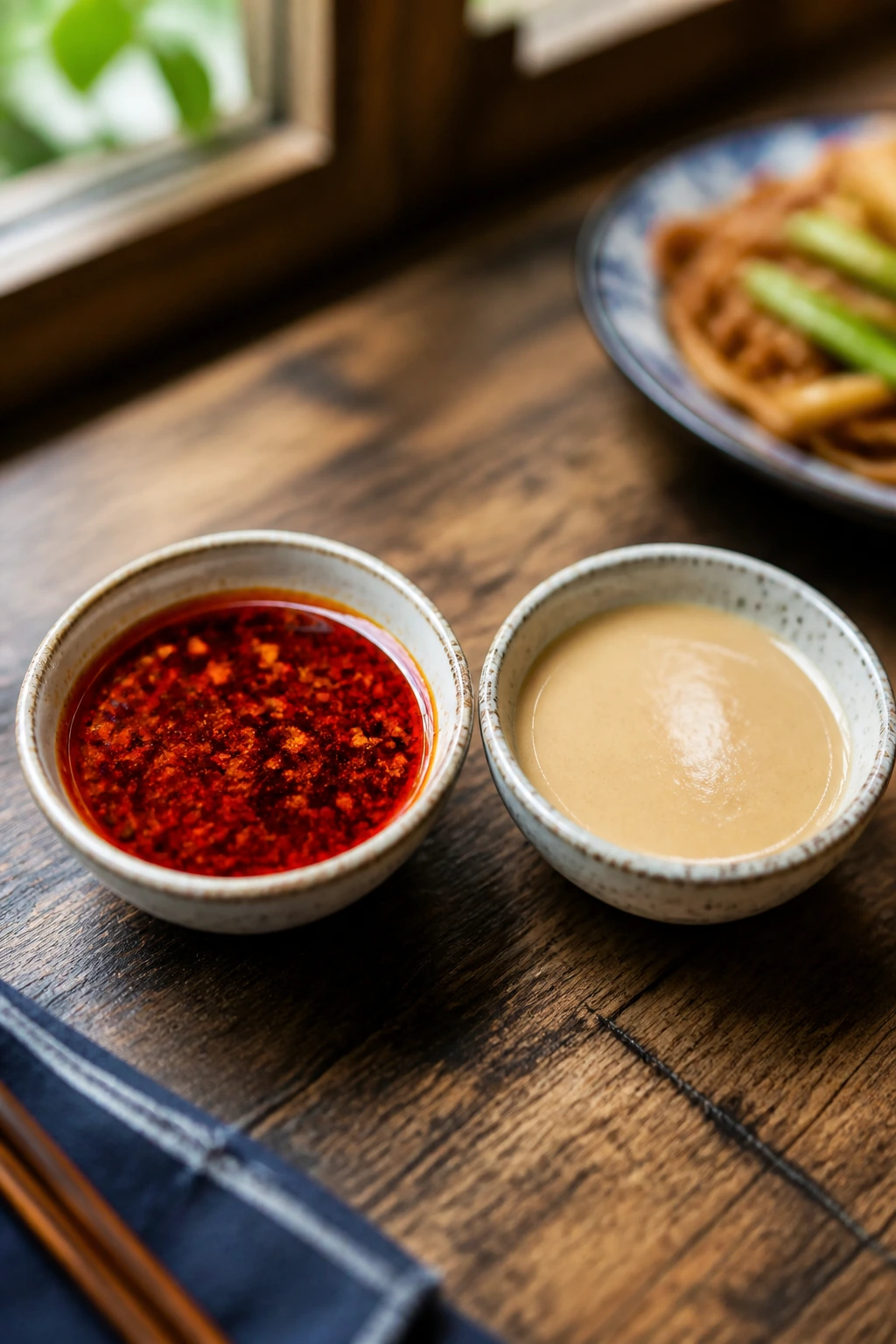
This is the easiest fix. Serve chili oil, chili crisp, or a small bowl of finely sliced fresh chilies at the table. If you do that, the main dish can stay balanced, and each person finishes their bowl the way they like. That works especially well with rice and noodle dishes, because the extra chili oil sinks into the starch and coats every bite.
Split the Pan
If you’re making a batch of chicken or tofu, keep half the sauce mild and finish the other half with more dried chilies, doubanjiang, or chili crisp. That gives you one menu with two temperature levels and saves you from cooking a second meal from scratch. I like this approach better than trying to make a “medium” sauce that satisfies nobody.
Use Crunch to Lift the Heat
Crispy peanuts, toasted sesame seeds, scallions, and cucumber salad do more for a spicy spread than a second bottle of chili oil ever will. Crunch gives the mouth a reset. Fresh herbs give a little lift. Cold vegetables pull the room back from the edge.
If you’re feeding children or heat-shy adults, keep the core dish savory and aromatic, then let them add their own heat at the end. Nobody feels left out. Nobody needs a separate plate with separate instructions. That’s the real win.
Smart Shopping for Soy Sauce, Chili Paste, and Fresh Aromatics
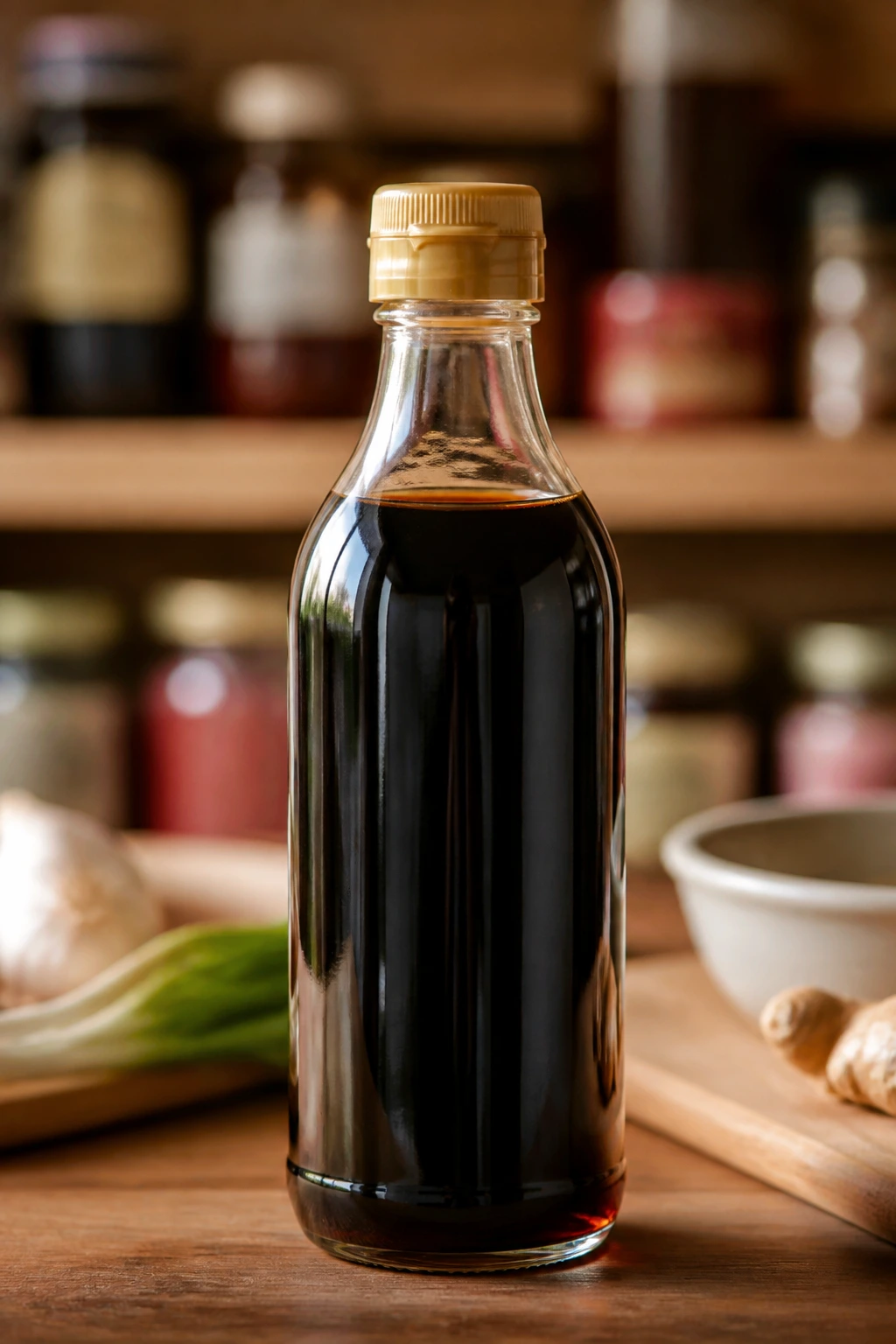
The bottle choices matter more than the brand name.
A pantry can look busy and still be useless if the sauces don’t do their jobs. For spicy easy Chinese food for a crowd, the ingredients that pull the whole meal together are usually pretty humble. Soy sauce. Rice vinegar. Black vinegar. Sesame oil. Ginger. Garlic. Scallions. Cornstarch. From there, you add whatever gives the dish its personality: chili crisp, doubanjiang, fermented black beans, oyster sauce, or Shaoxing wine.
The Bottles Worth Having
- Light soy sauce: The main salt source for most stir-fries.
- Dark soy sauce: Adds color and a deeper, rounder flavor; use it sparingly.
- Rice vinegar: Clean, sharp, and useful when a dish needs lift without funk.
- Black vinegar: My favorite for finishing; darker and richer than rice vinegar.
- Chili crisp or chili oil: Choose one with texture if you want crunch and aroma.
- Doubanjiang: Fermented chili bean paste that gives real backbone to Sichuan-style food.
- Shaoxing wine or dry sherry: Helps meat taste less flat and more seasoned.
- Cornstarch: For velveting meat and thickening sauce.
- Oyster sauce or mushroom stir-fry sauce: Adds savory depth; good for vegetable dishes.
Fresh Aromatics Matter More Than You Think
Garlic should smell sharp and sweet, not old and dusty. Ginger should feel firm, not wrinkled. Scallions should have crisp tops and juicy white bulbs. If those three are weak, the dish loses its high notes before it hits the pan.
One thing I’ll say bluntly: bottled minced garlic is not the same thing. It can work in a backup situation, but fresh garlic fries better and tastes cleaner. For a crowd, I sometimes grate ginger with a microplane and mince garlic fine so the aromatics disappear into the sauce instead of showing up in big chunks. That keeps the texture smoother across a platter.
Choose Proteins That Forgive a Crowd
Chicken thighs beat breasts in this style almost every time. They stay juicy longer, they handle high heat better, and they don’t get punishingly dry if the first batch waits a few minutes. Firm tofu is another smart choice because it soaks up sauce and can be pressed ahead. Flank steak works if you slice it thin across the grain. Shrimp is quick, but it’s not the easiest protein for a buffet because it turns rubbery fast if you overcook it.
That’s not a rule. It’s a warning from experience.
Buffet Setup, Food Safety, and Keeping Everything Hot
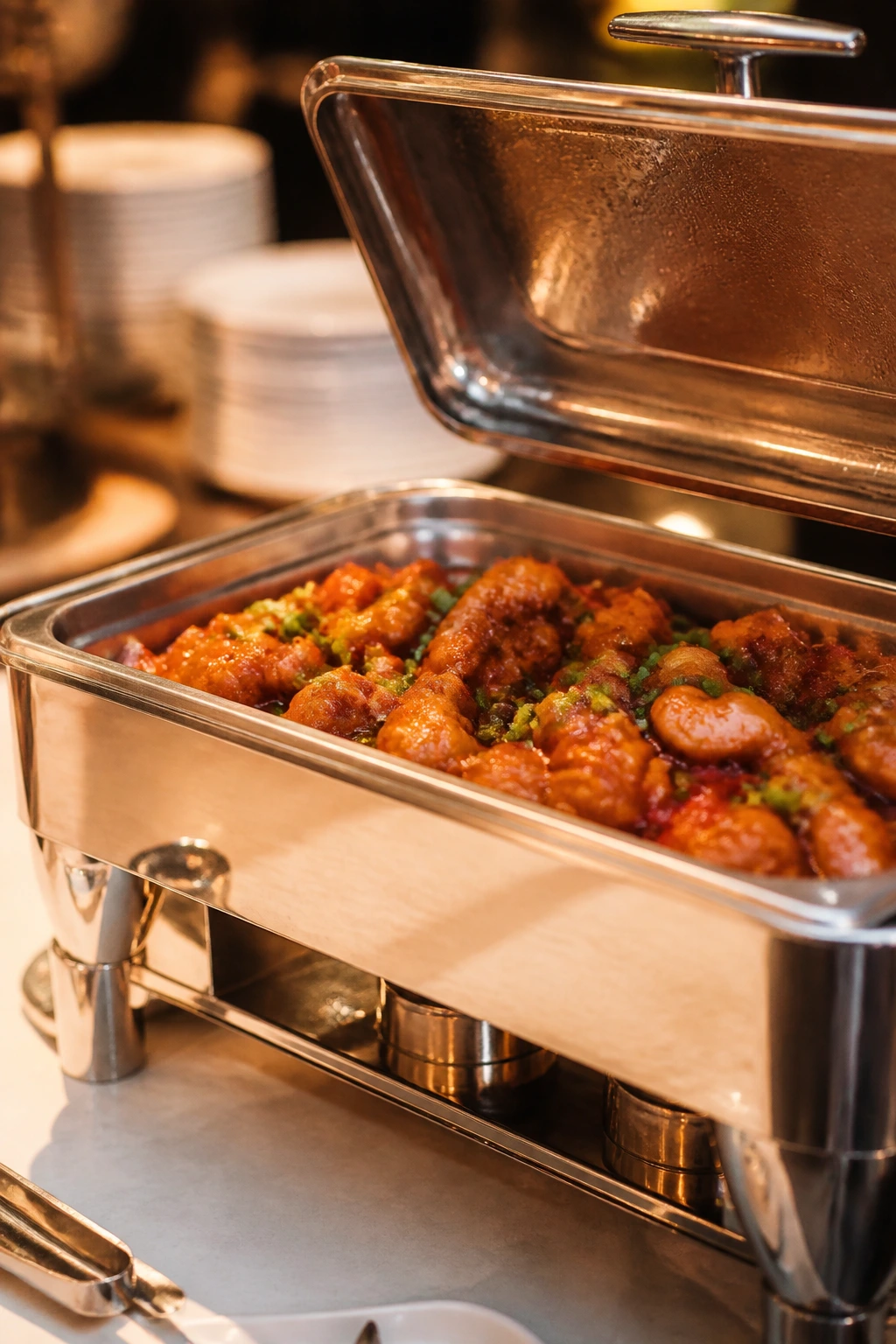
A buffet is only fun if the food stays safe and the first person to serve doesn’t crush the texture for everybody else.
Hot food should stay above 140°F while it’s being held, and cold items should stay below 40°F. That’s the boring part that keeps the fun part possible. If you’re feeding a crowd, the best setup is one that minimizes how long the food sits in the middle. Bring out smaller amounts, replenish from the stove, and keep the rest warm in a controlled way.
How to Hold Food Without Ruining It
- Rice cooker on warm: Great for rice, and it frees the stove.
- Low oven, about 200°F: Fine for holding meat or vegetables briefly, especially on a rack so steam can escape.
- Covered saucepan over very low heat: Works for saucy dishes if you stir occasionally.
- Chafing dish or warming tray: Useful if you already own one, but not required.
The key is not sealing everything into a hot, wet prison. Steam softens crisp edges and dulls flavor. If a dish is supposed to stay a little blistered or browned, keep the lid off until the serving moment. Then cover loosely, not tightly.
Build the Serving Line in the Right Order
Start with rice or noodles. Then move to the main protein. Add vegetables next. Put cold, crunchy sides and sauces at the end so people can choose their own finish. Keep one spoon for each dish. Keep a spare. Somebody always drops one.
What to Do About Leftovers at the Table
Do not let pans sit out for hours because everyone is still chatting. After roughly two hours at room temperature, food safety gets more complicated, and rice in particular is not worth the gamble. Pack leftovers into shallow containers while they’re still warm enough to portion cleanly, then chill them fast. That keeps the texture and buys you a better next day.
Additional Flavor Boosters That Make the Whole Spread Taste Bigger
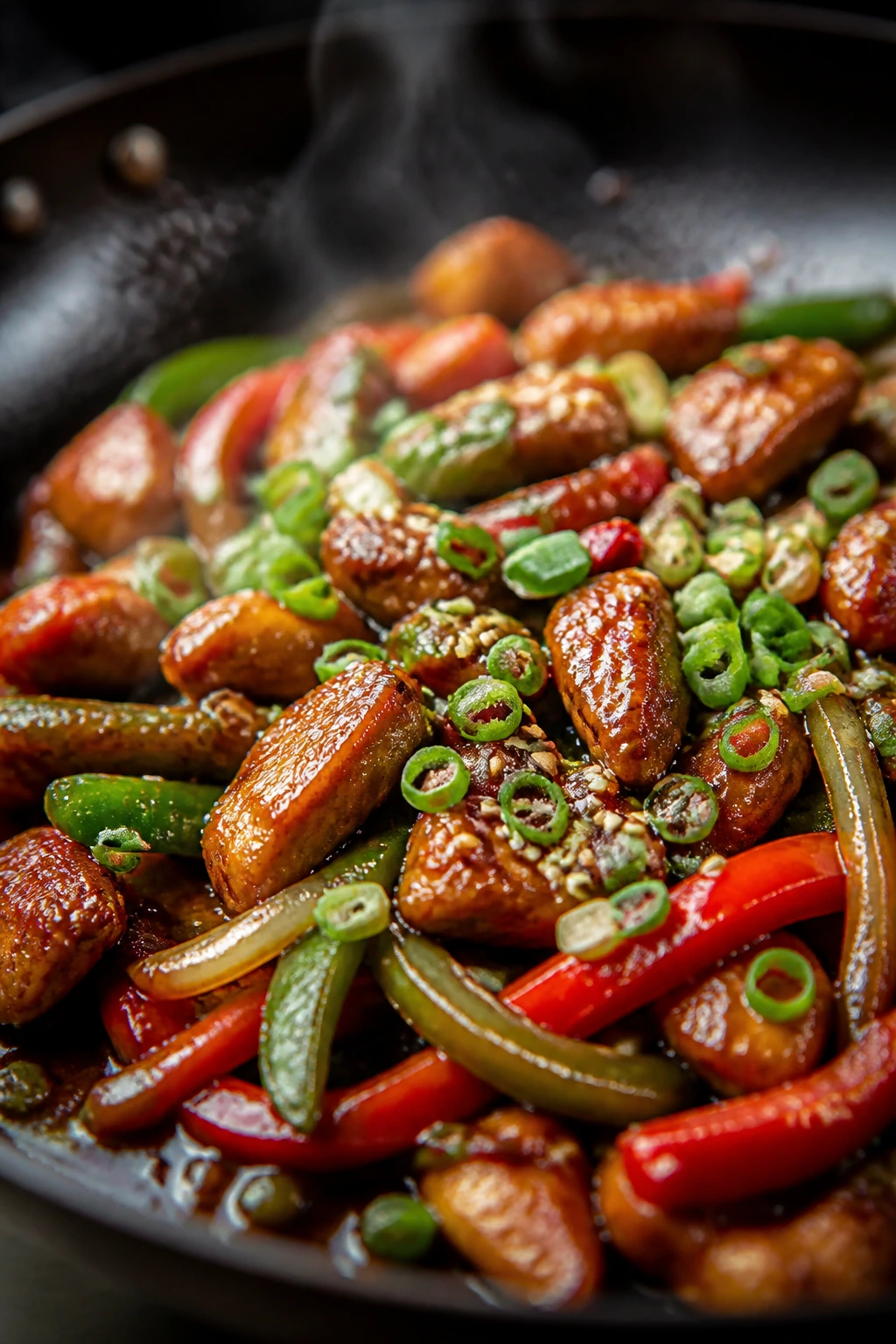
There’s a difference between “good enough” and the kind of meal people remember because every bite had shape.
The easiest upgrades are small. A little acid at the end. Toasted sesame seeds. Fresh scallions. A slick of chili crisp. None of those should be cooked to death. They belong at the finish line, where they can stay sharp and obvious.
Flavor Enhancement: A teaspoon of black vinegar or rice vinegar stirred in right before serving can wake up a heavy sauce. If the dish already has enough salt, acid is often the missing note, not more soy sauce.
Customization: Toasted peanuts, cashews, or sesame seeds add crunch to almost any spicy stir-fry. If you’re serving tofu or vegetables, a spoonful of finely chopped preserved mustard greens can add a salty, fermented edge that makes the whole pan taste fuller.
Serving Suggestions: Finish with sliced scallions, a few drops of toasted sesame oil, and maybe a sprinkle of cilantro if the dish can handle it. I would not bury everything under herbs, but the right green on top keeps the plate from looking and tasting heavy.
Make-It-Yours: For gluten-free guests, use tamari in place of standard soy sauce and check that your chili paste and oyster sauce are gluten-free or swap in mushroom stir-fry sauce. For dairy-free and egg-free menus, this style is already in your favor. For lower-sodium cooking, lean harder on ginger, garlic, black vinegar, and scallions so the food still tastes complete when the soy goes down a notch.
The smartest finishing move of all is not complicated: serve the spicy thing with a fresh thing. Hot noodles love cucumbers. Chili chicken likes plain rice. Sticky tofu becomes more interesting with something pickled on the side. That contrast is what keeps people from getting tired halfway through the meal.
Common Mistakes That Make Homemade Takeout Fall Flat
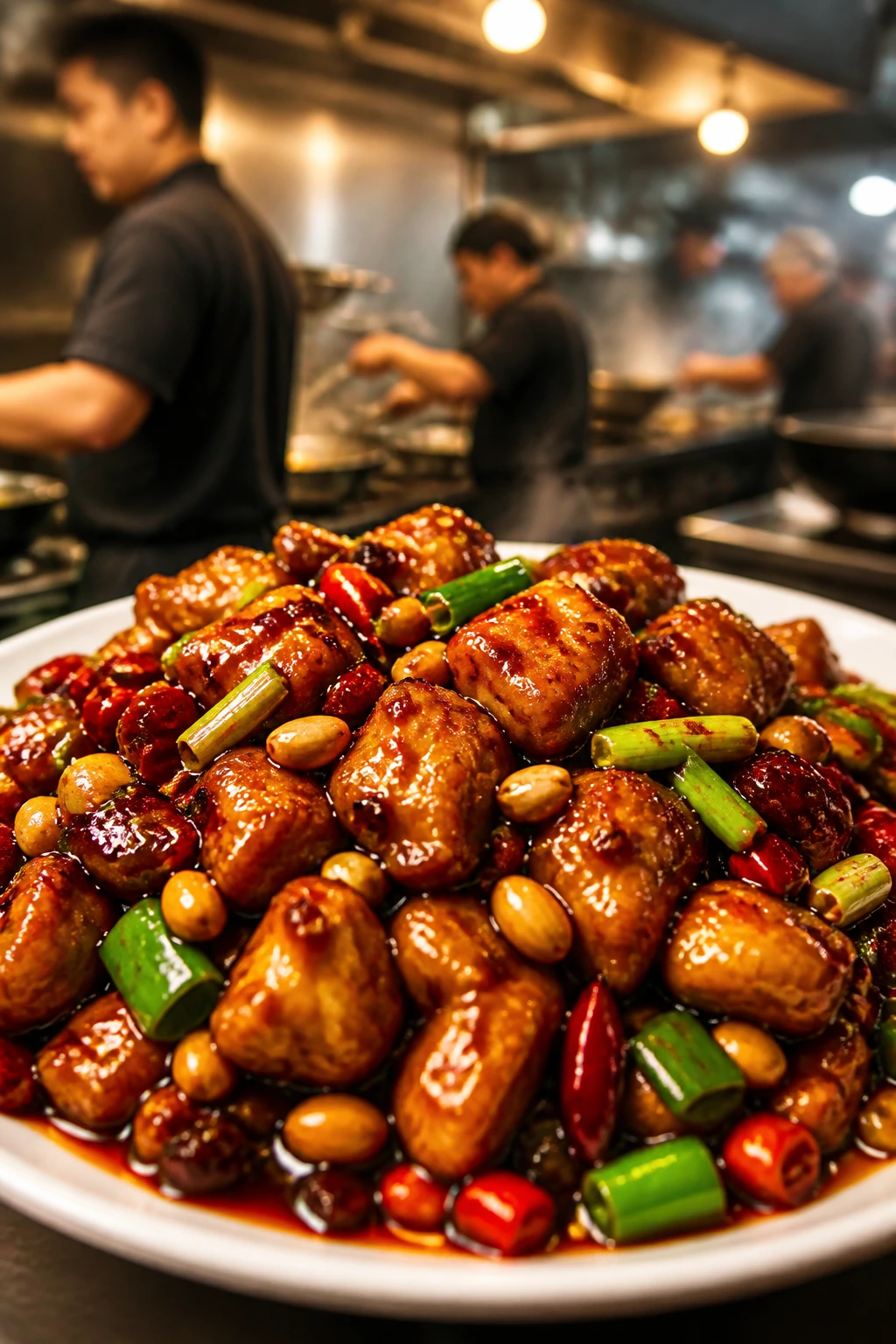
Most of the failures in crowd-sized Chinese cooking are not dramatic. They’re little texture mistakes that compound.
Crowding the Pan
If the chicken or vegetables pile up too thick, they steam instead of sear. The symptom is pale, soft food with no edge. The fix is simple: cook in smaller batches and keep finished pieces on a rack or tray, not in a bowl where the heat traps moisture.
Adding Sauce Too Early
A lot of cooks pour the sauce into the pan before the ingredients have browned. The whole thing turns gray and thin. Cook the protein and vegetables first, then add the sauce near the end so it tightens around the food instead of boiling it into submission.
Over-Thickening With Cornstarch
A sauce that looks glossy in the pan can turn into paste as it cools. If you add too much cornstarch, the food gets gummy on the plate and even gluey by the second serving. Start small. You can always add a little more slurry, but you cannot scrape excess starch back out.
Forgetting a Sharp Finish
Soy sauce and chili give body. They do not always give lift. If the dish tastes heavy, it usually needs acid, scallion, or fresh garlic at the end. Without that last bright note, the food tastes fine and forgettable. With it, the whole pan wakes up.
Holding Everything Too Long Under a Lid
Covering hot food seems helpful. Sometimes it is. Sometimes it creates a steam bath that softens every crisp edge you worked for. If a dish is supposed to stay snappy, keep it uncovered or loosely tented until serving. Covers are for warmth, not for permanent storage on the table.
Using Weak Ingredients and Expecting Big Flavor
Old ginger, flat soy sauce, dried-out scallions, and tired garlic all drag the dish down. The sauce can only do so much. If the fresh aromatics are dull, the whole meal tastes older than it should.
Variations for Different Crowds and Diets
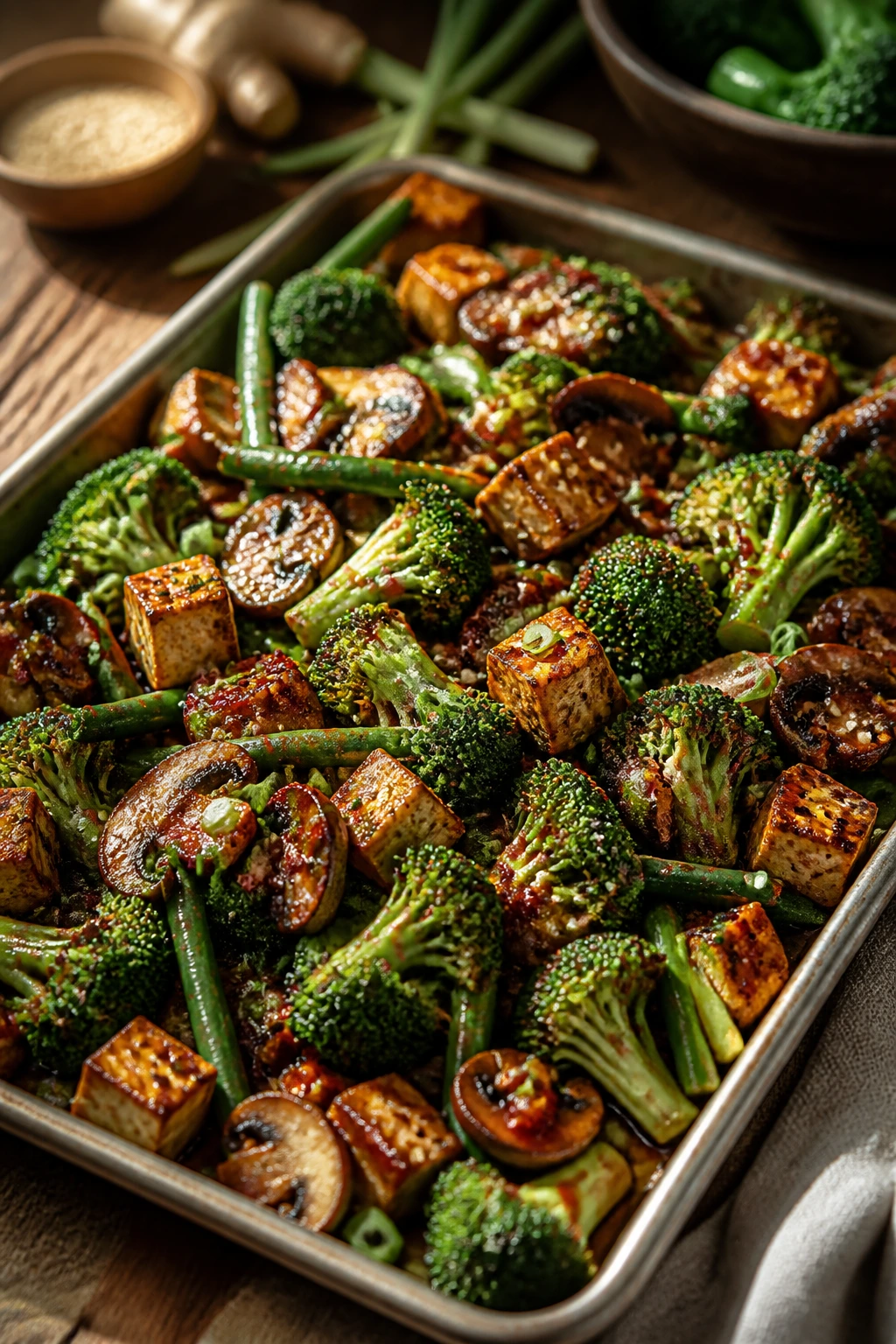
A crowd menu should bend a little. Not break. Bend.
Vegetable-First Sichuan Tray
Build the whole meal around broccoli, green beans, mushrooms, tofu, and a sauce made with doubanjiang, garlic, ginger, black vinegar, and a little sugar. Finish with toasted sesame seeds and scallions. It’s bold, filling, and easy to keep vegetarian without making the dish feel like a compromise.
Gluten-Free Weeknight Table
Use tamari instead of soy sauce and pair the stir-fry with jasmine rice or rice noodles. Check chili crisp, oyster sauce, and any bottled paste for hidden wheat; if that sounds annoying, skip the questionable bottle and lean on garlic, ginger, vinegar, and a little sugar. The food should still taste fully built, not trimmed down.
Mild-But-Fun Family Night
Cook the main dish with flavor, not heat, and put chili oil, chili crisp, and sliced fresh chilies on the side. This works especially well with chicken, tofu, and broccoli. Everyone gets the same dinner, and nobody has to fake enthusiasm for a mouth-burning sauce.
All-Sheet-Pan Shortcut
Roast marinated chicken thighs or tofu with broccoli and peppers on two sheet pans at 425°F to 450°F, then toss everything with a sauce after roasting. It is less theatrical than a wok, but it scales neatly and keeps the kitchen calmer. If your burner is weak or your crowd is large, this version earns its keep.
Banquet-Style Protein Mix
Use two proteins instead of one: chicken thighs on one pan, shrimp or beef on another. Cook and sauce them separately, then combine at the end if needed. That gives you a more interesting spread and helps guests who want something lighter choose differently without changing the whole menu.
Black Vinegar Noodle Night
Build the meal around noodles, a tangy black-vinegar sauce, cucumbers, scallions, and a protein like tofu or shredded chicken. It feels looser and less formal than a full stir-fry spread, which can be a relief when you want dinner to be fun instead of ceremonious.
Essential Equipment for Spicy Chinese Crowd Cooking
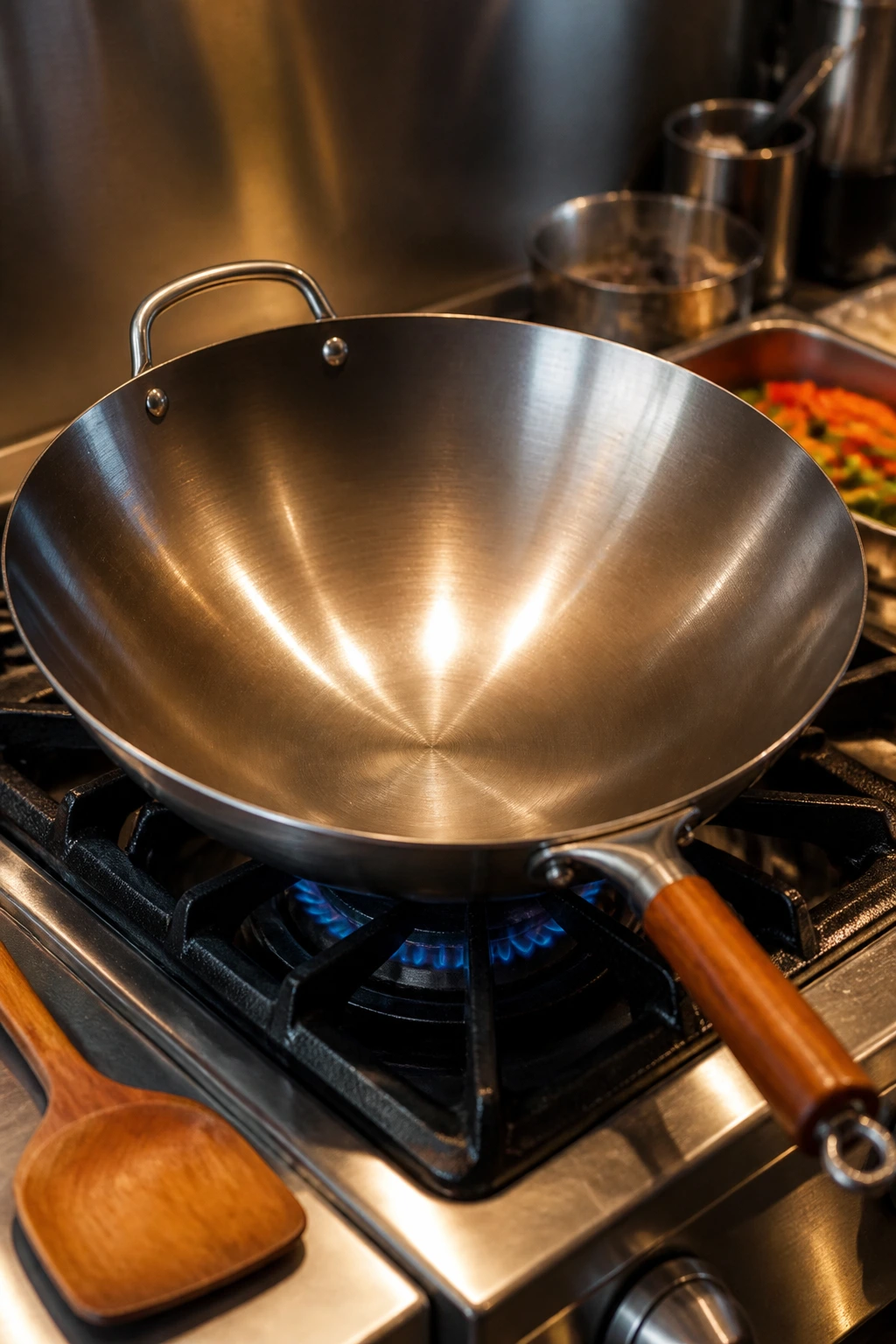
You do not need a restaurant line. You do need the right handful of tools.
- 12-inch wok or deep skillet: The main cooking vessel for stir-fries and saucy finishes.
- Rimmed sheet pans: Essential for roasting vegetables, tofu, or chicken in batches.
- Rice cooker or medium saucepan with a tight lid: A rice cooker makes life easier, but a pot works fine.
- Large cutting board: You’ll be chopping scallions, garlic, ginger, vegetables, and maybe multiple proteins.
- Sharp chef’s knife: Dull blades slow you down and make uniform cuts harder.
- Small mixing bowls: Useful for pre-mixed sauces, cornstarch slurries, and garnish.
- Spatula or wok turner: Helps move food quickly without smashing it.
- Tongs: Good for flipping chicken, tofu, and vegetables in a sheet pan setup.
- Instant-read thermometer: Handy for poultry and for anyone who wants fewer guesses.
- Shallow storage containers: Better than deep tubs for fast cooling and tidy leftovers.
- Spider or slotted spoon: Optional, but excellent if you blanch vegetables or fry small batches.
- Serving platters with a bit of rim: Keeps sauces from running off the table and onto the cloth.
A wok is nice. A decent skillet will still feed everyone.
Make-Ahead, Storage, and Reheating Rules
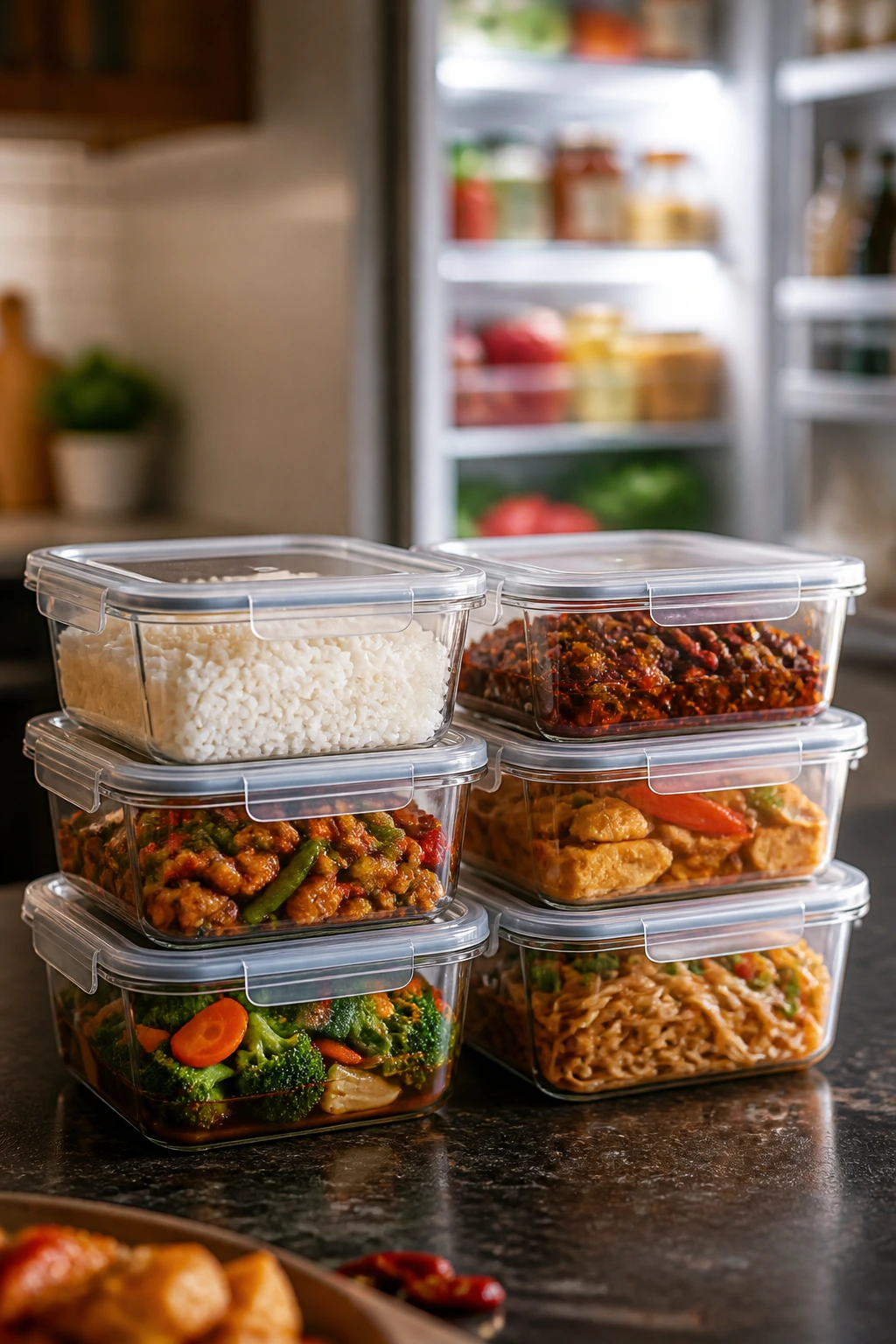
This style of food can be excellent the next day if you treat it properly.
Most saucy stir-fries and braised dishes keep 3 to 4 days in the refrigerator in airtight containers. Roasted vegetables and chicken hold up well during that stretch, though the edges soften a bit. Rice also keeps for 3 to 4 days, as long as it cools quickly and gets into the fridge without sitting out too long. Noodles are a little more fragile; I prefer to eat them within 2 days if I want them to stay pleasant.
Freezing works best for saucy dishes, not crisp ones. Mapo tofu, chili-garlic chicken, beef in black bean sauce, and similar dishes freeze for up to 2 months if packed tightly and cooled before freezing. Fried items and green vegetables lose more texture in the freezer, so I’d rather make those fresh if possible.
Reheating Without Ruining the Texture
- Stovetop: Best for stir-fries, noodles, and saucy dishes. Add a tablespoon or two of water or stock and heat over medium until the sauce loosens.
- Microwave: Fine for rice and saucy leftovers. Cover loosely and reheat in short bursts, stirring once halfway through.
- Oven: Useful for sheet-pan chicken or roasted vegetables if you want the edges to crisp a little again. Use 350°F and watch closely.
- Rice cooker or steamer: Good for plain rice if you’ve stored it well and want it soft again.
For make-ahead work, cook sauces a day early, cut vegetables and proteins ahead, and keep garnishes separate. If a dish improves overnight, it is usually the saucy one. If a dish depends on crunch, finish it closer to serving.
One small but important habit: cool the food in shallow containers before refrigerating. Big deep tubs trap heat and slow the cooling process. That is bad for texture and not worth the gamble.
Frequently Asked Questions About Feeding a Crowd
What’s the easiest spicy Chinese dish to make for a big group?
Beef and broccoli, kung pao chicken, or a tofu-and-vegetable stir-fry are the easiest places to start. They use familiar ingredients, they scale cleanly, and the sauce can be adjusted without changing the whole structure.
Can I make the food ahead without losing texture?
Yes, if you split the work. Cook the sauce, chop the aromatics, and blanch sturdy vegetables ahead of time, then do the final stir-fry close to serving. The part that loses texture fastest is anything crispy, so keep fried toppings and fresh garnishes separate until the end.
Do I need a wok for Chinese food at home?
No. A heavy 12-inch skillet is often better on a standard home burner because it gives more direct contact with the heat. A wok is useful, but it is not the deciding factor in whether dinner tastes good.
How spicy should I make the main dish for a crowd?
Less spicy than you think, then put the heat at the table. Chili oil, chili crisp, and fresh sliced chilies let people tune their own bowl, which is safer than locking everyone into one level of fire. That also keeps the main sauce more balanced.
What protein works best if I’m cooking for 8 to 12 people?
Chicken thighs are the safest choice because they stay juicy and are forgiving during batch cooking. Tofu is also excellent if you press it well and brown it properly. Shrimp is fast, but it’s less forgiving if you have to hold it for too long.
Can I use frozen vegetables?
You can, but they need different handling. Frozen broccoli or stir-fry blends work best when you cook off some of the surface moisture in a hot pan before adding sauce. I would not rely on frozen vegetables if the whole point is crisp texture, but they are workable in a pinch.
What should I do if the sauce tastes flat?
Start with acid. A splash of black vinegar or rice vinegar often fixes the problem faster than more soy sauce does. If it still tastes thin, add a little more garlic, ginger, or a pinch of sugar, because one of those three is usually missing.
How do I keep rice from drying out while I finish everything else?
Hold it covered in a rice cooker on warm or in a covered pot with the heat off and a clean towel under the lid if needed. If it starts to stiffen, sprinkle a teaspoon or two of water over the top and fluff it gently before serving.
Can I scale the sauce up without making it salty?
Yes, but do it carefully. When you double a sauce, double the aromatics and acid too, not just the soy sauce. If you only add more salt, the dish gets louder instead of better.
The Takeout Shortcut Worth Repeating
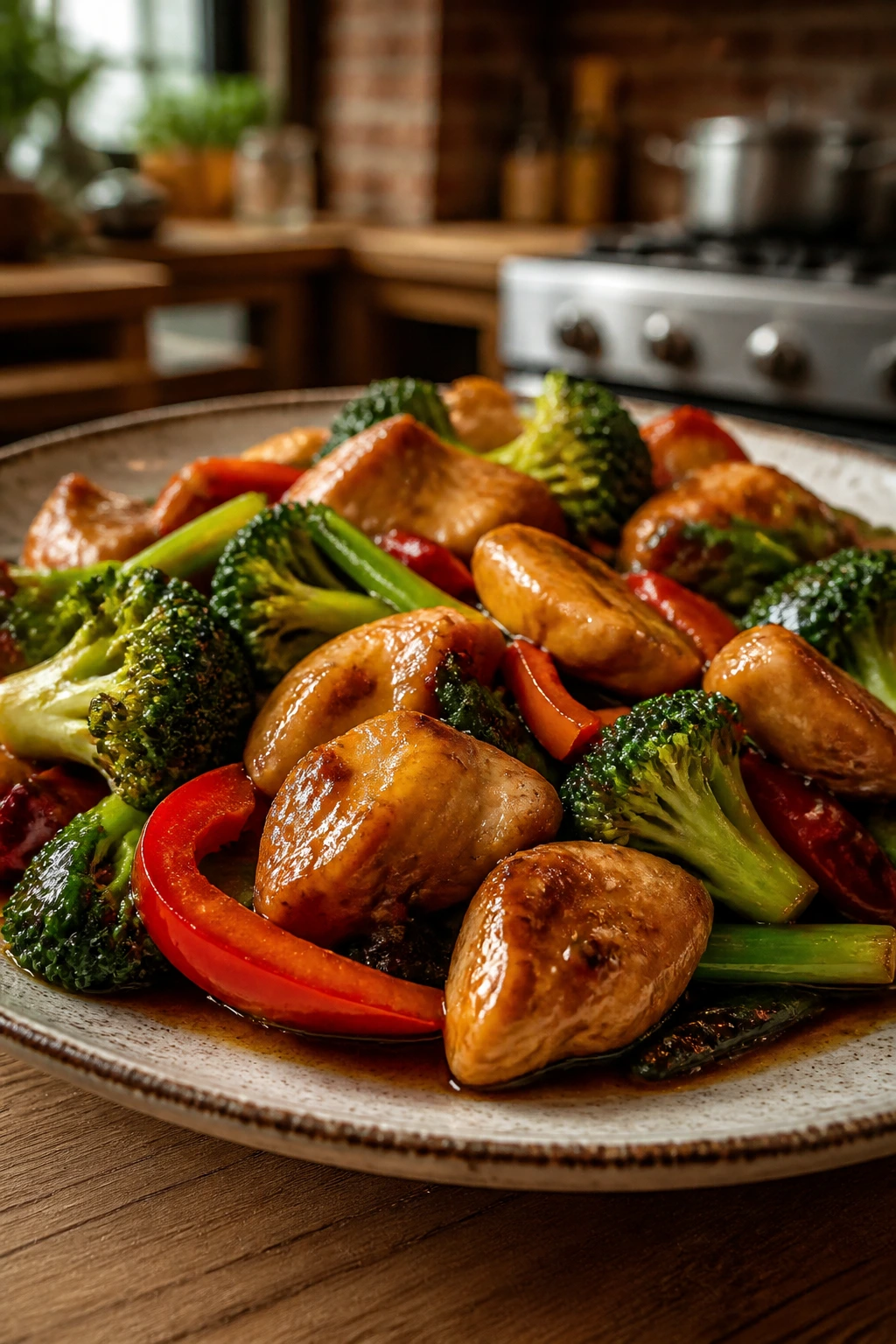
The best part of making this kind of meal at home is not that it imitates takeout. It doesn’t need to. The best part is that the food reaches the table with more snap, more aroma, and more control than it ever had in a cardboard box.
That’s the real trick behind spicy easy Chinese food for a crowd. Cook in pieces. Finish fast. Keep the heat balanced, keep the vegetables bright, and let people add their own chili where they want it. Do that, and the meal stops being a copy of takeout and becomes something better: a hot, glossy spread that stays alive from the first bowl to the last forkful.