



A slow cooker is not a wok, and that is exactly why it can work so well for Chinese-style food. A wok gives you smoke, speed, and the kind of high heat that snaps garlic, scallions, and sliced meat into something shiny and fast. A crockpot gives you the opposite: low heat, long contact time, and a sauce that slowly turns from thin and salty into something glossy enough to cling to rice.
That difference matters. A lot.
If you try to treat the slow cooker like a substitute wok, you end up disappointed. The chicken goes soft in the wrong way, broccoli turns khaki, and anything battered loses its soul before dinner. But if you lean into braises, soy-heavy sauces, ginger, garlic, dark sugar, rice vinegar, and a proper finish at the end, the slow cooker becomes a very good tool for set-and-forget Chinese cooking. Not a fake wok. A braising pot with better manners.
That is the sweet spot: deep flavor without standing at the stove for an hour, and a dinner that still tastes deliberate. The trick is knowing what belongs in the pot, what needs to stay out of it, and how to finish the dish so it lands with a little sparkle instead of a sleepy, overcooked shrug.
Why the Slow Cooker Works for Chinese-Style Braises
Braises love steady heat: Chicken thighs, pork shoulder, beef chuck, and short ribs get softer and more flavorful when they spend hours bathing in soy, aromatics, and a little sweetness.
The pot does the boring part for you: Once the sauce is mixed and the lid is on, the slow cooker keeps the temperature steady while the meat turns tender and the garlic mellows.
Pantry ingredients carry more weight here: Soy sauce, rice vinegar, garlic, ginger, hoisin, oyster sauce, and sesame oil taste deeper after a long, gentle cook than they do when thrown together for 30 seconds in a skillet.
You can finish like a person who cares: A cornstarch slurry, scallions, toasted sesame oil, and a splash of acid at the end turn a plain braise into something that feels finished, not merely cooked.
It saves the right kind of money: Cheap, chewy cuts with connective tissue often taste better here than lean, expensive ones. A chicken thigh or chuck roast has more to gain from eight slow hours than a pristine breast or sirloin strip.
It fits real life: You can start the pot after lunch, walk away, and come back to dinner that needs one bowl, one spoon, and maybe a quick pan of rice.
The other reason this works is simple: Chinese-style home cooking has a huge braising tradition. Not every dish is a stir-fry. Some of the most satisfying flavors in the whole pantry come from long-cooked soy braises, glossy sauces, and meat that practically falls apart when you nudge it with a spoon. The slow cooker isn’t pretending to be a wok. It’s borrowing from the part of the cuisine that already knows how to move slowly.
And that is why this method holds up. It respects the food instead of fighting it.
The Dishes That Belong in a Crockpot
Some dishes seem made for the slow cooker the moment you look at them. They have the right amount of moisture, the right amount of fat, and the right kind of patience. If you want set-and-forget Chinese food that actually rewards the wait, start with braises, saucy meat dishes, and brothy soups.
Soy-braised chicken thighs
Bone-in or boneless chicken thighs are the easy win. They stay moist, they soak up soy and ginger without turning stringy, and they shred or slice cleanly after a few hours on Low. Add mushrooms, scallions, and a little rice vinegar at the end, and you have a bowl that tastes like it simmered all afternoon because it did.
Pork shoulder and belly
Pork shoulder is built for this. It has enough fat and connective tissue to stay juicy through a long cook, and it loves five-spice, garlic, star anise, and dark soy. Pork belly is richer and a bit fussier, but if you keep the liquid level sane and stop when the meat is tender, the result is lush in the best possible way.
Beef chuck and short ribs
Beef chuck is one of the great slow-cooker cuts, full stop. It goes from stubborn to spoon-tender in a way that makes the whole house smell like soy, ginger, and warm caramelized onion. Short ribs bring more fat and a darker, richer sauce, which is fantastic if you want something that feels closer to a red braise than to takeout.
Tofu and mushrooms
This one needs a little more care, but it belongs in the conversation. Extra-firm tofu, pressed and often seared first, can handle a sauce-heavy slow cooker dish if you add it late. Mushrooms, especially shiitake, cremini, and king oyster, bring the savory depth that tofu itself lacks.
Soups and brothy meals
Hot and sour soup, chicken-and-ginger soup, mushroom broth with tofu, and noodle soups all work better than most people expect. The pot handles the stock and aromatics beautifully. What it cannot do is keep noodles springy for hours, which is a separate issue and an easy one to solve by cooking noodles on the side.
A small rule helps here: if the dish wants to be braised, slow cook it. If it wants to be tossed, crisped, or flashed in a pan, leave it alone.
The Dishes That Fight the Method
Not everything gets better with patience. Some foods need speed, dryness, or fierce heat, and the slow cooker blunts all three. If you try to force these into the pot, the texture gives you away immediately.
Anything battered or breaded
Orange chicken, sesame chicken, and sweet-and-sour cutlets are built on crunch. Once batter hits steam for hours, it goes soft and weird. You can still make the sauce in a slow cooker and fry the chicken separately, but that is a different plan. A better one, honestly.
Delicate greens
Baby spinach, bok choy leaves, napa cabbage, and snow peas need almost no time. If they go in at the start, they collapse into a dull green heap. Add them during the last 5 to 20 minutes, depending on the vegetable, and they’ll keep a little snap.
Shrimp and fish
Seafood cooks too fast for the long haul. Shrimp gets rubbery, fish falls apart, and both can taste muddy after hours in sauce. If you want shrimp in a Chinese-style slow cooker dish, stir it in during the last 15 to 20 minutes, just long enough to turn opaque.
Fried rice and stir-fry noodles
These are built around dry heat and fast tossing. A slow cooker gives you the opposite texture: soft, sticky, and a little sad. Make the rice or noodles separately and fold them together at the end, or keep them on the side and spoon the saucy part over top.
This is the part people miss. The slow cooker is not “bad” at these dishes; it is the wrong tool. That distinction saves a lot of disappointment.
Building the Flavor Base: Soy, Aromatics, Sweetness, Acid, and Heat
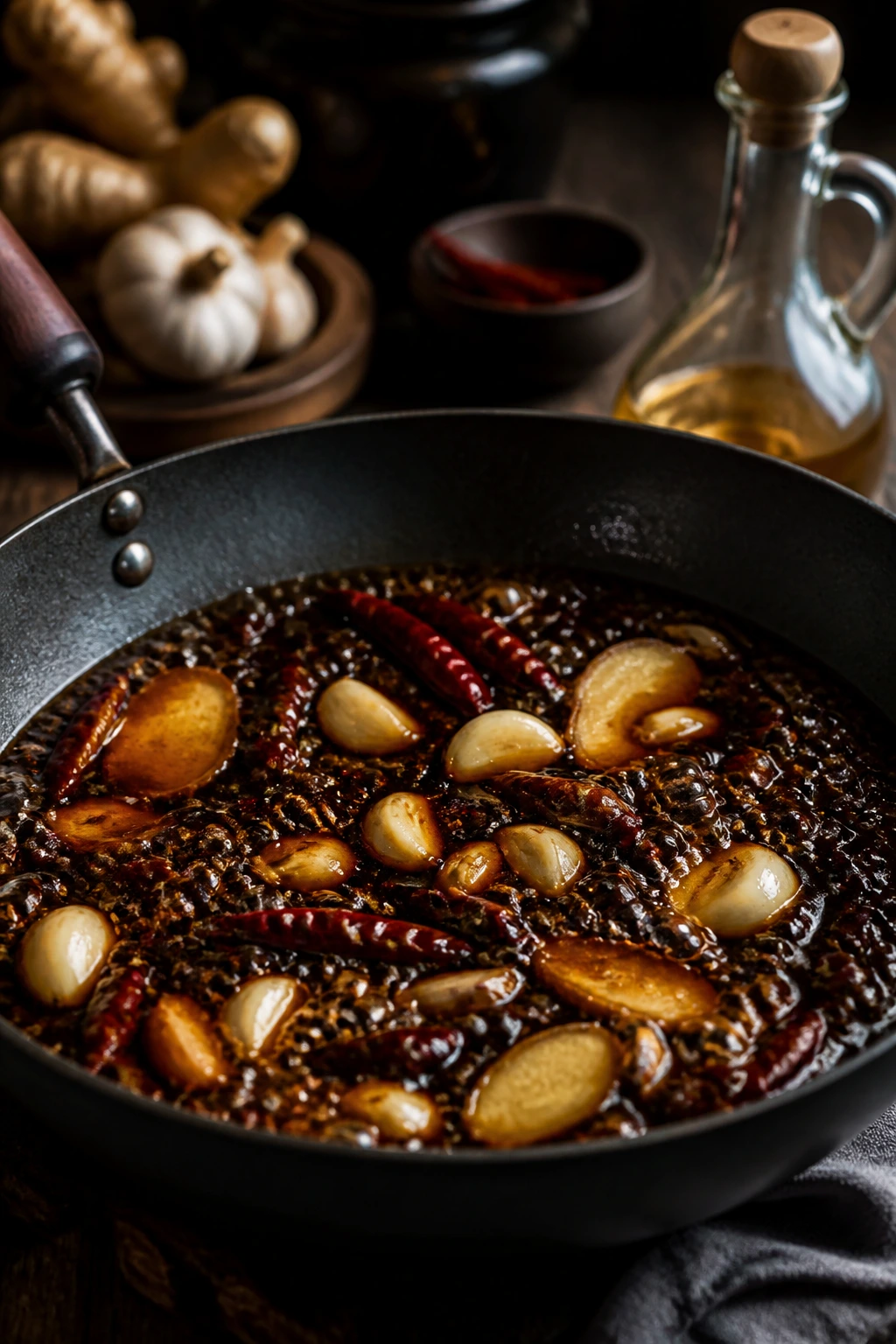
If the slow cooker is the engine, the sauce is the steering wheel. A good Chinese-style sauce does not need a long ingredient list, but it does need balance. Salt, sweetness, acid, umami, and aroma each have a job, and if one of them goes missing, the whole dish tastes blunt.
Salt and umami
Soy sauce is the backbone. Regular soy gives you salt and color. Low-sodium soy gives you more control if you like to finish with a heavy hand at the end. Oyster sauce adds roundness and a little gloss. Hoisin adds sweetness, fermented depth, and that takeout-style cling that coats the spoon. If you use all three, keep your salt light until the end. The pot concentrates flavor as it cooks.
Sweetness
Sugar, honey, brown sugar, and even a little molasses do useful work here. They don’t just make the dish taste sweet; they smooth the edges of the soy and help the sauce look lacquered instead of thin. I prefer a smaller amount than most restaurant-style recipes use. You want balance, not syrup.
Acid
Rice vinegar is the cleanest, most flexible option. Chinese black vinegar brings darker, more malty depth, and a splash of it at the end can make the whole bowl wake up. A little acid right before serving is one of the cheapest upgrades in this whole method. It cuts richness and keeps the sauce from sitting flat on the tongue.
Aromatics
Garlic and ginger are non-negotiable. Scallion whites can go in early, but I save the green tops for the end so they keep their fresh bite. If you want more depth, add star anise, a cinnamon stick, or a pinch of five-spice powder. Go easy. Five-spice can take over fast, and once it does, everything tastes like one note.
Heat and fragrance
Chili crisp, dried chiles, Sichuan peppercorn, or a spoonful of chili garlic sauce can bring the dish to life, but I like them most as a finish or a late addition. Toasted sesame oil should almost never be cooked for hours. It loses its perfume. Add it at the end, when the lid comes off and the sauce is already done.
A good default sauce shape for a medium slow cooker batch is something like this: soy for the base, a smaller amount of oyster or hoisin for body, broth or water to keep the pot from drying out, garlic and ginger for the backbone, a touch of sugar, and acid at the end. That formula works because it leaves room for the meat and vegetables to contribute their own flavor instead of drowning under sauce.
Picking Proteins, Tofu, and Vegetables That Hold Their Shape
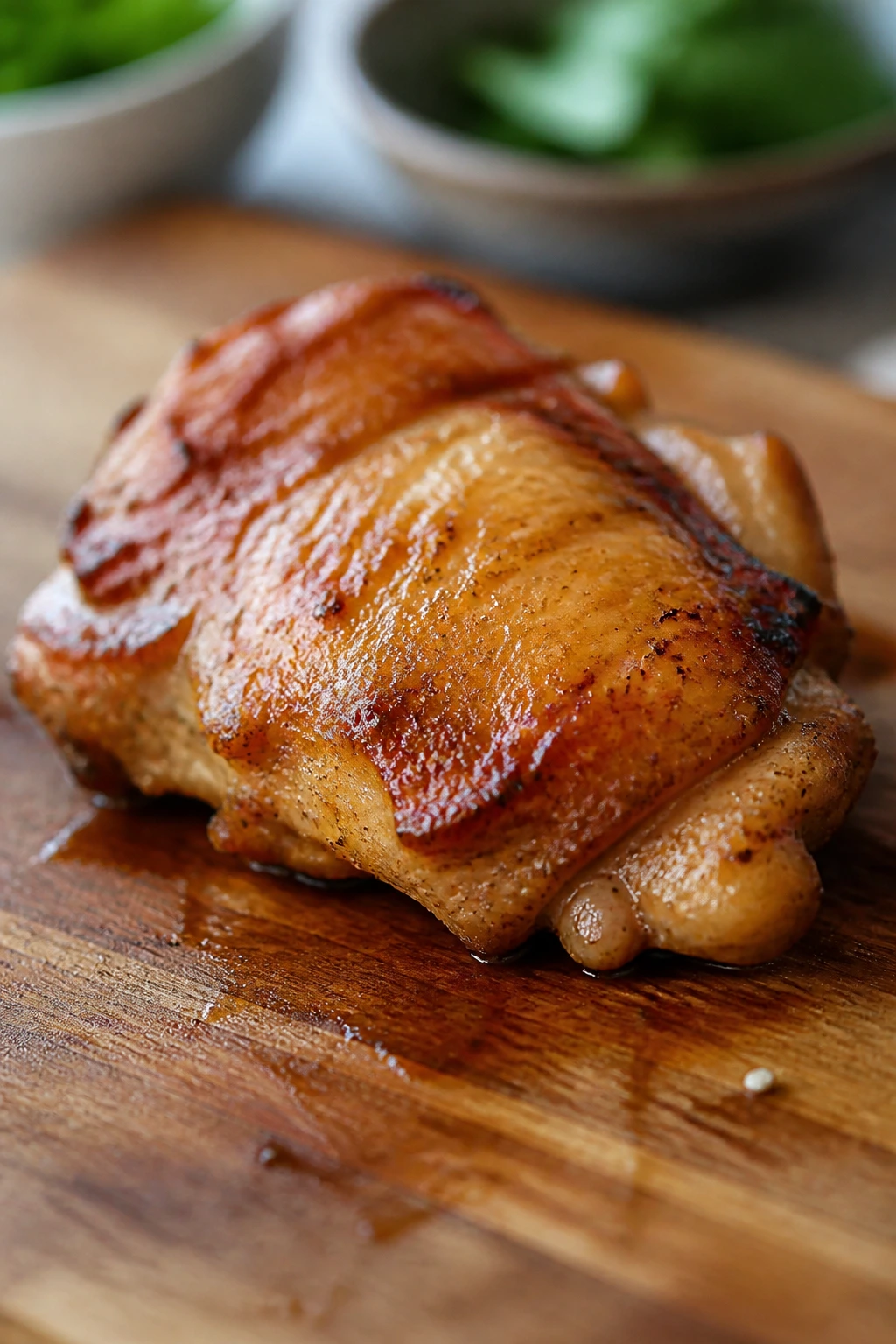
The fastest way to ruin slow cooker Chinese food is to choose ingredients that hate long heat. The second-fastest way is to use the right ingredients but cut them the wrong way. Texture starts at shopping, not at the lid.
Chicken thighs beat chicken breasts
I will die on this hill. Chicken thighs are better in a crockpot. They stay juicy, they forgive a long cook, and they shred into soft strands that catch sauce instead of drying into fibers. Chicken breast can work if the cooking time is short and the dish is wet, but it goes from done to chalky fast. If you insist on breast meat, cut it large and check it early.
Pork shoulder is the safest bet
Pork shoulder has fat, collagen, and enough structure to survive a long braise. Slice it into chunks 1½ to 2 inches wide so it cooks evenly. Pork loin looks lean and tidy in the package, then turns dry and disappointing after six hours. Not the same animal, not the same result.
Beef chuck is the sweet spot
Chuck roast gives you enough marbling to stay rich and enough connective tissue to turn silky after a long cook. Cut it into 2-inch cubes if you want more surface area for sauce. Short ribs are great too, but they bring a higher price tag and a heavier, more luxurious sauce.
Tofu needs help
Use extra-firm tofu, press it for at least 20 minutes, and cut it into generous cubes. If you have time, sear it first in a skillet until the sides are pale gold. That thin crust helps it hold together. Even then, I’d add tofu in the last 30 to 45 minutes rather than letting it sit for hours.
Mushrooms are better than you think
Shiitake, cremini, and king oyster mushrooms bring savory depth and a meaty bite. They can go in earlier than broccoli or bok choy because they do not collapse as fast. Dry shiitakes are especially useful; if you soak them first, the soaking liquid adds another layer of flavor to the pot.
Vegetables need timing, not hope
Broccoli, snow peas, bok choy, bell peppers, and bean sprouts all want later addition. Hard vegetables like carrots and onions can cook with the meat. Softer vegetables should be treated like late guests. If you add them too early, they disappear.
Here’s the simplest rule: the more delicate the ingredient, the later it goes in. Easy to say. Easy to forget. The sauce will remind you.
A Reliable Step-by-Step Method for Slow Cooker Chinese Food
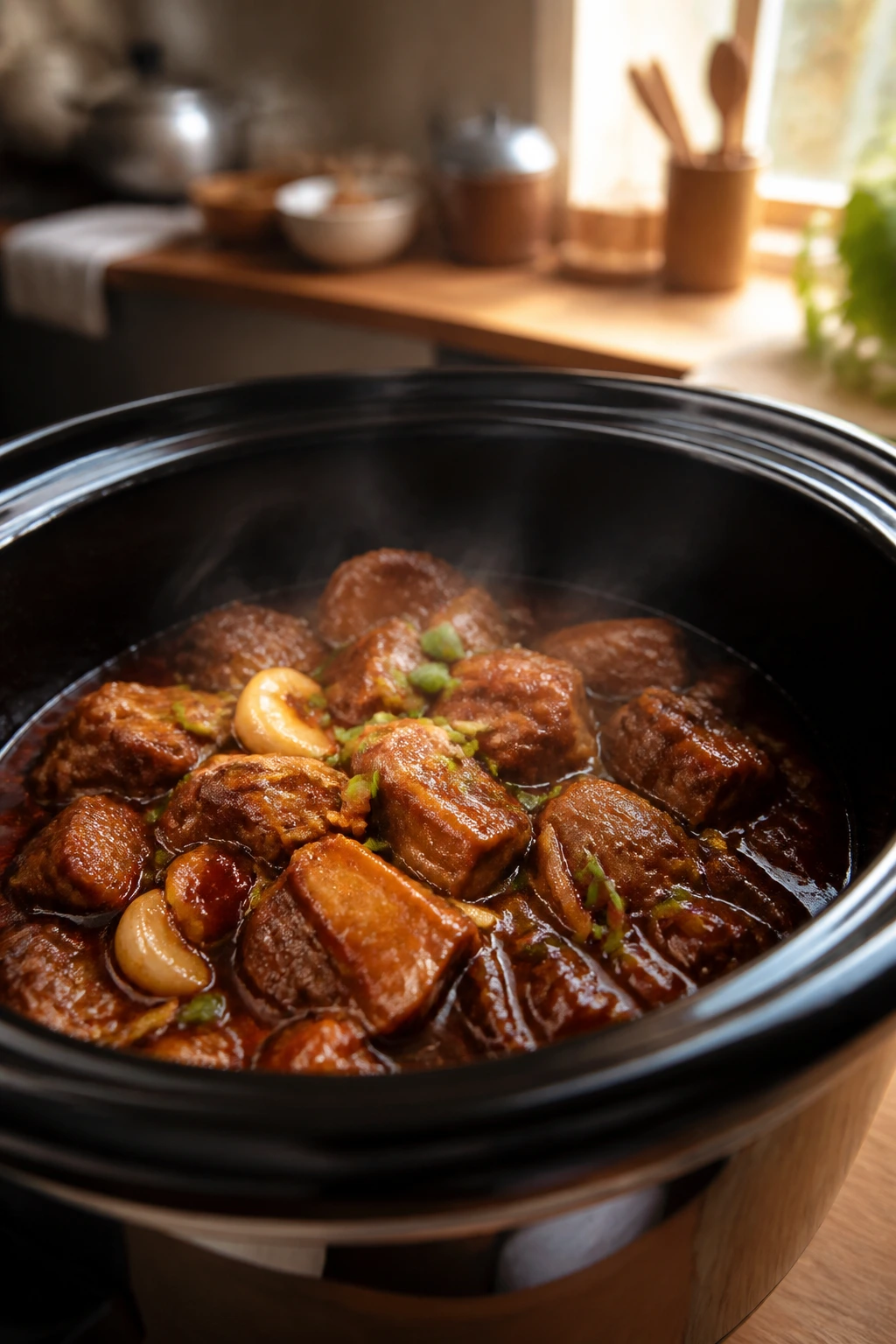
You do not need twenty steps to make this work. You need the right sequence. Once you get the order right, the method becomes repeatable enough that you can swap proteins, change the vegetables, and still end up with dinner that tastes like it had a plan.
Step 1: Choose a braise-friendly dish and protein.
Pick something that wants time: soy-braised chicken thighs, pork shoulder in five-spice sauce, beef chuck with ginger and scallions, or a mushroom-heavy tofu stew. Start with thawed meat, not frozen. Food-safety guidance is blunt here: frozen meat can spend too long warming through in a slow cooker, which is not where you want the temperature curve to be.
Step 2: Brown the meat if you can spare 10 minutes.
Heat a skillet over medium-high, add a thin film of neutral oil, and brown the meat in batches for 2 to 4 minutes per side. You are not cooking it through. You are building a darker crust and a little fond in the pan, which can be scraped into the sauce. If you are short on time, skip it. The dish will still work. It just won’t taste as deep.
Step 3: Mix the sauce before anything touches the pot.
Whisk together soy sauce, broth or water, garlic, ginger, and your chosen sweetener in a measuring cup or bowl. Add hoisin, oyster sauce, or five-spice here if you’re using them. Taste the raw sauce. It should taste a little too strong and a little too salty because the meat and vegetables will dilute it.
Step 4: Layer the ingredients smartly.
Put onions, carrots, or mushrooms in the bottom if you want a little buffer between the meat and the heat source. Nestle the meat on top, then pour the sauce over everything. Don’t drown the pot unless you are making soup. The liquid should come partway up the meat, not completely submerge it.
Step 5: Cook on Low for 5 to 8 hours, or High for 3 to 4 hours.
Chicken thighs usually land sooner than pork shoulder or chuck roast. The exact timing depends on size, cut, and the personality of your machine. The meat should be tender enough to cut with a fork and no longer resistant in the middle. For poultry, an instant-read thermometer should show 165°F in the thickest piece. For beef and pork, the target is tenderness first, temperature second.
Step 6: Add quick-cooking vegetables near the end.
Broccoli, bok choy, bell peppers, snap peas, and bean sprouts should go in during the last 5 to 30 minutes, depending on how tender you want them. Broccoli usually wants about 20 minutes on Low or 10 minutes on High. Snow peas need even less. They should still look green and feel like vegetables, not moss.
Step 7: Thicken and finish the sauce.
Stir together 1 tablespoon cornstarch with 1 tablespoon cold water for each cup of sauce you want to thicken, then stir that slurry into the hot liquid. Cook uncovered on High for 10 to 15 minutes, or move the sauce to a saucepan and simmer for 3 to 5 minutes if you want faster results. Finish with a teaspoon or two of toasted sesame oil, a splash of rice vinegar or black vinegar, and sliced scallion greens. That last-minute acid is the difference between “fine” and “I want another bowl.”
One more thing. If you open the lid every hour because you are impatient, the cooker loses heat and the timing stretches out. Leave it alone.
How to Finish With Gloss, Freshness, and a Little Bite
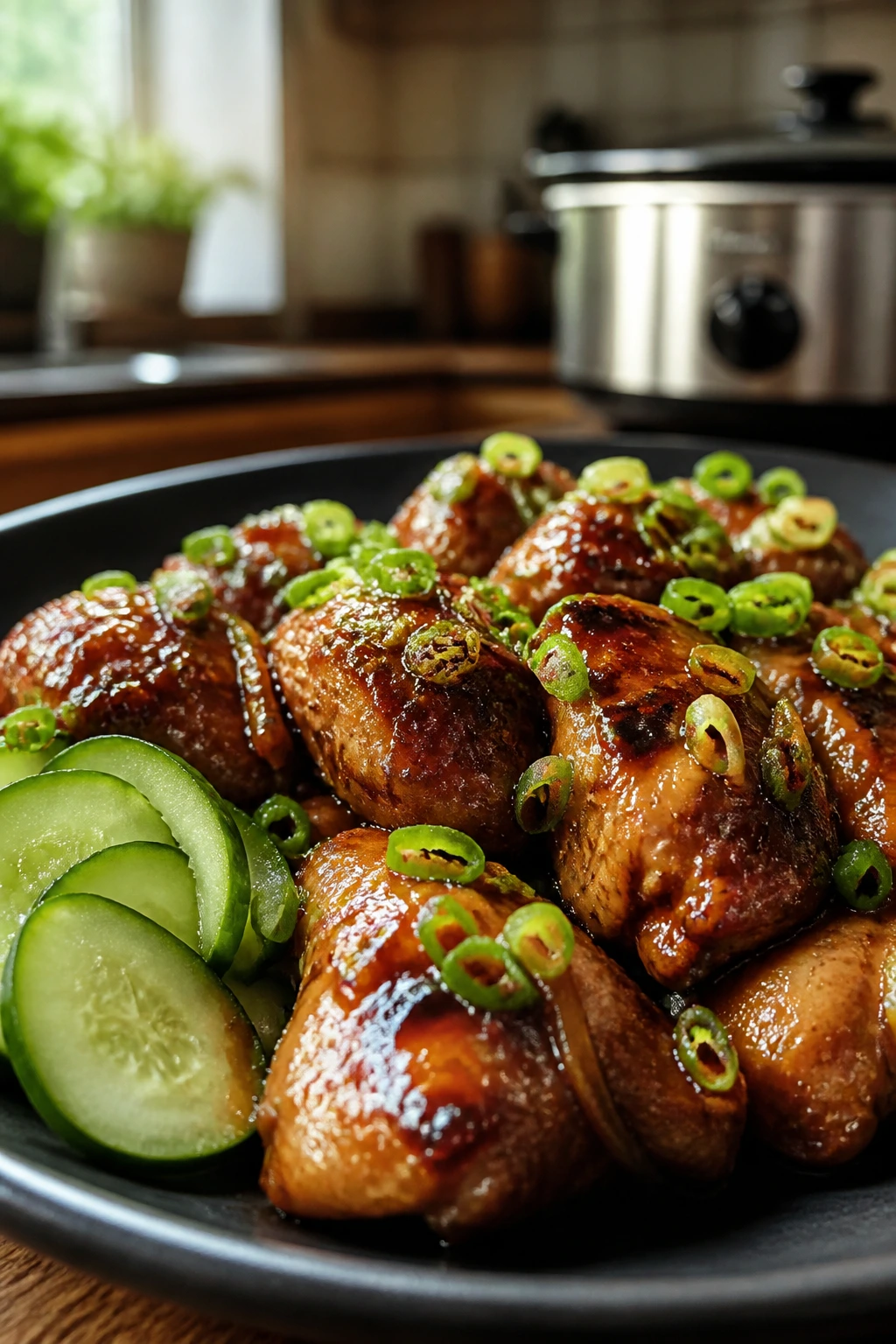
A slow cooker can make the inside of the dish taste right. The finish is your job.
The first thing I do is look at the sauce. If it clings in a thin coat and leaves a trail on the spoon, it is probably ready. If it runs like broth, give it more time uncovered, or use a cornstarch slurry. If it tastes heavy but not lively, it probably needs acid rather than more salt. A spoonful of rice vinegar can fix more than people think.
Then I think about texture. A bowl of soy-braised chicken and rice can feel flat if everything is the same softness. That is why I like adding bright green onions, a handful of crisp cucumber on the side, or a quick saute of bok choy that still has a little crunch in the stalk. The meat may be tender. The plate should not be sleepy.
The last 10 minutes matter most
Broccoli, snow peas, bell peppers, and baby bok choy should go in at the end. If you want them brighter, cook them just until the color pops and the stems lose their raw snap. The goal is not tenderness for its own sake. The goal is contrast. A braise with one soft note gets old fast; a braise with a few fresh edges feels alive.
Little finishing moves that pull weight
A few sesame seeds, a drizzle of chili crisp, or a pinch of white pepper can change how the whole bowl lands. White pepper especially works well in Chinese-style cooking because it gives a warm, slightly sharp heat without the fruity note of black pepper. If the dish tastes rich but heavy, black vinegar helps. If it tastes sharp but thin, a small spoon of sugar can round it out.
If you want a little char
You will not get wok hei from a slow cooker. Don’t pretend otherwise. But you can cheat a little by spreading finished meat on a sheet pan and broiling it for 2 to 3 minutes, just until the edges darken. Watch it closely. Sugar-rich sauces go from glossy to burnt in a blink.
That last move is optional. The real finish is still acid, scallions, and restraint.
When the Sauce Is Thin, Salty, or Flat
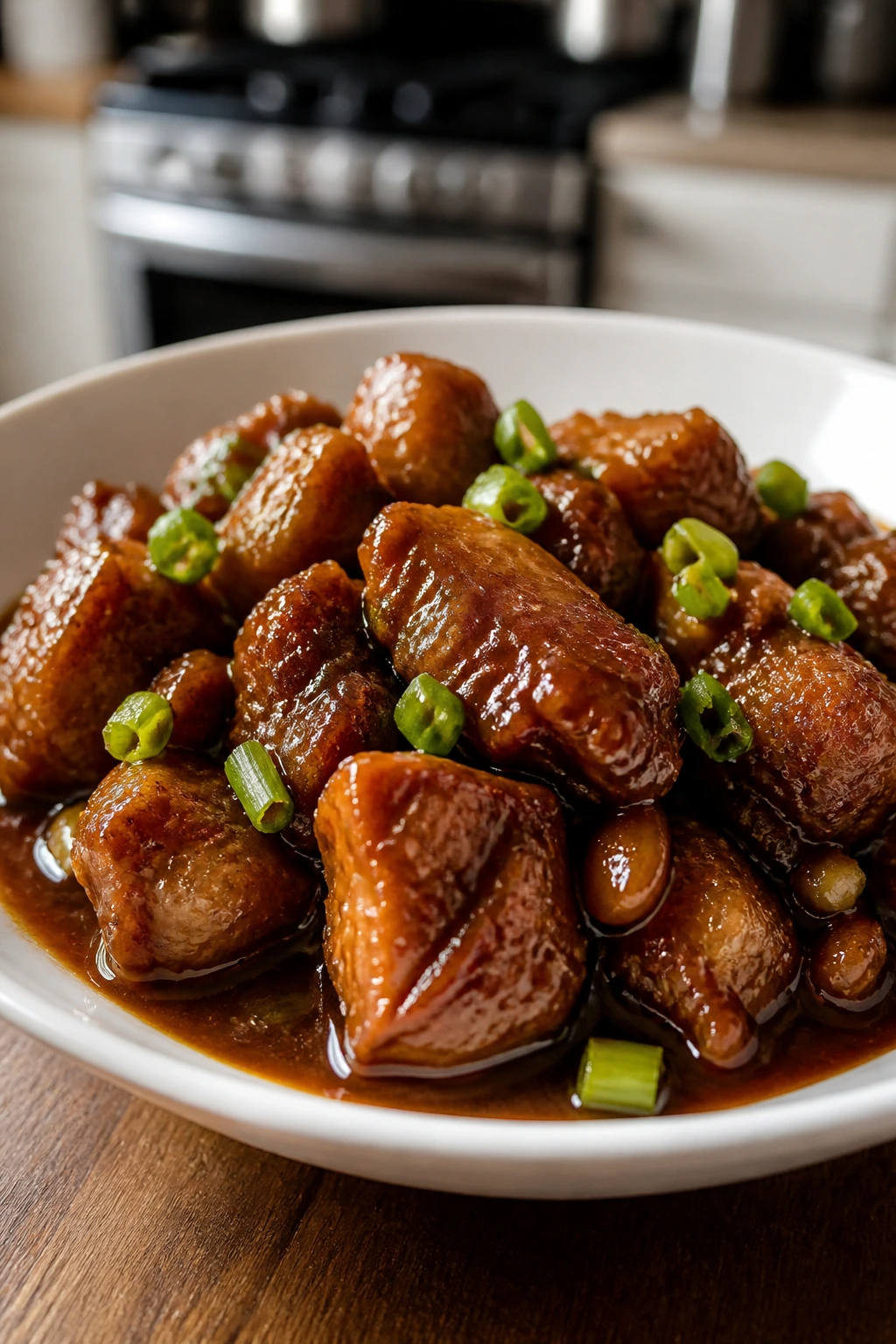
Even a solid slow cooker dish can wobble. Usually the problem is not complicated. The sauce just needs help, and the fix is usually one of three things: reduce, dilute, or balance.
If the sauce is too thin, pull the lid off and cook on High for 15 to 30 minutes so some steam can escape. If that is not enough, stir in a cornstarch slurry and keep the heat on until it turns glossy and lightly thick. If you want an even cleaner finish, pour the liquid into a saucepan and reduce it there. A stovetop reduction gives you more control than the slow cooker does.
If the sauce is too salty, the obvious fix is not more soy. Add a splash of water or unsalted broth, then taste again. A little sweetness can soften the salt edge, and a few more vegetables can spread the seasoning across more volume. If the dish is already cooked, extra rice on the plate helps, too. That sounds basic because it is basic. Basic fixes often work.
If the sauce tastes flat, ask what’s missing. Usually it is acid, ginger, or heat. Rice vinegar wakes up soy-heavy dishes. Fresh ginger does more than dried ginger ever will. If you like a little kick, chili crisp or a small spoonful of chili-garlic sauce can bring the whole bowl forward.
If the sauce is greasy, skim the top with a spoon before serving, especially if you used pork shoulder or short ribs. You can also chill the dish and lift the fat once it firms up, then reheat the meat and sauce together. Not glamorous. Effective.
A lot of bad slow cooker Chinese food is just underseasoned food that needed a sharper finish. Fix the finish, and the whole thing starts making sense.
Tools That Make the Process Easier
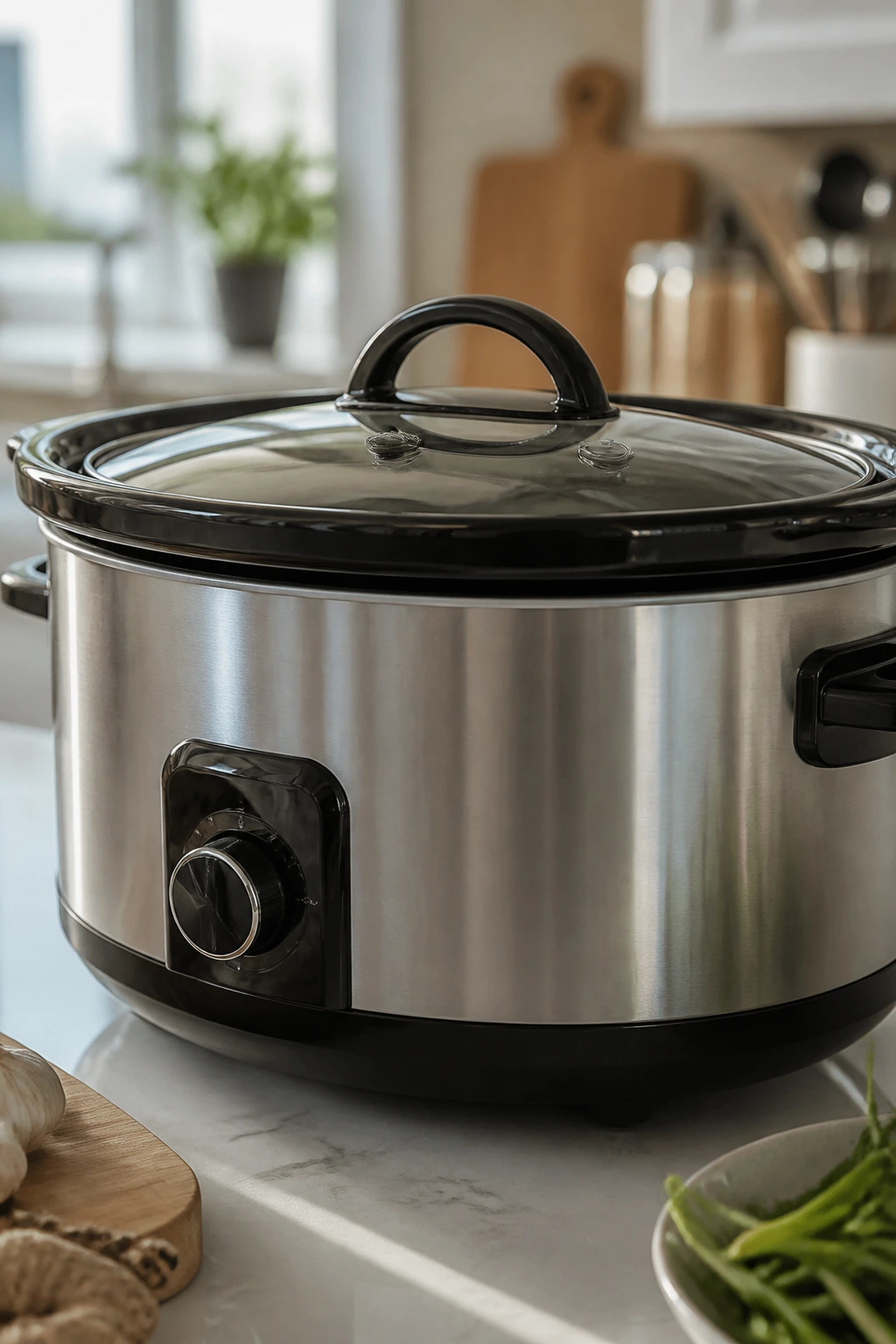
You do not need a kitchen full of gear for this, but a few tools make slow cooker Chinese food less fussy and more reliable.
- 6-quart slow cooker: Big enough for most braises without crowding the pot; a 4-quart model can work for smaller batches.
- Large skillet or saute pan: Useful for browning meat and blooming garlic, ginger, or spices before everything goes into the crock.
- Instant-read thermometer: The fastest way to check poultry doneness and avoid guessing.
- Measuring cups and spoons: Sauce balance matters here, and eyeballing soy sauce is how dishes drift salty.
- Whisk or fork: Helps you dissolve cornstarch and combine the sauce evenly before it hits the pot.
- Tongs: Good for turning meat during browning and moving tender pieces without shredding them.
- Cutting board and sharp knife: A dull knife turns ginger, scallions, and onions into a mess.
- Fine-mesh strainer or small sieve: Handy if you want an especially smooth sauce or need to catch stray ginger fibers.
- A second saucepan: Optional, but useful if you want to reduce sauce quickly after the slow cook is done.
A liner is optional. So is a nonstick insert. What matters more is knowing which tool to use when the food needs a little nudge.
How to Serve It Over Rice, Noodles, or Lettuce
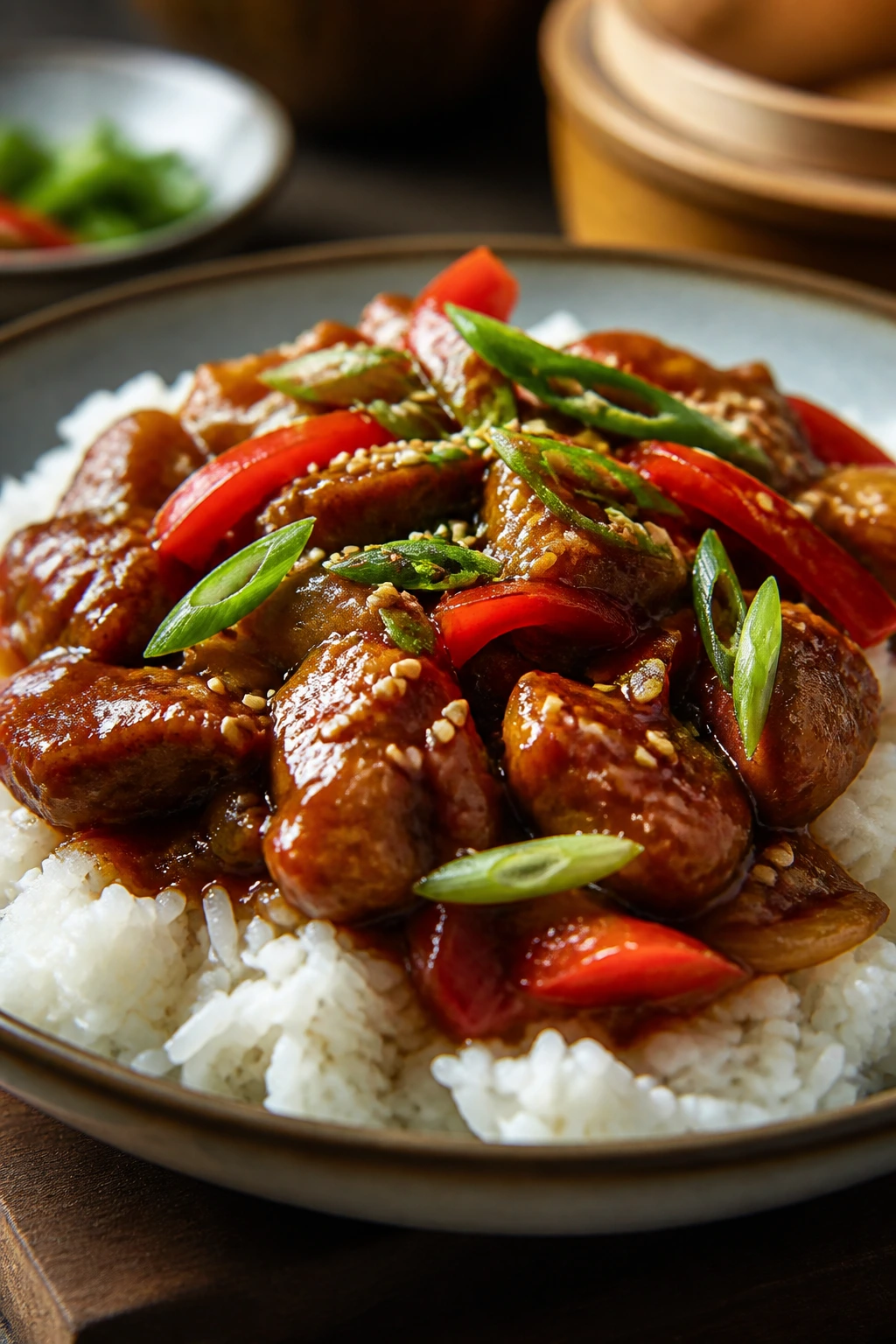
Presentation: Spoon the glossy meat and vegetables over a bed of steamed jasmine rice, then finish with scallion greens, sesame seeds, or a few drops of chili oil. If the sauce is thick enough, it should settle around the rice instead of running straight off the plate.
Accompaniments: Jasmine rice is the cleanest match, but long-grain white rice, brown rice, lo mein noodles, or even plain rice congee all work. For vegetables, I like steamed bok choy, garlic green beans, or a sharp cucumber salad with rice vinegar and sesame oil. A plate of scallion pancakes on the side is a little extra, and I mean that as praise.
Portions: For a bowl-style dinner, plan on about ¾ to 1 cup of the saucy main per adult, plus 1 to 1½ cups of cooked rice or noodles if that’s the base. If you are feeding people who come hungry, build the bowl higher and keep the sauce generous. A braise should look plush, not stingy.
Beverage Pairing: Unsweetened jasmine tea is the easy answer. A crisp lager or a dry riesling also plays well with soy, ginger, and garlic. If you want nonalcoholic and cold, sparkling water with a squeeze of lime keeps the meal feeling bright.
The best plates here are simple. One mound of rice, one glossy protein, one green thing, and maybe a little crunch. That is enough.
Make-Ahead, Storage, and Reheating
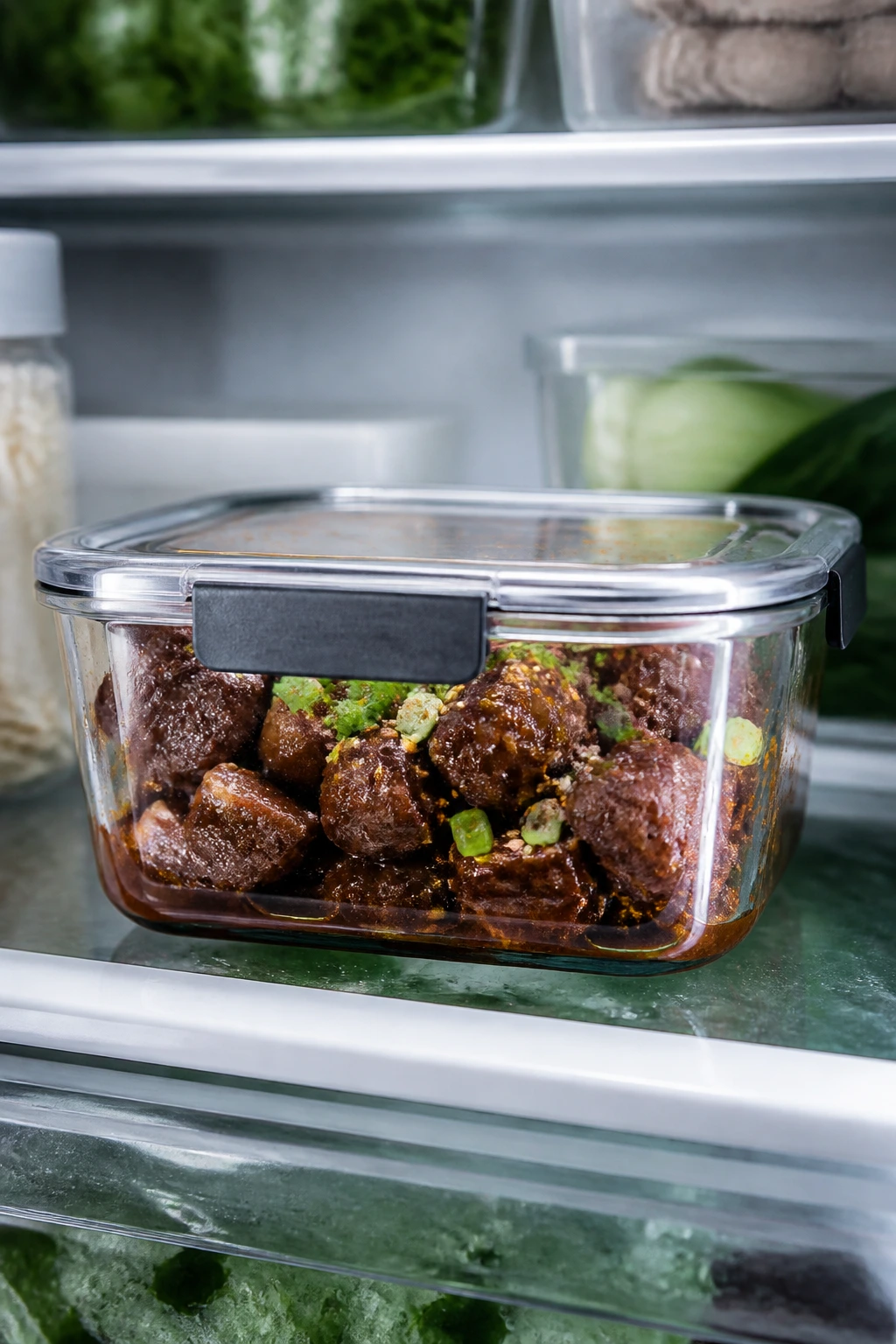
Slow cooker Chinese food stores well when you keep the crunchy things separate. The saucy part usually tastes even better the next day, after the soy, ginger, and garlic have had time to settle together. The vegetables are the part to watch.
Keep leftovers out of the danger zone. Food-safety guidance is plain about this: do not leave cooked food on the counter for more than 2 hours, and get it into shallow containers so it cools faster. If the kitchen is hot, move even faster. Big deep pots cool slowly, which is not what you want here.
In the refrigerator, most saucy meat dishes keep well for 3 to 4 days. If the dish includes broccoli, bok choy, or snow peas, expect those vegetables to soften a bit by day two. If you know you want leftovers, it helps to keep the vegetable portion separate and add it fresh when you reheat. That one move changes the texture more than most people realize.
In the freezer, braised meat dishes usually hold for 2 to 3 months in airtight containers or freezer bags. Pork shoulder, beef chuck, and chicken thigh braises freeze better than dishes loaded with delicate vegetables. Tofu can freeze, but its texture changes in a way some people like and some people absolutely do not. If you’re unsure, freeze the sauce and meat, then add fresh tofu later.
For reheating, the stovetop is my first choice. Add a splash of water or broth, cover the pan loosely, and warm over medium-low until the dish is steaming and hot all the way through. Microwave reheating works too; use 70% power in 1-minute bursts and stir between rounds. If you are reheating poultry or mixed dishes, aim for 165°F in the center. Reheating in the slow cooker is the least useful option for leftovers. It takes too long and tends to make the vegetables even softer.
If you made rice or noodles, store them separately. Cold rice clumps, and noodles soak up sauce like a sponge. That’s fine if you plan for it. Annoying if you do not.
Additional Tips and Flavor Boosters
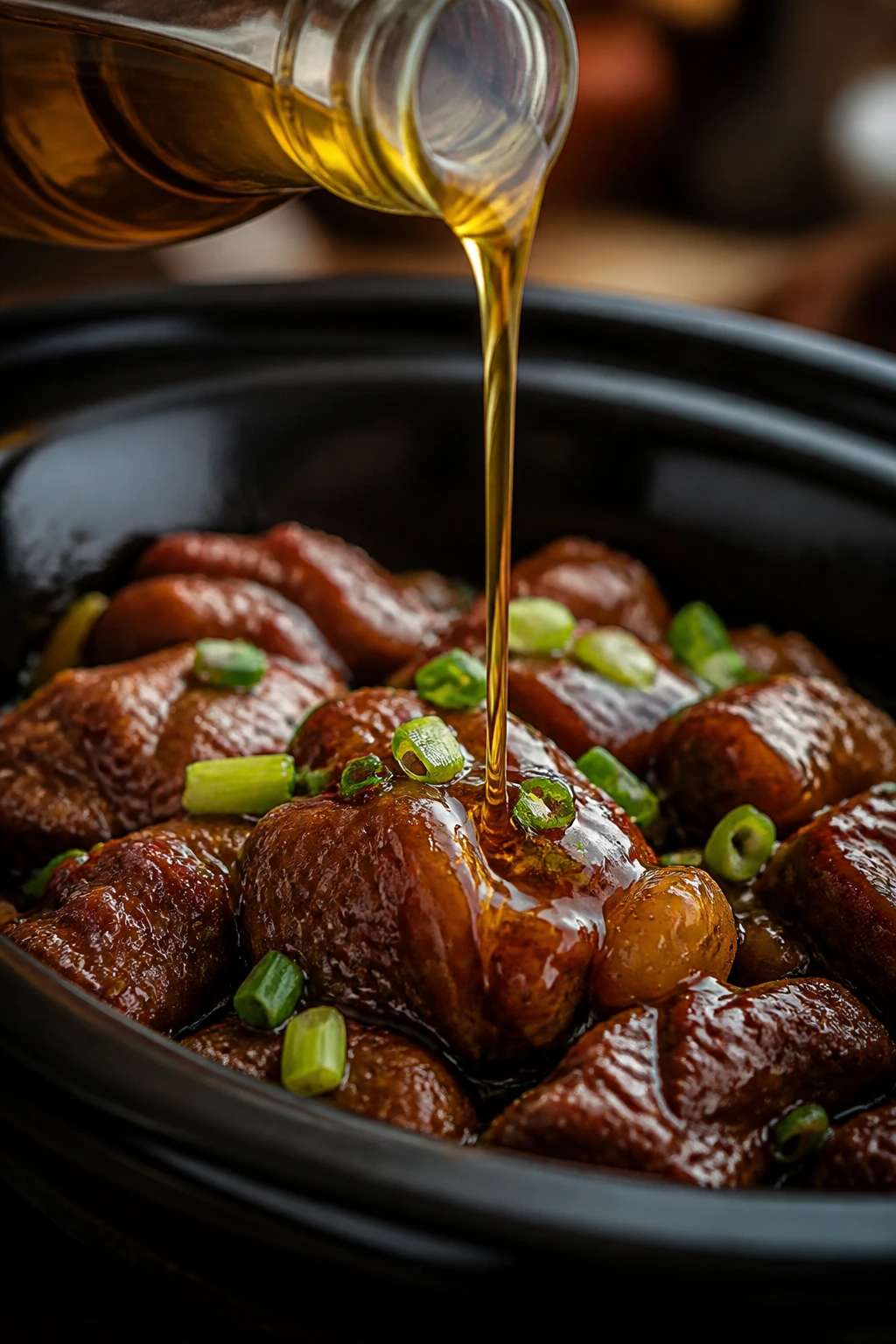
Flavor Enhancement: Finish the dish with 1 to 2 teaspoons of toasted sesame oil per batch, not more. It is easy to overdo, and once you do, everything smells like one loud note. A teaspoon of Chinese black vinegar can also sharpen a rich braise in a way regular vinegar can’t quite match.
Time-Saver: Mix the sauce the night before and keep it in a jar in the fridge. In the morning, give it a shake, pour it over the meat, and walk away. If you know you’ll want broccoli or snap peas, wash and cut them ahead so you can add them fast at the end without rummaging around a cold kitchen.
Cost-Saver: Chicken thighs, pork shoulder, chuck roast, dried shiitake mushrooms, and frozen broccoli are your friends. Frozen broccoli is not ideal for the first hour of cooking, but it is fine for a late add-in and often cheaper than fresh. Dried shiitakes do a lot of heavy lifting for very little money.
Customization: If you want more heat, use chili crisp at serving time instead of dumping extra chili paste into the pot. If you want a sweeter profile, add a little hoisin or orange zest. If you like a sharper edge, black vinegar and scallions make the dish taste brighter without making it complicated.
Serving Suggestions: Toasted sesame seeds, sliced scallions, crushed peanuts, and a few curls of fresh ginger all bring texture back to a soft braise. If you want a fresher plate, serve the stew with a quick cucumber salad tossed in rice vinegar and salt. That cold-crisp side changes the whole meal.
Make-It-Yours: For a gluten-free version, use tamari or a certified gluten-free soy sauce and check the labels on hoisin and oyster sauce. For a lower-sodium version, lean harder on ginger, garlic, black vinegar, and scallions so you can pull back on the soy without making the dish taste thin. For a dairy-free version, you do not need to change a thing. This style already lives in dairy-free territory.
Small upgrades matter here. A little finish goes a long way.
Common Mistakes That Make the Pot Taste Off
-
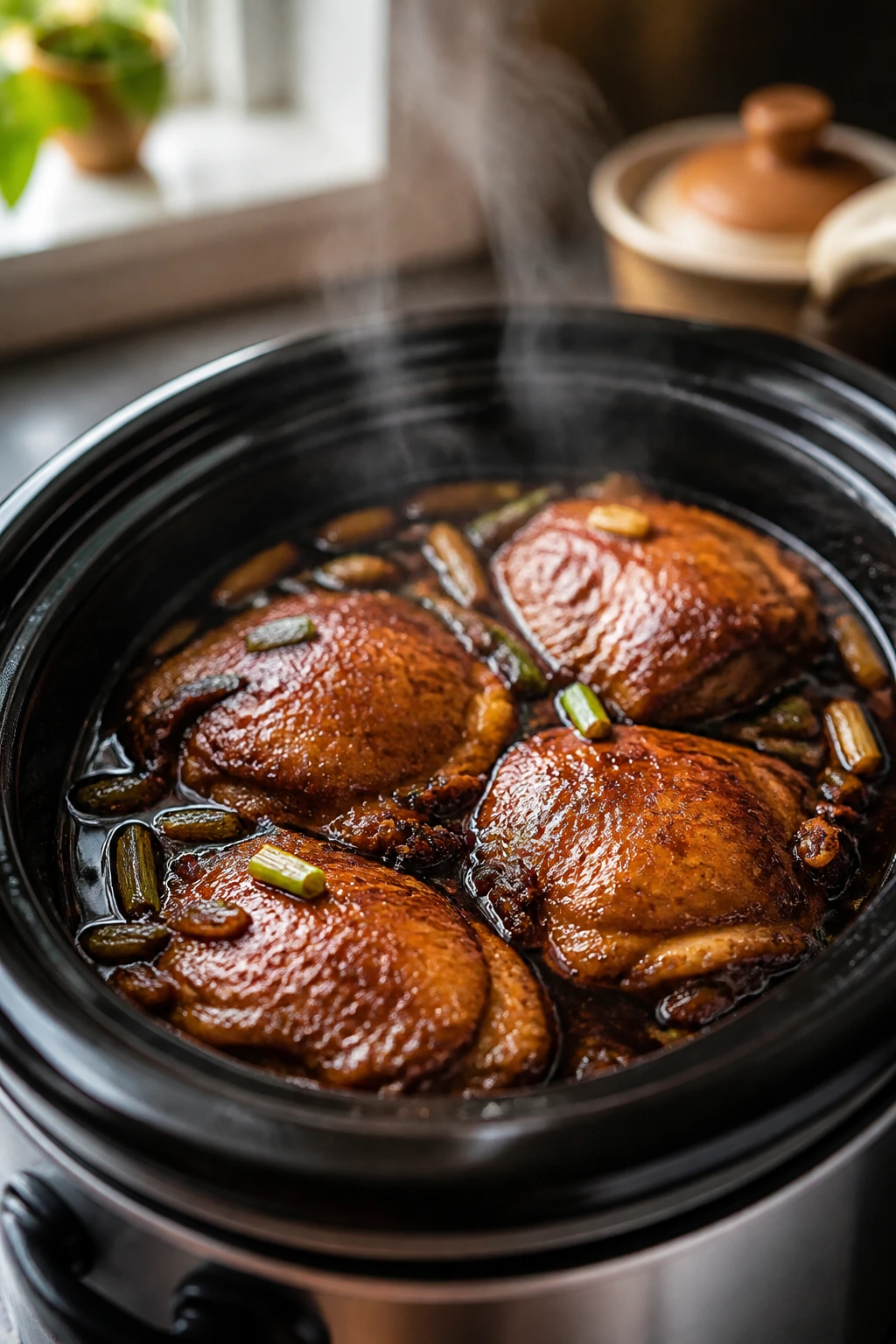
Putting delicate vegetables in at the start: Broccoli, bok choy, snow peas, and bell peppers turn limp and dull if they spend hours in the pot. Add them near the end, and keep an eye on the color; you want green, not gray.
-
Using too much liquid: A slow cooker traps moisture, so the sauce does not reduce the way it does in a pan. If you start with broth that nearly covers the meat, you often end with a thin sauce that never clings. Begin with less liquid than you think, then thicken at the end.
-
Relying on lean meat only: Chicken breast, pork loin, and very lean beef can go dry or stringy after a long cook. Thighs, shoulder, chuck, and short ribs handle the hours much better. If you use a lean cut, shorten the cook and check it early.
-
Skipping the finish: A braise without sesame oil, scallions, or a little acid tastes finished in the middle and flat at the end. That last 2-minute pass matters. It’s not garnish for the sake of garnish; it is where the flavor wakes up.
-
Opening the lid over and over: Every peek bleeds heat and extends the cooking time. A slow cooker can recover, but not instantly. If you keep checking it because you’re curious, plan on the meal taking longer than the recipe says.
-
Expecting fried textures from a braise: The slow cooker will not make crispy chicken skin or crunchy battered edges. If you want crunch, add it separately: toasted peanuts, fried shallots, broiled edges, or a side of quick-pickled cucumber.
These are all fixable, which is the good news. The method is forgiving if you respect its limits.
Variations Worth Trying
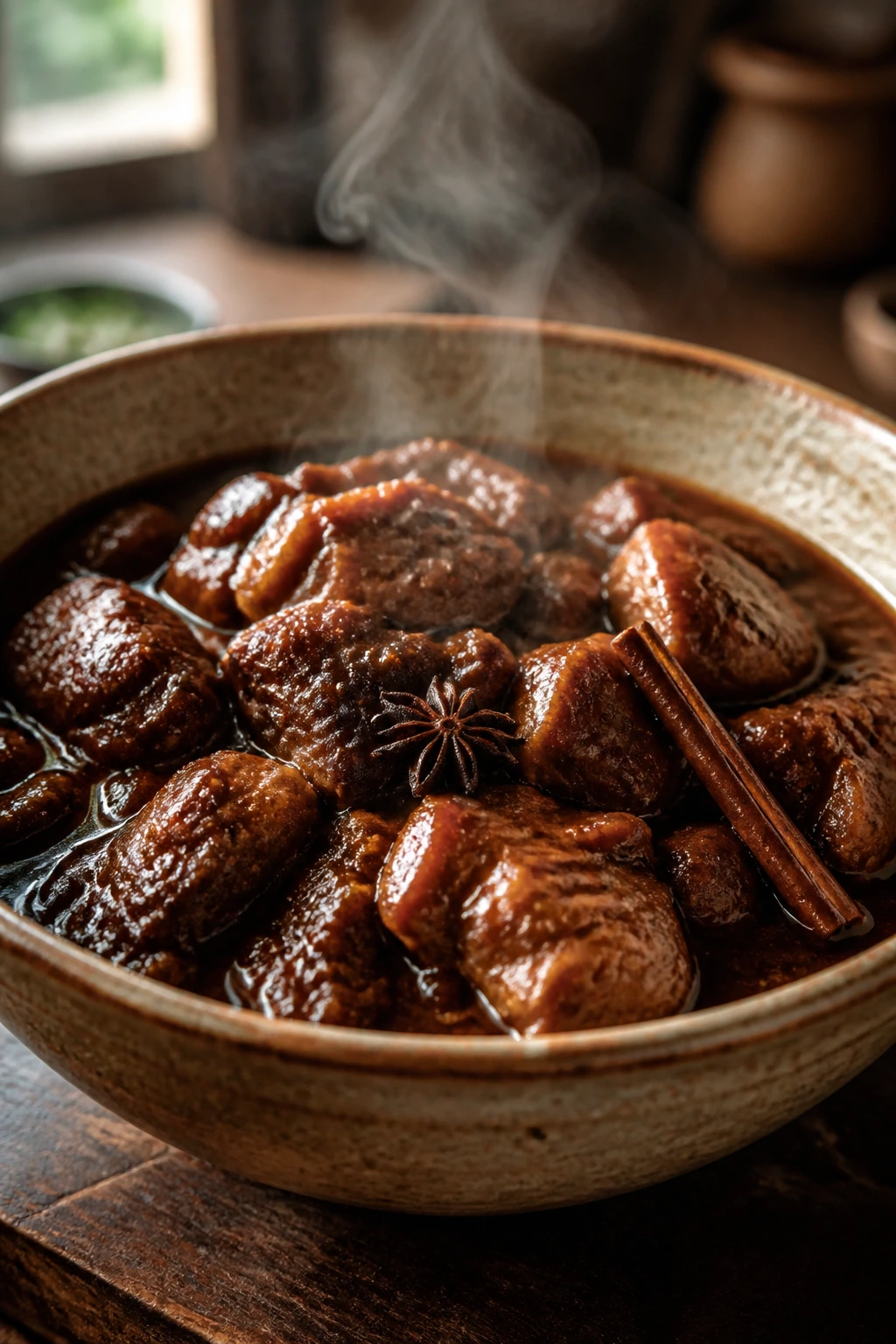
Five-Spice Red Braise
Add a cinnamon stick, 1 to 2 star anise pods, and a small pinch of five-spice powder to the sauce. This version leans darker, warmer, and a little more fragrant, which works especially well with pork shoulder or beef chuck. Keep the cloves and five-spice restrained; they take over fast if you get enthusiastic.
Ginger-Scallion Chicken
Use chicken thighs, more fresh ginger than usual, and a generous handful of scallion whites in the pot, then finish with the green tops at serving time. This version tastes brighter and less sweet, and it pairs nicely with plain rice and steamed greens. A squeeze of lime works if you do not have black vinegar.
Black-Vinegar Pork
Swap part of the rice vinegar for Chinese black vinegar and add a little brown sugar to smooth it out. The sauce gets darker, deeper, and a touch malty, with a finish that feels round rather than sharp. This is a good one for pork shoulder and mushrooms.
Beef-and-Broccoli Bowl
Cook the beef until fork-tender, then add broccoli during the final 20 minutes and finish with a thicker cornstarch glaze. Serve over jasmine rice with extra scallions. This is the version that tastes closest to a familiar takeout bowl, and it works because the broccoli stays green instead of surrendering.
Tofu and Mushroom Pot
Press extra-firm tofu, sear it if you can, and add it late with shiitake or cremini mushrooms, garlic, ginger, and a lighter soy-based sauce. The mushrooms carry the flavor; the tofu catches it. If you want more texture, toss in baby corn or snow peas at the very end.
Chili Crisp Beef
Stir chili crisp into the sauce near the end or spoon it over the finished bowl. This is the easiest way to bring heat without muddying the base flavor. It also lets each person decide how spicy they want the meal, which is helpful when you are not cooking for just yourself.
These are not radical reinventions. They are small shifts in the same method, which is usually where the good stuff lives.
Questions People Ask Before They Start
Can I put raw chicken straight into the slow cooker?
Yes, as long as it is thawed and you cook it to a safe internal temperature. Chicken thighs are the easiest choice because they stay juicy, and an instant-read thermometer should show 165°F in the thickest part before you shred or serve it.
Do I need to brown the meat first?
No, but it helps. Browning gives the dish a deeper color and a more layered flavor because of the fond left in the pan. If you are short on time, skip it; if you can spare 10 minutes, do it.
Why does my sauce taste bland even though I used soy sauce?
Usually it needs balance, not more salt. Add a little acid, a little ginger, or a small spoon of sugar, then taste again. Slow cooker sauces often need a finish at the end because the long cook dulls the sharp edges.
Can I use frozen vegetables?
Yes, for late additions. Frozen broccoli, peas, or mixed vegetables work fine if you add them during the last 10 to 20 minutes. Do not start them at the beginning unless you want them very soft.
Is it okay to cook noodles in the slow cooker?
Only if you want soft noodles. Most noodles go mushy in a long braise, so I cook them separately and combine them at the end. Rice is even easier to keep on the side.
Can I make this gluten-free?
Yes. Use tamari or a certified gluten-free soy sauce, and check the labels on hoisin and oyster sauce because they vary. The rest of the method stays the same.
What if the sauce is still watery near the end?
Cook it uncovered on High for 15 to 30 minutes, or transfer it to a saucepan and reduce it there. A cornstarch slurry can also thicken it quickly, but add it to hot liquid and stir well so you do not get little starchy lumps.
Can I start the slow cooker on Low and then switch to High?
You can, but it usually isn’t necessary. Start on Low for the best texture with braises, and use High only if your timing demands it or you need to finish vegetables near the end. Constant flipping between settings adds noise without much payoff.
Is this the same as Chinese takeout?
Not exactly. Takeout often relies on woks, flash-frying, and a crisp finish that the slow cooker can’t copy. What you get here is braised, glossy, and deeply seasoned — which is its own thing, and a very good one when you want dinner without standing over a burner.
A Better Kind of Takeout Night
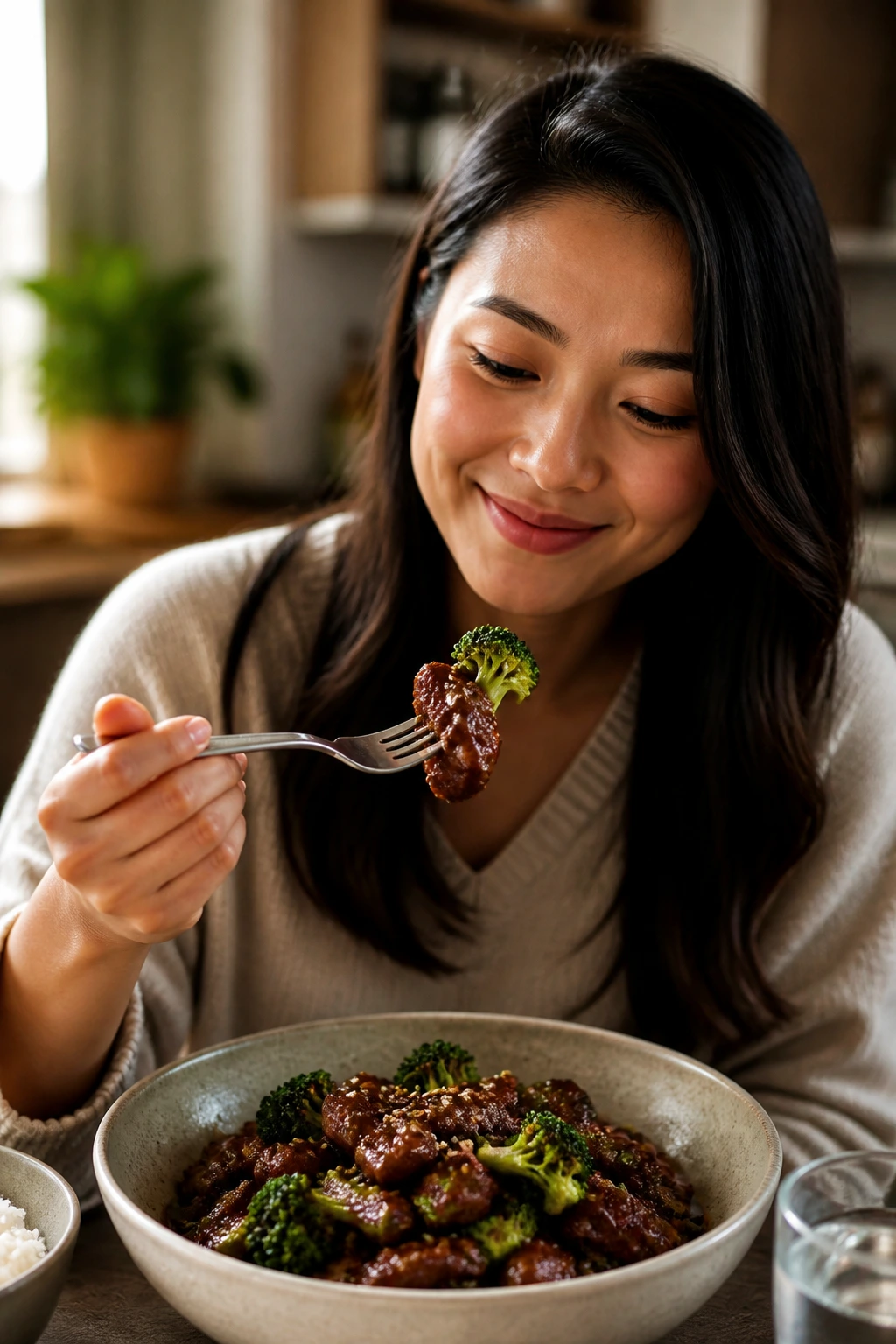
The slow cooker shines when you stop asking it to pretend. It will never give you the crackle of a hot wok, and it should not try. What it does give you is a different kind of payoff: meat that goes tender without babysitting, sauce that tastes like it had time to think, and a dinner that can be built from a few bottles, a couple of aromatics, and a cut of meat that would be dull in any faster method.
That is the real appeal of set-and-forget Chinese-style cooking. You still finish the dish with judgment. You still add the scallions, the acid, the sesame oil, the vegetables at the right moment. But the heavy lifting happens quietly in the background, which is probably why the method sticks around once people start using it.
Keep a jar of rice vinegar, a bottle of soy sauce, and a knob of ginger near the slow cooker, and the whole thing becomes almost routine. That’s a nice problem to have.