



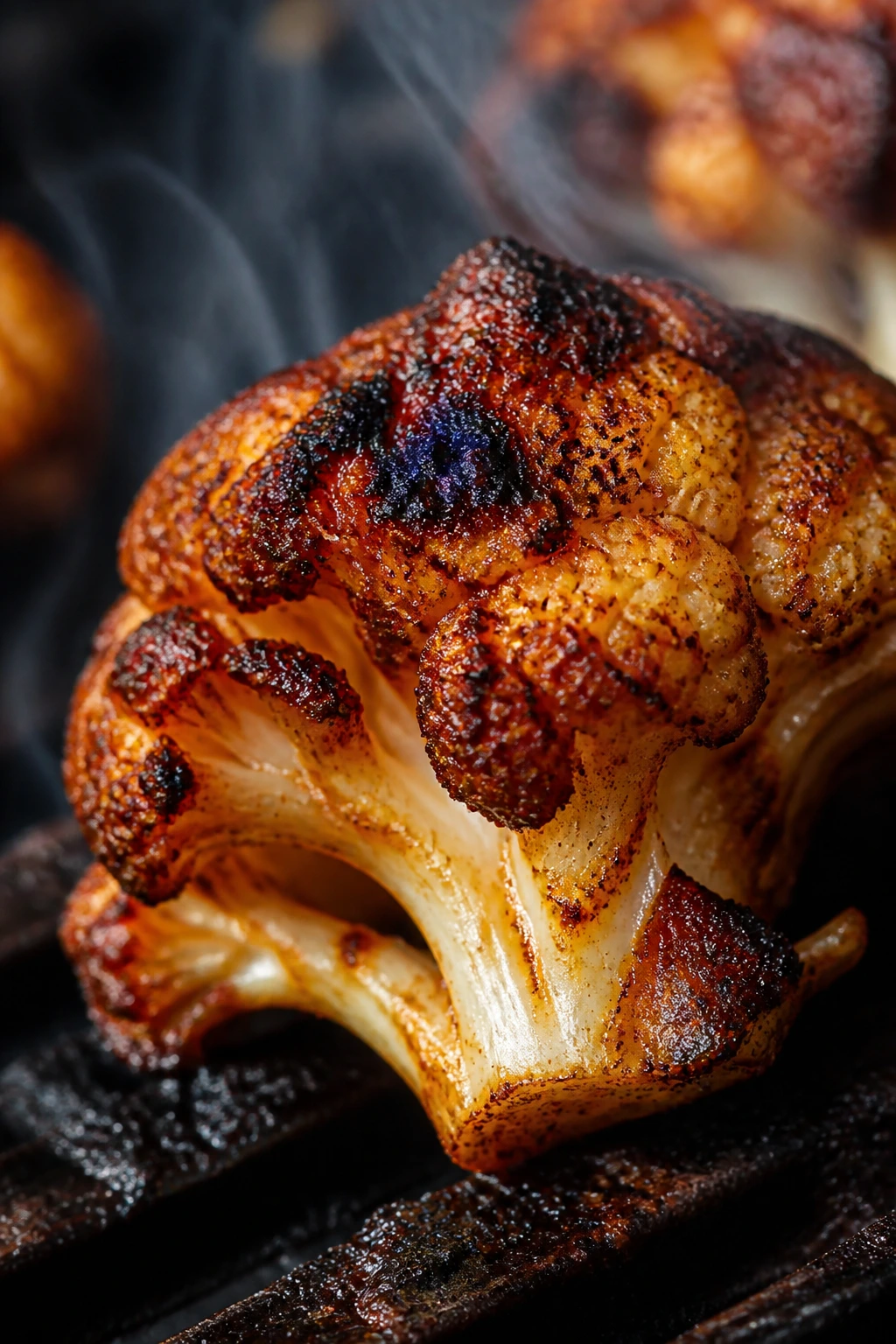
When the grill is hot and the table is already crowded with ribs, corn, buns, and a bowl of something creamy trying its best, smoky BBQ cauliflower is the tray I reach for first. It has that rare cookout quality of looking right at home next to meat without pretending to be meat. The cauliflower gets edged with char, the barbecue glaze turns sticky and glossy, and the whole thing tastes like it spent time near open flame—which, in the useful, honest way, it did.
Cauliflower can be dull when it’s treated like a polite side dish. Give it high heat, a salt-heavy seasoning mix, and a glaze that lands late in the game, and it changes fast. The florets stay sturdy, the smoky paprika blooms in the oil, and the barbecue sauce clings to the rough, craggy surface instead of sliding off like an afterthought. That rough surface is the point. It’s what makes every bite pick up more smoke, more spice, more browned edges.
I’ve always thought the biggest mistake people make with cauliflower at a cookout is treating it like it needs to be rescued. It doesn’t. It needs room, heat, and restraint. Let it brown before you sauce it. Let the grill do its work. And don’t be shy about serving it on a platter where the dark edges can actually be seen; half the appeal is that deeply bronzed, slightly messy look that tells you the grill was doing more than warming things up.
Why Smoky BBQ Cauliflower Belongs on a Grill
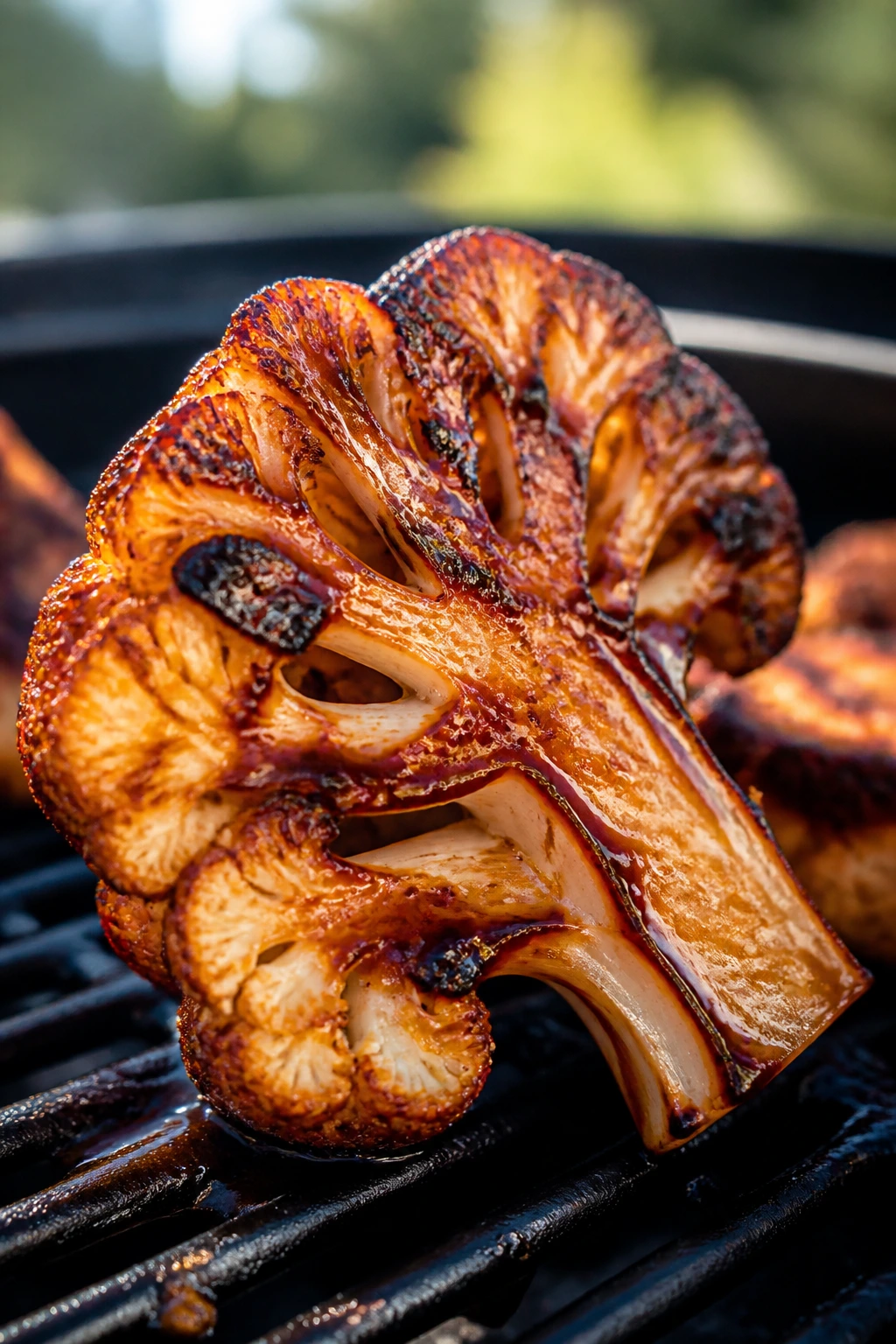
Cauliflower earned its place on the grill because it can take on flavor without falling apart. Zucchini goes soft fast. Mushrooms shrink. Eggplant needs a lot of oil and a little faith. Cauliflower sits in the middle of all that and behaves. Its tight florets catch seasoning, its stem gives you structure, and when the surface dries out enough to kiss the grate, you get those little browned spots that smell faintly nutty and a little sweet.
What makes this version worth making is the sequence. First comes the dry-ish rub of oil, vinegar, mustard, and spices. Then the florets cook long enough to pick up color. Only after they’ve already browned do they get brushed with barbecue sauce. That delay matters. If you sauce too early, the sugar in the sauce scorches and turns bitter before the cauliflower is tender. Hold the sauce until the end and you get lacquer instead of smoke-bomb char.
There’s also a practical side here that I appreciate. You can make it on a gas grill, charcoal grill, or even a grill basket over a hot fire, and it doesn’t demand babysitting every ten seconds. Once the pieces are cut to the right size, the grill does the heavy lifting. You just need to turn them, glaze them, and keep an eye on the edges so they don’t go from charred to exhausted.
And yes, it plays well with the rest of a backyard spread. Not because it is trying to be a substitute for anything, but because it has enough bite, salt, smoke, and texture to stand on its own. That’s the whole reason people come back for a second scoop.
Why You’ll Want This on Repeat
-
Smoke Without a Smoker: Smoked paprika and a hot grill give the cauliflower a campfire note without needing special equipment or a complicated setup.
-
The Glaze Sticks: The florets have enough surface texture that barbecue sauce grabs on and stays put, especially when you brush it on during the last few minutes.
-
It Holds Up on the Table: Unlike softer grilled vegetables, cauliflower stays appetizing after a short rest, which matters when the burgers are still finishing and people are circling.
-
Easy to Scale: Two heads make a side dish for a crowd, and the spice mix doubles cleanly if you’re feeding a full backyard crew.
-
Flexible at the Table: It works beside ribs, chicken, corn, burgers, baked beans, or a pile of sliced tomatoes and cucumbers with a vinegar dressing.
-
Useful for Mixed Eaters: Nobody at the table has to “skip the vegetable course” for this one; it feels like part of the main event.
Yield, Timing, and Difficulty at a Glance
Yield: Serves 6 as a side or 4 as a vegetarian main
Prep Time: 20 minutes
Cook Time: 18 to 20 minutes
Total Time: 38 to 40 minutes
Difficulty: Intermediate — the ingredient list is simple, but good results depend on preheating the grill properly, keeping the florets in a single layer, and glazing at the right moment.
Best Served: Hot off the grill, after a brief 2- to 3-minute rest so the sauce settles instead of sliding off the platter.
The Ingredients That Build the Smoke and Char
For the Cauliflower:
- 2 large heads cauliflower, about 3 pounds total, cut into 1½-inch florets
- 3 tablespoons olive oil
- 1 tablespoon apple cider vinegar
- 1 tablespoon Dijon mustard
- 2 teaspoons smoked paprika
- 1 teaspoon garlic powder
- 1 teaspoon onion powder
- 1 teaspoon kosher salt
- 1/2 teaspoon black pepper
- 1/4 teaspoon cayenne pepper, optional for heat
For the BBQ Glaze:
- 1 cup thick barbecue sauce
- 1 tablespoon apple cider vinegar
- 1 tablespoon water
For Serving:
- 2 tablespoons chopped cilantro or parsley
- 1 lime, cut into wedges
- Flaky salt, for finishing, optional
What Each Ingredient Is Doing
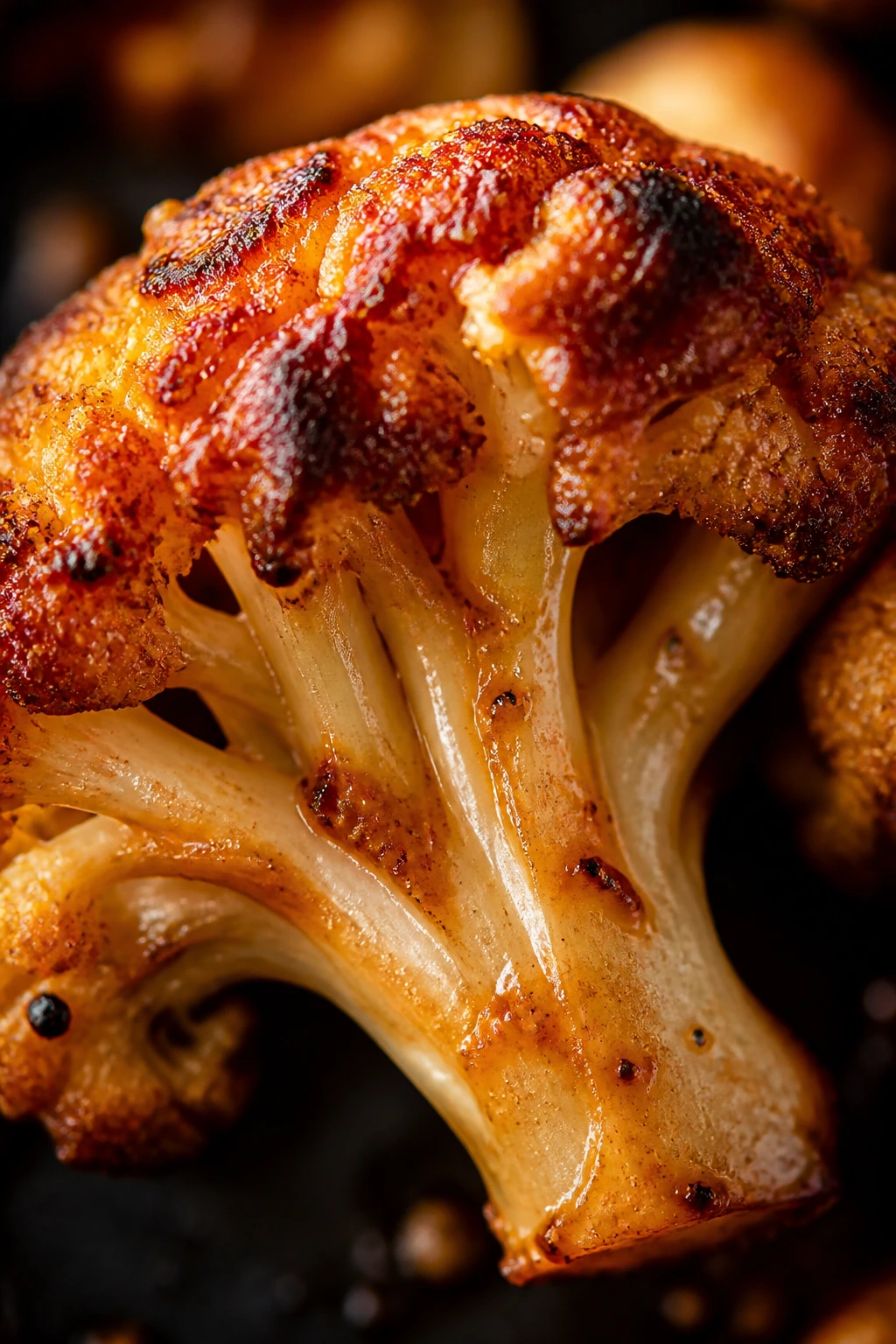
Cauliflower and Its Shape
What to use: 2 large heads cauliflower, about 3 pounds total, cut into 1½-inch florets.
Preparation: Cut the florets into pieces that are roughly the same size so they cook at the same pace. If some pieces are tiny and others are fist-sized, you’ll end up with a mix of charcoal and crunch.
Substitutions: Romanesco works in a pinch if you want a more dramatic look, and broccoli florets can use the same seasoning mix. If you’re cooking for a smaller group, one large head is fine; just keep the seasoning ratios the same.
Tips: Look for heads with tight, pale florets and firm stems. Loose, spotty cauliflower tends to dry out faster on the grill and never gets the same clean snap when you bite into it.
The Smoky Seasoning Coat
What to use: 3 tablespoons olive oil, 1 tablespoon apple cider vinegar, 1 tablespoon Dijon mustard, 2 teaspoons smoked paprika, 1 teaspoon garlic powder, 1 teaspoon onion powder, 1 teaspoon kosher salt, 1/2 teaspoon black pepper, and 1/4 teaspoon cayenne if you want a little heat.
Preparation: Whisk the oil, vinegar, mustard, and spices together until the paprika is fully dispersed and the mixture looks rusty-red rather than streaked. Toss the florets until every fold and crevice is coated.
Substitutions: Avocado oil can replace olive oil, yellow mustard can stand in for Dijon, and sweet paprika plus a pinch of chipotle powder works if smoked paprika is missing. If you want a gentler version, skip the cayenne.
Tips: The vinegar sharpens the flavor and keeps the seasoning from tasting flat. Don’t drown the cauliflower in oil; too much fat makes it slippery on the grill basket and slows browning.
The BBQ Glaze
What to use: 1 cup thick barbecue sauce, 1 tablespoon apple cider vinegar, and 1 tablespoon water.
Preparation: Stir the glaze until it loosens slightly and turns glossy. It should brush on cleanly, not sit in a thick lump or run off the florets in one ugly sheet.
Substitutions: Any thick barbecue sauce works, but one with a balanced sweetness is easier to manage than a super-sugary sauce. If your sauce is already thin, skip the water and use only the vinegar to sharpen it.
Tips: Thin sauces burn fast on a hot grill. A thicker glaze clings better, which means you get shine and char instead of sticky black patches on the grates.
The Final Fresh Finish
What to use: 2 tablespoons chopped cilantro or parsley, 1 lime cut into wedges, and flaky salt if you like a crisp salty finish.
Preparation: Chop the herbs right before serving so they stay bright. Cut the lime into wedges thick enough to squeeze without falling apart in your hand.
Substitutions: Scallions work if cilantro tastes soapy to you, and parsley is the quiet, safe option that still gives the platter some freshness. A tiny dusting of celery seed can stand in for the herbal lift if you’re out of both.
Tips: Acid at the end matters. A squeeze of lime wakes up the barbecue sauce and keeps the whole dish from tasting heavy after a few bites.
Tools That Make Grill-Basket Cauliflower Easier
-
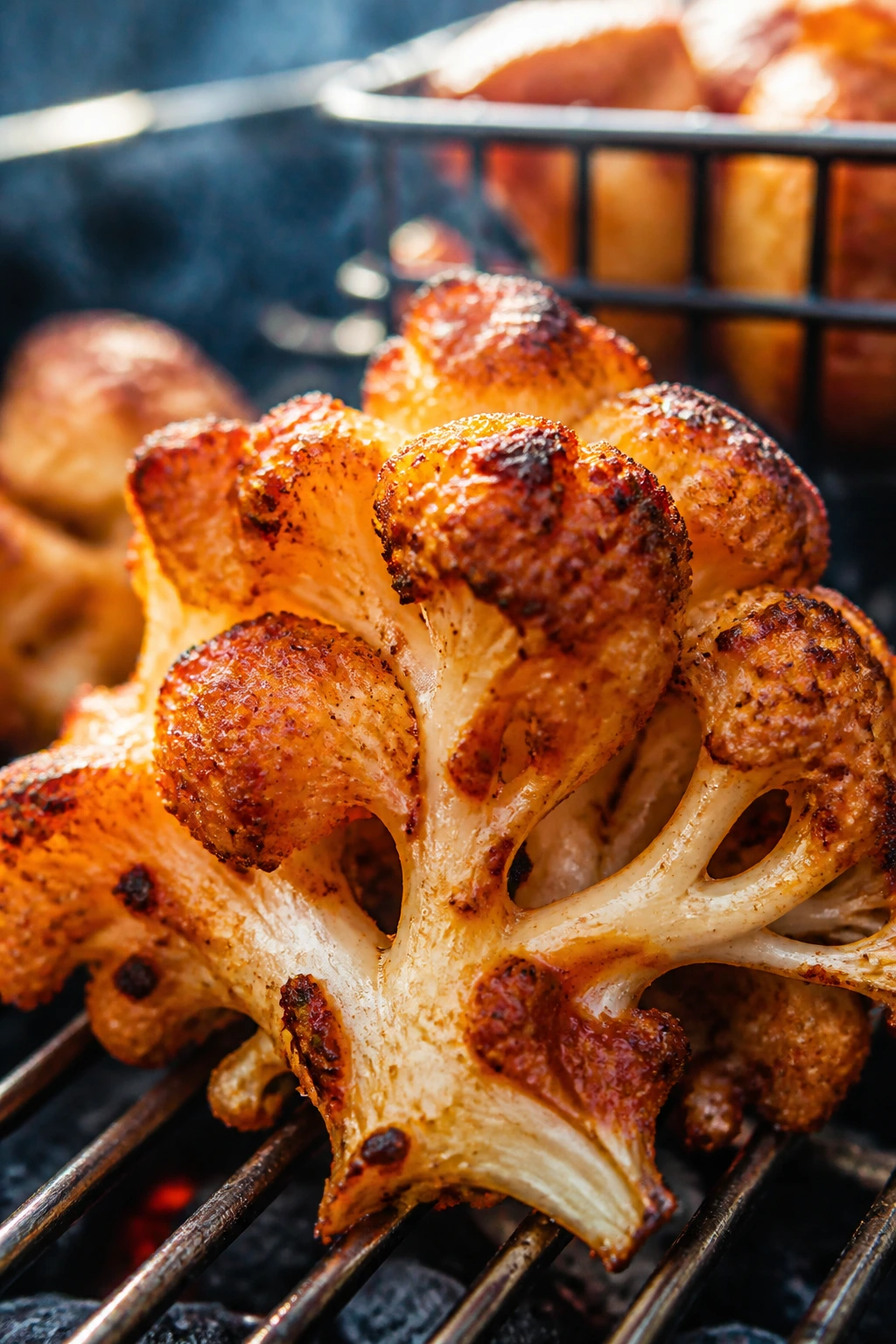
Grill basket or perforated grill pan: This is the cleanest way to keep small florets from dropping through the grate. A heavy-duty disposable pan with holes punched in the bottom can work if that’s what you’ve got.
-
Gas or charcoal grill: Either one works. The key is steady medium heat, not roaring high heat that scorches the sauce before the cauliflower softens.
-
Large mixing bowl: You want enough room to toss the florets without crushing them.
-
Whisk: Useful for blending the oil, vinegar, mustard, and spices into one even coating.
-
Long-handled tongs or a wide spatula: Helps you stir and move the cauliflower without burning your knuckles on the basket.
-
Pastry brush: Handy for brushing on the glaze during the last few minutes. If you don’t have one, a spoon will do, though it is messier.
-
Serving platter: A wide platter keeps the charred edges visible and gives the cauliflower room to breathe instead of steaming in a pile.
Grilling Smoky BBQ Cauliflower Without a Soggy Middle
Step 1: Preheat the grill and set up the basket.
- Heat a gas grill to medium, about 400 to 425°F, or build a charcoal fire with a hot zone and a slightly cooler zone.
- Place a grill basket or perforated grill pan over the heat and let it warm for 2 to 3 minutes. A hot basket helps the cauliflower sear instead of sticking.
Step 2: Mix the smoky seasoning.
3. In a large bowl, whisk together the olive oil, apple cider vinegar, Dijon mustard, smoked paprika, garlic powder, onion powder, kosher salt, black pepper, and cayenne.
4. The mixture should look loose, rusty, and evenly blended. If the paprika is sitting in little red islands, whisk a bit longer.
Step 3: Coat the cauliflower.
5. Add the cauliflower florets to the bowl and toss until every piece is glossy and evenly coated.
6. Work the seasoning into the crevices with your hands or a spatula; those little folds are where the best flavor hides. If the bowl looks dry, don’t add more oil right away—toss again first.
Step 4: Grill until browned and tender-crisp.
7. Transfer the florets to the hot grill basket in a single layer if you can.
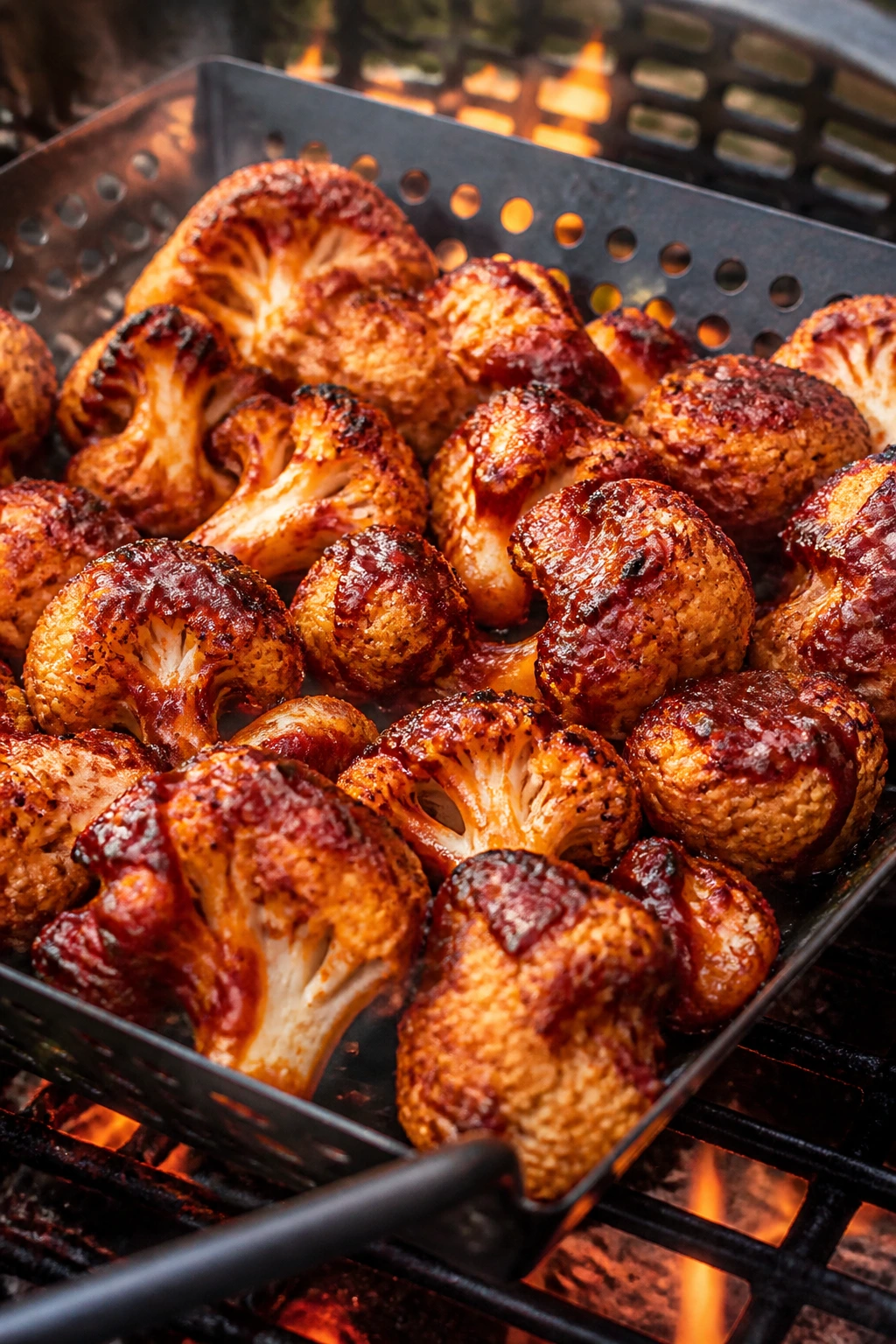
8. Cook for 12 to 15 minutes, stirring or flipping every 3 to 4 minutes, until the edges are browned and the cauliflower is tender enough to pierce with a fork but still has a little bite.
9. Keep the lid closed between turns so the heat circulates and softens the center. If the basket is crowded, cook in two batches rather than steaming everything into a pale heap.
Step 5: Make and apply the glaze.
10. In a small bowl, stir together the barbecue sauce, apple cider vinegar, and water.
11. Brush or spoon the glaze over the cauliflower and cook for 2 to 3 minutes more, stirring once, until the sauce looks sticky and the edges deepen in color. Watch closely here; barbecue sauce goes from glossy to bitter faster than most people expect.
Step 6: Finish and serve.
12. Transfer the cauliflower to a platter, scatter over the chopped herbs, squeeze on lime juice, and add flaky salt if you want a sharper finish.
13. Serve right away while the edges are still crisp and the glaze is warm enough to smell smoky as soon as the platter hits the table.
Serving It at a Backyard Cookout
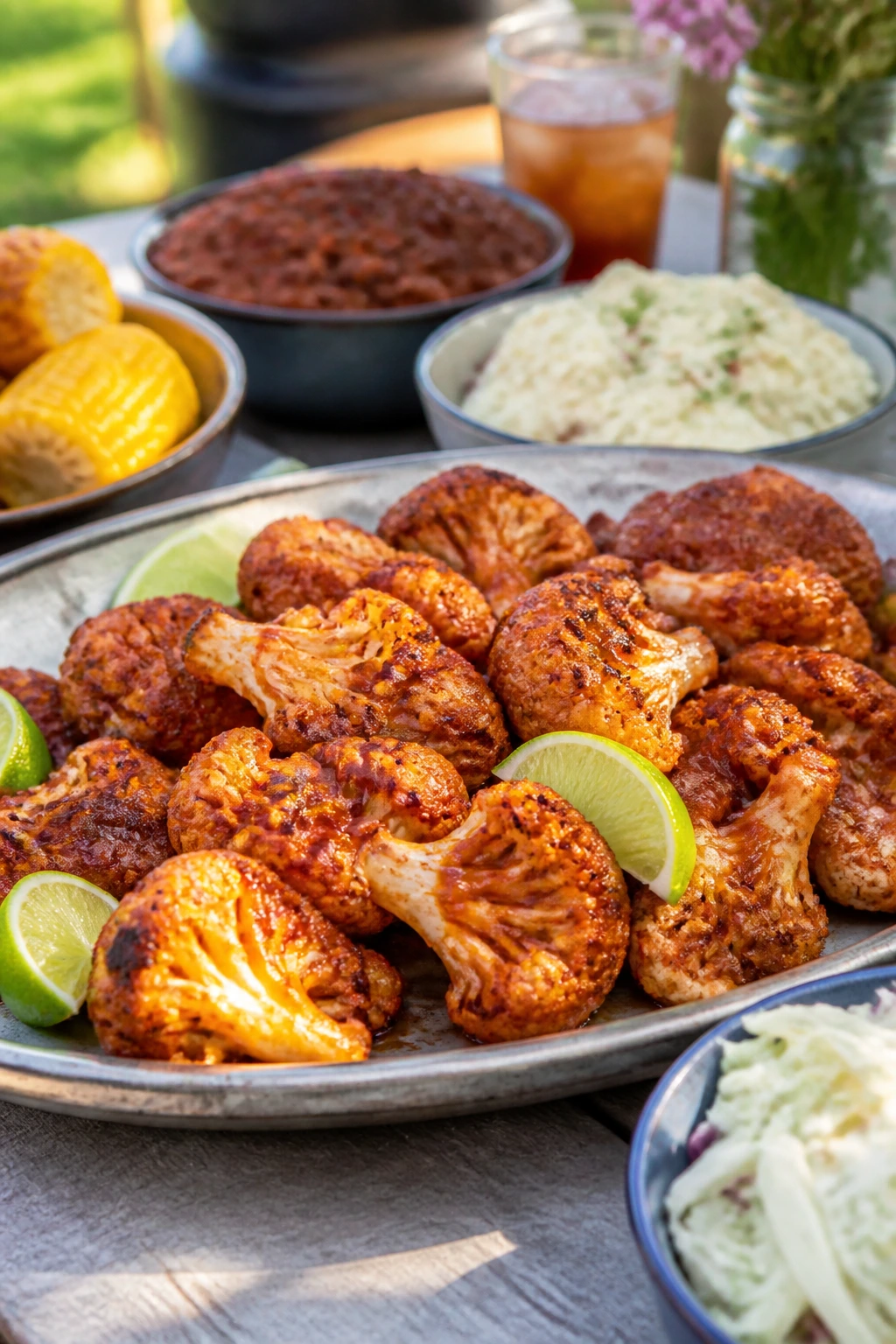
Presentation: Spread the cauliflower out on a wide platter instead of piling it into a deep bowl. The browned edges, sticky glaze, and green herbs look best when the pieces have a little breathing room, and the lime wedges on the side make it obvious this is meant to be finished at the table.
Accompaniments: I like this with cornbread, vinegar slaw, grilled corn, baked beans, or a potato salad that isn’t drowning in mayo. It also sits nicely beside burgers or ribs because the barbecue flavor ties the whole plate together without turning everything into the same thing.
Portions: Plan on about 1 cup per person as a side, a little more if the cauliflower is serving as the main vegetarian dish. If you’re feeding mixed appetites, two large heads usually cover six side portions with some leftovers for the cook.
Beverage Pairing: A crisp pilsner, a light lager, or iced tea with lemon keeps the glaze from feeling too heavy. If you want something nonalcoholic with a bit more lift, sparkling water with lime fits the smoky-sweet flavor better than sugary soda.
Extra Tips That Save the Batch
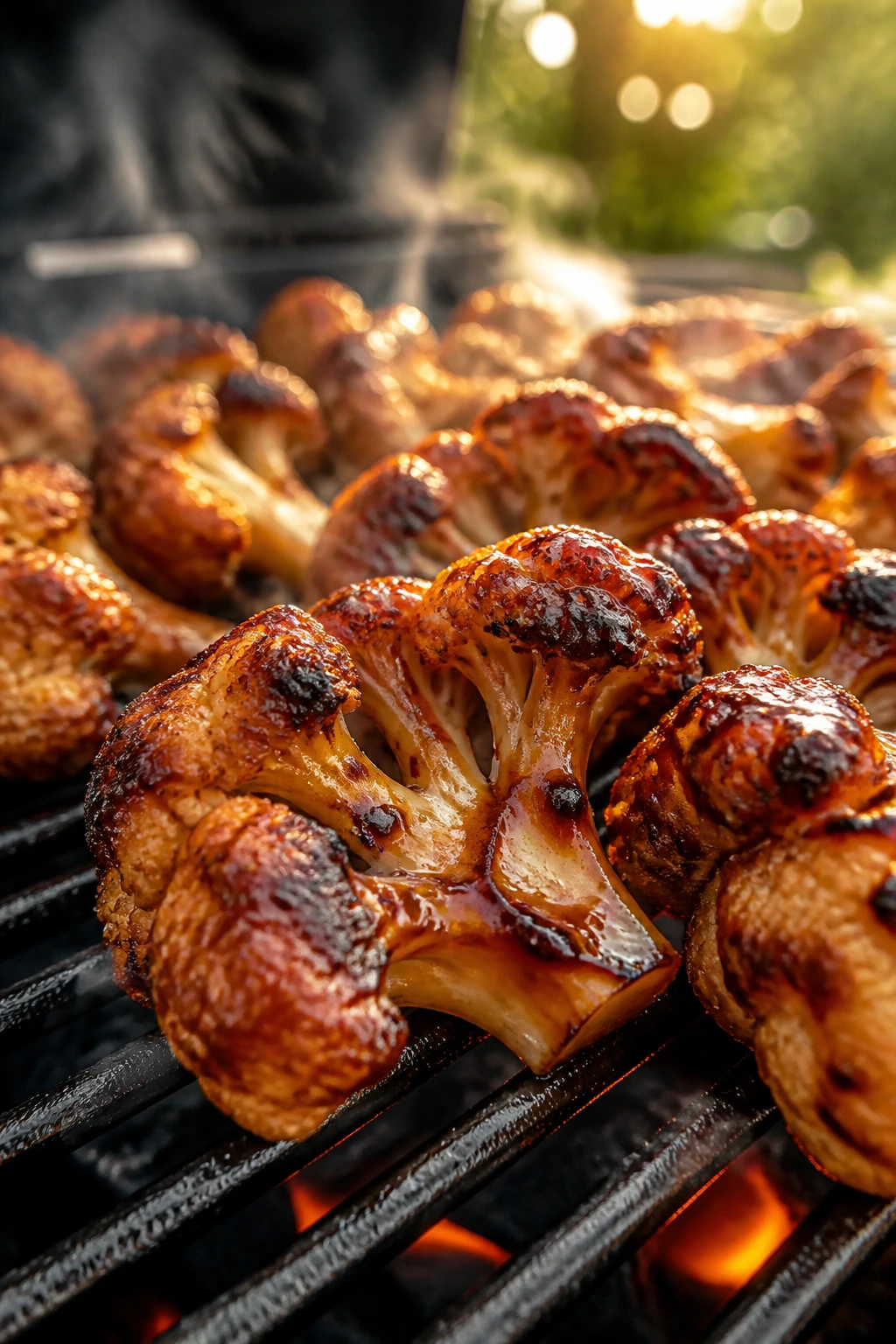
Flavor Enhancement: A squeeze of lime the second the cauliflower leaves the grill changes the whole dish. The acid cuts through the barbecue sauce and makes the smoked paprika taste sharper instead of dusty.
Time-Saver: Cut the cauliflower earlier in the day and store the florets in a paper towel-lined container in the fridge. Dry florets brown faster, and you won’t be rushing with a knife while guests are already asking when the fire will be ready.
Pro Move: If your grill has hot spots, move the basket around as you stir. Cauliflower sitting over the hottest patch the entire time will char too fast on one side and stay pale on the other.
Cost-Saver: Buy heads of cauliflower with the leaves still attached when you can. They’re often fresher, and the leaves give you a clue about how recently the head was cut. Firm leaves beat a spotless, floppy head every time.
Common Mistakes That Make Cauliflower Go Soft
The first mistake is cutting the florets too small. Tiny pieces fall through the basket, burn at the edges, and dry out before the centers get tender. Keep most of the pieces in that 1½-inch range, and save the little scraps for roasting another day.
Another problem is starting with a cold grill. Cauliflower needs heat to brown, and a lukewarm basket just steams it into softness. If the grill grates don’t feel hot and the basket hasn’t had a few minutes to preheat, wait. That pause is worth it.
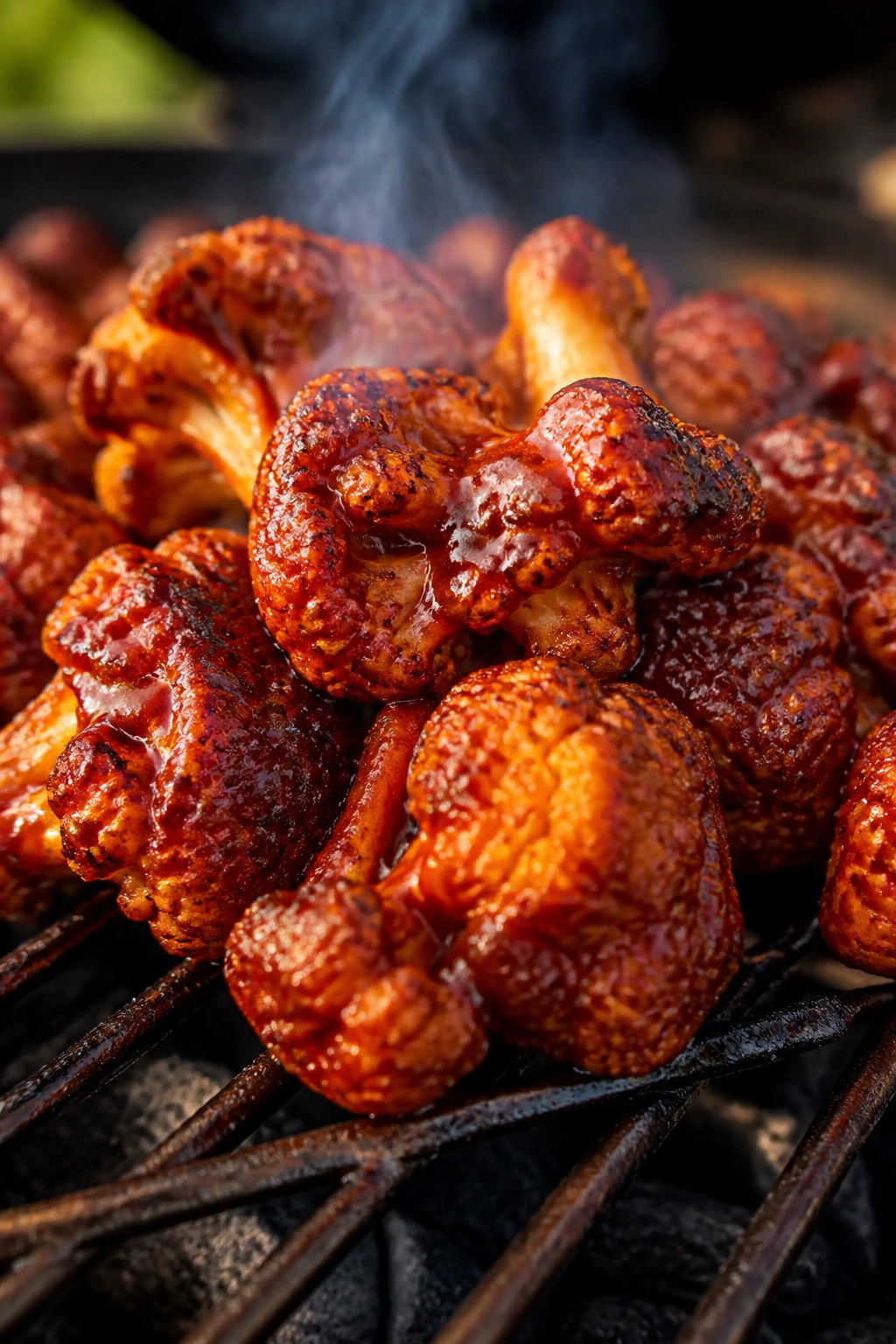
Saucing too early is the third trap. Barbecue sauce is full of sugar, and sugar on direct heat can turn black in a hurry. Brush it on during the last 2 to 3 minutes only, when the cauliflower is already mostly cooked.
Crowding the basket is a quiet disaster. The pieces trap steam, the spice coating gets damp, and the cauliflower comes out pale instead of bronzed. If you need two batches, make two batches. Nobody at a cookout is unhappy about waiting six extra minutes for food that actually tastes grilled.
The last one is using a thin, watery sauce. It drips off, burns on the grate, and leaves the cauliflower looking streaked instead of lacquered. Use a thick barbecue sauce, and thin it only enough to make it brushable.
Flavor Swaps and Variations
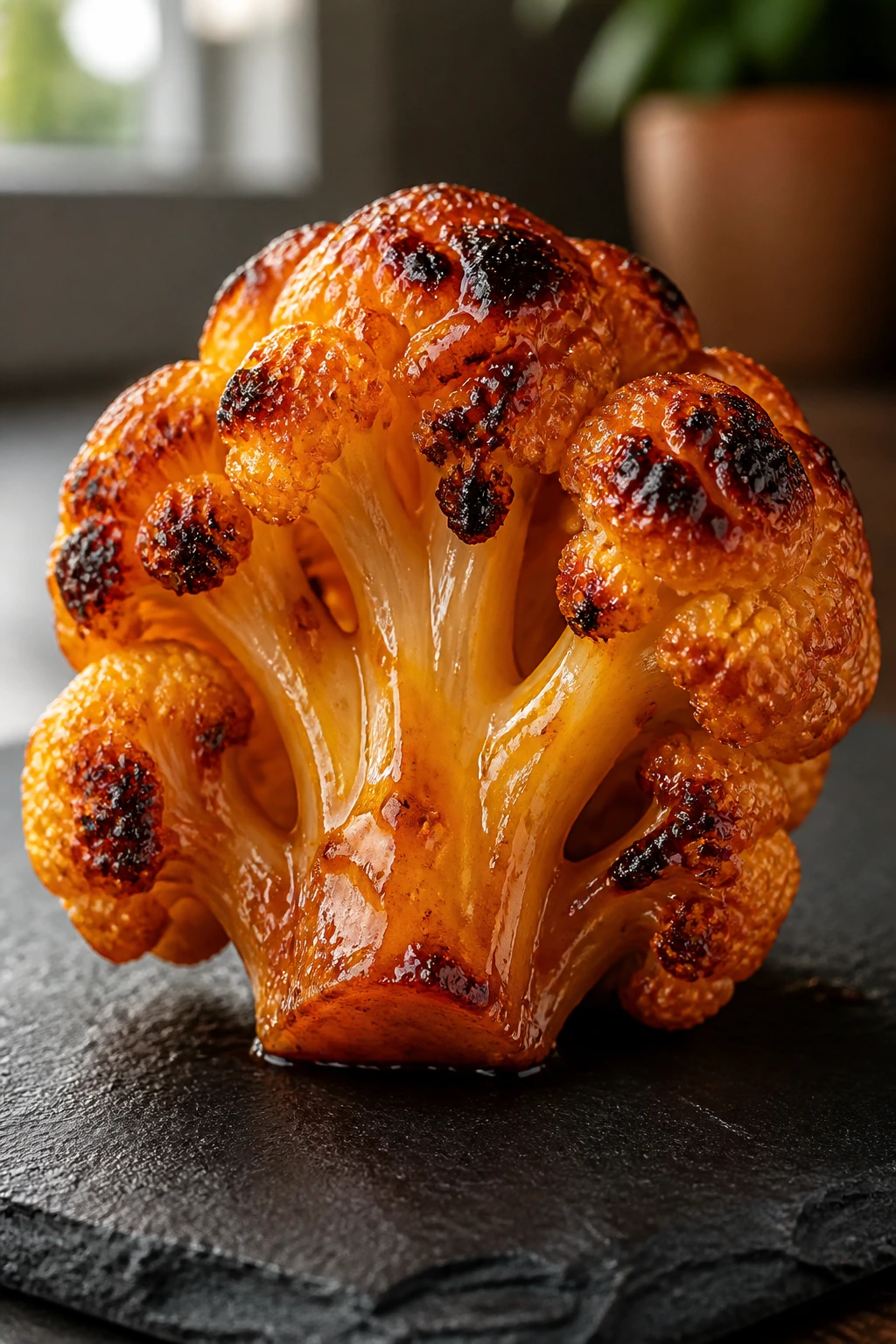
Buffalo Backyard Cauliflower: Swap the barbecue glaze for 3/4 cup buffalo sauce mixed with 1 tablespoon melted butter or olive oil. Finish with chopped celery leaves or scallions and serve with blue cheese or ranch on the side if that’s the lane you want.
Honey-Smoke Glaze: Stir 1 tablespoon honey into the barbecue sauce before glazing the cauliflower. The extra sweetness gives you a shinier finish and a more pronounced sticky edge, but keep the last-minute glaze window short so the honey doesn’t burn.
Chipotle-Lime Version: Add 1 teaspoon chipotle powder to the seasoning mix and double the lime at the end. The flavor goes deeper and a little drier, which works well if you’re serving this with creamy potato salad or cool slaw.
Oven Backup Plan: If the grill is busy, roast the seasoned cauliflower on a rimmed sheet pan at 425°F for 20 to 25 minutes, turning once halfway through. Brush with the glaze during the last 5 minutes, then finish under the broiler for 1 to 2 minutes to get those browned edges.
Make-Ahead, Storage, and Reheating
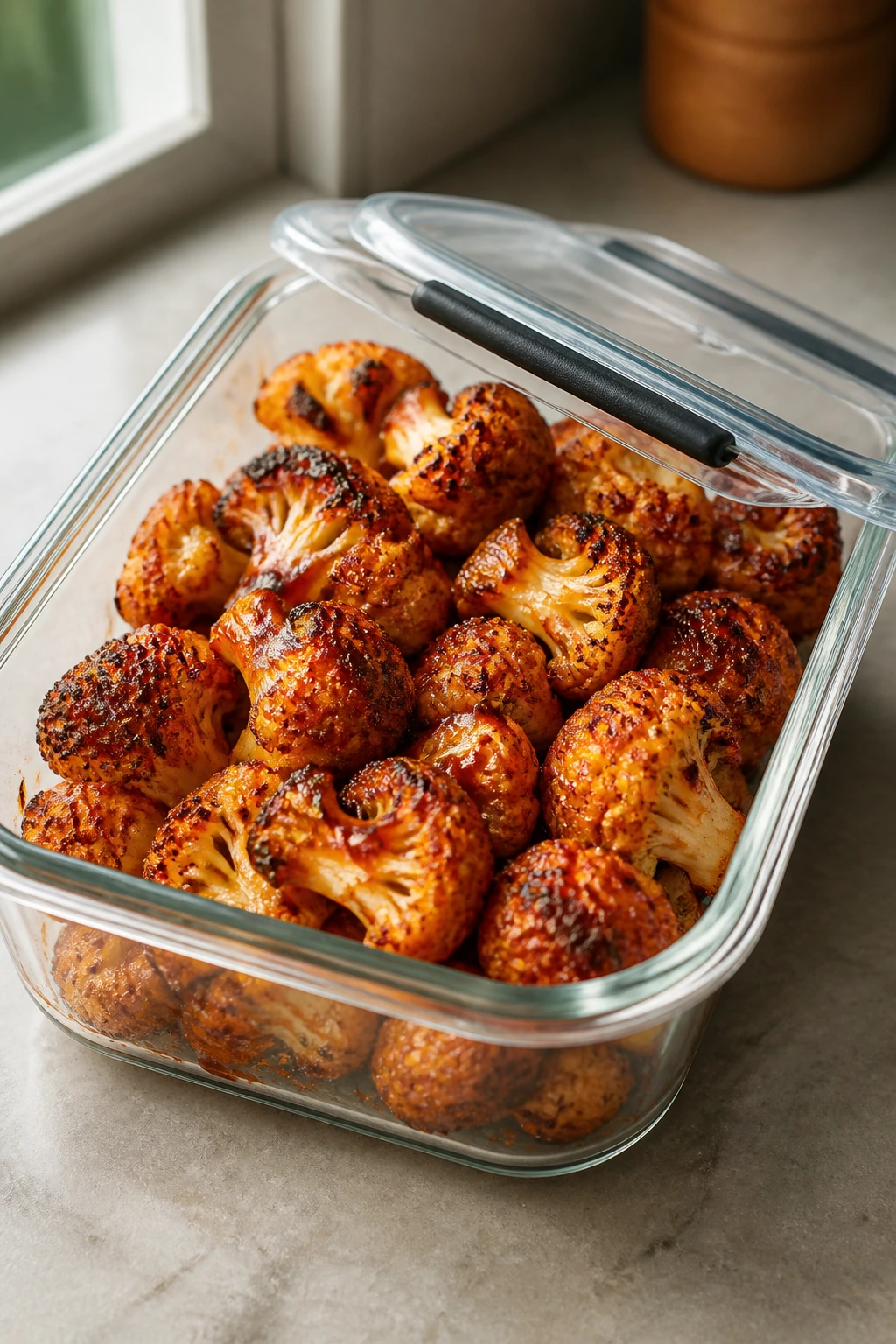
The seasoning mix can be whisked together up to 3 days ahead and kept covered in the fridge. You can cut the cauliflower a day in advance too; store the florets in a sealed container lined with a paper towel so they stay dry and don’t develop that damp, sulfurous smell that cut cauliflower gets when it sits too long.
Once cooked, the cauliflower keeps well in the fridge for 3 to 4 days in an airtight container. It will soften a little as it sits, but the flavor stays strong, and the barbecue glaze actually settles in a bit overnight. I like it best within the first two days, while the edges still have some bite.
Freezing is possible for up to 2 months, though I’ll be honest: the texture will be softer after thawing. If you freeze it, treat it as a planned ingredient for grain bowls, chopped wraps, or scrambled eggs rather than trying to bring back the original grill texture.
For reheating, the oven is the best route. Spread the cauliflower on a sheet pan and warm it at 400°F for 8 to 10 minutes, or use an air fryer at 375°F for 4 to 6 minutes. The microwave works in a pinch, but it turns the charred edges limp, and the sauce can get sticky in the wrong way.
Smoky BBQ Cauliflower FAQ
Can I make this without a grill basket?
Yes, but you’ll need to be a little careful. A perforated grill pan, a heavy cast-iron pan on the grill, or even a disposable foil pan with holes punched in the bottom can work, though the basket gives you the easiest turn and the best browning.
Do I need to blanch the cauliflower first?
Not for this recipe. The florets are small enough to cook through on the grill as long as you keep the lid closed and use medium heat. If your cauliflower pieces are unusually large, a 2-minute blanch can help, but dry them well before seasoning or they’ll steam.
Can I use frozen cauliflower florets?
You can, but the result will be softer and a little less crisp at the edges. Thaw them fully, pat them dry, and expect a shorter grilling session because frozen cauliflower tends to release more moisture and brown less cleanly.
What barbecue sauce works best?
A thick sauce with enough sweetness to glaze, but not so much sugar that it burns instantly, is the easiest choice. I prefer a sauce that’s balanced with vinegar or mustard so the finished cauliflower tastes smoky and sharp instead of only sweet.
How do I keep the cauliflower from tasting bland?
Use enough salt in the seasoning mix, and don’t skip the vinegar. Cauliflower needs that sharp edge because it absorbs seasoning in a thinner way than meat or potatoes do. If the finished dish still feels flat, a squeeze of lime and a pinch of flaky salt usually wake it up.
Can I make it ahead for a cookout?
Yes, but keep the final glaze step for the end. You can grill the cauliflower until just tender, then cool it, refrigerate it, and finish it on the grill with barbecue sauce right before serving so the glaze stays sticky instead of dry.
Is this recipe spicy?
Only mildly, and the heat depends on whether you use the cayenne. Leave the cayenne out for a softer, more family-friendly version, or add a pinch more if you want the smoke and heat to show up together.
A Plate Worth Bringing Outside
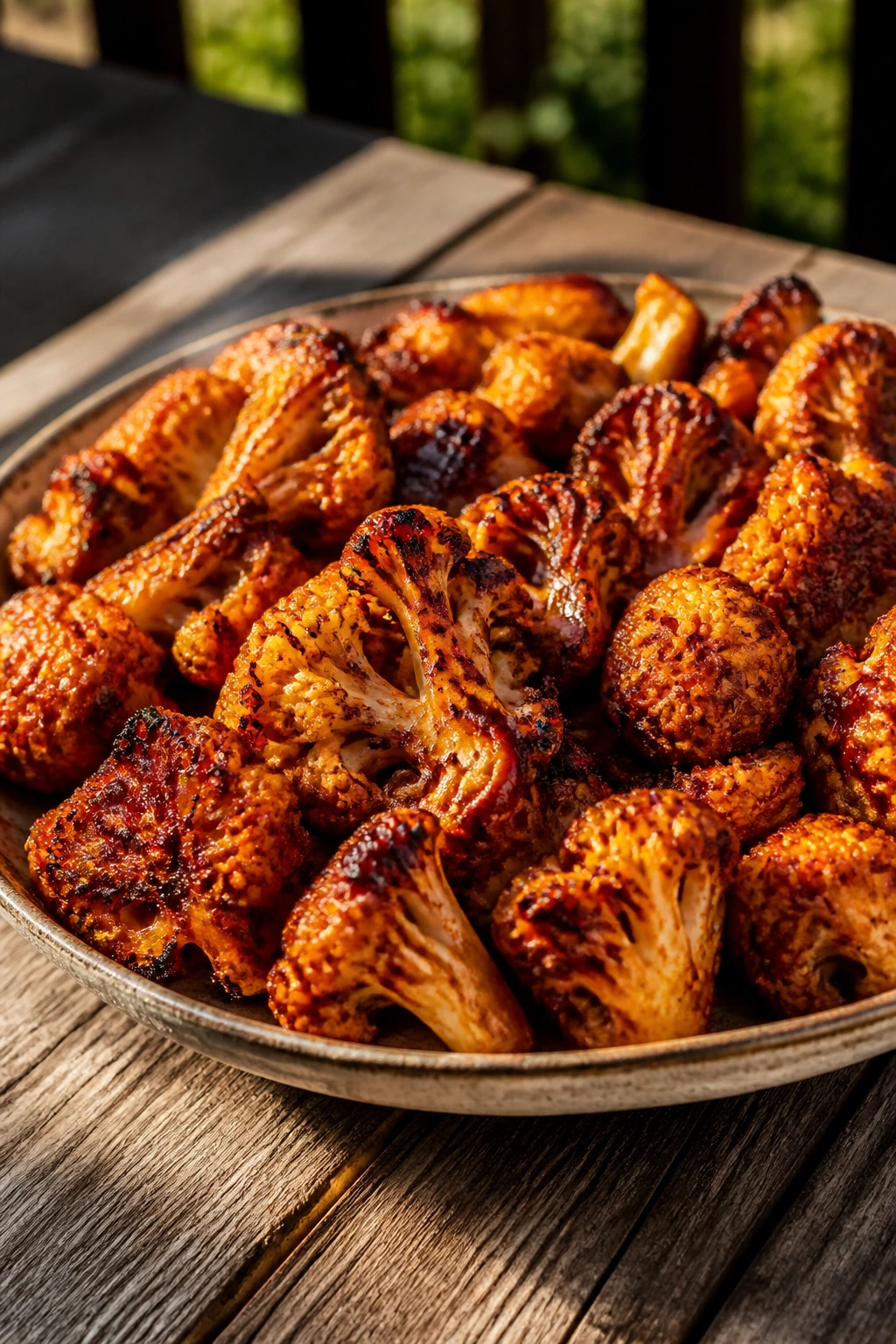
Smoky BBQ cauliflower works because it respects the grill instead of trying to disguise itself as something else. The browned edges, the vinegar-bright seasoning, and the late hit of barbecue sauce make it taste like part of the cookout, not the backup plan. That’s the difference between a vegetable side people tolerate and one they actually put next to the ribs on purpose.
I like recipes that know their place at the table. This one knows exactly where it belongs: on a wide platter, still warm, with a few blackened spots, herbs scattered over the top, and lime wedges nearby for the people who want a sharper bite. Make it once for a backyard spread and you’ll start keeping cauliflower in the house for grilling, which is not something I say lightly.
Smoky BBQ Cauliflower — Recipe Card
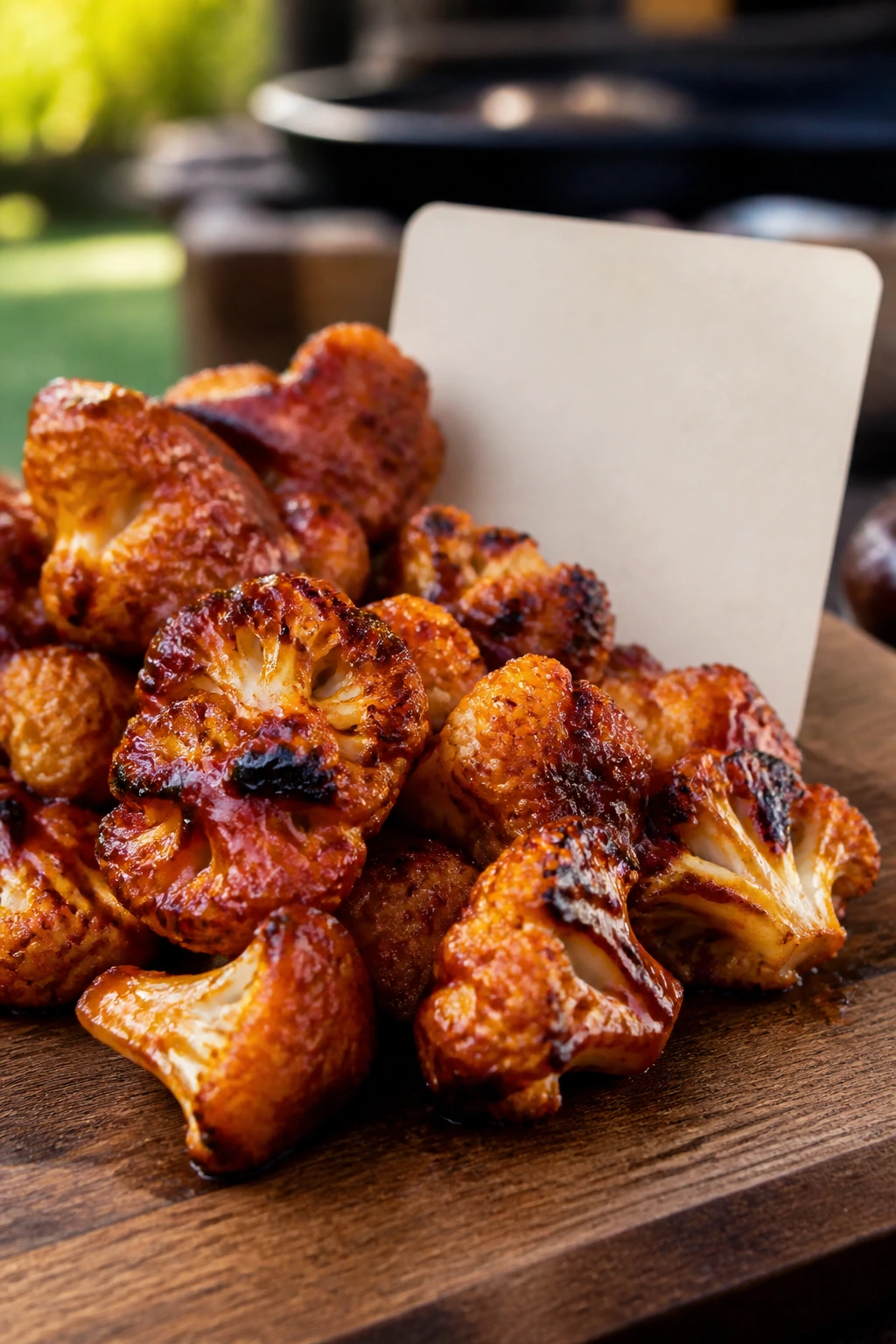
Recipe Name: Smoky BBQ Cauliflower
Description: Grilled cauliflower florets tossed in a smoky spice coating, finished with a sticky barbecue glaze, fresh herbs, and lime. Crisp-edged, charred, and built for backyard cookouts.
Prep Time: 20 minutes
Cook Time: 18 to 20 minutes
Total Time: 38 to 40 minutes
Course: Side Dish, Main Course
Cuisine: American
Servings: 6 side servings
Calories: About 150 kcal per serving
Ingredients
For the Cauliflower:
- 2 large heads cauliflower, about 3 pounds total, cut into 1½-inch florets
- 3 tablespoons olive oil
- 1 tablespoon apple cider vinegar
- 1 tablespoon Dijon mustard
- 2 teaspoons smoked paprika
- 1 teaspoon garlic powder
- 1 teaspoon onion powder
- 1 teaspoon kosher salt
- 1/2 teaspoon black pepper
- 1/4 teaspoon cayenne pepper, optional
For the BBQ Glaze:
- 1 cup thick barbecue sauce
- 1 tablespoon apple cider vinegar
- 1 tablespoon water
For Serving:
- 2 tablespoons chopped cilantro or parsley
- 1 lime, cut into wedges
- Flaky salt, optional
Instructions
-
Preheat a gas grill to medium, about 400 to 425°F, or prepare a charcoal fire with a hot and a cooler zone. Set a grill basket or perforated grill pan on the heat for 2 to 3 minutes.
-
Whisk together the olive oil, apple cider vinegar, Dijon mustard, smoked paprika, garlic powder, onion powder, kosher salt, black pepper, and cayenne in a large bowl.
-
Add the cauliflower florets and toss until evenly coated.
-
Transfer the cauliflower to the hot grill basket in a single layer if possible. Cook for 12 to 15 minutes, stirring or flipping every 3 to 4 minutes, until browned and tender-crisp.
-
Stir together the barbecue sauce, apple cider vinegar, and water in a small bowl.
-
Brush or spoon the glaze over the cauliflower and cook for 2 to 3 minutes more, stirring once, until sticky and lightly charred at the edges.
-
Transfer to a platter, top with chopped herbs, squeeze over lime juice, and finish with flaky salt if using. Serve hot.
Notes: Keep the glaze for the last few minutes so it does not burn. If your barbecue sauce is thin, reduce the water slightly. For the best texture, reheat leftovers in a hot oven or air fryer, not the microwave.