



Grilled picnic party food has one job: stay good after it leaves the grill. That sounds simple until the first paper plate lands beside a sweating pitcher of lemonade, a bowl of slaw, and a cousin who wandered off to talk about fishing. The dishes that survive that chaos are the ones with smoke, fat, acid, and enough structure to hold together outside. That’s the whole game.
I’ve always liked backyard cookouts that lean picnic-style instead of plated-dinner formal. Bone-in chicken thighs with blistered skin. Sausages with that tight, snappy casing. Corn still in the husk, so the kernels steam and char at the same time. Tomato salads salted at the last second. Buns kissed on the grate so they don’t go limp when they meet drippings. That kind of food feels loose and generous, but it’s not random. There’s a little architecture under the mess.
A good grill menu is part heat management, part timing, part restraint. Too many people load the table with foods that fall apart under sunlight or dry out if they sit for five minutes. Better to build around things that can wait, things that improve with a little char, and things that wake up when you hit them with vinegar, herbs, pickles, or a sharp sauce at the end. That’s where a backyard cookout stops feeling improvised and starts feeling easy.
Why Grilled Picnic Food Works Better Than a Fussy Buffet
Built to survive the table: Grilled picnic party food keeps its shape, its texture, and most of its flavor after a short wait, which matters when people are wandering between the grill, the yard, and the drinks cooler.
Smoke does part of the seasoning for you: A little char on chicken skin, onion edges, or bread crust adds the kind of depth that would take three extra steps on the stove.
The menu scales cleanly: You can feed six or sixteen by repeating the same basic pieces — one protein, one vegetable, one cold crunchy side, one sauce, one bread — without rebuilding the whole plan.
Cleanup stays sane: A grill, a cutting board, a couple of sheet pans, and a stack of platters is a smaller mess than running a stove, oven, and sink all at once.
Mixed eaters are easier to serve: Meat, vegetables, bread, fruit, and sauces can all come off the same fire with different finish times, so the vegetarian, the burger person, and the person who wants “just a little of everything” all get something that works.
The food tastes casual in the best way: Nobody expects a backyard cookout to be plated like a hotel banquet. A platter of grilled chicken thighs, a bowl of chopped herbs, and some charred onions feel relaxed without tasting careless.
Build a Menu That Can Sit for a Few Minutes Without Sulking
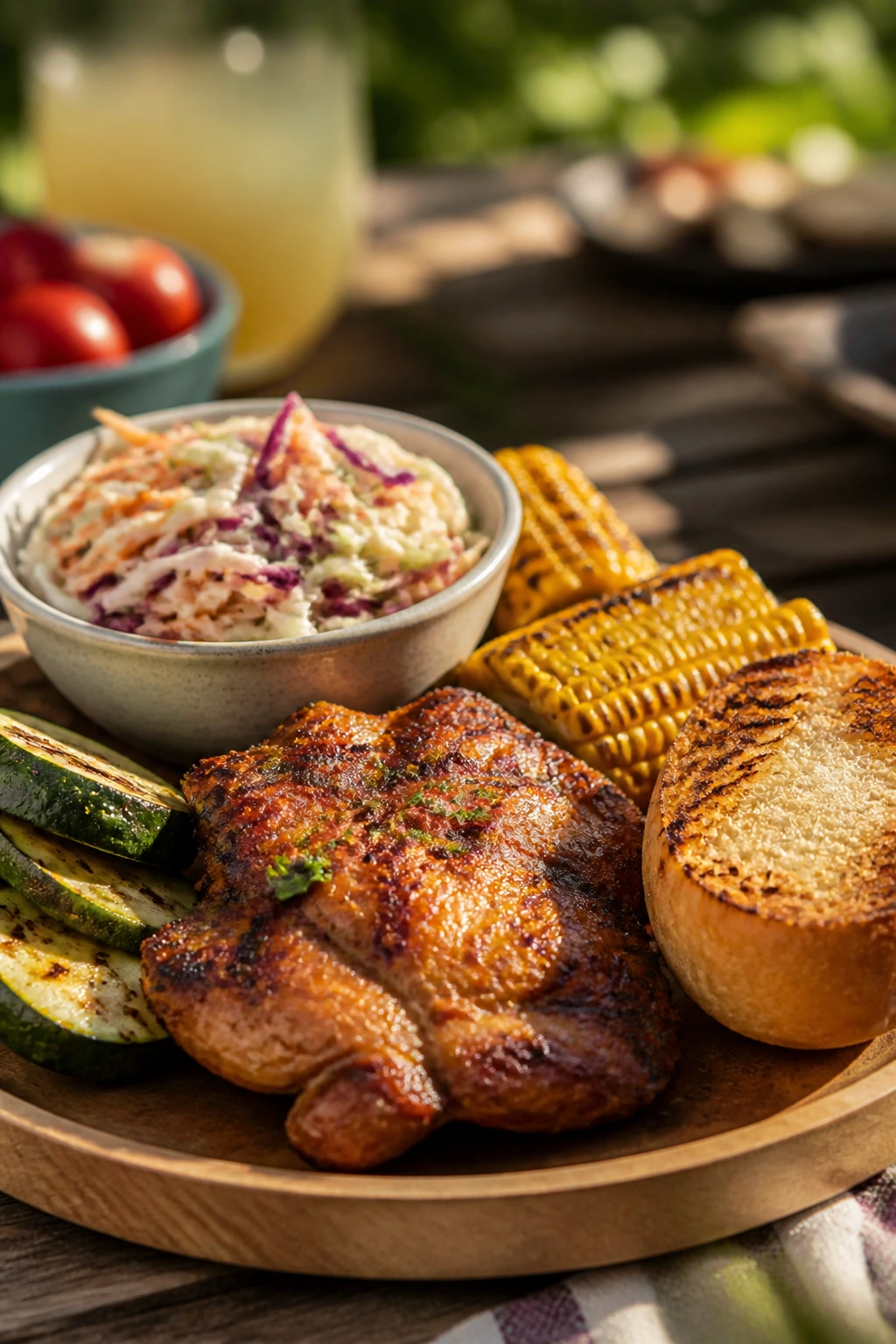
A cookout menu goes sideways when every dish demands the grill, the table, and the guests at the same exact second. That never works. One platter should be ready to serve while another is still getting its last turn over the flames, and the cold stuff should already be in bowls waiting its turn.
I like to think in layers. Start with one anchor protein. Add one grilled vegetable that can take direct heat. Pick one cold crunchy side that cuts through the smoke. Then give the table one bread or starch, one sauce, and one bright finish — herbs, pickles, lemon, something with a little snap. That formula is boring on paper and excellent in real life.
The menu formula that keeps the table moving
- One anchor protein: chicken thighs, sausages, burgers, pork chops, shrimp skewers, or halloumi.
- One grilled vegetable: corn, zucchini, peppers, onions, asparagus, mushrooms, or tomatoes.
- One cold crunch: cabbage slaw, cucumber salad, pickled carrots, or a bean salad with sharp dressing.
- One bread or starch: buns, rolls, flatbread, tortillas, potato salad, or grilled potatoes.
- One sauce: barbecue sauce, chimichurri, garlic yogurt, mustard sauce, salsa verde, or herbed mayo.
- One sharp finish: lemon wedges, chopped parsley, dill, basil, pickled onions, or sliced scallions.
That mix matters because each piece does a different job. The protein carries the meal. The vegetable keeps it from feeling heavy. The cold side resets the palate after smoke and fat. Bread or potatoes make people feel fed. The sauce and finish make the whole plate taste finished instead of assembled.
And no, you do not need all six things to be fancy. A bowl of sliced tomatoes with olive oil and salt can play the cold side if the tomatoes are good. Pickles can stand in for a more elaborate salad. Potato buns toasted on the grill are enough to turn a sausage into a proper meal. The trick is balance, not complexity.
The Proteins That Earn Their Spot on the Grill
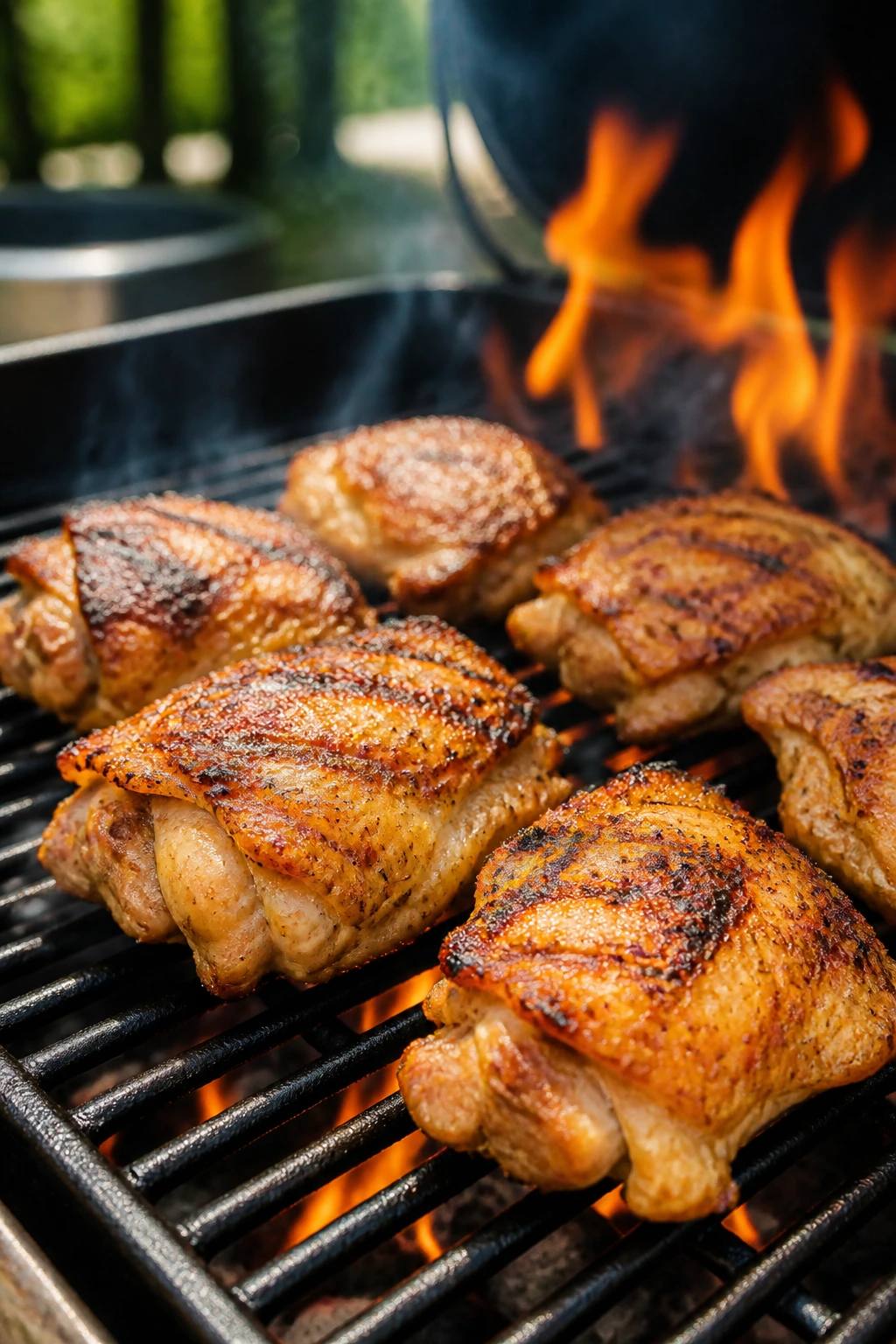
Chicken breast gets too much credit at cookouts. I said it. It dries out fast, tastes thin if you overcook it by even a couple of minutes, and becomes a lot less forgiving the moment you’re distracted by a guest asking where the cutting board went. If you want backyard cookout food that behaves, start with proteins that carry their own moisture.
Chicken thighs are the workhorse
Bone-in, skin-on chicken thighs are about as reliable as grilled food gets. The fat under the skin bastes the meat while it cooks, the bone slows the heat enough to keep the center juicy, and the skin goes from rubbery to crisp if you give it a two-zone fire and a little patience. I like them marinated or simply salted the night before, then grilled over medium heat until the skin is deeply golden and the thickest part hits 165°F.
Boneless thighs are easier for feeding a crowd because they cook faster and slice neatly for platters. They take well to yogurt, citrus, soy, garlic, or a dry spice rub. If you’re serving a mixed group and want something that still tastes good after a short rest, thighs are the safe bet.
Sausages and burgers solve the “feed everyone fast” problem
Sausages are cookout insurance. Brats, Italian sausage, chicken sausage, and even good hot dogs have one thing in common: they handle grill heat without turning precious. Fresh sausages want medium heat so the casings don’t split. Pull them when the inside hits 160°F for pork or 165°F for poultry sausage, then let them rest a couple of minutes before slicing or serving whole.
Burgers are the opposite kind of reliable. They need a bit of space, a hot grate, and not much fiddling. I prefer patties about 4 to 5 ounces each for a party spread — small enough to cook evenly, big enough to feel substantial. Keep the seasoning simple: salt, black pepper, maybe a little Worcestershire mixed into the meat if you want a deeper, savory edge. Cook ground beef to 160°F if you want the food-safe standard, and don’t press the patties flat with the spatula unless you like losing juice for sport.
Steak, pork, shrimp, and fish each ask for a different rhythm
Skirt steak and flank steak are useful when you want slices for tacos, rolls, or a platter with chimichurri. They cook fast, rest well, and slice best against the grain. Pork chops work, but they need attention; go for thicker chops and pull them at 145°F, then rest them before cutting. Thin chops are the kind of thing that disappear from juicy to chalky in the space of one grill flare-up.
Shrimp skewers make sense when the rest of the menu is heavy. Use large shrimp, pat them dry, oil them lightly, and grill only until they curl into loose C-shapes and turn opaque. That’s usually a matter of a couple of minutes per side. Fish can work too, but choose firm fillets like salmon or swordfish; delicate white fish falls apart if the grates are sticky or your timing is sloppy.
Vegetarian proteins need structure, not apology
Halloumi is one of the few cheeses that makes sense on a grill. It browns without melting into the grate, and the salty, squeaky bite gives the table something that feels deliberate, not like a compromise. Extra-firm tofu works if you press it, slice it thick, and marinate it long enough to pick up flavor. Portobello caps, thick slabs of eggplant, and mushroom skewers also behave well because they can stand up to direct heat and still carry seasoning.
If you’re serving vegetarians, don’t treat the grill as an afterthought. Give them one protein-shaped thing with heft, one sauced vegetable, and one bright side. That’s the difference between “there was something for them” and “they had an actual plate.”
Vegetables That Take Smoke Well and Stay Crisp
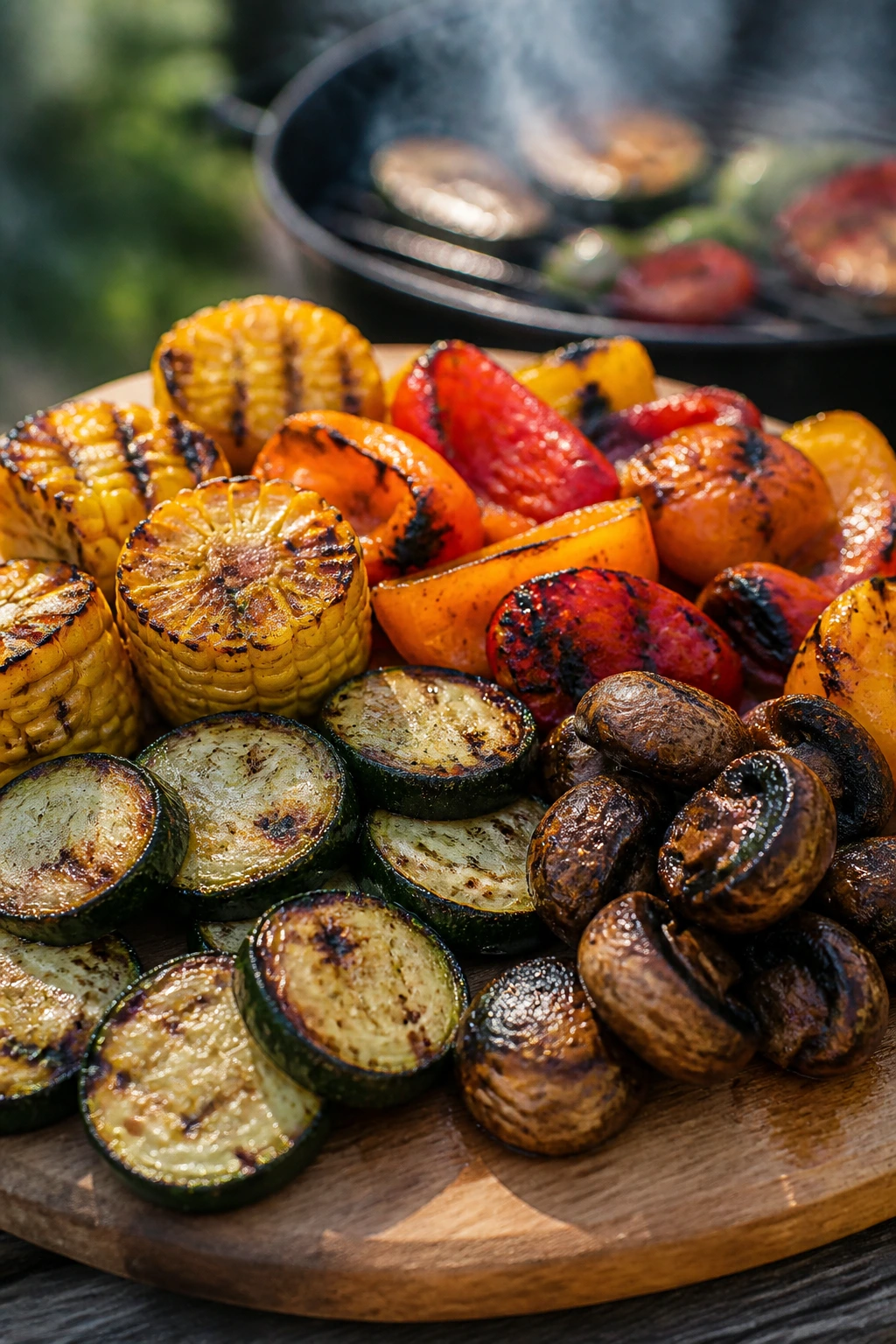
Grilled vegetables are where cookout food starts smelling like a party. The smell of charred corn and onions drifting off the grate has a way of pulling people toward the yard even before the meat is done. But not every vegetable belongs there. Some get muddy. Some collapse. Some just absorb oil and go soft in a sad, heavy way.
The sturdy vegetables
Corn is the obvious one because it’s almost impossible to ruin if you give it a little attention. Grilled in the husk, it steams first and chars second; grilled naked, it picks up more direct color and a sweeter, smoky edge. Zucchini and summer squash do well if you cut them into long slabs or thick planks instead of thin coins. Bell peppers love high heat and turn silky around the edges. Red onions soften into sweet, jammy layers that can go on everything.
Mushrooms are underrated here. Portobellos can stand in for a burger, and cremini or large button mushrooms can be threaded onto skewers with oil, salt, and garlic. Their moisture keeps them from drying out, and the browned edges give you a meaty chew even without meat.
The fast vegetables
Asparagus cooks in a blink. Trim the woody ends, oil the spears lightly, and grill until they blister and still hold some snap. Green beans can work if you use a perforated grill pan or a sturdy basket. Cherry tomatoes are a little tricky — they can burst into sauce or roll through the grates — so they’re better on skewers or in a grill-safe pan.
Tomatoes deserve a mention because people often insist on grilling them and then act surprised when they go soft. Thick slices of beefsteak or halved tomatoes can be grilled briefly, but I prefer to keep tomatoes raw and let the grill show up elsewhere on the plate. Salt them at the last minute, add olive oil, herbs, maybe a little red onion, and they taste cleaner than anything that spent too long over flame.
Fruit belongs here too
Peaches, pineapple, plums, and even watermelon can make sense if you treat them like a finishing move instead of a side dish. Grilled peaches with a little sugar on the cut side and a brief char are excellent with pork or chicken. Pineapple gets caramel edges that pair nicely with sausages or jerk-style chicken. You do not need to grill fruit into submission; one or two minutes per cut side is plenty.
The fruit trick is one I wish more people used. A cookout plate loaded with smoke, salt, and fat gets sharper and more interesting when a grilled peach or pineapple wedge shows up beside it. Sweetness on the plate is not dessert territory only. It can be part of the main event.
Breads, Buns, and Handheld Carriers That Keep the Mess Down
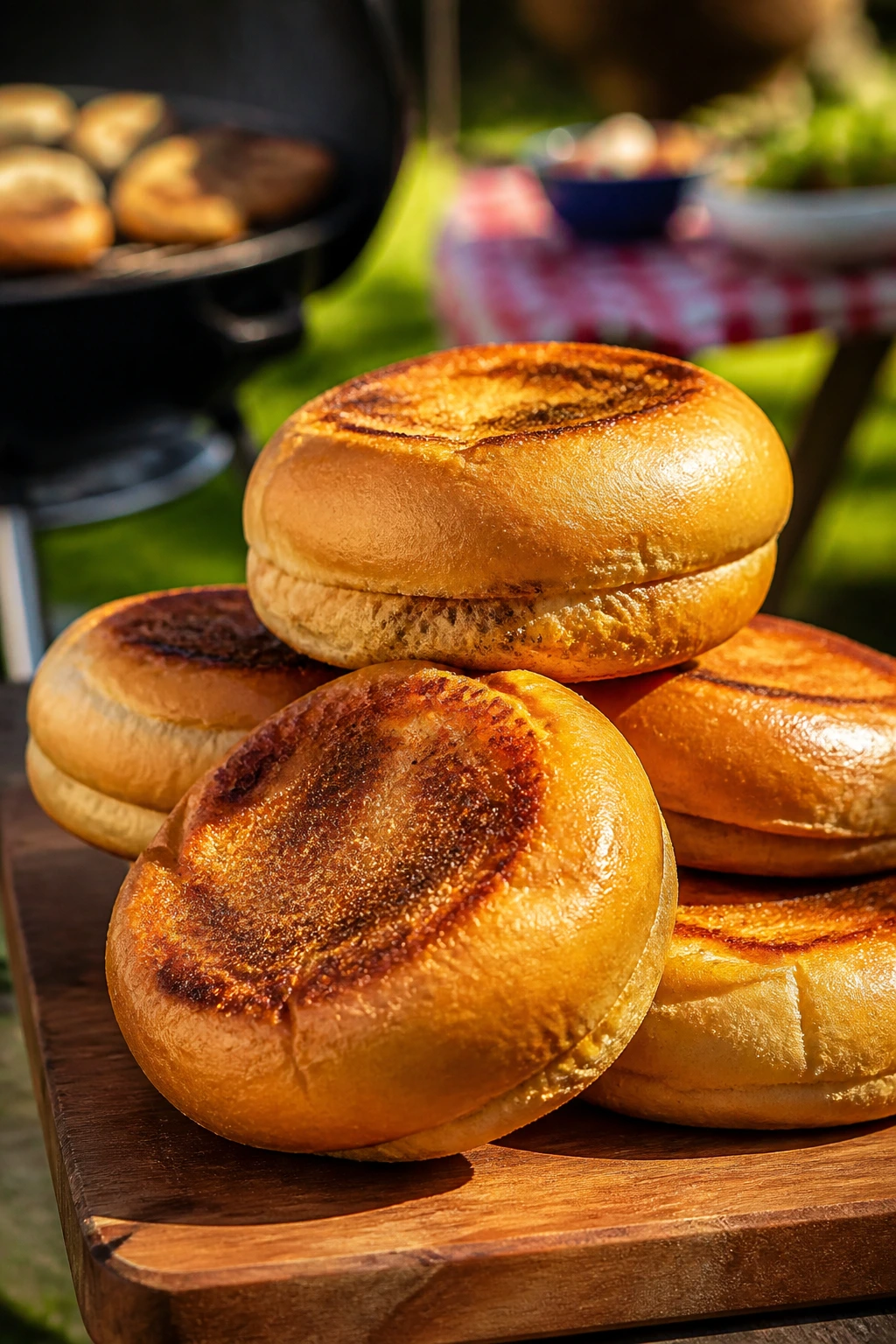
A cookout without the right bread is a cleanup job waiting to happen. Juicy meat needs somewhere to land, and people like holding food in one hand while they talk with the other. That’s why buns, flatbreads, rolls, tortillas, and sturdy slices of toast matter more than they get credit for.
Potato buns are my first choice for burgers because they’re soft, a little sweet, and dense enough to resist collapse. Split-top rolls do the same job for pulled meats and sausage sandwiches. Naan and pita are useful when the menu leans Mediterranean, since they can be warmed right on the grill and folded around grilled vegetables, chicken, or halloumi. Tortillas are the low-key hero if you’re serving sliced steak, shrimp, or grilled peppers and onions.
The move that saves the most grief is simple: toast the cut sides of buns or bread for 20 to 30 seconds over medium heat. You want color and a little dryness, not a cracker. That thin toasted surface acts like a shield against drips. It also gives a faint smoke note that makes even plain sandwich bread taste chosen.
I also like serving at least one starch that isn’t bread. Grilled potatoes, potato salad, pasta salad, or a rice salad gives the table a little more weight and helps stretch the meal. That matters when guests have been snacking all afternoon. A cookout can look abundant and still feel oddly empty if every item is all protein and no starch.
If you’re feeding kids, buns matter even more. Smaller rolls, slider buns, or torn flatbread are easier to manage than a huge sandwich dripping sauce onto the wrist. Messy is fine. Unstable is not.
Sauces, Pickles, and Bright Finishes That Wake Up the Plate
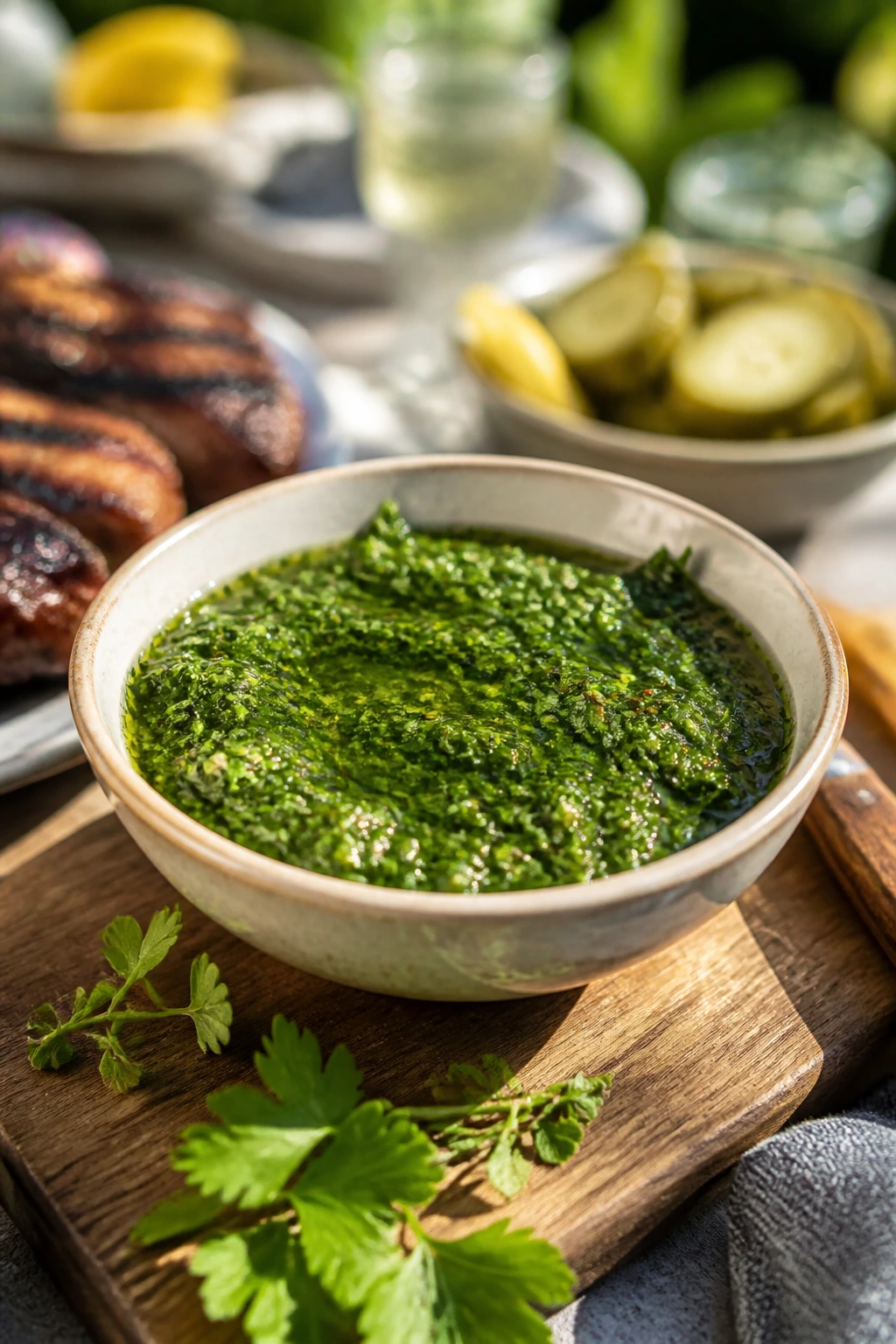
Smoke and fat are only half the story. Without acid, herbs, and a little crunch, grilled food starts tasting flat by the third bite. That’s why I never trust a cookout menu that doesn’t make room for something sharp.
A vinegar-based sauce can rescue a whole platter of chicken thighs. Chimichurri wakes up steak and sausages. Garlic yogurt cools spicy chicken and charred vegetables. Mustard sauce stands up to pork. Salsa verde or a punchy tomato salsa brings life to shrimp. You do not need six sauces, but you do need at least one thing that cuts through the char.
Pickles are worth the bowl space. Pickled onions, dill pickles, quick-pickled cucumbers, or pickled jalapeños bring salt and acid in a form people actually reach for. They also hold up better than a dressed salad when the table gets crowded. If I’m serving burgers or sausages, I want pickles nearby every single time.
A few finishes that earn their keep
- Chopped parsley and dill: fresh, cheap, and strong enough to make grilled potatoes or chicken look and taste brighter.
- Lemon wedges: essential with fish, shrimp, asparagus, and halloumi.
- Sliced scallions: useful on steak, burgers, and grilled corn.
- Crumbled feta or cotija: salty enough to make vegetables feel finished.
- Hot honey: great on chicken, cornbread, and grilled fruit if you like sweet heat.
- Herb oil: a spoon over grilled mushrooms or tomatoes changes the whole plate.
The timing matters here. Sauces with sugar should go on near the end so they don’t scorch. Anything fresh and leafy goes on after the food leaves the grill. Pickles and onions can sit out early, which is one reason they’re such useful party food. They wait nicely.
Timing the Grill So Nothing Arrives Cold or Dry
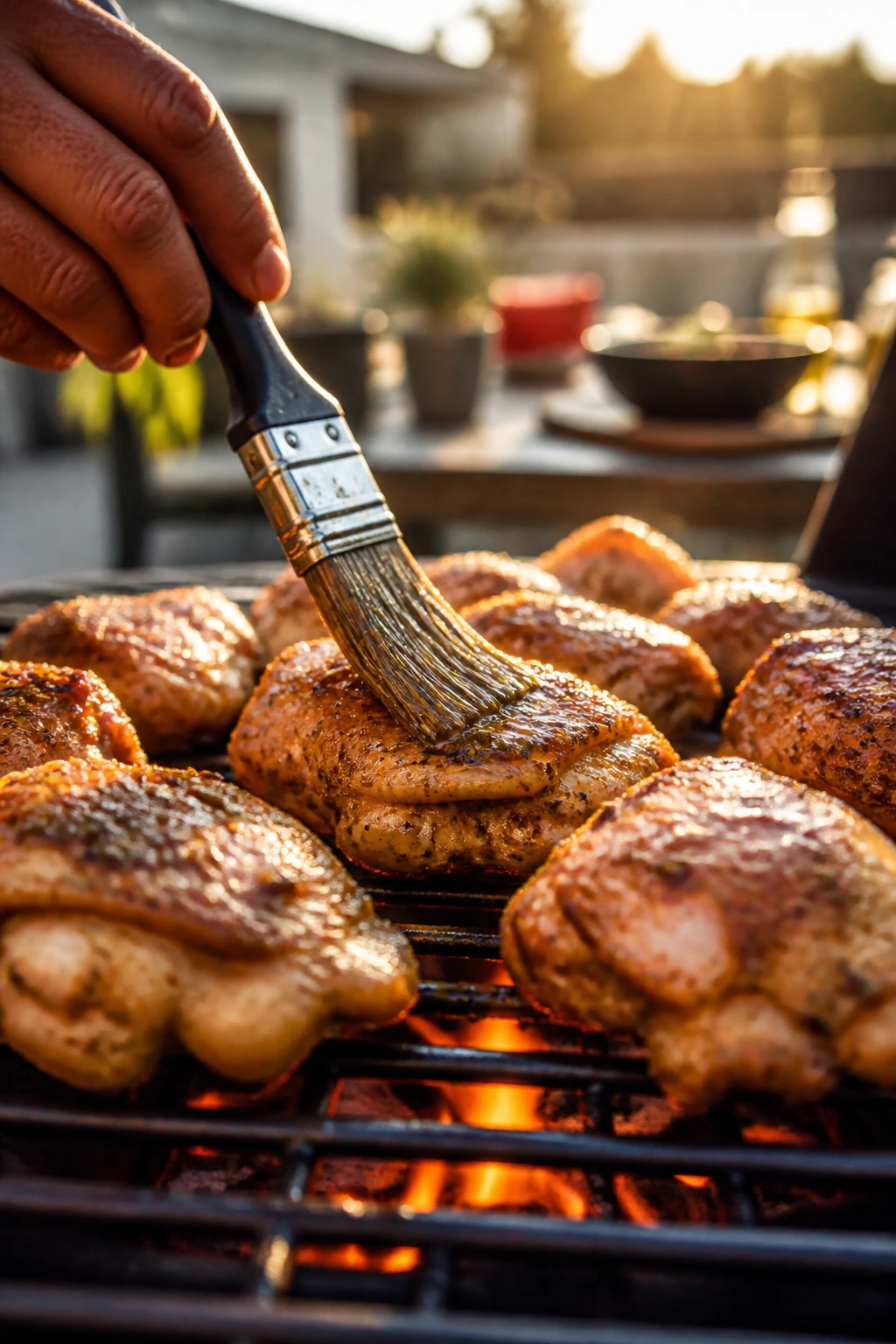
A smooth cookout starts long before the first piece of meat hits the grate. The mistake people make is imagining a single dramatic grilling moment, then getting trapped by it. Real backyard cooking is a relay. Something is always marinating, resting, toasting, flipping, or being moved to a warmer zone.
Here’s the rhythm that usually works best: cold sides first, grill preheated second, vegetables and bread while the grill is hottest, proteins last if they need the most attention, then a rest period before serving. If that sounds basic, good. Basic is the point. The fancy version is just a slower way to get stressed.
A practical cookout timeline
Two to four hours before guests arrive: Season or marinate the meat in the refrigerator. Make cold sides. Mix sauces. Wash herbs. Chill drinks. Line up platters and serving utensils so you aren’t hunting for tongs with greasy hands.
About one hour before grilling: Pull hardy proteins like chicken thighs or steaks from the fridge so they can lose some chill. Keep seafood cold until closer to grill time. Slice vegetables, oil them, and keep them in shallow trays or bags.
Thirty to forty minutes before serving: Start the fire or preheat the gas grill with the lid closed. You want the grates hot enough that food sizzles on contact, and you want the lid clean and ready if you’re cooking thicker cuts. Set out your clean platter, foil, thermometer, and tongs.
During grilling: Cook the longest items first. If chicken thighs or pork chops need indirect heat, get them moving. Grill vegetables while you have hot spots. Toast bread or buns at the end, not the beginning. Bread cools fast and goes stale-looking if it sits around.
Ten minutes before serving: Pull meats that need resting. Loosely tent them with foil. Don’t wrap tightly or you’ll steam the skin and soften the crust. This part matters more than people think. A five-minute rest makes the difference between drippy slices and meat that holds together on the platter.
The whole process works better if you accept that not everything lands on the table in the same minute. Staggering is not a flaw. It’s what keeps grilled picnic party food hot enough, crisp enough, and not overcooked.
Heat Zones, Lid Control, and the Two-Zone Fire
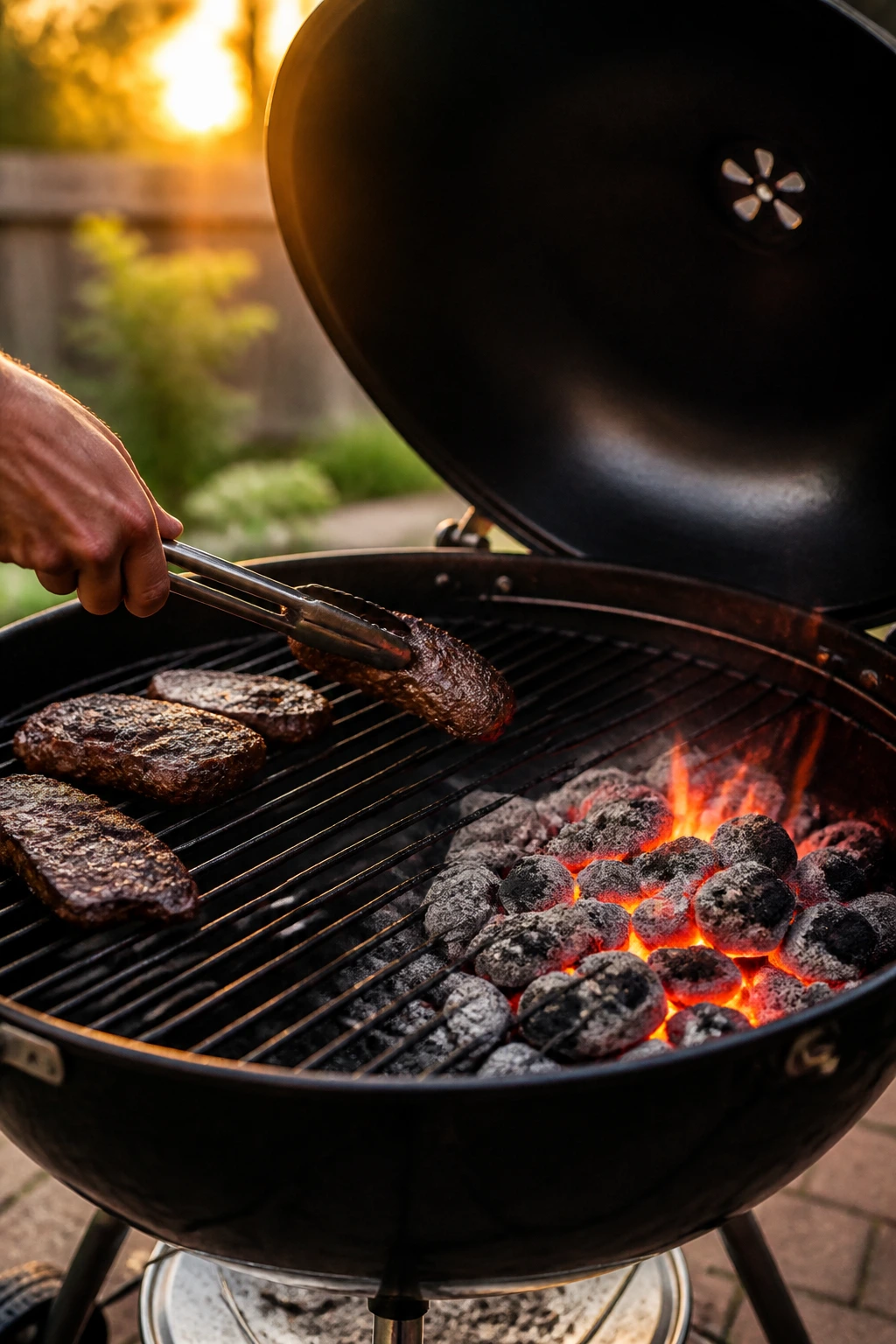
A grill is not a frying pan with flames. It’s a heat environment, and once you start treating it that way, everything gets easier. The two-zone setup is the trick I wish more casual grillers would use because it saves food from burning on the outside and staying raw inside.
On a charcoal grill, pile the coals on one side and leave the other side cooler. On a gas grill, run one burner high and another lower, or leave part of the grill off entirely. That gives you a hot side for searing and a gentler side for finishing thicker pieces. If a sausage casing splits or chicken skin darkens too quickly, you can move the food over without abandoning the cook.
When to keep the lid closed
Use the lid for thicker cuts — chicken thighs, bone-in chicken pieces, pork chops, sausages, and anything that needs the inside to catch up with the outside. Closed-lid heat circulates, which cooks more evenly and helps the food pick up that subtle smoky scent people love. For thinner vegetables or quick items like shrimp, you can often leave it open or crack it only briefly.
When to stay open
Burgers, asparagus, sliced zucchini, and bread usually need a more hands-on approach. The lid can stay up while you’re flipping and checking color. But if the temperature is dropping or the food is thick enough to need more than a quick sear, close it again and let the grill do some of the work.
I’m also a fan of a clean grate. Scrape it while it’s hot, then oil it lightly with a folded paper towel held by tongs. That helps stop sticking, which matters a lot for fish, vegetables, and halloumi. A clean grate does not solve every problem. It does reduce the ones that make you curse at dinner.
Flare-ups happen. They always will when fat drips onto fire. Move the food to the cooler side. Close the lid for a minute if needed. Do not hover over a flare with panic and a spray bottle unless the situation is genuinely out of control. Most of the time, a calmer move is better than a dramatic one.
Food Safety for Outdoor Tables and Picnic Blankets
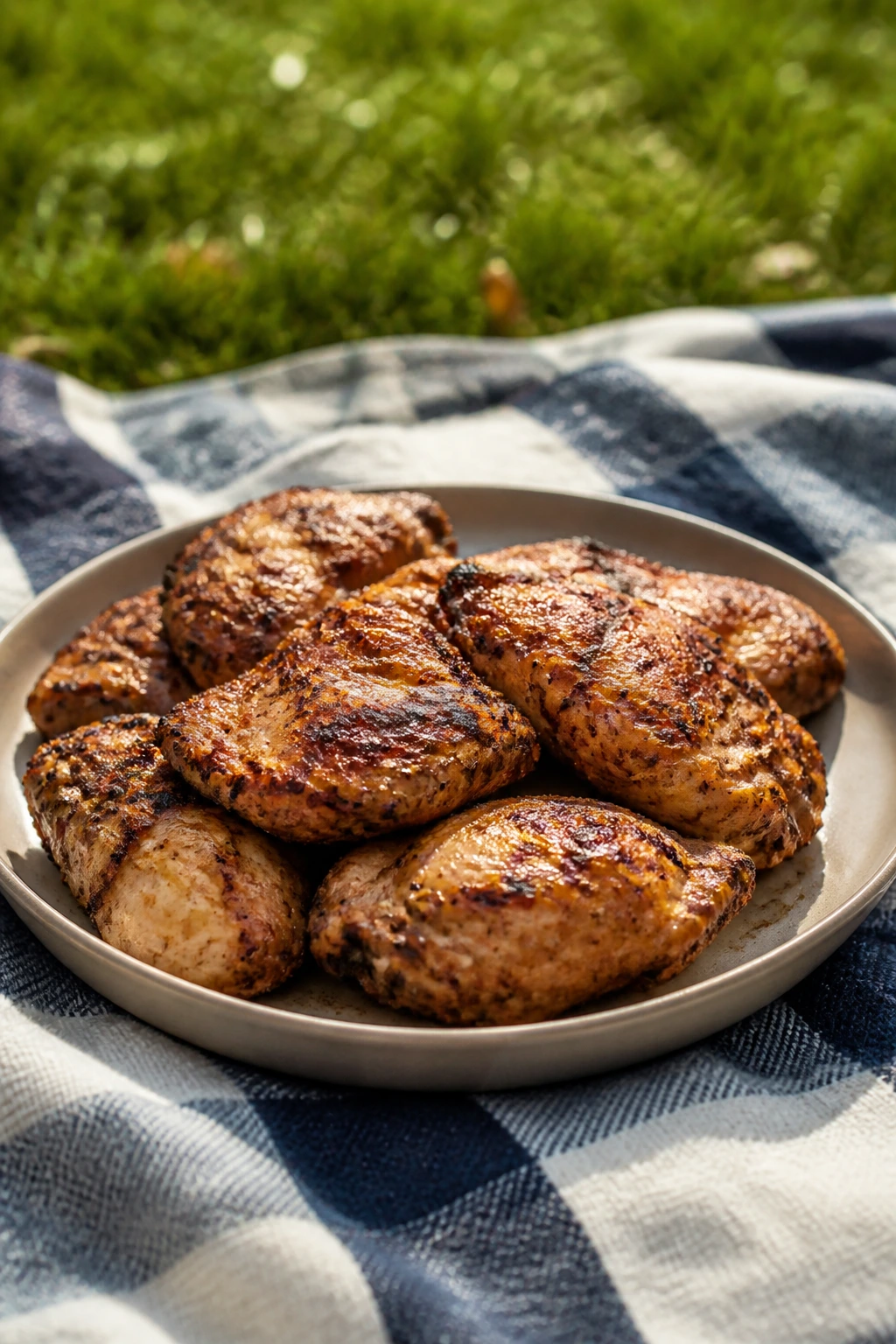
Outdoor food safety is not glamorous, but it’s the part that lets everyone eat without guessing. A sunny yard, a warm grill, and a long serving line can turn into a problem faster than people expect. The fix is mostly about temperature, time, and clean tools.
Perishable food should not sit out longer than 2 hours, and that shrinks to 1 hour if the air is hot enough that food warms quickly near the grill or in direct sun. Cold dishes need to stay at 40°F or below. Hot dishes should stay at 140°F or above. Those numbers are not decorations. They’re the difference between a relaxed party and leftovers nobody trusts.
A thermometer is the easiest way to stop arguing with meat. Chicken needs 165°F. Ground beef and burgers need 160°F. Pork chops and pork loin should hit 145°F with a short rest. Fish is done around 145°F or when it flakes and turns opaque. If you cook by color alone, you’ll get fooled eventually. Pink pork is a bad compass. So is brown chicken skin.
A few outdoor rules that matter
- Keep raw meat in a cold cooler or the fridge until grilling time.
- Use one cutting board for raw meat and a separate one for cooked food or vegetables.
- Keep serving tongs away from raw trays once the food is done.
- Put sauces in smaller bowls and refill them instead of exposing a giant bowl to heat and dust all afternoon.
- Hold cold salads in bowls nested over ice if they’ll sit out.
- Cover cooked food lightly, not tightly, if you need to hold it for a few minutes.
Marinades deserve a note too. If they touched raw meat, they don’t belong on the finished platter unless you boil them first. That’s one of those things people skip because it feels fussy. It isn’t fussy. It’s basic kitchen hygiene with a little backbone.
Set Up the Serving Line So Guests Move Smoothly
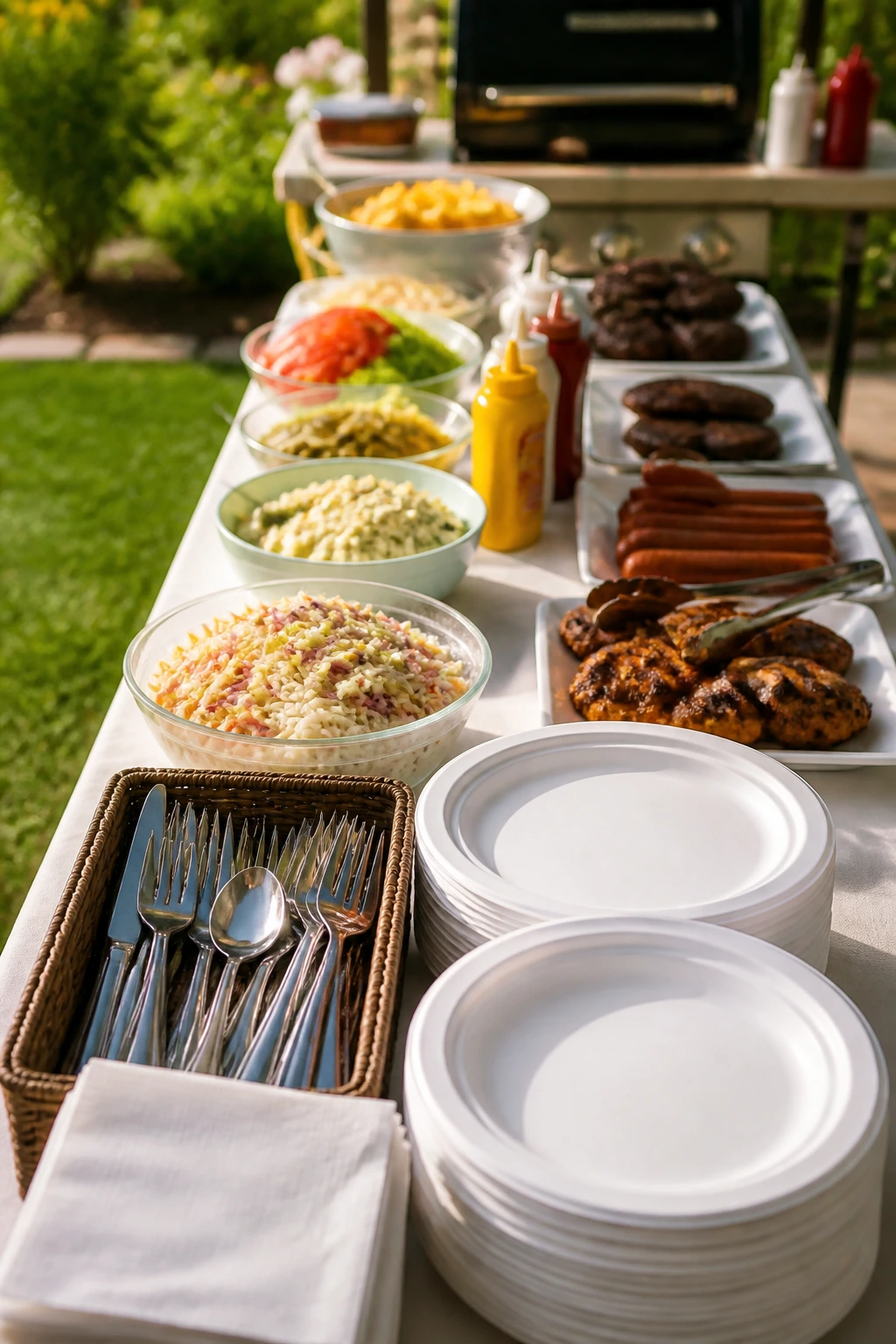
A backyard cookout feels calmer when the serving setup looks obvious. People should know where to stand, where to grab a plate, and where to find napkins without asking. If the line is confusing, they bunch up by the grill and the host ends up playing traffic cop.
I like to set the line in this order: plates first, then utensils and napkins, then cold sides, then the main grilled items, then sauces and condiments at the end. That way people can build a plate without reaching over the hot food or smearing sauce on their fingers before they’ve even chosen a main.
A separate platter for cooked food is worth having. So is a second platter for raw prep if you’re doing staged grilling. A sheet pan lined with parchment works in a pinch, but a wide serving platter makes the whole spread feel more intentional. The food does not need to be fancy. It does need room.
Baskets or bowls for buns, rolls, and tortillas should sit a little away from the heat. Bread near the grill dries out faster than people expect. If you’re serving sliders, keep the buns covered with a clean kitchen towel until the meat is ready. Same idea for flatbread. A few seconds uncovered is fine. Twenty minutes is not.
Napkins are non-negotiable. So are small spoons for relishes, pickles, and sauces. Guests get clumsy when they’re holding a paper plate in one hand and trying not to drip on their shoes. Give them tools that match the food.
One more thing: keep the garbage can visible. People will use it more if they don’t have to search for it. That small detail saves your patio, your table, and your mood.
Practical Tips for Better Backyard Cookouts
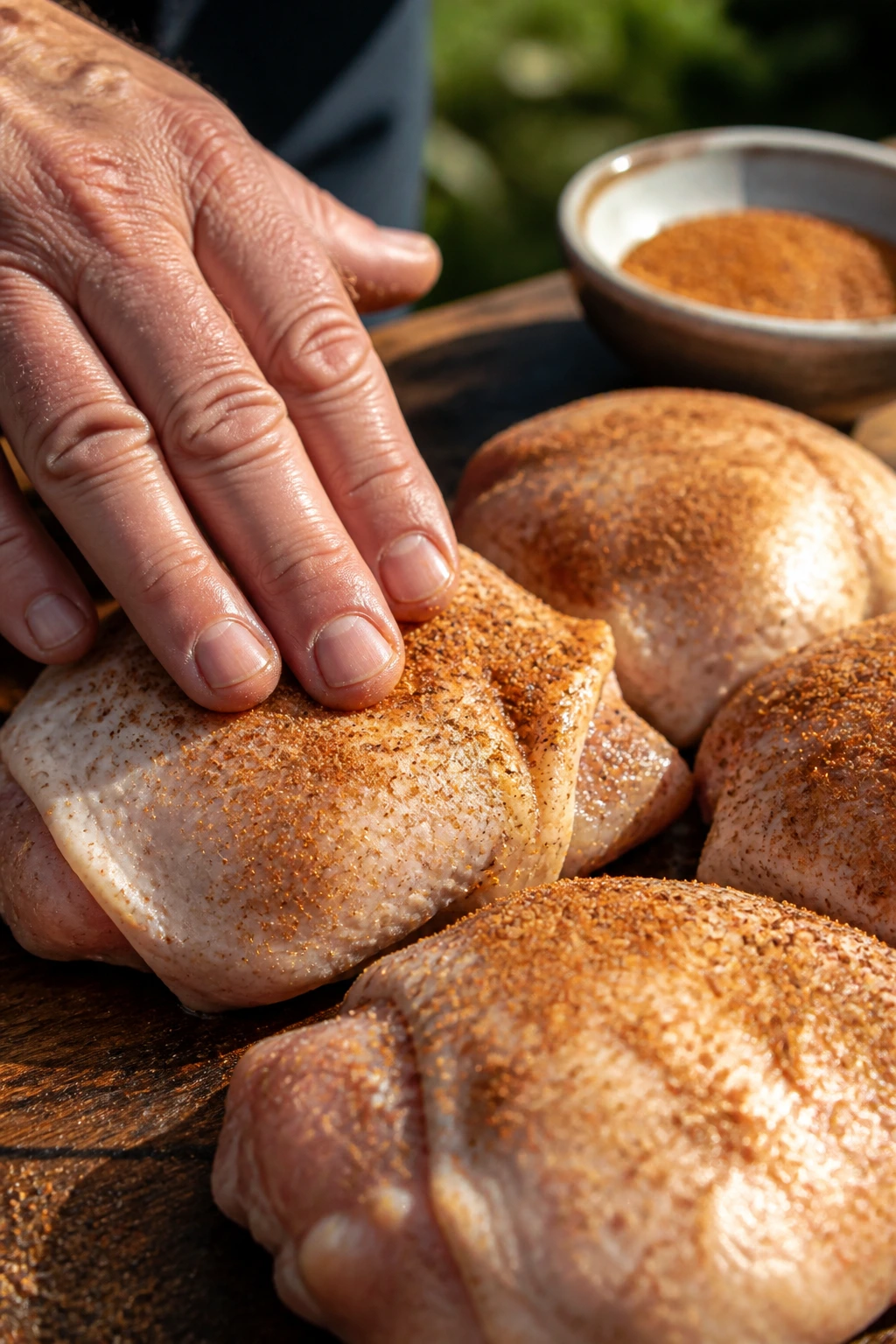
A little preparation goes a long way here, and the best tricks are the ones that prevent annoying problems before they start.
Flavor Enhancement: Salt chicken thighs, pork chops, or vegetables ahead of time instead of salting only at the grill. Even 30 to 45 minutes makes a difference, and overnight is better for chicken and pork if the seasoning is dry and the meat stays refrigerated. The surface dries a bit, which means better browning.
Time-Saver: Cut onions, peppers, zucchini, and mushrooms in the morning, then toss them with oil and seasoning in a large bowl or zip bag. They’ll grill faster, and you won’t have to trim and slice while guests are already on the lawn asking when dinner starts.
Pro Move: Warm your serving platters before the food comes off the grill if you can. A room-temperature platter is fine. A cold one steals heat from chicken skin, burger patties, and grilled vegetables. Ten minutes in a low oven or a quick rinse with hot water and a dry towel does the job.
Cost-Saver: Build more of the menu from cabbage, corn, onions, potatoes, and chicken thighs. Those ingredients carry smoke well and feed a crowd without emptying the grocery budget. Fancy cuts are nice. They are not necessary.
Serving Trick: Keep bright finishers separate until the last second. Lemon wedges, herbs, pickled onions, and herb oil taste sharper and look better when they’re added at the table. A dish that’s been sitting under sauce for 20 minutes loses some life. A dish that gets sauced in front of guests feels fresh.
Make-It-Yours: If your crowd likes heat, bring it in with chopped pickled jalapeños, chile oil, hot honey, or a dry rub with cayenne. If the group runs mild, keep the spice in a side bowl so people can control their own plate. That’s a much easier way to please mixed tastes than trying to split the menu into opposing camps.
One more small thing: keep a damp kitchen towel under the cutting board so it doesn’t slide when you carve meat. It sounds trivial until you’re slicing hot chicken thighs and the board starts skating across the counter. Then it suddenly feels genius.
Common Mistakes That Turn a Cookout Into a Stress Test
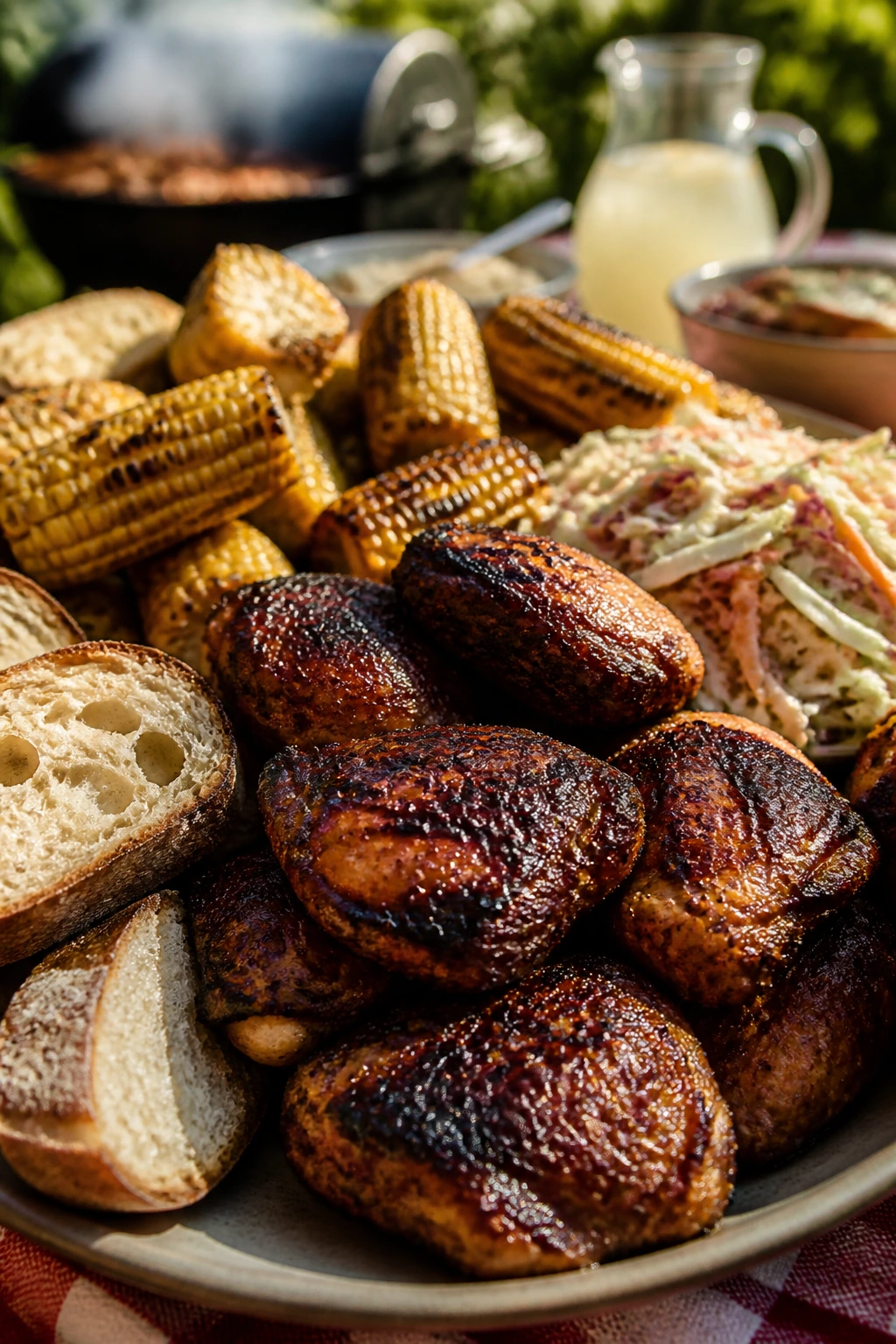
The biggest mistake is trying to grill everything at once. The grill fills up, the heat drops, the food stops browning, and you’re left with a crowded grate and a lot of mediocre color. Cook in batches. It’s slower on paper and faster in reality because you’re not rescuing burnt edges and raw centers at the same time.
Another classic problem is saucing too early. Anything sweet — barbecue sauce, honey glazes, sticky chili sauce — can burn before the protein is cooked through. Brush it on near the end, when the food is already close to done and only needs a few minutes to set. If you want extra flavor, serve more sauce on the side.
Skipping a thermometer is another bad habit. Burgers can look done before they are. Chicken skin can brown before the thickest part is safe. Pork can go from juicy to dry in a blink. A small instant-read thermometer ends a lot of guessing and saves a lot of food.
People also overdo soft or wet sides. A table full of creamy salads, ripe tomatoes, and slick sauces can turn into mush if there isn’t any crunch. That’s why cabbage slaw, pickles, grilled bread, and raw herbs matter so much. They keep the plate from feeling heavy and slippery.
Then there’s the tight-foil trap. Wrapping hot food too snugly after grilling traps steam and softens the crust you just worked for. A loose tent is enough if you need to hold food for a few minutes. Better yet, serve it while the exterior still has texture.
And yes, under-seasoning still happens all the time. Smoke adds depth, not salt. Vegetables in particular need seasoning before they hit the heat and a little acid after they come off. If the food tastes flat, the grill probably isn’t the only thing at fault.
Variations for Different Crowds and Diets
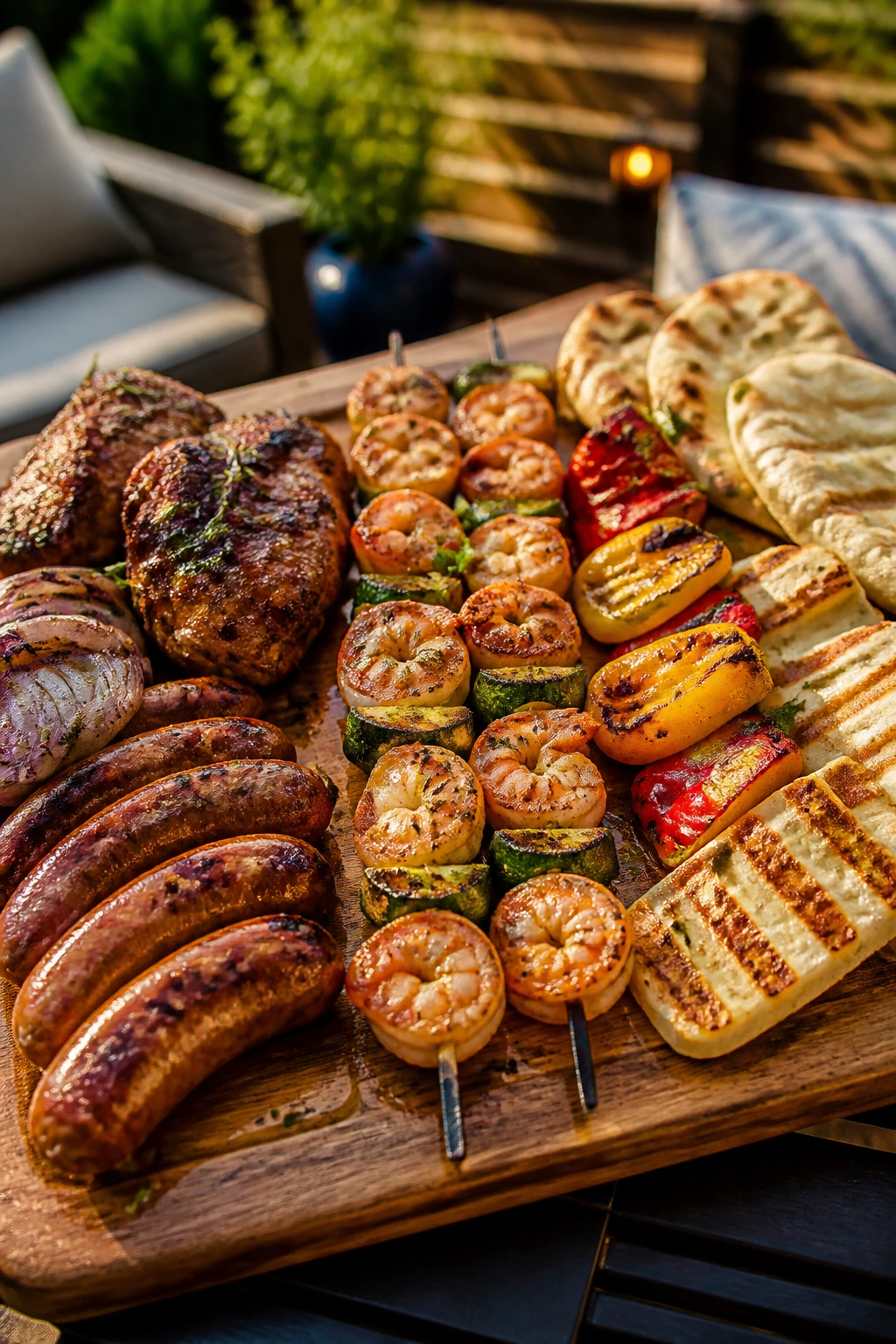
A backyard cookout should flex a little. Not every group wants the same kind of fire, and a smart menu can move in different directions without losing its shape.
Smokehouse Crowd Pleaser
This version leans into the heavy, cheerful side of grilling: sausages, chicken thighs, grilled onions, corn, and a slaw with vinegar bite. It’s the spread I’d use for a group that wants to eat with their hands and go back for seconds without thinking too hard. Serve barbecue sauce, mustard, and pickles, and nobody complains.
Lighter Market Table
Go with shrimp skewers, salmon, grilled zucchini, asparagus, peaches, and a lemony yogurt sauce. The whole plate feels brighter and less dense, which works when the weather is warm and people want to keep moving between the yard and the table. This style also plays nicely with herby salads and crusty bread instead of heavy starches.
Vegetarian Grill Board
Halloumi, portobello caps, charred peppers, onions, corn, flatbread, and a green sauce can carry a whole meal without meat in sight. Add beans or a grain salad if you want more staying power. The key is texture: something salty, something juicy, something crisp, something warm.
Budget Backyard Batch
Chicken thighs, hot dogs or sausages, cabbage slaw, grilled potatoes, and corn are hard to beat when feeding a crowd without wasting money. Nothing on that list asks for delicate timing, and every piece scales up well. It’s the kind of menu that looks casual but feeds people properly.
Chili-Heat Party
Use a dry rub with smoked paprika, cumin, garlic, and cayenne on chicken or pork, then finish with hot honey or a vinegar-forward sauce. Keep a cooling side nearby — cucumber salad, yogurt sauce, or plain grilled bread — so the heat feels lively instead of aggressive. This works best when your crowd likes a little sweat with dinner.
Tools and Equipment Worth Keeping Close
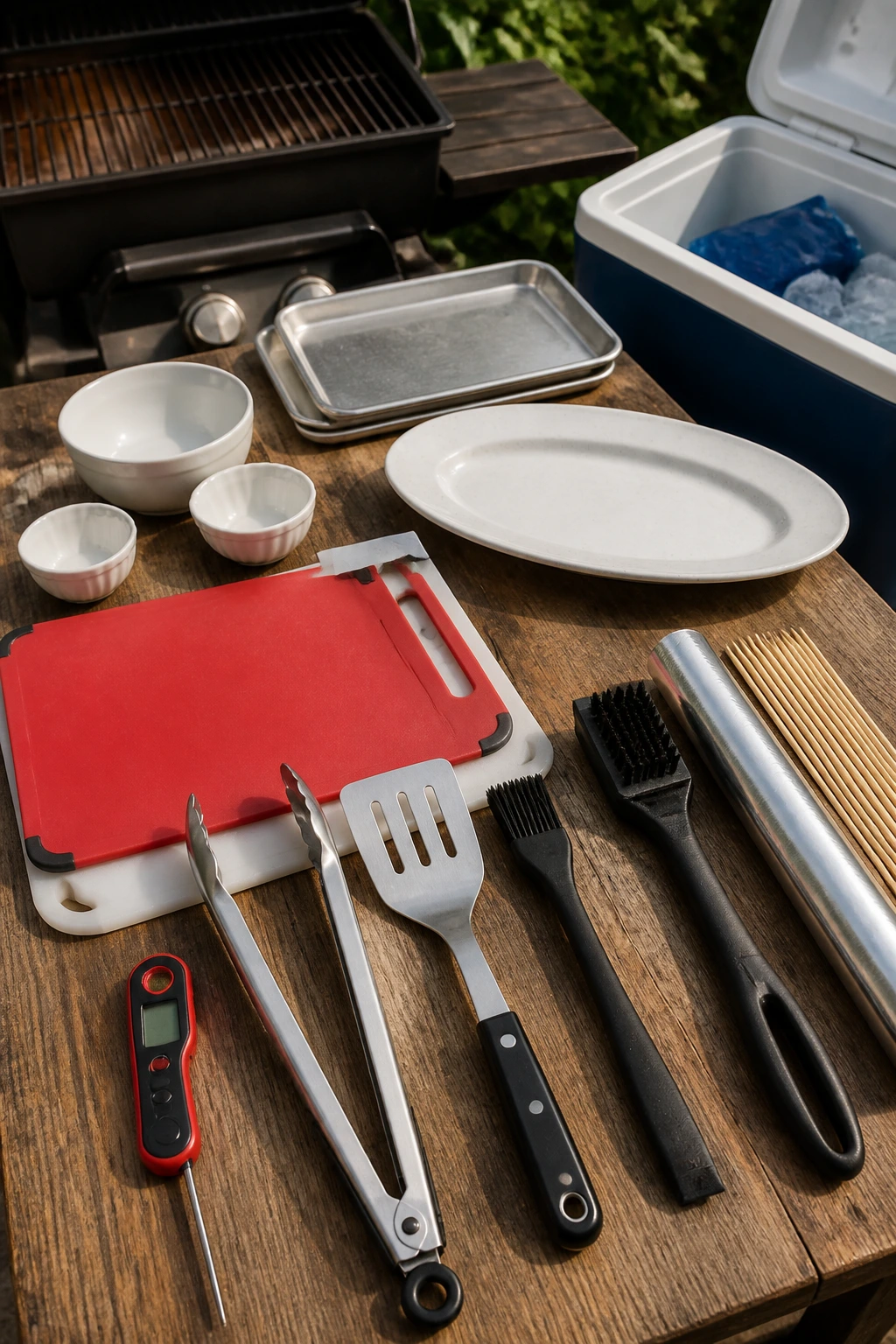
You do not need a truckload of gadgets. You do need a few things within arm’s reach so the cooking doesn’t get clumsy.
- Instant-read thermometer: The fastest way to know when chicken, burgers, pork, or fish is done.
- Long grill tongs: Safer than short ones and much better for moving food between heat zones.
- Wide metal spatula: Useful for burgers, fish, and anything fragile that needs support.
- Two cutting boards: One for raw prep, one for cooked food. Color-coded is even better if you’ve got it.
- Rimmed sheet pans: Great for staging raw food, carrying finished items, and resting meat under a loose tent of foil.
- Large serving platters: Wide enough that food doesn’t crowd itself and steam.
- Basting brush: Handy for oiling vegetables or brushing sauce near the end.
- Grill brush or scraper: Keeps the grate clean so food releases more easily.
- Aluminum foil: Good for loose tents and for holding warm items without locking in steam too hard.
- Cooler with ice packs: Useful for holding cold sides, drinks, and raw meat before grilling.
- Skewers: Metal is easiest; wooden works if you soak it long enough that it doesn’t scorch.
- Small bowls for sauces and garnishes: Keeps the table from turning into one giant spill zone.
A wireless thermometer can help with thicker cuts, especially if you like bigger chicken pieces or pork roasts. It is optional. An instant-read is enough for most backyard parties.
Make-Ahead, Storage, and Leftover Strategy
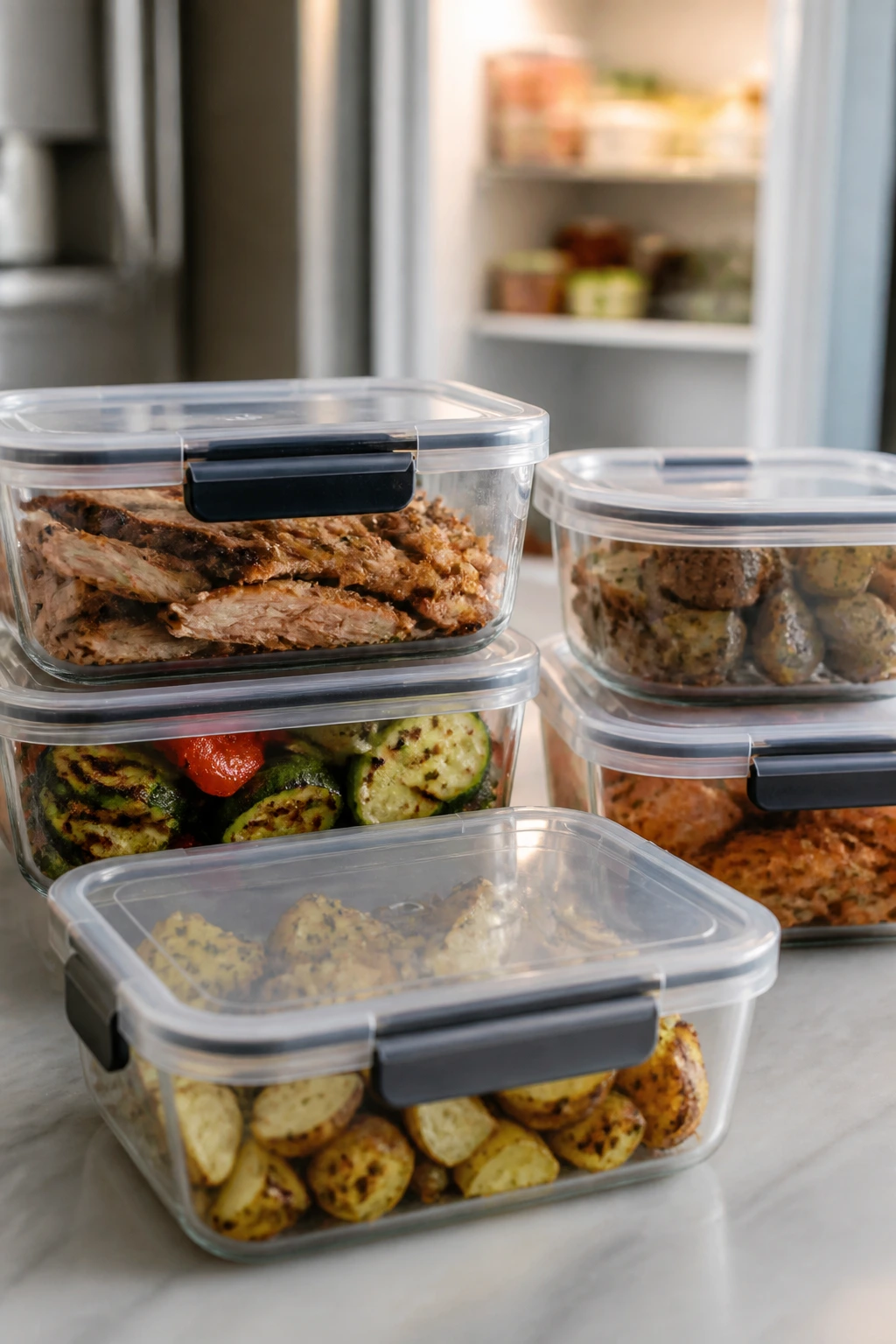
The best cookout leftovers are the ones that were stored cleanly from the start. Grilled food can taste even better the next day if it wasn’t overcooked and if you cool it properly before boxing it up. Shove hot food into a deep container and it stays warm too long, which is exactly what you do not want.
Cooked meats, grilled vegetables, and most potato dishes keep in the refrigerator for 3 to 4 days in airtight containers. Grilled fruit is best within 1 to 2 days because it softens quickly. Slaws dressed in vinegar tend to hold up for about 2 to 3 days; creamy slaws can weep sooner, so stir them before serving. If you have plain components and sauces stored separately, they’ll last better and taste fresher.
Freezing works best for cooked chicken, pork, burgers, sausages, and some grilled vegetables, though vegetables lose texture faster than meat. Pack them tightly, remove extra air, and freeze for up to 2 months. Flatbread, buns, and rolls freeze well too if you wrap them carefully. Reheat bread in a low oven or directly on the grill for a minute so it doesn’t turn leathery.
Best reheating methods by type
- Chicken thighs or pork chops: Warm covered in a 300°F oven with a spoonful of broth or pan juices until heated through.
- Burgers: Reheat in a skillet over low heat with a splash of water and a lid, or slice and warm briefly in the oven.
- Sausages: Split and warm in a skillet, or reheat whole over low grill heat.
- Vegetables: Use a hot skillet, a toaster oven, or a brief turn on the grill.
- Bread: Toast, grill, or wrap in foil and warm lightly in the oven.
If you’re making ahead for a party, cook only the items that hold well: chicken thighs, sausages, grilled vegetables, potato salad, slaw, sauces, and bread. Leave delicate things — fish, shrimp, thin asparagus, sliced tomatoes — for the last stretch. That’s the difference between a head start and a soggy compromise.
Backyard Cookout Questions People Ask All the Time

What should I grill if I want the easiest possible backyard menu?
Chicken thighs, sausages, corn, and a cabbage slaw are about as low-stress as it gets. They tolerate a little timing drift and still taste good if people are slow to the table. Add toasted buns or rolls and you’ve got a meal that doesn’t require perfect choreography.
How much food do I need per person?
For a mixed cookout, plan on about 6 to 8 ounces of cooked protein per adult if there are sides, and a little less if the table is loaded with starches and salads. For kids, smaller portions are usually enough unless they’re in a growth-spurt mood and eating like short linebackers. Bread, vegetables, and sides stretch the meal faster than people think.
Can I prep most of it the day before?
Yes, and that’s the smart move. Trim vegetables, mix sauces, make slaws, and season meats ahead of time, then keep everything cold. Save the final grilling for the last stretch so the food comes off the fire with better texture.
How do I keep grilled food warm without drying it out?
Use a loose foil tent and a warm oven around 200°F to 250°F, or hold the food on the cooler side of the grill for a very short time. Thick pieces of meat hold better than thin ones. If you need more than 15 or 20 minutes, it’s usually better to time the grill in waves instead of holding everything.
What foods should I avoid on a backyard grill menu?
Anything fragile, watery, or fussy can become a headache. Thin fish fillets, overripe tomatoes on the grill, heavily sauced items too early, and tiny vegetables that fall through the grates all need extra care. You can still serve them, but they’re not the backbone of a relaxed party menu.
How do I keep buns from getting soggy?
Toast the cut sides for a few seconds, then keep them covered but not steaming. Put sauces on the side if people like to build their own sandwiches. A dry, lightly toasted bun holds up far better than a soft one that sits under hot meat juices.
What’s the safest way to handle raw and cooked food at the same time?
Separate boards, separate tongs, separate platters. Raw meat should never touch the platter that will hold finished food unless it’s been washed and dried first. That sounds obvious until the party is in motion and everyone is reaching for whatever’s closest.
Can I run a cookout with one small grill?
Absolutely. You just need a better order. Cook the longest items first, hold them loosely, then move through vegetables and bread last. A small grill can feed a crowd if you batch the work instead of crowding the grate.
The Kind of Cookout People Remember
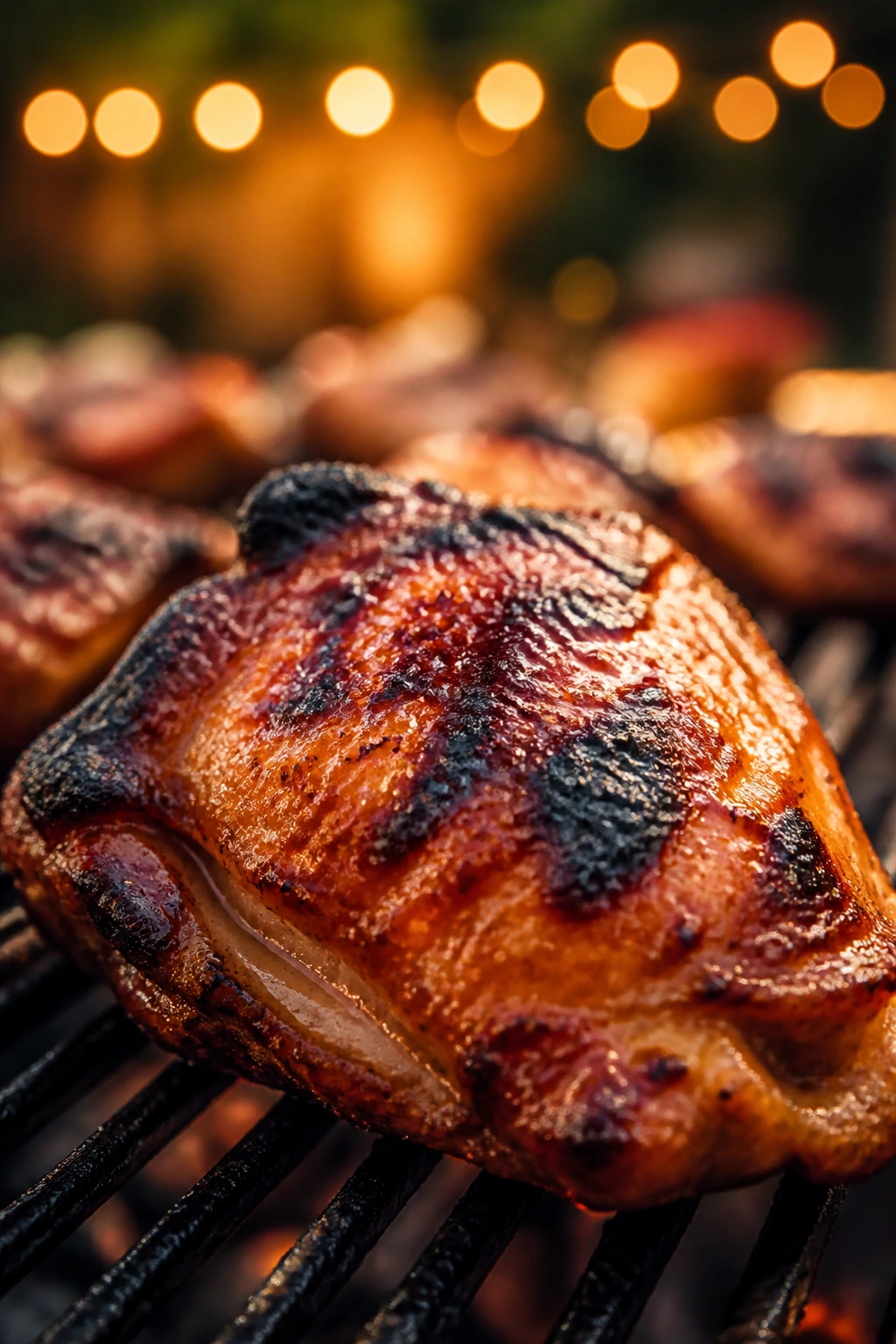
The best backyard cookouts do not feel choreographed to death. They feel relaxed because the food was chosen with a little care and cooked with a little discipline. Smoke on the meat, char on the vegetables, acid on the side, bread that can survive a messy hand — that combination does a lot of heavy lifting.
I trust a cookout more when the host has built the menu around foods that behave. Chicken thighs instead of boneless breasts. Slaw instead of a bowl of dressed lettuce. Toasted buns instead of soft ones. Sauces that wait in little bowls until the moment of serving. Those choices sound modest. They also keep the whole thing moving.
If you want a backyard spread that people can eat with one hand and talk with the other, start there. Keep the fire hot, the table simple, and the flavors sharp enough to cut through the smoke. Then let the yard do the rest.