



A good backyard spread has a particular kind of energy. The grill is smoking, somebody’s reaching for a napkin, and the food that gets remembered is almost never the fussy stuff — it’s the juicy picnic basket food for backyard cookouts that still tastes alive after a walk across the yard, a little waiting, and one extra round of people asking, “Did you make more of that?”
Dry food kills the mood fast. So does a basket full of random snacks that don’t belong together. What works instead is a menu built on moisture, fat, acid, and smart packing: grilled chicken thighs that stay tender, vinegar slaw that wakes up smoky meat, thick slices of tomato, chilled melon, buttery rolls, and sauces that are waiting in the wings instead of soaking everything on arrival.
The best part is that none of this requires a complicated plan. It just asks you to cook with the end of the meal in mind — not the moment the food leaves the grill, but the moment it lands on a paper plate under a bright sky and has to hold its own. That’s where the real work is. And that’s where the fun starts.
Why Juicy Picnic Basket Food Wins at Backyard Cookouts
It keeps the first plate interesting.
A cookout plate usually has a little of everything — meat, bread, something cold, something sharp, something sweet. When the food is built around moisture, every bite has a reason to keep going, instead of fading after the first smoky mouthful.
It survives the delay between grill and table.
Backyard food rarely gets eaten the second it’s done. People wander. Kids get distracted. Someone has to grab ice. Foods with fat, brine, dressing, or natural juices can sit for a short stretch without turning stiff or sad.
It gives you more than one temperature on the plate.
Hot meat, cool slaw, room-temp tomatoes, and cold fruit are a much better match than a pile of hot items trying to do the same job. The contrast makes the whole meal feel fresher.
It makes the grill less stressful.
If half the menu is already chilled, dressed, or sliced, you’re not chained to the fire. You can spend more attention on the one or two main things that actually need heat and ignore the rest until the last minute.
It leaves leftovers people want.
Food built with acid, sauce, or a little extra fat usually holds up in the fridge for another meal. That’s not a small detail. It means lunch tomorrow tastes like a plan, not a compromise.
A lot of people think juicy food means “messy” food. Not quite. Juicy food means the moisture is protected, not lost. Resting meat, salting vegetables, dressing the right things at the right time, and packing separate containers all do more for flavor than another coating of sauce ever will.
Mayo isn’t the villain. Bad timing is.
Build the Basket Around Moisture, Not Just Convenience
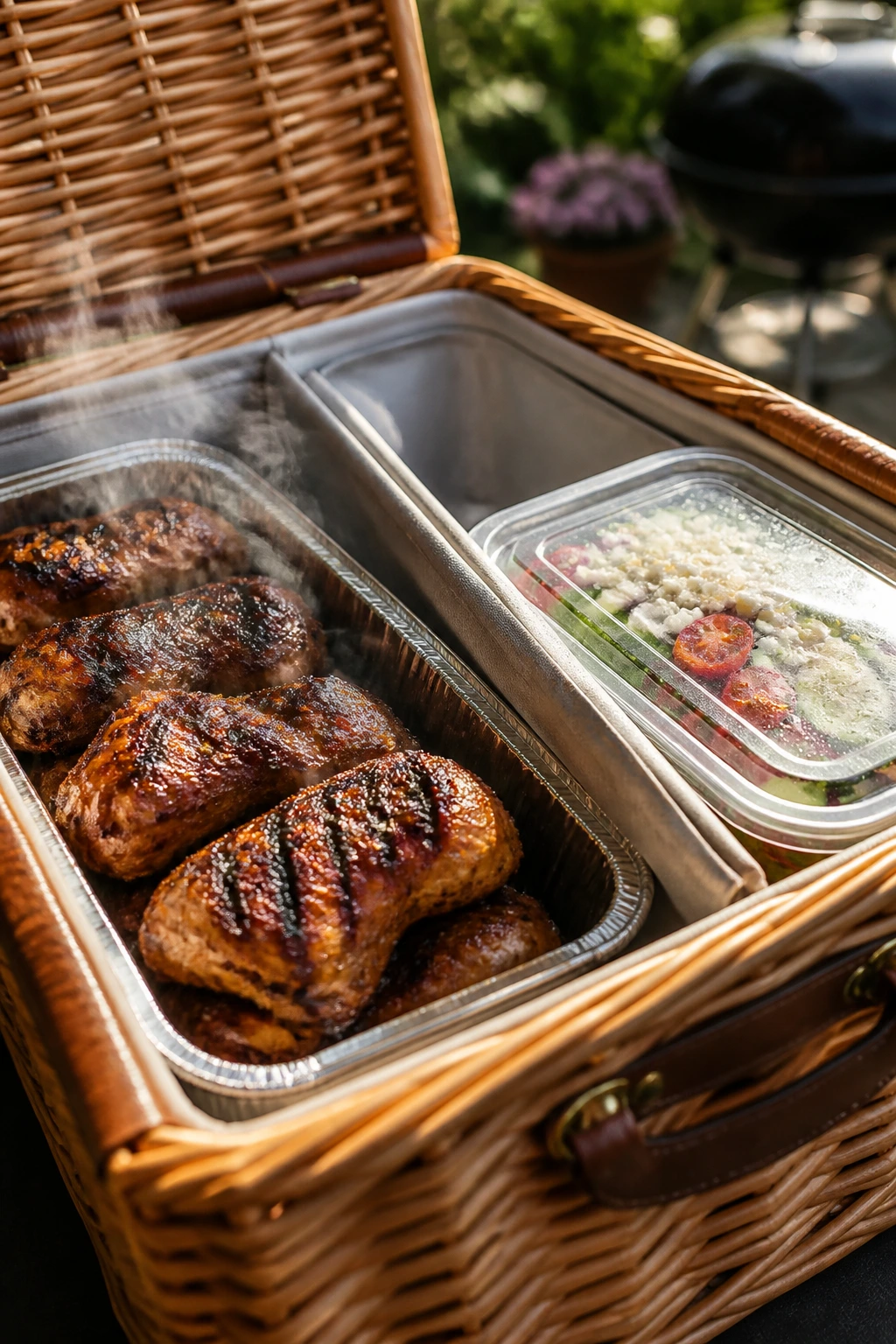
A picnic basket can be charming and still fail miserably if it’s doing too many jobs at once. The real trick is to treat the basket as a transport layer, not the storage system for every part of the meal. Hot food needs room to breathe. Cold food needs insulation. Crunchy food needs its own box. Wet food needs a lid that actually seals.
Start with a rigid base
Soft-sided totes are fine for drinks, but food wants structure. Use a basket with a hard bottom, or better yet, a shallow cooler bag inside a basket if you care about keeping things cool longer than ten minutes. Stack heavier containers low and flat. That keeps tomato wedges from getting crushed under a bowl of potato salad.
Keep wet and dry pieces apart
Paper towel under berries? Good. Parchment between burger patties? Good. Sauce in a jar instead of on the sandwich? Even better. Once bread or crisp lettuce touches a wet filling too early, the clock starts. Not a dramatic clock. A quiet one. The kind that ends with floppy buns and pale fries.
Use a two-zone system
One zone for hot or room-temp food, one zone for chilled food. If the grill is running, the hot zone might be a covered tray tucked in a clean towel. The cold zone belongs in an insulated cooler with ice packs or frozen water bottles. That split keeps the basket from becoming a warm, damp mess of everything all at once.
There’s a tiny, useful habit that pays off every time: pack the condiments last and place them on top where you can grab them fast. Pickled onions, barbecue sauce, mustard, ranch, chimichurri — these are not afterthoughts. They are the repair kit.
If you want the meal to feel easy, pack it like somebody thought about how it would actually be eaten.
Grilled Mains That Stay Tender After the Fire Dies Down
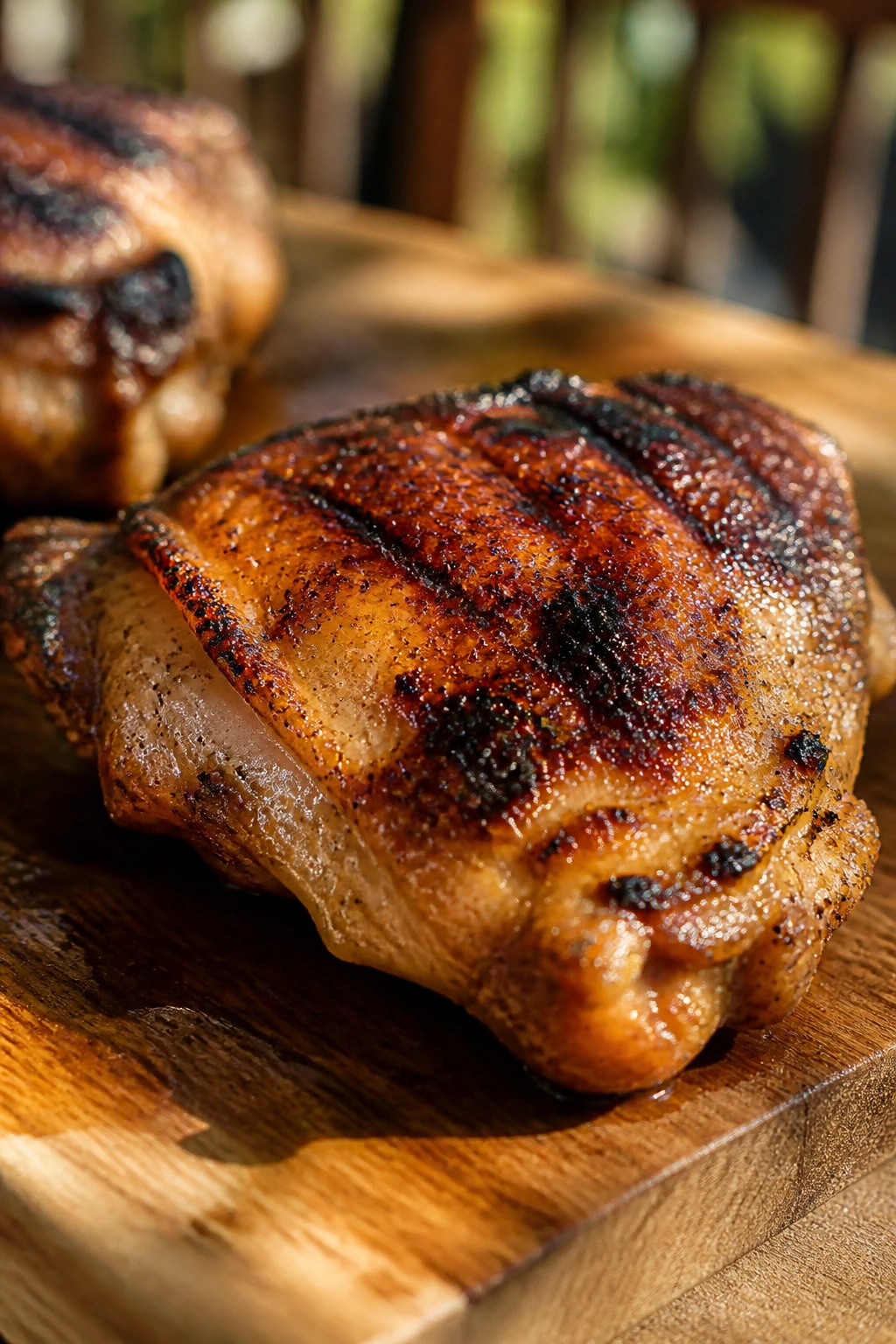
The cut matters more than the sauce.
You can rescue a plain grilled chicken thigh with a spoonful of salsa or a few pickles on the side. You cannot rescue a chicken breast cooked past its limit without making the whole plate feel tired. For backyard cookouts, I reach for cuts that forgive a little lapse in timing.
Chicken thighs are the obvious favorite here. They have enough fat and connective tissue to stay tender even if they rest for a few extra minutes under loose foil. Pork tenderloin also works, but it needs attention; pull it around 145°F and let it rest before slicing. Burgers made with 80/20 beef stay juicier than lean blends, and a thick patty gives you a better buffer against overcooking. Flank steak is another strong choice because it slices beautifully across the grain and pairs well with sharp sauces.
The cuts that stay juicy
- Chicken thighs, bone-in or boneless: The higher fat content helps them stay soft even after resting.
- Pork tenderloin: Lean, yes, but fast-cooking and pleasant if you stop at the right temperature.
- 80/20 burgers: Enough fat to keep the interior moist without collapsing on the grill.
- Flank steak or skirt steak: Best when marinated lightly and sliced thin after a short rest.
- Salmon steaks or fillets: Excellent if you want a fast grill item that stays glossy and rich.
The numbers that keep you out of trouble
Poultry should reach 165°F in the thickest part. Pork tenderloin tastes best when it comes off a little earlier, around 145°F, then rests. Burgers need to reach 160°F for safe ground beef. For steak, the exact doneness depends on taste, but the bigger job is slicing it across the grain before it goes dry on the board.
Resting is not optional.
Rest five to ten minutes for most grilled meats, loosely tented with foil. Tight foil traps steam and softens the crust you worked for. Loose foil keeps the surface warm without turning the bark, grill marks, or caramelized spice into mush.
How to slice for the basket
Slice flank steak thin. Cut chicken thighs only after they’ve rested. For burgers, put the cheese on during the last minute if you’re using it, then serve immediately or keep them warm on a tray, not buried in a closed container. Pulled pork can hold a little longer because the sauce protects it. Sliced meat cannot.
If you’re feeding a crowd, grilled mains are where you should be a little opinionated. Choose one or two cuts that you know behave well. That’s it. A cookout doesn’t need four proteins. It needs one or two that are cooked properly and then paired with sharp, cold, or crunchy things that make them taste even better.
Salads and Slaws That Still Taste Fresh After a Long Table Wait
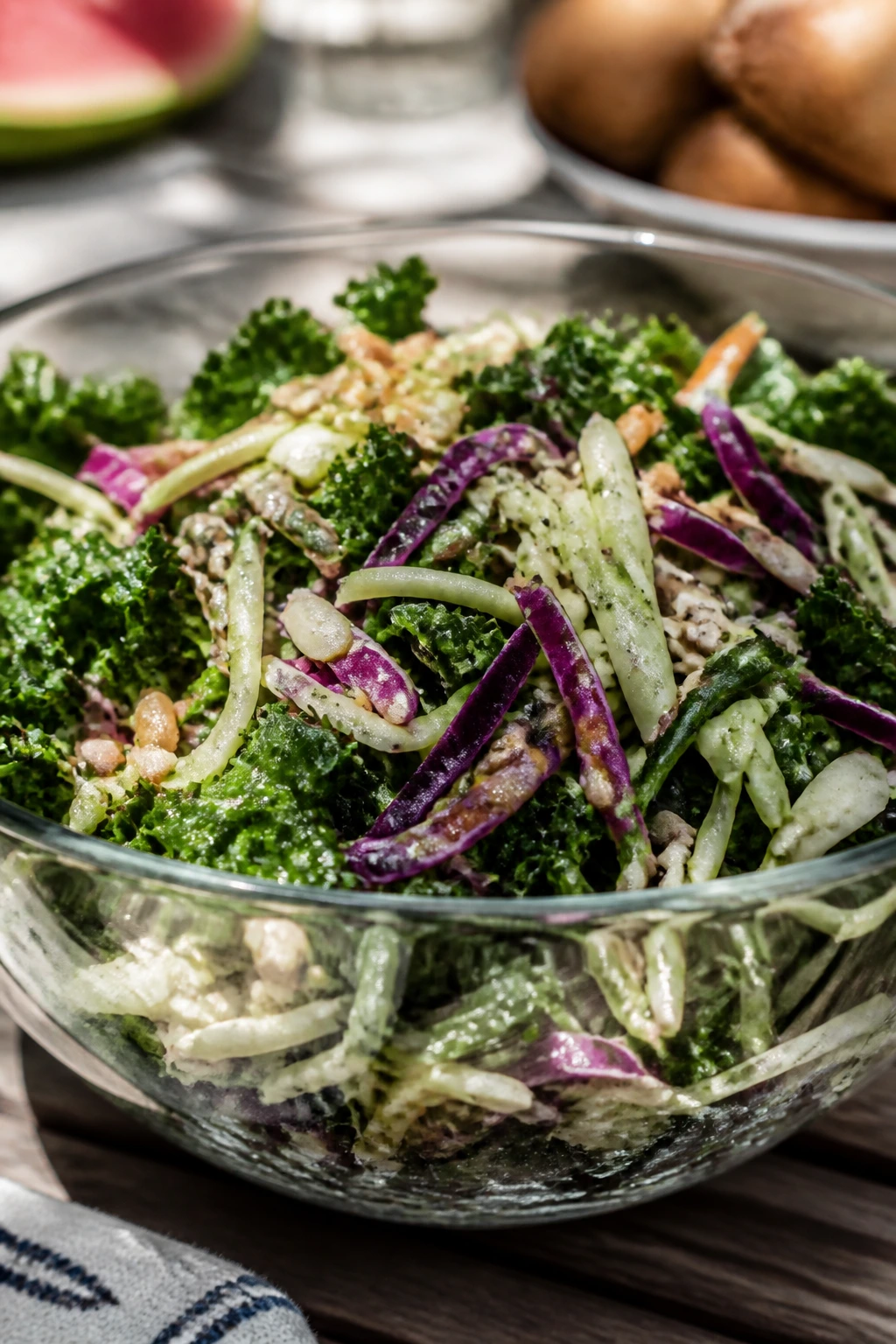
What belongs next to smoke, char, and sauce? Something cool enough to reset the bite. Something with crunch. Something that doesn’t go limp the second a serving spoon hits it.
Cabbage is your friend. So are beans, pasta, potatoes, cucumbers, and tomatoes — if you handle them with a little care. A cabbage slaw can sit for an hour or two and still snap when you bite it. A leafy lettuce salad usually cannot. That’s the difference between a side dish that travels and one that sulks.
Sturdy leaves beat delicate ones
Kale, shredded cabbage, shaved Brussels sprouts, radicchio, and romaine hearts hold up better than spring mix. If you want a salad that can survive a basket ride and a long table pause, build it on something sturdy. Then add herbs, sliced onion, grated carrot, or toasted seeds for lift.
Dress the bowl in two passes
Toss most of the dressing in early, but save a spoonful or two for the end. That last splash wakes the salad up right before serving, which matters more than people think. A cold slaw that sat dressed for thirty minutes often needs a little fresh acid and salt to taste alive again.
Salt watery produce first
Cucumbers, tomatoes, and some melon salads leak fast if you just pile them into a bowl. Salt them lightly, let them sit for ten to fifteen minutes, then drain the excess liquid before mixing with herbs or cheese. That tiny step keeps the salad from turning into soup at the bottom of the container.
A few strong picnic basket foods in this category:
- Vinegar slaw with cabbage, carrot, and celery seed
- Chickpea salad with parsley, red onion, and lemon
- Potato salad with mustard, herbs, and a little sour cream
- Pasta salad with pesto, tomatoes, and mozzarella
- Cucumber-tomato salad with dill and red wine vinegar
I’ll say it plainly: mayo-based salads are not a problem if they stay cold. They become a problem when they’re left on a side table in warm air. If your spread will sit out for a while, vinaigrette-based salads are safer and more forgiving. If you want creamy potato salad, keep it in a cooler until the last second.
Cold, crunchy, slightly sharp — that’s the lane.
Sandwiches and Sliders That Hold Their Juice Between Two Buns
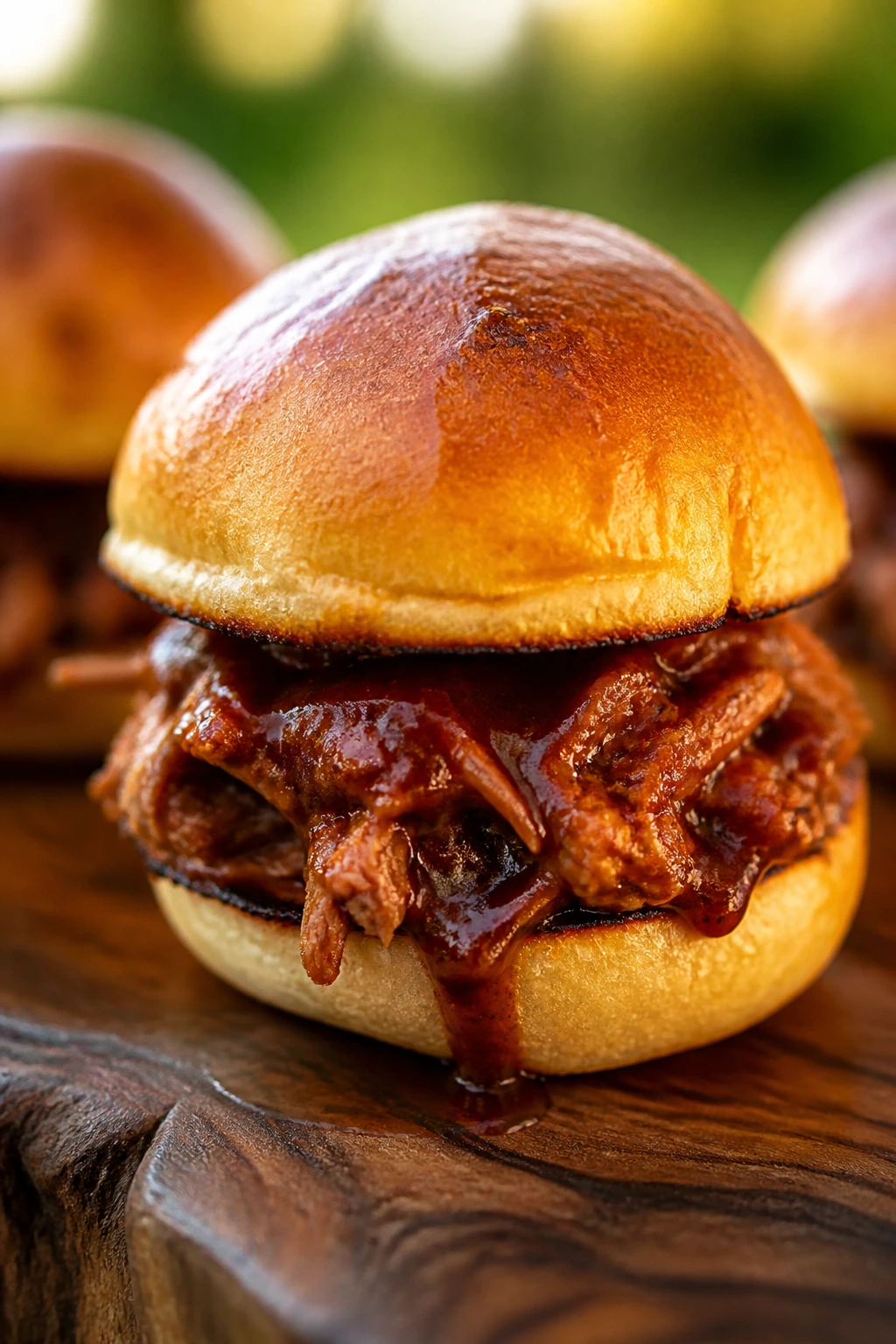
A good cookout sandwich should still be good after a paper plate wobble. That sounds obvious until you watch a soggy bun collapse under too much sauce and one sad tomato slice. The fix is not more filler. The fix is structure.
Use bread with some backbone. Split-top buns, potato rolls, hoagie rolls, and small ciabatta loaves all have different personalities, but they share one useful trait: they can carry moisture without dissolving in it. Very soft sandwich bread is fine for tea sandwiches. Not for a table with tongs, sun, and a line of hungry people.
Build from the center out
Put the sauce on the bread, not on top of the meat. Add cheese or a fat layer if you have one. Then the meat. Then something sharp — pickles, sliced onions, slaw, a thin hit of mustard. Greens belong near the top or bottom only if they’re dry and sturdy. Wet tomato slices should be salted, blotted, and handled like they matter, because they do.
Toasting has limits
A lightly toasted bun can buy you time. A hard, crunchy bun is a pain the second the fillings get juicy. If you’re making sliders or pulled pork sandwiches, toast the cut sides just enough to give them a little grip, then let them cool before stacking. Hot bread melts into condiments faster than people expect.
The fillings that hold up
- Pulled pork with a little finishing sauce
- Sliced chicken thigh with slaw
- Thin-sliced roast beef with horseradish mayo
- Grilled portobello with cheese and pickled onion
- Burger patties with cheddar, tomato, and dill pickles
I prefer small sandwiches for cookouts. Bigger isn’t better here. A smaller bun gives you a tighter ratio of bread to filling, which means less dry chewing and fewer casualties on the plate. Sliders also let people sample more than one thing without turning the meal into a commitment.
One smart move: wrap finished sandwiches in parchment for a few minutes before serving. Not sealed foil. Parchment. It lets the bread settle without steaming itself into submission.
If the sandwich leaks a little onto the paper, that’s not failure. That’s character.
Skewers, Wings, and Handheld Bites That People Can Eat Standing Up
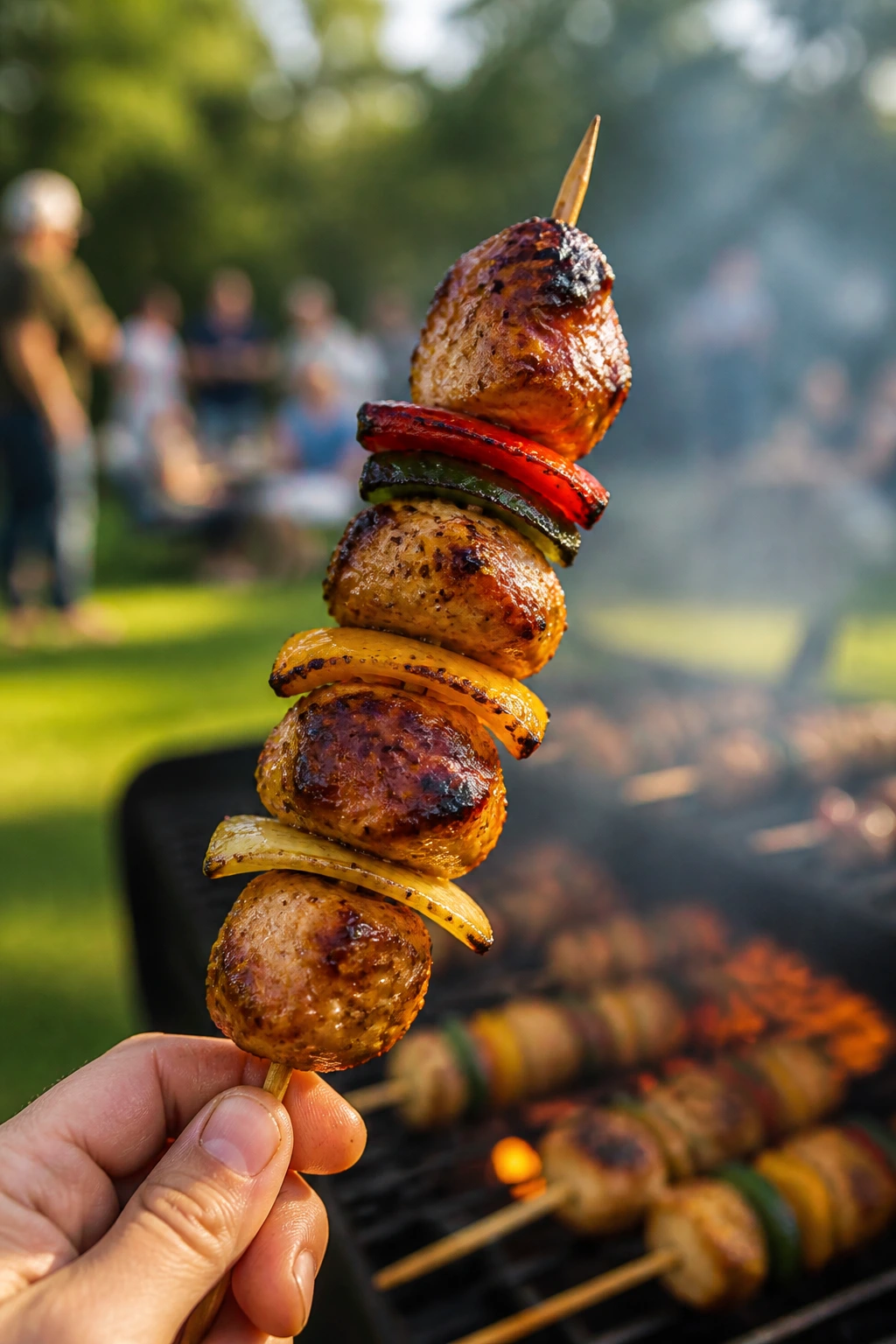
Some cookout food wants a plate. Other food wants a napkin and a free hand. Skewers, wings, and small bites belong in the second group, which is exactly why they show up so often at successful backyard cookouts. They’re fast, they’re tidy enough to pass around, and they give you a lot of surface area for smoke, spice, and glaze.
Bite size is not a detail.
If the pieces on a skewer are uneven, the small ones dry out while the big ones wait. Keep the chunks close in size — about 1 to 1½ inches for chicken, steak, or vegetables that cook at the same pace. Shrimp and soft vegetables need even less time, so they should live on their own skewer or they’ll get punished by overcooked partners.
What works best on a skewer
Chicken and bell pepper. Shrimp and zucchini. Steak and onion. Halloumi and cherry tomatoes. Mushrooms and red onion. If you want to mix protein and vegetables, choose items that like the same heat and the same timing. Don’t thread a fast-cooking vegetable next to a dense piece of meat unless you’re in the mood to play referee at the grill.
Wings need a final coat, not an early bath
Sauce on wings burns if it’s sugary and on the grill too soon. Grill or bake the wings until they’re crisp, then toss them in sauce right before serving. That keeps the skin from going sticky and charred in the wrong places. If you want extra crunch, set them on a rack for a minute after saucing so the excess can drip off.
A few handhelds that travel well
- Chicken skewers with lemon and oregano
- Shrimp skewers with garlic butter
- Sticky wings finished with hot honey
- Mini meatballs with barbecue glaze
- Vegetable skewers with halloumi or feta cubes
There’s a reason these foods disappear first. They don’t make people choose between sitting down and eating. They fit the way a backyard actually works — a little wandering, a little talking, a little standing near the grill because the smell is too good to ignore.
And yes, they still count as picnic basket food. Handheld doesn’t mean flimsy. It means practical.
Sauces, Relishes, and Dips That Bring the Moisture Back
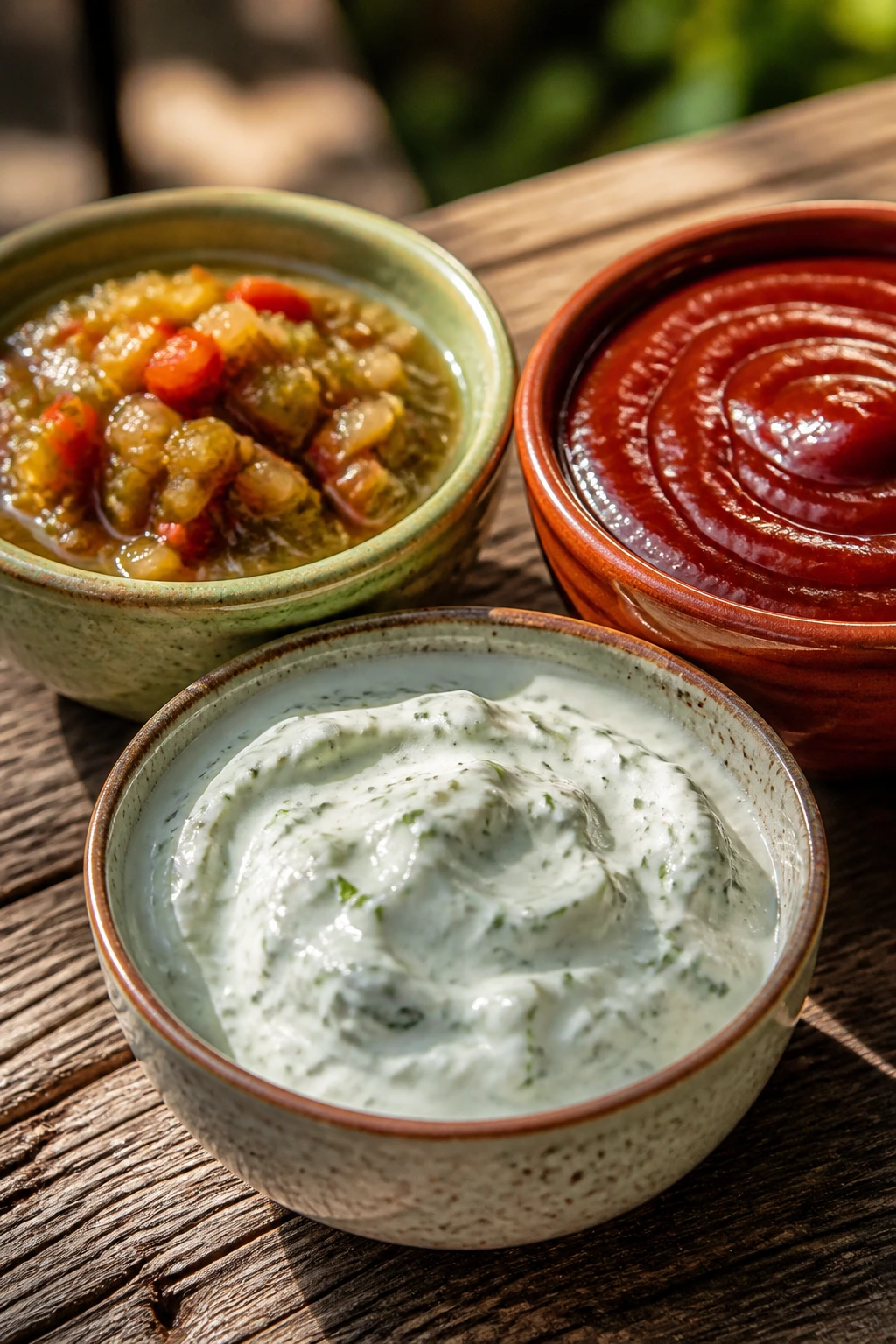
Sauce is not decoration. It’s insurance.
A dry burger becomes a decent one with onion relish and mustard. Grilled chicken wakes up when chimichurri hits the plate. Pork needs vinegar sauce or a thin barbecue glaze. Even vegetables taste fuller when there’s a cool yogurt sauce or a punchy herb dip next to them. The point is not to hide the food. The point is to give every bite a second chance.
Acid wakes up rich food
Anything fatty or smoky benefits from something sharp. Pickled onions, salsa verde, lemony yogurt, mustard, vinegar slaw, and pepper relish all cut through heavy textures. A spoonful of acid does more than a mountain of seasoning when the meat has been resting for a while and needs a reset.
Cream cools the heat
If the cookout leans spicy, bring a cooling sauce. Ranch with fresh dill. Yogurt with cucumber. Avocado crema. A garlic mayo thinned with a little lemon juice. These are especially useful if children or heat-shy guests are around, because they let you keep the main food flavorful without making the whole table taste the same.
Crunch belongs nearby
Relishes, chopped pickles, crispy onions, toasted seeds, and even finely diced celery all add a clean bite that keeps the meal from feeling heavy. I like to put one crunchy thing on the table even if the rest of the spread is soft. It changes the whole mood of the plate.
A few sauces worth keeping in squeeze bottles or small jars:
- Chimichurri for steak and chicken
- Vinegar-based barbecue sauce for pulled pork
- Lemon herb yogurt for grilled vegetables
- Mustard relish for burgers and sausages
- Tomato salsa for corn, chicken, or fish
The best part about sauces is that they travel better than people assume. Pack them cold, serve them in small bowls, and don’t drown the food before it leaves the tray. A little goes a long way when the rest of the meal is already juicy.
Fresh Sides That Cool the Smoke and Brighten the Plate
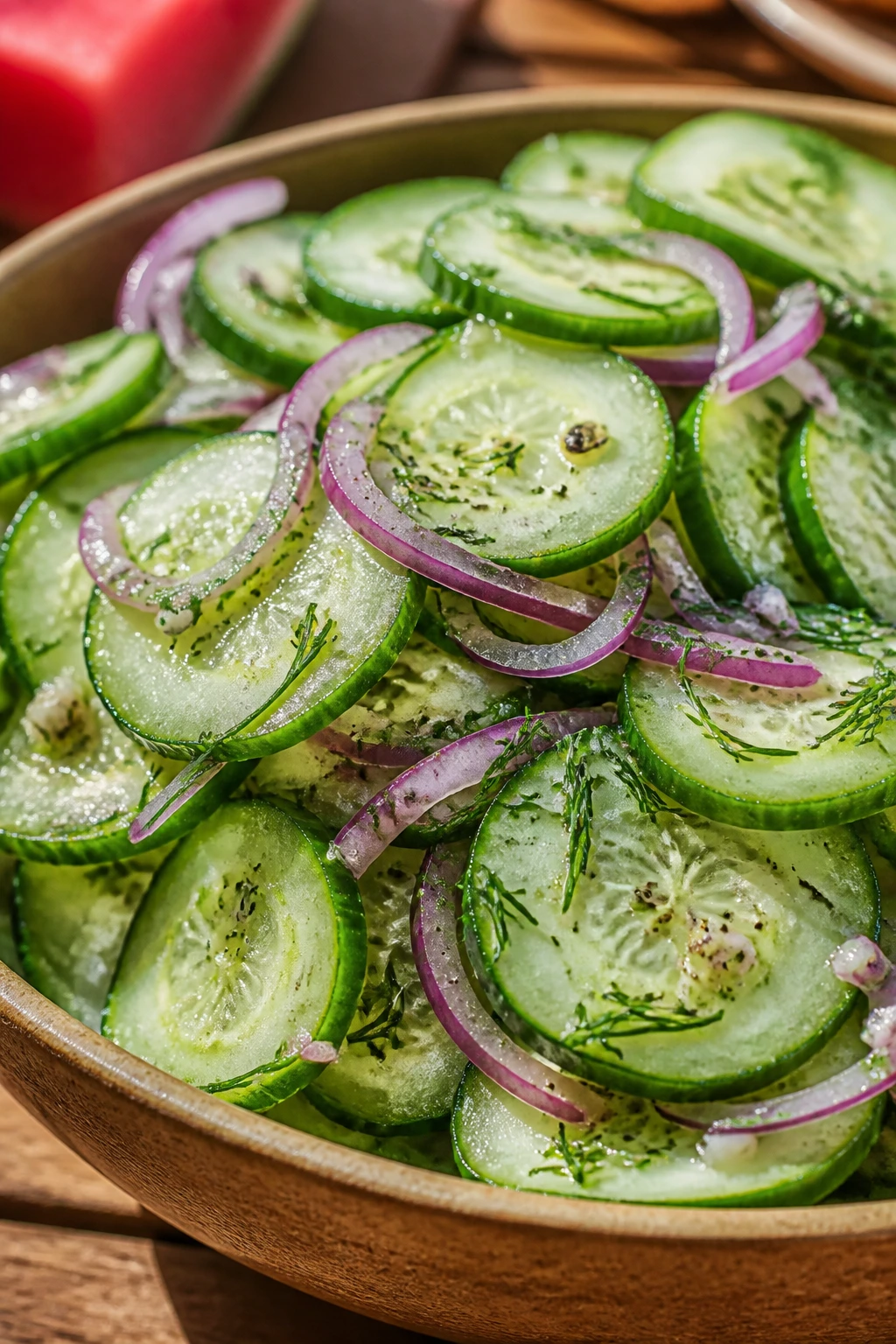
Smoke tastes better when something cold and crisp is nearby. That’s just how the palate works. A plate of grilled meat, baked beans, and potato salad can start to feel heavy after the first few bites. Add one fresh side and the whole meal becomes easier to keep eating.
Watermelon is the obvious star, but it’s not the only one. Tomatoes with basil and flaky salt. Cucumber salad with dill and vinegar. Grilled corn with lime butter. Pickled peppers. A bowl of cherries. Peach slices with mint. These are the dishes that make people pause between bites and go back in for more.
Cool sides that do real work
- Watermelon with mint and a pinch of salt
- Cucumber salad with red onion and dill
- Tomato salad with olive oil and vinegar
- Grilled corn brushed with lime butter
- Pickled okra, peppers, or onions
- Herb salad with sturdy greens and shaved fennel
If the main food is rich, the side should be bright. If the main food is smoky, the side should be cold or acidic. That’s the rule I keep coming back to because it works across almost every backyard menu. A little contrast keeps the table from going flat.
Fresh fruit deserves a better role than “something healthy on the side.” It can be the brightest thing on the plate. A bowl of chilled melon or cherries is a real relief after a salty burger or a sticky wing. And if you’re serving spicy food, fruit does something useful no sauce can copy: it cools the mouth without stealing the show.
Keep these cold until the last minute. And if you’re using tomatoes, don’t refrigerate them too long before serving if you can avoid it — cold mushy tomatoes are a crime against summer food. Let them sit just long enough to lose the fridge edge, then season them.
Sweet Finishers That Travel Well in a Picnic Basket
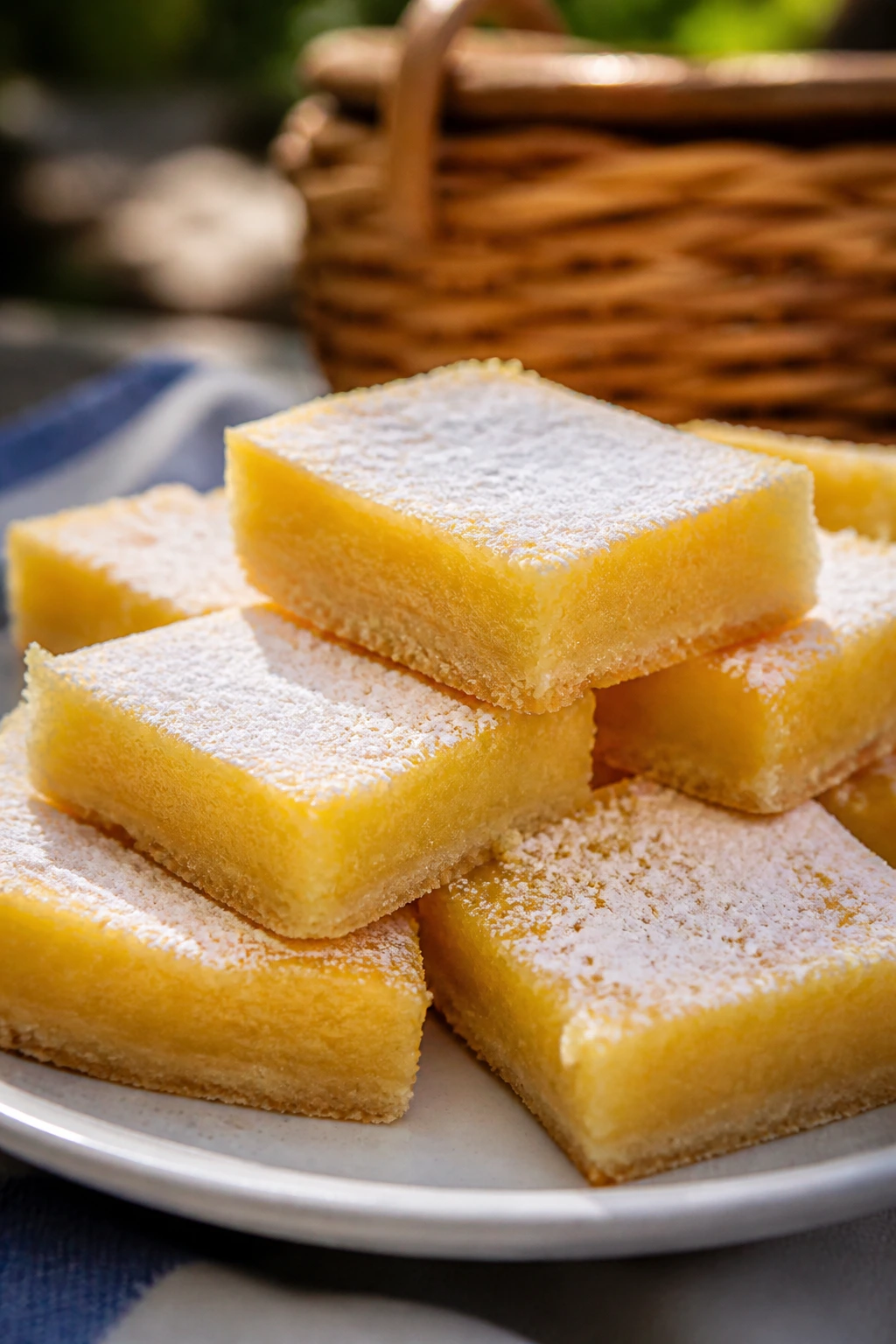
Dessert at a cookout should not require perfect weather, a fork, or a lot of patience. It needs to survive a basket, maybe a little heat, and a table full of people who are already thinking about seconds. The best choices are the ones that slice cleanly, hold their shape, and don’t collapse under their own topping.
Fruit bars are excellent. Brownies are safe. Pound cake behaves. Hand pies can be fantastic if the filling is thick enough to stay put. A sheet cake with a sturdy crumb is more reliable than anything with a delicate whipped topping. If you want fruit, put it in a bar, a galette with a firm crust, or a tart that can be cut and carried.
Desserts that travel without drama
- Lemon bars with a firm set
- Brownies with a crackly top
- Berry slab pie or hand pies
- Pound cake with macerated berries on the side
- Fruit crisp in a lidded dish, served warm
- Cookie bars with chocolate or nuts
Whipped cream is the diva of picnic desserts. Delicious. Fragile. Best kept in a chilled container and added at the very end if you’re going to use it at all. Frosting that softens in the heat is another trouble spot. If the basket will sit outside, choose desserts that are good at room temperature.
I like fruit with dessert because it keeps the whole end of the meal from feeling heavy. A bowl of peaches or berries after a salty cookout plate tastes sharper and cleaner than another ultra-sweet bar. That little bit of freshness matters.
If you want a dessert that behaves like real picnic basket food, think “slice and carry,” not “spoon and hope.”
Timing the Prep So the Cookout Feels Calm
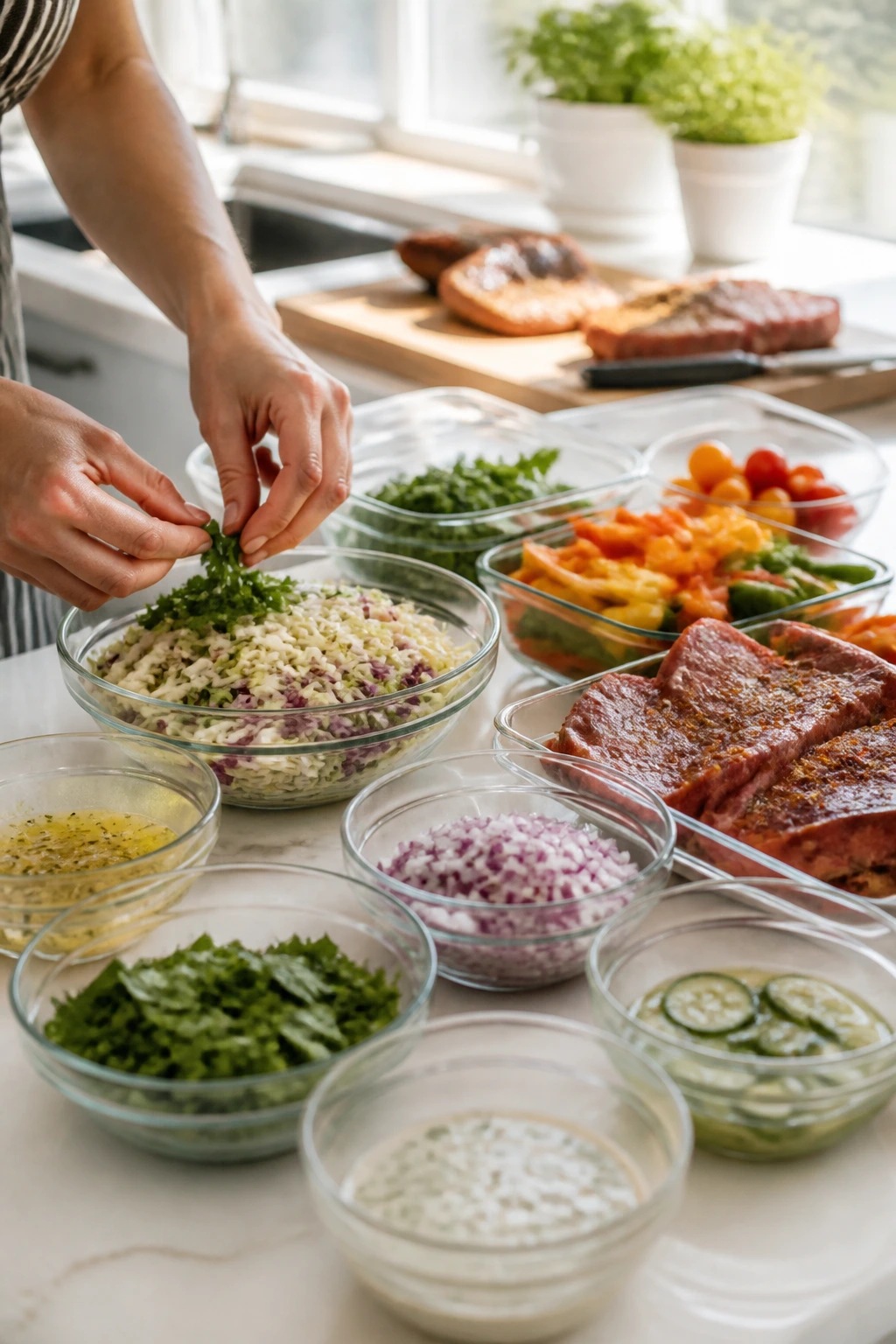
A relaxed cookout usually starts the day before. Not because the food is complicated, but because the work is easier when it’s split into pieces that make sense. Sauces can wait. Slaws can be mixed early. Meat can be trimmed and seasoned. Fruit can be washed and chilled. If everything happens at once, the grill becomes a bottleneck and the rest of the meal starts to feel rushed.
The day before
Make dressings, sauces, and relishes. Pickle onions. Bake dessert. Wash herbs. If you’re using chicken, pork, or steak, trim and season it so the flavors have time to settle. Some marinades do their best work overnight; others, especially very acidic ones, should stay shorter so the meat doesn’t get mushy on the outside.
The morning of
Cut vegetables, chill fruit, and portion out serving containers. If you’re making slaw or pasta salad, mix the base but hold back a little dressing until later. Move cooler packs into the freezer the night before so they’re actually cold when the food goes in. A weak ice pack is just a block of optimism.
The last hour
Preheat the grill, oil the grates, and lay out platters. Grill the food in the order that protects texture: anything that can sit longer first, anything that must be eaten hot last. Rest meat on a tray, not in a deep bowl. Keep buns covered but not sealed. Toss salads again, taste them, and add more salt or acid if they need it.
The last ten minutes
Slice meat, spoon on sauces, and move cold items back out of the sun. That’s the window where a cookout can tip from calm to chaotic if you’re not paying attention. Once the food hits the table, everything moves faster than you expect.
One useful habit: set a half-sheet pan near the grill just for cooked food. It gives you a clean landing spot and keeps juices from pooling where they shouldn’t. Small thing. Big difference.
Tools and Containers Worth Packing Every Time
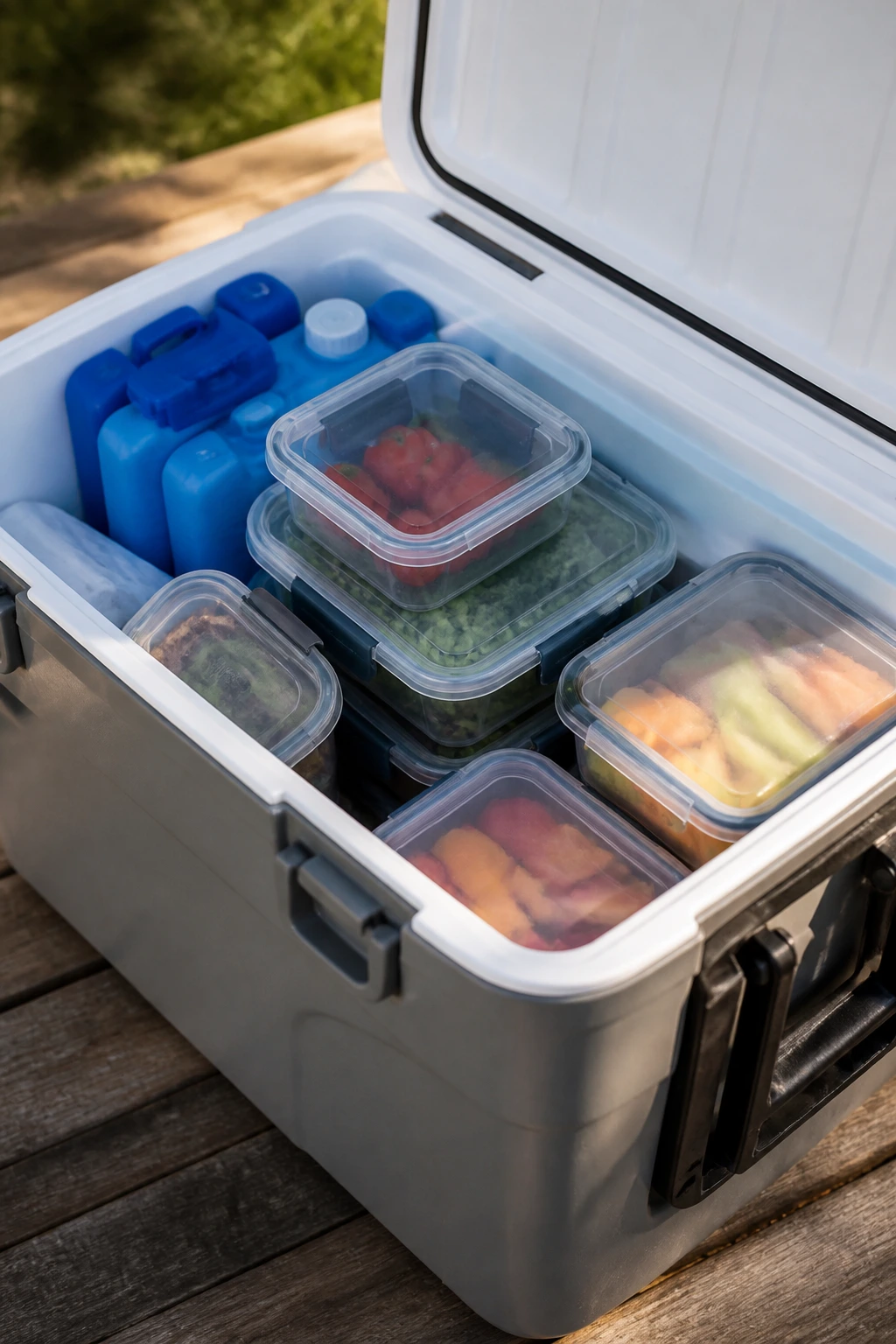
Good picnic basket food can be sabotaged by the wrong container. That sounds fussy until you’ve tried to haul a saucy side dish in a bowl with a loose lid or watched ice melt into a puddle under a stack of napkins.
- Insulated cooler or cooler bag — Use this for anything that needs to stay cold for more than a few minutes.
- Frozen ice packs or frozen water bottles — They stay colder longer than loose ice and don’t make a mess.
- Leakproof containers with tight lids — Pick ones that stack flat and don’t flex when lifted.
- Half-sheet pans — Perfect for resting grilled meat and carrying food from grill to table.
- Instant-read thermometer — The fastest way to avoid dry chicken and underdone pork.
- Long tongs and a sturdy spatula — Useful for moving food without tearing it.
- Sharp knife and cutting board — Slice meat and tomatoes cleanly instead of crushing them.
- Parchment paper — Great for wrapping sandwiches or lining trays without trapping too much steam.
- Small jars or squeeze bottles — Better than one giant bowl when you want sauces to stay tidy.
- Separate tote for drinks — Keeps people out of the food cooler and preserves the cold chain.
A second cooler for drinks feels indulgent until you realize it stops the main food cooler from being opened every four minutes. That one habit saves more temperature than people think.
If you’re packing for a large group, label the containers. Not with fancy tags. A scrap of masking tape and a marker is enough. “Slaw,” “sauce,” “chicken,” “dessert.” The whole table runs smoother when nobody has to guess what’s inside the fogged-up box.
Small Moves That Make the Basket Taste Better
Flavor Enhancement:
Add one fresh acidic finish to the table. Lemon wedges, pickled onions, lime juice, or a spoonful of herb vinegar make grilled food taste brighter without making the marinade work harder than it needs to.
Customization:
Keep heat and sweetness on the side instead of mixing them into everything. Hot honey, chili crisp, sliced jalapeños, and sweet pickle relish let guests steer their own plates. That’s a better solution than trying to guess everybody’s spice level in advance.
Serving Suggestions:
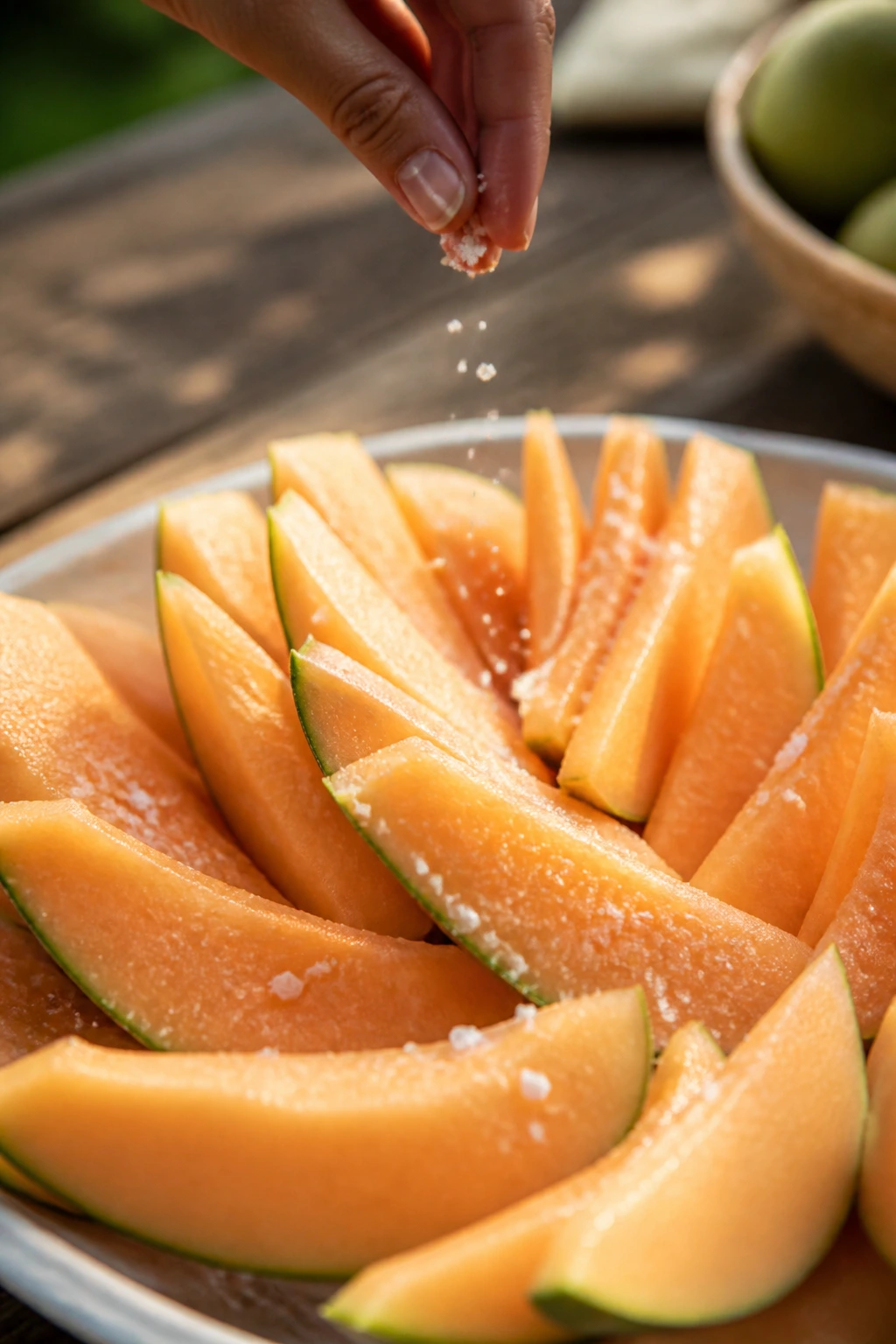
A little garnish goes a long way when the food is rustic. Torn basil on tomatoes, chopped parsley over chicken, toasted sesame on slaw, or flaky salt on melon makes the spread feel considered without turning it fussy.
Make-It-Yours:
For a dairy-free table, lean on oil-based slaws, salsa, chimichurri, and grilled vegetables. For gluten-free guests, use corn tortillas, lettuce cups, or sturdy potato rolls that fit the label. For lighter eating, keep the proteins grilled and the sides sharp and cold instead of creamy.
I’d also keep one “wild card” item in the basket. Maybe a spicy mustard. Maybe a cucumber salad with dill. Maybe grilled peaches. One unexpected touch makes the spread feel less assembled and more alive.
And please, do not skip the salt at the end. A tiny pinch on tomatoes, fruit, or sliced meat right before serving can pull the whole plate together in a way no fancy garnish ever will.
Make-Ahead, Storage, and Food Safety That Keep the Spread Worth Serving
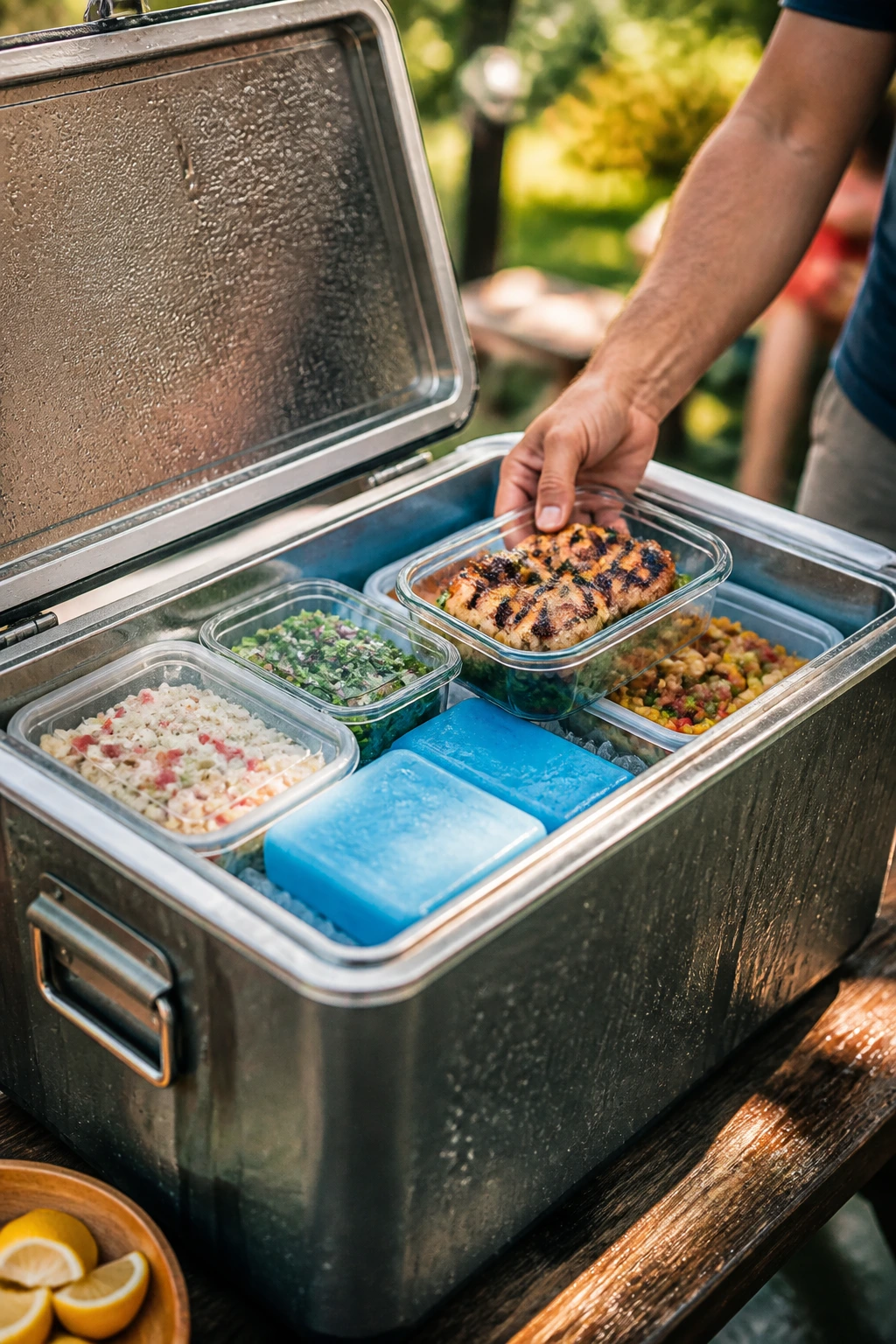
Cookout food has a narrow sweet spot. Too early and it dries out. Too late and it becomes a sanitation problem. The trick is to know what can be made ahead, what should be held cold, and what deserves to be finished at the last minute.
Perishable foods should not sit out longer than 2 hours total. If the weather is hot enough to make ice packs sweat fast and coolers work overtime, cut that window down to 1 hour. That applies to grilled meat, mayo-based salads, dairy sauces, cut fruit, and anything else that lives in the danger zone too long.
Cooked poultry, pork, and beef usually keep in the fridge for 3 to 4 days. Grilled vegetables hold for about 3 to 5 days if they’re stored in a sealed container. Mayo-heavy salads are best within 3 days. Vinegar slaw can last 4 to 5 days. Cut fruit usually keeps for 2 to 3 days, though melons are best earlier because they shed water.
Freezing works well for some parts of the spread. Pulled pork, cooked chicken, and grilled steak slices can stay frozen for 2 to 3 months in airtight packaging. Let them cool first, wrap tightly, and press out extra air. Freeze sauces only if they’re built for it; dairy-heavy sauces sometimes split when thawed, so check the texture before you depend on them.
Best reheating methods
- Grilled meat: Reheat in a covered skillet with a splash of broth or water over low heat, or in a 300°F oven until it reaches 165°F.
- Pulled pork: Warm gently in a saucepan with a spoonful of sauce so it doesn’t dry at the edges.
- Sliders or buns: Reheat the filling separately, then assemble after the bread has had a chance to warm without steaming.
- Vegetables: A hot skillet with a teaspoon of oil brings back the edges better than the microwave.
Make-ahead planning is where the whole spread gets easier. Sauces improve overnight. Slaws often taste better after a short rest. Pickled onions get sharper and brighter. Desserts like bars and brownies hold beautifully. The items that should not be made too early are the crisp ones: fries, toasted buns, delicate greens, and anything that depends on crunch.
If a container fogs up when you open it, the food went in too hot. Let it cool before lidding next time. Condensation is the enemy of texture.
Common Mistakes That Turn a Good Cookout Dry or Soggy
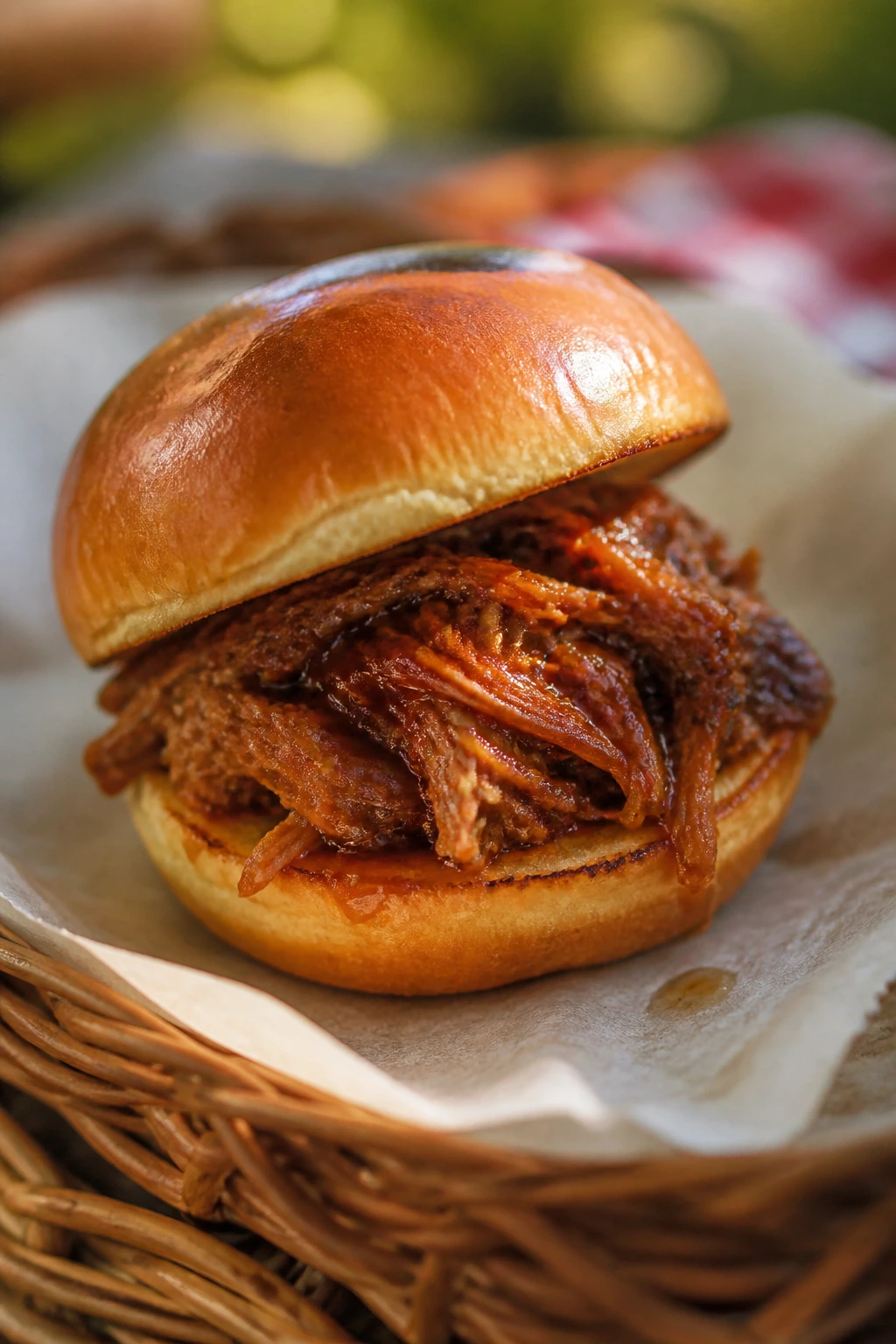
The fastest way to ruin juicy picnic basket food is to treat every dish the same. They are not the same. Meat, bread, slaw, and fruit all want different handling.
-
Packing wet and crisp foods together
The symptom is obvious: soft buns, limp chips, and salad sitting in a puddle. Keep bread wrapped separately and hold back dressings until the last reasonable minute. -
Cooking lean meat past its limit
The meat looks gray at the edges and feels chalky instead of tender. Use a thermometer, choose a fattier cut, and pull it at the right temperature instead of waiting for the grill marks to look “done.” -
Dressing salads too early
Watery slaw and soggy pasta salad usually mean the dressing sat with the vegetables too long. Save part of the dressing and add it just before serving so the bowl still has life in it. -
Letting food steam under tight foil
Tight covers trap moisture and turn crisp edges soft. Tent loosely or move food to a rack so the steam can escape while the food stays warm. -
Ignoring cooler space
Mayo sauces, cut fruit, and chilled sides can warm up faster than expected when they’re wedged next to the drinks and left in the sun. Give food its own cooler space and use ice packs that actually last. -
Slicing meat too soon
Juice floods the board instead of staying in the meat. Rest it. Then slice. It’s one of the easiest fixes in the whole kitchen.
Most of these mistakes have one root cause: the cookout got treated as a single container instead of a bunch of different foods with different needs. Once you separate the parts, the whole meal gets easier.
Variations and Adaptations for Different Guests and Weather
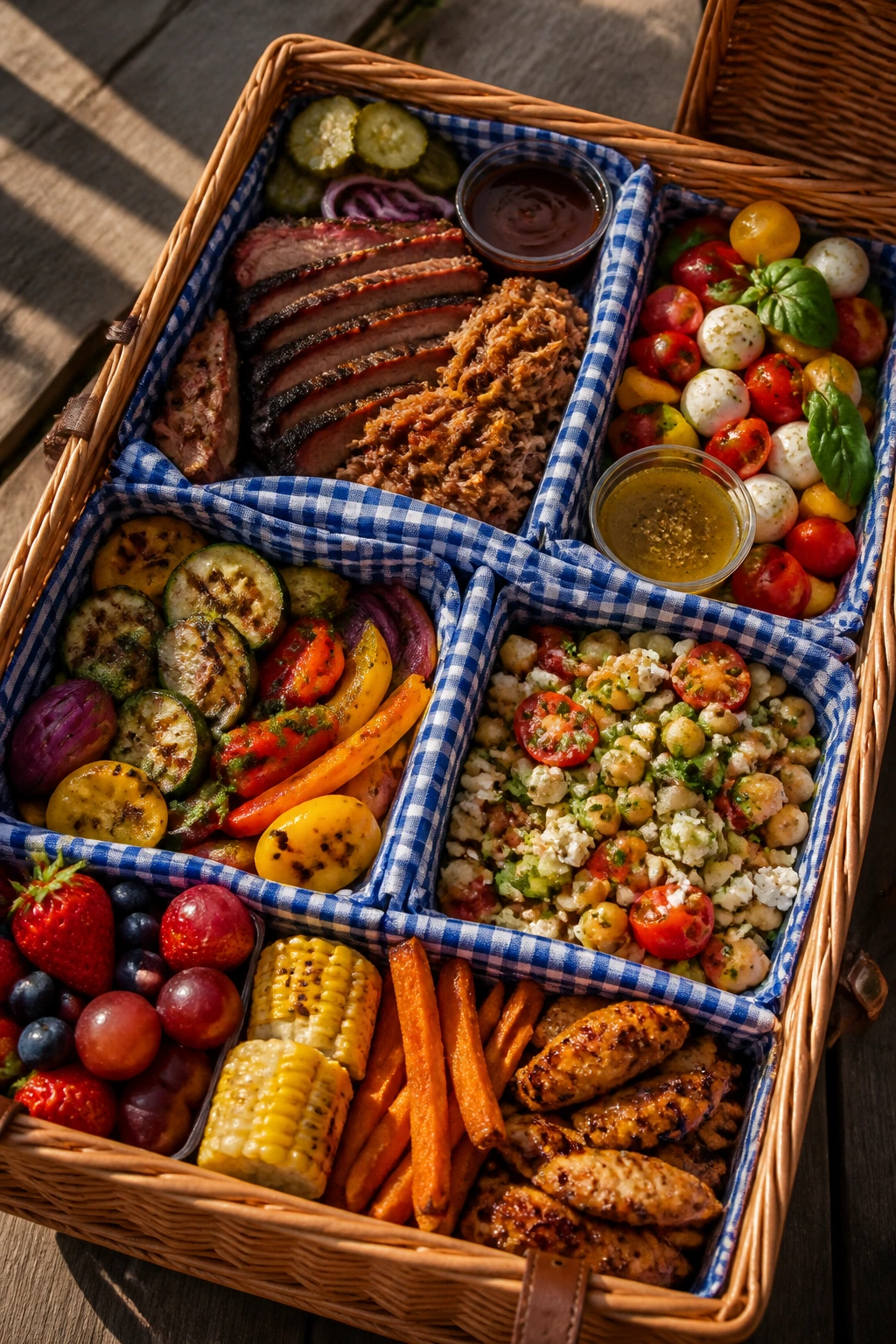
Smokehouse Basket
Build around brisket, pulled pork, vinegar slaw, baked beans, and pickles. This one wants bold smoke and sharp acid, not delicate greens. It’s the spread I’d choose when the grill is running all afternoon and nobody’s in a hurry.
No-Mayo Green Basket
Use vinaigrette potato salad, chickpea salad, chimichurri chicken, grilled vegetables, and fruit instead of creamy sides. It stays bright longer in warm weather and gives you less to worry about when the table sits out for a stretch.
Vegetarian Char Basket
Fill it with grilled halloumi, mushroom skewers, corn, bean salad, tomato-cucumber salad, and thick rolls. The key here is using enough salt and acid to make the vegetables feel intentional, not like a side note. Char does a lot of the heavy lifting.
Kid-Friendly Basket
Keep the spice low, the pieces small, and the sauces on the side. Mini sliders, chicken skewers, watermelon, corn, and mild ranch or honey mustard usually disappear first. Kids also tend to like food they can grab without a fork, which makes handhelds a smart move.
Heatwave Basket
Lean on chilled cucumber salad, fruit, yogurt-based sauces, and grilled meat sliced thin so it cools faster on the plate. Avoid heavy mayo salads if the table will sit in the sun. This version feels cleaner and easier to eat when the weather is working against you.
Global Flavor Basket
Take the same cookout structure and move the seasonings: jerk chicken, tzatziki on the side, herbed couscous, grilled corn with chile and lime, or Korean-style short ribs with quick pickles. The shape stays the same. The flavors change.
The nice thing about these variations is that they don’t ask you to rebuild the meal from scratch. You’re just swapping the fat, acid, crunch, and heat profile so the basket matches the crowd and the weather.
Questions People Ask Before the Grill Gets Hot

What foods stay juicy the longest in a picnic basket?
Grilled chicken thighs, pulled pork, thick burgers, vinaigrette slaws, and sauced sandwiches all hold up well. Foods with a little fat or a protective sauce tend to stay pleasant longer than lean, plain items.
Can I assemble sandwiches the night before?
You can build some parts ahead, but complete sandwiches are risky unless they’re designed for it. Keep bread, sauce, and wet fillings separate, then assemble a short time before serving so the bun doesn’t turn soft.
How do I keep grilled chicken from drying out?
Use thighs if you can. If you prefer breasts, don’t overcook them, and pull them as soon as they reach 165°F. A short rest and a spoonful of sauce on the serving tray help more than people expect.
Is mayonnaise safe for backyard cookouts?
Yes, if it stays cold and doesn’t sit out too long. Keep mayo-based dishes in a cooler until serving and limit their time on the table to the usual food safety window. Warm mayo salad sitting in the sun is where trouble starts.
What’s the best bread for juicy cookout sandwiches?
Split-top buns, potato rolls, and sturdy hoagie rolls are reliable. They’re soft enough to bite through, but they still hold up against sauce and juicy fillings better than fragile sliced bread.
How do I keep cold dishes cold without a huge cooler?
Use frozen water bottles, stack containers tightly, and keep the cooler closed as much as possible. A second small cooler for drinks helps a lot because it stops people from opening the food cooler every few minutes.
What if my slaw gets watery?
Drain the excess liquid, then add a little more vinegar, salt, or a small spoonful of fresh dressing. If it’s made from watery vegetables like cucumber or tomato, salt them earlier next time and let them drain before mixing.
Can I serve this menu at room temperature?
Some parts, yes. Grilled meat, slaw, sauces, and fruit can all work at room temperature for a short stretch if they were handled safely. Creamy salads and dairy-heavy sides need more caution and should stay chilled until they hit the table.
What should I do if the meat finishes before the rest of the food?
Rest it, then hold it on a warm tray with a loose cover. A tight lid softens the crust. If you know the rest of the menu is still a few minutes behind, slice later rather than earlier.
Do I need every food group on the table?
No. You need balance, not clutter. One juicy main, one cold crunchy side, one sauce, one bread or starch, and one sweet finish is often enough if each part is chosen well.
When the Basket Clears Fast
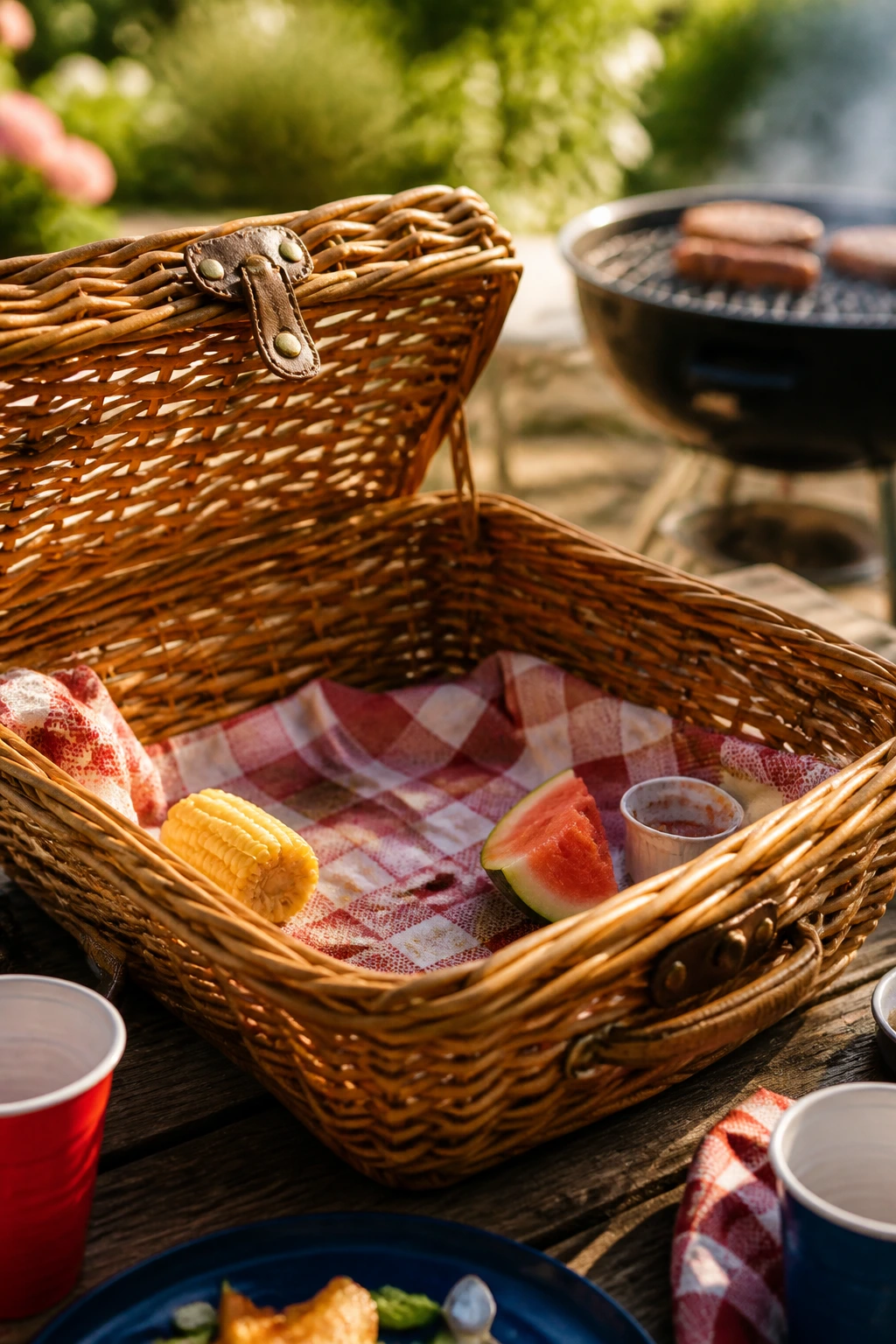
The best backyard cookout spreads always seem a little unfair to the host, because they disappear before you’ve had time to admire the setup. That’s a good sign. It means the food was built to be eaten, not just looked at — grilled meat that still has juice, slaw that still snaps, fruit that cools the mouth, and sandwiches that hold together long enough to matter.
That’s the real job of juicy picnic basket food. Not abundance. Not decoration. Just a table where the hot, cold, sharp, and soft pieces all know what they’re doing.
Keep the menu simple, pack it in layers, and let each dish do one thing well. The next cookout gets easier the moment the basket stops trying to hold everything at once.