



Tender beef and broccoli has a very specific kind of appeal: the smell of garlic hitting hot oil, the dark gloss of sauce gathering around the meat, and broccoli that still has a little bite when you snap through it with a fork. When it’s done right, the beef doesn’t chew like a belt and the broccoli doesn’t slump into silence. Both pieces keep their shape. Both carry flavor.
A lot of home versions miss the point by cooking the beef too long, crowding the pan, or drowning everything in sauce until the whole dish tastes muddy. The fix is not complicated, but it does ask for a little discipline. Slice the steak thin. Keep the heat up. Give the broccoli a short steam instead of a long simmer. That’s where the tenderness comes from, not from fancy tricks.
What makes this version worth making on a regular night is the balance: the beef gets a quick cornstarch coating that softens the outside, the sauce turns glossy instead of watery, and the broccoli stays bright enough to taste fresh rather than cooked to the bone. You get a skillet dinner that feels sturdy enough for a big appetite and clean enough that you don’t need to hide behind a mountain of rice. It just works, and it works because each part knows when to stop.
Why This Beef and Broccoli Earns Its Keep
-
Fast stove time: Once the steak is sliced, the actual cooking takes about 10 to 12 minutes, which means the pan does the heavy lifting while you keep an eye on the color and texture.
-
Tender meat, not tuggy strips: A short marinade with cornstarch gives the beef a soft outer coat, so the edges stay silky instead of tightening into little ropes.
-
Broccoli keeps its shape: A brief covered steam in the same pan turns the florets crisp-tender without making them khaki and limp.
-
The sauce clings: Oyster sauce, soy sauce, and a cornstarch slurry make a glossy coating that sticks to the beef instead of pooling at the bottom of the skillet.
-
It eats like a full dinner: Spoon it over jasmine rice or noodles and you’ve got a meal with enough heft to hold its own, not a side dish pretending to be a main.
-
Leftovers behave well: The sauce keeps the beef moist in the fridge, so the second-day bowl is still worth heating up instead of getting pushed to the back of the shelf.
Yield: Serves 4
Prep Time: 20 minutes
Cook Time: 15 minutes
Total Time: 35 minutes active, plus 15 minutes marinating
Difficulty: Intermediate — the steps are straightforward, but thin slicing and hot-pan timing matter if you want the beef tender.
Chill/Rest Time: 15 minutes for the beef to marinate; 20 minutes in the freezer makes slicing easier
Best Served: Right off the stove over hot jasmine rice or noodles
The Ingredients That Keep the Beef Tender
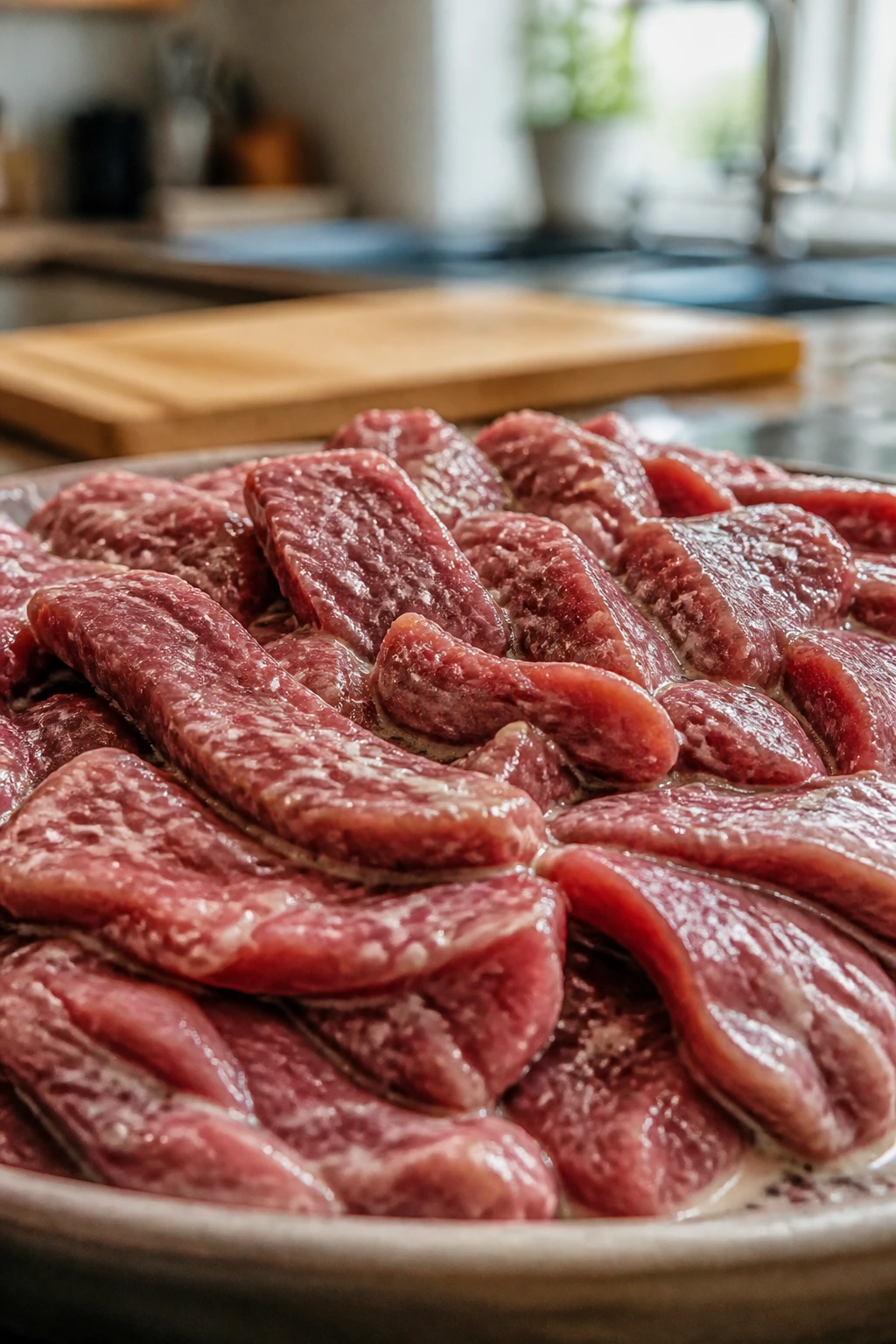
For the Beef and Marinade:
- 1 1/2 pounds flank steak, sliced very thin across the grain
- 1 tablespoon low-sodium soy sauce
- 1 tablespoon dry sherry or Shaoxing wine
- 1 tablespoon cornstarch
- 1 teaspoon neutral oil
For the Sauce:
- 1/2 cup low-sodium beef broth
- 1/4 cup oyster sauce
- 3 tablespoons low-sodium soy sauce
- 1 tablespoon packed light brown sugar
- 1 tablespoon rice vinegar
- 1 tablespoon cornstarch
- 2 tablespoons cold water
- 2 teaspoons toasted sesame oil
For the Broccoli and Aromatics:
- 1 1/2 pounds broccoli florets, cut into bite-size pieces
- 1 tablespoon neutral oil
- 4 garlic cloves, minced
- 1 tablespoon fresh ginger, minced
- 3 scallions, sliced, whites and greens separated
- 2 tablespoons water, for steaming the broccoli
For Serving:
- 4 cups hot cooked jasmine rice or cooked noodles
- 1 teaspoon toasted sesame seeds, optional
Why Each Ingredient Has a Job to Do
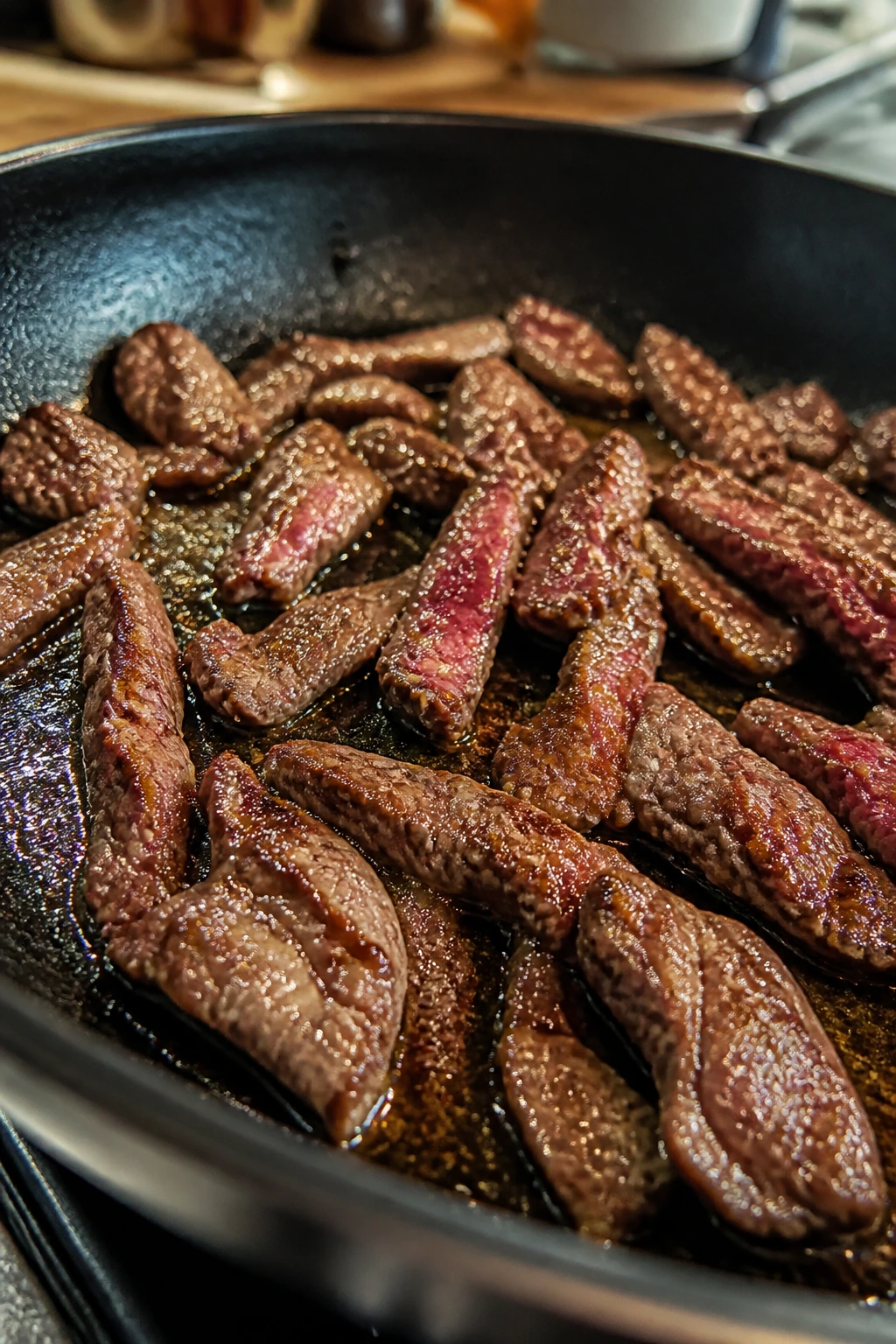
Main Protein
- What to use: 1 1/2 pounds flank steak is the sweet spot here because it slices thin, browns fast, and still gives you that beefy bite after a short stir-fry.
- Preparation: Freeze the steak for about 20 minutes so it firms up enough to cut cleanly, then slice against the grain into strips no thicker than 1/8 inch.
- Substitutions: Sirloin works well if you slice it thin; flat iron is lovely if you can find it; top round can work too, but it needs to be cut extra thin or it will stay chewy.
- Tips: Pat the beef dry before marinating. Wet beef steams, and steaming is the enemy of the browned edges that make this dish taste like dinner instead of cafeteria food.
Broccoli and the Quick Steam
- What to use: 1 1/2 pounds broccoli florets, cut into bite-size pieces so the stems and crowns finish at the same time.
- Preparation: Trim off any thick woody ends, and if the stalks are sturdy, peel the outer layer and slice them into coins. They’re sweet and crunchy when handled well.
- Substitutions: Broccolini is excellent, though it cooks a little faster. Chinese broccoli or even snow peas can step in if that’s what’s in the crisper.
- Tips: Dry the broccoli after washing. A little water is fine for steaming; a dripping-wet bowl of florets just turns your skillet into a sad little sauna.
Sauce Base and Sweet-Salty Balance
- What to use: Beef broth, oyster sauce, soy sauce, brown sugar, rice vinegar, cornstarch, water, and toasted sesame oil form the backbone of the glossy sauce.
- Preparation: Whisk the sauce ingredients together before the pan gets hot enough to matter, and make sure the cornstarch is fully dissolved. Small white streaks in the bowl usually mean little cornstarch lumps in the skillet.
- Substitutions: Chicken broth or even water can stand in for beef broth. Tamari works for the soy sauce if you’re cooking gluten-free, and mushroom stir-fry sauce can replace oyster sauce if you need a shellfish-free version.
- Tips: Taste the sauce before it hits the pan. It should seem a touch salty and a little bold on its own, because the broccoli and rice will pull it back into balance.
Aromatics and the Last-Minute Finish
- What to use: 4 garlic cloves, 1 tablespoon fresh ginger, and 3 scallions give the dish its sharp, fresh edge.
- Preparation: Mince the garlic and ginger finely so they melt into the sauce instead of staying in obvious little chunks. Keep the scallion whites separate from the greens so you can cook them at different speeds.
- Substitutions: Garlic paste and ginger paste both work in a pinch. A small shallot can step in for the scallion whites if that’s what’s in the kitchen.
- Tips: Add garlic late. Garlic that sits too long in a screaming-hot pan goes bitter fast, and bitter garlic can drag the whole dish down.
The Tools That Make Stir-Frying Easier
-
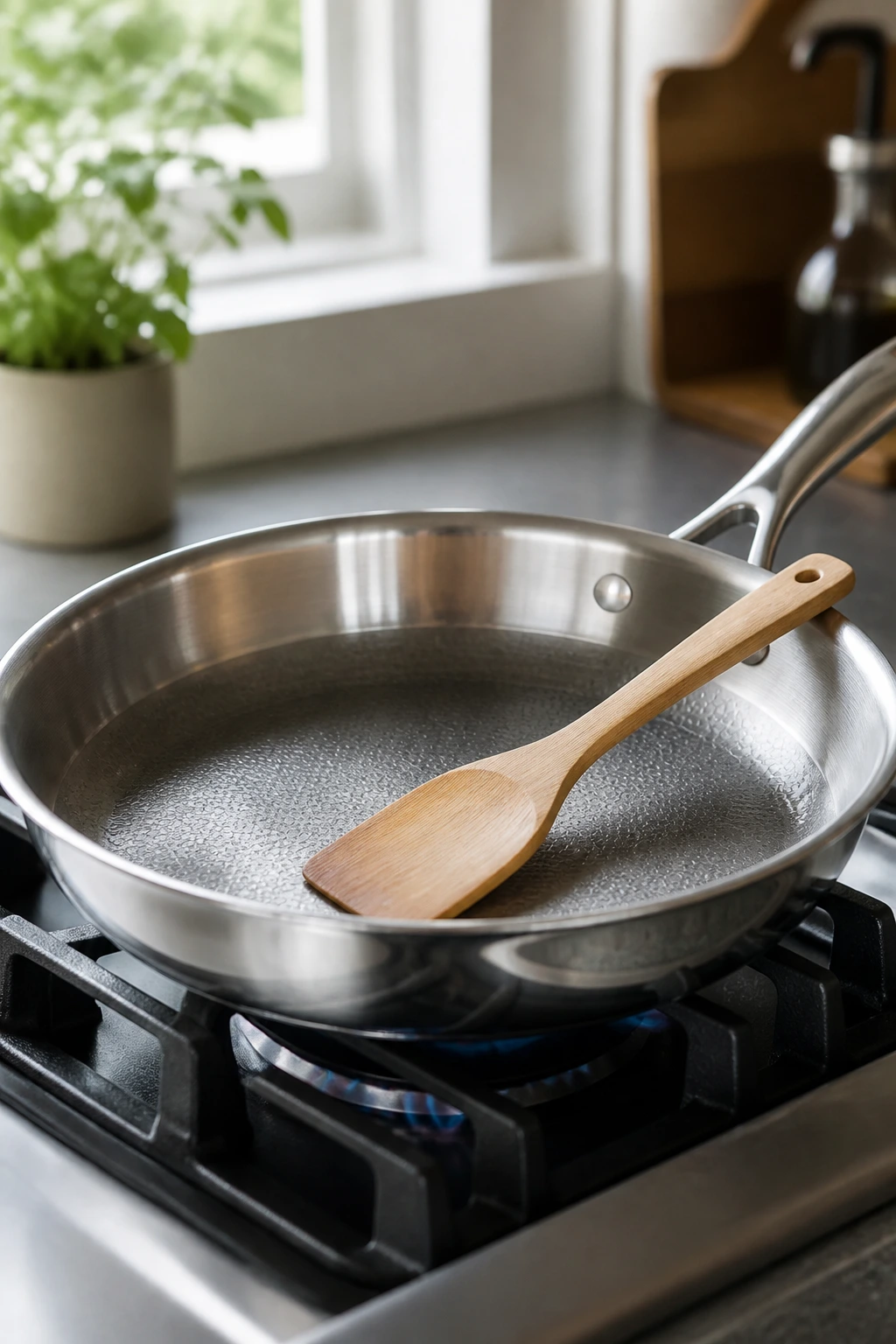
12-inch stainless steel skillet or wok: Big enough to sear the beef in batches and give the broccoli room to move. A wok is nice, but a wide skillet on a strong burner does the job well.
-
Sharp chef’s knife: Thin slices depend on a knife that cuts cleanly instead of tearing the meat.
-
Cutting board: If yours slides around, tuck a damp kitchen towel underneath. That little fix saves your wrist.
-
Medium mixing bowl: You’ll use one bowl for the marinade and one for the sauce, and you want enough room to toss the beef without smearing it over the sides.
-
Whisk: Cornstarch has to disappear into the liquid before the sauce hits the heat. A fork works in a pinch, but a whisk is better.
-
Tongs or a flexible spatula: Use these to move the beef without shredding the strips.
-
Lid or sheet of foil: Handy for steaming the broccoli if your skillet doesn’t come with a lid.
-
Measuring spoons and cups: The sauce depends on the right balance. Guessing here usually means too salty, too sweet, or thin enough to run off the rice.
How to Cook Beef and Broccoli Without Chewy Strips
Prep the Beef
- Place the flank steak in the freezer for about 20 minutes, just long enough to firm it up. It should feel stiff at the edges but not frozen solid.
- Slice the beef across the grain into very thin strips, about 1/8 inch thick. If the muscle lines run left to right, cut straight across them — that shortens the fibers and makes each bite easier to chew.
- In a medium bowl, toss the beef with 1 tablespoon soy sauce, 1 tablespoon dry sherry or Shaoxing wine, 1 tablespoon cornstarch, and 1 teaspoon neutral oil. Stir until every strip looks lightly coated and a bit tacky.
- Let the beef sit for 15 minutes while you prep the vegetables and whisk the sauce. The coating should cling to the meat instead of looking wet and loose.
Mix the Sauce 5. In a second bowl, whisk together 1/2 cup beef broth, 1/4 cup oyster sauce, 3 tablespoons soy sauce, 1 tablespoon brown sugar, 1 tablespoon rice vinegar, 1 tablespoon cornstarch, 2 tablespoons cold water, and 2 teaspoons toasted sesame oil. Keep whisking until the cornstarch disappears and the sauce looks smooth.
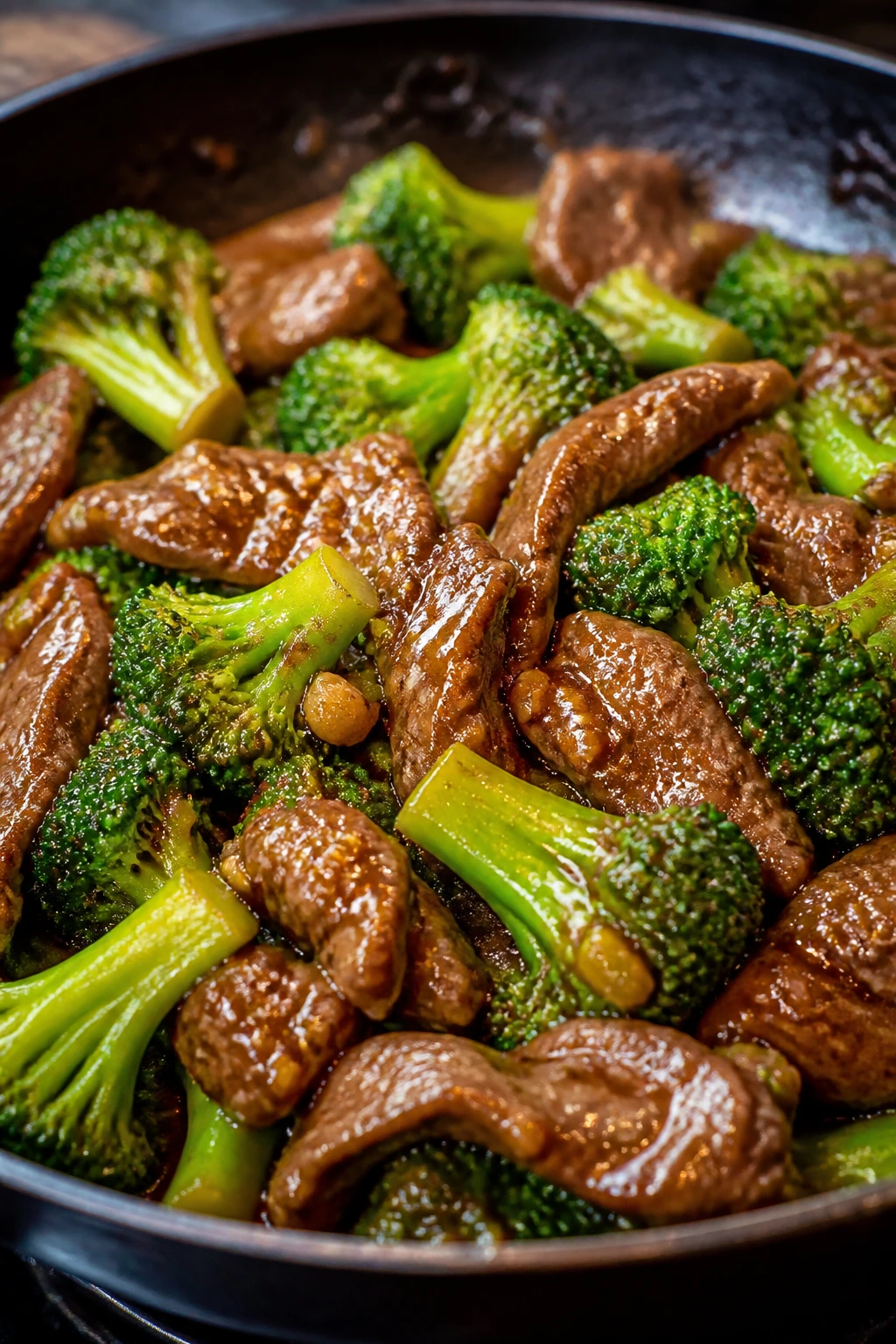
Cook the Stir-Fry 6. Heat 1 tablespoon neutral oil in a 12-inch skillet or wok over high heat until it shimmers. The oil should move quickly around the pan, not sit there like syrup. 7. Add half the beef in a single layer and sear for 1 to 2 minutes per side, just until browned at the edges. Remove it to a plate and repeat with the second batch. Do not crowd the pan — crowded beef steams, and steamed beef loses the texture you’re trying to protect. 8. Add the broccoli to the hot pan with 2 tablespoons water. Cover for 2 minutes, then uncover and stir-fry for 1 more minute until the broccoli turns bright green and the stems are crisp-tender. If the florets are especially large, give them another 30 seconds. 9. Add the garlic, ginger, and scallion whites. Stir constantly for 20 to 30 seconds, just until the aroma turns sweet and sharp. If the garlic starts browning hard, you’ve gone too far. 10. Return the beef and any juices to the skillet, then pour in the sauce. Toss for 30 to 60 seconds until the sauce thickens enough to coat the meat and broccoli in a glossy layer. 11. Stir in the scallion greens, taste a piece of broccoli, and add a small splash of water if the sauce gets too tight. Spoon over hot rice or noodles and serve immediately.
How to Serve It for a Hearty Dinner
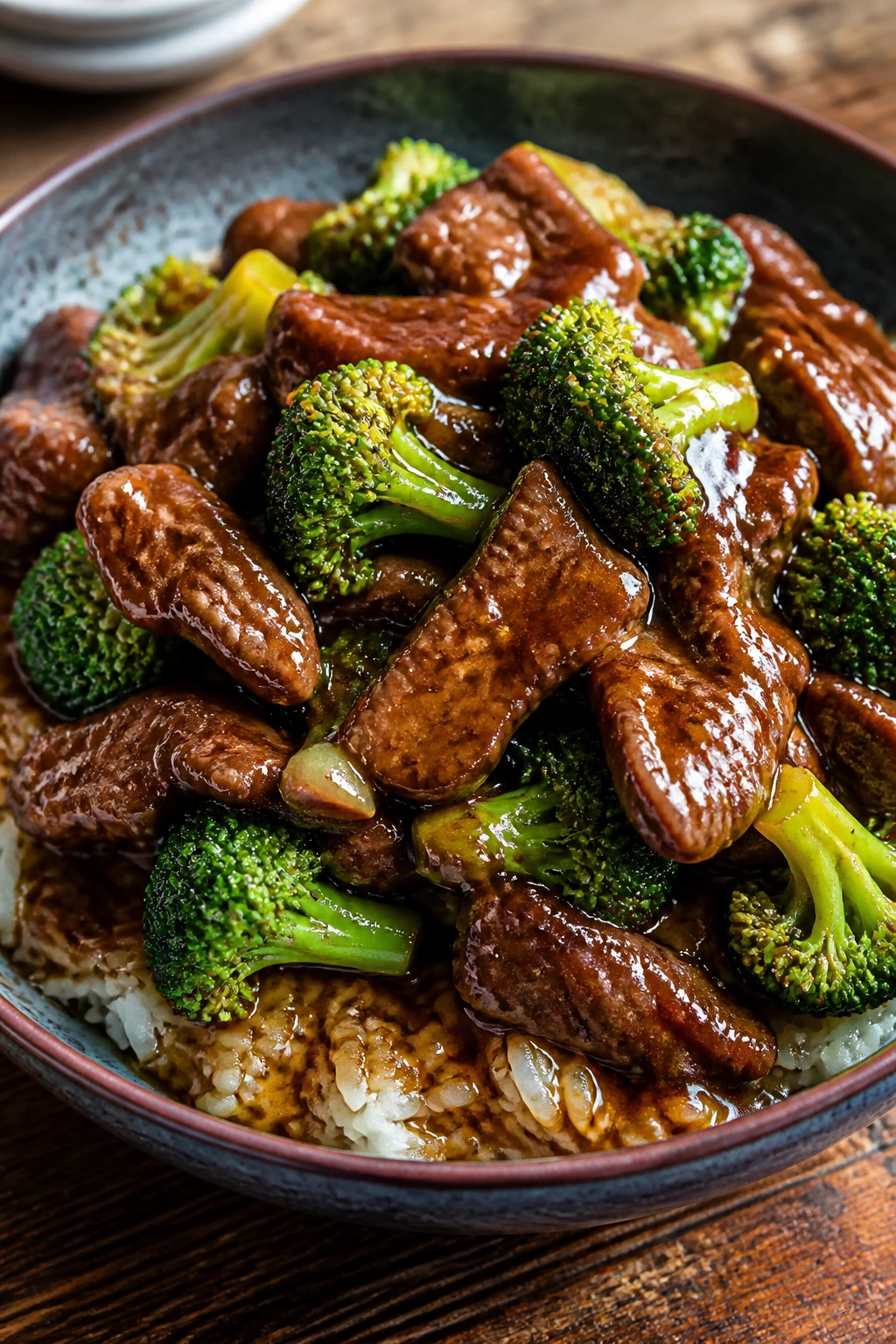
Presentation: Use wide shallow bowls if you want the sauce to pool around the rice in a way that looks abundant without turning sloppy. I like to mound the rice slightly off-center, then pile the beef and broccoli on top so the glossy sauce runs into the grains instead of disappearing to the bottom of the bowl.
Accompaniments: Steamed jasmine rice is the cleanest match because its fragrance catches the sauce without fighting it. Brown rice gives the dish a nuttier, heavier feel, and lo mein noodles make it closer to takeout night. If you want something cold on the side, a cucumber salad with rice vinegar and a pinch of sugar cuts through the rich sauce nicely.
Portions: This recipe feeds 4 people at a very reasonable dinner portion, or 3 if your household likes a full bowl and a second scoop. Plan on about 1 cup of cooked rice per person if you’re serving it as a main course, and less if you’re pairing it with soup or extra vegetables.
Beverage Pairing: A cold lager keeps the meal from feeling heavy, especially if you’ve added extra garlic or a little chili heat. If you’d rather stay nonalcoholic, iced jasmine tea or ginger tea makes sense here because both drinks echo the aromatics without flattening them.
Small Fixes That Improve the Bowl
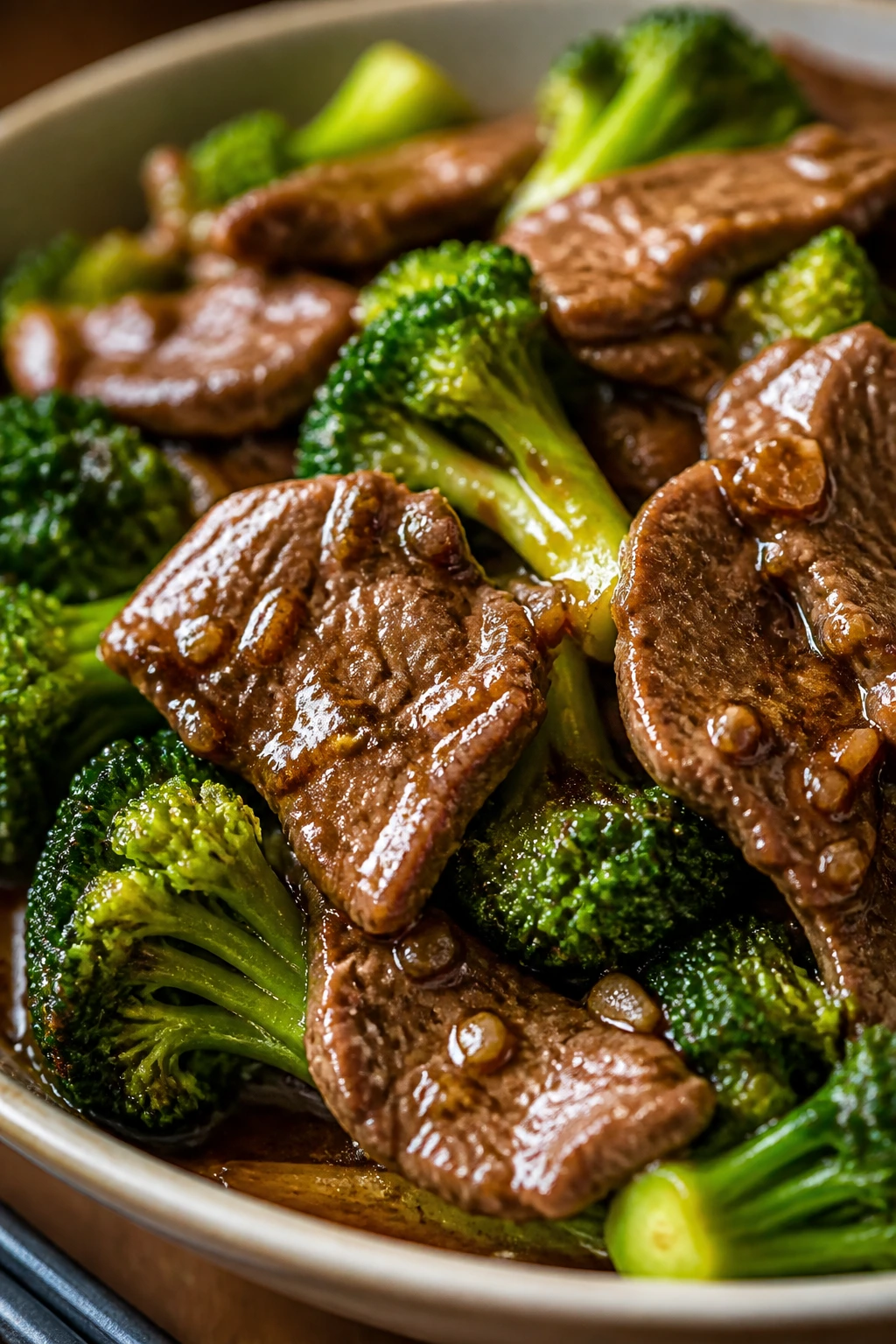
Flavor Enhancement: A tiny splash of rice vinegar at the very end wakes up the sauce if it tastes flat. I’m talking about 1 teaspoon, not a dramatic pour. You want the sauce to sharpen, not turn sour.
Time-Saver: Buy broccoli florets that are already trimmed, but still inspect the stems. Big chunks need peeling or they’ll stay woody even after the florets are done. Pre-cut vegetables save time, but they’re not always thoughtfully trimmed.
Pro Move: Sear the beef in two batches even if you think the skillet can handle more. The difference between browned beef and pale beef is mostly about space and heat, not talent. The pan needs room to stay angry.
Cost-Saver: Top round can replace flank steak if you slice it paper thin and keep the marinade short. It’s less tender by nature, so thin slicing and a hot pan matter even more. This is one of those places where a cheap cut can work if you respect it.
Make-It-Yours: Add a handful of sliced shiitakes, baby bok choy, or snow peas in the last 2 minutes if you want more vegetables in the pan. Don’t pile in so much that the skillet gets crowded. The beef already needs all the space it can get.
Common Mistakes That Turn Good Beef Tough
-
Slicing with the grain: If the strips look long and stringy before they even hit the pan, you’re cutting the wrong way. The fix is simple but non-negotiable: turn the steak and cut across the grain, not along it. Short fibers = easier chewing.
-
Crowding the skillet: When too much beef goes in at once, the temperature drops and the meat turns gray before it browns. The symptom is obvious — no crust, watery pan, and beef that tastes boiled. Cook in batches and let the pan come back to heat between rounds.
-
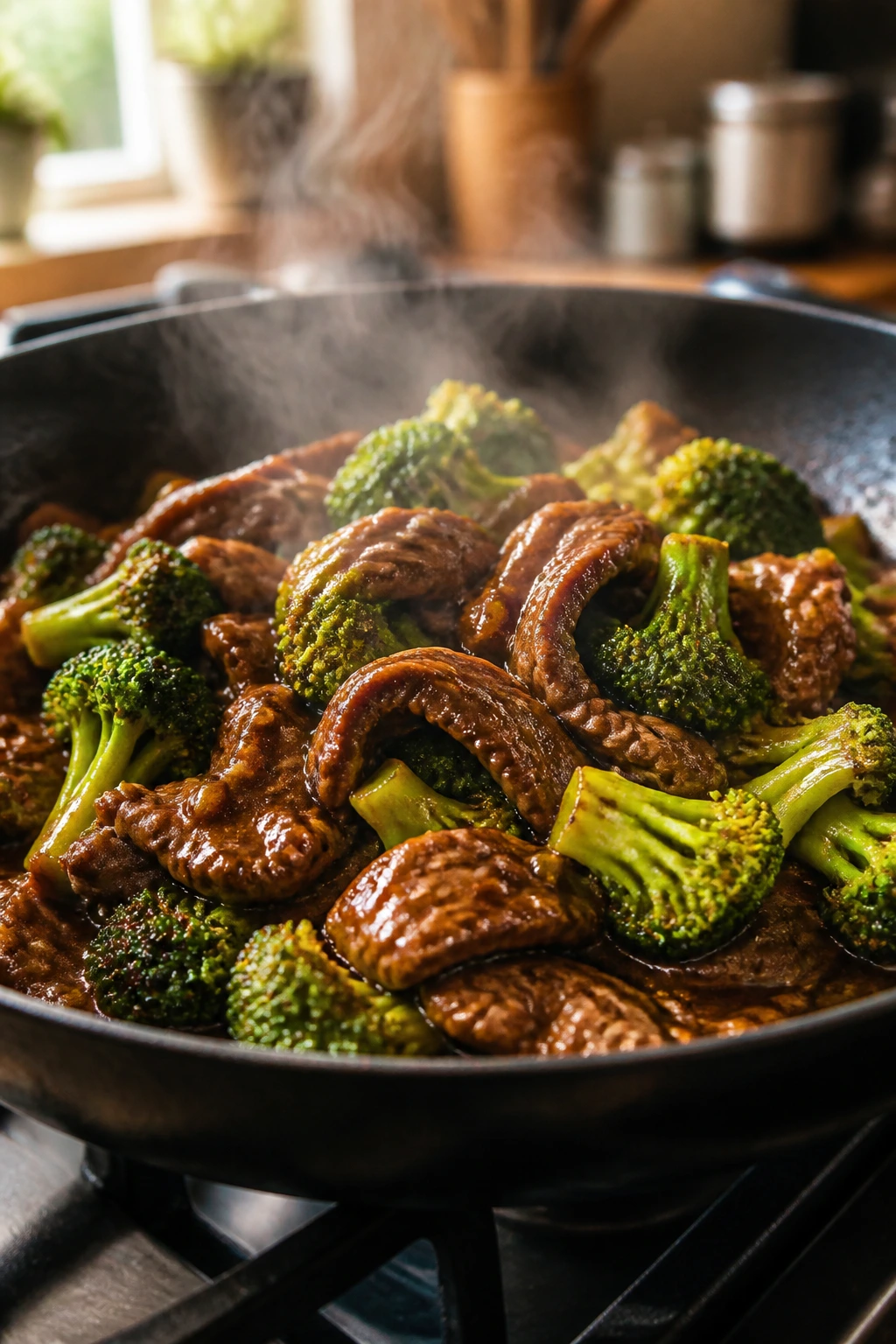
Overcooking the broccoli: Broccoli goes from bright green to dull olive fast. If it’s tender but still has a slight snap at the stem, it’s done; if it feels soft before the sauce goes in, you’ve gone too far. Use the covered steam for 2 minutes, then stop.
-
Burning the garlic: Garlic that sits in hot oil for too long turns bitter and dominates the sauce. Add it after the broccoli is mostly done, stir for only 20 to 30 seconds, and move on once it smells sweet and sharp.
-
Adding the sauce too early: If the sauce goes in before the broccoli is cooked and the beef is back in the pan, it can thicken too soon and leave you with sticky vegetables and under-coated meat. The sauce should be the last major step before serving.
-
Skipping the cornstarch whisk: Cornstarch that isn’t fully dissolved can make little white specks or gummy bits in the sauce. Whisk it with the cold liquid until the mixture looks even before it ever touches the heat.
Flavor Variations That Stay in the Same Family
Garlic-Chili Skillet Stir 1 to 2 teaspoons of chili garlic sauce into the sauce mixture and finish the bowl with a spoonful of chili crisp. This version keeps the same beef-and-broccoli structure, but the heat lands at the back of the throat instead of shouting from the front.
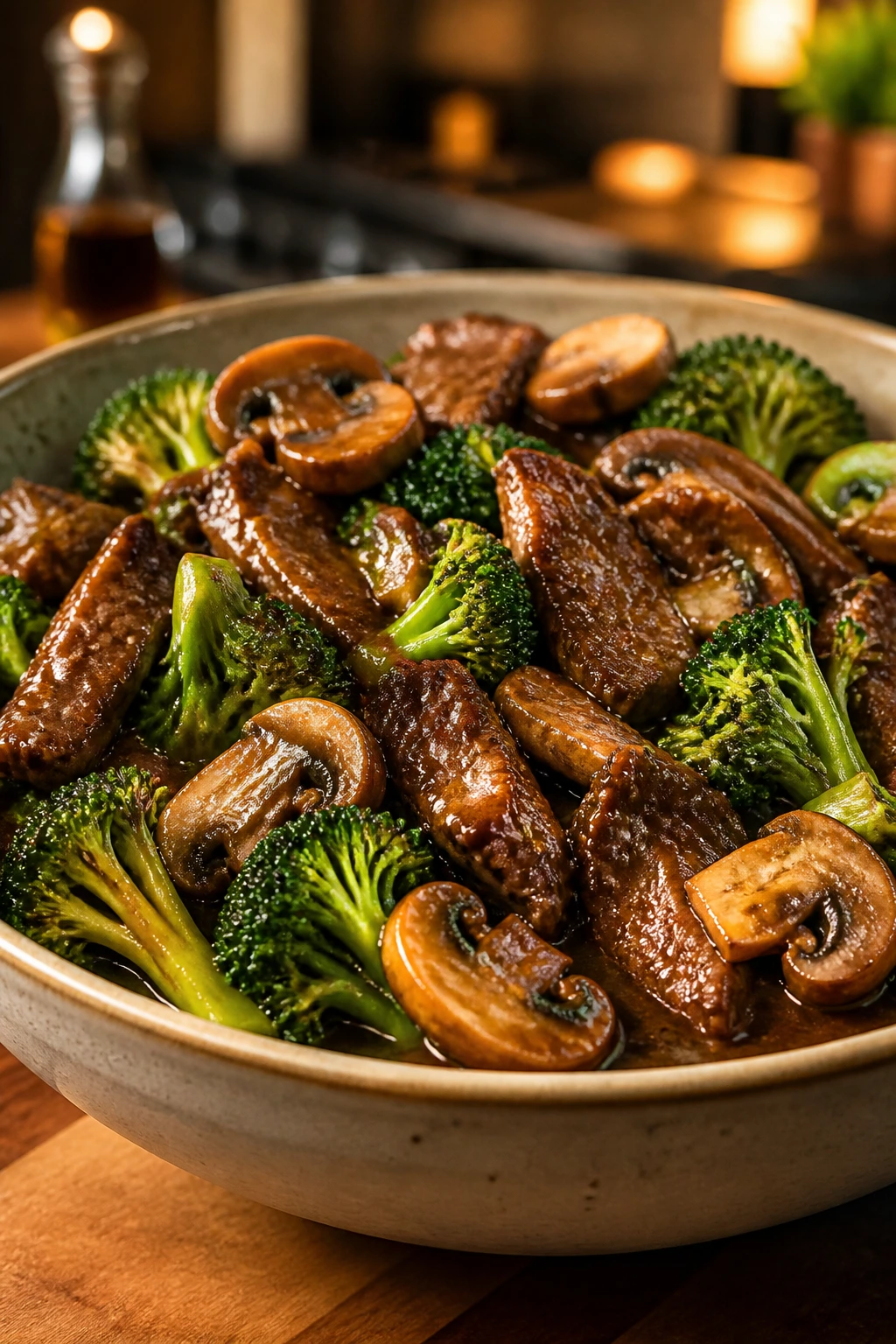
Mushroom-Heavy Version Add 8 ounces of sliced cremini mushrooms when the broccoli goes in. They soak up the sauce fast and give the dish a darker, earthier feel that makes the bowl taste larger than the ingredient list suggests.
Orange-Sesame Twist Add 1 tablespoon orange zest and 2 tablespoons orange juice to the sauce, then reduce the brown sugar to 2 teaspoons. The result is brighter and a little lighter on its feet, which is nice if you’re serving it with plain rice and want the bowl to taste less savory-dense.
Gluten-Free Bowl Use tamari instead of soy sauce and swap in a gluten-free oyster sauce or mushroom stir-fry sauce. Check the broth label too; a lot of beef broths contain wheat-based flavoring, and that’s where people get tripped up.
Extra-Hearty Noodle Pan Toss the finished beef and broccoli with 8 ounces of cooked lo mein noodles right in the skillet. Add an extra 2 to 3 tablespoons of broth so the noodles can drink in the sauce without turning sticky.
Storage, Reheating, and Make-Ahead Notes
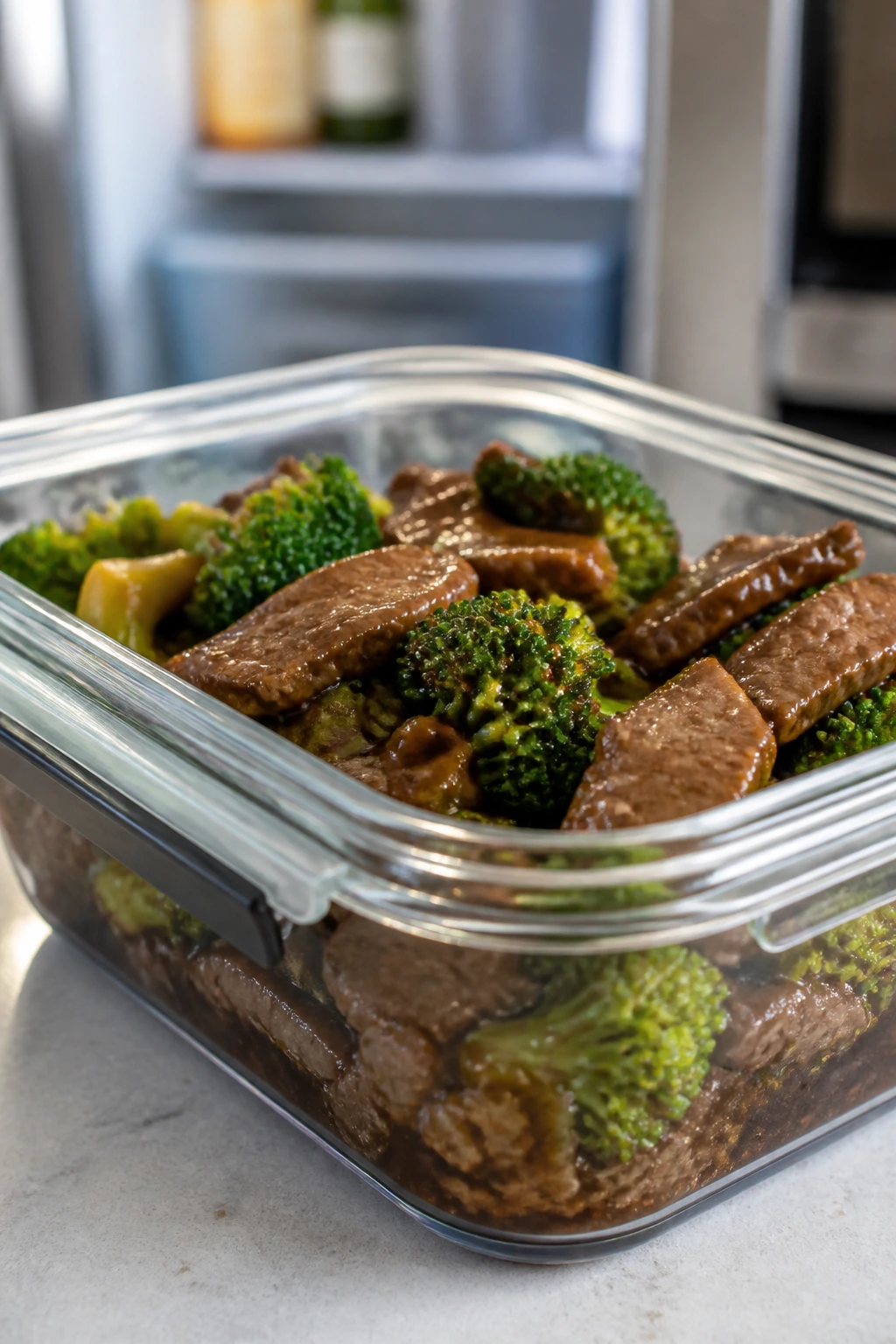
Cooked beef and broccoli keeps in the refrigerator for 3 to 4 days in an airtight container. Get it cooled and packed within 2 hours of cooking; after that, food safety gets messy, and the broccoli gets softer for no good reason. The dish tastes fine cold in a pinch, but it is better reheated.
If you want to freeze it, portion it into freezer-safe containers and keep it for up to 2 months. The beef freezes well because of the sauce, though the broccoli will soften a little after thawing. If freezing is part of the plan, undercook the broccoli by about 30 seconds so it has some bite left when it comes back to life.
For reheating, a skillet is the best move. Warm the leftovers over medium heat with 1 to 2 tablespoons water or broth, cover for a minute, then stir until the sauce loosens and the beef is hot through. The microwave works too — use 50% power in 45-second bursts and stir between rounds so the sauce doesn’t splatter and the beef doesn’t toughen at the edges.
For make-ahead work, you can slice and marinate the beef up to 1 day ahead and mix the sauce a day ahead as well. Keep the broccoli washed, dried, and cut separately, but don’t steam it in advance unless you like soft leftovers. If you really want to get ahead, prep the aromatics and rice first, then cook the stir-fry at the last minute. That’s the part worth protecting.
Questions People Ask Before They Start

Can I use a different cut of beef if I can’t find flank steak?
Yes. Sirloin is the easiest swap because it still slices cleanly and stays tender if you don’t overcook it. Flat iron is even better if your butcher carries it, while top round needs extra-thin slicing and a very hot pan.
Do I need a wok, or will a regular skillet work?
A wok is nice, but a wide 12-inch skillet is often easier on a home stove because it gives the beef more contact with the hot surface. What matters most is space and heat. A crowded wok on a weak burner can be worse than a sturdy skillet.
Can I use frozen broccoli?
You can, but thaw it first and pat it dry very well. Frozen broccoli tends to soften faster and release more water, so it won’t have the same snap as fresh florets. If frozen is what you have, keep the steam step short.
What if I don’t have oyster sauce?
Use mushroom stir-fry sauce or hoisin sauce in a smaller amount, then reduce the brown sugar because hoisin is sweeter. The flavor shifts a little, but the dish still lands in the same neighborhood. Oyster sauce gives more depth, though, so if you have it, keep it.
Why did my sauce turn thin instead of glossy?
Usually the skillet wasn’t hot enough, or the cornstarch wasn’t fully active. Give it another 20 to 30 seconds over heat while tossing, and it should tighten. If it still looks loose, mix 1 teaspoon cornstarch with 1 tablespoon cold water and stir that in.
Can I double the recipe for a bigger group?
Yes, but cook the beef in even smaller batches so the pan stays hot. The broccoli can also be cooked in two rounds if needed. Doubling the sauce works well, but don’t double the garlic so aggressively that it takes over the bowl.
Is this a good meal-prep dish?
It works fine for meal prep if you care more about flavor than crisp broccoli. The beef reheats well, and the sauce keeps it from drying out, but the broccoli will soften a bit by day three. If that bothers you, keep the rice and broccoli separate and combine them only when reheating.
A Skillet Dinner That Stays in Rotation
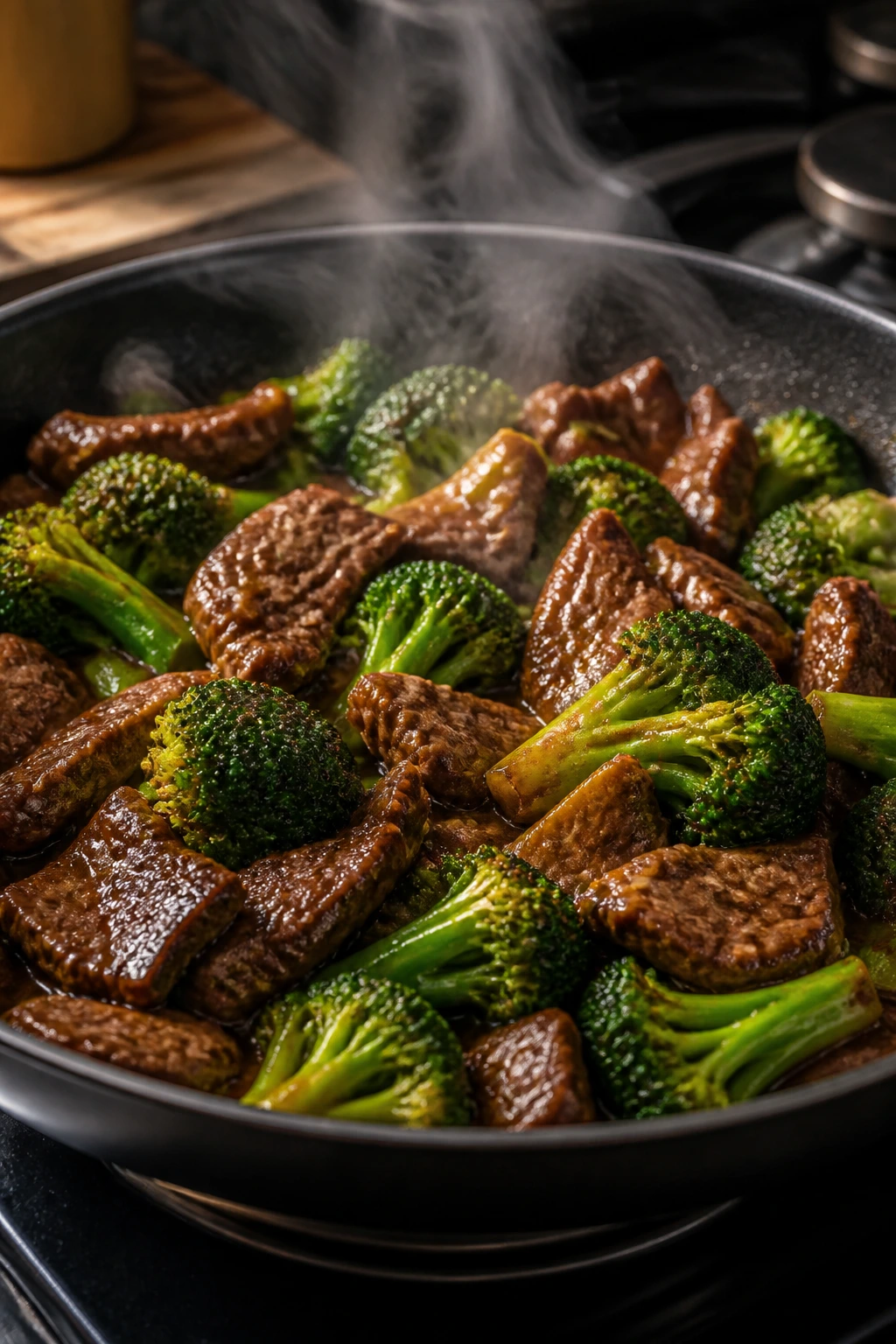
There’s a reason beef and broccoli hangs on in home kitchens and takeout menus alike: the parts are simple, but the timing gives you real control over the final plate. You can make it taste heavy and deep, or lean and sharp, just by changing how long the beef sits in the pan and how much bite you leave in the broccoli. That kind of flexibility is hard to beat on a weeknight.
What I like most is that this dish doesn’t need dramatic treatment to feel complete. Thin-sliced beef, a hot skillet, a good sauce, and broccoli with some green left in it — that’s enough. Put it over rice, keep the heat up, and serve it while the sauce is still glossy.
Beef and Broccoli — Recipe Card
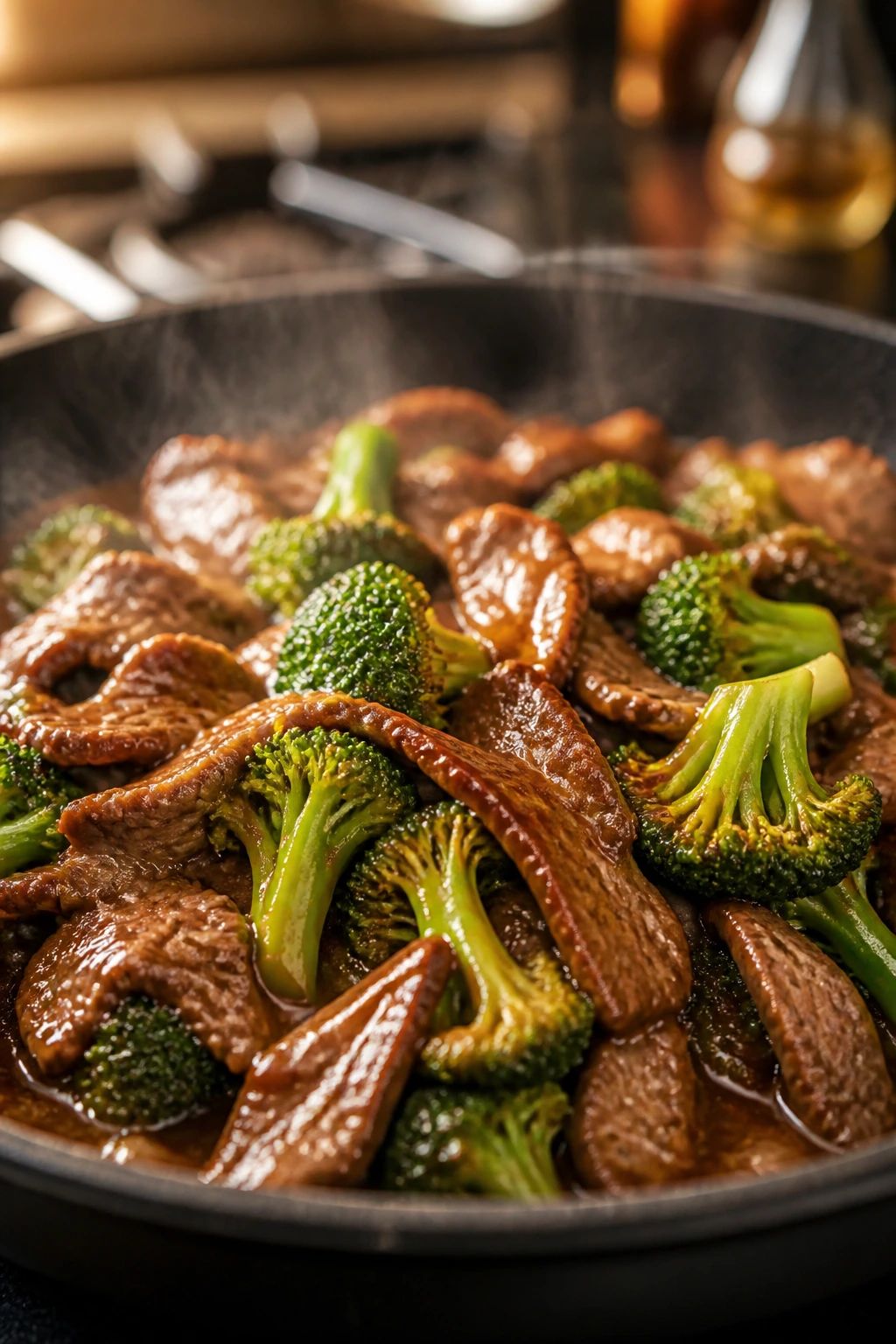
Recipe Name: Tender Beef and Broccoli for a Hearty Dinner
Description: Thin-sliced flank steak, crisp-tender broccoli, and a glossy soy-oyster sauce come together in one skillet. Serve it over hot rice or noodles for a dinner that feels sturdy without being heavy.
Prep Time: 20 minutes
Cook Time: 15 minutes
Total Time: 35 minutes active, plus 15 minutes marinating
Course: Dinner, Main Course
Cuisine: American-Chinese
Servings: 4 servings
Calories: About 410 kcal per serving
Ingredients
For the Beef and Marinade:
- 1 1/2 pounds flank steak, sliced very thin across the grain
- 1 tablespoon low-sodium soy sauce
- 1 tablespoon dry sherry or Shaoxing wine
- 1 tablespoon cornstarch
- 1 teaspoon neutral oil
For the Sauce:
- 1/2 cup low-sodium beef broth
- 1/4 cup oyster sauce
- 3 tablespoons low-sodium soy sauce
- 1 tablespoon packed light brown sugar
- 1 tablespoon rice vinegar
- 1 tablespoon cornstarch
- 2 tablespoons cold water
- 2 teaspoons toasted sesame oil
For the Broccoli and Aromatics:
- 1 1/2 pounds broccoli florets, cut into bite-size pieces
- 1 tablespoon neutral oil
- 4 garlic cloves, minced
- 1 tablespoon fresh ginger, minced
- 3 scallions, sliced, whites and greens separated
- 2 tablespoons water, for steaming the broccoli
For Serving:
- 4 cups hot cooked jasmine rice or cooked noodles
- 1 teaspoon toasted sesame seeds, optional
Instructions
Prep the Beef:
- Freeze the steak for about 20 minutes until firm, then slice very thinly across the grain.
- Toss the beef with soy sauce, sherry, cornstarch, and neutral oil. Let it sit for 15 minutes.
Mix the Sauce: 3. Whisk beef broth, oyster sauce, soy sauce, brown sugar, rice vinegar, cornstarch, cold water, and sesame oil until smooth.
Cook the Stir-Fry: 4. Heat neutral oil in a large skillet or wok over high heat. Sear the beef in two batches for 1 to 2 minutes per side, then remove it to a plate. 5. Add broccoli and water to the hot pan. Cover for 2 minutes, then uncover and stir-fry for 1 more minute until bright green and crisp-tender. 6. Add garlic, ginger, and scallion whites. Stir for 20 to 30 seconds until fragrant. 7. Return the beef and any juices to the skillet, then pour in the sauce. Toss for 30 to 60 seconds until glossy and thick. 8. Stir in the scallion greens and serve right away over hot rice or noodles.
Notes: Slice the beef against the grain for the most tender result. If the sauce gets too thick, add a splash of water; if you plan to freeze leftovers, undercook the broccoli slightly.