



Nothing wakes up a host like the sound of the doorbell when the kitchen still holds a half-bag of tortilla chips, three eggs, and a can of chickpeas. That’s the moment pantry cheap party food under $10 stops sounding like a compromise and starts looking like a rescue plan.
I’m talking about the kind of food that comes from the cupboard, the freezer door, and the odds-and-ends shelf in the back of the fridge. Beans. Pasta. Bread. Popcorn. Tortillas. Canned tomatoes. Peanut butter. Crackers that are a little plain on their own but become dangerous with the right spread. Put those things in the right order, add salt, acid, heat, and crunch, and the table no longer looks like a budget workaround. It looks planned.
And that’s the whole game: not buying fancy ingredients, but choosing ingredients that do more than one job. A bag of tortillas can become chips, roll-ups, and toasted wedges. One onion can flavor a dip, a tray of bread, and the last spoonful of salsa. Cheap party food only feels cheap when it’s one-note. Give it contrast, and it starts working hard.
Why Pantry Cheap Party Food Pulls More Weight Than It Looks Like It Should
Budget ingredients stretch farther when they carry texture. A bowl of popcorn, a tray of toasted bread, or a bean dip with crackers gives people something to crunch, scoop, and keep going back for. That matters more at a party than the ingredient list does.
Shelf-stable food buys you time. A can of beans doesn’t wilt while you answer the door. Pasta doesn’t brown too fast. Crackers don’t complain if you set them out twenty minutes early, which is more than can be said for a lot of fresh party food.
The best cheap snacks use one ingredient three ways. Tortillas become chips and roll-ups. Bread becomes toast points and crumbs. Beans become dip, spread, and filling. That kind of overlap is what makes a $7 or $8 batch feel bigger than the number on the receipt.
You can build a spread around heat, salt, and acid instead of expensive extras. A spoonful of salsa, a splash of vinegar, a shake of paprika, or a squeeze of lemon can wake up canned food fast. Without those sharp edges, budget food tends to taste flat. With them, it tastes deliberate.
Make-ahead behavior matters more than glamour. The party food that survives a 30-minute wait on the counter without turning sad is the food that saves your sanity. Pantry staples tend to hold up better than fragile greens, fancy cheese boards, or anything that needs perfect timing.
You waste less. That’s a boring sentence, and also the whole point. Shelf-stable ingredients don’t rot in two days, and leftovers are easier to reuse when they started as beans, rice, bread, or pasta instead of a one-off specialty item.
What Under $10 Really Means on a Party Table
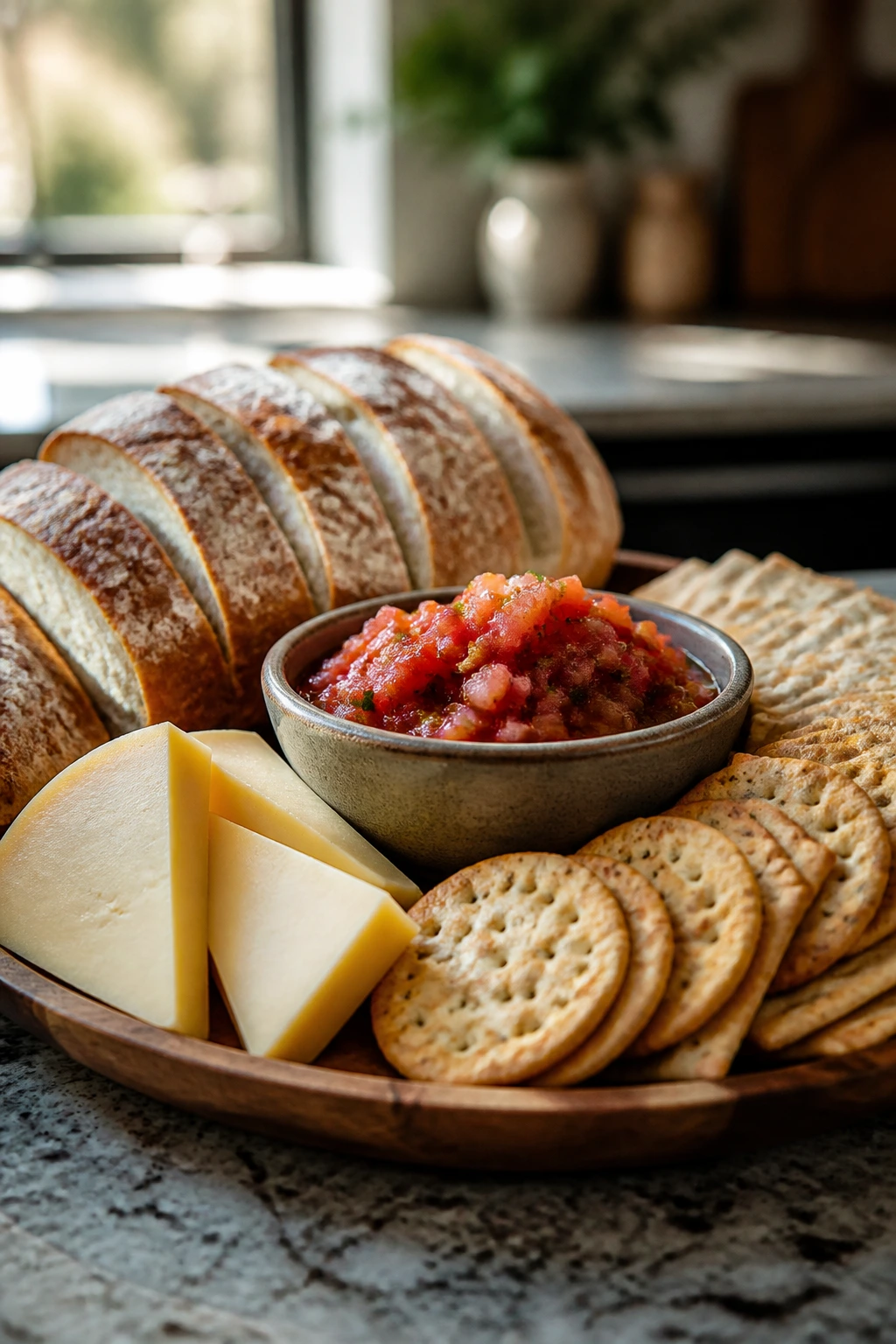
What does under $10 actually buy when you’re feeding people, not just making a snack for yourself? More than most cooks think, as long as you stop spending the money on things that disappear into the background.
A smart under-$10 party snack usually works best when it serves 6 to 10 people as part of a larger spread, or 4 to 6 people if it’s the main snack. That’s the number that matters. Not the price per ounce. Not the dramatic number on the deli tray receipt. The question is whether people can keep reaching without clearing the platter in six minutes flat.
The money usually goes farther when it’s split into three jobs: a base, a flavor hit, and something crunchy or fresh to finish. A can of beans, a loaf of bread, and a jar of salsa already get you most of the way there. Add a bit of cheese, mustard, oil, or dried seasoning, and the whole thing starts reading like a menu instead of a pantry raid.
A useful way to think about the budget
- $2 to $4 on the base: pasta, beans, bread, tortillas, rice, or popcorn kernels do the heavy lifting.
- $2 to $3 on the flavor: salsa, cheese, mustard, peanut butter, canned tomatoes, pickles, or mayo make the base taste like something.
- $1 to $2 on the finish: an onion, a lemon, dried herbs, hot sauce, or a sprinkle of paprika sharpens the whole thing.
- Anything left over goes to crunch: crackers, tortilla chips, pretzels, or a second loaf of bread if the crowd is bigger than expected.
That split keeps you from doing the classic budget mistake: spending half the money on one ingredient that disappears in the background. One expensive cheese won’t save a bland tray. A cheap tray with good salt, acid, and a proper crunch almost always wins.
The Pantry Shelf That Carries the Whole Table
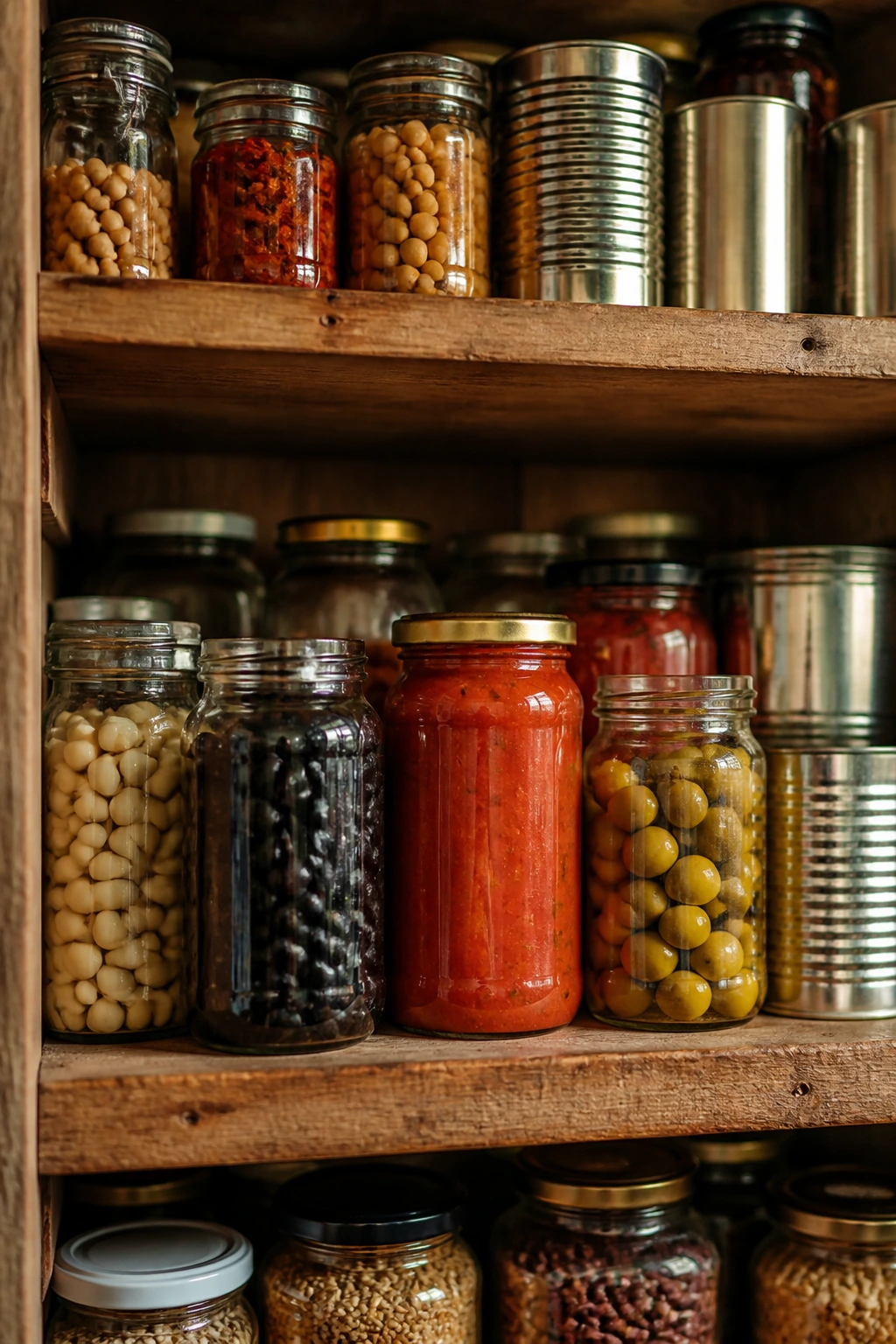
A good pantry party spread starts with ingredients that are useful in more than one direction. The list is short, but the combinations multiply fast.
Dry goods that behave like party food
- Pasta: short shapes hold dressing, cheese, or a little oil better than long noodles.
- Bread: sandwich bread, baguettes, pita, or day-old rolls become toast points, crostini, or crumbs.
- Tortillas: turn into chips, roll-ups, quesadilla wedges, or crisped strips for dipping.
- Popcorn kernels: cheap per batch, easy to season, and they fill bowls with almost no effort.
- Crackers and pretzels: useful as carriers, snack fillers, and texture contrast.
- Rice or couscous: best when you need one cheap base to stretch a bowl of beans, vegetables, or dressing.
Cans and jars that do the flavor work
- Beans: black beans, chickpeas, white beans, and refried beans all turn into spreads or dips.
- Tomatoes and tomato paste: one can can become a dip base, a warm topping, or a quick sauce.
- Salsa: gives acid, heat, and seasoning in one jar.
- Tuna or canned chicken: useful when you need a savory spread that feels more filling.
- Olives, pickles, and peppers: small amounts bring a sharp, salty bite.
- Peanut butter, jam, and mustard: all three can become appetizers, not just sandwiches.
Fridge helpers that make everything taste bigger
- Eggs: cheap protein, good for deviled eggs, egg salad, and quick binds.
- Mayo or yogurt: a little goes a long way in a spread or dip.
- Cheese: even a small block can flavor a full tray if you grate it and use it wisely.
- Butter: for toast, bread, or finishing a hot snack.
- Mustard and hot sauce: tiny amounts, big effect.
Freezer backstops worth keeping around
- Frozen corn: it can be thawed and mixed into salsa, dips, or bean salads.
- Frozen peas: not glamorous, but they’re useful in pasta salads and spreads.
- Frozen spinach: works in baked dips and hot fillings if squeezed dry.
- Frozen bread: better than letting fresh loaves go stale before you use them.
The pantry shelf is not there to replace fresh food forever. It’s there to keep you from depending on fragile food when timing is tight.
Cheap Party Food Formulas That Never Feel Bare
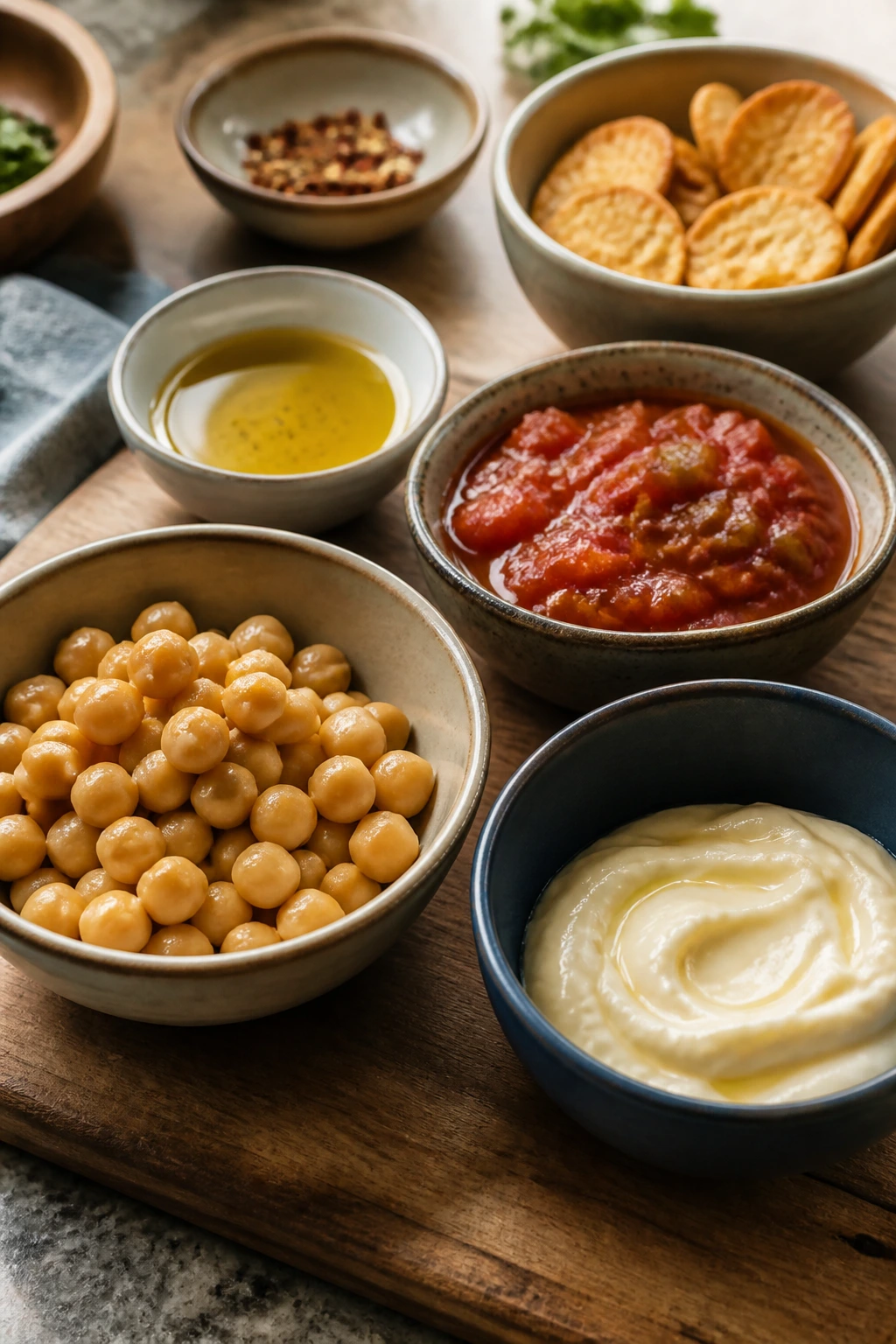
Cheap party food falls apart when every dish tries to be a finished masterpiece. That’s too much pressure for a can of beans. The better move is to use a few repeatable formulas that turn modest ingredients into food people actually reach for.
Base + binder + acid + crunch
This is the backbone of a lot of under-$10 party food. The base can be beans, pasta, bread, or rice. The binder might be mayo, oil, cream cheese, or tomato sauce. The acid can come from vinegar, pickle juice, salsa, lemon, or mustard. Crunch is the part that stops the dish from feeling soft and sleepy.
A black bean dip with salsa and tortilla chips follows this formula. So does egg salad on toast points. So does pasta tossed with a little oil, mustard, chopped pickles, and crushed crackers on top. Once you see it, you start spotting the same logic everywhere.
Warm center + cold side
Hot food feels generous. Cold food feels practical. Put the two together and the budget food stops looking thin.
A tray of baked bean dip can sit next to a bowl of pickles or olives. Toasted bread can sit beside a spoonable bean mash. Warm food gives the spread a smell that pulls people in, and the cold side gives the table a little snap. That contrast does more than extra garnish ever will.
One soft thing + two crisp things
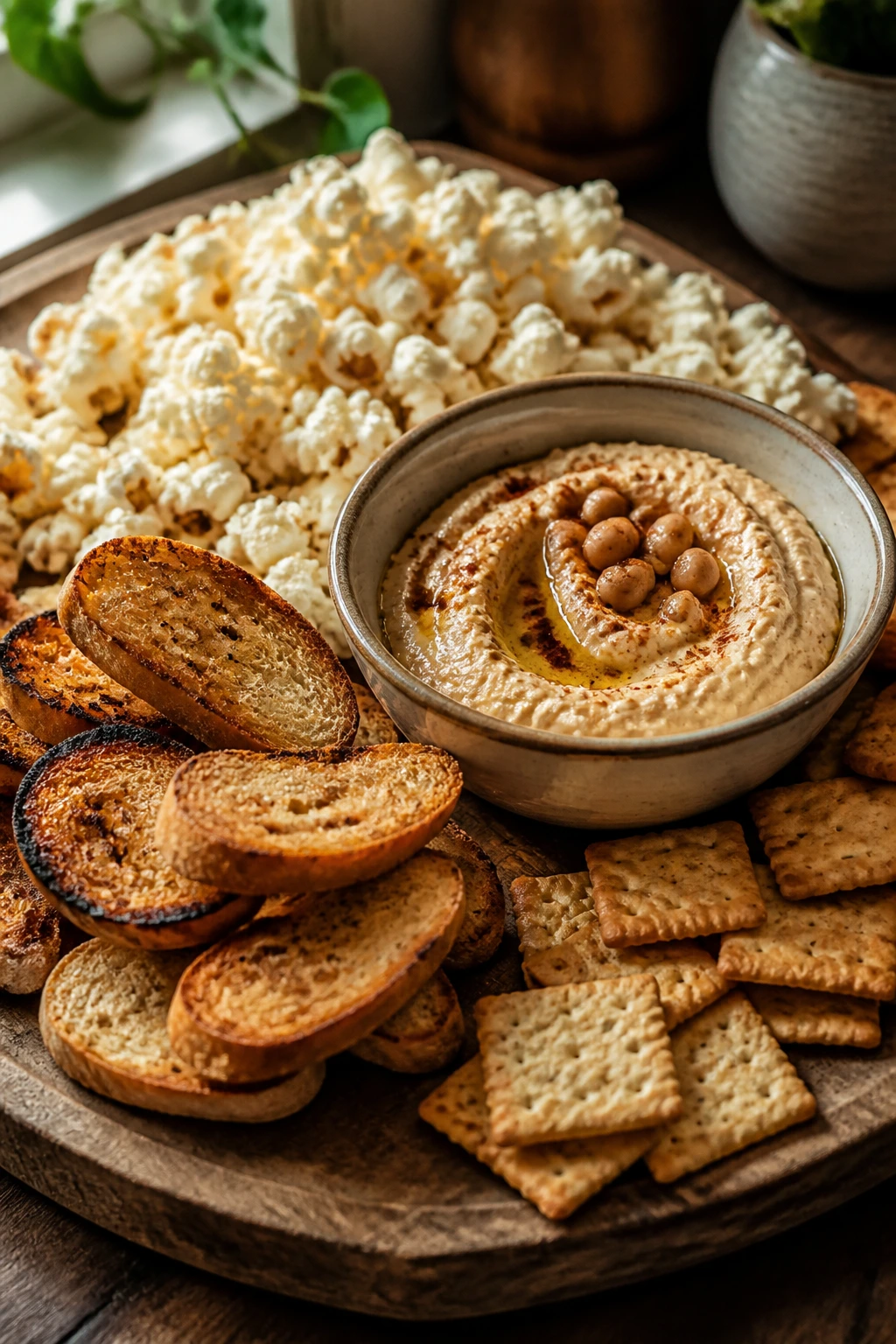
This one saves a lot of parties. If the soft thing is hummus, bean dip, tuna spread, or egg salad, give it at least two crisp companions: crackers and toasted bread, or tortilla chips and pretzel rods, or pita chips and cucumber if you have it. A single soft bowl with one scoop option tends to vanish too fast and look empty too soon.
Sweet-salty mix
A party tray gets more interesting when one corner leans sweet. Peanut butter on crackers. Popcorn with a little sugar and salt. Bread with jam and cream cheese. You do not need dessert-level sweetness; you need a small break from all the salt and starch.
That balance makes cheap food feel smarter. Less one-note. More deliberate.
No-Cook Snacks That Still Look Intentional
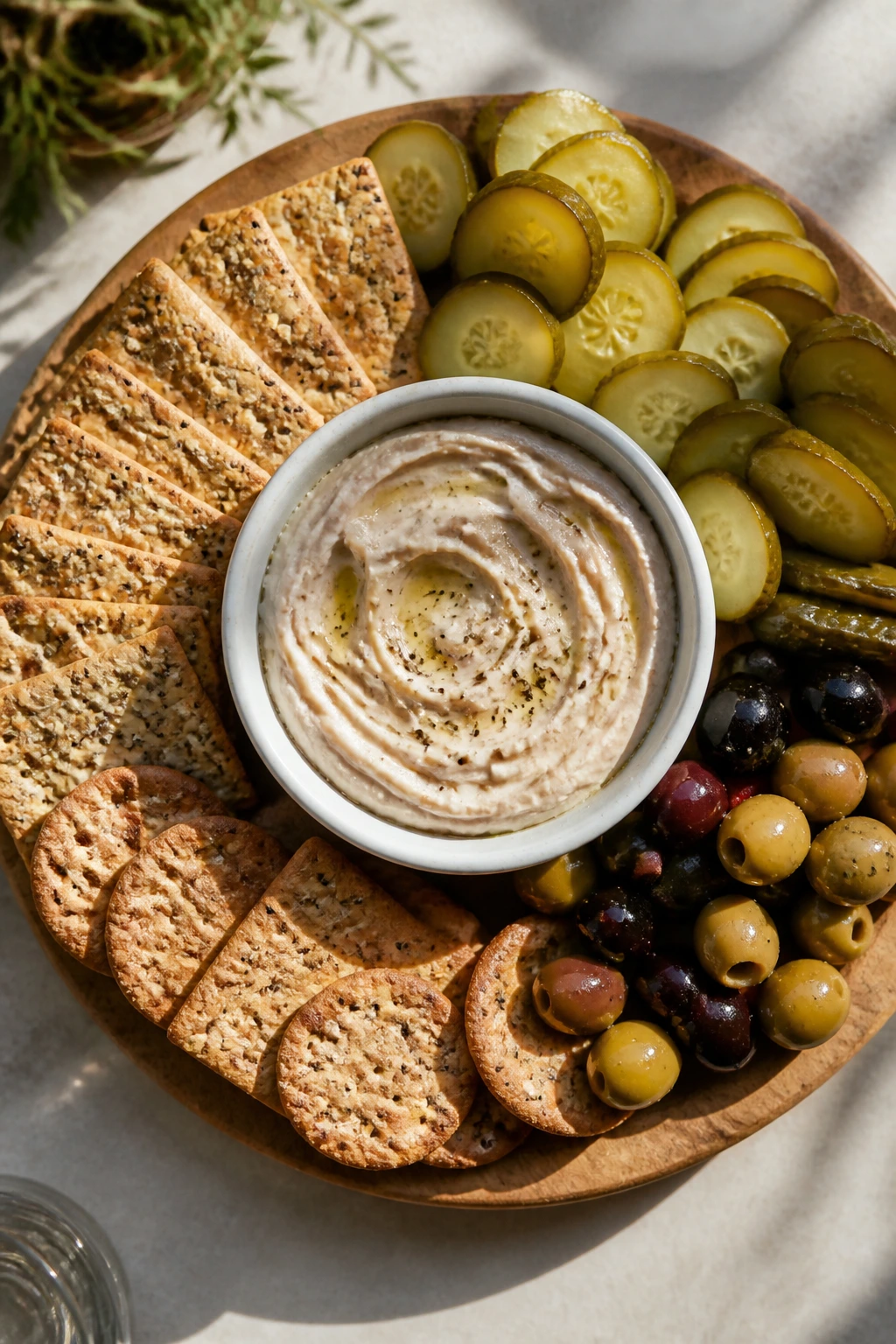
No-cook snacks are where pantry food gets unfairly underestimated. People assume “no-cook” means “barely food.” Wrong. It just means you’re using texture and seasoning instead of the stove to do the work.
A cracker platter becomes party food the second you stop dumping crackers in a loose pile and start giving them a job. Put a bean spread in the middle. Put sliced pickles or olives nearby. Add one tiny bowl of hot sauce or mustard. The table reads as a snack board, not a rescue mission.
Cracker-and-spread combinations that work
- White bean spread: mash canned white beans with oil, garlic powder, salt, and a splash of vinegar; spoon onto crackers or toast.
- Tuna smash: mix canned tuna with mayo, mustard, pepper, and chopped pickles if you have them; serve in a bowl with rye crackers or bread.
- Chickpea mash: smash chickpeas with mayo or yogurt, paprika, salt, and lemon juice; it tastes sturdier than plain hummus when you need a cheaper shortcut.
- Peanut butter bites: spread peanut butter on crackers and top with a little jam, honey, or a few pretzel crumbs for salt.
Bowls that disappear faster than you expect
Popcorn is the obvious one, and for good reason. It’s cheap, fills a big bowl, and takes seasoning well. Toss it with oil, salt, garlic powder, paprika, or a little grated parmesan if you have a small amount left over. Keep it in a wide bowl so people can grab without digging.
Olives and pickles matter here too. They’re not there to be heroic. They’re there to make a spread feel sharper and more finished. A small bowl of something briny can save a table full of bland crackers.
The thing that makes no-cook food work
Give it height, not clutter.
Use one shallow platter, one deep bowl, and one small dish for anything sharp or spicy. If all the food is spread out in flat little patches, it looks meager. If you stack toast points, heap popcorn, and keep spreads in actual bowls, the same amount of food suddenly feels like a party.
Hot Snacks and Baked Bites With Big Payoff
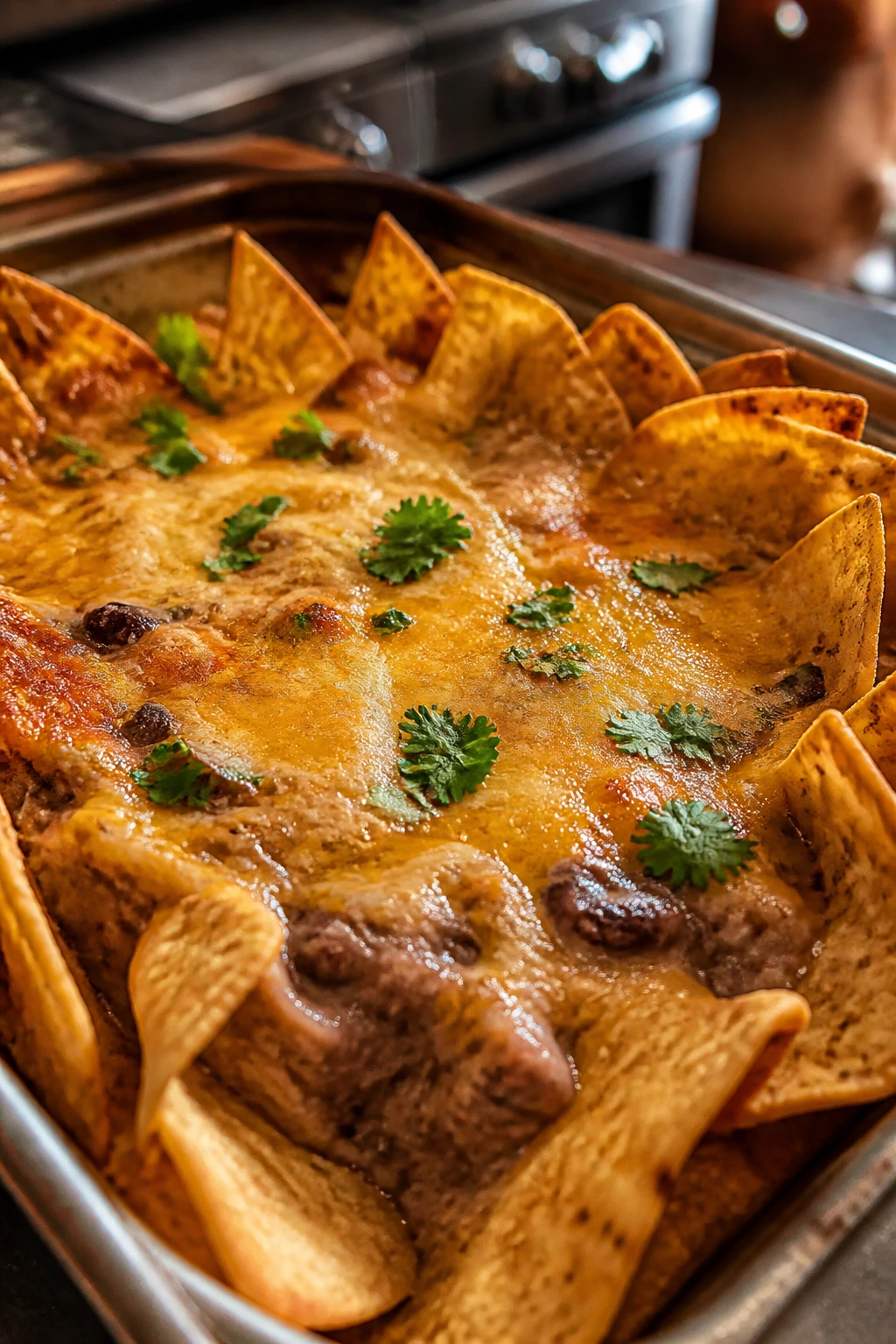
Heat is a cheat code. Not a magical one. Just a practical one.
A warm tray gives off smell before anyone takes a bite, and smell does half the selling. Toasted bread, baked dip, browned cheese, and anything sizzling at the edges tend to read as more expensive than they are. The trick is to use heat where it changes texture, not just temperature.
Toasted bread and tortilla snacks
Stale bread is not a problem. It’s a clue. Slice it thin, brush it with oil or butter, and toast it at 375°F until the edges go golden and crisp. A little garlic powder and salt turn the whole tray into something that behaves like crostini, even if the loaf cost barely anything.
Tortillas do the same job with a different shape. Cut them into wedges, brush lightly with oil, and bake at 400°F for 6 to 10 minutes, flipping once if needed, until they’re crisp. They become chips, but with better control over seasoning than the bagged kind.
Baked dip and melted centers
Bean dip is one of the best uses of a cheap pantry. Warm refried beans or mashed black beans with salsa, a little cheese, and cumin, then bake until the top bubbles and the edges thicken. You get a tray that feels dense, scoopable, and a lot more substantial than the ingredient list suggests.
A cream cheese base works too, if it’s what you’ve got. Spread it in a shallow dish, top with salsa or jam depending on whether you want savory or sweet, and bake just until loosened and warm. That one is especially useful when you need a fast centerpiece.
Quick oven snacks that look more involved than they are
Quesadilla wedges. Cheese toast. Mini tortilla pizzas. Bread topped with beans and a little shredded cheese. These are all cheap because they rely on a thin layer of flavor over a low-cost base. Bake until the edges brown and the filling is hot, not just melted.
And do not crowd the pan. That’s the mistake people make when they’re trying to stretch the budget and the time. If the pieces overlap, the edges steam instead of crisping, and the whole tray reads as soft and flat. One pan of properly browned food beats two pans of damp food every time.
Dips, Spreads, and Bowls That Feed More Than They Cost
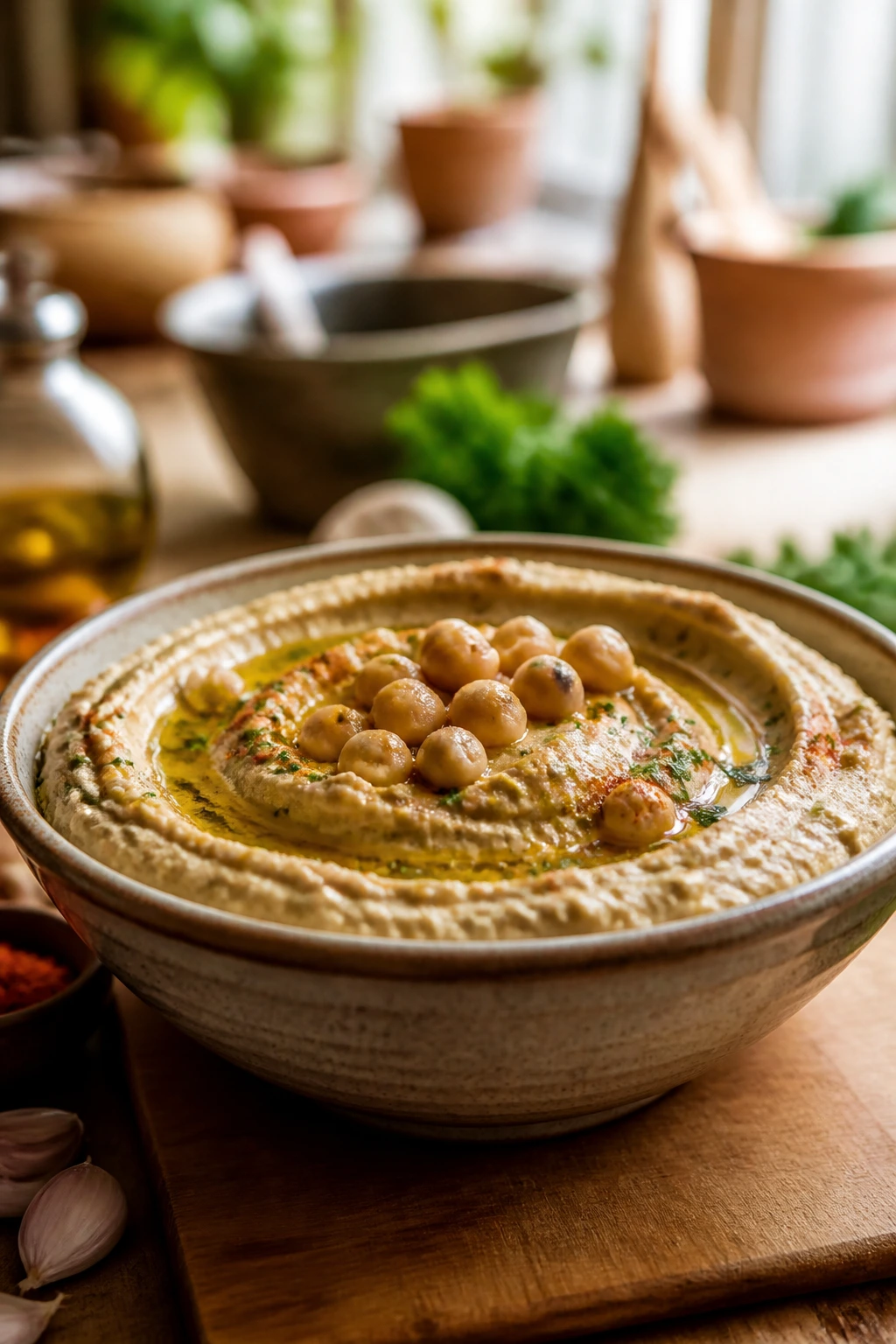
If I had to pick one category of budget party food that earns its keep, it would be dips. They’re cheap because the ingredients are diluted across the bowl, and they feel generous because people can keep serving themselves without you plating every bite.
A dip also forgives a lot. A slightly older onion gets chopped into it. A lonely spoonful of salsa finishes it. The half-jar of mustard hiding in the fridge suddenly matters. That’s the beauty of a bowl food. It absorbs leftovers and still tastes planned.
Bean-based dips
Beans are the workhorse. Black beans make a dark, earthy dip with salsa, cumin, and a little oil. Chickpeas turn into a thicker, creamier mash with garlic powder, lemon, and mayo or yogurt. White beans take on whatever you give them, which is why they’re so useful when the spice rack is not exactly overflowing.
Use a fork if you want texture, or a food processor if you want a smoother finish. I prefer leaving a little texture. It looks homemade in the good way, not the clumsy way.
Egg and dairy spreads
Egg salad, deviled egg filling, and cream cheese spreads all work on a budget if you keep them simple. A little mustard, a pinch of paprika, and enough salt to wake up the eggs can carry a tray farther than fancy add-ins. If you’ve got chives or dried herbs, use them sparingly. You want the spread to taste sharp, not crowded.
Mayo-heavy mixtures need crisp companions. Crackers, toast points, and lettuce cups are all fine if you have them, but I’d rather use bread toasted until the surface goes dry and the edges brown. It holds up longer and doesn’t collapse under the filling.
Tomato and salsa bowls
Salsa is already party food in a jar, which is why it belongs here. Stir it into beans, spoon it over cream cheese, or use it as the acid in a warm dip. Canned tomatoes can do similar work once you cook them down with onion, garlic powder, and salt.
A tomato-based bowl needs a little fat. Oil, butter, cheese, or even a spoonful of mayo can keep it from tasting thin. That’s the part a lot of people miss. Tomato alone is bright, but brightness without body gets old fast.
Building a Whole Spread Around One Cheap Anchor
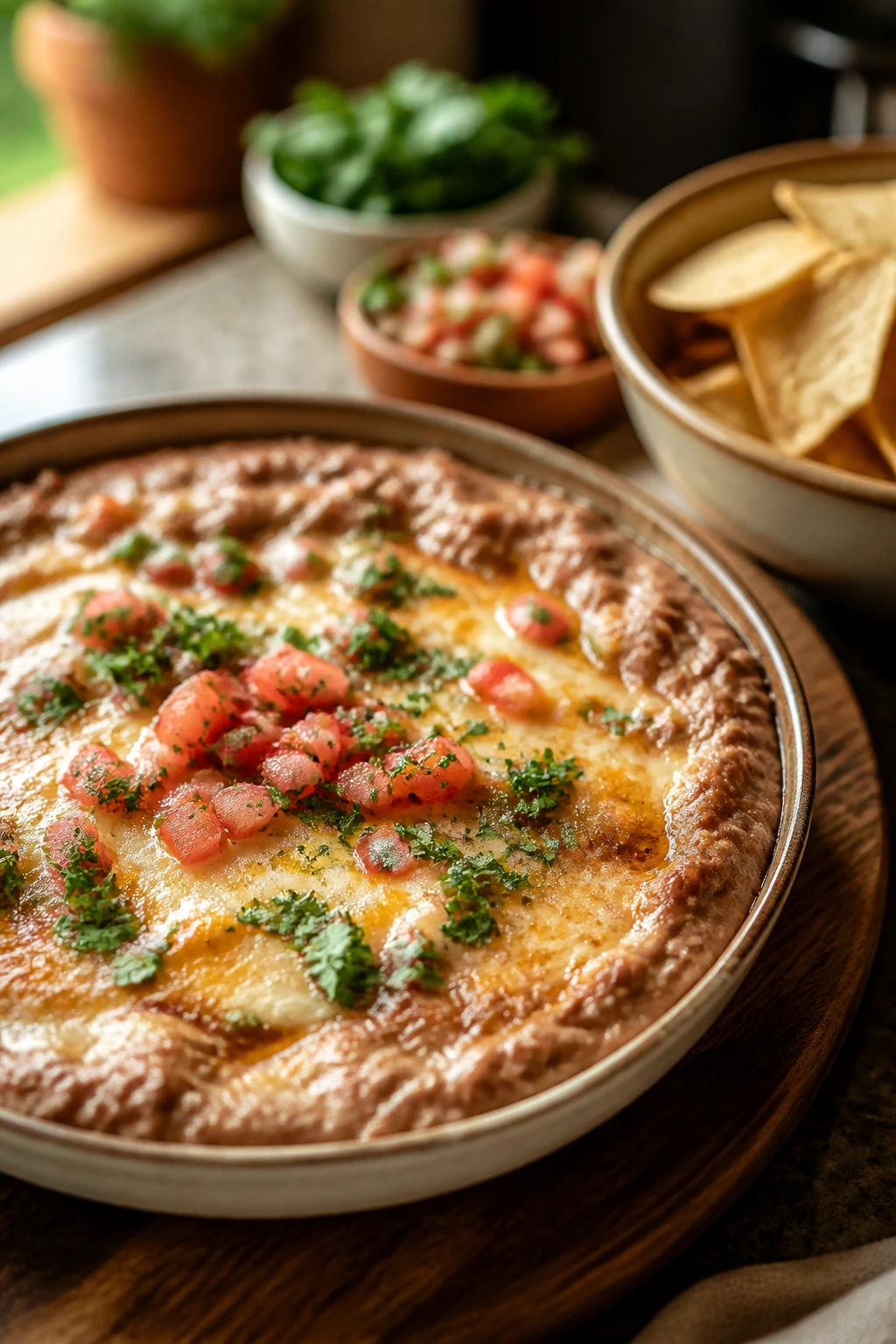
You do not need seven different snacks. You need one thing people want to eat, then two or three supporting players that give the table shape.
A cheap anchor is the main bowl, tray, or platter that tells the story of the spread. Everything else should make that anchor easier to enjoy. If the anchor is a hot bean dip, the supporting players are chips, bread, and something briny. If the anchor is pasta salad, the extras should be crunchy or warm. If the anchor is popcorn, give it a dip or a toast tray so the table doesn’t feel like movie night in disguise.
A spread built around dip
Start with one warm dip or one cold bean spread. Then add a crunchy scoop, a salty side, and a bowl of something sharp. That can be tortilla chips, toast points, olives, and pickles. It can also be crackers, pretzels, and a little mustard-based spread.
This setup works because everyone gets options without you cooking three different recipes. They’re not competing dishes. They’re a small ecosystem.
A spread built around bread
Bread is cheap enough to carry a lot of weight, especially if you buy a loaf that can be toasted or sliced. Make one tray of garlic toast, one tray of bean topping or egg salad, and one small bowl of jam, mustard, or butter if you want a split sweet-savory table. People will make their own combinations, which is exactly what you want.
A spread built around pasta
Cold pasta salad can be a solid budget anchor if you keep it simple: short pasta, a little oil or dressing, one vegetable, one sharp ingredient, one protein if the budget allows. A few chopped pickles, beans, or tuna can give it body. Don’t bury it in too many add-ins. The point is to feel filling, not busy.
A spread this way is easier to scale. Need more food? Add another bowl of crackers or another loaf of toasted bread. Need to save money? Remove the second side before you touch the anchor dish.
Smart Shopping and Ingredient Swaps
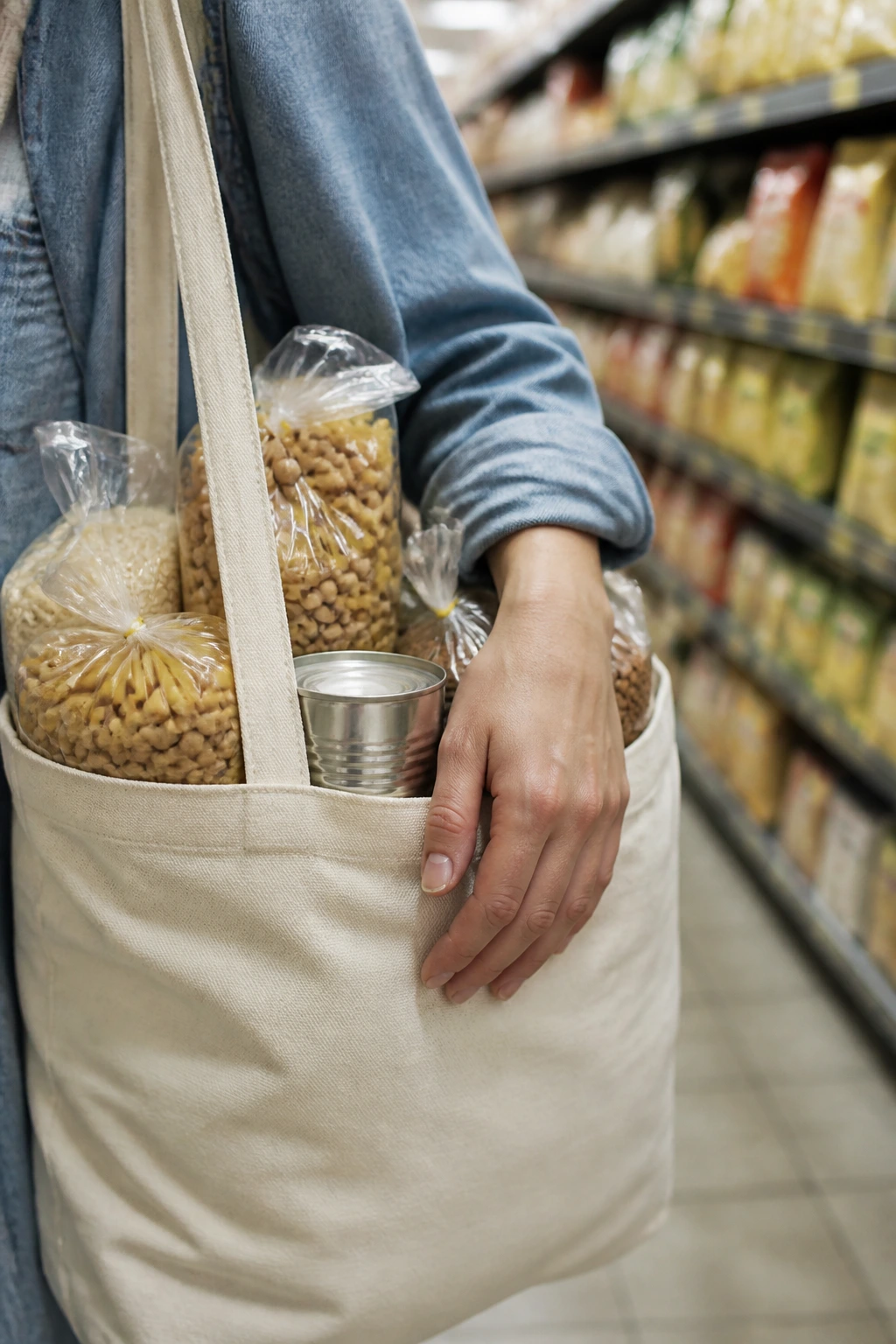
The cheapest party food is not the one with the lowest sticker price on one item. It’s the one where every ingredient has a backup job.
Store brands are your friend here, especially for beans, crackers, tortillas, pasta, salsa, and canned tomatoes. I’d rather buy a plain box of crackers and season the food than pay extra for a flavored version that fights with the dip. Same with tortillas. Same with beans. Same with bread, if the loaf is sturdy enough to toast well.
Spend on ingredients that fix bland food
- Acid: lemon, lime, vinegar, pickle brine, or mustard cuts through heavy food.
- Salt: ordinary salt does more than expensive finishing salt here, as long as you use it with a light hand.
- Fat: oil, butter, mayo, cheese, or cream cheese gives cheap food body.
- Heat: hot sauce, chili flakes, cayenne, or black pepper keeps the table awake.
Those four things rescue a lot of pantry food. They are not optional extras. They’re the reason the spread tastes like somebody planned it instead of just opened cans.
Swap with purpose, not panic
If you don’t have black beans, use chickpeas. If you don’t have mayo, use yogurt or oil, depending on the dish. If you don’t have crackers, toast bread or cut tortillas into wedges and bake them. If cheese is expensive in your area, make the dip more aggressive with mustard, vinegar, and onions so the flavor still lands.
Don’t buy a special ingredient for one tiny job unless it can help two or three dishes. That’s how a budget gets quietly destroyed. A lemon can brighten a dip and a tray of toast. A jar of mustard can season eggs, beans, and a quick sauce. A bunch of scallions can top nearly anything if you slice them thin enough.
The Gear That Makes Budget Party Food Easier
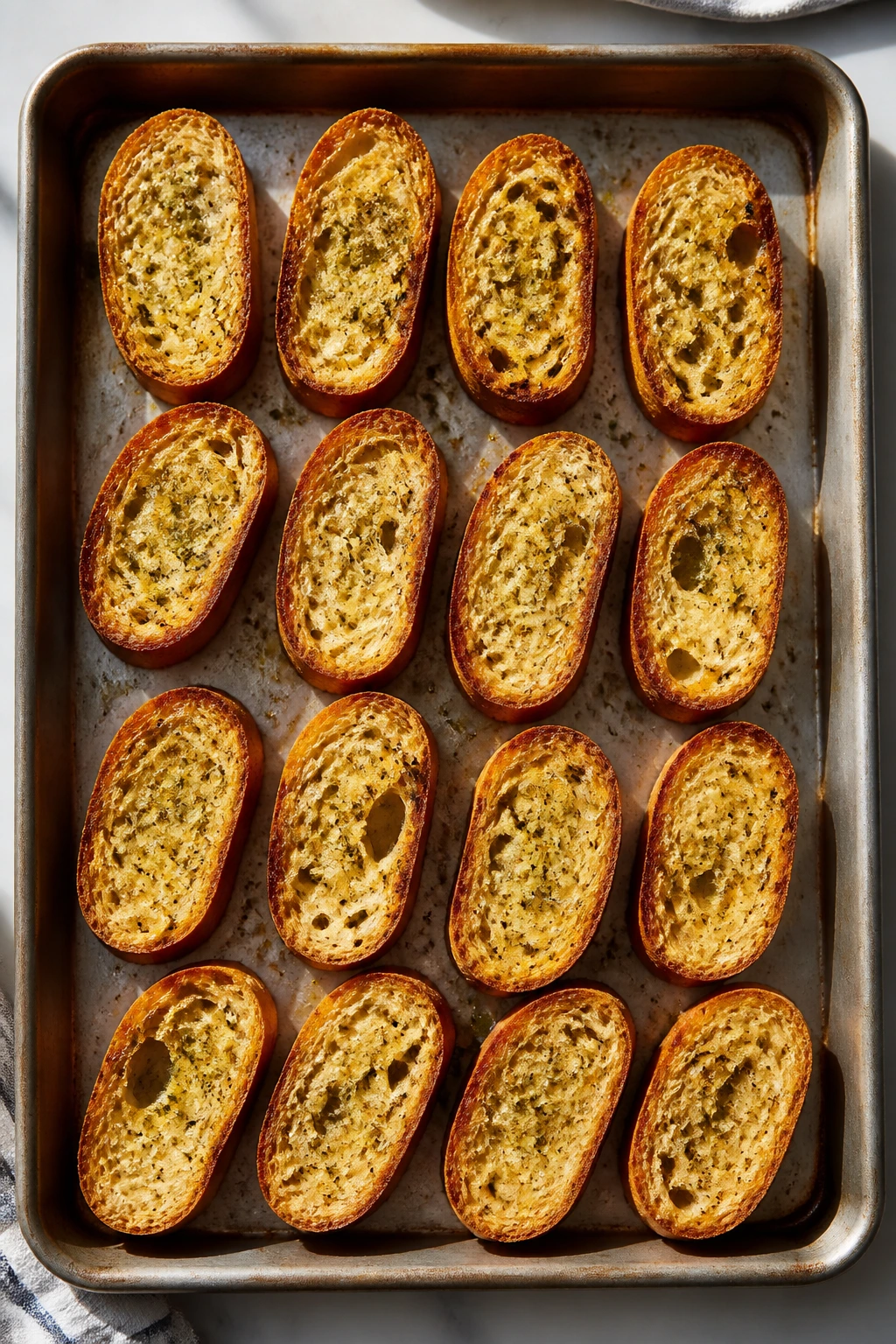
- Large sheet pan: the fastest way to toast bread, crisp tortillas, or bake a shallow tray of dip.
- 9×13-inch baking dish: perfect for baked bean dips, warm spreads, and party snacks that need an even layer.
- Mixing bowls in two sizes: one for the main mix, one for tossing crunchy items or serving.
- Can opener: sounds boring until you’re holding three cans and no opener.
- Chef’s knife and cutting board: the few dollars you spend on onions, bread, and herbs go farther when your knife work is clean.
- Rubber spatula or wooden spoon: good for mashing beans, scraping bowls, and mixing sticky spreads.
- Measuring spoons: spices matter more in budget food because there’s less room to hide blandness.
- Box grater: useful for cheese, butter, or even stale bread if you need crumbs.
- Airtight containers: keep crackers, popcorn, and leftovers from turning soft overnight.
- Foil or parchment: makes cleanup faster and helps crisping when used the right way.
If you already own a toaster oven, it deserves a spot here too. A small oven is often the best tool for budget party food because it reheats toast, crisps tortillas, and warms dip without heating the whole kitchen.
How to Make a Small Spread Look Full
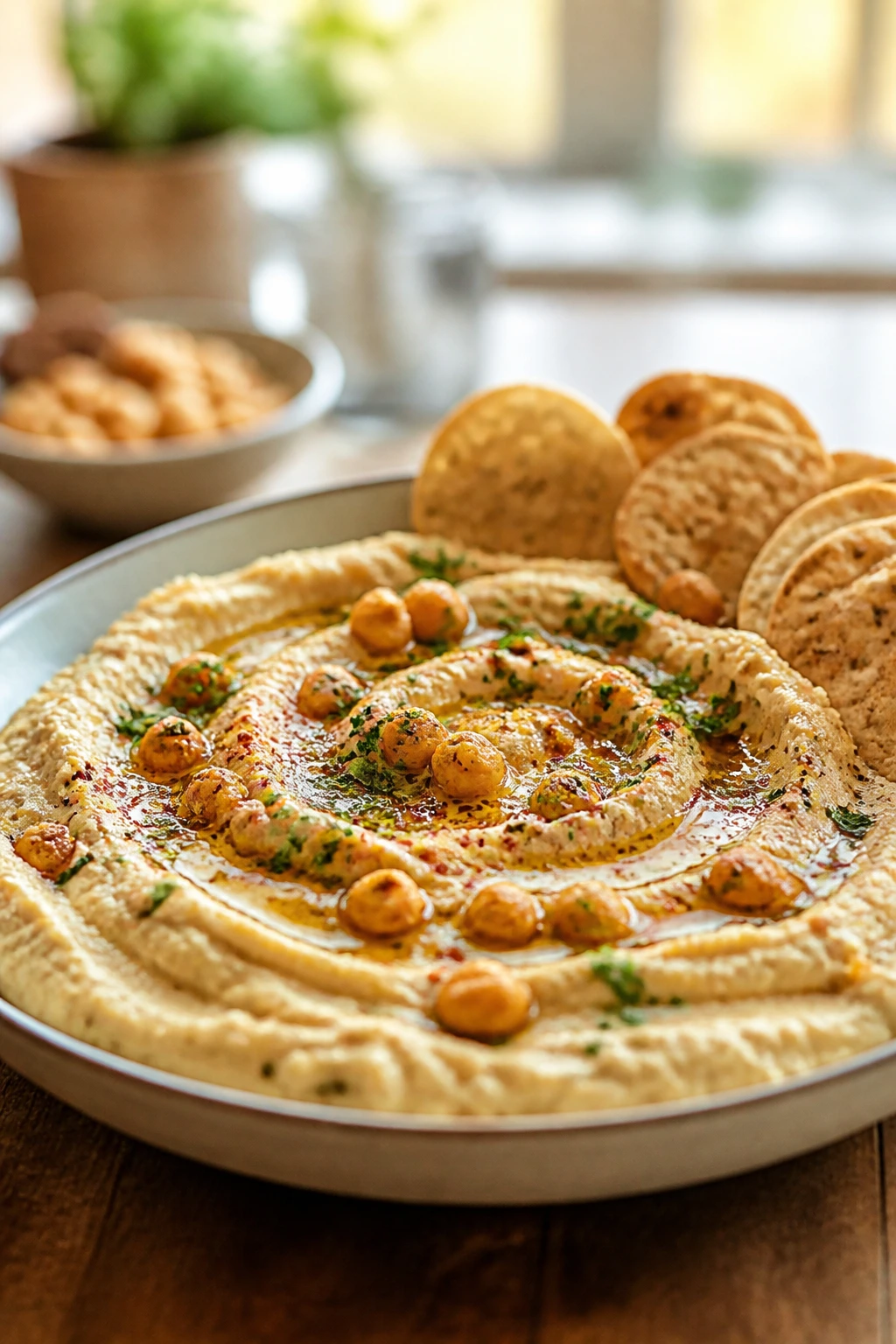
Presentation: Use shallow bowls, not tiny deep ones. People read surface area as abundance, so spread food across a wider platter and let it mound up a little. One tall item in the middle — stacked toast, a bowl of popcorn, a block of cheese, a ramekin of dip — gives the table a center of gravity.
Accompaniments: Pair one creamy thing with at least two crunchy things. Crackers plus tortilla chips. Toast points plus pretzels. Bread plus popcorn if you’re working with almost nothing. Add one salty, sharp side like pickles, olives, or mustard so the table doesn’t drift into one texture.
Portions: Plan roughly 4 to 6 savory bites per person if the spread is only one part of the party. If it’s carrying the whole room, think closer to 8 to 10 bites per person and include something filling like pasta, bread, or beans. For dips, 1/3 to 1/2 cup per person is a useful starting point, especially when there are several snacks on the table.
Beverage Pairing: Sparkling water with citrus slices keeps salty snacks from feeling heavy, and iced tea works with almost anything on a budget table. If the crowd wants something with a little more bite, a light lager or a dry cider sits nicely next to bean dips, popcorn, and toasted bread.
The visual trick is repetition. Use the same small bowl shape more than once, repeat one garnish across the table, and keep the colors from scattering into a mess. A budget spread looks more expensive when it feels coordinated.
Small Upgrades That Make Cheap Food Taste Planned
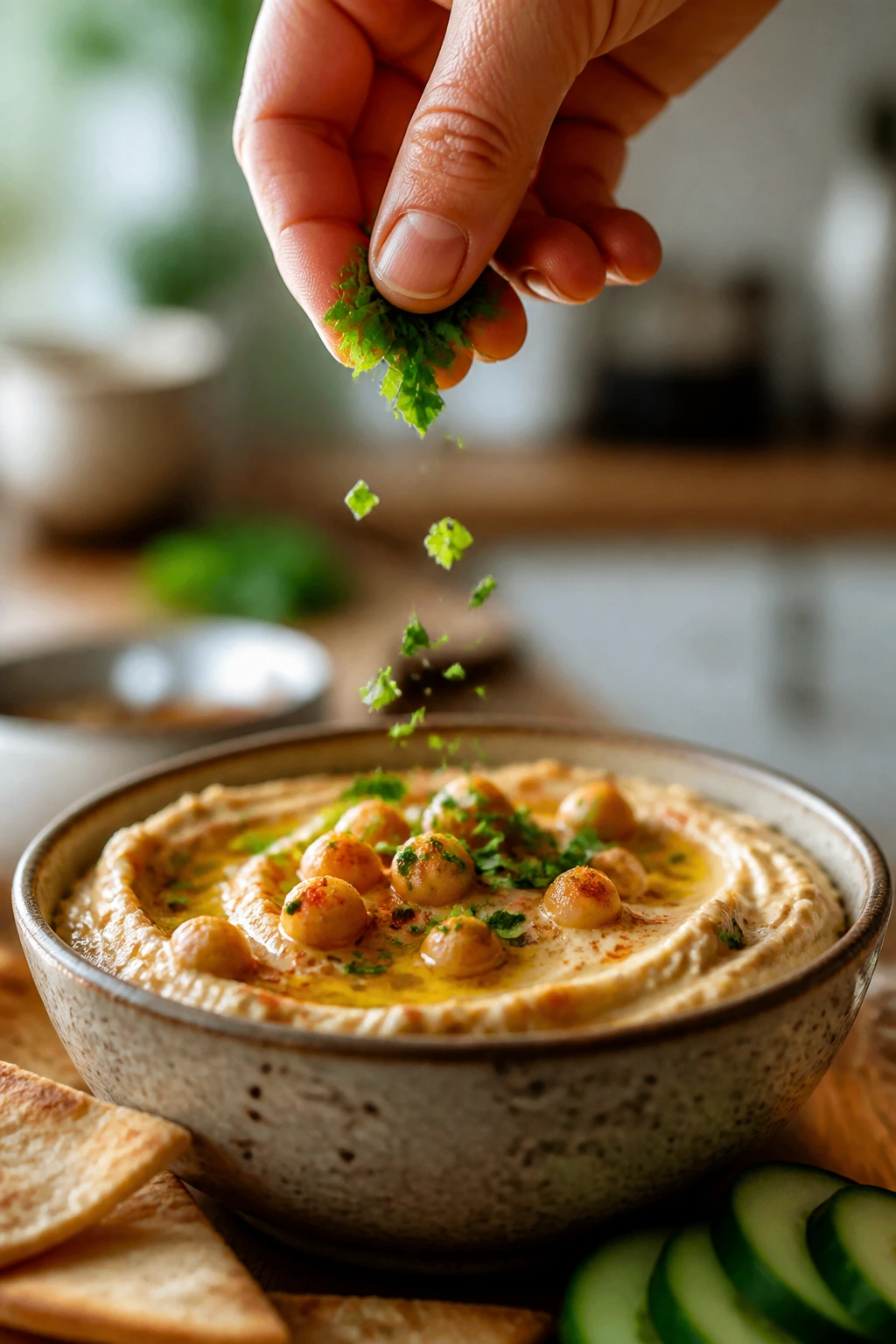
Flavor Enhancement: Keep one sharp finishing ingredient around — vinegar, lemon juice, pickle brine, or hot sauce. A spoonful at the end does more than a pile of extra seasoning dumped in early, because it wakes the food up right before serving.
Customization: Make one base that accepts add-ins. Bean dip can go smoky with paprika, salty with chopped olives, or spicy with chili flakes. Popcorn can swing sweet-salty with a pinch of sugar and cinnamon, or savory with garlic powder and grated cheese. One base, several personalities.
Serving Suggestions: Add a small garnish that repeats across dishes. Chopped scallions, dried parsley, paprika, sesame seeds, or a few cracked pepper flakes on top of each bowl makes the spread feel intentional. You do not need a different garnish for every dish. Repetition is what makes the table look styled instead of random.
Make-It-Yours: If you’re feeding vegetarians, lean harder on beans, eggs, cheese, and popcorn. If dairy is a problem, shift toward salsa, olive oil, mustard, and bean spreads without cheese. If the crowd likes heat, keep one spicy bowl separate so the rest of the food stays friendly. If kids are coming, keep one plain bowl of popcorn or toast points nearby and let the bolder items sit next to them, not on top.
One small upgrade I like a lot: toast whatever you can toast. Bread, tortillas, nuts, seeds, even crumbs. Heat creates flavor faster than a lot of budget add-ins, and it costs almost nothing.
The Mistakes That Make Cheap Food Feel Cheap
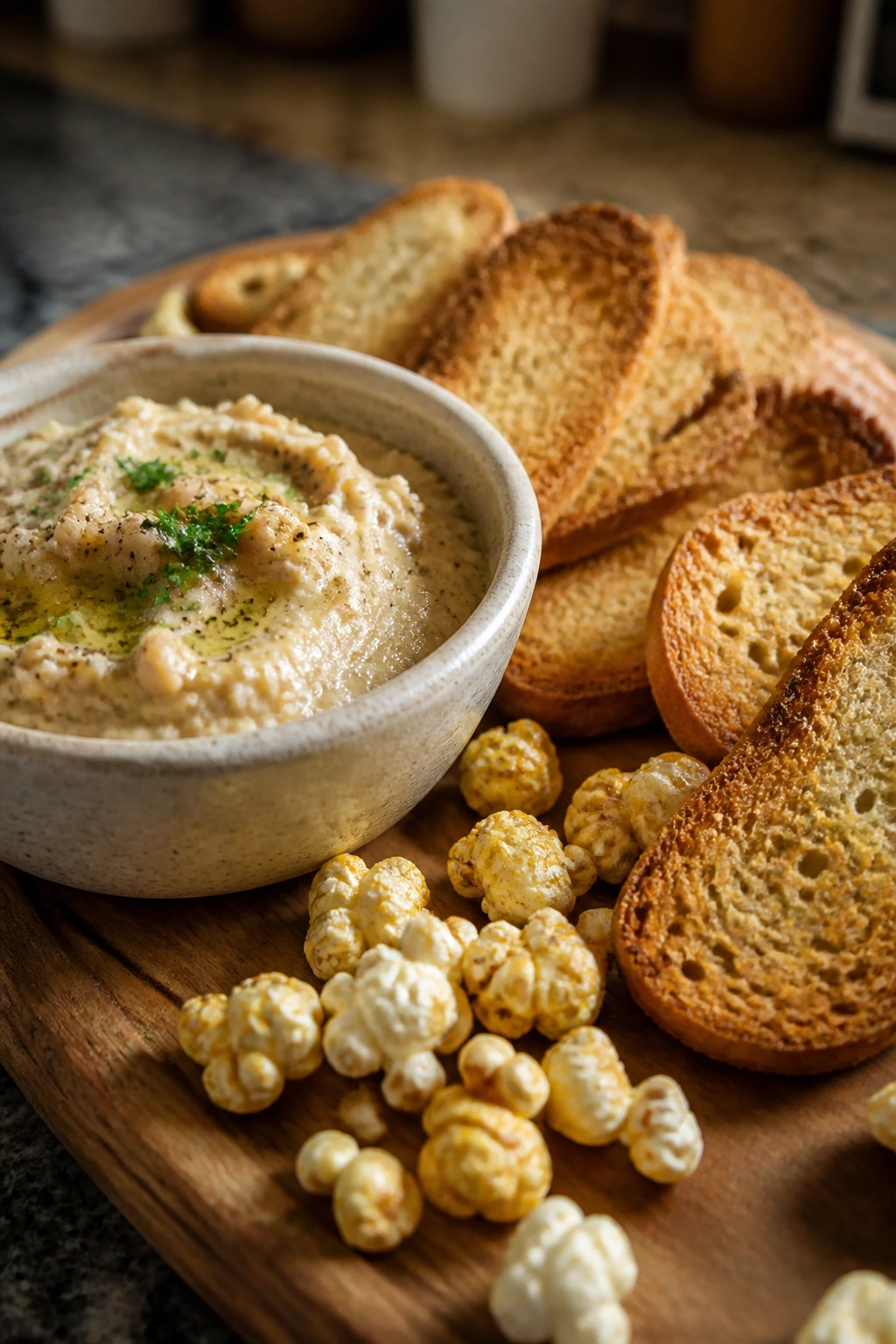
The first mistake is serving only soft food. A table of beans, pasta, and spreads with no crunch feels heavy fast. The fix is simple: add toast points, crackers, popcorn, tortilla chips, or anything crisp that can sit next to the soft stuff and keep the bites moving.
The second mistake is using too many single-use ingredients. A jar of something fancy that solves one tiny problem but doesn’t help the rest of the spread can blow the budget without improving the party. Buy ingredients that can cross over into more than one dish, and the whole table benefits.
The third mistake is forgetting salt and acid. Cheap food usually needs a sharper edge than you think. If a dip tastes dull, it probably needs a little vinegar, lemon, mustard, pickle brine, or just a bit more salt — not another expensive ingredient.
The fourth mistake is letting hot food sit until it turns greasy or flat. Baked dips, toast, and tortilla wedges are at their best in the first 15 to 20 minutes. If you need them to hold longer, set the oven low at around 200°F and keep the tray uncovered so moisture doesn’t build up.
The fifth mistake is ignoring food safety because the food is cheap. Mayo-based spreads, egg dishes, dairy dips, and anything with cooked rice should not sit out forever. Keep them out for a maximum of 2 hours, or 1 hour if the room is hot, then chill the leftovers promptly.
The last mistake is making the table look sparse. Cheap food can look abundant if you use wide platters, fill bowls to the top, and repeat serving pieces. Sparse presentation makes even a full tray look skimpy. A crowded-looking spread buys you goodwill before the first bite.
Variations and Adaptations to Try
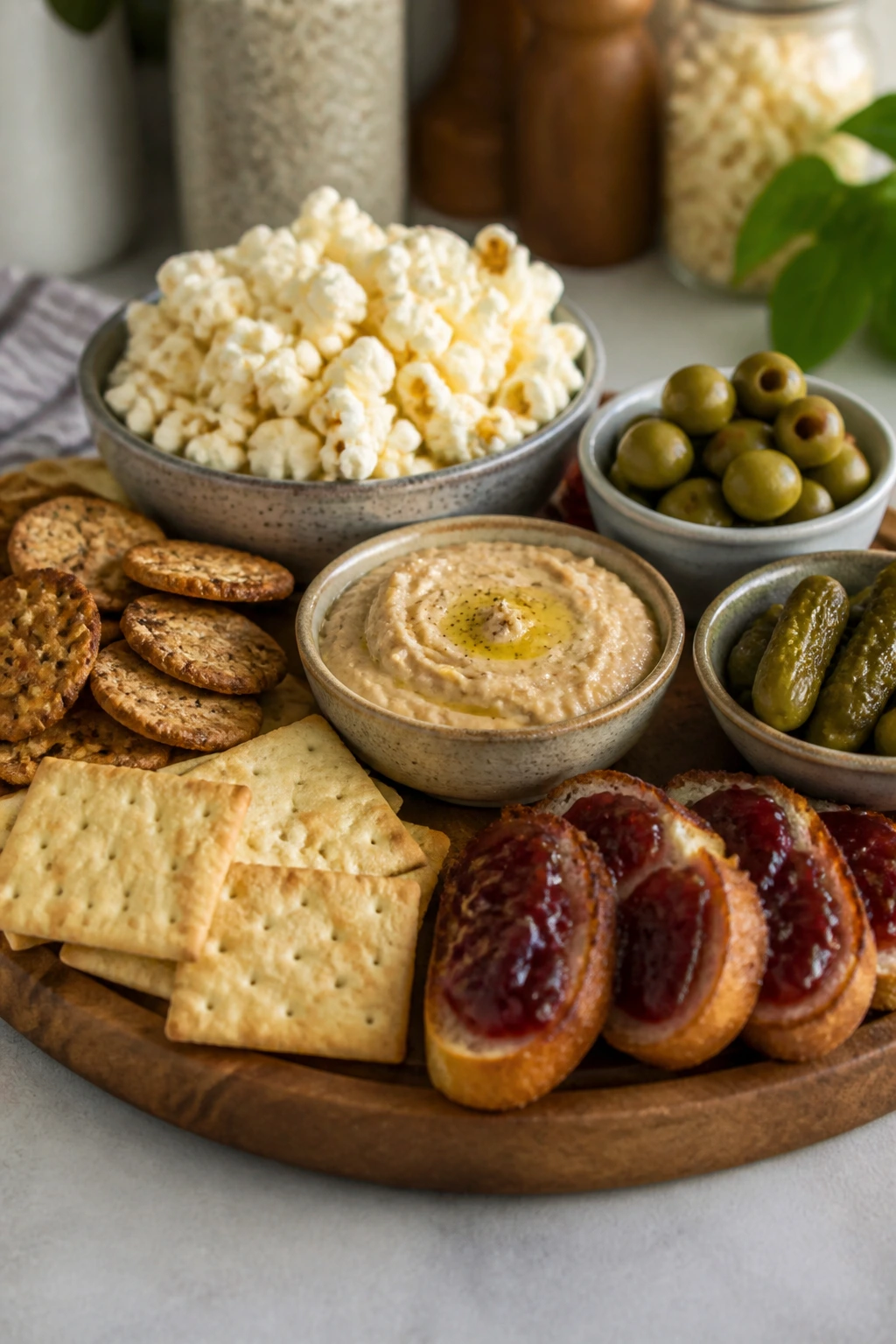
The All-Pantry Snack Board: This version stays fully shelf-stable until the moment people arrive. Use popcorn, crackers, peanuts, olives, pickles, a bean spread, and one sweet item like jam on toast points. It’s the safest route when you want zero last-minute cooking and no panic about fridge space.
The Warm Oven Spread: Build the whole table around a sheet pan and a baking dish. Think toasted bread, baked bean dip, tortilla wedges, and a tray of cheese-topped snacks. This style works when you want smell and heat to carry the room, and it holds together well for casual parties where people wander in and out.
The Protein-Heavy Budget Table: If you need the food to feel more substantial, lean on eggs, beans, tuna, and cheese. Egg salad on toast, tuna spread on crackers, baked bean dip, and a bowl of popcorn can cover a lot of ground without getting expensive. Good for late-night gatherings when snacks need to behave a little like dinner.
The Kid-Calm Version: Pull back the spice and lean into familiar textures. Popcorn, peanut butter crackers, mild cheese toast, and a smooth bean dip go over better than anything that smacks too hard with garlic or heat. Keep the sharp items in a separate bowl so adults can reach for them without making the whole table kid-proof.
The Gluten-Free Crunch Table: Swap bread and regular crackers for corn chips, rice crackers, popcorn, and toasted potato slices if you have them. Bean dips, egg salad, salsa, and simple cheese plates all fit this version without feeling like afterthoughts. The key is to keep the crunch generous so the spread doesn’t become a bowl-only situation.
The Spicy Corner: If your crowd likes heat, dedicate one bowl to it instead of spiking everything. Add hot sauce, chili flakes, cayenne, or chopped pickled peppers to one dip, one popcorn bowl, or one tray of toast. A single strong item gives the whole spread a pulse without scaring off the people who prefer milder food.
Frequently Asked Questions
What is the cheapest pantry party food to make first?
Popcorn is hard to beat because one bag of kernels makes a huge bowl, it holds seasoning well, and it doesn’t require much beyond oil and salt. If you want something more filling, bean dip with crackers or tortilla chips is the next smartest move.
How do I keep a spread under $10 when prices vary so much?
Start with ingredients you already own and price the rest around the base, not the garnish. If you already have oil, salt, and spices, a can of beans, a loaf of bread, and a jar of salsa can carry most of the menu. The price swings matter less when one ingredient can do two or three jobs.
Can I make cheap party food the day before?
Yes, and that’s one reason this style works so well. Bean dips, pasta salads, egg salad, and most spreads can be made ahead and chilled, while crackers, toast, and popcorn are best made close to serving so they stay crisp. Keep wet and dry components separate until the last minute.
What pantry foods are safest to leave out at a party?
Dry snacks like popcorn, crackers, pretzels, and toast points are the safest because they don’t spoil quickly and they hold texture at room temperature. Anything with mayo, eggs, dairy, or cooked rice should go back into the fridge after about 2 hours, or sooner if the room is hot.
How much food should I plan per person?
If the spread is one part of a bigger meal, 4 to 6 savory bites per guest is usually enough. If it’s the main food, plan closer to 8 to 10 bites per person and include something filling like bread, beans, pasta, or a warm dip with good scooping options.
What if I only have a microwave and no oven?
You can still do a lot. Warm bean dip, melt cheese on toast, heat salsa into a dip, and make popcorn on the stovetop or in a microwave-safe bag if that’s what you have. The key is to use the microwave for warmth and softness, then add crunch with crackers, chips, or toasted bread.
How do I make cheap food look full instead of skimpy?
Use wider bowls and platters, pile food higher in the center, and repeat one garnish or one serving piece across the table. A low, spread-out tray looks smaller than a slightly heaped one, even when the amount of food is the same.
Can I make these options gluten-free without spending much more?
Yes. Beans, eggs, popcorn, salsa, cheese, and rice-based sides all work well without gluten. Swap bread and wheat crackers for corn chips, rice crackers, or plain popcorn, and lean on dips and spreads to make the table feel complete.
What if the food tastes bland after I make it?
Reach first for acid and salt, not more bulk. A spoonful of vinegar, a splash of pickle brine, a squeeze of lemon, or a pinch more salt can bring a dip or spread to life fast. If it still tastes flat after that, the dish probably needs a stronger texture contrast, not more of the same soft ingredient.
A Party Table From the Cupboard
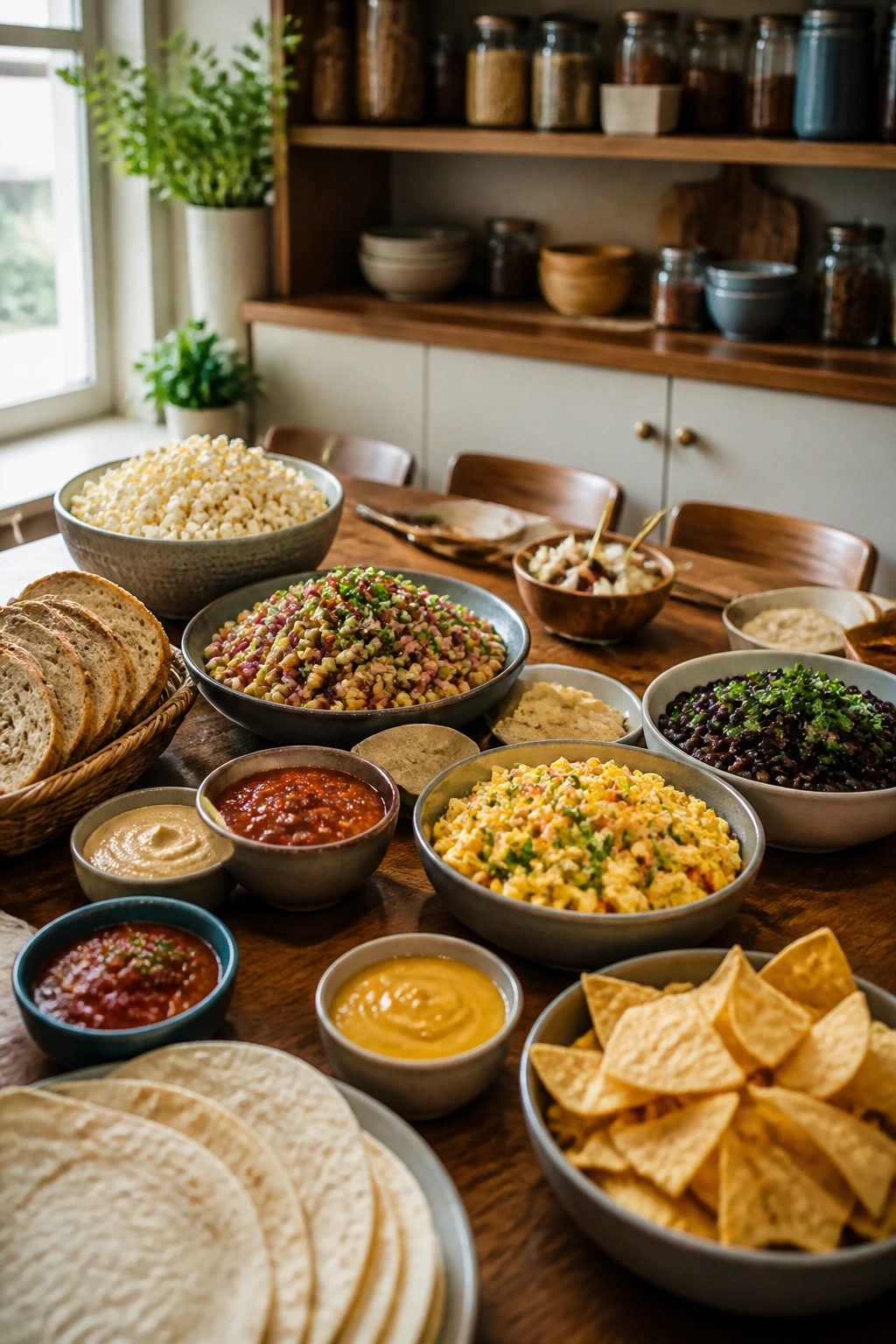
A good budget spread doesn’t announce itself as budget food. It arrives warm, salty, a little messy, and gone faster than you expected because the bites make sense together. That’s the real win with pantry cheap party food under $10: it feeds people without turning the kitchen into a project.
Once you start building from beans, bread, tortillas, popcorn, eggs, and a few sharp condiments, the cupboard stops feeling like a backup plan. It starts looking like a menu with strong opinions. Keep one crunchy thing, one creamy thing, and one bowl with a little bite, and the table can carry more weight than the price tag suggests.
The next time the guests are close and the budget is tight, open the pantry first. There’s more in there than a fallback.