



A green salad lives or dies by two things: dry leaves and a dressing with enough personality to wake them up.
That is why a zesty simple green salad with homemade dressing can be such a relief. It does not arrive at the table limp, pale, and apologetic. When it’s done right, the romaine snaps, the cucumber stays cold and clean-tasting, the red onion gives a quick bite, and the dressing lands with lemon, mustard, and garlic in a way bottled dressings usually don’t.
I keep coming back to salads like this because the work is small but the payoff is obvious. Five minutes spent drying greens, another minute shaking together a real vinaigrette, and the whole bowl tastes sharper, fresher, and more composed than anything pulled from a plastic tub. That little shift matters. It turns “something healthy on the side” into a dish people actually want to finish, and if you’ve ever pushed a sad salad around a plate while watching everything else disappear, you know exactly why that matters.
Why This Salad Earns a Spot at the Table
- It tastes alive: The lemon and red wine vinegar keep the greens from going flat, so each bite has a clean snap instead of that washed-out refrigerator taste.
- The dressing actually clings: Dijon mustard gives the oil and acid something to hold onto, which means you get gloss on the leaves instead of a puddle under them.
- The crunch stays honest: Romaine, cucumber, celery, and radish keep their texture for a good stretch after tossing, so the salad still feels fresh when you sit down.
- It plays well with almost anything: Roast chicken, grilled salmon, soup, sandwiches, a bowl of pasta — this salad knows how to stay in its lane without getting boring.
- You can scale it without fuss: Double the bowl for a cookout or cut it in half for lunch; the ratio stays the same and the method does not get more complicated.
- The ingredients are easy to find: There’s no specialty produce aisle drama here. You can build a good version from ordinary groceries and a decent lemon.
Why a Homemade Dressing Changes the Whole Bowl
A green salad needs acid the way coffee needs water. Without it, all you have is cold lettuce and a few chopped vegetables trying to carry the mood on their backs.
The homemade dressing here is built the old-fashioned way: oil, acid, salt, a little sweetener, and mustard to help the whole thing stay together. That last part matters more than people think. Dijon mustard is not here for drama; it helps emulsify the dressing so the lemon juice and olive oil don’t split into separate layers the second you stop shaking the jar.
I also like that this dressing is sharper than the soft, slick dressings that show up in grocery bottles. The lemon gives a fresh top note, the red wine vinegar rounds it out, and the garlic lands in the background with a little bite. If you taste the dressing by itself, it should feel almost too punchy. That’s the right instinct. Once it hits dry greens, the edges mellow and the whole bowl makes sense.
There’s another reason I prefer a homemade vinaigrette on a simple green salad: it lets the vegetables taste like themselves. A heavy creamy dressing can blur everything into one cold, beige note. This one leaves space. You still taste cucumber, peppery radish, sweet onion, and the bitter edge of the leaves. That balance is the whole trick.
Yield, Timing, and the Short Ingredient List
Yield: 4 side servings or 2 light main-dish servings
Prep Time: 20 minutes
Cook Time: 0 minutes
Total Time: 20 minutes
Difficulty: Beginner — the job is mostly washing, drying, slicing, and tasting the dressing before you commit.
Chill/Rest Time: Optional 10 minutes to chill the greens and red onion if you want extra crunch
Best Served: Right after tossing, while the leaves are still crisp and the dressing is fresh on the surface
For the Salad:
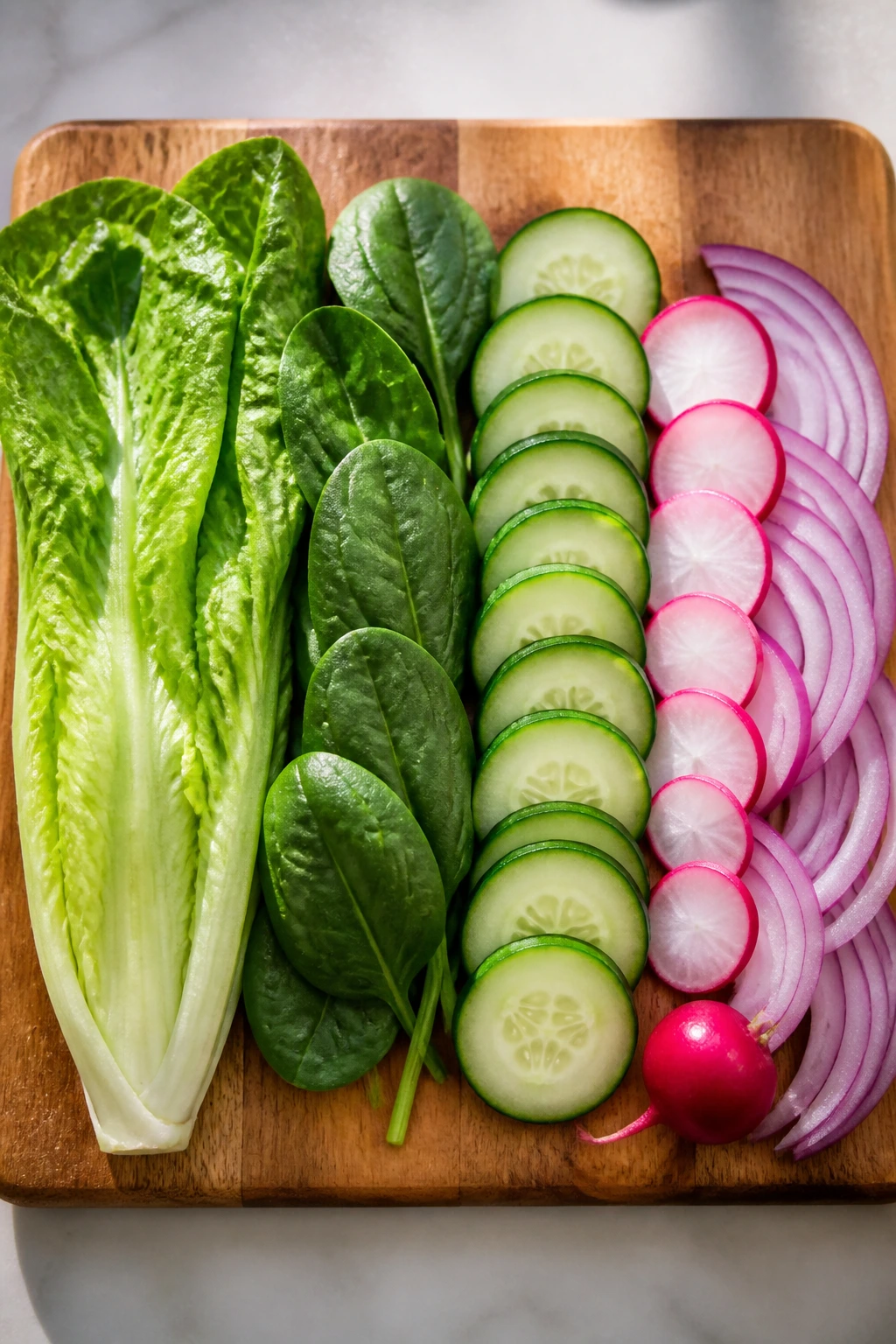
- 6 cups chopped romaine hearts, well dried
- 2 cups baby spinach
- 1 cup thinly sliced cucumber
- 1 cup thinly sliced celery
- 1/2 cup thinly sliced radishes
- 1/4 cup thinly sliced red onion, soaked in cold water and drained
- 1/4 cup chopped fresh parsley
- 1/4 cup toasted sunflower seeds
- 2 tablespoons shaved Parmesan, optional
For the Homemade Dressing:
- 3 tablespoons extra-virgin olive oil
- 1 1/2 tablespoons fresh lemon juice
- 1 tablespoon red wine vinegar
- 1 teaspoon Dijon mustard
- 1 small garlic clove, finely grated
- 1/2 teaspoon honey or maple syrup
- 1/2 teaspoon kosher salt
- 1/4 teaspoon freshly ground black pepper
- Pinch of red pepper flakes
- 1 teaspoon water, only if needed to thin the dressing
Why Each Ingredient Matters
The Greens
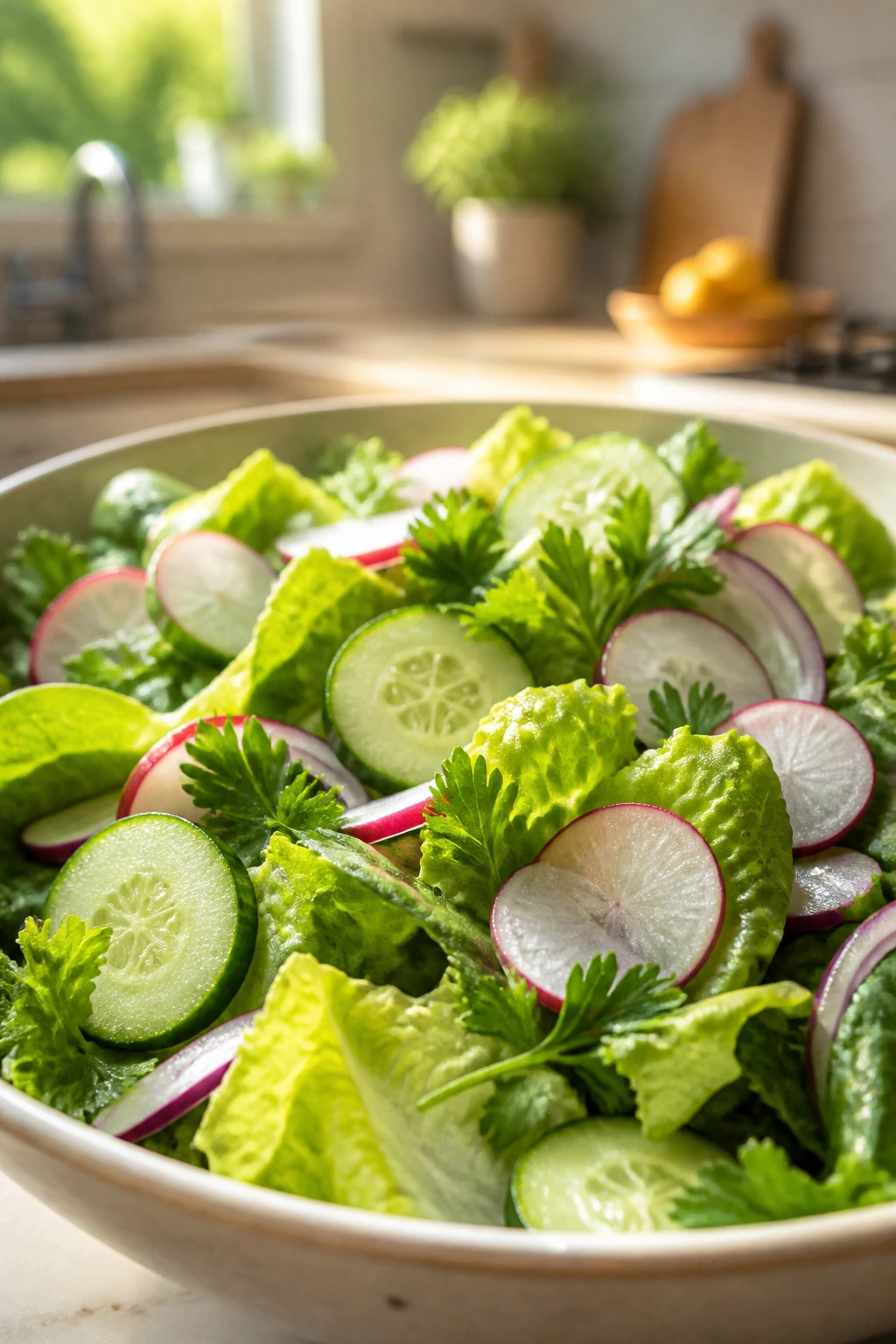
What to use: 6 cups chopped romaine hearts and 2 cups baby spinach give you structure and a softer leaf in the same bowl.
Preparation: Chop the romaine into bite-size pieces, then dry it until the leaves feel almost airy. Spinach can stay whole if the leaves are small, but large leaves are easier to eat when torn once or twice.
Substitutions: Butter lettuce gives you a softer, more delicate salad, while spring mix adds more flavor but less crunch. If you want a sturdier base, little gem lettuce is excellent.
Tips: Drying is not optional here. A wet leaf dilutes the dressing and leaves the bottom of the bowl soupy before the first bite is gone.
The Crunch Layer
What to use: 1 cup cucumber, 1 cup celery, 1/2 cup radishes, and 1/4 cup red onion bring cool, sharp crunch.
Preparation: Slice everything thin enough that it doesn’t fight the lettuce. The onion should be soaked in cold water for 5 minutes, then drained and patted dry so its bite stays clean instead of harsh.
Substitutions: Fennel, thinly sliced bell pepper, or shaved carrot all work if that’s what’s in the fridge. English cucumber is my favorite because it stays crisp and has fewer seeds.
Tips: Keep the slices even. A few thick hunks can throw off the texture, and a salad like this needs the bites to feel balanced.
The Lemon-Dijon Dressing
What to use: 3 tablespoons olive oil, 1 1/2 tablespoons lemon juice, 1 tablespoon red wine vinegar, 1 teaspoon Dijon, 1 grated garlic clove, 1/2 teaspoon honey, salt, pepper, and a pinch of red pepper flakes.
Preparation: Grate the garlic finely so it disappears into the dressing instead of landing in one loud bite. Shake or whisk until the dressing looks slightly cloudy and cohesive.
Substitutions: White wine vinegar or apple cider vinegar can stand in for red wine vinegar. Maple syrup can replace honey, and if lemon is scarce, use a little more vinegar with a teaspoon of water.
Tips: Taste the dressing before it touches the greens. It should be sharp and salty on its own; that’s what keeps it from disappearing once it hits the lettuce.
The Finishers
What to use: 1/4 cup toasted sunflower seeds, 1/4 cup chopped parsley, and 2 tablespoons shaved Parmesan if you want a savory finish.
Preparation: Toast the seeds in a dry skillet for 2 to 3 minutes, just until they smell nutty. Chop the parsley right before serving so it stays bright and doesn’t slump.
Substitutions: Pumpkin seeds, chopped almonds, or crispy chickpeas can replace the sunflower seeds. For a dairy-free bowl, skip the Parmesan and finish with flaky salt or a pinch of sumac.
Tips: Finishers should bring contrast, not clutter. One crunchy element and one fresh herb are usually enough; beyond that, the bowl starts losing its clean shape.
The Tools That Keep the Greens Dry
- Large salad bowl: You need room to toss without crushing the leaves against the sides.
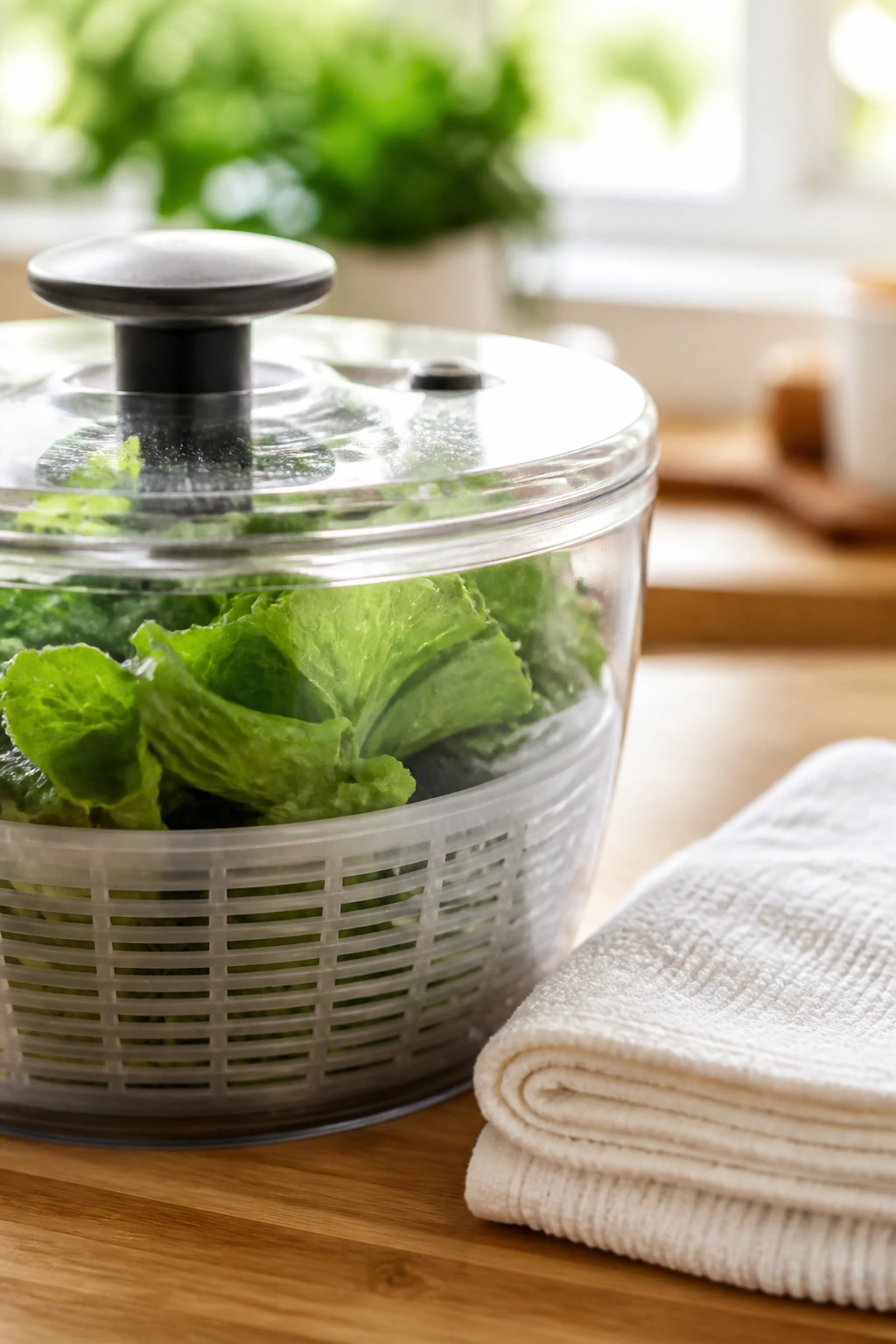
- Salad spinner or clean kitchen towels: One of these is the difference between crisp lettuce and diluted dressing.
- Sharp chef’s knife: A dull knife bruises herbs and tears lettuce instead of slicing cleanly.
- Cutting board: Use a wide one so the cucumber, celery, and radish slices don’t pile up.
- Small jar with a tight lid: Ideal for shaking the dressing until it turns creamy-looking.
- Small whisk and bowl: A good backup if you don’t want to use a jar.
- Measuring spoons: Vinegar, lemon, and Dijon are worth measuring here; free-pouring usually throws the balance off.
- Tongs or clean hands: Tongs help distribute the dressing without smashing the softer spinach.
Wet greens are the enemy.
How to Toss the Salad Without Bruising the Leaves
Prep the greens first.
- Wash the romaine and spinach in cold water, then dry them thoroughly with a spinner or clean kitchen towels. The leaves should feel dry to the touch, not slick.
- Chop or tear the romaine into bite-size pieces and place it in a large bowl with the spinach. If the lettuce pieces are too long, they get awkward on the fork and the whole salad eats clumsily.
- Slice the cucumber, celery, radishes, and red onion into thin, even pieces. Soak the onion in cold water for 5 minutes, drain it, and pat it dry so the bite stays crisp instead of aggressive.
Mix the dressing.
- Add the olive oil, lemon juice, red wine vinegar, Dijon mustard, grated garlic, honey, salt, black pepper, and red pepper flakes to a jar or small bowl. Shake or whisk for 10 to 15 seconds until the dressing looks slightly thickened and evenly blended. If it tastes flat now, it will taste flat later.
- Taste the dressing on a spoon. It should be bright, salty, and sharp enough to wake up the greens. If it feels too intense, add 1 teaspoon water or 1/2 teaspoon oil and shake again.
Assemble and finish.
- Add the cucumber, celery, radishes, red onion, parsley, and sunflower seeds to the bowl with the greens. Pour about two-thirds of the dressing around the edges of the bowl, not straight onto one spot in the center.
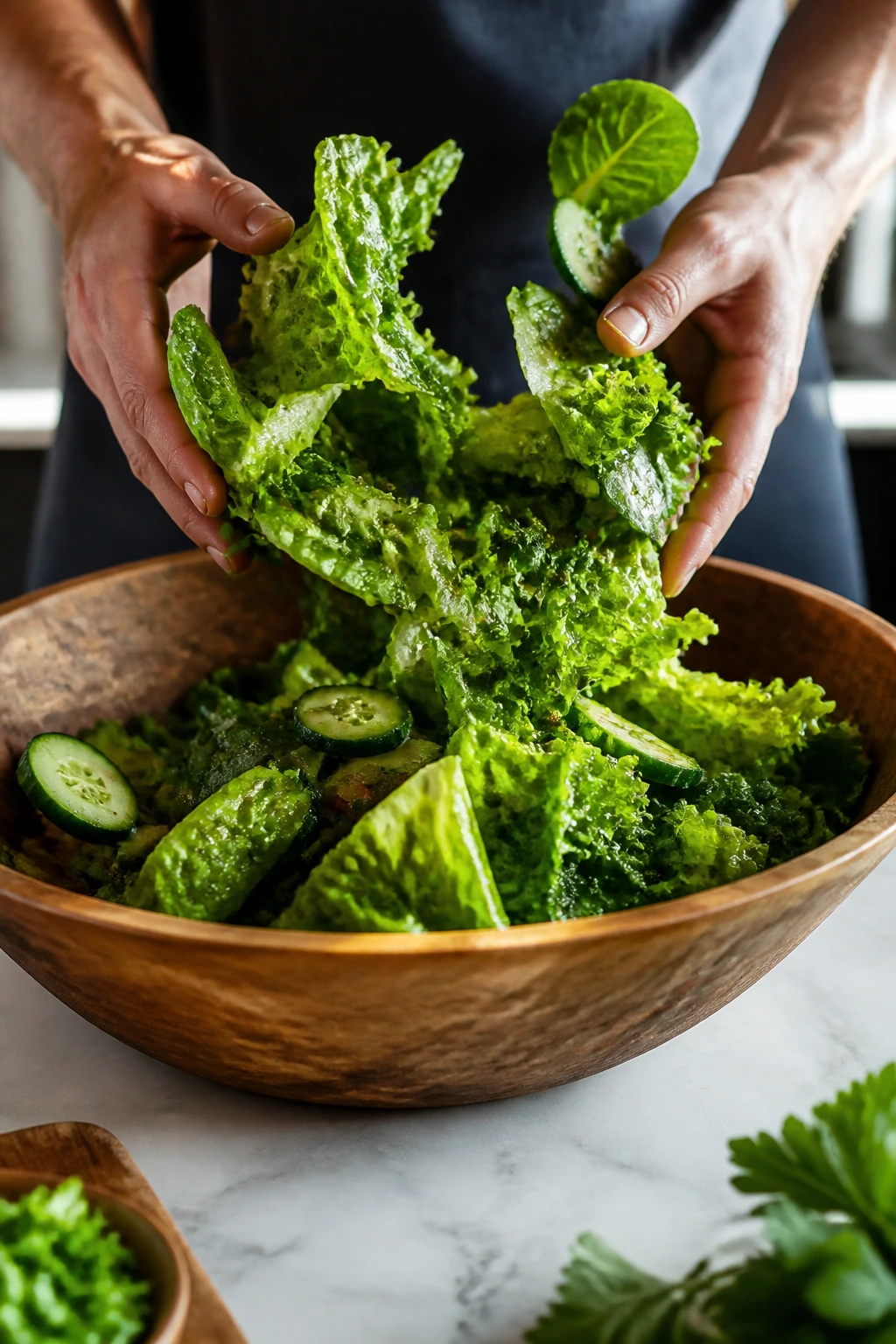
- Toss gently with tongs or clean hands, lifting from the bottom so the leaves get coated without getting crushed. Add the remaining dressing a little at a time only if the leaves still look dry. You want a light gloss, not a slick coat.
- Finish with Parmesan, if using, and a final grind of black pepper. Serve immediately, while the cucumber is cold and the leaves still crackle when you bite into them.
Serving It So It Feels Intentional
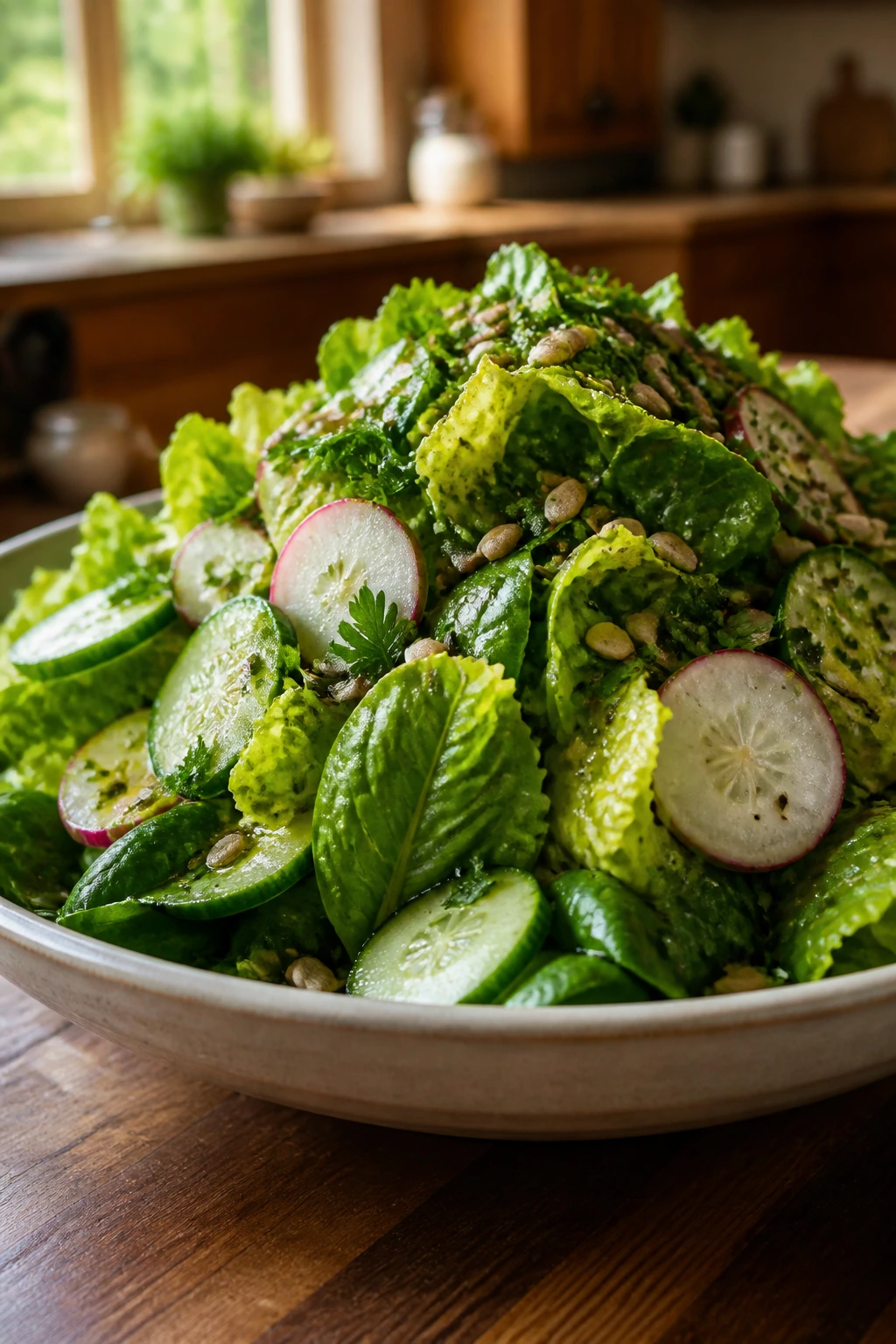
Presentation: Pile the salad high in a wide, shallow bowl instead of flattening it into a plate. A little height makes the romaine and spinach look fresh, and it gives the cucumber and radish slices a chance to show their color instead of hiding underneath the leaves. I like to save a small handful of seeds and parsley for the top so the last thing you see is not a beige blanket of dressing.
Accompaniments: This salad sits neatly beside roast chicken, grilled salmon, baked shrimp, or a simple bowl of soup. It also works with sandwiches that need something cold and sharp next to them — turkey on sourdough, tuna melt, even a messy burger if you want a cleaner forkful on the side. A thick slice of crusty bread is never a bad idea here; it catches the dressing that pools at the bottom of the bowl.
Portions: Four side portions is the honest yield. If you’re serving it as a main, cut the salad into two portions and add grilled chicken, chickpeas, hard-boiled eggs, or a slab of avocado. The bowl is flexible, but it should still feel leafy rather than overloaded.
Beverage Pairing: A dry Sauvignon Blanc is the obvious wine choice because it echoes the lemon and stays crisp. If you want something nonalcoholic, sparkling water with lemon and mint keeps the palate clean, and unsweetened iced tea with a slice of citrus works if you want a quieter pairing.
Small Tweaks That Make It Yours
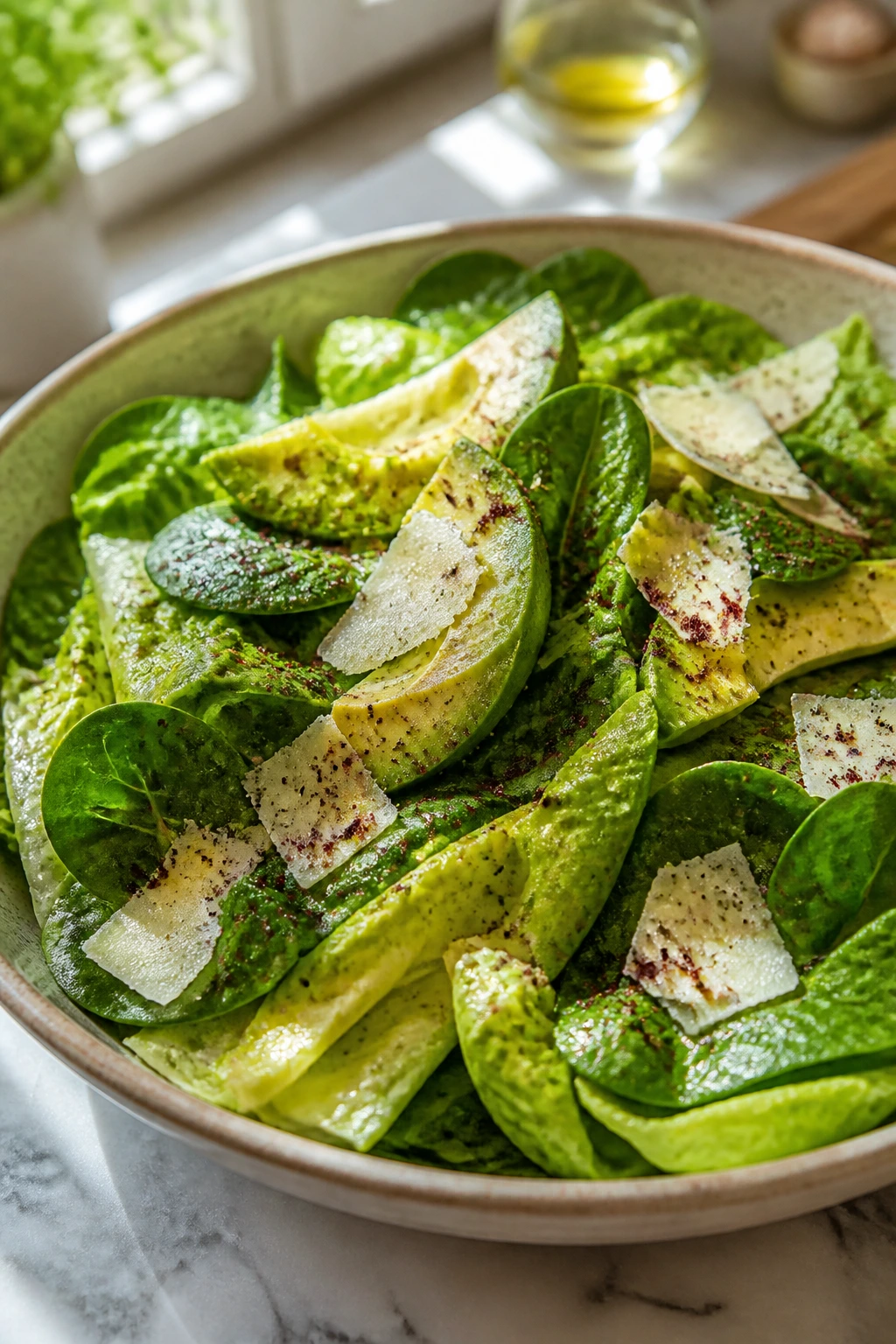
Flavor Enhancement: Grate a teaspoon of shallot into the dressing if you want a softer onion note than raw red onion gives. It melts into the lemon and vinegar and makes the whole bowl taste a little more finished without changing the character of the salad.
Time-Saver: Buy pre-washed greens if you’re in a hurry, but still dry them. Bagged lettuce is convenient, not magical, and the leaves often collect condensation on the inside of the bag. A quick spin in a salad spinner or a few passes between towels fixes most of that.
Texture Upgrade: Toast the sunflower seeds in a dry skillet until they smell nutty and just start to color. Cold seeds are fine, but toasted seeds give you that tiny roasted note that keeps the salad from tasting one-dimensional.
Make-It-Yours: If you want a dairy-free bowl, skip the Parmesan and add flaky salt plus a pinch of sumac at the end. If you want more richness, shave a little ripe avocado over the top and add an extra squeeze of lemon so the dressing still feels bright.
Mistakes That Turn Crisp Greens Limp
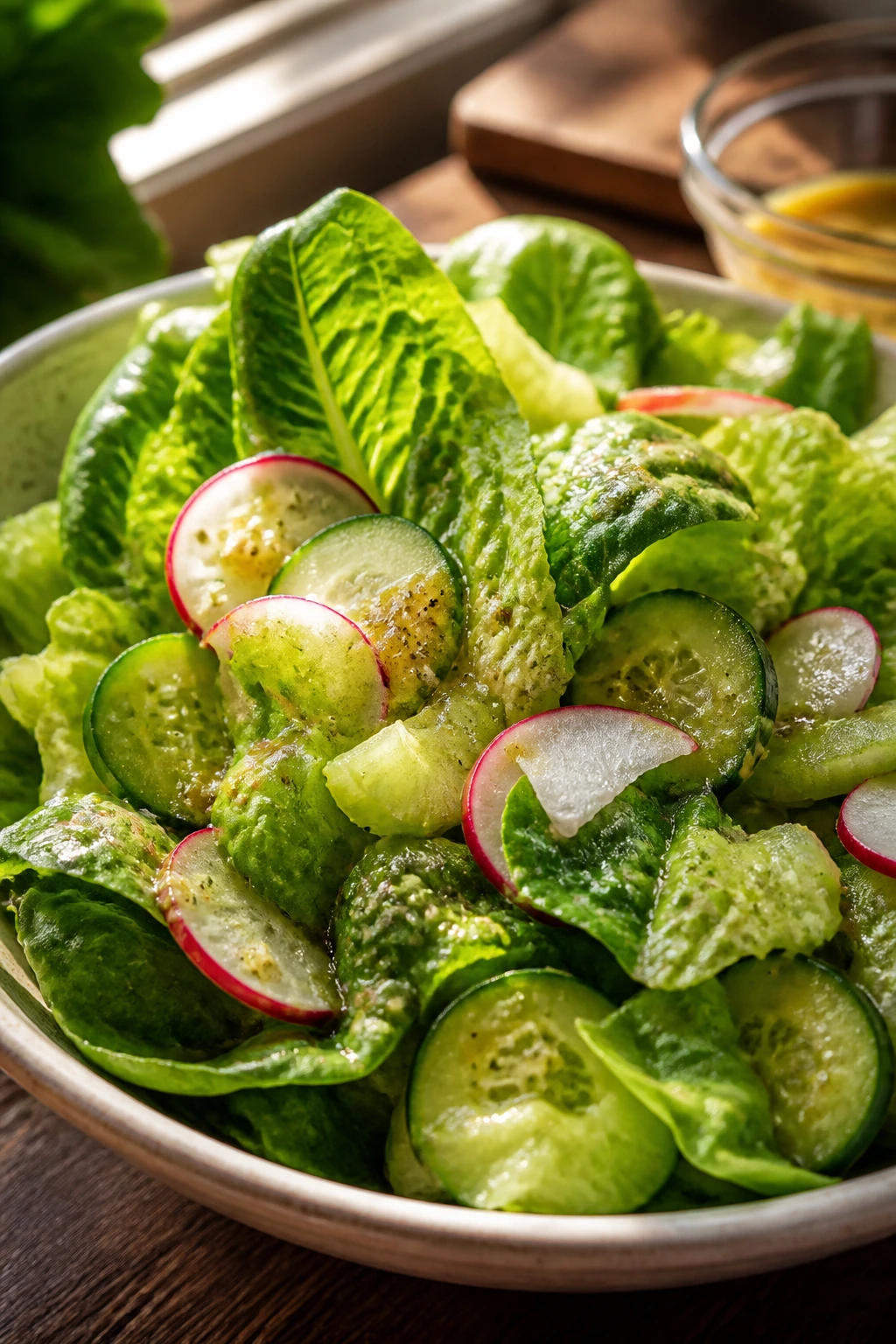
- Starting with wet lettuce: The salad looks fine for about 30 seconds, then the dressing thins out and slides to the bottom. Dry the leaves thoroughly before they ever hit the bowl.
- Using too much dressing at once: A salad should glisten, not swim. Start with two-thirds of the dressing, toss, and add the rest only if the leaves still look bare.
- Adding delicate greens too early: Spinach and parsley bruise faster than romaine. Toss gently and serve right away so the softer leaves stay perky.
- Forgetting to taste the dressing: A dressing that tastes flat in the jar will taste worse on greens. If it needs more salt or acid, fix it before it touches the salad.
- Slicing everything too thick: Thick onion and radish slices can bully the lettuce. Thin slices make each forkful feel balanced instead of clunky.
- Treating the salad like an afterthought: If the bowl sits on the counter while the rest of dinner finishes, the greens slump. Assemble at the end, not in the middle of cooking.
Variations Worth Trying
Herb Garden Toss: Double the parsley and add 2 tablespoons each of chopped dill and chives. The dressing stays the same, but the flavor shifts into a fresher, more aromatic place that works especially well with fish or roast potatoes.
Creamy Lemon Version: Whisk 1 tablespoon Greek yogurt or mayonnaise into the dressing. The acid stays bright, but the texture turns a little thicker and more clingy, which is useful if you want the dressing to coat sturdier greens like little gem or chopped romaine.
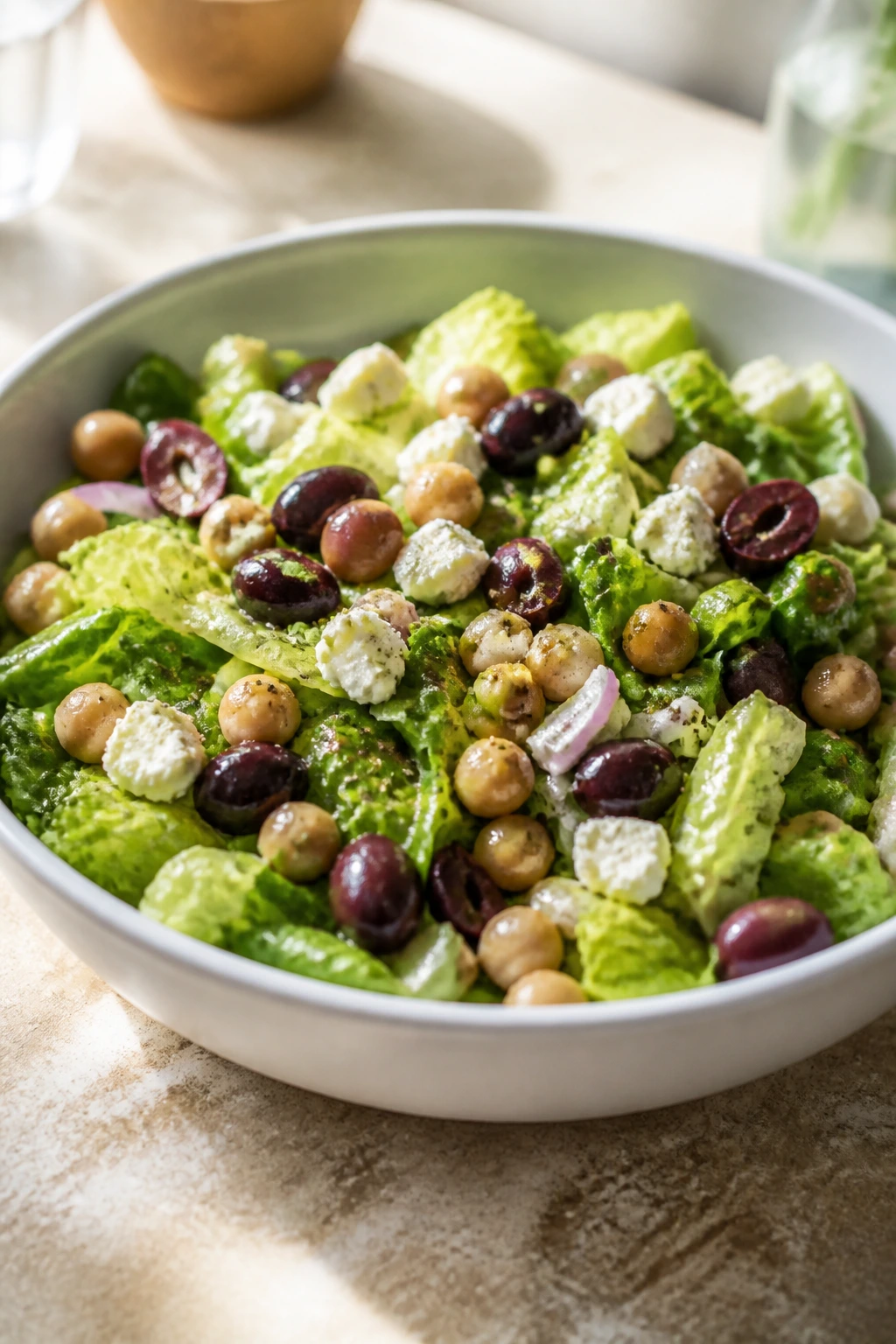
Mediterranean Crunch Bowl: Add 1/4 cup crumbled feta, 1/4 cup sliced Kalamata olives, and 1/2 cup canned chickpeas, rinsed and dried. Cut the salt in the dressing slightly, because feta and olives bring their own salt to the party.
Chicken Lunch Salad: Fold in 1 cup chopped grilled chicken and add a few extra tablespoons of dressing. The base salad stays the same, but the bowl now eats like lunch instead of a side dish, which is handy when you want something cold, sharp, and substantial.
Make-Ahead, Storage, and Keeping It Crisp
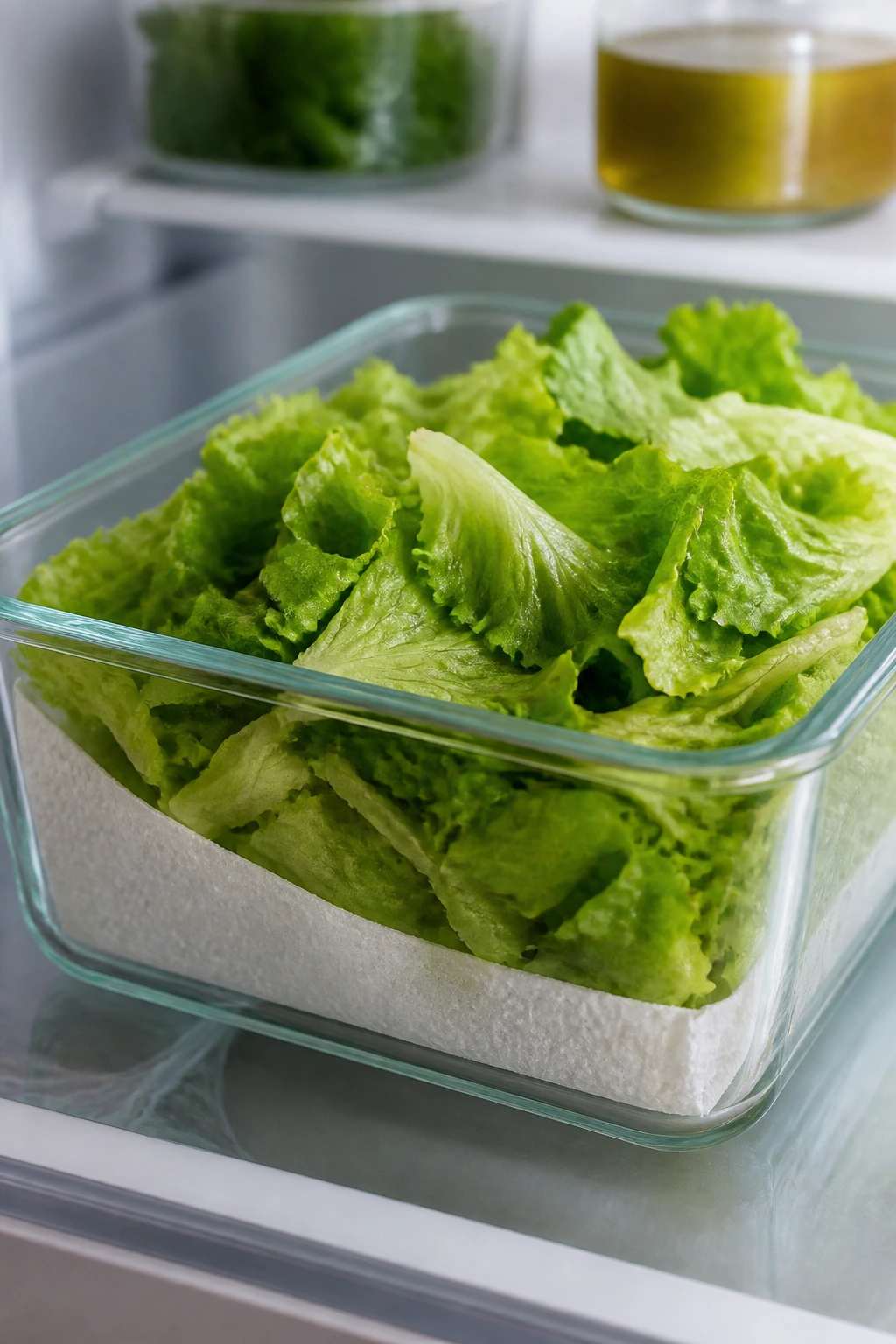
Unassembled greens: Washed and fully dried lettuce keeps for 3 to 4 days in the refrigerator if you line the storage container with a paper towel or clean kitchen towel. Keep the lid tight, but not crushing the leaves, and replace the towel if it gets damp.
Vegetables: Cucumber, celery, radishes, and sliced onion are best cut 1 day ahead, then stored separately in airtight containers. The onion can hold for 2 to 3 days after soaking and drying, though it tastes cleanest the first day.
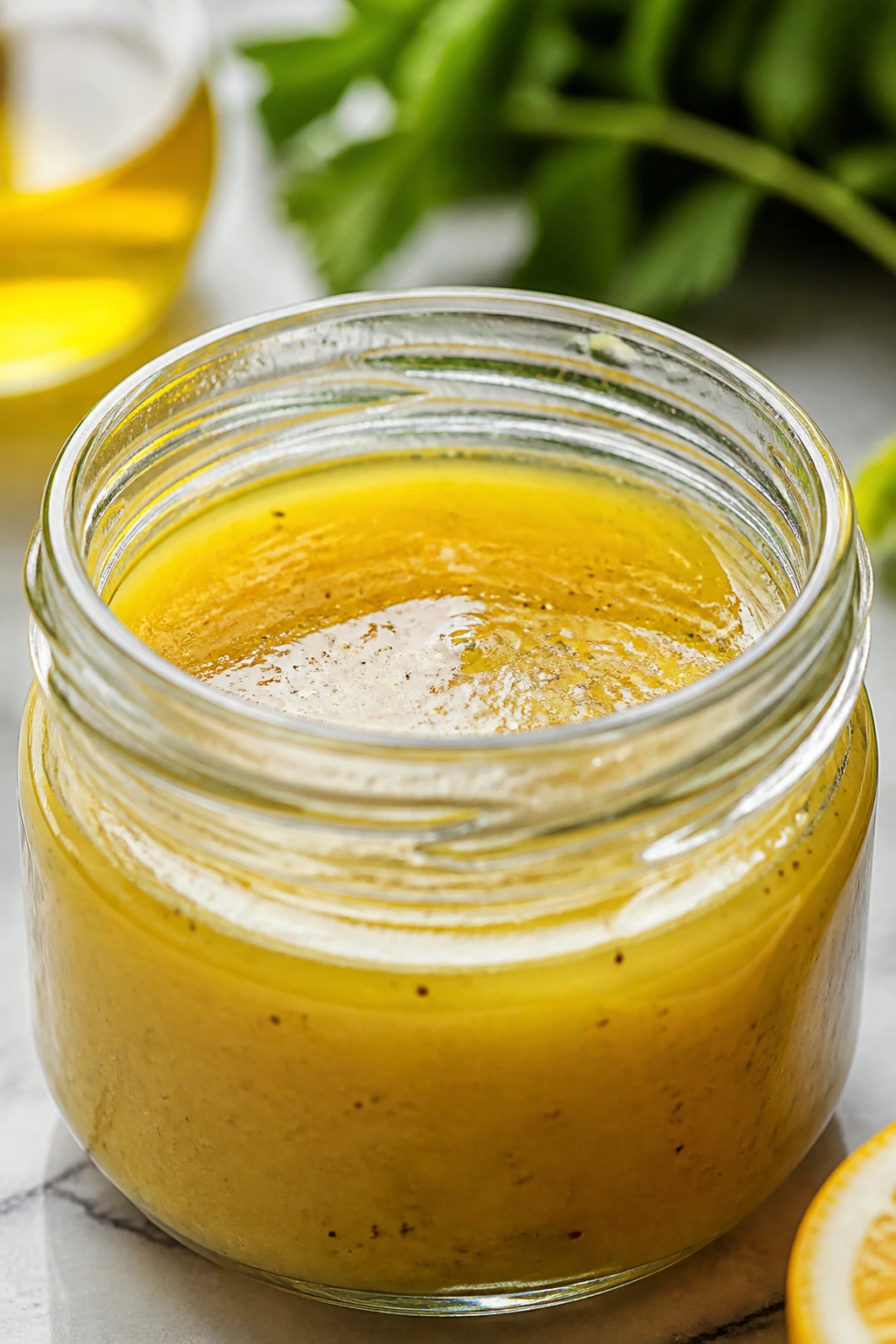
Dressing: The vinaigrette keeps for up to 1 week in the refrigerator in a sealed jar. The olive oil may thicken or cloud when chilled; let it sit on the counter for 10 minutes, then shake hard before using.
Assembled salad: Once the dressing hits the greens, the clock starts. Eat it within 20 to 30 minutes for the best texture, and do not plan on storing a dressed bowl overnight unless you enjoy soft lettuce and cloudy cucumber juice.
Reheating: There is no reheating step here, and that’s part of the charm. If the greens have been chilled, let the bowl sit for 5 minutes before serving so the dressing doesn’t taste icy and blunt.
If you want to make this for a dinner later in the day, prep every component separately in the morning and hold the dressing in its own jar. That setup gives you the same fast assembly with none of the soggy fallout.
Questions People Ask Before Making This Salad
Can I use bagged salad greens?
Yes, and sometimes that’s the smartest move on a busy day. Bagged greens are already washed, but they still need drying if you see any condensation inside the bag, because extra moisture is the fastest way to dilute the dressing.
What can I use instead of red wine vinegar?
White wine vinegar and apple cider vinegar both work, though each changes the character a little. White wine vinegar stays light and clean, while apple cider vinegar adds a softer, fruitier edge that can be nice if your lemon is very sharp.
How do I make the dressing less sharp?
Add 1/2 teaspoon more honey or a teaspoon of olive oil, then taste again. If it still feels too aggressive, a teaspoon of water can round the edges without flattening the flavor.
Can I turn this into a main course without losing the salad feel?
Absolutely. Add grilled chicken, salmon, chickpeas, or hard-boiled eggs, but keep the greens and vegetables front and center. The bowl should still taste like a salad with a boost, not like a protein plate with leaves scattered on top.
Why does the dressing separate in the jar?
Oil and acid naturally split when they sit, even when mustard helps hold them together. Shake the jar hard for 10 seconds before every use, and if it still looks stubborn, whisk in another half teaspoon of Dijon.
Can I make this dairy-free and gluten-free?
Yes. The base salad is already gluten-free, and it becomes dairy-free the moment you skip the Parmesan. If you want a salty finish without cheese, use a pinch of flaky salt or a few chopped capers.
How far ahead can I prep the whole salad?
The greens can be washed and dried a few days ahead, and the dressing can sit in the fridge for a week. Assemble at the last minute, though, because once the dressing meets the leaves, the texture starts heading downhill fast.
A Bowl Worth Repeating
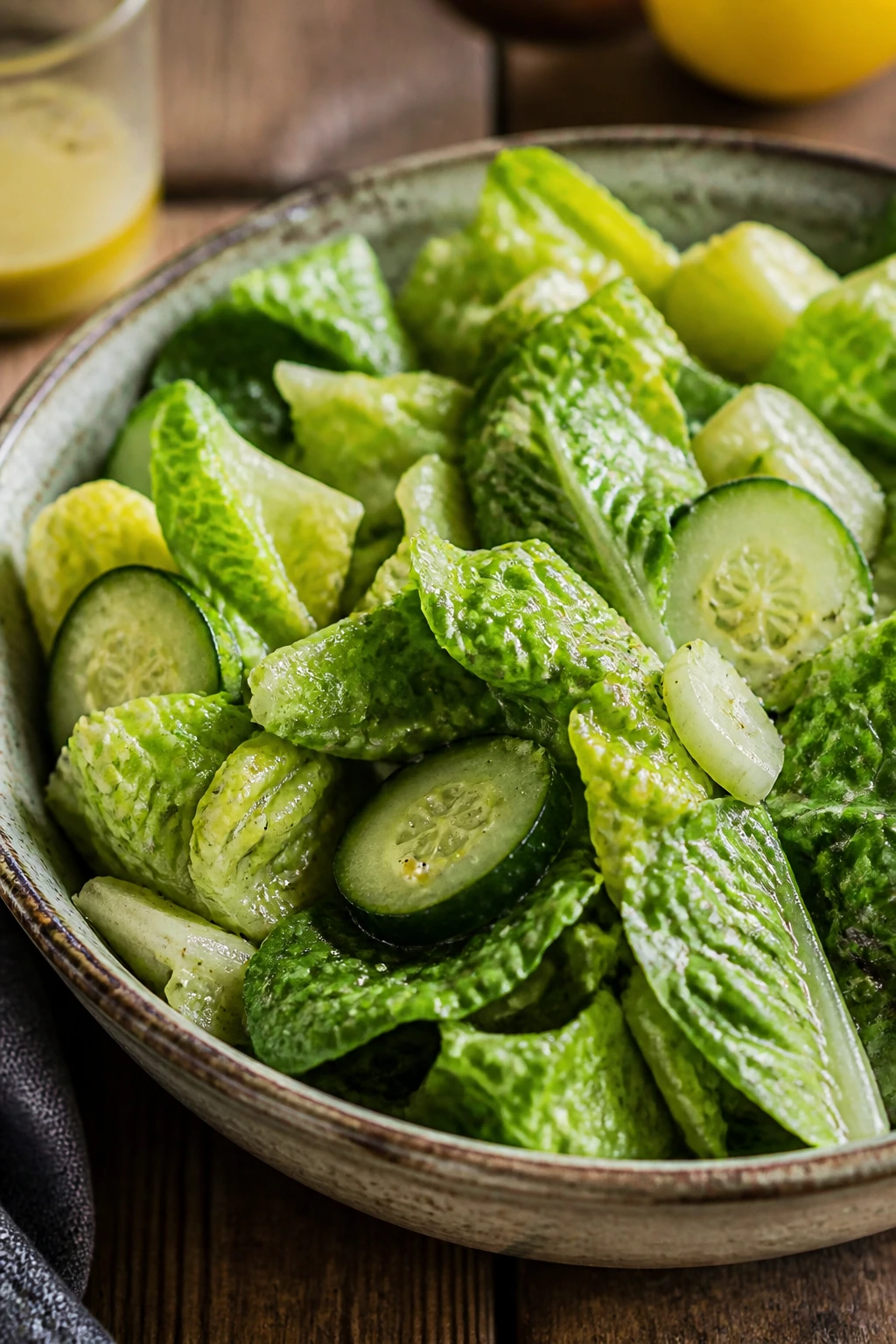
A salad like this works because it respects the basic things people actually notice: crisp lettuce, cold cucumber, a dressing that tastes bright instead of dull, and enough salt to make the greens wake up. Nothing is hidden. Nothing needs rescuing.
That honesty is why I keep a dressing like this in my back pocket. Once you’ve had a green salad where the leaves are dry, the acid is lively, and the crunch holds all the way to the last forkful, it’s hard to go back to the limp versions that show up beside dinner out of habit. Keep a lemon on hand, keep the greens dry, and the bowl takes care of itself.
Zesty Simple Green Salad with Homemade Dressing — Recipe Card
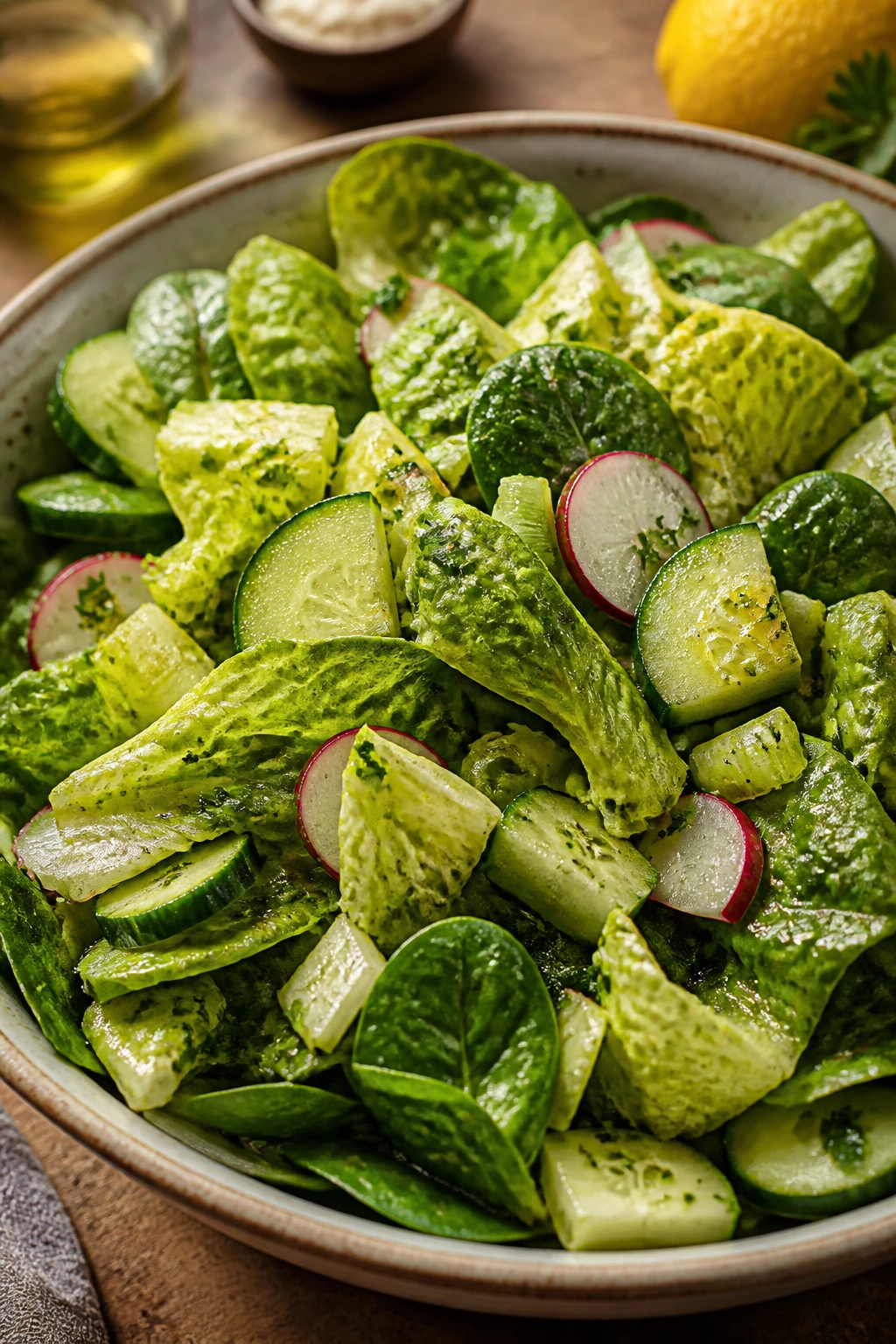
Recipe Name: Zesty Simple Green Salad with Homemade Dressing
Description: Crisp romaine, baby spinach, cucumber, celery, radish, and parsley tossed with a sharp lemon-Dijon vinaigrette. The dressing stays bright and clings lightly to the leaves, so every bite tastes clean and fresh.
Prep Time: 20 minutes
Cook Time: 0 minutes
Total Time: 20 minutes
Course: Salad, Side Dish
Cuisine: American
Servings: 4 side servings or 2 light main servings
Calories: About 140 kcal per serving
Ingredients
For the Salad:
- 6 cups chopped romaine hearts, well dried
- 2 cups baby spinach
- 1 cup thinly sliced cucumber
- 1 cup thinly sliced celery
- 1/2 cup thinly sliced radishes
- 1/4 cup thinly sliced red onion, soaked in cold water and drained
- 1/4 cup chopped fresh parsley
- 1/4 cup toasted sunflower seeds
- 2 tablespoons shaved Parmesan, optional
For the Dressing:
- 3 tablespoons extra-virgin olive oil
- 1 1/2 tablespoons fresh lemon juice
- 1 tablespoon red wine vinegar
- 1 teaspoon Dijon mustard
- 1 small garlic clove, finely grated
- 1/2 teaspoon honey or maple syrup
- 1/2 teaspoon kosher salt
- 1/4 teaspoon freshly ground black pepper
- Pinch of red pepper flakes
- 1 teaspoon water, only if needed to thin
Instructions
-
Wash the romaine and spinach in cold water, then dry them thoroughly. Chop or tear the romaine into bite-size pieces and place it in a large salad bowl.
-
Slice the cucumber, celery, radishes, and red onion thinly. Soak the onion in cold water for 5 minutes, then drain and pat dry.
-
Add the olive oil, lemon juice, red wine vinegar, Dijon mustard, garlic, honey, salt, black pepper, and red pepper flakes to a jar or small bowl. Shake or whisk until the dressing looks blended and slightly thickened.
-
Taste the dressing and adjust with up to 1 teaspoon water if needed. It should be sharp, salty, and bright.
-
Add the spinach, cucumber, celery, radishes, red onion, parsley, and sunflower seeds to the bowl with the romaine.
-
Pour about two-thirds of the dressing around the bowl’s edges and toss gently with tongs. Add more dressing only if the greens still look dry.
-
Finish with shaved Parmesan, if using, and a final grind of black pepper. Serve immediately.
Notes: Keep the dressing separate until the last minute. If the olive oil thickens in the fridge, let the jar sit out for 10 minutes and shake again before using.