



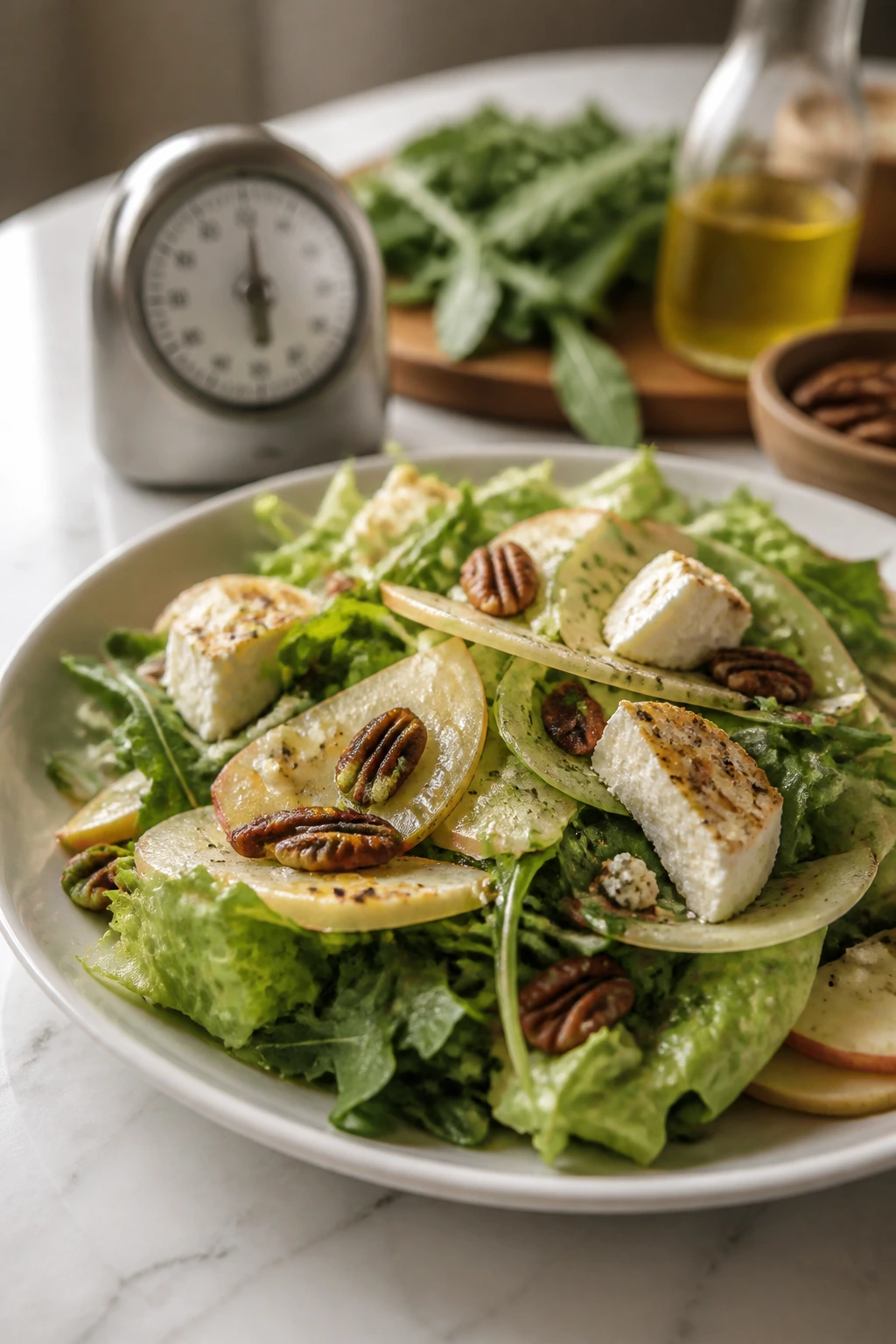
A crisp goat cheese salad can be a throwaway thing — a few tired leaves, a bottled vinaigrette, and a lump of cheese that tastes fine until it gets lost under everything else. The version worth making has a sharper personality. Cold romaine, peppery arugula, shaved fennel, tart apple, toasted pecans, and goat cheese with a thin bronzed shell that gives way to a soft center. That contrast is the whole point.
Homemade dressing is what keeps the bowl from tasting like a dressed-up side salad from a deli counter. Lemon, Dijon, shallot, and honey bring the kind of brightness that cuts through the cheese instead of smothering it. You want the first bite to snap, then soften, then finish with a little bite from the shallot and a little sweetness from the apple.
The small details matter more here than they do in most salads. Dry greens. Chilled cheese. A skillet hot enough to brown panko in under two minutes per side, but not so hot that the crust scorches before the cheese firms up. Skip those steps and the bowl gets sloppy fast. Respect them, and this turns into the kind of salad people quietly finish before talking.
Why This Crisp Goat Cheese Salad Works So Well
-
Every bite has a different texture: romaine, fennel, cucumber, apple, pecans, and crisp goat cheese keep your fork from landing on the same feel twice in a row.
-
The dressing pulls its weight: lemon and vinegar keep the goat cheese from reading heavy, while Dijon helps the oil and acid hold together long enough to coat the leaves.
-
It tastes better than it looks complicated: the cheese only needs a short chill, the nuts toast in one pan, and the dressing comes together in a minute if your shallot is minced fine.
-
It works as a side or a main: two cheese rounds and a simple green salad make a clean starter; four rounds, extra greens, and a protein turn it into dinner.
-
It holds up to real-life serving: because the cheese goes on top at the end, the crust stays visible and crisp instead of vanishing into the bowl.
Timing and Yield at a Glance
Yield: Serves 4 as a starter or 2 as a full meal
Prep Time: 20 minutes
Cook Time: 10 minutes
Total Time: 30 minutes
Chill/Rest Time: 15 minutes for the goat cheese
Difficulty: Intermediate — the steps are simple, but the coating and frying need a little attention.
Best Served: Right after the goat cheese leaves the skillet.
The salad is at its best the second the warm cheese hits the cold greens. That contrast fades fast, especially if the greens were dressed too early or the cheese sat on paper towels and steamed itself soft.
If you’re serving guests, do the prep in stages and fry the cheese last. That’s the part that rewards timing. Everything else can wait.
What Goes Into the Bowl
For the Salad:
- 6 cups chopped romaine lettuce, thoroughly dried
- 2 cups baby arugula
- 1 cup fennel bulb, shaved very thin
- 1 cup cucumber, halved lengthwise and sliced into half-moons
- 1 medium apple, cored and sliced thin
- 1/4 small red onion, sliced paper-thin
- 1/2 cup toasted pecans, roughly chopped
- 2 tablespoons chopped fresh chives or dill
- Flaky salt and black pepper, for finishing
For the Crispy Goat Cheese:
- 8 ounces fresh goat cheese log, well chilled
- 1/3 cup all-purpose flour
- 1/2 teaspoon fine sea salt
- 1/4 teaspoon black pepper
- 2 large eggs, beaten
- 1 cup panko breadcrumbs
- 3 tablespoons neutral oil, for pan-frying
For the Homemade Dressing:
- 3 tablespoons fresh lemon juice
- 1 tablespoon white wine vinegar
- 1 teaspoon Dijon mustard
- 1 teaspoon honey
- 1 small shallot, finely minced
- 1/2 teaspoon kosher salt
- 1/4 teaspoon black pepper
- 1/3 cup extra-virgin olive oil
Why the Greens, Fruit, and Goat Cheese Need Different Treatment
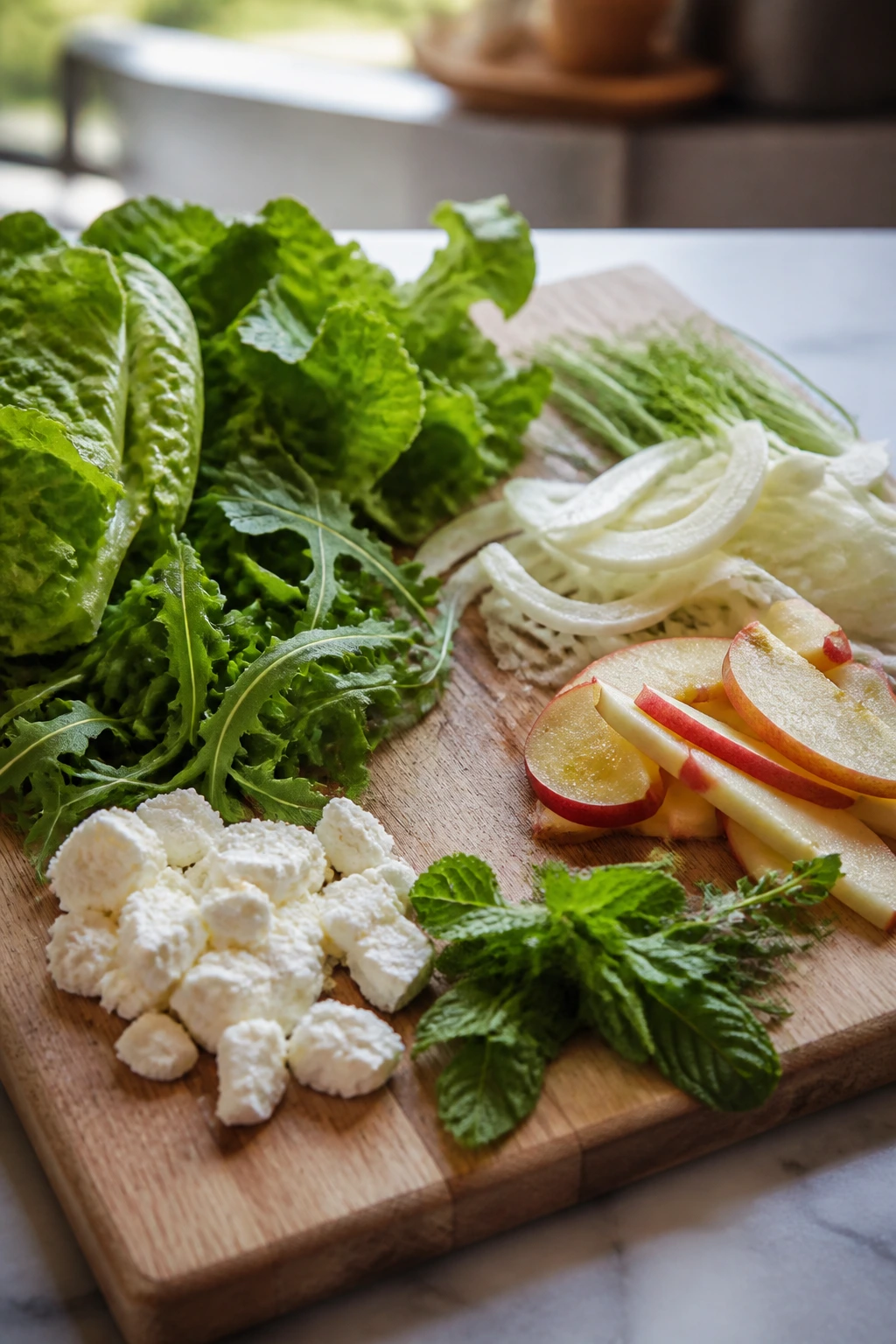
The Greens and Crunchy Vegetables
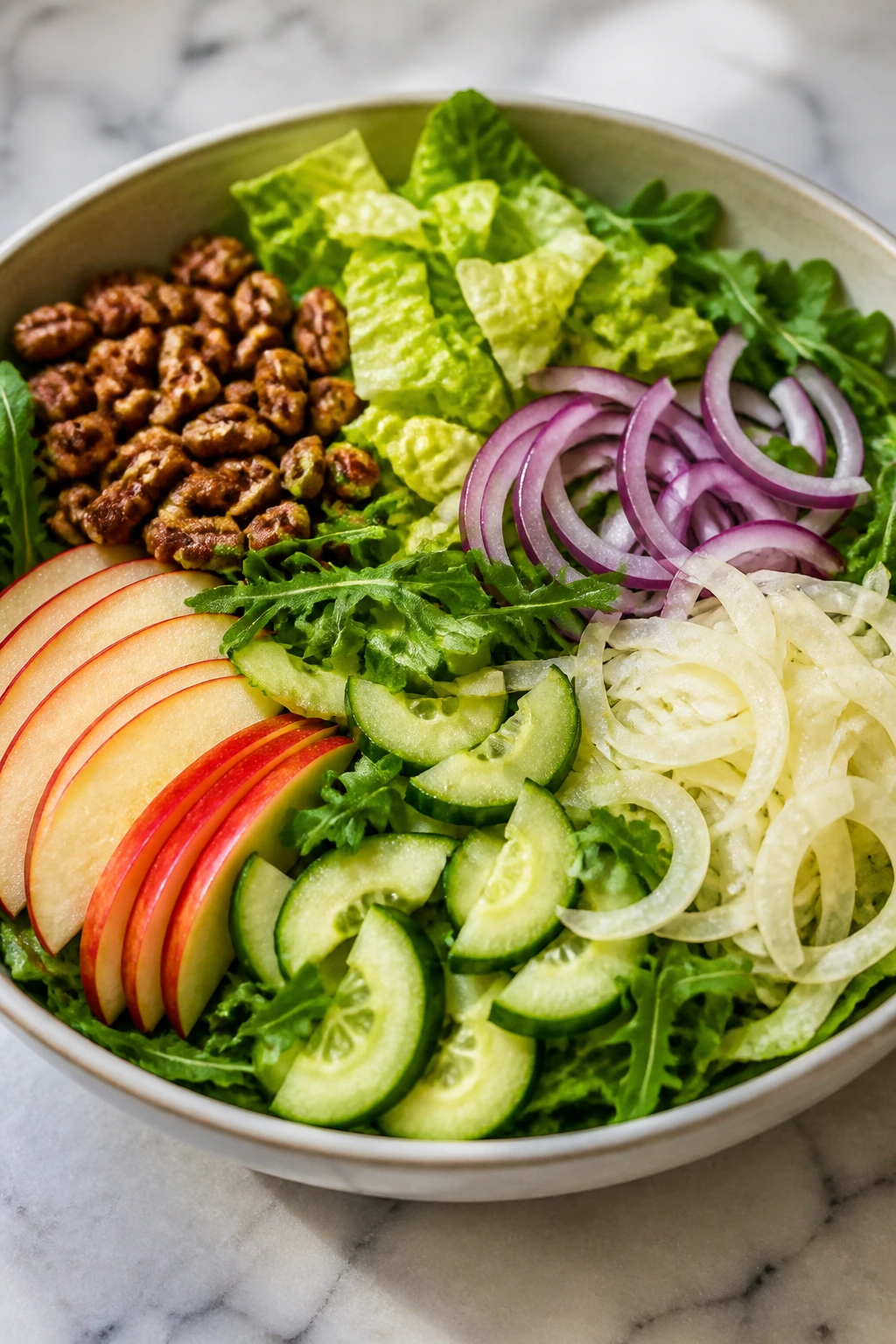
What to use: Use 6 cups chopped romaine and 2 cups baby arugula, then add 1 cup shaved fennel, 1 cup cucumber, and 1/4 small red onion. That combination gives you a clean green base with enough bite that the cheese doesn’t take over.
Preparation: Spin the lettuce until it’s dry enough to shake in your hands without leaving moisture behind. Slice the fennel as thin as you can, and soak the onion in cold water for 5 minutes if you want a softer edge.
Substitutions: Little gem, butter lettuce, or shaved celery all work if fennel is hard to find. If you want a sharper salad, use all arugula; if you want it gentler, swap half the arugula for chopped romaine or baby gem.
Tips: Wet leaves are the fastest way to ruin the texture here. The dressing should cling to the leaves, not puddle at the bottom of the bowl.
The Fruit and Fresh Herbs
What to use: Use 1 medium apple, 1/2 cup toasted pecans, and 2 tablespoons chopped chives or dill. The apple brings acidity and snap, while the nuts give the salad a dry, roasted crunch that keeps the goat cheese from feeling too soft.
Preparation: Slice the apple at the very end so it doesn’t brown before serving. Toast the pecans in a dry skillet until they smell nutty and the edges darken a shade, then cool them before chopping.
Substitutions: A firm pear works if the apple is too sharp, and walnuts or pistachios can stand in for pecans. Dill reads cooler and fresher; chives give a mild onion note that stays out of the way.
Tips: Don’t push the nuts past fragrant and lightly colored. Once they go deep brown, they taste bitter and the whole salad gets a stale edge.
The Goat Cheese Coating
What to use: Use 8 ounces chilled goat cheese, 1/3 cup flour, 2 eggs, 1 cup panko, and 3 tablespoons neutral oil. Those numbers give you enough coating to make a clean crust without burying the cheese under a thick shell.
Preparation: Chill the goat cheese for 10 minutes before slicing, then cut it into 8 rounds with a thin knife. Set up a flour bowl, an egg bowl, and a panko bowl in that order so the coating goes on fast and clean.
Substitutions: Gluten-free flour and gluten-free panko work fine. If you want to bake instead of fry, the same breading system still applies; the texture changes a little, but the flavor holds.
Tips: Keep one hand dry and one hand wet while breading. It sounds fussy. It saves you from the kind of clumpy fingers that tear the coating off half the cheese.
The Dressing Base
What to use: Use 3 tablespoons lemon juice, 1 tablespoon white wine vinegar, 1 teaspoon Dijon, 1 teaspoon honey, 1 shallot, 1/2 teaspoon kosher salt, 1/4 teaspoon black pepper, and 1/3 cup olive oil. That mix lands bright, salty, and just sweet enough to round off the goat cheese.
Preparation: Mince the shallot as fine as you can so it softens in the acid rather than hitting the tongue as raw bits. Whisk the lemon, vinegar, mustard, honey, salt, pepper, and shallot first, then drizzle in the oil.
Substitutions: Red wine vinegar or sherry vinegar both work if you don’t have white wine vinegar. Maple syrup can replace honey, though it gives the dressing a slightly deeper flavor.
Tips: Taste the dressing after emulsifying, not before. The oil softens the sharpness, and a dressing that tastes a little too bright in the bowl usually lands right once it hits the greens.
The Homemade Dressing That Keeps the Bowl Bright
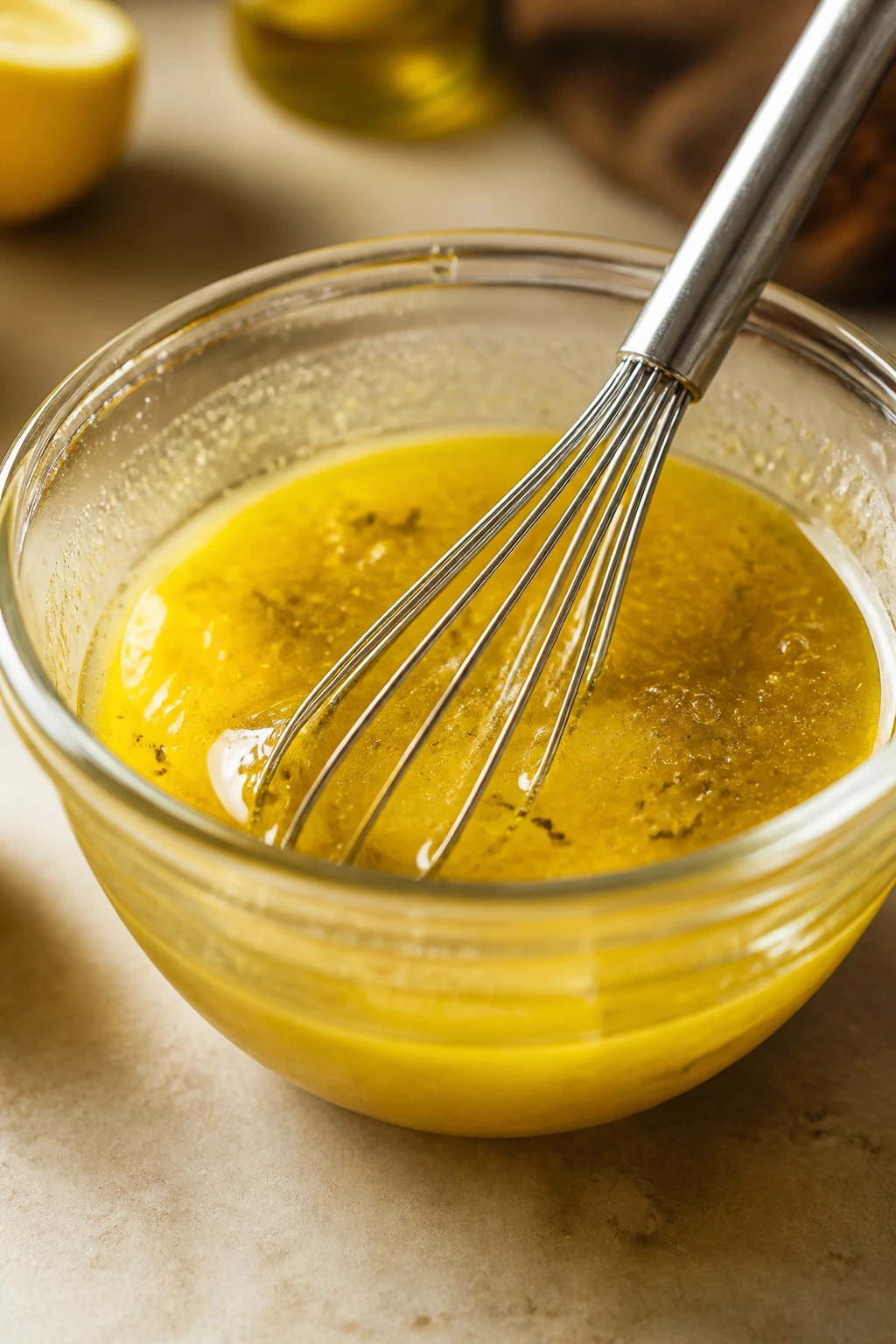
A dressing for this salad has to do a job that bottled dressing almost never does. It needs enough acid to cut through goat cheese, enough salt to wake up the romaine, and enough body to cling to fennel and apple without sliding off in a slick. Thin vinaigrettes can taste elegant on paper and flat in the bowl. This one needs some backbone.
I like to whisk the lemon juice, vinegar, Dijon, honey, shallot, salt, and pepper first, then let the mixture sit while I toast the nuts or set up the breading station. That short pause takes the rough edge off the shallot. The olive oil goes in last, slowly, so the dressing turns glossy instead of separated.
The ratio matters, but not like a chemistry class. You want the dressing to taste a little sharper than you think it should when you taste it by itself. Once it hits the lettuce and nuts, the edges calm down. If it tastes soft and mellow in the bowl, it usually disappears on the salad.
A tiny amount of extra salt fixes more dressing problems than extra lemon does. If the flavor feels dull, salt first, then acid, then a touch more honey if the lemon has gone too far. People reach for more oil when the dressing tastes flat, and that’s usually the wrong move.
Tools That Make the Job Easier
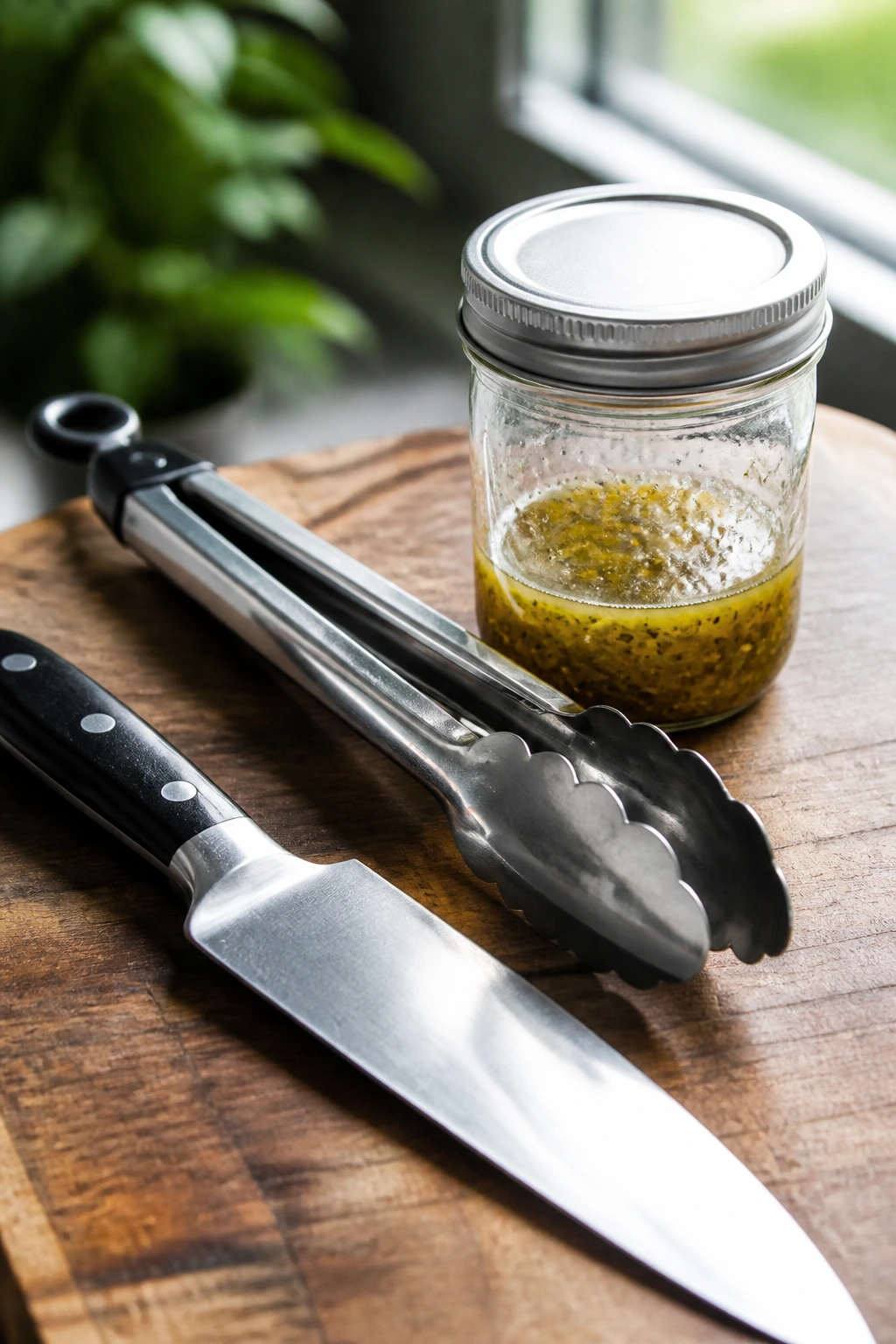
-
Large salad spinner: Dry greens are non-negotiable here, and a spinner does the job faster than paper towels alone.
-
Small mixing bowl or jar with a tight lid: A jar makes the dressing easy to shake and store if you have leftovers.
-
Three shallow dishes or pie plates: You need one for flour, one for eggs, and one for panko so the goat cheese stays neat while you bread it.
-
10- or 12-inch skillet: A wide skillet gives the goat cheese enough space to brown without crowding.
-
Wire rack set over a sheet pan: This keeps the crust crisp after frying. Paper towels soften the underside.
-
Sharp chef’s knife: Thin apple slices and clean fennel shavings are easier with a blade that actually bites.
-
Tongs or a thin spatula: Use these to turn the cheese gently so the crust stays intact.
-
Instant-read thermometer, optional: Helpful if you want to keep the oil around 350°F, but not required if you know how a breadcrumb should sizzle.
Step-by-Step: From Cold Cheese to Golden Edges
Make the Dressing:
-
In a small bowl or jar, combine the lemon juice, white wine vinegar, Dijon mustard, honey, minced shallot, kosher salt, and black pepper. Whisk or shake until the honey disappears and the shallot looks evenly distributed.
-
Slowly drizzle in the olive oil while whisking constantly, or screw the lid on tight and shake the jar until the dressing looks glossy and slightly thick. Let it sit for 10 minutes so the shallot softens and the flavors settle.
Prep the Crunch: 3. Toast the pecans in a dry skillet over medium heat for 3 to 5 minutes, stirring often, until they smell nutty and the edges darken a shade. Move them to a plate right away so they don’t keep cooking in the hot pan.
- Wash and dry the romaine and arugula thoroughly, then set them aside in a large bowl or on a tray lined with a clean towel. Slice the fennel, cucumber, red onion, and apple, keeping the apple for last if you’re not serving immediately. Dry greens matter here; damp lettuce will make the dressing slip off instead of coating the leaves.
Bread the Goat Cheese: 5. Slice the chilled goat cheese log into 8 equal rounds. If the cheese starts sticking to the knife, wipe the blade clean and chill the log for another 5 minutes before finishing the cuts.
- Set up three shallow dishes: flour mixed with the salt and pepper, beaten eggs, and panko breadcrumbs. Dredge each goat cheese round first in flour, then egg, then panko, pressing gently so the crumbs stick. Place the coated rounds on a plate and chill them for 10 to 15 minutes. Do not skip this rest — the coating holds together much better once the cheese firms up.
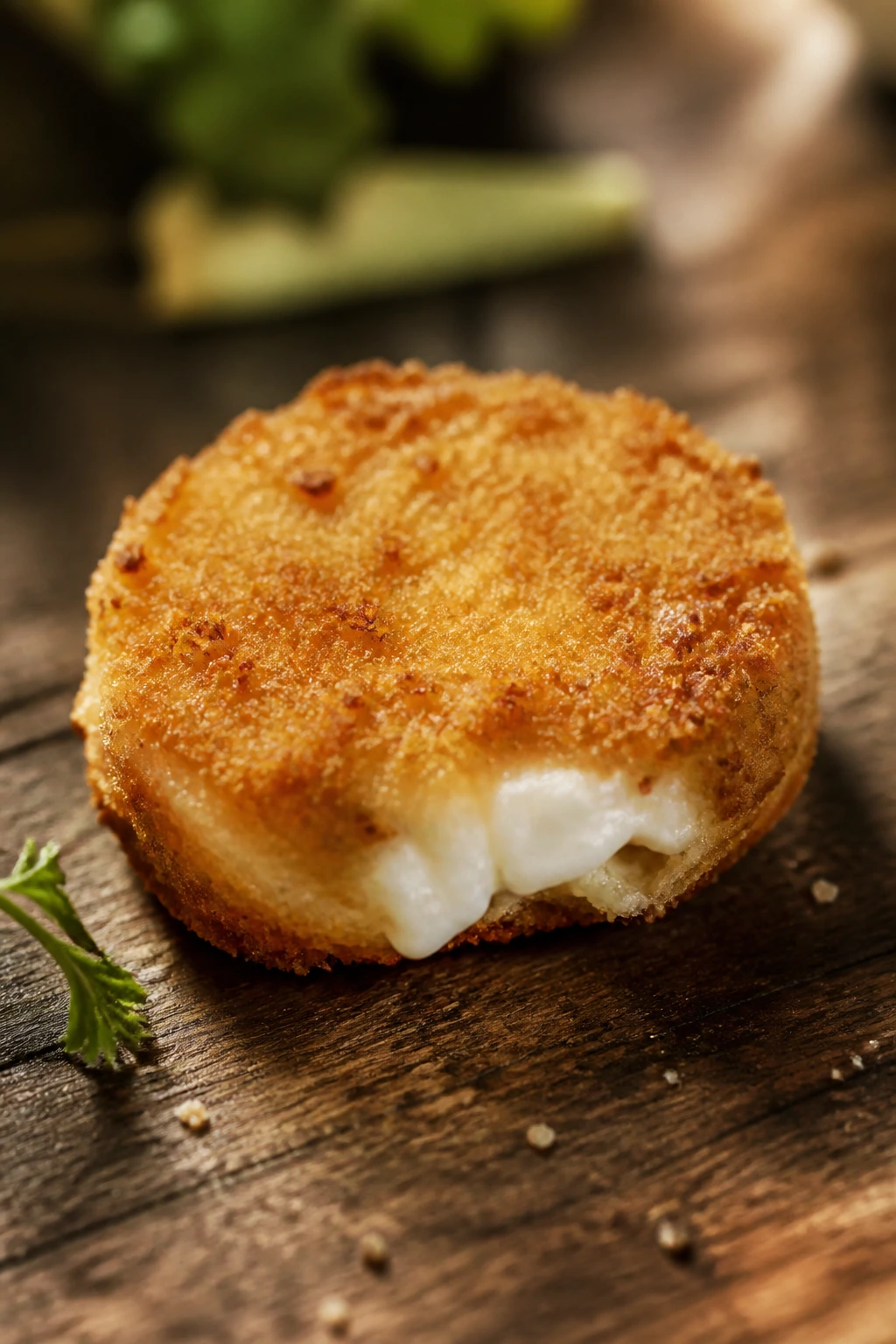
Cook and Assemble: 7. Pour enough neutral oil into the skillet to cover the bottom by about 1/4 inch and warm it over medium heat until a breadcrumb sizzles immediately when dropped in. Fry the goat cheese rounds in batches for 1 1/2 to 2 minutes per side, until the crust is deep golden brown. If the oil smokes or the crumbs darken too fast, lower the heat and give the pan 30 seconds to settle.
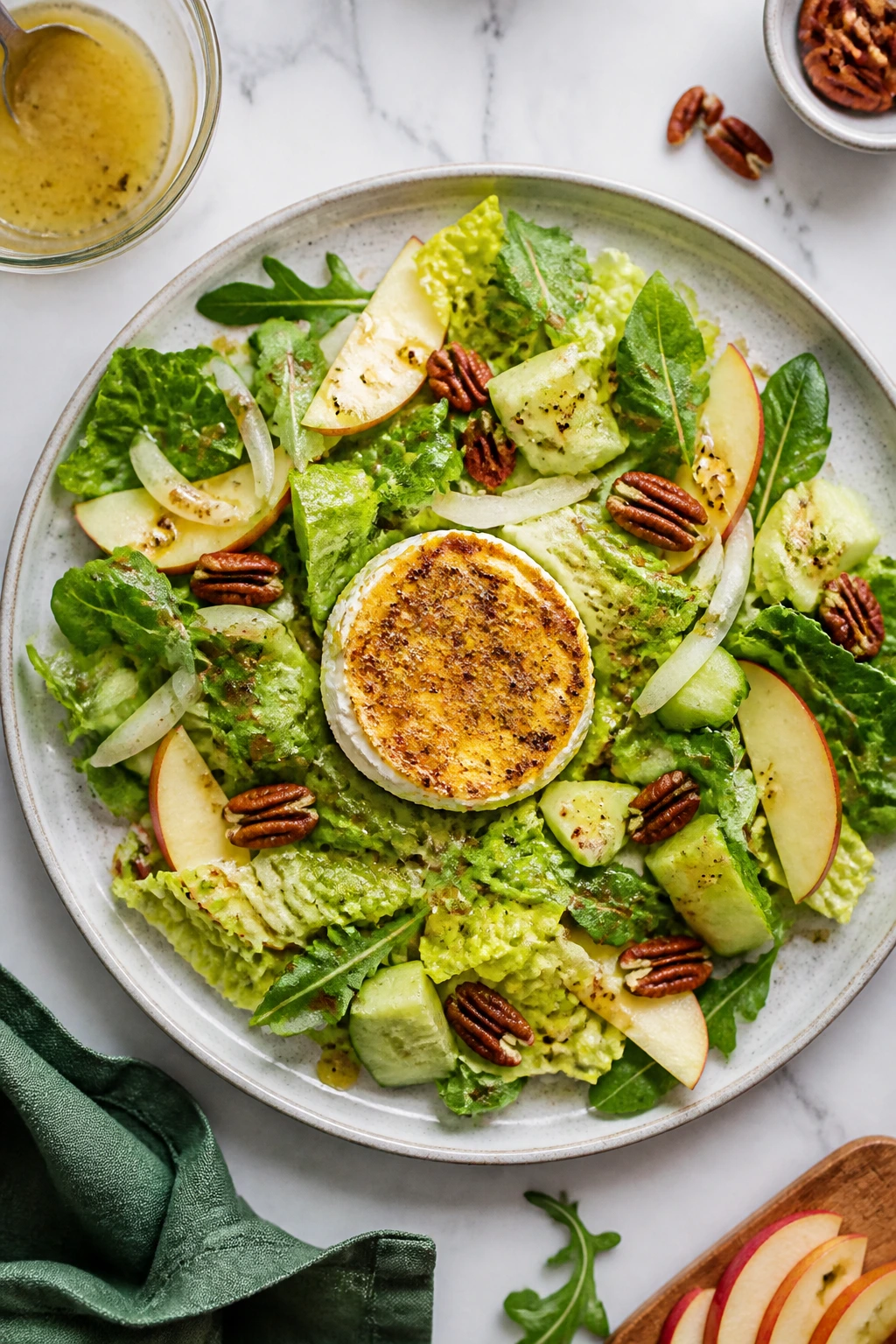
- Transfer the fried cheese to a wire rack set over a sheet pan. Toss the romaine, arugula, fennel, cucumber, red onion, apple, and half the pecans with enough dressing to lightly coat the leaves, then taste and add more only if needed. Pile the salad onto plates, set the hot goat cheese rounds on top, finish with the remaining pecans, herbs, flaky salt, and a little black pepper, then serve at once.
How to Plate It So the Goat Cheese Stays Crisp
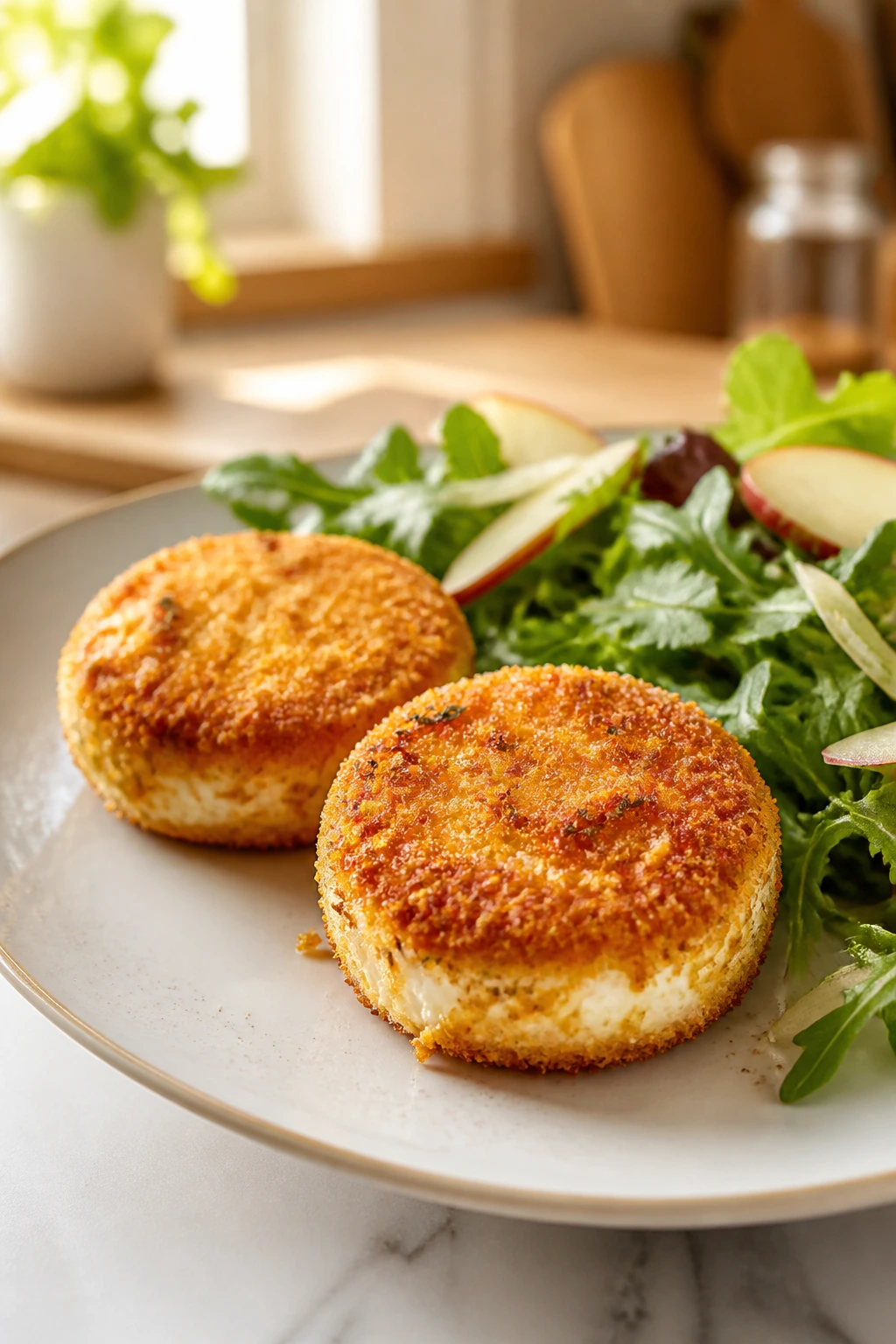
Presentation: Use shallow bowls or wide plates instead of deep soup bowls. The cheese needs somewhere to sit without being buried, and a flat surface keeps the crust visible.
Accompaniments: Crusty sourdough, grilled chicken, roasted salmon, or a simple cup of tomato soup all work well beside this salad. If you want the meal to feel a little more composed, add bread and call it done.
Portions: Plan on 2 goat cheese rounds per person for a starter, or 4 rounds per person if the salad is the main event. The greens should support the cheese, not drown it.
Beverage Pairing: A chilled Sauvignon Blanc keeps the salad bright, while sparkling water with lemon works if you want something nonalcoholic and clean. A dry cider is a smart choice if you like the apple note to echo in the glass.
One thing I’d avoid: serving this in a deep bowl with too much dressing. The greens slump, the cheese disappears, and the whole thing eats like a dressed pile instead of a salad with shape.
Small Tweaks That Make a Big Difference
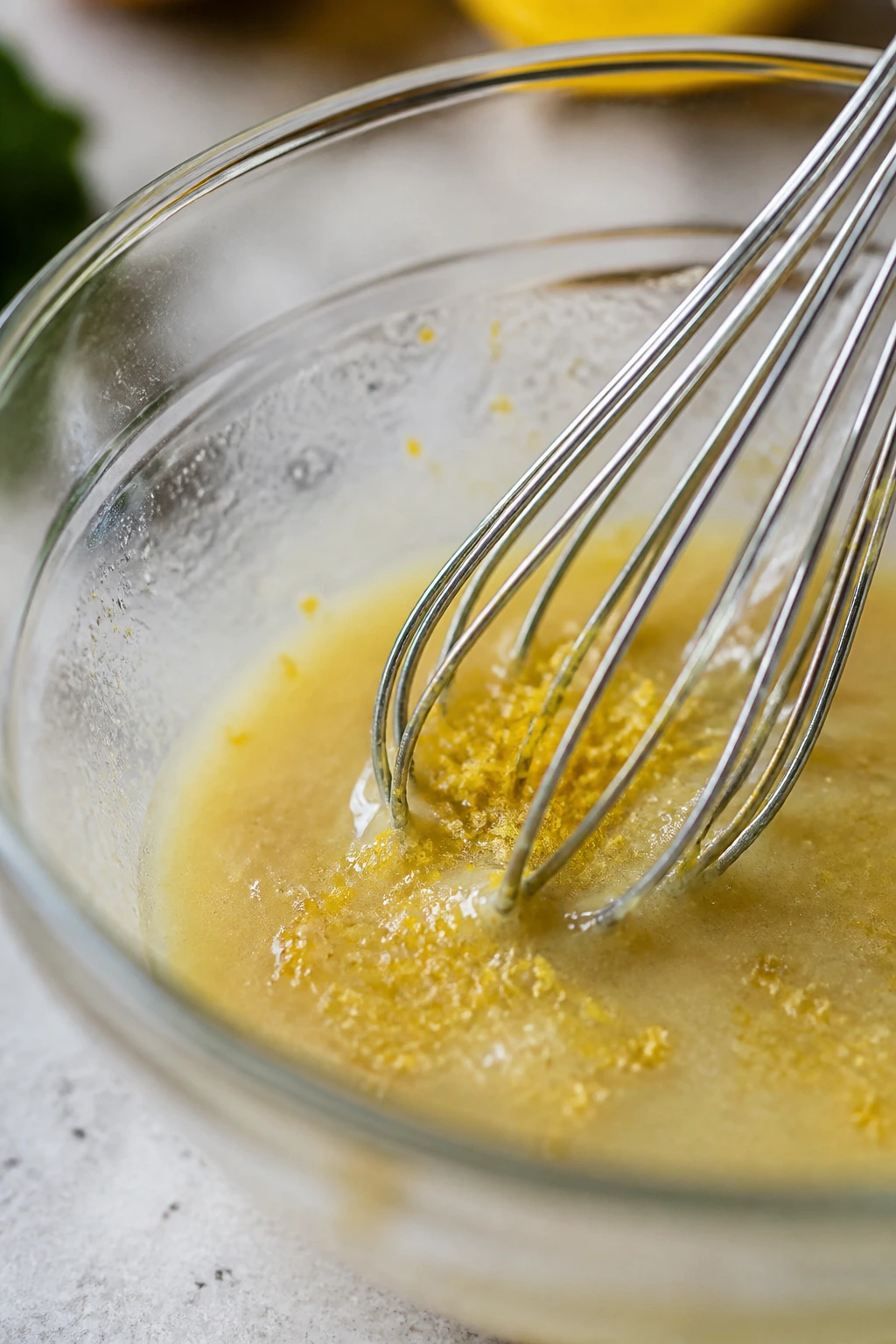
Flavor Enhancement: Stir 1 teaspoon of finely grated lemon zest into the dressing if you want the acid to read brighter. It doesn’t make the salad taste lemony; it makes the whole bowl smell fresher the second the dressing hits the leaves.
Time-Saver: Toast the pecans while the goat cheese chills and the dressing sits. That one overlap trims the whole recipe down without cutting corners.
Pro Move: Drain the fried goat cheese on a wire rack, not paper towels alone. If you put hot cheese straight on paper towels, steam gets trapped under the crust and softens the bottom within minutes.
Cost-Saver: Buy one plain log of goat cheese and season the dressing yourself. Pre-seasoned or pre-crumbed versions usually cost more and the flavor gets buried once the cheese is breaded and fried.
Make-It-Yours: If the salad needs more herb energy, add mint, basil, or tarragon in small amounts. If you want it more substantial, add grilled chicken, salmon, or a handful of white beans and keep the dressing the same.
Common Mistakes That Ruin a Good Salad
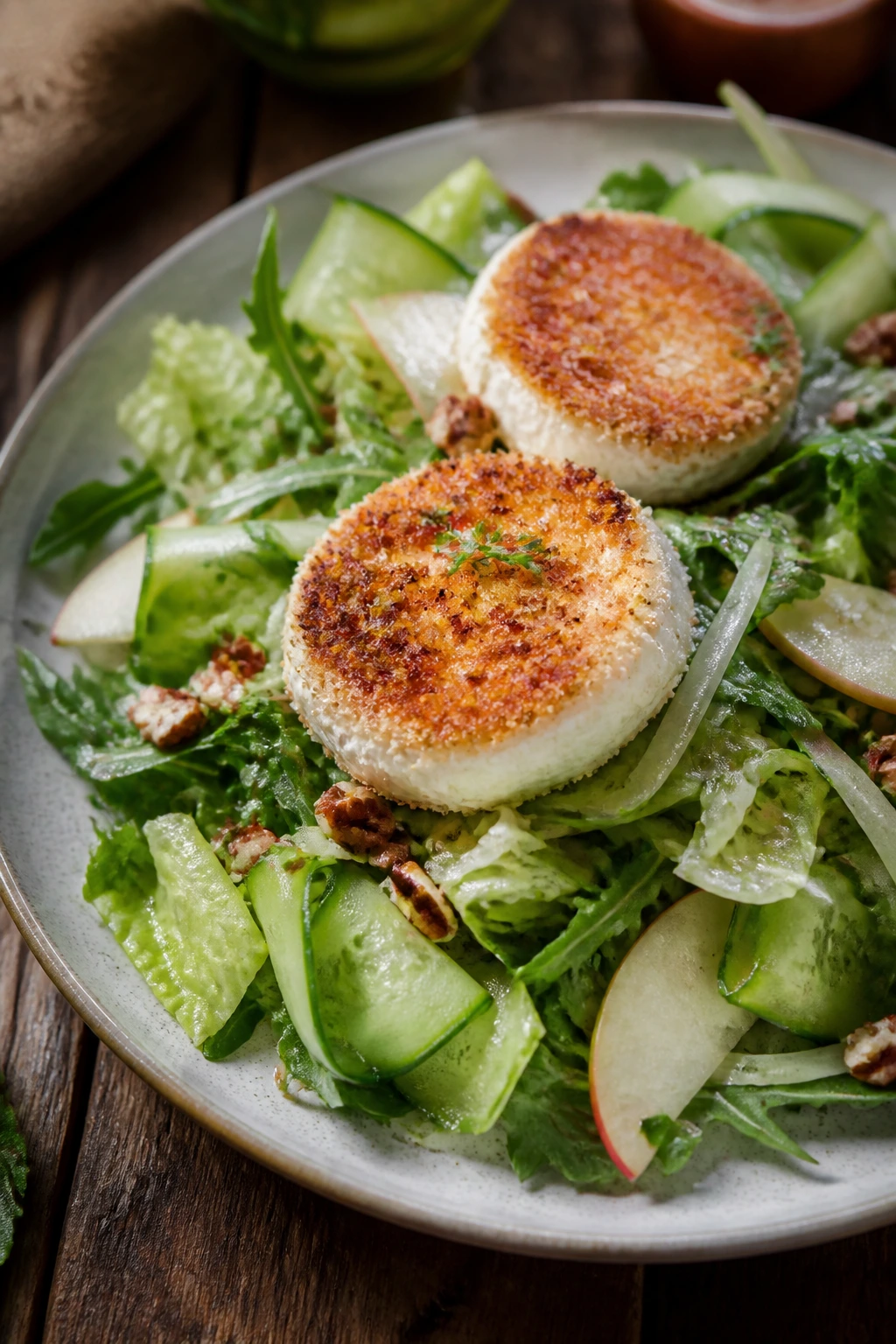
-
Using damp greens. The dressing slides off in spots and then collects at the bottom of the bowl. Spin the leaves dry and give them a final shake in the basket before you start assembling.
-
Breading warm goat cheese. Soft cheese smears, the coating tears, and the rounds end up looking patchy before they ever hit the pan. Chill the log first, and if the kitchen is warm, give the coated rounds 10 minutes in the fridge before frying.
-
Frying in oil that’s too cool. The crust turns pale and greasy instead of crisp and bronze. Keep the heat at medium and test with a breadcrumb; it should sizzle right away without smoking.
-
Crowding the skillet. The cheese steams, the panko loosens, and the crust loses its grip. Fry in batches with a little space around each round.
-
Adding all the dressing at once. The greens go limp before the cheese even lands on the plate. Start with half, toss, then add more only if the leaves still look dry.
-
Slicing the apple too early. It browns and softens while you handle everything else. Cut it last, or toss the slices with a few drops of lemon juice if you need a short buffer.
Variations on the Same Salad
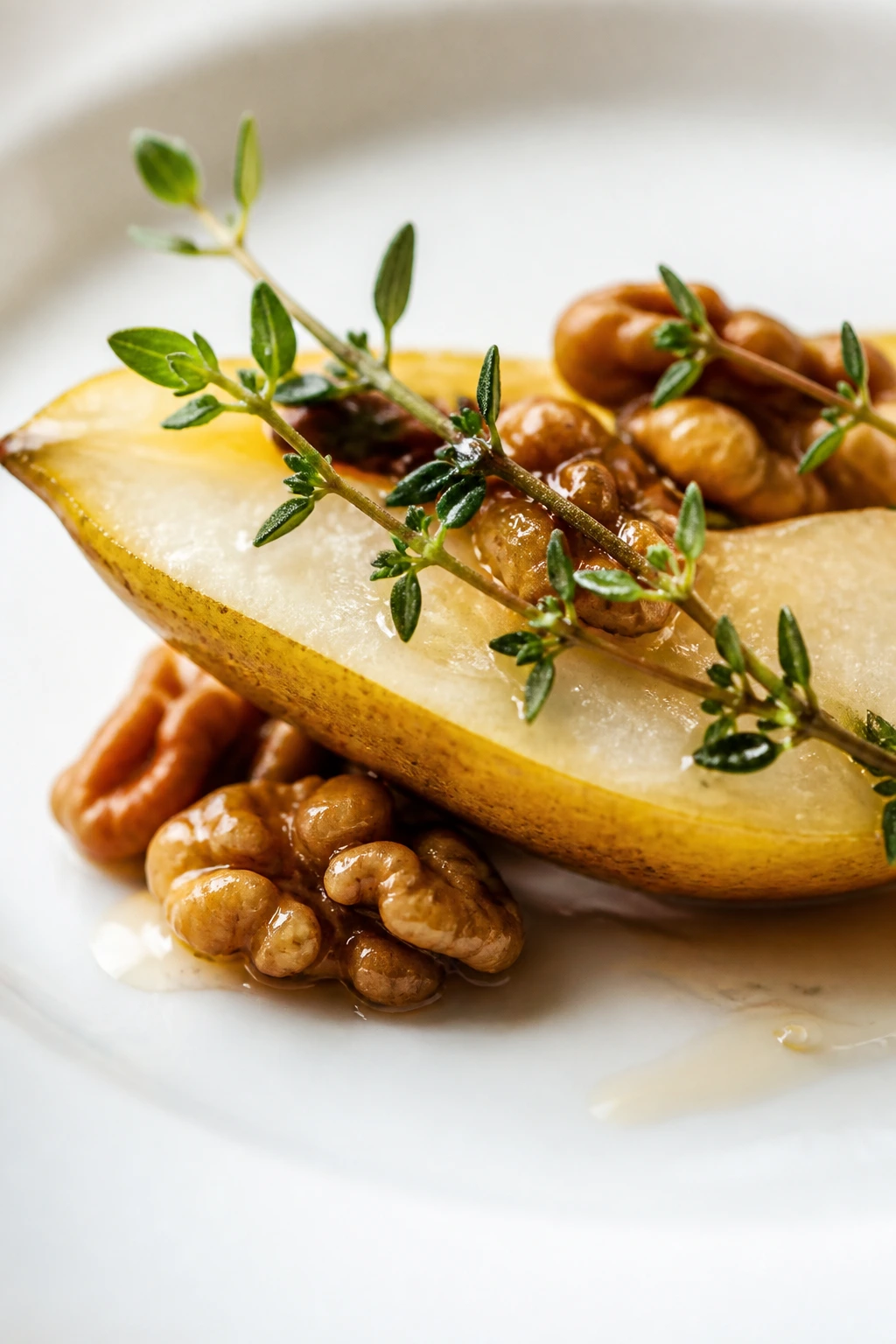
Pear, Walnut, and Thyme: Swap the apple for a firm pear and the pecans for walnuts, then whisk a few thyme leaves into the dressing. The whole salad shifts a little softer and more aromatic, which works nicely with the goat cheese.
Baked Bronze Goat Cheese: Instead of pan-frying, bake the breaded rounds at 425°F on a lightly oiled wire rack for 10 to 12 minutes, flipping once if your oven browns unevenly. You lose a touch of skillet drama, but you also skip the oil management.
Gluten-Free Crunch: Use rice flour in place of all-purpose flour and gluten-free panko in place of standard breadcrumbs. Chill the rounds after breading so the coating has time to set before cooking.
Herb Garden Version: Add chopped mint, basil, and dill to the greens, then skip the fennel if you want the flavor to stay brighter and less anise-heavy. This version tastes fresher and lands well with grilled fish.
Dinner-Plate Bowl: Add sliced grilled chicken or salmon and increase the romaine to 8 cups. The salad becomes a full meal without needing a separate side, and the goat cheese turns into the sharp part of the plate rather than the main event.
Make-Ahead, Storage, and the Five-Minute Rescue Plan
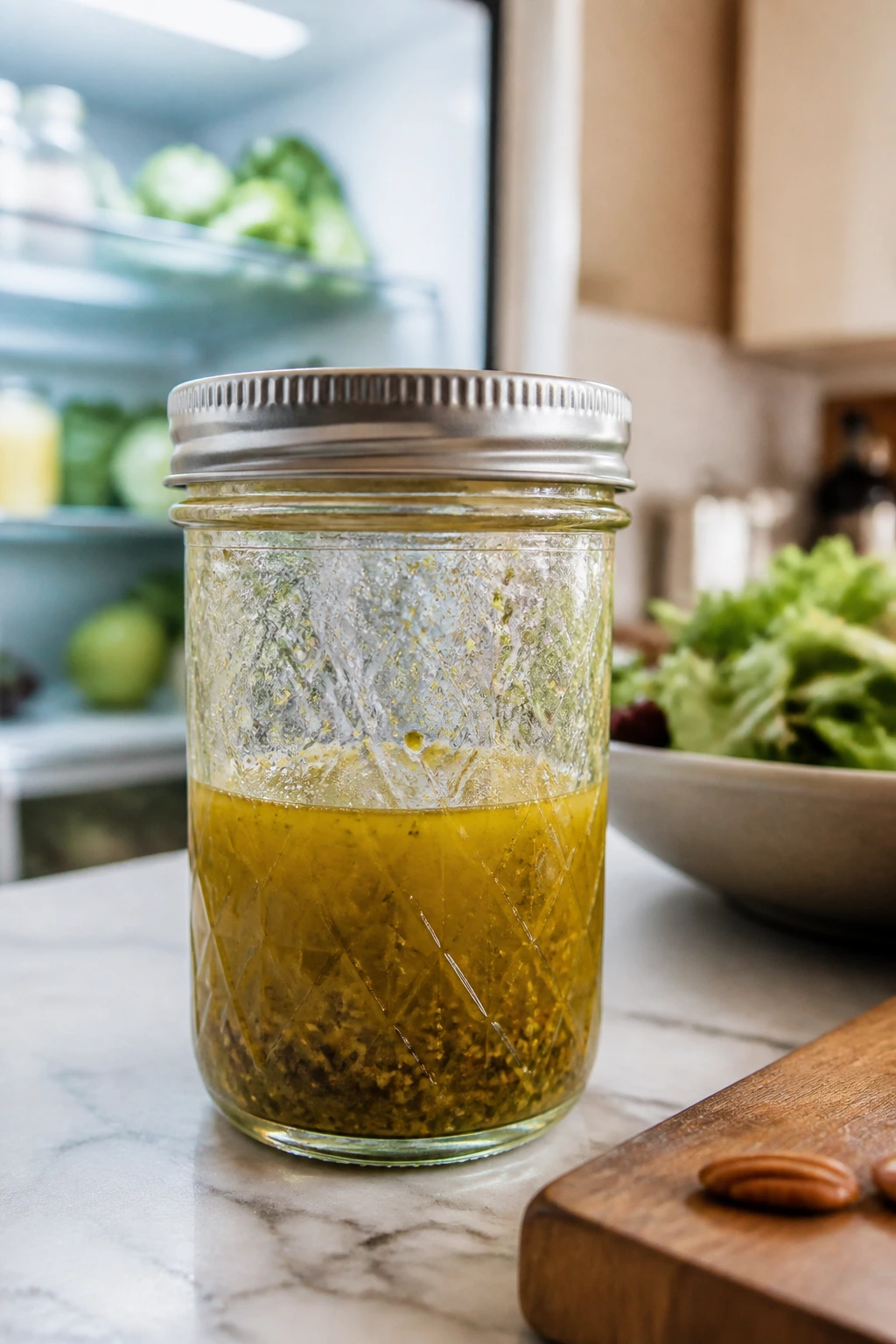
The dressing keeps well in a sealed jar in the refrigerator for up to 5 days. It will separate as it sits, and that’s normal; shake it hard for 10 to 15 seconds before using it again. If the shallot flavor gets too strong by the second day, let the jar sit at room temperature for 5 minutes before shaking so the oil loosens up.
Chopped romaine, arugula, fennel, cucumber, and red onion can be prepped 2 to 3 days ahead if they’re dried properly and stored with a paper towel in a sealed container. The apple is the exception. Slice it the same day if you can, or toss it with a little lemon juice and keep it covered in the fridge for up to 12 hours.
Breaded raw goat cheese can be held in the refrigerator for 24 hours before frying. If you want to go farther ahead, freeze the breaded rounds on a tray until solid, then move them to a freezer bag for up to 1 month. Fry them straight from the fridge, or from frozen if you add a little extra time and keep the heat steady.
Cooked goat cheese is best immediately, but if you have leftovers, store them separately in the fridge and re-crisp in a 375°F oven or air fryer for 3 to 5 minutes. Skip the microwave. It turns the crust soft and the cheese unevenly warm. And if the whole salad has already been dressed, plan to eat it within 20 minutes. Food safety matters too — any salad with dairy shouldn’t sit out longer than 2 hours, and not more than 1 hour if the room is warm.
For a quick rescue, toss a wilted dressed salad with a handful of fresh greens, then add fresh herbs and the cheese at the last minute. It won’t feel brand new, but it will stop tasting tired.
Frequently Asked Questions
Can I make the dressing ahead of time?
Yes. It keeps for about 5 days in the fridge, and the flavor actually settles in a good way after the shallot has had time to soften in the acid. Just shake it well before pouring.
Can I bake or air fry the goat cheese instead of pan-frying it?
You can. Bake the breaded rounds at 425°F for 10 to 12 minutes, or air fry them at 375°F for about 5 to 6 minutes, until the coating is golden and the cheese is warm through. The crust is a little less dramatic than a skillet fry, but it still works.
What kind of goat cheese should I buy?
Buy a fresh log, not crumbled goat cheese. The log slices into rounds and holds together once it’s chilled; the crumbles won’t give you the same crisp shell or clean center.
How do I keep the apple from browning?
Slice it last, or toss the slices with a teaspoon of lemon juice. That’s enough to slow the color change for a short serving window without making the apple taste sour.
Can this salad be a full meal?
Yes, and it holds up better than most lettuce-based dinners if you keep the greens dry and the dressing light. Add grilled chicken, salmon, or a handful of white beans if you want more protein without changing the flavor pattern.
What if the coating falls off the goat cheese in the pan?
The cheese was probably too warm, or the panko didn’t have enough time to set. Chill the coated rounds for 10 to 15 minutes, press the crumbs on a little more firmly, and make sure the oil is hot enough to start crisping right away.
Will bagged greens work here?
They can, as long as they’re sturdy and dry. A bagged romaine mix is fine; a wet spring mix tends to slump fast once the dressing goes on.
Can I use a different cheese?
Not if you want the same result. Feta won’t give you the soft center, and halloumi needs a different cooking method. Goat cheese is the part that makes the salad feel like itself.
A Bowl Worth Repeating
What makes this salad work isn’t mystery. It’s contrast. Hot and cold, crisp and soft, sharp and rich. Get the greens dry, keep the cheese cold until the skillet is ready, and the whole bowl suddenly has structure instead of just ingredients.
That’s why I keep coming back to salads like this one. They look casual, but they reward attention in small, very specific ways — the kind of details that make dinner feel finished without turning it into a project. Keep the dressing in a jar, the pecans toasted, and the goat cheese ready to fry, and you’ve got a salad that behaves like a proper meal.
Crisp Goat Cheese Salad with Homemade Dressing — Recipe Card
Recipe Name: Crisp Goat Cheese Salad with Homemade Dressing
Description: A bright salad of romaine, arugula, fennel, cucumber, apple, toasted pecans, and golden panko-crusted goat cheese, finished with a lemon-Dijon vinaigrette. The warm cheese and cold greens give every bite a clean contrast.
Prep Time: 20 minutes
Cook Time: 10 minutes
Total Time: 30 minutes
Course: Salad
Cuisine: American
Servings: 4
Calories: about 470 kcal per serving
Ingredients
For the Salad:
- 6 cups chopped romaine lettuce, thoroughly dried
- 2 cups baby arugula
- 1 cup fennel bulb, shaved very thin
- 1 cup cucumber, halved lengthwise and sliced into half-moons
- 1 medium apple, cored and sliced thin
- 1/4 small red onion, sliced paper-thin
- 1/2 cup toasted pecans, roughly chopped
- 2 tablespoons chopped fresh chives or dill
- Flaky salt and black pepper, for finishing
For the Crispy Goat Cheese:
- 8 ounces fresh goat cheese log, well chilled
- 1/3 cup all-purpose flour
- 1/2 teaspoon fine sea salt
- 1/4 teaspoon black pepper
- 2 large eggs, beaten
- 1 cup panko breadcrumbs
- 3 tablespoons neutral oil, for pan-frying
For the Homemade Dressing:
- 3 tablespoons fresh lemon juice
- 1 tablespoon white wine vinegar
- 1 teaspoon Dijon mustard
- 1 teaspoon honey
- 1 small shallot, finely minced
- 1/2 teaspoon kosher salt
- 1/4 teaspoon black pepper
- 1/3 cup extra-virgin olive oil
Instructions
- Whisk the lemon juice, vinegar, Dijon, honey, shallot, salt, and pepper together, then drizzle in the olive oil until the dressing looks glossy. Let it sit for 10 minutes.
- Toast the pecans in a dry skillet over medium heat until fragrant, then cool them.
- Wash and dry the greens, slice the fennel, cucumber, onion, and apple, and keep the apple for last if serving later.
- Slice the chilled goat cheese into 8 rounds.
- Dredge each round in flour, then egg, then panko, and chill the coated cheese for 10 to 15 minutes.
- Fry the cheese in neutral oil over medium heat for 1 1/2 to 2 minutes per side, until deep golden, then drain on a wire rack.
- Toss the greens, vegetables, apple, and half the pecans with some of the dressing, then top with the warm goat cheese, remaining pecans, herbs, and flaky salt.
Notes: Dress the greens at the last minute, and serve the cheese as soon as it comes out of the skillet. If you need to re-crisp leftovers, use a 375°F oven for 3 to 5 minutes.