



A good zesty white bean salad with homemade dressing should taste brisk, salty, and clean—not like a can of beans wearing a tired coat of bottled vinaigrette. The beans ought to be creamy at the center, the celery still loud when you bite into it, and the dressing sharp enough to wake everything up without turning the bowl into a lemon assault. That balance is the whole trick, and it’s why this kind of salad can be either forgettable or quietly excellent.
I keep coming back to this style of salad because it solves a very specific problem. You want something that can sit in the fridge, hold its shape, travel well, and still taste like someone cared. White beans do the heavy lifting here. They’re tender, but they don’t collapse. They drink up lemon, garlic, Dijon, and olive oil in a way leafy greens never will, and that makes them unusually forgiving.
The homemade dressing matters more than people think. Beans are blank slates with good manners. They need acid, salt, and a little fat to stop tasting starchy and one-note. Once you get the ratio right, you can spoon this salad next to grilled fish, pile it into a lunch box, or eat it straight from the bowl with a hunk of bread and call it a proper meal. Keep that in mind. The first forkful should make your mouth sit up a little.
Why This Salad Earns a Spot in the Fridge
-
It tastes better after a short rest: The beans absorb lemon, vinegar, garlic, and salt in about 15 to 30 minutes, so the salad stops tasting separate and starts tasting composed.
-
It uses pantry ingredients with a few fresh edges: Cannellini beans, Dijon, olive oil, and vinegar are pantry workhorses, but cucumber, celery, parsley, and dill keep the bowl from getting heavy.
-
It works as a side or a main: A scoop beside salmon or chicken is one thing; a bigger bowl over arugula with pita is another. The same salad does both without acting confused.
-
The texture stays interesting: Creamy beans need crunch, and this salad gives you celery, cucumber, and bell pepper in every bite. That contrast is what keeps the bowl from going soft and sleepy.
-
The dressing is easy to adjust: If you like more bite, add lemon. If it feels too sharp, add another spoon of olive oil. The formula is simple enough to steer without starting over.
-
It’s the kind of lunch that holds up: Unlike lettuce salads that slump after ten minutes, white bean salad keeps its shape. That matters when you pack it for later.
Timing, Yield, and Best Served
Yield: 6 side servings or 4 main-dish servings
Prep Time: 20 minutes
Cook Time: 0 minutes
Total Time: 20 minutes active, plus 15 to 30 minutes resting time
Difficulty: Beginner — the work is mostly chopping, whisking, and tasting, with no heat required.
Chill/Rest Time: 15 to 30 minutes for the best flavor, though it can be served right away
Best Served: Slightly chilled or at cool room temperature
Ingredients for the Salad and the Dressing
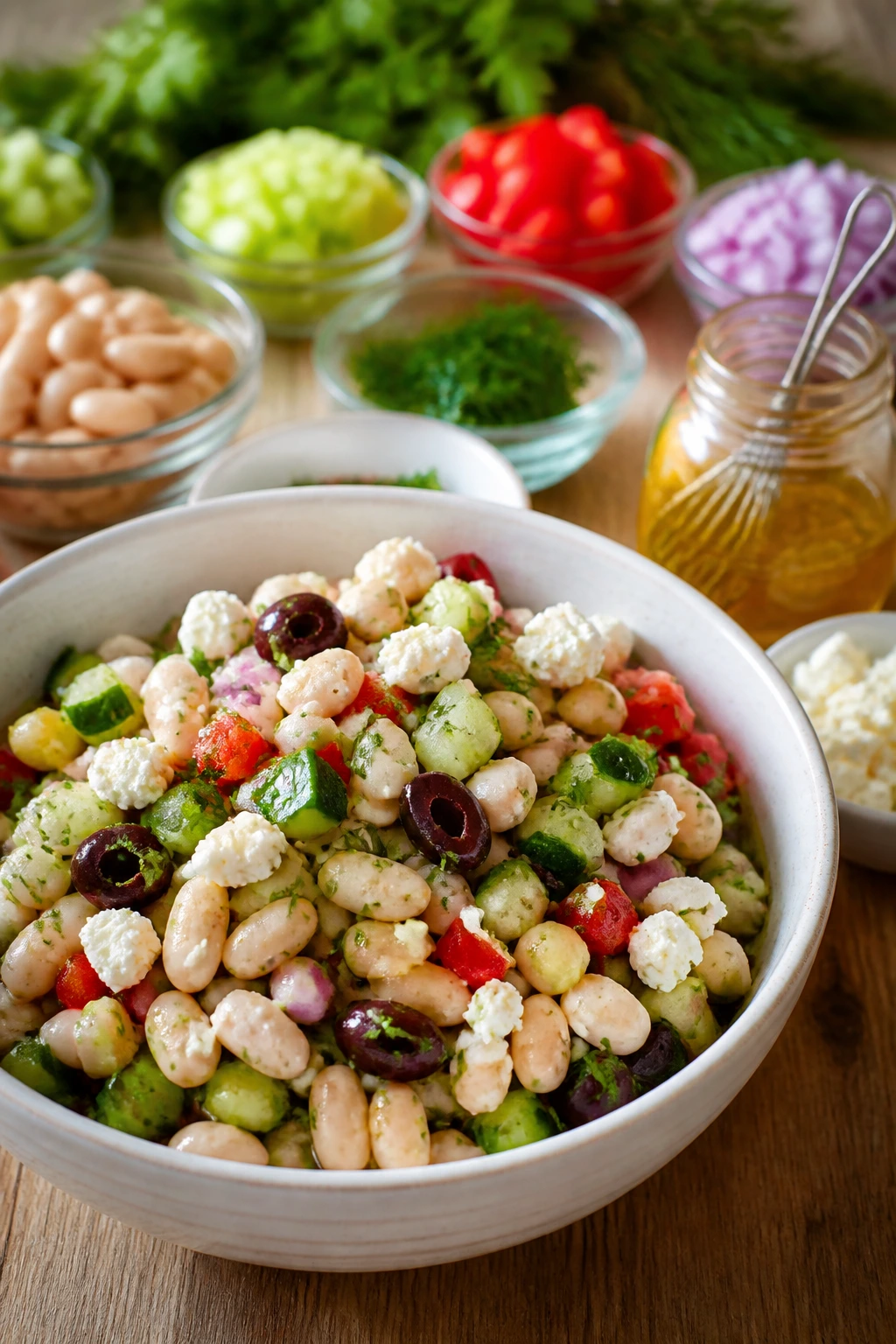
For the Salad:
- 2 cans (15 ounces each) cannellini beans, drained, rinsed, and well drained
- 1 large English cucumber, diced small, about 1 1/2 cups
- 2 celery stalks, diced small, about 1 cup
- 1 small red bell pepper, diced, about 3/4 cup
- 1/2 small red onion, very finely diced, about 1/3 cup
- 1/2 cup chopped flat-leaf parsley
- 2 tablespoons chopped fresh dill
- 1/4 cup pitted Kalamata olives, sliced, optional
- 1/3 cup crumbled feta cheese, optional
For the Homemade Dressing:
- 1/4 cup extra-virgin olive oil
- 3 tablespoons fresh lemon juice
- 2 tablespoons red wine vinegar
- 1 tablespoon Dijon mustard
- 1 small garlic clove, grated or mashed to a paste
- 1/2 teaspoon kosher salt, plus more to taste
- 1/4 teaspoon black pepper
- 1/2 teaspoon honey or maple syrup
- 1 teaspoon lemon zest
- 1/4 teaspoon crushed red pepper flakes, optional
Why Each Ingredient Has a Job to Do
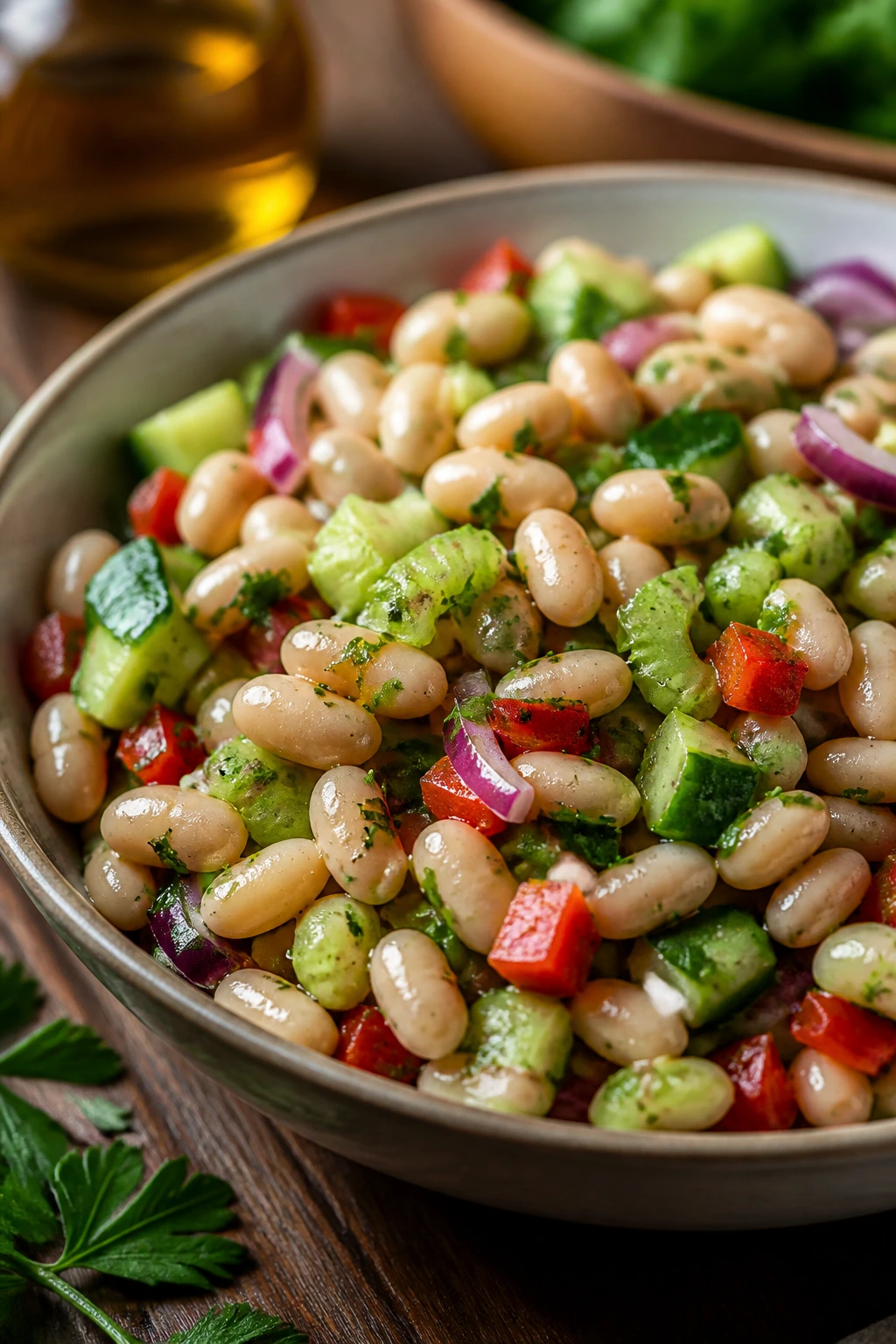
Cannellini Beans
What to use: Two 15-ounce cans, drained and rinsed, give you about 3 cups of beans.
Preparation: Drain them well, then rinse until the can foam disappears and the water runs mostly clear. If you have time, let them sit in the colander for a few minutes so excess water drips away.
Substitutions: Great Northern beans are the closest swap. Butter beans are creamier, and chickpeas work if you want a firmer bite.
Tips: Cheap canned beans are fine here, but under-drained beans are not. If the beans are wet, the dressing slides off and pools at the bottom of the bowl.
Crunchy Vegetables
What to use: English cucumber, celery, red bell pepper, and a little red onion bring freshness and shape.
Preparation: Dice everything small enough to fit on a fork with the beans. That matters more than people realize; huge chunks make the salad feel clumsy.
Substitutions: Radish adds peppery snap, fennel brings a mild anise note, and chopped celery root can work if you want a stronger edge.
Tips: English cucumber is the easier choice because the skin is thin and the seeds are small. If you use a regular cucumber, scoop out the watery center first.
Fresh Herbs and Briny Bits
What to use: Flat-leaf parsley and dill give the salad its green, leafy lift. Olives and feta are optional, but they add salt and depth fast.
Preparation: Chop the herbs just before mixing so they stay bright and don’t turn limp on the cutting board. Slice the olives thin enough that they distribute through the bowl instead of sinking.
Substitutions: Basil can stand in for dill if that’s what you have. Capers work in place of olives, and a few spoonfuls of chopped jarred pepperoncini add a brighter briny note.
Tips: Go easy on the salty add-ins until after you taste. Beans can take a surprising amount of salt, but feta and olives can push the bowl over the line if you dump them in too early.
The Homemade Dressing Base
What to use: Olive oil, lemon juice, red wine vinegar, Dijon, garlic, salt, pepper, honey, and lemon zest build the dressing.
Preparation: Grate the garlic to a paste or mince it very finely so it blends instead of landing in harsh little bites. Zest the lemon before you juice it; that’s one of those tiny jobs that saves annoyance later.
Substitutions: White wine vinegar can stand in for red wine vinegar. If you don’t want honey or maple syrup, leave it out and add a pinch more olive oil to soften the edges.
Tips: The dressing should taste a shade too sharp on its own. Once it coats the beans, the acid settles down. A flat dressing before mixing usually means a flat salad after mixing.
Finishing Touches
What to use: Crushed red pepper, extra parsley, and a last drizzle of olive oil are small things that matter more than they should.
Preparation: Keep the garnish separate until the end. A few fresh herb leaves scattered on top make the bowl look and smell fresher than one that has been buried under the dressing for an hour.
Substitutions: A pinch of smoked paprika gives a warmer finish than red pepper flakes. Lemon zest can replace extra acidity if the salad already tastes bright enough.
Tips: The final taste should be balanced, not shy. If the beans seem to vanish into the background, add salt before you add more acid.
How to Make the Dressing and Toss the Salad
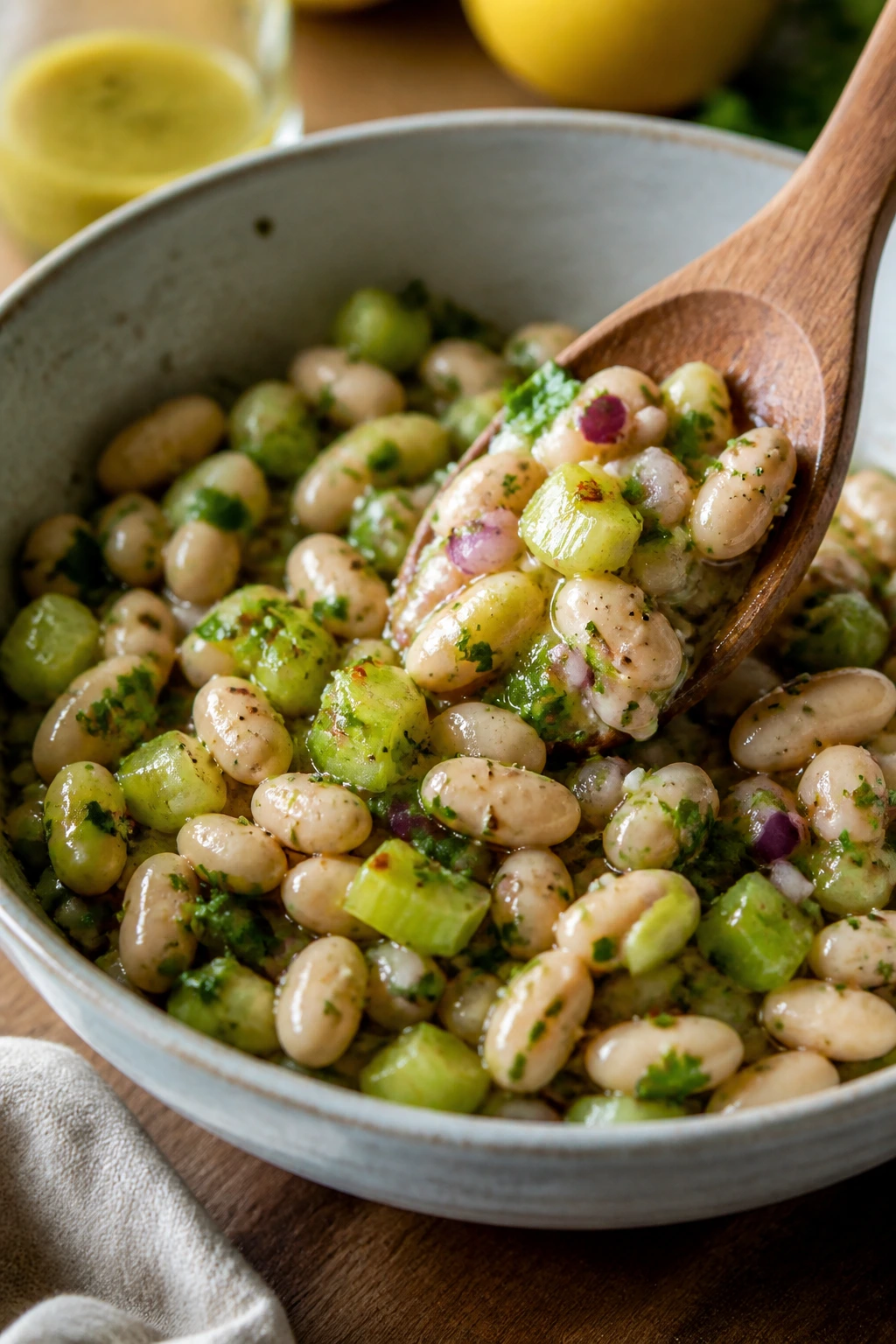
Build the dressing first.
-
In a medium bowl or a large jar, whisk together the 3 tablespoons lemon juice, 2 tablespoons red wine vinegar, 1 tablespoon Dijon mustard, grated garlic, 1/2 teaspoon kosher salt, 1/4 teaspoon black pepper, 1/2 teaspoon honey or maple syrup, 1 teaspoon lemon zest, and crushed red pepper flakes if using. The mixture should look cloudy and smell sharp, garlicky, and clean.
-
Slowly stream in the 1/4 cup olive oil while whisking constantly, or screw on the lid and shake the jar hard for about 20 seconds. The dressing should turn glossy and slightly thickened, enough to cling to the side of the bowl instead of running off like plain oil. Taste it. If it makes your mouth pucker in a bad way, add a spoonful more olive oil; if it feels dull, add a pinch more salt or a squeeze of lemon.
Assemble the salad carefully.
3. In a large mixing bowl, combine the well-drained beans, cucumber, celery, bell pepper, red onion, parsley, dill, olives, and feta if using. Toss gently with your hands or a rubber spatula. You want the beans coated in the colors of the vegetables, not smashed into paste.
-
Pour about three-quarters of the dressing over the bowl and fold everything together with a light hand. Stop as soon as the beans are coated and the vegetables look evenly moistened. Do not stir like you’re making mashed potatoes; white beans split if you beat on them.
-
Let the salad sit for 15 to 30 minutes at cool room temperature or in the fridge. This resting time is not dead time. It’s when the beans pull in the lemon, garlic, and Dijon, and the onion stops tasting raw and aggressive.
-
Taste again before serving. Add the remaining dressing if the salad looks dry, then correct the salt if needed. A final pinch of salt at the end often does more than another splash of lemon, especially if the beans were rinsed very thoroughly.
-
Spoon the salad into a serving bowl and finish with a small handful of parsley, a few turns of black pepper, and, if you like, a thread of olive oil on top. The surface should look fresh and just lightly glossy, not submerged.
How to Serve It at the Table
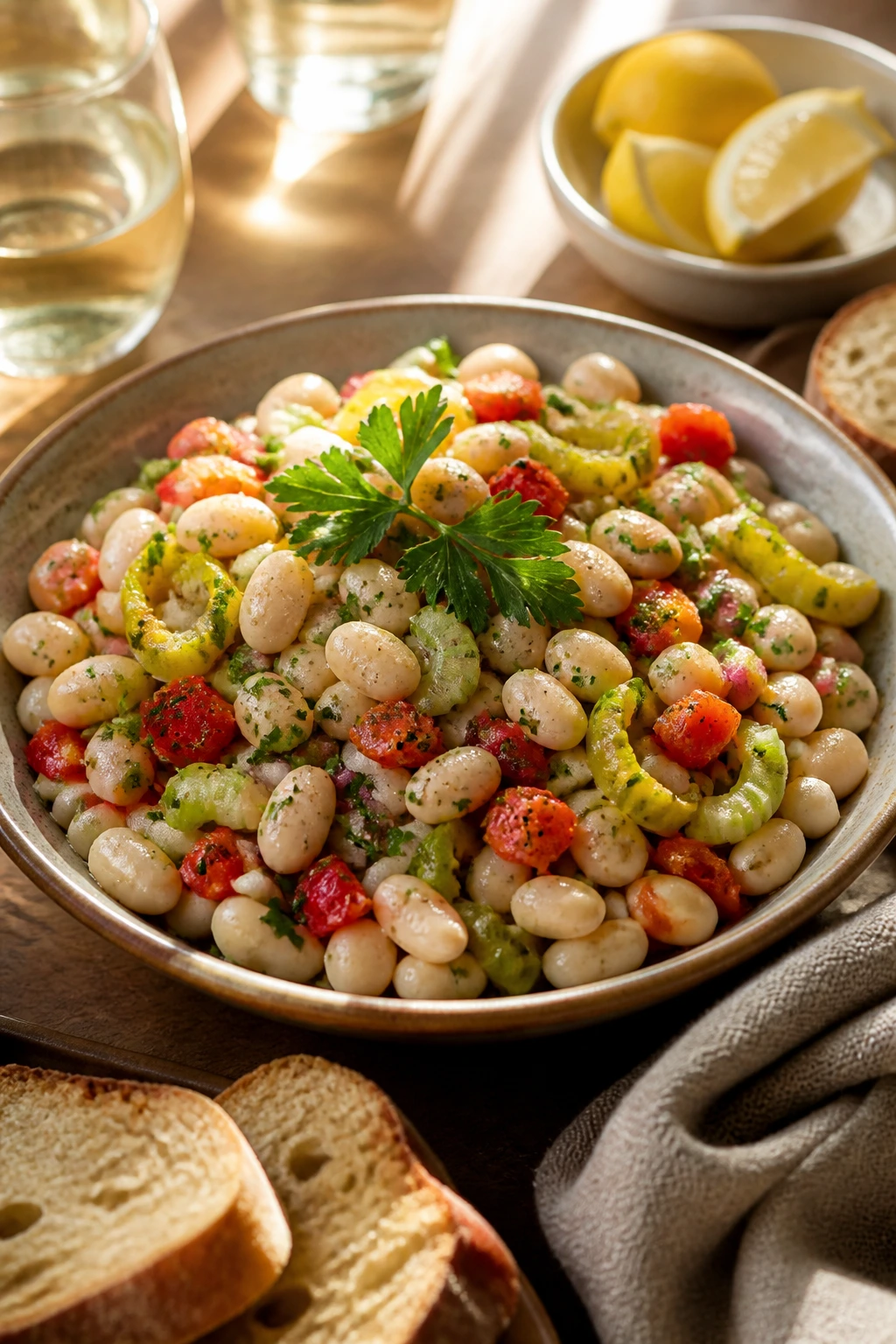
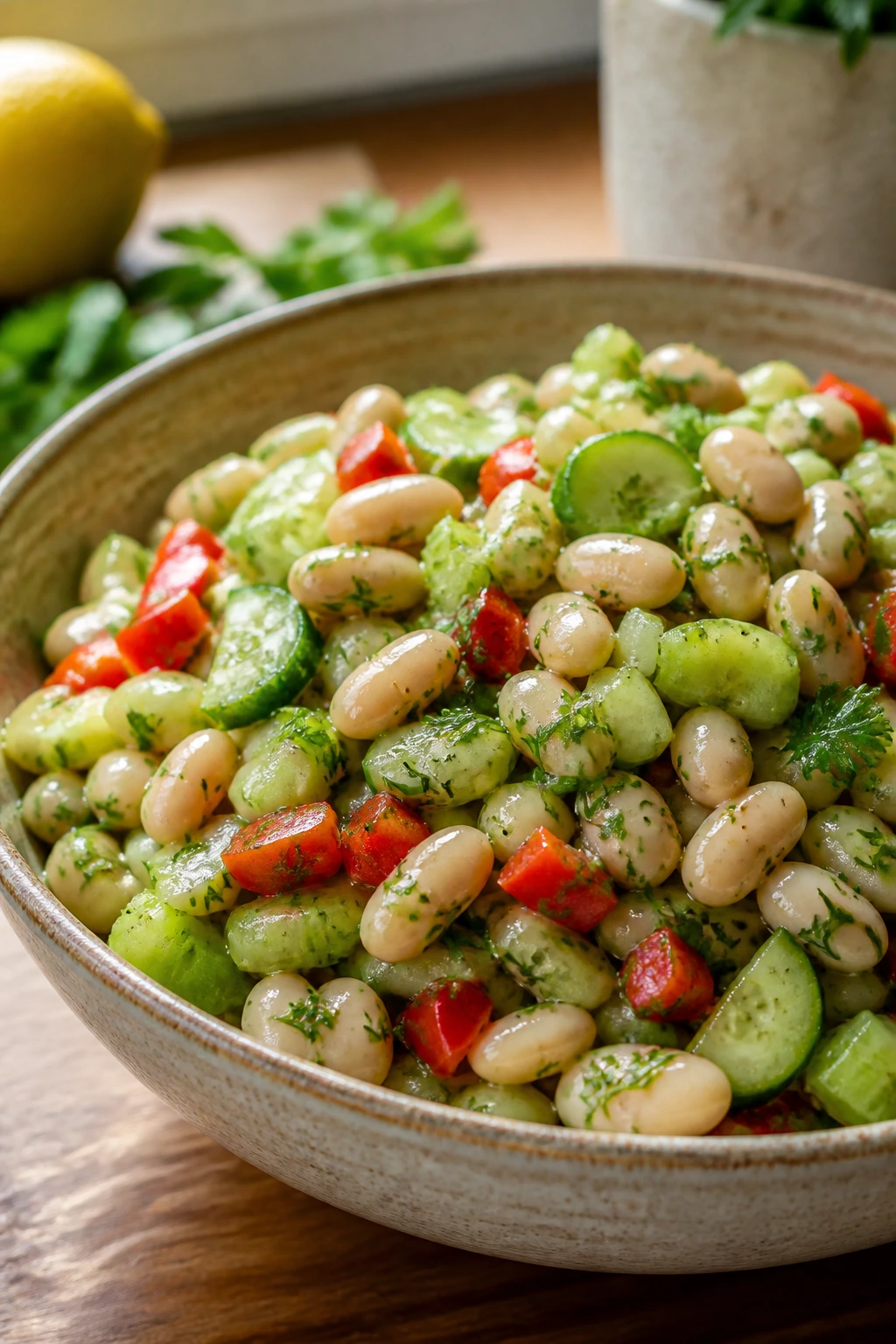
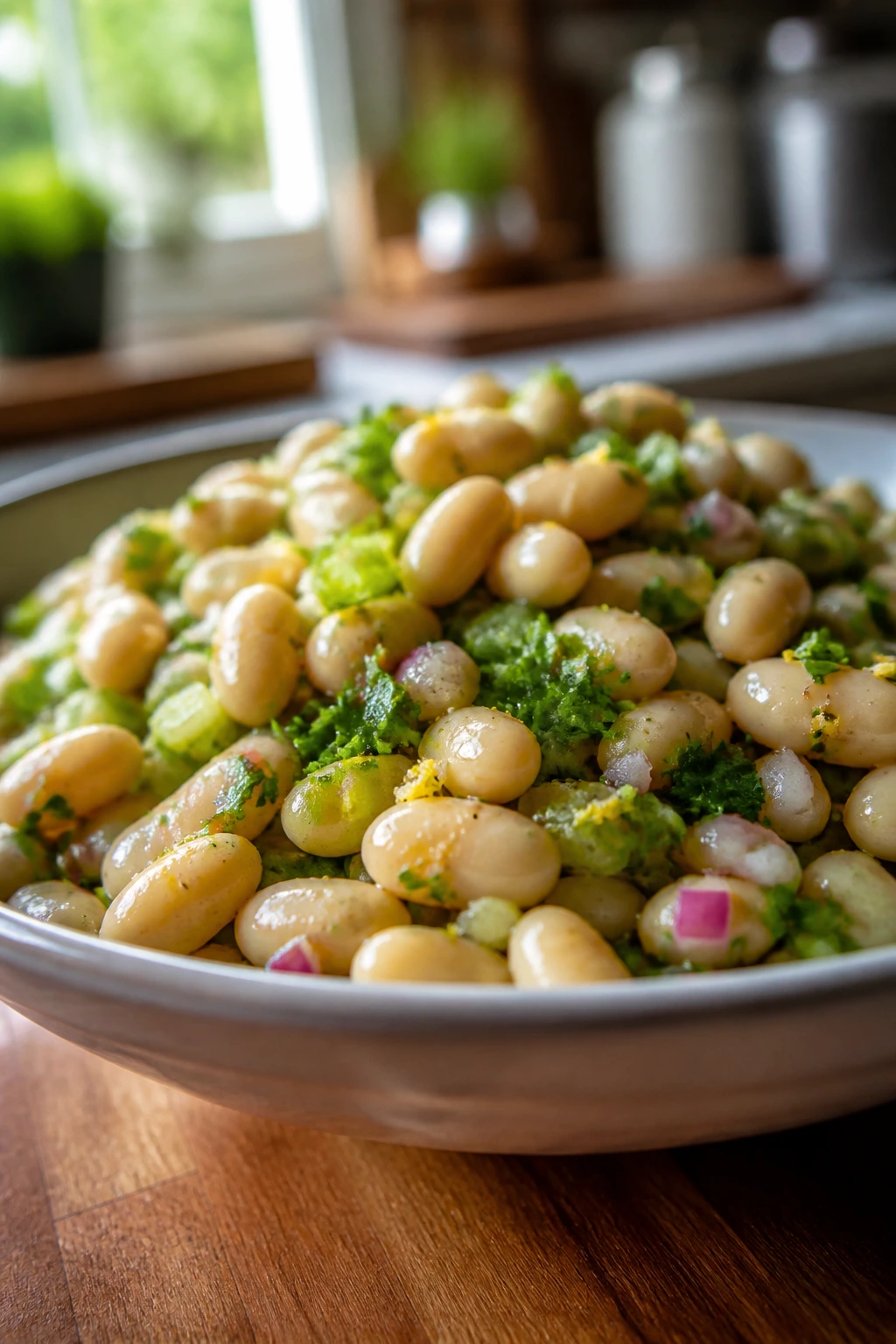
Presentation: Spoon the salad into a shallow bowl instead of a deep one; it shows off the beans, herbs, and diced vegetables better. If you’re serving guests, keep a few parsley leaves and a handful of cucumber dice aside and scatter them over the top right before carrying it out.
Accompaniments: I like it with grilled salmon, roast chicken, or seared tuna, but it also sits nicely beside tomato soup, baked falafel, or a slice of crusty sourdough. If you want a fuller plate, tuck it into a bowl with arugula and a spoonful of hummus, or pack it into pita with sliced cucumber and a little feta.
Portions: Plan on about 3/4 cup for a side serving or 1 1/2 cups for a lunch portion. If you’re stretching it for a bigger table, add another can of beans and an extra cucumber before you start dressing, not after.
Beverage Pairing: A dry Sauvignon Blanc works well because the citrus and herbal notes echo the salad without fighting it. If you want something non-alcoholic, sparkling water with lemon or cucumber slices keeps the palate clean between bites.
A Few Small Tweaks That Make It Better
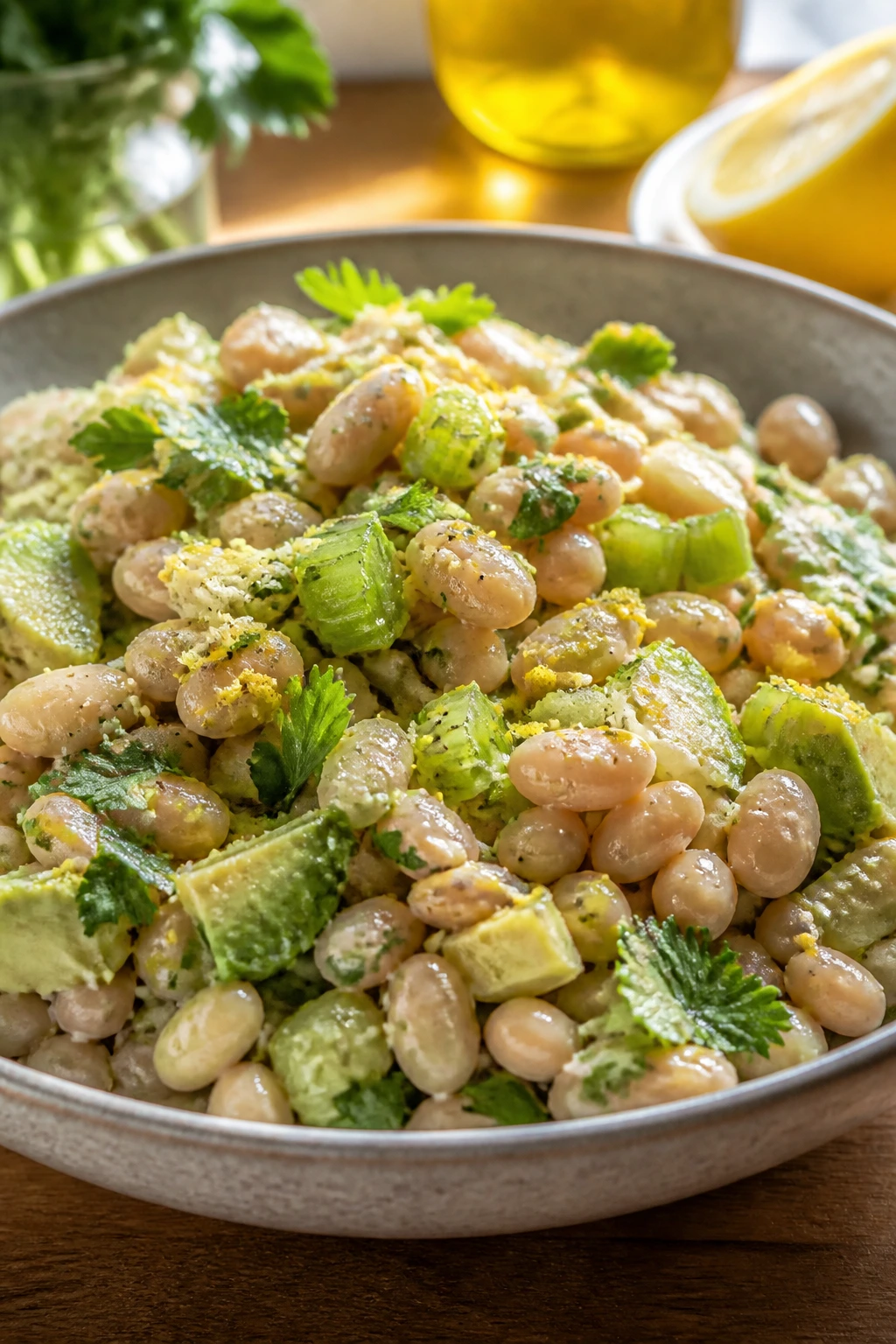
Flavor Enhancement: Zest the lemon directly over the dressed beans, not just into the dressing bowl. Fresh zest on top brings a brighter smell to the first bite, and that matters more than people admit. The same salad tastes sharper when the zest is added at the last minute instead of left to sit for half an hour.
Customization: If you want the salad to eat more like lunch, fold in 1 cup diced avocado right before serving or add 1 can of drained tuna for a firmer, protein-heavy version. If you want a fuller Mediterranean edge, use more dill and a spoonful of chopped roasted red peppers. That small move makes the bowl feel less plain and more layered.
Serving Suggestions: A spoonful of extra chopped parsley, a few flaky salt crystals, and a thin ribbon of good olive oil are enough to make the bowl look finished. I also like a crack of black pepper at the table so each person can decide how sharp they want the last bite. It’s a tiny detail, but the salad feels more alive that way.
Make-It-Yours: For a dairy-free version, leave out the feta and lean on olives or capers for salt. For a lower-sodium bowl, rinse the beans longer and use fewer olives, then season with extra lemon zest and herbs instead of more salt. If you want a gluten-free meal, it already qualifies; serve it with rice crackers, roasted potatoes, or polenta if you want something starchy alongside it.
Mistakes That Flatten White Bean Salad
-
Using beans that are still wet: If the bowl looks watered down a few minutes after tossing, that’s the giveaway. The fix is simple: drain the beans thoroughly, then let them sit in the colander for a few minutes or blot them with a clean towel before mixing.
-
Tearing the beans apart while tossing: If the salad starts to look like bean paste at the bottom of the bowl, the mixing was too rough. Fold with a spatula or your hands and stop as soon as the dressing is distributed; white beans are tender, not indestructible.
-
Underseasoning the dressing: A dressing that tastes mild on its own usually disappears once it hits the beans. Taste the dressing before you pour it in. It should be a little sharp and salty, because the beans will mellow it out.
-
Using too much raw red onion: If one bite tastes fiery and the rest of the salad gets ignored, the onion is shouting over everything else. Dice it very small, soak it in cold water for 5 minutes if needed, and drain it well before adding it to the bowl.
-
Skipping the rest time: Straight from the mixing bowl, the salad can taste separate. After 15 minutes, the difference is obvious—the beans pick up the dressing, the onion softens, and the whole thing feels more settled.
-
Adding every garnish too early: Herbs like parsley and dill look best when some of them are saved for the top. If everything goes into the bowl at once and sits there for an hour, the surface loses its fresh, green snap.
Variations and Swaps
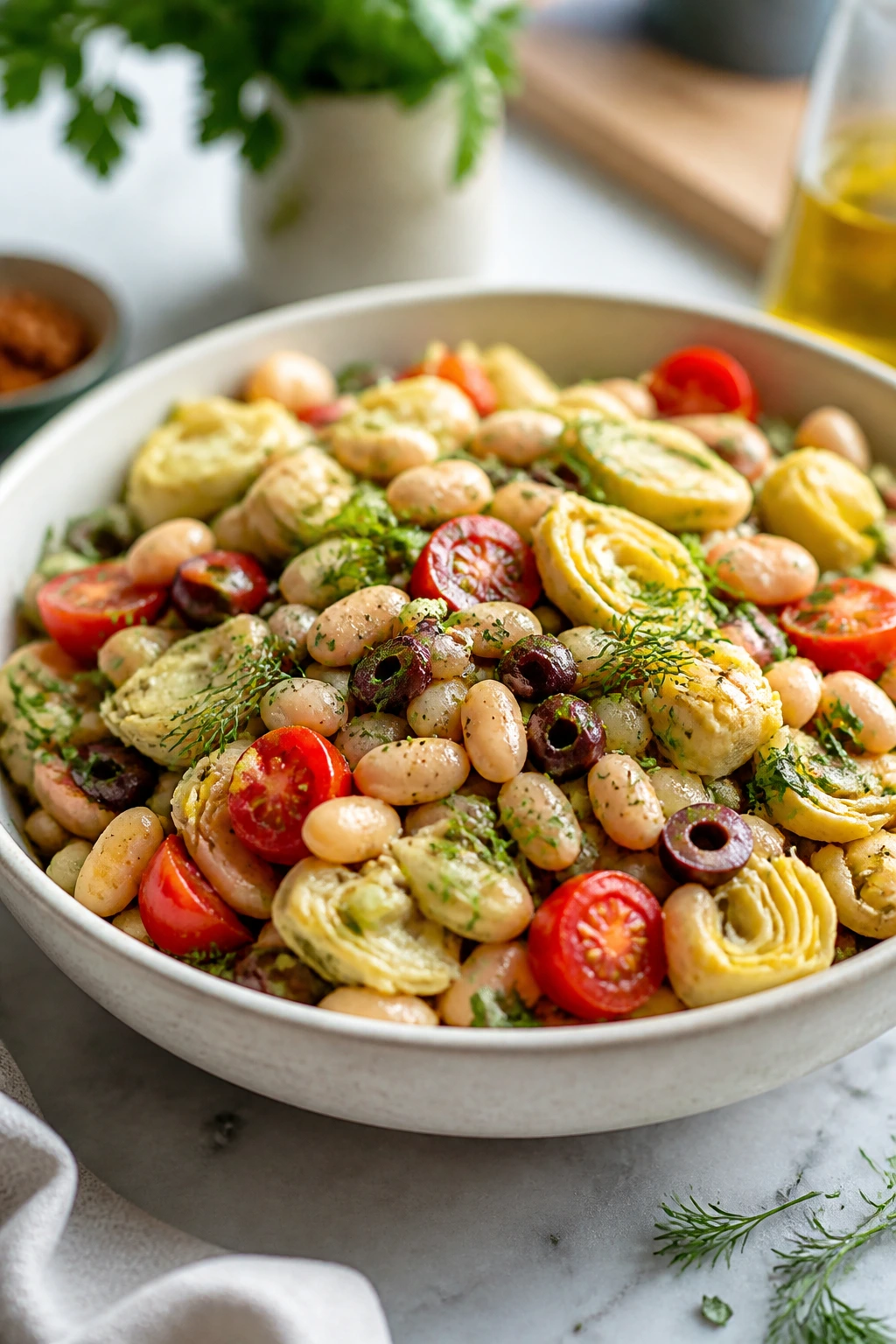
Mediterranean Lunch Box
Add 1/2 cup halved cherry tomatoes, 1/4 cup extra olives, and 1/2 teaspoon dried oregano. This version leans saltier and a little sunnier, and it’s the one I’d pack with pita and hummus because it holds its shape without any drama.
Tuna-Bean Pantry Bowl
Fold in 2 cans of tuna, drained well, and cut the feta in half or leave it out entirely. The tuna makes the salad more filling and pushes it into full lunch territory. Use a touch more lemon at the end so the fish doesn’t feel heavy.
Roasted Pepper and Artichoke Version
Swap the raw red bell pepper for 1 cup chopped jarred roasted peppers and add 1/2 cup chopped marinated artichoke hearts. The flavor gets softer, richer, and a little more pantry-driven, which is useful when the fresh produce drawer is thin.
Dill-Free Herb Swap
If dill isn’t your thing, use 2 tablespoons chopped basil or extra parsley instead. Basil makes the salad smell sweeter and less briny, while extra parsley keeps it clean and bright. Both work, though I’d choose basil only if the rest of the meal is mild.
Creamier Avocado Finish
Right before serving, fold in 1 diced ripe avocado and reduce the feta slightly if using it. The avocado softens the edges and makes the salad feel more like a full bowl meal, but it should be added at the very end or it’ll go brown and mushy.
The Few Tools That Make This Easier
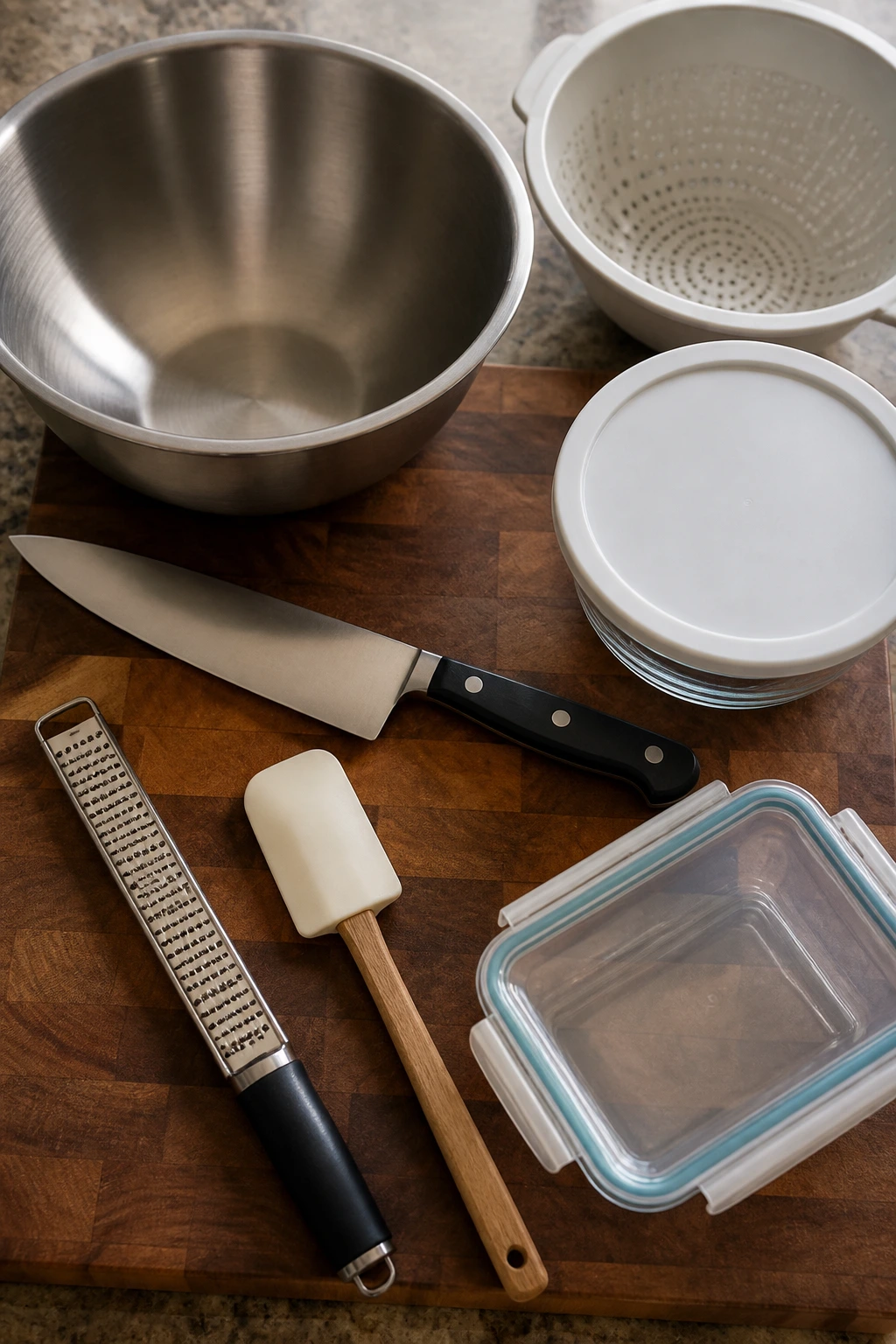
- Large mixing bowl: Big enough to toss the salad without bean casualties rolling onto the counter.
- Medium bowl or jar with a lid: Useful for whisking or shaking the dressing until it looks glossy.
- Chef’s knife: A sharp one keeps the cucumber, celery, and onion pieces clean and even.
- Cutting board: A stable board matters more than people think when you’re dicing small vegetables.
- Colander or fine-mesh sieve: Needed to rinse and drain the beans properly.
- Microplane or fine grater: Best for the garlic and lemon zest; it gives the dressing a smoother texture.
- Rubber spatula or large spoon: Better than a fork for folding the salad without breaking the beans.
- Airtight container: Handy for storing leftovers or making the dressing ahead.
Make-Ahead, Storage, and Leftovers
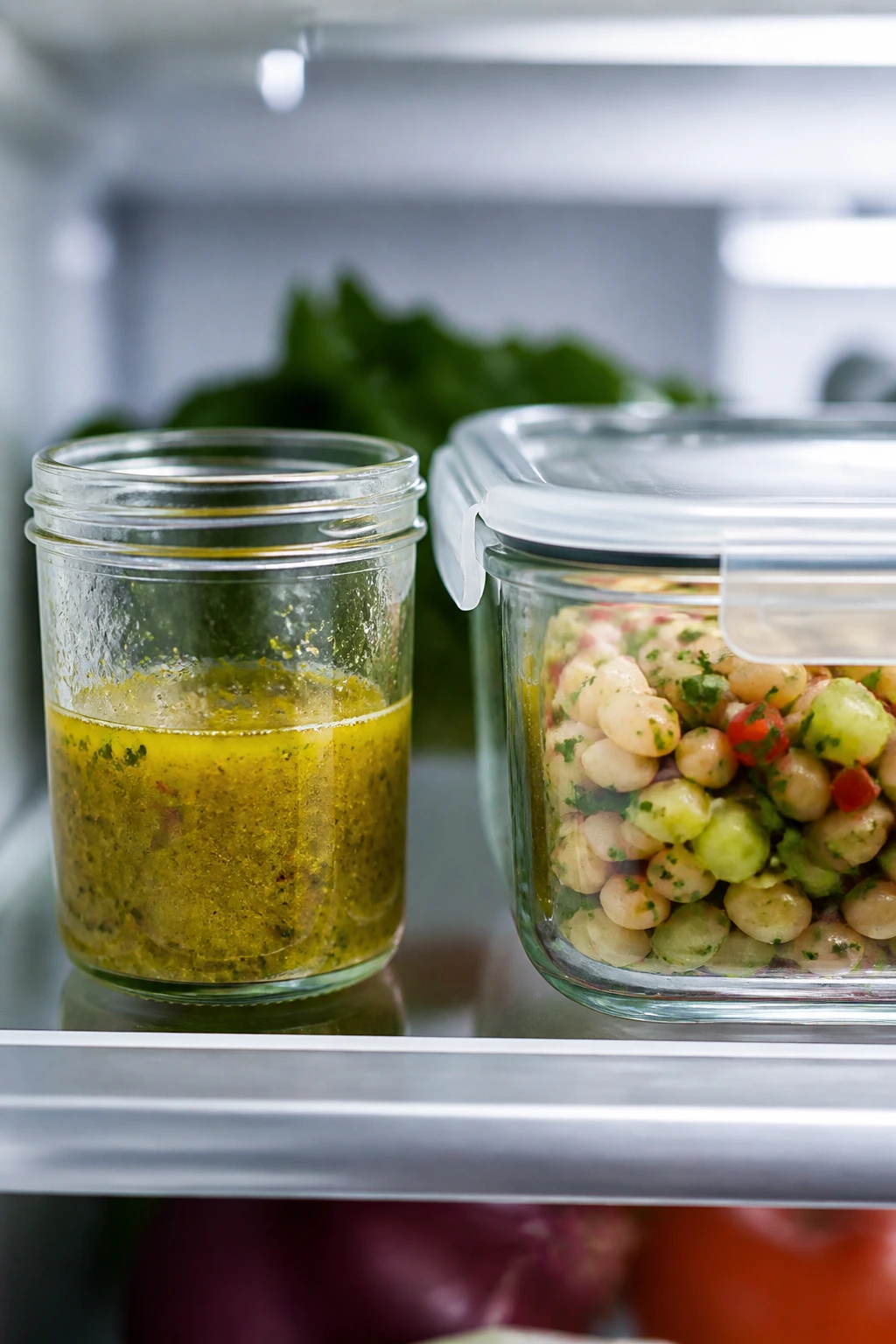
This salad keeps well in the refrigerator for 3 to 4 days, though the vegetables will soften a little each day and the beans will keep absorbing the dressing. If you know you want it for later, hold back a few tablespoons of dressing and add them right before serving instead of mixing everything at once. That trick keeps day-two salad from turning dry.
The dressing itself can be made up to 5 days ahead and stored in a sealed jar in the fridge. Olive oil may thicken when cold, so let the jar sit on the counter for 10 to 15 minutes and shake it again before using. If the garlic tastes a little sharp after chilling, that will calm down once it hits the beans.
I do not recommend freezing the finished salad. Beans can get mealy after thawing, and cucumber turns watery and soft in an unhelpful way. If you want to freeze anything, freeze cooked beans on their own and build the salad later, but even then, I’d rather start from dried or canned beans than deal with thawed ones.
For make-ahead prep, chop the cucumber, celery, red pepper, and onion the day before and store them in separate containers or one container lined with paper towel. The herbs can be chopped a few hours ahead, though they look brighter if you cut them close to serving time. If the salad tastes flat after chilling, add 1 teaspoon olive oil and 1 tablespoon lemon juice per cup of salad and toss again. That usually brings it back to life fast.
Leftovers are good tucked into a wrap with greens, spooned over toast, or mashed lightly and spread onto crackers. The beans soften even more as they sit, which can actually make them easier to scoop the next day.
Questions People Actually Ask
Can I use dried beans instead of canned beans?
Yes. Use about 1 cup dried cannellini beans, cooked until tender, which gives you roughly the same amount as two cans. They’ll taste a little cleaner and firmer than canned beans, but you’ll need to cool them fully before dressing or they’ll soak up too much oil.
What if I can’t find cannellini beans?
Great Northern beans are the closest substitute because they stay creamy and hold their shape. Butter beans are softer and a little larger, while chickpeas give a firmer bite that changes the feel of the salad quite a bit. All three work, but Great Northern is the easiest straight swap.
Why does my salad taste bland even after dressing it?
Usually it needs more salt, not more lemon. Beans hide salt better than leafy greens do, so taste after the 15-minute rest and add a pinch at a time. If the salad still feels flat, a little more Dijon or lemon zest usually wakes it up faster than dumping in more vinegar.
Can I make this salad the day before?
Yes, and it often tastes better after a night in the fridge. If you want the vegetables to stay crisp, hold back the cucumber and herbs and add them a few hours before serving. That gives you a fresher texture without losing the benefit of the marinade.
How do I keep the onion from taking over?
Dice it very small, then soak it in cold water for 5 minutes and drain it well. That step knocks down the sharpest bite without making the salad taste dull. If you want an even softer edge, use shallot instead of red onion.
Can I turn this into a full meal?
Absolutely. Add tuna, shredded chicken, or a diced avocado, and serve it over arugula or with toasted bread. A warm piece of pita on the side is enough to make the bowl feel complete without much extra work.
What should I do if the salad gets dry in the fridge?
Stir in a small splash of lemon juice and a teaspoon or two of olive oil. Beans keep drinking dressing as they sit, so leftovers often need a quick refresh before serving. A pinch of salt after that usually finishes the job.
A Bright Bowl That Still Tastes Good Tomorrow
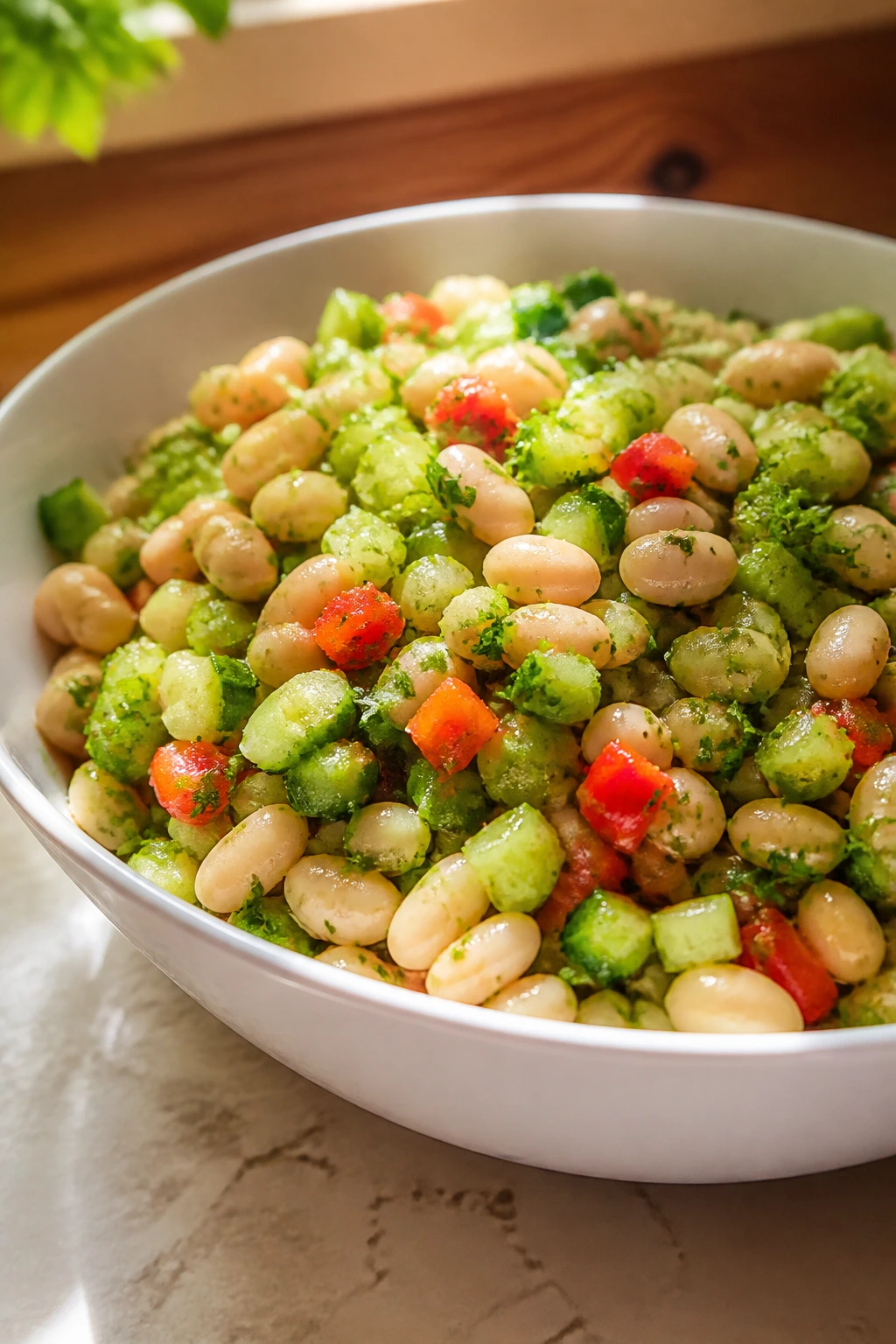
This is the kind of salad I trust when I want something that won’t collapse before I’m done eating it. The beans stay tender, the vegetables keep their crunch, and the dressing has enough edge to stay interesting after a few hours in the fridge. That combination is not flashy, but it’s the reason the bowl keeps making sense on day two.
Keep the dressing formula in your pocket and the rest gets easier. Once you know how much acid, salt, and olive oil a bowl of beans can carry, you can start swapping herbs, changing vegetables, and adding whatever salty thing is hanging around in the fridge. The structure stays the same. The details can move.
Zesty White Bean Salad with Homemade Dressing — Recipe Card
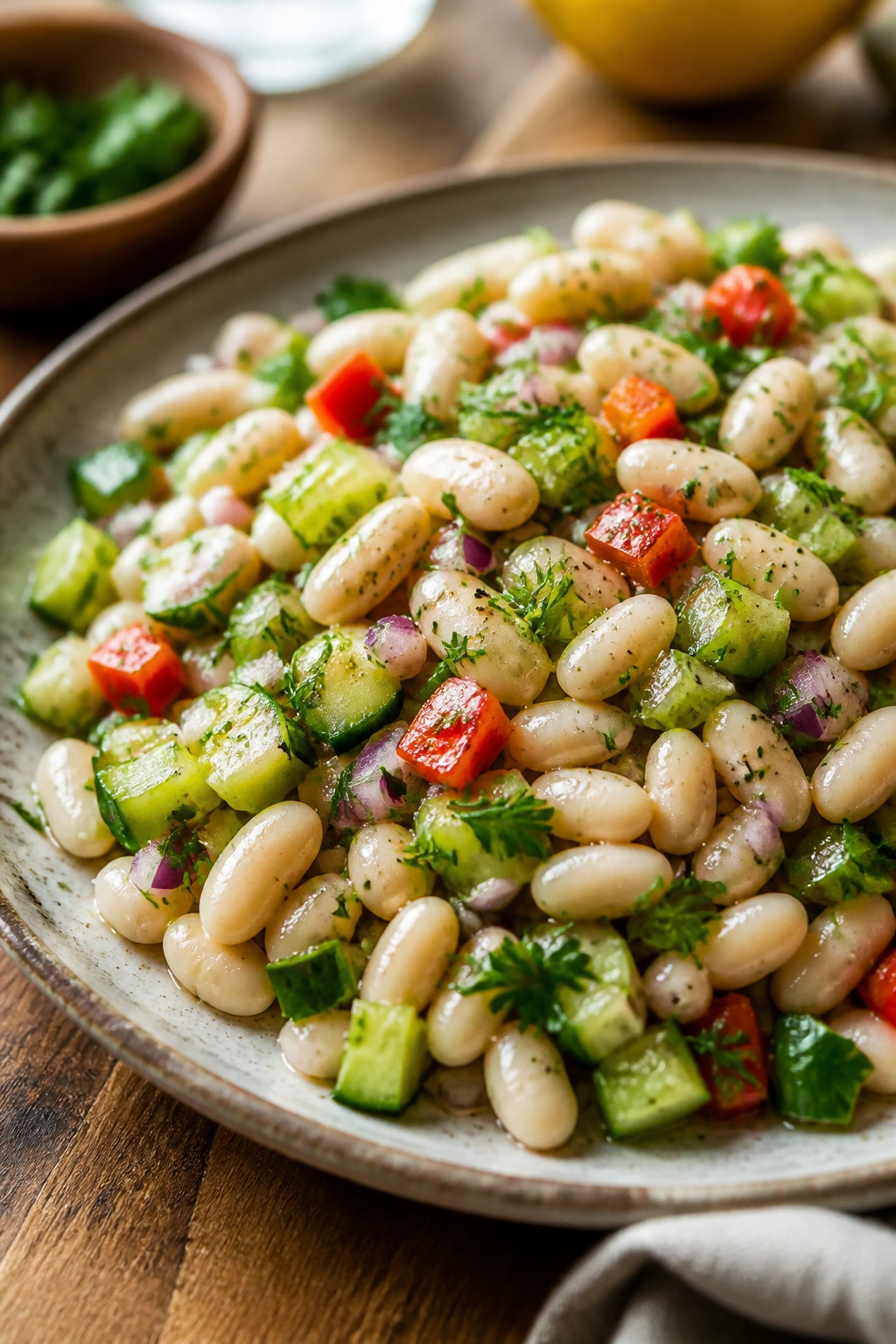
Recipe Name: Zesty White Bean Salad with Homemade Dressing
Description: Creamy cannellini beans, crisp vegetables, fresh herbs, and a sharp lemon-Dijon dressing come together in a salad that tastes even better after a short rest. Serve it as a side, lunch, or light main dish.
Prep Time: 20 minutes
Cook Time: 0 minutes
Total Time: 20 minutes active, plus 15 to 30 minutes resting time
Course: Salad, Side Dish, Light Main
Cuisine: Mediterranean-inspired
Servings: 6 side servings or 4 main-dish servings
Calories: About 240 kcal per side serving
Ingredients
For the Salad:
- 2 cans (15 ounces each) cannellini beans, drained, rinsed, and well drained
- 1 large English cucumber, diced small, about 1 1/2 cups
- 2 celery stalks, diced small, about 1 cup
- 1 small red bell pepper, diced, about 3/4 cup
- 1/2 small red onion, very finely diced, about 1/3 cup
- 1/2 cup chopped flat-leaf parsley
- 2 tablespoons chopped fresh dill
- 1/4 cup pitted Kalamata olives, sliced, optional
- 1/3 cup crumbled feta cheese, optional
For the Homemade Dressing:
- 1/4 cup extra-virgin olive oil
- 3 tablespoons fresh lemon juice
- 2 tablespoons red wine vinegar
- 1 tablespoon Dijon mustard
- 1 small garlic clove, grated or mashed to a paste
- 1/2 teaspoon kosher salt, plus more to taste
- 1/4 teaspoon black pepper
- 1/2 teaspoon honey or maple syrup
- 1 teaspoon lemon zest
- 1/4 teaspoon crushed red pepper flakes, optional
Instructions
-
Whisk together the lemon juice, vinegar, Dijon, garlic, salt, pepper, honey or maple syrup, lemon zest, and red pepper flakes in a medium bowl or jar.
-
Slowly whisk in the olive oil until the dressing looks glossy and slightly thickened, or shake it well in a jar.
-
In a large bowl, combine the beans, cucumber, celery, bell pepper, red onion, parsley, dill, olives, and feta if using.
-
Pour about three-quarters of the dressing over the salad and fold gently until coated.
-
Rest for 15 to 30 minutes, then taste and add the remaining dressing, salt, or lemon as needed.
-
Finish with extra herbs and a light drizzle of olive oil before serving.
Notes: For the best texture, drain the beans very well before mixing. If the salad sits overnight, add a little lemon juice and olive oil before serving to freshen it up.