



Meal prep and canned tuna are an odd couple until you need dinner to behave itself for four straight days. Tuna dinners for meal prep work because the fish is sturdy, pantry-friendly, and far less fussy than people assume, especially once it’s folded into pasta bakes, rice bowls, stuffed peppers, and skillet meals that are built for leftovers.
I like tuna for this job because it solves two problems at once: it brings protein without demanding a long cooking session, and it plays well with bright, punchy ingredients that keep reheated food from tasting flat. A 5-ounce can of tuna usually gives you roughly 20 to 25 grams of protein, which means a single dinner can carry its weight without a giant pile of meat. That matters when you’re packing lunches, feeding a family, or trying to get one good hour back on a Sunday evening.
What makes tuna tricky is also what makes it useful. On its own, it can taste dry or dull. Give it lemon, herbs, tomatoes, curry, soy sauce, roasted peppers, or a creamy binder, though, and it wakes up fast. The recipes below lean into that sweet spot: enough structure to hold up in the fridge, enough flavor to stay interesting on day three.
Why This Collection Earns a Spot in Your Meal-Prep Rotation
-
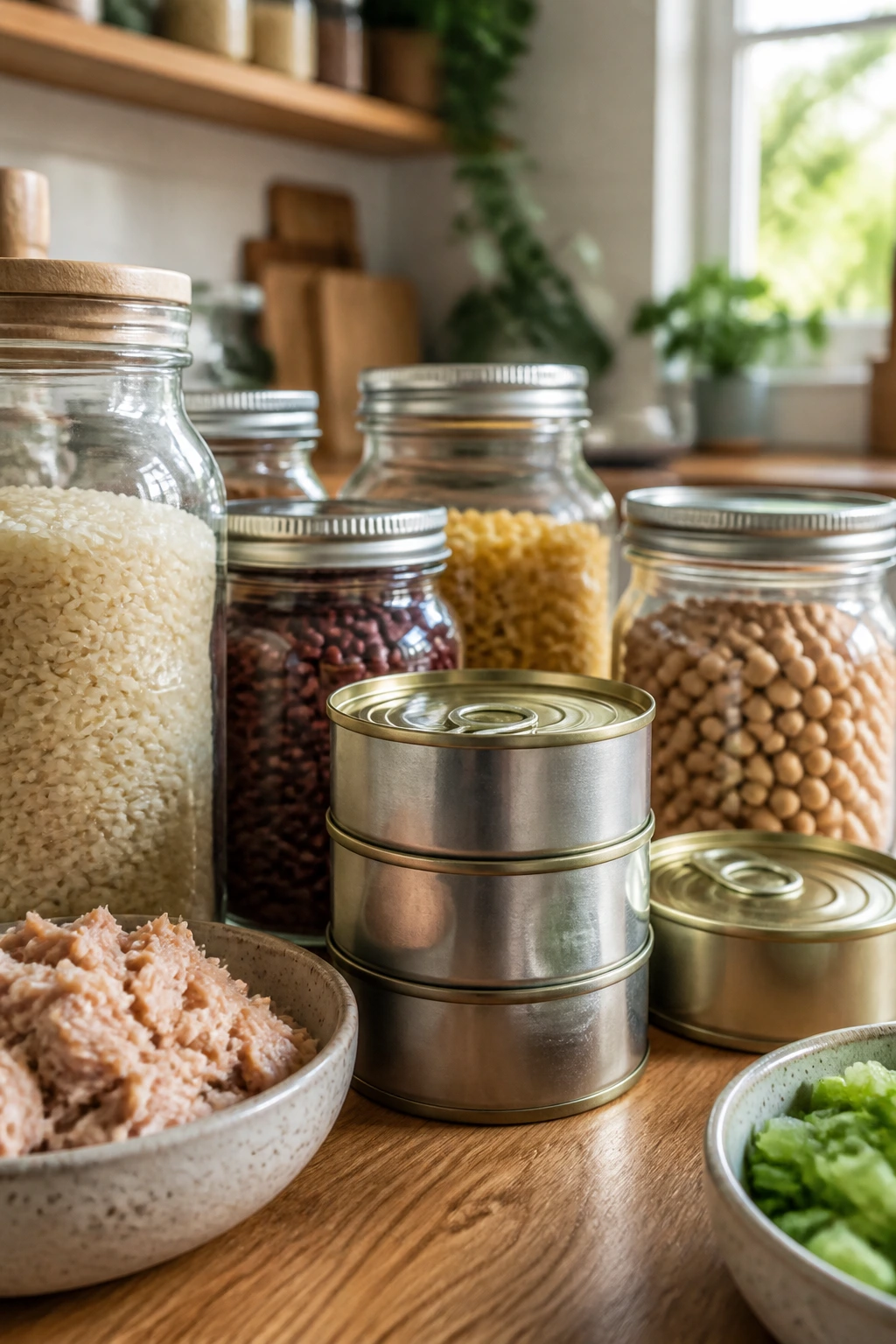
Pantry-first cooking: Every recipe starts with ingredients you can keep around, so you’re not building dinner plans around a last-minute grocery run.
-
Strong leftovers: These tuna dinners are chosen for texture, not just flavor; they stay pleasant after chilling and reheating instead of turning into sad, dry scraps.
-
Flexible formats: You’ll get baked dishes, skillet meals, bowls, and cold boxes, which means you can match the recipe to your week instead of forcing every night into one mold.
-
Budget control: Canned tuna, rice, pasta, beans, and vegetables make it easier to stretch one shopping trip across several dinners without feeling deprived.
-
Protein without drama: Tuna brings enough substance to make a dinner feel finished, but it cooks fast and doesn’t ask for much attention.
-
Easy to scale: Most of these recipes double cleanly, which is the whole point when you want lunch for tomorrow and dinner for a small crowd tonight.
1. Lemon-Dill Tuna Pasta Bake
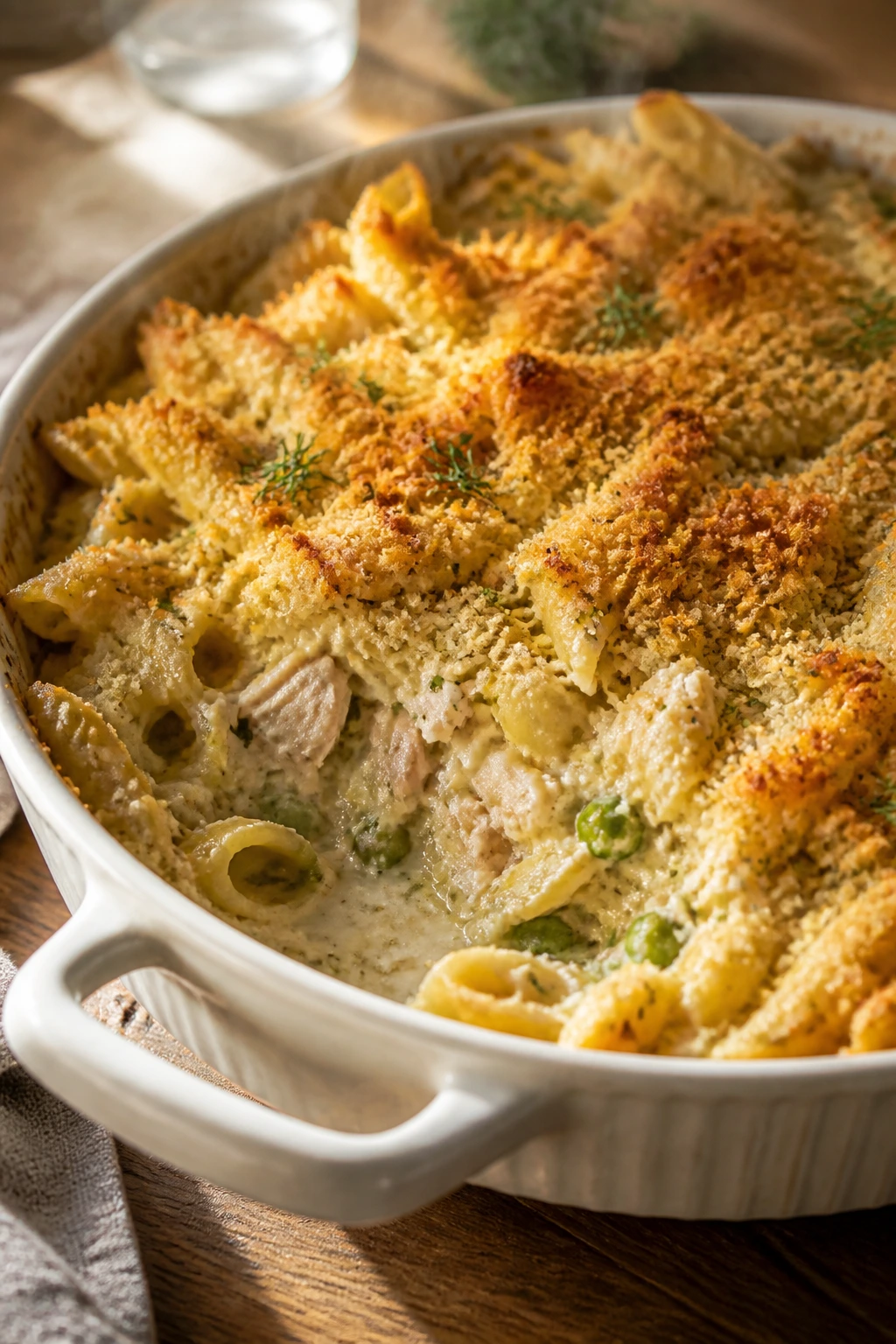
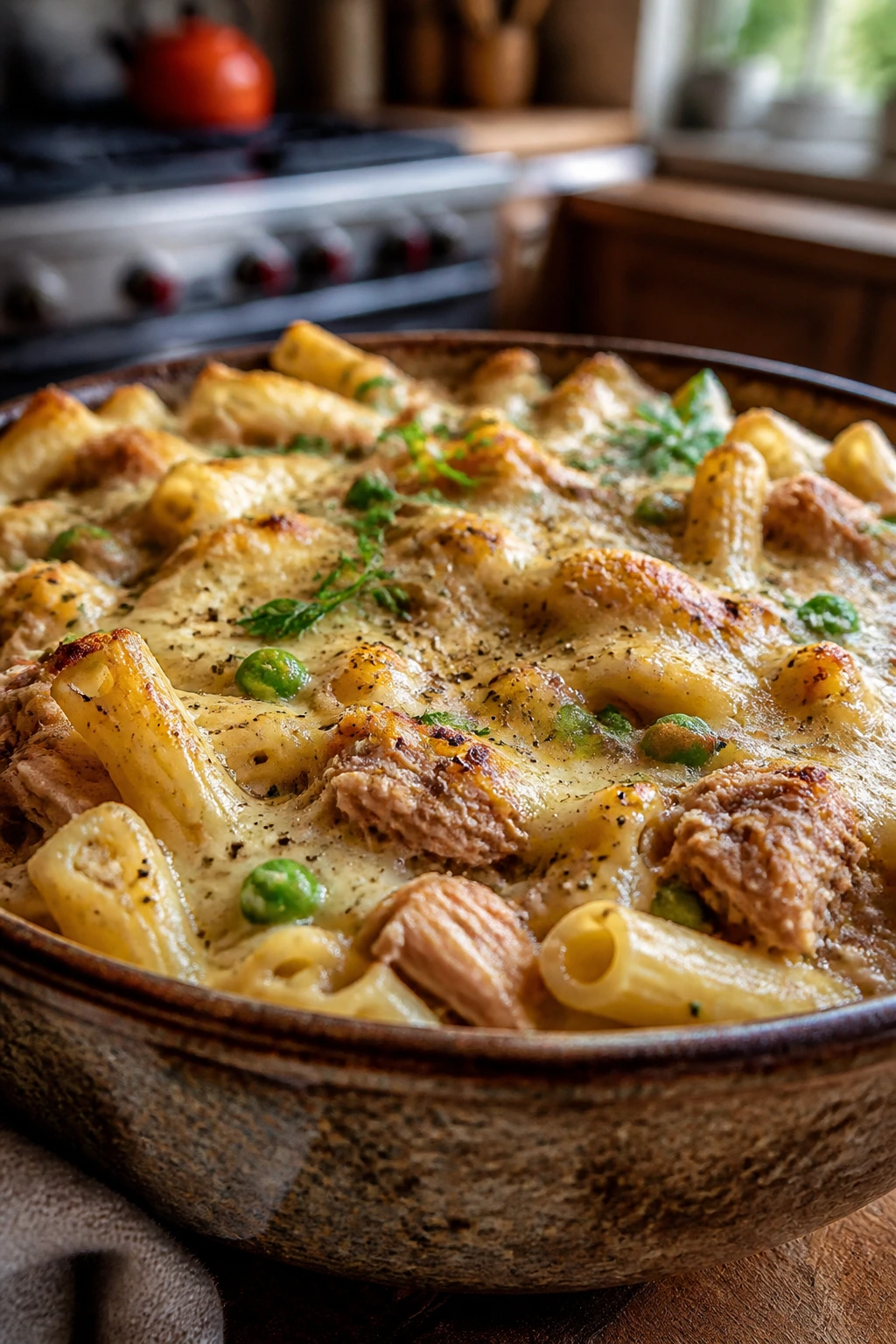
This is the kind of tuna dinner that wins people over before they know what hit them. The top gets golden and a little crisp, the inside stays creamy, and the lemon keeps the whole thing from feeling heavy. Dill gives it that fresh, almost grassy snap that makes tuna taste brighter and cleaner.
I’ve always thought pasta bake is one of the best places to hide canned tuna in plain sight. Not because tuna needs hiding. Because the pasta, sauce, and breadcrumb topping turn it into a real casserole with leftovers that reheat without falling apart.
Why It Works:
A baked pasta gives tuna a cushion. The noodles soak up the sauce, the peas add sweetness, and the tuna stays moist because it’s folded in at the end instead of cooked to death. The mixture thickens in the oven at 375°F, which means it slices neatly after resting, and that matters when you’re portioning meals into containers instead of scooping from a loose pan.
Key Ingredients:
- 12 ounces short pasta, such as penne or rotini
- 2 cans tuna in water or oil, 5 ounces each, drained
- 1 cup frozen peas
- 1 small yellow onion, finely diced
- 2 cloves garlic, minced
- 1 cup plain Greek yogurt
- 1 cup whole milk
- 1 tablespoon Dijon mustard
- Zest and juice of 1 lemon
- 2 tablespoons chopped fresh dill, plus more for serving
- 1 cup shredded Parmesan cheese
- 1 cup panko breadcrumbs
- 2 tablespoons olive oil
- 1 teaspoon kosher salt
- 1/2 teaspoon black pepper
Quick Steps:
- Preheat the oven to 375°F (190°C) and grease a 9×13-inch baking dish.
- Cook the pasta in salted water until just shy of al dente, about 2 minutes less than the package suggests, then drain.
- Sauté the onion in olive oil over medium heat for 4 to 5 minutes, until soft and lightly golden. Add the garlic for 30 seconds.
- Whisk the yogurt, milk, Dijon, lemon zest, lemon juice, dill, salt, and pepper in a large bowl until smooth.
- Fold in the tuna, peas, pasta, onion mixture, and half the Parmesan. Stir gently so the tuna stays in flakes, not mush.
- Transfer to the baking dish, top with remaining Parmesan and panko, and drizzle lightly with olive oil.
- Bake for 20 to 25 minutes, until the topping is crisp and the edges are bubbling.
- Rest for 10 minutes before portioning. That short pause keeps the sauce from running everywhere.
Tips and Variations:
- Use oil-packed tuna if you want a richer bake; water-packed tuna works fine, but it tastes leaner.
- Stir in 2 handfuls of baby spinach with the pasta if you want extra greens.
- Bake in individual containers for grab-and-go meal prep, then reheat covered at 325°F until hot.
2. Mediterranean Tuna Rice Bowls
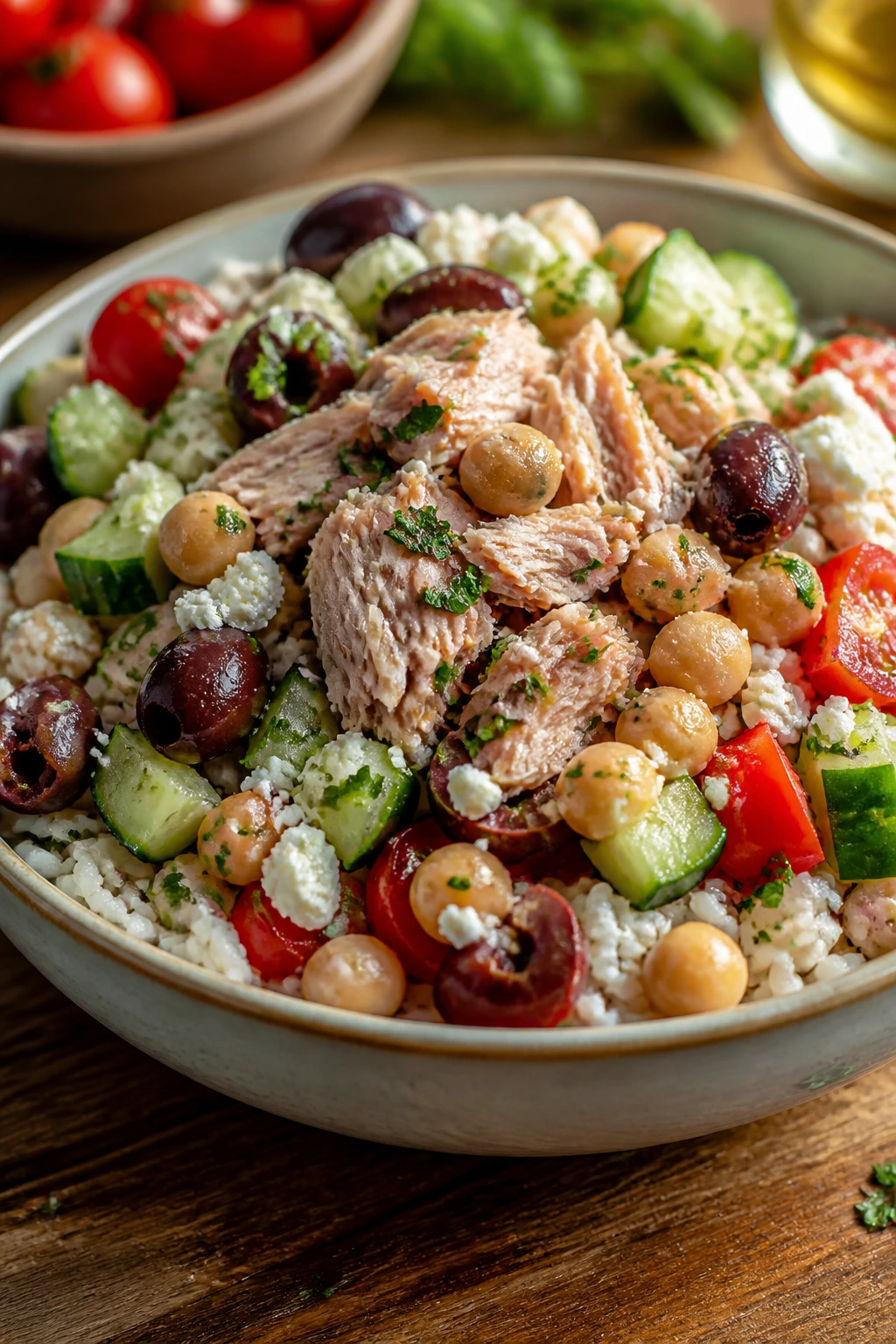
These bowls are cool, briny, and sharp in the best way. You get cucumber crunch, chickpeas, olives, tomatoes, and tuna all sitting over rice with a lemony dressing that wakes up after a night in the fridge. They taste like someone thought ahead, which is exactly what meal prep should look like.
I prefer this style when I want a tuna dinner that doesn’t need reheating. Cold or room temp, it still works. That’s a small detail, but on a long day, not having to deal with a microwave can feel like a luxury.
Why It Works:
Rice gives you a neutral base, chickpeas bring body, and the dressing ties everything together without turning soggy because it’s citrusy and thin rather than creamy. Tuna holds its shape here, which is what you want; it doesn’t vanish into the bowl, it sits there like a proper protein. The flavors get better after an hour or two in the fridge because the rice drinks in the dressing a little.
Key Ingredients:
- 3 cups cooked brown rice, cooled
- 2 cans tuna, 5 ounces each, drained
- 1 can chickpeas, 15 ounces, rinsed and drained
- 1 cup cherry tomatoes, halved
- 1 cucumber, diced
- 1/2 red onion, thinly sliced
- 1/2 cup pitted Kalamata olives, halved
- 1/2 cup crumbled feta
- 3 tablespoons olive oil
- 2 tablespoons lemon juice
- 1 tablespoon red wine vinegar
- 1 teaspoon dried oregano
- 1 small garlic clove, grated
- Salt and black pepper to taste
Quick Steps:
- Whisk the olive oil, lemon juice, vinegar, oregano, garlic, salt, and pepper into a simple dressing.
- Divide the cooled rice among four containers or bowls.
- Layer chickpeas, tomatoes, cucumber, red onion, olives, and tuna over the rice.
- Spoon the dressing over the top, or pack it separately if you want the vegetables to stay extra crisp.
- Finish with feta just before eating, or pack it in a small side cup.
- Chill for at least 30 minutes so the flavors settle in.
Tips and Variations:
- Swap brown rice for quinoa if you want a slightly nuttier bowl.
- Add chopped parsley or dill right before serving for more freshness.
- Keep the tuna separate if you’re packing these more than a day ahead and want maximum texture.
3. Crispy Tuna Cakes with Herb Yogurt
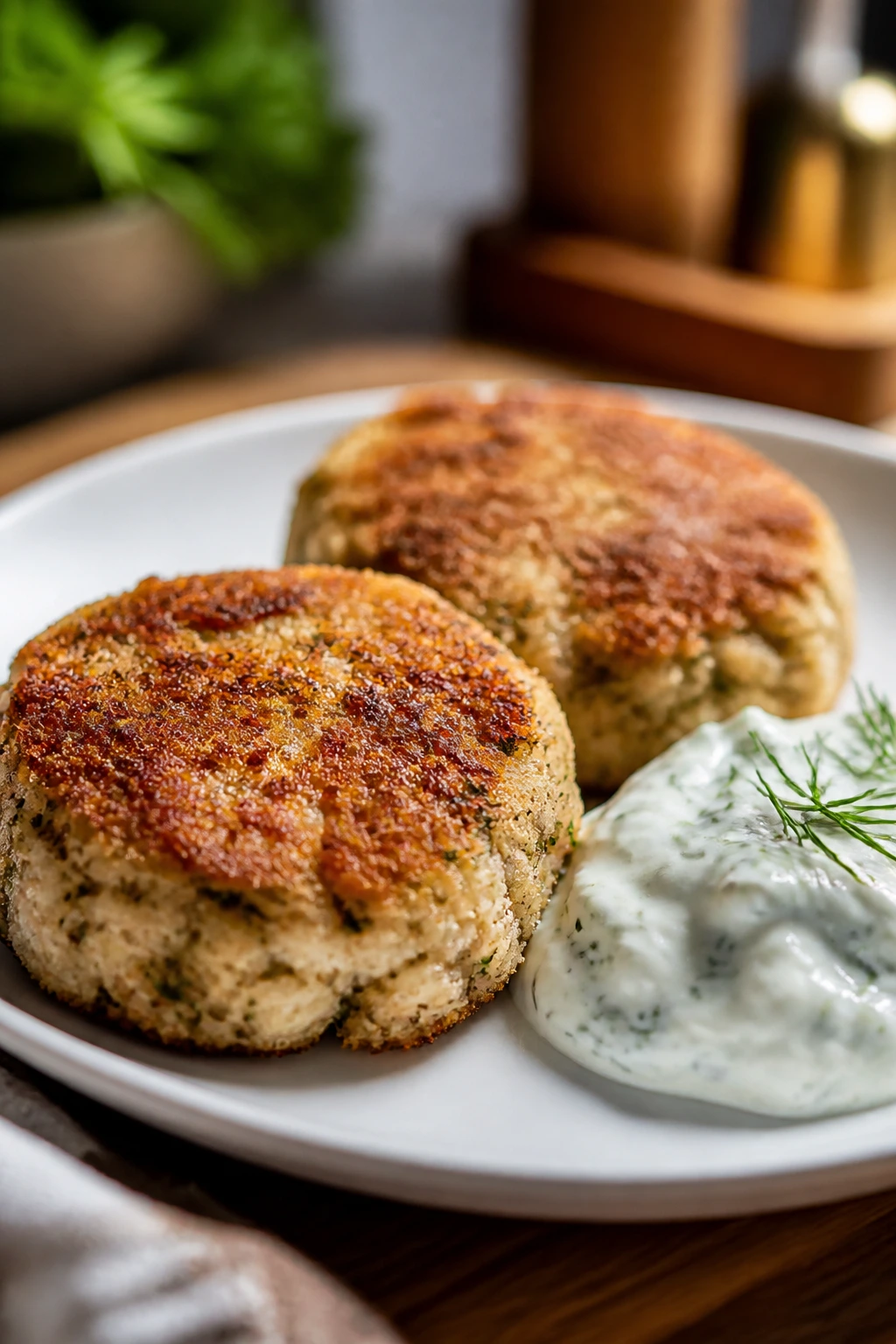
Crispy tuna cakes are one of those dinners people forget they like until they bite into a hot, browned edge. The inside stays tender, a little creamy, and a little savory from the Dijon and scallions. The herb yogurt on the side keeps things from feeling old-fashioned in the dreary way tuna patties sometimes do.
These are especially good if you want something that reheats in the oven or air fryer without turning limp. They also freeze better than most tuna dinners, which makes them a smart batch-cooking move.
Why It Works:
A tuna cake gives you controlled texture. The panko and egg hold the mixture together, the celery adds tiny bits of crunch, and the pan-fry creates a crust that survives reheating better than a loose casserole. Because the tuna is cooked only enough to warm through, it stays moist and doesn’t take on that stale canned taste people complain about when they overwork it.
Key Ingredients:
- 2 cans tuna, 5 ounces each, well drained
- 1 cup panko breadcrumbs
- 1 large egg
- 2 tablespoons mayonnaise
- 1 tablespoon Dijon mustard
- 2 scallions, finely sliced
- 1 celery stalk, finely diced
- 2 tablespoons chopped parsley
- Zest of 1/2 lemon
- 1/2 teaspoon kosher salt
- 1/4 teaspoon black pepper
- 2 tablespoons neutral oil, for frying
For the Herb Yogurt:
- 1/2 cup plain Greek yogurt
- 1 tablespoon lemon juice
- 1 tablespoon chopped dill
- Pinch of salt
Quick Steps:
- Mix the tuna, panko, egg, mayonnaise, Dijon, scallions, celery, parsley, lemon zest, salt, and pepper in a bowl until just combined.
- Chill the mixture for 15 minutes so the cakes hold together better.
- Form 8 small patties, about 1/2 inch thick, with lightly damp hands.
- Heat the oil in a skillet over medium heat. Cook the patties for 3 to 4 minutes per side, until deeply golden and heated through.
- Stir the yogurt, lemon juice, dill, and salt together for the sauce.
- Serve with the herb yogurt and a crisp salad, or cool and pack for later.
Tips and Variations:
- If the mixture feels loose, add 2 tablespoons more panko and chill again.
- Use crushed saltines instead of panko for a softer, more old-school cake.
- Reheat in a 400°F air fryer for 3 to 5 minutes to bring the crust back.
4. Spicy Tuna and Black Bean Stuffed Peppers
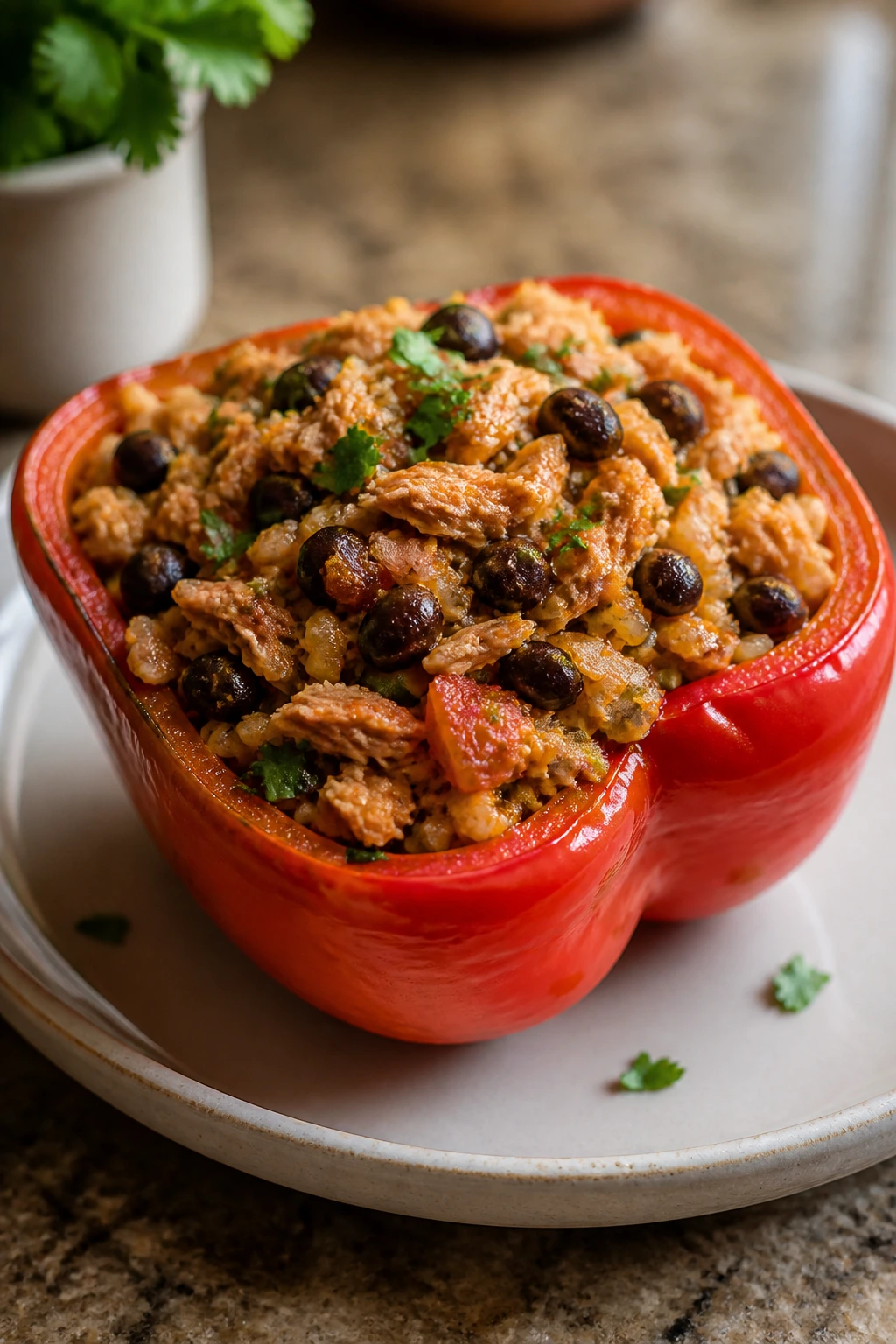
Stuffed peppers have a built-in advantage: the pepper is both container and side dish. Once they roast, the edges soften and sweeten, while the filling stays sturdy enough to slice and pack. A little heat from the enchilada sauce keeps the tuna from tasting too mild, which is the trap a lot of stuffed pepper recipes fall into.
I like these on nights when I want dinner to feel complete without adding a separate starch. The rice, beans, and tuna do the heavy lifting. The pepper just shows up and makes everything look more intentional than it actually was.
Why It Works:
Bell peppers are naturally good meal-prep vessels because they hold shape after baking and don’t collapse the next day. Black beans and rice give the filling body, tuna adds protein, and enchilada sauce keeps the whole thing moist under heat. Because the filling is already cooked before it goes into the oven, the peppers only need enough time to soften and let the flavors knit together.
Key Ingredients:
- 4 large bell peppers, halved and seeded
- 2 cans tuna, 5 ounces each, drained
- 2 cups cooked rice
- 1 can black beans, 15 ounces, rinsed and drained
- 1 cup corn kernels, frozen or canned and drained
- 1 cup enchilada sauce
- 1/2 cup diced onion
- 1 teaspoon ground cumin
- 1 teaspoon chili powder
- 1 cup shredded cheddar or Monterey Jack
- 2 tablespoons chopped cilantro
- Salt to taste
Quick Steps:
- Preheat the oven to 400°F (205°C) and lightly oil a baking dish.
- Arrange the pepper halves cut-side up in the dish.
- Mix the rice, tuna, black beans, corn, onion, enchilada sauce, cumin, chili powder, cilantro, and salt in a large bowl.
- Spoon the filling into the peppers, pressing it in so each half is well packed.
- Top with cheese and cover loosely with foil.
- Bake for 25 minutes, then uncover and bake 10 to 15 minutes more, until the peppers are tender and the cheese is bubbling.
- Cool for 10 minutes before storing or serving.
Tips and Variations:
- Use quinoa instead of rice if you want a little more chew.
- A spoonful of salsa over the filling adds moisture and a sharper tomato flavor.
- These freeze well once baked; wrap tightly and thaw in the fridge before reheating.
5. Tomato-Olive Tuna Orzo Skillet
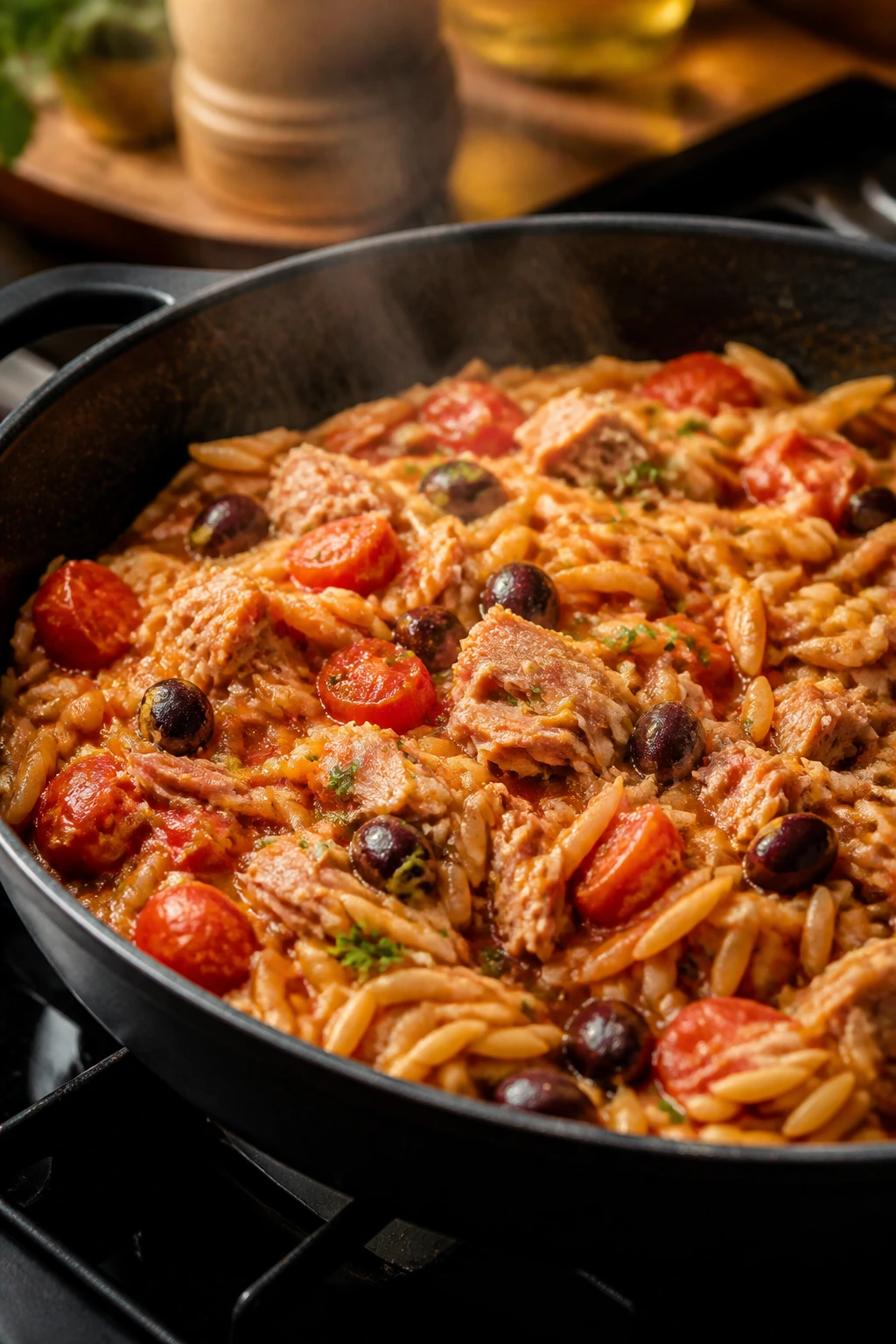
This skillet dinner has a briny, tomato-rich smell that makes the kitchen feel warmer than it is. Orzo cooks right in the pan, so the pasta drinks in the broth and tomato juice instead of getting drained off into the sink. Tuna goes in at the end, which is where it belongs here.
If you’ve ever had a tuna pasta salad that turned sad after a night in the fridge, this is the correction. It stays saucy enough to reheat, but not wet. Big difference.
Why It Works:
Orzo is a clever shape for meal prep because it cooks quickly and soaks up flavor without turning into glue. Tomatoes, olives, garlic, and broth create the base, then spinach softens into the hot pasta and tuna finishes the skillet with clean protein. The trick is adding the tuna late, so it warms through instead of cooking down into stringy bits.
Key Ingredients:
- 1 1/2 cups dry orzo
- 2 cans tuna, 5 ounces each, drained
- 2 tablespoons olive oil
- 1 small onion, finely diced
- 3 cloves garlic, minced
- 1 cup cherry tomatoes, halved
- 2 tablespoons tomato paste
- 3 cups low-sodium chicken or vegetable broth
- 1/2 cup pitted black olives, sliced
- 2 cups baby spinach
- 1/4 cup grated Parmesan
- 1 tablespoon lemon juice
- 1 teaspoon dried basil
- Salt and pepper to taste
Quick Steps:
- Heat the olive oil in a large skillet over medium heat.
- Cook the onion for 4 minutes, then add the garlic and tomato paste and stir for 1 minute until fragrant.
- Add the orzo, tomatoes, broth, basil, salt, and pepper. Bring to a simmer.
- Cook uncovered for 8 to 10 minutes, stirring often, until the orzo is tender and most of the liquid is absorbed.
- Stir in the tuna, olives, and spinach. Cook for 1 to 2 minutes, just until the spinach wilts.
- Finish with Parmesan and lemon juice. Taste and adjust the salt before portioning.
Tips and Variations:
- Add capers if you want a sharper, saltier edge.
- A splash of extra broth during reheating keeps the orzo loose.
- Whole wheat orzo works, but it usually needs a few extra tablespoons of broth.
6. Tuna Enchilada Rice Casserole
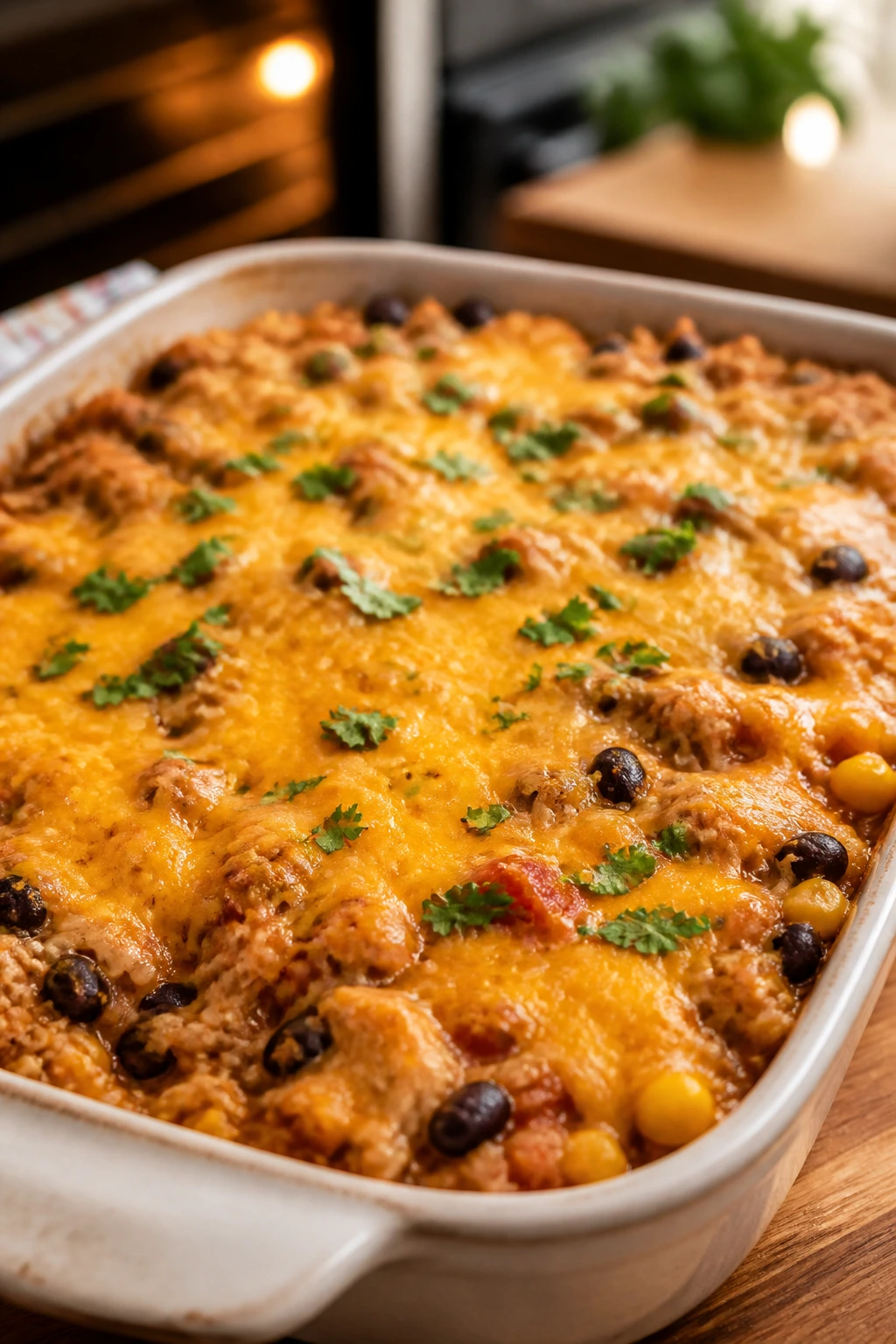
This is the comfort-food version of tuna meal prep. Cheesy, a little smoky, and deeply practical. The rice soaks up enchilada sauce, the beans make it filling, and the tuna disappears into the mix in the best way, which is to say you taste dinner, not a can.
I’d call this one a freezer hero. It behaves after thawing, and it’s one of the few tuna dishes that still feels cozy after a microwave reheat. That’s not a small thing.
Why It Works:
Casseroles are forgiving because the sauce protects the ingredients from drying out. The rice gives the dish structure, beans add creaminess, and the cheese locks in a little richness on top. Tuna stays tender in the middle of the bake, especially if you fold it in with the sauce rather than scattering it on top where it can dry out.
Key Ingredients:
- 3 cups cooked rice
- 2 cans tuna, 5 ounces each, drained
- 1 1/2 cups enchilada sauce
- 1 can black beans, 15 ounces, rinsed and drained
- 1 cup corn kernels
- 1 cup shredded cheddar
- 1/2 cup shredded Monterey Jack
- 1/2 cup diced onion
- 1/2 teaspoon garlic powder
- 1/2 teaspoon cumin
- 1/2 cup plain Greek yogurt or sour cream, for serving
- 2 tablespoons sliced green onions
Quick Steps:
- Preheat the oven to 375°F (190°C) and grease an 8×8-inch baking dish.
- Combine the rice, tuna, enchilada sauce, black beans, corn, onion, garlic powder, and cumin in a large bowl.
- Spread the mixture into the baking dish and press it down lightly.
- Top with the cheddar and Monterey Jack.
- Bake for 25 to 30 minutes, until the cheese is melted and the edges are bubbling.
- Rest for 10 minutes before cutting into squares. Spoon yogurt or sour cream on top and finish with green onions.
Tips and Variations:
- Use leftover rice that’s been chilled; it holds together better than fresh.
- If you like heat, add diced jalapeño or a few dashes of hot sauce.
- Freeze in single-serving portions so you can reheat only what you need.
7. Tuna Nicoise Meal-Prep Boxes
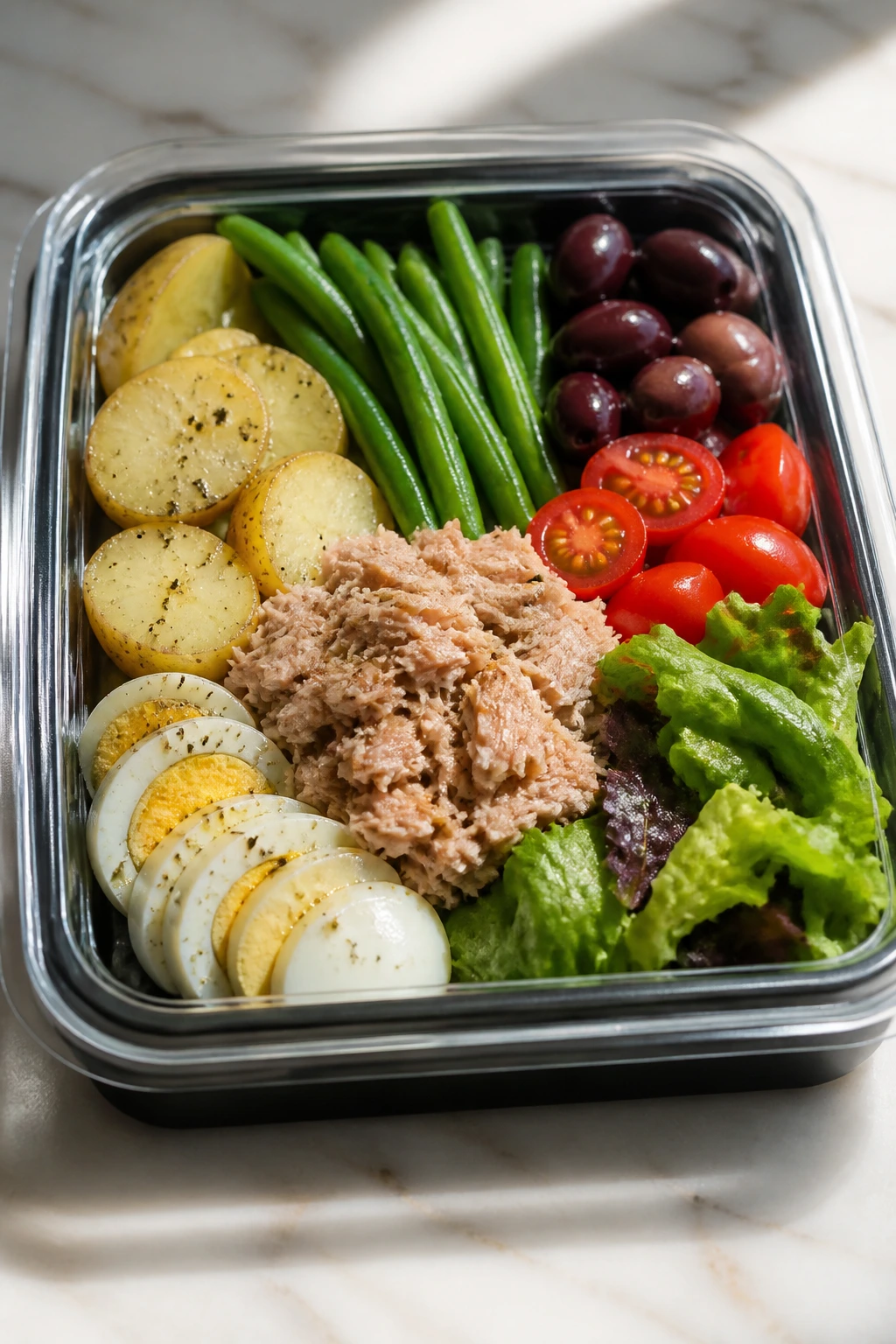
This is the most composed of the bunch. It looks like a lunchbox, but it eats like a proper dinner, especially if you’re the kind of person who likes food at different temperatures. Tender potatoes, crisp beans, jammy eggs, tuna, olives, and a mustardy vinaigrette make a plate that feels orderly in a way I find deeply comforting.
You can serve it cold or just barely warm. That flexibility is the whole point. A meal prep dinner that demands perfect reheating is a hassle. This one doesn’t.
Why It Works:
Niçoise-style components are naturally meal-prep friendly because most of them can be cooked ahead and held separately. Potatoes and eggs are sturdy, green beans stay snappy if you shock them in cold water, and tuna fits the bowl without needing a second cooking round. The vinaigrette does the flavor work, so the box doesn’t depend on cream or cheese to taste finished.
Key Ingredients:
- 1 1/2 pounds baby potatoes
- 1 pound green beans, trimmed
- 4 large eggs
- 2 cans tuna, 5 ounces each, drained
- 4 cups mixed greens
- 1 cup cherry tomatoes, halved
- 1/2 cup pitted olives
- 1 small shallot, thinly sliced
- 1/4 cup olive oil
- 2 tablespoons Dijon mustard
- 2 tablespoons red wine vinegar
- 1 tablespoon lemon juice
- Salt and black pepper to taste
Quick Steps:
- Boil the potatoes in salted water until fork-tender, about 12 to 15 minutes, then drain and cool slightly.
- Cook the eggs for 9 to 10 minutes for firm yolks. Chill in cold water, peel, and halve.
- Blanch the green beans for 2 to 3 minutes, then move them to cold water so they stay bright and crisp.
- Whisk the olive oil, Dijon, vinegar, lemon juice, salt, and pepper into a vinaigrette.
- Divide the greens, potatoes, green beans, tomatoes, olives, shallot, eggs, and tuna among meal-prep containers.
- Pack the vinaigrette separately or drizzle it on just before eating.
Tips and Variations:
- Add white beans if you want the boxes to feel even more filling.
- Keep the eggs and dressing separate if you’re packing this for more than a day ahead.
- A few capers give the whole box a sharper, more deli-style edge.
8. Tuna Sweet Potato and Black Bean Skillet
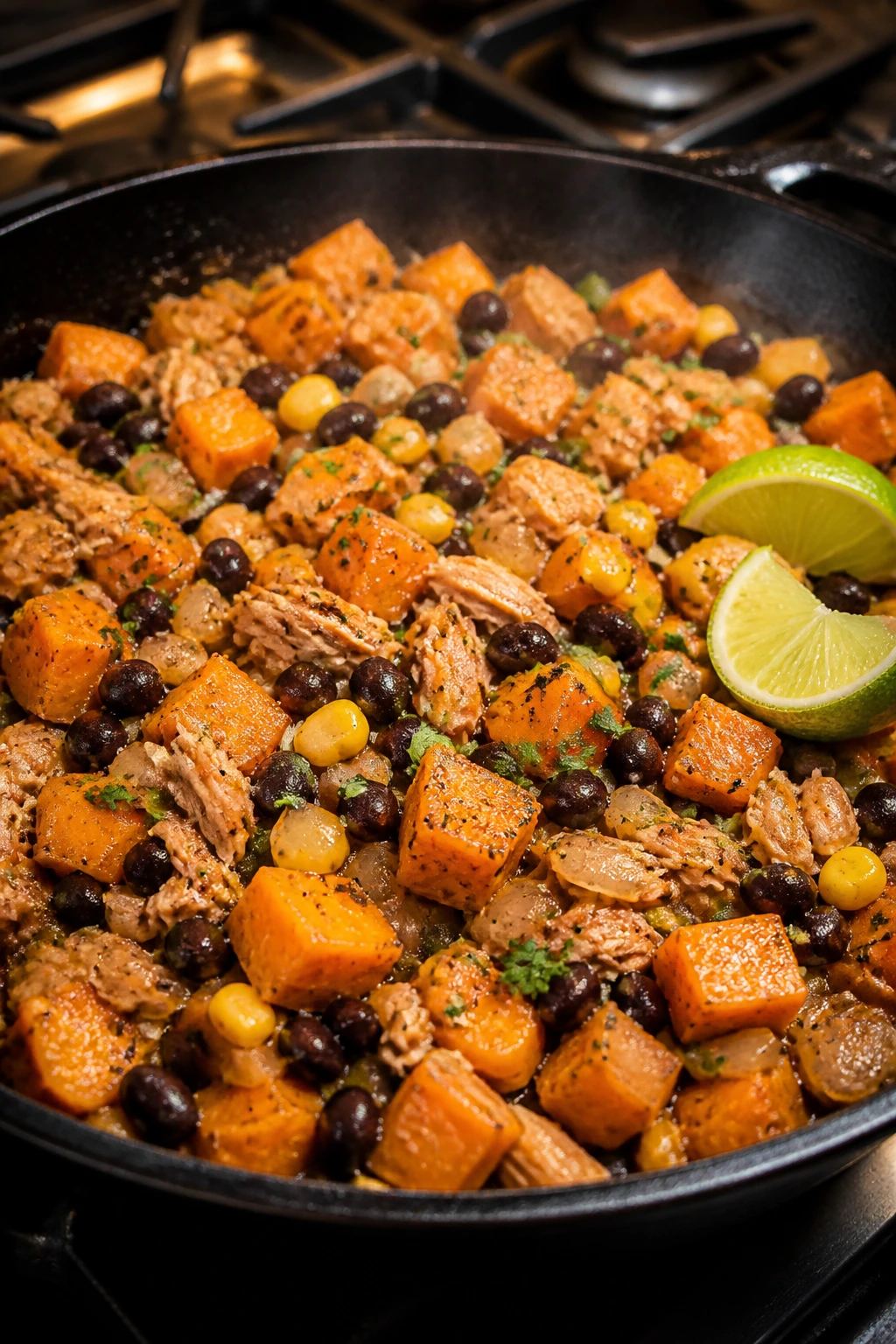
This skillet has a smoky-sweet thing going on that works far better than it has any right to. Sweet potatoes go soft at the edges, black beans bring depth, and tuna ties the whole pan together without making it heavy. A squeeze of lime at the end keeps it bright.
I like this dinner for cold-weather meal prep because it reheats with a kind of quiet sturdiness. Not glamorous. Just dependable and satisfying, which is what most weeknight food should be.
Why It Works:
Sweet potatoes and black beans are natural partners because they give you starch, fiber, and a little sweetness against the savory tuna. The skillet method also helps: the potatoes brown in one layer before the rest goes in, which gives the dish more flavor than boiling ever could. Tuna goes in at the end so it stays flaky and doesn’t dissolve into the vegetable mix.
Key Ingredients:
- 2 medium sweet potatoes, peeled and diced into 1/2-inch cubes
- 2 cans tuna, 5 ounces each, drained
- 1 can black beans, 15 ounces, rinsed and drained
- 1 cup corn kernels
- 1 small onion, diced
- 2 tablespoons olive oil
- 1 teaspoon smoked paprika
- 1/2 teaspoon cumin
- 1/2 teaspoon kosher salt
- 1/4 teaspoon black pepper
- Juice of 1 lime
- 2 tablespoons chopped cilantro
- 1 avocado, sliced, for serving
Quick Steps:
- Heat the olive oil in a large skillet over medium heat.
- Cook the sweet potatoes and onion with salt, paprika, and cumin for 12 to 15 minutes, stirring now and then, until the potatoes are tender and browned in spots.
- Add the black beans and corn and cook for 3 minutes, until hot.
- Fold in the tuna gently and warm for 1 to 2 minutes.
- Finish with lime juice and cilantro.
- Serve with avocado slices, or pack them separately if you’re meal prepping.
Tips and Variations:
- Roast the sweet potato cubes on a sheet pan first if you want even more browning.
- Warm this up in a skillet with 1 tablespoon water to loosen it after chilling.
- Tortillas on the side turn it into a fast taco-style dinner.
9. Curried Tuna Chickpea Stew
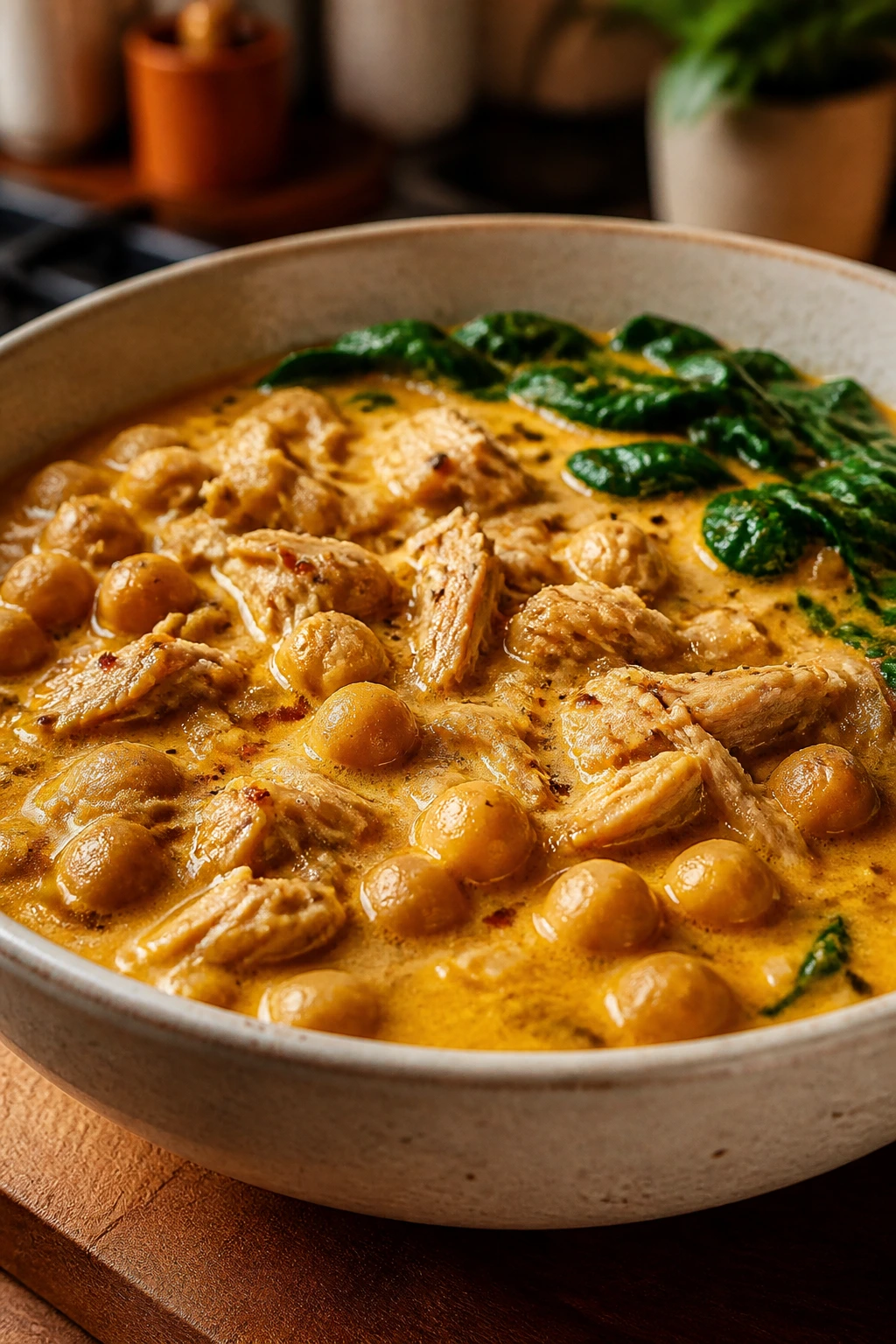
This one smells like lunch took a vacation and came back wearing better shoes. Curry powder, garlic, onion, and coconut milk turn canned tuna into something rounder and warmer, while chickpeas make it feel like a real stew instead of a thin soup trying to fake it.
It’s also one of the strongest choices for people who worry tuna will taste too fishy. The curry and coconut do enough work to soften that edge, and the spinach at the end gives the pot some color and lift.
Why It Works:
Coconut milk gives the stew a creamy body without needing dairy, and chickpeas hold their shape in the broth so each bowl feels substantial. The spice base clings to the beans and tuna, which helps the flavor last through reheating. Because tuna is added near the end, it warms through gently and stays in flakes rather than disappearing into strands.
Key Ingredients:
- 2 cans tuna, 5 ounces each, drained
- 1 can chickpeas, 15 ounces, rinsed and drained
- 1 tablespoon coconut oil or olive oil
- 1 small onion, diced
- 3 cloves garlic, minced
- 1 tablespoon grated ginger
- 2 tablespoons curry powder or 1 tablespoon curry paste
- 1 can diced tomatoes, 14.5 ounces
- 1 can coconut milk, 13.5 ounces
- 2 cups baby spinach
- 1 teaspoon kosher salt
- 1 cup cooked rice, for serving
- Lime wedges, for finishing
Quick Steps:
- Warm the oil in a pot over medium heat.
- Cook the onion for 4 to 5 minutes, then add garlic, ginger, and curry powder. Stir for 1 minute until fragrant.
- Pour in the tomatoes and coconut milk, then add chickpeas and salt.
- Simmer for 10 to 12 minutes, until the sauce thickens slightly and tastes rounded.
- Fold in the tuna and spinach, cooking just until the spinach wilts.
- Serve over rice with lime wedges, or cool and portion into containers.
Tips and Variations:
- Use red curry paste if you want a deeper, sharper flavor.
- This freezes well, but I’d freeze it without the rice for a better texture later.
- A spoonful of plain yogurt on top works if you want a cooling finish.
10. Tuna Fried Rice with Peas and Egg
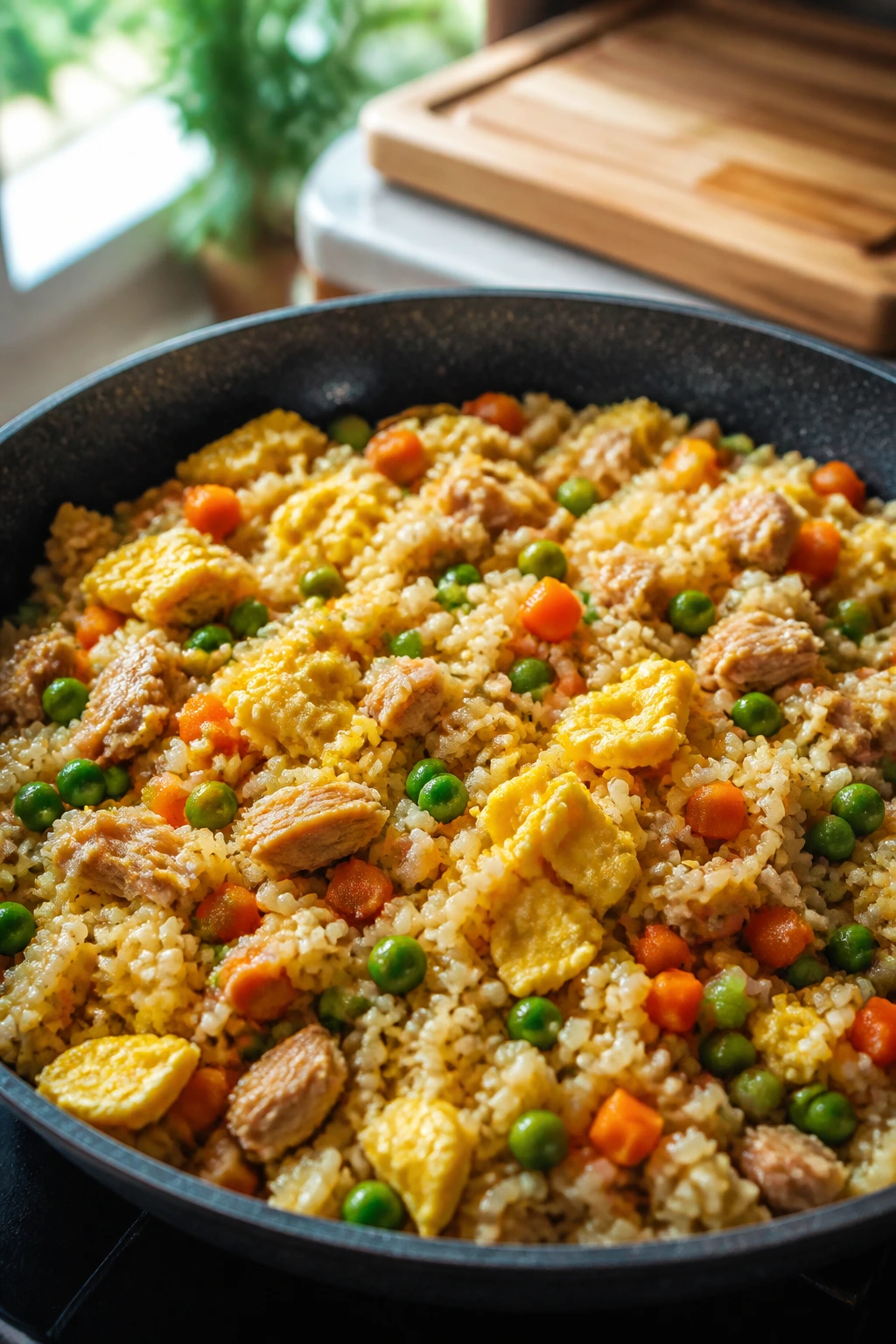
If you’ve got cold rice and a can of tuna, dinner is closer than you think. Fried rice is the reliable fixer of leftovers, and tuna slides into it like it belongs there. The peas, carrots, and egg keep every bite varied, while sesame oil and soy sauce make the whole pan smell like you knew what you were doing all along.
This is the fastest recipe on the list, and maybe the most useful on a chaotic night. It doesn’t ask for a lot. It just needs a hot pan and rice that’s already cold.
Why It Works:
Day-old rice fries better than fresh because the grains are drier and less likely to clump. That matters. The egg adds richness, the vegetables give color and crunch, and the tuna goes in after the rice so it warms without drying out. A small splash of soy sauce and sesame oil is enough to wake up the whole pan, which is handy when you want strong flavor with almost no effort.
Key Ingredients:
- 4 cups cooked white rice, chilled
- 2 cans tuna, 5 ounces each, drained
- 2 large eggs, beaten
- 1 cup frozen peas and carrots
- 3 scallions, sliced
- 2 tablespoons soy sauce
- 1 tablespoon sesame oil
- 2 tablespoons neutral oil
- 2 cloves garlic, minced
- 1 teaspoon grated ginger
- 1 tablespoon rice vinegar
- Black pepper to taste
Quick Steps:
- Heat the neutral oil in a large skillet or wok over medium-high heat.
- Scramble the eggs in the pan until just set, then move them to one side.
- Add the garlic, ginger, peas, and carrots. Cook for 2 to 3 minutes, until hot.
- Stir in the rice and break up any clumps with a spatula.
- Add the tuna, soy sauce, sesame oil, rice vinegar, and black pepper. Toss until the rice is hot and evenly seasoned.
- Finish with scallions and serve right away, or portion while warm for meal prep.
Tips and Variations:
- A handful of frozen corn or chopped cabbage works well if peas and carrots aren’t your thing.
- If your rice is soft, spread it on a tray and chill it for 20 minutes before frying.
- A drizzle of chili crisp on serving day is a nice move.
Why Tuna Dinners Work So Well for Meal Prep
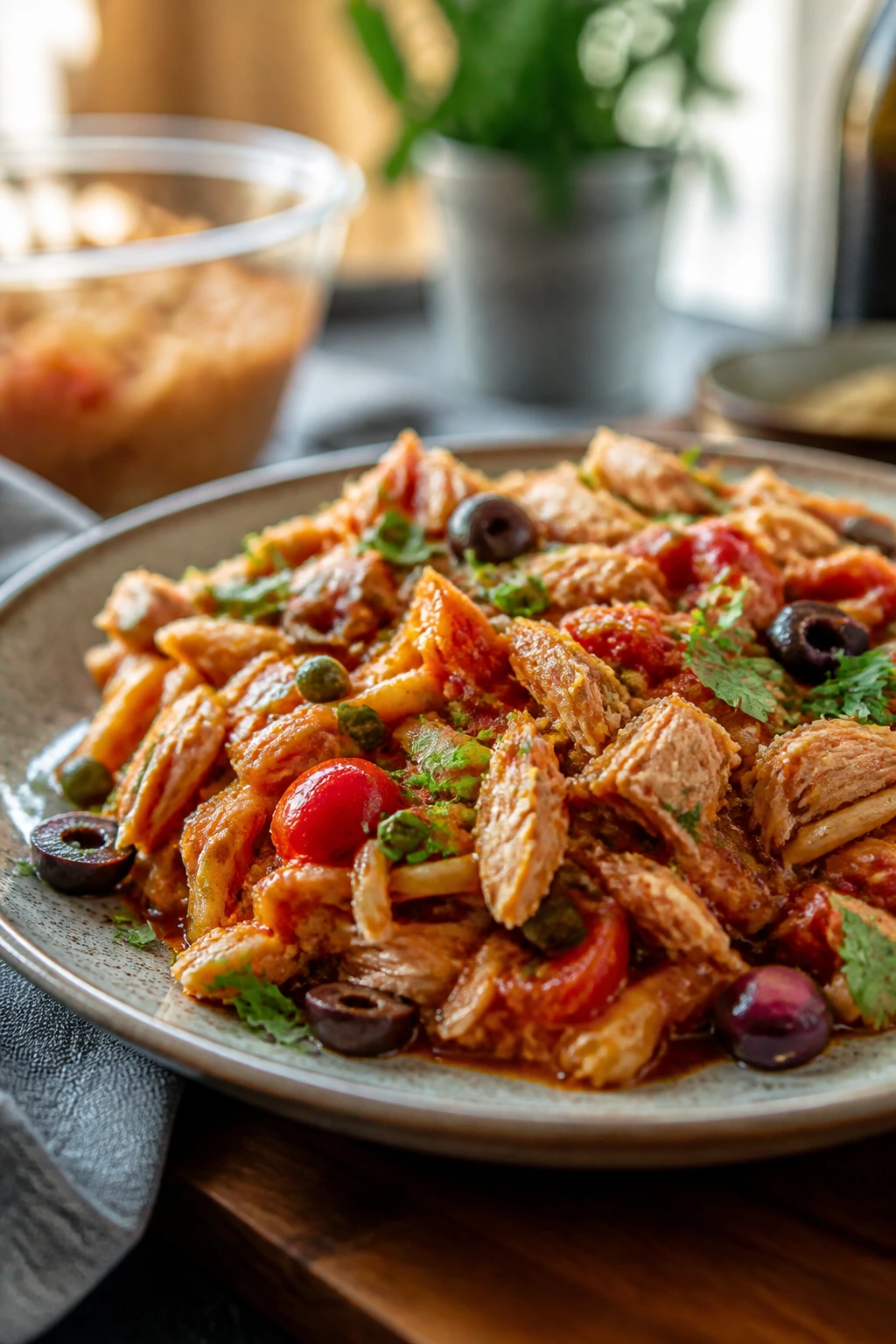
Canned tuna is one of those ingredients that has spent years being underestimated. People think of it as emergency food, or salad filler, or something you open only when the fridge looks bleak. That’s a shame, because it behaves beautifully in cooked dishes that need structure and protein without a long grocery list.
The real advantage is texture. Tuna can be flaky, creamy, briny, or tucked inside a sauce, and it usually holds up better than a lot of leftovers do. Pasta bakes, rice casseroles, stuffed peppers, and skillet meals all benefit from ingredients that don’t turn weird after a night in the fridge, and tuna fits that brief with almost no resistance.
There’s also the flavor angle. Tuna likes acid, heat, herbs, tomato, mustard, curry, and anything briny. That means you can steer it in very different directions without changing the core shopping list much. One can becomes Mediterranean in one recipe, smoky in the next, and cozy and cheesy after that. Handy. Almost annoyingly handy.
For meal prep, the best tuna dinners are the ones with a built-in sauce or a component that keeps moisture in check. A dry tuna salad packed too early gets tired fast. A casserole with tomato sauce, a bowl with dressing packed separately, or a rice skillet finished with lime will still taste like dinner on day three.
Essential Equipment for These Recipes
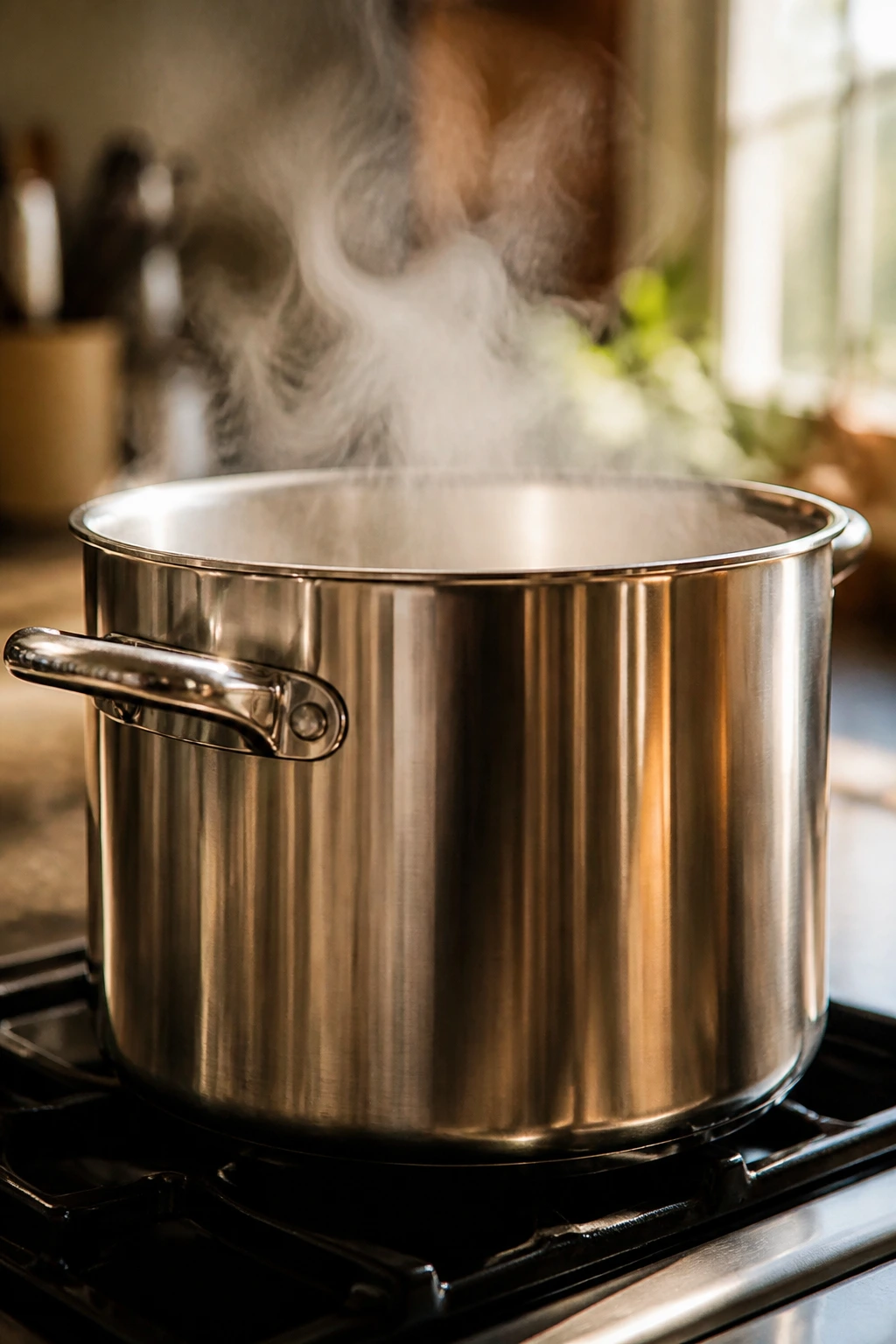
- Large pot: Useful for pasta, rice, potatoes, eggs, and blanching green beans.
- 9×13-inch baking dish: Best for pasta bake, enchilada casserole, and stuffed peppers.
- Large skillet or sauté pan: Needed for skillet dinners, tuna cakes, and fried rice.
- Medium saucepan: Helpful for sauces, rice, and quick boils without crowding.
- Mixing bowls in 2 sizes: One for blending fillings, one for dressings or sauces.
- Wooden spoon or silicone spatula: Gentle enough to fold tuna without shredding it to bits.
- Fine-mesh strainer: Makes rinsing beans, chickpeas, and tuna draining easier.
- Chef’s knife and cutting board: You’ll be chopping onions, cucumbers, peppers, herbs, and tomatoes.
- Sheet pan: Handy for roasting sweet potatoes or crisping components ahead.
- Meal-prep containers with tight lids: The difference between a neat fridge and a saucy mess.
- Small jars or cups: Good for dressings, yogurt sauce, and anything you want to keep separate.
- Foil or reusable silicone covers: Helpful for baked dishes that need to trap steam during the first part of cooking.
Smart Shopping and Ingredient Tips
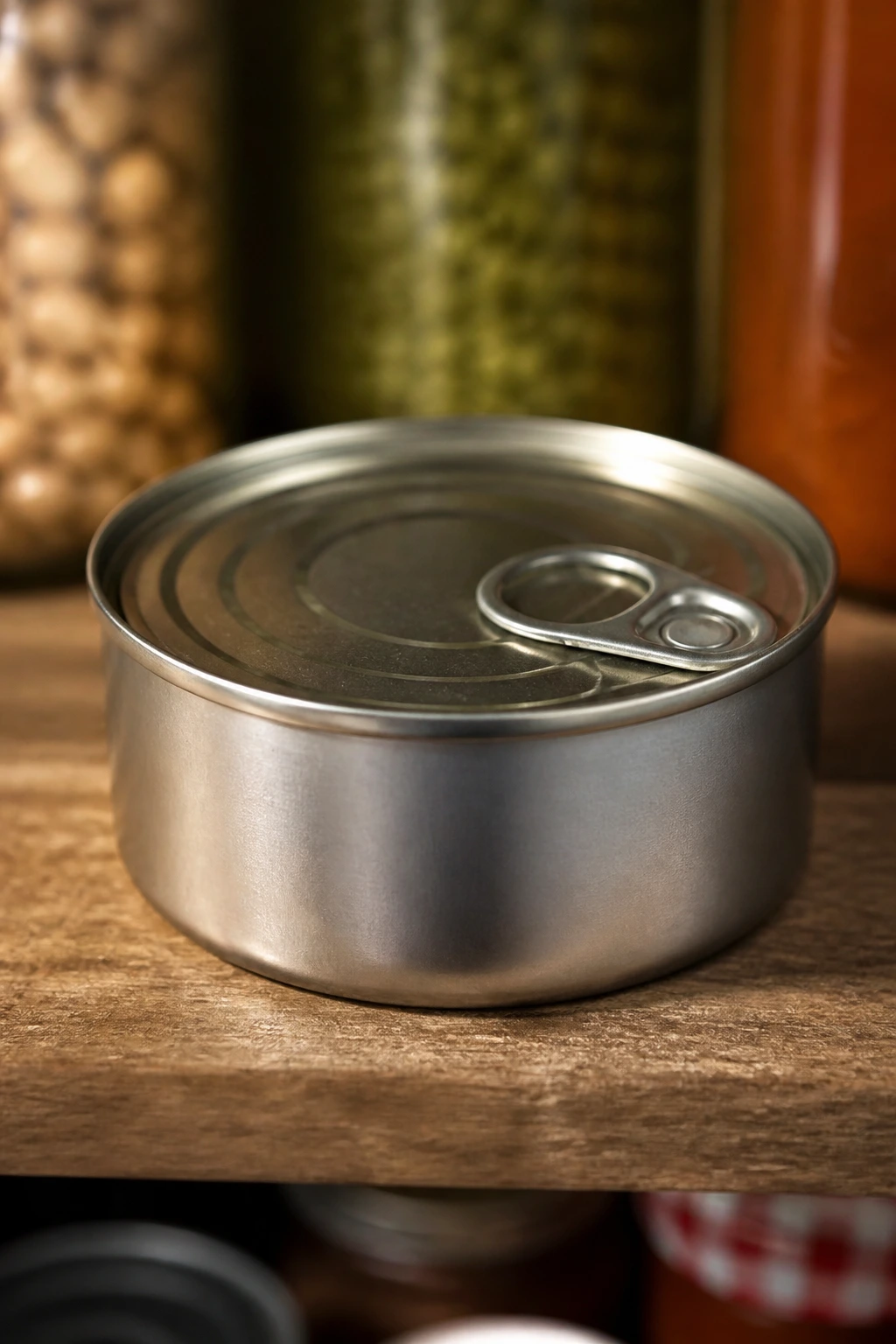
Tuna shopping is simple, but a few details matter more than people think. Start with the label. Chunk light tuna is usually softer, milder, and often a little cheaper, while albacore is firmer and meatier with a stronger flavor. For bowls and casseroles, chunk light is usually the easy pick; for tuna cakes or nicoise boxes, albacore can feel a little more substantial.
The packing liquid matters too. Water-packed tuna works well in bowls, rice dishes, and anything with its own sauce. Oil-packed tuna can bring a richer taste to pasta bakes or skillet meals, especially if the recipe is otherwise lean. Drain it well either way, unless the recipe specifically needs that oil for extra moisture.
Look at the other pantry pieces the same way. Rice should be fluffy and chilled for fried rice. Pasta shapes should be short and ridged if they need to grab sauce. Chickpeas and beans are fine from a can, but rinse them thoroughly so they do not drag too much brine into the final dish. Tomatoes can be fresh or canned depending on the recipe, though canned diced tomatoes usually behave better in stews and casseroles.
Fresh herbs make a bigger difference with tuna than people expect. Dill, parsley, cilantro, scallions, basil, and chives all help keep the dish from tasting flat. If herbs are expensive or sad-looking, buy one bunch and use it across two recipes. That’s the kind of small planning move that saves both money and a lot of fridge regret.
How to Serve These Recipes
Presentation:
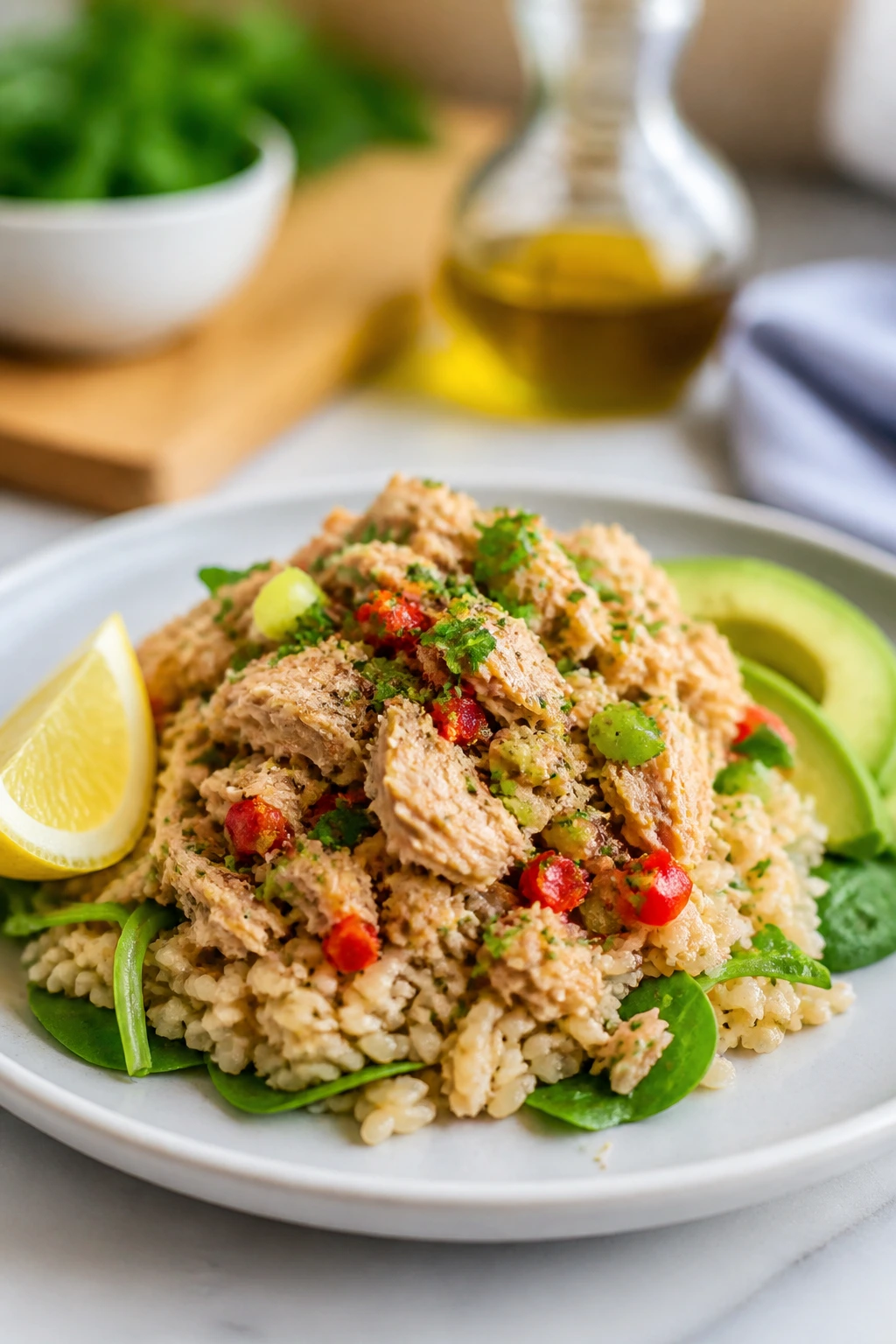
Tuna meal prep looks best when you keep at least one fresh, bright thing on top. A scatter of herbs, a lemon wedge, sliced scallions, crumbled feta, or a spoonful of yogurt sauce goes a long way. For casseroles and bakes, let the pan rest before cutting so the squares hold their shape; sloppy portions look less appetizing than they taste.
Accompaniments:
A simple green salad, roasted broccoli, garlic bread, sliced cucumbers, or a bowl of fruit can round out the plate without making dinner feel overloaded. Pasta bakes like a crisp salad. Rice bowls like something cool and crunchy. Fried rice or sweet potato skillet dinners can stand alone, though a quick cucumber salad is never a bad idea.
Portions:
Most of these recipes feed 4 to 6 depending on how much rice, pasta, or vegetables you pack around the tuna. If you’re meal prepping for one or two people, divide hot dishes into 4 containers and freeze two portions right away. If you’re feeding a larger household, double the rice or vegetables before you double the tuna; that keeps the texture better balanced.
Beverage Pairing:
Lemonade, sparkling water with lime, iced tea, or a dry white wine all work with the brighter recipes. Tomato-based casseroles go nicely with something crisp and cold. The curry stew and enchilada casserole can handle a ginger beer or a chilled lager without trouble.
Additional Tips and Flavor Boosters
Flavor Enhancement:
A little acid changes everything. Lemon juice, lime juice, red wine vinegar, or even a splash of pickle brine can keep tuna dinners from feeling heavy or stale. I also like a finishing hit of flaky salt on tomato-based dishes; it makes the flavors pop without adding much effort.
Customization:
You can turn most of these recipes into different meals by swapping the grain or vegetable. Rice becomes quinoa, pasta becomes orzo, chickpeas become white beans, and spinach becomes kale or arugula. That kind of change keeps a meal prep routine from getting boring before the week is over.
Serving Suggestions:
Herbs matter more than fancy sauces here. Dill with pasta, cilantro with sweet potato or enchilada-style dishes, parsley with nicoise boxes, and scallions with fried rice all bring the kind of freshness canned food needs. A spoonful of Greek yogurt, pesto, tahini, or mustard dressing can do the same job from a different angle.
Make-It-Yours:
If you’re cooking for someone who avoids dairy, use olive oil, tahini, or coconut milk instead of cream or cheese-heavy binders. If you want more heat, add chili crisp, hot sauce, cayenne, or diced jalapeño at the end rather than burning the whole pan with spice. For a higher-protein batch, add white beans, eggs, or extra chickpeas before you reach for more tuna.
Make-Ahead, Storage, and Reheating Guidance
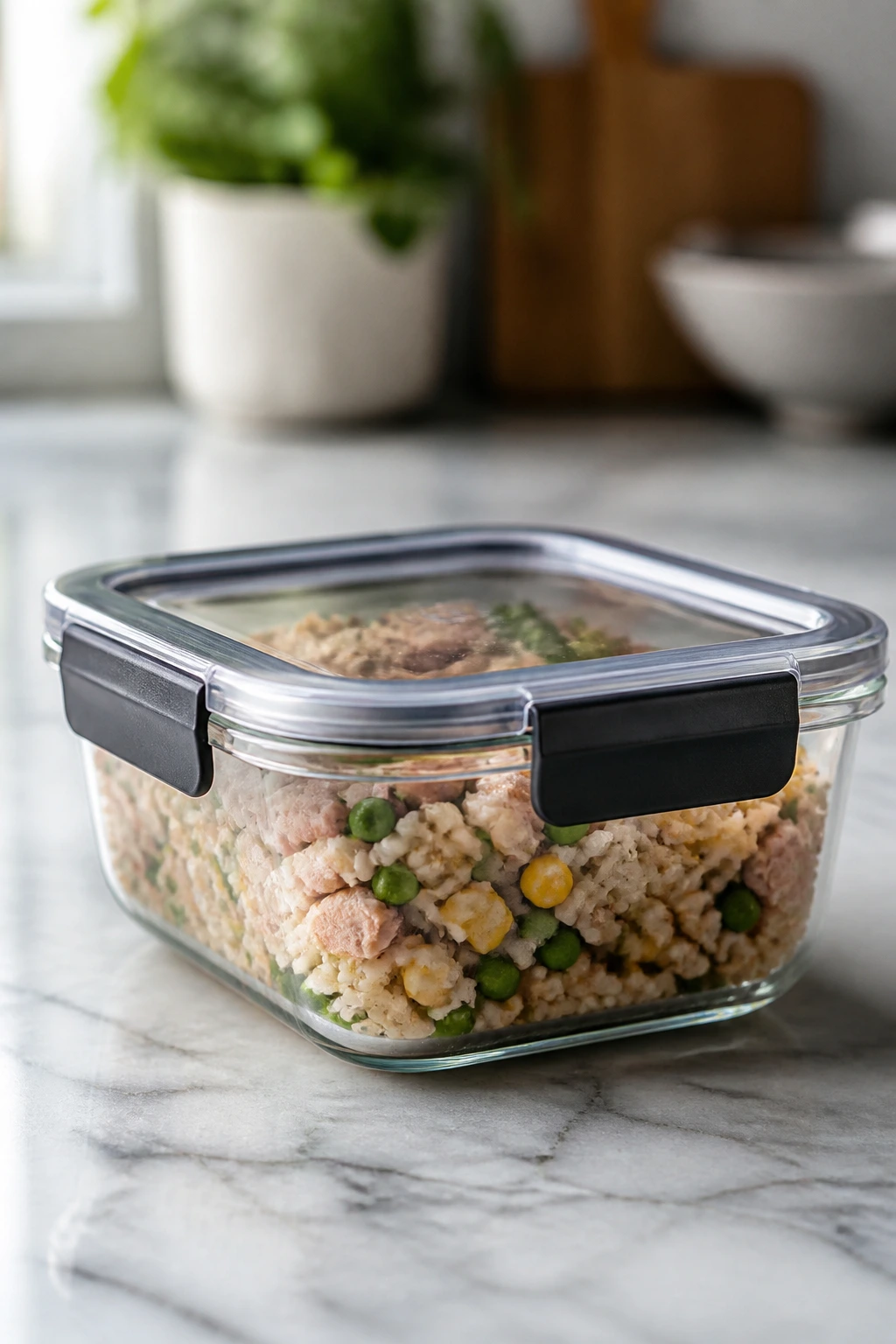
Most of these tuna dinners keep 3 to 4 days in the refrigerator when stored in airtight containers. The cold bowls and nicoise boxes hold their texture best if the dressing stays separate until eating. Pasta bakes, enchilada casseroles, fried rice, skillet meals, and tuna cakes can all be portioned into single servings as soon as they’re cool enough to handle.
Freezing depends on the style. Baked casseroles, tuna cakes, curry stew, and enchilada rice dishes freeze well for up to 2 months if wrapped tightly and cooled first. I’d skip freezing the cucumber-heavy bowls and nicoise boxes; the vegetables turn watery and sad after thawing, and there is no reason to do that to yourself. Tuna fried rice can be frozen, though it’s better if you reheat it with a splash of water and a hot pan rather than relying on the microwave alone.
For reheating, the method matters. Pasta bakes and casseroles do best in a 325°F oven, covered loosely with foil, until hot in the center. Skillet meals and fried rice recover well in a nonstick pan over medium heat with 1 to 2 tablespoons of water or broth. Tuna cakes crisp back up in an air fryer or oven at 400°F for a few minutes. Microwave reheating works too, but use 50% power and stop to stir or rotate so the edges don’t overcook while the middle is still cold.
If you’re making ahead, cool food fast. Get it into shallow containers and into the fridge within 2 hours. That’s especially useful for rice dishes, which should not sit out on the counter forever while you answer email and pretend you’re organizing dinner. You’re not. Put it away.
Variations and Adaptations to Try
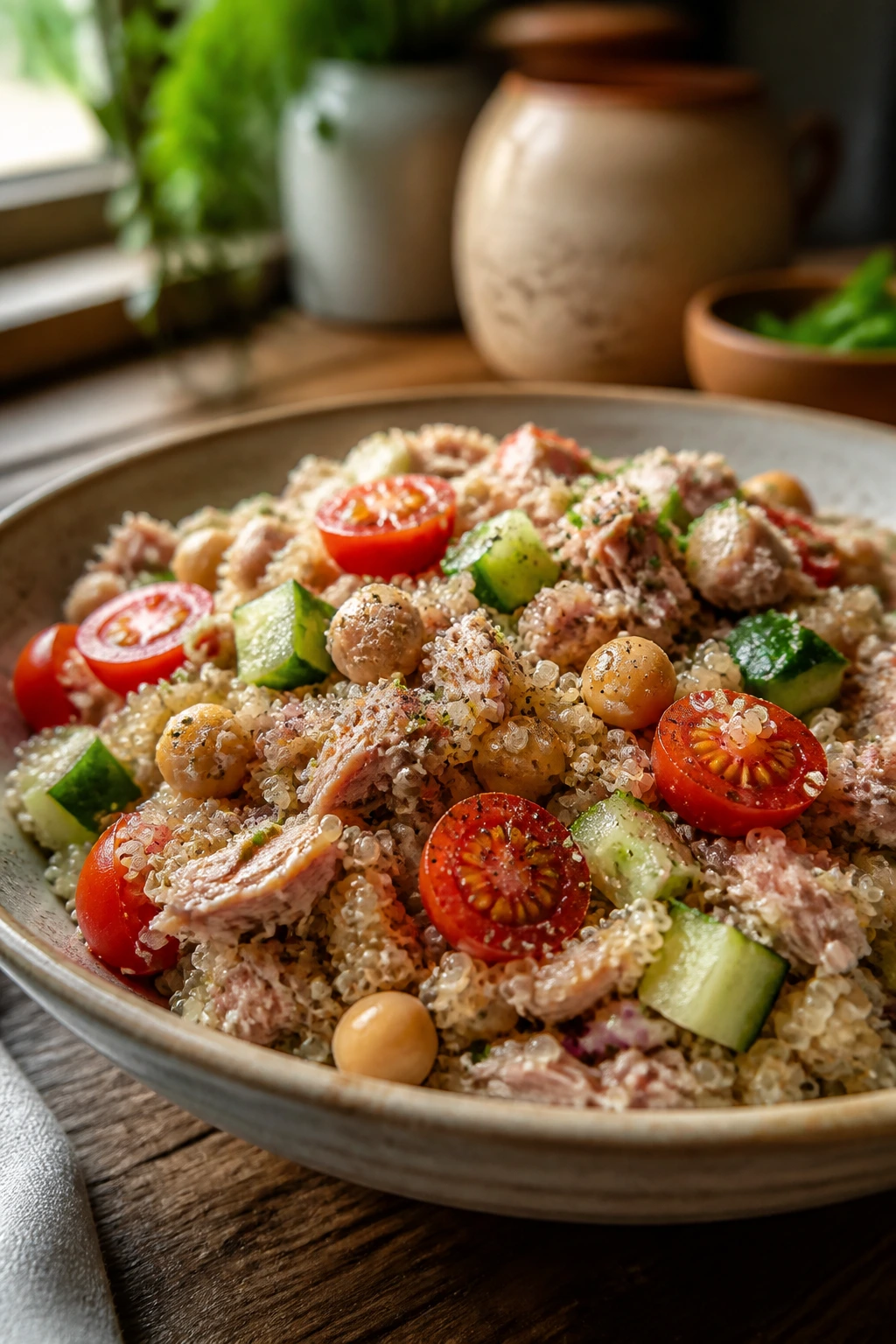
Gluten-Free Pantry Swap:
Use gluten-free pasta, certified gluten-free soy sauce, and gluten-free breadcrumbs or crushed rice crackers where needed. The pasta bake and tuna cakes change the most here, but the flavor stays intact if you keep the seasoning strong. I’d pick rice or quinoa-based meals first if you want the least fuss.
Dairy-Light Route:
Replace Greek yogurt with tahini, blended white beans, or a splash of olive oil and lemon in the pasta bake and tuna cakes. Skip the cheese in the casserole if you want, then finish with herbs and a little extra sauce instead. The food will be less rich, but not less satisfying.
Lower-Sodium Batch:
Choose low-sodium tuna, rinse canned beans well, and season with citrus, herbs, garlic, and vinegar instead of piling on salt. Olives, feta, enchilada sauce, and soy sauce can all be salty, so use them with a lighter hand. The trick is tasting at the end and letting acid do some of the work.
Kid-Mild Version:
Cut back on mustard, onion, garlic, and chili, then lean into cheese, pasta, rice, or sweet potato. Tuna cakes and pasta bake usually land best with kids because the texture is friendly and the seasoning can stay soft. Keep a little hot sauce or chile flakes on the side for the adults. Civilized compromise.
Spice-Forward Upgrade:
Add jalapeño, chili crisp, cayenne, harissa, or extra enchilada sauce to the casseroles and skillet meals. Tuna can take bold seasoning better than most people expect, especially in tomato or curry dishes. Just don’t stack every hot ingredient at once unless you really want the meal to bite back.
Common Mistakes to Avoid
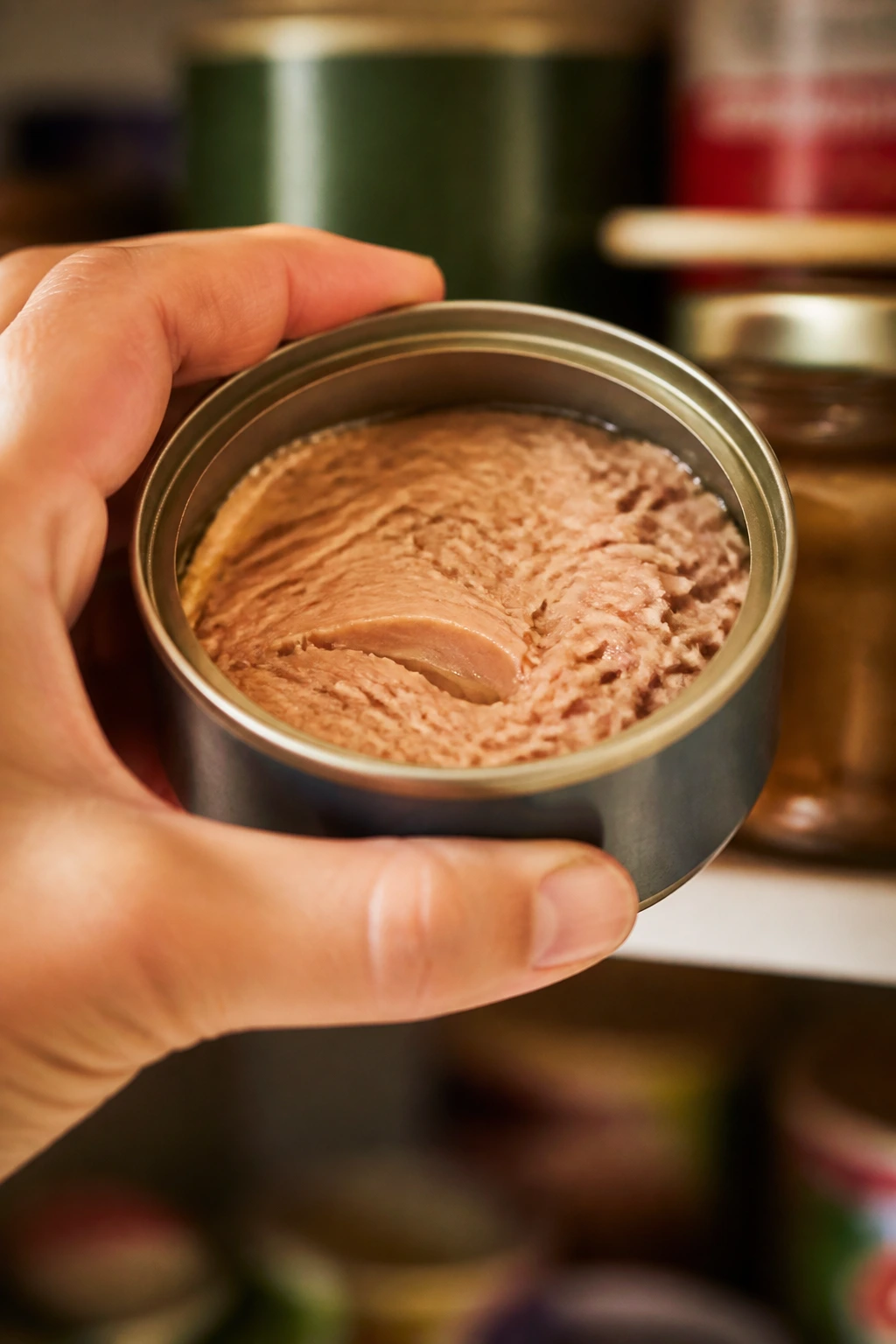
Using tuna straight from the can without draining it well:
That small puddle of liquid can wreck pasta bakes, cakes, and rice dishes by making them watery. Press the lid down or use a strainer, and if the tuna still seems wet, blot it lightly with paper towels.
Overcooking tuna in the pan or oven:
Tuna is already cooked when it hits your kitchen. If you bake or stir it too long, it turns stringy and dry fast. Add it near the end for skillet meals and simmer-based recipes, and let residual heat do the rest.
Packing wet and dry ingredients together too early:
Cucumbers, tomatoes, dressings, and greens can make a cold bowl miserable if they sit all day in one container. Keep dressings and delicate vegetables separate until serving whenever possible. That one habit changes the whole texture of the meal.
Forgetting to cool rice before making fried rice:
Fresh rice clumps and steams instead of frying. Chilled rice gives you separate grains and a better final texture, which is the difference between a decent pan and a gummy one. If you only have fresh rice, spread it on a tray and chill it briefly.
Not seasoning enough at the beginning:
Tuna loves salt, acid, and herbs. If you wait until the end to do all the seasoning, the dish can taste flat and weirdly one-note. Season each layer with a little care, then adjust once the full dish comes together.
Choosing only one texture in a meal prep dish:
A bowl of soft rice, soft tuna, and soft vegetables is a fast route to boredom. Add crunch with cucumber, celery, green beans, panko, fresh herbs, or toasted breadcrumbs. People don’t always say this out loud, but texture is half the meal.
Frequently Asked Questions

Can tuna dinners really work for meal prep, or do they get boring fast?
They work better than most people expect, mainly because canned tuna is a blank canvas. If you rotate the flavor profile — lemon and dill, tomato and olive, curry, enchilada, soy and sesame — the meals won’t taste like the same can wearing different clothes.
What type of tuna is best for meal prep dinners?
Chunk light tuna is the most flexible and usually mild enough for casseroles, bowls, and rice dishes. Albacore is firmer and more assertive, which some people prefer in tuna cakes or cold box meals. Pick the one that suits the texture you want, not just the cheapest can on the shelf.
Can I use tuna packed in oil instead of water?
Yes, and sometimes it’s the better move. Oil-packed tuna gives pasta bakes and skillet meals a fuller taste, while water-packed tuna is easier to control in bowls and salads. Just drain oil-packed tuna well unless the recipe is built around that extra richness.
How do I keep tuna from tasting dry after reheating?
Use sauces, dressings, or a little extra broth during reheating so the dish stays loose. Also, stop cooking as soon as the tuna is warmed through; it does not need a long second round in the oven. A squeeze of lemon or lime on the finished plate helps a lot too.
Which of these recipes is best for freezing?
The pasta bake, tuna cakes, enchilada casserole, and curried stew all freeze well. Cold bowls, cucumber-heavy boxes, and nicoise-style containers are better fresh from the fridge. If you want the easiest freezer option, I’d start with the casserole.
Can I make these without dairy?
Yes. Use tahini, olive oil, or coconut milk where Greek yogurt, sour cream, or cheese would normally go. The curry stew and Mediterranean bowls are the easiest to adapt, but the pasta bake and tuna cakes can work too with the right binders.
Is it safe to meal prep tuna with rice?
Yes, as long as you cool and refrigerate the rice promptly. Spread it out in shallow containers and get it into the fridge within 2 hours so it doesn’t sit around warming itself on the counter. Reheat thoroughly until steaming hot.
What if I don’t like tuna that tastes too fishy?
Choose water-packed chunk light tuna, drain it well, and pair it with acid, herbs, tomatoes, curry, mustard, or olives. Those ingredients do a lot of heavy lifting. Oil-packed tuna can taste stronger, so start mild if you’re sensitive to that flavor.
Can I use fresh tuna steaks in these recipes instead of canned tuna?
A few of them, yes, but not all. Fresh tuna is better for a quick sear or bowl topping than for casseroles and cakes, where the canned version blends in more cleanly. If you swap it in, cook it separately and fold it in gently near the end.
A Pantry Habit Worth Keeping
There’s a nice rhythm to having a few tuna dinners ready in the fridge. It lowers the stakes of a busy week. You stop thinking of dinner as a daily problem and start thinking of it as a set of prepared options, which is a much calmer way to live.
The smartest part is how different these meals can be from one another while still starting from the same shelf-stable ingredient. That’s not a compromise. It’s leverage, in the plain English sense of the word: one can becomes pasta, a bowl, a skillet, a stew, or a cold dinner box with very little drama.