



A good bowl of soup can do something fancy table settings often cannot: it slows the room down. Steam rises, bread breaks open, and the first spoonful gives the evening a little gravity. That is why soup dinners for date night work so well. They feel careful without feeling fussy, which is a harder trick than most people think.
The best ones have contrast. Sweet onions under a bronzed cap of Gruyère. Tomato soup brightened with basil and balsamic. Coconut broth that smells like lime, ginger, and chile before it even reaches the bowl. You want a dinner that feels composed, not complicated, and soup is one of the few meals that can do both at once.
And yes, soup can be a real dinner, not a warm-up act. The trick is body, texture, and a finish that earns its place at the table. Bread helps. Cheese helps. Beans, noodles, rice, shrimp, or a swirl of cream help in their own ways. These ten bowls are built to stand on their own, and they’re built to make two people linger a little longer.
Why This Collection Feels Worth Making
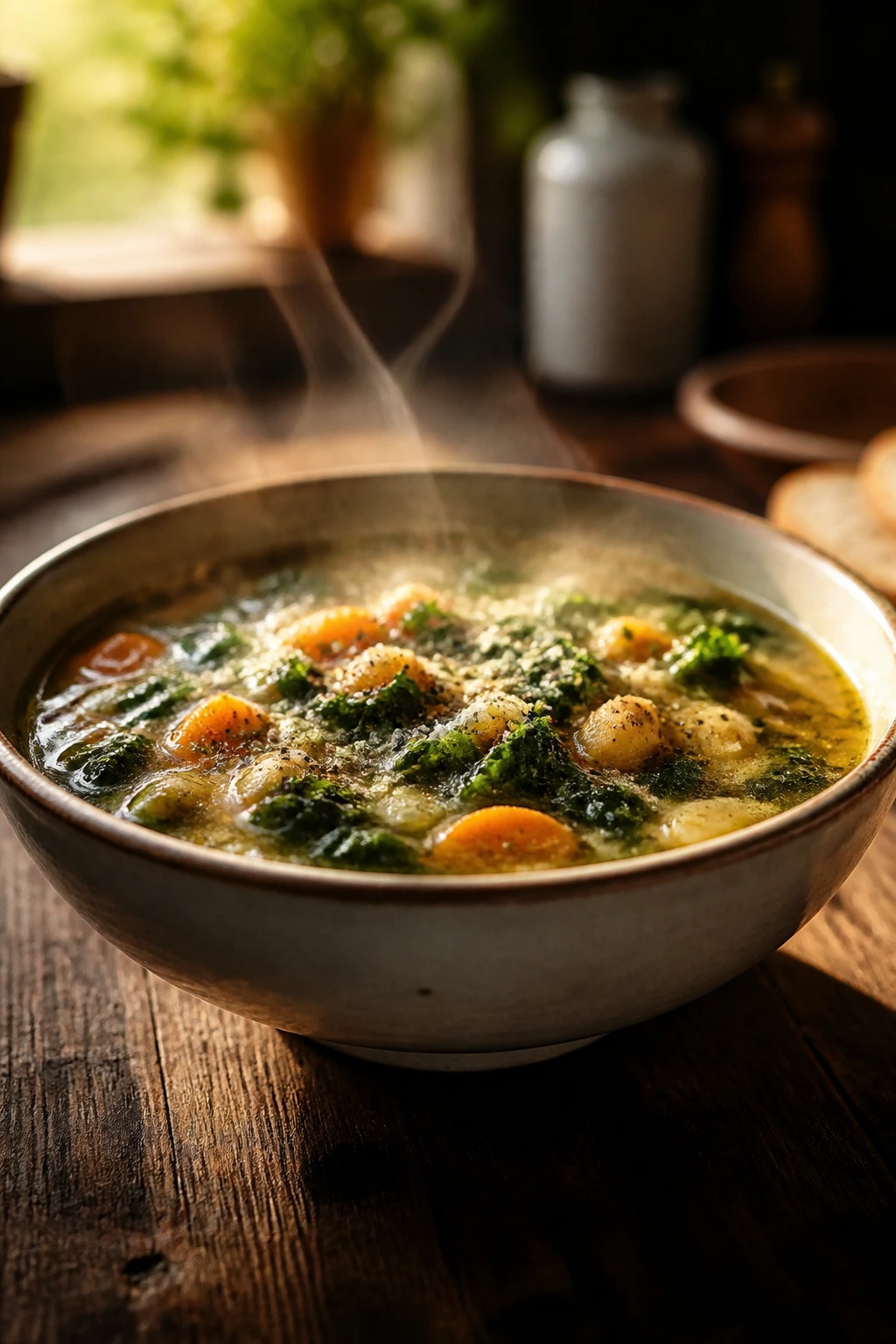
- Built for sharing: Every soup here has a finish worth passing across the table, whether that’s cheese toast, jammy eggs, herb oil, or a crackly crouton.
- Dinner, not starter: These bowls lean substantial, so you can serve them as the whole meal without anyone leaving the table hungry.
- Flexible by mood: Some are rich and cozy, some are bright and brothy, and that range makes it easy to match the evening you want.
- Pantry-smart with a few upgrades: Onion, broth, tomatoes, beans, noodles, and herbs do a lot of the heavy lifting, while one or two special touches make the bowl feel dressed up.
- Friendly to last-minute plans: Most of these recipes come together in under an hour, and several get better if you prep the base ahead of time.
- Easy to plate beautifully: Soup is forgiving, but it still looks polished with a warm bowl, a clean rim, and one good garnish.
1. French Onion Soup with Gruyère Toasts
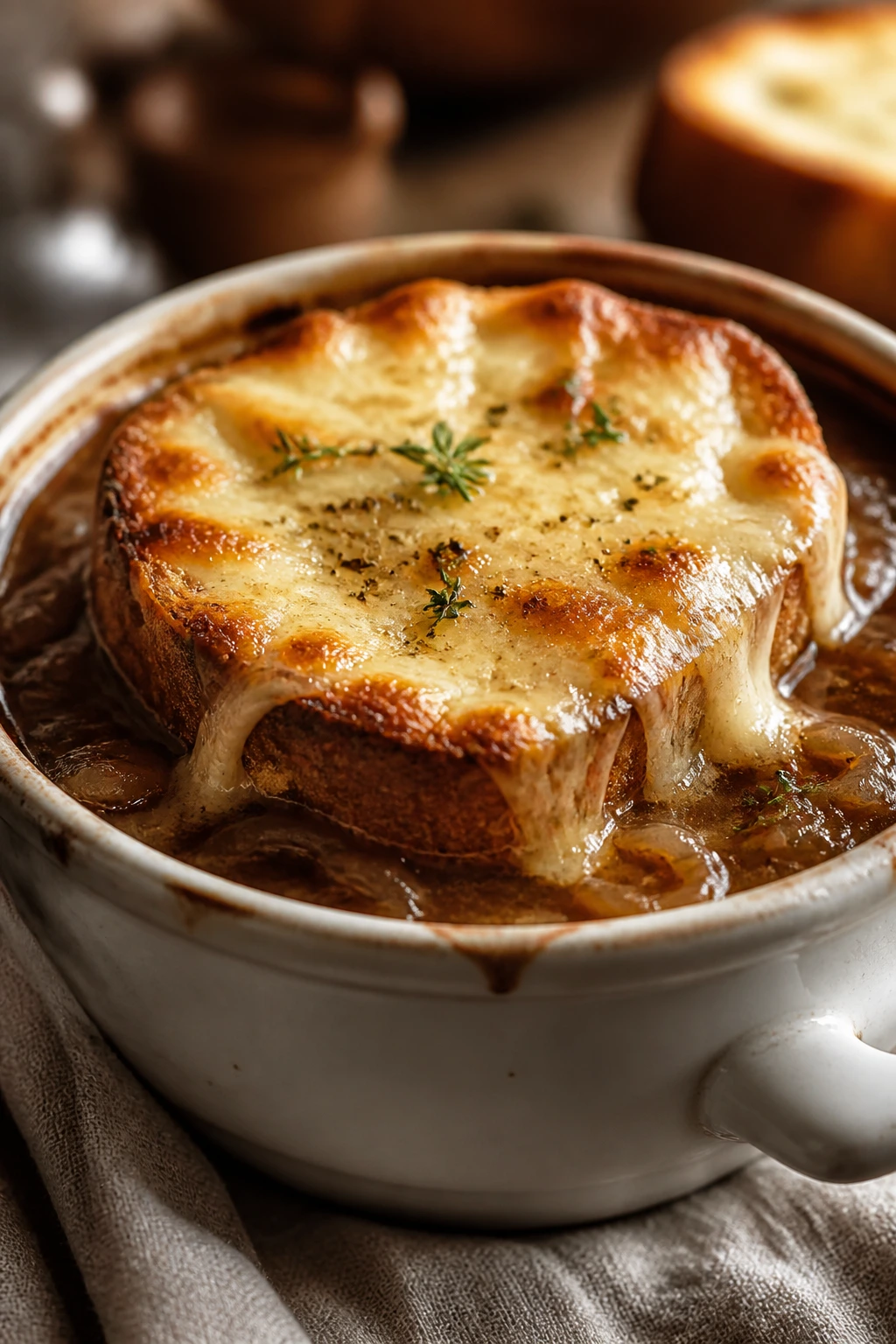
French onion soup is the one bowl that can make a kitchen feel like a small dining room with linen napkins. The onions turn dark and jammy, the broth goes deep and savory, and the melted cheese on top gives you that dramatic pull that never gets old. It’s a classic for a reason. It tastes like patience.
What makes it such a smart date-night choice is the pace. The onions need time, but the process is steady and almost meditative, and the smell alone does half the work. By the time the broth goes in, the whole place smells warm, sweet, and a little toasty, which is about as good a signal as soup can send.
Why It Works:
French onion soup relies on one big idea: build sweetness before salt. Slow-cooked onions develop deep flavor without needing a long ingredient list, and the broth picks up all those browned bits from the pot. The Gruyère toast gives you a rich top layer and a crunchy edge, so every spoonful has something soft, something stretchy, and something crisp.
Key Ingredients:
- 4 tablespoons unsalted butter — the base for slow caramelization.
- 1 tablespoon olive oil — helps keep the butter from scorching.
- 4 large yellow onions, thinly sliced — yellow onions give the best sweet-savory balance.
- 1 teaspoon kosher salt — draws out moisture and helps the onions soften.
- 2 garlic cloves, minced — added late so they stay sweet, not bitter.
- 1/2 cup dry white wine — scrapes up the browned bits and sharpens the broth.
- 6 cups beef broth — choose a broth with real body and not just salt.
- 2 teaspoons fresh thyme leaves — gives the soup its classic herb note.
- 1 bay leaf — a small thing that makes a big difference.
- 1 baguette, sliced into 8 rounds — sturdy enough to hold cheese and broth.
- 1 1/2 cups grated Gruyère — melts smoothly and browns nicely.
- 2 tablespoons grated Parmesan — optional, but useful for extra nuttiness.
Quick Steps:
- Caramelize the onions: Melt the butter and olive oil in a Dutch oven over medium heat. Add the onions and salt, then cook for 35 to 45 minutes, stirring every few minutes, until they turn deep golden brown and smell sweet, not sharp. If the pot starts to dry out, add a splash of water.
- Build the base: Stir in the garlic and cook for 30 seconds. Add the white wine and scrape the bottom of the pot until the browned bits lift cleanly.
- Simmer the soup: Add the beef broth, thyme, and bay leaf. Bring to a gentle simmer and cook for 15 to 20 minutes. The broth should taste round and onion-rich, not watery.
- Toast the bread: Heat the broiler and arrange the baguette slices on a sheet pan. Toast until dry and lightly golden, then top with Gruyère and Parmesan.
- Melt and finish: Ladle the soup into oven-safe bowls, set the cheesy toasts on top, and broil for 1 to 2 minutes until the cheese bubbles and spots of brown appear.
- Serve hot: Let the bowls sit for 1 minute before serving. The top will be molten.
Tips and Variations:
- Add 1 teaspoon sherry vinegar at the end if the soup tastes flat.
- Swap Swiss cheese for Gruyère if that’s what you have, but don’t use a mild cheese that refuses to brown.
- Make the onions a day ahead; they reheat well and cut the active time in half.
2. Roasted Tomato Basil Soup with Parmesan Croutons
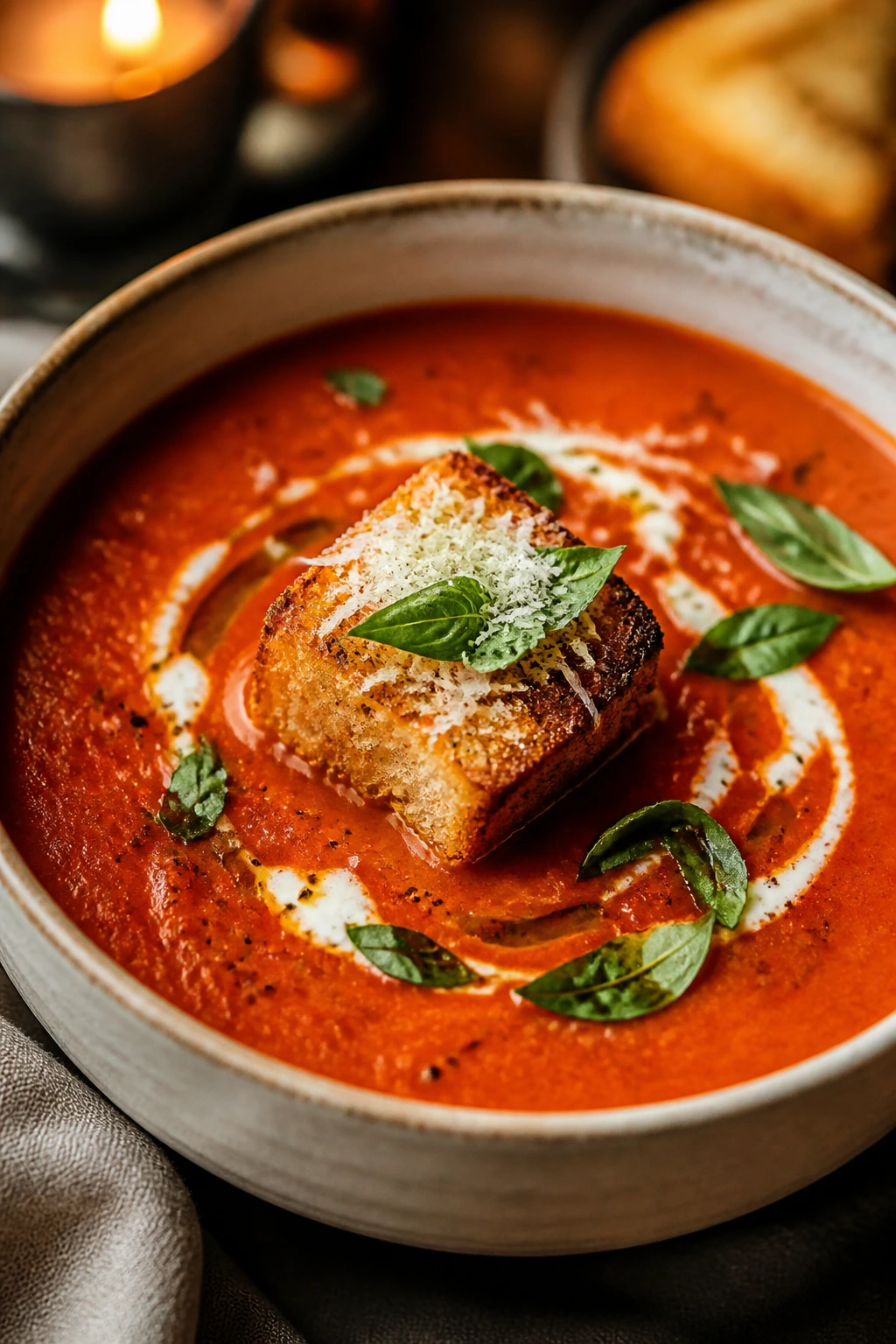
What if tomato soup could taste like a candlelit restaurant bowl instead of lunch in a hurry? Roasting the tomatoes changes everything. The flavor gets deeper, a little sweet, a little smoky, and the basil at the end lands like a fresh green snap against all that red.
I like this one because it looks cheerful in the bowl. A bright swirl of cream, a scatter of croutons, a torn basil leaf or two. It’s easy, but it doesn’t wear its ease on its sleeve.
Why It Works:
Roasting concentrates the tomatoes and softens the onion and garlic in a way simmering alone never quite manages. The soup ends up tasting layered instead of thin. Parmesan croutons bring salt and crunch, which keeps the bowl from turning soft and one-note.
Key Ingredients:
- 2 pounds cherry tomatoes — small tomatoes roast faster and get sweeter at the edges.
- 1 large onion, cut into wedges — the onion roasts right alongside the tomatoes.
- 6 garlic cloves, peeled — roast them whole so they stay mellow.
- 3 tablespoons olive oil — enough to coat the vegetables and help them brown.
- 1 teaspoon kosher salt — season the pan before it hits the oven.
- 2 tablespoons tomato paste — deepens the color and gives the soup more body.
- 1 can whole peeled tomatoes, 28 ounces — adds juiciness and a fuller tomato flavor.
- 4 cups vegetable broth — a clean broth keeps the tomato front and center.
- 1/2 cup heavy cream — makes the soup silky at the end.
- 1 packed cup fresh basil leaves — add at the end so the flavor stays bright.
- 1 tablespoon balsamic vinegar — sharpens the sweetness.
- 4 cups sourdough cubes — sturdy bread holds up better than soft sandwich bread.
- 1/2 cup grated Parmesan — finishes the croutons with a salty crust.
- 2 tablespoons melted butter — helps the croutons brown.
Quick Steps:
- Roast the vegetables: Heat the oven to 425°F. Toss the tomatoes, onion, and garlic with olive oil and salt on a sheet pan. Roast for 25 to 30 minutes until the tomatoes burst and the onion edges char.
- Start the soup base: Transfer the roasted vegetables to a Dutch oven. Stir in the tomato paste and cook for 1 minute to take away the raw taste.
- Simmer and blend: Add the canned tomatoes and broth. Simmer for 15 minutes, then blend until smooth with an immersion blender or in batches in a regular blender.
- Finish the flavor: Stir in the cream, basil, and balsamic vinegar. Taste before adding more salt; roasted tomatoes can already bring a lot of sweetness.
- Make the croutons: Toss the sourdough cubes with butter and Parmesan. Bake at 400°F for 10 to 12 minutes until crisp and golden.
- Serve together: Ladle the soup into warm bowls and pile the croutons on top right before serving so they stay crunchy.
Tips and Variations:
- Add a pinch of red pepper flakes if you want a little heat under the sweetness.
- Stir in 1/2 cup cooked white beans before blending if you want a thicker, more filling bowl.
- A spoonful of pesto on top is a small move that makes the bowl look and taste fresher.
3. Creamy Mushroom, Leek, and Thyme Soup
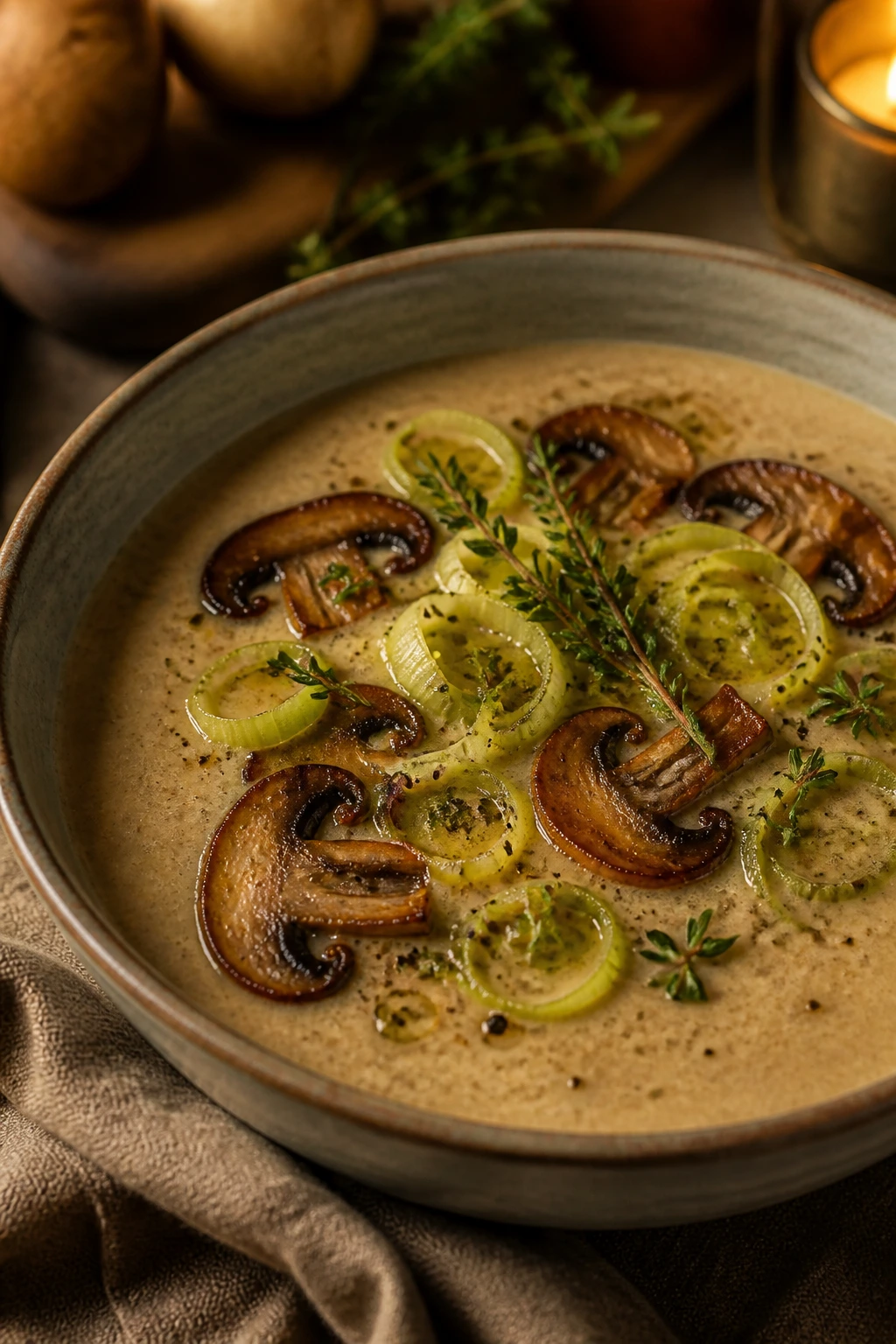
Mushroom soup gets dismissed as plain until the mushrooms are browned hard and finished with sherry. Then it becomes something else entirely. Earthy, a little glossy, and calm in the best way.
This is the bowl I’d make when I want the table to feel slow and quiet. Leeks soften into silk, thyme drifts through the broth, and the mushrooms bring that deep, almost woodsy flavor that feels right with a glass of red wine nearby.
Why It Works:
Mushrooms need real heat, not just a polite sauté. Browning them in batches concentrates their flavor and keeps the soup from tasting pale or damp. A little sherry lifts the whole pot, while a splash of cream rounds out the edges without making the soup heavy.
Key Ingredients:
- 2 tablespoons unsalted butter — for richness and browning.
- 1 tablespoon olive oil — helps the butter hold up over heat.
- 2 large leeks, white and light green parts only, thinly sliced — leeks bring a softer onion flavor.
- 1 pound cremini mushrooms, sliced — the main mushroom flavor.
- 8 ounces shiitake mushrooms, sliced — adds a deeper, almost meaty note.
- 2 garlic cloves, minced — goes in late so it doesn’t burn.
- 1 teaspoon fresh thyme leaves — a classic match for mushrooms.
- 1/4 cup dry sherry — brightens and deepens the broth.
- 4 cups vegetable or chicken broth — use the one that fits your table.
- 1 cup half-and-half or heavy cream — makes the texture lush.
- 1 teaspoon soy sauce — adds savory depth without making the soup taste like soy.
- 2 tablespoons chopped parsley — freshens the finish.
Quick Steps:
- Clean and soften the leeks: Rinse the leeks well, then sauté them in butter and olive oil over medium heat for 5 minutes until soft and fragrant.
- Brown the mushrooms: Add the mushrooms in two batches and cook each batch until the moisture evaporates and the edges turn brown, about 8 to 10 minutes total. Don’t rush this part.
- Add the aromatics: Stir in the garlic and thyme, then cook for 30 seconds.
- Deglaze with sherry: Pour in the sherry and scrape the pot bottom. Let it reduce by about half.
- Simmer the soup: Add the broth and bring it down to a gentle simmer for 15 minutes.
- Finish with cream: Stir in the half-and-half and soy sauce. Warm gently for 2 minutes, then stir in the parsley and serve.
Tips and Variations:
- Blend half the soup if you want a creamier feel without losing the mushroom pieces.
- A handful of sliced oyster mushrooms adds a more delicate texture if you have them.
- Toasted rye or sourdough is a better side here than soft bread. The edges matter.
4. Thai Coconut Curry Shrimp Soup
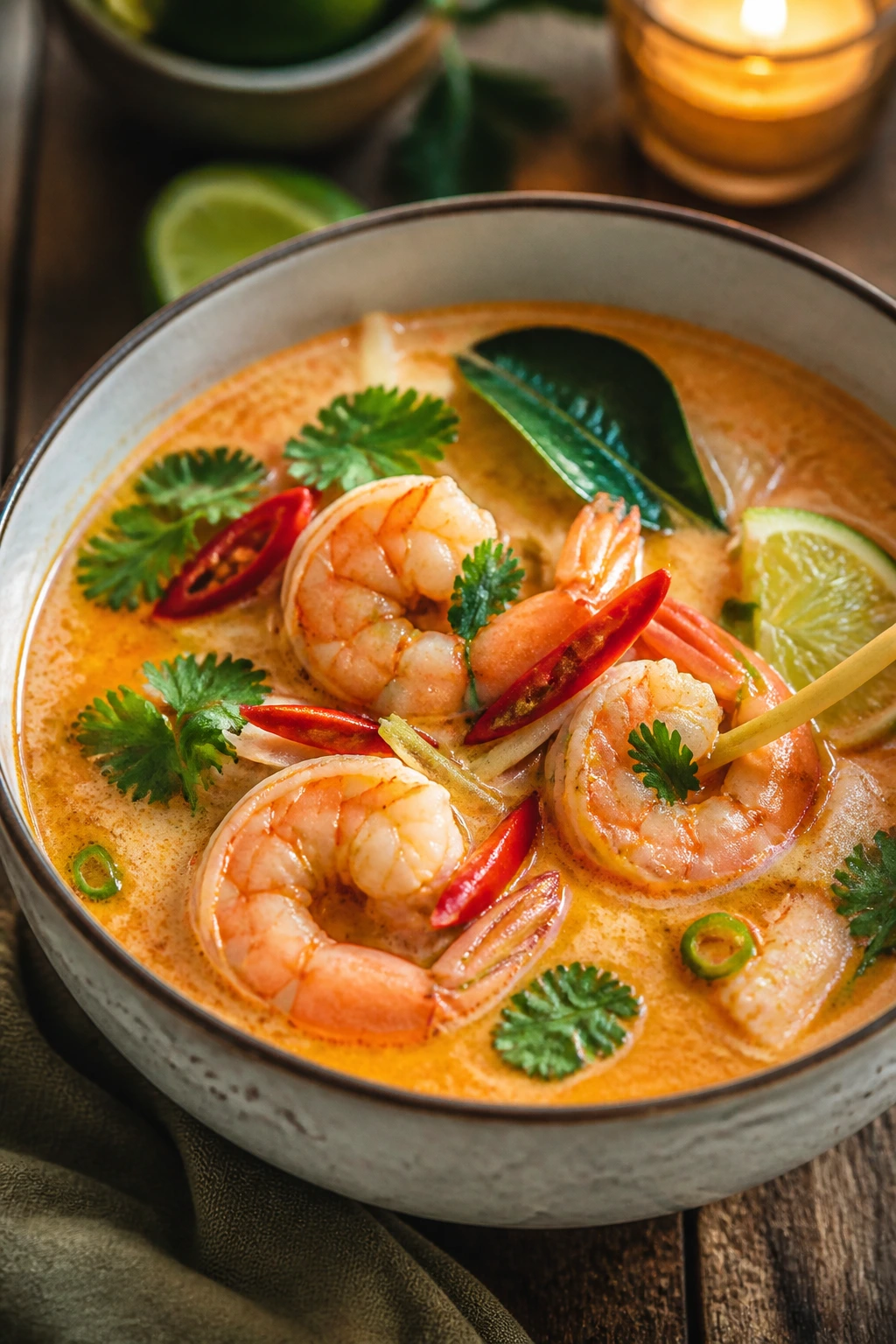
Coconut, lime, ginger, and red curry paste hit the pot before the shrimp ever do, and that aroma tells you the evening has shifted. This soup is bright, salty, a little spicy, and fast. It tastes like you made more effort than you did.
It’s also a nice change of pace in a soup lineup full of creamy classics. The broth stays silky from the coconut milk, but the lime keeps it lively. And shrimp, when cooked properly, bring a clean sweetness that feels a little special.
Why It Works:
Red curry paste carries heat, aromatics, and depth in one spoonful, which means you don’t have to build flavor the long way. Coconut milk softens the edges and turns the broth velvety. Shrimp cook in minutes, so the whole pot stays fresh and snappy instead of heavy.
Key Ingredients:
- 1 tablespoon neutral oil — for blooming the aromatics.
- 2 tablespoons red curry paste — the main flavor base.
- 1 tablespoon grated fresh ginger — brings heat and brightness.
- 3 garlic cloves, minced — adds savory depth.
- 4 cups chicken or vegetable broth — the soup’s main liquid.
- 1 can full-fat coconut milk, 13.5 ounces — gives the broth body.
- 8 ounces mushrooms, sliced — add texture and soak up flavor.
- 1 red bell pepper, thinly sliced — adds sweetness and color.
- 1 tablespoon fish sauce or soy sauce — for salt and depth.
- 1 tablespoon brown sugar — balances the curry heat.
- 6 ounces thin rice noodles — makes the soup a full meal.
- 1 pound shrimp, peeled and deveined — go with medium or large shrimp.
- 1 cup baby spinach — wilts down at the end.
- 1 tablespoon lime juice, plus wedges for serving — wakes up the broth.
- 2 scallions, sliced — for a fresh finish.
- 1/4 cup cilantro leaves — optional, but useful.
- Chili crisp, for serving — if you want a little extra heat.
Quick Steps:
- Bloom the curry paste: Heat the oil in a soup pot over medium. Stir in the curry paste, ginger, and garlic, and cook for 1 minute until fragrant.
- Build the broth: Add the broth, coconut milk, mushrooms, bell pepper, fish sauce, and brown sugar. Simmer for 10 minutes.
- Cook the noodles: Stir in the rice noodles and cook until just tender, usually 3 to 4 minutes depending on the package.
- Add the shrimp: Drop in the shrimp and cook for 2 to 3 minutes, just until they turn pink and curl. Do not let them boil hard or they’ll turn rubbery.
- Finish with greens and acid: Stir in the spinach and lime juice, then taste and adjust with more fish sauce or salt.
- Serve immediately: Ladle into bowls and top with scallions, cilantro, and a tiny spoon of chili crisp if you want heat.
Tips and Variations:
- If you want a lower-carb version, skip the noodles and add extra mushrooms and spinach.
- Cubed tofu works well here, too, if you want a vegetarian bowl.
- A few strips of fresh basil on top give the soup a sharper, cleaner finish than cilantro alone.
5. Brown Butter Butternut Squash and White Bean Soup
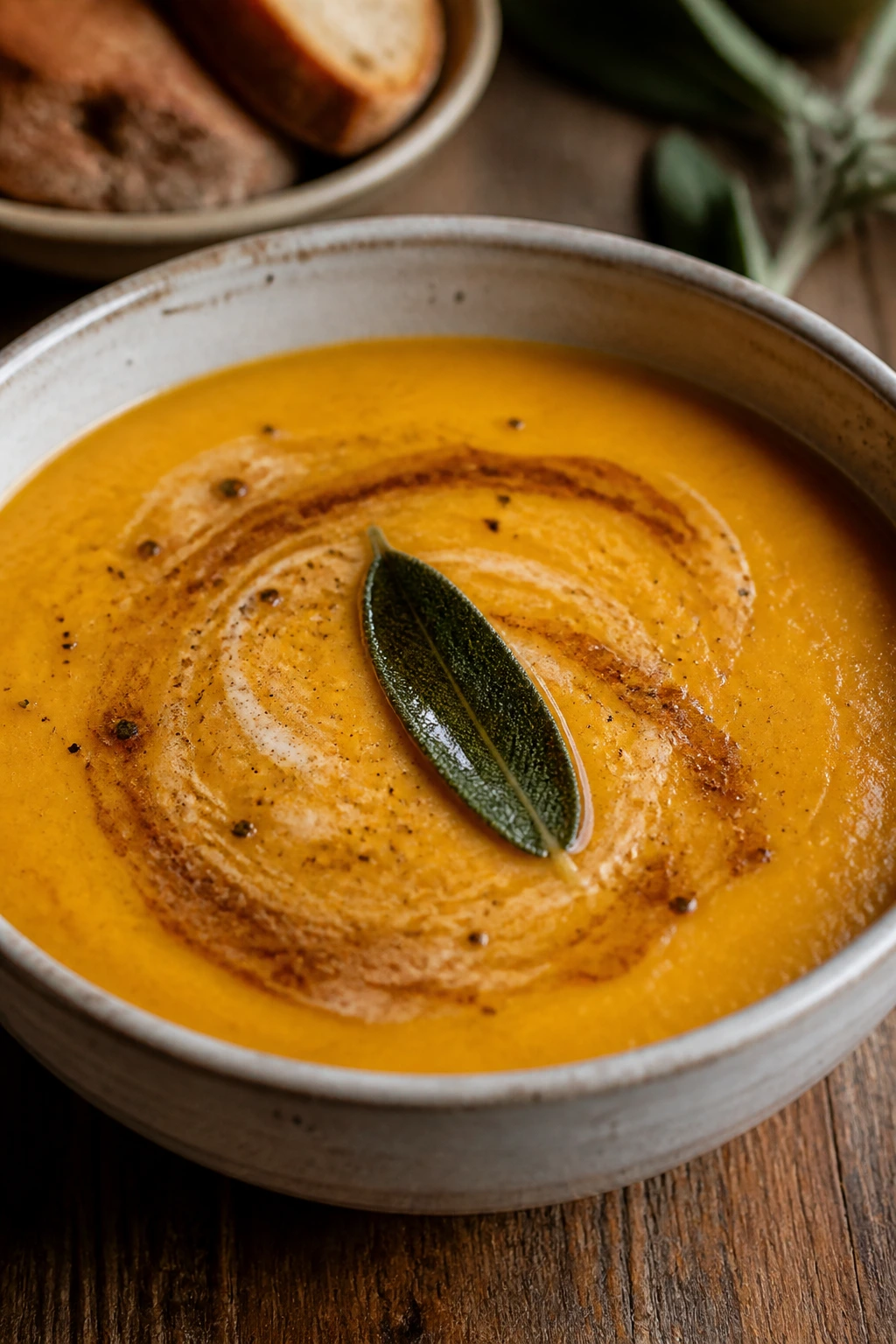
If you have one butternut squash, a can of beans, and a loaf of sourdough, dinner is already halfway to done. This soup leans soft and golden, but the white beans give it a little backbone, which is exactly what a date-night bowl needs. Brown butter and sage make the whole thing smell nutty and warm.
I like this one because it looks gentle but eats like a meal. The squash brings sweetness, the beans bring body, and the browned butter on top gives each spoonful a little punctuation mark.
Why It Works:
Squash alone can taste thin if you don’t give it support. White beans thicken the soup naturally, and roasting the squash first pulls out a deeper flavor than simmering it raw. Brown butter and sage add a toasty finish that makes the bowl feel finished instead of merely smooth.
Key Ingredients:
- 1 medium butternut squash, peeled and cubed, about 3 pounds — roast until caramelized.
- 1 medium onion, chopped — adds a savory base.
- 1 apple, peeled and chopped — gives the soup a soft sweetness.
- 3 garlic cloves, peeled — roasts well with the vegetables.
- 2 tablespoons olive oil — coats the vegetables for roasting.
- 1 teaspoon kosher salt — seasons the tray before roasting.
- 1 can cannellini beans, 15 ounces, rinsed — thickens the soup.
- 4 cups vegetable or chicken broth — enough liquid for blending.
- 1 teaspoon chopped fresh sage, plus a few whole leaves for browning — classic with squash.
- 1/4 teaspoon freshly grated nutmeg — a small amount goes a long way.
- 1/2 cup heavy cream or coconut milk — gives the soup a silky finish.
- 4 tablespoons unsalted butter — for the browned butter topping.
- 1/4 cup pepitas — for crunch.
- 2 tablespoons crumbled goat cheese, optional — a tangy finish if you want it.
Quick Steps:
- Roast the vegetables: Heat the oven to 425°F. Toss the squash, onion, apple, and garlic with olive oil and salt on a sheet pan. Roast for 25 to 30 minutes until the squash is tender and browned on the edges.
- Build the soup: Transfer the roasted vegetables to a pot. Add the beans, broth, sage, and nutmeg. Simmer for 10 minutes.
- Blend until smooth: Use an immersion blender or a countertop blender to puree the soup until silky. If it seems too thick, add more broth a splash at a time.
- Make the brown butter: Melt the butter in a small skillet over medium heat with the sage leaves. Cook until the butter smells nutty and the solids turn amber, about 3 to 4 minutes.
- Finish the soup: Stir the cream or coconut milk into the soup and season with salt and pepper.
- Serve with texture: Ladle into bowls, drizzle with brown butter, and top with pepitas and goat cheese if using.
Tips and Variations:
- A little maple syrup can help if your squash is mild, but start with 1 teaspoon and taste first.
- For a dairy-free bowl, use coconut milk and olive oil instead of cream and butter.
- If you want more protein, stir in extra beans before blending.
6. Chicken, Wild Rice, and Lemon Soup with Dill
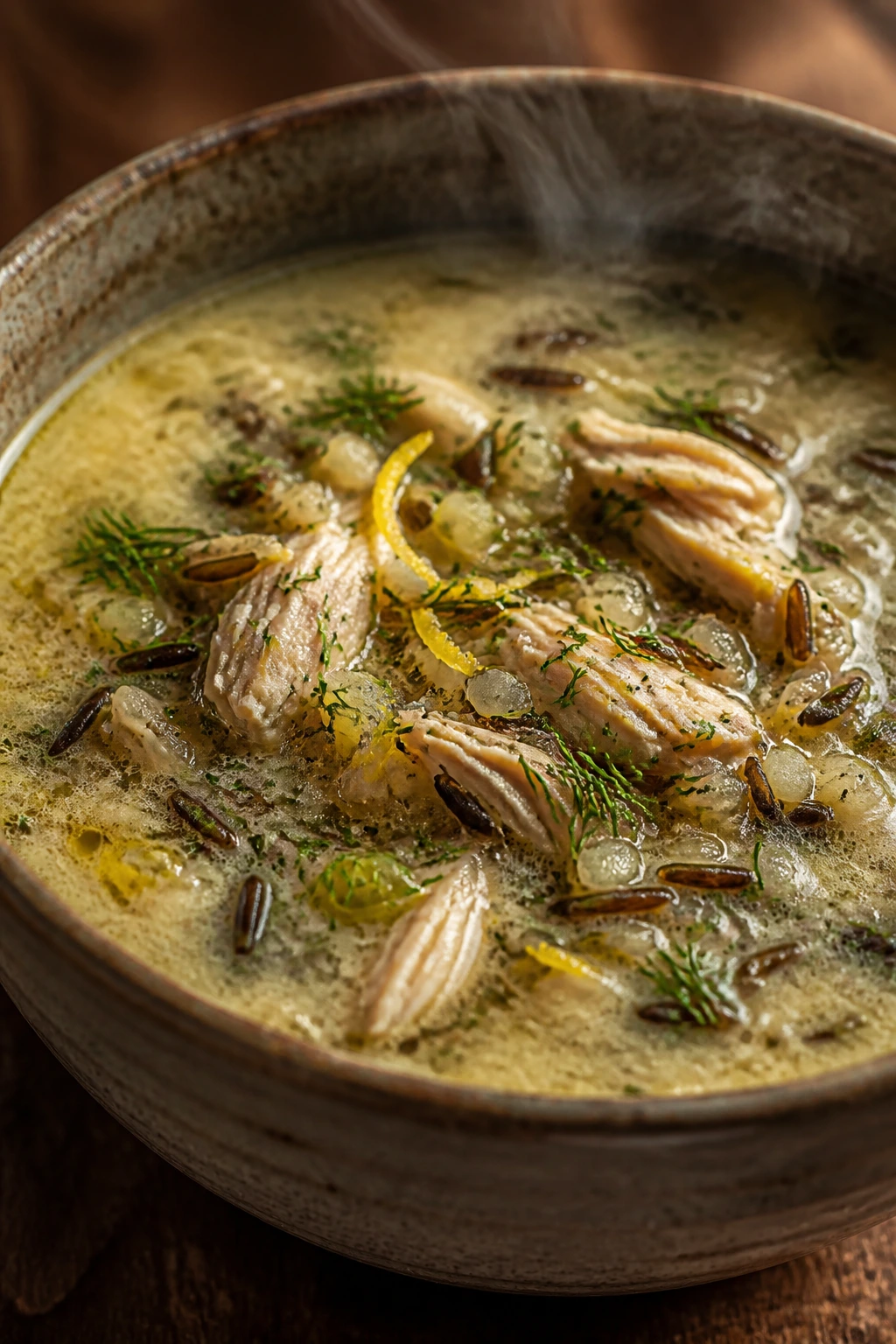
Chicken wild rice soup is the quiet overachiever of the group. It looks modest in the pot, then lands in the bowl with enough substance to count as a real dinner. The rice brings chew, the chicken turns tender, and lemon with dill keeps the whole thing from drifting too far into heavy territory.
This is the soup I’d make when the evening needs comfort but not mush. It has enough body for cold nights, enough brightness for a nicer table, and enough leftovers to make the next day feel easy.
Why It Works:
Wild rice has a nutty bite that holds up well in broth, which matters because date-night soup should not dissolve into baby food by the time you sit down. Chicken thighs stay juicy through simmering, and lemon plus dill cuts through the richness so the bowl stays lively.
Key Ingredients:
- 1 1/2 pounds boneless, skinless chicken thighs — they stay tender in soup.
- 2 tablespoons olive oil — for searing.
- 1 medium onion, diced — the flavor base.
- 2 carrots, diced — add sweetness and color.
- 2 celery stalks, diced — classic soup structure.
- 3 garlic cloves, minced — for depth.
- 1 cup wild rice blend — cooks into a hearty chew.
- 6 cups chicken broth — use low-sodium if possible.
- 1 bay leaf — adds background flavor.
- 1 teaspoon dried thyme — fits the chicken and rice.
- 1/2 cup heavy cream — optional, but gives the soup a round finish.
- 1 lemon, zested and juiced — the bright finish.
- 2 tablespoons chopped fresh dill — a clean herbal note.
- 2 tablespoons chopped parsley — for color and freshness.
Quick Steps:
- Sear the chicken: Heat the oil in a soup pot over medium-high heat. Season the chicken with salt and pepper, then sear for 3 to 4 minutes per side until golden. Remove to a plate.
- Cook the vegetables: Add the onion, carrots, and celery to the pot. Cook for 5 to 6 minutes until softened, then stir in the garlic for 30 seconds.
- Simmer with rice: Add the wild rice blend, broth, bay leaf, and thyme. Return the chicken to the pot and bring everything to a gentle simmer.
- Cook until tender: Simmer for 30 to 35 minutes, until the rice is cooked through and the chicken reaches 165°F.
- Shred and finish: Remove the chicken, shred it, and return it to the pot. Stir in the cream, lemon zest, lemon juice, dill, and parsley.
- Serve warm: Taste for salt and add more pepper if needed. The broth should taste clean, creamy, and just a little citrusy.
Tips and Variations:
- If using cooked chicken, add it near the end so it stays juicy.
- A small handful of frozen peas at the end adds color and sweetness.
- Skip the cream if you want a lighter bowl; the lemon and dill still carry the soup well.
7. Italian Sausage, White Bean, and Kale Soup
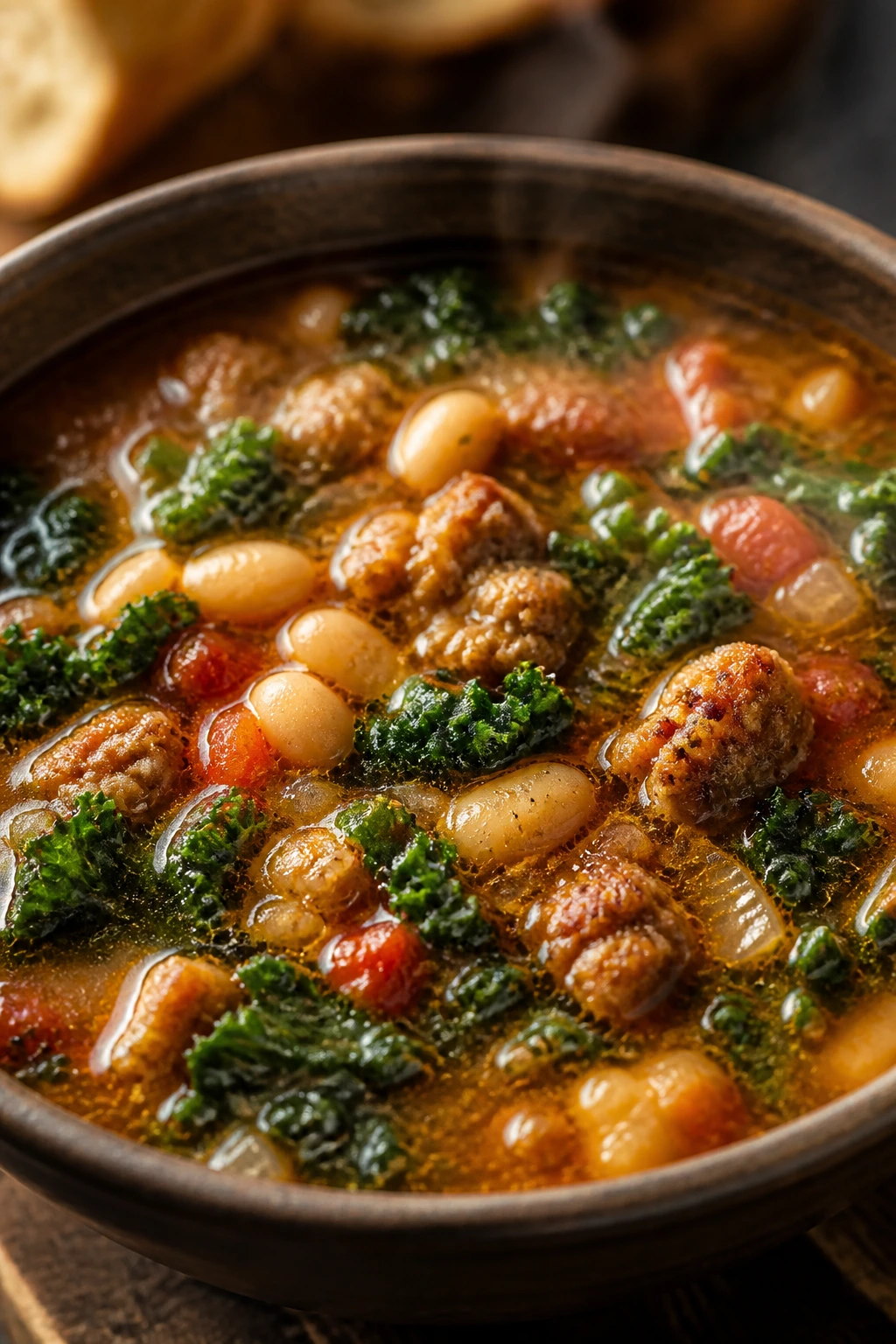
Sausage soup can feel heavy, but with kale and beans it lands rich instead of greasy. The sausage brings spice and fat, the beans make the bowl filling, and the kale gives you that dark green bite that keeps each spoonful interesting. It’s the sort of soup that makes bread necessary, in the best possible way.
This one is excellent when you want a dinner with a little heft and a lot of comfort. The flavors are familiar, but the bowl still feels composed enough for a quiet evening in.
Why It Works:
Browning the sausage first gives the broth a savory foundation you can’t fake later. Beans and tomatoes make the liquid fuller, and kale stands up to the simmer instead of collapsing into nothing. A parmesan rind, if you have one, adds a quiet salty depth that makes the soup taste like it simmered all day.
Key Ingredients:
- 1 pound Italian sausage, mild or hot — remove from the casing if needed.
- 1 tablespoon olive oil — only if the sausage is lean.
- 1 medium onion, diced — for the base.
- 2 carrots, diced — add sweetness.
- 2 celery stalks, diced — classic soup structure.
- 4 garlic cloves, minced — plenty here is a good thing.
- 1 teaspoon fennel seeds — optional, but nice if the sausage is mild.
- 1 can diced tomatoes, 14.5 ounces — adds acidity and body.
- 2 cans cannellini beans, 15 ounces each, rinsed — make the soup substantial.
- 5 cups chicken broth — enough to keep the pot loose.
- 1 parmesan rind — optional, but worth it.
- 1 bunch kale, ribs removed and leaves chopped — holds up beautifully.
- 1/2 teaspoon red pepper flakes — adjust to taste.
- 1/4 cup grated Parmesan — for serving.
- 1 tablespoon red wine vinegar — a sharp finish if needed.
Quick Steps:
- Brown the sausage: Cook the sausage in a soup pot over medium heat until browned and cooked through, breaking it up as it cooks. Remove extra grease if the pot looks too full.
- Cook the vegetables: Add the onion, carrots, celery, and fennel seeds. Cook for 5 minutes until softened, then add the garlic for 30 seconds.
- Build the soup: Stir in the tomatoes, beans, broth, parmesan rind, and red pepper flakes. Bring to a simmer and cook for 20 minutes.
- Add the kale: Stir in the kale and cook for 5 to 7 minutes until it turns dark green and tender.
- Finish with acid: Remove the parmesan rind. Taste the soup, then add salt, pepper, and a little red wine vinegar if it needs a sharper edge.
- Serve with cheese: Ladle into bowls and top with grated Parmesan.
Tips and Variations:
- A squeeze of lemon can stand in for vinegar if that’s what you have.
- Stir in a handful of chopped spinach with the kale if you want the greens to feel softer.
- Use turkey sausage if you want a lighter bowl, but brown it well or it can taste flat.
8. Miso Ramen with Shiitakes, Jammy Eggs, and Scallions
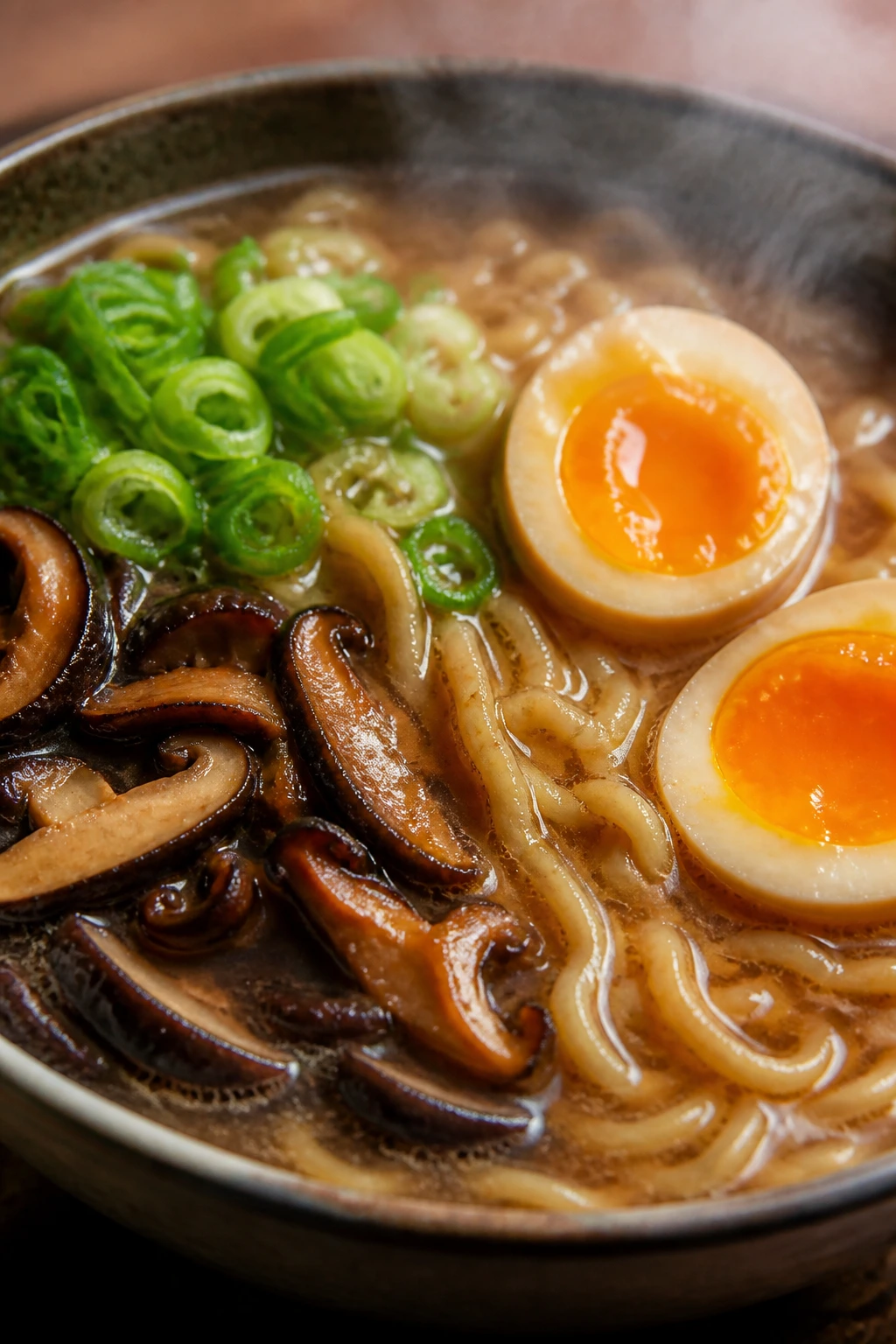
Why do ramen bowls feel more romantic than they should? Because they make the table do a little work. You lift noodles, crack an egg, swirl the broth, and the whole thing becomes interactive. That is a nice mood for date night.
This version keeps the broth simple but layered. Miso brings salt and depth, shiitakes give a savory chew, and jammy eggs make the bowl feel complete in a way that plain noodles never do.
Why It Works:
Miso adds fermented complexity without needing a long simmer. The trick is to dissolve it gently in hot broth, not boil it hard, so the flavor stays round and the texture stays smooth. Jammy eggs and bok choy turn the bowl into a proper dinner, while sesame oil and scallions give you the last fresh notes.
Key Ingredients:
- 4 large eggs — for jammy centers.
- 1 tablespoon sesame oil — for the aromatics.
- 1 tablespoon neutral oil — if needed for sautéing.
- 2 tablespoons white miso paste — the broth’s main flavor.
- 1 tablespoon soy sauce — adds salt and depth.
- 1 tablespoon grated fresh ginger — bright and warm.
- 3 garlic cloves, minced — for savoriness.
- 6 cups chicken or vegetable broth — the soup base.
- 8 ounces shiitake mushrooms, sliced — chewy and flavorful.
- 2 heads baby bok choy, halved lengthwise — cooks quickly and stays crisp-tender.
- 8 ounces fresh or dried ramen noodles — choose the style you like best.
- 8 ounces extra-firm tofu, cubed and seared, optional — useful if you want more protein.
- 2 scallions, sliced — for garnish.
- Sesame seeds, for serving — small but useful.
- Chili crisp, optional — if you want heat.
- Nori sheets, cut into strips, optional — adds a nice finish.
Quick Steps:
- Soft-boil the eggs: Bring a small pot of water to a boil. Lower in the eggs and cook for 7 minutes for jammy yolks, then transfer them to an ice bath.
- Cook the aromatics: Heat the sesame oil in a soup pot over medium heat. Add the ginger, garlic, and mushrooms, and cook for 4 to 5 minutes until the mushrooms soften.
- Build the broth: Pour in the broth and soy sauce. Whisk the miso with a ladleful of hot broth in a small bowl, then stir it back into the pot. Keep the soup at a gentle simmer, not a hard boil.
- Add noodles and greens: Stir in the ramen noodles and bok choy. Cook until the noodles are tender and the bok choy is bright green.
- Peel and slice the eggs: Run the eggs under cool water, peel them, and cut them in half.
- Assemble the bowls: Divide the noodles and broth into bowls, then top with eggs, scallions, sesame seeds, and chili crisp if using.
Tips and Variations:
- If you use dried ramen, check the package timing closely; a minute too long turns them limp.
- Tofu seared in a hot skillet with a little soy sauce makes the bowl more filling.
- A squeeze of lime is not traditional, but it can be useful if the broth tastes too soft.
9. Shrimp Bisque with Cognac and Paprika
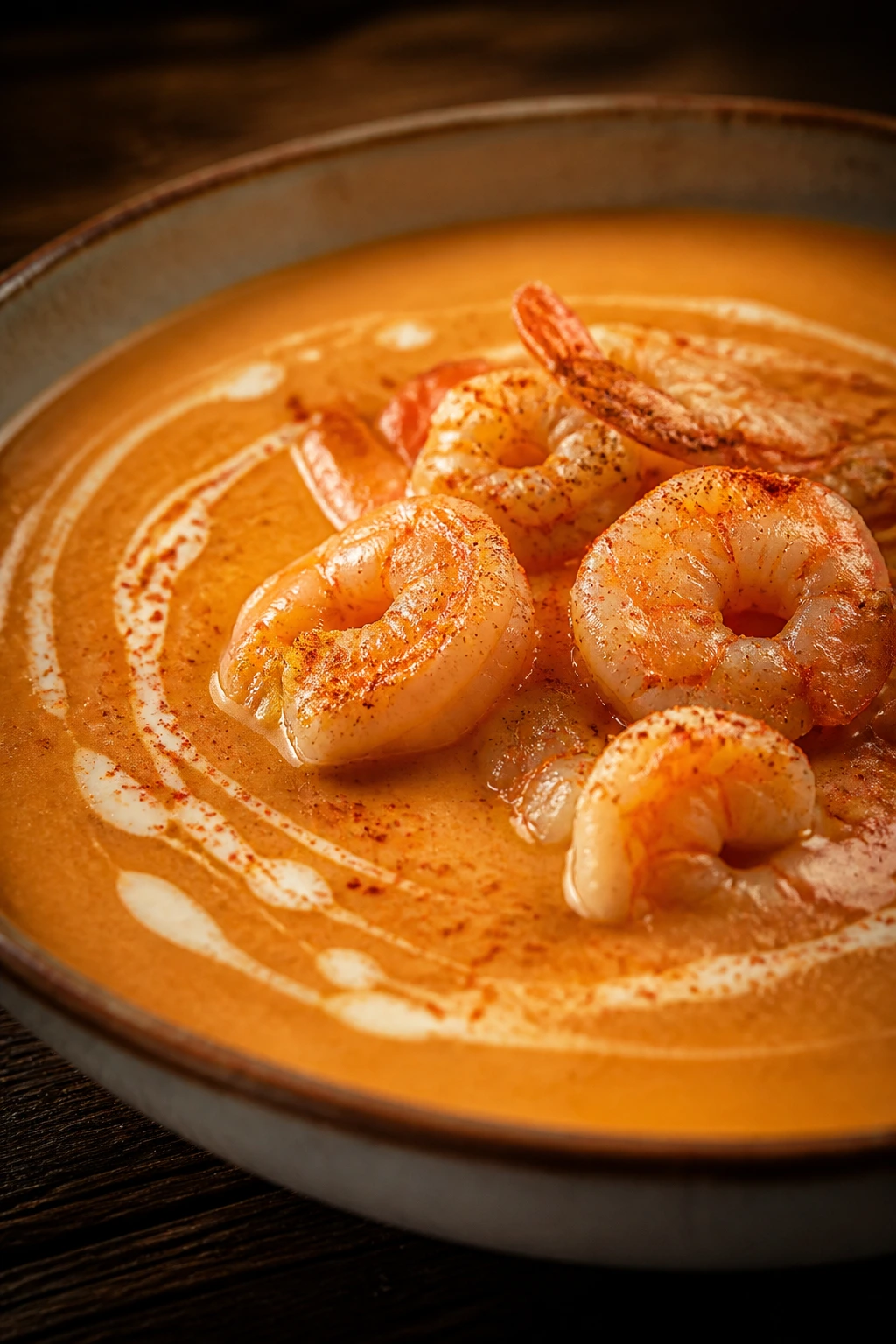
Shrimp bisque tastes like somebody took the care usually reserved for a steakhouse and poured it into a bowl. It is silky, a little luxurious, and far more attainable at home than people assume. The trick is in the shells, the tomato paste, and the slow finish with cream.
This is the richest bowl in the group, so it works best when you want dinner to feel a little dressed up. The paprika gives it warmth, the cognac brings depth, and the shrimp land tender instead of tough if you cook them at the very end.
Why It Works:
Shrimp shells are packed with flavor, and a quick simmer extracts that sweetness before the stock even goes in. A small amount of flour helps the bisque thicken without turning pasty, while cream smooths everything out at the end. You get a refined bowl without needing a restaurant kitchen.
Key Ingredients:
- 1 1/2 pounds shell-on shrimp — save the shells for the broth.
- 4 tablespoons unsalted butter — for the base.
- 1 medium onion, chopped — gives the bisque structure.
- 1 carrot, chopped — adds light sweetness.
- 1 celery stalk, chopped — rounds out the broth.
- 2 tablespoons tomato paste — deepens the color and flavor.
- 1 teaspoon smoked paprika — gives the bisque warmth.
- 2 tablespoons all-purpose flour — helps thicken the soup.
- 1/4 cup cognac or dry sherry — deglazes the pot.
- 1/2 cup dry white wine — adds brightness.
- 4 cups seafood stock or chicken stock — seafood stock gives the best result.
- 1 cup heavy cream — the finishing richness.
- 1 bay leaf — background depth.
- 1 tablespoon lemon juice — brightens the final bowl.
- 2 tablespoons chopped chives — for serving.
Quick Steps:
- Peel the shrimp: Remove the shells and set them aside. If the shrimp are large, chop them into bite-size pieces and keep them cold.
- Cook the shell stock: Melt the butter in a soup pot over medium heat. Add the shrimp shells, onion, carrot, and celery, and cook for 5 to 6 minutes until fragrant and lightly colored.
- Build the bisque base: Stir in the tomato paste, smoked paprika, and flour. Cook for 1 minute, then add the cognac and scrape the pot.
- Simmer: Add the white wine, stock, and bay leaf. Simmer for 20 minutes, then strain the broth or blend it and strain it if you want a smoother bisque.
- Finish the soup: Return the broth to the pot, stir in the cream, and warm gently. Add the shrimp and cook for 2 to 3 minutes until they just turn pink.
- Serve with chives: Stir in lemon juice, then ladle into bowls and scatter chives on top.
Tips and Variations:
- If you use pre-cooked shrimp, add them only at the very end so they don’t turn tough.
- A pinch of cayenne gives the bisque more lift if you want a little heat.
- Serve with plain buttered toast; the soup is rich enough to carry a simple side.
10. Roasted Red Pepper, Chickpea, and Feta Soup
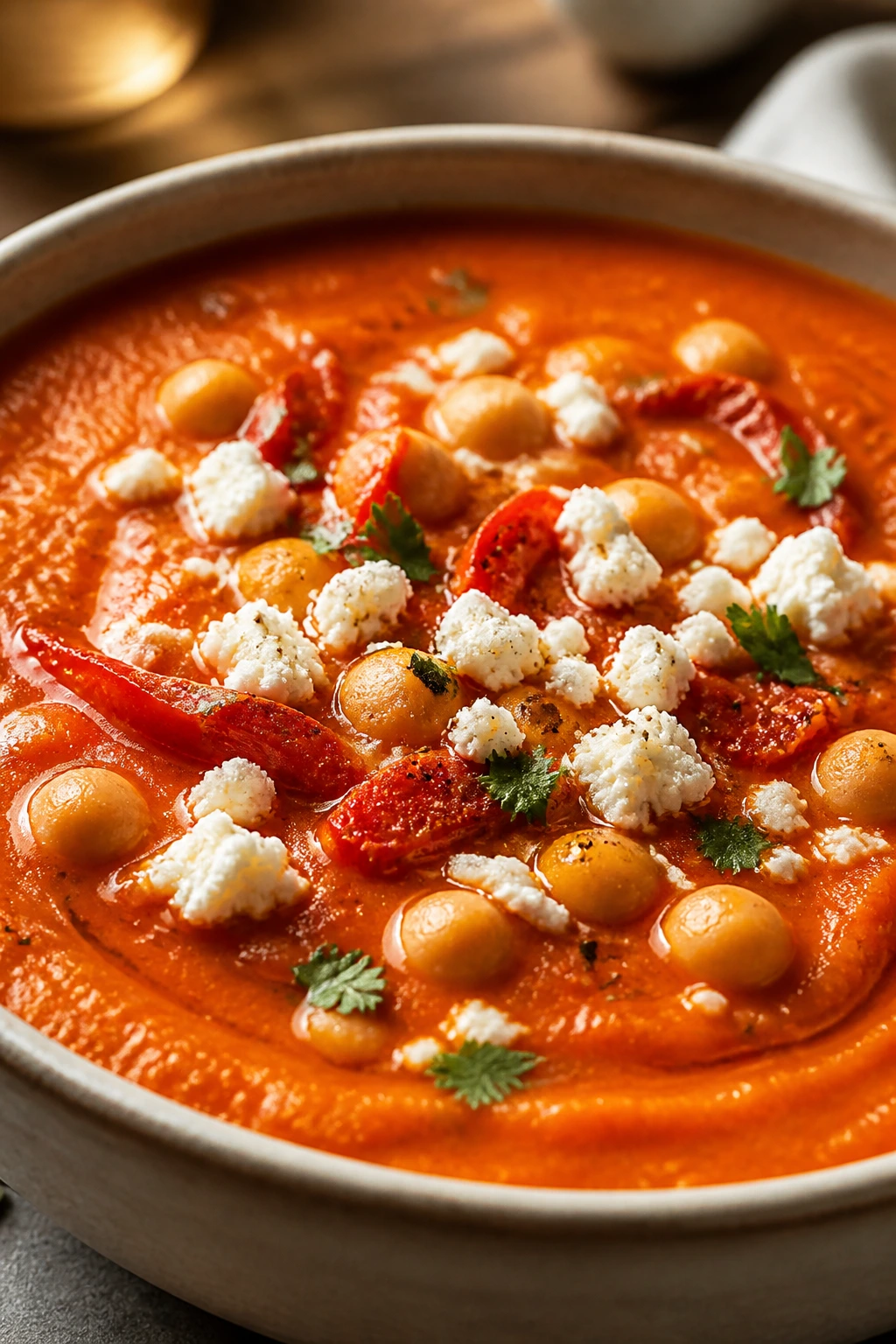
A jar of roasted red peppers, a can of chickpeas, and a little feta can carry date night farther than you’d expect. The soup is smoky, sweet, and creamy without being heavy. It’s also one of the easiest bowls in the collection to make look polished.
I like this as the vegetarian anchor of the group. It has enough protein from the chickpeas to count as dinner, enough acidity from the peppers and lemon to stay lively, and enough feta to give each spoonful a salty little edge.
Why It Works:
Roasted red peppers give the soup sweetness and smoke in one shot. Chickpeas make the texture fuller, and feta adds a salty finish that keeps the bowl from tasting one-dimensional. If you blend it smooth, it feels elegant; if you leave some texture, it feels rustic in a good way.
Key Ingredients:
- 2 jars roasted red peppers, 12 ounces each, drained — the main flavor.
- 1 medium onion, chopped — builds the base.
- 3 garlic cloves, minced — for savory depth.
- 2 tablespoons olive oil — for sautéing.
- 2 tablespoons tomato paste — deepens the color and adds body.
- 1 can chickpeas, 15 ounces, rinsed — gives the soup substance.
- 4 cups vegetable broth — choose one with good flavor.
- 1 teaspoon smoked paprika — ties the pepper flavor together.
- 1/2 teaspoon ground cumin — adds warmth.
- 1 tablespoon lemon juice — keeps the soup bright.
- 3/4 cup crumbled feta — for topping.
- 2 tablespoons chopped basil or parsley — for freshness.
- Black pepper, to taste — the final seasoning.
- Olive oil, for drizzling — a small finish that makes it look finished.
Quick Steps:
- Cook the onion and garlic: Heat the olive oil in a soup pot over medium heat. Add the onion and cook for 5 minutes until soft, then add the garlic for 30 seconds.
- Add the flavor builders: Stir in the tomato paste, smoked paprika, and cumin. Cook for 1 minute until the paste darkens a shade.
- Simmer the soup: Add the roasted red peppers, chickpeas, and broth. Bring to a simmer and cook for 15 minutes.
- Blend to your preferred texture: Blend until smooth for a sleek bowl, or pulse a few times if you want some chickpea texture left in it.
- Brighten the finish: Stir in the lemon juice and taste for salt and pepper.
- Serve with feta: Ladle into bowls, top with feta, herbs, and a drizzle of olive oil.
Tips and Variations:
- A spoonful of Greek yogurt on top softens the smoke and makes the bowl feel creamier.
- If you want more body, add an extra half can of chickpeas before blending.
- A pinch of Aleppo pepper or red pepper flakes gives the soup more personality.
Why Soup Makes Date Night Feel Special
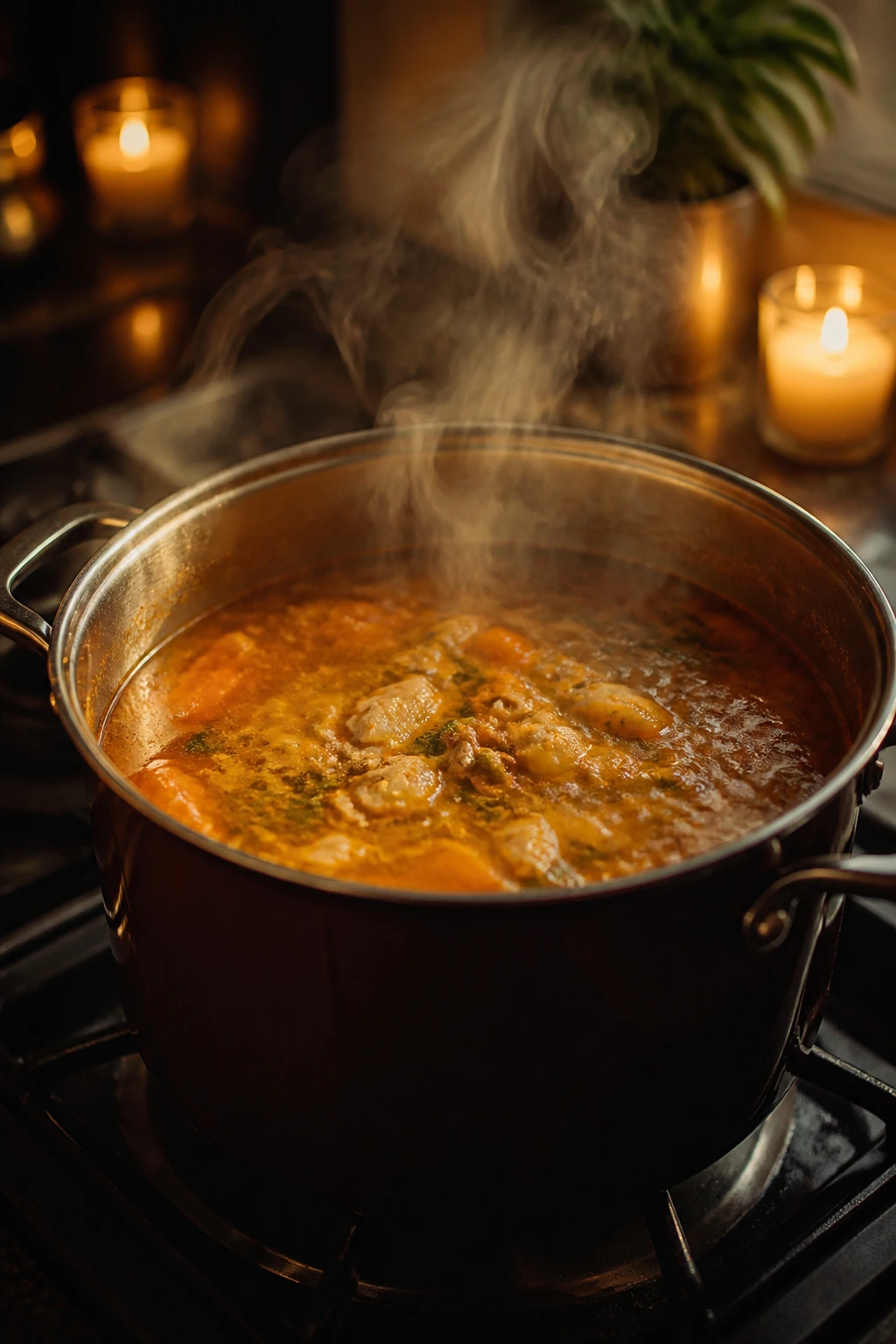
Soup has a timing advantage that heavier dinners miss. It can be on the table in a way that feels calm, not rushed, and that matters when you want the night to feel lived in instead of staged. A pot simmering in the kitchen changes the air. So does the smell of toast.
The other advantage is that soup asks for a few thoughtful extras instead of a long list of side dishes. A good bread, one crisp salad, maybe a drink with acidity, and you’ve built a table that feels complete. No juggling three pans. No panic over carving meat at the last second. Just a bowl that holds attention.
There’s also a built-in intimacy to soup that people sometimes miss. You pass spoons, tear bread, and pause between bites. Conversation gets room to breathe. That’s not a tiny thing.
The Tools That Make Soup Night Easier
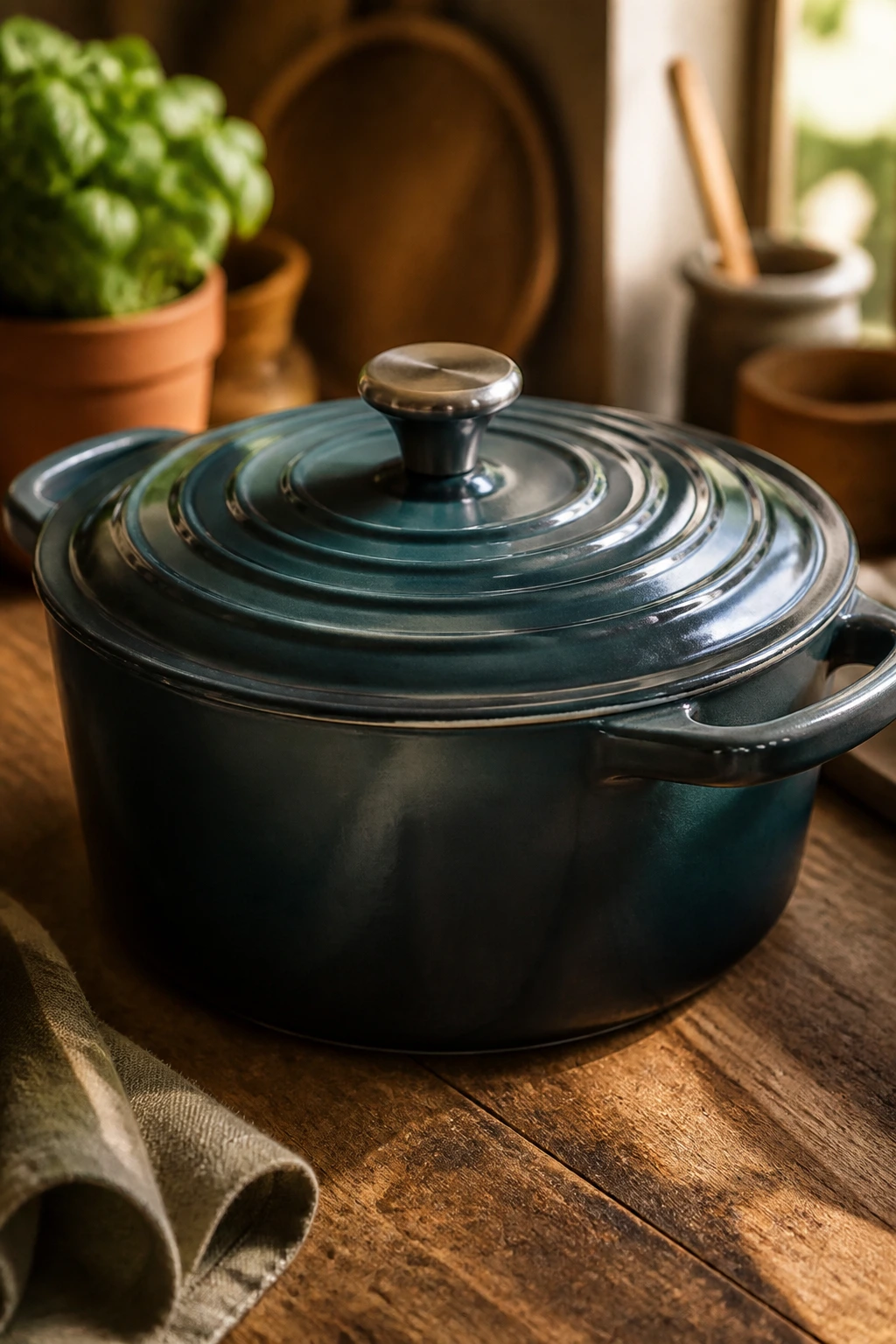
- Dutch oven or heavy soup pot — Best for even heat and long simmering.
- Wooden spoon or heatproof spatula — Useful for scraping browned bits and stirring without scratching the pot.
- Chef’s knife — A sharp knife saves time on onions, leeks, mushrooms, and herbs.
- Cutting board — A large one keeps prep from feeling cramped.
- Immersion blender — Handy for tomato, squash, and pepper soups; less mess than a countertop blender.
- Countertop blender — Better for the smoothest bisque or velvety soups, as long as you blend in batches.
- Sheet pan — Needed for roasting tomatoes, squash, or croutons.
- Ladle — It sounds obvious until you’re trying to portion broth neatly.
- Fine mesh strainer — Useful for bisque or any soup you want very smooth.
- Oven-safe bowls — Necessary for French onion soup and useful for any broiled topping.
- Microplane or box grater — Great for cheese, lemon zest, and nutmeg.
- Tongs — Helpful for turning bread, lifting noodles, or pulling out vegetables.
- Airtight storage containers — Important if you make the base ahead or want leftovers to keep well.
Shopping the Good Stuff Without Overcomplicating It
Broth matters more than people like to admit. If the broth tastes flat in the carton, the soup will taste flat in the bowl. Low-sodium versions give you control, and they usually let the onion, herb, or seafood flavors come through better than salty boxed broth does. For French onion and chicken wild rice, a broth with a little body is worth the extra attention.
Onions, mushrooms, and tomatoes each have their own rules. Yellow onions are best for slow caramelizing. Leeks need a thorough rinse because grit hides between the layers. For tomatoes, whole peeled canned tomatoes are often better than diced ones because they break down into a smoother base. And with mushrooms, mixing cremini and shiitake gives you more depth without needing a long ingredient list.
Seafood should be handled like seafood. Buy shrimp that smell clean, not fishy, and keep them cold until they go into the pot. Shell-on shrimp are worth the small bit of extra work for shrimp bisque. They carry flavor in a way peeled shrimp cannot fake. If the fish counter looks tired, skip the dish for another day.
Bread deserves attention too. Use a baguette, sourdough, or a sturdy country loaf. Soft sandwich bread disappears in soup. For date night, the bread should feel intentional, not like an afterthought that got sliced because it was there.
Cheese, cream, and herbs are where the final mood gets set. Gruyère, Parmesan, feta, and goat cheese all bring salt and personality. Fresh thyme, dill, basil, parsley, cilantro, and scallions do not need much quantity to matter; they just need to be fresh enough to smell like something. If the herbs smell dusty, leave them on the shelf.
How to Serve These Recipes So the Table Feels Special
Presentation:
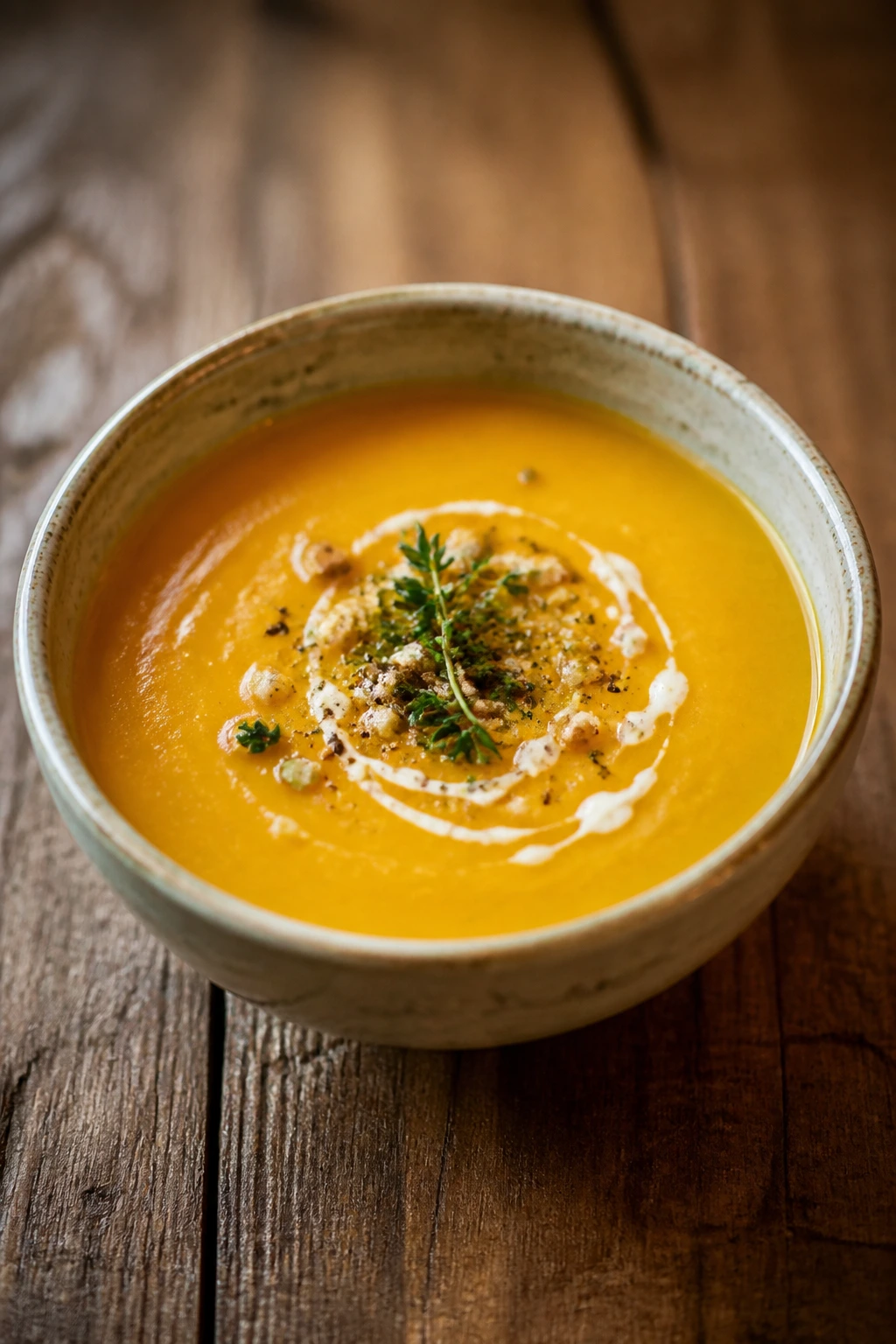
Warm the bowls before you ladle. It sounds fussy, but it keeps the soup hot longer and makes the whole meal feel more cared for. Wipe the bowl rims, finish with one bright garnish, and don’t overcrowd the top. A little restraint looks better than a messy pile.
Accompaniments:
A simple green salad with lemon vinaigrette is the cleanest partner for most of these soups. Add crusty bread, a small plate of olives, or a cheese board if you want the meal to linger. French onion and mushroom soup love a dry red wine nearby; tomato, roasted red pepper, and Thai coconut soup usually do better with something crisp and acidic.
Portions:
Most of these soups serve 4 as a full meal, though richer bowls like bisque and French onion can stretch farther with bread and a salad. For two people, make the full batch and plan on leftovers, or halve the recipe if the ingredient list is already small. If you want a more generous dinner, add a side of bread and a small salad rather than increasing the broth too much.
Beverage Pairing:
Crisp white wine works with tomato, roasted red pepper, shrimp, and coconut curry. Light red wine fits mushroom, sausage, and French onion. If you’re skipping alcohol, sparkling water with lemon or grapefruit keeps the palate fresh between rich spoonfuls.
Extra Touches That Make These Bowls Feel Finished
Flavor Enhancement:
A tiny finishing acid changes the whole bowl. Sherry vinegar in French onion, balsamic in tomato, lemon in chicken soup, and lime in Thai coconut broth all sharpen the flavor in different ways. You don’t need much — 1 teaspoon to 1 tablespoon is often enough — but that small amount can wake the soup up.
Customization:
Beans are the easiest way to make a soup more filling without changing its personality. White beans work in tomato, squash, and sausage soup. Chickpeas help the red pepper soup feel substantial. If you want more protein, shredded chicken, seared tofu, or shrimp can be added without forcing the recipe in a new direction.
Serving Suggestions:
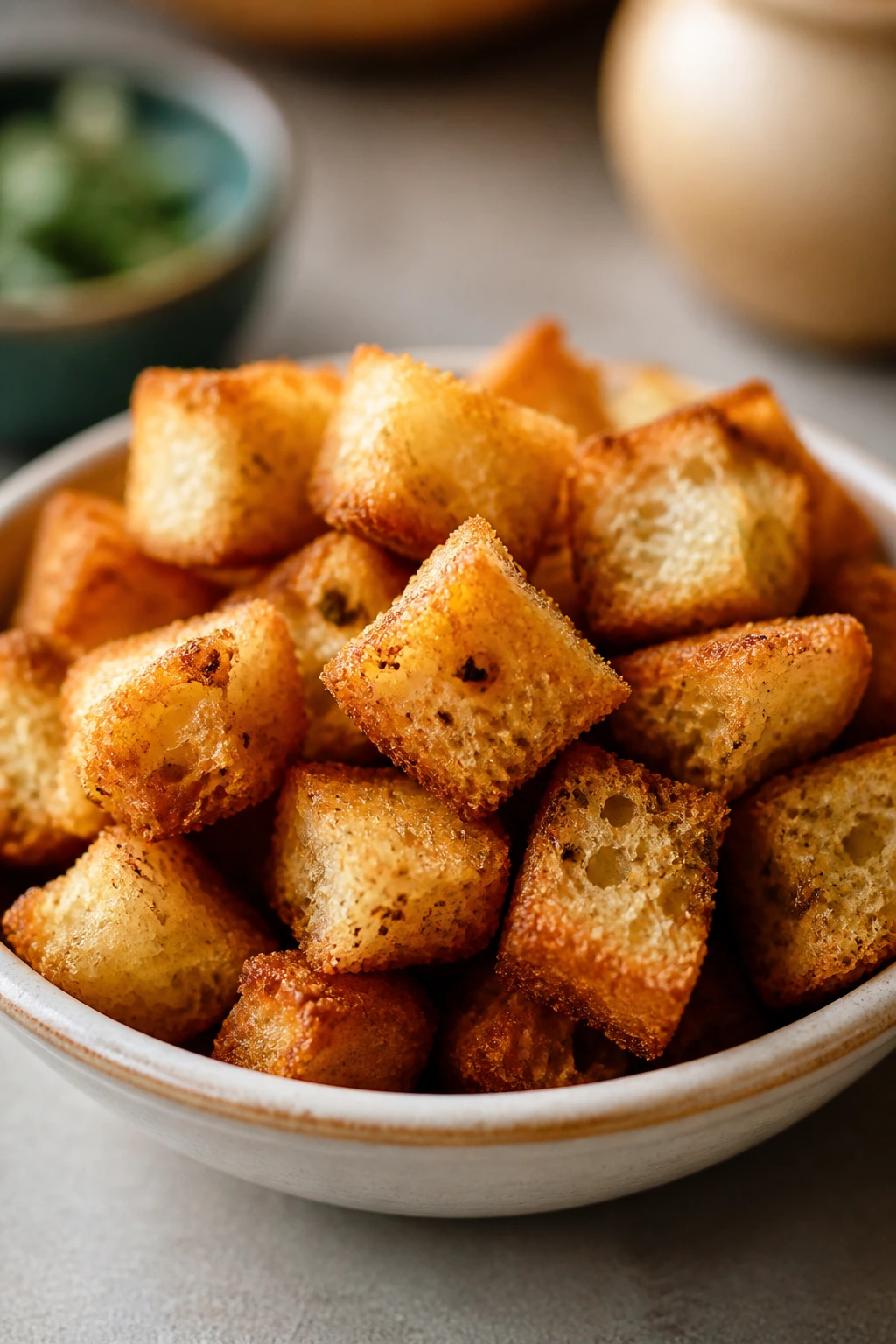
Use contrast. Creamy soup likes crunch, so add croutons, pepitas, toasted seeds, or crispy onions. Brothy soup likes a soft center, so top it with eggs, herbs, or a small spoonful of yogurt. Don’t put the garnish on too early if it will go soggy.
Make-It-Yours:
For dairy-free bowls, coconut milk, olive oil, and toasted breadcrumbs do a lot of the same work as cream and cheese. For gluten-free bowls, skip the bread or use a sturdy gluten-free loaf, and lean on beans or rice for body. For extra spice, chili crisp, red pepper flakes, or a spoonful of harissa can go a long way without taking over the bowl.
Make-Ahead, Storage, and Reheating Guidance
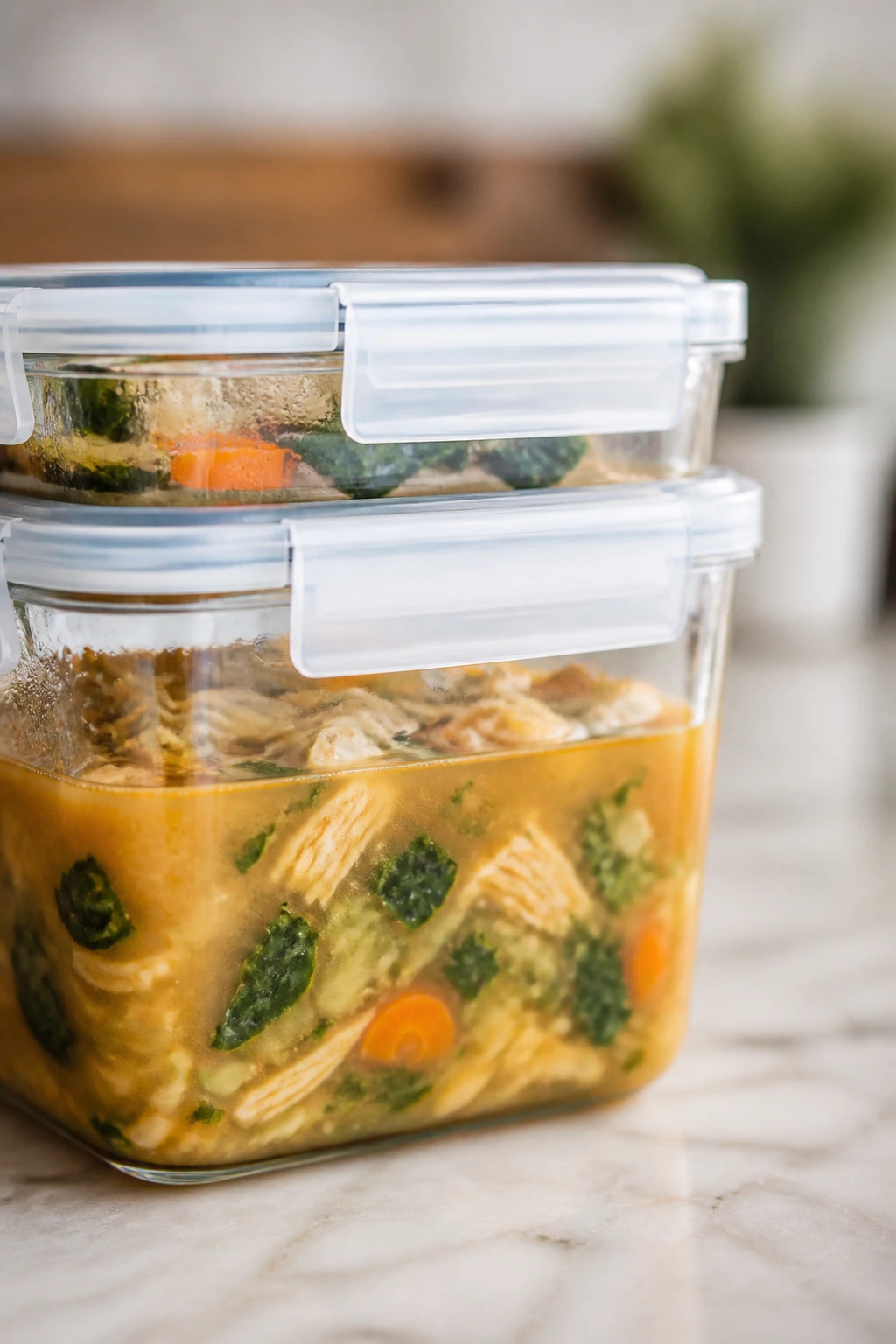
Most of these soups hold well in the fridge for 3 to 4 days in airtight containers. Broth-based soups like French onion, chicken wild rice, sausage and bean, and roasted red pepper reheat with very little trouble. Creamier soups also keep well, though they’re a little more likely to separate if they’re boiled hard during reheating.
Freezing works best for soups that do not lean too heavily on cream or noodles. Tomato, mushroom, squash, sausage, and roasted red pepper soups freeze well for up to 2 to 3 months. Shrimp bisque and Thai coconut curry soup can be frozen, but the texture is best if you freeze the base before adding the seafood or noodles. Miso ramen is a different case entirely: freeze the broth alone and cook the noodles fresh.
Reheat soup gently over medium-low heat, stirring every minute or two. If it’s too thick after chilling, add a splash of broth, water, or milk depending on the recipe. Cream soups should come back up slowly; a hard boil can make them grainy. For French onion, keep the broth and cheese toast separate until serving. For noodle soups, store noodles apart from the broth if you want them to keep their texture.
A few recipes are especially friendly to make-ahead prep. Caramelize the onions for French onion soup a day ahead. Roast the vegetables for tomato soup or squash soup earlier in the day. Make the broth for shrimp bisque and refrigerate it before finishing with cream and shrimp right before serving. That kind of split prep turns a date-night dinner into a calm, almost effortless move.
Easy Adaptations That Fit the Whole Collection
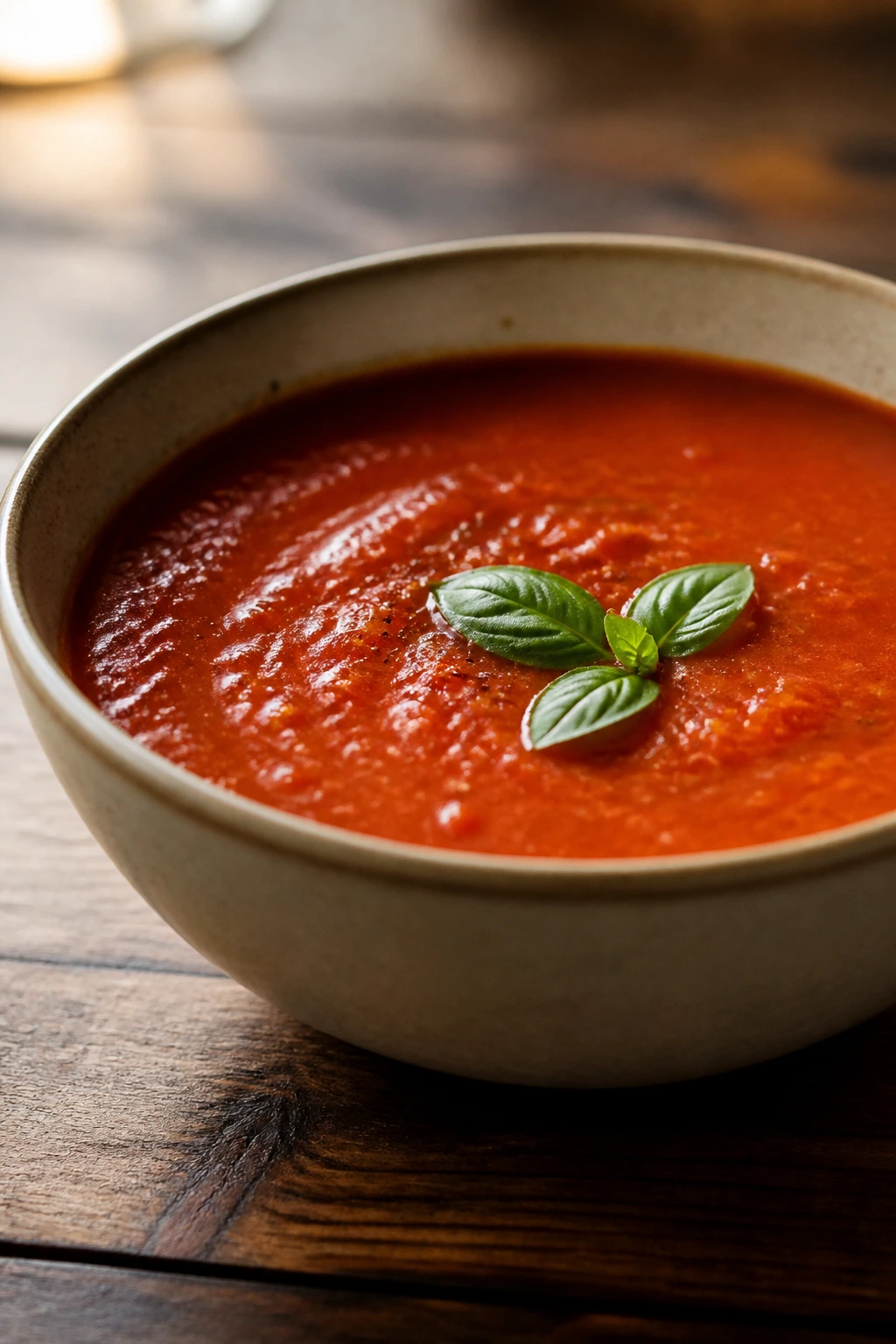
The Pantry-Only Bowl:
Use canned tomatoes, boxed broth, frozen herbs, and shelf-stable beans to build a date-night soup without a special shopping trip. This works best for tomato soup, roasted red pepper soup, sausage and bean soup, and squash soup. The trick is to finish with one fresh thing — parsley, basil, lemon, or a spoonful of yogurt — so the bowl doesn’t taste like it came from a cupboard.
The Dairy-Free Table:
Swap cream for coconut milk or oat cream, butter for olive oil, and cheese for toasted breadcrumbs or a drizzle of herb oil. This suits tomato, squash, Thai coconut curry, and red pepper soup especially well. French onion and mushroom soup can still work dairy-free if you lean on olive oil and good broth, though the finish will be a little different.
The Protein-Building Version:
Add shredded chicken, seared tofu, shrimp, beans, or lentils to make a lighter soup act more like a full meal. Chicken wild rice, miso ramen, tomato basil, and roasted red pepper soup all take this kind of upgrade well. Keep the added protein bite-size so it doesn’t make the bowl clumsy.
The Heat-Lover’s Bowl:
Chili crisp, red pepper flakes, harissa, or a spoonful of curry paste can shift the mood fast. Thai coconut curry already carries its own heat, but the mushroom, bean, and tomato soups can all take extra fire without losing their shape. Add heat in the pot, not just on top, if you want the flavor to spread through the broth.
The Light-Red-Wine Pairing Plan:
If you’re serving wine, soups with mushrooms, sausage, onion, or bisque can handle a light red without fighting it. Keep the garnish simple and let the broth stay savory. That pairing makes the table feel more complete with almost no extra work.
Common Mistakes That Flatten a Good Bowl
Underseasoned soup is the first trap. A pot can smell wonderful and still taste thin if you salt only at the end. Season in layers: first the vegetables, then the broth, then the final finish. If the soup tastes almost right but not quite, the missing piece is often salt, acid, or both.
Boiling dairy is another bad habit. Cream, milk, and half-and-half can split if the heat is too aggressive, and then the texture goes grainy. Keep the flame low once dairy goes in, and don’t let the pot surge. Gentle heat is boring, but it protects the bowl.
Rushing browning ruins more soups than people think. Mushrooms, onions, sausage, and tomato paste all need enough heat to deepen in flavor. Pale onions taste wet. Pale mushrooms taste steamed. Pale tomato paste tastes raw. If the recipe tells you to brown, let the browning happen.
Adding noodles too early is a quiet disaster. They soak up broth, turn soft, and steal the texture from the rest of the pot. Cook them separately if you want leftovers to keep well, or add them only in the last few minutes before serving.
Using seafood that is already overcooked is a mistake I see all the time. Shrimp need only a minute or two once they hit the broth. If they curl tightly and turn opaque before the bowl is ready, they’ve gone too far. Pull them off the heat while they still look a little shy.
Forgetting acid is the last one. A soup can be rich, full, and properly salted, yet still feel dull if nothing bright cuts through it. Lemon, lime, vinegar, or a splash of wine changes the whole shape of the flavor.
Date-Night Soup Questions Worth Answering

Which soup on this list is easiest for a first-time cook?
Roasted tomato basil soup and roasted red pepper soup are the most forgiving. They rely on a short list of ingredients, and both can be blended smooth if the texture isn’t exactly where you want it. Tomato soup also gives you room to taste and adjust without much risk.
Can I make these soups ahead for a dinner with someone else?
Yes, and some of them improve after a short rest in the fridge. French onion, sausage and bean, tomato basil, mushroom, and squash soup all reheat nicely. Keep toppings, croutons, and cheese separate until the last minute so they stay crisp and fresh.
What bread should I serve with soup dinners for date night?
Use bread that can stand up to a spoon: baguette, sourdough, country loaf, or a good rustic boule. Soft sandwich bread gets soggy too fast. For French onion, toast is part of the recipe. For the others, warm bread with butter is enough.
How do I make soup feel special without adding a lot of work?
Choose one finishing move and do it well. A herb oil, a drizzle of cream, good cheese, or a handful of homemade croutons changes the mood fast. Warm bowls help too. It’s not flashy, but it matters.
Can I freeze creamy soups?
Usually, yes, but the texture is best if you freeze the soup before adding the cream. Tomato, squash, roasted red pepper, and mushroom soups freeze better than dairy-heavy bisques. When reheating, add the cream after the soup comes back up to temperature.
What if my soup tastes flat?
Start with salt, then add acid. A soup can taste dull simply because it needs more seasoning or a splash of lemon, vinegar, wine, or lime. If it still feels thin after that, a small spoonful of tomato paste, parmesan, or miso can add depth.
How do I keep noodles from getting mushy?
Cook them separately if you’re making the soup ahead. If you’re serving right away, add them in the final minutes and pull the pot as soon as they’re tender. Leftover ramen or noodle soup usually tastes better when the noodles and broth are stored apart.
Which soups here work best for a vegetarian table?
Roasted tomato basil, mushroom leek, brown butter squash with a dairy-free swap, miso ramen with tofu, and roasted red pepper chickpea soup all fit that role well. If you want more protein, beans and tofu do the heavy lifting without changing the mood of the meal.
What if I only want dinner for two and not leftovers?
Cut the recipe in half, but keep the seasoning a little conservative at first. Many soups reduce as they cook, so start with a little less salt and add more at the end. A half batch of a rich soup still feels complete if you serve it with good bread and a small salad.
A Table Worth Sitting Down For
The nice thing about soup is that it meets you where you are. Some nights call for slow onions and cheese. Other nights want coconut, lime, or a bowl full of mushrooms and thyme. Date night gets easier when the food already knows how to be warm, generous, and a little bit dramatic.
Pick one of these soups, add bread that actually deserves the name, and finish the bowl with something bright or crunchy. That’s the whole trick. The rest is steam, conversation, and the quiet pleasure of watching a simple dinner feel like a plan.
| Recipe | Prep Time | Cook Time | Total Time | Servings | Standout Detail |
|---|---|---|---|---|---|
| French Onion Soup with Gruyère Toasts | 20 min | 70 min | 90 min | 4 servings | Deep caramelized onions and bubbling cheese top |
| Roasted Tomato Basil Soup with Parmesan Croutons | 20 min | 35 min | 55 min | 4 to 6 servings | Roasted tomatoes give it bright, sweet depth |
| Creamy Mushroom, Leek, and Thyme Soup | 15 min | 35 min | 50 min | 4 servings | Earthy mushrooms with a sherry finish |
| Thai Coconut Curry Shrimp Soup | 20 min | 20 min | 40 min | 4 servings | Fast, fragrant broth with shrimp and lime |
| Brown Butter Butternut Squash and White Bean Soup | 20 min | 45 min | 65 min | 4 to 6 servings | Brown butter and sage make the finish pop |
| Chicken, Wild Rice, and Lemon Soup with Dill | 20 min | 45 min | 65 min | 6 servings | Hearty rice and lemony broth in one bowl |
| Italian Sausage, White Bean, and Kale Soup | 15 min | 35 min | 50 min | 6 servings | Savory sausage with beans and greens |
| Miso Ramen with Shiitakes, Jammy Eggs, and Scallions | 20 min | 15 min | 35 min | 4 servings | Jammy eggs and miso broth bring the drama |
| Shrimp Bisque with Cognac and Paprika | 25 min | 35 min | 60 min | 4 servings | Shell-based broth with a silky, restaurant-style finish |
| Roasted Red Pepper, Chickpea, and Feta Soup | 15 min | 30 min | 45 min | 4 servings | Smoky peppers, chickpeas, and salty feta |