



A simmering pot changes the mood of a house fast. One minute the kitchen smells like onions and garlic; ten minutes later, the whole place feels softer, slower, more forgiving. That is the magic of soup dinners: they make a cozy Sunday feel like a reset without asking you to stand over the stove all afternoon.
The best soup dinners do more than warm you up. They carry enough protein, starch, and vegetables to count as a full meal, and they still leave room for crusty bread, a crisp salad, or a broiled cheese toast if that’s the kind of evening you want. If you have ever made a soup that tasted fine but landed light on the table, you already know the difference. A real dinner soup needs body. It needs salt, texture, and a finish that makes you want another ladle.
These 12 bowls lean into that idea from different angles—creamy, brothy, smoky, tomato-rich, bean-heavy, and deeply savory. Some are built for a long simmer, others want a broiler, a blender, or a skillet of crisp toppings. The first one is the kind of pot that makes the whole room smell like you worked harder than you did.
Why These Soup Dinners Feel Like a Full Meal
- One-pot comfort: Most of these soup dinners build flavor in a single pot, which means less cleanup and more time for the bread basket.
- Dinner-worthy texture: Every recipe has some mix of protein, starch, and vegetables, so the bowl doesn’t feel thin or unfinished.
- Leftovers that behave: Several soups—especially the bean, barley, and lentil ones—taste even better after a night in the fridge.
- Easy to scale: Most of these recipes double cleanly for a bigger crowd, and the broth-based ones stretch well without getting watery.
- Flexible toppings: A handful of herbs, a squeeze of lemon, or a pile of croutons can change the whole mood of a bowl.
- Sunday-friendly pacing: These are the kinds of recipes that let you chop, simmer, and wander off for a while without panic.
1. Chicken and Wild Rice Soup
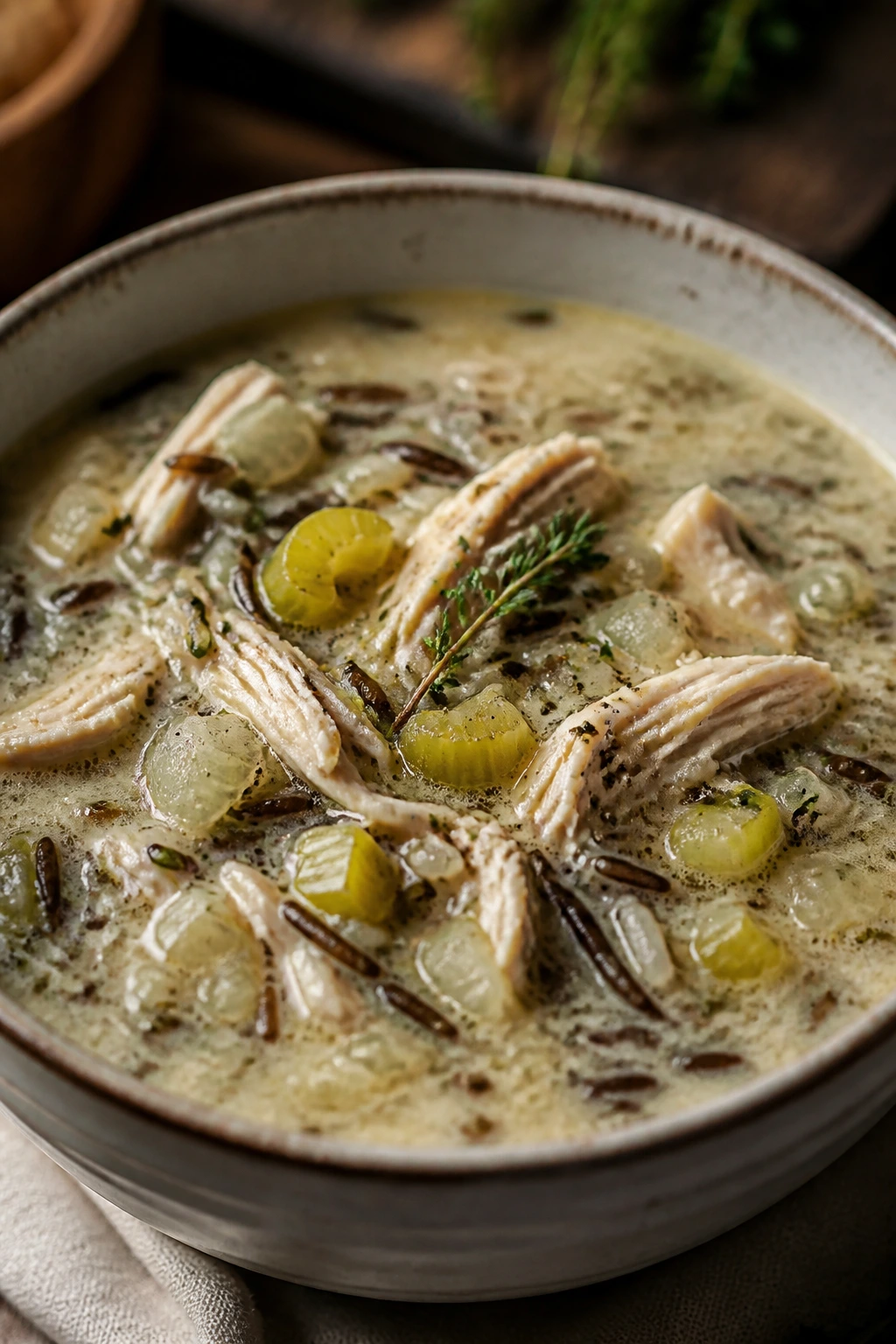
A pot of chicken and wild rice soup smells like a clean kitchen that’s been busy for a while: onion, thyme, celery, and that faint nutty aroma wild rice gives off as it softens. The broth turns silky without feeling heavy, and the chicken gives it enough substance to stand in as dinner instead of a prelude.
This is the bowl I make when I want something calm but not sleepy. Wild rice takes longer than white rice, which is exactly the point; it gives the soup a chewy, almost toasted bite that stands up to cream and tender vegetables. Let the grains split and curl a little. That’s the sweet spot.
Why It Works
Chicken thighs stay juicy during a longer simmer, which matters here because wild rice takes time. The rice blend brings texture, the vegetables keep the broth bright, and the small amount of cream at the end rounds everything out without pushing it into chowder territory. A gentle simmer is the whole game. If the pot boils hard, the chicken dries out and the rice gets murky instead of pleasantly chewy.
Key Ingredients
- 1½ lbs boneless, skinless chicken thighs, trimmed
- 1 tbsp olive oil
- 1 large yellow onion, diced
- 2 medium carrots, peeled and sliced
- 2 celery stalks, sliced
- 3 garlic cloves, minced
- 1 cup wild rice blend, rinsed
- 8 cups low-sodium chicken broth
- 2 bay leaves
- 1 tsp dried thyme
- 1 cup half-and-half or heavy cream
- 2 tbsp chopped parsley
- 1½ tsp kosher salt, plus more to taste
- ½ tsp black pepper
Quick Steps
-
Sauté the vegetables: Heat the olive oil in a large Dutch oven over medium heat. Add the onion, carrots, and celery with a pinch of salt, then cook for 6 to 8 minutes, until the onion looks glossy and the edges of the carrots start to soften.
-
Build the base: Stir in the garlic, wild rice, thyme, and black pepper. Cook for 1 minute, just until the garlic smells sweet and the rice is coated in the oil and aromatics.
-
Simmer the soup: Pour in the broth, add the bay leaves, and nestle in the chicken thighs. Bring the pot to a gentle simmer, then lower the heat and cook uncovered for 35 to 40 minutes, until the rice is tender and the chicken reaches 165°F / 74°C.
-
Shred the chicken: Lift the chicken out onto a board, shred it with two forks, and return it to the pot. The meat should fall apart easily and stay juicy.
-
Finish with cream: Stir in the half-and-half and parsley, then simmer for 2 to 3 minutes more. Taste and adjust the salt. The broth should taste rounded, savory, and a little nutty from the rice.
Tips and Variations
- Make-ahead move: Cook the soup through the rice stage, then add the cream when you reheat it. The texture stays cleaner that way.
- Swap note: Chicken breast works, but pull it out as soon as it hits 165°F so it doesn’t go stringy.
- Serve it well: A warm slice of sourdough on the side does more for this soup than any fancy garnish ever could.
2. Beef and Barley Soup
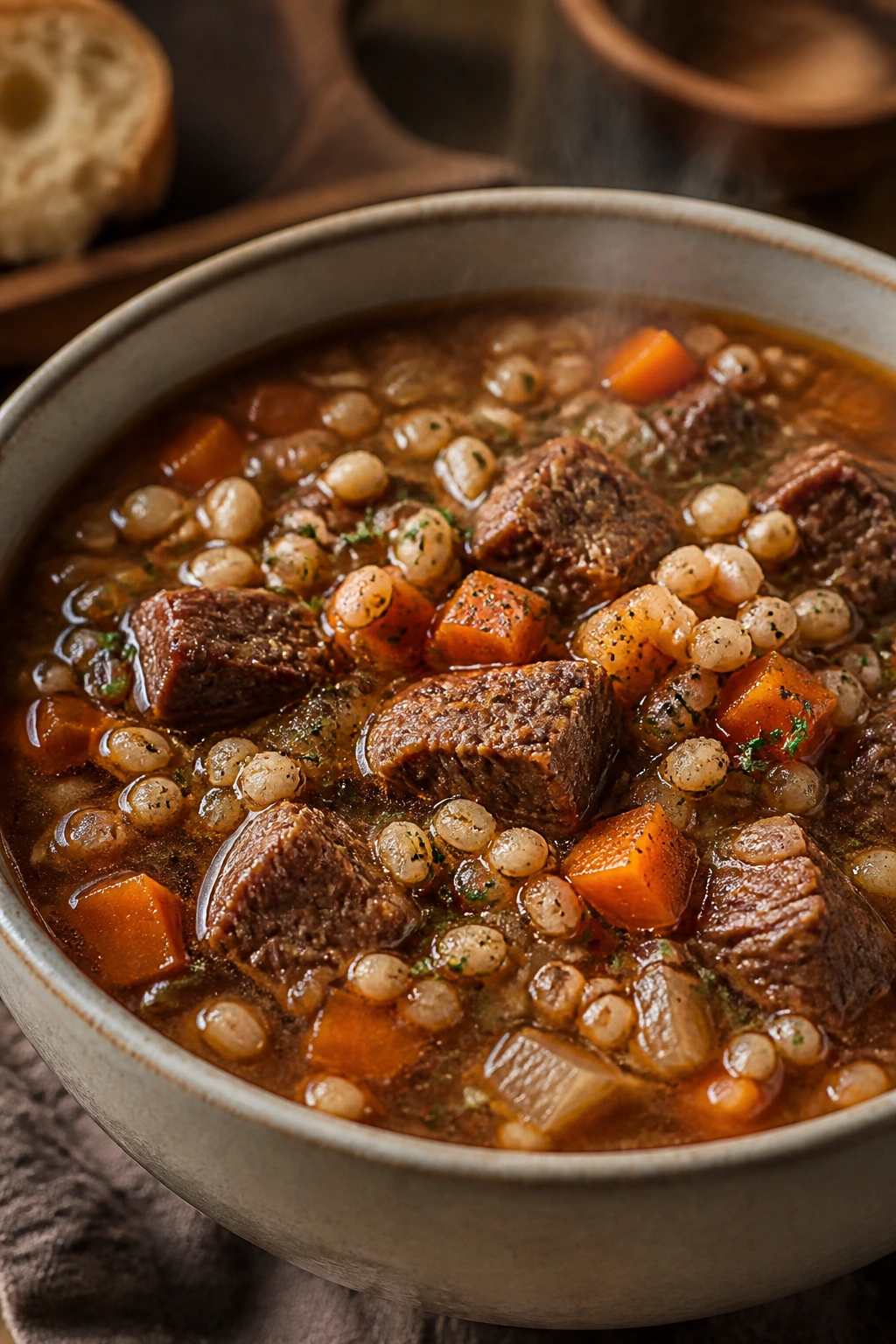
Beef and barley soup has a darker smell as soon as the meat hits the pot. You get browned beef, carrots, tomato paste, and that earthy, almost woodsy scent barley brings once it starts to swell. This is the bowl that settles in and stays put.
I like this one because it eats like a meal with shoulders. The barley thickens the broth naturally, and the beef chuck turns tender after a long simmer without needing much fuss. There’s nothing delicate about it. Good.
Why It Earns a Spot at Dinner
Beef chuck is the right cut because the connective tissue softens during slow cooking, giving the soup body instead of dry shreds. Pearl barley helps the broth feel full and substantial, and a little tomato paste gives the whole pot a deeper, stew-like base. If you skip the browning step, you lose half the flavor. That is not dramatic. It’s just true.
Ingredient Lineup
- 2 lbs beef chuck, cut into 1-inch cubes
- 1½ tsp kosher salt
- 1 tsp black pepper
- 2 tbsp olive oil
- 1 large yellow onion, diced
- 2 carrots, sliced
- 2 celery stalks, sliced
- 3 garlic cloves, minced
- 2 tbsp tomato paste
- ½ cup dry red wine or extra broth
- 8 cups beef broth
- ¾ cup pearl barley, rinsed
- 1 bay leaf
- 1 tsp dried thyme
- 1 cup sliced cremini mushrooms, optional
- 2 tbsp chopped parsley
How to Make It
-
Brown the beef: Pat the beef dry, season it with salt and pepper, and sear it in the olive oil over medium-high heat in batches. Give each batch 3 to 4 minutes per side, until a deep brown crust forms. Do not crowd the pan.
-
Cook the aromatics: Lower the heat to medium and add the onion, carrots, and celery. Cook for 5 to 6 minutes, scraping up the browned bits, until the onion softens and starts to turn translucent.
-
Add the depth builders: Stir in the garlic and tomato paste, then cook for 1 minute. Pour in the wine and let it bubble for 1 to 2 minutes, until the sharp alcohol smell is gone.
-
Simmer slowly: Add the broth, barley, bay leaf, thyme, and mushrooms if you’re using them. Return the beef to the pot, bring everything to a gentle simmer, and cook uncovered for 55 to 70 minutes, until the beef is tender and the barley is plump.
-
Finish and rest: Stir in the parsley and taste for salt. Let the soup sit for 10 minutes before serving so the broth settles into the barley instead of looking loose in the bowl.
Smart Tweaks
- Red wine shortcut: If you don’t want to open wine, a splash of balsamic vinegar at the end adds a similar deep note.
- Texture fix: If the soup thickens too much after sitting, loosen it with a cup of broth.
- Best bread pairing: Rye or sourdough both handle this soup better than soft sandwich bread.
3. Tomato Soup with Grilled Cheese Toasts

Tomato soup gets dismissed too often, usually by people who have only met the watery kind. When it’s done well, it tastes bright, sweet, and a little smoky, with enough butter and cream to make the bowl feel like a real dinner. The grilled cheese toasts on top turn it from nostalgic to practical.
This recipe is the one that proves a simple soup can still feel complete. The tomatoes need a little onion, a little garlic, and a little patience; the sandwiches need good bread and enough heat to get the cheese molten without burning the crust. That balance matters more than fancy ingredients.
Why It Works So Well
Whole peeled tomatoes bring better body than thin tomato juice ever could, and tomato paste deepens the flavor without making the soup taste canned. A quick blend gives you that smooth, velvety texture people want from tomato soup, and the grilled cheese adds salt, crunch, and fat. This is the rare dinner that gets better when you let the components stay a little separate.
Soup Ingredients
- 2 tbsp butter
- 1 large yellow onion, chopped
- 3 garlic cloves, minced
- 2 tbsp tomato paste
- 2 cans (28 oz each) whole peeled tomatoes
- 2 cups low-sodium vegetable broth
- 1 tsp sugar, optional
- ½ tsp black pepper
- ½ cup heavy cream
- 2 tbsp chopped basil
- 1 tsp kosher salt, plus more to taste
Grilled Cheese Ingredients
- 8 slices sourdough or country bread
- 8 slices sharp cheddar
- 2 tbsp softened butter or mayonnaise
- 2 tbsp grated Parmesan, optional for the crust
Quick Steps
-
Start the soup base: Melt the butter in a large pot over medium heat. Add the onion and cook for 6 to 7 minutes, until soft and lightly golden at the edges.
-
Toast the tomato paste: Stir in the garlic and tomato paste, then cook for 1 minute. The paste should darken slightly and smell rich, not raw.
-
Simmer and blend: Add the tomatoes, broth, sugar if needed, salt, and pepper. Break up the tomatoes with a spoon, simmer for 20 minutes, then blend until smooth with an immersion blender.
-
Finish the soup: Stir in the cream and basil, then taste again. The soup should be bright, rounded, and a little sweet at the back of the spoon.
-
Make the toasts: Build the sandwiches, butter the outside of the bread, and cook them in a skillet over medium heat for 2 to 3 minutes per side, until the bread is deep golden and the cheese melts. Cut into strips or small squares for dipping.
Ways to Change It
- Roasted version: Roast the tomatoes on a sheet pan with olive oil at 425°F / 220°C for 20 minutes if you want a deeper, sweeter flavor.
- Lighter bowl: Skip the cream and finish with a drizzle of olive oil instead.
- Crunch move: Use the grilled cheese as a topper and broil the assembled bowls for 1 minute so the cheese blisters.
4. Loaded Baked Potato Soup

A baked potato in bowl form sounds indulgent, and yes, that is the point. You get bacon, cheddar, scallions, and a base thick enough to coat a spoon without turning gummy. It smells like dinner that knows exactly what it is.
This is one of those soups that people keep “just tasting” until the bowl is mysteriously empty. The russets break down and thicken the broth, the bacon gives the pot a salty backbone, and the sour cream at the end makes the texture feel plush rather than gluey. Use enough seasoning. Potato soup goes flat fast if you are timid with salt.
Why This Bowl Feels Complete
Russet potatoes are starchier than waxy potatoes, so they soften and help thicken the soup naturally. A little flour cooked into the bacon fat gives the base structure, while milk and sour cream keep it from feeling one-note. Cheddar and scallions at the end add the baked-potato signal everyone wants. If the soup is too smooth, mash only part of it. A few soft chunks make it more satisfying.
Pantry List
- 6 slices thick-cut bacon, chopped
- 1 large yellow onion, diced
- 3 garlic cloves, minced
- ¼ cup all-purpose flour
- 4 large russet potatoes, peeled and diced into ½-inch cubes
- 6 cups low-sodium chicken broth
- 2 cups whole milk
- 1 cup sour cream
- 1½ cups shredded sharp cheddar
- 4 scallions, sliced
- 1½ tsp kosher salt
- ½ tsp black pepper
Step-by-Step
-
Render the bacon: Cook the bacon in a large Dutch oven over medium heat for 6 to 8 minutes, until crisp and browned. Remove it with a slotted spoon, leaving the fat in the pot.
-
Cook the onion: Add the onion to the bacon fat and cook for 4 to 5 minutes, until soft. Stir in the garlic and cook for 30 seconds more, just until fragrant.
-
Build the thick base: Sprinkle in the flour and stir constantly for 1 minute. The mixture should look pasty and smell a little toasted, not raw.
-
Simmer the potatoes: Pour in the broth slowly while whisking, then add the potatoes, salt, and pepper. Bring the pot to a simmer and cook for 15 to 20 minutes, until the potatoes are fork-tender.
-
Finish with dairy: Mash about one-third of the potatoes with the back of a spoon, then stir in the milk, sour cream, and cheddar over low heat. Warm gently for 2 to 3 minutes, until the cheese melts. Do not let it boil after the dairy goes in.
-
Serve it up: Top with bacon and scallions. A little extra cheddar on the surface is never a bad move.
Little Fixes and Swaps
- Thicker soup: Mash more potatoes if you want a denser bowl without adding more flour.
- No bacon option: Use butter and a pinch of smoked paprika for a similar savory note.
- Leftover help: Add a splash of broth when reheating, because potato soup tightens up overnight.
5. Sausage, Kale, and White Bean Soup
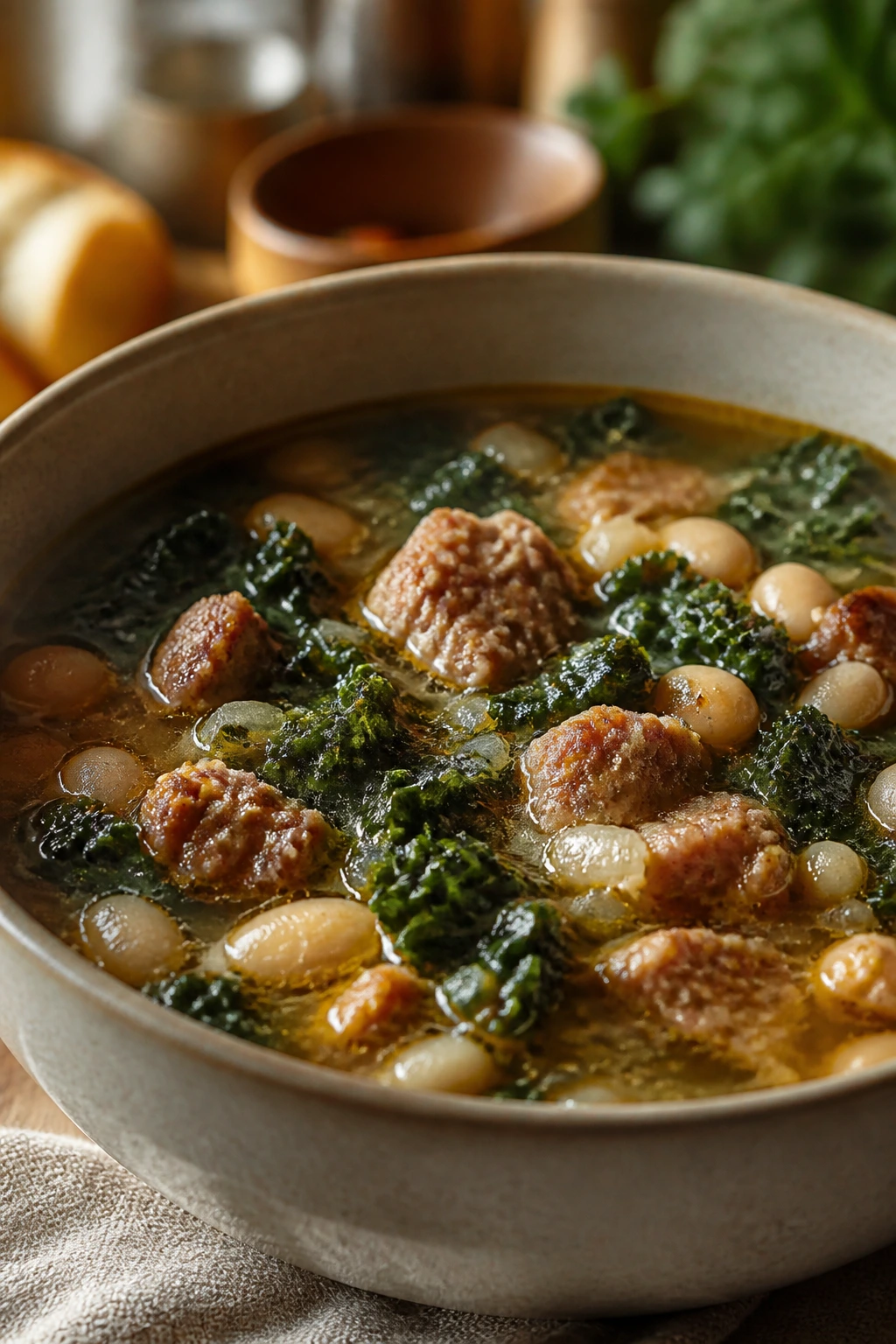
Some soups lean light. This one doesn’t bother. Sausage, kale, and white bean soup smells savory from the first minute, thanks to browned sausage, garlic, and a little fennel if you want it. The broth stays brothy, but the beans and sausage make it feel settled and full.
I reach for this recipe when I want dinner to feel sturdy without needing a side dish parade. White beans turn soft and creamy in the pot, kale stays pleasantly chewy, and a Parmesan rind gives the broth a slow, salty depth that tastes like you worked harder than you did. It’s a good bowl. Straightforward. Reliable.
Why It Belongs on the Table
Italian sausage seasons the whole pot because the fat carries spices through the broth, and cannellini beans add bulk without turning mealy. Kale holds up better than spinach in a longer simmer, which means the soup can sit for a while before serving. A squeeze of lemon at the end wakes everything up. Skip that, and the soup can taste heavier than it needs to.
What Goes In
- 1 lb Italian sausage, casings removed
- 1 tbsp olive oil, if needed
- 1 large onion, diced
- 2 carrots, diced
- 2 celery stalks, diced
- 4 garlic cloves, minced
- 2 cans (15 oz each) cannellini beans, drained and rinsed
- 6 cups low-sodium chicken broth
- 1 Parmesan rind
- 1 tsp dried fennel seeds, optional
- ½ tsp red pepper flakes
- 1 bunch kale, ribs removed and chopped
- 1 tbsp lemon juice
- 2 tbsp chopped parsley
How to Make It
-
Brown the sausage: Cook the sausage in a large pot over medium heat for 6 to 7 minutes, breaking it into crumbles. You want browned edges, not pale crumbles floating around in fat.
-
Cook the vegetables: Add the onion, carrots, and celery to the pot. Cook for 5 minutes, then add the garlic, fennel seeds, and red pepper flakes and cook for 30 seconds more.
-
Build the broth: Stir in the beans, broth, and Parmesan rind. Bring the pot to a simmer and cook for 15 minutes, until the vegetables are tender and the broth smells richer.
-
Add the kale: Stir in the kale and simmer for 5 to 7 minutes, until it softens but still has a little chew. The leaves should turn dark green and glossy.
-
Finish cleanly: Remove the Parmesan rind, stir in the lemon juice and parsley, and taste for salt. The soup should taste savory first, bright second.
Easy Variations
- Turkey swap: Ground turkey works if you season it with extra fennel and a pinch more salt.
- Creamier bowl: Mash a handful of beans against the side of the pot before serving.
- Bread pairing: A thick slice of garlic toast is enough here. You don’t need anything fancier.
6. Lentil Vegetable Soup
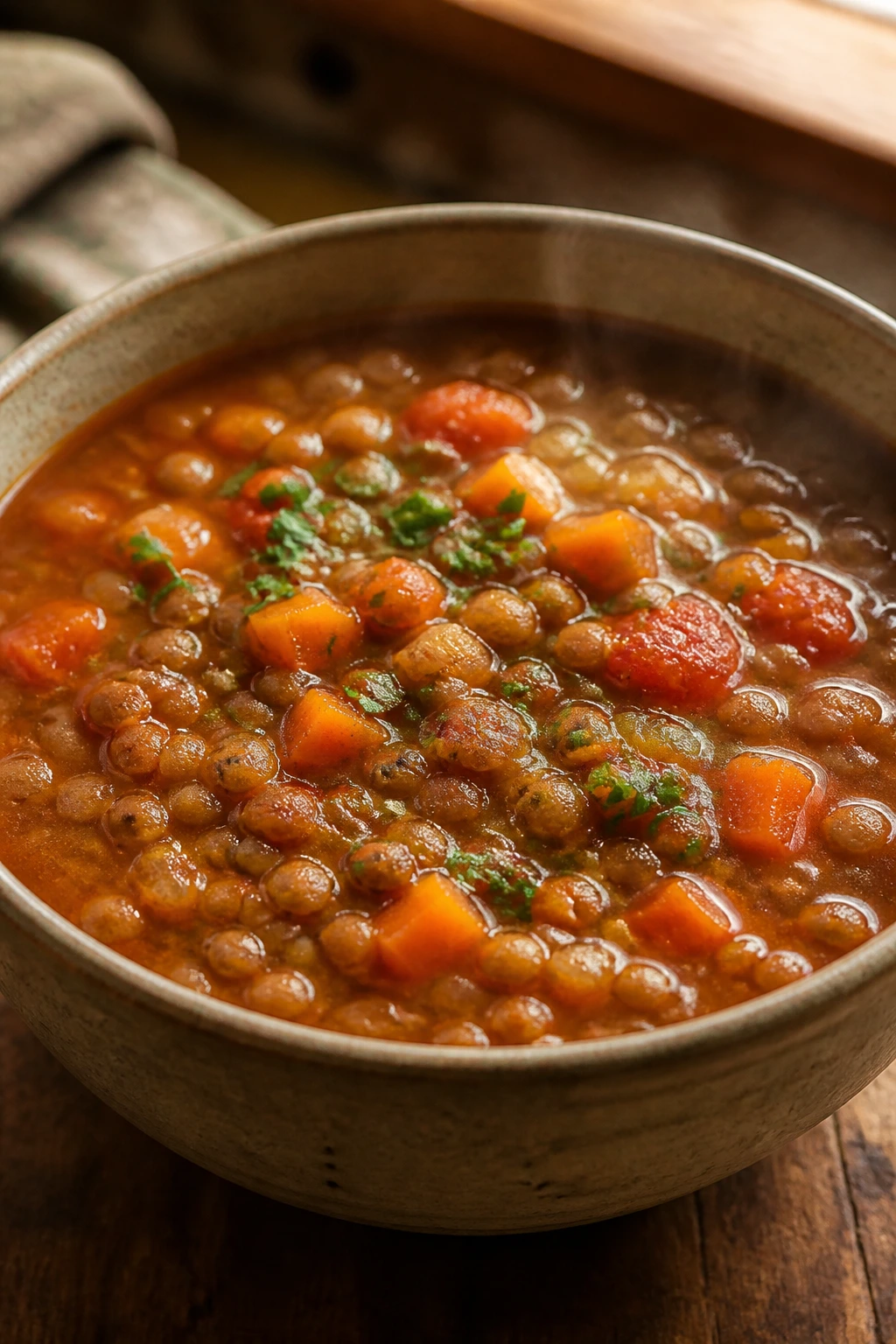
Lentil soup is the one I make when the fridge looks half empty and I still want dinner that feels purposeful. It smells earthy, tomato-rich, and faintly sweet once the carrots have cooked down. The lentils give it heft without making the bowl heavy.
There’s a reason this soup keeps showing up in kitchens that cook a lot. Brown or green lentils hold their shape, absorb seasoning, and make the broth feel thick without cream. You can make the whole pot with pantry ingredients and still end up with something that tastes deliberate.
Why It’s So Reliable
Lentils are fast enough for a weeknight but sturdy enough for a Sunday simmer, which gives this soup real range. Tomato paste and cumin add backbone, while a splash of vinegar at the end keeps the flavor from feeling dusty or flat. If you want the bowl to taste like it has a secret, finish it with acid. That is the secret.
Pantry and Produce
- 2 tbsp olive oil
- 1 large onion, diced
- 2 carrots, diced
- 2 celery stalks, diced
- 3 garlic cloves, minced
- 2 tbsp tomato paste
- 1½ cups brown or green lentils, rinsed
- 1 can (14.5 oz) diced tomatoes
- 8 cups low-sodium vegetable broth
- 1 bay leaf
- 1 tsp ground cumin
- ½ tsp dried thyme
- 2 cups spinach or chopped kale
- 1 tbsp red wine vinegar
- 2 tbsp chopped parsley
- 1½ tsp kosher salt
- ½ tsp black pepper
Step-by-Step
-
Start with the vegetables: Heat the olive oil in a soup pot over medium heat. Add the onion, carrots, and celery and cook for 6 to 8 minutes, until they start to soften and the onion turns translucent.
-
Toast the flavor base: Stir in the garlic, tomato paste, cumin, thyme, salt, and pepper. Cook for 1 minute, until the paste darkens and the spices smell warm.
-
Add lentils and liquid: Pour in the lentils, diced tomatoes, broth, and bay leaf. Bring the pot to a boil, then reduce it to a steady simmer.
-
Cook until tender: Simmer uncovered for 30 to 35 minutes, until the lentils are tender but not falling apart. Stir now and then so nothing sticks to the bottom.
-
Finish the greens: Stir in the spinach or kale and cook for 2 to 3 minutes, until wilted. Remove the bay leaf, add the vinegar and parsley, and taste again.
Smart Tweaks
- Make it heartier: Add diced potatoes with the lentils if you want a thicker spoon.
- Freezer note: This soup freezes well because there’s no dairy to split.
- Best finish: A spoonful of yogurt or a drizzle of olive oil on top makes a plain bowl feel finished.
7. Chicken Tortilla Soup
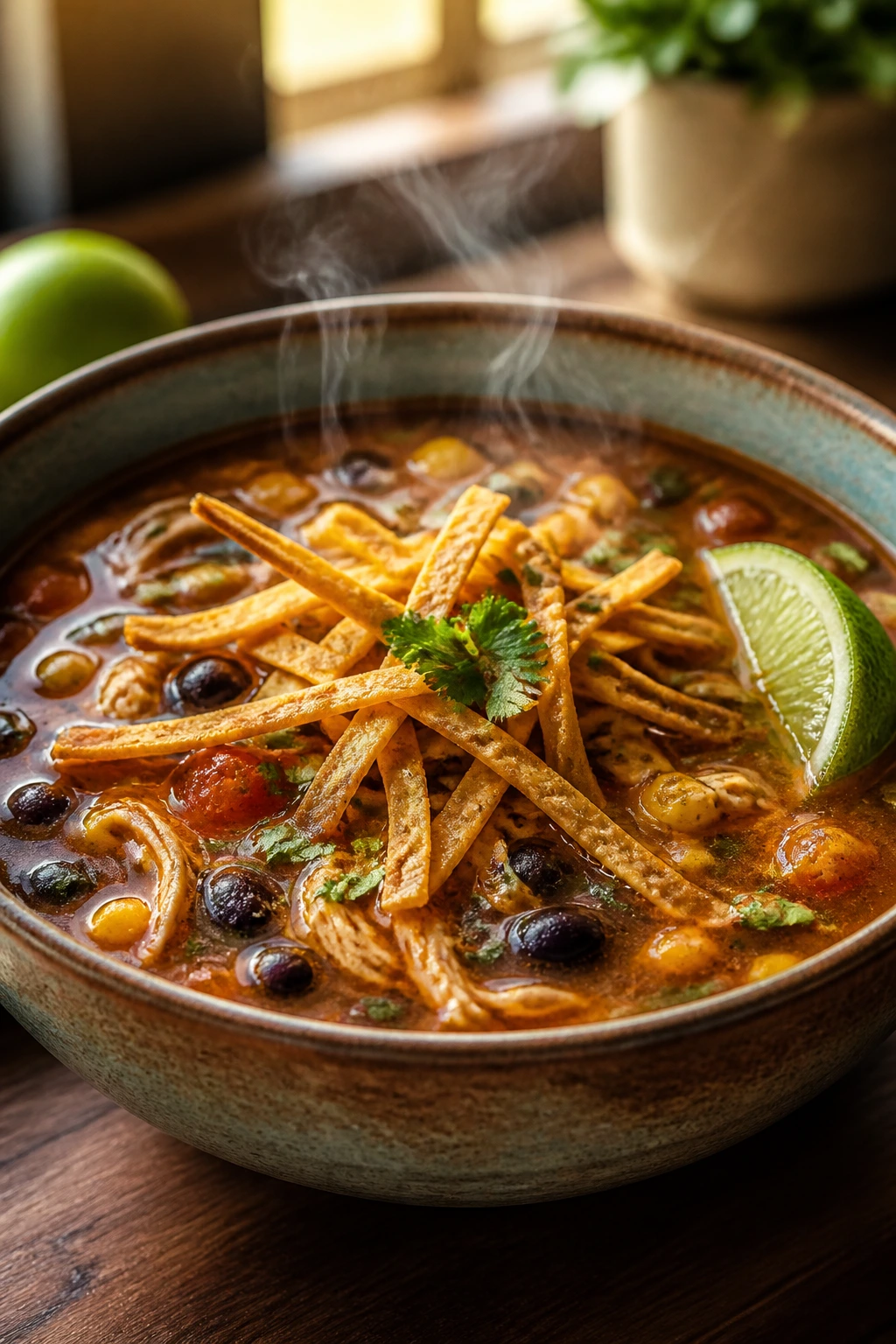
Chicken tortilla soup should crack a little when you eat it. That’s the whole point. You get smoky broth, shredded chicken, black beans, corn, and crisp tortilla strips that stay crunchy if you keep them separate until serving. The toppings matter here. A lot.
This is the soup on the list with the most personality. Chipotle in adobo gives the broth heat and smoke, lime brightens the whole pot, and the tortilla strips turn it into something that feels layered instead of homogenous. If you like a bowl that wakes you up a bit, this is the one.
Why It Stays Satisfying
Chicken thighs are forgiving, and they hold up better than breast meat in a longer simmer. Black beans and corn add body and sweetness, while crushed tomatoes keep the broth from tasting thin. The final squeeze of lime is not decoration. It sharpens the whole pot and keeps the smoke from flattening out.
Key Ingredients
- 1 tbsp olive oil
- 1 medium onion, diced
- 3 garlic cloves, minced
- 1–2 chipotles in adobo, minced, plus 1 tbsp sauce
- 1 tsp ground cumin
- 1 tsp dried oregano
- 1 can (28 oz) crushed tomatoes
- 6 cups low-sodium chicken broth
- 1 lb boneless, skinless chicken thighs
- 1 can (15 oz) black beans, drained and rinsed
- 1 cup frozen or fresh corn
- 1 lime, juiced
- ½ cup chopped cilantro
- 6 small corn tortillas, cut into strips
- 1 avocado, sliced, optional
- ½ cup shredded cheese, optional
How to Make It
-
Build the smoky base: Heat the olive oil in a large pot over medium heat. Add the onion and cook for 5 minutes, until it softens, then stir in the garlic, chipotle, cumin, and oregano for 30 seconds.
-
Add the liquid and chicken: Pour in the tomatoes and broth, then add the chicken thighs. Bring the pot to a simmer and cook for 20 to 25 minutes, until the chicken reaches 165°F / 74°C and shreds easily.
-
Shred the meat: Transfer the chicken to a board and shred it with forks. Return it to the pot with the black beans and corn.
-
Finish the broth: Simmer for 5 more minutes, then stir in the lime juice and cilantro. Taste carefully. The broth should be smoky, tangy, and lightly salty.
-
Make the tortilla strips: Toss the tortilla strips with a little oil and bake at 400°F / 205°C for 8 to 10 minutes, until crisp and lightly browned. Or fry them quickly in a skillet. Either way, add them right before serving.
Flavor Swaps
- Milder version: Use half a chipotle and keep the adobo sauce light.
- Extra-filling: Add cooked rice at the end if you want the soup to go even farther.
- Top it right: Avocado, cheese, and a few jalapeño slices give the bowl a better finish than a pile of random toppings.
8. French Onion Soup
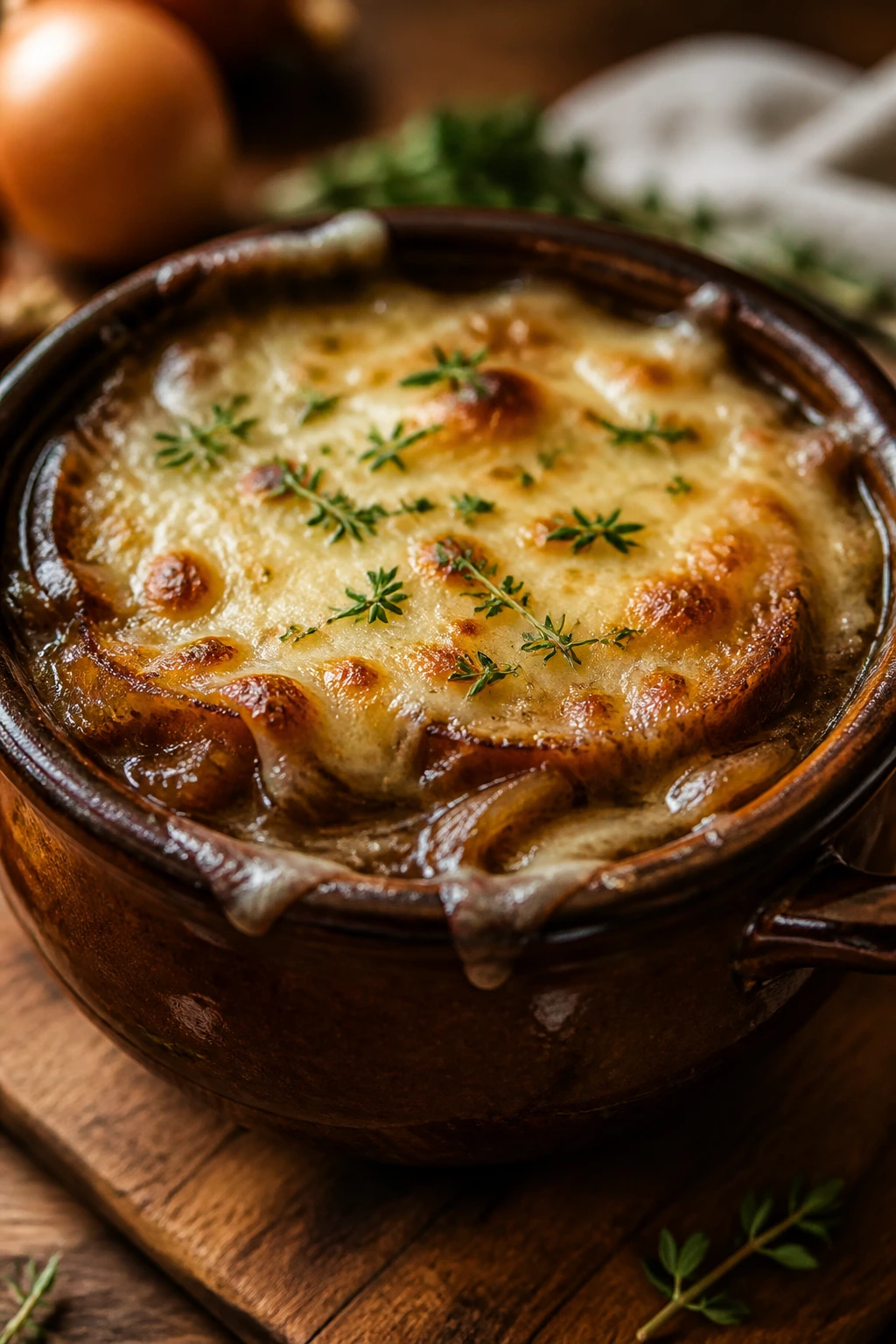
French onion soup is the slowest recipe on this list, and that is part of its charm. The onions cook down into something dark, sweet, and almost jammy, then the broth gets lifted with thyme and sherry before the whole thing is capped with bread and melted Gruyère. It smells like patience.
This is not a casual ten-minute soup. It asks for time, and it pays you back with flavor that tastes far more expensive than the ingredient list looks. The onions do the heavy lifting, so give them room and let them soften, brown, and finally collapse into the pot. Rushing this one is a waste.
Why It Feels Like a Treat
Onions contain enough natural sugar to caramelize into deep sweetness when cooked low and slow, which is why the pot changes character over time. Beef broth gives the soup a serious base, while the toasted bread and melted cheese make the whole thing feel like dinner and not merely soup. If you want a restaurant-style finish, use broiler-safe bowls and get the cheese bubbling at the edges.
What You Need
- 4 large yellow onions, thinly sliced
- 3 tbsp unsalted butter
- 1 tbsp olive oil
- 1 tsp kosher salt
- 1 tsp sugar, optional
- ½ cup dry sherry or dry white wine
- 8 cups beef broth
- 2 bay leaves
- 4 thyme sprigs or 1 tsp dried thyme
- 1 baguette, sliced into 1-inch pieces
- 2 cups shredded Gruyère
- ½ tsp black pepper
How to Make It
-
Start the onions: Melt the butter with the olive oil in a large pot over medium heat. Add the onions, salt, and sugar if using, then cook for 10 minutes, stirring often, until they soften.
-
Caramelize slowly: Lower the heat to medium-low and keep cooking the onions for 35 to 45 minutes, stirring every few minutes. They should turn deep golden brown and smell sweet, not burnt. Add a splash of water if the bottom starts to catch too fast.
-
Deglaze the pot: Stir in the sherry and scrape up the browned bits. Cook for 2 minutes, until the sharp alcohol smell fades.
-
Simmer the soup: Add the broth, bay leaves, thyme, and pepper. Simmer uncovered for 20 minutes so the flavors pull together.
-
Toast and broil: Toast the baguette slices, ladle the soup into broiler-safe bowls, top with bread and Gruyère, then broil 2 to 4 minutes until the cheese is melted and spotty brown. Watch it closely. Broilers move fast.
Small Adjustments
- Wine-free option: Use extra broth plus 1 teaspoon of sherry vinegar.
- Cheese swap: Swiss or Comté works if Gruyère is hard to find.
- Make it easier: Caramelize the onions earlier in the day, then finish the soup at dinner time.
9. Minestrone with Cannellini Beans and Pesto
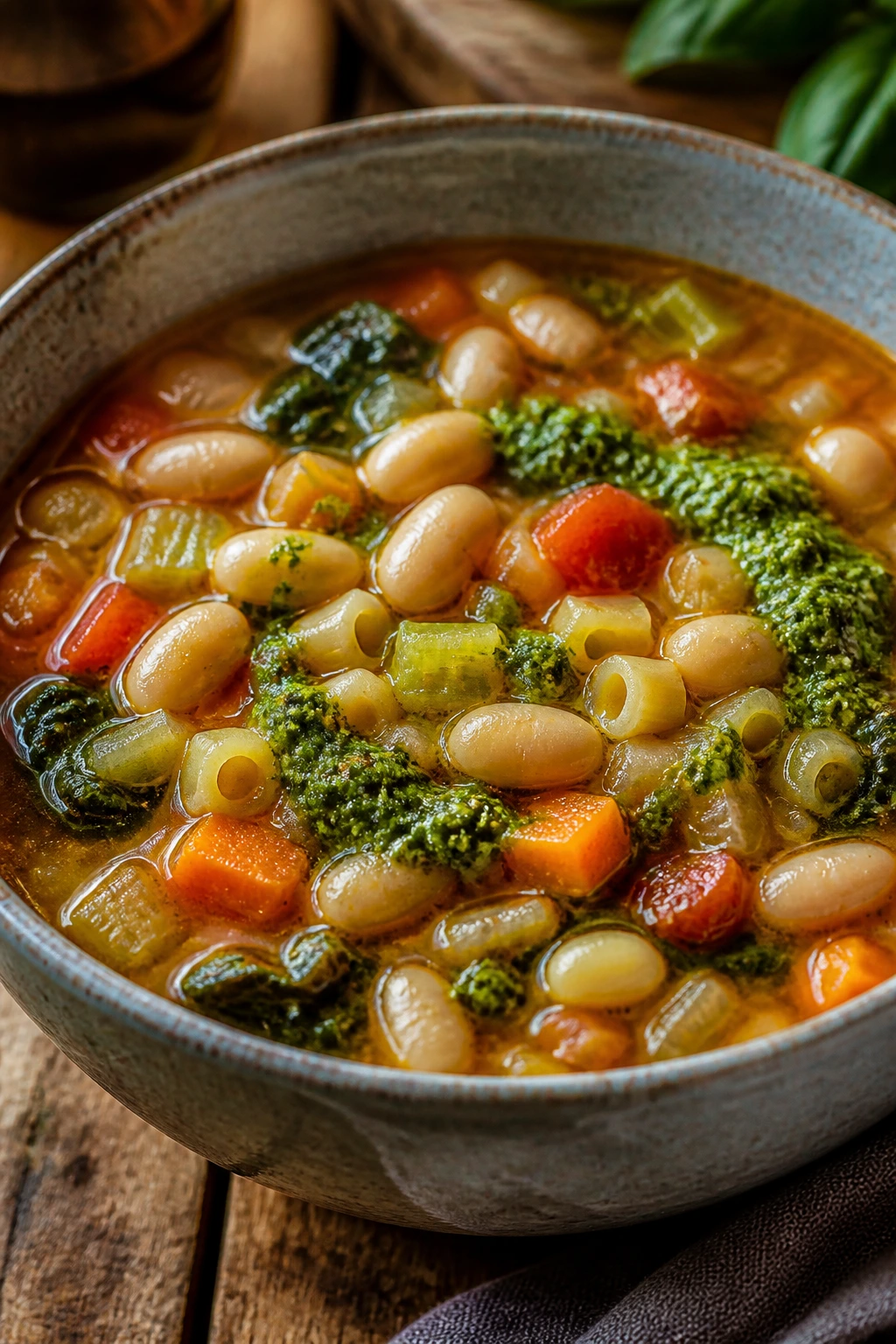
Minestrone is the soup I make when I want dinner to look busier than it was. It starts with onion, carrot, celery, and garlic, then gets layered with tomatoes, beans, pasta, and greens until the pot feels full from every angle. The pesto at the end gives it a fresh, herbal hit that plain minestrone often misses.
This bowl works because it’s flexible without becoming sloppy. The beans bring creaminess, the pasta makes it feel like a meal, and the vegetables keep changing texture as you eat. It’s the kind of soup that forgives a lot and still tastes organized.
Why It Belongs in the Rotation
Minestrone has a built-in structure: aromatics for depth, beans for body, pasta for satisfaction, and greens for a finish that doesn’t taste dull. A Parmesan rind in the simmer is worth using if you have one, because it quietly adds savory depth without making the soup cheesy in a loud way. The pesto should go in at the end. If you cook it too long, it loses its freshness.
Ingredients to Gather
- 2 tbsp olive oil
- 1 large onion, diced
- 2 carrots, diced
- 2 celery stalks, diced
- 3 garlic cloves, minced
- 1 zucchini, diced
- 1 can (14.5 oz) diced tomatoes
- 6 cups vegetable broth
- 1 Parmesan rind, optional
- 1 can (15 oz) cannellini beans, drained and rinsed
- 1 cup small pasta, such as ditalini
- 1 cup chopped green beans
- 2 cups chopped spinach
- 2 tbsp basil pesto
- 2 tbsp grated Parmesan
- 1½ tsp kosher salt
- ½ tsp black pepper
Quick Steps
-
Cook the base vegetables: Heat the olive oil in a soup pot over medium heat. Add the onion, carrots, and celery and cook for 6 minutes, until the onion softens and the vegetables look glossy.
-
Add the garlic and zucchini: Stir in the garlic and zucchini and cook for 2 minutes. You want the zucchini to start softening but still hold its shape.
-
Build the soup: Add the tomatoes, broth, Parmesan rind if you have one, beans, salt, and pepper. Bring the pot to a simmer and cook for 10 minutes.
-
Cook the pasta and beans: Stir in the pasta and green beans. Simmer for 8 to 10 minutes, until the pasta is tender and the green beans are bright but cooked through.
-
Finish fresh: Stir in the spinach, pesto, and Parmesan. Taste and adjust the salt. The broth should be savory, not flat, with a green lift from the pesto.
Good Swaps
- No pasta version: Use cooked rice or small potatoes instead.
- Extra herb note: A handful of torn basil at the table makes the soup feel fresher.
- Leftover warning: Pasta keeps absorbing broth, so add a splash of water or stock when reheating.
10. Corn Chowder with Bacon and Scallions

Corn chowder smells like butter and onions the second it starts. Add bacon, potatoes, and sweet corn, and you get a soup that’s creamy but still lively, with just enough smoke to keep the sweetness in check. This one feels generous.
I like this recipe because it walks a good line between rustic and rich. The potatoes give the chowder its body, the corn keeps the flavor bright, and the bacon brings that salty edge every good chowder needs. If the bowl tastes flat, you probably need more salt or a squeeze of lime. Not more cream.
Why It Wins on a Cold Evening
Corn is sweet on its own, so the job here is to give it structure and contrast. Bacon and scallions do that well, while a modest amount of flour thickens the pot without turning it into paste. Fresh corn has a little more snap, frozen corn is reliable and sweet, and both work. The trick is to avoid overcooking the dairy so the soup stays smooth.
What to Buy
- 6 slices thick-cut bacon, chopped
- 1 large yellow onion, diced
- 2 celery stalks, diced
- 2 medium russet potatoes, peeled and diced
- 4 cups corn kernels, fresh or frozen
- 3 tbsp all-purpose flour
- 4 cups low-sodium chicken broth
- 2 cups whole milk
- 1 cup heavy cream
- 1 tsp smoked paprika
- 2 scallions, sliced
- 1½ tsp kosher salt
- ½ tsp black pepper
How to Make It
-
Cook the bacon: Render the bacon in a large pot over medium heat for 6 to 8 minutes, until crisp. Remove it with a slotted spoon and keep the fat in the pot.
-
Cook the vegetables: Add the onion and celery to the bacon fat and cook for 5 minutes, until the onion softens. Stir in the potatoes, corn, smoked paprika, salt, and pepper.
-
Thicken the base: Sprinkle the flour over the vegetables and stir for 1 minute. The flour should coat everything evenly and smell slightly nutty.
-
Simmer the chowder: Slowly pour in the broth while stirring, then bring the pot to a simmer. Cook for 15 to 18 minutes, until the potatoes are tender and the broth thickens a little.
-
Add the dairy: Stir in the milk and cream, then warm gently for 2 to 3 minutes. Keep the heat low. If the pot boils hard, the texture can turn grainy.
-
Finish with bacon and scallions: Taste, adjust the salt, and top with the bacon and scallions.
Flavor Notes
- Smoke boost: A tiny pinch of cayenne gives the sweet corn more lift.
- Heftier bowl: Add diced ham if you want it even more dinner-like.
- Best side: Saltines or oyster crackers fit this soup better than soft bread.
11. Butternut Squash Soup with Crispy Sage and Chickpeas

Butternut squash soup can turn syrupy and dull if you rush it. When you roast the squash first, the flavor gets deeper and less flat, almost caramelized at the edges. The soup smells like butter, sage, and warm vegetables that know how to behave.
I like this one because it gives you contrast: smooth soup underneath, crunchy chickpeas and sage on top. That little bit of texture keeps the bowl from feeling baby-food soft. If you want a cozy Sunday dinner that still has a little edge, this is a good place to land.
Why It Tastes Bigger Than It Looks
Roasting the squash concentrates its sweetness and keeps the soup from tasting watery. Chickpeas add protein and chew, while coconut milk or cream smooths the texture without burying the squash flavor. The sage should be crisp, not limp. That little bitter herb note keeps the soup from drifting into dessert territory.
Key Ingredients
- 1 large butternut squash, peeled, seeded, and cubed
- 1 large onion, sliced
- 3 garlic cloves, peeled
- 2 tbsp olive oil
- 1 can chickpeas, drained and dried well
- 5 cups low-sodium vegetable broth
- 1 can coconut milk or 1 cup heavy cream
- 1 tsp ground sage or 8 fresh sage leaves
- ½ tsp ground nutmeg
- 1½ tsp kosher salt
- ½ tsp black pepper
- 1 tbsp pumpkin seeds, optional
Step-by-Step
-
Roast the squash and chickpeas: Heat the oven to 425°F / 220°C. Toss the squash with 1 tablespoon of olive oil, salt, and pepper on a sheet pan. Toss the chickpeas with the remaining oil on another section of the pan or a second tray. Roast for 25 to 30 minutes, until the squash is tender and the chickpeas are lightly crisp.
-
Cook the aromatics: While the squash roasts, cook the onion and garlic in a soup pot over medium heat with a small drizzle of oil for 6 to 7 minutes, until soft and fragrant.
-
Build the soup: Add the roasted squash, broth, sage, nutmeg, and 1 teaspoon salt. Simmer for 10 minutes so the flavors blend.
-
Blend until smooth: Use an immersion blender to puree the soup until silky. Stir in the coconut milk or cream and taste for salt. The soup should be smooth and mellow, not thin.
-
Top with crunch: Ladle into bowls and finish with chickpeas, sage leaves, and pumpkin seeds if using.
Small Adjustments
- Dairy-free version: Coconut milk keeps the soup rich without any dairy.
- A little heat: A pinch of red pepper flakes makes the sweetness less sleepy.
- Serving tip: Toasted bread with salted butter is enough here. Nothing more needed.
12. Creamy Mushroom Tortellini Soup
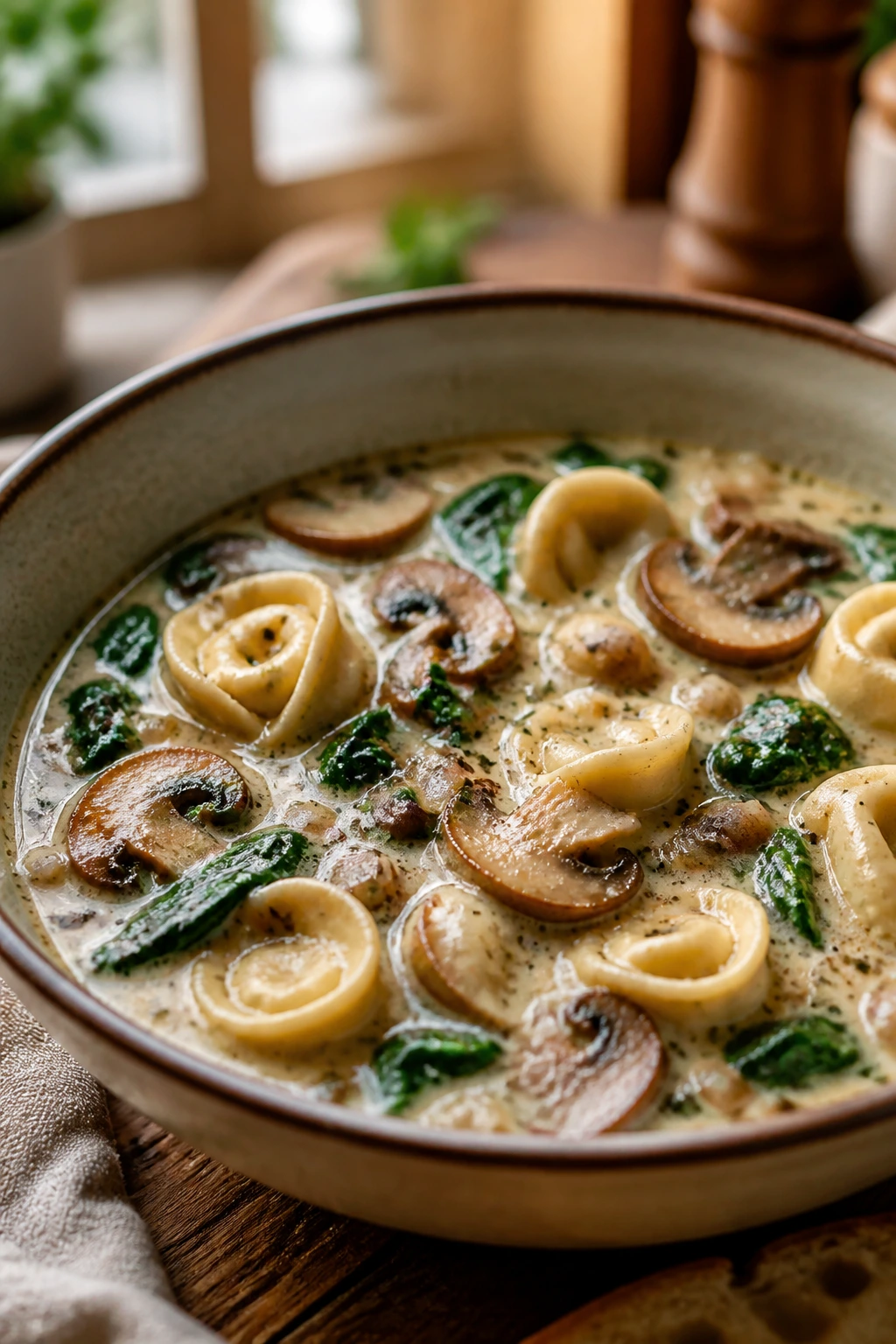
Creamy mushroom tortellini soup is what I make when I want something rich without roasting anything or dealing with a separate side. The mushrooms go deep and savory, the tortellini makes it feel generous, and the spinach disappears into the broth just enough to count as good behavior. It smells like butter, thyme, and dinner getting serious.
This is the strong finish for the list because it has both comfort and speed. Browning the mushrooms properly matters a lot; that is where the flavor lives. If you throw them in and steam them pale, the whole soup tastes flatter than it should. Let them take color. They’ll reward you.
Why It Ends the List Strong
Mushrooms need space and heat so they can shed water and brown instead of steaming. That browning gives the broth a savory depth that cream alone can’t fake. Tortellini turns the soup into a complete dinner almost by itself, and spinach gives the bowl a fresh finish without turning it into salad. Lemon at the end is optional, but it sharpens the whole thing in a good way.
What You Need
- 1½ lbs cremini mushrooms, sliced
- 2 tbsp unsalted butter
- 1 tbsp olive oil
- 1 medium onion, diced
- 3 garlic cloves, minced
- 1 tsp fresh thyme leaves or ½ tsp dried thyme
- 6 cups low-sodium chicken or vegetable broth
- 1 package (20 oz) cheese tortellini
- 1 cup heavy cream
- 3 cups baby spinach
- ½ cup grated Parmesan
- 1 tbsp lemon juice, optional
- 1½ tsp kosher salt
- ½ tsp black pepper
How to Make It
-
Brown the mushrooms: Heat the butter and olive oil in a large pot over medium-high heat. Add the mushrooms and cook for 8 to 10 minutes, stirring only occasionally, until they release their moisture and turn deep brown. This step is the flavor anchor.
-
Add the onion and garlic: Stir in the onion and cook for 4 minutes, until softened. Add the garlic and thyme and cook for 30 seconds more.
-
Pour in the broth: Add the broth, salt, and pepper. Bring the pot to a simmer and cook for 10 minutes so the mushroom flavor spreads through the liquid.
-
Cook the tortellini: Stir in the tortellini and simmer according to the package, usually 3 to 5 minutes, until the pasta floats and the filling is hot.
-
Finish creamy: Lower the heat and stir in the cream, spinach, Parmesan, and lemon juice if using. Cook for 1 to 2 minutes, just until the spinach wilts and the soup turns glossy.
Tweaks Worth Trying
- More mushroom depth: A splash of soy sauce can stand in for a bit of the salt and sharpen the savory note.
- Lighter version: Use half-and-half instead of cream if you want a thinner finish.
- Extra comfort: Garlic bread on the side makes this soup feel like a full-on Sunday event.
Why Soup Dinners Work So Well on a Slow Sunday
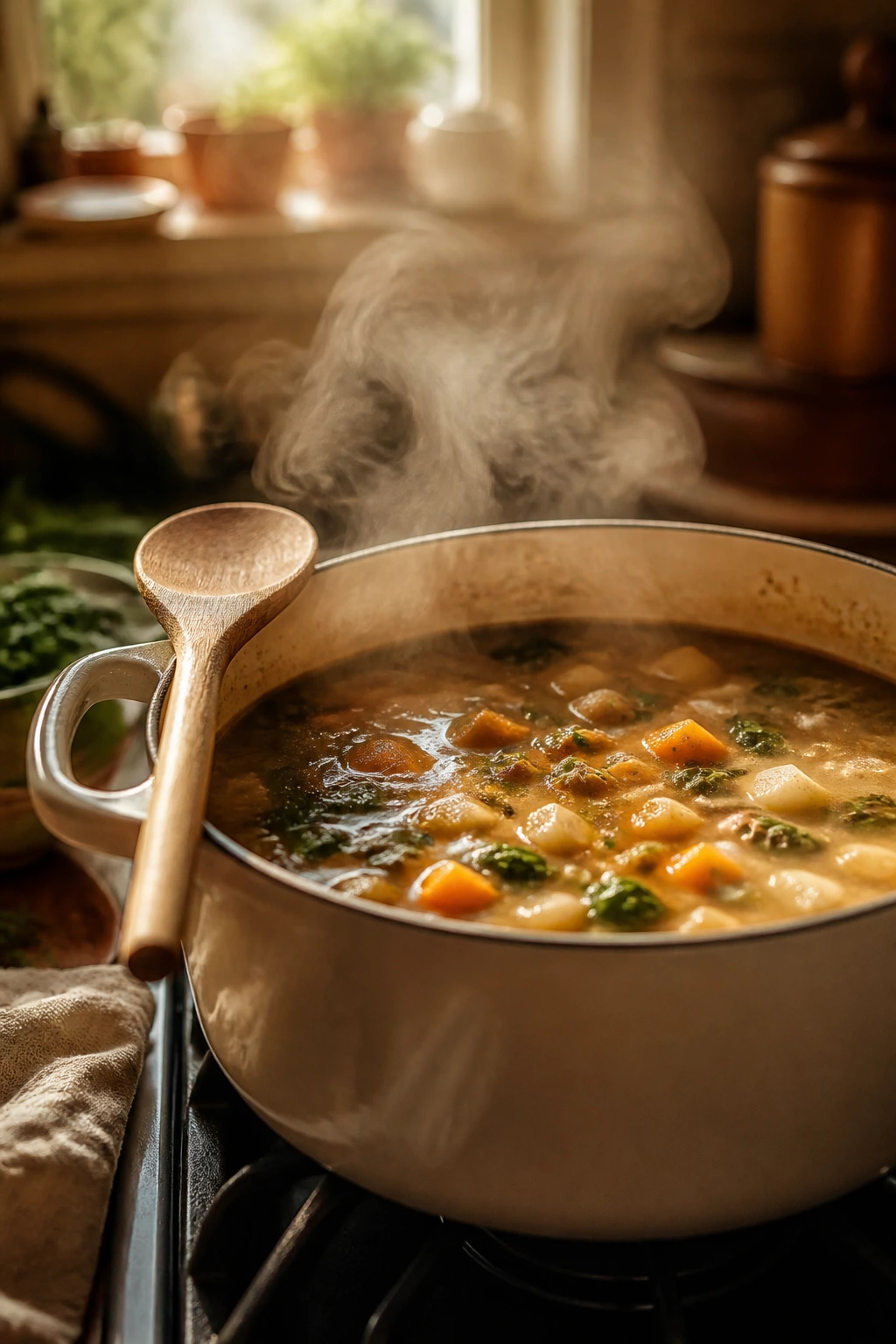
Soup fits a slow Sunday in a way other dinners often don’t. It asks for chopping, a little stirring, and then time. The pot does the rest while you answer a text, wash a cutting board, or let the house go quiet for fifteen minutes. That rhythm matters more than people admit.
A good soup dinner also gives you control over the feel of the meal. Brothy soups want bread and a salad; creamy ones want something crisp on the side; bean-and-grain soups can stand alone if the toppings are right. That is why this collection covers so much ground. You can choose comfort without choosing sameness.
The other thing I love is how forgiving soup can be. If you cook the onions a little longer, no one complains. If you simmer the lentils until they break apart, the pot turns thicker and cozier. Soup rewards attention, but it does not punish a slightly imperfect hand.
Essential Equipment for These Recipes
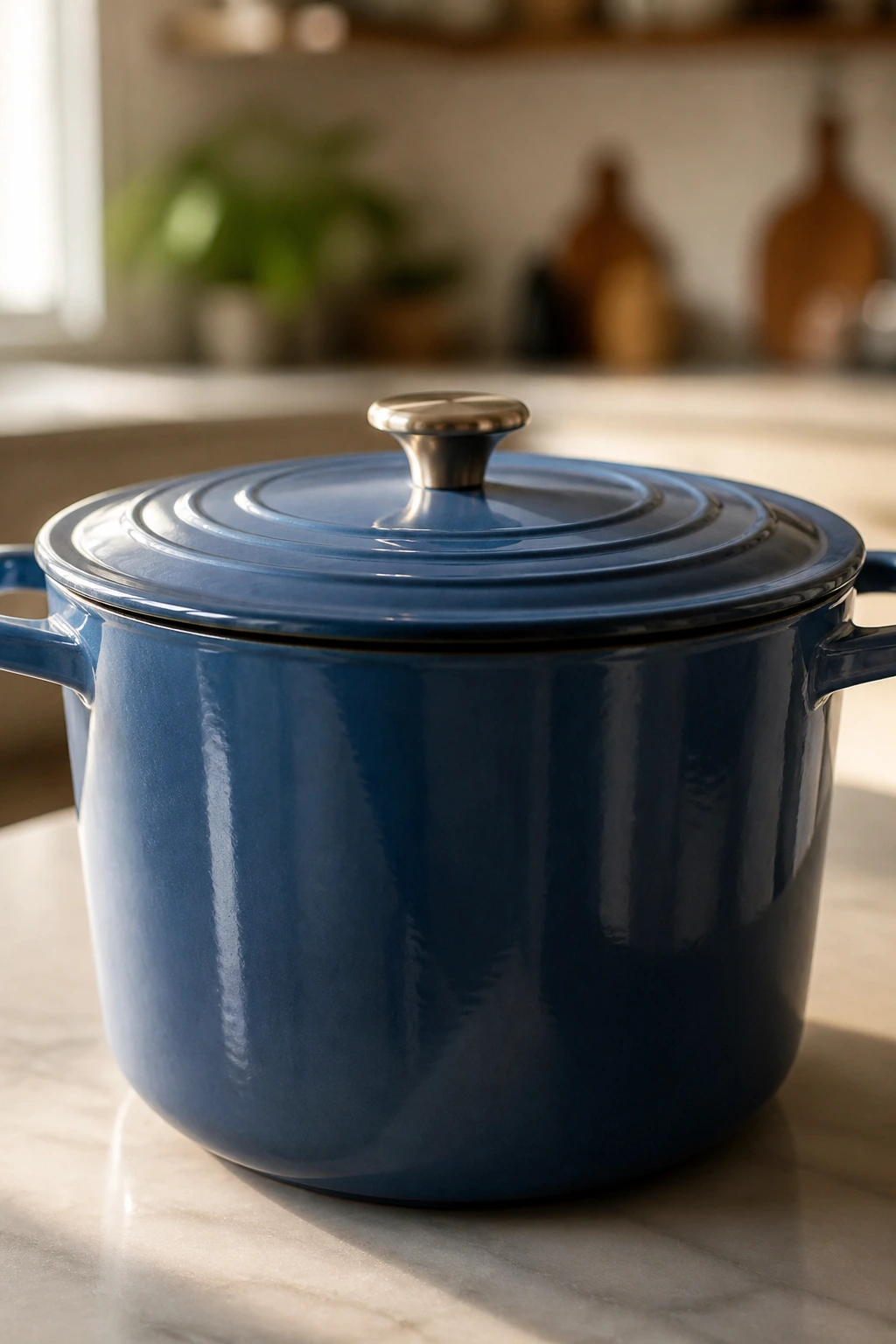
- Large Dutch oven or heavy soup pot: Keeps heat steady and gives you enough room for browning, simmering, and stirring without splashing.
- Chef’s knife: A sharp knife makes onion, celery, carrot, and herb prep faster and safer.
- Cutting board: Use a large one if you can; soup prep creates more chopping than people expect.
- Wooden spoon or heatproof spatula: Best for scraping up browned bits and stirring thick chowders without scratching the pot.
- Immersion blender: Essential for smooth tomato and squash soups; a countertop blender works too, but blend in batches and vent the lid.
- Slotted spoon: Handy for bacon, sausage, chicken, and tortilla strips.
- Sheet pan: Useful for roasting squash, crisping chickpeas, baking tortilla strips, or toasting bread.
- Broiler-safe soup bowls: Needed for French onion soup if you want that cheese cap properly melted.
- Measuring cups and spoons: Some soups are forgiving, but the flour, broth, and seasoning amounts matter.
- Ladle: A good ladle makes serving less messy, which sounds small until you’re carrying a hot pot to the table.
Smart Shopping and Ingredient Tips
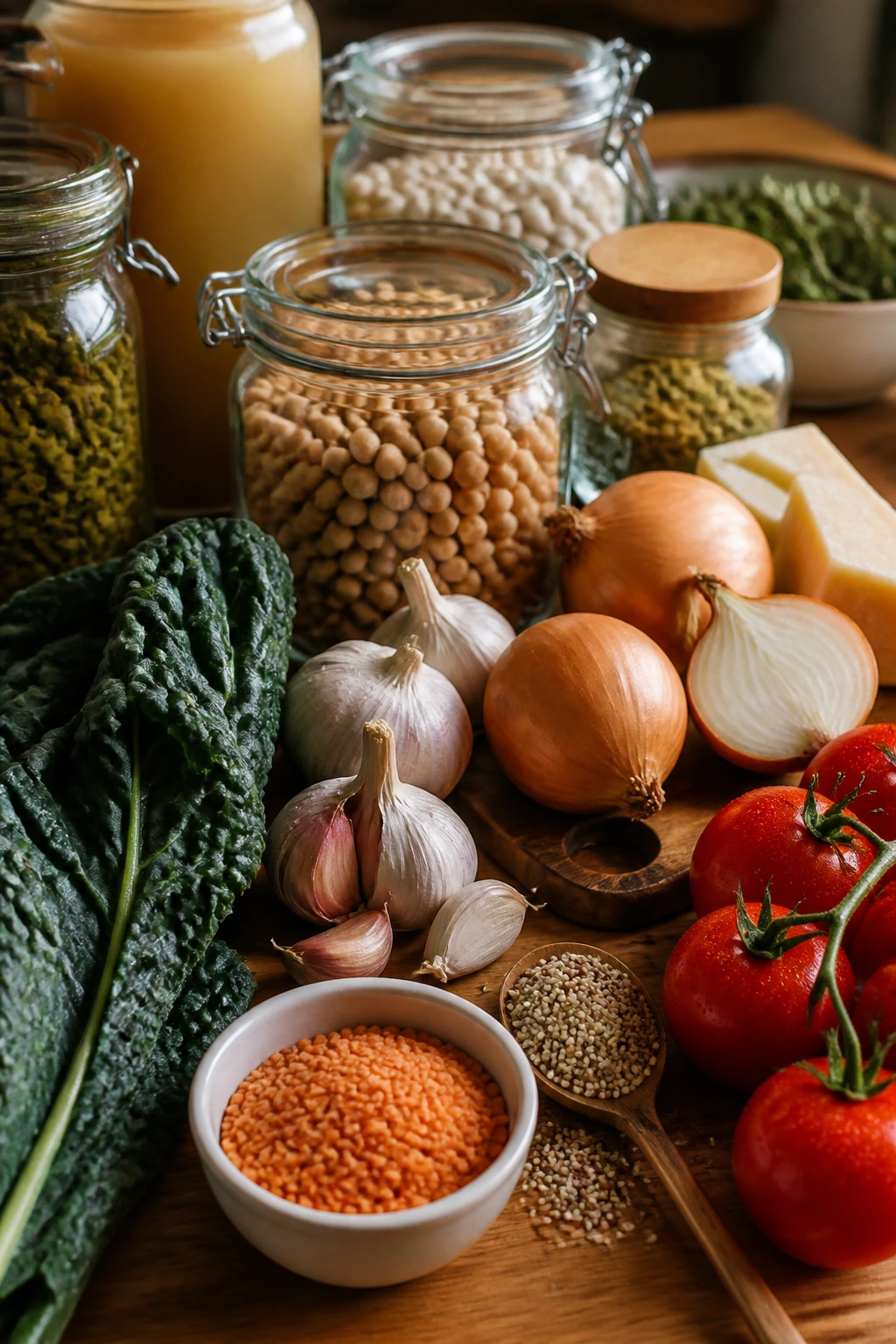
Broth is where a lot of soup dinners live or die. Low-sodium broth gives you room to season properly, while salty broth can make a long-simmered pot taste tired before you even finish cooking. If you can find broth that tastes good on its own, buy that one. If not, plan to add a Parmesan rind, extra herbs, or a splash of vinegar at the end.
Beans, lentils, rice, and barley all behave a little differently. Lentils cook fast and keep their shape if you use brown or green lentils. Pearl barley softens into something pleasantly chewy. Wild rice blends need more time than white rice, which is why chicken and wild rice soup feels more substantial. Canned beans are fine, but rinse them well so the soup doesn’t pick up that canning liquid taste.
Cheese deserves a quick thought, especially in tomato soup, French onion soup, and chowders. Pre-shredded cheese is convenient, but it melts less smoothly because of the anti-caking coating. If the recipe leans cheese-heavy, buy a block and shred it yourself. The texture is better. Annoying, yes. Worth it, also yes.
For vegetables, choose sturdier options when the soup will simmer for a while. Kale handles heat better than spinach, russets thicken better than waxy potatoes, and yellow onions caramelize more cleanly than sweet onions in French onion soup. Fresh herbs are best at the end, dried herbs are better early in the pot, and a lemon or vinegar finish is one of the cheapest ways to make soup taste finished.
How to Serve These Soup Dinners
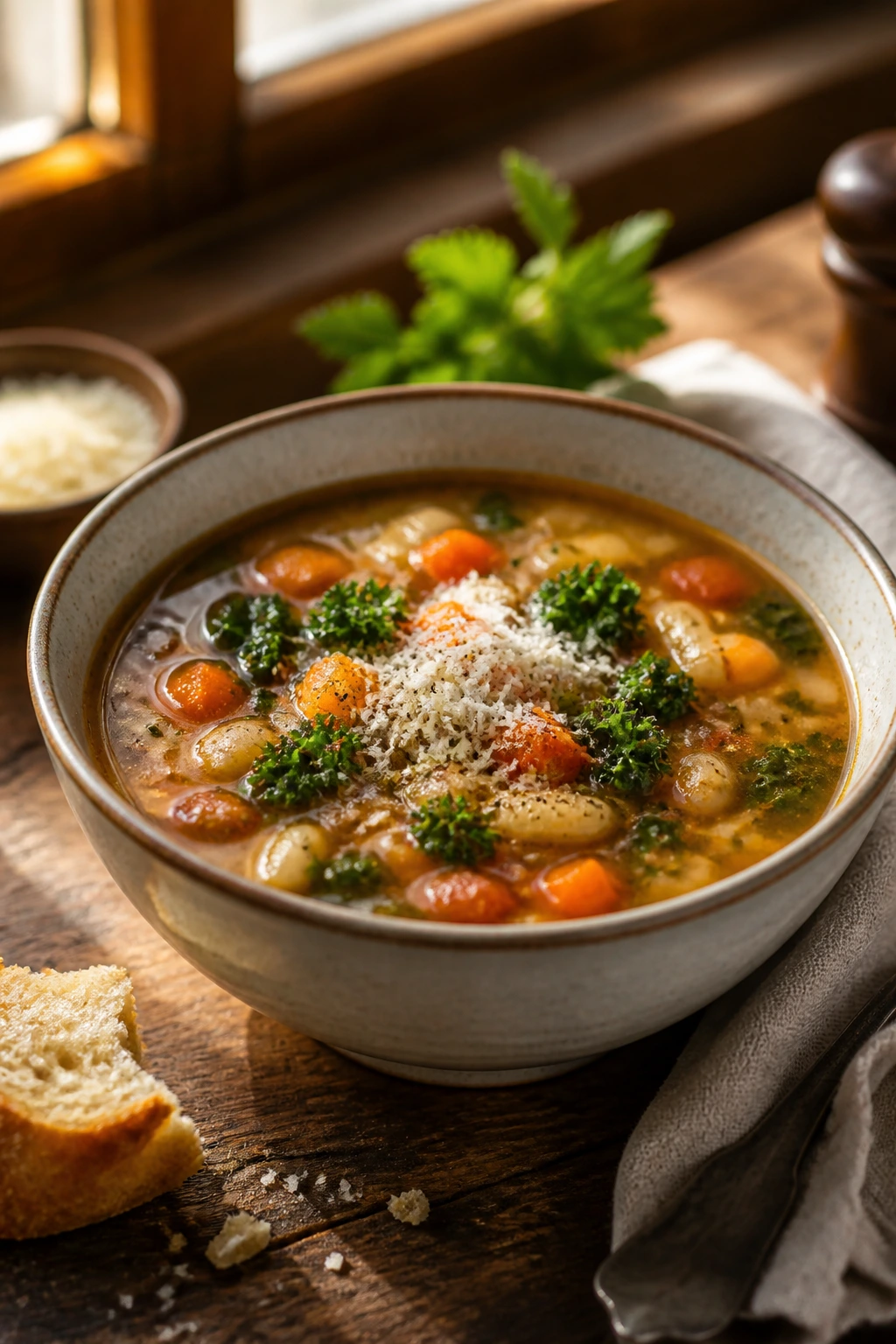
Presentation: Warm the bowls first if you can. Hot soup in a cold bowl loses steam faster than you think, and a warmed bowl keeps the surface looking fresh. Ladle each portion so there’s a little space at the rim, then finish with herbs, cheese, or crunchy toppings right before the bowl hits the table.
Accompaniments: Crusty sourdough, buttered toast, garlic bread, simple green salad, and roasted vegetables all work across this whole collection. Tomato soup and French onion want bread more than salad. Chicken tortilla soup likes avocado and lime. Corn chowder and potato soup are good with something sharp and green on the side so the meal doesn’t feel too heavy.
Portions: Most of these recipes make 4 to 6 dinner portions, though bean soups and chowders can stretch farther if you keep the bread generous. A main-course bowl is usually 2 to 2½ cups per person. If you’re serving a crowd, start with the brothy soups first; they hold better on the stove than dairy-heavy ones.
Beverage Pairing: Dry cider works with chicken soups, tomato soup, and chowder because it cuts through richness without fighting the flavors. Beef and barley or French onion are good with a light red wine or a malty beer. If you want something simpler, sparkling water with lemon does a better job than most people give it credit for.
Extra Tricks for Bigger Flavor
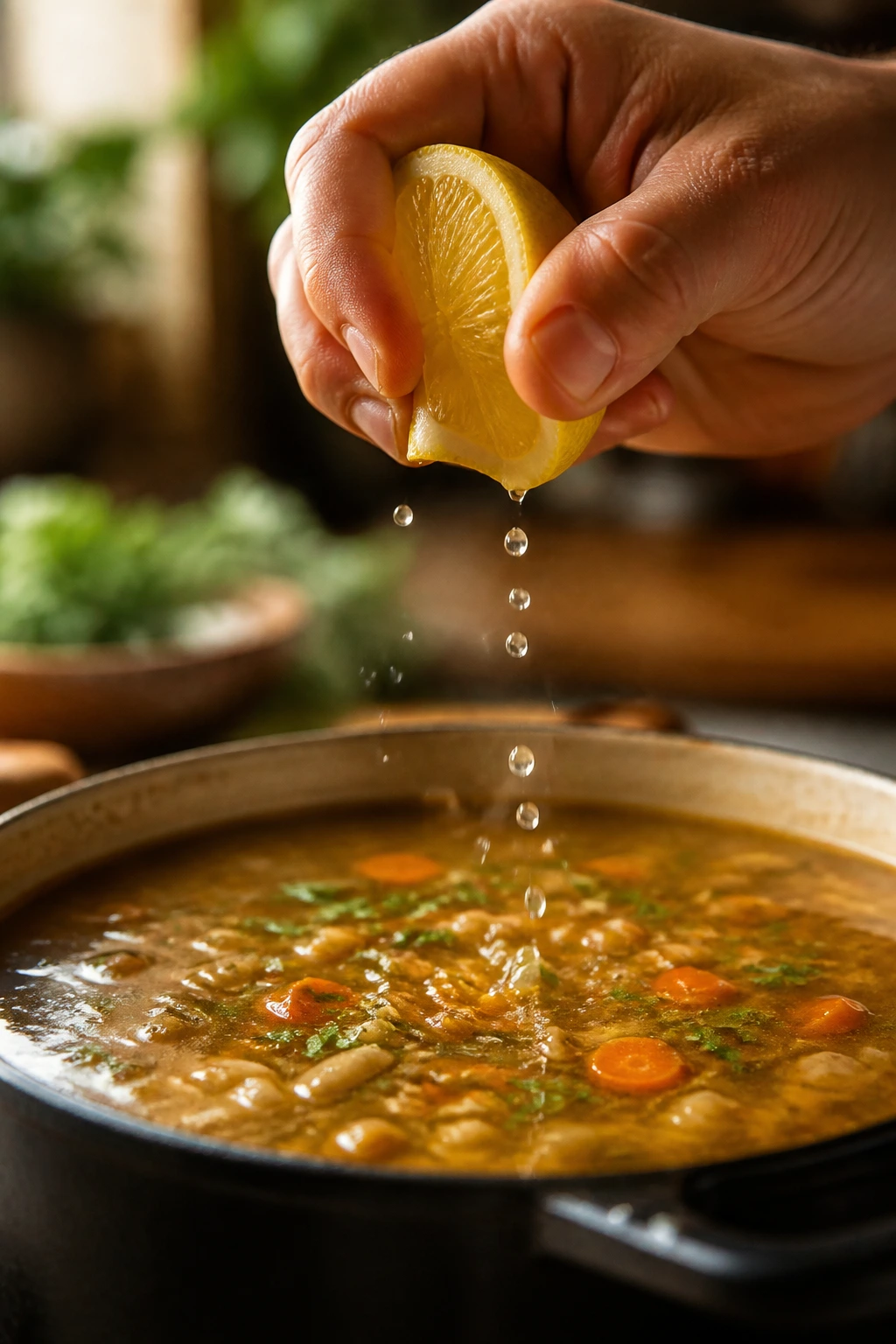
Flavor Enhancement: A little acid at the end changes almost every soup here. Use lemon for chicken tortilla soup, red wine vinegar for lentils, sherry vinegar for French onion, and a small splash of white wine vinegar in chowder if the sweet corn needs sharpening. Acid doesn’t make the soup sour. It makes the flavors wake up.
Customization: You can move these bowls around without wrecking them. Add cooked rice to chicken soup, swap sausage for turkey in the white bean soup, throw extra beans into minestrone, or tuck small pasta into the tomato soup if you want it more filling. If you’re feeding people with different appetites, toppings are the easiest way to make one pot feel custom.
Serving Suggestions: Think in layers. Crispy bacon on potato soup, toasted pepitas on squash soup, chopped herbs on lentil soup, Parmesan on minestrone, and crunchy tortilla strips on tortilla soup each give the bowl a finishing line. A soup without contrast tastes flatter than it should.
Make-It-Yours: Dairy-free cooks can lean on coconut milk in squash soup or skip cream in the tomato and chicken soups entirely. Gluten-free versions are easy if you swap in gluten-free pasta, skip flour-thickened roux, and use cornstarch or mashed potatoes for body. For a kid-friendly table, keep the spice on the side and let people build their own bowl.
Make-Ahead, Storage, and Reheating Guidance
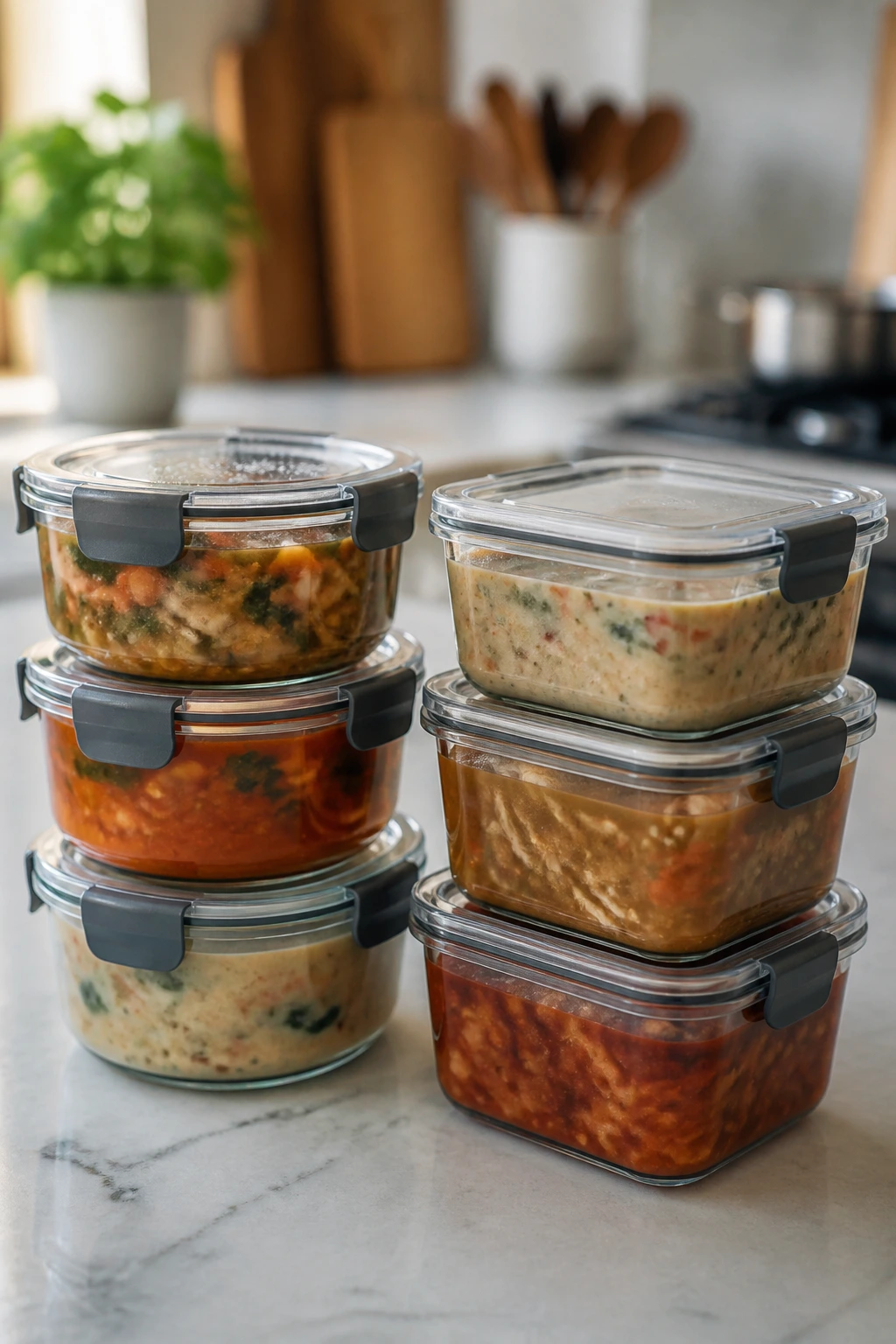
Most of these soups keep well in the fridge for 3 to 4 days in airtight containers. Brothy soups with beans, barley, or lentils often taste better the next day because the seasoning settles in. Cool the pot within 2 hours of cooking, then portion it into shallow containers so it chills quickly and safely.
Freezer life depends on the ingredients. Tomato soup, lentil soup, chicken and wild rice soup, bean soups, and broth-based vegetable soups freeze well for up to 3 months. Cream-heavy soups, potato soup, and chowders are trickier because dairy can split and potatoes can turn grainy after thawing. If you want to freeze those, stop before adding the cream, milk, or sour cream, then stir them in after reheating.
Reheat gently over medium-low on the stovetop, stirring now and then and adding a splash of broth or water if the soup has thickened. Microwave leftovers at 50% power in short bursts, stirring between each one so the heat distributes evenly. Pasta and tortellini soups soften as they sit, so if you know you’ll have leftovers, undercook the pasta a little or keep it separate. That single habit saves a lot of soggy bowls.
A few soups get even better after a night in the fridge. Beef and barley, lentil vegetable, sausage and white bean, and minestrone are the standouts there. French onion and tomato soup also reheat beautifully. Tortellini, chowder, and loaded potato soup need a gentler hand, but they still hold up if you don’t boil them hard.
Variations and Adaptations to Try
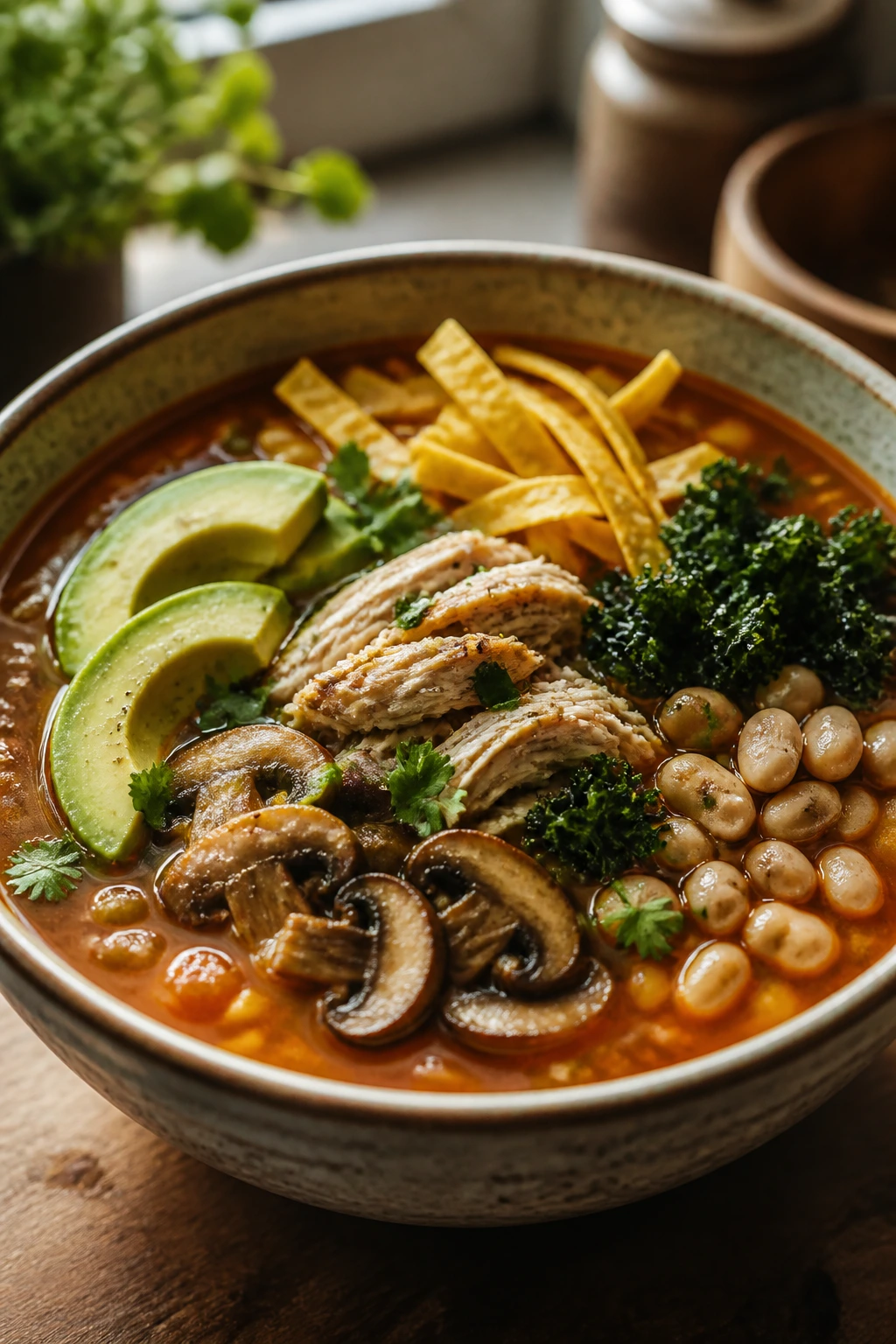
Dairy-Free Comfort Bowls: Skip the cream and cheese finishes, then use coconut milk, oat cream, or a little extra broth for body. This works especially well for butternut squash soup, tomato soup, and the chicken soup. You still get a rich bowl, just with a cleaner finish.
Gluten-Free Sunday Pots: Replace flour thickening with cornstarch slurry, extra potatoes, or pureed beans. Use gluten-free pasta or tortellini where needed, and check broth labels because some brands sneak in wheat ingredients. French onion soup can stay gluten-free if you use GF bread for the topping.
Extra-Protein Bowls: Add shredded rotisserie chicken to the tortilla soup, more beans to minestrone, or extra sausage to the white bean soup. You can also stir in leftover roast beef to the barley soup near the end. The key is not to overcook already-cooked meat; add it only long enough to warm through.
Kid-Friendly Mild Mode: Pull back the chipotle, red pepper flakes, and black pepper, then put spicy toppings on the table instead of in the pot. Tomato soup, potato soup, and chicken and wild rice soup are the easiest entry points for picky eaters. A little shredded cheese on top helps more than people like to admit.
Thicker Bowl Swap: If you want a soup to eat more like stew, mash a portion of the potatoes, beans, or squash directly in the pot. That trick works across the board and avoids extra flour. It’s also a good fix when you’ve added too much broth by mistake.
Common Mistakes to Avoid
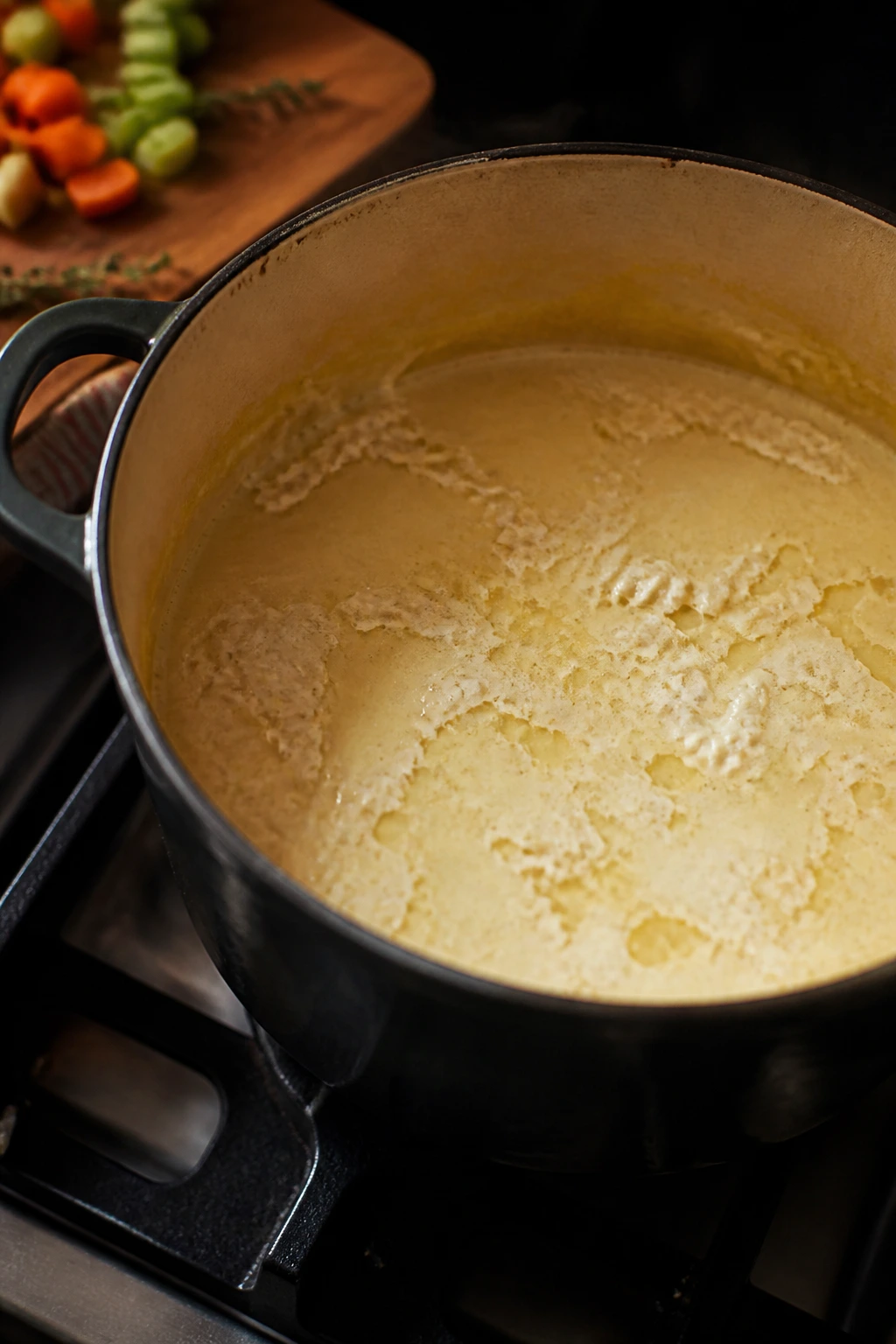
Underseasoning the broth: Soup can taste bland even when every ingredient is cooked correctly. Taste as you go, then season again at the end with salt and a small hit of acid. Flat soup usually needs one of those two things, not another hour on the stove.
Boiling dairy too hard: Cream, milk, sour cream, and cheese do not like a rolling boil. Keep the heat low once dairy goes in, and in potato soup or chowder, warm it gently instead of trying to hurry the finish. Grainy soup is usually a heat problem, not a recipe problem.
Adding pasta or rice too early: Tortellini, small pasta, and even rice can go mushy if they simmer too long in the broth. Cook them just until tender, or undercook them slightly if you know leftovers are coming. Separate storage helps, but timing helps more.
Skipping browning: Sausage, mushrooms, beef, onions, and even tomato paste all need real color before they go into the broth. Pale ingredients make pale soup. Browning creates the deep, savory taste that turns a bowl into dinner.
Forgetting about thickness: A dinner soup should feel like something you can eat with a spoon, not sip like tea. If the pot seems thin, mash a few beans or potatoes, simmer a little longer uncovered, or stir in a small slurry. Don’t just dump in more broth and hope.
Frequently Asked Questions About Cozy Soup Dinners

Which of these soups tastes best the next day?
Beef and barley, lentil vegetable, sausage and white bean, and minestrone all improve after sitting overnight because the broth has time to settle into the starches and beans. Chicken soups and tomato soup also hold up well. Soups with crispy toppings are best assembled at the last minute.
Can I freeze soups with cream, cheese, or potatoes?
You can, but the texture may change. Potato soup and chowder are safest if you freeze the base before adding dairy, then finish them after reheating. Cheese-heavy soups like French onion aren’t ideal freezer candidates once they’re assembled.
How do I make soup feel like a real dinner instead of a starter?
Add one protein, one starch, and one finishing texture. Beans, chicken, sausage, barley, potatoes, pasta, and tortellini all help; then finish with croutons, herbs, cheese, or toasted bread. Soup feels complete when the bowl has enough contrast to keep each spoonful interesting.
Can I use rotisserie chicken instead of cooking chicken from scratch?
Yes, and it’s a smart shortcut for chicken tortilla soup, chicken and wild rice soup, and even some vegetable soups. Add the shredded chicken near the end so it stays tender and doesn’t dry out. Use the carcass to make broth if you want extra value from the bird.
What if my soup tastes flat?
First, add salt in small pinches and taste again. If that doesn’t solve it, add a little acid—lemon, vinegar, or sherry—because flat soup is often missing brightness rather than more ingredients. A little grated cheese at the table can also help, especially for bean and vegetable soups.
How do I stop my soup from getting too thick in the fridge?
That happens a lot with barley, rice, pasta, beans, and potatoes because they keep soaking up liquid. Save a cup or two of broth when you make the soup, then stir it in during reheating. It’s easier than trying to rescue a dried-out bowl after the fact.
Which soup on this list is the easiest for a beginner?
Lentil vegetable soup is probably the most forgiving because lentils cook quickly and don’t need perfect timing. Tomato soup is close behind, especially if you use an immersion blender. Both give you a lot of flavor with fewer moving parts.
Can these recipes work in a slow cooker or pressure cooker?
Some do. Beef and barley, lentil soup, and chicken and wild rice all adapt well to a slow cooker with a little timing adjustment. French onion and mushroom tortellini are better on the stovetop because browning and finishing texture matter more there.
What bread should I serve with soup dinners?
Use bread with a crust that can stand up to broth: sourdough, baguette, ciabatta, or country loaf all work well. Soft sandwich bread disappears too fast, especially with French onion soup or a thick chowder. If you’re serving grilled cheese with tomato soup, a sturdier bread keeps the sandwich from collapsing.
One More Ladle
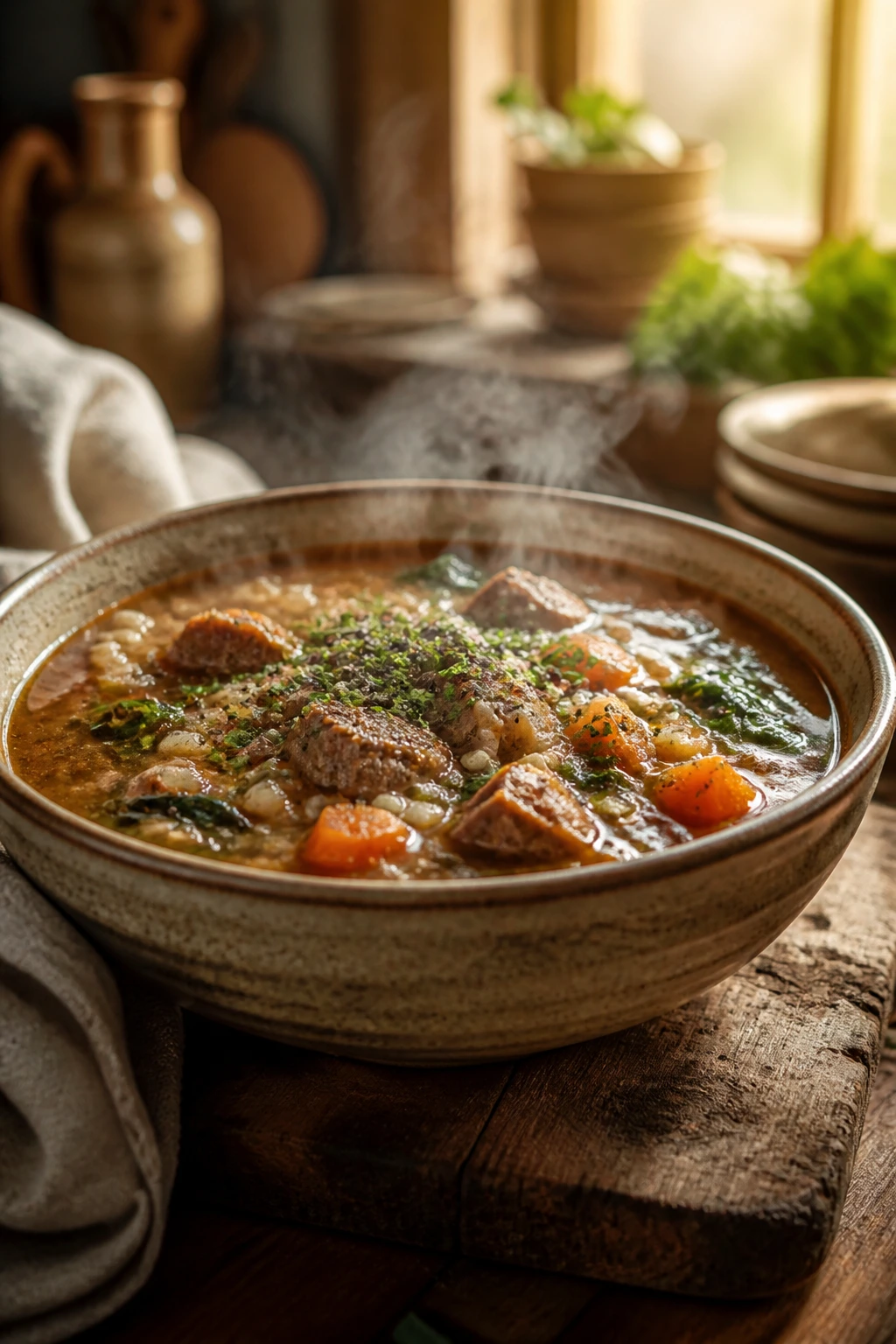
A good soup dinner does more than fill a bowl. It slows the room down a little. You get steam on the windows, a better smell in the kitchen, and a table that feels informal in the best possible way.
The nice part is that these recipes do not all ask for the same kind of Sunday. Some want a long caramelization, some want a quick simmer, and some want a crisp topping or a broiler finish. Pick the one that matches your mood, or your pantry, and let the pot do the rest.
| Recipe | Prep Time | Cook Time | Total Time | Servings | Standout Detail |
|---|---|---|---|---|---|
| Chicken and Wild Rice Soup | 20 min | 50 min | 1 hr 10 min | 6 | nutty rice with silky broth |
| Beef and Barley Soup | 25 min | 1 hr 10 min | 1 hr 35 min | 6 | deep beef flavor and chewy barley |
| Tomato Soup with Grilled Cheese Toasts | 20 min | 30 min | 50 min | 4 | bright tomato base with crisp cheese toast |
| Loaded Baked Potato Soup | 20 min | 30 min | 50 min | 6 | creamy potato bowl with bacon and cheddar |
| Sausage, Kale, and White Bean Soup | 15 min | 30 min | 45 min | 6 | savory broth with beans and greens |
| Lentil Vegetable Soup | 15 min | 35 min | 50 min | 6 | pantry-friendly and quietly filling |
| Chicken Tortilla Soup | 20 min | 35 min | 55 min | 6 | smoky broth with crunchy tortilla strips |
| French Onion Soup | 20 min | 1 hr 10 min | 1 hr 30 min | 4 | slow caramelized onions and Gruyère cap |
| Minestrone with Cannellini Beans and Pesto | 20 min | 30 min | 50 min | 6 | pasta, beans, and a fresh pesto finish |
| Corn Chowder with Bacon and Scallions | 20 min | 30 min | 50 min | 6 | sweet corn balanced by smoky bacon |
| Butternut Squash Soup with Crispy Sage and Chickpeas | 20 min | 35 min | 55 min | 6 | roasted squash with crunchy chickpea topping |
| Creamy Mushroom Tortellini Soup | 20 min | 25 min | 45 min | 5 | browned mushrooms and tender tortellini |