



The quickest way I know to shut down a weeknight craving is a hot bowl of rice under something glossy, salty, and sharp with ginger. These Asian dinners do that job without asking you to stand at the stove all night.
They also have a knack for making a small grocery haul feel like a win. A little soy sauce, a knob of ginger, a few cloves of garlic, maybe some scallions or cabbage, and suddenly dinner smells like you meant business. High heat helps. So does restraint. The best versions don’t bury the main ingredient under a heavy sauce; they let the sauce cling, sizzle, and disappear into rice or noodles.
That balance is why these dishes work so well when you’re tired but still want something worth eating. A lot of weeknight food is either too dull or too fussy. These recipes live in the sweet spot: fast, loud with flavor, and forgiving when your chopping is a little uneven. Some are saucy, some are crisp, some are comforting in the old-fashioned way, and a few are the kind of meals you start craving before the pan is even hot.
Why These Dinners Hit the Spot
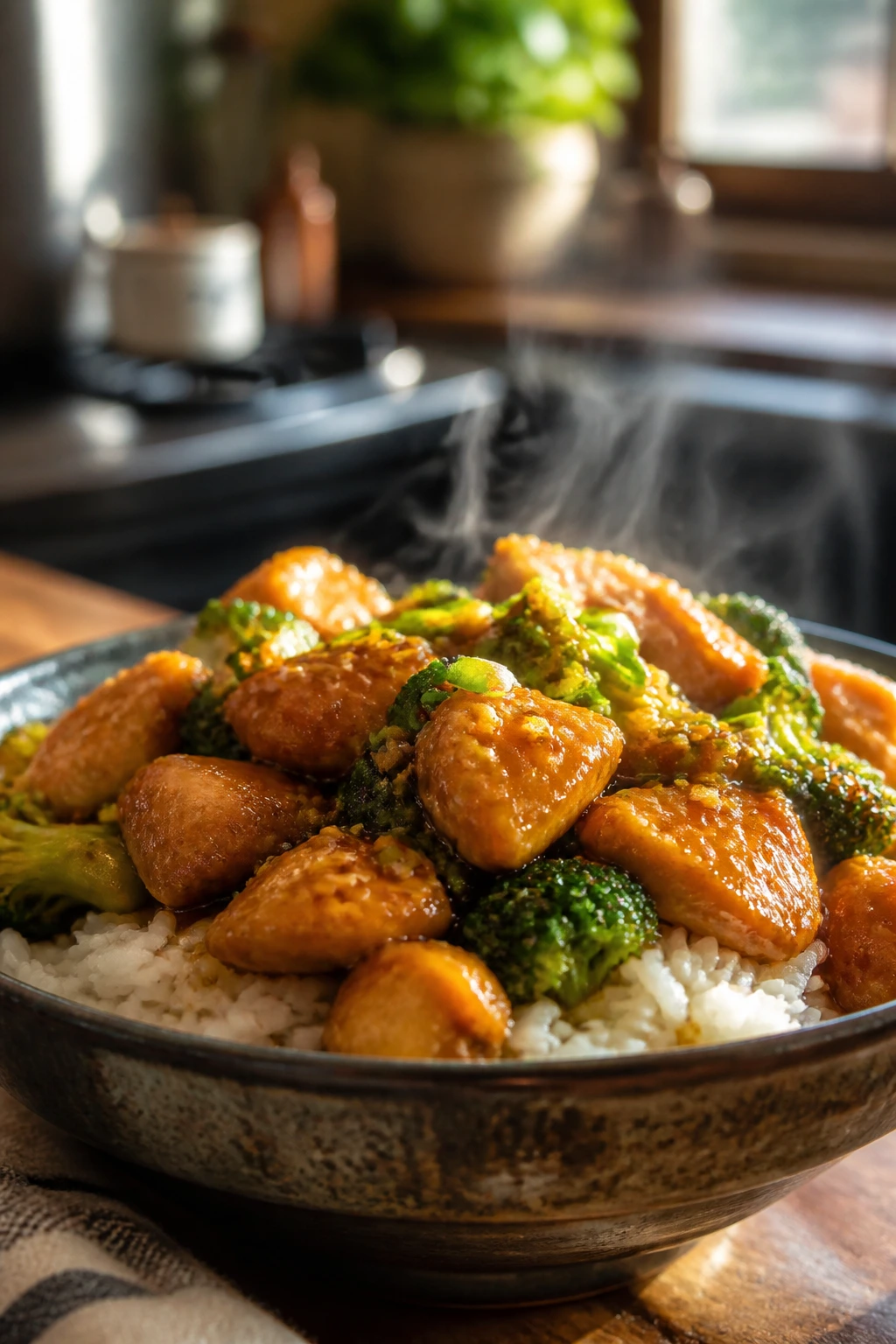
- Fast enough for a tired evening: Most of these recipes land in the 20- to 35-minute range, which is the difference between “I made dinner” and “I gave up and ordered noodles.”
- Sauces do the heavy lifting: Soy, miso, fish sauce, curry paste, gochujang, and oyster sauce bring depth without forcing you into a long simmer.
- Rice and noodles make every bite count: A small amount of protein stretches farther when it lands on jasmine rice, soba, or stir-fried noodles.
- They welcome pantry shortcuts: Frozen shrimp, bagged broccoli, pre-cooked rice, and boxed curry roux all have a place here if you use them well.
- Leftovers usually hold up: Many of these dishes taste even better after the flavors settle overnight, especially the curries, fried rice, and beef bowls.
- The range keeps boredom away: You get stir-fries, noodle bowls, sheet-pan salmon, fried rice, and tofu in one lineup, which means no one gets stuck eating the same texture twice.
1. Garlic Ginger Chicken Stir-Fry
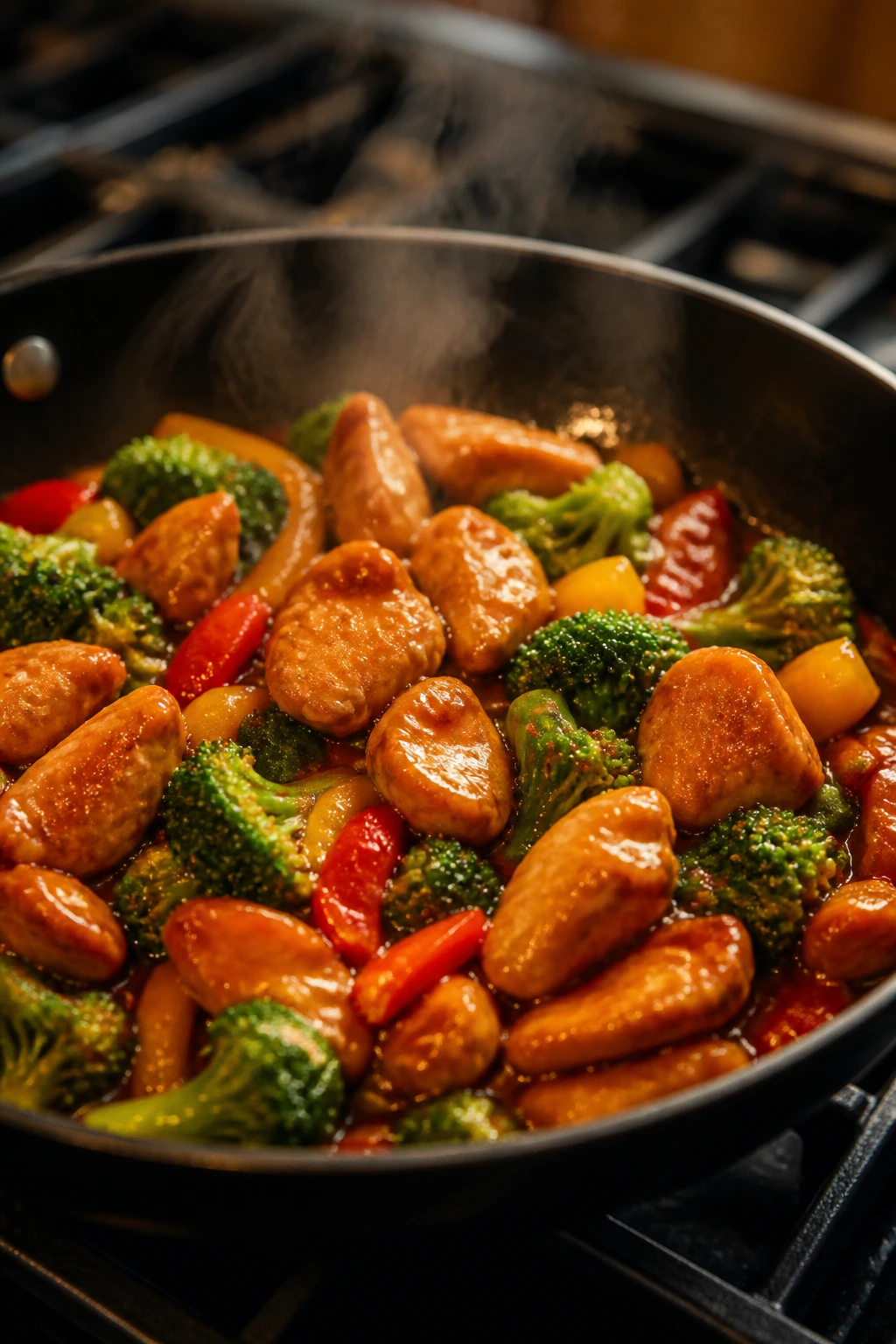
This is the kind of dinner that makes the kitchen smell expensive in the best possible way. Garlic blooms in hot oil, ginger turns sweet instead of sharp, and the chicken picks up a glossy sauce that clings to broccoli and peppers instead of pooling sadly in the pan.
It’s the weeknight answer when you want takeout energy without waiting for a driver.
Why It Works:
Chicken thighs stay juicy under high heat, which matters more here than people admit. A quick cornstarch coat gives the sauce something to grab, and the vegetables keep enough crunch to make each bite feel alive. The sauce is simple, but the balance of soy, vinegar, honey, and sesame oil gives you salt, acid, sweetness, and depth in one small pan. It finishes in about 15 minutes of cooking, which is the whole point.
Serving and Timing Block:
Yield: Serves 4
Prep Time: 15 minutes
Cook Time: 15 minutes
Total Time: 30 minutes
Difficulty: Beginner — the steps are straightforward, and the pan does most of the work.
Complete Ingredient List:
For the Stir-Fry:
- 1 1/2 pounds boneless, skinless chicken thighs, cut into 1-inch pieces
- 2 tablespoons cornstarch
- 1 teaspoon kosher salt
- 1/2 teaspoon black pepper
- 2 tablespoons neutral oil, divided
- 3 cups broccoli florets
- 1 red bell pepper, sliced
- 2 cloves garlic, minced
- 1 tablespoon fresh ginger, grated
- 2 scallions, sliced
For the Sauce:
- 1/4 cup low-sodium soy sauce
- 2 tablespoons water
- 1 tablespoon rice vinegar
- 1 tablespoon honey
- 1 teaspoon sesame oil
- 1 teaspoon cornstarch
For Serving:
- 3 cups cooked jasmine rice
- 1 teaspoon sesame seeds
Ingredient Deep-Dive:
Chicken:
- What to use: 1 1/2 pounds boneless, skinless chicken thighs cut into bite-size pieces.
- Preparation: Cut them evenly so they brown at the same speed.
- Substitutions: Chicken breast works, though it cooks faster and dries out sooner; tofu cubes are the clean vegetarian swap.
- Tips: Pat the chicken dry before tossing it with cornstarch so it sears instead of steaming.
Sauce:
- What to use: Soy sauce, water, rice vinegar, honey, sesame oil, and cornstarch.
- Preparation: Whisk the cornstarch into the liquid before it hits the pan.
- Substitutions: Tamari stands in for soy sauce; maple syrup can replace honey.
- Tips: Taste the sauce before cooking. If your soy sauce is salty, the honey and water may need a small bump.
Vegetables:
- What to use: Broccoli, red bell pepper, garlic, ginger, and scallions.
- Preparation: Cut the broccoli into small florets so it cooks through in a short window.
- Substitutions: Snow peas, snap peas, or sliced zucchini all work in the same time frame.
- Tips: Keep the garlic and ginger separate until the vegetables are almost done, or they can turn bitter.
Base and Finish:
- What to use: Cooked jasmine rice and sesame seeds.
- Preparation: Warm the rice before serving so it absorbs the sauce instead of cooling the dish down.
- Substitutions: Brown rice, short-grain rice, or even noodles can take the place of jasmine rice.
- Tips: Cold rice from the fridge is fine if you reheat it with a damp paper towel or a few drops of water.
Quick Steps:
Prep the Chicken and Sauce:
- Toss the chicken with cornstarch, salt, and pepper in a medium bowl until lightly coated.
- Whisk the soy sauce, water, rice vinegar, honey, sesame oil, and cornstarch in a small bowl until smooth.
Cook the Stir-Fry:
3. Heat 1 tablespoon oil in a large skillet or wok over medium-high heat. Add the chicken in a single layer and cook for 4 to 5 minutes, turning once, until browned and cooked through. Transfer to a plate.
4. Add the remaining 1 tablespoon oil, then the broccoli and bell pepper. Stir-fry for 3 to 4 minutes until the vegetables are bright and just tender at the edges.
5. Stir in the garlic and ginger for 30 seconds, just until fragrant.
6. Return the chicken to the pan, pour in the sauce, and cook for 1 to 2 minutes, stirring, until the sauce turns glossy and lightly thickens.
7. Finish with scallions and sesame seeds, then serve right away over rice.
Equipment for This Recipe:
- Large skillet or wok
- Medium mixing bowl
- Small whisking bowl
- Tongs or a spatula
- Sharp knife and cutting board
How to Serve This Dish:
Spoon the chicken and vegetables over jasmine rice so the sauce can soak in around the edges. A little extra sesame seed scatter on top looks right, and a side of sliced cucumber cools the heat nicely.
Pro Tips for This Recipe:
- Let the pan get hot before the chicken goes in. A lukewarm skillet gives you gray chicken.
- Don’t crowd the pan. If your skillet is small, cook the chicken in two batches.
- Add the sauce only after the chicken is done. That keeps it from reducing too far and turning sticky in a bad way.
Variations on This Dish:
- Spicy Chili Crisp Version: Add 1 to 2 teaspoons chili crisp to the finished sauce for more heat and crunch.
- Veggie-Heavy Bowl: Swap the chicken for 10 ounces tofu and add mushrooms for more bite.
- Orange-Ginger Twist: Stir in 1 tablespoon orange juice and a little zest for a brighter sauce.
Common Mistakes to Avoid with This Dish:
- Using too much sauce too early: The sauce should coat, not drown. Wait until the chicken and vegetables are cooked before adding it.
- Cutting the vegetables too large: Big broccoli florets stay raw while the chicken finishes. Keep the pieces modest.
- Skipping the cornstarch coat: That light dusting helps the sauce cling, which is half the appeal of a good stir-fry.
2. Thai Basil Beef
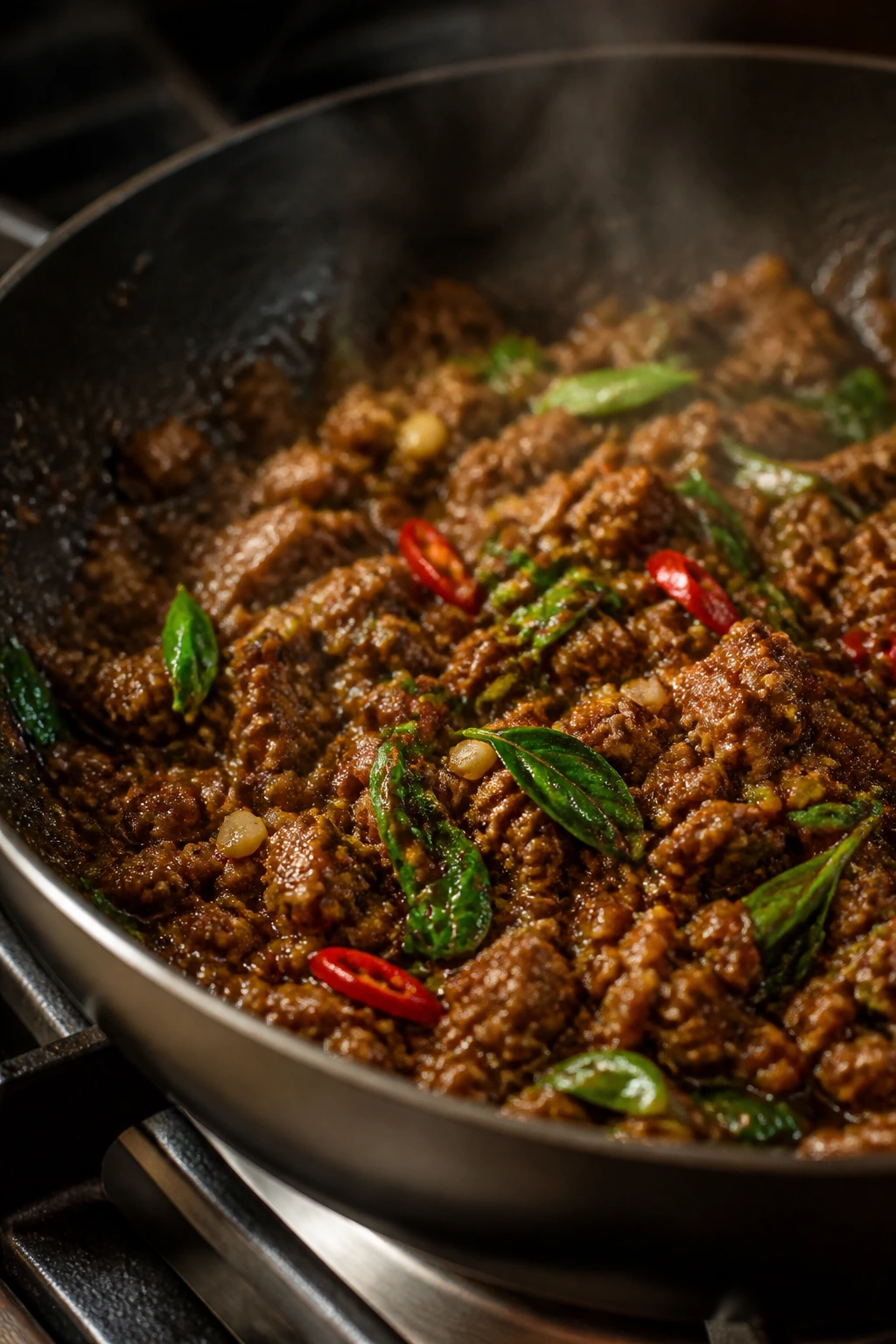
Thai basil beef is loud in the right way. The garlic hits first, then the chile, then that anise-like basil note that makes the whole skillet smell alive. It’s salty, a little sweet, and fast enough to make after you’ve already started feeling impatient.
The fried egg on top is optional in theory. In practice, I would not skip it.
Why It Works:
Ground beef cooks in minutes, so the flavor has to come from the sauce and aromatics. Fish sauce, soy, and a small amount of sugar hit the classic salty-sweet edge, while Thai basil brings a peppery, almost minty finish. This dish tastes best when the beef is cooked over real heat and the basil is added at the end, while the pan is still hot enough to wilt the leaves in seconds. That last move is where the whole dish wakes up.
Serving and Timing Block:
Yield: Serves 4
Prep Time: 10 minutes
Cook Time: 15 minutes
Total Time: 25 minutes
Difficulty: Beginner — it’s mostly chopping, browning, and stirring.
Complete Ingredient List:
For the Beef:
- 1 pound ground beef, 85% lean
- 1 tablespoon neutral oil
- 1 small yellow onion, thinly sliced
- 4 cloves garlic, minced
- 2 Thai bird chiles or 1 serrano, thinly sliced
- 1/2 teaspoon black pepper
For the Sauce:
- 2 tablespoons oyster sauce
- 1 tablespoon soy sauce
- 1 tablespoon fish sauce
- 1 teaspoon sugar
- 2 tablespoons water
For the Finish:
- 2 packed cups Thai basil leaves
- 3 cups cooked jasmine rice
- 4 fried eggs, optional
- Lime wedges, for serving
Ingredient Deep-Dive:
Beef:
- What to use: 1 pound ground beef, preferably 85% lean.
- Preparation: Break it up with your hands before it hits the pan so it browns evenly.
- Substitutions: Ground turkey works for a lighter version, and ground chicken is fine if you add a little extra oil.
- Tips: Drain excess grease only if the pan looks flooded; a little fat helps carry the basil flavor.
Sauce:
- What to use: Oyster sauce, soy sauce, fish sauce, sugar, and water.
- Preparation: Stir the sauce together before you start cooking so you can pour it in fast.
- Substitutions: If you need to skip fish sauce, add a touch more soy and a squeeze of lime.
- Tips: Don’t make the sauce too sweet. Thai basil beef should taste balanced, not glazed like candy.
Aromatics and Herbs:
- What to use: Onion, garlic, Thai chiles, and Thai basil.
- Preparation: Slice the chiles thin if you want their heat spread out; leave them thicker for sharp bursts.
- Substitutions: Italian basil plus a few mint leaves can stand in if Thai basil is hard to find.
- Tips: Add the basil at the very end. If it cooks for too long, it loses that fresh, peppery snap.
Base and Finish:
- What to use: Jasmine rice, fried eggs, and lime.
- Preparation: Keep the rice fluffy and hot so it can catch the sauce.
- Substitutions: Brown rice or sticky rice both work.
- Tips: A fried egg with a runny yolk turns this from a good dinner into the kind of dinner you think about later.
Quick Steps:
Build the Sauce:
- Mix the oyster sauce, soy sauce, fish sauce, sugar, and water in a small bowl until the sugar dissolves.
Brown the Beef:
2. Heat the oil in a large skillet over medium-high heat. Add the onion and cook for 2 minutes, then add the beef and break it up. Cook for 4 to 5 minutes until browned and no pink remains.
3. Stir in the garlic, chiles, and black pepper. Cook for 30 seconds until fragrant.
Finish and Serve:
4. Pour in the sauce and stir for 1 minute until the beef looks glossy and lightly sticky.
5. Turn off the heat, add the basil, and toss until the leaves wilt and perfume the pan.
6. Serve immediately over jasmine rice with lime wedges and fried eggs if you want the full effect.
Equipment for This Recipe:
- Large skillet
- Small bowl
- Wooden spoon or spatula
- Knife and cutting board
- Rice cooker or saucepan for rice
How to Serve This Dish:
Pile the beef over rice and keep the basil leaves visible on top instead of burying them. A runny egg and a squeeze of lime sharpen the whole bowl, which matters because this dish likes a bright finish.
Pro Tips for This Recipe:
- Use Thai basil if you can. The flavor is different enough from sweet basil to matter.
- Let the pan stay hot. If the beef steams, the sauce gets muddy.
- Add lime at the table, not in the pan. Heat dulls the citrus.
Variations on This Dish:
- Basil Chicken Swap: Replace the beef with ground chicken and add 1 extra tablespoon oil.
- Mushroom Lover’s Bowl: Use finely chopped mushrooms for half the beef and keep the same sauce.
- Extra-Saucy Version: Add 2 more tablespoons water if you want more spoonable sauce for rice.
Common Mistakes to Avoid with This Dish:
- Overcooking the basil: The leaves should wilt, not disappear. Add them off the heat.
- Using too much sugar: The sauce should taste balanced and savory, not syrupy.
- Serving it lukewarm: Thai basil beef loses a lot of its punch once it cools down.
3. Japanese Curry Chicken Rice
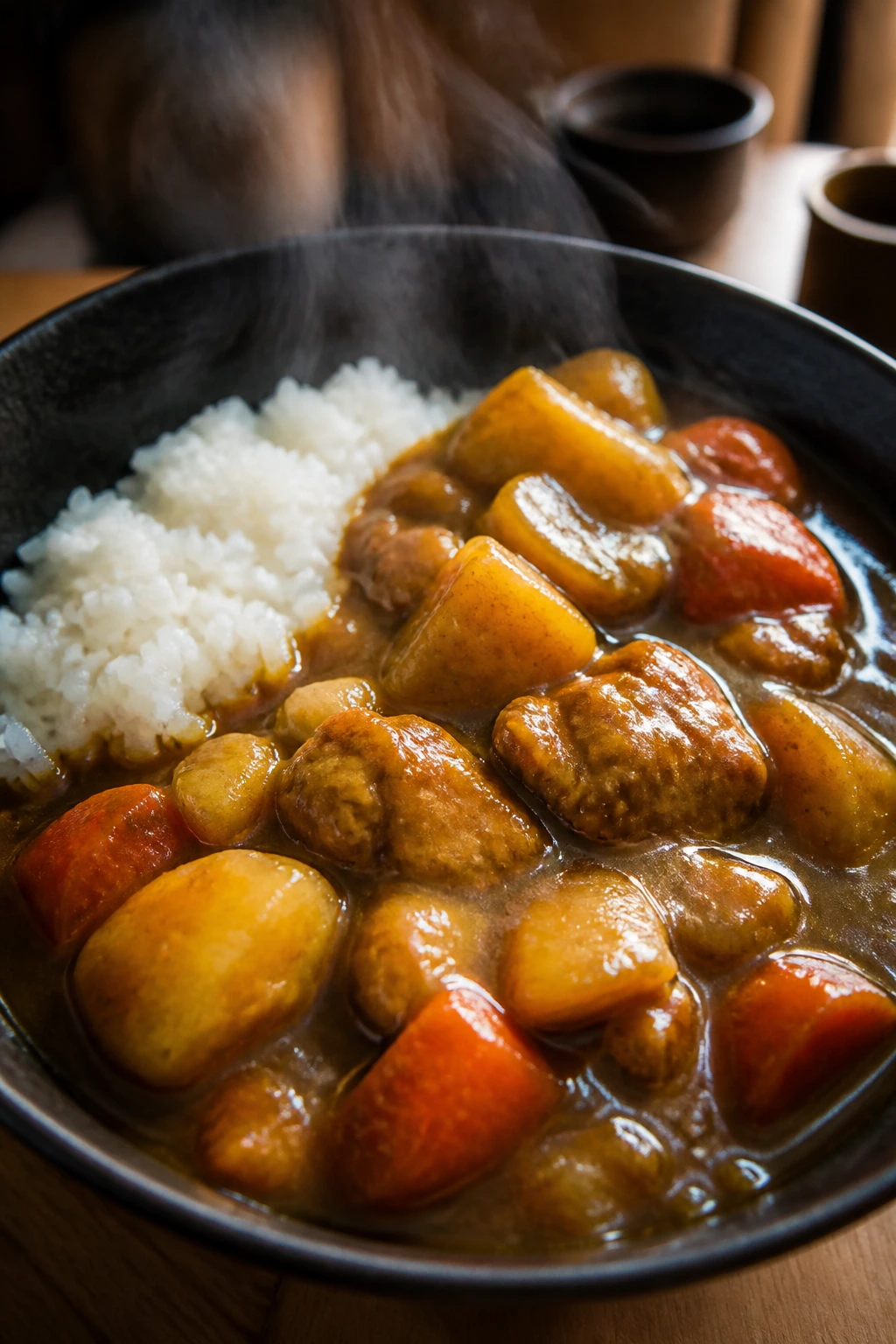
Japanese curry is a weeknight comfort move, not a flashy one. It smells like onions softening for a long time, though the trick is that you don’t actually need a long time if you use curry roux. That’s the part people should stop pretending is a shortcut to be ashamed of. It’s a smart shortcut.
The sauce turns thick, brown, and gently sweet, and it clings to rice in that deeply satisfying way that makes you keep scraping the bowl.
Why It Works:
Curry roux gives the dish built-in body, so you spend your energy on browning the chicken and softening the vegetables instead of building a sauce from scratch. Potatoes and carrots make the curry feel complete and stretch it into real dinner territory. A little apple or honey softens the spice if your roux leans sharp. The entire pot becomes glossy and spoonable, which is exactly what Japanese curry should do.
Serving and Timing Block:
Yield: Serves 4 to 6
Prep Time: 15 minutes
Cook Time: 30 minutes
Total Time: 45 minutes
Difficulty: Beginner — the roux does the thickening, so there’s less to manage.
Complete Ingredient List:
For the Curry:
- 1 1/2 pounds boneless chicken thighs, cut into 1 1/2-inch pieces
- 1 tablespoon neutral oil
- 1 large yellow onion, sliced
- 2 carrots, peeled and cut into 1/2-inch coins
- 2 medium Yukon Gold potatoes, peeled and cut into 1-inch chunks
- 3 cloves garlic, minced
- 1 tablespoon grated fresh ginger
- 3 cups chicken stock
- 1 tablespoon soy sauce
- 1 teaspoon honey
- 4 ounces Japanese curry roux, broken into pieces
For Serving:
- 4 cups cooked short-grain or jasmine rice
- Pickled ginger or sliced scallions, optional
Ingredient Deep-Dive:
Chicken:
- What to use: 1 1/2 pounds boneless chicken thighs.
- Preparation: Cut the pieces evenly so they stay juicy while the vegetables soften.
- Substitutions: Chicken breast works, though it’s less forgiving; firm tofu can replace the chicken for a vegetarian version.
- Tips: Brown the chicken lightly before the stock goes in. That gives the curry a deeper base.
Vegetables:
- What to use: Onion, carrots, and Yukon Gold potatoes.
- Preparation: Keep the carrot coins and potato chunks similar in size so they finish together.
- Substitutions: Sweet potatoes, cauliflower, or peas can step in depending on what’s in the kitchen.
- Tips: Yukon Golds hold their shape better than russets, which can turn mealy in curry.
Broth and Seasoning:
- What to use: Chicken stock, soy sauce, honey, garlic, ginger, and curry roux.
- Preparation: Break the roux into small pieces so it melts evenly into the pot.
- Substitutions: Vegetable stock works fine if you’re skipping chicken.
- Tips: Don’t dump the roux into boiling liquid all at once. Add it off the hottest flame and stir until smooth.
Base and Finish:
- What to use: Short-grain or jasmine rice with optional pickles or scallions.
- Preparation: Cook the rice just before serving so the curry can land hot.
- Substitutions: Brown rice works if you want more chew.
- Tips: A small pile of quick-pickled ginger or scallions cuts through the richness.
Quick Steps:
Cook the Curry Base:
- Heat the oil in a medium Dutch oven or deep skillet over medium heat. Add the onion and cook for 5 minutes until softened and lightly golden.
- Add the chicken and cook for 3 to 4 minutes, stirring now and then, until the outside loses its raw color.
- Stir in the carrots, potatoes, garlic, and ginger for 1 minute.
Simmer and Thicken:
4. Pour in the stock and soy sauce. Bring to a boil, then reduce to a steady simmer. Cook for 15 to 18 minutes until the vegetables are tender.
5. Turn the heat to low and add the curry roux in pieces, stirring until it melts completely. Add the honey and simmer for 3 to 5 minutes until the sauce is thick enough to coat a spoon.
Serve:
6. Spoon the curry over hot rice and finish with scallions or pickled ginger if you like a sharper edge.
Equipment for This Recipe:
- Dutch oven or deep skillet
- Wooden spoon
- Cutting board and knife
- Measuring cups
- Rice cooker or saucepan
How to Serve This Dish:
Japanese curry wants a neat mound of rice with the sauce ladled along one side, not buried like soup. A small pile of quick pickles or sliced cucumber is enough to keep the plate from feeling heavy.
Pro Tips for This Recipe:
- Slice the onion thin so it softens quickly and melts into the sauce.
- Keep the simmer gentle after the roux goes in. Hard boiling can make the sauce split.
- Curry thickens as it sits, so stop a little earlier than you think.
Variations on This Dish:
- Vegetable Curry Pot: Skip the chicken and add cauliflower florets and peas.
- Beef Curry Version: Use stewing beef and simmer it longer until tender.
- Katsu-Style Finish: Serve with a fried cutlet on top if you want a fuller plate.
Common Mistakes to Avoid with This Dish:
- Under-simmering the potatoes: They should be tender all the way through before the roux goes in.
- Overloading the pot with liquid: Too much stock makes the curry thin and flat.
- Adding the roux to a rolling boil: That can make lumps and a grainy texture.
4. Korean Beef Rice Bowls
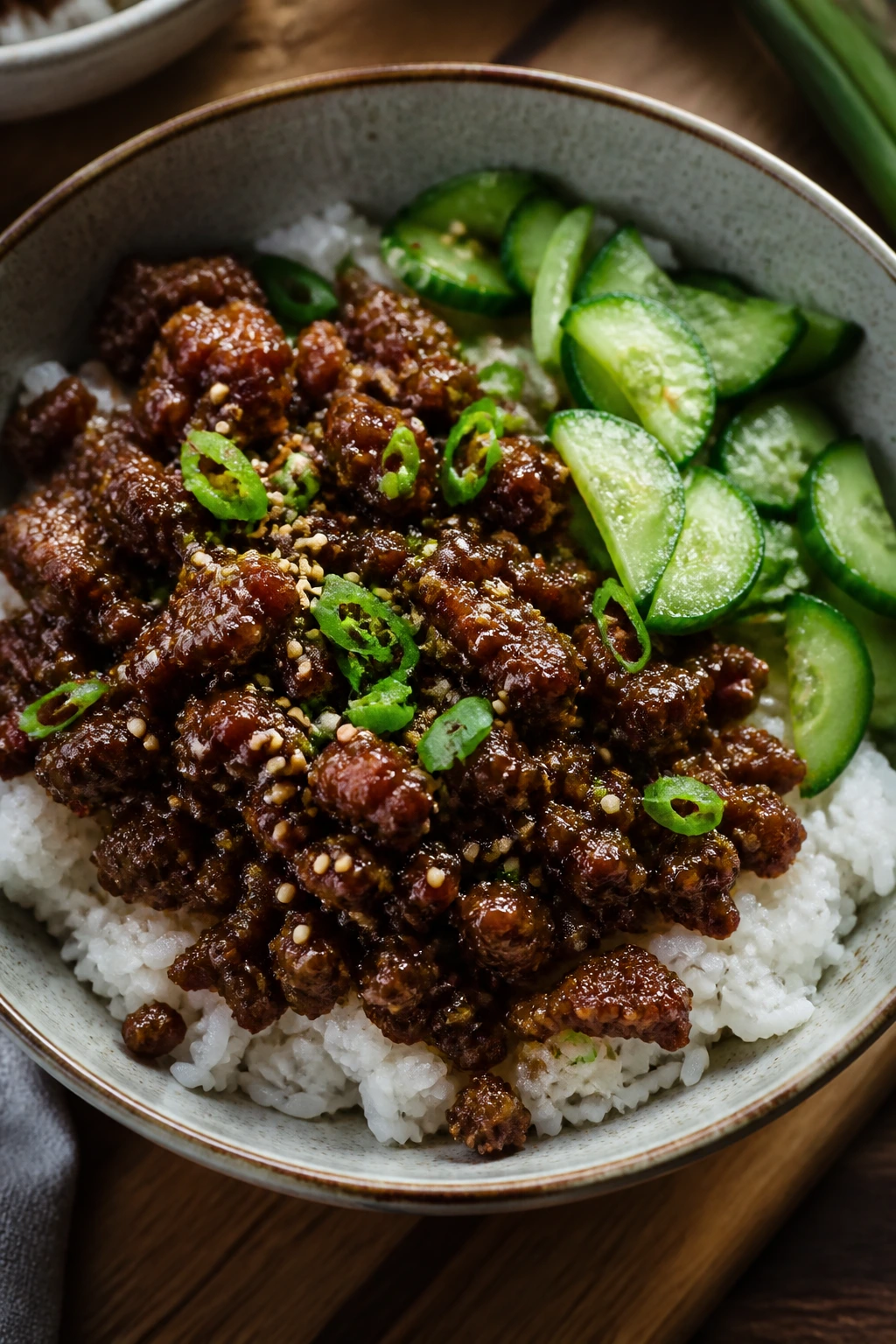
These bowls are built for people who want dinner to taste bigger than the effort behind it. The beef is sweet, savory, and a little sticky, and the cool cucumber or carrot on top keeps the whole thing from collapsing into one note. That contrast is the reason the bowl works.
I like it with a fried egg because the yolk turns the rice into a sauce of its own. Hard to argue with that.
Why It Works:
Ground beef cooks fast and takes on Korean-style seasoning beautifully, especially when the sauce includes gochujang and sesame oil. Brown sugar adds the familiar caramel note, but the soy and ginger keep it from tasting flat. The toppings matter as much as the beef here: fresh cucumber, scallions, sesame seeds, and rice give you heat, crunch, and comfort in one forkful. It’s dinner without any dead spots.
Serving and Timing Block:
Yield: Serves 4
Prep Time: 10 minutes
Cook Time: 15 minutes
Total Time: 25 minutes
Difficulty: Beginner — fast, flexible, and hard to mess up.
Complete Ingredient List:
For the Beef:
- 1 pound ground beef
- 1 tablespoon neutral oil, if needed
- 3 cloves garlic, minced
- 1 tablespoon fresh ginger, grated
For the Sauce:
- 1/4 cup low-sodium soy sauce
- 2 tablespoons brown sugar
- 1 tablespoon gochujang
- 1 tablespoon rice vinegar
- 1 teaspoon sesame oil
- 2 tablespoons water
For Serving:
- 3 cups cooked jasmine or short-grain rice
- 1 cup shredded carrots
- 1 cup sliced cucumber
- 2 scallions, sliced
- 1 tablespoon sesame seeds
- 4 fried or soft-boiled eggs, optional
Ingredient Deep-Dive:
Beef:
- What to use: 1 pound ground beef, ideally not too lean.
- Preparation: Break it up early so it browns instead of clumping.
- Substitutions: Ground turkey or ground pork both work, though turkey needs a little extra oil.
- Tips: A little fat in the pan helps the sauce cling.
Sauce:
- What to use: Soy sauce, brown sugar, gochujang, rice vinegar, sesame oil, and water.
- Preparation: Whisk the sauce together before the beef finishes cooking.
- Substitutions: Chili garlic sauce can replace gochujang, but the flavor will be sharper and less deep.
- Tips: Balance matters here. Too much gochujang and you lose the gentle sweetness that makes the bowl so easy to eat.
Toppings:
- What to use: Rice, carrot, cucumber, scallions, sesame seeds, and eggs if you want them.
- Preparation: Keep the vegetables raw or lightly dressed for crunch.
- Substitutions: Shredded cabbage, radish, or quick-pickled onions all make sense here.
- Tips: Cold toppings should be thin and crisp, not bulky.
Finish:
- What to use: Toasted sesame seeds and soft egg yolks.
- Preparation: Toast the seeds briefly if you have time.
- Substitutions: Crispy shallots can take the place of sesame seeds.
- Tips: The egg is not decoration. It softens the whole bowl.
Quick Steps:
Make the Beef:
- Brown the beef in a large skillet over medium-high heat for 4 to 5 minutes, breaking it up as it cooks. Drain excess fat if needed, leaving about 1 tablespoon in the pan.
- Add the garlic and ginger and cook for 30 seconds.
Build the Sauce:
3. Stir in the soy sauce, brown sugar, gochujang, rice vinegar, sesame oil, and water. Simmer for 2 to 3 minutes until the sauce turns glossy and coats the beef.
Assemble the Bowls:
4. Divide the rice among bowls. Spoon the beef over the top, then add carrots, cucumber, and scallions.
5. Finish with sesame seeds and fried eggs if using. Serve hot.
Equipment for This Recipe:
- Large skillet
- Small bowl
- Measuring spoons
- Rice cooker or saucepan
- Knife and cutting board
How to Serve This Dish:
Build the bowl with rice on the bottom, beef in the center, and toppings arranged in little piles so each bite can be mixed on the fly. A fried egg on top is the most practical luxury in the room.
Pro Tips for This Recipe:
- Use a skillet with enough surface area for the beef to brown.
- If your gochujang is very thick, loosen it with the water before adding it.
- Keep the cucumber cold. That contrast matters more than people expect.
Variations on This Dish:
- Turkey Bowl: Swap in ground turkey and add 1 extra teaspoon sesame oil.
- Spicy Dinner Upgrade: Stir in a teaspoon of chili crisp at the end.
- Low-Carb Plate: Serve over shredded cabbage or cauliflower rice instead of rice.
Common Mistakes to Avoid with This Dish:
- Letting the sauce reduce too far: It should glaze the beef, not turn into candy.
- Using soggy toppings: Wet cucumber or limp carrots make the bowl dull.
- Skipping acid: The rice vinegar keeps the sweetness from taking over.
5. Teriyaki Salmon with Broccoli and Rice
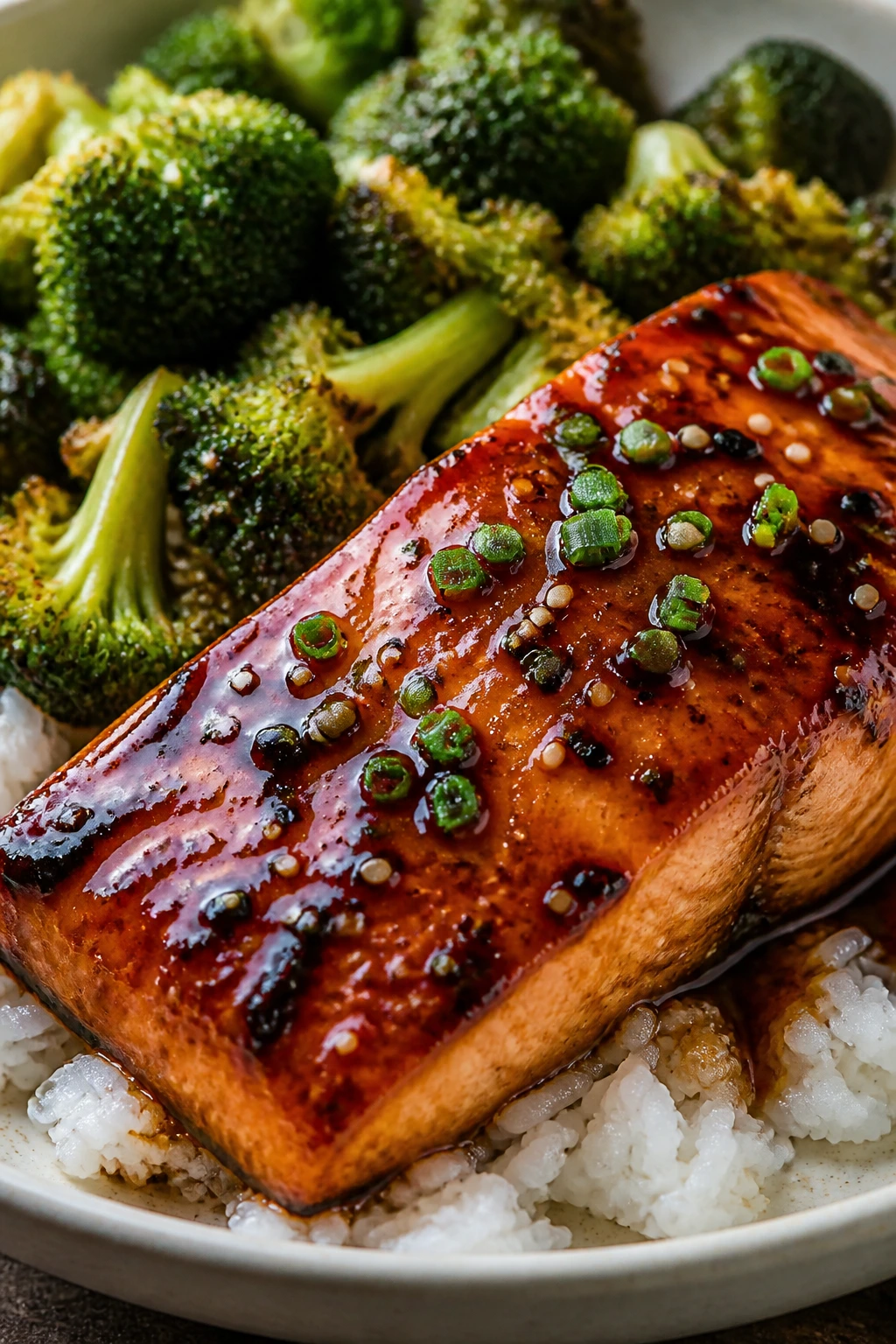
A good salmon dinner should feel polished without acting precious. This one does that. The teriyaki glaze goes shiny and slightly sticky, the broccoli roasts at the edges, and the salmon stays tender if you pull it at the right moment.
I like sheet-pan salmon on a weeknight because it looks fancier than it is. That’s useful information.
Why It Works:
Salmon loves a sweet-salty glaze, and teriyaki gives you that without a long marinade. Broccoli can roast on the same pan because it likes high heat, especially when the florets are cut small enough to finish at the same speed as the fish. The glaze reduces quickly in a saucepan or on the fish itself, so the finished dish tastes concentrated instead of watery. Rice underneath turns every bit of glaze into dinner.
Serving and Timing Block:
Yield: Serves 4
Prep Time: 15 minutes
Cook Time: 15 minutes
Total Time: 30 minutes
Difficulty: Beginner — the timing matters, but the method is simple.
Complete Ingredient List:
For the Salmon and Vegetables:
- 4 salmon fillets, 5 to 6 ounces each
- 4 cups broccoli florets
- 1 tablespoon neutral oil
- 1/2 teaspoon kosher salt
- 1/4 teaspoon black pepper
For the Teriyaki Glaze:
- 1/4 cup low-sodium soy sauce
- 1/4 cup mirin
- 2 tablespoons brown sugar
- 1 teaspoon grated ginger
- 2 cloves garlic, grated or minced
- 1 teaspoon cornstarch
- 1 tablespoon water
For Serving:
- 3 cups cooked jasmine rice
- Sliced scallions and sesame seeds
Ingredient Deep-Dive:
Salmon:
- What to use: 4 fillets, about 5 to 6 ounces each.
- Preparation: Pat them dry so the surface browns instead of steaming.
- Substitutions: Steelhead trout or firm cod can work, though the cook time changes.
- Tips: Choose fillets of similar thickness so they finish together.
Glaze:
- What to use: Soy sauce, mirin, brown sugar, ginger, garlic, cornstarch, and water.
- Preparation: Whisk the cornstarch with water before heating.
- Substitutions: If you do not have mirin, use 2 tablespoons rice vinegar plus 2 teaspoons sugar.
- Tips: The glaze should be lightly thick, not paste-like.
Broccoli and Rice:
- What to use: Broccoli florets and jasmine rice.
- Preparation: Cut broccoli small enough to roast quickly.
- Substitutions: Green beans or asparagus can replace broccoli.
- Tips: Warm rice makes the whole plate taste more cohesive.
Finish:
- What to use: Scallions and sesame seeds.
- Preparation: Slice scallions thin so they stay crisp.
- Substitutions: Toasted nori strips also work if you want a little seaweed note.
- Tips: Add the garnish at the end, not before roasting.
Quick Steps:
Make the Glaze:
- Whisk the soy sauce, mirin, brown sugar, ginger, garlic, cornstarch, and water in a small saucepan.
- Set over medium heat and simmer for 1 to 2 minutes until just slightly thickened. Remove from heat.
Roast the Salmon and Broccoli:
3. Heat the oven to 425°F (220°C). Toss the broccoli with oil, salt, and pepper on a rimmed sheet pan. Roast for 8 minutes.
4. Push the broccoli to the sides of the pan, place the salmon in the center, and brush generously with glaze. Roast for 8 to 10 minutes more, until the salmon flakes at the edges and the glaze looks shiny.
Serve:
5. Spoon rice into bowls, top with salmon and broccoli, then drizzle with any remaining glaze. Finish with scallions and sesame seeds.
Equipment for This Recipe:
- Rimmed sheet pan
- Small saucepan
- Pastry brush or spoon
- Measuring cups and spoons
- Fish spatula or wide spatula
How to Serve This Dish:
This looks best when the rice sits low in the bowl and the salmon rests on top with broccoli tucked alongside it. A few scallions and sesame seeds are enough; the glaze should do the talking.
Pro Tips for This Recipe:
- Roast the broccoli first so it gets a little color before the fish joins it.
- Pull the salmon when it flakes but still looks a touch translucent in the center.
- If the glaze thickens too much, loosen it with a teaspoon of hot water.
Variations on This Dish:
- Miso-Teriyaki Salmon: Whisk 1 tablespoon miso into the glaze for more depth.
- Honey-Sesame Version: Swap the brown sugar for honey and finish with extra sesame seeds.
- Spicy Glaze: Add 1 teaspoon chili garlic sauce for heat.
Common Mistakes to Avoid with This Dish:
- Overbaking the salmon: It dries out fast. Check early.
- Using broccoli pieces that are too large: Big florets need more time than the fish can give.
- Skipping the glaze reduction: Thin sauce runs off the fish and pools on the pan.
6. Sesame Garlic Shrimp Noodles
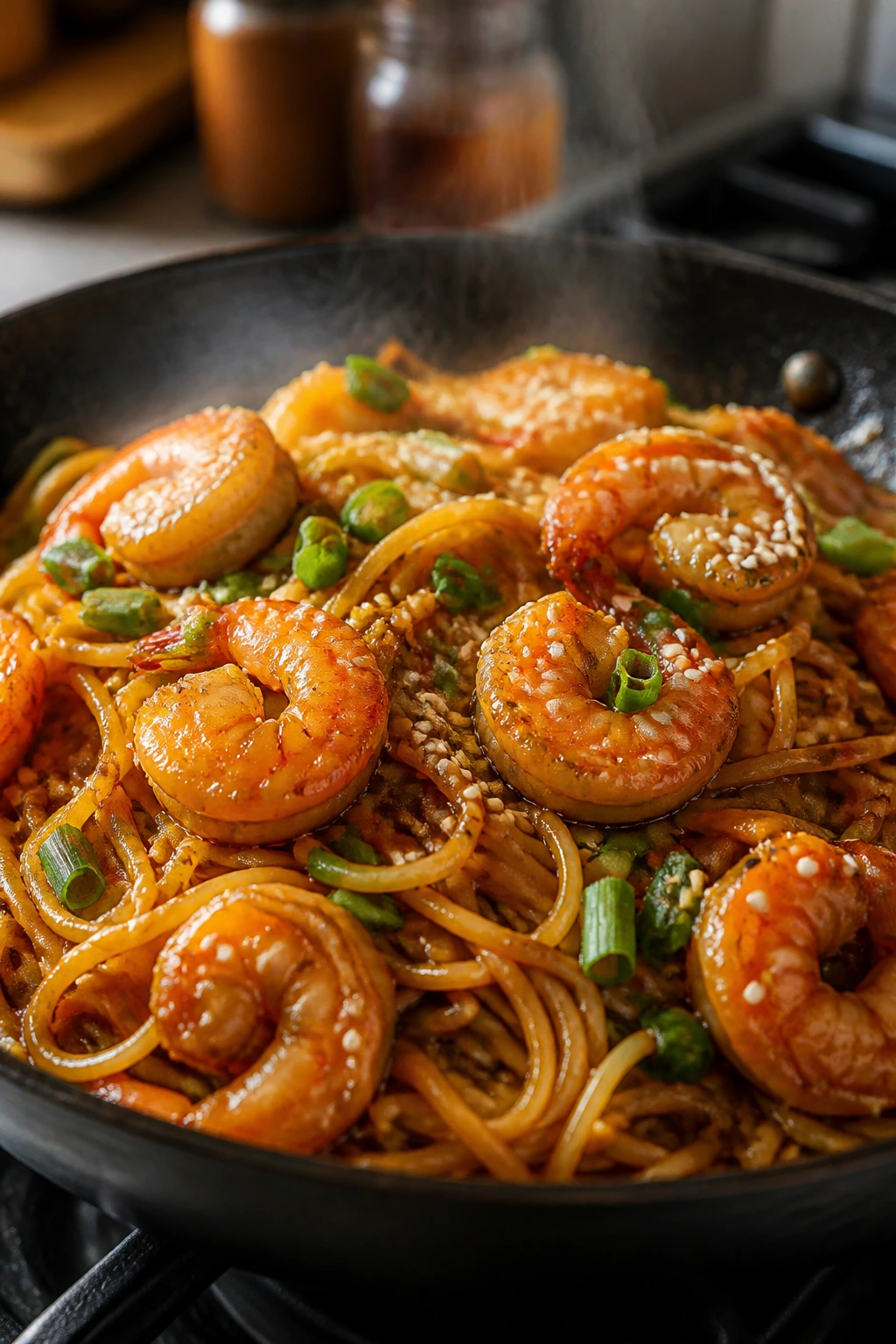
Shrimp and noodles are a strong answer to hunger because they cook in the same tiny window. The garlic gets fragrant, the sesame oil rounds out the soy, and the noodles carry the sauce like they were built for the job.
This one moves quickly, so have everything near the stove before the pan gets hot. That’s not a warning. It’s a fact.
Why It Works:
Shrimp cook in about the time it takes to boil noodles, which keeps the whole dinner on one clock. A sauce built from soy, oyster sauce, sesame oil, and a little honey gives you enough body to coat the noodles without drowning them. Snap peas or carrots bring crunch that keeps the dish from feeling soft all the way through. The final toss should look shiny, not wet.
Serving and Timing Block:
Yield: Serves 4
Prep Time: 15 minutes
Cook Time: 10 minutes
Total Time: 25 minutes
Difficulty: Beginner — speed matters, but the method is forgiving.
Complete Ingredient List:
For the Noodles:
- 12 ounces lo mein noodles, spaghetti, or rice noodles
- 1 pound large shrimp, peeled and deveined
- 1 tablespoon neutral oil
- 1 cup snap peas
- 1 carrot, cut into thin matchsticks
- 2 cloves garlic, minced
- 1 teaspoon fresh ginger, grated
- 2 scallions, sliced
For the Sauce:
- 3 tablespoons low-sodium soy sauce
- 1 tablespoon oyster sauce
- 1 tablespoon honey
- 1 tablespoon sesame oil
- 1 tablespoon rice vinegar
- 2 tablespoons water
- 1/4 teaspoon red pepper flakes, optional
For Serving:
- 1 teaspoon sesame seeds
- Lime wedges, optional
Ingredient Deep-Dive:
Shrimp:
- What to use: 1 pound large shrimp, peeled and deveined.
- Preparation: Pat them dry so they sear quickly.
- Substitutions: Sliced chicken or cubed tofu works if shrimp is not your thing.
- Tips: Shrimp go rubbery fast; keep the heat high and the cook time short.
Noodles:
- What to use: Lo mein, spaghetti, or rice noodles.
- Preparation: Cook them just to al dente so they can finish in the pan.
- Substitutions: Soba or udon noodles can replace them if that is what you have.
- Tips: Rinse rice noodles if needed so they do not clump.
Sauce:
- What to use: Soy sauce, oyster sauce, honey, sesame oil, rice vinegar, and water.
- Preparation: Mix the sauce before the noodles are done.
- Substitutions: Hoisin can replace oyster sauce for a sweeter profile.
- Tips: Keep the sesame oil in the sauce, not the cooking oil. It tastes better that way.
Vegetables and Finish:
- What to use: Snap peas, carrot, garlic, ginger, scallions, and sesame seeds.
- Preparation: Slice everything thin enough to soften in minutes.
- Substitutions: Bell pepper, cabbage, or broccoli slaw are all fair game.
- Tips: The vegetables should stay crisp; if they get soft, the dish loses its snap.
Quick Steps:
Cook the Noodles:
- Boil the noodles in salted water until just al dente. Drain and set aside.
Stir-Fry:
2. Heat the oil in a large skillet or wok over medium-high heat. Add the shrimp and cook for 1 to 2 minutes per side until pink and just cooked through. Transfer to a plate.
3. Add the snap peas, carrot, garlic, and ginger. Stir-fry for 2 minutes until fragrant and bright.
Finish the Dish:
4. Return the shrimp to the pan, add the noodles, and pour in the sauce. Toss for 1 to 2 minutes until everything looks glossy and the sauce coats the noodles.
5. Finish with scallions and sesame seeds. Serve hot.
Equipment for This Recipe:
- Large skillet or wok
- Pot for noodles
- Colander
- Tongs
- Knife and cutting board
How to Serve This Dish:
Twirl the noodles into shallow bowls and place the shrimp on top so they do not disappear into the pile. A squeeze of lime wakes up the sesame and keeps the dish from feeling heavy.
Pro Tips for This Recipe:
- Undercook the noodles by a minute if they’ll sit in the pan longer than you expect.
- Keep the shrimp in a single layer so they sear, not steam.
- Add the sauce at the very end so the noodles stay springy.
Variations on This Dish:
- Peanut Sesame Noodles: Stir 2 tablespoons peanut butter into the sauce for more body.
- Vegetable-First Version: Double the vegetables and skip the shrimp entirely.
- Spicier Bowl: Add chili oil or chili crisp at the table.
Common Mistakes to Avoid with This Dish:
- Overcooking the shrimp: They go from tender to bouncy quickly.
- Letting noodles sit in water too long: They soften and lose their bite.
- Using too much sesame oil: A little goes far; too much tastes heavy.
7. Vietnamese Lemongrass Pork Bowls
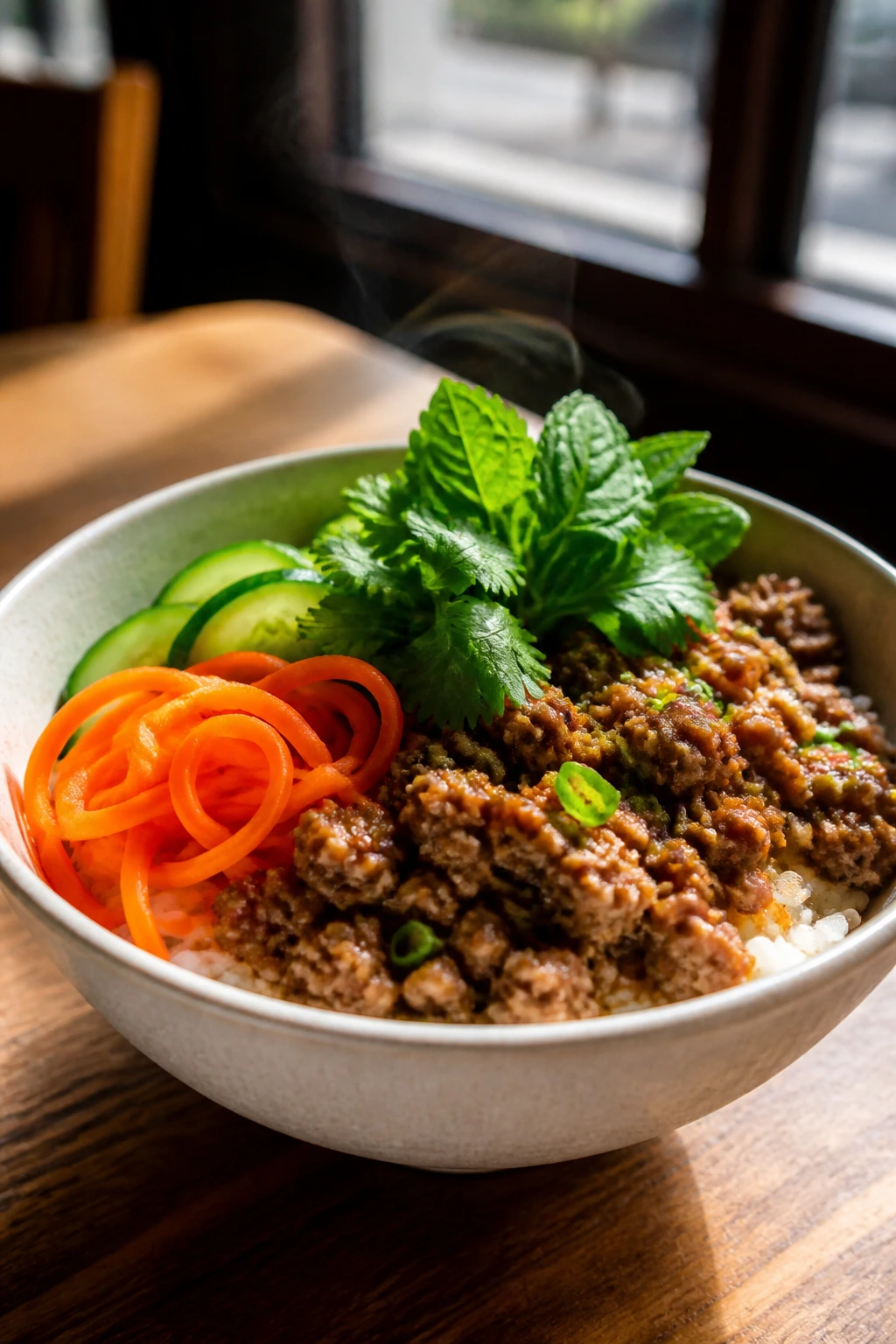
Lemongrass has a clean, citrusy smell that turns pork into something brighter than it has any right to be on a random Tuesday. Add pickled carrots, cucumber, herbs, and rice, and the bowl suddenly feels deliberate.
This is one of those dinners that looks like it took longer than it did. I’m a fan of that kind of trick.
Why It Works:
Ground pork cooks fast and takes on aromatics with very little persuasion. Lemongrass, fish sauce, garlic, and a bit of brown sugar create the sweet-salty edge that makes Vietnamese-style bowls so good with rice. The pickled vegetables cut through the richness, which keeps the bowl lively instead of heavy. Herbs at the end are not optional in spirit, even if you technically can leave them out.
Serving and Timing Block:
Yield: Serves 4
Prep Time: 20 minutes
Cook Time: 15 minutes
Total Time: 35 minutes
Difficulty: Beginner — the ingredients are easy, but the layering matters.
Complete Ingredient List:
For the Pork:
- 1 1/4 pounds ground pork
- 1 tablespoon neutral oil
- 2 stalks lemongrass, tender inner part minced finely, or 1 tablespoon lemongrass paste
- 3 cloves garlic, minced
- 1 tablespoon fish sauce
- 1 tablespoon soy sauce
- 1 tablespoon brown sugar
- 1 teaspoon black pepper
For the Quick Pickle:
- 1 carrot, julienned
- 1/2 cucumber, thinly sliced
- 2 tablespoons rice vinegar
- 1 teaspoon sugar
- Pinch of salt
For Serving:
- 3 cups cooked jasmine rice
- 1/2 cup mint leaves
- 1/2 cup cilantro leaves
- 2 tablespoons chopped peanuts
- Lime wedges
Ingredient Deep-Dive:
Pork:
- What to use: 1 1/4 pounds ground pork.
- Preparation: Break it apart before it browns so the seasoning lands evenly.
- Substitutions: Ground chicken or turkey works, though it benefits from an extra teaspoon of oil.
- Tips: Pork with a little fat carries the lemongrass better than extra-lean meat.
Lemongrass Seasoning:
- What to use: Lemongrass, garlic, fish sauce, soy sauce, brown sugar, and black pepper.
- Preparation: Mince the lemongrass very fine if using fresh stalks.
- Substitutions: Lemongrass paste is the easiest weeknight substitute.
- Tips: Fresh lemongrass should smell lemony and grassy, not dry or woody.
Vegetables and Herbs:
- What to use: Carrot, cucumber, mint, cilantro, and peanuts.
- Preparation: Keep the vegetables crisp and cold.
- Substitutions: Basil can join or replace mint, and crushed cashews can stand in for peanuts.
- Tips: The herbs should be added at the table or right before serving so they stay bright.
Base and Acid:
- What to use: Jasmine rice, rice vinegar, sugar, and lime.
- Preparation: Toss the vegetables with the vinegar, sugar, and salt while the pork cooks.
- Substitutions: Rice noodles can replace rice if you want a different base.
- Tips: The acid is what keeps the bowl from feeling flat, so do not skip it.
Quick Steps:
Quick-Pickle the Vegetables:
- Toss the carrot and cucumber with rice vinegar, sugar, and a pinch of salt. Set aside.
Cook the Pork:
2. Heat the oil in a large skillet over medium-high heat. Add the lemongrass and garlic and cook for 30 seconds.
3. Add the pork, fish sauce, soy sauce, brown sugar, and black pepper. Cook for 6 to 7 minutes, breaking it up, until browned and sticky.
Assemble:
4. Divide the rice into bowls. Top with pork, pickled vegetables, herbs, peanuts, and a squeeze of lime.
Equipment for This Recipe:
- Large skillet
- Small bowl
- Sharp knife and cutting board
- Rice cooker or saucepan
- Tongs or spatula
How to Serve This Dish:
Build each bowl with rice first, then pork, then a loose scatter of herbs and peanuts so the top stays fresh and green. A lime wedge on the side is not garnish; it’s part of the dish.
Pro Tips for This Recipe:
- Use the tender inner part of the lemongrass only. The woody outer layers are not pleasant to chew.
- Keep the pickle light. You want a bright crunch, not full-on pickled vegetables.
- Add herbs last so they smell like herbs, not like steam.
Variations on This Dish:
- Lemongrass Chicken Bowl: Swap in ground chicken and add a splash more oil.
- Rice Noodle Version: Serve over vermicelli noodles for a lighter bowl.
- Peanut Sauce Drizzle: Add a thin peanut sauce if you want a richer plate.
Common Mistakes to Avoid with This Dish:
- Using too much lemongrass paste: It can take over fast. Start modestly.
- Cooking the pork too gently: You want some browning for flavor.
- Skipping the herbs: Without them, the bowl loses its lift.
8. Mapo Tofu with Steamed Rice
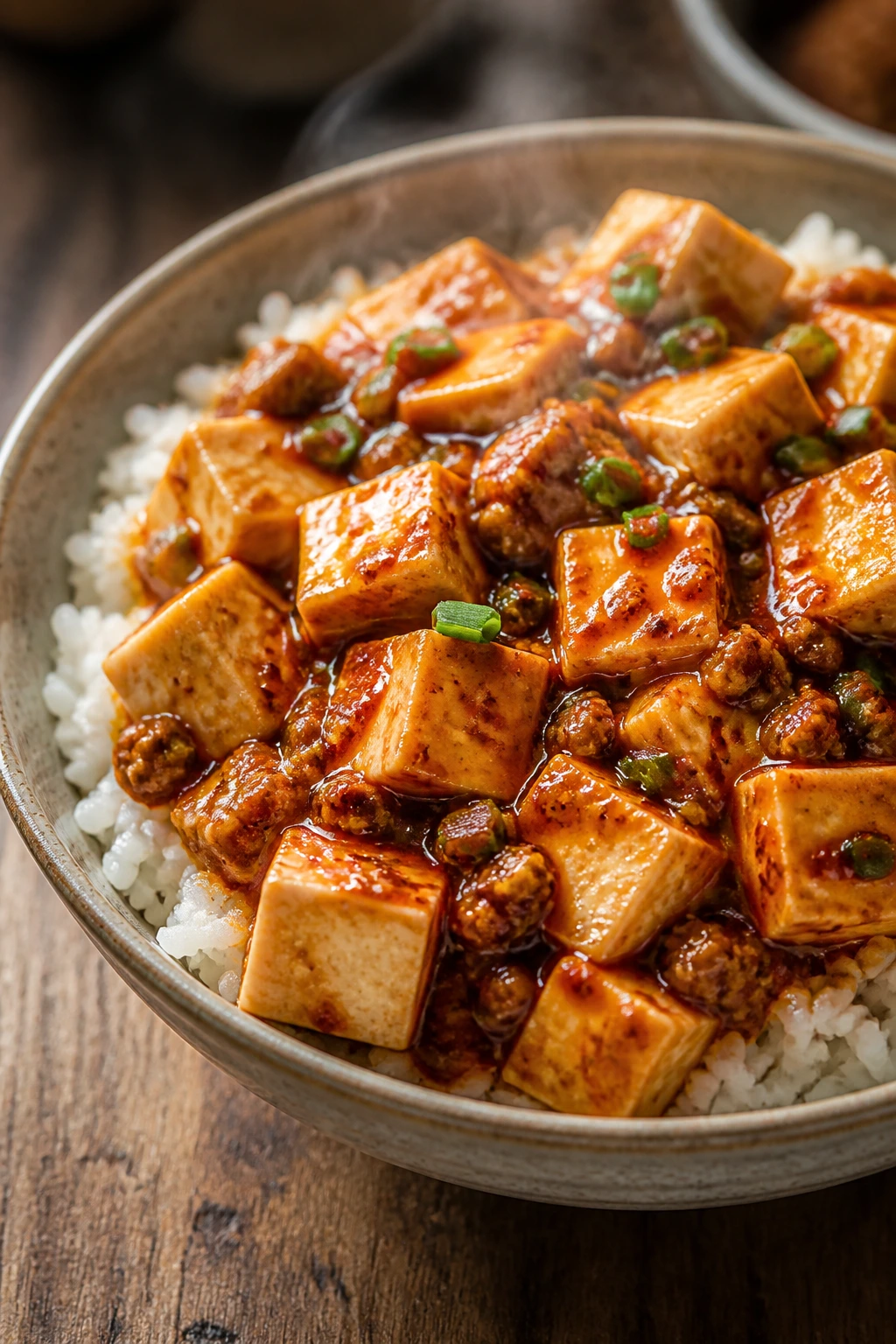
Mapo tofu has a reputation for heat, but the deeper pleasure is texture. Silken-soft tofu, a spicy-salty sauce, and little bits of pork or mushroom all live in the same bowl without fighting. It’s messy in the best way.
The first spoonful tells you whether the cook respected the tofu enough to leave it intact. That matters.
Why It Works:
The dish depends on contrast: soft tofu, fragrant sauce, numbing spice, and a rice base that tames the intensity. Doubanjiang brings fermented depth, while a little cornstarch thickens the sauce so it coats each cube instead of sliding past it. If you add Szechuan peppercorns, the numbing tingle sharpens the whole thing. It feels hot, but not dull.
Serving and Timing Block:
Yield: Serves 4
Prep Time: 15 minutes
Cook Time: 10 minutes
Total Time: 25 minutes
Difficulty: Intermediate — gentle handling of the tofu matters.
Complete Ingredient List:
For the Mapo Tofu:
- 14 ounces firm tofu, cut into 3/4-inch cubes
- 8 ounces ground pork, optional
- 1 tablespoon neutral oil
- 2 tablespoons doubanjiang
- 2 cloves garlic, minced
- 1 tablespoon fresh ginger, minced
- 1 1/2 cups chicken or vegetable stock
- 1 tablespoon soy sauce
- 1 teaspoon sugar
- 1 teaspoon chili oil, plus more to taste
- 1 teaspoon cornstarch mixed with 2 teaspoons water
- 1/2 teaspoon ground Szechuan peppercorns, optional
- 2 scallions, sliced
For Serving:
- 3 cups steamed rice
Ingredient Deep-Dive:
Tofu:
- What to use: 14 ounces firm tofu.
- Preparation: Drain it and cut it into even cubes; a quick blanch helps it keep its shape.
- Substitutions: Medium tofu works if you handle it carefully; extra-firm tofu is the most forgiving.
- Tips: Gentle stirring matters more here than in most dishes. Tofu bruises easily.
Flavor Base:
- What to use: Doubanjiang, garlic, ginger, soy sauce, sugar, and chili oil.
- Preparation: Stir the doubanjiang into the oil first to bloom it.
- Substitutions: Chili bean sauce can replace doubanjiang if that is what you can find.
- Tips: Blooming the paste in oil is what pulls the whole flavor together.
Protein and Broth:
- What to use: Ground pork and stock.
- Preparation: Break up the pork finely so it disappears into the sauce.
- Substitutions: Finely chopped mushrooms keep the same savory feel without meat.
- Tips: The pork should be crumbly, not in big chunks.
Finish and Base:
- What to use: Cornstarch slurry, scallions, Szechuan peppercorns, and rice.
- Preparation: Add the slurry only after the tofu is in the broth.
- Substitutions: If you don’t like the numbing note, skip the peppercorns entirely.
- Tips: Rice is nonnegotiable here. It tempers the heat and catches the sauce.
Quick Steps:
Build the Sauce:
- If using firm tofu, blanch the cubes in simmering salted water for 1 minute, then drain carefully.
- Heat the oil in a wok or deep skillet over medium-high heat. Add the pork, if using, and cook for 2 to 3 minutes until crumbled and lightly browned.
- Stir in the doubanjiang, garlic, and ginger. Cook for 30 seconds until fragrant.
Simmer and Finish:
4. Pour in the stock, soy sauce, sugar, and chili oil. Add the tofu and simmer gently for 3 to 4 minutes.
5. Stir in the cornstarch slurry and simmer for 1 minute until the sauce lightly coats the tofu.
6. Finish with Szechuan peppercorns and scallions. Serve over rice.
Equipment for This Recipe:
- Wok or deep skillet
- Small bowl for slurry
- Slotted spoon
- Knife and cutting board
- Rice cooker or saucepan
How to Serve This Dish:
Serve mapo tofu in a shallow bowl with rice tucked alongside or underneath, depending on how saucy you like it. A little extra scallion on top is enough; this dish does not need dressing up.
Pro Tips for This Recipe:
- Keep the simmer gentle after the tofu goes in. A hard boil can break the cubes.
- Bloom the doubanjiang in oil before adding liquid. That tiny step changes everything.
- Taste before adding more chili oil. Doubanjiang can already be hot.
Variations on This Dish:
- Mushroom Mapo: Replace the pork with finely chopped mushrooms for a meat-free version.
- Milder Family Bowl: Cut the doubanjiang in half and skip the peppercorns.
- Extra-Numby Version: Add a pinch more ground Szechuan peppercorns at the end.
Common Mistakes to Avoid with This Dish:
- Stirring the tofu too hard: You want intact cubes, not tofu rubble.
- Adding too much cornstarch: The sauce should thicken, not turn gluey.
- Forgetting the rice: Without rice, the heat can overwhelm the rest.
9. Coconut Chickpea Curry with Spinach
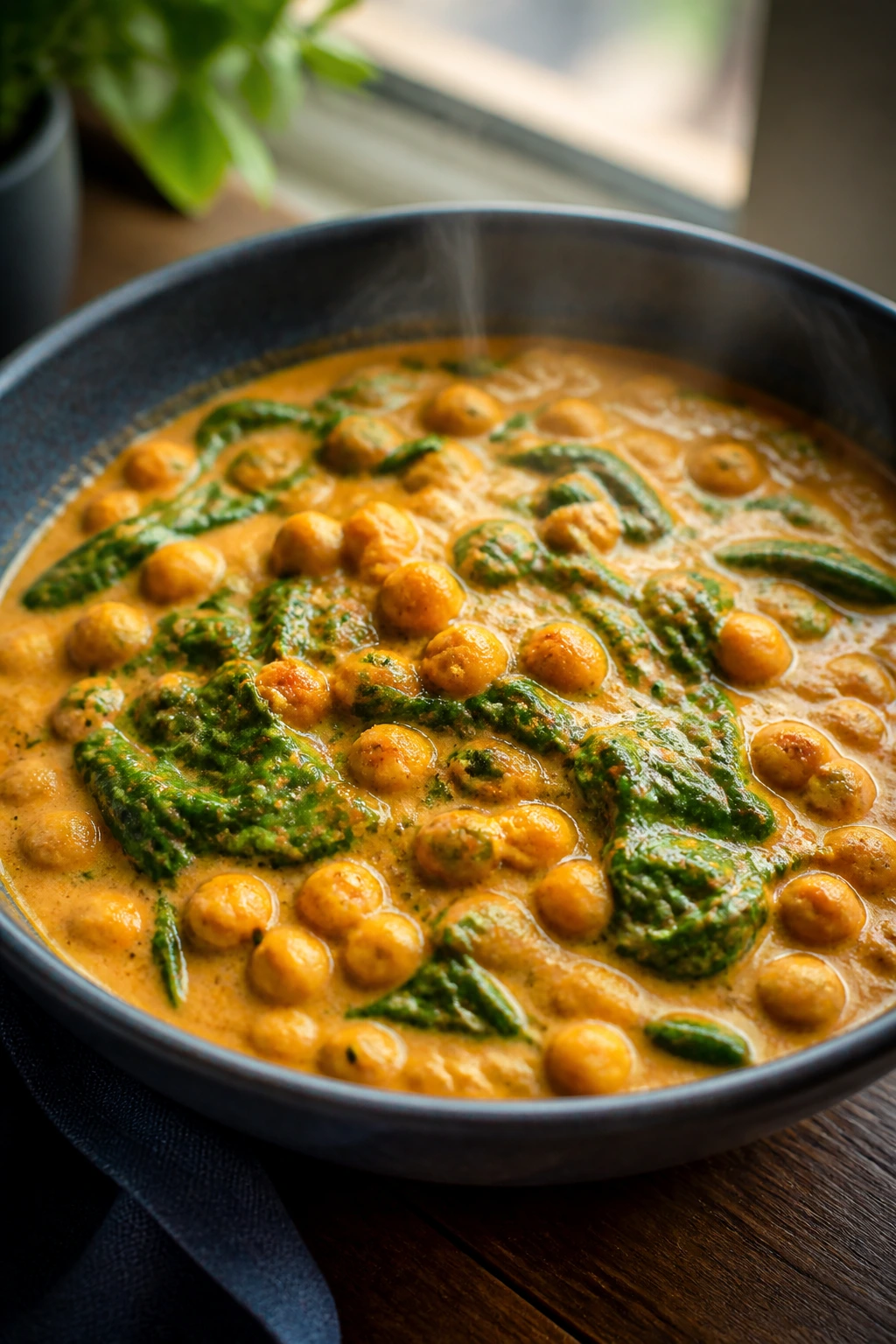
This curry is creamy without being fussy, which is a trait I admire in dinner. Coconut milk smooths out the spice, chickpeas bring body, and spinach folds in at the end like it belongs there. It’s rich, but not heavy.
If you keep curry paste and coconut milk around, you’re halfway to dinner already.
Why It Works:
Coconut milk gives you a lush base fast, while chickpeas hold their shape and absorb flavor without falling apart. Curry paste carries the aromatics, so you don’t need a long simmer to get depth. Spinach wilts in minutes and makes the curry feel greener and fresher. Lime at the end sharpens everything, which matters because creamy dishes can go sleepy fast.
Serving and Timing Block:
Yield: Serves 4
Prep Time: 10 minutes
Cook Time: 20 minutes
Total Time: 30 minutes
Difficulty: Beginner — one pot, little babysitting.
Complete Ingredient List:
For the Curry:
- 1 tablespoon neutral oil
- 1 small onion, chopped
- 3 cloves garlic, minced
- 1 tablespoon fresh ginger, grated
- 2 tablespoons red curry paste
- 2 cans chickpeas, drained and rinsed
- 1 can full-fat coconut milk
- 1 cup vegetable broth
- 1 red bell pepper, sliced
- 4 cups fresh spinach
- 1 tablespoon soy sauce
- 1 tablespoon lime juice
- 1 teaspoon sugar
For Serving:
- 3 cups cooked jasmine rice
- Fresh cilantro, optional
Ingredient Deep-Dive:
Curry Base:
- What to use: Red curry paste, onion, garlic, ginger, coconut milk, and broth.
- Preparation: Cook the curry paste in oil for a minute before adding liquids.
- Substitutions: Yellow curry paste or green curry paste can work if you adjust the heat.
- Tips: Coconut milk should be full-fat if you want a creamy sauce that doesn’t feel thin.
Chickpeas:
- What to use: Two drained cans.
- Preparation: Rinse them well so the sauce tastes clean.
- Substitutions: White beans or cubed tofu can replace them.
- Tips: Chickpeas make this hearty enough to stand alone with rice.
Vegetables and Finish:
- What to use: Bell pepper, spinach, lime, and cilantro.
- Preparation: Slice the pepper thin and add the spinach at the very end.
- Substitutions: Kale, snow peas, or broccoli florets can step in.
- Tips: Lime juice should go in after the heat comes down or it can taste dull.
Rice:
- What to use: Steamed jasmine rice.
- Preparation: Keep it hot and fluffy.
- Substitutions: Brown rice or basmati are fine.
- Tips: If the curry seems thick, a little extra broth loosens it fast.
Quick Steps:
Start the Curry:
- Heat the oil in a large saucepan or Dutch oven over medium heat. Add the onion and cook for 4 minutes until soft.
- Add the garlic, ginger, and curry paste. Cook for 1 minute until fragrant and brick-red.
Simmer:
3. Stir in the chickpeas, coconut milk, broth, bell pepper, soy sauce, sugar, and a pinch of salt. Bring to a gentle simmer and cook for 10 minutes.
4. Add the spinach and cook for 1 to 2 minutes until just wilted.
5. Finish with lime juice and taste for seasoning. Serve over rice.
Equipment for This Recipe:
- Large saucepan or Dutch oven
- Wooden spoon
- Can opener
- Measuring cups and spoons
- Rice cooker or saucepan
How to Serve This Dish:
Ladle the curry over rice and let the sauce spill into the grains a little. A handful of cilantro on top is enough if you want freshness, but it’s fine without it too.
Pro Tips for This Recipe:
- Fry the curry paste for a minute before the liquids go in. It wakes up the spices.
- Add spinach in two handfuls if your pot is crowded.
- Taste the curry after the lime. Sometimes it wants another tiny pinch of salt.
Variations on This Dish:
- Sweet Potato Curry: Add cubed sweet potato and simmer until tender.
- Tofu Coconut Curry: Use browned tofu instead of chickpeas.
- Peanut Finish: Stir in 1 tablespoon peanut butter for a deeper, nuttier sauce.
Common Mistakes to Avoid with This Dish:
- Using light coconut milk: The curry turns thin and less satisfying.
- Cooking the spinach too long: It should wilt, not disappear into the pot.
- Forgetting acid at the end: Lime keeps the coconut from tasting flat.
10. Chinese Black Pepper Chicken
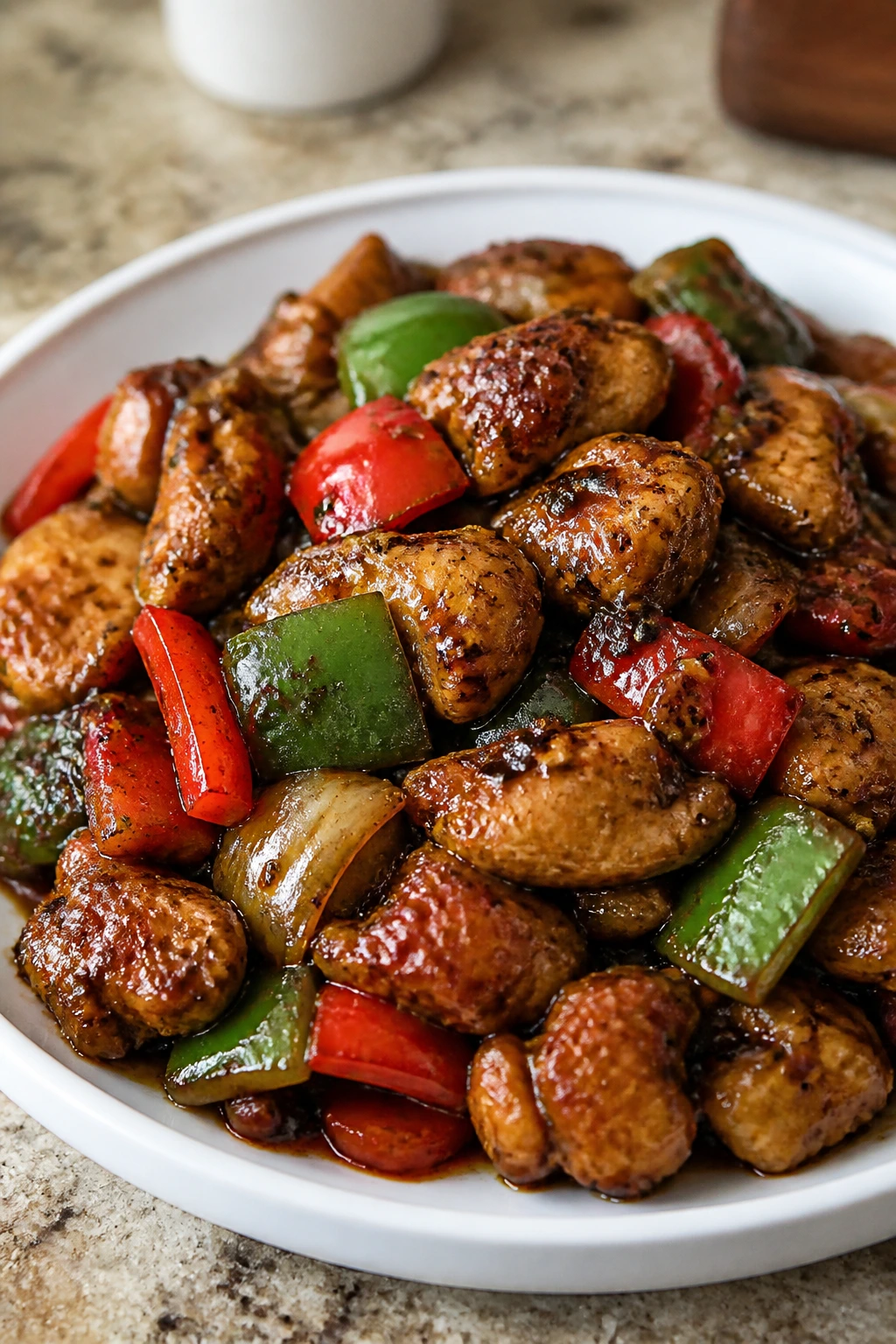
Black pepper chicken is what I make when I want the sharpness of a good takeout stir-fry without the mystery of waiting in line for it. The pepper is the point here. It should feel warm and bold, not like an afterthought sprinkled on top.
The peppers and onions stay crisp enough to give the sauce something to bounce off. That’s the move.
Why It Works:
Black pepper has a different job than chili heat. It gives this dish a dry, aromatic bite that cuts through the soy and oyster sauce. Chicken breast works well because it cooks quickly and takes the sauce cleanly, though thighs are even more forgiving. A cornstarch coating helps the sauce cling, which keeps each bite concentrated instead of wet.
Serving and Timing Block:
Yield: Serves 4
Prep Time: 15 minutes
Cook Time: 15 minutes
Total Time: 30 minutes
Difficulty: Beginner — fast, straightforward, and weeknight-friendly.
Complete Ingredient List:
For the Chicken:
- 1 1/2 pounds boneless, skinless chicken breast, cut into 1-inch pieces
- 2 tablespoons cornstarch
- 1 teaspoon kosher salt
- 1/2 teaspoon black pepper
- 2 tablespoons neutral oil, divided
For the Vegetables:
- 1 red bell pepper, sliced
- 1 green bell pepper, sliced
- 1 medium onion, sliced
- 3 cloves garlic, minced
- 1 tablespoon fresh ginger, minced
For the Sauce:
- 1/4 cup low-sodium soy sauce
- 2 tablespoons oyster sauce
- 1 tablespoon rice vinegar
- 1 tablespoon brown sugar
- 1 teaspoon freshly ground black pepper
- 1/4 cup chicken broth
- 1 teaspoon cornstarch
For Serving:
- 3 cups cooked rice
- Extra black pepper, if you like
Ingredient Deep-Dive:
Chicken:
- What to use: Chicken breast cut into even chunks.
- Preparation: Toss it with cornstarch, salt, and pepper before cooking.
- Substitutions: Chicken thighs are easier to keep juicy; tofu can work if pressed well.
- Tips: Don’t cut the pieces too small or they’ll dry out before the sauce finishes.
Vegetables:
- What to use: Bell peppers, onion, garlic, and ginger.
- Preparation: Slice the peppers and onion into similar widths so they cook evenly.
- Substitutions: Snap peas, mushrooms, or celery can step in.
- Tips: Keep the vegetables crisp. That crunch is part of the appeal.
Sauce:
- What to use: Soy sauce, oyster sauce, rice vinegar, brown sugar, broth, and black pepper.
- Preparation: Whisk the cornstarch with the broth before adding it.
- Substitutions: Hoisin can replace oyster sauce if needed, though the flavor gets sweeter.
- Tips: Grind the pepper fresh. Pre-ground pepper lacks the same snap.
Rice:
- What to use: Hot cooked rice.
- Preparation: Keep it warm while the chicken cooks.
- Substitutions: Noodles can replace rice if you want a different base.
- Tips: White rice keeps the pepper sauce front and center.
Quick Steps:
Cook the Chicken:
- Toss the chicken with cornstarch, salt, and 1/2 teaspoon black pepper.
- Heat 1 tablespoon oil in a large skillet over medium-high heat. Add the chicken and cook for 4 to 5 minutes until browned and cooked through. Remove to a plate.
Stir-Fry the Vegetables:
3. Add the remaining oil, then the onion and peppers. Cook for 3 to 4 minutes until they soften at the edges.
4. Stir in the garlic and ginger for 30 seconds.
Finish:
5. Whisk the sauce ingredients together and pour them into the skillet. Return the chicken and cook for 1 to 2 minutes until the sauce thickens and clings. Serve over rice.
Equipment for This Recipe:
- Large skillet or wok
- Mixing bowl
- Whisk
- Knife and cutting board
- Rice cooker or saucepan
How to Serve This Dish:
Serve it over plain rice so the pepper sauce stays the star. A small bowl of steamed greens on the side helps if you want the plate to feel complete.
Pro Tips for This Recipe:
- Use freshly ground pepper. It tastes sharper and cleaner.
- Don’t overcook the peppers. They should still have some bite.
- If the sauce looks loose, let it bubble for another minute before serving.
Variations on This Dish:
- Extra-Peppery Version: Double the black pepper if you like a real bite.
- Beef Swap: Use thinly sliced flank steak instead of chicken.
- Vegetable Stir-Fry: Skip the meat and add mushrooms plus broccoli.
Common Mistakes to Avoid with This Dish:
- Making the sauce too sweet: Sugar should support the pepper, not bury it.
- Overcrowding the skillet: The chicken should brown, not steam.
- Letting the vegetables go limp: They need to stay crisp enough to balance the sauce.
11. Chicken Pad See Ew
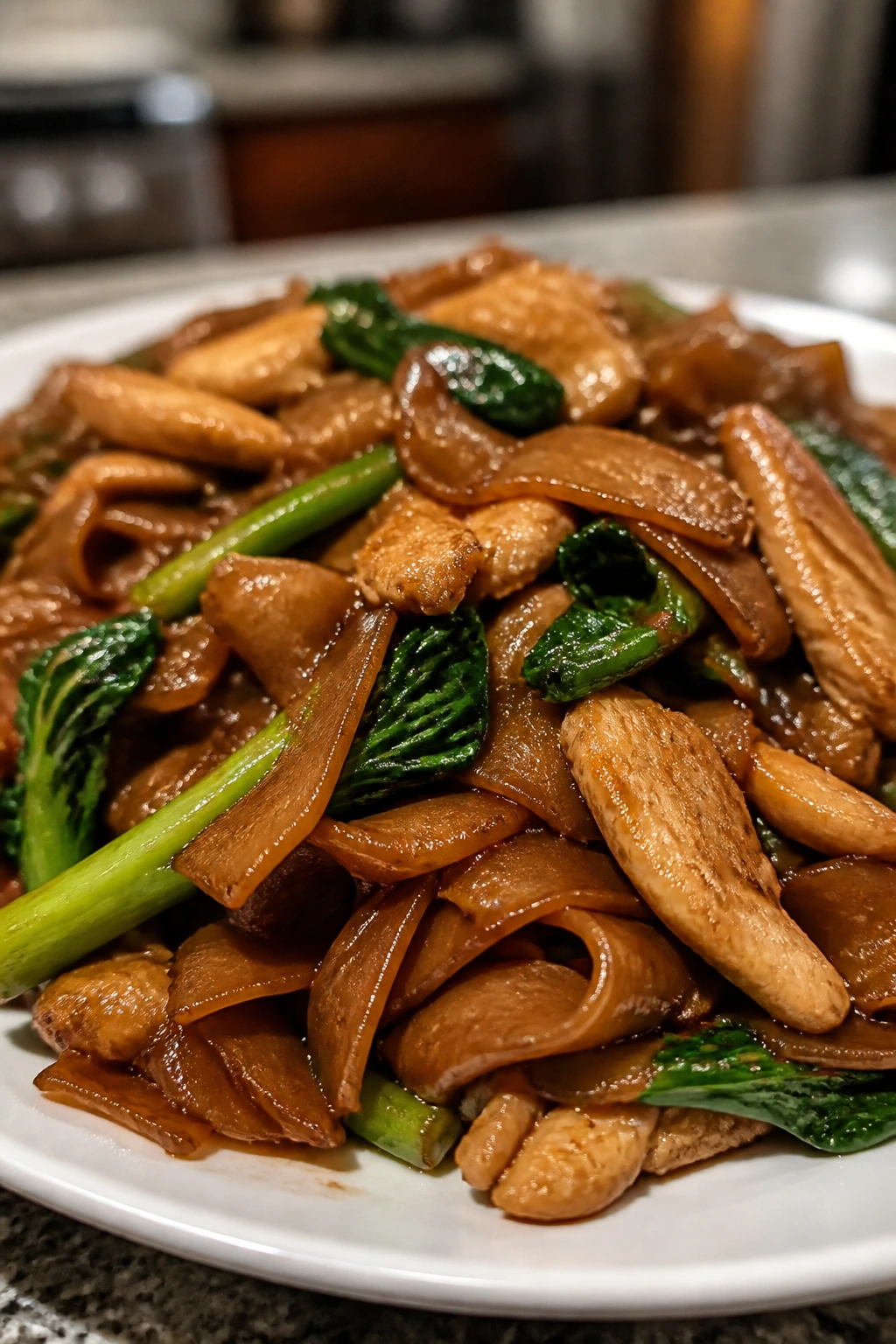
Pad See Ew has a quiet confidence that I respect. Wide noodles, charred edges, egg, chicken, and Chinese broccoli come together in a way that tastes bigger than the ingredient list. The sauce is dark, salty, and lightly sweet, which is exactly why the noodles need to be a little chewy.
This is one of those dishes where a hot pan matters. A lot.
Why It Works:
The broad rice noodles soak up sauce without falling apart, and chicken thighs stay tender through the quick stir-fry. Chinese broccoli or broccolini gives you bitterness and crunch, which keeps the noodles from tasting soft all the way through. Dark soy sauce deepens the color and flavor, while a small amount of sugar gives the glaze that classic street-food shine. The dish finishes fast once the ingredients are ready, so the real work is in the prep.
Serving and Timing Block:
Yield: Serves 4
Prep Time: 20 minutes
Cook Time: 15 minutes
Total Time: 35 minutes
Difficulty: Intermediate — noodle handling takes a little attention.
Complete Ingredient List:
For the Noodles:
- 14 ounces wide rice noodles
- 1 pound boneless chicken thighs, thinly sliced
- 2 tablespoons neutral oil, divided
- 2 eggs, lightly beaten
- 2 cups Chinese broccoli or broccolini, cut into 2-inch pieces
- 3 cloves garlic, minced
For the Sauce:
- 2 tablespoons light soy sauce
- 1 tablespoon dark soy sauce
- 1 tablespoon oyster sauce
- 1 tablespoon sugar
- 2 tablespoons water
For Serving:
- Lime wedges
- Sliced chilies or chili flakes, optional
Ingredient Deep-Dive:
Noodles:
- What to use: Wide rice noodles.
- Preparation: Soak or cook them just until flexible, depending on the package.
- Substitutions: Fresh rice noodles are excellent; dried linguine works only in a pinch.
- Tips: Keep them slightly underdone before they hit the pan.
Chicken and Eggs:
- What to use: Thin-sliced chicken thighs and two eggs.
- Preparation: Slice the chicken thin so it cooks fast, and beat the eggs lightly.
- Substitutions: Chicken breast or tofu both work.
- Tips: Let the eggs set briefly before stirring them into the noodles.
Vegetables:
- What to use: Chinese broccoli or broccolini and garlic.
- Preparation: Separate the stems from the leafy tops if the stalks are thick.
- Substitutions: Broccoli rabe, bok choy, or standard broccoli can fill in.
- Tips: The greens should stay bright, not gray.
Sauce:
- What to use: Light soy, dark soy, oyster sauce, sugar, and water.
- Preparation: Stir it together before the pan gets hot.
- Substitutions: Hoisin can replace oyster sauce if needed.
- Tips: Dark soy is mostly about color and depth; don’t overdo it or the noodles turn muddy.
Quick Steps:
Cook the Noodles:
- Prepare the noodles according to the package until just flexible. Drain and toss lightly with a drop of oil if needed.
Stir-Fry:
2. Heat 1 tablespoon oil in a wok or wide skillet over medium-high heat. Add the chicken and cook for 3 to 4 minutes until nearly done.
3. Add the remaining oil, garlic, and Chinese broccoli. Stir-fry for 2 minutes until the greens brighten.
4. Push everything to one side, pour in the eggs, and scramble until just set.
5. Add the noodles and sauce, then toss for 1 to 2 minutes until the noodles pick up color and the sauce clings.
Equipment for This Recipe:
- Wok or large skillet
- Pot for noodles
- Colander
- Spatula or tongs
- Small bowl
How to Serve This Dish:
Serve it hot in wide bowls so the noodles stay loose rather than compressed. A squeeze of lime sounds odd until you taste it; then it makes perfect sense.
Pro Tips for This Recipe:
- Keep the noodles from clumping by tossing them lightly before they go into the pan.
- Use a truly hot skillet. The charred edge is part of the dish.
- Don’t drown the noodles in sauce. They should look lacquered, not soupy.
Variations on This Dish:
- Shrimp Pad See Ew: Swap the chicken for shrimp and reduce the cooking time.
- Vegetarian Version: Use tofu and extra broccoli.
- Extra-Caramelized Noodles: Let a few noodles sit against the pan for brief contact and a little browning.
Common Mistakes to Avoid with This Dish:
- Overcooking the noodles before the stir-fry: They’ll go mushy fast.
- Using too much dark soy: The flavor gets heavy and the color gets almost inky.
- Stirring constantly without letting the pan sear: A little contact makes the dish taste better.
12. Peanut Soba Noodle Salad with Edamame
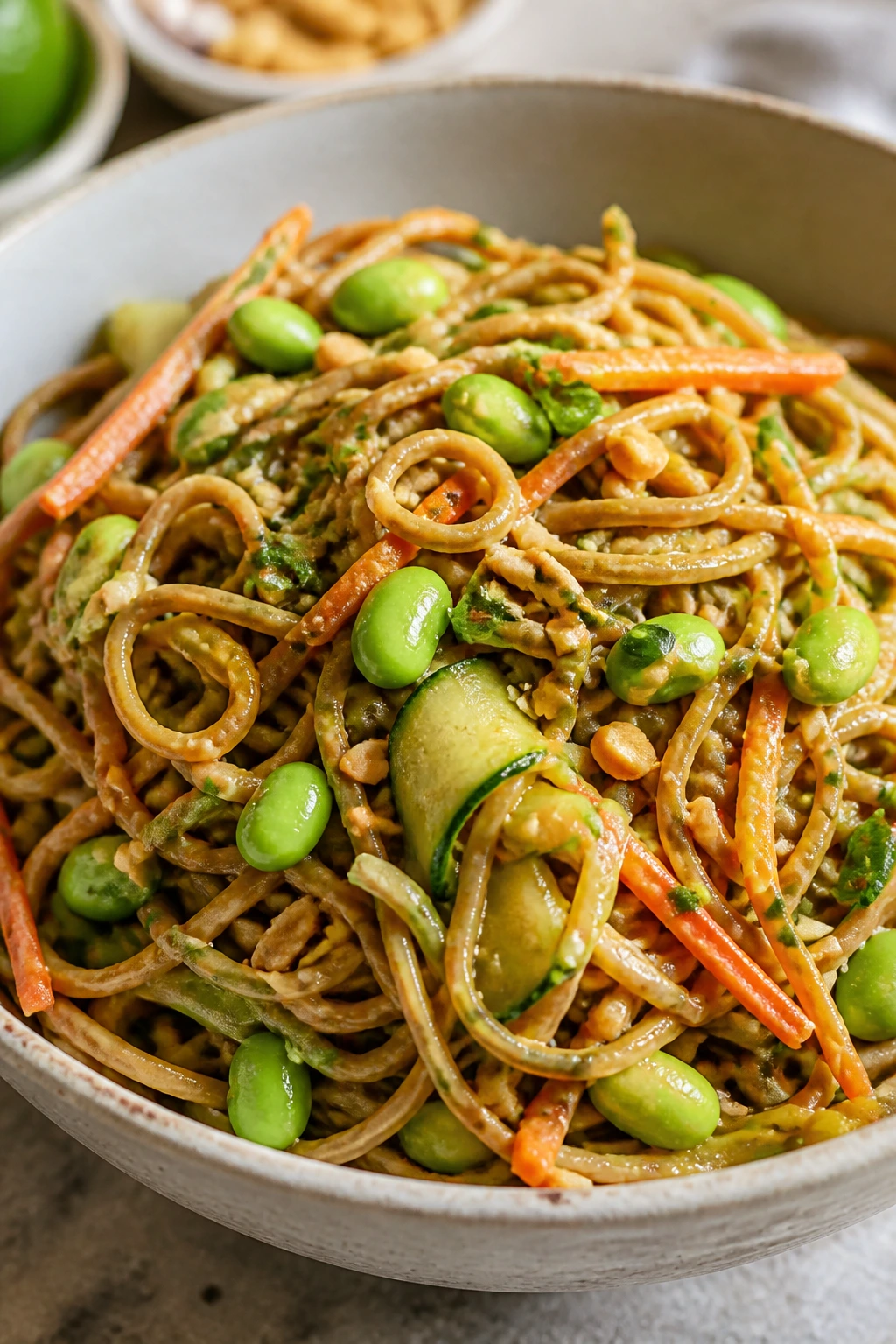
This is the one that eats like a lunch bowl but still satisfies at dinner. Cold cucumber, chewy soba, sweet-salty peanut dressing, and green edamame make the whole plate feel crisp and lively. It’s the salad version of a proper noodle craving.
I like it especially when the weather makes a hot skillet feel like too much effort.
Why It Works:
Soba noodles bring nutty flavor and enough bite to hold up under dressing. Peanut butter makes a creamy sauce that clings without needing dairy, while rice vinegar and lime keep it from tasting heavy. Edamame adds protein and a little sweetness, and cucumber gives the bowl a cold snap that noodles alone can’t supply. It’s the sort of dinner that tastes deliberate even when it came together in 20 minutes.
Serving and Timing Block:
Yield: Serves 4
Prep Time: 15 minutes
Cook Time: 5 minutes
Total Time: 20 minutes
Difficulty: Beginner — almost no heat, just timing.
Complete Ingredient List:
For the Salad:
- 12 ounces soba noodles
- 1 cup shelled edamame, thawed if frozen
- 1 cucumber, thinly sliced
- 1 large carrot, julienned
- 2 scallions, sliced
- 1/4 cup chopped cilantro, optional
- 2 tablespoons sesame seeds
For the Peanut Dressing:
- 1/3 cup creamy peanut butter
- 2 tablespoons low-sodium soy sauce
- 1 tablespoon rice vinegar
- 1 tablespoon lime juice
- 1 tablespoon honey
- 1 teaspoon sesame oil
- 2 to 4 tablespoons warm water
- 1 teaspoon chili sauce or sriracha, optional
Ingredient Deep-Dive:
Noodles:
- What to use: Soba noodles.
- Preparation: Cook them just until tender, then rinse briefly under cool water.
- Substitutions: Rice noodles or spaghetti can work if soba is unavailable.
- Tips: Rinsing removes excess starch so the salad does not clump.
Dressing:
- What to use: Peanut butter, soy sauce, rice vinegar, lime, honey, sesame oil, and water.
- Preparation: Whisk in warm water a little at a time until the dressing is creamy and pourable.
- Substitutions: Almond butter or tahini can replace peanut butter with a different flavor.
- Tips: Taste the dressing before tossing. It should be bold because the noodles will soften it.
Vegetables and Protein:
- What to use: Edamame, cucumber, carrot, scallions, and herbs.
- Preparation: Keep everything cut thin so the salad feels light, not chunky.
- Substitutions: Shredded cabbage, bell pepper, or snap peas can stand in.
- Tips: Frozen edamame is fine; just thaw and drain it well.
Finish:
- What to use: Sesame seeds and optional chili sauce.
- Preparation: Add them at the end so they stay visible.
- Substitutions: Crushed peanuts are excellent here.
- Tips: A little heat wakes the peanut dressing up.
Quick Steps:
Cook and Cool:
- Cook the soba according to package directions until just tender. Drain, rinse briefly with cool water, and shake off excess water.
- Whisk the peanut dressing ingredients until smooth and creamy.
Toss:
3. Combine the noodles, edamame, cucumber, carrot, scallions, and cilantro in a large bowl.
4. Pour over the dressing and toss until everything is coated.
5. Sprinkle with sesame seeds and serve.
Equipment for This Recipe:
- Large pot
- Colander
- Large mixing bowl
- Whisk
- Box grater or julienne peeler
How to Serve This Dish:
Pile it into wide bowls and top with extra sesame seeds so it looks crisp and fresh. If you want to turn it into a fuller dinner, add grilled chicken or crispy tofu on the side.
Pro Tips for This Recipe:
- Make the dressing bold; soba needs a sauce with personality.
- Drain the noodles well or the dressing will slide off.
- Toss in the cucumber right before serving if you want maximum crunch.
Variations on This Dish:
- Chicken Peanut Noodles: Add shredded rotisserie chicken on top.
- Spicy Crunch Version: Finish with chili crisp and chopped peanuts.
- Sesame-Lime Version: Increase the lime and reduce the peanut butter slightly for a brighter salad.
Common Mistakes to Avoid with This Dish:
- Using too much water in the dressing: It should coat, not run.
- Skipping the rinse on soba: The noodles can turn sticky.
- Letting the salad sit too long after dressing: It’s best while the vegetables still have crunch.
13. Kimchi Fried Rice with Egg
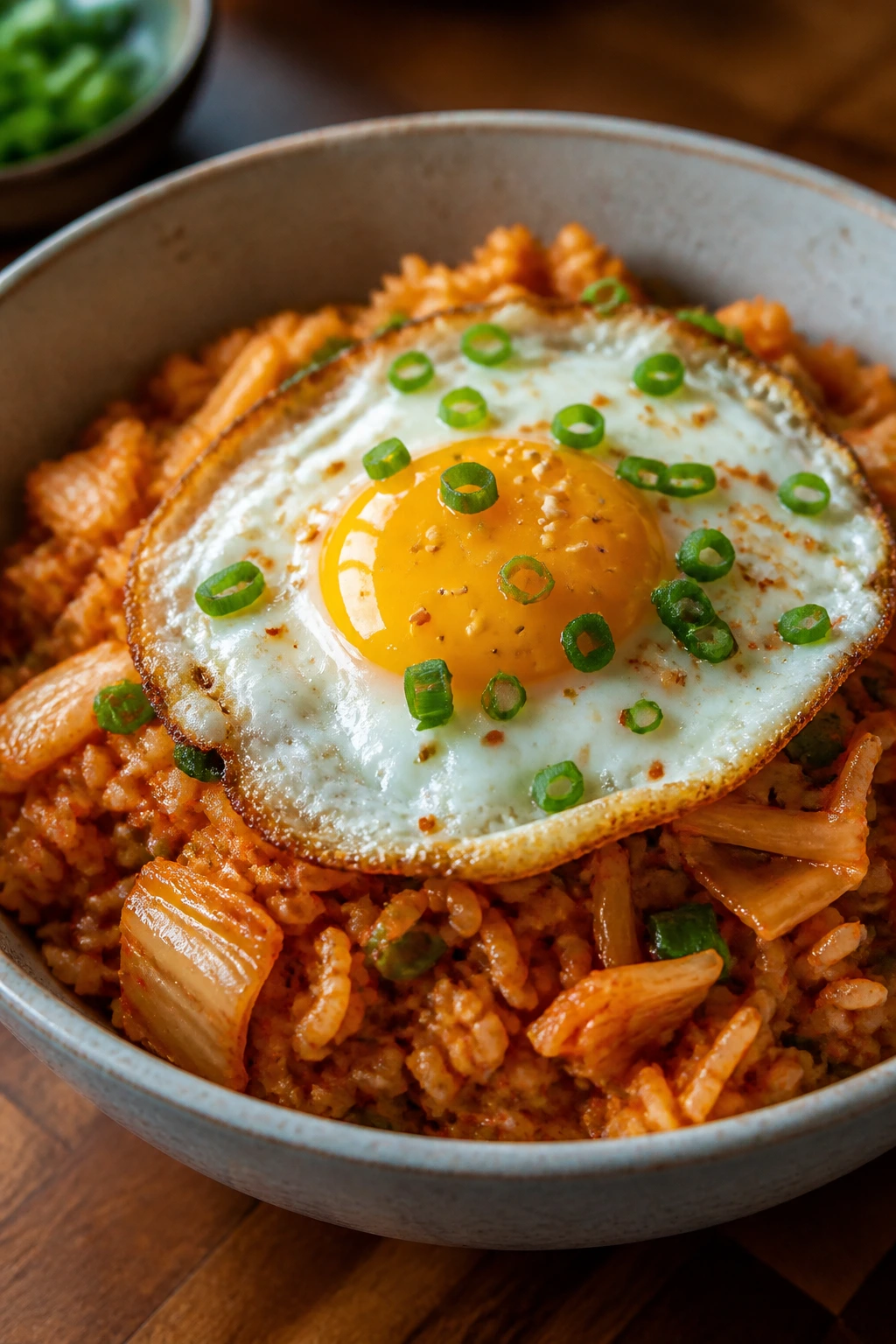
Kimchi fried rice is the sort of meal that gets better the less you fuss with it. Cold rice, chopped kimchi, hot pan, fried egg. Done. But the details matter: the kimchi should be tangy, the rice should be dry, and the edges should get a little crisp.
If you like food that hits salty, sour, and savory all at once, this one disappears fast.
Why It Works:
Day-old rice is the secret weapon because it fries instead of turning soft. Kimchi brings acidity and funk, while a little kimchi juice deepens the flavor without needing a long sauce list. The egg on top cools the heat and makes the whole bowl feel complete. This is a dish where the leftover jar in the fridge becomes dinner with almost no drama.
Serving and Timing Block:
Yield: Serves 4
Prep Time: 10 minutes
Cook Time: 10 minutes
Total Time: 20 minutes
Difficulty: Beginner — as long as the rice is cold, you’re in good shape.
Complete Ingredient List:
For the Fried Rice:
- 4 cups cooked day-old rice
- 1 tablespoon neutral oil
- 4 ounces bacon or diced spam, optional
- 1 1/2 cups chopped kimchi, plus 2 tablespoons kimchi juice
- 2 cloves garlic, minced
- 1 tablespoon gochujang, optional
- 1 tablespoon soy sauce
- 2 scallions, sliced
For the Eggs:
- 4 eggs
- 1 tablespoon neutral oil
- Pinch of salt
For Serving:
- Sesame seeds
- Nori strips, optional
Ingredient Deep-Dive:
Rice:
- What to use: 4 cups cold, cooked rice.
- Preparation: Break up clumps with your hands before it hits the pan.
- Substitutions: Leftover jasmine, short-grain, or medium-grain rice all work.
- Tips: Freshly cooked rice is too wet unless you cool it first.
Kimchi:
- What to use: Chopped kimchi plus a little of its juice.
- Preparation: Chop it small enough to distribute through the rice.
- Substitutions: If your kimchi is very mild, add a little extra gochujang.
- Tips: Older, more sour kimchi is often better for fried rice than the crispest jar in the fridge.
Protein Add-In:
- What to use: Bacon or spam if you want a richer fried rice.
- Preparation: Crisp it first so the fat flavors the pan.
- Substitutions: Leave it out for a vegetarian version or use diced tofu.
- Tips: The protein is optional, but the texture is nice.
Eggs and Finish:
- What to use: Four eggs, scallions, sesame seeds, and optional nori.
- Preparation: Fry the eggs in a separate pan if you want tidy yolks.
- Substitutions: A jammy soft-boiled egg also works.
- Tips: The egg should sit on top, not disappear into the rice.
Quick Steps:
Cook the Aromatics and Rice:
- If using bacon or spam, cook it in a large skillet over medium heat until browned.
- Add the kimchi and garlic. Cook for 2 minutes until the kimchi smells sweet and sharp.
- Stir in the rice, kimchi juice, soy sauce, and gochujang if using. Press the rice into the pan, then stir-fry for 3 to 4 minutes until hot and slightly crisp.
Top and Serve:
4. Fry the eggs in a separate skillet with a little oil until the whites are set and the yolks are still runny.
5. Spoon the rice into bowls, top with eggs, scallions, sesame seeds, and nori.
Equipment for This Recipe:
- Large skillet
- Small skillet for eggs
- Spatula
- Bowl for rice
- Knife and cutting board
How to Serve This Dish:
Serve it immediately, with the egg yolk broken at the table so it runs into the rice. A few nori strips on top give it a salty snap that works well with the kimchi.
Pro Tips for This Recipe:
- Use cold rice. Warm rice turns gummy in the pan.
- Let some rice sit against the skillet for a moment to crisp.
- Taste before adding more soy; kimchi already brings salt.
Variations on This Dish:
- Vegetarian Kimchi Rice: Skip the bacon and use tofu.
- Cheesy Comfort Version: Melt a little shredded mozzarella on top if you like odd but effective comfort food.
- Spam Fried Rice: Use diced spam for a more classic pantry version.
Common Mistakes to Avoid with This Dish:
- Using wet rice: It turns soft and clumpy.
- Skipping the kimchi juice: That liquid is flavor, not waste.
- Overcooking the eggs: Runny yolks make the bowl richer.
14. Mongolian Beef
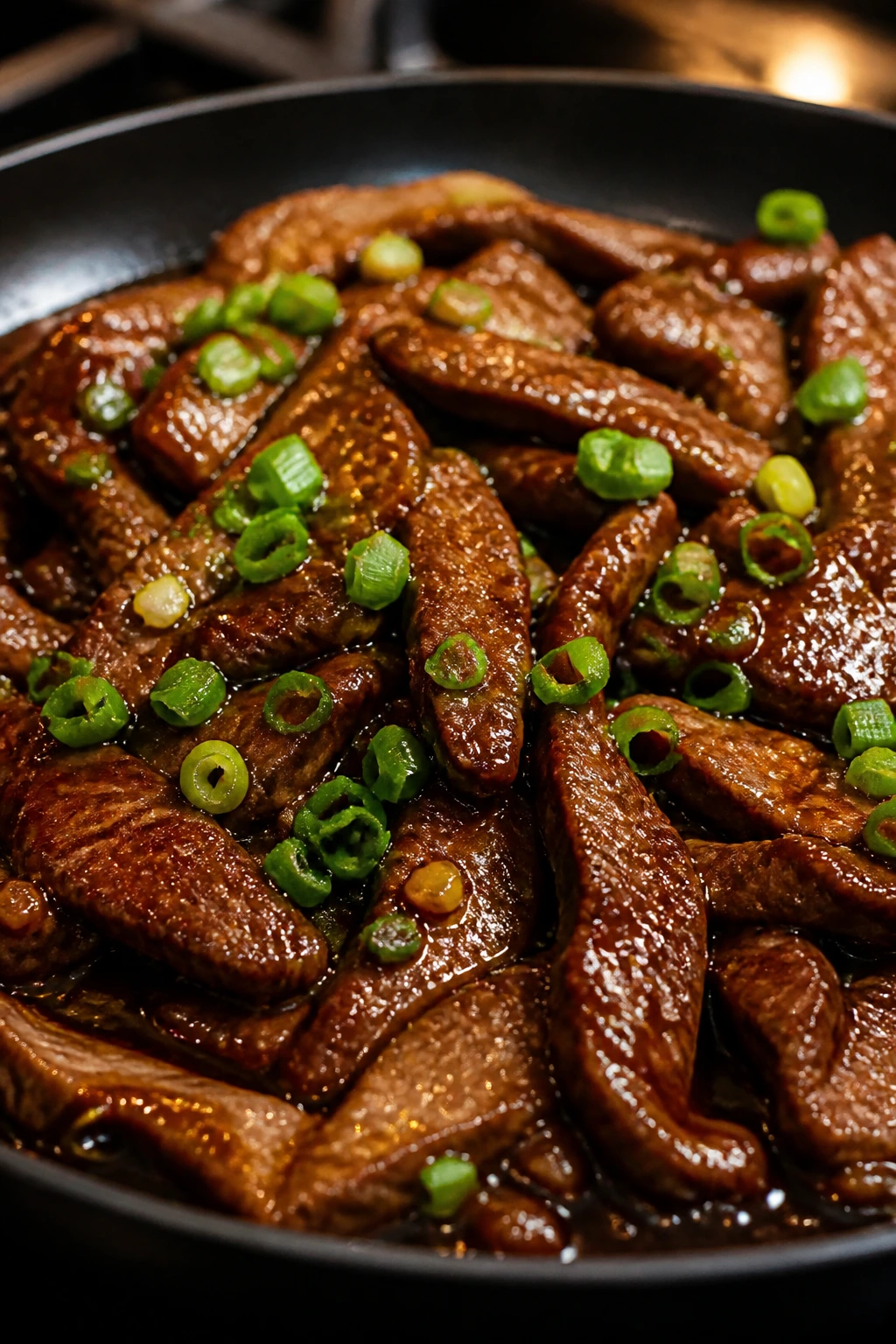
Mongolian beef is one of those dishes that feels both simple and slightly dramatic. The beef gets a quick cornstarch coat, the sauce goes glossy, and the scallions bring that fresh green edge that keeps the richness in line. It hits the craving for something sweet-salty and a little sticky.
The trick is to get the skillet hot enough that the beef actually sears. Otherwise it turns soft in the wrong way.
Why It Works:
Thinly sliced flank steak cooks quickly and stays tender if you don’t crowd it. Cornstarch gives the meat a light crust that helps the sauce cling, while soy, brown sugar, garlic, and ginger create the familiar takeout-style finish. Scallions add sharpness and a little bitterness, which the dish needs. It’s fast enough for a Tuesday but satisfying enough to feel like you made an effort.
Serving and Timing Block:
Yield: Serves 4
Prep Time: 15 minutes
Cook Time: 10 minutes
Total Time: 25 minutes
Difficulty: Intermediate — slicing the beef thinly takes care.
Complete Ingredient List:
For the Beef:
- 1 1/4 pounds flank steak, sliced very thin against the grain
- 1/4 cup cornstarch
- 1/2 teaspoon salt
- 1/2 teaspoon black pepper
- 2 tablespoons neutral oil
For the Sauce:
- 1/4 cup low-sodium soy sauce
- 1/4 cup water
- 2 tablespoons brown sugar
- 2 cloves garlic, minced
- 1 teaspoon fresh ginger, grated
- 1 tablespoon rice vinegar
- 1 teaspoon sesame oil
- 1 tablespoon cornstarch
For the Finish:
- 4 scallions, cut into 2-inch pieces
- 3 cups cooked rice
- Sesame seeds, optional
Ingredient Deep-Dive:
Steak:
- What to use: Flank steak sliced very thin against the grain.
- Preparation: Partially freeze it for 20 minutes if it’s hard to slice thinly.
- Substitutions: Skirt steak or sirloin work if sliced well.
- Tips: The grain matters. Cut across it or the beef will chew like a tire.
Sauce:
- What to use: Soy sauce, water, brown sugar, garlic, ginger, rice vinegar, sesame oil, and cornstarch.
- Preparation: Mix the cornstarch into the liquid before heating.
- Substitutions: Hoisin can replace part of the sugar if you want a darker sauce.
- Tips: The sauce should taste strong in the bowl because it softens on the rice.
Scallions and Rice:
- What to use: Scallions and steamed rice.
- Preparation: Cut the scallions into long pieces so they keep their shape.
- Substitutions: Thin onion strips can replace some scallions if needed.
- Tips: The green bite from the scallions keeps the dish from tasting too sweet.
Quick Steps:
Coat and Sear:
- Toss the sliced beef with cornstarch, salt, and pepper.
- Heat the oil in a large skillet over high heat. Sear the beef in one layer for 1 to 2 minutes per side until browned. Work in batches if needed.
Sauce and Finish:
3. Lower the heat to medium. Add the garlic and ginger and cook for 20 seconds.
4. Stir in the soy sauce, water, brown sugar, rice vinegar, sesame oil, and cornstarch. Cook for 1 to 2 minutes until the sauce thickens.
5. Add the scallions and toss for 30 seconds. Serve over rice.
Equipment for This Recipe:
- Large skillet
- Mixing bowl
- Sharp knife
- Cutting board
- Spatula or tongs
How to Serve This Dish:
Serve the beef over rice while the sauce is still hot and glossy. A few extra scallion pieces on top make the plate look brighter and keep the flavor sharp.
Pro Tips for This Recipe:
- Slice the beef thin and across the grain. That’s the difference between tender and chewy.
- Don’t overcrowd the skillet. The beef needs room to brown.
- If the sauce gets too thick, splash in a tablespoon of water.
Variations on This Dish:
- Broccoli Mongolian Beef: Add broccoli florets after the sauce thickens.
- Spicy Version: Stir in chili flakes or chili crisp.
- Chicken Swap: Thinly sliced chicken thighs work if beef is not in the fridge.
Common Mistakes to Avoid with This Dish:
- Slicing with the grain: The beef turns tough.
- Using low heat: You lose the sear and the sauce gets muddy.
- Letting the sauce over-reduce: It should glaze the beef, not harden on the pan.
15. Tomato Egg Stir-Fry with Rice
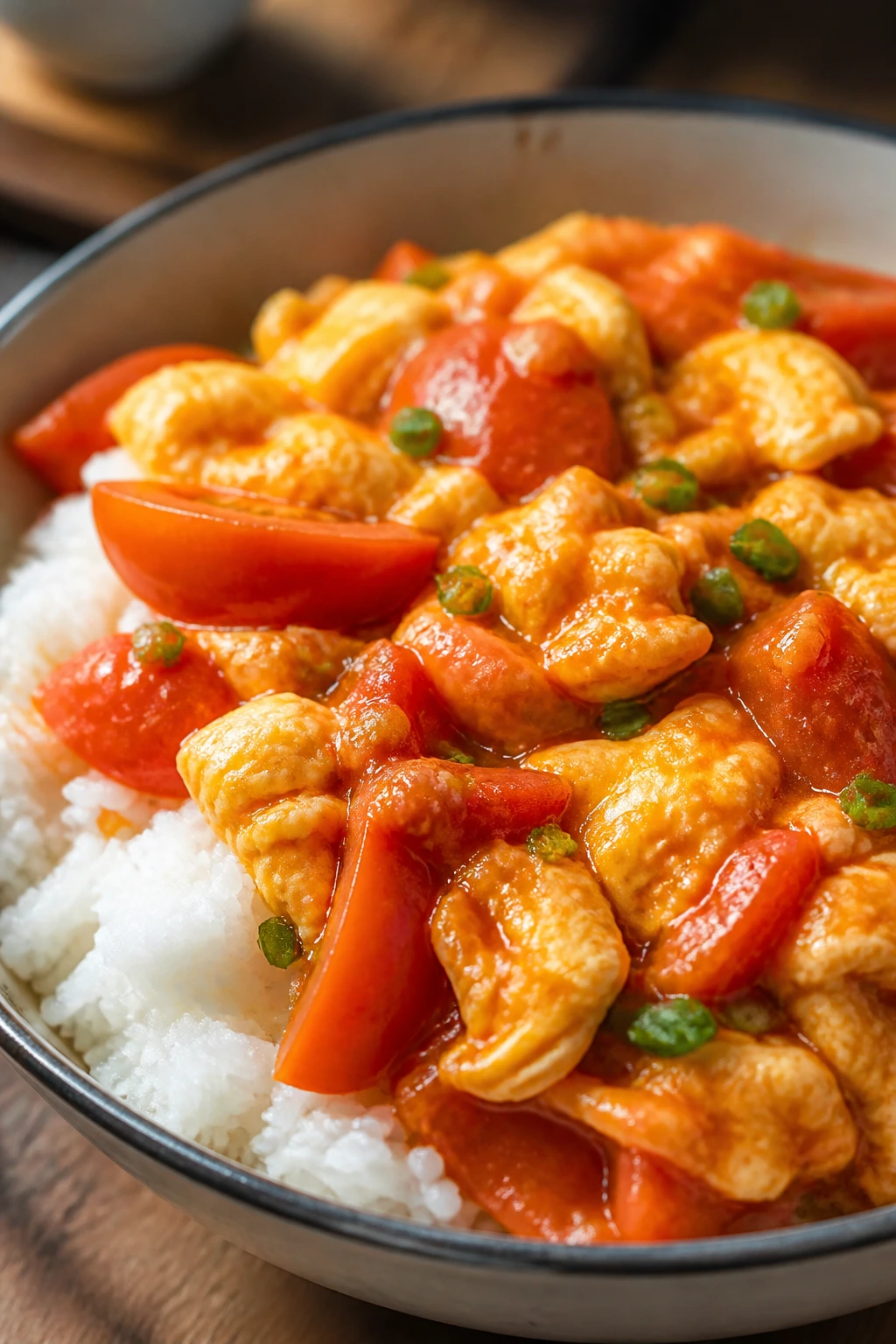
Tomato egg stir-fry is humble in a way I trust. It tastes like soft eggs, ripe tomatoes, a little sugar, and rice soaking up the juices. No tricks. No fuss. Just the sort of dinner that proves simple food can still be comforting and complete.
The tomatoes should be soft and saucy, not raw and stubborn. That’s the difference between a snack and dinner.
Why It Works:
Eggs give the dish richness, while tomatoes bring acidity and sweetness once they cook down. A touch of sugar smooths the sharp edges, and a splash of soy gives the sauce enough salt to make sense over rice. Because both main ingredients cook quickly, the whole dish comes together in under 20 minutes. It’s one of the easiest ways to turn a few eggs into a real meal.
Serving and Timing Block:
Yield: Serves 4
Prep Time: 10 minutes
Cook Time: 10 minutes
Total Time: 20 minutes
Difficulty: Beginner — very forgiving if you watch the tomatoes.
Complete Ingredient List:
For the Stir-Fry:
- 6 large eggs
- 3 tablespoons neutral oil, divided
- 4 medium ripe tomatoes, cut into wedges
- 2 scallions, sliced
- 1 teaspoon sugar
- 1 tablespoon soy sauce
- 2 tablespoons water
- 1/2 teaspoon salt, plus more to taste
- 1/4 teaspoon white or black pepper
For Serving:
- 3 cups cooked jasmine rice
- Extra scallions, optional
Ingredient Deep-Dive:
Eggs:
- What to use: Six large eggs.
- Preparation: Beat them just enough to blend the whites and yolks.
- Substitutions: Add a splash of milk only if you like softer curds, though it is not necessary.
- Tips: Pull the eggs before they look fully set; they’ll finish in the tomato sauce.
Tomatoes:
- What to use: Four ripe tomatoes cut into wedges.
- Preparation: Leave them fairly large so they collapse into chunks, not puree.
- Substitutions: Cherry tomatoes can work and sometimes taste even sweeter.
- Tips: Ripe tomatoes matter more here than almost anywhere else in the article.
Seasoning and Sauce:
- What to use: Soy sauce, sugar, water, salt, pepper, and scallions.
- Preparation: Keep the seasoning light at first and adjust at the end.
- Substitutions: A tiny splash of sesame oil can be added at the table.
- Tips: The sugar should round the tomatoes, not make them taste sweet.
Rice:
- What to use: Hot steamed rice.
- Preparation: Have it ready before the eggs hit the pan.
- Substitutions: Congee-style rice or even buttered toast can work in a pinch, though rice is the classic move.
- Tips: Rice soaks up the tomato juices beautifully.
Quick Steps:
Cook the Eggs:
- Heat 1 tablespoon oil in a skillet over medium-high heat. Pour in the beaten eggs and scramble gently for 30 to 45 seconds until just softly set. Transfer to a plate.
Cook the Tomatoes:
2. Add the remaining oil to the pan. Add the tomatoes and cook for 3 to 4 minutes, stirring, until they soften and start to break down.
3. Stir in the sugar, soy sauce, water, salt, pepper, and scallions. Cook for 1 minute.
Finish:
4. Return the eggs to the pan and fold them into the tomato mixture for 30 seconds. Serve immediately over rice.
Equipment for This Recipe:
- Skillet
- Spatula
- Mixing bowl
- Knife and cutting board
- Rice cooker or saucepan
How to Serve This Dish:
Spoon the tomato eggs over rice and let the sauce run a little into the grains. Extra scallions on top are nice, but they’re not required for the dish to work.
Pro Tips for This Recipe:
- Use ripe tomatoes. Under-ripe ones stay watery and flat.
- Pull the eggs early so they stay soft in the final mix.
- If the tomatoes seem dry, add another tablespoon of water.
Variations on This Dish:
- Garlic Tomato Eggs: Add a minced garlic clove with the tomatoes.
- Silken Tofu Add-In: Fold in cubes of tofu for a fuller bowl.
- Chili Oil Finish: A drizzle of chili oil gives the soft eggs more edge.
Common Mistakes to Avoid with This Dish:
- Cooking the eggs until dry: They should stay tender.
- Using firm, pale tomatoes: The sauce needs ripe fruit.
- Skipping the sugar: A small amount balances the acidity.
16. Miso-Glazed Eggplant Bowls
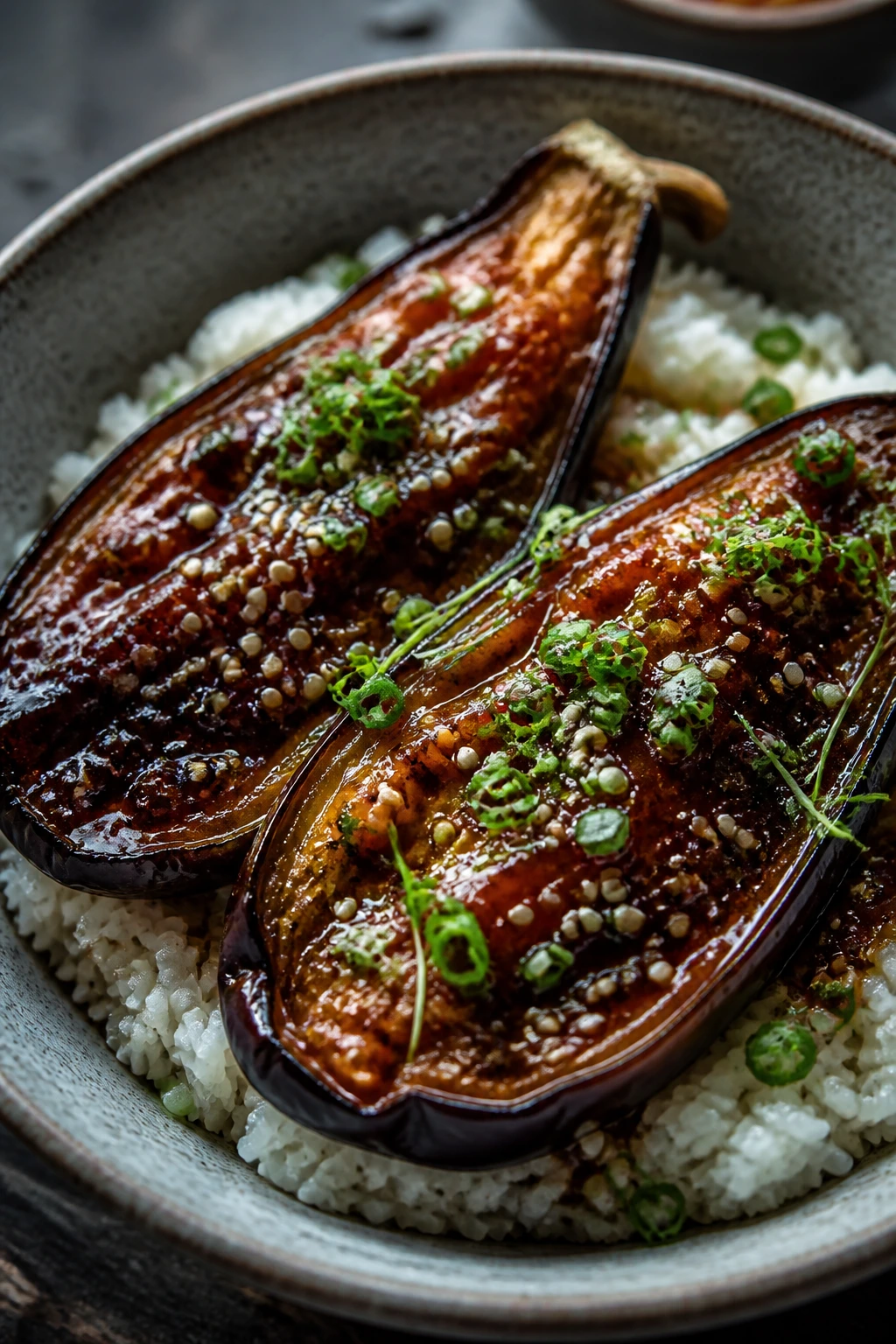
Eggplant can be lazy if you treat it lazily. Give it heat, a salty-sweet glaze, and a hot oven, and it becomes silky in the middle with caramelized edges that cling to rice in all the right ways.
This is a vegetarian dinner that eats like a real dinner, not a compromise. Important distinction.
Why It Works:
Miso brings fermented depth, while mirin and honey give the glaze enough sweetness to brown against the eggplant. Roasting the eggplant cut-side down first softens the flesh, then a quick glaze and broil create sticky edges. Cucumber and scallions keep the bowl fresh, which matters because eggplant gets rich fast. Rice underneath turns the whole thing into a proper meal instead of a side dish that escaped.
Serving and Timing Block:
Yield: Serves 4
Prep Time: 15 minutes
Cook Time: 20 minutes
Total Time: 35 minutes
Difficulty: Beginner — roasting does most of the labor.
Complete Ingredient List:
For the Eggplant:
- 2 large globe eggplants, halved lengthwise
- 2 tablespoons neutral oil
- 1/2 teaspoon salt
For the Miso Glaze:
- 2 tablespoons white miso
- 2 tablespoons mirin
- 1 tablespoon soy sauce
- 1 tablespoon honey
- 1 teaspoon rice vinegar
- 1 tablespoon water
For Serving:
- 3 cups cooked rice
- 1 cucumber, thinly sliced
- 2 scallions, sliced
- 1 tablespoon sesame seeds
- Optional fried tofu or edamame
Ingredient Deep-Dive:
Eggplant:
- What to use: Two large globe eggplants.
- Preparation: Slice them in half and score the flesh lightly in a crosshatch.
- Substitutions: Japanese eggplants work too and roast a little faster.
- Tips: Salt and oil help eggplant roast instead of drying out.
Glaze:
- What to use: White miso, mirin, soy sauce, honey, rice vinegar, and water.
- Preparation: Stir it until smooth and brushable.
- Substitutions: Brown sugar can replace honey if that’s what you have.
- Tips: White miso is milder and sweeter than red miso, which suits this dish better.
Toppings and Base:
- What to use: Rice, cucumber, scallions, sesame seeds, and optional tofu or edamame.
- Preparation: Keep the cucumber cold and sliced thin.
- Substitutions: Brown rice or soba noodles can replace white rice.
- Tips: A little crunch on top matters because the eggplant itself is soft.
Quick Steps:
Roast the Eggplant:
- Heat the oven to 425°F (220°C). Brush the eggplant cut sides with oil and sprinkle with salt. Place cut-side down on a sheet pan and roast for 15 minutes.
Glaze and Finish:
2. Whisk the miso, mirin, soy sauce, honey, rice vinegar, and water into a smooth glaze.
3. Turn the eggplant cut-side up, brush generously with the glaze, and roast for 5 minutes more.
4. Broil for 1 to 2 minutes until the glaze bubbles and browns at the edges. Serve over rice with cucumber, scallions, and sesame seeds.
Equipment for This Recipe:
- Rimmed sheet pan
- Pastry brush
- Small bowl
- Knife and cutting board
- Rice cooker or saucepan
How to Serve This Dish:
Spoon rice into bowls, set the glazed eggplant on top, and keep the cucumber loose on the side or over the top. A little extra sesame seed scatter makes the plate feel finished without turning it fussy.
Pro Tips for This Recipe:
- Score the eggplant lightly so the glaze sinks in.
- Don’t skip the broil. That little burnished edge is the whole point.
- If the glaze thickens too much, add a teaspoon of water.
Variations on This Dish:
- Spicy Miso Eggplant: Stir chili flakes into the glaze.
- Tahini Finish: Drizzle with tahini for a richer plate.
- Protein Bowl: Add crisp tofu or a jammy egg on top.
Common Mistakes to Avoid with This Dish:
- Underseasoning the eggplant: It needs enough salt and glaze to taste alive.
- Skipping the first roast: Raw eggplant will not glaze properly.
- Over-broiling: A few browned spots are good; blackened glaze is not.
17. Szechuan Chili Garlic Noodles
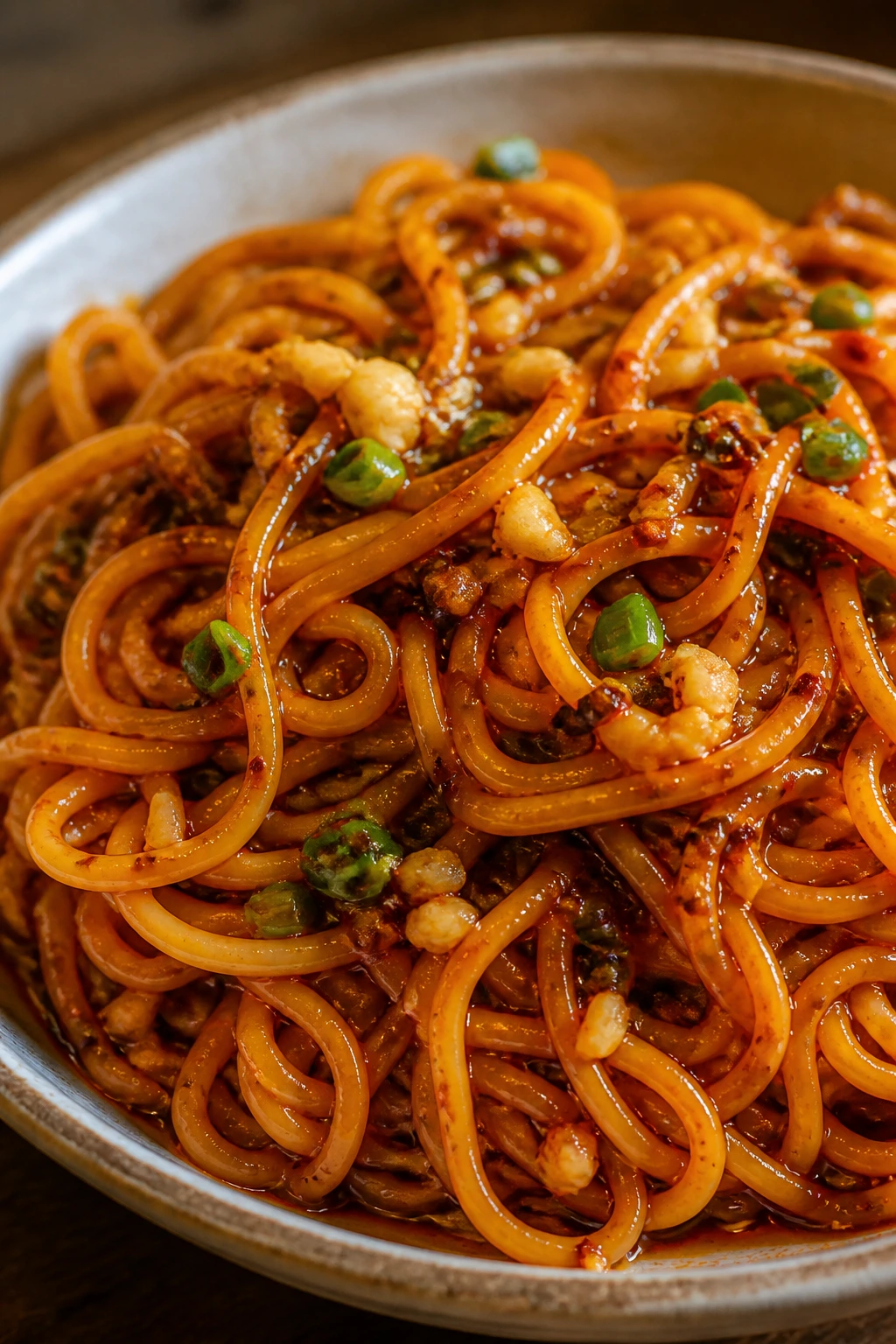
These noodles are fast, salty, fiery, and a little addictive. The garlic goes sweet in the hot oil, chili crisp brings crunch and heat, and black vinegar sharpens everything so the bowl doesn’t collapse into pure spice. It’s a strong case for keeping noodles in the pantry.
You can make them plain or with ground pork. I prefer the version with pork when I want the meal to feel more anchored.
Why It Works:
Noodles are a natural carrier for sharp sauces, and this one has three jobs at once: heat, acidity, and savory depth. Chili crisp contributes texture, not just spice, which makes the dish feel more complete. Ground pork or mushrooms add body, while scallions and sesame oil round off the edges. The final sauce should coat the noodles thinly and evenly, which is why a little noodle water helps.
Serving and Timing Block:
Yield: Serves 4
Prep Time: 10 minutes
Cook Time: 10 minutes
Total Time: 20 minutes
Difficulty: Beginner — the cooking is quick, the timing is the only thing to respect.
Complete Ingredient List:
For the Noodles:
- 12 ounces dried noodles, such as wheat noodles or spaghetti
- 1 tablespoon neutral oil
- 1/2 pound ground pork, optional
- 4 cloves garlic, minced
- 2 scallions, sliced
- 2 tablespoons chili crisp
- 1 tablespoon soy sauce
- 1 tablespoon black vinegar
- 1 teaspoon sesame oil
- 1 teaspoon sugar
- 2 to 4 tablespoons reserved noodle water
For Serving:
- Extra scallions
- Toasted sesame seeds, optional
Ingredient Deep-Dive:
Noodles:
- What to use: Wheat noodles, ramen noodles, or spaghetti.
- Preparation: Cook them just to al dente and save a little cooking water.
- Substitutions: Rice noodles work too, though they’re softer.
- Tips: The noodles need enough chew to handle the sauce.
Sauce and Heat:
- What to use: Chili crisp, soy sauce, black vinegar, sesame oil, sugar, and noodle water.
- Preparation: Mix them in the bowl before adding the noodles or in the pan after the garlic.
- Substitutions: Rice vinegar can replace black vinegar, but the flavor will be less deep.
- Tips: Black vinegar gives the dish its dark, tangy edge. It matters.
Protein and Aromatics:
- What to use: Ground pork, garlic, and scallions.
- Preparation: Brown the pork first if you’re using it, then add garlic.
- Substitutions: Finely chopped mushrooms or tofu crumbles can stand in.
- Tips: Don’t burn the garlic. It turns sharp and bitter fast.
Finish:
- What to use: Extra scallions and sesame seeds.
- Preparation: Keep them fresh and uncooked.
- Substitutions: Crushed peanuts add a nice crunch.
- Tips: The final garnish should feel crisp against the noodles.
Quick Steps:
Cook the Noodles:
- Boil the noodles until just al dente. Reserve 1/2 cup noodle water, then drain.
Build the Sauce:
2. Heat the oil in a skillet over medium-high heat. If using pork, cook it for 3 to 4 minutes until browned.
3. Add the garlic and cook for 20 seconds. Stir in chili crisp, soy sauce, black vinegar, sesame oil, sugar, and 2 tablespoons noodle water.
Toss:
4. Add the noodles and toss for 1 to 2 minutes until the sauce clings. Add more noodle water if needed.
5. Finish with scallions and sesame seeds.
Equipment for This Recipe:
- Large skillet
- Pot for noodles
- Colander
- Tongs
- Measuring spoons
How to Serve This Dish:
Pile the noodles into a bowl and keep the scallions visible on top so the dish looks fresh. If you used pork, make sure some of it stays in loose little crumbles across the noodles instead of hiding underneath.
Pro Tips for This Recipe:
- Save noodle water before draining. It helps the sauce coat.
- Use black vinegar if you can. It gives the sauce real depth.
- Chili crisp varies a lot in heat, so taste before adding extra.
Variations on This Dish:
- Chicken Chili Noodles: Swap the pork for ground chicken.
- Vegetable Bowl: Add shredded cabbage and mushrooms instead of meat.
- Peanut-Chili Twist: Stir in 1 tablespoon peanut butter for a creamier sauce.
Common Mistakes to Avoid with This Dish:
- Using too little sauce: The noodles should be coated, not lightly dusted.
- Forgetting the vinegar: Heat without acid tastes flat.
- Overcooking the garlic: That bitterness will sit on top of the whole dish.
18. Gochujang Chicken Lettuce Wraps
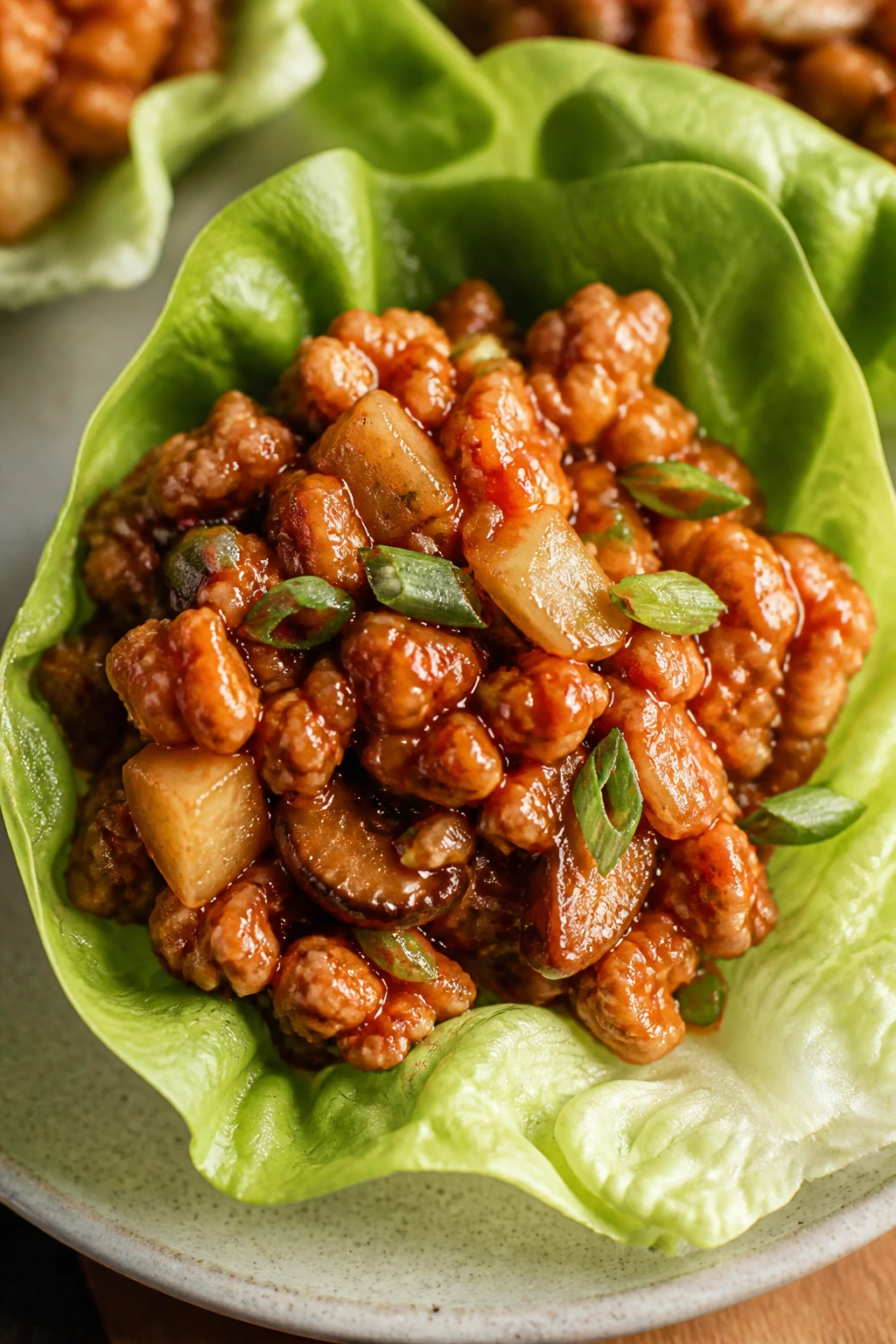
These lettuce wraps are what I make when I want dinner to feel lighter but still satisfy the part of me that wants something hot, salty, and a little sticky. The filling is savory and spicy, the lettuce stays cold and crisp, and the whole thing has enough crunch to keep you awake.
They’re also good with rice on the side, which makes them more dinner than appetizer. I support that.
Why It Works:
Ground chicken takes gochujang well because it needs a sauce with some personality. Mushrooms and water chestnuts add body and crunch, so the filling feels substantial even without a heavy base. The lettuce cups cool the heat and give the dish a fresh finish that keeps the flavor from getting muddy. It’s fast, bright, and easy to scale up.
Serving and Timing Block:
Yield: Serves 4
Prep Time: 15 minutes
Cook Time: 10 minutes
Total Time: 25 minutes
Difficulty: Beginner — easy to cook, easy to assemble.
Complete Ingredient List:
For the Filling:
- 1 tablespoon neutral oil
- 1 pound ground chicken
- 1 small onion, finely diced
- 3 cloves garlic, minced
- 1 tablespoon fresh ginger, grated
- 1 cup finely chopped mushrooms
- 1/2 cup diced water chestnuts
- 2 tablespoons gochujang
- 2 tablespoons soy sauce
- 1 tablespoon honey
- 1 tablespoon rice vinegar
- 2 tablespoons water
- 2 scallions, sliced
For Serving:
- 1 head butter lettuce or iceberg lettuce, leaves separated
- 2 cups cooked rice, optional
- Sliced cucumber, optional
- Toasted sesame seeds
Ingredient Deep-Dive:
Chicken Filling:
- What to use: Ground chicken with onion, garlic, ginger, mushrooms, and water chestnuts.
- Preparation: Dice the vegetables small so the filling stays spoonable.
- Substitutions: Ground turkey or pork works too.
- Tips: Mushrooms help keep the filling juicy, so don’t skip them unless you have to.
Sauce:
- What to use: Gochujang, soy sauce, honey, rice vinegar, and water.
- Preparation: Stir it together before adding it to the pan.
- Substitutions: Chili garlic sauce can step in, though the flavor changes.
- Tips: Gochujang is thick; water helps it disperse through the meat.
Lettuce and Extras:
- What to use: Butter lettuce or iceberg leaves, sesame seeds, optional rice, and cucumber.
- Preparation: Wash and dry the lettuce well so it stays crisp.
- Substitutions: Romaine hearts work if that’s what you have.
- Tips: Dry lettuce is important here. Wet leaves fight the filling instead of carrying it.
Quick Steps:
Cook the Filling:
- Heat the oil in a skillet over medium-high heat. Add the onion and cook for 2 minutes.
- Add the ground chicken and cook for 4 minutes, breaking it up as it browns.
- Stir in the garlic, ginger, mushrooms, and water chestnuts. Cook for 2 minutes until the mushrooms soften.
- Add the gochujang, soy sauce, honey, vinegar, and water. Cook for 1 to 2 minutes until the filling looks glossy and thick. Finish with scallions.
Assemble:
5. Spoon the filling into lettuce leaves. Top with sesame seeds and cucumber. Serve with rice if you want a fuller dinner.
Equipment for This Recipe:
- Large skillet
- Wooden spoon or spatula
- Knife and cutting board
- Serving platter
- Spoon for filling
How to Serve This Dish:
Set out the lettuce leaves on a platter and keep the filling in a bowl so everyone can build their own wraps. Rice on the side makes the meal sturdier if you want it to feel less snack-like.
Pro Tips for This Recipe:
- Finely chop the mushrooms so they blend into the filling.
- Taste the sauce before adding it; gochujang brands vary in salt and heat.
- Keep the lettuce cold until serving for the best crunch.
Variations on This Dish:
- Pork Lettuce Wraps: Use ground pork for a richer filling.
- Rice Bowl Version: Skip the lettuce and serve the filling over rice.
- Extra-Crisp Version: Add shredded carrots or thin radish slices on top.
Common Mistakes to Avoid with This Dish:
- Using wet lettuce: The leaves tear and slip.
- Leaving the filling too loose: It should be thick enough to stay in the cups.
- Overloading the wraps: A few spoonfuls each is enough.
Why Stir-Fries, Bowls, and Noodles Win on Busy Nights
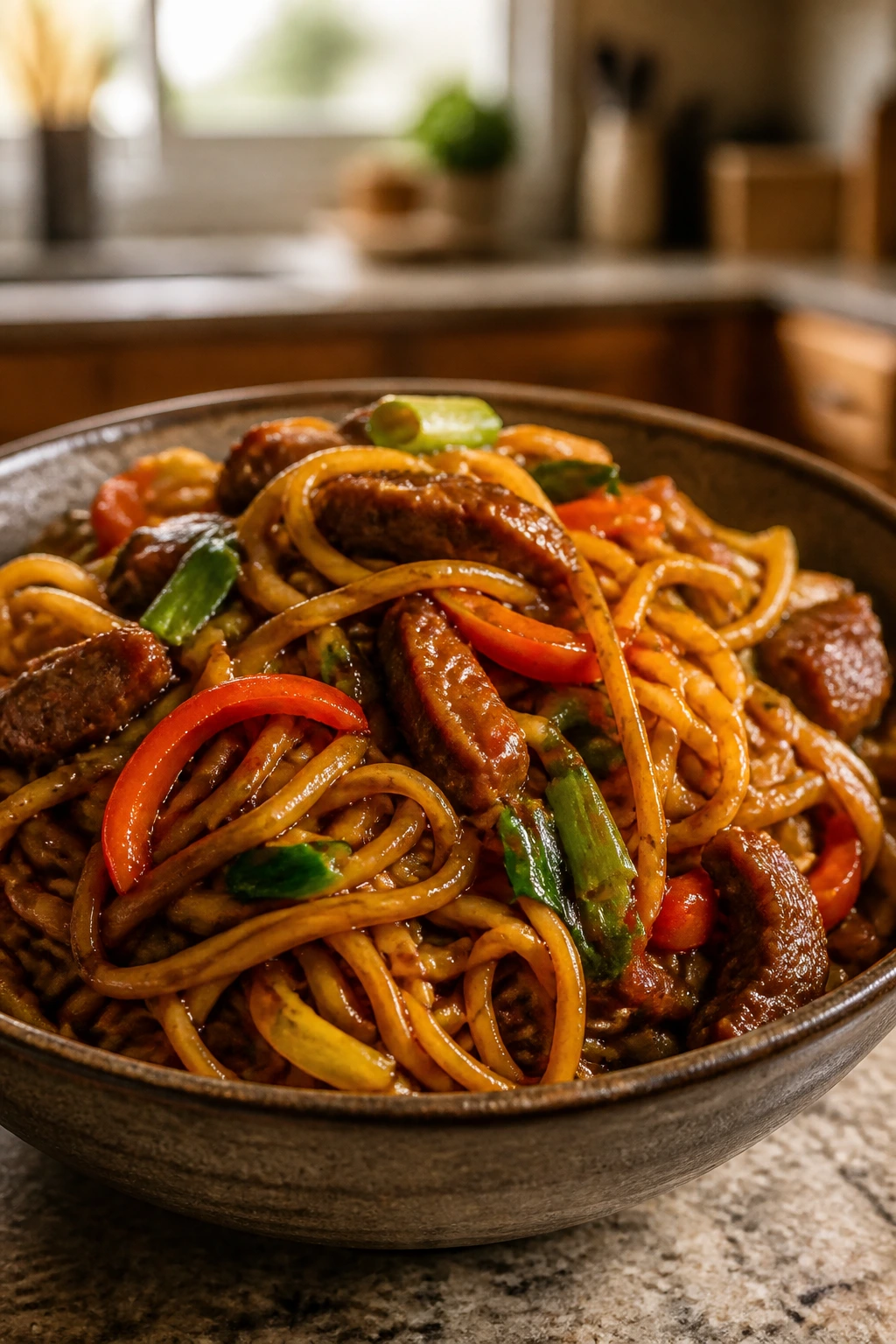
The common thread in this collection is speed, but speed alone is not the real reason these dinners work. The better reason is control. You can choose the protein, tighten the sauce, swap the vegetable, and still end up with a meal that tastes deliberate. That’s rare on a weeknight, when dinner usually feels like a negotiation between hunger, energy, and what’s left in the fridge.
Rice bowls, noodle dishes, and stir-fries also forgive small mistakes better than a lot of other meals. Chop the broccoli a little unevenly? Fine. Use frozen edamame? Fine. Need to replace salmon with tofu or chicken thighs with pork? Usually fine. The hot pan, the salty-sweet sauce, and the fresh finish do enough to pull the whole thing together.
And there’s another practical win people overlook: these dinners make leftovers useful. A braised curry thickens overnight in a way that feels almost better. Fried rice wants yesterday’s rice. Even a cold noodle salad gets easier after a short rest. That means less waste and fewer sad containers hiding in the fridge.
Essential Equipment for These Recipes
- 12-inch skillet or wok: The workhorse for stir-fries, noodles, and fast beef dishes.
- Rimmed sheet pan: Useful for teriyaki salmon, roasted eggplant, and any one-pan dinner that benefits from high heat.
- Medium saucepan or Dutch oven: Best for curry, Japanese curry rice, and anything with a little simmer time.
- Rice cooker or sturdy saucepan with lid: Not fancy, just dependable. Hot rice solves a lot of dinner problems.
- Large pot: Needed for noodles, soba, and fried rice prep.
- Tongs and a wide spatula: These help you flip salmon, toss noodles, and move chicken without shredding it.
- Sharp knife and cutting board: Thin slices matter in this style of cooking; a dull knife makes more work than it should.
- Small whisking bowls: Sauces go smoother when they’re mixed before the pan heats up.
- Colander: For noodles, rice noodles, and quick-drained vegetables.
- Airtight storage containers: Leftovers keep better when they cool fast and seal cleanly.
Smart Shopping and Ingredient Tips
A good weeknight Asian dinner usually starts with a short list of sauces that do a lot of work. Soy sauce, rice vinegar, sesame oil, fish sauce, oyster sauce, miso, gochujang, and curry paste cover far more ground than people expect. If you buy one thing from this list, buy a decent low-sodium soy sauce and a rice vinegar you actually like tasting. Those two show up everywhere and change the finished flavor in a real way.
Protein choices matter, but not every protein behaves the same. Chicken thighs are friendlier than breast meat in stir-fries because they stay juicy under high heat. Ground beef, ground pork, and ground chicken all absorb seasoning fast, which is why they appear so often here. Salmon should be firm and similar in thickness across the fillets. Shrimp should smell clean, not fishy. Tofu should be extra-firm if you want crisp edges, and it helps to press it.
For vegetables, frozen is not a defeat. Frozen edamame, broccoli florets, spinach, and even chopped stir-fry mixes can save a night. Fresh broccoli, cabbage, cucumbers, scallions, and mushrooms are the backbone of this style because they cook or finish quickly. The trick is to cut vegetables into the size that matches the pan, not the size that looks good in the container.
Rice and noodles deserve a little care, too. Jasmine rice, short-grain rice, soba, rice noodles, and wide wheat noodles all behave differently. If the dish depends on clinging sauce, choose a noodle with some texture. If it depends on soaking up sauce, use rice. And if you are making fried rice, cold rice is not a preference. It is the whole point.
How to Serve These Recipes
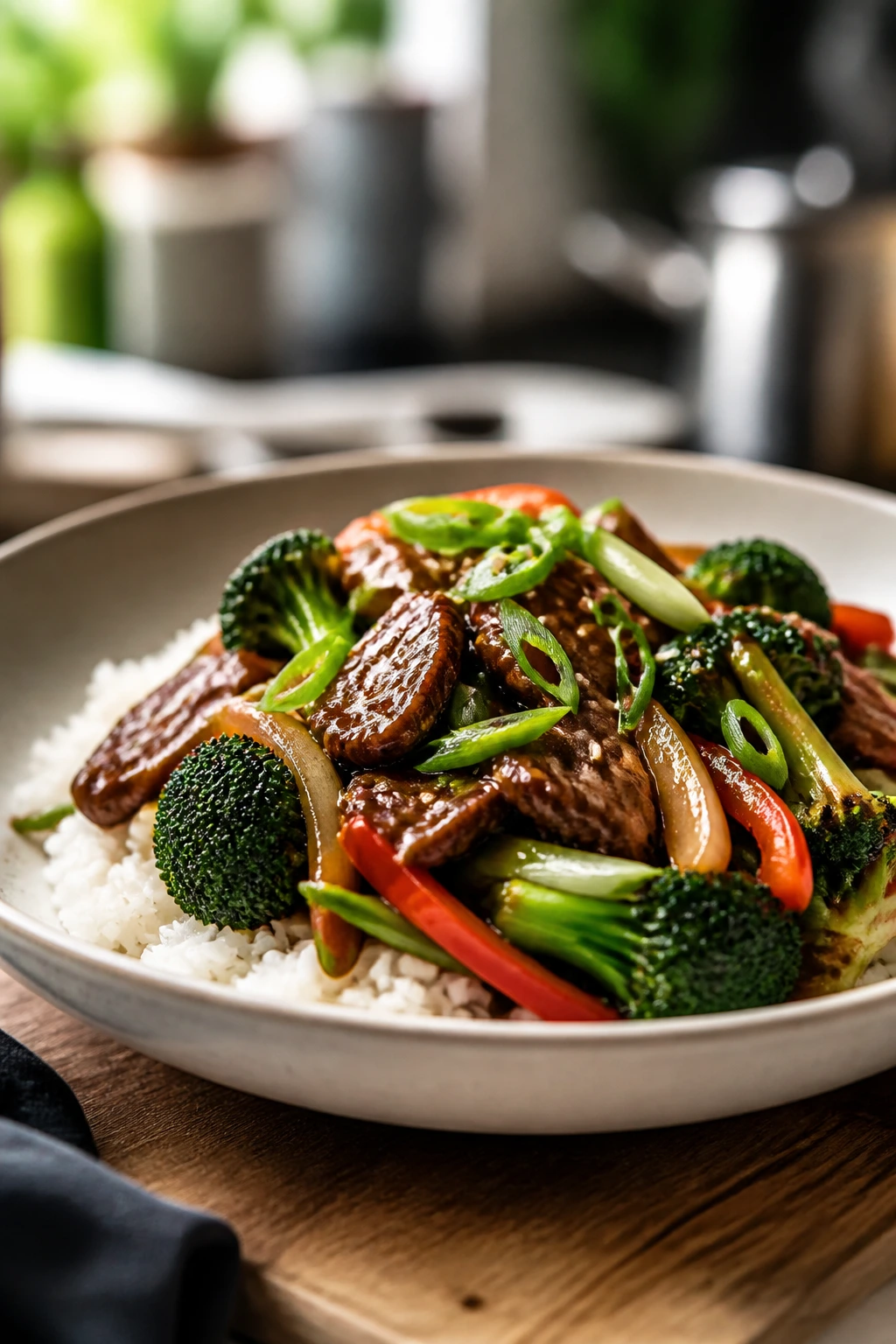
Presentation:
Serve stir-fries in shallow bowls so the sauce stays visible around the rice instead of sinking to the bottom of a deep plate. For noodle dishes, lift the noodles high with tongs and let the protein and vegetables sit on top instead of disappearing into the pile. A little green from scallions, herbs, or cucumber goes a long way. These dishes look best when they are a little messy but not sloppy.
Accompaniments:
Steamed jasmine rice, short-grain rice, and chilled cucumber salads work across the whole collection. Pickled vegetables, kimchi, quick-pickled carrots, and simple greens help when a dish feels rich. For a fuller table, add dumplings, scallion pancakes, or a light soup. Keep the sides plain enough that they don’t fight the main dish.
Portions:
Most of these recipes serve four with about 1 to 1 1/2 cups rice per person or a generous tangle of noodles plus protein and vegetables. If you are feeding bigger appetites, add more rice or one extra vegetable rather than doubling the sauce blindly. That keeps the balance intact. For lighter eaters, plate smaller bowls and serve fruit or tea afterward.
Beverage Pairing:
Jasmine tea, iced green tea, light lager, crisp white wine, and sparkling water with lime all make sense here. The goal is not to show off. The goal is to clear the palate so the next bite tastes as good as the first.
Additional Tips and Flavor Boosters
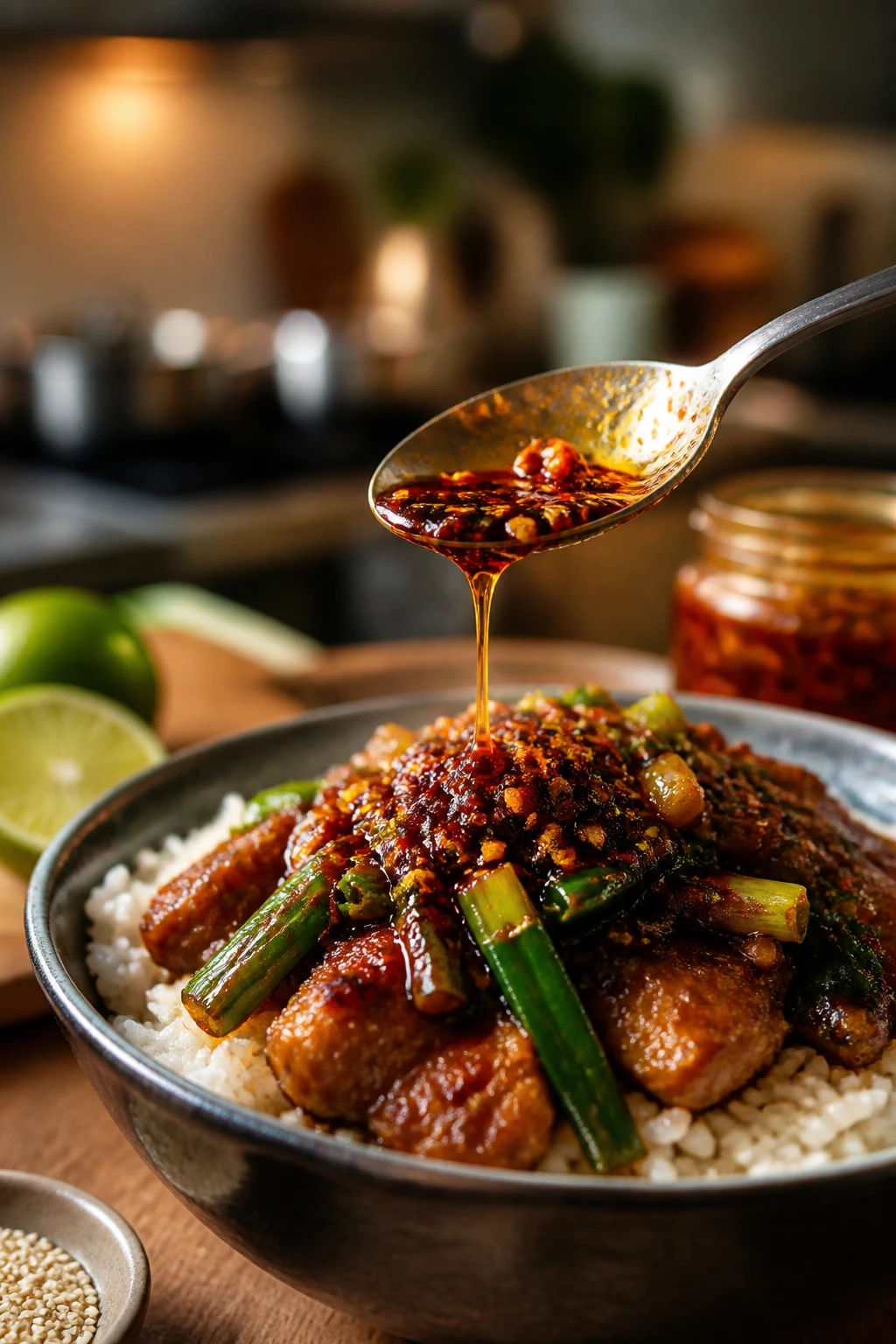
Flavor Enhancement:
Finish savory bowls with a tiny drizzle of toasted sesame oil, a squeeze of lime, or a spoonful of chili crisp. Those last-second additions can wake up a dish that tastes a little too round or too soft. Fresh herbs are worth keeping nearby, especially cilantro, Thai basil, mint, and scallions.
Customization:
If you want more heat, add chili oil or sliced fresh chiles at the table rather than cooking them into everything. If you want a milder plate, lean on soy, ginger, and sesame instead of pepper or gochujang. Extra vegetables are always welcome here, especially cabbage, mushrooms, snap peas, and baby spinach.
Serving Suggestions:
Fried eggs are a smart add-on for beef bowls, fried rice, and noodle dishes. Toasted sesame seeds and chopped peanuts add crunch with almost no effort. For a fresher finish, keep cucumber ribbons, herb leaves, or lime wedges on hand.
Make-It-Yours:
For gluten-free cooking, use tamari and rice noodles where needed. For dairy-free meals, you’re already in good shape with most of these recipes, since the flavor comes from sauces and aromatics rather than cream. For vegetarian dinners, tofu, mushrooms, chickpeas, and egg all do the job without making the food feel like a substitute.
Make-Ahead, Storage, and Reheating Guidance
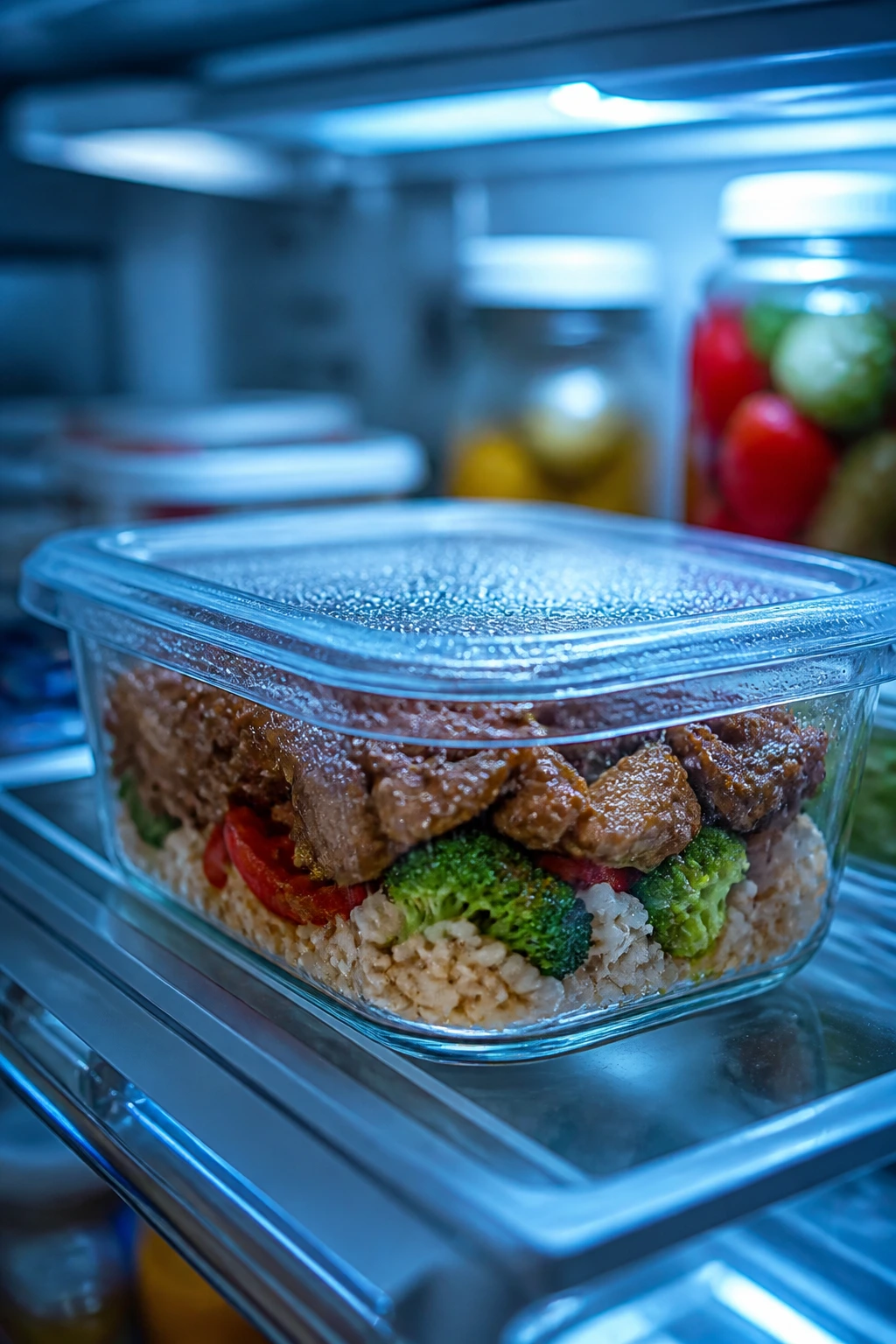
Most of these dinners keep well in the fridge for 3 to 4 days, with seafood dishes like salmon best eaten within 2 days. Curries, beef bowls, pork fillings, and fried rice all hold up especially well because the sauce helps protect the texture. Store rice separately when you can; it reheats cleaner and keeps the main dish from getting soggy.
Freezing is best for saucier dishes. Japanese curry, coconut chickpea curry, mapo tofu, Mongolian beef, and lemongrass pork freeze for up to 2 months in airtight containers. Noodles and lettuce wraps are less freezer-friendly, though the filling for the wraps can freeze well on its own. If you do freeze noodles, undercook them slightly before freezing and reheat with a splash of water.
For reheating, a skillet is the best tool when you want to preserve texture. Add a tablespoon or two of water, cover for a minute, then uncover and stir over medium heat until hot. The microwave works for rice bowls and curries if you cover the container and stop halfway to stir. For fried rice, use a hot pan with a touch of oil so the grains loosen again instead of turning sticky.
A few dishes improve overnight. Curry gets thicker and deeper. Beef bowls settle into themselves. Kimchi fried rice becomes more unified. Salmon and shrimp, though, are better the day they’re made. Reheat seafood gently, or you’ll end up with dinner that tastes like it was punished.
Variations and Adaptations to Try
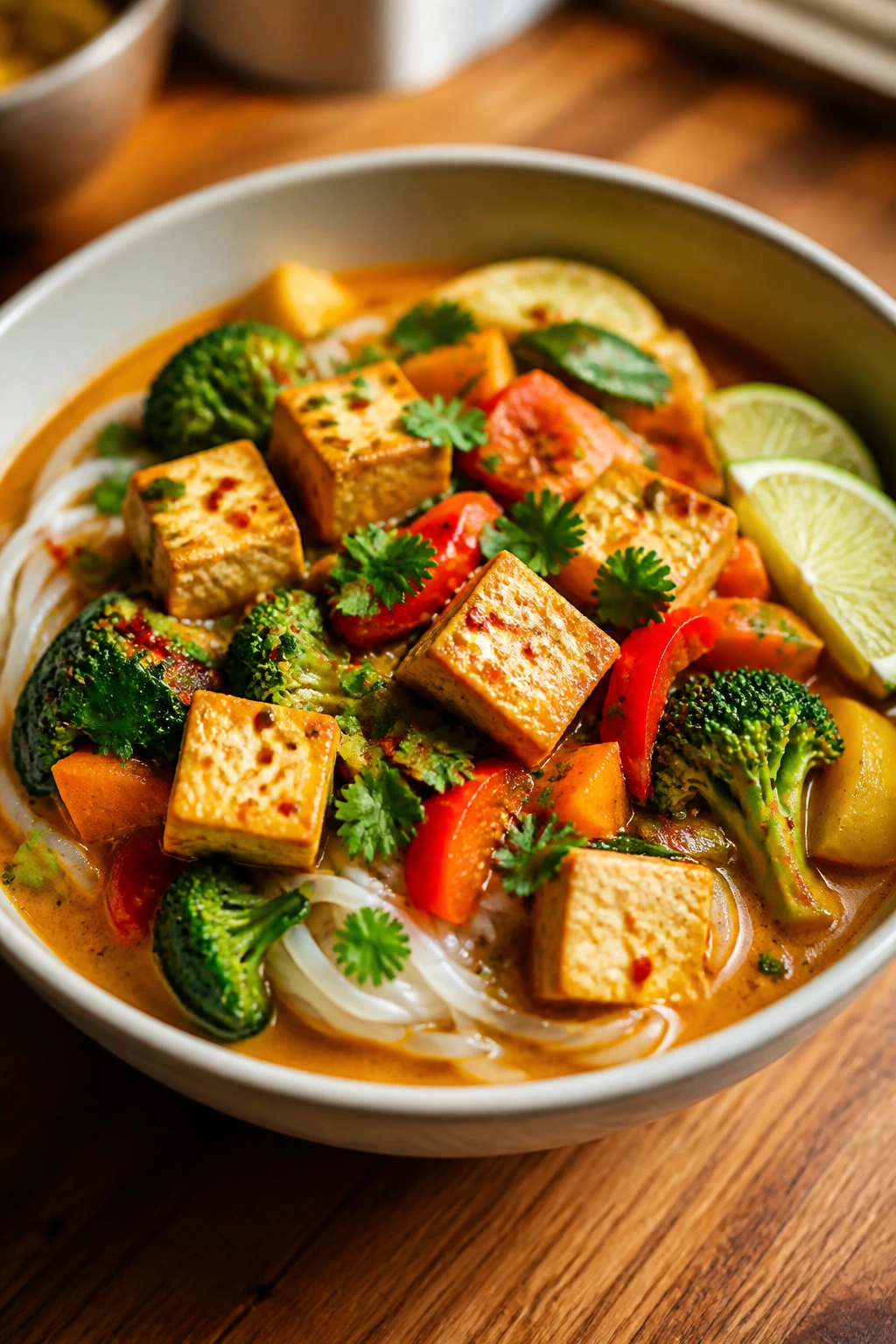
Gluten-Free Pantry Swap
Use tamari in place of soy sauce, and choose rice noodles, rice, or certified gluten-free curry roux where needed. The flavor stays close to the original, especially in stir-fries and bowls where the sauce is doing most of the work. Watch bottled sauces carefully, since oyster sauce and curry roux can hide wheat more often than people expect.
Vegetarian Bowl Shift
Swap chicken, beef, or pork for tofu, tempeh, mushrooms, or chickpeas. The trick is to add a little more browning or extra seasoning so the dish keeps its backbone. Crispy tofu and mushrooms are especially good in noodle bowls and curries because they bring chew and absorb sauce nicely.
Lower-Sodium Route
Choose reduced-sodium soy sauce, then sharpen the flavor with rice vinegar, lime, ginger, garlic, and scallions. Cutting salt works better when you replace the missing brightness, not when you simply make the dish quieter. A squeeze of citrus often does more than another splash of soy.
Kid-Friendly Mild Plate
Keep the same base and reduce chile paste, pepper, or chili crisp to a bare minimum. Add sweetness with a bit more honey or brown sugar if the dish needs softening. Fried eggs, rice, and simple cucumber slices are useful here because they make the meal feel familiar even when the sauce is more interesting than usual.
Extra-Spicy Dinner Night
Build on the recipe’s heat with chili oil, sliced fresh chiles, sambal, or more gochujang. This works best when the dish already has acid and sweetness to keep the heat from feeling one-dimensional. In other words, add fire to a balanced dish, not a flat one.
Common Mistakes to Avoid
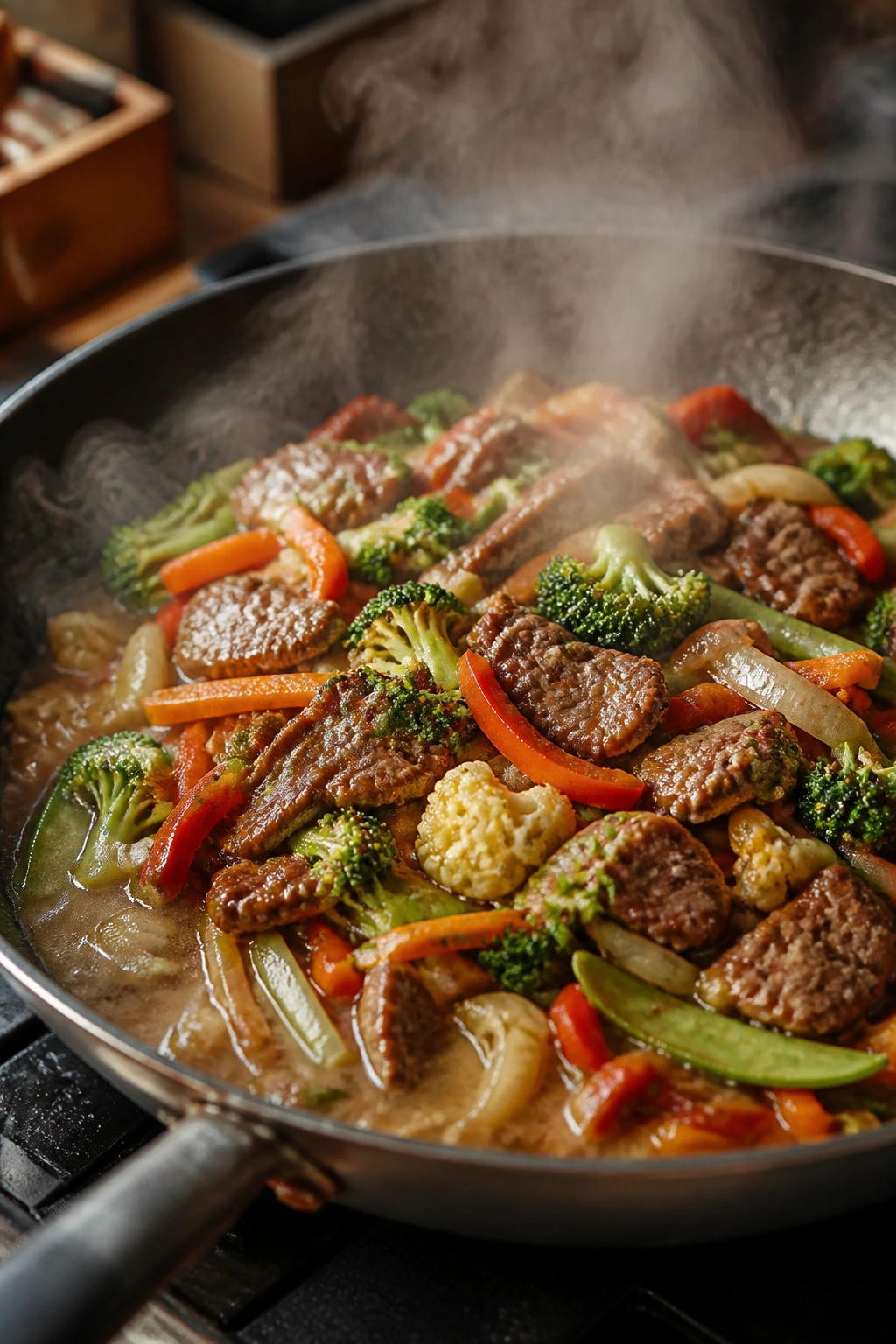
Crowding the pan:
If the skillet is too full, chicken and beef steam instead of browning. The fix is simple: cook in batches. That extra minute pays you back in flavor every time.
Using wet vegetables:
Waterlogged broccoli, cucumbers, or mushrooms dilute the sauce and make the whole dish feel tired. Dry vegetables before they hit the pan, and keep salads or garnish vegetables crisp and cool until the end.
Overcooking noodles:
Rice noodles, soba, and wide wheat noodles all go from pleasantly chewy to floppy fast. Pull them a minute early, then finish them in the pan where the sauce can do the last bit of work.
Skipping acid:
A lot of home cooks add soy, sugar, and oil, then wonder why the dish tastes heavy. Rice vinegar, lime, or black vinegar brighten the whole plate and make the flavors line up.
Adding sesame oil too early:
Sesame oil tastes better as a finish than as a frying fat. Cook with neutral oil, then add sesame oil near the end so the aroma stays clear.
Underseasoning rice:
Rice is not background noise here. If it’s bland and wet, the whole bowl feels dull. Salt the cooking water lightly or serve the rice with something that wakes it up, like sauce, scallions, or pickles.
Frequently Asked Questions

Can I make these Asian dinners with bottled sauce?
Yes, but use bottled sauce as a starting point, not a crutch. If the sauce tastes flat, add fresh garlic, ginger, scallions, sesame oil, or a little rice vinegar to bring it back to life.
What rice works best for weeknight bowls?
Jasmine rice is the most flexible choice because it’s fragrant and light, but short-grain rice is excellent for saucier dishes and fried rice. Brown rice works too, though it tastes firmer and takes longer to cook.
How do I keep stir-fries from turning soggy?
Use high heat, cook in batches if needed, and cut vegetables into similar sizes so they finish together. Also, add sauce at the very end and only long enough to coat the food.
Can I substitute chicken breasts for chicken thighs?
You can, but chicken breasts need shorter cooking time and a little more care. Keep the pieces even, avoid overcooking, and lean on sauce so the meat stays moist.
Which dishes are best for leftovers?
Japanese curry, Mongolian beef, kimchi fried rice, and coconut chickpea curry all reheat well. Salmon and shrimp are better eaten fresh, though the rice and vegetables around them can still hold up for a day or two.
What if I don’t have a wok?
A large skillet works fine for almost every recipe here. The important thing is surface area, not the shape of the pan. If your skillet is smaller, cook in batches and keep the heat up.
How can I make these recipes less spicy without ruining them?
Reduce chile paste, chili crisp, and pepper, then replace the missing flavor with ginger, scallions, or a bit more lime. Heat should support the dish, not swallow it.
Can I prep these meals ahead of time?
Absolutely. Chop vegetables, mix sauces, and cook rice ahead so dinner only needs a hot pan. For the fastest nights, pre-slice protein and store it separately from the sauce so nothing gets soggy.
The Dinner Rotation That Earns Its Keep
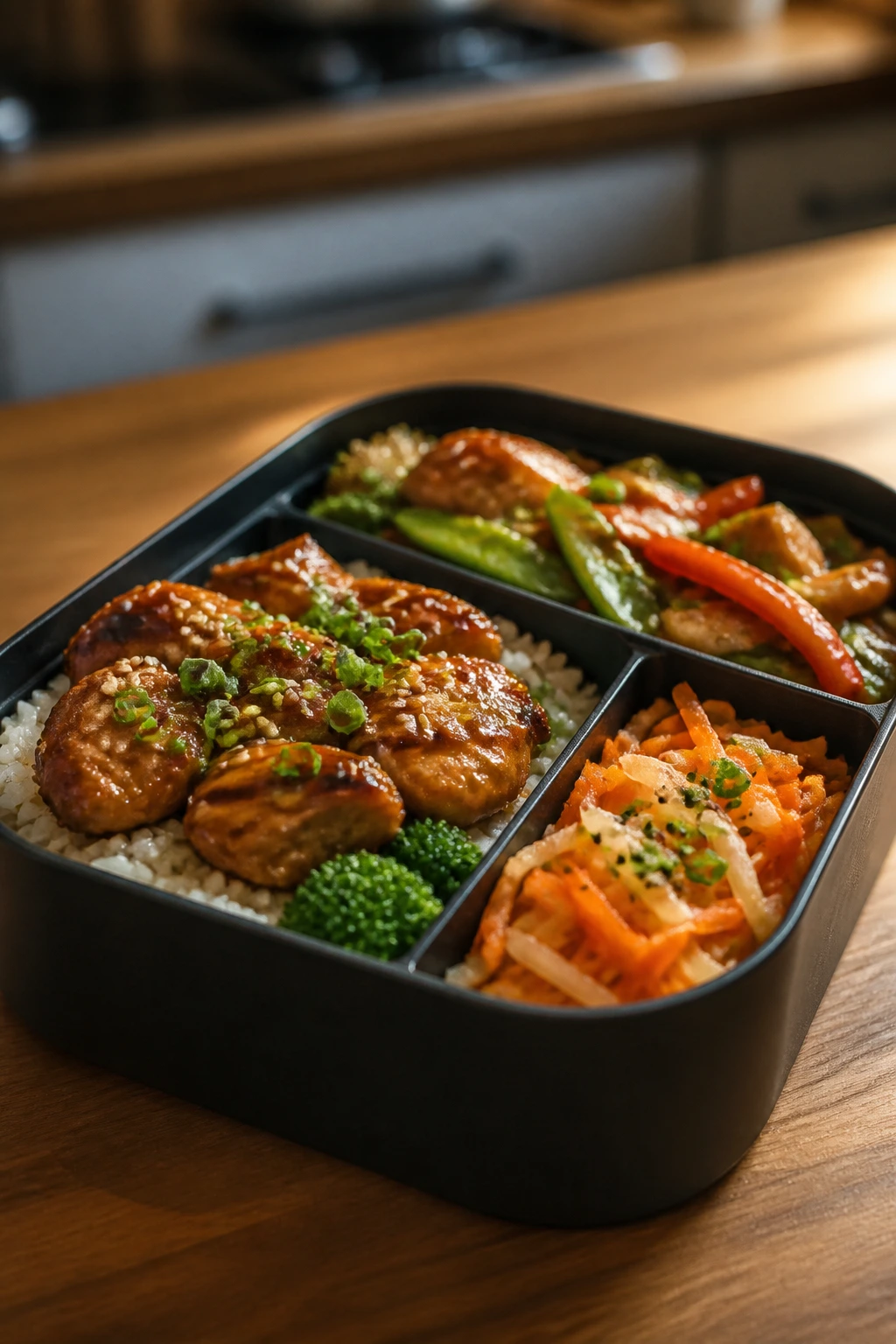
There’s a reason these kinds of meals get repeated in real kitchens. They’re fast without feeling cheap, flexible without turning bland, and filling without requiring a giant pile of dishes. That combination is harder to find than it should be.
If you keep a few sauces, a bag of rice, and one or two proteins on hand, dinner stops feeling like a daily emergency. It becomes a small, repeatable habit. And that’s a better deal than inspiration.
Every Recipe at a Glance
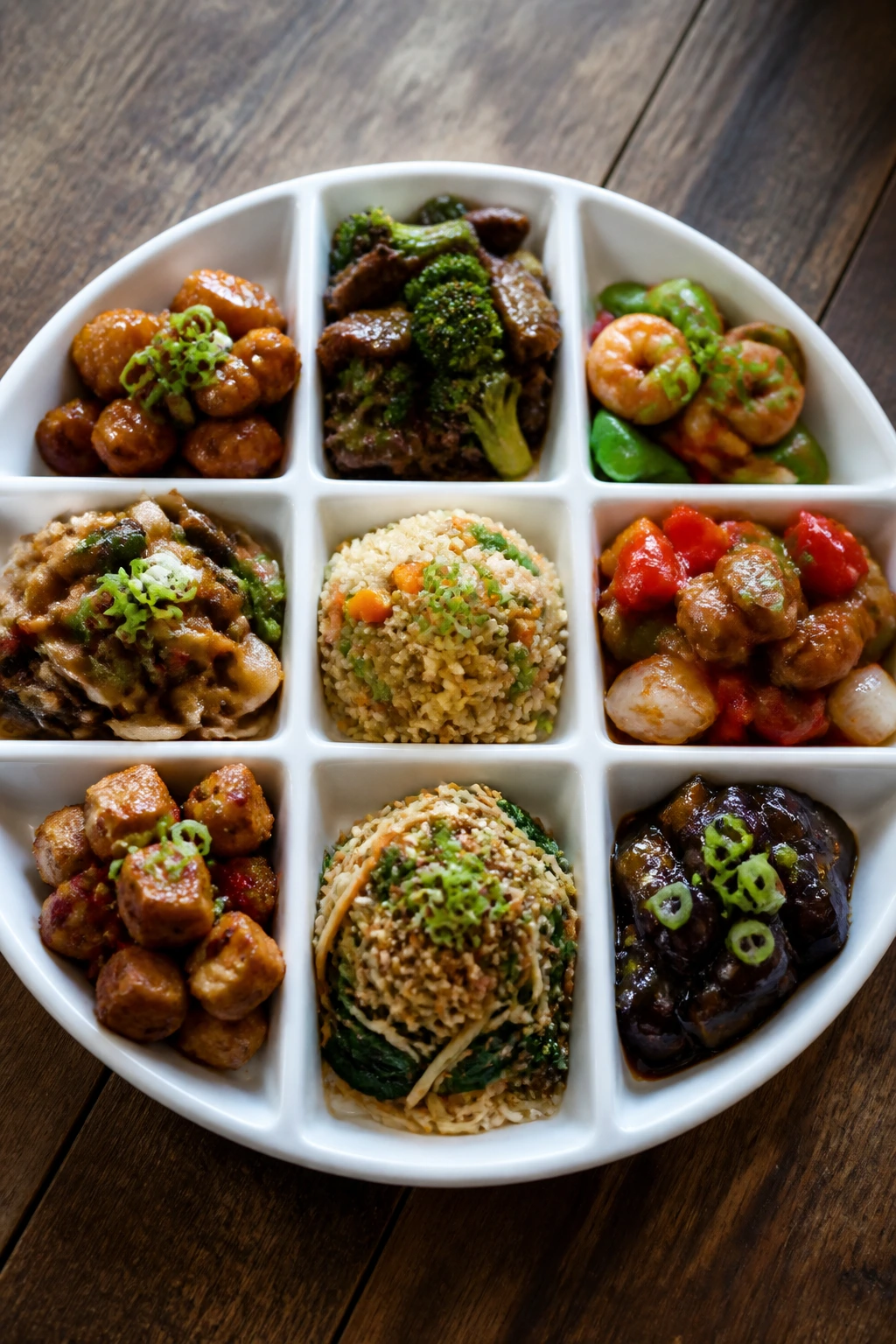
- 1. Garlic Ginger Chicken Stir-Fry — Prep 15 min, Cook 15 min, Total 30 min. Serves 4. Standout: glossy sauce that clings to broccoli and peppers.
- 2. Thai Basil Beef — Prep 10 min, Cook 15 min, Total 25 min. Serves 4. Standout: basil and chile hit at the last second.
- 3. Japanese Curry Chicken Rice — Prep 15 min, Cook 30 min, Total 45 min. Serves 4 to 6. Standout: thick curry roux makes it comfort food fast.
- 4. Korean Beef Rice Bowls — Prep 10 min, Cook 15 min, Total 25 min. Serves 4. Standout: sweet-salty beef with cool crisp toppings.
- 5. Teriyaki Salmon with Broccoli and Rice — Prep 15 min, Cook 15 min, Total 30 min. Serves 4. Standout: shiny glaze and roasted broccoli on one pan.
- 6. Sesame Garlic Shrimp Noodles — Prep 15 min, Cook 10 min, Total 25 min. Serves 4. Standout: fast shrimp and noodles with a clean sesame finish.
- 7. Vietnamese Lemongrass Pork Bowls — Prep 20 min, Cook 15 min, Total 35 min. Serves 4. Standout: bright herb-and-pickle bowl with citrusy pork.
- 8. Mapo Tofu with Steamed Rice — Prep 15 min, Cook 10 min, Total 25 min. Serves 4. Standout: silky tofu in a spicy fermented sauce.
- 9. Coconut Chickpea Curry with Spinach — Prep 10 min, Cook 20 min, Total 30 min. Serves 4. Standout: creamy coconut sauce with lime at the end.
- 10. Chinese Black Pepper Chicken — Prep 15 min, Cook 15 min, Total 30 min. Serves 4. Standout: sharp black pepper bite with crisp peppers.
- 11. Chicken Pad See Ew — Prep 20 min, Cook 15 min, Total 35 min. Serves 4. Standout: wide noodles with dark, savory glaze.
- 12. Peanut Soba Noodle Salad with Edamame — Prep 15 min, Cook 5 min, Total 20 min. Serves 4. Standout: creamy peanut dressing with cold crunch.
- 13. Kimchi Fried Rice with Egg — Prep 10 min, Cook 10 min, Total 20 min. Serves 4. Standout: crispy rice, tangy kimchi, runny egg.
- 14. Mongolian Beef — Prep 15 min, Cook 10 min, Total 25 min. Serves 4. Standout: thin beef in a sticky-sweet scallion sauce.
- 15. Tomato Egg Stir-Fry with Rice — Prep 10 min, Cook 10 min, Total 20 min. Serves 4. Standout: soft eggs and saucy tomatoes over rice.
- 16. Miso-Glazed Eggplant Bowls — Prep 15 min, Cook 20 min, Total 35 min. Serves 4. Standout: caramelized eggplant with a salty-sweet glaze.
- 17. Szechuan Chili Garlic Noodles — Prep 10 min, Cook 10 min, Total 20 min. Serves 4. Standout: fiery noodles with vinegar snap and chili crunch.
- 18. Gochujang Chicken Lettuce Wraps — Prep 15 min, Cook 10 min, Total 25 min. Serves 4. Standout: spicy chicken filling tucked into crisp lettuce cups.