



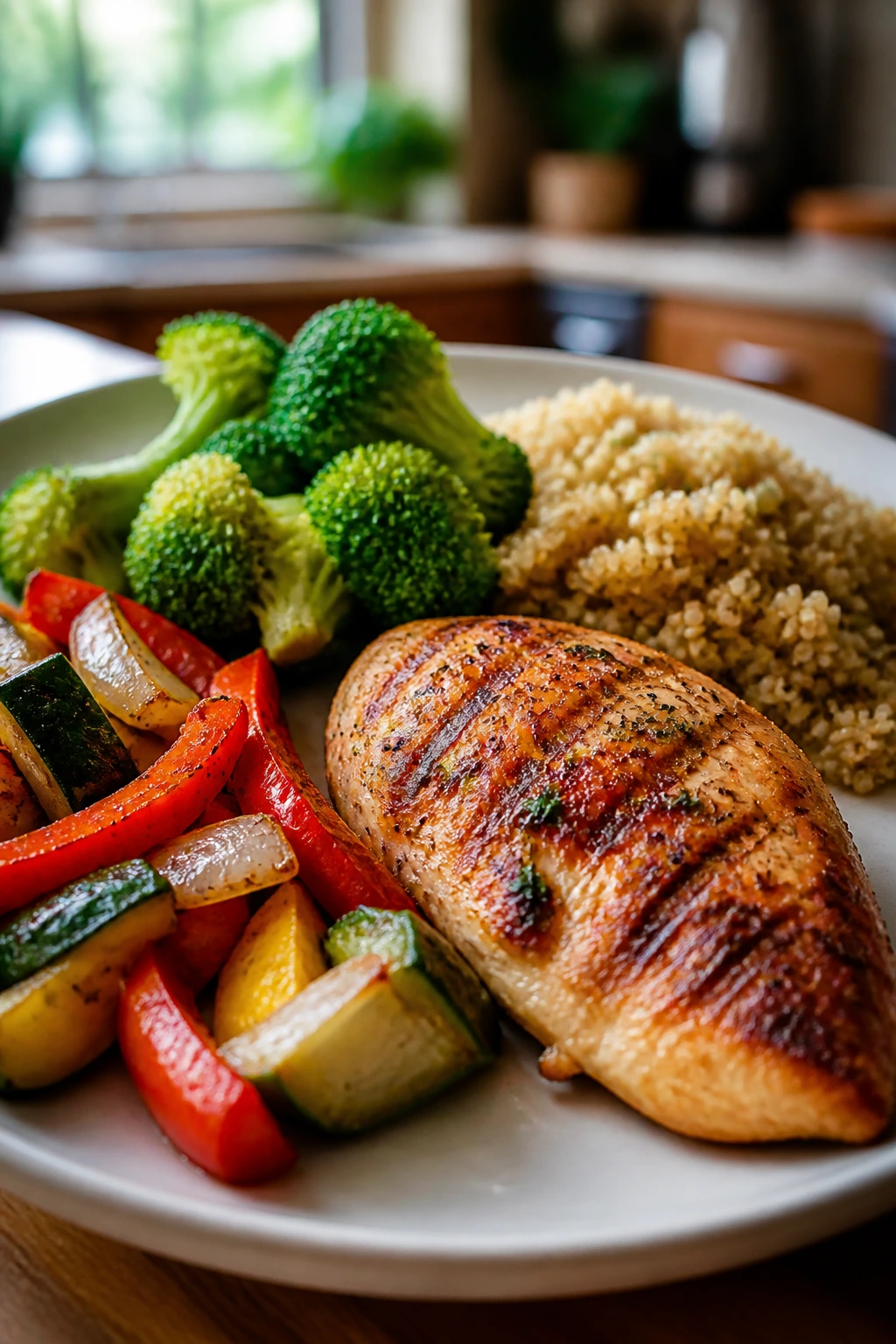
Macro friendly dinners for weight loss live or die on one simple thing: whether they leave you satisfied at 8 p.m. or standing in front of the pantry at 9:15 with a spoon in your hand. A plate of plain chicken and steamed vegetables can hit the numbers and still fail miserably if it tastes like surrender. The dinners here solve that problem the old-fashioned way — with real seasoning, enough protein to calm the hunger noise, and portions that make sense without forcing you to micromanage every bite.
A good macro-friendly dinner does not need to be tiny. It needs to be built well. The USDA-style plate idea gets that part right: fill half with vegetables, keep a solid protein portion at the center, and let starch play a supporting role instead of the lead. When that balance is done with care, dinner feels like dinner. Not a penalty.
What I like most about this kind of cooking is how practical it is when life gets noisy. You can roast, skillet-cook, stir-fry, or bake your way through a whole week and never feel like you’re eating the same sad thing twice. That matters. Food with structure is easier to stick with, and consistency beats theatrics every time.
Why These Dinners Earn Their Place on a Weight-Loss Plate
-
Protein First: Each dinner leans on a real protein anchor — chicken, turkey, salmon, shrimp, tofu, cod, pork, or lean beef — so the plate works harder for satiety.
-
Measured Carbs, Not Guesswork: The starches, beans, rice, or potatoes show up in controlled portions, which keeps the calories predictable instead of mysterious.
-
Flavor Without the Heavy Drag: Lemon, mustard, salsa, ginger, garlic, vinegar, herbs, and spice do more of the work than creamy sauces and giant handfuls of cheese.
-
Weeknight Reality: Most of these dinners land in the 25-40 minute range and use a sheet pan, skillet, or one sturdy pan, which means less cleanup and fewer excuses.
-
Meal Prep Friendly: Several of the recipes hold up well for a few days in the fridge, so tomorrow’s lunch doesn’t need a separate plan.
-
Flexible by Design: If you need lower carb, higher carb, dairy-free, or gluten-free swaps, these recipes bend without falling apart.
1. Lemon-Garlic Chicken With Broccoli and Baby Potatoes
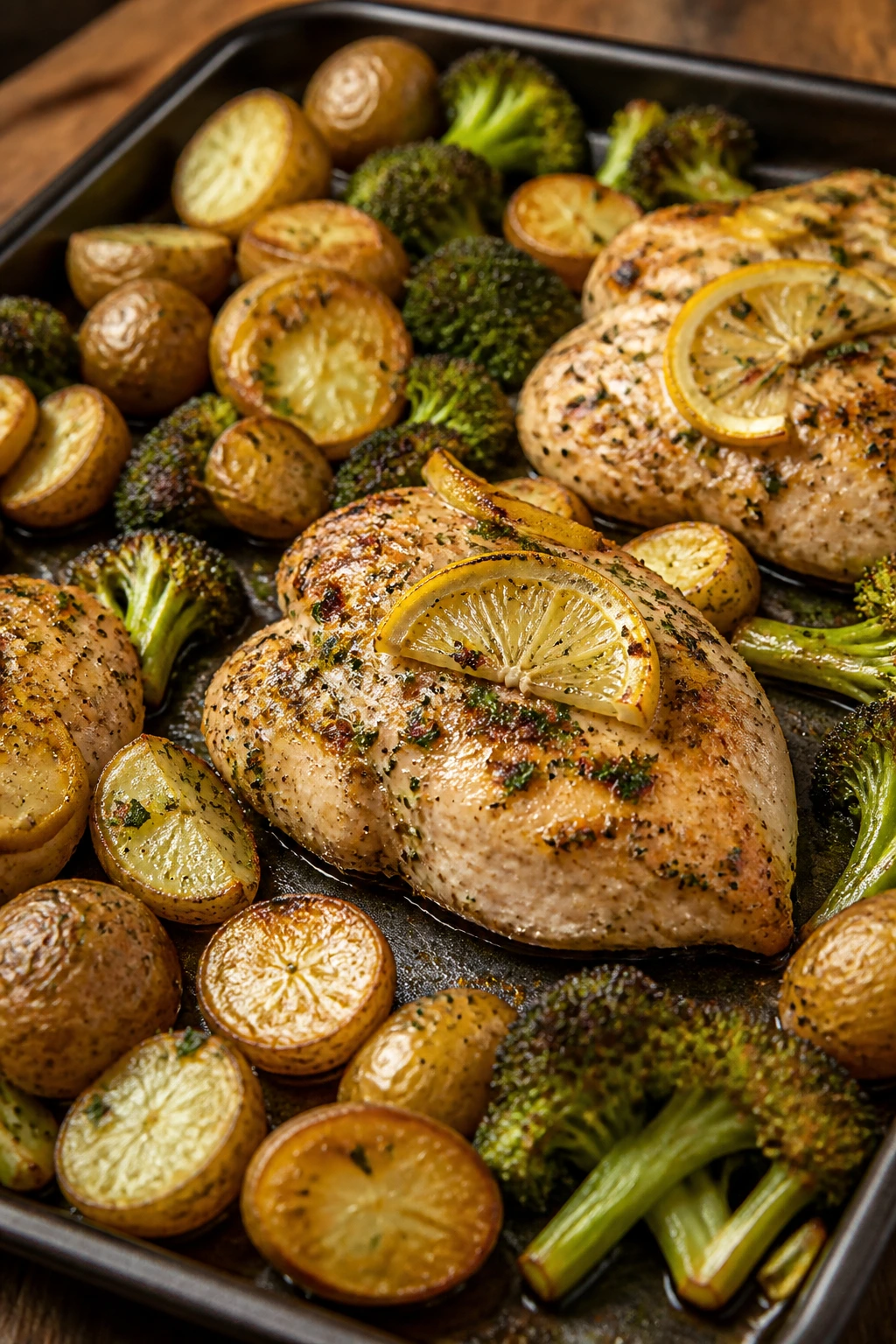
Bright lemon, roasted garlic, and chicken that stays juicy under a caramelized edge — this is the kind of sheet-pan dinner that makes healthy eating feel less like a project. The potatoes get crisp where they touch the pan, the broccoli picks up those browned bits, and the whole tray smells like someone in the house actually knows how to cook. That alone is worth something.
A lot of weight-loss dinners fall apart because they try to be tiny and virtuous at the same time. This one doesn’t. It gives you a measured portion of potatoes for energy, a solid serving of chicken for protein, and enough broccoli to make the plate feel full without piling on calories. At roughly 390 calories and 38 grams of protein per serving, it lands in the sweet spot for a lot of people.
Why It Works
The structure here is doing the heavy lifting. Roasting the potatoes first gives them a head start, which matters because chicken breast and broccoli need less time than potatoes do. The lemon juice and olive oil keep the chicken from drying out, and the broccoli roasts just long enough to lose its raw bite without turning into mush. That balance is what makes the plate feel complete instead of stripped down.
Key Ingredients
- 1 1/2 pounds boneless, skinless chicken breasts, cut into 4 even portions — Even sizing helps the chicken cook at the same pace.
- 1 pound baby potatoes, halved — Small potatoes roast faster and give you a controlled carb portion.
- 4 cups broccoli florets — Choose tight, dark green florets for the best texture.
- 2 tablespoons olive oil — Use enough to coat, not drown.
- 3 garlic cloves, minced — Fresh garlic gives the tray its backbone.
- 1 lemon, zested and juiced — The acid keeps the chicken bright and the potatoes from feeling heavy.
- 1 teaspoon dried oregano — Simple, classic, and a little savory.
- 3/4 teaspoon kosher salt and 1/2 teaspoon black pepper — Season enough for the vegetables too.
- 2 tablespoons chopped parsley, for finishing — Optional, but it wakes up the whole pan.
Quick Steps
-
Preheat and Prep: Heat the oven to 425°F (220°C) and line a large rimmed sheet pan with parchment if you want easier cleanup.
-
Start the Potatoes: Toss the halved potatoes with 1 tablespoon olive oil, half the salt, half the pepper, and the oregano. Spread them cut-side down and roast for 15 minutes.
-
Season the Chicken: While the potatoes roast, mix the chicken with the remaining olive oil, garlic, lemon zest, lemon juice, and the rest of the salt and pepper. The chicken should look glossy, not soupy.
-
Add Chicken and Broccoli: Pull the pan out, move the potatoes to make space, and add the chicken and broccoli in a single layer. Roast for 15 to 18 minutes more, until the chicken reaches 165°F and the broccoli has browned edges.
-
Broil If You Like It Charred: If you want a little more color, broil for 1 to 2 minutes, watching closely so the garlic doesn’t burn.
-
Rest and Finish: Let everything rest for 5 minutes, then scatter parsley over the top and serve with the lemony pan juices spooned back on.
Tips and Variations
- Make It Leaner: Use chicken breast cutlets if you want faster cooking and a slightly lower-fat plate.
- Flavor Move: Add 1/4 cup crumbled feta after roasting if you want a saltier finish.
- Do Not Crowd the Pan: If the vegetables pile up, they steam instead of roast. Use two pans if needed.
2. Turkey Taco Stuffed Peppers
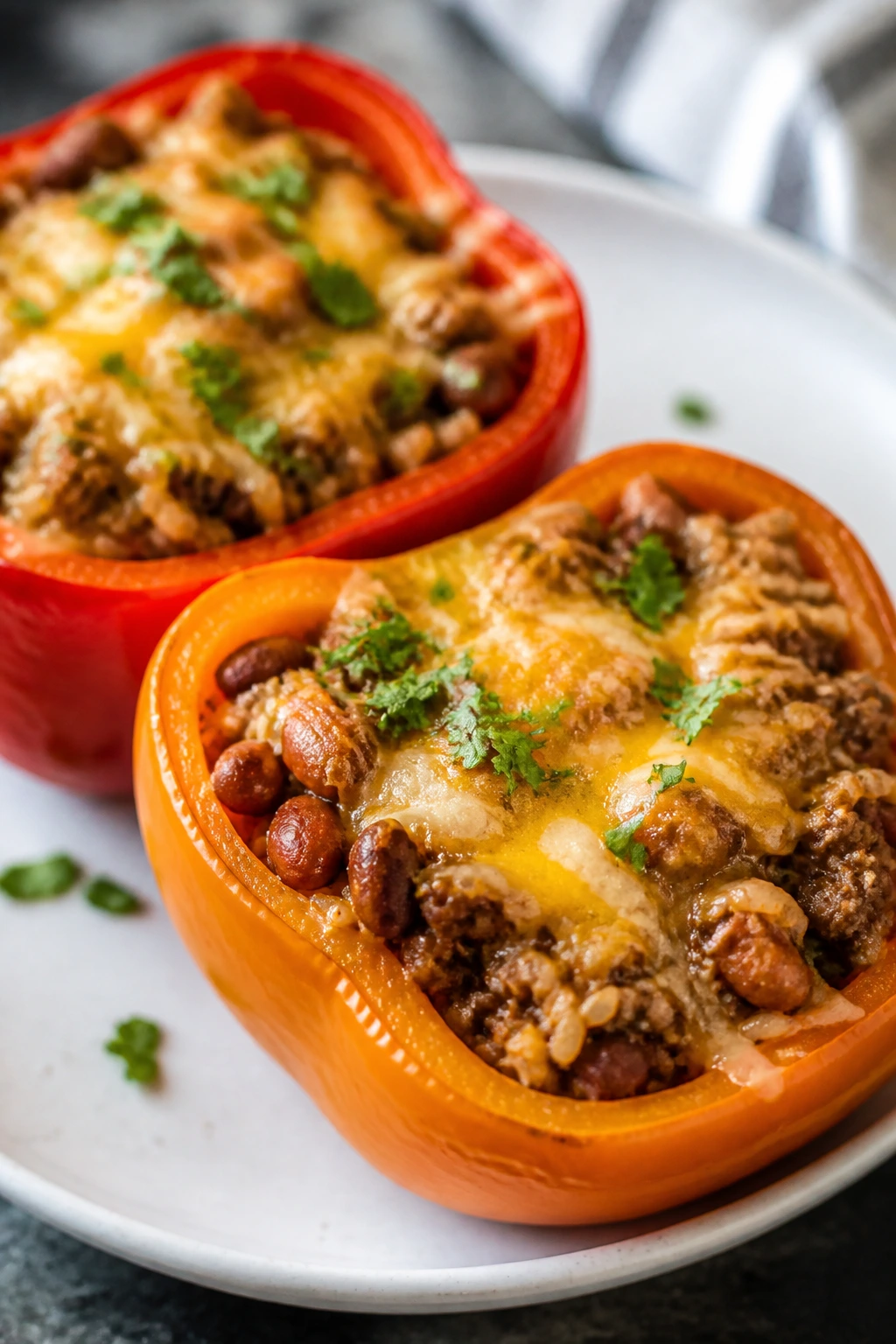
These peppers are what happens when taco night gets more organized. The turkey filling is savory and a little smoky, the rice and beans bring staying power, and the melted cheese on top gives you that familiar taco comfort without leaning on a pile of chips. Cut one open and the whole thing looks generous.
Stuffed peppers are a sneaky good weight-loss dinner because they naturally portion themselves. You get protein, fiber, vegetables, and just enough carbs to keep the meal satisfying. At about 430 calories and 35 grams of protein per serving, they feel sturdy without going off the rails. The peppers also do a nice job of holding all the filling in place, which is more useful than people think.
Why It Works
Bell peppers are doing more than acting as a container. They add sweetness, crunch that softens in the oven, and a built-in serving vessel that helps keep calories in check. Lean turkey keeps the fat lower than beef, while black beans and a small scoop of rice round out the macros so the meal doesn’t feel skimpy. The salsa adds moisture, which matters because dry stuffed peppers are miserable.
Key Ingredients
- 6 medium bell peppers, tops removed and seeds discarded — Choose peppers that can stand upright in the baking dish.
- 1 pound lean ground turkey — 93% lean is a nice middle ground for flavor and macros.
- 1 small yellow onion, finely diced — It melts into the filling and adds sweetness.
- 2 cloves garlic, minced — Just enough to keep the turkey from tasting flat.
- 1 cup cooked brown rice — A measured carb boost that helps with fullness.
- 1 cup black beans, rinsed and drained — Adds fiber and a little extra protein.
- 1 cup salsa — Use a thicker salsa so the filling isn’t watery.
- 2 tablespoons taco seasoning — Homemade or store-bought both work.
- 1 cup shredded reduced-fat cheddar or Monterey Jack — Enough to melt, not bury the peppers.
- 2 tablespoons chopped cilantro — Optional, but fresh cilantro perks up the whole tray.
Quick Steps
-
Preheat and Soften the Peppers: Heat the oven to 375°F (190°C). Place the peppers cut-side up in a baking dish and bake them empty for 10 minutes so they soften a little before filling.
-
Cook the Turkey Filling: Warm a large skillet over medium heat. Cook the turkey and onion for 6 to 8 minutes, breaking the meat up with a spatula until the turkey is no longer pink and the onion looks translucent.
-
Season and Build: Stir in the garlic, taco seasoning, brown rice, black beans, and salsa. Cook for 2 minutes, just until everything is hot and the mixture looks thick enough to spoon cleanly.
-
Fill the Peppers: Spoon the mixture into each pepper, packing it in firmly. Top with shredded cheese.
-
Bake Until Tender: Return the dish to the oven and bake for 18 to 20 minutes, until the peppers are tender and the cheese is melted and bubbling at the edges.
-
Finish and Serve: Let the peppers rest for 5 minutes before serving. Top with cilantro and, if you want a little extra freshness, a spoonful of plain Greek yogurt.
Tips and Variations
- Lower-Carb Swap: Replace the rice with cauliflower rice and keep the beans for texture.
- Meal Prep Note: These reheat beautifully, but they get even better if you let them sit overnight and the filling settles.
- Common Fix: If your peppers keep tipping over, shave a tiny slice from the bottom so they stand flat.
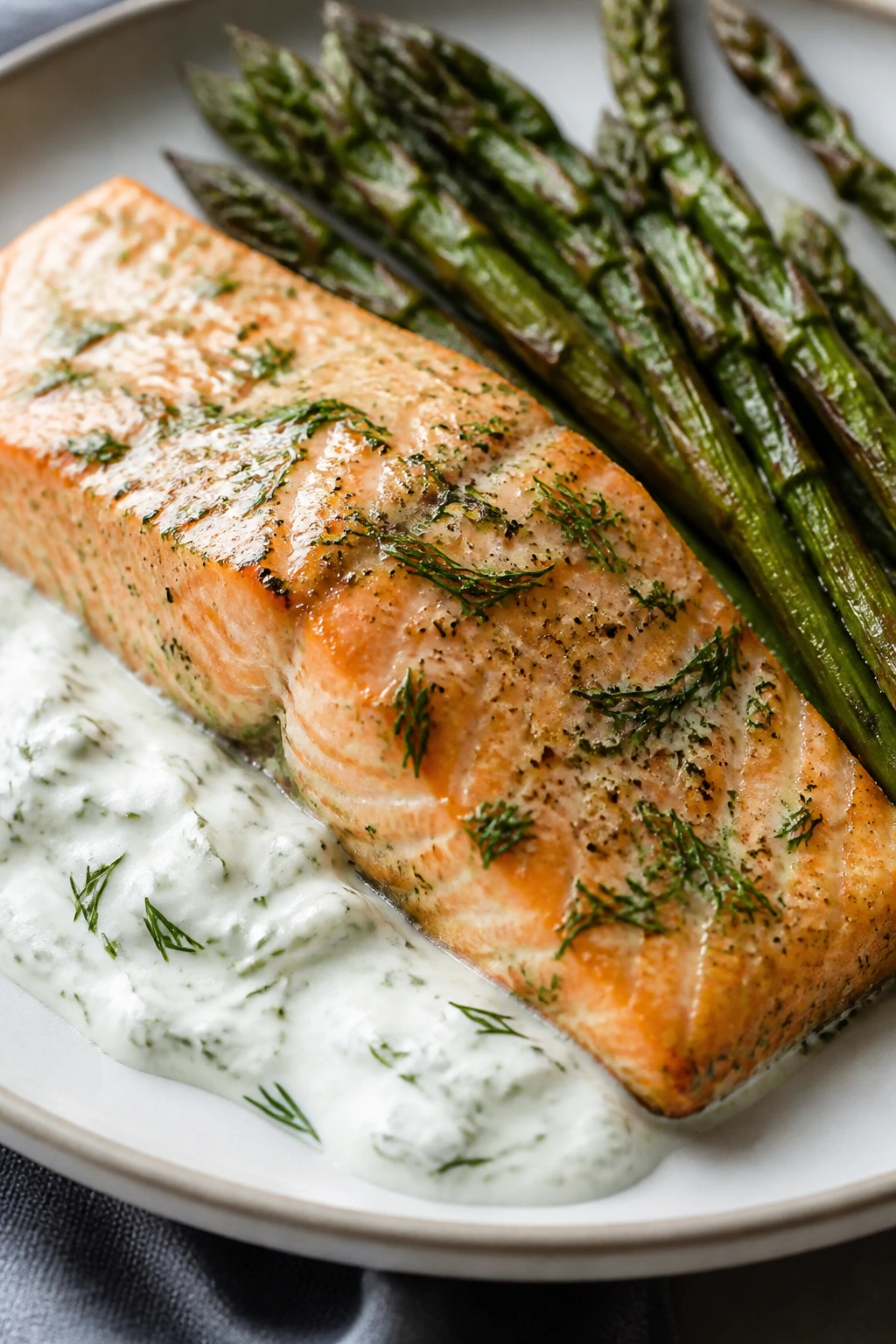
3. Dijon Dill Salmon With Asparagus and Yogurt
The salmon comes out glossy, the asparagus gets a little blistered, and the dill-yogurt sauce tastes like it belongs in a restaurant that understands vegetables. This is a clean, bright dinner with enough richness from the fish to feel satisfying, but not heavy. It’s also one of those meals that looks far fancier than the effort required.
For macro-friendly dinners for weight loss, salmon has a special role. It brings protein and enough natural fat to make the meal feel complete, which means you don’t need much else beyond a vegetable and a small sauce. At roughly 400 calories and 34 grams of protein, it’s balanced without feeling austere. The Dijon and lemon keep the flavor sharp, and sharp is useful when you’re trying to stay interested in dinner.
Why It Works
Salmon carries flavor well, so you can keep the ingredient list short and still get something that tastes finished. Asparagus roasts in the same pan, which saves time and picks up some of the salmon’s seasoning. The yogurt sauce gives you creaminess without the weight of mayonnaise or a heavy cream sauce, and the dill makes the whole thing taste fresh rather than fishy.
Key Ingredients
- 4 salmon fillets, about 5 ounces each — Choose fillets of similar thickness so they finish at the same time.
- 1 pound asparagus, trimmed — Thinner spears cook faster; thicker spears hold up better.
- 1 tablespoon olive oil — Just enough for roasting.
- 1 1/2 teaspoons kosher salt and 1/2 teaspoon black pepper — Season both fish and vegetables.
- 2 tablespoons Dijon mustard — Gives the glaze a little bite.
- 1 teaspoon honey — Optional, but it rounds off the mustard nicely.
- 1 lemon, half for juice and half for wedges — Brightens the fish and the sauce.
- 1/2 cup plain Greek yogurt — Use full-fat or 2%; both work.
- 2 tablespoons chopped fresh dill — Dried dill can work in a pinch, but fresh is better here.
- 1 small garlic clove, grated — A tiny amount goes a long way in the sauce.
Quick Steps
-
Heat the Oven: Set the oven to 425°F (220°C) and line a sheet pan with parchment.
-
Start the Asparagus: Toss the asparagus with olive oil, half the salt, and a little pepper. Spread it on the pan and roast for 8 minutes.
-
Mix the Glaze: Stir together the Dijon, honey, and 1 tablespoon lemon juice. Brush it over the salmon fillets.
-
Add the Salmon: Nestle the salmon onto the pan with the asparagus and roast for 10 to 12 minutes, until the fish flakes easily and the thickest part reaches 125°F to 130°F for moist salmon.
-
Make the Sauce: Stir the yogurt, dill, garlic, and the remaining lemon juice in a small bowl. Season with the rest of the salt and pepper.
-
Serve Immediately: Spoon the sauce over the salmon or serve it on the side. The sauce is best cold against the warm fish.
Tips and Variations
- Fish Doneness Matters: Salmon dries out fast, so pull it when the center still looks a touch translucent.
- No Dill? Parsley works fine, though the flavor gets a little less sharp.
- Extra Crunch: Toasted sliced almonds scattered over the asparagus give the plate a nice finish.
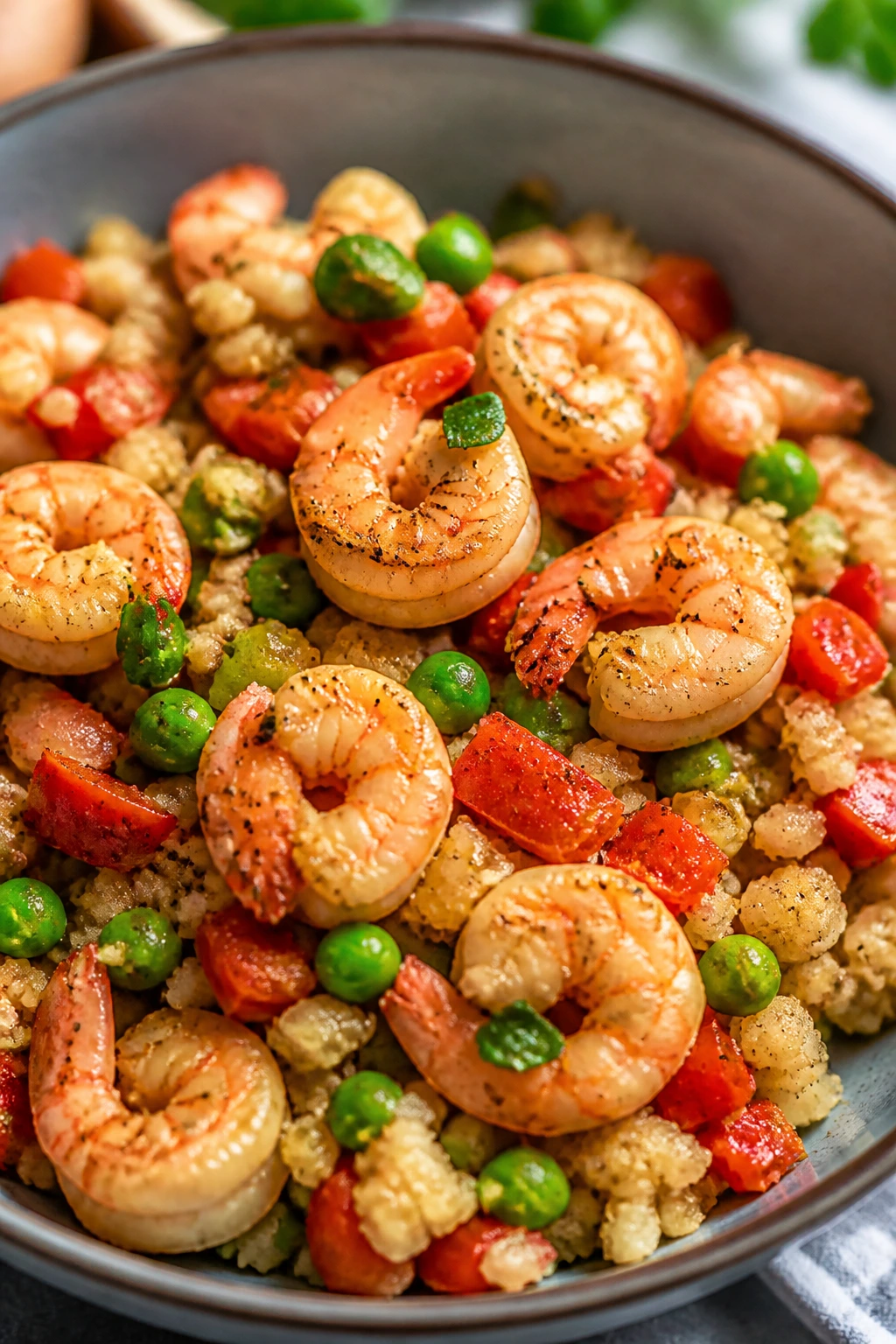
4. Shrimp Stir-Fry With Cauliflower Rice
The smell hits first — ginger, garlic, sesame, and shrimp getting hot in a pan. Then the color shows up: red pepper, green peas, pale cauliflower rice, pink shrimp. This is one of those dinners that feels fast without tasting rushed, which is a small miracle on a tired evening.
Shrimp is one of the easiest proteins to keep macro-friendly because it cooks quickly and brings a lot of protein for the calories. Pair it with cauliflower rice and a handful of vegetables, and you get a bowl that feels substantial without loading up on starch. At around 330 calories and 32 grams of protein, it’s a clean option that still has personality.
Why It Works
The stir-fry method is efficient, but only if you keep the heat high and the pan uncrowded. Shrimp needs minutes, not a long simmer, and cauliflower rice turns mushy if you cook it to death. A light sauce of soy, lime, vinegar, and a little honey gives you contrast without turning the dish into takeout in a puddle. That’s the whole trick.
Key Ingredients
- 1 1/2 pounds large shrimp, peeled and deveined — Pat them dry so they sear instead of steam.
- 1 tablespoon avocado or neutral oil — Good for higher heat.
- 1 red bell pepper, sliced — Adds sweetness and color.
- 2 cups snap peas — Crisp and fast-cooking.
- 1 carrot, julienned or thinly sliced — Optional, but it adds nice texture.
- 3 cups cauliflower rice — Frozen or fresh both work.
- 2 cloves garlic, minced — Stir-fry garlic goes fast, so have it ready.
- 1 tablespoon fresh ginger, grated — Use fresh if you can; the flavor is sharper.
- 3 tablespoons low-sodium soy sauce — Keeps salt in check.
- 1 tablespoon rice vinegar, 1 teaspoon sesame oil, and 1 teaspoon honey — The sauce trio that makes the bowl feel finished.
- 2 scallions, sliced — For the last-minute lift.
Quick Steps
-
Mix the Sauce: Stir together the soy sauce, rice vinegar, sesame oil, honey, garlic, and ginger in a small bowl.
-
Sear the Shrimp: Heat the oil in a large skillet or wok over medium-high heat. Add the shrimp in one layer and cook for 1 1/2 to 2 minutes per side, until pink and just opaque. Remove to a plate.
-
Cook the Vegetables: Add the bell pepper, snap peas, and carrot to the hot pan. Stir-fry for 3 to 4 minutes until the vegetables are crisp-tender and the edges start to blister.
-
Add Cauliflower Rice: Stir in the cauliflower rice and cook for 3 to 4 minutes more, until it is hot and slightly dry, not wet.
-
Return the Shrimp: Add the shrimp back to the pan and pour in the sauce. Toss for 30 to 60 seconds until everything is coated and glossy.
-
Finish and Serve: Scatter the scallions over the top and serve right away while the shrimp are still tender.
Tips and Variations
- Frozen Works Fine: Frozen cauliflower rice is easier than fresh and often less watery if you heat it directly from frozen.
- Spice Option: Add 1 teaspoon chili paste or a pinch of red pepper flakes if you want heat.
- Don’t Overcook Shrimp: Once shrimp curl into tight C-shapes, they’re headed toward rubbery. Stop a little early.
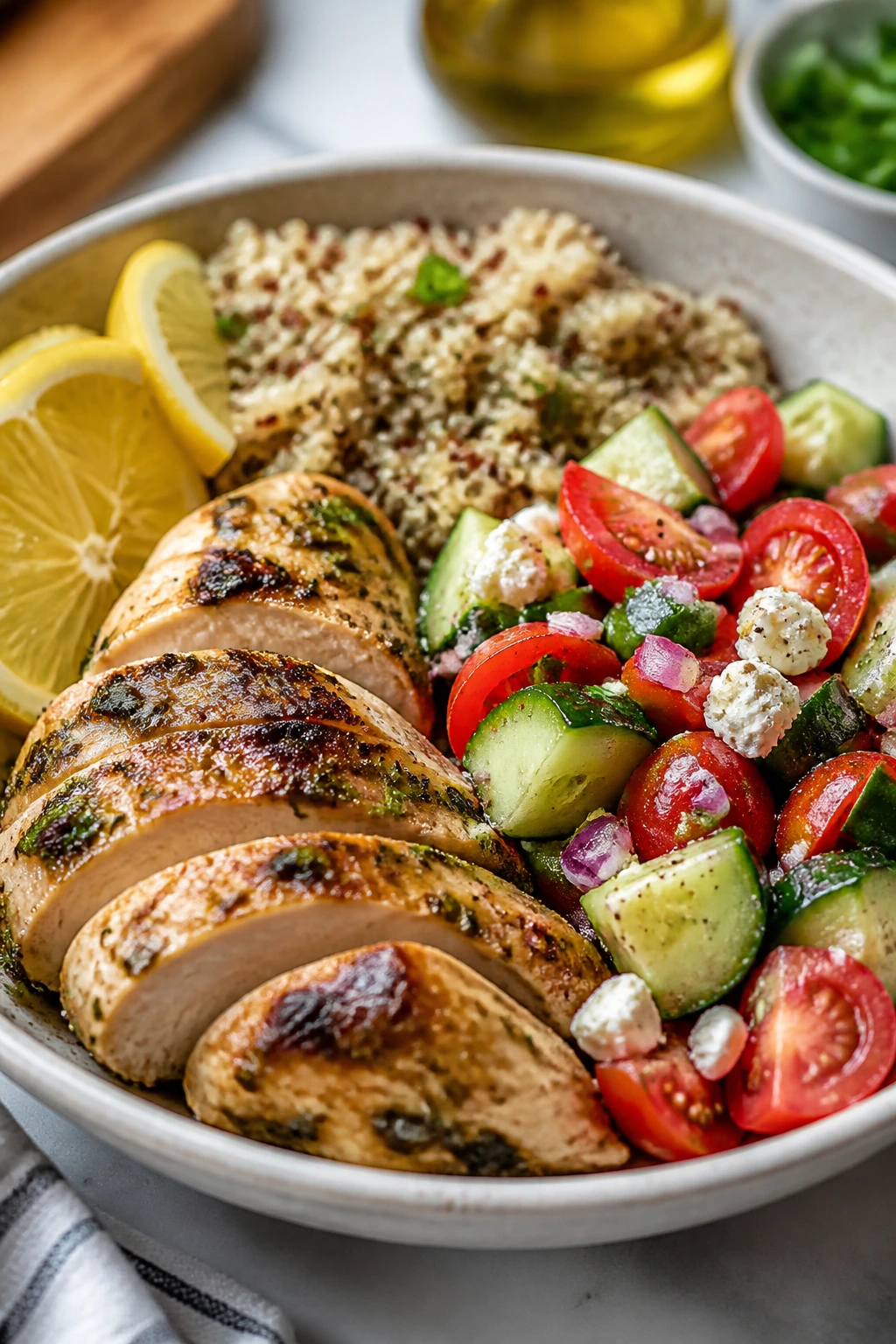
5. Greek Chicken Bowls With Cucumber Tomato Salad
This is the kind of dinner that tastes like summer even if the weather has no interest in cooperating. Lemon-marinated chicken, cool cucumber, ripe tomatoes, tangy feta, and a measured scoop of quinoa or rice make a bowl that feels fresh, not skimpy. The texture contrast is half the charm.
Bowls are useful for weight loss because they make portion control easier without making portions feel punitive. You can put the protein right in the center, tuck the vegetables around it, and keep the grain measured at a half-cup or so per serving. At about 450 calories and 40 grams of protein, this one is sturdy enough for dinner and flexible enough for lunch the next day.
Why It Works
Greek flavors do well in a macro-friendly format because they rely on acid, herbs, and salt rather than heavy sauce. Lemon and oregano season the chicken all the way through, while cucumber and tomato keep the bowl light and juicy. Tzatziki adds creaminess, but in a controlled amount, which is exactly the sort of thing that keeps meals enjoyable without drifting too rich.
Key Ingredients
- 1 1/2 pounds boneless, skinless chicken breasts — Slice them into cutlets or even pieces for quicker cooking.
- 2 tablespoons lemon juice — The marinade’s backbone.
- 1 tablespoon olive oil — Enough to coat, not saturate.
- 2 teaspoons dried oregano — A classic Greek flavor anchor.
- 1/2 teaspoon garlic powder and 3/4 teaspoon kosher salt — Simple seasoning that covers the chicken.
- 2 cups cooked quinoa or brown rice — Keep portions measured for predictability.
- 1 cucumber, diced — Use English cucumber if you want fewer seeds.
- 2 cups cherry tomatoes, halved — Sweet and juicy.
- 1/4 red onion, thinly sliced — Sharp in a good way.
- 1/2 cup crumbled feta — Salty and enough to matter.
- 1/2 cup tzatziki — Use as a topping, not a flood.
Quick Steps
-
Marinate the Chicken: Toss the chicken with lemon juice, olive oil, oregano, garlic powder, and salt. Let it sit for 15 to 30 minutes while you prep the vegetables.
-
Cook the Chicken: Heat a skillet or grill pan over medium-high heat. Cook the chicken for 5 to 6 minutes per side, or until the thickest piece reaches 165°F and the surface is lightly browned.
-
Rest and Slice: Let the chicken rest for 5 minutes before slicing. That keeps the juices where they belong.
-
Mix the Salad: Combine the cucumber, tomatoes, and red onion in a bowl. Add a pinch of salt if the tomatoes need help.
-
Build the Bowls: Spoon 1/2 cup cooked quinoa or rice into each bowl, add salad, and top with sliced chicken.
-
Finish with Tzatziki and Feta: Spoon on tzatziki and scatter feta over the top. A little extra lemon squeeze at the end helps a lot.
Tips and Variations
- Lower-Carb Version: Swap the grain for chopped romaine or cauliflower rice.
- More Filling: Add a few chickpeas if you need more fiber and volume.
- Better Lunch Leftovers: Keep the tzatziki separate until serving so the bowl stays crisp.
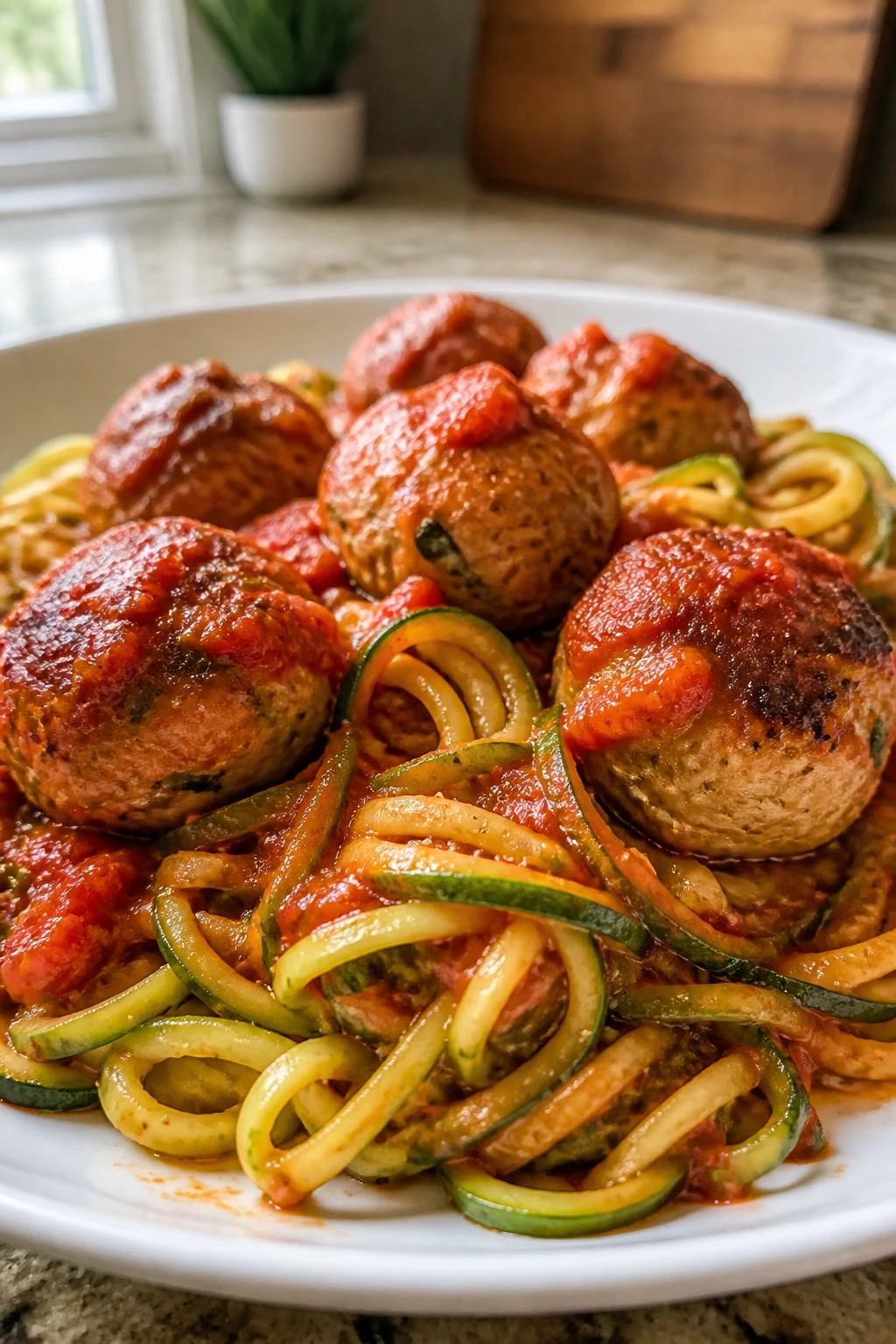
6. Turkey Meatballs With Zucchini Noodles and Marinara
This is the dinner I make when I want pasta energy without the full pasta situation. The meatballs are savory and soft, the marinara brings the comfort, and the zucchini noodles give you that twirlable texture that scratches the itch. Done right, it doesn’t feel like a compromise.
Turkey meatballs are one of the easiest ways to stack protein into dinner without needing a giant portion of meat. Zucchini noodles keep the plate big and the calories lower, while marinara adds familiar flavor without much fuss. At around 360 calories and 35 grams of protein per serving, this one has real staying power.
Why It Works
Baking the meatballs keeps the fat in check and frees you from standing over a skillet. A little parmesan and egg help bind the turkey so the meatballs stay tender instead of dry and crumbly. Zucchini noodles only need a brief toss in the pan; if you cook them too long, they turn into a watery mess, and that’s where a lot of people give up on them. Don’t.
Key Ingredients
- 1 pound lean ground turkey — Use 93% lean if you want the best balance of texture and macros.
- 1 large egg — Helps bind the meatballs.
- 1/3 cup panko breadcrumbs or oat crumbs — Just enough to keep the texture soft.
- 2 tablespoons grated parmesan — Adds salt and savory depth.
- 2 cloves garlic, minced — Fresh is worth it here.
- 1 teaspoon Italian seasoning — Keeps the flavor familiar.
- 1/2 teaspoon kosher salt and 1/2 teaspoon black pepper — Season the meat all the way through.
- 3 medium zucchini, spiralized — Pat them dry if they seem wet.
- 2 cups marinara sauce — Use a sauce with a short ingredient list if possible.
- 1 tablespoon olive oil — For the zoodles and to keep the pan from sticking.
- Fresh basil, for finishing — Optional, but it makes the plate look intentional.
Quick Steps
-
Preheat the Oven: Set it to 400°F (205°C) and line a baking sheet with parchment.
-
Mix the Meatballs: In a bowl, combine the turkey, egg, breadcrumbs, parmesan, garlic, Italian seasoning, salt, and pepper. Mix gently until just combined; the mixture should feel damp but hold together.
-
Form and Bake: Roll into 16 meatballs, about 1 1/2 inches each, and place them on the sheet pan. Bake for 14 to 16 minutes, until the meatballs reach 165°F in the center.
-
Warm the Sauce: While the meatballs bake, heat the marinara in a skillet over low to medium heat.
-
Cook the Zoodles: Toss the zucchini noodles with olive oil in a separate skillet and cook for 1 to 2 minutes, just until lightly softened.
-
Serve: Spoon marinara into bowls, add zoodles, top with meatballs, and finish with basil or a dusting of parmesan.
Tips and Variations
- Texture Fix: If your zucchini noodles seem wet, salt them lightly and pat them dry before cooking.
- Make-Ahead Win: The meatballs freeze well after baking. Reheat them in sauce, not alone.
- Sauce Upgrade: A pinch of red pepper flakes in the marinara gives the whole dish more edge.
7. Lean Beef and Cabbage Skillet
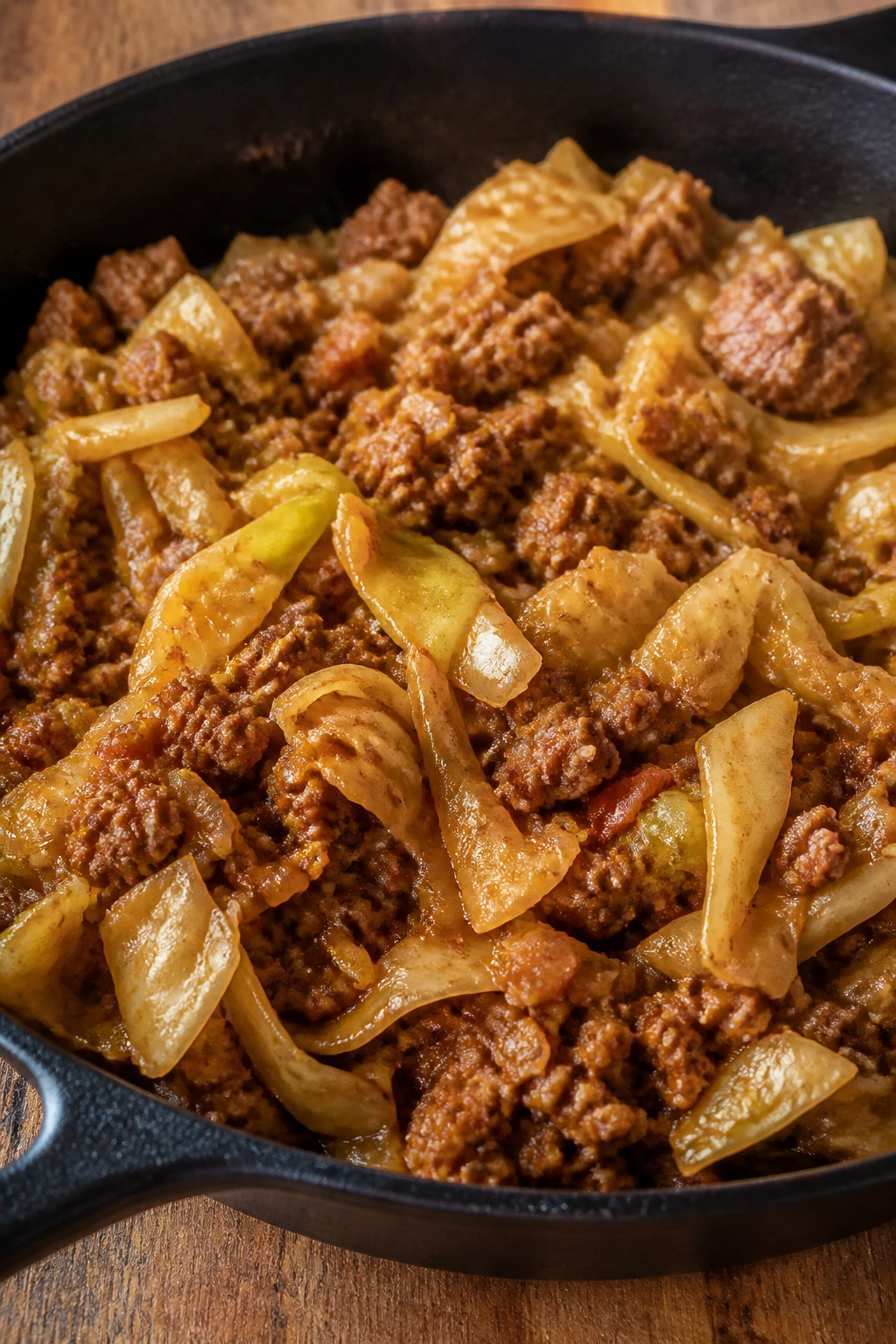
This one tastes a little like a quick nod to stuffed cabbage without the work. The beef is savory, the cabbage softens into silky ribbons, and the whole skillet gets a deep, almost sweet edge from onion and tomato paste. It’s rustic in the best way.
For weight loss, this skillet has a strong case. Cabbage is filling for the calories, lean beef adds iron and protein, and the flavor comes from browning and seasoning instead of a giant starch load. At roughly 400 calories and 30 grams of protein per serving, it lands squarely in the useful middle.
Why It Works
Cabbage shrinks a lot as it cooks, which means a large raw pile turns into a generous cooked portion without a huge calorie bill. That volume matters. Lean beef gives the dish enough richness that it doesn’t feel like a compromise, and the tomato paste plus Worcestershire sauce adds the savory depth that a lighter skillet often lacks. A splash of vinegar at the end sharpens everything.
Key Ingredients
- 1 pound 93% lean ground beef — Lean enough to stay reasonable, flavorful enough to matter.
- 1 tablespoon olive oil — Only if the beef is very lean and the pan looks dry.
- 1 medium onion, sliced — Adds sweetness as it softens.
- 2 cloves garlic, minced — Stir in late so it doesn’t burn.
- 6 cups green cabbage, thinly sliced — The volume maker.
- 1 cup shredded carrot — Optional, but it adds color and a touch of sweetness.
- 2 tablespoons tomato paste — Concentrated flavor is what keeps this from tasting flat.
- 1 tablespoon Worcestershire sauce — Deepens the savory note.
- 2 tablespoons low-sodium soy sauce — Helps the beef and cabbage taste seasoned all the way through.
- 1 teaspoon smoked paprika and red pepper flakes to taste — The paprika makes the skillet feel warmer and less one-note.
- 1 tablespoon apple cider vinegar — A small splash at the end wakes the dish up.
Quick Steps
-
Brown the Beef: Heat a large skillet over medium-high heat and cook the beef for 4 to 5 minutes, breaking it up until browned. Drain excess fat if needed.
-
Cook the Onion: Add the olive oil, onion, and a pinch of salt. Cook for 3 to 4 minutes until the onion softens.
-
Add Garlic and Paste: Stir in the garlic and tomato paste and cook for 30 seconds. The paste should darken slightly and smell sweet, not raw.
-
Add the Cabbage: Stir in the cabbage and carrot. Cook for 5 to 7 minutes, tossing often, until the cabbage softens but still has some bite.
-
Season: Add Worcestershire, soy sauce, smoked paprika, and red pepper flakes. Cook for another 2 minutes until everything looks glossy and evenly coated.
-
Finish: Turn off the heat and stir in the vinegar. Serve hot.
Tips and Variations
- Rice Optional: If you want a bigger dinner, serve it over 1/2 cup cooked brown rice or cauliflower rice.
- Flavor Note: This gets even better with a fried egg on top.
- Crowding Problem: Use a pan big enough to let the cabbage steam off, not trap moisture.
8. Pork Tenderloin With Apples and Green Beans
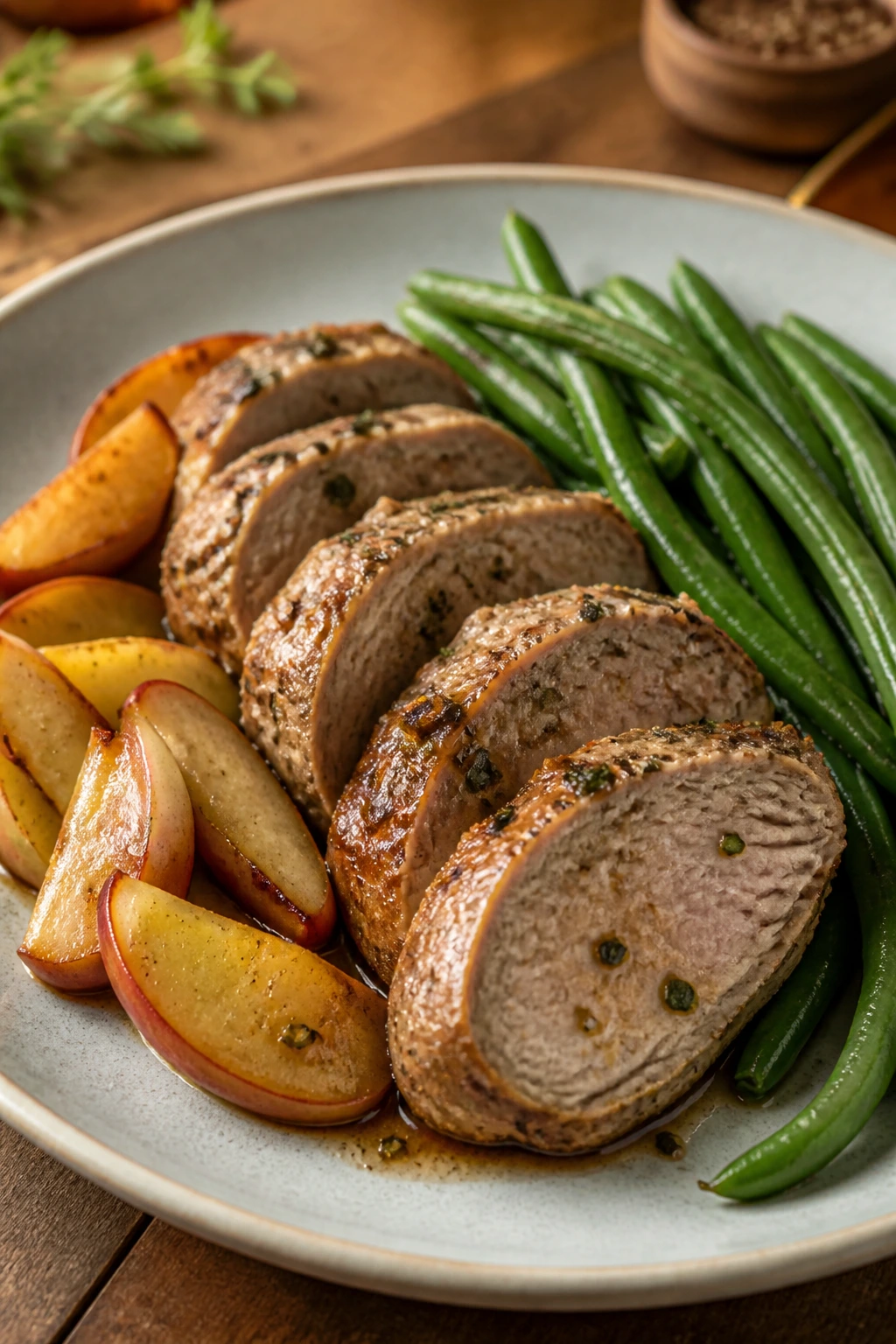
This dinner has that slightly fancy, deeply practical feeling I love. Pork tenderloin roasts quickly, apples give the pan a sweet edge, and green beans absorb the savory juices without turning tired. It smells like autumn without requiring a fussy sauce.
Pork tenderloin is lean, which makes it useful for a weight-loss menu when you cook it carefully. It also happens to be one of the easiest proteins to ruin if you overcook it, so a thermometer is worth having nearby. At about 390 calories and 36 grams of protein, this plate is satisfying without being heavy.
Why It Works
The apples aren’t there to make the dish sweet in a dessert way. They soften, release juice, and mix with Dijon and vinegar to form a light pan sauce that keeps the pork moist. Green beans roast alongside the tenderloin, which saves time and gives you a vegetable that actually tastes seasoned. The whole meal works because each component has a job.
Key Ingredients
- 1 1/2 pounds pork tenderloin — Trim any silvery membrane if needed.
- 1 tablespoon Dijon mustard — For the rub and the sauce.
- 1 tablespoon olive oil — Helps the exterior brown.
- 1 teaspoon chopped fresh rosemary or 1/2 teaspoon dried — Earthy and sturdy enough for pork.
- 3/4 teaspoon kosher salt and 1/2 teaspoon black pepper — Season the meat before roasting.
- 2 apples, cored and sliced into wedges — Honeycrisp or Granny Smith both work.
- 1 pound green beans, trimmed — Look for beans that snap cleanly.
- 1/2 cup low-sodium chicken broth — For a quick pan sauce.
- 1 tablespoon apple cider vinegar — Keeps the sauce bright.
- 1 garlic clove, minced — Small amount, big payoff.
Quick Steps
-
Preheat and Prep: Heat the oven to 400°F (205°C). Pat the pork dry and rub it with Dijon, olive oil, rosemary, salt, and pepper.
-
Sear the Pork: Warm a skillet over medium-high heat and sear the tenderloin for 2 to 3 minutes per side until browned.
-
Add the Produce: Arrange the apples and green beans around the pork. Spoon any leftover mustard mixture over the pork.
-
Roast: Transfer the skillet to the oven and roast for 15 to 20 minutes, until the pork reaches 145°F in the thickest part.
-
Rest the Meat: Move the pork to a cutting board and let it rest for 5 to 10 minutes. That pause matters.
-
Finish the Sauce: Put the skillet back on the stove, add broth, vinegar, and garlic, and simmer for 2 to 3 minutes while scraping up browned bits. Slice the pork and serve with the pan sauce spooned over.
Tips and Variations
- Apple Choice: Tart apples make the sauce brighter; sweeter apples make it gentler.
- Overcooking Warning: Pork tenderloin goes from juicy to dry fast. Use a thermometer.
- Side Idea: A simple arugula salad is enough if you want something fresh on the side.
9. Peanut Tofu Stir-Fry With Edamame
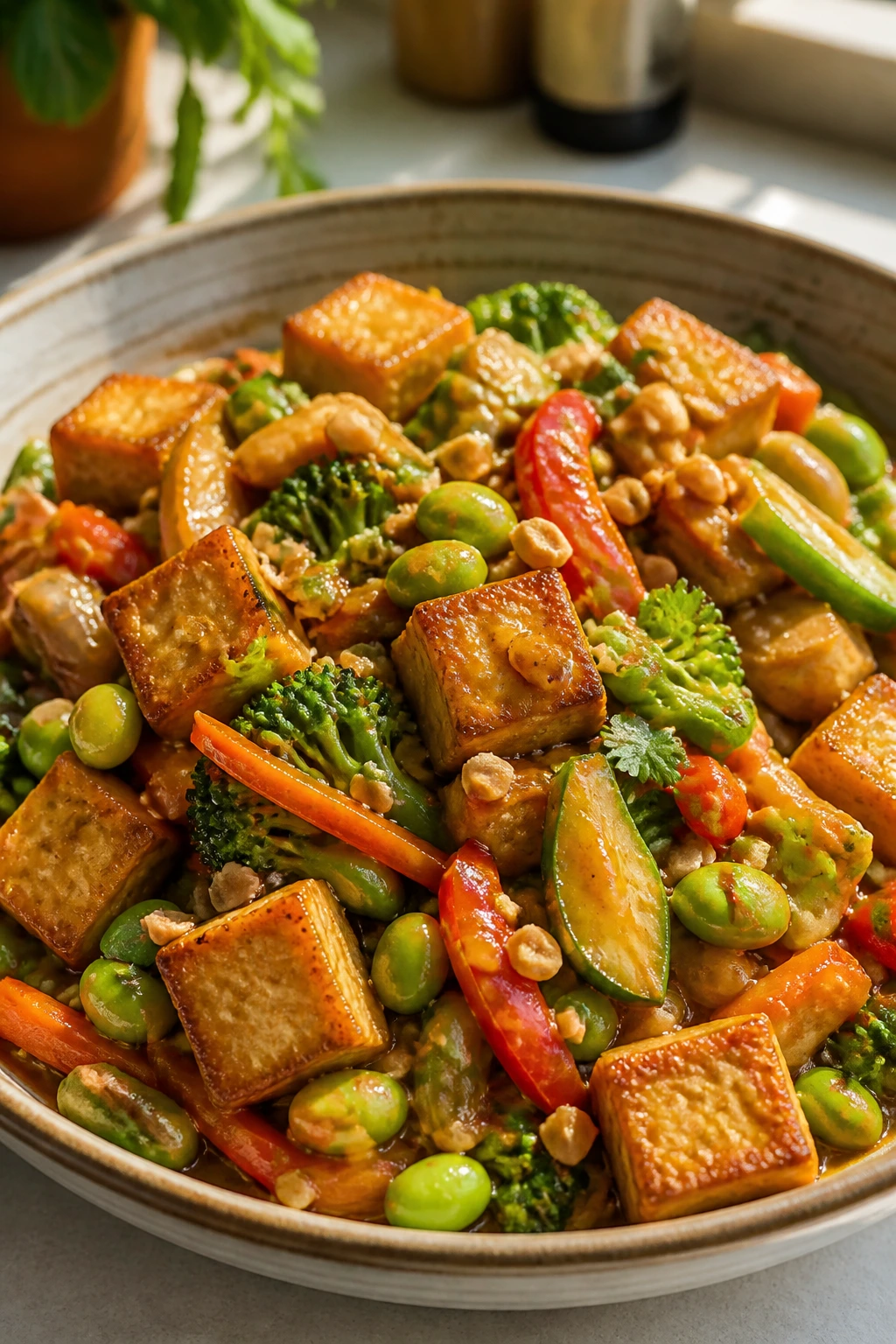
This is the one for people who want something meatless but not flimsy. The tofu gets crisp at the edges, the vegetables stay bright, and the peanut sauce clings to everything in a way that makes the whole bowl feel generous. It’s got real body.
A vegetarian macro-friendly dinner needs more than just vegetables in a bowl. It needs protein you can count on and enough flavor to keep the sauce from tasting thin. Tofu plus edamame gets you there, and the peanut-lime sauce gives the dish a richness that feels satisfying without asking for much oil. At about 420 calories and 28 to 30 grams of protein, it’s a solid plant-forward dinner.
Why It Works
Extra-firm tofu responds well to pressing and searing, which gives you texture instead of soft cubes floating in sauce. Edamame adds protein and a little bite, while the peanut sauce brings fat and flavor in controlled amounts. Cauliflower rice keeps the base light if you want it to stay lower carb, though brown rice works if you need more staying power. The point is control, not deprivation.
Key Ingredients
- 14 ounces extra-firm tofu, pressed and cut into cubes — Press for at least 20 minutes if you can.
- 1 tablespoon cornstarch — Helps the tofu crisp.
- 1 tablespoon neutral oil — For searing.
- 2 cups broccoli florets — Crisp texture and fiber.
- 1 red bell pepper, sliced — Sweetness and color.
- 1 cup shelled edamame — Brings protein and substance.
- 3 cups cauliflower rice — Or 1 1/2 cups cooked brown rice if you want more carbs.
- 2 tablespoons peanut butter — Natural peanut butter works well.
- 2 tablespoons low-sodium soy sauce — The salty base.
- 1 tablespoon lime juice and 1 tablespoon rice vinegar — The acid that keeps the sauce lively.
- 1 teaspoon sesame oil, 1 teaspoon grated ginger, and 1 clove garlic — Small amounts, big effect.
- 2 tablespoons water — To loosen the sauce.
Quick Steps
-
Prep the Tofu: Press the tofu, cube it, and toss it with cornstarch so the surface looks lightly dusty.
-
Crisp It: Heat the oil in a large skillet over medium-high heat. Cook the tofu for 8 to 10 minutes, turning until golden on most sides.
-
Mix the Sauce: Whisk together the peanut butter, soy sauce, lime juice, rice vinegar, sesame oil, ginger, garlic, and water. It should be smooth and pourable.
-
Cook the Vegetables: Add the broccoli and bell pepper to the skillet and stir-fry for 3 to 4 minutes until crisp-tender.
-
Add Edamame and Base: Stir in the edamame and cauliflower rice. Cook for 3 minutes until the rice is hot and the pan looks dry enough to take sauce.
-
Finish: Pour in the peanut sauce and toss until everything is coated. Serve hot, with extra lime on the side if you like a brighter finish.
Tips and Variations
- Sauce Control: Add water a teaspoon at a time if the sauce gets too thick.
- Protein Boost: If you want more protein, add a fried egg on top.
- Crispness Trick: Leave the tofu alone for a minute at a time so it can brown instead of sticking.
10. Chicken Fajita Skillet With Black Beans
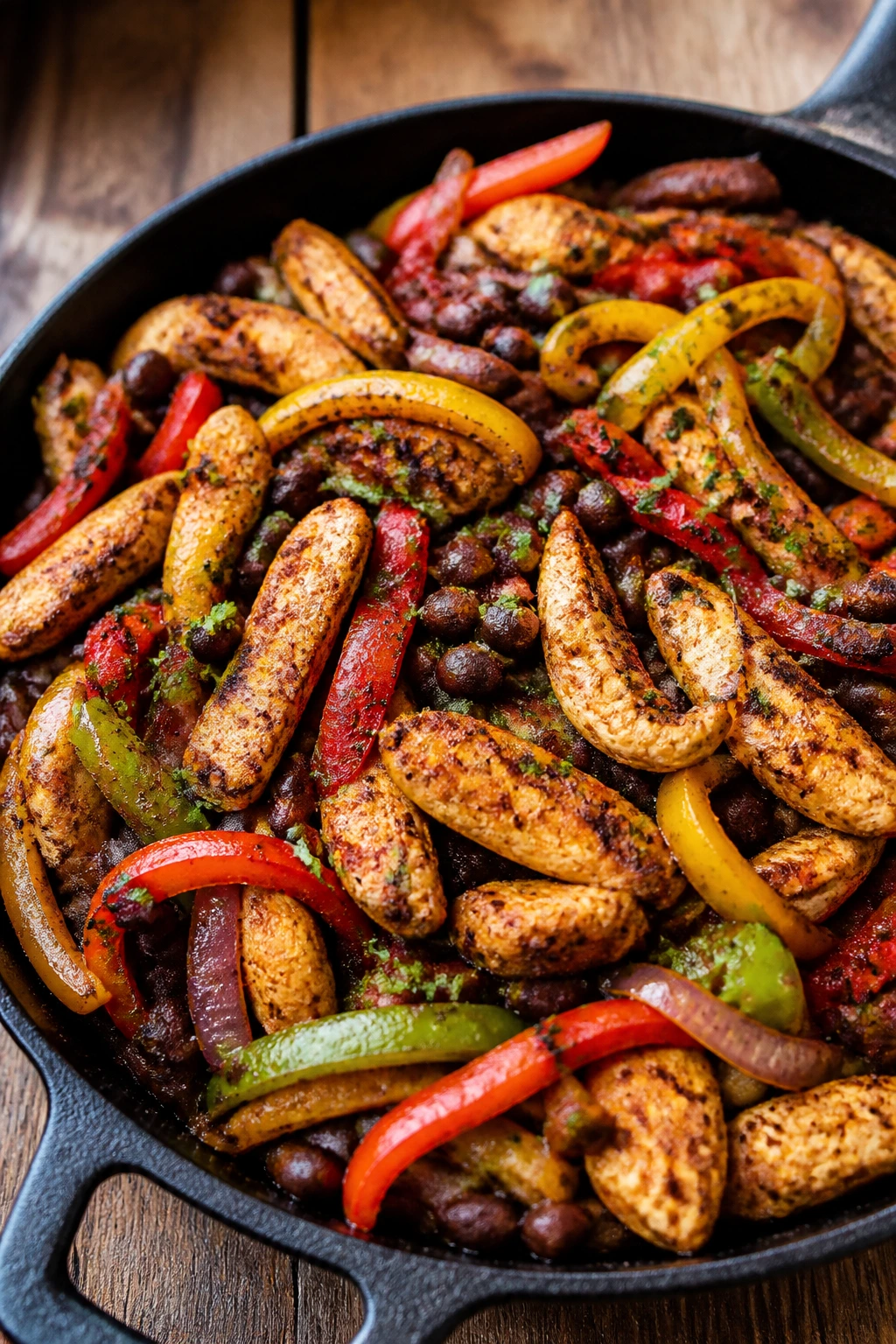
This dinner smells like a busy restaurant kitchen in the best possible way — peppers softening, chicken browning, onions turning sweet at the edges. It’s bright, colorful, and aggressively practical. You can eat it in a bowl, tuck it into lettuce leaves, or spoon it over measured rice if you need more carbs.
Chicken fajita skillet dinners are good macro food because the spices do the heavy lifting while the ingredients stay simple. Lean chicken breast keeps the protein high, peppers and onions bring bulk, and black beans give you fiber and a little extra staying power. At around 380 calories and 38 grams of protein, this one is efficient without feeling sterile.
Why It Works
Fajita seasoning gives the chicken a strong flavor profile, which matters when you’re using lean meat. Black beans help the meal feel complete, and they also slow things down in a good way — you’re not done eating in three bites. A bit of Greek yogurt at the end gives you the creamy finish people usually reach for sour cream to get, but with more protein and less weight.
Key Ingredients
- 1 1/2 pounds boneless, skinless chicken breasts, sliced into strips — Thin strips cook quickly and evenly.
- 3 bell peppers, sliced — Use a mix of colors for sweetness and contrast.
- 1 large onion, sliced — It softens into the pan juices.
- 1 tablespoon olive oil — Enough for browning.
- 2 tablespoons fajita seasoning — Homemade or store-bought both work.
- 1 cup black beans, rinsed and drained — Adds fiber and makes the skillet feel like dinner.
- 1/2 cup salsa — Helps create a saucy finish.
- 1 lime, juiced — Cuts through the richer flavors.
- 1/2 cup plain Greek yogurt — For topping.
- Fresh cilantro, for finishing — Optional but useful.
Quick Steps
-
Brown the Chicken: Heat the oil in a large skillet over medium-high heat. Cook the chicken for 5 to 6 minutes, stirring once or twice, until the outside is lightly browned and the pieces are mostly cooked through.
-
Add the Vegetables: Stir in the peppers and onion. Cook for 5 to 7 minutes until they soften but still keep a little bite.
-
Season: Sprinkle in the fajita seasoning and toss well so it coats everything evenly.
-
Add Beans and Salsa: Stir in the black beans and salsa. Cook for 2 to 3 minutes until the mixture is hot and the sauce clings to the chicken.
-
Finish with Lime: Turn off the heat and squeeze lime juice over the skillet.
-
Serve: Spoon into bowls, lettuce cups, or measured tortillas, then finish with Greek yogurt and cilantro.
Tips and Variations
- Tortilla Control: If you use tortillas, choose small ones and count them honestly.
- Leftover Life: This reheats well, though the peppers soften a bit more the next day.
- Heat Level: A pinch of chipotle powder gives the skillet a deeper smoky note.
11. Cod With Tomato Olive Relish and Roasted Brussels Sprouts
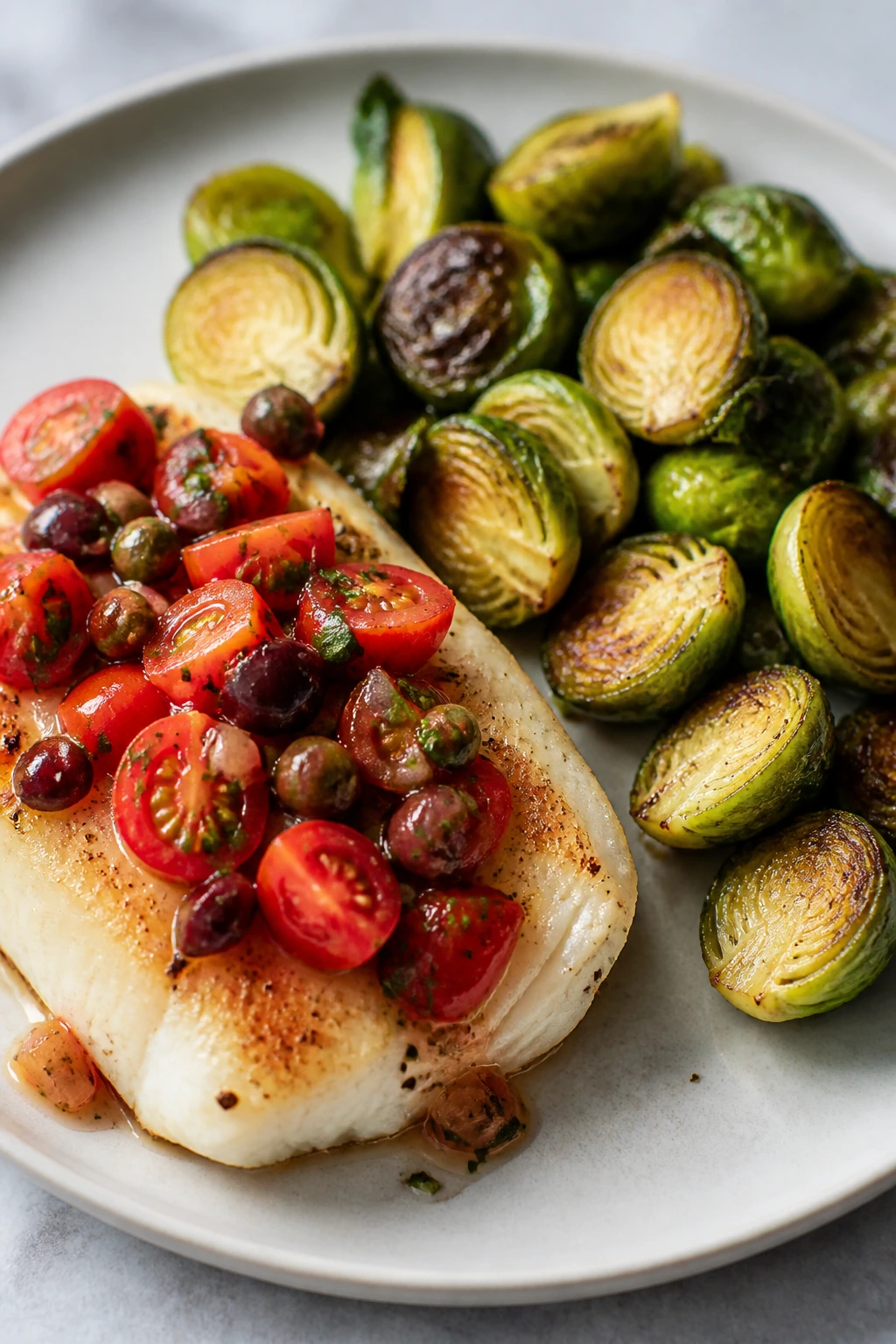
Cod can be almost boring if you treat it lazily. Here, it isn’t. The fish stays flaky and mild, the tomato-olive relish brings salt and acid, and the Brussels sprouts roast until their edges go brown and nutty. The plate tastes clean but not bland, which is a useful distinction.
Cod is one of the leanest proteins you can put on the table, so it fits a weight-loss dinner easily when you add flavor thoughtfully. Brussels sprouts give you volume and fiber, while the relish keeps the whole dish from feeling dry or one-note. At about 330 calories and 34 grams of protein, it’s one of the leanest dinners in the group, but still satisfying.
Why It Works
Cod needs contrast more than richness. The tomato-olive-caper mix brings brine, acid, and moisture, which is exactly what a delicate fish needs to stay interesting. Brussels sprouts roast alongside or nearby and soak up some of that same seasoning profile. The result is not a heavy fish dinner. It’s a bright one.
Key Ingredients
- 1 1/2 pounds cod fillets — Choose fillets of similar thickness so they finish together.
- 1 pound Brussels sprouts, halved — Trim the stems and remove any loose outer leaves.
- 1 tablespoon olive oil — For roasting and a little fish sheen.
- 3/4 teaspoon kosher salt and 1/2 teaspoon black pepper — Season the fish and vegetables.
- 1 cup cherry tomatoes, halved — They burst into the relish.
- 1/4 cup chopped Kalamata olives — Briny and bold.
- 1 tablespoon capers, drained — Optional, but they add a nice punch.
- 1 small garlic clove, minced — Use it sparingly.
- 1 lemon, zested and juiced — The acid that ties it all together.
- 2 tablespoons chopped parsley — For the finishing touch.
Quick Steps
-
Roast the Brussels Sprouts: Heat the oven to 425°F (220°C). Toss the sprouts with half the olive oil, half the salt, and a little pepper, then roast for 15 minutes.
-
Build the Relish: While the sprouts roast, mix the tomatoes, olives, capers, garlic, lemon zest, and half the lemon juice in a bowl.
-
Prep the Cod: Pat the cod dry and season it with the remaining salt and pepper. Brush with the remaining olive oil.
-
Add the Fish: Move the sprouts aside or add the cod to the pan, then roast for 10 to 12 minutes, until the fish flakes easily with a fork.
-
Finish the Relish: Stir parsley into the tomato mixture and add more lemon juice if it needs it.
-
Serve: Spoon the relish over the cod and let the juices run over the Brussels sprouts.
Tips and Variations
- Freshness Matters: Cod should smell clean, not sharp. If it smells off, skip it.
- Swap the Fish: Haddock or halibut works with the same method.
- Crispier Sprouts: Leave the sprouts cut-side down for more browning.
12. Turkey Egg Roll in a Bowl
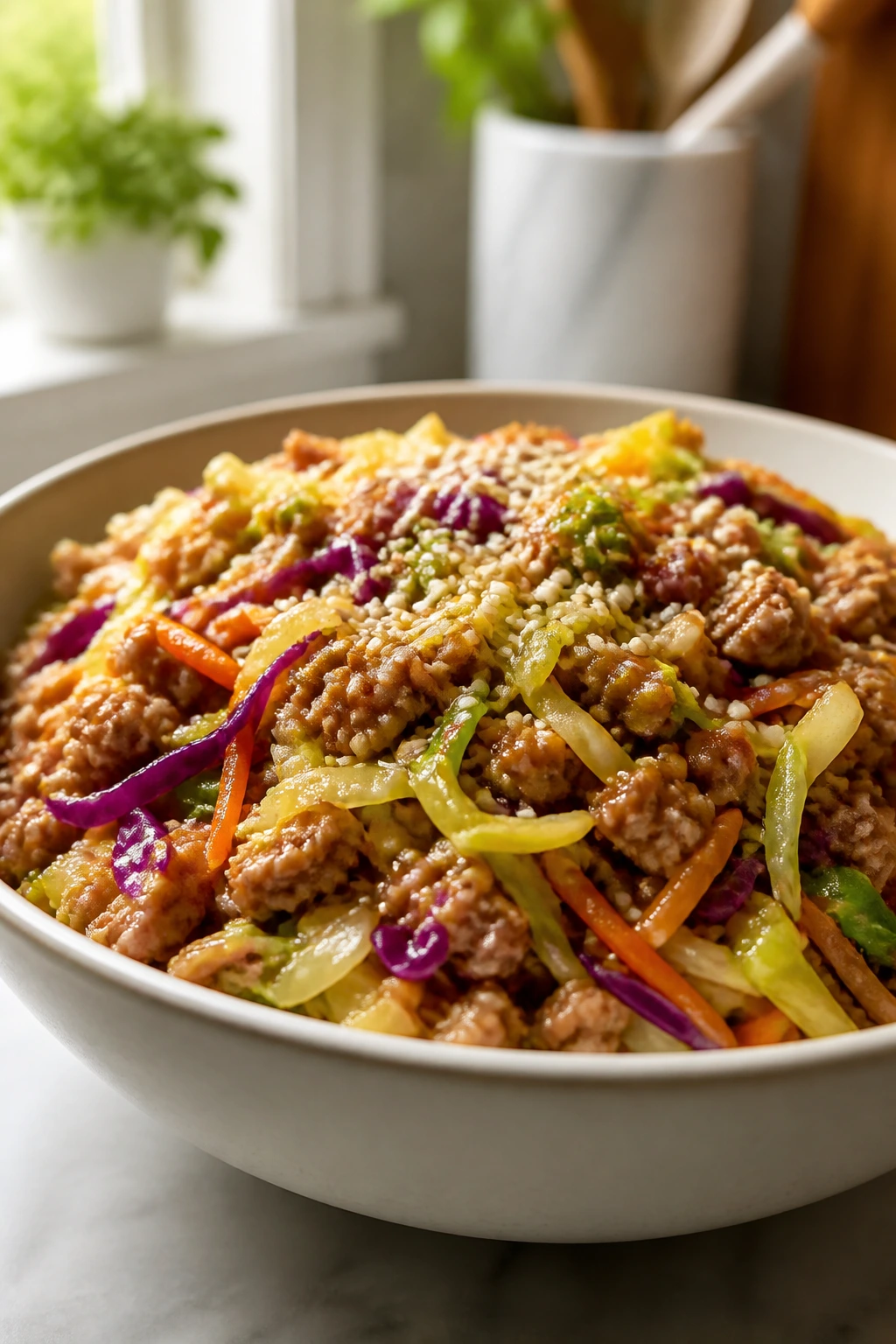
This is the shortcut dinner that doesn’t taste like a shortcut. It has all the good parts of an egg roll — ginger, garlic, cabbage, sesame, soy — minus the wrapper and the deep fry. The texture is crisp-tender, the flavor is savory, and the skillet empties fast.
Egg roll in a bowl is a smart macro-friendly dinner because cabbage gives you a lot of food volume for not many calories, and turkey keeps the protein up. It’s fast, cheap, and easy to portion. At about 320 calories and 28 grams of protein per serving, it’s a strong option for nights when energy is low but the urge to eat something good is still alive.
Why It Works
Ground turkey absorbs flavor well, which matters here because the seasonings are doing most of the personality work. Cabbage holds its shape just enough to feel substantial, but it cooks down in a way that makes the skillet look full. The sesame oil is used sparingly, which keeps the flavor unmistakable without pushing the fat too high. This is one of the better examples of a dinner that feels satisfying because it is balanced, not because it is huge.
Key Ingredients
- 1 pound lean ground turkey — 93% lean gives better flavor than ultra-lean turkey.
- 1 tablespoon sesame oil — Used at the start for aroma.
- 1 small onion, diced or 3 scallions, sliced — Either works.
- 3 cloves garlic, minced — Don’t be shy here.
- 1 tablespoon fresh ginger, grated — Gives the bowl its edge.
- 1 large bag coleslaw mix, about 14 ounces — The time-saving hero.
- 1 cup shredded carrots — Optional if your slaw mix is light on carrots.
- 3 tablespoons low-sodium soy sauce — Start here, then adjust.
- 1 tablespoon rice vinegar — Sharpens the savory flavor.
- 1 teaspoon sriracha or chili garlic sauce — Optional heat.
- 1 tablespoon toasted sesame seeds — For finishing.
Quick Steps
-
Brown the Turkey: Heat the sesame oil in a large skillet over medium-high heat. Add the turkey and cook for 5 to 6 minutes, breaking it up until no pink remains.
-
Add Aromatics: Stir in the onion, garlic, and ginger. Cook for 1 to 2 minutes until fragrant.
-
Add the Cabbage: Pour in the coleslaw mix and carrots. Toss well and cook for 4 to 6 minutes, until the cabbage softens but still has some crunch.
-
Season: Add soy sauce, rice vinegar, and sriracha if using. Stir and cook for 1 minute more so the flavor gets into everything.
-
Check the Texture: The cabbage should be crisp-tender, not limp. If the pan looks dry, add a tablespoon of water.
-
Finish and Serve: Top with sesame seeds and scallions. Eat it as-is or spoon it over cauliflower rice for a larger bowl.
Tips and Variations
- Add an Egg: A fried egg on top gives you more protein and a richer finish.
- Meal Prep Friendly: This is one of the best make-ahead dinners here because the cabbage softens just enough overnight.
- Sodium Control: Coconut aminos can replace soy sauce if you want a slightly sweeter, lower-sodium profile.
Why Protein-First Dinners Keep Weight Loss Practical
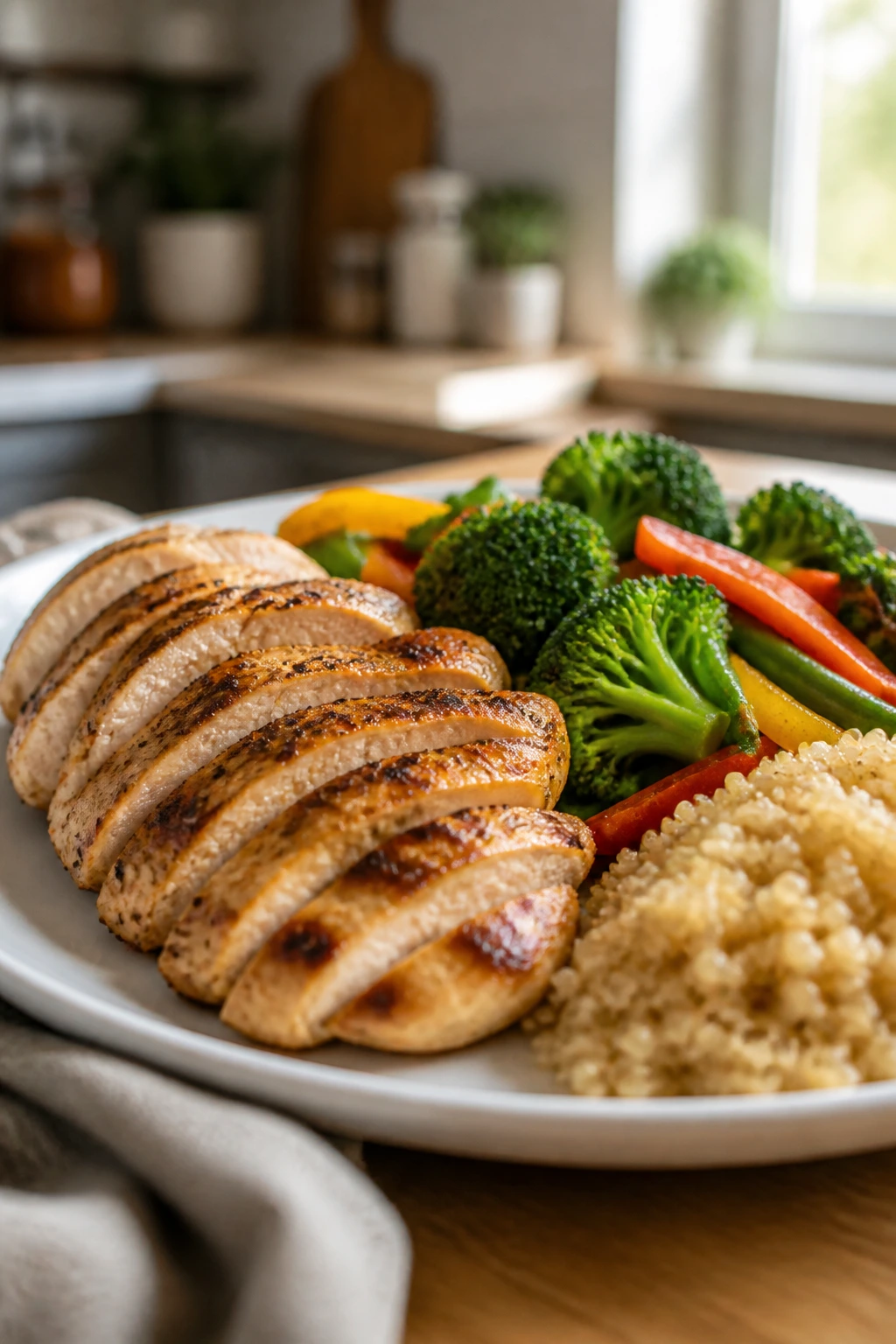
A good weight-loss dinner does not need to be tiny. It needs to be built so you finish it feeling fed instead of restless. That usually means a protein anchor in the 25-40 gram range, a pile of vegetables that gives the plate volume, and a measured amount of starch or fat so the meal tastes complete instead of stripped.
Protein helps for a boring reason, which is also the useful reason: it tends to keep you full longer than a dinner built mostly on refined carbs or oils. Fiber does part of that job too, especially in foods like broccoli, cabbage, Brussels sprouts, peppers, beans, and cauliflower rice. Put the two together and you get dinner that behaves. Not glamorous. Very useful.
The other piece is portion control that doesn’t feel punitive. A half cup of rice, one medium potato, a few tortilla wraps, or a small scoop of quinoa can live comfortably on a plate when the rest of the meal is built well. That’s the whole reason these dinners work. They don’t ask you to eat like a monk.
Essential Equipment for These Dinners
-
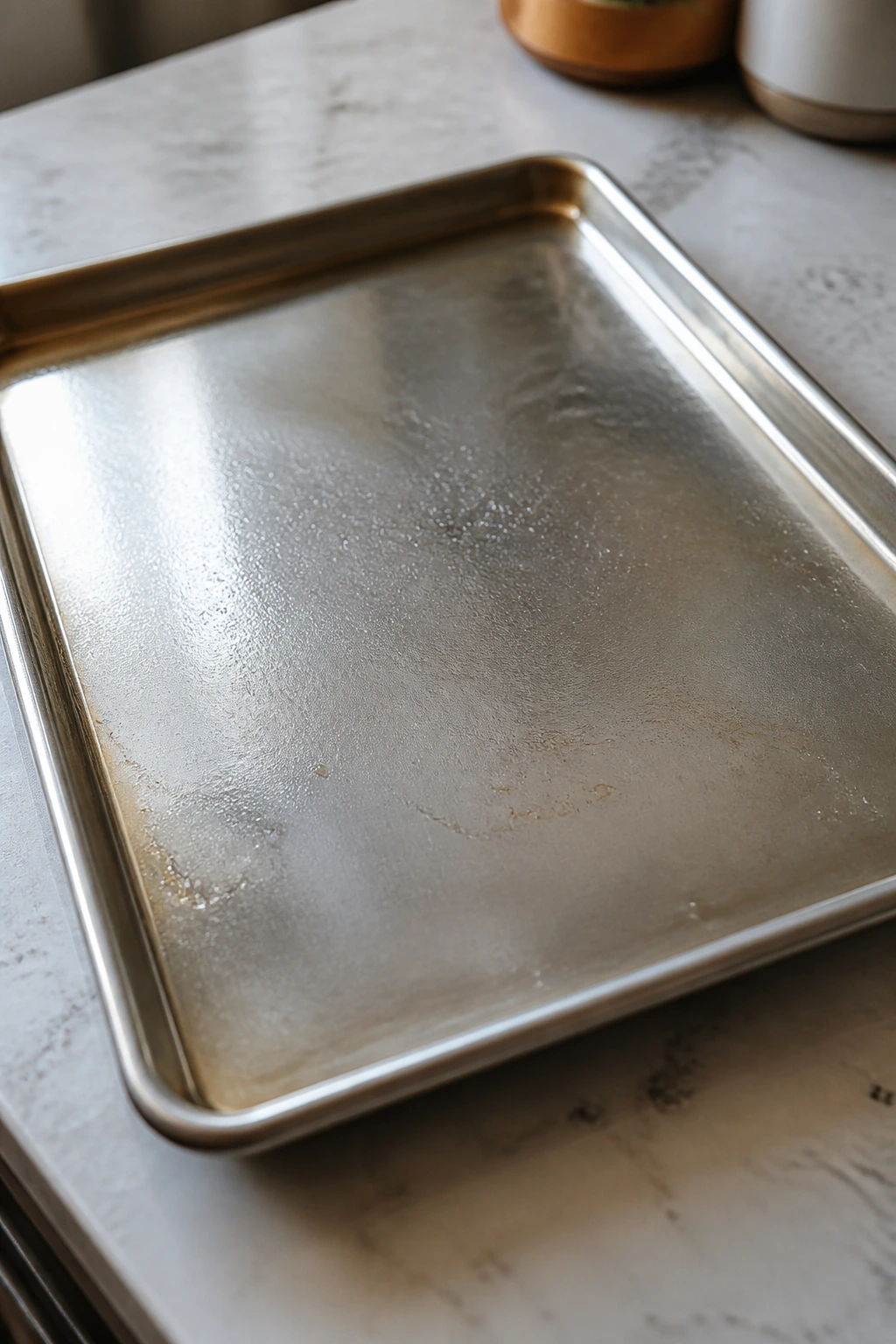
Large rimmed sheet pan — Needed for the chicken, salmon, cod, and pork dinners; a dark pan browns faster than a pale one.
-
Large skillet or sauté pan — The workhorse for stir-fries, egg roll in a bowl, cabbage skillet, and fajita dinner.
-
Instant-read thermometer — The quickest way to stop overcooking chicken, turkey, pork, salmon, and cod.
-
Sharp chef’s knife — Important for slicing peppers, onions, zucchini, cabbage, and chicken into even pieces.
-
Cutting board — One for produce and one for proteins if you like to keep things tidy.
-
Mixing bowls — You’ll want at least two: one for sauces or marinades and one for assembly.
-
Tongs or a fish spatula — Tongs handle chicken and shrimp well; a fish spatula helps with salmon and cod.
-
Measuring spoons and cups — Helpful for keeping oil, rice, cheese, and sauces in honest portions.
-
Colander or salad spinner — Useful for washing greens and draining beans.
-
Airtight containers — Make the leftovers actually usable instead of sad.
Smart Shopping and Ingredient Tips
Lean protein is the backbone here, so shop with your hands and eyes, not just the label. Chicken breasts should look plump and even; turkey should be in the 93% lean range if you want a good balance of flavor and calories; salmon fillets should have firm flesh and a clean smell; shrimp should look translucent, not gray and dry. If the fish case smells sharp, move on. That’s not being picky. That’s just saving dinner.
Vegetables matter more than people think in macro-friendly dinners. Choose broccoli with tight florets, Brussels sprouts with compact leaves, cabbage that feels heavy for its size, and bell peppers with smooth skin and a solid heft in the hand. Thin asparagus is fine, thick asparagus is sturdier, and both work if you cook them the right amount. Frozen cauliflower rice and frozen edamame are both smart buys; they’re convenient, and the texture is usually good enough once you season them well.
Pantry items can quietly make or break the macros. Low-sodium soy sauce, salsa with a short ingredient list, plain Greek yogurt, canned beans rinsed under cold water, Dijon mustard, marinara that isn’t loaded with sugar, and olive oil measured by spoon rather than poured from the bottle all help keep things balanced. The measuring spoon is doing more work than most people admit.
How to Serve These Recipes
Presentation: Use shallow bowls for stir-fries and egg roll in a bowl, wide dinner plates for sheet-pan meals, and sturdy bowls for the chicken or turkey dishes with grains. A little scatter of herbs, sesame seeds, feta, or scallions makes the plate look finished without changing the macros much.
Accompaniments: Keep sides simple and high-volume: a lemony salad, roasted green beans, extra steamed broccoli, cucumber salad, or a broth-based soup if you want more food on the table. If you need carbs, add measured portions of rice, quinoa, potatoes, or tortillas rather than turning the main dish into a starch pile.
Portions: Most of these recipes serve 4 comfortably, and that’s a useful number for family dinners or leftovers. If you’re eating solo, split the recipe into 3 meals and 1 smaller lunch portion instead of stretching it thin; the food feels more satisfying when the portion isn’t too tiny.
Beverage Pairing: Sparkling water with lemon works with almost everything here. For something with more flavor, unsweetened iced tea, cucumber water, or a dry white wine with fish and chicken dinners keeps the meal from feeling heavy.
Additional Tips and Flavor Boosters
Flavor Enhancement: Acid is the quiet hero. A squeeze of lemon, a splash of vinegar, or a spoonful of salsa right before serving makes lean dinners taste finished instead of flat.
Customization: If you want more carbs, add rice, potatoes, beans, or whole-grain tortillas in measured amounts. If you want lower carb, lean on cauliflower rice, extra vegetables, or lettuce cups without changing the core of the recipe.
Serving Suggestions: Keep a small finishing kit in the fridge: chopped herbs, sliced scallions, crumbled feta, grated parmesan, toasted sesame seeds, and a jar of pickled onions. A dinner that gets a fresh finish on top feels like more work went into it than actually did.
Make-It-Yours: For dairy-free dinners, skip cheese and use tahini, salsa, or avocado in small amounts. For gluten-free plates, use tamari instead of soy sauce and choose gluten-free breadcrumbs or oats for meatballs. For higher-protein needs, add an egg, extra turkey, or a side of plain Greek yogurt as a sauce base.
Make-Ahead, Storage, and Reheating Guidance
Most of these dinners keep well for 3 to 4 days in the fridge when stored in airtight containers. Fish is the exception; salmon and cod are best within 1 to 2 days because the texture slides downhill faster than chicken or turkey. Anything with cucumber salad, tzatziki, or zucchini noodles should be stored with those components separate if possible, because moisture is the enemy.
Freezing works best with the sturdier dishes: turkey stuffed peppers, meatballs, cabbage skillet, egg roll in a bowl, chicken fajita filling, and the beef skillet. Those can usually be frozen for up to 2 to 3 months. Thaw overnight in the fridge and reheat gently. Fish, zucchini noodles, and cabbage-heavy dishes can freeze, but they lose more texture, so I’d only do that if you’re okay with a softer result.
Reheat chicken, turkey, beef, and pork dinners in a skillet over medium-low heat with a splash of water or broth, or in the microwave in short bursts, stirring between rounds. Aim for 165°F in poultry dishes when reheating. For salmon or cod, low heat is better — covered skillet, 300°F oven, or a microwave at half power if you’re in a hurry. The goal is warm and moist, not blasted into cardboard.
Smart Swaps and Adaptations to Try
Lower-Carb Plate: Swap rice, potatoes, and tortillas for cauliflower rice, extra vegetables, or a bigger salad. This works especially well with the stir-fry, fajita skillet, and Greek chicken bowls, where the flavor is already doing real work.
Higher-Carb Training Night: Add an extra half cup of quinoa, brown rice, or roasted potatoes to the chicken, turkey, or salmon dinners. That’s the cleanest way to raise calories without turning the meal into junk.
Dairy-Light Version: Skip feta, cheddar, parmesan, and yogurt toppings, then replace them with herbs, salsa, Dijon, or a little avocado. The meals still taste complete if the seasoning is strong enough.
Vegetarian Swap: Use tofu, tempeh, edamame, beans, or a lentil base in place of chicken or turkey. The peanut tofu stir-fry already covers this lane; the stuffed peppers and egg roll bowl can also bend that direction with very little fuss.
Budget-Saver Move: Frozen shrimp, frozen cauliflower rice, cabbage, carrots, onions, and chicken thighs can lower the bill fast. The trick is to spend where it matters: decent seasoning, fresh herbs when they make sense, and enough protein to keep the meal satisfying.
Spice-Heavy Spin: Add harissa, chili crisp, chipotle powder, curry paste, or sriracha to change the mood of the same core ingredients. One extra condiment can make the whole dinner feel brand new.
Common Mistakes to Avoid
-
Using too much oil: A loose pour of olive oil can quietly add a few hundred calories to a week of dinners. Measure it.
-
Overcooking lean protein: Dry chicken breast, rubbery shrimp, and chalky cod are usually a timing problem, not a recipe problem. Use a thermometer and pull food early enough to rest.
-
Crowding the pan: When vegetables sit on top of each other, they steam. Spread them out, even if that means using two pans.
-
Making the meal too small: If dinner is tiny, you’ll probably raid the pantry later. Keep the plate generous with vegetables and enough protein to matter.
-
Forgetting salt and acid: Lean proteins need seasoning, and vegetables often need a bright finish. Lemon, vinegar, salsa, mustard, and herbs are not decoration. They’re part of the meal.
-
Treating “healthy” as a free pass: Cheese, nuts, oils, and sauces all count. They belong in the recipe, but they still need a spoon, not a shrug.
Frequently Asked Questions
What should a macro-friendly dinner look like for weight loss?
A good target is a solid protein portion, a generous amount of vegetables, and a measured serving of carbs or fats. For many people, that looks like 25 to 40 grams of protein at dinner, plus fiber from vegetables or beans so the meal keeps you full.
Do I have to count macros to use these recipes?
No. You can use them as balanced dinners without tracking anything. If you do track, the recipes give you a cleaner starting point because the protein and portions are already structured.
Can I use chicken thighs instead of chicken breasts?
Yes, and sometimes that’s the better call for flavor. Thighs bring more fat and a richer taste, so the calories go up a bit, but the meat is less likely to dry out.
Are these meals good for meal prep?
Most of them are. The turkey dishes, cabbage skillet, chicken fajita skillet, meatballs, and stuffed peppers hold up especially well for a few days. Fish and zucchini noodles are the least friendly to long storage, so eat those first.
How do I make these lower carb without ruining them?
Swap rice, potatoes, and tortillas for cauliflower rice, extra vegetables, or lettuce cups. Keep the protein and seasonings the same so the meal still tastes like dinner and not a diet stunt.
Can I freeze any of these recipes?
Yes. Meatballs, stuffed peppers, egg roll in a bowl, cabbage skillet, and fajita filling all freeze well for 2 to 3 months. Fish and zucchini noodles are weaker freezer candidates because their texture changes more.
What if I’m still hungry after dinner?
Add more vegetables first, then a little more protein. A side salad, extra broccoli, or a cup of broth-based soup usually fixes the problem better than adding random snacks later.
How do I keep the meals filling without adding too many calories?
Lean on volume ingredients like cabbage, broccoli, peppers, Brussels sprouts, zucchini, and cauliflower rice. Then season them well — fullness is partly physical, but taste matters too, and bland food never satisfies for long.
A Dinner Pattern Worth Repeating
The nice thing about these meals is that they don’t ask you to be heroic. They ask you to season with intent, measure the stuff that sneaks calories onto the plate, and cook enough protein that dinner still feels like dinner. That’s not glamorous, but it works.
If you keep a few of these in regular rotation, you stop having to think so hard at 5:30 p.m. That’s the real win. Fewer decisions, better dinners, less friction.
Recipe Collection Quick Reference Table
| Recipe | Prep Time | Cook Time | Total Time | Servings | Standout Detail |
|---|---|---|---|---|---|
| Lemon-Garlic Chicken With Broccoli and Baby Potatoes | 15 min | 30 min | 45 min | 4 | crisp potatoes and bright pan juices |
| Turkey Taco Stuffed Peppers | 20 min | 30 min | 50 min | 4 | built-in portion control with taco flavor |
| Dijon Dill Salmon With Asparagus and Yogurt | 15 min | 12 min | 27 min | 4 | the cleanest, brightest plate of the bunch |
| Shrimp Stir-Fry With Cauliflower Rice | 15 min | 12 min | 27 min | 4 | fast, glossy, and high in protein |
| Greek Chicken Bowls With Cucumber Tomato Salad | 20 min | 15 min | 35 min | 4 | fresh bowl energy with measured grains |
| Turkey Meatballs With Zucchini Noodles and Marinara | 20 min | 16 min | 36 min | 4 | pasta feel without the pasta weight |
| Lean Beef and Cabbage Skillet | 15 min | 18 min | 33 min | 4 | hearty skillet comfort with high volume |
| Pork Tenderloin With Apples and Green Beans | 20 min | 25 min | 45 min | 4 | sweet-savory pan sauce, lean protein |
| Peanut Tofu Stir-Fry With Edamame | 20 min | 15 min | 35 min | 4 | the best plant-based protein bowl here |
| Chicken Fajita Skillet With Black Beans | 15 min | 18 min | 33 min | 4 | bold flavor with very little fuss |
| Cod With Tomato Olive Relish and Roasted Brussels Sprouts | 15 min | 22 min | 37 min | 4 | delicate fish with a salty-bright finish |
| Turkey Egg Roll in a Bowl | 15 min | 15 min | 30 min | 4 | the fastest skillet dinner in the set |