



Gym days expose bad dinner planning fast. If you’ve come home after hard training and stared into the fridge like it owes you money, you already know the feeling: you want high protein dinners for gym days that actually fill you up, taste like dinner, and don’t collapse into boredom by the third bite.
The trap is thinking protein has to mean dry chicken breast and a sad pile of vegetables. Nope. A better dinner usually has a solid protein anchor, enough carbs to refill the tank, and some kind of sauce, crunch, or bright finish so the plate feels alive. That can mean salmon with potatoes, turkey taco skillets, tofu noodles, chili, or a roast that gives you leftovers without becoming wallpaper.
What matters most on training nights is balance. A good gym-day dinner should help with recovery, calm the post-workout hunger spike, and still be easy enough to cook when your energy is running on fumes. These recipes lean on familiar ingredients, fast methods, and sensible portions, because nobody needs a culinary obstacle course after a squat session. Start with the ones that match your schedule and appetite, and build from there.
Why These Dinners Pull Their Weight
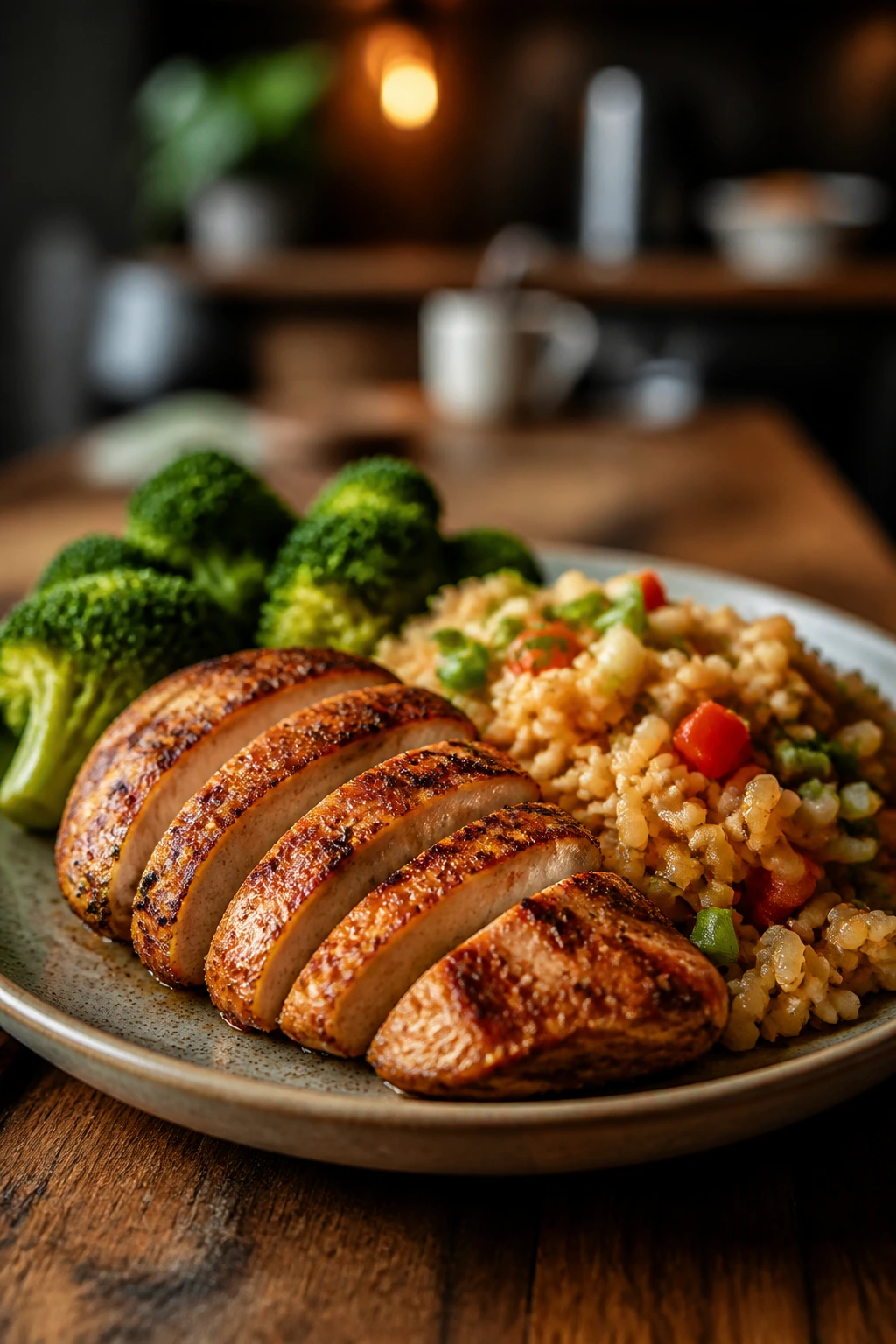
- Protein that actually feels like a meal: Most of these recipes land in the 25 to 40 gram range per serving, which is a lot more useful than “protein” sprinkled on top as a garnish.
- Carbs are part of the plan: Rice, potatoes, pasta, beans, noodles, and pita show up on purpose, because hard training tends to ask for more than meat alone.
- Cleanup stays sane: A skillet, a sheet pan, or one pot does a lot of the heavy lifting here, which matters when you’d rather eat than scrub pans.
- Leftovers work hard: Several of these dishes taste even better the next day, especially the chili, meatballs, bolognese, and shepherd’s pie.
- You can swap proteins without wrecking the meal: Chicken, turkey, salmon, tofu, cod, pork, beans, and lentils all fit this kind of dinner rotation.
- The flavors stay interesting: Bright lemon, salsa, shawarma spices, teriyaki, peanut sauce, and tomato-based sauces keep these meals from feeling like punishment food.
1. Lemon-Garlic Chicken Rice Bowls
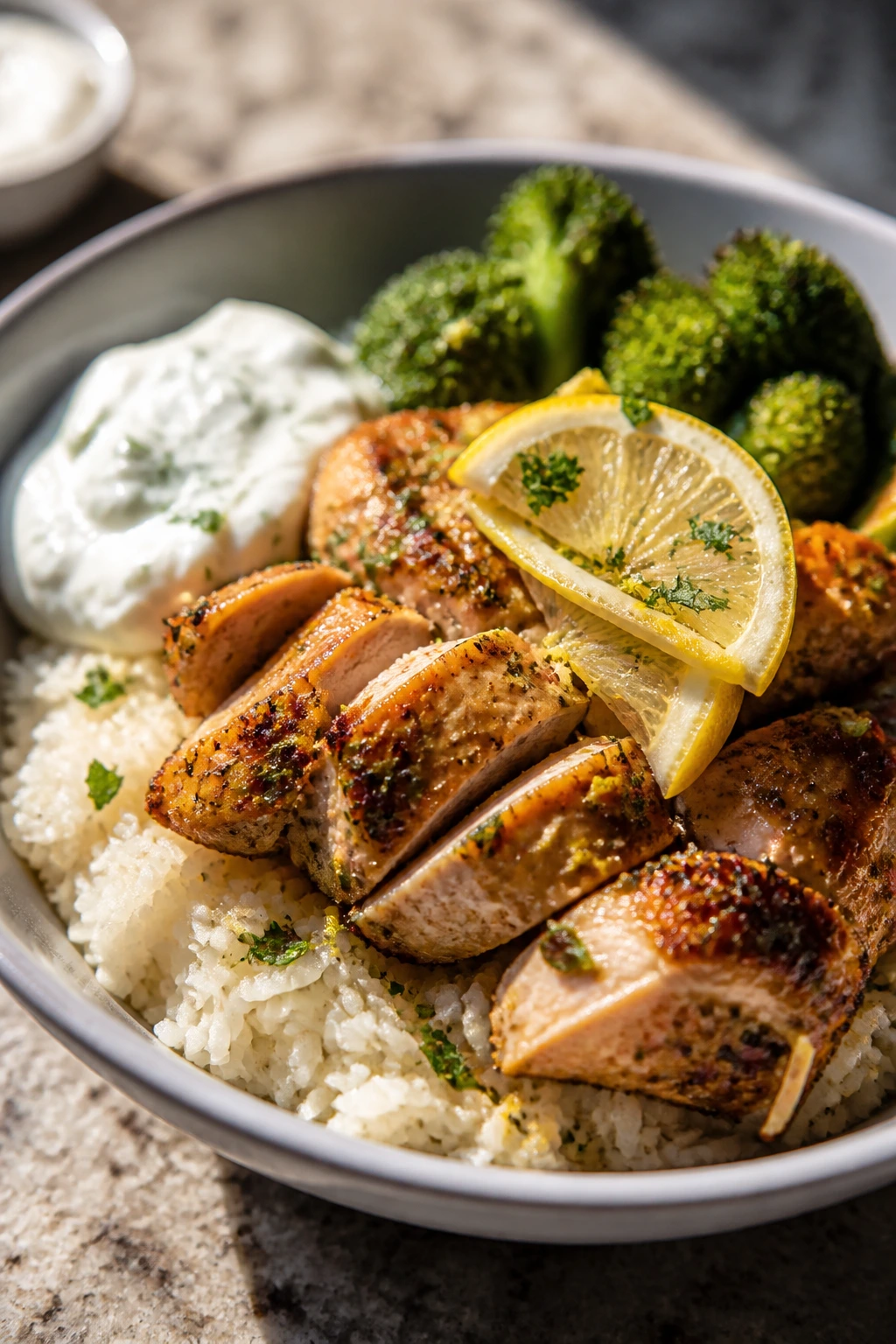
Bright lemon, tender chicken, and steamy rice make this bowl feel like it was built for the end of a hard training day. The garlic gets sweet as it cooks, the broccoli stays a little crisp, and the yogurt sauce gives the whole bowl a cool, tangy finish. It’s the kind of dinner that looks simple on paper and tastes much more put together than it should.
Why It Works: Chicken thighs stay juicy under high heat, which saves you from the dry-chicken problem that shows up in a lot of gym-night meals. The rice cooks in broth, so even the base has a little extra flavor, and the yogurt sauce adds another shot of protein without making the bowl heavy. I like this one after lower-body days because it gives you real carbs without turning into a food coma.
Key Ingredients:
- 1 cup jasmine rice, rinsed well — fluffy, fragrant rice gives the bowl a soft base.
- 2 cups low-sodium chicken broth — cooks the rice with more flavor than water.
- 1 ½ pounds boneless, skinless chicken thighs — the most forgiving choice here.
- 1 tablespoon olive oil — helps the chicken brown instead of steaming.
- 4 garlic cloves, minced — use fresh garlic if you want the pan to smell alive.
- 1 lemon, zested and juiced — brightens both the chicken and the sauce.
- 2 cups broccoli florets — keeps the bowl from feeling one-note.
- ½ cup plain Greek yogurt — makes the quick sauce creamy and protein-rich.
- 2 tablespoons chopped parsley — for a fresh finish.
- 1 teaspoon dried oregano, 1 teaspoon kosher salt, ½ teaspoon black pepper — the basic seasoning backbone.
Quick Steps:
- Rinse the rice until the water runs mostly clear, then combine it with the broth in a saucepan. Bring it to a boil, reduce to low, cover, and cook for about 15 minutes until the liquid is gone.
- Stir the Greek yogurt, half the lemon juice, half the zest, parsley, and a pinch of salt in a small bowl. Chill it while you cook.
- Pat the chicken dry, season it with salt, pepper, oregano, and the remaining lemon zest. Heat the olive oil in a large skillet over medium-high heat.
- Cook the chicken for 5 to 6 minutes per side until deeply golden and the thickest part reaches 165°F. Remove it to a plate.
- Add the garlic and broccoli to the skillet with 2 tablespoons of water. Cover for 3 to 4 minutes until the broccoli turns bright green and just tender.
- Slice the chicken, fluff the rice, and build bowls with rice, broccoli, chicken, and the yogurt sauce.
Tips and Variations:
- Swap broccoli for green beans or asparagus if that’s what’s in the crisper drawer.
- Use chicken breasts if you want, but pull them as soon as they hit 165°F or they’ll dry out.
- A pinch of red pepper flakes in the yogurt sauce gives the bowl a little edge.
2. Turkey Taco Skillet with Black Beans
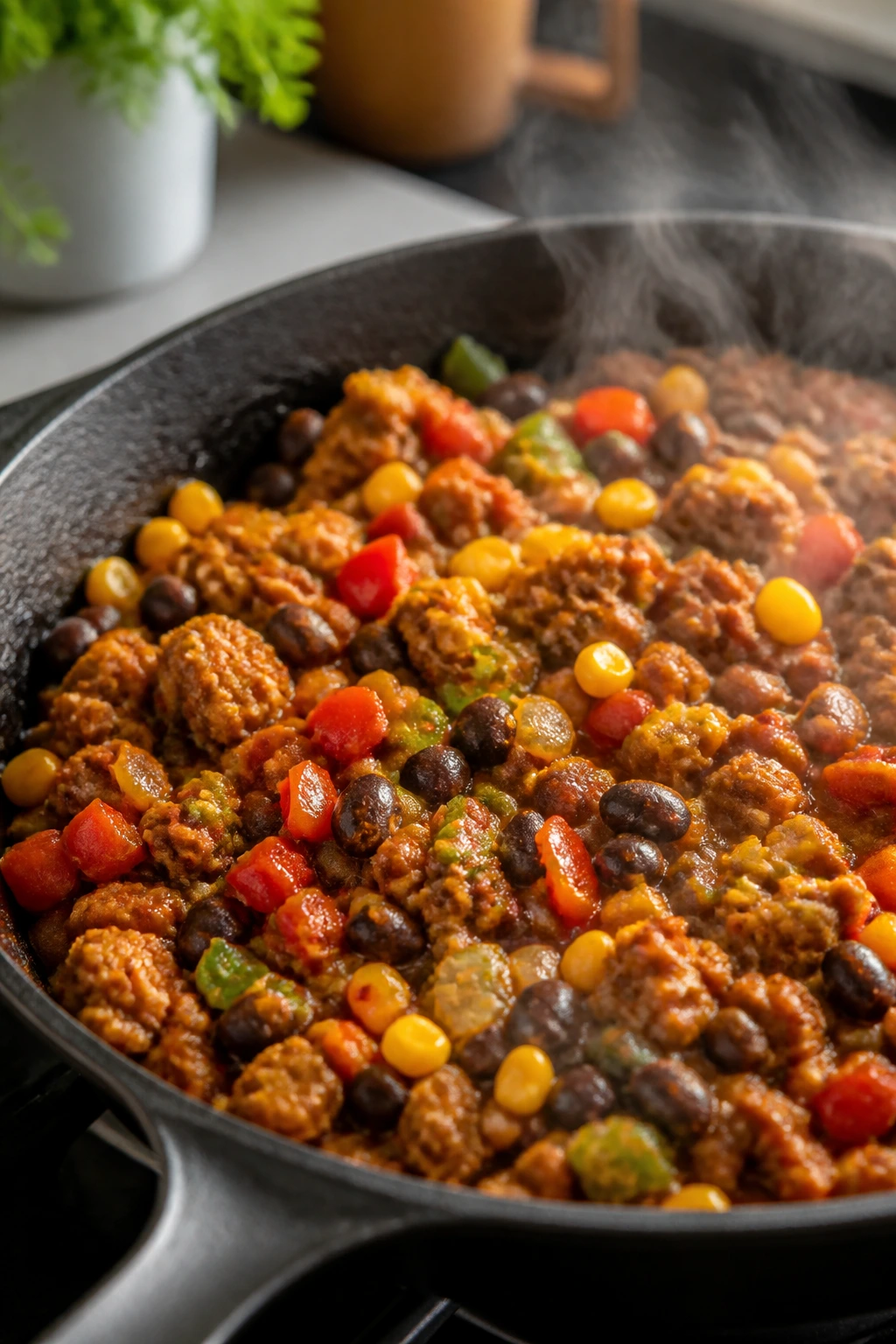
This is the kind of dinner that starts sizzling and ends with an empty skillet. The turkey browns quickly, the salsa turns into a ready-made sauce, and the black beans make the whole thing feel heartier than a basic taco filling. It smells smoky, a little sweet from the corn, and just messy enough to be worth making.
Why It Works: Lean ground turkey is fast, cheap, and easy to season, which makes it a useful default for busy gym nights. Black beans bring fiber and extra protein, while salsa keeps the skillet saucy without making you build a separate sauce from scratch. It’s one of those meals that can sit on top of rice, be scooped into tortillas, or be eaten straight from the pan if nobody’s watching.
Key Ingredients:
- 1 tablespoon olive oil — helps the turkey and vegetables brown.
- 1 small yellow onion, diced — adds sweetness once it softens.
- 1 bell pepper, diced — gives color and a little crunch.
- 1 pound lean ground turkey — 93/7 works well here.
- 2 tablespoons taco seasoning — enough to make the skillet taste like tacos, not mystery meat.
- 1 can black beans, drained and rinsed — the second protein anchor.
- 1 cup corn kernels — fresh, frozen, or thawed frozen corn all work.
- 1 cup salsa — use a jarred salsa you actually like eating.
- 1 cup shredded cheddar or Monterey Jack — melts into the top.
- ¼ cup plain Greek yogurt and 1 avocado, sliced — for finishing.
Quick Steps:
- Heat the olive oil in a large skillet over medium-high heat. Add the onion and bell pepper and cook for 4 minutes, until they soften and smell sweet.
- Add the ground turkey and break it up with a spoon. Cook for 5 to 6 minutes until no pink remains.
- Stir in the taco seasoning, black beans, corn, and salsa. Let the mixture bubble for 3 to 4 minutes so it thickens slightly.
- Sprinkle the cheese over the top, cover the skillet, and cook for 1 to 2 minutes until the cheese melts.
- Spoon into bowls and finish with Greek yogurt, avocado, and cilantro. Serve with rice or warm tortillas if you want the plate to go further.
Tips and Variations:
- If your salsa is thick and chunky, add 2 to 3 tablespoons of water so the skillet doesn’t seize up.
- A squeeze of lime at the end wakes everything up.
- This filling makes excellent burritos the next day.
3. Crispy Salmon with Potatoes and Green Beans
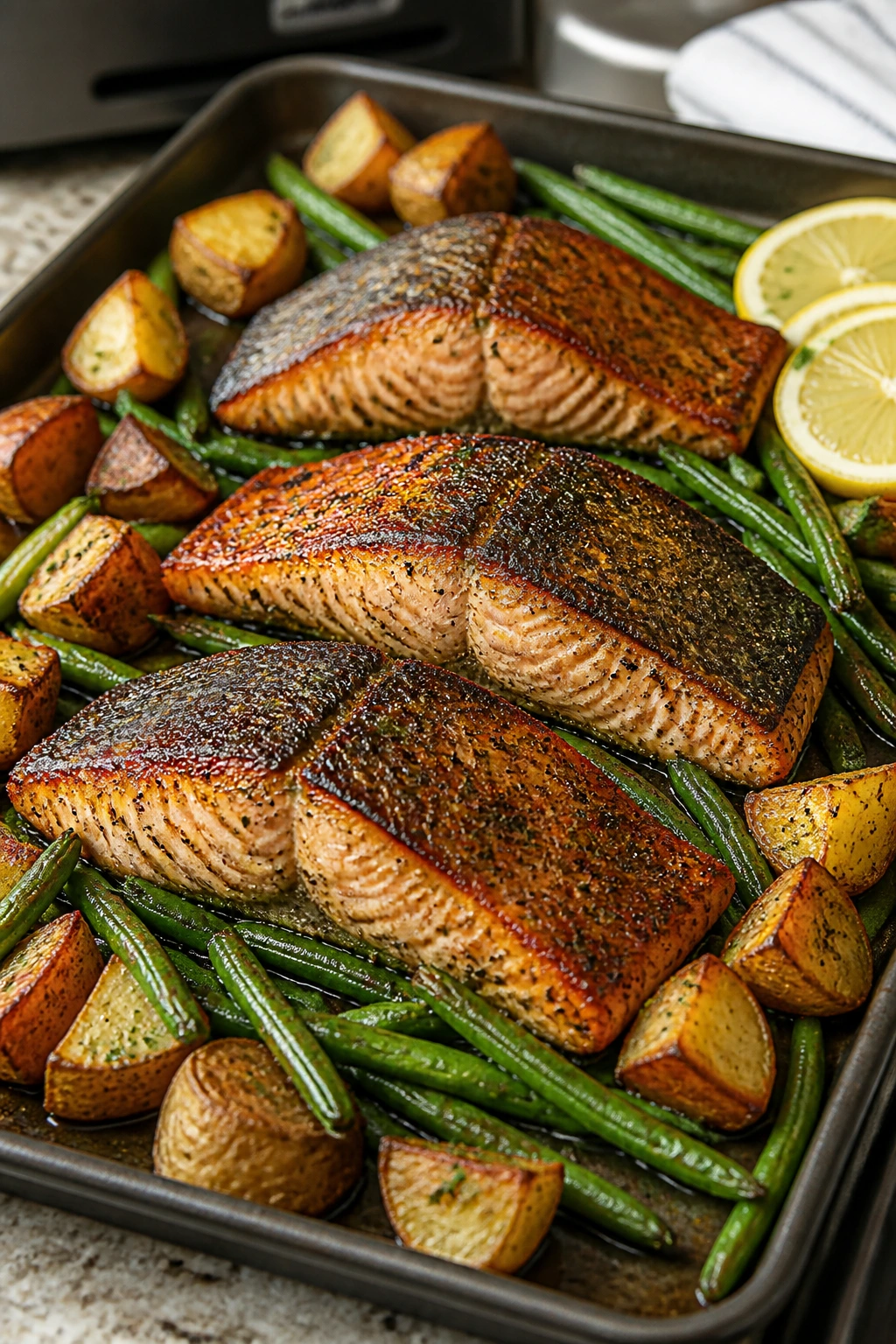
Salmon can look fancy even when it’s the easiest dinner in the room. The skin crisps, the potatoes turn golden at the edges, and the green beans stay bright enough to keep the whole pan from feeling heavy. There’s a lemon-dill thing happening here, and it works because it cuts through the richness instead of fighting it.
Why It Works: Salmon brings protein and fat together, which is useful when you want a dinner that satisfies without needing a big pile of sauce. Roasting the potatoes first gives them a head start, so you don’t end up with fish that’s done before the vegetables are ready. It’s a smart sheet-pan dinner for the nights when you want something that feels clean and substantial at the same time.
Key Ingredients:
- 1 ½ pounds baby potatoes, halved — small potatoes roast faster and get crisp better.
- 2 tablespoons olive oil, divided — one part for the potatoes, one part for the fish and beans.
- 1 pound green beans, trimmed — their snap matters here.
- 4 salmon fillets, about 6 ounces each — center-cut fillets cook most evenly.
- 2 garlic cloves, minced — keep it fresh and sharp.
- 1 lemon, sliced and juiced — use both the juice and the slices.
- 1 teaspoon dried dill or 1 tablespoon fresh dill — the right herb for salmon.
- 1 teaspoon kosher salt and ½ teaspoon black pepper — don’t skip them.
- 1 teaspoon Dijon mustard, optional — gives the salmon a thin, savory glaze.
Quick Steps:
- Heat the oven to 425°F and line a sheet pan with parchment. Toss the potatoes with 1 tablespoon olive oil, half the salt, half the pepper, and the garlic.
- Roast the potatoes for 20 minutes, until the cut sides are turning golden.
- Pat the salmon dry and brush it with the remaining oil, Dijon if using, lemon juice, dill, salt, and pepper.
- Add the green beans to the pan and nestle the salmon among the potatoes. Roast for 10 to 12 minutes more, until the salmon flakes and reaches 145°F.
- Finish with lemon slices and extra dill, then serve while the potatoes are still crisp at the edges.
Tips and Variations:
- Dry salmon skin matters. If it’s damp, it steams instead of crisping.
- Add a handful of cherry tomatoes in the last 8 minutes for a little sweetness.
- If you hate soggy beans, toss them on the pan only after the salmon goes in.
4. Steak Fajita Bowls
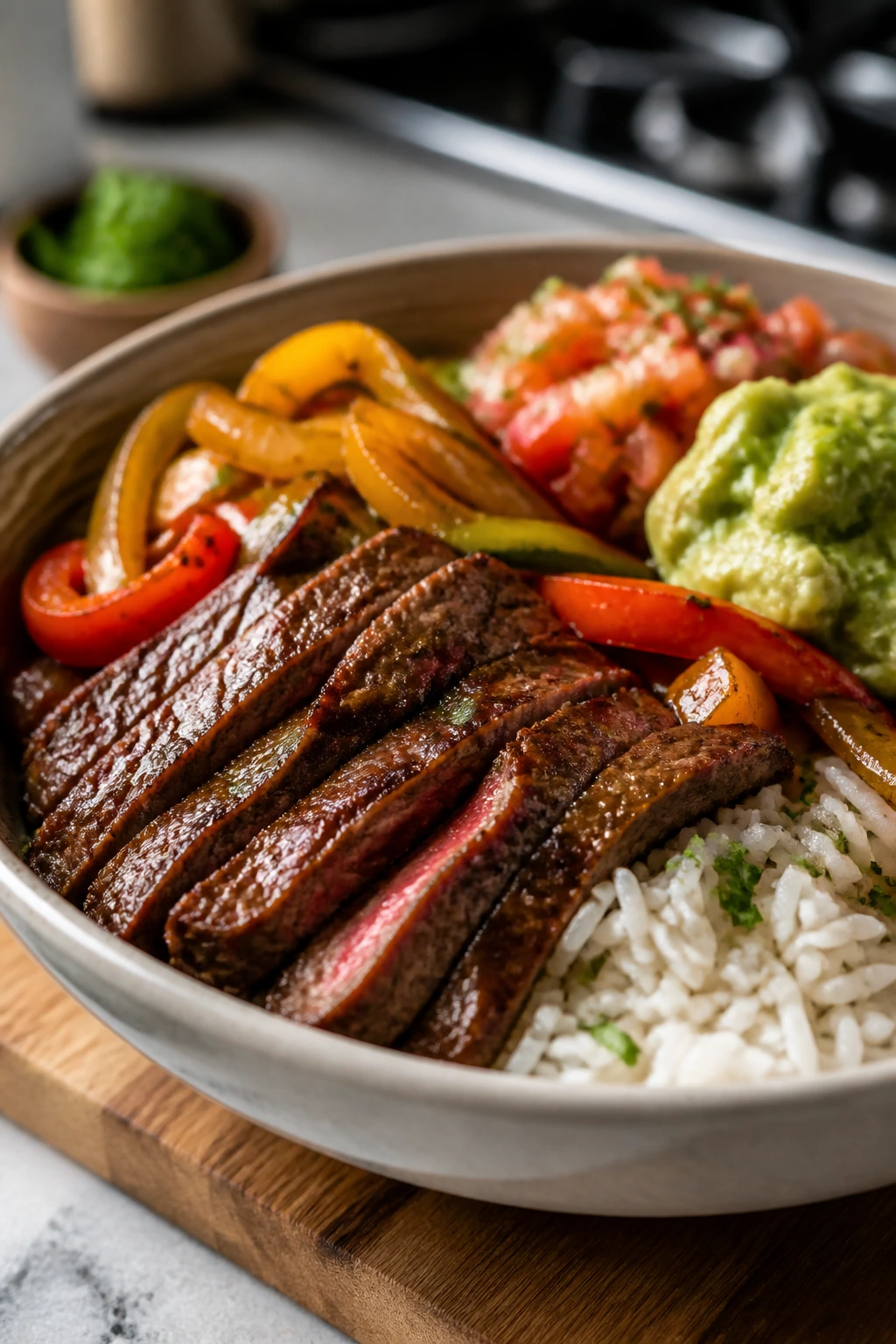
A good steak fajita bowl has a little smoke, a little char, and a lot of satisfaction. The peppers soften just enough to bend but not fall apart, the steak gets that browned edge you want, and the lime at the end keeps the whole bowl from feeling heavy. This is one of those dinners that tastes like you tried harder than you did.
Why It Works: Flank steak cooks fast, which makes it practical for a weeknight, and it slices cleanly against the grain when you let it rest properly. Rice and beans do the obvious recovery work here: carbs for energy, beans for fiber and extra protein. The pan juices, salsa, and lime turn the bowl into something you’ll want to finish instead of just “hit your macros” through sheer force.
Key Ingredients:
- 1 cup long-grain rice — a simple base for the fajita mix.
- 1 ¼ pounds flank steak — thin, flavorful, and quick to sear.
- 2 bell peppers, sliced — use different colors for a better looking bowl.
- 1 large onion, sliced — goes sweet once it softens.
- 1 tablespoon olive oil — for the vegetables and the steak.
- 2 tablespoons fajita seasoning — enough to coat the meat and vegetables.
- 1 can pinto beans, drained and rinsed — makes the bowl more filling.
- 1 lime, cut into wedges — finish with acid, not just salt.
- ½ cup salsa and ¼ cup chopped cilantro — bring brightness.
- 1 avocado, sliced — optional, but the bowl likes it.
Quick Steps:
- Cook the rice according to the package directions and keep it covered so it stays hot.
- Heat half the oil in a large skillet over medium-high heat. Add the onions and peppers, season lightly, and cook for 6 to 7 minutes until they soften and pick up browned edges.
- Push the vegetables to the side, add the steak, and sear for 3 to 4 minutes per side for medium-rare, or a little longer if you like it more done.
- Transfer the steak to a cutting board and rest it for 8 to 10 minutes. Do not slice it right away or the juices will run out.
- Slice against the grain, then build bowls with rice, beans, peppers, steak, salsa, cilantro, and lime.
Tips and Variations:
- If the pan looks dry, add a splash of water and scrape up the browned bits.
- Warm tortillas on the dry skillet for 20 seconds per side if you want a fajita plate instead of bowls.
- A spoonful of plain yogurt works fine in place of sour cream.
5. Teriyaki Chicken Broccoli Rice
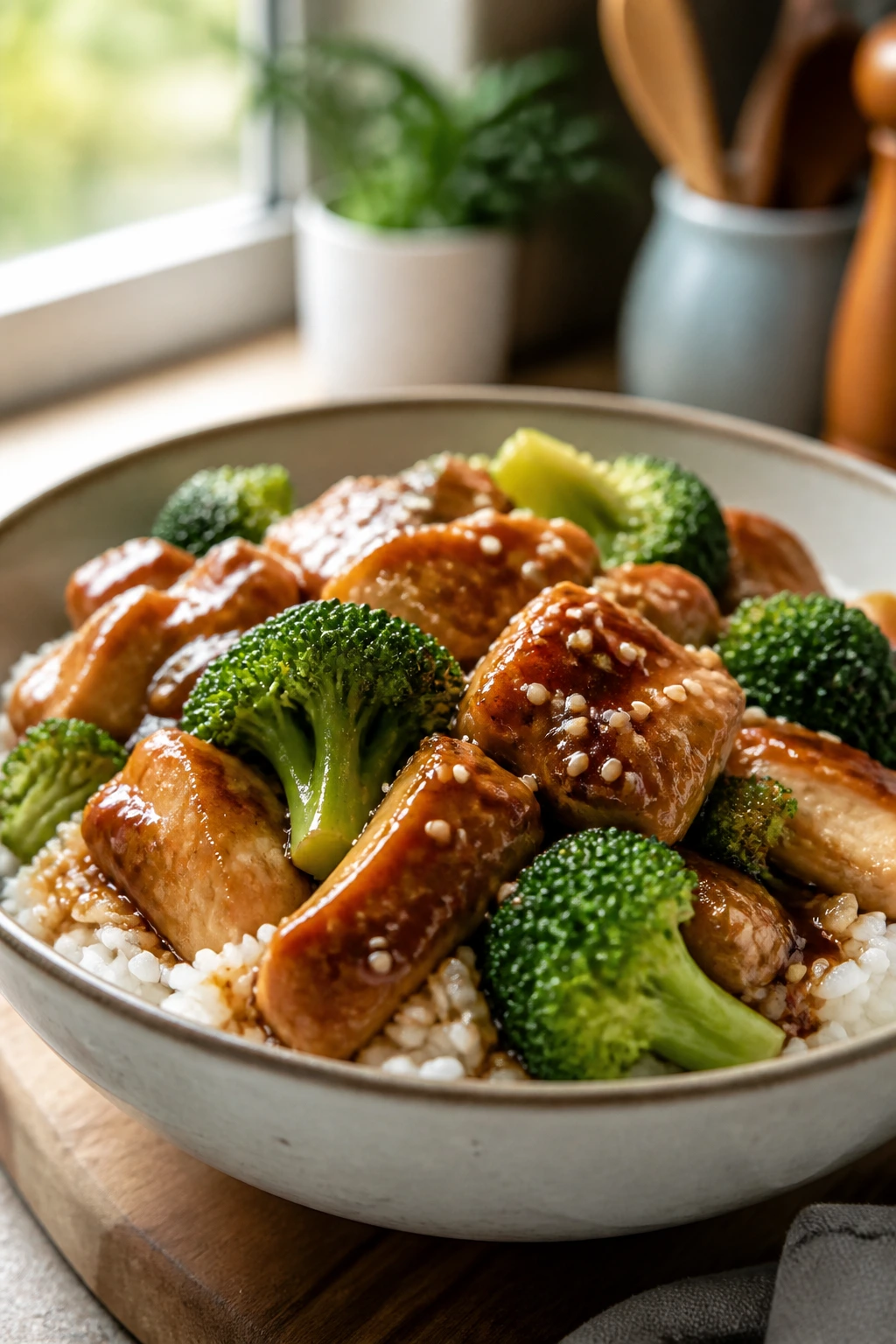
Sticky teriyaki chicken has a way of making a boring Tuesday feel less insulting. The sauce clings to the chicken in a glossy layer, the broccoli soaks up the savory bits, and the rice underneath catches every last drop. It tastes like takeout, except you get to decide how sweet or salty it should be.
Why It Works: Chicken breast gives you a lean protein base, and the sauce adds the kind of flavor people tend to miss when they try to make “healthy” dinner too bare. Broccoli brings crunch and volume, while rice gives you the carb base you actually need after training. Cornstarch thickens the sauce just enough that it coats the food instead of pooling sadly in the bottom of the pan.
Key Ingredients:
- 1 cup white rice — plain rice is the best canvas here.
- 2 cups water or chicken broth — broth gives more flavor.
- 1 ½ pounds boneless, skinless chicken breast, cut into bite-size pieces — smaller pieces cook faster and soak up sauce.
- 1 tablespoon neutral oil — for the skillet.
- 4 cups broccoli florets — fresh or thawed frozen both work.
- ¼ cup soy sauce or tamari — the salty base.
- 3 tablespoons honey — balances the soy sauce.
- 1 tablespoon rice vinegar — keeps the sauce from tasting flat.
- 1 tablespoon grated fresh ginger and 3 garlic cloves, minced — the sharp part.
- 2 teaspoons cornstarch mixed with 2 tablespoons water — for thickening.
- 1 teaspoon sesame oil and 1 tablespoon sesame seeds — a little goes a long way.
Quick Steps:
- Cook the rice and keep it covered. If you start the chicken before the rice, the whole dish moves faster.
- Whisk together the soy sauce, honey, vinegar, ginger, garlic, sesame oil, and cornstarch slurry.
- Heat the oil in a large skillet over medium-high heat. Add the chicken and cook for 5 to 6 minutes, stirring occasionally, until the pieces are just cooked through.
- Add the broccoli and 2 tablespoons of water, then cover for 2 minutes so the broccoli softens without losing its color.
- Pour in the teriyaki sauce and stir for 1 to 2 minutes until it turns glossy and lightly thickens.
- Spoon over rice and finish with sesame seeds.
Tips and Variations:
- Keep the heat at medium-high, not scorching, or the honey can burn.
- Swap broccoli for snap peas or a mix of frozen stir-fry vegetables.
- A few chili flakes make the sauce less sweet and more interesting.
6. Shrimp Soba Stir-Fry
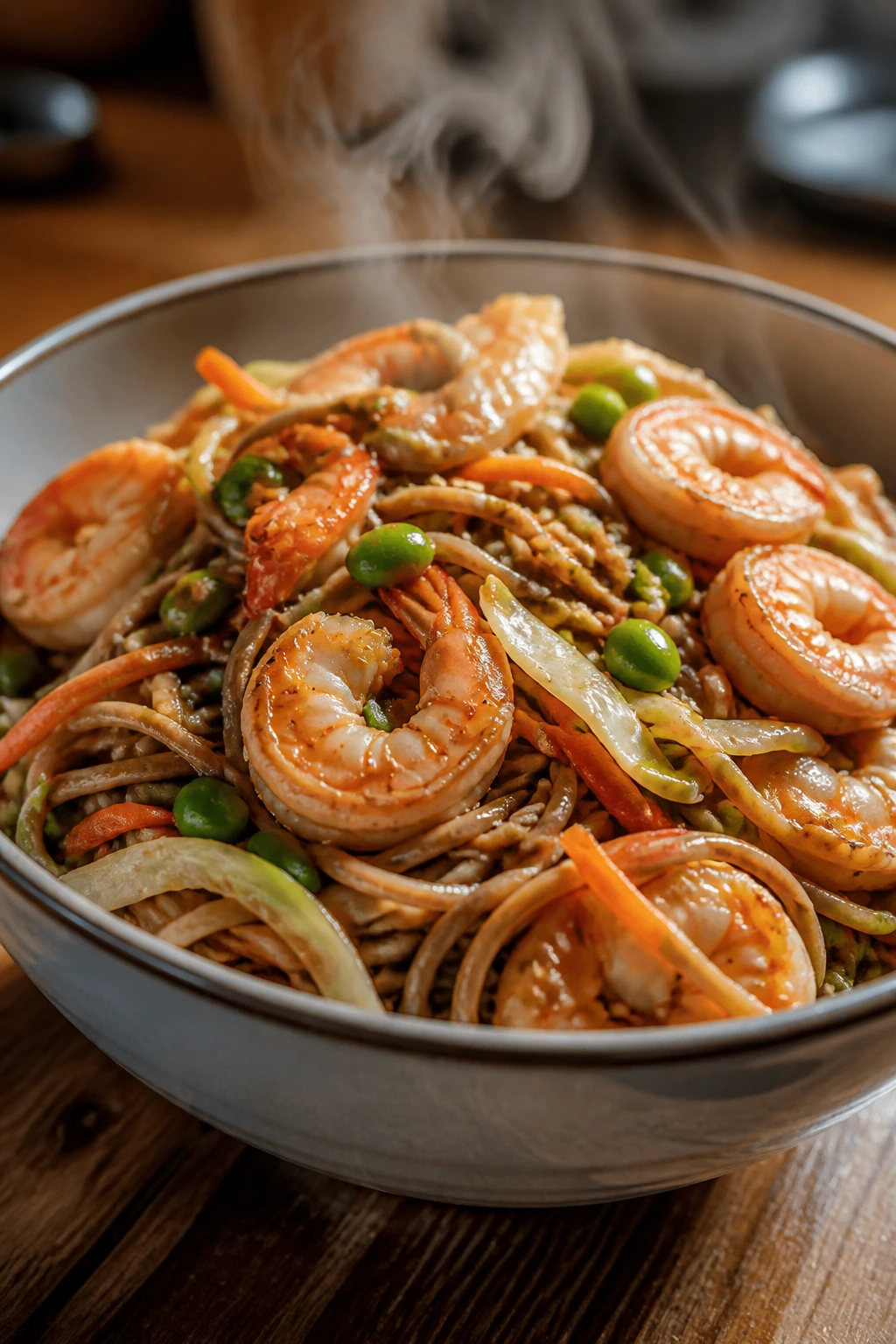
Shrimp cooks so fast it almost feels impatient. Add soba noodles, edamame, cabbage, and a peanut-ginger sauce, and you’ve got a bowl that’s light enough to avoid the post-dinner slump but filling enough to count as a real recovery meal. The texture is the best part here: slippery noodles, crisp vegetables, and shrimp that stay snappy if you don’t overdo them.
Why It Works: Shrimp brings a strong protein hit without requiring a long cook time, which is handy when dinner needs to happen fast. Edamame pushes the protein higher and gives the bowl some chew, while soba noodles make the meal feel like actual dinner rather than an afterthought. The peanut sauce ties everything together and gives you fat, salt, and a little sweetness in one move.
Key Ingredients:
- 8 ounces soba noodles — buckwheat noodles with a nutty bite.
- 1 pound large shrimp, peeled and deveined — medium-large shrimp are easiest to cook evenly.
- 1 tablespoon neutral oil — for the stir-fry.
- 2 cups shredded cabbage — a fast-cooking vegetable with crunch.
- 1 cup shredded carrots — for sweetness and color.
- 1 cup shelled edamame, thawed — the protein booster.
- 3 tablespoons peanut butter — the base of the sauce.
- 2 tablespoons soy sauce — salty and savory.
- 1 tablespoon lime juice — keeps the sauce from feeling heavy.
- 2 cloves garlic, minced, and 1 teaspoon grated ginger — sharp, fresh flavor.
- 1 teaspoon sesame oil and 2 tablespoons sliced scallions — for the finish.
Quick Steps:
- Cook the soba noodles according to the package directions, then rinse them briefly under cool water so they don’t stick.
- Whisk the peanut butter, soy sauce, lime juice, garlic, ginger, sesame oil, and 2 tablespoons warm water into a smooth sauce.
- Heat the oil in a large skillet or wok over medium-high heat. Add the shrimp and cook for 1 to 2 minutes per side, until pink and opaque.
- Add the cabbage, carrots, and edamame. Stir-fry for 2 to 3 minutes until the vegetables soften slightly but still have crunch.
- Toss in the noodles and sauce, stirring until everything is coated.
- Finish with scallions and, if you want heat, a little chili crisp or red pepper flakes.
Tips and Variations:
- Don’t walk away from shrimp. It goes from perfect to rubbery fast.
- If the sauce feels too thick, loosen it with another tablespoon of warm water.
- Toasted sesame seeds add a nice little crunch if you have them.
7. Turkey Meatballs and Orzo
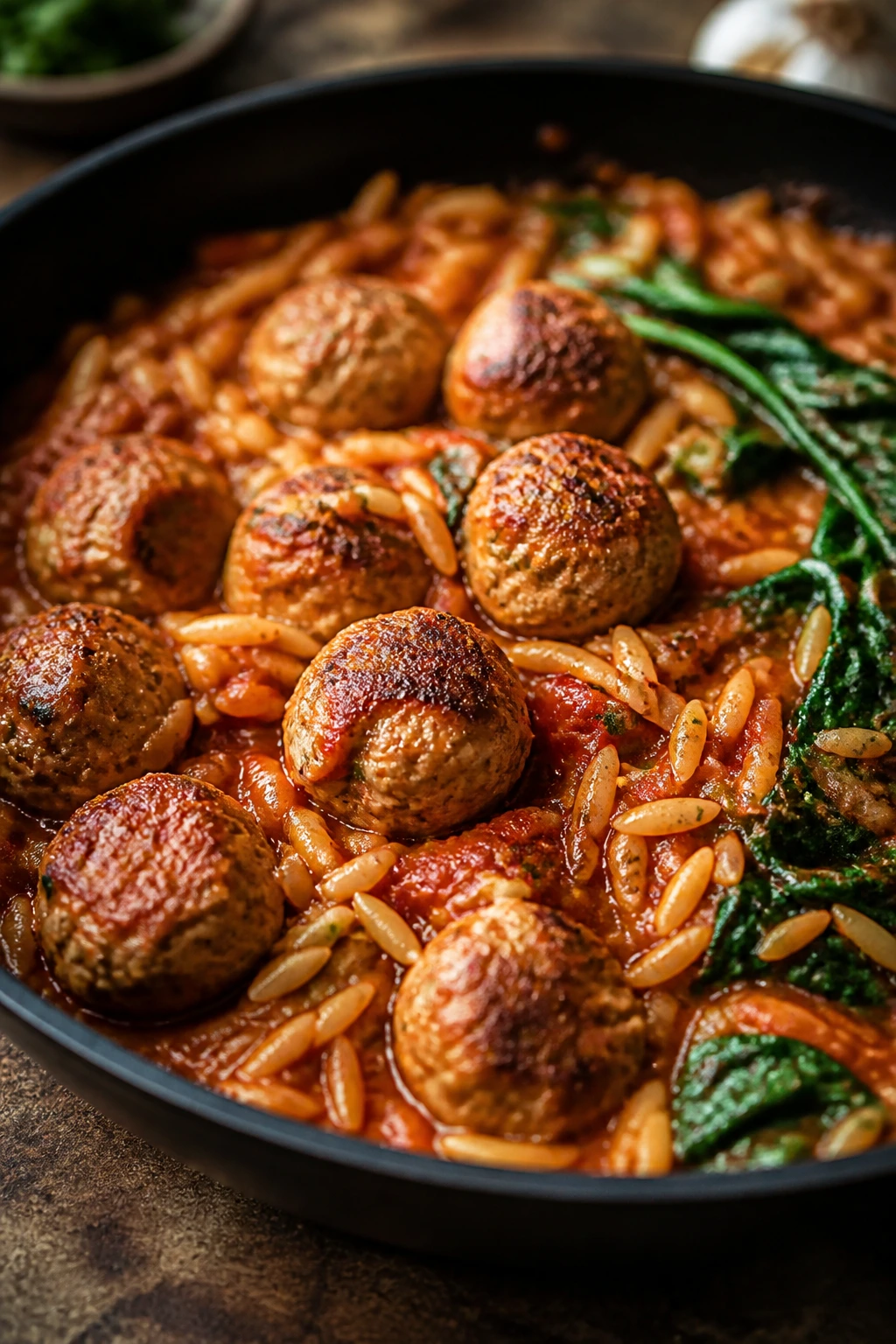
There’s something comforting about meatballs in tomato sauce, especially when the whole pan ends up coated with little browned bits and pasta starch. The turkey meatballs stay tender, the orzo cooks right in the sauce, and the spinach melts into the skillet without making a fuss. It’s a cozy dinner, but not a sluggish one.
Why It Works: Lean turkey meatballs freeze and reheat well, so this is one of the smartest batch-cook options in the group. Orzo is tiny enough to cook directly in the sauce, which means it absorbs flavor instead of sitting off to the side like a bystander. Spinach folds in at the end and disappears almost completely, which is good if you want the dinner to feel hearty without being weighed down.
Key Ingredients:
- 1 pound ground turkey — 93/7 gives enough flavor without excess grease.
- 1 egg — helps hold the meatballs together.
- ⅓ cup breadcrumbs — gives the meatballs structure.
- ¼ cup grated parmesan — adds salt and depth.
- 2 garlic cloves, minced — works in both the meatballs and the sauce.
- 2 tablespoons chopped parsley and 1 teaspoon dried oregano — classic meatball flavor.
- 1 jar marinara sauce, about 24 ounces — a good shortcut.
- 1 cup orzo — cooks quickly in the skillet.
- 2 cups low-sodium chicken broth — for the pasta.
- 3 cups baby spinach — wilts in seconds.
- 1 tablespoon olive oil — for browning.
Quick Steps:
- Mix the turkey, egg, breadcrumbs, parmesan, half the garlic, parsley, oregano, salt, and pepper in a bowl. Form into 1 ½-inch meatballs.
- Heat the olive oil in a large skillet over medium heat and brown the meatballs for 6 to 8 minutes, turning carefully so they color on several sides.
- Pour in the marinara, broth, and orzo, then bring the skillet to a gentle simmer.
- Cover and cook for 10 to 12 minutes, stirring once or twice, until the orzo is tender and the sauce has thickened.
- Fold in the spinach and let it wilt for 1 minute. Return the meatballs to the skillet if they need warming through.
- Finish with extra parmesan.
Tips and Variations:
- Use a small cookie scoop if you want meatballs that cook evenly.
- If the skillet looks dry before the orzo is tender, splash in another ¼ cup broth.
- Swap spinach for chopped kale if you don’t mind a little more chew.
8. Stuffed Peppers with Turkey and Cottage Cheese
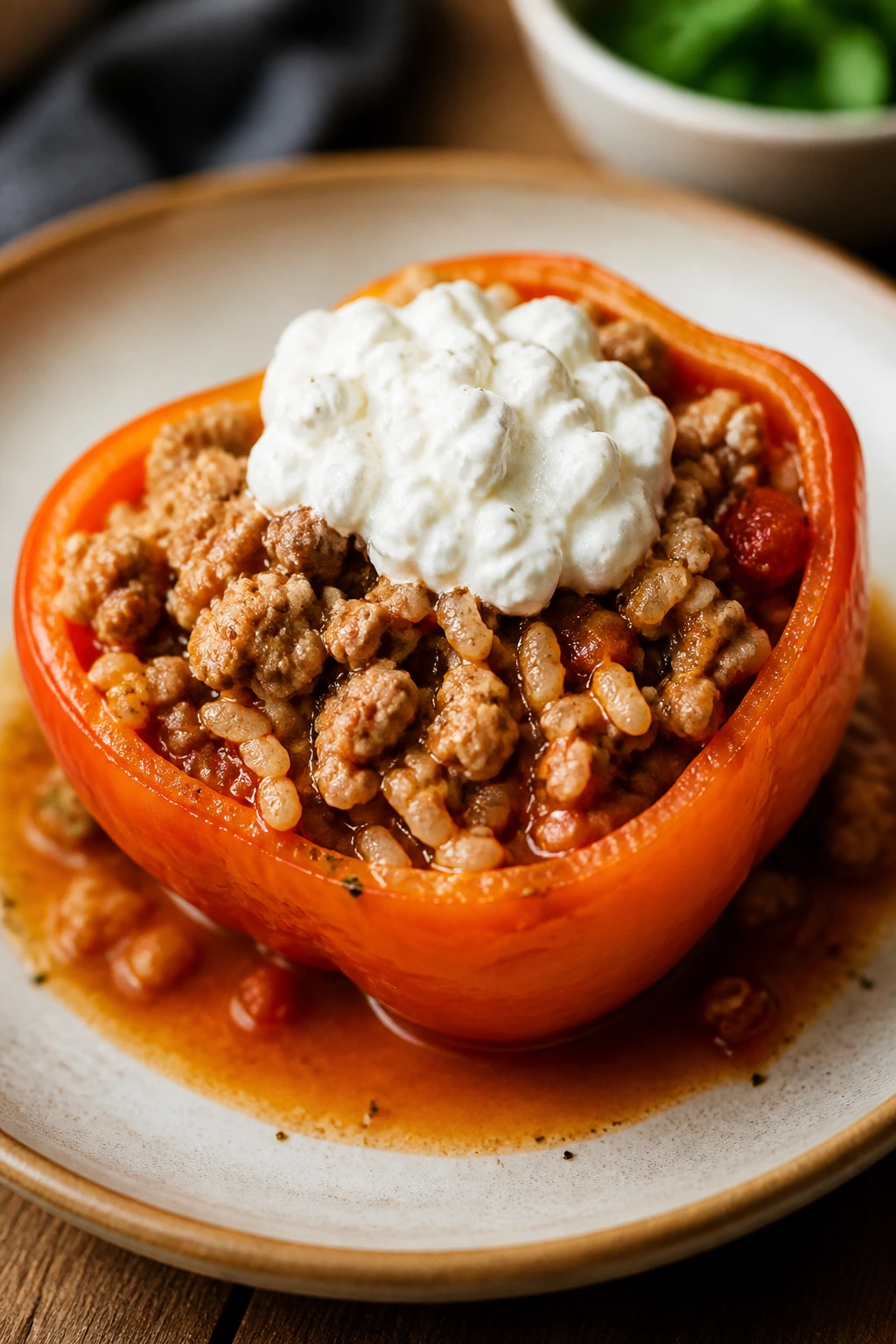
Stuffed peppers can look fussy from the outside, but this version is practical and fairly low-drama. The peppers soften just enough to be tender, the turkey filling stays savory, and the cottage cheese melts into the mixture so the whole thing feels creamier than you’d expect. It’s the sort of dinner that makes a good case for batch cooking without tasting like a batch-cook punishment.
Why It Works: Bell peppers are built-in containers, which means less cleanup and a dinner that holds its shape on the plate. Cottage cheese bumps up the protein and keeps the filling moist, so you don’t have to drown it in cheese to make it pleasant. Rice gives the filling body, and marinara keeps everything from feeling dry.
Key Ingredients:
- 4 large bell peppers, halved lengthwise and seeded — choose peppers that sit flat in the baking dish.
- 1 tablespoon olive oil — for the filling.
- 1 small onion, diced — helps the filling taste rounded.
- 2 garlic cloves, minced — because bland turkey is a waste.
- 1 pound ground turkey — the main protein.
- 1 cup cooked rice — white or brown both work.
- 1 cup cottage cheese — the creamy protein boost.
- 1 cup marinara sauce — keeps the filling saucy.
- 1 teaspoon Italian seasoning, 1 teaspoon salt, ½ teaspoon black pepper — the seasoning core.
- 1 cup shredded mozzarella — for the top.
Quick Steps:
- Heat the oven to 375°F. Place the pepper halves in a baking dish and bake them for 10 minutes so they start to soften.
- Heat the olive oil in a skillet over medium heat. Cook the onion for 3 minutes, then add the garlic and turkey, breaking it up until no pink remains.
- Stir in the rice, cottage cheese, marinara, Italian seasoning, salt, and pepper. Cook for 2 minutes until the mixture looks cohesive and thick.
- Spoon the filling into the pepper halves and top with mozzarella.
- Cover loosely with foil and bake for 20 minutes. Uncover and bake for 5 more minutes, until the cheese is melted and lightly browned.
- Let the peppers rest for 5 minutes before serving.
Tips and Variations:
- Red and orange peppers taste sweeter than green ones.
- If the filling looks wet, let it cook another minute on the stove before stuffing.
- A spoonful of pesto on top at the end works better than you might think.
9. Peanut Tofu Noodle Bowl
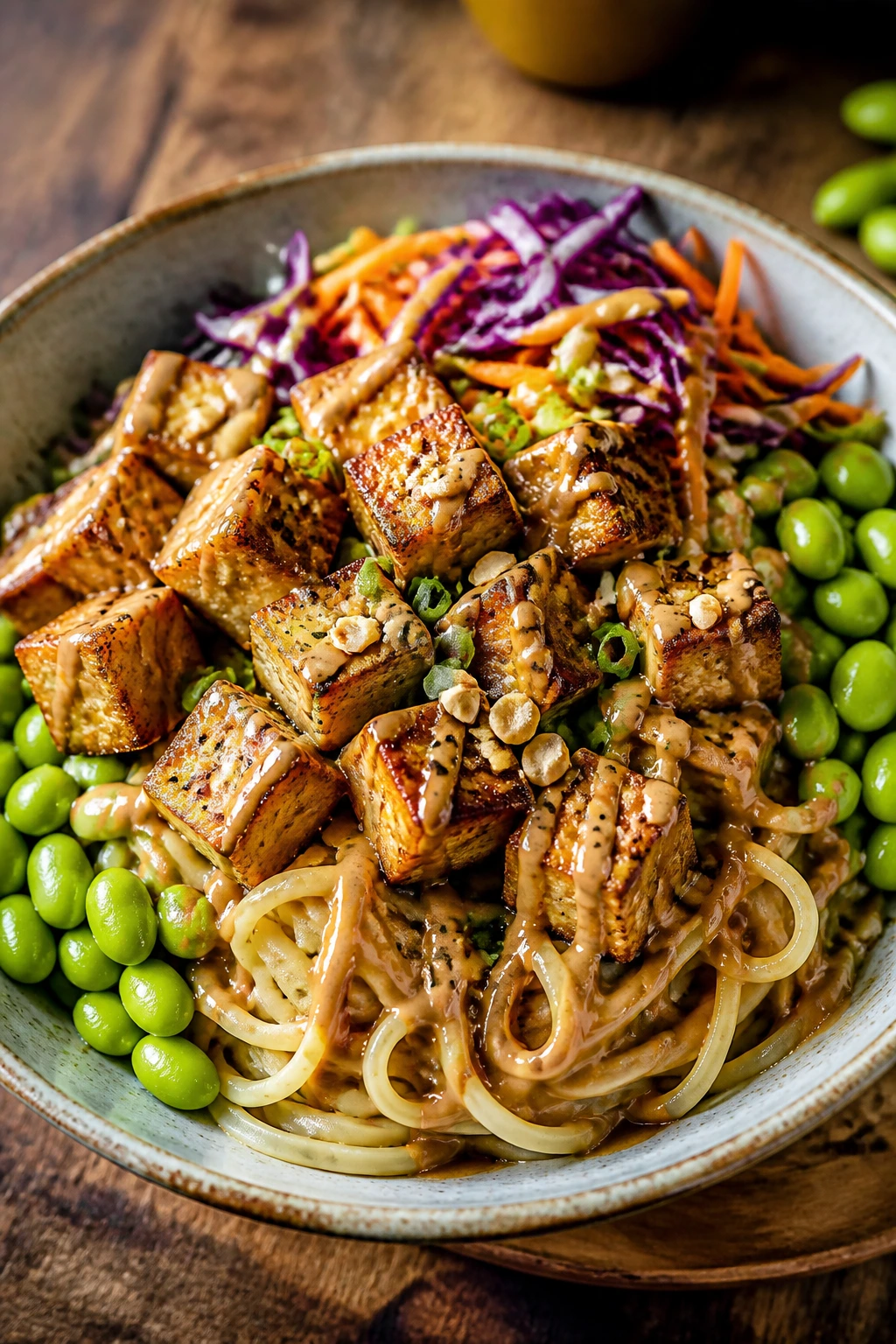
Meatless dinners on gym days need structure, not apology. This bowl has pressed tofu for substance, edamame for extra protein, noodles for carb refill, and a peanut sauce that clings to everything like it was meant to be there. The cucumber and carrot add a cold, crisp contrast that keeps the bowl from feeling heavy.
Why It Works: Extra-firm tofu is the right tofu here because it can be pressed, browned, and sliced without falling apart. Edamame fills the protein gap, and peanut sauce adds both calories and flavor, which matters more than people admit when they’re trying to eat enough after training. The result is plant-based, but not lightweight in the annoying sense.
Key Ingredients:
- 14 ounces extra-firm tofu, pressed and cubed — the foundation of the bowl.
- 1 tablespoon cornstarch — helps the tofu crisp.
- 8 ounces rice noodles — quick and neutral.
- 1 cup shelled edamame, thawed — more protein and a pleasant bite.
- 2 cups shredded cabbage — crunchy and sturdy.
- 1 cup shredded carrots — sweet and bright.
- 3 tablespoons peanut butter — the sauce base.
- 2 tablespoons soy sauce or tamari — salty and savory.
- 1 tablespoon lime juice — to wake up the sauce.
- 1 tablespoon maple syrup — balances the peanut butter.
- 2 cloves garlic, minced, and 1 teaspoon grated ginger — for freshness.
- 1 teaspoon sesame oil — a little aroma goes a long way.
Quick Steps:
- Press the tofu for at least 15 minutes, then cut it into cubes and toss with cornstarch and a pinch of salt.
- Cook the rice noodles according to the package, rinse briefly, and drain well.
- Whisk the peanut butter, soy sauce, lime juice, maple syrup, garlic, ginger, sesame oil, and 2 to 3 tablespoons warm water until smooth.
- Heat a skillet over medium-high heat and sear the tofu for 3 to 4 minutes per side until it turns golden and crisp.
- Add the cabbage, carrots, and edamame to the skillet for just 1 to 2 minutes, enough to warm them but keep crunch.
- Toss everything with the noodles and sauce, then finish with chopped peanuts or cilantro if you want extra texture.
Tips and Variations:
- If you skip pressing the tofu, it won’t brown as well.
- Soba noodles work if you want a firmer bite.
- Chili crisp, sriracha, or sliced jalapeños all fit here.
10. Chicken Shawarma Pita Bowls
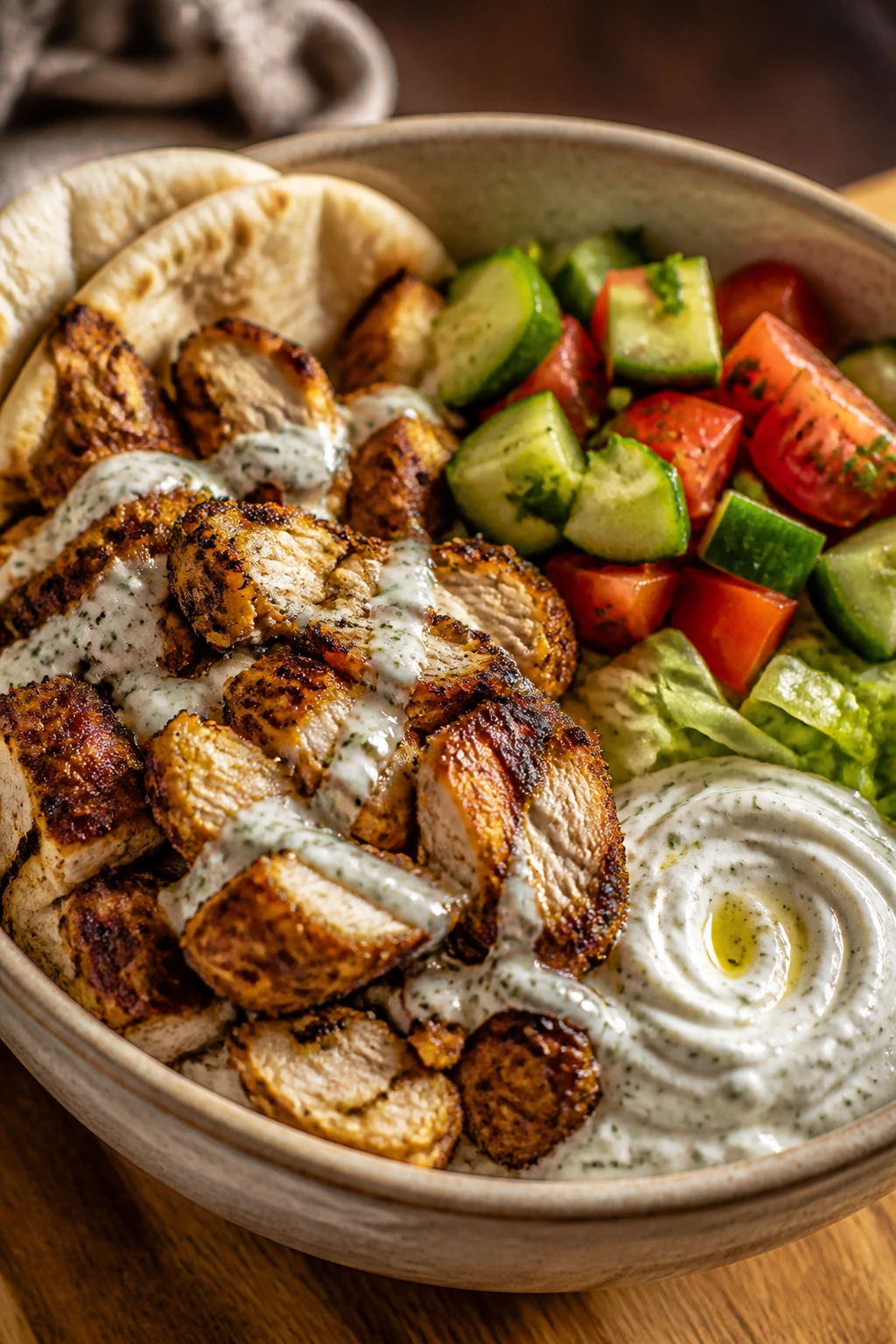
The spices in shawarma go deep and warm, then the yogurt and cucumber pull the whole plate back into balance. This bowl has the kind of layered flavor that makes dinner feel like more than fuel. It’s also a nice break from the same old grilled chicken routine, which is worth something on its own.
Why It Works: Chicken thighs take to spice rubs better than breasts because they stay tender during roasting or pan-searing. Yogurt in the marinade softens the meat and doubles down on the protein, while the cucumber-tomato salad brings in freshness without making you cook another pan. Pita or rice gives the meal enough carbs to hold up after a serious workout.
Key Ingredients:
- 1 ½ pounds boneless, skinless chicken thighs — the right cut for shawarma.
- ½ cup plain Greek yogurt — part marinade, part sauce.
- 1 lemon, juiced — brightens the spice mix.
- 3 garlic cloves, grated or minced — essential, not optional.
- 2 teaspoons ground cumin, 2 teaspoons paprika, 1 teaspoon ground coriander, ½ teaspoon turmeric — the spice blend.
- 1 teaspoon kosher salt and ½ teaspoon black pepper — basic seasoning.
- 4 pita breads — warm, soft, and easy to fill.
- 1 cucumber, diced, and 1 pint cherry tomatoes, halved — the salad base.
- ¼ red onion, thinly sliced — adds bite.
- ½ cup hummus and 2 tablespoons chopped parsley — for serving.
Quick Steps:
- Mix the yogurt, lemon juice, garlic, cumin, paprika, coriander, turmeric, salt, and pepper in a bowl.
- Coat the chicken in the marinade and let it sit for at least 15 minutes, or overnight if you’re planning ahead.
- Heat the oven to 425°F. Spread the chicken on a sheet pan and roast for 20 to 25 minutes, until browned and cooked through.
- Toss the cucumber, tomatoes, and red onion with a pinch of salt and a squeeze of lemon.
- Warm the pita breads in a dry skillet or directly over a low flame until soft and pliable.
- Slice the chicken and build bowls or wraps with hummus, salad, parsley, and chicken.
Tips and Variations:
- If you like more char, finish the chicken under the broiler for 1 to 2 minutes.
- Pickled onions make the bowl sharper and brighter.
- Rice works if you want this as a larger bowl instead of a pita meal.
11. Beef and Bean Chili
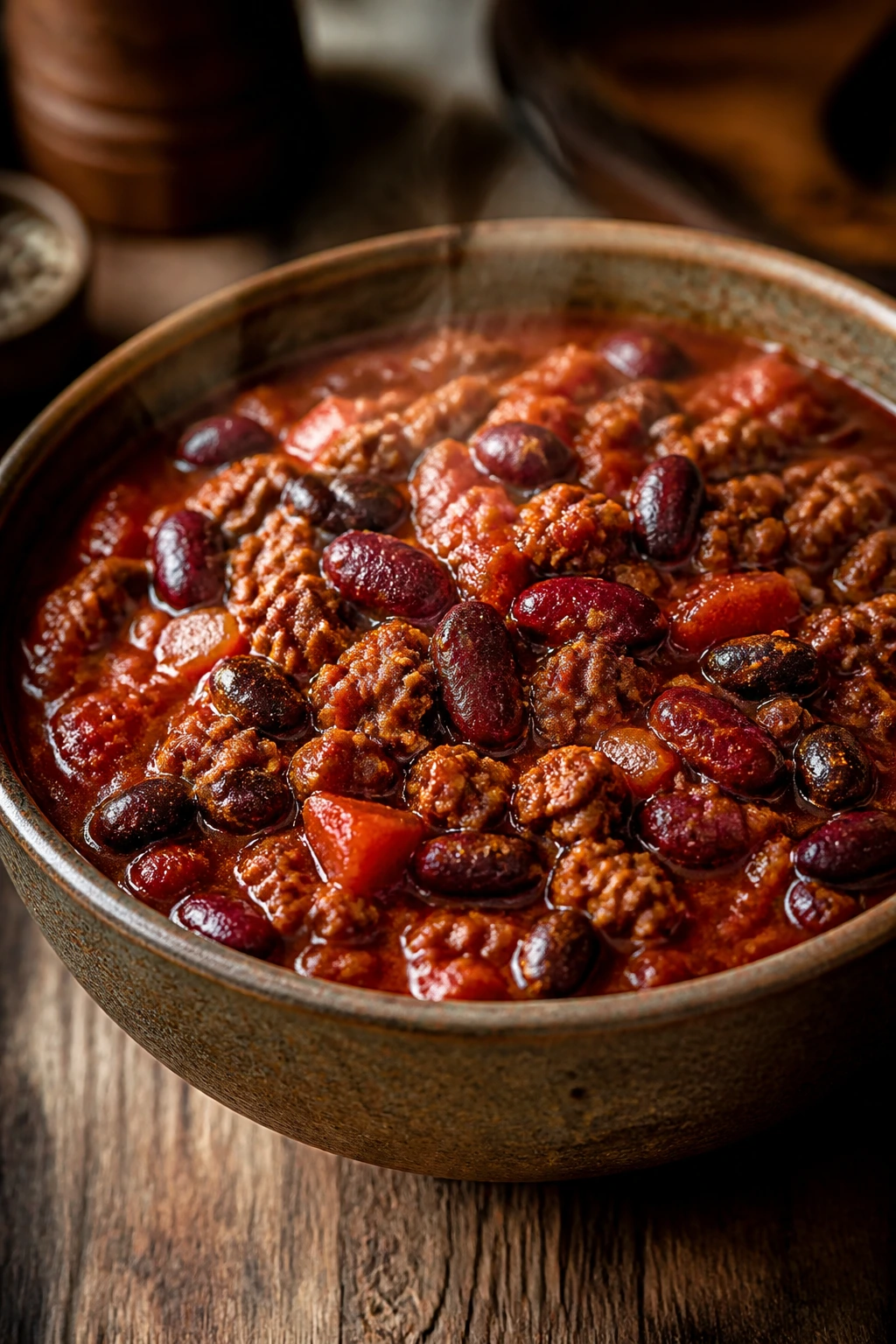
Chili is the winter coat of dinner. It covers a lot, tastes better after it sits, and somehow makes the house smell better than it should. This version uses lean beef, two kinds of beans, and a tomato base that thickens into something you can spoon over rice, cornbread, or straight into a bowl with a spoon and no apologies.
Why It Works: Lean ground beef gives you a dense protein base and a deeper flavor than turkey, which matters in a dish with a lot of beans and tomatoes. The beans add extra protein and fiber, so the bowl keeps you full long after dinner is over. It also reheats well, and that may be the most underrated thing about high-protein dinners on busy training weeks.
Key Ingredients:
- 1 tablespoon olive oil — for the base.
- 1 onion, diced — starts the flavor.
- 3 garlic cloves, minced — keeps the pot from tasting flat.
- 1 pound lean ground beef — 90/10 or 93/7 works well.
- 2 tablespoons chili powder — the main seasoning.
- 1 teaspoon ground cumin — brings that warm, chili flavor.
- 1 tablespoon tomato paste — adds body and depth.
- 1 can diced tomatoes, 28 ounces — the liquid base.
- 1 can kidney beans, drained and rinsed — classic chili texture.
- 1 can black beans, drained and rinsed — more body and protein.
- 1 cup low-sodium beef broth — helps it simmer without getting too thick.
- Salt, pepper, and plain Greek yogurt for serving — simple, but they matter.
Quick Steps:
- Heat the olive oil in a heavy pot over medium heat. Cook the onion for 4 minutes until it softens, then add the garlic for 30 seconds.
- Add the ground beef and cook, breaking it up, until it browns and no pink remains.
- Stir in the chili powder, cumin, and tomato paste. Let the spices toast for 1 minute so they smell fragrant.
- Add the tomatoes, beans, broth, salt, and pepper. Bring the pot to a simmer.
- Cook uncovered for 25 to 30 minutes, stirring now and then, until the chili is thick and the flavors taste merged.
- Ladle into bowls and top with Greek yogurt, scallions, cheese, or cilantro.
Tips and Variations:
- A teaspoon of cocoa powder gives the chili a deeper background note.
- If it gets too thick, splash in more broth.
- This freezes like a champ.
12. Sheet-Pan Cod with Chickpeas and Tomatoes
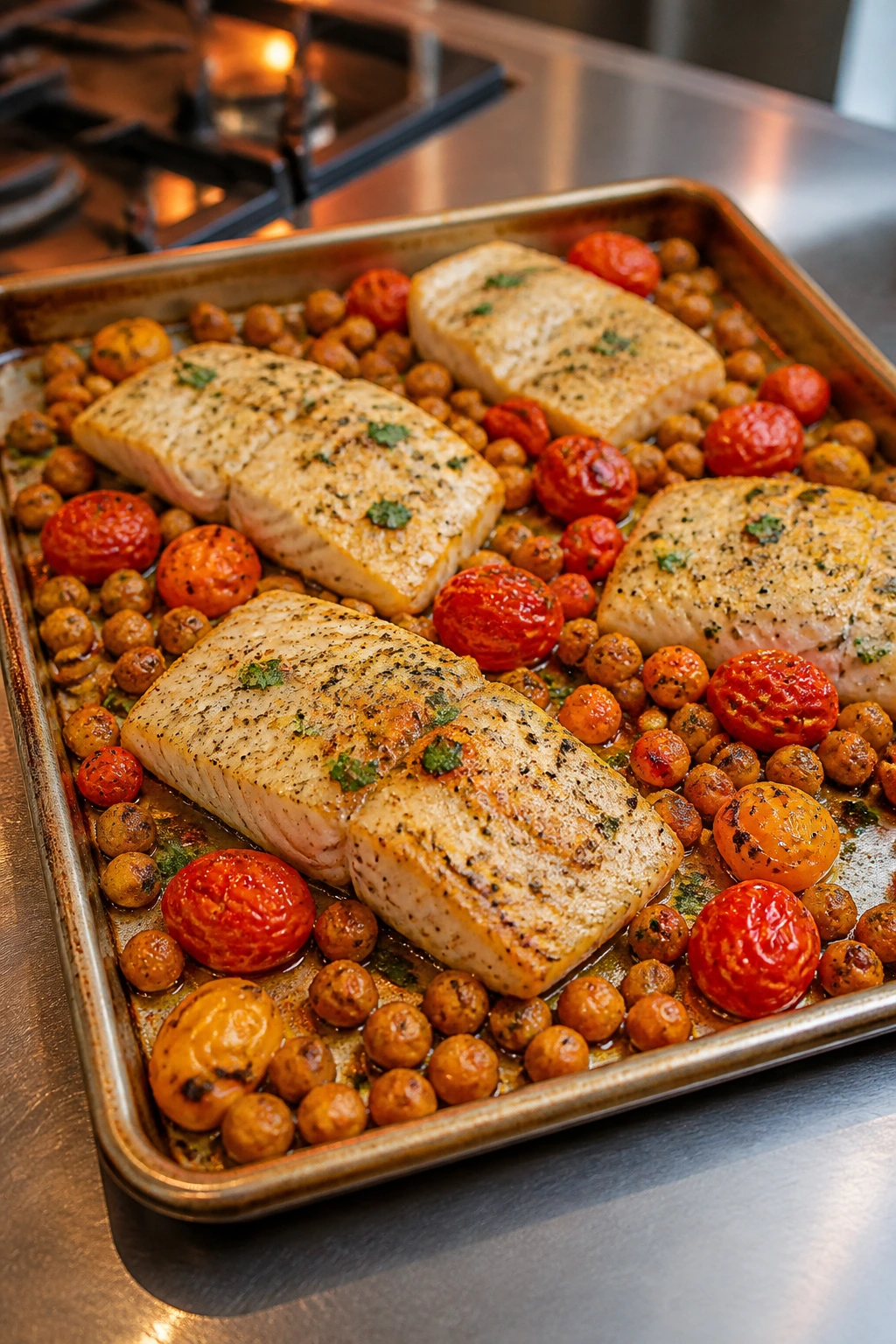
Cod doesn’t need much help. It’s delicate, mild, and fast-cooking, which is exactly why it works with a sheet pan of roasted chickpeas and tomatoes. The chickpeas get a little crisp, the tomatoes burst into their own sauce, and the lemon ties the whole thing together without making it fussy.
Why It Works: Cod is lean but still gives you a clean protein hit, and chickpeas add enough substance to keep the dinner from feeling too light. Roasting everything on one pan means the vegetables and fish share flavor, which is a better idea than cooking them in separate silos. It’s a good reminder that not every high-protein dinner needs to be dark, heavy, or covered in cheese.
Key Ingredients:
- 1 ½ pounds cod fillets — look for thick pieces that don’t fall apart.
- 1 can chickpeas, drained and rinsed — the bulk of the sheet pan.
- 2 cups cherry tomatoes — they burst into sauce.
- 1 red onion, cut into wedges — sweetens as it roasts.
- 3 tablespoons olive oil — enough for a good roast.
- 3 garlic cloves, minced — add them to the pan or finish with them fresh.
- 1 lemon, sliced and juiced — the sharp finish.
- 1 teaspoon dried oregano — gives the dish a Mediterranean edge.
- 2 tablespoons chopped parsley — for the end.
- Salt and black pepper — use more than you think you need.
Quick Steps:
- Heat the oven to 425°F. Toss the chickpeas, tomatoes, and onion with 2 tablespoons olive oil, half the salt, half the pepper, and the oregano.
- Roast for 15 minutes, until the tomatoes start to collapse and the chickpeas pick up color.
- Pat the cod dry and rub it with the remaining oil, garlic, lemon juice, salt, and pepper.
- Push the vegetables aside, nestle in the cod, and roast for 10 to 12 minutes more, until the fish flakes easily and reaches 145°F.
- Finish with lemon slices and parsley.
Tips and Variations:
- Cod dries out fast, so don’t leave it in the oven once it flakes.
- Add olives or capers if you want a saltier finish.
- This one is especially good with couscous or quinoa underneath.
13. Greek Turkey Burgers with Tzatziki
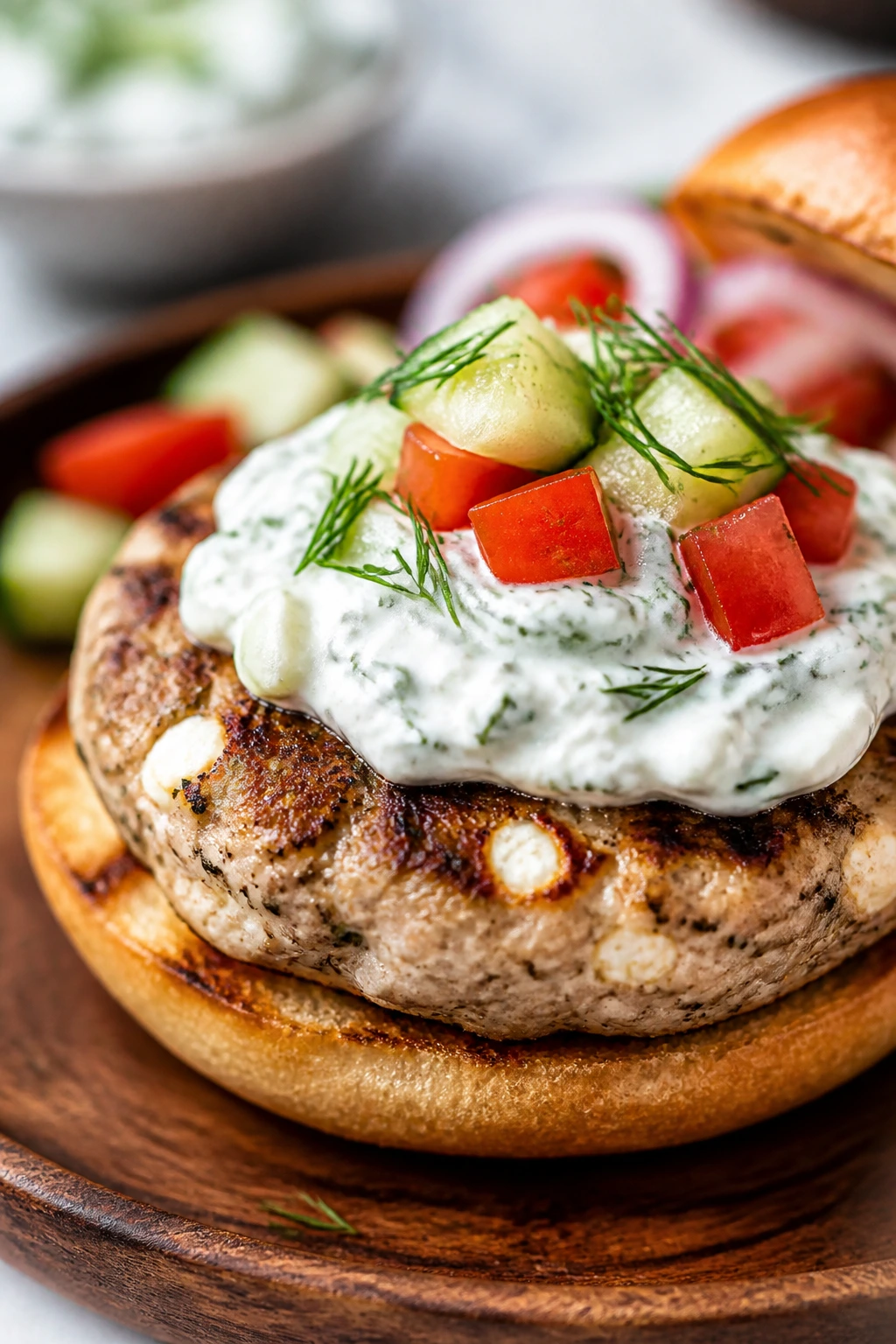
Burger night gets a cleaner, sharper makeover here. Feta and oregano season the turkey from the inside, the tzatziki cools everything down, and the cucumber-tomato topping keeps the whole thing from feeling greasy. It’s still a burger, just one that leaves you more functional after dinner.
Why It Works: Ground turkey is lean, but it needs support or it can eat like filler. Feta gives the patties salt and moisture, the yogurt sauce adds protein and tang, and the vegetables keep each bite bright. I like serving these open-faced or in pitas because it makes the whole thing feel lighter without making it skimpy.
Key Ingredients:
- 1 pound ground turkey — the base of the burger.
- ½ cup crumbled feta — salt and moisture in one ingredient.
- 1 egg — helps the patties hold.
- ¼ cup breadcrumbs — keeps the texture from getting too dense.
- 1 teaspoon dried oregano and 1 garlic clove, grated — the Greek flavor line.
- 1 cucumber, grated and squeezed dry — for the tzatziki.
- 1 cup plain Greek yogurt — the sauce base.
- 1 tablespoon chopped dill and 1 tablespoon lemon juice — for the tzatziki.
- 4 whole-wheat buns or pitas — sturdy enough for the filling.
- Tomato slices and red onion — simple toppings that work.
Quick Steps:
- Combine the turkey, feta, egg, breadcrumbs, oregano, garlic, salt, and pepper in a bowl. Mix gently; overworking makes the burgers tight.
- Form into 4 patties and chill them for 15 minutes so they firm up.
- Stir the grated cucumber, Greek yogurt, dill, lemon juice, and a pinch of salt into a quick tzatziki.
- Heat a skillet or grill pan over medium heat. Cook the patties for 4 to 5 minutes per side, until the centers reach 165°F.
- Toast the buns or warm the pitas.
- Assemble with tzatziki, tomatoes, onions, and lettuce if you want extra crunch.
Tips and Variations:
- Squeeze the cucumber well or the tzatziki will be watery.
- A few chopped olives in the tzatziki are not a bad idea.
- Open-faced burgers save a few carbs if you want the meal lighter.
14. Pork Tenderloin with Sweet Potatoes and Brussels Sprouts
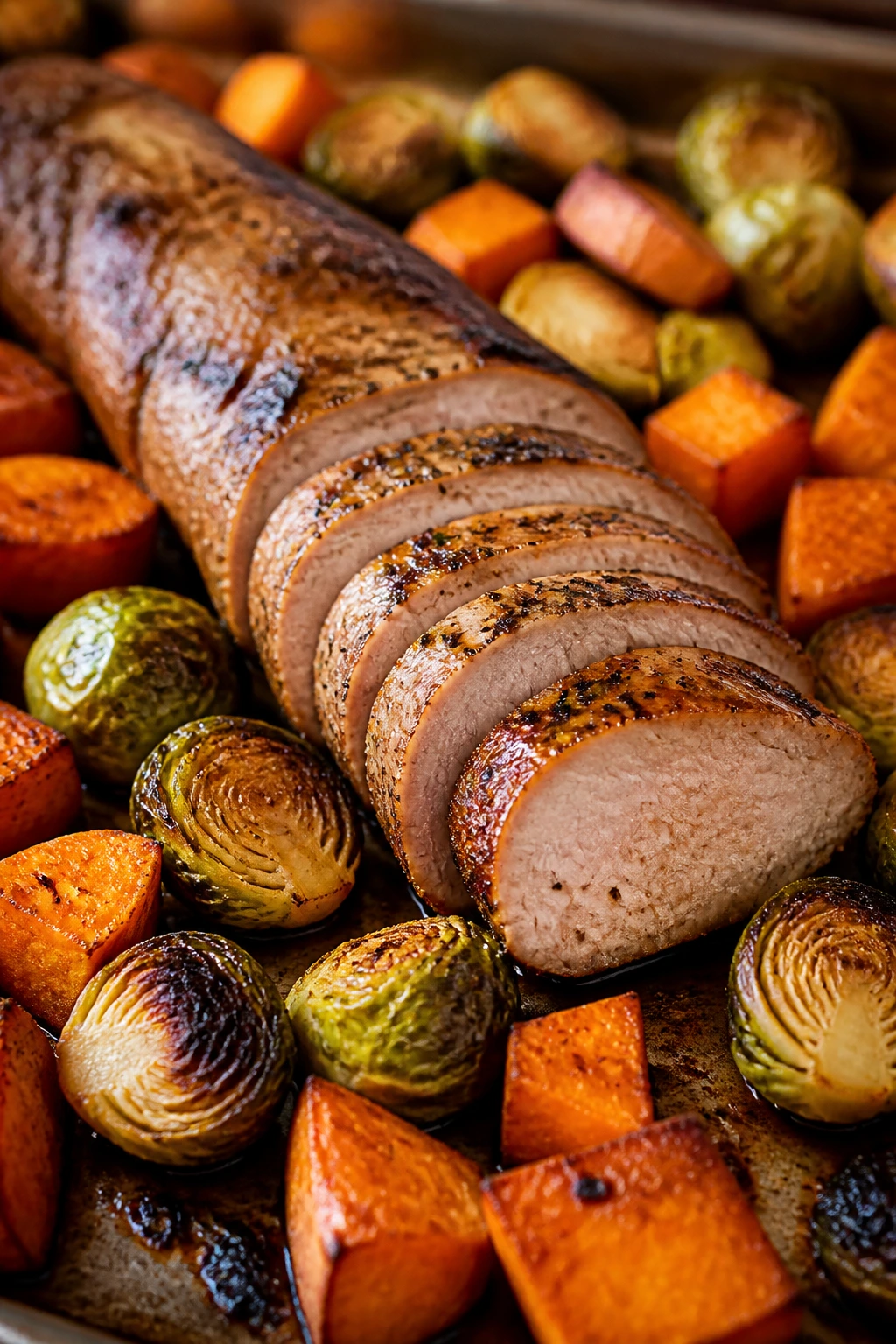
This is one of those roast-pan dinners that feels bigger than the effort it asks for. The pork stays lean and tender, the sweet potatoes caramelize at the edges, and the Brussels sprouts get those crisp leaves that people fight over. A little Dijon and balsamic give the whole tray a savory-sweet edge that works better than it should.
Why It Works: Pork tenderloin is one of the easier lean proteins to roast because it cooks quickly and slices cleanly if you let it rest. Sweet potatoes give you carbs that feel substantial, and Brussels sprouts bring bitterness and crunch, which keep the plate from drifting into mush. It’s a strong fit for training nights when you want a meal that feels hearty but not greasy.
Key Ingredients:
- 1 ½ pounds pork tenderloin — trimmed and ready to roast.
- 2 medium sweet potatoes, cut into 1-inch cubes — roast at the same pace as the vegetables.
- 1 pound Brussels sprouts, halved — trim the stems and remove loose outer leaves.
- 2 tablespoons olive oil — for roasting.
- 2 teaspoons Dijon mustard — adds savory depth to the pork.
- 2 garlic cloves, minced — mixed into the oil or rubbed on the pork.
- 1 teaspoon chopped rosemary — fresh or dried.
- 1 tablespoon balsamic vinegar — for a final drizzle.
- Salt and black pepper — season the meat and vegetables well.
Quick Steps:
- Heat the oven to 425°F. Toss the sweet potatoes and Brussels sprouts with olive oil, salt, pepper, and half the rosemary.
- Roast the vegetables for 15 minutes so they begin to brown.
- Rub the pork tenderloin with Dijon, garlic, rosemary, salt, and pepper.
- Push the vegetables aside and add the pork to the pan. Roast for 18 to 22 minutes, until the pork reaches 145°F in the center.
- Rest the pork for 10 minutes, then slice it across the grain.
- Drizzle the tray with balsamic vinegar and serve.
Tips and Variations:
- If the Brussels sprouts are large, cut them into quarters so they cook evenly.
- Resting the pork matters. Skip it and the slices dry out.
- A handful of chopped parsley on top makes the tray look fresher.
15. Lentil Bolognese over Protein Pasta
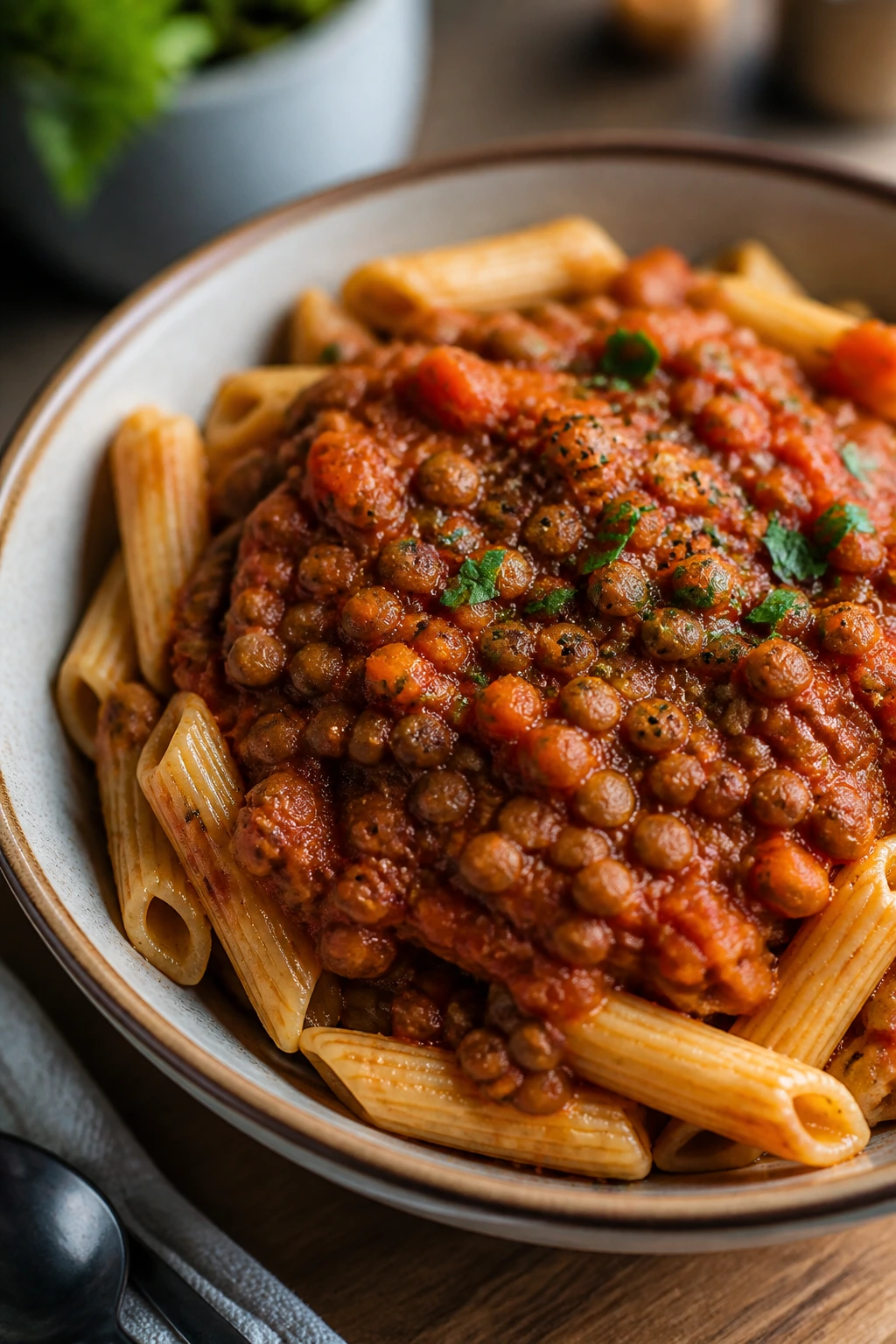
This sauce has real backbone. The lentils simmer down until they’re soft and earthy, the tomato base gets rich, and the protein pasta turns the whole thing into a dinner that can stand up to a long training day. It tastes like comfort food, which is useful when you want meatless dinner to feel like a choice, not a compromise.
Why It Works: Lentils bring protein, fiber, and substance, and they absorb tomato flavor better than you’d expect if you give them enough time. Chickpea or lentil pasta raises the protein count again, so the whole bowl lands in useful territory without needing meat. This is one of the best options for anyone who wants a bigger carb serving without giving up the protein goal.
Key Ingredients:
- 1 cup brown or green lentils, rinsed — hold their shape better than red lentils.
- 2 tablespoons olive oil — for the sauce base.
- 1 onion, finely diced — starts the flavor.
- 1 carrot, finely diced — adds sweetness.
- 1 celery stalk, finely diced — the quiet member of the soffritto.
- 3 garlic cloves, minced — keeps the sauce lively.
- 1 tablespoon tomato paste — deepens the sauce.
- 24 ounces marinara or 2 cups crushed tomatoes — the tomato backbone.
- 3 cups water or low-sodium broth — needed for simmering the lentils.
- 12 ounces chickpea or lentil pasta — the protein pasta base.
- ½ cup grated parmesan and chopped basil — for serving.
Quick Steps:
- Heat the olive oil in a saucepan over medium heat. Cook the onion, carrot, and celery for 6 to 7 minutes until soft.
- Add the garlic and tomato paste, stirring for 1 minute until the paste darkens a little.
- Stir in the lentils, marinara, and water or broth. Bring to a simmer, cover partially, and cook for 25 to 30 minutes until the lentils are tender and the sauce is thick.
- While the sauce simmers, cook the pasta in salted water until just al dente. Drain it well.
- Taste the sauce and adjust the salt. Toss with the pasta or spoon it on top.
- Finish with parmesan and basil.
Tips and Variations:
- Add a splash of milk or cream at the end if you want the sauce richer.
- If the sauce gets too thick, loosen it with pasta water.
- A pinch of red pepper flakes gives the tomato sauce more snap.
16. Turkey Shepherd’s Pie with Cauliflower Mash
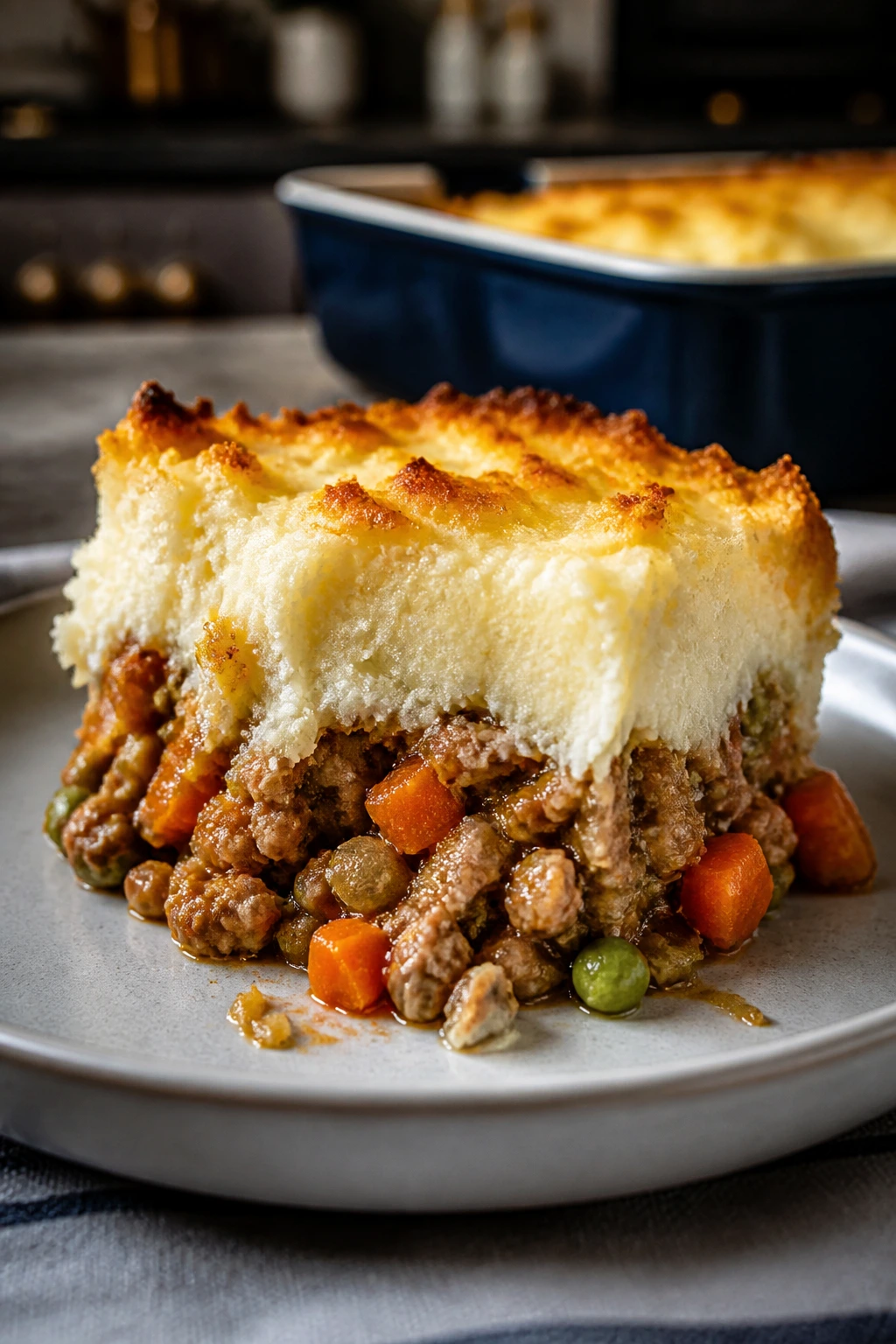
This is comfort food with the brakes on, in a good way. The turkey filling is savory and saucy, the peas and carrots bring color, and the cauliflower mash bakes into a top that feels creamy without turning the dinner into a brick. It’s the kind of casserole that makes leftovers easy to look forward to.
Why It Works: Ground turkey keeps the protein high while staying lighter than the classic beef version. Cauliflower mash gives you the creamy top you want without a full carb load, though you can mix in potato if you need more fuel. It’s also a strong make-ahead dinner, which counts for a lot when your gym schedule and your grocery schedule are not on speaking terms.
Key Ingredients:
- 1 ½ pounds ground turkey — the main filling.
- 1 tablespoon olive oil — for the skillet.
- 1 onion, diced — builds flavor.
- 2 carrots, diced small — soften into the filling.
- 2 cloves garlic, minced — use fresh.
- 2 tablespoons tomato paste — deepens the gravy.
- 1 tablespoon Worcestershire sauce — adds savoriness.
- 1 cup low-sodium chicken broth — turns the filling into a spoonable mixture.
- 1 cup frozen peas — stirred in near the end.
- 1 large head cauliflower, cut into florets — the mash topping.
- 2 tablespoons butter and ½ cup shredded cheddar — for the mash.
- Salt and pepper — throughout.
Quick Steps:
- Heat the oven to 400°F. Steam or boil the cauliflower until very tender, about 10 to 12 minutes.
- Drain the cauliflower well, then mash it with butter, cheddar, salt, and pepper until mostly smooth.
- Heat the olive oil in a skillet over medium heat. Cook the onion and carrots for 5 minutes, then add the garlic and turkey.
- Stir in the tomato paste, Worcestershire sauce, broth, salt, and pepper. Simmer for 5 to 7 minutes until the filling thickens, then stir in the peas.
- Spoon the turkey mixture into a baking dish and spread the cauliflower mash over the top.
- Bake for 20 to 25 minutes, until the top is set and lightly browned. Broil for 1 to 2 minutes if you want more color.
Tips and Variations:
- Drain the cauliflower well or the topping turns watery.
- If you want a more classic feel, mix half mashed potato and half cauliflower.
- A sprinkle of smoked paprika on top gives the pie a deeper finish.
Why These Dinners Work After Training
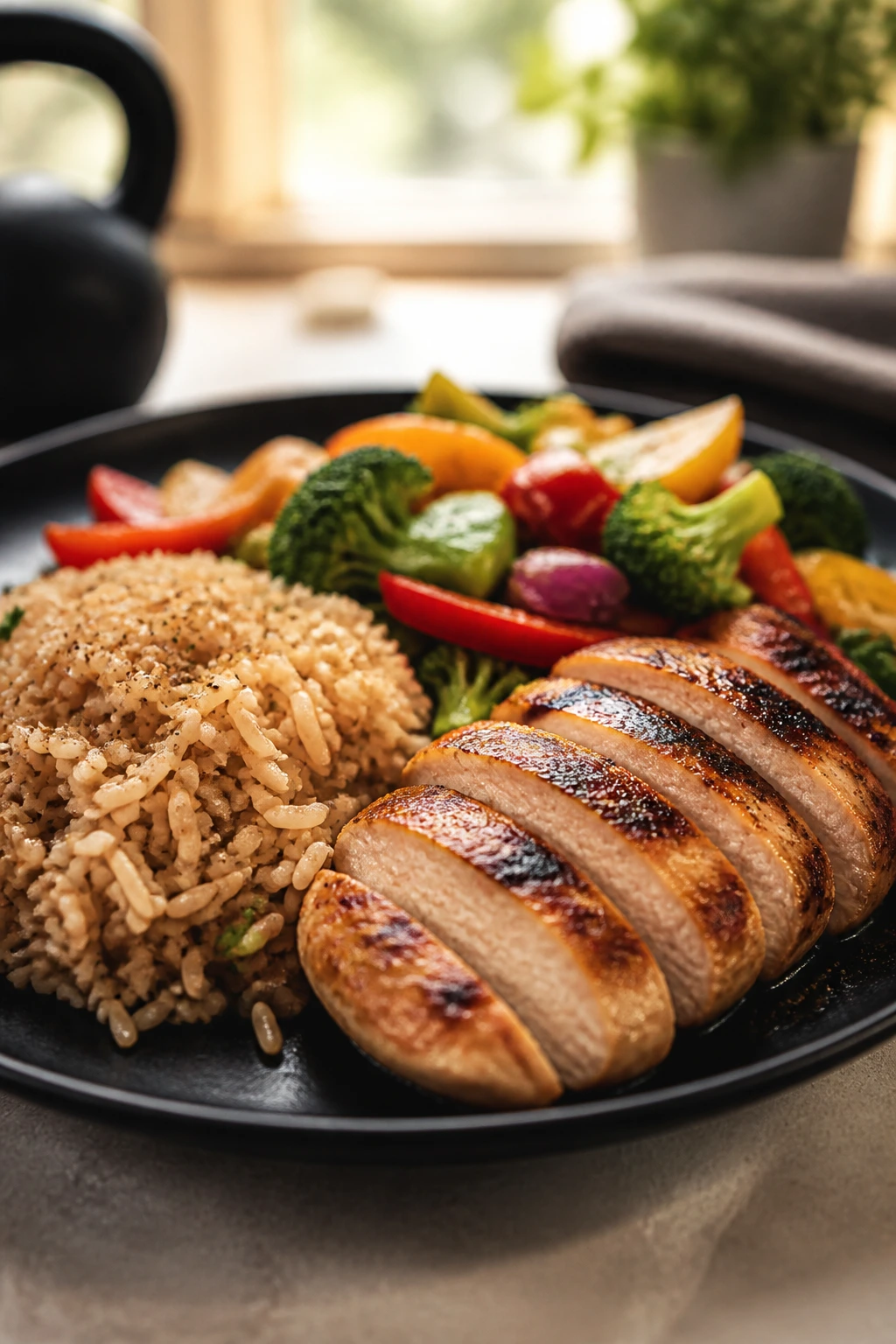
A good gym-day dinner does more than stack protein grams on a plate. It gives you enough carbs to refill what training burned through, enough vegetables to keep the meal from feeling heavy in the wrong way, and enough flavor that you’ll want to eat it again next week. That balance matters more than people admit. A bowl of plain chicken and broccoli may look disciplined, but it usually doesn’t feel satisfying enough to repeat.
The stronger recipes in this collection share a few habits. They use sauces that actually taste like something, not sad moisture. They rely on lean proteins where lean makes sense and richer proteins where richer makes the meal better. And they lean on methods that save energy: one skillet, one sheet pan, one pot, one casserole dish. That’s not laziness. That’s good kitchen sense.
Some nights call for a bowl of turkey taco rice. Other nights need salmon, potatoes, and green beans. The point is to match the meal to the job. If the workout was big, the dinner should be generous. If the workout was light, dinner can be lighter too. Either way, the plate should look like food you’d happily sit down for, not a punishment wearing a recipe.
The Pans, Bowls, and Thermometers That Cover the Rotation
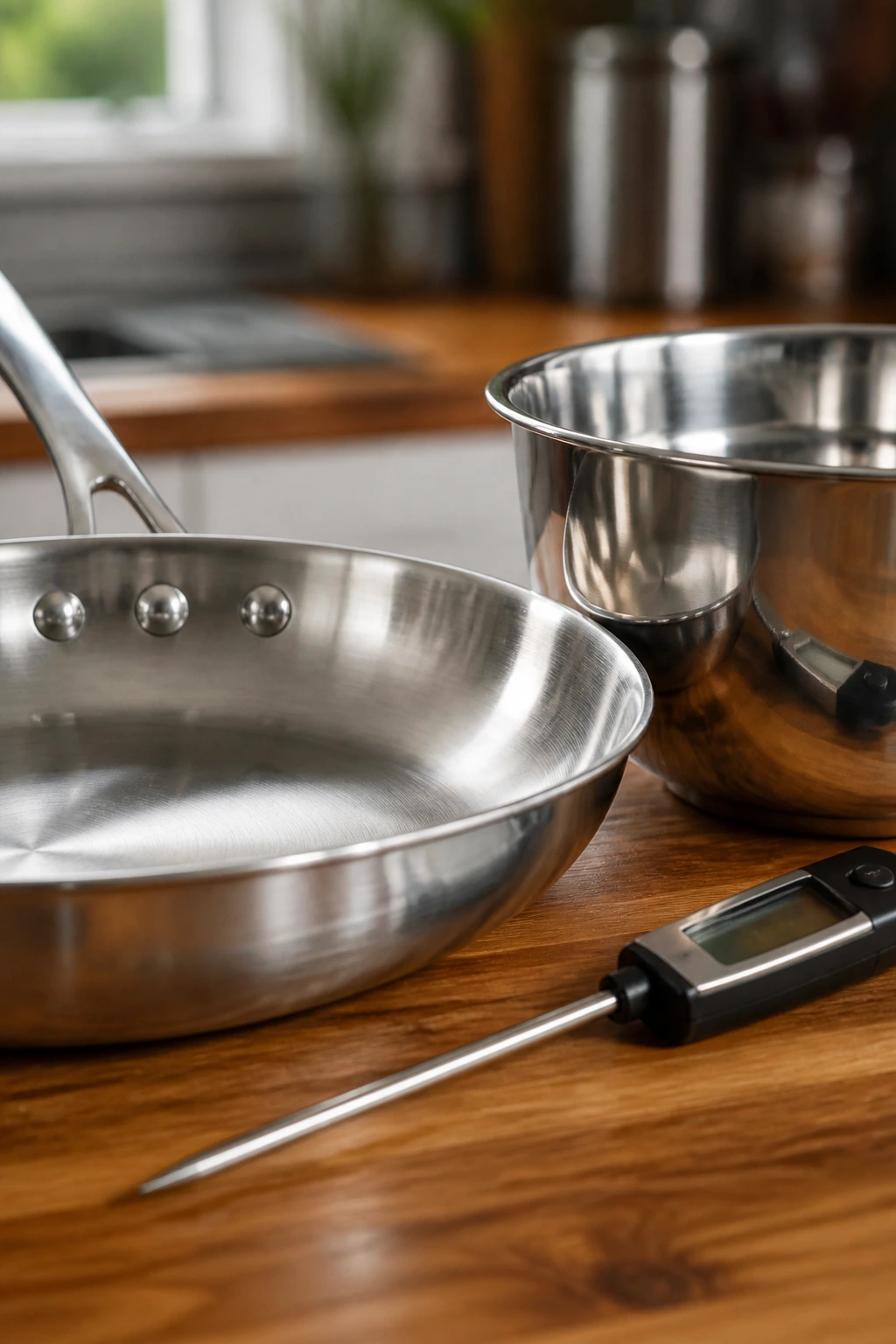
- Large nonstick or stainless-steel skillet: Best for turkey taco skillets, chicken bowls, meatballs, and burger patties.
- Rimmed sheet pan: Handles salmon, cod, pork tenderloin, roasted vegetables, and shawarma chicken without crowding.
- Large saucepan with a lid: Useful for rice, lentils, orzo, and any base that needs a covered simmer.
- Dutch oven or heavy pot: Chili wants something that holds heat evenly and doesn’t scorch the bottom.
- Instant-read thermometer: The easiest way to avoid dry chicken, overcooked turkey, and underdone pork.
- Mixing bowls: You’ll use them for marinades, meatballs, tzatziki, sauce whisking, and quick tosses.
- Chef’s knife and cutting board: Dicing onions, slicing peppers, and trimming vegetables go much faster when your knife is sharp.
- Colander or fine-mesh strainer: Handy for beans, pasta, rice rinsing, and soba noodles.
- Tongs and a sturdy spatula: Better control for flipping fish, moving chicken, and scraping up browned bits.
- Baking dish or casserole dish: Needed for stuffed peppers and shepherd’s pie, and useful for any oven-to-table dinner.
Smart Shopping for Lean Protein, Fish, Beans, and Grains
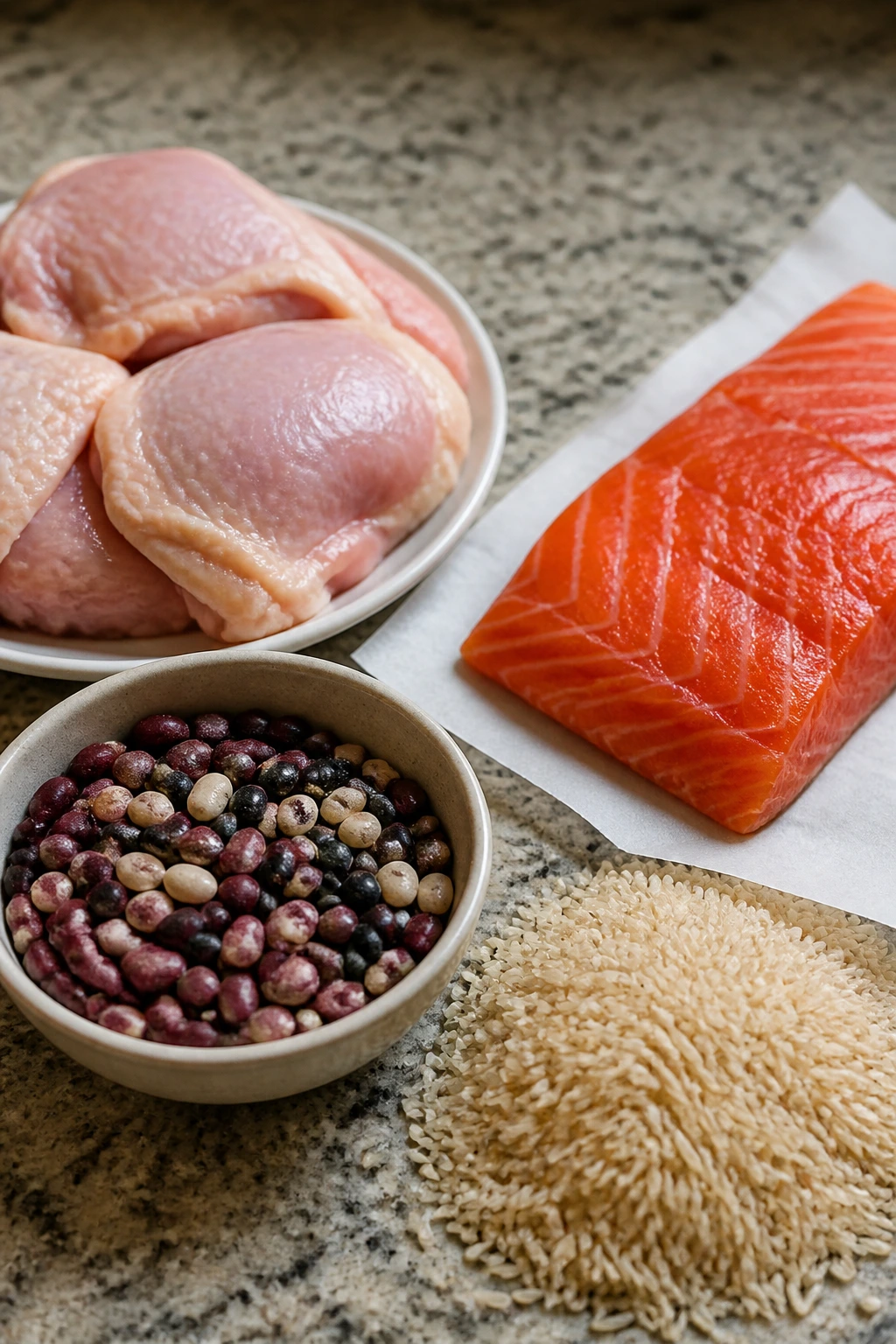
The grocery list for these dinners does not need to be fancy. It just needs a little judgment. For poultry and beef, look for cuts with enough fat to stay juicy. Ground turkey around 93/7 gives you flavor without a greasy skillet, and chicken thighs are usually more forgiving than breasts when dinner is running behind. If you do buy chicken breast, plan to cook it to temperature and stop there. Overcooking is how people end up claiming they “don’t like” chicken.
Fish deserves the same care. Salmon should look moist and firm, not dull and dry. Cod should smell clean, not sharp. Frozen fish is fine if it was frozen well, and it can actually be the better buy because it holds quality. Thaw it slowly in the fridge, pat it dry, and cook it without fuss.
Beans, lentils, rice, pasta, and potatoes are the quiet backbone of the whole rotation. Buy canned beans with no added sugar and lower sodium if you can find them, then rinse them. Choose rice that matches your timing; jasmine cooks fast, brown rice needs more patience, and both work if you season them well. For pasta, chickpea and lentil versions are useful when you want more protein, but regular pasta is perfectly fine in a dinner that already has a strong protein source.
Greek yogurt, cottage cheese, salsa, tahini, hummus, and broth are the sauce makers here. Plain yogurt should be plain, not sweetened. Cottage cheese should taste clean and mild. Broth matters more than people think, especially in rice, orzo, chili, and shepherd’s pie. It gives the meal a built-in base note that plain water can’t.
How to Plate These High-Protein Dinners So They Feel Like Dinner
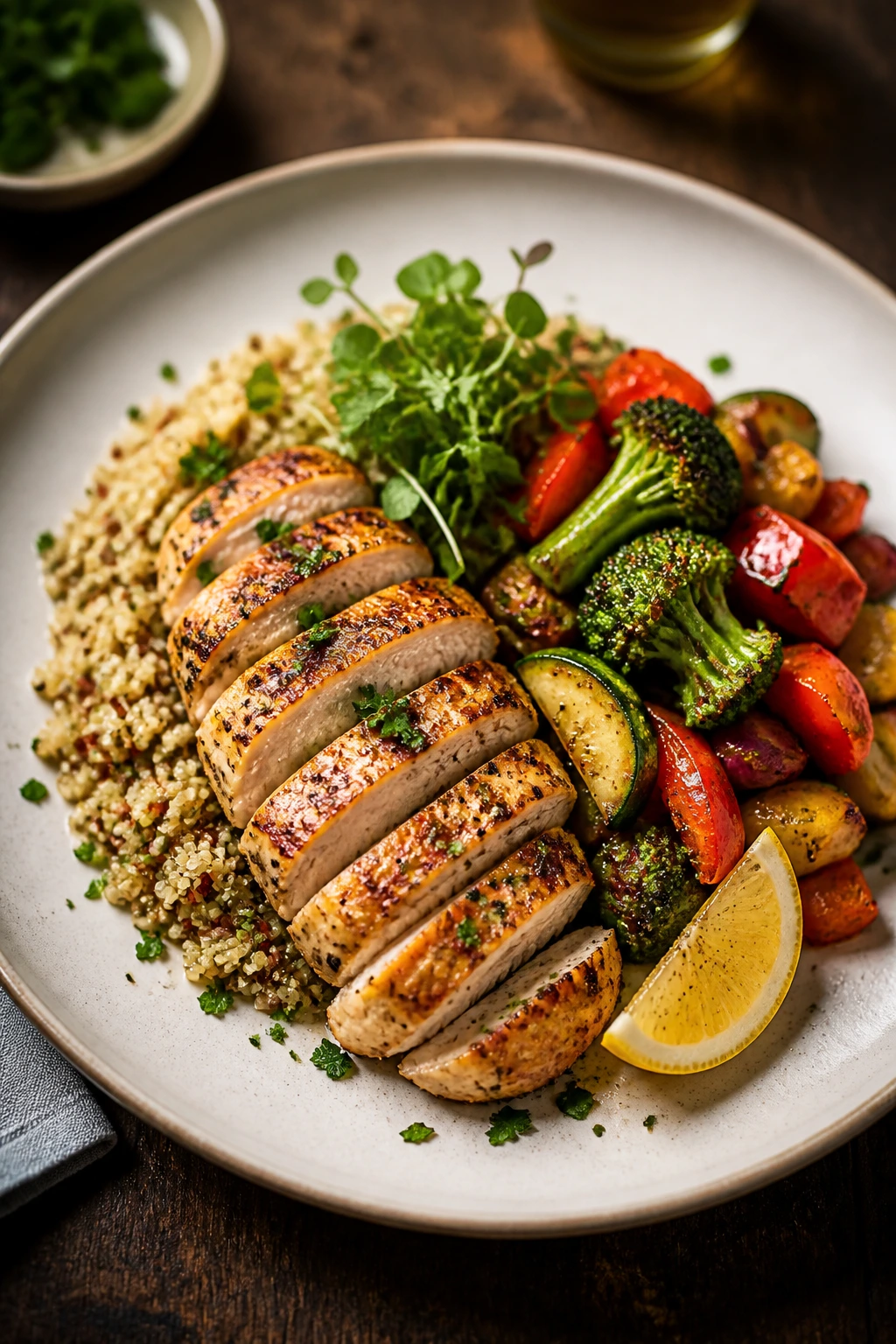
Presentation: Use shallow bowls for rice and noodle dishes, wide plates for roasted fish and meat, and baking dishes that can come straight to the table for casseroles. A bright garnish matters more than people think, so keep parsley, cilantro, scallions, lemon wedges, or a little grated cheese in play. Brown food tastes fine. Brown food in a brown bowl with no garnish feels like defeat.
Accompaniments: A simple green salad, sliced cucumbers, roasted carrots, warm pita, rice, extra potatoes, or a chunk of crusty bread all work across this collection. If the dinner already has beans, pasta, or potatoes, keep the side light. If the dinner is mostly lean protein and vegetables, add starch without guilt.
Portions: Most of these recipes serve 4, which is convenient but not sacred. For hungrier lifters, build plates around 5 to 7 ounces of cooked protein and a solid cup of carbs. If you want a lighter plate, keep the protein the same and trim the starch rather than cutting the part that helps recovery.
Beverage Pairing: Sparkling water with lemon is always safe. Unsweetened iced tea works well with chili, turkey taco skillets, and burgers. If you’re eating salmon, cod, or shawarma bowls, a crisp white wine or a dry hard seltzer can fit nicely without fighting the food.
Extra Flavor Moves That Matter
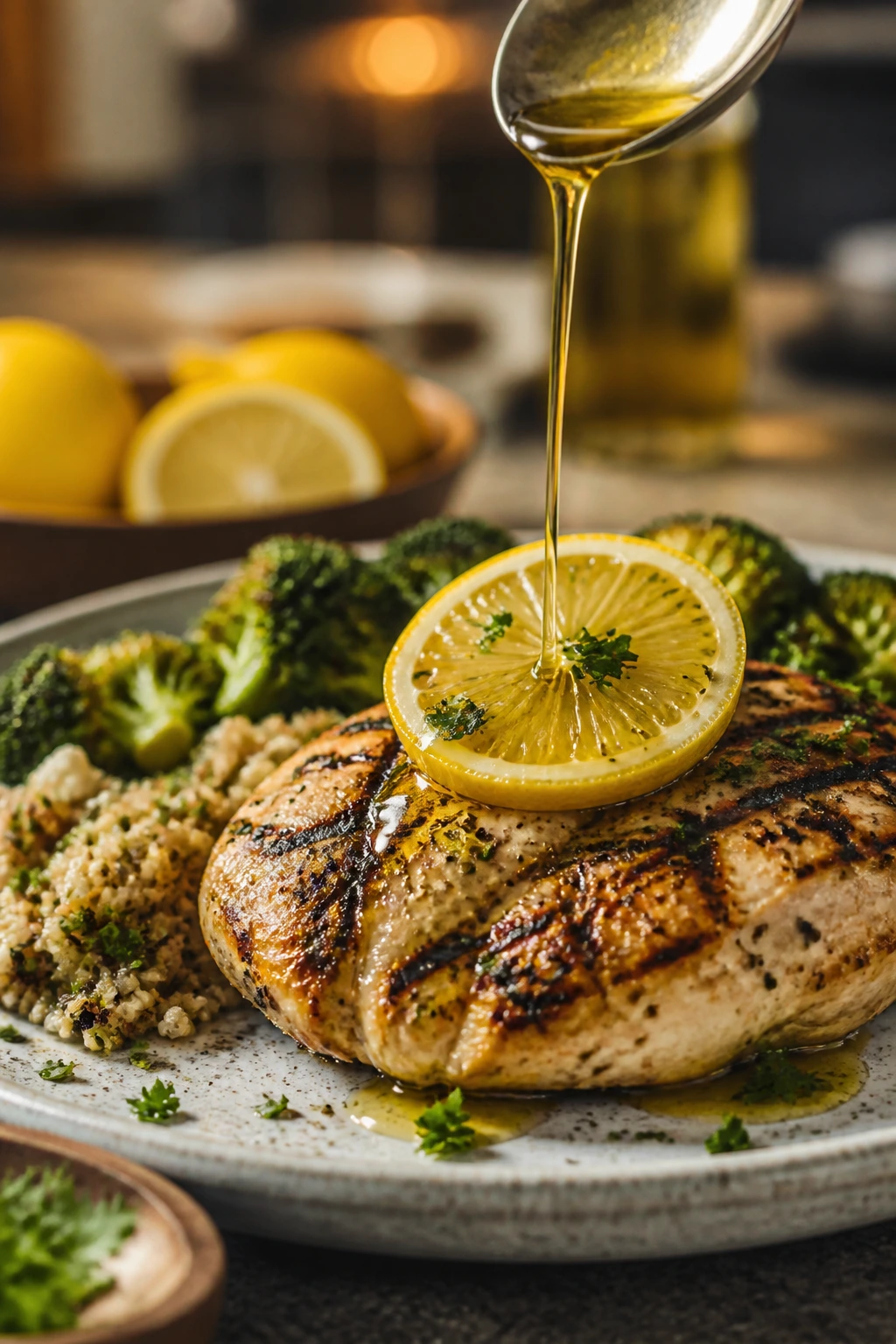
Flavor Enhancement: Finish almost any of these dinners with acid. Lemon, lime, red wine vinegar, a spoonful of pickle brine, or a splash of balsamic makes protein taste more alive. The trick is to use the acid at the end, when it can stay bright instead of cooking off.
Customization: If training was heavy and you need more fuel, add rice, potatoes, pasta, tortillas, or extra beans. If the day was lighter, lean harder on vegetables and keep the starch portion smaller. The protein can stay the same either way.
Serving Suggestions: Toasted sesame seeds, chopped herbs, sliced scallions, crumbled feta, grated parmesan, or a dollop of Greek yogurt make a plate feel finished. A crunchy topping matters more than it gets credit for. Texture keeps high-protein dinners from turning flat.
Make-It-Yours: Dairy-free cooks can lean on tahini, hummus, olive oil, avocado, or salsa instead of yogurt and cheese. Gluten-free cooks can use tamari, rice noodles, certified gluten-free breadcrumbs, or chickpea pasta. If you want a bigger calorie bump for bulking, add olive oil, cheese, nuts, avocado, or another scoop of rice rather than just doubling the meat.
Make-Ahead, Fridge Time, and Reheating Without Drying Anything Out
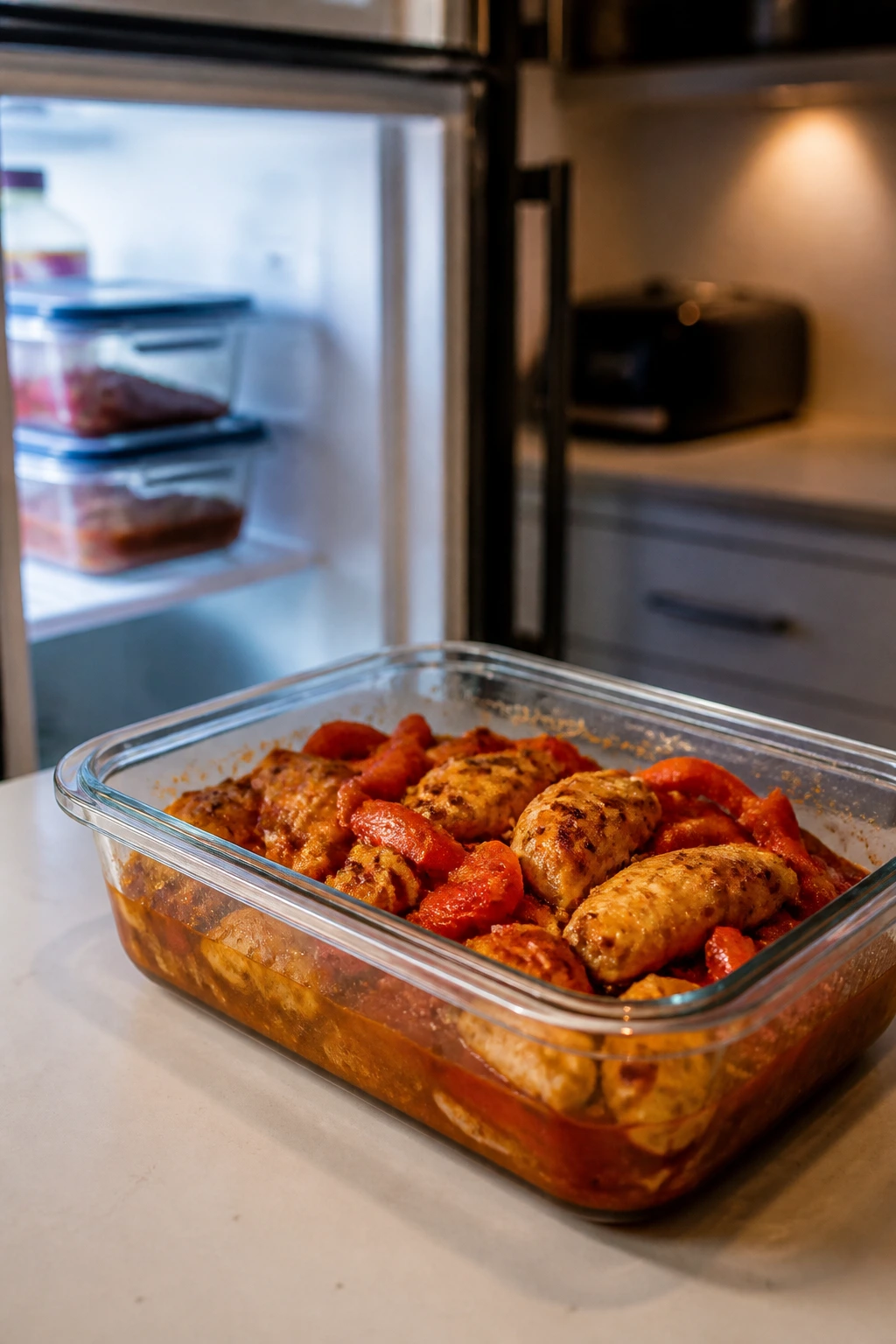
Most of these dinners hold up well for 3 to 4 days in the refrigerator if you cool them quickly and store them in airtight containers. Saucy dishes like chili, turkey meatballs, lentil bolognese, and shepherd’s pie are the best leftovers because the moisture stays trapped in the sauce or filling. Chicken bowls and taco skillets also reheat well, especially if you keep the sauce separate until serving.
Fish is the one area where I’d be a little stricter. Salmon and cod are best within 1 to 2 days, and they’re usually better reheated gently than blasted. If you know you’ll want leftovers, choose the chili, pork tenderloin, meatballs, or shawarma chicken instead. Frozen fish can work, but cooked fish that’s been frozen and reheated tends to lose the texture people wanted in the first place.
For the freezer, plan on up to 2 to 3 months for chili, turkey meatballs, shepherd’s pie, stuffed pepper filling, and lentil bolognese. Freeze in flat containers or freezer bags so they thaw faster. Rice can also be frozen in portions, which is useful if you want these dinners to come together on autopilot. Reheat most skillet meals in a covered skillet over low heat with a splash of water or broth. Use the microwave if you must, but stop halfway to stir, because uneven heating dries out the edges. Oven reheating at 325°F works best for casseroles and roast dinners.
Meal prep is easiest when you break things into components. Marinate chicken the night before. Chop peppers, onions, and broccoli ahead of time. Cook rice or lentils in bulk. Whisk sauce ingredients and keep them in a jar. Those little moves shave enough time off a weeknight to matter.
Ways to Bend the Menu
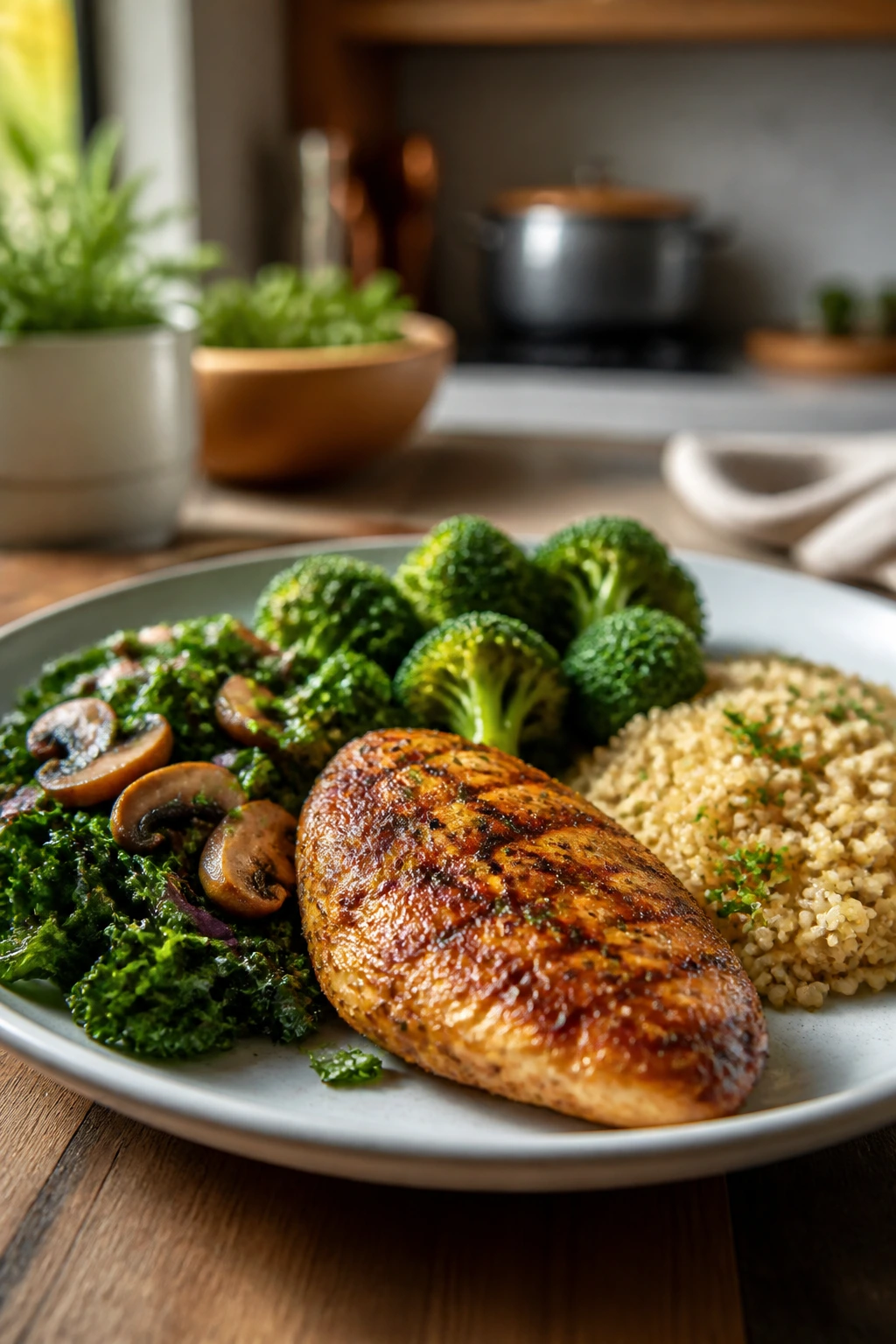
Lower-Carb Plate Night: Keep the protein the same and swap rice, pasta, or potatoes for cauliflower rice, extra greens, or a bigger vegetable side. That works especially well with the taco skillet, shawarma bowls, salmon, and chicken rice bowls. You still get a strong dinner, just with less starch on the plate.
Bulking Night: Add another scoop of rice, an extra potato, more pasta, or a second piece of bread. Drizzle with olive oil, add avocado, or finish with cheese if you need more calories. The goal is to make the meal bigger without turning it into junk.
Dairy-Free Build: Use tahini, hummus, avocado, salsa, or olive oil instead of yogurt, feta, cottage cheese, and parmesan. This is easy to do with the cod, taco skillet, tofu bowl, and chili. You won’t miss the dairy if the seasoning is right.
Vegetarian Power Plate: Tofu, edamame, lentils, chickpea pasta, beans, and Greek yogurt can cover a lot of ground on their own. The tofu noodle bowl and lentil bolognese are already there, but you can also make the taco skillet bean-heavy or swap turkey out of the shepherd’s pie for lentils and mushrooms.
Mild-to-Spicy Switch: Keep the base recipes gentle, then add heat at the table with chili crisp, hot sauce, red pepper flakes, jalapeños, or harissa. That keeps the whole pan family-friendly while still letting the people who like heat have it.
Mistakes That Make a High-Protein Dinner Feel Flat
Chasing protein and forgetting the rest. A plate with nothing but meat gets old fast and often doesn’t satisfy the way people expect. The fix is simple: include carbs and vegetables so the meal has shape, texture, and enough fuel to actually work after training.
Cooking lean proteins until they turn dry. This shows up most with chicken breast, turkey burgers, and pork tenderloin. Use an instant-read thermometer, pull food at the right temperature, and let it rest. Dry protein is usually a timing problem, not a recipe problem.
Under-seasoning because the meal is “healthy.” That idea ruins more dinners than people admit. Salt early, season in layers, and finish with acid, herbs, or a sauce so the food tastes awake instead of gray.
Crowding the pan. When vegetables, chicken, or fish sit too close together, they steam instead of browning. Use a bigger pan, cook in batches, or accept that you may need two sheet pans. Browning is flavor.
Skipping sauces and toppings. A little yogurt sauce, salsa, tzatziki, pesto, or chili oil changes the whole dinner. High-protein food often needs something glossy or sharp on top. Otherwise the plate can feel sturdy but joyless.
Questions People Ask Before Cooking This Rotation
How much protein should dinner have after a workout?
A dinner in the 25 to 40 gram range works well for most people who want a real recovery meal. You do not need to overcomplicate it; just make sure the protein is the main anchor, not a side note.
Can I meal prep these recipes for the week?
Yes, and some of them improve with a day in the fridge. Chili, meatballs, bolognese, stuffed peppers, shepherd’s pie, and turkey taco filling are especially useful for batch cooking. Keep sauces separate when you can.
Which recipes are best if I hate dry chicken?
Use the salmon bowls, turkey taco skillet, chili, shawarma chicken thighs, pork tenderloin, or anything with a sauce. Chicken thighs are also easier to keep juicy than breasts.
Are the plant-based recipes high enough in protein?
The tofu noodle bowl and lentil bolognese can absolutely hold their own, especially if you include edamame or protein pasta. If you want more, add a yogurt sauce, more beans, or a side of roasted chickpeas.
What’s the best choice when I’m too tired to cook much?
The turkey taco skillet, shrimp soba stir-fry, sheet-pan cod, and salmon dinner all move fast. If you prep the vegetables ahead, they become even easier.
Can I freeze these dinners?
Yes, but choose the right ones. Chili, bolognese, meatballs, shepherd’s pie, and cooked filling for stuffed peppers freeze well. Fish dishes usually do not.
How do I make these dinners taste better the next day?
Use a little extra sauce or a fresh finish when reheating. A squeeze of lemon, a spoonful of yogurt, a sprinkle of herbs, or a dash of hot sauce makes leftovers taste intentional instead of stale.
Do I need protein powder to make high-protein dinners?
No. Real food does the job here. Chicken, turkey, salmon, tofu, beans, lentils, yogurt, cottage cheese, and cheese all get you there without turning dinner into a supplement project.
A Rotation Worth Keeping
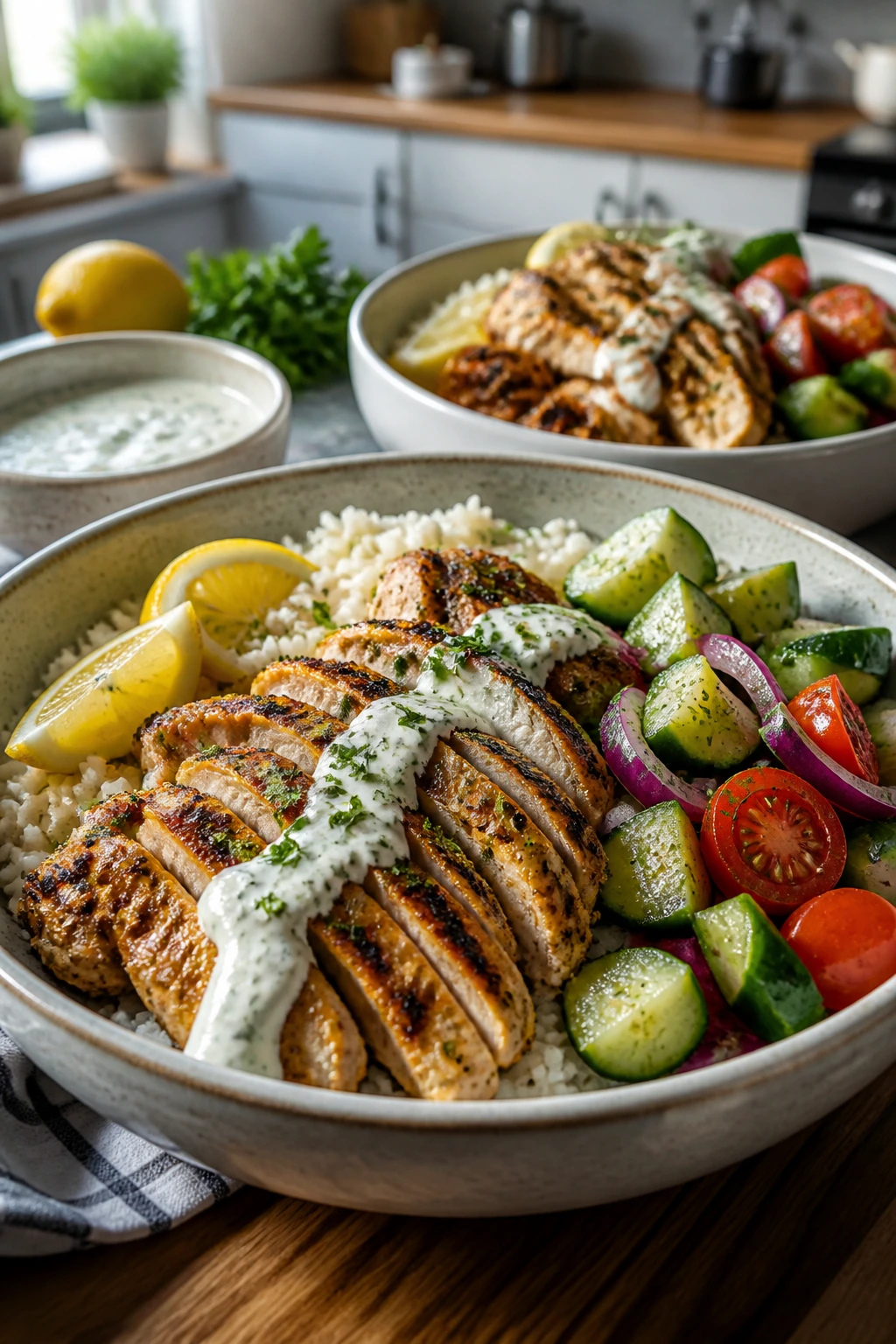
A smart dinner rotation makes training life easier. That sounds obvious, but most people still cook like every night is a test. It isn’t. Some nights need a skillet full of turkey taco filling and rice. Some need salmon, potatoes, and lemon. Some need a bowl of chili that reheats cleanly and tastes even better the second time around.
What I like about these high protein dinners for gym days is that they don’t ask you to choose between practical and satisfying. You get both. That matters when you’re hungry, tired, and not in the mood to clean five pans just to eat something decent.
Pick three or four of these recipes first. Put them on repeat. Then add the rest as your week changes and your appetite does the honest work of telling you what actually fits.
| Recipe | Prep Time | Cook Time | Total Time | Servings | Standout Detail |
|---|---|---|---|---|---|
| Lemon-Garlic Chicken Rice Bowls | 15 min | 25 min | 40 min | 4 | Bright yogurt sauce and juicy chicken |
| Turkey Taco Skillet with Black Beans | 10 min | 20 min | 30 min | 4 | One-skillet filling with beans and salsa |
| Crispy Salmon with Potatoes and Green Beans | 15 min | 30 min | 45 min | 4 | Crispy edges, clean lemon-dill finish |
| Steak Fajita Bowls | 15 min | 20 min | 35 min | 4 | Strong sear and limey steak slices |
| Teriyaki Chicken Broccoli Rice | 15 min | 25 min | 40 min | 4 | Glossy sauce that clings to every bite |
| Shrimp Soba Stir-Fry | 15 min | 10 min | 25 min | 4 | Fast noodles with peanut-ginger sauce |
| Turkey Meatballs and Orzo | 20 min | 25 min | 45 min | 4 | Cozy skillet dinner with built-in leftovers |
| Stuffed Bell Peppers with Turkey and Cottage Cheese | 20 min | 40 min | 1 hr | 4 | Creamier filling than most stuffed peppers |
| Peanut Tofu Noodle Bowl | 20 min | 15 min | 35 min | 4 | Meatless bowl with serious staying power |
| Chicken Shawarma Pita Bowls | 20 min | 25 min | 45 min | 4 | Warm spices and cool yogurt balance |
| Beef and Bean Chili | 15 min | 35 min | 50 min | 6 | Deep flavor that tastes better the next day |
| Sheet-Pan Cod with Chickpeas and Tomatoes | 15 min | 20 min | 35 min | 4 | Light fish dinner with roasted chickpeas |
| Greek Turkey Burgers with Tzatziki | 20 min | 15 min | 35 min | 4 | Burger night with a fresher edge |
| Pork Tenderloin with Sweet Potatoes and Brussels Sprouts | 20 min | 30 min | 50 min | 4 | Roasted tray with sweet-savory balance |
| Lentil Bolognese over Protein Pasta | 15 min | 35 min | 50 min | 4 | Meatless sauce with real body |
| Turkey Shepherd’s Pie with Cauliflower Mash | 25 min | 35 min | 1 hr | 6 | Comforting casserole with a lighter top |