



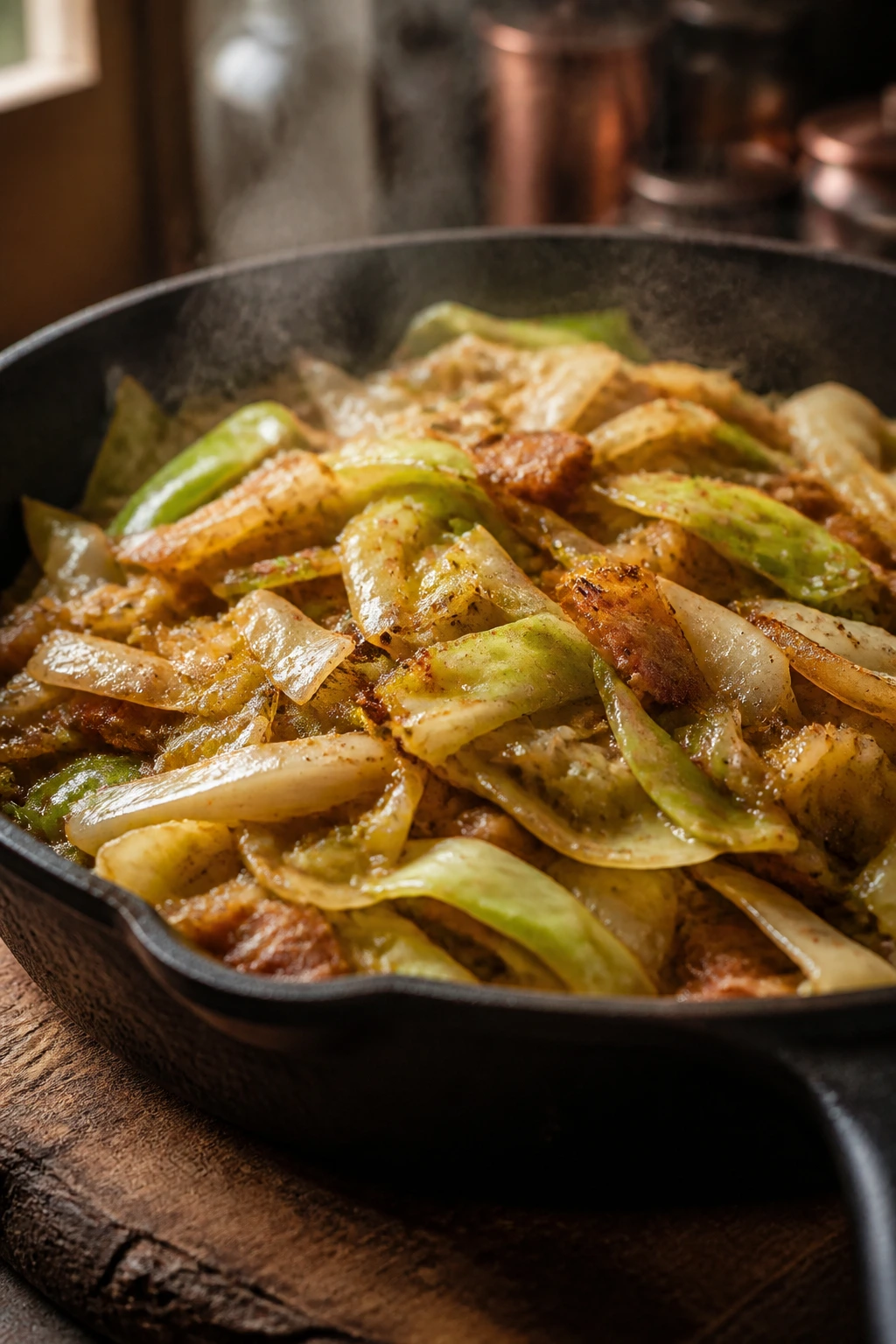
A good cabbage dinner does something that feels almost unfair: it turns one cheap, sturdy, slightly underloved vegetable into a plateful of warmth. That’s the whole trick behind these cabbage dinners for cozy winter nights. Cabbage softens, sweetens, and soaks up whatever you put with it — smoky paprika, sausage drippings, tomato sauce, coconut curry, mustard, butter, broth. It’s the sort of ingredient that looks plain in the store and then quietly outperforms almost everything else once it hits a hot pan or a low oven.
I’ve always liked cabbage in cold-weather cooking because it gives you two useful personalities. Slice it thin and it behaves like a fast-cooking green, tender in minutes, almost silky around the edges. Cut it into wedges or leave it in chunky ribbons, and it keeps a bit of backbone, which is what you want in a braise, a soup, or a sheet-pan dinner where everything else is asking for the spotlight. That texture matters. So does the way cabbage drinks in salt and acid. A splash of vinegar, a spoon of Dijon, a squeeze of lemon — suddenly the whole pot wakes up.
The recipes below lean into that range. Some are skillet fast. Some are slow and soothing. Some are built for leftovers, which is honestly where cabbage often shines best. If you’ve only ever had it boiled until tired, this is a much better life for it.
Why This Collection Is Worth Keeping on Repeat
-
Budget-Friendly Comfort: Cabbage gives you a big, filling base for very little money, which makes these dinners feel generous without being fussy.
-
One Vegetable, Many Moods: You’ll see cabbage turn crisp in a skillet, tender in soup, sweet in the oven, and rich in a casserole.
-
Weeknight-Friendly Options: Several of these dishes land in 30 to 45 minutes, and a few are even faster if you’ve already got chopped cabbage on hand.
-
Leftovers That Hold Up: Cabbage keeps its shape better than a lot of vegetables, so these meals often taste even better the next day.
-
Cold-Night Friendly Flavors: Garlic, mustard, paprika, sausage, broth, and a little acid all pull cabbage into the kind of dinner that feels like a blanket.
-
Easy to Scale Up: Most of these recipes double cleanly, which is useful when you want a pot of something substantial waiting in the fridge.
1. Skillet Beef and Cabbage with Smoked Paprika
This is the kind of cabbage dinner that smells like you meant business the moment the onions hit the pan. Savory beef, soft cabbage, a little tomato, and smoked paprika make the whole skillet taste deeper than the ingredient list suggests. It’s not fancy. It doesn’t need to be.
Why It Works:
Ground beef brings fat and browning, and that browning is the backbone of the whole dish. Cabbage adds volume and sweetness, then soaks up the seasoned tomato broth without turning mushy if you stop cooking when the leaves go tender but still faintly springy. Smoked paprika gives the dish a campfire edge, while a spoon of vinegar at the end keeps it from tasting flat. Serve it with rye bread or spooned over mashed potatoes, and it stops being a “quick dinner” and starts feeling like a proper cold-weather meal.
Key Ingredients:
- 1 tablespoon olive oil
- 1 pound ground beef, 85/15 or 90/10
- 1 medium yellow onion, diced
- 3 garlic cloves, minced
- 1 small head green cabbage, cored and sliced into 1-inch ribbons
- 2 tablespoons tomato paste
- 1 cup beef broth
- 1 teaspoon smoked paprika
- 1/2 teaspoon caraway seeds
- 1 tablespoon apple cider vinegar
- 1 teaspoon kosher salt
- 1/2 teaspoon black pepper
- 2 tablespoons chopped parsley, for finishing
Quick Steps:
- Heat the olive oil in a large skillet over medium-high heat.
- Add the ground beef and cook for 5 to 6 minutes, breaking it up, until browned and no longer pink.
- Stir in the onion and cook for 3 minutes, then add the garlic, smoked paprika, caraway, salt, and pepper.
- Add the tomato paste and cook for 1 minute until it darkens a shade.
- Stir in the cabbage and beef broth, cover, and cook for 8 to 10 minutes until the cabbage is tender at the stems but still has some bite.
- Uncover, add the vinegar, and cook for 2 minutes more until the liquid clings lightly to the meat and cabbage.
- Finish with parsley and serve hot.
Tips and Variations:
- Make it heartier: Add 1 cup cooked egg noodles at the end.
- Sharper flavor: A teaspoon of Dijon gives the skillet a nice snap.
- Creamy finish: A spoonful of sour cream on top softens the paprika edge.
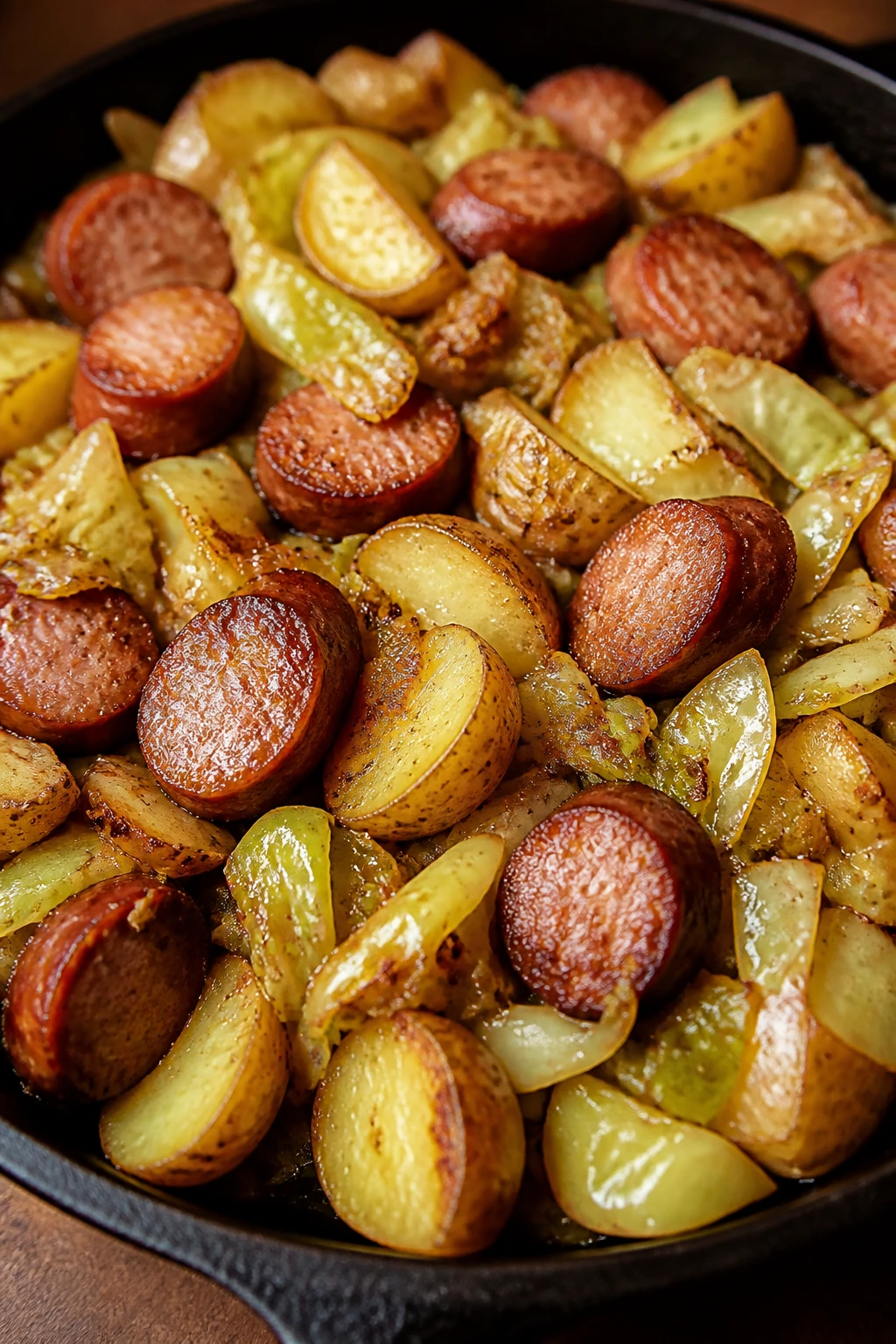
2. Sausage, Cabbage, and Potatoes in One Pan
Hot sausage, buttery potatoes, and cabbage that turns sweet around the edges — this is the dinner you want when the night feels long and you don’t want to babysit a stove. It’s rustic in the best way, which means it forgives a little impatience and still ends up delicious.
Why It Works:
Sausage does the seasoning for you, and that matters. As it cooks, the fat coats the potatoes and cabbage, so everything tastes fuller than it would in a plain roast. The trick is to let the potatoes get a head start so they crisp before the cabbage joins them; cabbage needs less time than most people think. A spoon of Dijon stirred with broth near the end makes the pan juices glossy and gives the cabbage just enough tang to keep the richness in check.
Key Ingredients:
- 1 pound smoked kielbasa, sliced into 1/2-inch coins
- 1 1/2 pounds baby potatoes, halved
- 1 small head green cabbage, cut into 2-inch chunks
- 1 large onion, cut into thick wedges
- 2 tablespoons olive oil
- 2 tablespoons Dijon mustard
- 1 cup chicken broth
- 1 teaspoon dried thyme
- 1 tablespoon butter
- 1 teaspoon kosher salt
- 1/2 teaspoon black pepper
Quick Steps:
- Heat the oven to 425°F (220°C).
- Toss the potatoes and onion with olive oil, salt, pepper, and thyme on a large sheet pan.
- Roast for 20 minutes until the potatoes are starting to brown.
- Add the kielbasa and cabbage to the pan, then drizzle the broth mixed with Dijon over everything.
- Roast for 15 to 18 minutes more, tossing once halfway through, until the cabbage edges are caramelized and the potatoes are fork-tender.
- Dot with butter, toss again, and serve right away.
Tips and Variations:
- Busy-night shortcut: Use pre-cut cabbage and halved baby potatoes.
- Different sausage works: Chicken sausage keeps it lighter; andouille makes it spicier.
- Serving move: Spoon the pan juices over everything. Don’t waste them.
3. Stuffed Cabbage Rolls with Rice and Tomato Sauce
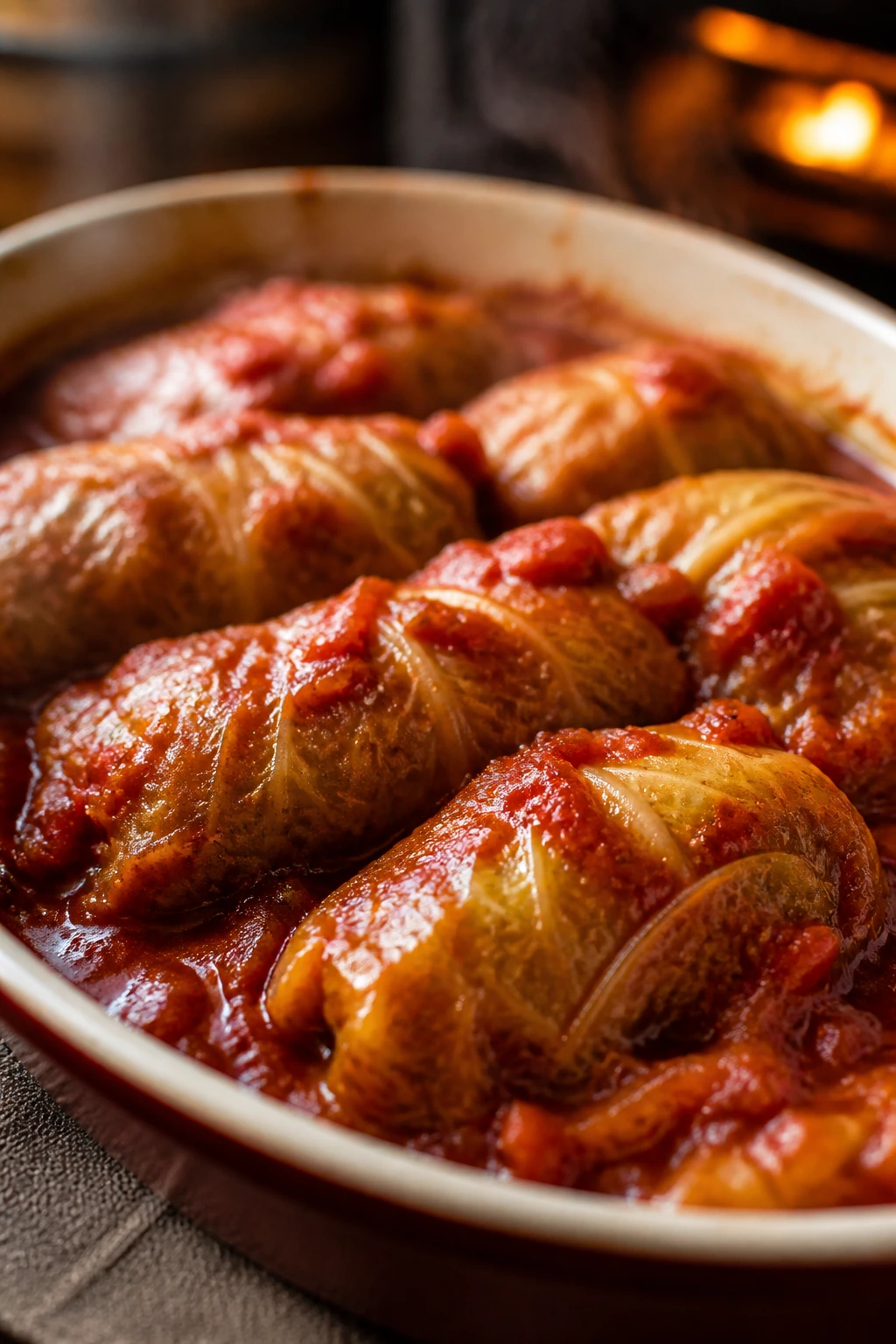
If you want a cabbage dinner that feels old-world and patient, this is the one. Tender cabbage leaves wrapped around a savory filling, tucked into tomato sauce, baked until the edges of the rolls turn a little sweet — it’s the kind of meal that fills the kitchen with a smell people notice from the hallway.
Why It Works:
Blanching the cabbage leaves first makes them pliable enough to roll without tearing, which is half the battle. The filling needs both rice and meat because the rice keeps it soft and the meat keeps it savory; a little egg helps the mixture hold together. Baking the rolls in tomato sauce lets the cabbage finish cooking gently, and the sauce seeps into the seams so every bite tastes seasoned from the inside out. The best stuffed cabbage isn’t tight and dry. It’s tender, saucy, and a little bit messy on the plate.
Key Ingredients:
- 1 large green cabbage
- 1 pound ground beef
- 1/2 pound ground pork
- 1 cup cooked white rice, cooled
- 1 large egg
- 1 medium onion, finely minced
- 2 garlic cloves, minced
- 1 (28-ounce) can crushed tomatoes
- 2 tablespoons tomato paste
- 1 tablespoon brown sugar
- 1 tablespoon apple cider vinegar
- 1 teaspoon sweet paprika
- 1 1/2 teaspoons kosher salt
- 1/2 teaspoon black pepper
Quick Steps:
- Heat the oven to 350°F (175°C).
- Core the cabbage and blanch it in a large pot of boiling salted water for 4 to 6 minutes, peeling off leaves as they soften.
- Mix the beef, pork, rice, egg, onion, garlic, paprika, salt, and pepper in a large bowl.
- Stir the crushed tomatoes, tomato paste, brown sugar, and vinegar together in a baking dish.
- Fill each cabbage leaf with 1/4 cup of filling, roll it up, and tuck the sides in as best you can.
- Nestle the rolls seam-side down in the sauce, cover tightly with foil, and bake for 1 hour.
- Uncover and bake for 10 minutes more until the sauce is slightly thick and the tops look glossy.
Tips and Variations:
- Freezer-friendly: Freeze the baked rolls in sauce, not dry.
- Rice swap: Cooked farro or barley works if you want a nuttier bite.
- Bright finish: A little chopped dill on top cuts through the tomato.
4. Ginger-Soy Chicken and Cabbage Stir-Fry
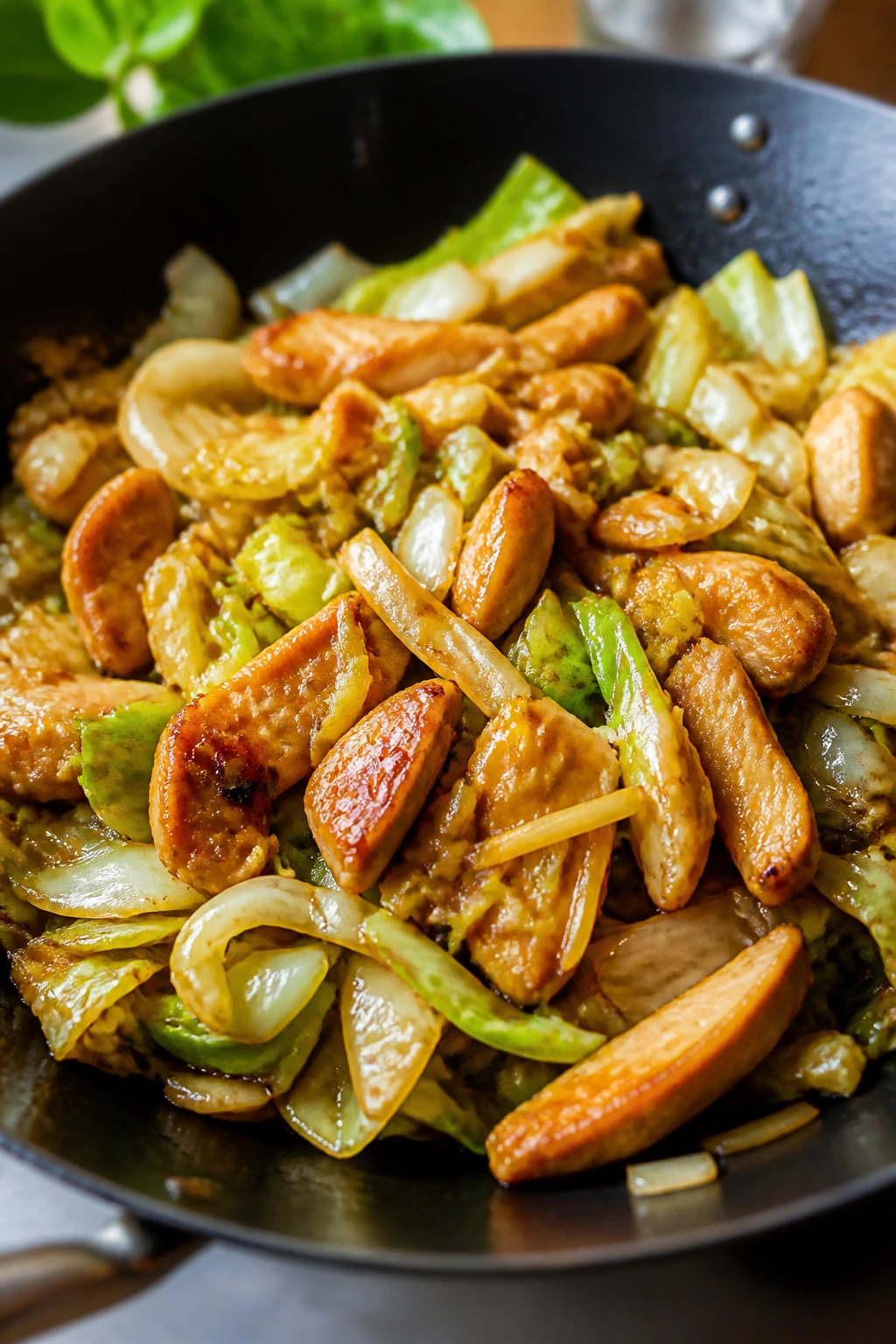
This one cooks fast, smells sharp and warm, and tastes like a smart answer to “what’s for dinner?” when the clock is not being kind. The cabbage stays lively, the chicken gets glossy, and the ginger gives the whole pan a clean heat that cuts through the soy.
Why It Works:
Chicken thighs stay juicy in a hot skillet, which matters because cabbage releases water as it cooks. You want enough heat to drive off that moisture and keep the vegetables from steaming into a soft pile. Ginger, garlic, soy sauce, rice vinegar, and a little honey make the sauce taste balanced instead of salty. The cornstarch slurry gives you that thin, shiny coating that clings to every ribbon of cabbage without turning the dish heavy.
Key Ingredients:
- 1 1/2 pounds boneless, skinless chicken thighs, sliced into strips
- 1 tablespoon neutral oil
- 1 small head cabbage, thinly sliced
- 2 medium carrots, julienned
- 4 garlic cloves, minced
- 1 tablespoon fresh ginger, grated
- 1/3 cup low-sodium soy sauce
- 2 tablespoons rice vinegar
- 1 tablespoon honey
- 1 teaspoon sesame oil
- 1 tablespoon cornstarch
- 1/2 cup water
- 2 sliced scallions
- 1 tablespoon sesame seeds
Quick Steps:
- Whisk the soy sauce, vinegar, honey, sesame oil, cornstarch, and water in a small bowl.
- Heat the neutral oil in a large skillet or wok over medium-high heat.
- Add the chicken and cook for 5 to 6 minutes until browned and cooked through.
- Stir in the garlic and ginger for 30 seconds, just until fragrant.
- Add the cabbage and carrots and cook for 3 to 4 minutes, tossing often, until the cabbage softens at the edges but still has crunch.
- Pour in the sauce and cook for 1 to 2 minutes until glossy and slightly thick.
- Top with scallions and sesame seeds, then serve over rice.
Tips and Variations:
- Extra heat: Add 1 teaspoon chili crisp at the end.
- Lower-carb plate: Spoon it over cauliflower rice.
- If the pan floods: Keep the heat up and let the liquid cook off before adding the sauce.
5. Braised Pork, Cabbage, and Apples
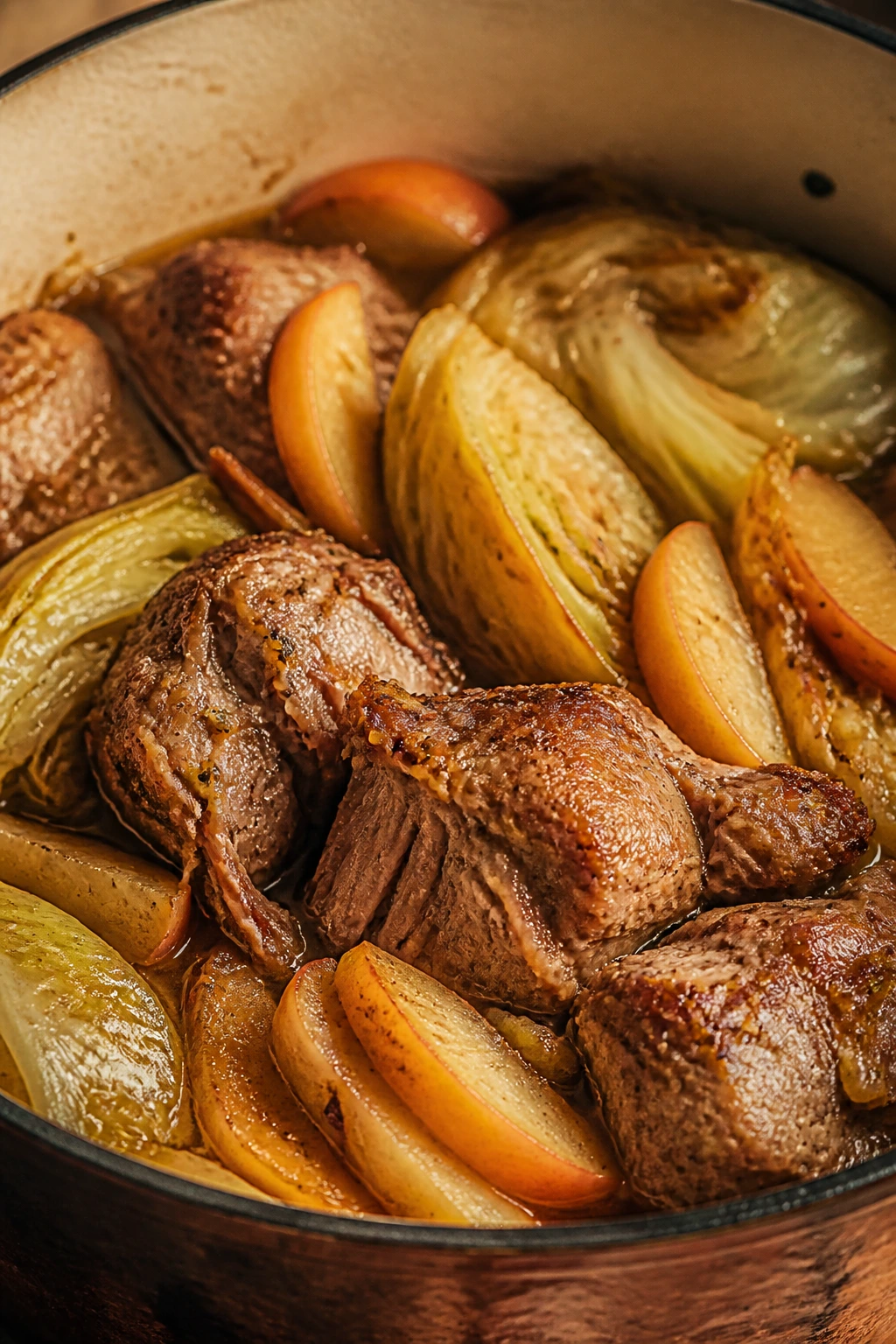
Pork and cabbage are comfortable together, but apples make them sing. The sweetness doesn’t turn this into a fall dessert in disguise; it just gives the braise a rounder, warmer edge, the sort of thing you want after a cold walk or a long day when you’ve had your fill of sharp flavors.
Why It Works:
Pork shoulder likes slow heat, which is why it’s such a good braising cut. Cabbage wedges hold enough structure to survive the simmer, then soften enough to drink in the cider, broth, and onion juices. Apples add aroma and a little natural sweetness, but they need to go in later so they don’t disappear. A spoon of mustard in the braising liquid keeps the whole pot from drifting into sweetness, and sage gives it a woodsy note that fits the season without shouting about it.
Key Ingredients:
- 1 1/2 pounds pork shoulder, cut into 2-inch chunks
- 1 tablespoon salt
- 1/2 teaspoon black pepper
- 2 tablespoons neutral oil
- 1 large onion, sliced
- 2 cups apple cider
- 1 cup chicken broth
- 1 tablespoon Dijon mustard
- 1 teaspoon dried sage
- 1 small head green cabbage, cut into 6 wedges
- 2 tart apples, cored and sliced thick
- 1 tablespoon butter
Quick Steps:
- Heat the oven to 325°F (165°C).
- Season the pork with salt and pepper, then brown it in oil in a Dutch oven over medium-high heat.
- Add the onion and cook for 3 minutes until soft at the edges.
- Stir in the cider, broth, mustard, and sage, scraping up the browned bits from the bottom.
- Cover and braise in the oven for 35 minutes.
- Add the cabbage wedges and apples, nestling them into the liquid, then braise uncovered or loosely covered for 25 minutes more until the pork is tender and the cabbage is soft at the core.
- Stir in butter and spoon the braising juices over each serving.
Tips and Variations:
- Apple choice matters: Use tart apples like Granny Smith or Pink Lady.
- Different cut: Pork chops work, but they need less braising time.
- Serving move: A spoon of whole-grain mustard on the side is sharp in a good way.
6. White Bean and Cabbage Soup with Parmesan
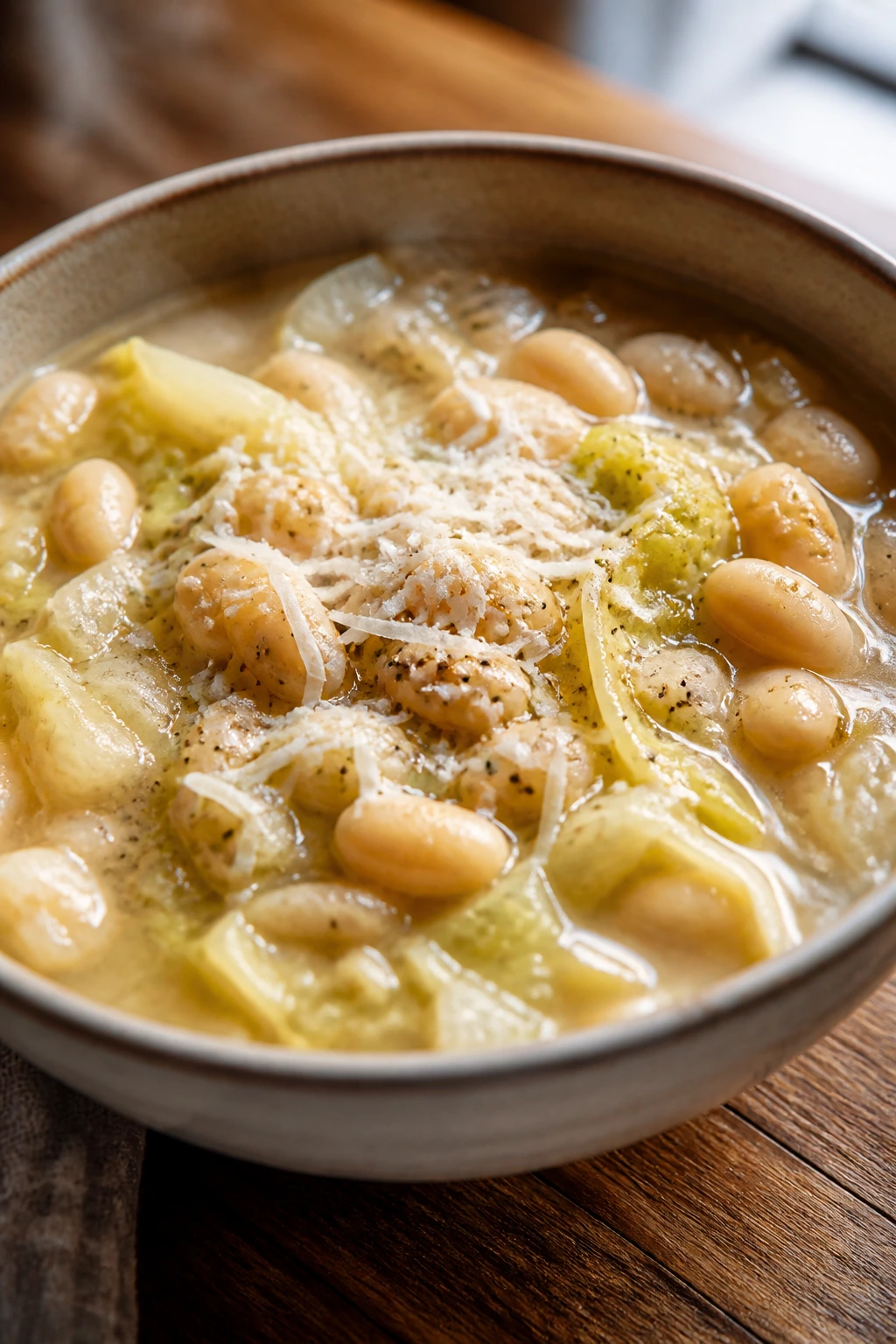
A pot of cabbage soup can go watery and dull if you don’t give it some backbone. White beans and Parmesan change that. Suddenly you have body, salt, and enough richness to make the broth feel like dinner instead of a warm apology.
Why It Works:
Cannellini beans add creaminess without needing cream, and the Parmesan rind does a lot of heavy lifting while the soup simmers. Cabbage softens into the broth, but not so much that it loses all shape, especially if you cut it into thick shreds. Carrots, celery, garlic, and rosemary make the soup smell full before you even taste it. A squeeze of lemon at the end pulls all of it together. Skip that acid and the soup tastes flatter than it should.
Key Ingredients:
- 2 tablespoons olive oil
- 1 medium onion, diced
- 2 carrots, diced
- 2 celery stalks, diced
- 3 garlic cloves, minced
- 1 small head cabbage, cored and shredded
- 2 (15-ounce) cans cannellini beans, drained and rinsed
- 6 cups vegetable broth or chicken broth
- 1 Parmesan rind
- 1 teaspoon chopped fresh rosemary or 1/2 teaspoon dried
- 1 bay leaf
- 1 tablespoon lemon juice
- 1/4 cup grated Parmesan, for serving
- Salt and black pepper
Quick Steps:
- Warm the olive oil in a soup pot over medium heat.
- Cook the onion, carrots, and celery for 6 to 7 minutes until softened and lightly golden.
- Add the garlic and cabbage and cook for 2 minutes until the cabbage starts to wilt.
- Stir in the beans, broth, Parmesan rind, rosemary, and bay leaf.
- Simmer uncovered for 25 to 30 minutes until the cabbage is tender and the broth tastes full.
- Remove the rind and bay leaf, then stir in lemon juice, salt, and pepper.
- Serve with grated Parmesan and crusty bread.
Tips and Variations:
- Make it thicker: Mash 1 cup of the beans before adding them.
- Add greens: A handful of kale works well in the last 5 minutes.
- For more depth: A splash of dry white wine before the broth helps.
7. Corned Beef and Cabbage Hash with Fried Eggs
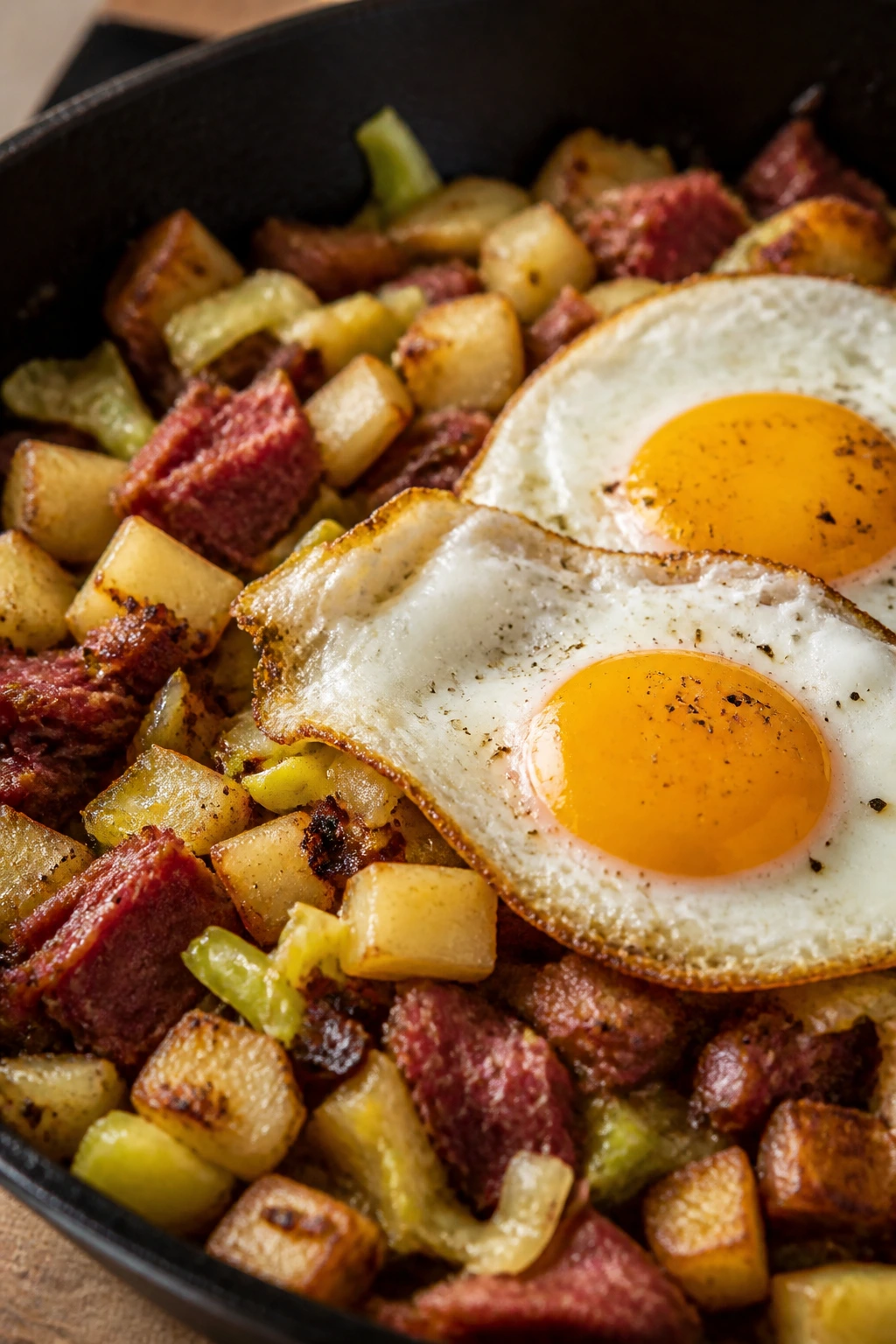
This is the “use what’s left” dinner that tastes far better than a leftover cleanout has any right to. Crisp potatoes, salty corned beef, and cabbage that goes golden at the edges — then a runny egg on top if you know what you’re doing.
Why It Works:
Hash is all about contrast. You want soft cabbage, crisp potato surfaces, and meat that gets browned again instead of just warmed through. That means using a wide skillet and resisting the urge to stir every few seconds. A little mustard in the pan or on top gives the whole plate a bracing edge, which is useful because corned beef can taste heavy if you don’t keep it moving toward brightness. Fried eggs are the right finish because the yolk becomes part sauce, part binder, part richness.
Key Ingredients:
- 2 tablespoons butter
- 1 tablespoon olive oil
- 1 1/2 pounds Yukon Gold potatoes, diced into 1/2-inch pieces
- 1 small onion, diced
- 3 cups green cabbage, shredded
- 2 cups cooked corned beef, chopped
- 1 teaspoon kosher salt
- 1/2 teaspoon black pepper
- 1 teaspoon Dijon mustard
- 4 to 6 eggs
- 2 tablespoons chopped parsley
Quick Steps:
- Heat butter and oil in a large skillet over medium heat.
- Add the potatoes and cook for 10 minutes, stirring only now and then, until they begin to brown.
- Stir in the onion and cabbage, then cook for 6 to 8 minutes until the cabbage wilts and the potatoes are tender.
- Add the corned beef, salt, pepper, and Dijon, and cook for 3 to 4 minutes until the meat is hot and the edges crisp a little.
- In a separate pan, fry the eggs to your liking.
- Spoon the hash onto plates, top with eggs, and finish with parsley.
Tips and Variations:
- Crispier hash: Leave the potatoes alone for the first few minutes.
- No leftover corned beef: Deli corned beef works in a pinch; chop it well.
- Breakfast-for-dinner energy: A dab of horseradish sauce is excellent here.
8. Coconut Curry Cabbage and Chickpeas
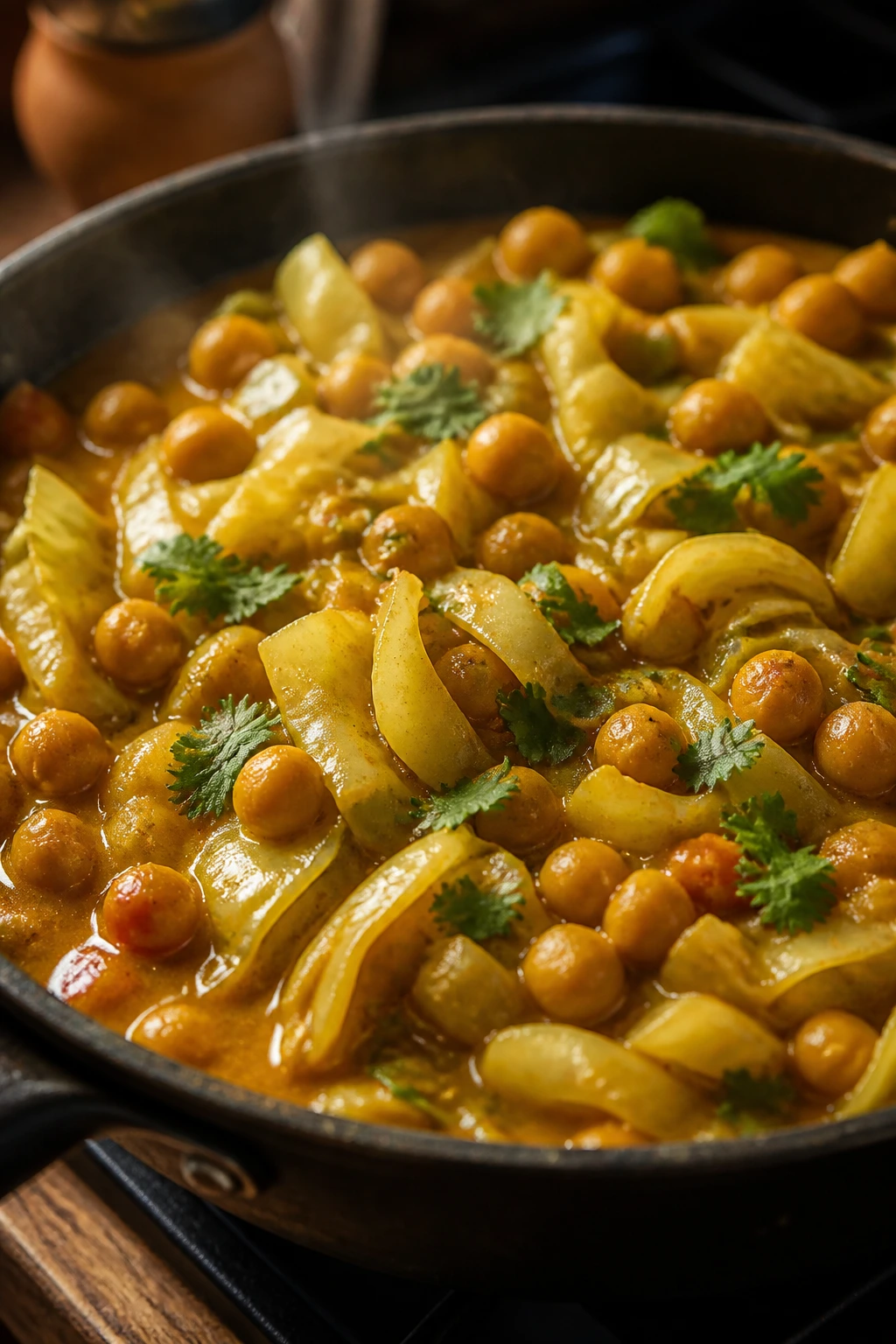
This one is for nights when you want comfort, but not the heavy, brown, meat-and-potatoes kind. Coconut milk wraps the cabbage in a silky sauce, curry paste brings heat, and chickpeas make the whole pan filling enough to count as dinner without pretending to be something it isn’t.
Why It Works:
Cabbage handles curry better than a lot of quick vegetables because it stays present in the pot. Chickpeas add a chewy center and help the dish feel complete, while coconut milk softens the curry paste so the heat stays warm instead of sharp. Lime juice at the end matters more than people think; without it, the sauce can taste sleepy. This is one of those recipes where the last 30 seconds do a lot of work. Stir in the spinach only after the heat is off and you keep the greens bright.
Key Ingredients:
- 2 tablespoons neutral oil
- 1 medium onion, sliced
- 3 garlic cloves, minced
- 1 tablespoon fresh ginger, grated
- 2 tablespoons red curry paste
- 1 small head cabbage, thinly sliced
- 2 (15-ounce) cans chickpeas, drained and rinsed
- 1 (13.5-ounce) can coconut milk
- 1 cup vegetable broth
- 1 tablespoon soy sauce or fish sauce
- 1 tablespoon lime juice
- 2 cups baby spinach
- 2 tablespoons chopped cilantro
- Steamed rice, for serving
Quick Steps:
- Heat the oil in a large skillet or pot over medium heat.
- Cook the onion for 4 minutes until softened, then add the garlic and ginger for 30 seconds.
- Stir in the curry paste and cook for 1 minute until fragrant.
- Add the cabbage, chickpeas, coconut milk, broth, and soy sauce.
- Simmer for 12 to 15 minutes until the cabbage is tender and the sauce thickens slightly.
- Turn off the heat, stir in lime juice and spinach, and let the greens wilt.
- Finish with cilantro and serve over rice.
Tips and Variations:
- More heat: Add sliced fresh chili or extra curry paste.
- Protein boost: Toss in cubed tofu with the chickpeas.
- Lighter bowl: Serve with cauliflower rice and extra lime.
9. Cabbage and Mushroom Pasta Skillet
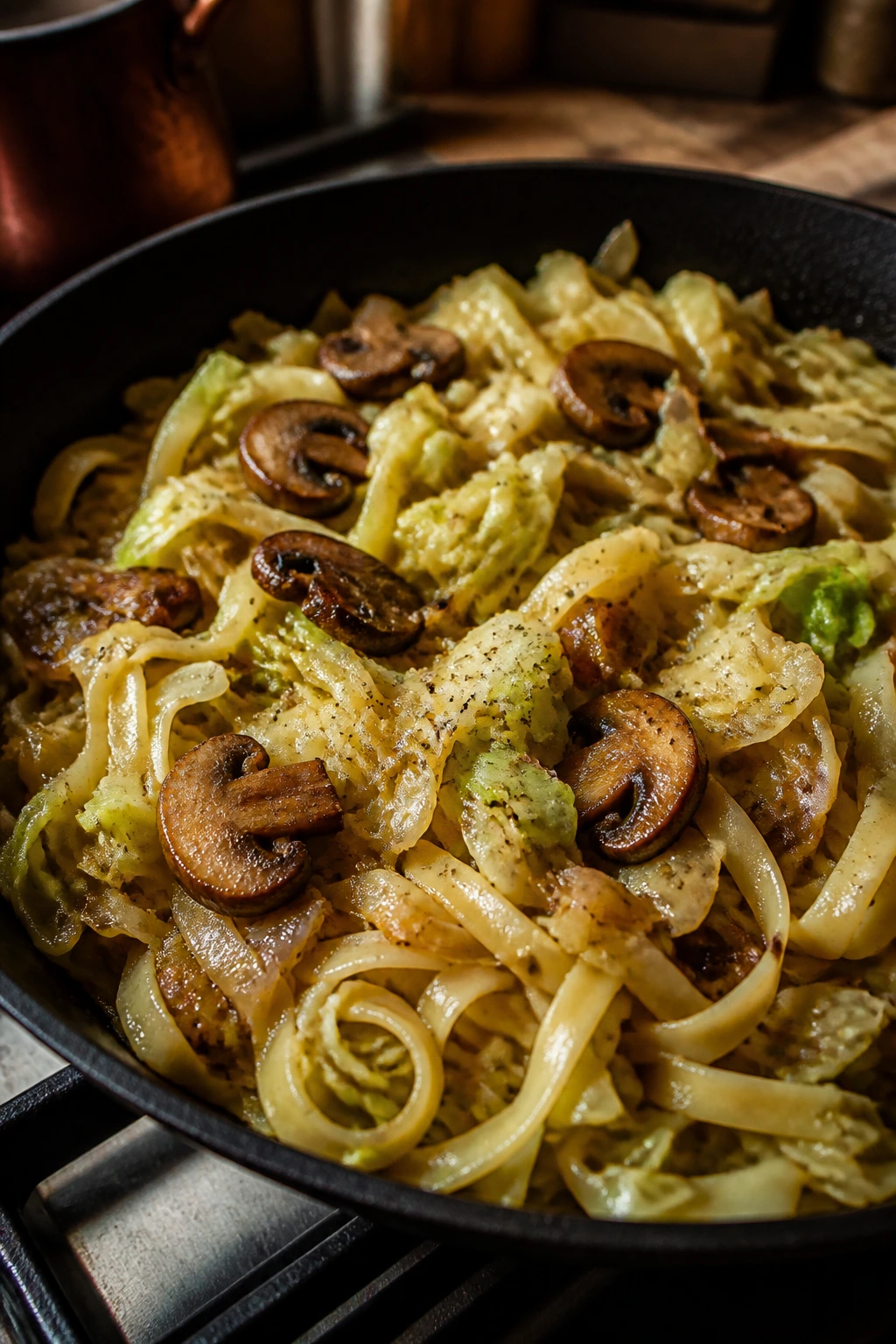
If you’ve never put cabbage in pasta, this is your correction. The cabbage melts into the noodles in a way that feels silky, not watery, and mushrooms give the whole dish that deep, savory edge that keeps you coming back for another forkful.
Why It Works:
Pasta water and broth make a quick sauce right in the skillet, so the starch from the noodles helps everything cling together. Mushrooms bring umami, cabbage brings sweetness and bulk, and a small splash of cream rounds the edges without turning it into a heavy cream bomb. The important part is to let the mushrooms brown before the liquid goes in. That’s where the flavor lives. Once you skip that step, the dish gets flatter and a little gray around the edges.
Key Ingredients:
- 12 ounces short pasta, such as fusilli or penne
- 2 tablespoons olive oil
- 1 tablespoon butter
- 1 medium onion, sliced
- 10 ounces mushrooms, sliced
- 1 small head cabbage, thinly sliced
- 3 garlic cloves, minced
- 2 cups vegetable broth
- 1 cup whole milk or half-and-half
- 1 teaspoon dried thyme
- 1 cup grated Parmesan
- 1/4 teaspoon black pepper
- 2 tablespoons chopped parsley
Quick Steps:
- Cook the pasta in salted water until just shy of al dente, then drain.
- Heat the olive oil and butter in a large skillet over medium-high heat.
- Add the onion and mushrooms and cook for 6 to 8 minutes until browned.
- Stir in the cabbage and garlic and cook for 3 minutes until the cabbage starts to wilt.
- Add the broth, milk, thyme, pepper, and pasta, then simmer for 4 to 5 minutes, stirring often.
- Stir in Parmesan until the sauce turns silky and coats the noodles.
- Finish with parsley and serve immediately.
Tips and Variations:
- Bigger comfort: Add chopped cooked chicken or turkey.
- Deeper flavor: A splash of dry white wine before the broth helps.
- Watch the salt: Parmesan and broth both bring plenty.
10. Turkey Cabbage Taco Skillet
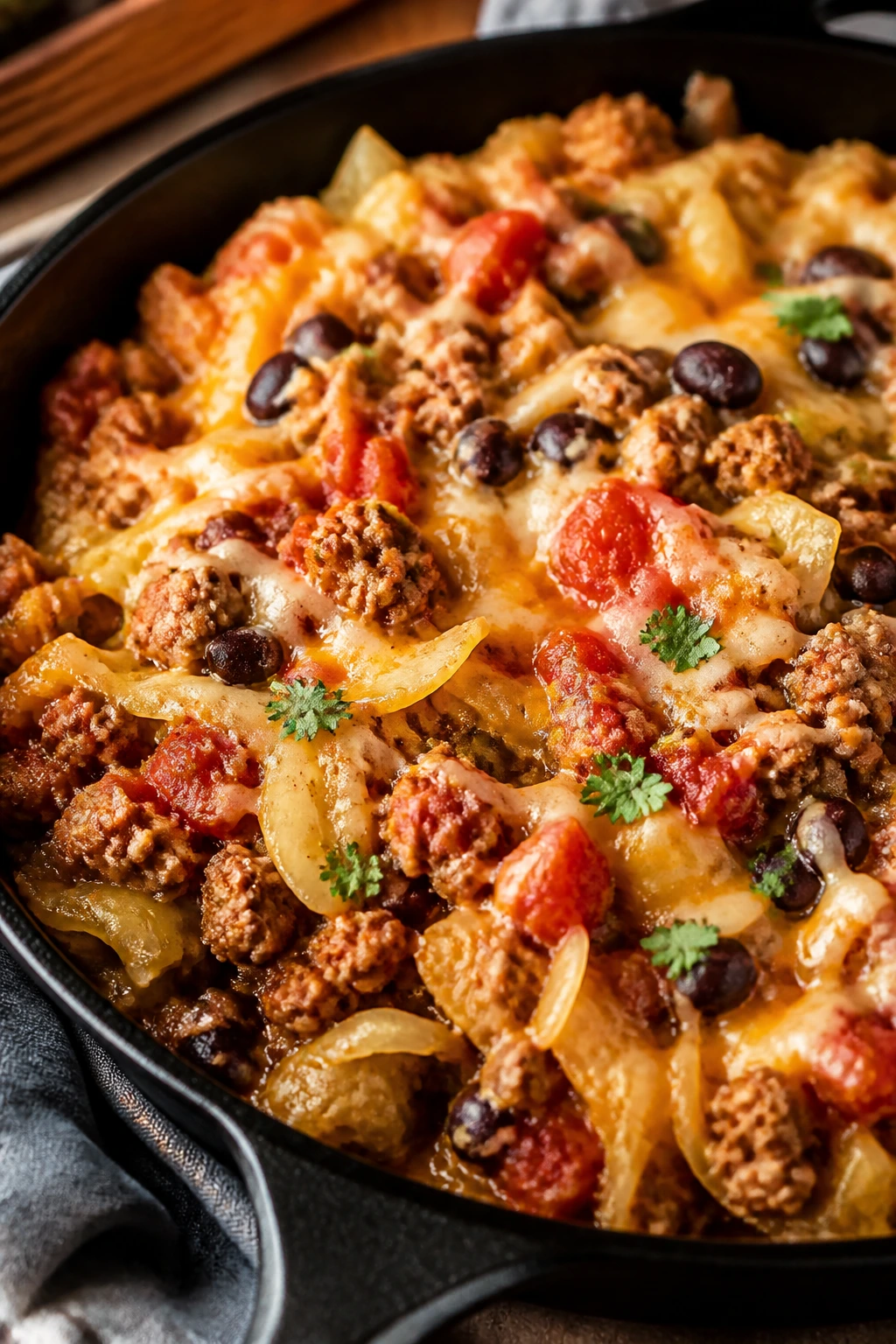
Here’s the fast, slightly messy, highly useful dinner that gets cabbage into the taco zone without turning it into a sad garnish. Ground turkey, salsa, black beans, and cabbage cook into a skillet that tastes like taco night took a practical class.
Why It Works:
Turkey needs help, and cabbage is good help. It adds volume, texture, and a little sweetness, which keeps the skillet from feeling dry or one-note. Salsa pulls double duty as seasoning and sauce, so you don’t need a long ingredient list to get a dinner that tastes finished. The cabbage should stay a little crisp here; if it goes limp, the skillet loses its best feature. Top it with cheese, lime, and whatever hot sauce you keep reaching for.
Key Ingredients:
- 1 tablespoon olive oil
- 1 pound ground turkey
- 1 medium onion, diced
- 1 tablespoon taco seasoning
- 3 cups green cabbage, thinly sliced
- 1 (15-ounce) can black beans, drained and rinsed
- 1 cup salsa
- 1/2 cup frozen corn
- 1 cup shredded cheddar or Monterey Jack
- 2 tablespoons chopped cilantro
- Lime wedges, for serving
- Tortillas or tortilla chips, for serving
Quick Steps:
- Heat the olive oil in a large skillet over medium-high heat.
- Brown the turkey for 4 to 5 minutes, breaking it up as it cooks.
- Add the onion and taco seasoning and cook for 2 minutes.
- Stir in the cabbage, black beans, salsa, and corn.
- Cook for 5 to 6 minutes until the cabbage softens but still has some bite and the mixture is hot through.
- Sprinkle with cheese, cover for 1 minute to melt it, then finish with cilantro and lime.
- Serve in tortillas or scoop it up with chips.
Tips and Variations:
- Low-carb version: Skip the tortillas and serve in bowls.
- Heat boost: Add chopped pickled jalapeños.
- Make it creamier: A spoon of sour cream at the table works nicely.
11. Sheet-Pan Kielbasa with Cabbage and Mustard Potatoes
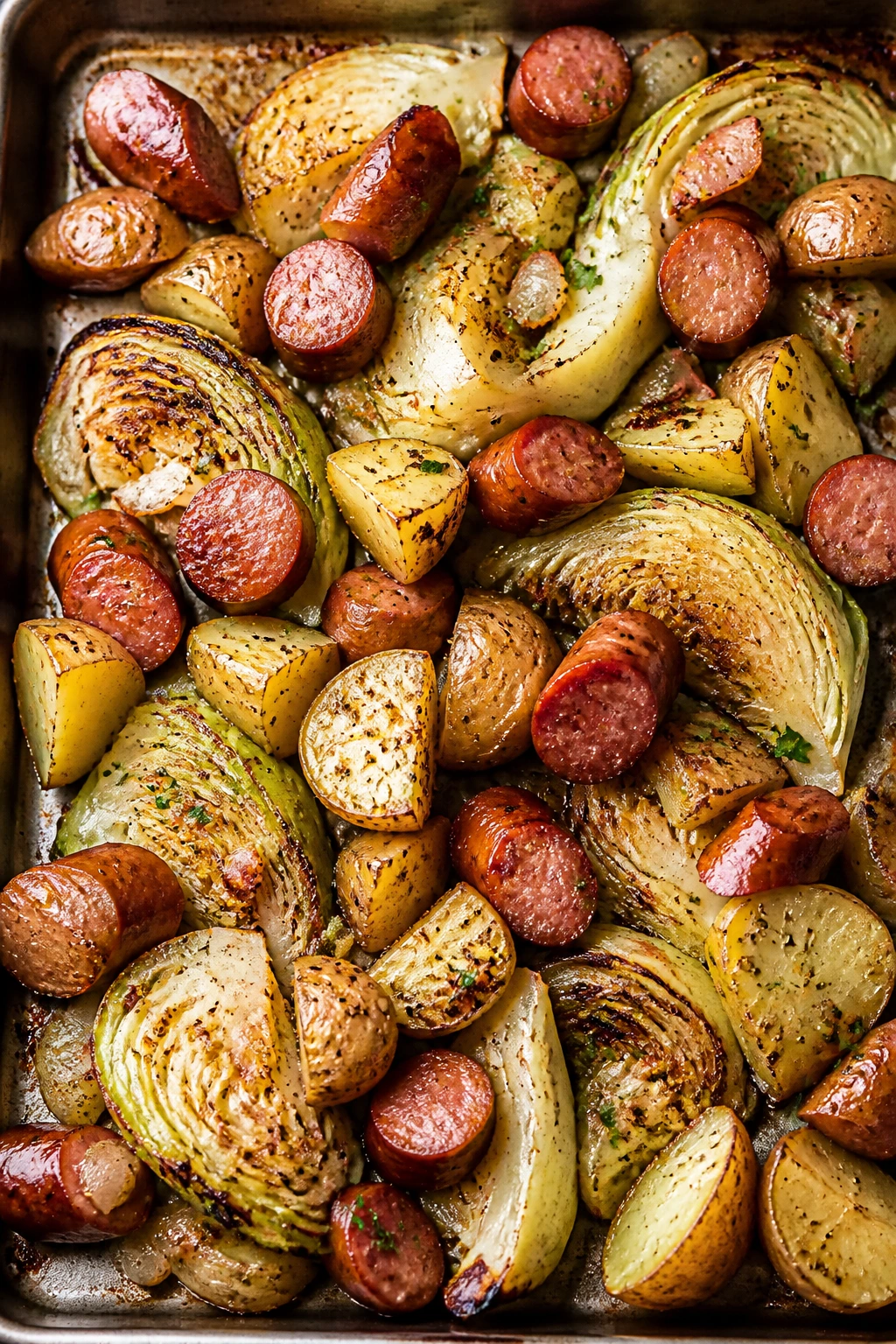
This is one of my favorite kinds of dinner because the oven does the tedious work while the ingredients do their own thing and still end up looking like they belonged together all along. Kielbasa gets browned, potatoes crisp, cabbage caramelizes, and mustard ties the whole tray together.
Why It Works:
The sheet pan gives you heat from all sides, which is exactly what cabbage needs if you want browned edges instead of boiled softness. Potatoes take longer, so they go in first. Kielbasa comes later because it only needs warming and color, not a full roast. The mustard glaze is a smart little trick: it clings to the vegetables, adds tang, and keeps the pan drippings from tasting greasy. This is a dinner that looks casual but eats like you planned.
Key Ingredients:
- 1 1/2 pounds baby potatoes, halved
- 1 small head cabbage, cut into 1 1/2-inch wedges
- 1 pound kielbasa, sliced into thick coins
- 2 tablespoons olive oil
- 2 tablespoons Dijon mustard
- 1 tablespoon honey
- 1 teaspoon garlic powder
- 1 teaspoon paprika
- 1 teaspoon kosher salt
- 1/2 teaspoon black pepper
- 2 tablespoons chopped parsley
Quick Steps:
- Heat the oven to 425°F (220°C).
- Toss the potatoes with olive oil, salt, pepper, garlic powder, and paprika.
- Roast for 20 minutes on a large sheet pan.
- Mix the Dijon and honey, then toss the cabbage and kielbasa with the glaze.
- Add them to the pan and roast for 15 to 18 minutes more, turning once, until the kielbasa is browned and the cabbage edges are crisp.
- Finish with parsley and serve hot.
Tips and Variations:
- More char: Use two sheet pans if your pan looks crowded.
- Sweeter edge: Swap honey for maple syrup.
- Fresh bite: A few splashes of apple cider vinegar at the end help a lot.
12. Savory Cabbage Gratin with Ham and Gruyère
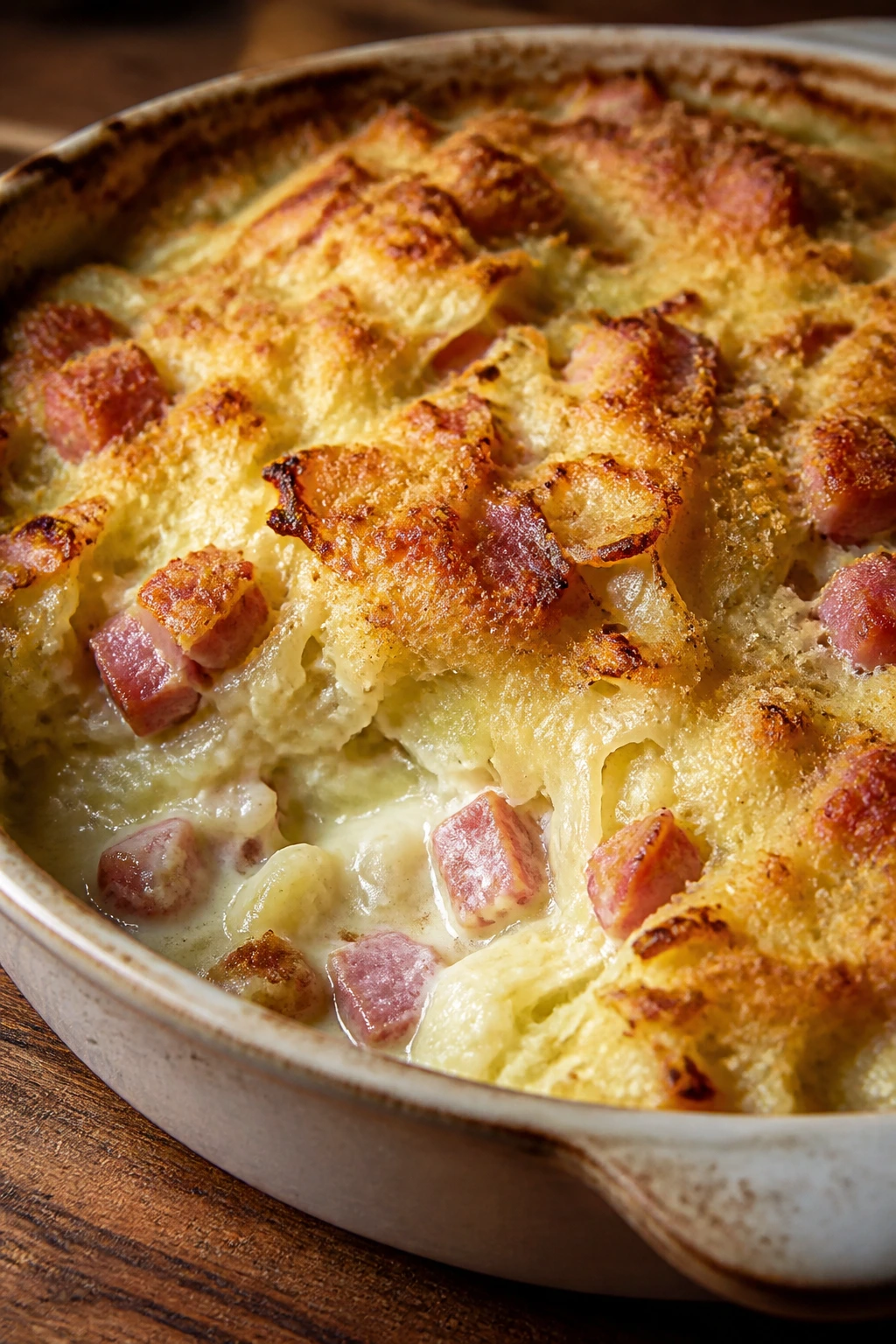
Cabbage gratin sounds restrained until you slide a spoon through it and hit cream, ham, and a browned cheese crust. Then it becomes a very different kind of dinner — soft underneath, crisp on top, and full of the sort of rich, salty flavor that makes you slow down.
Why It Works:
Cabbage loves cream sauce because it holds enough structure to keep the dish from collapsing into mush. Ham brings salt and a meaty bite without needing a long cook, while Gruyère melts into a nutty, stretchy blanket under the breadcrumbs. A little Dijon in the sauce keeps it from tasting heavy. This is the sort of dish that rewards a good bake: you want the top golden and the edges bubbling, not pale and timid.
Key Ingredients:
- 1 large green cabbage, cored and thinly sliced
- 8 ounces diced ham
- 2 tablespoons butter
- 1 shallot, minced
- 2 tablespoons flour
- 1 1/2 cups whole milk
- 1/2 cup heavy cream
- 1 teaspoon Dijon mustard
- 1 1/2 cups shredded Gruyère
- 1/2 cup breadcrumbs
- 1/4 teaspoon nutmeg
- 1 teaspoon kosher salt
- 1/2 teaspoon black pepper
Quick Steps:
- Heat the oven to 375°F (190°C) and butter a medium baking dish.
- Cook the cabbage in a large skillet with a splash of water for 4 to 5 minutes until slightly wilted.
- In another pan, melt the butter and cook the shallot for 2 minutes, then whisk in the flour for 1 minute.
- Slowly add the milk and cream, whisking until smooth and thick enough to coat a spoon.
- Stir in Dijon, nutmeg, salt, pepper, half the Gruyère, the cabbage, and the ham.
- Spoon into the baking dish, top with the remaining cheese and breadcrumbs, and bake for 25 to 30 minutes until golden and bubbling.
- Rest for 10 minutes before serving.
Tips and Variations:
- Ham swap: Cooked bacon or pancetta changes the flavor in a good way.
- Vegetable boost: Thin-sliced leeks fit right in.
- Better crust: Toss the breadcrumbs with melted butter before topping.
13. Miso Butter Salmon with Sesame Cabbage
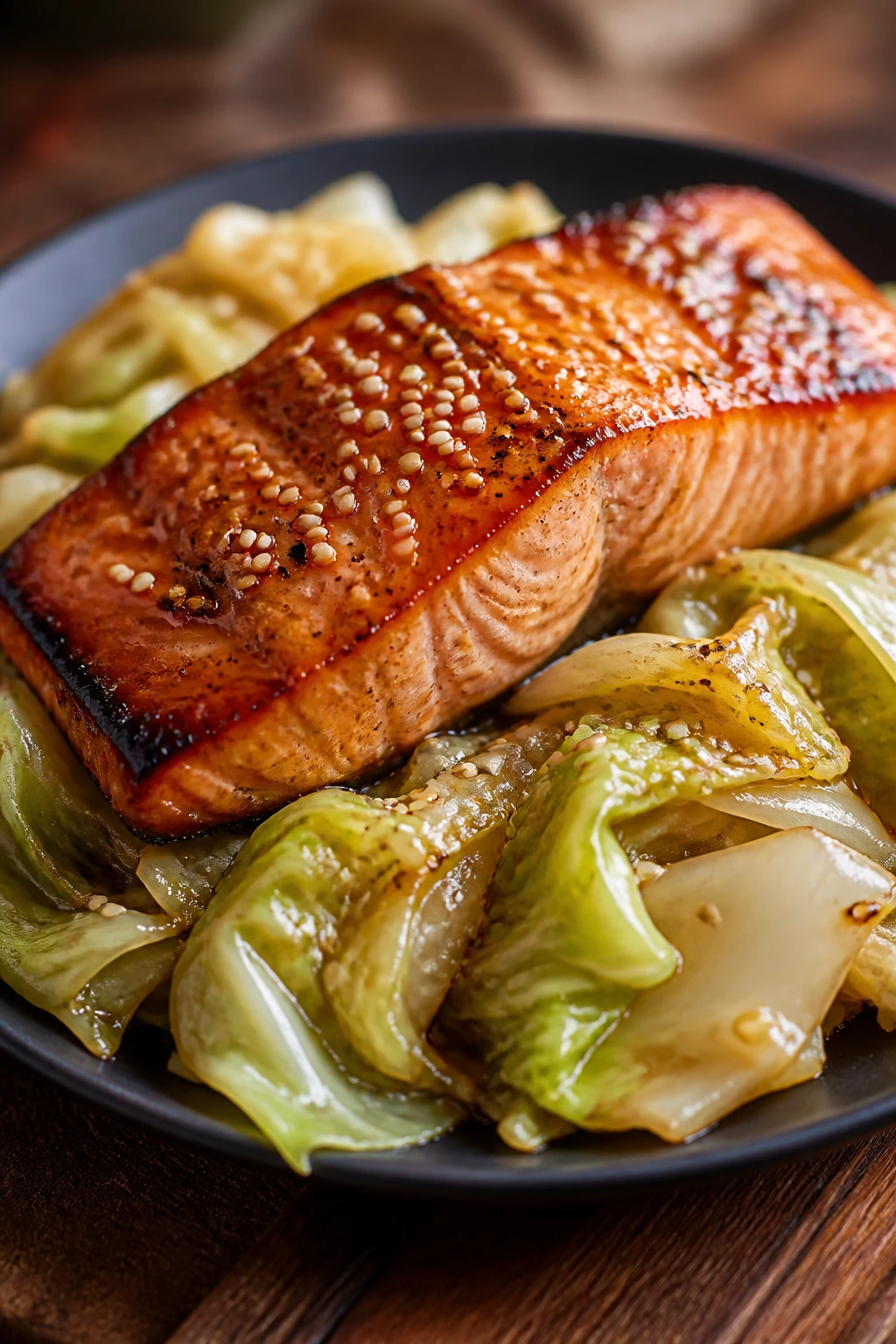
Salmon and cabbage might sound like a polite pairing, but miso butter gives the whole plate a deeper, savorier mood. The fish stays rich and flaky, the cabbage turns glossy and sweet, and sesame ties it together with a nutty finish.
Why It Works:
Miso brings salt, sweetness, and a little fermented depth, which is handy when you want cabbage to taste more layered than “cooked vegetable.” Butter carries the miso across the cabbage, while salmon gives you enough richness to make the dish feel substantial. The cabbage should be wilted but not collapsed; you want it soft enough to wrap around the rice or noodles underneath, not so soft that it disappears. A little rice vinegar at the end keeps the butter from feeling too heavy.
Key Ingredients:
- 4 salmon fillets, about 6 ounces each
- 2 tablespoons butter
- 1 tablespoon white miso
- 1 tablespoon soy sauce
- 1 tablespoon honey
- 1 teaspoon fresh ginger, grated
- 1 tablespoon rice vinegar
- 1 teaspoon sesame oil
- 1 small head cabbage, thinly sliced
- 2 scallions, sliced
- 1 tablespoon sesame seeds
- Cooked rice, for serving
Quick Steps:
- Heat the oven to 425°F (220°C).
- Whisk the butter, miso, soy sauce, honey, ginger, vinegar, and sesame oil into a smooth glaze.
- Toss the cabbage with a spoonful of the glaze and spread it on a lined sheet pan.
- Place the salmon on top or beside the cabbage and brush with the remaining glaze.
- Roast for 12 to 15 minutes until the salmon flakes and the cabbage edges are browned.
- Top with scallions and sesame seeds, then serve with rice.
Tips and Variations:
- No miso on hand: Use a little extra soy sauce and 1 teaspoon tahini.
- Better texture: Don’t overpack the cabbage layer.
- Fresh finish: A squeeze of lime works if you want more lift.
14. Black Bean and Cabbage Enchilada Skillet
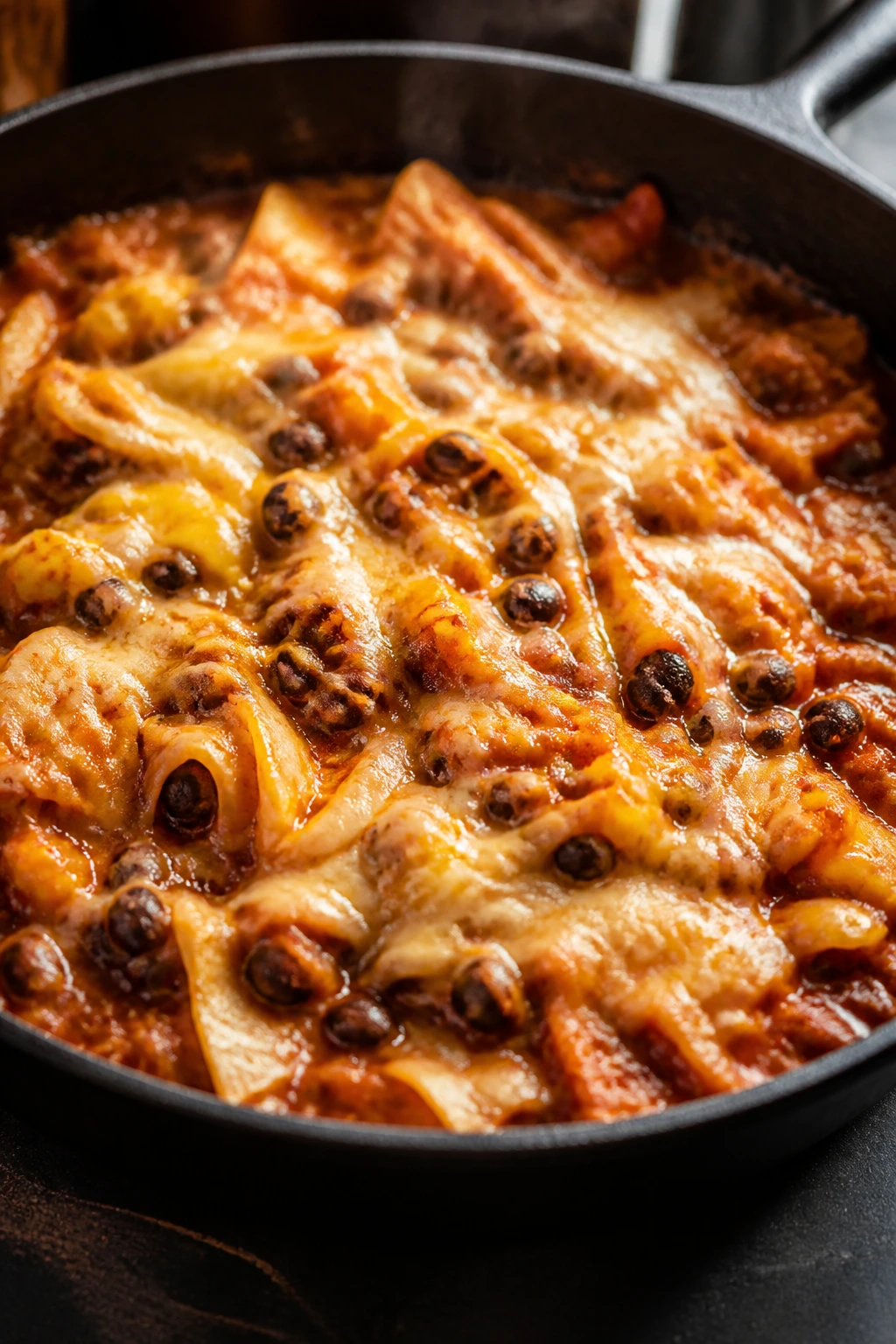
This is comfort food that moves fast. Cabbage slips into enchilada sauce like it belongs there, black beans make it filling, and the tortilla strips soak up enough sauce to turn the whole skillet into a layered, saucy mess you’ll probably want seconds of.
Why It Works:
The cabbage adds bulk without needing a long simmer, which is why this skillet stays weeknight-friendly. Black beans bring protein and a creamy center, while enchilada sauce does the heavy lifting on flavor. Tortilla strips give you the texture you’d miss if this were just beans and cabbage in a red sauce. The top should be melty, the edges a little crisp, and the center still saucy when it comes out of the oven.
Key Ingredients:
- 1 tablespoon oil
- 1 medium onion, diced
- 3 cups green cabbage, thinly sliced
- 1 (15-ounce) can black beans, drained and rinsed
- 1 cup frozen corn
- 1 teaspoon ground cumin
- 1 teaspoon chili powder
- 1 (15-ounce) can enchilada sauce
- 6 small corn tortillas, cut into strips
- 1 1/2 cups shredded Mexican blend cheese
- 1 avocado, sliced
- Sour cream and cilantro, for serving
Quick Steps:
- Heat the oven to 400°F (205°C).
- Cook the onion in oil over medium heat for 3 minutes.
- Add the cabbage, beans, corn, cumin, and chili powder, and cook for 4 minutes until the cabbage begins to soften.
- Stir in the enchilada sauce and half the tortilla strips.
- Sprinkle the cheese over the top, add the remaining tortilla strips, and bake for 12 to 15 minutes until melted and bubbling.
- Top with avocado, sour cream, and cilantro before serving.
Tips and Variations:
- More crunch: Add crushed tortilla chips at the end.
- Extra protein: Ground turkey folds in easily.
- Milder flavor: Use green enchilada sauce if red feels too sharp.
15. Unstuffed Cabbage Casserole with Rice and Beef
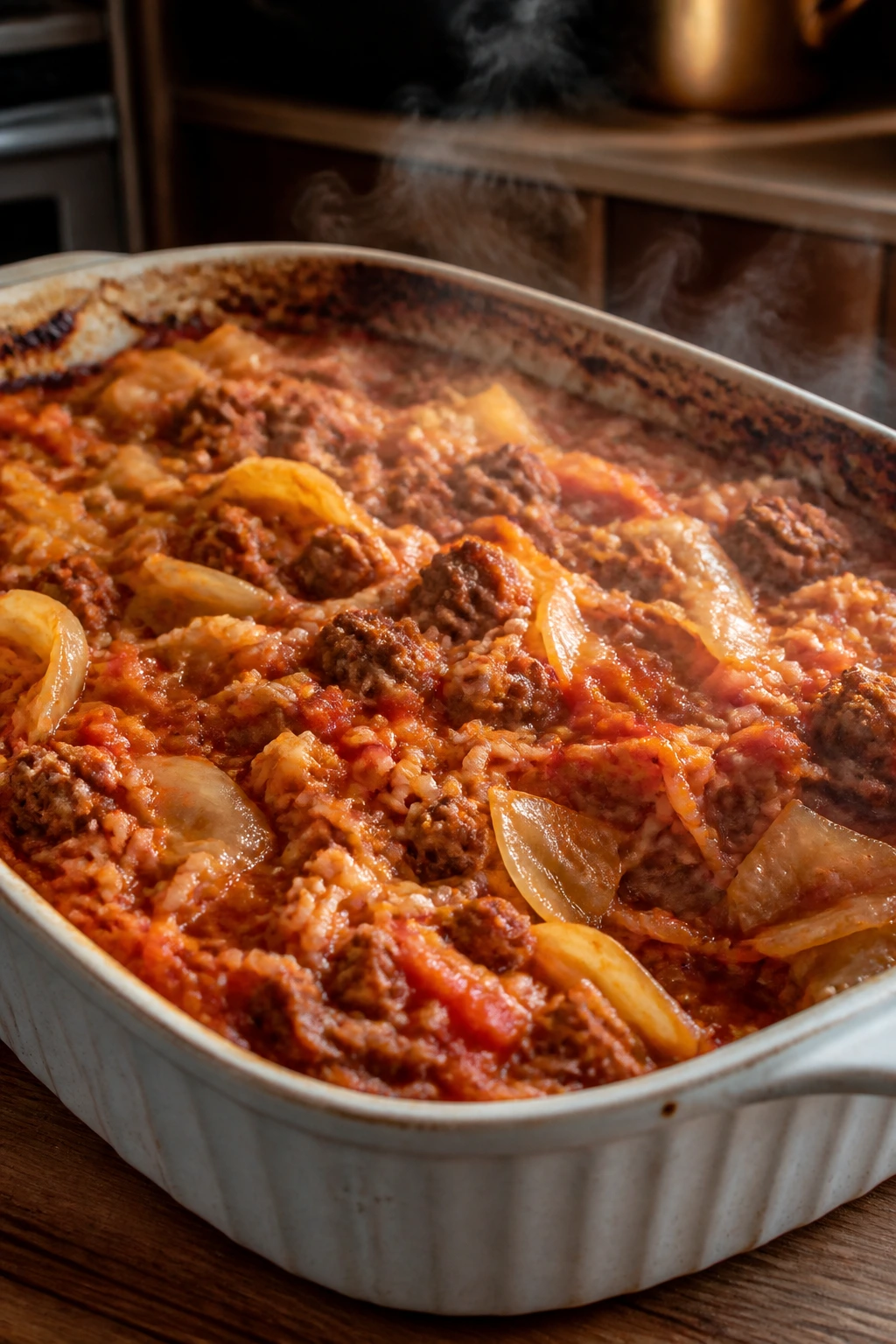
If stuffed cabbage feels like too much rolling for too little reward on a cold night, this casserole is the practical answer. Same flavors. Less fuss. You get tender cabbage, seasoned beef, rice, and tomato in one pan, and nobody at the table is going to complain about the missing folds.
Why It Works:
This is the stripped-down version of stuffed cabbage, and that’s exactly why it works. The beef browns first, which gives the casserole a savory base, then the cabbage melts into the sauce while still holding enough shape to feel like a real ingredient instead of a hidden one. Rice rounds out the dish and drinks up the tomato juices. The result should be spoonable, not soupy, with enough moisture to keep the rice tender and enough simmer time to let the cabbage soften fully.
Key Ingredients:
- 1 tablespoon oil
- 1 pound ground beef
- 1 medium onion, diced
- 3 garlic cloves, minced
- 1 large head green cabbage, chopped into 1-inch pieces
- 2 cups cooked white rice
- 1 (15-ounce) can crushed tomatoes
- 1 1/2 cups beef broth
- 1 tablespoon tomato paste
- 1 teaspoon paprika
- 1 teaspoon Worcestershire sauce
- 1 bay leaf
- Salt and black pepper
Quick Steps:
- Heat the oven to 375°F (190°C) or use a large Dutch oven on the stove.
- Brown the beef in oil over medium-high heat, then stir in the onion and cook for 3 minutes.
- Add the garlic, cabbage, tomato paste, paprika, salt, and pepper, and cook for 3 to 4 minutes until the cabbage starts to collapse.
- Stir in the rice, crushed tomatoes, broth, Worcestershire sauce, and bay leaf.
- Cover and bake for 30 minutes, or simmer on low for the same amount of time, until the cabbage is tender and the rice has absorbed the sauce.
- Remove the bay leaf, taste for salt, and serve hot.
Tips and Variations:
- More tomato flavor: A handful of shredded mozzarella on top is nice, but not necessary.
- Use what you have: Ground turkey or pork both work.
- Slightly tangier: A splash of cider vinegar at the end brightens the pot.
Why Cabbage Wins in the Pot, the Pan, and the Oven
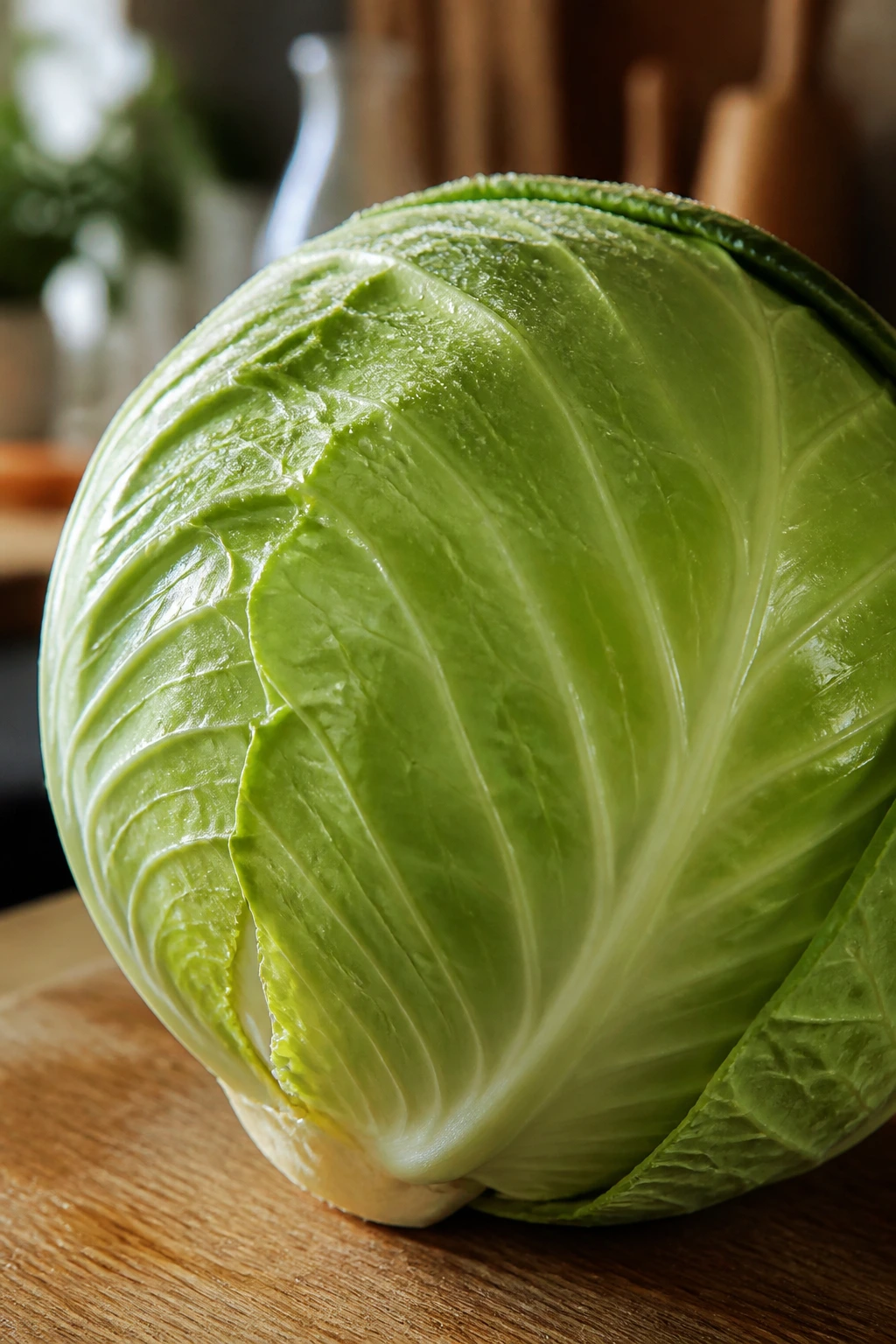
Cabbage is one of those ingredients that rewards heat in different ways depending on how you treat it. High heat gives you browning and quick sweetness. Low and slow gives you softness and a gentle, almost buttery taste. Somewhere in the middle, you get the sweet spot where cabbage still has structure but no longer tastes raw or harsh. That’s why these cabbage dinners can range from a 25-minute stir-fry to a long braise without feeling like they belong to different food categories.
The other reason cabbage works so well in winter cooking is that it’s forgiving about moisture. It can release water in a skillet, then soak it back up once the sauce reduces. It can sit under a lid in a braise, then perk up with a little vinegar or mustard at the end. It can even take a browned top in a casserole without going blank and soggy underneath. Cheap vegetables are often treated like a compromise. Cabbage is one of the rare ones that acts like a feature.
There’s also a practical side that matters on busy nights. A head of cabbage is big, it keeps well, and it stretches a meal without much effort. That makes it useful for soups, skillet dinners, one-pan roasts, and baked dishes where you want a lot of food for a modest amount of money. It’s not glamorous. It’s better than glamorous.
The Pans, Pots, and Sheet Trays That Make These Dinners Easier
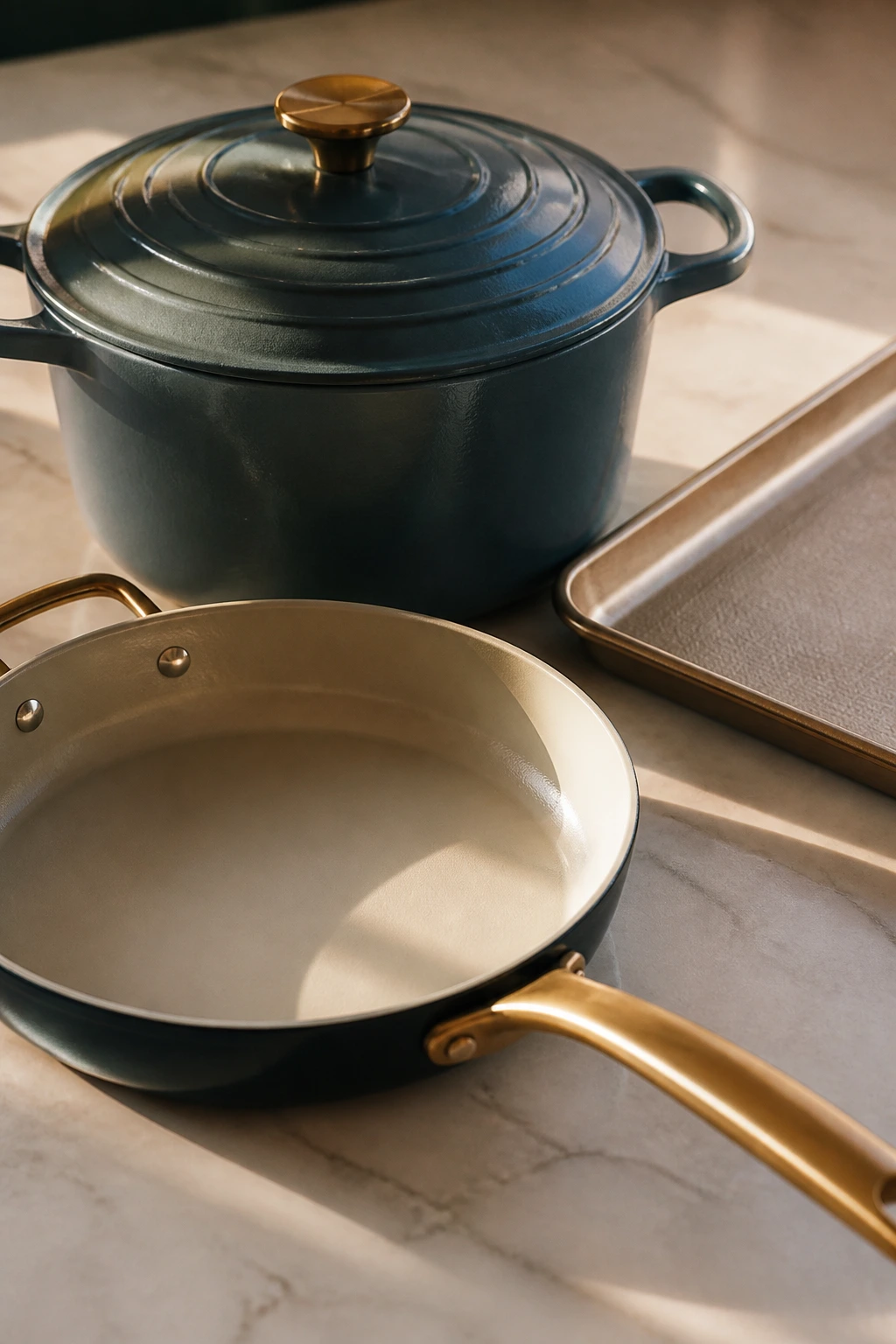
You do not need a kitchen full of gadgets for cabbage dinners. A few solid tools cover almost everything here, and that’s one reason I keep coming back to this kind of cooking.
- Large chef’s knife: Cabbage gets much easier when you can cut it cleanly instead of wrestling with it.
- Big cutting board: A whole head of cabbage takes space, and so do the wedges and ribbons it turns into.
- Large skillet or sauté pan: Best for stir-fries, hashes, taco skillets, and anything that needs quick browning.
- Dutch oven or heavy soup pot: The right home for braises, soups, stuffed cabbage sauce, and casseroles that start on the stove.
- Half-sheet pans: Essential for roasted sausage, cabbage wedges, potatoes, and salmon dinners.
- Wooden spoon or heatproof spatula: Useful for stirring without tearing cabbage leaves apart.
- Tongs: Handy for turning wedges, tossing skillet mixtures, and moving hot sausage or salmon.
- Measuring cups and spoons: The sauces matter here, and eyeballing the acid or salt can throw them off.
- Colander: Needed for blanching cabbage leaves or draining beans and pasta.
- Lid or foil: Covers matter in braises and casseroles because they keep the cabbage tender while the rest cooks.
- Instant-read thermometer: Optional, but useful for chicken, turkey, salmon, and pork so you don’t guess.
Smart Shopping and Ingredient Notes That Save the Dinner
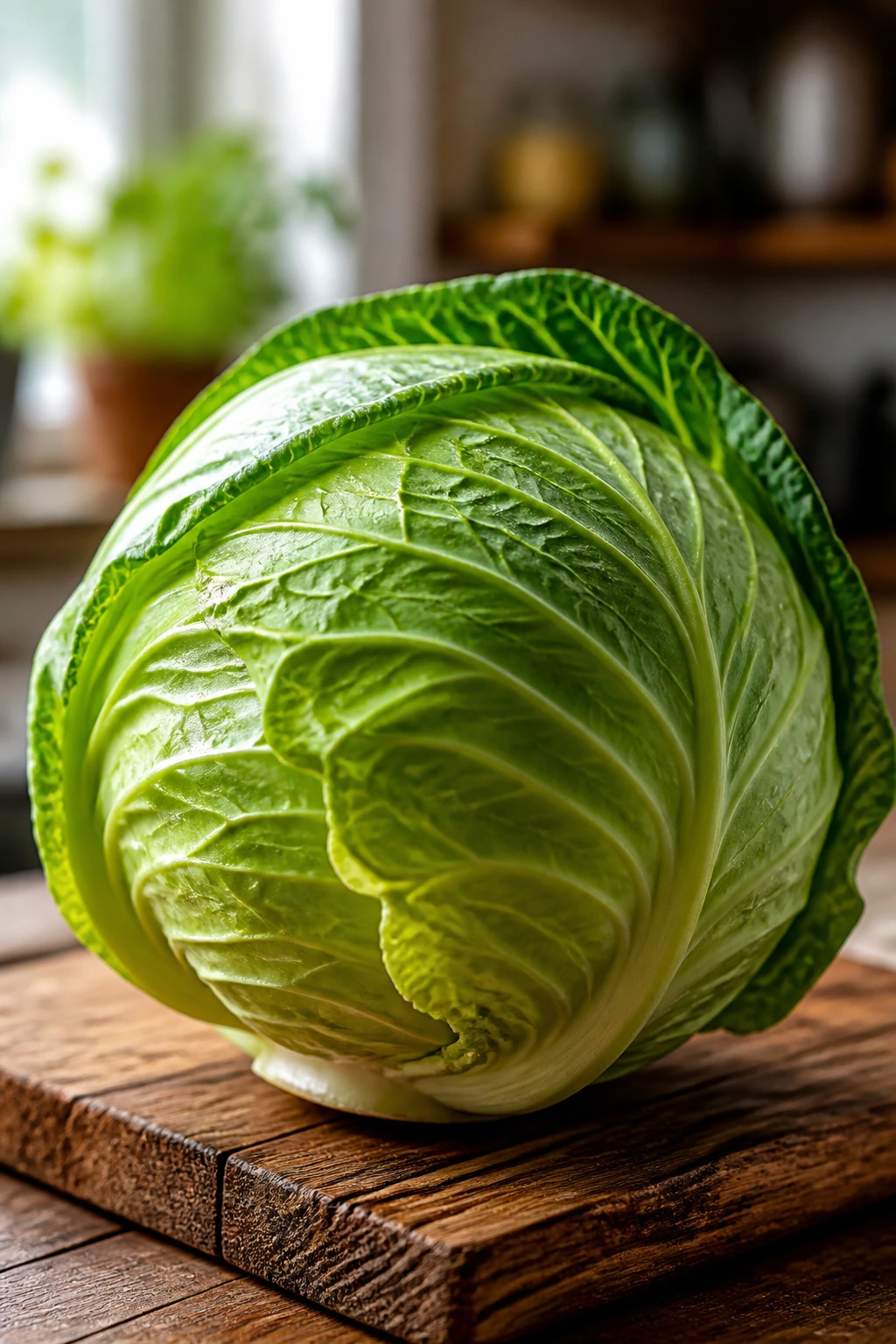
Start with the cabbage itself. A good head feels heavy for its size, the leaves are tight, and the outer layers look crisp rather than dry or papery. Green cabbage is the workhorse here because it holds texture and cooks into a sweet, soft bite. Savoy is a little more delicate and frilly. Red cabbage can work in some dishes, but it bleeds color and turns the pan purple, which is not always the look you want.
The meat and sausage choices matter more than a lot of people think. For skillet dinners, a little fat helps the cabbage taste richer, so ultra-lean ground meat can leave you needing extra oil or butter. Kielbasa and smoked sausage bring their own seasoning, which is useful, but check the salt level if you’re using broth or cheese too. For braises and casseroles, canned tomatoes should be plain crushed or diced, not heavily flavored unless you want that exact direction built in from the start.
Broth is another place where small choices change the whole pot. Low-sodium broth gives you more control, especially in recipes with sausage, soy sauce, Parmesan, or ham. I’d also keep Dijon, vinegar, lemon, and a jar of mustard in play; cabbage loves acid, and a lot of winter dinners taste better with one sharp note at the end. If you’re short on time, pre-shredded cabbage is fine for stir-fries and soups, but I still prefer hand-cut wedges for roasts and braises because the cut edges brown better and the texture stays more interesting.
How to Serve These Cabbage Dinners So They Feel Complete
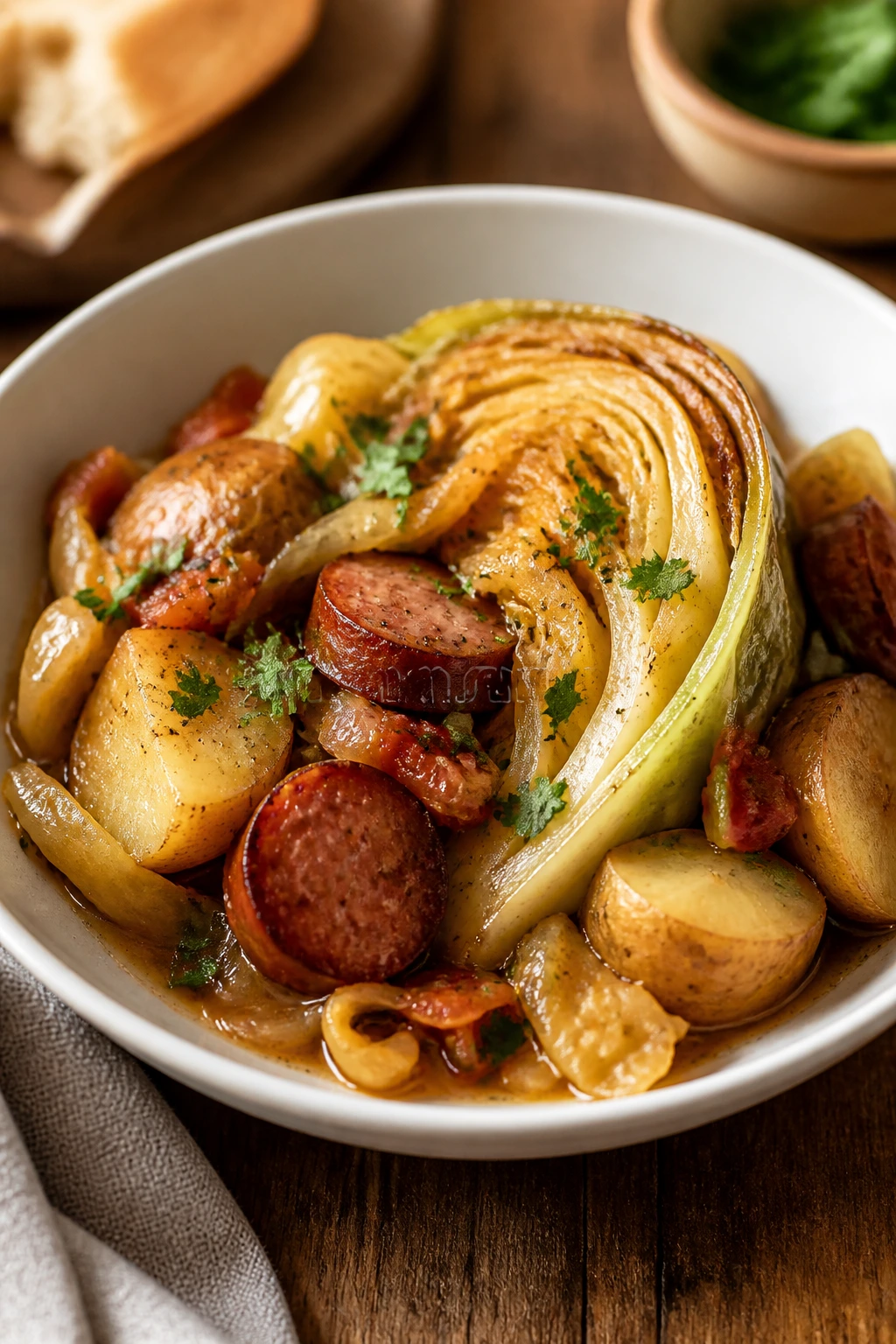
Presentation:
Keep the plating simple and warm. A shallow bowl works best for braises, soups, and casseroles because it catches the sauce and keeps the cabbage from sliding around. Skillet dinners look best when you spoon them into a low mound and finish with something green — parsley, scallions, dill, or cilantro depending on the flavor direction.
Accompaniments:
Rye bread, sourdough, buttered noodles, mashed potatoes, rice, or a crisp green salad all fit somewhere on this list. Richer dishes like gratin and sausage dinners like something sharp on the side, while soups and curry bowls want bread or rice to catch the broth. If the main dish is already heavy on potatoes or rice, a simple vinegar-dressed salad is the smarter move.
Portions:
Most of these dinners serve 4, though soups and casseroles often stretch to 6 if you add bread or a side. For bigger appetites, build around the starch: more potatoes, more rice, more noodles. For lighter portions, lean on the cabbage itself and use the protein as the anchor rather than the whole plate.
Beverage Pairing:
Dry cider works across a surprising amount of this collection, especially the sausage, pork, and apple dishes. A light red like Pinot Noir or a mellow amber ale also fits. For a nonalcoholic option, sparkling water with lemon or unsweetened iced tea keeps the palate clean between bites.
Small Tweaks That Make These Recipes Taste More Like Yours
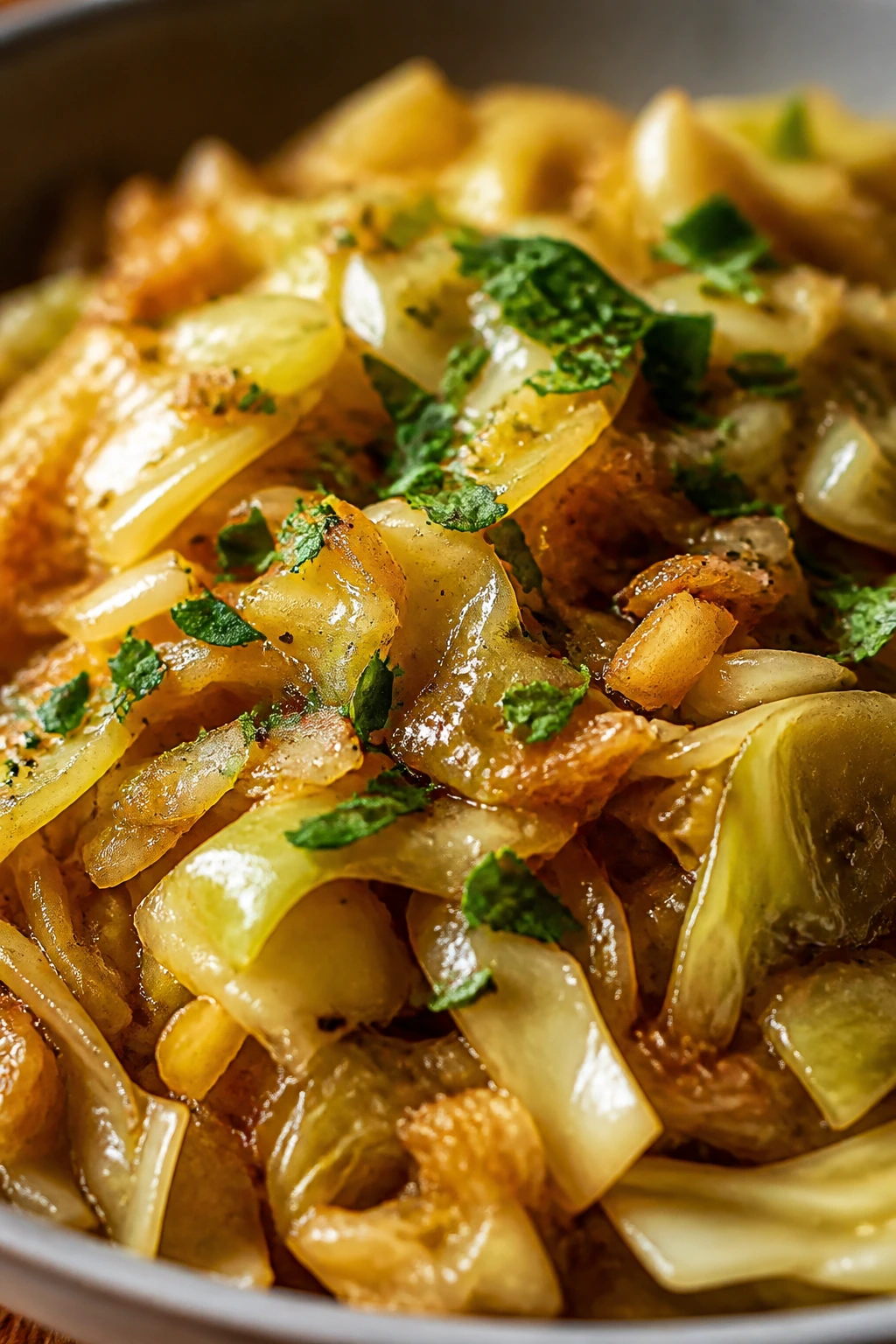
Flavor Enhancement:
A finishing acid is the easiest win in cabbage cooking. Use cider vinegar on tomato dishes, lemon on soups, lime on curry, or mustard in creamy bakes. That single last-minute hit makes the cabbage taste brighter and keeps rich dinners from sitting too heavy.
Customization:
If you like more heat, chili flakes, hot sauce, or chili crisp can go on top instead of being cooked into the whole pan. If you want a softer, more comforting profile, add a spoon of sour cream, plain yogurt, or a little extra butter at the end. Neither move is complicated. Both change the mood of the plate.
Serving Suggestions:
Fresh herbs matter more than people give them credit for. Parsley works almost everywhere, dill is excellent with pork and soup, cilantro belongs with taco and curry flavors, and scallions help anything with soy or sesame. Toasted breadcrumbs or crushed crackers also add a useful bit of crunch on casseroles and gratins.
Make-It-Yours:
For gluten-free dinners, skip flour thickeners or swap in cornstarch, and use gluten-free broth, tamari, or gluten-free mustard when needed. For dairy-free cooking, coconut milk, olive oil, and a nutty topping like toasted seeds can stand in for cream and cheese in several of these recipes. If you want lower-carb plates, trade rice, noodles, or potatoes for extra cabbage and a second protein.
Common Mistakes That Make Cabbage Dinners Less Good Than They Should Be
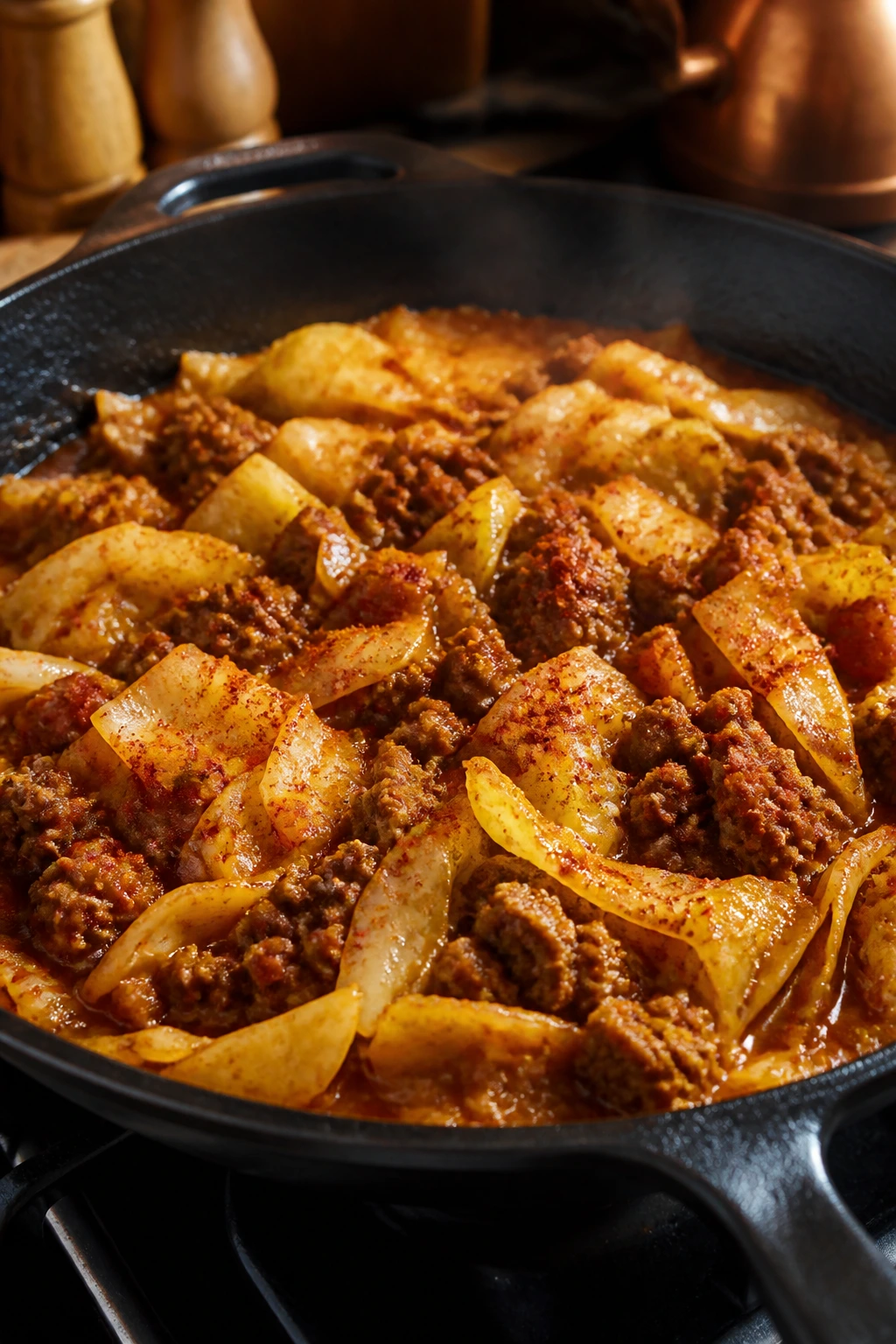
The first trap is overcooking cabbage until it goes limp and sour. That usually happens when the heat is too low and the pan never reduces properly, or when the dish sits covered for too long after the cabbage has already softened. The fix is simple: cook until the stems are just tender, then stop. Cabbage keeps softening in the hot pan after you turn off the heat.
Another mistake is under-seasoning because cabbage looks mild. Mild is not the same as bland. Cabbage can take salt, pepper, mustard, paprika, garlic, vinegar, and cheese without getting overwhelmed. If the dish tastes dull, don’t assume it needs more of the main protein. It usually needs a sharper finishing note.
Crowding the pan is a quiet problem that causes a lot of disappointment. When cabbage, meat, and vegetables sit on top of each other without enough surface contact, they steam instead of browning. Use a bigger skillet or roast on a sheet pan if you want color. Browned edges matter a lot here.
A fourth issue is cutting everything too small. Tiny cabbage shreds melt into sauce fast, which is fine for soup or taco filling, but not for braises, sheet-pan dinners, or gratins where you want bite and shape. Match the cut to the method. Wedges for roasting. Ribbons for stir-fries. Medium pieces for soups and casseroles.
And finally, people forget acid. Rich cabbage dishes need something sharp at the end — vinegar, lemon, lime, mustard, cider, pickles, even a little tomato. Without it, the meal can feel heavy and sleepy. Add the acid late so it stays lively.
Variations and Adaptations Worth Trying
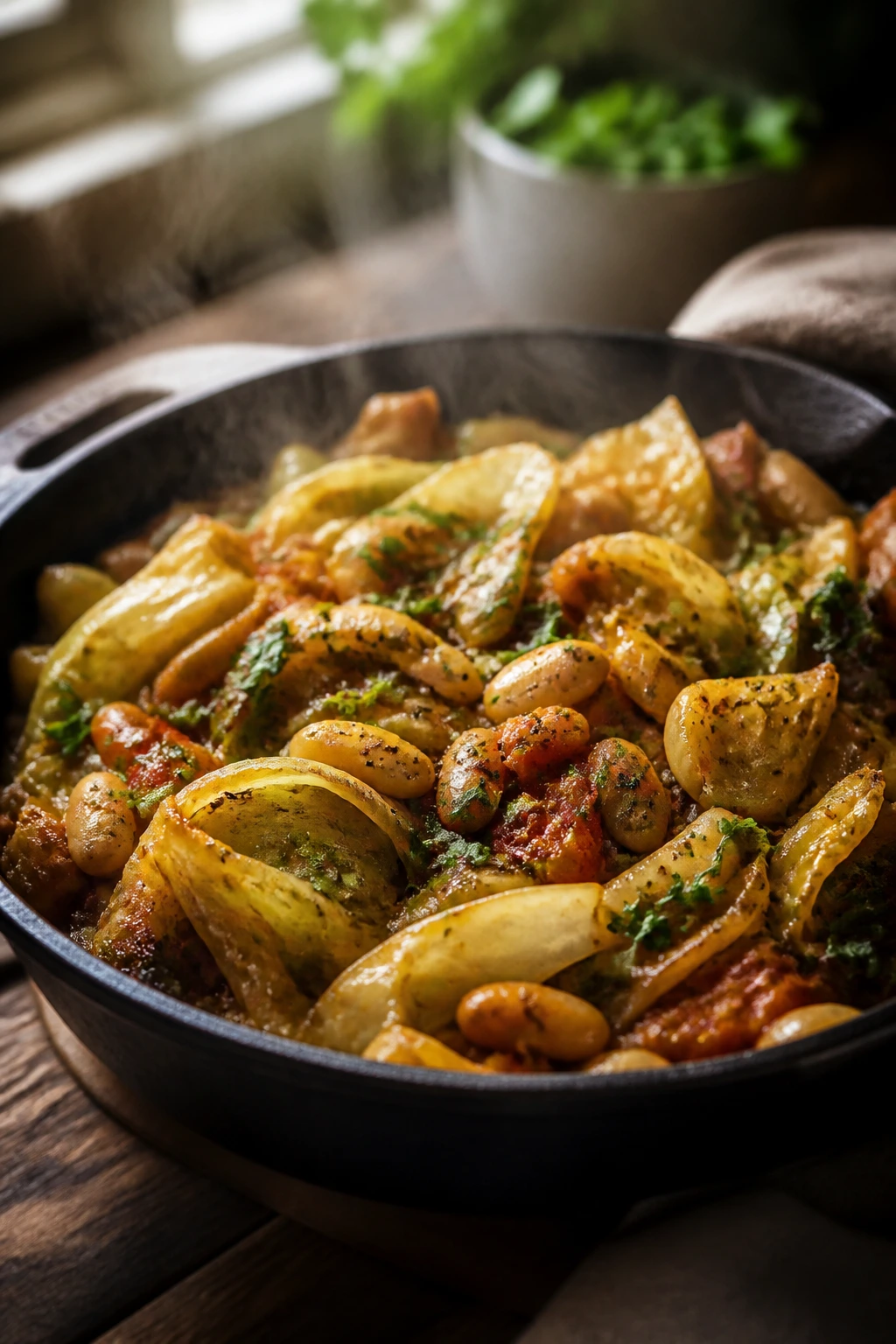
Meatless Pantry Pot:
Turn any sausage, beef, or pork skillet into a vegetarian dinner by swapping in cannellini beans, chickpeas, or lentils. Use vegetable broth, add extra smoked paprika or curry paste for depth, and finish with olive oil or tahini instead of pan drippings.
Creamier Comfort Version:
For the casseroles, gratins, and soups, stir in a few tablespoons of cream, sour cream, or full-fat yogurt at the very end. It softens sharp tomato or mustard notes and gives the dish a richer finish without requiring a full sauce rewrite.
Lower-Sodium Shift:
Use low-sodium broth, reduced-salt sausage, and unsalted beans, then lean on onion, garlic, citrus, herbs, and black pepper for flavor. It takes the same cabbage dinner in a cleaner direction without making it taste flat.
Spice-Heat Bowl:
Add chili flakes, gochujang, hot curry paste, or chipotle to the skillet recipes. Cabbage handles heat well because it has enough sweetness to balance it, and the final dish tastes sharper and more awake.
Gluten-Free Night:
Skip flour-thickened sauces and use cornstarch slurries where needed. Serve over rice, potatoes, or polenta instead of bread or pasta, and check the labels on sausage, mustard, soy sauce, and broth since those are the sneaky places gluten likes to hide.
Extra-Roasty Sheet-Pan Style:
If you like browned edges more than saucy dinners, push any cabbage and sausage tray toward higher heat and give the vegetables more space. Fewer ingredients per pan, more caramelization. It’s the same basic meal, just with a little more crunch.
Mistakes to Avoid When Cooking with Cabbage
-
Overcooking the cabbage: Tender is good. Mush is not. Pull the pan when the stems still have a little bite, especially in skillets and stir-fries.
-
Skipping the browning step: If you dump everything in at once, you lose the deep flavor that makes these dinners taste finished. Brown the meat, sausage, mushrooms, or potatoes first.
-
Using too little acid: Cabbage needs a sharp note to keep rich dishes from feeling heavy. Vinegar, lemon, lime, mustard, and tomato all help.
-
Slicing inconsistently: Big chunks and tiny shreds cook at different speeds. Match the cut to the recipe and try to keep the pieces close in size.
-
Crowding the pan or tray: Too much food means steaming, not browning. Use a bigger pan or split the recipe across two trays if you want color.
-
Leaving everything underseasoned: Cabbage can take more salt than people expect, especially in soups and casseroles. Taste before serving and adjust at the end.
Questions People Ask Before Making Cabbage for Dinner
Which cabbage is best for these dinners?
Green cabbage is the easiest all-purpose choice. It softens well, holds its shape, and works in everything from soup to sheet-pan meals. Savoy is great for softer, more delicate dishes, while red cabbage is best when you want color and don’t mind the pan turning purple.
Can I use pre-shredded cabbage or coleslaw mix?
Yes, and it saves time. It works best in stir-fries, taco skillets, soups, and quick sautéed dishes where the pieces don’t need to stay in long wedges. For braises, gratins, and roasts, fresh-cut cabbage usually gives better texture.
How do I keep cabbage from tasting strong or sulfurous?
Cook it in enough fat, don’t overboil it, and finish with acid. That strange, overly strong cabbage smell usually shows up when the pan is too wet and the vegetable cooks too long. Browning and a splash of vinegar help a lot.
Can these cabbage dinners be frozen?
Most soups, casseroles, braises, and stuffed cabbage freeze well for up to 2 months. Skillet dishes with potatoes or delicate greens are a little less graceful after thawing, but they’re still usable if you reheat them gently with a splash of broth.
What if my cabbage releases too much water?
Turn up the heat and cook uncovered for a few minutes so the liquid can evaporate. This happens more often in stir-fries and skillet dinners, especially if the pan is crowded. A wide pan makes a big difference.
Can I make these dishes vegetarian?
Several of them are already vegetarian, and many others are easy to adapt. Swap broth, use beans or lentils instead of meat, and lean on mushrooms, miso, cheese, or curry paste for depth. Cabbage doesn’t need a lot of help to stay satisfying.
Do I need to blanch cabbage for stuffed rolls?
Yes, unless you enjoy fighting torn leaves. A short blanch makes the leaves bend without splitting, which makes rolling faster and cleaner. Don’t cook them so long that they go floppy, though — four to six minutes is usually enough.
What’s the best way to reheat cabbage dishes?
Skillet dishes do best in a pan over medium heat with a spoonful or two of broth. Soups go back on the stove low and slow. Casseroles and gratins reheat well in the oven, covered first so they stay moist, then uncovered for a crisp top.
A Better Way to Spend a Cold Evening
Cabbage is not a show-off ingredient, and that’s part of its charm. It gives you a lot: texture, volume, sweetness, and a way to make dinner feel thoughtful without making a mess of the kitchen. On a cold night, that’s worth more than a lot of polished recipes that look better than they eat.
Keep one head in the fridge or on the counter and you’re halfway to a real meal. The rest is just deciding whether you want skillet, soup, roast, braise, or casserole — and honestly, that’s a pretty good place to be.
Recipe Collection Quick Reference Table
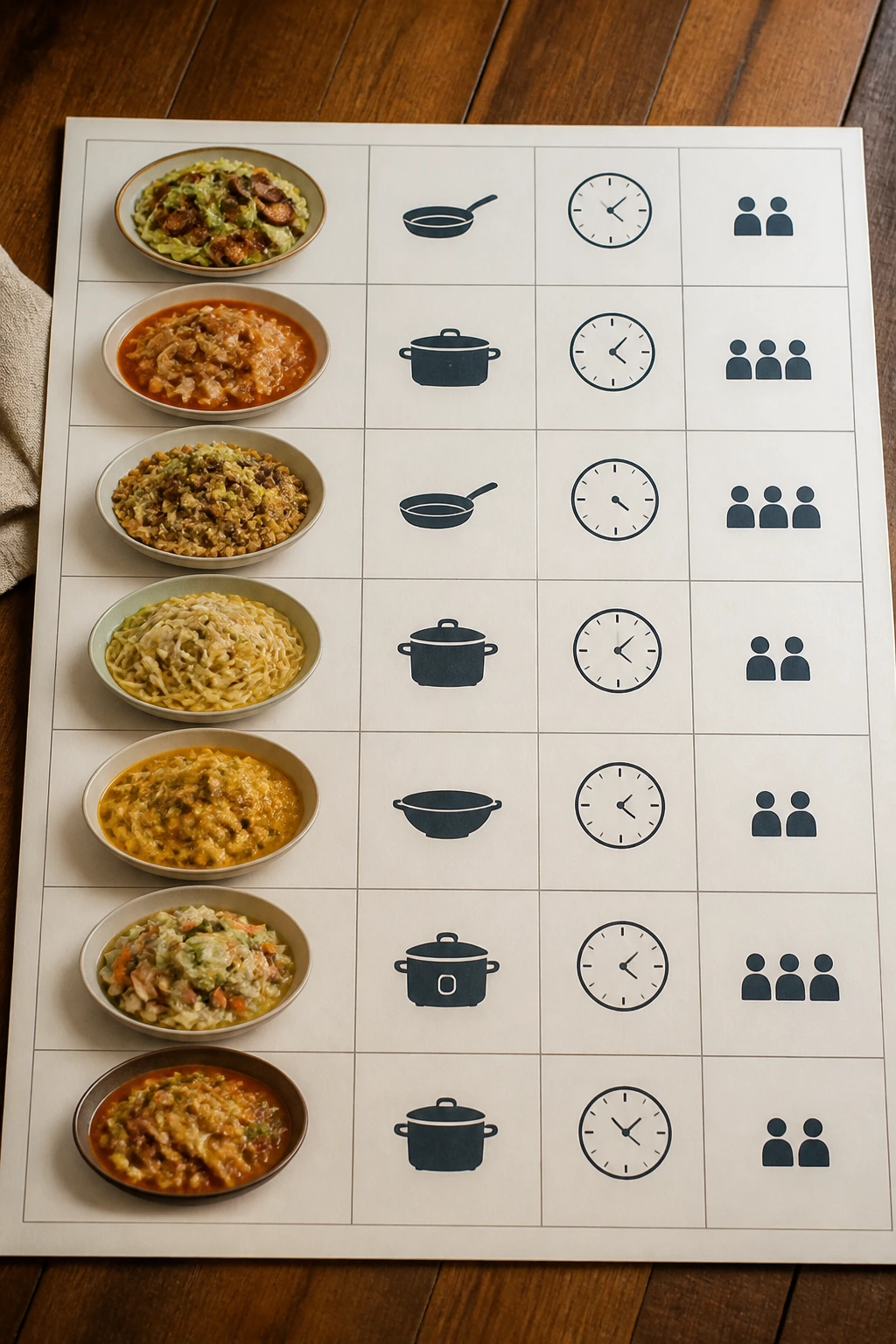
| Recipe | Prep Time | Cook Time | Total Time | Servings | Standout Detail |
|---|---|---|---|---|---|
| Skillet Beef and Cabbage with Smoked Paprika | 15 min | 30 min | 45 min | 4 | smoky paprika and tomato broth |
| Sausage, Cabbage, and Potatoes in One Pan | 15 min | 35 min | 50 min | 4–6 | crisp potatoes with mustard glaze |
| Stuffed Cabbage Rolls with Rice and Tomato Sauce | 40 min | 60 min | 1 hr 40 min | 6 | classic saucy rolls that freeze well |
| Ginger-Soy Chicken and Cabbage Stir-Fry | 15 min | 15 min | 30 min | 4 | glossy sauce and fast crunch |
| Braised Pork, Cabbage, and Apples | 20 min | 55 min | 1 hr 15 min | 4 | cider braise with sweet-tart apples |
| White Bean and Cabbage Soup with Parmesan | 15 min | 35 min | 50 min | 6 | creamy beans with Parmesan depth |
| Corned Beef and Cabbage Hash with Fried Eggs | 20 min | 25 min | 45 min | 4 | crisp hash with runny egg yolks |
| Coconut Curry Cabbage and Chickpeas | 15 min | 25 min | 40 min | 4–6 | silky coconut curry with lime |
| Cabbage and Mushroom Pasta Skillet | 15 min | 30 min | 45 min | 4–5 | silky cabbage folds into pasta |
| Turkey Cabbage Taco Skillet | 15 min | 20 min | 35 min | 4 | fast taco-night skillet with beans |
| Sheet-Pan Kielbasa with Cabbage and Mustard Potatoes | 15 min | 35 min | 50 min | 4–6 | roasted sausage and browned cabbage |
| Savory Cabbage Gratin with Ham and Gruyère | 20 min | 45 min | 1 hr 5 min | 6 | creamy bake with a crisp cheese crust |
| Miso Butter Salmon with Sesame Cabbage | 15 min | 20 min | 35 min | 4 | salty-sweet miso glaze over salmon |
| Black Bean and Cabbage Enchilada Skillet | 15 min | 25 min | 40 min | 4–6 | saucy skillet with tortilla strips |
| Unstuffed Cabbage Casserole with Rice and Beef | 20 min | 40 min | 1 hr | 6 | all the stuffed-cabbage flavor, none of the rolling |