



Snow on the windows has a way of changing dinner rules. A crisp salad looks like a dare, the grocery run feels longer than it should, and everyone starts drifting toward the stove for heat as much as food. That’s where cold weather dinners earn their keep: big pots, slow braises, cheesy bakes, and skillet meals that make the whole kitchen smell like someone’s been taking care of things.
I’ve always trusted snowy-night food to be sturdy rather than clever. Give me a meal that can simmer a little longer without falling apart, one that welcomes onions, garlic, carrots, beans, and potatoes without fuss. The best winter dinner recipes don’t demand perfect timing. They forgive you. They wait while you shake snow off your boots, find the missing lid, and decide whether a second slice of bread is “too much.” It usually isn’t.
These 17 cold weather dinners cover the whole range: slow and spoonable, bubbling and cheesy, one-pan and no-nonsense, plus a few vegetarian options that can stand up to a deep cold snap without feeling like an apology. Some are weeknight-fast. Others are for the kind of evening when the lights are low, the pans are heavy, and a second helping is not negotiable.
Why These Cold Weather Dinners Earn Their Keep
-
They hold heat well: Soups, stews, casseroles, and braises stay warm on the table longer than most dinners, which matters when people wander in from the cold at different times.
-
They lean on pantry staples: Beans, pasta, rice, broth, tomatoes, onions, and root vegetables do a lot of the heavy lifting here, so you can cook well without a dramatic grocery haul.
-
They taste even better after a short rest: A lot of these dinners—especially chili, stew, lasagna soup, and pot roast—settle into themselves after 10 to 20 minutes, which is a small luxury on a snowy night.
-
They make leftovers worth eating: Most of these recipes reheat without turning sad or soggy, and several get thicker, richer, and more unified by the next day.
-
They can be stretched: Add bread, rice, polenta, mashed potatoes, or a simple salad and you’ve got a dinner that feeds more people without feeling thin.
-
They use ordinary ingredients in smart ways: Cheap cuts like chuck roast, chicken thighs, kielbasa, and dried legumes shine here because long heat turns them tender instead of tired.
1. Beef Stew with Mushrooms and Red Wine
A good beef stew smells like the kind of dinner that tells the weather to go away. The broth goes deep and glossy, the mushrooms soak up the winey sauce, and the beef turns soft enough to break with the side of a spoon. I like this version because it tastes old-fashioned in the best possible way, but still feels alive with thyme, garlic, and a little tomato paste.
Why It Works
Chuck roast is the right cut here because it has enough connective tissue to melt into the broth during a long simmer. That matters. Lean beef gets dry and tough before the vegetables are ready, while chuck turns plush after about 2 to 2½ hours at a low bubble. The mushrooms bring a second layer of savoriness, and the red wine adds a darker edge that keeps the stew from tasting flat.
Key Ingredients
- 2½ pounds beef chuck, cut into 1½-inch cubes
- 2 tablespoons all-purpose flour
- 2 tablespoons olive oil
- 1 large yellow onion, diced
- 4 cloves garlic, minced
- 2 tablespoons tomato paste
- 1 cup dry red wine
- 4 cups beef broth
- 3 medium carrots, cut into thick coins
- 8 ounces cremini mushrooms, halved
- 2 teaspoons fresh thyme leaves
- 2 bay leaves
- 2 medium Yukon Gold potatoes, cut into chunks
Quick Steps
- Brown the beef: Toss the cubes with flour, salt, and pepper. Sear them in olive oil in a Dutch oven over medium-high heat until deeply browned on all sides, working in batches so the pot doesn’t crowd.
- Build the base: Lower the heat to medium and cook the onion for 5 minutes, then add the garlic and tomato paste for 1 minute until the paste darkens slightly.
- Deglaze and simmer: Pour in the red wine and scrape up every brown bit from the bottom. Add the beef broth, thyme, bay leaves, beef, carrots, and potatoes.
- Cook low and slow: Cover and simmer on low for 2 to 2½ hours, until the beef is fork-tender and the broth tastes rich instead of thin.
- Finish with mushrooms: Stir in the mushrooms during the last 25 minutes so they stay meaty rather than mushy. Remove bay leaves before serving.
Tips and Variations
- Flavor boost: Stir in 1 teaspoon Worcestershire sauce for a deeper, rounder broth.
- Make-ahead note: The stew tastes even better the next day after the flavors settle.
- Easy swap: No wine? Use an extra cup of broth plus 1 tablespoon red wine vinegar.
2. Chicken and Dumplings with Thyme Broth
This is the dinner I want when the sky turns white and the house feels too quiet. The broth is creamy but not heavy, the chicken stays tender, and the dumplings puff into little soft clouds that soak up the savory broth without dissolving into paste. There’s a reason this dish keeps showing up on cold-night tables. It does the job.
Why It Works
Chicken thighs make a better base than breasts because they stay juicy through simmering. The dumpling dough needs only a light hand and a short cook time; overmix it and you’ll get little rubbery sinkers, which is a shame because the broth deserves better. A steady simmer gives the vegetables time to soften while the dumplings steam on top and through the broth.
Key Ingredients
- 1½ pounds boneless, skinless chicken thighs
- 2 tablespoons unsalted butter
- 1 tablespoon olive oil
- 1 large onion, diced
- 2 carrots, diced
- 2 celery stalks, diced
- 4 cups chicken broth
- 1 cup whole milk
- 2 teaspoons fresh thyme leaves
- 2 cups all-purpose flour
- 1 tablespoon baking powder
- ¾ teaspoon fine salt
- 3 tablespoons cold butter, cubed
- ¾ cup milk, for dumplings
Quick Steps
- Start the broth: Warm butter and oil in a Dutch oven, then cook the onion, carrots, and celery for 6 to 7 minutes until the onion turns translucent.
- Cook the chicken: Add the chicken thighs, broth, milk, and thyme. Simmer for 20 minutes, until the chicken reaches 165°F and shreds easily.
- Make the dumpling dough: Whisk flour, baking powder, and salt. Cut in the cold butter, then stir in ¾ cup milk just until a shaggy dough forms.
- Add dumplings: Drop tablespoon-sized scoops of dough onto the gently simmering broth. Cover and cook for 12 to 15 minutes without lifting the lid too often.
- Finish and serve: Shred the chicken, return it to the pot, and taste for salt and pepper. The dumplings should be cooked through, light, and slightly springy.
Tips and Variations
- Texture note: Keep the simmer gentle; a hard boil makes the dumplings rough.
- Shortcut: Rotisserie chicken works if you want a faster version.
- Herb move: A little chopped parsley at the end wakes the whole pot up.
3. Smoky Turkey Chili
Chili is one of those dinners that gets better the longer you live with it. This turkey version has a smoky, warm-spice smell that fills the kitchen fast, and it’s thick enough to mound on a spoon instead of sloshing around in a bowl. I like it with cornbread on the side and a little shredded cheddar melting into the top.
Why It Works
Ground turkey can go bland if you treat it like beef, so the seasoning does more than usual here. Chili powder, cumin, smoked paprika, and tomato paste carry the flavor, while beans add body and stretch the pot without making it heavy. A half hour simmer is enough to marry everything, but 45 minutes gives it a deeper, rounder taste.
Key Ingredients
- 2 tablespoons olive oil
- 1½ pounds ground turkey
- 1 large onion, diced
- 4 cloves garlic, minced
- 2 tablespoons tomato paste
- 2 tablespoons chili powder
- 2 teaspoons ground cumin
- 1 teaspoon smoked paprika
- 1 can (28 ounces) crushed tomatoes
- 1½ cups chicken broth
- 2 cans (15 ounces each) kidney beans, drained and rinsed
- 1 can (15 ounces) black beans, drained and rinsed
- Salt and black pepper to taste
Quick Steps
- Brown the turkey: Heat olive oil in a large pot over medium-high heat. Cook the turkey until no pink remains and the bottom has a few browned bits.
- Build flavor: Add the onion and cook for 5 minutes, then stir in garlic, tomato paste, chili powder, cumin, and paprika for 1 minute.
- Add the liquids: Pour in crushed tomatoes and broth, scraping up the browned bits from the pot.
- Simmer the beans: Stir in both beans, reduce the heat, and simmer uncovered for 35 to 45 minutes until thick and spoonable.
- Taste and serve: Season well with salt and pepper. If the chili tastes sharp, simmer 5 more minutes; it should taste rounded, not tomato-bright.
Tips and Variations
- Heat control: Add ½ teaspoon cayenne if you like the back-of-the-throat warmth.
- Leftover trick: Chili thickens overnight, which is not a flaw.
- Serving idea: Spoon over baked potatoes when you want a more filling bowl.
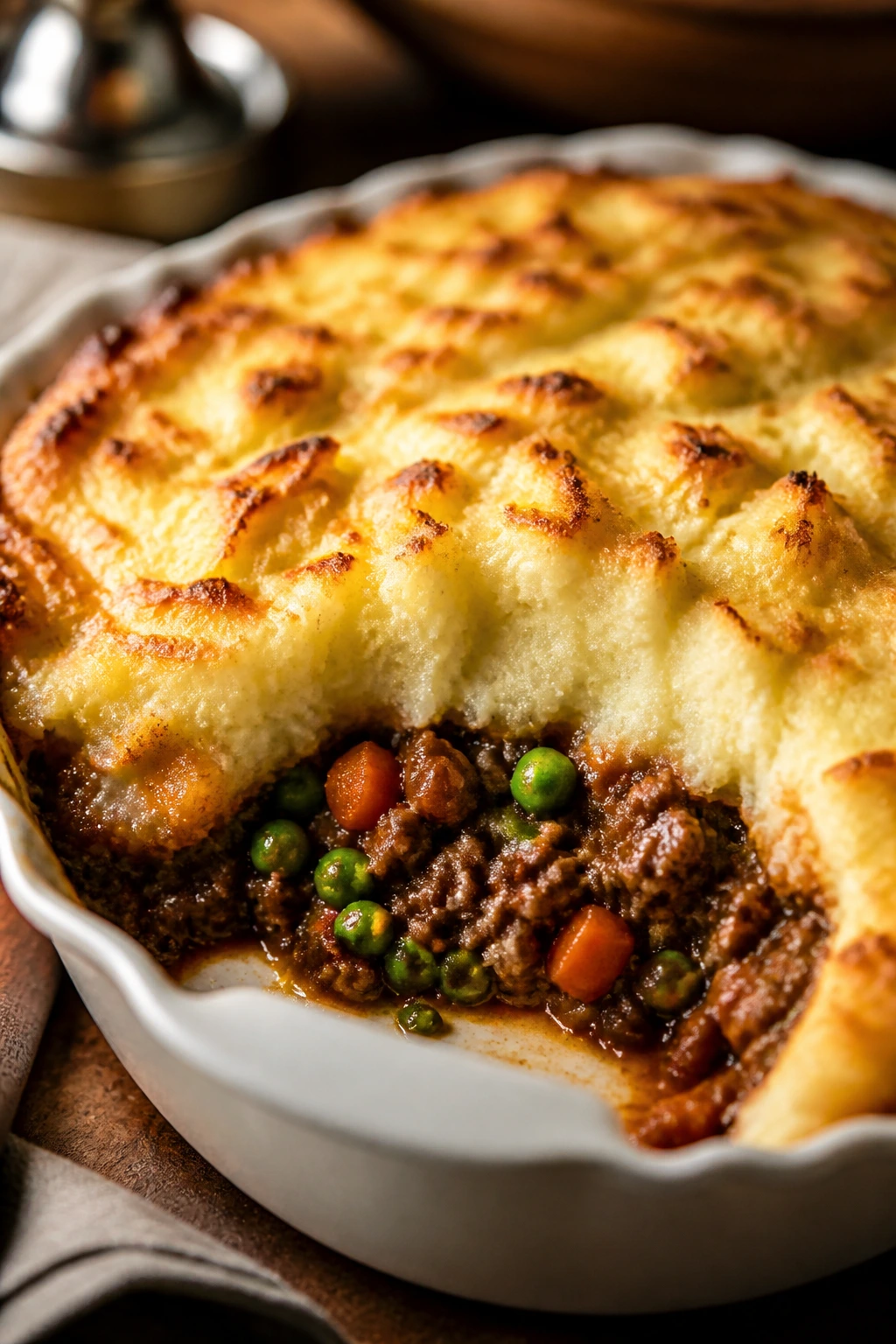
4. Shepherd’s Pie with Mashed Potato Crust
Shepherd’s pie is the kind of dinner that makes a plate feel dressed for winter. The bottom layer is rich with beef, carrots, peas, onion, and gravy; the top bakes into a soft, browned lid of mashed potatoes with crisp ridges around the edges. It’s humble food, but it lands like a proper event when the weather’s rough.
Why It Works
The dish depends on contrast. You want the filling moist and savory, not soupy, so the flour and broth need enough time to thicken before the mash goes on top. The potatoes should be mashed with enough butter and milk to spread easily, but not so loose that they sink into the filling during baking.
Key Ingredients
- 2 pounds russet potatoes, peeled and chunked
- 4 tablespoons unsalted butter
- ½ cup whole milk
- 1½ pounds ground beef
- 1 medium onion, diced
- 2 carrots, diced small
- 2 tablespoons flour
- 2 tablespoons tomato paste
- 1½ cups beef broth
- 1 cup frozen peas
- 1 teaspoon Worcestershire sauce
- Salt, pepper, and chopped parsley
Quick Steps
- Cook the potatoes: Boil the potatoes in salted water until very tender, about 15 minutes. Drain well and mash with butter, milk, salt, and pepper.
- Make the filling: Brown the beef in a skillet, then add onion and carrots. Cook until the vegetables soften and the beef develops deep brown bits.
- Thicken it: Stir in flour and tomato paste, cook for 1 minute, then add broth and Worcestershire sauce. Simmer until the mixture turns glossy and thick.
- Add peas and assemble: Stir in peas, then spread the filling in a baking dish. Top with mashed potatoes and rough up the surface with a fork.
- Bake until browned: Bake at 400°F for 20 to 25 minutes, until the edges bubble and the top has golden ridges.
Tips and Variations
- Better crust: Dot the top with a few extra butter pieces before baking.
- Shortcut: Leftover mashed potatoes work fine if they’re not too loose.
- Swap: Ground lamb gives a more traditional flavor, if you’re in that mood.
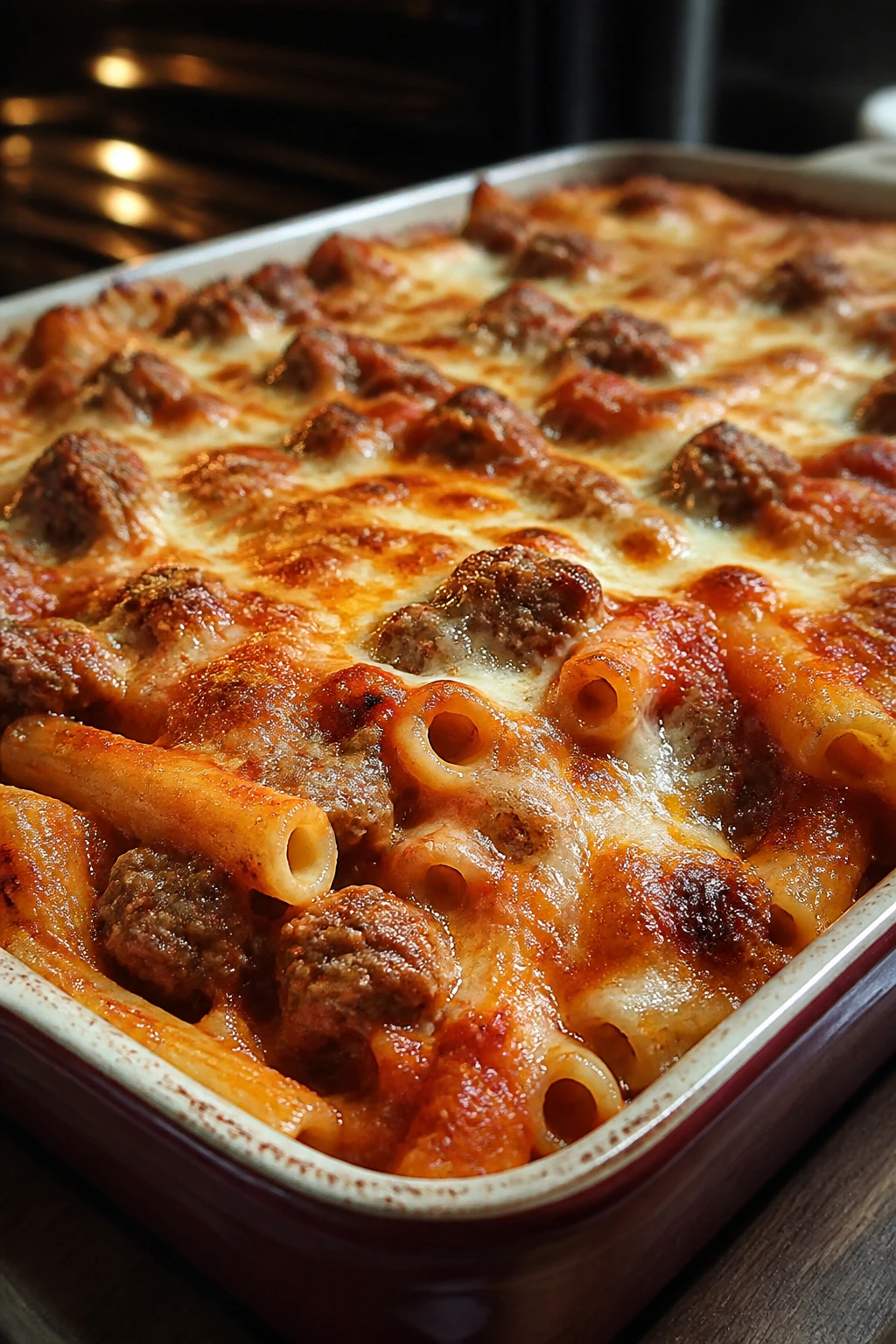
5. Baked Ziti with Italian Sausage
Baked ziti is what you make when you want the oven to do the heavy lifting and the cheese to do the emotional work. It comes out bubbling around the edges, with browned mozzarella on top and pasta that stays saucy instead of dry. The sausage keeps it from tasting timid. I prefer a version with a little ricotta tucked in, because one creamy layer makes the whole pan feel better.
Why It Works
This dish is built around moisture control. The pasta should be cooked just shy of done so it finishes in the oven instead of turning soft and sad. Using a sauce that’s thick enough to cling to the noodles matters more than using a fancy one. The sausage adds fat and seasoning, which gives the baked pasta a fuller, more dinner-like taste.
Key Ingredients
- 1 pound ziti or penne
- 1 tablespoon olive oil
- 1 pound Italian sausage, casings removed
- 1 small onion, diced
- 3 cloves garlic, minced
- 1 jar (24 ounces) marinara sauce
- 1 cup ricotta cheese
- 1 large egg
- 2 cups shredded mozzarella
- ½ cup grated Parmesan
- 1 teaspoon dried oregano
Quick Steps
- Cook the pasta: Boil ziti in salted water until just shy of al dente, then drain.
- Make the sauce: Brown the sausage in olive oil, then add onion and garlic until fragrant. Stir in marinara and oregano and simmer for 5 minutes.
- Mix the ricotta layer: Stir ricotta with the egg, a pinch of salt, and half the Parmesan.
- Assemble the casserole: Toss pasta with sauce, then layer half the pasta in a baking dish, add ricotta dollops, then the rest of the pasta. Top with mozzarella and remaining Parmesan.
- Bake and rest: Bake at 375°F for 25 to 30 minutes until bubbling. Let it rest 10 minutes before serving so it slices neatly.
Tips and Variations
- Cheese note: Freshly grated mozzarella melts better than the bagged stuff.
- Vegetable add-in: Sautéed spinach or mushrooms fit right in.
- Make-ahead: Assemble it the night before and bake it straight from the fridge with a few extra minutes.
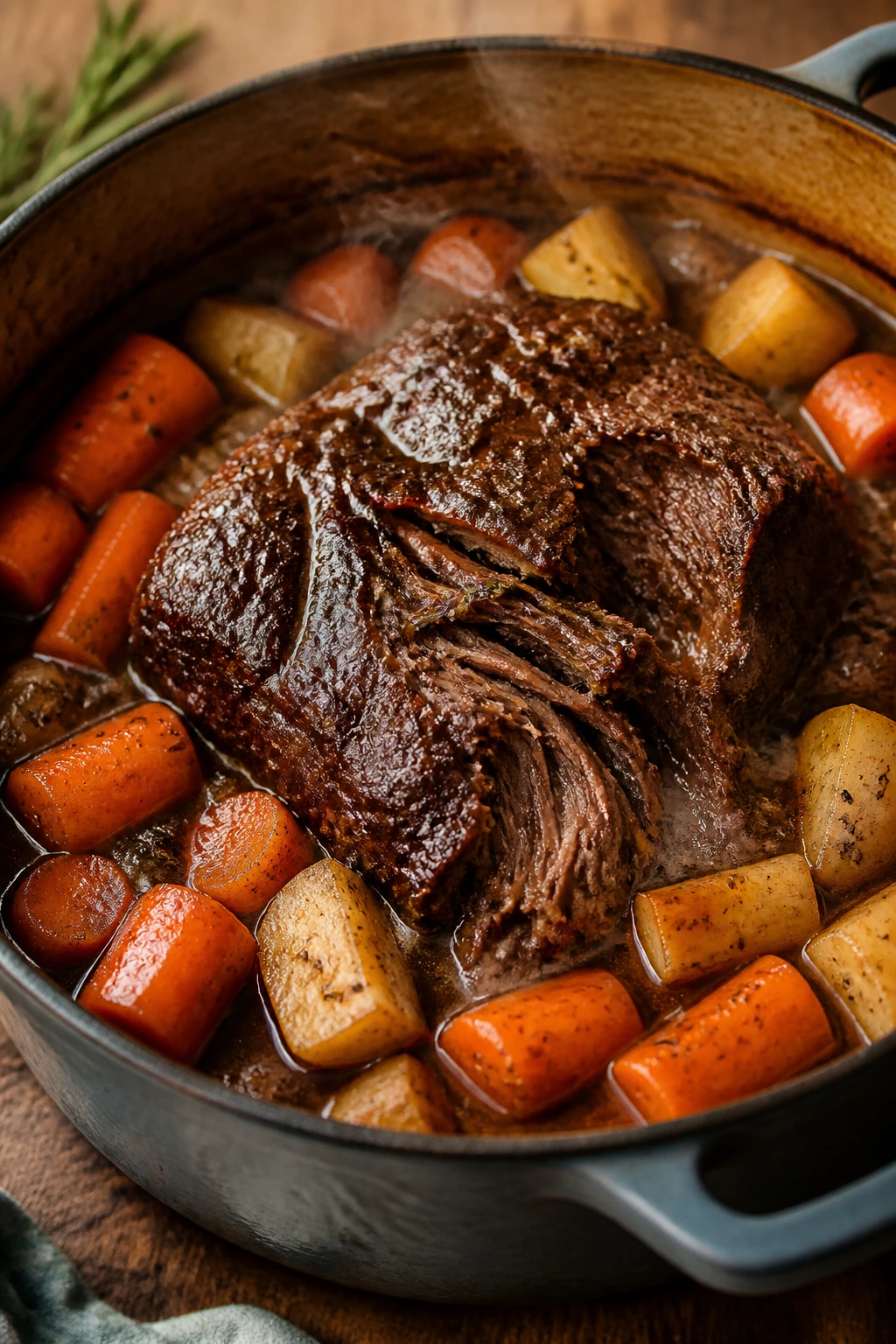
6. Slow-Roasted Pot Roast with Carrots and Parsnips
Pot roast is the dinner equivalent of a heavy blanket. The meat gets silky, the carrots and parsnips drink up the braising liquid, and the whole pot smells like Sunday even if it’s not Sunday at all. This is the recipe I make when I want the house to smell better than whatever is happening outside.
Why It Works
Chuck roast is marbled enough to survive a long oven braise. A covered Dutch oven traps moisture, which keeps the roast from drying out before the connective tissue breaks down. The vegetables go in partway through so they hold shape and taste like vegetables, not apology.
Key Ingredients
- 3 to 4 pounds beef chuck roast
- 2 tablespoons kosher salt
- 1 tablespoon black pepper
- 2 tablespoons olive oil
- 1 large onion, sliced
- 4 cloves garlic, smashed
- 2 tablespoons tomato paste
- 2 cups beef broth
- 1 cup dry red wine
- 4 carrots, cut into large pieces
- 3 parsnips, peeled and cut into chunks
- 2 sprigs rosemary
- 4 sprigs thyme
Quick Steps
- Season and sear: Pat the roast dry, season heavily, and brown it in olive oil on all sides in a Dutch oven.
- Build the braise: Remove the beef, then cook onion and garlic for 3 to 4 minutes. Stir in tomato paste, then pour in broth and wine.
- Return the roast: Add rosemary, thyme, and the beef. Cover and roast at 300°F for 2 hours.
- Add vegetables: Stir in carrots and parsnips, then continue roasting for 45 to 60 minutes until the beef shreds with a fork.
- Rest and slice or shred: Let the roast sit 15 minutes before serving so the juices settle back into the meat.
Tips and Variations
- Flavor move: A spoonful of Dijon stirred into the braising liquid adds sharpness.
- Cut choice: Brisket works too, but it needs a little longer.
- Serving idea: Spoon the juices over mashed potatoes. Do not waste them.
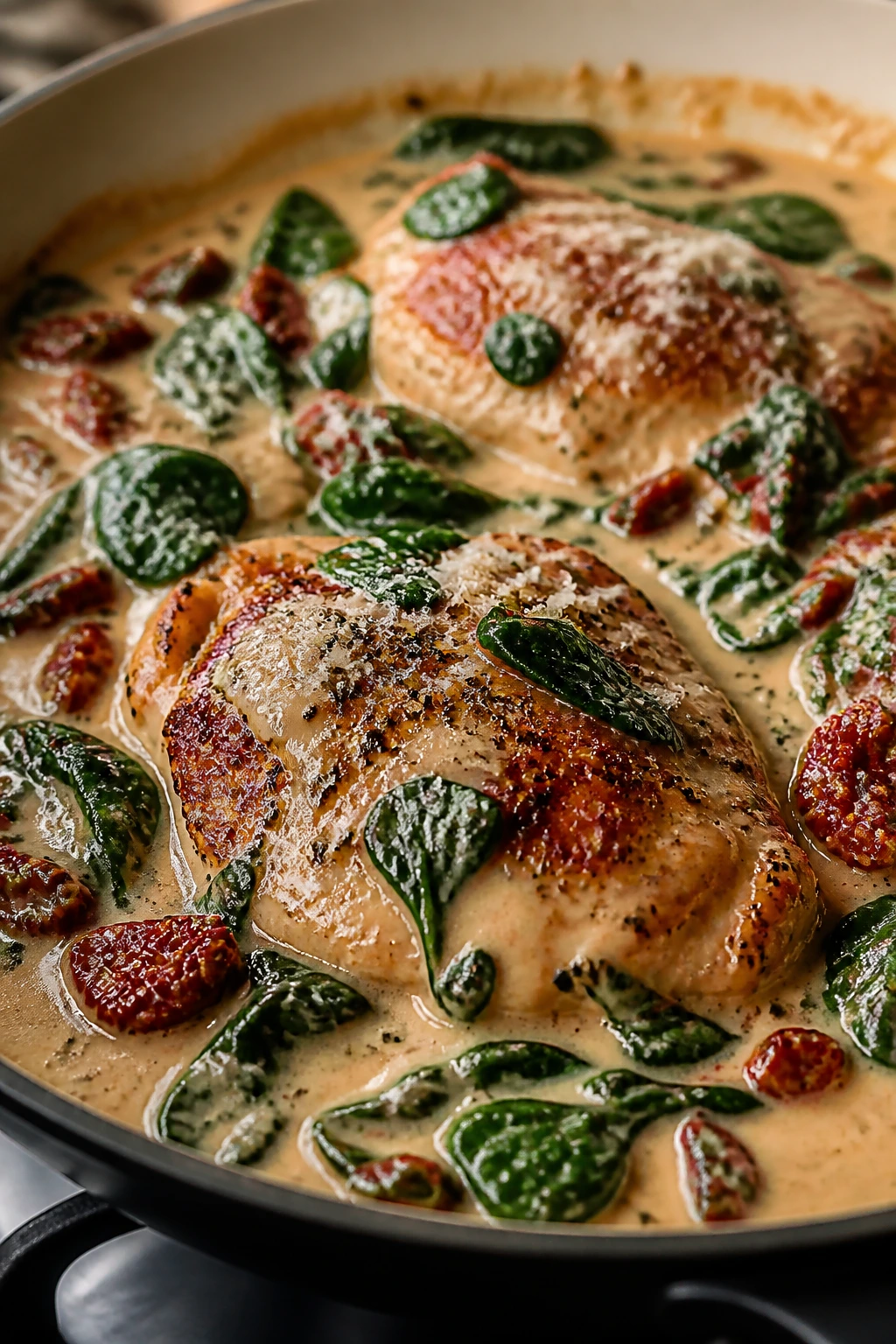
7. Creamy Tuscan Chicken Skillet
This one is fast enough for a weeknight and rich enough to count as cold weather comfort food. The sauce turns silky with cream, garlic, sun-dried tomatoes, and Parmesan, while the chicken stays juicy under a quick sear. Spinach folds in at the end and looks like it belongs there, which it does.
Why It Works
Chicken thighs are forgiving in a skillet sauce because they don’t dry out as quickly as breasts. The sun-dried tomatoes cut through the richness, and the Parmesan thickens the cream just enough that it coats the chicken instead of running off the plate. A shallow pan with a lid or splatter screen helps control the simmer without overcooking the sauce.
Key Ingredients
- 1½ pounds boneless, skinless chicken thighs
- 2 tablespoons olive oil
- 4 cloves garlic, minced
- ½ cup sun-dried tomatoes, sliced
- 1 cup chicken broth
- 1 cup heavy cream
- ½ cup grated Parmesan
- 3 cups baby spinach
- 1 teaspoon Italian seasoning
- Salt and black pepper
Quick Steps
- Sear the chicken: Season the thighs and brown them in olive oil over medium-high heat for 4 to 5 minutes per side. Remove to a plate.
- Build the sauce: Add garlic and sun-dried tomatoes to the skillet for 30 seconds, then pour in broth and scrape the bottom clean.
- Add cream and cheese: Stir in heavy cream, Parmesan, and Italian seasoning. Simmer 3 to 4 minutes until lightly thickened.
- Finish the chicken: Return the chicken to the pan and simmer until it reaches 165°F, about 6 to 8 minutes.
- Wilt the spinach: Stir in spinach until just collapsed. Serve while the sauce is glossy.
Tips and Variations
- Pasta-friendly: Spoon it over fettuccine or mashed potatoes.
- Dairy note: Half-and-half works, but the sauce will be thinner.
- Bright finish: A squeeze of lemon wakes up the cream.
8. Sausage, Kale, and White Bean Soup
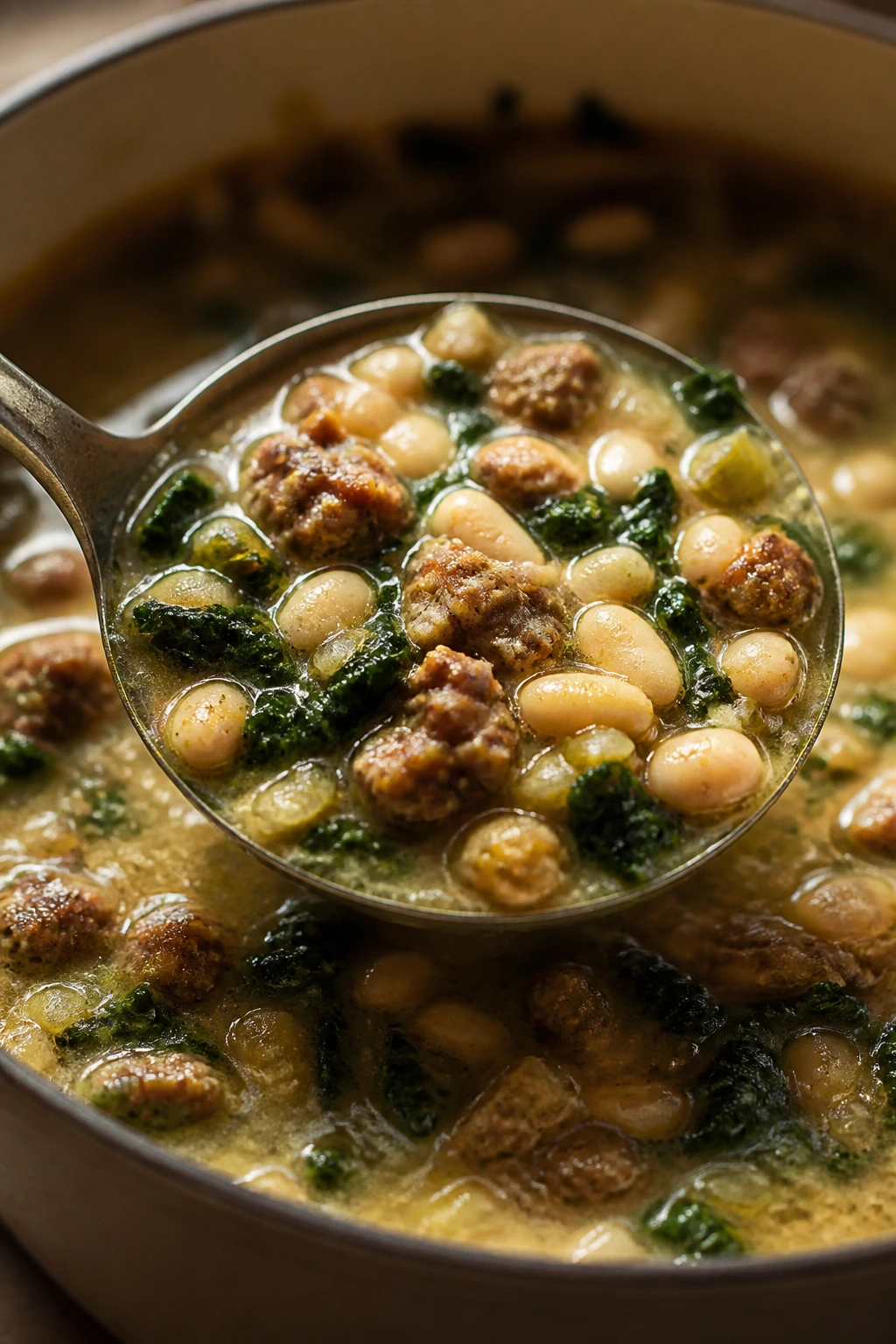
This soup is sturdy in a way that feels useful. The broth is savory from sausage and garlic, the beans make it filling, and the kale softens into something tender without losing its shape. It’s the kind of soup that becomes dinner with one good slice of bread, which is exactly the point on a dark night.
Why It Works
White beans give the pot body without needing cream, and sausage brings seasoning from the start. Kale can take the simmer, unlike softer greens that fade into nothing. A quick mash of a few beans near the end thickens the broth naturally, which is a trick worth keeping around.
Key Ingredients
- 1 pound Italian sausage, casings removed
- 1 tablespoon olive oil
- 1 onion, diced
- 2 carrots, diced
- 4 cloves garlic, minced
- 6 cups chicken broth
- 2 cans (15 ounces each) cannellini beans, drained and rinsed
- 1 bunch kale, stems removed and leaves chopped
- 1 teaspoon dried oregano
- 1 bay leaf
- Salt and pepper
Quick Steps
- Brown the sausage: Cook it in a soup pot over medium heat until browned and cooked through.
- Add vegetables: Stir in onion and carrots, cooking for 6 minutes until softened. Add garlic for 30 seconds.
- Pour in broth and beans: Add broth, beans, oregano, and bay leaf. Bring to a simmer.
- Thicken slightly: Mash a cup of beans against the side of the pot, then stir them back in. Add kale and simmer 10 minutes.
- Taste and serve: Remove the bay leaf, season well, and serve hot with Parmesan on top if you like.
Tips and Variations
- Greens swap: Swiss chard works if kale isn’t around.
- Depth trick: A parmesan rind simmered in the broth adds quiet richness.
- Make it heartier: Stir in diced potatoes with the broth.
9. Lasagna Soup with Ricotta Toasts
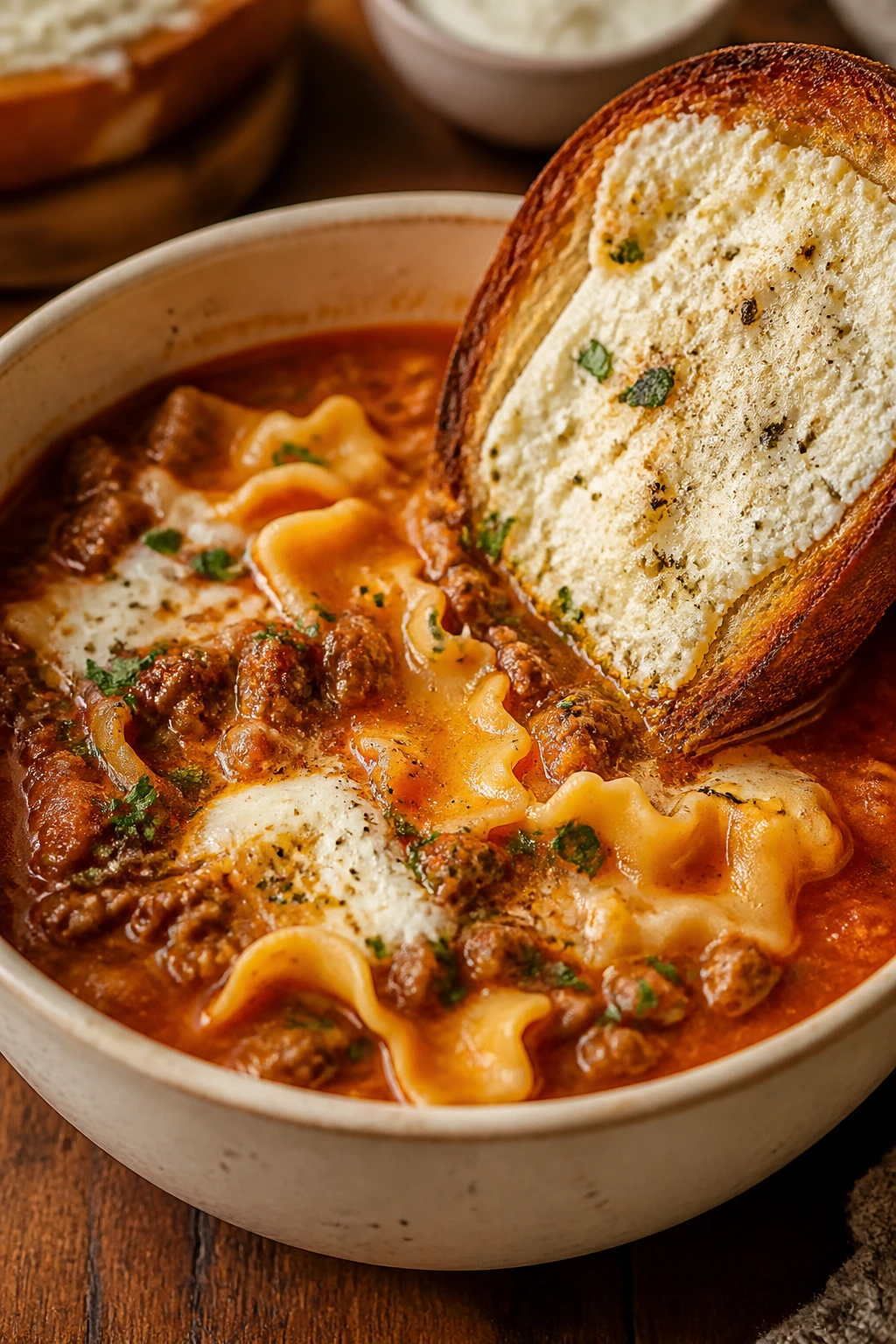
Lasagna soup is what happens when you want the flavor of baked pasta without the whole production. The broth tastes like tomato, garlic, herbs, and sausage, while the noodles turn tender in the pot instead of being layered neatly like little architectural students. The ricotta toast on top is the part that makes people grin.
Why It Works
Broken lasagna noodles cook directly in the soup, which saves a step and gives you a thicker, starchier broth. The ricotta toast adds the creamy-cheesy part that a straight soup can miss. This dish is especially good on snowy nights because it feels like a full pasta dinner but lands easier than a full casserole.
Key Ingredients
- 1 tablespoon olive oil
- 1 pound Italian sausage
- 1 onion, diced
- 4 cloves garlic, minced
- 2 tablespoons tomato paste
- 1 can (28 ounces) crushed tomatoes
- 6 cups chicken broth
- 8 lasagna noodles, broken into pieces
- 1 teaspoon dried basil
- 1 teaspoon dried oregano
- 1 cup ricotta cheese
- 4 slices sturdy bread, toasted
- 1 cup shredded mozzarella
Quick Steps
- Brown the sausage: Cook it in a large pot until browned, then add onion and garlic.
- Build the soup: Stir in tomato paste, crushed tomatoes, broth, basil, and oregano.
- Cook the noodles: Add broken noodles and simmer 10 to 12 minutes until just tender.
- Make the ricotta toasts: Spread ricotta on toasted bread, top with mozzarella, and broil for 1 to 2 minutes until bubbly.
- Serve together: Ladle soup into bowls and set a ricotta toast on top or alongside.
Tips and Variations
- Pasta caution: Cook the noodles just until tender or they’ll swell in the broth.
- Vegetarian route: Use lentils or plant-based sausage.
- Extra comfort: Finish with cracked pepper and basil.
10. Coconut Chickpea Curry with Basmati Rice
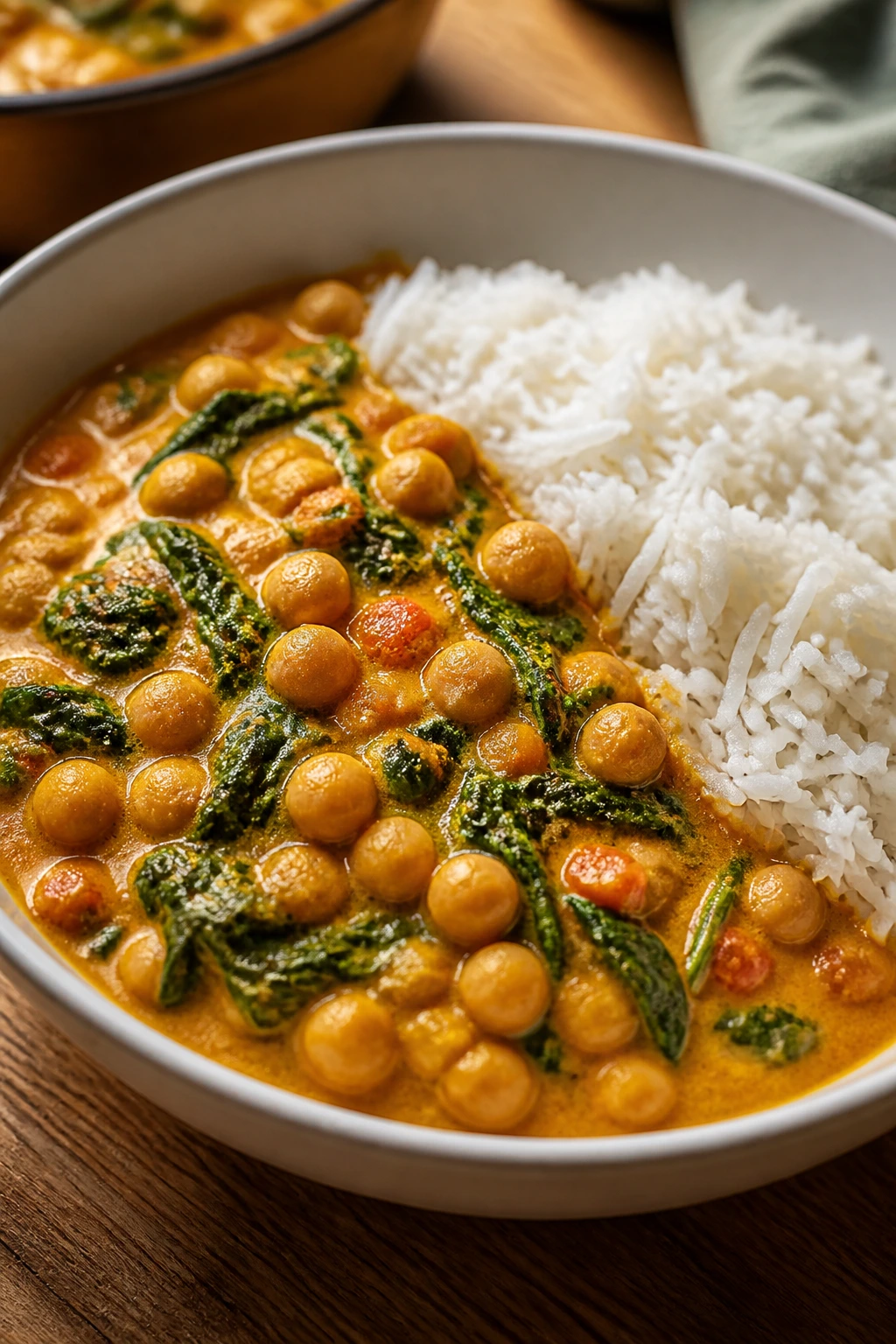
This curry is a warm bowl of spice, cream, and soft chickpeas, the kind of dinner that doesn’t need meat to feel like it means business. Coconut milk smooths the edges of the turmeric and curry powder, and the tomato gives the sauce enough backbone to keep it from tasting sweet and one-note. It’s cheap, fast, and deeply useful when the pantry looks ordinary.
Why It Works
Chickpeas hold their shape while soaking up flavor, which makes them better than a lot of quick-cooking proteins in a saucy dish like this. Coconut milk carries spices well, and the tomato paste gives the sauce a little depth. Serve it with rice and you have a complete dinner that feels more layered than the ingredient list suggests.
Key Ingredients
- 1 tablespoon coconut oil or olive oil
- 1 onion, diced
- 3 cloves garlic, minced
- 1 tablespoon grated fresh ginger
- 2 tablespoons curry powder
- 1 teaspoon ground turmeric
- 2 tablespoons tomato paste
- 2 cans (15 ounces each) chickpeas, drained and rinsed
- 1 can (14 ounces) coconut milk
- 1 cup vegetable broth
- 3 cups baby spinach
- 2 cups cooked basmati rice
- Salt and lime wedges
Quick Steps
- Cook the aromatics: Warm oil and cook onion for 5 minutes. Add garlic and ginger for 30 seconds.
- Bloom the spices: Stir in curry powder, turmeric, and tomato paste for 1 minute.
- Add chickpeas and coconut milk: Pour in chickpeas, coconut milk, and broth. Simmer 15 minutes.
- Wilt the spinach: Stir in spinach until just collapsed and taste for salt.
- Serve over rice: Spoon the curry onto hot basmati rice and finish with lime juice.
Tips and Variations
- Heat option: A pinch of red pepper flakes adds warmth.
- Texture trick: Mash a small scoop of chickpeas to thicken the sauce.
- Add-ins: Cauliflower florets or diced sweet potato fit well here.
11. Pork Chops with Apples, Mustard, and Onions
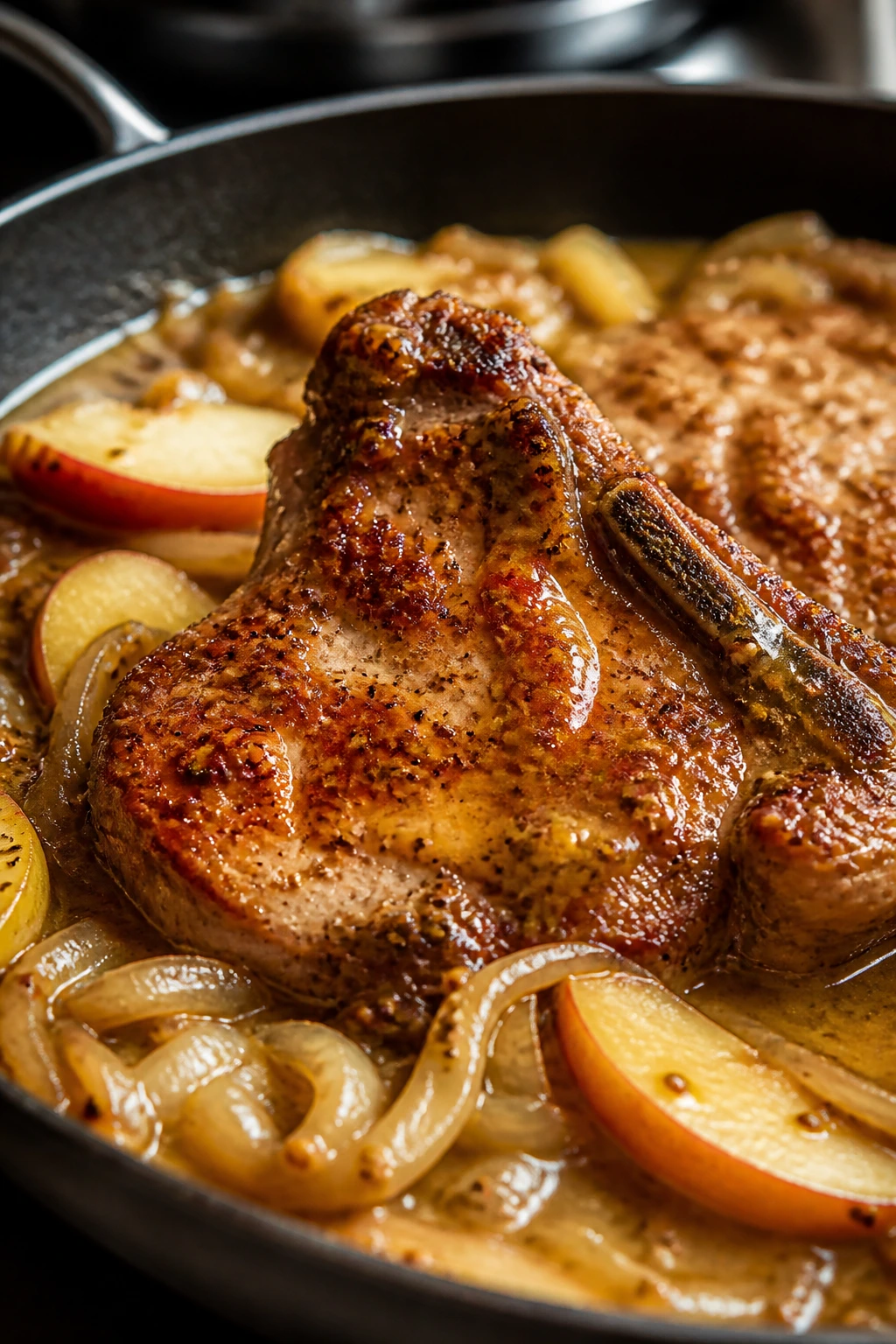
Pork and apples are old friends for a reason. The chops sear up golden, the onions soften into sweetness, and the apples bring a little tartness that keeps the skillet sauce bright. It tastes like fall and winter shook hands. If you’ve only had dry pork chops before, this is the version that fixes the memory.
Why It Works
Bone-in chops stay juicier than boneless ones during a skillet finish, and the mustard gives the sauce a sharp line that keeps the sweetness in check. Apples release enough liquid to help create the pan sauce without turning to mush if you choose a firm variety. A quick sear plus a short oven finish keeps the meat from overcooking.
Key Ingredients
- 4 bone-in pork chops, about 1 inch thick
- Salt and black pepper
- 1 tablespoon olive oil
- 2 tablespoons butter
- 1 large onion, sliced
- 2 apples, cored and sliced
- 2 tablespoons Dijon mustard
- ¾ cup chicken broth
- 1 teaspoon fresh thyme leaves
- 1 tablespoon apple cider vinegar
Quick Steps
- Season and sear: Pat the pork chops dry and season well. Sear in oil over medium-high heat for 3 to 4 minutes per side.
- Cook onions and apples: Remove the chops, add butter, and cook onions for 4 minutes. Add apples and thyme for 3 minutes.
- Build the sauce: Stir in mustard, broth, and vinegar, scraping the skillet clean.
- Return the pork: Nestle the chops back in and finish in a 375°F oven for 8 to 10 minutes, until they reach 145°F.
- Rest before serving: Let the chops rest 5 minutes so the juices stay put.
Tips and Variations
- Apple choice: Honeycrisp or Granny Smith keeps its shape best.
- Side idea: Mashed potatoes drink up the sauce nicely.
- Dairy option: A spoonful of cream at the end makes the sauce softer.
12. Chili Mac with Cheddar
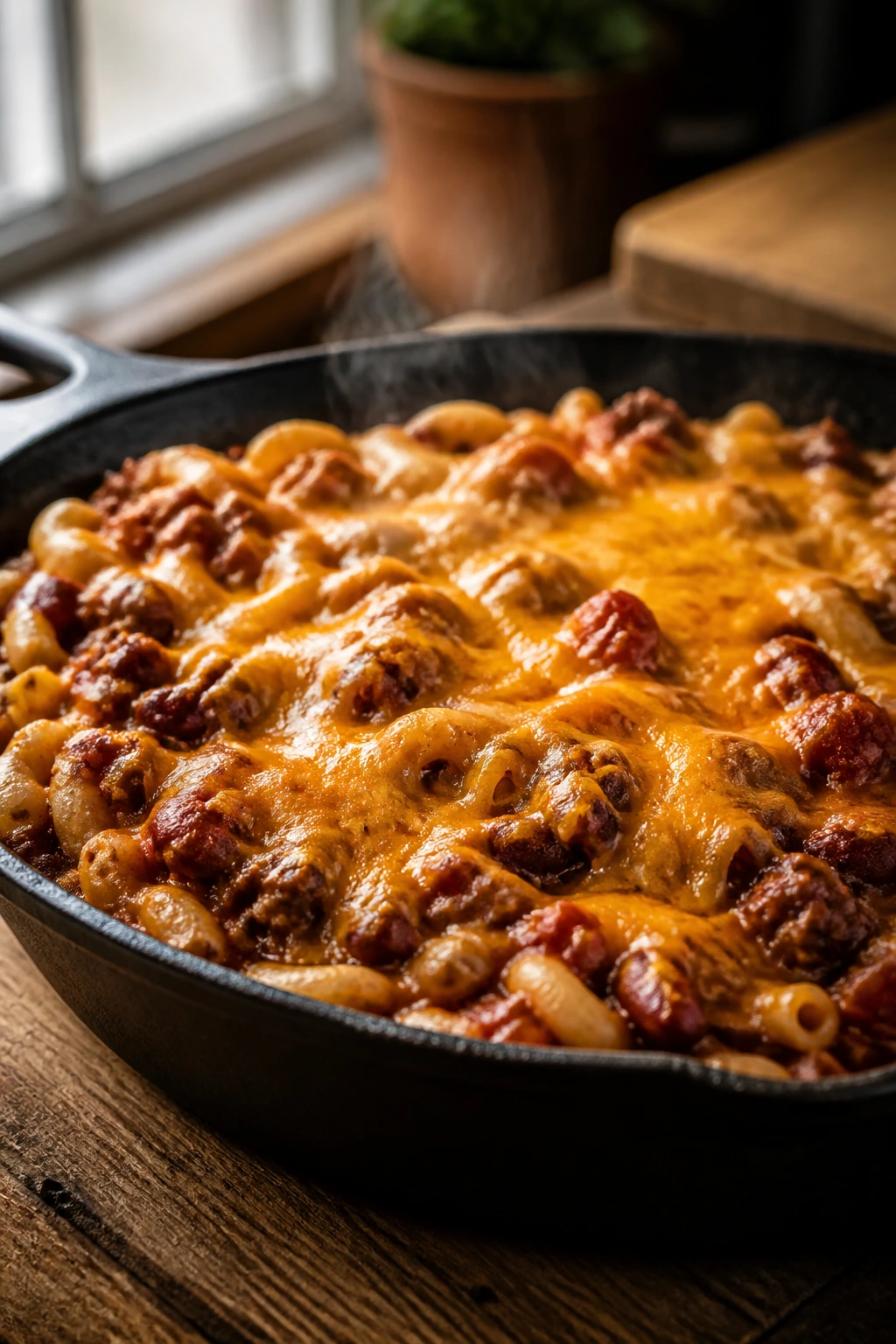
Chili mac is the kind of dinner that makes everyone less picky in a hurry. It’s chili and pasta in one pot, which sounds almost too simple until you taste how well the tomato, beef, beans, and melted cheddar play together. This is a weeknight rescue that still feels like a full meal.
Why It Works
Pasta and chili want different textures, so timing matters. The pasta cooks right in the sauce and takes on flavor instead of being boiled separately and drained away. A little extra broth keeps the mixture loose enough at the start, then the cheese pulls everything together into a thick, spoonable pan of dinner.
Key Ingredients
- 1 tablespoon olive oil
- 1 pound ground beef
- 1 onion, diced
- 3 cloves garlic, minced
- 2 tablespoons chili powder
- 1 teaspoon ground cumin
- 1 can (15 ounces) tomato sauce
- 2 cups beef broth
- 2 cups elbow macaroni, uncooked
- 1 can (15 ounces) kidney beans, drained and rinsed
- 2 cups shredded cheddar cheese
Quick Steps
- Brown the beef: Cook the beef in oil until browned, then add onion and garlic.
- Season the pot: Stir in chili powder and cumin for 30 seconds.
- Add the liquid and pasta: Pour in tomato sauce and broth, then stir in macaroni.
- Simmer until tender: Cook uncovered for 10 to 12 minutes, stirring often, until the pasta is tender and most liquid is absorbed.
- Finish with cheese: Stir in beans and cheddar until melted and creamy.
Tips and Variations
- Pasta note: Stir more at the end so the macaroni doesn’t stick.
- Kid-friendly move: Use mild chili powder and serve hot sauce on the side.
- Shortcut: Leftover chili can become chili mac in 15 minutes.
13. Split Pea Soup with Ham and Carrots
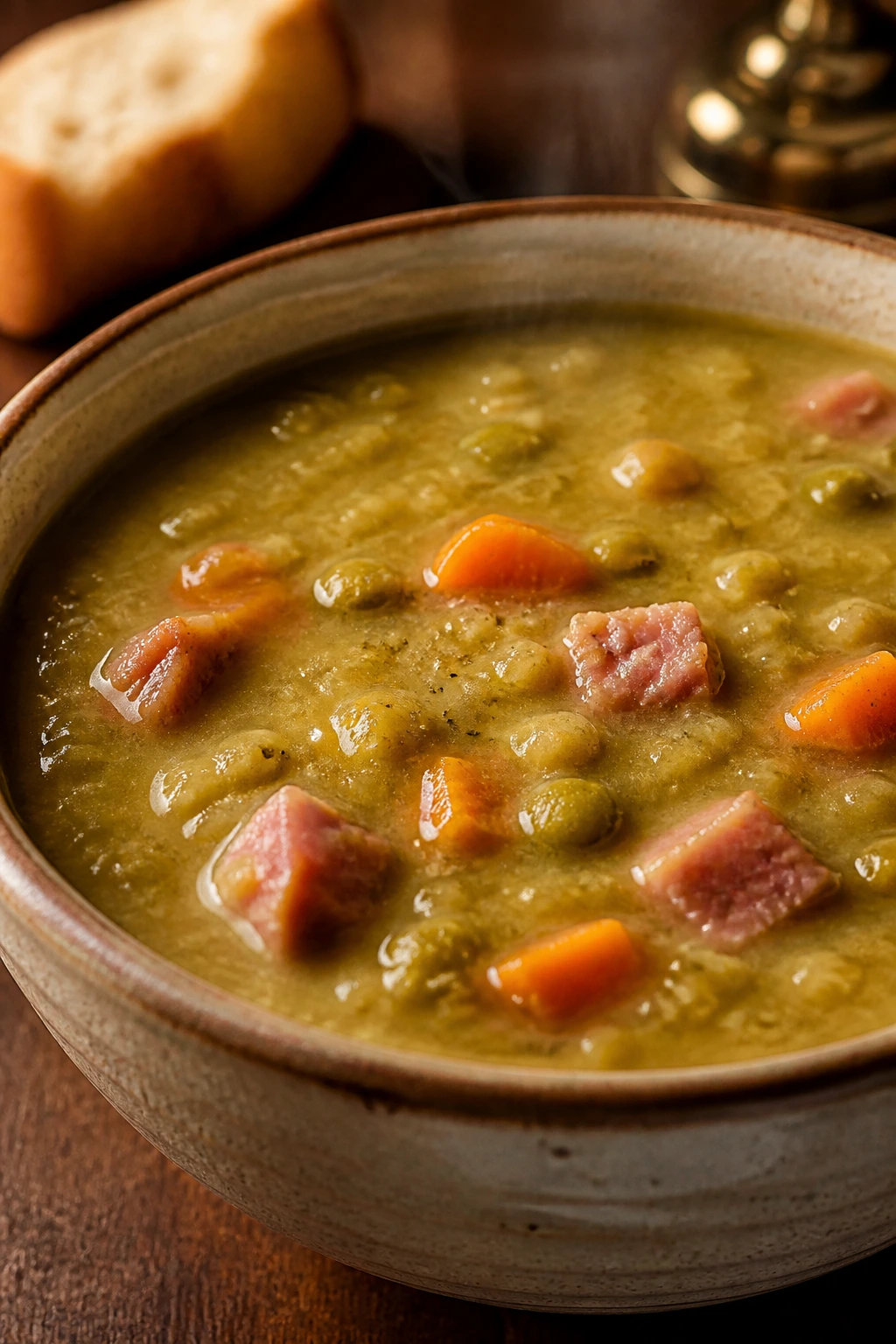
Split pea soup looks plain in the pot and tastes far better than it has any right to. The peas break down into a thick, earthy base, the ham adds salt and smoke, and the carrots keep the whole thing from turning muddy. It’s the sort of dinner that sticks to your ribs without feeling heavy in the wrong way.
Why It Works
Dried split peas don’t need soaking, which makes this an easy cold-night pot to start. Long simmering is the point: it softens the peas until the soup turns creamy on its own. Ham hock or diced ham gives the broth a backbone that salt alone can’t mimic.
Key Ingredients
- 1 tablespoon olive oil
- 1 onion, diced
- 2 carrots, diced
- 2 celery stalks, diced
- 3 cloves garlic, minced
- 1 pound dried green split peas, rinsed
- 1 ham hock or 2 cups diced ham
- 8 cups chicken broth
- 1 bay leaf
- Black pepper
- Chopped parsley for serving
Quick Steps
- Sweat the vegetables: Cook onion, carrots, and celery in oil for 6 minutes.
- Add garlic and peas: Stir in garlic and split peas for 30 seconds.
- Simmer with ham: Add broth, ham hock or diced ham, and bay leaf. Bring to a simmer.
- Cook until creamy: Simmer uncovered for 1 to 1½ hours, stirring now and then, until the peas fall apart.
- Finish and adjust: Remove the bay leaf and ham hock. Shred the meat if needed, season with pepper, and serve.
Tips and Variations
- Thickness control: Add more broth if you want a looser soup.
- Vegetarian version: Skip the ham and use smoked paprika plus vegetable broth.
- Blend option: A quick immersion blend gives it a smoother texture.
14. One-Pan Chicken Thighs with Root Vegetables
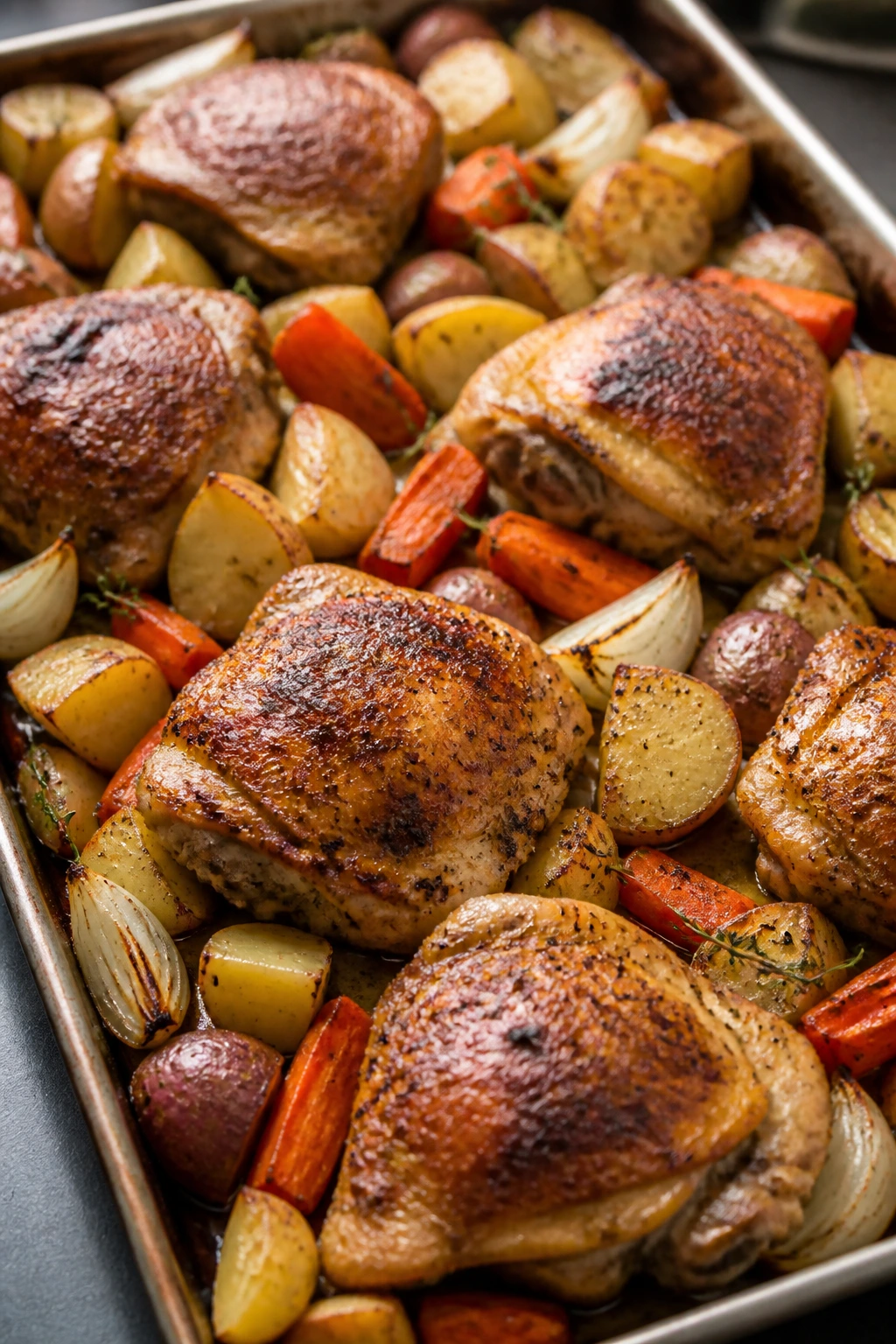
This is the dinner I make when I want the oven to do almost everything and I don’t want to wash six pans afterward. Chicken thighs roast until the skin is crisp and the meat is juicy, while carrots, potatoes, and onions soak up the drippings underneath. It’s plain in the best way: useful, warm, and absolutely enough.
Why It Works
Chicken thighs are ideal for roasting because they stay tender even if the vegetables need a few extra minutes. Cutting the vegetables into similar-sized pieces keeps everything on the same schedule. A hot oven gives the skin a proper start, and the vegetables pick up the browned chicken fat as they roast.
Key Ingredients
- 6 bone-in, skin-on chicken thighs
- 2 tablespoons olive oil
- 1 pound baby potatoes, halved
- 3 carrots, cut into thick sticks
- 1 large onion, cut into wedges
- 4 cloves garlic, smashed
- 1 teaspoon dried rosemary
- 1 teaspoon dried thyme
- Salt and black pepper
Quick Steps
- Heat the oven: Preheat to 425°F and line a large sheet pan or roasting pan.
- Season the chicken: Pat the thighs dry and rub them with oil, salt, pepper, rosemary, and thyme.
- Toss the vegetables: Mix potatoes, carrots, onion, and garlic with a little oil and salt.
- Roast together: Arrange everything on the pan and roast for 35 to 40 minutes, until the chicken reaches 165°F and the vegetables are browned at the edges.
- Rest and serve: Let the pan sit 5 minutes so the juices stay in the chicken.
Tips and Variations
- Skin tip: Dry skin equals crisp skin.
- Flavor move: A splash of lemon over the hot pan lifts the whole tray.
- Swap: Parsnips or turnips can replace some of the potatoes.
15. Mushroom Stroganoff over Egg Noodles
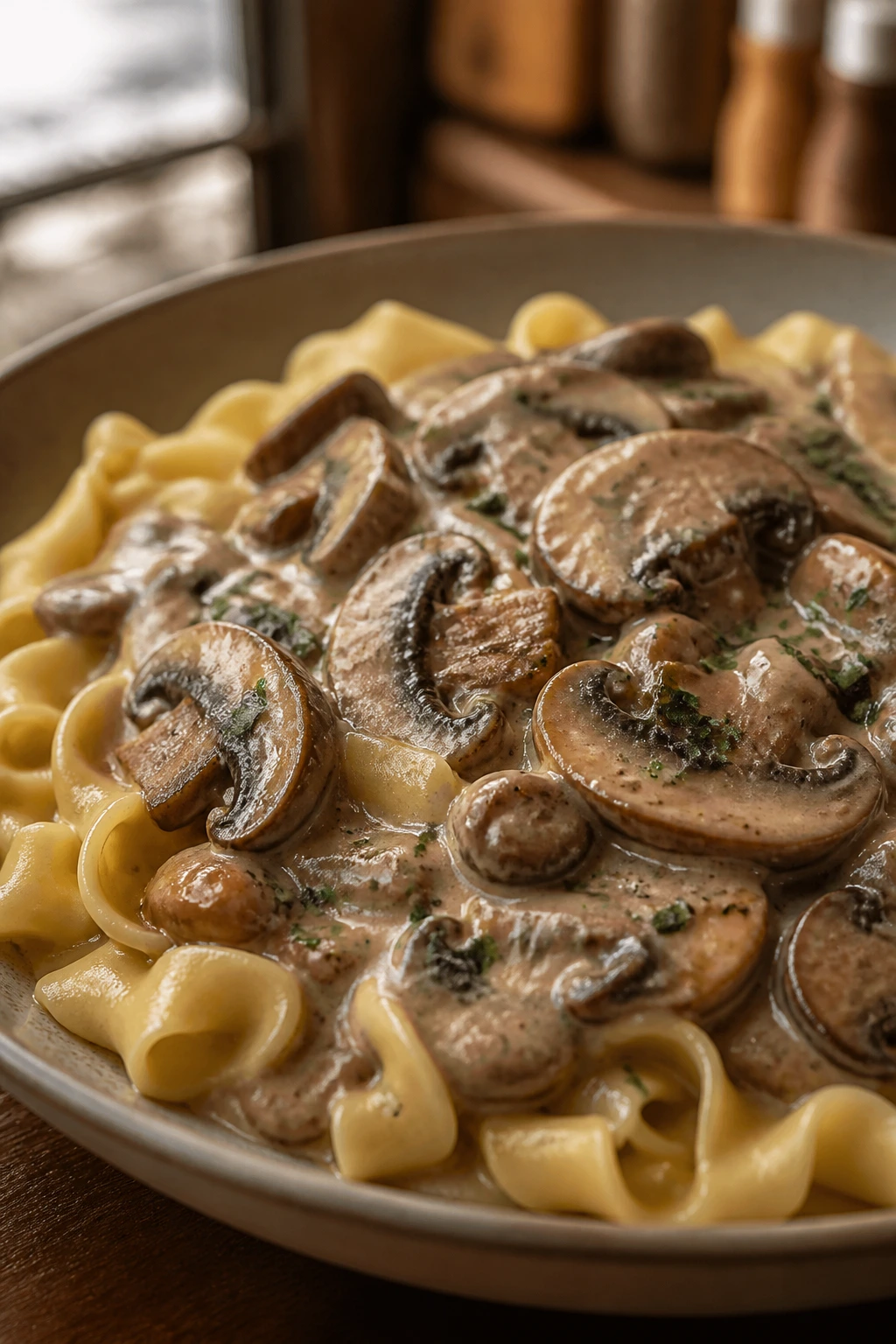
Mushroom stroganoff is the vegetarian dinner that still feels rich enough for a snowy night. The mushrooms get browned until they taste meaty, the sauce goes silky with sour cream, and the egg noodles catch every bit of it. It’s not a substitute for anything. It stands on its own.
Why It Works
The key is browning the mushrooms hard enough to drive off their moisture before the sauce goes in. If you rush that part, the pan tastes watery and timid. Sour cream should go in off the heat or on very low heat so it stays smooth instead of splitting, and a little Dijon sharpens the sauce without making it taste like mustard.
Key Ingredients
- 12 ounces egg noodles
- 2 tablespoons butter
- 1 tablespoon olive oil
- 1 pound cremini mushrooms, sliced
- 1 onion, sliced
- 3 cloves garlic, minced
- 2 tablespoons flour
- 2 cups vegetable broth
- ¾ cup sour cream
- 1 tablespoon Dijon mustard
- 1 teaspoon paprika
- Salt and pepper
Quick Steps
- Cook the noodles: Boil egg noodles until tender, then drain.
- Brown the mushrooms: Cook mushrooms in butter and oil over medium-high heat until they release moisture and turn deeply browned.
- Add onion and garlic: Cook until the onion softens, then stir in flour and paprika for 1 minute.
- Make the sauce: Add broth and simmer until slightly thickened. Turn the heat low and stir in sour cream and Dijon.
- Toss and serve: Fold in the noodles and season well. The sauce should coat each noodle without pooling.
Tips and Variations
- Dairy swap: Use plain Greek yogurt off the heat if sour cream isn’t handy.
- Extra depth: A splash of soy sauce deepens the mushroom flavor.
- Serving idea: A little chopped dill is unexpectedly good here.
16. Vegetarian Enchilada Casserole
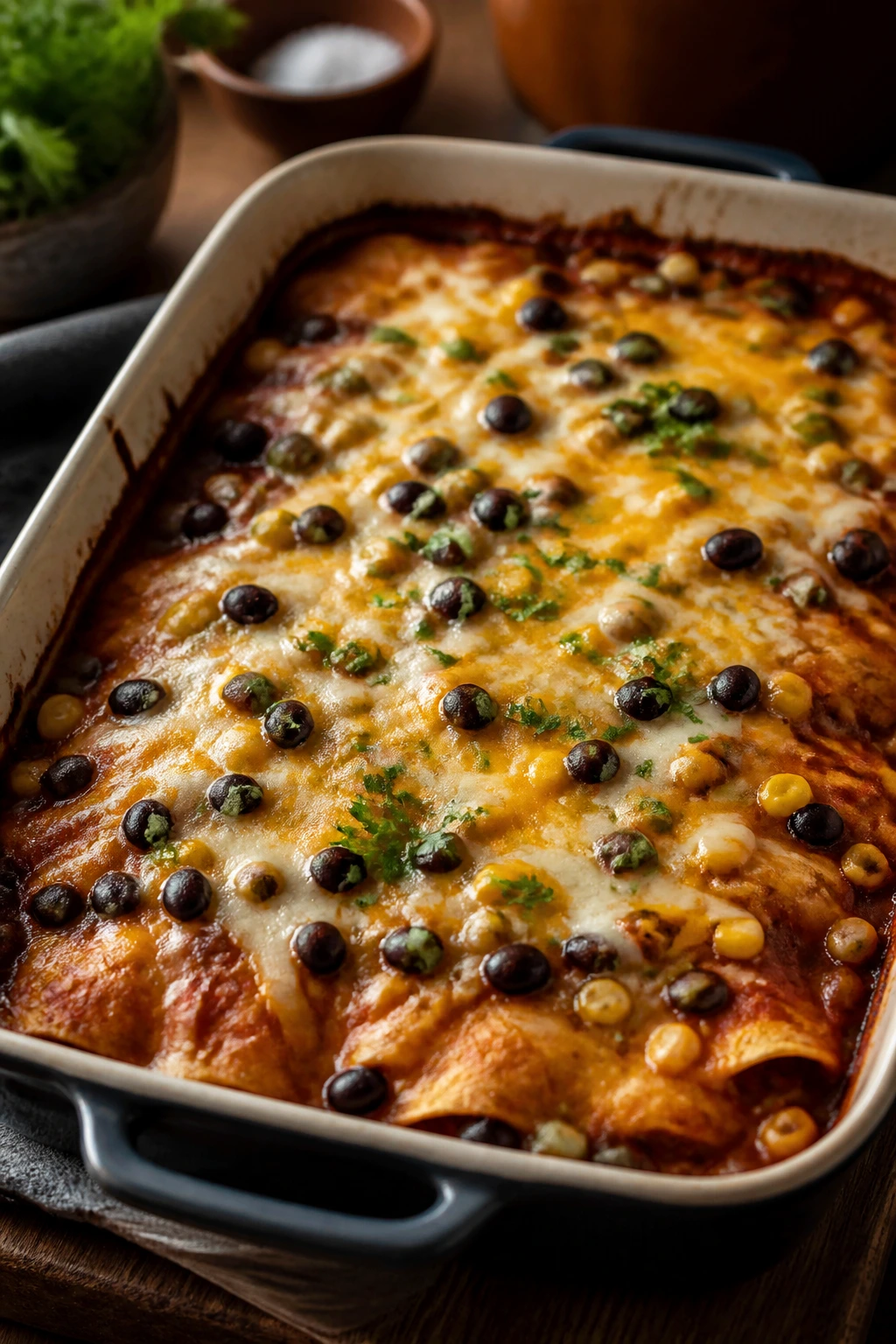
This casserole has the same pull as enchiladas without the fiddly rolling. Tortillas soften in the sauce, black beans and corn bring body, and the cheese bubbles into a browned top that tastes like the oven did a favor for everybody. It’s meatless, but nobody at the table will call it light.
Why It Works
Layering matters more than precision here. The tortillas absorb sauce and soften into strata, while beans make the dish filling enough to pass as a main course. A thicker enchilada sauce keeps the casserole from turning soupy, and resting it after baking helps the layers set.
Key Ingredients
- 1 tablespoon olive oil
- 1 onion, diced
- 2 cans (15 ounces each) black beans, drained and rinsed
- 1 cup frozen corn
- 2 cups enchilada sauce
- 8 small flour or corn tortillas
- 2 cups shredded Monterey Jack or cheddar
- 1 teaspoon ground cumin
- Chopped cilantro and sliced jalapeños
Quick Steps
- Cook the filling: Sauté onion in oil for 4 minutes, then stir in beans, corn, and cumin.
- Start the layers: Spread a thin layer of enchilada sauce in a baking dish.
- Build the casserole: Layer tortillas, bean mixture, sauce, and cheese, repeating until everything is used.
- Bake until bubbly: Bake at 375°F for 25 to 30 minutes, until the cheese is melted and the edges are bubbling.
- Rest and garnish: Let it sit 10 minutes, then top with cilantro and jalapeños.
Tips and Variations
- Spice control: Use mild sauce for a family table.
- Protein add-in: Chopped leftover chicken fits neatly into the layers.
- Make-ahead: Assemble it earlier in the day and bake later.
17. Kielbasa, Cabbage, and Potatoes Skillet
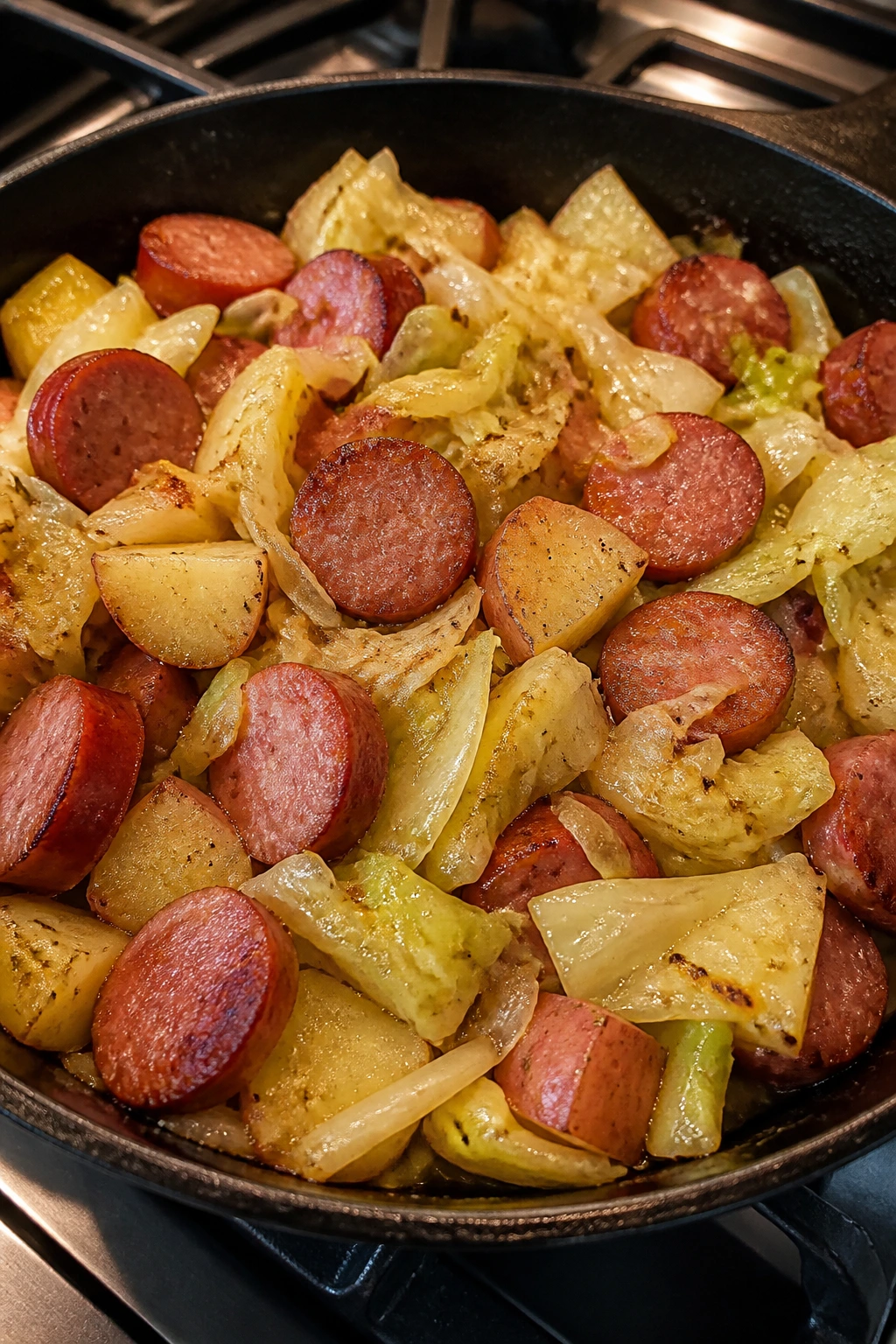
This is a plain-looking skillet meal that earns its place by tasting far better than its ingredients suggest. The kielbasa browns and perfumes the pan, the cabbage softens into sweet ribbons, and the potatoes soak up the smoky fat. It’s fast, cheap, and exactly the kind of dinner that feels right when the weather is mean.
Why It Works
Kielbasa brings built-in seasoning, so the skillet doesn’t need much fuss. Cooking the potatoes until they’re almost tender before the cabbage goes in keeps everything on track. The cabbage wants a decent amount of heat at first, then a covered finish so it turns silky instead of leathery.
Key Ingredients
- 1 pound kielbasa, sliced into rounds
- 2 tablespoons butter or oil
- 1 pound baby potatoes, halved
- 1 small head green cabbage, sliced
- 1 onion, sliced
- 2 cloves garlic, minced
- ½ cup chicken broth
- 1 teaspoon caraway seeds, optional
- Salt and pepper
Quick Steps
- Brown the kielbasa: Cook the slices in a large skillet until browned on both sides, then remove them.
- Start the potatoes: Add butter or oil and cook the potatoes cut-side down for 8 minutes, until they begin to brown.
- Add cabbage and onion: Stir in cabbage, onion, garlic, and caraway seeds. Cook until the cabbage starts to collapse.
- Steam to finish: Pour in broth, cover, and cook 8 to 10 minutes until the potatoes are tender.
- Return the kielbasa: Stir the sausage back in and cook 2 more minutes to heat through.
Tips and Variations
- Flavor move: A spoonful of mustard at the table is a smart finishing touch.
- Veg swap: Savoy cabbage works if you want a softer texture.
- Leftover use: This reheats well in a skillet with a splash of water.
Why Braises, Soups, and Bakes Win on Snowy Nights
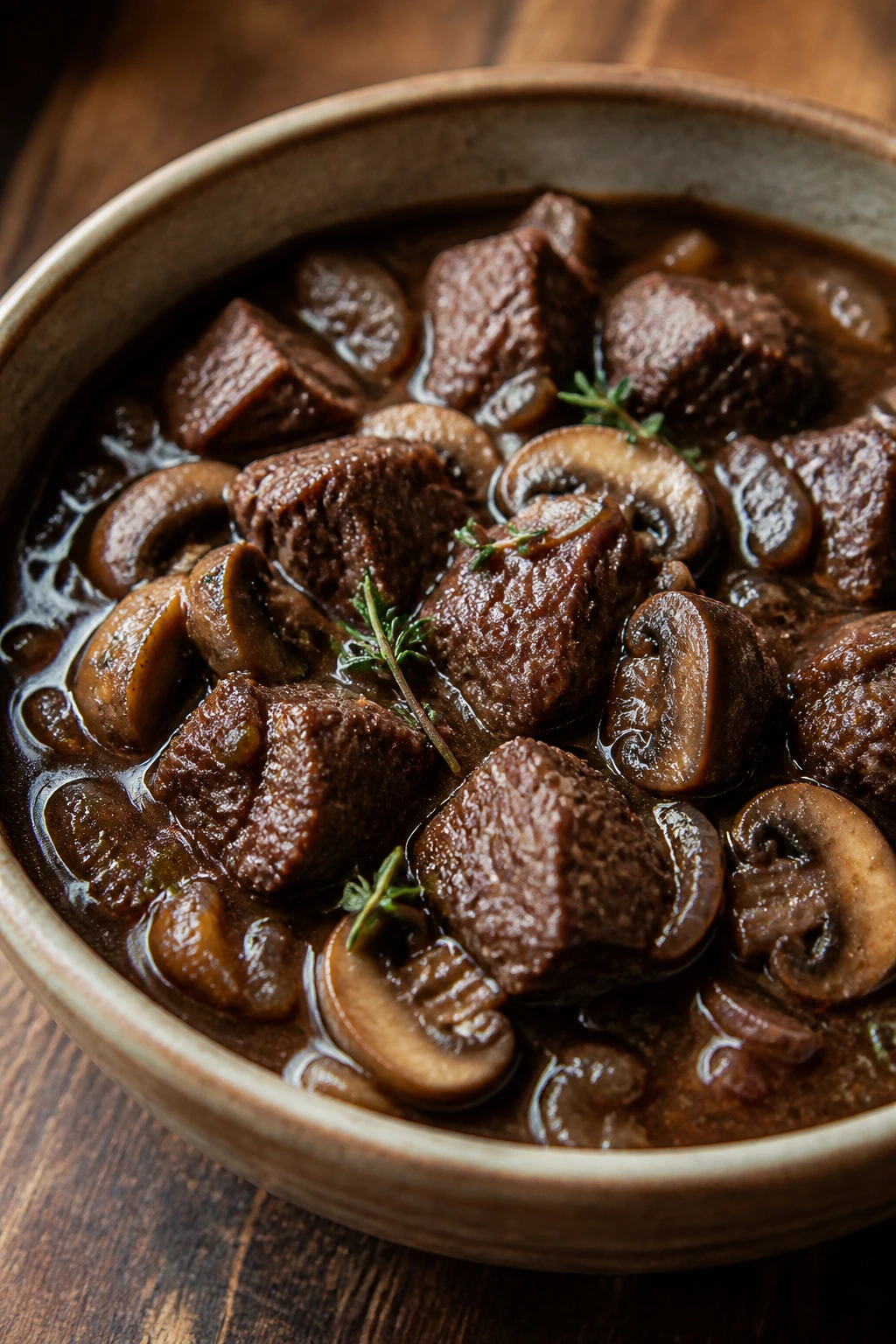
There’s a reason the cold pushes people toward Dutch ovens and casserole dishes. Long, wet heat turns cheap or tough ingredients into dinner with almost no drama. A chuck roast that would be chewy in a quick sauté becomes spoon-tender after a few hours. Beans thicken soup. Cheese seals the top of a bake. Even cabbage behaves better when it gets time to soften in fat and broth.
I also think snowy nights reward meals that don’t demand perfect timing. If the stew sits for 15 minutes while you deal with boots and a wet dog, it’s fine. If the casserole rests before cutting, it gets better. If the soup simmers a little longer because the rice finished late or someone wanted more bread, nobody suffers. That flexibility is the real luxury.
What the Best of These Dinners Have in Common
- A sturdy base: broth, tomato, cream, or a sauce that can carry the rest
- Enough fat to make the dish feel satisfying
- Ingredients that improve with heat instead of falling apart
- Leftovers that hold their shape the next day
Essential Equipment for These Recipes
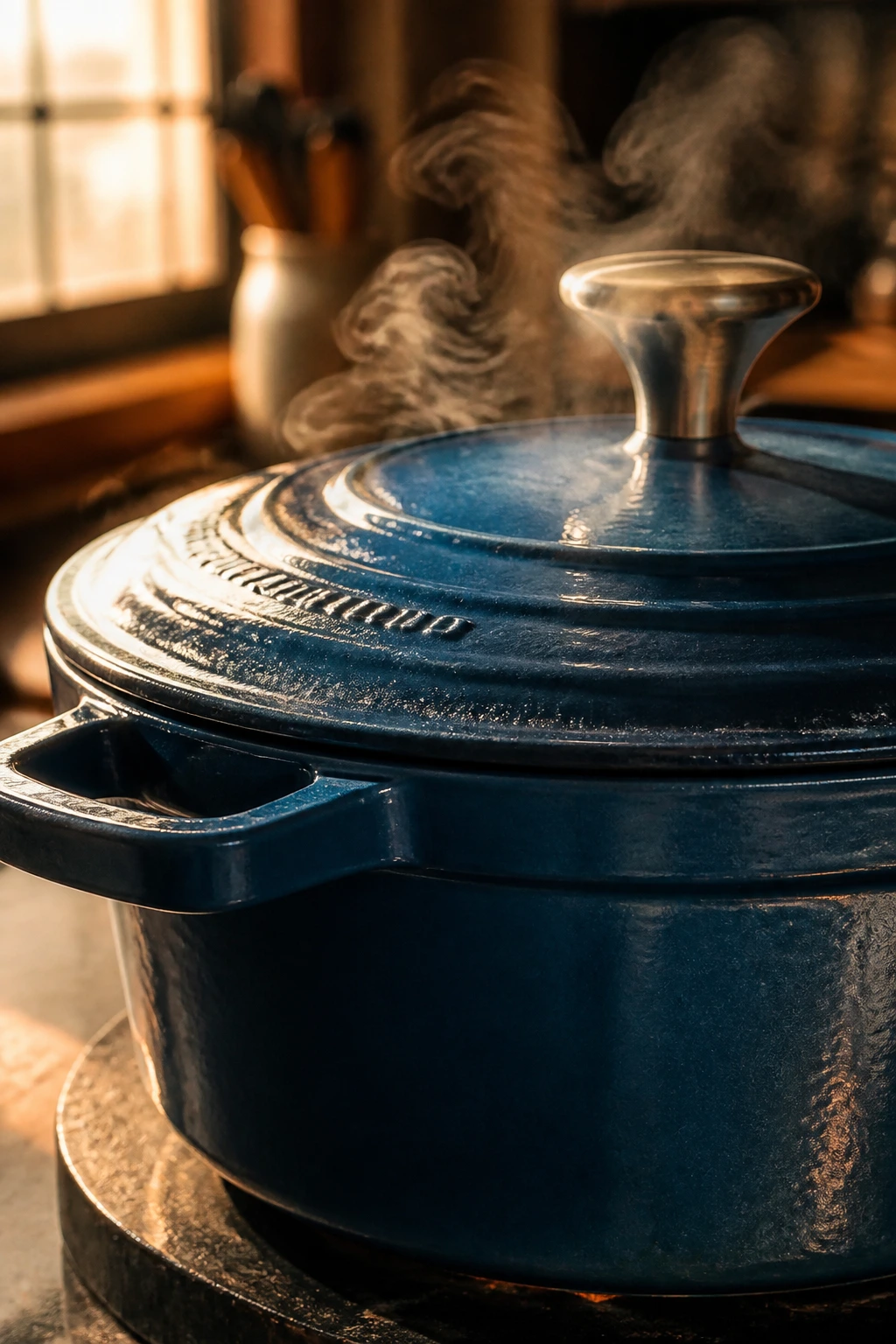
- Dutch oven or heavy soup pot: Best for stews, chili, soups, and braises because it holds heat evenly.
- Large skillet: Needed for quick chicken dishes, pork chops, stroganoff, and skillet meals.
- 9×13-inch baking dish: The workhorse for baked ziti, shepherd’s pie, enchilada casserole, and similar bakes.
- Sheet pan or roasting pan: Ideal for chicken thighs and root vegetables, plus other roast dinners.
- Wooden spoon or heatproof spatula: Better than a flimsy spoon when you’re scraping browned bits from the pan.
- Sharp chef’s knife: Makes short work of onions, carrots, cabbage, potatoes, and beef cubes.
- Measuring cups and spoons: Especially useful for soups, sauces, and baked casseroles where ratios matter.
- Ladle: Small thing, big payoff for serving stews and soups neatly.
- Potato masher: Handy for shepherd’s pie, and for thickening chili or bean soups if you want a chunkier texture.
- Tongs: Useful for searing chicken, turning chops, and moving browned sausage around without tearing it.
Smart Shopping and Ingredient Tips
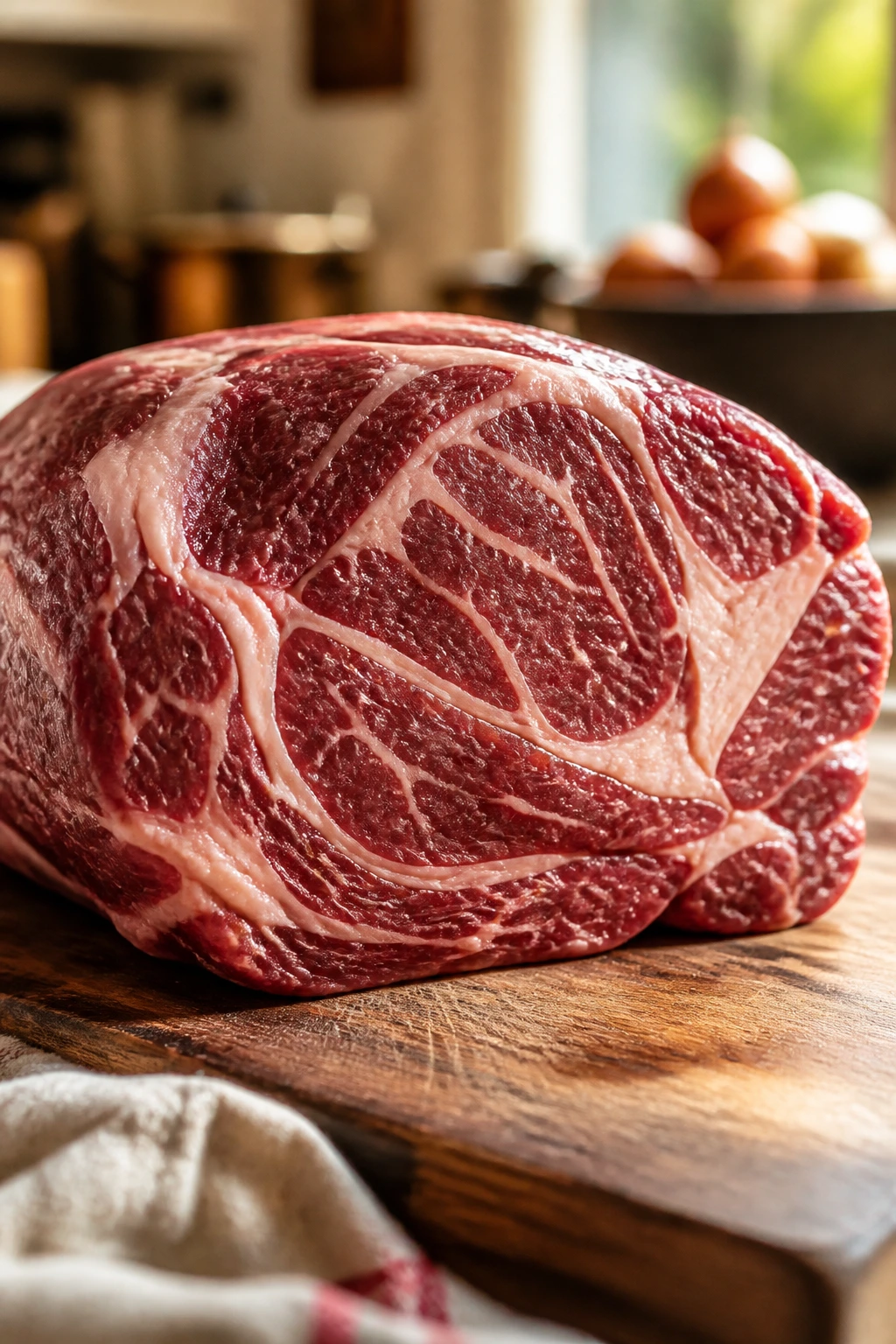
Good cold weather dinners start with ingredients that can take heat. For beef stew and pot roast, choose beef chuck with visible marbling; the fat thread through the meat is what keeps it supple after a long simmer. For chicken dishes, thighs are usually the safer buy because they stay juicy and cheaper than breasts, and they handle sauce, braise, and roast heat without drying out.
Beans deserve better treatment than they often get. If you’re buying canned beans, pick cans with a short ingredient list: beans, water, salt. Rinse them unless you want a soup or chili to taste a little tinny. For dried split peas, check that they’re not dusty and old-looking; fresher peas break down faster and give you a smoother pot.
Cheese is where people cut corners and then wonder why dinner feels flat. Block mozzarella, cheddar, and Parmesan melt and taste better than most pre-shredded options because they don’t carry the same anti-caking coating. On the other hand, bagged shredded cheese is fine in a pinch for baked casseroles. I’m picky, but not precious.
Root vegetables are the sleeper stars of snowy-night cooking. Look for carrots, parsnips, turnips, potatoes, and onions that feel firm and heavy, not spongy. If a recipe calls for cabbage, get a head that feels dense for its size. A loose, light head usually gives you less usable vegetable and more frustration.
Broth matters more than a lot of people admit. A watery broth makes stew and soup taste thin no matter how many spices you add. If boxed broth tastes flat, boost it with tomato paste, a parmesan rind, a splash of soy sauce, or even the browned bits from searing meat.
How to Serve These Dinners
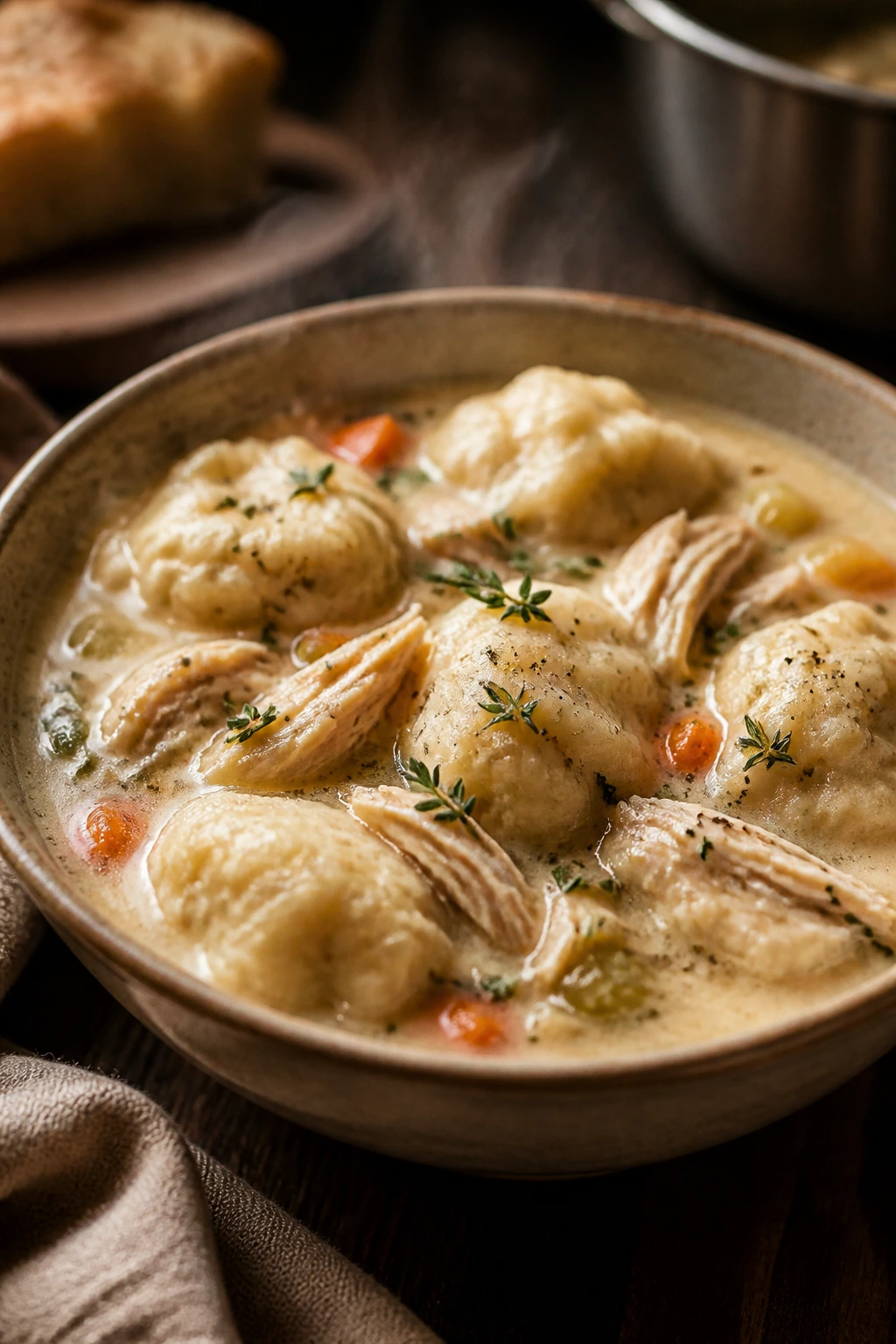
Presentation:
Serve stews and chili in wide bowls so the steam stays visible a little longer. Casseroles slice better if they rest 10 to 15 minutes, and a sprinkle of chopped parsley, chives, or dill keeps the top from looking heavy. For skillet meals, move the pan to the table only if the handle is safe; otherwise, pile the food into a warmed platter so it feels deliberate rather than dumped.
Accompaniments:
Crusty bread, garlic toast, cornbread, buttered egg noodles, mashed potatoes, and simple green salads all show up well beside these dinners. For the richer dishes—pot roast, stroganoff, shepherd’s pie—a sharp side like vinegar-dressed greens or quick-pickled onions keeps the plate from feeling sleepy. Chili and soup almost always want bread. Almost.
Portions:
Most of these recipes feed 4 to 6 people, though the soup and chili recipes stretch farther if you bring bread or rice into the mix. For hungrier tables, plan on 6 to 8 ounces of meat per person in braised dishes and about 1½ cups per person for soups and chili. If you’re scaling down, don’t halve the seasoning without tasting; winter food often needs a little more salt than you think.
Beverage Pairing:
For wine, think simple and sturdy: a medium-bodied red with stew, a dry white with creamy chicken or pork, and something bright with tomato-based dishes. If you want a nonalcoholic match, sparkling water with lemon cuts through rich sauces, and strong black tea is oddly good with baked pasta and casseroles.
Additional Tips and Flavor Boosters
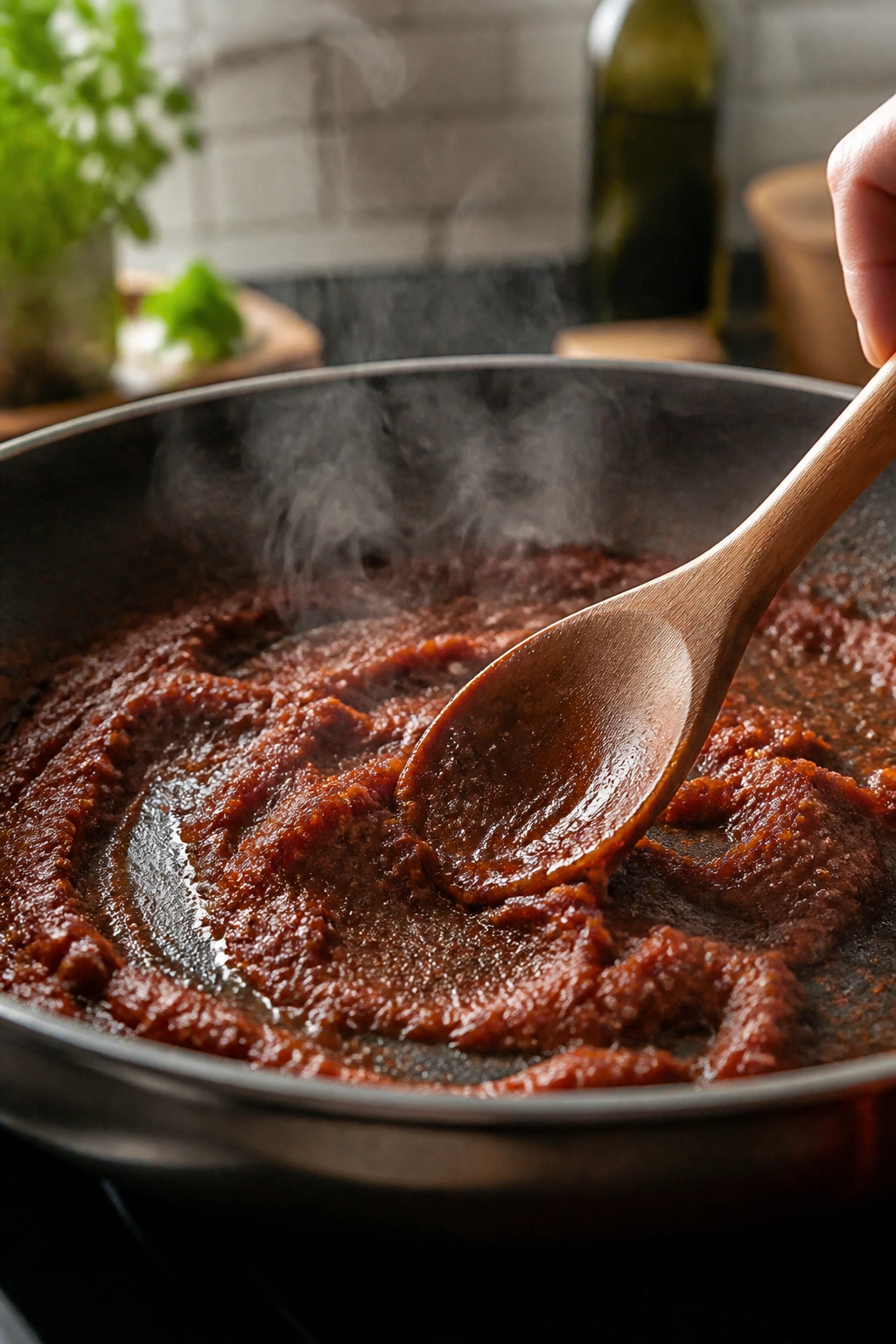
Flavor Enhancement:
A spoonful of tomato paste browned in the pan for 30 to 60 seconds can make a soup or stew taste like it simmered all day. A parmesan rind in bean soups, a splash of vinegar in chili, or a little lemon over creamy chicken can keep heavy food from tasting dull.
Customization:
Add mushrooms to beef stew, spinach to chicken dishes, or extra beans to chili without changing the personality of the meal. If your table likes spice, keep crushed red pepper and hot sauce on standby instead of building heat into the whole pot. That way the dinner stays friendly for everyone.
Serving Suggestions:
Top soups with cracked pepper, chopped herbs, shredded cheese, or a drizzle of olive oil. For casseroles, let the browned corners stay visible; nobody wants a pale, soft top when the oven did all that work. And if you have good bread, warm it. Cold bread beside a steaming bowl feels half-finished.
Make-It-Yours:
For dairy-free versions, skip cream and cheese in favor of coconut milk, olive oil, or a blended bean base. For gluten-free dinners, use cornstarch or rice flour for thickening and choose gluten-free pasta or tortillas where needed. For lower-sodium versions, rely on browned onions, garlic, herbs, and acid instead of just cutting the salt and hoping for the best.
Make-Ahead, Storage, and Reheating Guidance
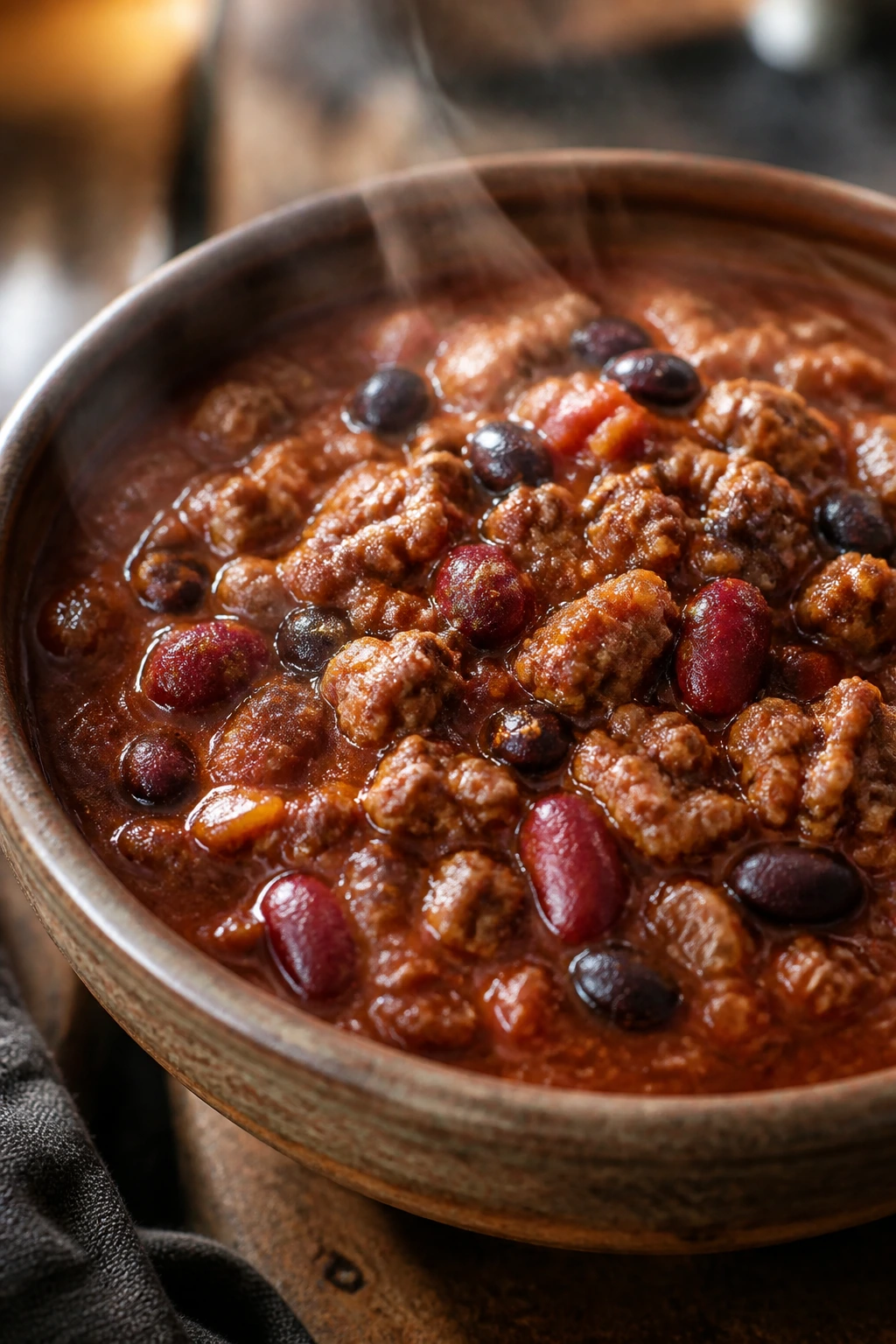
Most of these cold weather dinners keep 3 to 4 days in the refrigerator when stored in airtight containers. Soups, chili, stew, and braises usually freeze well for up to 3 months; casseroles and pasta bakes are best within 2 months because the texture softens after a longer freeze. Always cool food within 2 hours before refrigerating, especially thick pots that stay hot in the center longer than you’d guess.
Reheat soups, chili, and stews gently on the stovetop over medium-low heat, adding a splash of broth or water if they’ve thickened too much. For casseroles and baked pasta, cover with foil and reheat at 350°F until hot through, then uncover for the last few minutes if you want the top to crisp again. Skillet meals do well in a pan with a tablespoon or two of water and a lid.
Chicken and pork dishes need a little more care because overcooking turns them dry fast. Warm them just until the meat reaches hot-through, not until every drop of moisture is gone. If you’re reheating chicken thighs or pork chops in sauce, keep the sauce loose and let it do some of the protecting.
A few of these recipes improve overnight. Beef stew, chili, split pea soup, and lasagna soup often taste more unified the next day because the starches and seasonings settle into the broth. Mushroom stroganoff and creamy chicken are less forgiving, so eat those sooner and reheat gently. That’s the tradeoff. Worth it.
Variations and Adaptations to Try
Pantry-Only Swap:
If you’re cooking from what’s on hand, lean on canned beans, canned tomatoes, dried pasta, onions, and broth. Chili, lasagna soup, and enchilada casserole adapt well to this style, and frozen spinach or corn can stand in for fresh vegetables without making the meal feel second-rate.
Dairy-Free Comfort Bowl:
Use coconut milk in curry, skip sour cream in stroganoff, and finish creamy dishes with olive oil or a blended white bean base instead of cream. The food will taste different, but not lesser. That matters.
Gluten-Free Table:
Cornstarch can replace flour for gravies and stews if you whisk it into cool liquid first. Choose gluten-free pasta, tortillas, or breadcrumbs where needed, and keep an eye on broth and sausage labels. Hidden wheat shows up in odd places.
Extra-Spicy Version:
Add chipotle, cayenne, harissa, or sliced jalapeños to chili, curry, and casserole. A little goes a long way. Winter food should warm you up, not punish you, so build heat in small steps and let people add more at the table.
Family-Friendly Mild Version:
Use less garlic, skip the hot peppers, and lean on herbs, cheese, and roasted vegetables for flavor. Kids often like the softer, sweeter notes in carrots, onions, and tomato sauces more than the heat anyway. Keep the spice bottle on the side. Easy fix.
Common Mistakes to Avoid
Not browning the meat enough:
Pale beef, chicken, or sausage gives you a pale dinner. Browning creates the savory base that makes these meals taste full. If the pot looks crowded, work in batches. That minute of patience buys a better crust.
Adding dairy too aggressively:
Cream, sour cream, and cheese can split if the heat is too high. Stir them in at the end or over low heat, especially in stroganoff, creamy chicken, and baked pasta sauces. If a sauce looks grainy, the heat was too hot or the cheese went in too fast.
Overcooking pasta and dumplings:
Noodles that go in too early turn mushy, and dumplings that simmer too hard become dense. Follow the timing closely, then check a minute early rather than a minute late. Pasta should still have a little bite when the pot comes off the heat, since it keeps cooking.
Underseasoning at the end:
Winter dishes often need a final salt check after simmering. Broth, beans, potatoes, and pasta all soak up seasoning, so taste before serving and add salt, pepper, or acid until the flavors wake up. A squeeze of lemon or a splash of vinegar can fix a flat bowl faster than more salt.
Ignoring thickness:
A stew that looks thin in the pot can still be fine if you let it sit, but a soup with no body feels unsatisfying. Mash a few beans, let the lid off for the last stretch, or reduce the sauce a little longer. Thick and rich is the point here.
Using the wrong cut or veg size:
Lean beef in a long braise, tiny potato cubes in a roast, or cabbage cut too fine can all fall apart. Match the ingredient to the cooking time and cut vegetables into pieces big enough to survive heat. That’s the boring part that saves dinner.
Frequently Asked Questions
Which of these dinners freeze best?
Beef stew, chili, split pea soup, curry, and pot roast freeze very well because their textures hold up under thawing. Cream-based dishes and pasta bakes can still freeze, but they’re best eaten sooner because the sauce and noodles soften a bit.
Can I make most of these with chicken instead of beef or pork?
Usually, yes, though the timing changes. Chicken thighs are the safest swap because they handle simmering and roasting better than breasts, which dry out faster. In a braise or soup, add chicken later than beef so it doesn’t overcook.
How do I make a soup or stew thicker without flour?
Mash some of the potatoes, beans, or split peas against the side of the pot, or simmer uncovered for a bit longer. You can also stir in a small amount of cornstarch slurry near the end if you want a quicker fix. A thicker pot often tastes richer, not heavier.
What if I only have boneless chicken breasts?
Use them in quicker dishes like Tuscan chicken or skillet meals, and keep the cooking time short. In soups or braises, add them later and pull them once they hit 165°F so they don’t turn stringy. Breasts ask for a lighter hand.
Can I make these ahead for a dinner party?
Absolutely. Stews, chili, and casseroles are especially helpful because they can be cooked earlier, chilled, and reheated before guests arrive. Just add a little liquid during reheating so the texture stays smooth.
What’s the easiest dinner on this list for a tired weeknight?
Creamy Tuscan chicken, chili mac, and kielbasa with cabbage are probably the fastest. They use one pan, don’t need long simmering, and still feel like real dinner instead of a compromise. That counts for a lot when the day has already taken too much.
How do I keep casseroles from turning watery?
Use a thick sauce, drain vegetables or beans well, and let the baked dish rest before cutting. If your pasta or tortilla layers are very wet when they go in, the casserole can slide apart instead of setting. Resting is the unsung step.
Do I need fancy broth for these recipes?
No. You need decent broth, good seasoning, and enough simmer time to build flavor. Store-bought broth works fine if you boost it with herbs, browned onions, tomato paste, or a parmesan rind. Fancy stock is nice. Necessary? Not even close.
A Table Worth Keeping Around
Cold weather cooking gets easier when you have a few reliable dinners tucked away in your head. Some nights call for a simmering pot and a loaf of bread. Other nights want a skillet, a casserole dish, or a soup that practically makes itself while you deal with the weather at the door.
The nice thing about these recipes is that they don’t ask for perfect conditions. They ask for heat, patience, and ingredients that know how to behave in a deep pot or hot oven. That’s a fair trade. And when the snow keeps falling, a dinner that warms the house and fills the table is about as useful as food gets.
| Recipe | Prep Time | Cook Time | Total Time | Servings | Standout Detail |
|---|---|---|---|---|---|
| Beef Stew with Mushrooms and Red Wine | 20 min | 2 hr 30 min | 2 hr 50 min | 6 | Deep, glossy broth with fork-tender beef |
| Chicken and Dumplings with Thyme Broth | 25 min | 45 min | 1 hr 10 min | 6 | Soft dumplings that steam right in the pot |
| Smoky Turkey Chili | 15 min | 45 min | 1 hr | 6 to 8 | Thick, smoky, and bean-heavy |
| Shepherd’s Pie with Mashed Potato Crust | 30 min | 35 min | 1 hr 5 min | 6 | Crisp potato ridges over savory beef filling |
| Baked Ziti with Italian Sausage | 20 min | 35 min | 55 min | 8 | Cheesy layers with sturdy, saucy pasta |
| Slow-Roasted Pot Roast with Carrots and Parsnips | 25 min | 3 hr | 3 hr 25 min | 6 to 8 | Silky roast with braising juices worth spooning |
| Creamy Tuscan Chicken Skillet | 15 min | 25 min | 40 min | 4 | Garlic cream sauce with sun-dried tomatoes |
| Sausage, Kale, and White Bean Soup | 15 min | 30 min | 45 min | 6 | Brothy, filling, and fast to pull together |
| Lasagna Soup with Ricotta Toasts | 20 min | 30 min | 50 min | 6 | All the lasagna flavor without the layering |
| Coconut Chickpea Curry with Basmati Rice | 15 min | 25 min | 40 min | 4 to 6 | Creamy curry with a pantry-staple backbone |
| Pork Chops with Apples, Mustard, and Onions | 15 min | 25 min | 40 min | 4 | Sweet-salty pan sauce with a bright finish |
| Chili Mac with Cheddar | 15 min | 25 min | 40 min | 6 | One-pot pasta with real comfort-food heft |
| Split Pea Soup with Ham and Carrots | 20 min | 1 hr 20 min | 1 hr 40 min | 6 | Thick, smoky soup that eats like a meal |
| One-Pan Chicken Thighs with Root Vegetables | 20 min | 40 min | 1 hr | 4 to 6 | Crispy chicken over caramelized vegetables |
| Mushroom Stroganoff over Egg Noodles | 15 min | 25 min | 40 min | 4 | Browned mushrooms and a silky sour cream sauce |
| Vegetarian Enchilada Casserole | 20 min | 35 min | 55 min | 6 | Layered, cheesy, and easy to serve |
| Kielbasa, Cabbage, and Potatoes Skillet | 15 min | 30 min | 45 min | 4 to 6 | Smoky sausage with cabbage and browned potatoes |