



After work, dinner should not feel like a second job.
These no fuss dinners for after work are built for the hour when you are tired, hungry, and one extra dish away from ordering takeout. Sheet pans, skillets, rotisserie chicken, frozen vegetables, and fast-cooking grains do the heavy lifting; you do the part that matters, which is a little chopping and a little stirring.
The best weeknight dinners have a small trick hiding inside them. Chicken thighs forgive a hot oven, rice cooks happily in broth, tortellini turns soup into a meal in minutes, and cold rice fries better than warm rice ever will. That is the kind of practical cooking that survives a long day.
I like dinners that smell good fast. Garlic hitting oil, tomatoes blistering at the edge of a pan, onions going soft before the rice finishes — those are the moments that make the kitchen feel less like a chore zone and more like a place you actually want to stand in. The first one is the kind of sheet-pan supper that makes the rest of the week feel manageable.
1. Sheet-Pan Lemon Garlic Chicken Thighs
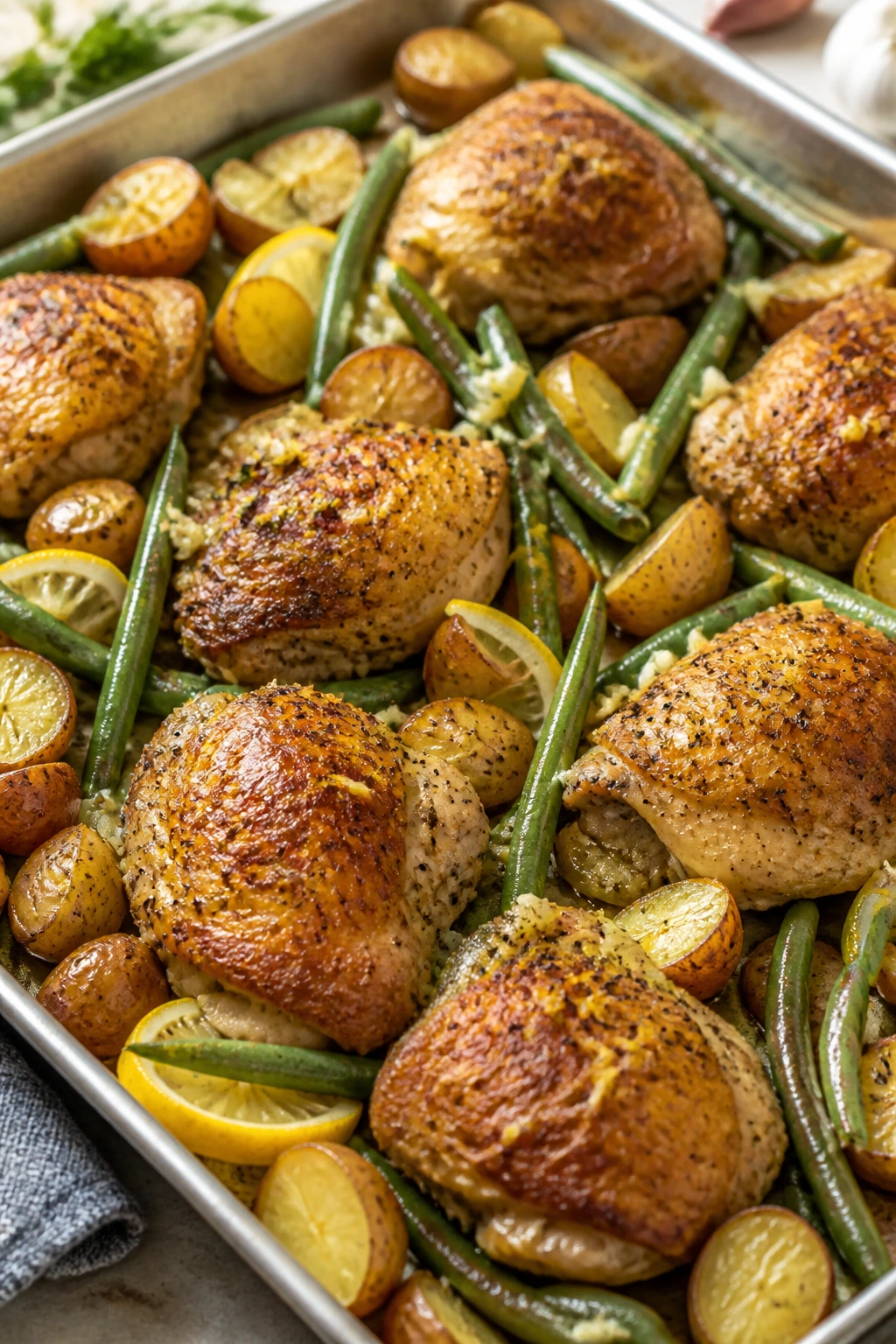
Roasting everything on one pan is the closest thing to a weeknight rescue without calling it a rescue. The chicken gets browned edges, the potatoes soak up the lemony drippings, and the green beans stay crisp enough to still taste like vegetables instead of warmed-over side dish filler.
This is the kind of dinner that looks like you planned ahead, even if you didn’t. Boneless chicken thighs are the reason it works; they stay juicy at a hot oven temperature and do not punish you if the timer runs two minutes long. The potatoes get a head start so they can actually finish, and the lemon at the end keeps the whole pan from tasting heavy or sleepy.
Key Ingredients:
- 1 1/2 pounds boneless, skinless chicken thighs — trim any large fat patches so they brown cleanly.
- 1 pound baby potatoes, halved if larger than 1 inch — smaller pieces roast faster and more evenly.
- 12 ounces green beans, trimmed — choose beans that snap when bent.
- 3 tablespoons olive oil — enough to coat without making the pan greasy.
- 3 cloves garlic, minced — fresh garlic gives the pan its sharp, savory smell.
- 1 lemon, zested and juiced — use both; the zest carries the perfume.
- 1 teaspoon kosher salt — divided so each component gets seasoned.
- 1/2 teaspoon black pepper — adds just enough bite.
- 1 teaspoon dried oregano — keeps the flavor in the Mediterranean lane.
- 1/2 teaspoon paprika — helps the chicken pick up color.
- Chopped parsley, for finishing — optional, but it makes the pan look fresher.
Quick Steps:
- Preheat the oven to 425°F (220°C) and line a rimmed sheet pan with parchment or foil. Toss the potatoes with 1 1/2 tablespoons olive oil, half the salt, the oregano, paprika, and black pepper, then spread them cut-side down on the pan.
- Roast the potatoes for 15 minutes. They should just begin to brown on the bottom and feel slightly less firm when pierced with a knife.
- Pat the chicken thighs dry, then toss them with the remaining oil, minced garlic, lemon zest, and the rest of the salt. Toss the green beans with a pinch of salt in a separate bowl.
- Pull the pan from the oven, flip the potatoes, and tuck the chicken and green beans around them. Roast for 18 to 20 minutes, until the chicken reaches 165°F and the potatoes are tender all the way through.
- Squeeze the lemon juice over the pan while it is still hot, then let everything rest for 5 minutes before serving. That short rest keeps the juices in the chicken instead of all over the cutting board.
- Finish with parsley and extra lemon wedges if you like a brighter, sharper bite.
Tips and Variations:
- If the potatoes are larger, cut them a little smaller or parboil them for 5 minutes first.
- Swap green beans for asparagus, but add asparagus only in the last 10 minutes so it does not go limp.
- An instant-read thermometer takes the guesswork out of chicken; 165°F is the number that matters.
2. Skillet Sausage, Peppers, and Rice
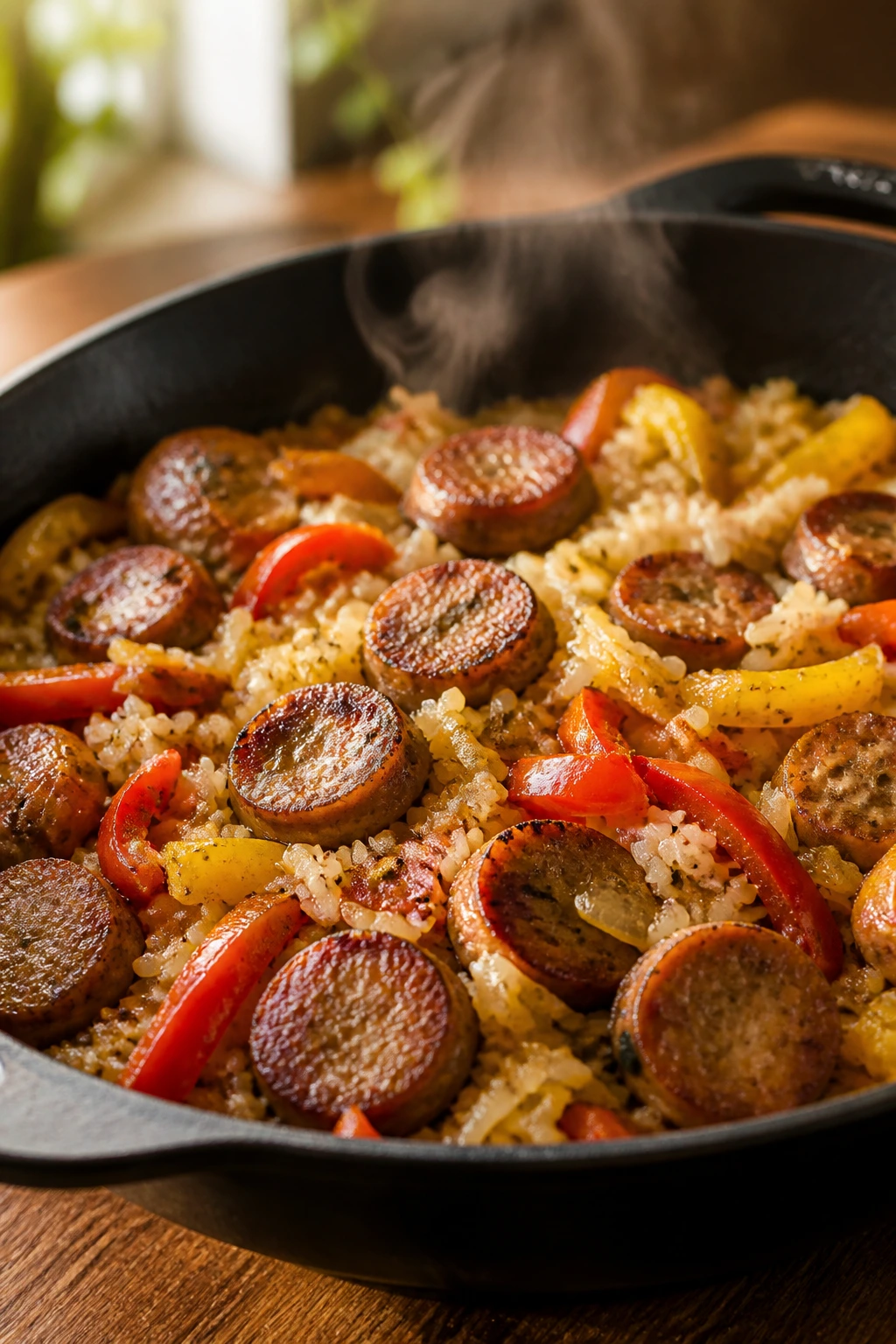
A skillet full of sausage, peppers, and rice smells like dinner before you even sit down. The sausage turns the whole pan savory, the peppers soften into sweet strips, and the rice catches the seasoned juices so nothing tastes flat or watery.
This is one of those meals that looks like more effort than it is. Browned sausage does half the flavor work for you, and the rice cooks in the same pan instead of asking for a separate pot and another sinkful of dishes. If you slice the sausage before cooking, you get more edges, which means more browned bits, which means more dinner for your effort.
Key Ingredients:
- 1 pound Italian sausage links, sliced into 1/2-inch coins — mild or hot both work.
- 1 tablespoon olive oil — just enough to keep the pan moving.
- 1 medium yellow onion, sliced — it softens and sweetens the pan.
- 2 bell peppers, sliced into strips — use red, yellow, or orange for sweetness.
- 2 cloves garlic, minced — add near the end so it does not burn.
- 1 cup long-grain white rice, rinsed — rinsing removes extra starch and keeps it fluffy.
- 2 cups chicken broth — broth makes the rice taste seasoned from the inside out.
- 1 can diced tomatoes, 14.5 ounces, with juices — the liquid helps cook the rice.
- 1 teaspoon Italian seasoning — a simple herb blend that fits the sausage.
- Salt and black pepper, to taste — taste after the broth goes in.
- 1/4 cup grated Parmesan — optional, but it gives the skillet a salty finish.
Quick Steps:
- Heat the olive oil in a large skillet over medium-high heat. Add the sausage and cook for 4 to 5 minutes, stirring once or twice, until the edges are browned and the pieces have lost most of their pink color.
- Add the onion and bell peppers. Cook for 4 minutes, stirring now and then, until the onion softens and the peppers start to slump.
- Stir in the garlic for 30 seconds, just until fragrant. Add the rice, tomatoes with their juices, chicken broth, and Italian seasoning, then scrape up anything stuck to the bottom of the pan.
- Bring the mixture to a simmer, cover, and reduce the heat to low. Cook for 18 minutes without fussing with it, until the rice is tender and the liquid has been absorbed.
- Turn off the heat and let the skillet rest, covered, for 5 minutes. Fluff the rice with a fork, taste for salt, and finish with Parmesan if you want a little extra edge.
- If the pan looks dry, stir in a splash of broth before serving.
Tips and Variations:
- Use a frozen pepper-and-onion mix if the cutting board is not happening.
- Swap in turkey sausage if you want something lighter, but brown it well so it still tastes rich.
- A handful of spinach stirred in at the end wilts fast and disappears neatly into the rice.
3. Creamy Tomato Tortellini Soup
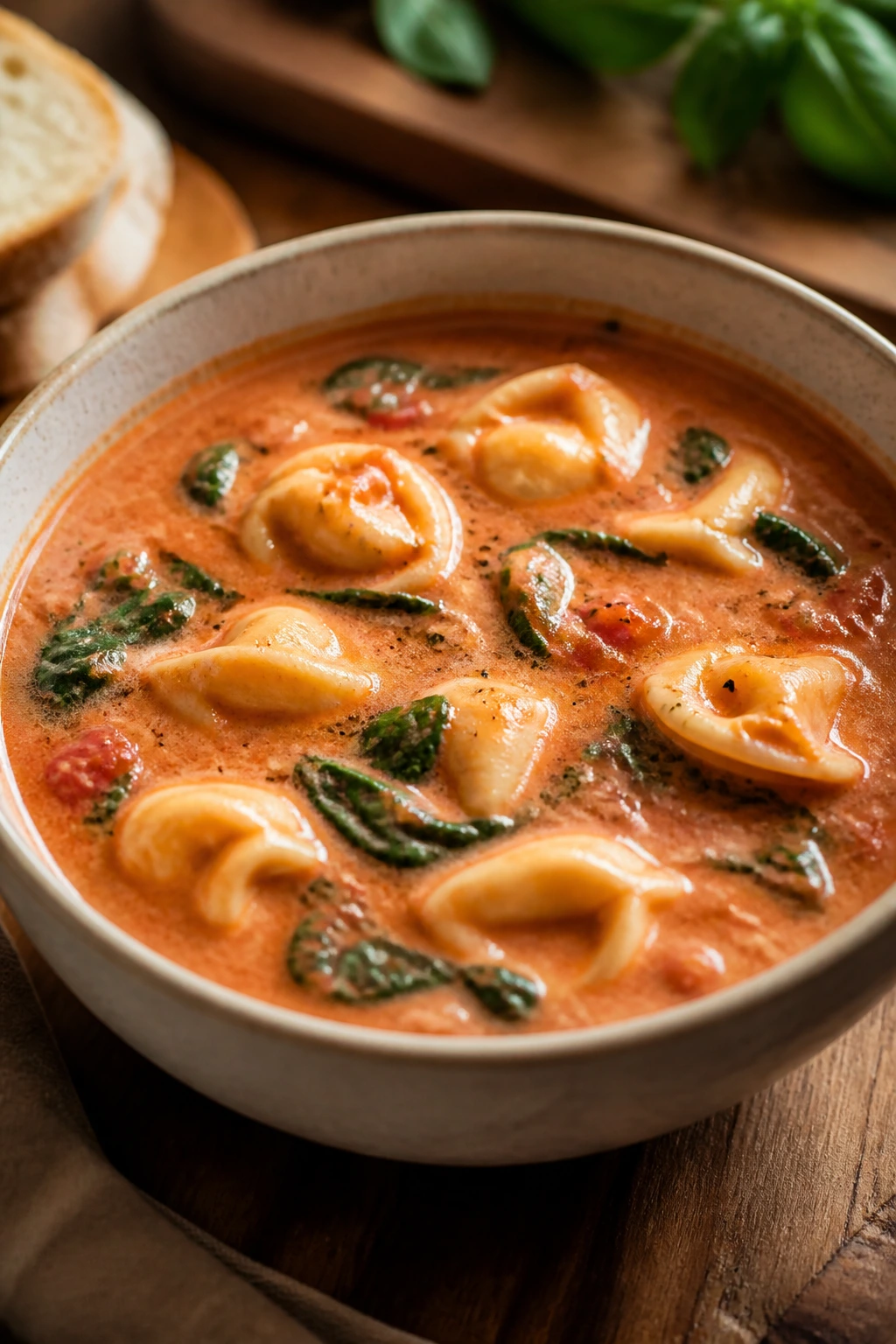
Soup does not need to be slow to feel like dinner. This one comes together with the kind of speed that makes sense after a long day, but it still lands with the warmth and comfort people usually assign to recipes that have been simmering all afternoon.
The tortellini does the heavy lifting here. Refrigerated cheese tortellini turns a tomato soup base into a full meal in minutes, and the spinach melts into the broth without any real work from you. The only thing to watch is the cream at the end — keep the heat gentle and the soup stays silky instead of breaking into little greasy flecks.
Key Ingredients:
- 1 tablespoon butter — starts the soup with a little richness.
- 1 small yellow onion, diced — cooks down fast and gives sweetness.
- 3 cloves garlic, minced — enough to make the kitchen smell like dinner.
- 4 cups low-sodium chicken or vegetable broth — choose low-sodium so you can control the salt.
- 1 can crushed tomatoes, 28 ounces — gives body and that deep red color.
- 1 teaspoon Italian seasoning — easy, familiar, and right for the base.
- 1 package refrigerated cheese tortellini, 9 to 12 ounces — the filling makes the soup feel complete.
- 1 cup heavy cream or half-and-half — heavy cream makes it richer, half-and-half keeps it lighter.
- 3 cups baby spinach — it wilts in seconds.
- 1/2 teaspoon salt and 1/4 teaspoon black pepper — adjust after tasting.
- 1/4 cup grated Parmesan — for a salty finish on top.
Quick Steps:
- Melt the butter in a large pot over medium heat. Add the onion and cook for 4 to 5 minutes, stirring often, until it turns soft and translucent.
- Stir in the garlic for 30 seconds, just until it smells sweet and sharp at the same time. Add the broth, crushed tomatoes, Italian seasoning, salt, and black pepper.
- Bring the soup to a gentle simmer and cook for 10 minutes. The color should deepen, and the tomato flavor should taste a little rounder.
- Add the tortellini and simmer for 4 to 5 minutes, or until the pasta floats and the filling is hot through.
- Lower the heat before pouring in the cream. Stir in the spinach and keep the soup at a low simmer for 1 minute, just until the leaves wilt.
- Taste, adjust the salt, and serve with Parmesan on top.
Tips and Variations:
- Frozen tortellini works too; add 2 to 3 extra minutes.
- Do not boil the soup hard after adding cream or it can split.
- A pinch of red pepper flakes gives the tomato base a little lift if you like heat.
4. Beef and Broccoli Rice Skillet
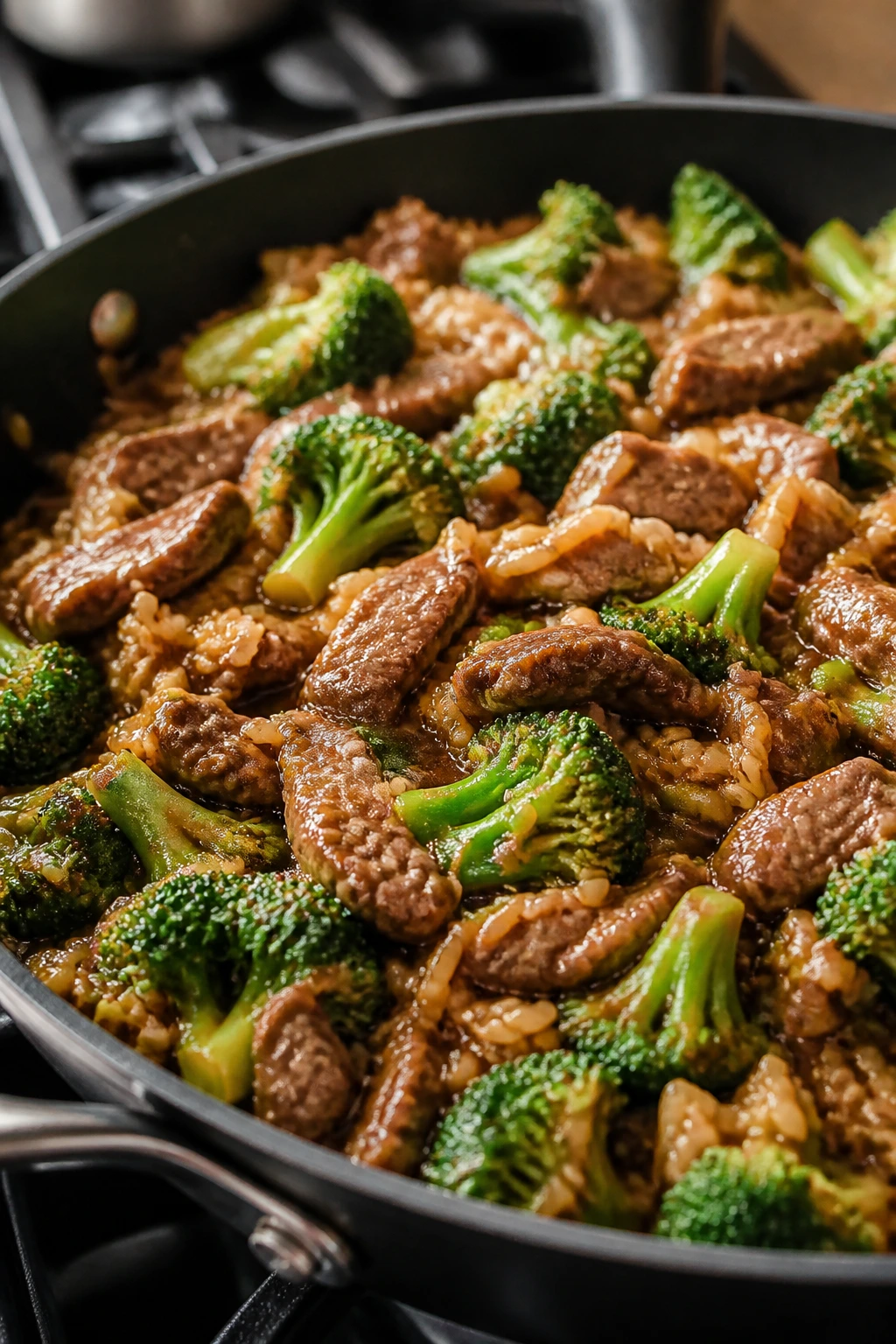
Takeout beef and broccoli has a way of sounding more complicated than it is. At home, the dish gets cleaner and sharper: thin slices of beef, broccoli that still has some crunch, and a glossy sauce that clings to rice instead of pooling in the bottom of a carton.
This skillet works because the beef cooks fast and the broccoli steams right on top of the rice. Slicing the steak against the grain into thin strips is the quiet detail that makes the meat tender, not chewy, and the cornstarch gives the sauce just enough body to stick without turning pasty. It is one of those dinners that rewards good slicing more than fancy ingredients.
Key Ingredients:
- 1 pound flank steak or sirloin, sliced thinly against the grain — thin slices cook fast and stay tender.
- 1 tablespoon cornstarch — lightly coats the beef and helps the sauce cling.
- 2 tablespoons soy sauce — seasons the meat before it hits the pan.
- 1 tablespoon oil — for searing.
- 2 cloves garlic, minced — gives the skillet its sharp base.
- 1 teaspoon grated fresh ginger — fresh ginger tastes brighter than dried.
- 1 cup long-grain white rice, rinsed — rinsing keeps the grains separate.
- 2 cups beef broth — cooks the rice and carries the sauce.
- 3 cups broccoli florets — cut into bite-size pieces so they steam evenly.
- 1 tablespoon brown sugar — rounds out the soy sauce.
- 1 tablespoon oyster sauce or hoisin — either one adds a deep, savory note.
- 1 teaspoon sesame oil — added at the end for aroma.
Quick Steps:
- Toss the beef with the cornstarch and 1 tablespoon soy sauce in a bowl. Let it sit while you prep the rest so the coating hydrates.
- Heat the oil in a large skillet over medium-high heat. Sear the beef for 1 to 2 minutes per side until browned but not cooked through, then transfer it to a plate.
- Add the garlic and ginger to the same skillet and cook for 30 seconds. Stir in the rice, beef broth, remaining soy sauce, brown sugar, and oyster sauce, scraping up the browned bits.
- Bring the skillet to a simmer, cover, and cook on low for 15 minutes. The rice should be nearly tender and most of the liquid should be gone.
- Scatter the broccoli over the top, cover again, and cook for 4 to 5 minutes until the florets turn bright green and can be pierced with a fork but still have some snap.
- Return the beef to the skillet, drizzle with sesame oil, and toss gently. If the sauce needs a little loosening, add a splash of broth and stir once.
Tips and Variations:
- If you have cooked rice on hand, skip the simmering step and fold it in at the end with a splash of broth.
- Frozen broccoli works well; add it straight from the freezer and give it an extra minute.
- A squeeze of lime at the end sounds small, but it wakes up the whole pan.
5. Turkey Taco Skillet Bowls
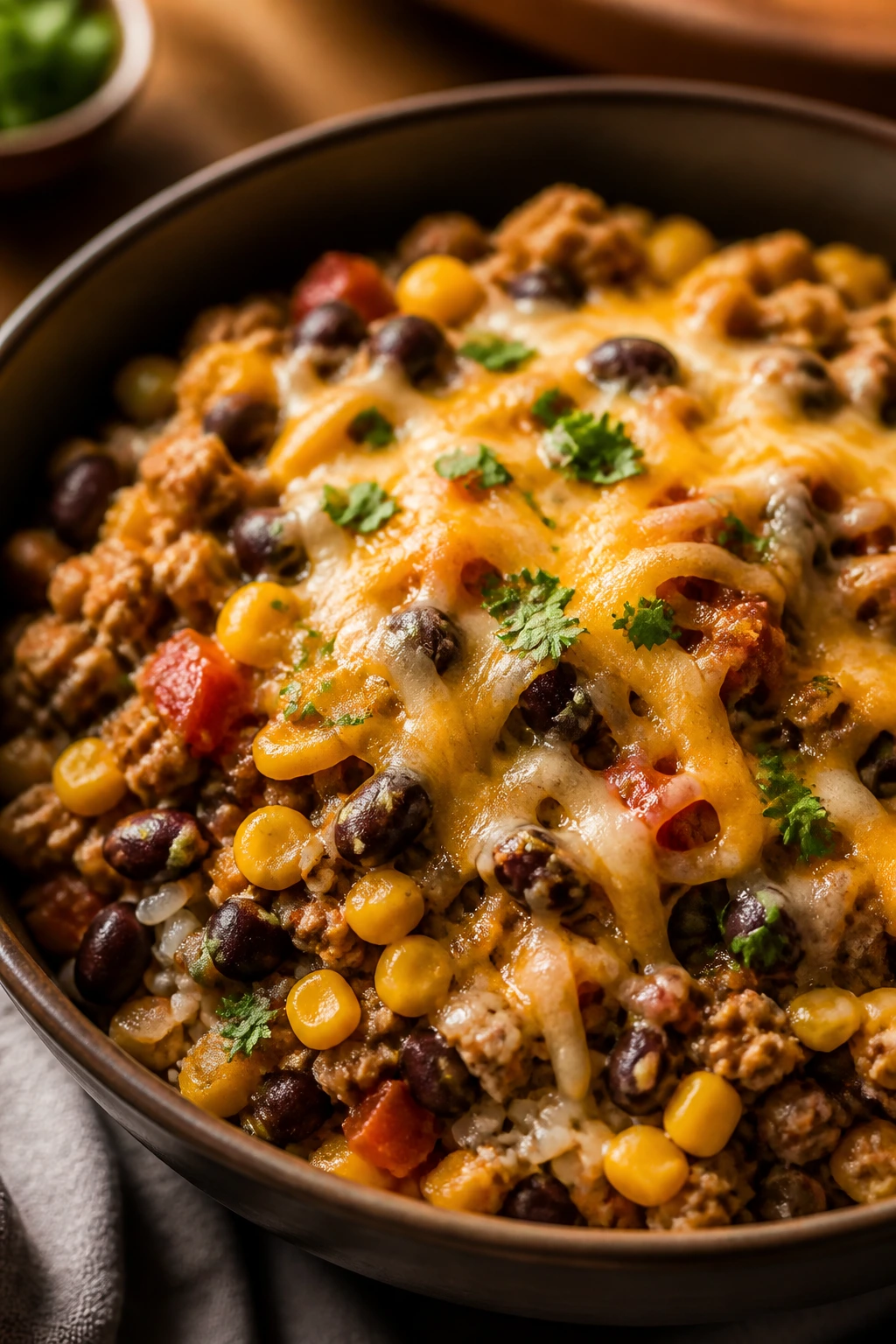
Taco night works better when the pan does half the thinking. Ground turkey soaks up seasoning fast, the salsa keeps the mixture juicy, and the black beans and corn make the bowl feel complete without a pile of separate side dishes.
What I like here is the way everything stays flexible. The skillet filling is sturdy enough for rice, lettuce, tortillas, or chips, which means you can feed whoever is standing in the kitchen without changing the core recipe. A little cheese on top melts into the hot filling and ties the whole thing together in a way that feels generous without being fussy.
Key Ingredients:
- 1 pound ground turkey — 93% lean is a good middle ground.
- 1 tablespoon olive oil — helps the turkey brown instead of sticking.
- 1 small onion, diced — gives the filling a little sweetness.
- 2 tablespoons taco seasoning — store-bought or homemade both work.
- 1 cup salsa — keeps the mixture moist and saucy.
- 1 can black beans, rinsed and drained — adds heft and fiber.
- 1 cup frozen corn — no thawing needed.
- 1 1/2 cups cooked rice, warm — use microwave rice if that makes life easier.
- 1 cup shredded cheddar or Mexican blend cheese — melts over the top.
- 1 avocado, sliced — for cool, creamy contrast.
- Cilantro, lime wedges, and sour cream, for serving — optional but welcome.
Quick Steps:
- Heat the oil in a large skillet over medium heat. Add the onion and cook for 2 to 3 minutes until softened, then add the ground turkey.
- Break up the turkey with a spoon and cook for 5 to 6 minutes until no pink remains. If the pan looks dry, add a splash of water instead of more oil.
- Stir in the taco seasoning, salsa, black beans, and corn. Cook for 4 to 5 minutes, stirring once or twice, until the mixture is hot and glossy.
- Spoon the rice into bowls or spread it across the bottom of the skillet if you want a family-style version. Top with the turkey mixture and scatter the cheese over the hot filling.
- Cover the skillet for 1 minute, just until the cheese melts, or microwave the bowl for 20 to 30 seconds if you are assembling single servings.
- Finish with avocado, cilantro, and a squeeze of lime.
Tips and Variations:
- Use cauliflower rice if you want a lighter bowl, but do not overcook it or it turns wet.
- Swap ground turkey for ground beef or lentils, depending on what is in the fridge.
- If your salsa is very thin, simmer it uncovered for a minute so the filling does not get soupy.
6. Salmon with Couscous and Asparagus
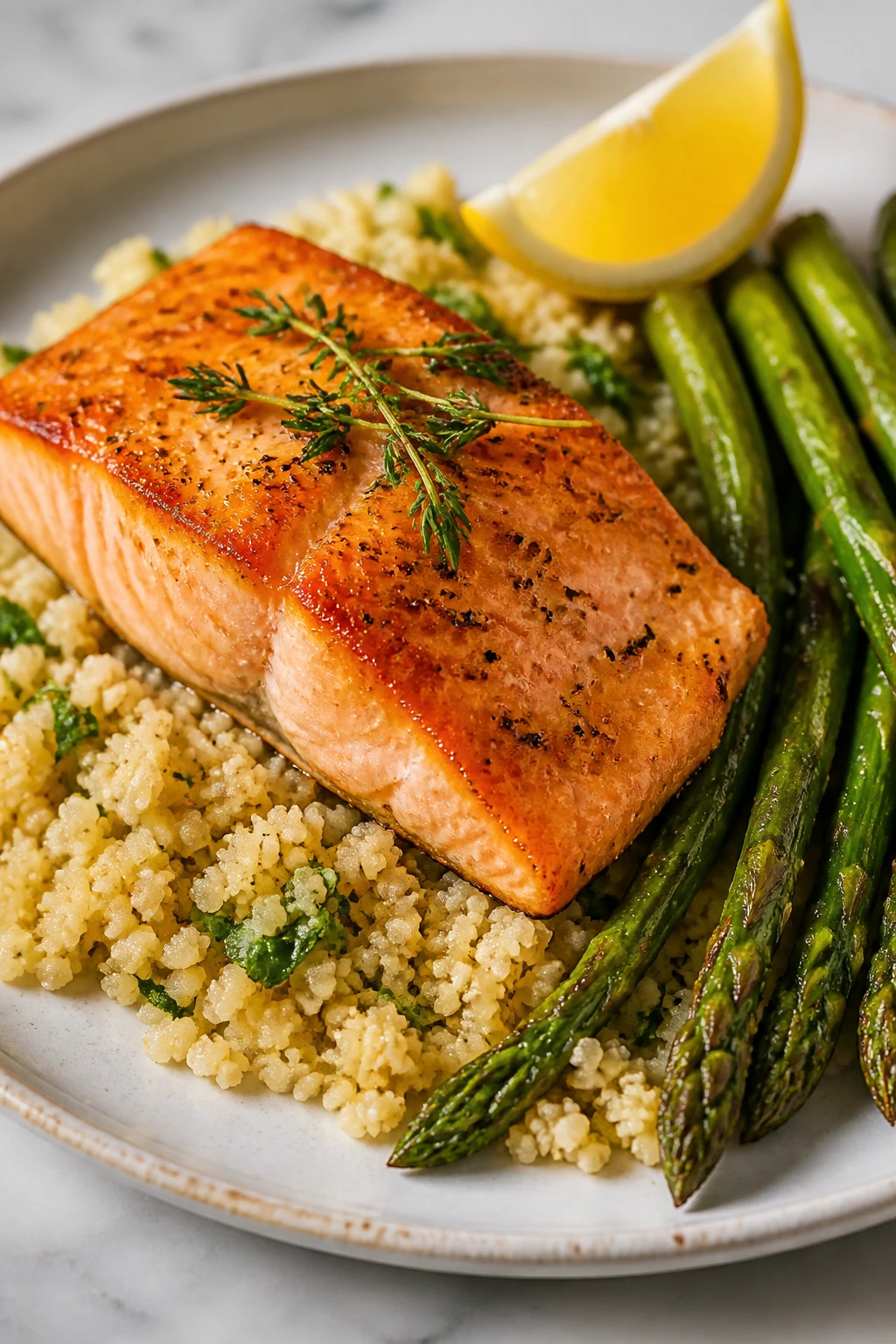
Salmon can be faster than delivery if you stop babying it. A hot oven, a bed of asparagus, and a bowl of couscous waiting off to the side are enough to get dinner on the table with barely any cleanup and no drama.
This meal works because each piece cooks at the same pace. Couscous is the shortcut here — it only needs boiling liquid and five minutes under a lid — so the salmon and vegetables can finish in the oven without forcing you to juggle three stovetop pans. If the fillets are fairly even in thickness, the whole plate feels crisp, bright, and finished at once.
Key Ingredients:
- 4 salmon fillets, 5 to 6 ounces each — choose fillets of similar thickness so they roast evenly.
- 1 bunch asparagus, trimmed — look for firm spears with tight tips.
- 1 cup couscous — the quick-cooking kind.
- 1 1/4 cups boiling water or broth — broth adds a little more flavor.
- 2 tablespoons olive oil — used for both the fish and the asparagus.
- 2 cloves garlic, minced — gives the vegetables a savory edge.
- 1 lemon, sliced and juiced — use both the slices and the juice.
- 1 teaspoon kosher salt — divided between the fish and vegetables.
- 1/2 teaspoon black pepper — keeps the seasoning simple.
- 1 tablespoon chopped dill or parsley — a fresh finish.
Quick Steps:
- Preheat the oven to 425°F (220°C) and line a sheet pan. Toss the asparagus with 1 tablespoon olive oil, half the garlic, half the salt, and the black pepper.
- Push the asparagus to one side of the pan. Place the salmon on the other side, brush with the remaining oil, and season with the rest of the salt and garlic. Lay a lemon slice on each fillet.
- Roast for 10 to 12 minutes, until the salmon flakes easily at the thickest point and the asparagus is tender with a little snap left in the stems.
- While the pan roasts, place the couscous in a bowl. Pour the boiling water or broth over it, cover tightly, and let it sit for 5 minutes.
- Fluff the couscous with a fork, then stir in lemon juice and half the herbs.
- Serve the salmon and asparagus over the couscous, with the remaining herbs on top.
Tips and Variations:
- Skin-on salmon holds together a little better in the oven.
- Thin fillets need less time; check them at 8 minutes so they do not dry out.
- If asparagus is not appealing, swap in broccolini and add 2 minutes to the roast.
7. Pesto Chicken Pasta with Cherry Tomatoes
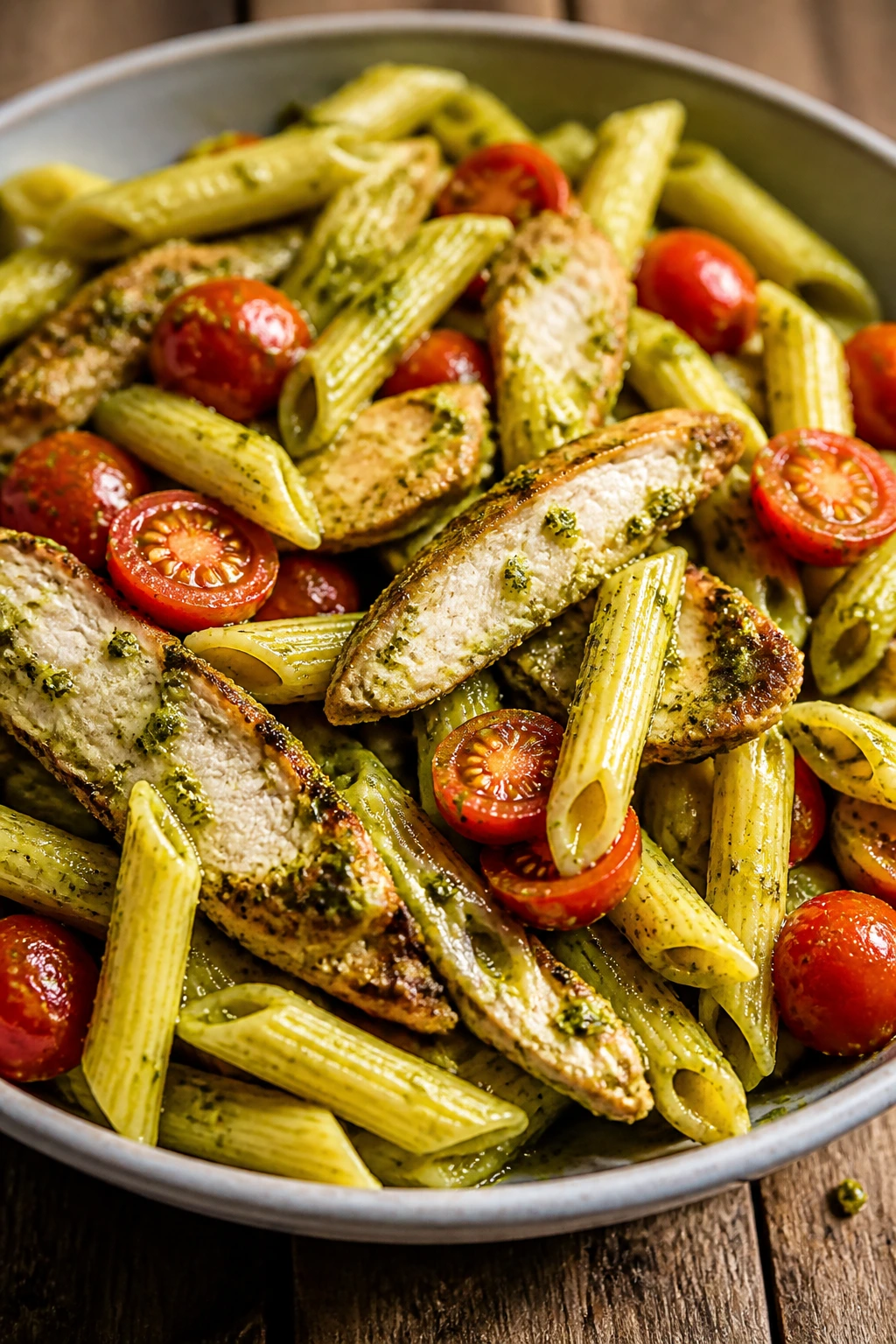
Pesto pasta is what you make when the fridge looks dull but not empty. Add chicken, tomatoes, and a little pasta water, and the whole thing turns into a meal that tastes greener and brighter than the grocery run that inspired it.
The trick is to keep the sauce loose enough to coat the noodles instead of gluing them together. Reserved pasta water is the difference between pesto that sits on top and pesto that actually clings to the pasta, and the blistered cherry tomatoes bring enough juice to make the sauce feel alive. It is fast, but not boring — that matters.
Key Ingredients:
- 12 ounces pasta, such as penne or rotini — shapes with ridges catch the sauce.
- 1 pound chicken breast or thighs, cut into bite-size pieces — thighs stay juicier; breasts cook a little faster.
- 2 tablespoons olive oil — for the chicken.
- 1 teaspoon kosher salt — season the chicken as it cooks.
- 1/2 teaspoon black pepper — just enough for balance.
- 2 cloves garlic, minced — stirred in at the end.
- 1 pint cherry tomatoes, halved — they burst into the sauce.
- 1 cup basil pesto — store-bought or homemade.
- 1/2 cup reserved pasta water — helps the sauce coat the noodles.
- 1/2 cup shredded mozzarella or grated Parmesan — for a melty or salty finish.
- Red pepper flakes, optional — if you want a little heat.
Quick Steps:
- Bring a large pot of salted water to a boil and cook the pasta until just al dente. Reserve 1/2 cup of the pasta water before draining.
- While the pasta cooks, heat the olive oil in a large skillet over medium-high heat. Add the chicken, salt, and pepper, and cook for 5 to 7 minutes, stirring once or twice, until the pieces are browned and reach 165°F.
- Stir in the garlic and cherry tomatoes. Cook for 2 to 3 minutes until the tomatoes start to blister and release some juice.
- Add the drained pasta, pesto, and 1/4 cup of the reserved pasta water. Toss until the noodles are coated and glossy, adding more water if the sauce looks tight.
- Fold in the cheese and keep tossing until it melts into the pasta.
- Finish with red pepper flakes if you want them, then serve while the tomatoes are still warm and juicy.
Tips and Variations:
- Rotisserie chicken cuts the cooking time down even more; stir it in at the end.
- Swap basil pesto for sun-dried tomato pesto if you want a deeper, sweeter flavor.
- A handful of spinach wilted in during the last minute gives you a little green without changing the whole dish.
8. Black Bean and Sweet Potato Quesadillas
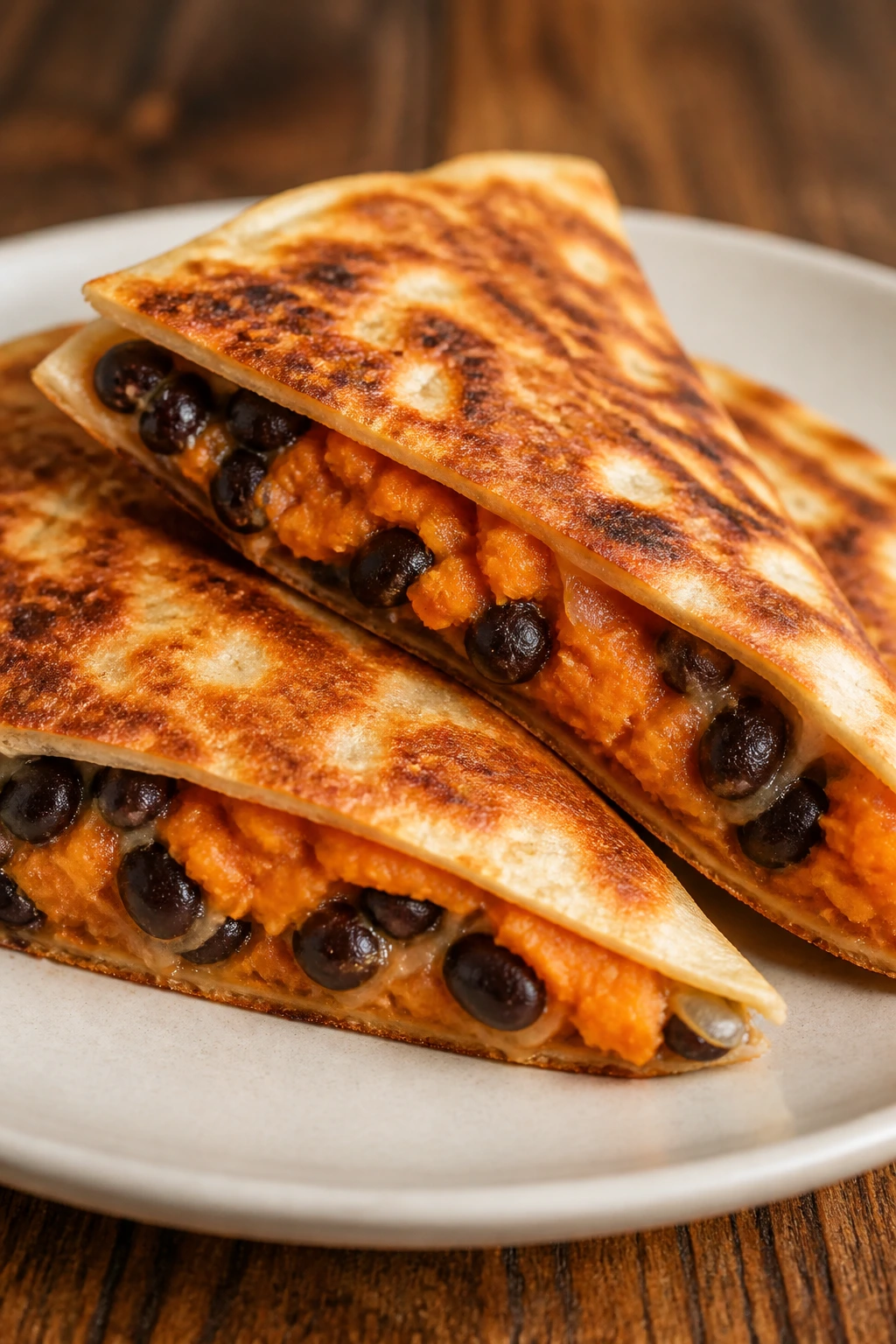
A good quesadilla should crunch, not collapse. The filling here is soft, smoky, and slightly sweet, and the tortilla turns gold in the skillet with the kind of crackle that makes dinner feel more complete than it really is.
The sweet potato and black bean mash does the work that would normally belong to meat. Mashing half the beans into the sweet potato is the quiet trick; it thickens the filling so it stays inside the tortilla instead of sliding out onto the pan. That is the difference between a quesadilla that eats cleanly and one that needs a fork and a prayer.
Key Ingredients:
- 1 medium sweet potato, peeled and diced into 1/2-inch cubes — smaller cubes cook faster.
- 1 tablespoon oil — for softening or roasting the potato.
- 1 can black beans, rinsed and drained — mash some, leave some whole.
- 1 teaspoon ground cumin — gives the filling warmth.
- 1/2 teaspoon chili powder — for gentle heat.
- 1/2 teaspoon salt — enough to wake up the beans.
- 1 cup shredded Monterey Jack or pepper jack — melts smoothly.
- 6 large flour tortillas — flour tortillas crisp and fold better than most corn tortillas.
- Salsa, cilantro, and lime wedges — for serving.
Quick Steps:
- Place the diced sweet potato in a microwave-safe bowl with 2 tablespoons of water. Cover loosely and microwave for 5 to 6 minutes, stirring once, until the cubes are fork-tender.
- Drain any extra water, then mash about half the black beans into the sweet potato with the cumin, chili powder, and salt. Stir in the remaining beans whole.
- Heat a large skillet over medium heat and brush it lightly with oil or butter.
- Lay a tortilla in the skillet, sprinkle cheese over half, spoon on some filling, and add a little more cheese on top. Fold the tortilla over and cook for 2 to 3 minutes per side until golden and crisp.
- Transfer to a cutting board and repeat with the remaining tortillas, adding a little more oil as needed.
- Cut into wedges and serve with salsa, cilantro, and lime.
Tips and Variations:
- Roast the sweet potato ahead if you want to skip the microwave step on a busy night.
- Pepper jack gives you more bite; cheddar makes the filling milder and extra melty.
- Leftover filling also works in tacos or on top of a rice bowl the next day.
9. Teriyaki Tofu Stir-Fry
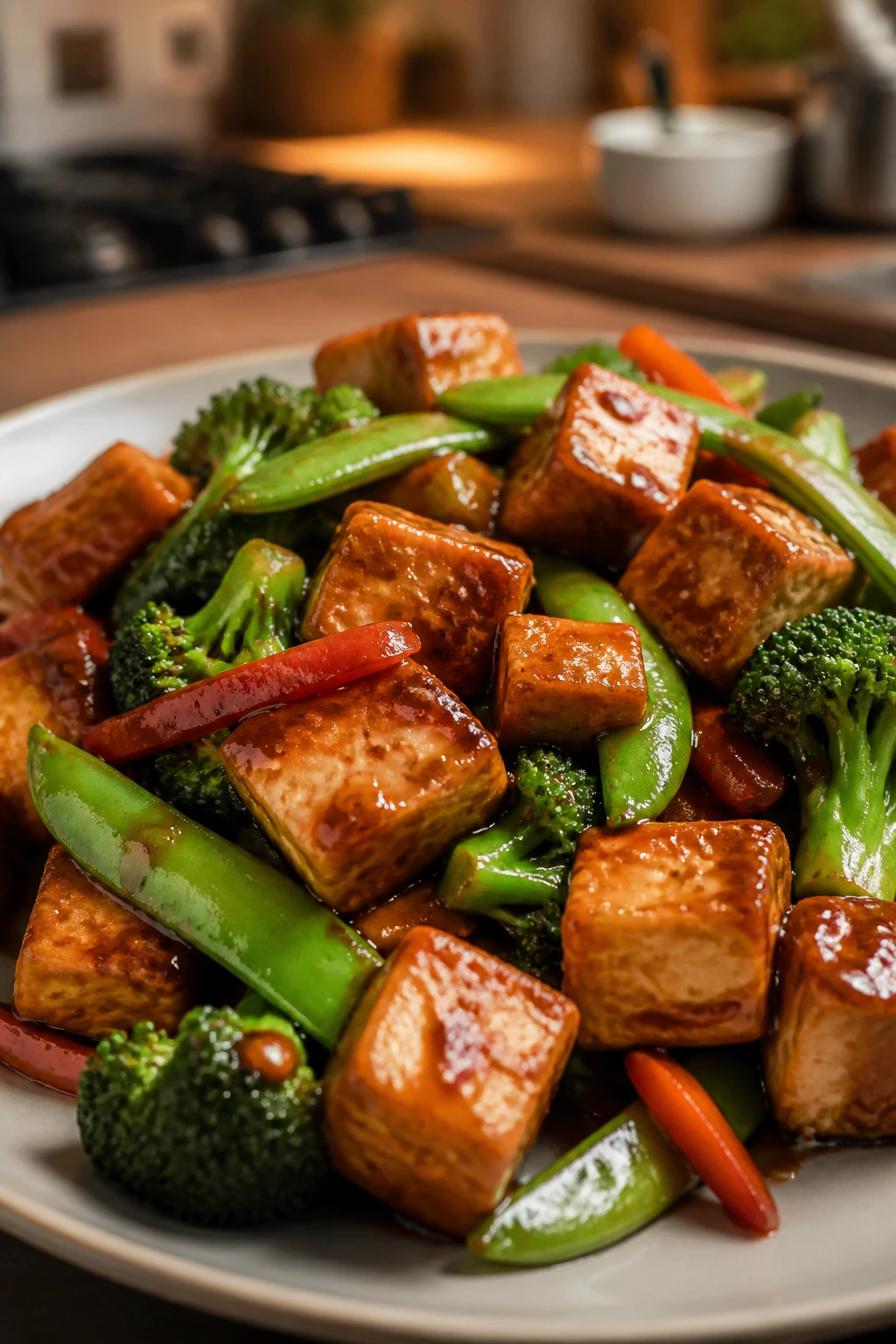
Tofu gets the job done when it is pressed, browned, and given a sauce with some backbone. The snap peas stay bright, the sauce turns shiny, and the tofu picks up crisp edges that make the whole dish feel more deliberate than rushed.
What makes this stir-fry worth keeping around is the balance of speed and texture. A dusting of cornstarch on the tofu gives you a brittle little crust that catches the teriyaki sauce instead of letting it slide off, and the vegetables only need a few minutes in the pan. If you have ever had tofu that tasted like nothing, this is the fix.
Key Ingredients:
- 14 ounces extra-firm tofu, pressed and cut into cubes — super-firm tofu works too.
- 1 tablespoon cornstarch — helps the tofu crisp.
- 2 tablespoons neutral oil — for pan-frying.
- 3 cups broccoli florets or mixed stir-fry vegetables — cut bite-size for fast cooking.
- 1 cup snap peas — they stay crunchy and sweet.
- 1/3 cup teriyaki sauce — bottled sauce keeps this simple.
- 1 tablespoon soy sauce — deepens the savory flavor.
- 1 teaspoon sesame oil — added at the end for aroma.
- 2 cups cooked rice — white or brown.
- Sliced scallions and sesame seeds, optional — for finishing.
Quick Steps:
- Press the tofu for 15 minutes, then cut it into cubes and toss it with the cornstarch. The cubes should look lightly dusted, not caked.
- Heat the neutral oil in a large skillet over medium-high heat. Add the tofu and cook for 8 to 10 minutes, turning occasionally, until the edges are crisp and browned.
- Move the tofu to a plate and add the vegetables to the same skillet. Stir-fry for 3 to 4 minutes, adding a splash of water if the pan gets dry.
- Return the tofu to the pan, pour in the teriyaki sauce and soy sauce, and cook for 1 to 2 minutes until everything is glossy and hot.
- Drizzle with sesame oil and serve over the rice.
- Top with scallions and sesame seeds if you want a little extra crunch and color.
Tips and Variations:
- Super-firm tofu from the refrigerated section can skip the pressing step.
- Frozen stir-fry vegetables are perfectly fine; just keep the heat high enough to avoid steaming them soft.
- A spoonful of chili crisp on top gives the sweet sauce a sharper edge.
10. Rotisserie Chicken Enchilada Skillet
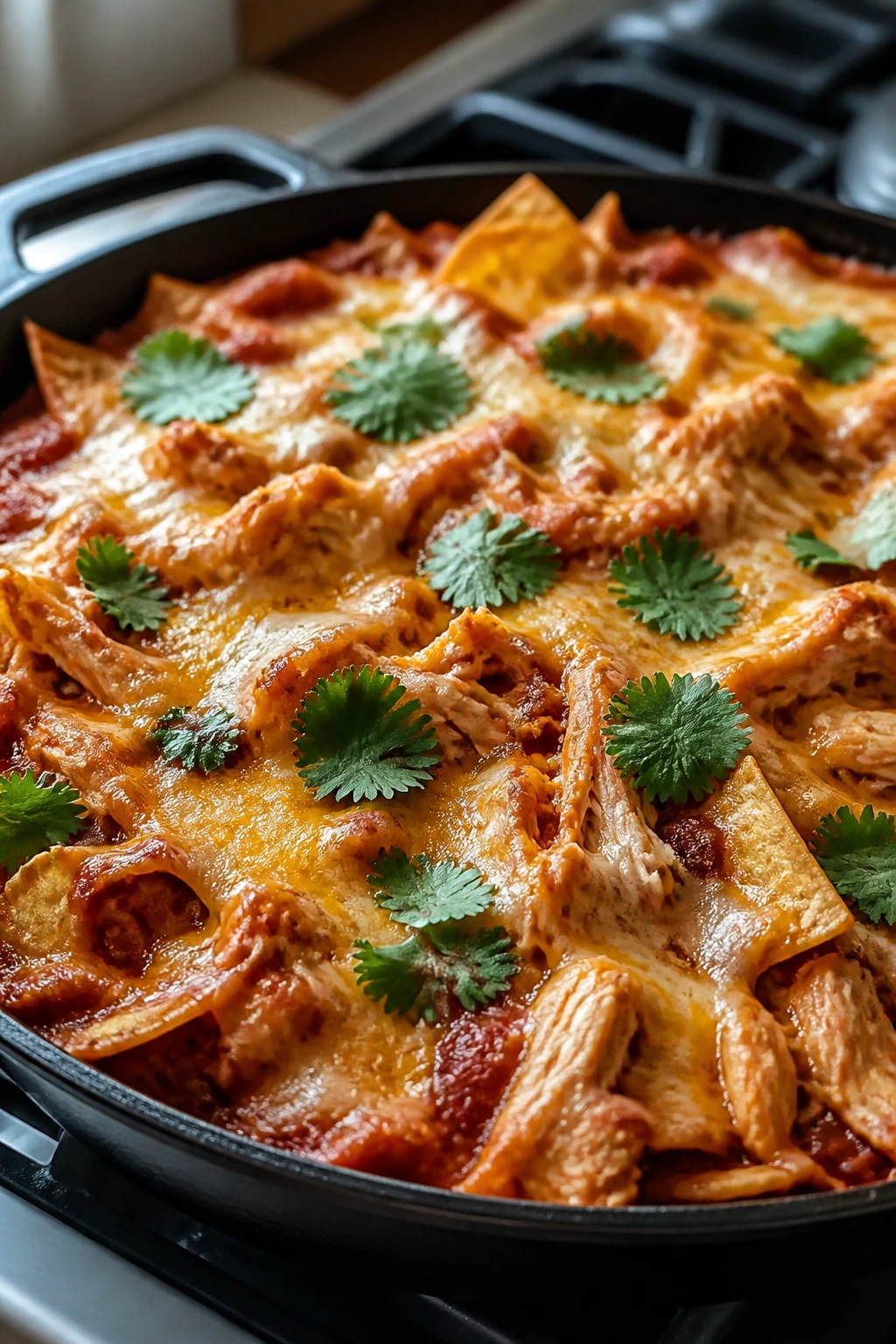
Rotisserie chicken was made for nights like this. It is already cooked, already seasoned, and already waiting to become dinner if you give it a can of enchilada sauce and a few other things from the pantry.
This skillet has a little of everything people want from enchiladas without the stacking and rolling. Corn tortillas cut into strips soften right in the sauce, which gives you the comfort of enchiladas without the ceremony, and the rotisserie chicken keeps the pan from needing any extra cooking time. It is messy in the good way, the kind that feels homey instead of sloppy.
Key Ingredients:
- 1 tablespoon oil — for the onion.
- 1 small onion, diced — gives the base a little sweetness.
- 3 cups shredded rotisserie chicken — pull the meat off the bones while it is still warm if possible.
- 1 can red enchilada sauce, 10 ounces — the sauce does most of the heavy lifting.
- 1 can black beans, rinsed and drained — adds body and fiber.
- 1 cup frozen corn — no need to thaw.
- 6 small corn tortillas, cut into 1-inch strips — they soften into the sauce.
- 1 cup shredded cheese — cheddar, Monterey Jack, or a blend.
- 1/4 cup chopped cilantro — for freshness.
- Sour cream or avocado, optional — for serving.
Quick Steps:
- Heat the oil in a large skillet over medium heat. Add the onion and cook for 3 to 4 minutes until soft.
- Stir in the chicken, enchilada sauce, black beans, corn, and 1/2 cup water. Cook for 3 to 4 minutes until the mixture is hot and bubbling at the edges.
- Fold in the tortilla strips and stir gently so they soak up the sauce without breaking apart completely.
- Scatter the cheese over the top, cover the skillet, and cook for 2 minutes until the cheese melts.
- Remove from the heat and finish with cilantro.
- Serve with sour cream or avocado if you want the extra cool contrast.
Tips and Variations:
- Green enchilada sauce gives the skillet a brighter, tangier profile.
- If the tortilla strips get too soft for your taste, serve the filling over crushed tortilla chips instead.
- A squeeze of lime at the end keeps the skillet from tasting too heavy.
11. Shrimp Scampi Orzo
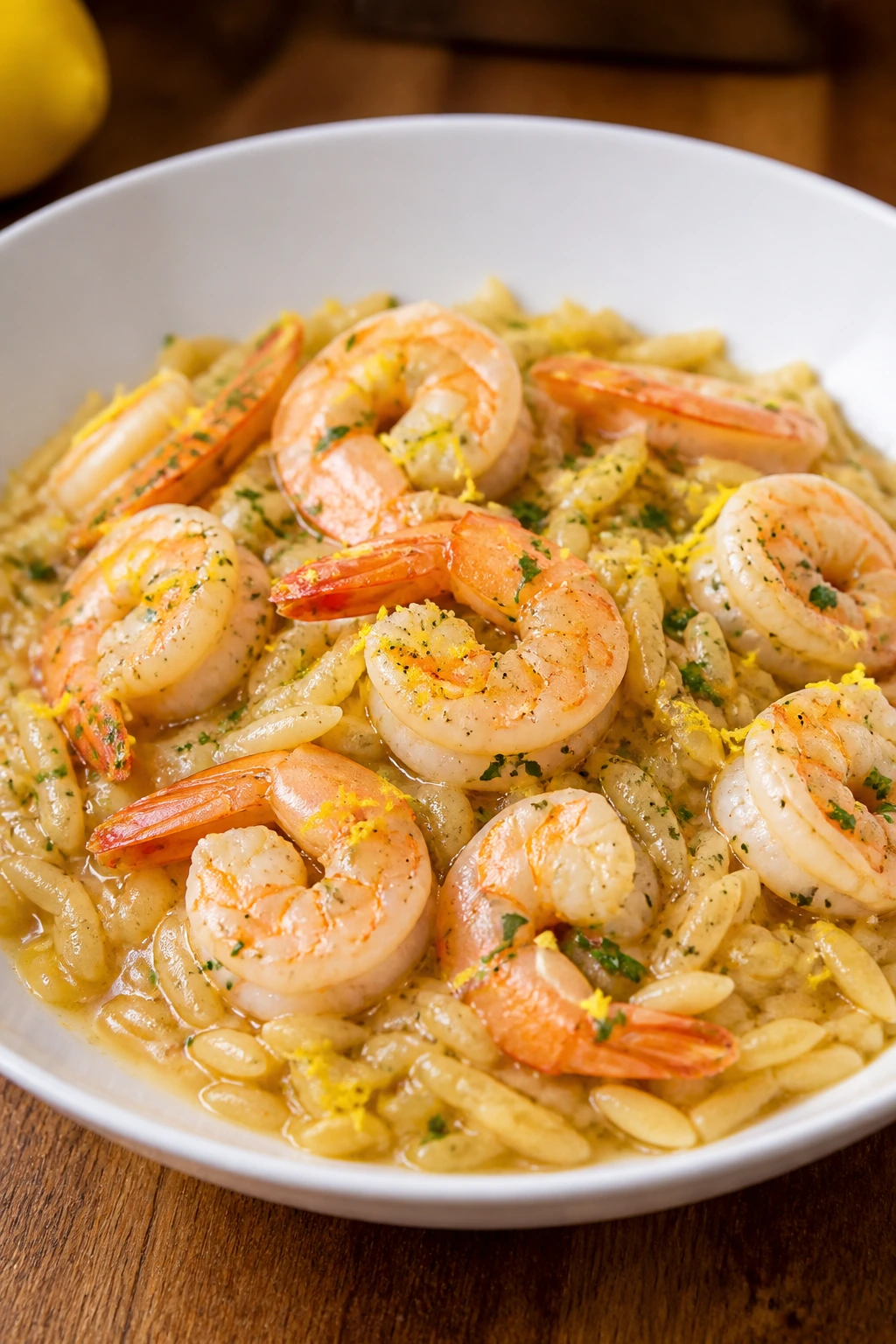
Shrimp scampi looks fancier than it is, and that is part of its charm. The garlic butter, lemon, and parsley hit the pan fast; the shrimp goes from gray to pink in minutes; and the orzo gives you the feeling of pasta without the long boil.
The key here is timing. Shrimp should be cooked just until it turns opaque and curls into a loose C, not a tight O, because that tight curl is the first sign you have gone too far. The orzo soaks up the buttery lemon broth underneath, which gives you a dish that feels a little glossy and a little bright all at once.
Key Ingredients:
- 1 pound peeled and deveined shrimp — medium or large shrimp both work.
- 1 cup orzo — cooks fast and eats like pasta with a little rice-like comfort.
- 3 cups chicken broth — enough to cook the orzo with flavor.
- 3 tablespoons butter — gives the scampi its rich sauce.
- 2 tablespoons olive oil — keeps the butter from scorching too fast.
- 4 cloves garlic, minced — this is garlic-forward food.
- 1/4 cup dry white wine or extra broth — for deglazing.
- 1 lemon, zested and juiced — the acid keeps the sauce lively.
- 1/4 teaspoon red pepper flakes — optional, but they fit the dish.
- 1/4 cup chopped parsley — for freshness.
- Salt and black pepper — to taste.
- 1/4 cup grated Parmesan, optional — if you want the orzo a little richer.
Quick Steps:
- Bring the chicken broth to a simmer in a medium saucepan and cook the orzo for 8 to 9 minutes, stirring now and then, until tender and most of the liquid has been absorbed. Transfer the orzo to a bowl.
- In the same pan or a large skillet, heat the butter and olive oil over medium heat. Add the garlic and red pepper flakes and cook for 30 seconds, just until fragrant.
- Add the shrimp in a single layer and cook for 1 to 2 minutes per side, until pink and opaque. Remove the shrimp if the pan is crowded.
- Pour in the wine or extra broth and the lemon juice, scraping up any browned bits on the bottom of the pan.
- Return the orzo to the pan and toss with the shrimp, parsley, salt, and black pepper. Add a splash more broth if it looks dry.
- Serve immediately, with Parmesan if you want it.
Tips and Variations:
- Buy raw shrimp if you can; pre-cooked shrimp can turn rubbery fast in a hot pan.
- If the shrimp are small, cut their cooking time by about 30 seconds per side.
- A few halved cherry tomatoes stirred in at the end make the plate look and taste brighter.
12. Chickpea and Spinach Coconut Curry
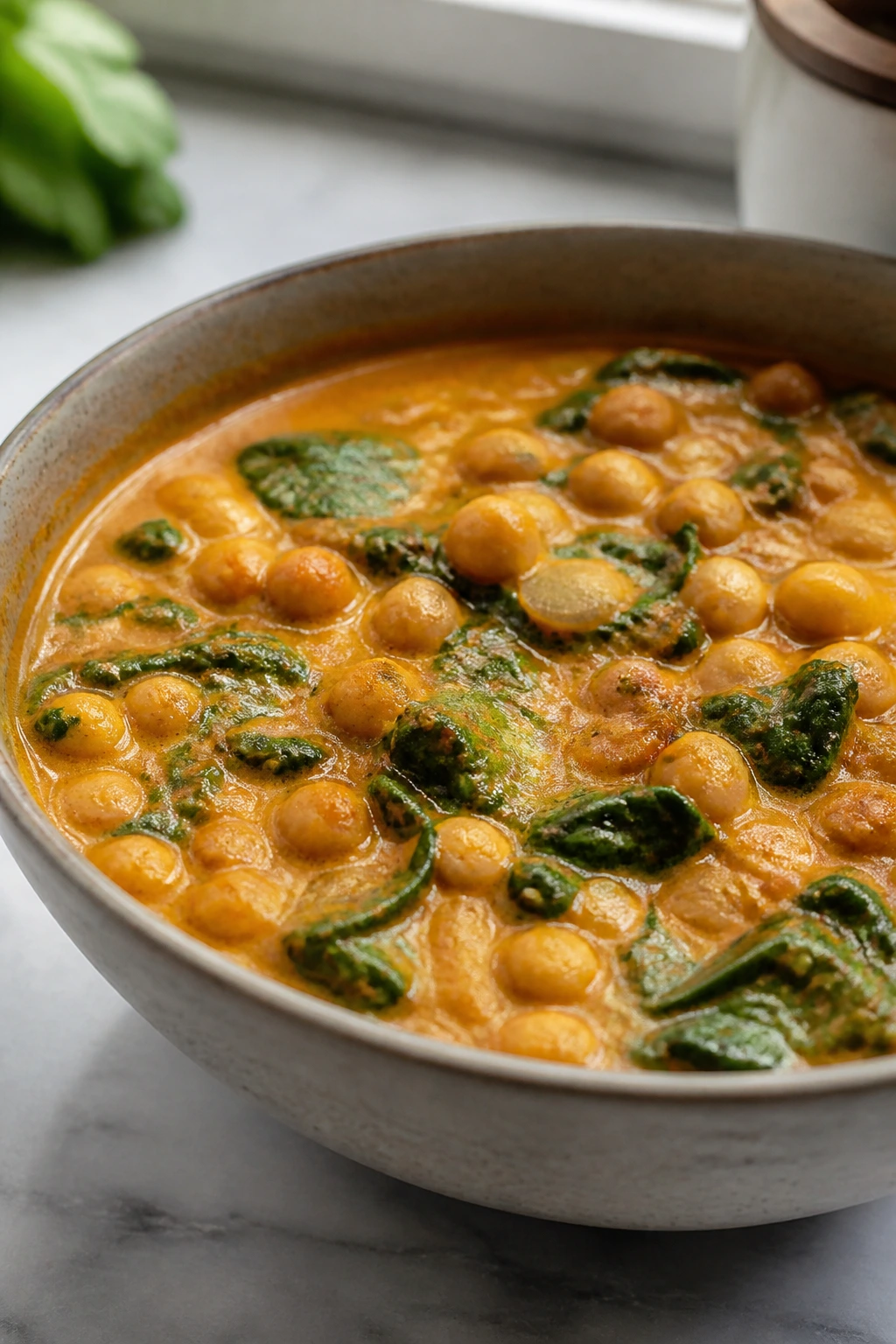
Chickpea curry is the dinner equivalent of a reliable coat. It is warm, generous, and there when you need something that does not ask much of you besides a pot and a spoon.
What makes this version work is the order of the cooking. Toasting the curry powder in oil for a short burst gives the spices a deeper smell, and the coconut milk turns the whole pot creamy without needing cream. The spinach disappears into the sauce, the chickpeas stay sturdy, and dinner tastes like you meant to do more than you did.
Key Ingredients:
- 2 tablespoons oil — for sautéing the aromatics.
- 1 medium onion, diced — the base of the curry.
- 3 cloves garlic, minced — sharp and fragrant.
- 1 tablespoon grated fresh ginger — wakes up the pot.
- 2 tablespoons curry powder — choose one you actually like the smell of.
- 2 cans chickpeas, drained and rinsed — they hold their shape well.
- 1 can coconut milk — full-fat gives the creamiest result.
- 1 cup vegetable broth — loosens the sauce.
- 3 cups baby spinach — wilts fast.
- 1 tablespoon lime juice — brightens the end of the dish.
- Salt, to taste — add in stages.
- Cooked rice or naan, for serving — either one works.
Quick Steps:
- Heat the oil in a large skillet or pot over medium heat. Add the onion and cook for 4 to 5 minutes until soft and translucent.
- Stir in the garlic, ginger, and curry powder. Cook for 30 seconds, just until the spices smell warm and toasty.
- Add the chickpeas, coconut milk, vegetable broth, and a pinch of salt. Bring the curry to a gentle simmer and cook for 12 to 15 minutes, stirring occasionally, until the sauce thickens a little.
- Stir in the spinach and cook for 1 minute, just until it wilts into the sauce.
- Finish with lime juice and taste for salt. If the sauce tastes flat, it usually needs more salt or another squeeze of lime.
- Serve over rice or with naan on the side.
Tips and Variations:
- Add cauliflower florets or diced sweet potato if you want more vegetables in the pot.
- Red curry paste can replace some or all of the curry powder if that is what you have.
- This curry tastes even better the next day, once the spices have had time to settle in.
13. Cheeseburger Pasta Skillet
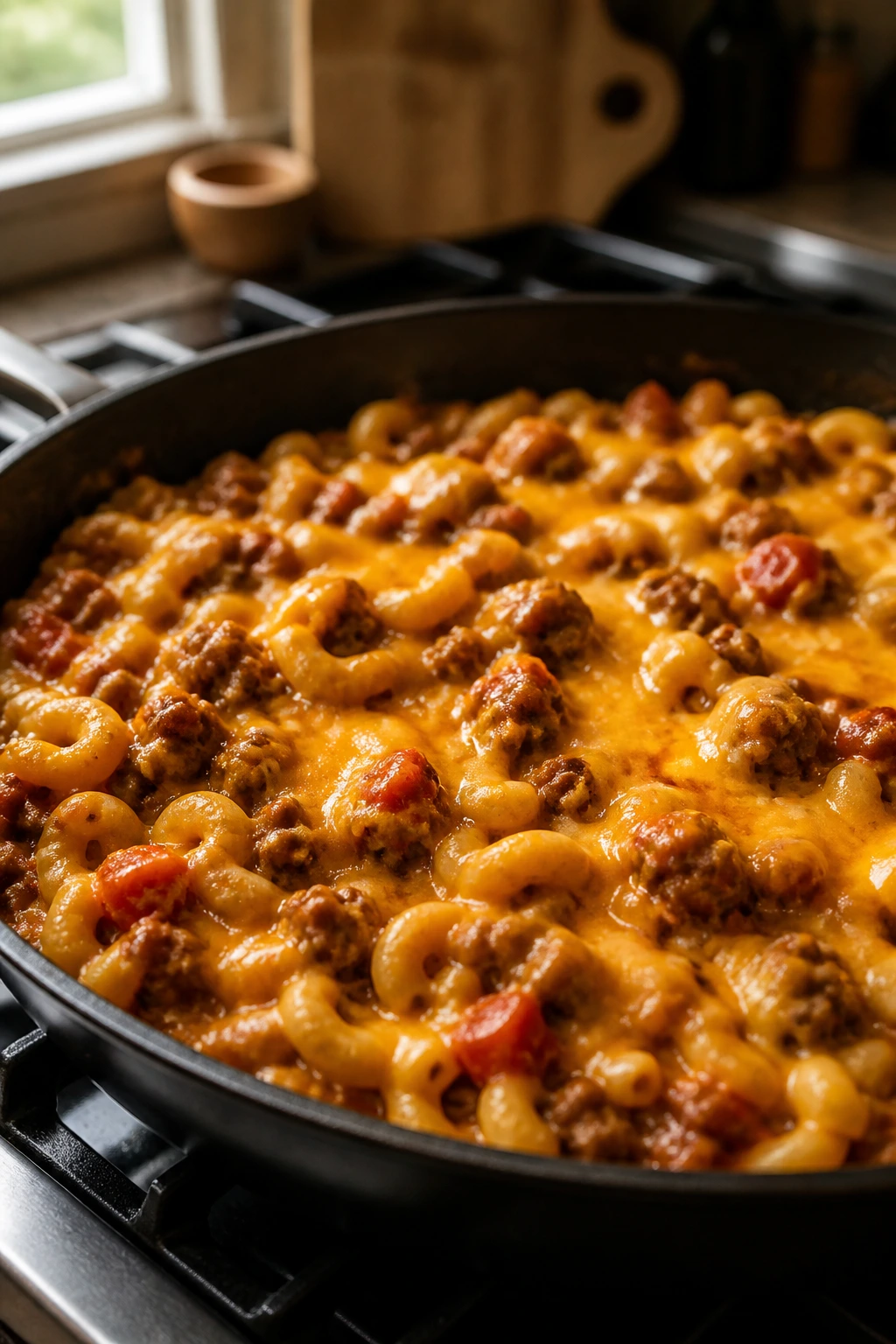
Cheeseburger pasta is plain-spoken food, and that is part of its appeal. Ground beef, tomatoes, a little mustard, cheddar, and macaroni come together in one skillet with the kind of familiarity that makes everyone at the table relax a little.
The best version has enough acidity to keep the beef from tasting heavy and enough cheese to make the sauce cling to the pasta. Ketchup and mustard sound odd in print, but they are the reason the dish tastes like a cheeseburger instead of just beefy noodles. Once the pasta has finished in the sauce, you get a skillet that feels more like a diner plate than a pantry cleanout.
Key Ingredients:
- 1 pound ground beef, preferably 85/15 — enough fat for flavor without a greasy pan.
- 1 small onion, diced — softens into the meat.
- 2 cloves garlic, minced — adds a familiar savory base.
- 1 tablespoon tomato paste — deepens the sauce quickly.
- 2 cups beef broth — cooks the pasta.
- 1 can diced tomatoes, 14.5 ounces — adds texture and moisture.
- 8 ounces elbow macaroni — the classic shape for this skillet.
- 1 tablespoon ketchup — gives the sauce the burger note.
- 1 teaspoon yellow mustard — a small amount goes a long way.
- 1 cup shredded cheddar cheese — melts into the sauce.
- Chopped dill pickles, optional — for a real cheeseburger finish.
Quick Steps:
- Brown the ground beef and onion in a large skillet over medium-high heat for 6 to 7 minutes, breaking up the meat as it cooks.
- Stir in the garlic and tomato paste and cook for 30 seconds, until the paste darkens slightly and smells sweet.
- Add the beef broth, diced tomatoes, macaroni, ketchup, and mustard. Stir well and bring the mixture to a simmer.
- Lower the heat and cook uncovered for 10 to 12 minutes, stirring every couple of minutes, until the pasta is tender and the sauce has thickened.
- Turn off the heat and stir in the cheddar until melted. If the skillet looks dry, add a small splash of broth.
- Top with pickles if you want the full cheeseburger mood.
Tips and Variations:
- Ground turkey works too, but it benefits from a little extra salt.
- If the pasta starts drinking the sauce too fast, add broth 1/4 cup at a time.
- A handful of chopped lettuce on top sounds strange and tastes like a fast-food nod in the best way.
14. Fried Rice with Eggs and Sesame
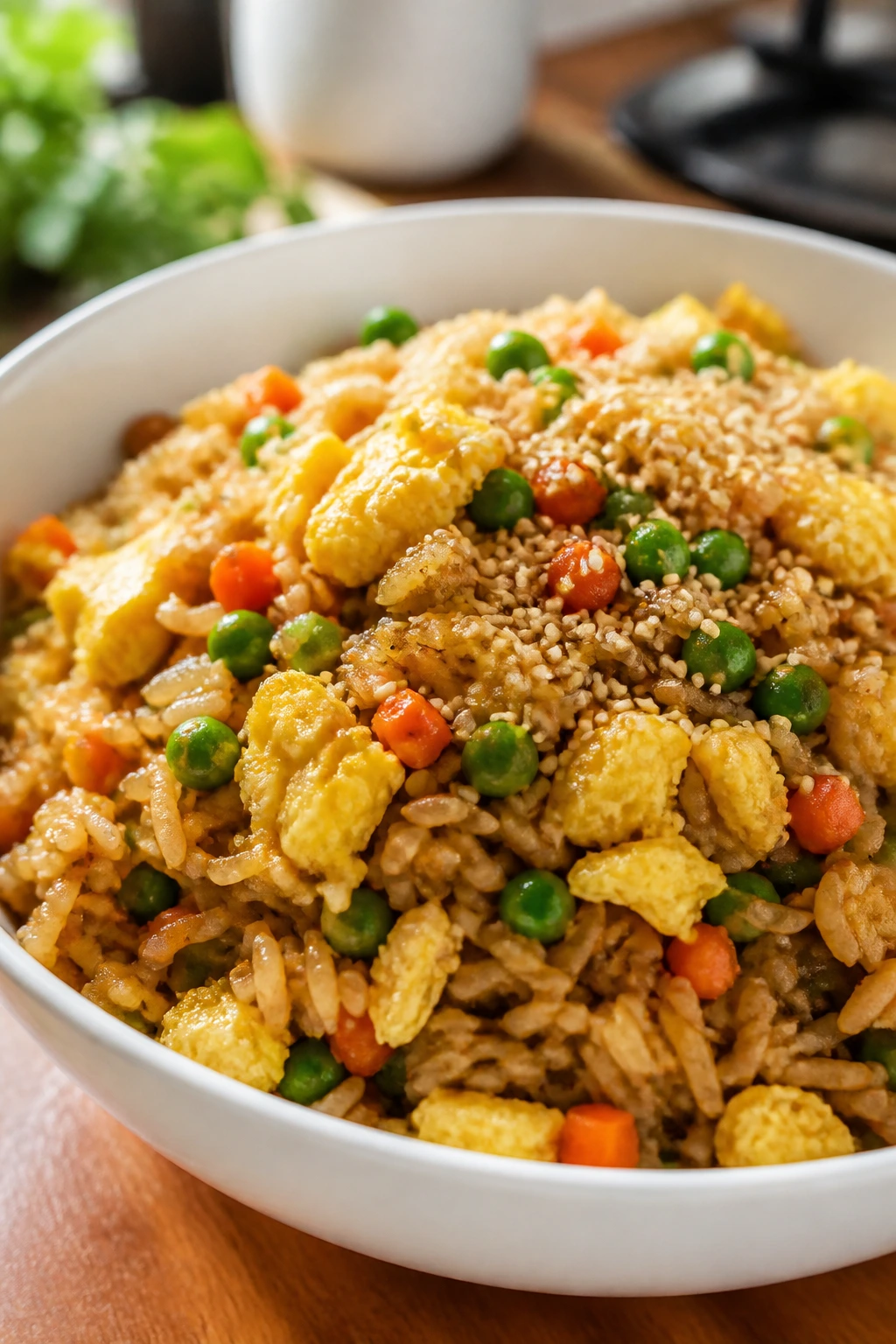
Fried rice loves leftovers and hates fuss. Cold rice, frozen vegetables, eggs, and a hot skillet are enough to make a dinner that feels quick, salty, and deeply useful when the fridge looks half empty.
The reason day-old rice matters is simple: dry, chilled grains separate in the pan instead of turning to mush. That means more toasted edges, more texture, and less of the sticky clump that ruins otherwise decent fried rice. The sesame oil goes in at the end because its flavor is fragile; cook it too hard and it disappears.
Key Ingredients:
- 3 cups cold cooked rice — day-old rice is best, but cooled rice works too.
- 3 large eggs, beaten — they add richness and body.
- 2 cups frozen mixed vegetables — peas, carrots, corn, or a blend.
- 2 tablespoons neutral oil — for high-heat frying.
- 2 tablespoons soy sauce — season to taste.
- 1 teaspoon sesame oil — added off heat for aroma.
- 2 scallions, sliced — brightens the finished bowl.
- 1 cup diced cooked ham, chicken, or edamame, optional — for extra protein.
- Black pepper, to taste — a little pepper goes a long way here.
Quick Steps:
- Heat 1 tablespoon of the oil in a large skillet or wok over medium-high heat. Add the beaten eggs and scramble them until just set, then transfer them to a plate.
- Add the remaining oil to the skillet. Stir in the frozen vegetables and cook for 2 minutes, until they are hot and any ice has cooked off.
- Add the cold rice, breaking up clumps with your spoon. Cook for 3 to 4 minutes, pressing it into the pan so some grains get lightly toasted.
- Pour in the soy sauce and add the cooked ham, chicken, or edamame if you are using it. Stir until everything is evenly colored and hot.
- Return the eggs to the skillet, add the scallions, and toss once more.
- Turn off the heat and drizzle with sesame oil. Taste for salt and add black pepper if you want a little edge.
Tips and Variations:
- If your rice is clumpy, break it up with wet fingers before it hits the pan.
- A scrambled egg folded in at the end gives a softer texture, while eggs cooked first give you more separate bites.
- A spoonful of chili crisp or sriracha on top changes the whole bowl with almost no effort.
Why These No Fuss Dinners Work So Well on Exhausted Evenings
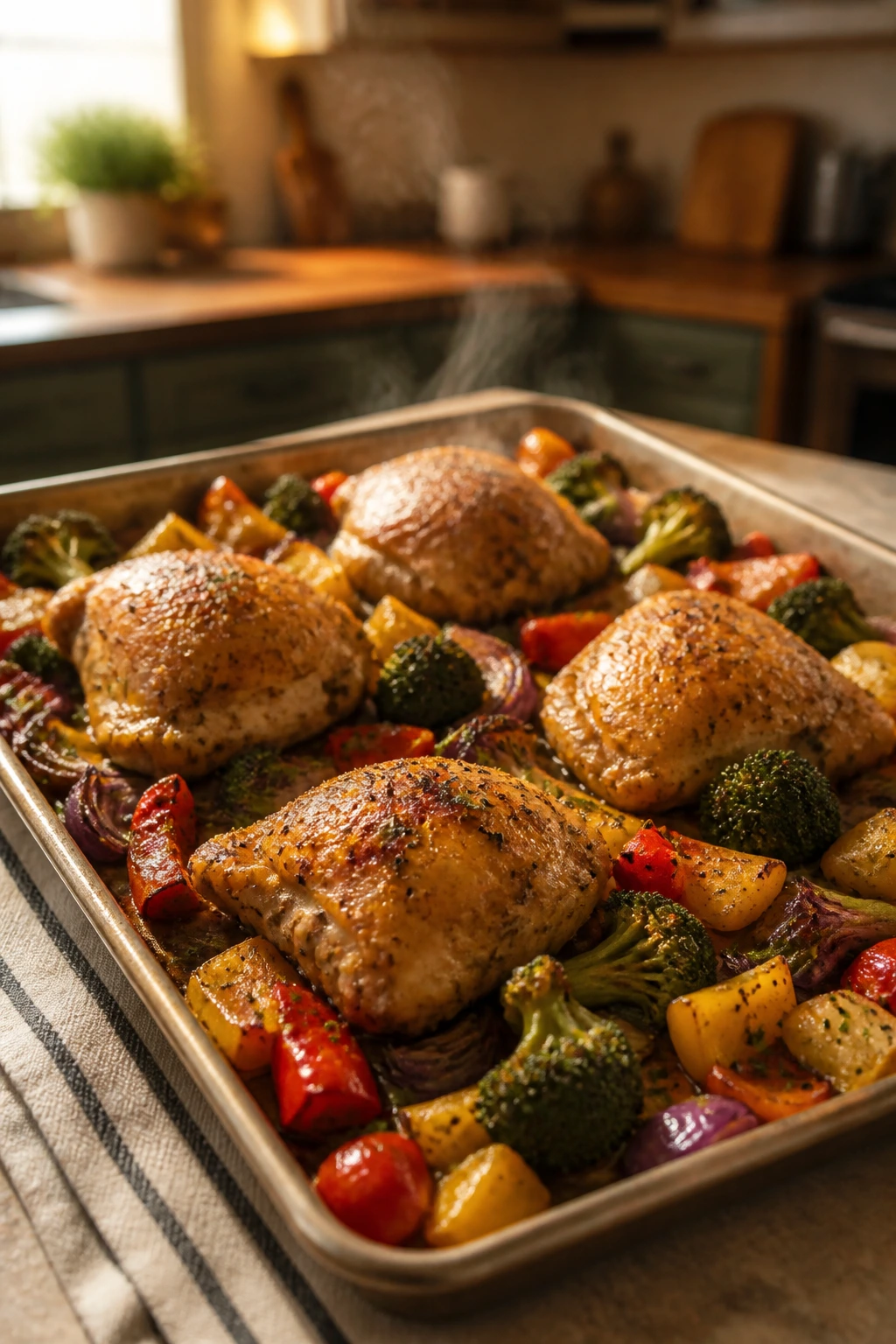
These recipes lean on a small set of moves that pay rent fast: roast, simmer, sear, toss, and melt. None of them asks for fussy knife work or a dozen specialty ingredients. That matters more than people admit. A long day makes decisions feel heavier than they should, and a dinner that uses a sheet pan or a single skillet removes half the friction before you even turn on the stove.
The structure is doing real work here. Chicken thighs forgive a hot oven. Tortellini and couscous cook fast enough to fit into the gap between getting home and answering one last message. Beans, rice, pasta, and frozen vegetables are useful because they show up ready to behave. You can stretch them, season them, and combine them without turning dinner into a project.
There is also a practical food-safety side to all of this. The USDA’s basic leftovers rule is simple: get cooked food into the fridge within 2 hours, and do it sooner if the room is warm. That sounds boring until you are trying to save tomorrow’s lunch or keep fried rice safe for later. The dull details keep the good parts of dinner from becoming a waste.
Essential Equipment That Keeps Weeknight Cooking Moving
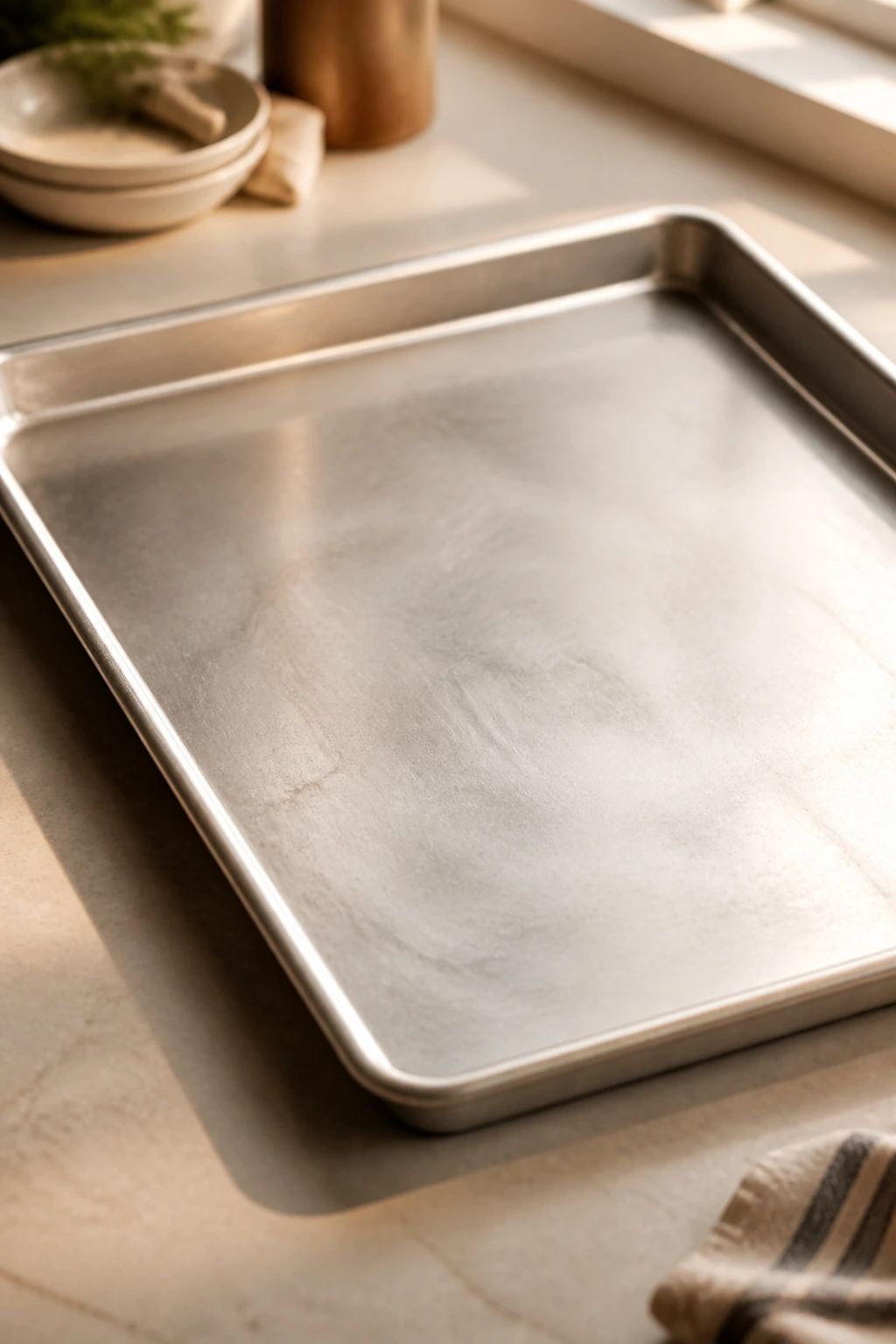
- Rimmed sheet pan — keeps juices from running off and gives vegetables room to brown instead of steam.
- 12-inch skillet with a lid — the workhorse for sausage, taco filling, fried rice, and pasta skillets.
- Large pot or Dutch oven — useful for soup, curry, and any one-pot dinner that needs room to simmer.
- Medium saucepan — handy for rice, couscous, or a quick batch of broth-based orzo.
- Sharp chef’s knife — makes quick work of onions, peppers, potatoes, and herbs.
- Cutting board — a sturdy board speeds everything up and keeps prep from feeling scattered.
- Wooden spoon or heatproof spatula — better for scraping browned bits and stirring without wrecking the pan.
- Colander — needed for pasta and for rinsing beans fast.
- Instant-read thermometer — worth owning for chicken, salmon, shrimp, and ground meat.
- Measuring cups and spoons — boring, yes, but they keep the seasoning and liquid ratios honest.
Smart Shopping for Fast Dinner Ingredients
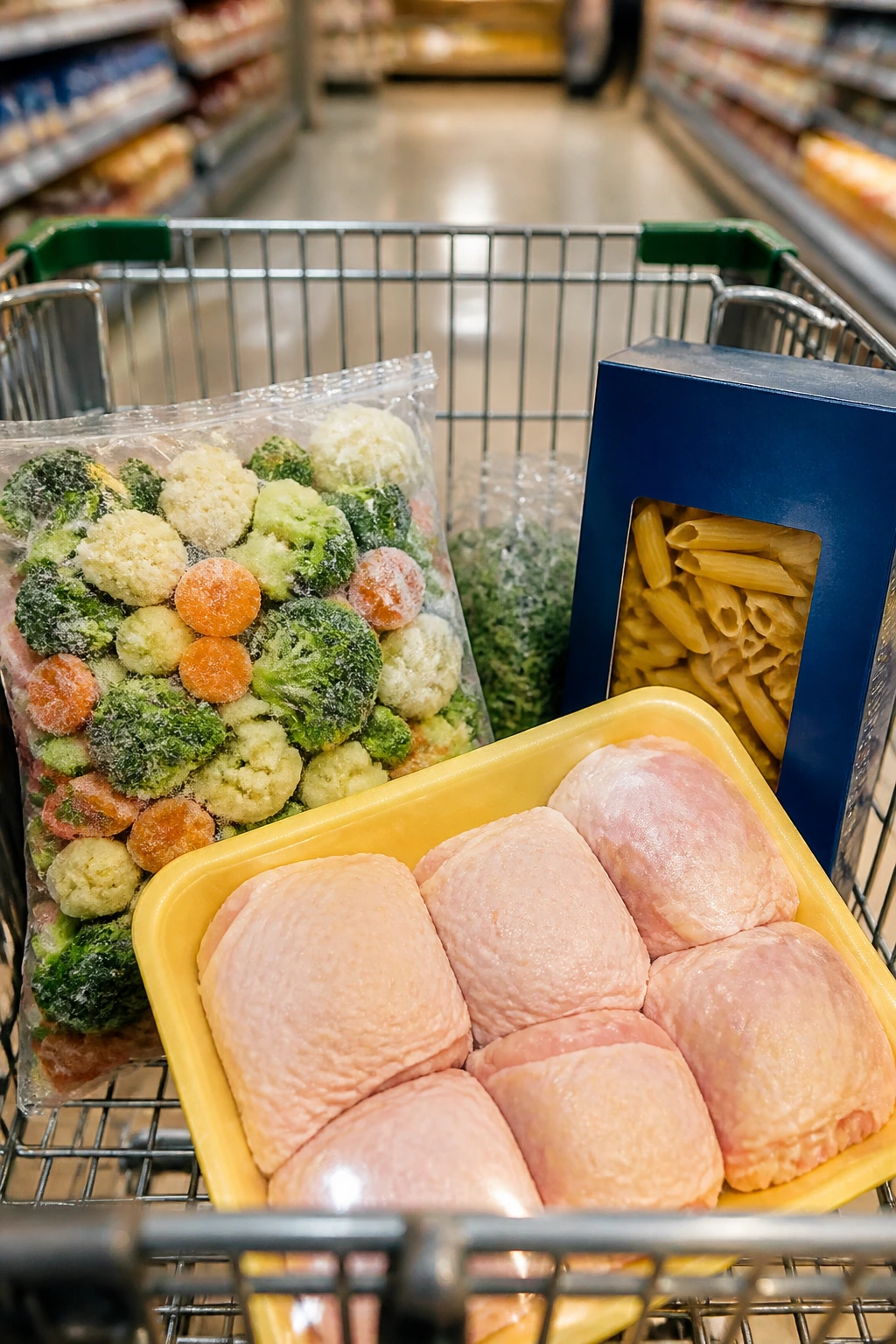
The easiest weeknight dinners start with ingredients that already know how to cook. Chicken thighs are more forgiving than breasts. Salmon fillets that are all the same thickness roast more evenly than the odd-shaped pieces that look cheap and then behave badly in the oven. With sausage, look at the first few ingredients on the package; if meat is the first thing listed, that usually beats a link that reads like a salt bomb with filler.
Frozen vegetables are not a compromise here. They are a shortcut with manners. Frozen broccoli, snap peas, corn, and mixed vegetables all work because they were picked and packed at decent ripeness, and they save you from trimming, peeling, and scraping when you are already tired. Canned beans should be rinsed unless the recipe leans on the starchy liquid, and low-sodium broth is a better buy than regular broth because it lets you season with more control.
Pasta shapes matter more than people think. Ridges catch pesto. Elbows hold onto cheese sauce. Orzo gives you a pasta that behaves like a grain and cooks fast enough for a tired night. Tortellini and couscous are the same kind of smart: they shorten the path to dinner without making the meal feel thin. If you keep a small set of these staples around, the fridge starts looking less like a problem and more like a drawer of possibilities.
Make-Ahead, Storage, and Reheating Without Drying Things Out
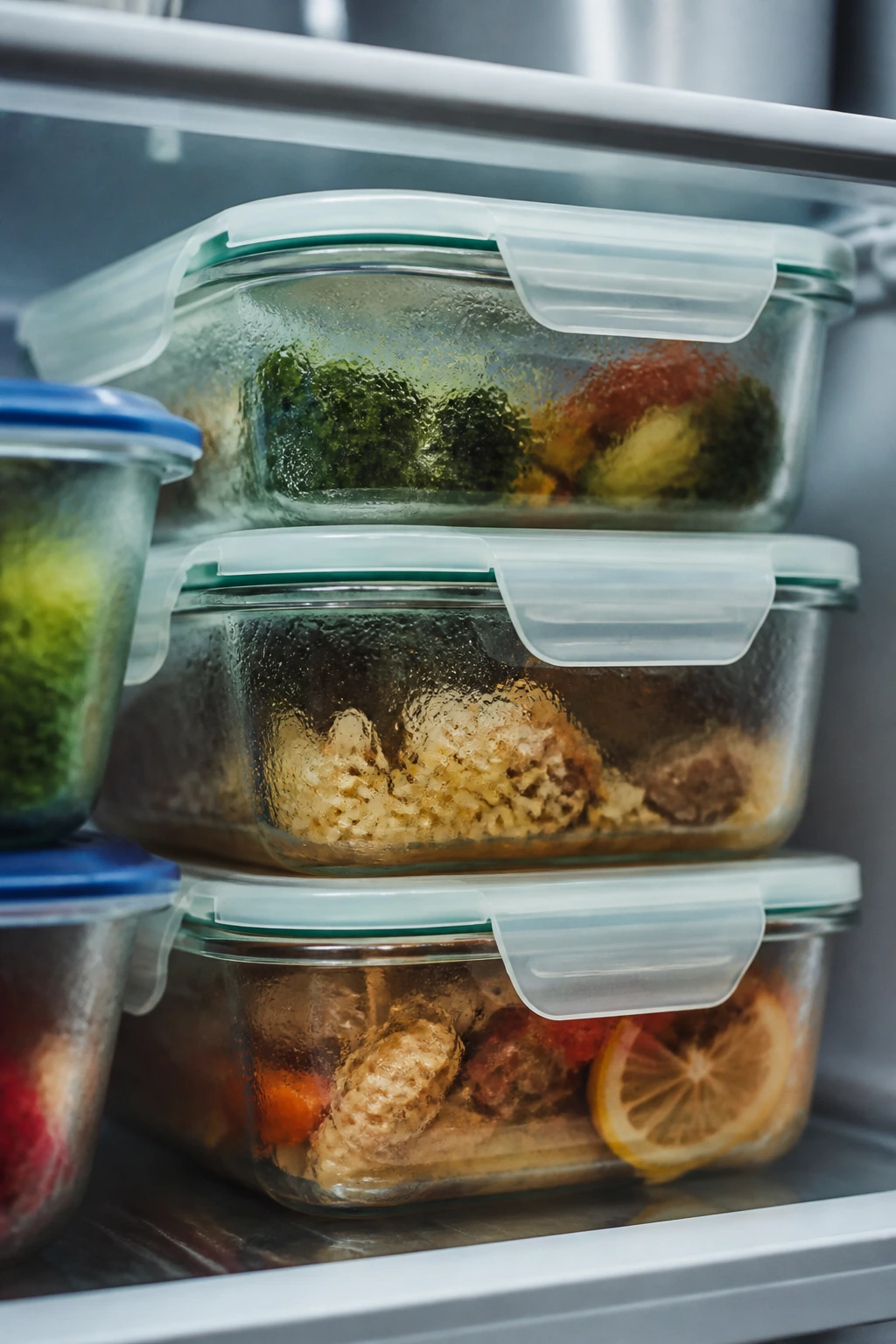
Most of these dinners keep well in the fridge for 3 to 4 days, as long as you cool them within 2 hours and pack them into shallow containers. Seafood is the exception. Shrimp and salmon are best within 1 to 2 days, and they usually taste better when reheated gently instead of blasted in the microwave. Creamy tortellini soup can hold for about 3 days, but the pasta softens the longer it sits, so if you know you want leftovers, keep the tortellini a little underdone the first time.
Freezing works best for the sturdier recipes: sausage and rice, taco filling, chickpea curry, cheeseburger pasta, and some chicken dishes. Most of those freeze for up to 2 months without complaint. Let them cool first, then freeze in portions that thaw quickly. A flat, shallow container freezes and reheats better than one giant block, and it makes the whole thing feel less like archaeology when you open the freezer later.
Reheating is where a lot of leftovers go sideways. Add a tablespoon or two of water or broth to rice, pasta, and skillet meals before warming them on low heat. Cover the pan for a minute or two so the steam does the softening instead of scorching the bottom. For sheet-pan dinners, use a 325°F oven until heated through; that keeps the chicken skin or potato edges from turning leathery. Fried rice and pasta usually do best in a skillet. Soup goes on the stove. Seafood should be warmed gently, if at all — sometimes cold shrimp in a salad the next day is the smarter move.
Easy Swaps and Adaptations to Keep in Rotation
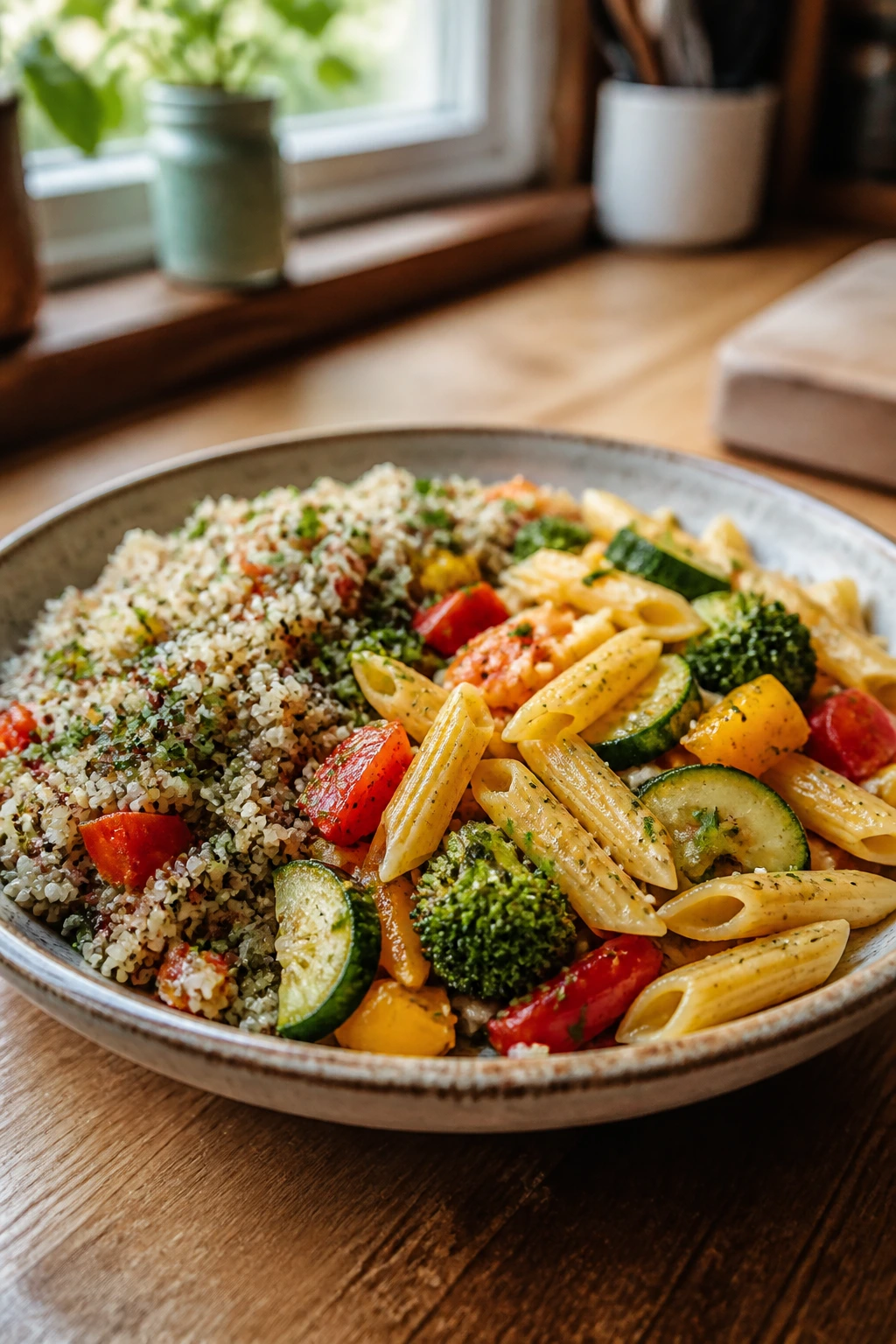
Gluten-Free Swaps: Use rice, couscous alternatives like quinoa, corn tortillas, gluten-free pasta, and tamari instead of soy sauce. The structure of these dinners does not change much; the main thing is to watch sauces and seasoning blends for hidden wheat.
Dairy-Light Versions: Skip heavy cream in the tomato soup and use coconut milk or extra broth instead. Cheese can be reduced in the taco bowls, enchilada skillet, and quesadillas without making the meals dull, especially if you finish with lime, herbs, or a sharp salsa.
Vegetarian Rotation: Swap tofu into the stir-fry, chickpeas into the curry, black beans into the taco bowls, and extra vegetables into the pasta or fried rice. The idea is not to force every meal into the same shape; it is to keep the same cooking rhythm while changing the protein.
Lower-Sodium Cooking: Choose low-sodium broth, rinse canned beans, and lean on lemon, lime, garlic, and herbs for brightness. It is easier to add salt at the table than to take it back out of a skillet, and these dinners give you enough flavor tools to season with more restraint.
Heat It Up or Dial It Back: Red pepper flakes, hot salsa, spicy sausage, and chili crisp will push several of these meals toward the hotter end of the scale. If you need them milder, keep the sausage sweet, use mild salsa, and skip the chile flakes altogether. The base recipes are forgiving enough to handle both directions.
Common Mistakes That Turn a Fast Dinner Into a Mess
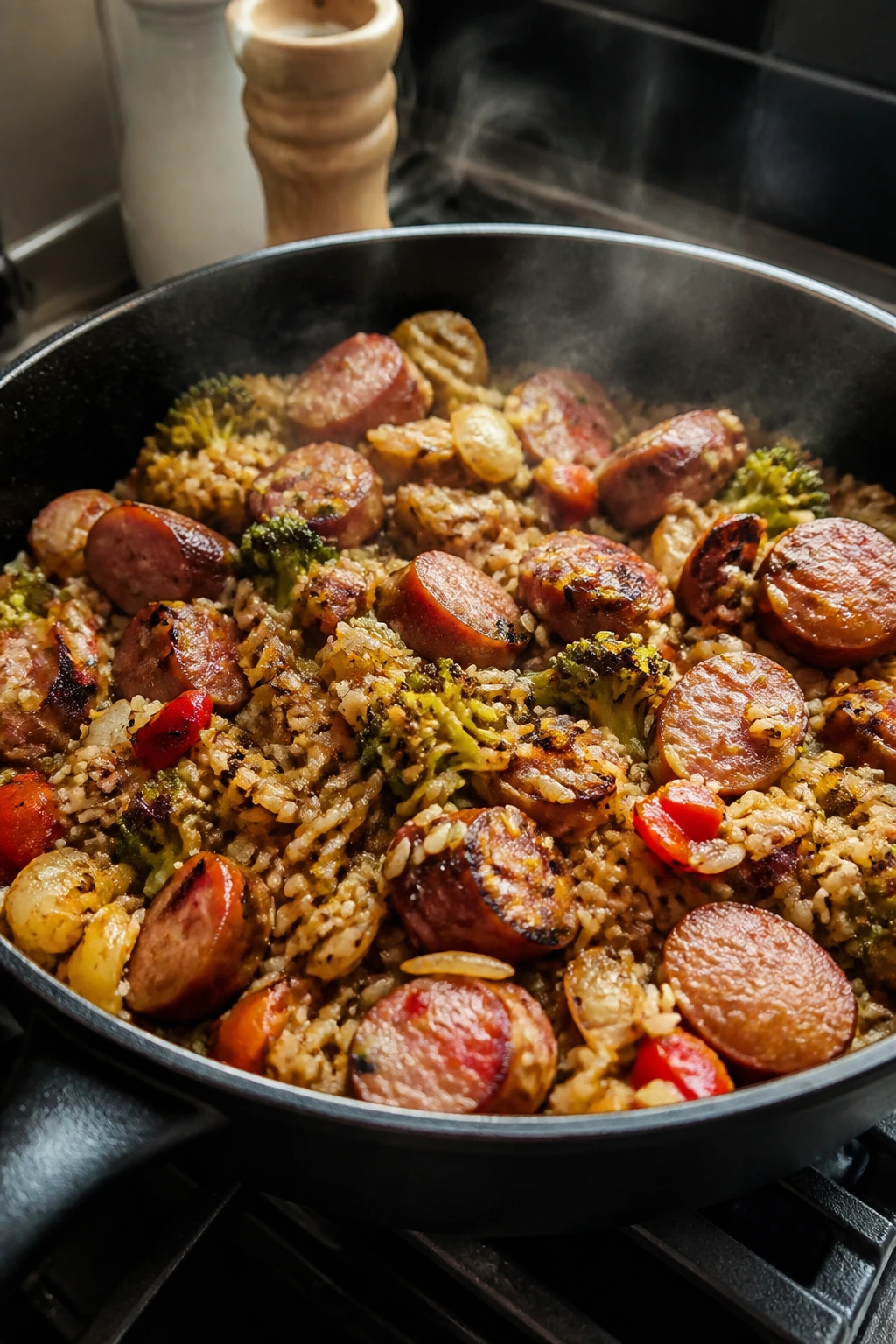
- Crowding the pan — If the skillet is packed, food steams instead of browns. That matters with sausage, tofu, beef, and even vegetables.
- Using the wrong rice — Hot, freshly cooked rice turns sticky in fried rice and skillet meals. Cold or day-old rice behaves better because the grains are drier.
- Overcooking quick proteins — Shrimp, salmon, and chicken breast move fast once they hit heat. Pull them when they are just done and let carryover cooking finish the job.
- Under-seasoning early — A sauce made from broth or tomatoes usually needs salt before the end, not only after you taste it at the table.
- Adding delicate ingredients too soon — Spinach, herbs, cream, and sesame oil should go in at the end, not when the pan is screaming hot.
The other mistake is mental, not culinary. People treat “easy” dinner like it should taste flat. It does not. Fast food at home can still have browned edges, bright herbs, and a sauce that tastes like it was thought through. The shortcut is in the method, not in the flavor.
Questions People Ask Before They Cook These

Can I swap chicken breasts for chicken thighs?
Yes, but keep a close eye on them. Chicken breasts cook faster and dry out sooner, so check them early and pull them once they hit 165°F in the thickest part.
Which of these dinners is fastest on a truly tired night?
Fried rice, quesadillas, turkey taco bowls, and shrimp scampi move very quickly because the ingredients are either already cooked or cook in minutes. If you are on fumes, start there.
Do I need fresh vegetables for all of these?
No. Frozen broccoli, corn, snap peas, and mixed vegetables work well, and in some recipes they are the smarter choice. Fresh vegetables are nice when they are good, but tired people do not need extra trimming.
What is the best way to make these ahead?
Prep the vegetables, mix the sauces, and cook the grains in advance. For dishes with rice or pasta, cook them slightly under so they finish cleanly during reheating instead of turning soft.
Can these meals be made without a lot of special equipment?
Mostly, yes. A skillet, a pot, a sheet pan, a sharp knife, and a thermometer handle nearly everything here. A wok is nice for fried rice, but a large skillet works fine.
Which dinners freeze the best?
The taco skillet, chickpea curry, sausage and rice, and cheeseburger pasta freeze well for about 2 months. Seafood and cream-heavy dishes are less forgiving, so keep those fresh when you can.
How do I keep pasta and rice from turning mushy when I reheat them?
Use a little water or broth, cover the pan, and reheat over low heat until the steam loosens the grains or noodles. High heat dries the outside before the middle warms through.
A Calmer Way to End the Day
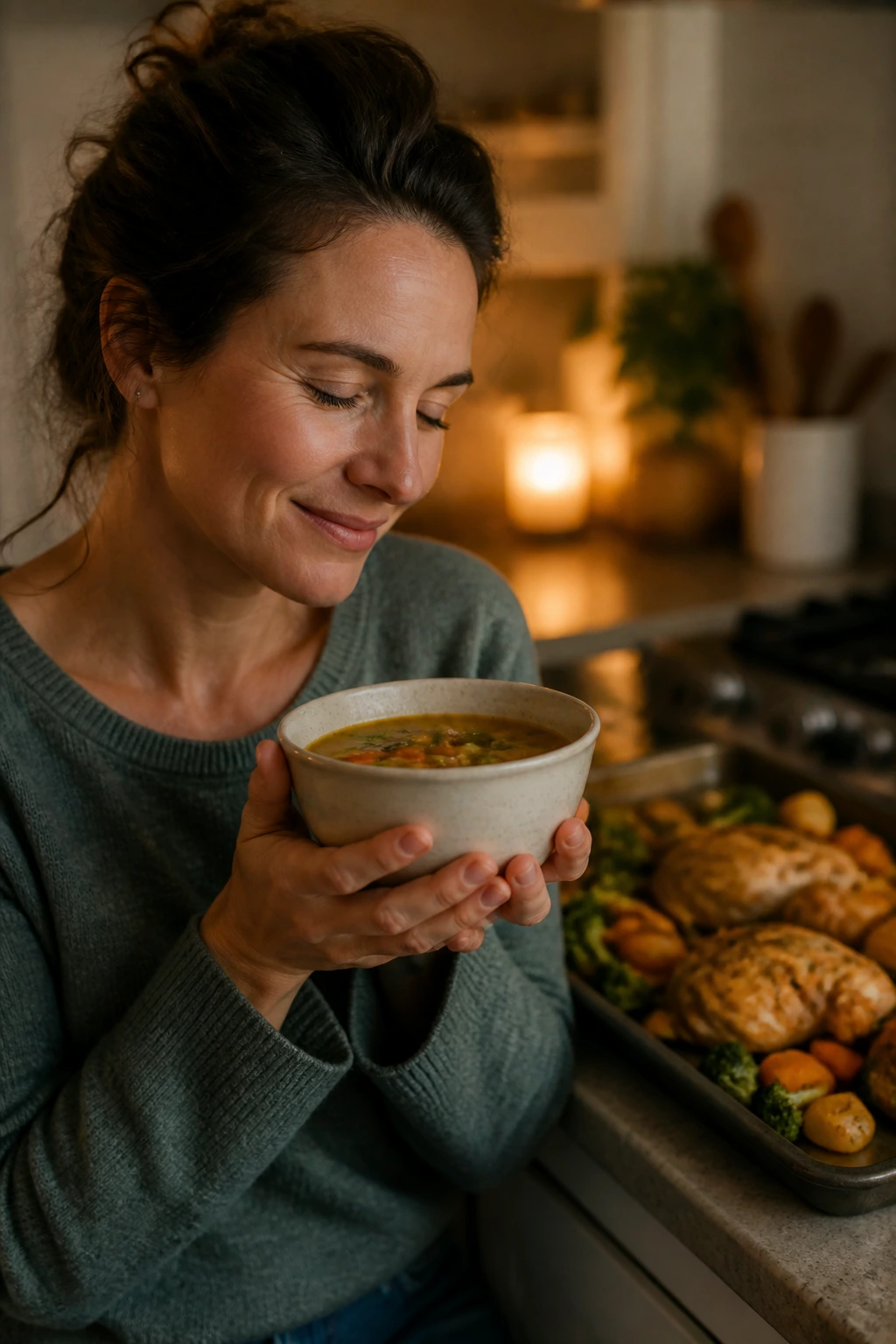
A good after-work dinner does not need to be clever. It needs to be hot, steady, and forgiving. A sheet pan of chicken and vegetables, a skillet of sausage and rice, a bowl of curry or soup — these are the kinds of meals that take the edge off a long day without asking you to become a different person first.
Keep a few of them in rotation and the evening stops feeling so sharp around the edges. The stove does some of the work, the leftovers take care of tomorrow, and dinner starts to feel like a useful habit instead of a nightly negotiation.