



A sticky homemade stir fry sauce can turn an ordinary skillet into something that smells like garlic, soy, ginger, and toasted sesame in about five minutes flat. The difference between a glossy lacquer and a sad puddle at the bottom of the bowl usually comes down to a small handful of decisions: the salt level in the soy sauce, the kind of sugar you use, and whether you give the cornstarch enough heat to do its job.
Bottled stir fry sauce often tastes loud in one direction and flat in every other. Too salty. Too sweet. Sometimes both at once, with a weird glossy sheen that never quite clings to the vegetables. A good homemade version behaves differently. It coats broccoli florets, sits cleanly on sliced chicken, and leaves a little shine on the wok instead of a sugary smear.
That’s the part I love about this sauce. It looks simple, and it is simple, but the balance matters in a way that shows up immediately in the pan. Once you know the ratio, you can stop shopping the sauce aisle like it’s a gamble and start making a jar that works with whatever protein or vegetables you’ve got in the fridge.
Why You’ll Keep Coming Back to This Sticky Stir Fry Sauce
-
Fast Finish: The whole sauce comes together in about 15 minutes, and most of that time is whisking and waiting for the pan to reach a gentle simmer.
-
Glossy Cling: Brown sugar, honey, and cornstarch work together so the sauce coats chicken, tofu, noodles, and vegetables instead of draining to the bottom.
-
Pantry-Heavy: Soy sauce, vinegar, sugar, sesame oil, garlic, ginger, and cornstarch are all easy to keep on hand, so this does not depend on a special shopping trip.
-
Easy to Tune: A teaspoon of vinegar makes it sharper, a spoonful of water loosens it, and an extra bit of honey pushes it toward a stickier finish.
-
Takeout Style Without the Bottle: Fresh garlic and ginger give the sauce a clean, bright smell that bottled versions usually lose somewhere between the factory and your fridge.
-
Works Across Dinners: Chicken, beef, shrimp, mushrooms, broccoli, snap peas, cabbage, noodles—this sauce follows the same rules every time, which makes dinner less fussy.
What Makes It Glossy Instead of Watery
A stir fry sauce gets that sticky, takeout-style finish when three things happen at once: water cooks off, sugar concentrates, and starch thickens the liquid into a light glaze. Leave out any one of those, and you get a sauce that tastes fine but behaves badly in the pan.
The easiest way to think about it is this: soy sauce brings the salt and color, sugar brings body, and cornstarch brings the cling. Honey helps the sauce stay tacky as it cools, while rice vinegar keeps the whole thing from tasting like sweet soy syrup. That little bit of acid matters more than people expect. Without it, the sauce lands heavy and dull.
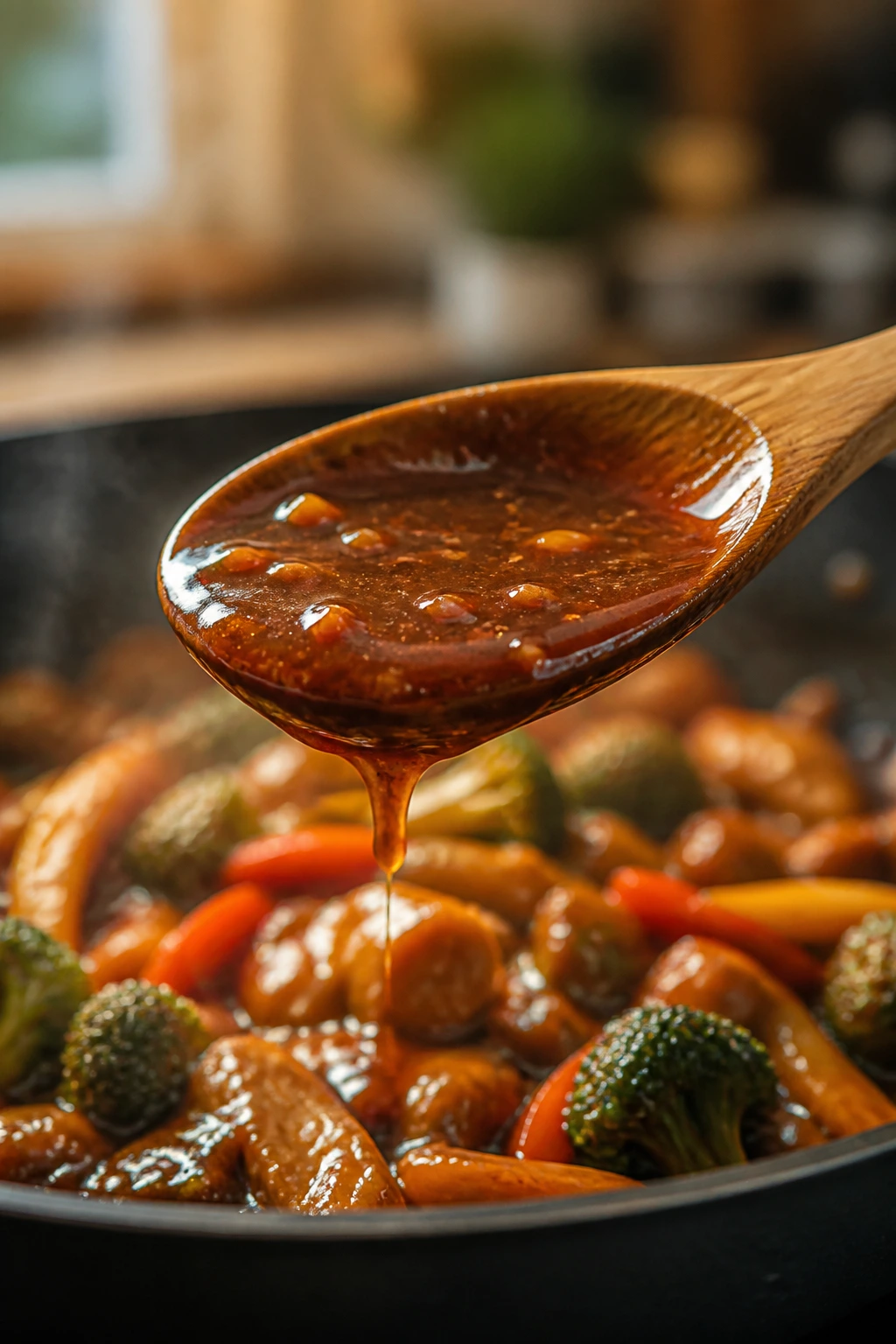
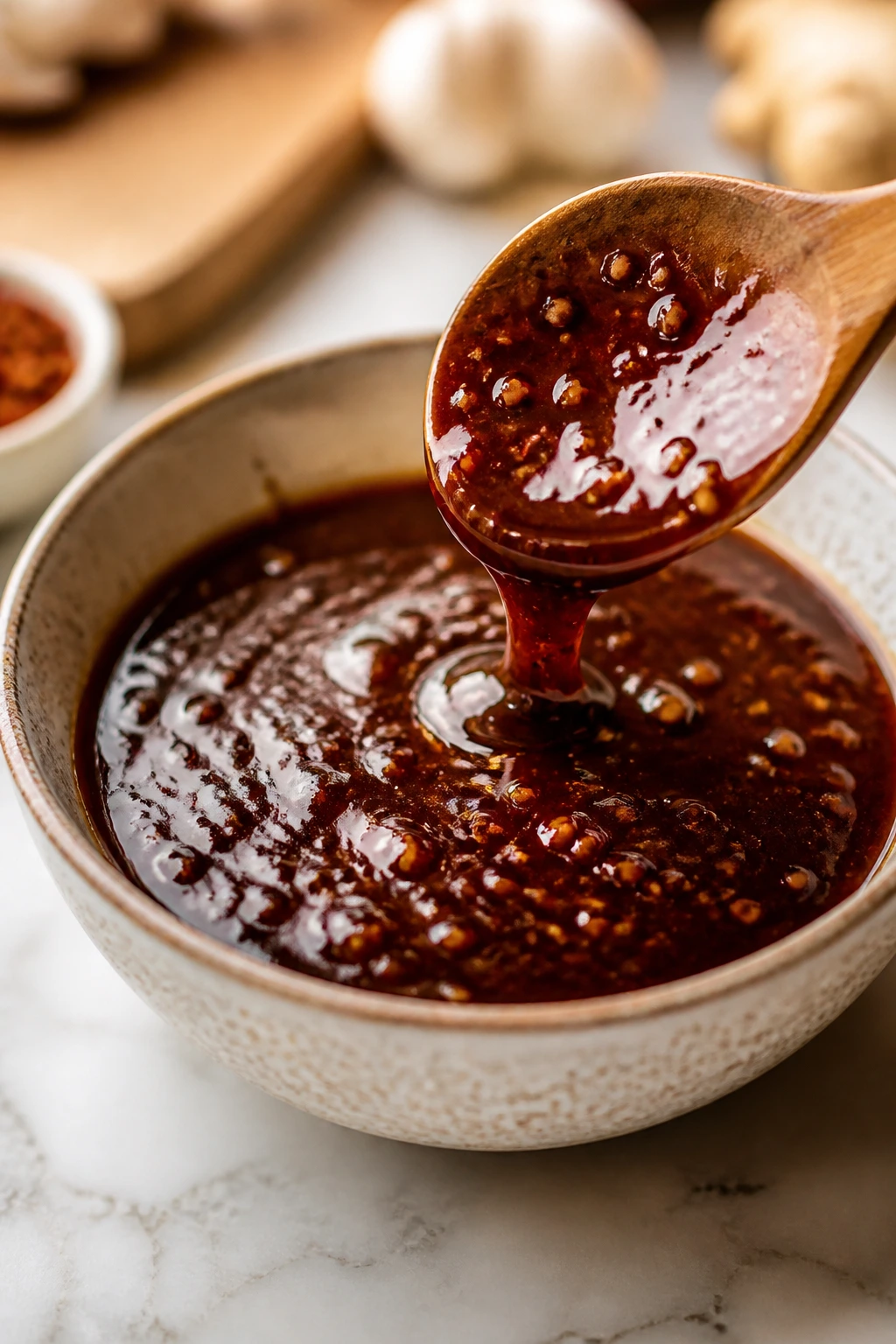
Cornstarch is doing more than just thickening. Once it heats up enough, it swells and locks the liquid into a loose sheen that coats food instead of soaking into it. That is why the sauce needs a real simmer, even if it’s only for 30 to 45 seconds after the slurry goes in. Too little heat, and the starch tastes raw. Too much, and the sauce can tighten into a gluey finish once it cools.
I also like that this style of sauce forgives timing better than a cream sauce or a butter sauce. You can make it ahead, hold it for a little while, or toss it with a wok full of vegetables and protein at the end without panic. It still has one critical moment, though. The sauce has to cross from thin and shiny to just thick enough to coat the back of a spoon. That’s the sweet spot.
The Serving and Timing Snapshot
Yield: About 1 1/4 cups, enough for 1 1/2 pounds of stir-fry meat and vegetables or 4 generous servings
Prep Time: 10 minutes
Cook Time: 4 to 5 minutes
Total Time: 15 minutes
Difficulty: Beginner — the process is straightforward, but you do need to watch the simmer and pull it off the heat at the right moment.
Best Served: Warm, right after thickening, or tossed into a hot stir-fry within a few minutes
Chill/Rest Time: None required; the sauce thickens a little more as it sits
For the Sticky Stir Fry Sauce:
- 1/2 cup low-sodium soy sauce
- 1/2 cup water or low-sodium chicken broth
- 3 tablespoons packed light brown sugar
- 1 tablespoon honey
- 2 tablespoons rice vinegar
- 1 tablespoon oyster sauce, optional but strongly recommended for deeper savoriness
- 2 teaspoons toasted sesame oil
- 2 cloves garlic, finely grated
- 1 teaspoon fresh ginger, finely grated
- 1 tablespoon cornstarch
- 2 tablespoons cold water, for the slurry
- 1/4 teaspoon crushed red pepper flakes, optional
- 1 teaspoon finely sliced scallions, optional for finishing
That ingredient list is short on purpose. The sauce works because each piece does a clear job, not because the bottle is crowded. If you like a darker, deeper glaze, there are a few smart tweaks later on, but this base version is the one I reach for most.
Why Each Ingredient Belongs in the Pan
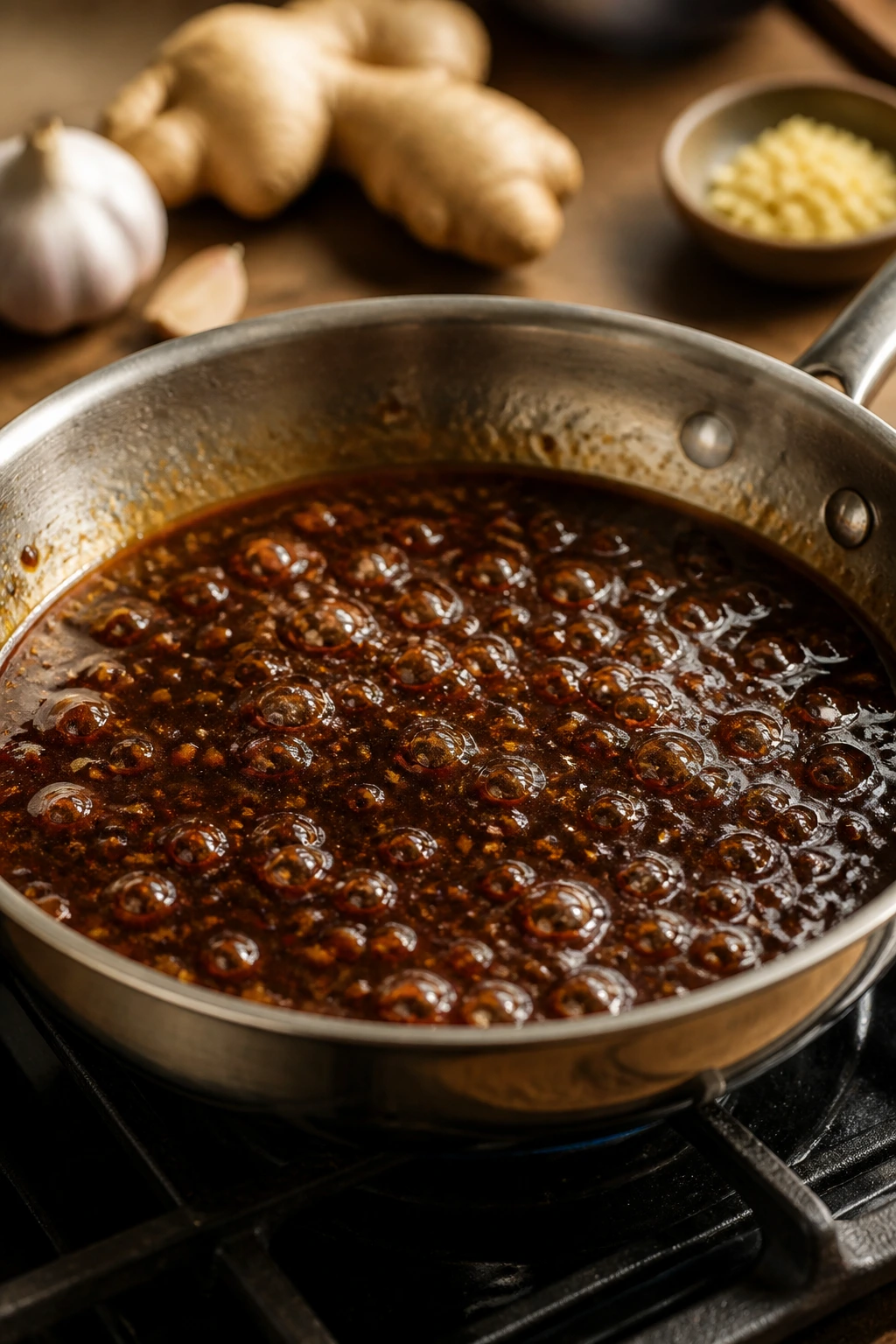
Soy Sauce and the Savory Base
What to use: 1/2 cup low-sodium soy sauce plus 1/2 cup water or low-sodium chicken broth.
Preparation: Measure both before you start heating the pan so the sugar has something to dissolve into right away.
Substitutions: Tamari works 1:1 for gluten-free cooking, and coconut aminos can replace part of the soy if you want a softer, sweeter sauce.
Tips: Low-sodium soy leaves room for oyster sauce, sesame oil, and any salt already in your stir-fry ingredients. Regular soy sauce works too, but the finished sauce can get pushy fast.
Sweeteners That Make the Sauce Stick
What to use: 3 tablespoons packed light brown sugar and 1 tablespoon honey.
Preparation: Break up any hard brown sugar clumps with your fingers or the back of a spoon before it goes into the pan.
Substitutions: Maple syrup can stand in for honey, though it gives the sauce a slightly rounder, less floral finish. Dark brown sugar adds a deeper molasses note if that’s the direction you want.
Tips: Brown sugar does more than sweeten; it helps the sauce darken and cling. Honey keeps the glaze tacky once it cools on food, which is why I would not skip it unless you need to.
Acid and Aromatics for Lift
What to use: 2 tablespoons rice vinegar, 2 cloves garlic, and 1 teaspoon fresh ginger.
Preparation: Grate the garlic and ginger finely so they disappear into the sauce instead of leaving sharp little bits behind.
Substitutions: Apple cider vinegar works in a pinch, though the flavor is less clean. Jarred ginger paste or garlic paste can be used if that is what you have, but fresh gives a brighter finish.
Tips: Rice vinegar keeps the sauce from tasting flat or sticky-sweet. If you notice the sauce feeling heavy, it usually needs another half teaspoon of vinegar more than it needs more sugar.
Thickener and Finishing Notes
What to use: 1 tablespoon cornstarch mixed with 2 tablespoons cold water, plus 2 teaspoons toasted sesame oil and 1/4 teaspoon crushed red pepper flakes if you want heat.
Preparation: Whisk the cornstarch and cold water in a separate bowl until the mixture looks milky and smooth, with no dry pockets.
Substitutions: Arrowroot can replace cornstarch, though it gives a slightly more delicate sheen and can thin out if boiled hard. Toasted sesame oil should not be replaced with plain sesame oil; the toasted version has the deep, nutty smell that makes the sauce read as stir fry sauce.
Tips: The slurry must be cold when it goes into the hot pan, or it can clump on contact. Add sesame oil at the end so its aroma stays noticeable instead of cooking off.
The Small Tools That Keep It Smooth
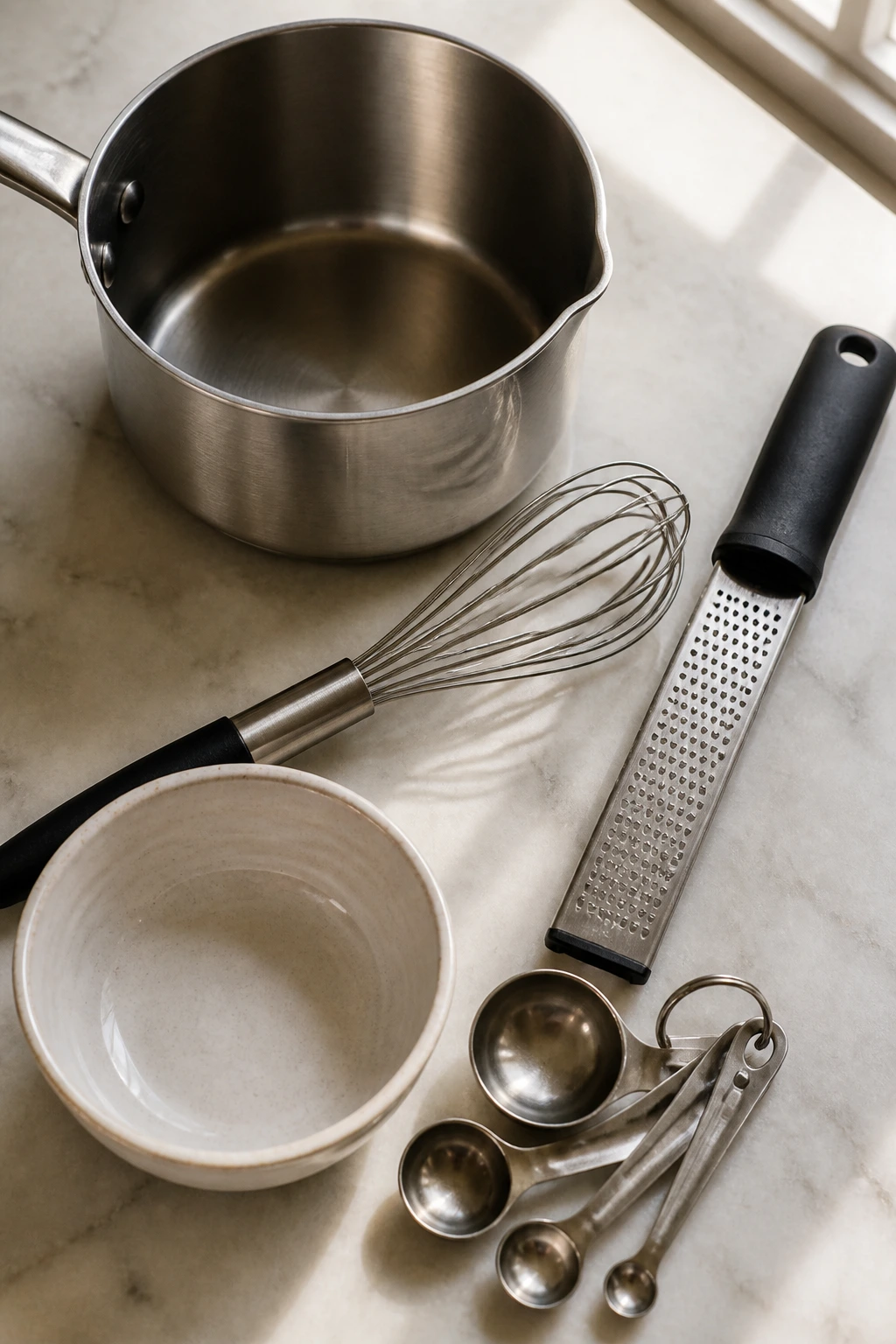
You do not need a lot of gear for a sauce like this. A saucepan, a whisk, and one bowl will get you most of the way there.
-
Small saucepan, 1 to 2 quarts: A narrow pan lets the sauce simmer without spreading out too thin and evaporating too fast.
-
Whisk: This keeps the cornstarch slurry moving and prevents those tiny starch lumps that hide until the sauce hits heat.
-
Microplane or fine grater: Fresh garlic and ginger behave much better when they’re grated instead of chopped. You want them to melt into the glaze.
-
Measuring cups and spoons: This sauce is all about ratio. Eyeballing the sugar or vinegar is how the balance slips.
-
Small mixing bowl: You need a separate bowl for the cornstarch slurry. Skipping it is how clumps happen.
-
Heatproof jar or container: If you make the sauce ahead, a jar with a tight lid is cleaner than plastic wrap over a bowl.
-
Fine-mesh strainer, optional: If you want the smoothest possible sauce, strain out the garlic and ginger before the final simmer. I don’t always bother, but it is useful for a very glossy finish.
How to Make the Sauce Step by Step
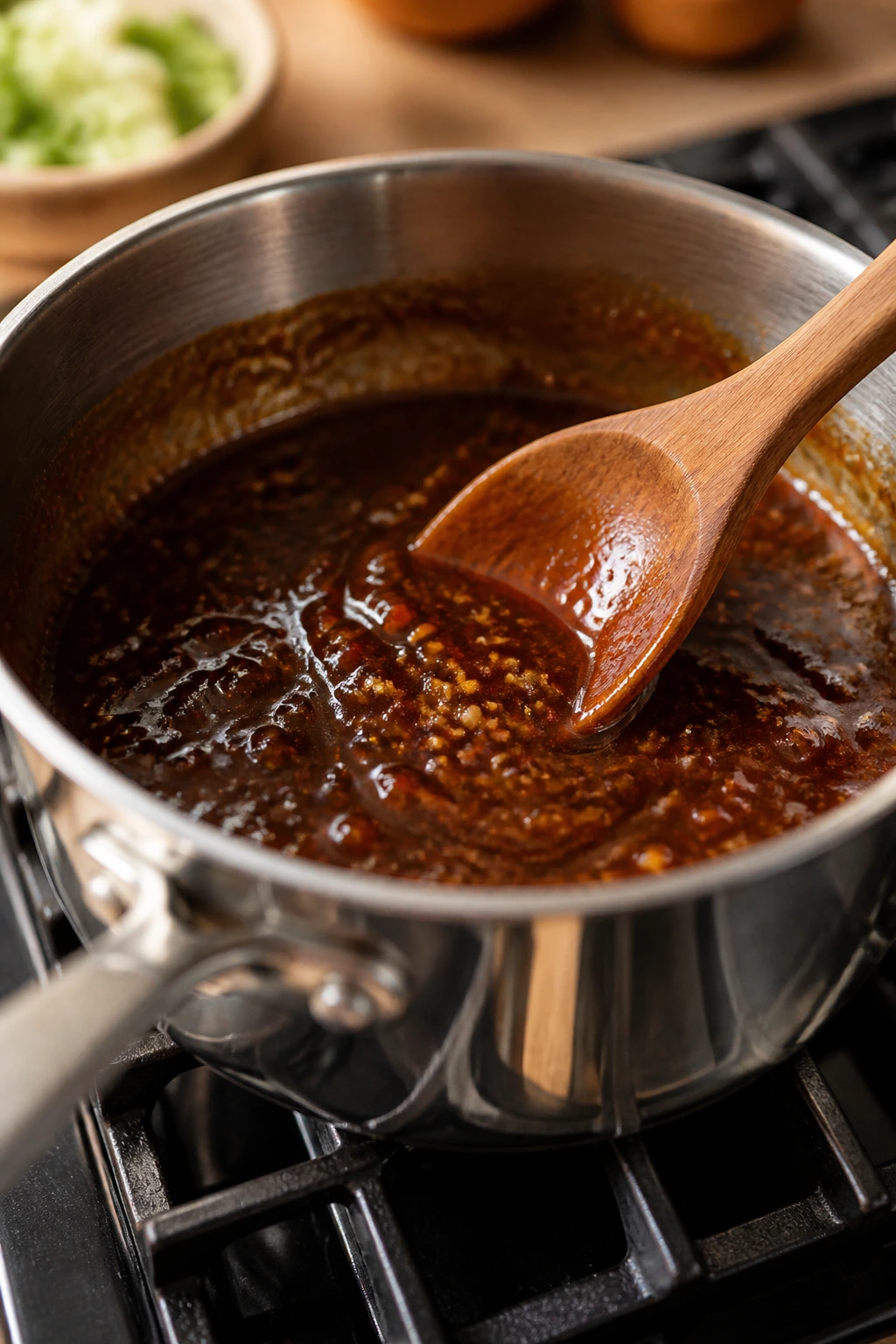
Mix the Base
-
In a small saucepan, whisk together the soy sauce, water or broth, brown sugar, honey, rice vinegar, oyster sauce, sesame oil, garlic, ginger, and crushed red pepper flakes if you’re using them.
-
Keep whisking until the sugar looks dissolved and no dark granules are sitting on the bottom of the pan. The mixture should smell savory and bright, not sharp or raw.
Prepare the Slurry
- In a small bowl, whisk the cornstarch and cold water together until the mixture looks smooth and milky. Do not add dry cornstarch directly to the pan; it will clump the moment it touches hot liquid.
Heat and Thicken
-
Set the saucepan over medium heat and bring the sauce to a gentle simmer, stirring often, until tiny bubbles form around the edges and the sugar has fully melted into the liquid, about 2 minutes.
-
Whisk the cornstarch slurry again, then pour it into the saucepan in a slow stream while whisking constantly. Keep the sauce moving for 30 to 45 seconds, until it turns glossy and starts to coat the back of a spoon in a thin layer. Pull it off the heat as soon as it thickens; if you boil it too long, it can set up too tightly as it cools.
Taste and Finish
-
Taste the sauce and adjust if needed. Add a teaspoon of water if it feels too thick, another teaspoon of rice vinegar if it tastes flat, or a pinch more brown sugar if the soy is coming through harder than you like.
-
Use the sauce right away in a hot stir-fry, or cool it slightly and transfer it to a jar. The sauce will tighten a little as it stands, which is normal, so a quick stir before using helps.
That’s the whole trick. The sauce does not need a long simmer or a complicated reduction. It needs heat, movement, and a little restraint.
How to Use It in a Stir-Fry
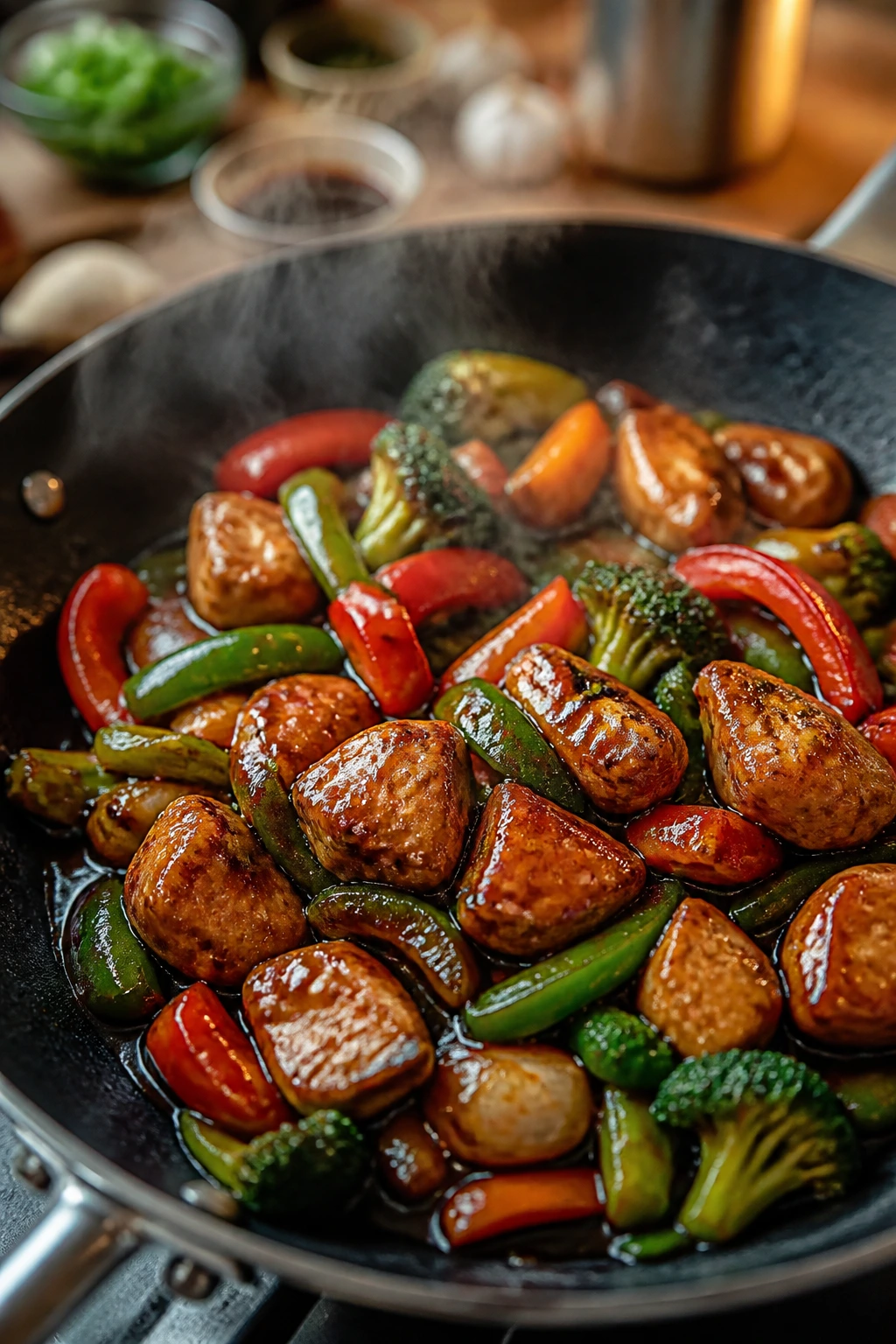
The best place to use this sauce is at the end of cooking, when your vegetables are already crisp-tender and your protein is cooked through. That timing matters. If the sauce sits in the pan too long, the sugar can darken fast and the garlic can take on a bitter edge.
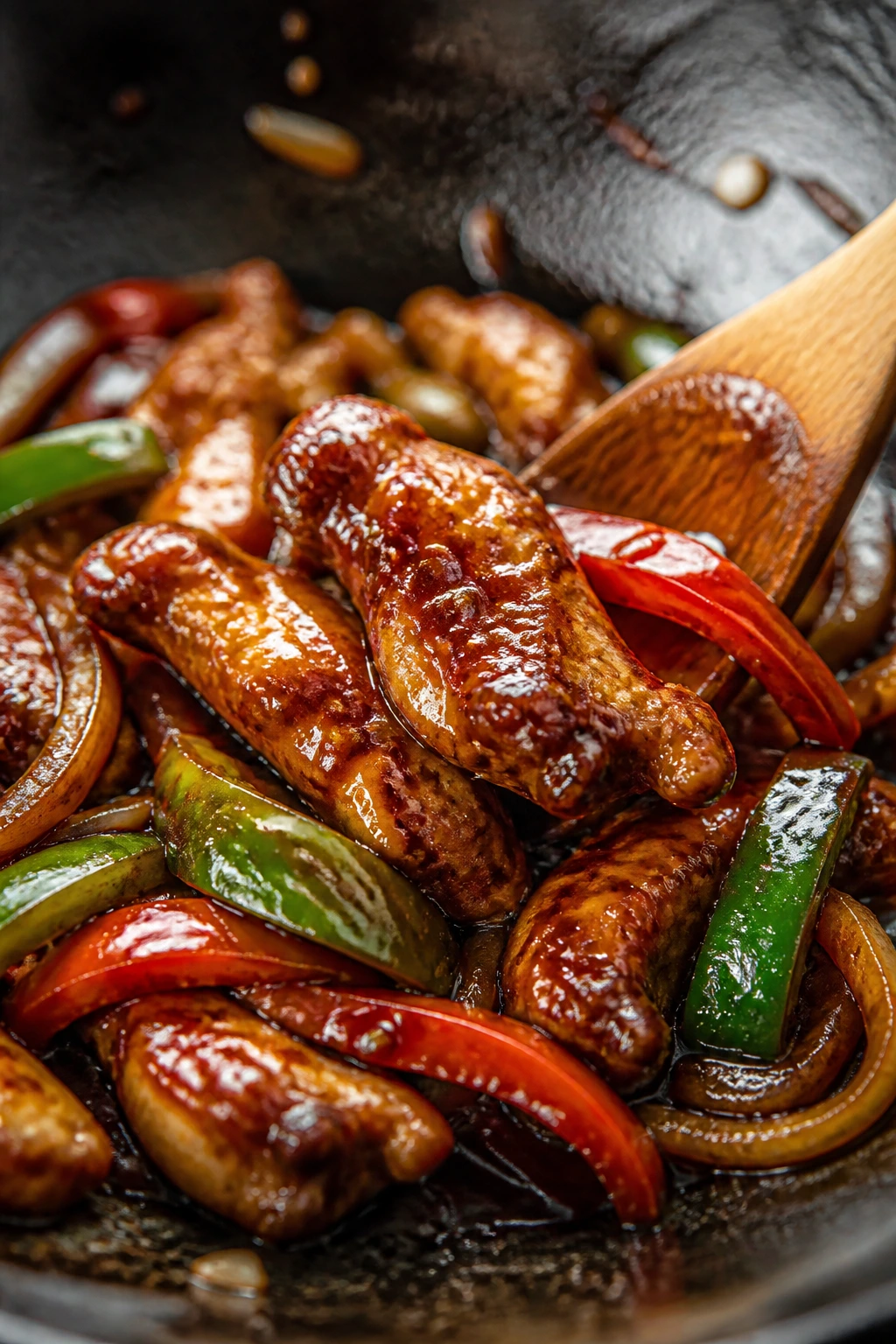
For chicken or beef, I like to sear the meat first, pull it out, cook the vegetables, and then return the meat to the pan before adding the sauce. That way the sauce lands on hot food, not on raw ingredients, and it turns into a thin lacquer instead of a simmering broth. About 1 recipe batch will coat 1 1/2 pounds of protein and vegetables, though a very vegetable-heavy pan may want a little extra water to keep things loose.
With tofu, the trick is surface texture. Pan-fried tofu with a little crust holds the sauce best. Soft tofu will drink it in and lose the shiny finish, which is fine if that is what you want, but it’s not the same result.
Noodles need a different hand. Toss the cooked noodles with the sauce off the heat, then add a splash or two of noodle water if they seem to grab too tightly. Rice noodles, lo mein, and udon all behave a little differently, but the same rule holds: hot noodles, hot sauce, fast toss. Slow stirring turns them gummy.
Vegetables matter too. Broccoli, snap peas, cabbage, mushrooms, bell peppers, and bok choy all work because they either stay firm or give up just enough moisture without collapsing. Delicate greens like spinach need almost no time at all. Toss, coat, and serve. Done.
How to Serve It
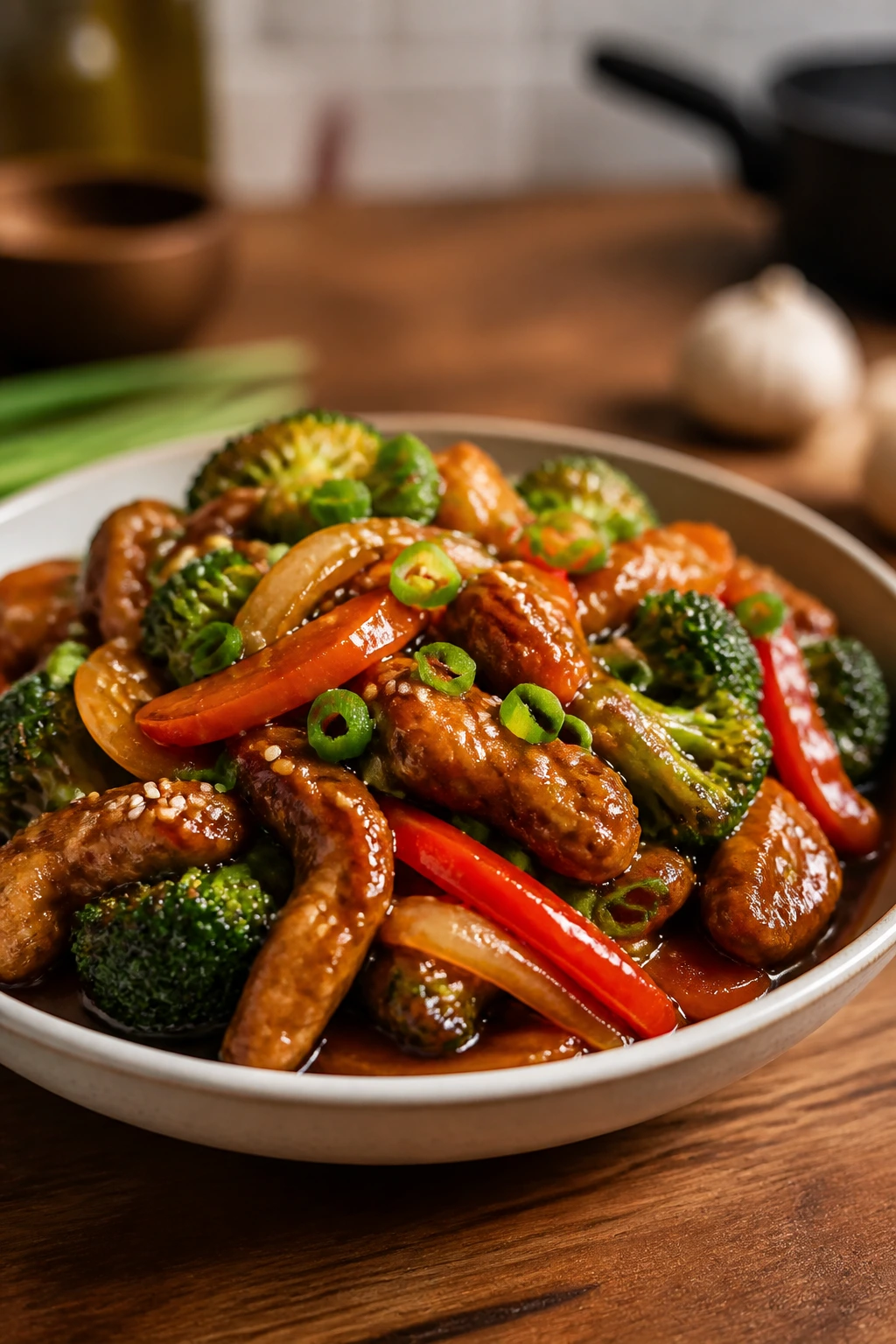
Presentation: Spoon the finished stir-fry into a shallow bowl or wide plate so the sauce stays visible instead of disappearing under the food. A few scallions on top, a scatter of sesame seeds, and a little shine from the glaze are enough; you do not need a pile of garnish.
Accompaniments: Steamed jasmine rice is the obvious partner, but it is not the only one. Brown rice, fried rice, rice noodles, lo mein, and even plain steamed cabbage can carry the sauce well. A side of quick cucumber salad or simple sautéed greens gives the plate a cleaner edge.
Portions: One batch of sauce usually handles 4 servings if you’re serving it over rice, or 2 to 3 hungry people if the skillet is packed with protein and vegetables. For a bigger batch, double the sauce rather than stretching it with extra water at the end; thinning it too much makes the glaze slide off the food.
Beverage Pairing: Cold jasmine tea is my default. A crisp lager or sparkling water with lime also works, especially with a little heat in the sauce.
Practical Tips for Better Flavor and Texture
Flavor Enhancement: Add 1 teaspoon of dark soy sauce if you want a deeper color and a slightly richer finish. Dark soy is stronger than regular soy, so keep it small unless you want the whole sauce to taste heavier.
Time-Saver: Mix the soy sauce, water, sugar, vinegar, garlic, ginger, and sesame oil up to 3 days ahead. Keep the cornstarch slurry separate until the moment you heat the sauce. That one small step keeps the texture clean.
Pro Move: Taste the sauce after it thickens, not before. Once the cornstarch goes in, the sweetness and saltiness land a little differently, and the final balance often needs one more tiny adjustment.
Cost-Saver: Skip the oyster sauce if it is not a pantry regular for you. The sauce still works with soy, honey, and garlic alone; the oyster sauce just adds a deeper savory note that tastes closer to restaurant versions.
Heat Control: If your burner runs hot, pull the pan slightly off the heat before the sauce reaches your ideal thickness. It keeps the sauce from overshooting while you are still whisking. That small pause matters more than people think.
Common Mistakes That Turn Good Sauce Watery or Gummy
-
Dumping dry cornstarch straight into the pan: You get tiny pale lumps that refuse to dissolve. Mix it with cold water first, and whisk the slurry again right before it goes in.
-
Boiling the sauce too hard after it thickens: The sauce can cross from glossy to sticky paste fast. Keep the simmer gentle and remove it from the heat as soon as it coats a spoon.
-
Using full-sodium soy and then adding oyster sauce on top: The sauce can turn salty in a way that masks the garlic, ginger, and vinegar. Low-sodium soy gives you more control, which is one of the reasons I prefer it here.
-
Skipping the vinegar: Sweet soy sauce without acid tastes flat and heavy. Even two tablespoons of rice vinegar make the sauce taste brighter and less syrupy.
-
Adding the sauce too early in the stir-fry: If it goes into the pan before the vegetables are cooked, the sugar can scorch while the sauce is still thin. Wait until the end, when the ingredients are hot and mostly finished.
-
Letting the sauce sit in a cold pan: A finished glaze in a cold skillet turns clingy in the wrong way and won’t coat evenly. Sauce wants heat plus motion. Both.
Variations and Flavor Swaps Worth Trying
-
Garlic-Chili Kick: Add 1 tablespoon of chili crisp or 1 teaspoon of sambal oelek to the base, then keep the honey as written. The sauce gets a little heat and a little texture, which is especially good on chicken, green beans, or tofu.
-
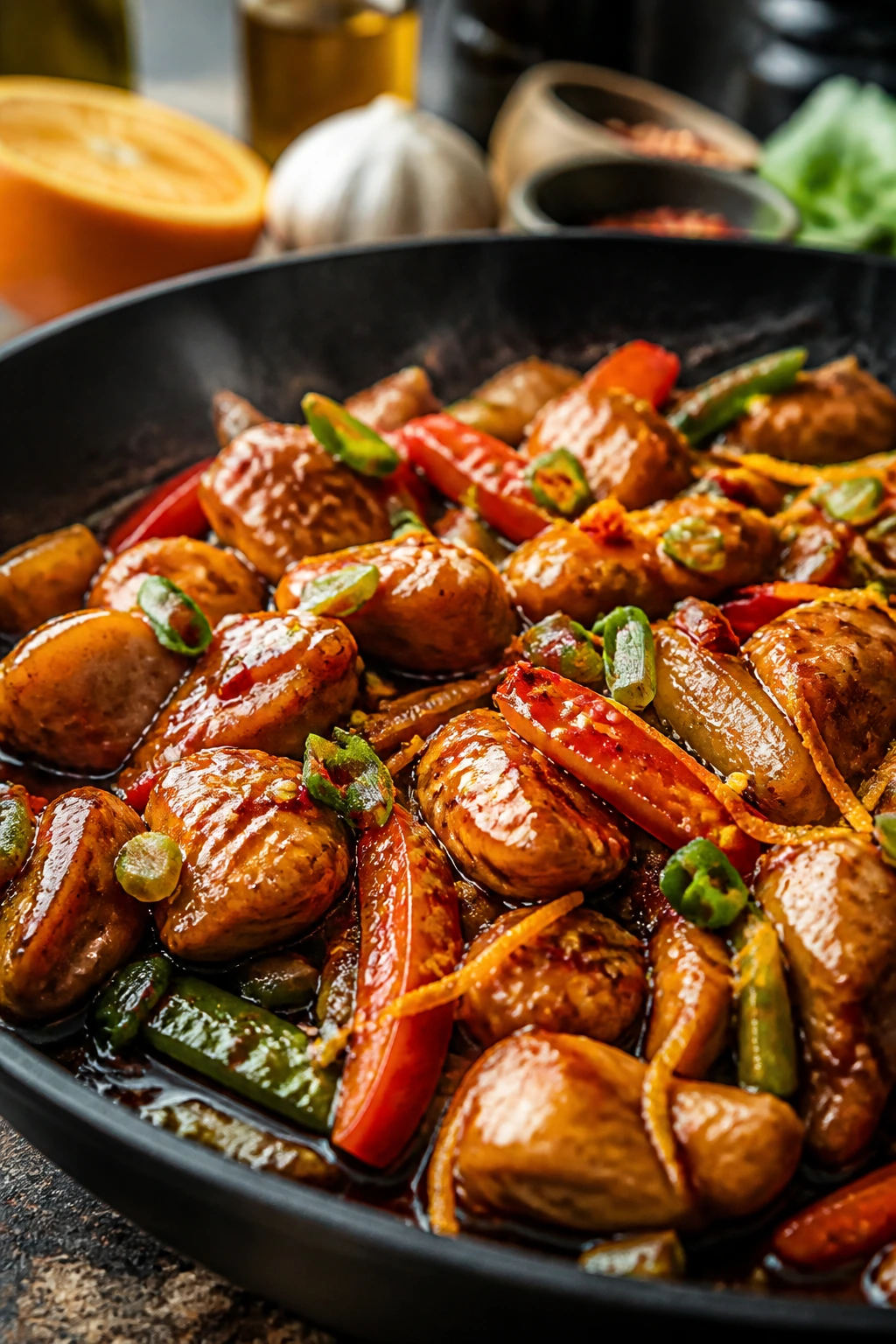
Orange-Sesame Shine: Replace 2 tablespoons of the water with fresh orange juice and add 1 teaspoon of orange zest at the end. The sauce comes out brighter and less dark, with a citrus note that works well on shrimp and broccoli.
-
Vegan Mushroom Depth: Swap the oyster sauce for 1 tablespoon vegetarian mushroom stir-fry sauce or a thick mushroom sauce, and use vegetable broth instead of chicken broth. You still get the savory backbone, just without shellfish.
-
Lighter Weeknight Glaze: Cut the brown sugar to 2 tablespoons and the honey to 2 teaspoons, then add an extra teaspoon of rice vinegar. This version is less sticky-sweet and leans a little cleaner, which I like with lots of vegetables.
-
Five-Spice Takeout Style: Stir in 1/4 teaspoon Chinese five-spice powder and a pinch of white pepper. The sauce turns warmer and more fragrant, especially on beef, mushrooms, or cabbage.
Make-Ahead, Storage, and Reheating
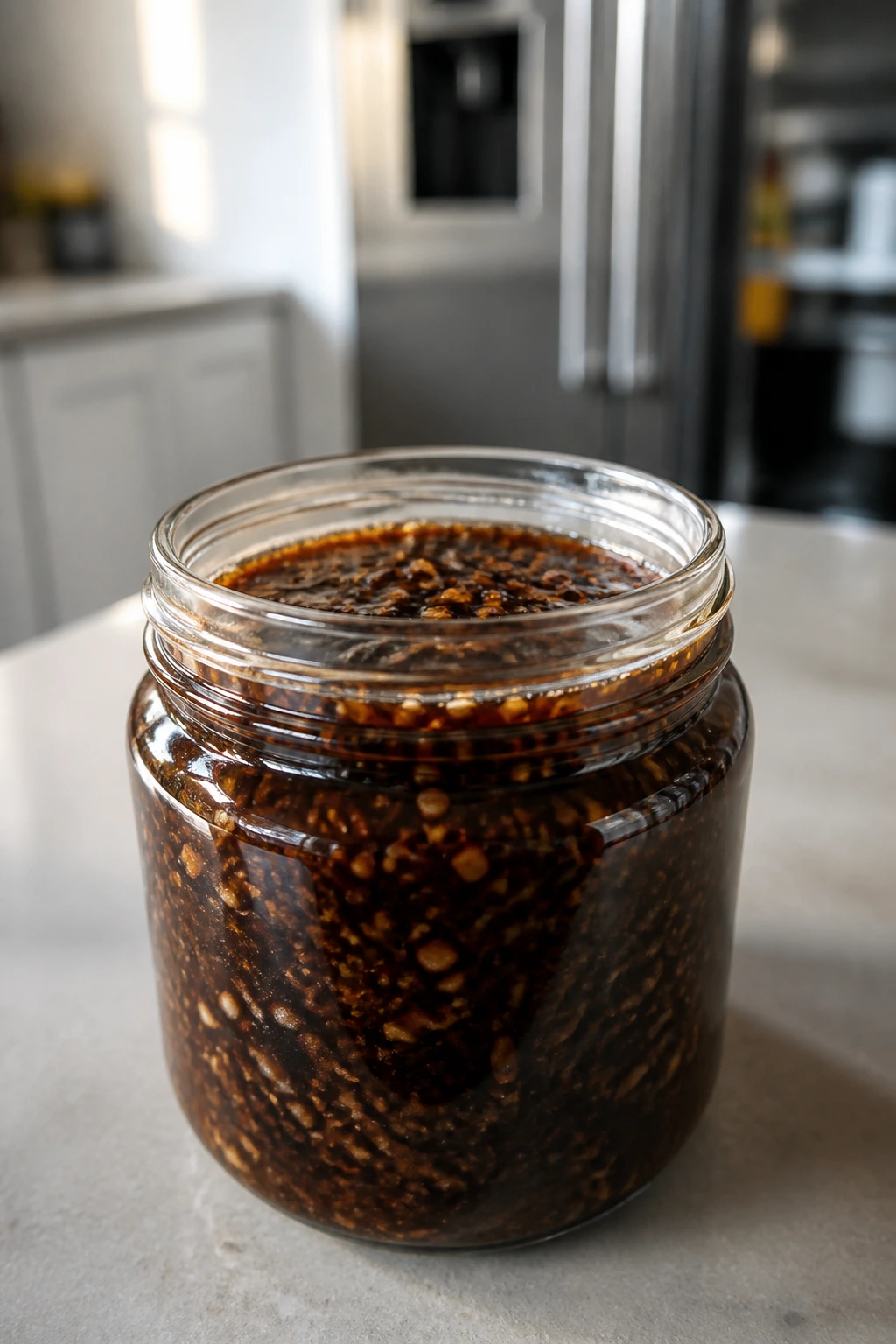
This sauce keeps well, which is half the reason I like it so much. Once it cools, pour it into a jar or airtight container and refrigerate it for up to 7 days. Because it contains cornstarch, it will set up more firmly in the fridge and may look almost jelly-like. That is normal.
If you want the freshest texture, make the base without the cornstarch slurry ahead of time and keep the slurry separate until you’re ready to cook. The base alone lasts the same amount of time in the fridge, and you get a cleaner, brighter finish when you thicken it right before serving.
For freezing, portion the cooled sauce into a freezer-safe container or even an ice cube tray, then freeze for up to 3 months. Thaw it overnight in the fridge or warm it gently from frozen over low heat with a tablespoon or two of water. If the sauce looks a little broken after thawing, whisking it hard over low heat usually brings it back together.
Reheat on the stovetop over low heat, stirring often and adding water a teaspoon at a time if it has tightened too much. The microwave works too, but use 15-second bursts and stir between them. You want the sauce warmed, not bubbling hard. If it bubbles hard, it thickens unevenly and can turn sticky in a way that is hard to fix.
Frequently Asked Questions
Can I make this sticky stir fry sauce without oyster sauce?
Yes. Leave it out and keep everything else the same, or replace it with a vegetarian mushroom sauce if you want more depth. The result will be a little lighter and less savory, but still very usable.
What’s the best soy sauce to use?
Low-sodium soy sauce is the safest choice because it leaves room for the oyster sauce, honey, and sesame oil. If you only have regular soy, use it, then taste before adding extra salt anywhere else in the stir-fry.
Can I use arrowroot instead of cornstarch?
You can. Arrowroot gives a slightly more delicate gloss and works well if you want a smoother finish, but it is less forgiving if you boil it hard for too long. Cornstarch is the sturdier option for most home kitchens.
Why did my sauce turn lumpy?
Usually the cornstarch went into liquid that was too hot, or the slurry was not whisked smooth before adding it. If it happens, strain the sauce through a fine-mesh sieve and whisk it again over low heat, but prevention is easier than rescue.
How much sauce should I use for one stir-fry?
One batch usually coats about 1 1/2 pounds of protein and vegetables, or a full skillet of noodles for 3 to 4 people. If your pan is packed with vegetables, start with most of the sauce and keep a spoonful back in case it needs a little more shine.
Can I use this sauce as a marinade?
You can, but I would thin it with a little extra water and keep the sugar lower if you plan to marinate meat for a long time. The sugars that make the sauce sticky can scorch if you dump too much marinade straight into a hot pan.
Why does the sauce get thicker after it cools?
Cornstarch keeps setting as the sauce loses heat. That is normal, and it is why a sauce that looks a little loose in the pan often turns into the right texture once it hits the food.
Is this sauce good for noodles too?
Absolutely. Toss it with hot noodles, then add a splash of noodle water if the sauce grabs too tightly. It works especially well on lo mein-style noodles, rice noodles, and udon.
A Jar You’ll Reach For Again
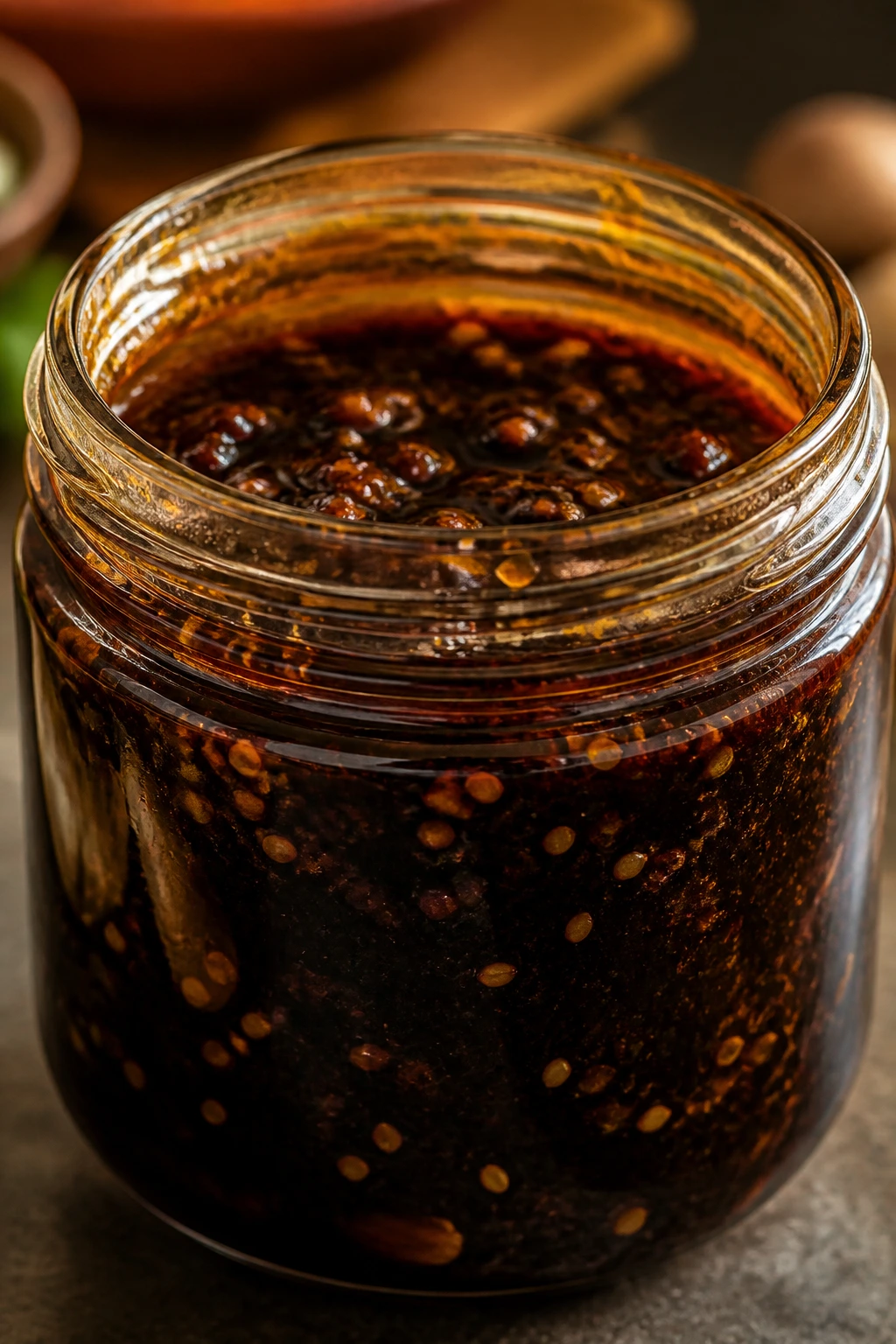
A good sticky homemade stir fry sauce does one thing better than the bottle on the shelf: it gives you control without making dinner feel fussy. You get the salty backbone, the sweet shine, the ginger-garlic smell, and the kind of texture that actually stays on the food instead of slipping away.
I keep coming back to sauces like this because they behave the same way on a Tuesday night and on a slower weekend dinner. Same jar. Same five-minute simmer. Different vegetables, different protein, same glossy result.
Once you’ve made it a few times, you’ll probably start nudging the balance to suit whatever is in the pan. A little more vinegar for broccoli. A little more honey for tofu. A pinch of chili crisp when the weather calls for heat. That’s when it stops being a recipe and starts being a habit.
Sticky Homemade Stir Fry Sauce — Recipe Card
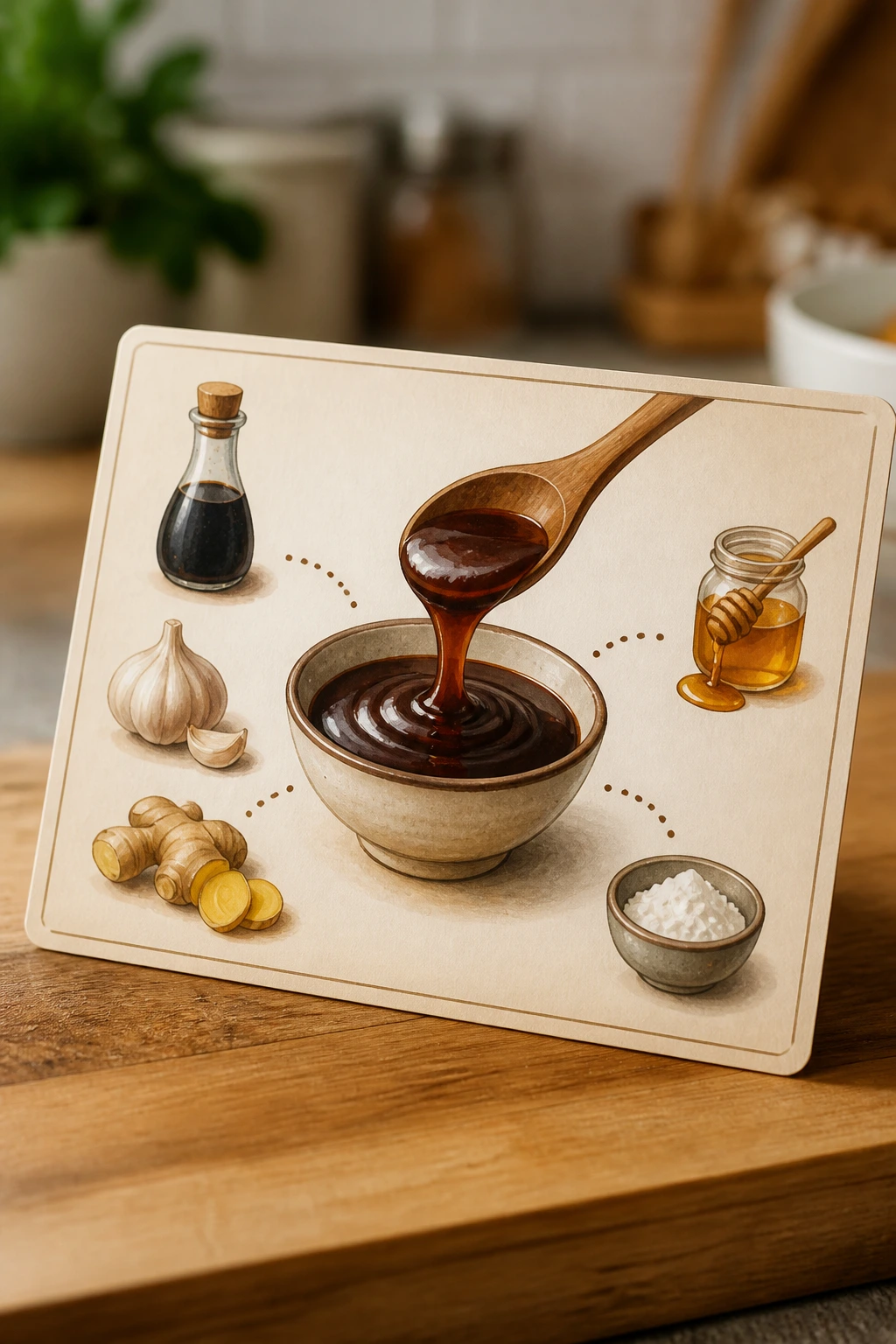
Recipe Name: Sticky Homemade Stir Fry Sauce
Description: A glossy, takeout-style stir fry sauce made with soy sauce, brown sugar, honey, rice vinegar, garlic, ginger, and cornstarch. It clings to chicken, beef, tofu, vegetables, and noodles instead of running to the bottom of the bowl.
Prep Time: 10 minutes
Cook Time: 4 to 5 minutes
Total Time: 15 minutes
Course: Sauce, Condiment
Cuisine: Asian-Inspired, Chinese-Inspired
Servings: Makes about 1 1/4 cups, about 8 servings of 2 tablespoons each
Calories: About 35 kcal per 2-tablespoon serving
Ingredients
For the Sticky Stir Fry Sauce:
- 1/2 cup low-sodium soy sauce
- 1/2 cup water or low-sodium chicken broth
- 3 tablespoons packed light brown sugar
- 1 tablespoon honey
- 2 tablespoons rice vinegar
- 1 tablespoon oyster sauce, optional but recommended
- 2 teaspoons toasted sesame oil
- 2 cloves garlic, finely grated
- 1 teaspoon fresh ginger, finely grated
- 1 tablespoon cornstarch
- 2 tablespoons cold water, for the slurry
- 1/4 teaspoon crushed red pepper flakes, optional
- 1 teaspoon finely sliced scallions, optional for finishing
Instructions
-
Whisk the soy sauce, water or broth, brown sugar, honey, rice vinegar, oyster sauce, sesame oil, garlic, ginger, and red pepper flakes together in a small saucepan.
-
Whisk the cornstarch and cold water in a small bowl until smooth.
-
Set the saucepan over medium heat and bring the sauce to a gentle simmer, stirring often, until the sugar is dissolved.
-
Whisk in the cornstarch slurry in a slow stream and keep whisking for 30 to 45 seconds, until the sauce turns glossy and thick enough to coat the back of a spoon.
-
Taste and adjust with a little water, rice vinegar, or brown sugar if needed.
-
Use immediately in a hot stir-fry, or cool and store in a jar for later use.
Notes: Low-sodium soy keeps the sauce balanced. The sauce thickens more as it cools, so pull it off the heat a little earlier than you think. For a gluten-free version, use tamari.