



A hot pan changes dinner faster than any glossy gadget ever will. These Asian dinners for a quick stir fry night lean on that fact hard: thin-sliced protein, vegetables cut to a similar size, a sauce mixed before the burner even comes on, and a finish that lands in the pan at the exact moment the food is ready to drink it up.
That’s the whole trick. Not mystery. Not magic. Just timing, heat, and a little respect for the ingredients. When garlic hits oil for ten seconds too long, it turns harsh. When broccoli florets are cut too big, the stems stay crunchy while the tops go soft. When sauce goes in too early, it boils into something dull and thin. Get those details right and a skillet becomes a pretty convincing stand-in for a restaurant wok.
The range here is wide on purpose. Chicken and broccoli sits beside shrimp with snow peas, tofu with bok choy, noodles slicked in peanut sauce, and a few bowls that borrow from Korean, Thai, Japanese, and Chinese home cooking. Same method. Different accents. That’s what makes a stir fry night worth repeating.
Why These Stir Fry Dinners Earn Their Keep
-
Fast without feeling rushed: Most of these dinners depend on thin slicing and short cooking times, so dinner moves in minutes instead of dragging across the evening.
-
One sauce, big payoff: A small mix of soy, oyster sauce, sesame oil, vinegar, curry paste, or chili paste changes the whole dish without turning the ingredient list into a scavenger hunt.
-
Vegetables stay alive: Snap peas, cabbage, broccoli, bok choy, and green beans keep their snap when they hit hot oil and cook in the right order.
-
Protein is flexible: Chicken thighs, flank steak, shrimp, tofu, pork, salmon, and ground meat all work here because the method adjusts to them instead of forcing them into the same shape.
-
Leftovers behave well: Several of these dishes taste even better after a night in the fridge, especially the ones with noodles, cabbage, or a sticky soy-based glaze.
1. Garlic Ginger Chicken and Broccoli
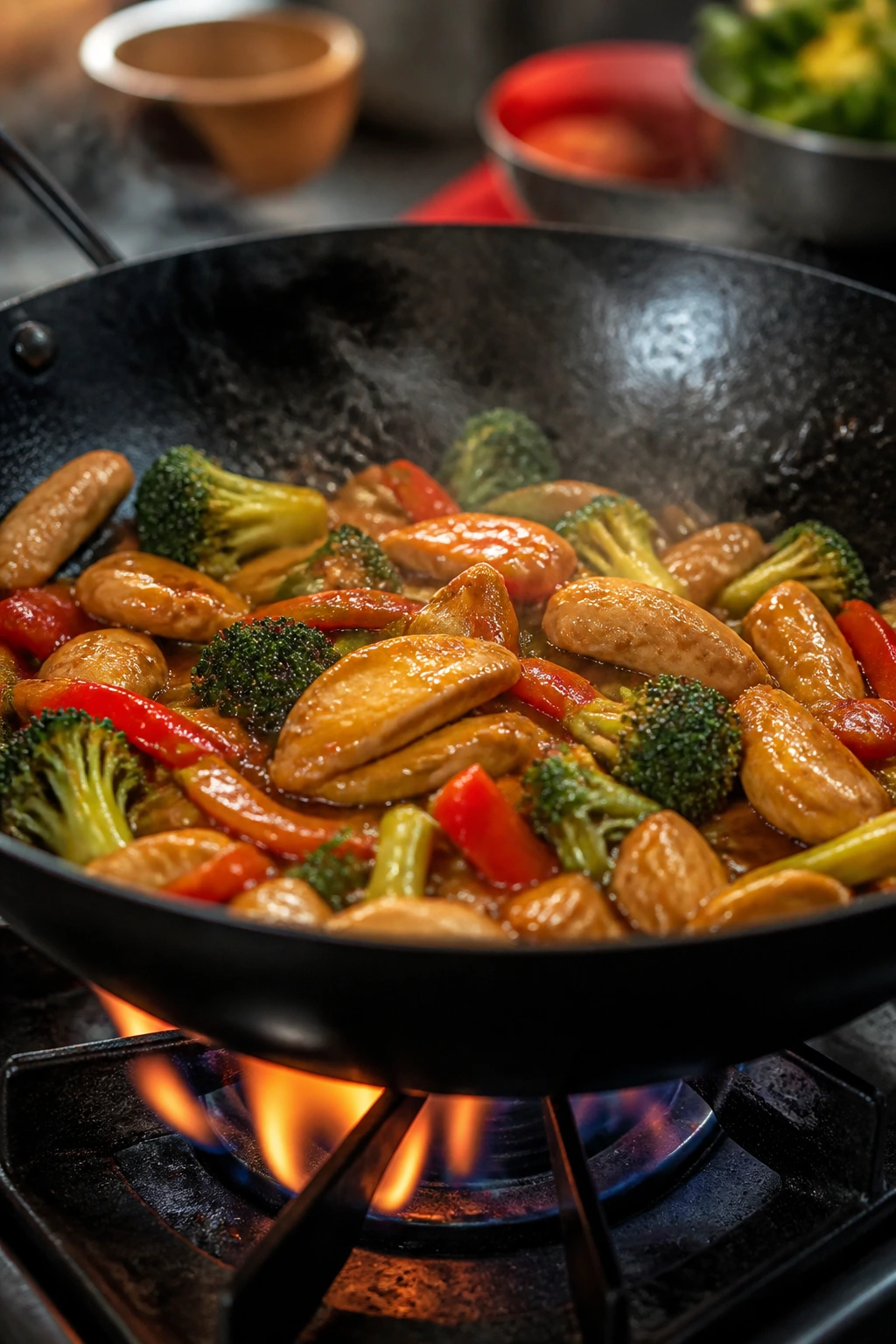
The first pan I reach for is usually this one. Garlic, ginger, and broccoli make the kitchen smell awake, and the sauce clings to the chicken in that glossy way people always hope for and rarely describe well.
Why It Works: Thin chicken thighs stay juicy under high heat, and broccoli florets soften fast when you cut them small. A quick cornstarch toss gives the sauce a little body, so it coats instead of puddling.
Key Ingredients:
- 1 1/4 lb boneless, skinless chicken thighs, thinly sliced
- 4 cups broccoli florets, cut small
- 3 cloves garlic, minced
- 1 tablespoon fresh ginger, grated
- 3 tablespoons soy sauce
- 1 tablespoon oyster sauce
- 1 tablespoon cornstarch
- 2 tablespoons neutral oil
- 2 scallions, sliced
Quick Steps:
- Toss the chicken with cornstarch and 1 tablespoon soy sauce.
- Heat oil in a wok or large skillet over medium-high heat, then sear the chicken for 3 to 4 minutes until lightly browned.
- Add broccoli, garlic, and ginger; splash in 2 tablespoons water and stir-fry 2 minutes.
- Pour in the remaining soy sauce and oyster sauce, toss until glossy, and cook until the chicken reaches 165°F and the broccoli is crisp-tender.
- Finish with scallions.
Equipment for This Recipe:
- Large wok or 12-inch skillet
- Small bowl for the sauce mix
- Spatula or tongs for tossing
How to Serve This Dish: Spoon it over steamed jasmine rice so the sauce has somewhere to go. A bowl of sliced cucumbers with rice vinegar on the side keeps the plate from feeling heavy.
Pro Tips for This Recipe:
- Cut the broccoli small enough that the stems soften in the same time the chicken cooks.
- If your garlic browns fast, pull the pan off the heat for 10 seconds before adding the sauce.
- Thigh meat is more forgiving here than breast meat. It stays tender.
- A few drops of toasted sesame oil at the end are enough.
Variations on This Dish:
- Spicy Garlic Kick: Add 1 teaspoon chili crisp with the sauce.
- Bok Choy Swap: Replace the broccoli with chopped baby bok choy and cook it for 90 seconds.
- Brown Rice Bowl: Serve over brown rice and add a fried egg.
Common Mistakes to Avoid with This Dish:
- Don’t crowd the pan or the chicken steams. Cook it in two batches if your skillet is small.
- Don’t add the broccoli too late. It should finish crisp, not raw and harsh.
2. Beef, Snap Pea, and Red Pepper Stir Fry
Flank steak slices this thin go from chewy to tender in a hurry, and that snap from the peas is half the pleasure. The red peppers bring sweetness that keeps the whole pan from leaning too salty.
Why It Works: Beef sears well when you slice it against the grain and keep it dry. Snap peas and peppers cook fast enough to stay bright, which matters here because the sauce is light and should not have to rescue tired vegetables.
Key Ingredients:
- 1 lb flank steak, thinly sliced against the grain
- 2 cups snap peas, trimmed
- 1 red bell pepper, sliced thin
- 2 cloves garlic, minced
- 1 tablespoon ginger, minced
- 3 tablespoons soy sauce
- 1 tablespoon rice vinegar
- 1 teaspoon sugar
- 2 tablespoons neutral oil
Quick Steps:
- Mix soy sauce, rice vinegar, sugar, garlic, and ginger.
- Sear the steak in hot oil for 1 to 2 minutes per side, then remove it.
- Stir-fry snap peas and peppers for 2 minutes until bright and blistered.
- Return the beef, pour in the sauce, and toss for 30 to 45 seconds until shiny.
Equipment for This Recipe:
- Wok or cast-iron skillet
- Sharp knife for thin slicing
- Mixing bowl for the sauce
How to Serve This Dish: White rice keeps this clean and simple. If you want more crunch, add shredded cabbage dressed with a few drops of sesame oil and vinegar.
Pro Tips for This Recipe:
- Freeze the steak for 15 minutes before slicing; it cuts neatly.
- Keep the pan hot enough that the beef sizzles on contact.
- Pull the beef early. It finishes in the sauce.
- A pinch of white pepper gives the pan a sharper edge than black pepper.
Variations on This Dish:
- Mushroom Load-In: Add sliced shiitakes with the peppers.
- Chili Vinegar Version: Stir 1 teaspoon chili oil into the sauce.
- Rice Noodle Dinner: Toss with cooked rice noodles instead of serving over rice.
Common Mistakes to Avoid with This Dish:
- Don’t slice the beef with the grain. It turns tough in a way no sauce can hide.
- Don’t keep cooking after the sauce goes in. Beef overcooks fast.
3. Sesame Tofu with Bok Choy
This is the tofu dish that convinces skeptics because the edges get bronzed and a little crisp before the sauce even shows up. Bok choy brings that clean, leafy finish that tofu needs.
Why It Works: Extra-firm tofu holds its shape if you press it and cut it into even cubes. Bok choy stems and leaves cook in two different tempos, so the stem-first method keeps the pan from turning soggy.
Key Ingredients:
- 1 block extra-firm tofu, about 14 oz, pressed and cubed
- 4 baby bok choy, halved
- 3 cloves garlic, sliced
- 1 tablespoon ginger, minced
- 3 tablespoons soy sauce
- 1 tablespoon sesame oil
- 1 tablespoon rice vinegar
- 1 tablespoon cornstarch
- 2 tablespoons neutral oil
Quick Steps:
- Toss tofu with cornstarch and a pinch of salt.
- Brown the tofu in oil for 6 to 8 minutes, turning until golden on most sides.
- Add bok choy stems, garlic, and ginger; cook 2 minutes.
- Add bok choy leaves, soy sauce, sesame oil, and rice vinegar; toss until the leaves wilt and the sauce coats the tofu.
Equipment for This Recipe:
- Large nonstick skillet or wok
- Tofu press or paper towels with a plate
- Spatula for turning cubes gently
How to Serve This Dish: Serve it with brown rice or soba noodles. A sprinkle of toasted sesame seeds and sliced scallions makes the bowl look finished without a lot of fuss.
Pro Tips for This Recipe:
- Press the tofu for at least 15 minutes if you want a proper crust.
- Don’t stir too soon after the tofu goes in; let it brown.
- Bok choy leaves need only a minute or two.
- A spoonful of chili crisp at the end gives this dish more personality.
Variations on This Dish:
- Miso Sesame Tofu: Whisk 1 tablespoon white miso into the sauce.
- Mushroom Bok Choy Mix: Add sliced cremini mushrooms with the stems.
- Ginger-Lime Finish: Swap rice vinegar for lime juice.
Common Mistakes to Avoid with This Dish:
- Don’t skip pressing the tofu. Wet tofu steams and tears.
- Don’t overcook the bok choy leaves or they turn drab and limp.
4. Chili Garlic Shrimp and Snow Peas
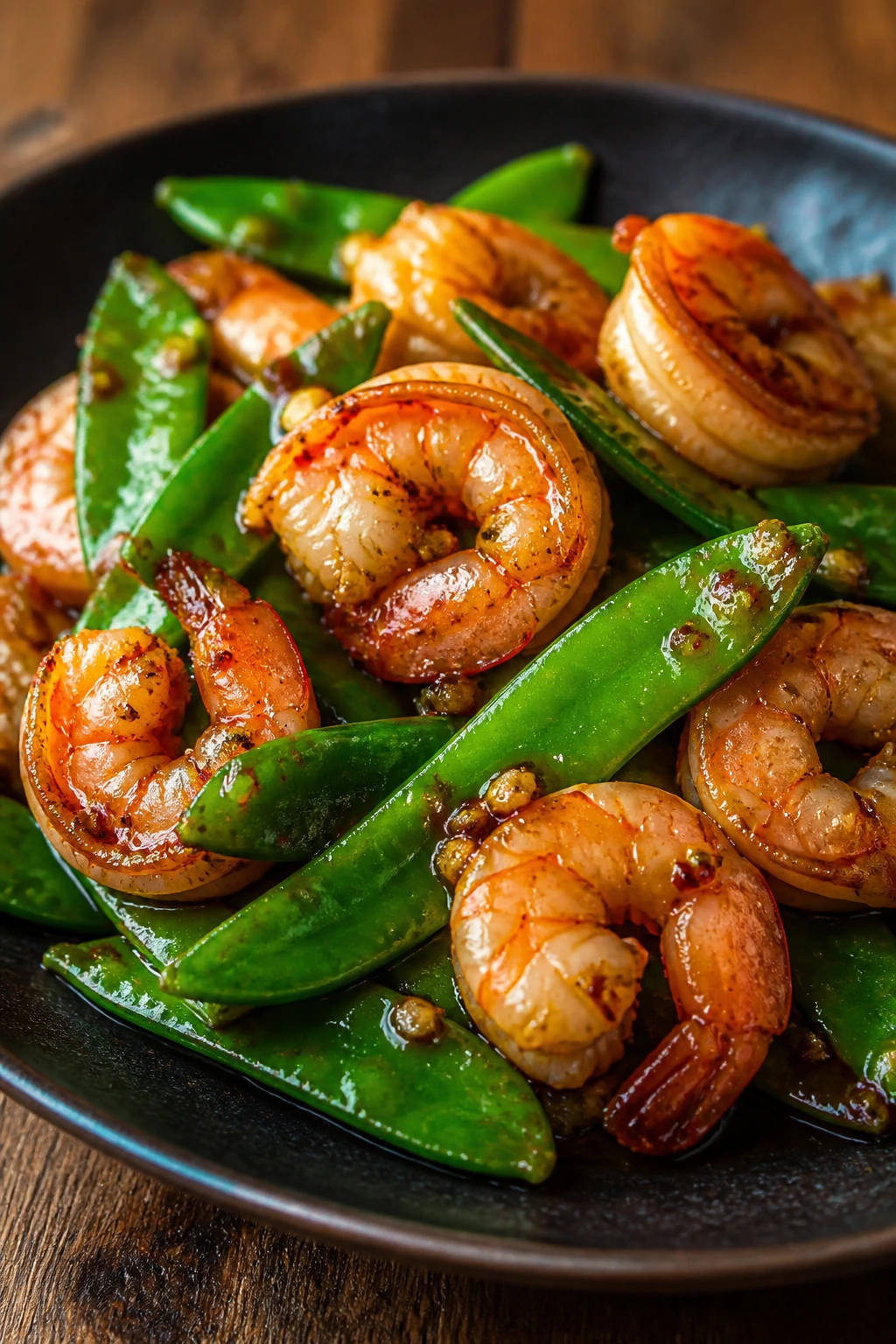
Shrimp cook in almost no time, which is exactly why this dinner works on a tired night. Snow peas stay crisp, and the chili garlic sauce gives the whole pan a sharp, bright heat.
Why It Works: Shrimp need only a short sear before they turn opaque, so the vegetables can finish in the same pan without everything going mushy. Snow peas are a smart choice because they stay snappy even when coated in sauce.
Key Ingredients:
- 1 lb large shrimp, peeled and deveined
- 2 cups snow peas, trimmed
- 3 cloves garlic, minced
- 1 tablespoon chili garlic sauce
- 2 tablespoons soy sauce
- 1 tablespoon lime juice
- 1 teaspoon sugar
- 2 tablespoons neutral oil
- 2 scallions, sliced
Quick Steps:
- Stir together chili garlic sauce, soy sauce, lime juice, sugar, and garlic.
- Pat the shrimp dry and sear them in hot oil for 1 minute per side.
- Add snow peas and toss for 1 to 2 minutes until bright green.
- Pour in the sauce and cook just until the shrimp are pink and curled.
Equipment for This Recipe:
- 12-inch skillet or wok
- Paper towels for drying shrimp
- Small bowl for the sauce
How to Serve This Dish: Jasmine rice or rice vermicelli both work. I like a final scatter of scallions and a few thin slices of fresh red chili if I have them.
Pro Tips for This Recipe:
- Dry shrimp well or they’ll steam.
- Pull the shrimp the second they curl into a loose C-shape.
- Add lime juice at the end so it stays fresh and bright.
- If the sauce tastes flat, it usually needs salt, not more heat.
Variations on This Dish:
- Honey Chili Shrimp: Add 1 teaspoon honey for a softer heat.
- Broccoli Swap: Replace half the snow peas with tiny broccoli florets.
- Rice Bowl Version: Spoon over rice and add a soft-boiled egg.
Common Mistakes to Avoid with This Dish:
- Don’t walk away from shrimp. They go rubbery in minutes.
- Don’t drown the pan in sauce or the peas lose their snap.
5. Ground Pork and Cabbage Stir Fry
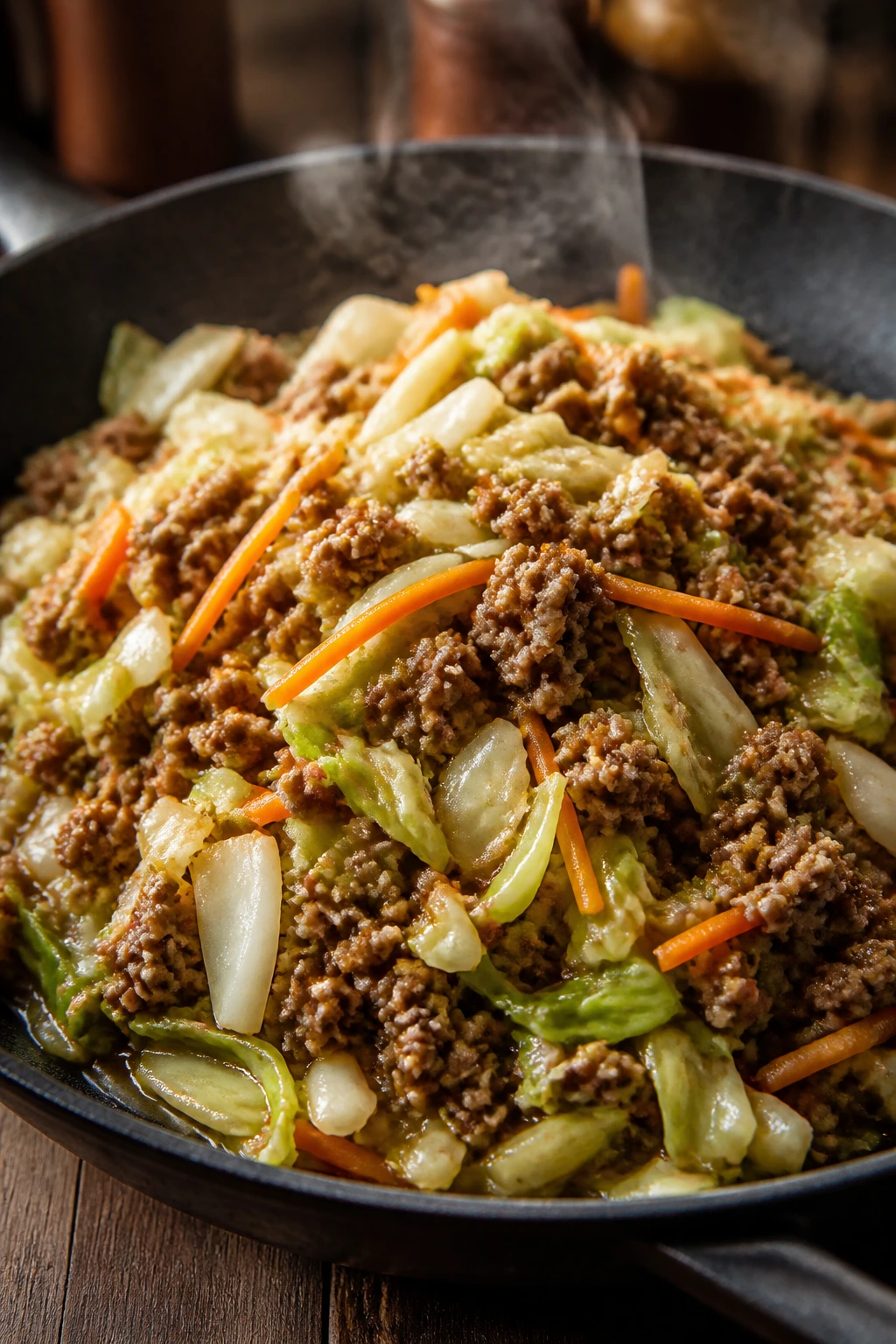
Ground pork is the underrated weeknight workhorse here. It browns quickly, takes on ginger and soy without complaint, and does a fine job of carrying cabbage, which soaks up sauce in the best way.
Why It Works: Ground meat spreads across the pan, so it cooks fast and picks up browning in little bits instead of one heavy slab. Cabbage shrinks as it cooks, which means a huge bowl becomes dinner before you know it.
Key Ingredients:
- 1 lb ground pork
- 6 cups shredded green cabbage
- 2 carrots, julienned
- 3 cloves garlic, minced
- 1 tablespoon ginger, minced
- 3 tablespoons soy sauce
- 1 tablespoon rice vinegar
- 1 teaspoon sugar
- 2 tablespoons neutral oil
Quick Steps:
- Brown the pork in oil over medium-high heat for 4 to 5 minutes.
- Add garlic, ginger, and carrots; stir for 1 minute.
- Add cabbage and cook 3 to 4 minutes until it starts to wilt.
- Stir in soy sauce, vinegar, and sugar; toss until the cabbage is glossy and tender-crisp.
Equipment for This Recipe:
- Large skillet or wok
- Wooden spoon or spatula
- Box grater or julienne peeler for carrots
How to Serve This Dish: Serve over rice, or tuck it into lettuce cups for a lighter plate. The cabbage and pork mixture also works tucked into steamed buns if you have them.
Pro Tips for This Recipe:
- Let the pork sit untouched for a minute or two so it browns.
- Thin cabbage shreds cook faster than chunky pieces.
- A splash of sesame oil at the end works better than cooking with it.
- Add sliced scallions right after the heat goes off.
Variations on This Dish:
- Napa Cabbage Version: Use napa cabbage for a softer finish.
- Spicy Pork Bowl: Add chili paste with the soy sauce.
- Rice Noodle Toss: Mix in cooked rice noodles for a fuller meal.
Common Mistakes to Avoid with This Dish:
- Don’t undercook the cabbage. It should soften and sweeten a little.
- Don’t use extra-lean pork if you can help it; a little fat carries the flavor.
6. Pepper Steak and Onion Wok Toss
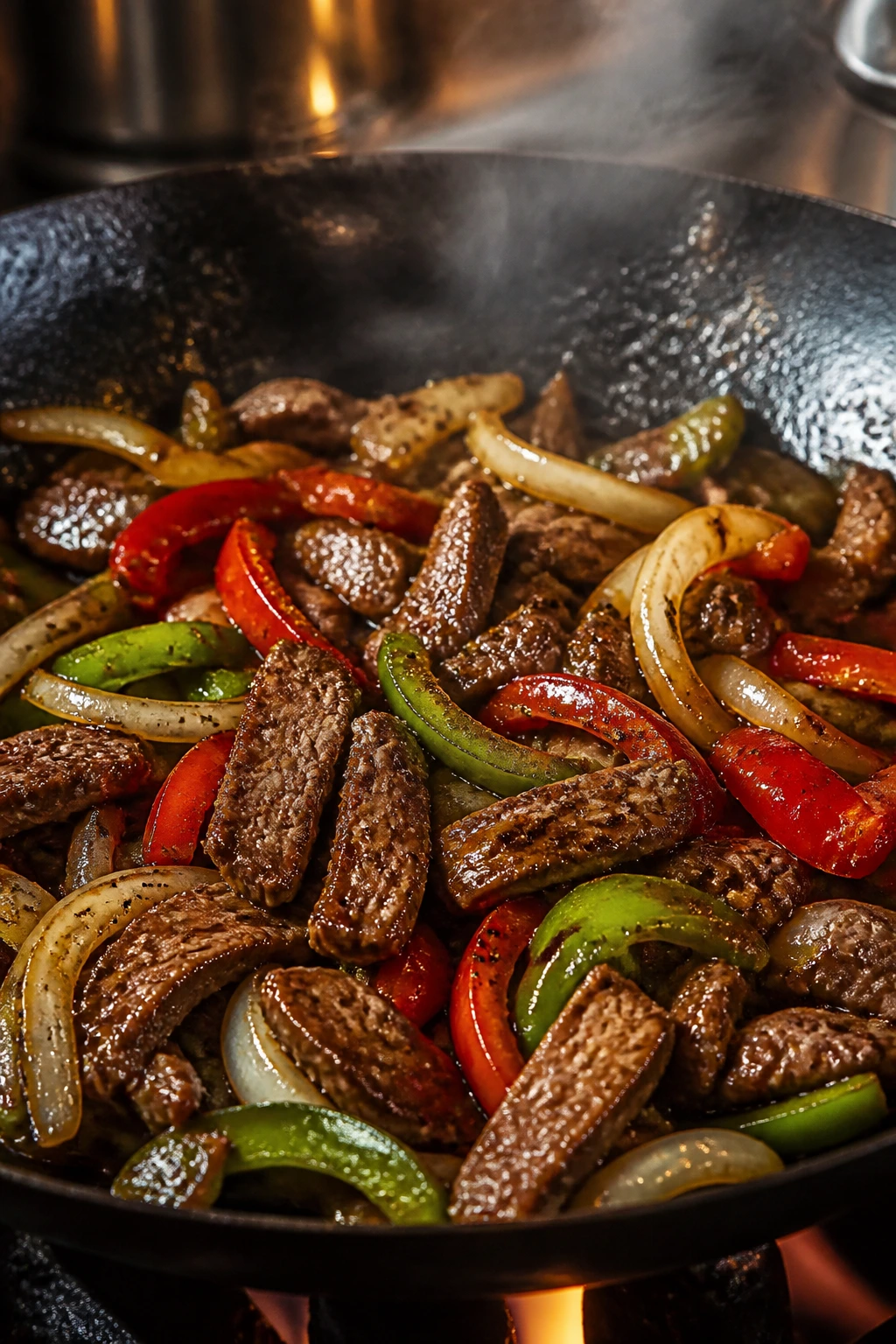
This is the takeout classic I keep returning to because it tastes better when the peppers still have a little bite. The onion softens into ribbons, and the beef picks up all the glossy black pepper sauce.
Why It Works: Sliced steak and onions cook at close speeds, which keeps the dish from feeling uneven. Black pepper blooms in hot oil, so it tastes sharper and more fragrant than it does when sprinkled on at the table.
Key Ingredients:
- 1 lb sirloin or flank steak, thinly sliced
- 2 bell peppers, sliced
- 1 large yellow onion, sliced
- 2 cloves garlic, minced
- 1 tablespoon soy sauce
- 1 tablespoon oyster sauce
- 1 teaspoon freshly cracked black pepper
- 2 tablespoons neutral oil
Quick Steps:
- Season the steak with soy sauce and black pepper.
- Sear it in hot oil for 2 minutes, then lift it out.
- Stir-fry onions and peppers for 3 minutes until softened at the edges.
- Return the steak, add oyster sauce, and toss until everything looks lacquered.
Equipment for This Recipe:
- Wok or large skillet
- Sharp knife for slicing beef thin
- Tongs for quick tossing
How to Serve This Dish: It’s best over plain rice, where the sauce can sink in. A simple side of sliced tomatoes with a little sesame oil and salt gives the plate a fresh edge.
Pro Tips for This Recipe:
- Slice steak against the grain for tenderness.
- Crack the pepper fresh; preground pepper tastes flat here.
- Don’t overcook the onions. They should be soft, not brown and sweet like jam.
- Oyster sauce adds depth fast, so use it.
Variations on This Dish:
- Bell Pepper Trio: Use red, green, and yellow peppers for color.
- Mushroom Pepper Steak: Add sliced mushrooms with the onions.
- Rice Cake Bowl: Serve over stir-fried rice cakes instead of rice.
Common Mistakes to Avoid with This Dish:
- Don’t slice the peppers too thin or they collapse.
- Don’t leave the steak in the pan too long after it’s browned.
7. Cashew Chicken with Bell Peppers
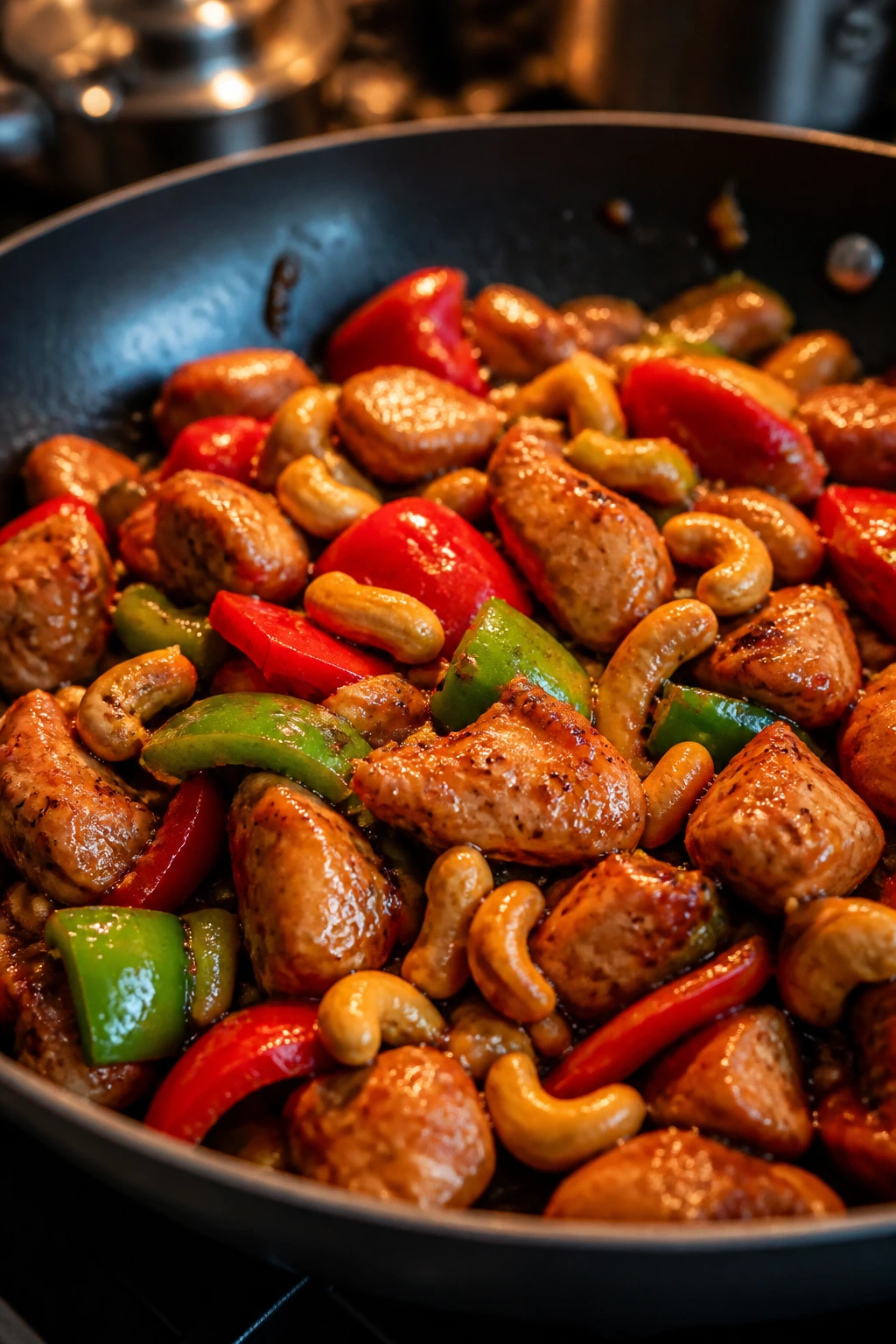
Cashews bring a toasted, buttery crunch that makes this dinner feel finished even before the last scallion lands. Bell peppers keep it juicy and sweet enough to balance the salty sauce.
Why It Works: The nuts stay crisp if you add them near the end, and chicken thigh pieces stay tender under high heat. A little hoisin gives the sauce body without turning it heavy.
Key Ingredients:
- 1 1/4 lb boneless chicken thighs, cubed
- 1 red bell pepper, sliced
- 1 green bell pepper, sliced
- 1/2 cup roasted cashews
- 3 cloves garlic, minced
- 2 tablespoons soy sauce
- 1 tablespoon hoisin sauce
- 1 teaspoon rice vinegar
- 2 tablespoons neutral oil
Quick Steps:
- Sear the chicken in oil until browned on all sides, about 5 minutes.
- Add peppers and garlic; stir-fry 2 minutes.
- Stir together soy sauce, hoisin, and rice vinegar, then pour it in.
- Toss in cashews and cook 30 seconds until the sauce coats everything.
Equipment for This Recipe:
- Large skillet or wok
- Small bowl for the sauce
- Measuring spoons
How to Serve This Dish: Steamed rice is the natural pairing. If you want more texture, add a side of shredded carrots dressed with rice vinegar and a pinch of salt.
Pro Tips for This Recipe:
- Add cashews at the end so they stay crisp.
- Chicken thighs hold up better than breast pieces here.
- A few drops of toasted sesame oil are enough; do not overdo it.
- If the sauce gets too thick, loosen it with a tablespoon of water.
Variations on This Dish:
- Chili Cashew Version: Add sliced red chilies or chili crisp.
- Broccoli-Cashew Mix: Swap one pepper for broccoli florets.
- Soy-Free Route: Use coconut aminos and skip the hoisin.
Common Mistakes to Avoid with This Dish:
- Don’t toss the cashews in too early or they soften.
- Don’t cut the peppers too big; they should finish in the same window as the chicken.
8. Honey Miso Salmon with Green Beans
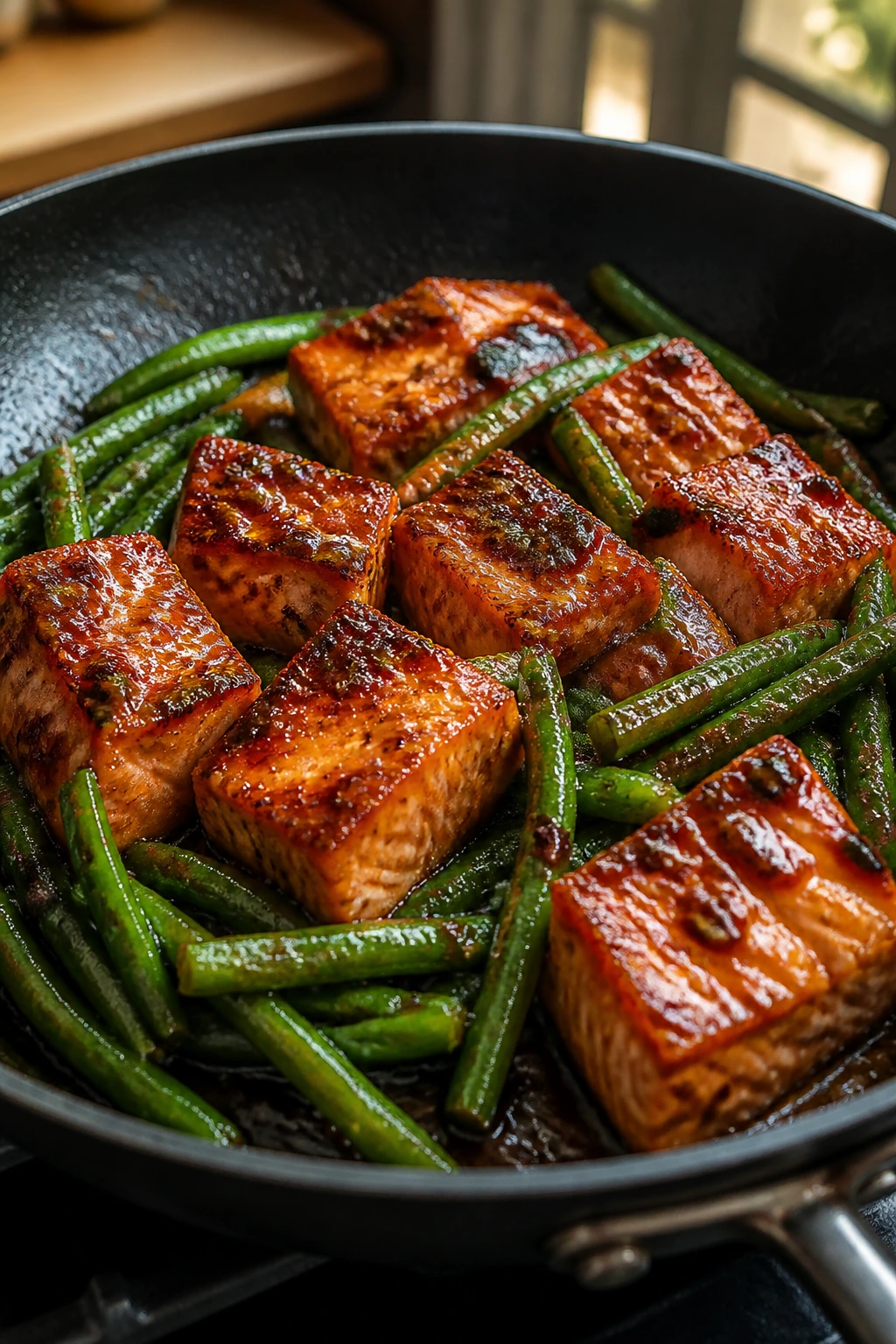
Salmon gives this stir fry a deeper, richer feel than the chicken dishes without slowing dinner down. The miso-honey glaze caramelizes fast, and the green beans keep the plate from getting too soft.
Why It Works: Miso brings salt and body, while honey helps the glaze cling as the salmon sears. Green beans cook fast enough to stay bright, which matters when you want contrast against the richer fish.
Key Ingredients:
- 1 lb salmon fillet, cut into 1 1/2-inch chunks
- 3 cups green beans, trimmed
- 1 tablespoon white miso
- 1 tablespoon honey
- 2 tablespoons soy sauce
- 1 tablespoon rice vinegar
- 2 tablespoons neutral oil
- 1 scallion, sliced
Quick Steps:
- Whisk miso, honey, soy sauce, and rice vinegar.
- Sear salmon chunks in oil for 2 minutes per side; remove.
- Stir-fry green beans for 3 minutes until blistered and tender.
- Return salmon, pour in the glaze, and toss gently until sticky.
Equipment for This Recipe:
- Nonstick skillet or wok
- Small whisk or fork for the glaze
- Fish spatula if you have one
How to Serve This Dish: Serve with rice and a few cucumber slices on the side. A squeeze of lemon or lime at the table cuts the richness neatly.
Pro Tips for This Recipe:
- Pat salmon dry so it sears instead of sticking.
- Handle the fish gently once it’s in the pan.
- Miso can be salty, so taste before adding extra soy.
- Keep the heat medium-high, not fierce, or the honey scorches.
Variations on This Dish:
- Ginger Miso Salmon: Add grated ginger to the glaze.
- Asparagus Swap: Replace green beans with asparagus pieces.
- Noodle Bowl: Serve over soba with extra glaze spooned on top.
Common Mistakes to Avoid with This Dish:
- Don’t overcook salmon. It should flake but still look moist inside.
- Don’t let the glaze burn. Honey turns bitter fast.
9. Moo Shu Chicken Lettuce Wraps
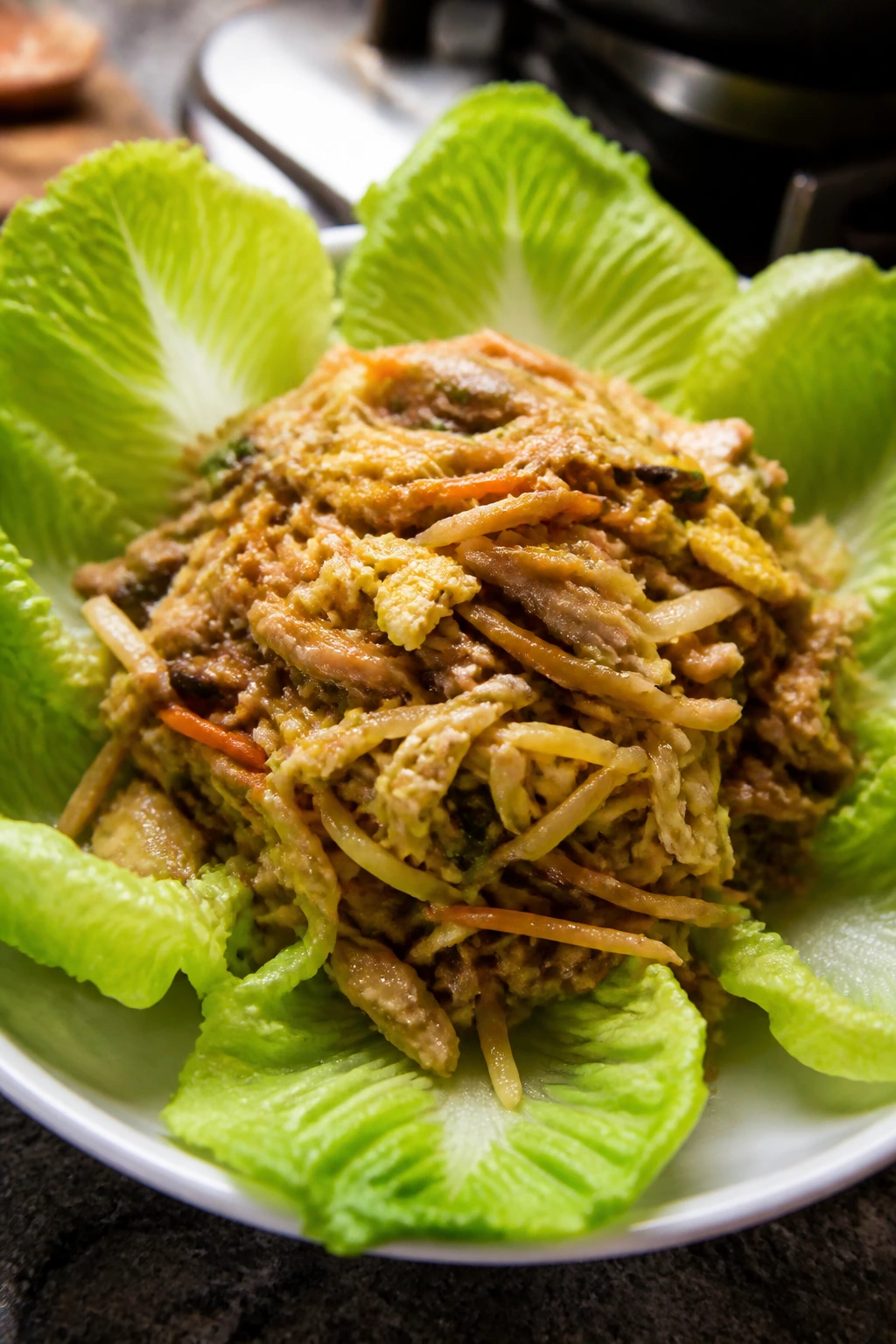
The cabbage, mushrooms, and eggs make this one feel a little playful. Spoon it into crisp lettuce leaves and the whole thing suddenly eats like dinner and a handheld snack had a sensible child.
Why It Works: Thinly sliced chicken and shredded vegetables cook in the same short window, so everything stays distinct. Hoisin sauce gives the filling its familiar sweet-salty edge without needing a long simmer.
Key Ingredients:
- 1 lb boneless chicken breast or thighs, thinly sliced
- 2 cups shredded cabbage
- 1 cup shiitake mushrooms, sliced
- 2 eggs, lightly beaten
- 2 tablespoons hoisin sauce
- 1 tablespoon soy sauce
- 1 tablespoon neutral oil
- Butter lettuce leaves, for serving
Quick Steps:
- Scramble the eggs in oil and set aside.
- Stir-fry chicken until cooked through, about 4 to 5 minutes.
- Add mushrooms and cabbage; cook 2 to 3 minutes until softened.
- Return the eggs, add hoisin and soy sauce, and spoon into lettuce leaves.
Equipment for This Recipe:
- Large skillet or wok
- Spatula for scrambling and tossing
- Bowl for separating the filling
How to Serve This Dish: Set the filling in the center of a platter with lettuce leaves around it. Add extra hoisin at the table for people who like a sweeter bite.
Pro Tips for This Recipe:
- Shred the cabbage finely so it cooks fast.
- Don’t overfill the lettuce leaves or they tear.
- Mushrooms need room; let them brown before stirring too much.
- Butter lettuce is sturdier than fragile leaf lettuce.
Variations on This Dish:
- Turkey Moo Shu: Swap in ground turkey for the chicken.
- Pancake Wraps: Use warm mandarin pancakes if you have them.
- Spicy Hoisin Version: Stir chili paste into the sauce.
Common Mistakes to Avoid with This Dish:
- Don’t use wet lettuce. Dry leaves hold the filling better.
- Don’t let the filling get soupy; cook off extra moisture.
10. Thai Basil Beef with Green Beans
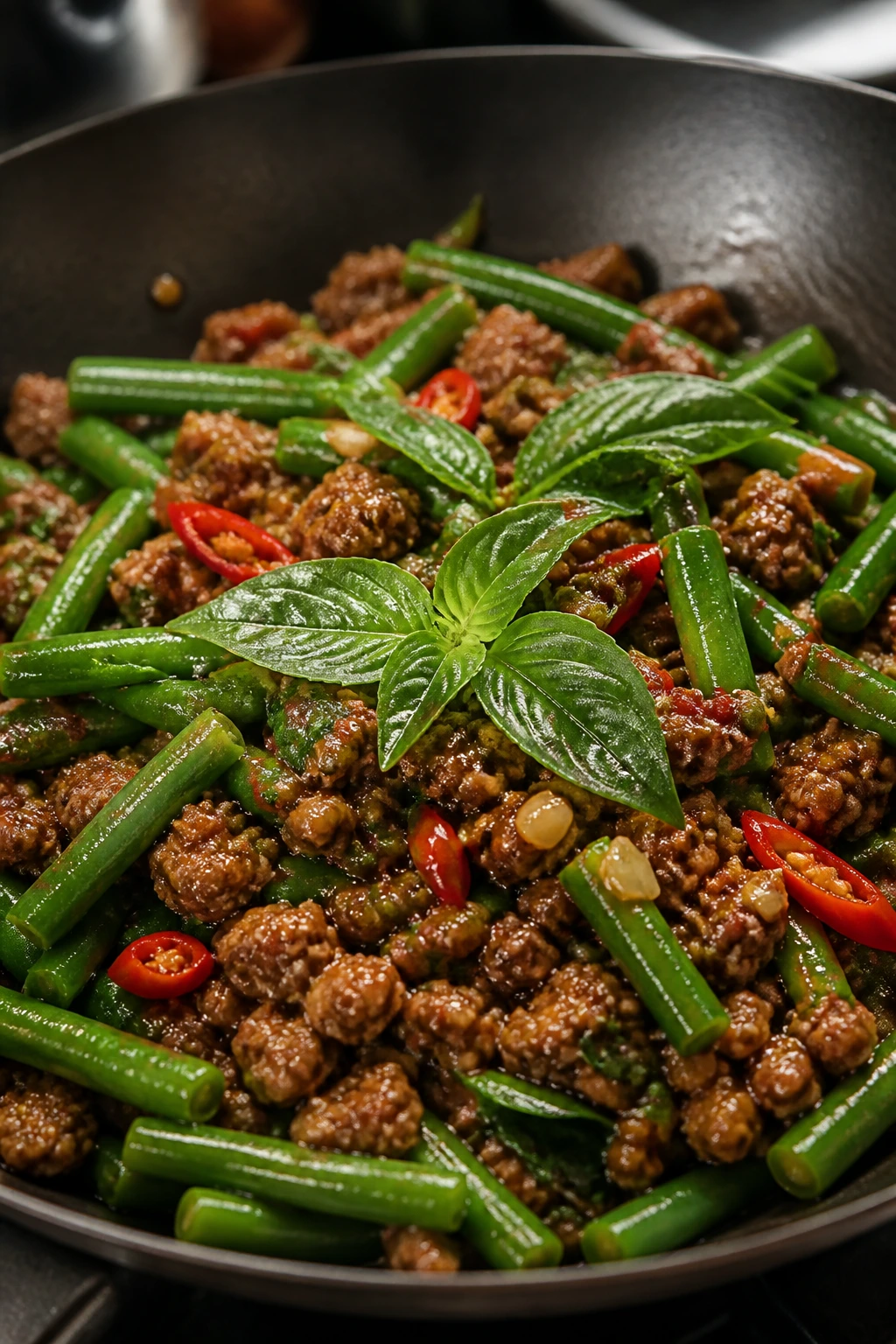
This one hits harder than the others, in a good way. Thai basil changes the whole pan with a peppery, anise edge that makes the beef and green beans taste louder.
Why It Works: Ground beef cooks fast and picks up chilies and garlic without needing much handling. Thai basil should go in at the end so its scent stays fresh instead of turning dull.
Key Ingredients:
- 1 lb ground beef
- 3 cups green beans, cut into 2-inch pieces
- 4 cloves garlic, minced
- 2 Thai chilies, sliced
- 3 tablespoons soy sauce
- 1 tablespoon fish sauce
- 1 teaspoon sugar
- 1 packed cup Thai basil leaves
- 2 tablespoons neutral oil
Quick Steps:
- Brown the beef in oil for 4 to 5 minutes.
- Add garlic, chilies, and green beans; stir-fry 3 minutes.
- Stir in soy sauce, fish sauce, and sugar.
- Fold in Thai basil just until wilted, then serve at once.
Equipment for This Recipe:
- Large wok or skillet
- Wooden spoon for breaking up the beef
- Small bowl for sauce seasoning
How to Serve This Dish: Spoon it over hot rice with a fried egg on top if you want the classic feel. A few cucumber slices cool the heat down.
Pro Tips for This Recipe:
- Use Thai basil, not sweet basil, if you can find it.
- Keep the chilies sliced thin so they spread through the pan.
- The basil should wilt, not cook to a swamp.
- A squeeze of lime right before eating sharpens everything.
Variations on This Dish:
- Chicken Basil Bowl: Ground chicken works with the same sauce.
- Milder Family Version: Cut the chilies in half and pull out the seeds.
- Rice Noodle Toss: Stir into cooked noodles for a heavier dinner.
Common Mistakes to Avoid with This Dish:
- Don’t add the basil too early or it loses its perfume.
- Don’t skip the fish sauce; it gives the dish its depth.
11. Teriyaki Chicken with Mushrooms
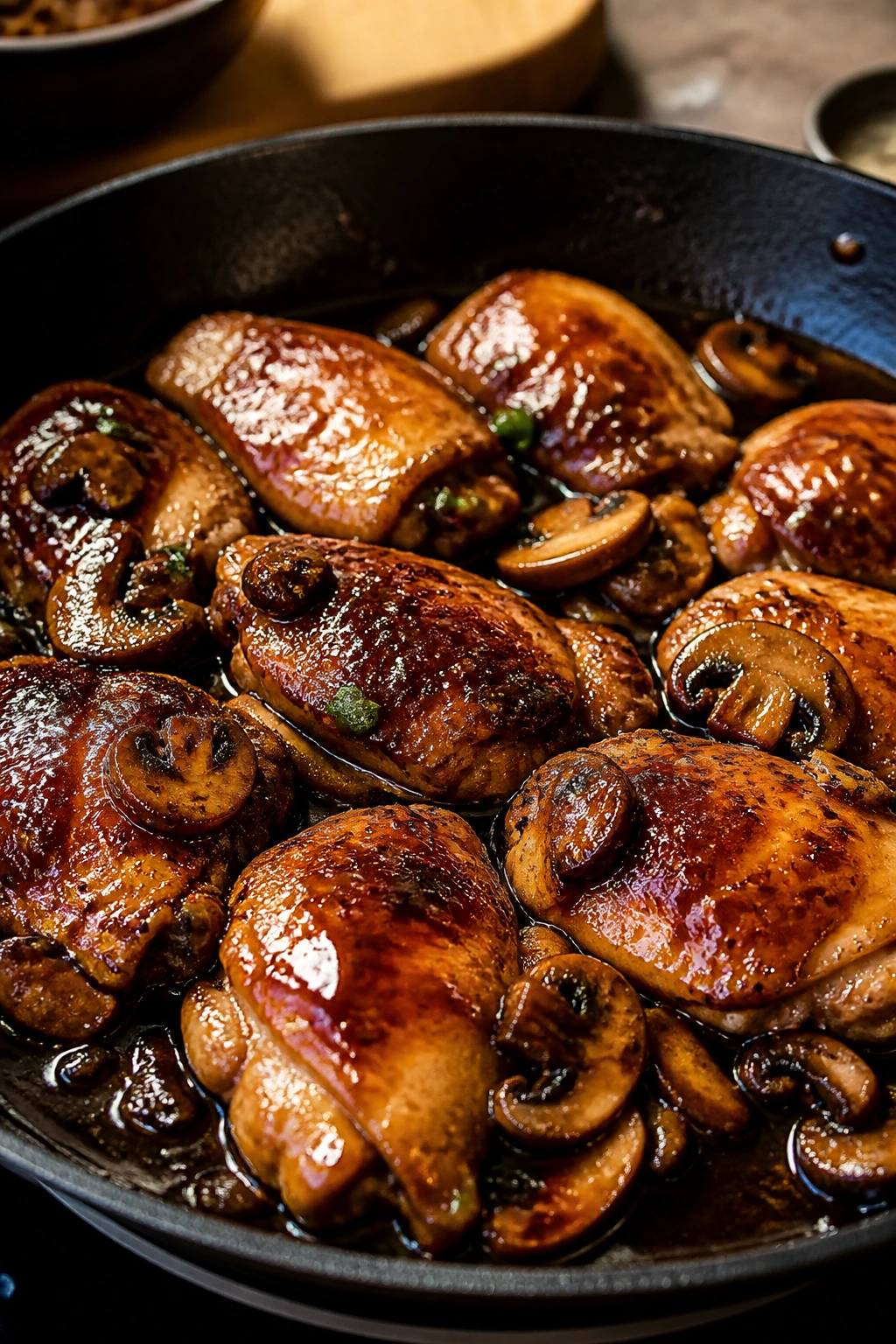
This is the kind of dinner that looks simple until you taste how the mushrooms soak up the glaze. Teriyaki can get syrupy fast, so the trick is getting a pan glaze that clings but doesn’t drown the chicken.
Why It Works: Chicken thigh cubes stay tender under a sticky sauce, and mushrooms act like little sponges for teriyaki. Cooking them in the same pan makes the sauce taste fuller without adding more ingredients.
Key Ingredients:
- 1 1/4 lb chicken thighs, cubed
- 8 oz cremini mushrooms, sliced
- 1/4 cup soy sauce
- 2 tablespoons mirin
- 1 tablespoon brown sugar
- 1 teaspoon grated ginger
- 1 tablespoon cornstarch mixed with 2 tablespoons water
- 2 tablespoons neutral oil
Quick Steps:
- Brown the chicken in oil for 5 minutes.
- Add mushrooms and cook until they release and reabsorb some liquid.
- Stir in soy sauce, mirin, brown sugar, and ginger.
- Add the cornstarch slurry and cook until the sauce turns glossy and thick.
Equipment for This Recipe:
- Large skillet
- Whisk for the sauce
- Measuring cups and spoons
How to Serve This Dish: Serve over rice with steamed broccoli on the side. A sprinkle of sesame seeds makes the bowl look finished.
Pro Tips for This Recipe:
- Let the mushrooms lose their water before the sauce goes in.
- Add the slurry slowly so the glaze doesn’t turn pasty.
- Keep the heat at a lively simmer, not a hard boil.
- Chicken thighs stay juicier than breast meat here.
Variations on This Dish:
- Pineapple Teriyaki: Add a small handful of pineapple chunks.
- Sesame Mushroom Version: Finish with toasted sesame oil.
- Soba Bowl: Serve over chilled soba for a warmer-weather plate.
Common Mistakes to Avoid with This Dish:
- Don’t add too much cornstarch or the sauce turns gluey.
- Don’t skip browning the mushrooms; they need that nutty edge.
12. Garlic Eggplant and Pork
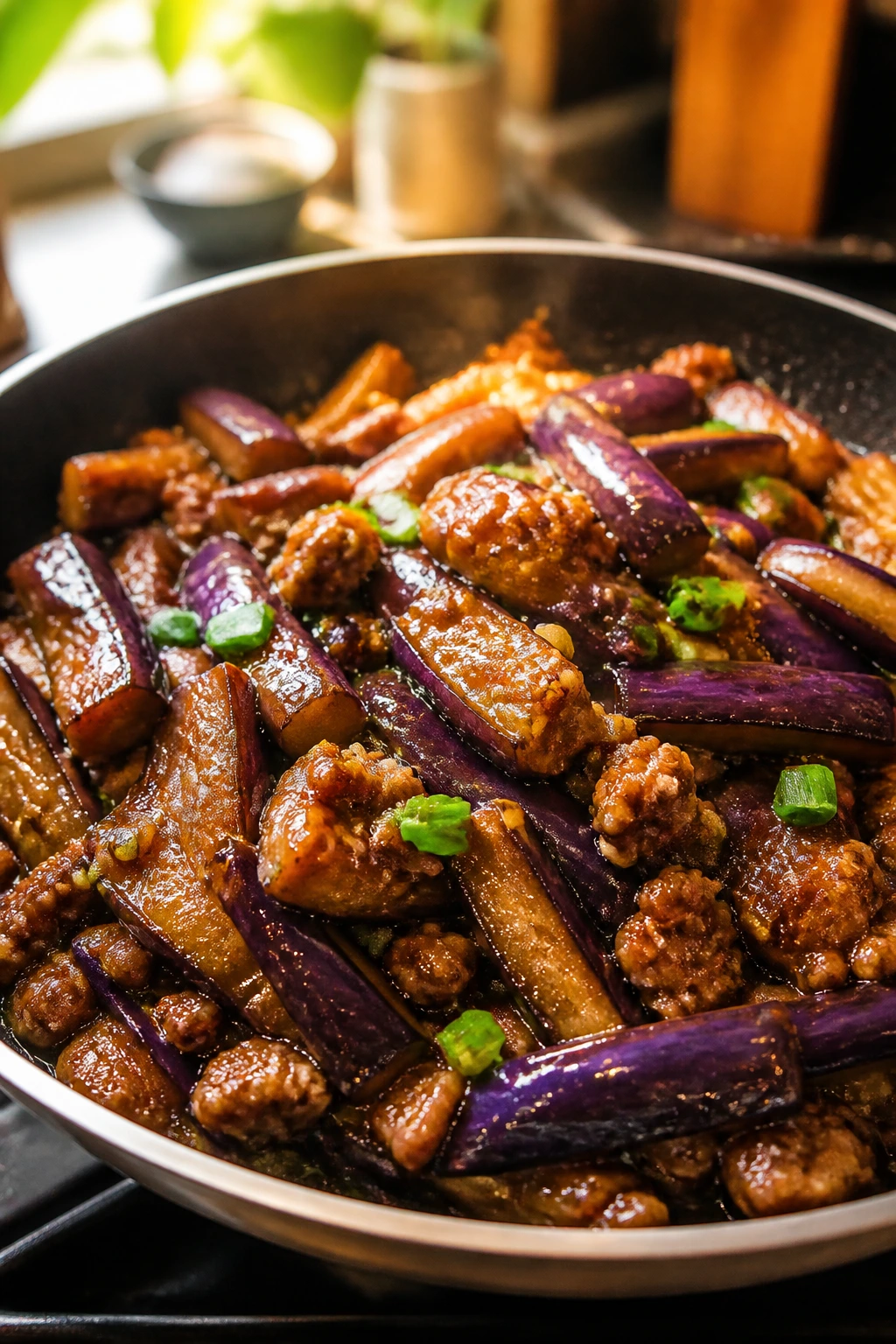
Eggplant is tricky only if you treat it like a side note. Here, it drinks in garlic, soy, and pork fat until it turns silky, almost creamy, with edges that still hold shape.
Why It Works: Chinese eggplant cooks faster and softer than the globe kind, so it fits a quick stir fry better. Ground pork gives enough fat to carry the sauce into the eggplant instead of leaving it sitting on the surface.
Key Ingredients:
- 1 lb ground pork
- 2 Chinese eggplants, cut into batons
- 4 cloves garlic, minced
- 1 tablespoon fermented black bean sauce
- 2 tablespoons soy sauce
- 1 tablespoon rice vinegar
- 1 teaspoon sugar
- 2 tablespoons neutral oil
Quick Steps:
- Brown the pork in oil for 4 minutes.
- Add eggplant and cook, stirring often, until it softens and picks up color.
- Add garlic and black bean sauce; cook 1 minute.
- Stir in soy sauce, vinegar, and sugar, then toss until the eggplant is silky.
Equipment for This Recipe:
- Wide skillet or wok
- Spatula for breaking pork and moving eggplant
- Small bowl for sauce ingredients
How to Serve This Dish: Pile it over rice or serve with plain noodles. It also works with a fried egg if you want the yolk to mingle with the sauce.
Pro Tips for This Recipe:
- Eggplant soaks up oil fast; keep the heat steady so it cooks rather than stews.
- Salt the eggplant lightly if your pieces are large and let them sit 10 minutes.
- Black bean sauce is strong; measure it, don’t free-pour it.
- Add a splash of water if the pan looks dry before the eggplant softens.
Variations on This Dish:
- Chili Black Bean Version: Add chopped chili for heat.
- Tofu Swap: Replace pork with cubed tofu and brown it first.
- Green Bean Add-In: Toss in a handful of green beans for crunch.
Common Mistakes to Avoid with This Dish:
- Don’t use giant eggplant chunks. They take too long to soften.
- Don’t rush the softening stage; eggplant needs enough time to go silky.
13. Spicy Peanut Chicken Noodles
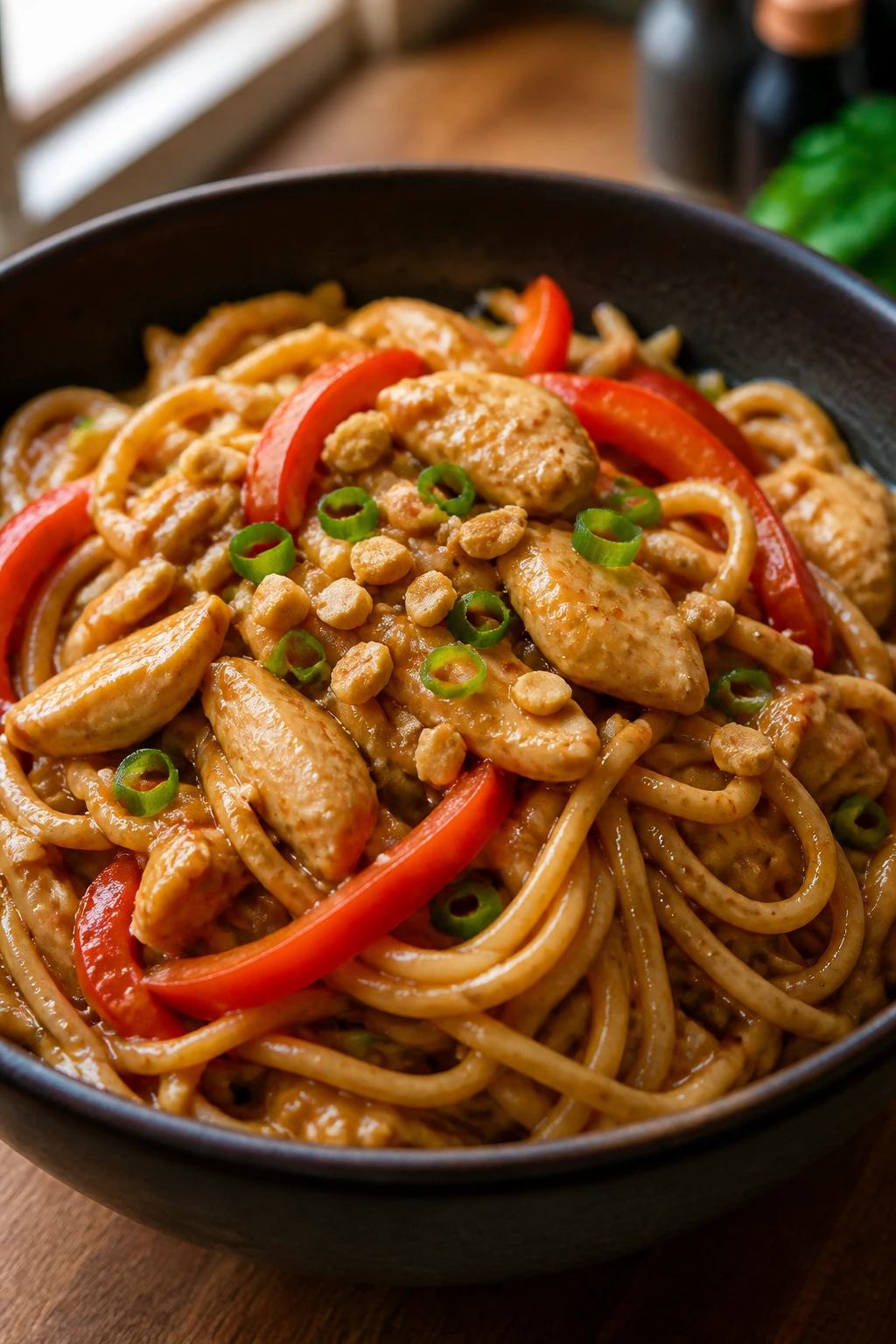
This is a dinner that eats like takeout but behaves like a 20-minute home meal. The peanut sauce coats every noodle strand, and the chicken gives it enough heft to stand on its own.
Why It Works: Peanut butter thickens into sauce fast when you loosen it with hot water or noodle water. Noodles catch the sauce better than rice does here, which is half the appeal.
Key Ingredients:
- 8 oz rice noodles or lo mein noodles
- 1 lb chicken breast or thigh, sliced
- 1 red bell pepper, sliced
- 2 tablespoons peanut butter
- 2 tablespoons soy sauce
- 1 tablespoon lime juice
- 1 teaspoon chili paste
- 2 cloves garlic, minced
- 2 tablespoons neutral oil
Quick Steps:
- Cook the noodles until just tender, then drain.
- Stir together peanut butter, soy sauce, lime juice, chili paste, garlic, and 3 tablespoons hot water.
- Stir-fry chicken and peppers in oil until cooked through.
- Toss in the noodles and sauce until every strand looks coated.
Equipment for This Recipe:
- Large skillet or wok
- Sauce bowl and whisk
- Colander for the noodles
How to Serve This Dish: Top with chopped peanuts and scallions. A side of quick-pickled cucumbers cuts the richness nicely.
Pro Tips for This Recipe:
- Save a little noodle water to loosen the sauce if needed.
- Don’t overcook rice noodles; they break once they hit the hot pan.
- Toasted peanuts at the end add more than garnish—they keep the bowl interesting.
- If the sauce tastes thick, add water a tablespoon at a time.
Variations on This Dish:
- Sesame Peanut Version: Add 1 teaspoon sesame oil to the sauce.
- Veggie Noodle Bowl: Skip the chicken and add mushrooms and snap peas.
- Crunchy Cabbage Toss: Mix in shredded cabbage for texture.
Common Mistakes to Avoid with This Dish:
- Don’t add peanut sauce to dry noodles without loosening it first.
- Don’t let the noodles sit in the pan too long or they clump.
14. Korean Beef Rice Bowls
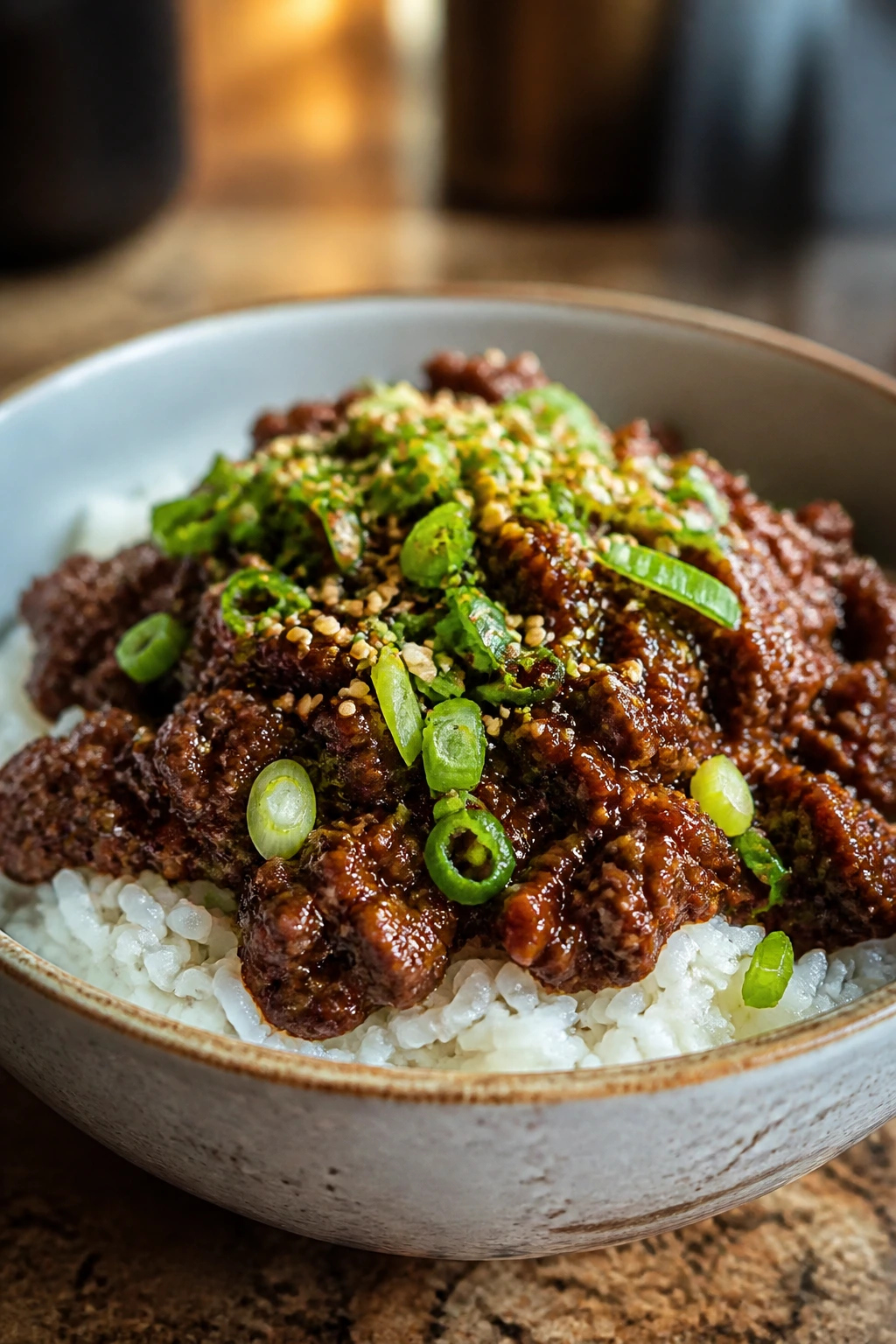
Ground beef takes on gochujang beautifully, and that sweet-heat sauce makes rice feel like a proper meal instead of a backdrop. The best part is how fast the whole pan comes together.
Why It Works: Gochujang, soy sauce, and a little sugar make a sauce that clings to the beef without needing much reduction. Because ground beef cooks evenly, you can build the bowl fast and still keep the texture loose.
Key Ingredients:
- 1 lb ground beef
- 2 tablespoons gochujang
- 2 tablespoons soy sauce
- 1 tablespoon brown sugar
- 2 cloves garlic, minced
- 1 teaspoon ginger, minced
- 2 cups cooked rice
- 2 scallions, sliced
- 1 teaspoon sesame seeds
Quick Steps:
- Brown the beef with garlic and ginger.
- Stir in gochujang, soy sauce, and brown sugar.
- Cook 1 minute until the sauce looks sticky and coats the meat.
- Spoon over rice and finish with scallions and sesame seeds.
Equipment for This Recipe:
- Skillet
- Rice cooker or pot for the rice
- Small bowl for mixing sauce
How to Serve This Dish: Add shredded carrots, cucumber ribbons, or a fried egg if you have them. The bowl looks best when the beef stays mounded rather than spread flat.
Pro Tips for This Recipe:
- Use a spoon to break the beef into small pieces early.
- Gochujang is thick; stir it into the pan thoroughly or it sits in streaks.
- A splash of rice vinegar brightens the bowl if it tastes too sweet.
- Short-grain rice gives the best chew.
Variations on This Dish:
- Turkey Bowl: Ground turkey works if you add 1 tablespoon oil.
- Kimchi Finish: Spoon chopped kimchi on top.
- Lettuce Cup Version: Skip the rice and serve in lettuce leaves.
Common Mistakes to Avoid with This Dish:
- Don’t leave the beef in big clumps. It should be loose and crumbly.
- Don’t oversweeten it; gochujang needs balance, not syrup.
15. Sweet and Sour Shrimp with Pineapple
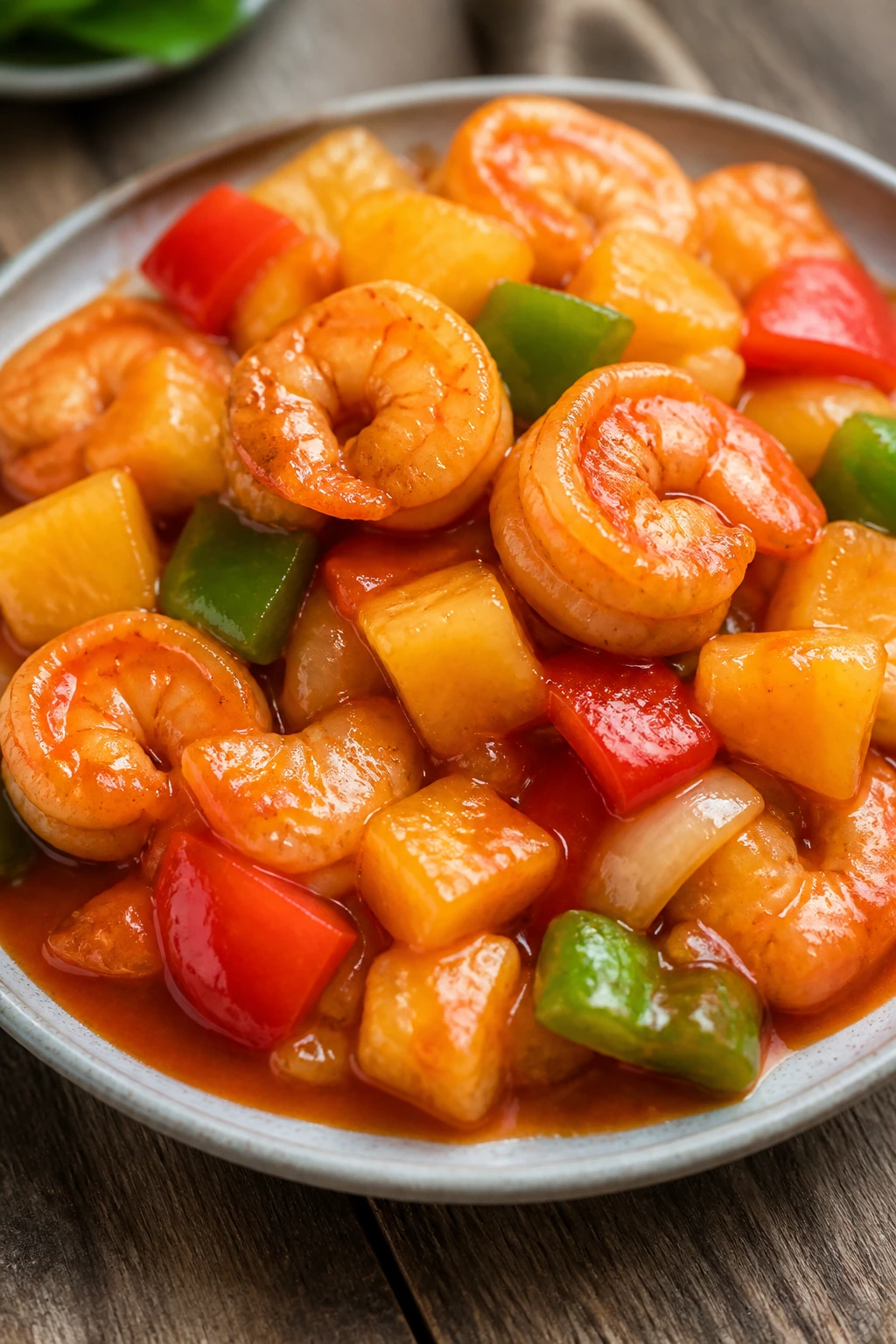
This one hits the bright, sticky corner of the stir fry map. Pineapple gives the sauce a sharp sweetness, and shrimp keep it light enough that you still want a second bowl.
Why It Works: Shrimp cook before the fruit breaks down, so the pan stays fresh instead of jammy. A vinegar-forward sauce keeps the sweetness in check and gives the pineapple room to pop.
Key Ingredients:
- 1 lb shrimp, peeled and deveined
- 1 cup pineapple chunks
- 1 red bell pepper, chopped
- 1/2 yellow onion, sliced
- 3 tablespoons rice vinegar
- 2 tablespoons ketchup
- 1 tablespoon soy sauce
- 1 tablespoon sugar
- 2 tablespoons neutral oil
Quick Steps:
- Mix rice vinegar, ketchup, soy sauce, and sugar.
- Stir-fry onion and pepper for 2 minutes.
- Add shrimp and pineapple; cook until shrimp turn pink.
- Pour in the sauce and toss until shiny and lightly thickened.
Equipment for This Recipe:
- Large skillet or wok
- Bowl for sauce mixing
- Tongs for quick tossing
How to Serve This Dish: White rice is the obvious call. A little chopped cilantro on top works if you like the fresh edge, though scallions fit just fine too.
Pro Tips for This Recipe:
- Use pineapple that still has some firmness, not fruit that’s already mushy.
- Pat the shrimp dry before cooking.
- If the sauce gets too sharp, add 1 teaspoon more sugar.
- Cook fast and stop fast; that keeps the shrimp tender.
Variations on This Dish:
- Bell Pepper Trio: Use three colors for a brighter pan.
- Spicy Sweet-Sour: Stir chili garlic sauce into the sauce.
- Chicken Version: Swap in chicken thigh pieces and cook a few minutes longer.
Common Mistakes to Avoid with This Dish:
- Don’t let the pineapple simmer too long or it loses its shape.
- Don’t overdo the ketchup. The sauce should still taste bright.
16. Chicken Lo Mein with Cabbage
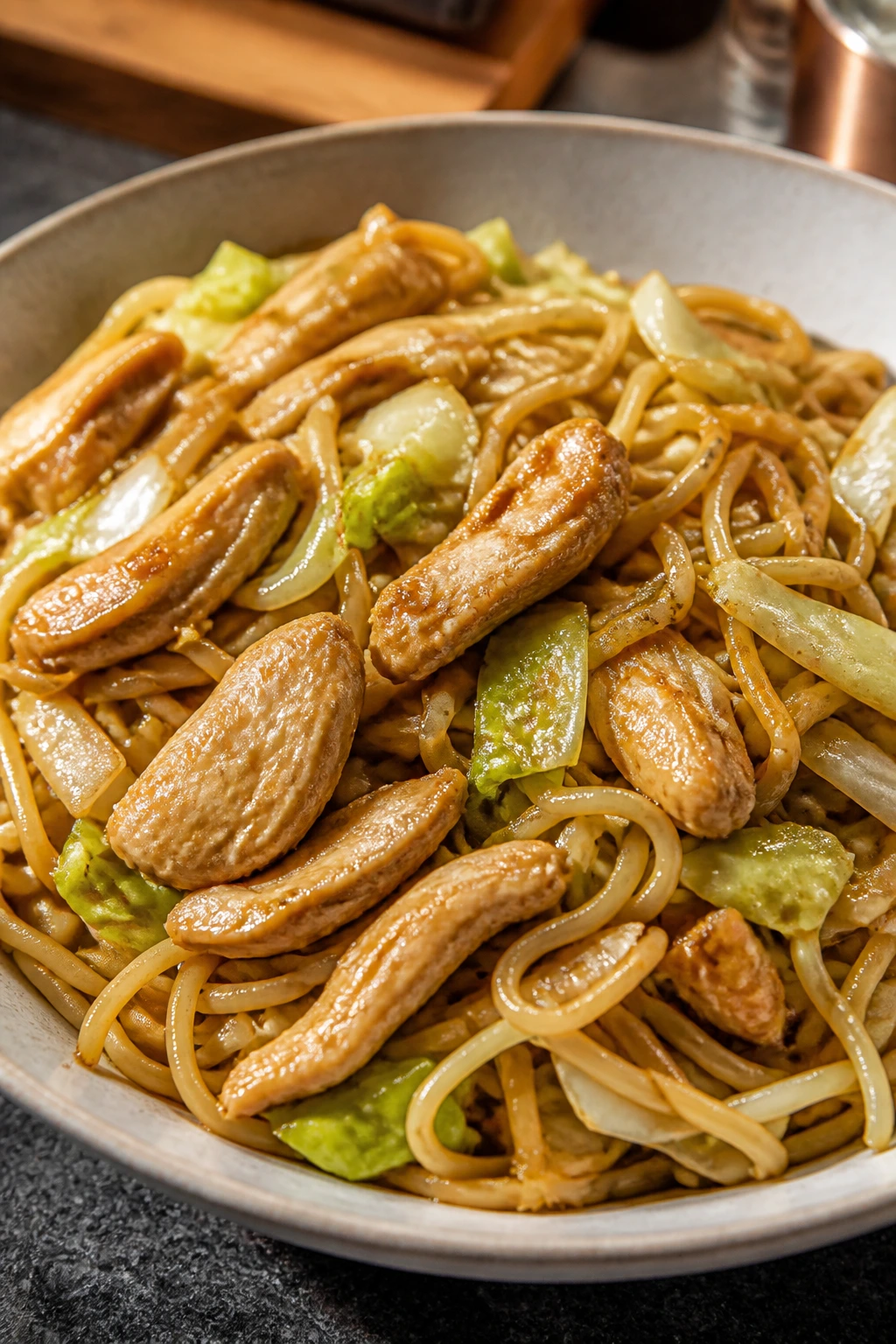
Lo mein is one of those dishes that makes a fridge look less sad. Cabbage, carrots, and noodles all get along in the pan, and the sauce slides into every strand.
Why It Works: Cooked noodles absorb sauce best when you toss them while they’re still a little damp. Cabbage gives volume without demanding much cooking time, so the pan stays fast.
Key Ingredients:
- 8 oz lo mein or spaghetti noodles
- 1 lb chicken breast or thighs, sliced thin
- 4 cups shredded cabbage
- 2 carrots, julienned
- 3 tablespoons soy sauce
- 1 tablespoon oyster sauce
- 1 teaspoon sesame oil
- 2 cloves garlic, minced
- 2 tablespoons neutral oil
Quick Steps:
- Cook noodles until just tender; drain and toss with a little oil.
- Brown chicken in oil, then remove.
- Stir-fry cabbage, carrots, and garlic for 2 to 3 minutes.
- Return chicken, add sauces, then toss in noodles until glossy.
Equipment for This Recipe:
- Large wok or deep skillet
- Pot for boiling noodles
- Tongs for tossing
How to Serve This Dish: Serve it in shallow bowls so the noodles can spread out instead of mounding into a dense knot. A side of chili oil is enough for people who want more heat.
Pro Tips for This Recipe:
- Undercook the noodles by about 1 minute; they finish in the pan.
- Keep a splash of noodle water nearby if the pan gets dry.
- Cabbage should wilt but still have some snap.
- Add sesame oil at the end, not at the start.
Variations on This Dish:
- Pork Lo Mein: Use thin pork strips instead of chicken.
- Veggie Lo Mein: Skip the meat and add mushrooms and edamame.
- Spicy Garlic Lo Mein: Add sliced chilies with the garlic.
Common Mistakes to Avoid with This Dish:
- Don’t let noodles sit in a clump after draining.
- Don’t overload the pan or the noodles tear instead of tossing.
17. Black Bean Tofu and Mushrooms
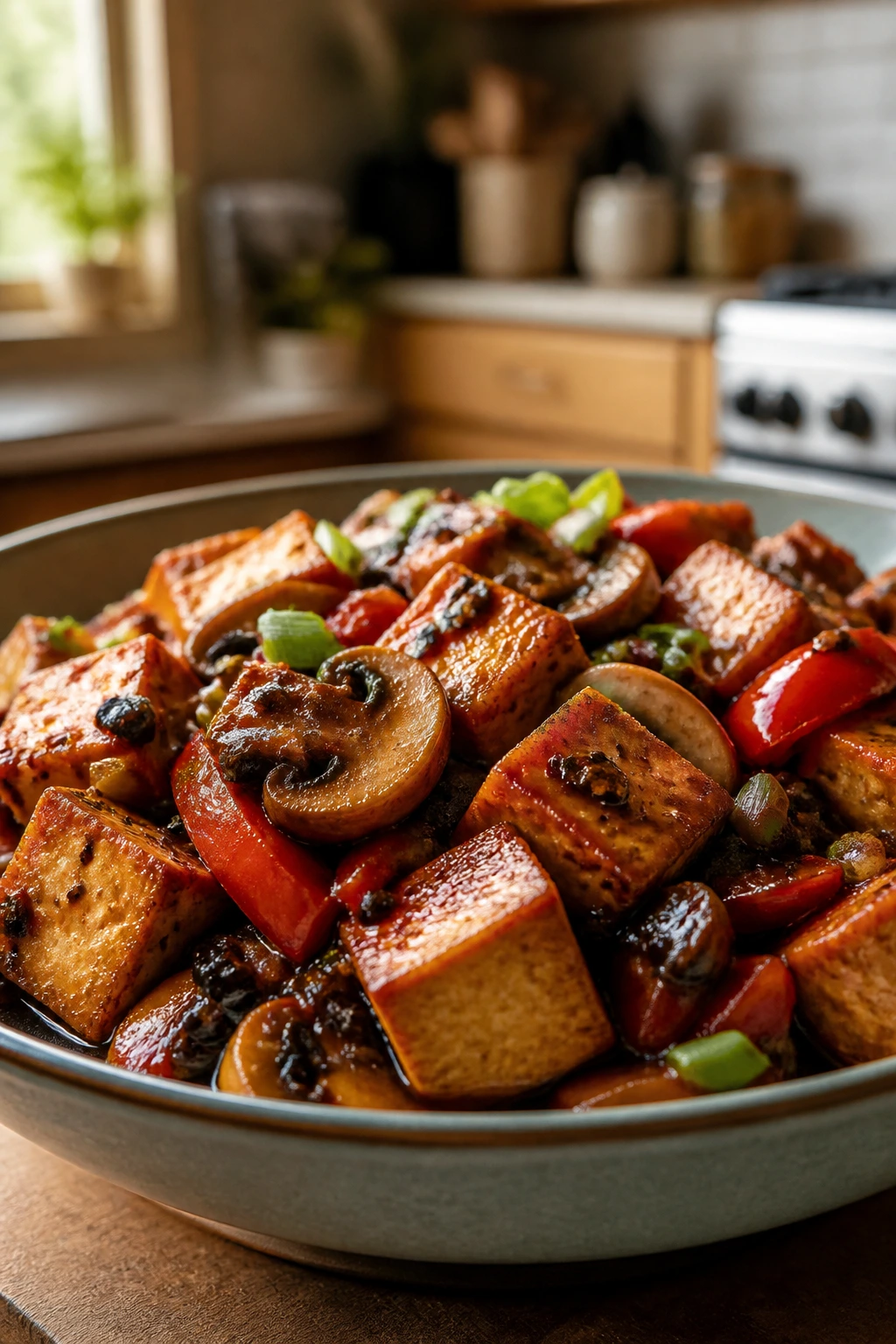
Fermented black bean sauce gives this dish a deep, salty note that tofu alone would never bring. Mushrooms fill in the gaps with a meaty texture that makes the bowl feel complete.
Why It Works: Tofu takes on flavor better once it has a browned surface. Mushrooms release moisture first, then reabsorb some sauce, which means the pan tastes richer than the ingredient list suggests.
Key Ingredients:
- 1 block extra-firm tofu, pressed and cubed
- 8 oz mushrooms, sliced
- 1 bell pepper, sliced
- 2 cloves garlic, minced
- 1 tablespoon fermented black bean sauce
- 2 tablespoons soy sauce
- 1 teaspoon sugar
- 2 tablespoons neutral oil
Quick Steps:
- Brown tofu cubes in oil until the edges are crisp.
- Add mushrooms and bell pepper; cook until the mushrooms soften.
- Stir in garlic and black bean sauce.
- Finish with soy sauce and sugar, tossing until the sauce clings.
Equipment for This Recipe:
- Nonstick skillet or wok
- Paper towels for pressing tofu
- Spatula for turning cubes
How to Serve This Dish: Rice is the best base here. If you want more structure, add a side of steamed gai lan or bok choy.
Pro Tips for This Recipe:
- Press tofu well or it won’t brown.
- Black bean sauce is salty; go light until you taste the finished pan.
- Let mushrooms color before stirring too much.
- A squeeze of lime at the end brightens the whole dish.
Variations on This Dish:
- Chicken and Black Bean: Swap tofu for sliced chicken thigh.
- Napa Cabbage Add-In: Toss in cabbage for more volume.
- Chili Black Bean Version: Add minced chilies with the garlic.
Common Mistakes to Avoid with This Dish:
- Don’t use soft tofu. It breaks apart in the pan.
- Don’t drown the mushrooms; too much liquid makes them rubbery.
18. Sichuan Green Beans with Ground Pork
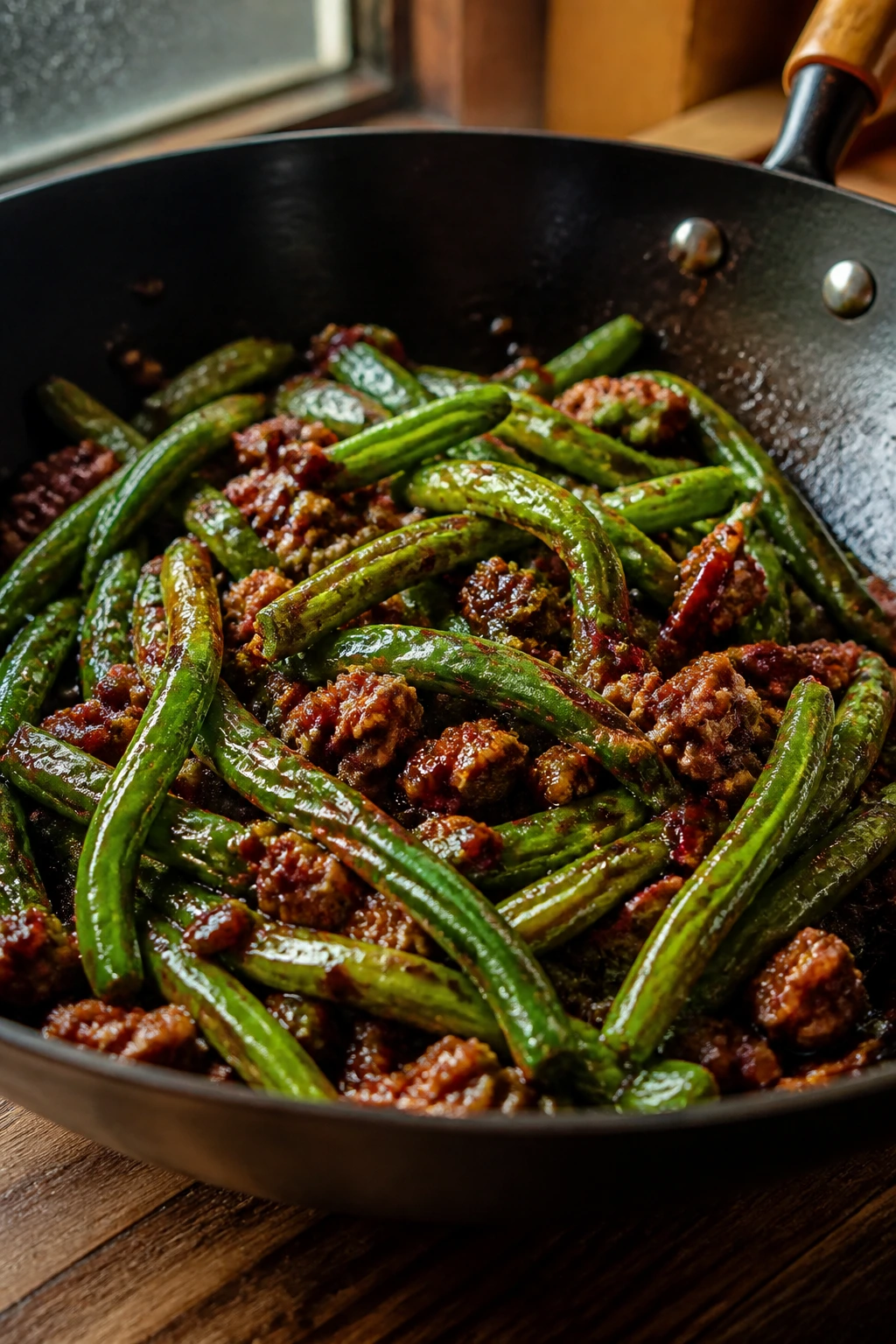
The beans blister, the pork gets salty and aromatic, and the whole dish has that addictive edge that makes a plain bowl of rice disappear fast. Sichuan-style heat is more about depth than raw fire here.
Why It Works: Green beans handle high heat well when you cook them until they wrinkle slightly and blister. Ground pork and chili bean paste give the sauce body, so the beans taste seasoned all the way through.
Key Ingredients:
- 1 lb ground pork
- 1 lb green beans, trimmed
- 2 cloves garlic, minced
- 1 tablespoon ginger, minced
- 1 tablespoon chili bean paste
- 2 tablespoons soy sauce
- 1 teaspoon sugar
- 2 tablespoons neutral oil
Quick Steps:
- Blister the beans in oil until they wrinkle in spots, then remove.
- Brown the pork with garlic and ginger.
- Add chili bean paste, soy sauce, and sugar.
- Return the beans and toss until everything looks lacquered.
Equipment for This Recipe:
- Large wok or skillet
- Slotted spoon if you want to lift beans out cleanly
- Small bowl for the sauce
How to Serve This Dish: Serve with white rice; it calms the heat and catches the sauce. A cold cucumber salad on the side makes a smart counterpoint.
Pro Tips for This Recipe:
- Dry green beans before they hit the pan.
- Chili bean paste varies in saltiness, so taste before adding more soy.
- A little blistering on the beans adds flavor.
- Keep the pork crumbled, not packed.
Variations on This Dish:
- Chicken Mince Version: Ground chicken works with a touch more oil.
- Dry-Fried Style: Cook the beans a bit longer for more wrinkling.
- Extra Hot Bowl: Add dried chilies with the garlic.
Common Mistakes to Avoid with This Dish:
- Don’t stop cooking the beans too early; they need that blistered edge.
- Don’t let the pork boil in its own moisture. Brown it.
19. Cashew Shrimp and Bell Peppers
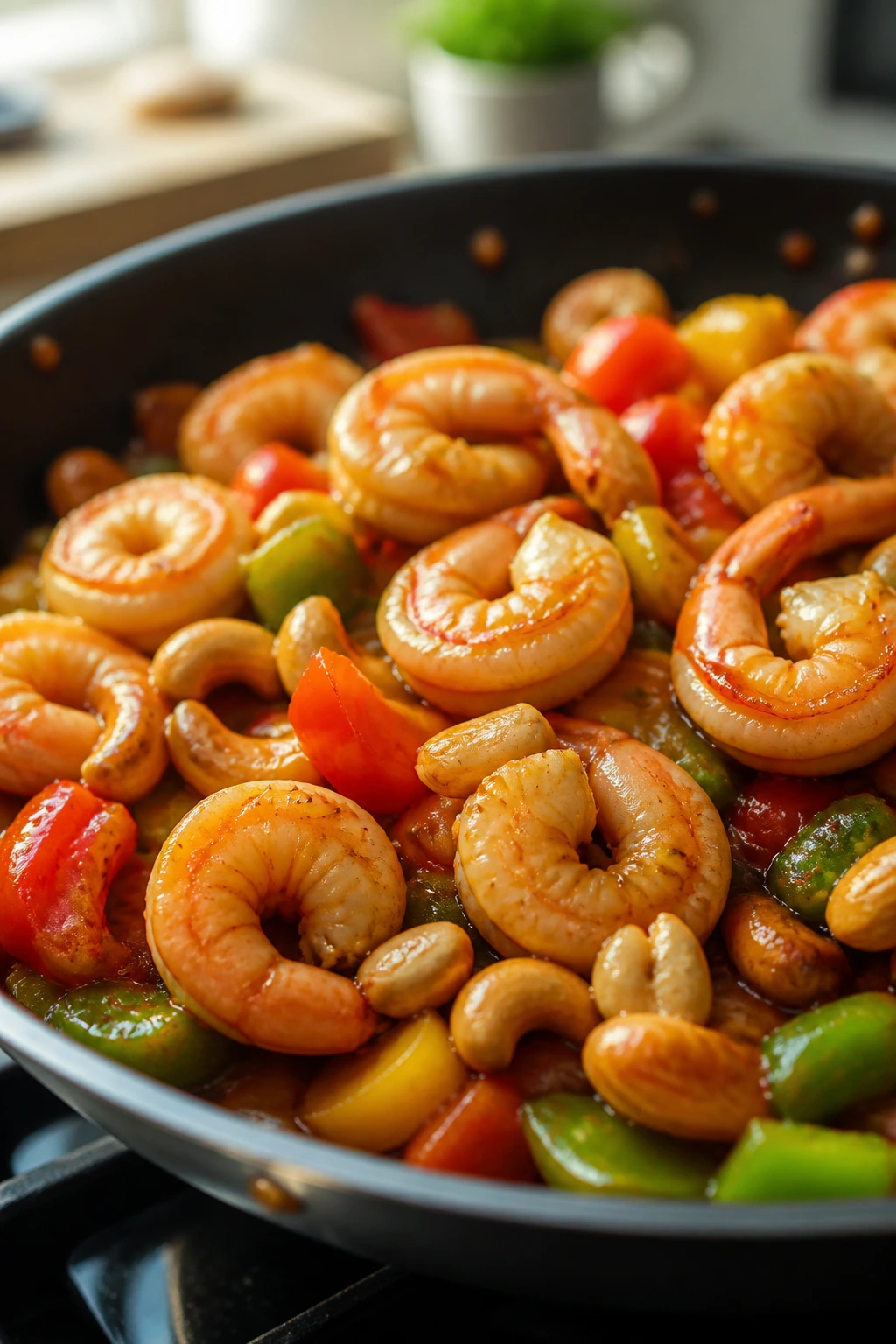
Cashews and shrimp make an easy pair because both cook fast and both like a clean, salty sauce. The peppers keep the dish bright and give the nuts something to cling to.
Why It Works: Shrimp need only brief heat, and cashews stay best when they are added after the main cooking is done. Bell peppers soften just enough to sweeten the pan without losing crunch.
Key Ingredients:
- 1 lb shrimp, peeled and deveined
- 2 bell peppers, sliced
- 1/2 cup roasted cashews
- 2 cloves garlic, minced
- 1 tablespoon ginger, minced
- 2 tablespoons soy sauce
- 1 tablespoon rice vinegar
- 1 teaspoon sugar
- 2 tablespoons neutral oil
Quick Steps:
- Sear the shrimp for about 1 minute per side, then remove.
- Stir-fry peppers, garlic, and ginger for 2 minutes.
- Add soy sauce, vinegar, and sugar.
- Return shrimp and cashews, toss, and serve as soon as the sauce shines.
Equipment for This Recipe:
- Large skillet
- Tongs
- Small bowl for the sauce
How to Serve This Dish: Jasmine rice works fine, but noodles are good too if you want a fuller plate. A squeeze of lime right before eating sharpens the whole bowl.
Pro Tips for This Recipe:
- Add cashews last so they keep their snap.
- Use large shrimp if you can; they’re less likely to overcook.
- If the peppers are thick, slice them thinner than you think.
- A tiny bit of sesame oil at the end gives the dish more depth.
Variations on This Dish:
- Spicy Cashew Shrimp: Add chili flakes or chili paste.
- Mushroom Pepper Version: Swap one bell pepper for mushrooms.
- Chicken Cashew Bowl: Use chicken thigh pieces instead of shrimp.
Common Mistakes to Avoid with This Dish:
- Don’t leave shrimp in the hot pan after they turn pink.
- Don’t toast the cashews too early or they burn.
20. Yakisoba-Style Noodles with Cabbage
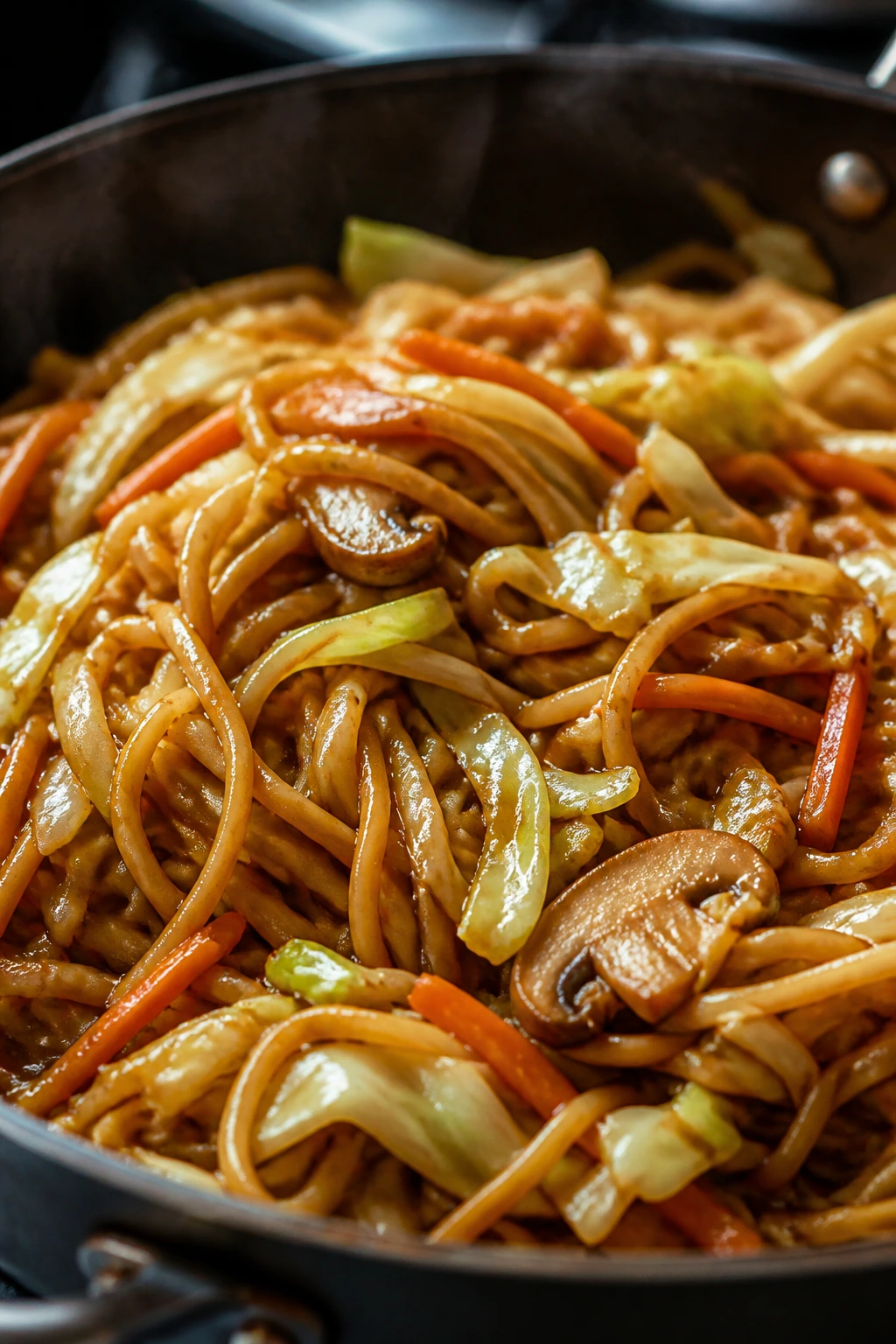
Yakisoba-style noodles have a comfort-food pull that sneaks up on you. Cabbage and carrots soften into the sauce, while the noodles keep a little chew and a lot of flavor.
Why It Works: Noodles that are already cooked only need a short toss, which makes this a true quick dinner. The sauce should be balanced enough to coat noodles without turning them heavy.
Key Ingredients:
- 10 oz yakisoba noodles or ramen noodles
- 2 cups shredded cabbage
- 1 carrot, julienned
- 1 cup sliced mushrooms
- 2 tablespoons soy sauce
- 1 tablespoon oyster sauce
- 1 tablespoon Worcestershire sauce
- 2 tablespoons neutral oil
Quick Steps:
- Cook or loosen the noodles as needed.
- Stir-fry cabbage, carrot, and mushrooms until softened.
- Add noodles and toss with soy sauce, oyster sauce, and Worcestershire.
- Cook until the noodles are coated and lightly browned in spots.
Equipment for This Recipe:
- Large skillet or wok
- Pot for the noodles if needed
- Tongs for tossing
How to Serve This Dish: Serve in wide bowls with a little pickled ginger or sliced scallions on top. A fried egg over the noodles is a fine move if you want more richness.
Pro Tips for This Recipe:
- If using dried noodles, cook them one minute shy of done.
- A little browning on the noodles makes the flavor deeper.
- Keep the cabbage cut thin so it softens fast.
- Add a splash of water if the pan tightens up.
Variations on This Dish:
- Chicken Yakisoba: Add cooked chicken strips.
- Seafood Version: Use shrimp or squid.
- Spicy Mayo Finish: Drizzle with a little Japanese mayo and chili oil.
Common Mistakes to Avoid with This Dish:
- Don’t let noodles sit in a wet pile after cooking.
- Don’t overdo the sauce or the dish gets sticky in the wrong way.
21. Lemongrass Chicken and Zucchini
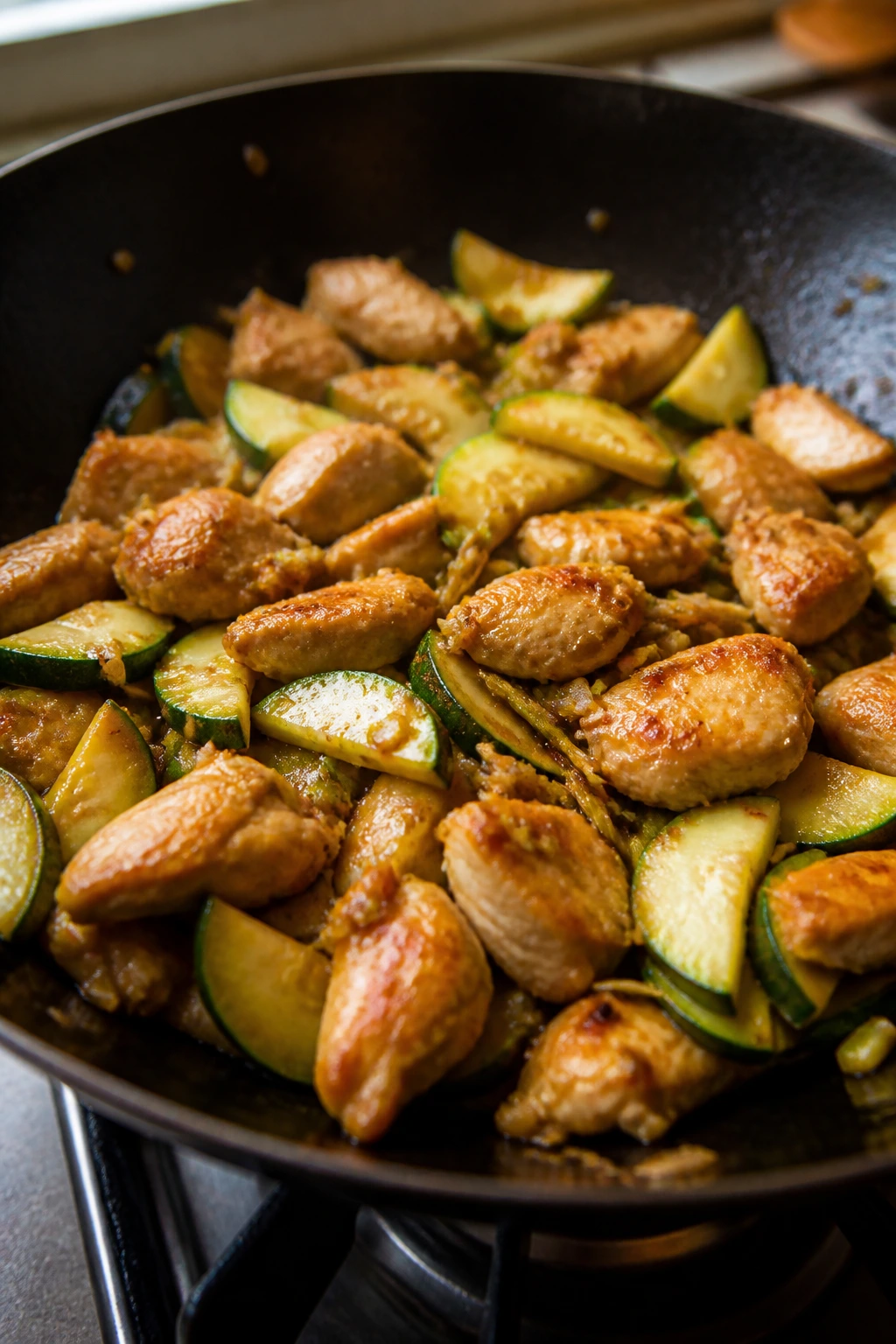
Lemongrass gives chicken a clean, citrusy note that feels sharper than plain garlic-soy fare. Zucchini softens fast, so the whole dinner stays quick without needing extra starch.
Why It Works: Lemongrass perfumes the oil early, and chicken picks that up quickly if the pieces are thin. Zucchini cooks in a short window, which keeps the dish light and fresh rather than heavy.
Key Ingredients:
- 1 1/4 lb chicken thighs, sliced
- 2 medium zucchini, cut into half-moons
- 2 stalks lemongrass, tender inner part minced
- 3 cloves garlic, minced
- 2 tablespoons fish sauce
- 1 tablespoon lime juice
- 1 teaspoon sugar
- 2 tablespoons neutral oil
Quick Steps:
- Sauté lemongrass, garlic, and chicken until the chicken browns.
- Add zucchini and cook 2 minutes.
- Stir in fish sauce, lime juice, and sugar.
- Toss until the zucchini is tender but still green.
Equipment for This Recipe:
- Wok or skillet
- Sharp knife for prepping lemongrass
- Small bowl for sauce
How to Serve This Dish: Rice is the right base, especially jasmine rice. A handful of torn basil or cilantro at the end gives it a brighter finish.
Pro Tips for This Recipe:
- Use only the tender inner stalk of lemongrass.
- Slice zucchini thick enough to keep some bite.
- Fish sauce needs lime to feel balanced.
- Brown the chicken before crowding in the zucchini.
Variations on This Dish:
- Shrimp Lemongrass Bowl: Swap chicken for shrimp and cut the cooking time.
- Coconut Finish: Stir in a spoonful of coconut milk.
- Rice Noodle Plate: Serve with rice noodles and extra lime.
Common Mistakes to Avoid with This Dish:
- Don’t leave lemongrass in tough pieces; it’s too fibrous to enjoy.
- Don’t overcook zucchini or it turns watery.
22. Char Siu Pork and Pineapple
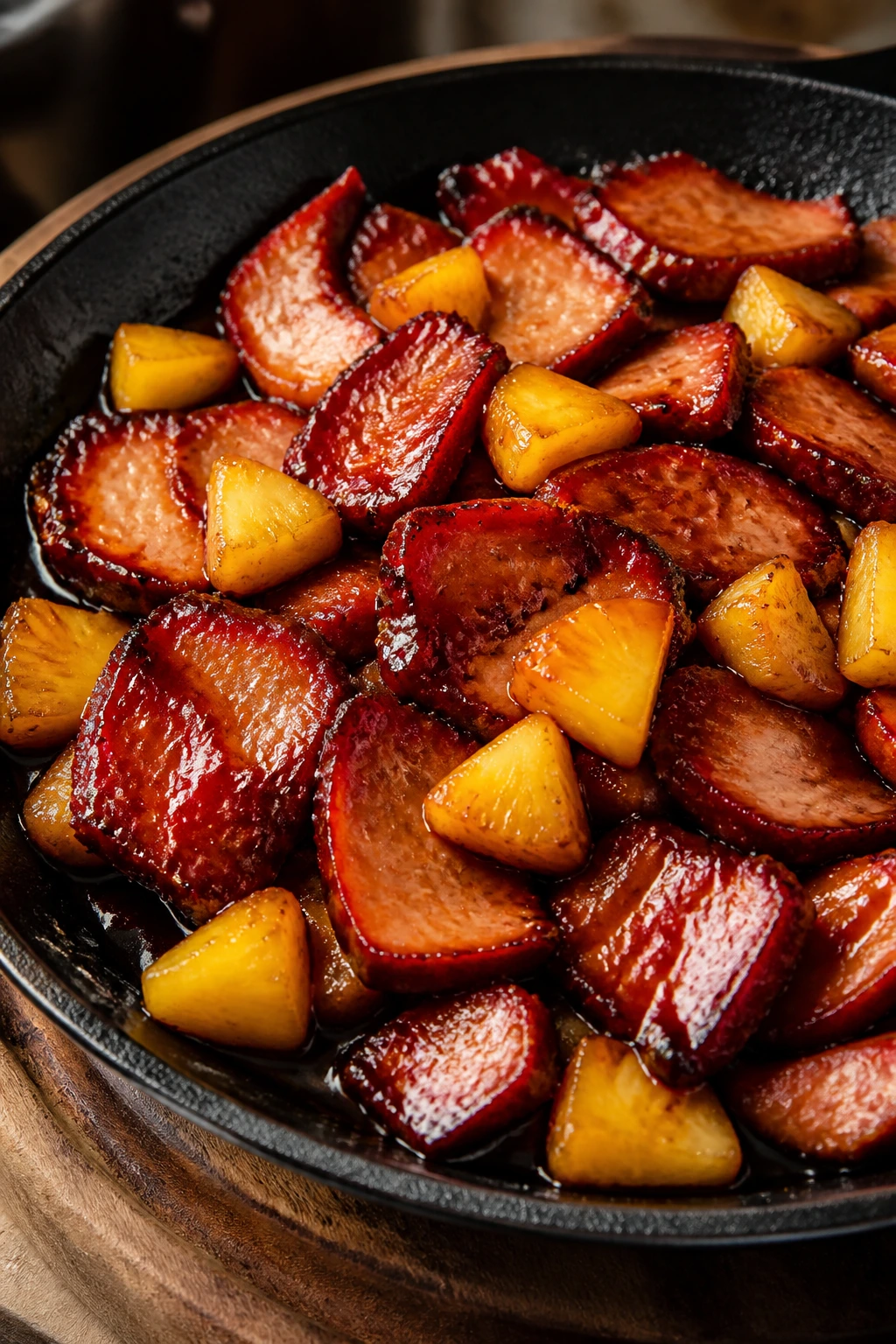
This is the sweet-savory pan that feels a little like barbecue got invited into a stir fry. Pineapple and char siu-style sauce glaze the pork in sticky red-brown streaks that cling to rice.
Why It Works: Pork tenderloin or thin pork shoulder slices cook fast and take well to sweet sauces. Pineapple brings acid and juice, which keeps the dish from tipping into candy territory.
Key Ingredients:
- 1 lb pork tenderloin, sliced thin
- 1 cup pineapple chunks
- 1 red bell pepper, sliced
- 2 tablespoons hoisin sauce
- 1 tablespoon soy sauce
- 1 tablespoon honey
- 1 teaspoon five-spice powder
- 2 tablespoons neutral oil
Quick Steps:
- Mix hoisin, soy sauce, honey, and five-spice.
- Sear pork until browned.
- Add bell pepper and pineapple; cook 2 minutes.
- Pour in the sauce and toss until sticky and coated.
Equipment for This Recipe:
- Skillet or wok
- Mixing bowl
- Tongs
How to Serve This Dish: Serve over rice with sliced scallions. If you like a sharper bite, add quick-pickled cucumbers on the side.
Pro Tips for This Recipe:
- Pork tenderloin cooks fast, so keep the slices thin.
- Five-spice is potent; measure it carefully.
- Pineapple should stay in chunks so it doesn’t dissolve.
- A little char on the pork helps mimic that roasted flavor.
Variations on This Dish:
- Chicken Char Siu Bowl: Use chicken thighs instead of pork.
- Pineapple-Free Version: Add extra bell pepper and a splash of orange juice.
- Spicy Char Siu: Stir chili paste into the glaze.
Common Mistakes to Avoid with This Dish:
- Don’t over-sweeten the sauce.
- Don’t cook the pineapple so long that it loses all texture.
23. Red Curry Chicken and Snap Peas
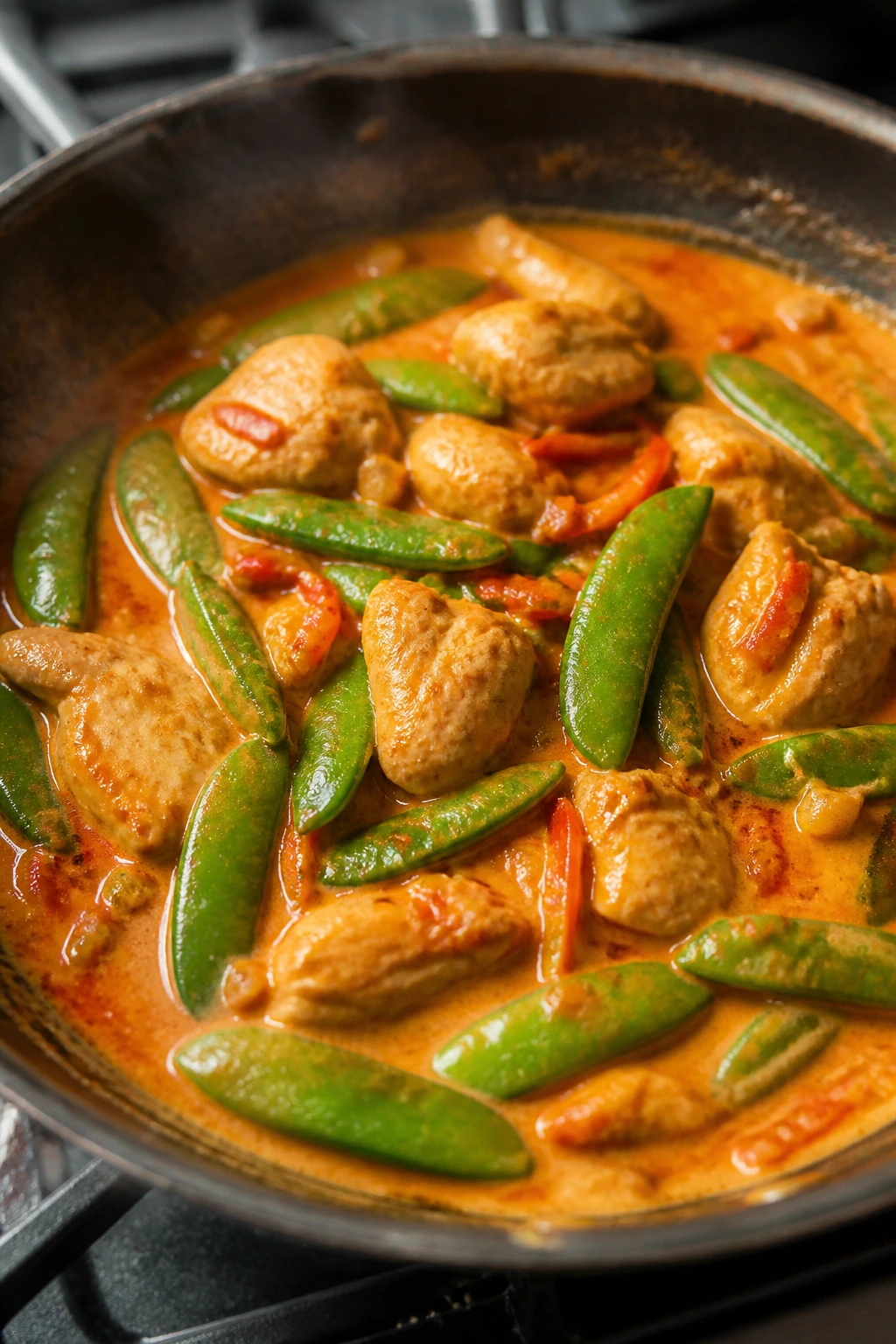
Red curry paste turns a quick stir fry into something with more perfume and warmth. Snap peas keep the texture bright, and chicken carries the coconut-curry sauce without falling apart.
Why It Works: Curry paste blooms fast in oil, which gives the whole pan depth before the liquid goes in. Coconut milk smooths out the heat and makes a quick sauce that coats chicken and vegetables in minutes.
Key Ingredients:
- 1 1/4 lb chicken thighs, sliced
- 2 cups snap peas
- 2 tablespoons red curry paste
- 1 cup coconut milk
- 1 tablespoon fish sauce
- 1 teaspoon sugar
- 1 tablespoon lime juice
- 2 tablespoons neutral oil
- Basil leaves, for finishing
Quick Steps:
- Fry curry paste in oil for 30 seconds.
- Add chicken and cook until mostly done.
- Pour in coconut milk, fish sauce, and sugar.
- Add snap peas and simmer 2 minutes; finish with lime juice and basil.
Equipment for This Recipe:
- Wok or deep skillet
- Wooden spoon
- Small bowl for measuring curry paste
How to Serve This Dish: Serve with jasmine rice or rice noodles. A few thin slices of red chili on top are enough if you want more heat.
Pro Tips for This Recipe:
- Bloom the paste first or it tastes flat.
- Snap peas should stay bright and crisp.
- Use full-fat coconut milk if you want a richer sauce.
- Lime juice belongs at the end.
Variations on This Dish:
- Shrimp Curry Stir Fry: Use shrimp and shorten the simmer.
- Vegetable Curry Bowl: Add bell peppers and mushrooms.
- Milder Curry: Reduce the paste and add extra coconut milk.
Common Mistakes to Avoid with This Dish:
- Don’t boil coconut milk hard or it can separate.
- Don’t skip the fish sauce; it keeps the curry from tasting one-note.
24. Beef and Gai Lan
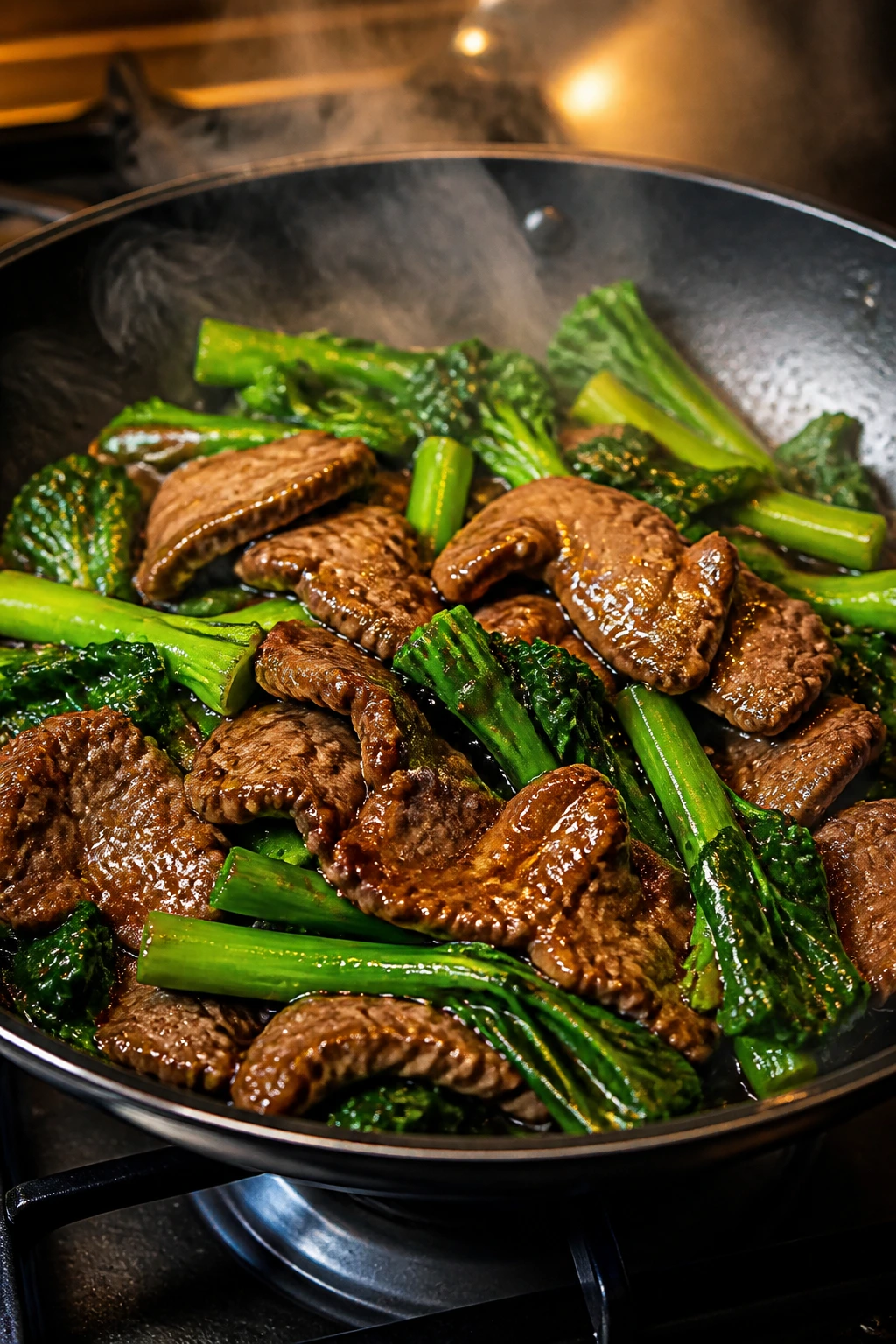
Gai lan, or Chinese broccoli, brings a bitter-green edge that is one of the best things about Chinese home cooking. Beef and oyster sauce smooth that sharpness into something deeper and more savory.
Why It Works: Gai lan stems cook a little slower than the leafy tops, so a quick splash of water helps them soften without losing color. Thin beef slices pick up the sauce quickly, which means the whole dish stays brisk.
Key Ingredients:
- 1 lb flank steak, thinly sliced
- 1 bunch gai lan, cut into bite-size pieces
- 3 cloves garlic, sliced
- 1 tablespoon ginger, sliced
- 2 tablespoons oyster sauce
- 1 tablespoon soy sauce
- 1 teaspoon sugar
- 2 tablespoons neutral oil
Quick Steps:
- Stir-fry the gai lan stems with a splash of water until just tender.
- Remove them, then sear the beef briefly.
- Add garlic and ginger, followed by the stems and leaves.
- Finish with oyster sauce, soy sauce, and sugar, tossing until glossy.
Equipment for This Recipe:
- Wok or wide skillet
- Knife for trimming gai lan
- Tongs for quick stirring
How to Serve This Dish: Serve with steamed rice and nothing fussy. The sauce is the point, and rice catches every bit of it.
Pro Tips for This Recipe:
- Separate the gai lan stems from the leaves if the stalks are thick.
- Beef cooks fast, so remove it while it still looks a touch underdone.
- Oyster sauce needs a little sugar to taste round.
- A few drops of sesame oil at the end deepen the flavor.
Variations on This Dish:
- Chicken and Gai Lan: Replace beef with sliced chicken thigh.
- Mushroom Version: Add shiitakes with the garlic.
- Garlic Heavy Bowl: Add extra sliced garlic for a punchier finish.
Common Mistakes to Avoid with This Dish:
- Don’t leave gai lan in the pan until the leaves go dull.
- Don’t use thick beef slices or they turn chewy.
25. Miso Mushroom Udon
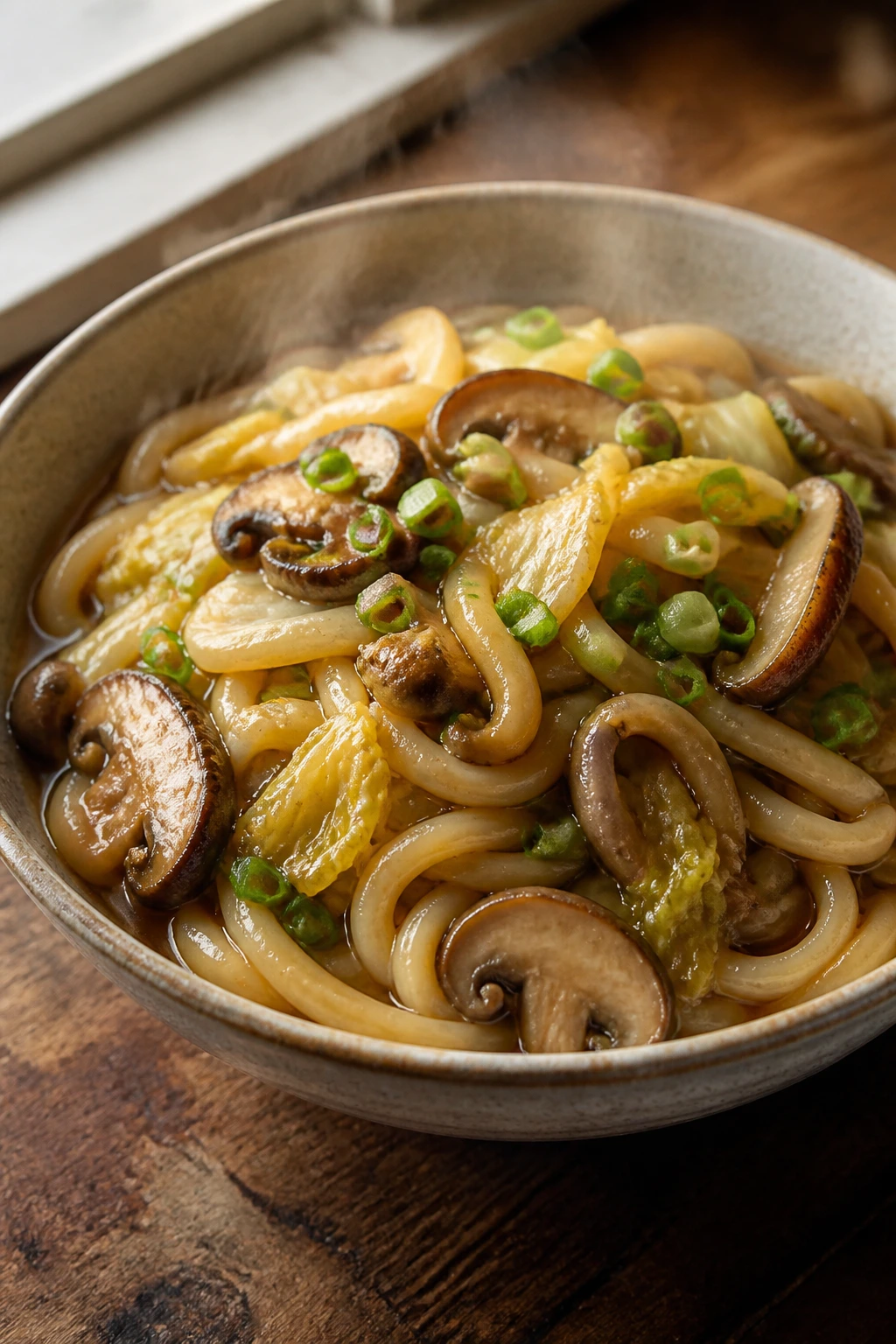
Udon noodles bring that soft chew I always want on a cold, lazy night. Miso and mushrooms give the sauce a deep savory note that tastes richer than the short ingredient list suggests.
Why It Works: Mushrooms release liquid, then soak up the miso sauce as it tightens around the noodles. Udon is sturdy enough to handle a good toss without breaking into bits.
Key Ingredients:
- 14 oz fresh or vacuum-packed udon noodles
- 10 oz mushrooms, sliced
- 2 cups napa cabbage, sliced
- 1 tablespoon white miso
- 2 tablespoons soy sauce
- 1 teaspoon sesame oil
- 1 tablespoon rice vinegar
- 2 tablespoons neutral oil
Quick Steps:
- Loosen the udon according to package directions.
- Brown the mushrooms in oil until their edges color.
- Add napa cabbage and cook until it softens.
- Stir in miso, soy sauce, sesame oil, and vinegar, then toss with the udon.
Equipment for This Recipe:
- Large skillet or wok
- Pot for loosening noodles
- Small bowl for the miso mixture
How to Serve This Dish: Top with scallions and sesame seeds. If you want more substance, add a jammy egg or a handful of edamame.
Pro Tips for This Recipe:
- Dissolve miso in a little hot water first so it spreads evenly.
- Fresh udon gives the best chew, but packaged works fine.
- Let mushrooms color before the cabbage goes in.
- Add a splash of noodle water if the sauce seems too thick.
Variations on This Dish:
- Chicken Udon: Add sliced chicken thigh.
- Spicy Miso Bowl: Stir in chili paste.
- Edamame Mushroom Mix: Add edamame for more protein.
Common Mistakes to Avoid with This Dish:
- Don’t boil miso hard or it tastes harsh.
- Don’t overcook the udon; it should stay springy.
26. Ginger Scallion Fish with Snow Peas
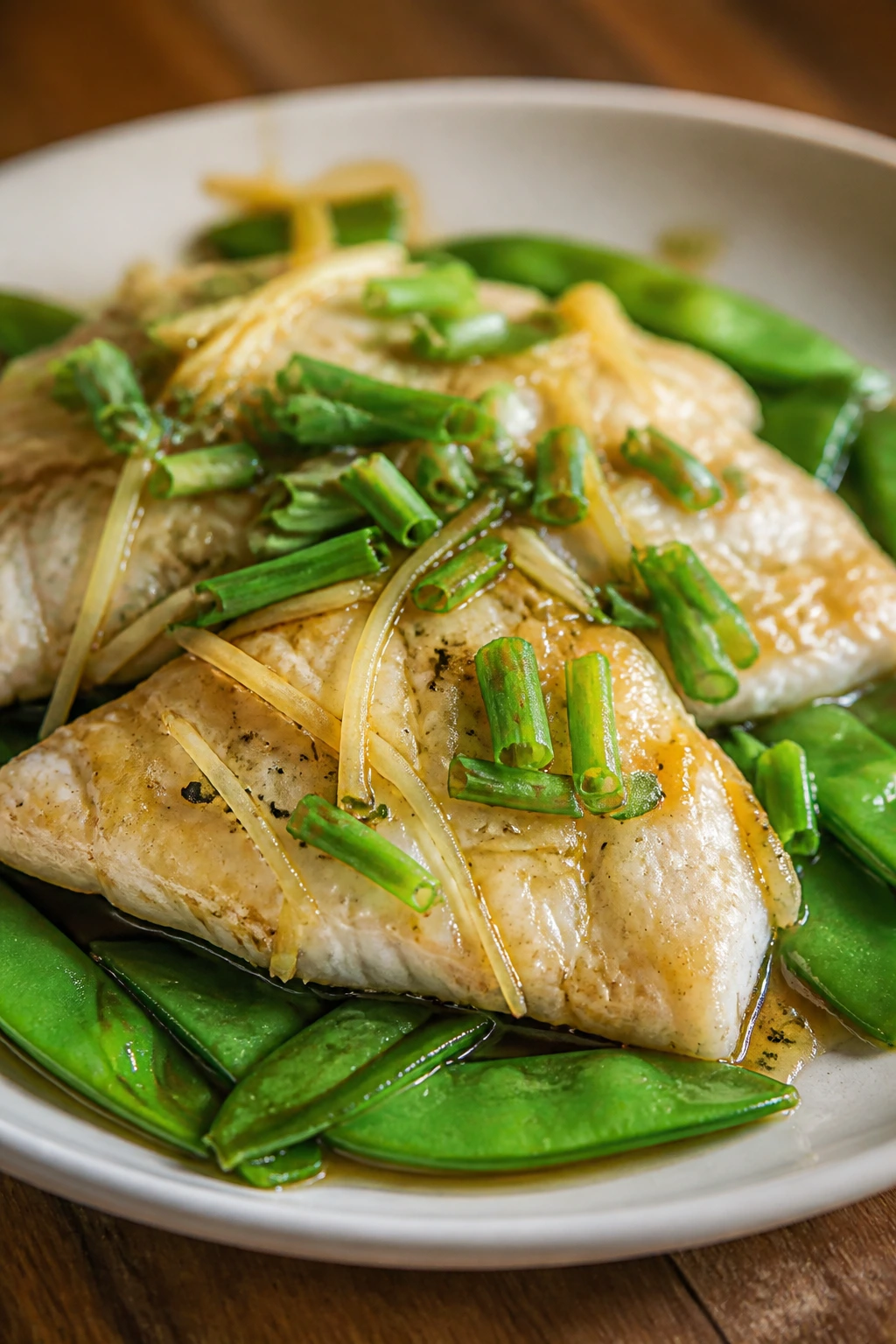
Fish in a stir fry needs a gentler hand than beef or chicken, but the payoff is worth it. Ginger and scallions make the pan smell sharp and clean, and snow peas keep the whole thing bright.
Why It Works: Firm white fish cooks in minutes and doesn’t need much more than a quick sear. Snow peas cook in the same short window, so the pan stays balanced if you watch the heat.
Key Ingredients:
- 1 lb firm white fish fillets, cut into chunks
- 2 cups snow peas
- 3 scallions, sliced
- 1 tablespoon ginger, julienned
- 2 tablespoons soy sauce
- 1 tablespoon rice vinegar
- 1 teaspoon sugar
- 2 tablespoons neutral oil
Quick Steps:
- Sear the fish chunks in oil until just opaque on the outside.
- Remove fish and stir-fry ginger and snow peas for 2 minutes.
- Add soy sauce, vinegar, and sugar.
- Return fish and scallions, then toss gently until warmed through.
Equipment for This Recipe:
- Nonstick skillet or very well-seasoned pan
- Fish spatula
- Small bowl for sauce
How to Serve This Dish: Serve with rice and a few cucumber ribbons. A drizzle of the pan sauce over the rice matters more than you’d think.
Pro Tips for This Recipe:
- Use a firm fish like cod, halibut, or sea bass.
- Flip the fish once, not six times.
- Keep the snow peas crisp.
- Add scallions at the end so they stay fresh.
Variations on This Dish:
- Salmon Version: Use salmon chunks and sear a little longer.
- Chili Ginger Fish: Add sliced chilies with the ginger.
- Cabbage Sidecar: Toss cabbage in with the snow peas.
Common Mistakes to Avoid with This Dish:
- Don’t stir fish too aggressively or it falls apart.
- Don’t overcook it; fish dries out fast in a hot pan.
27. Kimchi Tofu Stir Fry
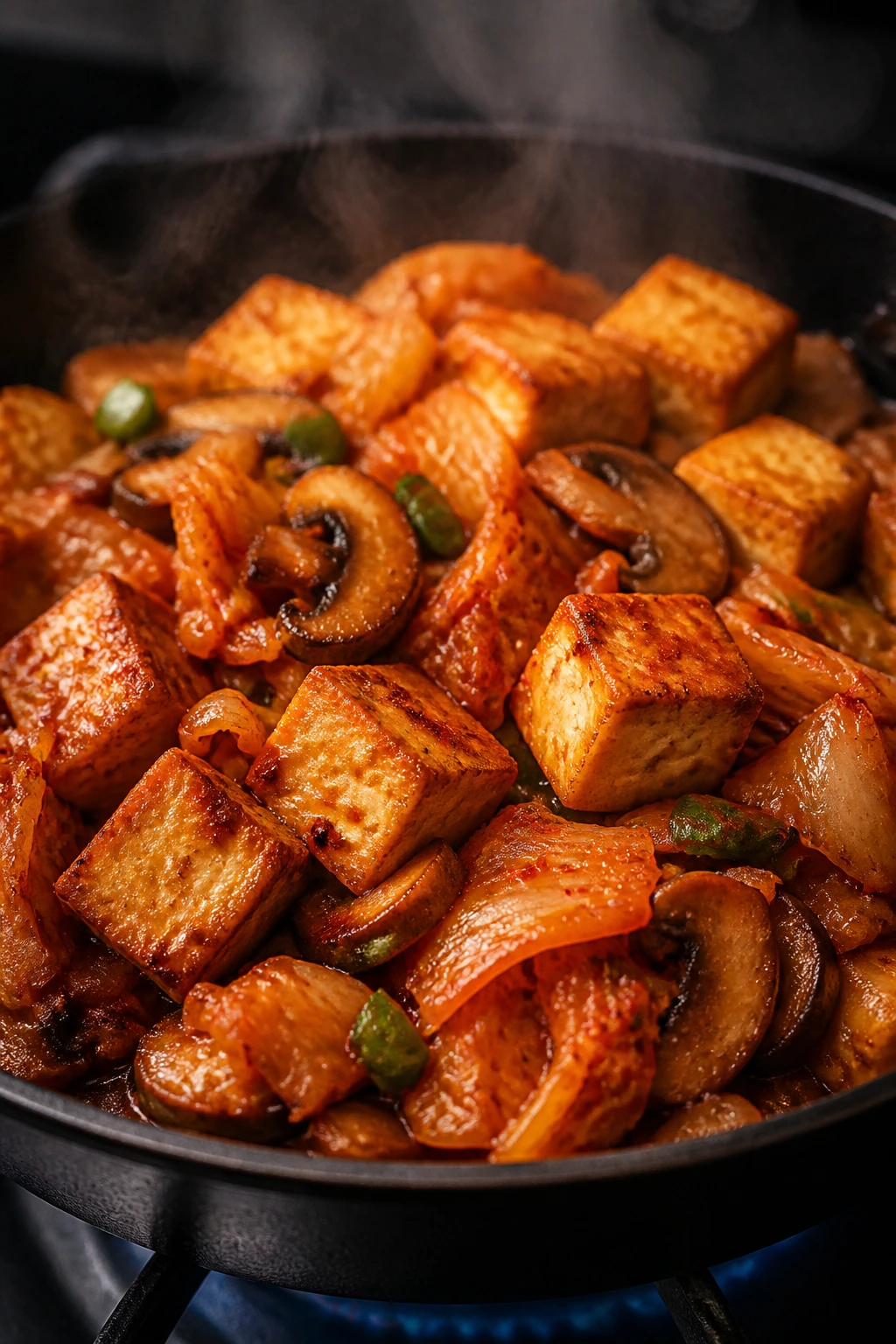
Kimchi does a lot of the heavy lifting here, and that’s part of the charm. The tofu soaks up the spicy, sour juices, while mushrooms and scallions round the bowl out.
Why It Works: Kimchi already brings acidity and heat, so the rest of the pan can stay simple. Crisped tofu gives texture against the soft cabbage in the kimchi.
Key Ingredients:
- 1 block extra-firm tofu, pressed and cubed
- 1 cup kimchi, chopped
- 8 oz mushrooms, sliced
- 2 scallions, sliced
- 1 tablespoon gochujang
- 1 tablespoon soy sauce
- 2 tablespoons neutral oil
- 1 teaspoon sesame oil
Quick Steps:
- Brown tofu cubes until golden.
- Add mushrooms and cook until they soften.
- Stir in kimchi, gochujang, and soy sauce.
- Toss in scallions and finish with sesame oil.
Equipment for This Recipe:
- Large skillet
- Spatula
- Paper towels for tofu
How to Serve This Dish: Serve over rice with a fried egg if you want more richness. A few toasted sesame seeds on top make the bowl feel complete.
Pro Tips for This Recipe:
- Squeeze excess liquid from kimchi if it’s very wet.
- Tofu needs a good crust before the kimchi goes in.
- Gochujang is optional if your kimchi is already fiery.
- Keep sesame oil for the end.
Variations on This Dish:
- Pork Kimchi Bowl: Add ground pork before the mushrooms.
- Noodle Version: Toss with cooked ramen or udon.
- Milder Bowl: Use less kimchi and add cabbage.
Common Mistakes to Avoid with This Dish:
- Don’t use soft tofu; it falls apart.
- Don’t leave the kimchi in the pan too long or the brightness disappears.
28. Pad Krapow Turkey
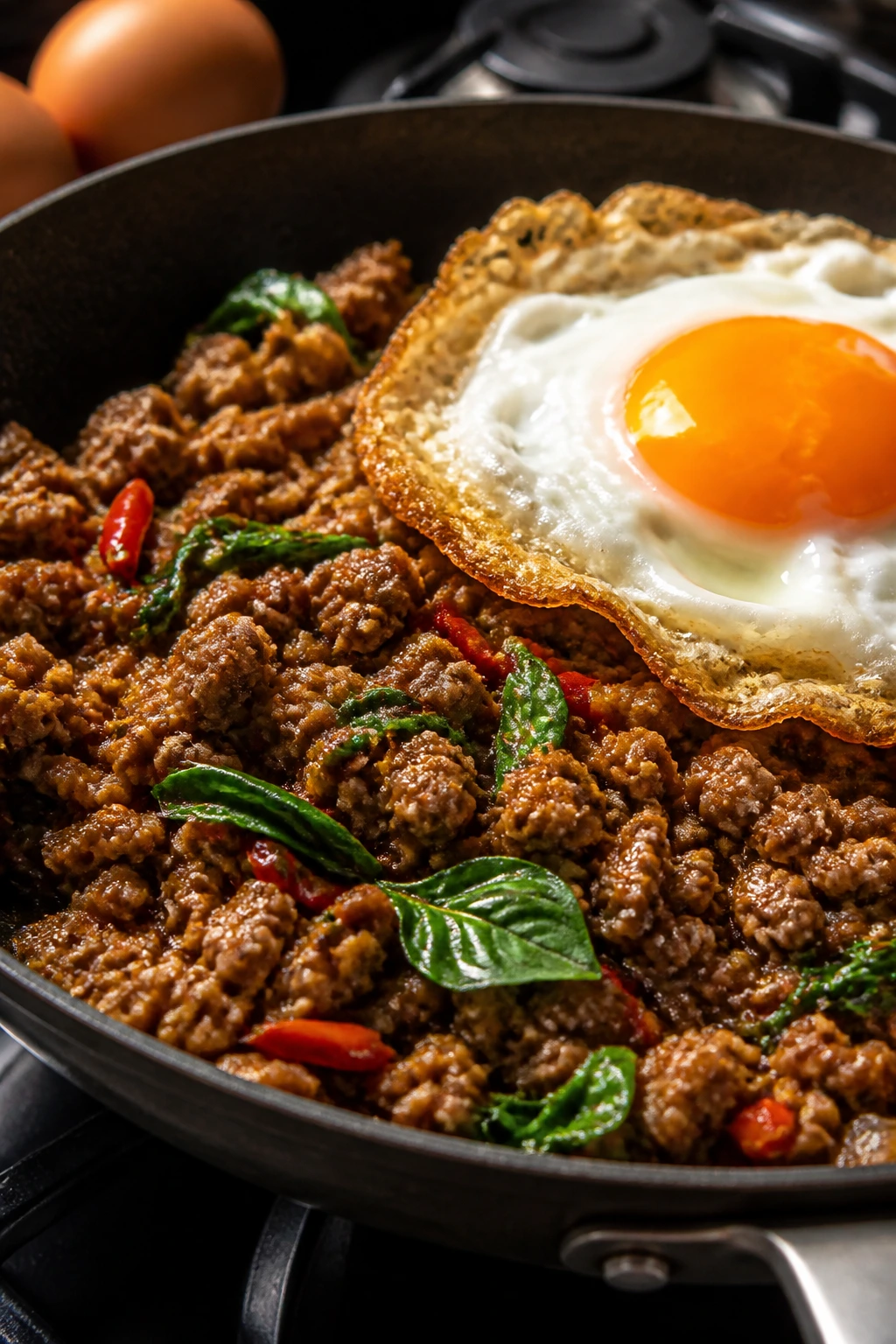
Thai basil, garlic, and chilies give this dish a direct, almost bracing flavor. Ground turkey keeps it quick, and the fried egg on top makes the whole thing feel like a proper plate.
Why It Works: Ground turkey cooks fast and takes on bold sauce without needing much fat. Thai basil adds a spicy herbal note that makes the whole pan smell like it means business.
Key Ingredients:
- 1 lb ground turkey
- 4 cloves garlic, minced
- 2 to 3 Thai chilies, sliced
- 2 tablespoons fish sauce
- 1 tablespoon soy sauce
- 1 teaspoon sugar
- 1 packed cup Thai basil leaves
- 2 tablespoons neutral oil
- Fried eggs and rice, for serving
Quick Steps:
- Brown the turkey in oil.
- Add garlic and chilies; stir until fragrant.
- Mix in fish sauce, soy sauce, and sugar.
- Fold in Thai basil just until wilted, then serve with rice and fried eggs.
Equipment for This Recipe:
- Skillet or wok
- Spatula
- Frying pan for eggs, optional
How to Serve This Dish: Serve with a mound of jasmine rice and a fried egg with a runny yolk. A squeeze of lime wakes up the whole dish.
Pro Tips for This Recipe:
- Thai basil belongs at the very end.
- Turkey needs a little oil so it doesn’t dry out.
- Keep the chilies thinly sliced for even heat.
- A fried egg on top is not decoration. It matters.
Variations on This Dish:
- Chicken Krapow: Ground chicken works with the same sauce.
- Extra Herb Version: Add mint with the basil.
- Milder Plate: Swap in serrano peppers and use fewer of them.
Common Mistakes to Avoid with This Dish:
- Don’t use Italian basil if you can avoid it.
- Don’t overcook the turkey or it turns chalky.
29. Oyster Sauce Broccoli Beef
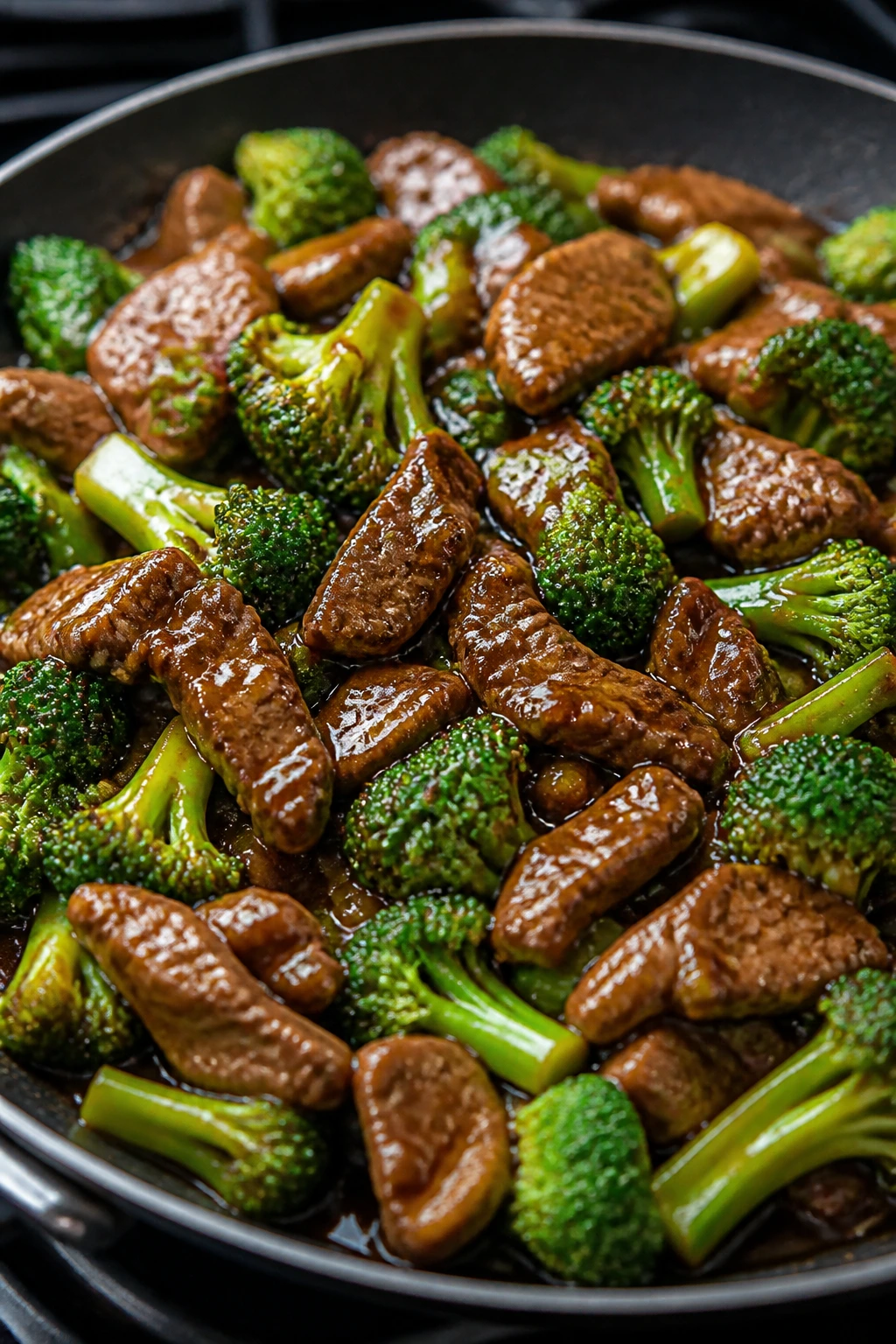
If you want a cleaner version of beef and broccoli, this is the one. Oyster sauce gives the pan that deep, restaurant-style gloss without asking for a lot of extra work.
Why It Works: Beef and broccoli both like high heat, and oyster sauce thickens just enough to coat them. Garlic fills the gaps so the dish tastes full, not flat.
Key Ingredients:
- 1 lb flank steak, sliced thin
- 4 cups broccoli florets
- 3 cloves garlic, minced
- 2 tablespoons oyster sauce
- 2 tablespoons soy sauce
- 1 teaspoon sugar
- 1 tablespoon cornstarch
- 2 tablespoons neutral oil
Quick Steps:
- Toss beef with cornstarch and 1 tablespoon soy sauce.
- Stir-fry broccoli with a splash of water until crisp-tender; remove.
- Sear beef quickly, then add garlic.
- Return broccoli, add oyster sauce, soy sauce, and sugar, and toss until glossy.
Equipment for This Recipe:
- Wok or large skillet
- Small bowl for sauce
- Spatula or tongs
How to Serve This Dish: White rice is the classic partner. If you want a little contrast, serve a side of sliced tomatoes with a pinch of salt and sesame oil.
Pro Tips for This Recipe:
- Blanching the broccoli for 60 seconds first is an option if your florets are large.
- Keep the beef in a single layer when searing.
- Cornstarch helps the sauce cling.
- Taste the oyster sauce before adding more soy; some brands are saltier than others.
Variations on This Dish:
- Garlic Heavy Version: Add extra sliced garlic with the broccoli.
- Mushroom Broccoli Beef: Add mushrooms with the garlic.
- Rice Noodle Bowl: Serve over rice noodles instead of rice.
Common Mistakes to Avoid with This Dish:
- Don’t overcook the broccoli into olive-green sadness.
- Don’t use a wet pan for the beef or it steams.
30. Kung Pao Chickpeas and Peppers
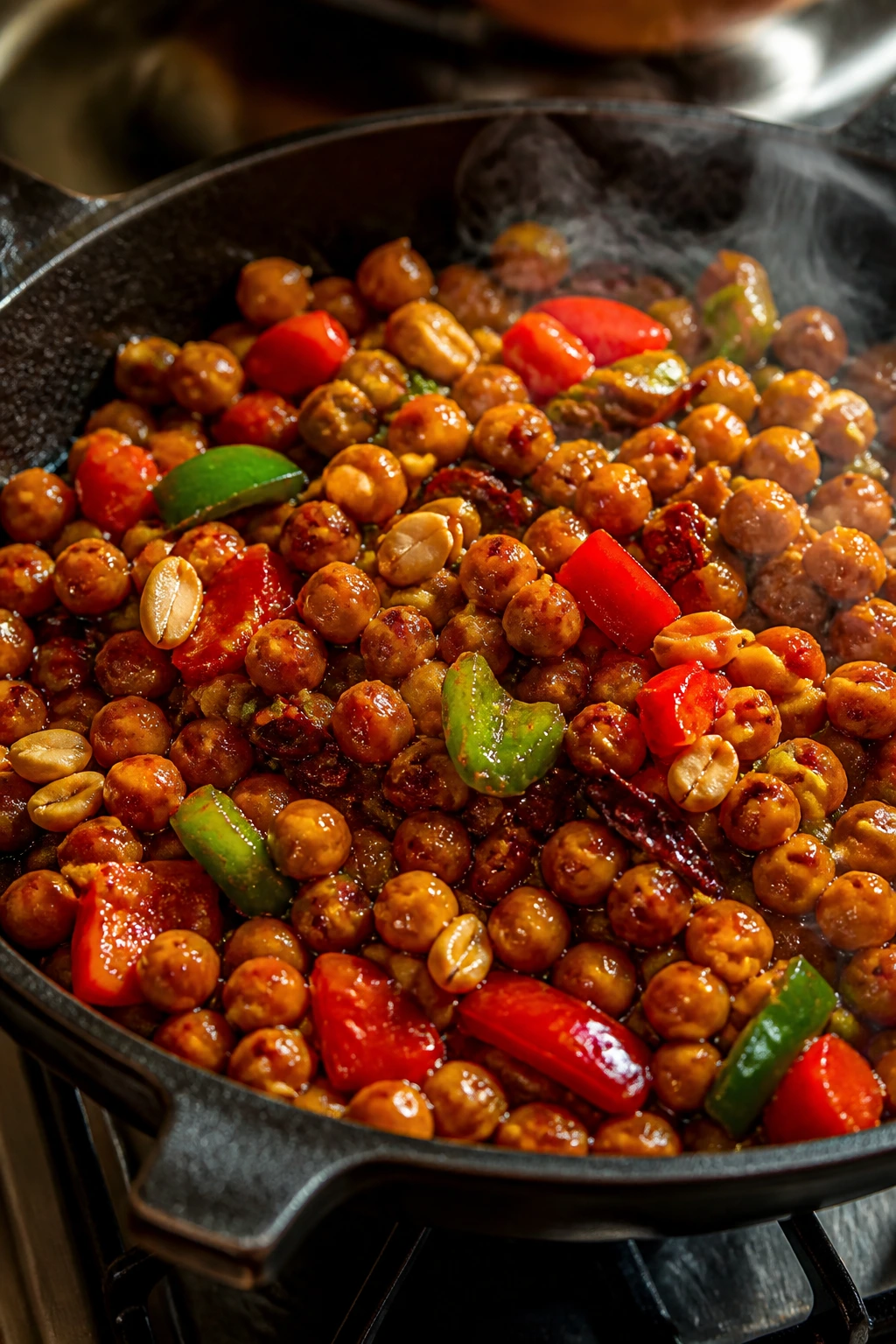
Chickpeas give this classic flavor profile a pantry-friendly twist that still has real bite. Peanuts, chilies, and peppers bring the heat and crunch that make kung pao feel like kung pao.
Why It Works: Chickpeas are sturdy enough to handle a strong sauce and a hot pan without falling apart. Because they’re already cooked, the skillet time goes toward flavor instead of waiting for them to soften.
Key Ingredients:
- 2 cans chickpeas, drained and dried well
- 2 bell peppers, chopped
- 1/2 cup roasted peanuts
- 3 cloves garlic, minced
- 2 tablespoons soy sauce
- 1 tablespoon rice vinegar
- 1 tablespoon hoisin sauce
- 1 teaspoon chili paste
- 2 tablespoons neutral oil
Quick Steps:
- Crisp the chickpeas in oil for 5 minutes.
- Add peppers and garlic; stir-fry 2 minutes.
- Mix soy sauce, vinegar, hoisin, and chili paste.
- Toss in peanuts and sauce until everything is coated.
Equipment for This Recipe:
- Wide skillet
- Can opener and colander
- Small bowl for sauce
How to Serve This Dish: Serve with rice or over noodles if you want a larger meal. A handful of scallions and a few dried chilies on top give it the right look.
Pro Tips for This Recipe:
- Dry the chickpeas well or they won’t crisp.
- Roast the peanuts lightly if they aren’t already toasted.
- Pepper pieces should stay chunky enough to hold up.
- A little sugar can help if the hoisin tastes too sharp.
Variations on This Dish:
- Tofu Kung Pao: Swap chickpeas for browned tofu.
- Chicken Version: Add diced chicken and cook it first.
- Extra Crunch: Toss in celery or cashews.
Common Mistakes to Avoid with This Dish:
- Don’t skip drying the chickpeas.
- Don’t drown the pan in sauce; kung pao should stay lively, not soupy.
31. Teriyaki Steak and Asparagus
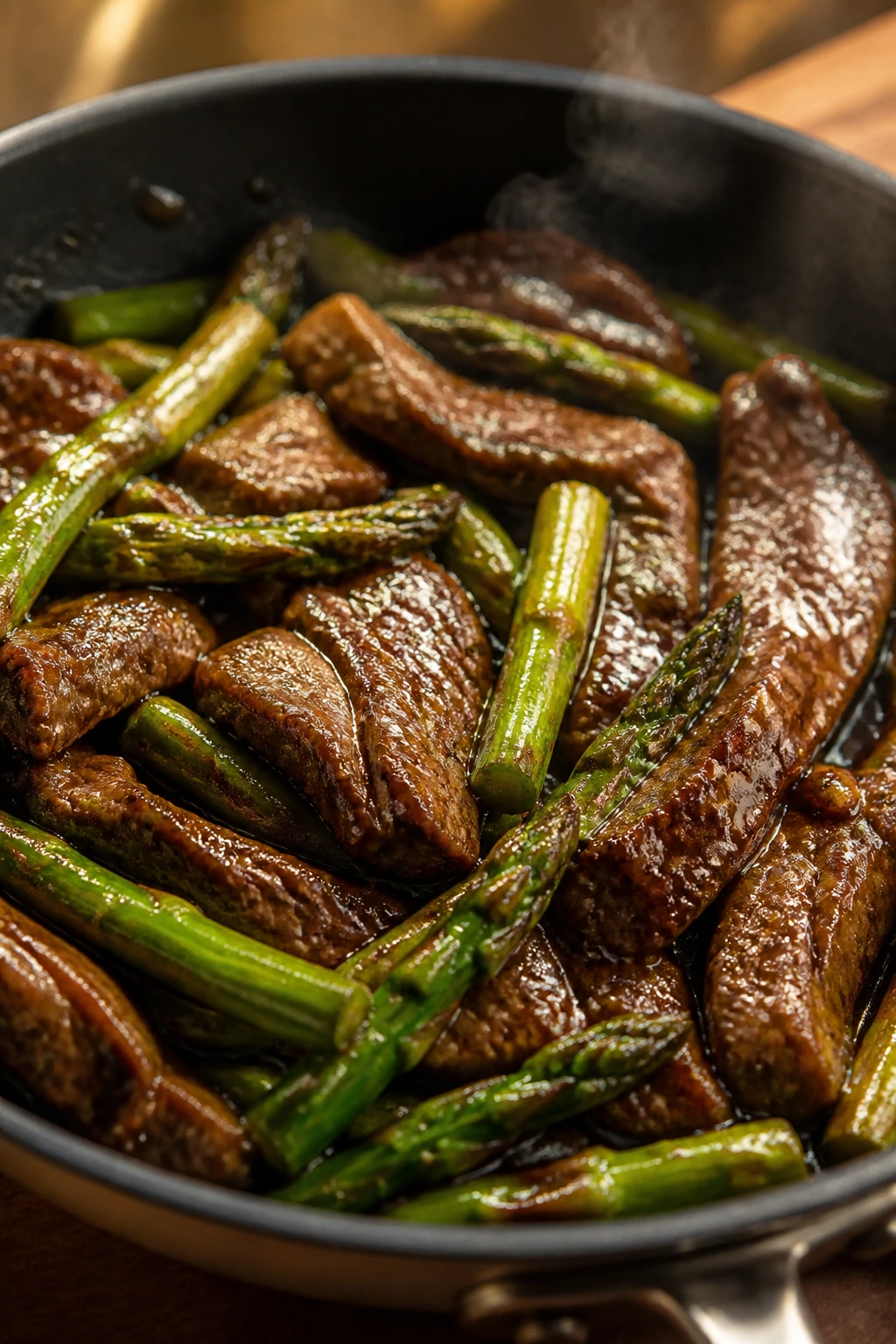
Steak and asparagus are a good pair because both taste best when they’re still a little distinct. The teriyaki glaze ties them together and gives the pan a polished finish.
Why It Works: Thin steak strips cook fast, and asparagus only needs a short sear to stay crisp. Teriyaki sauce gets sticky quickly, so you don’t need much of it to coat the whole pan.
Key Ingredients:
- 1 lb sirloin steak, sliced thin
- 1 bunch asparagus, cut into 2-inch pieces
- 1/4 cup soy sauce
- 2 tablespoons mirin
- 1 tablespoon brown sugar
- 1 teaspoon grated ginger
- 2 tablespoons neutral oil
Quick Steps:
- Mix soy sauce, mirin, brown sugar, and ginger.
- Sear the steak briefly and remove it.
- Stir-fry asparagus for 2 minutes.
- Return steak and add the sauce, tossing until glossy.
Equipment for This Recipe:
- Skillet or wok
- Knife for trimming asparagus
- Small bowl for sauce
How to Serve This Dish: Rice works well, though soba noodles are a nice change. A scatter of sesame seeds and scallions makes the finish look neat.
Pro Tips for This Recipe:
- Cut asparagus on the bias if the stalks are thick.
- Pull the steak before it looks fully done.
- Teriyaki sauce can burn if you let it sit too long on high heat.
- A splash of water can loosen the glaze if needed.
Variations on This Dish:
- Chicken Teriyaki: Use chicken thighs instead of steak.
- Mushroom Asparagus Bowl: Add mushrooms with the asparagus.
- Spicy Teriyaki: Stir in chili paste.
Common Mistakes to Avoid with This Dish:
- Don’t overcook asparagus or it goes limp.
- Don’t slice steak too thick or it takes too long to finish.
32. Sesame Udon with Edamame
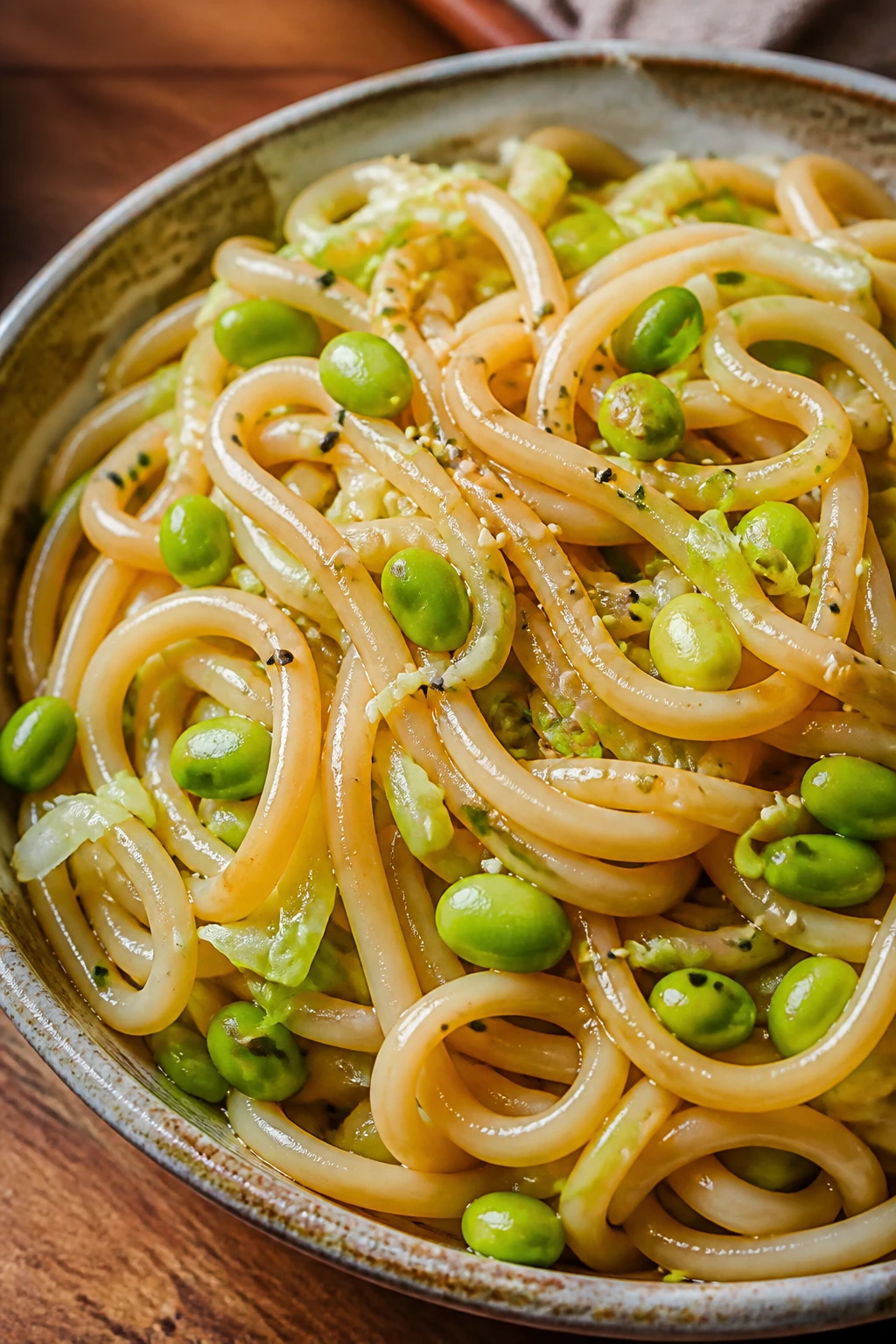
This bowl is all about chew. Udon gives you that thick, slippery texture, and edamame adds little pops of protein that make the dish feel complete.
Why It Works: Sesame sauce clings to udon better than thin noodles because there’s more surface to coat. Edamame and cabbage cook quickly, so the texture stays varied from first bite to last.
Key Ingredients:
- 14 oz udon noodles
- 1 cup shelled edamame
- 2 cups shredded cabbage
- 1 cup sliced mushrooms
- 2 tablespoons soy sauce
- 1 tablespoon sesame paste or tahini
- 1 teaspoon sesame oil
- 1 tablespoon rice vinegar
- 2 tablespoons neutral oil
Quick Steps:
- Loosen or cook the udon.
- Stir-fry mushrooms and cabbage until softened.
- Add edamame and toss briefly.
- Whisk sauce ingredients, then toss with the noodles until coated.
Equipment for This Recipe:
- Large skillet or wok
- Pot for udon if needed
- Whisk or fork for sauce
How to Serve This Dish: Serve in a wide bowl with sesame seeds and sliced scallions. A little chili oil at the table helps if you want more heat.
Pro Tips for This Recipe:
- Use sesame paste if you want a deeper flavor, tahini if that’s what you have.
- Don’t overcook the cabbage; some crunch is the point.
- Frozen edamame works fine.
- Add noodle water if the sauce thickens too quickly.
Variations on This Dish:
- Chicken Udon Bowl: Add leftover chicken or sliced fresh chicken.
- Peanut Sesame Version: Stir in a spoonful of peanut butter.
- Cold-Noodle Spin: Chill the noodles and serve room temperature.
Common Mistakes to Avoid with This Dish:
- Don’t use too much sesame paste or the sauce turns heavy.
- Don’t let udon sit in the pan and clump.
33. Honey Garlic Chicken and Carrots
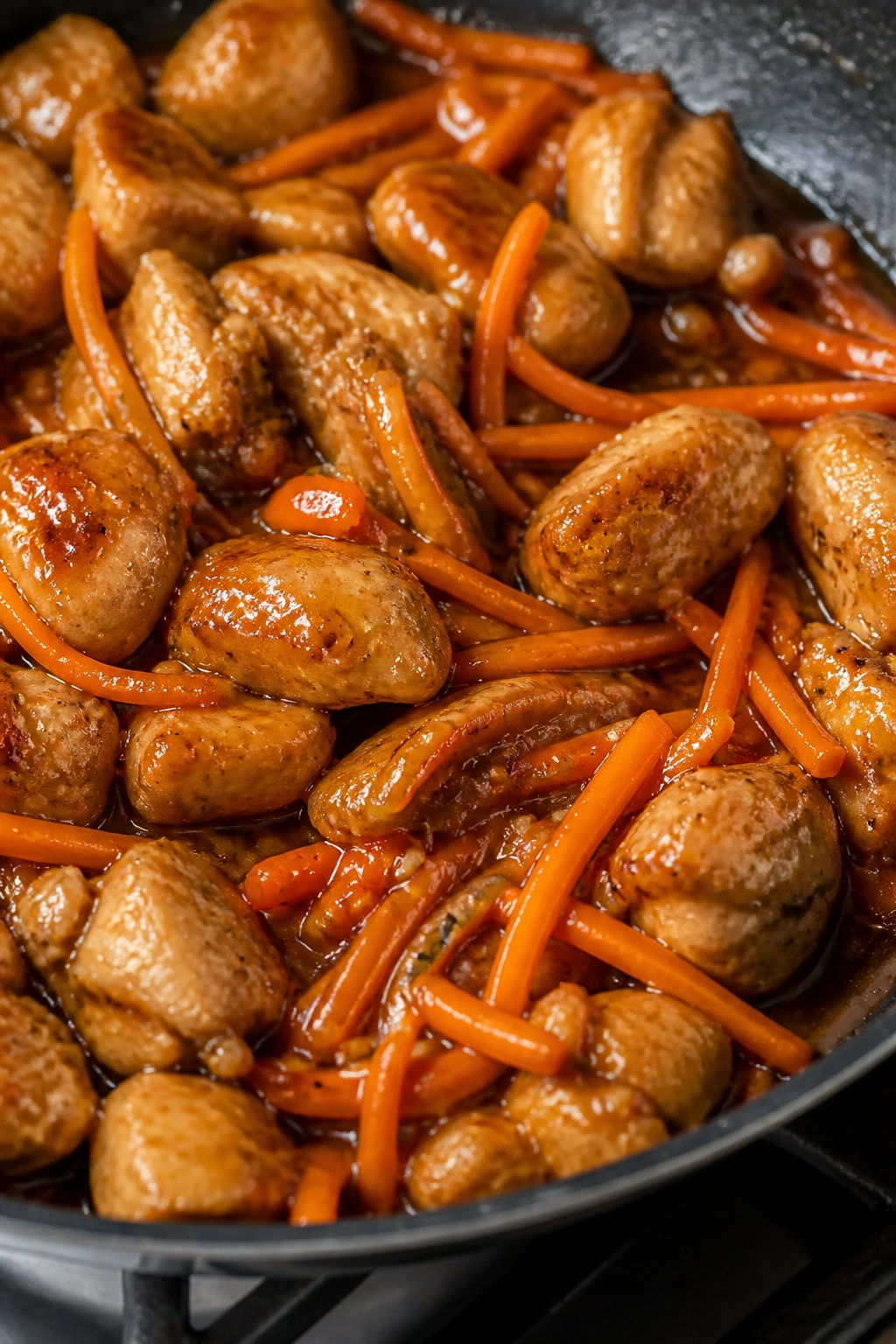
This is one of those dishes that tastes sweeter than the ingredient list suggests, but not in a dessert way. Carrots bring a slow, earthy sweetness that balances the sticky garlic sauce.
Why It Works: Chicken thighs stay moist under a honey-garlic glaze, and carrots hold their shape if sliced thin enough. The sauce thickens fast, so you can keep the whole meal moving.
Key Ingredients:
- 1 1/4 lb chicken thighs, sliced
- 3 carrots, cut into thin matchsticks
- 3 cloves garlic, minced
- 2 tablespoons honey
- 2 tablespoons soy sauce
- 1 tablespoon rice vinegar
- 1 teaspoon cornstarch mixed with 2 tablespoons water
- 2 tablespoons neutral oil
Quick Steps:
- Brown the chicken in oil.
- Add carrots and garlic; stir-fry 2 minutes.
- Stir in honey, soy sauce, and vinegar.
- Add the cornstarch slurry and cook until the sauce thickens and shines.
Equipment for This Recipe:
- Skillet or wok
- Peeler or julienne peeler
- Small bowl for the slurry
How to Serve This Dish: Serve over rice with steamed broccoli or snap peas on the side. Sesame seeds on top are enough garnish.
Pro Tips for This Recipe:
- Thin carrot matchsticks cook faster than coins.
- Add the slurry only after the sauce is hot.
- Chicken thighs stay juicier than breasts here.
- Honey burns, so don’t walk away from the pan.
Variations on This Dish:
- Ginger Honey Chicken: Add ginger with the garlic.
- Broccoli-Carrot Mix: Add broccoli florets for more color.
- Spicy Honey Version: Stir in chili paste.
Common Mistakes to Avoid with This Dish:
- Don’t add honey too early on high heat or it scorches.
- Don’t leave the carrots thick or they stay too firm.
34. Tamarind Shrimp and Green Beans
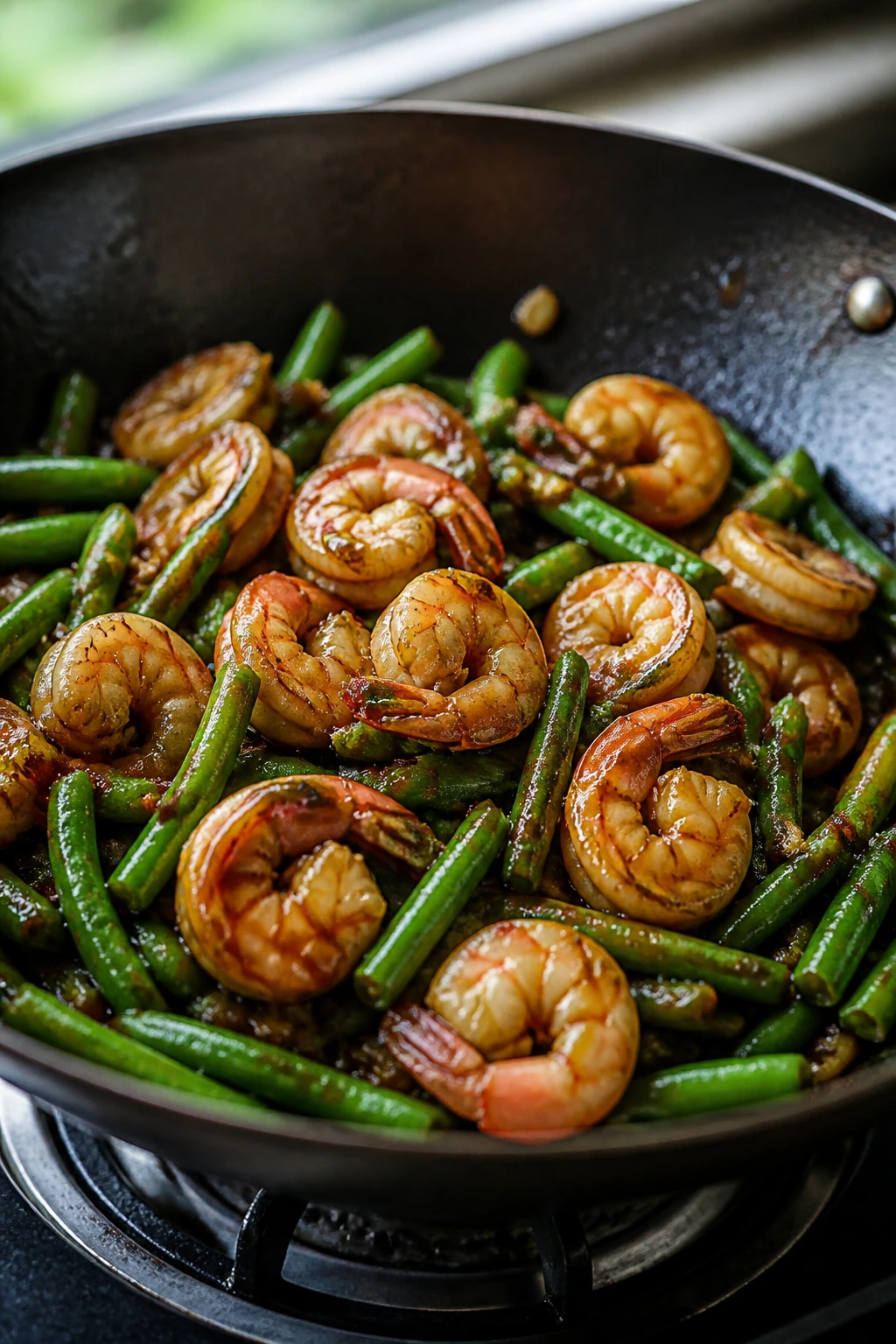
Tamarind gives shrimp a tart, almost fruity edge that feels different from the usual soy-heavy pans. Green beans hold the line with a crisp, green snap.
Why It Works: Tamarind paste brings acidity and depth without needing a long sauce reduction. Shrimp cook fast enough that the beans can blister first and still finish together.
Key Ingredients:
- 1 lb shrimp, peeled and deveined
- 3 cups green beans, trimmed
- 2 cloves garlic, minced
- 1 tablespoon tamarind paste
- 1 tablespoon soy sauce
- 1 teaspoon brown sugar
- 1 teaspoon chili flakes
- 2 tablespoons neutral oil
Quick Steps:
- Blister the green beans in oil for 3 to 4 minutes.
- Add garlic and chili flakes.
- Stir in tamarind paste, soy sauce, and brown sugar.
- Add shrimp and cook until pink, then toss and serve.
Equipment for This Recipe:
- Wok or large skillet
- Small bowl for sauce mixing
- Tongs
How to Serve This Dish: Rice works well, but a scoop of rice noodles is fine too. A squeeze of lime makes the tamarind taste cleaner and brighter.
Pro Tips for This Recipe:
- Tamarind varies in strength, so start small and taste.
- Blister the beans enough to get a few browned spots.
- Shrimp need only a short final toss.
- Add a splash of water if the tamarind sticks too aggressively.
Variations on This Dish:
- Pork Tamarind Bowl: Use thin pork slices instead of shrimp.
- Peanut Tamarind Version: Add crushed peanuts on top.
- Milder Sauce: Reduce chili flakes and add a little more sugar.
Common Mistakes to Avoid with This Dish:
- Don’t over-reduce tamarind or it turns sharp.
- Don’t leave shrimp in the hot pan after they cook.
35. Five-Spice Pork and Napa Cabbage
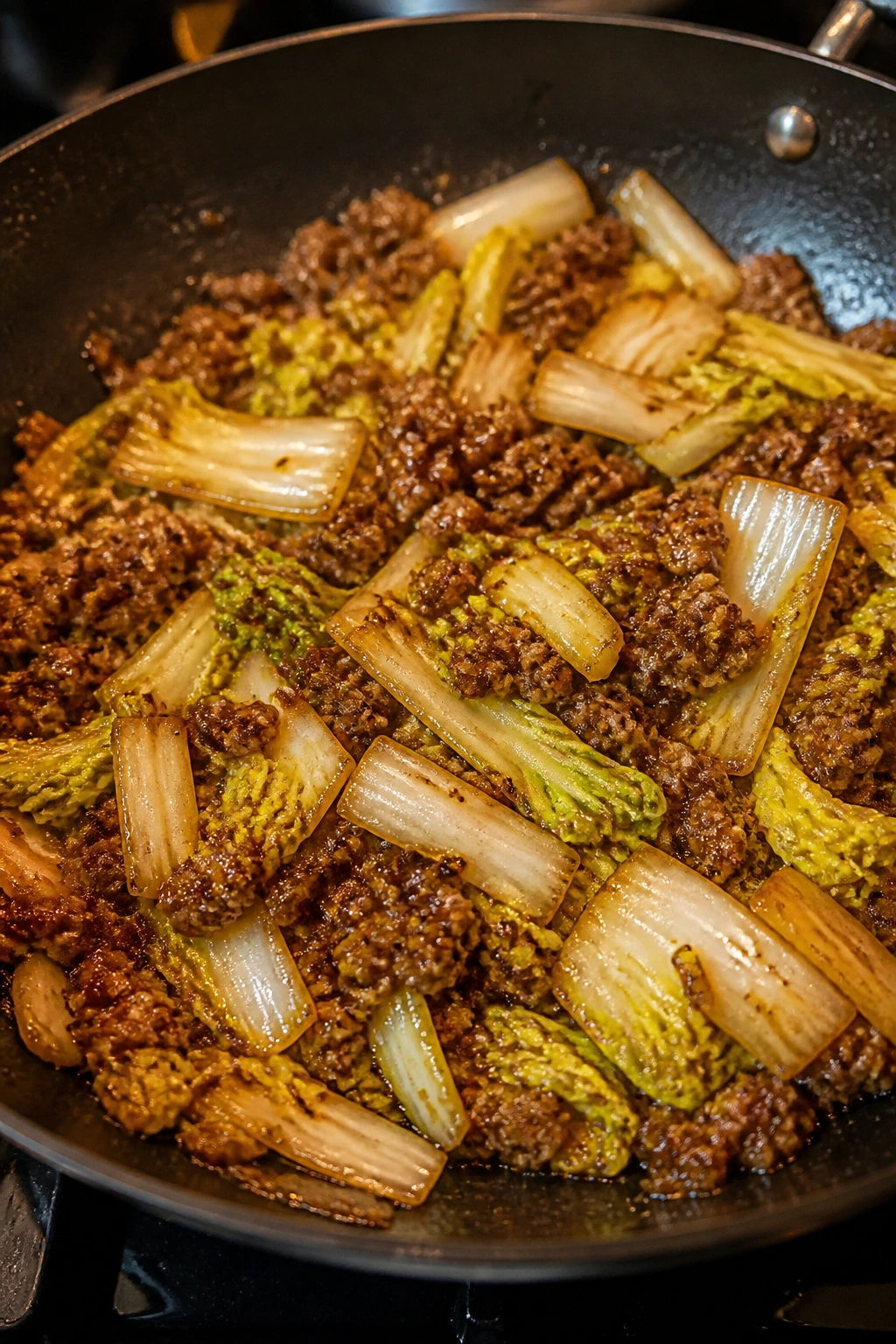
Five-spice powder can be loud if you use too much, but in the right amount it gives pork a warm, almost roasted depth. Napa cabbage softens into the sauce and keeps the pan from feeling heavy.
Why It Works: Ground or thinly sliced pork takes five-spice well because the fat carries the aroma. Napa cabbage cooks fast and soft, so it balances the stronger seasoning with a gentler texture.
Key Ingredients:
- 1 lb ground pork or thinly sliced pork shoulder
- 6 cups napa cabbage, chopped
- 2 cloves garlic, minced
- 1 teaspoon five-spice powder
- 2 tablespoons soy sauce
- 1 tablespoon rice vinegar
- 1 teaspoon sugar
- 2 tablespoons neutral oil
Quick Steps:
- Brown the pork in oil with garlic and five-spice.
- Add napa cabbage and cook 3 minutes until wilted.
- Stir in soy sauce, vinegar, and sugar.
- Toss until the cabbage turns glossy and the pork is fully cooked.
Equipment for This Recipe:
- Large skillet or wok
- Spatula
- Knife for chopping cabbage
How to Serve This Dish: Serve with rice and a few sliced scallions. If you want crunch, add a handful of toasted peanuts on top.
Pro Tips for This Recipe:
- Use five-spice with a light hand; it should perfume the dish, not dominate it.
- Napa cabbage cooks fast, so keep the heat lively.
- Pork shoulder gives more chew, ground pork gives a softer bowl.
- A few drops of sesame oil at the end round it out.
Variations on This Dish:
- Chicken Five-Spice Bowl: Swap in ground chicken.
- Mushroom Add-In: Toss in sliced mushrooms with the cabbage.
- Spicy Five-Spice: Add chili flakes with the garlic.
Common Mistakes to Avoid with This Dish:
- Don’t overdo the spice blend.
- Don’t let the cabbage cook down until it disappears.
Why Stir Fry Night Works So Well
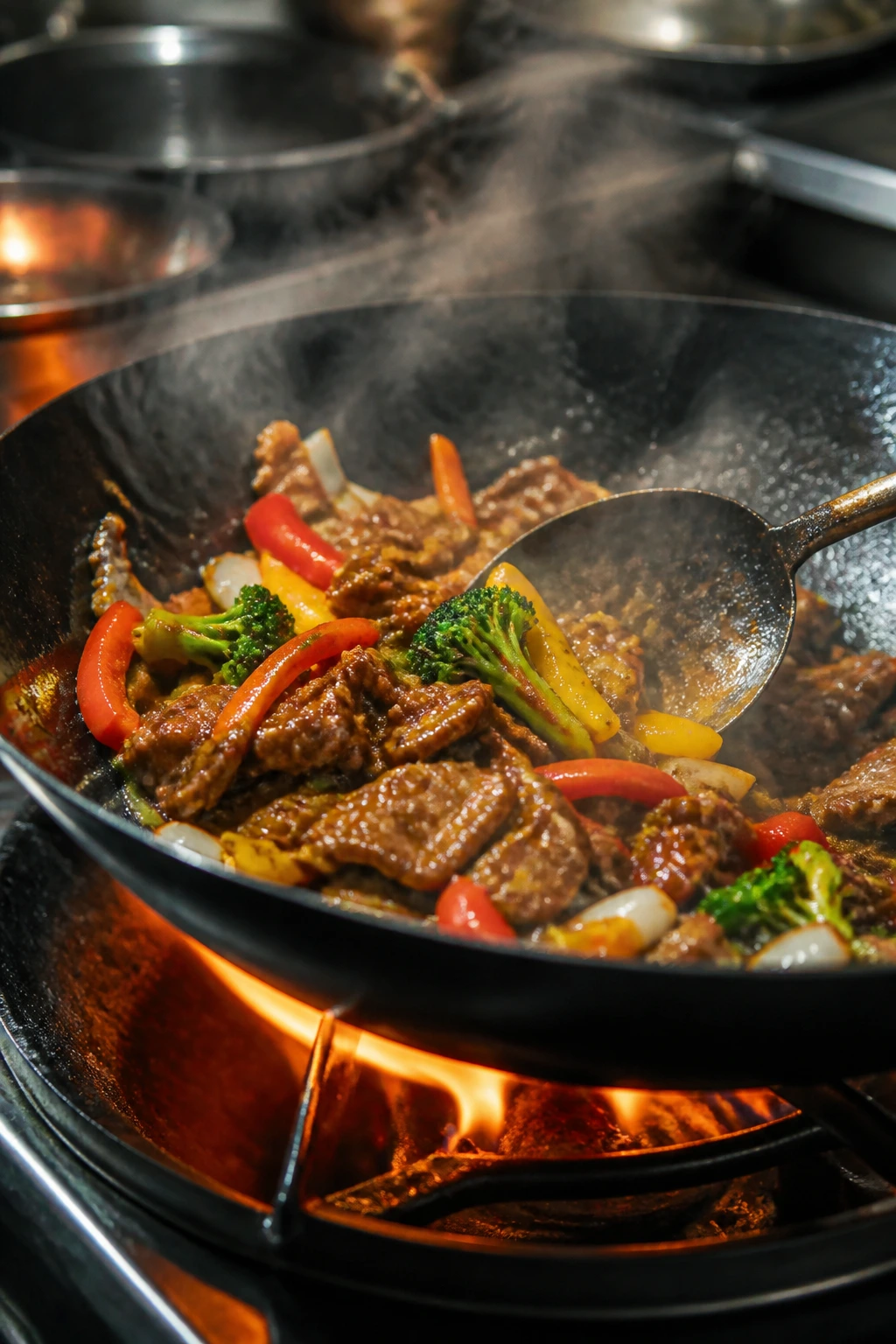
A stir fry night succeeds for one simple reason: it breaks dinner into small jobs. You cut the protein thin, trim the vegetables to a similar size, mix the sauce before the heat goes on, and then cook in a sequence that rewards attention for about ten minutes instead of an hour. That’s not a trick. It’s just efficient cooking, and it works because every ingredient gets the heat it needs without waiting around for the slowest item in the pan.
High heat is the other piece people underestimate. A hot wok or skillet browns edges before vegetables can leak all their water, which is why stir fry tastes lively instead of boiled. If the pan is crowded or the heat is timid, everything starts steaming, and the sauce has to cover for that loss of texture. It can’t. Sauce is the final polish, not a repair kit.
The neat part is how forgiving the method becomes once you understand the order. Hard vegetables go in first. Delicate greens go later. Shrimp, fish, and tofu need shorter passes than beef or chicken. Noodles need a little loosened sauce and a quick toss, not a long simmer. Once you start thinking in those terms, a stir fry stops being a recipe category and starts feeling like a very usable dinner language.
Essential Equipment for These Recipes
-
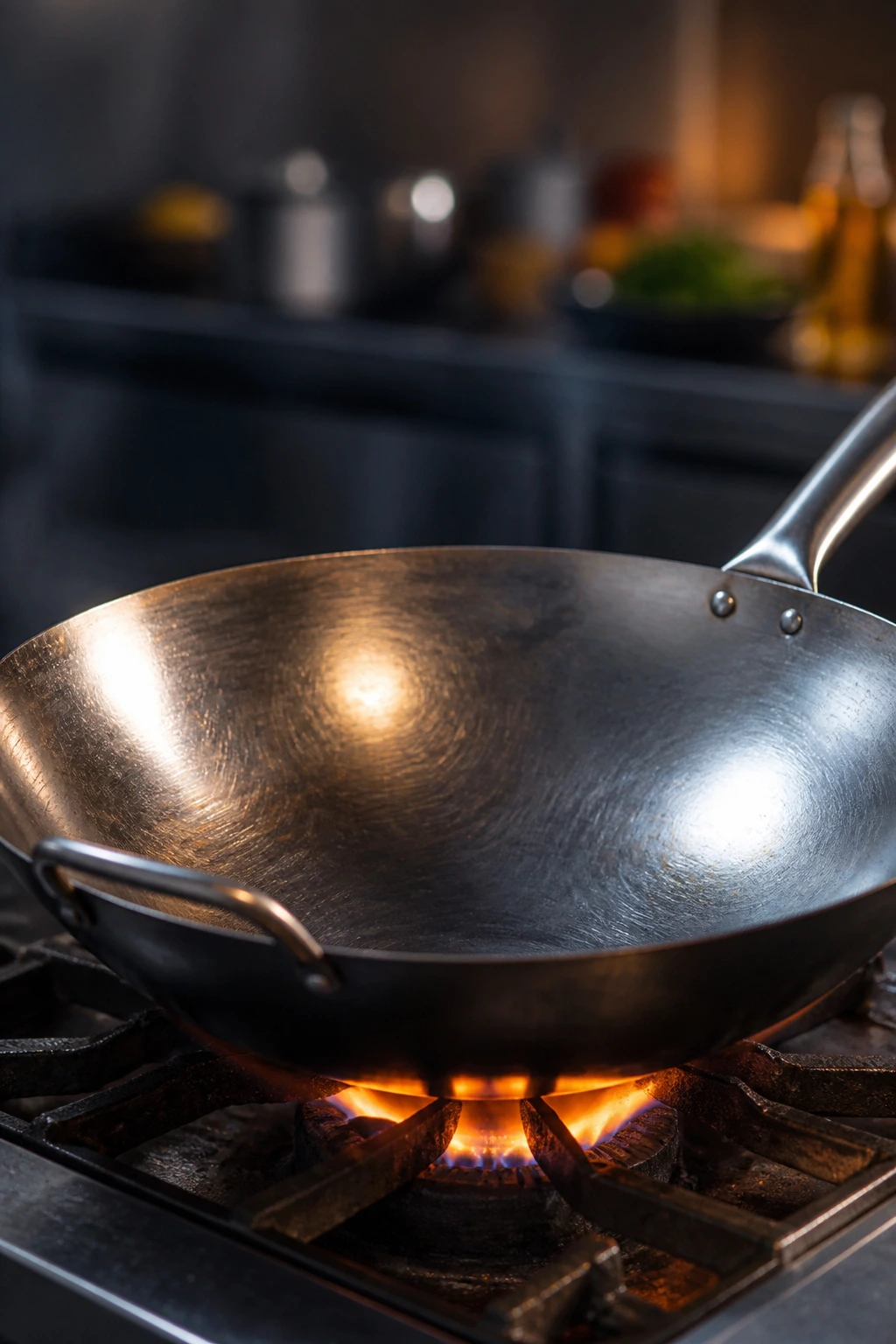
Wok or 12-inch skillet: A wok helps, but a wide skillet works if you keep the heat up and don’t overload it.
-
Sharp chef’s knife: Thin slices matter here. Dull knives make uneven pieces, and uneven pieces cook unevenly.
-
Cutting board with room to spare: Stir fry prep gets easier when you can keep proteins and vegetables separated.
-
Small bowls or ramekins: Sauce ingredients move faster when they’re already measured and waiting.
-
Tongs and a flexible spatula: Tongs are best for meat; a spatula helps with tofu, noodles, and eggs.
-
Microplane or fine grater: Fresh ginger and garlic behave better grated in many of these dishes.
-
Colander and pot: Noodle dishes need fast draining, and some noodles need a brief boil before they hit the pan.
-
Sheet pan or plate lined with paper towels: Useful for drying shrimp, tofu, or sliced vegetables before they hit the heat.
-
Airtight containers: Leftovers keep better when you cool them quickly and store them flat instead of in a deep heap.
Smart Shopping and Ingredient Tips
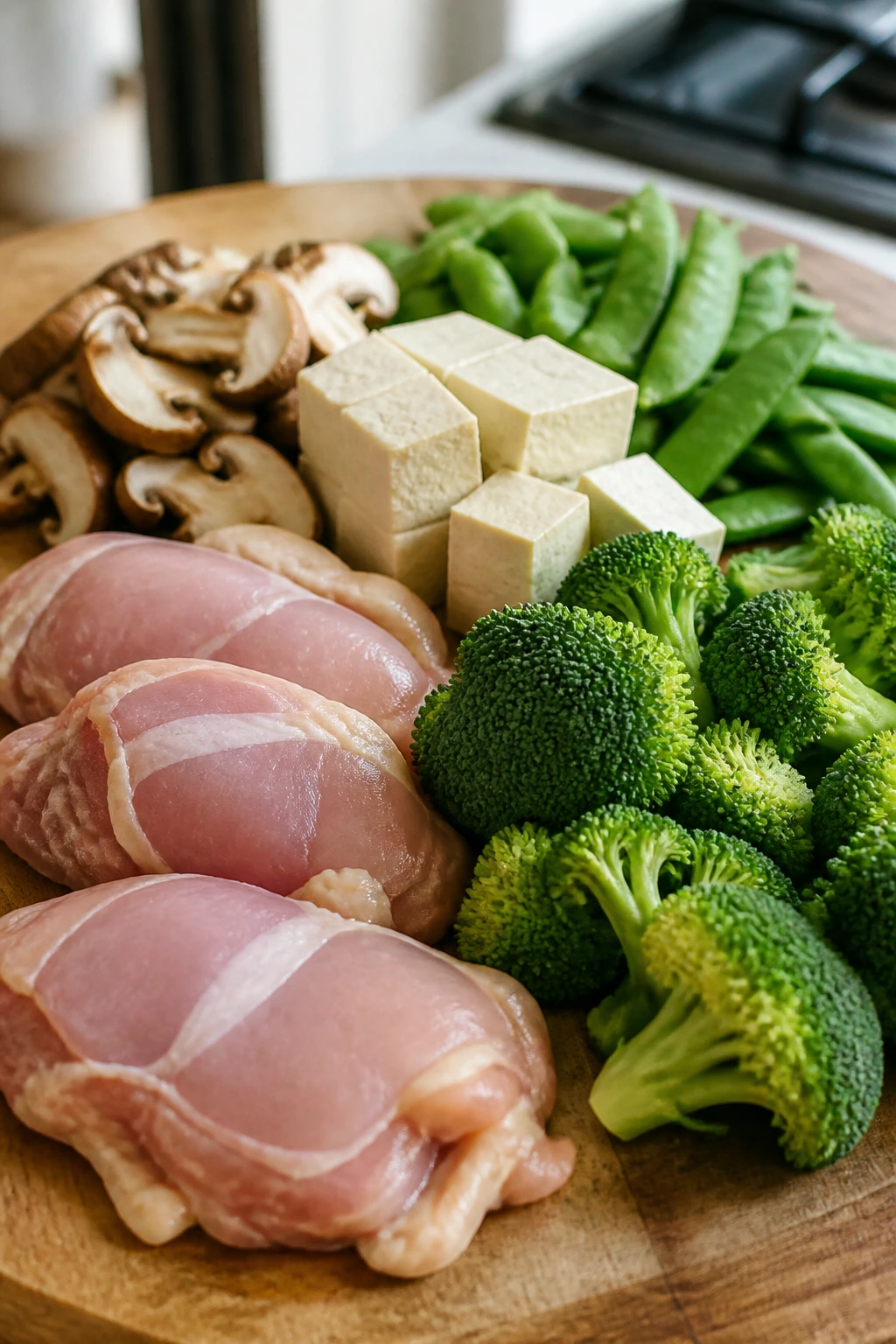
Good stir fry shopping is less about buying fancy things and more about buying the right shape of ordinary things. Chicken thighs are easier than breast meat because they stay tender through a hard sear. Flank steak and sirloin both work if you slice them thinly against the grain. Shrimp should be raw, peeled, and deveined so they can go straight from package to pan. Tofu needs to be extra-firm, and it needs pressing; soft tofu is for soup, not this.
Vegetables matter more than people think. Look for broccoli with tight florets and stems that feel heavy, not dry. Snap peas should snap when you bend them. Green beans need a clean break, not a limp bend. Cabbage and bok choy are excellent because they cook fast, but they need to be cut with some care. Big pieces look rustic for about thirty seconds, then they turn clumsy in the pan.
Sauces are worth a proper pantry once you cook like this a few times. Soy sauce, oyster sauce, rice vinegar, fish sauce, hoisin, gochujang, miso, chili garlic sauce, curry paste, and sesame oil cover a huge range of flavors without forcing a special trip every night. If you’re buying just one soy sauce, choose a low-sodium bottle so you can control the salt better. Toasted sesame oil should be used at the end, not as the cooking oil. Neutral oil is the workhorse for the heat.
Frozen vegetables are fine in a few of these dishes, especially edamame, green beans, and even broccoli florets. I would thaw and dry them first. Wet vegetables steam, and steamed vegetables make a stir fry look tired.
How to Serve These Recipes
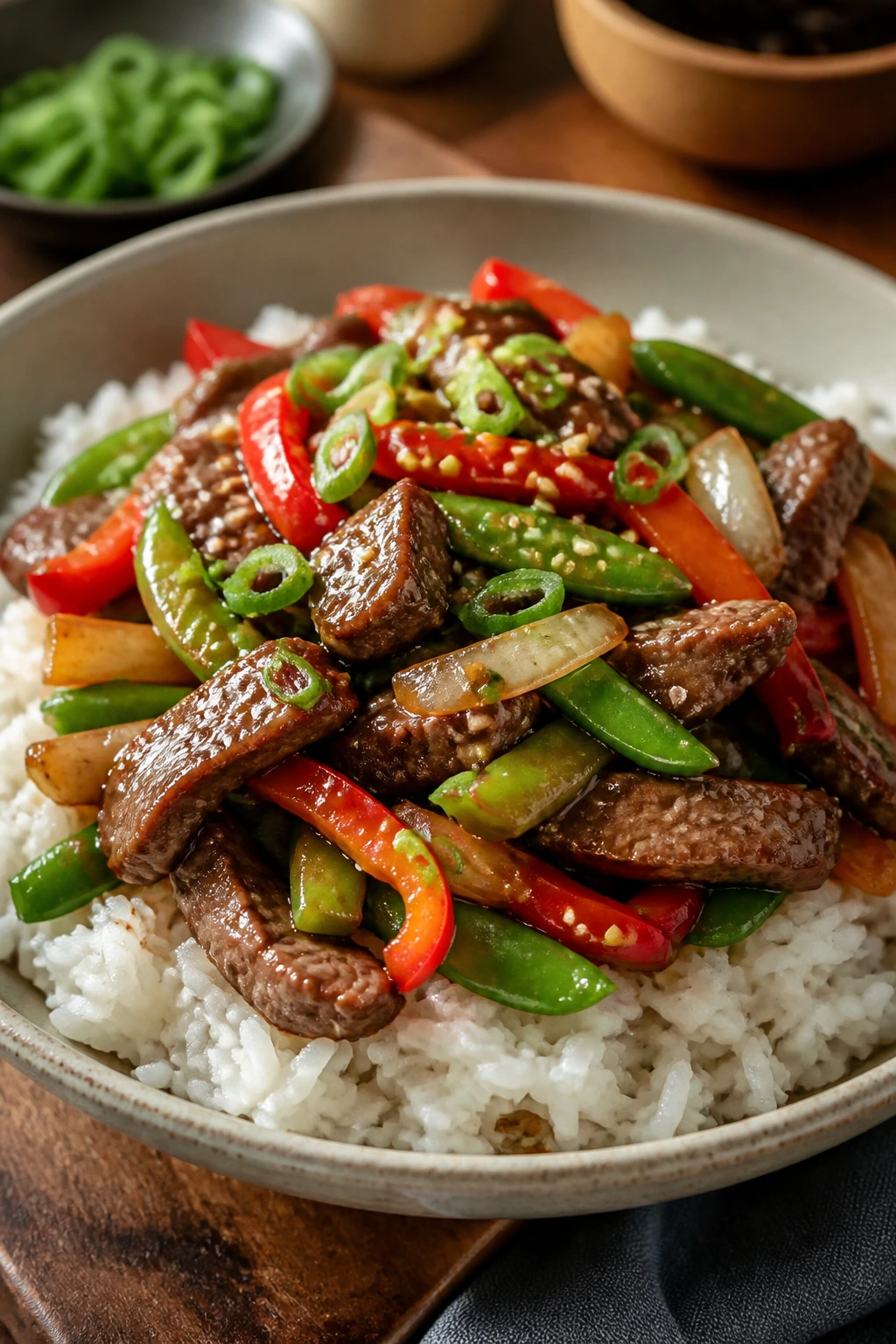
Presentation: Stir fries look best when they have some height. Spoon them over rice in a shallow bowl, or mound noodles in the center and let the sauce run through the edges. A few sliced scallions, sesame seeds, crushed peanuts, or a strip of chili on top go a long way. Don’t bury the dish under too many garnishes. One or two are enough.
Accompaniments: Steamed jasmine rice is the easy answer, but brown rice, soba, rice vermicelli, and lo mein noodles all fit depending on the dish. Quick cucumber salad, pickled carrots, sautéed greens, scallion pancakes, or a simple fried egg can turn a one-pan dinner into a fuller plate. For lettuce-wrap style dishes, set out extra leaves and a small bowl of sauce on the side.
Portions: A good rule is about 1 to 1 1/2 cups of stir fry per adult when rice or noodles are included. For protein, 6 to 8 ounces raw meat or fish per person is a solid target, with 1 1/2 to 2 cups vegetables per serving. If you want leftovers, cook an extra cup of vegetables rather than doubling the sauce too much.
Beverage Pairing: Jasmine tea works with almost all of these. A cold lager, light pilsner, or dry riesling handles salty-sweet sauces well. Sparkling water with lime is the cleanest nonalcoholic option if the dish is spicy or rich.
Additional Tips and Flavor Boosters
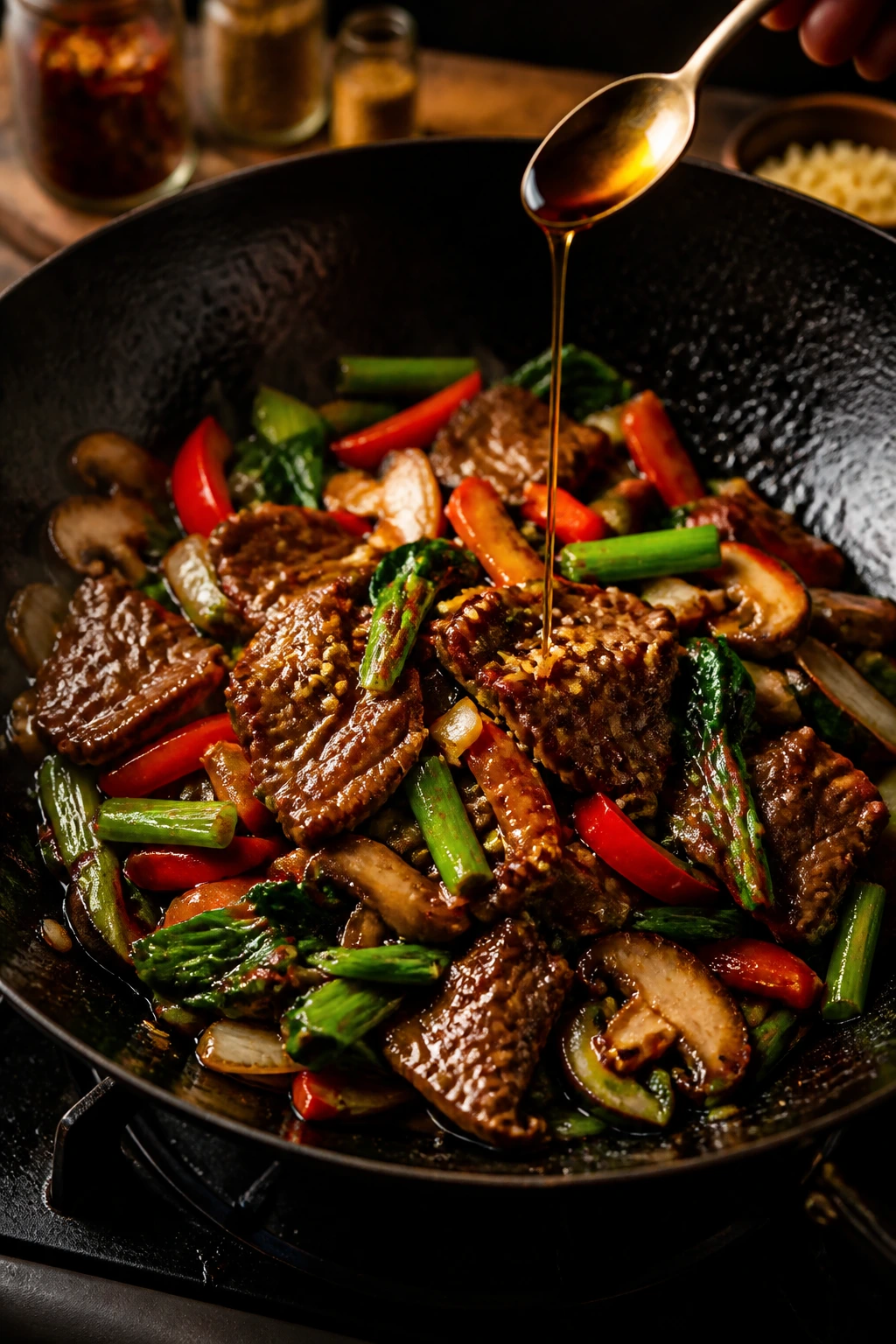
Flavor Enhancement: A tiny spoonful of toasted sesame oil or chili crisp at the end changes more than people expect. Use it after the heat is off, not during cooking, so the aroma stays intact. Fresh ginger, scallions, and a final splash of rice vinegar or lime juice do the same kind of work.
Customization: Add mushrooms, baby corn, snap peas, edamame, bamboo shoots, or shredded cabbage whenever you need more volume. Cashews and peanuts bring crunch; basil, cilantro, and Thai basil bring a fresher finish. If a sauce feels too sharp, a half teaspoon of sugar can smooth it out without turning the dish sweet.
Serving Suggestions: A soft-boiled egg, toasted sesame seeds, sliced chilies, or chopped herbs make a plain bowl look finished. For noodles, keep the garnish light. For rice bowls, a little extra sauce on the side helps people adjust each bite.
Make-It-Yours: Use tamari for gluten-free cooking, tofu or tempeh for vegetarian plates, and cauliflower rice if you want a lighter base. Lower-sodium soy sauce helps across the board. If you like more heat, add chili paste or fresh chilies to the oil early; if you want less, keep the fire at the table instead of in the pan.
Make-Ahead, Storage, and Reheating Guidance
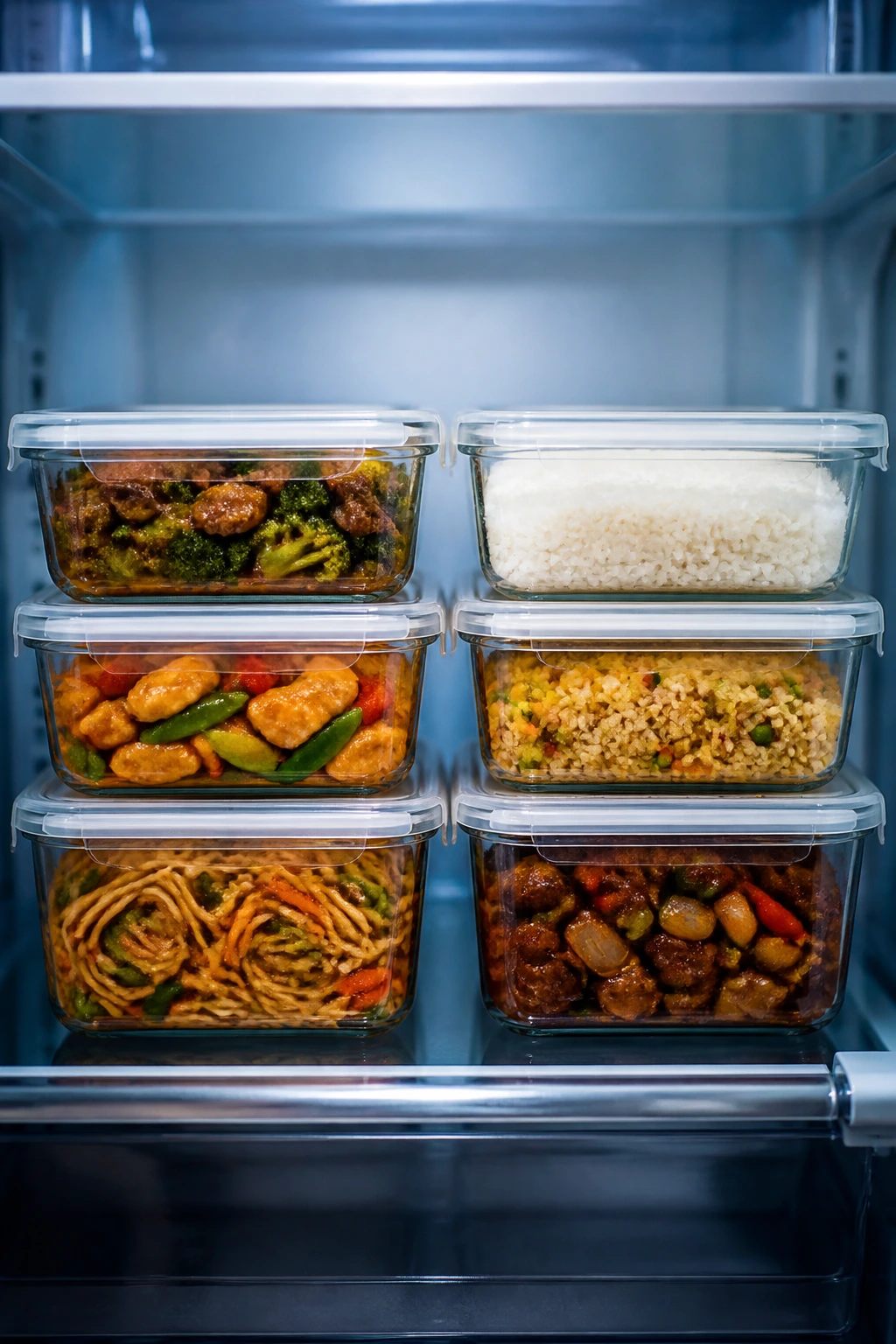
Most of these stir fries keep well for 3 to 4 days in the refrigerator if you cool them quickly and store them in shallow containers. Shrimp and fish are the exception; they taste best within 2 days, because delicate seafood dries out sooner. Rice and noodles should be cooled separately if possible. That small bit of effort keeps the whole meal from turning damp.
Freezing works better for sauced meats, tofu, and some vegetable dishes than it does for noodle-heavy plates. You can freeze portions for up to 2 months, but the texture of cabbage, bok choy, and noodles softens after thawing. If you know a dish will be frozen, hold back the final scallions and sesame oil until after reheating. Those finishers wake the food back up.
For reheating, a skillet beats the microwave. A medium skillet with a tablespoon or two of water brings life back to chicken, pork, tofu, and vegetables in about 3 to 5 minutes. Noodle dishes need a splash of water and a covered pan for a minute before you stir again. The microwave is fine in a pinch; use a damp paper towel over the bowl and heat in short bursts so the edges do not dry out.
Make-ahead sauce is where life gets easier. Mix sauce bases a day or two ahead and keep them in a jar in the fridge. Slice vegetables the morning of, if you can, and keep them dry in a lined container. Protein can be cut and marinated earlier the same day, but seafood should stay close to cooking time.
Variations and Adaptations to Try
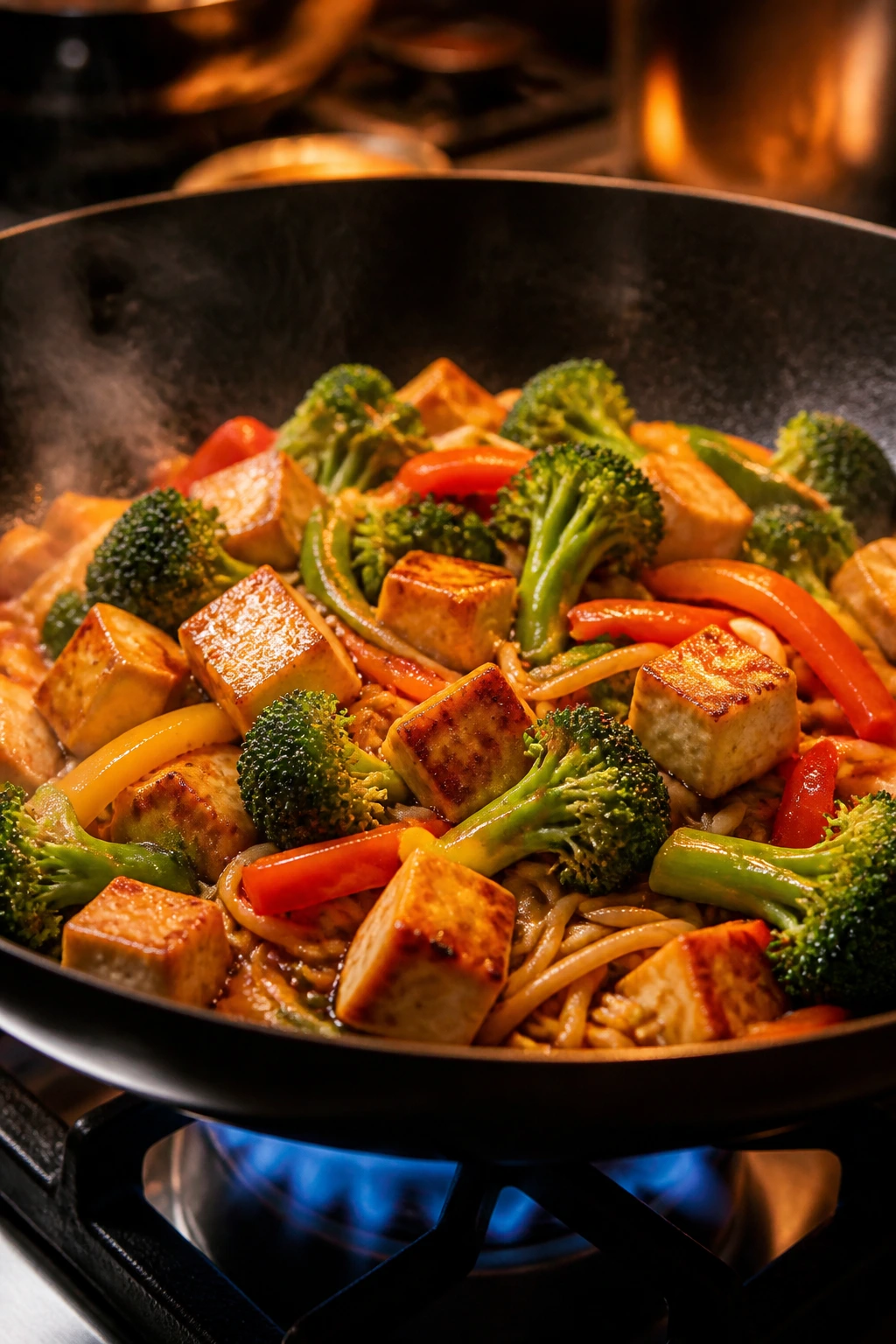
Gluten-Free Pantry Swap: Use tamari instead of soy sauce, and check labels on oyster sauce, hoisin, and curry paste. Rice noodles, rice, and quinoa all fit if you want to avoid wheat. The flavor profile stays the same if the sauce balance stays in place.
Lower-Sodium Weeknight Version: Start with low-sodium soy sauce and cut back on oyster sauce or fish sauce by a third. Add more rice vinegar, lime, garlic, or ginger to keep the pan lively. Salt can always be added at the table, but it is hard to pull back once it’s in the sauce.
Vegetarian Protein Turn: Extra-firm tofu is the easiest swap, but tempeh and seared mushrooms work too. Press tofu well, brown it hard, and keep the sauce strong enough to season the vegetables around it. Edamame is an easy add-on for extra substance.
Kid-Friendly Sweet-Savory Bowl: Reduce chili paste, chili flakes, and black pepper, then lean a little more on honey or hoisin. Chicken, carrots, broccoli, and mild noodles are usually the easiest place to start. Keep a small bowl of the hotter sauce on the side for adults.
Fire-Lover Finish: Add sliced fresh chilies or chili crisp at the end instead of piling heat into the whole pan. That lets the dish stay balanced for everyone else while giving heat-seekers a sharper hit. It also keeps spicy condiments from scorching in the oil.
Rice, Noodle, or Lettuce Wrap Switch: Almost every dish in this collection can move between a bowl, a noodle plate, and a lettuce wrap with only minor changes. Keep sauces a little looser for rice, a little thicker for noodles, and a little cleaner for wraps. That kind of flexibility is the whole point of a good stir fry night.
Common Mistakes to Avoid
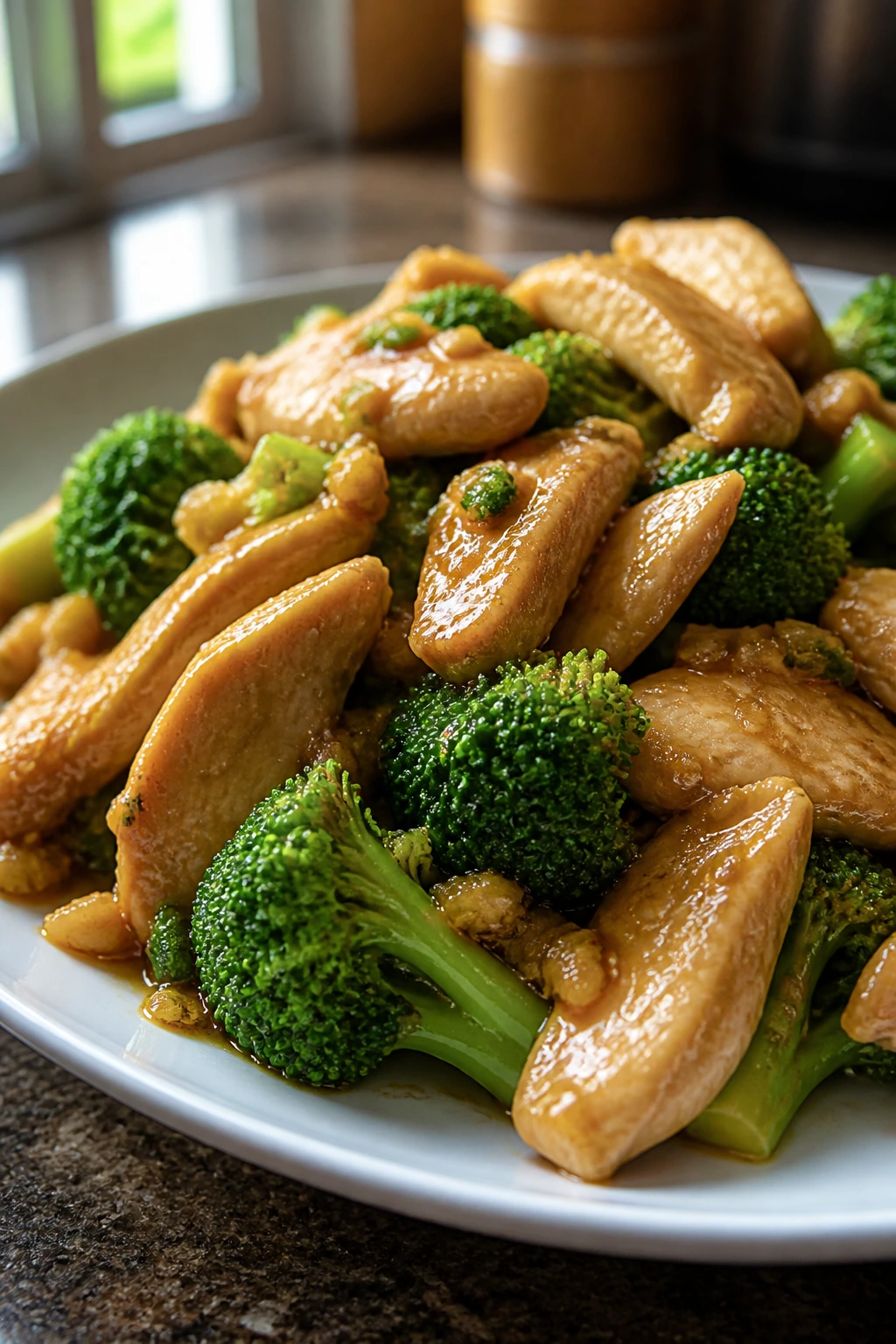
Crowding the pan: This is the easiest way to ruin stir fry. When too much food goes in at once, moisture builds up and the ingredients steam instead of browning. If your pan looks full, cook the protein or vegetables in batches and combine them at the end.
Starting with wet ingredients: Shrimp, tofu, sliced beef, and even vegetables can carry a film of water that ruins searing. Pat them dry before they hit the oil. If you skip that step, the pan cools, the food sticks, and the sauce has to rescue the whole thing.
Adding sauce too early: Sauce should land in the pan when the protein is cooked and the vegetables are almost there. If you add it before then, the sugars can burn and the vegetables turn soft before they’re seasoned. Mix the sauce first, then pour it in when the pan is ready.
Cutting ingredients unevenly: A half-inch broccoli floret next to a thumbnail-sized floret is a small disaster. One will be raw while the other softens. Try to keep slices, chunks, and strips close in size so the pan cooks as a team.
Treating noodles like rice: Noodles need tossing, not sitting. If they rest in a lump after boiling, they clump into a knot that the sauce can’t penetrate. Drain them, loosen them if needed, and get them into the pan quickly.
Overcooking delicate proteins: Shrimp, fish, and even thin chicken breast pieces do not need long heat. The second they turn opaque or firm up, pull them or they’ll dry out. A stir fry rewards attention. It does not forgive wandering off to answer a phone call.
Frequently Asked Questions
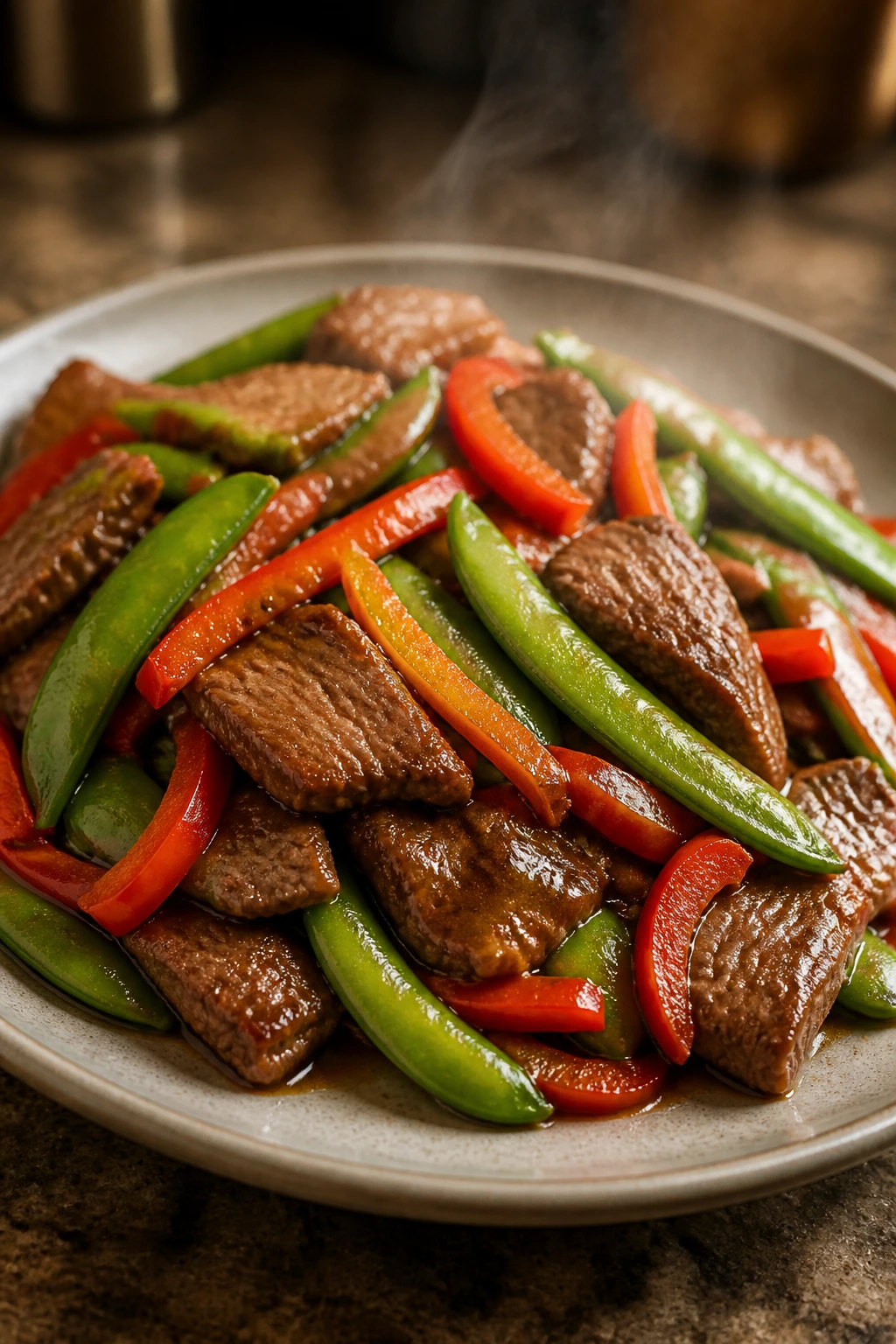
Can I use a regular skillet instead of a wok?
Yes. A wide 12-inch skillet handles most of these dishes well, especially if you keep the ingredients in smaller batches. The only real difference is that you’ll need to stir a little more often so the food stays moving.
What’s the best oil for stir fry cooking?
Use a neutral oil with a high smoke point, like avocado, canola, peanut, or grapeseed oil. Save toasted sesame oil for the end because it burns and turns bitter at high heat. The cooking oil should disappear into the method, not announce itself.
Can I use frozen vegetables?
You can, especially for green beans, edamame, and broccoli. Thaw them first and pat them dry or they’ll flood the pan. Frozen vegetables work best in saucier dishes where a little extra moisture won’t matter.
How do I keep the sauce from getting watery?
Start with a dry pan, dry protein, and a small amount of sauce thickened with cornstarch, miso, or reduced naturally through heat. If the vegetables release too much water, keep cooking for another minute or two so the liquid boils off. A splash of vinegar or lime at the end can sharpen the flavor if the sauce thins out.
Can I make these dishes ahead for meal prep?
Yes, and several hold up well for lunch the next day. Rice bowls, ground meat stir fries, cabbage dishes, and noodle plates are the strongest candidates. Keep crunchy toppings like peanuts, scallions, and sesame seeds separate until serving.
What protein cooks the fastest?
Shrimp and thin fish fillets cook the quickest, followed by ground meat, tofu, and then thin chicken or beef slices. The exact timing depends on the size of the pieces, but shrimp are still the speed champion. If you’re in a hurry, that’s usually the place to start.
How spicy can I make these without ruining them?
Spice works best when it sits beside salt, acid, and a little sweetness. Add chili paste, fresh chilies, or chili crisp gradually and taste the sauce before it goes into the pan. A dish can be hot and still balanced. That balance matters more than sheer heat.
Why does my stir fry taste flat even when the sauce is right?
Usually the vegetables were underseasoned or the pan never got hot enough to brown anything. Stir fry needs a little caramelization, not just heat. A final splash of rice vinegar, lime juice, or sesame oil can wake the whole thing back up.
The Final Toss
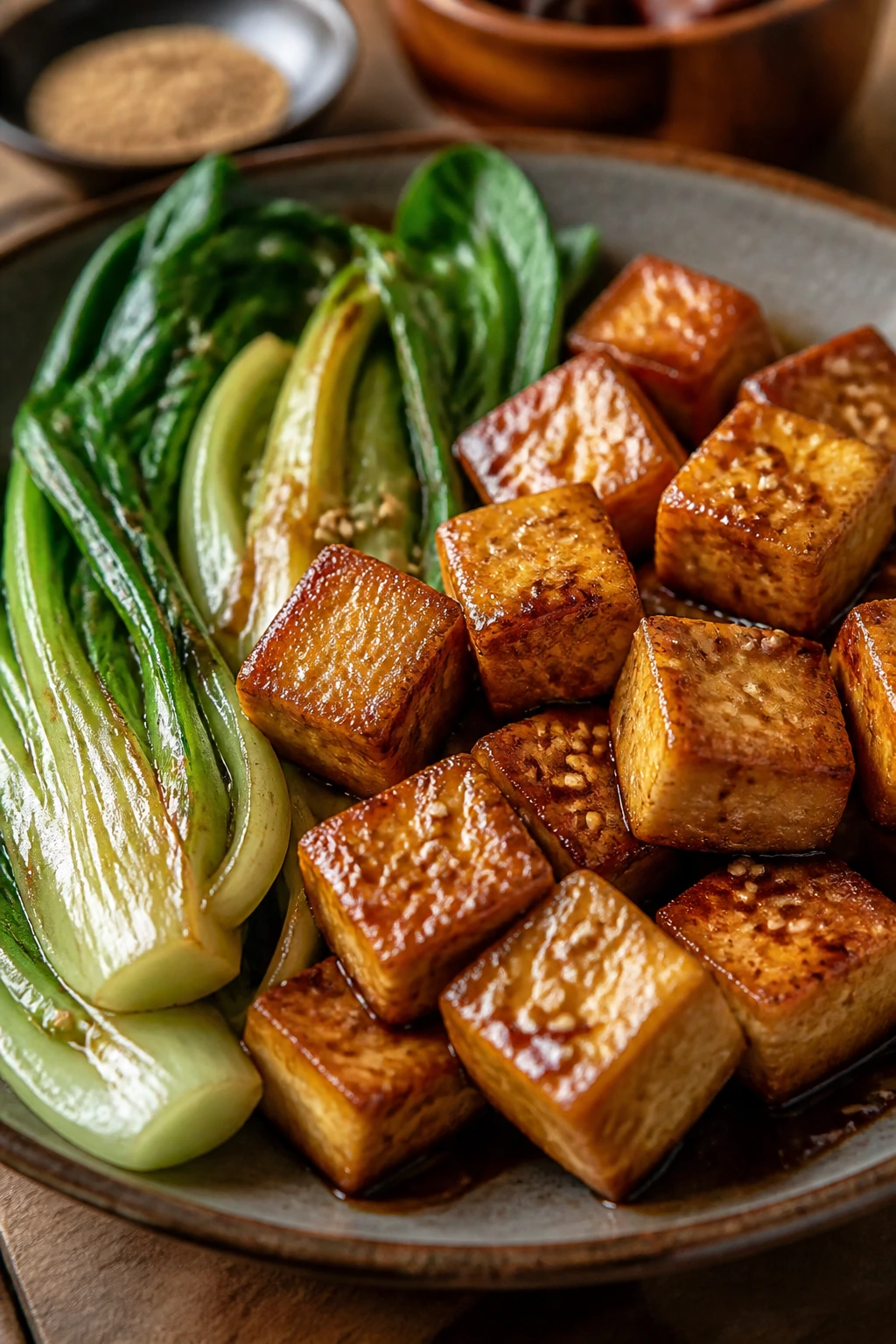
A good stir fry night has a rhythm to it. Slice. Mix. Sear. Toss. Eat. When the ingredients are ready before the burner turns on, dinner moves fast enough to feel easy without turning dull or bland.
The best part is that the method keeps giving you room to adjust. More chilies. Less sugar. Chicken instead of tofu. Rice instead of noodles. A little extra broccoli because the fridge needs clearing out. Keep the pan hot, keep the cuts even, and let the sauce come in last, and a simple wok dinner starts carrying a lot more of the week than people expect.