



Tofu dinners that taste like takeout live or die on two things: water and heat. Get those right, and the block in your fridge turns into crisp-edged cubes, silky centers, and sauce that clings instead of sliding off like dishwater. Get them wrong, and you end up with pale, soft chunks sitting in a puddle of sauce that tastes like it gave up halfway through dinner.
That gap is the whole story here. Real takeout-style tofu has bite. It has gloss. It smells like garlic hitting hot oil, ginger blooming for a few seconds, sesame oil added at the end so it stays loud and fragrant. The sauce should be thick enough to coat a spoon, and the tofu should have enough surface texture to hold onto it. That’s the difference between “healthy dinner” and something you’d actually look forward to making again.
These 16 dinners lean on the same restaurant tricks over and over, because those tricks work: press the tofu, coat it, sear it hard, build a sauce that balances sweet, salty, acid, and heat, then toss everything together at the last possible second. Some of the recipes are sticky and saucy. Some are smoky, peppery, or bright with citrus. A few land on noodles, a few on rice, and one or two are the kind of thing you make when you want the kitchen to smell like a favorite corner place for the next hour.
Why These Dinners Work So Well
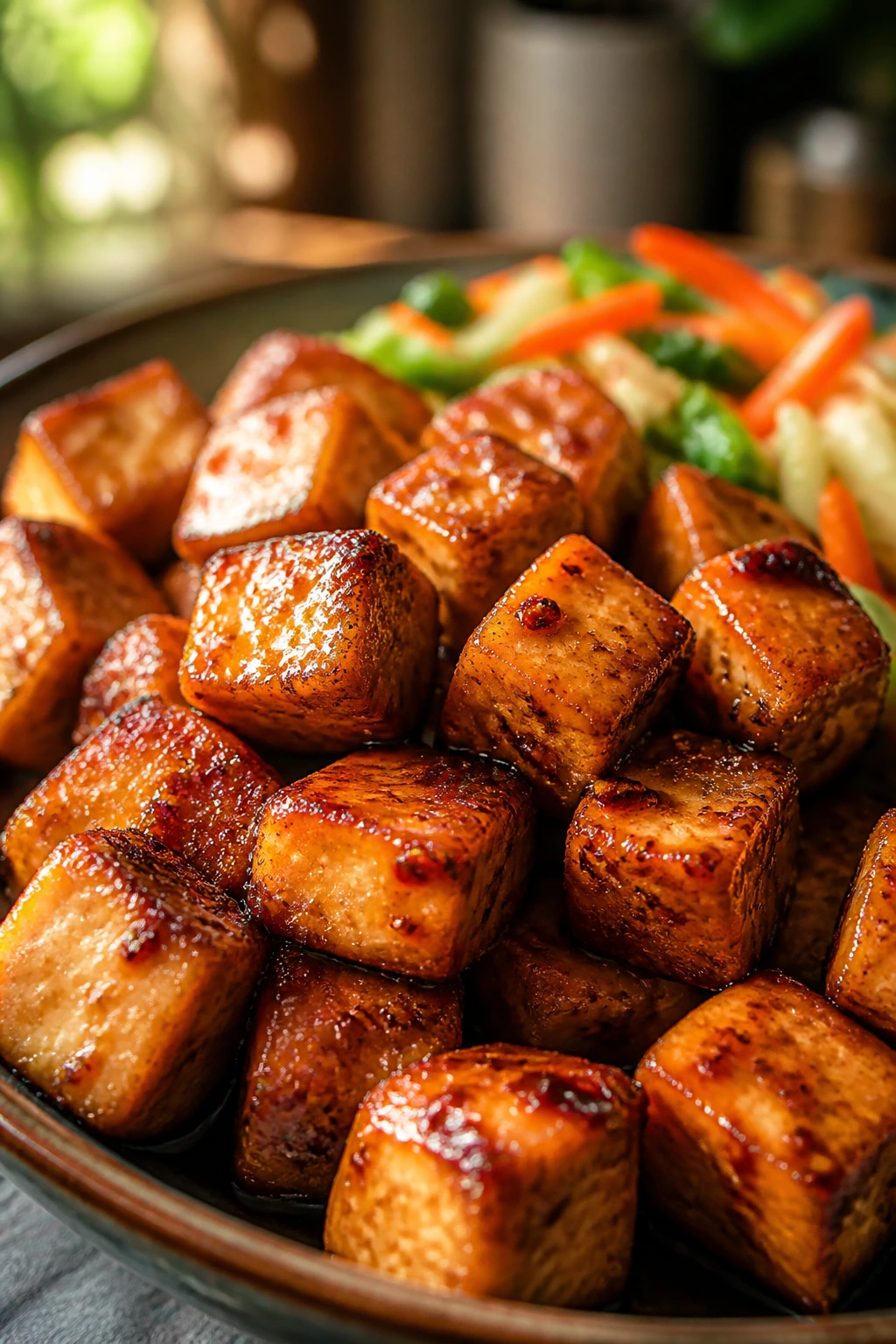
-
Crisp-first cooking: Nearly every recipe starts by drying and browning the tofu before the sauce goes anywhere near it, which gives you real texture instead of spongey cubes.
-
Sauce that clings: These dishes use cornstarch, reduction, or both, so the sauce thickens into a glossy coat rather than pooling at the bottom of the pan.
-
Weeknight pace: Most of these dinners land in the 30-to-40-minute range, and a few are faster if your rice or noodles are already cooked.
-
Flexible vegetables: Broccoli, snap peas, cabbage, mushrooms, green beans, bell peppers, and spinach all fit the template without making the meal feel repetitive.
-
Delivery-level flavor, less fallout: You control the salt, the oil, the heat, and the sugar, which makes a real difference when you want takeout flavor without that heavy, tired feeling after.
-
Leftovers that hold up: Sticky sauces and sturdy vegetables keep their shape better the next day than a lot of saucy dinners do.
1. Crispy General Tso’s Tofu
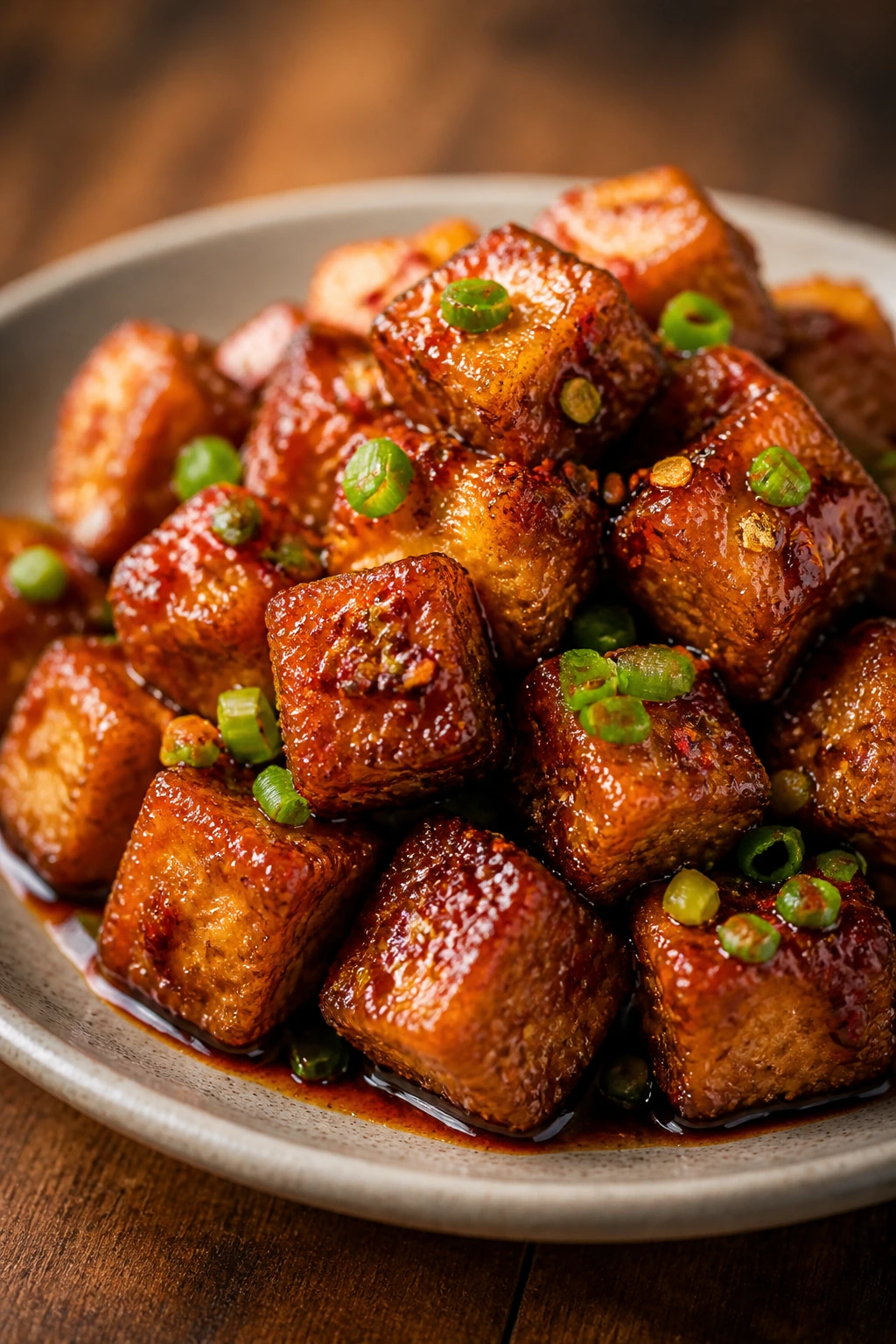
This is the kind of tofu dinner that makes people stop asking where the chicken went. The sauce is sticky, dark, and punchy, with enough vinegar to keep the sugar from turning flat. The tofu gets a real crust first, so each cube keeps some bite even after it’s coated.
The smell is the giveaway. Garlic, ginger, chili, and soy hit the pan together and turn the whole kitchen into a very persuasive argument for making this again. Serve it over jasmine rice, and make sure the rice is warm enough to catch the sauce without drying out.
Why this works is simple: General Tso’s depends on contrast. The tofu is crisp on the outside, soft in the middle, and the sauce has to be thick enough to stick without turning gluey. A little hoisin gives it depth, while rice vinegar keeps the whole thing lively instead of syrupy.
For the Tofu
- 1 block extra-firm tofu, 14 to 16 ounces, pressed for 20 minutes and cut into 1-inch cubes
- 3 tablespoons cornstarch
- 1/2 teaspoon kosher salt
- 2 tablespoons neutral oil
For the Sauce
- 1/4 cup low-sodium soy sauce
- 3 tablespoons rice vinegar
- 2 tablespoons hoisin sauce
- 2 tablespoons brown sugar
- 1/2 cup vegetable broth
- 1 tablespoon chili garlic sauce
- 1 tablespoon grated fresh ginger
- 3 garlic cloves, minced
- 2 teaspoons cornstarch mixed with 2 tablespoons water
- 1 teaspoon toasted sesame oil
To Finish
- 2 scallions, thinly sliced
- 1 teaspoon sesame seeds
- Cooked jasmine rice, for serving
-
Press and coat the tofu: Pat the tofu dry, cut it into cubes, and toss it gently with the cornstarch and salt until the surfaces look dusted rather than clumpy.
-
Crisp the cubes: Heat the neutral oil in a large skillet over medium-high heat. Add the tofu in a single layer and cook for 8 to 10 minutes, turning every few minutes, until the edges look golden and a little blistered.
-
Build the sauce base: Push the tofu to one side or lift it out briefly. Add the garlic and ginger to the pan and cook for about 30 seconds, just until fragrant. Stir in the soy sauce, vinegar, hoisin, brown sugar, broth, and chili garlic sauce.
-
Thicken it properly: Bring the sauce to a simmer, then stir in the cornstarch slurry. Cook for 1 to 2 minutes, until the sauce turns glossy and thick enough to coat the back of a spoon.
-
Toss and finish: Return the tofu to the pan, add the sesame oil, and toss until every cube is lacquered. Top with scallions and sesame seeds, then serve right away over rice.
-
Heat control: If your pan runs hot, lower the burner before adding the sauce; burnt sugar is the fastest way to ruin the flavor.
-
Make-ahead note: The sauce can be mixed a day ahead and kept in the fridge, which saves real time on a busy night.
-
Best texture move: If you want even more crunch, bake the cornstarch-coated tofu at 425°F for 25 minutes instead of pan-frying it.
2. Sesame-Ginger Tofu and Broccoli
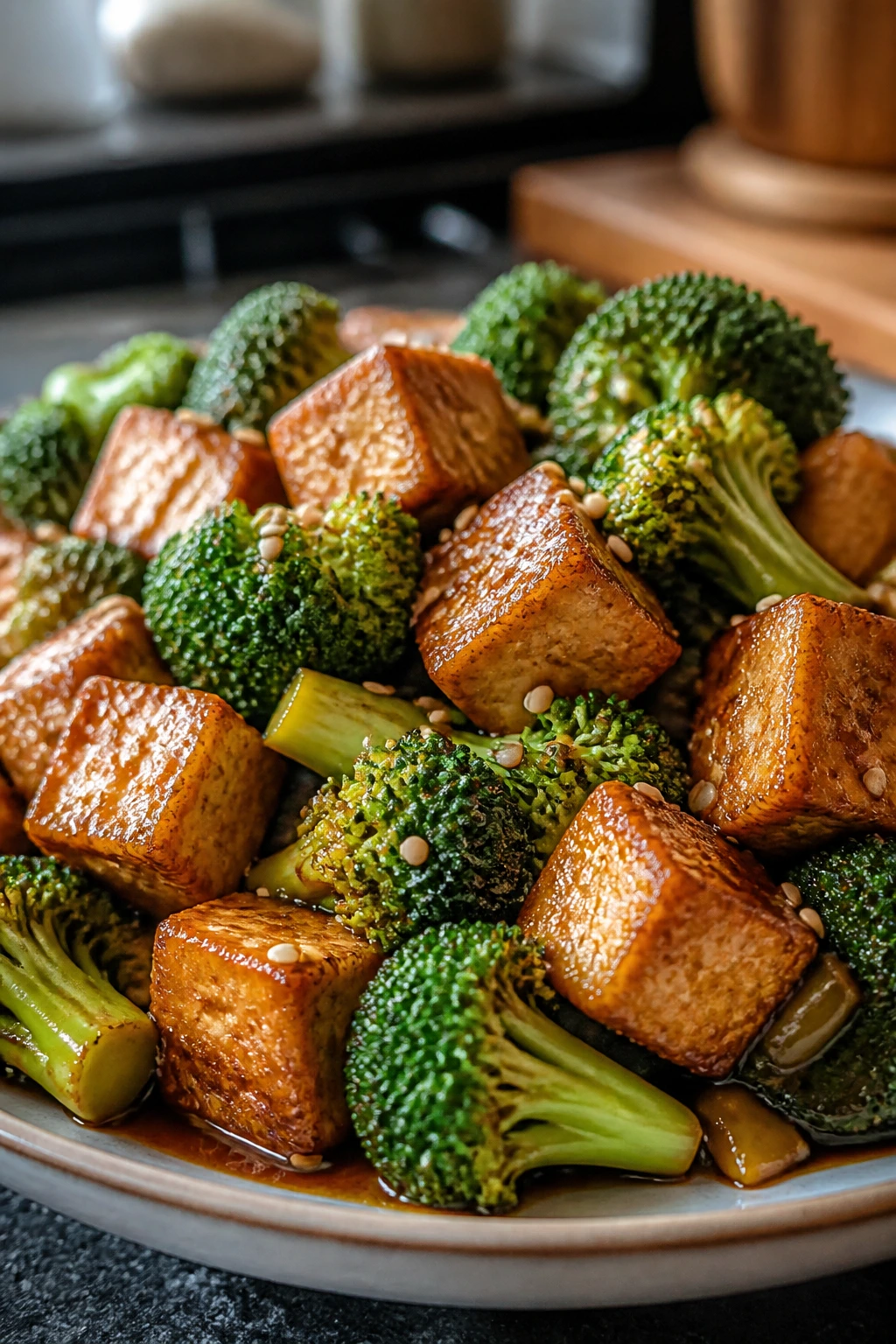
This one has that clean, familiar stir-fry smell that makes you check the stove twice. Ginger leads, sesame follows, and the broccoli stays bright enough to taste like vegetables instead of filler. It’s the kind of dinner that lands on the table and feels orderly in the best way.
The tofu is browned separately so it doesn’t steam itself into softness. Then the broccoli and carrot get a quick toss in the same pan, which picks up all the browned bits from the tofu and gives the whole dish a deeper edge. The sauce is savory, nutty, and a little sweet, with enough vinegar to keep it sharp.
Why it works: broccoli loves high heat and fast cooking, and tofu likes a dry coating before it hits the pan. That combo gives you crisp edges, tender stems, and a sauce that settles into the florets instead of sliding away. Sesame oil is used at the end so it stays fragrant.
For the Tofu
- 1 block extra-firm tofu, 14 to 16 ounces, pressed and cut into 3/4-inch cubes
- 2 tablespoons cornstarch
- 2 tablespoons neutral oil
For the Vegetables
- 4 cups broccoli florets
- 1 medium carrot, thinly sliced on the bias
- 3 scallions, sliced
- 2 garlic cloves, minced
- 1 tablespoon grated fresh ginger
For the Sauce
- 1/4 cup low-sodium soy sauce
- 2 tablespoons rice vinegar
- 2 tablespoons maple syrup or honey
- 1 tablespoon toasted sesame oil
- 1/3 cup water or vegetable broth
- 1 tablespoon cornstarch
- 1 tablespoon toasted sesame seeds
-
Brown the tofu first: Toss the tofu with cornstarch. Heat the oil in a large skillet or wok over medium-high heat and cook the tofu for 8 to 10 minutes, turning until the sides are golden.
-
Wake up the broccoli: Add the broccoli and carrot to the pan with 2 tablespoons of water. Cover for 1 minute, then uncover and stir-fry for 2 more minutes, until the broccoli turns bright green and the stems are just tender.
-
Add the aromatics: Stir in the garlic and ginger and cook for 30 seconds, just until the garlic smells sweet rather than sharp.
-
Pour in the sauce: Whisk the sauce ingredients in a bowl, then add them to the pan. Stir constantly for 1 to 2 minutes until the sauce thickens and turns shiny.
-
Finish cleanly: Return the tofu to the pan, toss in the scallions and sesame seeds, and serve with steamed rice.
-
Veg swap: Snap peas or sliced snow peas work well if you want a sweeter crunch than broccoli gives.
-
Shortcut: Microwave the broccoli for 60 seconds before stir-frying if you need to shave off a few minutes.
-
Tiny upgrade: A teaspoon of chili crisp on top gives the whole pan a little heat without changing the balance.
3. Sticky Orange Tofu with Snap Peas
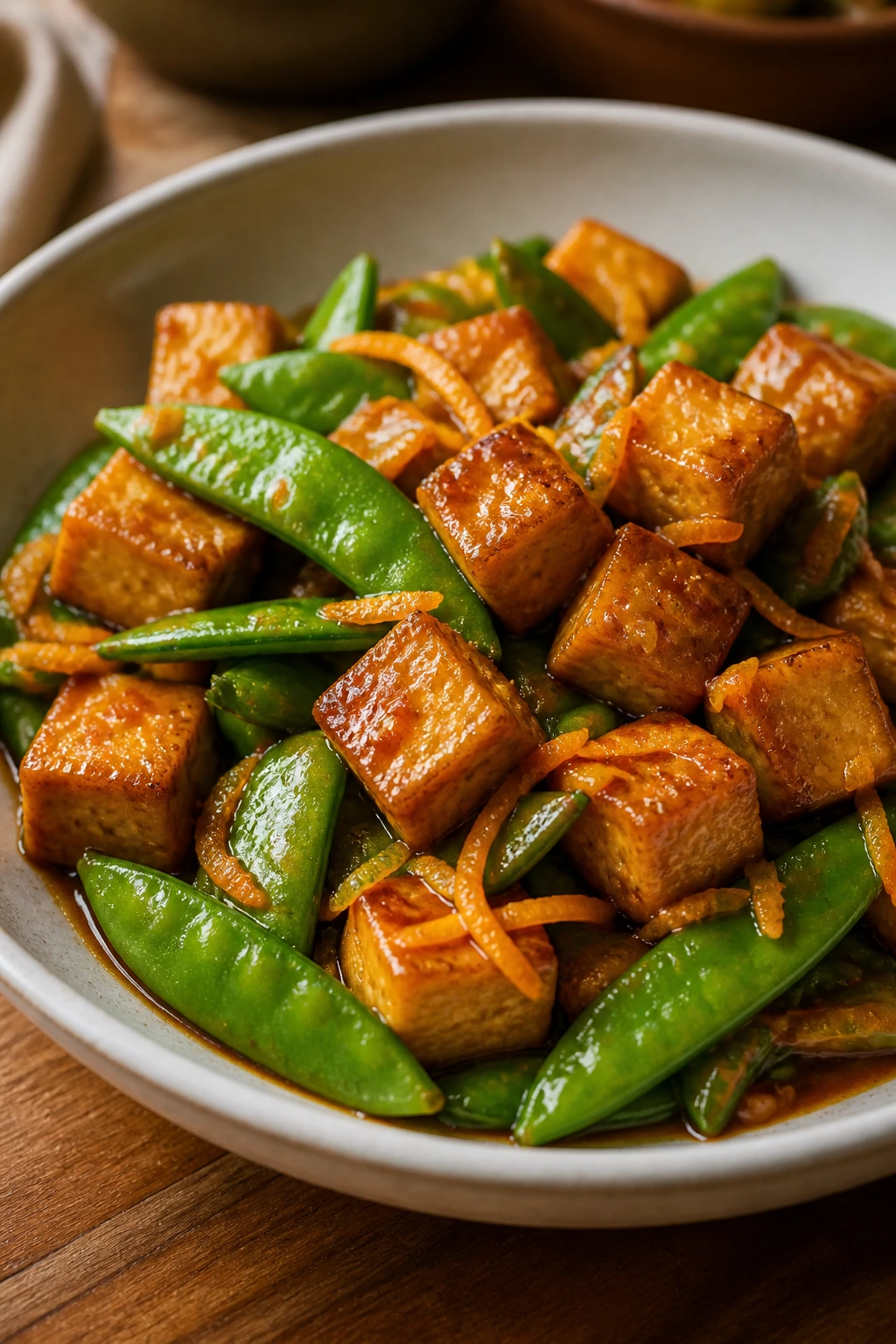
This is brighter than the usual takeout-style tofu, and I mean that in the nicest possible way. Orange juice and zest give the sauce a clear citrus snap, while soy and ginger keep it from turning into dessert by accident. The snap peas stay crisp, which matters here more than people think.
The finished dish looks glossy and almost jewel-like, especially if you scatter scallions over the top. It tastes sweet at first, then tart, then savory. That sequence is the reason orange tofu works when it’s done well; it keeps moving on the tongue instead of flattening out.
Why it works: citrus needs balance, and tofu is one of the few proteins that can carry a sweet sauce without feeling heavy. Cornstarch gives the cubes a dry shell, and the orange sauce thickens just enough to cling. Add the zest at the end and it smells twice as fresh.
For the Tofu
- 1 block extra-firm tofu, 14 to 16 ounces, pressed and cubed
- 3 tablespoons cornstarch
- 2 tablespoons neutral oil
For the Sauce
- 1 orange, zested and juiced, about 1/2 cup juice
- 1/4 cup low-sodium soy sauce
- 2 tablespoons rice vinegar
- 2 tablespoons brown sugar or maple syrup
- 1 tablespoon grated fresh ginger
- 2 garlic cloves, minced
- 1 tablespoon cornstarch mixed with 2 tablespoons water
For the Vegetables
- 2 cups snap peas
- 1 red bell pepper, sliced
- 2 scallions, sliced
- 1 teaspoon toasted sesame seeds
-
Crisp the tofu: Toss the tofu with cornstarch. Cook it in the oil over medium-high heat for 8 to 10 minutes until the outside feels set and the corners turn golden.
-
Stir-fry the vegetables: Add the snap peas and bell pepper to the pan and cook for 2 to 3 minutes, just until the color brightens and the peas still snap.
-
Build the citrus sauce: Stir the orange juice, zest, soy sauce, vinegar, brown sugar, ginger, and garlic together. Pour it into the pan and let it simmer for 1 minute.
-
Thicken and coat: Add the cornstarch slurry and cook for another 1 to 2 minutes, until the sauce turns glossy and slightly sticky.
-
Finish and serve: Return the tofu to the pan, toss everything together, then top with scallions and sesame seeds. Serve over rice or noodles.
-
Zest matters: Don’t skip it. Orange juice gives sweetness; zest gives the perfume that makes the dish smell finished.
-
If you want more heat: Add 1 teaspoon of chili flakes or a spoonful of chili crisp to the sauce.
-
Best side: Plain rice is the right move here, because the sauce already does the work.
4. Kung Pao Tofu with Peanuts
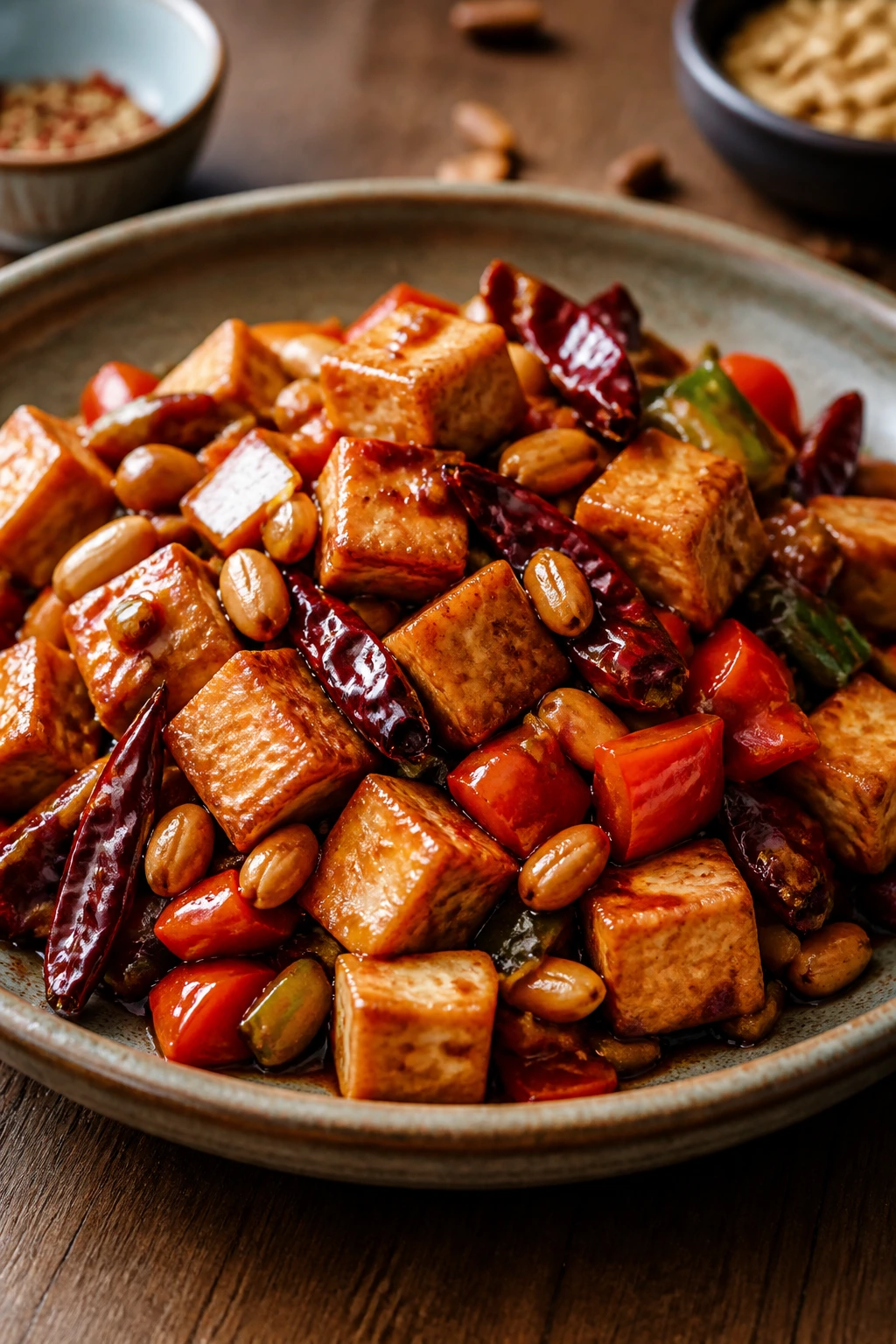
Kung Pao tofu should have attitude. It should hit you with heat first, then sourness, then that roasted peanut note that keeps everything from feeling thin. If it tastes timid, you’ve missed the point.
The dried chilies do a lot of heavy lifting, even though you’re not meant to bite into all of them. They perfume the oil, the tofu gets a crisp shell, and the peanuts bring crunch that doesn’t disappear after five minutes. This is one of the more restaurant-like dinners in the bunch, and it’s not subtle.
Why it works: Kung Pao depends on layering. A quick sear gives the tofu texture, the chilies and peppercorns bloom in oil, and the sauce gets finished with black vinegar so it stays sharp. The peanuts are added late so they keep their bite.
For the Tofu
- 1 block extra-firm tofu, 14 to 16 ounces, pressed and cut into cubes
- 3 tablespoons cornstarch
- 2 tablespoons neutral oil
For the Stir-Fry
- 1 red bell pepper, chopped
- 4 to 6 dried red chilies
- 3 scallions, cut into 2-inch pieces
- 1/2 cup roasted unsalted peanuts
- 2 garlic cloves, minced
- 1 tablespoon grated ginger
- 1/2 teaspoon Sichuan peppercorns, lightly crushed, optional
For the Sauce
- 3 tablespoons low-sodium soy sauce
- 2 tablespoons Chinese black vinegar or rice vinegar
- 1 tablespoon hoisin sauce
- 1 tablespoon brown sugar
- 1 teaspoon chili garlic sauce
- 2 tablespoons water
- 1 teaspoon cornstarch
-
Brown the tofu: Toss the tofu with cornstarch and cook it in the oil over medium-high heat until the cubes are crisp on at least two sides, about 8 minutes.
-
Bloom the aromatics carefully: Add the dried chilies and Sichuan peppercorns to the pan for 15 to 20 seconds, just until they smell toasted. Do not let them burn.
-
Add the vegetables: Stir in the bell pepper, garlic, and ginger. Cook for 2 minutes, keeping the pepper a little firm.
-
Pour in the sauce: Whisk the sauce ingredients together and add them to the pan. Let it bubble for 1 minute until it thickens.
-
Finish with crunch: Add the peanuts and scallions, toss once or twice, then serve immediately over rice.
-
Peppercorn note: If Sichuan peppercorns aren’t your thing, leave them out and add a little extra black vinegar instead.
-
Sauce balance: Taste before serving. Kung Pao should be hot and tangy, not sugary.
-
Texture trick: Toast the peanuts in a dry pan for 2 minutes if yours are soft or stale.
5. Sweet-and-Sour Tofu with Pineapple
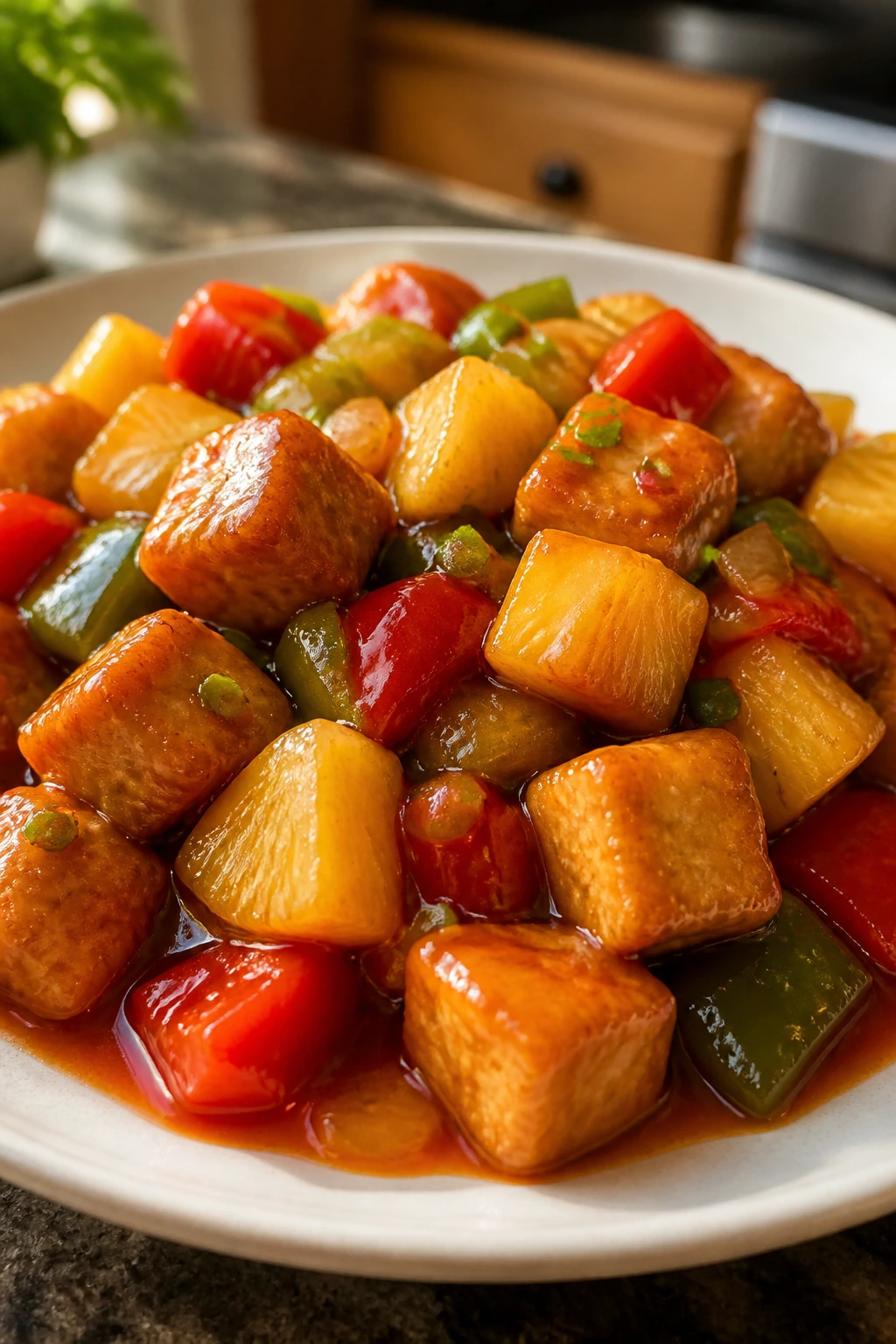
This is the happiest-looking dish in the group. Red peppers, pineapple chunks, and glossy tofu all land in the same pan and somehow still make sense together. The sauce should taste bright, almost playful, but it needs enough acid to keep it from becoming sticky candy.
The best versions are not shy about vinegar. Ketchup gives the sauce body and that familiar takeout color, pineapple brings sweetness, and the tofu soaks up just enough of it without turning mushy. Serve it with rice that can catch the extra sauce; that’s where the real comfort lives.
Why it works: sweet-and-sour works only when the sour part has some teeth. Rice vinegar keeps the sauce awake, pineapple juice adds fruit without making it cloying, and a quick sear gives the tofu enough structure to survive the toss. The vegetables should still look crisp at the edges.
For the Tofu
- 1 block extra-firm tofu, 14 to 16 ounces, pressed and cubed
- 3 tablespoons cornstarch
- 2 tablespoons neutral oil
For the Sauce
- 1/3 cup ketchup
- 1/4 cup pineapple juice
- 2 tablespoons rice vinegar
- 2 tablespoons brown sugar
- 1 tablespoon low-sodium soy sauce
- 1 tablespoon cornstarch mixed with 2 tablespoons water
- 1 teaspoon grated ginger
- 2 garlic cloves, minced
For the Stir-Fry
- 1 cup pineapple chunks, fresh or drained canned
- 1 red bell pepper, chopped
- 1 green bell pepper, chopped
- 1 small yellow onion, sliced
- 2 scallions, sliced
-
Cook the tofu until golden: Toss the tofu with cornstarch and pan-fry it in the oil over medium-high heat for 8 to 10 minutes, until the cubes are crisp and lightly browned.
-
Stir-fry the vegetables: Add the onion and peppers to the pan and cook for 3 minutes, just until the onion starts to soften and the peppers keep a little crunch.
-
Add the pineapple: Stir in the pineapple chunks for 1 minute so they warm through and pick up a little pan flavor.
-
Make the sauce glossy: Whisk together the ketchup, pineapple juice, vinegar, sugar, soy sauce, ginger, and garlic. Add it to the pan, then stir in the cornstarch slurry and cook until thick, about 1 to 2 minutes.
-
Combine and serve: Return the tofu to the pan, toss gently, and finish with scallions. Serve over rice.
-
Best pineapple choice: Fresh pineapple gives the sharpest flavor, but drained canned pineapple is fine if that’s what you have.
-
If it tastes too sweet: Add another teaspoon of vinegar before serving.
-
Meal prep note: This one reheats well, but the peppers soften a bit. I don’t mind that.
6. Vegetarian Mapo Tofu with Mushrooms
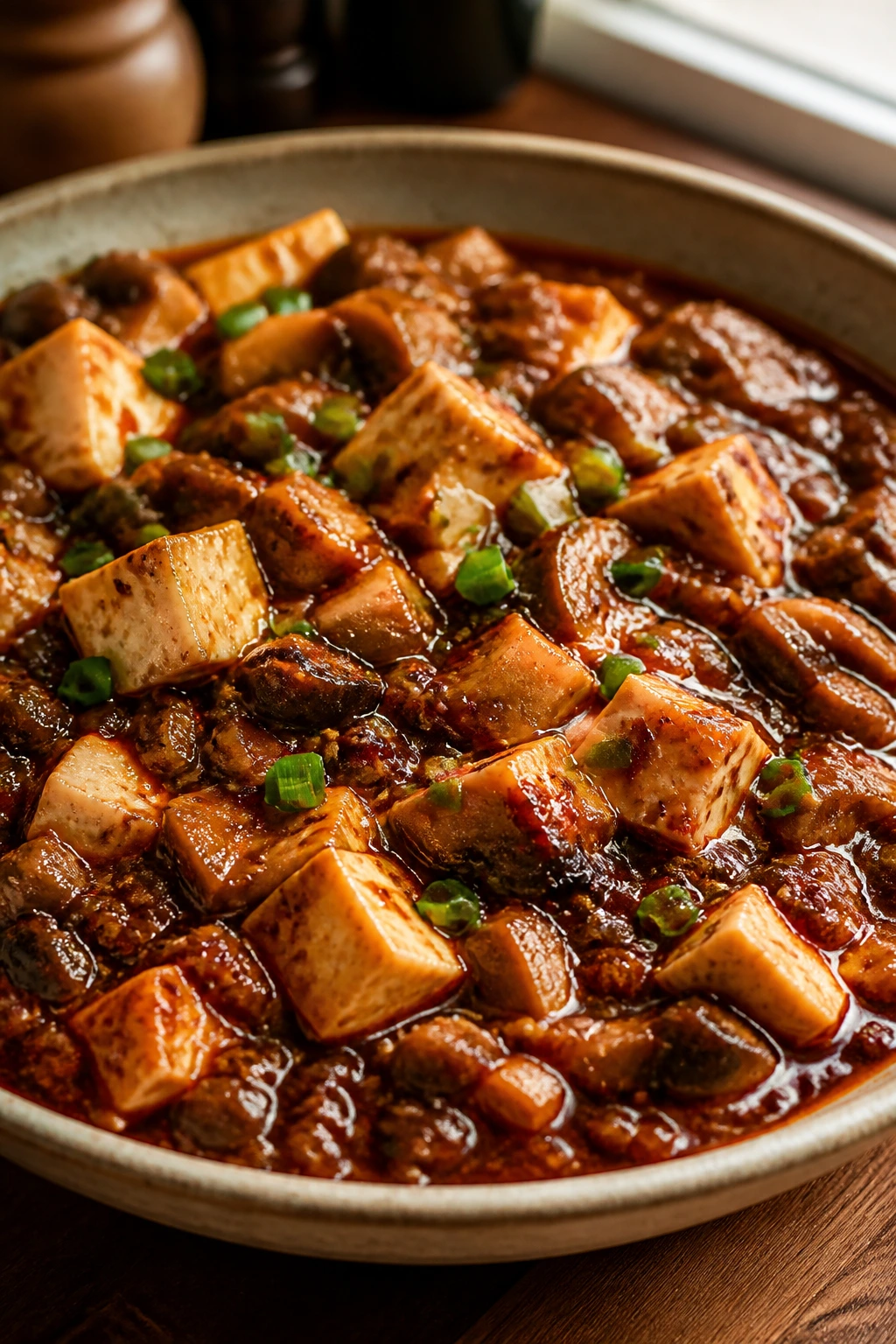
Mapo tofu is not shy food. It’s spicy, savory, numbing if you use Sichuan peppercorns, and full of that deep red bean-paste flavor that makes the whole dish taste bigger than the ingredient list. The mushrooms step in for the usual meatiness and do a better job than you’d think.
The tofu here is softer than in the fried dishes, because that’s part of the appeal. You get silky cubes moving through a thick sauce with little bits of mushroom and scallion in every bite. It’s one of those dinners that tastes like it came from a place where the cook knows exactly how much heat you can handle.
Why it works: mapo tofu is built on contrast between tender tofu and a bold, oily sauce. Doubanjiang brings fermented depth, chili oil gives heat, and Sichuan peppercorns add that tingly edge people either love or chase with a cold drink. A quick cornstarch slurry gives the sauce the right body without making it pasty.
For the Tofu
- 1 block medium-firm tofu, 14 ounces, cut into 1-inch cubes
- 1 teaspoon kosher salt, for blanching water
For the Sauce
- 8 ounces cremini or shiitake mushrooms, finely chopped
- 2 tablespoons doubanjiang
- 1 tablespoon chili oil
- 1 tablespoon grated fresh ginger
- 3 garlic cloves, minced
- 1 1/2 cups vegetable broth
- 1 tablespoon low-sodium soy sauce
- 1 teaspoon sugar
- 1 tablespoon cornstarch mixed with 2 tablespoons water
- 1 teaspoon Sichuan peppercorns, toasted and ground, optional
- 1 teaspoon toasted sesame oil
To Finish
- 3 scallions, sliced
- Steamed rice, for serving
-
Blanch the tofu gently: Bring a pot of salted water to a simmer and add the tofu for 2 minutes. Drain carefully. This helps the cubes hold together and takes away a raw bean flavor.
-
Cook the mushrooms down: Heat the chili oil in a large skillet over medium heat. Add the mushrooms and cook for 5 minutes, stirring often, until they lose their moisture and start to brown.
-
Add the paste and aromatics: Stir in the doubanjiang, ginger, and garlic. Cook for 30 to 45 seconds, just until the kitchen smells spicy and rich.
-
Simmer the sauce: Add the broth, soy sauce, sugar, and Sichuan peppercorns. Bring it to a steady simmer, then stir in the cornstarch slurry and cook until the sauce thickens.
-
Fold in the tofu: Add the tofu and simmer gently for 2 to 3 minutes, spooning sauce over the cubes without stirring too hard. Finish with sesame oil and scallions.
-
Silky, not broken: Use a spoon or thin spatula instead of a wooden spoon if your tofu is very soft.
-
Heat control: Doubanjiang can be salty. Taste before adding extra soy.
-
Good leftover trick: The flavor deepens overnight, so this is one of the better make-ahead dinners in the list.
7. Glossy Teriyaki Tofu Bowls
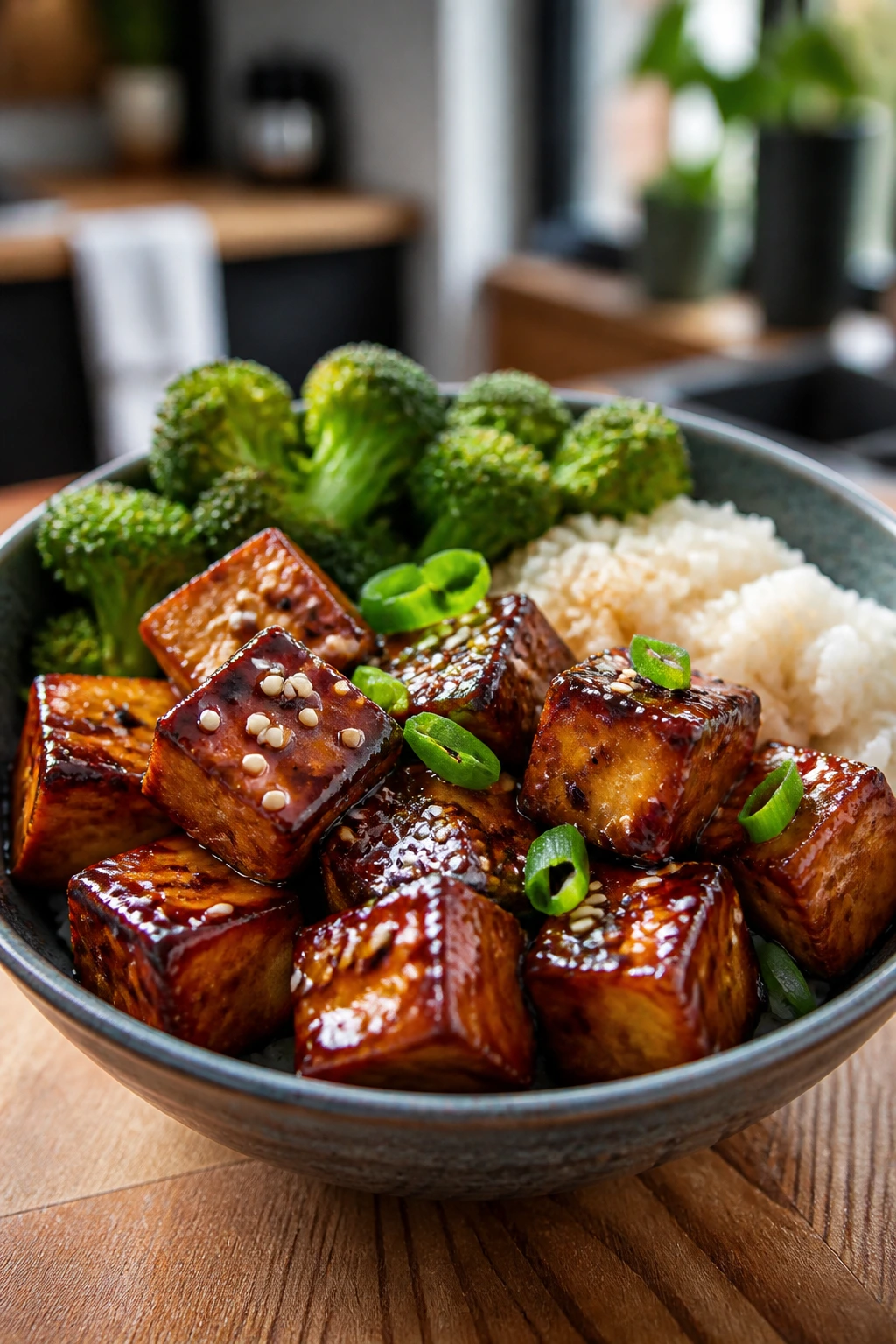
Teriyaki tofu bowls hit that reliable sweet-salty note people reach for on tired evenings. The glaze should be dark, shiny, and a little sticky at the edges, not thin and pale like bottled sauce poured straight from the fridge. Add broccoli, rice, and scallions, and the bowl starts looking like dinner you ordered on purpose.
This one is also forgiving, which matters. You can bake the tofu, pan-fry it, or air-fry it depending on your mood and your pans. The important part is reducing the sauce enough that it clings to the tofu instead of sliding into the rice bowl and disappearing.
Why it works: teriyaki is at its best when the sauce gets cooked down long enough to lose its watery edge. A little ginger and garlic keep it sharp, and the tofu’s surface browns better if you dry it well before cooking. Broccoli adds structure and keeps the bowl from tasting one-note.
For the Tofu
- 1 block extra-firm tofu, 14 to 16 ounces, pressed and cubed
- 2 tablespoons cornstarch
- 2 tablespoons neutral oil
For the Teriyaki Sauce
- 1/4 cup low-sodium soy sauce
- 2 tablespoons mirin or 2 tablespoons rice vinegar plus 1 teaspoon sugar
- 2 tablespoons brown sugar
- 1/4 cup water
- 1 tablespoon grated fresh ginger
- 2 garlic cloves, minced
- 1 teaspoon cornstarch
For the Bowls
- 3 cups cooked rice
- 3 cups broccoli florets, steamed or stir-fried
- 2 scallions, sliced
- 1 tablespoon sesame seeds
-
Cook the tofu until browned: Toss the tofu with cornstarch and cook it in the oil over medium-high heat for 8 to 10 minutes, or bake at 425°F for 25 minutes, until golden.
-
Make the glaze: Combine the soy sauce, mirin, sugar, water, ginger, garlic, and cornstarch in a small saucepan. Bring to a simmer over medium heat and cook for 2 minutes, until the sauce turns glossy and lightly thick.
-
Coat the tofu: Add the tofu to the pan or pour the glaze over the tofu in a bowl and toss gently so every side gets covered.
-
Assemble the bowls: Divide the rice between bowls. Add broccoli and tofu on top.
-
Finish with texture: Scatter scallions and sesame seeds over each bowl and serve while the glaze is still warm and sticky.
-
Broccoli timing: Steam it just until it turns bright green; mushy broccoli is a mood killer.
-
Sauce tip: If the glaze gets too thick, whisk in a tablespoon of water before tossing.
-
Extra protein move: Add edamame or a soft-boiled egg if you want a larger bowl.
8. Thai Basil Tofu Stir-Fry
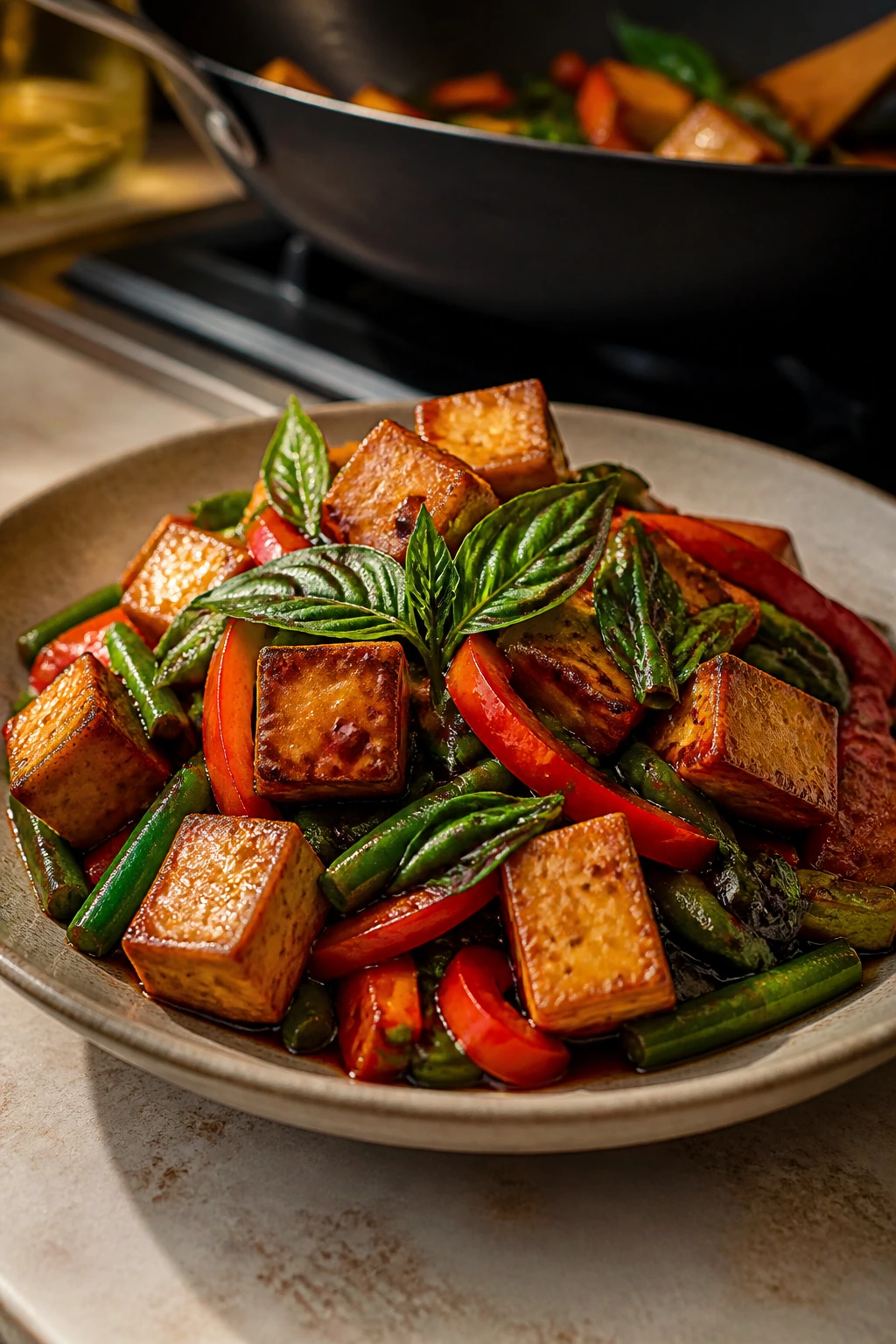
Thai basil changes the personality of tofu fast. One minute you’ve got a basic stir-fry, and the next there’s pepper, garlic, and that slightly sweet anise note from the basil turning the whole pan into something that tastes like a favorite noodle shop. It’s fast, loud, and a little messy in the best way.
The key is to keep the basil from cooking too long. It only needs a quick tumble at the end so it stays fragrant. The tofu should be crisp enough to resist the sauce, and the green beans or bell peppers should still have some snap.
Why it works: this style of stir-fry depends on heat and timing more than complicated ingredients. Garlic and chilies fry first, the sauce coats the pan quickly, and the basil is added off the heat so its flavor stays fresh. A touch of sugar rounds out the soy and vinegar without making the dish heavy.
For the Tofu
- 1 block extra-firm tofu, 14 to 16 ounces, pressed and cubed
- 2 tablespoons cornstarch
- 2 tablespoons neutral oil
For the Stir-Fry
- 1 red bell pepper, sliced
- 1 cup green beans, trimmed
- 4 garlic cloves, minced
- 2 Thai chilies, sliced, or 1 teaspoon red pepper flakes
- 1 packed cup Thai basil leaves
For the Sauce
- 2 tablespoons low-sodium soy sauce
- 2 tablespoons vegetarian oyster sauce or mushroom sauce
- 1 tablespoon rice vinegar
- 1 teaspoon sugar
- 2 tablespoons water
- 1 teaspoon toasted sesame oil
-
Crisp the tofu: Coat the tofu with cornstarch and cook it in the oil over medium-high heat for 8 minutes, turning until the cubes have brown edges.
-
Stir-fry the vegetables: Add the bell pepper and green beans to the same pan and cook for 3 to 4 minutes until the beans are bright and slightly blistered.
-
Add the garlic and chilies: Stir them in for 20 to 30 seconds, just until fragrant. If they start to brown fast, lower the heat.
-
Pour in the sauce: Add the soy sauce, mushroom sauce, vinegar, sugar, water, and sesame oil. Toss until the vegetables are coated and the sauce starts to cling.
-
Finish with basil: Turn off the heat, add the tofu and basil, and toss for 10 seconds. Serve immediately with jasmine rice.
-
Basil timing: If you cook the basil too long, it goes dark and loses its perfume. Off heat is best.
-
Heat level: Use two chilies for a strong kick, one for a milder dinner.
-
Best fresh: This one is at its brightest right after cooking.
9. Garlic Lo Mein with Tofu
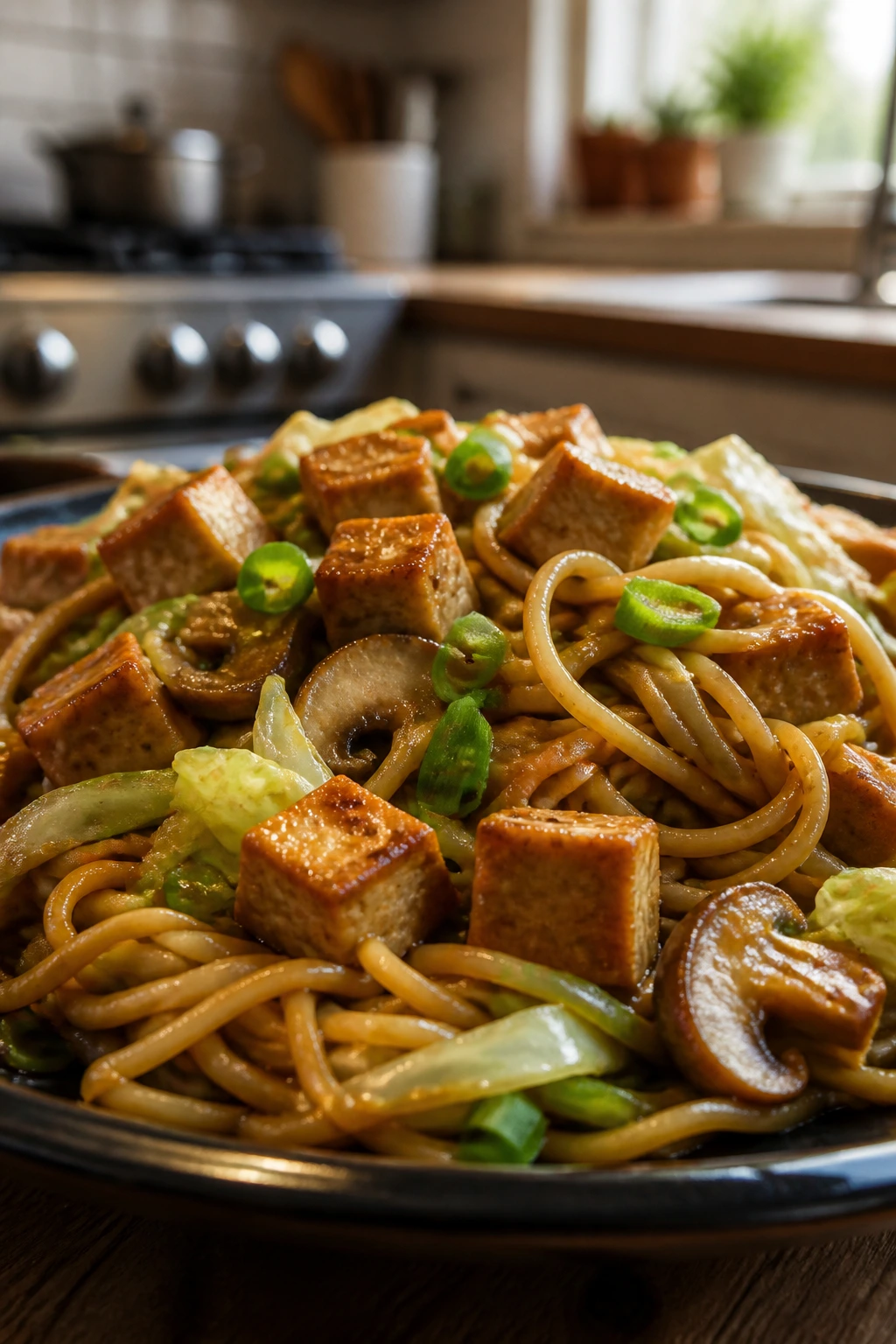
Lo mein is the comfort-food end of takeout, and tofu fits it beautifully when the noodles are slicked with a savory sauce instead of drowned in it. You want a little chew from the noodles, some softness from the cabbage, and browned tofu cubes scattered through the whole pan. Simple. Messy. Right.
This is the recipe I’d make when there’s not much in the fridge but a few vegetables and a block of tofu. The sauce comes together fast, the noodles soak up flavor, and the garlic stays front and center without turning harsh. A splash of sesame oil at the end makes the whole thing smell finished.
Why it works: lo mein lives or dies by timing. The noodles need to be cooked just to al dente, the vegetables need to stay crisp, and the tofu needs enough browning to keep its shape once everything gets tossed together. A little oyster sauce or mushroom sauce gives the dish that familiar takeout depth.
For the Noodles
- 8 ounces lo mein noodles or spaghetti
- 1 block extra-firm tofu, 14 to 16 ounces, pressed and cubed
- 2 tablespoons cornstarch
- 2 tablespoons neutral oil
For the Vegetables
- 2 cups shredded cabbage
- 1 cup matchstick carrots
- 1 cup sliced mushrooms
- 3 scallions, sliced
- 3 garlic cloves, minced
- 1 tablespoon grated ginger
For the Sauce
- 3 tablespoons low-sodium soy sauce
- 2 tablespoons oyster sauce or vegetarian oyster sauce
- 1 tablespoon sesame oil
- 1 tablespoon rice vinegar
- 1 teaspoon brown sugar
- 2 tablespoons water
-
Cook the noodles: Boil the noodles until just al dente, drain them, and toss with a few drops of oil so they do not clump.
-
Brown the tofu: Coat the tofu with cornstarch and cook it in the neutral oil over medium-high heat for 8 to 10 minutes until golden on the edges.
-
Stir-fry the vegetables: Add the mushrooms, cabbage, carrots, garlic, and ginger to the pan. Cook for 3 to 4 minutes until the vegetables soften slightly but still have bite.
-
Add the sauce and noodles: Stir the sauce together, pour it into the pan, and add the noodles. Toss for 1 to 2 minutes until everything is coated and hot.
-
Finish with scallions: Fold in the tofu and scallions, toss once more, and serve hot.
-
Noodle texture: Undercook the noodles by about 30 seconds if you know they’ll sit for a minute before serving.
-
Vegetable shortcut: A bag of coleslaw mix works well in place of separate cabbage and carrots.
-
Leftover tip: Add 1 tablespoon of water when reheating so the noodles loosen up again.
10. Black Pepper Tofu with Onions
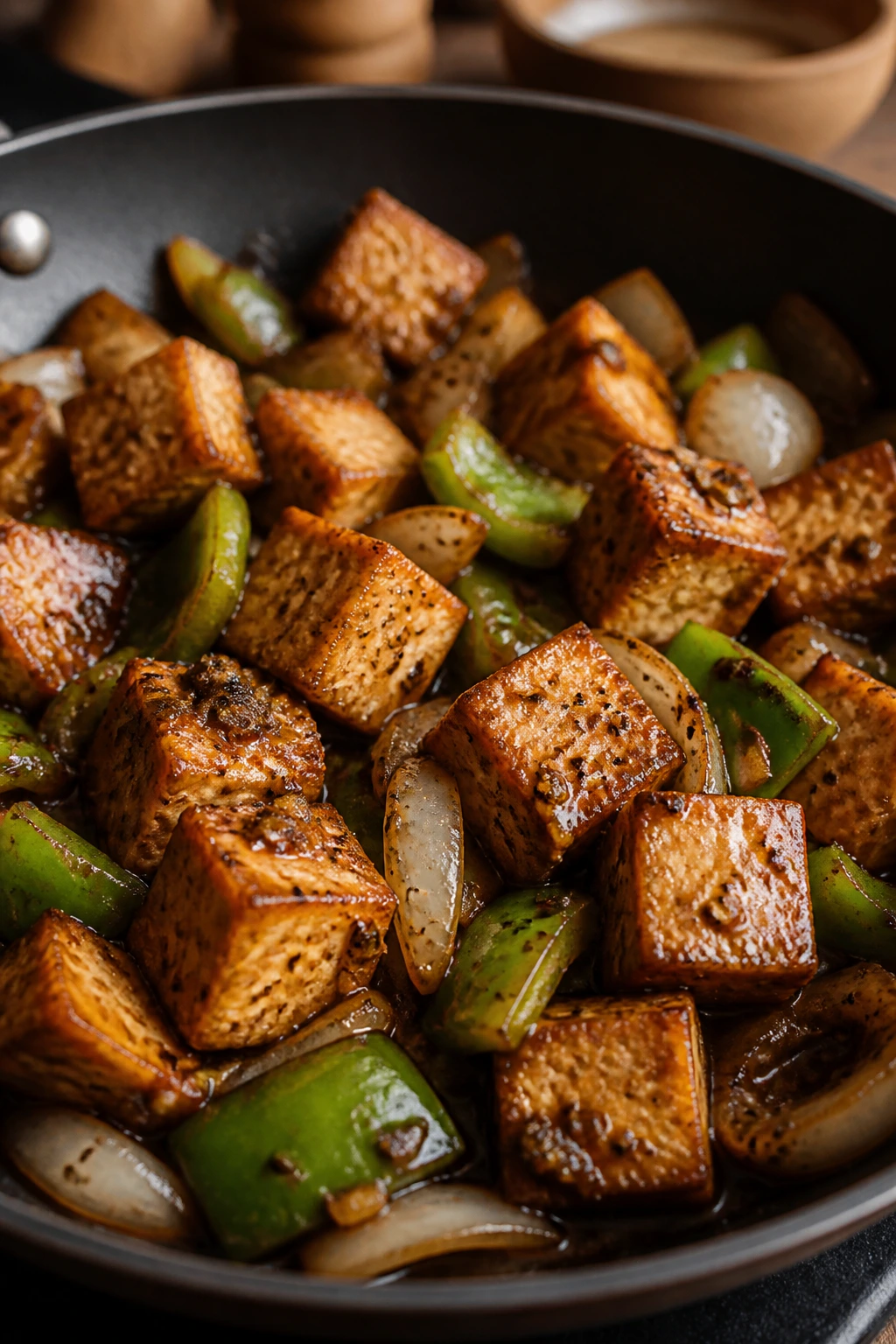
Black pepper tofu is all about that warm, peppery heat that creeps in rather than slaps. The onions get soft and sweet, the peppers stay a little crisp, and the sauce clings in a way that makes every bite taste more deliberate than the ingredient list suggests. It’s savory in a direct, no-nonsense kind of way.
This is a good recipe for people who like pepper steak takeout but want the tofu version to taste just as serious. The key is using coarsely ground black pepper, not the dusty pre-ground stuff that tastes like a drawer. Toasting it briefly in oil makes the whole pan smell deeper and sharper.
Why it works: black pepper needs fat and heat to bloom, which is why the dish starts with browning tofu and sautéing onion in the same pan. Dark soy sauce adds color and a little molasses-like depth, while a cornstarch slurry turns the sauce silky enough to coat the tofu. It’s a very small set of ingredients doing a lot of work.
For the Tofu
- 1 block extra-firm tofu, 14 to 16 ounces, pressed and cubed
- 2 tablespoons cornstarch
- 2 tablespoons neutral oil
For the Stir-Fry
- 1 large yellow onion, sliced
- 1 green bell pepper, sliced
- 3 garlic cloves, minced
- 1 tablespoon grated ginger
- 2 teaspoons coarsely ground black pepper
For the Sauce
- 2 tablespoons low-sodium soy sauce
- 1 tablespoon dark soy sauce
- 2 tablespoons oyster sauce or mushroom sauce
- 1 teaspoon sugar
- 1/2 cup vegetable broth
- 1 tablespoon cornstarch mixed with 2 tablespoons water
-
Cook the tofu first: Coat the tofu with cornstarch and pan-fry it in the oil over medium-high heat until crisp and lightly browned on several sides, about 8 minutes.
-
Soften the onions: Add the onion and bell pepper to the pan and cook for 3 minutes until the onion turns translucent and the edges start to brown.
-
Bloom the pepper: Stir in the garlic, ginger, and black pepper. Cook for 20 seconds, just until the pepper smells warm and spicy.
-
Add the sauce: Pour in the soy sauces, oyster sauce, sugar, and broth. Let the mixture simmer, then stir in the cornstarch slurry and cook until thickened.
-
Return the tofu: Toss the tofu into the sauce, coat it well, and serve over rice while the pepper scent is still strong.
-
Pepper grind: Coarse grind matters. Fine pepper disappears.
-
Dark soy note: If you do not have it, use regular soy sauce and add a teaspoon of molasses for color.
-
Great with rice: Plain white rice is the right base because the sauce does most of the talking.
11. Chili Garlic Tofu Noodles
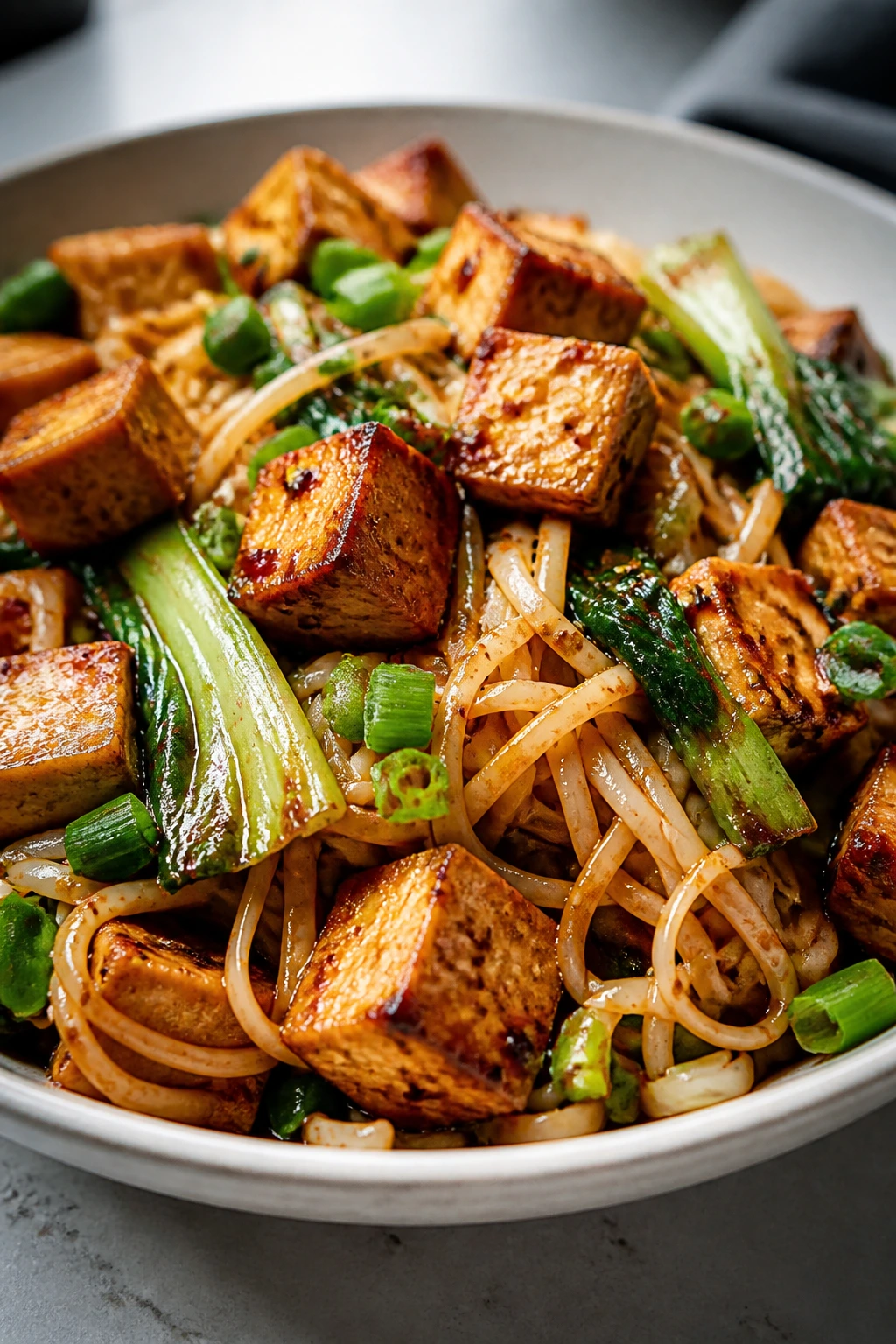
If you like your takeout loud, this is the one. Chili garlic noodles have a way of tasting far more expensive than they are, especially when the tofu gets seared separately and the noodles get tossed while still a little hot. The result is slippery, spicy, and deeply savory.
This recipe leans on garlic in a big way, so it’s not for someone looking for gentle dinner energy. The chili crisp or garlic chili oil gives texture as well as heat, which is part of why the dish feels so addictive. A handful of bok choy or greens keeps it from becoming one long carb-and-sauce event.
Why it works: noodle dishes need a sauce that coats without flooding the pan. Chili crisp brings fat, crunch, and spice; rice vinegar cuts the richness; and a little sugar rounds the edges. The tofu adds the chew that keeps the dish from feeling soft all the way through.
For the Tofu
- 1 block extra-firm tofu, 14 to 16 ounces, pressed and cubed
- 2 tablespoons cornstarch
- 2 tablespoons neutral oil
For the Noodles
- 8 ounces rice noodles or spaghetti
- 2 cups baby bok choy, chopped
- 3 scallions, sliced
- 3 garlic cloves, minced
For the Sauce
- 2 tablespoons chili crisp or garlic chili oil
- 3 tablespoons low-sodium soy sauce
- 1 tablespoon rice vinegar
- 1 teaspoon brown sugar
- 1 tablespoon toasted sesame oil
- 2 tablespoons hot noodle water
-
Brown the tofu: Coat the tofu in cornstarch and cook it in the oil over medium-high heat for about 8 minutes until the edges are crisp.
-
Cook the noodles: Boil the noodles until just tender, then reserve 2 tablespoons of the cooking water and drain.
-
Stir the sauce together: Mix the chili crisp, soy sauce, vinegar, sugar, sesame oil, and noodle water in a bowl.
-
Toss everything fast: Add the noodles, bok choy, garlic, and scallions to the pan. Pour in the sauce and toss for 1 to 2 minutes until the greens wilt and the noodles shine.
-
Finish with tofu: Fold in the tofu at the end so it keeps its crust, then serve immediately.
-
Bok choy timing: Thin stems need only a minute or two. Keep them bright.
-
Spice level: Use less chili crisp if yours is very hot; some jars run fierce.
-
If noodles stick: Add another tablespoon of hot water and toss again.
12. Cashew Tofu Stir-Fry
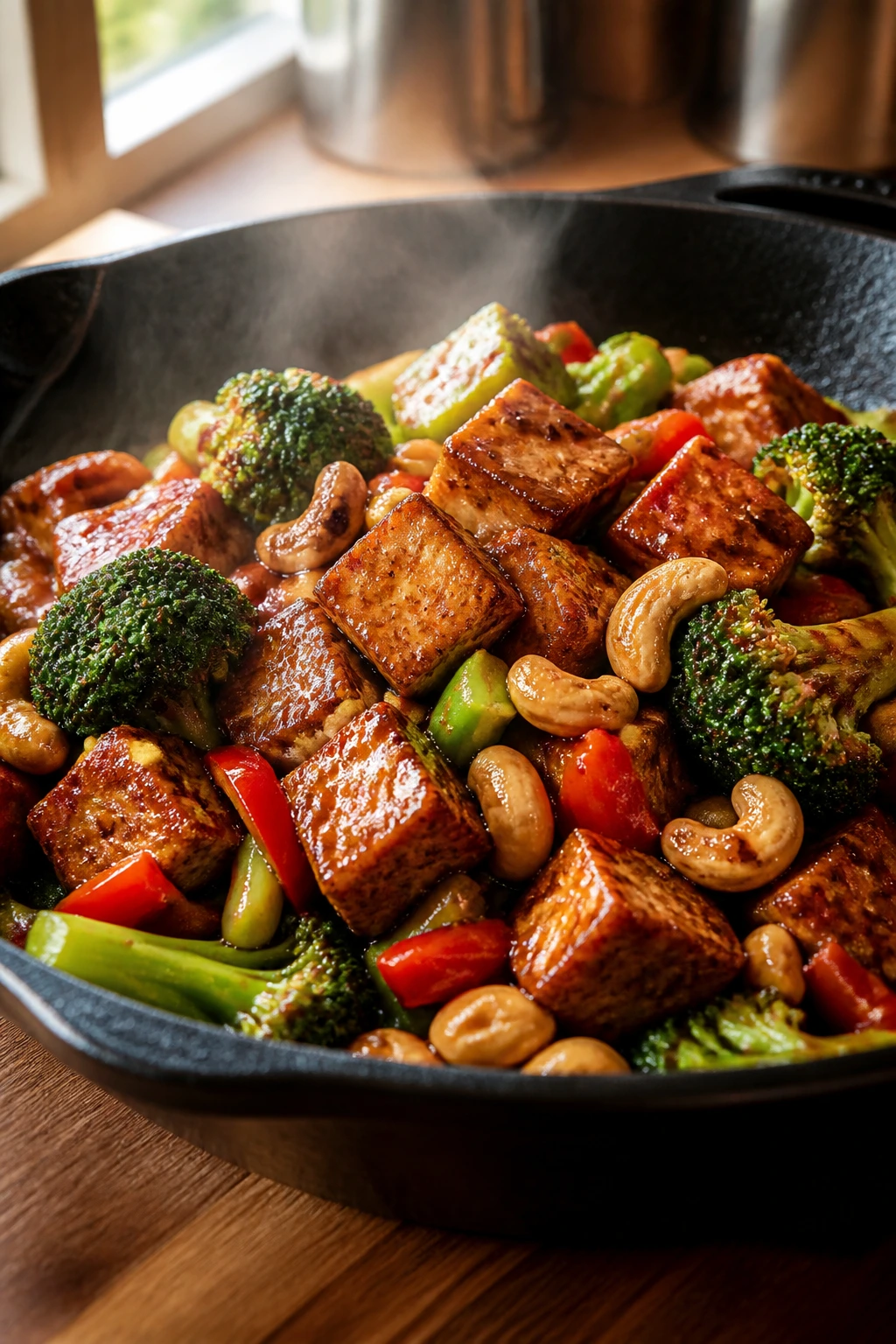
Cashew tofu has that clean, brown-sauce takeout feel that never really gets old. The cashews add a warm, toasted crunch, and the vegetables can be whatever sturdy mix you like best, though broccoli and red peppers are hard to beat. It’s a dependable dinner, which is not a bad thing.
This dish is all about contrast between soft tofu, crisp vegetables, and the nutty bite of the cashews. The sauce should be savory and glossy, not sweet in a syrupy way. A little rice vinegar keeps it lively, while hoisin gives body without needing a mountain of ingredients.
Why it works: cashew tofu tastes rich because the nuts carry browned flavor and the sauce uses just enough starch to cling. Tofu browns well when it’s dry, and the vegetables stay snappy if you keep the pan hot and the cooking time short. This is one of those stir-fries that rewards decisiveness.
For the Tofu
- 1 block extra-firm tofu, 14 to 16 ounces, pressed and cubed
- 2 tablespoons cornstarch
- 2 tablespoons neutral oil
For the Stir-Fry
- 1/2 cup roasted unsalted cashews
- 3 cups broccoli florets
- 1 red bell pepper, sliced
- 1 cup snow peas
- 3 garlic cloves, minced
- 1 tablespoon grated ginger
For the Sauce
- 3 tablespoons low-sodium soy sauce
- 2 tablespoons hoisin sauce
- 1 tablespoon rice vinegar
- 1 teaspoon brown sugar
- 1/2 cup vegetable broth
- 1 tablespoon cornstarch mixed with 2 tablespoons water
- 1 teaspoon toasted sesame oil
-
Crisp the tofu: Coat the tofu in cornstarch and fry it in the oil for 8 to 10 minutes until the outside is golden and the cubes feel firm.
-
Stir-fry the vegetables: Add the broccoli, bell pepper, and snow peas to the pan. Cook for 3 to 4 minutes, until the broccoli turns bright and the snow peas still have a snap.
-
Add the aromatics: Stir in the garlic and ginger and cook for 30 seconds.
-
Pour in the sauce: Add the soy sauce, hoisin, vinegar, sugar, broth, and sesame oil. Stir in the cornstarch slurry and cook until the sauce thickens.
-
Finish with cashews: Add the tofu and cashews, toss gently, and serve over rice.
-
Cashew tip: Toast them in a dry pan for 2 minutes if they don’t smell nutty out of the bag.
-
Veggie swap: Mushrooms, zucchini, or baby corn all fit without changing the sauce.
-
Sauce note: If the dish tastes flat, a tiny splash more vinegar wakes it up fast.
13. Korean Gochujang Tofu Bowls
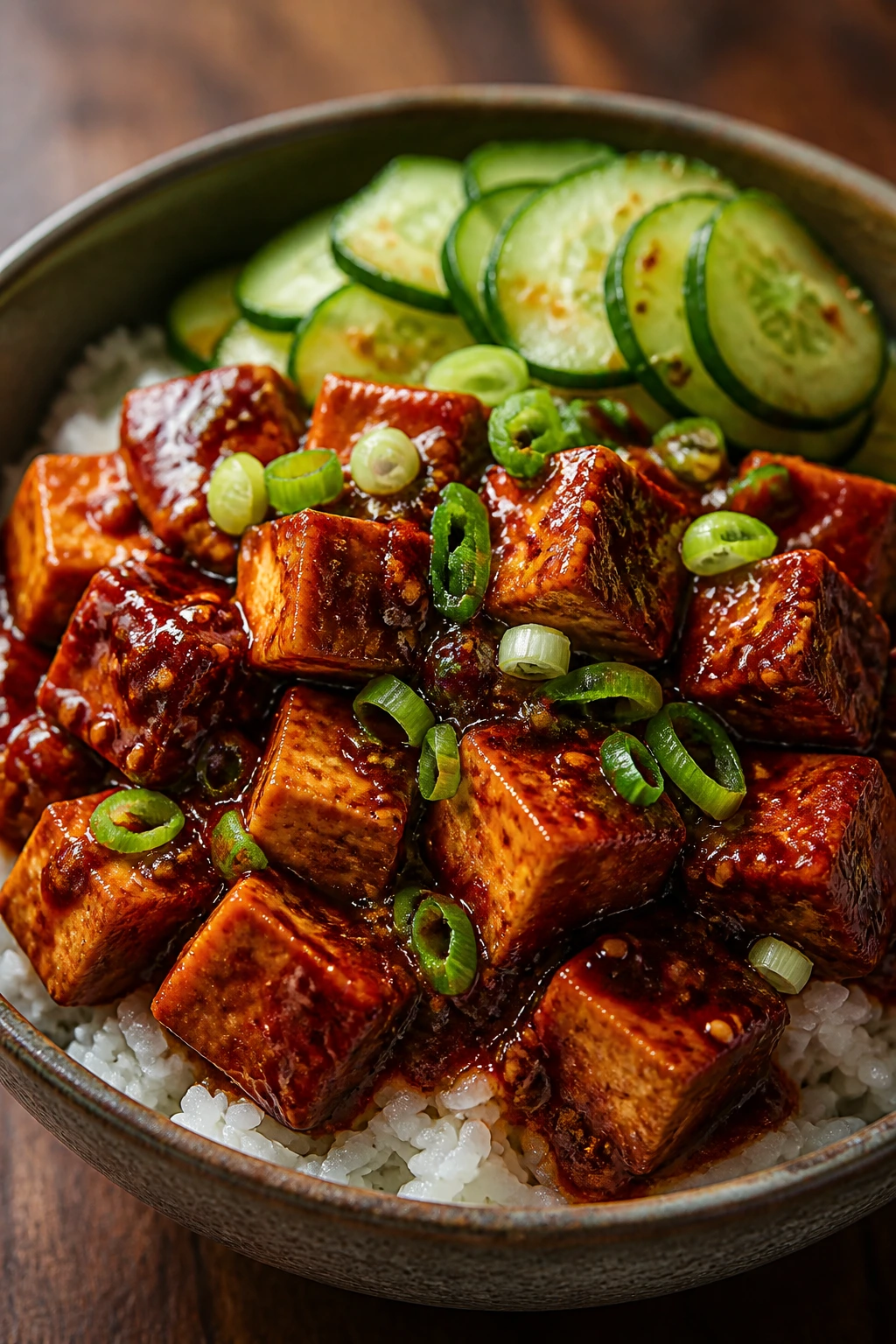
Gochujang brings a sweet, fermented heat that feels different from the soy-heavy Chinese-style sauces earlier in the list. It’s deeper, a little smoky, and just sticky enough to cling to crisp tofu without turning heavy. Add rice, cucumbers, and scallions, and the bowl suddenly feels balanced in a way that makes sense right away.
I like this one because the flavors are bold without being fussy. The tofu gets browned, the sauce gets whisked together in one bowl, and the cucumbers bring the cool crunch that keeps the whole thing from running hot the whole time. If you want dinner with a clean edge and a little fire, this is it.
Why it works: gochujang already has sweetness, salt, and heat built in, so you do not need a long sauce list. A little rice vinegar sharpens it, sesame oil adds depth, and the cucumber gives your palate a break between bites. The bowls feel complete even before you add extra toppings.
For the Tofu
- 1 block extra-firm tofu, 14 to 16 ounces, pressed and cubed
- 2 tablespoons cornstarch
- 2 tablespoons neutral oil
For the Sauce
- 3 tablespoons gochujang
- 2 tablespoons low-sodium soy sauce
- 1 tablespoon rice vinegar
- 1 tablespoon honey or brown sugar
- 1 tablespoon toasted sesame oil
- 2 tablespoons water
- 2 garlic cloves, minced
- 1 teaspoon grated fresh ginger
For the Bowls
- 3 cups cooked rice
- 1 cucumber, thinly sliced
- 2 scallions, sliced
- 1 tablespoon sesame seeds
-
Brown the tofu: Toss the tofu with cornstarch and fry it in the oil over medium-high heat until the cubes are crisp and lightly blistered, about 8 minutes.
-
Mix the sauce: Whisk the gochujang, soy sauce, vinegar, honey, sesame oil, water, garlic, and ginger in a bowl until smooth.
-
Warm the sauce briefly: Pour it into the pan and simmer for 1 to 2 minutes, just until it turns glossy and coats a spoon.
-
Build the bowls: Spoon rice into bowls, add cucumber slices, then top with tofu.
-
Finish brightly: Drizzle the sauce over the top and finish with scallions and sesame seeds.
-
Cucumber trick: Salt the slices for 10 minutes and drain them if you want a firmer crunch.
-
Heat adjustment: Start with 2 tablespoons gochujang if you want mild-to-medium heat.
-
Good extra: A fried egg on top makes this feel like a full-on shop lunch.
14. Coconut Curry Tofu with Veggies
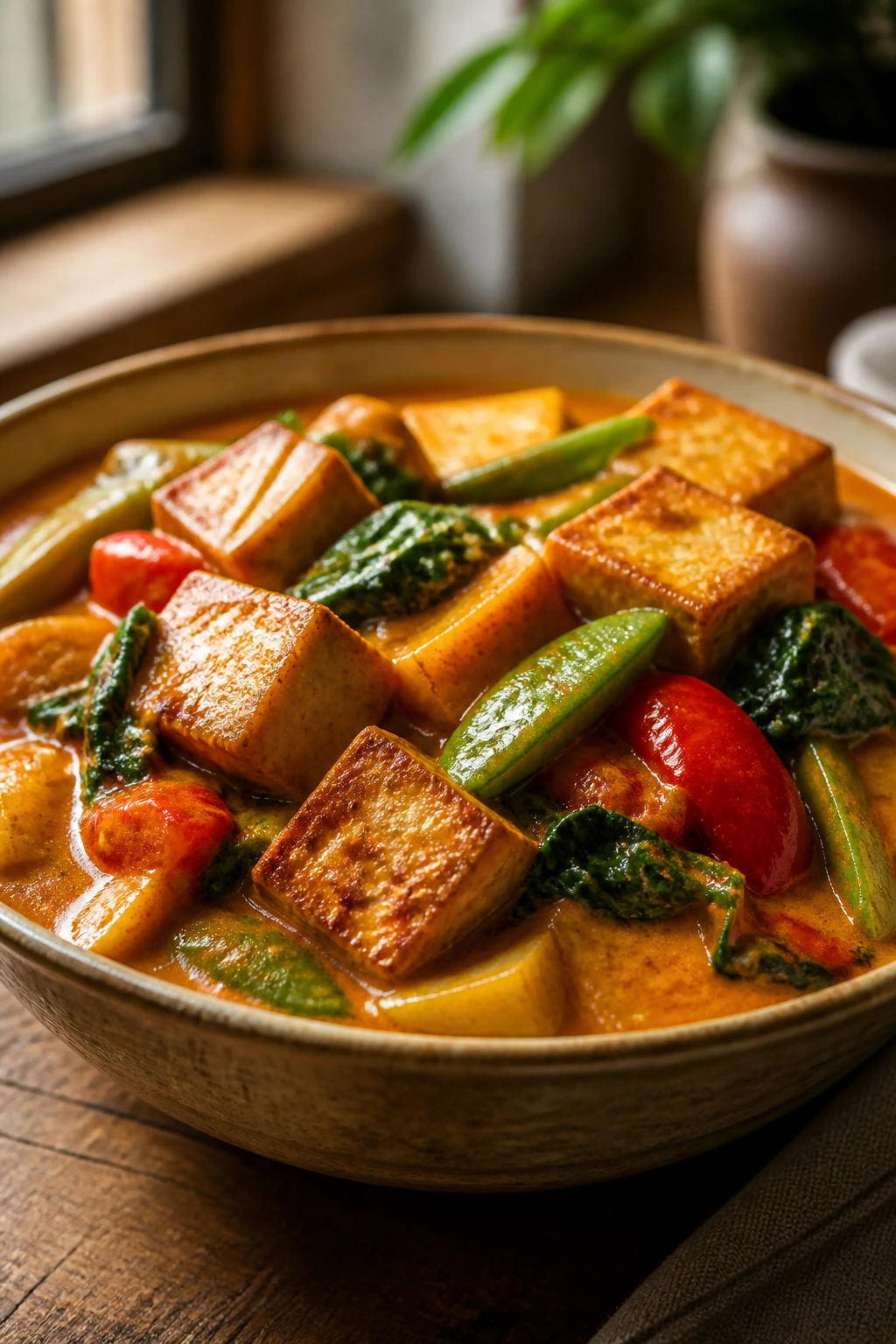
Coconut curry tofu sits a little outside the classic takeout box, but the flavor profile belongs here anyway. It’s rich, fragrant, and deeply comforting, with a sauce that coats rice in that soft, luxurious way people keep chasing with curry night orders. The tofu soaks up curry sauce better than most proteins, and that matters here.
The trick is to bloom the curry paste in oil before adding the coconut milk. That’s where the flavor opens up. If you dump everything together too soon, you get a thin, flat curry instead of one with depth and a little sheen on top.
Why it works: red curry paste needs heat to wake up, coconut milk carries that spice beautifully, and tofu provides enough substance to make the bowl feel like a proper dinner. Bell pepper and snap peas bring color and texture, while spinach wilts in at the end and disappears into the sauce just enough.
For the Tofu
- 1 block extra-firm tofu, 14 to 16 ounces, pressed and cubed
- 1 tablespoon cornstarch
- 2 tablespoons neutral oil
For the Curry
- 2 tablespoons red curry paste
- 1 can coconut milk, 13.5 ounces
- 1/2 cup vegetable broth
- 1 red bell pepper, sliced
- 1 cup snap peas
- 2 cups baby spinach
- 1 tablespoon soy sauce or tamari
- 1 teaspoon brown sugar
- 1 tablespoon lime juice
To Serve
- Cooked jasmine rice
- Fresh basil or cilantro, for garnish
-
Brown the tofu: Toss the tofu with cornstarch and cook it in the oil over medium-high heat until the edges are golden, about 8 minutes.
-
Bloom the curry paste: Lower the heat to medium. Stir the curry paste into the pan and cook for 30 seconds until it smells fragrant and a little oily.
-
Build the sauce: Add the coconut milk, broth, soy sauce, and brown sugar. Stir and bring to a gentle simmer.
-
Cook the vegetables: Add the bell pepper and snap peas and simmer for 3 to 4 minutes until tender but still bright.
-
Finish the curry: Add the tofu and spinach. Cook for 1 minute, just until the spinach wilts, then stir in the lime juice and serve over rice.
-
Paste strength: Curry paste brands vary. Start with 1 1/2 tablespoons if yours is very hot.
-
Lime at the end: Acid added too early can dull the coconut flavor.
-
Make it bigger: Add mushrooms or zucchini if you want more vegetables in the pot.
15. Hunan Tofu and Green Beans
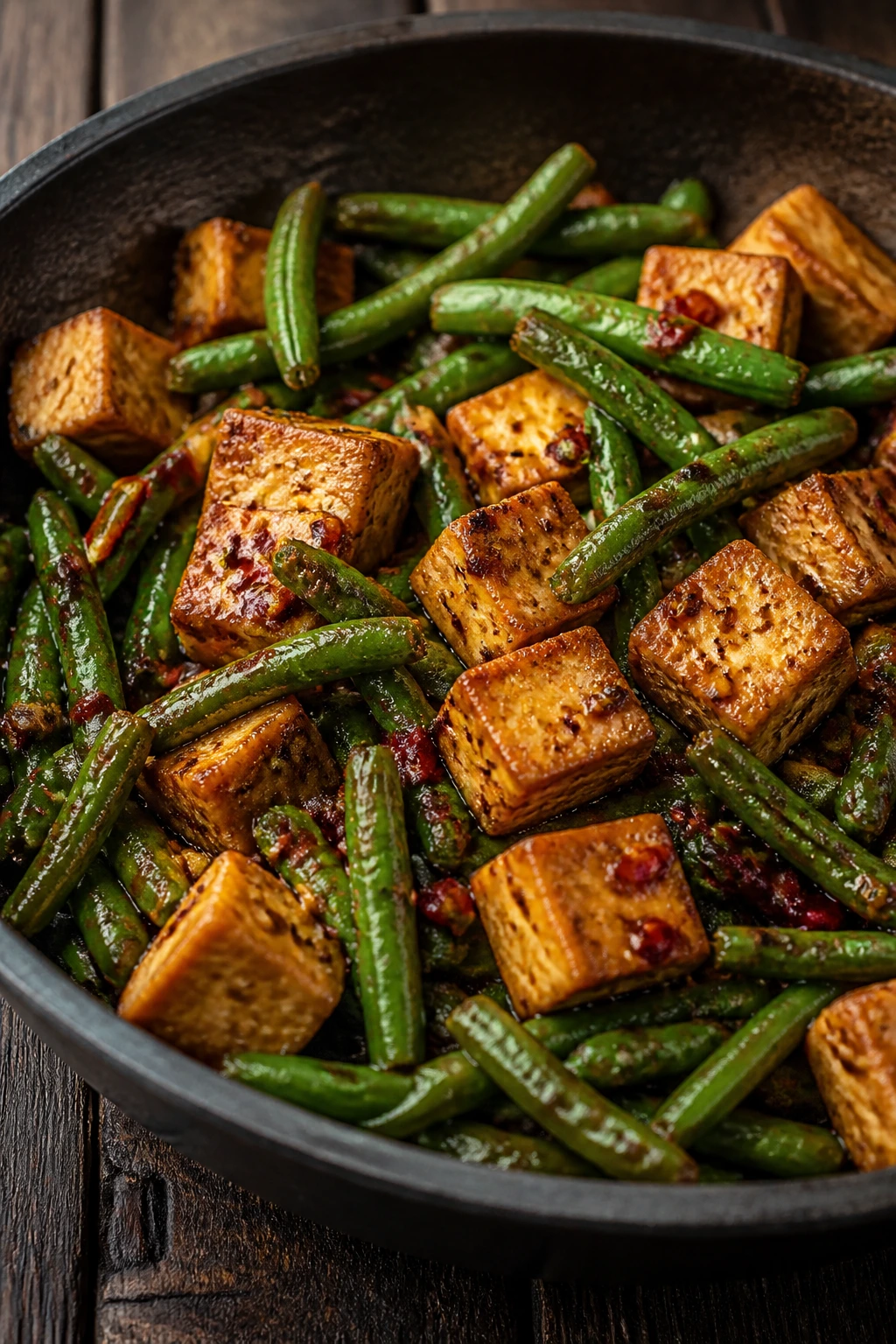
Hunan-style cooking tends to feel drier, hotter, and sharper than some of the sweeter takeout dishes in the group, and that’s why I like it. The green beans blister a little, the tofu gets browned, and the sauce stays savory with a good hit of vinegar and chili bean paste. It tastes like dinner with edges.
This recipe is for people who want something beyond sweet sauce and sesame oil. The green beans bring a clean snap, the tofu carries the sauce well, and the chili bean paste gives the dish a deeper heat than plain chili flakes can manage. It’s bold without being fussy.
Why it works: Hunan dishes lean on fast high heat, strong aromatics, and a sauce that’s sharp enough to keep the vegetables from tasting flat. Blistering the green beans gives them a roasted taste, and a little cornstarch in the sauce keeps everything together without making it thick like gravy. The result is lively and a little rugged.
For the Tofu
- 1 block extra-firm tofu, 14 to 16 ounces, pressed and cubed
- 2 tablespoons cornstarch
- 2 tablespoons neutral oil
For the Stir-Fry
- 12 ounces green beans, trimmed
- 1 small yellow onion, sliced
- 3 garlic cloves, minced
- 1 tablespoon grated fresh ginger
- 1 to 2 teaspoons chili bean paste
- 4 dried chilies, optional
For the Sauce
- 2 tablespoons low-sodium soy sauce
- 1 tablespoon black vinegar or rice vinegar
- 1/2 cup vegetable broth
- 1 teaspoon sugar
- 1 tablespoon cornstarch mixed with 2 tablespoons water
- 1 teaspoon toasted sesame oil
-
Brown the tofu: Coat the tofu with cornstarch and fry it in the oil over medium-high heat until crisp on two or three sides, about 8 minutes.
-
Blister the green beans: Add the beans to the same pan and cook for 4 to 5 minutes, stirring often, until the skins start to wrinkle and spot brown.
-
Add the onion and aromatics: Stir in the onion, garlic, ginger, chili bean paste, and dried chilies. Cook for 1 minute until fragrant.
-
Pour in the sauce: Add the soy sauce, vinegar, broth, sugar, and cornstarch slurry. Stir until the sauce turns glossy and clings to the beans.
-
Finish the pan: Return the tofu, toss everything together, and serve hot with rice.
-
Bean texture: Don’t rush the blistering. Those browned spots are part of the flavor.
-
Heat control: Chili bean paste can vary from gentle to fierce, so taste before adding more.
-
Great pairing: This one works especially well with plain rice because the sauce is assertive.
16. Better-Than-Takeout Tofu Fried Rice
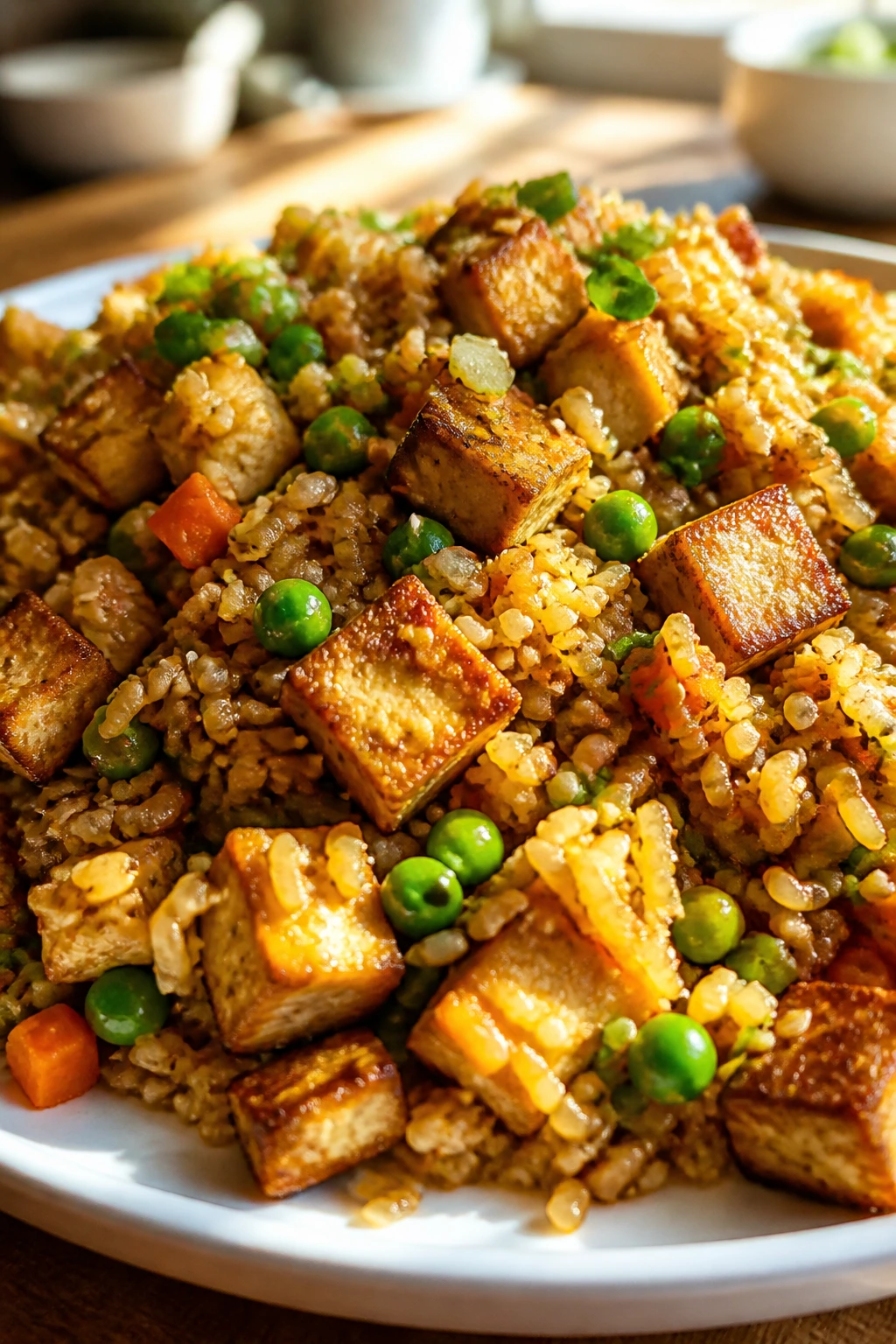
Tofu fried rice is one of those dinners that looks casual and takes more skill than people think. The rice has to be cold enough to fry properly, the tofu needs enough browning to stay distinct, and the vegetables should stay small and neat so the pan doesn’t turn into mush. When it’s done right, it tastes like the best part of a takeout order.
This version keeps the seasoning simple. Soy sauce, sesame oil, garlic, and white pepper are enough if you have good rice and don’t overcrowd the pan. The tofu gives the fried rice some body, which is handy when you want a meatless dinner that still feels substantial.
Why it works: fried rice is mostly about managing moisture. Cold rice fries instead of steaming, browned tofu gives you texture, and the vegetables are cooked just long enough to stay separate. A hot pan and quick hands are the difference between fried rice and a soft rice pile.
For the Fried Rice
- 4 cups cold cooked jasmine rice, preferably day-old
- 1 block extra-firm tofu, 14 to 16 ounces, pressed and cubed
- 2 tablespoons cornstarch
- 2 tablespoons neutral oil
- 2 large eggs, lightly beaten, optional
- 1 cup frozen peas and carrots
- 1 small onion, diced
- 2 garlic cloves, minced
- 3 scallions, sliced
For the Seasoning
- 2 tablespoons low-sodium soy sauce
- 1 tablespoon toasted sesame oil
- 1/2 teaspoon white pepper or black pepper
- 1 teaspoon rice vinegar
-
Crisp the tofu: Toss the tofu with cornstarch and cook it in the neutral oil over medium-high heat until browned and firm, about 8 minutes. Set aside.
-
Cook the eggs, if using: Push the pan to medium heat, add the beaten eggs, and scramble until just set. Move them to the side or remove them.
-
Stir-fry the vegetables: Add the onion, garlic, and frozen peas and carrots. Cook for 2 to 3 minutes until the onion softens and the vegetables are hot.
-
Fry the rice: Add the cold rice and break up any clumps with your spatula. Cook for 3 to 4 minutes, letting the grains sit against the pan long enough to get a little toasted.
-
Season and finish: Stir in the soy sauce, sesame oil, pepper, vinegar, tofu, scallions, and eggs. Toss until everything is evenly hot and the rice smells nutty.
-
Cold rice rule: Fresh rice turns gummy. Day-old rice is the right choice.
-
Egg-free version: Skip the eggs and add another 1/2 cup of vegetables if you want more volume.
-
Best leftover move: Fried rice reheats well in a skillet with a teaspoon of oil.
The High-Heat Method That Makes Tofu Taste Like Takeout
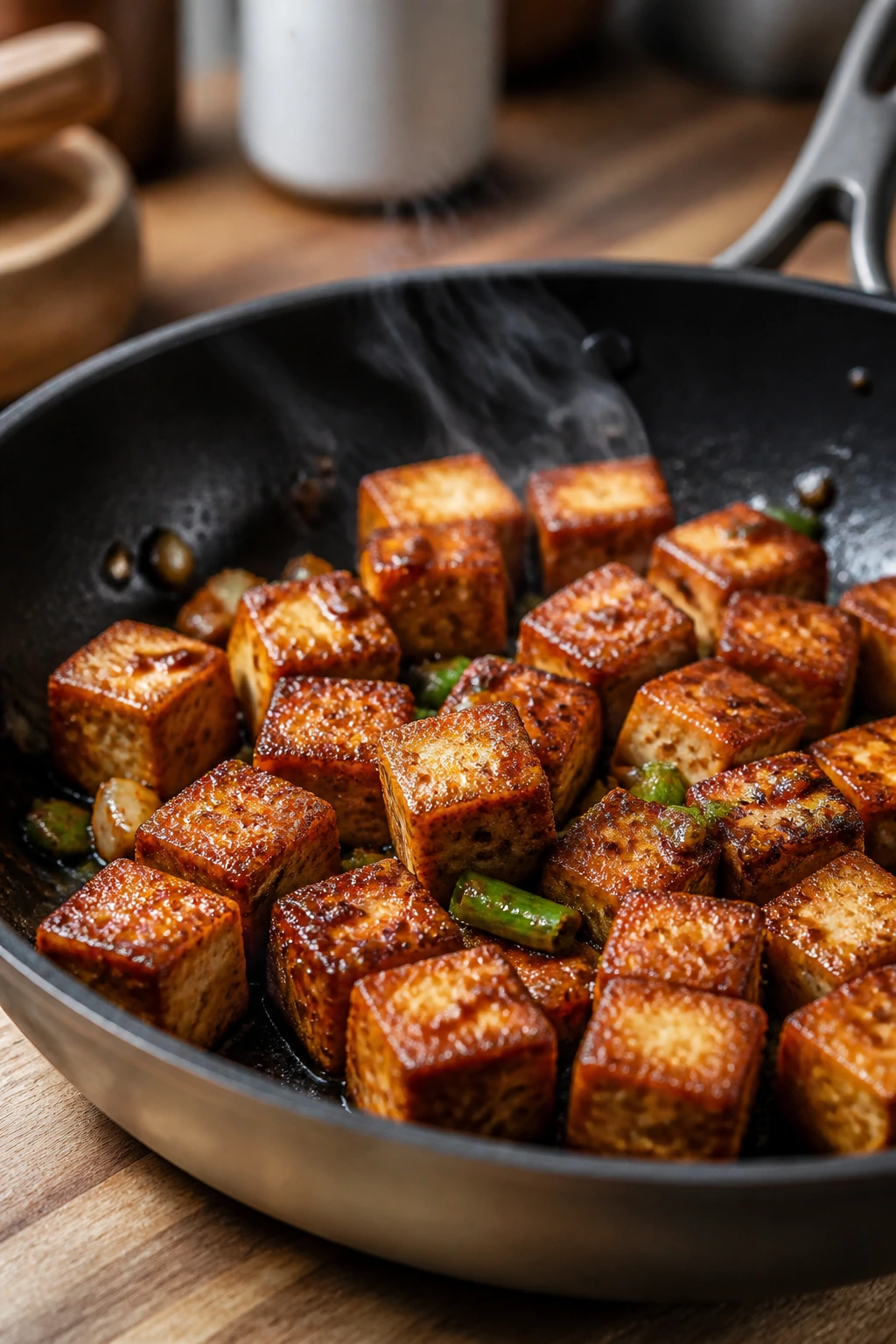
The same three moves keep showing up here for a reason: dry the tofu, brown the tofu, sauce the tofu. That’s the restaurant trick in plain clothes. The surface moisture has to come off before the heat can do its work, because wet tofu steams and browns poorly, and steamed tofu tastes like a missed opportunity.
A lot of home cooks stop too soon. They press the tofu for five minutes, stir it once, and wonder why the cubes still feel soft. Pressing helps, but a cornstarch coat and enough pan heat matter just as much. The starch forms a light shell that catches oil, which is how you get those crisp little corners that survive a saucy finish.
Sauce timing matters too. If you add it too early, it soaks straight through the crust and everything turns mushy. If you wait until the tofu is browned and the sauce has been thickened on its own, the tofu keeps its texture while still tasting coated. That’s the sweet spot. Not glamorous. Just effective.
I also like how the best takeout-style tofu recipes use a small cast of ingredients and let each one do a clear job. Acid cuts sugar. Sesame oil adds fragrance at the end. Ginger and garlic wake up the pan in under a minute. You don’t need a huge pantry if you know what each item is there for.
Essential Equipment for These Recipes
-
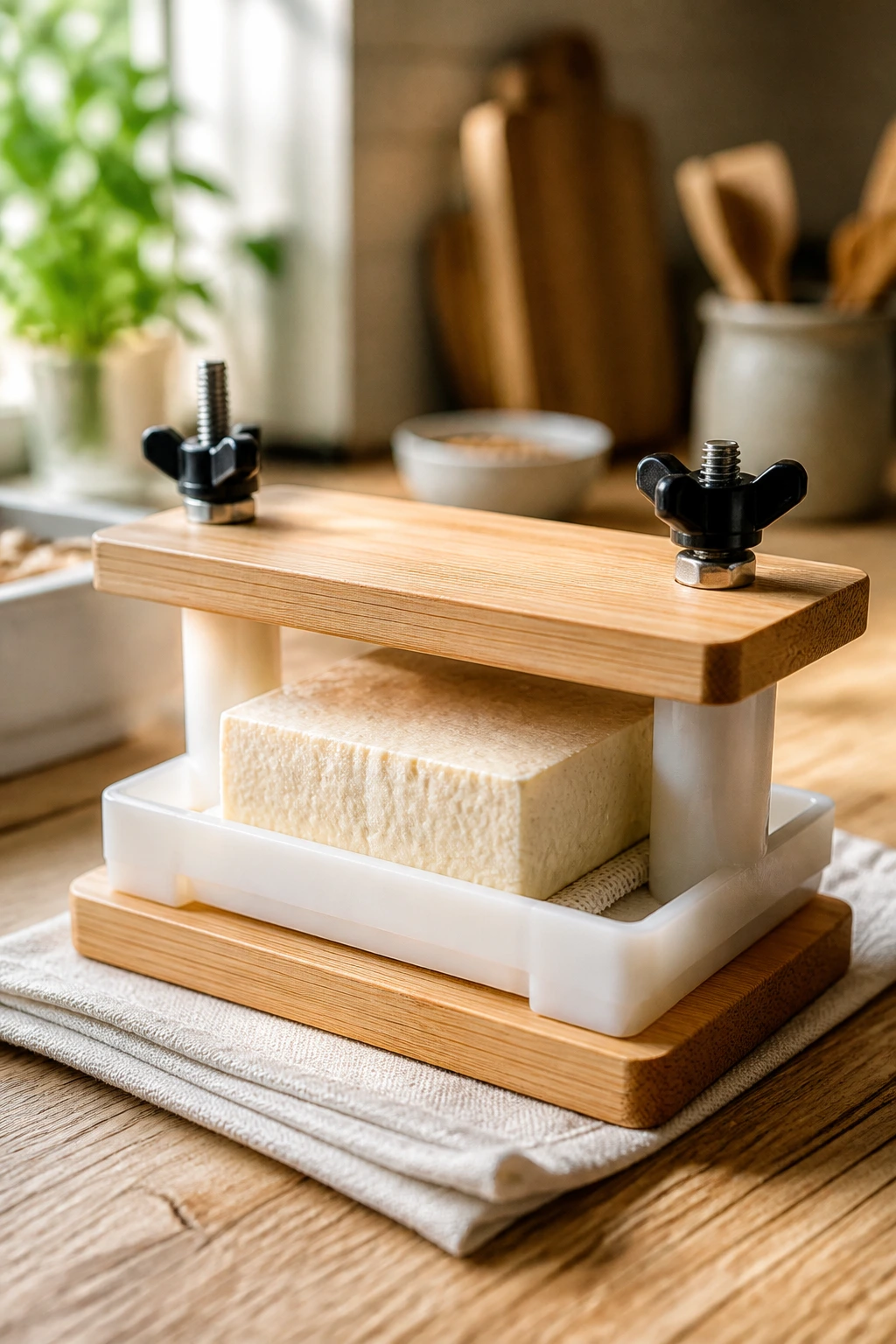
Tofu press or a weighted plate: Removes extra water; a plate topped with a cast-iron skillet or a few cans works fine.
-
Large skillet or wok: A 12-inch skillet gives you enough room to brown tofu without overcrowding, and a wok helps with quick stir-frying.
-
Sheet pan with parchment: Useful for baked or air-fried tofu when you want less hands-on stirring.
-
Nonstick skillet: Handy for delicate tofu dishes and fried rice, especially if you’re new to high-heat cooking.
-
Small saucepan: Best for sauces that need a quick simmer or reduction before they coat the tofu.
-
Mixing bowls: You’ll want one for sauce, one for cornstarch coating, and one for holding prepped vegetables.
-
Whisk: Breaks up cornstarch and keeps sauces smooth instead of lumpy.
-
Spatula or tongs: A thin spatula helps flip tofu without tearing it; tongs are useful for noodles and larger stir-fries.
-
Sharp knife and cutting board: Tofu and vegetables cook more evenly when the cuts are clean and consistent.
-
Rice cooker or pot with a tight lid: These dinners are better with good rice, and rice needs to be ready when the stir-fry is done.
Smart Shopping and Ingredient Tips
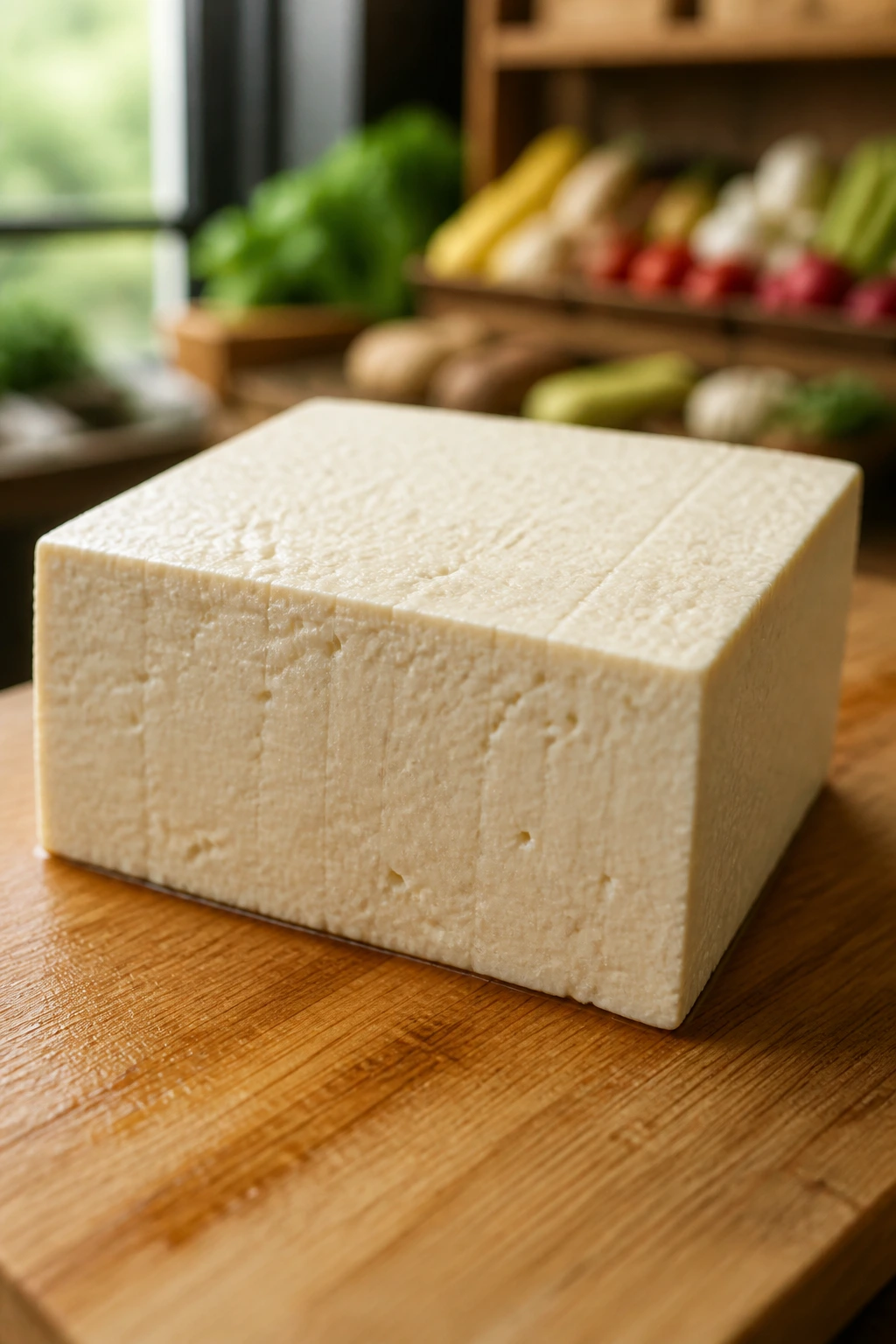
The tofu matters more than the label on the sauce jar. For crisp takeout-style dinners, extra-firm tofu is the safest bet because it holds its shape under heat and gives you enough surface area to brown well. Firm tofu can work for a few softer dishes, and medium tofu is useful for mapo-style recipes, but silken tofu belongs in soups and sauces, not in a hot skillet unless you want it to fall apart on purpose.
Look for tofu packed in water with a dense feel when you press the package lightly. If it sloshes around or feels fragile before you even open it, it probably won’t give you the texture you want. Pressing for 15 to 20 minutes is enough for most recipes, though an extra 10 minutes never hurts if you have the time.
Soy sauce is another place where a little choice pays off. Low-sodium soy sauce gives you room to adjust salt later, which matters because many of these recipes also use hoisin, chili paste, or bottled sauces that bring their own sodium. Tamari works well for gluten-free cooking, and dark soy sauce is useful when you want color and depth in black pepper or fried rice dishes.
Cornstarch is the quiet hero here. It dries the tofu surface, thickens sauces, and helps stir-fries cling together. Potato starch will brown a little more sharply if you like extra crunch, but it can be a touch less forgiving in the pan. Either way, keep the coating thin; thick clumps turn gummy instead of crisp.
A good bottle of rice vinegar, a jar of chili crisp, and a decent sesame oil cover a surprising amount of dinner territory. Add ginger, garlic, scallions, and one or two sturdy vegetables you actually like eating, and these recipes start feeling almost automatic.
How to Serve These Recipes
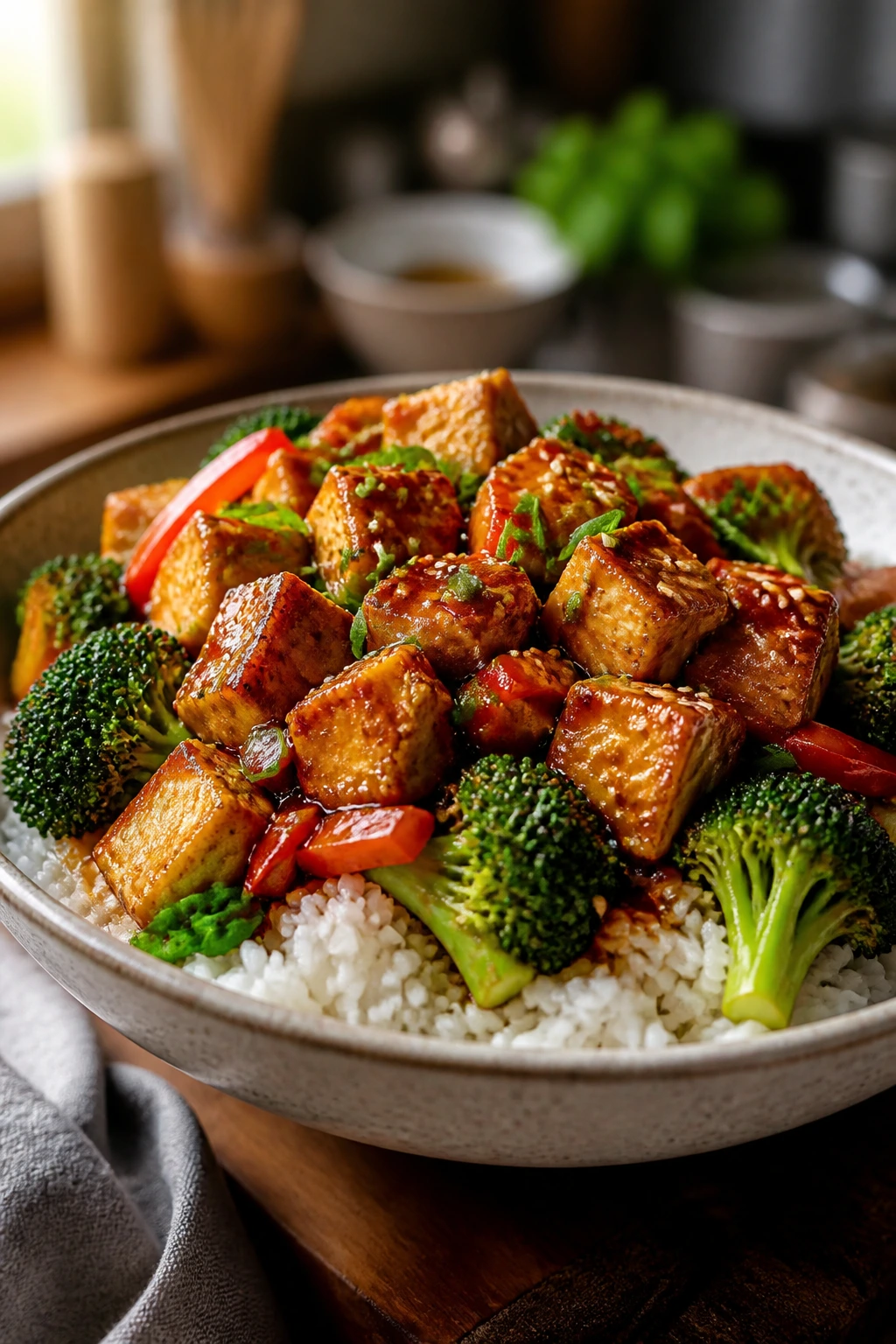
Presentation: Spoon rice or noodles into shallow bowls first, then pile the tofu and vegetables on top so the sauce stays visible and doesn’t disappear under the starch. A scattering of scallions, sesame seeds, crushed peanuts, or lime zest makes the dish look finished without adding much work.
Accompaniments: Steamed jasmine rice is the safe answer, but these dinners also sit well beside garlicky greens, quick cucumber salad, roasted bok choy, or plain noodles. For the richer dishes, a crisp side like cucumber or shredded cabbage keeps the plate from feeling heavy.
Portions: Most of these recipes feed 4 with rice or noodles on the side. If you’re serving big appetites, add another cup of vegetables or an extra half block of tofu rather than only increasing the sauce. That keeps the flavor balanced and stops the meal from getting too salty.
Beverage Pairing: Jasmine tea, cold lager, or ginger beer fits the takeout mood well. For the spicier recipes, something cold and lightly sweet helps more than water ever will.
Additional Tips and Flavor Boosters
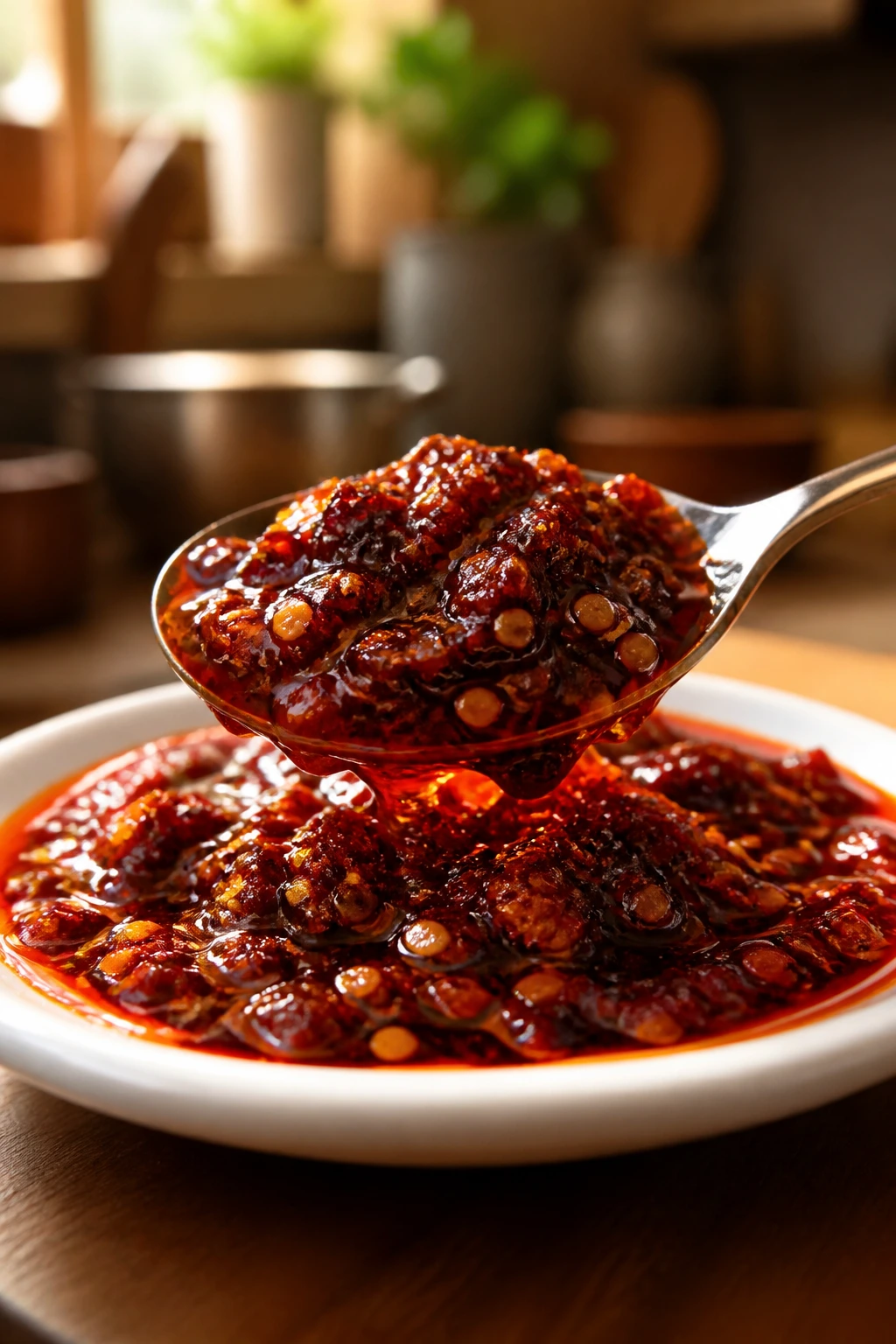
Flavor Enhancement: A spoonful of chili crisp, a splash of black vinegar, or 1 teaspoon of toasted sesame oil added at the end makes the sauce smell deeper and taste more finished. Tiny finishing moves matter here.
Customization: Swap broccoli for snap peas, cabbage, green beans, mushrooms, or bell peppers depending on what’s in the fridge. Cashews, peanuts, or sesame seeds add crunch if the dish feels too soft.
Serving Suggestions: Fresh scallions do a lot of work, but so do cilantro, basil, lime wedges, pickled onions, and thin cucumber slices. A sharp garnish keeps the sauces from feeling too one-note.
Make-It-Yours: For gluten-free dinners, use tamari and check hoisin or oyster-style sauces for wheat. For vegan versions, skip eggs and use mushroom sauce where oyster sauce would normally go. For lower sugar, cut the sweetener by 1 tablespoon and lean on vinegar or citrus to keep the sauce lively.
Common Mistakes to Avoid
-
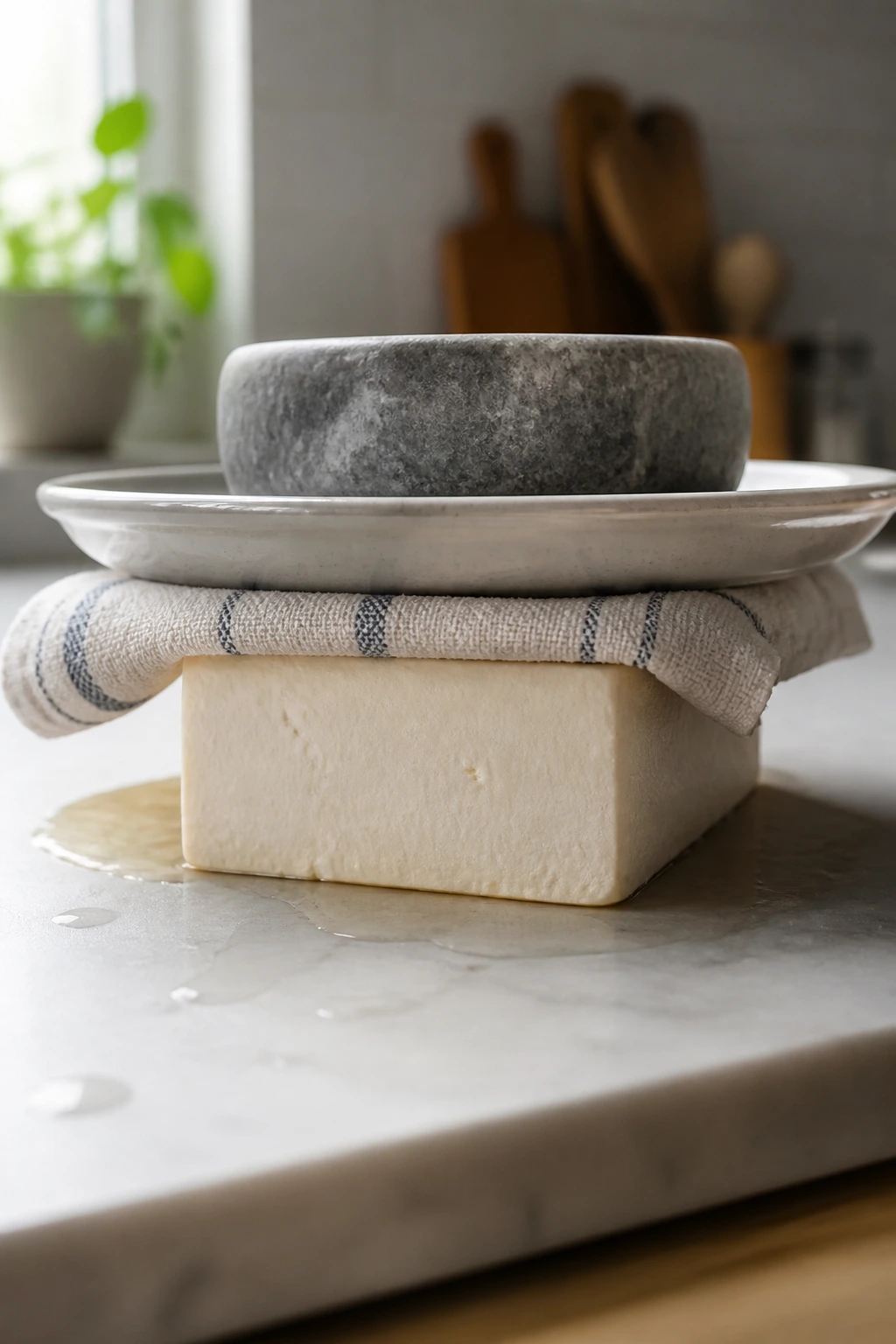
Skipping the press: If the tofu still feels wet, the surface starch turns pasty and the cubes won’t brown well. Press it for at least 15 minutes, and blot the cut pieces too.
-
Crowding the pan: Too many cubes in one layer means steam, not crisping. Fry in batches if needed; it takes a few extra minutes and pays off fast.
-
Adding sauce too soon: If you pour in sauce before the tofu has browned, the crust softens and the whole dish gets flat. Brown first, sauce second.
-
Using the wrong tofu texture: Silken tofu is lovely in mapo-style dishes, but it will not behave like extra-firm tofu in General Tso’s or lo mein. Match the tofu to the cooking method.
-
Overcooking the vegetables: A lot of takeout-style stir-fries go wrong because the vegetables turn limp and gray. Keep the heat high and stop while they still have a little snap.
-
Forgetting to taste the sauce: Bottled condiments vary. Before serving, taste for salt, acid, and heat, then adjust one notch at a time instead of dumping in more of everything.
Common Questions About These Tofu Dinners
Do I need extra-firm tofu for every recipe here?
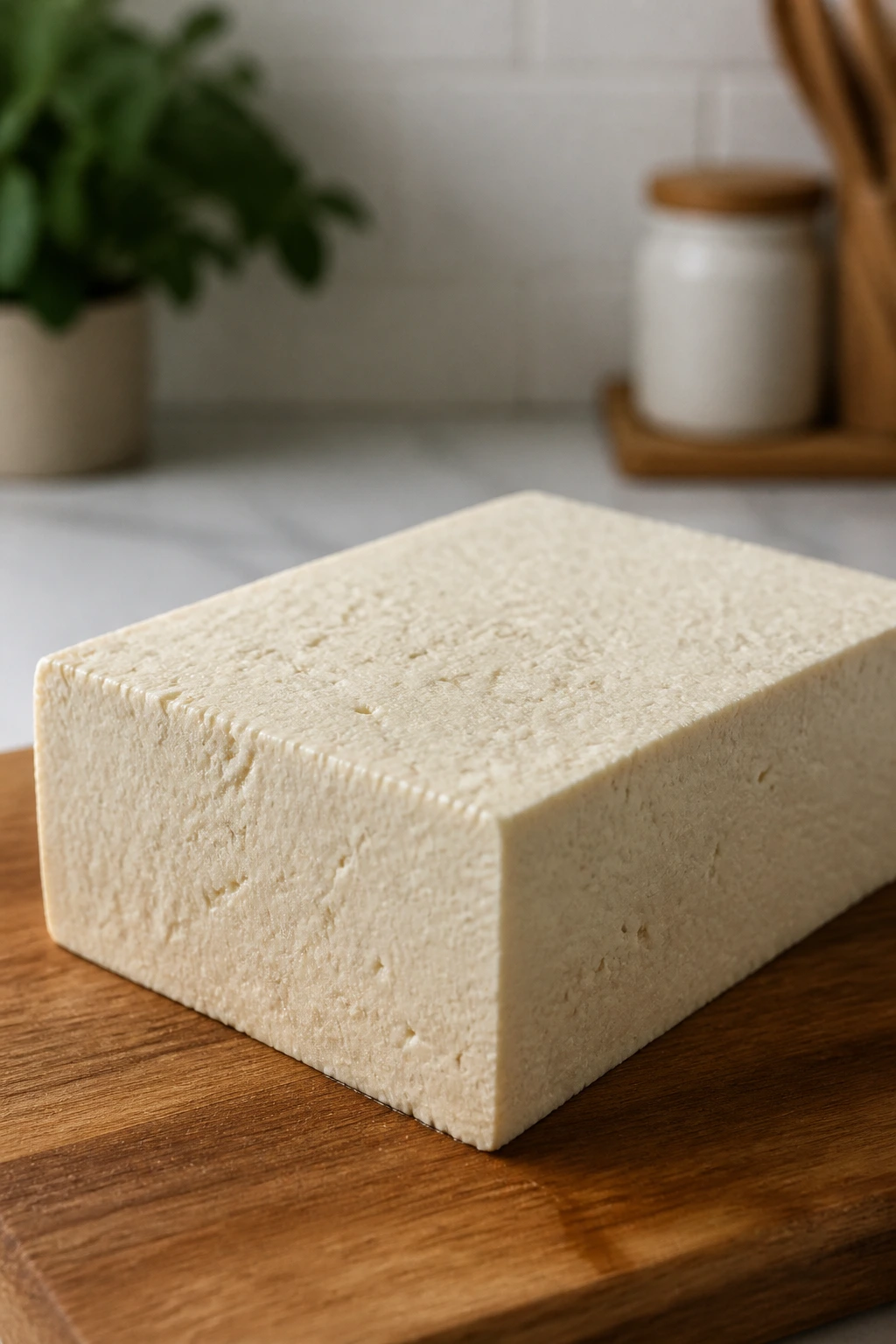
No. Extra-firm tofu is the safest choice for crisp stir-fries, fried rice, and noodle dishes, but medium tofu works better in mapo-style recipes where you want a softer, spoonable texture. If you use a softer tofu in a recipe built for cubes, expect some breakage.
Can I bake the tofu instead of frying it?
Yes, and some of these recipes actually get cleaner texture that way. Bake cornstarch-coated tofu at 425°F for 25 to 30 minutes, flipping once halfway through, then sauce it after it’s browned.
How do I keep tofu crispy after saucing?
Use a thick sauce, not a thin one, and add the tofu at the very end. The longer crisp tofu sits in sauce, the softer it gets, so serve quickly once everything is coated.
What if I don’t have a tofu press?
Wrap the block in a clean kitchen towel or paper towels, set it on a plate, and put something heavy on top for 15 to 20 minutes. A cast-iron skillet or a couple of cans works just fine.
Can I use frozen tofu?
Yes, and it changes the texture in a useful way. Frozen tofu turns a little spongier and chewier after thawing, which helps it grab sauce, though it won’t brown quite the same way as fresh tofu.
Which recipe is the easiest one to start with?
Sesame-Ginger Tofu and Broccoli or Teriyaki Tofu Bowls are probably the easiest places to begin. Both use familiar ingredients, and the sauce formulas are forgiving if you need to adjust them by a spoonful.
Can I make these ahead for lunches?
Absolutely, but keep sauces and crispy tofu separate if you can. Combine them right before eating so the tofu doesn’t lose its edge in the fridge.
What should I do if the sauce tastes too salty?
Add a little water or broth, then balance it with a small splash of vinegar or citrus. A teaspoon of sugar can help too, but use acid first so the flavor doesn’t turn flat.
Takeout Night, Without the Doorbell
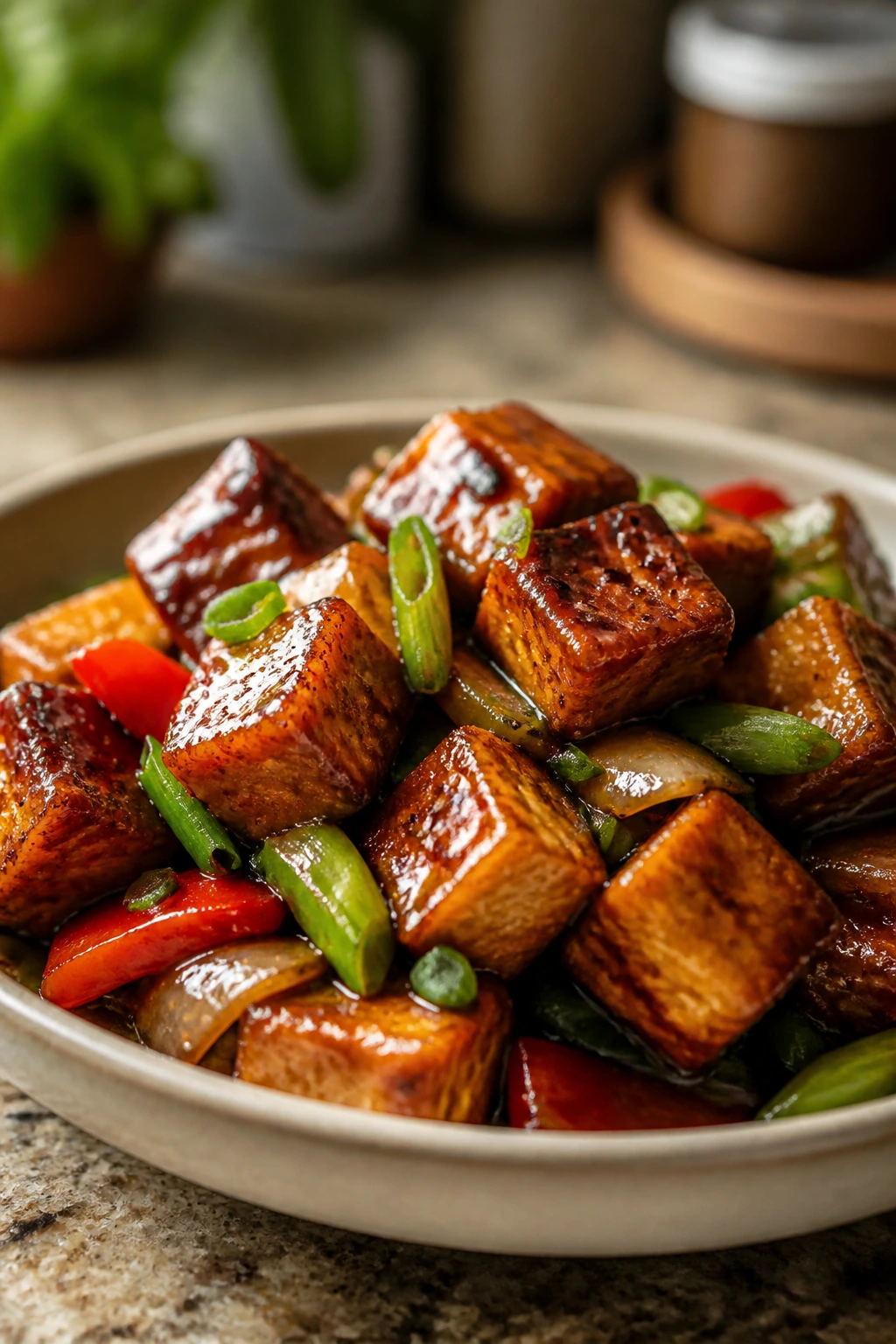
There’s a reason tofu works so well in takeout-style dinners: it’s a blank slate that rewards good technique. Once you’ve got the press-brown-sauce rhythm in your hands, the block stops feeling like a compromise and starts acting like the best thing in the pan.
That’s the real value of these recipes. Some are sticky and sweet, some are sharp and spicy, and a few are gloriously savory in the way only a hot wok or skillet can manage. Pick one, make extra rice, and keep the sauce moving until the tofu is coated and shiny.
Recipe Collection Quick Reference Table
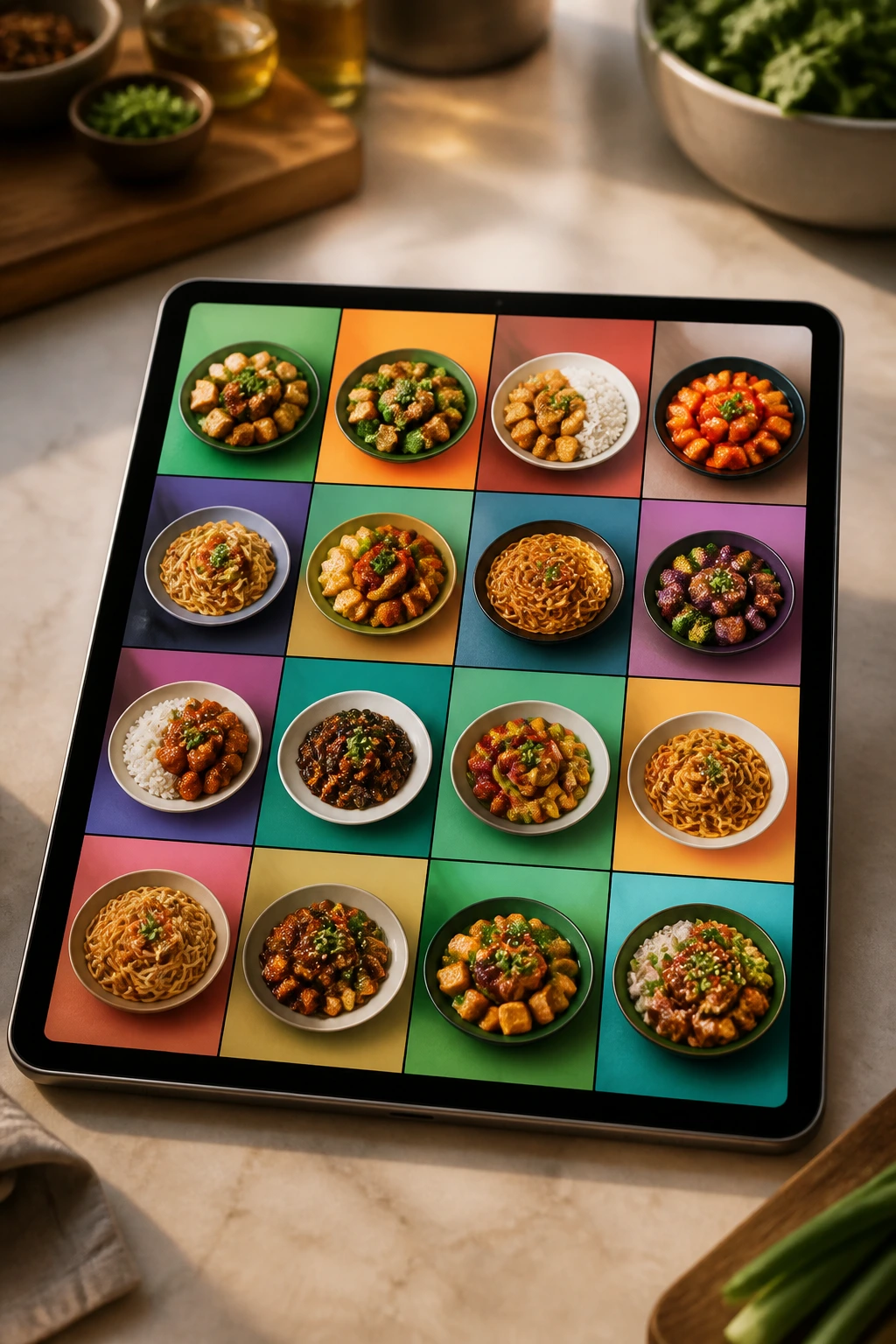
| Recipe | Prep Time | Cook Time | Total Time | Servings | Standout Detail |
|---|---|---|---|---|---|
| Crispy General Tso’s Tofu | 15 min | 20 min | 35 min | 4 | sticky, glossy sauce with real crunch |
| Sesame-Ginger Tofu and Broccoli | 15 min | 15 min | 30 min | 4 | cleanest weeknight stir-fry flavor |
| Sticky Orange Tofu with Snap Peas | 15 min | 20 min | 35 min | 4 | bright citrus sauce with snap peas |
| Kung Pao Tofu with Peanuts | 15 min | 20 min | 35 min | 4 | bold heat and roasted peanut crunch |
| Sweet-and-Sour Tofu with Pineapple | 20 min | 20 min | 40 min | 4 | classic takeout color and tang |
| Vegetarian Mapo Tofu with Mushrooms | 15 min | 20 min | 35 min | 4 | deep, spicy sauce with silky tofu |
| Glossy Teriyaki Tofu Bowls | 15 min | 25 min | 40 min | 4 | easiest glazed bowl in the group |
| Thai Basil Tofu Stir-Fry | 15 min | 15 min | 30 min | 4 | fragrant basil finish and quick heat |
| Garlic Lo Mein with Tofu | 20 min | 15 min | 35 min | 4 | saucy noodles with browned tofu |
| Black Pepper Tofu with Onions | 15 min | 20 min | 35 min | 4 | peppery sauce with savory depth |
| Chili Garlic Tofu Noodles | 15 min | 15 min | 30 min | 4 | spicy noodles with chili crisp texture |
| Cashew Tofu Stir-Fry | 15 min | 15 min | 30 min | 4 | nutty crunch with glossy brown sauce |
| Korean Gochujang Tofu Bowls | 20 min | 20 min | 40 min | 4 | sweet-heat sauce with cool cucumber |
| Coconut Curry Tofu with Veggies | 15 min | 20 min | 35 min | 4 | rich coconut curry with lime finish |
| Hunan Tofu and Green Beans | 15 min | 20 min | 35 min | 4 | blistered beans and sharp chili paste |
| Better-Than-Takeout Tofu Fried Rice | 20 min | 15 min | 35 min | 4 | cold rice, crisp tofu, fast payoff |