



A hot wok can rescue a tired evening in about ten minutes.
That is the whole trick.
When the pan is hot enough, beef sears instead of stewing, broccoli keeps its snap, and the sauce turns shiny instead of thin. A cold pan, though, turns everything into damp dinner soup, and no amount of extra soy sauce fixes that.
The dishes below are the ones I reach for when I want Chinese stir fry recipes that feel quick without tasting rushed. Some are the takeout classics people order on repeat. Others are home-style plates built from eggs, tofu, noodles, and whatever vegetables are sitting in the crisper drawer with a little life left in them.
The point is not to make dinner fancy. The point is to make dinner move. Garlic hits oil, ginger follows, and the whole pan starts smelling like someone who knows what they are doing is in the kitchen.
Why This Stir Fry Lineup Works So Well
- Fast Once the Knife Work Is Done: Most of these dishes finish in 10 to 20 minutes after the chopping is over, which is why a stir fry night feels calmer than a roast-and-rest kind of dinner.
- One Sauce Formula, Many Roads: Soy sauce, oyster sauce, Shaoxing wine, cornstarch, garlic, and ginger do most of the heavy lifting, so the pantry does not have to work hard.
- Built for Small Spaces: A wok or a big skillet gives you enough room to sear meat in batches and keep vegetables crisp instead of gray and limp.
- Flexible by Design: Chicken thighs, flank steak, shrimp, tofu, pork, and eggs all fit into this kind of cooking without forcing you to rebuild the whole meal.
- Takeout Texture Without the Sog: The best pans here use high heat, small pieces, and a thin glossy sauce that clings to the food instead of pooling under it.
- Good Leftovers, With a Catch: The beef, chicken, pork, noodle, and rice dishes hold up well the next day, which makes the list feel even more useful when the week gets messy.
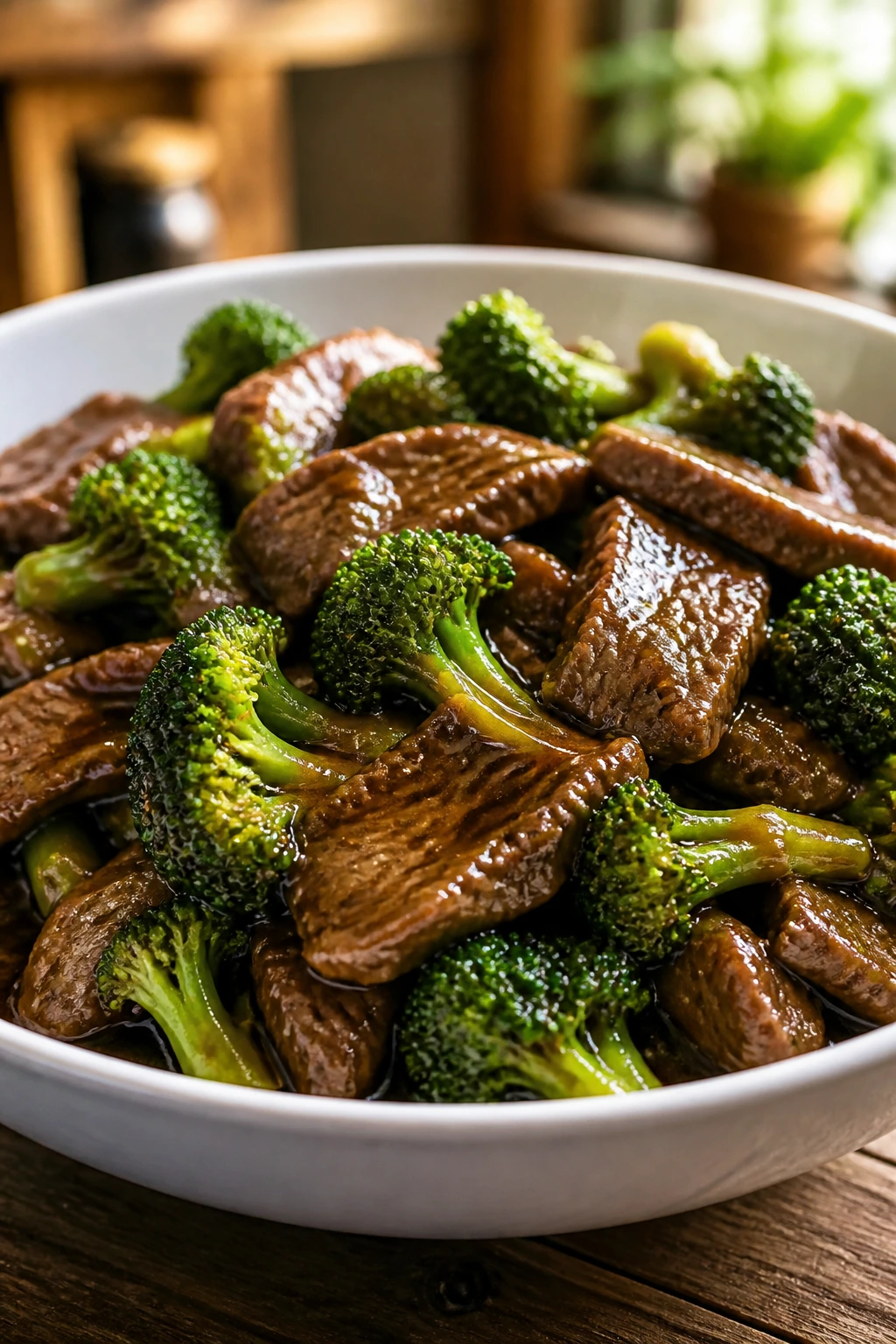
1. Beef and Broccoli
Tender beef, bright broccoli, and that deep brown sauce that clings to both without drowning either. This is the dish that makes a wok feel worth pulling out, because the contrast matters: the beef should have a little edge on it, the broccoli should still snap, and the sauce should look glossy rather than thick and gluey.
Why It Works:
Thin-sliced flank steak cooks in a flash, and broccoli needs only a short blanch before it finishes in the pan. The beef picks up a little browning, the broccoli stays green, and the sauce tightens with cornstarch just long enough to coat everything. That balance is the whole game. Skip it, and you end up with soft broccoli and gray meat.
Key Ingredients:
- 1 lb flank steak, sliced very thin against the grain
- 4 cups broccoli florets, cut into small even pieces
- 3 cloves garlic, minced
- 1 tsp fresh ginger, grated
- 3 tbsp soy sauce
- 2 tbsp oyster sauce
- 1 tbsp Shaoxing wine
- 1 cup beef broth
- 1 tbsp cornstarch
- 1 tsp sugar
- 2 tbsp neutral oil
- 1 tsp toasted sesame oil
- 2 scallions, sliced
Quick Steps:
- Toss the sliced beef with 1 tablespoon soy sauce, the Shaoxing wine, and 1 tablespoon cornstarch. Let it sit for 10 minutes while you prep the broccoli.
- Blanch the broccoli in boiling salted water for 60 to 90 seconds until bright green and just barely tender. Drain and shake it dry.
- Whisk the remaining soy sauce, oyster sauce, beef broth, sugar, and the last bit of cornstarch in a small bowl.
- Heat the oil in a wok over high heat until it shimmers. Sear the beef in a single layer for about 45 seconds per side, working in batches if needed. Do not crowd the pan.
- Add the garlic and ginger to the empty wok and stir for 15 seconds, just until fragrant.
- Pour in the sauce and cook for 30 to 45 seconds until it turns glossy and lightly thickened.
- Return the beef and broccoli, toss for 30 seconds, then finish with sesame oil and scallions.
Equipment for This Recipe:
- Wok or 12-inch skillet
- Slotted spoon or tongs
- Small mixing bowl
- Colander
- Sharp knife and cutting board
How to Serve This Dish:
Serve it over steamed jasmine rice so the sauce has somewhere to go. A plain plate makes the broccoli and beef look sharper, which sounds fussy, but it matters here. I like a few extra scallion greens on top and nothing else.
Pro Tips for This Recipe:
- Freeze the steak for 15 minutes before slicing; it cuts thinner and cleaner.
- Dry the broccoli well after blanching or the sauce will thin out on contact.
- Whisk the sauce again right before pouring it in; cornstarch settles fast.
- If your beef is a little chewy, it was sliced with the grain. That is the mistake that ruins this dish.
Variations on This Dish:
- Chili Crisp Beef and Broccoli: Stir in 1 tablespoon chili crisp at the end for heat and crunch.
- Mushroom Boost: Add 8 ounces sliced shiitake or cremini mushrooms with the garlic for a deeper, earthier pan sauce.
- Tofu and Broccoli Bowl: Swap the beef for 14 ounces extra-firm tofu, pressed and seared until golden on two sides.
Common Mistakes to Avoid with This Dish:
- Slicing the beef too thick: Thick pieces stay chewy. Slice it paper-thin across the grain.
- Boiling the broccoli too long: Floppy broccoli is the fastest way to make this dish feel tired. Stop at bright green and crisp-tender.
- Leaving the sauce on the heat too long: It can go from silky to sticky in a minute. Pull the pan as soon as it coats the spoon lightly.
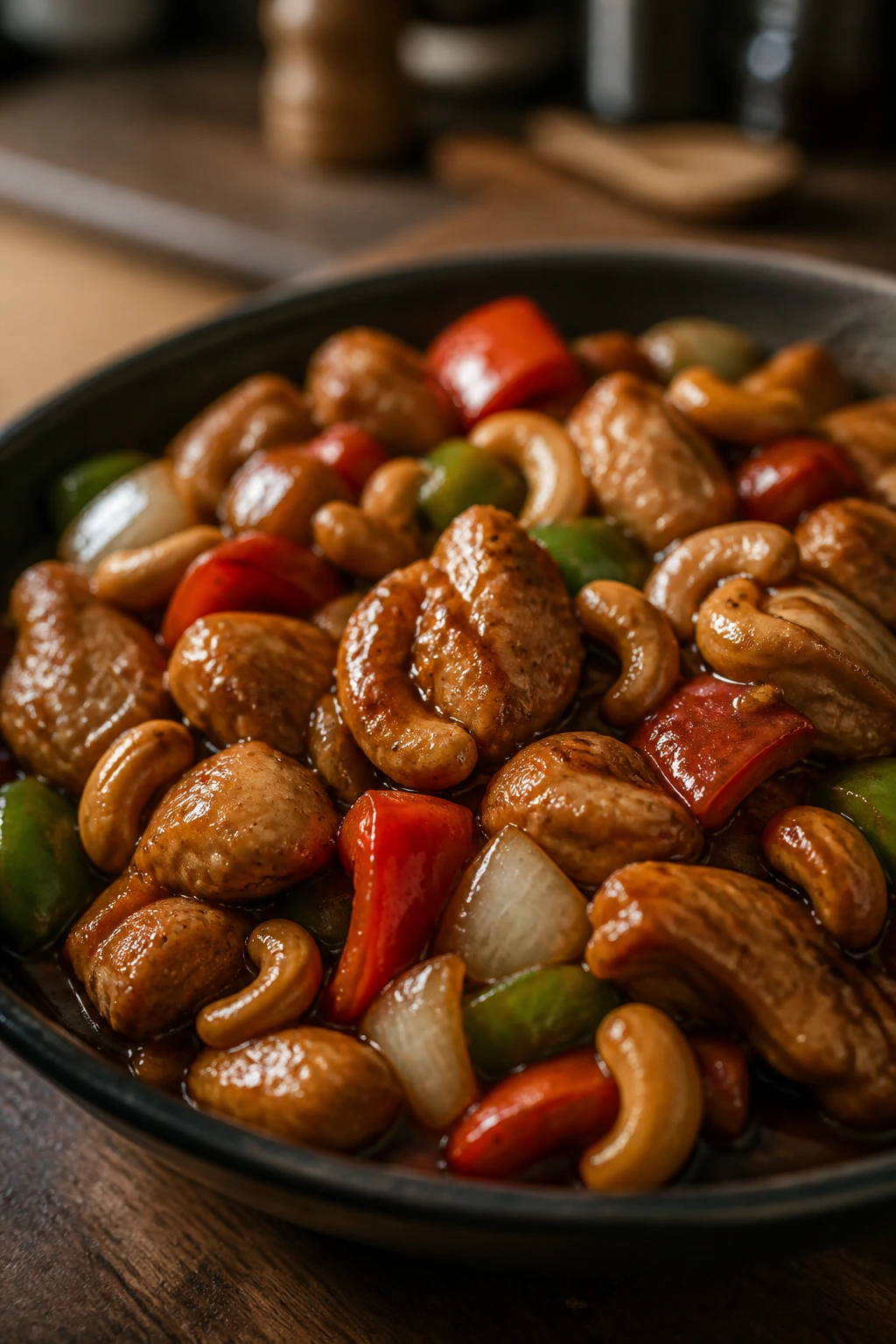
2. Chicken and Cashew Stir Fry
Cashews belong in stir fry more often than they get credit for. They bring a warm, toasted crunch that works against tender chicken and soft peppers, and the whole pan tastes richer than the ingredient list looks on paper. This one lands in the sweet spot between dinner and takeout imitation, which is usually where a weeknight wants to be.
Why It Works:
Chicken thighs stay juicy even after a hard sear, and the cashews give you a built-in texture change without any extra side dish. Bell peppers and onion soften just enough to catch the sauce, but they still keep a little bite. The sauce is savory first, lightly sweet second, and that keeps it from tasting syrupy.
Key Ingredients:
- 1 lb boneless, skinless chicken thighs, cut into bite-size pieces
- 1 cup unsalted cashews
- 2 bell peppers, sliced
- 1 small yellow onion, sliced
- 3 cloves garlic, minced
- 1 tbsp fresh ginger, minced
- 3 tbsp soy sauce
- 1 tbsp oyster sauce
- 1 tbsp rice vinegar
- 1/3 cup chicken stock
- 1 tsp sugar
- 1 tsp cornstarch
- 2 tbsp neutral oil
- 1 tsp sesame oil
Quick Steps:
- Whisk the soy sauce, oyster sauce, rice vinegar, chicken stock, sugar, and cornstarch in a bowl.
- Toast the cashews in a dry wok or skillet over medium heat for 2 to 3 minutes until fragrant. Remove them right away.
- Heat the oil over high heat and sear the chicken in a single layer for 3 to 4 minutes, stirring once or twice, until it is browned on the outside and just cooked through.
- Add the onion, bell peppers, garlic, and ginger. Stir-fry for 2 minutes until the peppers start to soften at the edges.
- Pour in the sauce and cook for 1 minute until it turns glossy and lightly thickened.
- Return the cashews, toss for 20 seconds, and finish with sesame oil.
Equipment for This Recipe:
- Wok or large skillet
- Small dry skillet, optional, for toasting cashews
- Wooden spoon or spatula
- Mixing bowl
- Cutting board and knife
How to Serve This Dish:
This one wants rice. Jasmine rice is the cleanest fit, though brown rice works if you like a chewier base. A few extra cashews scattered on top make the bowl look fuller and keep the crunch going right up to the last bite.
Pro Tips for This Recipe:
- Buy unsalted cashews so the sauce can control the salt level.
- Add the cashews at the very end or they lose their snap.
- If you use chicken breast, cut the pieces smaller and pull them off the heat the moment they turn opaque.
- A splash of dark soy is too heavy here; keep the sauce lighter and glossy.
Variations on This Dish:
- Spicy Cashew Chicken: Add 1 teaspoon chili paste or a sliced fresh red chili with the garlic.
- Vegetable-Heavy Version: Toss in snow peas, mushrooms, or baby corn with the peppers.
- Pork Swap: Use 1 lb thinly sliced pork tenderloin instead of chicken thighs for a slightly leaner pan.
Common Mistakes to Avoid with This Dish:
- Toasting the cashews too long: They go from golden to bitter fast. Pull them as soon as you smell them.
- Cutting the vegetables too large: Big chunks need more time and can make the chicken overcook.
- Adding the sauce before the chicken is browned: You lose the sear, and the pan starts steaming instead of stir-frying.
3. Garlic Shrimp with Snow Peas
Shrimp cooks fast enough to make you feel like you got away with something. The trick is to stop early, because shrimp goes from snappy and sweet to rubbery in almost no time at all. Snow peas help here: they keep their clean crunch, so the whole pan feels light and bright instead of heavy.
Why It Works:
The shrimp brings its own sweetness, and the garlic gives the pan a sharp, almost buttery smell the second it hits the oil. Snow peas only need a minute or two, which means they keep color and snap. A small splash of rice vinegar at the end keeps the sauce from tasting flat.
Key Ingredients:
- 1 lb large shrimp, peeled and deveined
- 8 oz snow peas, strings removed
- 1 red bell pepper, thinly sliced
- 4 cloves garlic, minced
- 1 tbsp fresh ginger, minced
- 2 tbsp soy sauce
- 1 tbsp Shaoxing wine
- 1 tbsp rice vinegar
- 1 tsp honey
- 1 tsp cornstarch
- 1/4 cup water
- 2 tbsp neutral oil
- 1 tsp sesame oil
- Pinch of red pepper flakes, optional
Quick Steps:
- Whisk the soy sauce, Shaoxing wine, rice vinegar, honey, cornstarch, and water in a bowl.
- Pat the shrimp dry with paper towels. Dry shrimp sear better and do not flood the pan.
- Heat the oil over high heat and add the shrimp in a single layer. Cook for 1 minute per side until just opaque, then remove.
- Add the bell pepper, snow peas, garlic, and ginger. Stir-fry for 1 to 2 minutes until the peas turn bright green and the pepper softens slightly.
- Pour in the sauce and let it bubble for 30 seconds.
- Return the shrimp, toss for 20 seconds, and finish with sesame oil and red pepper flakes if you want heat.
Equipment for This Recipe:
- Wok or large skillet
- Paper towels
- Tongs or spatula
- Small bowl
- Cutting board and knife
How to Serve This Dish:
Serve it over rice or spoon it over plain noodles. I like a bowl with nothing but shrimp, peas, and a little sauce over white rice, because the colors do the work on their own. Keep the garnish simple: sliced scallions or a few sesame seeds.
Pro Tips for This Recipe:
- Use shrimp that are close in size so they finish together.
- Pull the shrimp before the vegetables are done; they finish cooking when they go back into the sauce.
- Frozen shrimp are fine if they are thawed and dried properly.
- Do not walk away after the sauce goes in. Shrimp and sugar move quickly.
Variations on This Dish:
- Ginger-Lime Shrimp: Replace the rice vinegar with lime juice and add zest at the end.
- Snow Pea and Mushroom Mix: Add 6 ounces sliced mushrooms for a fuller pan.
- Tofu Version: Use pressed tofu cubes instead of shrimp and sear them until golden on two sides.
Common Mistakes to Avoid with This Dish:
- Overcooking the shrimp: If they curl tightly into little O-shapes, they have gone too far.
- Leaving the snow peas in the pan too long: They should stay bright and crisp, not soft and olive-colored.
- Using wet shrimp: Water in the pan blocks browning and waters down the sauce.
4. Moo Goo Gai Pan
Moo goo gai pan is the quiet one on the list, and I mean that as a compliment. It tastes clean, light, and gently savory, with mushrooms giving the sauce a soft depth that never turns heavy. If the last few dinners have leaned rich, this is the pan that resets the room.
Why It Works:
Chicken breast stays tender when it is sliced thin and cooked quickly, especially if you give it a short cornstarch marinade. Mushrooms release enough moisture to help build the sauce, and snow peas or carrots keep the dish from feeling pale and flat. The whole thing finishes with a soft, silky sauce rather than a thick glaze.
Key Ingredients:
- 1 lb chicken breast, sliced thin
- 8 oz mushrooms, sliced
- 1 cup snow peas
- 1 medium carrot, julienned
- 2 stalks celery, sliced thin
- 3 cloves garlic, minced
- 1 tbsp fresh ginger, minced
- 2 tbsp soy sauce
- 1 tbsp oyster sauce
- 1 cup chicken broth
- 1 tbsp cornstarch
- 1 tsp Shaoxing wine
- 2 tbsp neutral oil
- 1 tsp sesame oil
Quick Steps:
- Toss the chicken with 1 tablespoon soy sauce, the Shaoxing wine, and 1 tablespoon cornstarch. Let it rest for 10 minutes.
- Whisk the remaining soy sauce, oyster sauce, chicken broth, and the last bit of cornstarch in a bowl.
- Heat 1 tablespoon oil over high heat and cook the mushrooms for 2 minutes until they give off their liquid and start to brown. Remove them.
- Add the remaining oil and cook the chicken for 2 to 3 minutes until opaque and lightly golden.
- Add the carrot, celery, snow peas, garlic, and ginger. Stir-fry for 1 minute.
- Return the mushrooms, pour in the sauce, and simmer for 30 to 45 seconds until the liquid turns silky and just clings to the vegetables.
- Finish with sesame oil.
Equipment for This Recipe:
- Wok or large skillet
- Mixing bowl
- Slotted spoon
- Sharp knife
- Cutting board
How to Serve This Dish:
This is lovely over steamed rice, but it also works with a small bowl of congee if you want something softer. The mushrooms should be scattered evenly so every bite gets one. A little extra celery on top gives the dish a fresh, green edge.
Pro Tips for This Recipe:
- Slice the chicken against the grain so it stays tender.
- Brown the mushrooms first; if you skip that step, they taste boiled.
- Keep the sauce light. Moo goo gai pan should feel clean, not sticky.
- A few drops of toasted sesame oil at the end are enough. More makes the dish lose its restraint.
Variations on This Dish:
- Mushroom-Only Bowl: Double the mushrooms and skip the chicken for a vegetarian main.
- Bok Choy Swap: Use chopped baby bok choy instead of snow peas for a softer green note.
- Peppery Version: Add a pinch of white pepper to the sauce for a little restaurant-style warmth.
Common Mistakes to Avoid with This Dish:
- Slicing the chicken too thick: Thick pieces cook unevenly and dry out before the center is done.
- Skipping the mushroom browning step: Pale mushrooms make the whole dish taste thin.
- Using too much sauce: The right finish is silky, not soupy.
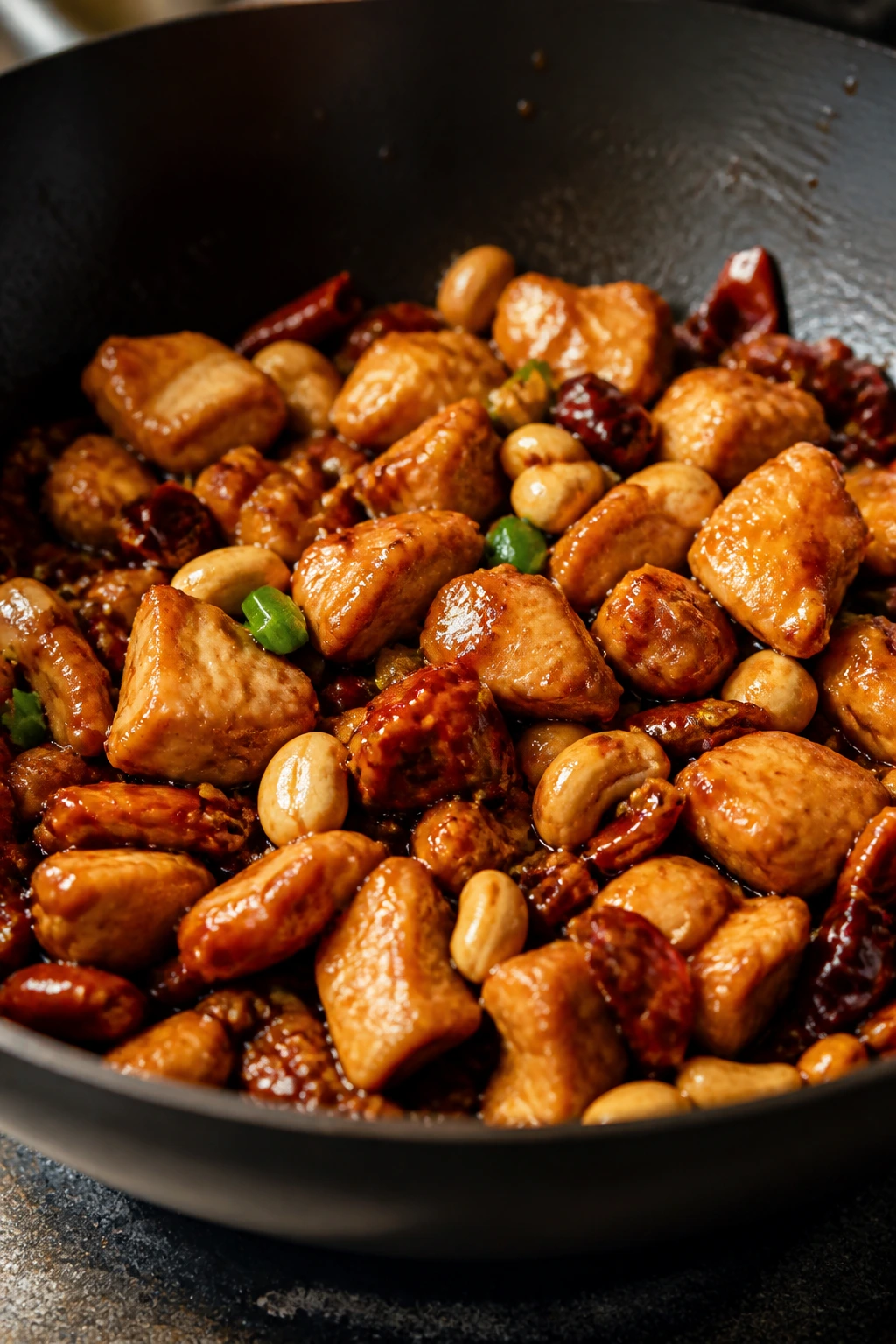
5. Kung Pao Chicken
Kung Pao Chicken should wake the pan up the second the chilies hit the oil. You want a sharp smell first, then a little sweetness, then the peanuts and chicken pulling everything back into balance. If the dish tastes flat, it usually means the vinegar or chilies were treated like decoration instead of part of the structure.
Why It Works:
The dried chilies perfume the oil fast, the peanuts bring crunch, and the sauce lands with vinegar, soy, and a little sugar so the whole dish stays bright. Chicken thighs are ideal because they stay juicy while the edges pick up some browning. A little cornstarch on the chicken helps the sauce cling instead of running off.
Key Ingredients:
- 1 lb boneless chicken thighs, cut into small cubes
- 1/2 cup roasted unsalted peanuts
- 8 to 10 dried red chilies
- 1 red bell pepper, diced
- 3 scallions, cut into 2-inch pieces
- 3 cloves garlic, minced
- 1 tbsp fresh ginger, minced
- 2 tbsp soy sauce
- 1 tbsp Chinkiang vinegar or rice vinegar
- 1 tbsp Shaoxing wine
- 1 tsp sugar
- 1 tbsp cornstarch
- 2 tbsp water
- 1 tsp sesame oil
- 2 tbsp neutral oil
Quick Steps:
- Toss the chicken with 1 tablespoon soy sauce and 1 tablespoon cornstarch. Rest it for 10 minutes.
- Whisk the remaining soy sauce, vinegar, Shaoxing wine, sugar, and water in a small bowl.
- Heat the oil over high heat and add the dried chilies. Stir for 10 to 15 seconds until fragrant. Do not let them burn.
- Add the chicken and cook for 3 to 4 minutes, stirring until browned and nearly cooked through.
- Add the garlic, ginger, and bell pepper. Stir-fry for 1 minute.
- Pour in the sauce and let it bubble for 30 seconds.
- Add the peanuts and scallions, toss for 20 seconds, and finish with sesame oil.
Equipment for This Recipe:
- Wok or large skillet
- Small bowl
- Spatula
- Sharp knife and cutting board
- Measuring spoons
How to Serve This Dish:
Serve it with jasmine rice so the vinegar and heat have a soft landing. I like a few extra peanuts on the plate because the crunch is part of the appeal. A cold cucumber salad beside it helps if you kept the chilies in.
Pro Tips for This Recipe:
- If you want more heat, split the dried chilies open before cooking.
- Add the peanuts at the end so they stay crisp.
- Chinkiang vinegar gives a deeper flavor, but rice vinegar works if that is what you have.
- Cut the chicken small. Big chunks make this dish feel sluggish.
Variations on This Dish:
- Extra-Spicy Sichuan Style: Add 1 teaspoon chili bean paste and a pinch of Sichuan peppercorn.
- Cashew Swap: Use roasted cashews instead of peanuts for a softer crunch.
- Vegetable-Forward Version: Add celery, zucchini, or mushrooms and reduce the chicken to 3/4 pound.
Common Mistakes to Avoid with This Dish:
- Burning the chilies: They turn bitter fast. They should scent the oil, not char in it.
- Putting the peanuts in too early: They lose their crunch and taste tired.
- Making the sauce too sweet: Kung Pao should taste balanced, not like candy with chicken in it.
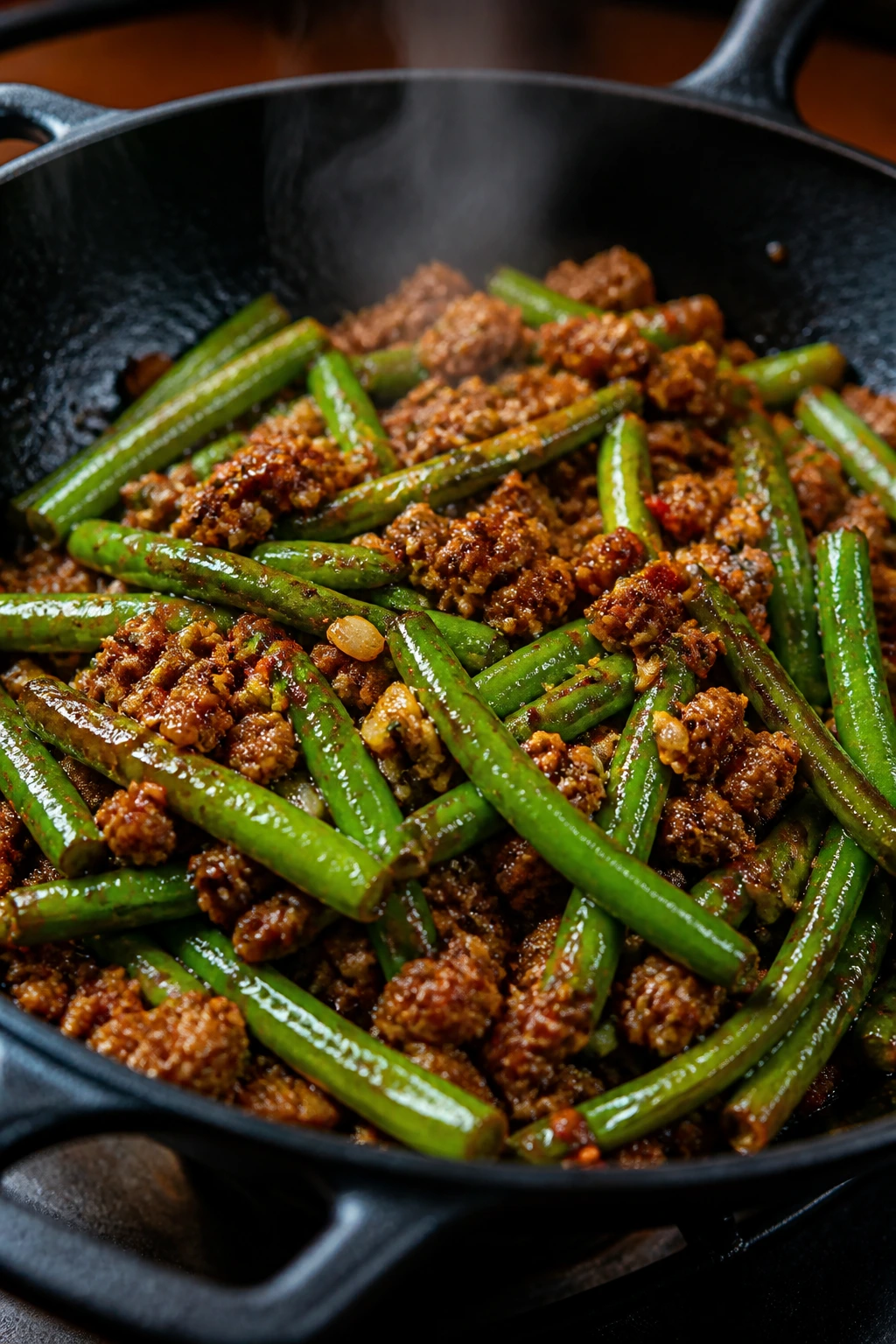
6. Spicy Ground Pork and Green Beans
This is the kind of pan dinner that saves a night when the fridge looks uninspiring. Ground pork cooks fast, green beans blister quickly, and the whole skillet gets a salty, savory edge from garlic and soy before you have time to overthink dinner. It tastes bigger than the effort it asks for.
Why It Works:
Ground pork renders enough fat to coat the beans and aromatics, which means the dish does not need a long ingredient list to taste finished. Green beans hold up to hard heat and stay snappy if you keep them moving. A little chili paste or pepper flakes keeps the pan from tasting one-note.
Key Ingredients:
- 1 lb ground pork
- 12 oz green beans, trimmed
- 3 cloves garlic, minced
- 1 tbsp fresh ginger, minced
- 2 scallions, sliced
- 2 tbsp soy sauce
- 1 tbsp oyster sauce
- 1 tsp chili bean paste or red pepper flakes
- 1 tbsp Shaoxing wine or water
- 2 tbsp neutral oil
- 1 tsp sesame oil
Quick Steps:
- Heat 1 tablespoon oil in a wok over high heat and add the green beans. Stir-fry for 4 to 5 minutes until blistered and lightly wrinkled, then remove.
- Add the remaining oil and cook the pork for 3 to 4 minutes, breaking it up until it loses its raw color and starts to brown.
- Add the garlic, ginger, and chili bean paste. Stir for 15 seconds.
- Pour in the soy sauce, oyster sauce, and Shaoxing wine.
- Return the green beans and toss for 1 minute until they are coated and hot.
- Finish with scallions and sesame oil.
Equipment for This Recipe:
- Wok or 12-inch skillet
- Spatula
- Cutting board and knife
- Small bowl, optional
- Tongs, optional
How to Serve This Dish:
Serve it over rice and call it dinner. The beans and pork already bring enough texture that you do not need much else. A spoonful of chili crisp on the table is a nice move if someone wants more heat.
Pro Tips for This Recipe:
- Blister the beans first so they do not go soft while the pork cooks.
- If the pork is very lean, add an extra teaspoon of oil to keep the pan from drying out.
- Oyster sauce does a lot here. Do not skip it unless you are using a vegetarian substitute.
- A tiny splash of water in the sauce helps loosen the browned bits from the pan.
Variations on This Dish:
- Garlic-Heavy Version: Add two extra cloves of garlic and finish with fried garlic chips.
- Tofu Swap: Use crumbled extra-firm tofu instead of pork and brown it well before adding sauce.
- Less Spicy Bowl: Leave out the chili paste and finish with a few drops of sesame oil only.
Common Mistakes to Avoid with This Dish:
- Skipping the blister on the beans: Soft green beans do not give this dish enough character.
- Not breaking up the pork enough: Large clumps cook unevenly and leave the texture muddy.
- Using too much sauce: The pork should coat the beans, not swim around them.
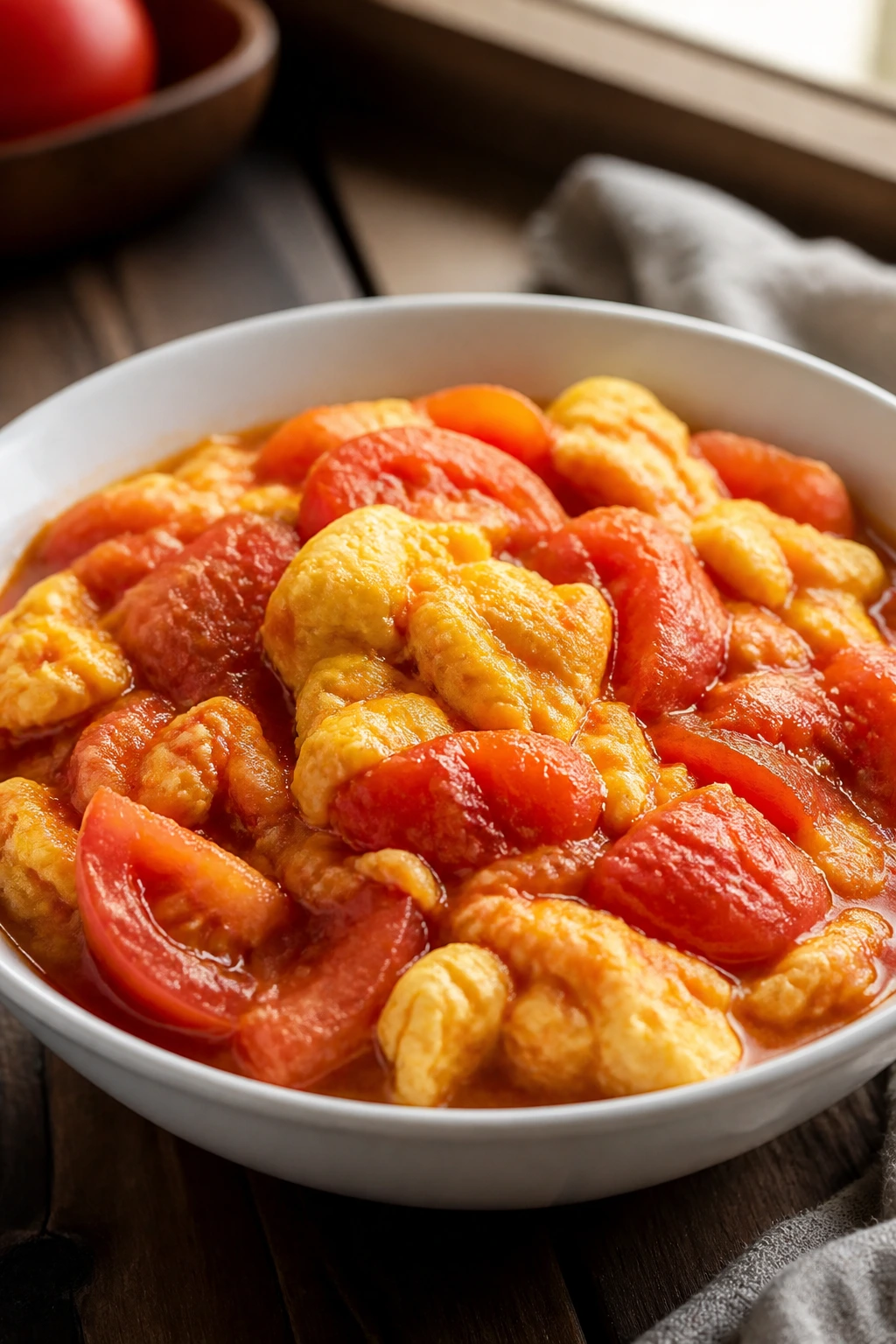
7. Chinese Tomato Egg Stir Fry
Tomato and egg is the dish I make when the fridge feels stubbornly empty but not hopeless. It is soft, saucy, and a little sweet, with eggs that should stay tender rather than dry and tomatoes that collapse into a glossy, red pan sauce. If you like your dinner neat and tidy, this one may not be your favorite. If you like food that feels like a warm rescue, it has a place.
Why It Works:
Eggs cook best here when they are soft-curd and barely set, because they go back into the tomatoes at the end and finish gently. The tomatoes break down fast, which gives the dish its own sauce without needing broth or cornstarch. A pinch of sugar sharpens the tomato flavor and keeps the pan from tasting flat.
Key Ingredients:
- 6 large eggs
- 4 medium ripe tomatoes, cut into wedges
- 3 scallions, sliced
- 1 tbsp soy sauce
- 1 tsp sugar
- 1/4 tsp white pepper
- 1 tbsp Shaoxing wine, optional
- 2 tbsp neutral oil
- 2 tbsp water
Quick Steps:
- Beat the eggs with the soy sauce and white pepper.
- Heat 1 tablespoon oil over medium-high heat and scramble the eggs until they are just set but still glossy, about 1 minute. Remove them.
- Add the remaining oil and cook the tomatoes for 2 to 3 minutes until they soften and release juices.
- Add the sugar, Shaoxing wine if using, and water. Stir until the tomatoes start looking jammy.
- Return the eggs and scallions, toss for 30 seconds, and pull the pan as soon as everything looks saucy.
Equipment for This Recipe:
- Nonstick skillet or wok
- Spatula
- Bowl
- Knife and cutting board
How to Serve This Dish:
Spoon it over hot rice and let the tomato juices run into the grains. That is the best version, honestly. I also like it with a little extra scallion on top because the green sharpens the soft eggs.
Pro Tips for This Recipe:
- Use ripe tomatoes with some give; hard tomatoes make the dish taste sour and thin.
- Pull the eggs early. They keep cooking when they go back into the tomatoes.
- A touch of ketchup is a common shortcut, but I prefer sugar and ripe tomatoes instead.
- If the tomatoes are watery, cook them a minute longer before adding the eggs back.
Variations on This Dish:
- Garlicky Version: Add 1 minced garlic clove with the tomatoes.
- Firmer Egg Style: Cook the eggs into larger curds if you want more texture.
- Tofu and Tomato Bowl: Replace half the eggs with cubed tofu and let it warm through in the sauce.
Common Mistakes to Avoid with This Dish:
- Overcooking the eggs: Dry eggs make the dish heavy. Soft curds are the right call.
- Using under-ripe tomatoes: They do not break down well and the sauce tastes harsh.
- Skipping the sugar: A little sweetness smooths the acidity and makes the dish taste rounded.
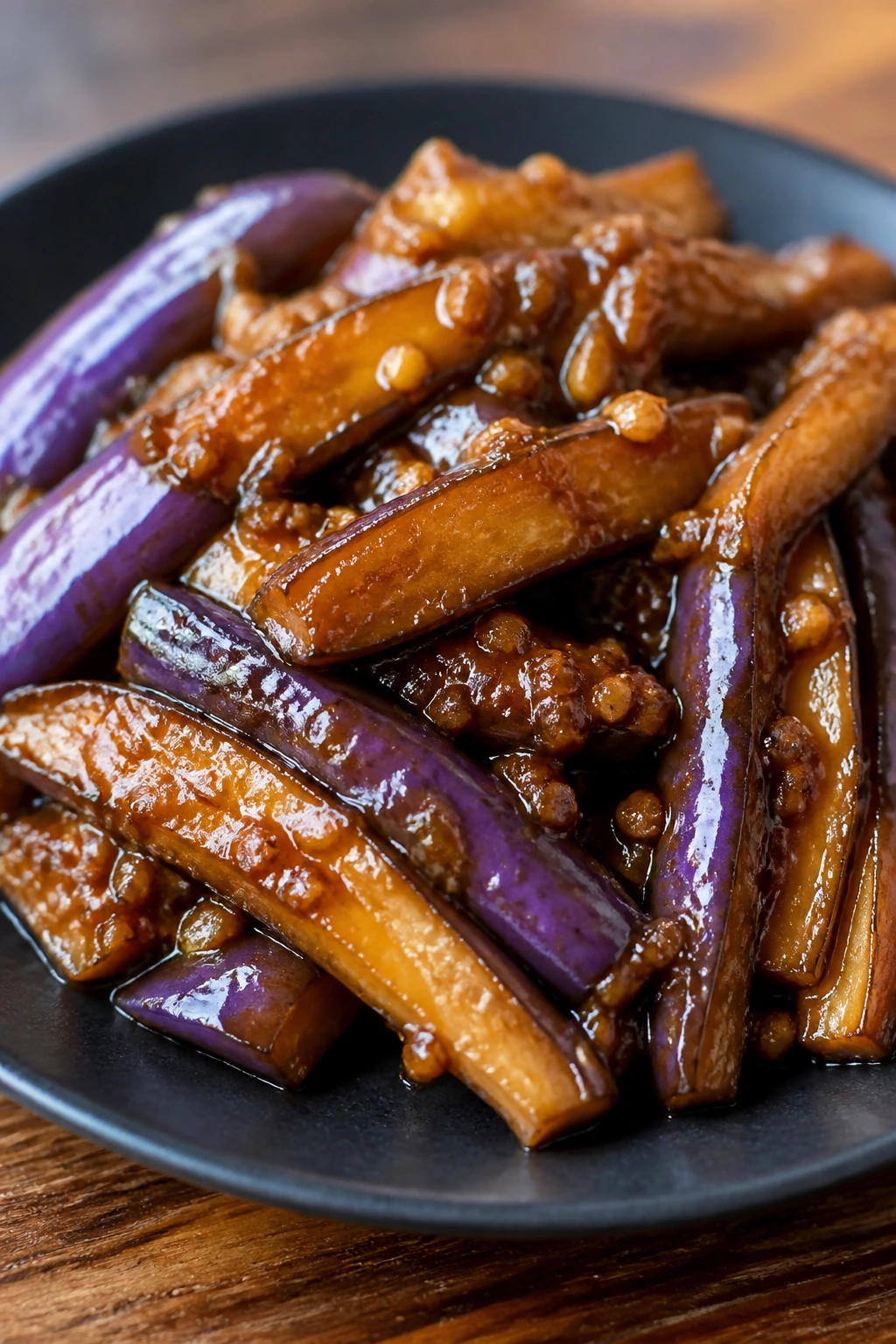
8. Eggplant in Garlic Sauce
Eggplant can be a little needy in a stir fry, and that is exactly why this version matters. Chinese eggplant cooks faster and drinks less oil than the round globe kind, so you get soft, silky pieces instead of greasy chunks. The sauce should be sharp with garlic and vinegar, then slightly sweet at the back of the tongue.
Why It Works:
Pre-salting helps the eggplant lose some moisture, which means it cooks faster and browns more cleanly. Garlic, ginger, soy sauce, and vinegar give the sauce lift, while cornstarch keeps it clinging to the eggplant instead of sliding off the bottom of the pan. A little heat from doubanjiang is welcome, but not required.
Key Ingredients:
- 2 medium Chinese eggplants, cut into thick batons
- 1 tbsp salt
- 4 cloves garlic, minced
- 1 tbsp fresh ginger, minced
- 2 tbsp soy sauce
- 1 tbsp rice vinegar
- 1 tbsp oyster sauce
- 1 tbsp sugar
- 1/3 cup water
- 1 tsp cornstarch
- 1 tsp doubanjiang, optional
- 2 tbsp neutral oil
- 1 tsp sesame oil
- 2 scallions, sliced
Quick Steps:
- Toss the eggplant with salt and let it sit for 10 to 15 minutes. Pat it dry with paper towels.
- Whisk the soy sauce, vinegar, oyster sauce, sugar, water, cornstarch, and doubanjiang if using.
- Heat the oil over high heat and stir-fry the eggplant for 4 to 5 minutes until browned and starting to soften. Cook in batches if the pan looks crowded.
- Add the garlic and ginger and stir for 15 seconds.
- Pour in the sauce and cook for 30 to 45 seconds until the eggplant turns glossy and tender.
- Finish with sesame oil and scallions.
Equipment for This Recipe:
- Wok or large skillet
- Paper towels
- Mixing bowl
- Spatula
- Cutting board and knife
How to Serve This Dish:
This is excellent over rice because the sauce wants something plain beneath it. It also works as a side next to fried tofu or simple chicken. Keep the garnish to scallions or sesame seeds so the garlic stays in charge.
Pro Tips for This Recipe:
- Chinese eggplants cook faster and taste less seedy than globe eggplant.
- If you use globe eggplant, cut it a little smaller and expect a longer cook.
- Do not be shy about drying the eggplant after salting; wet eggplant will steam.
- The sauce should coat the pieces, not swamp them.
Variations on This Dish:
- Pork Eggplant Version: Add 1/2 pound ground pork after the garlic and brown it before the sauce.
- Lighter Soy-Garlic Bowl: Leave out the oyster sauce and use a touch more water.
- Spicier Sichuan Style: Add a spoon of chili bean paste and a pinch of Sichuan peppercorn.
Common Mistakes to Avoid with This Dish:
- Using too little heat: Eggplant that steams instead of browns turns dull and mushy.
- Skipping the salt step: The pan gets greasy faster and the texture suffers.
- Adding the sauce too early: Let the eggplant take on a little color first or the dish will taste soft all the way through.
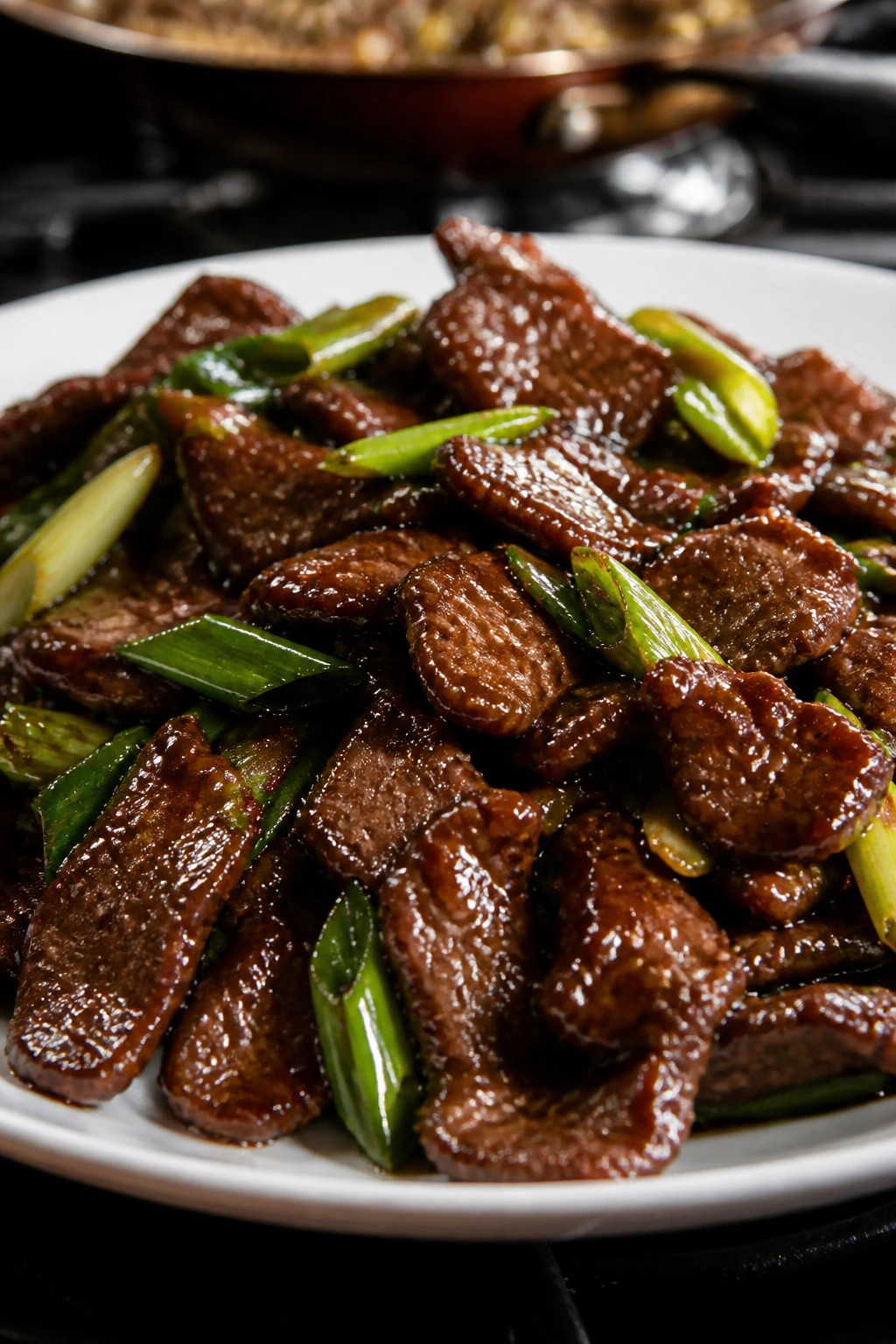
9. Mongolian Beef
Mongolian beef has a way of tasting richer than its ingredient list suggests. Brown sugar and soy make the sauce deep and sticky, while scallions cut through the sweetness at the last second. If the beef is sliced thin enough, this is one of the fastest skillet dinners on the whole list.
Why It Works:
A light cornstarch coat gives the beef a thin crust, which helps it hold onto the sauce. The sauce itself is simple, but the balance matters: salty soy, sweet brown sugar, garlic, and a touch of Shaoxing wine keep it from tasting one-dimensional. Scallions added at the end bring the green bite that the sauce needs.
Key Ingredients:
- 1 lb flank steak, sliced very thin across the grain
- 4 scallions, cut into 2-inch pieces
- 3 cloves garlic, minced
- 1 tbsp fresh ginger, minced
- 1/2 cup soy sauce
- 1/4 cup water
- 1/4 cup packed brown sugar
- 1 tbsp Shaoxing wine
- 1 tbsp cornstarch
- 2 tbsp neutral oil
- 1 tsp sesame oil
- Pinch of red pepper flakes, optional
Quick Steps:
- Toss the beef with cornstarch and let it sit for 10 minutes.
- Whisk the soy sauce, water, brown sugar, and Shaoxing wine in a bowl.
- Heat the oil over high heat and sear the beef in batches for 1 to 2 minutes total, just until browned. Remove it.
- Add the garlic and ginger to the hot pan and stir for 15 seconds.
- Pour in the sauce and let it bubble for 1 minute until slightly thickened.
- Return the beef and scallions, toss for 30 seconds, and finish with sesame oil.
Equipment for This Recipe:
- Wok or cast-iron skillet
- Tongs or spatula
- Mixing bowl
- Knife and cutting board
How to Serve This Dish:
Serve it with rice, and maybe a few extra scallions on top if you like a sharper finish. This dish is sweet enough that plain rice works better than noodles. A simple steamed green vegetable on the side keeps the whole plate from leaning too far into the sauce.
Pro Tips for This Recipe:
- Slice the beef thin enough that it cooks in a minute or two.
- Use low-sodium soy if you like a less salty finish; the brown sugar already brings enough weight.
- Keep the sauce brief on the heat or it turns sticky fast.
- If the beef starts to steam, your pan is crowded. Stop and batch it.
Variations on This Dish:
- Garlic-Forward Version: Add an extra 2 cloves of garlic and finish with fried garlic bits.
- Broccoli Mongolian Beef: Toss in blanched broccoli florets at the end for more bulk.
- Chicken Swap: Thin-sliced chicken thigh works well with the same sauce.
Common Mistakes to Avoid with This Dish:
- Slicing with the grain: The beef turns chewy and stringy.
- Letting the sugar sauce boil too long: It gets sticky in a bad way.
- Using a dull pan: If the skillet is not hot enough, you lose the browned edge that makes the dish sing.
10. Tofu with Bok Choy and Mushrooms
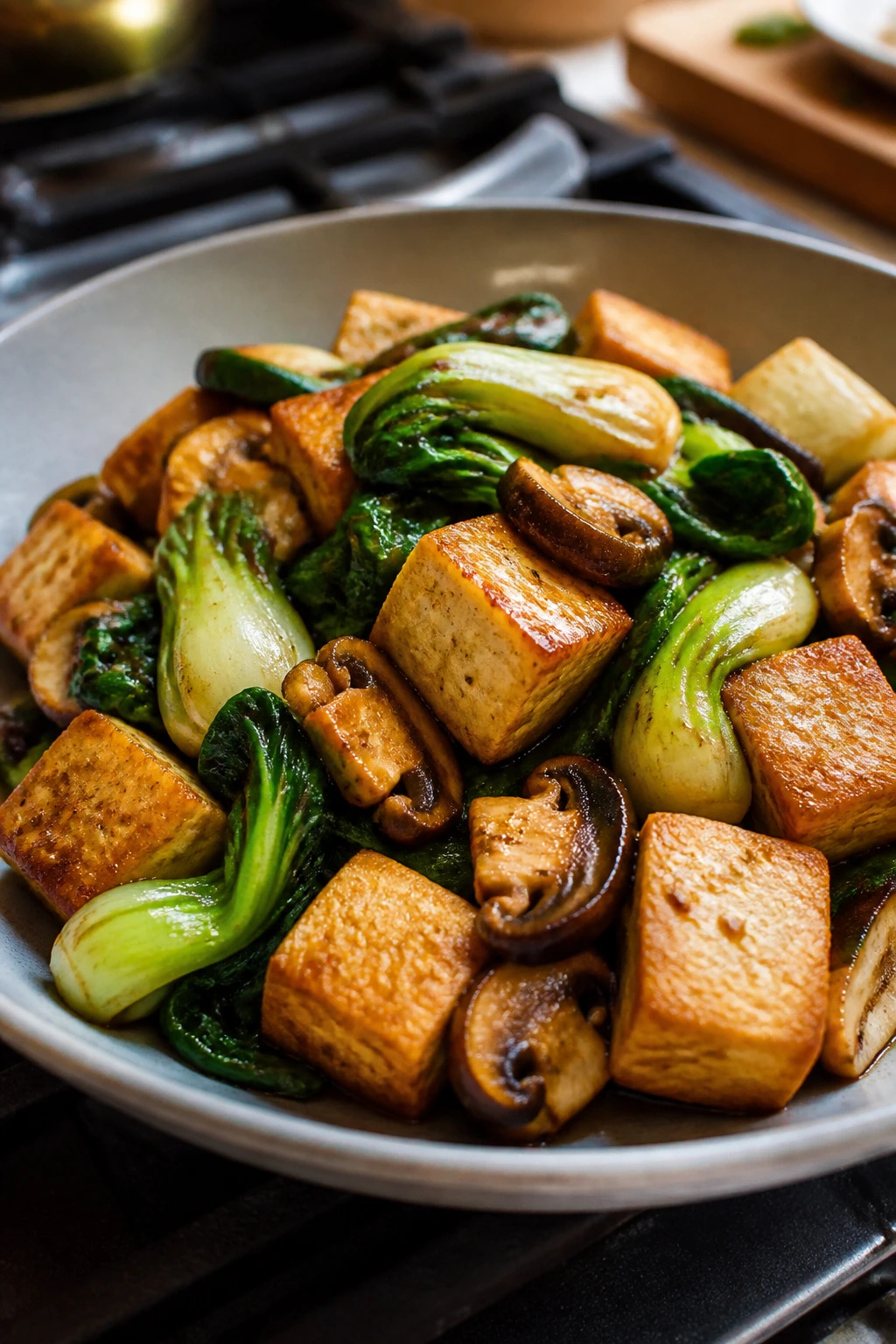
Tofu takes a little confidence, which is why people mishandle it so often. When it is pressed, dried, and seared properly, though, it becomes crisp on the outside and soft in the middle, and that texture makes a vegetarian stir fry feel finished instead of apologetic. Bok choy and mushrooms give the pan plenty of body.
Why It Works:
Extra-firm tofu holds shape in a hot pan, especially if you press out some moisture first. Mushrooms brown before they go soft, which gives the dish a savory backbone. Bok choy stems and leaves cook at different speeds, and that small detail keeps the vegetables from collapsing together.
Key Ingredients:
- 14 oz extra-firm tofu, pressed and cut into cubes
- 6 baby bok choy, halved lengthwise
- 8 oz mushrooms, sliced
- 3 cloves garlic, minced
- 1 tbsp fresh ginger, minced
- 3 tbsp soy sauce
- 1 tbsp vegetarian oyster sauce
- 1 tbsp rice vinegar
- 1/2 cup vegetable broth
- 1 tsp cornstarch
- 2 tbsp neutral oil
- 1 tsp sesame oil
- 2 scallions, sliced
Quick Steps:
- Pat the tofu dry and press it for 15 minutes if you have time.
- Whisk the soy sauce, vegetarian oyster sauce, rice vinegar, vegetable broth, and cornstarch.
- Heat the oil over high heat and sear the tofu on two sides for 3 to 4 minutes total until golden.
- Add the mushrooms and cook for 2 minutes until browned.
- Add the bok choy stems, garlic, and ginger, then stir for 1 minute.
- Add the bok choy leaves and sauce, and cook for 30 to 45 seconds until the sauce thickens lightly.
- Finish with sesame oil and scallions.
Equipment for This Recipe:
- Wok or large skillet
- Tofu press or paper towels and a plate
- Spatula
- Mixing bowl
- Cutting board and knife
How to Serve This Dish:
This is excellent over rice, but I also like it with a small bowl of noodles if I want more volume. Keep the tofu pieces on top so the crisp sides stay visible. A little extra sesame oil at the end gives the bowl a nutty smell without turning it greasy.
Pro Tips for This Recipe:
- Pressing tofu matters. Wet tofu steams, and steamed tofu is not the same dish.
- Brown the mushrooms before the bok choy goes in.
- If using regular bok choy, slice the stems smaller so they finish with the leaves.
- Vegetarian oyster sauce keeps the pan savory without meat.
Variations on This Dish:
- Chili Crisp Tofu Bowl: Spoon chili crisp over the finished dish for heat and crunch.
- Chicken and Bok Choy Swap: Use thin-sliced chicken breast in place of tofu and reduce the sauce slightly.
- Sesame Mushroom Version: Double the mushrooms and add a teaspoon of toasted sesame seeds on top.
Common Mistakes to Avoid with This Dish:
- Not pressing the tofu: Extra water keeps it from browning.
- Putting bok choy leaves in too early: They wilt down into nothing.
- Skipping the sear on the tofu: Pale tofu tastes bland; golden tofu tastes like dinner.
11. Chicken Chow Mein
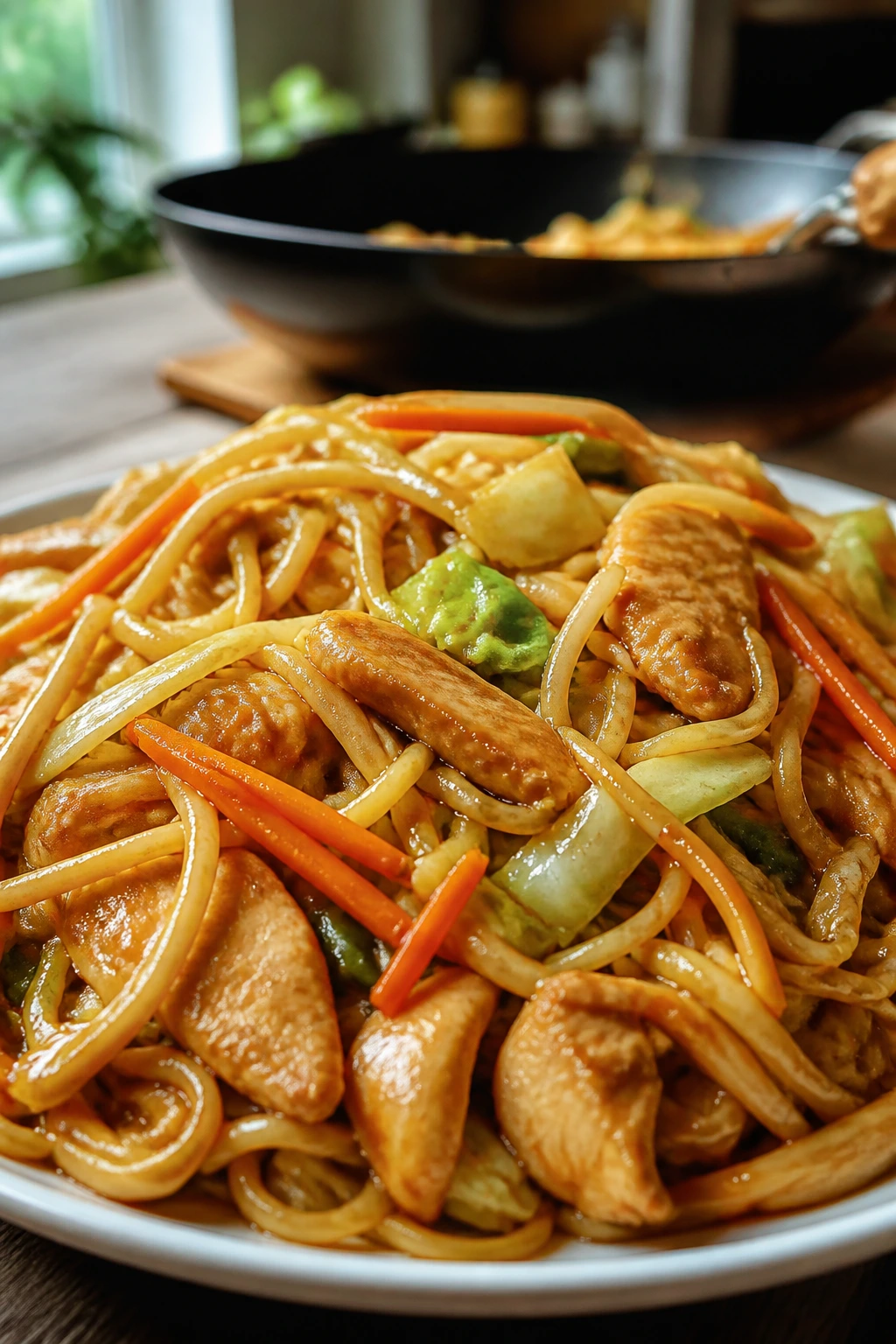
Chicken chow mein is what happens when noodles get treated like the main event instead of a side note. The noodles should be springy, the vegetables should still have a little crunch, and the sauce should coat everything without turning the pan into a wet noodle pile. I am picky about this dish because it is easy to make it too soft.
Why It Works:
Chow mein needs noodles that are cooked just shy of done, because they keep cooking in the wok. Chicken breast or thigh works, but the meat should be sliced thin so it does not overwhelm the noodles. Cabbage and carrots hold texture well, which keeps the dish from feeling mushy by the third bite.
Key Ingredients:
- 8 oz chow mein noodles or thin spaghetti
- 1 lb chicken breast, sliced thin
- 2 cups green cabbage, shredded
- 1 medium carrot, julienned
- 1 bell pepper, sliced
- 3 scallions, cut into 2-inch pieces
- 3 cloves garlic, minced
- 1 tbsp fresh ginger, minced
- 3 tbsp soy sauce
- 1 tbsp oyster sauce
- 1 tbsp Shaoxing wine
- 1 tbsp sesame oil
- 1/4 cup chicken broth
- 2 tbsp neutral oil
Quick Steps:
- Cook the noodles until just barely tender, then drain and toss with 1 teaspoon sesame oil so they do not stick.
- Whisk the soy sauce, oyster sauce, Shaoxing wine, and chicken broth.
- Heat 1 tablespoon oil over high heat and sear the chicken for 3 minutes until cooked through. Remove it.
- Add the remaining oil and stir-fry the cabbage, carrot, bell pepper, garlic, and ginger for 2 minutes.
- Add the noodles and sauce and toss for 1 minute until they loosen and start taking on color.
- Return the chicken and scallions, toss again, and finish with the remaining sesame oil if needed.
Equipment for This Recipe:
- Wok or very large skillet
- Pot for boiling noodles
- Colander
- Tongs or spatula
- Mixing bowl
How to Serve This Dish:
Pile it into shallow bowls so the noodles spread out instead of clumping in the center. A few extra scallions on top help the dish look brighter and keep the cabbage from feeling heavy. If you want takeout vibes, serve it with hot mustard on the side.
Pro Tips for This Recipe:
- Undercook the noodles a little. They finish in the wok.
- Cut the vegetables into similar lengths so they cook at the same pace.
- Thin noodles soak up sauce fast, so keep the toss brisk.
- If the pan looks dry, add 1 to 2 tablespoons water rather than more soy.
Variations on This Dish:
- Shrimp Chow Mein: Swap the chicken for shrimp and cut the noodle toss time by a minute.
- Vegetable-Only Version: Add mushrooms, cabbage, carrots, and bean sprouts, then leave out the chicken.
- Spicy Garlic Chow Mein: Add chili oil at the end and a little extra garlic in the vegetable stage.
Common Mistakes to Avoid with This Dish:
- Overcooking the noodles first: They turn gummy once they hit the wok.
- Using too much sauce: Chow mein should be coated, not soupy.
- Letting the noodles sit clumped in the pot: Toss them with a little sesame oil right after draining.
12. Shrimp Fried Rice
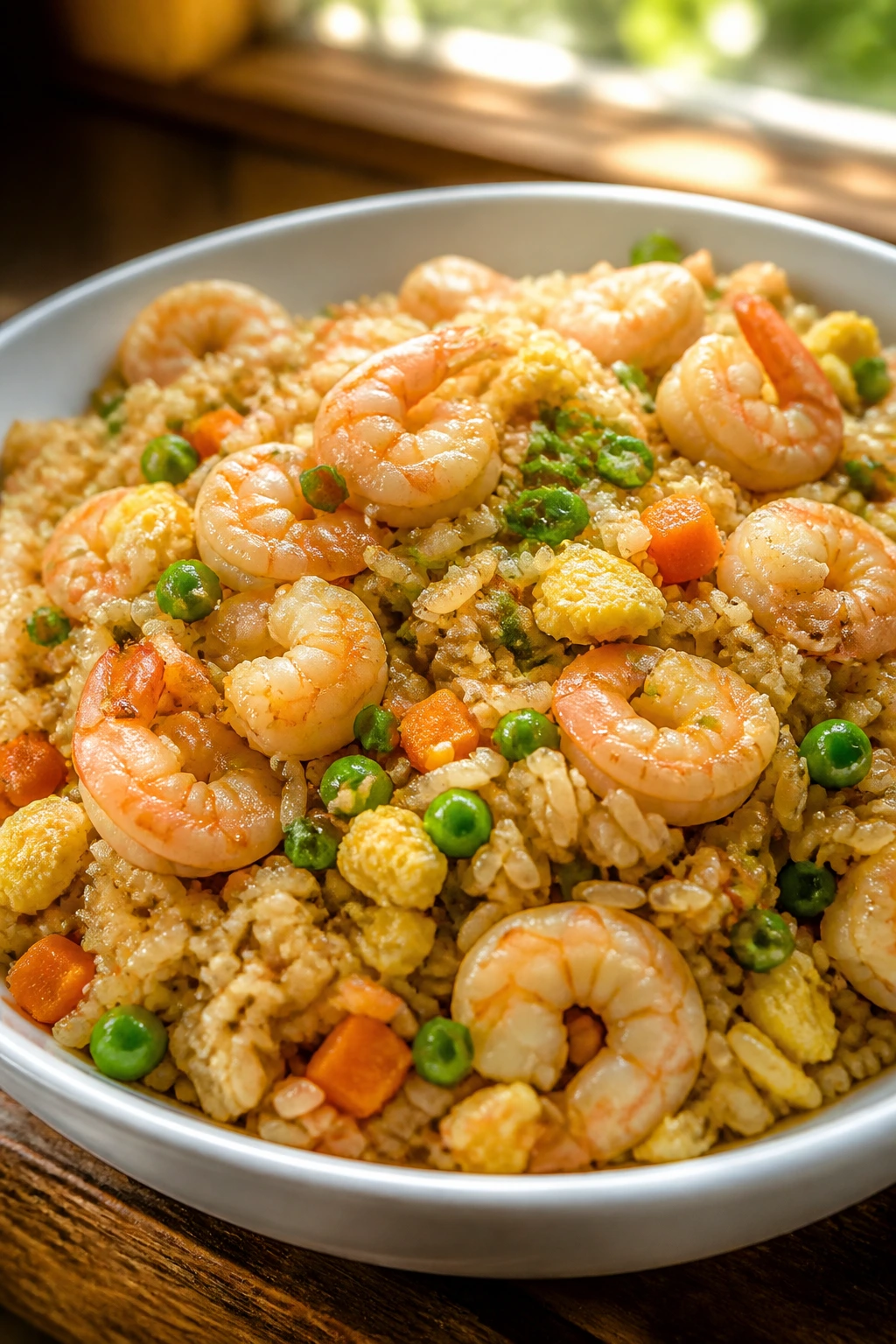
Shrimp fried rice is one of the few dinners that can turn leftover rice into something I would happily repeat on purpose. The rice needs to be cold and separate, the shrimp should be just barely cooked, and the eggs should stay soft enough to fold through the grains instead of turning into dry little pebbles. Get those three things right and the pan looks after itself.
Why It Works:
Chilled rice fries instead of steaming, which is why day-old rice behaves so much better than fresh rice. Shrimp cooks quickly and adds sweetness without heaviness, and the egg gives the dish enough richness to feel complete. A few peas, carrots, and scallions are enough to give the rice color and movement.
Key Ingredients:
- 2 cups cooked jasmine rice, chilled and broken up
- 1 lb shrimp, peeled and deveined
- 2 large eggs
- 1 cup frozen peas and carrots
- 3 scallions, sliced
- 2 cloves garlic, minced
- 2 tbsp soy sauce
- 1 tsp sesame oil
- 1 tbsp neutral oil
- Pinch of white pepper
- Salt, if needed
Quick Steps:
- Heat 1 teaspoon oil over medium-high heat and scramble the eggs until just set. Remove them.
- Add the shrimp and cook for 1 minute per side until opaque. Remove them too.
- Heat the remaining oil over high heat and add the garlic, peas, and carrots. Stir for 1 minute.
- Add the rice and break up any clumps with the spatula. Stir-fry for 2 to 3 minutes until the grains are hot and slightly toasted.
- Pour in the soy sauce and toss until the rice turns evenly tan.
- Return the eggs, shrimp, scallions, white pepper, and sesame oil. Toss for 30 seconds and taste for salt.
Equipment for This Recipe:
- Wok or large skillet
- Spatula
- Bowl for the eggs
- Small plate for the shrimp
- Rice cooker or pot, if you are making rice ahead
How to Serve This Dish:
Serve it right away in bowls while the grains still feel separate. Fried rice is one of those dishes that looks better when it is a little rough around the edges, so do not fuss it smooth. A small bowl of sliced cucumbers or pickled vegetables beside it makes a nice contrast.
Pro Tips for This Recipe:
- Cold rice is nonnegotiable if you want separate grains.
- Use medium to large shrimp so they do not disappear in the rice.
- If the rice clumps, squeeze it gently between your fingers before it hits the pan.
- A tiny pinch of white pepper gives the dish that familiar restaurant note.
Variations on This Dish:
- Chicken Fried Rice: Swap in diced cooked chicken and reduce the shrimp cooking step.
- Vegetable Fried Rice: Leave out the shrimp and add mushrooms, corn, and extra peas.
- Pineapple Fried Rice: Stir in 1/2 cup pineapple chunks at the end for a sweet-salty finish.
Common Mistakes to Avoid with This Dish:
- Using fresh rice: It steams and goes sticky.
- Overcooking the shrimp: They should be pink and opaque, not tight and rubbery.
- Pouring in too much soy sauce: The rice turns dark and wet instead of lightly seasoned.
13. Beef with Oyster Sauce and Bell Peppers
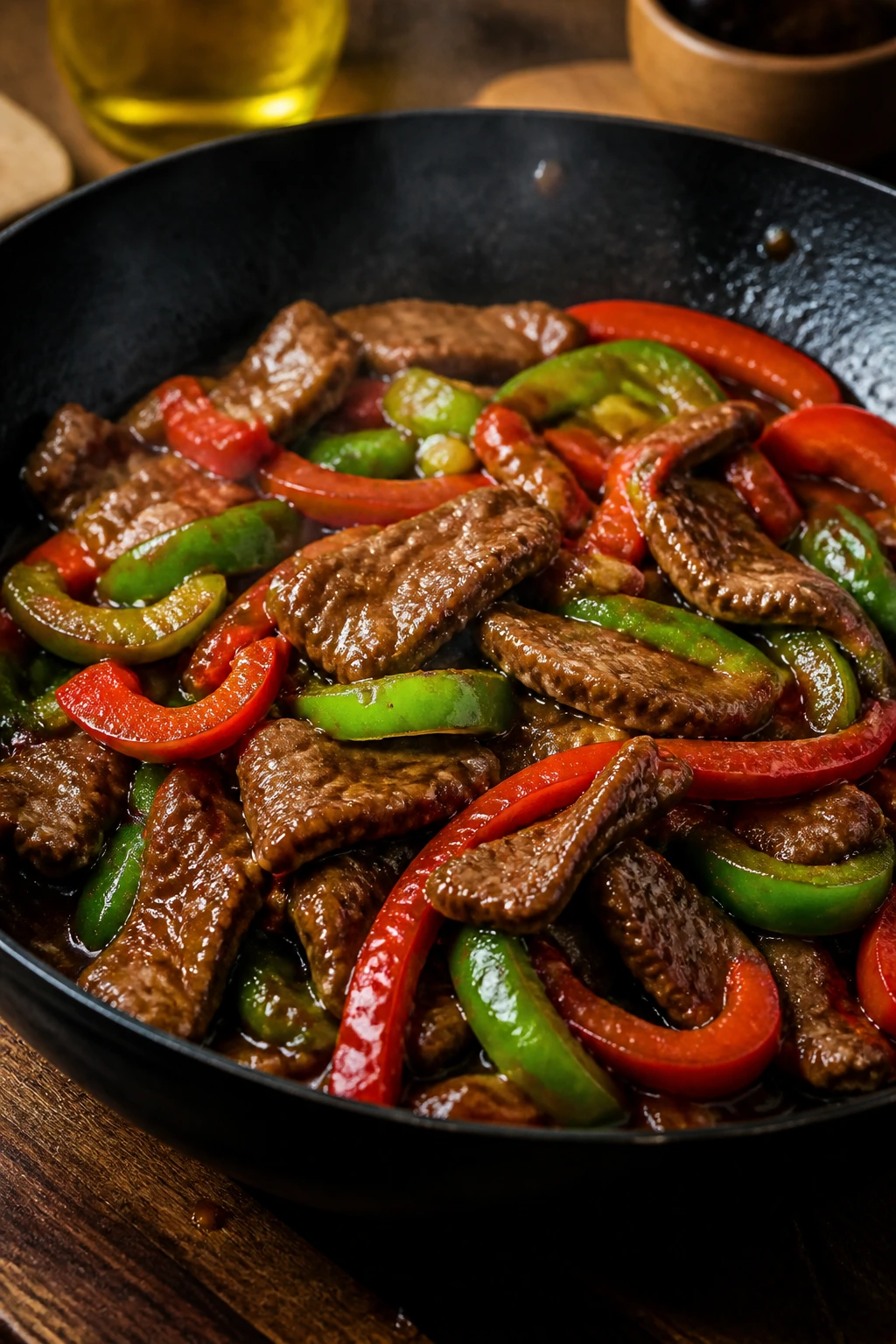
This is a very good weeknight dish, and I mean that in the practical sense. It uses a short ingredient list, the sauce is bold without being loud, and bell peppers bring enough sweetness that the beef does not have to carry the whole dinner on its back. It is the kind of skillet meal that tastes like a plan.
Why It Works:
Oyster sauce gives the pan deep savory flavor without needing a long braise. Thin beef cooks fast and stays tender if you keep the slices small, and bell peppers soften just enough to catch the sauce while still holding shape. A little ginger keeps the dish from tasting heavy.
Key Ingredients:
- 1 lb sirloin or flank steak, thinly sliced
- 2 bell peppers, sliced
- 1 onion, sliced
- 2 cloves garlic, minced
- 1 tbsp fresh ginger, minced
- 2 tbsp soy sauce
- 2 tbsp oyster sauce
- 1 tbsp Shaoxing wine
- 1 tbsp cornstarch
- 1/3 cup water
- 1 tsp sugar
- 2 tbsp neutral oil
- 1 tsp sesame oil
Quick Steps:
- Toss the beef with soy sauce and cornstarch and let it sit for 10 minutes.
- Whisk the oyster sauce, Shaoxing wine, water, sugar, and a small splash of soy if needed.
- Heat the oil over high heat and sear the beef for 1 to 2 minutes total, just until browned. Remove it.
- Add the onion, bell peppers, garlic, and ginger and stir-fry for 2 minutes.
- Pour in the sauce and cook for 30 seconds until it looks glossy.
- Return the beef, toss for 30 seconds, and finish with sesame oil.
Equipment for This Recipe:
- Wok or skillet
- Spatula or tongs
- Mixing bowl
- Cutting board and knife
How to Serve This Dish:
This is built for rice. The peppers and onions should land in the bowl with enough sauce to soak into the grains at the edges. If you want a little freshness, add sliced cucumber or a quick cucumber salad on the side.
Pro Tips for This Recipe:
- Sirloin is fine here, but flank slices thinner and faster.
- Do not overdo the cornstarch; you want a thin gloss, not a paste.
- A hotter pan means better pepper flavor. The peppers should blister a little at the edges.
- If the dish tastes flat, add a splash more oyster sauce before reaching for more salt.
Variations on This Dish:
- Broccoli and Beef Swap: Replace the peppers with broccoli florets for a more classic take.
- Black Pepper Beef: Add 1 teaspoon cracked black pepper to the sauce for a sharper finish.
- Chicken Version: Use thin-sliced chicken thighs and reduce the cooking time by a minute.
Common Mistakes to Avoid with This Dish:
- Cutting the beef too thick: It never catches up in the short cook.
- Cooking the peppers to mush: They should stay crisp at the center.
- Using too much water: The sauce should coat, not dilute.
14. Salt and Pepper Tofu
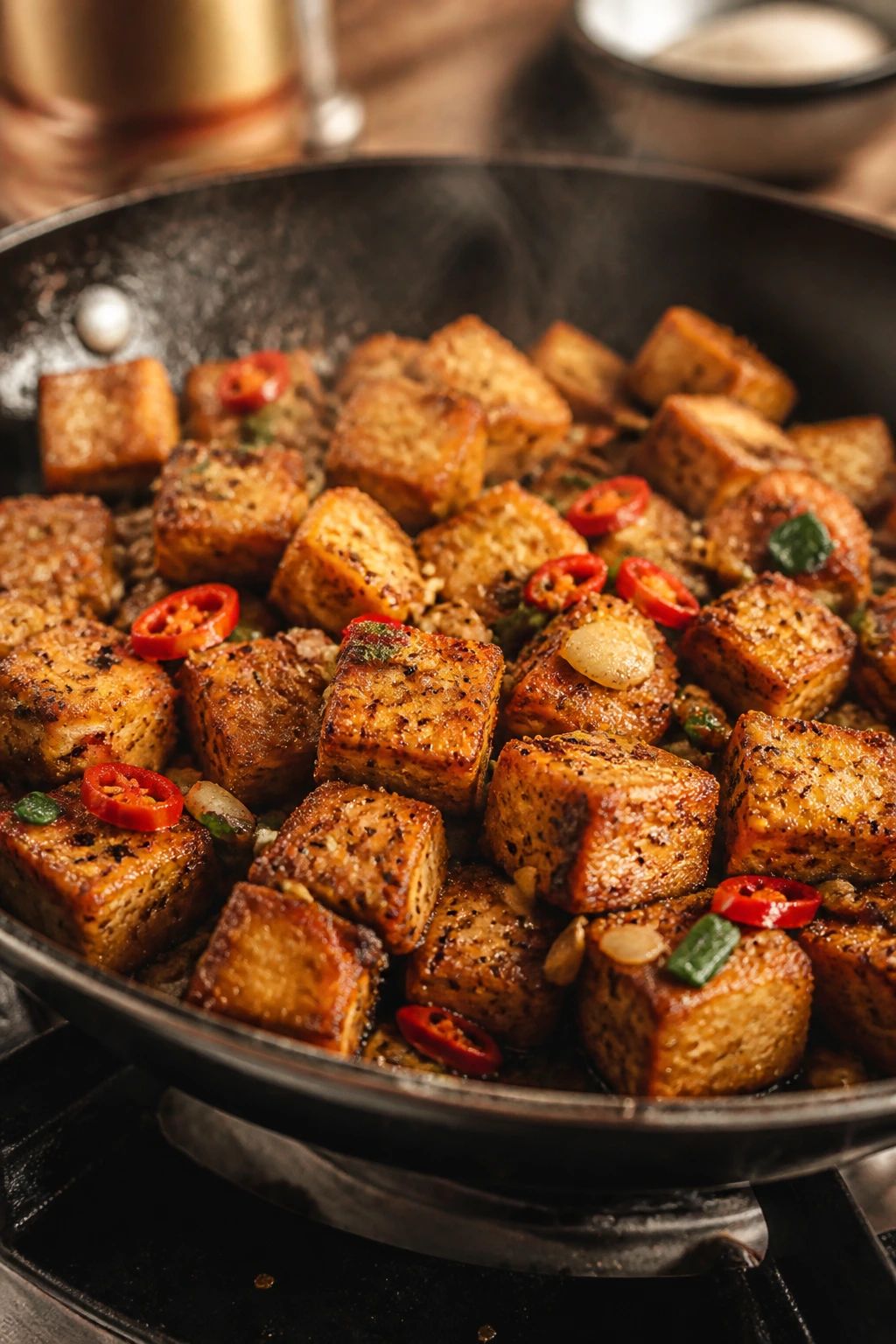
Salt and pepper tofu is the crunchy one in the lineup. The outside should be crisp enough to crack a little when you bite it, and the inside should stay soft and pale. The garlic, chilies, scallions, salt, and white pepper do not hide behind sauce here; they land directly on the surface and make every piece taste sharp and hot.
Why It Works:
Cornstarch gives the tofu a thin shell that browns quickly, which is why it eats more like a fried snack than a bland cube. White pepper has a warmer, cleaner heat than black pepper, and the chilies bring a quick sting without needing a full sauce. Because the tofu is seasoned at the end, the crust stays crisp longer.
Key Ingredients:
- 14 oz extra-firm tofu, pressed and cut into cubes
- 1/2 cup cornstarch
- 1 tsp salt, plus more to taste
- 1 tsp white pepper
- 1 red chili or jalapeño, sliced thin
- 3 cloves garlic, minced
- 3 scallions, sliced
- 2 tbsp neutral oil
- 1 tsp sesame oil
- 1 tsp rice vinegar, optional
Quick Steps:
- Press the tofu for 15 minutes, then pat it dry and toss it with cornstarch, salt, and white pepper.
- Heat the oil over medium-high heat and fry the tofu for 2 to 3 minutes per side until crisp and golden.
- Move the tofu to one side of the pan, then add the garlic and chili. Stir for 15 seconds.
- Toss in the scallions and a tiny splash of rice vinegar if using.
- Return the tofu to the center, toss quickly, and finish with sesame oil and a final pinch of salt if needed.
Equipment for This Recipe:
- Nonstick skillet or well-seasoned wok
- Tofu press or towels and a plate
- Spatula
- Cutting board and knife
How to Serve This Dish:
Serve it over rice as a main, or set it out as a side with a larger meal. I like it with a few extra scallions and a small bowl of soy on the side for dipping. The crust is the point, so keep the plate simple.
Pro Tips for This Recipe:
- Dry tofu fries better. Moisture is the enemy here.
- Use extra-firm tofu only. Softer tofu falls apart before the crust forms.
- White pepper matters more than you might think; it gives the right restaurant-style bite.
- Salt the tofu at the end if needed, because the crust can hide more salt than you expect.
Variations on This Dish:
- Chili Crisp Tofu: Toss the finished tofu with 1 tablespoon chili crisp for more crunch and heat.
- Pepper and Onion Version: Add thin-sliced onion and bell pepper with the garlic.
- Airy Snack Plate: Serve it with cucumber sticks and steamed rice as a small-bite dinner.
Common Mistakes to Avoid with This Dish:
- Using wet tofu: The crust slides off before it can crisp.
- Crowding the skillet: The tofu steams and turns pale.
- Adding the scallions too early: They go limp and stop tasting fresh.
15. Char Siu Pork with Pineapple and Onion
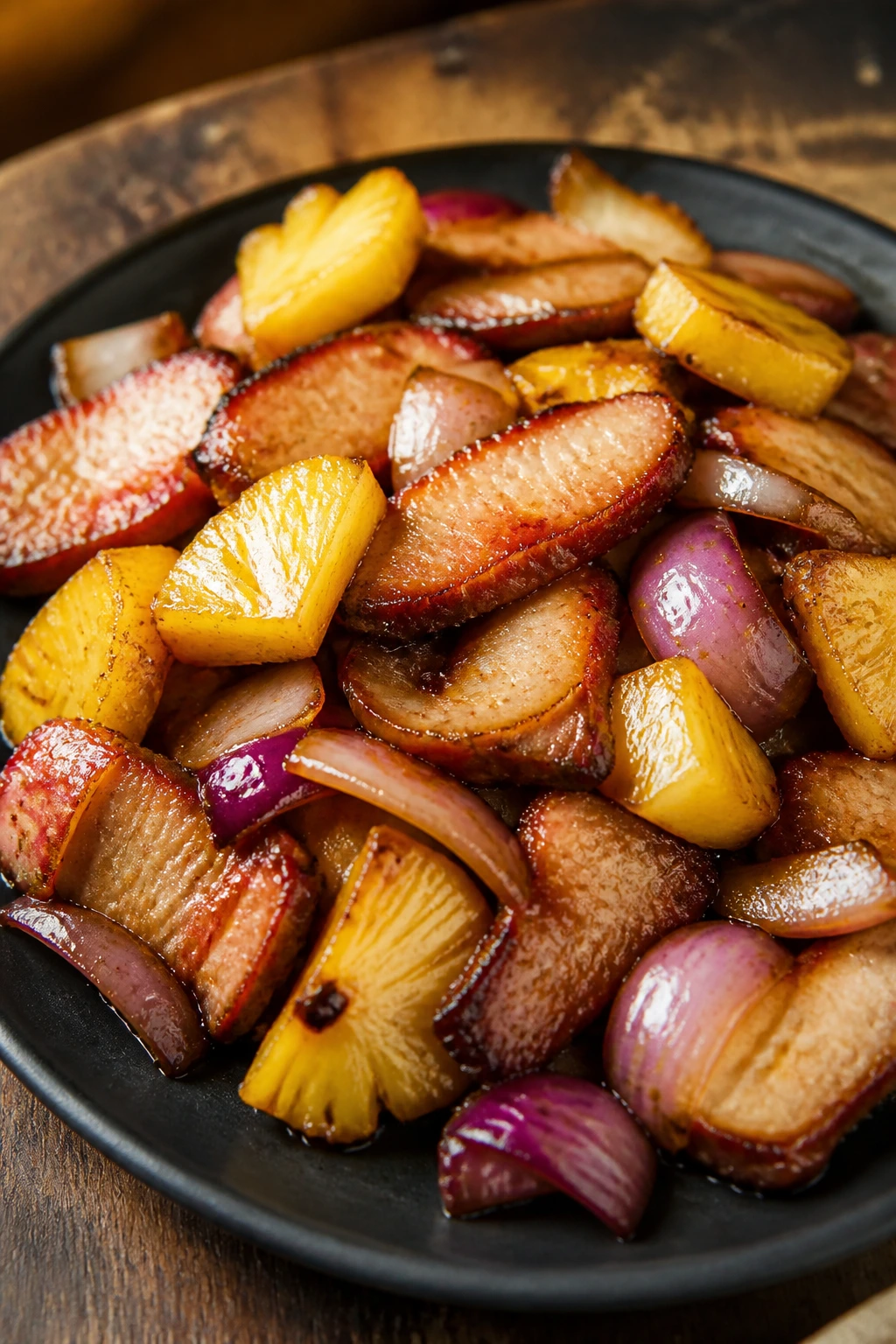
Sweet pork, caramelized onion, and pineapple that turns glossy at the edges — this is a very specific kind of weeknight win. The dish tastes part stir fry, part roast-shop memory, and the contrast between sticky pork and bright fruit keeps it from getting heavy. It is one of the few meals on this list that feels both quick and a little celebratory.
Why It Works:
A char siu-style marinade gives the pork sugar, soy, hoisin, and spice in one move, which means the meat only needs a short rest before it hits the pan. Pineapple adds acid and juice, so the sauce never turns dull. Onion softens into sweet ribbons and carries the glaze from the meat into the rice.
Key Ingredients:
- 1 lb pork tenderloin, thinly sliced
- 2 cups pineapple chunks, fresh or well-drained canned
- 1 red onion, sliced
- 2 cloves garlic, minced
- 1 tbsp fresh ginger, minced
- 2 tbsp hoisin sauce
- 1 tbsp soy sauce
- 1 tbsp honey
- 1 tbsp Shaoxing wine
- 1/2 tsp five-spice powder
- 1 tbsp cornstarch
- 2 tbsp neutral oil
- 2 scallions, sliced
Quick Steps:
- Toss the pork with hoisin, soy sauce, honey, Shaoxing wine, five-spice powder, and cornstarch. Let it sit for 10 to 15 minutes.
- Heat the oil over high heat and sear the pork for 2 to 3 minutes until browned and nearly cooked through. Remove it.
- Add the onion and pineapple to the pan and cook for 2 minutes until the onion softens and the pineapple starts to caramelize at the edges.
- Add the garlic and ginger and stir for 15 seconds.
- Return the pork, toss for 1 minute until the sauce coats everything, and finish with scallions.
Equipment for This Recipe:
- Wok or large skillet
- Mixing bowl
- Tongs or spatula
- Cutting board and knife
How to Serve This Dish:
This belongs over rice, where the pineapple juice can soak into the grains a little. A few slices of fresh scallion keep the bowl from leaning too sweet. If you want a sharper edge, a small spoon of pickled vegetables on the side works beautifully.
Pro Tips for This Recipe:
- Slice the pork thin so it cooks quickly and stays tender.
- Drain canned pineapple well or the pan sauce gets watery.
- Five-spice is strong. Measure it carefully.
- If the hoisin is very thick, whisk it with the marinade so it spreads evenly on the pork.
Variations on This Dish:
- Char Siu Chicken: Use chicken thighs instead of pork and shave a minute or two off the sear.
- Spicier Pineapple Pork: Add a sliced red chili or a spoon of chili garlic sauce.
- Vegetable Boost: Toss in bell peppers or snap peas with the onion.
Common Mistakes to Avoid with This Dish:
- Using too much pineapple juice: It dilutes the glaze and makes the pan watery.
- Overdoing the five-spice: The flavor can take over the whole dish.
- Cooking the pork too slowly: You want browning, not a gray simmer.
Why the Wok Stays Busy on Stir Fry Night
A stir fry is not a random pile of food tossed into a pan. It is a sequence. The meat gets cut thin so it can brown fast, the vegetables get cut to a similar size so they finish together, and the sauce waits in a bowl because once the burner is on, there is no time to measure soy or chase a cornstarch lid across the counter.
That sequence is what gives Chinese stir fry recipes their speed. The heat stays high, the ingredients stay moving, and the food keeps a clean edge instead of drifting into stew territory. You can smell the difference, too. Garlic should smell sweet for a moment before it browns. Ginger should hit the oil and wake up the pan. If either one has time to sit and burn, the whole dish takes on a bitter note that is hard to hide.
A wok is helpful, but the shape is not magic. What matters is room. Meat needs space. Broccoli needs air around it. Noodles need enough surface to fry instead of clump. A deep skillet can do the job if you are willing to cook in batches and keep your pan hot between additions.
I also like the discipline of stir fry cooking. It is fast, but not careless. The cutting board gets the first job, the sauce gets mixed before the burner starts, and the garnish sits right by the stove. By the time the food is done, the counter is already a little cleaner than when you began. That is its own kind of comfort.
Essential Equipment for These Recipes
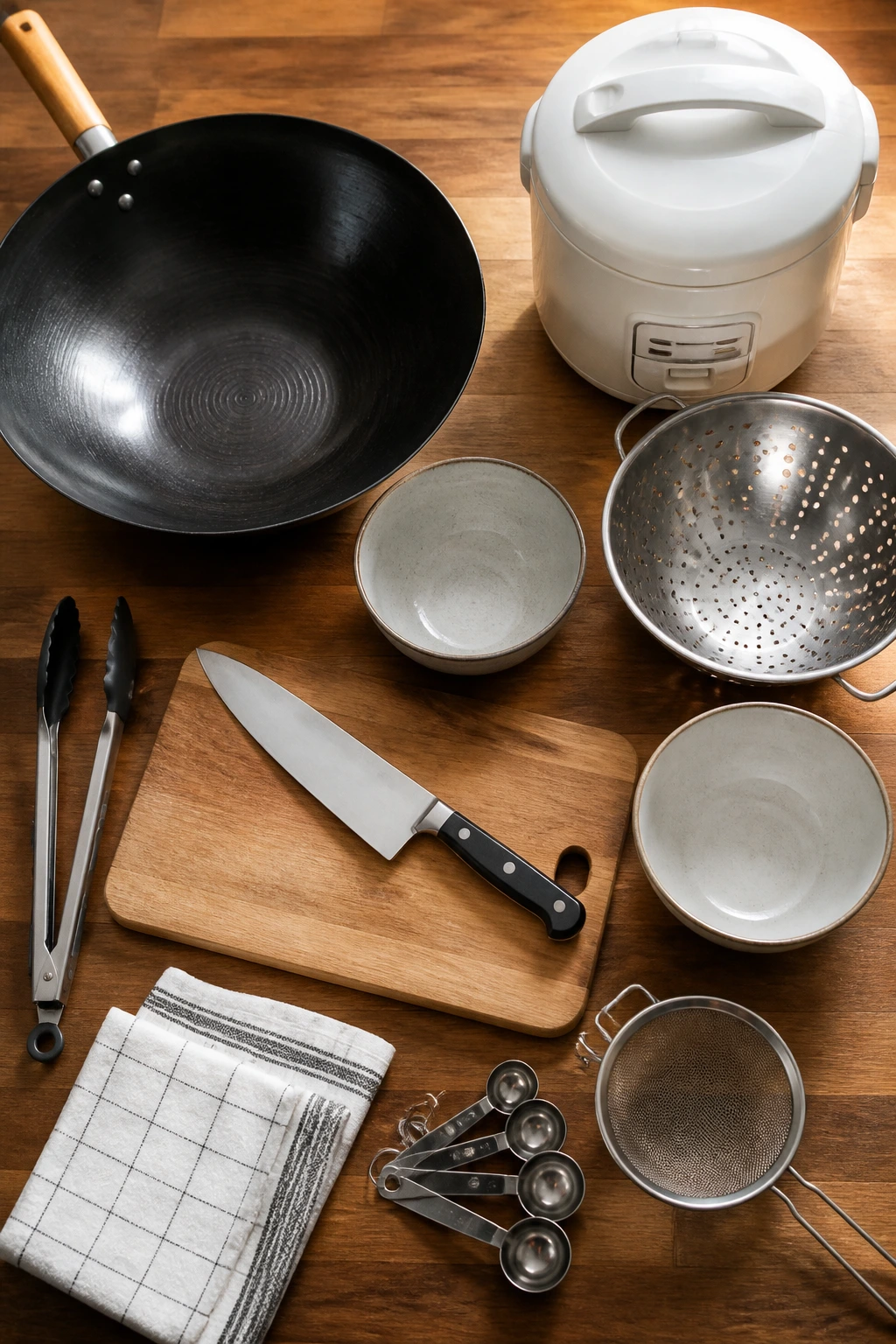
- Wok or 12-inch skillet: A wok is ideal, but a large skillet works if you cook in batches and keep the heat up.
- Sharp chef’s knife: Thin slicing is half the battle with beef, pork, and chicken.
- Cutting board: Use one big enough for vegetables and protein so you are not hunting for space.
- Mixing bowls: Small bowls keep sauces ready and stop the cook from turning into a scramble.
- Tongs or a firm spatula: You need something that can move food quickly without crushing it.
- Colander: Handy for noodles, blanched broccoli, and drained vegetables.
- Paper towels or clean kitchen towels: Dry meat, shrimp, tofu, and vegetables before they hit the heat.
- Measuring spoons and cups: Stir fry moves fast; there is no time for guesswork.
- Rice cooker or saucepan: Useful if you are serving most of these dishes over rice.
- Fine-mesh strainer, optional: Nice for rinsing shrimp or draining rice noodles without tearing them.
Smart Shopping and Ingredient Tips
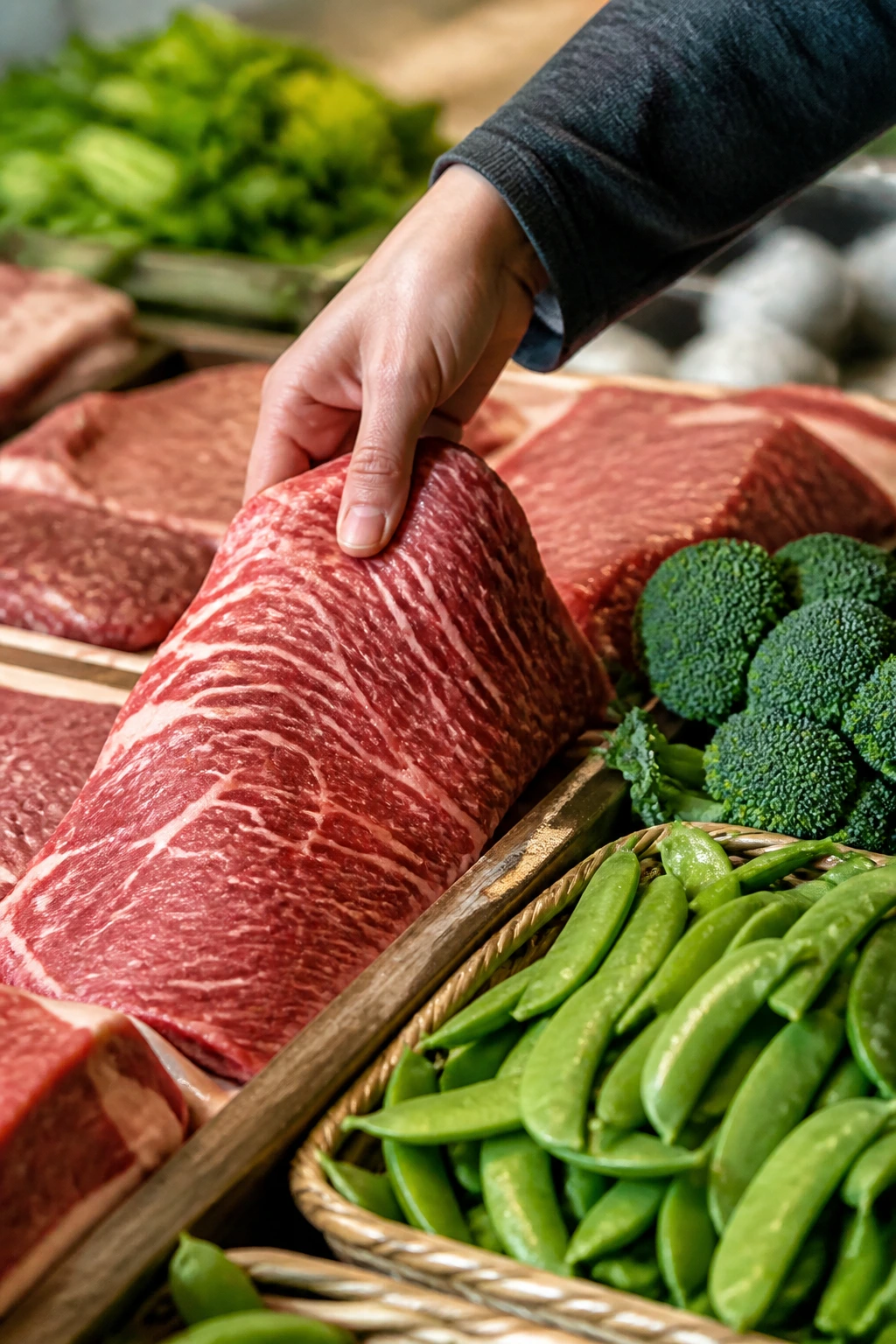
If you buy one good cut of beef for this kind of cooking, make it flank steak. It slices thin, cooks quickly, and does not ask for a long marinade to stay pleasant to eat. Sirloin works too, especially if you cut it very thin, but round steak is harder work and usually less forgiving. For chicken, thighs are my preference on stir fry night because they stay juicy even when you get distracted for a minute. Chicken breast can work, but it likes to dry out if you leave it in the pan too long.
The vegetables matter more than people think. Broccoli should feel heavy for its size and look deeply green, not yellowed at the edges. Snow peas should snap cleanly when bent. Bok choy should have firm white stems and leaves that still look lively. Chinese eggplant cooks faster and drinks less oil than globe eggplant, which is why it belongs in a quick wok dinner. If the produce looks tired before you even cook it, the stir fry will never recover.
Sauces are worth buying well. Low-sodium soy sauce gives you room to control the salt. Oyster sauce adds body and a round savory note, while Shaoxing wine gives the pan a depth that water cannot fake. If you cannot find Shaoxing, dry sherry is the usual home-kitchen fallback. It is not identical, but it gets you close enough that the rest of the dish can still shine.
One more thing: keep cornstarch in the cupboard. It is the quiet workhorse here. A teaspoon or two thickens the sauce, helps meat brown, and gives tofu that crisp coating. People keep trying to skip it and then wonder why their stir fry tastes like wet sautéed vegetables.
How to Serve These Recipes
Presentation:
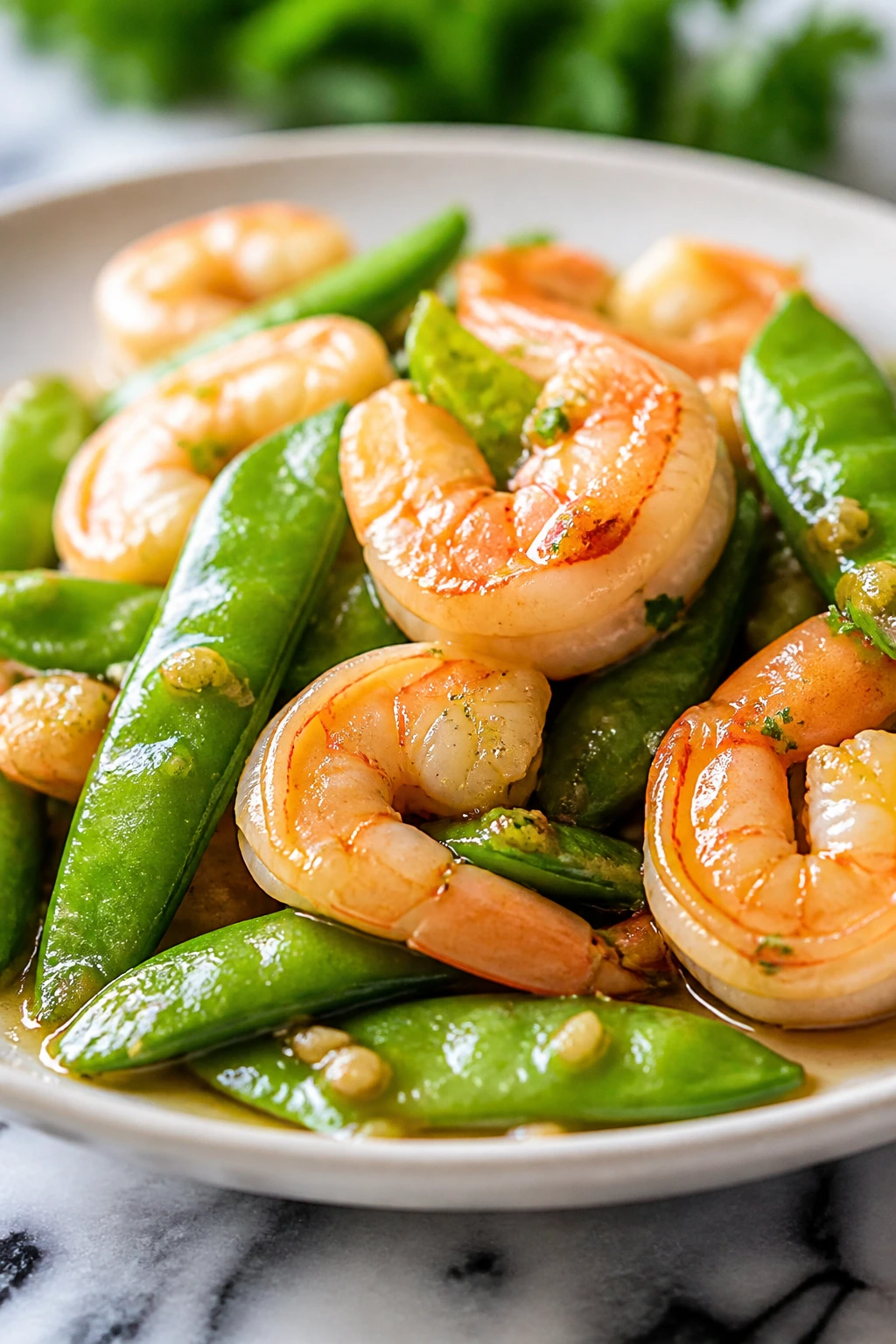
Serve the saucy dishes over a bed of rice so the sauce can settle into the grains instead of disappearing into the pan. Noodle dishes look best in wide shallow bowls, not deep soup bowls, because the vegetables and protein stay visible. A few sliced scallions, sesame seeds, or a spoon of chili crisp on top gives the plate a finished look without extra work.
Accompaniments:
Jasmine rice is the cleanest all-purpose side for these dishes, though brown rice and steamed white rice both work. Chow mein and fried rice can stand on their own, but a quick cucumber salad, steamed bok choy, or hot-and-sour soup makes the meal feel more complete. If you want bread, skip it; these recipes are built around rice and noodles, and they do not need a second starch competing with them.
Portions:
Plan on about 1/4 of the pan per person for the meat-and-vegetable dishes, a little more if rice is the only side. Noodle and fried rice dishes usually stretch to 4 generous servings from a pound of protein plus 8 ounces of noodles or 2 cups cooked rice. Shrimp and tofu dishes often feel lighter, so the same pan may feed an extra person if you add a vegetable side.
Beverage Pairing:
Unsweetened jasmine tea, a cold lager, or sparkling water with lime all work because they cut through soy sauce and garlic without fighting them. If you want something richer, a dry white wine with low sweetness is easier with the lighter chicken and shrimp dishes than with the sweet-salty pork pans.
Small Flavor Moves That Make the Pan Taste Bigger
Flavor Enhancement:
A teaspoon of toasted sesame oil at the very end gives the whole pan a nutty smell that reads instantly as stir fry, but it burns if you cook it too early. Chili crisp works the same way for heat and texture. A spoon stirred in off the heat changes the whole mood of the dish.
Customization:
Almost every recipe here can take a vegetable add-in: sliced mushrooms, baby corn, sugar snap peas, shredded cabbage, or bell peppers. Do not go wild and overload the pan, though. One extra vegetable is usually enough to make dinner feel fuller without confusing the sauce.
Serving Suggestions:
Scallion greens, fried garlic, sesame seeds, crushed peanuts, or a few drops of black vinegar are small finishing touches that change the plate more than people expect. I like black vinegar especially on beef and tofu dishes because it cuts the richness without tasting sharp in a cheap way.
Make-It-Yours:
For gluten-free cooking, use tamari instead of soy sauce and check the label on oyster sauce or use a gluten-free version. For a lower-carb plate, serve the saucy dishes over shredded cabbage, cauliflower rice, or a pile of bok choy. For heat lovers, keep sliced chilies or chili oil on the table and let people build their own fire.
Keeping Leftovers Tasty the Next Day
Most beef, chicken, pork, tofu, and vegetable stir fries hold well in the refrigerator for 3 to 4 days in airtight containers. Shrimp dishes and tomato egg are better within 2 days, because seafood and soft eggs lose their texture faster. Fried rice and chow mein keep for about 3 to 4 days as long as they are cooled quickly and refrigerated promptly.
Freezing works best for beef, chicken, pork, and tofu dishes with sauce. They can keep for up to 2 months, though the vegetables will soften a bit on thawing. I would not freeze shrimp stir fries if you can help it; the texture gets rubbery. Fried rice freezes better than most people expect, especially if you pack it flat in a zip-top bag and reheat it from thawed.
For reheating, a skillet is the best choice for almost everything here. Add a splash of water, cover loosely, and warm over medium heat until the food is hot through, stirring once or twice. That method brings back a little moisture without turning the dish into soup. Noodles need just a spoon or two of water and a quick toss. Fried rice likes a hot skillet more than a microwave because the grains can dry and crisp at the edges again. Shrimp and tomato egg should be reheated gently, or not at all if you can help it.
Make-ahead helps a lot on stir fry night. You can slice the vegetables, mix the sauces, and even marinate the proteins a day ahead. Keep everything separate in the fridge, and the actual cooking becomes a short, clean sprint instead of a kitchen scramble.
Easy Swaps and Alternate Takes
- Gluten-Free Wok Night: Use tamari, gluten-free oyster sauce, and rice noodles or rice instead of wheat noodles. The flavor stays close, and the texture barely changes if the sauce is balanced properly.
- Heat-Lover’s Pan: Add chili crisp, dried chilies, or a spoonful of chili bean paste to beef, pork, tofu, or eggplant dishes. The trick is to add the heat early enough to bloom in the oil, but not so early that it burns.
- Vegetable-Heavy Fridge Sweep: Double the vegetables and cut the protein back a little when the crisper drawer starts looking serious. Broccoli, bok choy, mushrooms, cabbage, and bell peppers all work across the list.
- Mild Family Version: Cut the garlic and chili in half, keep the sauce a little sweeter, and put vinegar or chili oil on the table instead of in the pan. That gives everyone control without flattening the dish.
- Rice-to-Noodle Swap: If a beef, chicken, or pork stir fry usually goes over rice, try it with cooked lo mein noodles or thin spaghetti tossed in a little sesame oil. The sauce clings differently, but the dinner still lands in the same place.
The Mistakes That Make Stir Fries Fall Flat
- Starting with a lukewarm pan: If the oil never shimmers, the food steams. The fix is simple: wait until the pan is truly hot before the first ingredient goes in.
- Crowding the wok: This is the big one. When the pan is packed, liquid collects and the food turns pale. Cook in batches and keep the heat steady.
- Adding garlic too early: Garlic burns fast and turns bitter. Put it in after the meat or vegetables have already started moving in the pan.
- Using too much sauce: A stir fry should glaze the food, not hide it. Start with the listed amount, then add a tablespoon more only if the pan looks dry.
- Leaving wet ingredients wet: Water on shrimp, tofu, or blanched vegetables kills browning. Dry everything before it meets the heat.
- Forgetting to whisk the sauce again: Cornstarch settles. If you pour without whisking, the thickener stays in the bottom of the bowl and the sauce never tightens properly.
Frequently Asked Questions About Stir Fry Night
Can I use a regular skillet instead of a wok?
Yes. A 12-inch skillet can handle most of these recipes if you keep the heat up and avoid crowding the pan. A wok gives you more room to toss, but it is not a requirement.
What oil is best for stir frying?
Use a neutral oil with a high smoke point, such as peanut, canola, avocado, or vegetable oil. Save toasted sesame oil for the end, because it brings flavor but burns too easily for the main cook.
Do I have to use Shaoxing wine?
No, but it helps. Dry sherry is the closest easy substitute, and a splash of water with a little extra soy works in a pinch. The dish will still be good; it will just have a slightly flatter middle.
How do I keep vegetables crisp-tender?
Cut them into even pieces, keep the heat high, and pull them while they still have a little snap. If a vegetable is thick or dense, blanch it first for a minute or two, then finish it in the wok.
Can these recipes be made gluten-free?
Yes, with a few swaps. Use tamari or a gluten-free soy sauce, choose gluten-free oyster sauce if the recipe uses it, and serve over rice or rice noodles instead of wheat noodles.
What if my sauce turns thin?
Mix 1 teaspoon cornstarch with 1 tablespoon water and stir it into the pan while the sauce is bubbling. Give it 20 to 30 seconds to thicken. If it is still loose, the pan may have had too much moisture from the vegetables.
Can I prep the ingredients the day before?
Absolutely. Slice the vegetables, mix the sauces, and marinate the protein ahead of time if you want the evening to move faster. Keep the wet and dry ingredients separate until the pan is hot.
Which dishes reheat the best?
Beef, chicken, pork, tofu, and fried rice all reheat well in a skillet with a splash of water. Shrimp, tomato egg, and very crisp vegetable dishes are best eaten sooner, before the texture softens too much.
When the Wok Sings
A good stir fry night is less about fancy ingredients than about timing, heat, and a little discipline at the cutting board. Slice thin. Mix the sauce first. Keep the pan hot enough that the food hits the oil and wakes up instead of sinking into it.
That rhythm changes an ordinary fridge into dinner. A few vegetables, a pound of protein, a bowl of sauce, and one hot pan can take you a long way. Keep soy sauce, ginger, garlic, and scallions around, and you are never far from a meal that tastes sharp, glossy, and alive.