



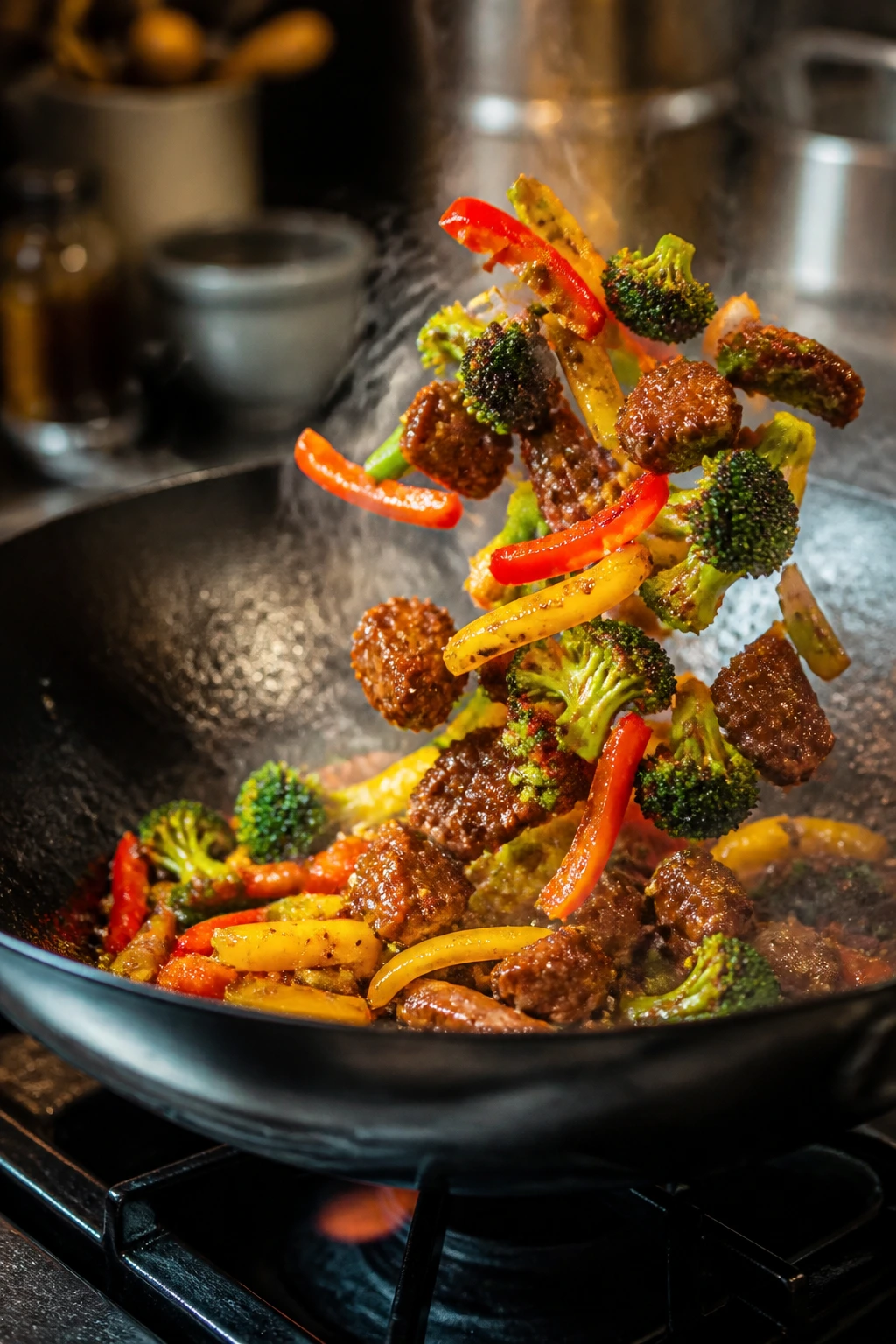
A hot wok changes dinner faster than almost anything else on the stove. One minute the kitchen smells like raw garlic and cold oil; the next, the beef is glossy, the broccoli still has a snap, and the sauce has tightened around every bite. That is the whole promise of Chinese cooking recipes for a quick stir fry night: high heat, short time, and no room for lazy knife work.
The trick is that stir-fry only looks spontaneous. It’s actually a small parade of tiny decisions made before the burner turns on. The vegetables need to be cut with some thought, the protein needs to be dry or lightly coated, and the sauce should already be mixed in a bowl. Skip that prep and you get pale chicken, limp greens, and a thin puddle of sauce. Do it well and the pan does most of the talking.
That rhythm is why this collection earns a place near the front of the recipe box. Some dishes are saucy and rich, some are lean and bright, and a few are nearly instant once the rice is cooked. Keep soy sauce, garlic, ginger, and a bag of rice on hand, and the whole week opens up.
Why These Stir-Fry Recipes Belong on a Busy Burner
-
Fast from board to bowl: Most of these dishes hit the table in 20 to 30 minutes once the chopping is done, which is the real clock that matters.
-
Pantry-heavy on purpose: Soy sauce, oyster sauce, vinegar, cornstarch, garlic, and ginger do the heavy lifting, so you are not buying a new sauce for every pan.
-
Protein swaps are easy: Beef, chicken, shrimp, pork, tofu, and eggs all work in this format if you keep the slices thin and the heat high.
-
Vegetables stay alive: Broccoli, bok choy, green beans, napa cabbage, and snow peas keep their shape instead of collapsing into mush.
-
Leftovers behave well: Saucy stir-fries, fried rice, and noodle dishes reheat better than a lot of weeknight food, especially if you warm them in a skillet instead of the microwave.
-
The flavor range is wide: From numbing Sichuan heat to sweet-and-sour gloss to a simple garlic-soy finish, one burner can cover a surprising amount of ground.
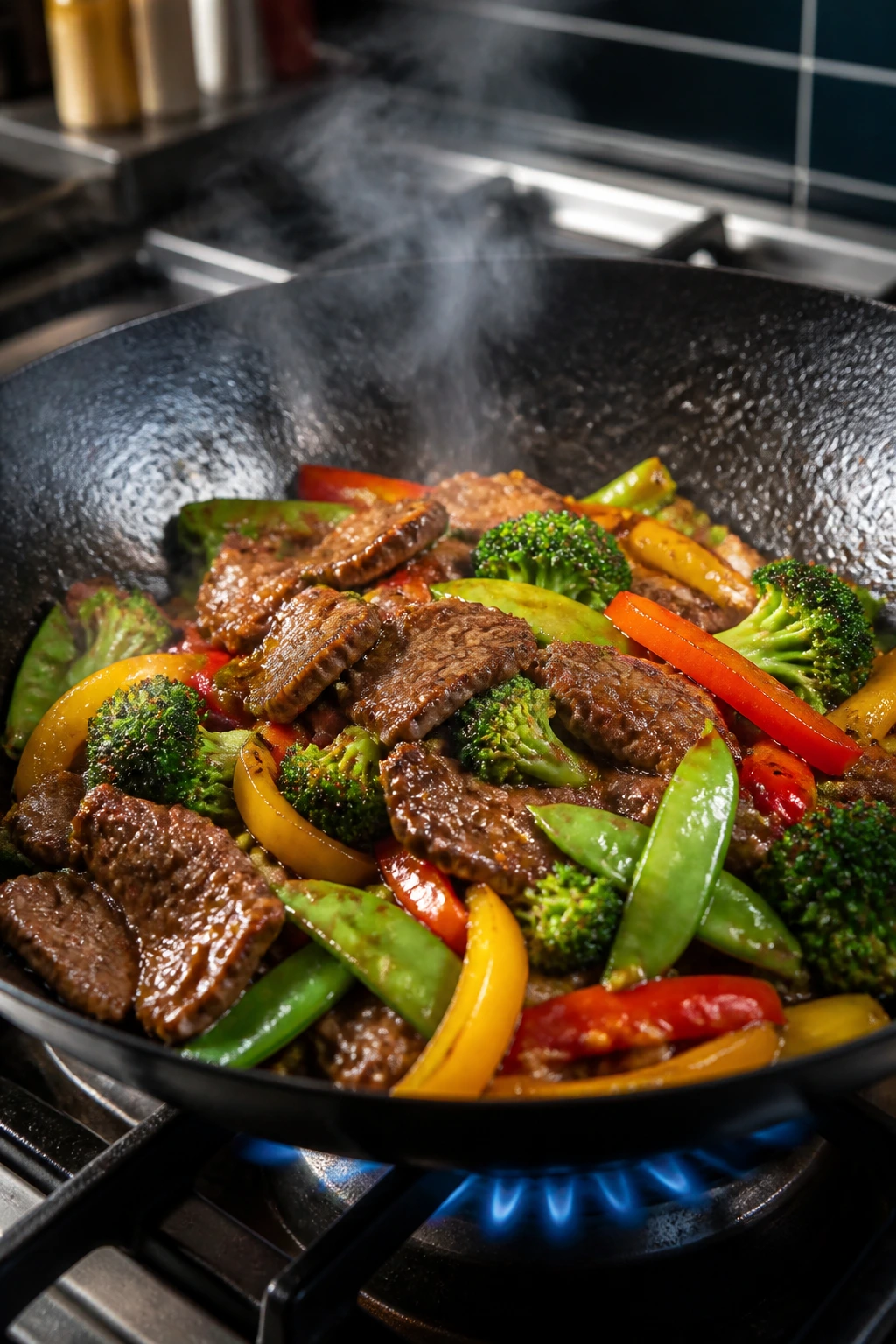
1. Beef and Broccoli with Oyster Sauce
Intro: Beef and broccoli is the kind of wok dinner that tells you almost everything about the cook in the first 30 seconds. If the beef is sliced thin and the broccoli stays bright, the pan was hot enough and the timing was right; if not, you get gray meat and limp florets. This version leans glossy and savory, with garlic in the background and just enough sauce to coat rice without flooding it.
Why It Works: Flank steak cooks fast when it’s sliced across the grain and coated with a little cornstarch. Broccoli gets a short blanch before it meets the wok, which keeps the stems crisp instead of woody. Oyster sauce gives the dish body, while soy sauce and a splash of water keep the pan from turning sticky.
Key Ingredients:
- 1 lb flank steak, sliced very thin across the grain
- 3 cups broccoli florets, cut into bite-size pieces
- 2 tablespoons soy sauce
- 1 tablespoon oyster sauce
- 1 tablespoon Shaoxing wine or dry sherry
- 1 teaspoon cornstarch
- 3 cloves garlic, minced
- 1 teaspoon fresh ginger, grated
- 2 tablespoons neutral oil
- 1/4 cup water
Quick Steps:
- Slice and marinate: Toss the steak with soy sauce, Shaoxing, and cornstarch; let it sit while you prep the broccoli.
- Blanch the broccoli: Boil or steam the florets for 60 seconds, then drain well; they should still be bright green and firm.
- Sear the beef: Heat oil in a wok or skillet over high heat and cook the steak in one layer for 60 to 90 seconds per side.
- Build the sauce: Add garlic and ginger, stir for 15 seconds, then stir in oyster sauce and water.
- Finish and toss: Return the broccoli, toss for 30 seconds until everything looks shiny, and serve right away.
Equipment for This Recipe:
- Wok or 12-inch skillet
- Small bowl for the marinade
- Slotted spoon or spider for the broccoli
How to Serve This Dish: Spoon it over hot jasmine rice and let the sauce soak into the grains. A bowl of plain steamed greens on the side keeps the plate from feeling too heavy.
Pro Tips for This Recipe:
- Freeze the steak for 15 minutes before slicing; it gives you thinner, cleaner cuts.
- If the pan starts to look dry, add 1 to 2 tablespoons of water instead of more oil.
- Do not skip the broccoli drain; wet florets steam the beef instead of letting it sear.
Variations on This Dish:
- Black Pepper Beef and Broccoli: Add 1 teaspoon cracked black pepper to the sauce for a sharper finish.
- Chicken Broccoli Swap: Use thin-sliced chicken thigh and cut the sear time in half.
Common Mistakes to Avoid with This Dish:
- Cutting with the grain: The beef will chew like rubber. Slice across the grain, or the stir-fry never gets tender.
- Crowding the pan: The beef will gray out and leak juices. Cook in two batches if your skillet is small.
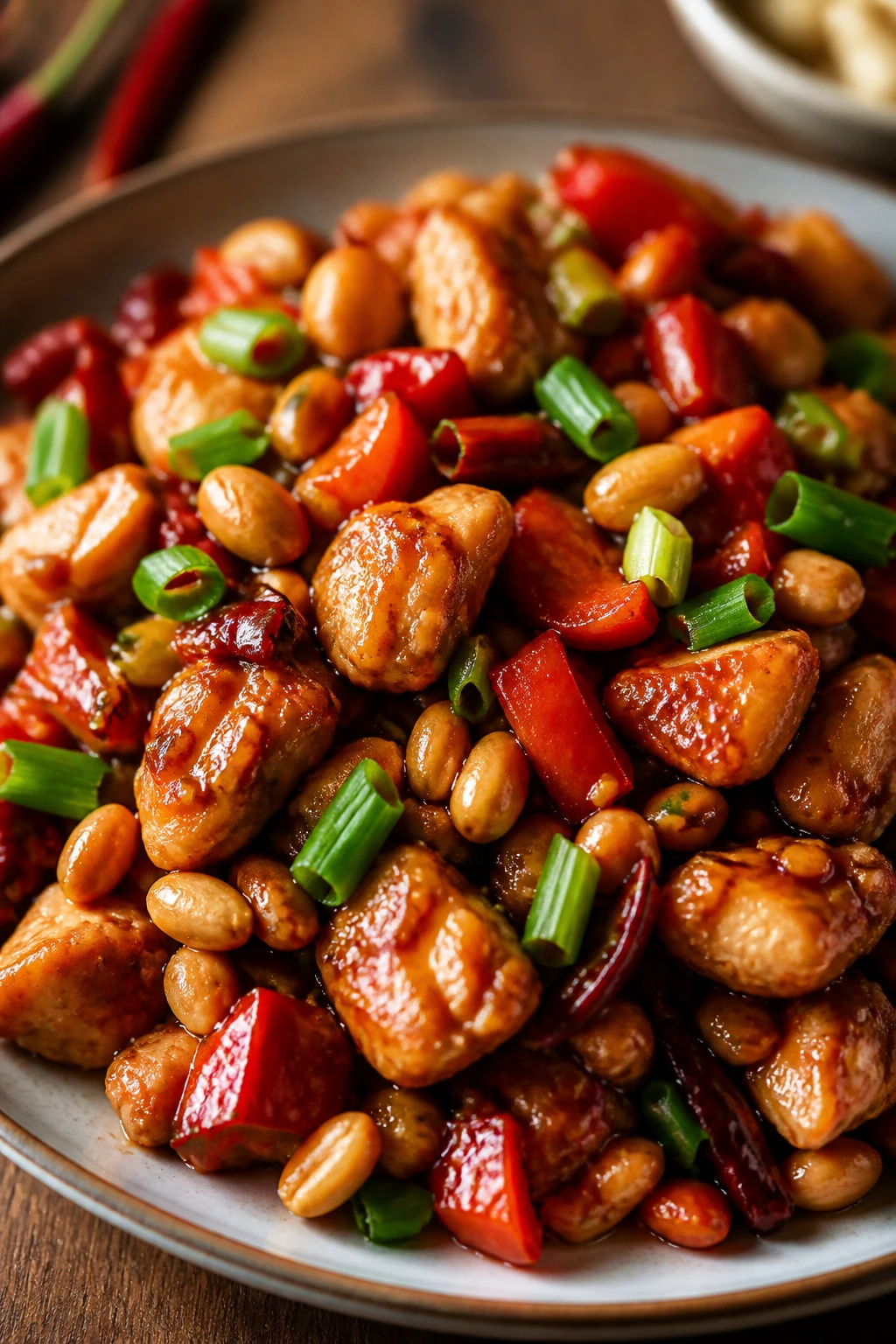
2. Kung Pao Chicken with Peanuts
Intro: Want heat, crunch, and a sauce that snaps a little when the vinegar hits it? Kung Pao chicken brings all three, plus peanuts that stay toasty instead of soggy if you add them at the end. The dried chiles do not need to be a dare; they’re there for perfume as much as fire.
Why It Works: Chicken thighs stay juicy under high heat, especially when a little cornstarch hits the surface first. The soy-vinegar-sugar balance gives the sauce its sharp, sticky edge, and the bell pepper keeps the dish from feeling one-note. Adding peanuts late protects their crunch.
Key Ingredients:
- 1 1/2 lb boneless chicken thighs, cut into 1-inch pieces
- 8 dried red chiles
- 1 red bell pepper, chopped
- 1/2 cup roasted peanuts
- 3 cloves garlic, minced
- 1 teaspoon fresh ginger, grated
- 3 scallions, cut into 1-inch lengths
- 2 tablespoons soy sauce
- 1 tablespoon Chinkiang vinegar
- 1 tablespoon Shaoxing wine
- 1 teaspoon sugar
- 2 teaspoons cornstarch
- 2 tablespoons neutral oil
Quick Steps:
- Coat the chicken: Toss the chicken with soy sauce, Shaoxing, and cornstarch.
- Wake up the chiles: Heat oil, then stir the dried chiles for about 10 seconds until fragrant, not dark.
- Cook the chicken: Add the chicken and stir-fry until the pieces lose their raw look and pick up color, about 4 to 5 minutes.
- Add the aromatics: Stir in garlic, ginger, and bell pepper for 1 minute.
- Glaze and finish: Add vinegar, sugar, and scallions; toss until the sauce clings, then add peanuts off the heat.
Equipment for This Recipe:
- Wok or large skillet
- Mixing bowl for the marinade
- Tongs or a metal spatula
How to Serve This Dish: Serve it over steamed rice so the sweet-hot sauce has somewhere to go. A handful of cucumber sticks on the side cools the heat without dulling it.
Pro Tips for This Recipe:
- Keep the chiles moving so they do not burn and turn bitter.
- Use unsalted peanuts if you can; the sauce already carries plenty of salt.
- Add the vinegar at the end so the flavor stays bright instead of fading.
Variations on This Dish:
- Cashew Crunch Version: Swap the peanuts for roasted cashews if you want a rounder, softer crunch.
- Home-Style Mild Version: Cut the dried chiles in half and add an extra teaspoon of sugar.
Common Mistakes to Avoid with This Dish:
- Burning the chiles: They go bitter fast. Pull them as soon as they smell nutty.
- Putting peanuts in too early: They soften and lose their snap. Add them after the heat is off.
3. Dry-Fried Green Beans with Minced Pork
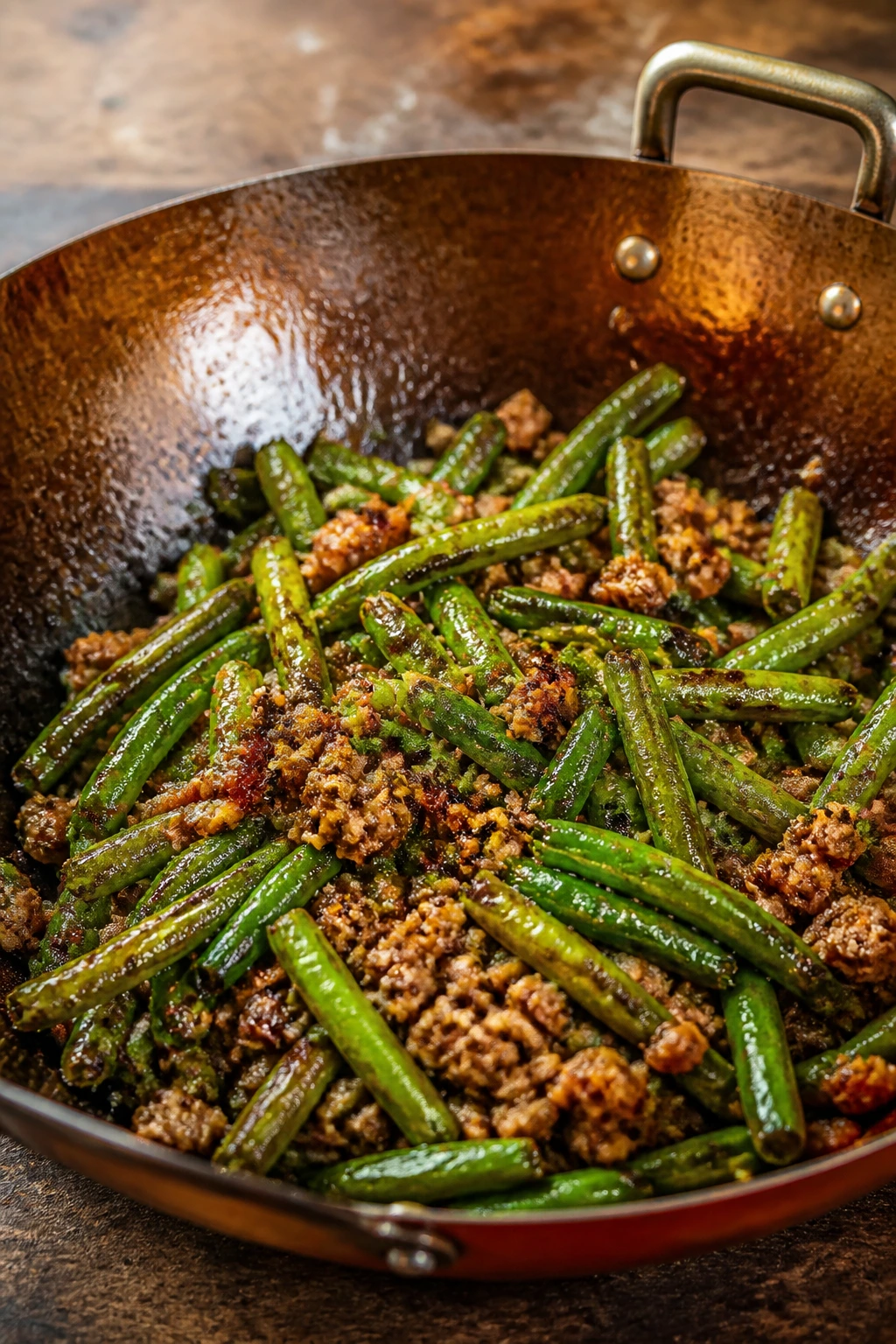
Intro: Green beans should hit the pan with a dry, almost squeaky sound. That’s the point of this dish: blistered edges, savory pork, and garlic that tastes sweet instead of raw. It’s a little rustic, a little loud, and much more useful than another soggy vegetable side.
Why It Works: The beans need high heat and a bit of time in the oil to blister before the pork joins in. Ground pork gives the dish enough richness to stand on its own, while a spoonful of chili bean paste or soy sauce pushes the flavor deeper. The pan should stay hot enough that the beans wrinkle instead of steaming.
Key Ingredients:
- 1 lb green beans, trimmed
- 8 oz ground pork
- 3 cloves garlic, chopped
- 1 teaspoon fresh ginger, minced
- 1 tablespoon soy sauce
- 1 tablespoon oyster sauce
- 1 teaspoon chili bean paste, optional
- 1 tablespoon neutral oil
- 2 tablespoons water
Quick Steps:
- Blister the beans: Heat oil in a wok and stir-fry the green beans for 4 to 5 minutes until the skins pucker and some spots char.
- Cook the pork: Push the beans aside, add pork, and cook until no pink remains.
- Add garlic and ginger: Stir for 20 seconds until fragrant.
- Season the pan: Stir in soy sauce, oyster sauce, chili bean paste if using, and water.
- Toss and finish: Cook for 1 minute more until the beans are glossy and the pork clings to them.
Equipment for This Recipe:
- Wok or wide skillet
- Wooden spatula
- Small spoon for the chili paste
How to Serve This Dish: Put it next to plain rice or congee and let the bean flavor do the work. It also plays nicely with a softer main, like steamed fish or egg drop soup.
Pro Tips for This Recipe:
- Dry the beans well after trimming; water slows the blistering.
- Use a wide pan so the beans can actually touch the hot surface.
- A little chili bean paste goes far. Start with less than you think.
Variations on This Dish:
- Vegetable-Only Beans: Replace the pork with finely chopped shiitake mushrooms.
- Fermented Heat Version: Add a tablespoon of doubanjiang and a splash of black vinegar.
Common Mistakes to Avoid with This Dish:
- Adding wet beans: They steam and go dull. Pat them dry before they hit the oil.
- Stopping too soon: Pale beans taste raw. Wait for wrinkles and brown spots.
4. Mapo Tofu with Ground Pork
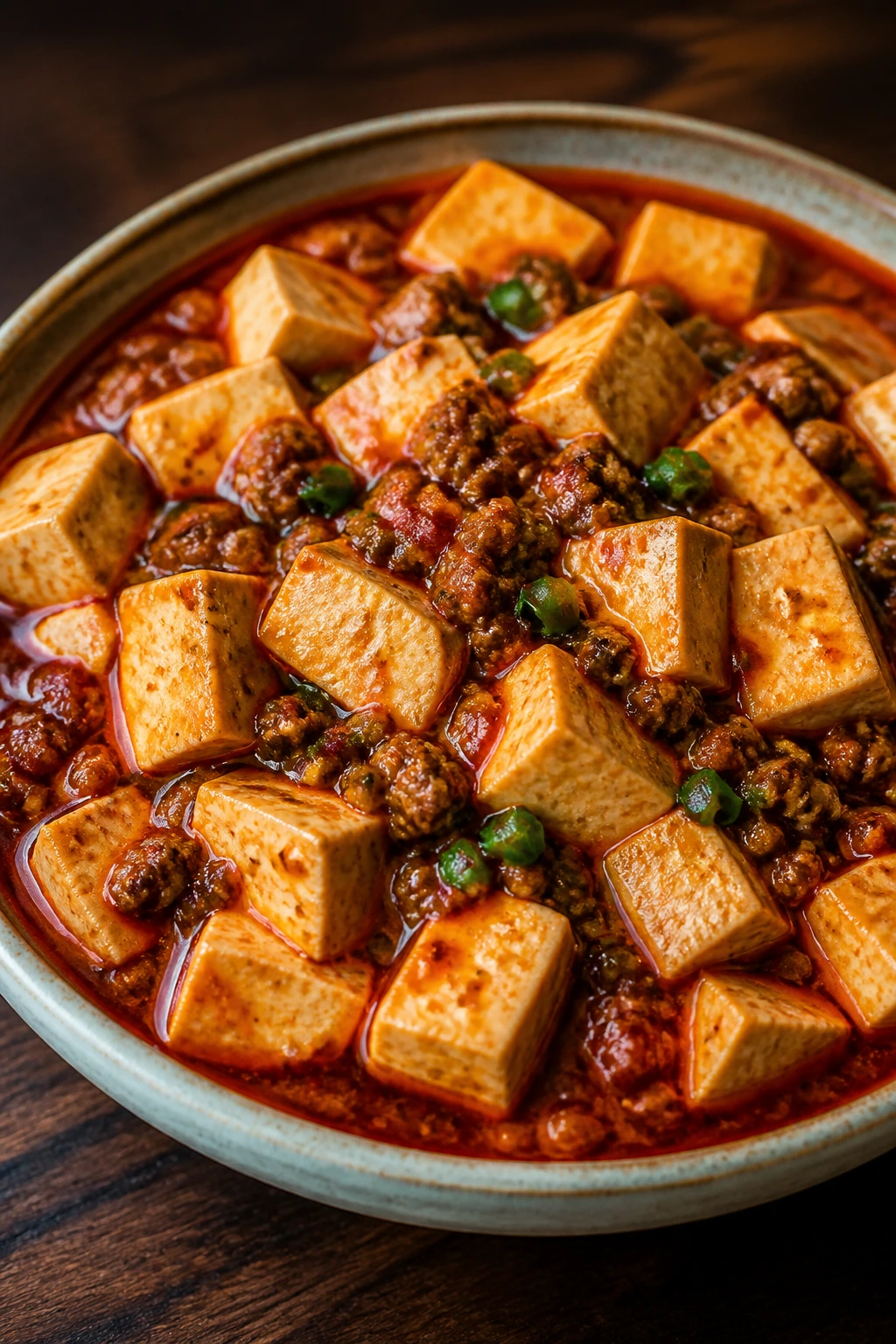
Intro: Mapo tofu looks soft, but it depends on a sharp contrast: silky tofu against a salty, spicy meat sauce. The first spoonful should be hot, fragrant, and a little numbing from Sichuan pepper. It is not a delicate dish. It is a bowl that wants rice.
Why It Works: Tofu soaks up flavor fast, which is why the sauce can stay simple and still taste deep. Doubanjiang brings fermented heat, while broth and cornstarch create the loose, silky sauce that clings to the cubes. Gentle stirring matters here more than speed.
Key Ingredients:
- 1 package (14 oz) soft or medium-soft tofu, drained and cut into 1-inch cubes
- 8 oz ground pork
- 1 tablespoon doubanjiang
- 2 cloves garlic, minced
- 1 teaspoon fresh ginger, minced
- 1 cup chicken or vegetable broth
- 1 tablespoon soy sauce
- 1 teaspoon cornstarch mixed with 1 tablespoon water
- 1 teaspoon ground Sichuan peppercorns
- 3 scallions, sliced
- 1 tablespoon neutral oil
Quick Steps:
- Prepare the tofu: Blanch the cubes in hot salted water for 1 to 2 minutes, then drain gently.
- Brown the pork: Heat oil and cook the pork until crumbly and no longer pink.
- Fry the aromatics: Add doubanjiang, garlic, and ginger; stir for 20 seconds until the pan smells rich and spicy.
- Simmer the sauce: Pour in broth and soy sauce, then add the tofu with a spoon or spatula, not a hard stir.
- Thicken and finish: Stir in the cornstarch slurry, cook until the sauce lightly coats the tofu, and top with Sichuan pepper and scallions.
Equipment for This Recipe:
- Wok or deep skillet
- Small pot for blanching the tofu
- Wide spoon or spatula
How to Serve This Dish: Serve it very hot over steamed rice, because the sauce wants to seep into the grains. A plate of blanched greens beside it is enough; this bowl already carries plenty of personality.
Pro Tips for This Recipe:
- Do not toss the tofu like a noodle dish. Push the sauce around it instead.
- If your tofu is very soft, use a shallow spoon to lift the cubes.
- Add the Sichuan pepper at the end so the numb heat stays bright.
Variations on This Dish:
- Vegetarian Mapo: Swap the pork for chopped mushrooms and use vegetable broth.
- Extra-Numbing Mapo: Toast extra Sichuan peppercorns and grind them fresh for a stronger finish.
Common Mistakes to Avoid with This Dish:
- Stirring too hard: The tofu breaks and the sauce turns cloudy. Move it gently.
- Using dry, firm tofu only: It won’t carry the sauce the same way. Soft or medium-soft tofu is the better fit here.
5. Moo Goo Gai Pan with Mushrooms and Snow Peas
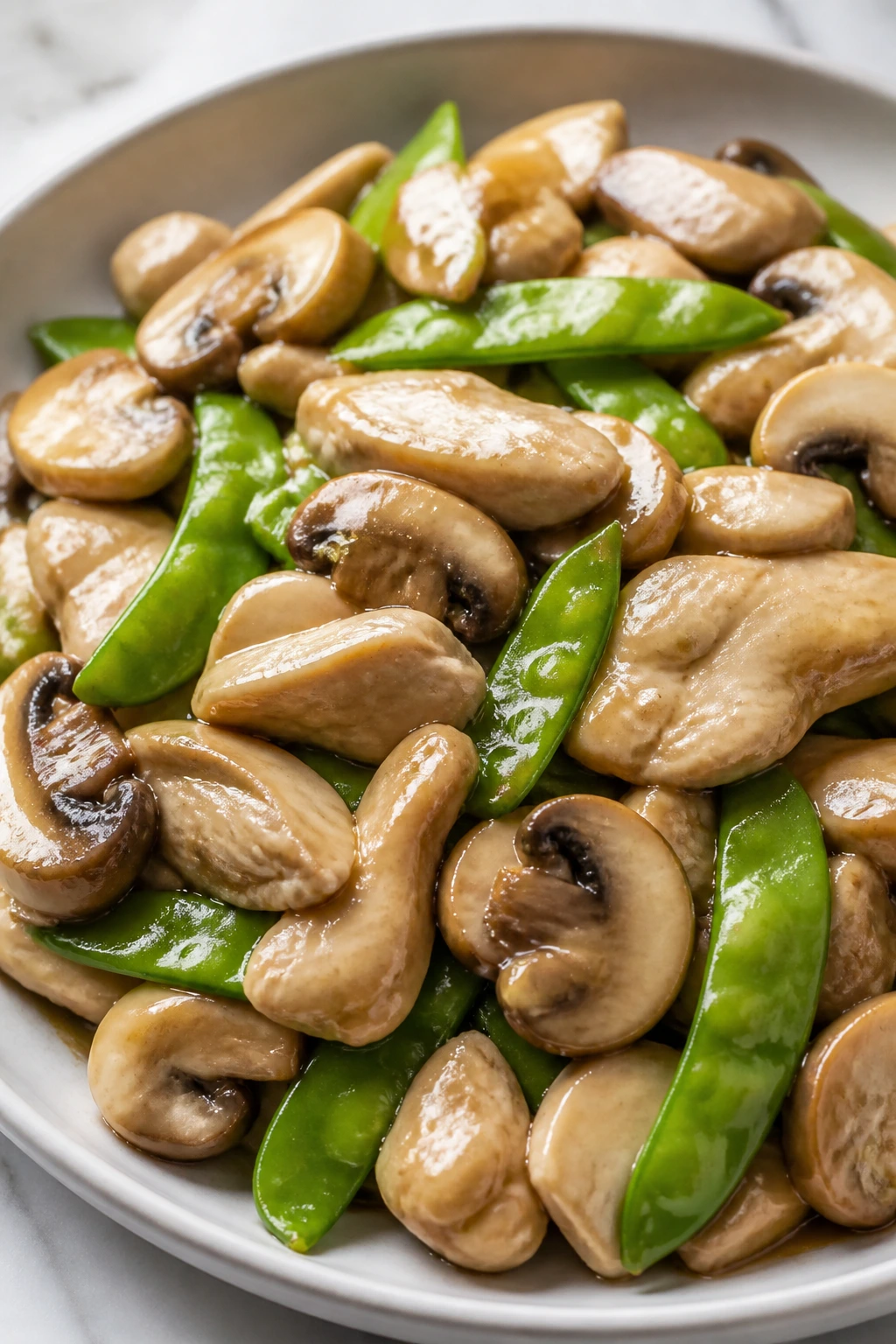
Intro: This is the quietly useful stir-fry on the list. It’s pale, clean, and fast, but the mushrooms bring a deep savory note that makes the whole pan taste more expensive than it is. The snow peas stay snappy, which is half the point.
Why It Works: Chicken slices cook evenly when they’re cut thin and given a quick cornstarch coat. Mushrooms brown instead of steaming if the pan stays hot and they’re not rinsed into wet little sponges. A light sauce keeps the vegetables bright and the whole dish from feeling heavy.
Key Ingredients:
- 1 lb chicken breast or thigh, thinly sliced
- 8 oz mushrooms, sliced
- 1 cup snow peas, strings removed
- 1 carrot, cut into thin matchsticks
- 1/2 cup water chestnuts, sliced
- 2 cloves garlic, minced
- 1 teaspoon fresh ginger, minced
- 2 tablespoons oyster sauce
- 1 tablespoon soy sauce
- 1 tablespoon Shaoxing wine
- 1 teaspoon cornstarch
- 2 tablespoons neutral oil
Quick Steps:
- Coat the chicken: Toss the chicken with cornstarch, Shaoxing, and soy sauce.
- Sear the chicken: Cook it in hot oil for 2 to 3 minutes until just cooked through, then remove.
- Brown the mushrooms: Add the mushrooms and let them sit for a minute before stirring so they pick up color.
- Add the vegetables: Stir in carrot, snow peas, and water chestnuts for 2 minutes.
- Bring it together: Return the chicken, add garlic, ginger, and oyster sauce, and toss until glossy.
Equipment for This Recipe:
- Wok or large skillet
- Cutting board for thin slicing
- Tongs or a spatula
How to Serve This Dish: Serve it over rice if you want a clean, gentle dinner, or over thin noodles if you want more substance. It also pairs well with a simple broth or clear soup.
Pro Tips for This Recipe:
- Wipe the mushrooms clean instead of rinsing them under water.
- Cut the chicken thin enough that it cooks in one pass.
- Add the snow peas near the end; they should still crack when bitten.
Variations on This Dish:
- Bamboo Shoot Version: Add drained bamboo shoots for a firmer crunch.
- Turkey Swap: Thin-sliced turkey breast works well if you keep the cook time short.
Common Mistakes to Avoid with This Dish:
- Letting mushrooms steam: They turn rubbery. Give them room and heat.
- Overcooking the snow peas: They lose their snap fast. Add them late.
6. Shrimp with Snow Peas and Ginger
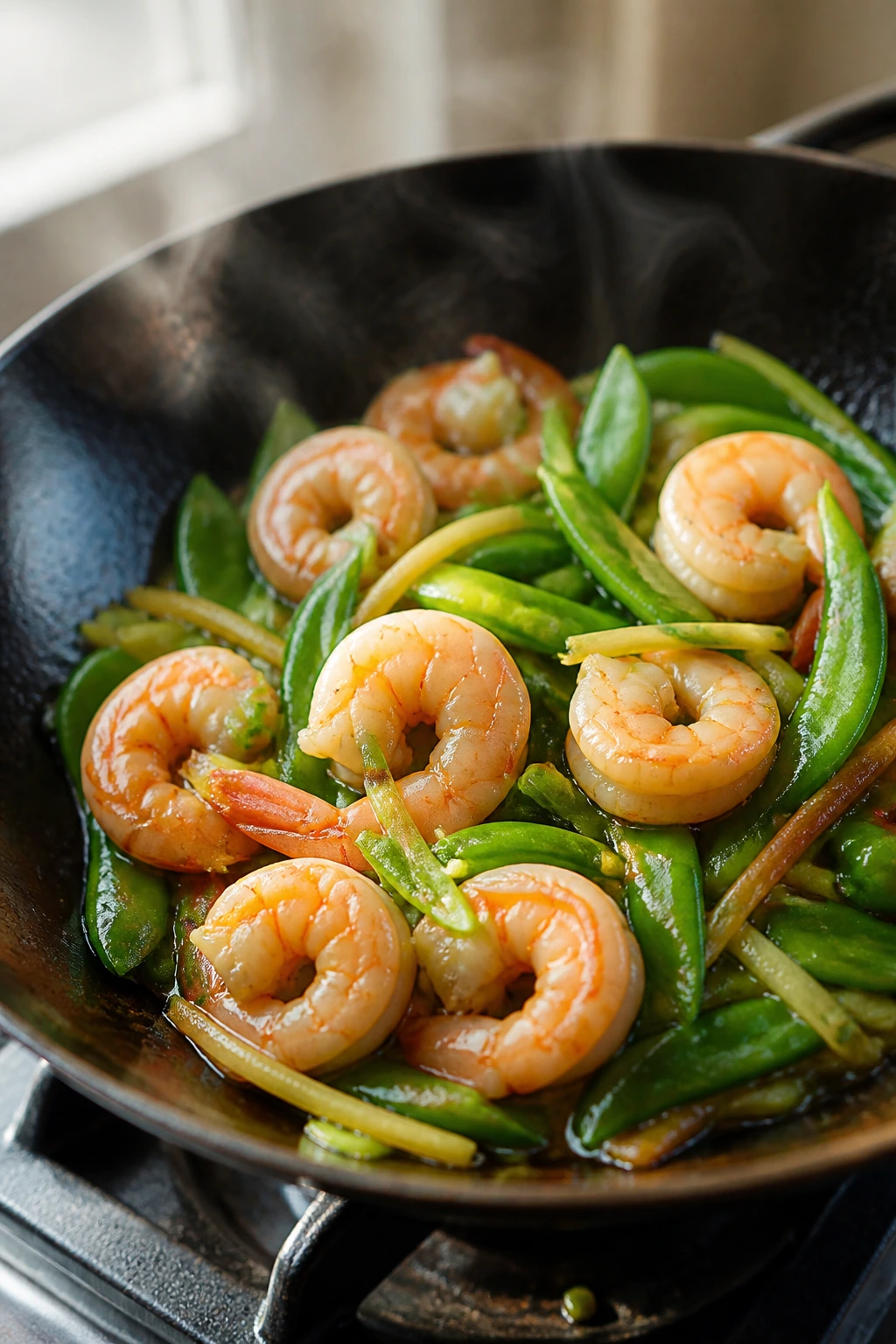
Intro: Shrimp change the second they hit the oil. That opacity creeps in fast, which is why this dish rewards focus more than creativity. The ginger should smell warm and sweet, the snow peas should stay crisp, and the shrimp should curl into clean C-shapes, not tight little O’s.
Why It Works: Shrimp cook so fast that a cornstarch coating gives them a tiny buffer against overcooking. Snow peas need only a minute or two in the pan, which keeps their color and bite intact. Ginger and scallions bring a clean, bright flavor that does not bury the seafood.
Key Ingredients:
- 1 lb large shrimp, peeled and deveined
- 8 oz snow peas, strings removed
- 2 tablespoons fresh ginger, julienned
- 3 cloves garlic, sliced
- 2 scallions, cut into 1-inch pieces
- 2 tablespoons soy sauce
- 1 tablespoon Shaoxing wine
- 1 teaspoon sugar
- 1 teaspoon cornstarch
- 1 tablespoon neutral oil
- 1 teaspoon sesame oil
Quick Steps:
- Toss the shrimp: Coat the shrimp with cornstarch, Shaoxing, and a spoonful of soy sauce.
- Sear fast: Stir-fry the shrimp in hot oil for 1 minute per side, then remove them before they overcook.
- Cook the aromatics: Add ginger, garlic, and scallions to the hot pan for 20 seconds.
- Add the peas: Stir in the snow peas and cook for 1 to 2 minutes until bright and crisp-tender.
- Finish the pan: Return the shrimp, add sugar and the rest of the soy sauce, and drizzle with sesame oil.
Equipment for This Recipe:
- Wok or large skillet
- Medium bowl for tossing shrimp
- Tongs or a spatula
How to Serve This Dish: Serve it over rice so the light sauce has something to land on. If you want a fuller meal, add a bowl of cucumber salad or a simple spinach soup.
Pro Tips for This Recipe:
- Buy shrimp in the 21/25 or 26/30 count range for quick, even cooking.
- Shrimp that curl into a tight O are past their sweet spot.
- Keep a paper towel under the shrimp if they’re wet; excess water slows browning.
Variations on This Dish:
- Garlic Chili Shrimp: Add a teaspoon of chili crisp at the end for heat and crunch.
- Gai Lan Swap: Replace the snow peas with sliced Chinese broccoli stems and leaves.
Common Mistakes to Avoid with This Dish:
- Leaving shrimp in the pan too long: They turn rubbery fast. Pull them early.
- Overloading the wok with peas and shrimp at once: The pan cools down and everything steams.
7. Black Pepper Pork with Onions
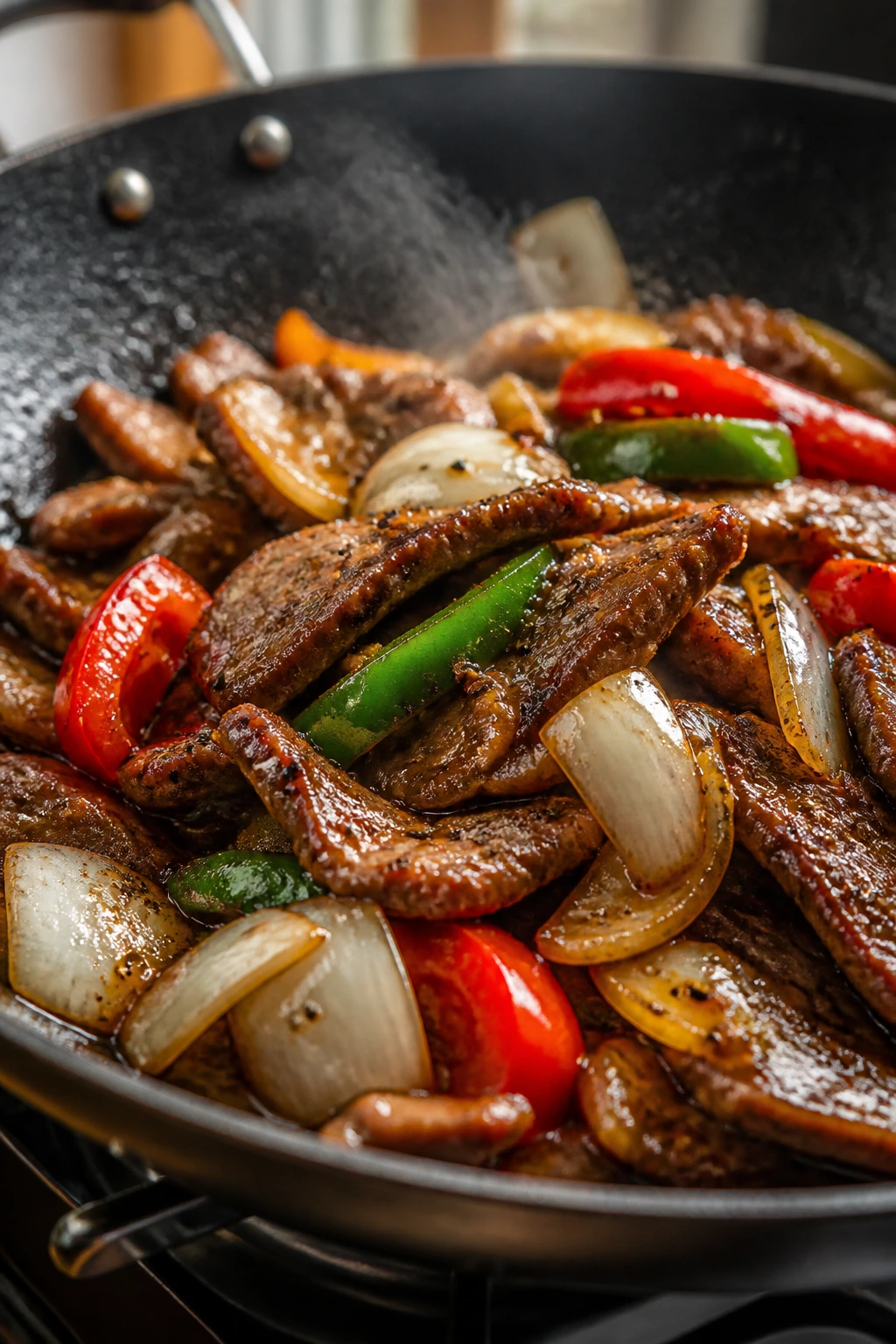
Intro: If you like steakhouse pepper sauce, this is the wok version. The pork should come out sharp, savory, and a little smoky from the black pepper, with onions soft enough to slump but not collapse. It tastes like something that should take longer than it does.
Why It Works: Pork tenderloin cooks quickly and stays tender when sliced thin against the grain. Coarse black pepper gives the dish a real bite, not just a whisper of heat. The onions and bell pepper add sweetness that keeps the pepper from overwhelming the plate.
Key Ingredients:
- 1 lb pork tenderloin, sliced thin
- 1 onion, cut into wedges
- 1 bell pepper, sliced
- 2 cloves garlic, minced
- 2 tablespoons soy sauce
- 1 tablespoon oyster sauce
- 1 tablespoon rice vinegar
- 2 teaspoons coarse black pepper
- 1 teaspoon cornstarch
- 1 tablespoon neutral oil
Quick Steps:
- Season the pork: Toss it with soy sauce, cornstarch, and half the black pepper.
- Sear the slices: Cook the pork in hot oil for 2 to 3 minutes until browned on the edges.
- Add the vegetables: Stir in onion and bell pepper and cook until the onion starts to soften.
- Build the sauce: Add garlic, oyster sauce, vinegar, and the rest of the black pepper.
- Finish quickly: Toss for 30 seconds, then serve while the pepper still smells sharp.
Equipment for This Recipe:
- Wok or skillet
- Sharp knife for thin slicing
- Small bowl for the sauce
How to Serve This Dish: Spoon it over plain rice or wide rice noodles. A simple side of sautéed greens keeps the meal from leaning too heavy toward the sweet pepper sauce.
Pro Tips for This Recipe:
- Use coarse pepper, not fine dust; the texture matters here.
- Freeze the pork for 10 minutes before slicing if it feels slippery.
- Keep the onions a little firm so they don’t disappear into the sauce.
Variations on This Dish:
- Beef Pepper Stir-Fry: Swap the pork for flank steak and cut the cook time by a minute.
- Chili Pepper Version: Add sliced fresh chilies if you want the heat to sit next to the black pepper.
Common Mistakes to Avoid with This Dish:
- Using too little pepper: The dish ends up flat. Be bold.
- Overcooking the pork: Tenderloin dries out fast. Pull it while it still looks slightly pink in the center.
8. Szechuan Eggplant with Garlic Sauce
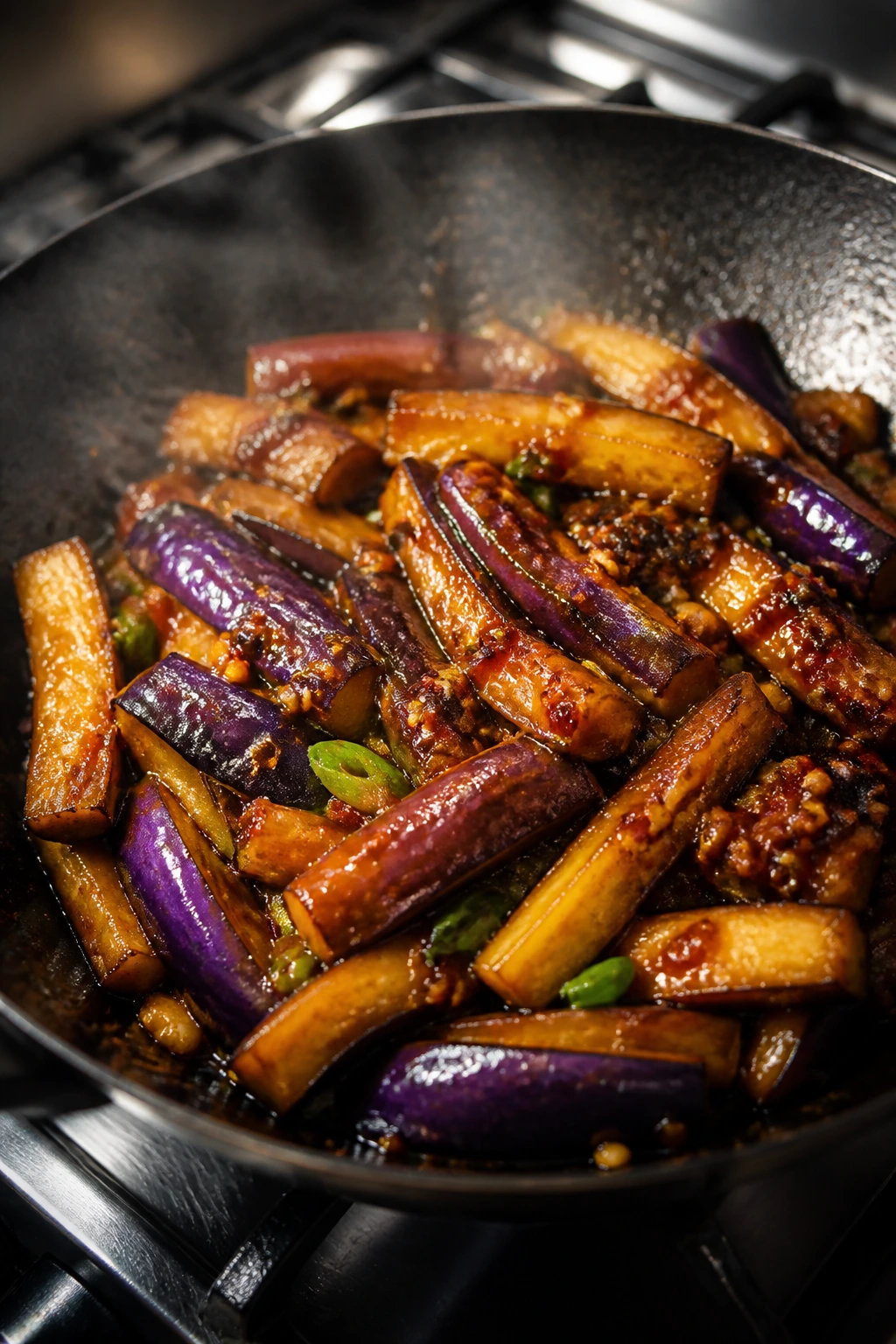
Intro: Eggplant is a liar if you cook it wrong—it drinks oil and turns to mush. Cook it the right way and you get soft cubes with browned edges, carrying a garlic-chili sauce that clings to every crease. This is the dish people think is complicated until they make it once.
Why It Works: Salting the eggplant early pulls out a little moisture and helps it brown instead of sponge up oil. Doubanjiang and vinegar give the sauce depth and brightness, while garlic keeps the flavor loud. The cornstarch finish helps the sauce stay on the eggplant instead of running to the bottom of the bowl.
Key Ingredients:
- 2 medium eggplants, cut into batons
- 3 cloves garlic, minced
- 1 teaspoon fresh ginger, minced
- 1 tablespoon doubanjiang
- 1 tablespoon soy sauce
- 1 tablespoon Chinkiang vinegar
- 1 teaspoon sugar
- 1 teaspoon cornstarch mixed with 2 tablespoons water
- 2 scallions, sliced
- 2 tablespoons neutral oil
Quick Steps:
- Salt the eggplant: Toss with a pinch of salt and let it sit for 10 minutes, then blot dry.
- Brown in batches: Cook the eggplant in hot oil until the edges are soft and golden, about 5 minutes total.
- Stir the sauce base: Add garlic, ginger, and doubanjiang and cook for 20 seconds.
- Season and soften: Stir in soy sauce, vinegar, and sugar, then add a splash of water if the pan looks dry.
- Thicken and finish: Add the cornstarch slurry, toss gently, and top with scallions.
Equipment for This Recipe:
- Wok or wide skillet
- Cutting board and sharp knife
- Small bowl for the slurry
How to Serve This Dish: Serve it over rice or alongside plain noodles so the sauce has somewhere to go. It works well next to a bland protein, but it also holds its own as a main with a bowl of soup.
Pro Tips for This Recipe:
- Use slender eggplants if you can; they cook a little faster and taste less watery.
- Do not drown the pan in oil. A hot, moderate amount is enough.
- Add vinegar near the end so it stays sharp.
Variations on This Dish:
- Milder Garlic Eggplant: Skip the doubanjiang and use more soy sauce plus a pinch of sugar.
- Pork Eggplant Version: Add 4 ounces of ground pork after the garlic and ginger.
Common Mistakes to Avoid with This Dish:
- Skipping the salting step: The eggplant drinks oil and turns heavy. Ten minutes helps.
- Cooking over low heat: The cubes go soft before they brown. Keep the pan hot.
9. Chicken with Cashews and Celery
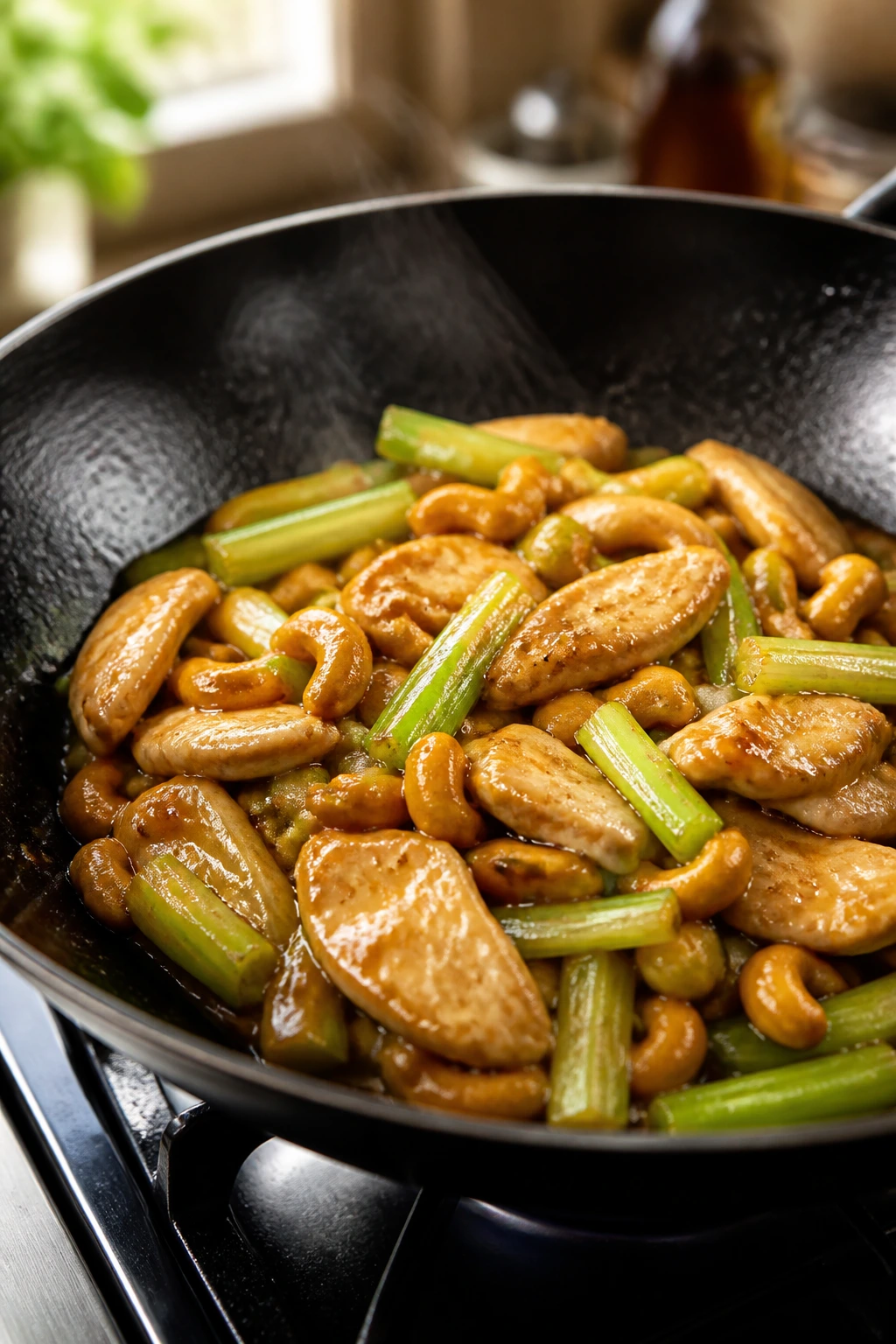
Intro: Celery brings the crackle here, and that matters more than people admit. The chicken stays tender, the cashews stay buttery, and the whole pan tastes clean but not bland. This is the kind of stir-fry that goes from fridge to bowl without making a scene.
Why It Works: Chicken thigh gives the dish enough richness to handle the crunchy cashews. Celery and carrots keep the texture bright, while oyster sauce and soy give the sauce a savory backbone. The cashews go in at the end so they don’t turn soft.
Key Ingredients:
- 1 lb chicken thighs, sliced thin
- 2 celery ribs, sliced on a bias
- 1 carrot, julienned
- 1/2 cup roasted cashews
- 3 cloves garlic, minced
- 1 teaspoon fresh ginger, minced
- 2 tablespoons soy sauce
- 1 tablespoon oyster sauce
- 1 tablespoon Shaoxing wine
- 1 teaspoon cornstarch
- 1 tablespoon neutral oil
Quick Steps:
- Marinate the chicken: Toss it with soy sauce, Shaoxing, and cornstarch.
- Cook the chicken: Stir-fry in hot oil until the pieces lose their raw shine, about 3 minutes.
- Add the vegetables: Stir in celery and carrot and cook for 2 minutes.
- Finish the sauce: Add garlic, ginger, oyster sauce, and a splash of water if the pan looks dry.
- Add the cashews: Toss them in at the end and serve while the nuts still have snap.
Equipment for This Recipe:
- Wok or skillet
- Small mixing bowl
- Tongs or spatula
How to Serve This Dish: It works well with jasmine rice, but it also sits nicely on brown rice if you want more chew. A few extra celery leaves on top make the plate look fresh.
Pro Tips for This Recipe:
- Slice the celery thin so it cooks in the same window as the chicken.
- Use roasted, unsalted cashews if possible; salted ones can push the dish too far.
- If your carrots are thick, cut them finer than the celery.
Variations on This Dish:
- Bell Pepper Cashew Version: Add red bell pepper strips for more color and sweetness.
- Mild Takeout Style: Add a teaspoon of sugar to round out the sauce.
Common Mistakes to Avoid with This Dish:
- Adding cashews too early: They soften. Stir them in at the end.
- Using thick celery slices: They stay stringy and raw in the middle.
10. Tomato and Egg Stir-Fry
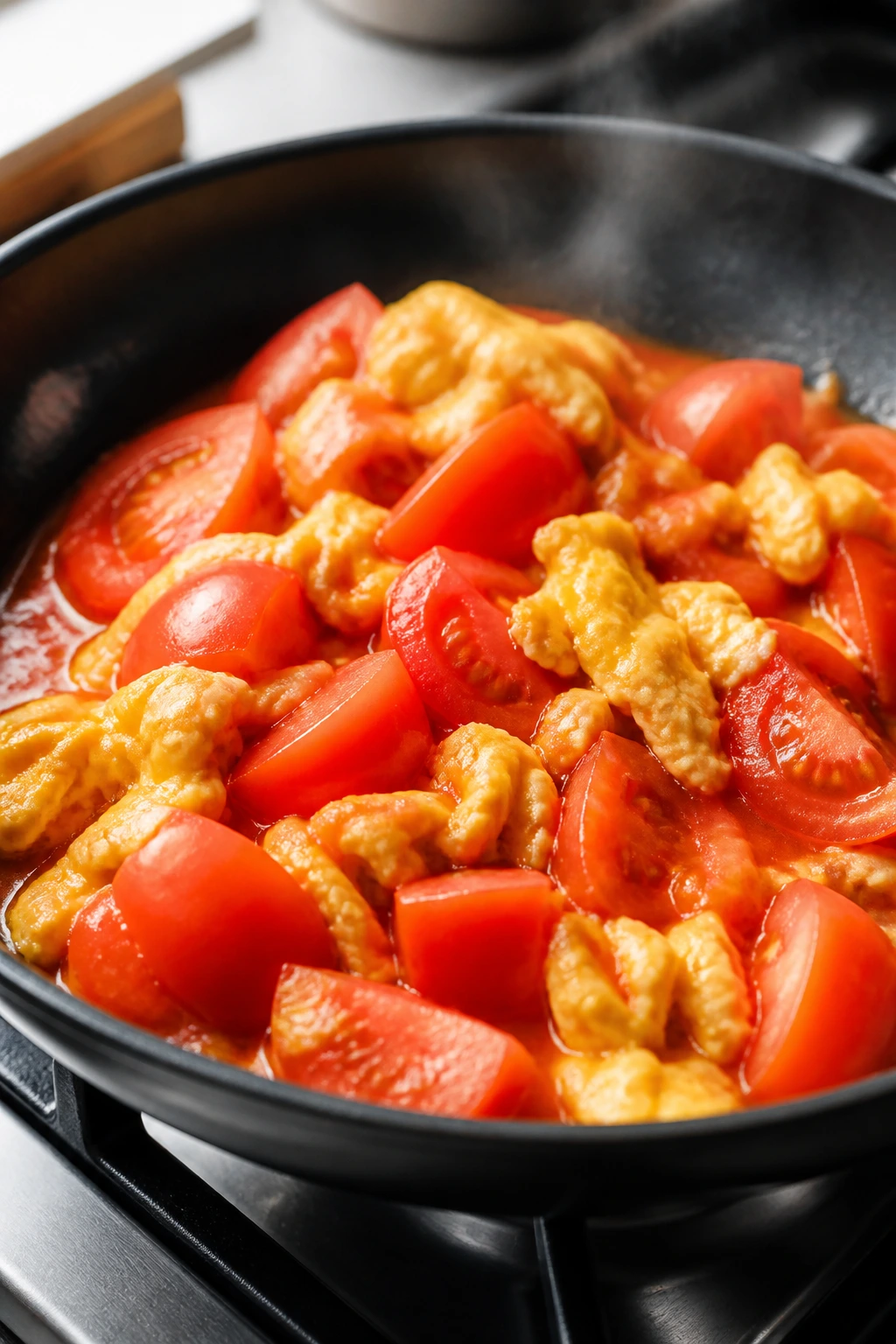
Intro: Tomato and egg is the one stir-fry that can vanish from a table while you’re still looking for the rice. The eggs should be soft and tender, the tomatoes jammy but not collapsed into soup, and the sauce should taste like tomato in a more polished mood. It’s plain in the best sense.
Why It Works: Eggs cook gently first, then come back at the end so they stay fluffy. A little sugar takes the edge off the tomatoes and makes the sauce taste fuller. This is a low-effort dish, but the timing still matters; overcook either part and the texture goes muddy.
Key Ingredients:
- 4 large eggs
- 4 medium ripe tomatoes, cut into wedges
- 2 scallions, chopped
- 1 teaspoon sugar
- 1/2 teaspoon salt
- 2 tablespoons neutral oil
- 1 teaspoon soy sauce, optional
- 1 teaspoon sesame oil
Quick Steps:
- Scramble the eggs: Beat the eggs with a pinch of salt and cook them softly in half the oil, then remove them while still tender.
- Cook the tomatoes: Add the rest of the oil and cook the tomatoes with sugar until they soften and release juices, about 3 minutes.
- Season the pan: Add a little salt and soy sauce if using, then stir until the liquid looks slightly saucy.
- Return the eggs: Fold the eggs back in and warm for 30 seconds.
- Finish: Top with scallions and a few drops of sesame oil.
Equipment for This Recipe:
- Wok or nonstick skillet
- Bowl for beating eggs
- Spatula
How to Serve This Dish: Spoon it over hot rice and let the tomato juice stain the grains. It also works as a side dish next to crisp vegetables or a simple soup.
Pro Tips for This Recipe:
- Use ripe tomatoes with some give, not hard supermarket bricks.
- Undercook the eggs slightly; they’ll finish in the pan.
- A small pinch of sugar matters here. It rounds the acidity instead of making the dish sweet.
Variations on This Dish:
- Tofu Tomato Version: Add cubed silken tofu after the tomatoes soften.
- Shrimp Tomato Version: Fold in cooked shrimp at the end for a fuller dinner.
Common Mistakes to Avoid with This Dish:
- Cooking the eggs too long: They turn rubbery. Pull them early.
- Using unripe tomatoes: The dish tastes flat and sharp instead of round.
11. Cumin Lamb with Onions
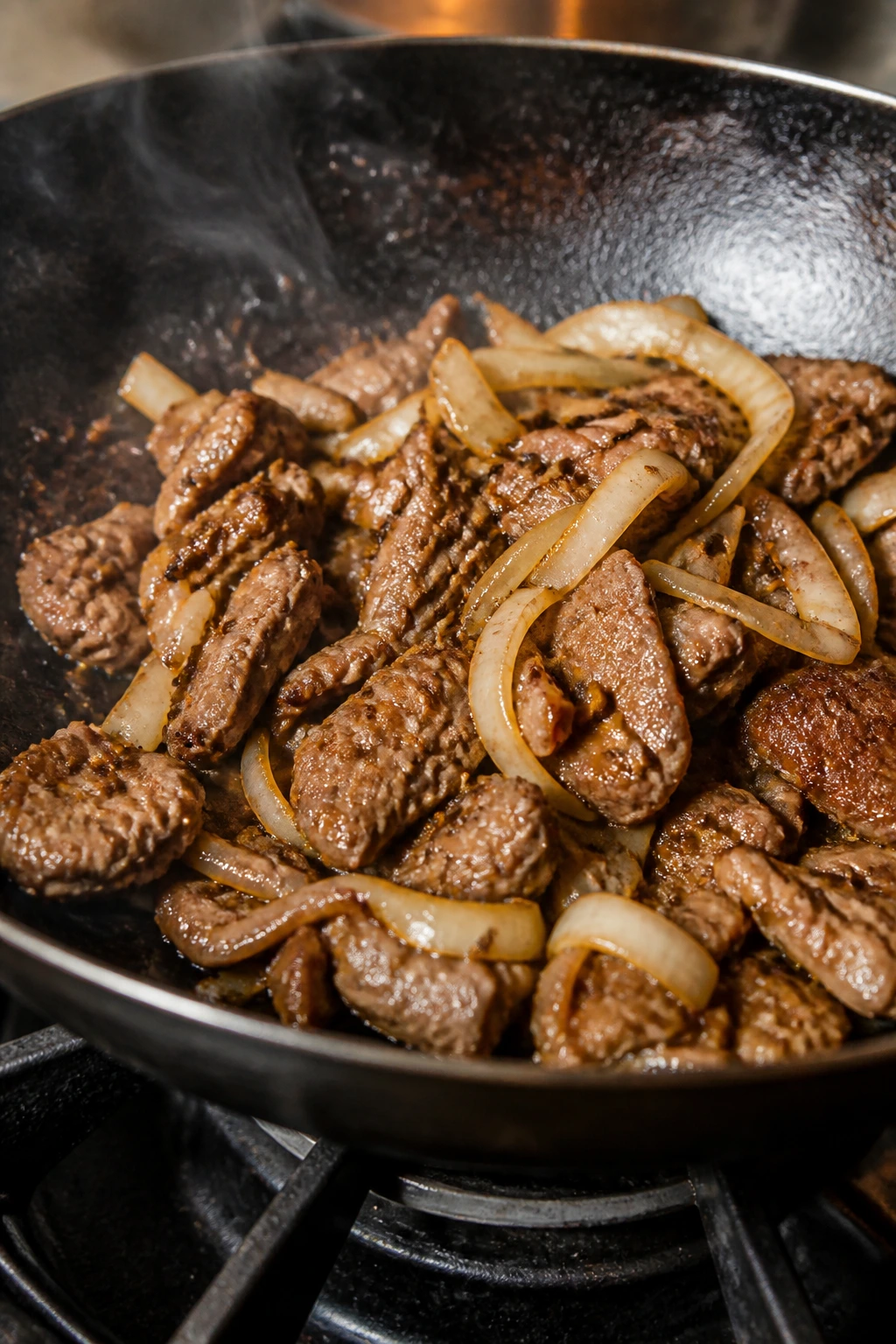
Intro: Cumin and lamb make a dry, smoky wok dinner that smells like a street cart in the best way. The onions should soften but keep some bite, and the cumin should sit on the meat instead of disappearing into the sauce. This is bold food, not a polite little side.
Why It Works: Lamb slices cook fast and love strong seasoning. Cumin seed or powder gives the dish its warm, earthy edge, while chili flakes keep it from tasting heavy. A short, dry stir-fry is the point here; too much sauce would blunt the spice.
Key Ingredients:
- 1 lb lamb shoulder or leg, sliced thin
- 1 large onion, sliced
- 3 cloves garlic, sliced
- 1 teaspoon fresh ginger, sliced
- 2 tablespoons cumin seeds or 2 tablespoons ground cumin
- 1 teaspoon chili flakes
- 1 tablespoon soy sauce
- 1 tablespoon Shaoxing wine
- 1 teaspoon cornstarch
- 2 tablespoons neutral oil
- Cilantro, for serving
Quick Steps:
- Season the lamb: Toss it with soy sauce, Shaoxing, and cornstarch.
- Toast the spices: Heat oil and stir the cumin and chili flakes for 10 to 15 seconds until fragrant.
- Sear the lamb: Add the lamb and stir-fry over high heat until browned but still tender.
- Add onion and aromatics: Stir in onion, garlic, and ginger and cook until the onion softens at the edges.
- Finish dry: Toss until the lamb looks coated and the pan smells spicy, then top with cilantro.
Equipment for This Recipe:
- Wok or heavy skillet
- Sharp knife for thin slicing
- Small bowl for seasoning the lamb
How to Serve This Dish: Serve it with rice to catch the cumin oil, or with flatbread if you want a looser, more casual plate. A spoonful of cool cucumber salad keeps the spice in check.
Pro Tips for This Recipe:
- Slice the lamb as thin as you can; thickness works against tenderness here.
- Use high heat and keep the pan moving so the spices do not scorch.
- If the cumin taste seems mild, finish with a pinch of fresh ground cumin right before serving.
Variations on This Dish:
- Beef Cumin Stir-Fry: Swap in flank steak and shave 1 minute off the cooking time.
- Garlic Chili Version: Add sliced fresh chilies with the onion for more heat.
Common Mistakes to Avoid with This Dish:
- Using too much sauce: The dish turns muddy. Keep it dry and spice-forward.
- Cooking the lamb too slowly: It gets tough. High heat is your friend.
12. Chicken Chow Mein with Cabbage
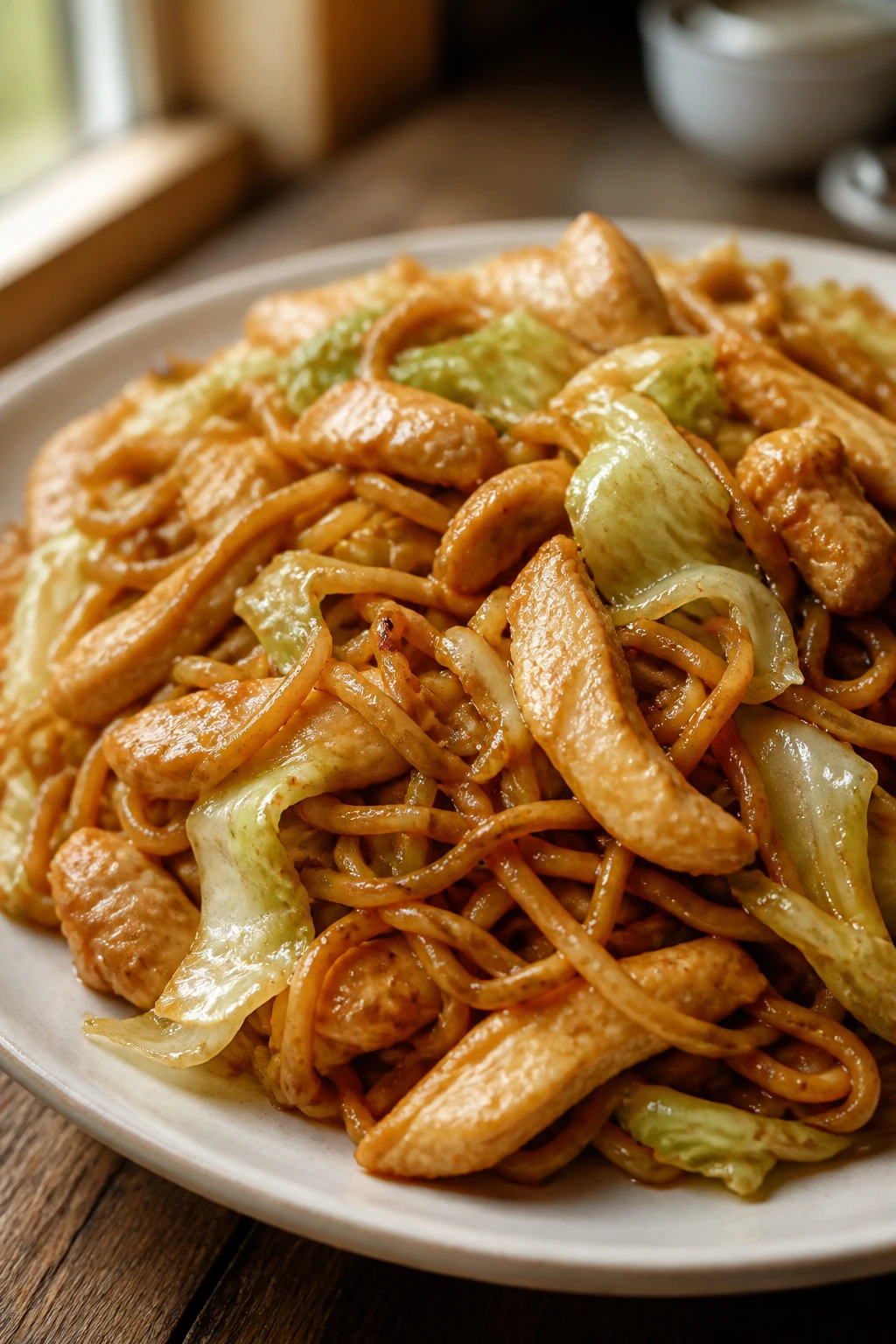
Intro: Chow mein works because the noodles spend almost no time in the pan. They should come out glossy, lightly browned in spots, and tangled with cabbage that still has some crunch. If your pan is crowded, the noodles will tell on you by going sticky and sad.
Why It Works: Parboiled noodles fry better than fully cooked ones because they finish in the wok instead of collapsing. Chicken gives the dish substance, while cabbage and carrot keep it from feeling heavy. A small sauce ratio is enough here; chow mein should taste seasoned, not drowned.
Key Ingredients:
- 8 oz fresh chow mein noodles or dried thin egg noodles
- 1 lb chicken thighs, sliced thin
- 2 cups shredded cabbage
- 1 carrot, julienned
- 1 cup bean sprouts
- 3 scallions, chopped
- 2 cloves garlic, minced
- 2 tablespoons soy sauce
- 1 tablespoon oyster sauce
- 1 tablespoon sesame oil
- 1 tablespoon neutral oil
Quick Steps:
- Cook the noodles: Boil them until just tender, then drain and toss with a few drops of oil.
- Sear the chicken: Stir-fry in hot oil until nearly cooked through, then remove.
- Stir-fry the vegetables: Add cabbage, carrot, garlic, and scallions and cook until the cabbage softens slightly.
- Toss in the noodles: Return the noodles and chicken, then add soy sauce and oyster sauce.
- Finish fast: Add bean sprouts and sesame oil, toss for 30 seconds, and serve while the noodles still have spring.
Equipment for This Recipe:
- Wok or large skillet
- Pot for boiling noodles
- Tongs or chopsticks for tossing
How to Serve This Dish: Serve it straight from the wok while the noodles still glisten. A small dish of chili oil on the side is a good idea if some people want more heat than others.
Pro Tips for This Recipe:
- Drain the noodles well. Water on the strands turns the stir-fry into a steam bath.
- Keep the bean sprouts for the end; they should still crunch.
- If your noodles clump, loosen them with 1 tablespoon of hot water before they hit the wok.
Variations on This Dish:
- Shrimp Chow Mein: Swap the chicken for shrimp and cut the sear time in half.
- Vegetable Chow Mein: Use mushrooms and snow peas instead of chicken.
Common Mistakes to Avoid with This Dish:
- Overcooking the noodles first: They turn gummy in the wok. Stop at barely tender.
- Piling in too much sauce: Chow mein wants a light coating, not a slick puddle.
13. Garlic Sesame Lo Mein with Mushrooms and Bok Choy
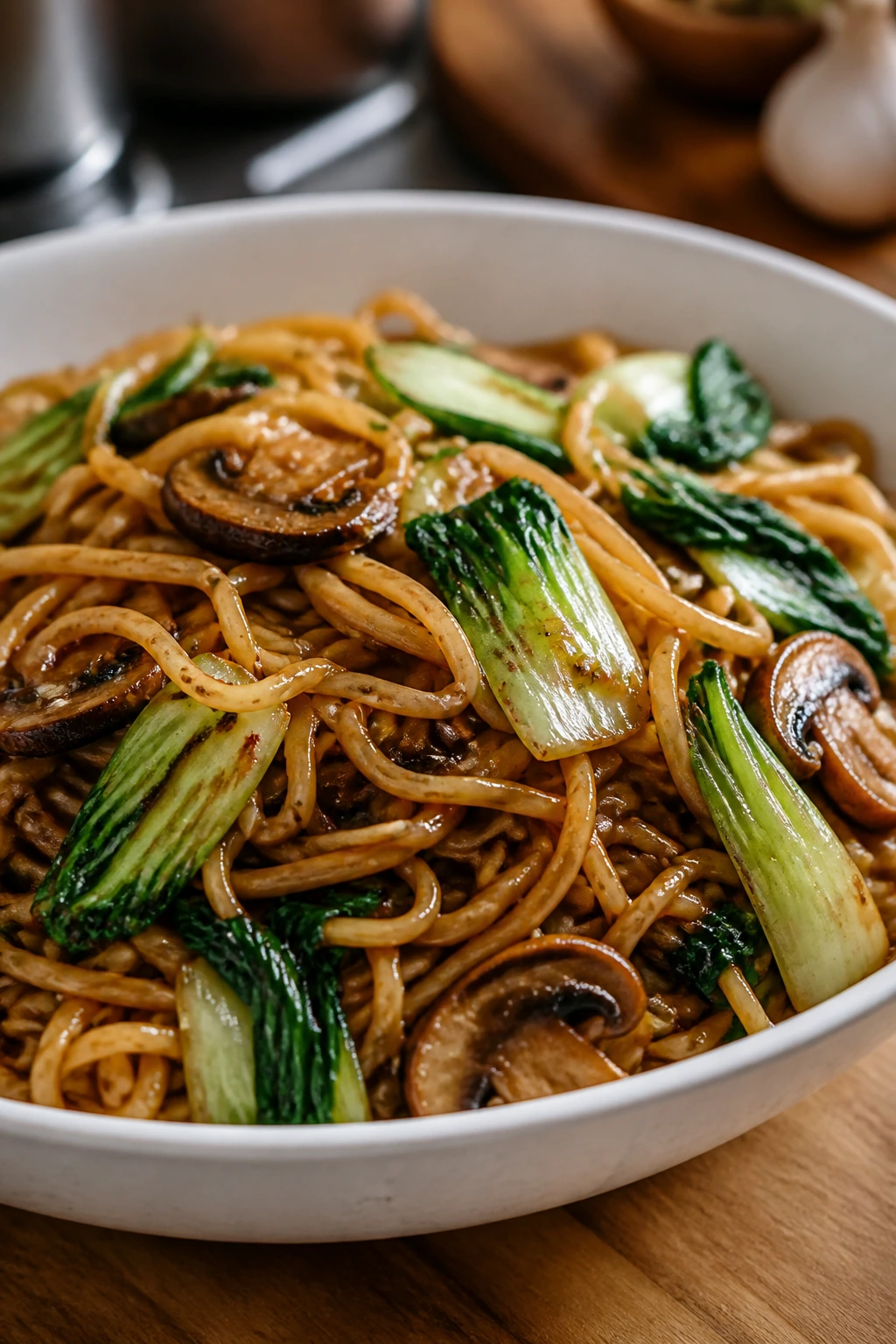
Intro: If chow mein is crisp and dry, lo mein is the saucier cousin. The noodles should stay slippery, the mushrooms should brown a little, and the bok choy should keep its pale crunch at the stem. Garlic and sesame oil do most of the work, which is a nice reminder that dinner does not need a long ingredient list to taste finished.
Why It Works: Lo mein noodles absorb sauce without losing their chew, especially if you toss them while they are still warm. Mushrooms bring a meaty note, bok choy brings freshness, and garlic gives the dish the kind of aroma that makes the pan feel busier than it is. A splash of noodle water helps the sauce cling.
Key Ingredients:
- 8 oz lo mein noodles or spaghetti
- 8 oz mushrooms, sliced
- 4 baby bok choy, halved or quartered
- 4 cloves garlic, minced
- 2 tablespoons soy sauce
- 1 tablespoon sesame oil
- 1 teaspoon rice vinegar
- 1 tablespoon neutral oil
- 1 teaspoon chili crisp, optional
- 2 scallions, sliced
Quick Steps:
- Cook the noodles: Boil until just tender, then drain and keep a little cooking water.
- Brown the mushrooms: Stir-fry them in oil until the edges darken and the liquid cooks off.
- Add the bok choy and garlic: Cook for 1 to 2 minutes until the stems start to soften.
- Toss everything together: Add noodles, soy sauce, vinegar, and a splash of noodle water.
- Finish the bowl: Drizzle with sesame oil, add chili crisp if using, and top with scallions.
Equipment for This Recipe:
- Wok or skillet
- Pot for noodles
- Tongs or chopsticks
How to Serve This Dish: Serve it as a main bowl with nothing else if you want the simplest route. If you want a fuller table, add steamed dumplings or a quick cucumber salad beside it.
Pro Tips for This Recipe:
- Save a little noodle water; it is the easiest way to fix a dry pan.
- Slice bok choy so the stems and leaves cook in the same pass.
- Add sesame oil at the end so the flavor stays fragrant instead of fading.
Variations on This Dish:
- Tofu Lo Mein: Add cubes of crisp tofu for a fuller vegetarian bowl.
- Spicy Sesame Version: Stir in extra chili crisp and a few drops of black vinegar.
Common Mistakes to Avoid with This Dish:
- Boiling the noodles too long: They go soft in the wok. Drain them early.
- Leaving mushrooms wet: They steam instead of browning. Wipe them clean first.
14. Salt and Pepper Tofu
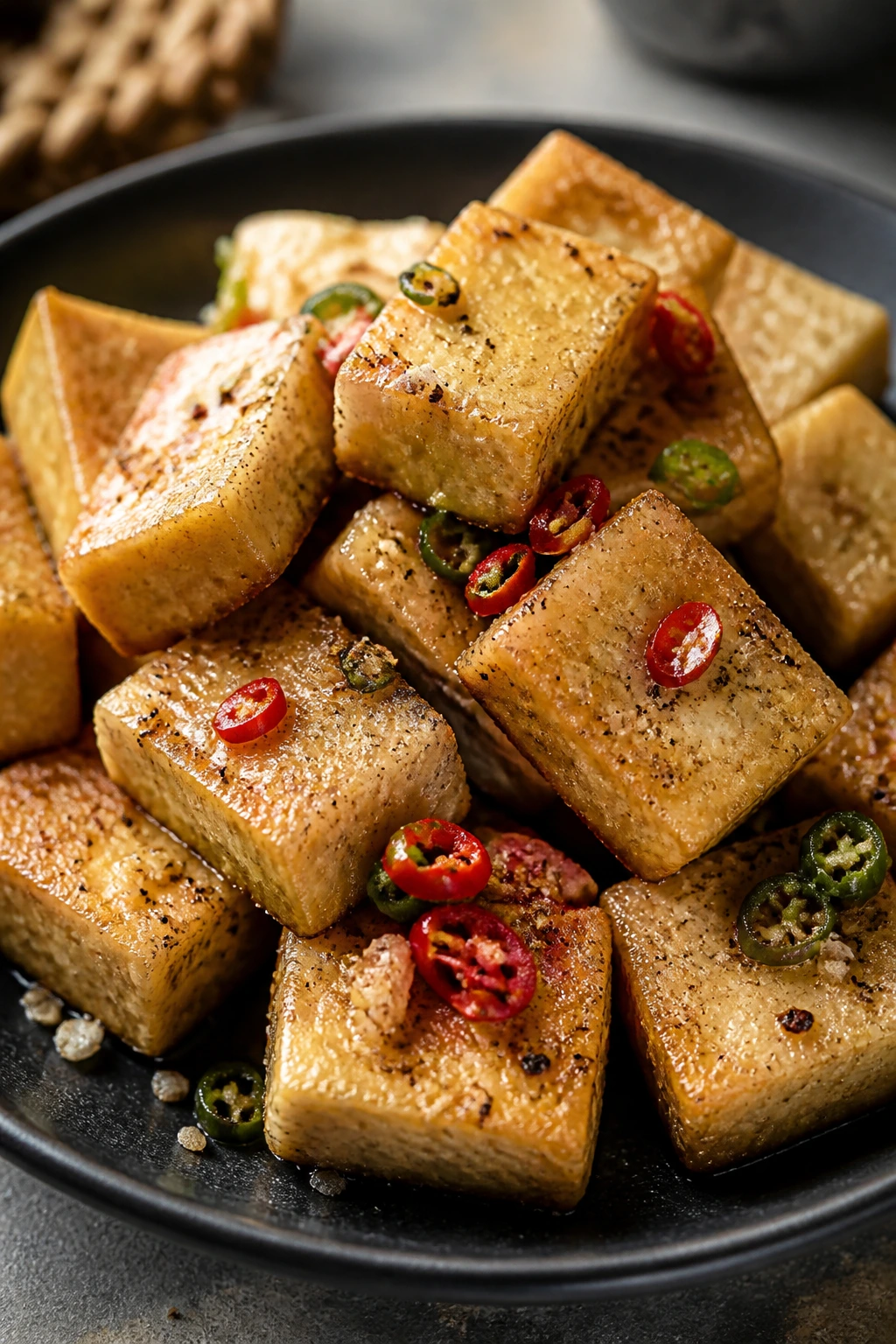
Intro: This is the one for anyone who wants tofu with a crust. The surface should be crisp and dusty with seasoning, while the inside stays tender and a little creamy. Done right, it tastes like a bar snack that wandered into dinner.
Why It Works: Extra-firm tofu holds together best when it’s pressed and coated in cornstarch. Salt, white pepper, garlic, and fresh chilies hit the tofu after frying, which keeps the seasoning sharp and the crust dry. The whole dish depends on keeping the tofu separate until the very last toss.
Key Ingredients:
- 1 block (14 oz) extra-firm tofu, pressed and cut into cubes
- 1/3 cup cornstarch
- 1 teaspoon salt
- 1 teaspoon white pepper
- 2 scallions, chopped
- 2 cloves garlic, minced
- 1 to 2 fresh chilies, sliced
- 3 tablespoons neutral oil
Quick Steps:
- Press and cube the tofu: Wrap it, press it for 15 minutes, then cut into bite-size pieces.
- Coat the cubes: Toss tofu with cornstarch until all sides look dusty.
- Fry until crisp: Cook in hot oil until golden on several sides, about 6 to 8 minutes.
- Add the aromatics: Stir in garlic, chilies, salt, and white pepper for 20 seconds.
- Finish quickly: Add scallions, toss once, and serve while the crust is still crisp.
Equipment for This Recipe:
- Nonstick skillet or wok
- Paper towels or a clean towel for pressing
- Spatula or tongs
How to Serve This Dish: Serve it with rice or as a side to a larger spread of vegetables and noodles. A squeeze of lime is not traditional, but a little citrus works if you want to cut the richness.
Pro Tips for This Recipe:
- Dry tofu is the difference between crisp and gummy.
- Do not move the cubes too early; let one side set before flipping.
- If you like more crunch, fry in two shallow batches.
Variations on This Dish:
- Chili Crisp Tofu: Toss in a spoonful of chili crisp at the very end.
- Air Fryer Version: Air-fry the cornstarch-coated tofu at 400°F until crisp, then season in the pan.
Common Mistakes to Avoid with This Dish:
- Skipping the press: The tofu leaks water and won’t crisp.
- Salting before frying: The seasoning pulls moisture out and softens the crust.
15. Mushroom and Baby Bok Choy Stir-Fry
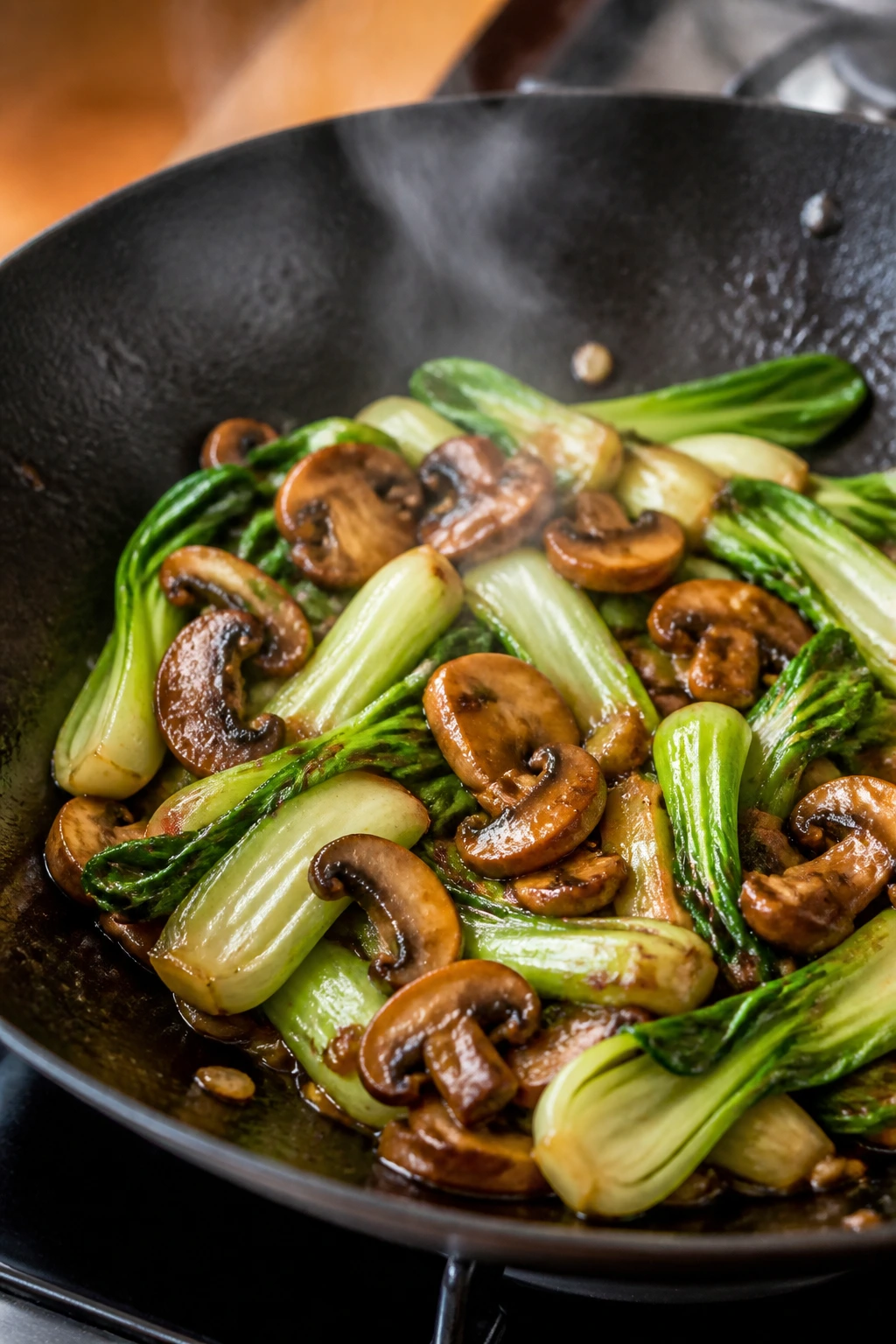
Intro: When the fridge is half empty, mushrooms and bok choy save the night. The mushrooms should brown at the edges, the bok choy should stay bright, and the sauce should be light enough that you still taste the vegetables. This is a simple pan, but not a dull one.
Why It Works: Mushrooms need heat first so their moisture has time to cook off. Bok choy cooks in two speeds—the stems before the leaves—so you get tenderness without a limp finish. A small amount of oyster sauce or mushroom sauce gives everything a savory backbone.
Key Ingredients:
- 12 oz mushrooms, sliced
- 6 baby bok choy, halved
- 3 cloves garlic, sliced
- 2 tablespoons oyster sauce or vegetarian mushroom sauce
- 1 tablespoon soy sauce
- 1/4 cup water
- 1 teaspoon sesame oil
- 2 tablespoons neutral oil
Quick Steps:
- Brown the mushrooms: Stir-fry them in hot oil until they release their liquid and start to color.
- Add the stems: Put the bok choy in cut-side down if you can and cook for 1 minute.
- Season the pan: Add garlic, oyster sauce, soy sauce, and water.
- Wilt the leaves: Toss until the leaves soften but still look green.
- Finish: Drizzle with sesame oil and serve at once.
Equipment for This Recipe:
- Wok or skillet
- Lid, optional, for steaming thick bok choy stems
- Spatula
How to Serve This Dish: Serve it as a side to fried rice, noodles, or any richer meat dish on this list. It also works as a light lunch over rice if you want something simple.
Pro Tips for This Recipe:
- Do not pile all the bok choy in at once if the pan is small.
- Keep the mushrooms spread out long enough to brown.
- Use mushroom sauce if you want the dish to stay fully vegetarian.
Variations on This Dish:
- Garlic Chili Bok Choy: Add sliced chilies with the garlic.
- Snow Pea Swap: Replace the bok choy with snow peas for a firmer bite.
Common Mistakes to Avoid with This Dish:
- Overcrowding the pan: The mushrooms steam and never brown.
- Cooking bok choy until soft: The leaves disappear. Pull it while the stems still have bite.
16. Mongolian Beef with Scallions
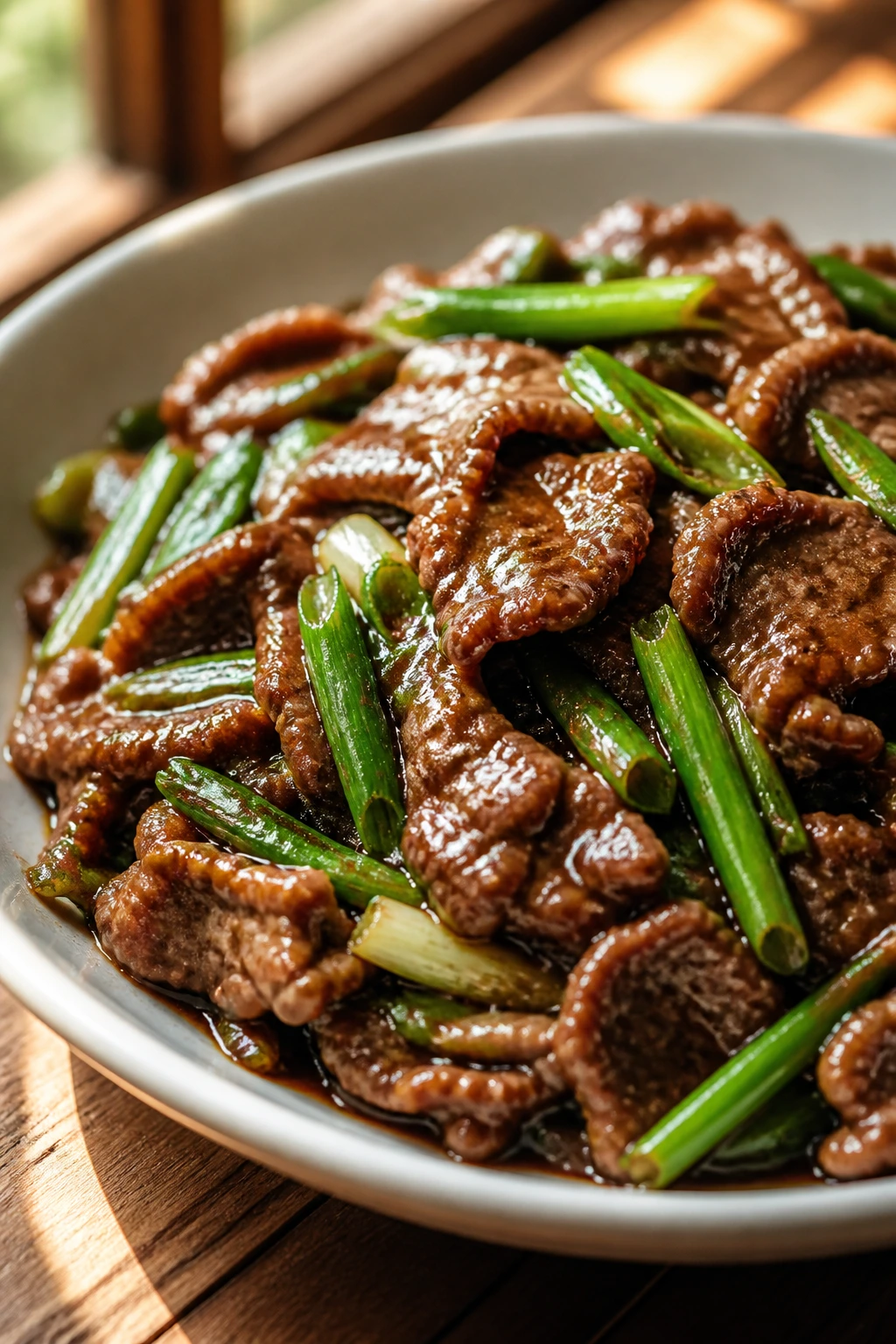
Intro: Mongolian beef is sweet, brown, and glossy, which is why it disappears fast. The scallions should stay green, the beef should stay tender, and the sauce should coat everything without turning syrupy. It’s a takeout-style pan that rewards speed and a little restraint.
Why It Works: Thin beef browns fast, and the cornstarch in the marinade helps the sauce cling. Brown sugar gives the glaze body, while soy and oyster sauce keep it savory enough to avoid tasting like candy. Scallions added late give the dish its sharp green edge.
Key Ingredients:
- 1 lb flank steak, sliced thin across the grain
- 4 scallions, cut into 2-inch lengths
- 3 cloves garlic, minced
- 1 teaspoon fresh ginger, minced
- 2 tablespoons soy sauce
- 2 tablespoons brown sugar
- 1 tablespoon oyster sauce
- 1 tablespoon cornstarch
- 1/4 cup water
- 1 tablespoon neutral oil
Quick Steps:
- Season the beef: Toss the steak with cornstarch and 1 tablespoon soy sauce.
- Brown the slices: Cook the beef in hot oil until the edges color, then remove.
- Make the glaze: Add garlic, ginger, remaining soy sauce, brown sugar, oyster sauce, and water.
- Reduce slightly: Let the sauce bubble for 30 to 45 seconds until it looks shiny.
- Toss and finish: Return the beef and scallions, toss for 20 seconds, and serve.
Equipment for This Recipe:
- Wok or skillet
- Small bowl for the glaze
- Spatula or tongs
How to Serve This Dish: Spoon it over rice and let the sweet sauce soak in. A plain vegetable side helps balance the glaze, since this dish likes to be the loudest thing on the plate.
Pro Tips for This Recipe:
- Slice the beef very thin or the glaze will make it feel heavier than it should.
- Keep the sauce to a thin syrup, not a thick candy coat.
- Add the scallions at the end so they stay fresh and green.
Variations on This Dish:
- Spicy Mongolian Beef: Add dried chili flakes or sliced fresh chilies with the garlic.
- Chicken Mongolian Bowl: Use chicken thigh strips and shorten the sear time.
Common Mistakes to Avoid with This Dish:
- Overreducing the sauce: It turns sticky and cloying. Pull it while it still moves.
- Cutting the scallions too early: They wilt. Add them late.
17. Pork and Napa Cabbage Stir-Fry
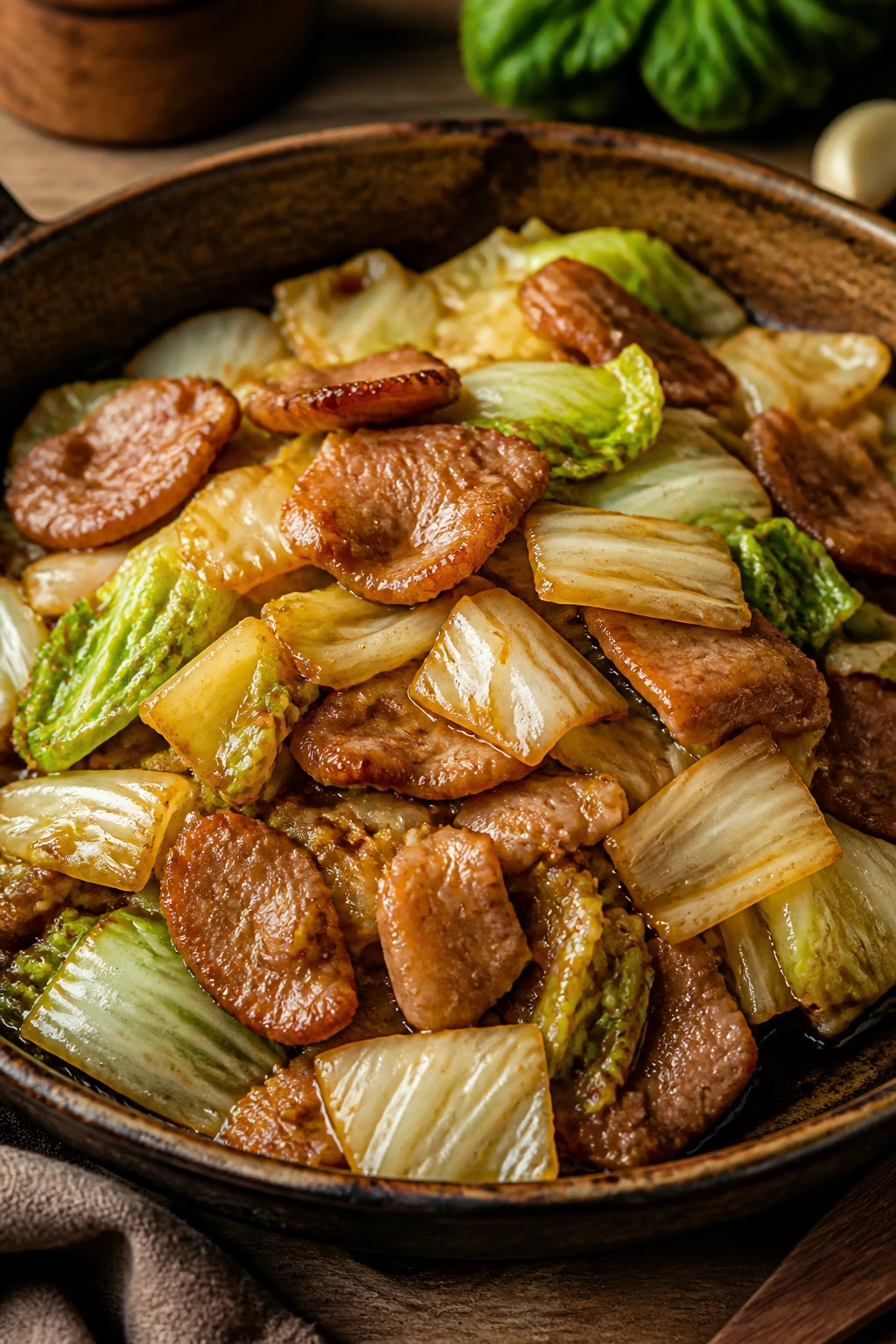
Intro: Napa cabbage softens fast, so this one rewards a hot pan and quick hands. The leaves should turn silky while the stems keep a little crunch, and the pork should season the whole skillet without taking over. It’s the sort of dinner that feels bigger than the ingredients list.
Why It Works: Pork brings enough fat to make the cabbage taste richer than it is. Separating the cabbage stems from the leaves means each part gets the heat it needs. A splash of vinegar at the end keeps the dish lively instead of flat.
Key Ingredients:
- 1 lb pork slices or ground pork
- 1 small napa cabbage, stems and leaves separated and sliced
- 3 cloves garlic, minced
- 1 teaspoon fresh ginger, minced
- 2 tablespoons soy sauce
- 1 tablespoon rice vinegar
- 1 teaspoon sesame oil
- 2 scallions, chopped
- 1 tablespoon neutral oil
Quick Steps:
- Cook the pork: Stir-fry it in hot oil until browned.
- Add the stems: Toss in the cabbage stems, garlic, and ginger and cook for 2 minutes.
- Add the leaves: Stir in the cabbage leaves and let them wilt down.
- Season the pan: Add soy sauce and vinegar, then toss until the cabbage looks glossy.
- Finish: Drizzle with sesame oil and top with scallions.
Equipment for This Recipe:
- Wok or large skillet
- Sharp knife
- Spatula
How to Serve This Dish: Serve it over steamed rice or alongside noodles if you want a fuller meal. A little extra vinegar at the table is nice for people who like sharper flavors.
Pro Tips for This Recipe:
- Keep the stems and leaves separate in the prep bowl.
- Do not overcook the cabbage; it should slouch, not dissolve.
- A very small splash of water helps the stems soften if they are thick.
Variations on This Dish:
- Spicy Pork Cabbage: Add chili bean paste with the garlic.
- Beef Cabbage Swap: Thin-sliced beef works well if you want a firmer bite.
Common Mistakes to Avoid with This Dish:
- Throwing in all the cabbage at once: The pan cools and the cabbage steams.
- Forgetting the vinegar: The dish loses its brightness.
18. Ginger Scallion Shrimp
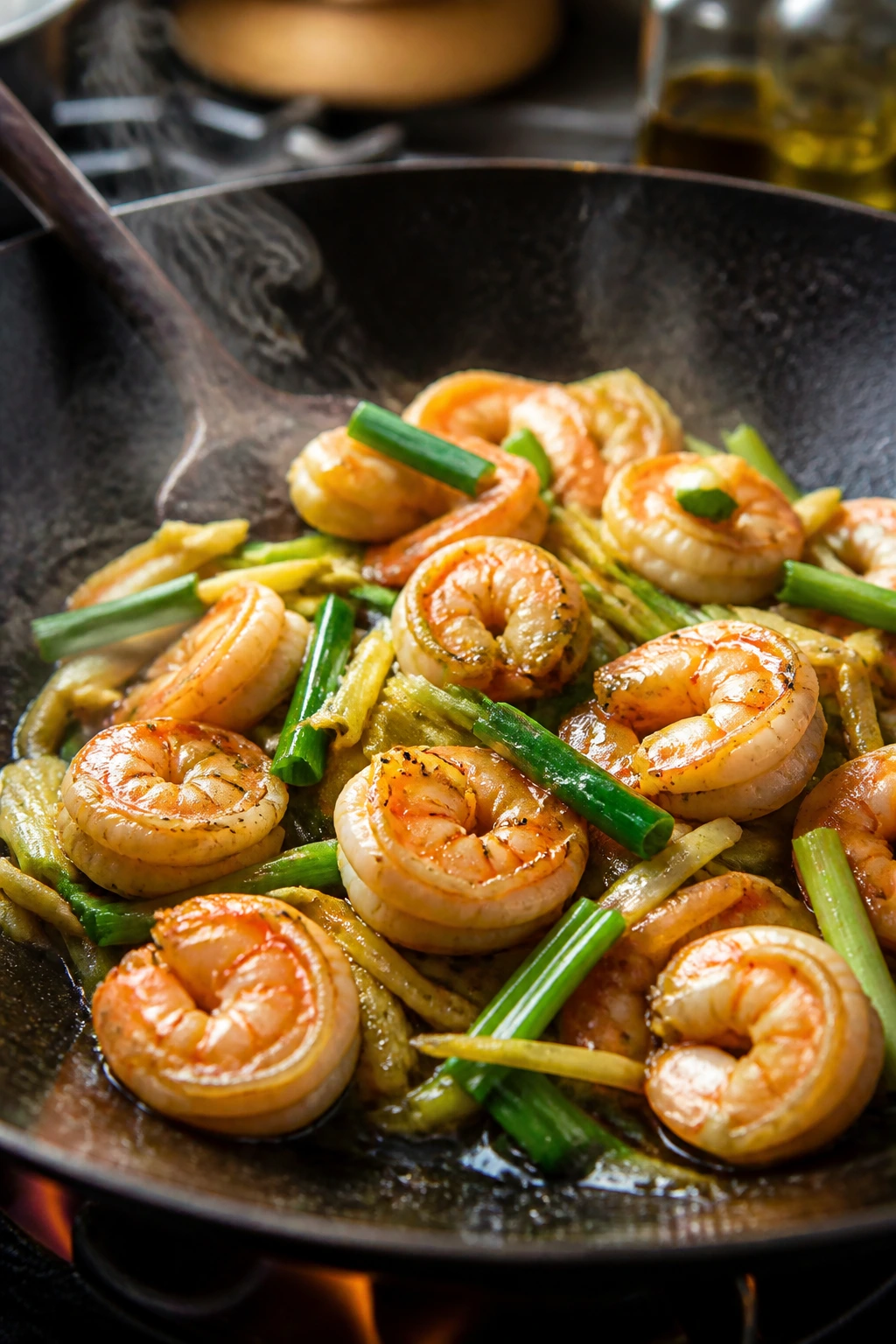
Intro: This is the cleanest shrimp stir-fry on the list. Ginger leads, scallions follow, and the shrimp should taste like themselves instead of a heavy sauce. If you like food that smells sharp and finishes light, this is the one.
Why It Works: Shrimp cook in minutes, so the aromatics need to be ready before they hit the pan. Ginger and scallions build flavor fast, and a little Shaoxing wine helps the shrimp taste less flat without making the dish wet. The sauce stays minimal on purpose.
Key Ingredients:
- 1 lb shrimp, peeled and deveined
- 6 scallions, whites and greens separated
- 2 tablespoons fresh ginger, julienned
- 3 cloves garlic, sliced
- 2 tablespoons soy sauce
- 1 tablespoon Shaoxing wine
- 1 teaspoon sugar
- 1 teaspoon cornstarch
- 1 teaspoon sesame oil
- 1 tablespoon neutral oil
Quick Steps:
- Toss the shrimp: Coat with cornstarch, Shaoxing, and a spoonful of soy sauce.
- Cook the shrimp: Stir-fry in hot oil for 1 minute per side, then set aside.
- Sizzle the aromatics: Add ginger, scallion whites, and garlic to the pan.
- Return the shrimp: Add the shrimp back with sugar and the rest of the soy sauce.
- Finish clean: Toss with scallion greens and sesame oil, then serve immediately.
Equipment for This Recipe:
- Wok or skillet
- Bowl for the shrimp
- Spatula or tongs
How to Serve This Dish: Serve it over white rice or plain noodles so the ginger oil can soak in. A simple green vegetable on the side is enough; this dish likes to stay lean.
Pro Tips for This Recipe:
- Keep the scallion greens for the end so they stay fresh.
- Shrimp should be opaque, not curled into tight little rings.
- If the pan looks dry, add 1 tablespoon of water, not more oil.
Variations on This Dish:
- Chili Ginger Shrimp: Add sliced fresh chilies with the garlic.
- Noodle Version: Toss the finished shrimp with cooked rice noodles and a little extra soy sauce.
Common Mistakes to Avoid with This Dish:
- Overcooking the shrimp: They turn rubbery quickly. Pull them early.
- Cooking the scallion greens too long: They lose their fresh bite. Add them last.
19. Stir-Fried Rice Cakes with Greens
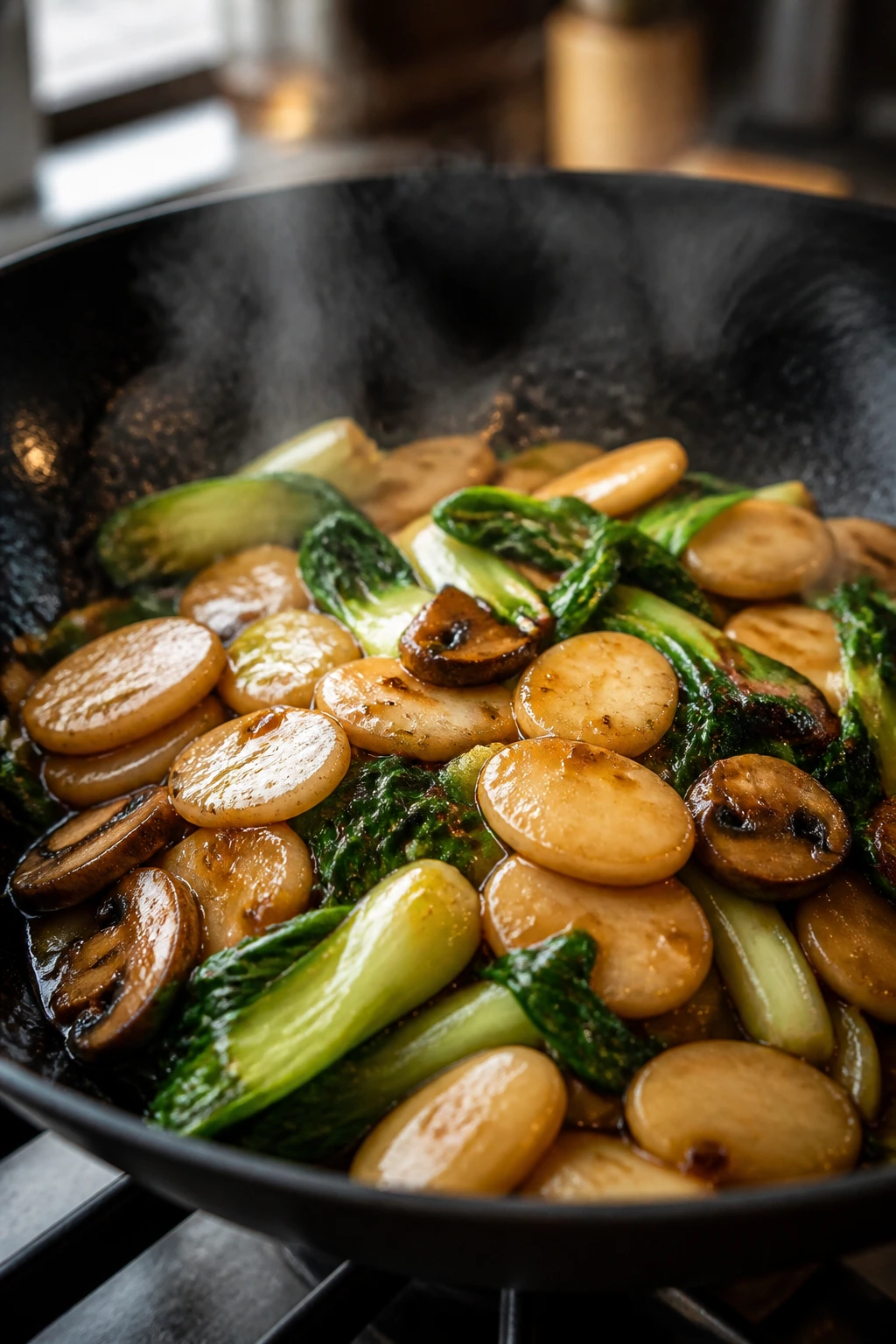
Intro: Rice cakes have a chew you either like or you don’t; cook them right and they pick up sauce like little slippery tiles. The greens soften into the edges, the mushrooms bring depth, and the whole pan feels like something you would order after a long day and then feel smug for making yourself.
Why It Works: Rice cakes need heat plus a little moisture so they soften without sticking. Mushrooms and bok choy give the dish enough texture contrast to keep the chew from becoming monotonous. The sauce is simple because the rice cakes already bring plenty of personality.
Key Ingredients:
- 1 lb fresh rice cakes, or dried rice cakes soaked until pliable
- 1 cup mushrooms, sliced
- 2 cups bok choy, chopped
- 1 carrot, julienned
- 3 cloves garlic, minced
- 2 tablespoons soy sauce
- 1 tablespoon oyster sauce
- 1/2 cup water
- 1 teaspoon sesame oil
- 1 tablespoon neutral oil
Quick Steps:
- Soften the rice cakes: If using dried, soak them until flexible; drain well.
- Brown the mushrooms: Stir-fry them in oil until they pick up color.
- Add the vegetables: Stir in carrot, bok choy, and garlic for 2 minutes.
- Add the rice cakes: Toss in the rice cakes with soy sauce, oyster sauce, and water.
- Simmer and finish: Cook until the sauce thickens slightly and the rice cakes are tender, then add sesame oil.
Equipment for This Recipe:
- Wok or large skillet
- Pot or bowl for soaking dried rice cakes
- Spatula
How to Serve This Dish: Serve it as a full dinner bowl, or alongside a crisp vegetable dish if you want more contrast. A little chili crisp on the side is a strong move here.
Pro Tips for This Recipe:
- Soak dried rice cakes long enough that they stop feeling brittle in the center.
- Keep the pan moving so the cakes do not glue themselves to the bottom.
- A splash of extra water helps if the cakes still feel firm.
Variations on This Dish:
- Seafood Rice Cakes: Add shrimp or squid near the end.
- Chili Crisp Rice Cakes: Stir in chili crisp at the finish for a sharper edge.
Common Mistakes to Avoid with This Dish:
- Not soaking dried rice cakes long enough: They stay hard in the center.
- Letting the pan dry out completely: The cakes stick and tear.
20. Shredded Potato with Vinegar and Chili
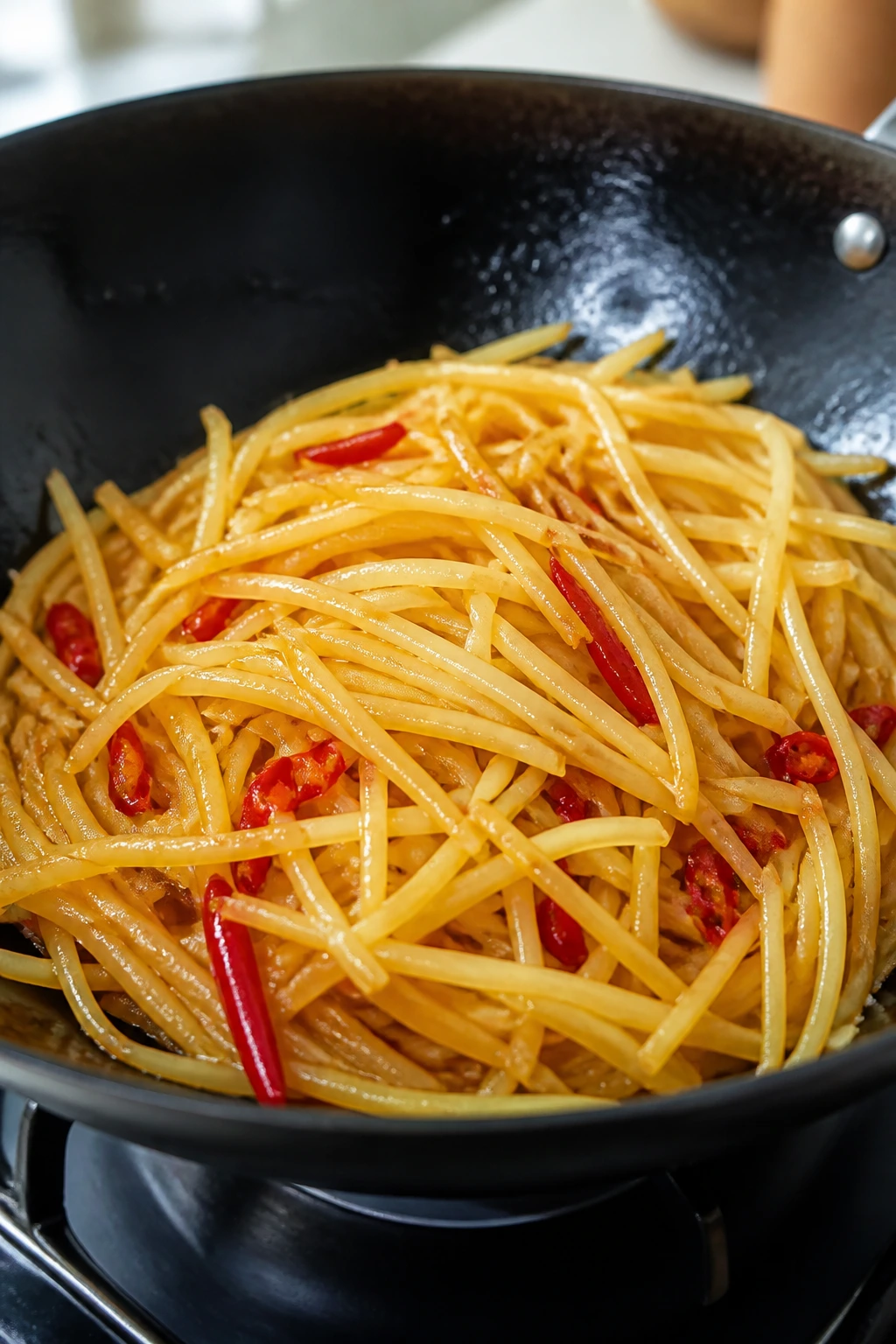
Intro: Potatoes in a stir-fry sound odd until you bite into the crisp edges. The shreds should be tender but still a little snappy, with vinegar that wakes the whole pan up. This is one of those dishes that feels simple enough to ignore and then ends up being the thing people remember.
Why It Works: Rinsing the cut potatoes pulls off surface starch so they fry instead of glue together. Chili and vinegar should go in near the end so the potato keeps its clean, bright taste. High heat is what keeps the shreds separate.
Key Ingredients:
- 2 medium potatoes, peeled and julienned
- 3 cloves garlic, sliced
- 2 dried red chilies or 1 fresh chili, sliced
- 1 tablespoon vinegar
- 1 teaspoon sugar
- 1/2 teaspoon salt
- 2 scallions, chopped
- 2 tablespoons neutral oil
Quick Steps:
- Rinse the potatoes: Soak the shreds in cold water for 5 minutes, then drain and dry well.
- Heat the oil: Stir-fry the chilies and garlic for a few seconds until fragrant.
- Cook the potatoes: Add the potato shreds and toss over high heat for 2 to 3 minutes.
- Season at the end: Add salt, sugar, and vinegar just before the potatoes finish cooking.
- Finish: Toss in scallions and serve while the shreds are still distinct.
Equipment for This Recipe:
- Wok or wide skillet
- Julienne peeler or sharp knife
- Clean towel or paper towels
How to Serve This Dish: Serve it as a side with a richer meat dish, or pile it next to rice and an egg for a lighter meal. A little extra vinegar at the table suits people who like sharper food.
Pro Tips for This Recipe:
- Dry the potato shreds thoroughly after rinsing.
- Use a wide pan; the shreds need space.
- Add vinegar late so the potato stays bright, not mushy.
Variations on This Dish:
- Cumin Potato Stir-Fry: Add cumin seeds with the chilies for a warmer flavor.
- Carrot Potato Version: Mix in a little carrot for color and sweetness.
Common Mistakes to Avoid with This Dish:
- Skipping the rinse: The potato sticks into a clump.
- Adding vinegar too early: The potatoes turn soft instead of crisp-tender.
21. Cashew Chicken with Bell Peppers
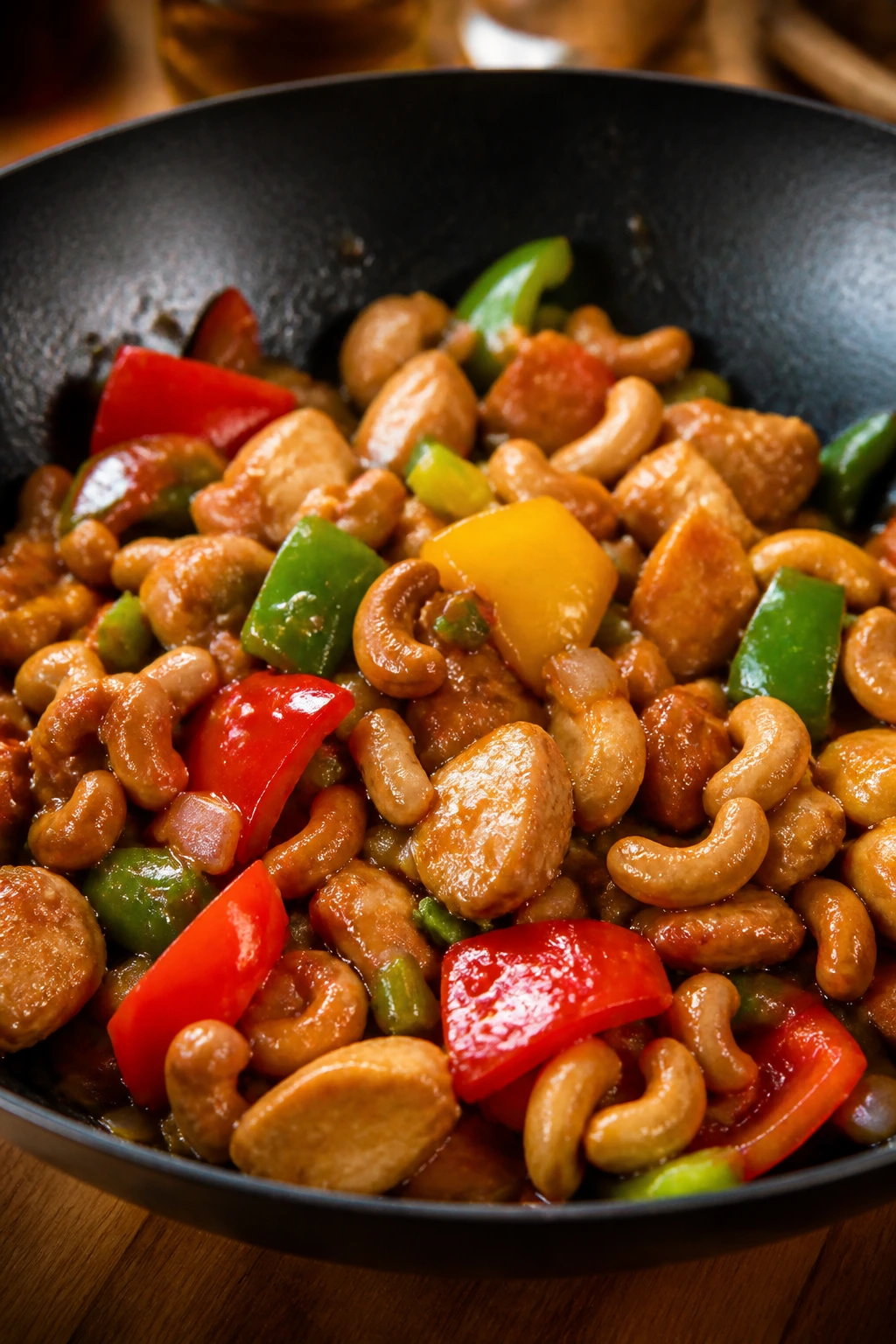
Intro: This is the sweeter, plumper cousin of kung pao. The bell peppers stay juicy, the chicken stays tender, and the cashews give you that late crunch that makes a stir-fry feel finished. It’s friendly food, but it still has enough savor to keep you interested.
Why It Works: Chicken thighs hold up well to a quick sauce and do not dry out the way lean breast meat can. Bell peppers bring color and a little sweetness, while cashews add richness at the end. The sauce is mild enough for a broad table but still tastes like more than soy sauce and water.
Key Ingredients:
- 1 lb chicken thighs, sliced thin
- 2 bell peppers, cut into chunks
- 1 onion, cut into wedges
- 1/2 cup roasted cashews
- 3 cloves garlic, minced
- 2 tablespoons soy sauce
- 1 tablespoon oyster sauce
- 1 tablespoon Shaoxing wine
- 1 teaspoon cornstarch
- 1 tablespoon neutral oil
Quick Steps:
- Season the chicken: Toss with soy sauce, Shaoxing, and cornstarch.
- Cook the chicken: Stir-fry until lightly browned and just cooked through.
- Add the vegetables: Toss in onion and bell pepper and cook until the edges soften.
- Sauce the pan: Add garlic, oyster sauce, and a splash of water if needed.
- Finish with cashews: Stir them in at the end and serve right away.
Equipment for This Recipe:
- Wok or skillet
- Bowl for marinating
- Spatula or tongs
How to Serve This Dish: Serve it over rice or with noodles if you want a fuller plate. It also works nicely in a lunchbox, though the cashews are best if you pack them separately.
Pro Tips for This Recipe:
- Cut the peppers into larger pieces so they keep some bite.
- Add the cashews last to protect their crunch.
- A tiny pinch of sugar can round out the sauce if it tastes sharp.
Variations on This Dish:
- Spicy Cashew Chicken: Add sliced chilies with the garlic.
- Tofu Cashew Version: Swap in crisp tofu cubes for the chicken.
Common Mistakes to Avoid with This Dish:
- Overcooking the peppers: They collapse and lose color. Pull them while they still look shiny.
- Adding cashews too soon: They soften in the sauce. Finish with them.
22. Chinese Broccoli with Oyster Sauce
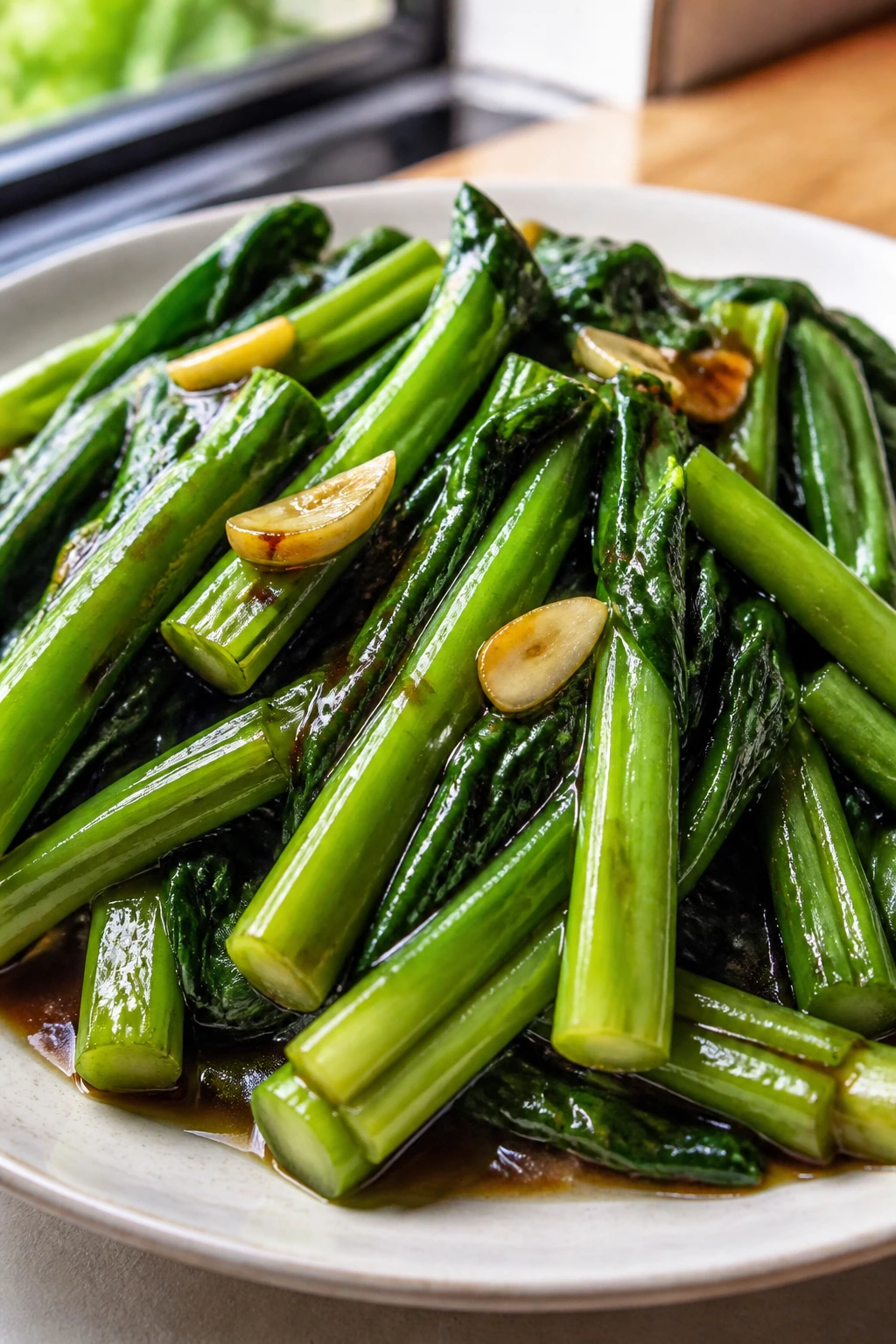
Intro: Gai lan doesn’t need much. The stems should stay crisp at the center, the leaves should soften just enough, and the sauce should sit on top like a glossy coat rather than disappear into the greens. This is a side dish that behaves like it knows exactly what it is.
Why It Works: Chinese broccoli has thick stems, so a short blanch or steam keeps the texture even. Oyster sauce adds the savory depth the greens need, and garlic keeps the flavor from feeling flat. The whole dish depends on not overcooking the leaves.
Key Ingredients:
- 1 lb Chinese broccoli (gai lan), trimmed
- 3 cloves garlic, sliced
- 2 tablespoons oyster sauce
- 1 tablespoon soy sauce
- 1 teaspoon sugar
- 2 tablespoons neutral oil
- 1/4 cup water
Quick Steps:
- Blanch the gai lan: Cook the stems and leaves in boiling water for 60 to 90 seconds, then drain well.
- Sizzle the garlic: Heat oil in a small pan and cook the garlic for 10 seconds.
- Make the sauce: Add oyster sauce, soy sauce, sugar, and water, then let it bubble briefly.
- Plate and dress: Arrange the gai lan on a plate and spoon the sauce over the top.
Equipment for This Recipe:
- Pot for blanching
- Small skillet or saucepan
- Slotted spoon or tongs
How to Serve This Dish: Serve it beside richer dishes like beef, pork, or fried rice. It also looks clean and neat on a shared table, which is helpful when you want one green thing that actually tastes like something.
Pro Tips for This Recipe:
- Trim the thick ends if they feel fibrous.
- Blanching keeps the stems tender without turning the leaves gray.
- If the stems are thick, cover the pan for a minute after the water goes in.
Variations on This Dish:
- Garlic Chili Gai Lan: Add sliced chilies with the garlic.
- Mushroom Sauce Version: Use vegetarian mushroom sauce instead of oyster sauce.
Common Mistakes to Avoid with This Dish:
- Overcooking the greens: They turn dull and soft. Pull them while still bright.
- Skipping the drain: Water dilutes the sauce and makes the plate runny.
23. Chicken and Black Bean Stir-Fry
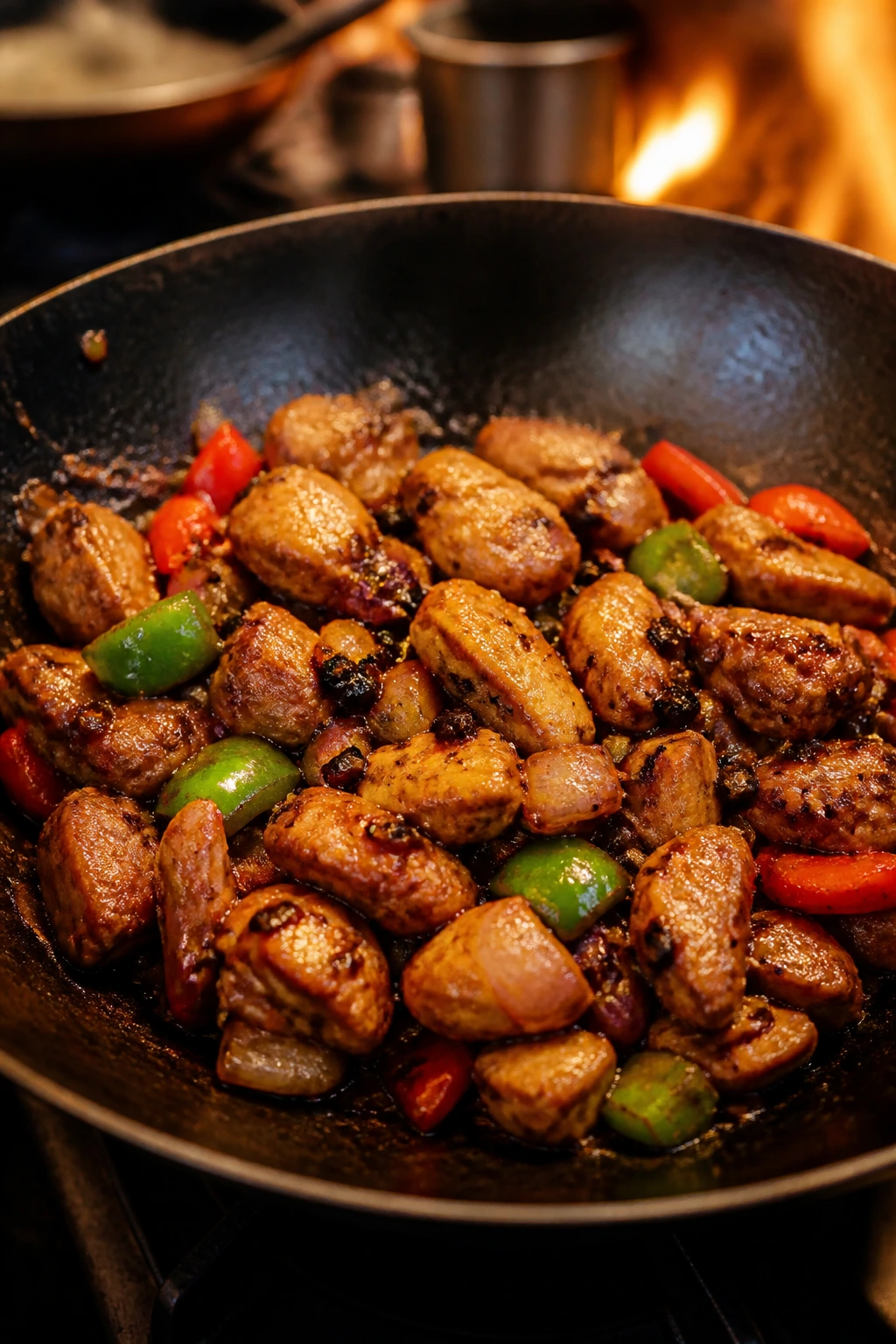
Intro: Fermented black beans smell loud in the bag and deeply savory in the wok. Once they hit garlic and ginger, they turn into the kind of saltiness that makes chicken taste bigger than its size. This is the pan you want when plain soy sauce feels too quiet.
Why It Works: Rinsed black beans bring deep savory flavor without the harshness of too much salt. Chicken thighs stay juicy under a fast stir-fry, and bell pepper or onion gives the dish something fresh to land on. The sauce is short but forceful.
Key Ingredients:
- 1 lb chicken thighs, sliced thin
- 2 tablespoons fermented black beans, rinsed and lightly chopped
- 1 bell pepper, sliced
- 1 onion, sliced
- 3 cloves garlic, minced
- 1 teaspoon fresh ginger, minced
- 2 tablespoons soy sauce
- 1 tablespoon Shaoxing wine
- 1 teaspoon sugar
- 1 tablespoon neutral oil
Quick Steps:
- Prep the beans: Rinse them quickly so they taste savory, not harsh.
- Cook the chicken: Stir-fry the chicken until the outside turns opaque and lightly browned.
- Add the aromatics: Stir in black beans, garlic, and ginger for 20 seconds.
- Add the vegetables: Toss in onion and bell pepper and cook until just softened.
- Finish the sauce: Add soy sauce, Shaoxing, and sugar, then serve while the pan is still glossy.
Equipment for This Recipe:
- Wok or skillet
- Small bowl for the beans
- Spatula
How to Serve This Dish: Serve it with steamed rice, because that is the simplest way to catch the salty sauce. A crisp cucumber plate on the side keeps the meal from feeling too dark and heavy.
Pro Tips for This Recipe:
- Rinse the black beans quickly; you want flavor, not salt overload.
- Chop them a little so they spread through the pan.
- Keep the peppers slightly firm for contrast.
Variations on This Dish:
- Pork and Black Bean Version: Swap the chicken for thin-sliced pork shoulder.
- Spicy Bean Chili Version: Add sliced fresh chilies with the garlic.
Common Mistakes to Avoid with This Dish:
- Using too many black beans: The dish gets salty fast. Start small.
- Leaving the vegetables too soft: You lose the contrast that makes the stir-fry work.
24. Garlic Egg Fried Rice
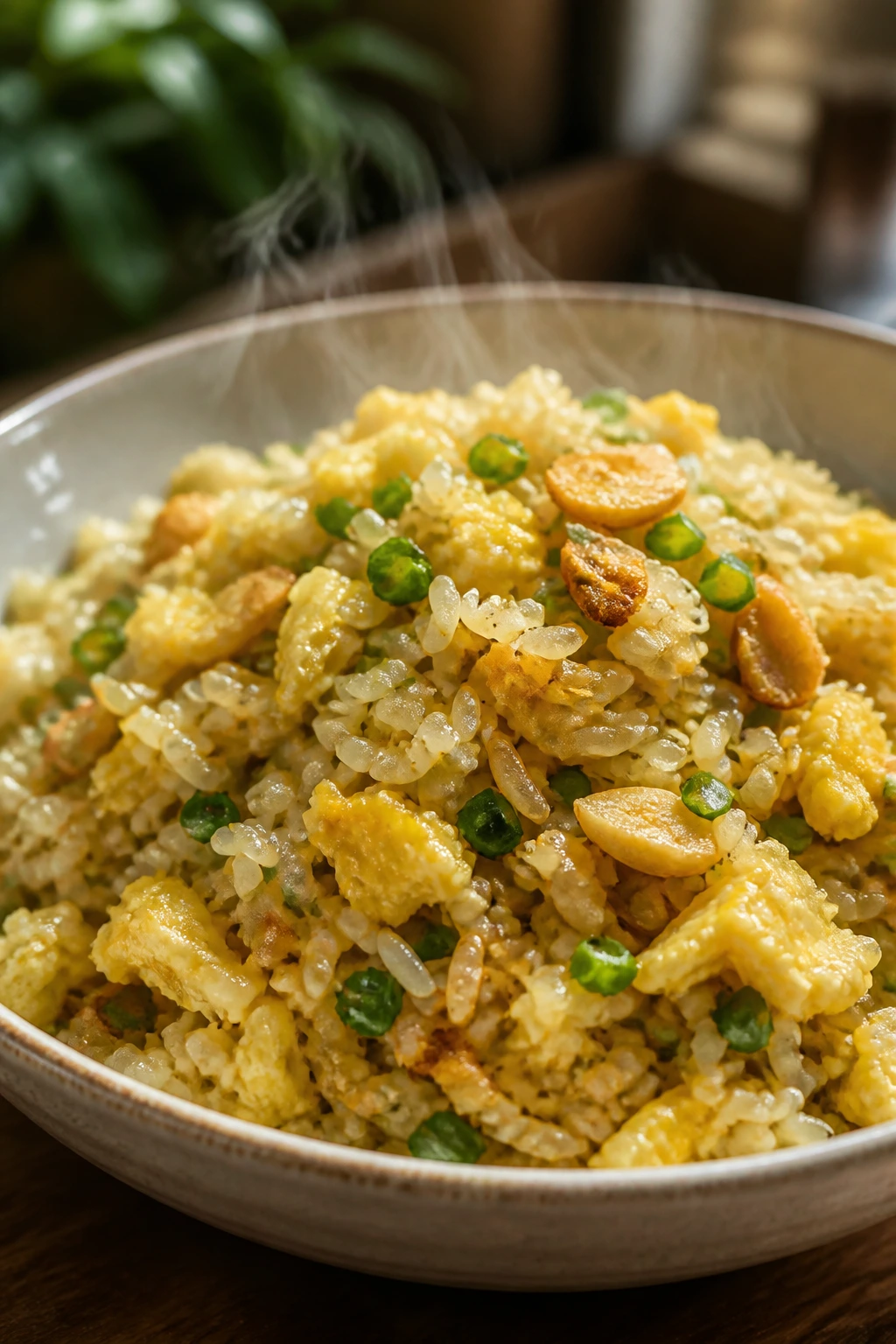
Intro: Fried rice is all about the grain texture. The rice should be dry enough to separate, the eggs should be tender, and the garlic should smell sweet rather than burnt. It’s the fastest thing here, and if you handle the heat well, it can still taste like actual cooking.
Why It Works: Day-old rice fries better because the grains have had time to dry out. Scrambling the eggs first keeps them soft and prevents them from disappearing into the rice. Garlic, scallions, and a little soy sauce make the pan taste finished without weighing it down.
Key Ingredients:
- 3 cups cold cooked rice
- 3 large eggs
- 3 scallions, chopped
- 1/2 cup peas
- 1/2 cup diced carrot
- 3 cloves garlic, minced
- 2 tablespoons soy sauce
- 1 tablespoon sesame oil
- 2 tablespoons neutral oil
Quick Steps:
- Scramble the eggs: Cook them softly in a little oil, then remove them.
- Fry the garlic and vegetables: Add garlic, carrot, and peas to the hot pan and cook for 1 to 2 minutes.
- Break up the rice: Add the cold rice and press out clumps with the spatula.
- Season the grains: Stir in soy sauce and cook until the rice looks evenly colored.
- Finish the pan: Return the eggs, add scallions and sesame oil, and toss until fragrant.
Equipment for This Recipe:
- Wok or large skillet
- Spatula
- Bowl for the eggs
How to Serve This Dish: Serve it as a meal on its own or as the base for any saucy stir-fry on this list. A little chili oil or pickled vegetables on the side keeps each bite moving.
Pro Tips for This Recipe:
- Cold rice is the difference between fried rice and mush.
- Break the rice apart before it hits the pan if the grains are clumped.
- Add sesame oil at the end so the aroma stays obvious.
Variations on This Dish:
- Shrimp Fried Rice: Add cooked shrimp at the end and warm through.
- Pork Fried Rice: Use diced leftover pork or char siu for a fuller bowl.
Common Mistakes to Avoid with This Dish:
- Using warm rice: It turns sticky. Chill it first.
- Overcrowding with vegetables: The rice steams and loses its fried edges.
25. Sweet and Sour Pork with Pineapple and Peppers
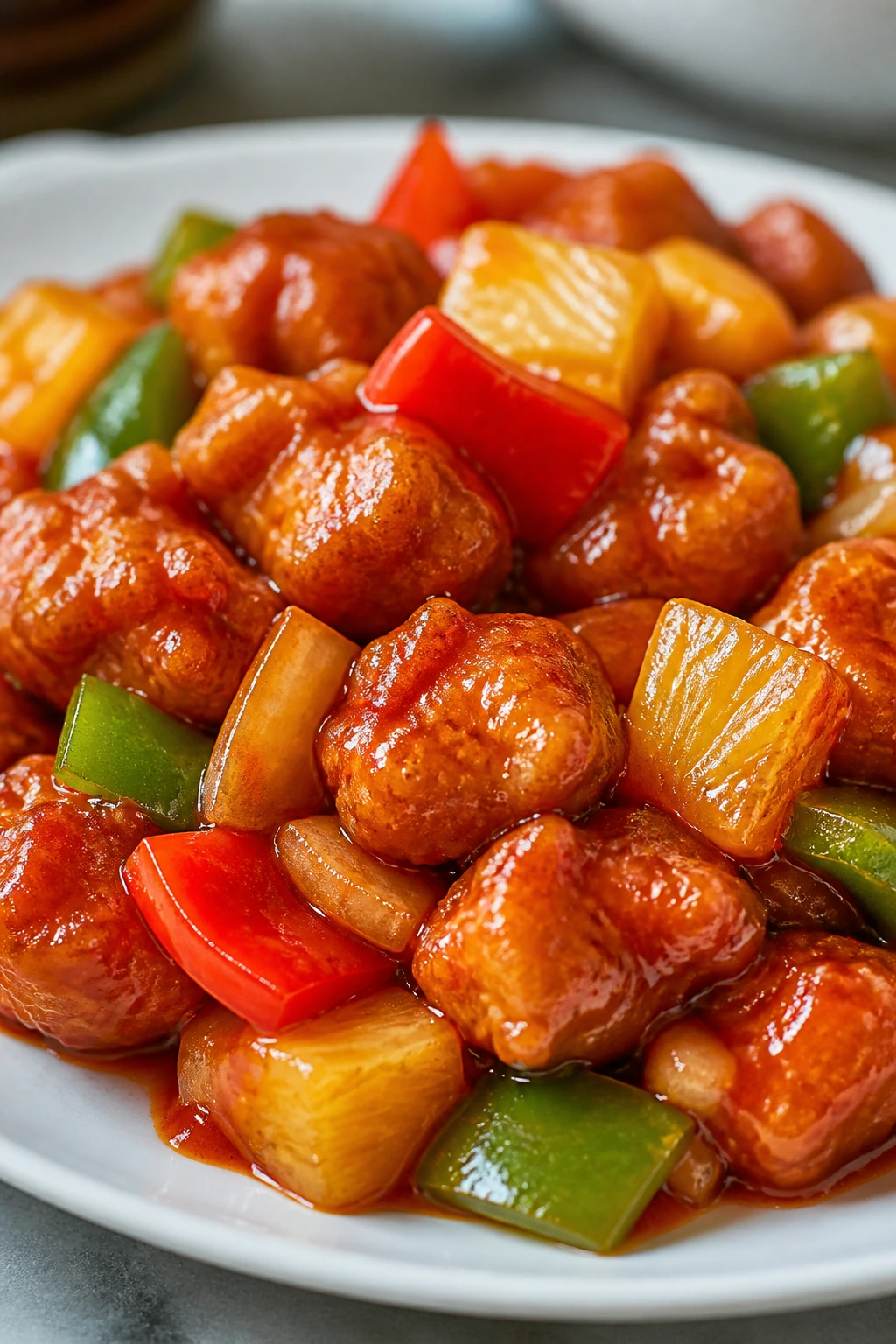
Intro: Sweet and sour pork should hit you with tang first and pineapple second. The pork stays crisp around the edges, the peppers keep some bite, and the sauce should look shiny rather than neon or gluey. It’s the last recipe here, but it still knows how to make noise.
Why It Works: Pork tenderloin cooks quickly and stays tender when the pieces are kept small and seared hard. Pineapple adds juice and acidity, while ketchup, vinegar, and sugar build the classic sweet-sour balance fast. The bell peppers and onion stop the dish from drifting into candy territory.
Key Ingredients:
- 1 lb pork tenderloin, cut into 1-inch cubes
- 1 cup pineapple chunks
- 1 bell pepper, cut into chunks
- 1/2 onion, cut into chunks
- 2 tablespoons ketchup
- 1 tablespoon vinegar
- 1 tablespoon soy sauce
- 1 tablespoon sugar
- 1 teaspoon cornstarch
- 1 tablespoon neutral oil
Quick Steps:
- Coat the pork: Toss the cubes with cornstarch and a pinch of salt.
- Sear the pork: Cook in hot oil until browned on several sides, then remove.
- Cook the vegetables: Stir-fry onion and bell pepper for 1 to 2 minutes.
- Make the sauce: Add ketchup, vinegar, soy sauce, sugar, and a splash of water.
- Bring it together: Return the pork and pineapple, toss until coated, and serve while the sauce is glossy.
Equipment for This Recipe:
- Wok or skillet
- Bowl for coating pork
- Spatula or tongs
How to Serve This Dish: Serve it over rice so the sauce can soak in instead of sliding off the plate. It also works well with a plain green side, since the sauce has enough sweetness to want a little balance.
Pro Tips for This Recipe:
- Keep the pork pieces small and even so they sear at the same rate.
- Add the pineapple near the end so it stays bright and juicy.
- If the sauce seems too sharp, add a teaspoon more sugar rather than more ketchup.
Variations on This Dish:
- Chicken Sweet and Sour: Swap pork for chicken thigh pieces and keep the same sauce.
- Spicier Version: Add sliced chilies or a spoonful of chili sauce to the glaze.
Common Mistakes to Avoid with This Dish:
- Making the sauce too thick: It turns sticky fast. Keep it glossy and loose.
- Overcooking the pineapple: It loses its fresh tang. Add it late.
Why a Hot Wok Makes a Quick Stir-Fry Night Feel Easy
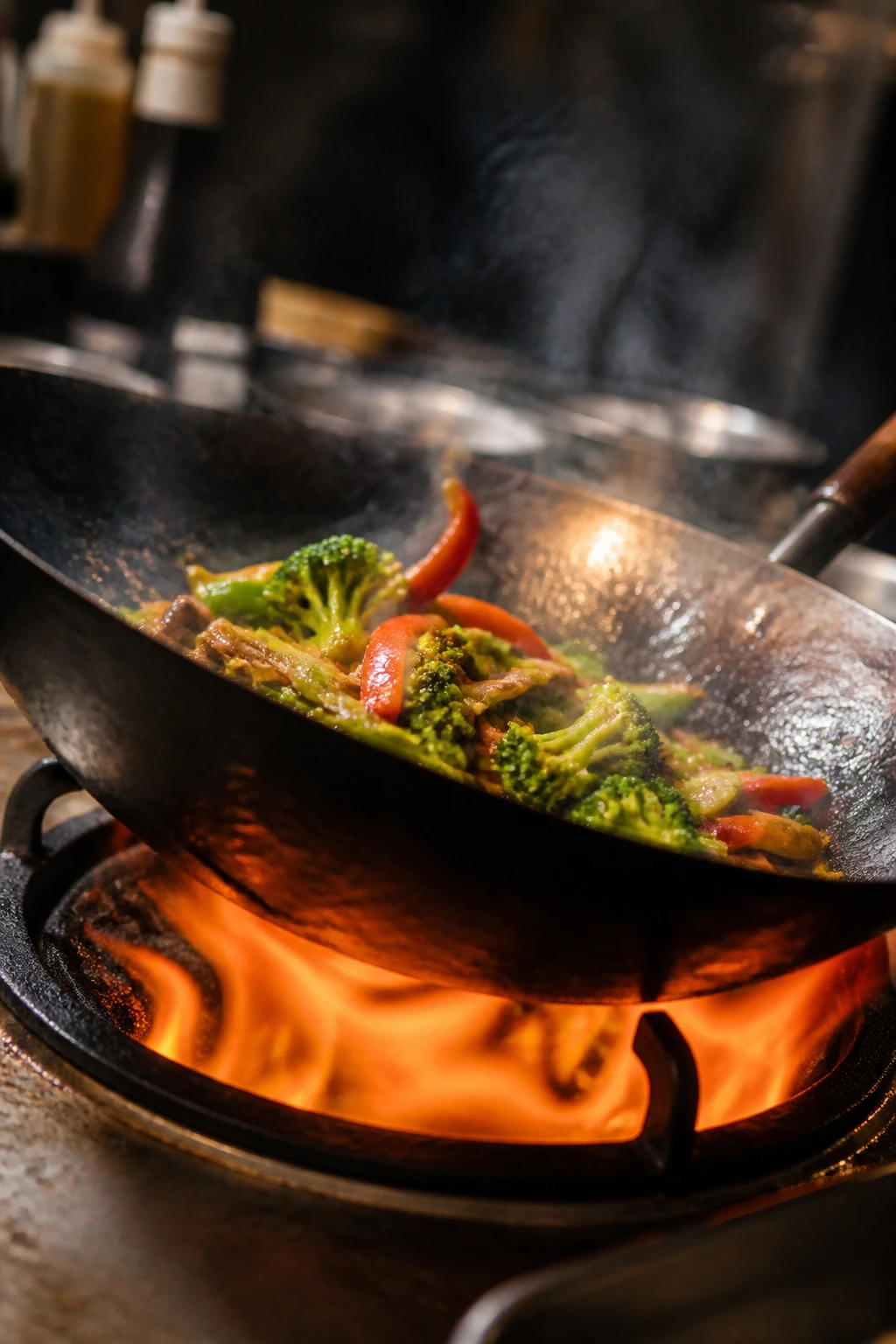
A stir-fry is less about flair than it is about control. The burner needs to be hot enough that oil shimmers quickly, and the ingredients need to be ready before the first clatter of the spatula. That is why these Chinese cooking recipes work so well on a busy night: they reward prep more than patience, and they do not ask the stove to do anything fancy.
The smartest move is to treat the cutting board like part of the burner. Slice the beef, trim the beans, rinse the black beans, mix the sauce, and park each piece in its own bowl before you start cooking. Once the heat goes on, the window gets small. Garlic burns fast, shrimp overcook faster, and a crowded pan will steam whatever you put in it.
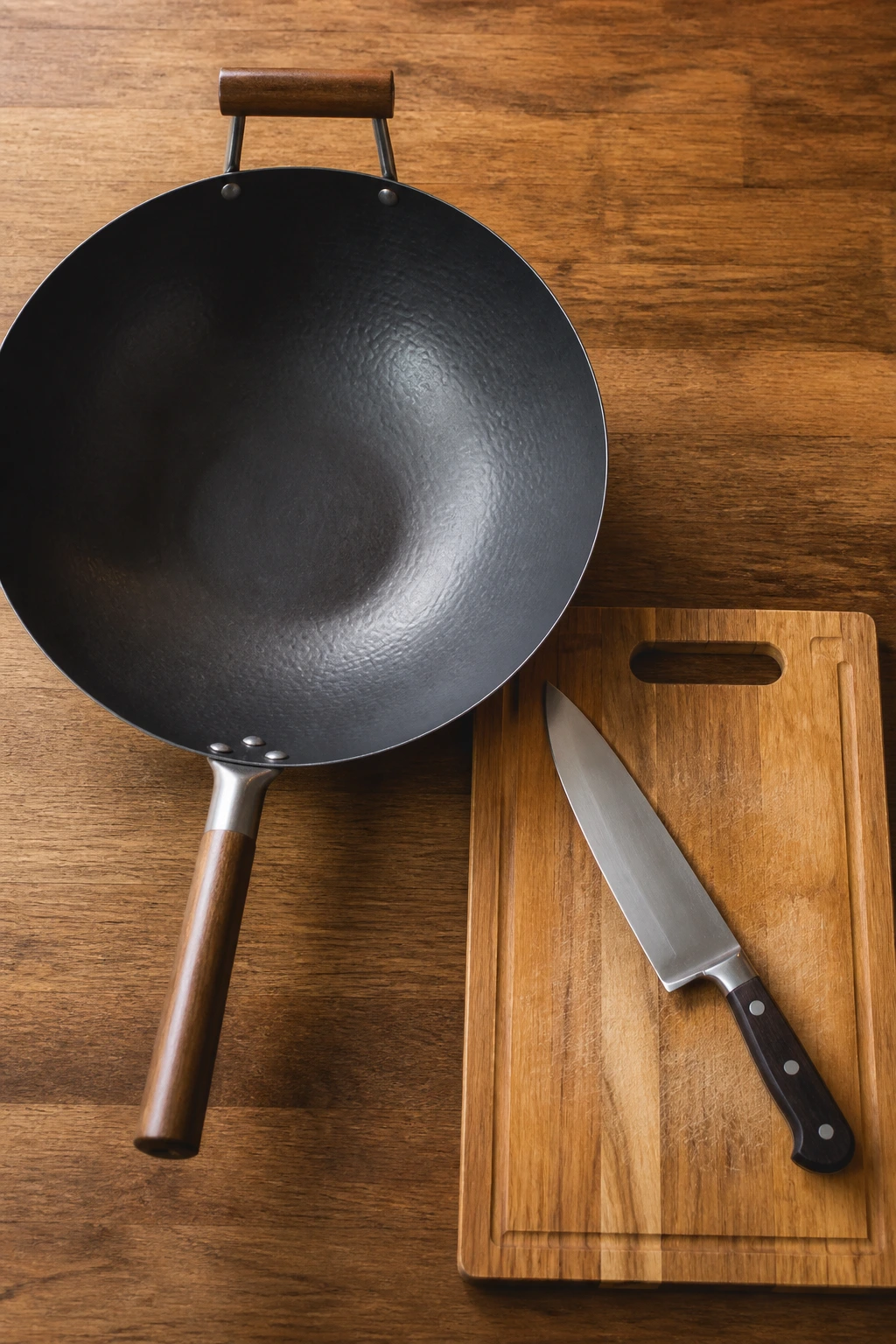
A wok helps because it gives you room to push food up the sides while another ingredient sears in the center. A heavy 12-inch skillet works too, which is handy because most home cooks already own one. The shape matters less than the discipline: keep the pan hot, keep the ingredients dry, and keep the sauce close.
Essential Equipment for These Recipes
-
Wok or 12-inch skillet: A wide surface gives the ingredients room to sear instead of steam; use the heaviest pan you have if you do not own a wok.
-
Sharp chef’s knife: Thin slices of beef, chicken, pork, and vegetables cook more evenly and stay tender.
-
Cutting board: Put a damp towel under it if it slides; wok cooking gets quicker once your board is stable.
-
Small bowls for sauce and aromatics: I like to keep garlic, ginger, and scallions separated so nothing burns while I reach for something else.
-
Spatula or wok turner: A long, flat tool keeps you from crushing vegetables or tearing noodles.
-
Tongs: Useful for flipping meat, shrimp, and rice cakes without overhandling them.
-
Slotted spoon or spider: Handy for blanching broccoli, lifting noodles, or pulling vegetables out of hot water.
-
Rice cooker or saucepan: A simple side of rice makes the saucy recipes feel complete.
-
Airtight containers: Good leftovers start with a container that seals before the food dries out.
Smart Shopping for the Sauces and Staples in Chinese Cooking Recipes
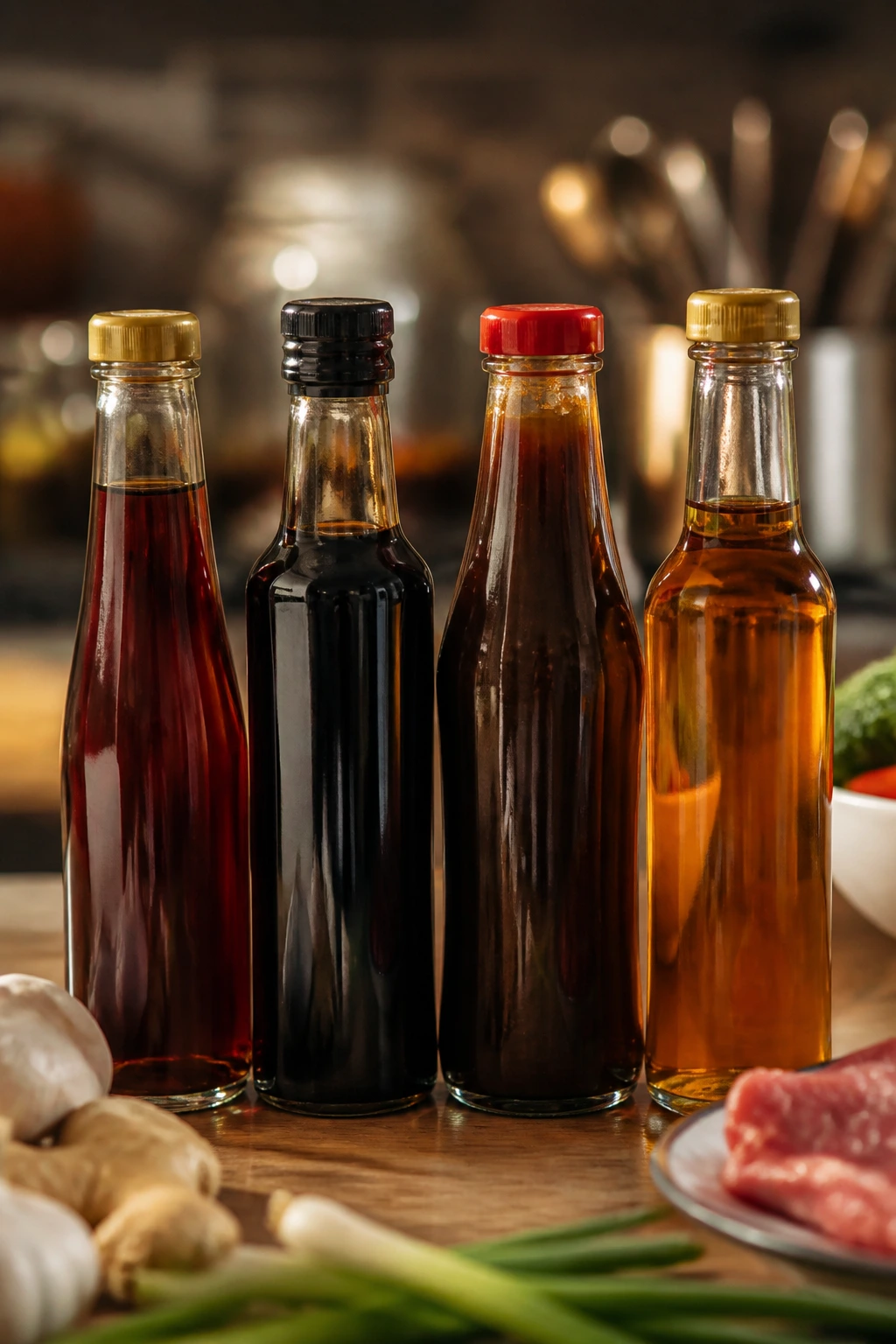
The sauces matter, but they are not all the same thing. Light soy sauce seasons and salt, dark soy sauce colors, oyster sauce adds body, and Shaoxing wine gives a soft, round note that dry sherry can cover in a pinch. If you buy only one bottle beyond soy sauce, I’d make it oyster sauce. It turns plain chicken or broccoli into something with actual depth.
Protein choice changes the whole feel of the pan. Flank steak and sirloin are better than thick stew cuts for quick beef dishes because they slice thin and cook before they stiffen. Chicken thighs stay juicier than breast meat, shrimp should be raw and peeled, and extra-firm tofu holds up better than soft tofu unless the recipe wants a silkier texture, like mapo tofu. For pork, tenderloin is lean and quick, while thin-sliced shoulder gives you a little more flavor.
Vegetables need a quick once-over before they go in the cart. Look for broccoli with tight florets, bok choy with crisp stems, green beans that snap instead of bend, and eggplant with shiny skin and a little weight in the hand. Mushrooms should feel dry, not slimy. If you buy them wet and then rinse them again at home, they steam instead of browning, and that is a bad trade.
A few pantry items are worth keeping around because they show up again and again: cornstarch, rice vinegar, Chinkiang vinegar, sesame oil, chili crisp, and fermented black beans. None of them are hard to find once you know the labels. And if you see a jar marked vegetarian mushroom oyster sauce, that is worth a spot on the shelf too.
How to Serve These Recipes
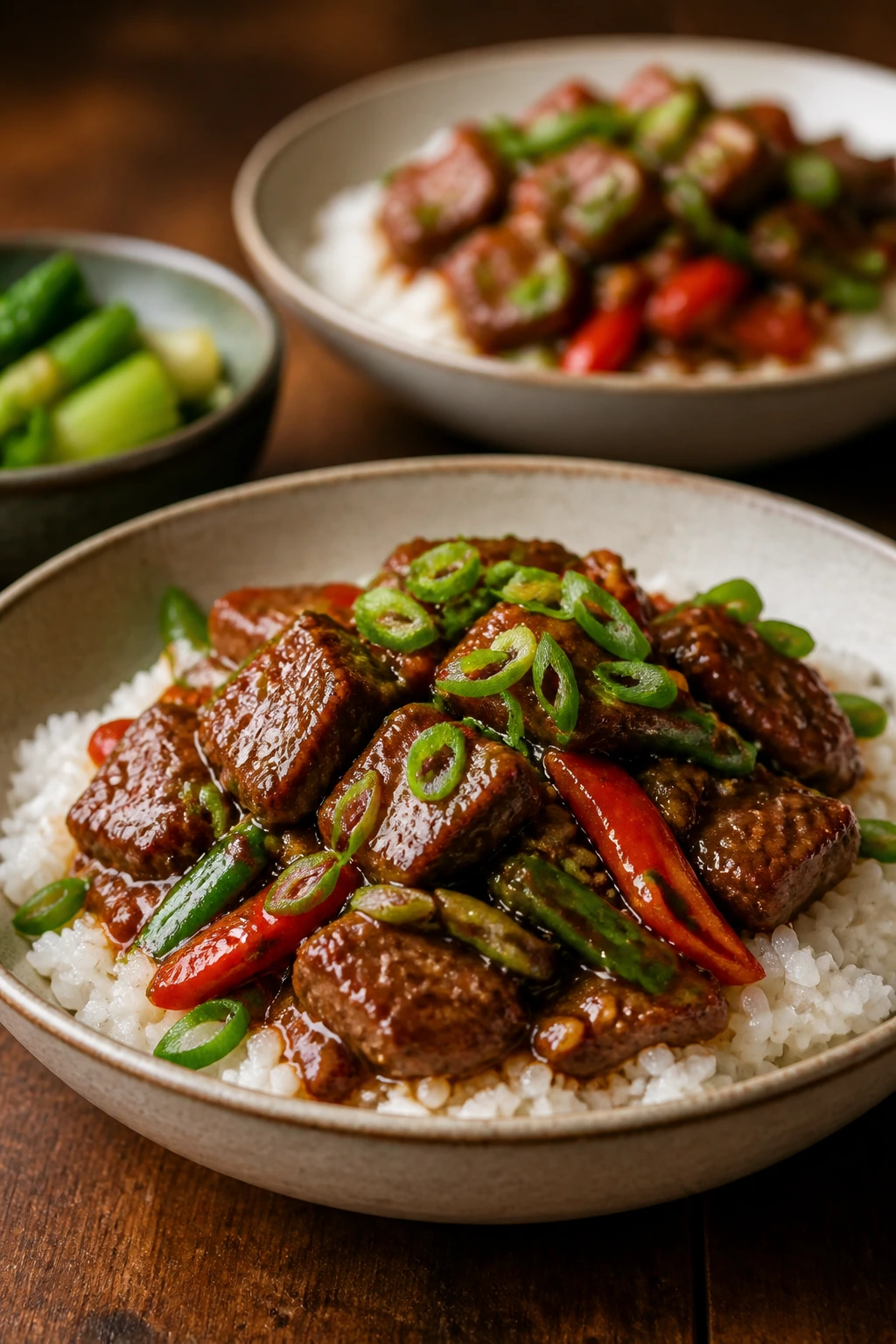
Presentation: I like these stir-fries in shallow bowls instead of flat plates. The sauce stays where it should, the rice catches the edges, and a scatter of scallions or sesame seeds makes the whole bowl look alive without much effort.
Accompaniments: Steamed jasmine rice is the safest match for the saucy dishes, while lo mein or chow mein noodles make sense with the noodle recipes. For greens, a simple plate of blanched bok choy, cucumber salad, or garlic broccoli keeps the table from tilting too heavily toward one texture.
Portions: Most of these recipes feed 3 to 4 people as a main dish, especially if rice or noodles are on the side. If you are serving several dishes family-style, cut the portions a little smaller and let the table do the work; stir-fry is one of those meals that improves when there are two or three bowls in the middle.
Beverage Pairing: Jasmine tea is the cleanest match, especially with rich or spicy dishes. A dry lager or a light, off-dry white wine also works well with the sweeter stir-fries, while plain sparkling water with lime keeps the table moving between spicy bites.
Additional Tips and Flavor Boosters
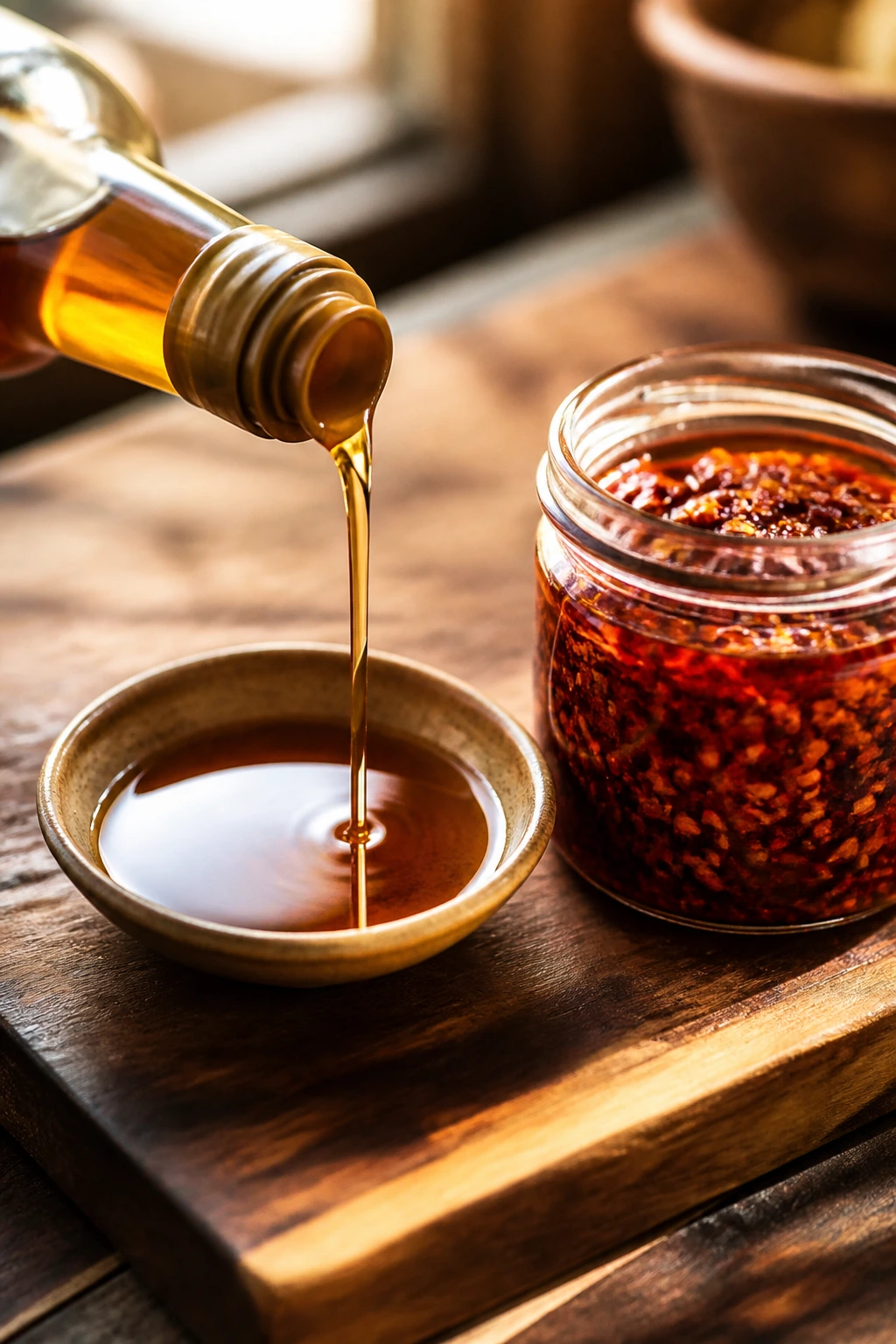
Flavor Enhancement: A few drops of toasted sesame oil at the end can make a plain soy-and-garlic pan smell finished. I also like a small spoonful of chili crisp on beef, noodles, or tofu when I want heat and crunch in one hit.
Customization: Mushrooms, snow peas, baby corn, napa cabbage, and bean sprouts can slide into almost any of these pans. If you like more sauce, add a splash of water or broth and keep the cornstarch the same; that gives you more volume without turning the whole dish heavy.
Serving Suggestions: Fresh scallions are the easiest garnish in the book. Toasted sesame seeds, cilantro leaves, fried garlic, and crushed peanuts all work too, and each one changes the texture just enough to make the dish feel a little more intentional.
Make-It-Yours: Tamari can stand in for soy sauce if you need a gluten-free version. Mushroom sauce does a decent job where oyster sauce would normally go, and if you want a milder table, you can simply hold back the chilies and pass chili oil at the end.
Make-Ahead, Storage, and Reheating Guidance
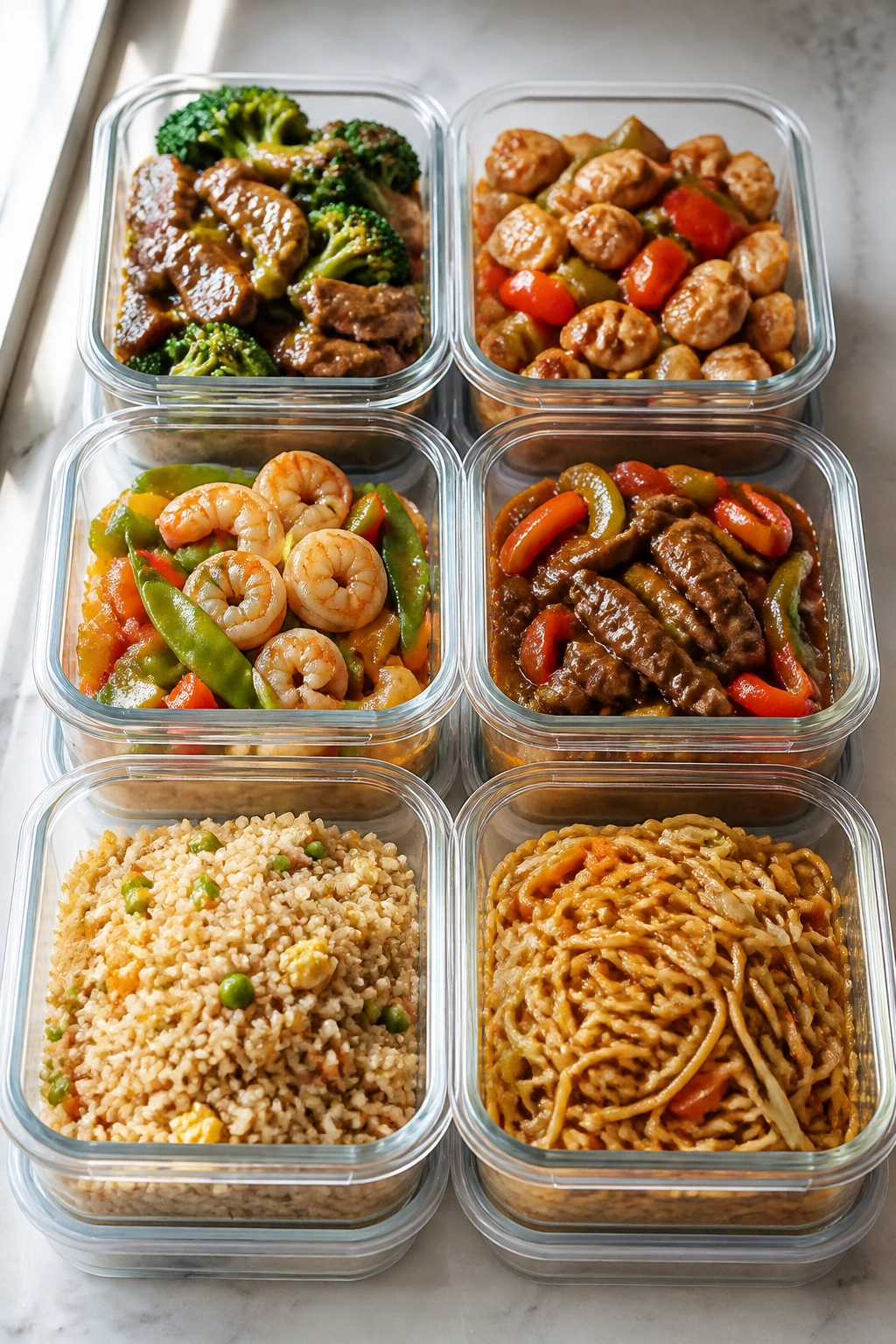
Chicken, beef, and pork stir-fries keep best for 3 to 4 days in the refrigerator in airtight containers. Seafood is shorter-lived and should be eaten within 2 days, because shrimp get rubbery if they sit around too long. Fried rice and noodle dishes also hold for about 3 days, though noodles can dry out faster than rice if the container is not sealed well.
A few dishes freeze better than others. Saucy meat dishes like beef and broccoli, Mongolian beef, or chicken and black bean stir-fry can go in the freezer for up to 2 months, though the vegetables soften a little on the way back. Tofu and rice cakes do not freeze as gracefully, and leafy vegetables like bok choy or napa cabbage turn softer after thawing. If texture matters most, keep those fresh.
Reheating in a skillet is usually better than the microwave. Add a splash of water or broth, cover for a minute over medium heat, then uncover and toss until hot. That works especially well for saucy dishes and fried rice. Noodles need a little extra oil or water to loosen up, while shrimp should be warmed gently so they do not tighten. Let leftovers cool fast in shallow containers before they go into the fridge, and the texture will hold up better the next day.
For make-ahead work, sauce mixtures can usually be mixed 2 to 3 days ahead and kept cold. Vegetables can be washed and cut a day early if you dry them well and store them with a paper towel in the container. Chicken and pork can be sliced and marinated the morning of cooking, but shrimp are better left until closer to dinner because they cure fast.
Variations and Adaptations to Try
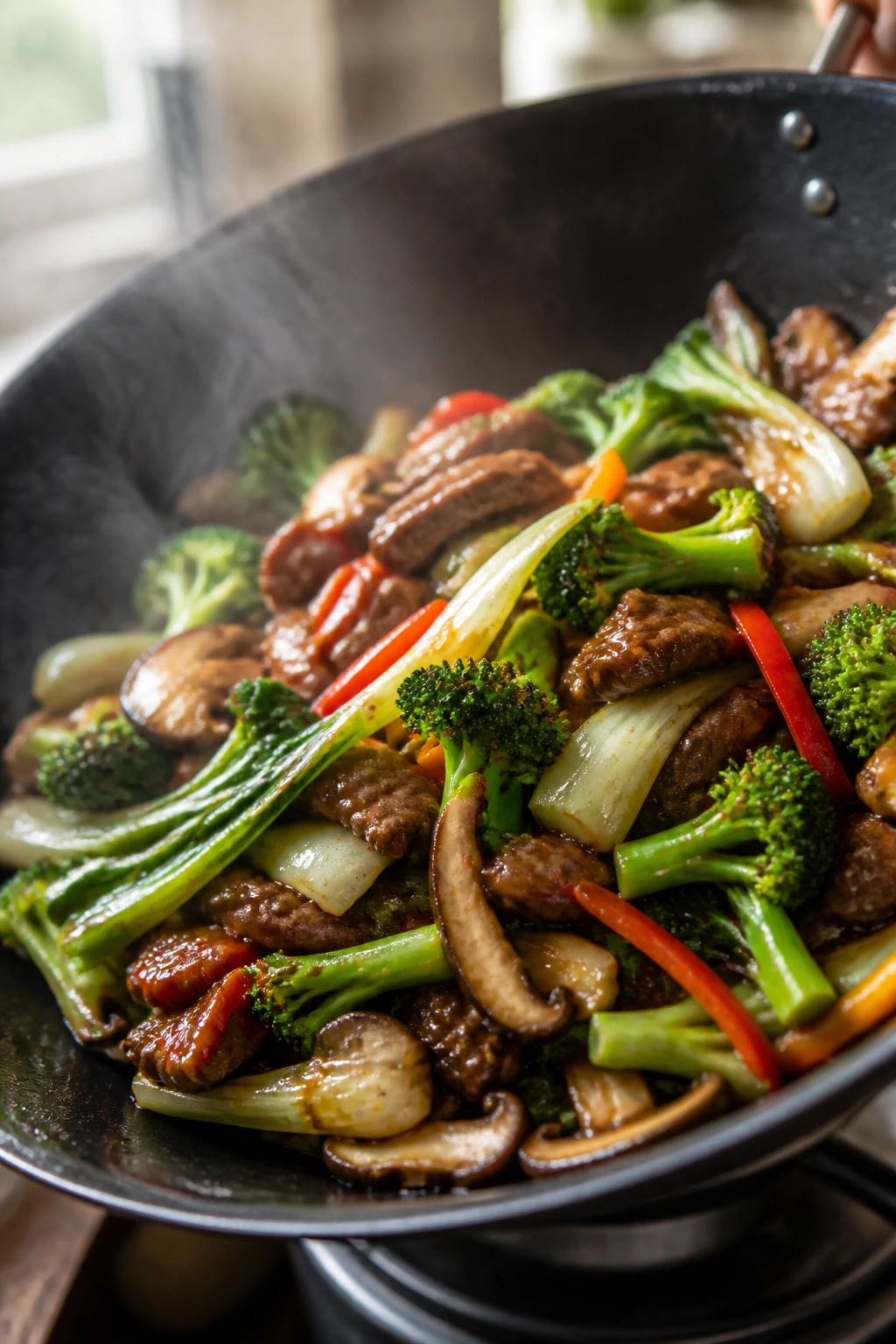
Gluten-Free Wok Night: Use tamari instead of regular soy sauce and check that your oyster sauce or black bean sauce is labeled gluten-free. Rice cakes, rice noodles, and plain rice all fit neatly into this version, and the flavors stay the same as long as the pan stays hot.
Lower-Sodium Sauce Reset: Use low-sodium soy sauce and lean on ginger, vinegar, scallions, and garlic to bring the food back to life. A little acid does more work than people expect here, and it keeps the dishes from tasting flat after the salt drops.
Vegetable-Forward Dinner: Double the vegetables in dishes like beef and broccoli, chicken with cashews, or lo mein, and cut the protein back a little. Mushrooms, bok choy, cabbage, snow peas, and green beans all handle the wok well, and the sauce can stay exactly where it is.
Mild Family Table: Skip the dried chiles, chili bean paste, and chili crisp, then serve those items at the table instead. That lets everyone eat from the same pan without turning dinner into a negotiation.
Sichuan Heat Night: Add doubanjiang, dried chiles, and Sichuan peppercorns to beef, tofu, or eggplant dishes. A little black vinegar at the end gives the heat a sharper edge, which helps the flavor feel layered instead of just hot.
Common Mistakes to Avoid
-
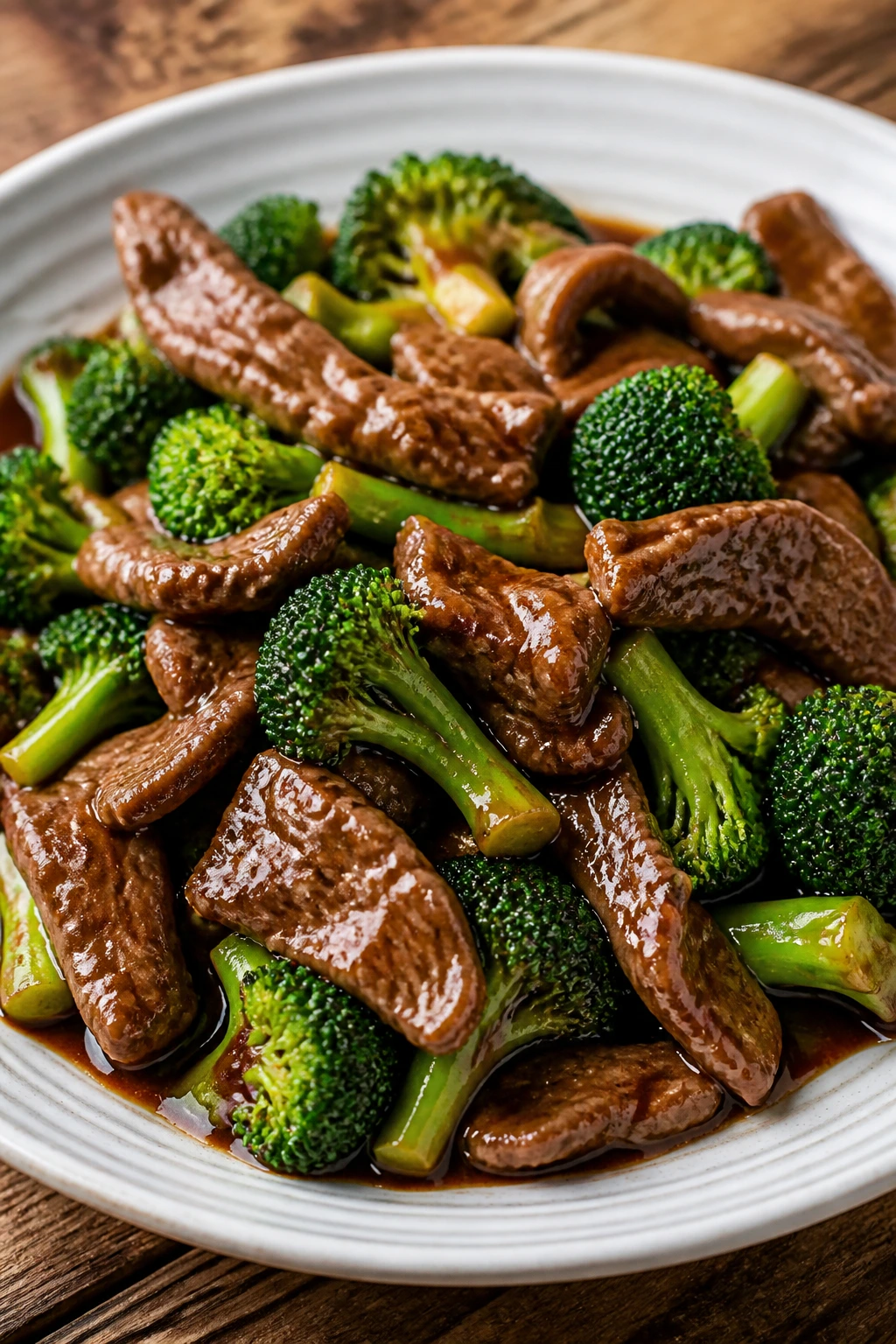
Crowding the pan: When too much food hits the wok at once, the temperature drops and everything steams. Cook in batches if the ingredients do not fit in one layer.
-
Starting before the prep is finished: Garlic burns, shrimp overcook, and sauces split when you are still chopping. Get every bowl ready first; it saves more time than it costs.
-
Using wet ingredients: Water on vegetables, noodles, or protein keeps the pan from browning. Dry the ingredients well, especially mushrooms, broccoli, and tofu.
-
Cooking on medium heat because the food looks loud: Stir-fries need a hot pan and quick movement. If the oil does not shimmer, the pan is not ready.
-
Adding sauce too early: Soy, sugar, and vinegar can burn before the rest of the ingredients are ready. Add them near the end so they glaze instead of scorch.
Frequently Asked Questions
Do I need a wok for these Chinese stir-fry recipes?
No. A wide 12-inch skillet works well, especially if it holds heat evenly. A wok is nice because it gives you room to push ingredients aside, but the real advantage is heat control and a pan that does not get crowded.
Can I use frozen vegetables?
Yes, with a little care. Thaw them first and pat them dry, or they will dump water into the pan and soften everything around them. Frozen peas, corn, and even some bok choy mixes work better than frozen broccoli, which can go soft fast.
What oil should I use for stir-frying?
Use a neutral oil with a high smoke point, like peanut, canola, avocado, or refined sunflower oil. Save toasted sesame oil for the end, because it adds aroma rather than cooking power.
How do I keep beef tender?
Slice it thin against the grain, dry it well, and do not let it sit in the pan for too long. A light cornstarch coating helps seal the surface and gives the sauce something to cling to.
Can I make the sauce ahead of time?
Yes, and I often do. Most of the sauces here can be mixed 2 to 3 days ahead and kept in the fridge, which makes the actual cooking feel almost too easy. Just stir the sauce again before using if the cornstarch settles.
What if my stir-fry turns watery?
The pan was probably too crowded, the vegetables were wet, or the heat dropped too low. Keep cooking over higher heat until the liquid cooks off, or pull the ingredients out and reduce the liquid on its own for a minute before returning everything to the pan.
Can I swap chicken breast for chicken thighs?
Usually, yes. Breast meat cooks a little faster and dries out more easily, so slice it thin and keep the heat high. Thighs give you more leeway, which is why they show up so often in these recipes.
Which recipe should I start with if I’m new to stir-fry?
Beef and broccoli, tomato and egg, or garlic egg fried rice are the easiest places to begin. They all have short ingredient lists, clear cues, and enough forgiveness that one imperfect step will not ruin the whole pan.
One Hot Pan, Many Dinners
A good stir-fry is a system, not a stunt. Once you learn how to slice, pre-mix, sear, and finish, the whole style of cooking gets easier because the rules stay the same even when the ingredients change. Beef becomes chicken, broccoli becomes bok choy, and a plain Wednesday starts looking a lot more like dinner.
Keep the sauce close, the knife sharp, and the pan hotter than feels polite. That is enough to make these Chinese cooking recipes work on a quick stir fry night, and it is enough to keep them useful long after the first batch is gone. Pick one tonight, stash the leftovers in a shallow container, and let tomorrow’s meal start at the wok instead of the takeout menu.