



Chinese meals better than takeout have a funny habit of tasting more organized than the carton ever did. The sauce is brighter. The vegetables keep their snap. The rice doesn’t arrive as a damp mound with one lonely scallion on top.
And the gap isn’t mysterious. Most restaurant-style Chinese food lives or dies on a few repeatable moves: a hard sear, a fast sauce, a careful balance of soy, vinegar, sugar, and heat. Get those pieces right at home, and you stop chasing a delivery habit that’s half convenience, half compromise.
What I like most about these dishes is that they don’t ask for fancy equipment or a pantry full of specialty items you’ll use once and forget. A good skillet, a few sauces, fresh ginger, garlic, and a little confidence go a long way. Once you know how to keep the wok hot, or at least hot enough, the whole category starts to feel friendly instead of fussy.
Why This Collection Beats the Delivery Box
-
Faster than waiting on the driver: Most of these plates come together in 20 to 35 minutes, and the hands-on part is usually shorter than the time you’d spend refreshing an order screen.
-
Better texture control: Broccoli stays green, shrimp stay springy, and beef gets seared instead of steamed, which is the biggest reason home versions taste sharper.
-
Sauce that actually clings: A small cornstarch slurry turns thin liquid into a glossy coating, so every bite tastes seasoned instead of soupy.
-
Pantry staples do the heavy lifting: Soy sauce, rice vinegar, oyster sauce, sesame oil, and cornstarch show up again and again, so your shopping list gets easier after the first round.
-
You can dial in the heat and salt: Delivery kitchens often overshoot salt or sugar to keep things bold after travel. At home, you can make the dish taste lively without feeling heavy.
-
Leftovers stay useful: Fried rice, noodles, soup, and saucy stir-fries all reheat better than people expect if you keep the components from getting swampy.
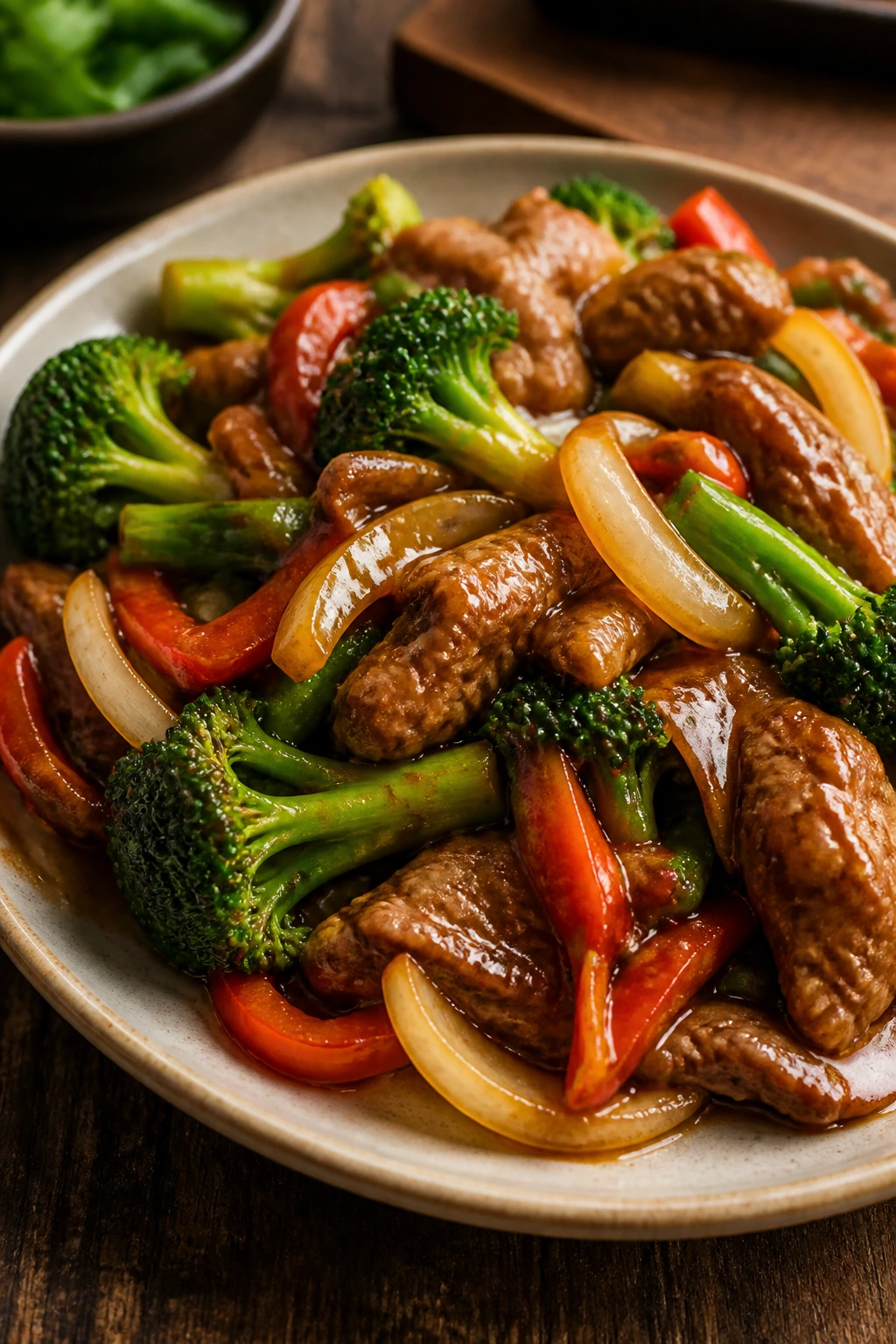
1. Beef and Broccoli with Garlic Ginger Sauce
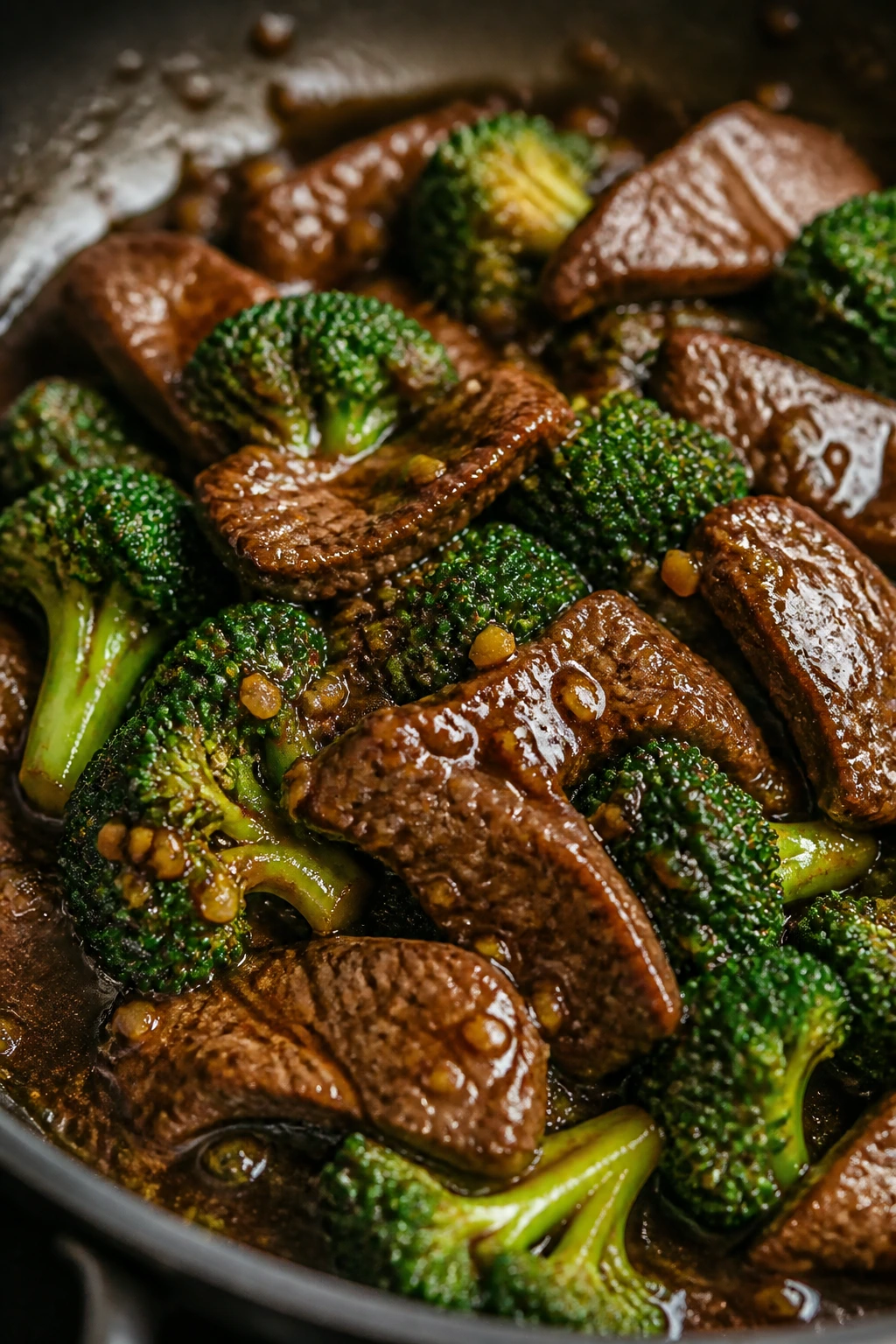
Flank steak and broccoli are one of those pairings that make complete sense the second they hit a hot pan. The beef gets a little browned at the edges, the broccoli turns glossy and bright green, and the whole thing smells like garlic and soy before you’ve even finished plating it.
This version leans on a fast marinade and a sharp sauce, which is the whole trick. No long braise. No heavy batter. Just quick heat, a little cornstarch, and enough ginger to keep the sauce from tasting flat.
Why It Works:
Beef and broccoli tastes like restaurant food because the beef is sliced thinly across the grain and hit with high heat for only a minute or two. That keeps flank steak tender instead of chewy. The broccoli gets a short blanch first, so it finishes in the skillet without turning olive-drab and soft. A little oyster sauce gives the sauce body and that savory depth people usually can’t quite name.
Key Ingredients:
- 1 lb flank steak, thinly sliced across the grain
- 5 cups broccoli florets, cut into even bite-size pieces
- 1 tbsp cornstarch, for the beef marinade
- 2 tbsp low-sodium soy sauce, for the marinade
- 1 tsp Shaoxing wine or dry sherry, for the marinade
- 3 garlic cloves, minced
- 1 tbsp fresh ginger, grated
- 2 tbsp oyster sauce
- 1/3 cup low-sodium soy sauce, for the sauce
- 1/2 cup beef broth or water
- 1 tsp sesame oil
- 1 tsp cornstarch mixed with 2 tbsp water, for thickening
Quick Steps:
- Marinate the Beef: Toss the sliced flank steak with soy sauce, Shaoxing wine, cornstarch, and a teaspoon of neutral oil. Let it sit for 10 to 15 minutes while you prep the broccoli and sauce.
- Blanch the Broccoli: Boil salted water and blanch the broccoli for 60 to 90 seconds, just until bright green. Drain well and shake off excess water.
- Mix the Sauce: Stir together the soy sauce, broth, oyster sauce, sesame oil, and cornstarch slurry in a small bowl.
- Sear the Beef: Heat a wok or large skillet until very hot, add a thin film of oil, and sear the beef in one layer for about 60 seconds per side. Remove it before it gets dry.
- Build the Sauce: Lower the heat slightly, add garlic and ginger, and cook for 20 to 30 seconds until fragrant. Pour in the sauce and let it bubble until slightly thick.
- Finish and Toss: Add the broccoli and beef back to the pan, toss until everything is coated and steaming, then serve immediately over rice.
Equipment for This Recipe:
- 12-inch skillet or wok
- Large pot for blanching broccoli
- Small bowl for the sauce
- Tongs or a wide spatula
- Cutting board and sharp knife
How to Serve This Dish:
Pile it over jasmine rice and spoon a little extra sauce around the edges. The best plate has beef on top, broccoli underneath, and rice catching the last of the garlic-soy glaze. A few sesame seeds on top help, but honestly, it’s already doing enough.
Pro Tips for This Recipe:
- Slice the beef while it’s partly chilled; it’s easier to cut thinly and evenly.
- Don’t skip the broccoli blanch. Raw florets need too much pan time and the beef will overcook.
- If the sauce looks thin, let it bubble for 20 seconds before adding the beef back.
- A pinch of sugar can smooth the soy sauce if your bottle tastes especially sharp.
Variations on This Dish:
- Black Pepper Broccoli Beef: Add 1 teaspoon coarse black pepper to the sauce for a sharper, peppery finish.
- Spicy Chili Beef: Stir in 1 teaspoon chili crisp or 1/2 teaspoon crushed red pepper with the garlic.
- Snow Pea Swap: Use snow peas instead of broccoli and blanch them for only 30 seconds.
Common Mistakes to Avoid with This Dish:
- Crowding the pan: Beef that sits on top of itself steams. Cook it in batches if your skillet is small.
- Overcooking the broccoli: If it goes soft before the sauce hits, it won’t recover. Keep it crisp.
- Using watery sauce: If you skip the slurry or add too much broth, the glaze won’t cling and the dish will taste thin.
2. General Tso’s Chicken with Crispy Edges
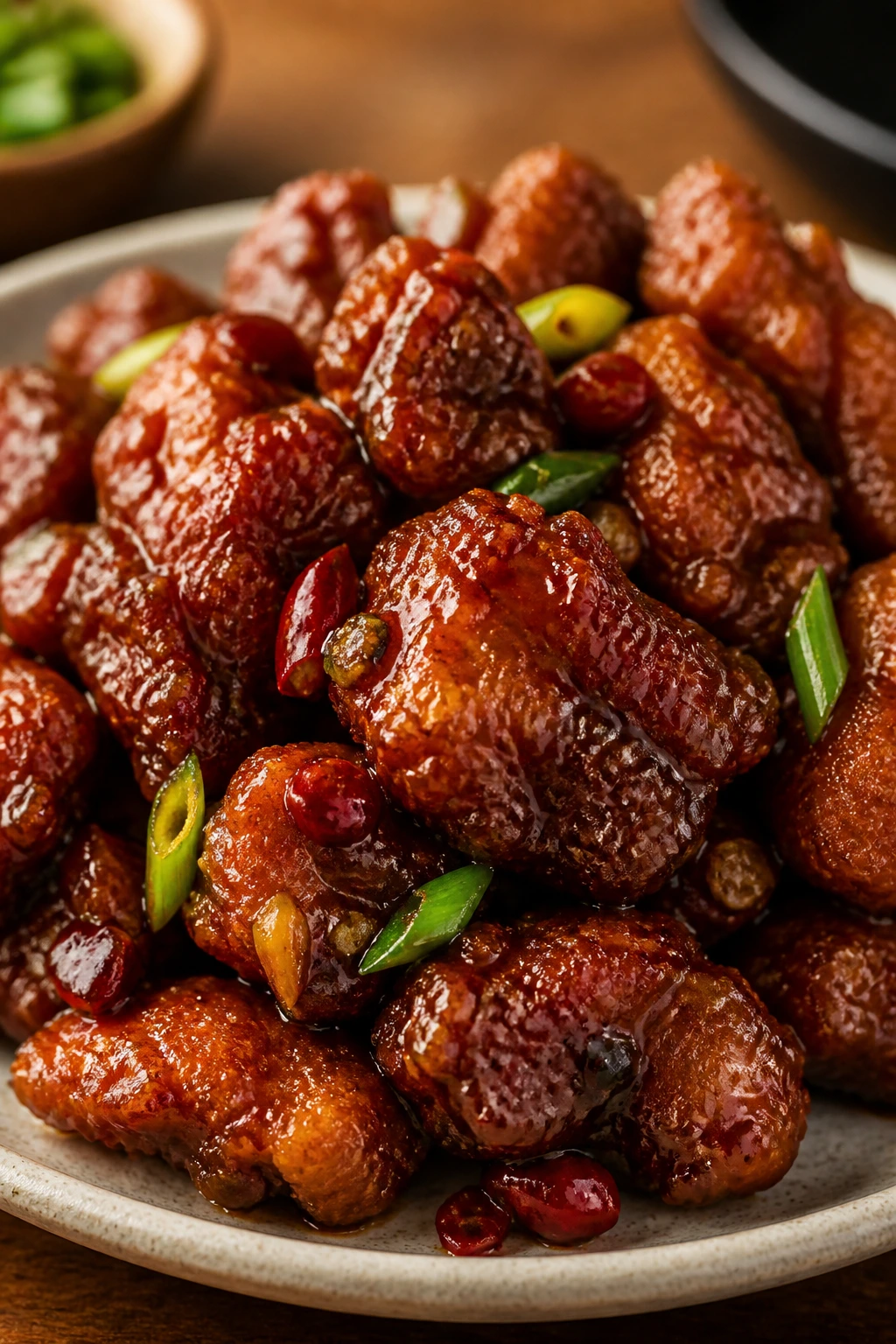
General Tso’s lives or dies on the crust. If the chicken comes out pale and soft, the whole dish feels tired. If it has craggy, crisp edges and a sauce that sticks in a thin lacquer, you get the good stuff.
This version keeps the batter simple and the sauce sharp. A little rice vinegar cuts through the sugar, dried chilies bring heat without burying the chicken, and scallions at the end keep the whole thing from tasting heavy.
Why It Works:
The crispy coating comes from a mix of flour and cornstarch, which gives the chicken a lighter shell than flour alone. Frying or shallow-frying in batches keeps the oil temperature high enough to brown the chicken instead of soaking it. The sauce reduces quickly, so it clings to the crust rather than pooling in the bowl.
Key Ingredients:
- 1 1/2 lb boneless chicken thighs, cut into 1-inch pieces
- 1/2 tsp salt
- 1/2 tsp white pepper
- 2 large eggs
- 1/2 cup cornstarch
- 1/4 cup all-purpose flour
- 1/3 cup neutral oil, for frying
- 6 dried red chilies, split open
- 2 garlic cloves, minced
- 1 tsp fresh ginger, grated
- 1/4 cup low-sodium soy sauce
- 1/4 cup rice vinegar
- 1/3 cup water
- 3 tbsp sugar
- 2 tbsp hoisin sauce
- 1 tsp cornstarch mixed with 1 tbsp water
- 2 scallions, sliced
Quick Steps:
- Make the Sauce: Whisk soy sauce, vinegar, water, sugar, hoisin, garlic, ginger, and cornstarch slurry in a small bowl. Set it near the stove.
- Coat the Chicken: Season the chicken with salt and white pepper, dip in beaten eggs, then toss with cornstarch and flour until every piece is coated.
- Fry in Batches: Heat oil in a skillet to medium-high; it should shimmer and sizzle when a pinch of coating hits it. Fry the chicken pieces in batches until golden and cooked through, about 4 to 5 minutes per batch.
- Drain Briefly: Move the chicken to a rack or paper towel-lined plate. Don’t let it sit in a pile.
- Build the Aromatics: Pour off most of the oil, leaving 1 tablespoon, then cook the chilies for 10 seconds, followed by the garlic and ginger.
- Glaze and Toss: Add the sauce, simmer until glossy, then toss in the chicken and scallions until every piece is coated.
Equipment for This Recipe:
- Large skillet or wok
- Tongs or a spider strainer
- Mixing bowl for coating
- Small whisk
- Paper towels or wire rack
How to Serve This Dish:
Serve General Tso’s immediately, while the coating still has a little crunch. Steamed rice is the obvious move, but shredded cabbage with a splash of rice vinegar makes a nice cold side if you want to lighten the plate.
Pro Tips for This Recipe:
- Use thighs, not breasts, if you want meat that stays juicy under the coating.
- Keep the sauce bowl ready before the chicken goes in the oil. Once the crust is done, the dish moves fast.
- If the sauce tightens too much, loosen it with a tablespoon of water and stir for 10 seconds.
- A few sesame seeds on top are fine, but scallions matter more here.
Variations on This Dish:
- Orange-Chili Tso: Add 1 tablespoon orange zest to the sauce for a citrus note.
- Air-Fryer Shortcut: Spray the coated chicken lightly with oil and cook at 400°F until crisp, then toss with the sauce.
- Extra-Spicy Batch: Double the dried chilies and add 1 teaspoon chili oil at the end.
Common Mistakes to Avoid with This Dish:
- Oil that’s too cool: The coating drinks oil and turns heavy instead of crisp.
- Adding the sauce too early: If the chicken sits in sauce for 10 minutes, the crust collapses. Toss and serve.
- Overfilling the skillet: Frying too much at once drops the oil temperature and gives you pale chicken.
3. Kung Pao Chicken with Peanuts and Chilies
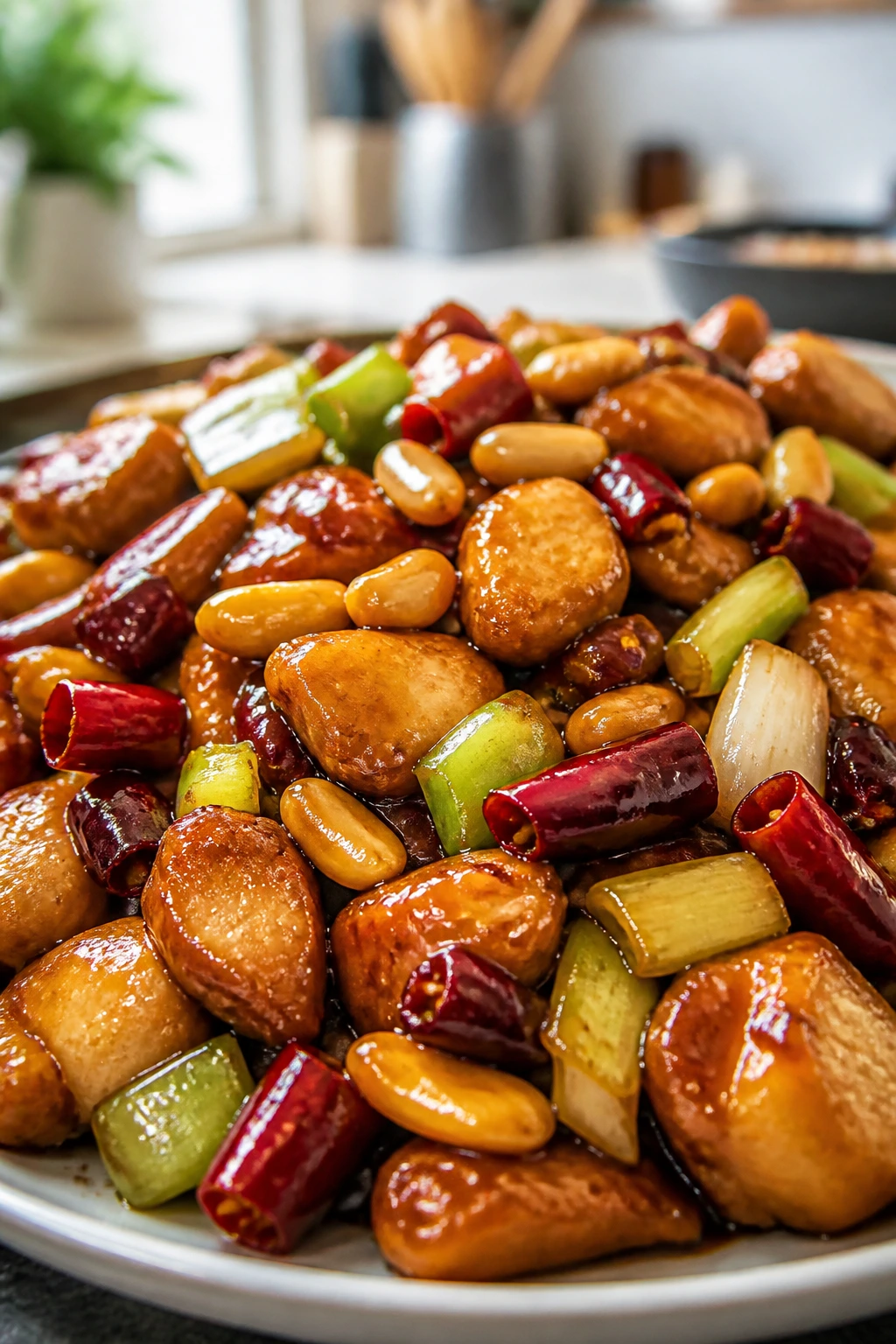
Kung Pao should feel lively: a little heat, a little sweetness, a little tang, and peanuts that still have a real crunch. If all you taste is brown sauce, somebody went too heavy-handed.
This dish is one of the cleanest examples of how Chinese takeout flavor works at home. The sauce is small, the chicken is fast, and the peanuts do half the textural work. A hot pan and a quick hand are the whole game.
Why It Works:
The classic balance in Kung Pao comes from soy sauce, vinegar, sugar, and chili heat. That mix is what makes the sauce taste awake rather than muddy. Diced chicken thighs cook fast and stay tender, while dried chilies perfume the oil before the rest of the ingredients hit the pan. A few Sichuan peppercorns, if you like them, add that faint citrusy numbness that makes the dish feel unmistakably Sichuan-influenced.
Key Ingredients:
- 1 1/4 lb boneless chicken thighs, diced
- 1 tbsp soy sauce
- 1 tsp Shaoxing wine or dry sherry
- 1 tsp cornstarch
- 1/2 cup roasted unsalted peanuts
- 8 dried red chilies, broken in half
- 1 red bell pepper, diced
- 3 scallions, cut into 1-inch pieces
- 2 garlic cloves, minced
- 1 tbsp fresh ginger, grated
- 2 tbsp soy sauce, for the sauce
- 2 tbsp Chinkiang vinegar or rice vinegar
- 1 tbsp hoisin sauce
- 1 tbsp sugar
- 1 tbsp water
- 1 tsp cornstarch mixed with 1 tbsp water
- 1 tsp sesame oil
- 1 tsp crushed Sichuan peppercorns, optional
Quick Steps:
- Marinate the Chicken: Toss the diced chicken with soy sauce, Shaoxing wine, and cornstarch. Let it sit while you mix the sauce and chop the vegetables.
- Whisk the Sauce: Combine soy sauce, vinegar, hoisin, sugar, water, cornstarch slurry, and sesame oil in a bowl.
- Toast the Peanuts: If your peanuts aren’t already deeply roasted, toast them in a dry pan for 2 to 3 minutes until fragrant, then set aside.
- Stir-Fry the Chilies and Chicken: Heat oil over medium-high heat, cook the chilies for 10 seconds, then add chicken and cook until browned and just cooked through.
- Add Vegetables and Sauce: Stir in bell pepper, garlic, and ginger for 30 seconds, then pour in the sauce and cook until it thickens.
- Finish with Crunch: Toss in the peanuts and scallions, then serve right away.
Equipment for This Recipe:
- Wok or large skillet
- Small mixing bowl
- Wooden spoon or spatula
- Sharp knife
- Cutting board
How to Serve This Dish:
Kung Pao belongs over white rice, where the sauce can drift into the grains instead of sitting on top like a glaze. If you want a second side, a plain cucumber salad with rice vinegar and salt gives the whole plate a cold, clean edge.
Pro Tips for This Recipe:
- Don’t burn the chilies. They should darken a little, not turn black.
- Cut the bell pepper into small pieces so it finishes at the same pace as the chicken.
- Add peanuts at the very end so they stay crisp.
- If you like more heat, add chili oil after the pan comes off the stove.
Variations on This Dish:
- Cashew Kung Pao: Swap peanuts for cashews if you want a softer, richer crunch.
- Chicken and Green Bean Version: Replace the bell pepper with blanched green beans for a fresher bite.
- Sichuan Pepper Boost: Increase the peppercorns to 1 1/2 teaspoons for a more numbing finish.
Common Mistakes to Avoid with This Dish:
- Wet chicken in a cold pan: It steams first and browns later, which blunts the flavor.
- Skipping the vinegar: Without acid, the dish turns into sweet soy chicken with peanuts.
- Overcooking the peanuts: They should taste toasted, not bitter.
4. Chicken Lo Mein with Velveted Chicken
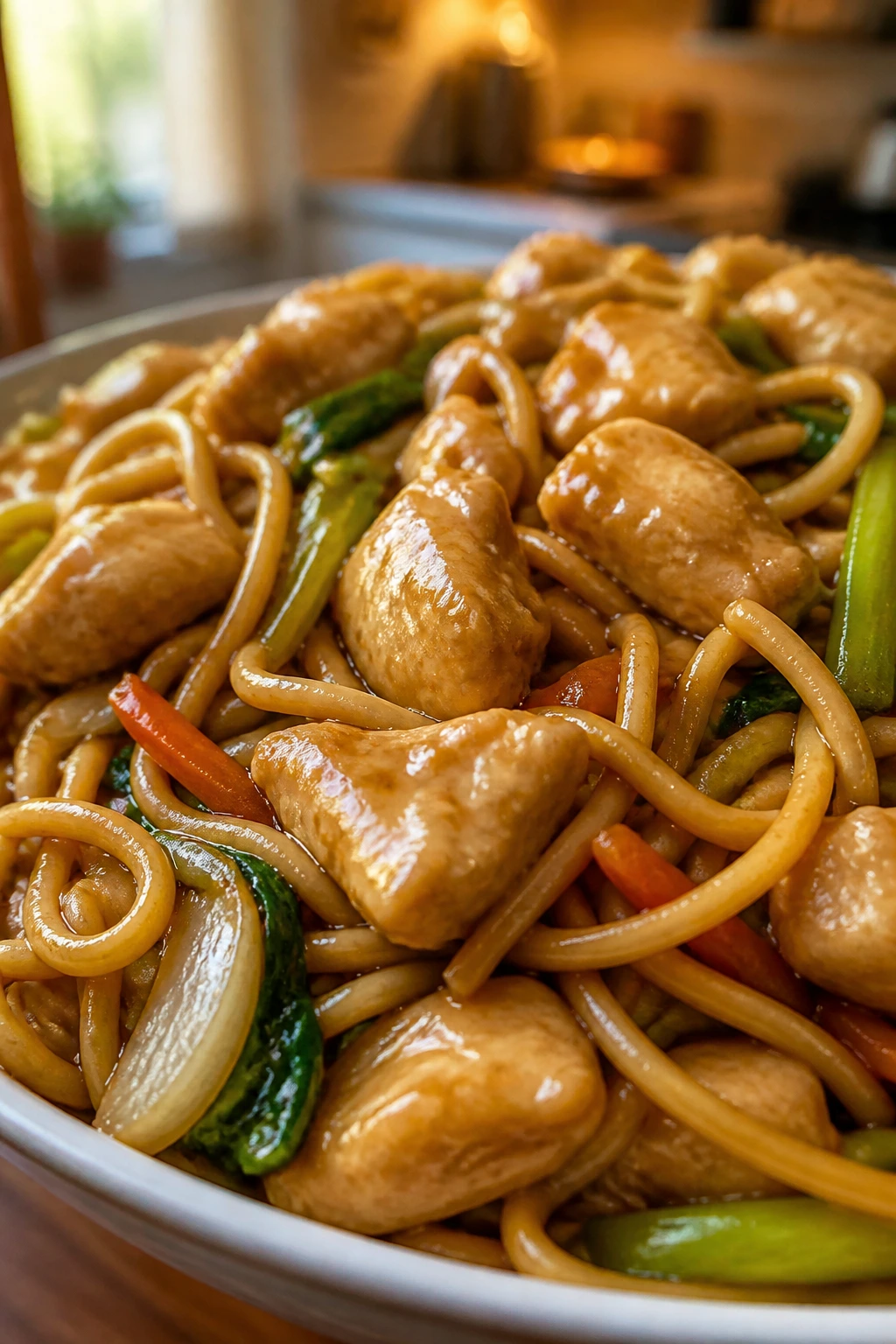
Lo mein should be slippery in the good way. The noodles need enough sauce to shine, but not so much that they collapse into a gray tangle. Chicken, cabbage, carrots, and scallions make sense here because they all cook fast and hold their shape.
The move that separates a decent lo mein from a really good one is velveting the chicken. It’s a small step — cornstarch, soy, and a little oil — but it keeps the meat soft and glossy when the heat goes up.
Why It Works:
Lo mein relies on balance between noodle texture and sauce coverage. If the noodles are overcooked, they turn gummy once they hit the pan. If the chicken is sliced thin and lightly coated, it stays tender and picks up the sauce instead of drying out. Using a spoonful of noodle water in the sauce helps everything cling without feeling sticky.
Key Ingredients:
- 12 oz lo mein noodles or fresh Chinese egg noodles
- 1 lb boneless chicken thighs, thinly sliced
- 1 tbsp soy sauce, for the chicken
- 1 tsp cornstarch, for the chicken
- 1 tsp neutral oil, for the chicken
- 2 cups shredded cabbage
- 1 cup julienned carrots
- 1 red bell pepper, thinly sliced
- 4 scallions, cut into 2-inch lengths
- 3 tbsp soy sauce, for the sauce
- 2 tbsp oyster sauce
- 1 tbsp sesame oil
- 1 tbsp sugar
- 2 garlic cloves, minced
- 1 tsp ginger, grated
- 1/4 cup noodle water or water
Quick Steps:
- Cook the Noodles: Boil the noodles until just al dente, drain them well, and toss with a tiny splash of oil so they don’t clump.
- Velvet the Chicken: Mix chicken with soy sauce, cornstarch, and oil, and let it rest for 10 minutes.
- Mix the Sauce: Stir together soy sauce, oyster sauce, sesame oil, sugar, garlic, ginger, and noodle water.
- Stir-Fry the Chicken: Cook the chicken over medium-high heat until opaque and lightly browned, then remove it.
- Cook the Vegetables: Add cabbage, carrots, and bell pepper to the pan and stir-fry for 2 to 3 minutes until they soften at the edges but still have bite.
- Toss Everything Together: Return the chicken, add noodles and sauce, and toss until the noodles are evenly coated and steaming.
Equipment for This Recipe:
- Large wok or skillet
- Pot for boiling noodles
- Colander
- Tongs
- Small bowl for the sauce
How to Serve This Dish:
Serve lo mein in wide bowls so the noodles can stay loose instead of packed down. I like a few extra scallion greens on top and a tiny drizzle of sesame oil at the table, especially if the noodles are carrying a lot of vegetables.
Pro Tips for This Recipe:
- Undercook the noodles by about 30 seconds; they finish in the pan.
- Keep the vegetables moving so the cabbage doesn’t scorch before the carrots soften.
- If the noodles look dry, splash in another tablespoon of water rather than another slug of soy.
- Thin chicken thighs give you the best texture here.
Variations on This Dish:
- Shrimp Lo Mein: Swap in peeled shrimp and cut the cooking time in half.
- Vegetable-Heavy Bowl: Add mushrooms and snow peas for a fuller noodle dish.
- Spicy Garlic Lo Mein: Stir in 1 teaspoon chili crisp with the sauce.
Common Mistakes to Avoid with This Dish:
- Rinsing noodles too aggressively: You want them separate, not cold and slicked clean of starch.
- Using too little heat: Lo mein needs a hot pan or it turns wet.
- Adding all the sauce at once to dry noodles: Toss gradually if your pan is small.
5. Pork Fried Rice with Eggs and Scallions
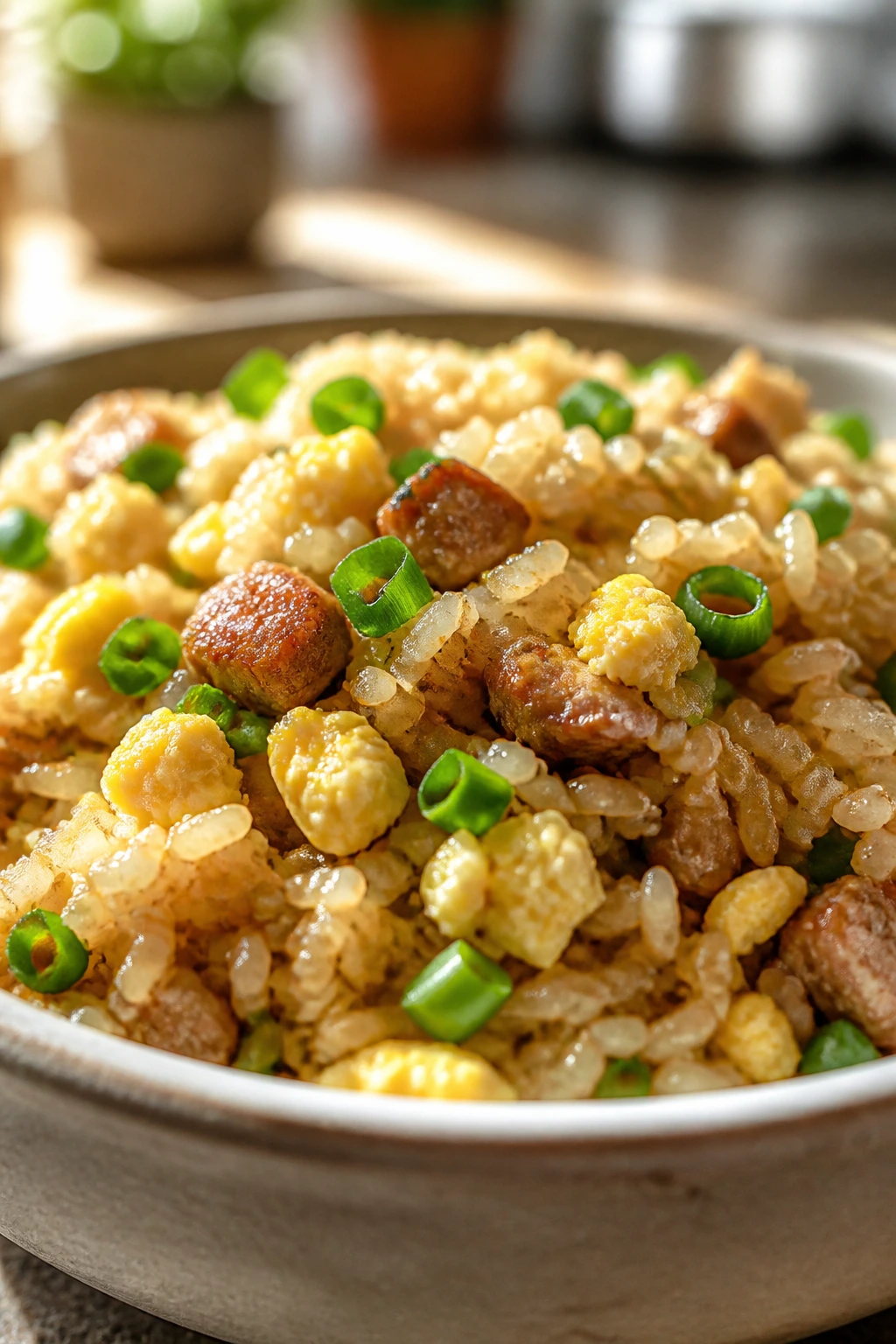
Fried rice punishes laziness and rewards leftovers. That sounds harsh, but it’s true. Day-old rice is drier, eggs stay distinct, and the pork gets those browned bits that make the whole bowl taste finished.
A good fried rice has three things going on at once: hot rice, clear seasoning, and pockets of texture. Too much soy sauce turns it dark and damp. Too little leaves it bland. The sweet spot is surprisingly small.
Why It Works:
Cold rice fries better because the grains are less fragile and less likely to clump. Ground pork gives the dish a savory base, and scrambled eggs add softness without turning the bowl mushy. The trick is to cook each component separately for a minute or two, then combine them at the end so the rice can take on the flavors without turning soggy.
Key Ingredients:
- 4 cups cold cooked jasmine rice
- 12 oz ground pork
- 2 large eggs, beaten
- 1 cup diced carrots
- 1 cup frozen peas
- 3 scallions, sliced
- 2 garlic cloves, minced
- 1 tbsp fresh ginger, grated
- 2 tbsp soy sauce
- 1 tbsp oyster sauce
- 1 tsp sesame oil
- 2 tbsp neutral oil
Quick Steps:
- Break Up the Rice: Use your fingers to separate any clumps in the cold rice before the pan gets hot.
- Brown the Pork: Heat oil in a large skillet, cook the pork with garlic and ginger until no pink remains and the edges start to caramelize.
- Scramble the Eggs: Push the pork aside, pour in the eggs, and stir until softly set, then mix them through the pan.
- Add the Vegetables: Stir in carrots and peas and cook for 1 to 2 minutes until the peas are hot and the carrots soften slightly.
- Fry the Rice: Add the rice, soy sauce, oyster sauce, and sesame oil, then toss over medium-high heat until the grains are heated through and lightly toasted.
- Finish with Scallions: Turn off the heat, fold in the scallions, and serve right away.
Equipment for This Recipe:
- Wide skillet or wok
- Spatula
- Mixing bowl for the eggs
- Cutting board and knife
- Storage container for leftover rice
How to Serve This Dish:
Fried rice is a meal by itself, but it likes something cool on the side. I’d serve it with cucumber slices tossed in rice vinegar or a quick bowl of hot and sour soup if you’re building out a bigger dinner.
Pro Tips for This Recipe:
- Use rice that has chilled for at least 4 hours, or overnight if you can.
- Don’t drown the rice in soy sauce; you can always add a splash at the table.
- If the pan gets crowded, fry in two batches.
- A few drops of toasted sesame oil at the end matter more than a big pour at the start.
Variations on This Dish:
- Chicken Fried Rice: Use diced cooked chicken instead of pork and keep the seasoning the same.
- Pineapple Fried Rice: Add 1/2 cup pineapple chunks with the peas for a sweet contrast.
- Cabbage Fried Rice: Swap carrots and peas for shredded cabbage if that’s what you have.
Common Mistakes to Avoid with This Dish:
- Fresh hot rice: It clumps and steams instead of frying.
- Too much liquid seasoning: The rice should look coated, not wet.
- Cooking the eggs until dry: Soft eggs blend into the rice better than rubbery ones.
6. Mapo Tofu with Ground Pork and Sichuan Pepper
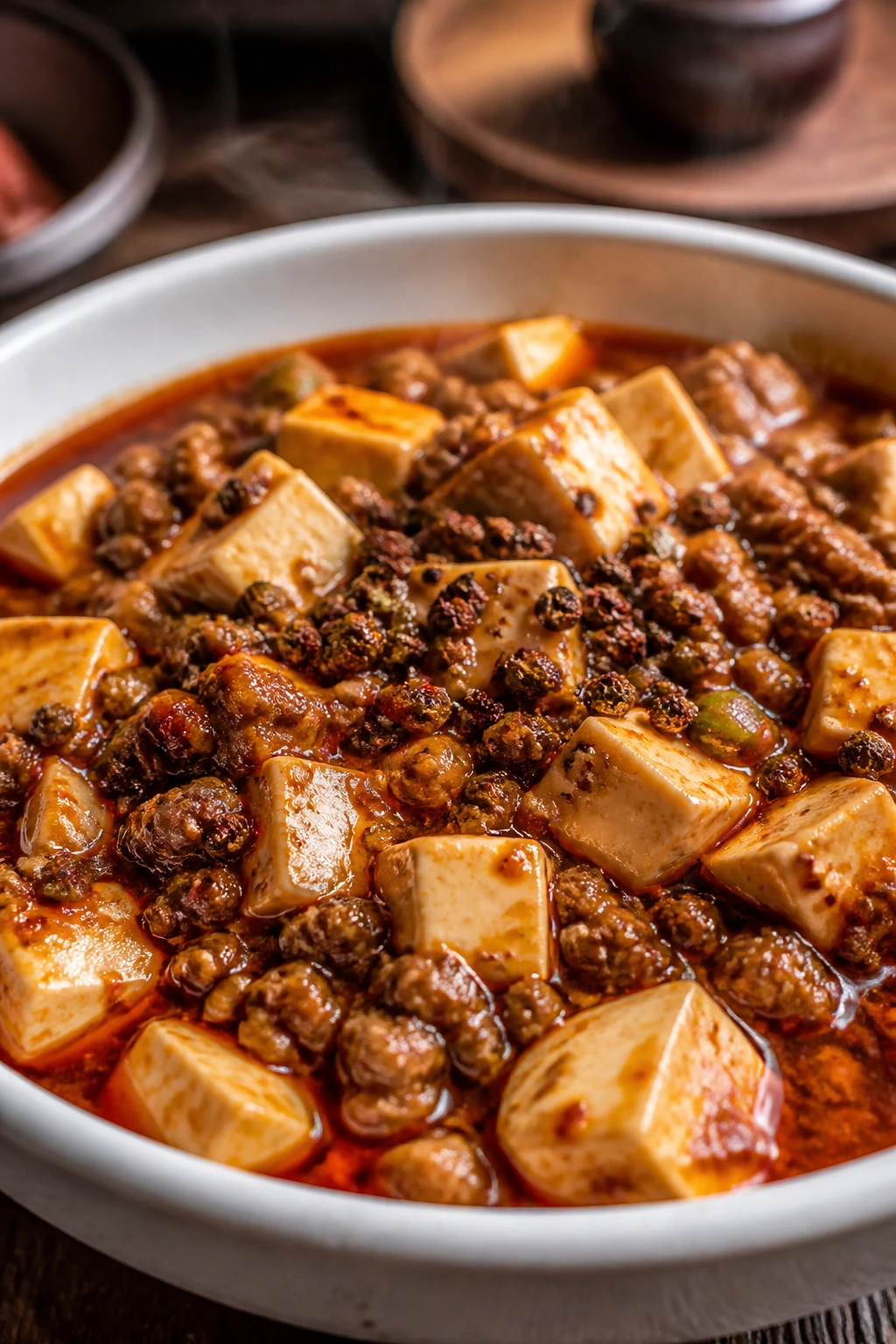
Mapo tofu is the dish that convinces people tofu can hold its own. The sauce is brick-red, fragrant, and a little electric from the peppercorns. The tofu itself stays soft and custardy, which is exactly the point.
This is one of those meals that tastes more complex than the ingredient list suggests. Doubanjiang brings fermented heat, black beans add depth if you want them, and the pork gives the sauce a meaty base without turning it heavy. Serve it with rice, and the bowl doesn’t need anything else.
Why It Works:
The tofu needs to be handled gently so it doesn’t break into tiny pieces. A quick blanch in salted water helps it hold shape and taste cleaner. The sauce works because the chili bean paste, stock, and cornstarch form a glossy broth that coats each cube. Sichuan peppercorn adds a floral, tingly note that cuts through the richness of the pork.
Key Ingredients:
- 1 lb medium-firm tofu, cut into 1-inch cubes
- 6 oz ground pork
- 1 tbsp doubanjiang (Sichuan chili bean paste)
- 1 tsp fermented black beans, chopped, optional
- 2 garlic cloves, minced
- 1 tbsp fresh ginger, minced
- 1 cup chicken or vegetable stock
- 1 tbsp soy sauce
- 1 tbsp Shaoxing wine or dry sherry
- 1 tsp cornstarch mixed with 2 tbsp water
- 1 tsp crushed Sichuan peppercorns
- 2 scallions, sliced
Quick Steps:
- Blanch the Tofu: Bring a pot of salted water to a bare simmer and slide in the tofu cubes for 2 minutes. Drain carefully.
- Cook the Pork: Heat oil in a skillet, brown the pork, and break it up until it looks crumbly and lightly crisp at the edges.
- Add the Paste: Stir in doubanjiang, black beans if using, garlic, and ginger, and cook for 30 seconds until the oil turns reddish.
- Build the Sauce: Pour in stock, soy sauce, and Shaoxing wine, then bring the pan to a lively simmer.
- Add Tofu and Thicken: Nestle in the tofu, simmer for 3 to 4 minutes, and stir in the cornstarch slurry until the sauce turns glossy.
- Finish with Pepper and Scallions: Sprinkle over the Sichuan peppercorns and scallions just before serving.
Equipment for This Recipe:
- Deep skillet or wok
- Slotted spoon
- Small bowl for the slurry
- Pot for blanching tofu
- Spatula
How to Serve This Dish:
Mapo tofu belongs with plain white rice and not much else. The sauce is bold enough to perfume the whole table, and the rice is what keeps the heat in check. A soft-boiled egg on the side is a little odd, but I like it.
Pro Tips for This Recipe:
- Don’t stir the tofu too hard after it goes into the pan.
- If you can find doubanjiang, use it. It’s the backbone of the dish.
- Crush the Sichuan peppercorns right before using them so the aroma stays sharp.
- Medium-firm tofu strikes the best balance between structure and creaminess.
Variations on This Dish:
- Vegetarian Mapo: Skip the pork and use chopped mushrooms for depth.
- Extra-Numbing Version: Add a pinch more Sichuan peppercorn and a spoonful of chili oil.
- Milder Home Bowl: Cut the doubanjiang to 2 teaspoons and add more stock.
Common Mistakes to Avoid with This Dish:
- Dry tofu straight from the package: It tastes flat and breaks too easily.
- Boiling the sauce hard after the tofu goes in: That can tear the cubes apart.
- Using too little seasoning: Mapo tofu should be savory first, not timid.
7. Dan Dan Noodles with Chili Sesame Sauce
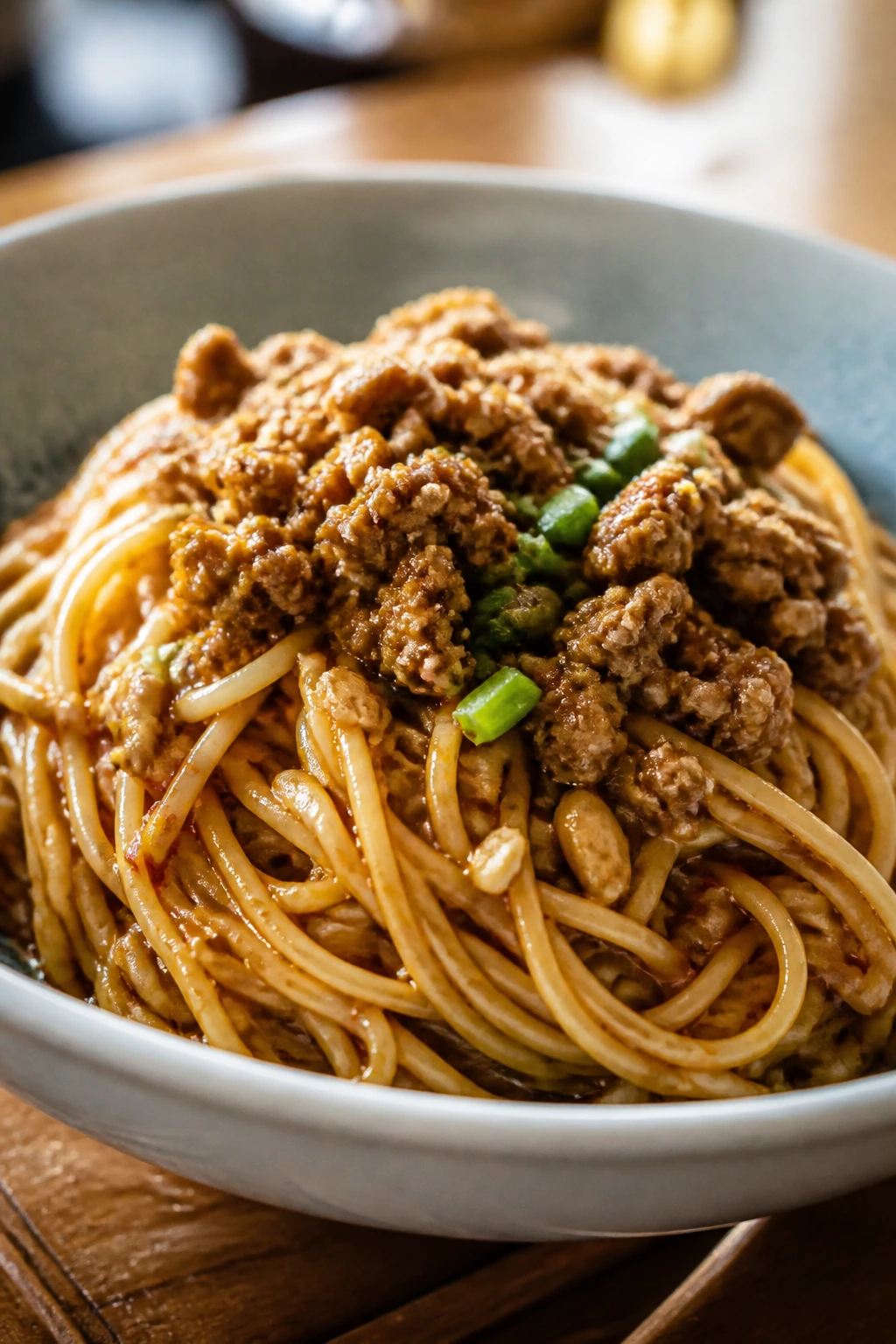
Dan dan noodles are messy in the best way. The sauce should be clingy, nutty, spicy, and faintly sour, with ground pork on top and noodles underneath soaking up all the good stuff. If the bowl looks polished, it’s probably wrong.
This is one of those dishes where a small amount of intensely flavored sauce can carry a whole plate of noodles. Sesame paste gives body, vinegar cuts the richness, and chili oil keeps the sauce from feeling too heavy. The pork topping adds just enough meat to make it dinner.
Why It Works:
Dan dan noodles depend on contrast: hot chili oil, rich sesame paste, sharp vinegar, and savory pork. The sauce stays balanced because you thin it with a little noodle water instead of plain stock, which helps it coat the noodles without going chalky. A spoonful of preserved mustard greens, if you have them, gives the dish a salty bite that makes the rest taste brighter.
Key Ingredients:
- 12 oz thin wheat noodles
- 8 oz ground pork
- 1 tbsp neutral oil
- 1 tbsp preserved mustard greens or ya cai, chopped, optional
- 3 tbsp Chinese sesame paste or tahini
- 2 tbsp soy sauce
- 2 tbsp Chinkiang vinegar or black vinegar
- 1 tbsp chili oil
- 1 tsp sugar
- 1/2 cup noodle water
- 2 scallions, sliced
- 2 tbsp crushed roasted peanuts, for topping
Quick Steps:
- Cook the Pork: Heat oil in a skillet and brown the ground pork until it’s crumbly and a little crisp. Stir in the preserved mustard greens if using.
- Mix the Sauce: Whisk sesame paste, soy sauce, vinegar, chili oil, sugar, and noodle water until smooth and pourable.
- Boil the Noodles: Cook the noodles until just tender, then drain well.
- Toss the Noodles: Add the sauce to the noodles and stir until every strand is coated.
- Top with Pork: Spoon the pork mixture over the noodles.
- Finish: Add scallions and peanuts just before serving.
Equipment for This Recipe:
- Pot for noodles
- Skillet for the pork
- Whisk
- Large bowl for tossing
- Tongs or chopsticks
How to Serve This Dish:
Serve Dan dan noodles in shallow bowls so the sauce has room to pool a little around the edges. A few extra peanuts on top are good, but the real luxury move is a soft, jammy egg if you want to stretch the bowl.
Pro Tips for This Recipe:
- Tahini works if you can’t find Chinese sesame paste, but taste it before adding all the vinegar.
- Use more noodle water if the sauce seizes up.
- The pork topping should be seasoned enough to stand on its own.
- Don’t overdo the peanuts or they’ll drown out the sauce.
Variations on This Dish:
- Chicken Dan Dan: Swap the pork for finely chopped chicken thighs.
- Vegetable Dan Dan: Use minced mushrooms in place of meat.
- Ultra-Hot Bowl: Add a spoonful of chili crisp and a pinch of Sichuan pepper.
Common Mistakes to Avoid with This Dish:
- Dry sauce: If it doesn’t coat the noodles, it’ll taste separate and grainy.
- Too much sweetness: Dan dan should be savory with a sharp edge.
- Overcooked noodles: Soft noodles collapse under the sauce and lose the bite.
8. Orange Chicken with Fresh Citrus Glaze
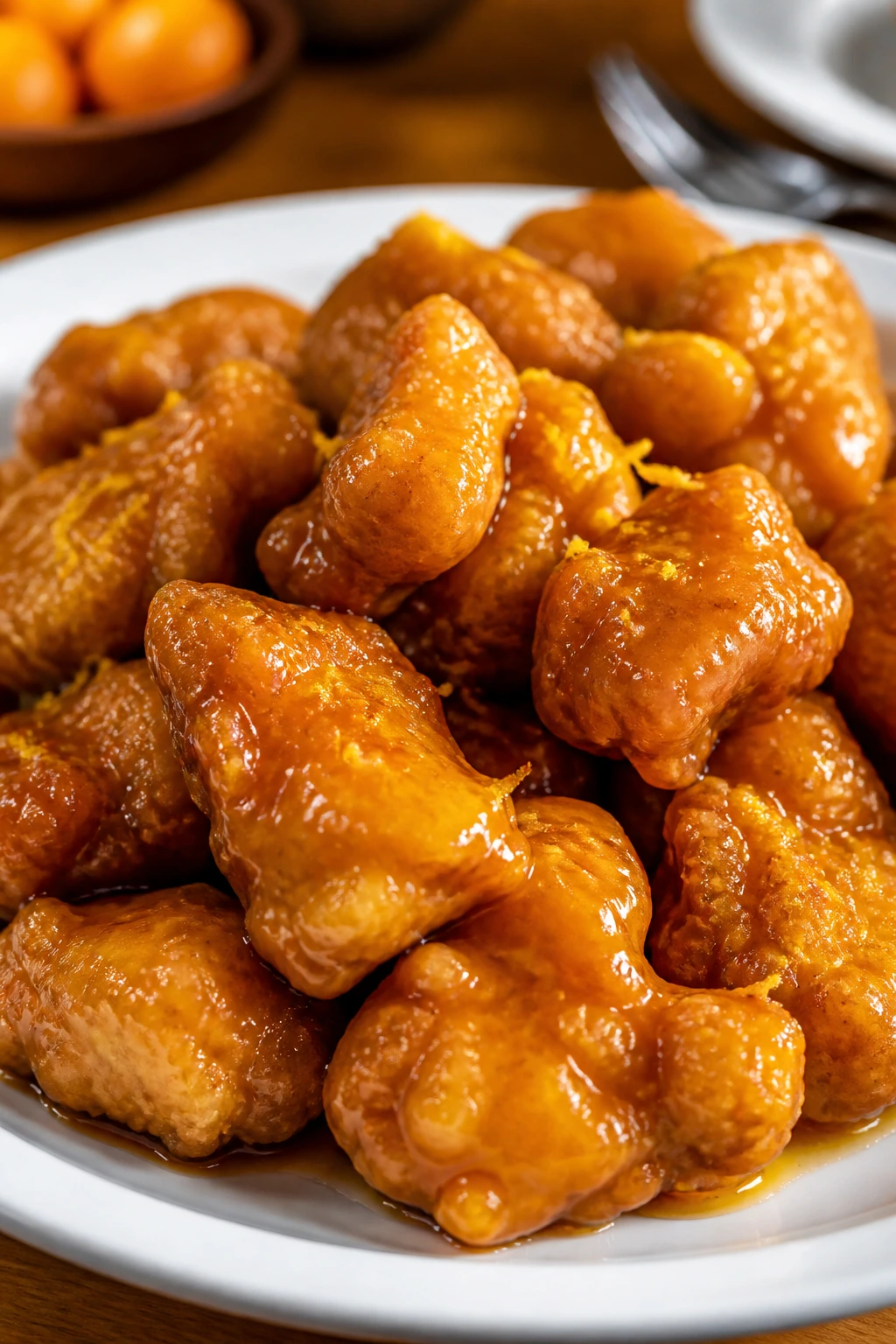
Orange chicken works when the sauce tastes like actual citrus instead of candy. Fresh orange zest does most of the heavy lifting here. The fried chicken gives you crunch, and the glaze brings a bright, sticky finish that hits fast and leaves cleanly.
I’m partial to using thighs for this one. They stay juicy under a quick fry and still hold up after the sauce goes on. If you use bottled orange juice alone, the dish can taste flat; the zest wakes it up.
Why It Works:
The sauce needs acid, sweetness, and a little salt to balance the fried chicken. Orange zest adds aroma that bottled juice can’t fake. Frying the chicken in batches keeps the coating crisp enough to stand up to the glaze, while the cornstarch in the sauce gives it that thin, shiny cling people expect.
Key Ingredients:
- 1 1/2 lb boneless chicken thighs, cut into bite-size pieces
- 1/2 cup cornstarch
- 1/4 cup all-purpose flour
- 2 large eggs, beaten
- 1/2 tsp salt
- 1/3 cup neutral oil, for frying
- 3/4 cup orange juice
- zest of 1 large orange
- 3 tbsp soy sauce
- 2 tbsp rice vinegar
- 3 tbsp sugar
- 2 garlic cloves, minced
- 1 tsp fresh ginger, grated
- 1 tsp cornstarch mixed with 1 tbsp water
- Chili flakes, optional
Quick Steps:
- Prep the Chicken: Season the chicken with salt, then coat it in beaten eggs, cornstarch, and flour until evenly covered.
- Fry Until Golden: Heat oil in a skillet and fry the chicken in batches at medium-high heat until crisp and cooked through, about 4 to 5 minutes per batch.
- Drain the Pieces: Move the chicken to a rack or paper towels while you make the glaze.
- Cook the Sauce: In a clean pan, simmer orange juice, zest, soy sauce, vinegar, sugar, garlic, ginger, and cornstarch slurry until slightly thickened.
- Toss: Add the chicken and stir until each piece is coated.
- Serve Immediately: Orange chicken tastes best right after the sauce hits the crust.
Equipment for This Recipe:
- Large skillet
- Mixing bowls
- Zester or microplane
- Tongs
- Wire rack or paper towels
How to Serve This Dish:
Serve orange chicken with steamed rice and something green, like sautéed bok choy or simple broccoli, because the plate needs a little freshness next to all that glaze. A few strips of orange peel on top look nice too, though I’d save the garnish for flavor first and decoration second.
Pro Tips for This Recipe:
- Zest the orange before juicing it; it’s much easier that way.
- If the sauce gets too thick, loosen it with a tablespoon of water.
- Don’t let the fried chicken sit in the sauce for more than a minute before serving.
- A pinch of white pepper in the coating gives the chicken a little extra edge.
Variations on This Dish:
- Blood Orange Version: Use blood orange juice when you want a deeper citrus flavor.
- Air-Fried Orange Chicken: Crisp the chicken in an air fryer, then toss with the glaze.
- Spicy Orange Chicken: Add 1 teaspoon chili paste to the sauce.
Common Mistakes to Avoid with This Dish:
- Bitter zest: Grate only the orange skin, not the white pith.
- Sauce that boils too hard: It can turn sticky and sharp instead of glossy.
- Chicken that sits in oil too long: Drain it quickly so the crust stays lively.
9. Mongolian Beef with Scallions
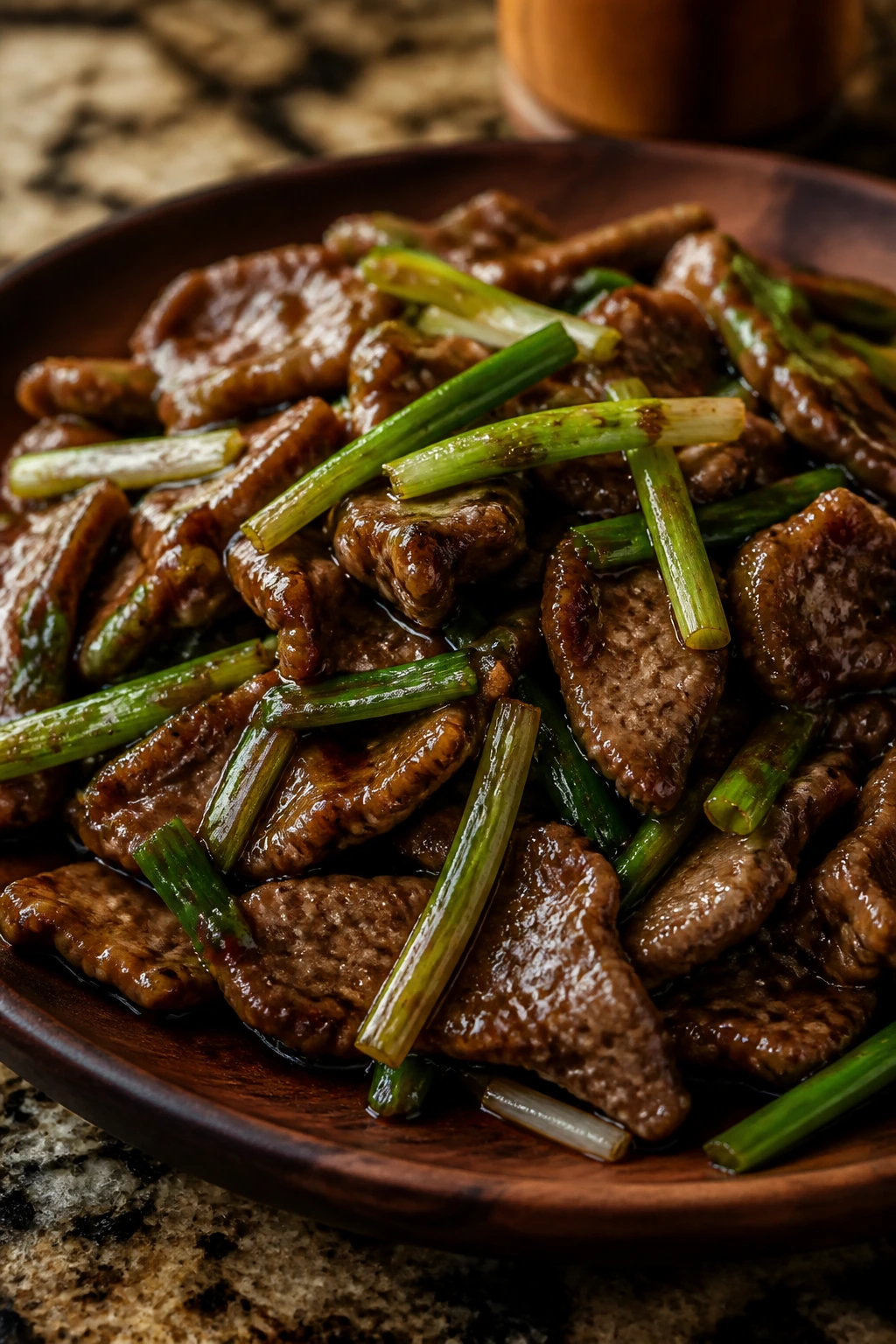
Mongolian beef is one of those dishes that looks simple and then hits you with a lot of flavor. Thin beef, sweet-salty sauce, big scallion pieces. That’s the whole spell, and it works because each part is doing its job cleanly.
What I like here is the contrast between the browned beef and the fresh scallions. The beef should taste almost caramelized at the edges, while the sauce stays thin enough to coat each strip instead of soaking the pan.
Why It Works:
Flank steak browns quickly when it’s sliced thin and cooked in a very hot pan. The sauce relies on brown sugar and soy for depth, with a little hoisin to round off the edges. Scallions go in at the end so they stay bright and a little crunchy, which keeps the whole thing from tasting one-note.
Key Ingredients:
- 1 1/4 lb flank steak, thinly sliced against the grain
- 1 tbsp soy sauce
- 1 tbsp cornstarch
- 2 tbsp neutral oil
- 3 garlic cloves, minced
- 1 tbsp fresh ginger, minced
- 1/3 cup low-sodium soy sauce
- 1/4 cup water
- 2 tbsp brown sugar
- 1 tbsp hoisin sauce
- 1 tsp sesame oil
- 1 tsp cornstarch mixed with 1 tbsp water
- 6 scallions, cut into 2-inch pieces
Quick Steps:
- Marinate the Beef: Toss the beef with soy sauce and cornstarch and let it rest for 10 minutes.
- Mix the Sauce: Stir together soy sauce, water, brown sugar, hoisin, sesame oil, and cornstarch slurry.
- Sear the Beef: Heat oil in a wok or skillet until almost smoking and sear the beef in batches until browned.
- Cook the Aromatics: Add garlic and ginger for 15 to 20 seconds, just until fragrant.
- Add Sauce and Scallions: Pour in the sauce, simmer briefly, then toss in the scallions.
- Return the Beef: Add the beef back and toss until glossy, then serve.
Equipment for This Recipe:
- Wok or heavy skillet
- Sharp knife
- Small bowl for the sauce
- Tongs
- Cutting board
How to Serve This Dish:
Mongolian beef is strongest over rice, where the sauce can soak in around the edges. If you want a second starch, plain noodles are fine, but I think rice keeps the sweetness in better balance.
Pro Tips for This Recipe:
- Freeze the steak for 15 minutes before slicing; it helps you cut thinner pieces.
- Don’t stir the beef constantly while it sears. Let it color.
- Use the scallion whites in the pan and save the greens for the end.
- If the sauce tastes too sweet, a teaspoon of rice vinegar fixes it fast.
Variations on This Dish:
- Mongolian Chicken: Use sliced chicken thighs and shorten the sear time.
- Spicy Mongolian Beef: Add dried chilies with the garlic.
- Mushroom Mongolian Bowl: Replace half the beef with thick mushroom slices.
Common Mistakes to Avoid with This Dish:
- Thick beef slices: They turn chewy and fight the sauce.
- Low heat: You need browning, not pale simmered meat.
- Too many scallions too soon: They’ll lose their snap and taste swampy.
10. Hot and Sour Soup with Tofu and Mushrooms
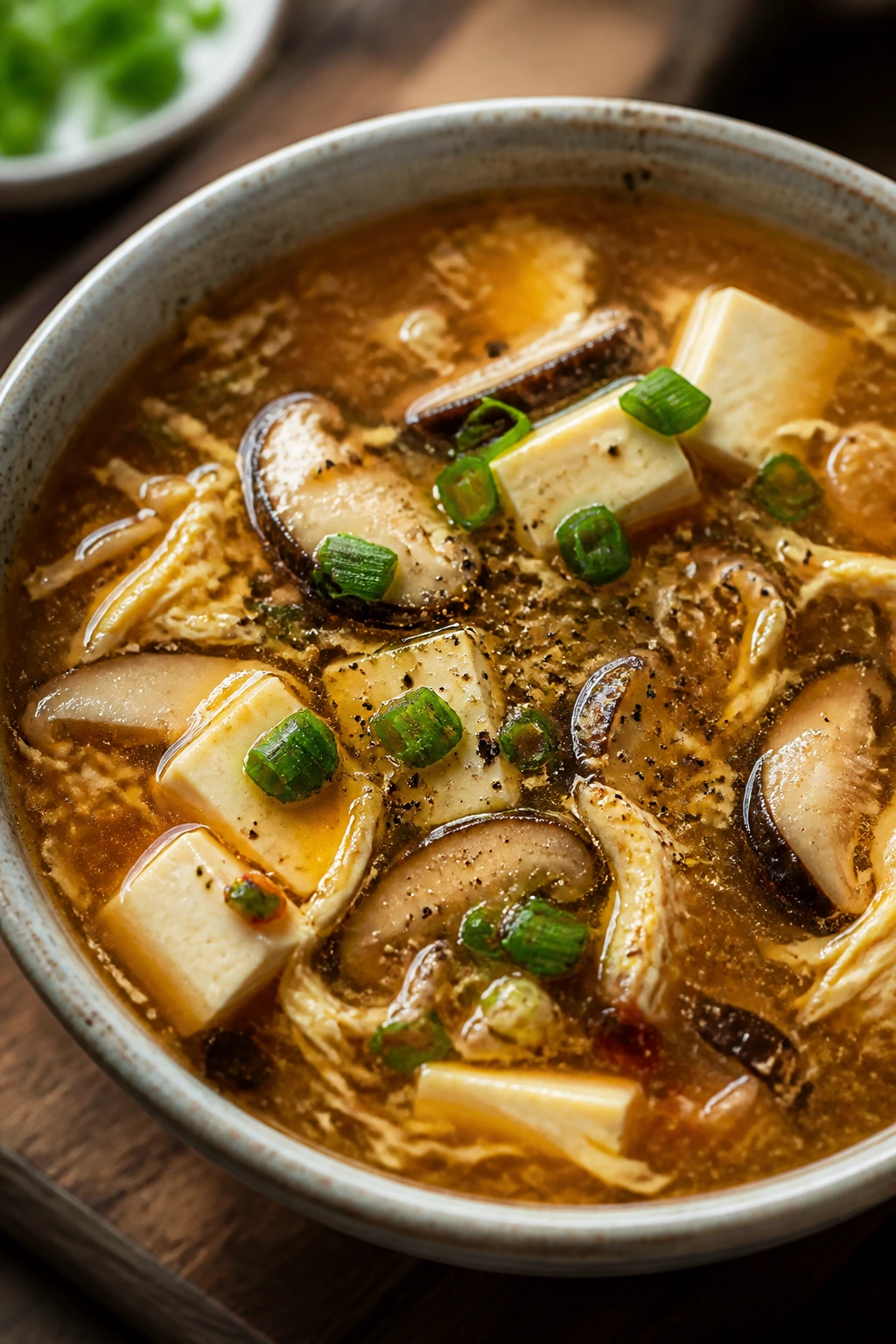
Hot and sour soup should feel alive. It should be tangy first, peppery second, and just thick enough to coat the spoon. The tofu floats in soft cubes, the mushrooms give it weight, and the egg ribbons make the bowl feel complete.
This is one of the easiest dishes to underestimate. People think soup is gentle work. Not this one. The timing has to be tidy so the broth stays bright and the texture lands where it should.
Why It Works:
The hot and sour balance comes from vinegar and white pepper, with soy for salt and a little chili oil for heat. Cornstarch gives the broth a light body, not a heavy one. Beaten egg stirred in at the end creates those tender ribbons that make the soup feel restaurant-made. Tofu and mushrooms soak up the broth, which is why the soup tastes deeper on the second spoonful than the first.
Key Ingredients:
- 6 cups chicken stock or vegetable stock
- 1 cup sliced shiitake mushrooms
- 1 cup bamboo shoots, julienned
- 8 oz firm tofu, cut into small strips or cubes
- 3 tbsp soy sauce
- 3 tbsp Chinkiang vinegar or rice vinegar
- 1 to 2 tsp white pepper
- 1 tbsp cornstarch mixed with 2 tbsp water
- 2 large eggs, beaten
- 1 tbsp chili oil, plus more to taste
- 2 scallions, sliced
Quick Steps:
- Simmer the Broth: Bring the stock to a steady simmer with mushrooms and bamboo shoots for 5 minutes.
- Add Tofu and Seasoning: Stir in tofu, soy sauce, vinegar, white pepper, and chili oil. Taste and adjust the heat or sourness.
- Thicken Lightly: Stir in the cornstarch slurry and cook until the broth looks glossy and slightly thicker.
- Create Egg Ribbons: Reduce the heat to low and slowly drizzle in the beaten eggs while stirring the soup in one direction.
- Finish with Scallions: Turn off the heat, add scallions, and let the soup sit for 1 minute.
- Serve Hot: Ladle it immediately so the pepper and vinegar stay sharp.
Equipment for This Recipe:
- Medium soup pot
- Small bowl for the slurry
- Whisk or chopsticks
- Ladle
- Cutting board and knife
How to Serve This Dish:
Serve hot and sour soup in small bowls as a starter, or in larger bowls with rice and a vegetable stir-fry if you want it to behave like dinner. A little extra chili oil at the table is a good idea for anyone who likes more heat.
Pro Tips for This Recipe:
- Add vinegar near the end so the brightness doesn’t cook away.
- White pepper is not optional if you want the classic profile.
- If the soup gets too thick, thin it with a splash of stock.
- Use firm tofu here; silken tofu can break apart too easily.
Variations on This Dish:
- Chicken Hot and Sour: Add shredded cooked chicken for a fuller bowl.
- Mushroom-Heavy Version: Use a mix of shiitake and wood ear mushrooms.
- Extra-Sour Bowl: Increase the vinegar by 1 tablespoon and finish with a few drops more at the table.
Common Mistakes to Avoid with This Dish:
- Adding vinegar too early: The soup tastes flatter by the time it reaches the bowl.
- Over-thickening: Hot and sour soup should be silky, not gravy-like.
- Stirring the egg in too fast: You’ll get cloudy bits instead of ribbons.
11. Char Siu Pork with Sticky Red Glaze
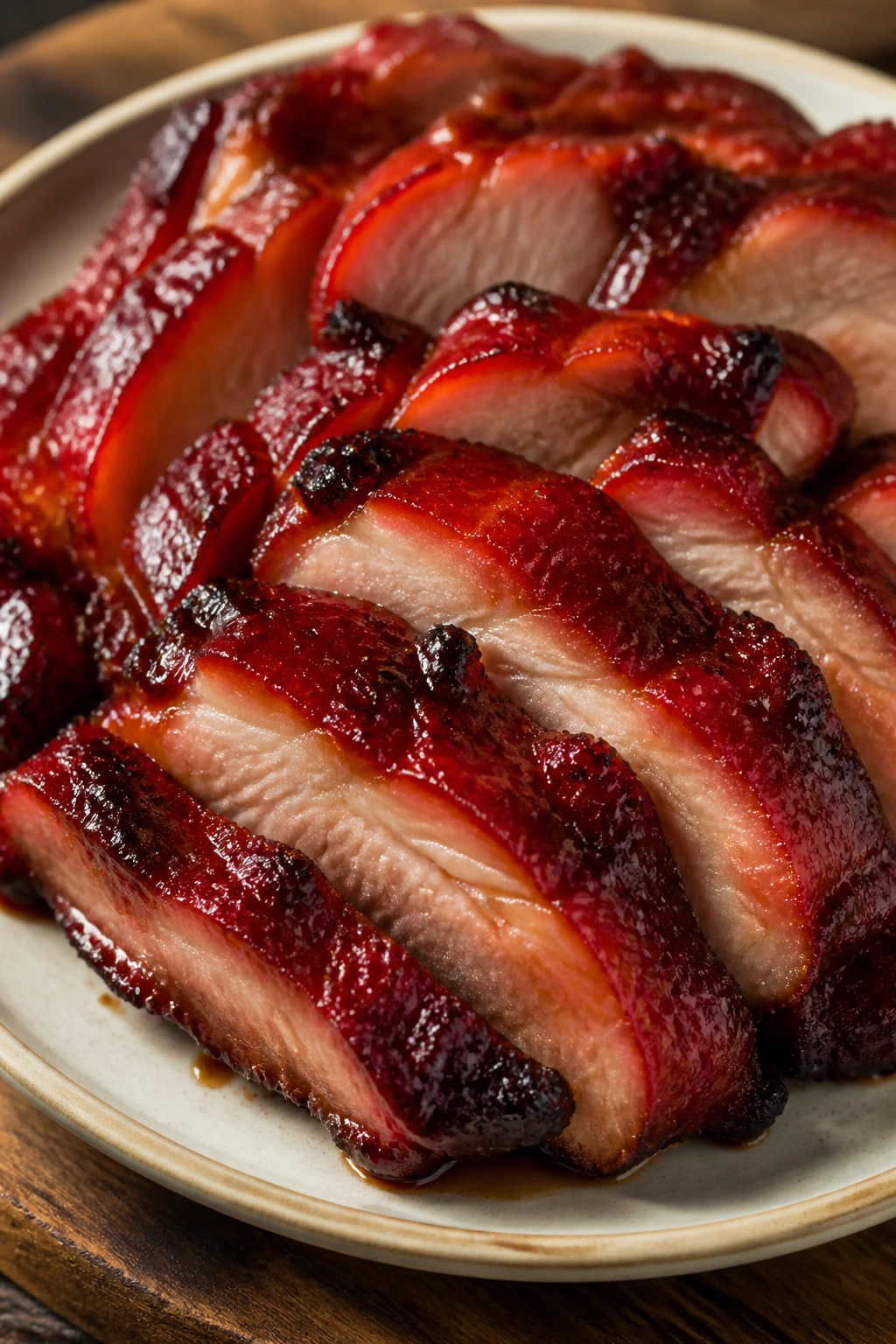
Char siu is the kind of pork that makes the kitchen smell like something is happening. Sweet soy, five-spice, garlic, and honey turn into a sticky exterior that caramelizes in spots and stays juicy underneath. It’s one of the most satisfying trays you can pull from the oven.
This version uses pork shoulder or boneless country-style ribs, which handle roasting better than super-lean cuts. You want meat that can take a glaze and still stay tender after a hot finish.
Why It Works:
Char siu depends on marinating long enough for the seasoning to sink into the meat, then roasting at a high enough heat to brown the exterior. Honey and hoisin create the glaze, while Shaoxing wine loosens the marinade and carries the aromatics. A rack over a sheet pan helps the drips fall away so the pork roasts instead of braising in its own juices.
Key Ingredients:
- 2 lb pork shoulder or boneless country-style ribs
- 3 tbsp hoisin sauce
- 2 tbsp soy sauce
- 2 tbsp honey
- 1 tbsp granulated sugar
- 2 tbsp Shaoxing wine or dry sherry
- 1 tsp Chinese five-spice powder
- 3 garlic cloves, minced
- 1 tsp sesame oil
- 1 tbsp ketchup, optional for extra color
- 1/2 tsp salt, if your soy sauce is very low-sodium
Quick Steps:
- Cut and Marinate the Pork: Slice the pork into long strips and coat it with hoisin, soy sauce, honey, sugar, Shaoxing, five-spice, garlic, sesame oil, and ketchup if using. Marinate at least 4 hours, or overnight.
- Heat the Oven: Preheat to 425°F and set a rack over a foil-lined sheet pan.
- Roast: Arrange the pork on the rack and roast for 20 minutes.
- Glaze: Brush with more marinade, flip the pieces, and roast for another 15 to 20 minutes, brushing once more halfway through.
- Check for Doneness: The pork should be browned at the edges and register 145°F in the thickest part.
- Rest and Slice: Let it rest for 10 minutes before slicing across the grain.
Equipment for This Recipe:
- Sheet pan
- Wire rack
- Basting brush
- Mixing bowl
- Sharp slicing knife
How to Serve This Dish:
Slice char siu over rice with bok choy or stir-fried greens. It also belongs tucked into bao buns or chopped over noodles, but I like it most when the sticky edges hit plain rice and the juices run into the grains.
Pro Tips for This Recipe:
- Marinate longer if you can; overnight helps the flavor reach the center.
- Flip the pork halfway through roasting so the glaze browns evenly.
- Watch the edges near the end; sugar can burn fast.
- If the glaze starts to darken too quickly, tent loosely with foil.
Variations on This Dish:
- Spicy Char Siu: Add 1 teaspoon chili paste to the marinade.
- Honey-Sesame Char Siu: Finish with toasted sesame seeds after slicing.
- Belly Cut Version: Use pork belly if you want a richer, fattier result.
Common Mistakes to Avoid with This Dish:
- Lean pork loin: It dries out before the glaze finishes.
- No rack in the pan: The meat stews in its drippings and loses that roasted edge.
- Slicing too soon: The juices spill out and the meat tastes drier than it is.
12. Garlic Shrimp with Snow Peas and Rice
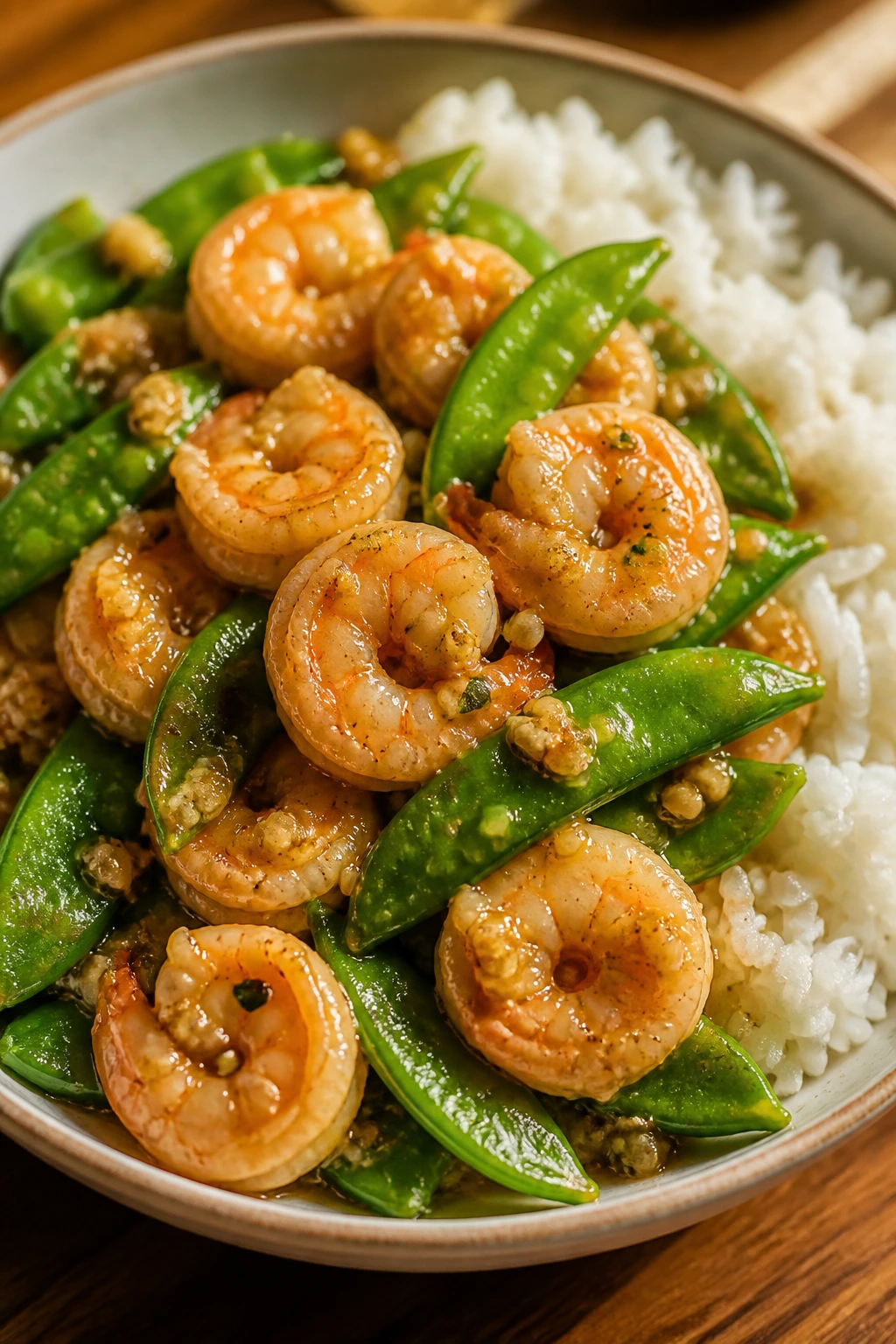
Shrimp cook fast, which is a blessing and a trap. Leave them alone too long and they get rubbery. Catch them at the right moment and they stay plump, sweet, and perfect for a garlic-heavy stir-fry with snow peas.
I like this dish because it gives you the quick-hit satisfaction of takeout without needing much fuss. Snow peas stay bright and snappy, the garlic perfumes the oil, and the shrimp carry the sauce without weighing the whole thing down.
Why It Works:
Shrimp need only a minute or two per side, which keeps them juicy. A light coating of cornstarch helps the sauce cling and gives the shrimp a silkier surface. Snow peas need a short blast of heat, so their color and crunch stay intact. The whole dish is built on speed, and that’s exactly why it works.
Key Ingredients:
- 1 1/4 lb large shrimp, peeled and deveined
- 6 oz snow peas, trimmed
- 4 garlic cloves, minced
- 1 tbsp fresh ginger, minced
- 2 tbsp soy sauce
- 1 tbsp oyster sauce
- 1 tsp sesame oil
- 1 tsp cornstarch
- 2 tbsp neutral oil
- 1/4 cup water
- Cooked jasmine rice, for serving
Quick Steps:
- Season the Shrimp: Toss shrimp with soy sauce and cornstarch.
- Blanch or Sauté the Snow Peas: Cook them for 45 seconds to 1 minute until bright green, then remove them.
- Cook the Shrimp: Heat oil in a skillet over medium-high heat and cook the shrimp until just pink, about 1 minute per side.
- Add Garlic and Ginger: Stir them into the pan for 20 seconds, just until fragrant.
- Make the Sauce: Add oyster sauce, water, and sesame oil, then return the snow peas.
- Serve Over Rice: Toss once more and take the pan off the heat before the shrimp tighten too much.
Equipment for This Recipe:
- Large skillet or wok
- Small bowl
- Tongs
- Cutting board
- Rice pot or rice cooker
How to Serve This Dish:
Serve the shrimp and snow peas over hot rice so the sauce can sink in a little. I’d add a few slivers of fresh ginger or scallion on top if you want the bowl to look sharper and taste brighter.
Pro Tips for This Recipe:
- Dry the shrimp well before they hit the pan.
- Buy shrimp that are already peeled and deveined if you want dinner to happen fast.
- Snow peas should stay crisp enough to snap.
- Pull the shrimp off the heat the moment they turn opaque.
Variations on This Dish:
- Garlic Shrimp with Broccoli: Swap in broccoli florets and blanch them first.
- Chili-Garlic Version: Add 1 teaspoon chili paste to the sauce.
- Cashew Shrimp: Toss in roasted cashews at the end for extra crunch.
Common Mistakes to Avoid with This Dish:
- Overcooking shrimp: They go from plump to tight in less than a minute.
- Too much sauce: Shrimp don’t need to swim.
- Skipping the dry step: Wet shrimp steam before they sear.
13. Chicken Chow Mein with Crispy Noodles
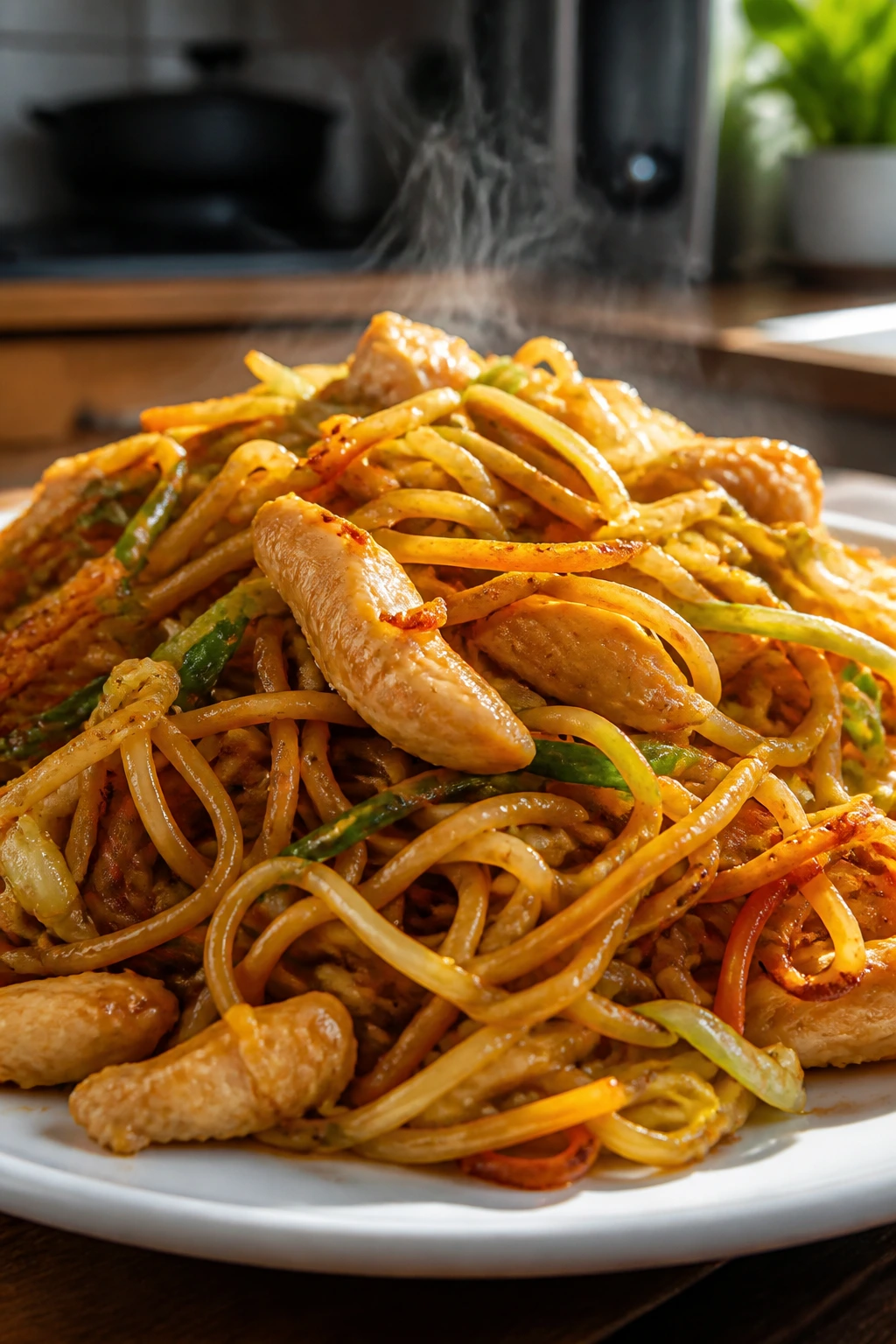
Chow mein should have a little edge to it. Not brittle, not soggy. Just enough browning on the noodles to make them taste toasted in spots while the vegetables stay crisp around them.
This is the dish I make when I want something that feels like takeout but doesn’t taste like it sat under a heat lamp. Cabbage, bean sprouts, and carrots do most of the work, which means the chicken can stay simple and the sauce can stay light.
Why It Works:
Chow mein noodles gain a better texture when they’re cooked just shy of done and then tossed in a hot pan where they can pick up a little browning. The chicken is marinated with a pinch of cornstarch so it stays tender and takes on sauce quickly. A modest amount of oyster sauce and soy gives the noodles flavor without drowning the vegetables.
Key Ingredients:
- 12 oz chow mein noodles or thin egg noodles
- 1 lb boneless chicken thighs, thinly sliced
- 1 tbsp soy sauce, for the chicken
- 1 tsp cornstarch, for the chicken
- 2 cups shredded cabbage
- 1 cup bean sprouts
- 1 carrot, julienned
- 2 scallions, sliced
- 3 tbsp soy sauce, for the sauce
- 2 tbsp oyster sauce
- 1 tbsp Shaoxing wine or dry sherry
- 1 tsp sesame oil
- 1 tsp sugar
- 2 tbsp neutral oil
Quick Steps:
- Cook the Noodles: Boil them until just tender, drain well, and toss with a teaspoon of oil.
- Marinate the Chicken: Mix the sliced chicken with soy sauce and cornstarch.
- Sear the Chicken: Heat oil in a wok or skillet and cook the chicken until browned and cooked through. Remove it.
- Cook the Vegetables: Add cabbage, carrot, and bean sprouts; stir-fry for 1 to 2 minutes so they stay crisp.
- Add Noodles and Sauce: Return the chicken, add noodles, soy sauce, oyster sauce, Shaoxing, sugar, and sesame oil, then toss until coated.
- Crisp a Few Spots: Let the noodles sit against the pan for 20 to 30 seconds before tossing again so a few edges brown.
Equipment for This Recipe:
- Wok or large skillet
- Pot for noodles
- Colander
- Tongs
- Small bowl for sauce
How to Serve This Dish:
Serve chow mein in a shallow bowl or on a plate so the noodles can stay a little spread out. A spoonful of chili crisp on the side is enough to wake it up without changing the dish completely.
Pro Tips for This Recipe:
- Don’t overboil the noodles; they finish in the pan.
- Dry the noodles well after draining so they don’t drag water into the skillet.
- Let the pan touch the noodles long enough to brown a few strands.
- Bean sprouts go in late or they lose their crunch.
Variations on This Dish:
- Shrimp Chow Mein: Swap chicken for shrimp and shorten the cook time.
- Veggie Chow Mein: Double the cabbage and add mushrooms.
- Saucy Chow Mein: Increase the oyster sauce by 1 tablespoon if you want a wetter noodle dish.
Common Mistakes to Avoid with This Dish:
- Soft noodles out of the pot: They turn gummy in the skillet.
- Too many vegetables at once: The pan cools down and everything steams.
- Heavy sauce: Chow mein should be seasoned, not drowned.
14. Sweet and Sour Pork with Pineapple and Peppers
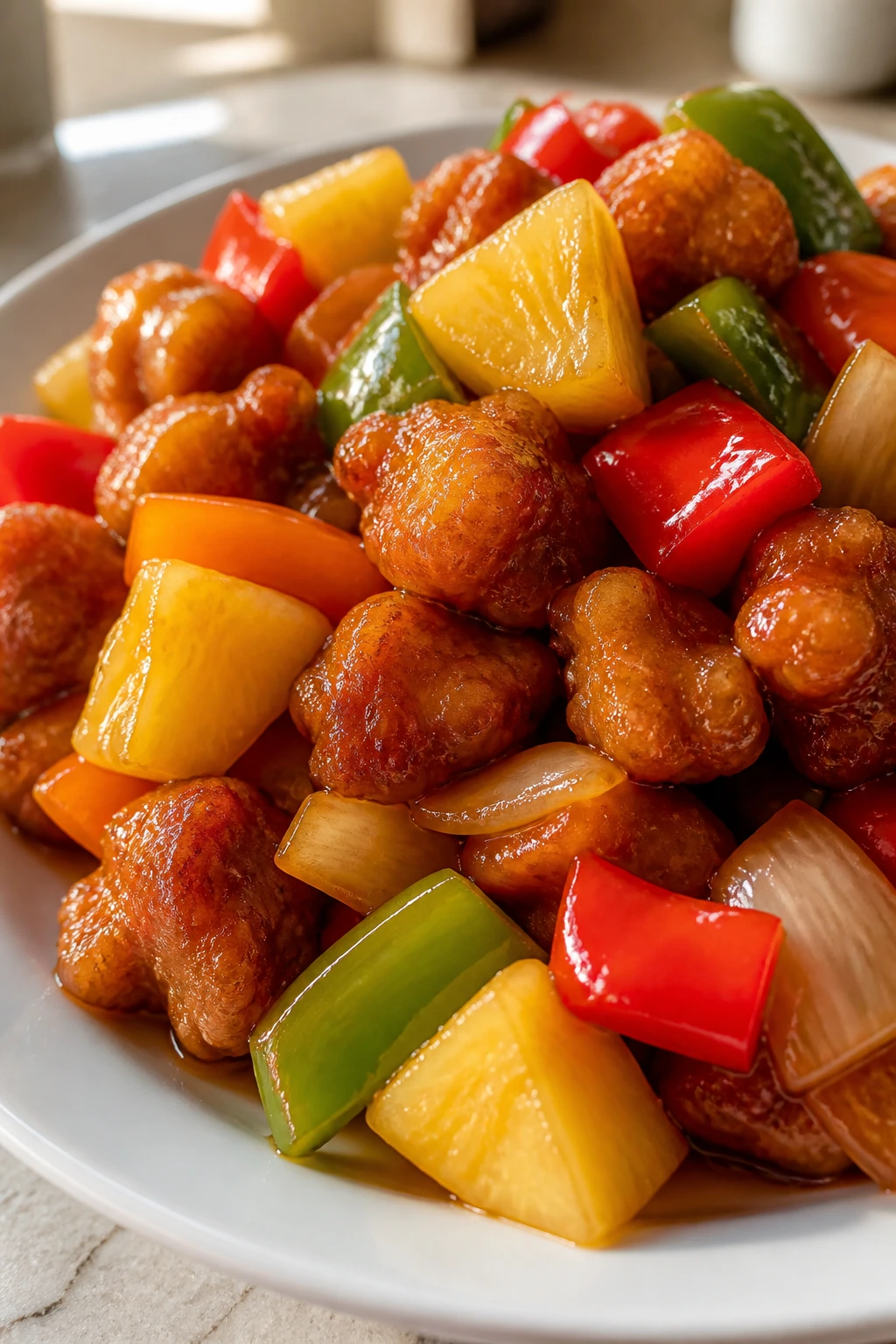
Sweet and sour pork should be bright, not cloying. The best versions taste like vinegar and tomato first, with pineapple and peppers giving you the sweet edge. The pork stays crisp enough to push back against the sauce.
This is one of the most recognizable Chinese-American takeout dishes, and it rewards a little care. If the sauce is too thick, it feels sticky in a bad way. If it’s too thin, the whole plate turns slippery. The balance matters.
Why It Works:
The pork benefits from a light cornstarch coating that crisps quickly when fried or shallow-fried. The sauce uses ketchup, rice vinegar, pineapple juice, and sugar in a way that leans bright and tangy rather than syrupy. Bell peppers and onion add a sharp vegetal note that cuts through the sweetness, while pineapple gives the dish its signature fruit hit.
Key Ingredients:
- 1 1/2 lb pork tenderloin or pork shoulder, cut into 1-inch pieces
- 1/2 cup cornstarch
- 1 large egg, beaten
- 1 red bell pepper, cut into chunks
- 1 green bell pepper, cut into chunks
- 1 small onion, cut into wedges
- 1 cup pineapple chunks
- 1/3 cup ketchup
- 1/4 cup rice vinegar
- 1/4 cup pineapple juice
- 3 tbsp sugar
- 1 tbsp soy sauce
- 1 tsp cornstarch mixed with 1 tbsp water
- Neutral oil, for frying
Quick Steps:
- Coat the Pork: Toss pork pieces with egg, then cornstarch until well covered.
- Fry the Pork: Cook in hot oil until golden and crisp, then drain on a rack or paper towels.
- Mix the Sauce: Stir together ketchup, vinegar, pineapple juice, sugar, soy sauce, and cornstarch slurry.
- Stir-Fry the Vegetables: Quickly cook the bell peppers and onion in a hot skillet until they’re just starting to soften.
- Simmer the Sauce: Add pineapple and the sauce, then cook until glossy and slightly thickened.
- Combine: Fold in the pork right before serving so the crust stays as crisp as possible.
Equipment for This Recipe:
- Large skillet or wok
- Slotted spoon
- Mixing bowls
- Wire rack or paper towels
- Tongs
How to Serve This Dish:
Serve sweet and sour pork with plain rice and maybe a handful of steamed greens. The dish itself is bright and heavy on the sauce, so the side should stay plain and calm.
Pro Tips for This Recipe:
- Keep the pork pieces about the same size so they fry evenly.
- Don’t let the fried pork sit in the sauce too long before serving.
- If your pineapple is very sweet, pull back a tablespoon of sugar.
- A splash more vinegar at the end can sharpen a sauce that tastes sleepy.
Variations on This Dish:
- Chicken Version: Use chicken thighs and fry them the same way.
- Air-Fried Pork: Crisp the coated pork in an air fryer, then toss with the sauce.
- Pineapple-Free Swap: Replace pineapple with extra bell peppers if you want a sharper, less fruity version.
Common Mistakes to Avoid with This Dish:
- Sauce that tastes like dessert: Too much sugar smothers the vinegar.
- Pork that goes soggy: Toss too early and the crust disappears.
- Undercooked onions: They should still have bite, not crunch like raw onion.
15. Chinese Eggplant with Garlic Sauce and Rice
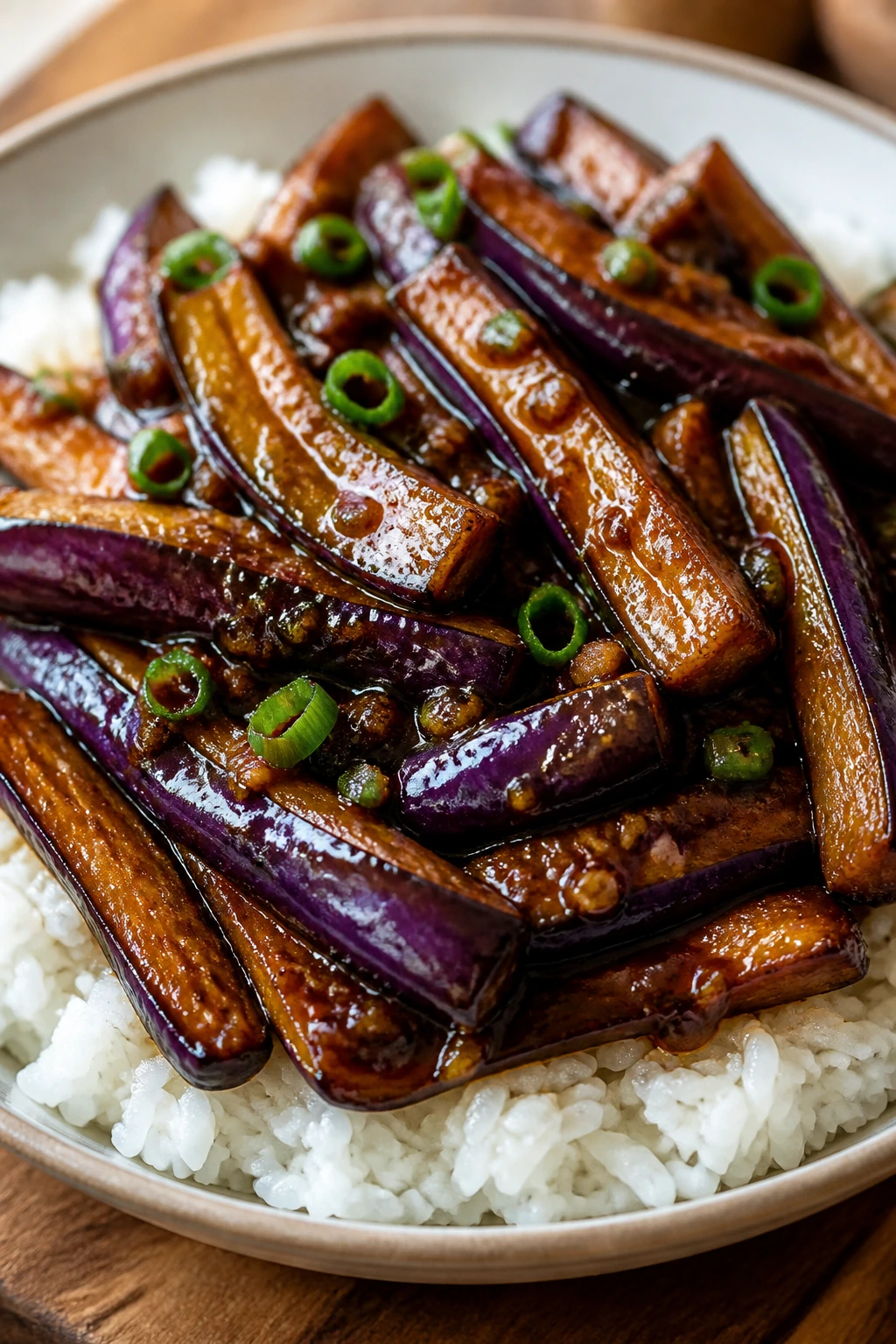
Chinese eggplant is one of the best arguments for cooking vegetables with respect. It turns silky when it hits the pan, soaks up garlic sauce like a sponge, and somehow still feels light enough to eat over rice without getting dull.
This dish is proof that a meatless bowl can still have plenty of depth. The eggplant gets browned first, the sauce hits it hot, and the whole thing tastes like garlic, soy, vinegar, and a little sweetness. If you like the glossy style of takeout vegetables, this one earns its spot.
Why It Works:
Chinese eggplant has thinner skin and a softer, creamier texture than globe eggplant, so it cooks faster and drinks up sauce without becoming stringy. Browning it in a hot pan gives the dish enough savory flavor to stand up to the garlic sauce. The sauce itself is simple: soy, vinegar, sugar, and a little oyster sauce for body.
Key Ingredients:
- 2 lb Chinese eggplant, cut into batons
- 2 tbsp cornstarch
- 3 tbsp neutral oil, plus more as needed
- 4 garlic cloves, minced
- 1 tbsp fresh ginger, minced
- 2 tbsp soy sauce
- 1 tbsp Chinkiang vinegar or rice vinegar
- 1 tbsp oyster sauce or vegetarian oyster sauce
- 1 tbsp sugar
- 1/2 cup water
- 1 tsp sesame oil
- 2 scallions, sliced
- Chili paste, optional
Quick Steps:
- Prep the Eggplant: Toss the cut eggplant with cornstarch so it gets a light coating.
- Brown the Eggplant: Heat oil in a wide skillet and cook the eggplant in batches until the edges soften and pick up color.
- Make the Sauce: Stir together garlic, ginger, soy sauce, vinegar, oyster sauce, sugar, water, and sesame oil.
- Return the Eggplant: Add the sauce to the pan and toss the eggplant gently so it absorbs the flavors.
- Cook Until Glossy: Let the sauce bubble for 1 to 2 minutes until it clings to the pieces.
- Finish with Scallions: Add scallions and chili paste if you want more heat, then serve over rice.
Equipment for This Recipe:
- Large skillet or wok
- Cutting board and sharp knife
- Small bowl for the sauce
- Spatula or tongs
- Measuring spoons
How to Serve This Dish:
Serve the eggplant over a mound of rice while the sauce is still hot and shiny. It also plays well beside a simple cucumber salad if you want some cold crunch against the soft eggplant.
Pro Tips for This Recipe:
- Don’t overload the skillet or the eggplant will steam.
- Chinese eggplant cooks faster than globe eggplant, so check it early.
- If you need more sauce, add 2 to 3 tablespoons of water, not more soy.
- A little chili paste at the end gives the dish a sharper finish.
Variations on This Dish:
- Pork Eggplant Sauce: Add 6 oz ground pork and brown it before the garlic goes in.
- Spicy Garlic Eggplant: Stir in chili bean paste for more heat and color.
- Basil Finish: Toss in torn basil leaves right before serving for a fresh top note.
Common Mistakes to Avoid with This Dish:
- Skipping the browning step: Pale eggplant tastes flat and watery.
- Too much oil all at once: The pieces get greasy instead of silky.
- Using thick globe eggplant without adjusting time: It needs longer and can still taste more spongy than Chinese eggplant.
What Makes These Dishes Taste Like Takeout — Without the Weird Aftertaste
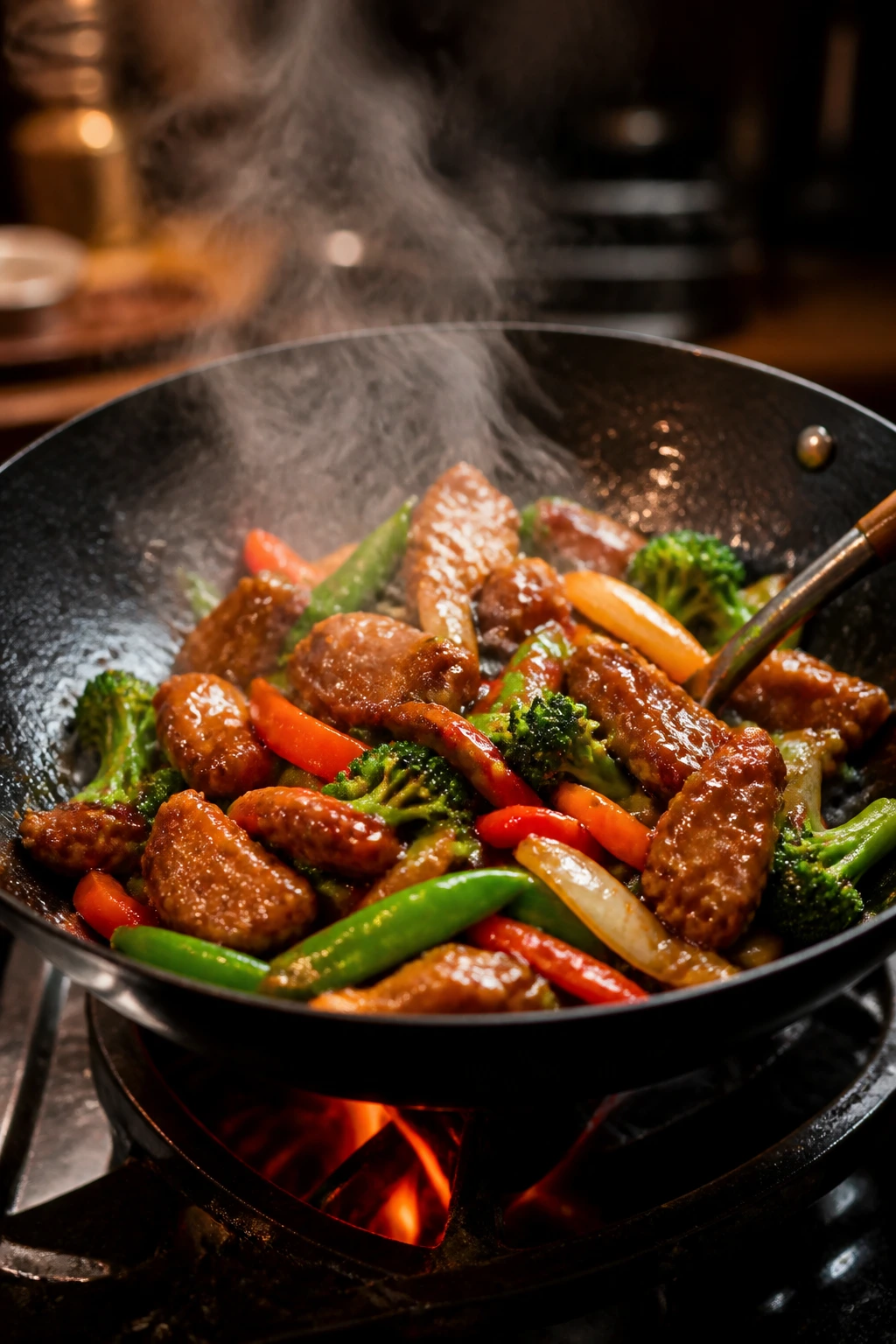
A lot of restaurant-style Chinese food comes down to three things: heat, balance, and texture. If one of those goes missing, the dish starts to feel generic. A skillet that’s hot enough to sear, a sauce that knows when to stop, and vegetables that still have a little bite — that’s the difference between “fine” and “I should make this again.”
The sauce formula matters. Soy sauce brings salt and color, vinegar wakes the dish up, sugar smooths the edges, and cornstarch gives everything that glossy finish people associate with takeout. If you only use soy, the food tastes one-dimensional. If you only use sugar, it tastes sticky and tired. The sweet spot is usually smaller than you think.
Heat is not optional. Stir-fries need a pan that can recover after food hits it. That means preheating for a minute or two longer than feels necessary, then cooking in batches when the pan starts to crowd. Wok hei — that smoky, high-heat character — is hard to fake perfectly at home, but you can get close enough that the dish tastes bold instead of boiled.
Texture is the secret everyone notices. Beef sliced thin, shrimp pulled off the heat early, broccoli blanched before the stir-fry, noodles cooked al dente, tofu handled gently — these are not small details. They’re the reason the dishes hold together on the plate and don’t turn into one soft, gray mass by the time you sit down.
Essential Equipment for These Recipes
-
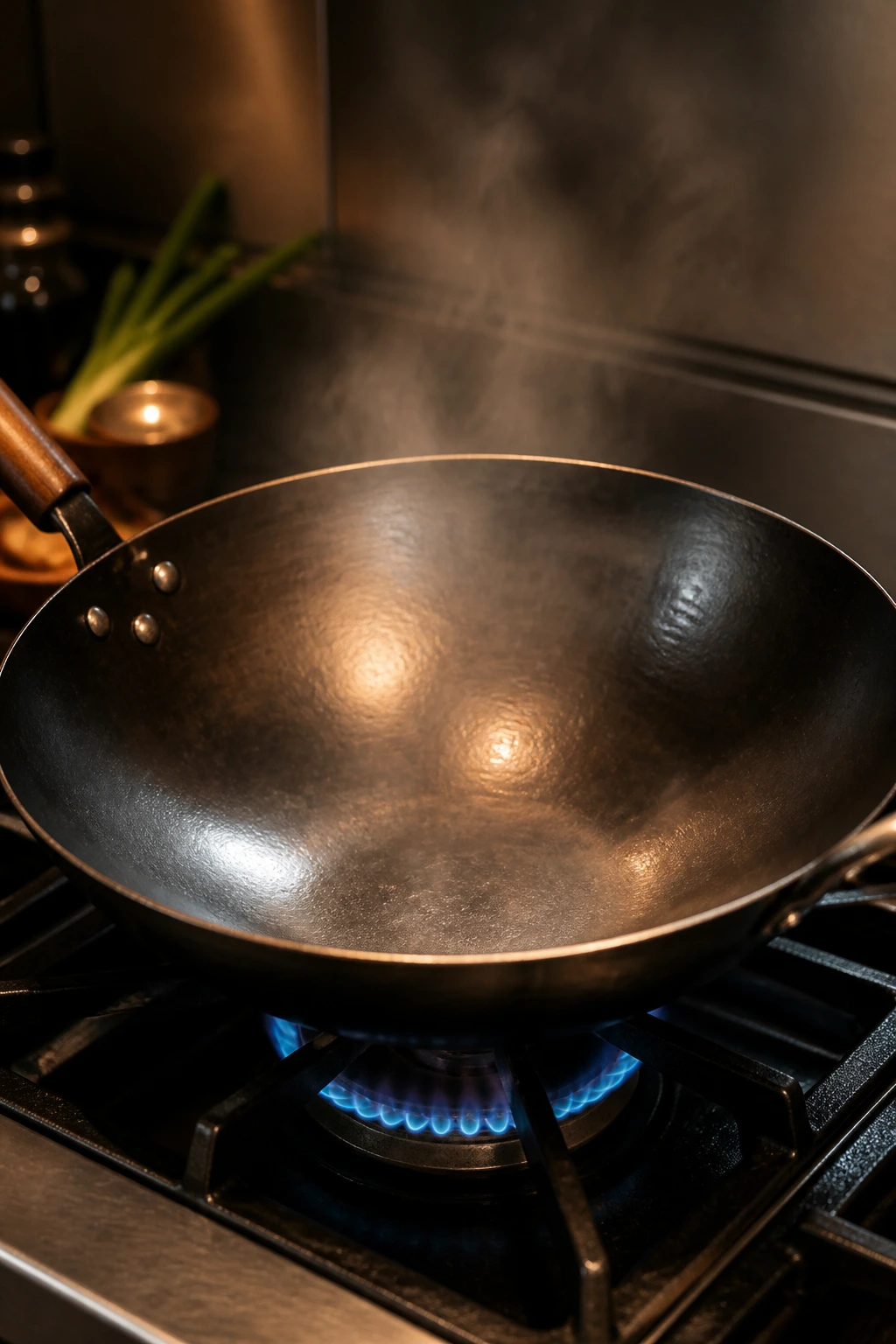
Wok or large 12-inch skillet: The workhorse for stir-fries, noodle dishes, and saucy meats; a heavy skillet works if you don’t own a wok.
-
Medium saucepan or soup pot: Needed for hot and sour soup and for boiling noodles or blanching vegetables.
-
Fine-mesh strainer or colander: Useful for draining noodles, tofu, and blanched vegetables without leaving them waterlogged.
-
Sharp chef’s knife: Thin, even slices matter for beef, pork, and chicken.
-
Cutting board: A big one keeps prep from feeling cramped when you’re chopping aromatics and vegetables.
-
Mixing bowls: Small bowls for sauces and marinades save you from scrambling once the pan gets hot.
-
Tongs or a wide spatula: Better for tossing noodles, turning chicken, and moving food quickly without tearing it.
-
Wire rack: Handy for fried chicken, pork, and anything that should drain without steaming underneath.
-
Rice cooker or lidded pot: Not mandatory, but it makes the rice side more consistent and frees up attention for the main dish.
-
Microplane or fine grater: Best way to get ginger and citrus zest into sauces without big chewy bits.
Smart Shopping for Soy Sauce, Noodles, and Fresh Produce
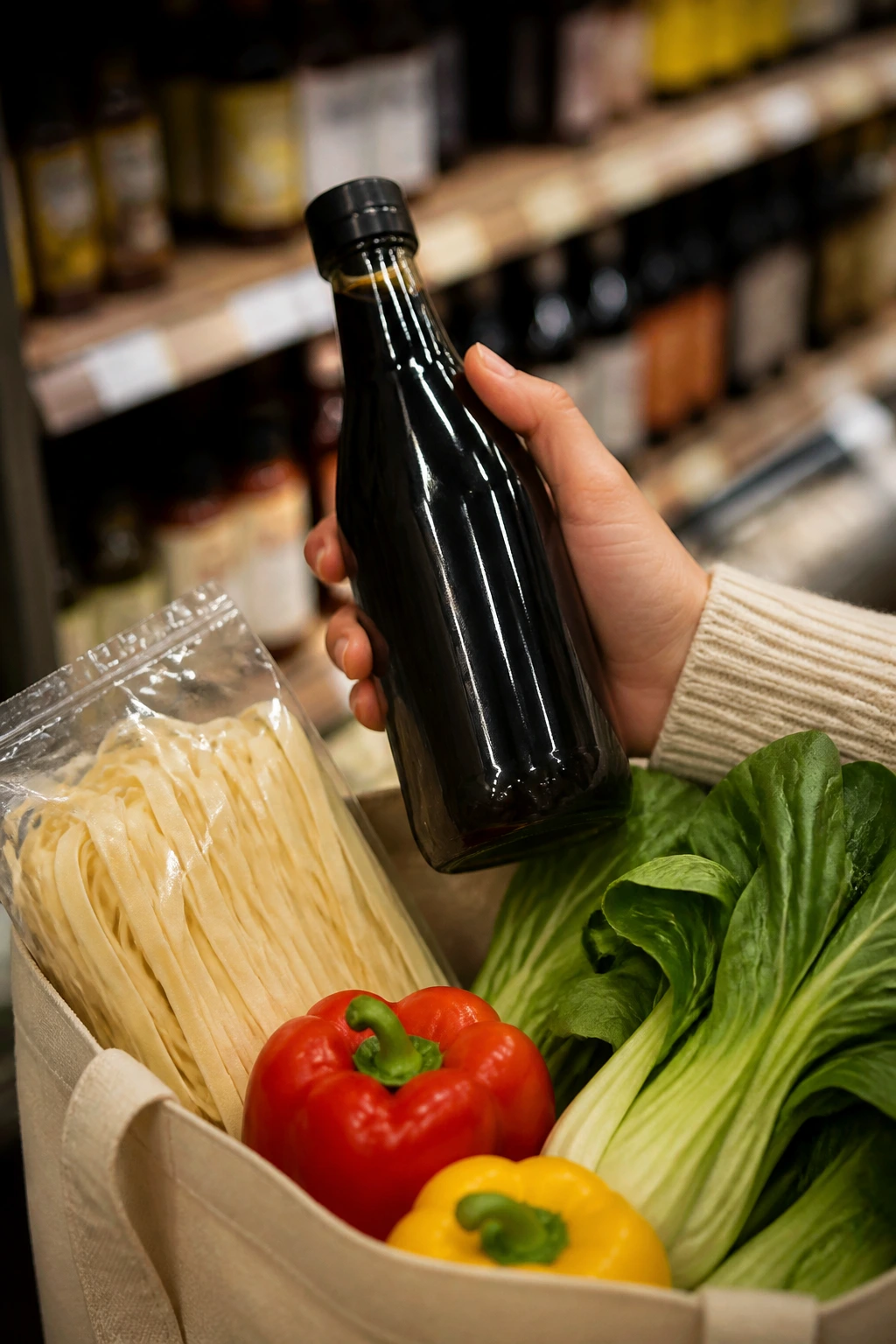
Soy sauce is not one-size-fits-all, and that matters more than most people think. A low-sodium all-purpose soy sauce gives you room to season without overshooting, while a darker soy sauce adds color and a little caramel depth. If you only buy one bottle, get a balanced soy sauce you actually like tasting on its own.
Shaoxing wine is worth tracking down if you cook this style often. Dry sherry works in a pinch, and rice wine is fine in lighter dishes, but Shaoxing gives stir-fries and marinades a rounder smell. For vinegar, Chinkiang black vinegar is the nicest choice for dan dan noodles, mapo tofu, and chili sauces because it has more depth than plain rice vinegar.
Choose proteins with the cut in mind. Flank steak and pork shoulder handle high heat and quick sauces better than lean, delicate cuts. Chicken thighs stay juicier than breasts in fried and stir-fried dishes. For tofu, medium-firm or firm blocks travel better in a skillet than silken tofu, which belongs in soups or very gentle cooking.
Fresh ginger and garlic matter more here than in many other kinds of cooking. Powdered versions can work in a pinch, but they won’t give you that sharp first smell when the oil hits the aromatics. Buy a knob of ginger that feels firm and smooth, not wrinkled, and garlic heads that still feel heavy for their size.
Noodles should match the dish. Lo mein and chow mein noodles are ideal when you can find them, but fresh egg noodles, thin spaghetti, or dried wheat noodles can stand in if you cook them carefully. For vegetables, pick crisp broccoli, scallions with bright green tops, snow peas that snap, and eggplant with glossy skin. Limp produce tastes tired before it even hits the pan.
How to Serve These Recipes
Presentation:
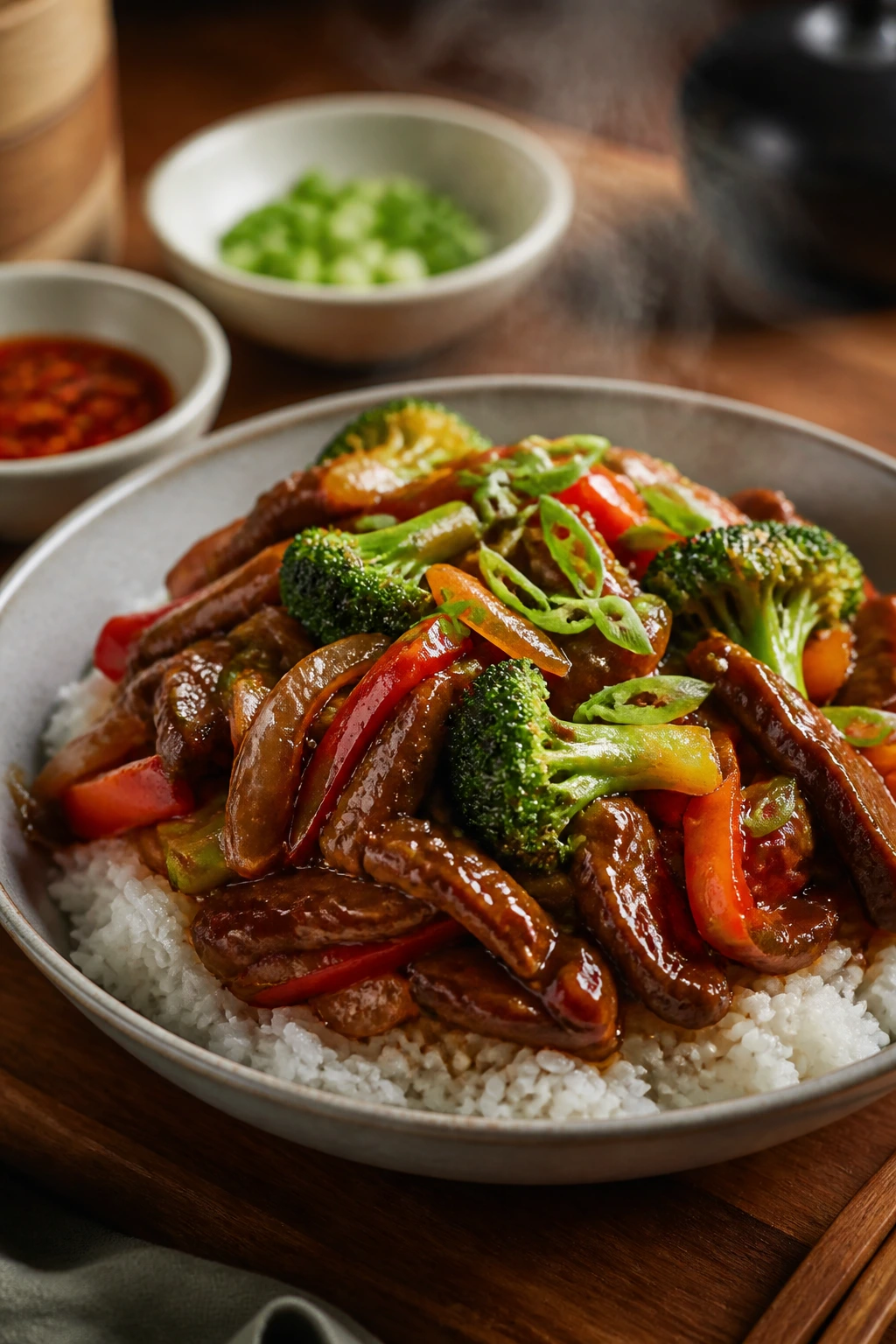
Serve stir-fries in wide bowls or shallow plates so the sauce can spread a little instead of sinking to the bottom of a deep dish. Fried dishes look best when you keep the main protein on top and the rice or noodles underneath, because the steam from the base helps everything smell stronger at the table. Small bowls of chili oil, vinegar, and sliced scallions let people adjust their own plate without turning dinner into a project.
Accompaniments:
Plain jasmine rice is the safest side for saucy dishes like beef and broccoli, Mongolian beef, and orange chicken. Fried rice and noodle dishes don’t need much beside a simple cucumber salad, steamed bok choy, or hot and sour soup. If you’re serving char siu, bao buns or lettuce leaves make a good second vehicle for the pork.
Portions:
Most of these recipes feed 4 generous portions, though fried rice and noodle dishes can stretch farther if you serve them with a soup or vegetable. For a lighter meal, build each plate with more vegetables and a half cup less rice. For a hungrier crowd, a second starch — rice plus noodles, or rice plus soup — makes the table feel fuller without doubling the work.
Beverage Pairing:
Jasmine tea is the easiest match because it cleans the palate without bulldozing the seasoning. For something colder, a light lager or a sparkling water with lime works well, especially with fried chicken and sweet-sour sauces.
Additional Tips and Flavor Boosters
Flavor Enhancement:
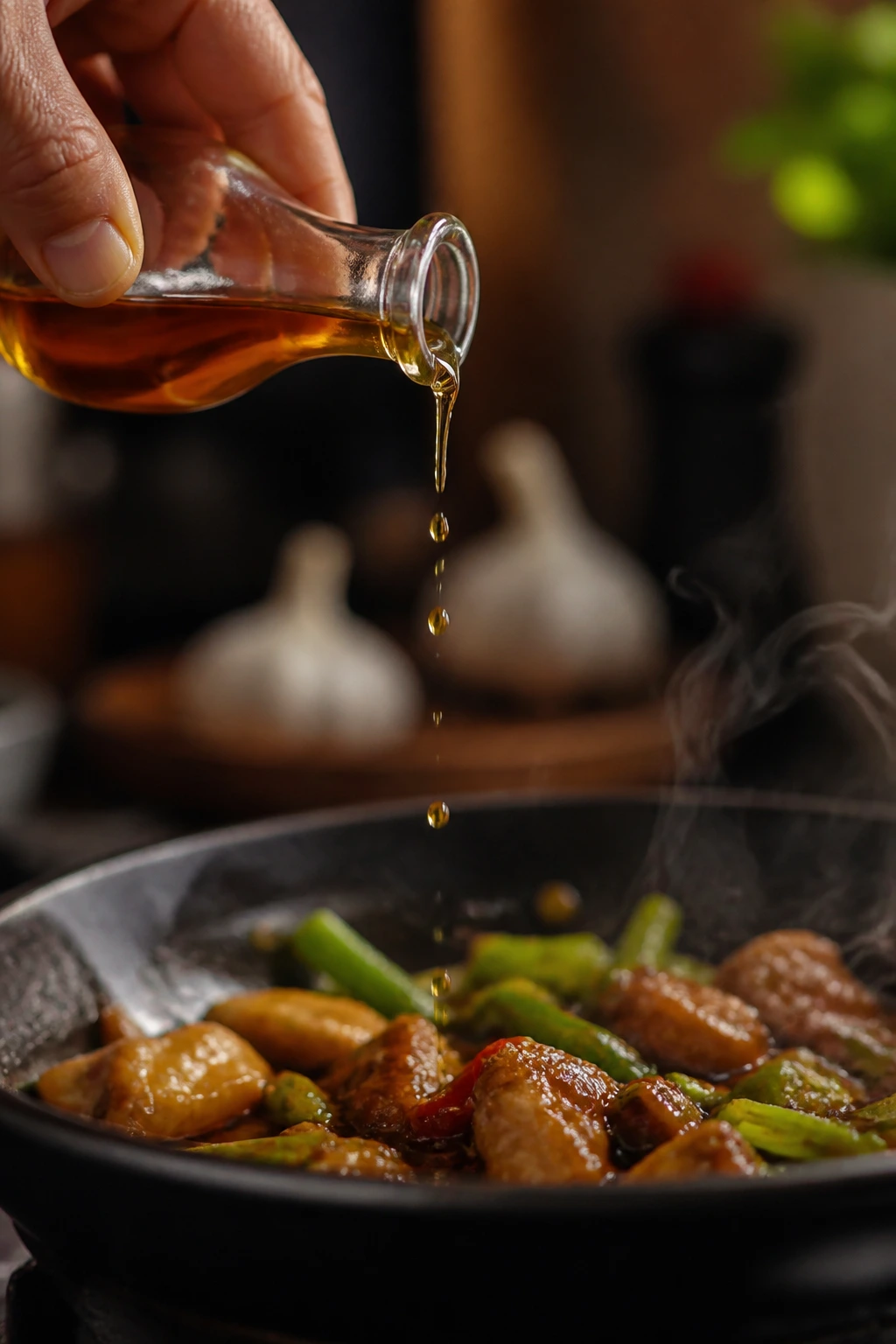
A few drops of toasted sesame oil at the end can make a dish smell finished in a way that raw cooking oil never will. Don’t cook it hard; treat it like perfume, not frying fat. For dishes with beef or pork, a spoonful of oyster sauce gives a rounder savory note than soy alone.
Customization:
Extra vegetables are welcome in most of these recipes, but choose ones that cook on the same clock as the main dish. Bell peppers, snow peas, cabbage, mushrooms, and broccoli are easy wins. If you want more heat, reach for chili crisp or dried red chilies instead of dumping in more sugar and hoping for the best.
Serving Suggestions:
Scallion greens, toasted sesame seeds, crushed peanuts, and a thin drizzle of chili oil can change the feel of a bowl in 10 seconds. For soups, a few extra drops of black vinegar at the table sharpen the broth. For fried dishes, serve on warm plates if you can; cold plates steal the crunch faster than people expect.
Make-It-Yours:
If you eat gluten-free, tamari stands in for soy sauce and most cornstarch-thickened sauces still work the same way. If you want dairy-free cooking, you’re already halfway there with this style of food. And if you like lighter meals, build the plate with double vegetables and a smaller serving of rice instead of trying to turn every dish into a giant bowl.
Make-Ahead, Storage, and Reheating Guidance
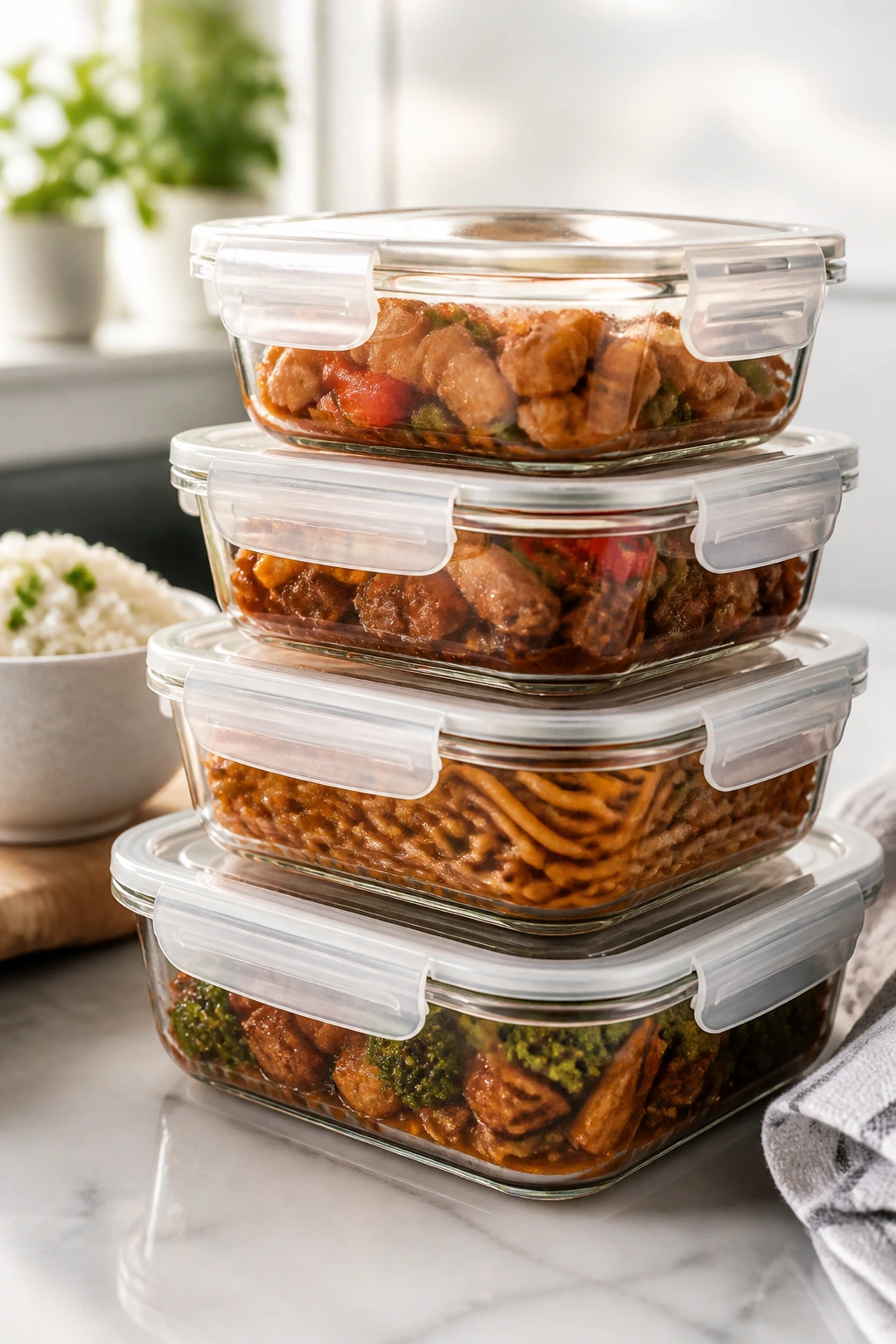
Most of these dishes hold up for 3 to 4 days in the refrigerator in airtight containers, though the crisp-fried items are best eaten sooner. Noodle dishes taste best within 2 days because the noodles keep soaking up sauce. Soups like hot and sour can last up to 4 days refrigerated, and the flavor often deepens after a night in the fridge.
For freezing, the winners are fried rice, char siu pork, beef and broccoli, Mongolian beef, and some saucy chicken dishes. They freeze well for up to 2 months if cooled quickly and packed tightly. Avoid freezing anything where the texture matters most, like shrimp, eggplant, or crispy fried chicken unless you accept that the texture will soften on reheating.
Reheat stir-fries in a skillet over medium heat with a tablespoon or two of water to wake the sauce back up. The water loosens the glaze before it can scorch. Noodles reheat best in a covered skillet with a splash of broth or water, then a quick toss over medium heat. Fried rice does well in a lightly oiled pan, where the grains can separate again.
If you’re making ahead, separate a few components whenever possible. Sauce can often be mixed a day ahead. Rice can be cooked, cooled, and refrigerated overnight. Protein can be sliced and marinated in the morning. The one thing I wouldn’t do is fully sauce fried chicken or crispy pork hours before eating; that crust softens fast, and there’s no clever trick that makes it stay crisp forever.
Variations and Adaptations to Try
Gluten-Free Pantry Switch
Use tamari in place of soy sauce and check your oyster sauce or hoisin for wheat. Cornstarch still works as the thickener, which makes most of these dishes easier to adapt than people think. Rice noodles also give you a clean swap in place of wheat noodles.
Vegetarian Night Without the Compromise
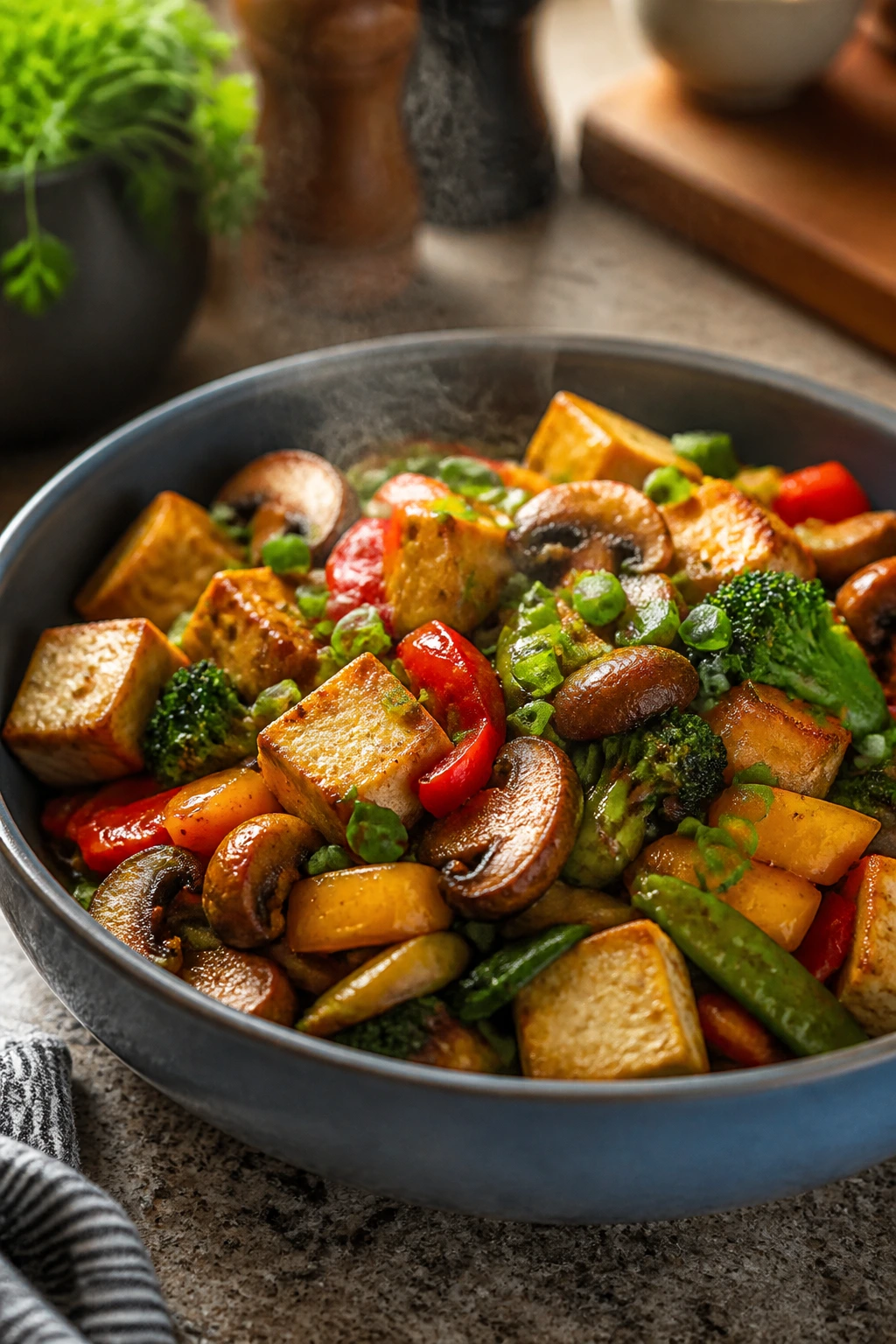
Mapo tofu, Chinese eggplant, hot and sour soup, and even lo mein can go meatless without losing the point of the dish. Mushrooms do a lot of savory heavy lifting here, especially shiitake and cremini. If you want extra richness, add a spoonful of mushroom oyster sauce.
Lower-Sodium, Still Bold
Pick low-sodium soy sauce, keep the oyster sauce measured, and use black vinegar or rice vinegar for brightness instead of more salt. Fresh ginger, scallions, garlic, and a little chili heat do more to make a dish taste lively than another half teaspoon of soy ever will. That part gets ignored all the time.
Extra-Spicy Sichuan Route
This is the lane for chili oil, dried red chilies, Sichuan peppercorns, and doubanjiang. Kung Pao chicken, mapo tofu, and dan dan noodles take to this style especially well. Heat alone is not the goal; the tingle and the acidity matter too.
Weeknight Shortcut Version
Use pre-sliced stir-fry vegetables, pre-cooked rice, and a simple bottled chicken stock when the evening is tight. The shortcut that matters most is prep, not a fancy sauce. If the ingredients are chopped and the pan is hot, dinner still tastes intentional.
Common Mistakes to Avoid
-
Crowding the pan: Stir-fries need room. If the skillet is packed, the food steams and loses the browned edges that make these dishes taste finished.
-
Skipping mise en place: Once the oil is hot, you do not want to be mincing garlic or hunting for the cornstarch. Mix sauces and slice everything first.
-
Using too much sauce too early: A lot of home cooks drown the pan, then wonder why the dish tastes flat. Add enough to coat, then stop.
-
Overcooking vegetables: Broccoli should still have a little bite, snow peas should snap, and cabbage should soften only at the edges. Mushy vegetables drag every dish down.
-
Treating cornstarch like flour: It thickens fast and needs only a small amount. Too much can make the sauce gluey, which is a very specific kind of disappointment.
-
Ignoring the final taste test: A tiny splash of vinegar, a pinch of sugar, or a few drops of sesame oil at the end can fix a sauce that looks right but tastes dull.
Frequently Asked Questions
Can I make these dishes without a wok?
Yes. A large 12-inch skillet works well as long as it gets hot and has enough surface area for food to spread out. The key is to cook in batches when needed so the pan doesn’t cool down and steam everything.
What soy sauce should I buy first?
Start with a good low-sodium all-purpose soy sauce. It gives you more control over the salt level and works in almost every dish here. If you cook these recipes often, add a bottle of dark soy sauce for color and a more caramel-like depth.
Can I use chicken breast instead of thighs?
You can, but slice it thinly and don’t overcook it. Chicken breast dries out faster, especially in fried or sauced dishes. If you use it, the velveting step matters even more.
What rice is best for fried rice?
Jasmine rice is my first choice because the grains stay separate and have a light floral smell. Short-grain rice turns stickier and can clump too much unless you’re careful with the oil and heat.
How do I keep vegetables crisp?
Cut them into even pieces and add them late. If a vegetable needs more time, blanch it first, then finish it in the skillet for a minute or two. That keeps the color bright and the texture alive.
Can I freeze leftover stir-fries?
Yes, though the texture changes a bit. Beef, pork, and fried rice freeze better than shrimp or eggplant, which soften more after thawing. Pack leftovers in shallow containers so they cool fast before freezing.
What if my sauce turns too thick?
Add water a tablespoon at a time and stir over medium heat until it loosens. If the sauce tastes flat after thinning, finish with a few drops of vinegar or sesame oil so it tastes awake again.
Are these recipes too spicy for kids?
Some are, but not all. General Tso’s, orange chicken, beef and broccoli, fried rice, and chow mein can all be kept mild by reducing chilies, chili oil, and white pepper. Serve the heat on the side, and everybody gets what they want.
A Table That Smells Like Dinner
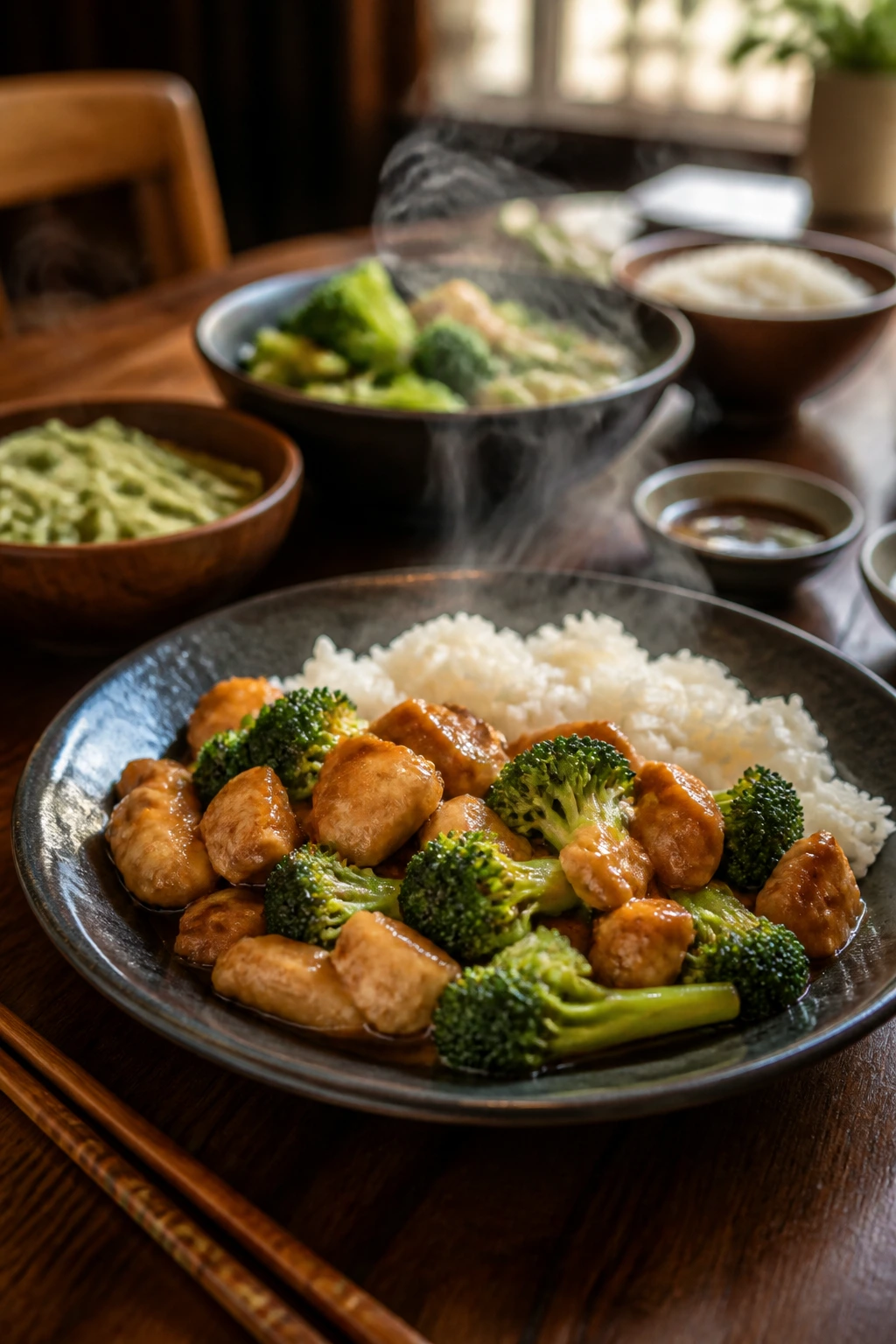
The best part of cooking these meals at home is not that they’re “better” in some abstract, braggy way. It’s that they’re sharper where takeout gets dull: the broccoli stays green, the chicken stays juicy, the rice has actual grain to it, and the sauce tastes like it was made on purpose.
Once you get comfortable with a hot pan, a quick slurry, and a few bottles from the Asian pantry, the whole category opens up. Dinner stops depending on a phone app and starts depending on your own timing, which is a much nicer arrangement.
Make one this week, then make a different one the next time the craving hits. The repetition is part of the fun.