



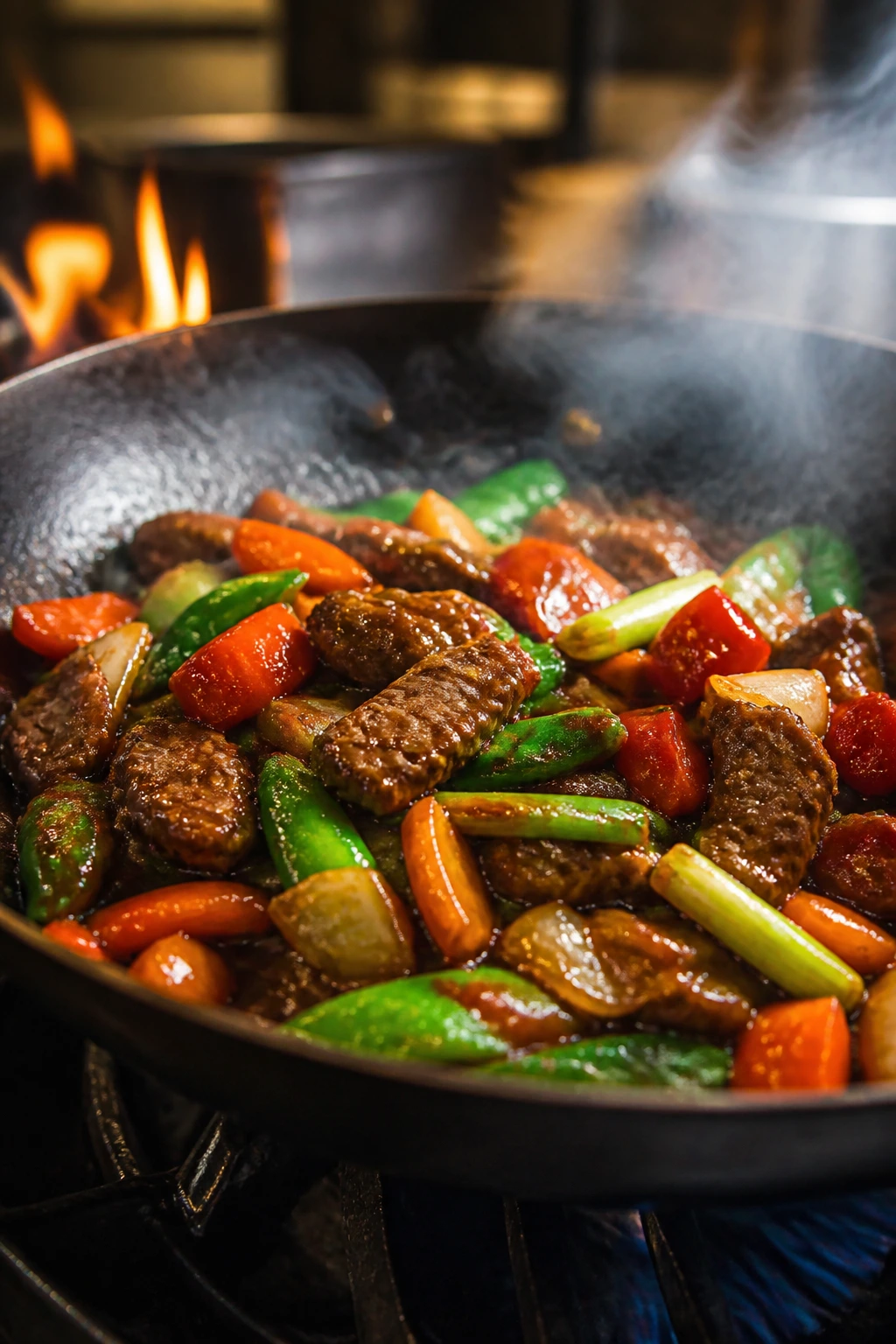
Asian inspired dishes have a way of making a plain Tuesday smell like a real dinner. A hot skillet, a fast chop, and a sauce that goes in at the end can turn a few ordinary ingredients into something glossy, sharp, and deeply satisfying. The trick is not fancy technique. It’s timing, heat, and keeping the vegetables from going soft before the pan has even warmed up.
I keep coming back to stir fry because it solves the part of dinner that usually gets messy. Protein cooks fast. Vegetables stay bright. Sauce clings instead of puddling. And when you build the meal around rice, noodles, lettuce cups, or a bowl of steaming rice cakes, the whole thing lands with enough contrast to feel finished rather than thrown together.
The 50 Asian inspired dishes below are built for that kind of night. Some lean Chinese, some Thai, some Korean, some Japanese, and a few borrow from several places at once — which is how most home cooks actually make stir fry anyway. You’ll see garlic, ginger, soy, sesame, rice vinegar, gochujang, curry paste, oyster sauce, black bean sauce, and a few sweet-and-spicy combinations that behave beautifully in a hot pan. Once you get the rhythm, the weeknight panic starts to back off.
Why These Stir-Fry Dinners Earn Their Spot
-
Fast Pan, Real Flavor: Most of these dishes cook in 10 to 20 minutes once the chopping is done, and the high heat gives you browned edges that a slow simmer can’t match.
-
Pantry-Friendly Sauces: Soy sauce, garlic, ginger, sesame oil, rice vinegar, and oyster sauce show up in different combinations, so you can build a lot from the same shelf.
-
Texture Is the Point: Crisp broccoli, snappy snow peas, silky tofu, and chewy noodles make the food feel alive instead of soft and one-note.
-
Protein Swaps Are Easy: Chicken, beef, shrimp, pork, tofu, salmon, and even meatballs can slide into this format without a total rewrite.
-
Takeout Style, Less Guesswork: These sauces are made to coat the food, not drown it, so you get glossy stir fry instead of a watery skillet.
-
Good Leftovers, With One Catch: Many of these reheat well for lunch, especially rice and noodle dishes, as long as you keep the heat short and add a splash of water.
1. Garlic Sesame Chicken and Broccoli
That smell is the whole story: garlic softening in hot oil, soy sauce turning dark and glossy, sesame oil landing at the end like a final brushstroke. The chicken stays juicy if you cut it into bite-size pieces and keep the broccoli from hanging around too long in the pan.
Why It Works: Chicken thighs forgive a hot skillet. Broccoli likes fierce heat and a short steam, so it keeps a little bite. The cornstarch slurry gives the sauce that sticky sheen people usually chase with too much sugar.
Key Ingredients:
- 1½ lbs boneless skinless chicken thighs, cut into 1-inch pieces
- 4 cups broccoli florets
- 3 cloves garlic, minced
- 2 tbsp soy sauce
- 1 tbsp oyster sauce
- 1 tsp toasted sesame oil
- 1 tbsp cornstarch mixed with 2 tbsp water
- 2 tbsp neutral oil
Quick Steps:
- Heat 2 tbsp oil in a 12-inch skillet over medium-high heat and sear the chicken for 4 to 5 minutes until lightly browned.
- Add the broccoli and 3 tbsp water, then cover for 2 minutes until bright green and just tender.
- Stir in garlic, soy sauce, oyster sauce, and cornstarch slurry; cook 1 minute until glossy, then finish with sesame oil.
Equipment for This Recipe:
- 12-inch skillet or wok
- Wooden spatula
- Small bowl for slurry
How to Serve This Dish: Spoon it over steamed jasmine rice, or pile it into a shallow bowl with a little extra sauce drizzled over the rice. A few sliced scallions on top make the whole plate look finished.
Pro Tips for This Recipe:
- Dry the chicken first: Wet thighs steam instead of browning.
- Keep the garlic late: It burns fast in hot oil.
- Cut broccoli small: Florets the size of a walnut cook evenly.
Variations on This Dish:
- Chili Crisp Finish: Stir in 1 to 2 tsp chili crisp at the end for a sharper, louder heat.
- Tofu Swap: Use 1½ lbs extra-firm tofu, pressed and cubed, instead of chicken.
Common Mistakes to Avoid with This Dish:
- Crowding the pan: The chicken will gray out and leak liquid. Cook in two batches if needed.
- Adding the sauce too early: The broccoli can overcook before the glaze thickens.
2. Ginger Beef and Snow Peas
Fresh ginger is what wakes this dish up. It smells bright, almost peppery, and it cuts through the richness of the beef in a way that feels cleaner than a heavy brown sauce.
Why It Works: Flank steak cooks fast when it’s sliced thin across the grain. Snow peas only need a minute or two, which means they stay crisp and sweet. A splash of rice vinegar keeps the sauce from tasting flat.
Key Ingredients:
- 1 lb flank steak, thinly sliced across the grain
- 3 cups snow peas, trimmed
- 1 tbsp fresh ginger, minced
- 2 cloves garlic, minced
- 3 tbsp soy sauce
- 1 tbsp rice vinegar
- 1 tsp brown sugar
- 2 tbsp neutral oil
Quick Steps:
- Toss the beef with 1 tbsp soy sauce and let it sit while you heat the pan.
- Sear the beef in 1 tbsp oil for 1 to 2 minutes, then remove it.
- Stir-fry ginger, garlic, and snow peas for 2 minutes, return the beef, add the remaining sauce, and cook until coated.
Equipment for This Recipe:
- Large skillet or wok
- Sharp knife
- Mixing bowl
How to Serve This Dish: Serve with plain rice or thin rice noodles so the ginger sauce has something to cling to. A few sesame seeds on top are enough.
Pro Tips for This Recipe:
- Freeze the steak 15 minutes: It slices thinner and cleaner.
- Don’t over-marinate: Too much soy makes the beef taste cured.
- Cook snow peas briefly: They should still snap when bitten.
Variations on This Dish:
- Black Pepper Beef: Add 1 tsp coarsely ground black pepper for a sharper edge.
- Mushroom Boost: Toss in 2 cups sliced shiitakes with the peas.
Common Mistakes to Avoid with This Dish:
- Using thick slices of beef: They turn chewy fast.
- Letting the pan cool: Beef needs heat, not patience.
3. Shrimp and Snap Pea Stir-Fry
Shrimp go from translucent to pink in what feels like a blink, which is why this is a good one for nights when your attention is scattered. The snap peas keep that clean vegetable crunch that makes the plate feel light without being skimpy.
Why It Works: Shrimp need only a short, hot cook. Snap peas can handle a fast sear and still taste sweet. A little ginger and lime keep the whole thing sharp instead of muddy.
Key Ingredients:
- 1½ lbs large shrimp, peeled and deveined
- 3 cups sugar snap peas
- 1 red bell pepper, sliced
- 2 cloves garlic, minced
- 1 tbsp fresh ginger, grated
- 2 tbsp soy sauce
- Juice of 1 lime
- 2 tbsp neutral oil
Quick Steps:
- Heat oil in a wok over medium-high heat and cook the shrimp 1 to 2 minutes per side until pink; remove.
- Stir-fry the snap peas, bell pepper, garlic, and ginger for 3 minutes until bright and crisp-tender.
- Return the shrimp, add soy sauce and lime juice, and toss 30 seconds until glossy.
Equipment for This Recipe:
- Wok or large skillet
- Tongs
- Citrus juicer, optional
How to Serve This Dish: Good over rice, but excellent tucked into lettuce cups if you want something lighter. A squeeze of extra lime right before serving makes the shrimp pop.
Pro Tips for This Recipe:
- Buy shrimp that smell clean, not fishy.
- Pat them dry: Moist shrimp steam instead of sear.
- Pull them early: They finish fast, and overcooked shrimp turn rubbery.
Variations on This Dish:
- Garlic Chili Version: Add 1 tsp chili flakes and 1 extra clove garlic.
- Rice Noodle Bowl: Toss everything with 6 oz cooked rice noodles.
Common Mistakes to Avoid with This Dish:
- Overcooking the shrimp: They curl into tight little commas and get tough.
- Using too much sauce: A light coating works better than a puddle.
4. Crispy Tofu with Bok Choy and Mushrooms
The best tofu stir fry has two moods at once: browned and chewy on the outside, soft in the middle. Bok choy brings a fresh, slightly sweet crunch, while mushrooms soak up soy sauce like they were built for the job.
Why It Works: Pressed tofu browns instead of collapsing. Mushrooms release moisture, then drink back flavor once the pan dries out. Bok choy cooks in stages, so the stems stay crisp while the leaves wilt.
Key Ingredients:
- 1 block extra-firm tofu, about 14 oz, pressed and cubed
- 3 heads baby bok choy, halved
- 8 oz shiitake or cremini mushrooms, sliced
- 2 cloves garlic, minced
- 2 tbsp soy sauce
- 1 tbsp oyster sauce or vegetarian oyster sauce
- 1 tsp toasted sesame oil
- 2 tbsp neutral oil
Quick Steps:
- Press tofu for 20 minutes, then sear it in oil over medium-high heat for 8 minutes, turning until golden on most sides.
- Add mushrooms and bok choy stems; cook 3 minutes until the mushrooms soften.
- Stir in garlic, bok choy leaves, soy sauce, and oyster sauce; cook 1 to 2 minutes, then finish with sesame oil.
Equipment for This Recipe:
- Heavy skillet
- Tofu press or paper towels with a plate
- Spatula
How to Serve This Dish: Spoon it over rice or slippery udon noodles, and don’t be shy with the pan juices. A sprinkle of sesame seeds gives it a nice finish.
Pro Tips for This Recipe:
- Press tofu longer than you think: Extra water is the enemy of browning.
- Leave the tofu alone: Let one side sear before flipping.
- Salt lightly at first: Soy sauce and oyster sauce already bring plenty.
Variations on This Dish:
- Spicy Bean Paste Tofu: Stir in 1 tsp chili bean paste with the garlic.
- Snow Pea Swap: Replace bok choy with 3 cups snow peas for a firmer bite.
Common Mistakes to Avoid with This Dish:
- Skipping the press: Wet tofu turns pale and rubbery.
- Overcrowding the skillet: The tofu will steam instead of crisp.
5. Pork and Napa Cabbage Stir-Fry
Napa cabbage melts in the pan in a way regular cabbage never quite does. It gets silky at the edges, but the rib still has a little crunch, which plays well against the savory pork.
Why It Works: Ground pork browns quickly and gives the dish depth without much effort. Napa cabbage collapses in the best way once it hits heat, so you get volume without heaviness. A little rice wine or dry sherry keeps the flavor from going bland.
Key Ingredients:
- 1 lb ground pork
- 6 cups napa cabbage, chopped
- 2 scallions, sliced
- 2 cloves garlic, minced
- 1 tbsp ginger, minced
- 2 tbsp soy sauce
- 1 tbsp rice wine or dry sherry
- 1 tbsp neutral oil
Quick Steps:
- Brown the pork in oil over medium-high heat for 4 to 5 minutes, breaking it up with a spatula.
- Add ginger, garlic, and cabbage; stir 3 minutes until the cabbage starts to wilt.
- Splash in soy sauce and rice wine, then cook 1 minute more and finish with scallions.
Equipment for This Recipe:
- Large skillet
- Wooden spoon
- Knife and cutting board
How to Serve This Dish: Serve over steamed rice with a little chili oil on the side. It also works tucked into warm flour tortillas if you want a left-field dinner that still eats well.
Pro Tips for This Recipe:
- Use a wide pan: Cabbage needs room to shrink.
- Brown the pork well: Pale pork makes a pale dish.
- Chop cabbage coarsely: Tiny shreds disappear too fast.
Variations on This Dish:
- Miso Pork Cabbage: Add 1 tbsp white miso with the soy sauce.
- Bean Sprout Finish: Toss in 2 cups bean sprouts at the end for extra crunch.
Common Mistakes to Avoid with This Dish:
- Undercooking the pork: Ground pork should be fully browned, not just gray.
- Adding cabbage too late: It needs time to soften, or the dish feels stiff.
6. Thai Basil Chicken
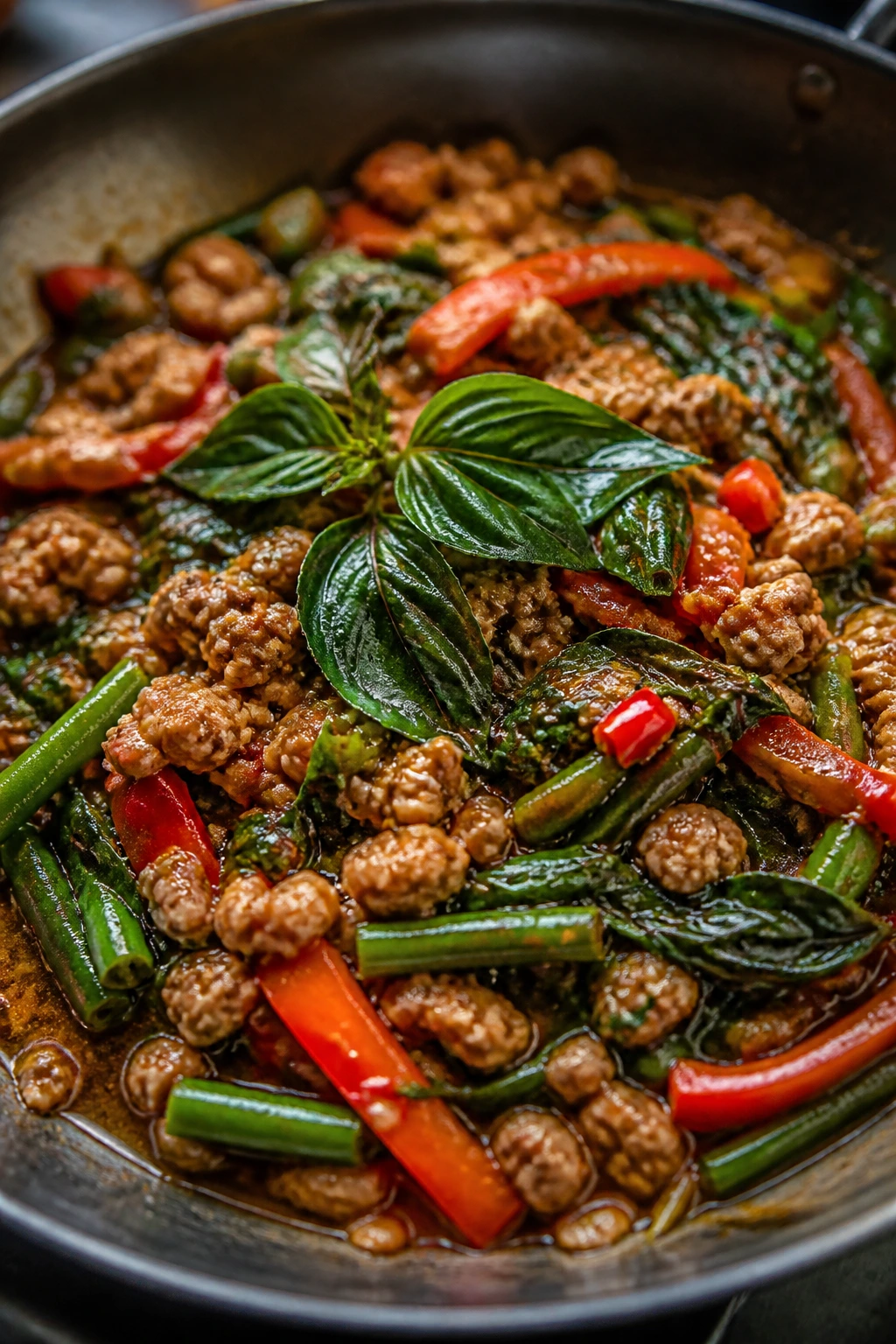
This one smells like a street stall when it hits the pan — garlic, chilies, and basil all at once. The basil is not a garnish here. It’s the point.
Why It Works: Ground chicken cooks evenly and picks up sauce fast. Thai basil holds onto its licorice-like edge better than sweet basil, which matters here. The chilies wake up the sauce without burying the basil.
Key Ingredients:
- 1 lb ground chicken
- 1 red bell pepper, sliced
- 2 cups green beans, cut into 2-inch pieces
- 3 cloves garlic, minced
- 2 to 3 Thai chilies, sliced
- 2 tbsp soy sauce
- 1 tbsp fish sauce
- 1 packed cup Thai basil leaves
- 1 tbsp neutral oil
Quick Steps:
- Heat oil and cook the garlic and chilies for 20 seconds until fragrant.
- Add the chicken and break it apart; cook 5 minutes until no longer pink.
- Add bell pepper, green beans, soy sauce, and fish sauce; cook 3 minutes, then stir in basil until wilted.
Equipment for This Recipe:
- Wok or sauté pan
- Spatula
- Small knife
How to Serve This Dish: Serve with jasmine rice and a fried egg if you want the yolk to mix into the sauce. A cucumber salad on the side is a smart move.
Pro Tips for This Recipe:
- Use Thai basil if you can find it: Sweet basil works, but it shifts the dish.
- Keep the chilies sliced, not minced: You want some control over the heat.
- Add basil last: It should wilt, not stew.
Variations on This Dish:
- Milder Family Version: Use one chili and add extra bell pepper.
- Turkey Swap: Ground turkey works, though it needs a touch more oil.
Common Mistakes to Avoid with This Dish:
- Cooking the basil too long: It turns dark and loses its fragrance.
- Using too little heat: The chicken should sizzle, not sit.
7. Black Pepper Beef and Onion Stir-Fry
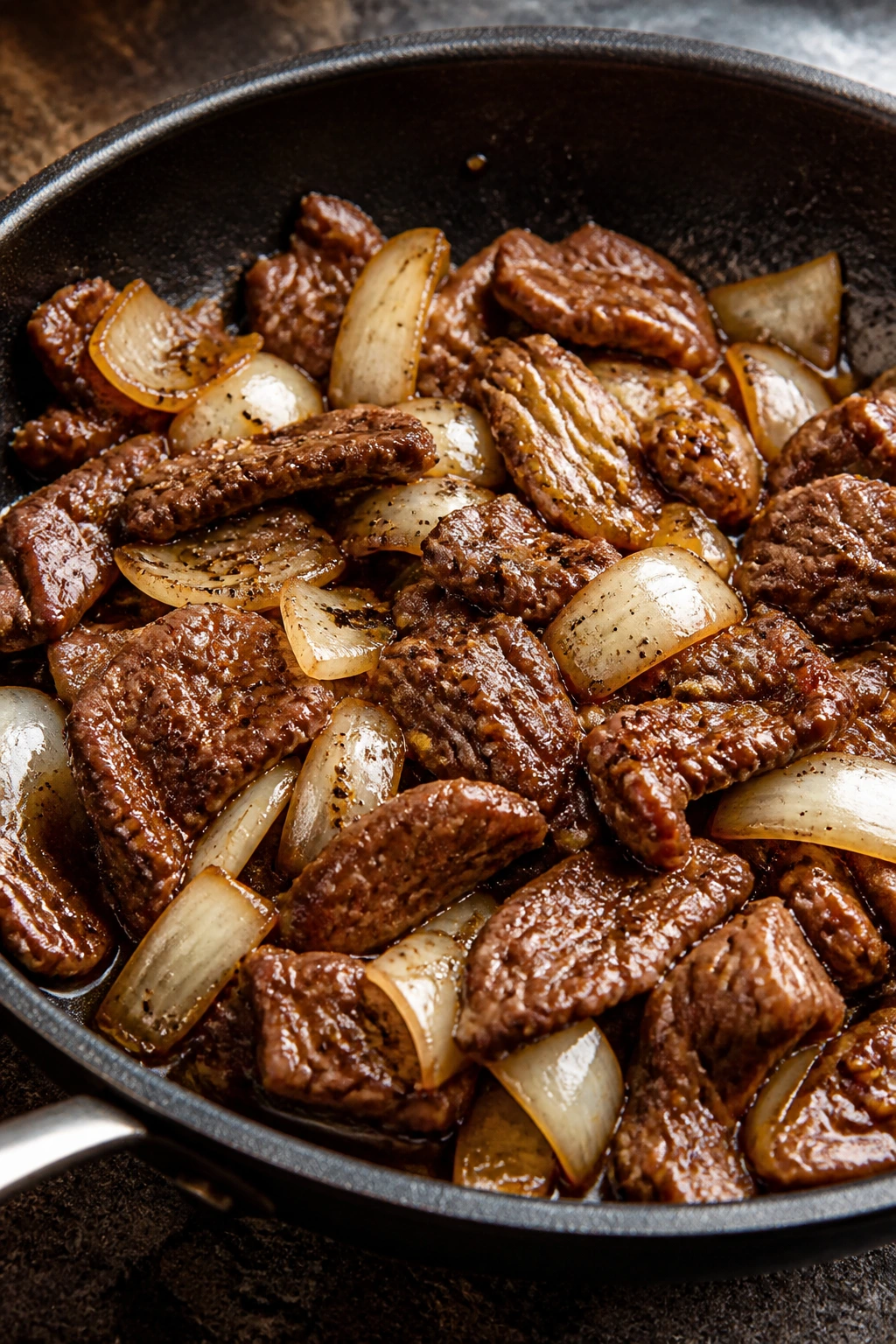
Black pepper is the loud part here, and I mean that in the best way. Not the dusty kind from a shaker. Coarsely cracked pepper gives the beef a hot, sharp finish that lands after the first bite.
Why It Works: Beef and onion are a classic pair because onion gets sweet in the same hot pan that browns the meat. The sauce is lean, so the pepper stays front and center. If you cut the onion into thick wedges, it holds its shape instead of melting away.
Key Ingredients:
- 1 lb sirloin steak, thinly sliced
- 2 yellow onions, cut into wedges
- 2 tbsp soy sauce
- 1 tbsp oyster sauce
- 2 tsp coarsely ground black pepper
- 2 cloves garlic, minced
- 2 tbsp neutral oil
Quick Steps:
- Stir the beef with soy sauce and black pepper, then let it sit 10 minutes.
- Sear beef in hot oil for 2 minutes; remove and cook onions 4 minutes until browned at the edges.
- Return the beef, add garlic and oyster sauce, and toss 1 minute until the pan smells aggressively peppery.
Equipment for This Recipe:
- Heavy skillet
- Tongs
- Pepper grinder
How to Serve This Dish: Rice is the cleanest match, but a pile of noodles works too if you like the sauce to spread out. A few sliced scallions calm down the pepper bite.
Pro Tips for This Recipe:
- Crack the pepper fresh: Pre-ground pepper tastes flat here.
- Slice against the grain: The beef stays tender.
- Cook onions at a real sizzle: Soft onions are not the goal.
Variations on This Dish:
- Ginger Pepper Beef: Add 1 tbsp minced ginger with the garlic.
- Mushroom Add-In: Use 8 oz mushrooms for a deeper, earthier pan sauce.
Common Mistakes to Avoid with This Dish:
- Using fine pepper: It disappears into the sauce instead of staying bold.
- Overcooking the steak: A minute too long changes the texture fast.
8. Cashew Chicken with Celery
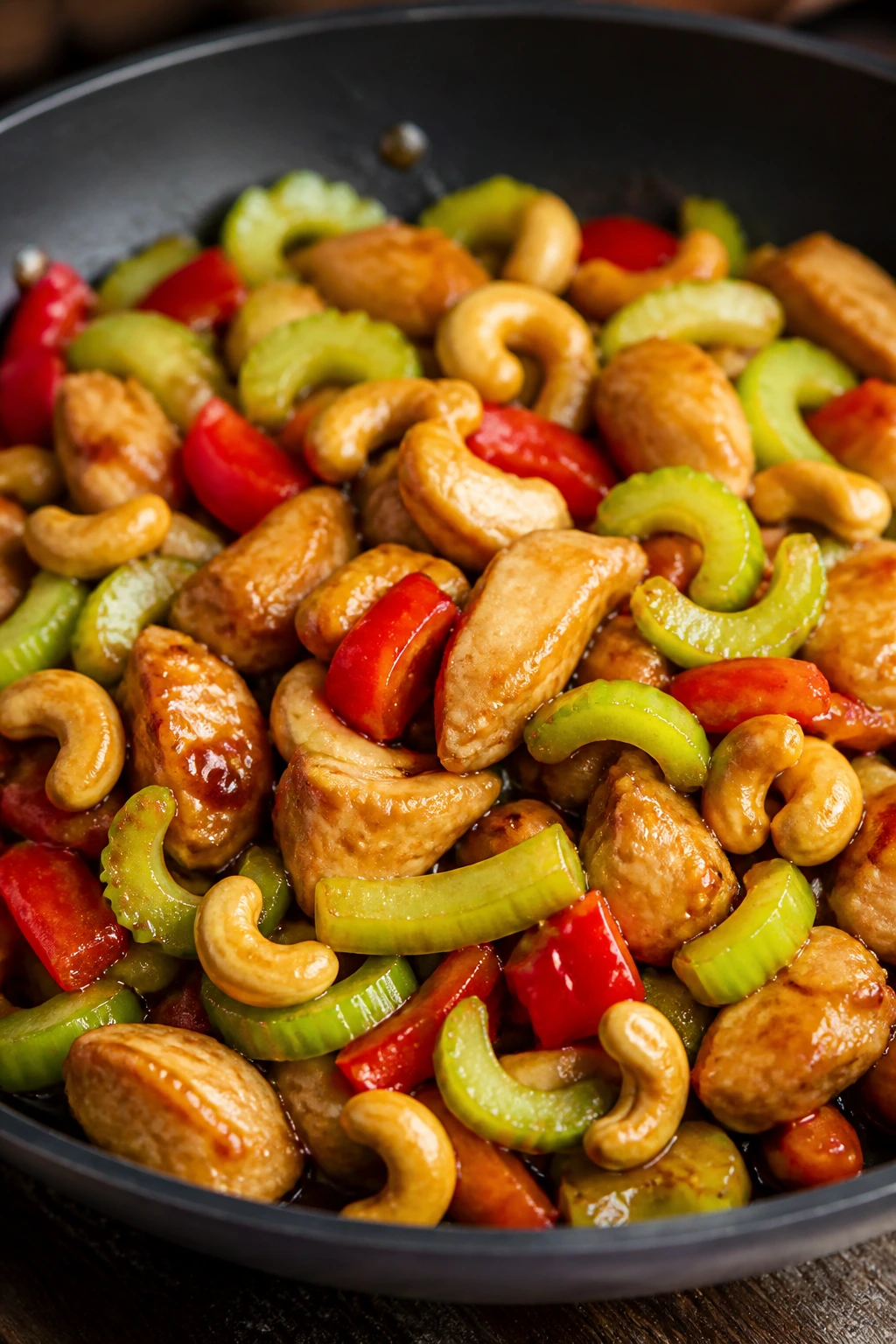
Cashew chicken should crunch when you bite into it. That’s the part too many versions miss. The celery brings fresh snap, and the cashews give the dish a toasted, buttery finish that makes the whole thing taste composed.
Why It Works: Chicken breast cooks fast in thin slices. Celery stays crisp if you add it late. Cashews bring fat and texture without needing a heavy sauce.
Key Ingredients:
- 1½ lbs chicken breast, sliced thin
- 3 stalks celery, sliced on the bias
- 1 red bell pepper, sliced
- ¾ cup roasted unsalted cashews
- 2 cloves garlic, minced
- 3 tbsp soy sauce
- 1 tbsp hoisin sauce
- 2 tbsp neutral oil
Quick Steps:
- Sear the chicken in oil for 4 minutes until just cooked through; remove.
- Cook celery, bell pepper, and garlic for 3 minutes until crisp-tender.
- Return the chicken with soy sauce and hoisin, toss in cashews, and cook 30 seconds more.
Equipment for This Recipe:
- Large skillet
- Measuring spoons
- Spatula
How to Serve This Dish: Serve with rice so the sauce has somewhere to go. If you want extra color, add a few cilantro leaves or scallions at the end.
Pro Tips for This Recipe:
- Toast the cashews first: 5 minutes in a dry pan makes them taste deeper.
- Keep celery thick enough: Thin slices disappear.
- Use unsalted nuts: The sauce already handles seasoning.
Variations on This Dish:
- Spicy Cashew Chicken: Add 1 tsp chili garlic sauce.
- Broccoli Version: Swap the celery for 3 cups broccoli florets.
Common Mistakes to Avoid with This Dish:
- Using raw cashews: They taste bland and soft.
- Overcooking the breast meat: It dries out fast once it loses pinkness.
9. Teriyaki Salmon and Asparagus
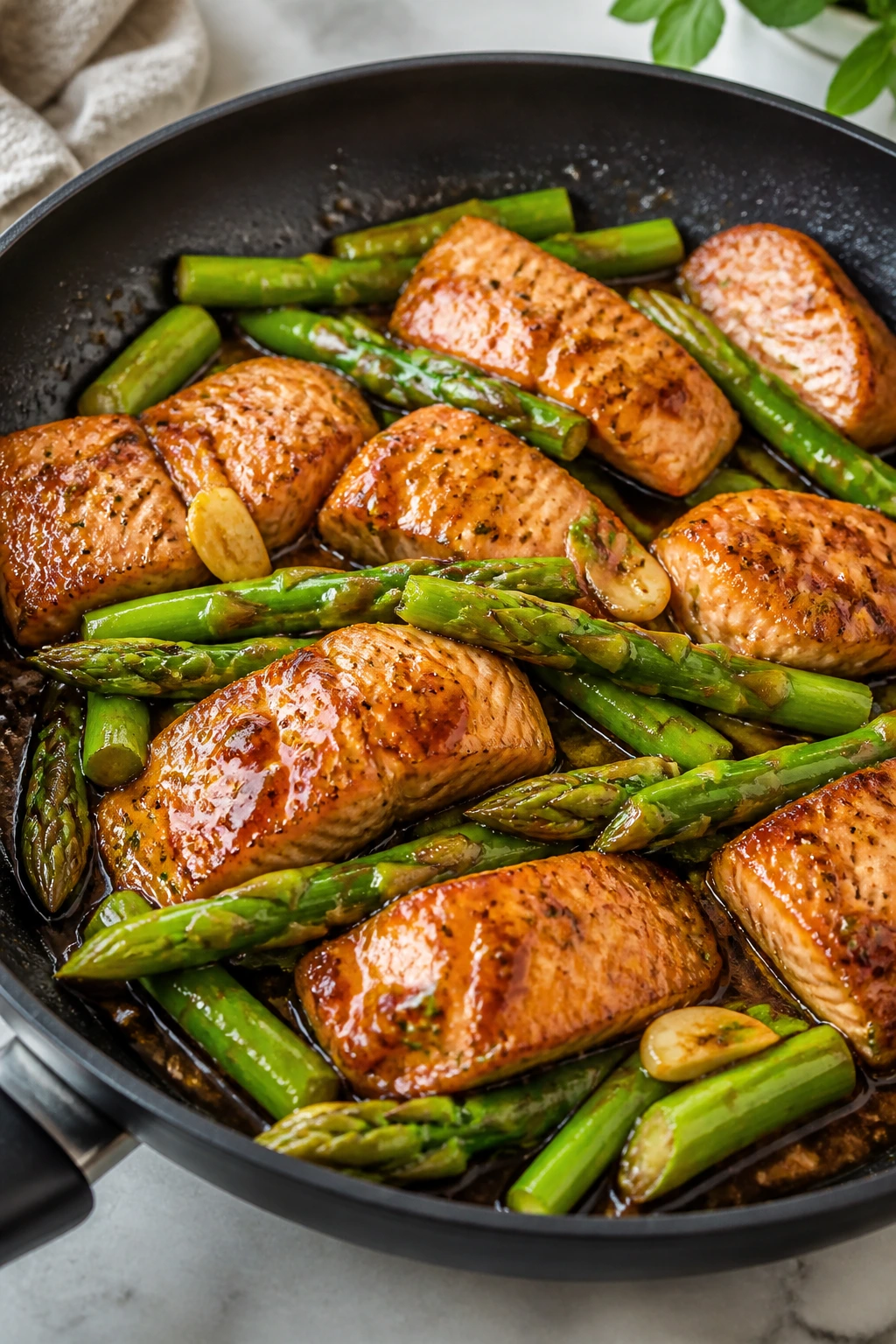
Salmon behaves differently from chicken or beef in a stir-fry pan. It needs gentler handling, but once the glaze catches on the edges, it tastes rich and clean at the same time.
Why It Works: Salmon cooks in minutes and pairs well with the sweet-salty teriyaki glaze. Asparagus stays snappy if you cut it into short pieces. A little ginger keeps the sweetness from getting sticky.
Key Ingredients:
- 1½ lbs salmon fillet, cut into 1½-inch chunks
- 1 bunch asparagus, trimmed and cut into 2-inch pieces
- 2 tbsp soy sauce
- 2 tbsp mirin or 1 tbsp honey plus 1 tbsp water
- 1 tbsp grated ginger
- 1 clove garlic, minced
- 1 tbsp neutral oil
Quick Steps:
- Mix soy sauce, mirin, ginger, and garlic in a bowl.
- Sear salmon in oil for 2 minutes per side; remove carefully.
- Stir-fry asparagus 3 minutes, return salmon, add sauce, and cook 1 minute until glazed.
Equipment for This Recipe:
- Nonstick skillet
- Fish spatula or wide spatula
- Small bowl
How to Serve This Dish: Spoon it over rice and keep the salmon pieces whole. A wedge of lemon on the side is not traditional, but it works.
Pro Tips for This Recipe:
- Use salmon with the skin removed: It’s easier to move in the pan.
- Don’t flip too early: Let it release naturally.
- Cut asparagus short: Long spears are awkward in a stir-fry.
Variations on This Dish:
- Miso Teriyaki: Stir 1 tbsp white miso into the sauce.
- Maple Ginger Version: Swap honey for maple syrup.
Common Mistakes to Avoid with This Dish:
- Breaking up the salmon: Let the pieces sear before stirring.
- Overreducing the glaze: It can turn sticky fast.
10. Chili Garlic Noodles with Edamame
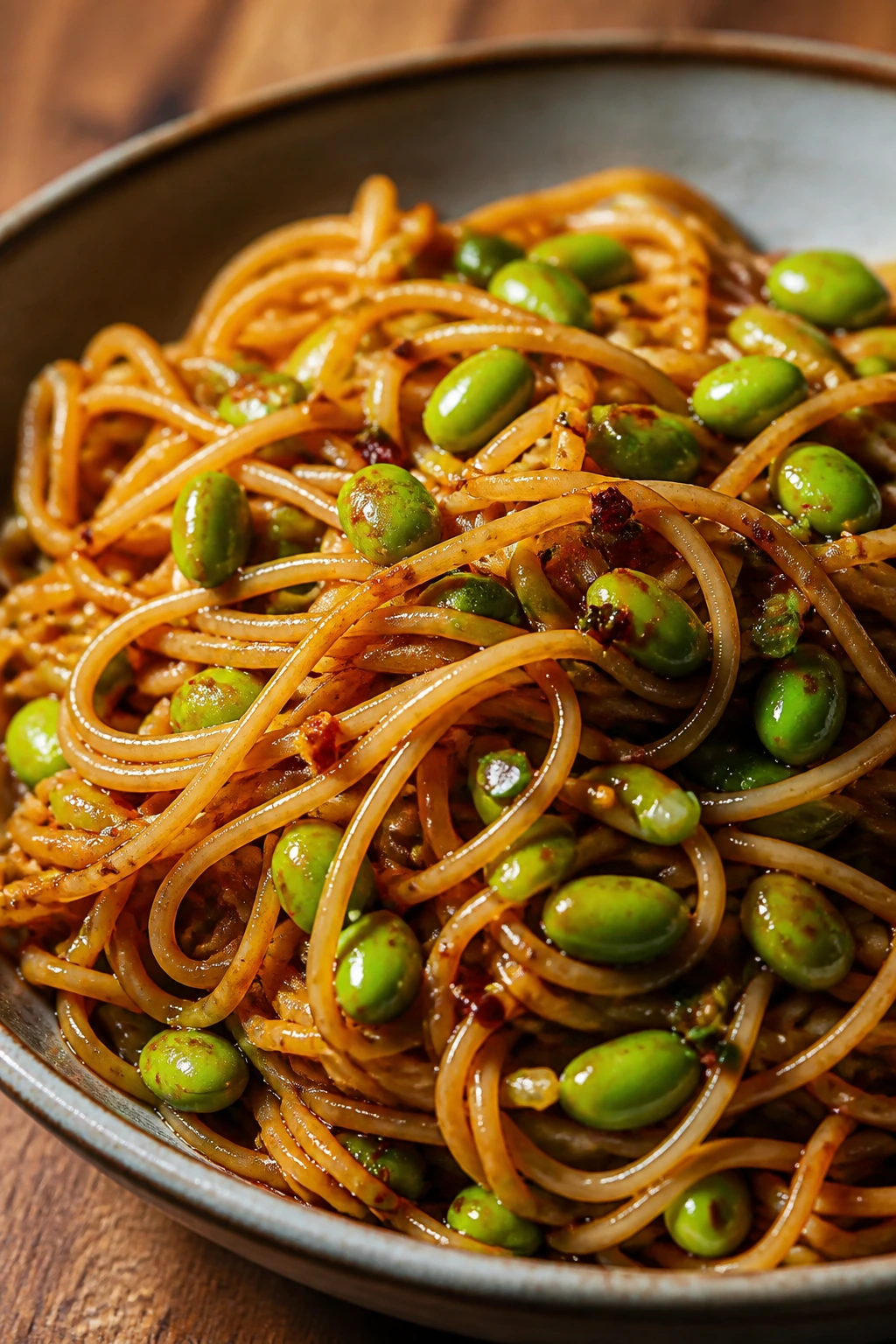
When noodles are the star, the sauce has to earn its keep. This one comes in sharp and garlicky, then settles into a little chili heat that clings to every strand.
Why It Works: Cooked noodles absorb sauce fast, so you need a bold dressing from the start. Edamame adds protein and a pop of green. A splash of noodle water helps the sauce coat instead of clump.
Key Ingredients:
- 10 oz lo mein noodles or spaghetti
- 1 cup shelled edamame, thawed if frozen
- 2 cloves garlic, minced
- 1 to 2 tsp chili garlic sauce
- 2 tbsp soy sauce
- 1 tbsp rice vinegar
- 1 tsp sugar
- 2 tbsp neutral oil
Quick Steps:
- Cook noodles until just tender, then drain and save ¼ cup cooking water.
- Stir garlic and chili garlic sauce in oil for 20 seconds.
- Toss in noodles, edamame, soy sauce, vinegar, sugar, and a splash of noodle water until coated.
Equipment for This Recipe:
- Pot for noodles
- Skillet or wok
- Tongs
How to Serve This Dish: Eat it warm with sliced cucumbers or a quick cabbage salad. It’s the kind of bowl that disappears fast, so make enough.
Pro Tips for This Recipe:
- Undercook the noodles by 30 seconds: They finish in the pan.
- Use the noodle water: It turns the sauce glossy.
- Start with less chili: Heat builds while the noodles toss.
Variations on This Dish:
- Sesame Peanut Noodles: Stir in 1 tbsp peanut butter.
- Veggie-Heavy Bowl: Add shredded carrot and sliced cucumber off heat.
Common Mistakes to Avoid with This Dish:
- Rinsing hot noodles too hard: You wash off starch that helps the sauce stick.
- Adding too much oil: The noodles can turn slick instead of coated.
11. Mongolian Beef
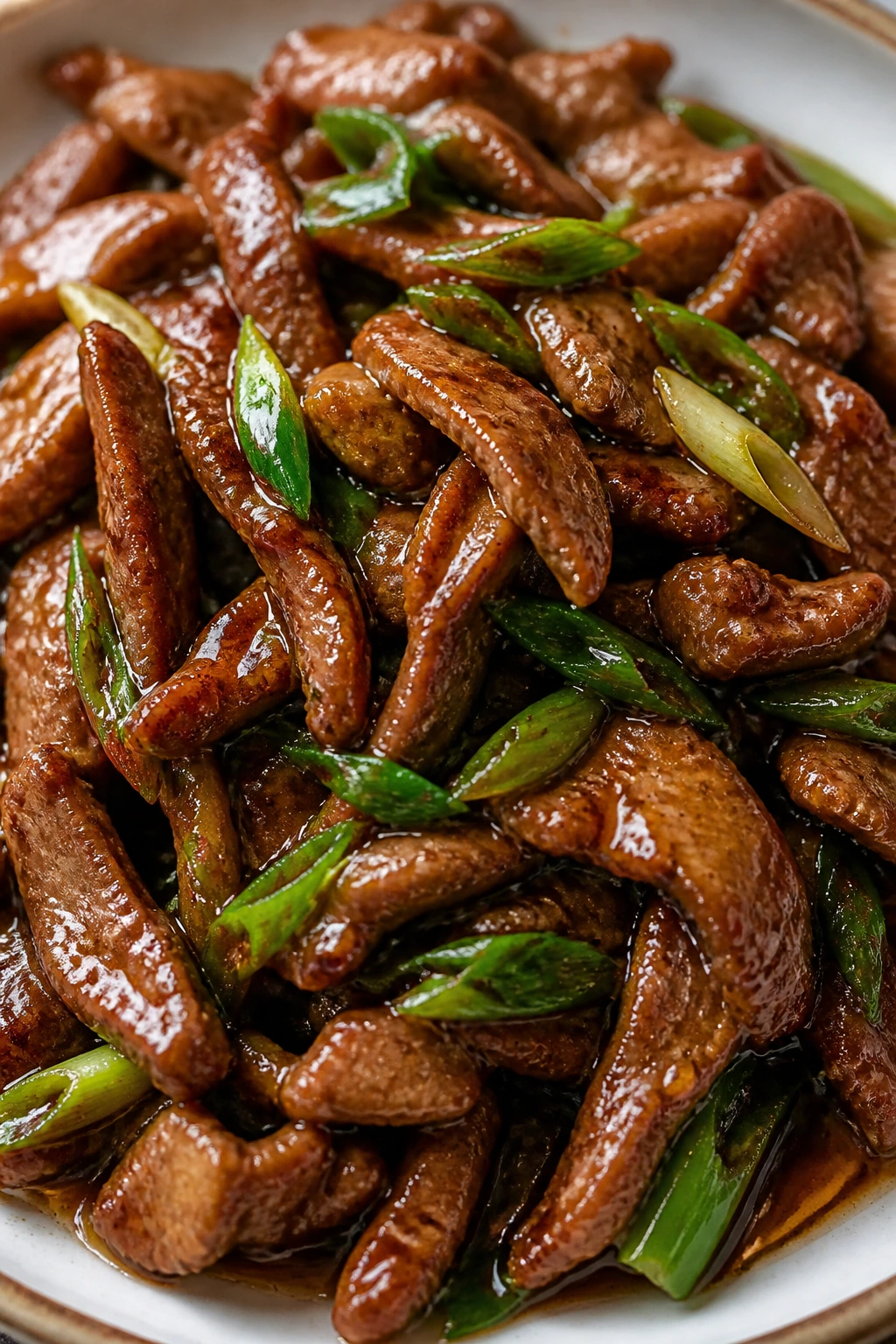
Mongolian beef is about contrast: sweet sauce, browned beef, and scallions that still taste green. It’s not fussy, but it does want a hot pan and thin slices.
Why It Works: A quick sear on thin flank steak gives you char without toughness. Brown sugar and soy sauce make a deep glaze that sticks to the meat. Scallions go in at the end so they stay crisp.
Key Ingredients:
- 1 lb flank steak, sliced thin
- 4 scallions, cut into 2-inch pieces
- 3 cloves garlic, minced
- 3 tbsp soy sauce
- 2 tbsp brown sugar
- 1 tbsp cornstarch
- 2 tbsp neutral oil
Quick Steps:
- Toss the beef with cornstarch and let it rest 5 minutes.
- Sear in hot oil for 2 minutes per side until browned; remove.
- Add garlic, soy sauce, and brown sugar, then return beef and scallions, cooking 1 minute until glossy.
Equipment for This Recipe:
- Heavy skillet
- Mixing bowl
- Spatula
How to Serve This Dish: Serve it with white rice and nothing too noisy on the side. The sauce already does the talking.
Pro Tips for This Recipe:
- Use flank or skirt steak: Cheap stew beef won’t work here.
- Keep the scallions chunky: Thin slivers vanish.
- Let the sugar dissolve fully: Grainy sauce tastes rushed.
Variations on This Dish:
- Ginger Mongolian Beef: Add 1 tbsp grated ginger.
- Mushroom Stretch: Add 8 oz sliced mushrooms to bulk it out.
Common Mistakes to Avoid with This Dish:
- Skipping the cornstarch: The sauce will slip off the beef.
- Cooking beef in one soggy batch: Brown in two rounds if needed.
12. Moo Goo Gai Pan
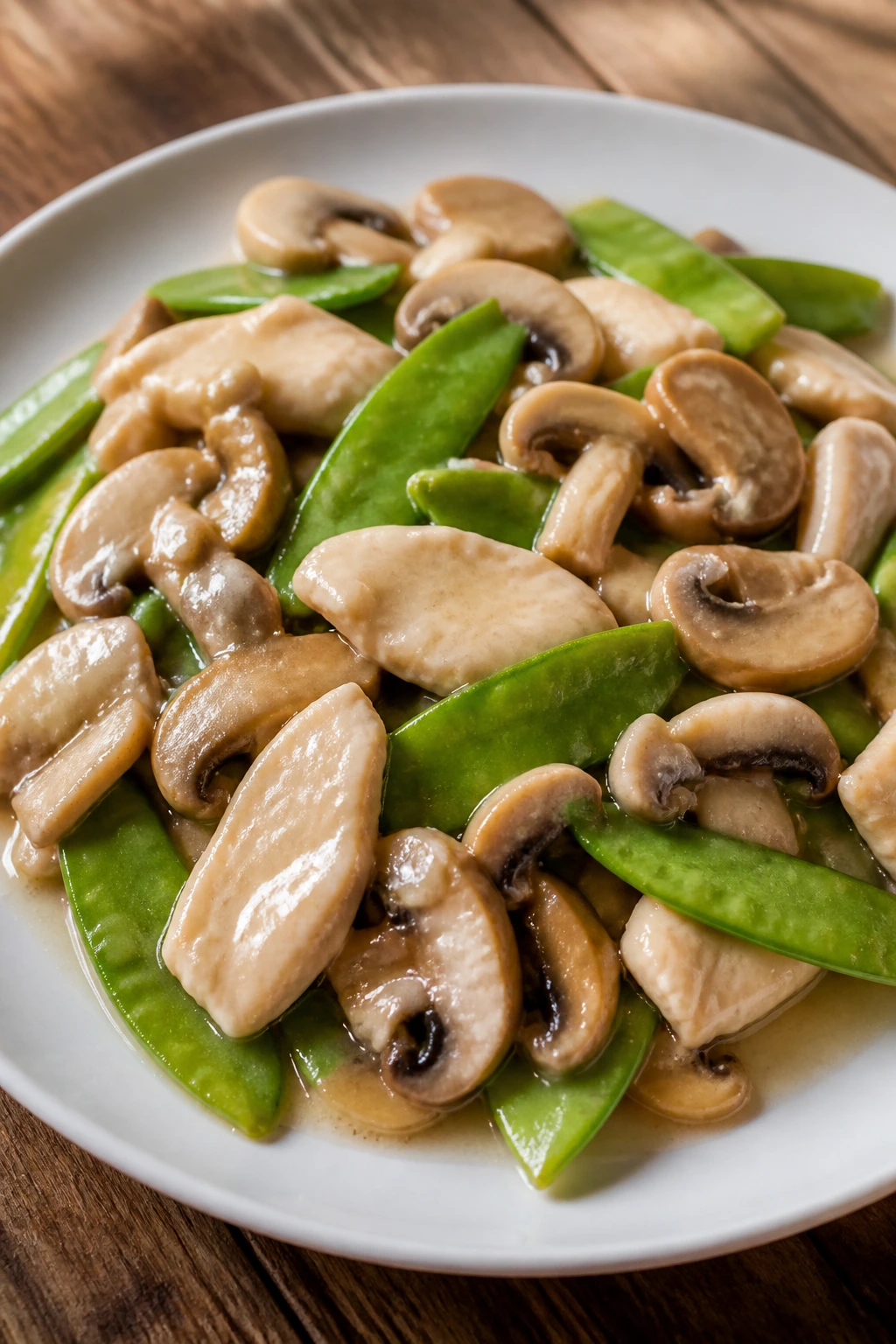
This is the quiet one on the list, and I mean that in a good way. Tender chicken, mushrooms, and pale green vegetables make a clean-tasting skillet that still feels complete.
Why It Works: Chicken breast stays tender when sliced thin and cooked fast. Mushrooms bring the savory depth. A light sauce keeps the dish from turning heavy.
Key Ingredients:
- 1½ lbs chicken breast, sliced thin
- 8 oz mushrooms, sliced
- 1 cup sliced carrots
- 1 cup snow peas
- 2 cloves garlic, minced
- 2 tbsp chicken broth
- 2 tbsp soy sauce
- 1 tbsp cornstarch mixed with 2 tbsp water
Quick Steps:
- Cook chicken in oil for 4 minutes until just done; remove.
- Stir-fry mushrooms and carrots for 3 minutes, then add snow peas and garlic.
- Return chicken, add broth, soy sauce, and cornstarch slurry, and cook 1 minute until lightly sauced.
Equipment for This Recipe:
- Large skillet
- Cutting board
- Small bowl
How to Serve This Dish: Best with plain rice, because the sauce is gentle and the vegetables stay front and center. A few extra mushrooms on top never hurt.
Pro Tips for This Recipe:
- Slice the chicken evenly: Thin pieces cook at the same pace.
- Don’t drown the pan: Moo goo gai pan should be light, not soupy.
- Add snow peas late: They need only a minute.
Variations on This Dish:
- Pork Version: Use thin pork loin slices.
- Extra Vegetable Bowl: Add baby corn and bok choy.
Common Mistakes to Avoid with This Dish:
- Overloading the skillet: The mushrooms release water fast.
- Using thick chicken chunks: They cook unevenly.
13. Gochujang Chicken with Zucchini
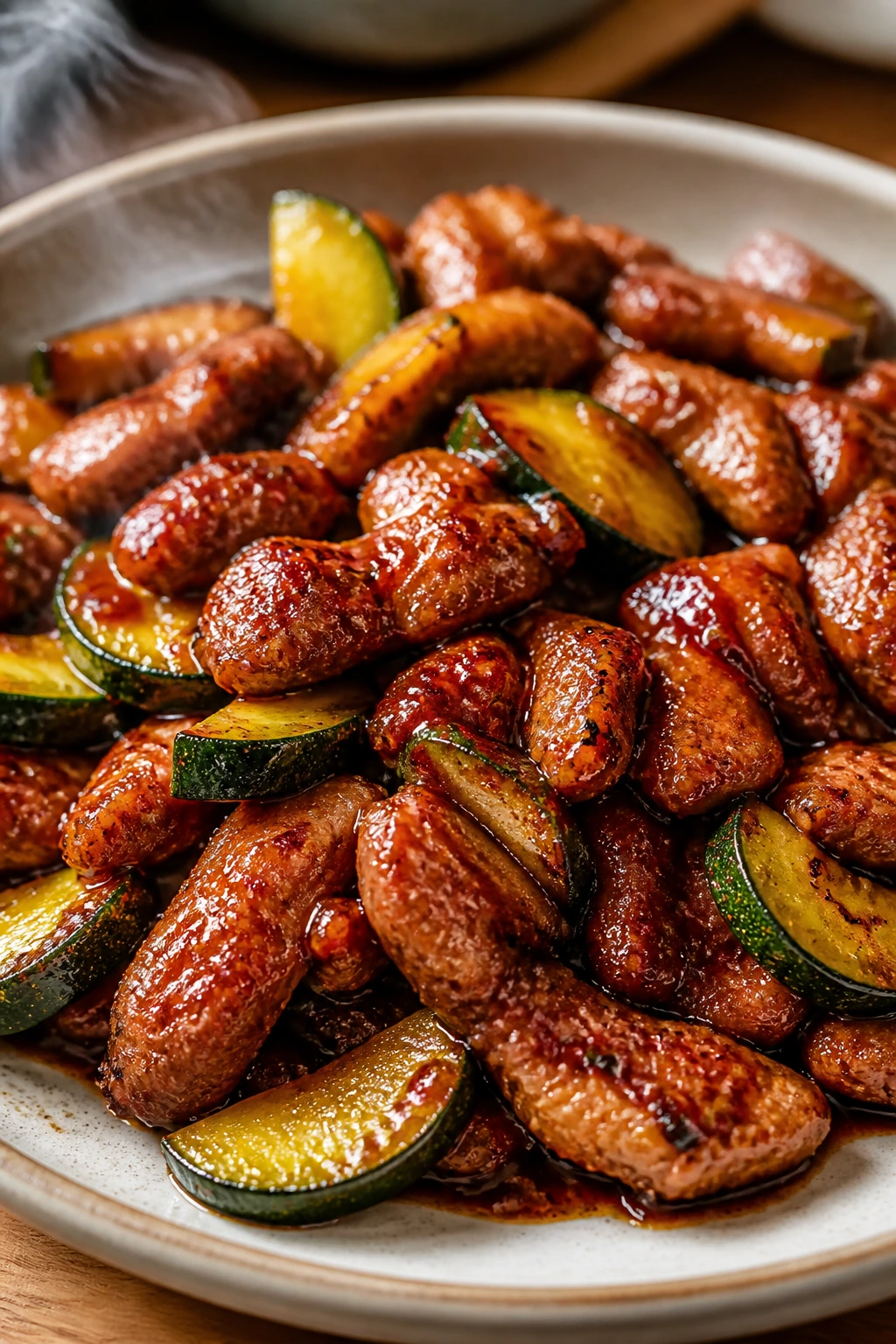
Gochujang brings a sweet-heat backbone that feels thicker than chili sauce and deeper than plain soy. Zucchini soaks up the glaze, but only if you keep the heat high enough to avoid a watery mess.
Why It Works: Gochujang gives body to the sauce. Chicken thighs stay juicy under that sticky glaze. Zucchini cooks fast and takes on flavor without demanding much from the pan.
Key Ingredients:
- 1½ lbs boneless chicken thighs, cut into strips
- 2 medium zucchini, cut into half-moons
- 2 tbsp gochujang
- 2 tbsp soy sauce
- 1 tbsp honey
- 2 cloves garlic, minced
- 1 tbsp neutral oil
Quick Steps:
- Brown the chicken in oil for 5 minutes.
- Add zucchini and garlic; cook 3 minutes until the zucchini edges soften.
- Stir in gochujang, soy sauce, and honey, then toss 1 minute until the sauce turns sticky.
Equipment for This Recipe:
- Skillet
- Spatula
- Small bowl
How to Serve This Dish: Serve over rice with sesame seeds and sliced scallions. A fried egg on top makes the sauce even better.
Pro Tips for This Recipe:
- Whisk the gochujang with honey first: It spreads more evenly.
- Cut zucchini thick enough: Thin slices melt.
- Keep the pan hot: That’s how you avoid sogginess.
Variations on This Dish:
- Beef Version: Swap in thin-sliced sirloin.
- Extra-Spicy Bowl: Add 1 tsp gochugaru or chili flakes.
Common Mistakes to Avoid with This Dish:
- Using too much zucchini: The pan turns watery.
- Letting the sauce burn: Gochujang can scorch if the heat is too fierce and the pan is dry.
14. Lemongrass Shrimp with Green Beans
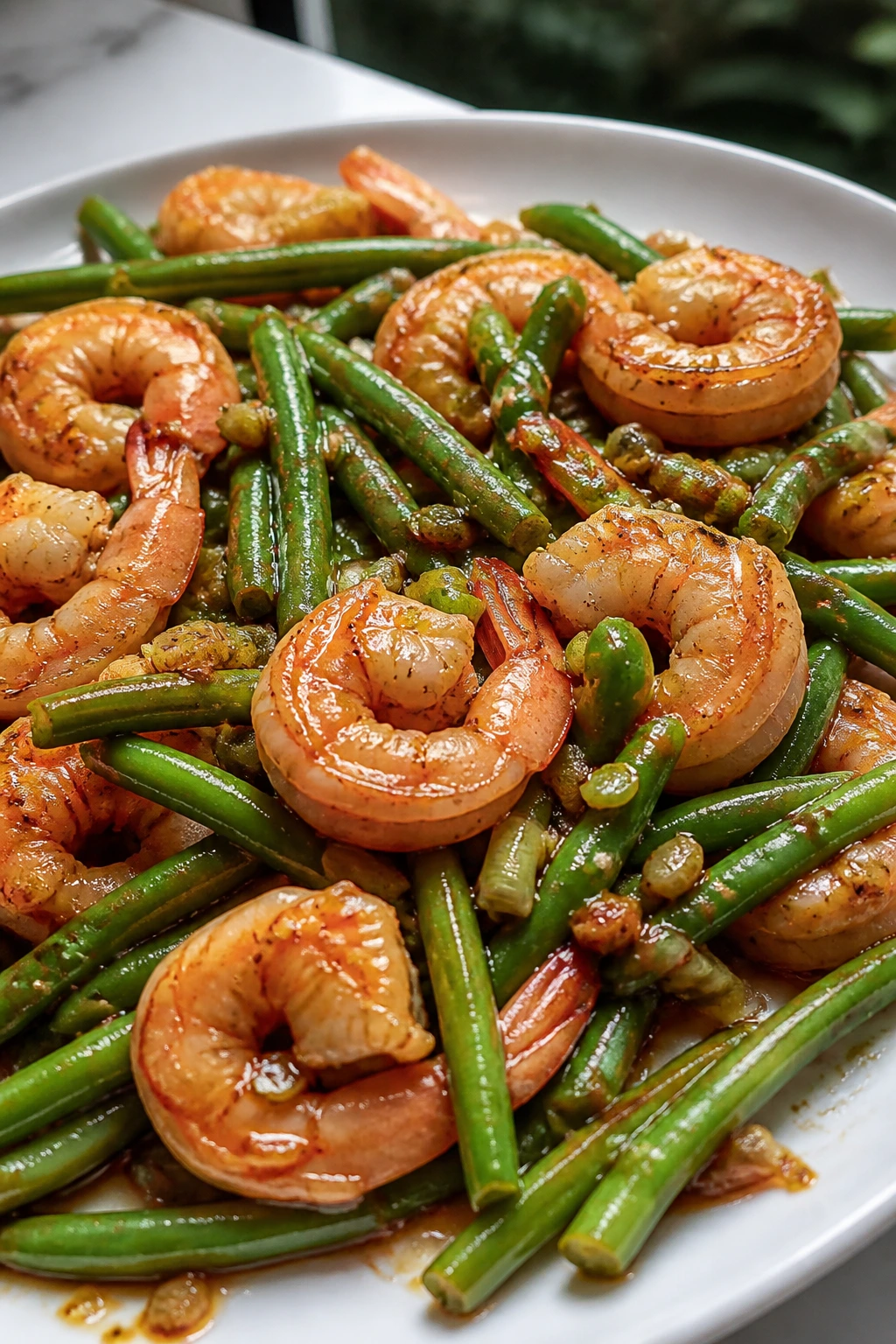
Lemongrass has a bright, almost citrusy scent that cuts through shrimp in a way lime alone can’t. Green beans give the dish some backbone so it doesn’t disappear in seconds.
Why It Works: Shrimp cooks fast, so the aromatics never get a chance to fade. Green beans keep their snap if they get a short blanch or a hard pan toss. Lemongrass gives the sauce a clean perfume that feels fresh without being thin.
Key Ingredients:
- 1½ lbs shrimp, peeled and deveined
- 3 cups green beans, trimmed
- 1 stalk lemongrass, minced very fine
- 2 cloves garlic, minced
- 2 tbsp fish sauce
- 1 tbsp lime juice
- 1 tbsp neutral oil
Quick Steps:
- Stir-fry green beans in oil for 3 minutes until blistered in spots.
- Add lemongrass and garlic; cook 20 seconds.
- Add shrimp, fish sauce, and lime juice; toss 2 minutes until shrimp turn pink.
Equipment for This Recipe:
- Wok
- Sharp knife
- Tongs
How to Serve This Dish: Spoon it over rice with cucumber slices on the side. If you want extra brightness, add a little lime zest at the end.
Pro Tips for This Recipe:
- Trim lemongrass finely: Big pieces are too woody.
- Use fish sauce sparingly: It should support, not dominate.
- Blister the beans: A few dark spots help the flavor.
Variations on This Dish:
- Chili Lemongrass Shrimp: Add sliced red chili with the garlic.
- Chicken Swap: Thinly sliced chicken breast works well.
Common Mistakes to Avoid with This Dish:
- Leaving lemongrass in thick coins: People will chew around it.
- Overcooking shrimp: A minute too long makes them rubbery.
15. Szechuan Eggplant and Mushrooms
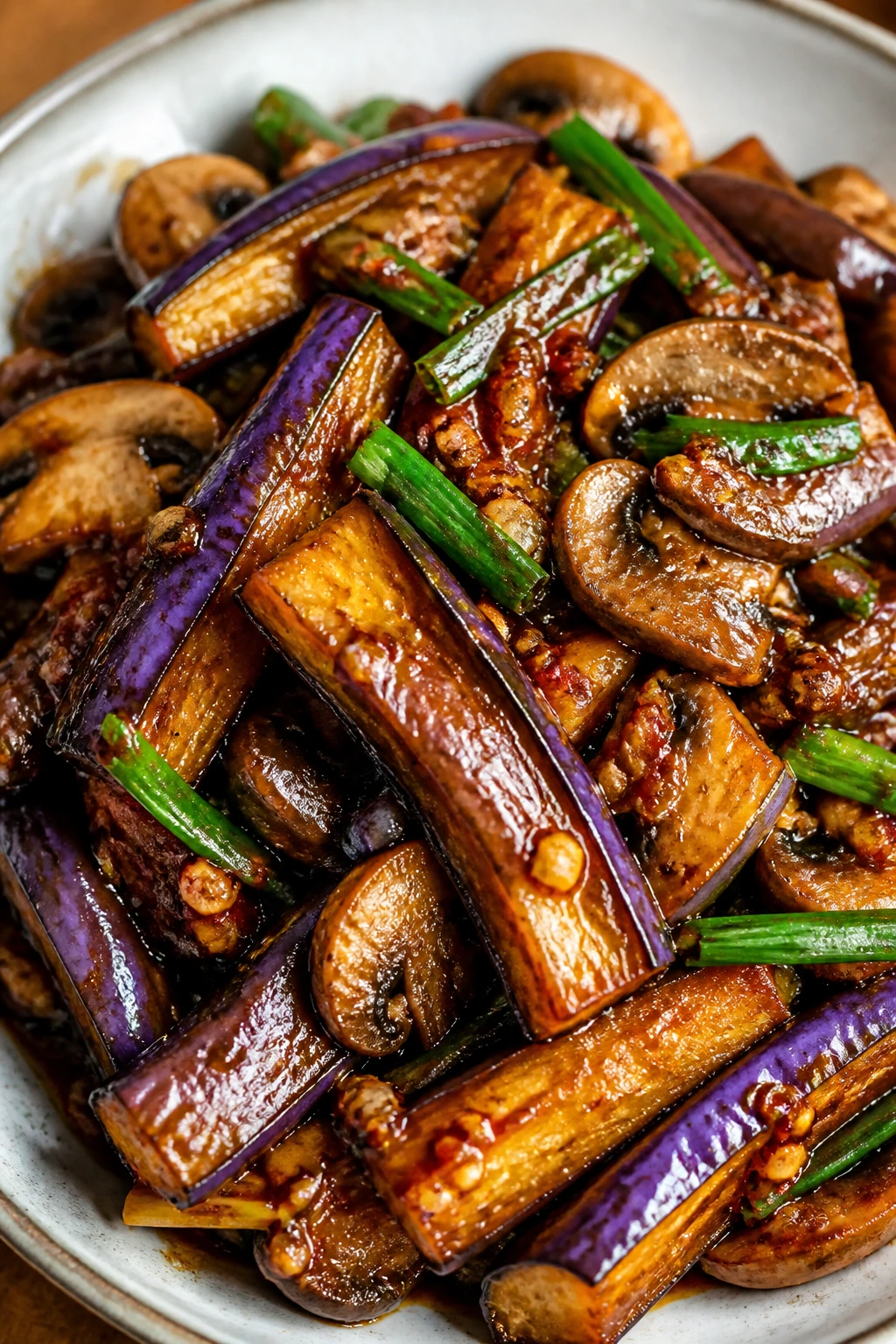
This is the dish for people who think eggplant is boring because they’ve only had it undercooked or underseasoned. Here, it turns silky and rich, and the mushrooms drag the sauce into all the corners.
Why It Works: Eggplant drinks oil and sauce, so high heat and quick movement matter. Mushrooms deepen the flavor without adding meat. A little chili bean paste brings heat and salt at the same time.
Key Ingredients:
- 2 medium eggplants, cut into batons
- 8 oz mushrooms, sliced
- 2 cloves garlic, minced
- 1 tbsp chili bean paste
- 2 tbsp soy sauce
- 1 tbsp rice vinegar
- 1 tbsp neutral oil
- 2 scallions, sliced
Quick Steps:
- Pan-fry eggplant in oil for 6 minutes, stirring often, until softened and browned.
- Add mushrooms, garlic, and chili bean paste; cook 3 minutes.
- Stir in soy sauce and vinegar, cook 1 minute, then finish with scallions.
Equipment for This Recipe:
- Large skillet with lid
- Spatula
- Cutting board
How to Serve This Dish: Put it over rice and let the sauce soak in. It also works beside tofu or a simple fried egg if you want more protein.
Pro Tips for This Recipe:
- Salt eggplant lightly first: It helps it brown more evenly.
- Use more oil than you think: Eggplant needs it.
- Cook until fully soft: Half-done eggplant tastes chalky.
Variations on This Dish:
- Tofu Added: Add 12 oz cubed tofu with the mushrooms.
- Milder Version: Reduce chili bean paste to 2 tsp.
Common Mistakes to Avoid with This Dish:
- Cooking eggplant too gently: It won’t get silky.
- Skipping the vinegar: The sauce needs a little lift.
16. Chicken Yakisoba
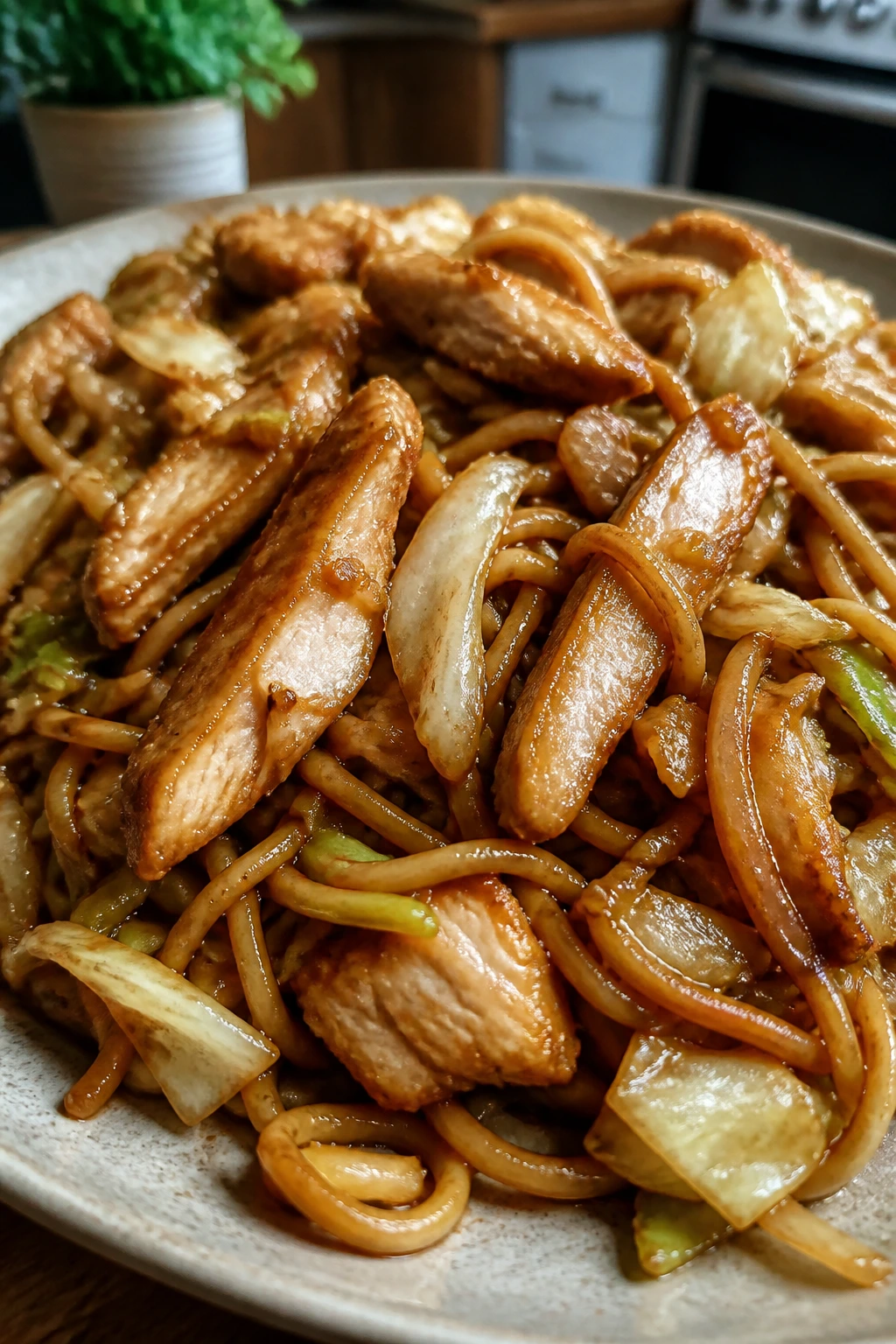
Yakisoba is what happens when noodles meet a hot pan and stop being shy. The sauce is savory, a little sweet, and just thick enough to coat everything without weighing it down.
Why It Works: Thin noodles pick up sauce fast. Chicken and cabbage cook on the same timeline if you slice them small. Worcestershire-style yakisoba sauce gives the dish its familiar punch.
Key Ingredients:
- 8 oz yakisoba or ramen noodles
- 1 lb chicken breast, sliced thin
- 3 cups shredded cabbage
- 1 carrot, julienned
- 3 tbsp yakisoba sauce or 2 tbsp Worcestershire plus 1 tbsp soy sauce
- 1 tbsp neutral oil
Quick Steps:
- Cook noodles just until tender, then drain.
- Stir-fry chicken in oil for 4 minutes, then add cabbage and carrot for 3 minutes.
- Toss in noodles and sauce, cooking 1 minute until coated.
Equipment for This Recipe:
- Wok or large skillet
- Pot for noodles
- Tongs
How to Serve This Dish: Serve it straight from the pan with a little pickled ginger if you have it. It’s one of those dishes that looks better in a wide bowl than on a plate.
Pro Tips for This Recipe:
- Loosen the noodles first: Cold clumps are annoying.
- Slice cabbage thin: Big chunks fight the noodles.
- Use high heat at the end: That gives you a little wok-char effect.
Variations on This Dish:
- Shrimp Yakisoba: Swap chicken for peeled shrimp.
- Vegetable Yakisoba: Add mushrooms and bell pepper, skip the chicken.
Common Mistakes to Avoid with This Dish:
- Using too much sauce: Noodles can turn greasy fast.
- Overcooking the cabbage: It should still have some crunch.
17. Pad See Ew with Broccoli and Egg
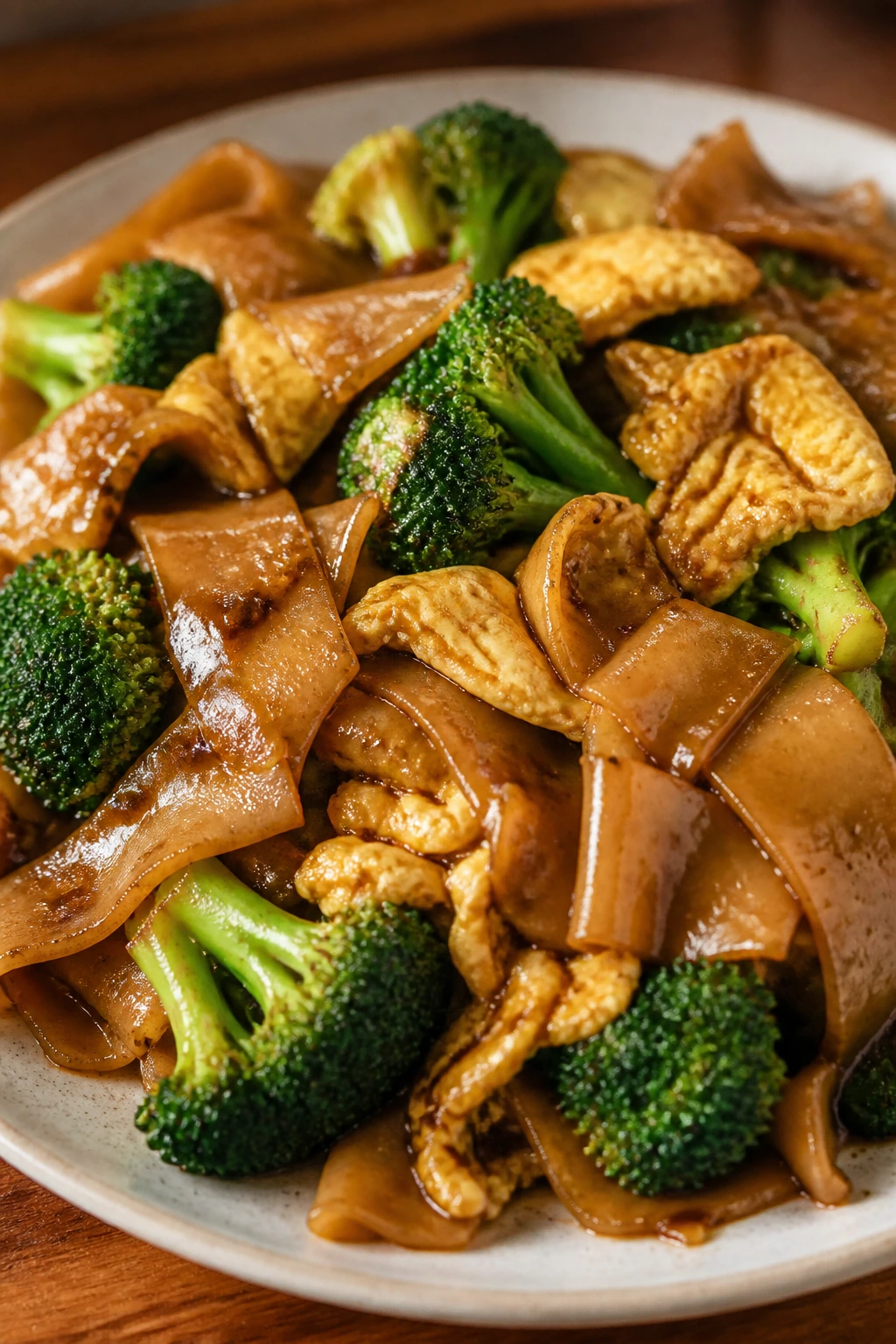
Wide noodles, dark soy, and charred broccoli — this is the kind of pan meal that tastes like it took more effort than it did. The egg breaks into ribbons and softens the edges.
Why It Works: Fresh or refrigerated rice noodles soak up sauce fast. Broccoli gives the dish structure. The egg brings richness without making the whole pan heavy.
Key Ingredients:
- 12 oz wide rice noodles
- 2 cups broccoli florets
- 2 eggs, lightly beaten
- 2 tbsp dark soy sauce
- 1 tbsp light soy sauce
- 1 tbsp sugar
- 2 tbsp neutral oil
Quick Steps:
- Soften noodles according to package directions and drain well.
- Stir-fry broccoli in oil for 3 minutes, then add eggs and scramble just set.
- Add noodles, soy sauces, and sugar; toss 2 minutes until the sauce darkens and clings.
Equipment for This Recipe:
- Large skillet or wok
- Pot for noodles
- Wooden spatula
How to Serve This Dish: Best eaten hot, with a squeeze of lime if you like contrast. A few chili flakes on top are not mandatory, but they help.
Pro Tips for This Recipe:
- Use wide noodles: Thin noodles don’t give the same chew.
- Don’t break the noodles too much: Long strands make the dish feel right.
- Get a little browning on the broccoli: It keeps the dish from tasting flat.
Variations on This Dish:
- Chicken Pad See Ew: Add thin chicken slices after the broccoli.
- Tofu Pad See Ew: Use pressed tofu cubes in place of the egg.
Common Mistakes to Avoid with This Dish:
- Wet noodles: They’ll clump instead of sear.
- Too much sugar: The sauce should be savory first.
18. Singapore Rice Noodles
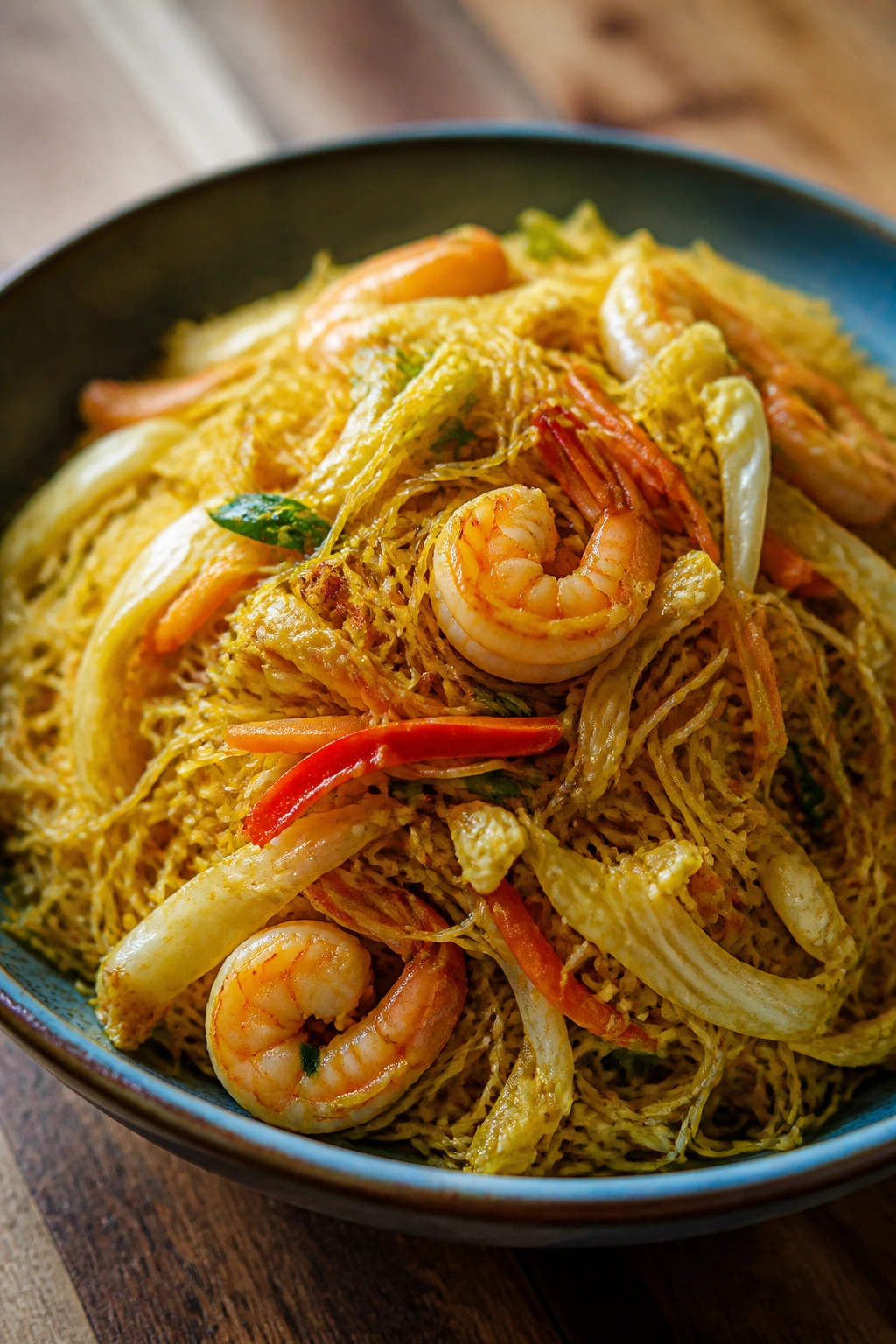
Curried rice noodles look fragile, but they carry a lot of flavor if you don’t drown them. The curry powder turns the whole pan golden, and the vegetables keep the dish from feeling soft.
Why It Works: Rice vermicelli cooks fast and takes on seasoning easily. Curry powder and soy sauce give you that warm, fragrant base. Shrimp, chicken, or tofu all fit, but the noodles should stay in charge.
Key Ingredients:
- 8 oz rice vermicelli noodles
- 1 cup shrimp or sliced chicken
- 1 cup shredded cabbage
- 1 carrot, julienned
- 1 tbsp curry powder
- 2 tbsp soy sauce
- 2 tbsp neutral oil
Quick Steps:
- Soak noodles until flexible, then drain.
- Stir-fry protein in oil for 2 to 4 minutes, then add cabbage and carrot.
- Add noodles, curry powder, and soy sauce; toss 2 minutes until golden.
Equipment for This Recipe:
- Wok
- Bowl for soaking noodles
- Tongs
How to Serve This Dish: Serve in small bowls with scallions or cilantro. It’s bold enough that plain cucumbers on the side feel like a relief.
Pro Tips for This Recipe:
- Soak, don’t boil, the noodles: They can break fast.
- Use curry powder with some heat: Flat curry powder tastes dusty.
- Toss quickly: Rice noodles turn sticky if you fuss with them.
Variations on This Dish:
- Veggie-Only Version: Add mushrooms and bell pepper.
- Mild Curry Bowl: Cut curry powder to 2 tsp and add a splash of coconut milk.
Common Mistakes to Avoid with This Dish:
- Over-soaking the noodles: They’ll fall apart in the pan.
- Using too little oil: Rice noodles seize when the pan is dry.
19. Chicken Fried Rice
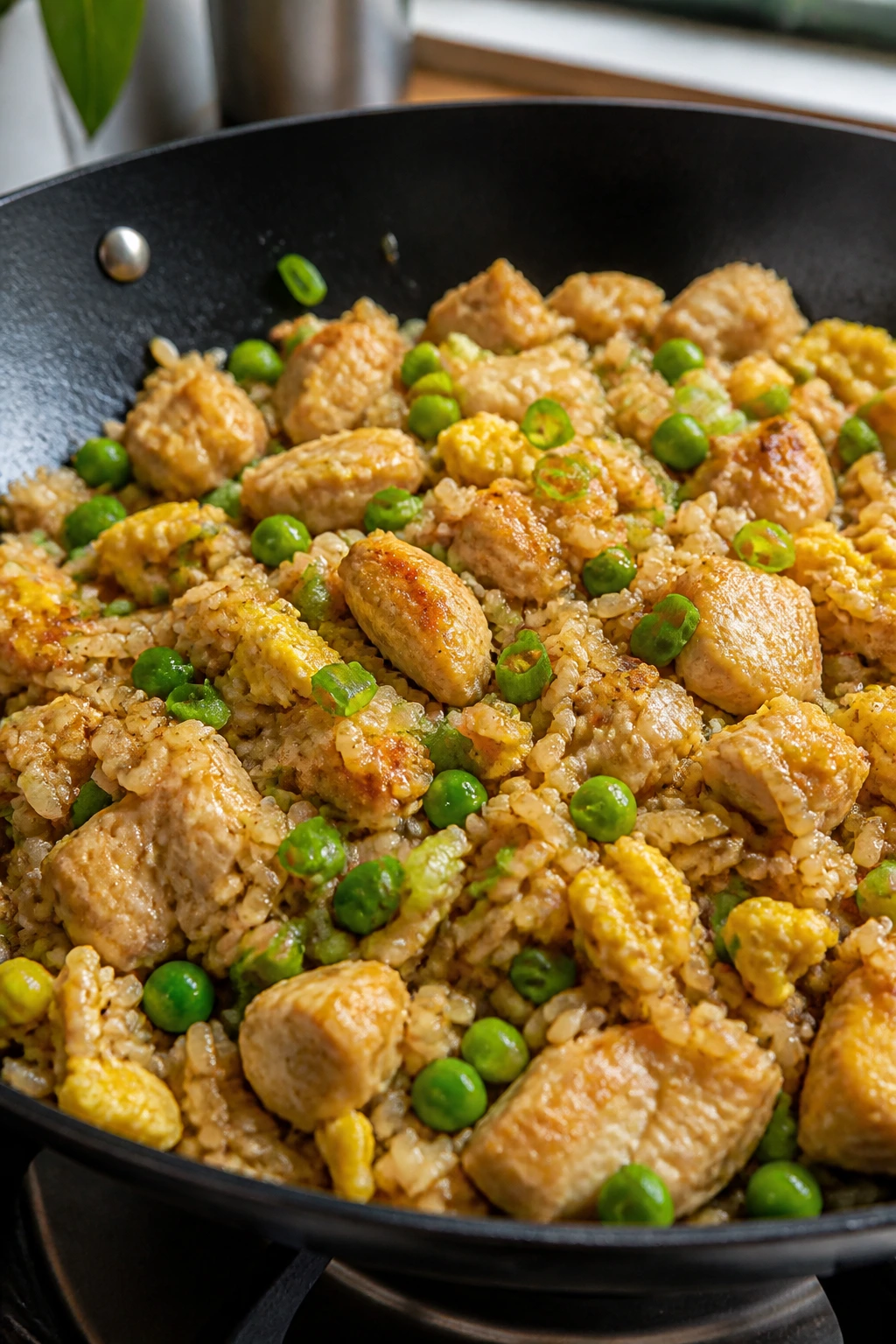
Fried rice rewards leftovers, but it still needs intention. Cold rice, hot pan, and a light hand with the sauce are the three things that matter most.
Why It Works: Day-old rice fries instead of steaming. Egg adds richness and structure. Scallions and peas keep the bowl from feeling one-color and one-note.
Key Ingredients:
- 4 cups cold cooked jasmine rice
- 1 lb chicken breast, diced
- 2 eggs, beaten
- 1 cup frozen peas
- 3 scallions, sliced
- 2 tbsp soy sauce
- 1 tbsp neutral oil
Quick Steps:
- Cook chicken in oil for 4 minutes until done; remove.
- Scramble eggs in the same pan, then add rice and fry 3 minutes, breaking up clumps.
- Add peas, scallions, chicken, and soy sauce; toss 2 minutes until hot.
Equipment for This Recipe:
- Large skillet or wok
- Spatula
- Bowl for rice
How to Serve This Dish: Fried rice is the meal that asks for almost nothing else. If you want a side, serve quick cucumber slices with rice vinegar and salt.
Pro Tips for This Recipe:
- Use rice that’s cold and dry: Fresh rice can get gummy.
- Break up clumps before the pan: Your spatula won’t do it alone.
- Let the rice sit against the pan: Some browning is good.
Variations on This Dish:
- Pork Fried Rice: Replace chicken with diced cooked pork.
- Shrimp Fried Rice: Add shrimp after the eggs and cook briefly.
Common Mistakes to Avoid with This Dish:
- Using warm rice: It steams and clumps.
- Drenching it in soy sauce: The rice should be seasoned, not wet.
20. Pineapple Veggie Fried Rice
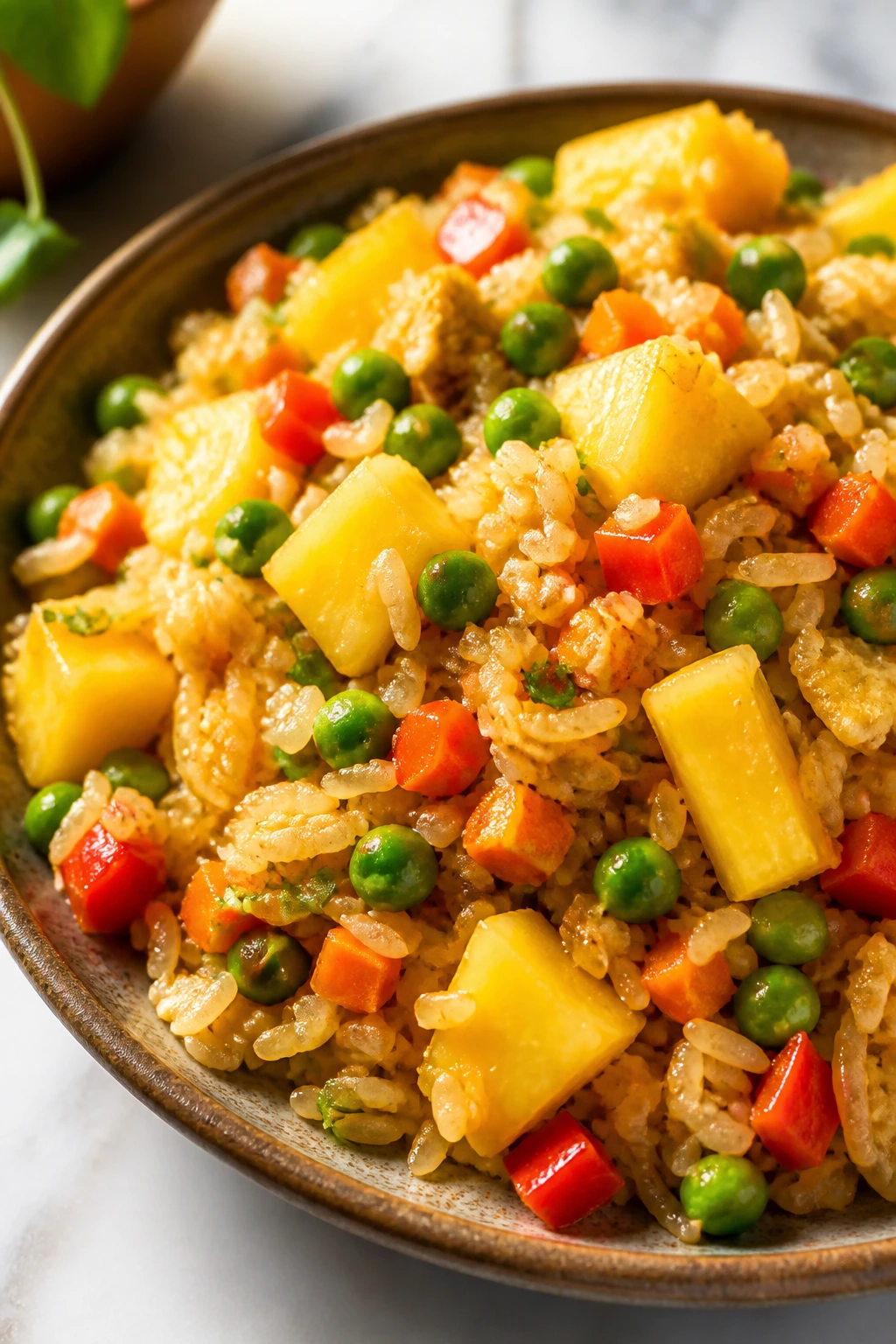
Pineapple does two things here: it gives sweetness, and it keeps each bite from getting too heavy. If you’re skeptical, fair. Use enough heat and it turns the whole pan sharper.
Why It Works: Cold rice fries well, and pineapple gives it a sweet-sour edge. Bell peppers and peas add color and crunch. A little rice vinegar keeps the sweetness honest.
Key Ingredients:
- 4 cups cold cooked rice
- 1 cup pineapple chunks, drained if canned
- 1 red bell pepper, diced
- 1 cup peas
- 2 eggs, beaten
- 2 tbsp soy sauce
- 1 tbsp rice vinegar
- 1 tbsp neutral oil
Quick Steps:
- Scramble eggs in oil and set aside.
- Stir-fry bell pepper and peas for 2 minutes, then add rice and fry 3 minutes.
- Fold in pineapple, eggs, soy sauce, and vinegar; toss 1 minute until hot.
Equipment for This Recipe:
- Wok or skillet
- Spatula
- Bowl for ingredients
How to Serve This Dish: Serve with sliced scallions and a few cashews if you want extra crunch. It’s bright enough to stand alone.
Pro Tips for This Recipe:
- Drain pineapple well: Extra juice turns the rice soggy.
- Use ripe but firm chunks: Mushy pineapple disappears.
- Add pineapple late: It should warm through, not collapse.
Variations on This Dish:
- Shrimp Add-In: Toss in 1 lb cooked shrimp at the end.
- Jasmine Mint Finish: Add a few torn mint leaves right before serving.
Common Mistakes to Avoid with This Dish:
- Too much sweetness: Pineapple should share the stage.
- Skipping vinegar: The dish needs a little brightness.
21. Mapo Tofu with Ground Pork
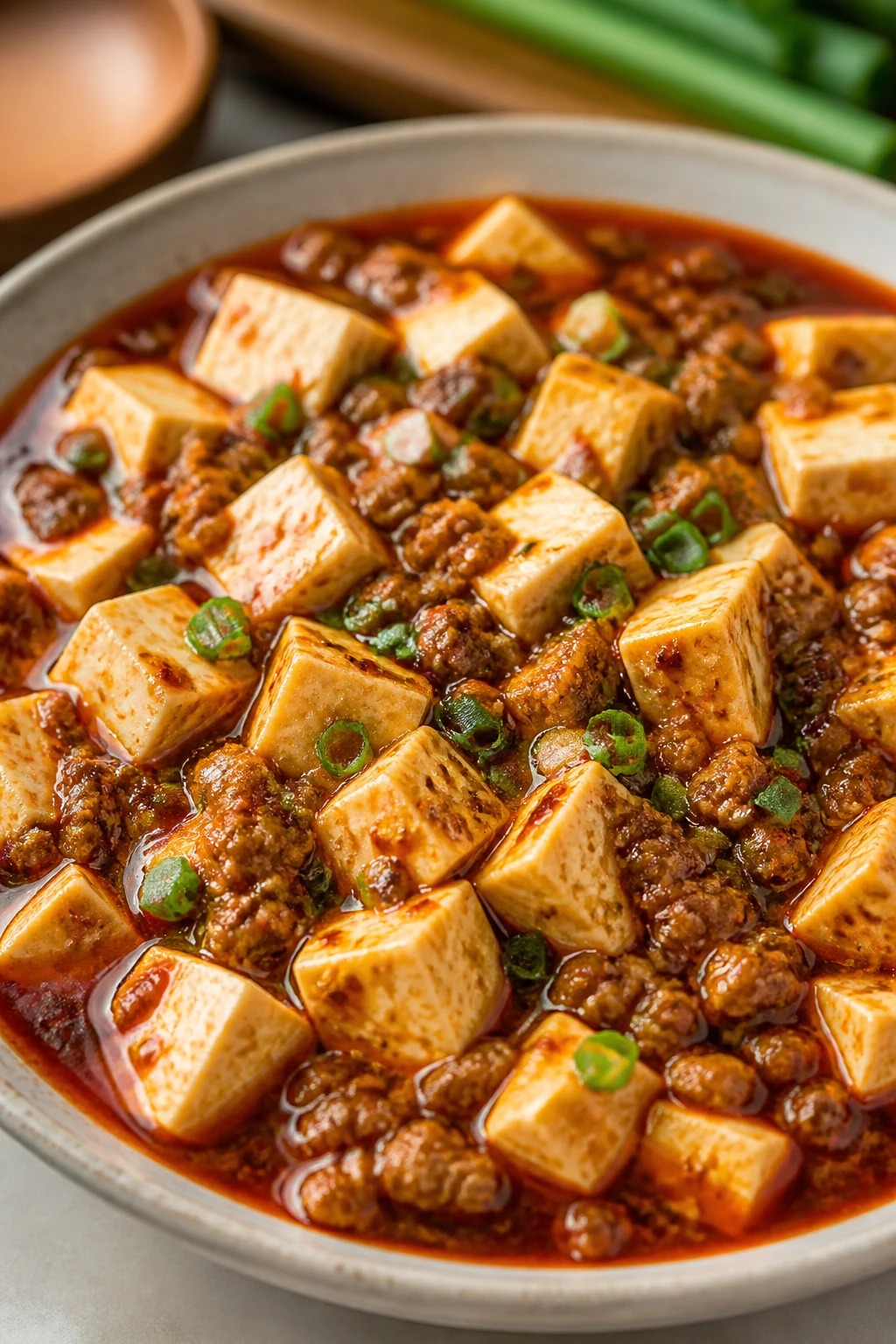
Mapo tofu has heat, salt, and that soft, almost custardy texture that makes tofu feel intentional. The ground pork and chili bean paste give the sauce backbone.
Why It Works: Soft tofu absorbs flavor without falling apart if you move it gently. Ground pork adds richness. A little cornstarch turns the sauce into something that sits neatly in a bowl.
Key Ingredients:
- 14 oz soft or medium tofu, cut into cubes
- ½ lb ground pork
- 2 tbsp chili bean paste
- 2 cloves garlic, minced
- 1 tbsp ginger, minced
- 2 tbsp soy sauce
- 1 cup chicken broth
- 1 tbsp cornstarch mixed with 2 tbsp water
Quick Steps:
- Brown the pork in a skillet for 3 minutes.
- Add garlic, ginger, and chili bean paste; cook 30 seconds.
- Pour in broth, tofu, soy sauce, and cornstarch slurry; simmer 3 minutes, stirring gently.
Equipment for This Recipe:
- Deep skillet
- Ladle or spoon
- Small bowl
How to Serve This Dish: Serve over rice with scallions on top. It’s one of the few dishes here where the sauce should pool a little.
Pro Tips for This Recipe:
- Handle the tofu gently: Stir too hard and it breaks up.
- Use medium tofu if you want more shape: Soft tofu is silkier.
- Bloom the chili bean paste: That’s where the flavor opens up.
Variations on This Dish:
- Vegetarian Mapo: Skip the pork and use mushrooms.
- Extra-Hot Version: Add 1 tsp Sichuan peppercorns, lightly crushed.
Common Mistakes to Avoid with This Dish:
- Boiling hard after tofu goes in: The cubes will crack apart.
- Underseasoning the broth: Mapo needs a real salty base.
22. Orange Beef and Bell Peppers
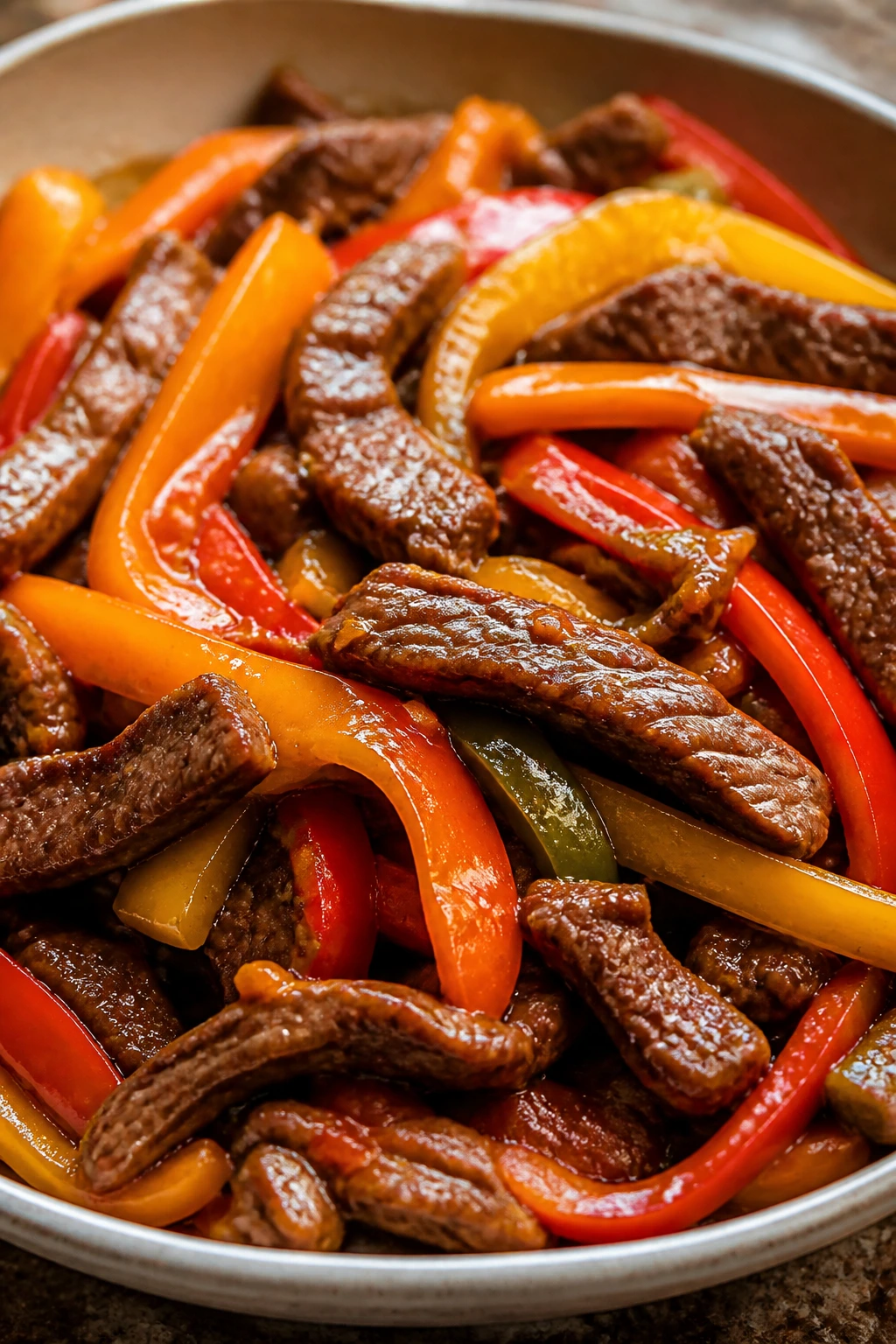
Orange beef should taste bright, not sticky-sweet like candy. Fresh orange zest gives the sauce a sharper citrus note that bottled juice alone can’t match.
Why It Works: Thin beef sears quickly. Bell peppers add color and a little crunch. Orange juice, zest, and soy sauce balance sugar with acid so the glaze stays lively.
Key Ingredients:
- 1 lb flank steak, thinly sliced
- 2 bell peppers, sliced
- Zest and juice of 1 orange
- 2 tbsp soy sauce
- 1 tbsp honey
- 2 cloves garlic, minced
- 1 tbsp neutral oil
Quick Steps:
- Sear beef in oil for 2 minutes; remove.
- Stir-fry peppers and garlic for 3 minutes.
- Add orange juice, zest, soy sauce, honey, and beef; toss 1 minute until coated.
Equipment for This Recipe:
- Skillet
- Microplane or fine grater
- Tongs
How to Serve This Dish: Rice is the right match, but fried rice is even better if you already have it. A few extra orange zest shavings on top brighten the plate.
Pro Tips for This Recipe:
- Use fresh orange zest: That’s where the high note lives.
- Don’t over-sweeten: The citrus should cut through.
- Slice peppers thick enough: They should still have bite.
Variations on This Dish:
- Chicken Orange Stir-Fry: Swap in sliced chicken thighs.
- Spicy Orange Beef: Add 1 tsp chili flakes.
Common Mistakes to Avoid with This Dish:
- Using too much juice: The sauce turns thin.
- Letting the peppers collapse: They should stay crisp-tender.
23. Honey Soy Pork and Snap Peas
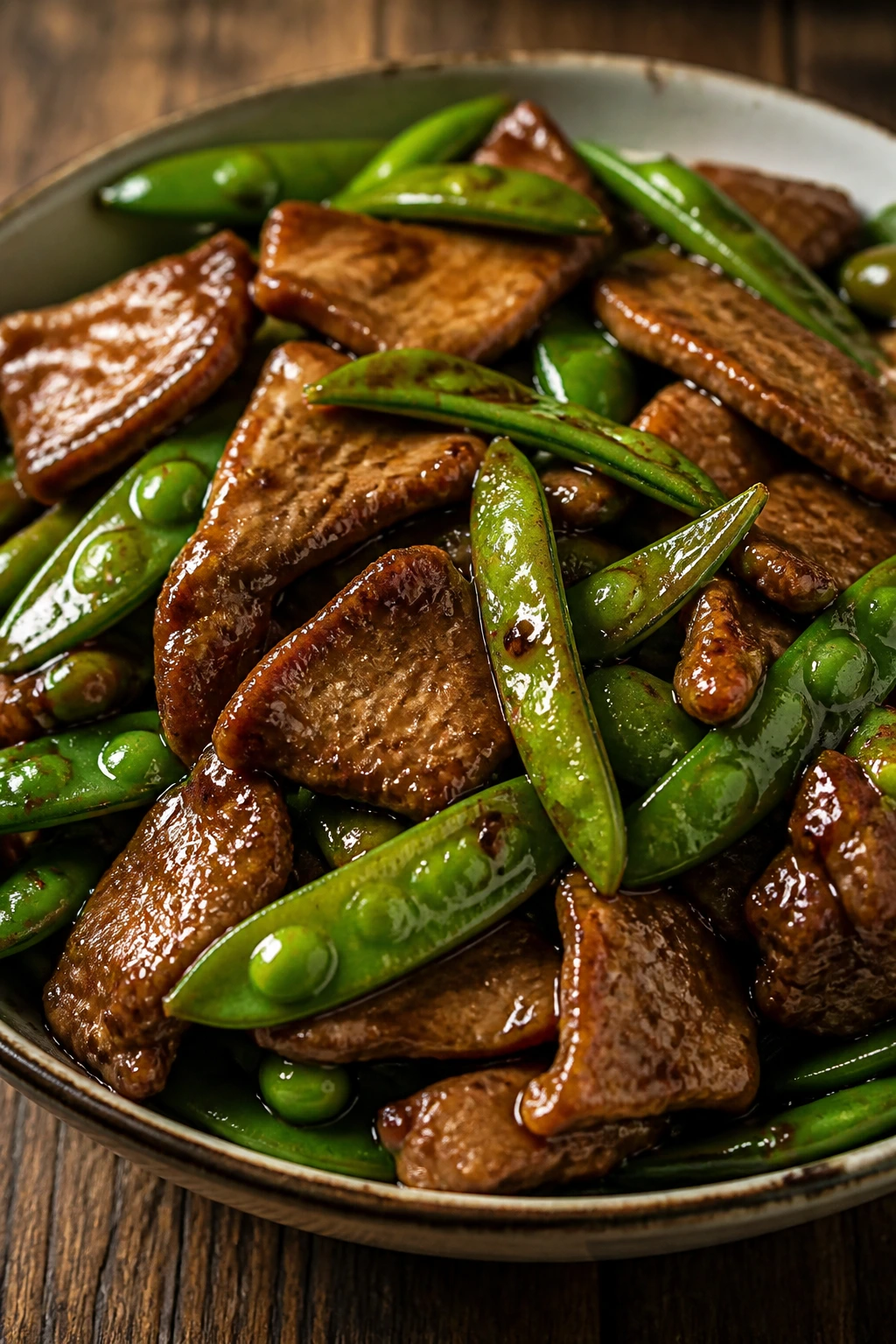
This is sweet, savory, and fast in the way a good stir fry ought to be. Pork loin cooks quickly, and snap peas hold onto their crunch even after the sauce hits.
Why It Works: Thin pork cooks evenly and stays tender if you stop as soon as it loses pinkness. Honey helps the sauce gloss up. Snap peas keep the dish from tasting heavy.
Key Ingredients:
- 1 lb pork tenderloin, sliced thin
- 3 cups sugar snap peas
- 2 cloves garlic, minced
- 2 tbsp soy sauce
- 1½ tbsp honey
- 1 tbsp rice vinegar
- 1 tbsp neutral oil
Quick Steps:
- Brown pork in oil for 4 minutes; remove.
- Cook snap peas and garlic for 2 minutes.
- Add soy sauce, honey, vinegar, and pork; toss 1 minute until shiny.
Equipment for This Recipe:
- Skillet
- Knife
- Spatula
How to Serve This Dish: Serve with rice and maybe a few sesame seeds. If you want more volume, pile it on shredded cabbage.
Pro Tips for This Recipe:
- Don’t overcook the tenderloin: It dries out faster than thigh meat.
- Use the vinegar: It keeps the honey from getting cloying.
- Cut the pork thin: Thicker pieces are harder to keep tender.
Variations on This Dish:
- Ginger Honey Pork: Add 1 tbsp grated ginger.
- Garlic Broccoli Version: Swap half the snap peas for broccoli.
Common Mistakes to Avoid with This Dish:
- Too much honey: The sauce can turn sticky-sweet.
- Cooking snap peas too long: They should still snap.
24. Sweet Chili Shrimp Lettuce Cups
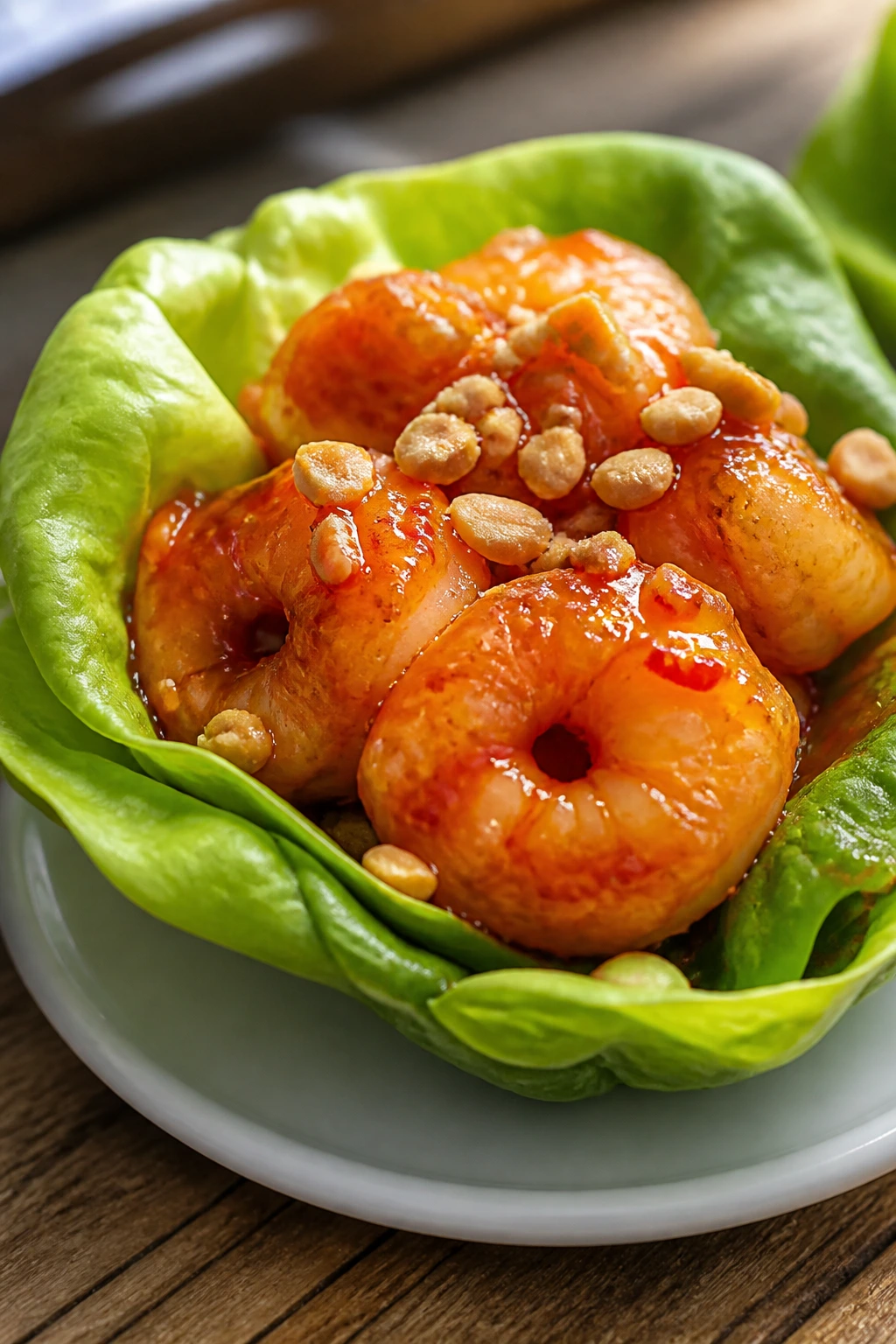
This is the dish you make when you want stir fry without the rice bowl. The shrimp gets coated in sweet chili sauce, then tucked into cool lettuce leaves that crack under the bite.
Why It Works: Shrimp cooks fast and takes on sauce in seconds. Lettuce cups keep the meal crisp and light. A few chopped peanuts add crunch where the rice would normally live.
Key Ingredients:
- 1½ lbs shrimp, peeled and deveined
- 3 tbsp sweet chili sauce
- 2 cloves garlic, minced
- 1 red bell pepper, diced
- 2 scallions, sliced
- 1 butter lettuce or romaine hearts, leaves separated
- 1 tbsp neutral oil
Quick Steps:
- Sauté garlic and bell pepper in oil for 2 minutes.
- Add shrimp and cook 2 to 3 minutes until pink.
- Stir in sweet chili sauce and scallions, then spoon into lettuce leaves.
Equipment for This Recipe:
- Skillet
- Spoon
- Serving platter
How to Serve This Dish: Set the filling on a platter and the lettuce leaves beside it so people can build their own cups. Lime wedges are a smart addition.
Pro Tips for This Recipe:
- Dry the lettuce leaves well: Water makes them slippery.
- Don’t overfill the cups: They collapse fast.
- Keep shrimp bite-size: Smaller pieces eat cleaner.
Variations on This Dish:
- Chicken Lettuce Cups: Use finely diced chicken breast.
- Peanut Chili Version: Add 1 tbsp peanut butter to the sauce.
Common Mistakes to Avoid with This Dish:
- Cooking shrimp too long: It ruins the soft, juicy texture.
- Using warm lettuce: Chill it first if you can.
25. Teriyaki Beef and Mushrooms
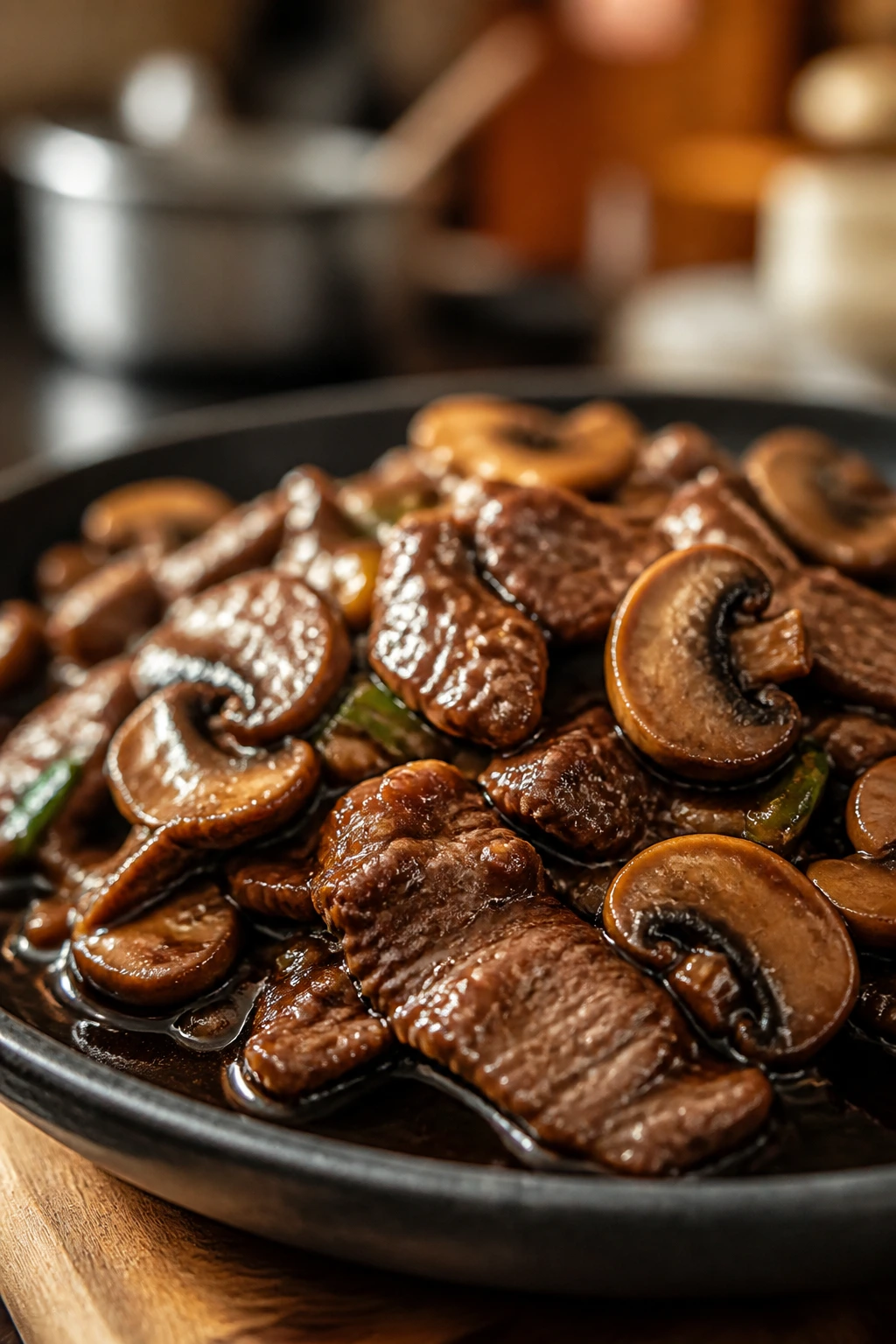
Mushrooms and teriyaki are a natural pair because both want a glossy finish. The beef gives the dish muscle; the mushrooms do the soaking.
Why It Works: Thin beef cooks fast. Mushrooms release and reabsorb moisture, which makes the sauce taste deeper. Teriyaki brings a sweet-salty glaze that clings to both.
Key Ingredients:
- 1 lb sirloin, thinly sliced
- 8 oz mushrooms, sliced
- 3 tbsp teriyaki sauce
- 1 clove garlic, minced
- 1 tsp ginger, minced
- 1 tbsp neutral oil
- 2 scallions, sliced
Quick Steps:
- Sear beef for 2 minutes; remove.
- Cook mushrooms for 4 minutes until browned.
- Add garlic, ginger, teriyaki sauce, and beef; toss 1 minute and finish with scallions.
Equipment for This Recipe:
- Skillet
- Tongs
- Cutting board
How to Serve This Dish: It goes straight onto rice, with the mushrooms spread out so they don’t hide under the beef. A little extra sauce on the side is never a bad idea.
Pro Tips for This Recipe:
- Let mushrooms brown before stirring too much.
- Use a real teriyaki sauce, not plain sweet soy.
- Slice the beef very thin: Thick slices fight the glaze.
Variations on This Dish:
- Chicken Teriyaki Mushroom Bowl: Use sliced chicken thighs.
- Udon Version: Toss with cooked udon noodles.
Common Mistakes to Avoid with This Dish:
- Adding too much sauce too early: It can thin out instead of glaze.
- Crowding the mushrooms: They need room to brown.
26. Satay Chicken with Peppers
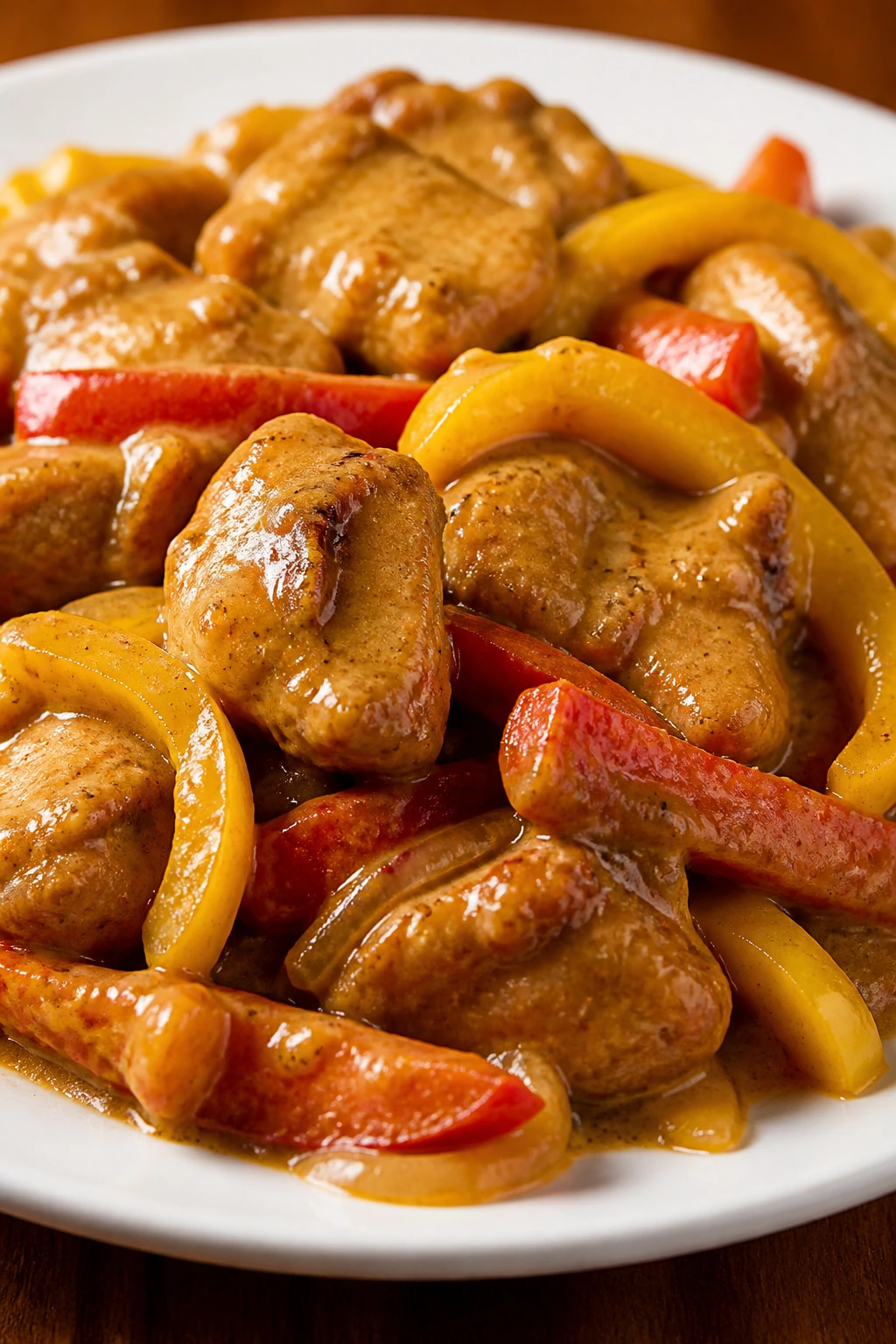
Peanut sauce is one of those things that makes a skillet taste more deliberate than it is. When it coats chicken and peppers, you get richness without a heavy cream sauce.
Why It Works: Peanut butter gives the sauce body. Chicken thighs stay juicy. Bell peppers keep the dish bright enough to balance the fat.
Key Ingredients:
- 1½ lbs boneless chicken thighs, sliced
- 2 bell peppers, sliced
- 2 tbsp peanut butter
- 2 tbsp soy sauce
- 1 tbsp lime juice
- 1 tbsp honey
- 1 tbsp neutral oil
Quick Steps:
- Brown chicken in oil for 5 minutes.
- Add peppers and cook 3 minutes.
- Stir in peanut butter, soy sauce, lime juice, and honey; toss 1 minute until smooth.
Equipment for This Recipe:
- Skillet
- Small bowl
- Spatula
How to Serve This Dish: Serve with rice and a few crushed peanuts on top. If you like a little freshness, add cucumber slices beside the bowl.
Pro Tips for This Recipe:
- Warm the peanut butter with liquid first: It blends better.
- Use smooth peanut butter: Crunchy gets awkward in the sauce.
- Don’t skip the lime: It keeps the sauce from tasting heavy.
Variations on This Dish:
- Satay Tofu: Swap chicken for pressed tofu cubes.
- Spicy Peanut Chicken: Add chili paste or sriracha.
Common Mistakes to Avoid with This Dish:
- Sauce too thick: Add a spoonful of water to loosen it.
- Peppers too soft: They should still have some snap.
27. Garlic Chili Pork and Green Beans
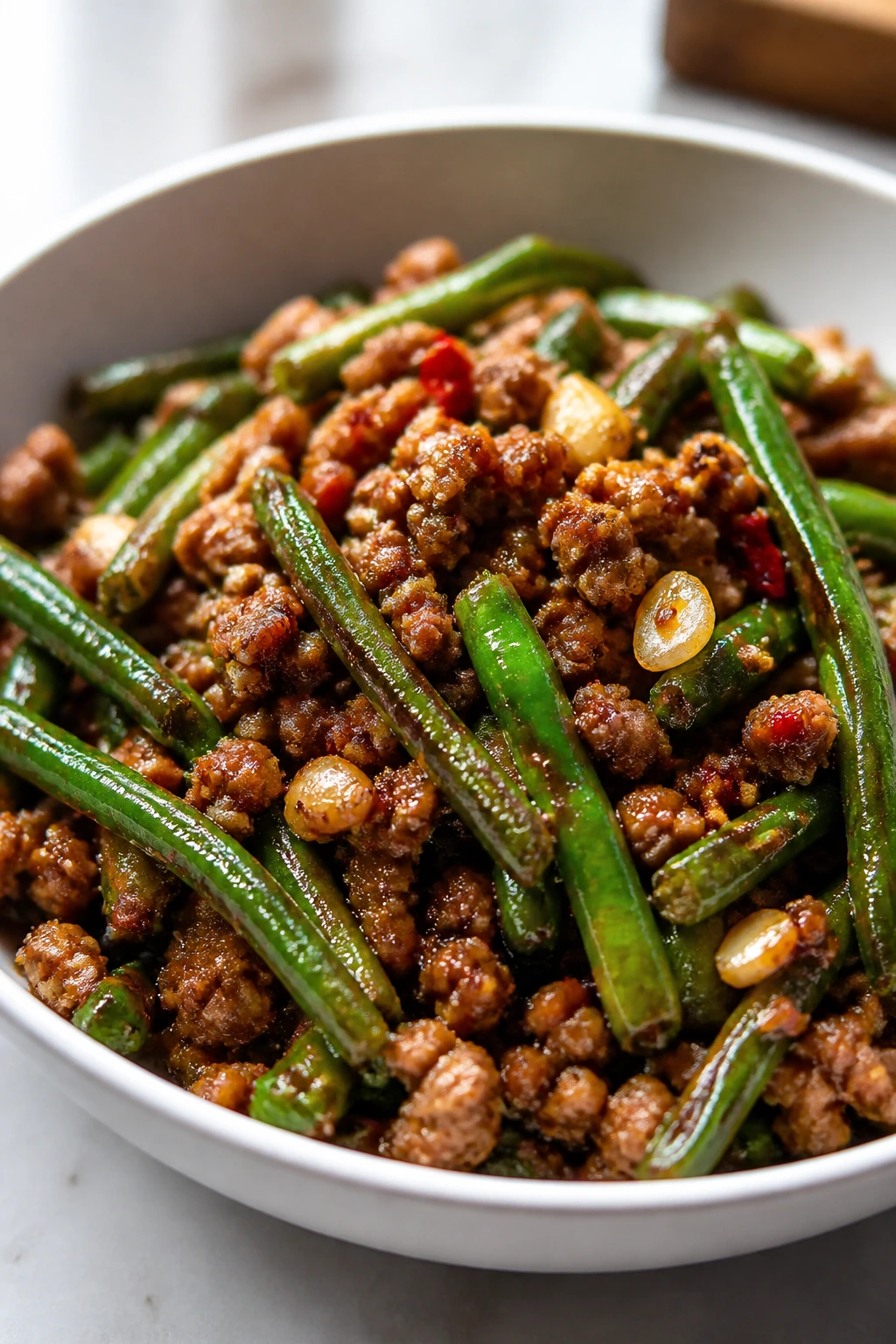
This dish is plain in the best way: pork, green beans, garlic, heat. Nothing here hides, which is why it works so well on a tired night.
Why It Works: Ground pork browns quickly and carries seasoning well. Green beans stay firm if they get blasted first. Garlic and chili sauce give the pan enough punch that you do not miss complicated ingredients.
Key Ingredients:
- 1 lb ground pork
- 3 cups green beans, trimmed
- 4 cloves garlic, minced
- 1 tbsp chili garlic sauce
- 2 tbsp soy sauce
- 1 tbsp rice vinegar
- 1 tbsp neutral oil
Quick Steps:
- Cook green beans in oil for 4 minutes until blistered.
- Push them aside, add pork and garlic, and brown for 4 minutes.
- Stir in chili garlic sauce, soy sauce, and vinegar; cook 1 minute.
Equipment for This Recipe:
- Large skillet
- Wooden spoon
- Cutting board
How to Serve This Dish: Rice is the obvious move. A soft egg on top makes the whole bowl richer without changing the flavor profile much.
Pro Tips for This Recipe:
- Blister the beans first: They get better texture that way.
- Use chili garlic sauce carefully: It can dominate fast.
- Drain excess pork fat if needed: Too much grease muddies the sauce.
Variations on This Dish:
- Chicken Mince Swap: Ground chicken works with a little extra oil.
- Miso Chili Beans: Add 1 tbsp white miso for more depth.
Common Mistakes to Avoid with This Dish:
- Undercooking the beans: They should not taste raw.
- Too much vinegar: You want brightness, not sourness.
28. Sesame Udon with Cabbage
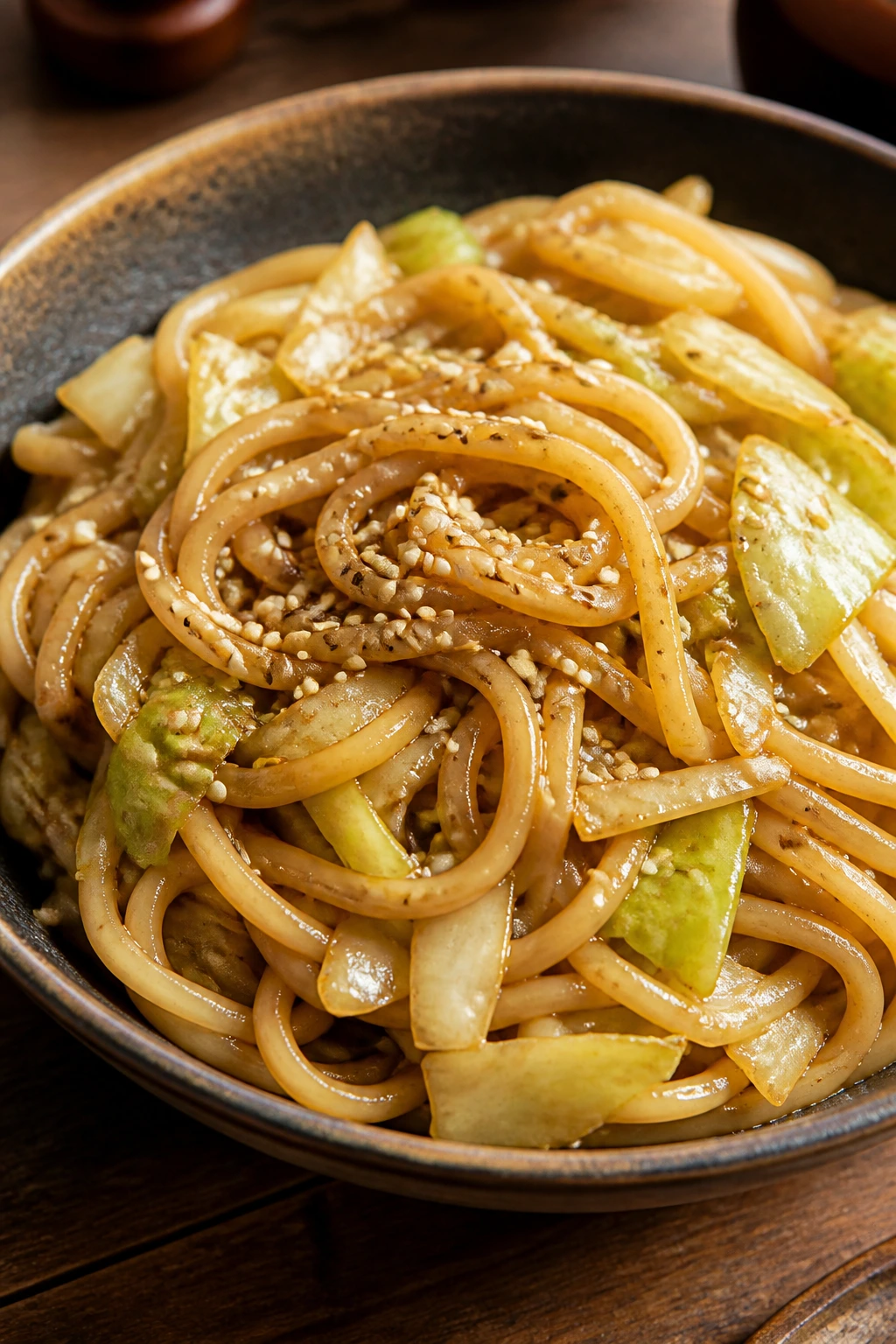
Udon noodles bring chew, and cabbage gives the bowl enough texture that it doesn’t eat like a starch bomb. Sesame oil makes the whole pan smell toasted and warm.
Why It Works: Udon noodles hold sauce without getting brittle. Cabbage gives body and sweetness. Soy, sesame, and a touch of sugar keep it balanced.
Key Ingredients:
- 14 oz cooked udon noodles
- 4 cups shredded cabbage
- 2 scallions, sliced
- 2 cloves garlic, minced
- 2 tbsp soy sauce
- 1 tbsp toasted sesame oil
- 1 tsp sugar
- 1 tbsp neutral oil
Quick Steps:
- Stir-fry cabbage in oil for 3 minutes until it softens.
- Add garlic and udon noodles; toss 2 minutes.
- Add soy sauce, sugar, and sesame oil; toss 1 minute and finish with scallions.
Equipment for This Recipe:
- Wok or skillet
- Tongs
- Pot, if noodles need warming
How to Serve This Dish: Serve warm in a deep bowl with sesame seeds on top. It doesn’t need a side unless you want a fried egg.
Pro Tips for This Recipe:
- Loosen refrigerated udon first: Break them apart with your hands.
- Don’t overdo sesame oil: A little goes far.
- Let the cabbage get some color: It improves the flavor.
Variations on This Dish:
- Mushroom Udon: Add shiitakes with the cabbage.
- Spicy Udon: Stir in chili crisp at the end.
Common Mistakes to Avoid with This Dish:
- Using too much sesame oil: The flavor can turn blunt.
- Skipping the sugar: The sauce needs balance.
29. Cantonese Beef and Broccoli
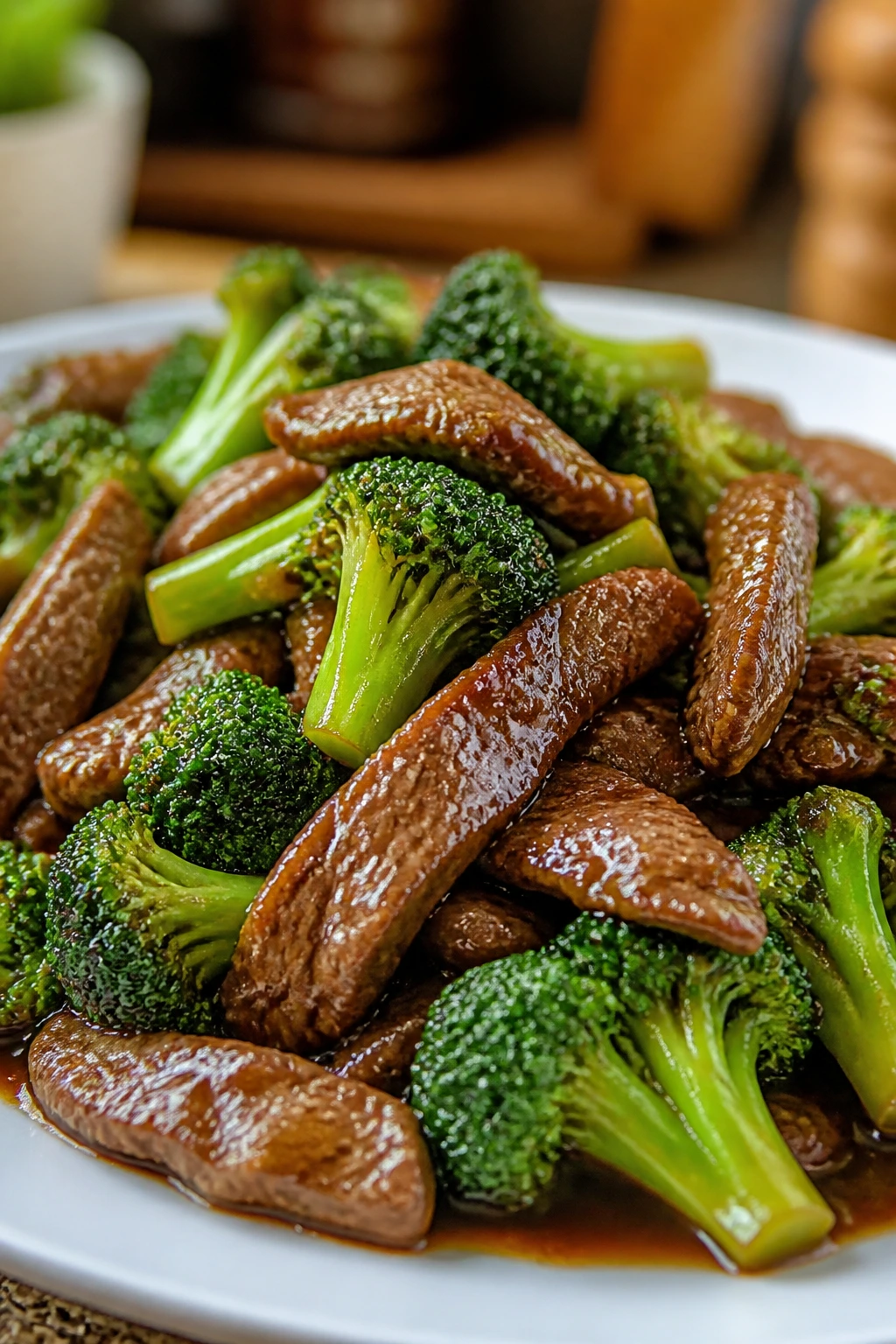
This is the cleaner, lighter cousin of broccoli beef, and it’s worth making because the sauce stays silky instead of heavy. The beef should taste like itself, not like it has been buried in syrup.
Why It Works: Thin beef sears fast. Broccoli turns bright and tender in the same pan. Oyster sauce and soy sauce give the dish that classic Cantonese depth.
Key Ingredients:
- 1 lb flank steak, sliced thin
- 4 cups broccoli florets
- 2 cloves garlic, minced
- 2 tbsp soy sauce
- 1 tbsp oyster sauce
- 1 tsp cornstarch mixed with 2 tbsp water
- 2 tbsp neutral oil
Quick Steps:
- Stir-fry broccoli with 3 tbsp water for 3 minutes, then set aside.
- Sear beef for 2 minutes.
- Add garlic, soy sauce, oyster sauce, broccoli, and slurry; toss 1 minute.
Equipment for This Recipe:
- Skillet
- Bowl
- Spatula
How to Serve This Dish: White rice is classic, but brown rice works if you want a nuttier base. The sauce should lightly pool around the rice, not drown it.
Pro Tips for This Recipe:
- Slice beef very thin: Thick beef and broccoli never quite match.
- Par-cook broccoli if your pan runs cool: It saves time.
- Keep the sauce light: This is not a stew.
Variations on This Dish:
- Chicken and Broccoli: Swap the beef for chicken thighs.
- Mushroom Broccoli Version: Add 8 oz mushrooms for more volume.
Common Mistakes to Avoid with This Dish:
- Boiling the broccoli: It loses texture.
- Adding too much cornstarch: The sauce can turn gluey.
30. Chili Lime Chicken with Zucchini
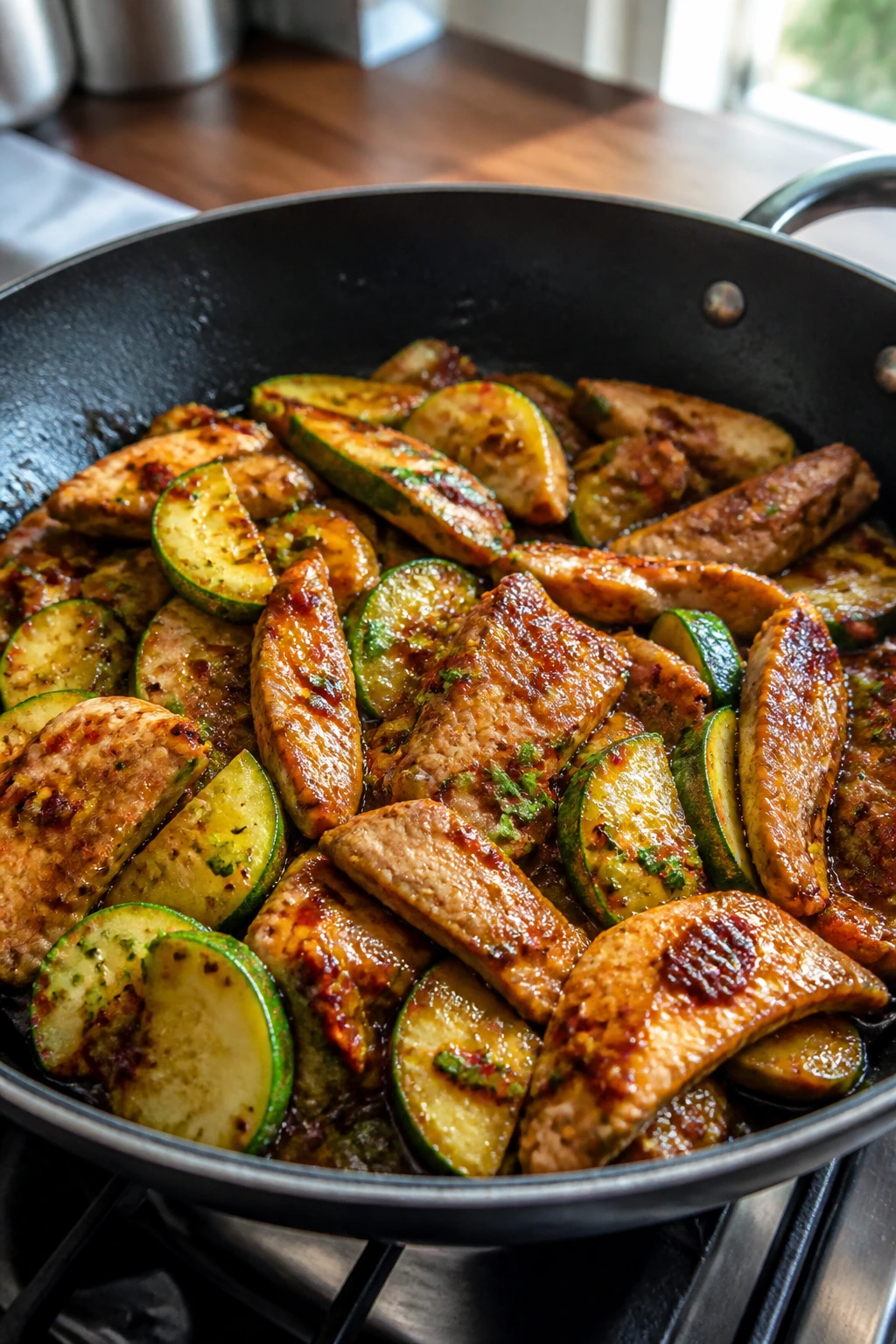
The flavor here is bright and sharp. Chili and lime do the heavy lifting, and zucchini gives you a soft, green backdrop that keeps the chicken from feeling dry.
Why It Works: Chicken breast cooks quickly when sliced thin. Lime acid wakes up the sauce. Zucchini is best when it stays just tender, not limp.
Key Ingredients:
- 1½ lbs chicken breast, thinly sliced
- 2 medium zucchini, sliced
- 2 cloves garlic, minced
- 1 tbsp chili garlic sauce
- Juice of 2 limes
- 2 tbsp soy sauce
- 1 tbsp neutral oil
Quick Steps:
- Sear chicken in oil for 4 minutes.
- Add zucchini and garlic; cook 3 minutes.
- Stir in chili garlic sauce, lime juice, and soy sauce; toss 30 seconds.
Equipment for This Recipe:
- Skillet
- Tongs
- Citrus juicer, optional
How to Serve This Dish: Serve over rice or spoon it into tortillas if you want to bend the rules a little. Extra lime wedges are worth it.
Pro Tips for This Recipe:
- Add lime at the end: Acid turns harsh if it cooks too long.
- Cut zucchini into thick half-moons: Thin pieces collapse.
- Use chicken breast sliced across the grain: It stays tender.
Variations on This Dish:
- Shrimp Chili Lime: Use peeled shrimp and cook 3 minutes total.
- Avocado Finish: Add diced avocado off heat for creaminess.
Common Mistakes to Avoid with This Dish:
- Cooking zucchini too long: It turns watery.
- Overusing chili sauce: Lime should still be noticeable.
31. Thai Peanut Noodles with Vegetables
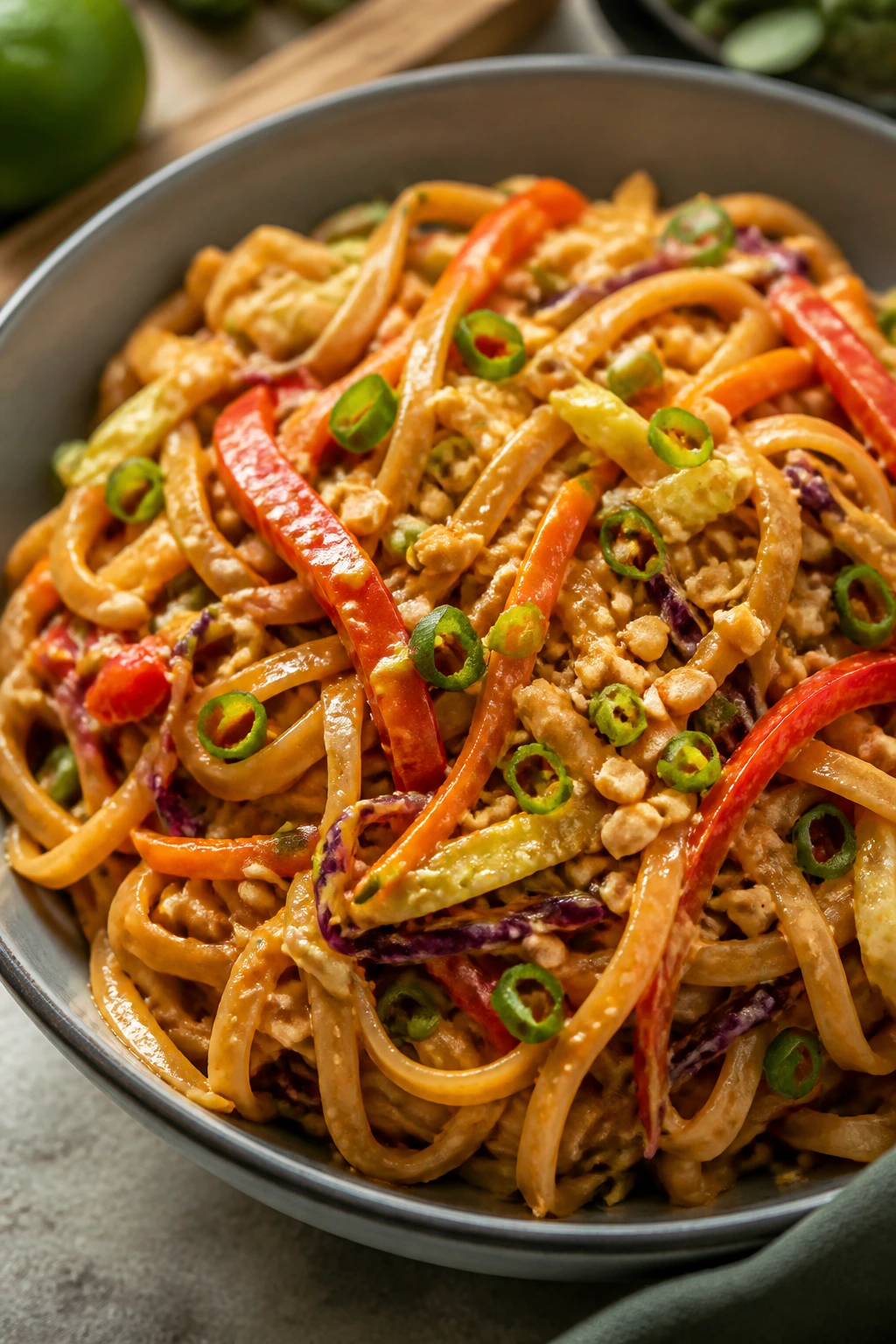
These noodles are rich, but the peanut sauce gets rescued by lime and soy, so the bowl never feels heavy in a bad way. The vegetables should still be loud when you bite into them.
Why It Works: Peanut sauce clings to warm noodles. Julienned vegetables cook fast and keep the bowl from turning mushy. Lime juice and a little sugar make the sauce taste round instead of sticky.
Key Ingredients:
- 10 oz noodles or spaghetti
- 1 carrot, julienned
- 1 red bell pepper, sliced
- 1 cup shredded cabbage
- 2 tbsp peanut butter
- 2 tbsp soy sauce
- 1 tbsp lime juice
- 1 tsp sugar
- 1 tbsp neutral oil
Quick Steps:
- Cook noodles and drain.
- Stir-fry vegetables in oil for 3 minutes.
- Whisk peanut butter, soy sauce, lime juice, sugar, and 2 tbsp hot water, then toss with noodles and vegetables.
Equipment for This Recipe:
- Pot
- Large bowl or skillet
- Whisk
How to Serve This Dish: Top with crushed peanuts and scallions. It works warm or at room temperature, which is useful if dinner gets delayed.
Pro Tips for This Recipe:
- Whisk the sauce separately first: Peanut butter needs a little help.
- Use hot water to thin the sauce: Cold water keeps it clumpy.
- Don’t overcook the vegetables: They should still feel crisp.
Variations on This Dish:
- Chicken Peanut Noodles: Add shredded cooked chicken.
- Spicy Thai Version: Stir in sriracha or chili garlic paste.
Common Mistakes to Avoid with This Dish:
- Sauce too thick: It should coat, not paste over.
- Noodles too soft: They’ll absorb too much sauce and go heavy.
32. Stir-Fried Mushrooms and Baby Corn
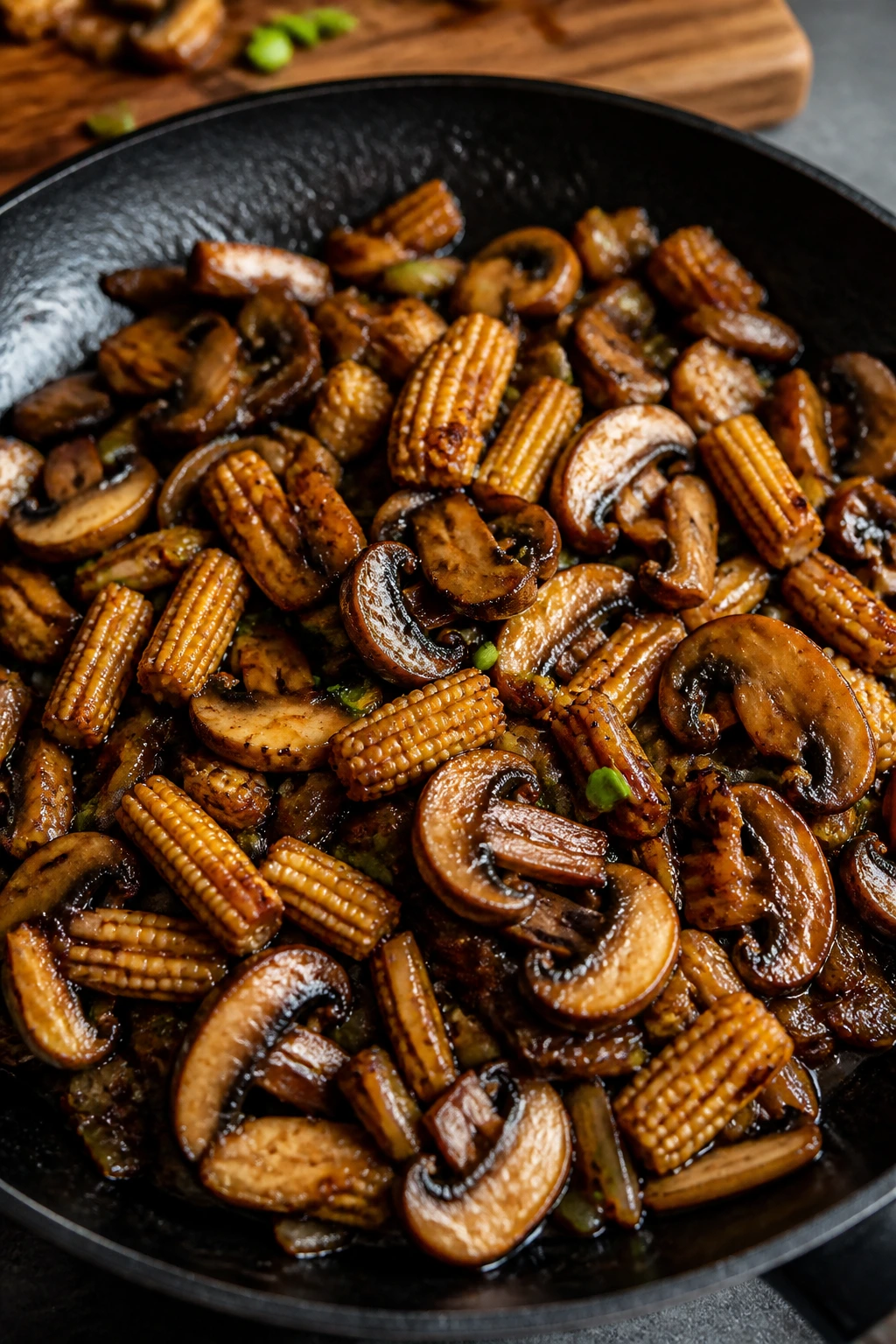
This is the sleeper hit. Mushrooms soak up the sauce, baby corn gives little sweet bites, and the whole pan tastes deeper than the ingredient list suggests.
Why It Works: Mushrooms brown if you leave them alone long enough. Baby corn holds its shape and gives the dish some crunch. Oyster sauce adds enough depth that you don’t need meat.
Key Ingredients:
- 12 oz mushrooms, sliced
- 1 can baby corn, drained
- 2 cloves garlic, minced
- 2 tbsp soy sauce
- 1 tbsp oyster sauce
- 1 tsp sugar
- 1 tbsp neutral oil
Quick Steps:
- Brown mushrooms in oil for 5 minutes.
- Add baby corn and garlic; cook 2 minutes.
- Stir in soy sauce, oyster sauce, and sugar; toss 1 minute until glossy.
Equipment for This Recipe:
- Skillet
- Spatula
- Cutting board
How to Serve This Dish: Serve over rice or alongside noodles. It’s a smart side dish that can become a main with tofu or egg.
Pro Tips for This Recipe:
- Don’t stir mushrooms too soon: Let them brown first.
- Use mixed mushrooms if you have them: The texture improves.
- Keep the sauce light: The mushrooms should stay visible.
Variations on This Dish:
- Tofu and Mushroom Bowl: Add cubed tofu.
- Black Pepper Version: Add 1 tsp cracked pepper.
Common Mistakes to Avoid with This Dish:
- Steaming the mushrooms: They need room and heat.
- Skipping sugar entirely: A tiny amount rounds out the salt.
33. Hoisin Turkey Lettuce Wraps
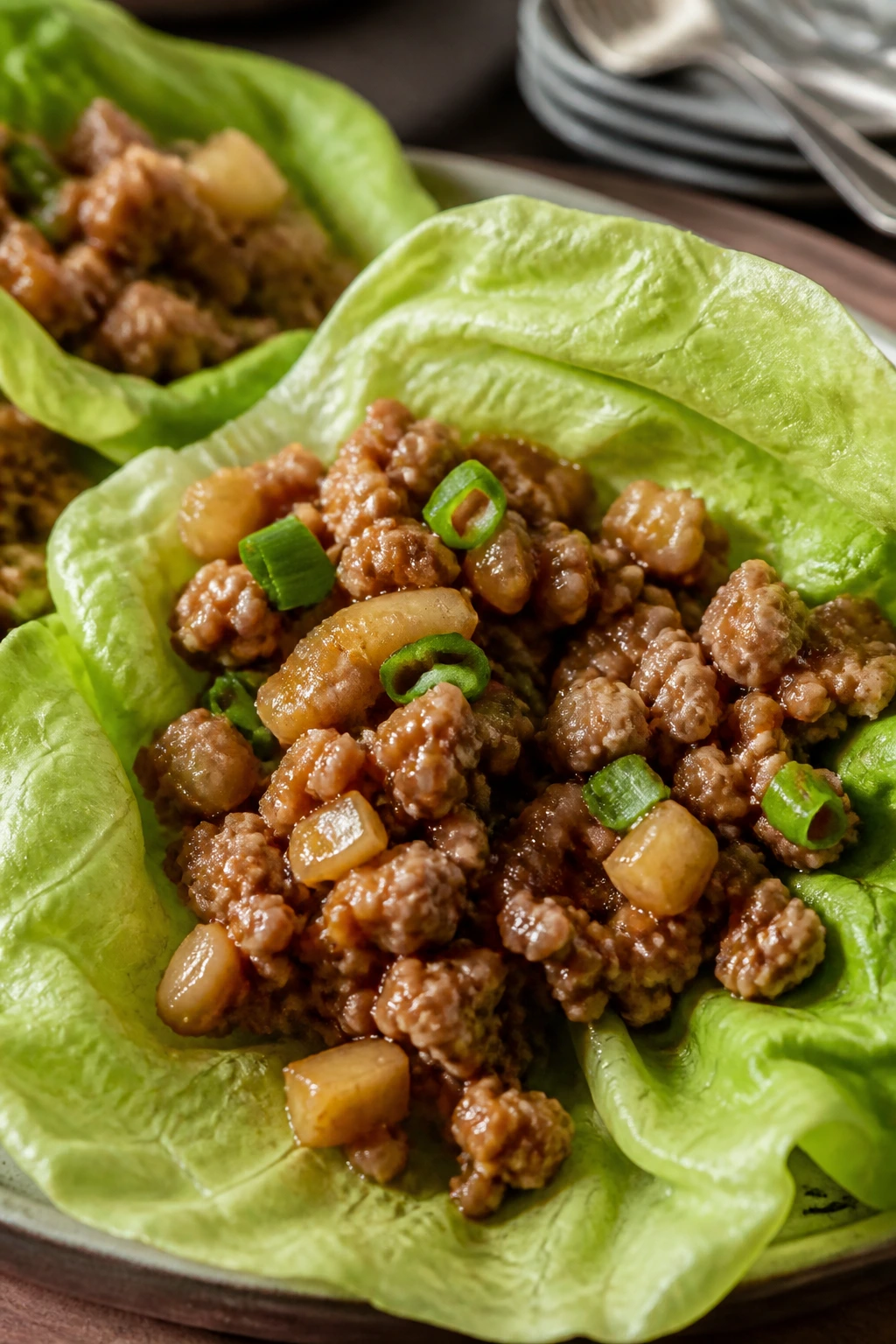
Turkey doesn’t need to be bland, and this is where it gets to prove it. Hoisin sauce gives it body, and the lettuce leaves keep each bite crisp.
Why It Works: Ground turkey cooks quickly and takes on strong sauce well. Water chestnuts add crunch. Lettuce cups keep the dish light enough to eat with your hands.
Key Ingredients:
- 1 lb ground turkey
- 1 cup diced water chestnuts
- 2 scallions, sliced
- 2 cloves garlic, minced
- 3 tbsp hoisin sauce
- 1 tbsp soy sauce
- 1 butter lettuce or romaine, leaves separated
- 1 tbsp neutral oil
Quick Steps:
- Brown turkey in oil for 5 minutes.
- Add garlic, water chestnuts, and soy sauce; cook 2 minutes.
- Stir in hoisin sauce and scallions, then spoon into lettuce leaves.
Equipment for This Recipe:
- Skillet
- Spoon
- Serving platter
How to Serve This Dish: Put the filling in a bowl and the leaves on a separate plate so people can assemble their own wraps. A little chili sauce on the side helps.
Pro Tips for This Recipe:
- Drain the turkey if needed: Too much liquid makes wraps soggy.
- Dice water chestnuts small: They should crunch, not dominate.
- Keep the lettuce cold: Crisp leaves are the whole point.
Variations on This Dish:
- Chicken Lettuce Wraps: Use ground chicken.
- Mushroom Add-In: Add finely chopped mushrooms with the turkey.
Common Mistakes to Avoid with This Dish:
- Overfilling the leaves: They tear fast.
- Using limp lettuce: The wraps lose their snap.
34. Spicy Miso Ramen Stir-Fry
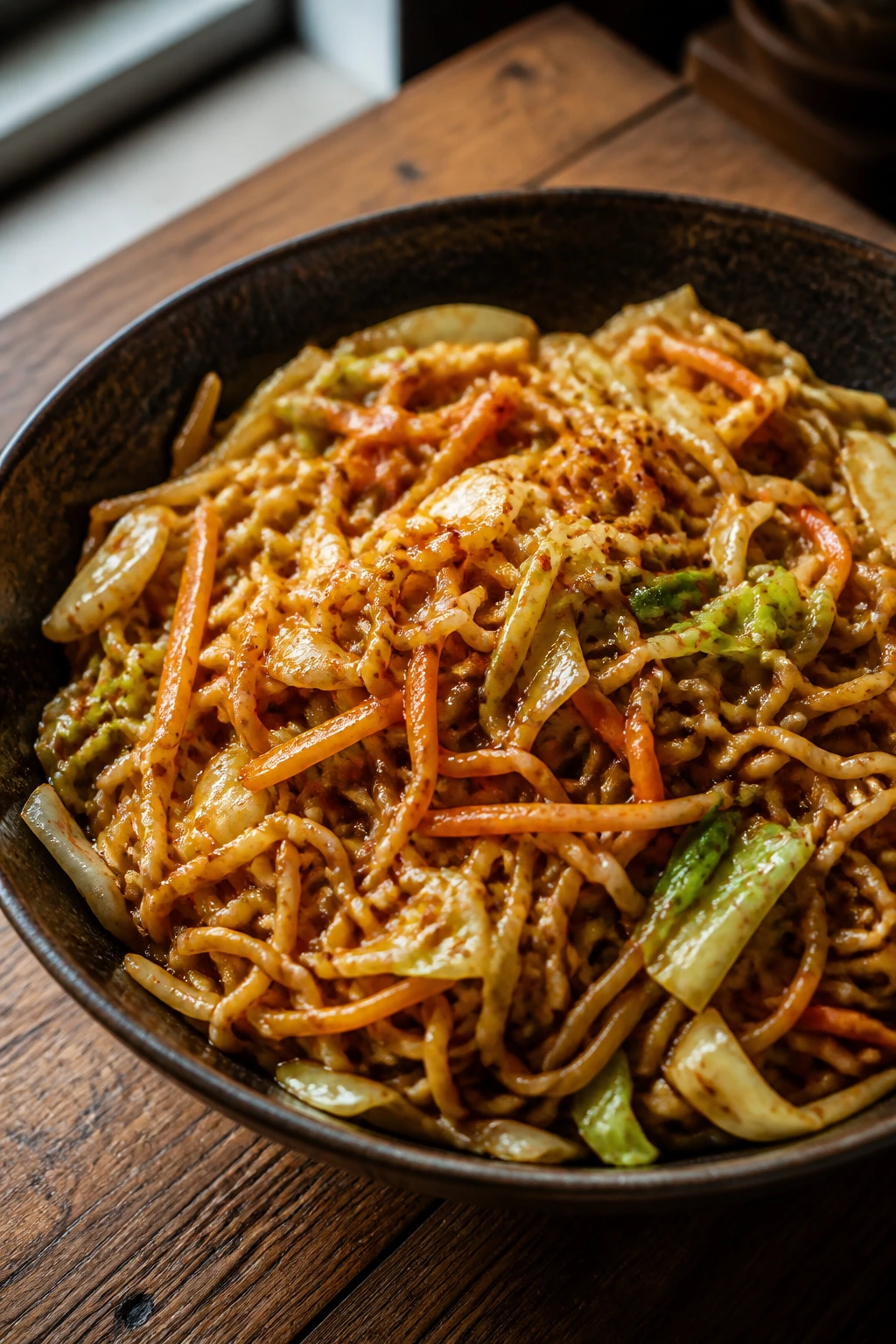
This one leans salty, spicy, and deeply savory. Ramen noodles pull the miso sauce into every strand, and the vegetables keep it from feeling like a bowl of pure starch.
Why It Works: Miso gives a round, fermented depth that regular soy sauce can’t match. Ramen noodles cook fast and take sauce nicely. A little chili paste sharpens the finish.
Key Ingredients:
- 2 packs ramen noodles, seasoning packets discarded
- 1 cup shredded cabbage
- 1 carrot, julienned
- 2 tbsp white miso
- 1 tbsp soy sauce
- 1 tsp chili paste
- 1 tbsp neutral oil
Quick Steps:
- Cook ramen noodles until just tender and drain.
- Stir-fry cabbage and carrot in oil for 3 minutes.
- Whisk miso, soy sauce, chili paste, and 2 tbsp hot water, then toss with noodles and vegetables.
Equipment for This Recipe:
- Pot
- Skillet
- Whisk
How to Serve This Dish: Serve in deep bowls with a soft egg if you have one. Scallions or sesame seeds make the bowl feel finished.
Pro Tips for This Recipe:
- Dissolve the miso first: Lumps are a pain.
- Don’t use the ramen seasoning packet: It fights the miso.
- Keep vegetables crisp: Soft ramen needs contrast.
Variations on This Dish:
- Chicken Ramen Stir-Fry: Add sliced cooked chicken.
- Sesame Miso Version: Add 1 tsp sesame oil at the end.
Common Mistakes to Avoid with This Dish:
- Overcooking ramen: It falls apart fast.
- Too much chili paste: The miso flavor disappears.
35. Red Curry Shrimp and Snow Peas
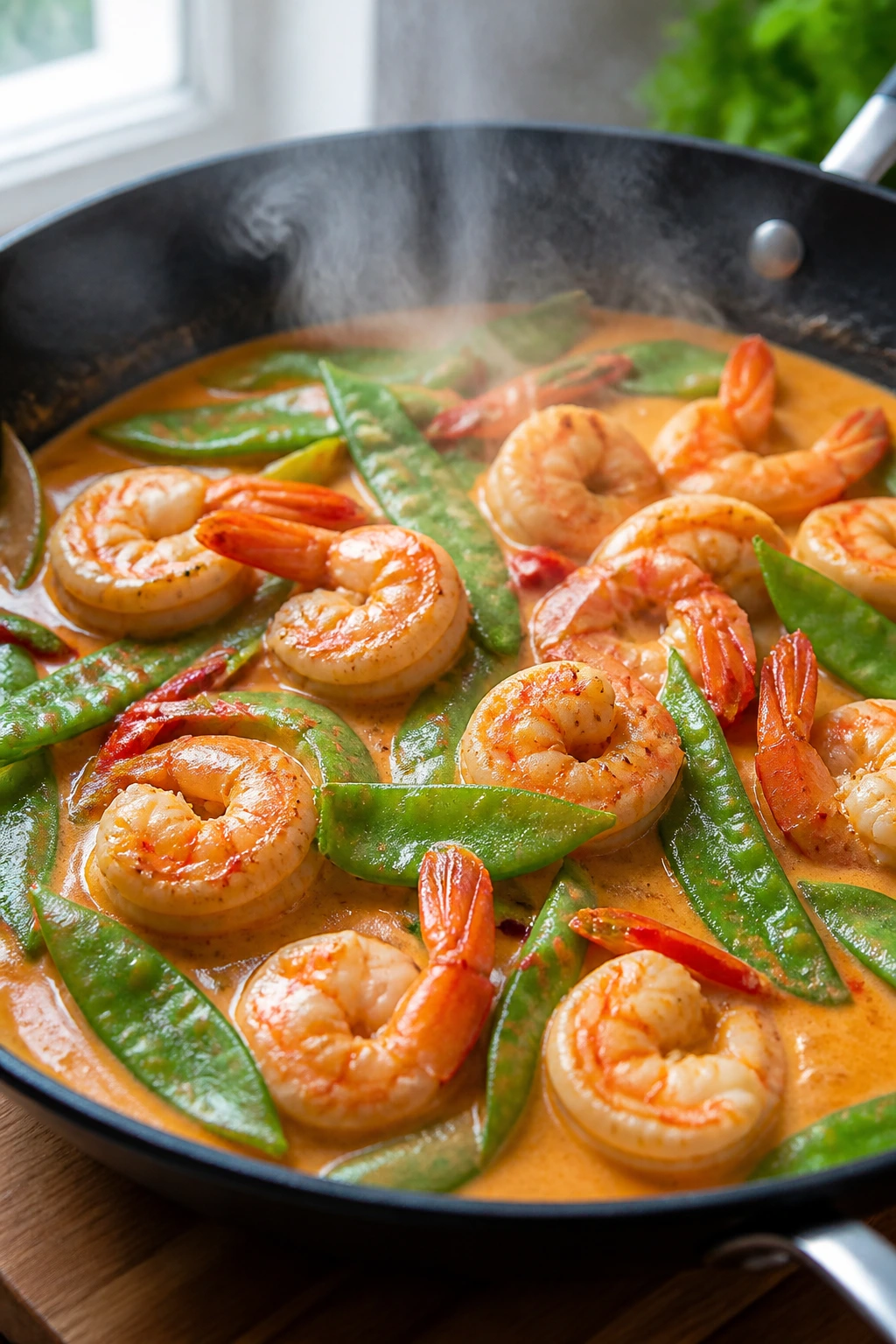
Red curry paste gives this skillet a warm, fragrant backbone that feels fuller than a plain soy-based sauce. Shrimp and snow peas are fast enough to keep up.
Why It Works: Coconut milk smooths the curry paste. Shrimp cook in minutes. Snow peas stay bright if they go in after the sauce is already hot.
Key Ingredients:
- 1½ lbs shrimp, peeled and deveined
- 3 cups snow peas
- 2 tbsp red curry paste
- 1 cup coconut milk
- 1 clove garlic, minced
- 1 tbsp fish sauce
- 1 tbsp neutral oil
Quick Steps:
- Warm curry paste and garlic in oil for 30 seconds.
- Add coconut milk and fish sauce, then simmer 2 minutes.
- Add snow peas and shrimp; cook 3 minutes until shrimp are pink.
Equipment for This Recipe:
- Skillet or wok
- Spoon
- Cutting board
How to Serve This Dish: Rice is the best landing place. Lime wedges help the coconut feel less heavy.
Pro Tips for This Recipe:
- Fry the curry paste first: It opens the flavor.
- Use full-fat coconut milk: Thin coconut milk gets watery.
- Add shrimp last: They need very little time.
Variations on This Dish:
- Chicken Curry Stir-Fry: Use thin chicken strips.
- Vegetable Curry Bowl: Add bell pepper and zucchini.
Common Mistakes to Avoid with This Dish:
- Boiling the coconut milk hard: It can split.
- Overcooking snow peas: Keep them crisp.
36. Coconut-Lime Chicken and Sugar Snap Peas
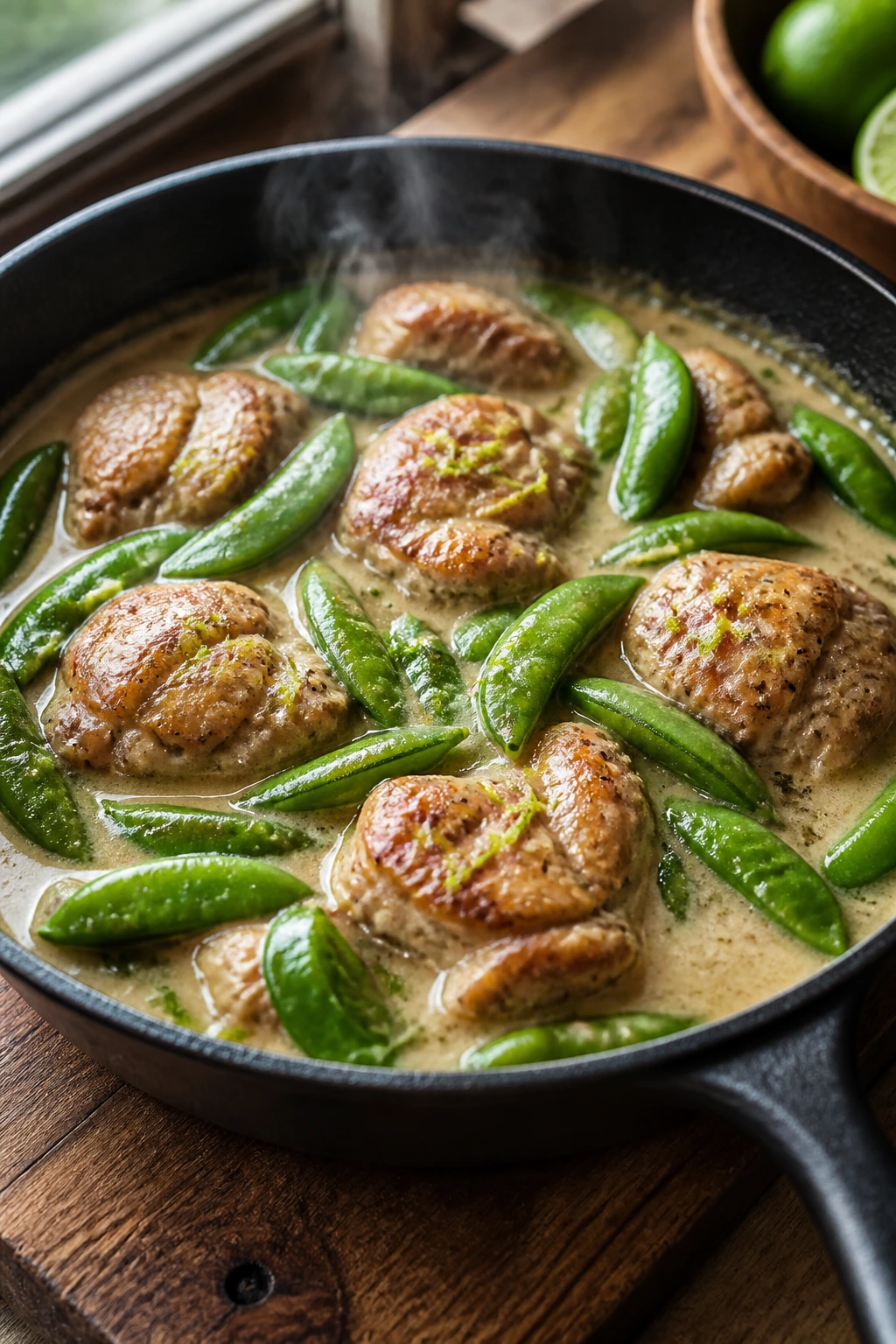
This one is soft around the edges but still bright. Coconut milk makes the sauce lush, while lime keeps it from sinking into richness.
Why It Works: Chicken thighs stay tender in coconut sauce. Snap peas bring crunch. Lime juice wakes up the whole pan right at the end.
Key Ingredients:
- 1½ lbs chicken thighs, sliced
- 3 cups sugar snap peas
- 1 cup coconut milk
- Juice of 1 lime
- 2 cloves garlic, minced
- 1 tsp ginger, minced
- 1 tbsp neutral oil
Quick Steps:
- Brown chicken in oil for 5 minutes.
- Add garlic, ginger, and snap peas; cook 3 minutes.
- Pour in coconut milk and simmer 2 minutes, then finish with lime juice.
Equipment for This Recipe:
- Skillet
- Spatula
- Citrus juicer, optional
How to Serve This Dish: Serve over rice with cilantro if you like it. The sauce should puddle a little around the grains.
Pro Tips for This Recipe:
- Use lime at the end: Heat dulls the sharpness.
- Keep coconut milk to one cup: More can make the dish too loose.
- Slice chicken evenly: Uneven pieces cook unevenly.
Variations on This Dish:
- Thai Basil Finish: Stir in basil leaves at the end.
- Shrimp Coconut-Lime: Swap chicken for shrimp and shorten the cook time.
Common Mistakes to Avoid with This Dish:
- Too much coconut milk: The sauce turns thin.
- Letting snap peas soften too much: They should still crunch.
37. Five-Spice Pork and Peppers
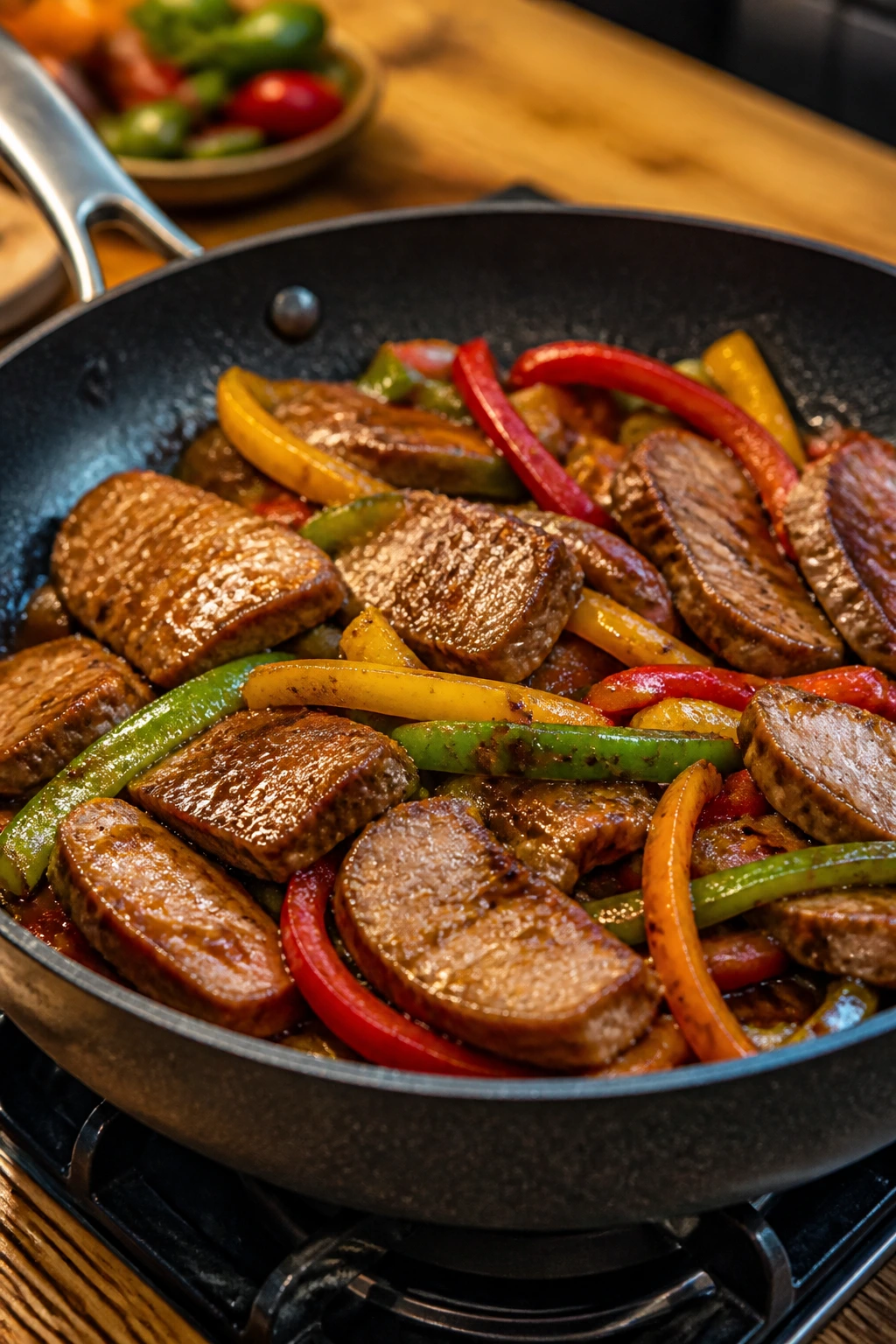
Five-spice powder is a bold hand on the wheel. Use too much and it can take over; use it right and the pork tastes warm, fragrant, and a little sweet.
Why It Works: Pork tenderloin cooks fast and loves aromatic spices. Bell peppers bring color and natural sweetness. A light soy-based glaze keeps the seasoning grounded.
Key Ingredients:
- 1 lb pork tenderloin, sliced thin
- 2 bell peppers, sliced
- 1 tsp Chinese five-spice powder
- 2 tbsp soy sauce
- 1 tbsp hoisin sauce
- 2 cloves garlic, minced
- 1 tbsp neutral oil
Quick Steps:
- Toss pork with five-spice and soy sauce.
- Sear pork for 3 minutes, then remove.
- Stir-fry peppers and garlic for 3 minutes, return pork, add hoisin, and toss 1 minute.
Equipment for This Recipe:
- Skillet
- Bowl
- Tongs
How to Serve This Dish: Rice is the easy choice, but noodles work too. A few sliced scallions keep the spice from feeling dense.
Pro Tips for This Recipe:
- Measure the five-spice carefully: It gets loud fast.
- Slice pork thin: Tenderloin can dry if it’s thick.
- Use peppers with different colors: The pan looks brighter and tastes sweeter.
Variations on This Dish:
- Five-Spice Chicken: Use sliced chicken breast.
- Mushroom Pepper Bowl: Add sliced mushrooms for extra depth.
Common Mistakes to Avoid with This Dish:
- Using too much five-spice: The clove note can dominate.
- Overcooking the pork: Tenderloin wants a short cook.
38. Ginger Scallops with Asparagus
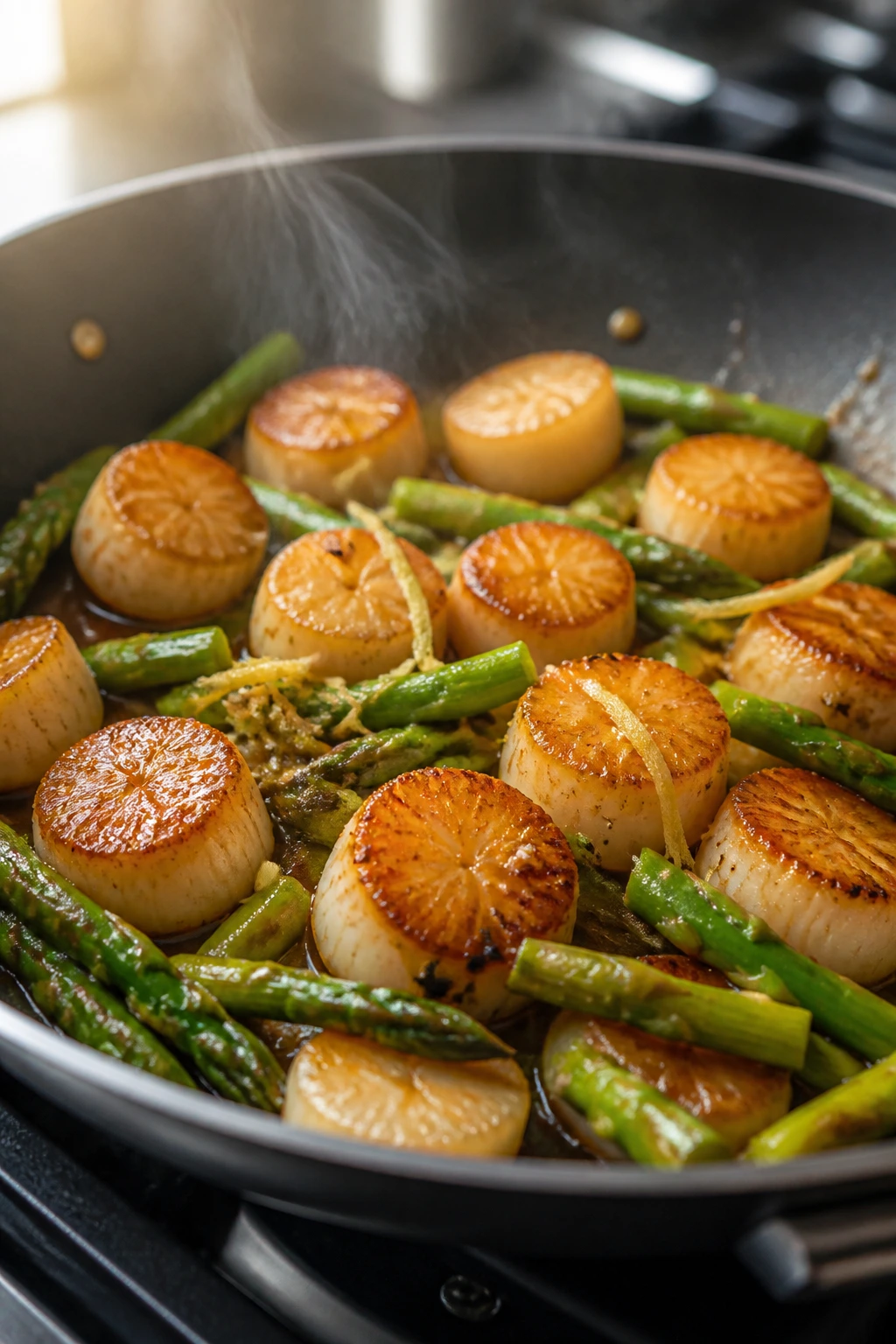
Scallops are luxurious without being slow, which is rare. Ginger and asparagus keep them tasting fresh, not rich for the sake of it.
Why It Works: Scallops brown fast when dry. Asparagus cooks in the same time window if cut short. Ginger gives the sauce enough lift that you don’t need much else.
Key Ingredients:
- 1½ lbs sea scallops, side muscle removed and patted dry
- 1 bunch asparagus, cut into 2-inch pieces
- 1 tbsp ginger, grated
- 2 cloves garlic, minced
- 2 tbsp soy sauce
- 1 tbsp rice vinegar
- 1 tbsp neutral oil
Quick Steps:
- Sear scallops in oil for 1½ to 2 minutes per side; remove.
- Stir-fry asparagus, ginger, and garlic for 3 minutes.
- Return scallops, add soy sauce and vinegar, and toss 30 seconds.
Equipment for This Recipe:
- Nonstick or stainless skillet
- Tongs
- Paper towels
How to Serve This Dish: Serve it over rice or noodles, but keep the plating simple so the scallops stay the focus. A little lemon zest is fine if you want extra brightness.
Pro Tips for This Recipe:
- Pat scallops very dry: Moisture blocks browning.
- Don’t move them too soon: Let them form a crust.
- Cut asparagus evenly: Uneven pieces cook at different speeds.
Variations on This Dish:
- Shrimp and Ginger Asparagus: Use shrimp if scallops are pricey.
- Sesame Finish: Add ½ tsp sesame oil at the end.
Common Mistakes to Avoid with This Dish:
- Overcooking scallops: They turn rubbery fast.
- Using a crowded pan: They steam instead of sear.
39. Kung Pao Chicken
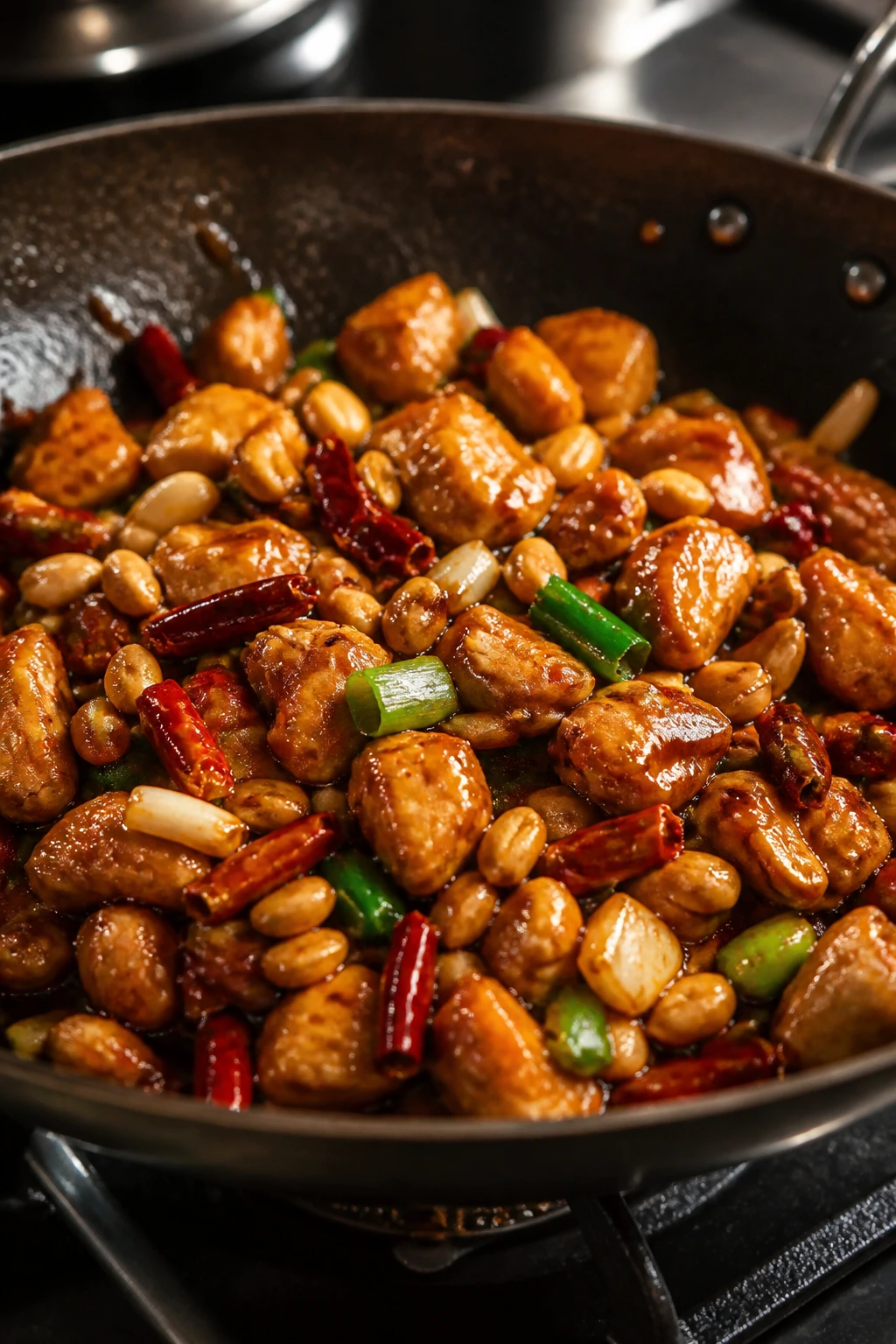
Kung Pao should have a little sweetness, a little heat, and the crunch of peanuts that survive the sauce. If it’s all sauce, the dish misses the point.
Why It Works: Chicken thighs stay juicy. Dried chilies bring aroma without needing a lot of liquid heat. Peanuts keep the texture lively.
Key Ingredients:
- 1½ lbs chicken thighs, diced
- ½ cup roasted peanuts
- 6 dried chilies, cut in half
- 2 cloves garlic, minced
- 1 tbsp soy sauce
- 1 tbsp rice vinegar
- 1 tbsp hoisin sauce
- 1 tbsp neutral oil
Quick Steps:
- Brown chicken in oil for 5 minutes.
- Add chilies and garlic; cook 20 seconds.
- Add soy sauce, vinegar, hoisin, and peanuts; toss 1 minute.
Equipment for This Recipe:
- Wok or skillet
- Spatula
- Measuring spoons
How to Serve This Dish: Serve with rice and maybe plain steamed broccoli if you want to stretch the meal. The sauce is strong enough to stand on its own.
Pro Tips for This Recipe:
- Don’t burn the chilies: They should darken, not blacken.
- Use roasted peanuts: Raw ones taste flat.
- Dice chicken evenly: It cooks at the same pace.
Variations on This Dish:
- Tofu Kung Pao: Use extra-firm tofu cubes.
- Extra Crunch: Add diced celery or bell pepper.
Common Mistakes to Avoid with This Dish:
- Too few chilies: The dish gets one-note.
- Cooking peanuts too early: They can burn in the hot pan.
40. General Tso’s Cauliflower
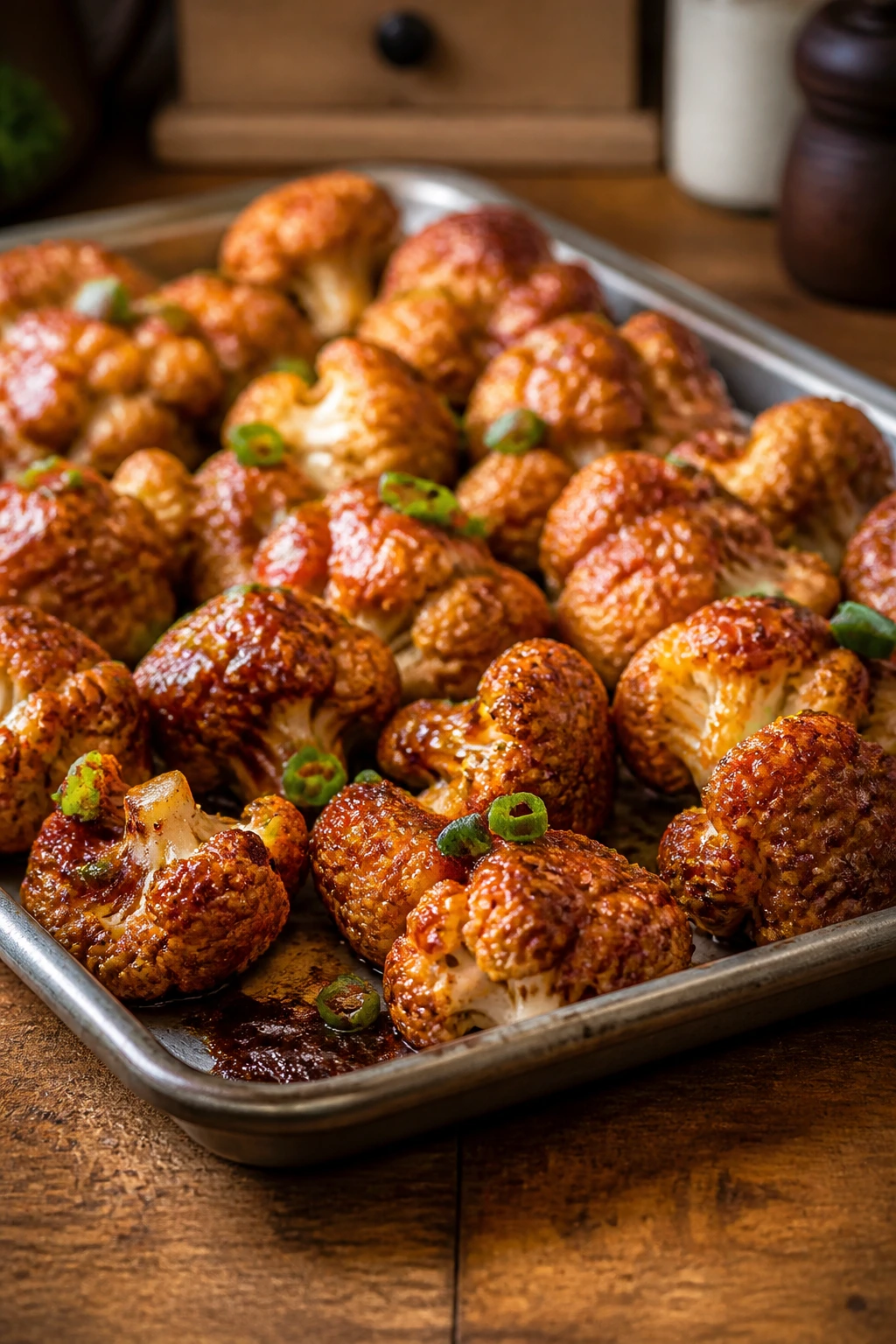
This is the dish that proves cauliflower can do more than pretend to be something else. The florets get crispy at the edges, then soak up that sweet-spicy sauce.
Why It Works: Cauliflower browns better when the pieces are dry and not too small. The sauce balances vinegar, sugar, and chili so it tastes sharp and sticky at once. A quick roast or pan-sear before saucing helps a lot.
Key Ingredients:
- 1 large head cauliflower, cut into florets
- 2 cloves garlic, minced
- 2 tbsp soy sauce
- 2 tbsp rice vinegar
- 2 tbsp sugar or honey
- 1 tbsp chili garlic sauce
- 2 tbsp neutral oil
Quick Steps:
- Roast or pan-sear cauliflower until browned at the edges.
- Simmer garlic, soy sauce, vinegar, sugar, and chili garlic sauce for 2 minutes.
- Toss cauliflower in the sauce and cook 1 minute until coated.
Equipment for This Recipe:
- Sheet pan or skillet
- Mixing bowl
- Spatula
How to Serve This Dish: Serve over rice with scallions. If you want extra crunch, sprinkle on toasted sesame seeds.
Pro Tips for This Recipe:
- Keep cauliflower dry: Water ruins browning.
- Use medium florets: Tiny ones overcook fast.
- Sauce at the end: That’s how the edges stay crisp.
Variations on This Dish:
- Chicken Tso’s Version: Toss in cooked chicken pieces.
- Airy Crunch Version: Lightly dust florets with cornstarch before cooking.
Common Mistakes to Avoid with This Dish:
- Saucing too early: The cauliflower goes soft.
- Cutting florets too small: They disappear.
41. Shanghai Pork and Rice Cakes
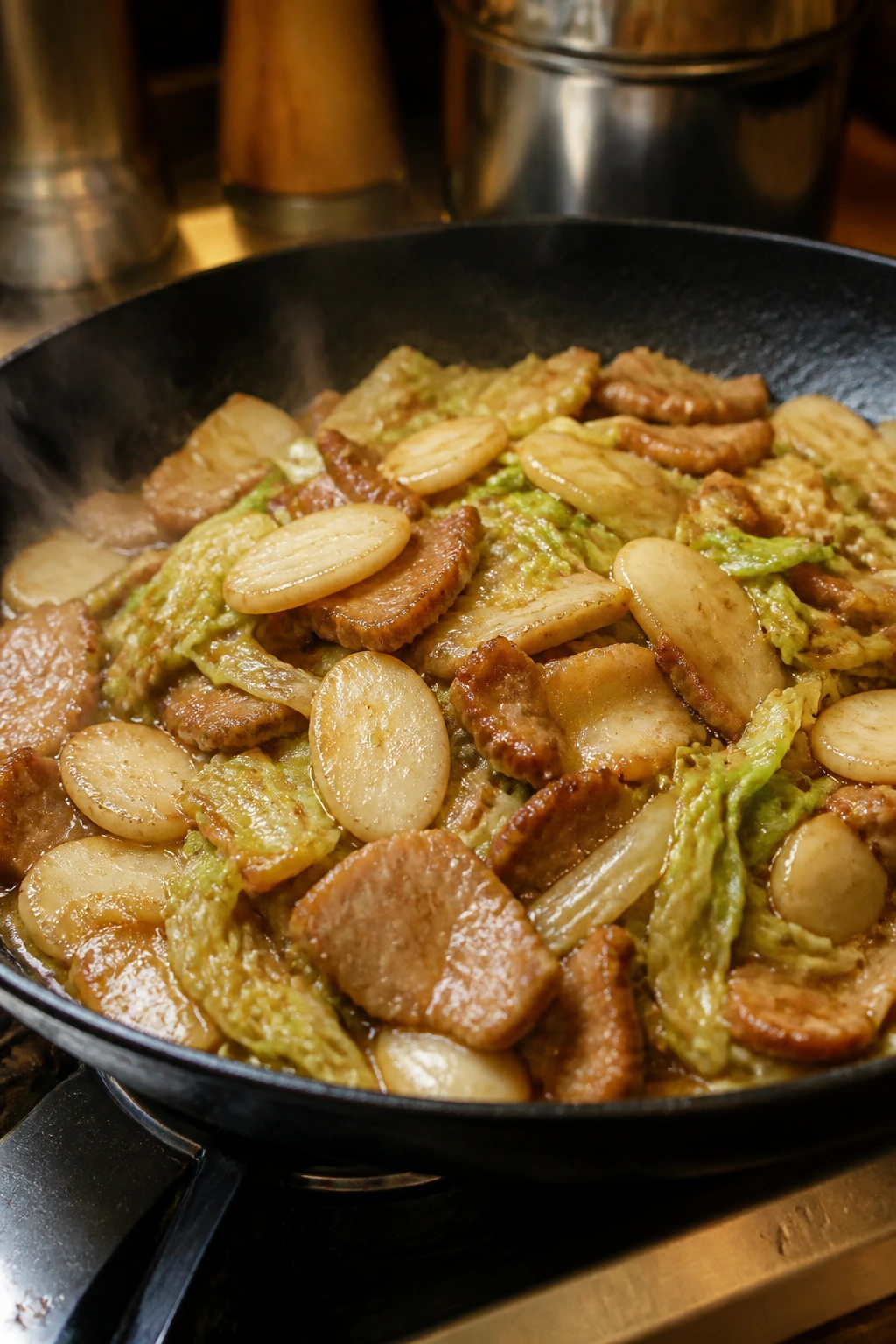
Rice cakes have that chewy bounce that makes a stir-fry feel different from noodles or rice. Pork and cabbage keep the dish grounded and savory.
Why It Works: Rice cakes need enough liquid to soften slightly but not enough to become mush. Pork adds fat and flavor. Cabbage and scallions keep the plate from feeling dense.
Key Ingredients:
- 1 lb sliced pork shoulder or loin
- 12 oz rice cakes, soaked if packaged dried
- 3 cups shredded cabbage
- 2 cloves garlic, minced
- 2 tbsp soy sauce
- 1 tbsp oyster sauce
- 1 tbsp neutral oil
Quick Steps:
- Brown pork in oil for 4 minutes.
- Add cabbage and garlic; cook 3 minutes.
- Add rice cakes, soy sauce, oyster sauce, and ¼ cup water; toss 3 minutes until softened.
Equipment for This Recipe:
- Skillet
- Bowl for soaking rice cakes
- Spatula
How to Serve This Dish: Serve hot, straight from the pan. A few sliced scallions or cilantro leaves are enough on top.
Pro Tips for This Recipe:
- Soak dried rice cakes first: They cook more evenly.
- Don’t over-soak: Mushy rice cakes are a disappointment.
- Use a wide pan: They need space to separate.
Variations on This Dish:
- Shrimp Rice Cakes: Add shrimp during the last 3 minutes.
- Spicy Version: Stir in chili bean paste with the sauces.
Common Mistakes to Avoid with This Dish:
- Too little water: Rice cakes stay hard in the center.
- Cooking too long: They can break apart.
42. Garlic Shrimp and Chinese Broccoli
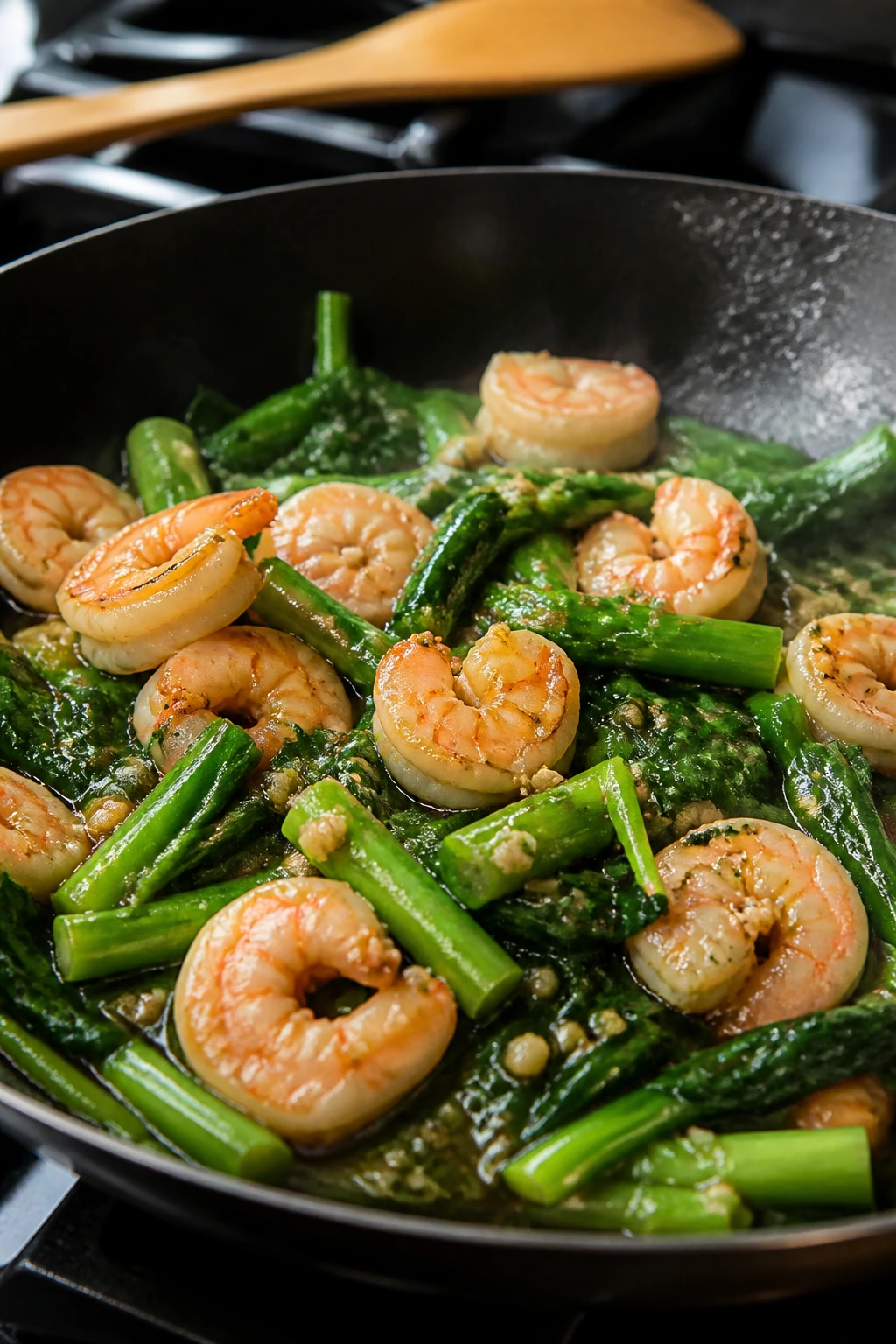
Chinese broccoli has a sturdier stalk and a greener bite than regular broccoli, which makes it ideal for shrimp that only want a short stay in the pan. Garlic does the rest.
Why It Works: Shrimp cook fast. Chinese broccoli stands up to heat without collapsing. Oyster sauce gives the dish that savory, restaurant-style finish.
Key Ingredients:
- 1½ lbs shrimp, peeled and deveined
- 1 bunch Chinese broccoli, chopped
- 4 cloves garlic, minced
- 2 tbsp oyster sauce
- 1 tbsp soy sauce
- 1 tbsp neutral oil
Quick Steps:
- Stir-fry Chinese broccoli stems for 2 minutes, then add leaves for 1 minute.
- Remove broccoli, cook shrimp in oil for 2 minutes.
- Add garlic, oyster sauce, soy sauce, and broccoli; toss 30 seconds.
Equipment for This Recipe:
- Skillet or wok
- Tongs
- Knife
How to Serve This Dish: Rice is the obvious partner. If you want extra richness, a soft egg on top works well.
Pro Tips for This Recipe:
- Separate stems from leaves: Stems need more time.
- Don’t overdo the garlic: It should smell sweet, not burnt.
- Pull shrimp when pink: They finish in the sauce.
Variations on This Dish:
- Chicken and Chinese Broccoli: Thin chicken strips work well.
- Sesame Garlic Finish: Add a few drops of sesame oil at the end.
Common Mistakes to Avoid with This Dish:
- Cooking broccoli as one mass: The stems lag behind.
- Overcooking shrimp: They get stringy fast.
43. Teriyaki Tofu and Soba
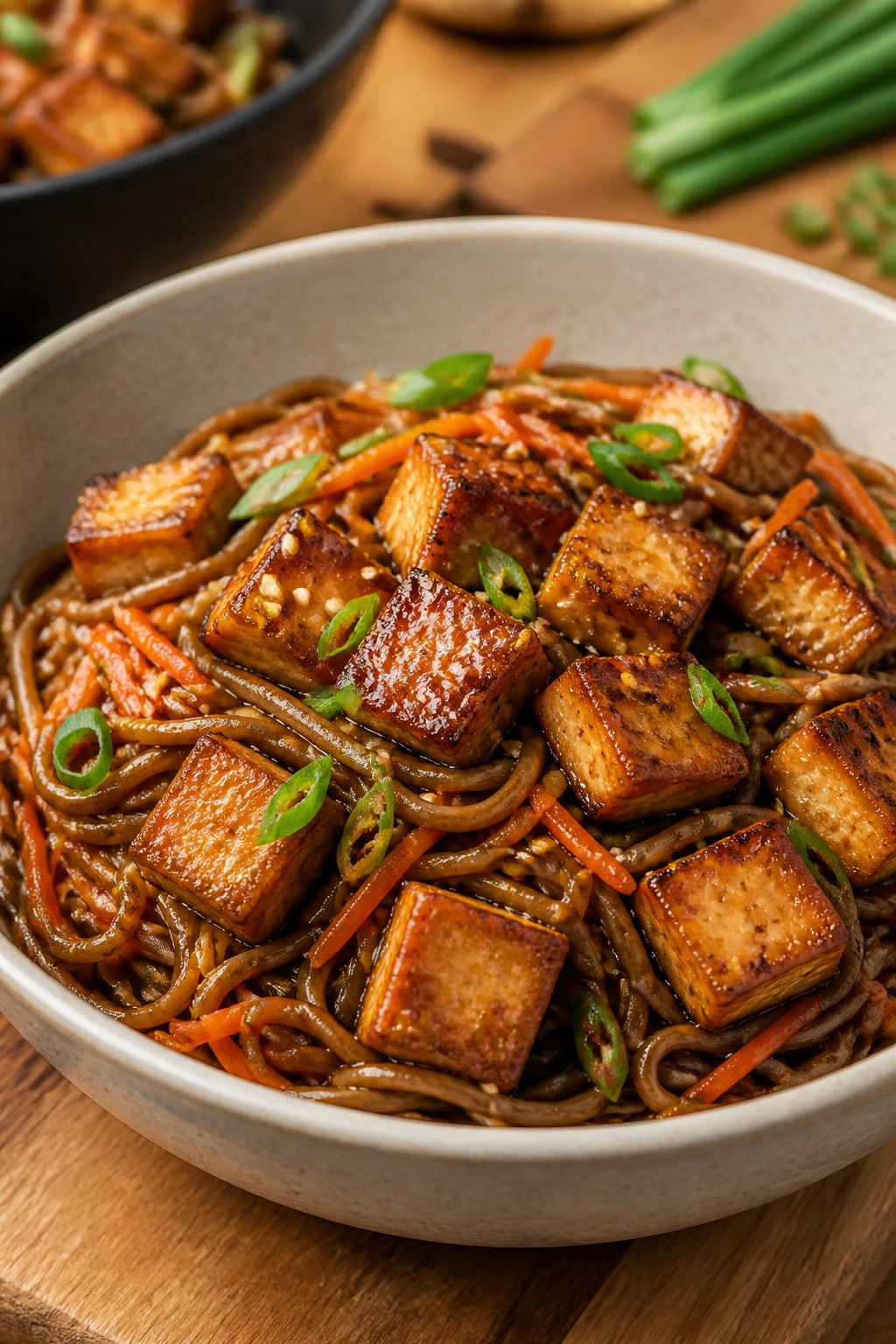
Soba noodles bring a nutty edge that plain wheat noodles do not. With tofu and teriyaki, the bowl ends up light but still satisfying.
Why It Works: Pressed tofu browns and keeps its shape. Soba noodles cook quickly and don’t need much help. Teriyaki sauce ties the two together with a clean sweet-salty finish.
Key Ingredients:
- 1 block extra-firm tofu, pressed and cubed
- 8 oz soba noodles
- 2 cups shredded carrots
- 2 scallions, sliced
- 3 tbsp teriyaki sauce
- 1 tbsp neutral oil
- 1 tsp sesame seeds
Quick Steps:
- Cook soba noodles, rinse briefly, and drain.
- Sear tofu in oil for 8 minutes until crisp.
- Add carrots, noodles, and teriyaki sauce; toss 2 minutes and finish with scallions.
Equipment for This Recipe:
- Skillet
- Pot
- Colander
How to Serve This Dish: Serve warm, not piping hot, so the soba keeps its texture. Sesame seeds and scallions make it look intentional.
Pro Tips for This Recipe:
- Press the tofu well: It browns better.
- Rinse soba briefly: That keeps it from getting sticky.
- Don’t drown the noodles: Teriyaki should coat, not soak.
Variations on This Dish:
- Chicken Soba: Use thin chicken strips instead of tofu.
- Peanut Soba: Add 1 tbsp peanut butter to the sauce.
Common Mistakes to Avoid with This Dish:
- Overcooking soba: It goes soft fast.
- Handling tofu too soon: Let one side crisp before turning.
44. Beef and Long Beans with Oyster Sauce
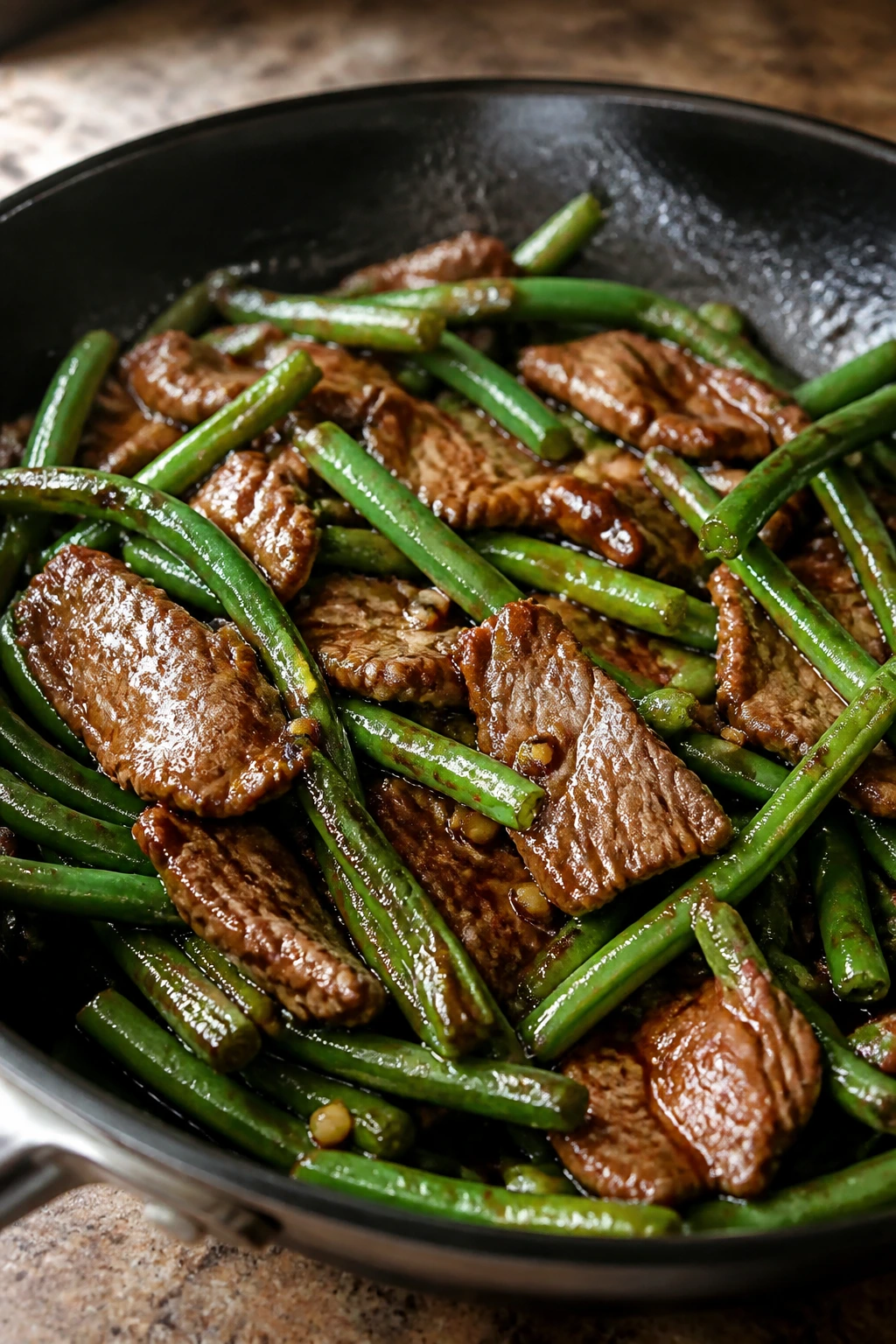
Long beans have a greener, sturdier bite than green beans, and they hold up beautifully next to beef. Oyster sauce gives the dish the deep, savory finish that makes it taste finished in one pan.
Why It Works: Thin beef cooks quickly. Long beans stay snappy if they get a hot toss. Oyster sauce adds body with very little work.
Key Ingredients:
- 1 lb flank steak, sliced thin
- 3 cups long beans, cut into 2-inch pieces
- 2 cloves garlic, minced
- 2 tbsp oyster sauce
- 1 tbsp soy sauce
- 1 tbsp neutral oil
Quick Steps:
- Stir-fry long beans in oil for 4 minutes until blistered.
- Add beef and garlic; cook 2 minutes.
- Stir in oyster sauce and soy sauce, then toss 1 minute.
Equipment for This Recipe:
- Skillet or wok
- Spatula
- Knife
How to Serve This Dish: Put it over rice and let the sauce sink in. A side of sliced tomatoes or cucumber keeps the meal from feeling too heavy.
Pro Tips for This Recipe:
- Use long beans if you can find them: They stay crisp better.
- Don’t overcook the beef: Thin slices go fast.
- Blister the beans first: That flavor matters.
Variations on This Dish:
- Chicken and Long Beans: Thin chicken breast works too.
- Chili Garlic Version: Add 1 tsp chili garlic sauce.
Common Mistakes to Avoid with This Dish:
- Using limp beans: Fresh beans make the difference.
- Too much sauce: Oyster sauce is strong enough on its own.
45. Korean Beef Rice Bowl Stir-Fry
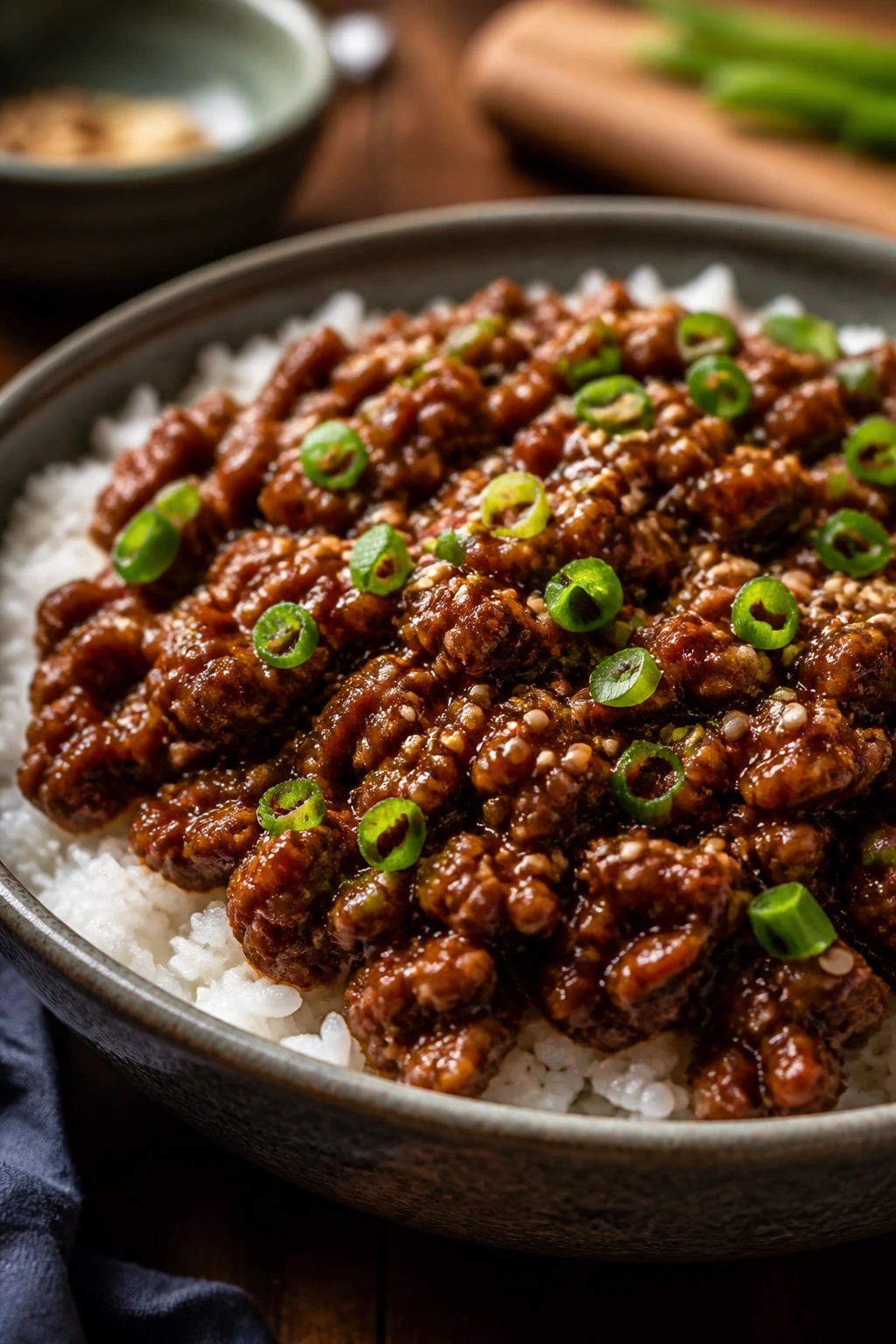
This is the fastest way to get a sweet-savory Korean-style bowl on the table without complicating dinner. The beef is thin, the sauce is short, and the rice does the rest.
Why It Works: Ground beef or thin-sliced beef both take on the sauce fast. Gochujang and soy add heat and depth. A fried egg on top turns the bowl into a full meal.
Key Ingredients:
- 1 lb ground beef
- 2 cloves garlic, minced
- 2 tbsp soy sauce
- 1 tbsp gochujang
- 1 tbsp brown sugar
- 2 scallions, sliced
- 1 tbsp neutral oil
Quick Steps:
- Brown beef in oil for 5 minutes.
- Add garlic, soy sauce, gochujang, and brown sugar; cook 1 minute.
- Stir in scallions and serve over rice.
Equipment for This Recipe:
- Skillet
- Spoon
- Rice cooker or pot, optional
How to Serve This Dish: Serve over hot rice with cucumber slices or kimchi if you like that extra tang. A fried egg makes it richer without changing the flavor much.
Pro Tips for This Recipe:
- Stir the gochujang into the sugar first: It blends more evenly.
- Drain excess fat if needed: Ground beef can get greasy.
- Use medium heat for the sauce: Sugar burns if you rush.
Variations on This Dish:
- Turkey Rice Bowl: Ground turkey works with a little extra oil.
- Spicy Veggie Version: Add shredded carrots and spinach.
Common Mistakes to Avoid with This Dish:
- Too much gochujang: It can overpower the bowl.
- Skipping the rice: The sauce wants a base.
46. Black Bean Chicken and Onions
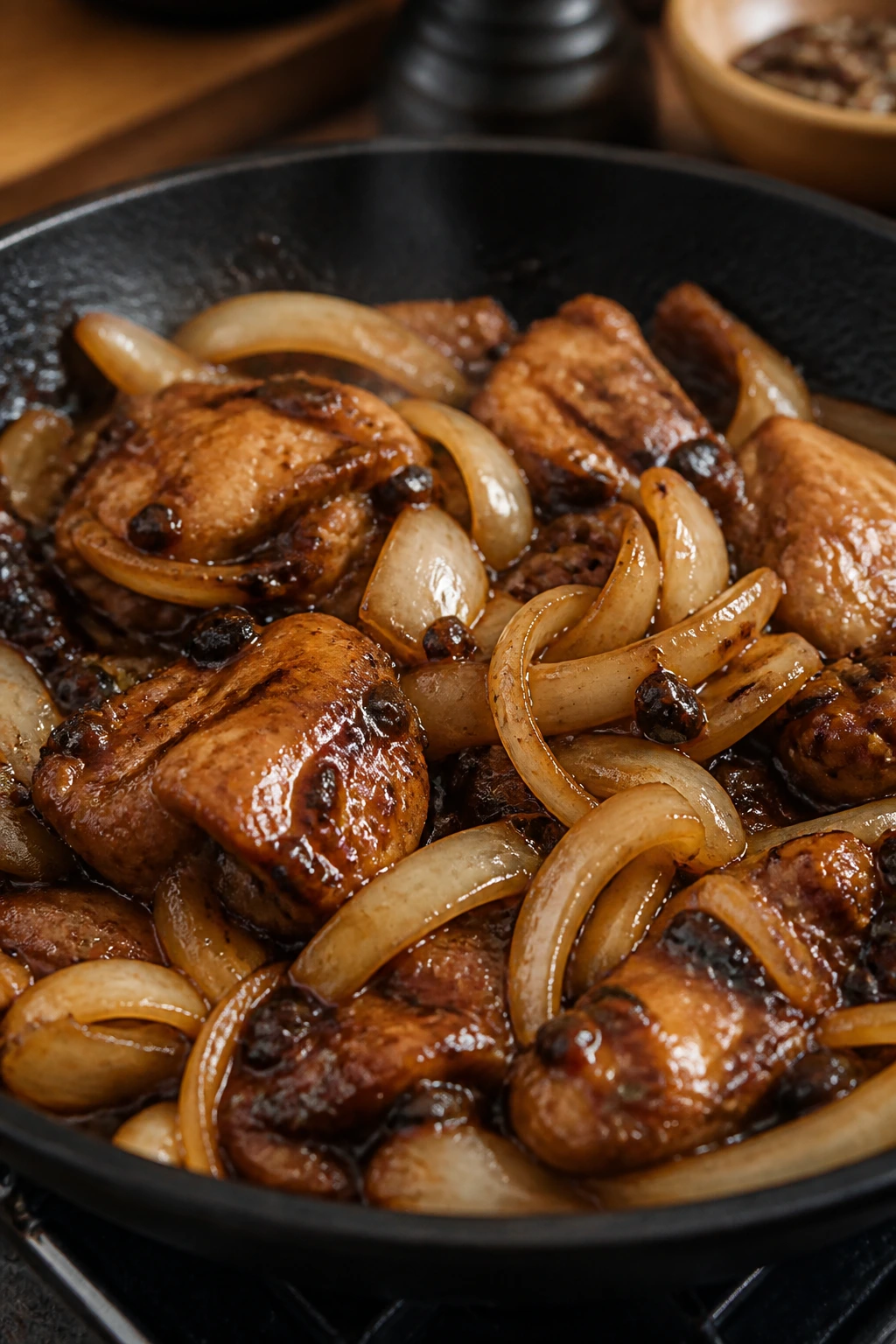
Black bean sauce tastes savory and a little funky in the best possible way. Onions sweeten in the pan and take the edge off the salt.
Why It Works: Chicken thighs stay moist. Black bean sauce gives concentrated flavor with very little liquid. Onions cook down fast enough to match the chicken.
Key Ingredients:
- 1½ lbs chicken thighs, sliced
- 2 onions, sliced
- 2 cloves garlic, minced
- 1 tbsp fermented black bean sauce
- 2 tbsp soy sauce
- 1 tbsp neutral oil
Quick Steps:
- Brown chicken in oil for 5 minutes.
- Add onions and garlic; cook 3 minutes.
- Stir in black bean sauce and soy sauce, then toss 1 minute.
Equipment for This Recipe:
- Skillet
- Knife
- Spatula
How to Serve This Dish: Serve it with rice or noodles. It tastes especially good with plain steamed greens on the side.
Pro Tips for This Recipe:
- Use black bean sauce, not just beans: The paste does the work.
- Slice onions thick enough: They need structure.
- Keep the sauce simple: The black bean flavor should stay clear.
Variations on This Dish:
- Shrimp and Black Bean: Swap chicken for shrimp and shorten the cook time.
- Pepper Upgrade: Add sliced bell peppers with the onions.
Common Mistakes to Avoid with This Dish:
- Using too much sauce: Black bean flavor is intense.
- Underbrowning the chicken: A pale pan makes a flat dish.
47. Vegetable Udon with Cashews
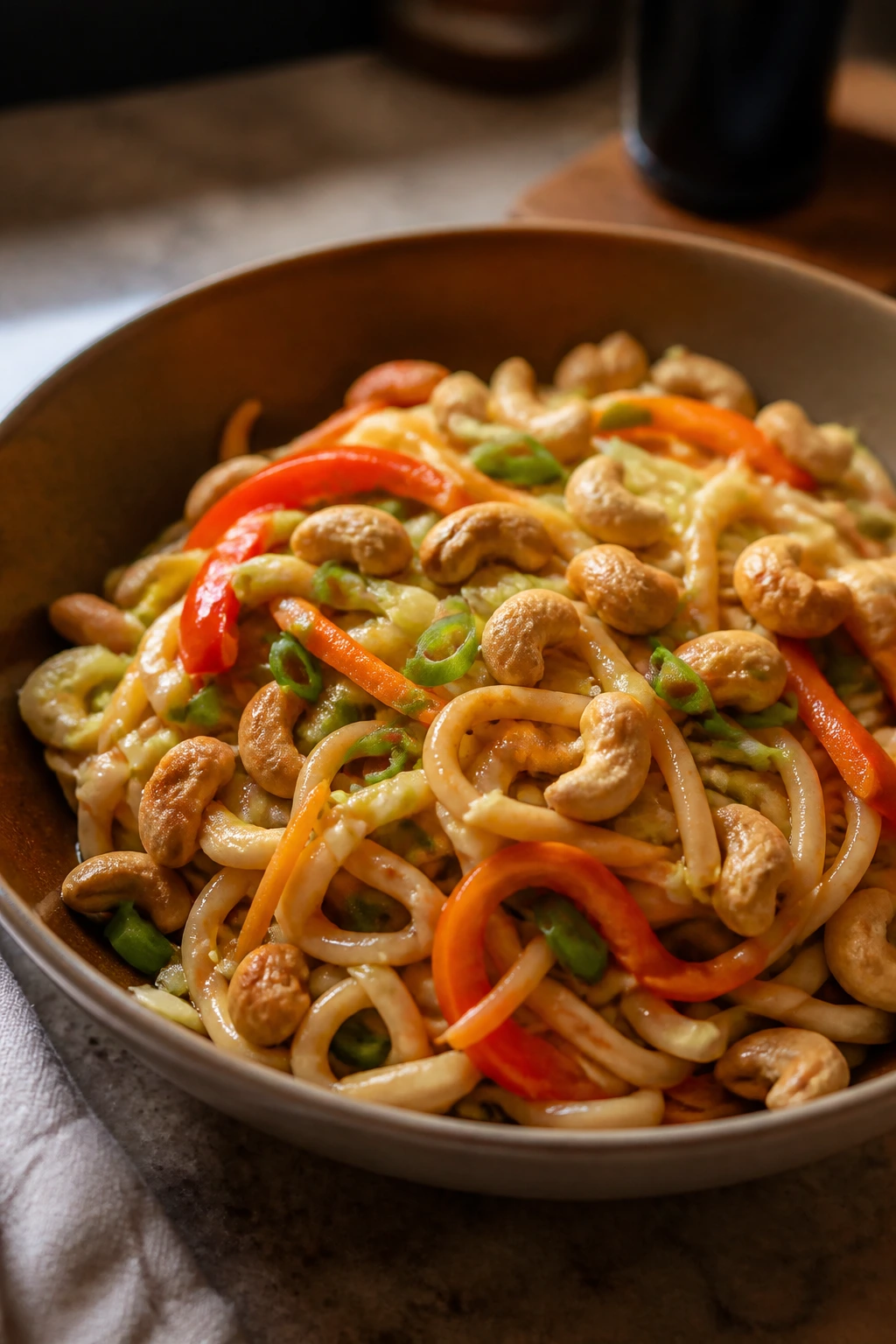
Cashews and udon make a surprisingly good pair. The noodles are chewy, the vegetables stay crisp, and the nuts bring a roasted finish that keeps the bowl from feeling empty.
Why It Works: Udon handles sauce without breaking. Mixed vegetables give you color and bite. Cashews add a toasty, fatty crunch that works better than you’d expect.
Key Ingredients:
- 14 oz udon noodles
- 1 red bell pepper, sliced
- 1 cup shredded cabbage
- 1 carrot, julienned
- ¾ cup roasted cashews
- 2 tbsp soy sauce
- 1 tbsp sesame oil
- 1 tbsp neutral oil
Quick Steps:
- Warm or cook udon, then drain.
- Stir-fry vegetables in neutral oil for 4 minutes.
- Add noodles, soy sauce, sesame oil, and cashews; toss 1 minute.
Equipment for This Recipe:
- Wok or skillet
- Pot, if needed
- Tongs
How to Serve This Dish: Serve it in deep bowls with scallions on top. It can stand alone, but a fried egg is a nice add-on.
Pro Tips for This Recipe:
- Use roasted cashews: Raw ones taste flat.
- Don’t overcook the cabbage: It should keep some shape.
- Add sesame oil at the end: The aroma stays sharper.
Variations on This Dish:
- Chicken Udon: Add thin chicken slices.
- Spicy Cashew Udon: Stir in chili crisp.
Common Mistakes to Avoid with This Dish:
- Too many vegetables at once: The pan cools.
- Using soggy udon: Dry them well before tossing.
48. Thai Sweet Chili Chicken and Pineapple
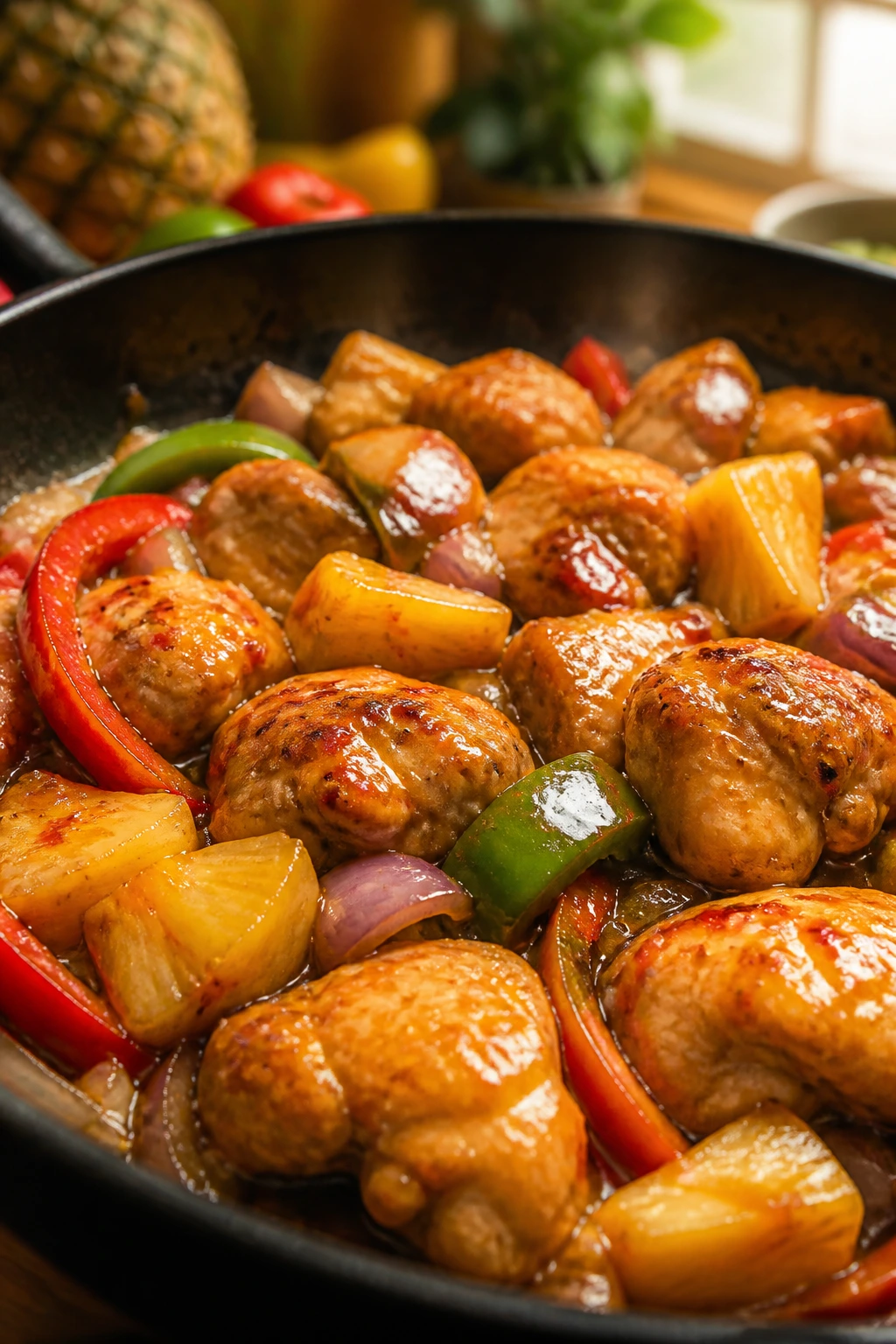
Sweet chili sauce and pineapple can feel like a shortcut, but when the heat is right, the dish turns bright and sticky in a good way. The trick is keeping enough salt in the sauce so it does not read as dessert.
Why It Works: Chicken thighs stay juicy. Pineapple adds acidity and sweetness. Bell peppers and onion give the pan some structure so the sauce has something to cling to.
Key Ingredients:
- 1½ lbs boneless chicken thighs, sliced
- 1 cup pineapple chunks, drained
- 1 bell pepper, sliced
- 1 small onion, sliced
- 3 tbsp sweet chili sauce
- 1 tbsp soy sauce
- 1 tbsp neutral oil
Quick Steps:
- Brown chicken in oil for 5 minutes.
- Add onion and bell pepper; cook 3 minutes.
- Stir in pineapple, sweet chili sauce, and soy sauce; toss 1 minute.
Equipment for This Recipe:
- Skillet
- Spatula
- Knife
How to Serve This Dish: Rice is the easy companion, but coconut rice is especially good if you want to lean into the sweet side. A few cilantro leaves finish it well.
Pro Tips for This Recipe:
- Drain the pineapple well: Juice can thin the sauce.
- Use chicken thighs: They hold up better than breast.
- Add pineapple at the end: It should stay intact.
Variations on This Dish:
- Shrimp Sweet Chili Pineapple: Use shrimp and cook briefly.
- Jalapeño Version: Add sliced jalapeño with the onion.
Common Mistakes to Avoid with This Dish:
- Too much sweetness: Soy sauce keeps it honest.
- Letting pineapple stew too long: It turns mushy.
49. Sesame Ginger Meatballs and Cabbage
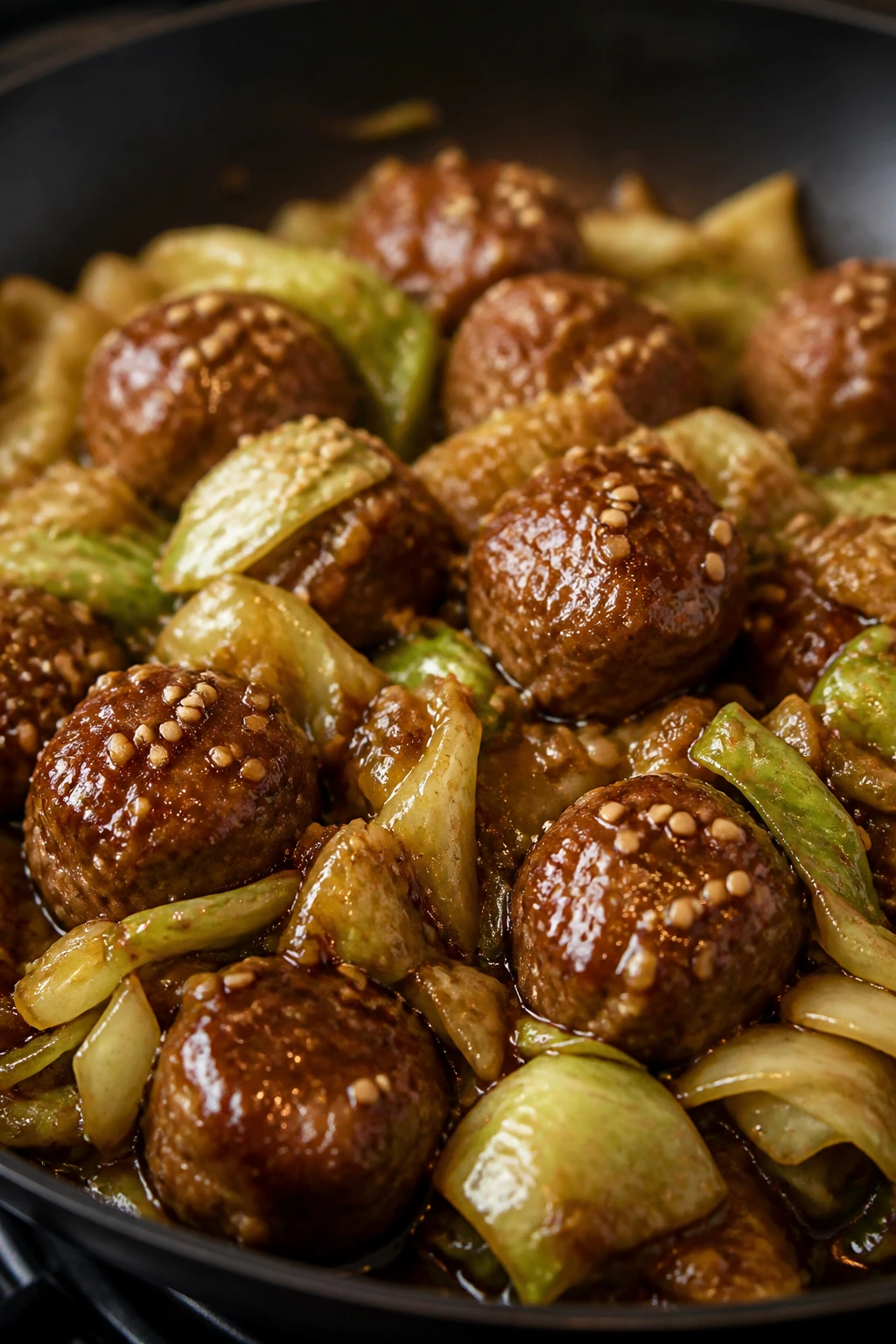
Meatballs in a stir-fry pan sound odd until you try them. They brown nicely, then soak up sesame-ginger sauce while cabbage softens underneath.
Why It Works: Meatballs give you browned edges and a juicy center. Cabbage cooks down fast and makes a cheap, sturdy base. Ginger and sesame make the sauce taste warm and clean.
Key Ingredients:
- 1 lb cooked meatballs, homemade or store-bought
- 4 cups shredded cabbage
- 2 cloves garlic, minced
- 1 tbsp ginger, minced
- 2 tbsp soy sauce
- 1 tbsp sesame oil
- 1 tbsp neutral oil
Quick Steps:
- Brown the meatballs in oil for 4 minutes if they need color.
- Add cabbage, garlic, and ginger; cook 3 minutes.
- Stir in soy sauce and sesame oil, then toss 1 minute until glossy.
Equipment for This Recipe:
- Skillet
- Spatula
- Cutting board
How to Serve This Dish: Serve over rice or noodles. It’s also good packed into a lunch container because the meatballs hold up well.
Pro Tips for This Recipe:
- Use meatballs that are already seasoned: Bland ones drag the dish down.
- Shred cabbage thin: It cooks more evenly.
- Add sesame oil late: The fragrance stays brighter.
Variations on This Dish:
- Turkey Meatballs: Lighter, but still sturdy.
- Spicy Chili Sesame: Add chili crisp at the end.
Common Mistakes to Avoid with This Dish:
- Using dry meatballs: They stay dry in the sauce.
- Cooking cabbage until limp: It should still have bite.
50. Stir-Fried Rice Cakes with Chicken and Spinach
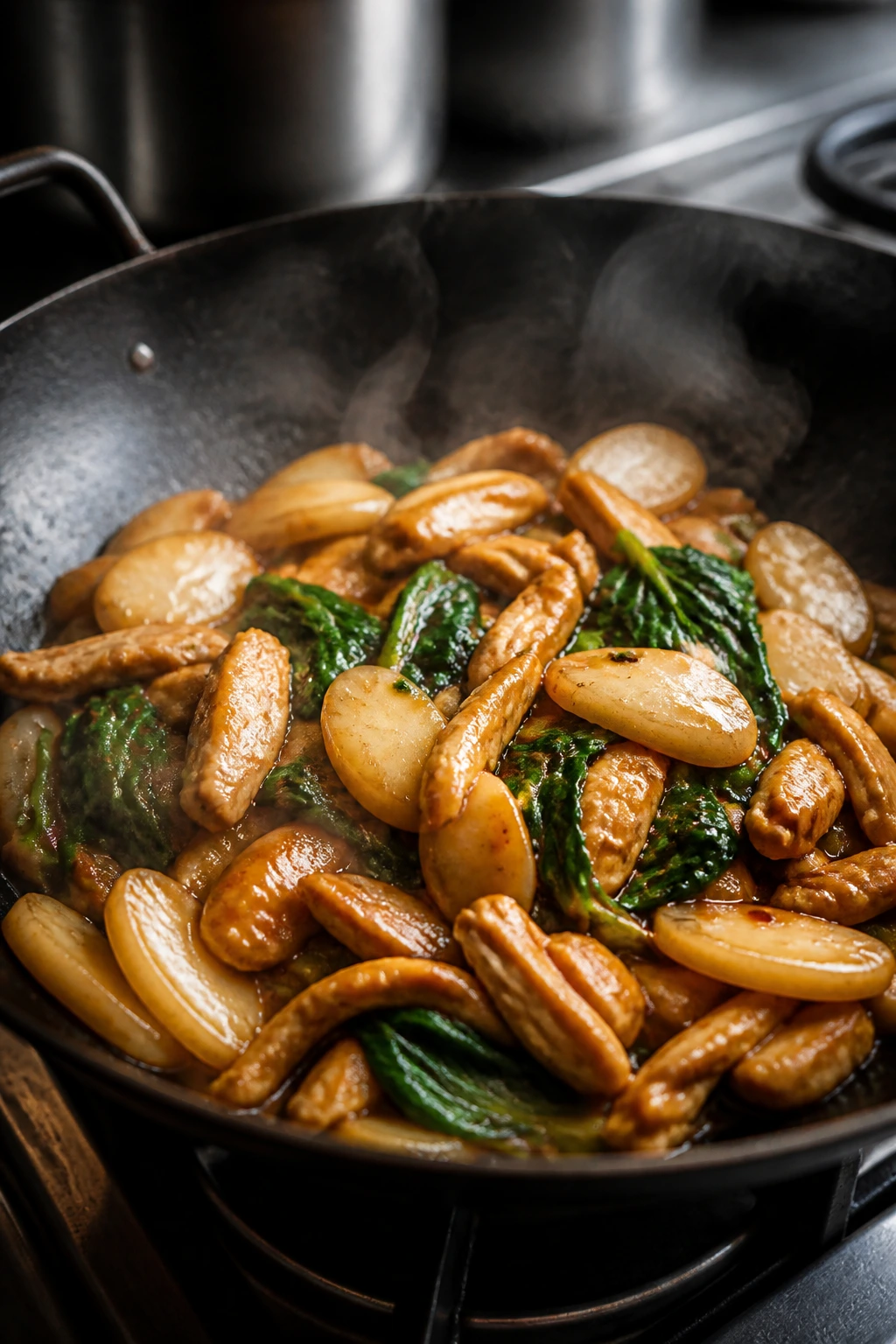
Rice cakes are chewy in a way that makes the whole dish feel a little special. Chicken and spinach keep it grounded, and the sauce slips into the gaps between the rice cakes instead of sitting on top.
Why It Works: Rice cakes soak up sauce while staying pleasantly bouncy. Chicken gives the bowl protein without making it heavy. Spinach wilts fast, so it finishes the dish without extra fuss.
Key Ingredients:
- 12 oz rice cakes, soaked if dried
- 1 lb chicken breast, sliced thin
- 3 cups spinach
- 2 cloves garlic, minced
- 2 tbsp soy sauce
- 1 tbsp oyster sauce
- 1 tbsp neutral oil
Quick Steps:
- Stir-fry chicken in oil for 4 minutes.
- Add rice cakes and ¼ cup water; cook 3 minutes to soften.
- Add garlic, soy sauce, oyster sauce, and spinach; toss 1 minute until the spinach wilts.
Equipment for This Recipe:
- Wok or large skillet
- Bowl for soaking rice cakes
- Spatula
How to Serve This Dish: Serve immediately while the rice cakes are still bouncy. A few scallions or sesame seeds are enough to finish it.
Pro Tips for This Recipe:
- Soak the rice cakes first if they’re dried: They soften more evenly.
- Don’t overcook the spinach: It should just collapse.
- Use enough water for the rice cakes: They need a little steam.
Variations on This Dish:
- Pork Rice Cakes: Swap in sliced pork loin.
- Chili Spinach Version: Add chili paste with the sauces.
Common Mistakes to Avoid with This Dish:
- Too little liquid: The rice cakes stay chewy in the wrong way.
- Overstirring: They can break apart if you get rough.
Why Stir Fry Works So Well When Dinner Needs to Move
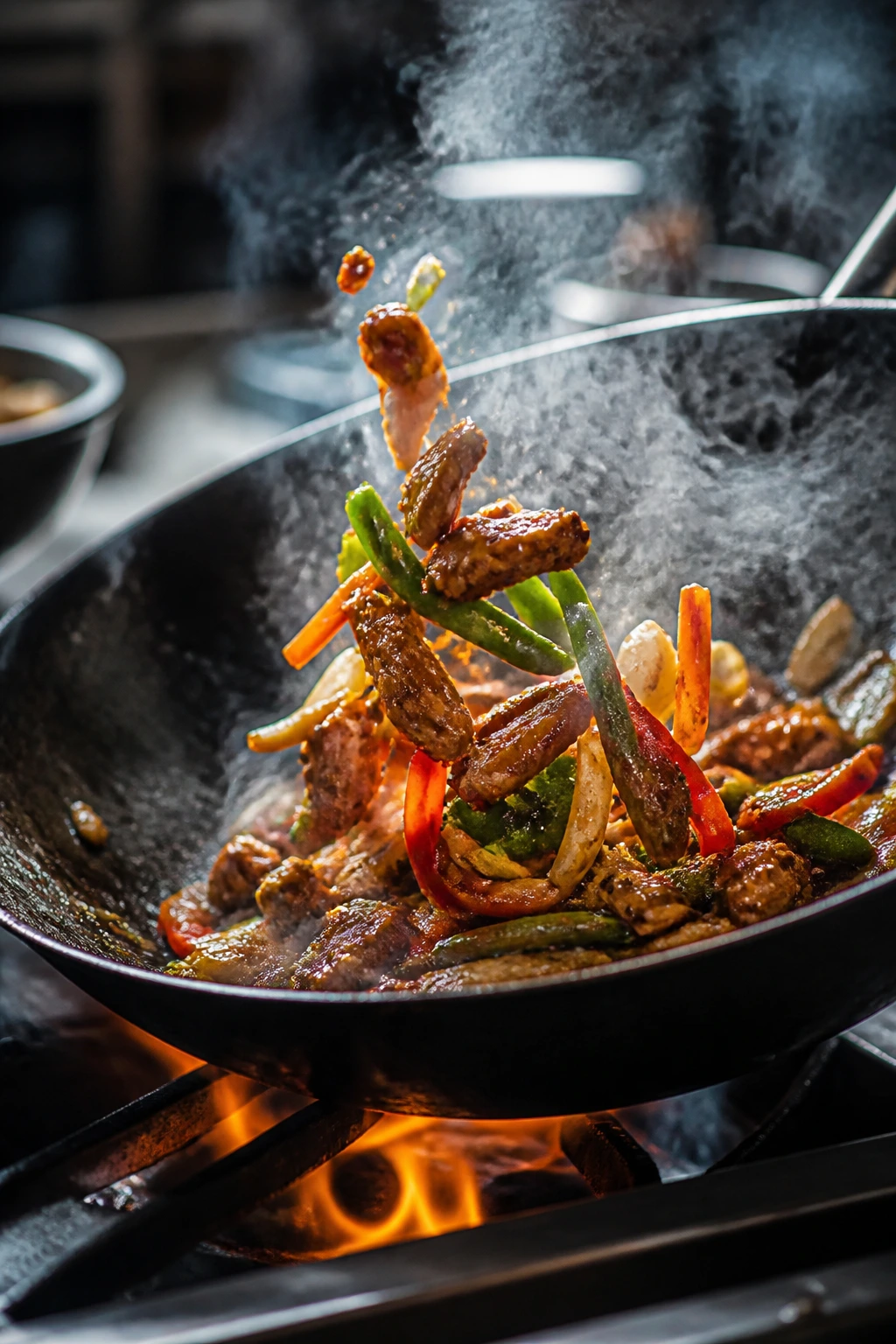
The best stir fry nights are not about making the pan look dramatic. They’re about making heat do the work while you keep the ingredients in motion and the sauce ready to go. When the knife work is done well — thin slices, even pieces, dry tofu, trimmed beans, chopped cabbage — the pan stops feeling like a chore and starts acting like a shortcut.
I also like stir fry because it lets you decide what the meal should feel like. Want crisp? Use snap peas, broccoli, or Chinese broccoli. Want soft and rich? Use tofu, mushrooms, and a coconut or peanut sauce. Want dinner that eats like comfort without the wait? Rice cakes, noodles, and a fried egg will get you there fast.
The same pan can do a lot, but it still likes a few rules. High heat. Small pieces. Sauce at the end. That’s the boring part, and it matters.
Essential Equipment for These Recipes
-
12-inch skillet or wok: The wide surface keeps food from steaming and gives you room to toss without sending vegetables onto the stove.
-
Sharp chef’s knife: Thin, even cuts are what make quick stir-fry night possible in the first place.
-
Cutting board with a damp towel underneath: It keeps the board steady when you’re slicing chicken, peppers, or slippery noodles.
-
Tongs: Good for turning shrimp, chicken, and salmon without tearing them apart.
-
Wooden spoon or spatula: Useful for scraping browned bits and moving vegetables through the hot spots.
-
Small bowls for sauces: Once the pan gets hot, you do not want to be measuring soy sauce with one hand and holding garlic with the other.
-
Microplane or fine grater: Handy for ginger, garlic, lime zest, and orange zest.
-
Colander or spider strainer: Especially useful for noodles and rice cakes.
-
Airtight containers: Leftovers keep better when they cool fast and seal well.
Smart Shopping and Ingredient Tips
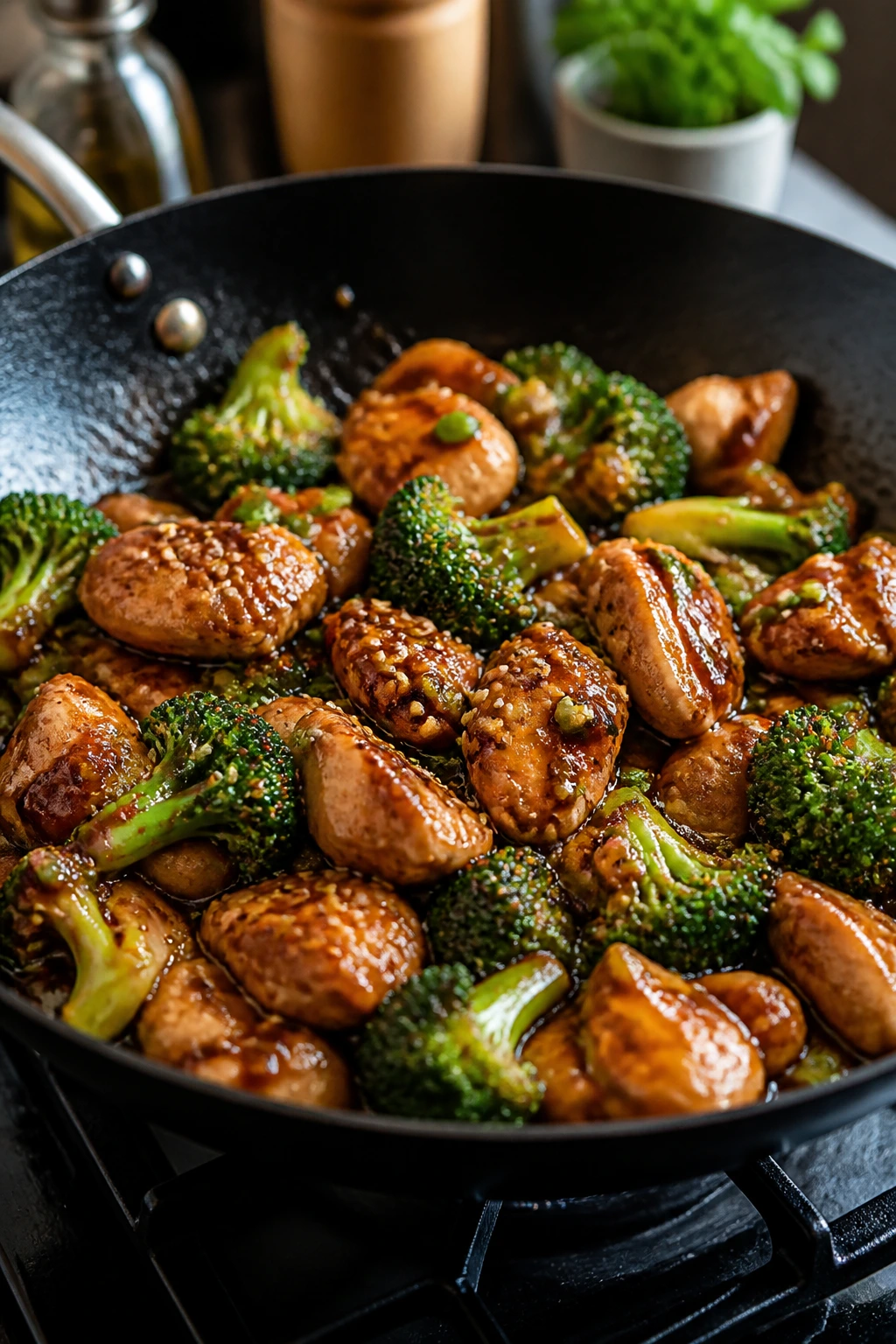
The ingredients that matter most in stir fry are the ones that show up in the sauce and the ones that take the heat. For sauce, buy a soy sauce you’d actually taste on its own, a decent toasted sesame oil, and one or two concentrated flavor boosters like oyster sauce, hoisin, chili garlic sauce, gochujang, or black bean sauce. You do not need every bottle in the aisle. You need a few that pull their weight.
Vegetables should look dry, firm, and awake. Broccoli with tight florets is better than broccoli that looks tired around the edges. Snap peas should snap when bent. Bell peppers should feel heavy for their size. Mushrooms should be dry on the surface, not slick. And if you’re using cabbage, choose heads that feel dense, because loose, pale leaves turn limp before the pan has a chance.
Proteins need a little thought too. Thigh meat is more forgiving than breast meat. Flank steak and sirloin slice well for fast cooking. Shrimp should smell clean and be thawed gently, not forced. Tofu needs pressing. Salmon wants a nonstick pan or a careful hand. None of that is complicated, but it does change the result.
Noodles and rice deserve the same attention. For fried rice, cold rice is the whole trick. For noodles, check whether the package says to boil, soak, or simply loosen in hot water. Rice cakes, udon, soba, and vermicelli all behave differently. A minute of reading on the package saves a lot of mush.
How to Serve These Recipes
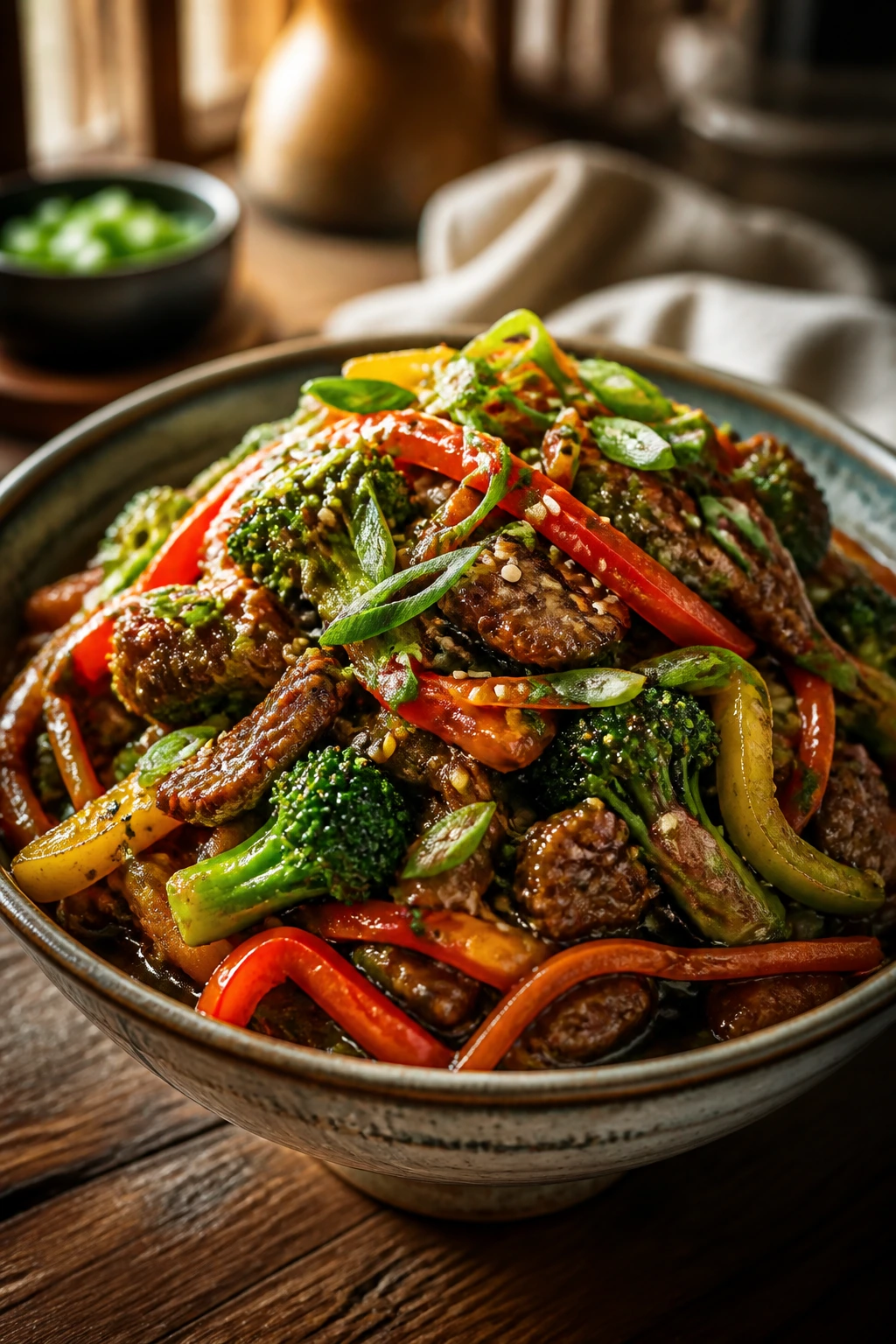
Presentation: Keep the bowls wide and the toppings simple. A scatter of scallions, sesame seeds, cilantro, crushed peanuts, or sliced chilies does more for the plate than a complicated garnish ever will. Stir fries look best when there’s a little height in the middle and the sauce has room to shine around the edges.
Accompaniments: Steamed jasmine rice is the default for a reason, but jasmine rice, brown rice, rice noodles, soba, udon, lettuce cups, and soft fried eggs all fit the theme. A quick cucumber salad with rice vinegar and salt is one of the few sides that never feels out of place.
Portions: Most of these recipes serve 4 with rice or noodles, or 2 to 3 if you want large bowls. If you’re scaling up, cook in batches rather than crowding the pan. The food will behave better, and the texture will be worth the extra 5 minutes.
Beverage Pairing: Cold jasmine tea, green tea, or a dry lager all work well with the salty-sweet sauces here. For nonalcoholic drinks, sparkling water with lime is the easiest reset between bites.
Additional Tips and Flavor Boosters
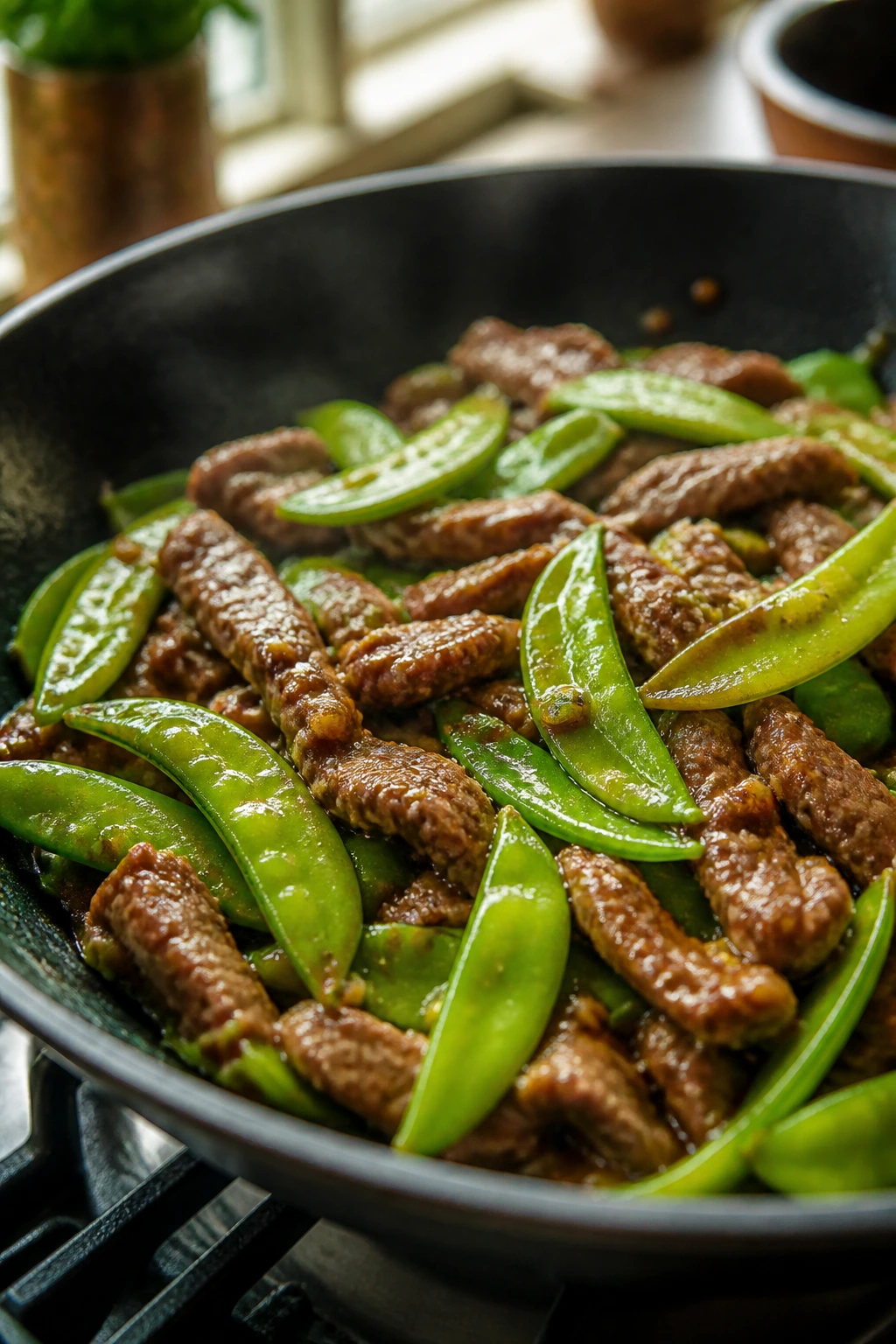
Flavor Enhancement: Finish more of these dishes with a small splash of rice vinegar, lime juice, or black vinegar than with extra soy sauce. Acid sharpens the whole skillet without making it saltier. A few drops of toasted sesame oil at the very end also make the aroma jump.
Customization: If you want more vegetables, add mushrooms, cabbage, or snap peas before reaching for extra sauce. If you want more heat, use chili crisp, chili garlic sauce, gochujang, or sliced fresh chilies instead of dumping in more sugar. Different heat sources change the whole mood of the dish.
Serving Suggestions: Scallions, cilantro, sesame seeds, crushed peanuts, and fried garlic all work as finishing touches. So do lime wedges for shrimp, chicken, and coconut dishes. Keep the garnish light enough that it lifts the pan instead of covering it.
Make-It-Yours: For gluten-free meals, use tamari or gluten-free soy sauce and check your oyster or hoisin sauce. For dairy-free cooking, you’re already in good shape with most stir fries; just watch creamy add-ins. For vegetarian dinners, tofu, mushrooms, egg, and rice cakes all carry flavor well if you give them enough heat.
Make-Ahead, Storage, and Reheating Guidance
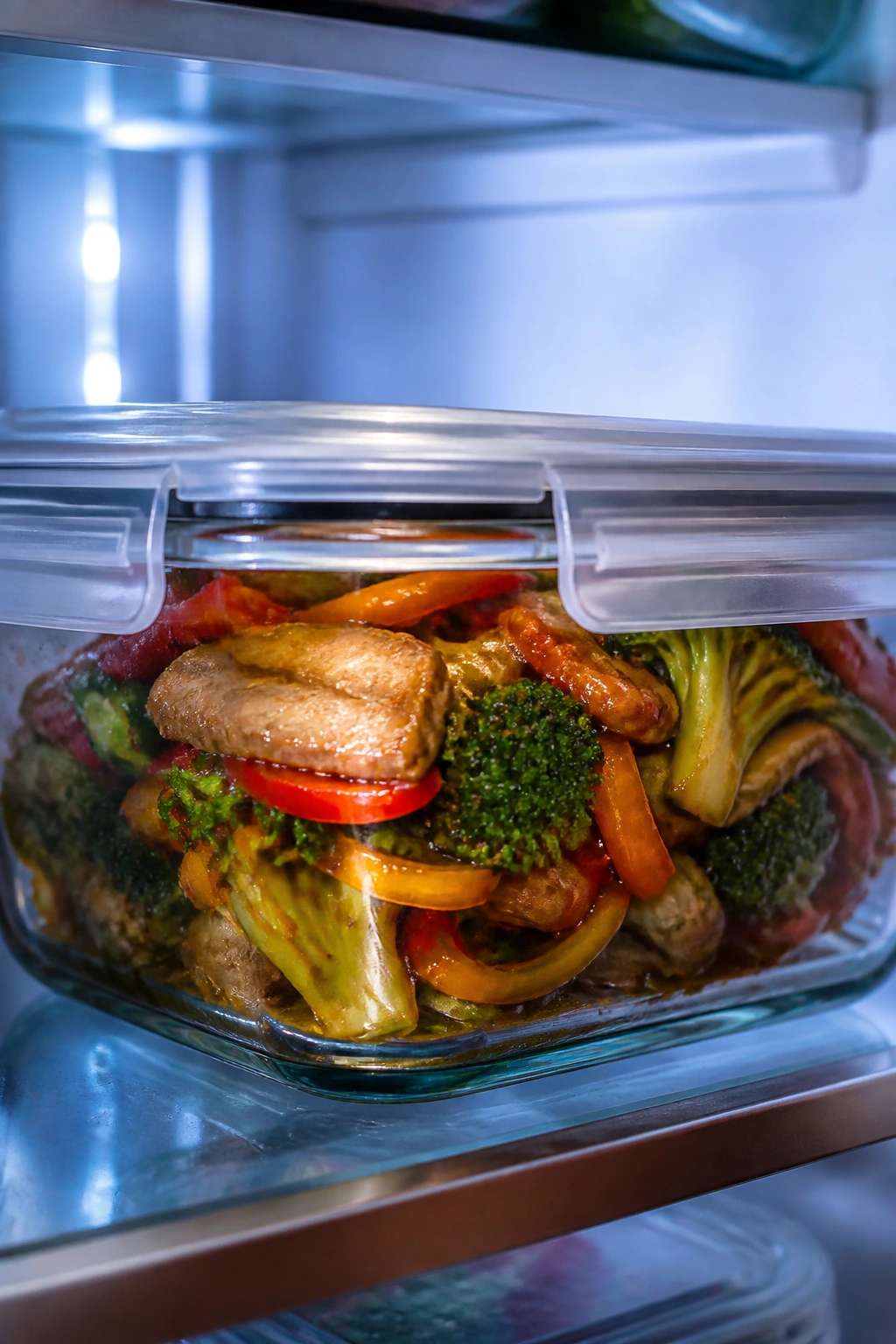
Most stir fry dishes hold up in the fridge for 3 to 4 days in airtight containers. Rice and noodle dishes are the most forgiving, though noodles can soften a bit overnight, and broccoli or snap peas may lose a touch of crunch. Shrimp and salmon dishes are best within 2 days, because seafood gets tired faster than chicken or tofu.
Freezing works better for saucier dishes than for crisp vegetable ones. Chicken, pork, beef, tofu, and fried rice can usually be frozen for up to 2 months. Shrimp, scallops, and delicate vegetables do not love the freezer as much, and their texture can go odd after thawing. If you do freeze a stir fry, cool it quickly and pack it flat so it thaws evenly.
For reheating, a skillet is the cleanest answer. Add the leftovers to a hot pan with 1 to 2 teaspoons of water and stir over medium heat until hot. Microwaving works in a pinch, but use a lower power setting and stop once to stir, or the edges will dry out while the center stays cold. Rice dishes often improve overnight; noodle dishes usually need that extra splash of water to wake them back up.
If you want to prep ahead, chop vegetables and mix sauces earlier in the day. Keep them separate. Cooked protein can be held in the fridge, then finished in the pan with the vegetables when it’s time to eat. That small bit of separation makes a bigger difference than people expect.
Variations and Adaptations to Try
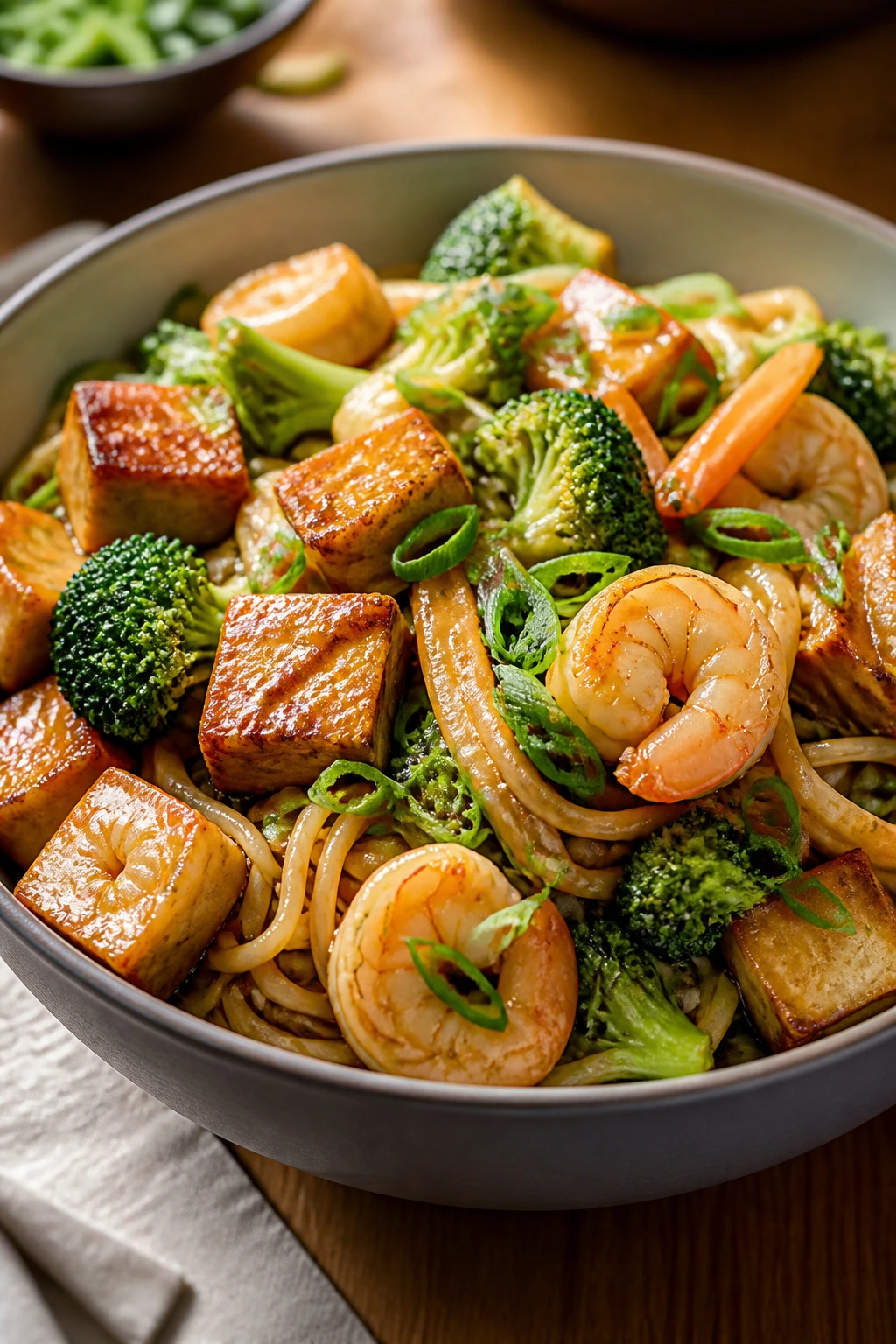
Rice-Bowl Night: Serve any of the saucier dishes over jasmine rice, brown rice, or cauliflower rice. This works especially well for beef, chicken, pork, and tofu recipes where the sauce deserves a base.
Noodle House Shortcut: Turn the broccoli, tofu, shrimp, and chicken recipes into noodle bowls by tossing them with udon, soba, lo mein, or rice noodles. Keep a little extra sauce on hand, because noodles drink more than rice does.
Vegetable-First Version: Double the broccoli, cabbage, mushrooms, or snap peas and cut the protein in half. The pan will look fuller and still eat like a real meal, especially with tofu or eggs.
Spice-Forward Swap: Use chili garlic sauce, gochujang, sambal, or chili crisp to shift the heat profile. Each one tastes different: chili crisp is toasty, gochujang is thicker and a little sweet, and chili garlic sauce is sharper.
Soy-Free Path: Use coconut aminos or a reduced-sodium gluten-free sauce if soy is off the table. You may need a little extra salt and acid to keep the flavor from going flat.
Kid-Friendly Build: Pull back on chilies and cracked pepper, keep the sauce slightly sweeter, and serve the heat on the side. Most kids will take to chicken, noodles, fried rice, and teriyaki-style bowls first.
Common Mistakes to Avoid
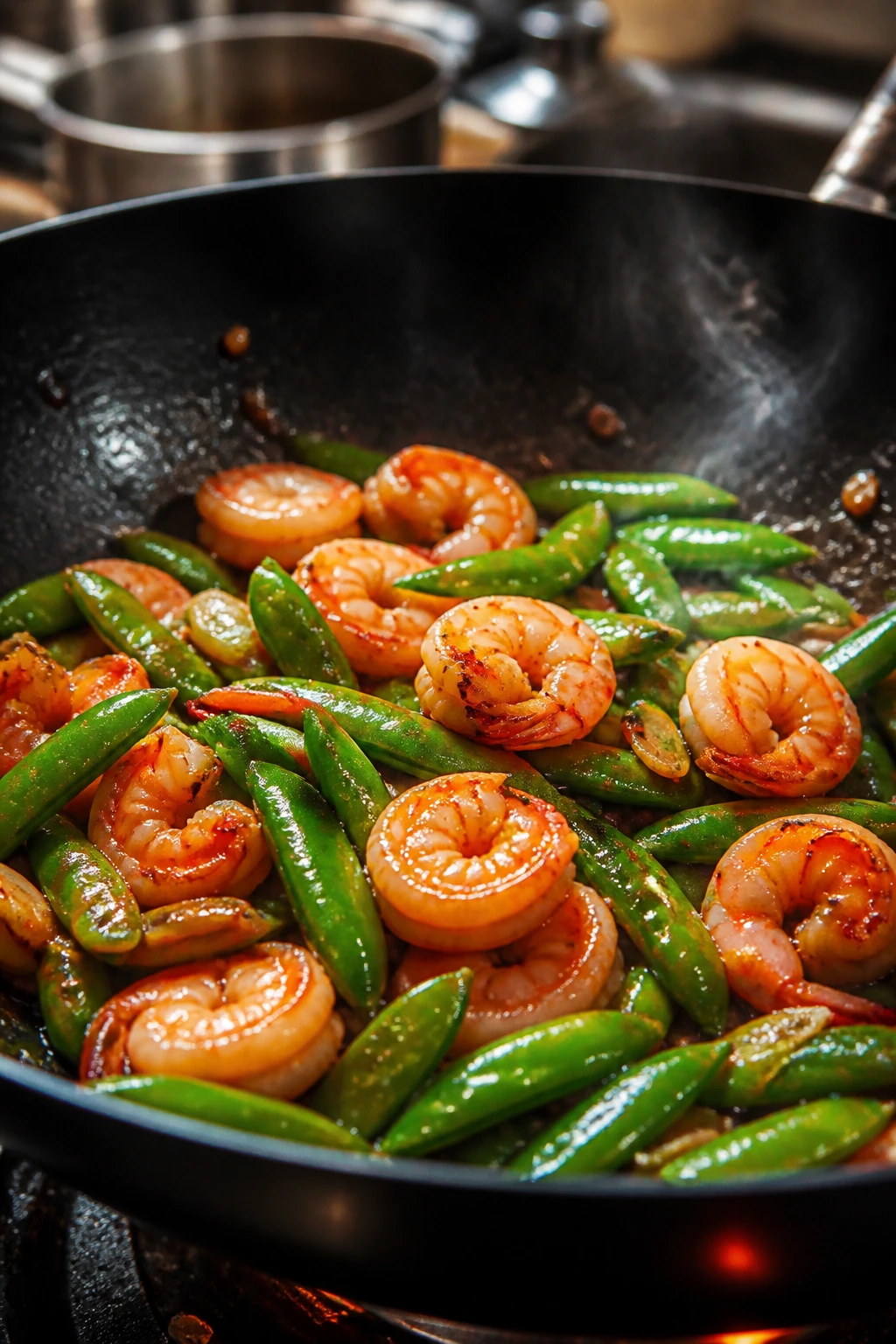
The biggest mistake is crowding the pan. If the skillet is stuffed, ingredients steam instead of sear, and the whole dish tastes soft and tired. Cook in two batches if you need to. That extra step pays you back immediately.
Another problem is adding sauce too early. Garlic burns, sugar scorches, and vegetables lose their edges before the pan has a chance to do its work. In a stir fry, sauce is the finish, not the first move.
People also underseason the pan because they’re afraid of soy sauce. Fair instinct, wrong result. Most of these dishes need salt, acid, and a little sweetness to stay balanced. Taste the sauce before you pour it in. If it tastes weak in the bowl, it will taste weaker in the pan.
Wet ingredients cause trouble too. Wet tofu won’t brown, damp shrimp won’t sear, and rinsed noodles that haven’t drained long enough will dilute the sauce. Drying things properly is boring. It also matters.
Finally, do not let the vegetables overcook just because the protein needs another minute. Chicken thighs can take it; broccoli and snow peas usually cannot. If the pan is ahead of schedule, pull the vegetables sooner and let the sauce bring everything back together.
Frequently Asked Questions
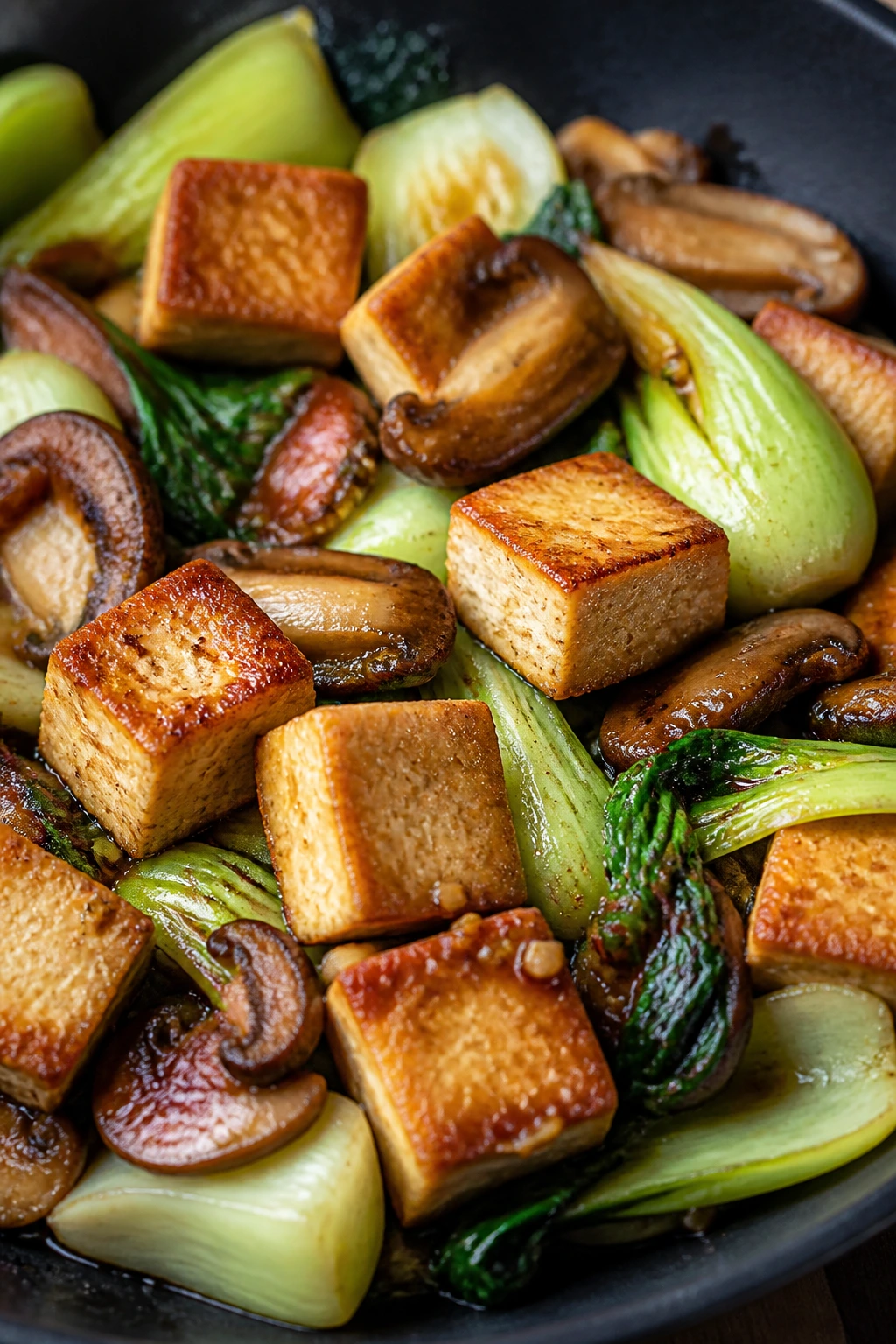
Can I use one sauce for several different stir fry recipes?
Yes, but keep it small and sensible: soy sauce, garlic, ginger, and a little sesame oil make a good base. From there, add one strong accent such as hoisin, oyster sauce, gochujang, or chili garlic sauce so the dish still tastes distinct.
What’s the best oil for high-heat stir frying?
Use a neutral oil with a higher smoke point, like avocado, canola, grapeseed, or peanut oil. Save toasted sesame oil for the end, because it’s a flavor oil, not a frying oil.
How do I keep noodles from turning gummy?
Undercook them slightly, drain them well, and toss them with the sauce while the pan is hot. If they clump, a spoonful of hot water or noodle cooking water usually loosens them right back up.
Can I make these dishes gluten-free?
Yes. Use tamari or gluten-free soy sauce, and check labels on oyster sauce, hoisin, curry pastes, and black bean sauces. Rice noodles, rice cakes, rice, tofu, vegetables, shrimp, and plain meats are usually the easiest pieces to keep gluten-free.
Why does my stir fry come out watery?
Usually the pan is crowded, the vegetables were damp, or the heat was too low. Mushrooms, zucchini, cabbage, and frozen vegetables release a lot of water, so give them room and keep the pan hot.
Can I use frozen vegetables?
You can, especially for peas, edamame, and broccoli, but thaw and dry them first if you want any browning. Straight-from-the-freezer vegetables are better for softer, saucier dishes than for crisp stir fries.
How do I stop tofu from falling apart?
Press it well, cut it into larger cubes, and leave it alone in the pan long enough to form a crust. Extra-firm tofu is the most forgiving option for stir fry night.
What if I don’t have a wok?
Use the biggest skillet you own. A wide skillet with high enough sides will do nearly everything a wok does for home cooking, especially if you keep the batches small.
Keep the Pan Hot
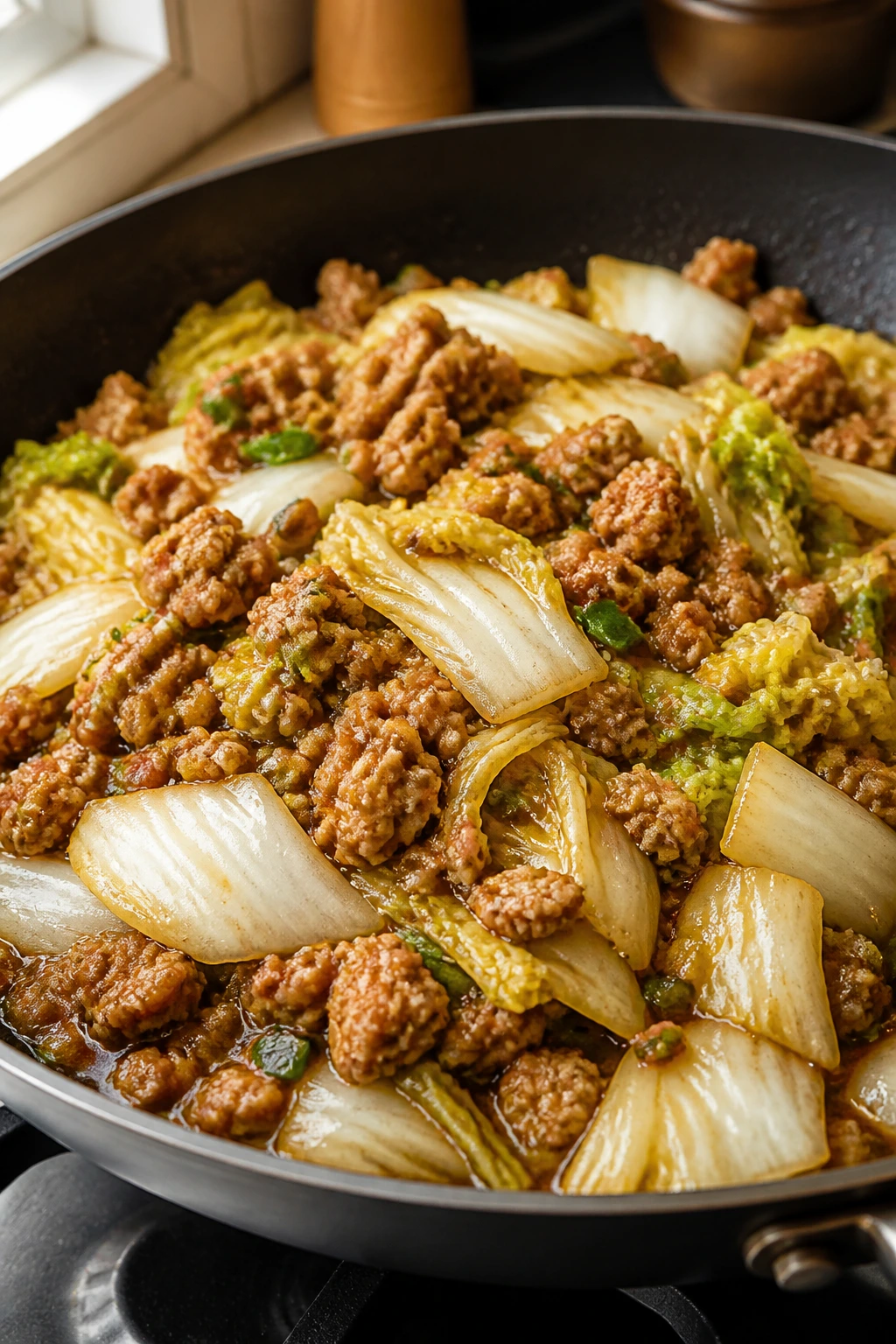
Stir fry night works because it respects limits. The pan only needs a few minutes, the ingredients only need a little chopping, and the sauce only needs to know when to show up. That’s a useful way to cook, and it’s one that keeps dinner from becoming a project.
If you keep a few sauces on hand, stock one or two vegetables that actually stay crisp, and treat the heat like part of the recipe instead of background noise, these Asian inspired dishes start feeling less like a list and more like a habit you can rely on.
There’s no drama in that. Just a hot skillet and a better dinner.