



The first time I made a spicy teriyaki chicken rice bowl at home, I stopped thinking of it as takeout food. The chicken came out bronzed at the edges, the sauce turned glossy in the pan instead of sitting in a puddle, and the rice stayed fluffy instead of collapsing into a sticky lump under the lid of a plastic container.
That matters more than it sounds. A good teriyaki bowl lives or dies on texture: sweet-salty glaze on the chicken, heat that shows up in the sauce instead of as a random burn, crisp cucumber against warm rice, and a little sesame crunch at the end. Get those pieces right and the bowl tastes sharp and complete; miss one, and it slides into the same soft, sugary blur you get from mediocre delivery.
I like this version because it does the work a decent kitchen should do. Chicken thighs hold onto moisture, the soy-mirin base reduces fast, and a teaspoon of cornstarch slurry gives the sauce that lacquered finish that clings to every bite. The whole thing moves fast once the rice is going, which is why it ends up on repeat in my house rather than on a maybe-later list.
Why This Spicy Teriyaki Chicken Rice Bowl Beats the Container Version
Glossy sauce, not soup: The sauce reduces in the skillet and clings to the chicken in a thin shine, so you taste every bite instead of finding a pool of sweetness at the bottom of the bowl.
Chicken that stays juicy: Boneless thighs hold up to a hard sear and a quick glaze without drying out, which is the whole reason they’re better here than breast meat.
Heat that stays balanced: A little sriracha or chili garlic sauce folds into the glaze, so the spice lives in the sauce rather than landing as a sharp, one-note burn.
Fresh toppings do real work: Cool cucumber, scallions, and sesame seeds cut through the sweet soy glaze and keep the bowl from tasting heavy halfway through.
Faster than waiting for delivery: Once the rice is on, the skillet part moves in about 10 minutes. That’s the sweet spot — fast enough for a weeknight, but still built with enough care to taste cooked, not assembled.
Better leftovers than most bowls: The components hold separately, so you can reheat the chicken and rice without turning the whole thing into a sad, damp lump.
Yield: Serves 4
Prep Time: 20 minutes
Cook Time: 20 minutes
Total Time: 40 minutes
Chill/Rest Time: 10 minutes for the rice to steam off heat
Difficulty: Beginner — the steps are straightforward, and the skillet work is short.
Best Served: Hot, right after glazing
The Ingredients for a Spicy Teriyaki Chicken Rice Bowl
Set the rice water on one side and the sauce bowl on the other. The list looks longer than the cook does, and that’s one of the reasons this dish earns its keep.
For the Chicken:
- 1½ pounds boneless, skinless chicken thighs, trimmed and cut into 1-inch pieces
- 1 tablespoon cornstarch
- 1/2 teaspoon kosher salt
- 1/4 teaspoon black pepper
- 1 tablespoon neutral oil, such as avocado or canola
For the Spicy Teriyaki Sauce:
- 1/2 cup low-sodium soy sauce
- 1/4 cup water
- 1/4 cup mirin
- 2 tablespoons packed light brown sugar
- 1 tablespoon rice vinegar
- 2 teaspoons grated fresh ginger
- 3 garlic cloves, minced
- 1 to 2 teaspoons sriracha or chili garlic sauce, plus more to taste
- 1 teaspoon toasted sesame oil
- 1 tablespoon cornstarch mixed with 2 tablespoons cold water
For the Bowl:
- 1½ cups jasmine rice, rinsed
- 2¼ cups water
- 1/2 teaspoon kosher salt
- 1 cup small broccoli florets
- 1 cup shredded carrots
- 1 cucumber, thinly sliced
- 2 scallions, thinly sliced
- 1 tablespoon toasted sesame seeds
What Each Ingredient Does in the Bowl
Chicken Thighs and the Cornstarch Dusting
What to use: 1½ pounds boneless, skinless chicken thighs, cut into 1-inch pieces, plus 1 tablespoon cornstarch, 1/2 teaspoon kosher salt, and 1/4 teaspoon black pepper.
Preparation: Trim off any thick pockets of fat, then cut the thighs into bite-size pieces so they sear fast and stay juicy. Toss them with the cornstarch, salt, and pepper until each piece has a light, even coat.
Substitutions: Chicken breast works if that’s what you have, but it needs less time in the pan. Firm tofu can take this glaze well too, though it wants a longer sear on each side to build enough color.
Tips: Dry chicken browns; wet chicken steams. If the pieces feel slick from package moisture, pat them dry with paper towels before seasoning so the cornstarch can grab the surface instead of turning gummy.
Jasmine Rice and the Bowl Base
What to use: 1½ cups jasmine rice, rinsed well, with 2¼ cups water and 1/2 teaspoon kosher salt.
Preparation: Rinse the rice until the water looks mostly clear. That strips off the loose starch that turns the pot gluey, and it also keeps the grains from clumping when you fluff them.
Substitutions: Short-grain rice gives you a softer, stickier bowl. Brown rice works if you don’t mind a longer cook time and a firmer chew, and cauliflower rice can stand in when you want a lighter base.
Tips: Don’t skip the rest after cooking. Ten minutes off the heat, lid still on, lets the steam finish the grains gently; if you uncover too early, the top dries out and the bottom stays uneven.
The Teriyaki Sauce Base
What to use: 1/2 cup low-sodium soy sauce, 1/4 cup water, 1/4 cup mirin, 2 tablespoons brown sugar, 1 tablespoon rice vinegar, 2 teaspoons fresh ginger, 3 minced garlic cloves, 1 to 2 teaspoons sriracha or chili garlic sauce, 1 teaspoon toasted sesame oil, plus 1 tablespoon cornstarch mixed with 2 tablespoons cold water.
Preparation: Whisk the soy sauce, water, mirin, sugar, vinegar, ginger, garlic, and chili sauce in a bowl first. Keep the cornstarch slurry separate until the pan is hot; if you add it too early, it can clump before the sauce has a chance to simmer.
Substitutions: Tamari works for a gluten-free version. If mirin isn’t in the cupboard, dry sherry with a touch more sugar gets you close enough for a weeknight bowl.
Tips: Toasted sesame oil is a finishing note, not a frying oil. Heat knocks the aroma flat, so stir it in at the end when the sauce is already thick and glossy.
Broccoli, Carrots, Cucumber, and Scallions
What to use: 1 cup small broccoli florets, 1 cup shredded carrots, 1 cucumber sliced thin, and 2 scallions sliced thin.
Preparation: Steam the broccoli until bright green and just tender, slice the cucumber thin enough to bend, and keep the carrots raw so they keep their snap. Slice the scallions on a slight angle if you want them to sit neatly over the chicken.
Substitutions: Snap peas, shredded napa cabbage, or blanched green beans can step in for the broccoli. Radish works where the cucumber goes if you want more bite.
Tips: Keep the cucumber cold until the last minute. That temperature contrast matters; warm cucumber tastes flat, cold cucumber tastes crisp and clean against the sauce.
Sesame Seeds and the Final Finish
What to use: 1 tablespoon toasted sesame seeds.
Preparation: If you only have raw sesame seeds, toast them in a dry skillet over medium heat for about 2 minutes, shaking the pan often, until they smell nutty and turn golden.
Substitutions: Crushed roasted peanuts can work if you want a more obvious crunch, though they push the bowl slightly away from classic teriyaki territory.
Tips: Add the seeds at the very end. They lose their little nutty snap if they sit in hot sauce too long.
The Gear That Makes the Chicken Sear Instead of Steam
A good bowl like this doesn’t ask for fancy equipment. It does ask for the right skillet and a little discipline.
- 12-inch skillet or sauté pan with high sides — Gives the chicken enough room to brown instead of crowding into a wet pile.
- Medium saucepan with a tight-fitting lid — Best for jasmine rice; a rice cooker works too if you already trust yours.
- Fine-mesh sieve or strainer — Makes rinsing the rice fast and keeps loose starch from clouding the water.
- Small whisk — The sauce and the cornstarch slurry both need to stay smooth.
- Instant-read thermometer — Handy for checking the chicken at 165°F without slicing into the pieces.
- Wooden spoon or heatproof spatula — Good for scraping browned bits into the sauce without shredding the chicken.
- Sharp knife and cutting board — The bowl depends on even pieces, and even pieces cook evenly.
- Measuring cups and spoons — The sauce lives on balance, so eyeballing it is a bad bet here.
Cooking the Spicy Teriyaki Chicken Rice Bowl
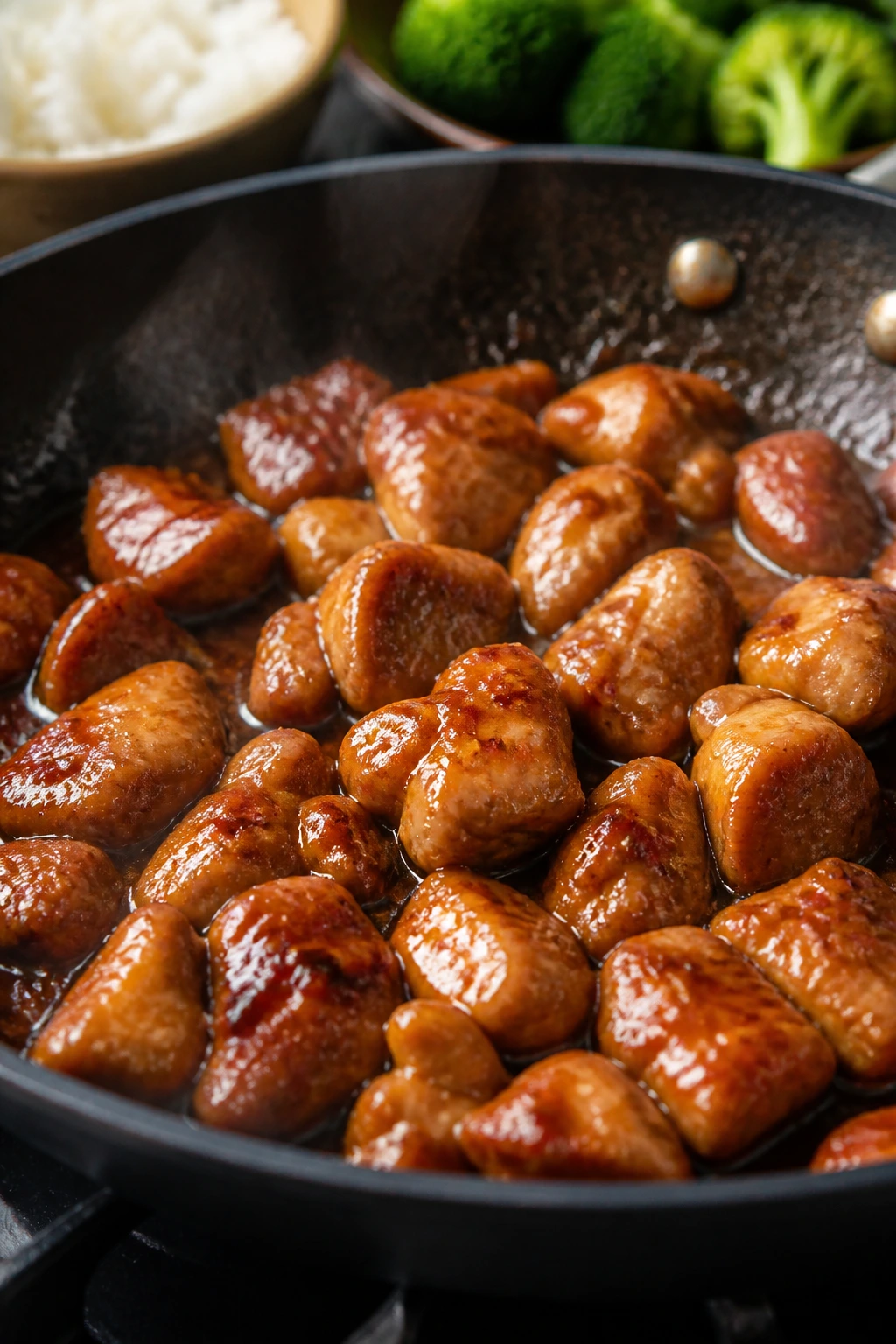
Cook the Rice and Broccoli
-
Rinse the rice. Put the jasmine rice in a fine-mesh sieve and rinse under cool running water until the water looks mostly clear, not milky. This takes about 30 seconds to a minute and keeps the final grains separate instead of sticky.
-
Cook the rice. Combine the rinsed rice, 2¼ cups water, and 1/2 teaspoon kosher salt in a medium saucepan. Bring it to a boil over high heat, stir once, cover, drop the heat to low, and cook for 15 minutes. Do not lift the lid while it simmers. The trapped steam is doing the work.
-
Rest the rice. Turn off the heat and let the pan sit, covered, for 10 minutes. When you lift the lid, the surface should look plump and dry, not wet. Fluff with a fork.
-
Steam the broccoli. While the rice cooks, steam the broccoli florets for 3 to 4 minutes, until bright green and just tender. You want bite left in them; if they go limp, they’ll disappear under the sauce.
Mix the Sauce and Coat the Chicken
-
Whisk the sauce. In a small bowl, whisk the soy sauce, water, mirin, brown sugar, rice vinegar, ginger, garlic, and sriracha until the sugar starts to dissolve. In a separate cup, stir the cornstarch with 2 tablespoons cold water until smooth. Keep the slurry separate until the skillet is hot.
-
Season the chicken. Pat the chicken thighs dry with paper towels, then toss them in a bowl with the cornstarch, salt, and black pepper. Every piece should be lightly coated, not packed in a pasty shell. If the coating looks thick, shake off the excess.
Sear and Glaze
-
Brown the chicken. Heat the neutral oil in a 12-inch skillet over medium-high heat until it shimmers. Add the chicken in a single layer, leaving space between pieces. Cook for 3 minutes without moving them, then turn and cook for 2 to 3 minutes more. Work in batches if the pan looks crowded. Crowding traps steam, and steam kills browning.
-
Build the glaze. Transfer the browned chicken to a plate. Lower the heat to medium and pour the sauce into the skillet, scraping up the browned bits from the bottom. Let it bubble for 30 to 45 seconds, then whisk the cornstarch slurry again and stream it into the pan while stirring. Cook for 30 to 60 seconds, until the sauce looks glossy and thick enough to coat the back of a spoon.
-
Finish the chicken. Return the chicken and any juices to the pan. Toss for 1 minute, just until the chicken reaches 165°F and every piece is lacquered in sauce. Stir in the toasted sesame oil and turn off the heat. If the sauce gets too thick, add 1 tablespoon water at a time.
Assemble the Bowls
- Build the bowls. Divide the rice among four bowls. Top with the glazed chicken, broccoli, shredded carrots, cucumber, scallions, and sesame seeds. Spoon a little sauce over the chicken, then stop before the rice gets soggy. The best bowls have dry edges, soft rice, and a shiny center.
How to Build a Bowl That Eats Well
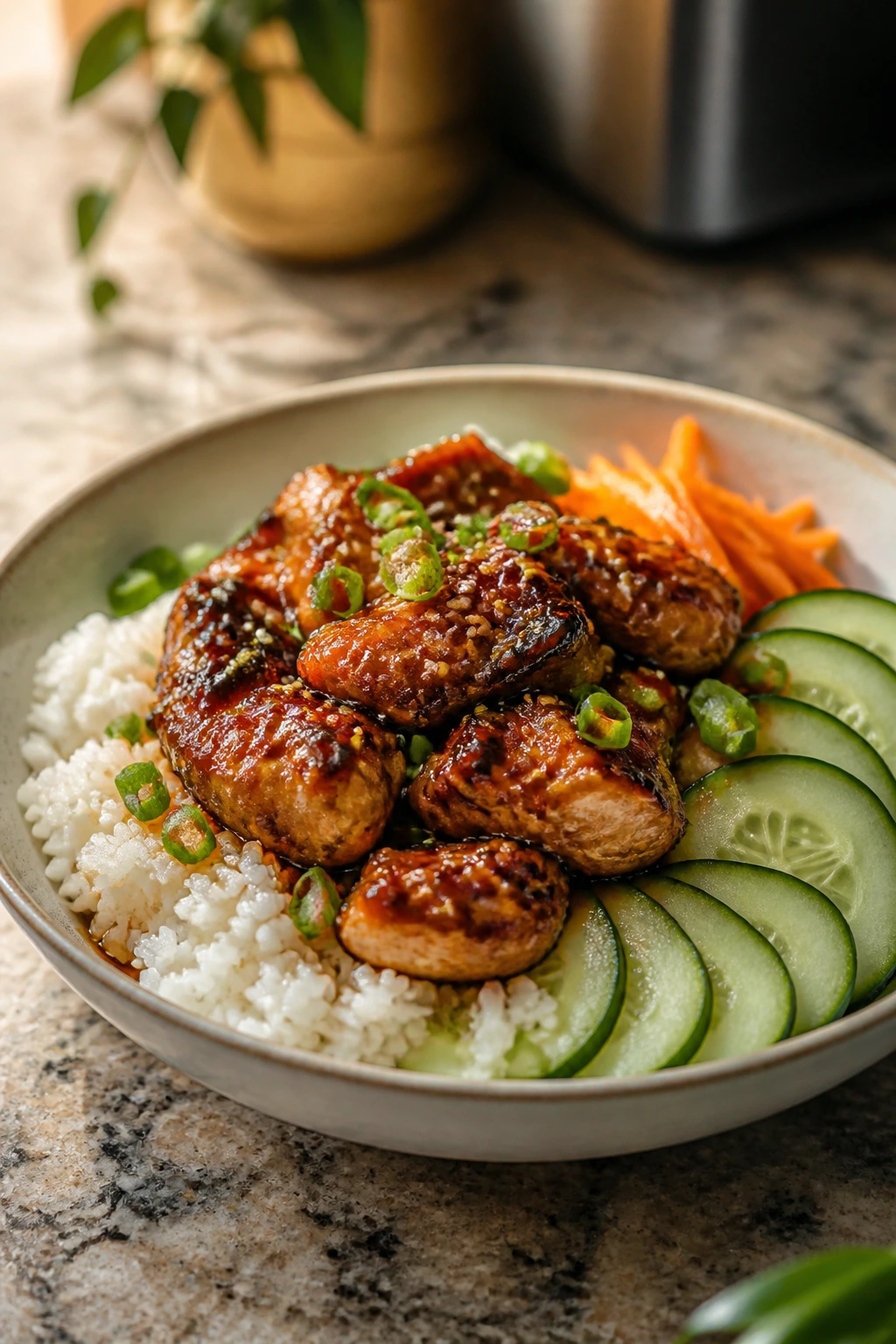
Presentation: Use shallow bowls instead of deep soup bowls. A wide surface lets you show the rice, chicken, and vegetables instead of burying everything in a mound, and it also keeps the glaze from drowning the grains. I like to put the rice down first, then fan the cucumber and carrots off to one side, then pile the chicken in the center where the sauce can catch the light.
Accompaniments: A small bowl of miso soup sits well beside this, and so does a quick cabbage salad with a squeeze of lime. If you want a bigger plate, add steamed edamame, a few slices of pickled ginger, or a plain side of sautéed greens with garlic. I would not serve this with another heavy, sweet side; the bowl already brings enough weight on its own.
Portions: Four servings is the honest mark here, with each bowl getting about 1 cup of cooked rice, a generous scoop of chicken, and a handful of vegetables. If you’re feeding bigger appetites, stretch it by adding more broccoli and a second cucumber. If you want lunch portions, divide it into five containers and keep the cucumber and scallions separate until the day you eat it.
Beverage Pairing: Unsweetened iced green tea is the cleanest match because it cuts the glaze without fighting it. A cold lager works too if you want something with a little bite and fizz. For a nonalcoholic option with more sparkle, plain seltzer with lime keeps the palate fresh between bites.
Small Tweaks That Make the Bowl Yours
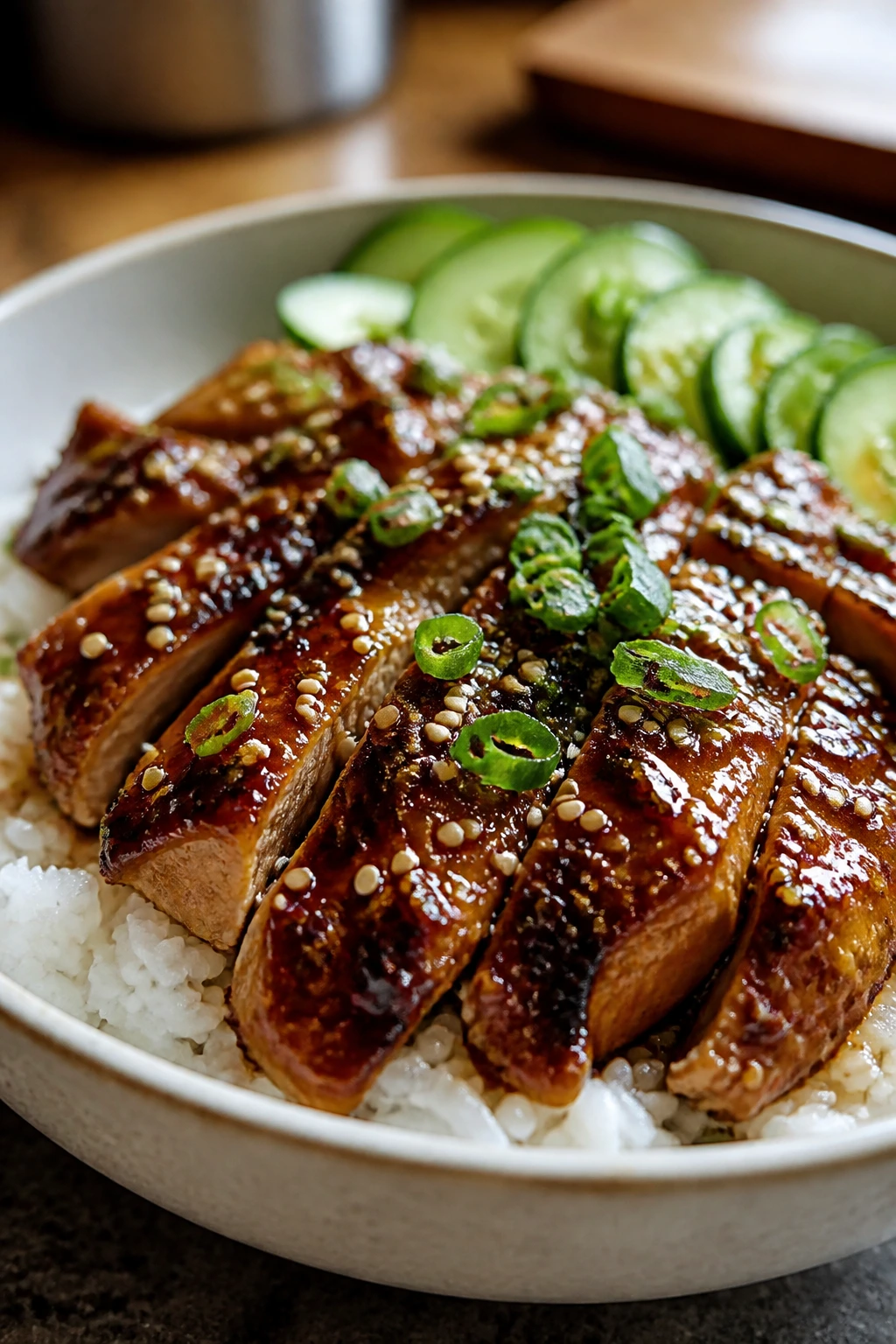
Flavor Enhancement: A teaspoon of rice vinegar added at the end can wake up the whole pan if the sauce tastes heavy. Use it sparingly; too much and you lose the sweet-salty balance that makes teriyaki taste like teriyaki in the first place.
Time-Saver: Cook the rice ahead and spread it in a thin layer on a plate or baking sheet so it cools faster. Cold rice reheats better than steaming-hot rice trapped in a bowl, and it saves you from waiting for the pot to catch up with the chicken.
Heat Control: If the people at your table like different levels of spice, keep the base sauce moderate and put chili crisp or extra sriracha on the table. That way the pan stays balanced, and the heat can be pushed up bowl by bowl instead of being locked into one level.
Texture Boost: Keep the cucumber and scallions cold until the last second, then add them right before serving. That tiny temperature split — hot chicken, warm rice, cold crunch — is the part that makes the bowl feel thought through.
Cost-Saver: Frozen broccoli florets are fine here. Steam them straight from frozen until hot and bright green, then drain them well so they don’t water down the rice.
Make-It-Yours: If you like a richer finish, a few drops of toasted sesame oil over the vegetables right before serving work better than extra sauce. The smell hits first, then the nuttiness shows up in the bite.
The Mistakes That Turn Teriyaki Soggy or Flat
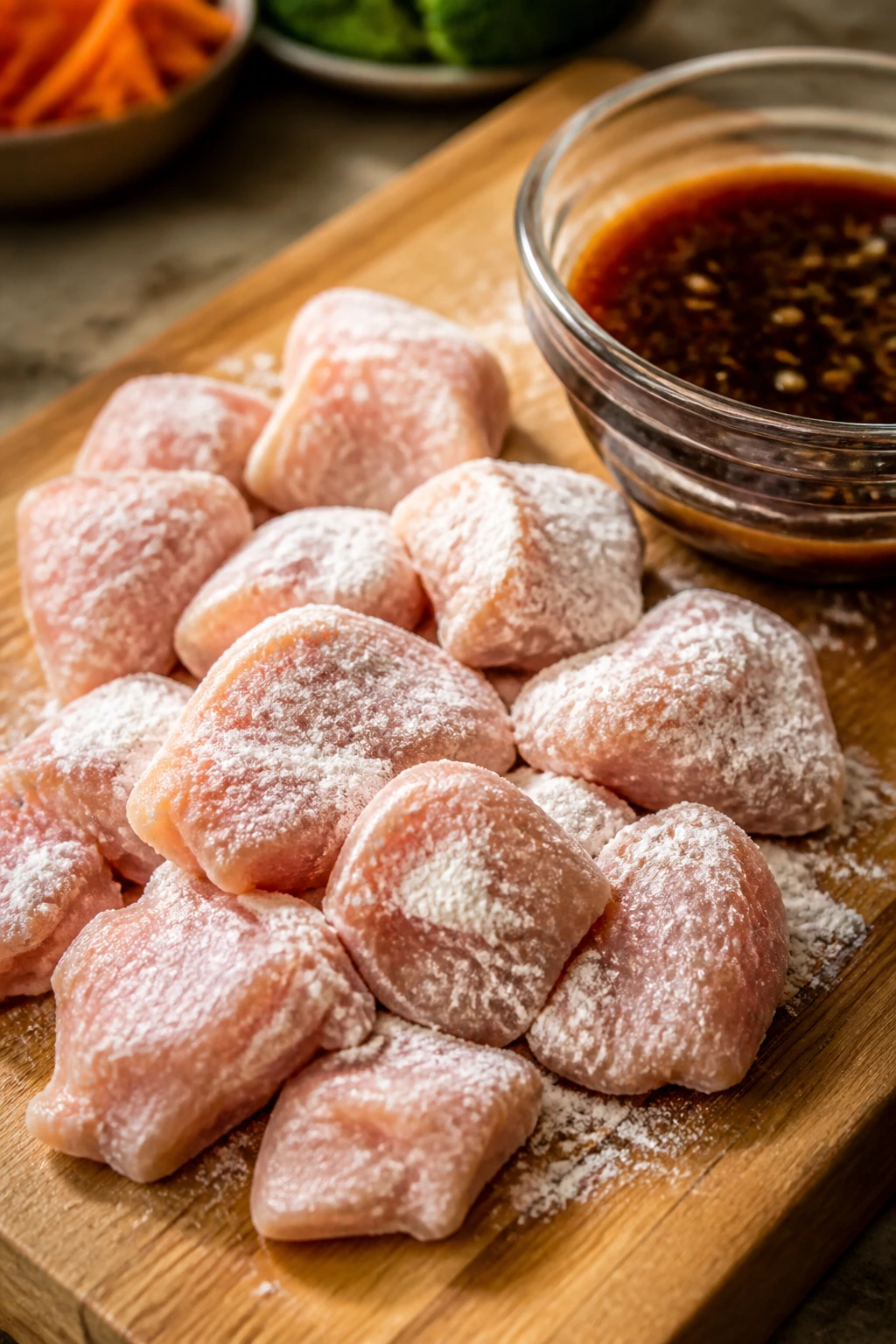
Crowding the skillet: The chicken turns gray and wet instead of browned. The fix is simple: cook in batches, even if it adds 3 extra minutes. Those extra minutes buy you color, and color is half the flavor here.
Dumping the slurry into a cold pan: Cornstarch needs heat to thicken. If the sauce never really bubbles, it stays thin and a little murky. Let the sauce simmer first, then whisk in the slurry while it moves.
Making the sauce too sweet: Bottled teriyaki sauce plus brown sugar plus mirin can push the bowl into syrup territory. If you taste the sauce and it feels sugary before it goes on the chicken, add a splash of rice vinegar or soy sauce before you thicken it.
Cooking the chicken until it’s completely done before adding the glaze: This is how thighs go from juicy to slightly stringy. Pull them when they’re nearly there, finish them in the sauce, and let the last minute happen in the glaze itself.
Piling hot sauce directly onto wet rice: The rice gets soggy fast. Spoon the chicken and sauce over the top, not across the whole bowl, and keep a few edges bare so each grain still has shape.
Using raw garlic and ginger in a blazing-hot pan too long: They can turn sharp and bitter in a hurry. Let them simmer inside the sauce instead of frying them dry, and they stay sweet and warm instead of harsh.
Variations That Still Belong in the Same Family
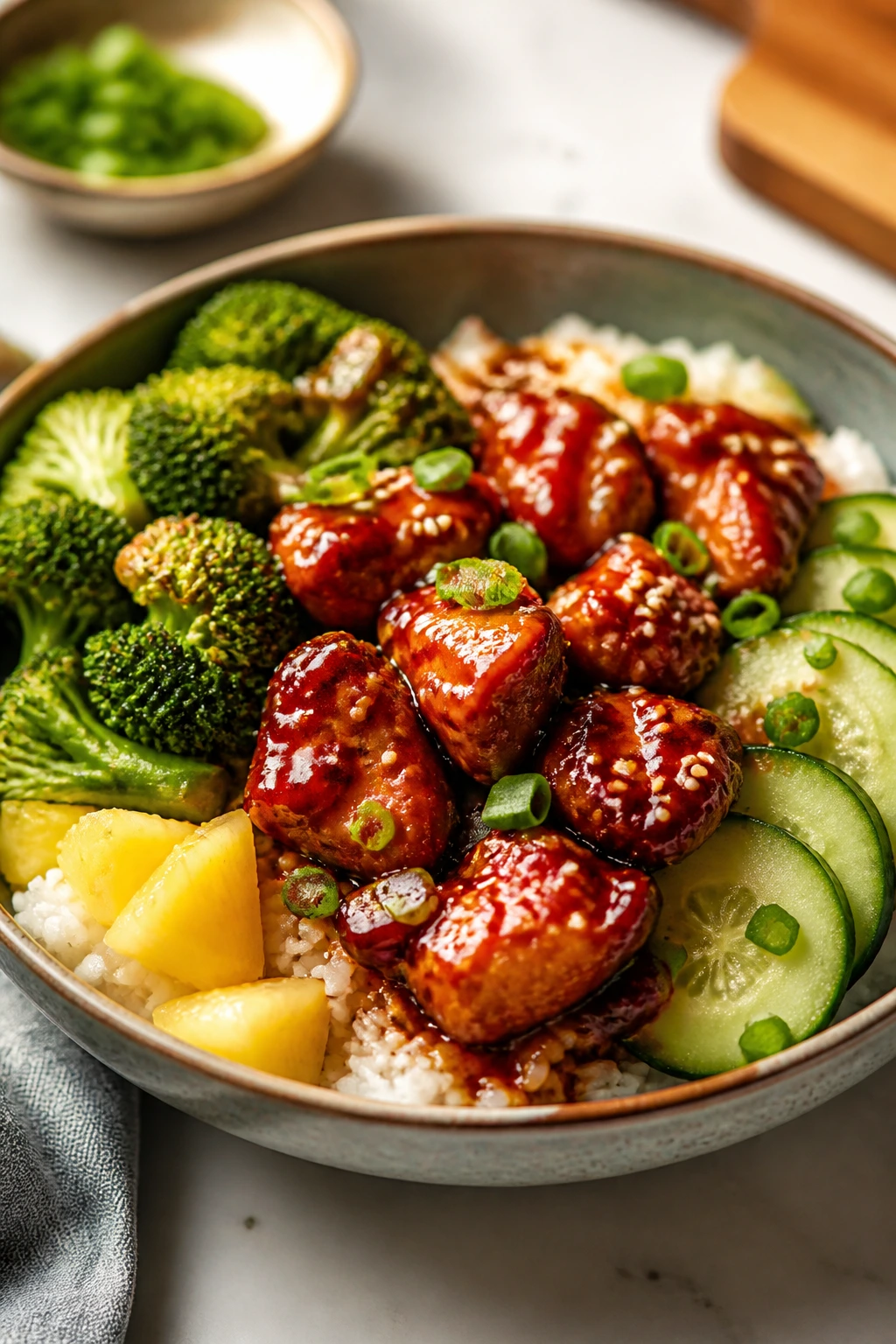
Gochujang Fire Bowl: Swap the sriracha for 1 tablespoon gochujang and cut the brown sugar to 1 tablespoon. The flavor gets deeper, more fermented, and a little stickier — a good move if you want heat that feels round instead of sharp.
Pineapple-Ginger Skillet Bowl: Stir 1/2 cup finely diced pineapple into the sauce right before thickening. It gives the glaze a bright snap and a little fruitiness that works especially well with broccoli and cucumber.
Crispy Tofu Swap: Press 14 ounces of extra-firm tofu for 20 minutes, cube it, and sear it in a thin layer of oil until the edges turn golden. Toss it in the same sauce, then build the bowl exactly the same way. The trick is patience on the sear; tofu without color tastes flat.
Veg-Heavy Weeknight Bowl: Double the broccoli, add 1 cup snap peas, and cut the rice back a touch if you want the bowl to feel lighter. This version still tastes like the original, only greener and a little less rich.
Brown Rice and Sesame Bowl: Use brown rice instead of jasmine rice and give it the longer cook time it needs, about 40 to 45 minutes depending on the grain. The nutty chew gives the sweet glaze a sturdier base, which is nice if you want the bowl to feel more filling.
Storing the Leftovers Without Ruining the Rice
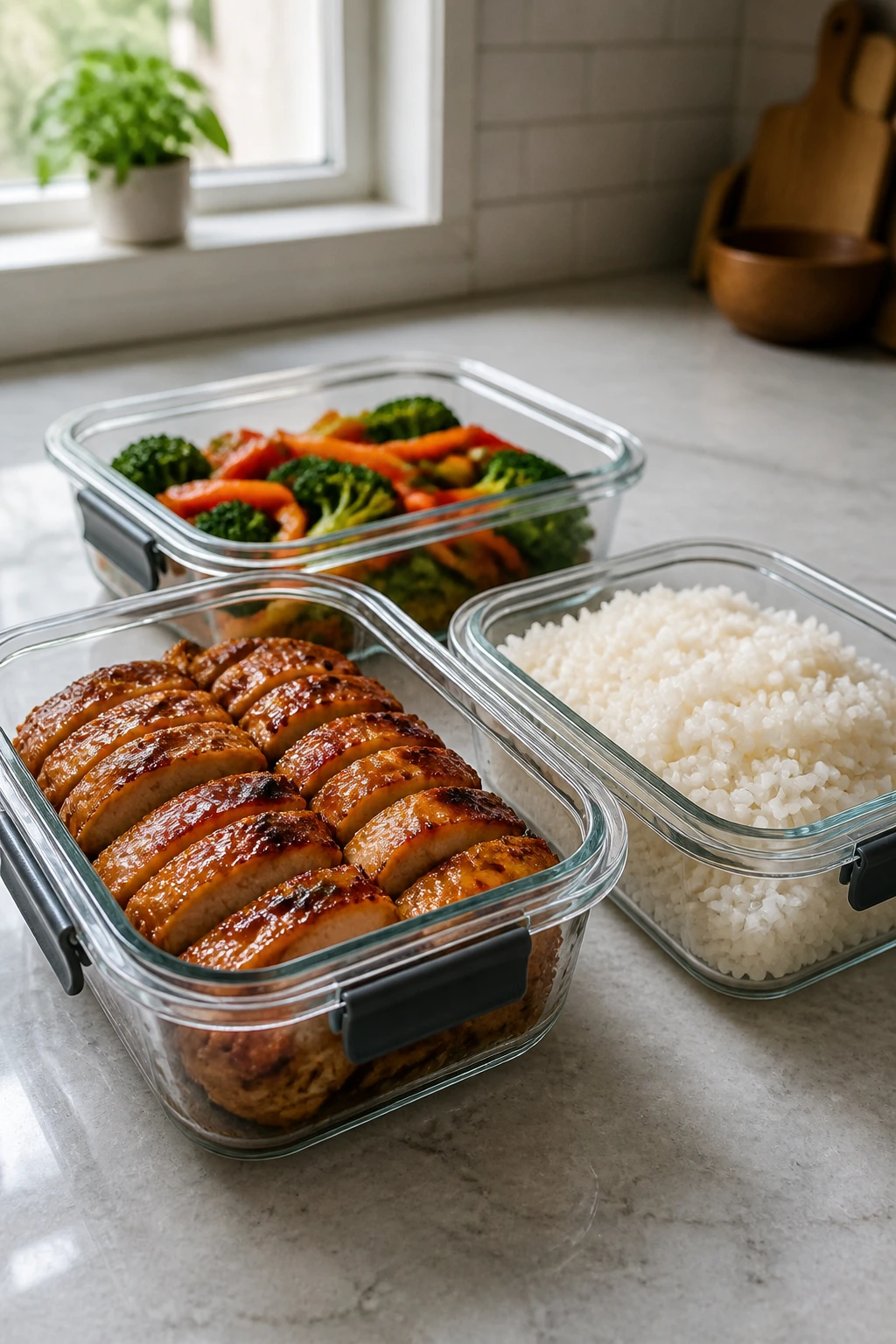
Refrigerator Life
Store the chicken and sauce, rice, and vegetables in separate airtight containers if you can manage it. The chicken and rice will keep well for 3 to 4 days in the fridge, while cucumber is best used within a day because it starts to leak water and lose its snap. Broccoli and carrots hold up a bit longer, but the cucumber is the part that complains first.
Freezer Plan
The chicken and sauce freeze well for up to 2 months in a sealed container or freezer bag. Rice also freezes for about 1 month if you spread it flat before freezing, which helps it thaw more evenly. I would not freeze the cucumber or scallions; they come back limp and watery, and no sauce can hide that.
Best Reheating Methods
For the rice, sprinkle 1 tablespoon water over each cup, cover loosely, and microwave in 60-second bursts until hot. A microwave-safe lid or a damp paper towel helps keep the grains soft instead of dry. For the chicken and sauce, reheat in a skillet over medium-low heat with 1 to 2 tablespoons water, stirring until the glaze loosens and turns shiny again.
Make-Ahead Moves
You can make the sauce base — everything except the cornstarch slurry — up to 3 days ahead and keep it cold in the fridge. Rice can be cooked a day in advance and chilled once it has cooled down a little; don’t leave it sitting at room temperature for hours. Chop the cucumber and scallions close to serving time so they stay crisp, and keep the cornstarch slurry fresh so it thickens properly in the pan.
Questions People Ask Before They Cook This
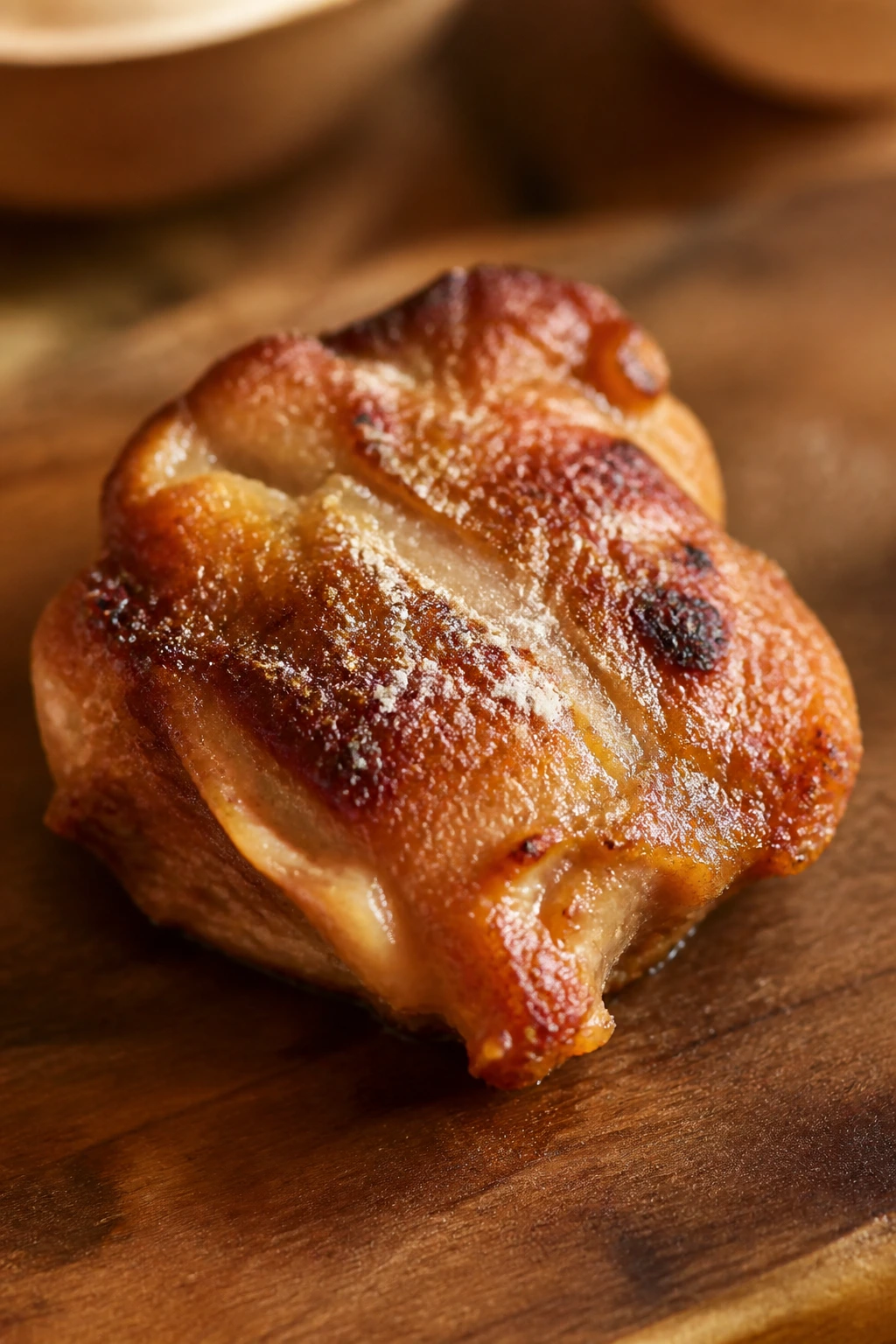
Can I use chicken breast instead of thighs?
Yes, and the bowl still works, but breast meat wants more caution. Cut it into the same bite-size pieces, sear it just until done, and pull it from the pan the moment it reaches 165°F so it doesn’t dry out under the glaze.
How spicy is this bowl, really?
With 1 teaspoon sriracha, it’s more warm than hot. At 2 teaspoons, the heat is obvious but still balanced by the soy, mirin, and brown sugar. If you want more fire without changing the whole pan, add chili crisp at the table instead of loading the sauce up front.
Can I make the sauce ahead of time?
Yes, but keep the cornstarch slurry separate until cooking day. The base sauce can sit in the fridge for a few days, and the slurry takes 10 seconds to whisk fresh when the skillet is hot.
What rice works best if I don’t have jasmine rice?
Short-grain rice gives a softer, stickier bowl, and brown rice gives you more chew. Both work; just treat them like the grains they are and adjust the water and time rather than forcing them to cook like jasmine.
Can I bake the chicken instead of searing it?
You can. Spread the seasoned chicken on a lined sheet pan and bake at 425°F for about 15 to 18 minutes, then toss it in the finished sauce. You won’t get quite the same browned edges, but it’s a fair option when the skillet is already busy.
What if my sauce turns too thick?
Add water, 1 tablespoon at a time, and stir over low heat until it loosens. Cornstarch thickens fast, so it’s easier to bring the sauce back than to rescue one that ran off the spoon like soup.
Can this work for meal prep lunches?
Yes, and it holds up better than most saucy bowls if you pack it right. Keep the cucumber and scallions separate, reheat the chicken and rice together, then add the fresh toppings after heating so the bowl still has some snap.
A Bowl Worth Repeating
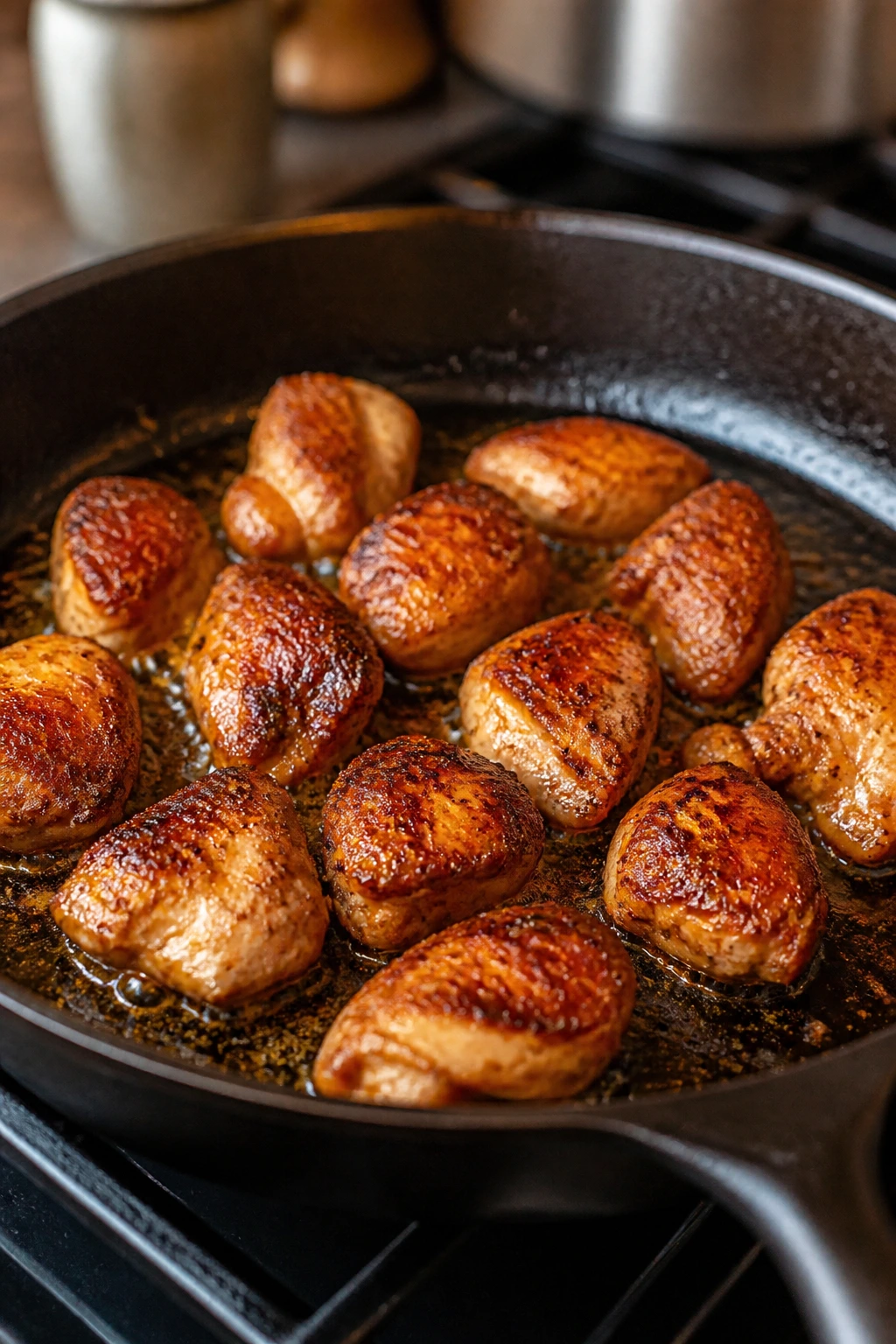
Some dinners are about getting fed. This one is about getting that little hit of satisfaction when the sauce shines, the rice stays light, and the first bite has crunch, heat, and sweetness all at once. I keep coming back to bowls like this because they respect a busy night without tasting rushed.
If you make it once, pay attention to the sauce texture. That glossy moment, when the liquid goes from thin and noisy to clingy and lacquered, is the part that changes the whole bowl. After that, takeout starts looking a lot less necessary.
Spicy Teriyaki Chicken Rice Bowl — Recipe Card
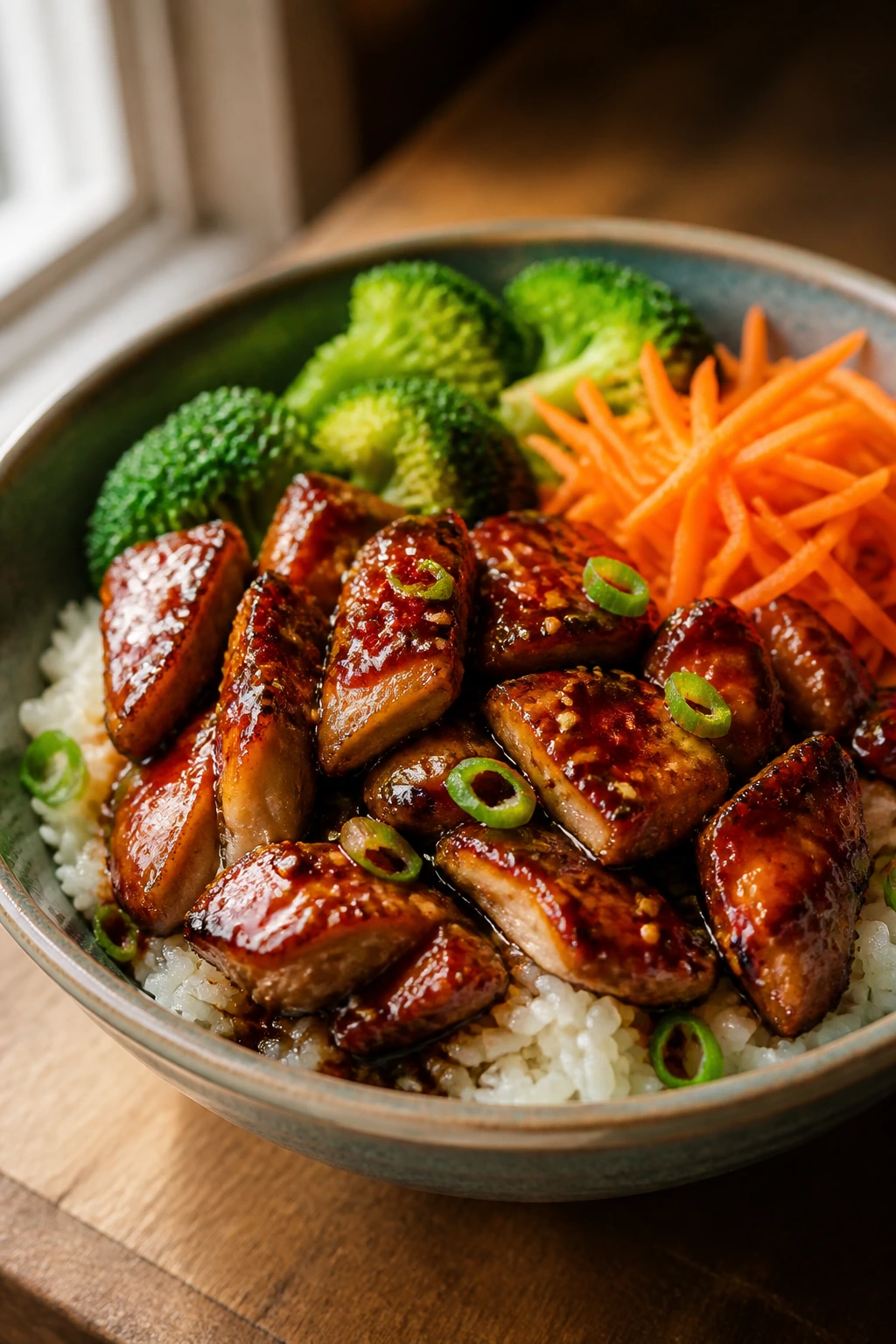
Recipe Name: Spicy Teriyaki Chicken Rice Bowl
Description: Juicy chicken thighs coated in a sweet-salty, lightly spicy teriyaki glaze and served over fluffy jasmine rice with crisp vegetables. The sauce clings to the chicken instead of pooling at the bottom of the bowl.
Prep Time: 20 minutes
Cook Time: 20 minutes
Total Time: 40 minutes
Course: Dinner, Main Course
Cuisine: Asian-inspired
Servings: 4 servings
Calories: About 560 kcal per serving
Ingredients
For the Chicken:
- 1½ pounds boneless, skinless chicken thighs, trimmed and cut into 1-inch pieces
- 1 tablespoon cornstarch
- 1/2 teaspoon kosher salt
- 1/4 teaspoon black pepper
- 1 tablespoon neutral oil, such as avocado or canola
For the Spicy Teriyaki Sauce:
- 1/2 cup low-sodium soy sauce
- 1/4 cup water
- 1/4 cup mirin
- 2 tablespoons packed light brown sugar
- 1 tablespoon rice vinegar
- 2 teaspoons grated fresh ginger
- 3 garlic cloves, minced
- 1 to 2 teaspoons sriracha or chili garlic sauce, plus more to taste
- 1 teaspoon toasted sesame oil
- 1 tablespoon cornstarch mixed with 2 tablespoons cold water
For the Bowl:
- 1½ cups jasmine rice, rinsed
- 2¼ cups water
- 1/2 teaspoon kosher salt
- 1 cup small broccoli florets
- 1 cup shredded carrots
- 1 cucumber, thinly sliced
- 2 scallions, thinly sliced
- 1 tablespoon toasted sesame seeds
Instructions
-
Rinse the rice until the water runs mostly clear, then combine it with 2¼ cups water and 1/2 teaspoon kosher salt in a saucepan. Bring to a boil, cover, reduce to low, and cook for 15 minutes. Turn off the heat and rest, covered, for 10 minutes.
-
Steam the broccoli florets for 3 to 4 minutes, until bright green and tender-crisp. Set aside.
-
Whisk the soy sauce, water, mirin, brown sugar, rice vinegar, ginger, garlic, and sriracha in a bowl. Stir the cornstarch and cold water together in a separate cup.
-
Pat the chicken dry, then toss it with the cornstarch, salt, and pepper until lightly coated.
-
Heat the neutral oil in a skillet over medium-high heat. Add the chicken in a single layer and sear for 3 minutes without moving it, then turn and cook for 2 to 3 minutes more. Work in batches if needed.
-
Transfer the chicken to a plate. Lower the heat to medium, pour in the sauce, and scrape up the browned bits. Let it bubble for 30 to 45 seconds, then stir in the cornstarch slurry and cook until glossy and thickened, about 30 to 60 seconds.
-
Return the chicken and any juices to the skillet. Toss for 1 minute until the chicken is cooked through and coated, then stir in the toasted sesame oil.
-
Divide the rice among four bowls and top with the chicken, broccoli, carrots, cucumber, scallions, and sesame seeds. Spoon a little extra sauce over the chicken and serve hot.
Notes: Add extra sriracha at the table if you want more heat. Keep the cucumber and scallions cold until serving for the best crunch. Store the components separately if you plan to eat leftovers.