



A potluck table can go wrong in a hurry. Fried rice turns sleepy, noodles glue themselves into a brick, and anything crispy starts sweating the second it gets sealed inside a warm container. The trick with Chinese potluck ideas is choosing dishes that are built for a little travel, a little waiting, and a buffet line where people keep lifting lids and deciding whether to go back for seconds.
The best ones do not fight the potluck format. They lean into it. Dumplings keep their shape, cold cucumber salad wakes up everything greasy on the table, and sauced meats get better after a short rest because the glaze settles into every ridge and edge. That’s why a good spread of Chinese-inspired dishes usually beats the takeout boxes people bring in by habit—those boxes were designed to survive ten minutes, not to sit beside a slow cooker and a foil pan for an hour.
What I like most here is the balance. You get hot and cold, crisp and soft, light and sticky, fast and make-ahead. A table like that feels intentional even when the cook was running around with two grocery bags, a sheet pan, and one eye on the clock.
Why These Chinese Potluck Ideas Work So Well at a Buffet Table
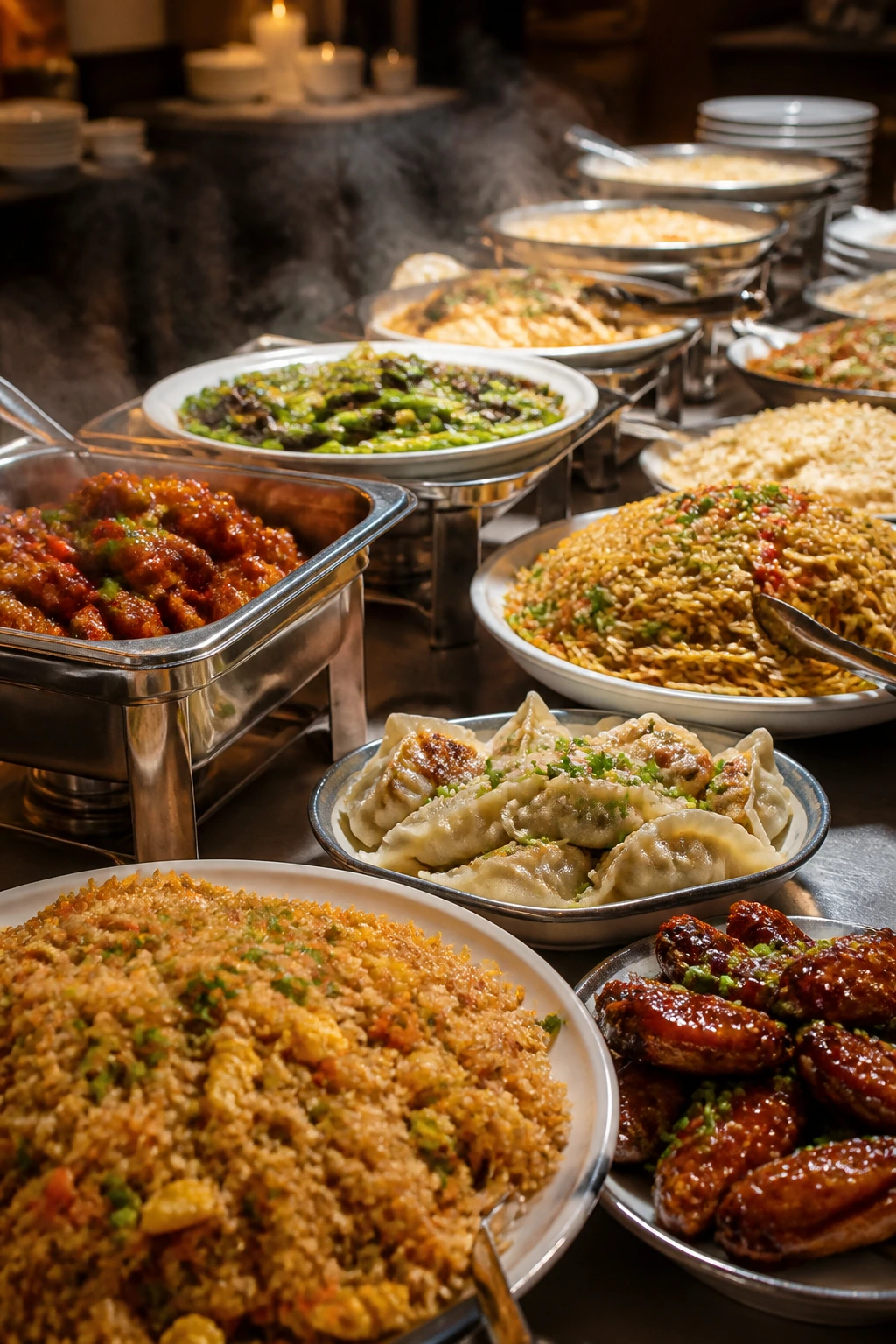
They survive the trip.
Dishes built around rice, noodles, dumplings, wings, and glazed meat handle a 20- to 45-minute ride much better than fragile fried foods or delicate salads. They arrive looking like dinner, not a rescue mission.
The sauces do real work.
Soy, vinegar, sesame oil, oyster sauce, and cornstarch make flavors cling to noodles, meat, and vegetables instead of sinking to the bottom of the container. That matters at a potluck, because every spoonful should taste finished.
You can mix temperatures without making the table feel chaotic.
Hot wings, room-temperature tea eggs, chilled cucumber salad, and warm fried rice all have a place here. That spread keeps people moving back and forth instead of filling one plate with the same texture three times.
Most of these dishes are friendlier the next day.
Fried rice dries out a little and gains a better chew. Potstickers freeze well uncooked. Tea eggs get deeper and more interesting after an overnight soak. That kind of make-ahead flexibility saves your sanity.
The ingredient list is practical.
Cabbage, scallions, tofu, eggs, chicken thighs, ground pork, jasmine rice, and noodles stretch well without tasting like budget food. They’re the kind of ingredients that work hard without acting precious.
1. Scallion Pancakes with Ginger-Soy Dip
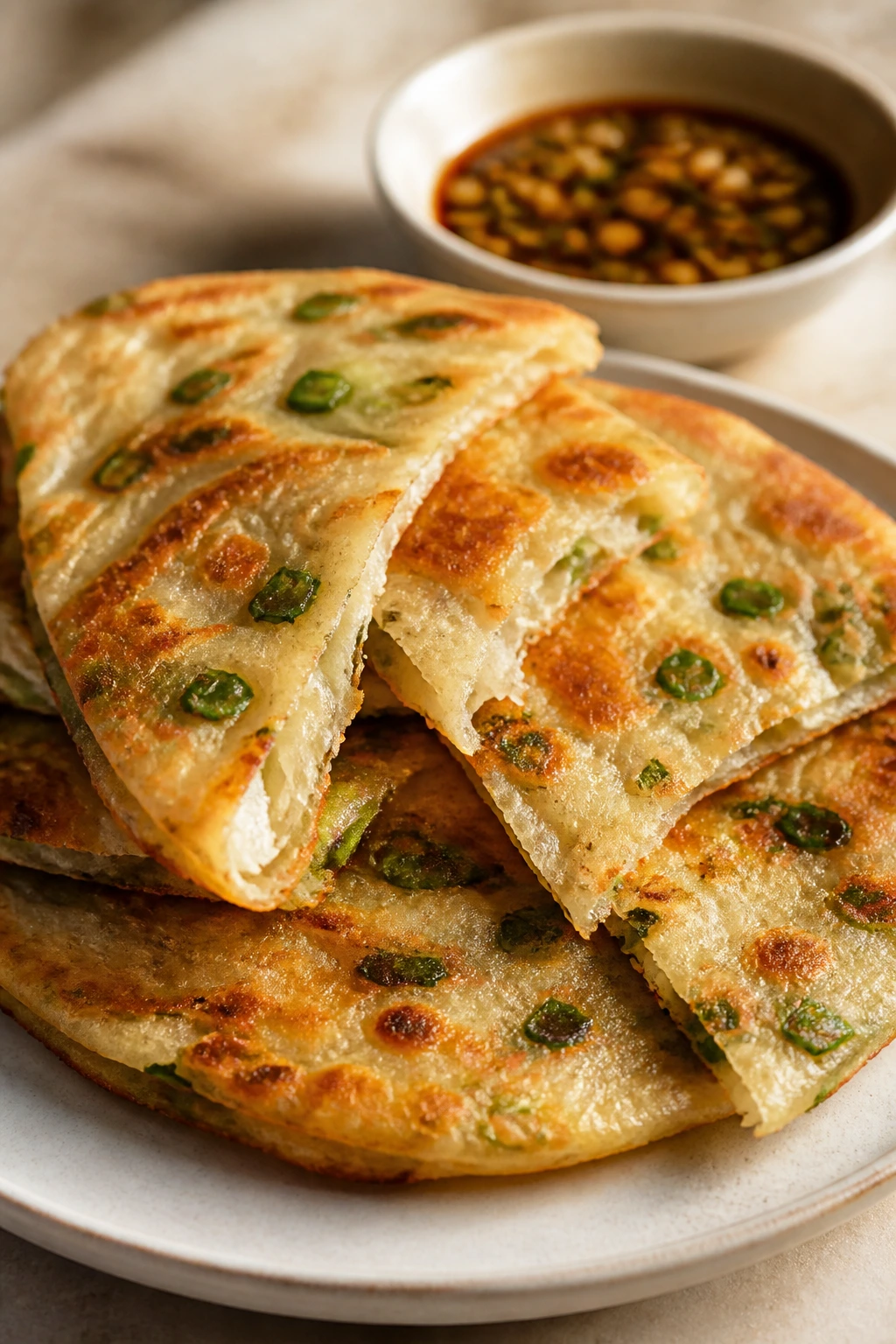
Scallion pancakes are the first thing I reach for when I want a potluck item that disappears fast. They come off the pan blistered and bronze, with shreds of scallion tucked into flaky layers that tear instead of cut cleanly. The ginger-soy dip gives you salt, sharpness, and a little bite at the end, so every piece tastes like more than the sum of its parts.
Why It Works:
This is one of those dishes that looks more complicated than it is, which is nice when you’re juggling three other trays. The dough uses boiling water, so it stays tender and easy to roll, and the pan-fry gives you crisp edges without deep frying. They’re good at room temperature for a while, which is exactly what you want on a buffet line. A short rest after cooking also helps the layers set, so they don’t slump when you slice them.
Key Ingredients:
- 2 cups all-purpose flour — the base for a dough that rolls thin without tearing.
- 3/4 cup boiling water — this softens the flour and gives the pancakes that chewy bite.
- 1/2 teaspoon fine salt — enough to season the dough without making it salty.
- 4 scallions, thinly sliced — use the green and pale parts for the best flavor.
- 3 tablespoons neutral oil — helps build the laminated layers.
- 1 tablespoon toasted sesame oil — adds a nutty finish.
- 3 tablespoons soy sauce — for the dip.
- 1 tablespoon rice vinegar — gives the dip lift.
- 1 teaspoon grated fresh ginger — sharp and fragrant.
- 1 teaspoon sugar — rounds out the dip.
- 1 teaspoon chili crisp, optional — for heat and crunch.
Quick Steps:
- Make the dough: Stir the flour and salt in a bowl. Pour in the boiling water and mix with chopsticks or a fork until a shaggy dough forms.
- Knead and rest: Knead for 2 to 3 minutes, until the dough feels smooth. Cover and rest for 20 minutes.
- Roll and layer: Roll the dough into a thin rectangle, brush with oil, scatter with scallions, then roll it up like a rope and coil it into a spiral.
- Flatten and fry: Roll the coil into a 7- to 8-inch pancake. Cook in 1 tablespoon oil over medium heat for 3 to 4 minutes per side, until the surface is blistered and deep golden.
- Mix the dip: Whisk soy sauce, rice vinegar, ginger, sugar, sesame oil, and chili crisp in a small bowl. Slice the pancakes into wedges and serve warm.
Equipment for This Recipe:
- Mixing bowl — large enough to knead the dough in.
- Rolling pin — helps get the dough thin and even.
- 10- to 12-inch skillet — a heavy skillet gives the best browning.
- Pastry brush — useful for spreading oil in a thin, even layer.
How to Serve This Dish:
Pile the wedges on a plate with the dip in a shallow bowl in the center. They work well beside cucumber salad or wings, because they bring crunch and a little richness to the table. One pancake makes a light appetizer for 2 to 3 people; four to five pancakes is enough for a potluck tray.
Pro Tips for This Recipe:
- Use boiling water, not warm water. The texture changes.
- Don’t skip the rest. Dough that rests rolls thinner and tears less.
- Keep the skillet at medium heat. Too hot and the outside scorches before the layers cook through.
- Slice with kitchen scissors if the pancakes are still a little hot. A knife can crush the flaky structure.
Variations on This Dish:
- Five-Spice Swirl: Add 1/2 teaspoon Chinese five-spice to the oil before rolling the dough. It gives the pancake a warm, perfumed note.
- Chili Crisp Finish: Brush the cooked pancake with a thin layer of chili crisp right before serving. Messy, yes. Worth it, too.
- Whole-Wheat Shortcut: Replace 1/2 cup of the flour with whole wheat flour for a nuttier flavor and a slightly firmer bite.
Common Mistakes to Avoid with This Dish:
- Using too much flour while rolling: The dough turns dry and the layers won’t seal. Dust lightly.
- Stuffing in too many scallions: The pancake can split and leak in the pan. Keep the filling thin and even.
- Flipping too early: If the first side is pale, the pancake will stick. Wait for a deep golden bottom before turning.
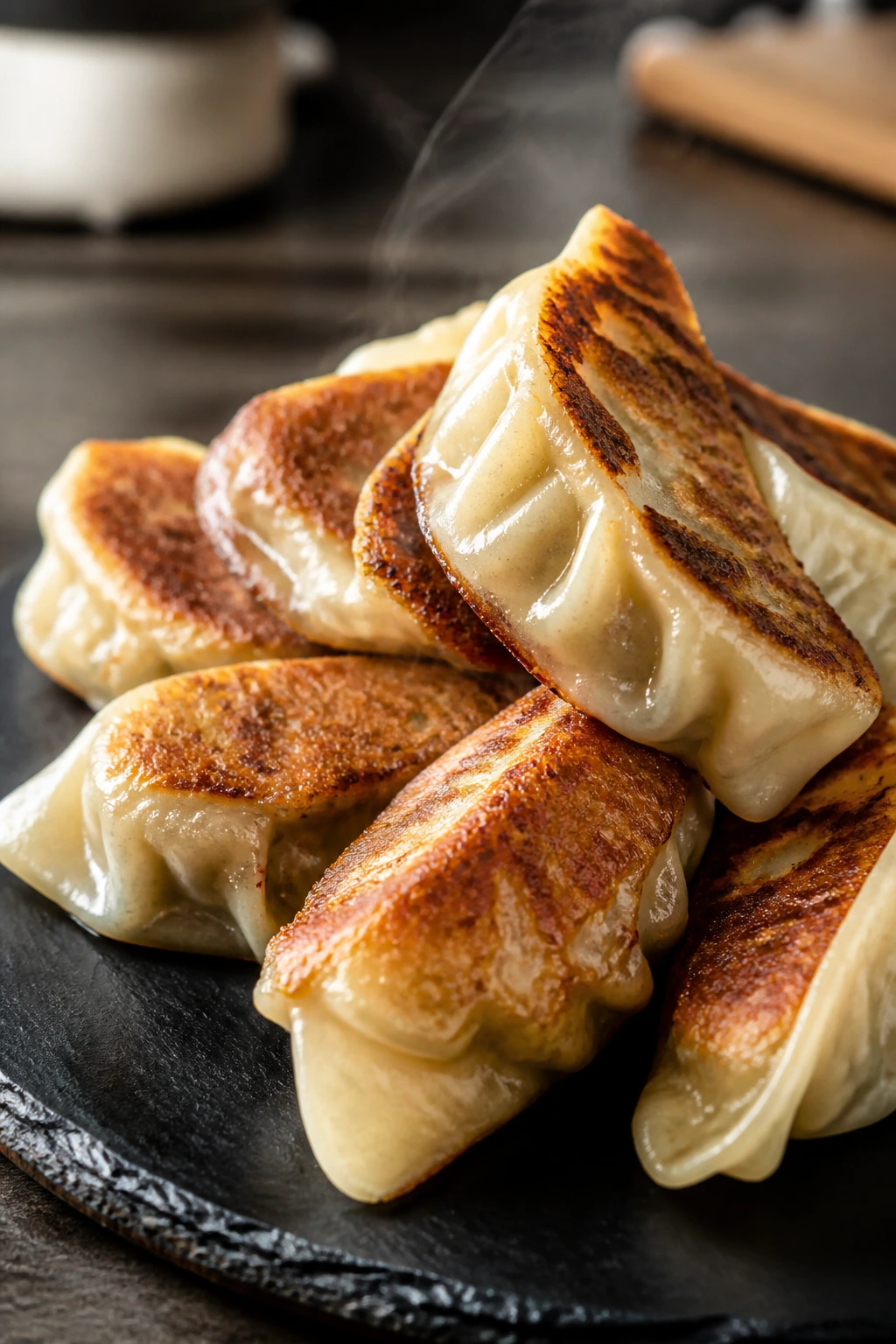
2. Pork and Cabbage Potstickers
Potstickers are the dish I trust when I want people hovering near the tray with napkins in hand. The bottoms go crisp and brown, the tops stay tender, and the pork-cabbage filling tastes savory enough to stand alone even before dipping sauce enters the room. They’re neat, portable, and far less fussy than they look once you get into a rhythm.
Why It Works:
Ground pork gives the filling richness, but cabbage keeps it light enough that a few dumplings don’t feel heavy. Salting the cabbage first is the small step that saves the whole batch, because it pulls out the extra water that would otherwise turn the filling watery and the wrappers soggy. The classic pan-fry-and-steam method gives you the chewy bottom people chase around with chopsticks. These are also one of the best make-ahead dishes in the group, since uncooked dumplings freeze well on a tray.
Key Ingredients:
- 1 pound ground pork — look for pork with a little fat for a juicier filling.
- 3 cups finely shredded Napa cabbage — delicate and sweet.
- 2 scallions, finely sliced — fresh green flavor.
- 1 tablespoon grated ginger — keeps the filling bright.
- 2 garlic cloves, minced — for depth.
- 2 tablespoons soy sauce — the main salt.
- 1 tablespoon toasted sesame oil — adds body and aroma.
- 1 teaspoon fine salt — for seasoning the cabbage and filling.
- 1/2 teaspoon white pepper — gives that classic dumpling bite.
- 30 dumpling wrappers — keep them covered so they don’t dry out.
- 2 tablespoons neutral oil — for frying.
- 1/2 cup water — for steaming in the pan.
Quick Steps:
- Salt the cabbage: Toss the cabbage with 1/2 teaspoon salt and let it sit for 10 minutes. Squeeze it dry with your hands or a clean towel.
- Mix the filling: Combine pork, cabbage, scallions, ginger, garlic, soy sauce, sesame oil, remaining salt, and white pepper. Stir until the mixture looks sticky and cohesive.
- Fill the wrappers: Spoon about 1 tablespoon filling into each wrapper. Moisten the edge with water, fold, and pleat or press shut.
- Brown and steam: Heat oil in a skillet over medium heat. Arrange dumplings in a single layer and cook 2 to 3 minutes, until the bottoms are golden brown. Add the water, cover, and steam for 5 to 6 minutes.
- Crisp again: Remove the lid and cook 1 more minute so the water evaporates and the bottoms crisp back up.
Equipment for This Recipe:
- Large skillet with a lid — the lid matters for the steam step.
- Mixing bowl — for the filling.
- Baking sheet — useful for holding finished dumplings.
- Clean kitchen towel — for squeezing water from the cabbage.
How to Serve This Dish:
Set the dumplings on a platter with the browned side up so the crisp bottoms stay visible. Serve with black vinegar, soy sauce, or chili oil in a few small bowls scattered around the tray. Six to eight dumplings make a good side portion; a dozen becomes lunch.
Pro Tips for This Recipe:
- Keep the wrappers covered with a damp towel while you work.
- Don’t overfill. A teaspoon too much filling will burst through the seam.
- If you’re making them ahead, freeze them raw in a single layer and cook from frozen.
- Press out as much cabbage water as you can. This is not the place for shortcuts.
Variations on This Dish:
- Chicken and Chive Potstickers: Swap ground chicken for the pork and add chopped garlic chives for a lighter, greener filling.
- Shrimp Dumplings: Use chopped shrimp instead of pork and add a little cornstarch to tighten the filling.
- Mushroom Cabbage Version: Replace the pork with finely chopped shiitakes and a handful of crumbled tofu for a vegetarian tray.
Common Mistakes to Avoid with This Dish:
- Sealing wet filling inside the wrapper: The dumplings can open during cooking. Squeeze the cabbage dry.
- Crowding the skillet: They need room to brown. If they touch too closely, the bottoms steam.
- Skipping the last minute uncovered: You lose the crisp base that gives potstickers their name.
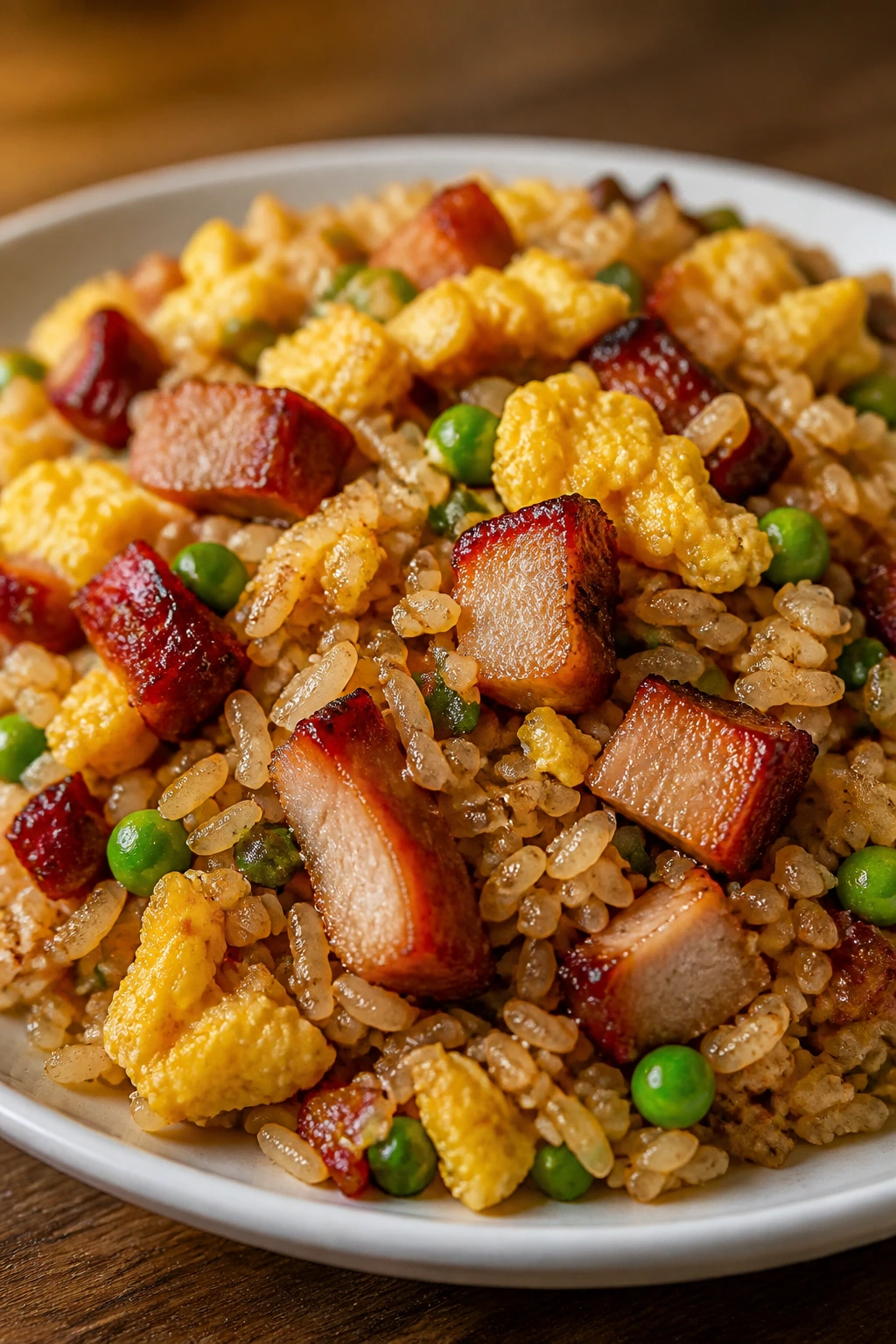
3. Char Siu Fried Rice
Fried rice made with char siu has a deep red-gold look that plain fried rice can’t match. The pork’s sweet-savory glaze melts into the grains, the eggs break into soft curds, and every bite carries a little smoke from the hot pan. If you want a dish that tastes like takeout in the best possible way, this is the one.
Why It Works:
Fried rice is at its best when the rice is cold and dry, because that lets the grains fry instead of clump. Char siu adds built-in seasoning, so you do not need a heavy hand with sauce. A quick scramble of eggs at the start gives the dish soft texture and keeps the whole pan from feeling flat. It also travels well in a covered tray and tastes good after a short rest, which is exactly the kind of behavior a potluck dish should have.
Key Ingredients:
- 4 cups cold cooked jasmine rice — day-old rice works best.
- 12 ounces char siu pork, diced — or leftover roast pork.
- 3 large eggs, lightly beaten — for soft curds.
- 1 cup frozen peas and carrots — a fast vegetable mix.
- 1 small onion, diced — adds sweetness when it softens.
- 2 garlic cloves, minced — for aroma.
- 2 tablespoons soy sauce — the main seasoning.
- 1 tablespoon oyster sauce — gives the rice body and shine.
- 1 teaspoon sesame oil — a finishing note.
- 1 tablespoon Shaoxing wine, optional — adds a little depth.
- 2 tablespoons neutral oil — for the pan.
- 3 scallions, sliced — to finish.
Quick Steps:
- Scramble the eggs: Heat 1 tablespoon oil in a wok or skillet over medium-high heat. Add the eggs and scramble until just set, then remove them.
- Cook the aromatics: Add the remaining oil, onion, and garlic. Stir for 1 to 2 minutes, until the onion turns translucent and smells sweet.
- Fry the rice: Add the cold rice and break up any clumps with a spatula. Fry for 3 to 4 minutes, until the grains are hot and loose.
- Add the flavor: Stir in char siu, peas and carrots, soy sauce, oyster sauce, and Shaoxing wine. Keep tossing until everything is glossy and evenly coated.
- Finish: Stir the eggs back in, add sesame oil and scallions, and taste for salt before serving.
Equipment for This Recipe:
- Wok or large skillet — wide surface means better frying.
- Spatula — a flat one helps break up rice clumps.
- Mixing bowl — for the eggs.
- Serving bowl or tray — warm it if you can.
How to Serve This Dish:
Scoop it into a wide bowl and top with extra scallions or a few sesame seeds. It sits nicely beside cucumber salad or potstickers, because the pork and egg give it enough heft to anchor the table. One cup per person is a good starting point; more if it’s the main dish.
Pro Tips for This Recipe:
- Use rice that has chilled for at least 4 hours. Overnight is even better.
- Season in the pan, not in the bowl. Cold rice grabs sauce more evenly when it hits heat.
- Cut the char siu into small dice so every spoonful has a little pork.
- If the pan looks crowded, fry in two batches. A packed pan makes paste.
Variations on This Dish:
- Lap Cheong Fried Rice: Swap in Chinese sausage for a sweeter, smokier finish.
- Vegetable Fried Rice: Use extra mushrooms, edamame, and diced carrots, then skip the pork.
- Pineapple Fried Rice: Add 1 cup pineapple chunks at the very end for a sweet edge that works well with the pork.
Common Mistakes to Avoid with This Dish:
- Using warm rice: It steams instead of fries. Cold rice is non-negotiable here.
- Pouring soy sauce straight onto one spot: The rice turns blotchy. Drizzle around the pan.
- Overloading with vegetables: Too much moisture makes the grains soft. Keep add-ins modest.
4. Garlic Sesame Noodles with Cucumber and Edamame
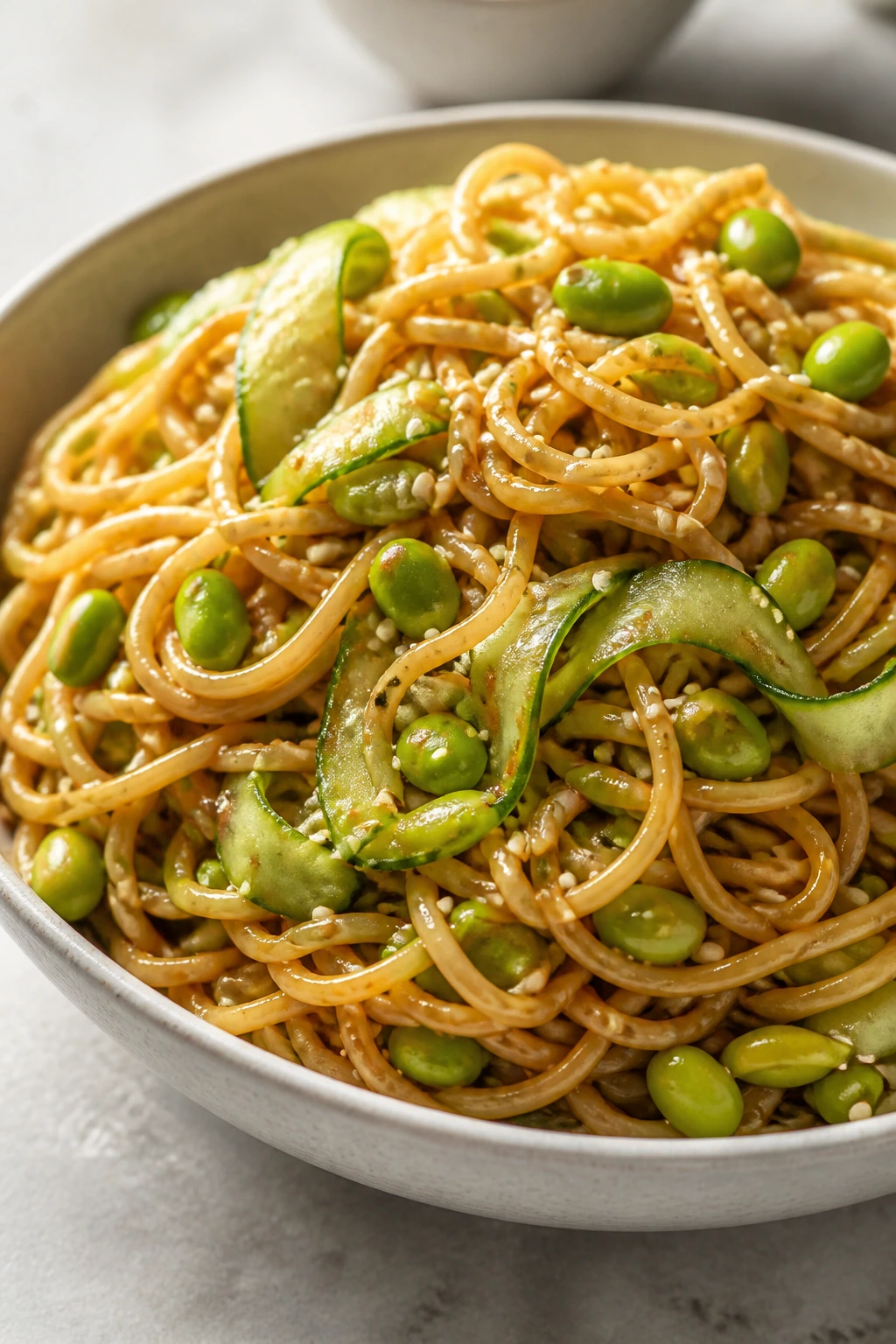
These noodles bring the kind of cold, nutty, sesame-heavy flavor that people keep sneaking forkfuls of between other bites. The sauce should coat the strands without drowning them, and the cucumber gives a clean crunch that keeps the bowl from feeling heavy. It’s the dish I make when I know the table needs something that tastes good at room temperature and still tastes good after the lid has been opened six times.
Why It Works:
The sauce is thick enough to cling, but loose enough to settle into the noodles once they sit for a few minutes. Sesame paste or peanut butter gives body, soy sauce brings salt, and rice vinegar keeps the whole bowl from tasting flat. Cucumber and edamame make the noodles feel more like a composed dish than a side. Since it’s good cold, it can be made ahead without losing its shape or getting sad on the table.
Key Ingredients:
- 12 ounces lo mein noodles or spaghetti — spaghetti is a fine backup.
- 2 tablespoons sesame paste or smooth peanut butter — the sauce base.
- 2 tablespoons soy sauce — for salt.
- 1 tablespoon rice vinegar — brightens the sauce.
- 1 tablespoon honey — softens the sharp edges.
- 2 garlic cloves, finely grated — a little goes a long way.
- 1 teaspoon grated ginger — for a fresh finish.
- 1 tablespoon toasted sesame oil — the flavor should be obvious.
- 1 cucumber, thinly sliced — for crunch.
- 1 cup shelled edamame, cooked and cooled — adds protein and color.
- 3 scallions, sliced — for freshness.
- 1 teaspoon chili crisp, optional — if you want heat.
- 2 to 4 tablespoons hot noodle water — to loosen the sauce.
Quick Steps:
- Cook the noodles: Boil the noodles in salted water until just tender. Drain and rinse briefly if you’re serving them cold.
- Mix the sauce: Whisk sesame paste, soy sauce, rice vinegar, honey, garlic, ginger, sesame oil, and chili crisp in a large bowl.
- Toss the noodles: Add the noodles and 2 tablespoons noodle water. Stir until the sauce coats the strands in a thin, glossy layer.
- Add the vegetables: Fold in cucumber, edamame, and scallions. Add more noodle water if the sauce looks too thick.
- Chill or serve: Serve right away, or chill for 20 minutes so the flavors settle in.
Equipment for This Recipe:
- Large pot — for boiling the noodles.
- Colander — to drain them fast.
- Mixing bowl — large enough to toss everything comfortably.
- Whisk — needed to smooth out the sesame paste.
How to Serve This Dish:
Mound the noodles in a shallow bowl so the cucumbers and edamame stay visible instead of sinking. They work as a side next to wings or dumplings, but they can stand on their own as a light main. Plan on 1 1/2 cups per person if the potluck table is crowded with other dishes.
Pro Tips for This Recipe:
- If the sauce looks stiff, loosen it with hot noodle water one spoonful at a time.
- Rinse the noodles only if you’re serving them cold. For a warm version, skip the rinse.
- Slice the cucumber thin so it mixes through instead of falling to the bottom.
- Sesame paste gives a deeper flavor than peanut butter, but peanut butter works if that’s what’s in the cupboard.
Variations on This Dish:
- Peanut Butter Noodles: Use peanut butter instead of sesame paste and add a little more vinegar.
- Spicy Chili Version: Stir in 1 to 2 tablespoons chili crisp and a pinch of sugar.
- Chicken Noodle Bowl: Add shredded rotisserie chicken if you want a fuller main dish.
Common Mistakes to Avoid with This Dish:
- Making the sauce too thick: It clumps instead of coating. Thin it with noodle water.
- Using watery cucumber slices: They dilute the dressing. Seed the cucumber if it’s extra juicy.
- Serving immediately after tossing and expecting the flavor to be settled: Give it a short rest. The noodles drink up the sauce.
5. Orange Chicken Meatballs
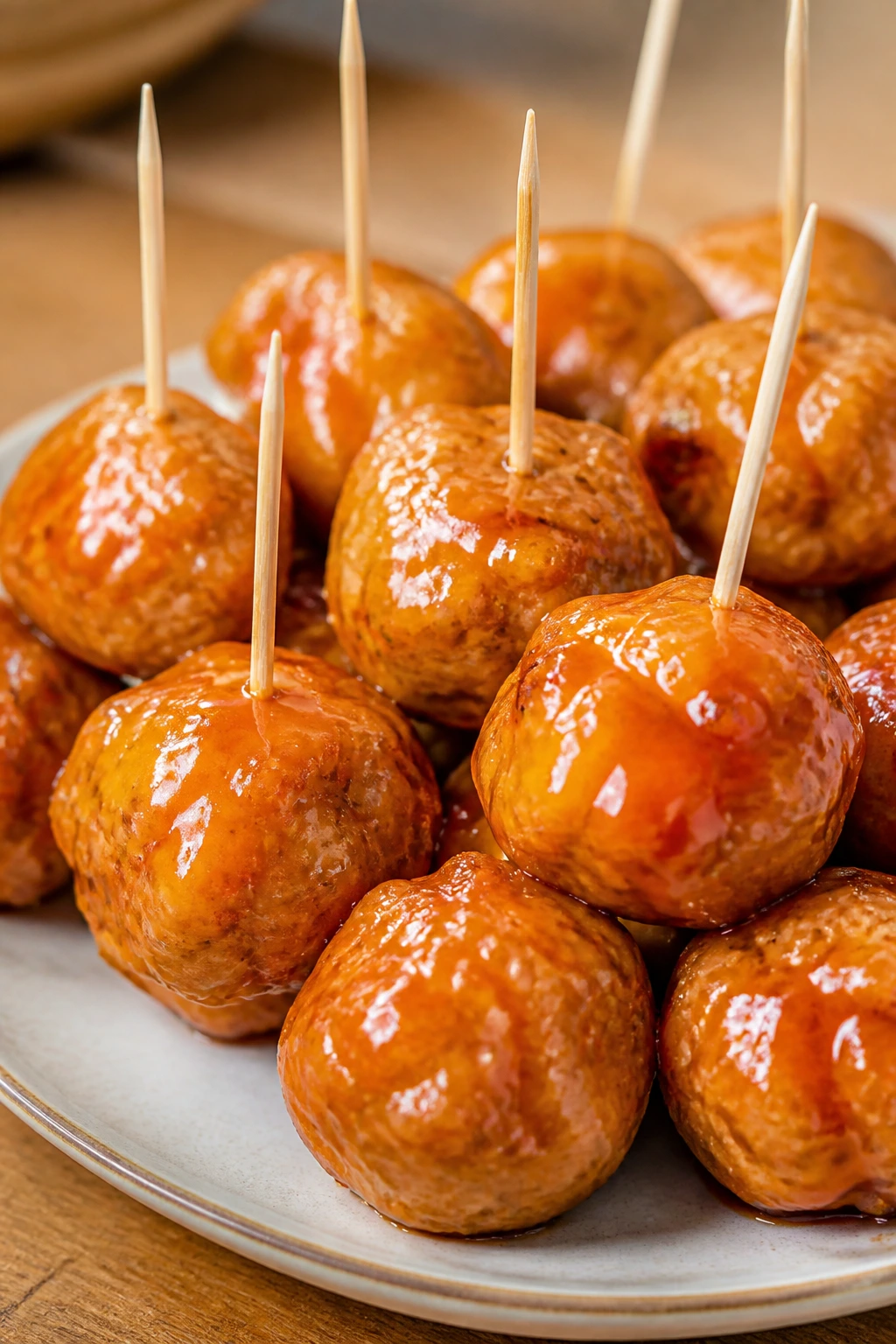
Orange chicken has the right kind of sweet-tangy punch for a potluck, but the classic fried version can be a mess to transport. Meatballs fix that problem. They bake cleanly on a sheet pan, hold together without drama, and pick up the glaze in a way that makes them easy to spear with toothpicks or spoon over rice.
Why It Works:
Ground chicken is mild enough to take on the orange glaze, and the panko keeps the meatballs tender without making them heavy. Baking instead of frying saves time and keeps the kitchen cleaner, which matters when you’re also packing side dishes and looking for a serving spoon you swear was on the counter. The glaze thickens on the stove and clings to the meatballs instead of sliding off. That sticky shine is half the point.
Key Ingredients:
- 2 pounds ground chicken — thighs make a juicier meatball if you can find them.
- 1 cup panko breadcrumbs — keeps the texture light.
- 1 large egg — binds the mixture.
- 3 scallions, minced — for freshness.
- 2 garlic cloves, grated — sharp and aromatic.
- 1 teaspoon grated ginger — gives the meatballs lift.
- 1 teaspoon fine salt — seasons the mixture.
- 1/2 teaspoon white pepper — for a little heat.
- 1 tablespoon soy sauce — adds savoriness.
- 1 tablespoon toasted sesame oil — deepens the flavor.
- 1/2 cup orange marmalade — the easiest way to build the glaze.
- 1/3 cup orange juice — loosens and brightens the sauce.
- 2 tablespoons soy sauce — for the glaze.
- 1 tablespoon rice vinegar — keeps the glaze from feeling candy-sweet.
- 1 tablespoon brown sugar — for balance.
- 1 teaspoon cornstarch mixed with 1 tablespoon water — thickens the sauce.
- Zest of 1 orange — finishes the glaze.
Quick Steps:
- Heat the oven: Preheat to 425°F (220°C) and line a sheet pan with parchment.
- Mix the meatballs: Combine the chicken, panko, egg, scallions, garlic, ginger, salt, white pepper, soy sauce, and sesame oil. Mix gently until just combined.
- Shape and bake: Roll into 1 1/2-inch meatballs and set them on the tray. Bake for 15 to 18 minutes, until the centers reach 165°F (74°C).
- Make the glaze: Simmer marmalade, orange juice, soy sauce, rice vinegar, brown sugar, and cornstarch slurry in a small saucepan for 2 to 3 minutes, until glossy and lightly thickened.
- Toss and finish: Add the baked meatballs to the glaze and toss until coated. Stir in orange zest and serve warm.
Equipment for This Recipe:
- Rimmed sheet pan — catches juices and keeps the meatballs contained.
- Parchment paper — makes cleanup easier.
- Small saucepan — for the glaze.
- Large mixing bowl — for the meatball mixture.
How to Serve This Dish:
Serve them on a platter with toothpicks and a small bowl of extra glaze on the side. They also sit nicely over steamed rice with a spoonful of scallions on top. Twelve to fifteen meatballs make a generous appetizer portion; more if they’re the main event.
Pro Tips for This Recipe:
- Mix the meatball mixture only until the ingredients come together. Overmixing makes them tight.
- Don’t crowd the sheet pan. Space means browning.
- Toss the meatballs with the glaze right before serving so the coating stays shiny, not sticky-thick.
- If the glaze gets too stiff, loosen it with a tablespoon of orange juice.
Variations on This Dish:
- Turkey Orange Meatballs: Swap ground turkey for chicken and add a little extra sesame oil for flavor.
- Spicy Orange Meatballs: Stir 1 teaspoon chili flakes or 1 tablespoon chili crisp into the glaze.
- Vegetarian Version: Use baked tofu cubes instead of meatballs and coat them with the same glaze.
Common Mistakes to Avoid with This Dish:
- Packing the meatballs too tightly: They turn dense. Shape them gently.
- Making the glaze too sweet: Orange marmalade is already sugary. The rice vinegar matters.
- Adding the glaze too early: It can turn tacky and heavy while the meatballs wait on the table.
6. Beef and Broccoli Lo Mein
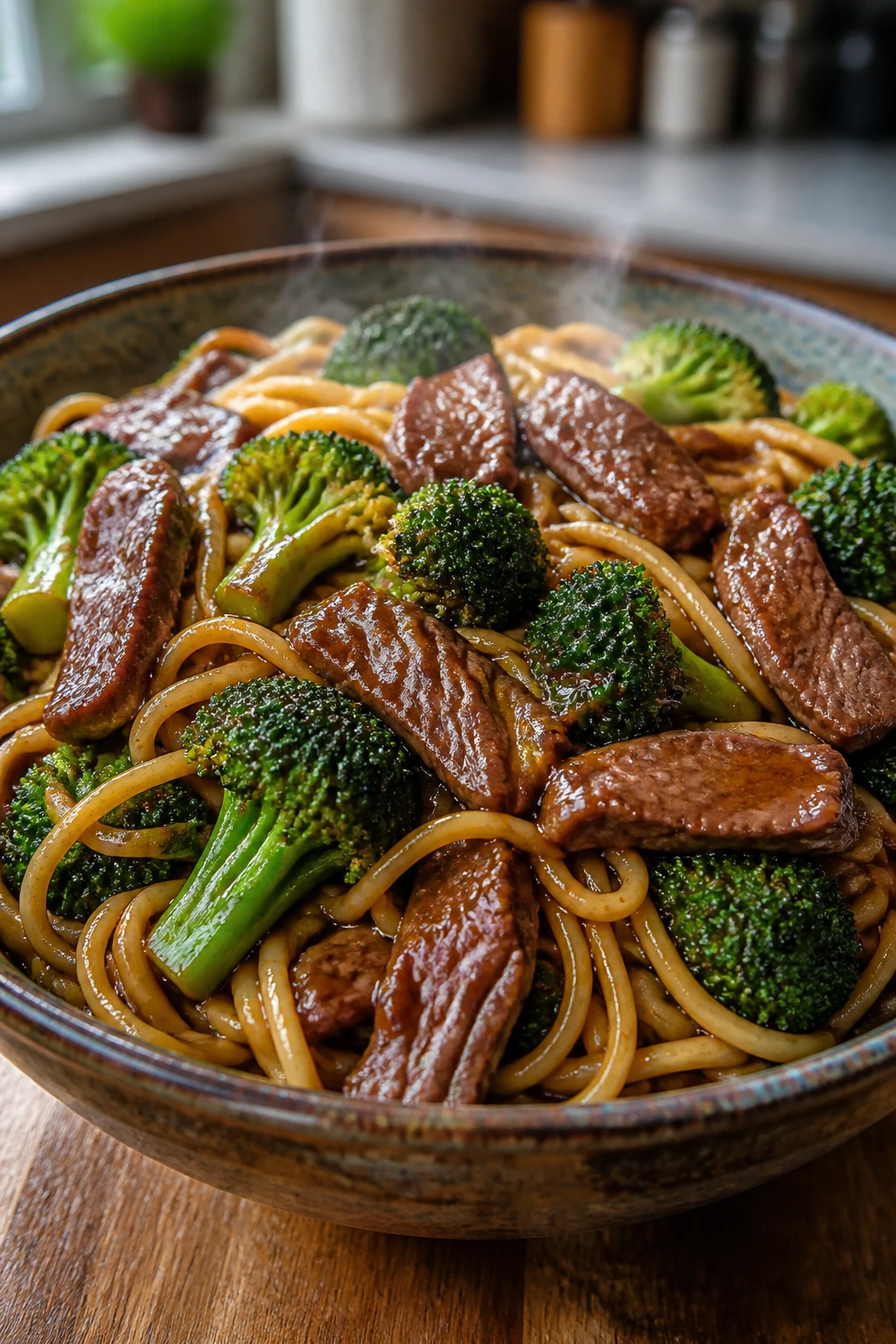
Beef and broccoli gets a better showing in noodle form than in the usual takeout carton. The noodles catch the sauce, the broccoli keeps a little bite, and the thin slices of beef stay tender if you don’t bully them in the pan. It’s a potluck dish that tastes like someone cared about texture, which is rarer than it should be.
Why It Works:
Flank steak sliced thin against the grain cooks quickly and stays soft. A fast marinade with soy and cornstarch protects the meat, while oyster sauce and a little sugar give the noodles a savory gloss. Blanching the broccoli for a minute keeps it bright green and crisp-tender, so it doesn’t slump into a brown pile by the time the casserole dish hits the table. Lo mein noodles absorb sauce without falling apart, which is the whole trick.
Key Ingredients:
- 1 pound flank steak, thinly sliced against the grain — freeze it for 20 minutes first if slicing is tricky.
- 2 tablespoons soy sauce — for the beef marinade.
- 1 tablespoon Shaoxing wine or dry sherry — adds depth.
- 1 tablespoon cornstarch — helps the beef stay tender.
- 12 ounces lo mein noodles — or another sturdy noodle.
- 4 cups broccoli florets — cut small so they cook fast.
- 2 tablespoons oyster sauce — the backbone of the sauce.
- 2 tablespoons soy sauce — for seasoning.
- 1 tablespoon brown sugar — balances the salt.
- 2 garlic cloves, minced — for aroma.
- 1 teaspoon grated ginger — keeps the dish fresh.
- 1 tablespoon sesame oil — finish.
- 3 tablespoons neutral oil — for stir-frying.
Quick Steps:
- Marinate the beef: Toss the sliced beef with soy sauce, Shaoxing wine, and cornstarch. Let it sit for 10 minutes.
- Cook the noodles: Boil until just tender, then drain.
- Blanch the broccoli: Drop the florets into boiling water for 60 seconds, then drain and set aside.
- Sear the beef: Heat oil in a wok or large skillet over high heat and cook the beef in a single layer until browned, about 1 minute per side.
- Toss everything together: Add garlic, ginger, broccoli, noodles, oyster sauce, soy sauce, brown sugar, and sesame oil. Toss until the sauce coats everything and the noodles look glossy.
Equipment for This Recipe:
- Wok or large skillet — the bigger the surface, the better the sear.
- Pot for noodles — a wide pot helps them move freely.
- Colander — for draining.
- Tongs — handy for tossing noodles and beef together.
How to Serve This Dish:
Serve it in a wide bowl so the broccoli and beef stay visible instead of hiding under the noodles. It can be the main dish or sit beside dumplings and cucumber salad. Plan on about 2 cups per hungry adult if this is the star on the buffet.
Pro Tips for This Recipe:
- Slice the beef when it’s partially frozen. Thin slices cook faster and stay more tender.
- Don’t add the broccoli raw. Blanching keeps it crisp and bright.
- Toss the noodles with the sauce while the pan is still hot, or they’ll soak unevenly.
- If the wok looks dry, add a spoonful of noodle water instead of more oil.
Variations on This Dish:
- Chicken Lo Mein: Use thin slices of chicken thigh and follow the same marinade.
- Mushroom Broccoli Lo Mein: Swap the beef for a mix of shiitake and cremini mushrooms.
- Rice Noodle Version: Use rice noodles for a lighter texture and a gluten-free base.
Common Mistakes to Avoid with This Dish:
- Cutting the beef thick: It turns chewy. Thin slices are the difference between tender and stubborn.
- Overcooking the noodles: They’ll go soft when they hit the sauce. Pull them early.
- Skipping the high heat: You need that hot pan to keep the beef from steaming.
7. Soy-Ginger Chicken Wings
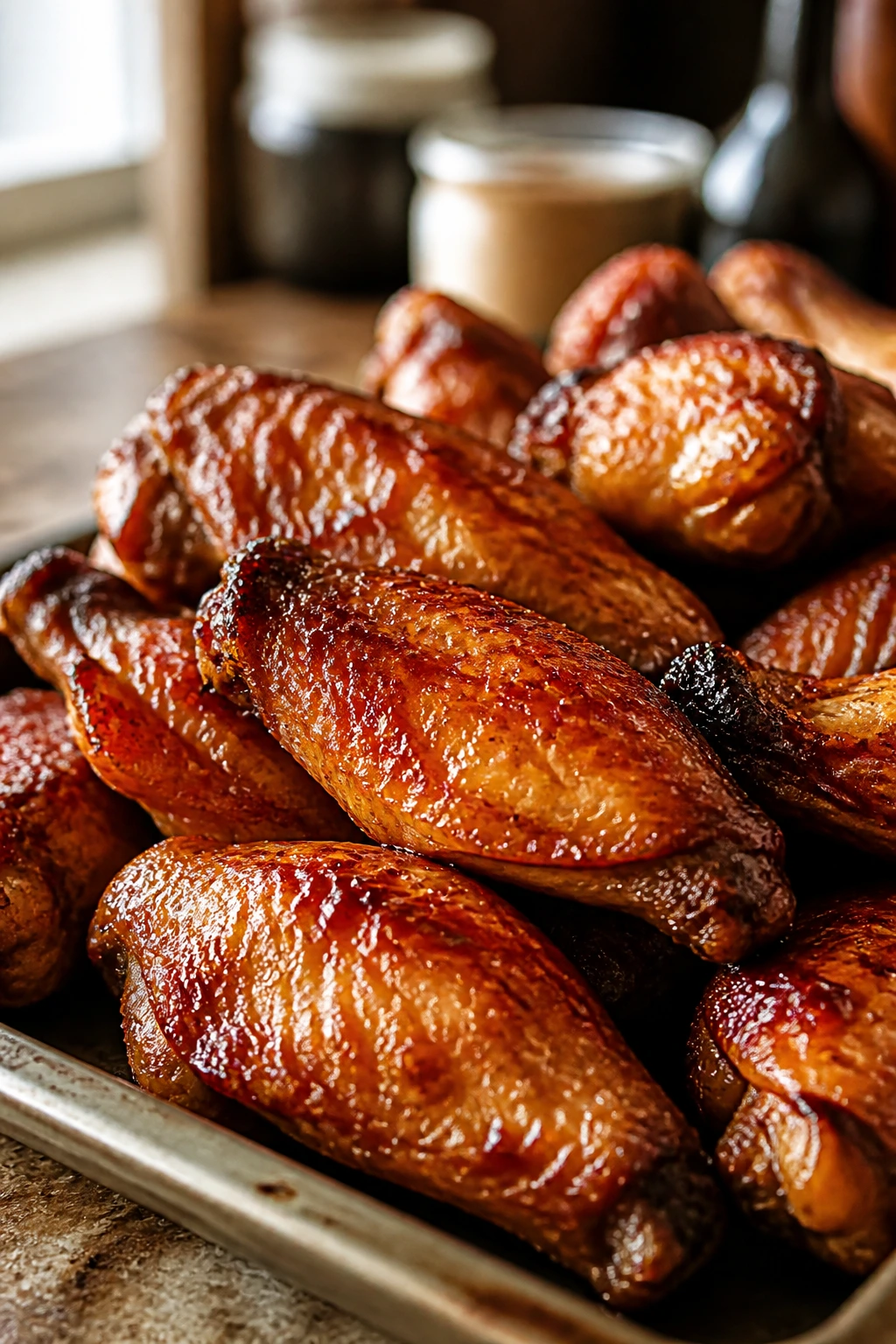
These wings show up sticky, bronzed, and a little glossy around the edges, which is exactly what they should look like before they disappear. The baking powder trick gives the skin some lift, the soy-ginger glaze adds salt and shine, and the finished wings are sturdy enough to travel without falling apart in the container. If you want something people grab with both hands, this is the tray.
Why It Works:
Wings are already built for crowd service, but baking them on a rack takes them from merely fine to properly crisp. A dry surface and a light coating of baking powder encourage the skin to blister instead of steam. The glaze goes on near the end so it clings without soaking the skin into submission. That last broil step is brief and worth it; the glaze gets lacquered and the edges catch some char.
Key Ingredients:
- 3 pounds chicken wings, split at the joint — flats and drumettes both work.
- 1 tablespoon baking powder — helps crisp the skin.
- 1 teaspoon fine salt — seasons the wings.
- 1 teaspoon Chinese five-spice — gives warm spice in the background.
- 1/3 cup soy sauce — for the glaze.
- 1/4 cup honey — for stickiness.
- 2 tablespoons rice vinegar — balances the sweetness.
- 1 tablespoon grated ginger — sharpens the glaze.
- 2 garlic cloves, minced — keeps it savory.
- 1 tablespoon toasted sesame oil — finishes the glaze.
- 1 teaspoon chili flakes, optional — if you want heat.
Quick Steps:
- Prep the wings: Pat the wings very dry with paper towels. Toss with baking powder, salt, and five-spice.
- Arrange on a rack: Place the wings on a rack set over a sheet pan.
- Bake: Cook at 425°F (220°C) for 45 to 50 minutes, flipping once halfway through, until the skin looks crisp and golden.
- Make the glaze: Simmer soy sauce, honey, rice vinegar, ginger, garlic, sesame oil, and chili flakes for 3 to 4 minutes, until slightly syrupy.
- Glaze and finish: Toss the hot wings with the glaze, then broil for 1 to 2 minutes to set the coating.
Equipment for This Recipe:
- Rimmed sheet pan — catches drips.
- Wire rack — helps the air hit every side.
- Saucepan — for the glaze.
- Tongs — for turning and tossing.
How to Serve This Dish:
Arrange the wings on a platter lined with parchment so the glaze doesn’t pool. They’re good warm, but they hold their own at room temperature for a bit, too. Figure 5 to 6 wings per person if these are an appetizer; fewer if there are several other dishes.
Pro Tips for This Recipe:
- Dry wings crisp better. Wet skin is the enemy.
- Keep the glaze thin enough to coat, not glue.
- Broil in a short burst. Walk away too long and the sugar burns.
- If you want extra shine, toss the wings again with a spoonful of glaze right before serving.
Variations on This Dish:
- Black Vinegar Wings: Add 1 tablespoon black vinegar to the glaze for deeper tang.
- Garlic Sesame Wings: Increase the sesame oil and finish with toasted sesame seeds.
- Spicy Party Wings: Add 1 to 2 tablespoons chili crisp to the glaze.
Common Mistakes to Avoid with This Dish:
- Skipping the rack: The bottoms stay damp without it.
- Saucing too early: The glaze softens the crisp skin.
- Using too much baking powder: A heavy hand leaves a strange aftertaste. One tablespoon is enough.
8. Cold Sesame Cucumber Salad
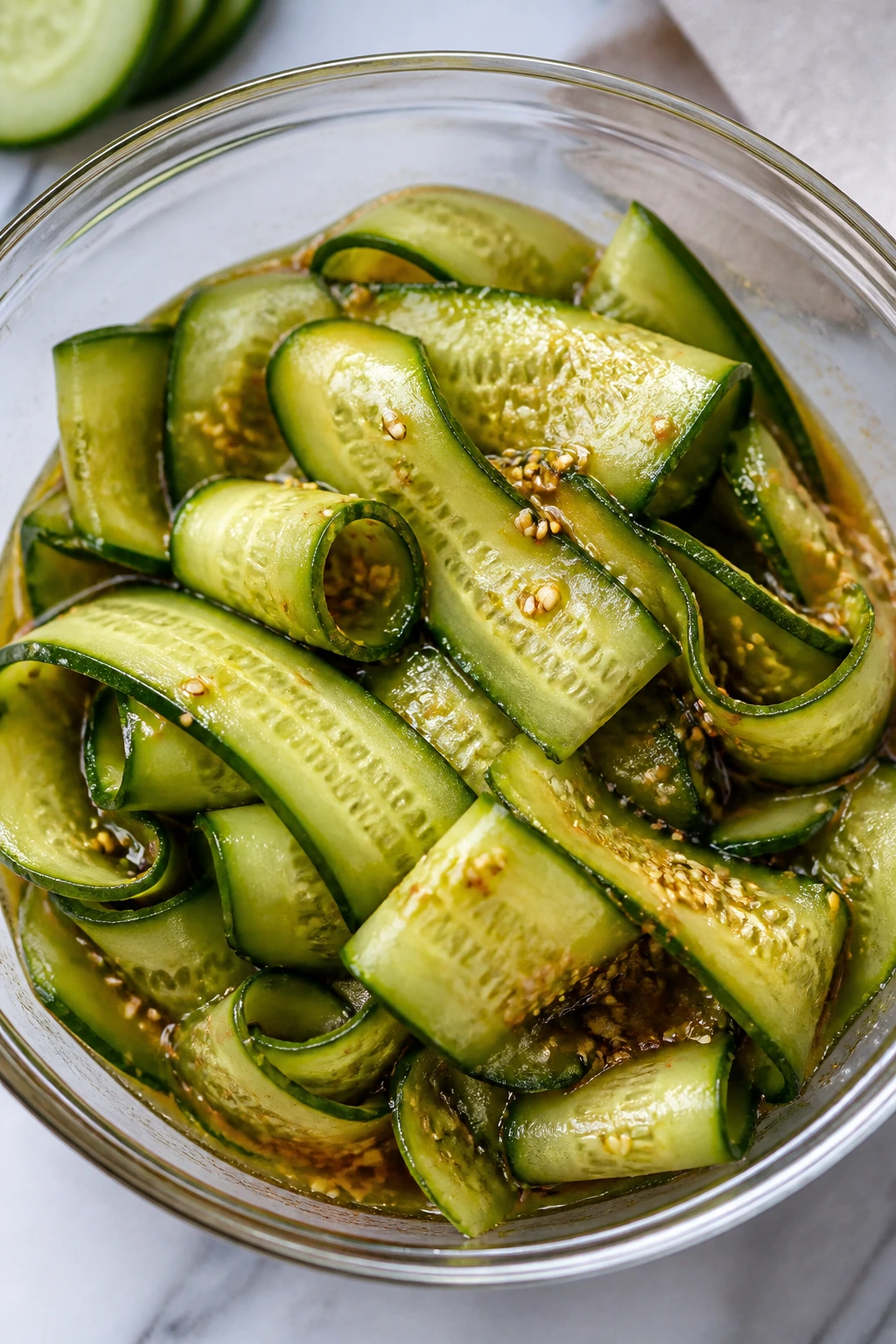
Every potluck needs one dish that acts like a palate reset, and this is mine. The cucumbers stay cold and loud, the dressing is salty-sour with a little sesame warmth, and the whole bowl cuts through fried food like a clean knife. It’s a low-effort side that makes the rest of the meal taste better.
Why It Works:
Smashing or slicing cucumbers gives the dressing more surface area to cling to, which means more flavor in every bite. Salting them first pulls out extra water so the salad doesn’t turn into a puddle an hour later. Rice vinegar and sesame oil make the dressing feel bright and nutty, while garlic and chili crisp add a bit of edge. It’s a dish that should be crisp, cold, and unapologetically sharp.
Key Ingredients:
- 3 English cucumbers — crisp and less seedy.
- 1 teaspoon fine salt — draws out water.
- 2 tablespoons rice vinegar — the acidic backbone.
- 1 tablespoon soy sauce — for salt and savor.
- 1 tablespoon toasted sesame oil — gives the salad its signature flavor.
- 1 teaspoon sugar — softens the vinegar.
- 2 garlic cloves, finely grated — punchy and fresh.
- 1 teaspoon chili crisp, optional — for heat.
- 1 tablespoon toasted sesame seeds — for finish.
- 2 tablespoons chopped cilantro, optional — if you want a green note.
Quick Steps:
- Prepare the cucumbers: Smash them lightly with the flat side of a knife or slice them into thick crescents.
- Salt and drain: Toss with salt and let sit in a colander for 10 to 15 minutes. Pat dry.
- Mix the dressing: Whisk vinegar, soy sauce, sesame oil, sugar, garlic, and chili crisp.
- Toss and chill: Combine cucumbers with the dressing, then chill for 15 minutes before serving.
- Finish: Sprinkle sesame seeds and cilantro on top.
Equipment for This Recipe:
- Cutting board and knife — or a rolling pin if you’re smashing cucumbers.
- Colander — for draining.
- Mixing bowl — for the dressing.
- Spoon or tongs — for tossing.
How to Serve This Dish:
Serve it cold in a shallow bowl so the dressing pools around the cucumbers instead of disappearing under them. It belongs next to anything rich: wings, fried rice, dumplings, or meatballs. A small scoop on each plate wakes up the whole meal.
Pro Tips for This Recipe:
- Don’t skip the drain time. Watery cucumbers dilute the dressing fast.
- English cucumbers hold up better than the thick-skinned kind.
- Make it close to serving time if you want the crispest bite.
- Add sesame seeds right before serving so they stay toasty, not soggy.
Variations on This Dish:
- Smashed Garlic Cucumber Salad: Smash the cucumbers harder and add an extra clove of garlic.
- Peanut Cucumber Salad: Stir in 1 tablespoon peanut butter for a richer dressing.
- Mild Picnic Version: Skip the chili crisp and add a few thin slices of scallion.
Common Mistakes to Avoid with This Dish:
- Leaving the cucumbers undrained: The dressing gets thin and watery.
- Using too much sugar: The salad should taste sharp first, sweet second.
- Cutting the cucumbers too thin: Thin slices collapse and lose their crunch.
9. Pork and Shrimp Egg Rolls
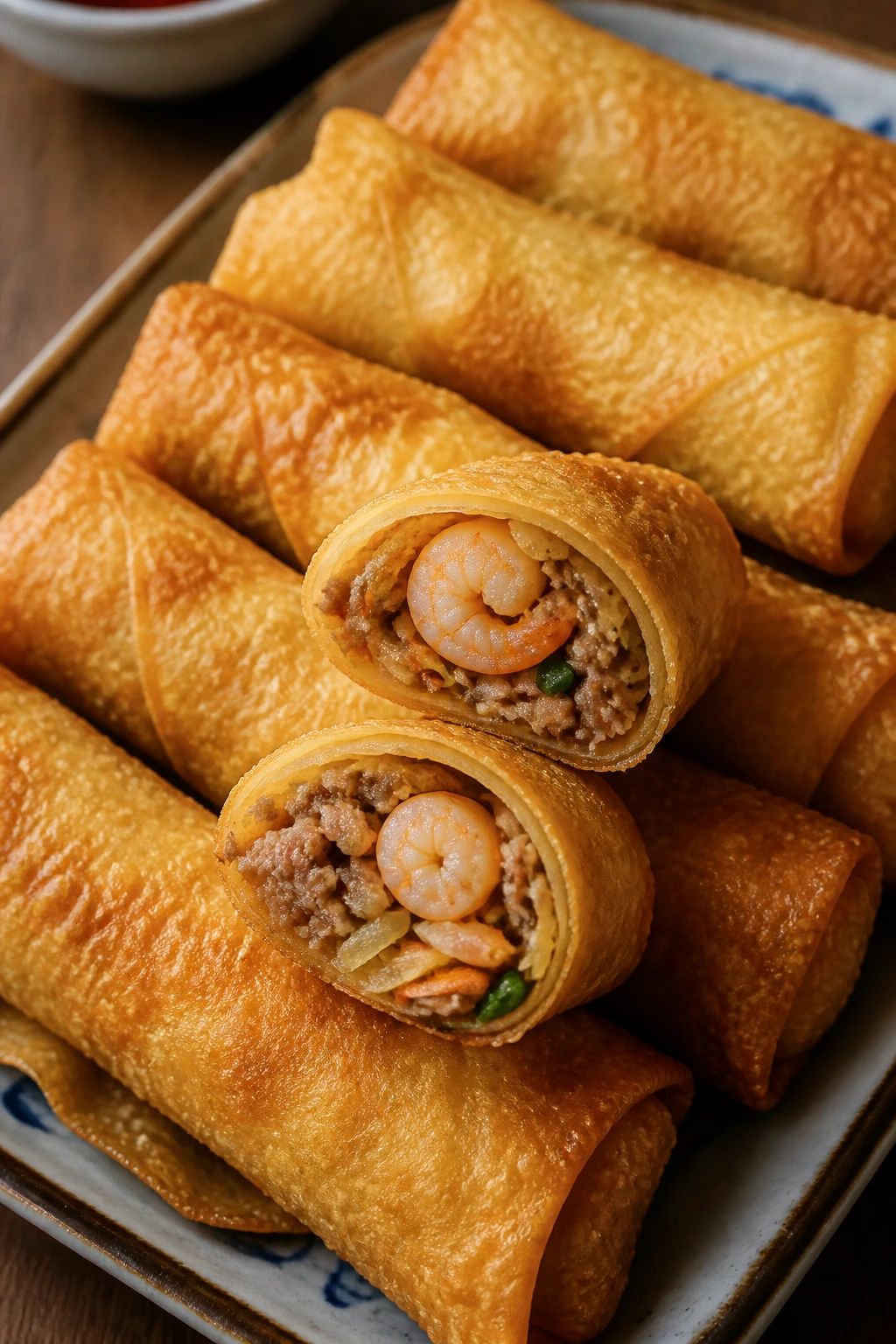
Egg rolls are the kind of potluck food people remember with a grin because there’s always a tray of them gone before anyone admits to taking a second. The wrapper stays crisp, the filling is savory and a little sweet from the cabbage, and the shrimp gives the pork a cleaner, more interesting flavor than plain takeout versions usually have. They’re a little more work, but the payoff is obvious on the platter.
Why It Works:
Pork gives the filling fat and depth, while shrimp brings a sweet pop that keeps the flavor from feeling heavy. Cabbage and carrot add crunch once the rolls are fried, and that vegetable moisture, if managed correctly, helps the inside stay tender. The real trick is letting the filling cool before wrapping; hot filling steams the wrappers and makes them rip. If you want a tray that people talk about after the party, this is a strong bet.
Key Ingredients:
- 8 ounces ground pork — for richness.
- 8 ounces shrimp, peeled, deveined, and finely chopped — adds sweetness.
- 3 cups shredded cabbage — the bulk of the filling.
- 1 cup shredded carrot — for color and a little sugar.
- 3 scallions, sliced — for freshness.
- 2 garlic cloves, minced — savory backbone.
- 1 tablespoon soy sauce — seasons the filling.
- 1 tablespoon toasted sesame oil — for aroma.
- 1 teaspoon sugar — rounds the edges.
- 12 egg roll wrappers — keep them covered while you work.
- 1 egg, beaten, or 2 tablespoons flour-water slurry — to seal.
- Oil for frying, or cooking spray for baking — depending on your method.
Quick Steps:
- Cook the filling: Brown the pork in a skillet over medium-high heat. Add shrimp, cabbage, carrot, scallions, garlic, soy sauce, sesame oil, and sugar. Cook until the cabbage softens and the filling is dry, about 5 to 7 minutes.
- Cool completely: Spread the filling on a tray and let it cool.
- Roll: Place filling in the center of each wrapper, fold the bottom over, tuck in the sides, and roll tight. Seal the edge with egg or slurry.
- Cook: Fry at 350°F (175°C) for 4 to 5 minutes until golden, or bake at 425°F (220°C) for 15 to 18 minutes, turning once.
- Drain and serve: Set the rolls on a rack or paper towels for a minute before plating.
Equipment for This Recipe:
- Large skillet — for the filling.
- Baking sheet or fryer — depending on cooking method.
- Tongs — useful for turning fried rolls.
- Small bowl and pastry brush — for sealing the wrappers.
How to Serve This Dish:
Serve with sweet chili sauce, hot mustard, or both. Stack them at an angle on a platter so the ends stay crisp and people can grab them without digging. Two rolls per person is a fair appetizer portion; more if they’re the only fried item.
Pro Tips for This Recipe:
- Cool the filling all the way before wrapping.
- Keep the wrappers covered with a damp towel so they don’t dry out.
- Roll tightly, but don’t squeeze the filling until the wrapper tears.
- If baking, brush lightly with oil so the surface browns instead of drying out.
Variations on This Dish:
- Chicken Egg Rolls: Swap the pork and shrimp for minced chicken thigh.
- Vegetable Egg Rolls: Use mushrooms, cabbage, carrot, and bean sprouts.
- Air Fryer Egg Rolls: Spray lightly with oil and cook at 375°F (190°C) until crisp and deep golden.
Common Mistakes to Avoid with This Dish:
- Wet filling: It ruins the wrapper. Cook until most of the moisture is gone.
- Overstuffing: The rolls burst open in the fryer.
- Forgetting to seal the seam: A loose edge opens and leaks oil into the pan.
10. Mapo Tofu with Ground Pork
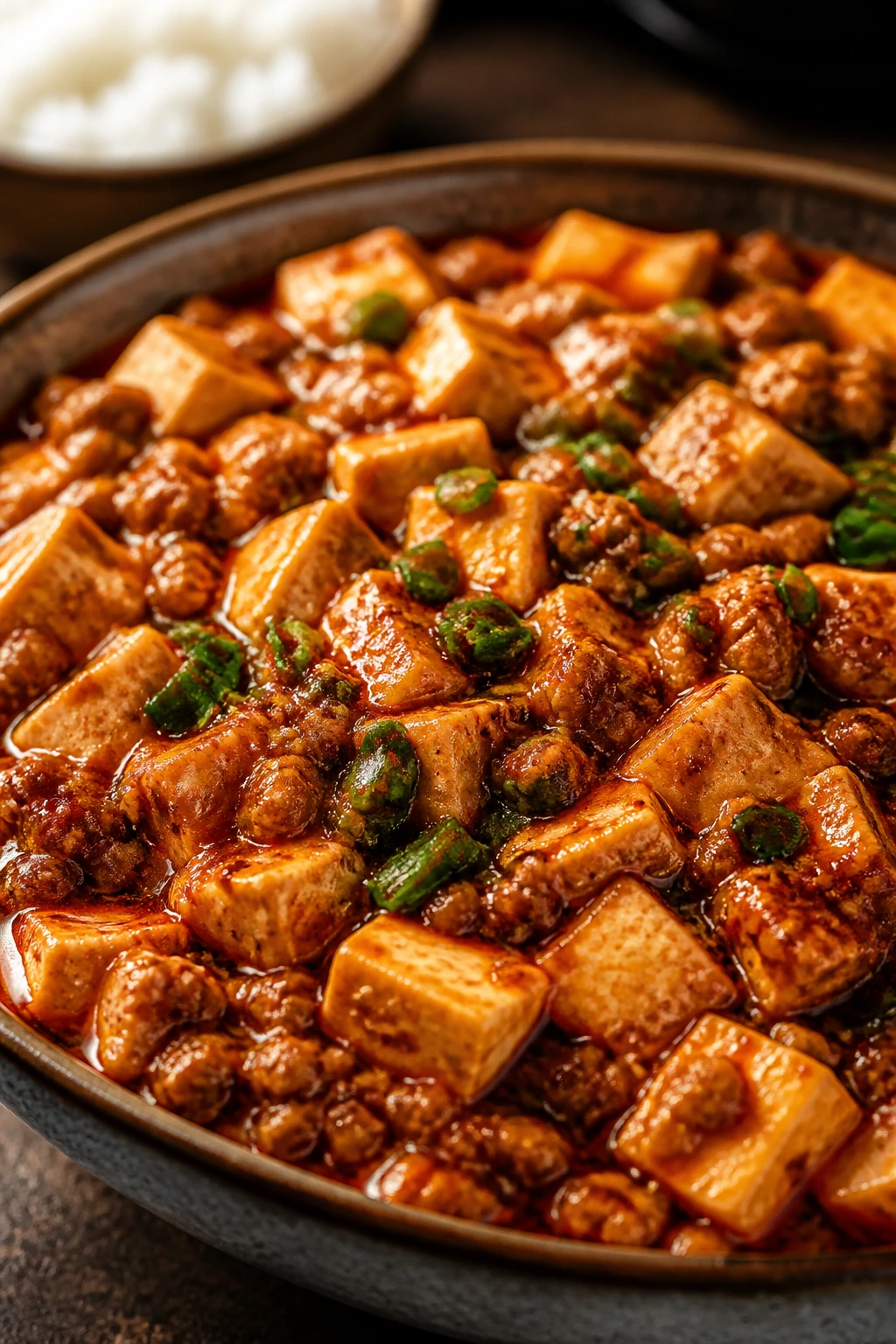
Mapo tofu is the spicy, glossy, spoonable dish that makes a potluck table feel a little more serious. The tofu turns silky and soft, the pork breaks into little savory bits, and the sauce carries that deep fermented heat that keeps people going back for small portions even after they said they were done. Served with rice, it’s loud in the best way.
Why It Works:
The tofu gives you a soft, almost custardy texture that holds sauce beautifully, while ground pork adds body and richness. Doubanjiang and fermented black beans give the dish its backbone; they’re what makes mapo taste like mapo and not just spicy tofu. The key is to simmer gently so the tofu doesn’t break apart into a mess. This is one of the few dishes here that can sit in a covered warm tray or slow cooker for a while and still taste intentional.
Key Ingredients:
- 2 blocks medium-firm tofu, 14 ounces each — tender, but sturdy enough to hold together.
- 8 ounces ground pork — for richness.
- 2 tablespoons doubanjiang — spicy fermented chili bean paste.
- 1 tablespoon fermented black beans, chopped — salty depth.
- 2 garlic cloves, minced — for aroma.
- 1 tablespoon grated ginger — sharp and fresh.
- 1 cup chicken stock — for the sauce.
- 1 tablespoon soy sauce — seasons the broth.
- 1 tablespoon Shaoxing wine — adds depth.
- 1 teaspoon sugar — softens the heat.
- 1 teaspoon Sichuan peppercorn powder — for that tingly finish.
- 1 tablespoon cornstarch mixed with 2 tablespoons water — for thickening.
- 2 scallions, sliced — for garnish.
- 2 tablespoons neutral oil — for cooking.
Quick Steps:
- Prep the tofu: Cut it into 3/4-inch cubes. If you want a firmer texture, blanch the cubes in gently simmering water for 1 minute and drain.
- Brown the pork: Heat oil in a wok or skillet over medium-high heat. Cook the pork until crumbly and lightly browned.
- Build the sauce: Stir in doubanjiang, black beans, garlic, and ginger. Cook for 30 seconds until fragrant, then add stock, soy sauce, Shaoxing wine, and sugar.
- Simmer gently: Add the tofu and simmer for 4 to 5 minutes, stirring very lightly so the cubes stay intact.
- Thicken and finish: Stir in the cornstarch slurry, cook until glossy, then finish with Sichuan peppercorn powder and scallions.
Equipment for This Recipe:
- Wok or deep skillet — gives the sauce room.
- Spatula — use it gently.
- Cutting board and sharp knife — for the tofu.
- Small bowl — for the cornstarch slurry.
How to Serve This Dish:
Serve mapo tofu over steamed jasmine rice in a deep bowl, because the sauce wants somewhere to pool. It also does well in a warmer or slow cooker set on low if your potluck has a long line. A spoonful goes far, so don’t overfill the serving dish.
Pro Tips for This Recipe:
- Stir the tofu gently. Hard stirring turns the cubes into fragments.
- Taste the doubanjiang first if you’re sensitive to salt; some brands are brinier than others.
- Keep the simmer low. A hard boil is rough on the tofu.
- Finish with the peppercorn powder at the end so the numbing aroma stays sharp.
Variations on This Dish:
- Vegetarian Mapo Tofu: Use finely chopped mushrooms in place of the pork.
- Milder Version: Cut the doubanjiang by half and use less peppercorn powder.
- Extra-Spicy Version: Add chili oil or more fermented bean paste right before serving.
Common Mistakes to Avoid with This Dish:
- Boiling the tofu hard: It tears apart. Keep the simmer gentle.
- Skipping the stock: The sauce turns pasty instead of silky.
- Using too little salt-sour balance: A touch of sugar matters more than people think.
11. Tea Eggs with Five-Spice
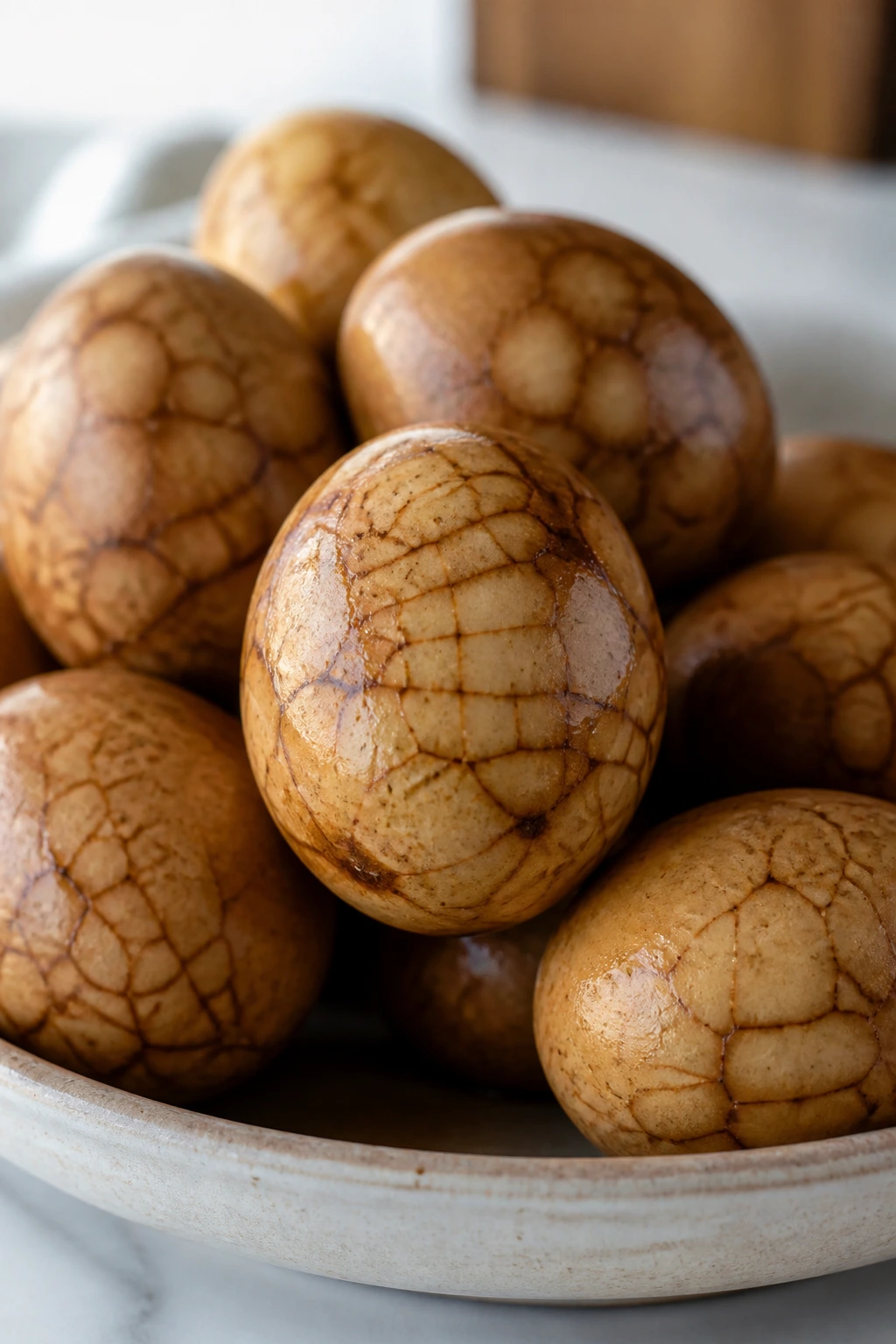
Tea eggs are the dish that gets picked up by people who like quiet surprises. On the outside, they look like marbled little stones. Inside, the whites are seasoned all the way through, and the yolks stay creamy if you pull them at the right time. They’re simple, inexpensive, and very good at sitting around in the fridge until the potluck starts.
Why It Works:
The cracked shells let the tea-and-soy mixture seep into the white in a patterned way, which gives the eggs their look and their flavor. Black tea adds tannin, soy sauce adds salt, and spices like star anise and cinnamon make the liquid taste round instead of one-note. They’re also one of the easiest make-ahead dishes on the list, because the flavor gets deeper after a night in the fridge. Not every potluck dish should shout. These don’t.
Key Ingredients:
- 8 large eggs — older eggs peel easier.
- 4 cups water — enough to cover the eggs.
- 3 black tea bags — strong tea works best.
- 1/2 cup soy sauce — seasons the eggs.
- 2 star anise — classic five-spice aroma.
- 1 cinnamon stick — for warmth.
- 1 tablespoon brown sugar — rounds the liquid.
- 1 teaspoon salt — helps the seasoning settle.
Quick Steps:
- Boil the eggs: Cook the eggs in simmering water for 10 minutes, then move them to an ice bath.
- Crack the shells: Tap each egg all over with the back of a spoon so the shell is cracked but still attached.
- Simmer the tea bath: Bring water, tea bags, soy sauce, star anise, cinnamon, sugar, and salt to a simmer.
- Steep: Add the cracked eggs and simmer gently for 20 to 30 minutes.
- Rest overnight: Turn off the heat and let the eggs sit in the liquid for several hours or overnight before peeling.
Equipment for This Recipe:
- Medium saucepan — for boiling and simmering.
- Slotted spoon — for lifting the eggs.
- Bowl of ice water — keeps the yolks from overcooking.
- Spoon — for cracking the shells.
How to Serve This Dish:
Peel them and serve whole, halved, or quartered with a tiny dish of the simmering liquid nearby if you want extra shine. They fit next to fried rice, wings, or noodles, but they’re also good as a small snack on their own. Two eggs make a solid tasting portion; more if they’re one of several cold items on the table.
Pro Tips for This Recipe:
- Crack the shells enough to show lines, not so hard that pieces fall off.
- Keep the simmer low after the eggs go in. A hard boil makes rubbery whites.
- Peel under a thin stream of water if the shells cling.
- If you want a darker color, let the eggs sit longer in the liquid.
Variations on This Dish:
- Five-Spice Tea Eggs: Add a pinch of five-spice powder to the simmering liquid.
- Soy-Free Version: Use coconut aminos in place of soy sauce, though the flavor will be softer.
- Soft-Yolk Tea Eggs: Pull the eggs after 7 minutes of boiling and shorten the simmer slightly.
Common Mistakes to Avoid with This Dish:
- Not cooling the eggs first: They overcook from residual heat.
- Cracking the shells too lightly: The liquid won’t penetrate enough.
- Serving them right away: The flavor is better after it has time to settle in.
12. Char Siu Sliders with Quick Pickles
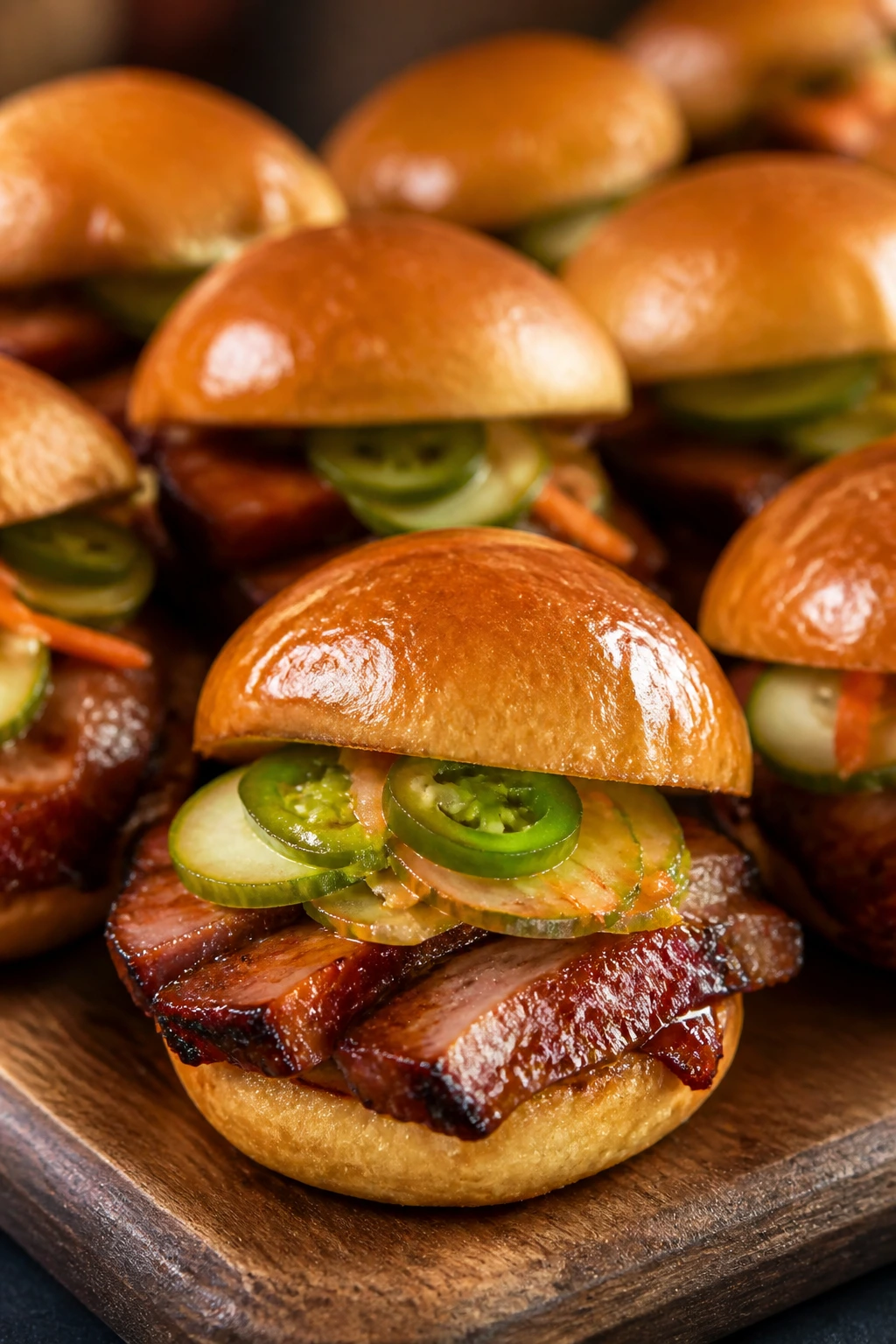
Char siu sliders are what happens when you take barbecue pork, Chinese-style, and put it on a bun with enough restraint to keep it tidy. The pork is glossy and sweet-savory, the quick pickles cut through the richness, and the little buns make the whole dish easy to grab without a knife. This is a smart choice when you want something that feels substantial but still friendly on a buffet tray.
Why It Works:
Pork shoulder has enough fat to stay moist during roasting, and the glaze on the outside caramelizes into sticky edges that slice well. A brief rest before slicing keeps the juices in the meat instead of on the cutting board. Quick pickles are the fix for everything that’s too rich, and here they keep the slider from feeling heavy after one bite. If you’re feeding a group that likes handheld food, this one earns its spot.
Key Ingredients:
- 2 pounds pork shoulder, trimmed but not lean — fat matters here.
- 1/4 cup hoisin sauce — the glaze base.
- 3 tablespoons soy sauce — for salt.
- 1/4 cup honey — for shine.
- 1 tablespoon Shaoxing wine — deepens the marinade.
- 1 teaspoon Chinese five-spice — gives the pork its signature note.
- 3 garlic cloves, minced — savory backbone.
- 1 tablespoon rice vinegar — balances the glaze.
- 1 cucumber, thinly sliced — for quick pickles.
- 1 carrot, shaved into ribbons — adds crunch and color.
- 1/2 cup rice vinegar — for the pickle brine.
- 1 tablespoon sugar — softens the brine.
- 1/2 teaspoon salt — seasons the quick pickles.
- 12 small dinner rolls or milk buns — the slider base.
- Mayonnaise or chili mayo, optional — for serving.
- Sliced scallions — for garnish.
Quick Steps:
- Marinate the pork: Mix hoisin, soy sauce, honey, Shaoxing wine, five-spice, garlic, and rice vinegar. Coat the pork and let it sit for at least 2 hours, or overnight if you can.
- Make the quick pickles: Stir rice vinegar, sugar, and salt together. Toss with cucumber and carrot.
- Roast: Place the pork in a roasting pan and cook at 400°F (205°C) for 35 to 45 minutes, brushing with extra marinade halfway through, until the center reaches 145°F (63°C).
- Rest and slice: Rest for 10 minutes, then slice thinly across the grain.
- Build the sliders: Fill the buns with pork, quick pickles, a little mayo if you want it, and scallions.
Equipment for This Recipe:
- Roasting pan — catches the glaze as it caramelizes.
- Small bowl — for the quick pickles.
- Sharp knife — for slicing the pork.
- Foil — optional, for covering if the glaze browns too fast.
How to Serve This Dish:
Arrange the sliders on a platter with the tops leaning off at a slight angle so people can see the pork and pickles. They’re sturdy enough to sit on the table for a bit without falling apart. Plan for 2 sliders per person if they’re a main offering, or 1 if the table is packed.
Pro Tips for This Recipe:
- Slice the pork against the grain. It matters more than you’d think.
- Don’t skip the rest after roasting. Juices settle back into the meat.
- Put the pickles on just before serving so the buns stay soft, not damp.
- If the glaze darkens too fast, tent loosely with foil.
Variations on This Dish:
- Chicken Thigh Sliders: Use boneless chicken thighs and shorten the roast time.
- Lettuce Cup Version: Skip the buns and serve the pork in lettuce cups with pickles.
- Spicy Mayo Version: Stir chili crisp into the mayo for a sharper finish.
Common Mistakes to Avoid with This Dish:
- Using very lean pork: It dries out before the glaze caramelizes.
- Slicing too early: The pork loses its juices.
- Assembling too far ahead: The buns soften fast under the pickles.
13. Vegetable Chow Mein
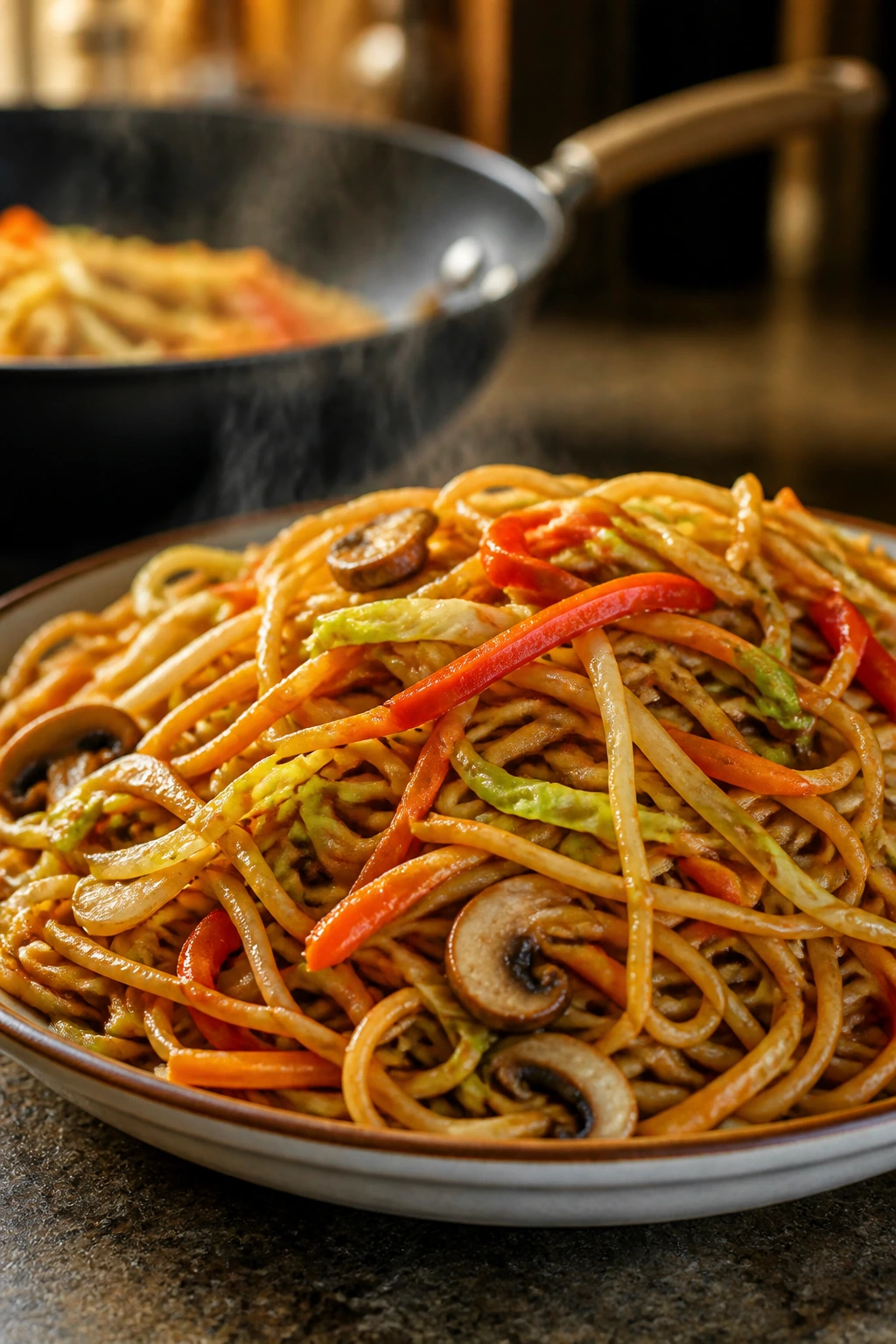
Vegetable chow mein has a useful kind of energy. It’s slick with sauce, full of cabbage and mushrooms, and sturdy enough to sit on a buffet without collapsing into a tangled mess. The noodles stay separate if you use enough heat and not too much liquid, which is the difference between a good potluck noodle tray and a regretful one.
Why It Works:
The dish depends on fast cooking and a sauce that’s flavorful without being soupy. Cabbage and carrots keep a little bite, mushrooms bring a savory base note, and the noodles soak up enough sauce to taste dressed, not wet. Chow mein works because everything gets cooked just enough. That’s the whole game. Underdo the vegetables a little, and the dish holds better for the long haul.
Key Ingredients:
- 12 ounces chow mein noodles or yakisoba noodles — sturdy enough to toss.
- 2 cups shredded cabbage — the bulk of the vegetable mix.
- 1 cup julienned carrot — for sweetness and color.
- 1 red bell pepper, thinly sliced — a little brightness.
- 8 ounces shiitake or cremini mushrooms, sliced — for savory depth.
- 3 scallions, sliced — fresh finish.
- 2 garlic cloves, minced — flavor base.
- 1 teaspoon grated ginger — keeps the dish lively.
- 2 tablespoons soy sauce — the main seasoning.
- 2 tablespoons oyster sauce — for body and shine.
- 1 teaspoon sugar — balances the sauce.
- 1 teaspoon sesame oil — finishes the noodles.
- 2 tablespoons neutral oil — for stir-frying.
- 1/2 cup bean sprouts, optional — for extra crunch.
Quick Steps:
- Cook the noodles: Boil them until just tender, then drain.
- Stir-fry the vegetables: Heat oil in a wok or skillet. Cook mushrooms, cabbage, carrot, and bell pepper over high heat for 3 to 4 minutes, until crisp-tender.
- Add aromatics: Stir in garlic and ginger for 30 seconds.
- Toss with noodles: Add the noodles, soy sauce, oyster sauce, sugar, and bean sprouts if using. Toss until the noodles are evenly coated.
- Finish: Add sesame oil and scallions right at the end.
Equipment for This Recipe:
- Wok or large skillet — needed for high heat.
- Pot for noodles — make it big enough to avoid sticking.
- Tongs — for tossing.
- Colander — for draining.
How to Serve This Dish:
Pile it into a wide tray or bowl and finish with extra scallions. It’s a natural side with wings or potstickers, but it can be a main if the table needs a vegetarian anchor. About 1 1/2 cups per person works well for potluck service.
Pro Tips for This Recipe:
- Keep the noodles slightly underdone before they hit the pan.
- Use high heat and move fast. Slow cooking turns it soft.
- Cut the vegetables into similar sizes so they cook at the same rate.
- If the pan gets dry, splash in a tablespoon of noodle water instead of more oil.
Variations on This Dish:
- Chicken Chow Mein: Add cooked shredded chicken to the vegetables.
- Shrimp Chow Mein: Toss in quick-cooked shrimp at the end.
- Gluten-Free Version: Use rice noodles and tamari instead of soy sauce.
Common Mistakes to Avoid with This Dish:
- Too much sauce: The noodles turn slick and heavy. Use a light hand.
- Overcooking the cabbage: It loses the crunch that makes the dish work.
- Letting the noodles sit in the colander too long: They dry into clumps. Toss them while they’re still warm.
14. Crab Rangoon Dip with Wonton Chips
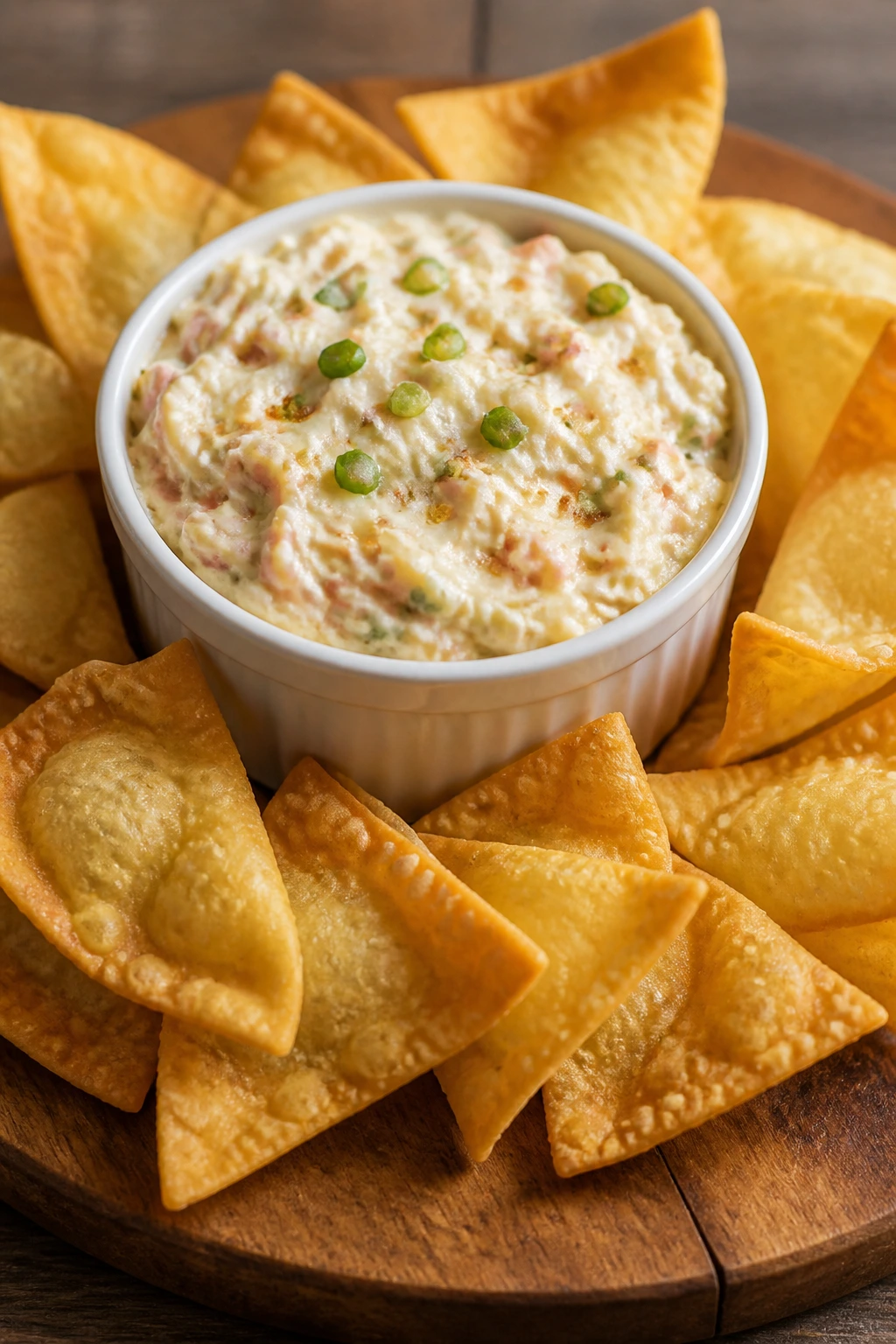
Crab Rangoon in dip form is exactly the sort of thing that gets demolished while everyone is still talking about who brought dessert. The cream cheese base stays rich and smooth, the crab gives little salty pockets of flavor, and the crisp wonton chips make it feel more thoughtful than a standard party dip. It’s Chinese-American, not old-school Cantonese, and I’m fine with that. Potlucks have room for both heritage and fun.
Why It Works:
The classic Rangoon flavor profile is already familiar: creamy, crabby, a little garlicky, and lightly sweet. Turning it into a dip solves the fussy part—no folding dozens of wrappers one by one. Baking gives you a warm, scoopable center while the wonton chips supply the crunch that the dip itself cannot. It travels well if you bake the dip at the destination or keep it warm for a short stretch.
Key Ingredients:
- 16 ounces cream cheese, softened — the base.
- 8 ounces crab meat or imitation crab, chopped — use what you trust and can afford.
- 1/3 cup sour cream — loosens the dip.
- 2 scallions, finely sliced — freshness.
- 1 garlic clove, grated — for sharpness.
- 1 teaspoon soy sauce — adds salt.
- 1/2 teaspoon Worcestershire sauce, optional — a little extra depth.
- 20 wonton wrappers — for chips.
- Cooking spray or 2 tablespoons neutral oil — to crisp the wrappers.
- Sweet chili sauce, for serving — optional but useful.
Quick Steps:
- Heat the oven: Preheat to 375°F (190°C).
- Mix the dip: Stir cream cheese, crab, sour cream, scallions, garlic, soy sauce, and Worcestershire sauce until combined.
- Bake the dip: Spread into a small baking dish and bake for 20 to 25 minutes, until hot and bubbling at the edges.
- Make the chips: Cut wonton wrappers into triangles, spray lightly with oil, and bake on a sheet pan for 5 to 7 minutes, until crisp and golden.
- Serve together: Spoon the dip into a serving bowl and surround it with the chips.
Equipment for This Recipe:
- Baking dish — holds the dip.
- Sheet pan — for the wonton chips.
- Mixing bowl — for the filling.
- Spatula or spoon — for stirring.
How to Serve This Dish:
Serve it warm, with the chips arranged around the dish instead of buried in a pile. A little sweet chili sauce on the side works well for people who want a sweeter dip. It’s rich, so a small scoop goes a long way; plan on a few tablespoons per person.
Pro Tips for This Recipe:
- Let the cream cheese soften fully. Cold cream cheese stays lumpy.
- Drain crab well if it’s wet.
- Bake the wonton chips separately so they stay crisp.
- If the dip thickens as it cools, stir in a spoonful of sour cream.
Variations on This Dish:
- Hot Crab Rangoon Dip: Add a spoonful of chili crisp or sriracha.
- Shrimp Rangoon Dip: Use chopped cooked shrimp instead of crab.
- Vegetarian Rangoon Dip: Use finely chopped water chestnuts and mushrooms for texture.
Common Mistakes to Avoid with This Dish:
- Skipping the chip step: Crackers work, but wontons give the right bite.
- Using too much crab liquid: The dip gets loose and runny.
- Serving it cold: The flavor is flatter, and the texture is dense.
15. Sweet-and-Sour Chicken Meatballs
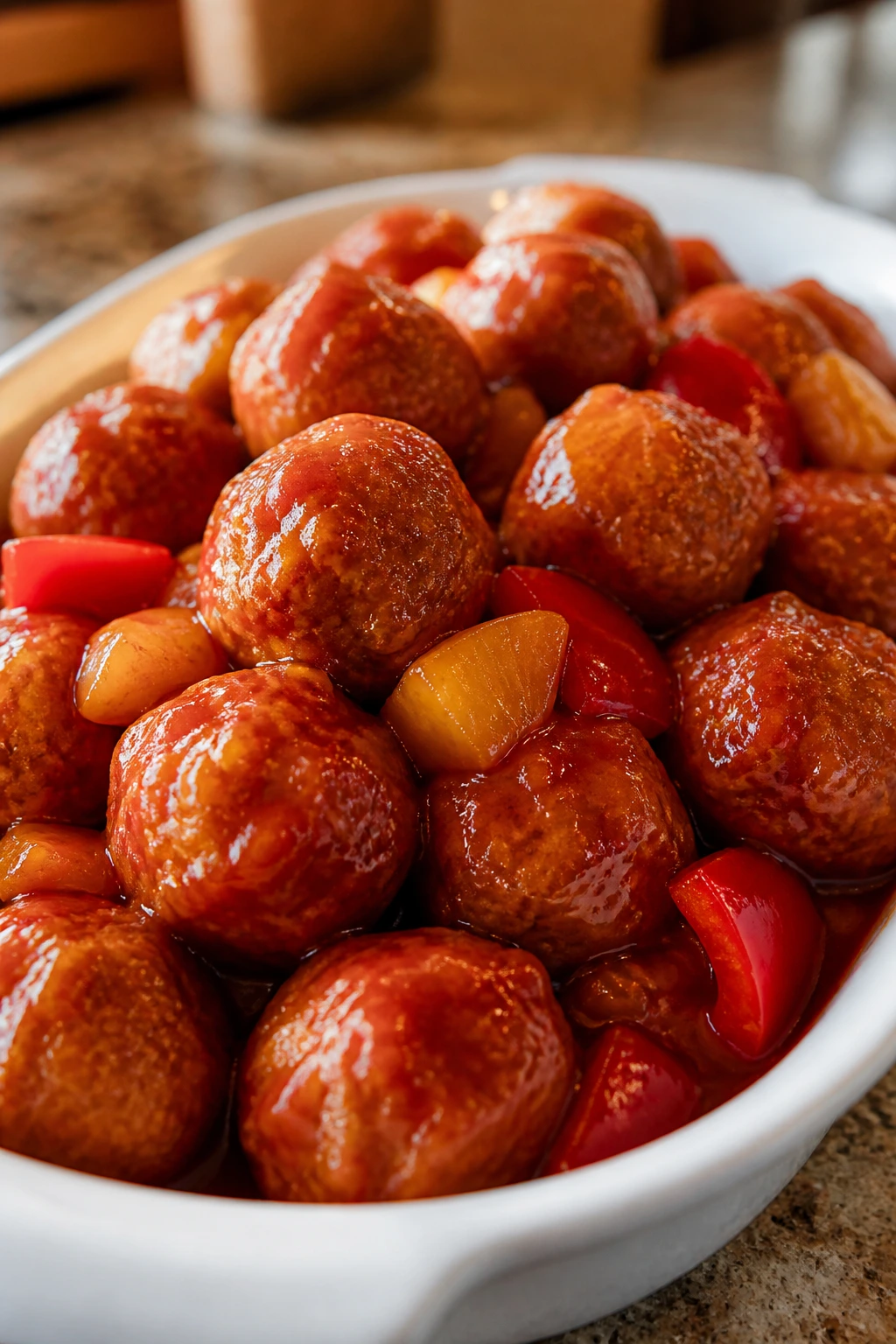
Sweet-and-sour chicken meatballs bring the bright pineapple-vinegar punch that people expect from takeout, but in a cleaner, easier-to-serve form. The meatballs are tender, the sauce is glossy, and the red bell pepper and pineapple give the tray enough color to look lively even before anyone digs in. It’s one of the easiest ways to turn a familiar takeout flavor into something that belongs on a buffet.
Why It Works:
Ground chicken makes meatballs that soak up flavor quickly, and baking keeps them compact enough to skewer or spoon without mess. The sauce strikes a useful balance: ketchup for body, pineapple juice for sweetness, rice vinegar for tang, and a little soy sauce so it doesn’t taste like candy. The bell pepper stays a bit crisp, which helps the whole dish feel fresher than the usual sticky takeout version. Served with rice, it reads as dinner; served with toothpicks, it turns into a party tray.
Key Ingredients:
- 2 pounds ground chicken — thighs are juicier if you can get them.
- 1 cup panko breadcrumbs — lightens the meatballs.
- 1 large egg — binds the mixture.
- 3 scallions, minced — fresh flavor.
- 2 garlic cloves, grated — savory base.
- 1 teaspoon grated ginger — lifts the sauce.
- 1 teaspoon fine salt — for the meatballs.
- 1/2 teaspoon white pepper — a little warmth.
- 1 cup pineapple juice — for the sauce.
- 1/3 cup ketchup — gives body and color.
- 1/4 cup rice vinegar — the sour note.
- 1/4 cup brown sugar — for sweetness.
- 2 tablespoons soy sauce — deepens the sauce.
- 1 red bell pepper, chopped — for texture and color.
- 1 cup pineapple chunks — fresh or canned, drained.
- 1 tablespoon cornstarch mixed with 2 tablespoons water — thickens the sauce.
Quick Steps:
- Bake the meatballs: Mix the chicken, panko, egg, scallions, garlic, ginger, salt, and white pepper. Roll into 1 1/2-inch balls and bake at 425°F (220°C) for 15 to 18 minutes, until cooked through.
- Start the sauce: Simmer pineapple juice, ketchup, rice vinegar, brown sugar, soy sauce, and bell pepper in a skillet for 4 to 5 minutes.
- Thicken: Add the cornstarch slurry and stir until the sauce turns glossy.
- Add pineapple and meatballs: Toss in the pineapple chunks and meatballs. Heat for 1 to 2 minutes so everything is coated.
- Serve warm: Move to a platter or a shallow serving dish.
Equipment for This Recipe:
- Sheet pan — for baking.
- Large bowl — for the meatball mix.
- Large skillet — for the sauce.
- Spoon or spatula — for tossing.
How to Serve This Dish:
Serve with toothpicks as an appetizer, or spoon the meatballs over jasmine rice as the main event. The sauce is bold enough that you don’t need much else, though steamed broccoli or cucumber salad works well beside it. Ten to twelve meatballs is a reasonable party portion; more if they’re standing in for dinner.
Pro Tips for This Recipe:
- Don’t mix the meatball mixture to a paste. Stop once it holds together.
- Reduce the sauce before adding the cornstarch, or it can taste thin and sweet.
- Add the pineapple late so it stays juicy.
- If the sauce gets too thick, loosen it with a splash of pineapple juice.
Variations on This Dish:
- Pineapple-Chili Meatballs: Add chili flakes or chili crisp for a sweeter-spicier finish.
- Turkey Meatballs: Swap in ground turkey and add a little more sesame oil.
- Vegetable Version: Use baked tofu cubes or cauliflower florets instead of meatballs.
Common Mistakes to Avoid with This Dish:
- Dry meatballs: Overbaking does that fast. Pull them when they’re just cooked through.
- Thin sauce: Let it simmer long enough to turn glossy.
- Adding pineapple too early: It turns soft and loses its bright bite.
Why These Dishes Travel Better Than a Typical Takeout Order
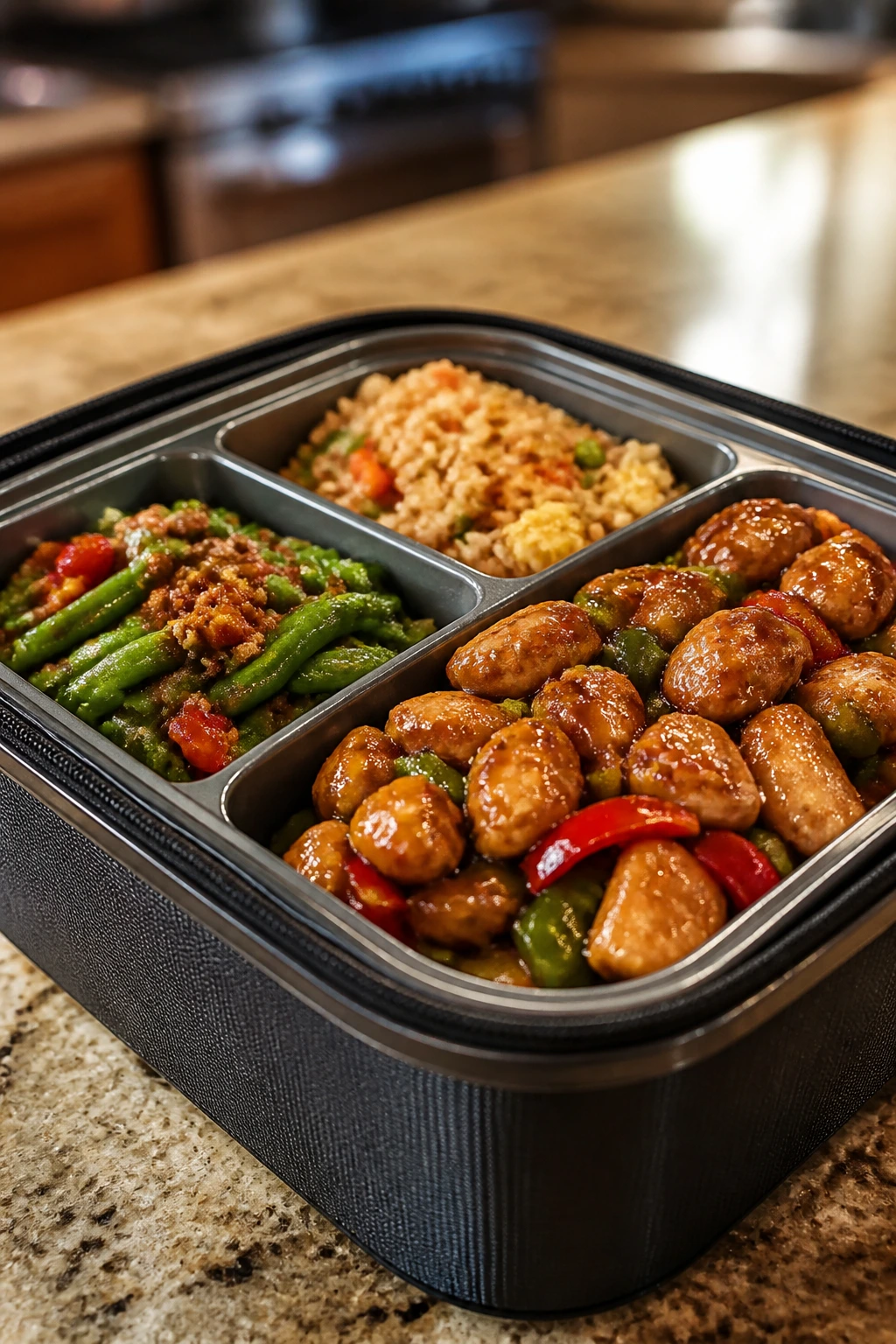
Takeout is built for speed. Potluck food has to survive time, heat, and a table full of people who keep opening containers before dinner is officially served. That’s a very different job. The recipes in this collection work because they rely on texture that still makes sense after a short wait: crisp bottoms on dumplings, firm noodles, glazed meat, cold cucumbers, and rice that doesn’t mind settling for a few minutes.
The other reason these dishes hold up is the sauce structure. A thin restaurant sauce that looks fine in the kitchen often turns into a swamp when it sits in a box. Here, the sauces are either thick enough to cling or light enough to stay separate until serving time. That means scallion pancakes stay flaky, wings stay sticky instead of soggy, and noodles don’t drown under a puddle of oil and soy. A potluck should never feel like a spill hazard.
Temperature matters more than people think. Hot food needs some structure, cold food needs real seasoning, and room-temperature dishes need enough acid or salt to stay lively. That’s why a table with mapo tofu, cucumber salad, tea eggs, and fried rice feels balanced. The flavors don’t all shout in the same register, and the whole spread ends up tasting sharper because of it.
Essential Equipment for These Recipes
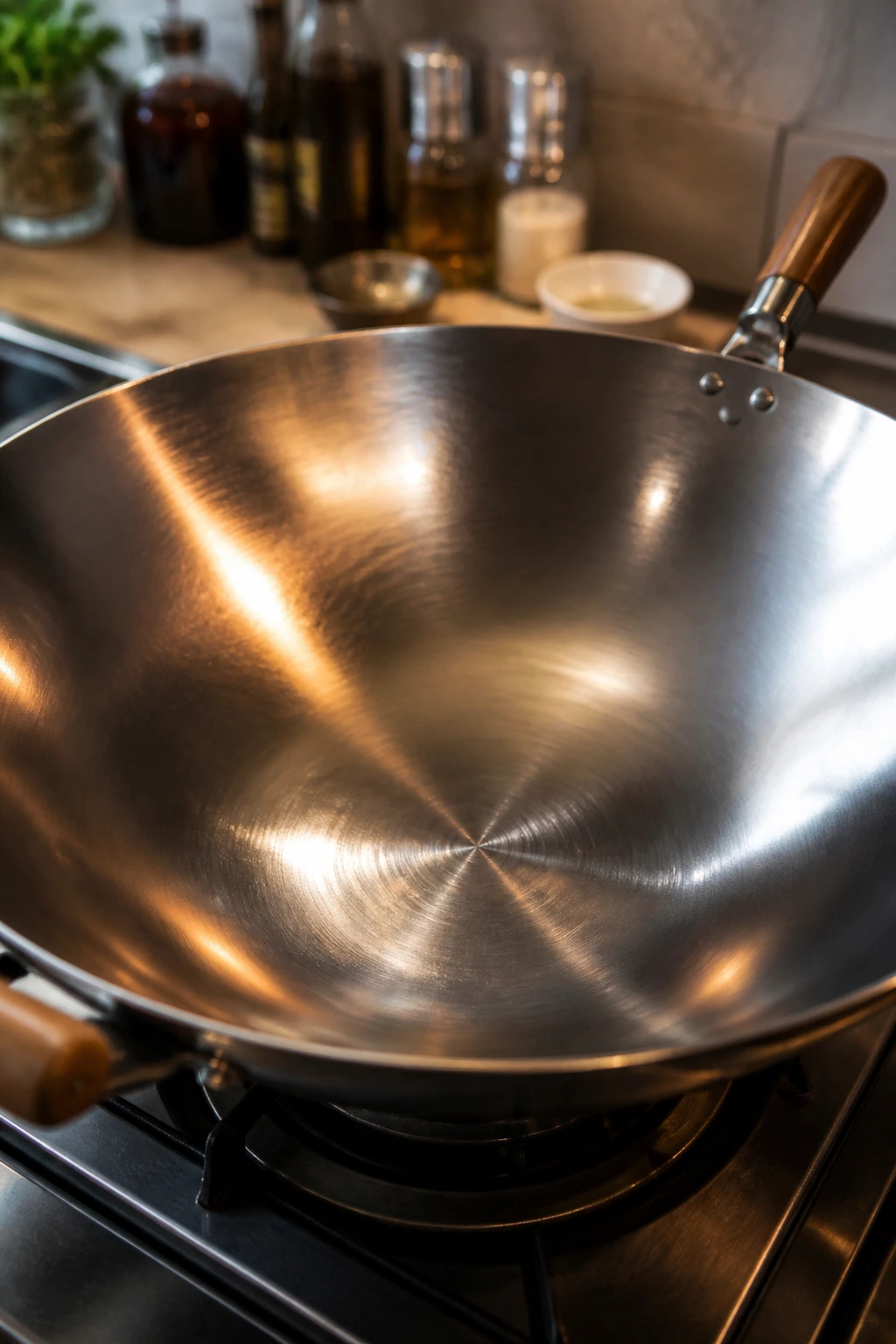
- Large wok or 12-inch skillet — useful for fried rice, chow mein, lo mein, mapo tofu, and anything that needs fast tossing.
- Rimmed sheet pans — good for wings, meatballs, egg rolls, and baking without mess.
- Wire rack — helps wings and egg rolls crisp instead of sitting in grease.
- Mixing bowls in at least two sizes — one for fillings, one for sauces, one for noodles if you’re doing this right.
- Sharp chef’s knife — thin slices of beef, pork, cucumbers, and scallions depend on it.
- Cutting board — ideally one big enough to hold a mountain of cabbage without sliding around.
- Tongs and a flat spatula — both show up again and again in stir-fries, frying, and roasting.
- Colander or strainer — important for noodles, blanched broccoli, and draining cucumbers.
- Small saucepan — perfect for glazes, dipping sauces, and tea eggs.
- Instant-read thermometer — useful for chicken meatballs, wings, and pork so you don’t guess.
- Airtight containers — needed for make-ahead noodles, sauces, and cold salad storage.
- Serving platters or shallow bowls — potluck food looks better when it isn’t piled into deep containers.
Smart Shopping and Ingredient Tips
A good potluck spread starts at the store, not at the stove. If you’re buying only one bottle of soy sauce, choose a regular Japanese-style or Chinese light soy that tastes clean and salty instead of syrupy. Oyster sauce matters too; a small amount gives fried rice, lo mein, and chow mein that restaurant-style gloss, and a decent bottle will last through several more dinners. Rice vinegar should taste sharp but not aggressive, and toasted sesame oil should smell nutty the second you open it.
For noodles, buy sturdier shapes than you think you need. Lo mein noodles, chow mein noodles, yakisoba, and even spaghetti can carry a sauce without collapsing. Thin rice noodles are fine for some dishes, but they need more care and dry out faster once they’re tossed. If you’re making fried rice, use jasmine rice or another long-grain rice that softens without clumping into glue. Freshly cooked rice is a trap here; cook it early and chill it.
Meat cuts matter. Pork shoulder gives sliders and braised dishes enough fat to stay juicy, while ground pork works well in dumplings and mapo tofu because it breaks up easily and seasons fast. For chicken meatballs and wings, thighs are more forgiving than breast meat. Ground chicken breast can work, but it dries out faster and needs a gentler hand with baking.
Vegetables should be chosen for crunch and structure. Napa cabbage, English cucumbers, scallions, broccoli florets, and shiitakes all hold texture better than watery or overlarge produce. If your broccoli stalks are thick, peel them and slice them so they cook at the same rate as the florets. If your cucumbers are seedy and soft, seed them before dressing. Small fixes like that save a tray from going limp.
Wrappers are one place where freshness matters. Dumpling wrappers and egg roll wrappers dry out quickly once opened, so buy them close to the cooking day and keep them under a damp towel while you work. Tofu should be handled gently and chosen by texture: medium-firm for mapo tofu, firmer varieties when you want cubes that can be lifted without falling apart. And if you’re unsure about a specialty ingredient like doubanjiang or fermented black beans, buy one good jar rather than five random substitutes. The flavor difference is immediate.
How to Serve These Recipes
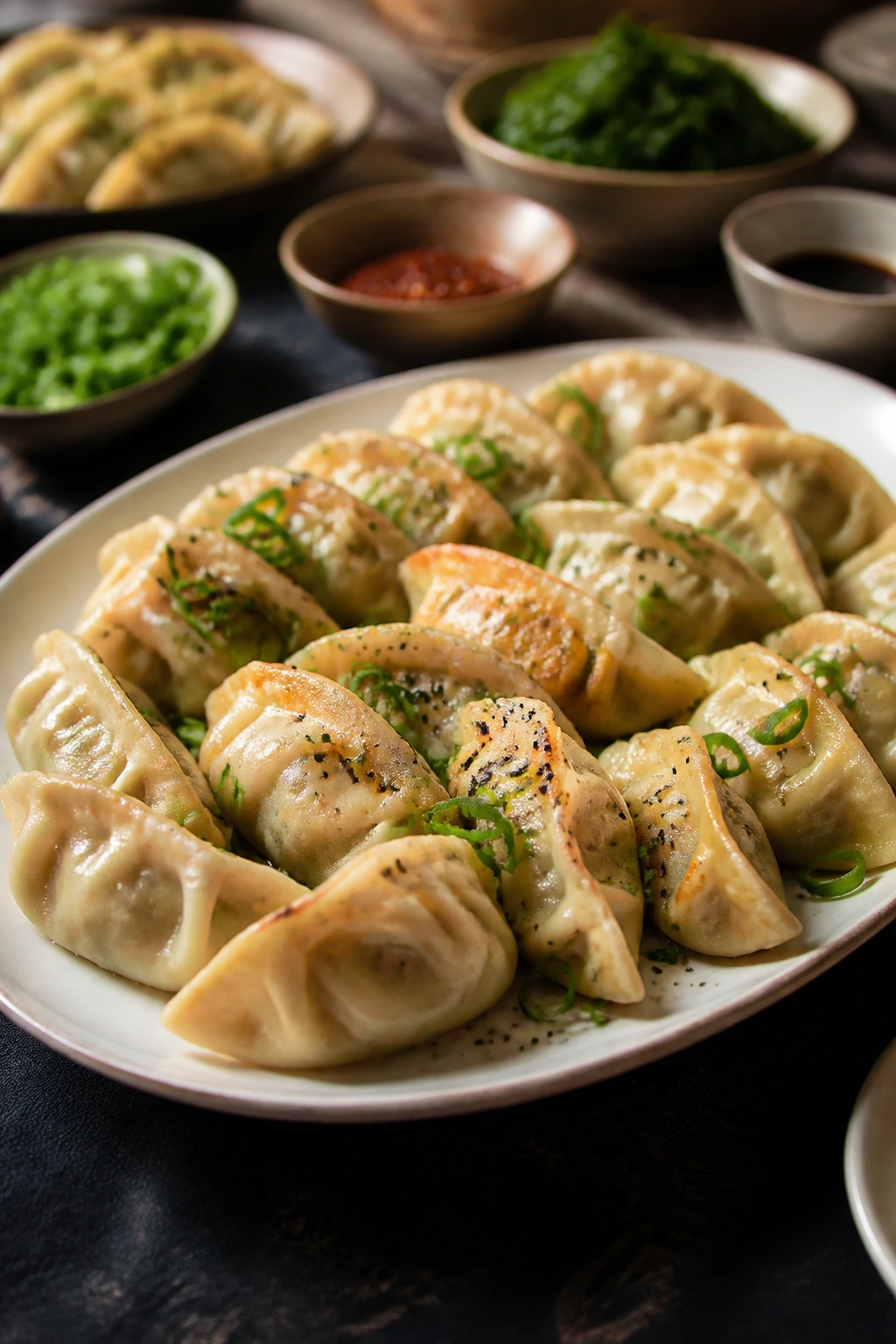
Presentation:
Use shallow platters, wide bowls, and a few small sauce dishes instead of deep containers. Scallion greens, sesame seeds, and a drizzle of chili oil or sesame oil give the table a finished look without making it fussy. Keep crispy foods like egg rolls and wings elevated on a rack or lined platter so they don’t sit in their own steam.
Accompaniments:
Fried rice pairs with cucumber salad and wings. Dumplings want black vinegar or chili oil. Noodles like a side of tea eggs or quick pickles. Sliders and meatballs do well with something acidic nearby, while mapo tofu and lo mein want plain steamed rice to keep the plate grounded. If you only bring one cold dish, make it the cucumber salad; it clears the way for everything else.
Portions:
For a mixed potluck, figure on 1 to 1 1/2 cups of noodles or fried rice per adult, 2 to 3 dumplings, 4 to 6 wings, or 2 small sliders. Richer foods like mapo tofu, crab rangoon dip, and meatballs go farther than they look because people take smaller portions when they’re part of a larger spread. Scale with more side dishes, not just more main dishes.
Beverage Pairing:
Jasmine tea works across almost everything here. A light lager or dry sparkling water with citrus is also a good fit if you want something cold and clean. For nonalcoholic options, oolong tea and unsweetened iced tea both cut the salt and fried edges without fighting the food.
Additional Tips and Flavor Boosters
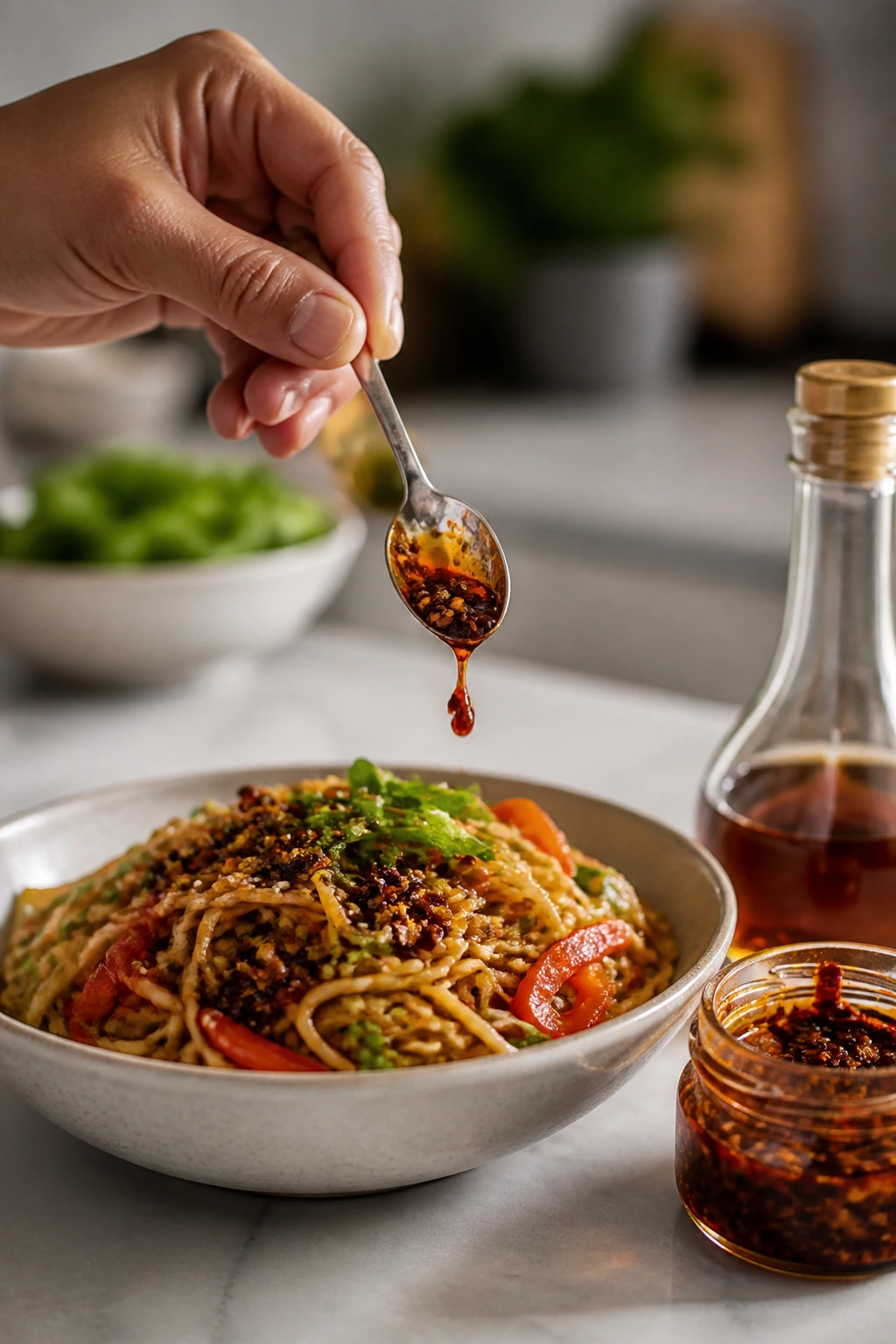
Flavor Enhancement:
A spoonful of chili crisp can wake up fried rice, noodles, cucumber salad, and dumplings without changing the whole dish. I like to keep it on the table in a small bowl so people can decide how far they want to go. A few drops of toasted sesame oil at the end also help, but use it sparingly; too much and every dish starts tasting the same.
Customization:
If you need more vegetables, add shredded cabbage to fried rice, chopped mushrooms to mapo tofu, or edamame to sesame noodles. If you need more protein, shredded chicken slips into chow mein and noodles without much drama. Ground turkey can replace chicken in the meatballs, and tofu can replace pork in a few places if you season it with a firmer hand.
Serving Suggestions:
Scallions, toasted sesame seeds, sliced chilies, and a few curls of cucumber go a long way on a buffet tray. For glazed dishes, a second brush of sauce right before the platter goes out gives a fresh shine. For cold dishes, keep the garnish light so the herbs don’t slump in the dressing.
Make-It-Yours:
For gluten-free plates, use tamari, rice noodles, and cornstarch-thickened sauces, then skip the wrappers that rely on wheat. For dairy-free cooking, most of this collection already cooperates, aside from the crab rangoon dip, which can be rebuilt with a dairy-free cream cheese if needed. If you’re cooking for kids, keep the chili crisp and pepper oil on the side and lean into sweet-sour or sesame-heavy dishes instead.
Make-Ahead, Storage, and Reheating Guidance
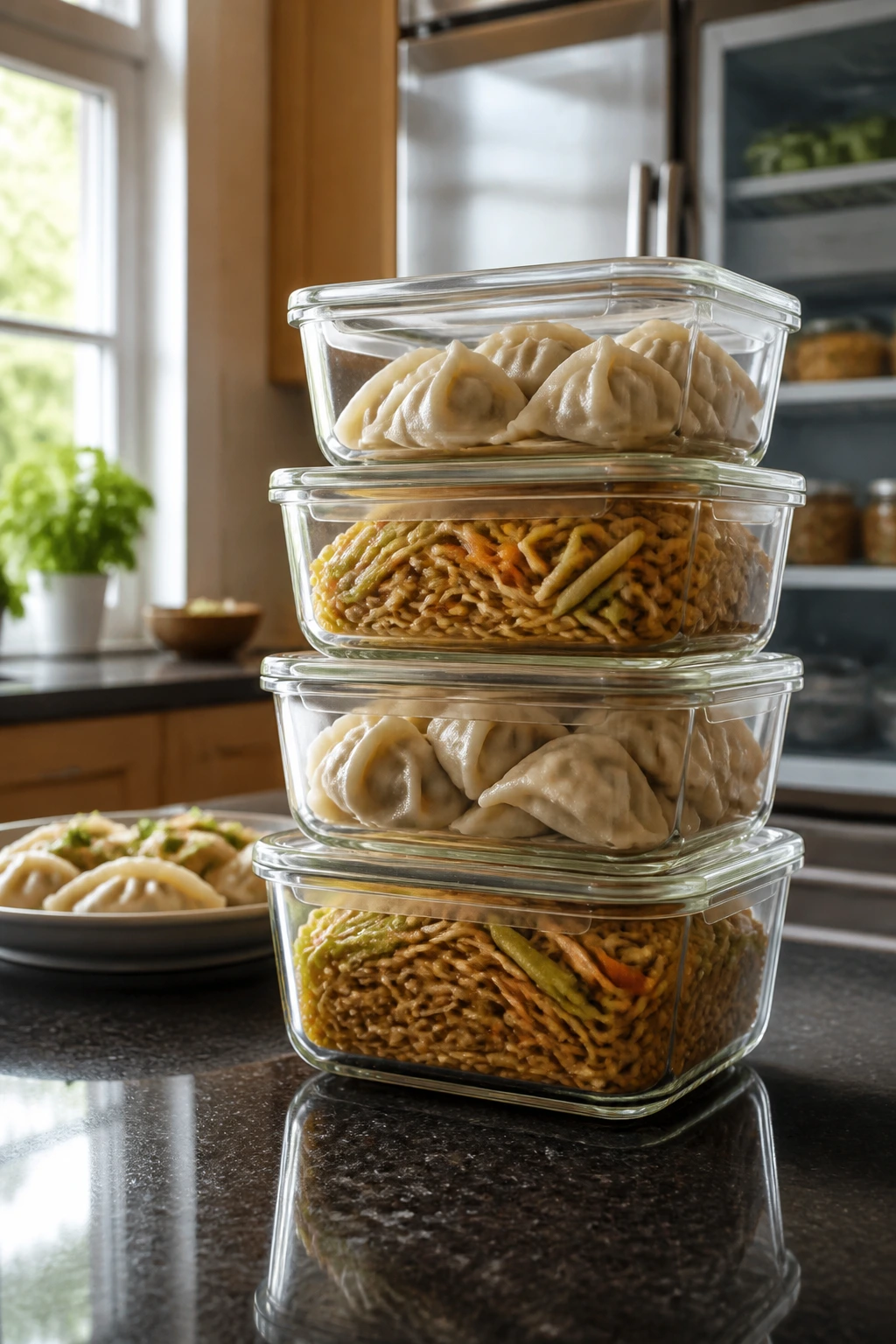
A few of these recipes are best cooked close to serving, but most of them behave well if you plan ahead. Dumplings and egg rolls can be assembled uncooked and frozen for up to 2 months; freeze them in a single layer first, then move them into bags so they don’t fuse into one block. Cook them straight from frozen, adding a few extra minutes to the steam or bake time. Fried rice, chow mein, lo mein, and noodle salads keep well in the refrigerator for 3 to 4 days in sealed containers, though the cold noodle dishes should be dressed lightly if you know they’ll sit overnight.
Wings, meatballs, char siu pork, and mapo tofu are all good within 3 to 4 days refrigerated. Reheat wings and egg rolls in a 375°F (190°C) oven or air fryer so the outside crisps back up. Meatballs, char siu, and mapo tofu do better in a covered skillet over low heat with a spoonful of water or stock, or in the microwave if you’re in a hurry. Stir once or twice as they heat so the sauce doesn’t tighten on the bottom.
Cold cucumber salad is the outlier. It’s best the day it’s made and acceptable the next day if you drain off any extra liquid before serving. Tea eggs keep for 4 to 5 days in the fridge, either in their soaking liquid or peeled and stored in a container with a damp paper towel. Hot foods should not sit out longer than 2 hours; after that, pack them back into heat or chill them. That rule matters more than taste does.
Sauces are your friend here. Make the dipping sauce for dumplings, the glaze for meatballs, and the marinade for char siu a day ahead if you want to cut down on day-of work. Chopped vegetables can also be prepped the morning of the potluck and held separately in containers. When the dish depends on crispness, keep wet ingredients off until the last possible minute. That small bit of restraint keeps the texture alive.
Variations and Adaptations to Try
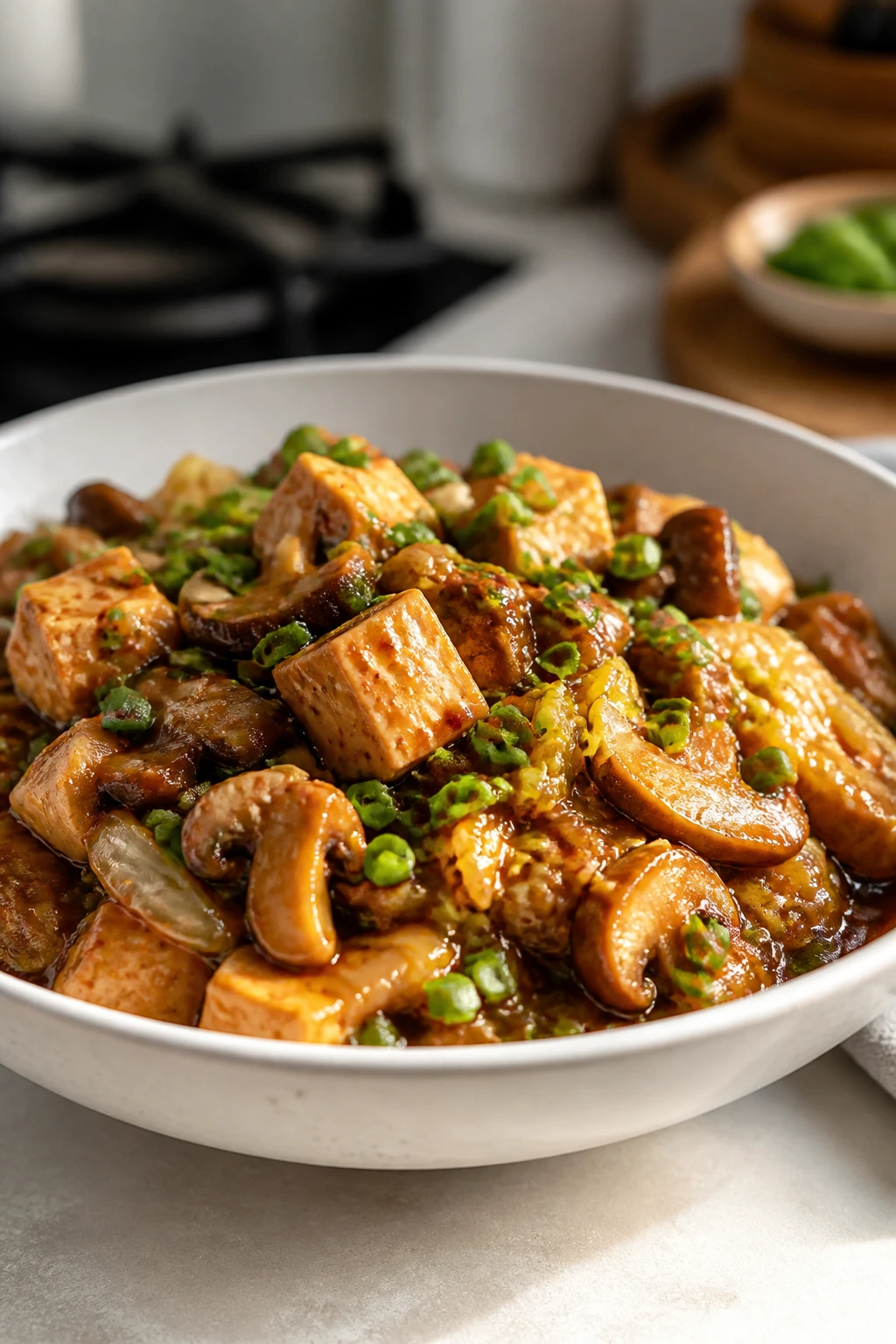
Gluten-Free Pantry Swap:
Use tamari instead of soy sauce, cornstarch instead of flour for thickening, and rice noodles or rice bowls instead of wheat noodles where that makes sense. Potstickers and egg rolls are harder to convert because the wrappers are wheat-based, but the rest of the table can be made gluten-free without feeling patched together.
Vegetarian Potluck Spread:
Build the menu around sesame noodles, cold cucumber salad, chow mein, tea eggs if eggs are welcome, and a tofu-based mapo version. Mushrooms and cabbage do a lot of work here, and they pick up sauce well if you don’t baby them. Add edamame or tofu cubes to give the table more body.
Lower-Sodium Remix:
Use low-sodium soy sauce, cut oyster sauce by a third, and let garlic, ginger, scallions, and black vinegar carry more of the flavor. The food won’t taste stripped down if you keep the aromatics lively. A squeeze of rice vinegar can do more than an extra splash of salt ever will.
Spice-Lover’s Table:
Chili crisp, Sichuan peppercorn, fermented black beans, and doubanjiang belong together when you want heat with character. Keep the spicier dishes clearly labeled or placed at one end of the buffet, because not everyone can ride that wave. A mild cucumber salad nearby helps reset the palate.
Kid-Friendly Version:
Dial back the chili, keep the sauces slightly sweeter, and lean into meatballs, fried rice, sliders, and noodles. Kids usually go for familiar shapes and glossy sauces, not an aggressive spice profile. A tray of plain cucumber slices beside the salad also helps.
Big-Group Buffet Plan:
If you’re feeding a crowd, double the dumplings, wings, and fried rice, then include one cold side and one saucy main. That combination handles the most people with the least last-minute panic. Make one tray that can stay warm, one that can stay cold, and one that can sit at room temperature without getting sad.
Common Mistakes to Avoid
Packing hot food into sealed containers right away:
Steam is the enemy of crisp edges and flaky wrappers. Let fried foods vent for a few minutes on a rack or open tray before covering them, and don’t trap wings or egg rolls in their own heat if you want them to stay crisp.
Saucing everything too early:
Glazed meat and sauced noodles look tempting when they’re still in the pan, but too much sitting time turns them sticky or soft. For the best texture, hold back a little sauce and finish the dish shortly before it goes to the table.
Choosing delicate ingredients for a long buffet:
Silky greens, thin noodles, and watery vegetables can wilt fast. If the dish has to sit, use sturdier cabbage, broccoli, chow mein noodles, or dumpling wrappers that can handle a little time away from the stove.
Forgetting food safety on the buffet:
Hot foods should stay hot, cold foods should stay cold, and neither should sit out forever. Use chafing dishes, warming trays, ice packs, or insulated carriers if the spread is going to last more than a short meal.
Making only rich or only fried dishes:
A table full of crunchy, sticky, and savory food gets heavy fast. The cucumber salad, tea eggs, or a noodle dish with a cleaner dressing keeps the whole meal from feeling one-note.
Under-seasoning the make-ahead dishes:
Foods that sit need enough salt, vinegar, soy, or sesame flavor to stay vivid after resting. If a dish tastes barely seasoned in the kitchen, it will taste muted on the potluck table. Season it with the table in mind, not the pan.
Frequently Asked Questions
Which dish should I bring if I need something that travels the best?
Char siu fried rice, tea eggs, and cold sesame noodles are all strong choices because they don’t depend on fragile crispness. If you want something hot, potstickers reheat well and can also be frozen ahead of time.
Can I make these recipes with supermarket ingredients only?
Yes, with a few smart swaps. Spaghetti can stand in for lo mein, regular pork shoulder can stand in for char siu cuts, and peanut butter can replace sesame paste in the noodle sauce if needed. The flavor won’t be identical, but it will still be very good.
What’s the easiest vegetarian option in the group?
Cold cucumber salad is the fastest, but vegetable chow mein and sesame noodles are the most complete vegetarian dishes. If you want something richer, the mapo tofu variation with mushrooms gives you a savory main without meat.
How do I keep fried foods crisp at a potluck?
Cool them on a wire rack instead of a flat plate, and transport them in a container that can vent a little steam. Reheat in a hot oven or air fryer for a few minutes if they soften on the way there. A sealed plastic tub is the quickest path to soggy wings.
Can I freeze the dumplings and egg rolls before cooking?
Yes, and they’re better for it. Freeze them on a tray first so they keep their shape, then bag them once they’re firm. Cook straight from frozen and add a few extra minutes to the cooking time.
What rice works best for fried rice?
Jasmine rice is my favorite because the grains stay separate and fragrant. Medium-grain rice can work if it’s been chilled well, but very soft rice tends to clump. Cold, dry rice beats fresh, hot rice every time.
How far ahead can I make the sauces?
Most dipping sauces and glazes can be made 3 to 5 days ahead and stored in the fridge. Whisk them again before using, since sesame paste and cornstarch-based sauces often settle. Make the cucumber salad dressing ahead too, but don’t toss the cucumbers until closer to serving.
What should I bring if I only have one skillet and not much time?
Garlic sesame noodles or cold cucumber salad are the quickest, and both use one main vessel. If you want something warm, orange chicken meatballs can be baked on one sheet pan while the glaze simmers in a small saucepan.
Can I scale these recipes up without ruining them?
Yes, but use bigger pans and more than one batch if the skillet starts to crowd. Stir-fry dishes need space, fried foods need airflow, and dumplings need room to brown. Scaling is mostly about keeping the pan from getting lazy.
Do any of these dishes need to stay warm the whole time?
Mapo tofu, wings, meatballs, and fried rice are better warm, but they don’t need to be blazing hot from start to finish. A low slow cooker, warming tray, or covered pan over very low heat works fine for short stretches. The key is keeping them hot enough that they don’t drift into the lukewarm danger zone.
A Table Worth Coming Back To
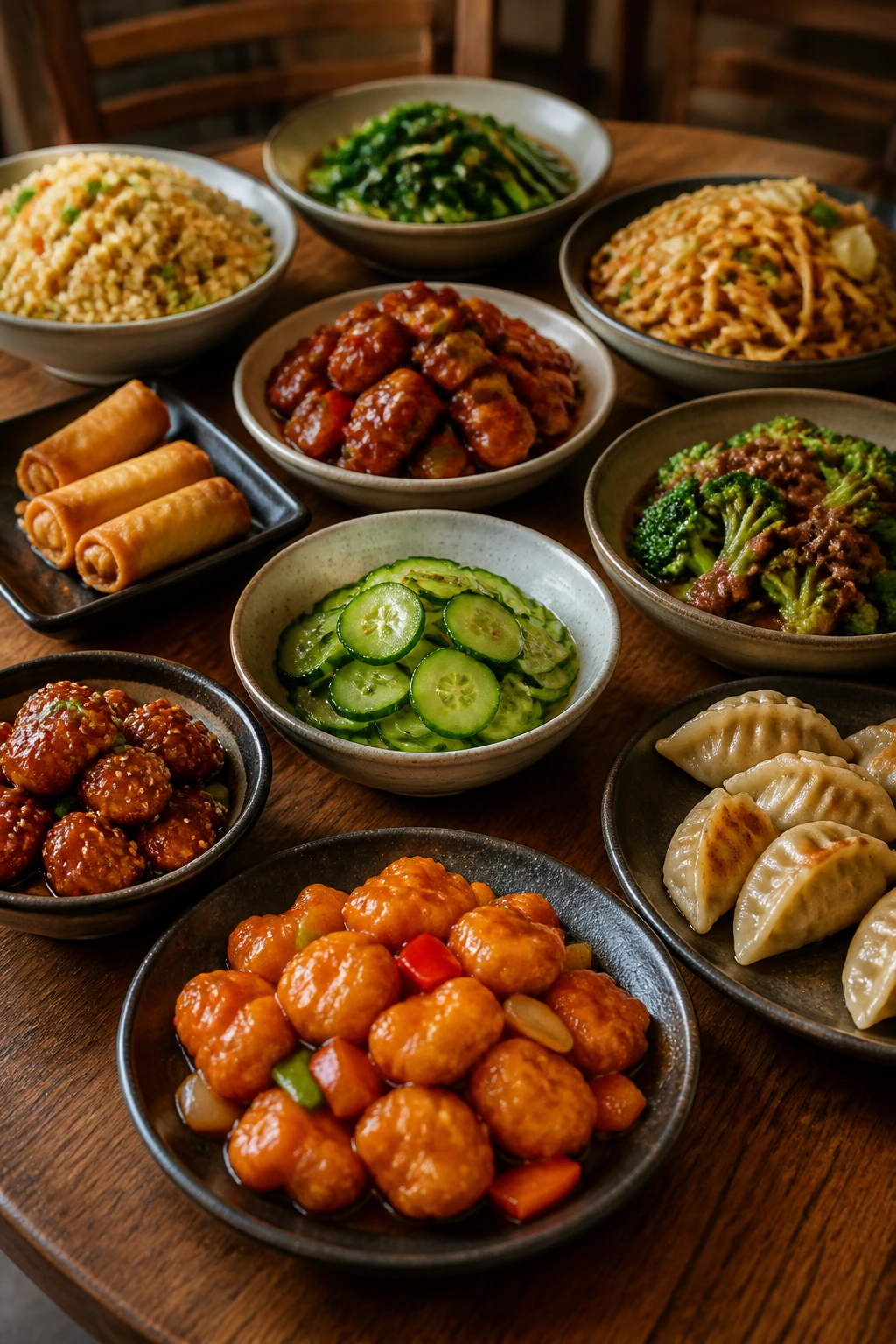
A good potluck isn’t about bringing the most food. It’s about bringing the right mix of textures, temperatures, and flavors so the whole table feels awake. That’s where these Chinese potluck ideas earn their place: they travel well, they hold flavor, and they give people reasons to take a second look before they reach for dessert.
Bring one crisp thing, one saucy thing, one cold thing, and one dish that can sit quietly in the middle and still hold its own. Do that, and the tray will empty in a way that feels almost rude. That’s the goal, really.