



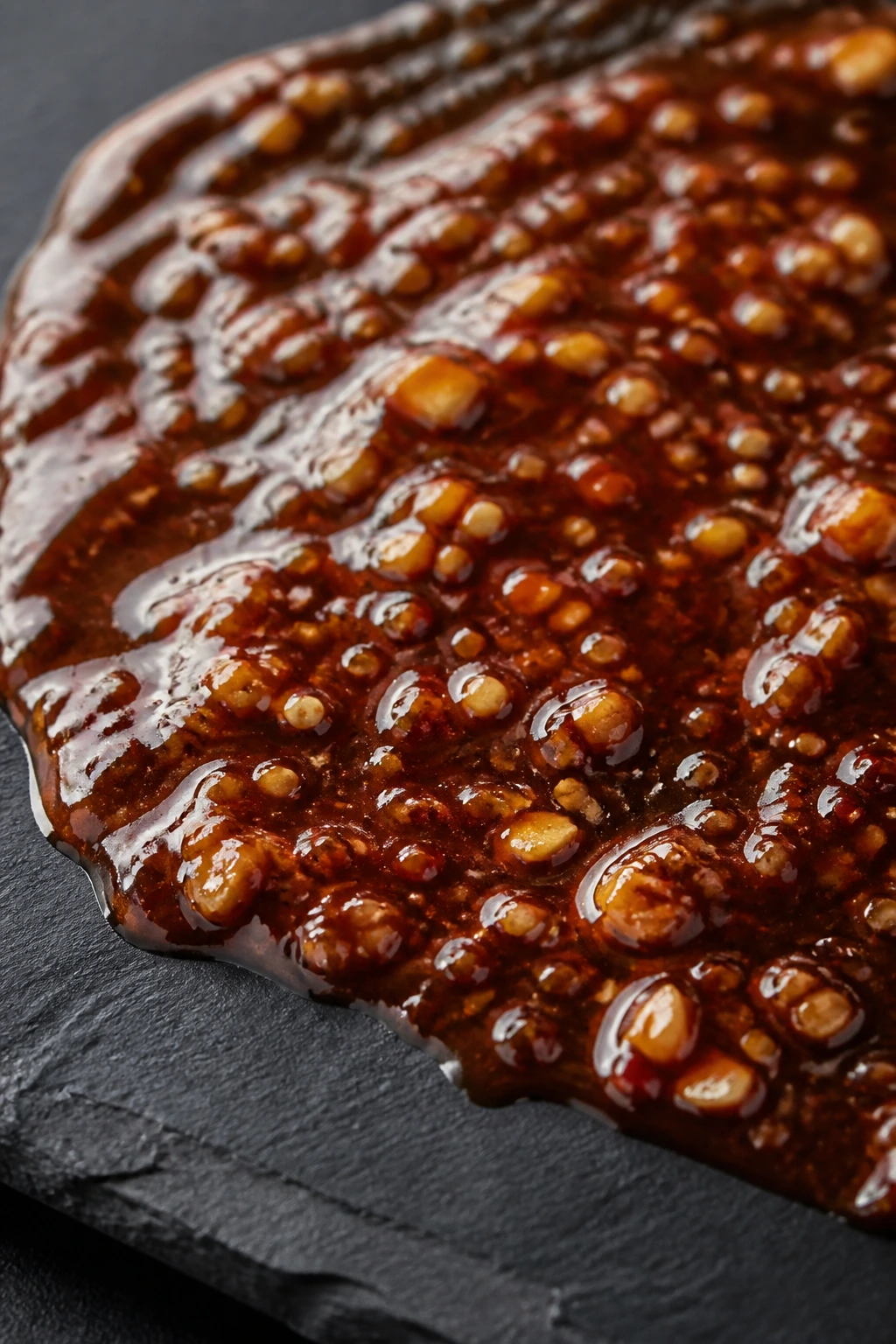
The first time this spicy Asian glaze hits hot food, it goes from glossy to lacquered in seconds. That’s the part I like most: it doesn’t sit on top like syrup. It clings. The soy, honey, garlic, ginger, and chile tighten together into something sticky and sharp, with a little burn at the edges and a clean finish that keeps you coming back for one more bite.
A lot of takeout-style glazes lean on one note. Too sweet. Too salty. Too thick in the wrong way. This one has a better balance because the rice vinegar keeps the sweetness from flattening, the chili paste brings heat with body, and the cornstarch gives the sauce that shiny coat you want on chicken, salmon, tofu, or a tray of roasted vegetables.
What separates a forgettable glaze from a good one is usually tiny technique stuff: whether the garlic is minced fine enough to soften in the pan, whether the slurry goes in only after the sauce is already simmering, whether you stop cooking when the sauce still looks a touch loose because it will tighten as it cools. Those details matter here. A lot.
Why This Spicy Asian Glaze Earns Its Keep
-
Sticky without being cloying: Honey and brown sugar bring body, but rice vinegar keeps the glaze from tasting like candy. The finish lands savory first, sweet second, and spicy at the end.
-
Fast enough for a weeknight, but not flimsy: The sauce comes together in one saucepan in about 8 minutes of actual cooking. That short simmer is enough to dissolve the sugar, bloom the ginger, and thicken the liquid into a proper glaze.
-
Built for more than one dinner: Brush it on chicken thighs, spoon it over baked tofu, toss it with broccoli, or use it as a dipping sauce for dumplings. One batch does a lot of work.
-
Easy to tune by taste: If you want more heat, add another spoonful of sambal. If you want more bite, add another teaspoon of vinegar. If you want it darker and richer, a little extra brown sugar pulls it there fast.
-
Better texture than bottled sauce: Store-bought glazes often go thin and watery once they hit hot food. This one thickens on the stovetop with cornstarch, so it clings to food instead of running off into the pan.
Yield: About 1¼ cups glaze
Prep Time: 10 minutes
Cook Time: 8 minutes
Total Time: 18 minutes
Difficulty: Beginner — there’s no special equipment, but you do need to watch the simmer so the glaze thickens before it turns tacky.
Best Served: Warm, brushed on hot food or used as a dipping sauce after a short cool-down.
Chill/Rest Time: 5 to 10 minutes, if you want it to thicken slightly before serving.
What Goes Into the Glaze
For the Spicy Asian Glaze:
- ½ cup low-sodium soy sauce
- ⅓ cup honey
- 2 tablespoons packed light brown sugar
- ¼ cup rice vinegar
- 2 tablespoons water
- 2 tablespoons chili garlic sauce or sambal oelek
- 4 cloves garlic, finely minced or grated
- 1 tablespoon fresh ginger, finely grated
- 1 teaspoon toasted sesame oil
- 1 tablespoon cornstarch
- 2 tablespoons cold water
- 1 tablespoon sliced scallions, for serving, optional
- 1 teaspoon toasted sesame seeds, for serving, optional
That’s the whole thing. No hidden ingredients, no scavenger hunt through three different pantry shelves. If you’ve got soy sauce, something sweet, something sour, chile paste, and a thickener, you’re already most of the way there.
Why Each Ingredient Matters
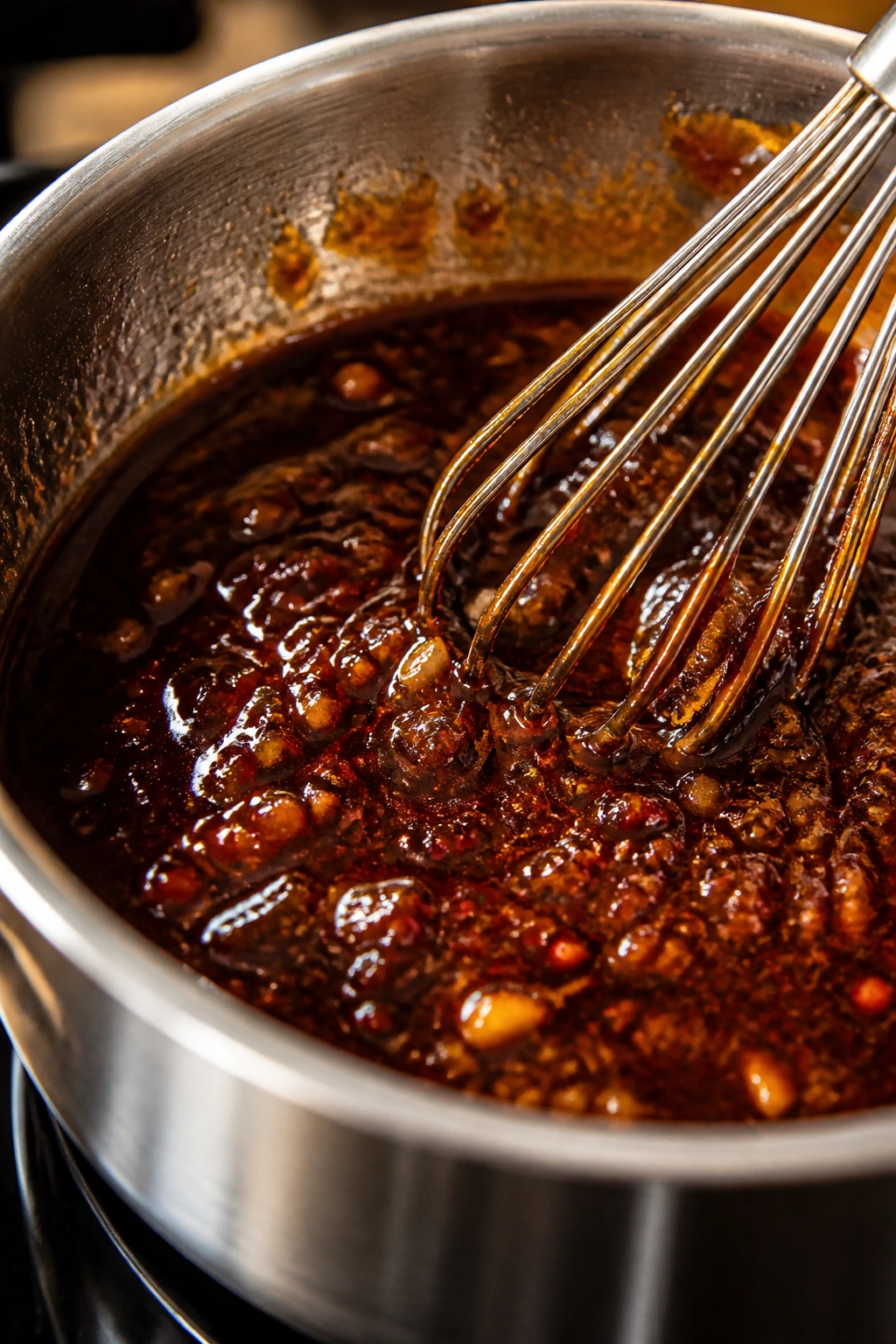
A glaze like this lives or dies on balance. If one ingredient gets lazy, the whole thing slips into syrupy, flat territory. The list looks short, but every item is pulling a different job.
Salty-Sweet Base
- What to use: ½ cup low-sodium soy sauce, ⅓ cup honey, and 2 tablespoons brown sugar.
- Preparation: Measure the soy sauce first, then pack the brown sugar so it dissolves evenly once the pan warms.
- Substitutions: Tamari works for a gluten-free version. Coconut aminos can stand in if you want a softer, sweeter glaze, but the result will be less salty and a little lighter in color.
- Tips: Low-sodium soy gives you room to adjust at the end. Regular soy sauce can push the glaze into harsh, salty territory before the sweetness has a chance to round it out.
Acid and Heat
- What to use: ¼ cup rice vinegar and 2 tablespoons chili garlic sauce or sambal oelek.
- Preparation: Stir these in before heating so the vinegar starts working through the sweetness from the beginning.
- Substitutions: Apple cider vinegar works in a pinch, though it brings a stronger tang. Gochujang gives a thicker, deeper heat; if you use it, the glaze gets a little more body and a little less sharpness.
- Tips: Rice vinegar stays bright without shouting. Distilled white vinegar can feel too aggressive here, especially once the glaze reduces.
Aromatics That Make It Smell Like Dinner
- What to use: 4 cloves garlic and 1 tablespoon fresh ginger.
- Preparation: Grate them on a microplane or mince them very fine so they soften fast and melt into the sauce instead of floating around in little raw bits.
- Substitutions: Garlic paste and ginger paste both work. In a rush, frozen grated ginger is better than dry powder by a mile.
- Tips: Ginger gives the glaze a clean bite, and garlic keeps it from tasting one-dimensional. If the garlic pieces are too large, they can taste sharp instead of sweet.
Thickener and Finish
- What to use: 1 tablespoon cornstarch mixed with 2 tablespoons cold water, plus 1 teaspoon toasted sesame oil.
- Preparation: Make the slurry in a separate bowl until it looks completely smooth. Add the sesame oil only after the glaze comes off the heat.
- Substitutions: Arrowroot can replace cornstarch if that’s what you keep on hand. Tapioca starch also works, though it can turn a little more elastic if you overcook it.
- Tips: Cornstarch needs a simmer to activate. Sesame oil is a finishing oil here, not a cooking oil; if you heat it too hard, the aroma fades fast.
Optional Garnish
- What to use: 1 tablespoon sliced scallions and 1 teaspoon toasted sesame seeds.
- Preparation: Slice the scallions thin on a bias so they look clean and don’t clump.
- Substitutions: Thinly sliced red chile, cilantro, or crushed peanuts can take the garnish in a different direction.
- Tips: Garnish is not mandatory, but the fresh bite of scallion keeps the glaze from feeling too heavy on rich foods like salmon or chicken thighs.
The Small Tools That Make It Easy
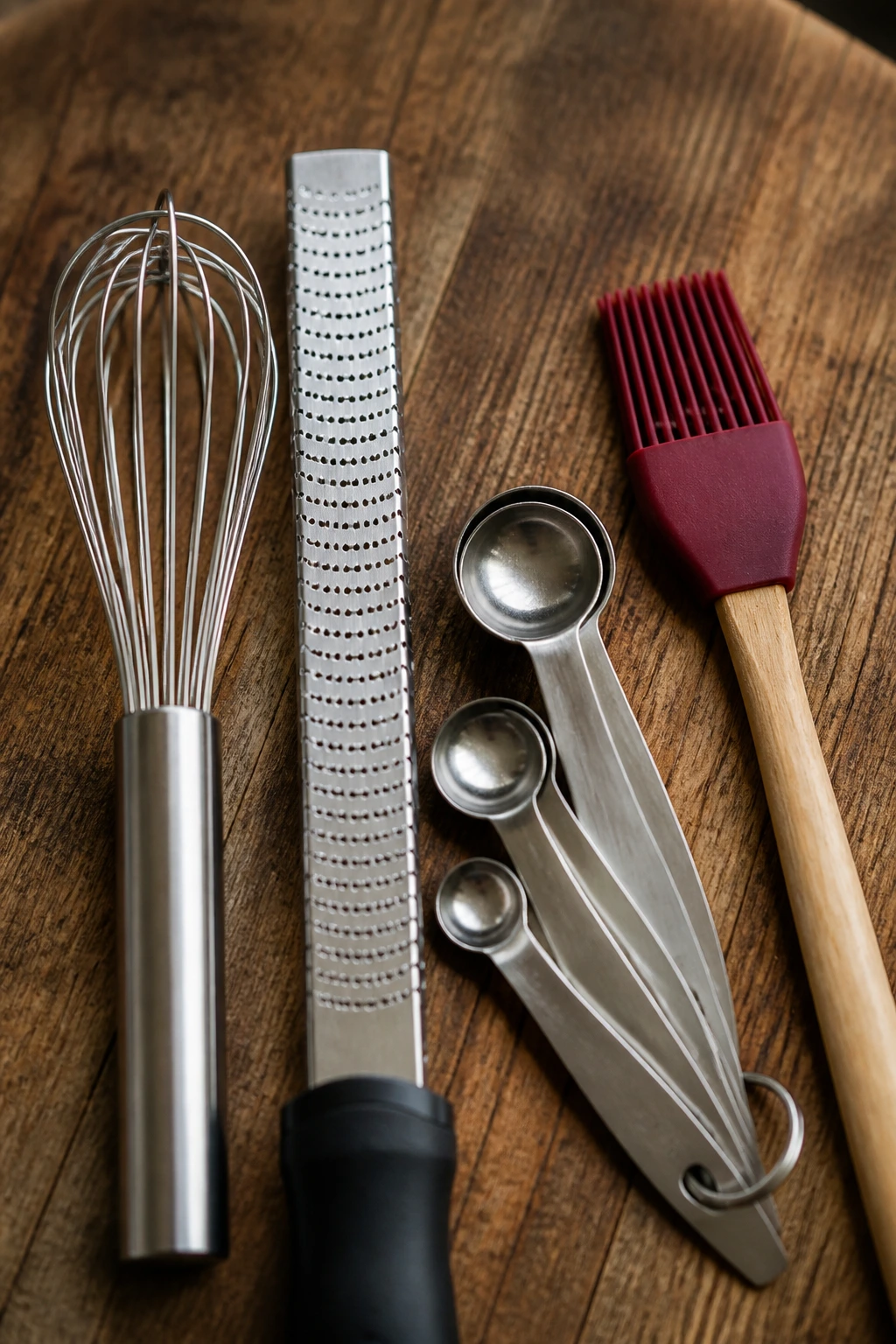
A glaze like this does not need a pile of gear, which is part of the appeal. Still, a few tools make the process smoother and keep the texture clean.
- Small saucepan, 1 to 2 quarts: A narrow pan helps the sauce reduce evenly without splattering all over the stove.
- Whisk: This is the tool that keeps the cornstarch slurry smooth and prevents little lumps from forming.
- Microplane or fine grater: Best for ginger and garlic. You want them nearly dissolved into the sauce.
- Measuring cups and spoons: Sounds obvious, but glaze lives on ratios. Eyeballing the vinegar or honey usually throws it off.
- Heatproof bowl or small jar: Useful if you want to reserve part of the glaze for dipping or storage.
- Silicone brush: Handy if you’re glazing grilled chicken, tofu slabs, or salmon fillets during the last minutes of cooking.
If you don’t own a microplane, mince the garlic and ginger as finely as you can. The glaze will still work. It will just feel a touch rougher.
How to Cook It Until It Turns Glossy
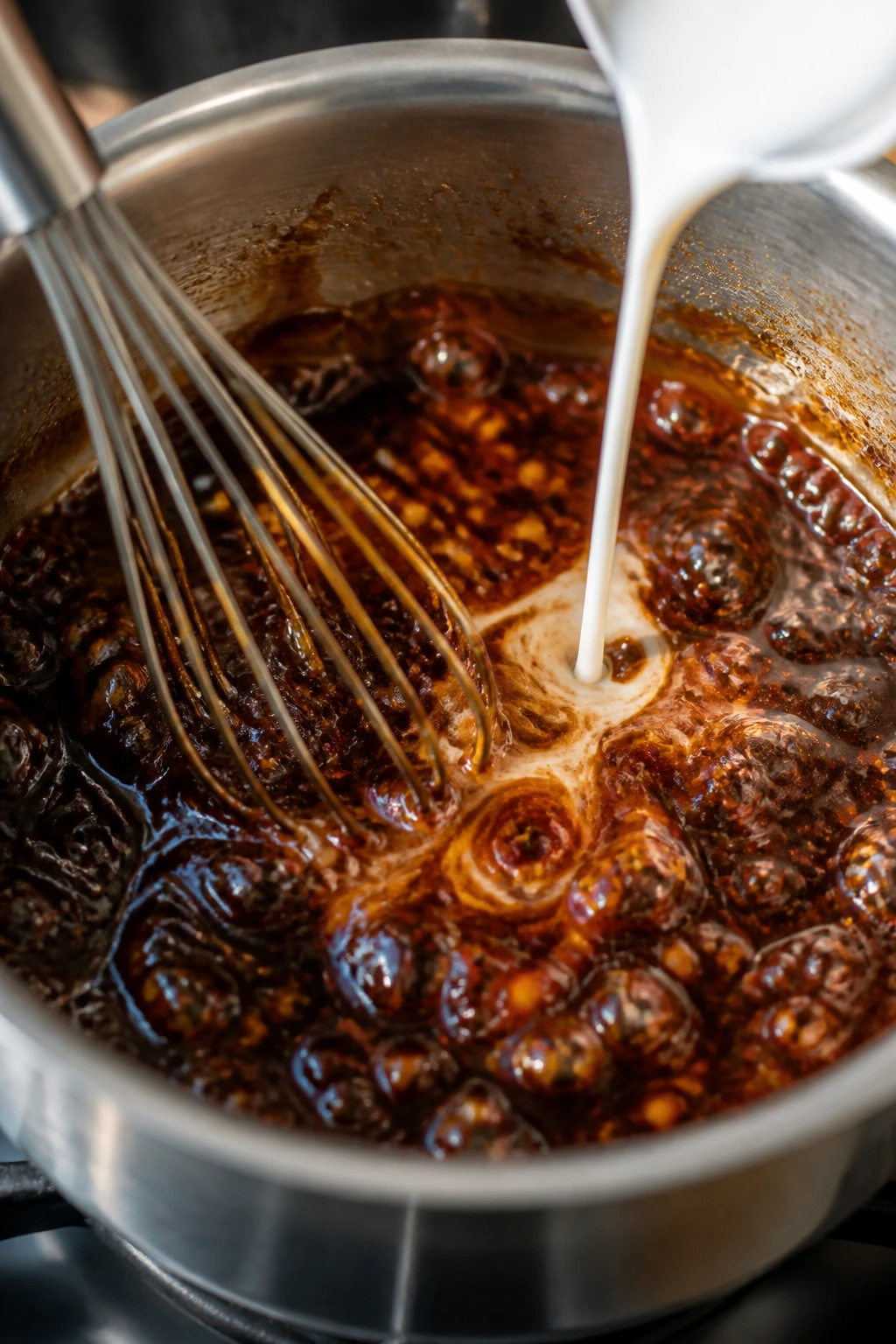
The trick here is restraint. That’s the whole game. You want enough heat to dissolve the sugar and activate the cornstarch, but not so much that the glaze reduces into a sticky paste before it has a chance to shine.
Build the Base
-
In a small saucepan, whisk together the soy sauce, honey, brown sugar, rice vinegar, water, chili garlic sauce, garlic, and ginger until the sugar looks mostly dissolved. The mixture should look dark, thin, and even.
-
Set the pan over medium heat and bring it to a gentle simmer, stirring often, for 2 to 3 minutes. Do not let it boil hard. A rolling boil can make the honey taste flat and push the garlic toward bitterness.
Thicken the Glaze
-
In a small bowl, stir the cornstarch with the cold water until the mixture is completely smooth and no dry streaks remain. If it sits for more than a minute, give it another quick stir before adding it.
-
Whisk the slurry into the simmering sauce in a thin stream while stirring constantly. The glaze will look cloudy for a moment, then start to turn tighter and shinier.
-
Let it simmer for 45 to 90 seconds, whisking often, until the glaze coats the back of a spoon and leaves a clean line when you drag a finger through it. You want glossy and pourable, not paste-thick.
Finish and Adjust
-
Remove the pan from the heat and whisk in the toasted sesame oil. Taste the glaze now, while it’s still warm. Add 1 teaspoon more rice vinegar if you want sharper edges, or 1 teaspoon more honey if it leans too tart.
-
Let the glaze sit for 5 minutes before using it. It thickens a bit as it cools, which is helpful if you plan to brush it onto hot food. If you want a dipping sauce, thin it with 1 to 2 teaspoons of warm water until it loosens the way you like.
-
If you plan to use it on raw chicken, never dip back into the same bowl after brushing. Spoon out a clean portion first, then use the rest for finished food only. That little habit keeps the glaze safe and saves you from cross-contamination.
How to Put It on Chicken, Tofu, Salmon, and Vegetables
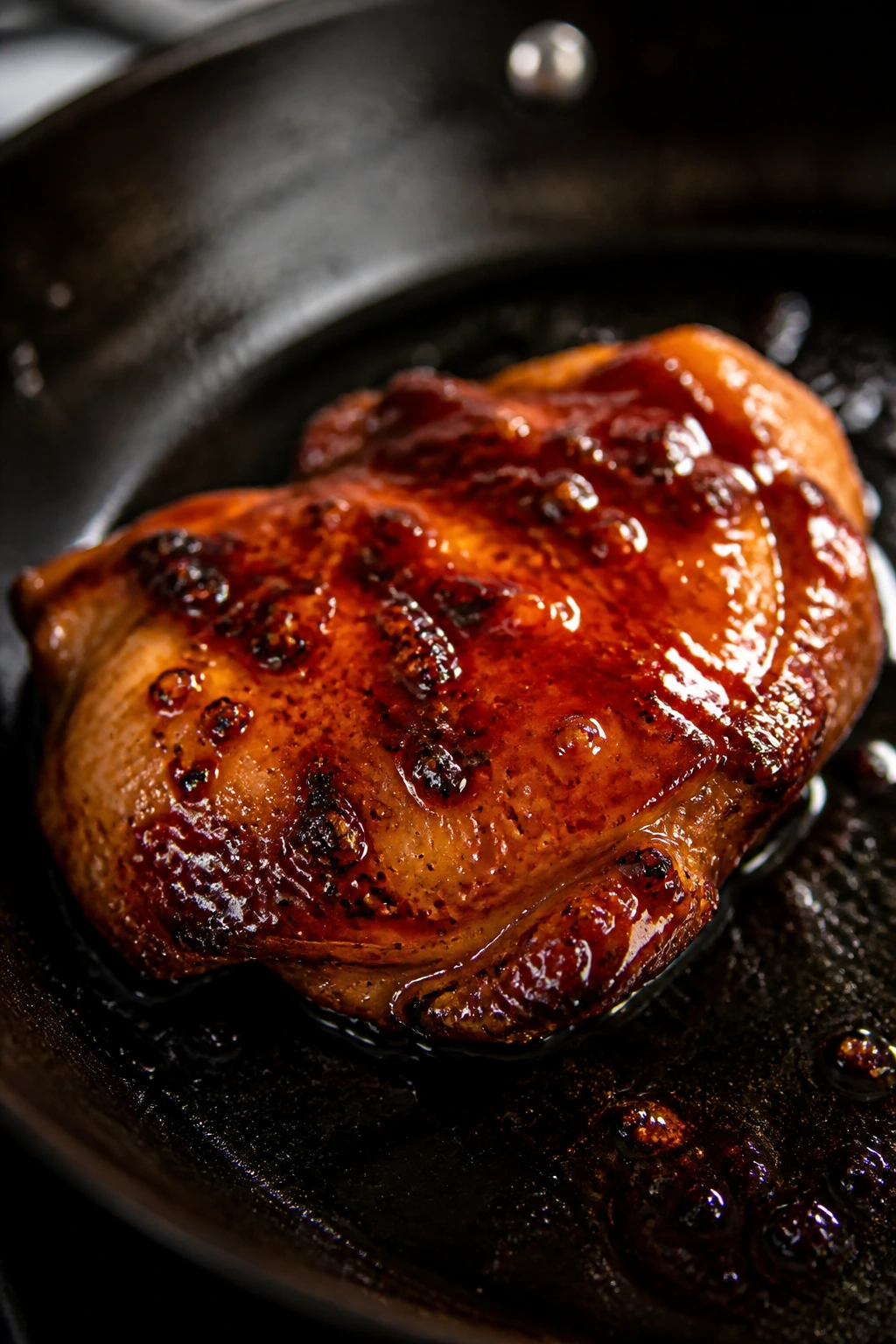
Presentation: Brush the glaze onto food during the last few minutes of cooking so it sets into a thin sheen instead of burning. On chicken thighs, two coats work better than one heavy coat; on salmon, one brushed layer plus a spoonful at the table gives you the best texture. For vegetables, toss them while they’re still hot so the glaze settles into the ridges of broccoli florets, cauliflower, or blistered green beans.
Accompaniments: Jasmine rice is the easy answer, and it earns its place because the plain, fragrant grains soak up the extra glaze without fighting it. Sticky rice noodles work too, especially if you add shredded cucumber, scallions, and a handful of herbs. If you want more crunch, serve the glaze alongside snap peas, shredded cabbage, or a cucumber salad dressed with rice vinegar and a pinch of salt.
Portions: One batch coats about 1½ to 2 pounds of protein, or roughly 4 to 6 cups of vegetables. If you’re using it as a dip, plan on about 2 tablespoons per person for dumplings or grilled skewers. For a full dinner, I usually build around 3 to 4 tablespoons per person once you count what gets brushed on and what lands in the bowl.
Beverage Pairing: Cold lager works well because it cuts through the sweetness and heat. Unsweetened iced green tea is the quieter choice, and it keeps the meal from feeling heavy. If you want something nonalcoholic with a little snap, ginger beer or sparkling water with lime does the job.
One thing I like about this glaze is that it doesn’t demand a specific protein. It has enough structure to stand up to chicken skin, enough brightness for tofu, enough sweetness to make salmon feel richer, and enough punch to wake up a tray of roasted carrots. That flexibility is not a generic selling point. It changes how you cook dinner.
Practical Ways to Make It Your Own
A good glaze invites small changes. Not a rewrite. A nudge here, a different heat source there, and suddenly it fits the food on your counter instead of forcing the food to fit the sauce.
Flavor Enhancement: Add 1 teaspoon of fish sauce if you want a deeper, more savory back note. It won’t make the glaze taste fishy; it just makes the soy taste rounder. A teaspoon of lime zest at the end also works if you want the glaze to feel brighter without becoming more sour.
Customization: If you like a thicker, darker coating for wings or grilled chicken, stir in 1 tablespoon of hoisin sauce before simmering. For a fruitier edge, replace 1 tablespoon of the water with orange juice or pineapple juice. That change is small, but it pushes the glaze in a different direction fast.
Serving Suggestions: Finish with sliced scallions, toasted sesame seeds, or a scatter of crushed peanuts if the glaze is going onto noodles or roasted broccoli. A few paper-thin slices of fresh red chile make the plate look more alive and add a clean sting that doesn’t disappear into the sauce.
Make-It-Yours: For a gluten-free version, use tamari. For a vegan version, keep the honey swap simple with maple syrup or agave, though the glaze will taste a little different and set slightly softer. For a milder version, cut the chili garlic sauce down to 1 teaspoon and add an extra tablespoon of water so the soy and ginger can speak more clearly.
If you want this glaze to lean more like a dipping sauce than a finishing glaze, stop the simmer a little earlier and thin it after cooking. That one move makes a big difference. A dipping sauce should move on the tongue; a glaze should hang on the food.
Common Mistakes That Ruin the Shine
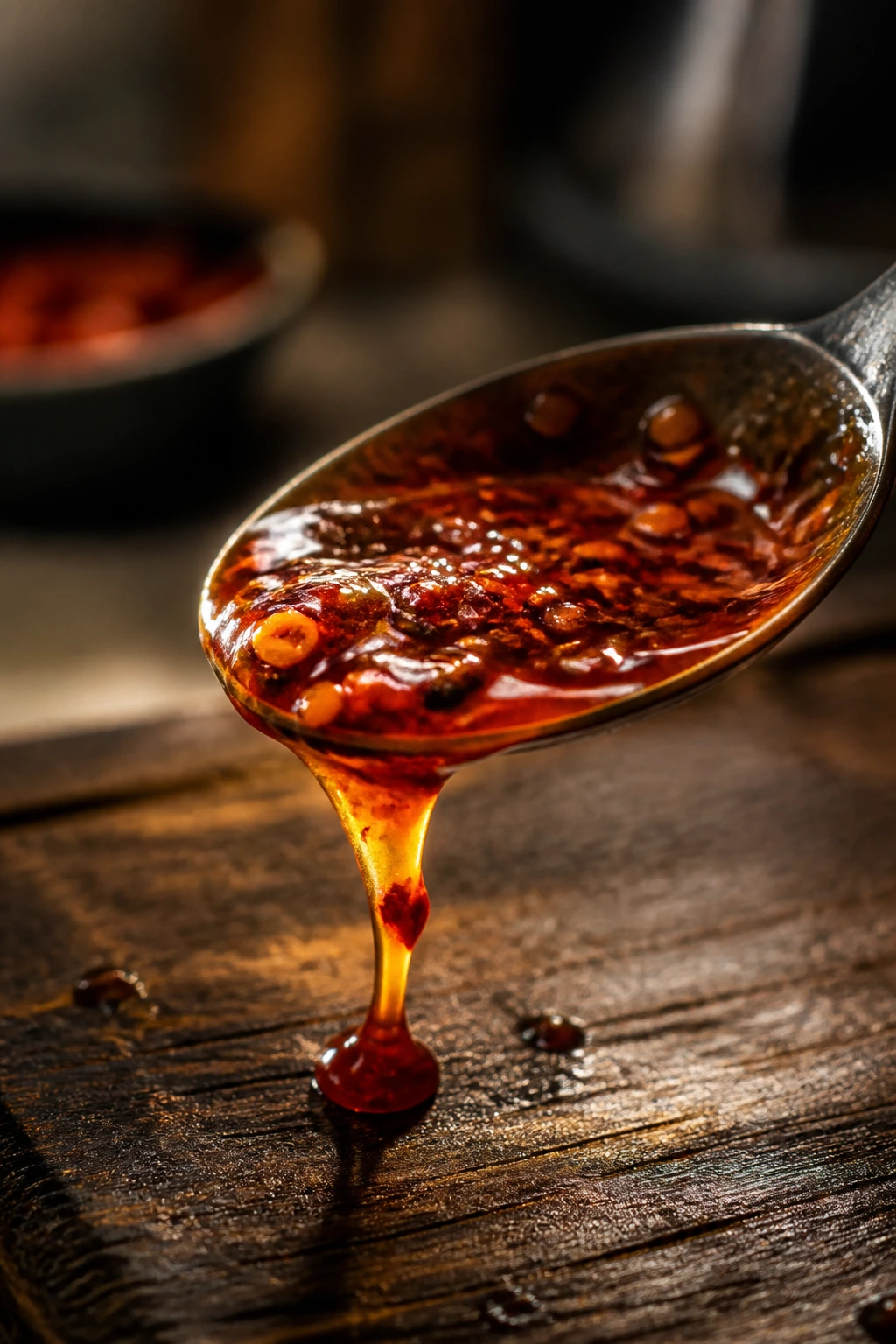
A glaze is small enough to seem foolproof. It isn’t. The errors are minor, but the results show up right away.
-
Boiling it like soup: A hard boil pushes the sugar past glossy and into sticky, almost jammy territory. The fix is simple: keep the heat at medium and look for a gentle bubble, not an aggressive boil.
-
Adding the cornstarch slurry too early: If you pour the slurry into a cold or barely warm pan, the glaze can thicken unevenly or stay chalky in spots. Wait until the sauce is already simmering, then whisk the slurry in slowly.
-
Forgetting that the glaze thickens as it cools: This is the one that gets people. The pan may look a little loose, but five minutes later it has the cling you wanted. Pull it off the heat when it still flows, not when it looks like pudding.
-
Using toasted sesame oil in the pan too soon: Sesame oil smells nutty and deep when added at the end. Heat it hard and the aroma fades before you even get to the table.
-
Treating the same glaze as both marinade and finishing sauce without separating it: Once a brush or spoon touches raw meat, that glaze is no longer safe for serving. Reserve a clean portion before glazing the raw protein, then use that clean batch for dipping or drizzling.
-
Leaving garlic and ginger in big chunks: Large pieces can taste harsh or stick out in the finished glaze. Grate them fine so they melt into the sauce and give you flavor without rough bites.
Variations That Fit Different Dinners
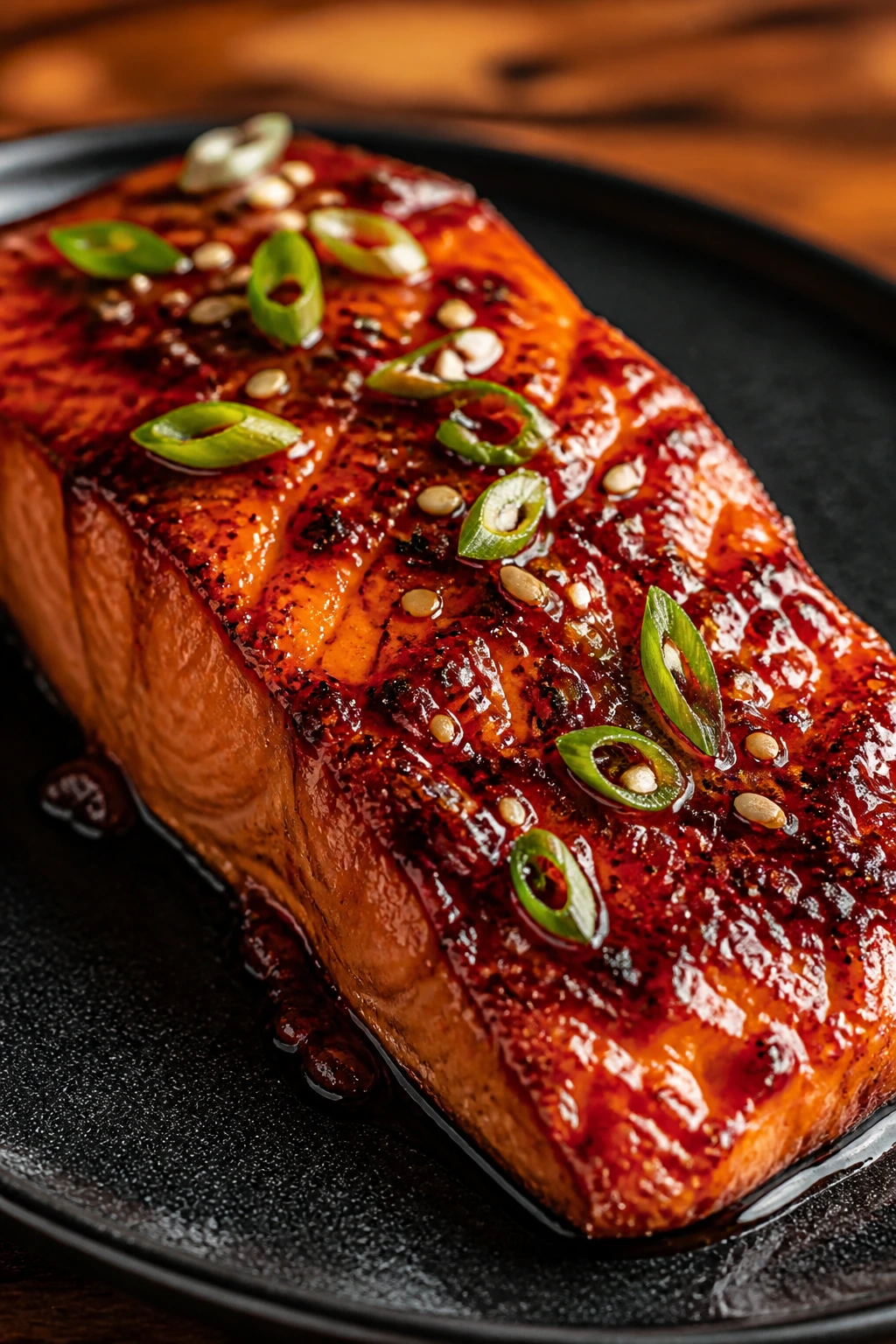
The base recipe is flexible, but some nights want a different shape. These versions keep the same backbone and shift one or two pieces so the glaze fits the food better.
Gochujang Heat: Swap the chili garlic sauce for 1½ tablespoons gochujang and 1 tablespoon water. The glaze turns deeper, a little thicker, and more savory, which works especially well on baked chicken wings or roasted Brussels sprouts.
Orange-Chili Shine: Replace 1 tablespoon of the water with fresh orange juice and add 1 teaspoon of orange zest at the end. The citrus lifts the soy and honey in a way that tastes sharp and clean on salmon, shrimp, or seared tofu.
Miso-Sesame Depth: Stir 1 tablespoon white miso into the soy sauce before heating and reduce the brown sugar to 1 tablespoon. You’ll get a darker, saltier glaze with a soft fermented note that loves eggplant, mushrooms, and grilled chicken thighs.
Mild Garlic-Sesame Version: Cut the chili garlic sauce to 1 teaspoon and add 1 extra minced garlic clove plus 1 teaspoon more honey. This keeps the glaze family-friendly without turning it bland, and it still gives roasted vegetables enough character to feel finished.
Pineapple-Lacquer Glaze: Replace 2 tablespoons of the water with pineapple juice and add 1 teaspoon rice vinegar at the end if it tastes too sweet. This version works especially well on pork tenderloin or shrimp because the fruitiness mirrors the caramelized edges of the protein.
Make-Ahead, Storage, and Reheating
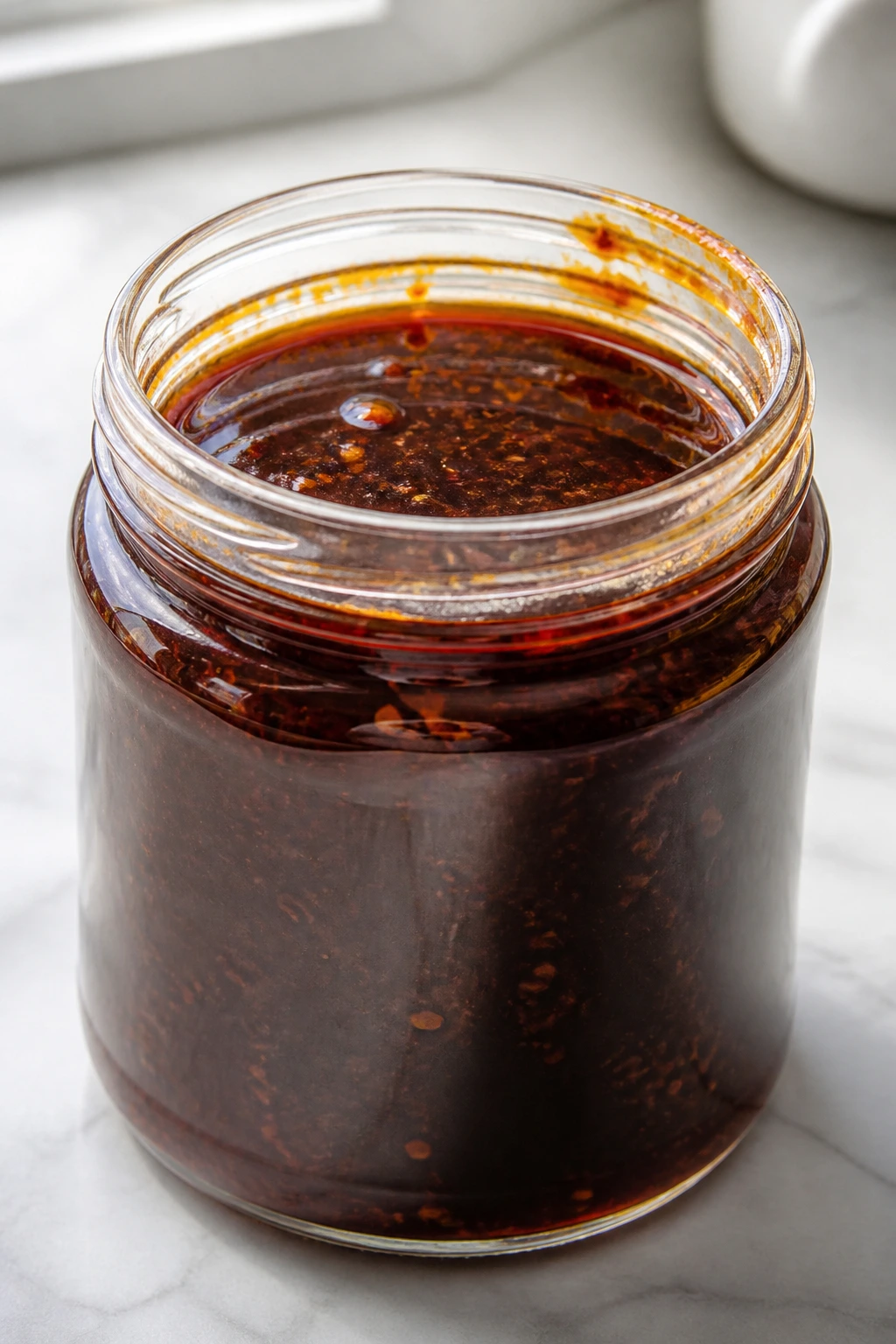
This glaze keeps well, which is part of why I reach for it so often. Make it once and you’ve got something useful sitting in the fridge for the next few meals.
If you store it in a clean, airtight jar, the glaze keeps 5 to 7 days in the refrigerator. The texture thickens as it chills, so don’t be alarmed when it looks firmer the next day. A quick whisk with 1 to 2 teaspoons of warm water usually brings it back to a brushable consistency.
You can freeze it too. Pour the cooled glaze into a small freezer-safe container or even an ice cube tray, then freeze for up to 2 months. Thaw it in the refrigerator overnight, then warm it gently in a small saucepan over low heat. If the oil has separated a little, a whisk fixes it.
For reheating, use low heat and patience. High heat can make the sugars seize or darken too far. If you microwave it, use 10-second bursts, stirring between each one, and stop the second it loosens. The glaze does not need to be piping hot to work.
If you want to make it ahead for dinner, you can cook the whole batch in the morning and refrigerate it until evening. The flavor settles in a nice way over a few hours; the garlic, vinegar, and honey stop arguing and start sounding like they belong together. I wouldn’t call it better the next day in every situation, but it does become rounder and easier to use.
One caution: if the glaze has touched raw meat, don’t save the leftovers as a dipping sauce. Keep a clean portion aside from the start. That habit takes no time and prevents the one mistake people tend to make with glaze-based dinners.
Questions People Ask Before Making It
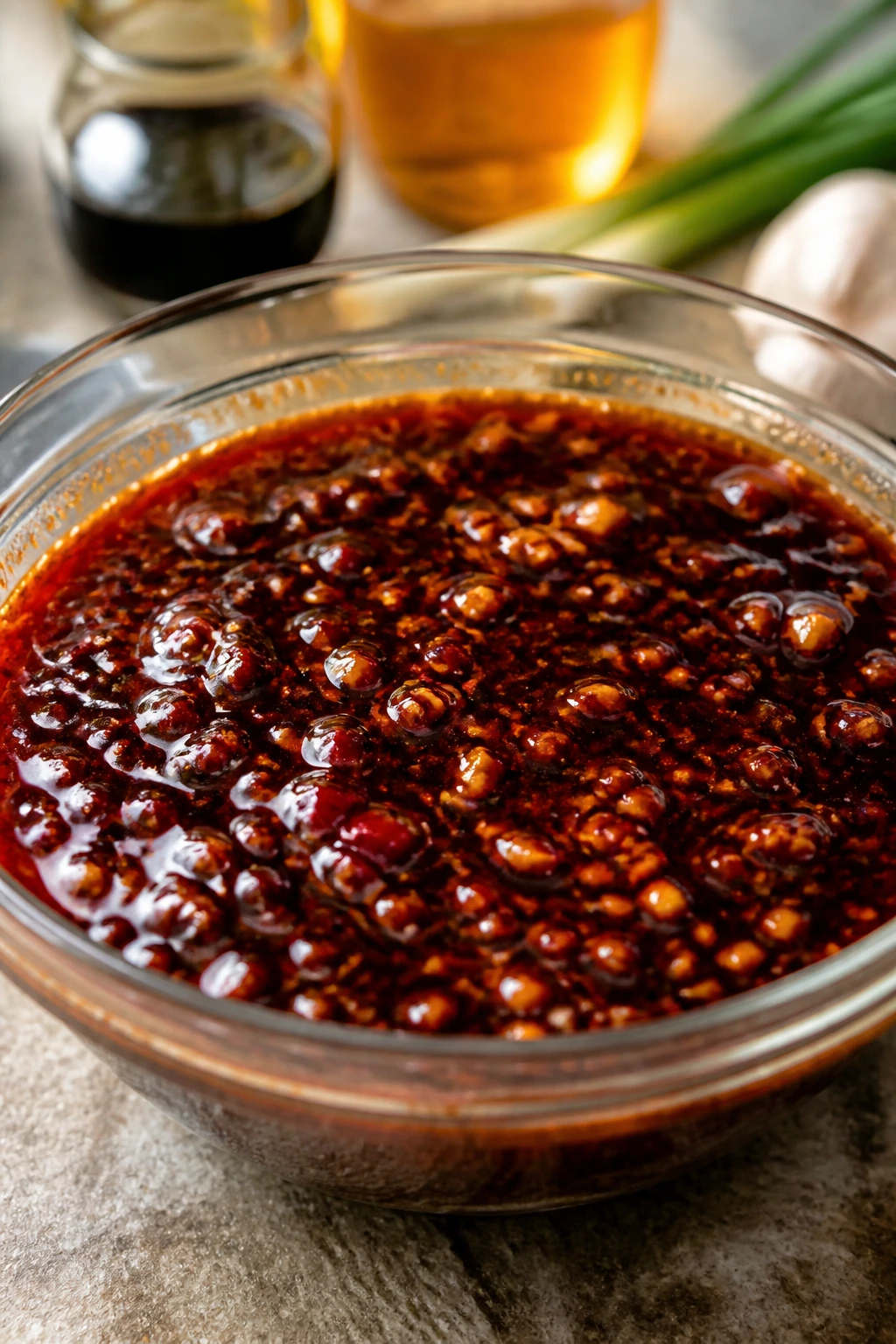
Can I make this spicy Asian glaze without cornstarch?
Yes, but the texture changes. You can simmer it a little longer until it naturally reduces, though it won’t cling quite as well and it can move from glossy to sticky fast. If you want a smoother thickener, arrowroot is the closest swap.
How spicy is the base recipe?
It lands in the medium range. You get enough heat to notice it, but the honey and brown sugar keep it from becoming harsh. For milder palates, cut the chili garlic sauce in half; for more heat, add an extra tablespoon and taste as you go.
Can I use this as a marinade?
You can, but I prefer it as a glaze or finishing sauce. Marinade time changes the texture of some proteins, especially chicken and tofu, and this sauce shines most when it’s brushed on near the end of cooking. If you do marinate with it, keep a separate clean batch for serving.
What’s the best substitute for rice vinegar?
Apple cider vinegar is the easiest substitute, but use a little less at first because it tastes sharper. Lime juice also works if you want brightness without the same vinegar edge, though it changes the flavor profile more than vinegar does.
Will tamari change the flavor a lot?
Not much. Tamari gives you the same dark, salty backbone with a slightly rounder taste and no wheat, which makes it the cleanest gluten-free swap. If you use tamari, keep the rest of the recipe the same and taste before adding extra salt.
Why did my glaze turn grainy?
Usually the sugar didn’t dissolve fully before the cornstarch went in, or the slurry had little dry clumps in it. Whisk the base longer off the heat before simmering, and make sure the cornstarch and cold water are completely smooth before they touch the pan.
Can I double the recipe?
Yes, but use a wider saucepan so the glaze heats evenly and doesn’t take forever to reduce. Doubling works well if you’re feeding a crowd or want extra for dipping, and it stores the same way once it’s cooled.
What foods does it pair with besides chicken?
Almost anything that likes salt, sweetness, and a little heat. I’ve used it on salmon, shrimp, tofu, mushrooms, broccoli, carrots, and rice bowls with fried eggs. If the food benefits from a glossy finish and a sharp edge, this glaze usually fits.
Keep This Glaze on Repeat
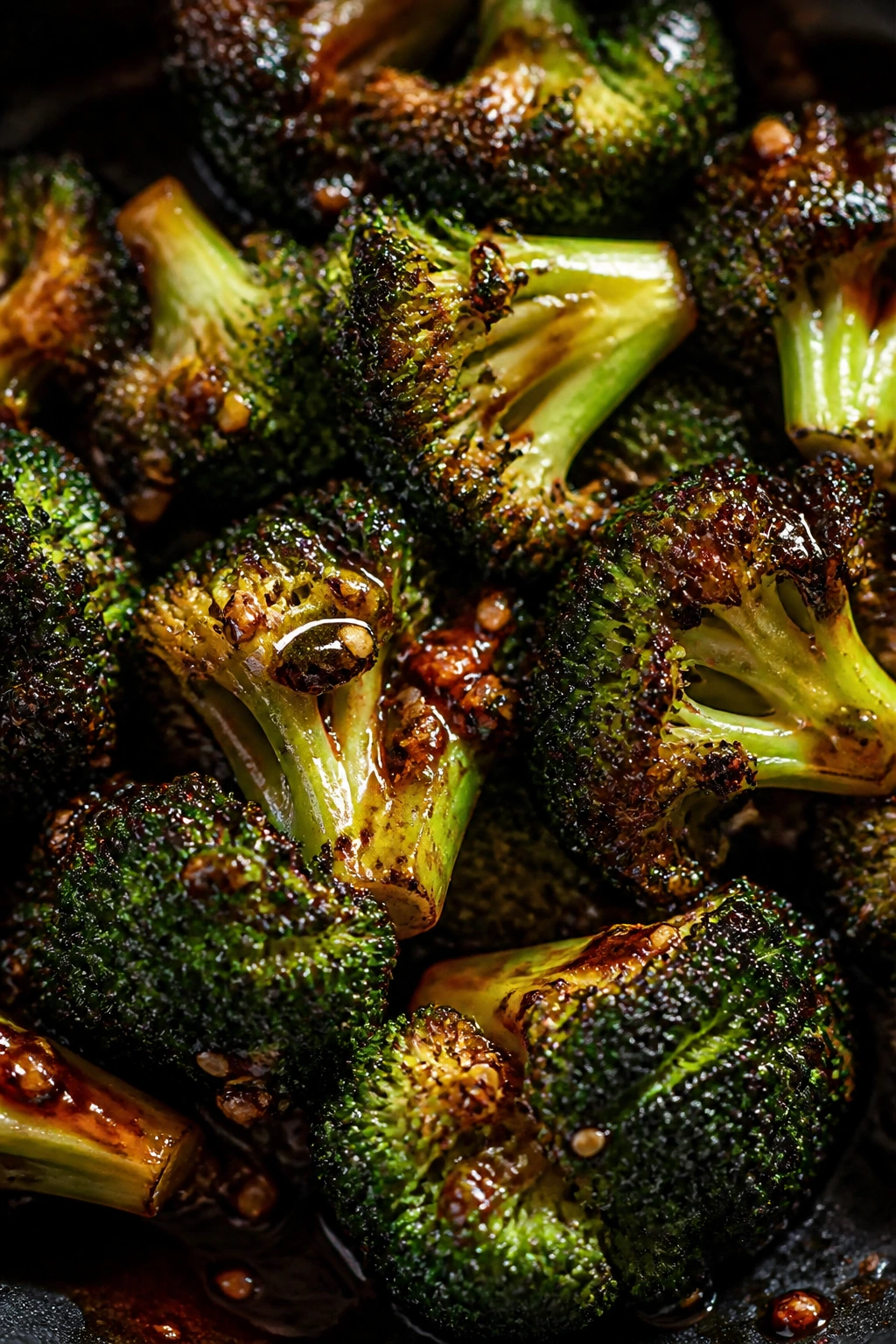
A good glaze shouldn’t feel fussy. It should feel like the thing you reach for when plain chicken needs help, when roasted broccoli needs a little swagger, or when a tofu block is sitting in the fridge looking like it wants a purpose. This one does that job without making you haul out a blender or a dozen specialty bottles.
The best part is how little it asks for. A saucepan. A whisk. A few pantry items that already know how to get along. Once you’ve made it a couple of times, you stop thinking of it as a recipe and start treating it like a tool.
Spicy Asian Glaze — Recipe Card
Recipe Name: Spicy Asian Glaze
Description: A glossy, sweet-salty-spicy glaze made with soy sauce, honey, rice vinegar, garlic, ginger, and chili garlic sauce. Brush it on chicken, tofu, salmon, or vegetables for a sticky finish with real bite.
Prep Time: 10 minutes
Cook Time: 8 minutes
Total Time: 18 minutes
Course: Sauce, Condiment
Cuisine: Asian-inspired
Servings: About 10 servings (2 tablespoons each)
Calories: About 40 kcal per serving
Ingredients
For the Glaze:
- ½ cup low-sodium soy sauce
- ⅓ cup honey
- 2 tablespoons packed light brown sugar
- ¼ cup rice vinegar
- 2 tablespoons water
- 2 tablespoons chili garlic sauce or sambal oelek
- 4 cloves garlic, finely minced or grated
- 1 tablespoon fresh ginger, finely grated
- 1 tablespoon cornstarch
- 2 tablespoons cold water
- 1 teaspoon toasted sesame oil
For Serving, Optional:
- 1 tablespoon sliced scallions
- 1 teaspoon toasted sesame seeds
Instructions
-
Whisk the soy sauce, honey, brown sugar, rice vinegar, water, chili garlic sauce, garlic, and ginger in a small saucepan until the sugar starts to dissolve.
-
Set the pan over medium heat and bring the mixture to a gentle simmer, stirring often.
-
Stir the cornstarch with the cold water in a small bowl until smooth.
-
Whisk the slurry into the simmering sauce in a thin stream.
-
Simmer 45 to 90 seconds, whisking often, until the glaze turns glossy and coats the back of a spoon.
-
Remove from the heat and whisk in the toasted sesame oil. Taste and adjust with a little more vinegar or honey if needed.
-
Let the glaze sit for 5 minutes before using so it thickens slightly.
Notes:
Reserve a clean portion before brushing the glaze onto raw meat. For a looser dipping sauce, whisk in 1 to 2 teaspoons warm water. Refrigerate in a sealed container for 5 to 7 days.