



Chicken stir fry recipes can do something takeout rarely gets right: keep the vegetables crisp, the chicken juicy, and the sauce bright without turning the whole pan into a glossy swamp. That balance is the whole trick. Get the heat up, cut the chicken evenly, and keep the sauce ready before the first piece of meat hits the wok. Suddenly dinner tastes sharper, cleaner, and far less greasy than the carton from the corner place.
There’s a reason this style survives in so many kitchens. It’s fast, yes, but speed is not the real draw. The real draw is control. You decide how salty the sauce gets, how sweet the glaze runs, how much chili heat lingers on the tongue, and whether the broccoli still has a little snap when it lands on the plate. That’s where the good stir fries live.
A useful number to keep in mind: chicken is done at 165°F in the thickest piece. Pull it there, not five minutes later. Push past it and even the best sauce won’t save dry breast meat. Use thighs if you want more wiggle room, or slice breast meat thinly and cook it hard and fast. The recipes below lean into both approaches, because weeknight dinner should have some range.
Why You’ll Love This Collection
- Fast skillet timing: Most of these chicken stir fry recipes land on the table in under 30 minutes once the chopping is done, and several finish even faster if the vegetables are already washed.
- Sauces that stay balanced: Soy sauce, vinegar, citrus, sesame oil, chili paste, and hoisin each get used with a job in mind, so the pan tastes lively instead of sticky.
- Flexible cuts and vegetables: Thighs, breasts, broccoli, bok choy, snow peas, cabbage, mushrooms, and bell peppers all fit the same basic rhythm without turning mushy.
- Takeout-style texture at home: A little cornstarch, a hot pan, and sauce added at the right moment give you that light lacquer people chase in restaurant versions.
- Easy to scale: Double the batch for a longer week, or halve it for a lighter dinner without changing the method much.
- Built for pantry cooking: Soy sauce, rice vinegar, garlic, ginger, and neutral oil show up again and again because they earn their spot.
1. Garlic Ginger Chicken Stir Fry
Garlic and ginger are the pair that makes this style sing. The chicken turns glossy, the snap peas keep their bite, and the whole pan smells like dinner is moving in the right direction before the sauce even hits. If you like a clean, savory stir fry that doesn’t lean sugary, this one is the model.
Why It Works:
A quick soy-and-cornstarch toss gives the chicken a thin coating that browns instead of drying out. Garlic and ginger go in late, which keeps them sweet and sharp rather than bitter. The sauce is light on purpose, so the vegetables stay front and center instead of disappearing under sugar.
Key Ingredients:
- 1½ lb boneless, skinless chicken thighs, sliced into ½-inch strips — thighs stay tender through high heat.
- 1 tbsp soy sauce — seasons the chicken before it sears.
- 1 tbsp cornstarch — helps create a silky coating.
- 2 tbsp neutral oil — peanut, avocado, or canola all work.
- 4 garlic cloves, minced — add at the end so they don’t burn.
- 1 tbsp fresh ginger, grated — gives the sauce a warm edge.
- 1 red bell pepper, thinly sliced — brings sweetness and color.
- 2 cups snap peas — keep them crisp and bright.
- 3 tbsp low-sodium chicken broth — loosens the sauce.
- 1 tbsp rice vinegar — keeps the flavor sharp.
- 1 tsp honey — just enough to round out the salt.
- 1 tsp toasted sesame oil — finish, not fry, with this one.
Quick Steps:
- Toss the chicken with soy sauce and cornstarch in a bowl and let it sit for 10 minutes while you prep the vegetables.
- Whisk the broth, vinegar, honey, and sesame oil together in a small bowl.
- Heat the oil in a wok or large skillet over high heat until it shimmers.
- Add the chicken in a single layer and cook for 3 to 4 minutes, turning once, until the edges are golden and the thickest piece reaches 165°F.
- Push the chicken to a plate, then stir-fry the garlic, ginger, bell pepper, and snap peas for 2 minutes, just until the garlic smells sweet and the peppers soften slightly.
- Pour in the sauce and stir for 30 to 60 seconds until it turns glossy and lightly thickened.
- Return the chicken, toss to coat, and serve right away over rice.
Equipment for This Recipe:
- 14-inch wok or 12-inch skillet — bigger surface, better browning.
- Small mixing bowl — for the quick sauce.
- Tongs or a spatula — easy turning without tearing the chicken.
- Microplane or fine grater — best for ginger.
How to Serve This Dish:
Pile it over jasmine rice so the sauce has something to soak into. A few sliced scallions on top are enough; don’t bury it under garnish. It also works over rice noodles if you want a softer, slurpy base.
Pro Tips for This Recipe:
- Use a dry pan and let it get hot before the chicken goes in; lukewarm oil gives you steamed chicken.
- Cut the chicken pieces the same thickness, or one batch will be done while the other is still pale.
- Add the garlic after the chicken comes out, not before. Burnt garlic makes the whole dish taste harsh.
- If your pan runs cool, cook the chicken in two batches. Crowding is the fastest way to lose the sear.
Variations on This Dish:
- Chili Crisp Finish: Stir in 1 to 2 teaspoons chili crisp at the end for heat and crunch.
- Broccoli Swap: Replace the snap peas with 3 cups broccoli florets, blanched for 60 seconds first.
- Lighter Breast Meat Version: Use 1½ lb chicken breast and cut the sear time to about 2 minutes per side.
Common Mistakes to Avoid with This Dish:
- Dumping the sauce in too early: The garlic and ginger need a moment in the pan first, or the sauce tastes flat.
- Overcooking the snap peas: If they go from bright green to olive, they stayed in the pan too long. Pull them while they still snap.
- Using too much honey: A heavy sweet note flattens the garlic-ginger edge. Keep it at 1 teaspoon unless you want a sweeter glaze.
2. Chicken Broccoli Oyster Sauce Stir Fry
This is the plate you make when broccoli needs to do more than sit politely on the side. Oyster sauce brings a deep, savory gloss that clings to the florets and the chicken in a way plain soy sauce never quite does. It tastes like a proper stir fry, not a sauce accident.
Why It Works:
Broccoli has enough texture to handle a hot pan, especially when the florets are cut small enough to cook fast. Oyster sauce gives the dish body without needing a long simmer. A splash of stock keeps the sauce fluid so it coats instead of puddling.
Key Ingredients:
- 1½ lb chicken breast, sliced thin — lean, quick-cooking, and easy to portion.
- 3 cups broccoli florets — cut into bite-size pieces for fast cooking.
- 2 tbsp neutral oil — enough to sear and move the vegetables.
- 3 garlic cloves, minced — the dish leans savory, so don’t skimp.
- 1 tbsp fresh ginger, minced — keeps the sauce from tasting heavy.
- 3 tbsp oyster sauce — the main flavor base.
- 1 tbsp soy sauce — adds salt and depth.
- ¼ cup chicken stock — loosens the glaze.
- 1 tsp cornstarch mixed with 1 tbsp water — thickens the sauce.
- 2 sliced scallions — finish with freshness.
Quick Steps:
- Stir the oyster sauce, soy sauce, chicken stock, and cornstarch slurry together in a small bowl.
- Heat the oil in a wok over high heat, then sear the chicken for about 3 minutes per side until just cooked through.
- Remove the chicken and add the broccoli with 2 tablespoons water; cover for 1 minute so the florets steam lightly.
- Uncover, add the garlic and ginger, and stir until fragrant, about 20 seconds.
- Pour in the sauce and toss until it thickens and clings to the broccoli, about 1 minute.
- Return the chicken, add the scallions, and cook 30 seconds more.
Equipment for This Recipe:
- Wok or large sauté pan — broccoli needs room.
- Small whisk — for the oyster sauce mixture.
- Lid or sheet pan — helps steam the broccoli briefly.
- Cutting board and sharp knife — broccoli trim matters here.
How to Serve This Dish:
Serve it with plain white rice so the sauce has a clean backdrop. If you want a fuller meal, add a bowl of miso soup or a handful of pickled cucumbers on the side. The plate should look glossy, green, and a little steamy.
Pro Tips for This Recipe:
- Cut the broccoli into small florets; giant pieces stay raw in the middle.
- Don’t skip the quick steam with water. Broccoli that enters the sauce half-raw never quite softens properly.
- Oyster sauce is salty and concentrated, so taste before adding more soy.
- If using chicken breast, slice it against the grain so each bite stays tender.
Variations on This Dish:
- Snow Pea Version: Swap broccoli for 2 cups snow peas and skip the covered steaming step.
- Garlic-Heavy Version: Add one extra minced clove if you want a sharper, more pungent sauce.
- Brown Rice Bowl: Serve over brown rice and add toasted sesame seeds for extra nutty bite.
Common Mistakes to Avoid with This Dish:
- Using huge broccoli chunks: They look impressive and cook badly. Keep the florets small.
- Adding too much water to the sauce: Oyster sauce needs a little looseness, not a thin broth.
- Cooking the chicken until it dries out: Pull it as soon as it’s opaque and just cooked; it goes back into the pan at the end anyway.
3. Kung Pao Chicken Stir Fry
Kung pao is what happens when sweet, salty, acidic, and spicy all show up to the same party and actually get along. The peanuts matter here. So do the dried chiles. Skip either one and the dish starts drifting toward generic stir fry territory.
Why It Works:
The sauce is built on a tight balance of soy, vinegar, and sugar, which keeps the heat from feeling blunt. Dried red chiles bloom in hot oil and give the whole pan a toasty edge. Peanuts add crunch at the end, which is the only sane way to keep them from turning soft.
Key Ingredients:
- 1½ lb boneless chicken thighs, diced into 1-inch pieces — forgiving and juicy.
- 2 tbsp soy sauce — for the chicken and sauce.
- 1 tbsp Shaoxing wine or dry sherry — adds a round, savory note.
- 1 tbsp cornstarch — coats the chicken.
- 2 tbsp neutral oil — for high heat.
- 8 dried red chiles, stemmed — adjust to your heat tolerance.
- 1 tbsp Sichuan peppercorns, lightly crushed — optional but worth it.
- 3 garlic cloves, minced — the backbone of the pan.
- 1 tbsp ginger, minced — keeps the sauce lively.
- 1 red bell pepper, diced — gives sweetness and color.
- ½ cup roasted peanuts — the classic finish.
- 3 tbsp soy sauce, 2 tbsp rice vinegar, 1 tbsp sugar, 2 tbsp chicken stock, 1 tsp cornstarch — whisked together.
Quick Steps:
- Toss the chicken with 2 tbsp soy sauce, Shaoxing wine, and cornstarch; let it sit while you prep the other ingredients.
- Whisk the sauce ingredients together until the sugar dissolves.
- Heat the oil over high heat, add the dried chiles and Sichuan peppercorns, and stir for 10 to 15 seconds until fragrant.
- Add the chicken and cook until browned and nearly done, about 4 minutes.
- Stir in the bell pepper, garlic, and ginger; cook 1 minute.
- Pour in the sauce and toss until glossy and lightly thickened.
- Add the peanuts at the end so they stay crunchy.
Equipment for This Recipe:
- Wok — best for fast, even heat.
- Small bowl — for the sauce.
- Wooden spoon or spatula — useful for stirring the chiles without breaking them apart.
- Heatproof tongs — easier for flipping the chicken pieces.
How to Serve This Dish:
Spoon it over steamed rice and keep the portion modest, because the peanuts and sauce make it rich in a good way. A side of simple cucumber slices with rice vinegar helps cool the heat. That little contrast matters.
Pro Tips for This Recipe:
- Toast the Sichuan peppercorns lightly in the pan first if you want a stronger numbing aroma.
- Stir the chiles just long enough to perfume the oil; burnt chiles taste like ash.
- Add the peanuts after the sauce thickens, or they lose their crunch.
- If you want more heat, add 1 teaspoon chili flakes with the dried chiles.
Variations on This Dish:
- Cashew Swap: Use roasted cashews instead of peanuts for a softer crunch.
- Extra-Heat Version: Add 1 tablespoon chili garlic paste to the sauce.
- Celery Crunch Version: Toss in 1 cup sliced celery with the bell pepper for a sharper bite.
Common Mistakes to Avoid with This Dish:
- Letting the chiles burn: The oil should smell warm and toasty, not bitter.
- Using peanut butter instead of peanuts: That changes the dish into something else entirely.
- Skipping the vinegar: Kung pao needs acidity to keep the sauce from tasting heavy.
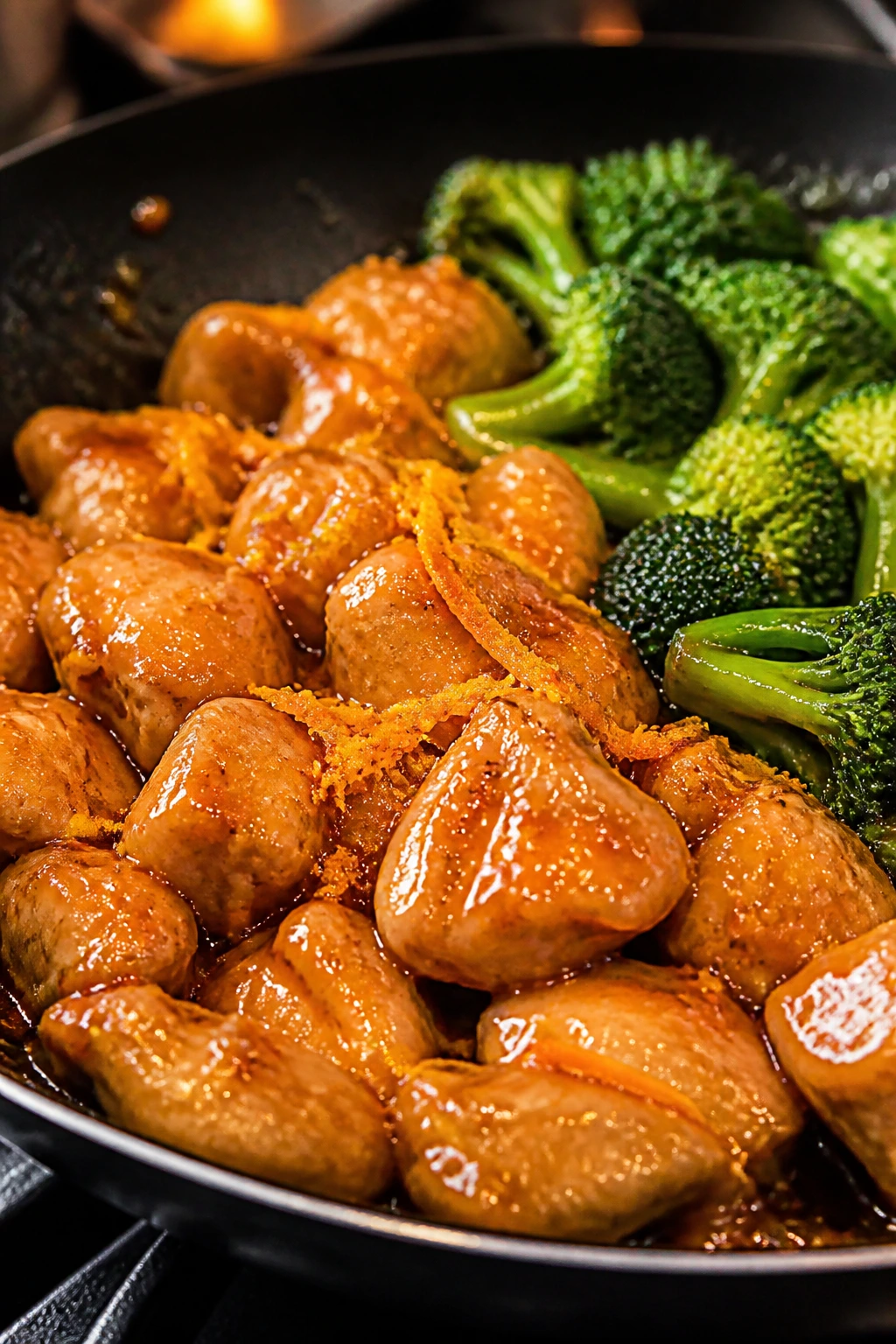
4. Orange Chicken Stir Fry
Orange chicken often gets flattened into syrupy takeout sauce, but the better version keeps the citrus brighter and the chicken less battered. Zest gives the dish a cleaner orange punch than juice alone ever will. The result tastes fresh, sticky, and sharp instead of cloying.
Why It Works:
Orange zest carries the fragrant oils that survive heat better than juice. A little cornstarch in the chicken coating helps the sauce cling without deep frying. Keeping the vegetables simple lets the citrus stay in charge.
Key Ingredients:
- 1½ lb boneless chicken thighs, cut into bite-size pieces
- 1 tbsp soy sauce
- 1 tbsp cornstarch
- 2 tbsp neutral oil
- 2 garlic cloves, minced
- 1 tsp grated ginger
- ½ cup fresh orange juice
- 1 tbsp orange zest
- 2 tbsp soy sauce
- 1 tbsp rice vinegar
- 1 tbsp honey
- 1 tsp cornstarch mixed with 1 tbsp water
- 2 cups broccoli florets or snow peas
Quick Steps:
- Toss the chicken with soy sauce and cornstarch.
- Whisk orange juice, zest, soy sauce, vinegar, honey, and the cornstarch slurry.
- Sear the chicken in hot oil until browned and cooked through, then remove.
- Stir-fry the garlic, ginger, and vegetables for 2 minutes.
- Add the sauce and simmer for 30 to 45 seconds until glossy.
- Return the chicken and toss to coat.
Equipment for This Recipe:
- Large skillet or wok
- Microplane for the orange zest
- Small whisk
- Tongs
How to Serve This Dish:
Serve it over steamed jasmine rice, with the sauce spooned over the top so the grains catch the citrus. A few sesame seeds and sliced scallions make it look finished without adding clutter.
Pro Tips for This Recipe:
- Zest the orange before juicing it; wrestling with a squishy orange later is annoying.
- Don’t overdo the honey. Orange juice already brings sweetness.
- Broccoli gives the dish more body, while snow peas keep it lighter and snappier.
- Add the zest at the end if you want the citrus aroma to stay loud.
Variations on This Dish:
- Spicy Orange Version: Add ½ teaspoon red pepper flakes to the sauce.
- Mandarin Shortcut: Use mandarin juice from the fruit plus extra zest if oranges are weak.
- Cauliflower Bowl: Swap broccoli for cauliflower florets, cut small so they cook quickly.
Common Mistakes to Avoid with This Dish:
- Using bottled orange juice only: It can taste flat. Fresh juice plus zest is the better move.
- Letting the sauce boil hard: It can turn too sticky and lose the citrus lift.
- Overcrowding the chicken: You want browning, not pale steamed cubes.
5. Black Pepper Chicken Stir Fry
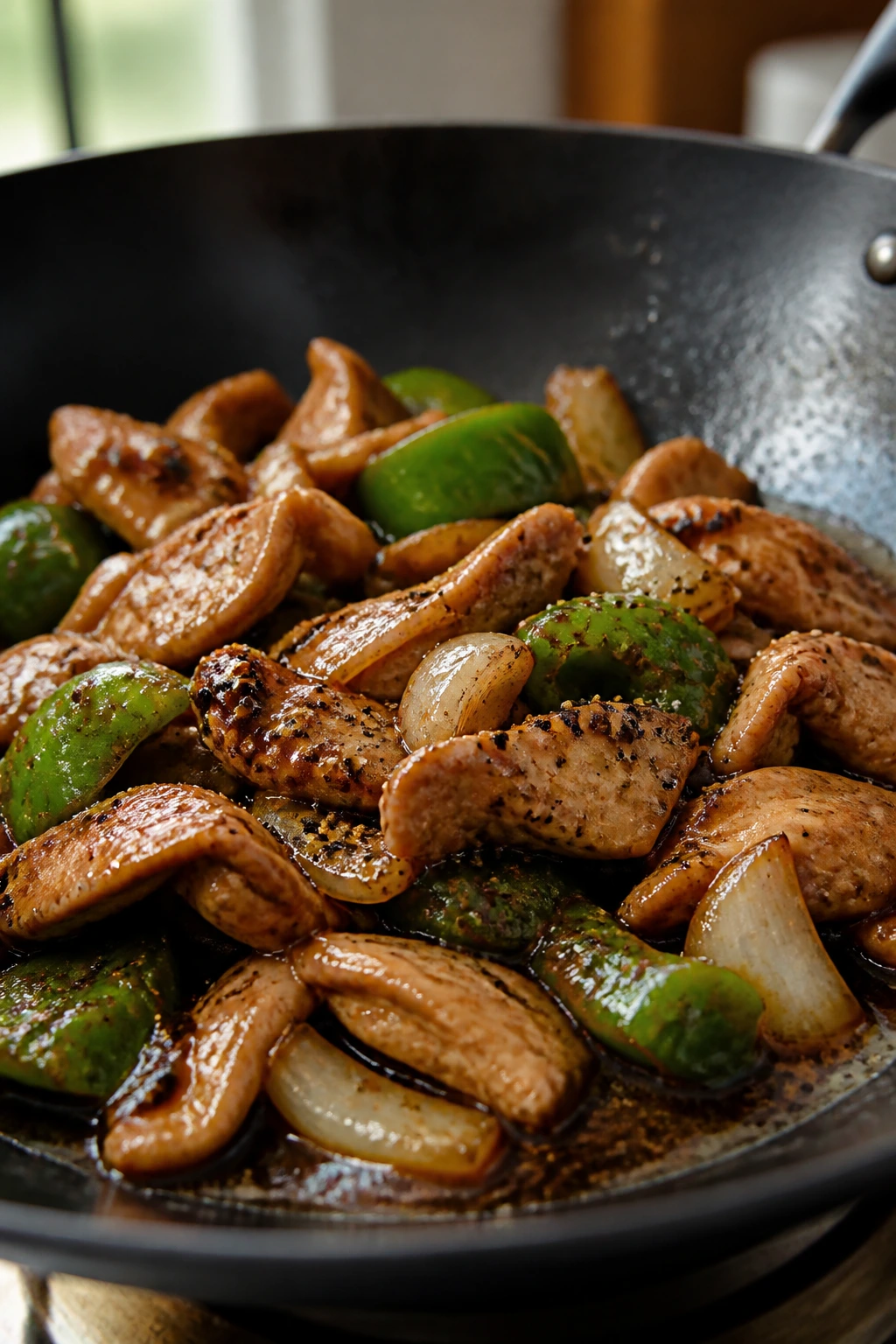
Black pepper chicken has a blunt, peppery heat that hangs around the edges of each bite. It’s not subtle. That’s the point. Onion wedges and bell pepper soften just enough to pick up the sauce while still tasting like vegetables, not paste.
Why It Works:
Freshly cracked black pepper has more bite than pre-ground pepper. A little soy and oyster sauce give the dish depth, but the pepper keeps it from feeling heavy. The quick stir-fry keeps the onions sweet and the peppers crisp at the same time.
Key Ingredients:
- 1½ lb chicken breast, sliced thin
- 1 tbsp soy sauce
- 1 tbsp cornstarch
- 2 tbsp neutral oil
- 1 large onion, cut into wedges
- 1 green bell pepper, sliced
- 3 garlic cloves, minced
- 2 tsp freshly ground black pepper
- 2 tbsp soy sauce
- 1 tbsp oyster sauce
- ¼ cup chicken stock
- 1 tsp cornstarch mixed with 1 tbsp water
Quick Steps:
- Toss the chicken with soy sauce and cornstarch.
- Stir the sauce ingredients together in a bowl.
- Heat oil over high heat and cook the chicken until lightly browned, about 4 minutes; remove.
- Add onion and bell pepper and stir-fry until the edges soften.
- Add garlic and black pepper, then pour in the sauce.
- Return the chicken and toss until the sauce clings.
Equipment for This Recipe:
- Wok or 12-inch skillet
- Pepper grinder — fresh pepper matters here
- Small bowl
- Spatula
How to Serve This Dish:
Serve it with plain rice or a simple egg fried rice if you want more substance. The dish is peppery enough that a spoonful of cool cucumber salad on the side helps.
Pro Tips for This Recipe:
- Grind the pepper coarse, not fine. Tiny pepper dust disappears.
- Use a whole onion cut into wedges; diced onion turns soft too quickly.
- If the sauce tastes flat, add another pinch of pepper before reaching for more soy.
- Chicken breast works, but stop cooking the second it turns opaque.
Variations on This Dish:
- Pepper-Onion Extra Version: Add 1 extra teaspoon black pepper for a sharper finish.
- Thigh Swap: Use chicken thighs if you want a softer bite and a little more forgiveness.
- Mushroom Add-In: Toss in 2 cups sliced mushrooms with the onions for a deeper savoriness.
Common Mistakes to Avoid with This Dish:
- Using old ground pepper: It tastes dusty, not spicy.
- Cutting the onions too small: They disappear before the pepper has time to do its job.
- Making the sauce too thick: Black pepper chicken should stay glossy, not gluey.
6. Cashew Chicken Stir Fry
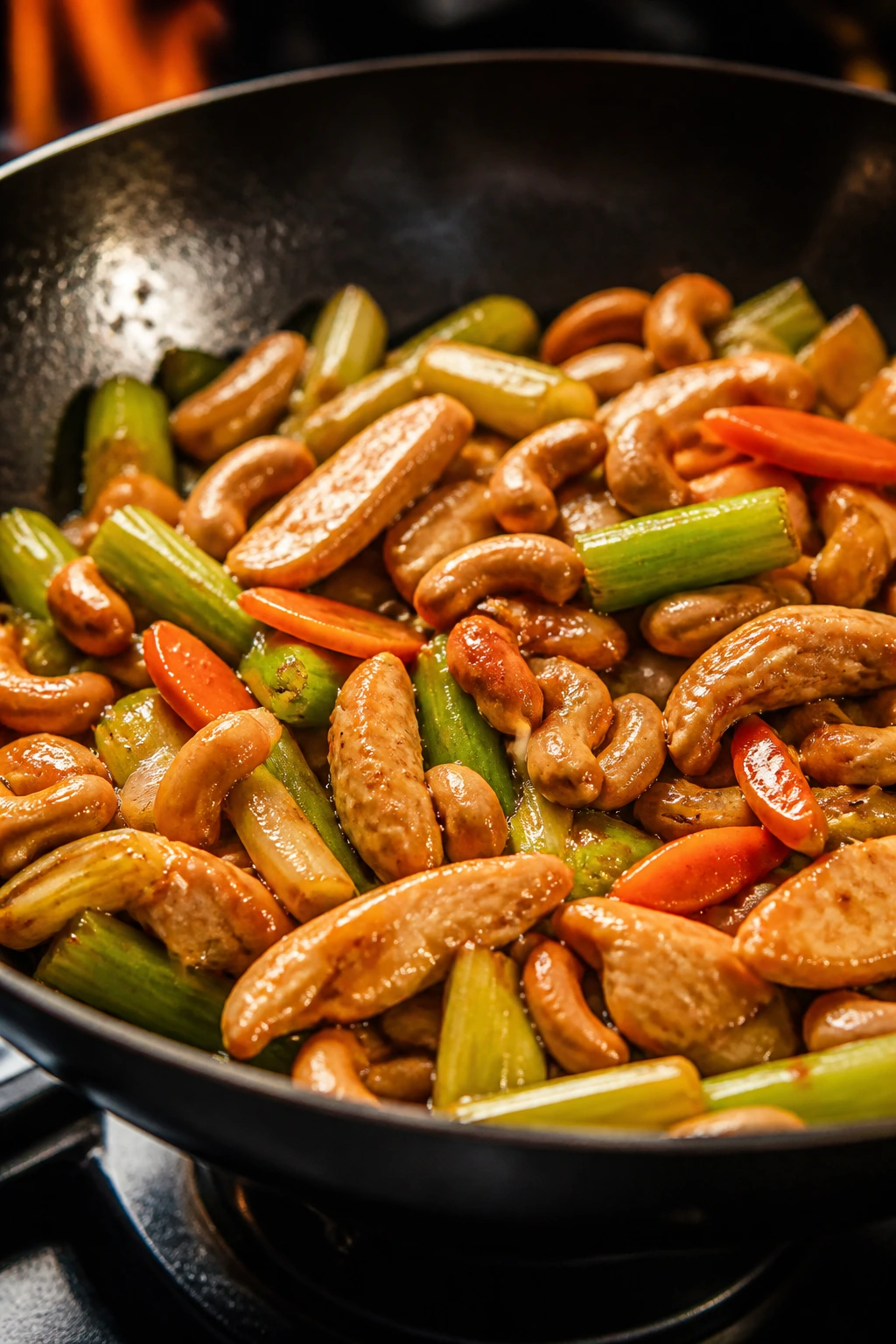
Cashew chicken is all about contrast: soft chicken, crisp celery, sweet carrot, and those buttery nuts that turn the last bite into the best one. If you’ve ever had a version where the cashews went soggy, you know the difference a properly timed finish makes. It’s dramatic.
Why It Works:
Roasted cashews bring their own fat and a gentle toasted taste, which means the sauce can stay lighter. Celery gives the dish a snap that balances the richer nut flavor. Oyster sauce and soy create a savory base that doesn’t need much sweetening.
Key Ingredients:
- 1½ lb chicken breast, sliced into strips
- 1 tbsp soy sauce
- 1 tbsp cornstarch
- 2 tbsp neutral oil
- 2 celery ribs, sliced on a bias
- 1 carrot, thinly sliced
- ½ cup water chestnuts, sliced
- ½ cup roasted unsalted cashews
- 2 garlic cloves, minced
- 1 tsp ginger, grated
- 2 tbsp oyster sauce
- 1 tbsp soy sauce
- ¼ cup chicken stock
- 1 tsp cornstarch mixed with 1 tbsp water
Quick Steps:
- Coat the chicken with soy sauce and cornstarch.
- Whisk the oyster sauce, soy sauce, stock, and slurry together.
- Sear the chicken in hot oil until just cooked, then remove.
- Stir-fry celery, carrot, water chestnuts, garlic, and ginger for 2 minutes.
- Add the sauce and cook until it thickens.
- Return the chicken and stir in the cashews at the very end.
Equipment for This Recipe:
- Wok or deep skillet
- Cutting board and sharp knife
- Small bowl
- Spatula or wooden spoon
How to Serve This Dish:
Serve it over rice with the cashews scattered on top, not buried inside. A side of stir-fried bok choy makes the meal feel complete without crowding the plate. Keep the portion generous on vegetables if you like a lighter dinner.
Pro Tips for This Recipe:
- Buy roasted cashews, not raw ones; they won’t have time to toast properly in the pan.
- Add the cashews after the sauce thickens so they keep their crunch.
- Slice the celery on a diagonal. It looks better and cooks more evenly.
- If you want a sweeter version, add 1 teaspoon honey, not more.
Variations on This Dish:
- Szechuan Cashew Version: Add chili paste and a pinch of crushed peppercorns.
- Veg-Heavy Version: Double the celery and carrot, then reduce the chicken to 1¼ lb.
- Rice Noodle Bowl: Toss the finished stir fry with cooked rice noodles instead of serving it over rice.
Common Mistakes to Avoid with This Dish:
- Using salted cashews: They can push the dish over the edge. Unsalted is easier to control.
- Adding nuts too soon: They soften fast in sauce.
- Overcooking the carrot: It should still have a little firmness, not collapse into the sauce.
7. Mongolian Chicken Stir Fry
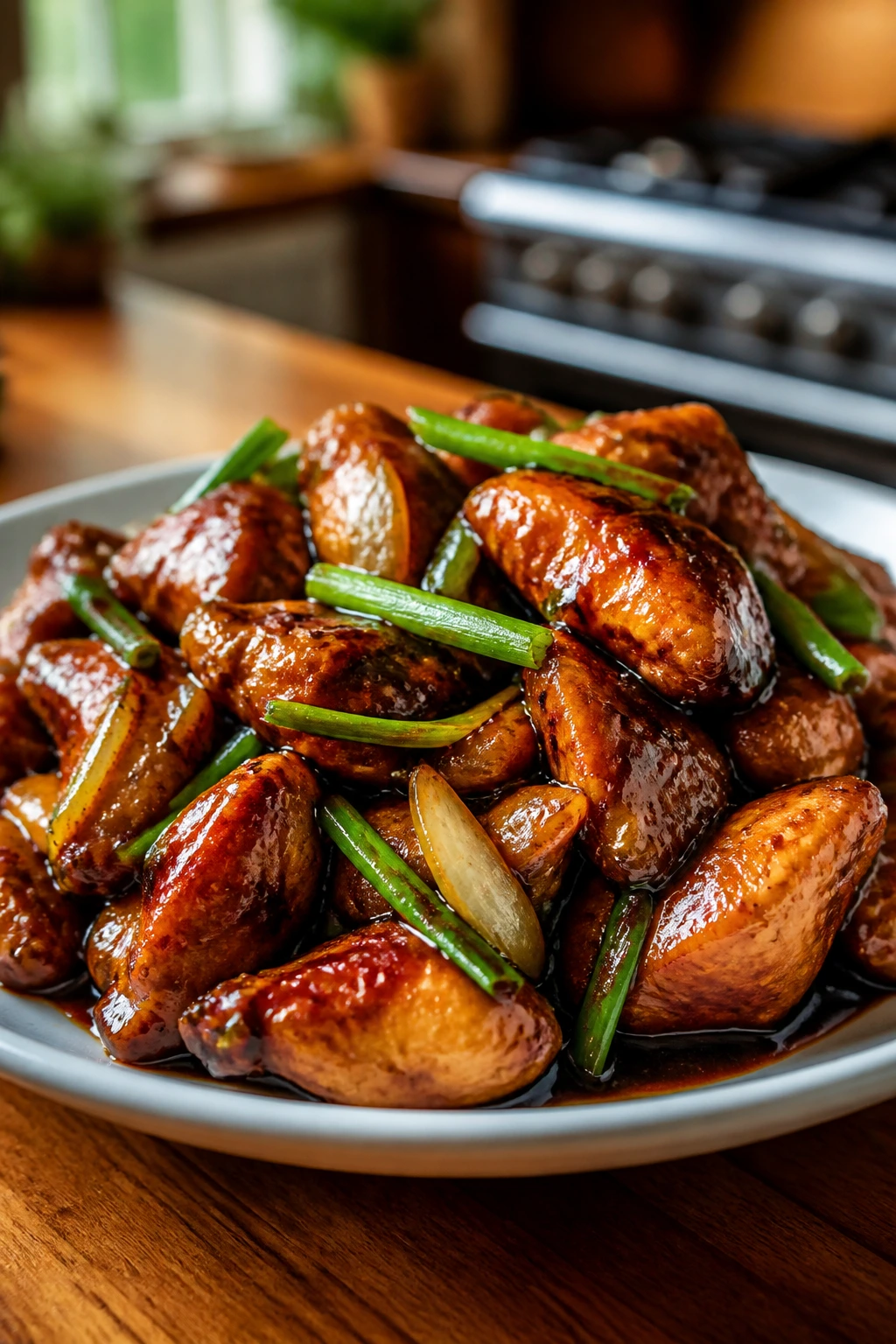
Mongolian chicken is the sort of dish that makes scallions disappear at alarming speed. The sauce is dark, sweet, and savory, but it’s the fresh oniony finish that keeps it from feeling sticky. If you like the lacquered look of takeout chicken without the greasiness, this one lands cleanly.
Why It Works:
Brown sugar gives the sauce body, while soy sauce and hoisin push it toward a deep savory note. Scallions go in at the end so you get a bright bite against the sticky glaze. A quick sear on the chicken keeps the pieces from turning soft under the sauce.
Key Ingredients:
- 1½ lb boneless chicken thighs, sliced thin
- 1 tbsp soy sauce
- 1 tbsp cornstarch
- 2 tbsp neutral oil
- 1 small yellow onion, sliced
- 5 scallions, cut into 2-inch pieces
- 3 garlic cloves, minced
- 1 tsp grated ginger
- 3 tbsp soy sauce
- 2 tbsp hoisin sauce
- 2 tbsp brown sugar
- ¼ cup chicken stock
- 1 tsp cornstarch mixed with 1 tbsp water
Quick Steps:
- Toss the chicken with soy sauce and cornstarch.
- Mix the soy sauce, hoisin, brown sugar, stock, and slurry in a bowl.
- Sear the chicken in hot oil until browned, then remove.
- Stir-fry the onion, garlic, and ginger for 1 minute.
- Add the sauce and let it bubble until slightly thickened.
- Return the chicken and scallions, toss for 30 seconds, and serve.
Equipment for This Recipe:
- Wok or large skillet
- Small whisk
- Tongs
- Cutting board
How to Serve This Dish:
Spoon it over steamed rice and finish with a few raw scallion greens on top for crunch. It also works in lettuce cups if you want something a little lighter and less rice-heavy.
Pro Tips for This Recipe:
- Keep the scallions for the last 30 seconds, or they lose their fresh edge.
- Brown sugar can burn if the pan is too dry, so keep the sauce moving once it goes in.
- Thin slices of chicken cook faster and soak up more sauce.
- If the glaze feels too thick, splash in another tablespoon of stock.
Variations on This Dish:
- Spicy Mongolian Version: Add 1 teaspoon chili flakes to the sauce.
- Mushroom Version: Add 2 cups sliced mushrooms with the onion.
- Less-Sweet Version: Cut the brown sugar to 1 tablespoon and add 1 teaspoon rice vinegar.
Common Mistakes to Avoid with This Dish:
- Cooking the sauce too long: It turns from glossy to jammy fast.
- Using too much onion: The sweet sauce can get muddled. One small onion is enough.
- Skipping the cornstarch on the chicken: The sauce won’t cling properly without it.
8. Szechuan Chili Chicken Stir Fry
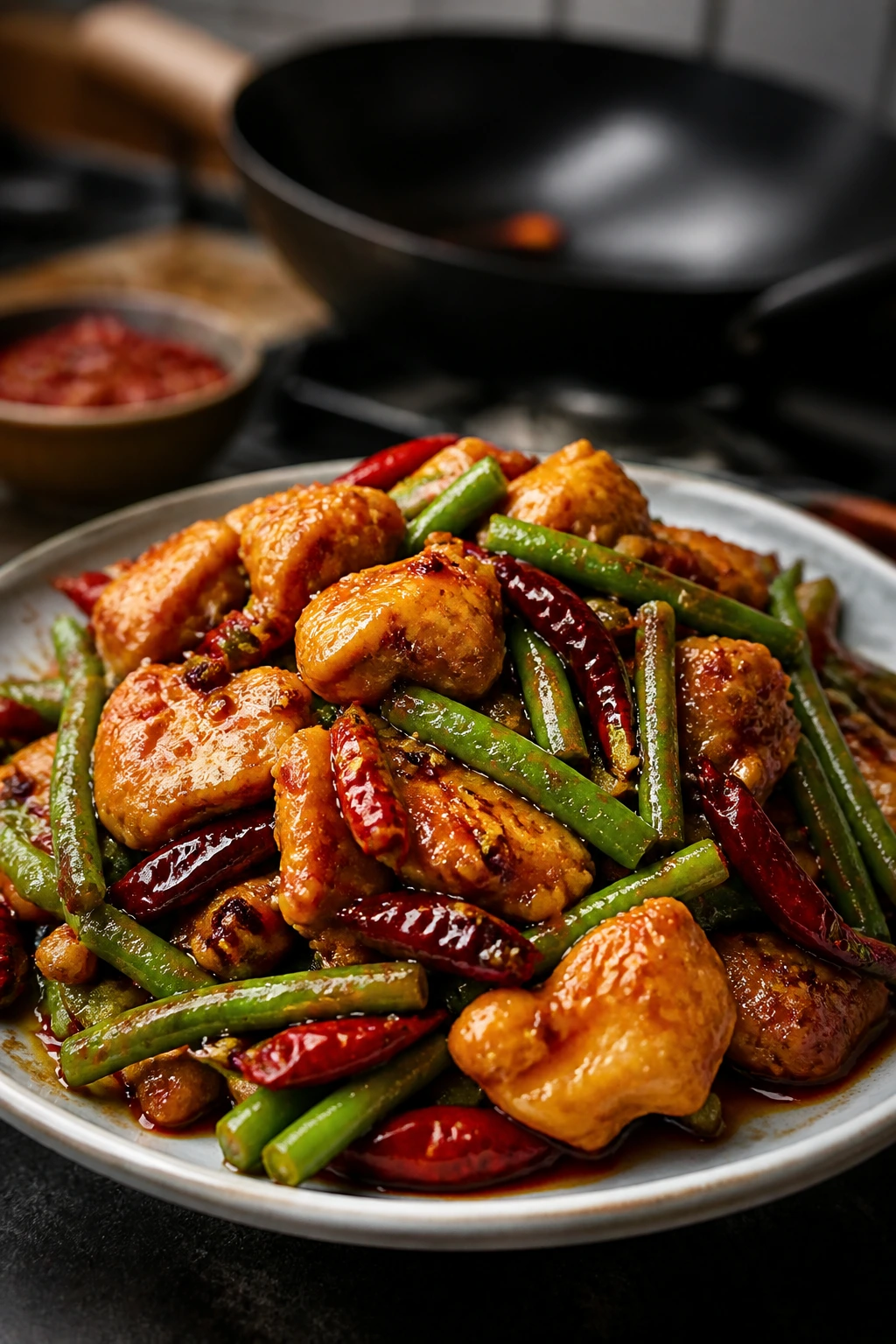
This one has a proper back-of-the-throat heat. Not unbearable, just awake. Dried chiles, garlic, ginger, and chili bean paste build a sauce that tastes layered instead of one-note, and green beans give the dish a snappy, almost grassy lift.
Why It Works:
Chili bean paste brings fermented depth that plain hot sauce can’t match. Green beans are sturdy enough to handle the high heat without collapsing. A small dose of sugar and vinegar keeps the spice from turning harsh.
Key Ingredients:
- 1½ lb chicken thighs, cut into bite-size pieces
- 1 tbsp soy sauce
- 1 tbsp cornstarch
- 2 tbsp neutral oil
- 1 cup green beans, trimmed and cut in half
- 6 dried red chiles
- 2 tbsp chili bean paste
- 3 garlic cloves, minced
- 1 tbsp ginger, minced
- 2 tbsp soy sauce
- 1 tbsp rice vinegar
- 1 tsp sugar
- ¼ cup chicken stock
Quick Steps:
- Coat the chicken with soy sauce and cornstarch.
- Whisk the soy sauce, vinegar, sugar, stock, and chili bean paste together.
- Heat the oil and briefly fry the dried chiles until fragrant.
- Add the chicken and brown it on all sides.
- Stir in green beans, garlic, and ginger; cook 2 minutes.
- Add the sauce and toss until it coats everything in a thin glaze.
Equipment for This Recipe:
- Wok
- Small bowl
- Wooden spoon
- Slotted spoon, if you want to remove chile pieces before serving
How to Serve This Dish:
Serve with jasmine rice and a few slices of cucumber to cool the heat between bites. This is one of the few stir fries that also likes a cold beer or sparkling water with lime.
Pro Tips for This Recipe:
- Taste the chili bean paste first. Some jars are saltier than others.
- Pull out extra dried chiles if you want the heat without the visual clutter.
- Green beans should still squeak a little when bitten.
- If you cannot find chili bean paste, a mix of miso and chili flakes will get close, though not exact.
Variations on This Dish:
- Numbing Peppercorn Version: Add ½ teaspoon crushed Sichuan peppercorns.
- Pork-Style Heat: Swap chicken for sliced pork tenderloin if you want a different protein.
- Milder Pantry Version: Reduce the chiles to 3 and use 1 tablespoon chili bean paste.
Common Mistakes to Avoid with This Dish:
- Turning the heat down too soon: The green beans need it hot enough to blister a little.
- Adding too much sugar: The dish should stay spicy and savory, not sweet.
- Leaving chile stems in the pan: They can scratch into the sauce and give a harsh note.
9. Honey Sesame Chicken Stir Fry
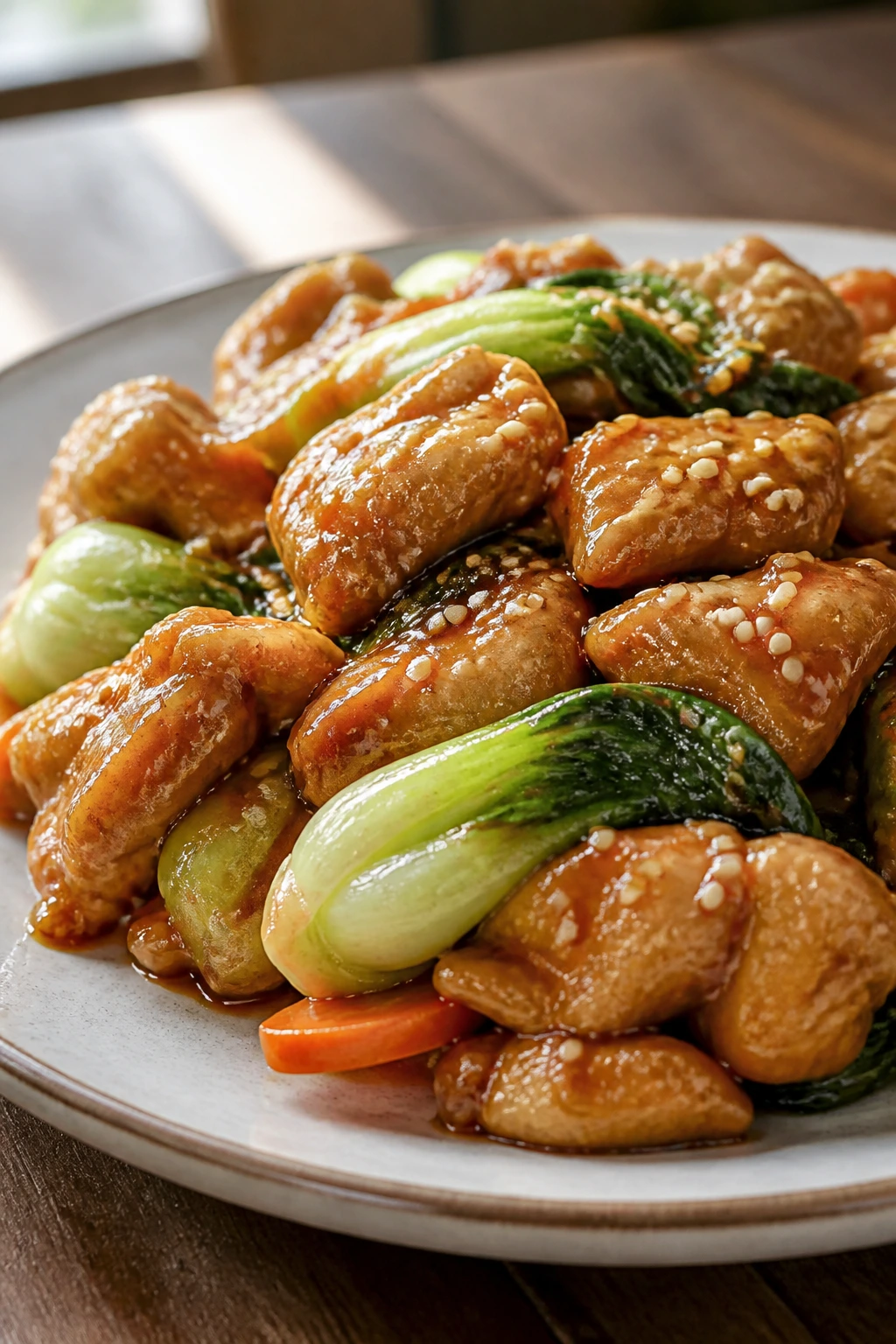
Honey and sesame are a familiar pair, but the better version here stays restrained. The sauce glazes the chicken rather than drowning it, and bok choy gives you a juicy, green contrast that keeps each bite from leaning too sweet. It’s the kind of dish that looks polished without much drama.
Why It Works:
Honey gives the sauce shine, while sesame oil brings aroma at the finish, not the start. Bok choy softens in the hot pan just enough to catch the sauce in its ribs. A tiny splash of vinegar keeps the sweetness from taking over.
Key Ingredients:
- 1½ lb chicken breast, sliced thin
- 1 tbsp soy sauce
- 1 tbsp cornstarch
- 2 tbsp neutral oil
- 2 baby bok choy, quartered
- 1 carrot, thinly sliced
- 2 garlic cloves, minced
- 1 tsp ginger, minced
- 3 tbsp soy sauce
- 1½ tbsp honey
- 1 tbsp rice vinegar
- 1 tsp toasted sesame oil
- 1 tsp cornstarch mixed with 1 tbsp water
- 1 tbsp sesame seeds
Quick Steps:
- Toss the chicken with soy sauce and cornstarch.
- Whisk the soy sauce, honey, vinegar, sesame oil, and slurry.
- Sear the chicken in hot oil until just cooked, then remove.
- Stir-fry bok choy, carrot, garlic, and ginger for 2 minutes.
- Add the sauce and cook until it looks shiny and lightly thick.
- Return the chicken, sprinkle with sesame seeds, and toss once more.
Equipment for This Recipe:
- Large skillet or wok
- Whisk
- Tongs
- Measuring spoons
How to Serve This Dish:
Serve over rice and let the sauce drip into the bowl. A few extra sesame seeds and the dark green bok choy leaves give the plate a nice contrast. If you like a little crunch, add chopped peanuts at the end.
Pro Tips for This Recipe:
- Add sesame oil at the end; cooking it hard can flatten the aroma.
- Bok choy cooks fast, so keep the pieces large enough to stay intact.
- Honey varies in sweetness, so taste the sauce before pouring in extra.
- If using regular bok choy, slice the stems and leaves separately and add the stems first.
Variations on This Dish:
- Ginger-Sesame Boost: Double the ginger for a brighter, sharper sauce.
- Chili Honey Version: Add ½ teaspoon chili flakes to the honey sauce.
- Noodle Bowl: Toss with cooked ramen or rice noodles instead of rice.
Common Mistakes to Avoid with This Dish:
- Adding the sesame seeds too early: They lose their nutty edge.
- Letting bok choy overcook: Limp leaves are fine; brown, soggy stems are not.
- Using too much honey: The sauce should coat, not candy the chicken.
10. Thai Basil Chicken Stir Fry
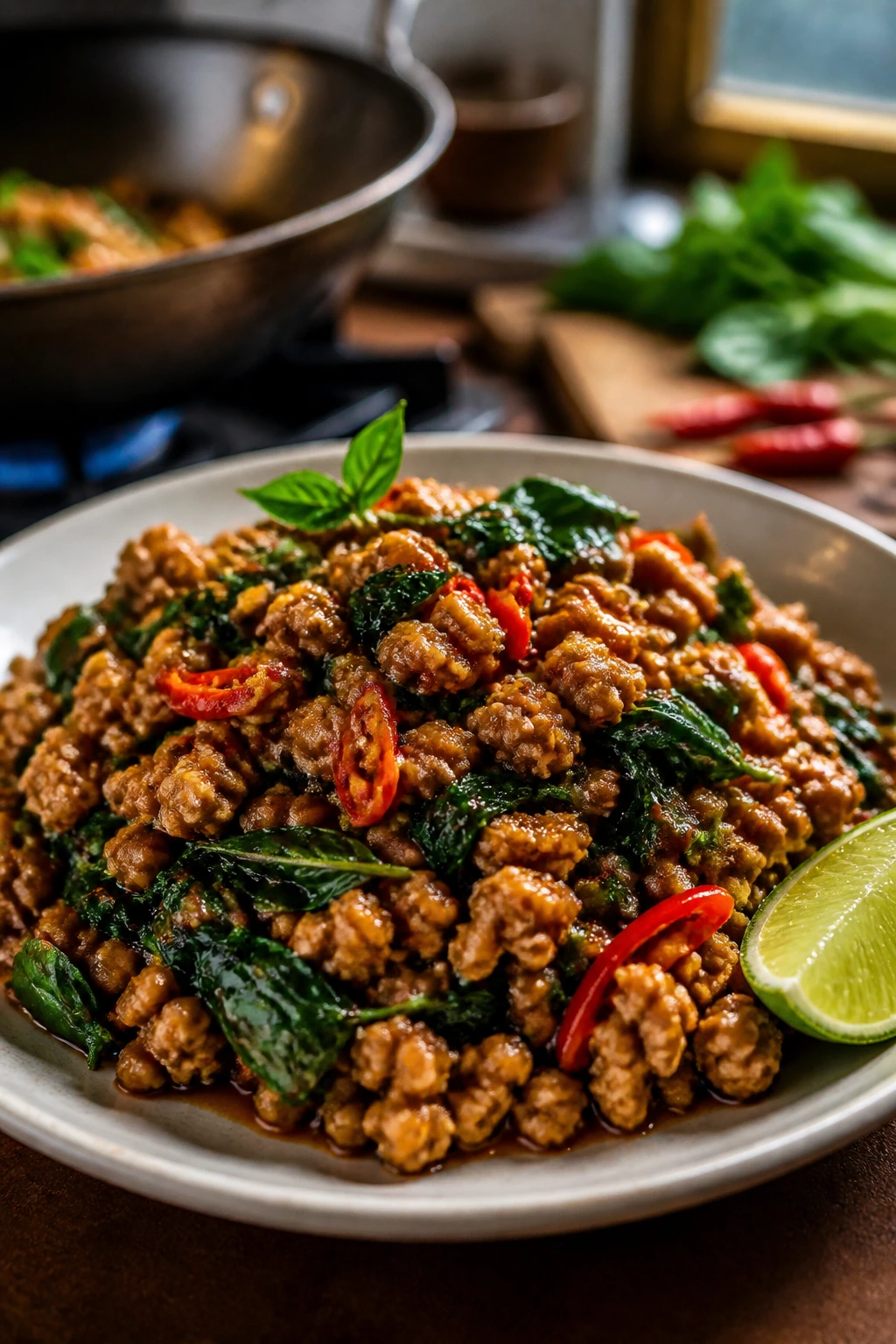
Thai basil gives this dish its whole personality. The leaves go peppery and aromatic when they hit the heat, and the chicken picks up garlic, chili, and fish sauce in a way that tastes loud but balanced. It’s not a timid stir fry, and that’s part of the charm.
Why It Works:
Thai basil is different from the sweet basil most people keep in the crisper; it has a sharper, clove-like kick. Fish sauce supplies salt and depth without making the dish taste fishy when used in the right amount. Green beans or peppers make a good base because they stay lively under fast heat.
Key Ingredients:
- 1½ lb chicken thighs, minced or finely chopped
- 2 tbsp neutral oil
- 4 garlic cloves, minced
- 2 Thai chilies, sliced
- 1 small onion, sliced
- 1 cup green beans, cut short
- 2 tbsp fish sauce
- 1 tbsp soy sauce
- 1 tsp sugar
- ½ cup Thai basil leaves, packed
- 1 lime, cut into wedges
Quick Steps:
- Heat the oil in a wok until hot, then add the garlic and chilies for about 15 seconds.
- Add the chicken and break it up as it cooks, about 4 to 5 minutes.
- Stir in the onion and green beans and cook until just tender.
- Add fish sauce, soy sauce, and sugar.
- Turn off the heat and fold in the Thai basil until it wilts.
- Serve with lime wedges.
Equipment for This Recipe:
- Wok
- Spatula
- Sharp knife
- Small bowl for the sauce ingredients if you want them pre-mixed
How to Serve This Dish:
Serve it over jasmine rice with the lime squeezed over the top right before eating. A fried egg on top is not traditional in every version, but it works beautifully if you want a fuller plate.
Pro Tips for This Recipe:
- Use Thai basil, not sweet basil. The flavor difference is not subtle.
- Add the basil off the heat so it stays fragrant instead of turning dark and wet.
- Minced chicken cooks faster and picks up the sauce more evenly than chunks.
- Taste before salting anything else; fish sauce already brings plenty.
Variations on This Dish:
- Bell Pepper Version: Swap green beans for sliced bell peppers if that’s what’s in the fridge.
- Milder Version: Use one chili instead of two and remove the seeds.
- Tofu Bowl: Swap the chicken for firm tofu, pressed and cubed.
Common Mistakes to Avoid with This Dish:
- Cooking the basil for too long: It turns dull and loses the perfume that makes the dish work.
- Using sweet basil only: The flavor lands softer and less distinct.
- Skipping the lime: The bright finish is what keeps the dish from feeling heavy.
11. Teriyaki Pineapple Chicken Stir Fry
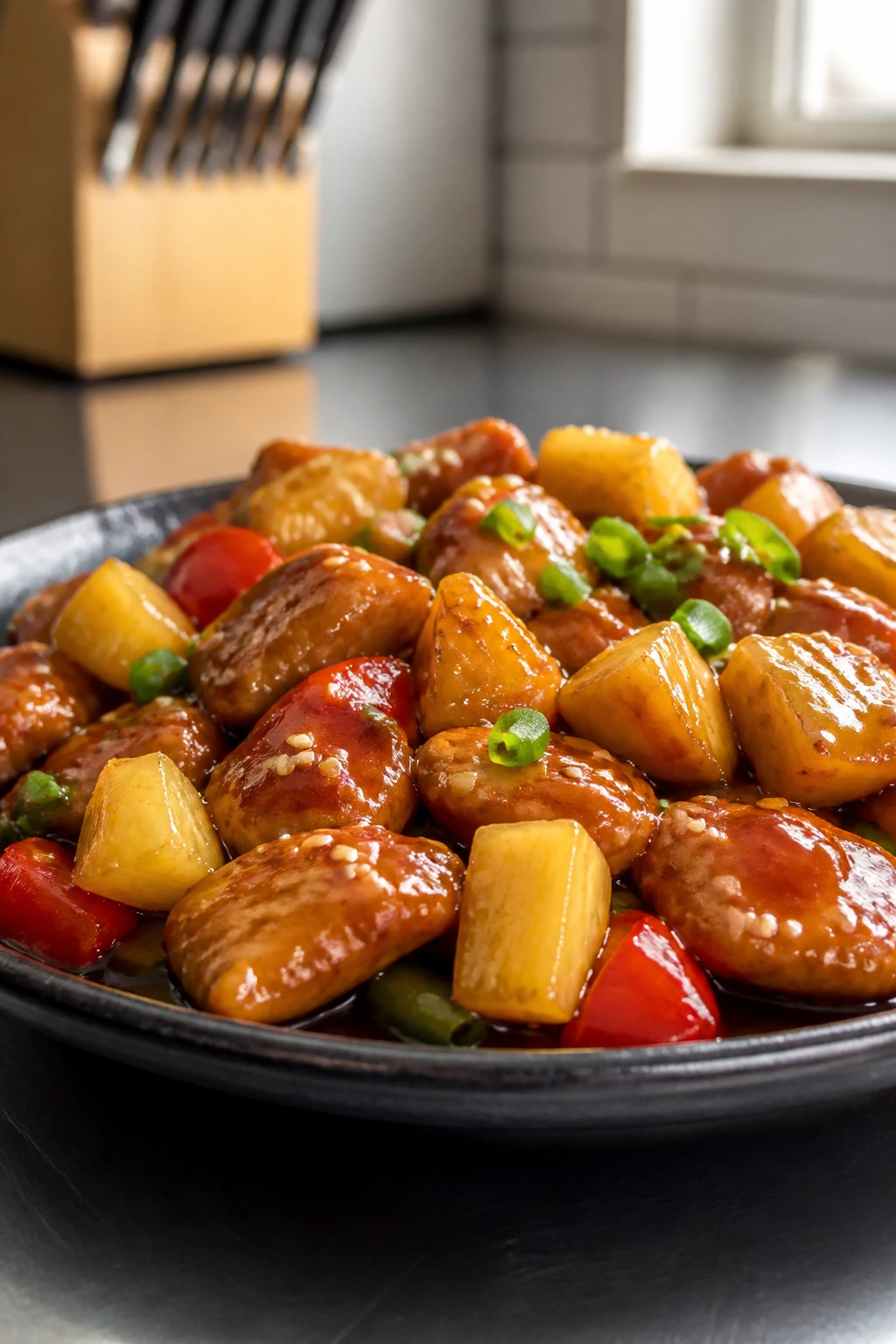
Pineapple changes the mood fast. The fruit brings sharp sweetness, and teriyaki sauce gives the dish that familiar glossy finish people expect from takeout. Done well, it tastes bright and savory, not like a bottled glaze with a few fruit chunks tossed in for decoration.
Why It Works:
Pineapple’s acidity lifts the sauce and helps cut through the salt in teriyaki. Bell pepper and onion add enough structure that the fruit doesn’t take over. A quick, hot stir-fry keeps the pineapple warm and juicy without turning it into jam.
Key Ingredients:
- 1½ lb chicken breast, cut into bite-size pieces
- 1 tbsp soy sauce
- 1 tbsp cornstarch
- 2 tbsp neutral oil
- 1 cup pineapple chunks, fresh or well-drained canned
- 1 red bell pepper, sliced
- 1 small onion, sliced
- 2 cloves garlic, minced
- 1 tsp ginger, minced
- ¼ cup teriyaki sauce
- 1 tbsp rice vinegar
- 1 tsp sesame seeds
Quick Steps:
- Toss the chicken with soy sauce and cornstarch.
- Heat the oil and cook the chicken until lightly browned.
- Add onion, bell pepper, garlic, and ginger; stir-fry 2 minutes.
- Stir in pineapple, teriyaki sauce, and rice vinegar.
- Cook until the sauce bubbles and coats the chicken, about 1 minute.
- Sprinkle with sesame seeds and serve.
Equipment for This Recipe:
- Wok or large skillet
- Strainer, if using canned pineapple
- Tongs
- Small bowl
How to Serve This Dish:
Spoon it over rice and keep the plate simple. Too many side dishes fight the pineapple. A cucumber salad or a few steamed edamame pods are plenty.
Pro Tips for This Recipe:
- Drain canned pineapple well or the sauce gets thin.
- Fresh pineapple browns better and tastes sharper, but canned works fine in a pinch.
- Don’t use extra sugar; teriyaki and pineapple already bring enough sweetness.
- Let the onions soften a bit before adding the pineapple, or the fruit gets soft before the onion turns tender.
Variations on This Dish:
- Spicy Pineapple Version: Add ½ teaspoon chili flakes or a spoon of chili garlic sauce.
- Brown Rice Bowl: Serve over brown rice for a more nutty base.
- Veggie Boost: Add broccoli florets or snap peas with the bell pepper.
Common Mistakes to Avoid with This Dish:
- Using too much pineapple juice: It waters down the sauce.
- Cooking on low heat: The fruit turns limp instead of staying bright.
- Dumping in extra teriyaki: It can become overly salty and muddy.
12. Chicken Chow Mein Stir Fry
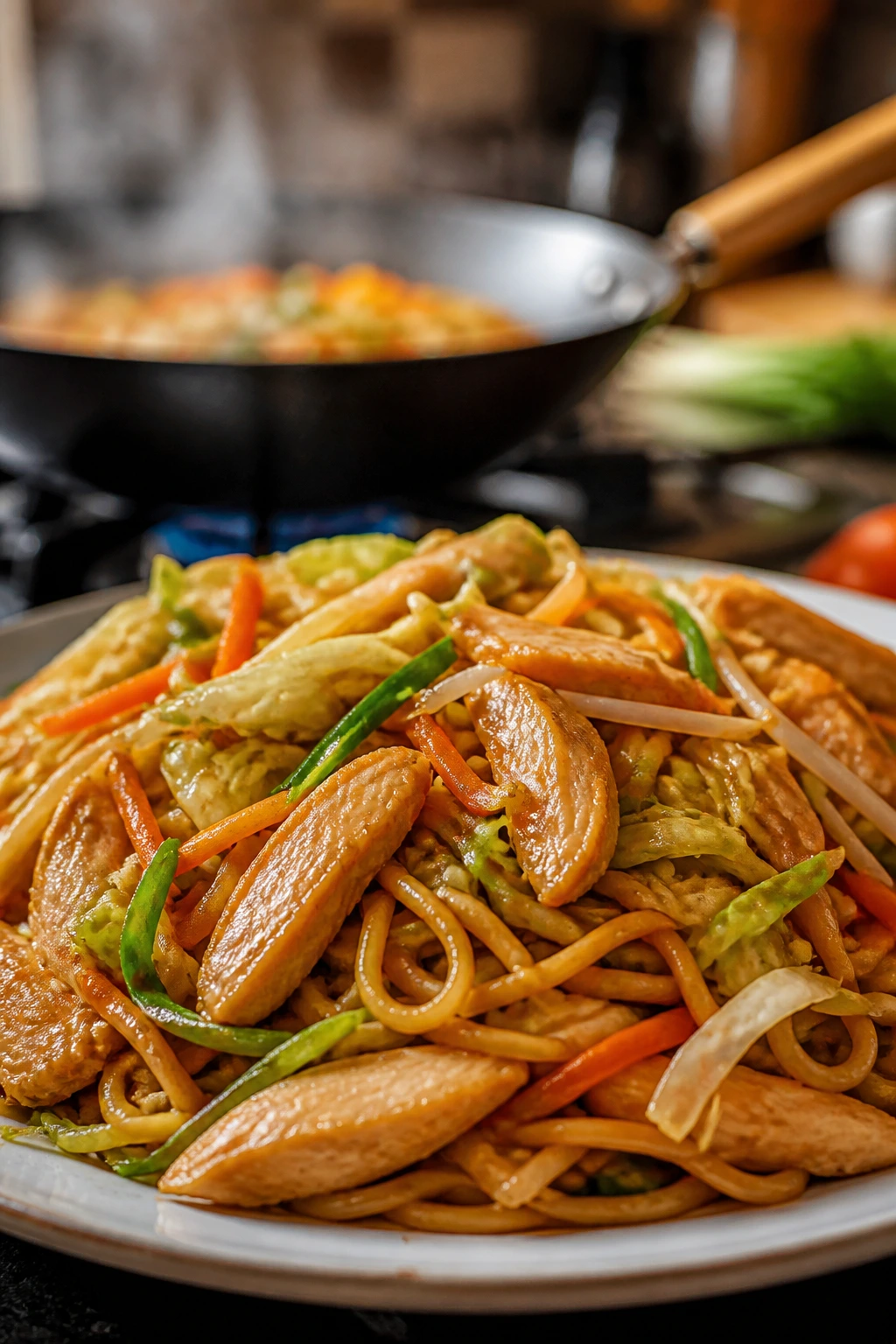
Chow mein lives in the noodles. That’s the first thing. The second is speed. If the noodles sit too long in the pan, they clump; if they go in at the right moment, they catch the sauce and stay springy, which is the whole reason to make them at home.
Why It Works:
Noodles need enough oil to move freely and enough sauce to stain them, not drown them. Cabbage and bean sprouts bring crunch that keeps the dish from feeling dense. The chicken is sliced thin so it cooks before the noodles overdo it.
Key Ingredients:
- 1 lb chicken breast, thinly sliced
- 8 oz chow mein noodles, cooked and drained
- 2 tbsp neutral oil
- 2 cups shredded cabbage
- 1 carrot, julienned
- 1 cup bean sprouts
- 3 garlic cloves, minced
- 2 tbsp soy sauce
- 1 tbsp oyster sauce
- 1 tsp sesame oil
- ¼ cup chicken stock
Quick Steps:
- Sear the chicken in hot oil until just cooked, then remove.
- Add cabbage and carrot to the pan and stir-fry for 2 minutes.
- Stir in garlic, then add the noodles, soy sauce, oyster sauce, sesame oil, and stock.
- Toss for 1 to 2 minutes until the noodles are coated and warmed through.
- Fold in the chicken and bean sprouts at the end.
- Serve immediately while the noodles are still springy.
Equipment for This Recipe:
- Large wok or deep skillet
- Pot for boiling noodles
- Tongs or chopsticks
- Colander
How to Serve This Dish:
Serve it in wide bowls so the noodles can spread out instead of clumping. A scattering of scallions and sesame seeds looks right here, and a drizzle of chili oil works if you want more kick.
Pro Tips for This Recipe:
- Cook the noodles just shy of done; they finish in the pan.
- Keep the bean sprouts for the end so they stay crisp.
- If the noodles seem dry, add another tablespoon of stock instead of more oil.
- Toss constantly once the noodles go in, or they grab the pan.
Variations on This Dish:
- Shrimp-Free Seafood-Like Texture: Add sliced king oyster mushrooms for a chewy bite.
- Spicy Noodle Version: Stir in chili oil or sambal with the soy sauce.
- Whole Wheat Option: Use whole wheat noodles, but give them an extra splash of stock.
Common Mistakes to Avoid with This Dish:
- Overcooking the noodles before they hit the pan: They’ll turn soft and sticky.
- Using too little oil: Chow mein needs some glide.
- Leaving bean sprouts in too long: They lose the crisp bite fast.
13. Chicken Mushroom Stir Fry with Oyster Sauce
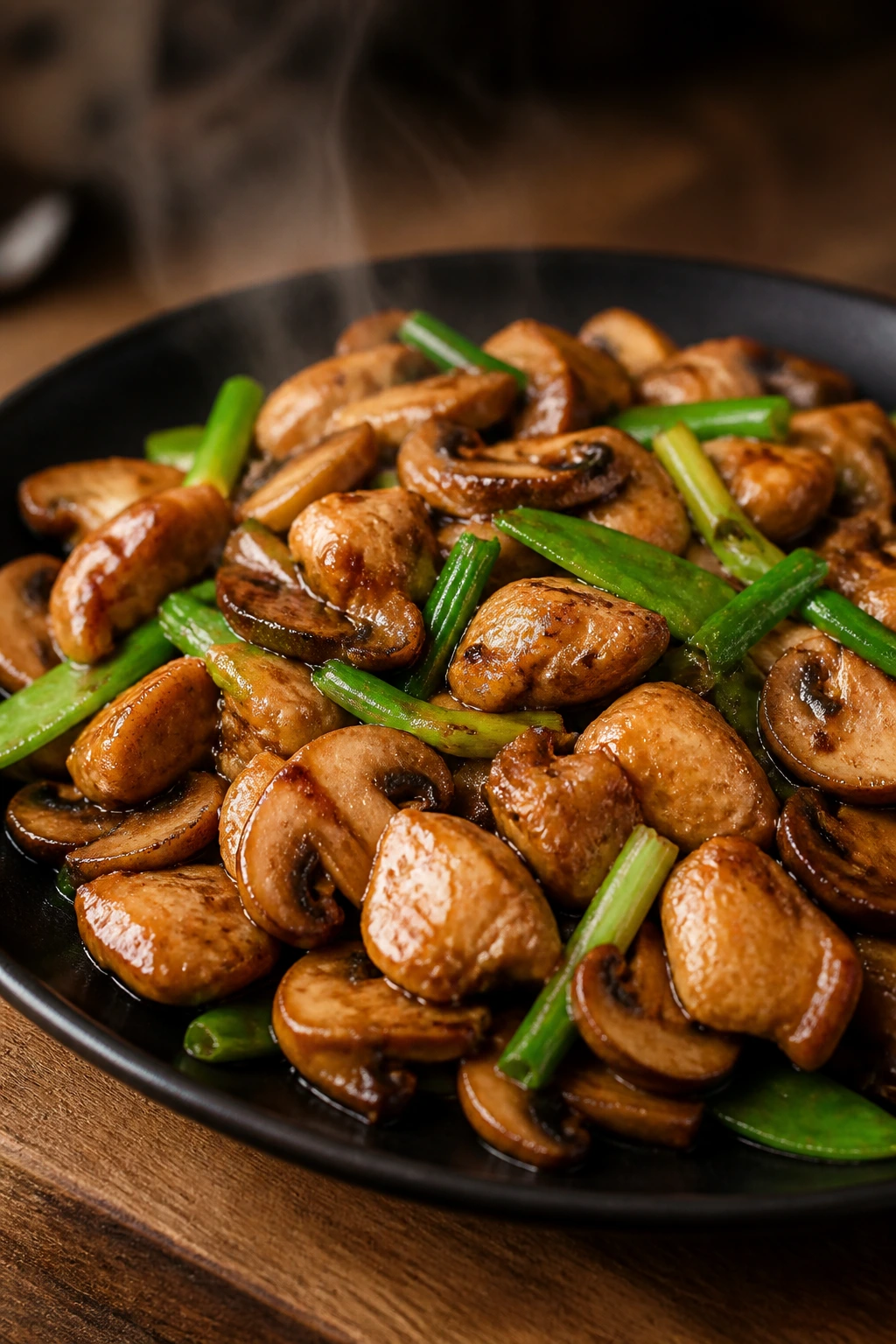
Mushrooms do a quiet but important job here. They soak up sauce like little sponges and make the whole dish taste deeper without adding heaviness. Oyster sauce, ginger, and scallions give the mushrooms enough structure to feel like part of the main act, not a side note.
Why It Works:
Mushrooms release moisture, then take it back in once the pan gets hot enough. That means you get brown edges instead of gray steam if you keep the pan moving. Chicken thighs work especially well here because their richer flavor holds up beside the mushrooms.
Key Ingredients:
- 1½ lb chicken thighs, sliced
- 2 tbsp neutral oil
- 8 oz mushrooms, sliced
- 1 cup snow peas
- 3 scallions, cut into 2-inch lengths
- 3 garlic cloves, minced
- 1 tsp ginger, minced
- 3 tbsp oyster sauce
- 1 tbsp soy sauce
- ¼ cup chicken stock
- 1 tsp cornstarch mixed with 1 tbsp water
Quick Steps:
- Brown the chicken in hot oil and remove it.
- Add mushrooms and cook until they lose their moisture and start to brown.
- Stir in garlic, ginger, and snow peas for 1 minute.
- Add oyster sauce, soy sauce, stock, and slurry.
- Return the chicken and scallions, tossing until glossy.
Equipment for This Recipe:
- Large skillet or wok
- Paper towel — for wiping mushrooms if they’re damp
- Small whisk
- Spatula
How to Serve This Dish:
Serve it over rice, but don’t bury it under a giant mound. The mushrooms deserve to stay visible. A few extra scallions on top make the plate taste fresher.
Pro Tips for This Recipe:
- Don’t salt the mushrooms early; they’ll sweat too fast.
- Let the mushrooms brown before stirring constantly.
- Snow peas only need a minute or two. They should keep their snap.
- If the sauce tastes too heavy, a teaspoon of rice vinegar brightens it fast.
Variations on This Dish:
- Baby Bok Choy Version: Swap snow peas for chopped baby bok choy.
- Garlic Mushroom Version: Add one extra clove and a pinch of white pepper.
- Rice Noodle Toss: Turn the finished stir fry into noodles with cooked rice vermicelli.
Common Mistakes to Avoid with This Dish:
- Starting with a wet pan: Wet mushrooms steam instead of sear.
- Cooking the snow peas too long: Their color fades and the bite softens.
- Using too much oyster sauce: The dish gets muddy fast; 3 tablespoons is plenty.
14. Lemon Chicken Stir Fry with Asparagus
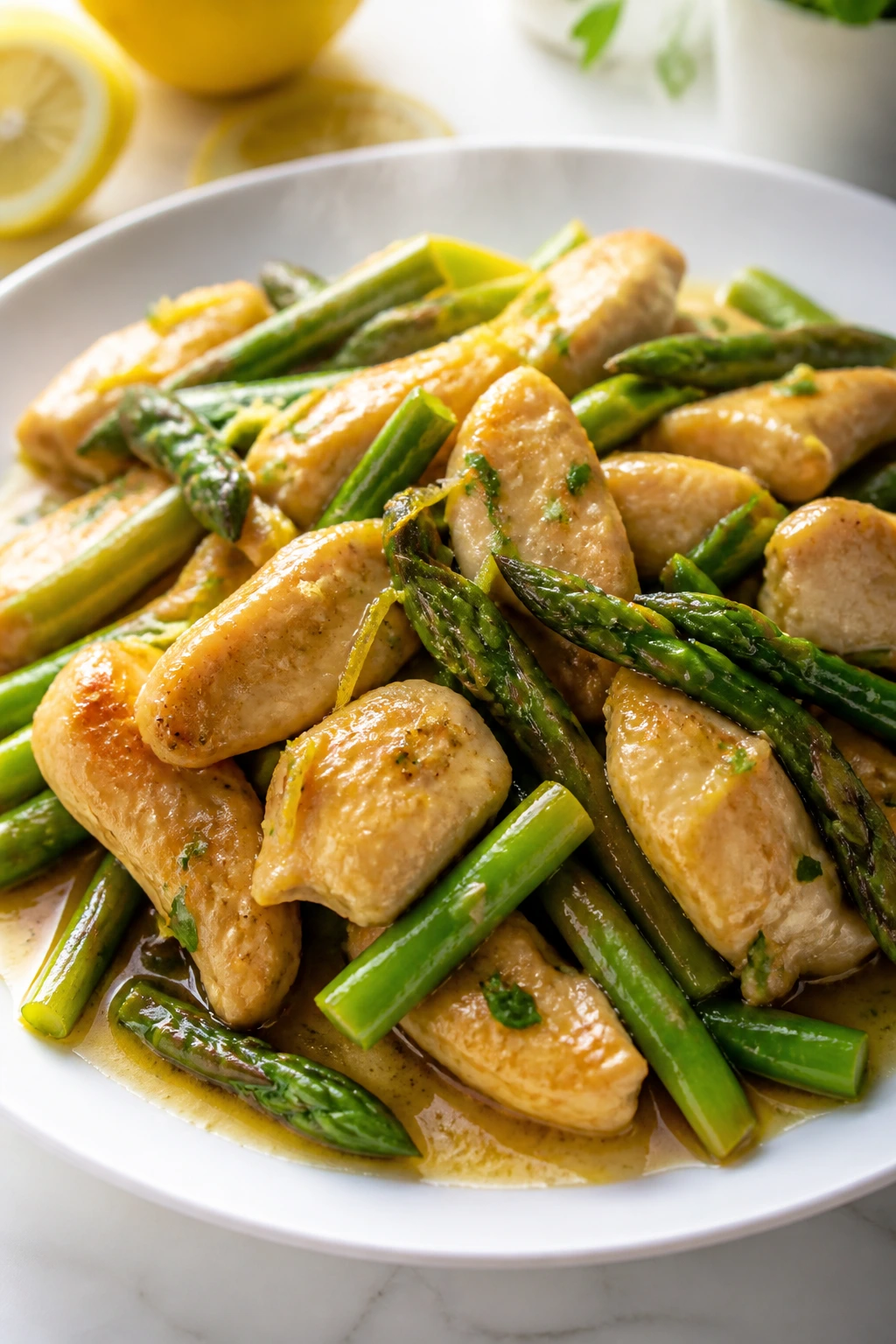
Lemon chicken should taste bright, not tart in a harsh way. Asparagus gives it a springy green snap, and a light sauce keeps the citrus clean. This is the recipe for the nights when you want something lighter but still very much dinner.
Why It Works:
Lemon zest gives you the aroma; lemon juice gives you the tang. If you use both, the dish tastes complete. Asparagus cooks fast enough to stay tender-crisp, and a light chicken-stock sauce keeps the whole thing from drying out.
Key Ingredients:
- 1½ lb chicken breast, sliced thin
- 1 tbsp soy sauce
- 1 tbsp cornstarch
- 2 tbsp neutral oil
- 1 bunch asparagus, trimmed and cut into 2-inch pieces
- 2 garlic cloves, minced
- 1 tsp lemon zest
- 3 tbsp lemon juice
- 2 tbsp chicken stock
- 1 tbsp soy sauce
- 1 tsp honey
- 1 tsp cornstarch mixed with 1 tbsp water
Quick Steps:
- Coat the chicken with soy sauce and cornstarch.
- Whisk lemon juice, zest, stock, soy sauce, honey, and slurry.
- Sear the chicken in hot oil until just cooked, then remove.
- Stir-fry asparagus for 2 minutes, then add garlic for 20 seconds.
- Pour in the sauce and cook until it turns glossy.
- Return the chicken and toss briefly.
Equipment for This Recipe:
- Wok or skillet
- Microplane for zest
- Tongs
- Small bowl
How to Serve This Dish:
Serve with rice or rice noodles and keep the garnish simple: a few lemon zest curls and sliced scallions. A plain side salad with a light vinaigrette works if you want the plate to feel less heavy.
Pro Tips for This Recipe:
- Trim the woody asparagus ends; bitter stalks will spoil the balance.
- Add lemon juice at the end of the sauce stage so it stays bright.
- If your lemons are small, use two; the flavor should be obvious.
- Chicken breast stays tender if you pull it right at 165°F.
Variations on This Dish:
- Ginger-Lemon Version: Add 1 teaspoon grated ginger for more warmth.
- Broccoli Substitute: Use broccoli florets instead of asparagus if that’s what’s in the fridge.
- Herb Finish: Toss in a handful of chopped cilantro right before serving.
Common Mistakes to Avoid with This Dish:
- Using too much lemon juice: It can turn sharp instead of fresh.
- Overcooking asparagus: Limp spears are a waste.
- Forgetting the zest: Juice alone makes the dish taste thin.
15. Sweet Chili Chicken and Bell Pepper Stir Fry
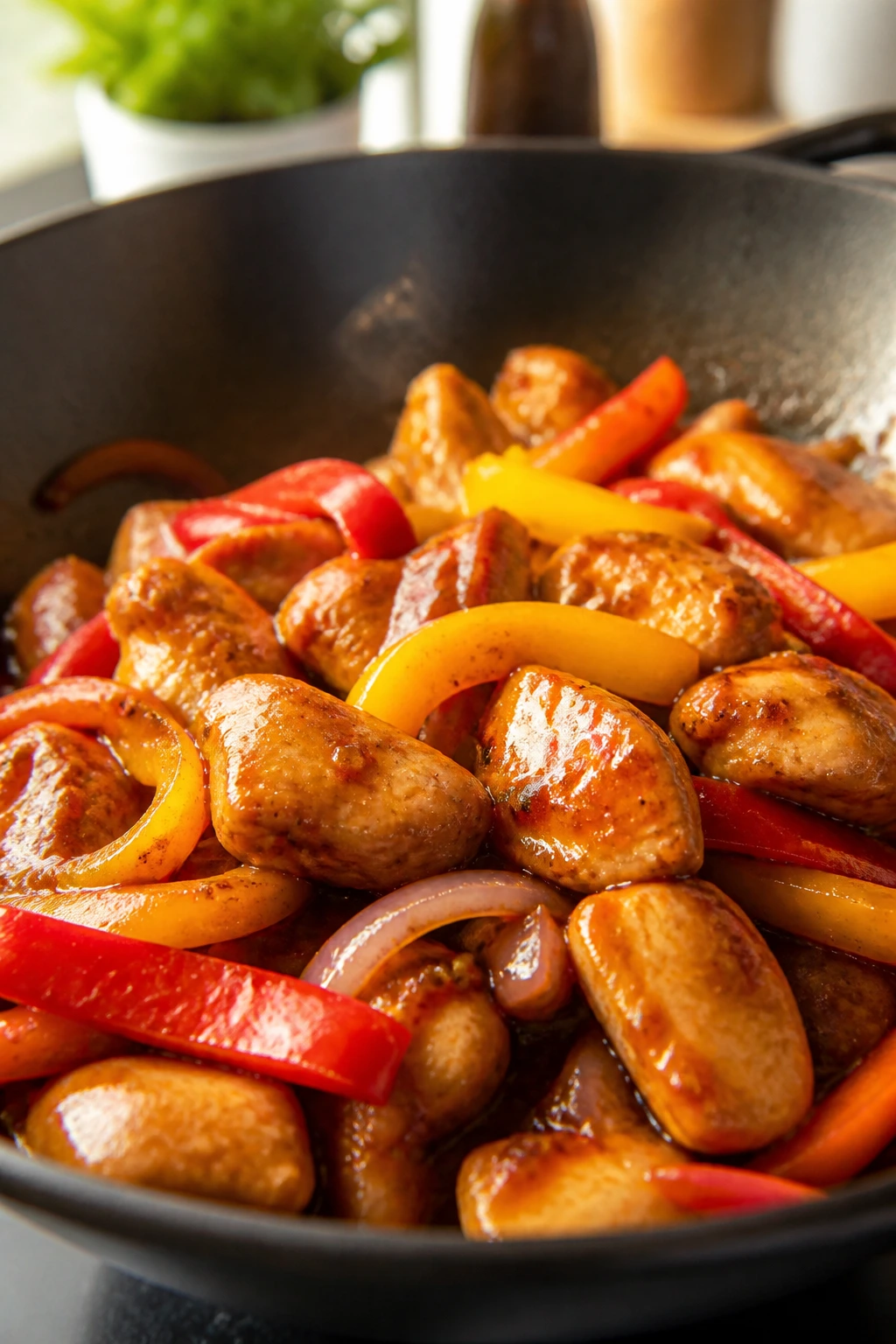
Sweet chili sauce brings the gloss and the mild heat; bell peppers bring the crunch and color. Together, they make a bright, busy pan that feels a little like a street-food night without the line. The key is restraint. Too much sauce and the peppers blur.
Why It Works:
Sweet chili sauce already carries sugar, vinegar, and garlic, so it doesn’t need much help. Bell peppers stay crisp if they’re cut into thin strips and cooked quickly. A touch of soy sauce keeps the dish from tasting candy-like.
Key Ingredients:
- 1½ lb chicken thighs, sliced
- 1 tbsp soy sauce
- 1 tbsp cornstarch
- 2 tbsp neutral oil
- 2 red bell peppers, sliced
- 1 yellow bell pepper, sliced
- 1 small onion, sliced
- 2 cloves garlic, minced
- ¼ cup sweet chili sauce
- 1 tbsp soy sauce
- 1 tbsp rice vinegar
- 1 tsp sesame seeds
Quick Steps:
- Toss the chicken with soy sauce and cornstarch.
- Sear the chicken in hot oil until browned and cooked through.
- Add onion and bell peppers and stir-fry for 2 minutes.
- Stir in garlic, sweet chili sauce, soy sauce, and vinegar.
- Toss until the sauce coats everything and the peppers are still crisp.
- Finish with sesame seeds.
Equipment for This Recipe:
- Wok or large skillet
- Small bowl
- Spatula
- Measuring cups
How to Serve This Dish:
Serve it over rice or in lettuce cups if you want less starch. The peppers already make the plate colorful, so the garnish can stay light. A few sesame seeds are enough.
Pro Tips for This Recipe:
- Use three peppers of different colors for a sweeter, better-looking mix.
- Don’t let the sauce boil down too long; it can get sticky fast.
- Keep the onion in larger slices so it still has some texture.
- If you like heat, add sliced fresh chili, not more sauce.
Variations on This Dish:
- Garlic-Chili Version: Add an extra clove of garlic and ½ teaspoon chili flakes.
- Pineapple Pepper Bowl: Add 1 cup pineapple chunks for a sweeter edge.
- Rice Noodle Toss: Mix the finished stir fry with rice noodles for a fuller meal.
Common Mistakes to Avoid with This Dish:
- Overcooking the peppers: They should stay crisp enough to snap.
- Using too much sweet chili sauce: The dish turns syrupy fast.
- Skipping the vinegar: Without acid, the sauce feels flat.
16. Spicy Peanut Chicken Stir Fry
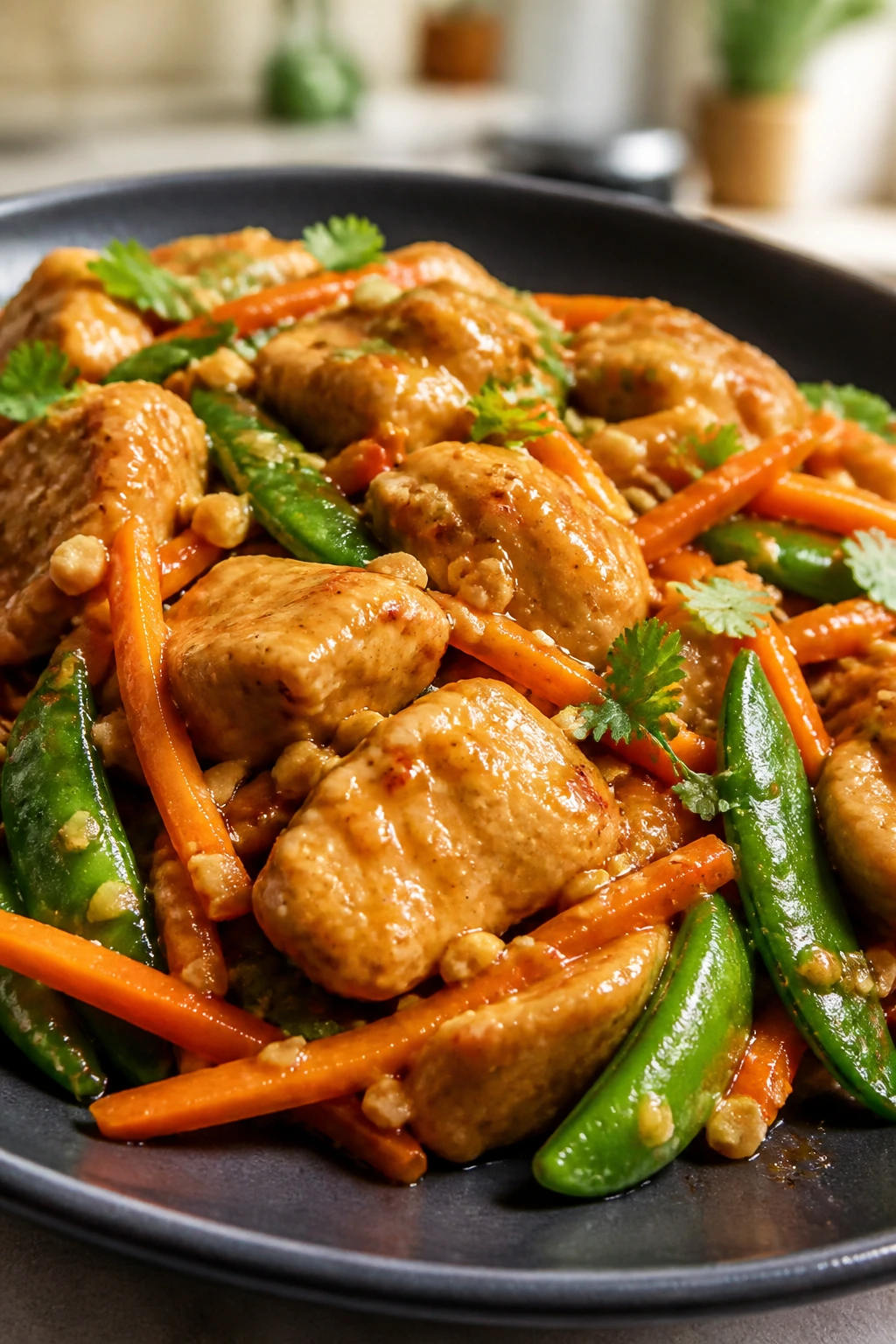
This is the bowl that eats like lunch and dinner at once. The peanut sauce is creamy without needing dairy, the chicken stays savory, and the vegetables hold enough crunch to keep the whole thing from turning soft. If you like satay-style flavors, this one hits that lane without becoming a copy.
Why It Works:
Peanut butter gives the sauce body, soy sauce gives it salt, and lime keeps it from feeling heavy. Snap peas and carrots bring texture that stands up to the sauce. The trick is to thin the peanut mixture just enough so it coats rather than clumps.
Key Ingredients:
- 1½ lb chicken breast, sliced thin
- 1 tbsp soy sauce
- 1 tbsp cornstarch
- 2 tbsp neutral oil
- 2 cups snap peas
- 1 carrot, julienned
- 2 garlic cloves, minced
- 1 tsp grated ginger
- 3 tbsp creamy peanut butter
- 2 tbsp soy sauce
- 1 tbsp lime juice
- 1 tbsp rice vinegar
- 2 tbsp hot water
- 1 tsp chili paste or sriracha
Quick Steps:
- Coat the chicken with soy sauce and cornstarch.
- Whisk the peanut butter, soy sauce, lime juice, vinegar, water, and chili paste until smooth.
- Sear the chicken in hot oil and remove it.
- Stir-fry snap peas, carrot, garlic, and ginger for 2 minutes.
- Add the peanut sauce and toss until it loosens and coats the vegetables.
- Return the chicken and stir until warmed through.
Equipment for This Recipe:
- Skillet or wok
- Whisk
- Small bowl
- Tongs
How to Serve This Dish:
Serve it over rice or rice noodles and top with chopped peanuts if you want more crunch. A squeeze of extra lime right at the table is worth doing. It wakes up the whole sauce.
Pro Tips for This Recipe:
- Warm water helps the peanut sauce go smooth; cold water makes it stiff.
- Use creamy peanut butter, not a crunchy jar with added sugar.
- Add the lime at the end if you want the sharpest taste.
- If the sauce thickens too much, loosen it with another tablespoon of water.
Variations on This Dish:
- Satay-Style Version: Add 1 teaspoon curry powder to the sauce.
- Veggie Bowl: Double the snap peas and carrot, then reduce chicken to 1¼ lb.
- Mild Version: Skip the chili paste and finish with sesame seeds instead.
Common Mistakes to Avoid with This Dish:
- Making the peanut sauce too thick: It should coat, not paste onto the spoon.
- Using too much chili paste: Heat can bury the peanut flavor.
- Letting vegetables overcook: The crunch is what keeps this dish lively.
17. Hoisin Chicken Stir Fry with Snow Peas
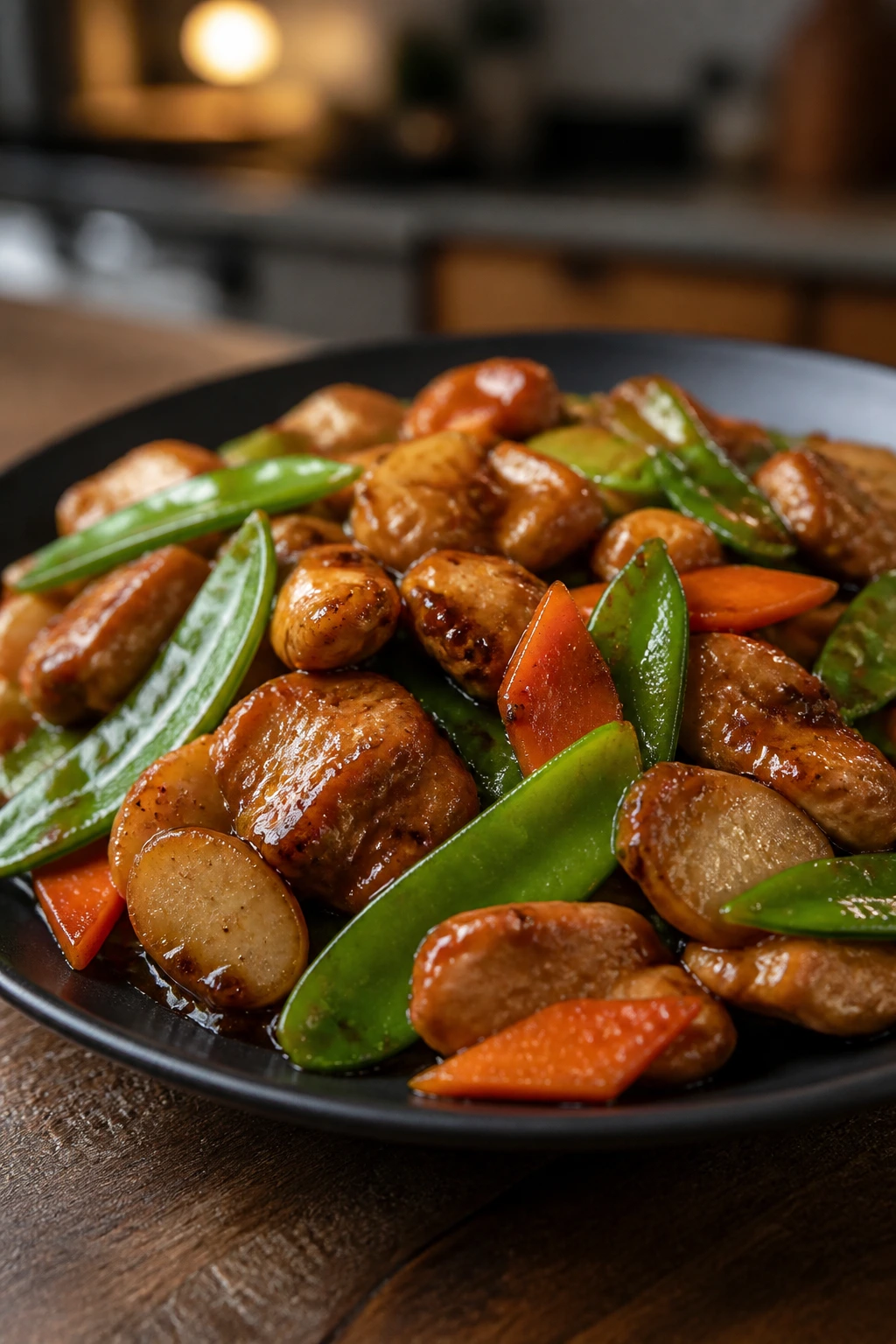
Hoisin sauce has that dark, sweet, fermented edge that makes a stir fry feel fuller without much effort. Snow peas are the smart partner here because they stay bright and crisp, and their flat shape grabs the sauce nicely. Add carrots and water chestnuts, and the bowl starts to feel layered.
Why It Works:
Hoisin sauce has enough flavor to carry the dish, so it doesn’t need a long list of extras. Snow peas cook in a flash and keep the texture light. Water chestnuts give a cool, crunchy contrast that holds up even after reheating.
Key Ingredients:
- 1½ lb chicken thighs, sliced
- 1 tbsp soy sauce
- 1 tbsp cornstarch
- 2 tbsp neutral oil
- 2 cups snow peas
- 1 carrot, thinly sliced
- ½ cup water chestnuts, sliced
- 3 garlic cloves, minced
- 1 tsp ginger, minced
- 3 tbsp hoisin sauce
- 1 tbsp soy sauce
- ¼ cup chicken stock
- 1 tsp cornstarch mixed with 1 tbsp water
Quick Steps:
- Coat the chicken with soy sauce and cornstarch.
- Whisk hoisin, soy sauce, stock, and slurry in a bowl.
- Sear the chicken until browned, then remove.
- Stir-fry carrot, snow peas, water chestnuts, garlic, and ginger for 2 minutes.
- Add the sauce and toss until shiny.
- Return the chicken and cook just until hot.
Equipment for This Recipe:
- Wok
- Small whisk
- Spatula
- Cutting board
How to Serve This Dish:
Serve with jasmine rice or simple lo mein noodles. The water chestnuts give enough bite that you don’t need a lot of extra garnish. A few scallions on top are enough.
Pro Tips for This Recipe:
- Don’t drown the dish in hoisin; it’s concentrated and sweet.
- Use fresh snow peas if you can. Frozen ones go soft quickly.
- Slice the carrots thin so they cook in the same window as the peas.
- A tiny splash of rice vinegar can keep the sauce from feeling sticky.
Variations on This Dish:
- Mushroom Hoisin Version: Add sliced mushrooms with the carrots.
- Garlic-Forward Version: Add an extra clove and a little white pepper.
- Noodle Bowl: Toss with cooked ramen or wheat noodles instead of rice.
Common Mistakes to Avoid with This Dish:
- Adding the snow peas too early: They should stay bright and snappy.
- Using too much stock: The sauce should gloss the ingredients, not become soup.
- Cooking the chicken until it dries out: Hoisin sauce hides a lot, but not dry meat.
18. Garlic Chili Chicken Stir Fry with Green Beans
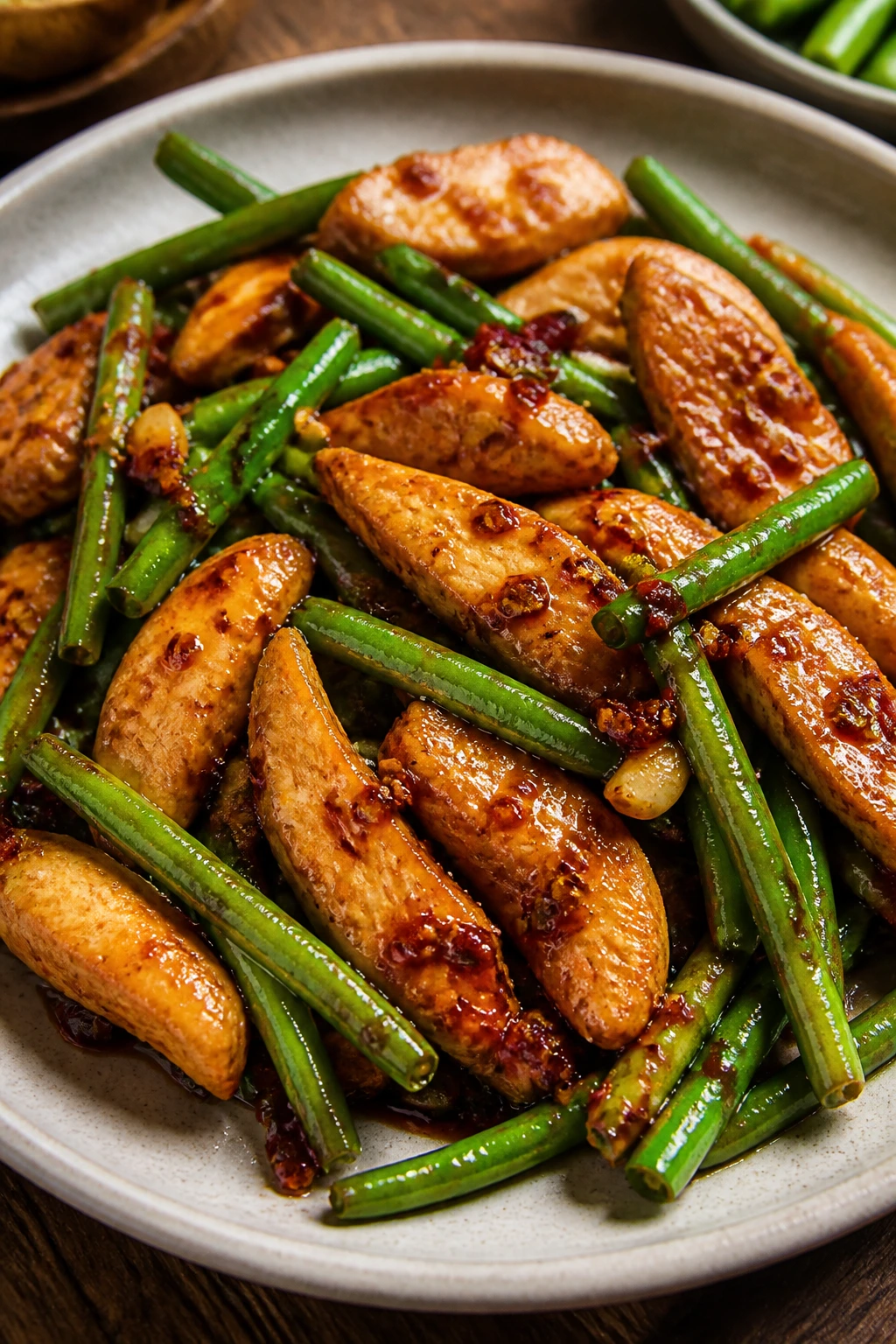
This is the one for people who like garlic to announce itself. Green beans blister in the hot pan and pick up the chili oil, while the chicken soaks up soy and vinegar. It’s sharp, savory, and a little fiery at the edges.
Why It Works:
Green beans are sturdy enough to take direct heat, which means they can blister before going soft. Chili crisp or garlic chili sauce brings heat and texture in one move. A splash of vinegar cuts through the oil and keeps the pan from feeling heavy.
Key Ingredients:
- 1½ lb chicken breast, sliced thin
- 1 tbsp soy sauce
- 1 tbsp cornstarch
- 2 tbsp neutral oil
- 3 cups green beans, trimmed
- 4 garlic cloves, minced
- 1 tbsp chili crisp or garlic chili sauce
- 2 tbsp soy sauce
- 1 tbsp rice vinegar
- 2 tbsp chicken stock
- 1 tsp sesame oil
Quick Steps:
- Toss the chicken with soy sauce and cornstarch.
- Sear the chicken in hot oil until just cooked, then remove.
- Add green beans and cook until blistered in spots, about 3 minutes.
- Stir in garlic and chili crisp for 20 seconds.
- Add soy sauce, vinegar, stock, and sesame oil.
- Return the chicken and toss until coated.
Equipment for This Recipe:
- Large skillet or wok
- Tongs
- Small bowl
- Wooden spoon
How to Serve This Dish:
Serve with rice, preferably plain, so the chili-garlic flavor stays in focus. If you want a second side, a crisp cucumber salad works better than anything creamy or heavy.
Pro Tips for This Recipe:
- Green beans need space. If they’re piled high, they steam instead of blister.
- Garlic goes in late or it burns and turns bitter.
- Use chili crisp if you want texture; use garlic chili sauce if you want a smoother sauce.
- Finish with sesame oil only after the heat is off.
Variations on This Dish:
- Extra-Crunch Version: Add sliced shallots with the green beans.
- Less-Spicy Version: Use half the chili crisp and add a teaspoon of soy.
- Broccoli Bean Mix: Split the vegetables between green beans and small broccoli florets.
Common Mistakes to Avoid with This Dish:
- Crowding the beans: That kills the blistered spots.
- Adding garlic too early: Burnt garlic flattens the whole dish.
- Forgetting the vinegar: Without acid, the chili oil tastes flat and greasy.
19. General Tso’s Chicken Stir Fry
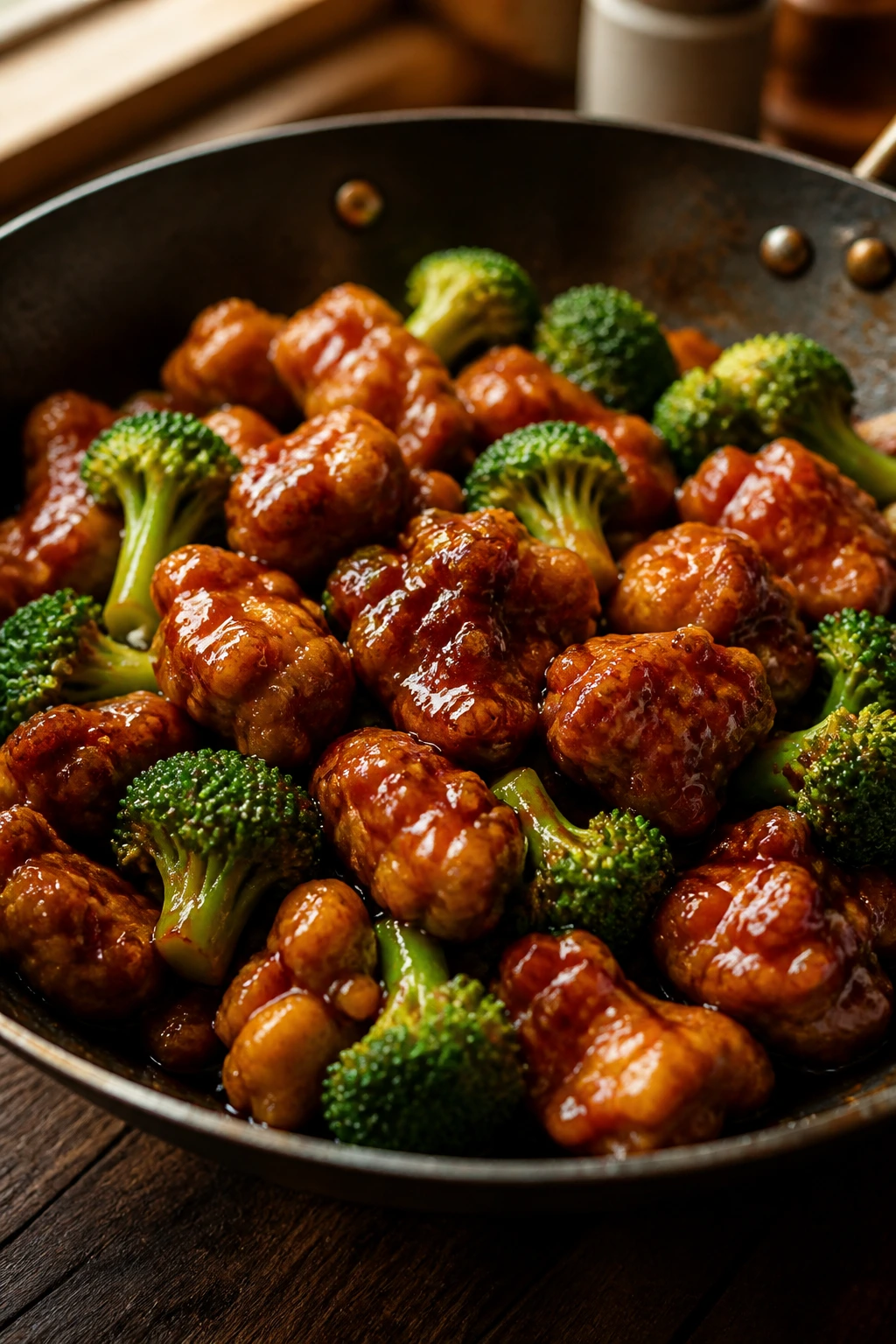
General Tso’s at home doesn’t need a deep fryer to work. What it needs is a crisp coating, a sauce with enough tang to cut the sweetness, and vegetables that stay in the background without becoming mush. Broccoli or cauliflower both fit here if you want the plate to stretch a little farther.
Why It Works:
A cornstarch coating gives the chicken a light crust that grabs sauce. Rice vinegar and chili garlic sauce keep the glaze from tasting sugary. Broccoli brings enough structure that the dish feels like dinner, not a pile of sauced chicken nuggets.
Key Ingredients:
- 1½ lb chicken thighs, cut into chunks
- 2 tbsp soy sauce
- 2 tbsp cornstarch
- 2 tbsp neutral oil
- 2 cups broccoli florets
- 3 garlic cloves, minced
- 1 tsp ginger, minced
- 3 tbsp soy sauce
- 2 tbsp rice vinegar
- 2 tbsp hoisin sauce
- 1 tbsp chili garlic sauce
- 1 tbsp brown sugar
- ¼ cup chicken stock
- 1 tsp cornstarch mixed with 1 tbsp water
Quick Steps:
- Toss the chicken with soy sauce and cornstarch until evenly coated.
- Whisk the sauce ingredients together.
- Sear the chicken in hot oil until crisp at the edges and cooked through, then remove.
- Stir-fry broccoli for 2 minutes, adding a splash of water if needed.
- Add garlic and ginger, then pour in the sauce and cook until glossy.
- Return the chicken and toss to coat.
Equipment for This Recipe:
- Wok or skillet
- Whisk
- Tongs
- Lid or plate for a quick broccoli steam
How to Serve This Dish:
Serve it over rice with the broccoli tucked alongside the chicken so the sauce runs through both. A few sliced scallions on top help the plate look finished. This is a good one for extra sauce, so keep the rice handy.
Pro Tips for This Recipe:
- If you want a crisper coating, let the cornstarch-coated chicken sit for 5 minutes before cooking.
- Don’t add too much brown sugar; the sauce should stay tangy.
- Broccoli needs a quick steam if the florets are large.
- Pull the chicken once it’s golden; it finishes in the sauce.
Variations on This Dish:
- Cauliflower Version: Use cauliflower florets instead of broccoli.
- Extra-Chili Version: Add a teaspoon of chili oil to the sauce.
- Lighter Bowl: Serve with cauliflower rice and extra greens.
Common Mistakes to Avoid with This Dish:
- Making the sauce too sweet: That turns General Tso’s into candy-coated chicken.
- Skipping the starch coating: The sauce won’t cling well.
- Cooking the broccoli until soft: It should still have structure.
20. Five-Spice Chicken Stir Fry with Cabbage and Mushrooms
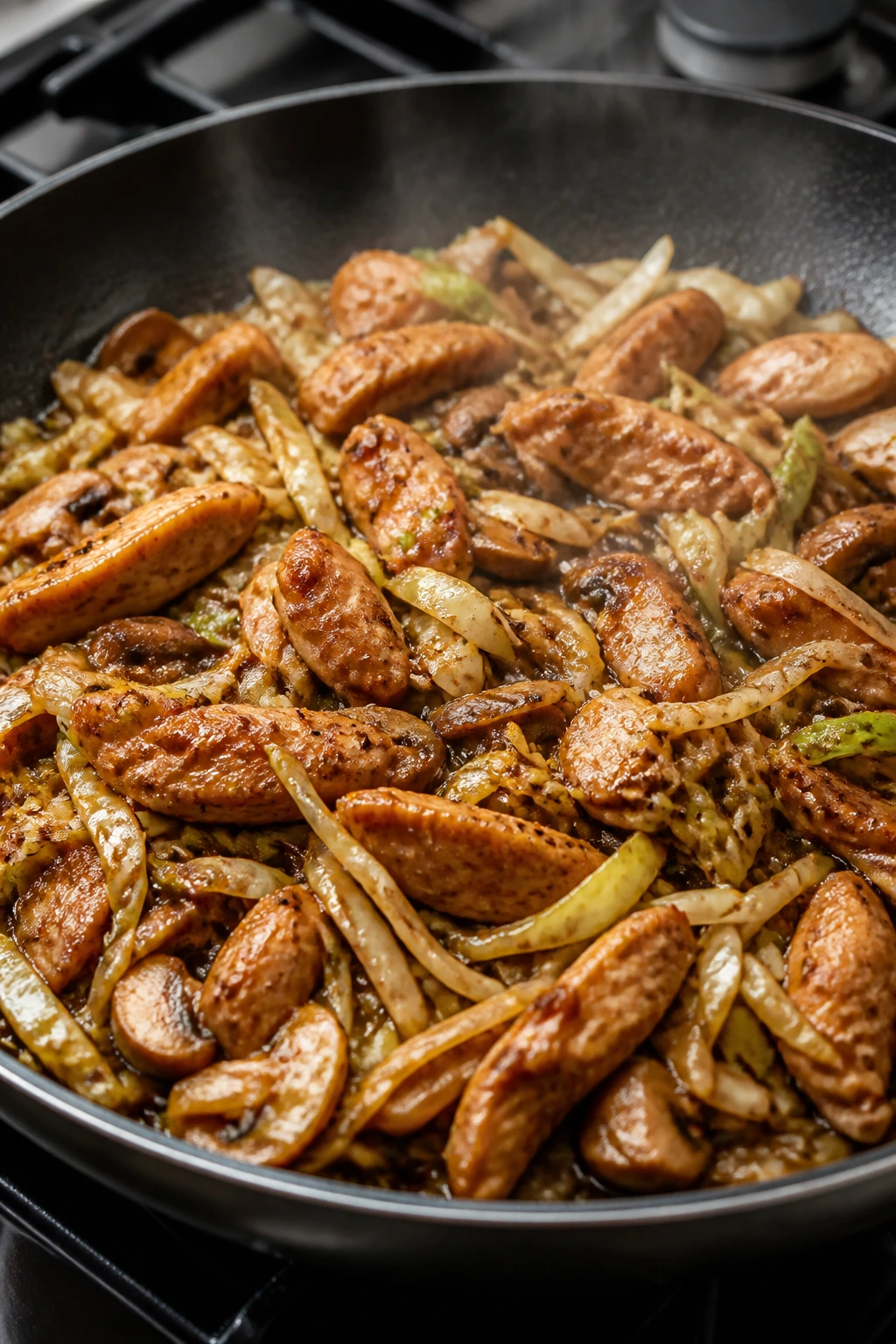
Five-spice can go wrong fast if you dump in too much, but when it’s used carefully, it gives chicken a warm, almost perfumed depth that plain soy sauce never reaches. Cabbage and mushrooms are the right partners because they soften into the sauce without going bland. This one tastes like a real pan of dinner, not an afterthought.
Why It Works:
Chinese five-spice brings star anise, fennel, cinnamon, clove, and Sichuan pepper notes into one pinch, so restraint matters. Cabbage handles longer cooking better than delicate greens, and mushrooms absorb the sauce while keeping the dish juicy. A little rice vinegar keeps the spice from turning heavy.
Key Ingredients:
- 1½ lb chicken thighs, thinly sliced
- 1 tbsp soy sauce
- 1 tbsp cornstarch
- 2 tbsp neutral oil
- 3 cups shredded cabbage
- 8 oz mushrooms, sliced
- 2 garlic cloves, minced
- 1 tsp ginger, minced
- 1 tsp Chinese five-spice powder
- 2 tbsp soy sauce
- 1 tbsp oyster sauce
- 2 tbsp chicken stock
- 1 tbsp rice vinegar
Quick Steps:
- Toss the chicken with soy sauce and cornstarch.
- Sear the chicken in hot oil until browned, then remove.
- Add mushrooms and cabbage and cook until the mushrooms release their moisture and the cabbage starts to soften.
- Stir in garlic, ginger, and five-spice for 20 seconds.
- Add soy sauce, oyster sauce, stock, and vinegar.
- Return the chicken and toss until the sauce coats everything lightly.
Equipment for This Recipe:
- Wok or deep skillet
- Small bowl
- Spatula
- Sharp knife
How to Serve This Dish:
Serve it over steamed rice or even plain noodles. The sauce is savory enough to need only a clean base. If you want a finish, a handful of sliced scallions or sesame seeds is enough.
Pro Tips for This Recipe:
- Start with less five-spice than you think you need; it can dominate fast.
- Slice the cabbage thin so it softens in the same window as the mushrooms.
- Use mushrooms with some body, like cremini or shiitake.
- A splash of vinegar at the end keeps the spice notes bright.
Variations on This Dish:
- Shiitake Version: Use all shiitake mushrooms for a deeper, woodier taste.
- Carrot Ribbon Version: Add carrot ribbons with the cabbage for a little sweetness.
- Mild Pantry Version: Cut the five-spice to ½ teaspoon if you want a gentler aroma.
Common Mistakes to Avoid with This Dish:
- Using too much five-spice: It should whisper, not shout.
- Overcooking cabbage: Soft is fine; watery is not.
- Letting mushrooms burn: They need browning, not scorching.
Why the Wok Beats the Delivery Bag
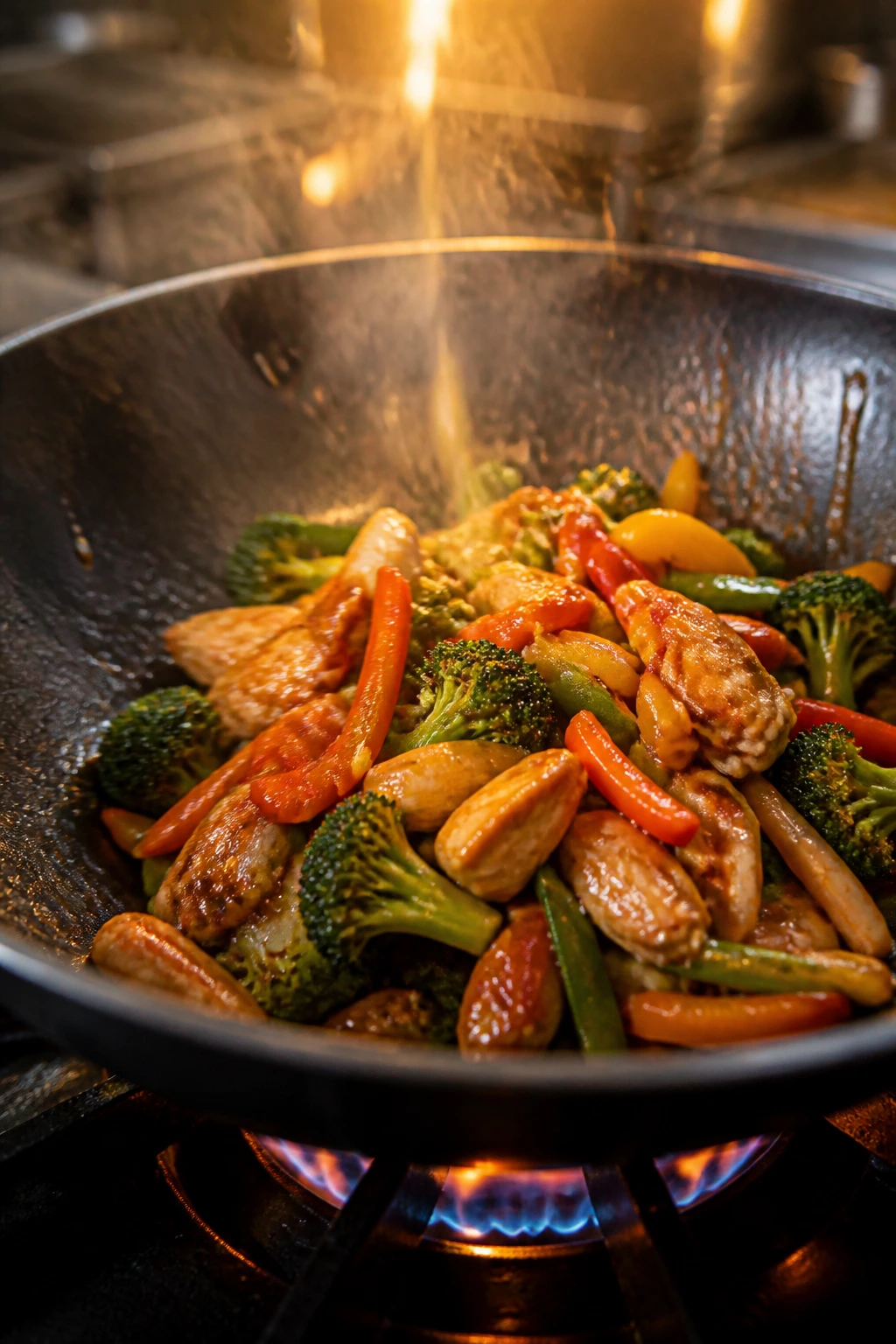
High heat changes everything. That sounds obvious until you taste a stir fry cooked in a timid pan. A crowded skillet at medium heat gives you pale chicken, soft vegetables, and sauce that tastes boiled instead of seared. A hot wok or wide skillet gives you browning in minutes, which is where the flavor lives.
The method matters because the ingredients are simple. Chicken, a vegetable or two, a sauce, maybe noodles or rice. There isn’t much to hide behind, so the sequence has to be clean: marinate or season the chicken, prep the sauce, heat the pan until it’s genuinely hot, then cook in the right order. That order is what keeps garlic sweet instead of bitter, broccoli green instead of gray, and sauce glossy instead of watery.
There’s also the practical side, which I think cooks underrate. A good stir fry rewards attention, not fuss. You don’t stand over a pot for an hour. You stay near the stove for 10 minutes, maybe 15, and the food tells you what it needs with simple cues: the oil shimmers, the chicken turns opaque, the vegetables brighten, the sauce thickens enough to coat the back of a spoon. Once you learn that language, the whole category opens up.
Essential Equipment for These Recipes
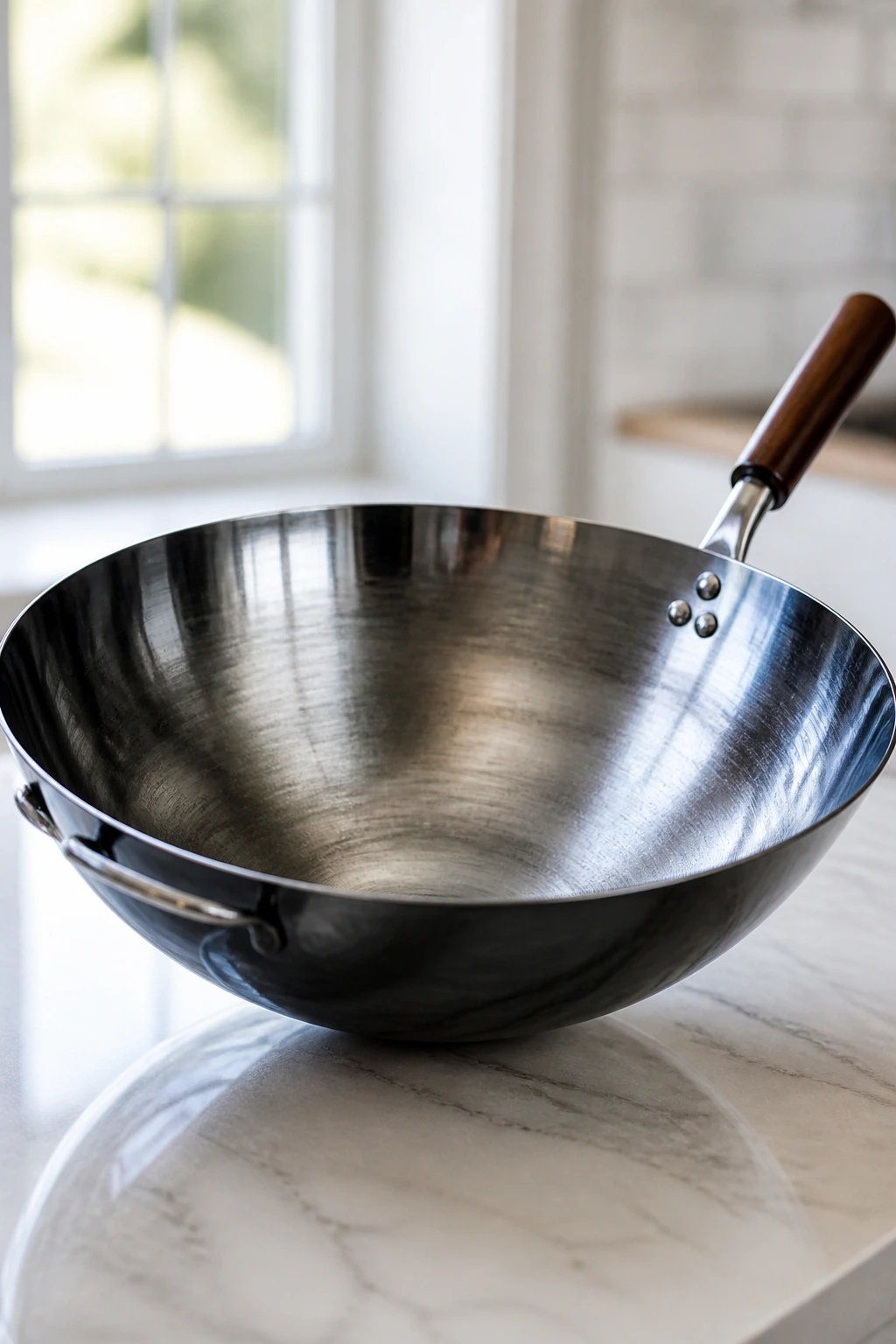
- Wok or 12-inch skillet: A wider surface keeps the chicken and vegetables from steaming in their own juices.
- Sharp chef’s knife: Thin, even slices matter more here than in slow cooking.
- Cutting board with a damp towel underneath: The board stays put while you cut slippery chicken and vegetables.
- Mixing bowls: One for the chicken, one for the sauce, and one less mess on the counter.
- Tongs or a sturdy spatula: Best for flipping chicken quickly without shredding it.
- Small whisk or fork: Good enough for breaking up cornstarch in the sauce.
- Microplane or fine grater: Handy for ginger, garlic, and citrus zest.
- Measuring spoons and cups: Stir fry moves fast; guessing the sauce leads to imbalance.
- Lid or sheet pan: Useful for briefly steaming broccoli, cabbage, or thicker vegetables.
- Rice cooker or saucepan: Not mandatory, but convenient when you want rice ready at the same time.
Smart Shopping and Ingredient Tips
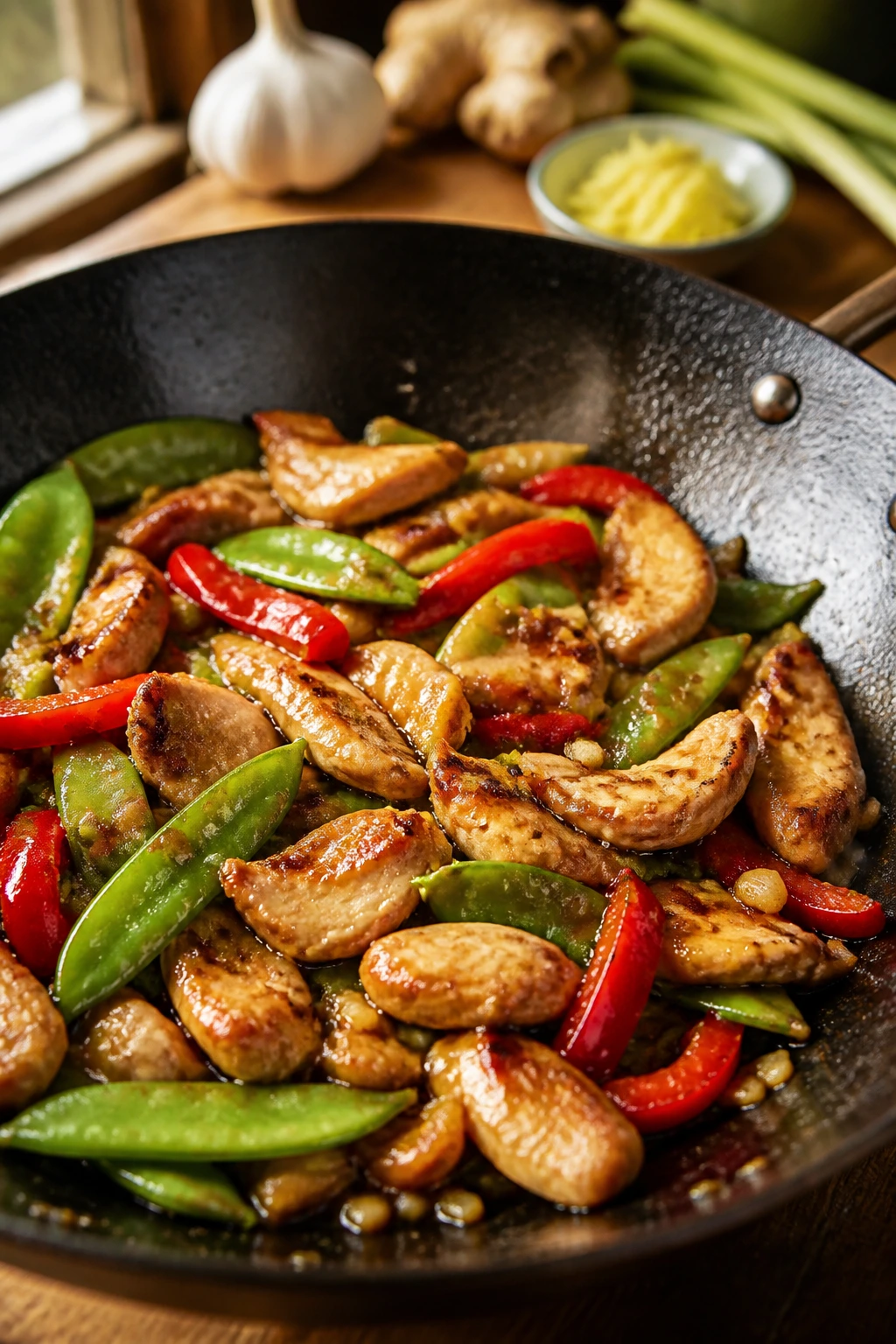
Chicken thighs are the forgiving choice. They stay juicy if your heat runs high or your timing slips by a minute. Chicken breast works fine too, but slice it thin and stop cooking the second it’s done. If you can, buy the meat in larger pieces and cut it yourself; pre-cut chicken often comes in odd shapes that cook unevenly.
Soy sauce is not all the same. Low-sodium soy gives you more room to adjust, especially when oyster sauce, hoisin, or teriyaki are also in the pan. For more depth, keep a bottle of oyster sauce on hand; it adds a dark, savory note that plain soy can’t match. Shaoxing wine helps too, though dry sherry is a decent backup.
Fresh ginger matters more than people think. The dry, powdery stuff tastes flat here. A thumb of ginger kept in the freezer grates cleanly and lasts a long time, which is the kind of small kitchen habit that saves dinner from feeling dull. Garlic should be firm, not sprouting or soft.
For vegetables, buy what looks crisp and heavy for its size. Broccoli florets should be tight and dark green. Snap peas should bend with a snap, not droop. Bell peppers should feel firm, and mushrooms should be dry rather than slimy. Frozen vegetables are fine in a pinch, especially broccoli, green beans, and mixed stir-fry blends, but thaw and drain them well or the pan gets watery.
Oil matters more than most people admit. Use a neutral high-smoke-point oil for the stir-fry itself, then finish with sesame oil only at the end. That one habit keeps the pan from tasting burnt or flat. And if you’re shopping for peanuts, cashews, or sesame seeds, buy them plain and unsalted whenever possible. It gives you control.
How to Serve These Recipes
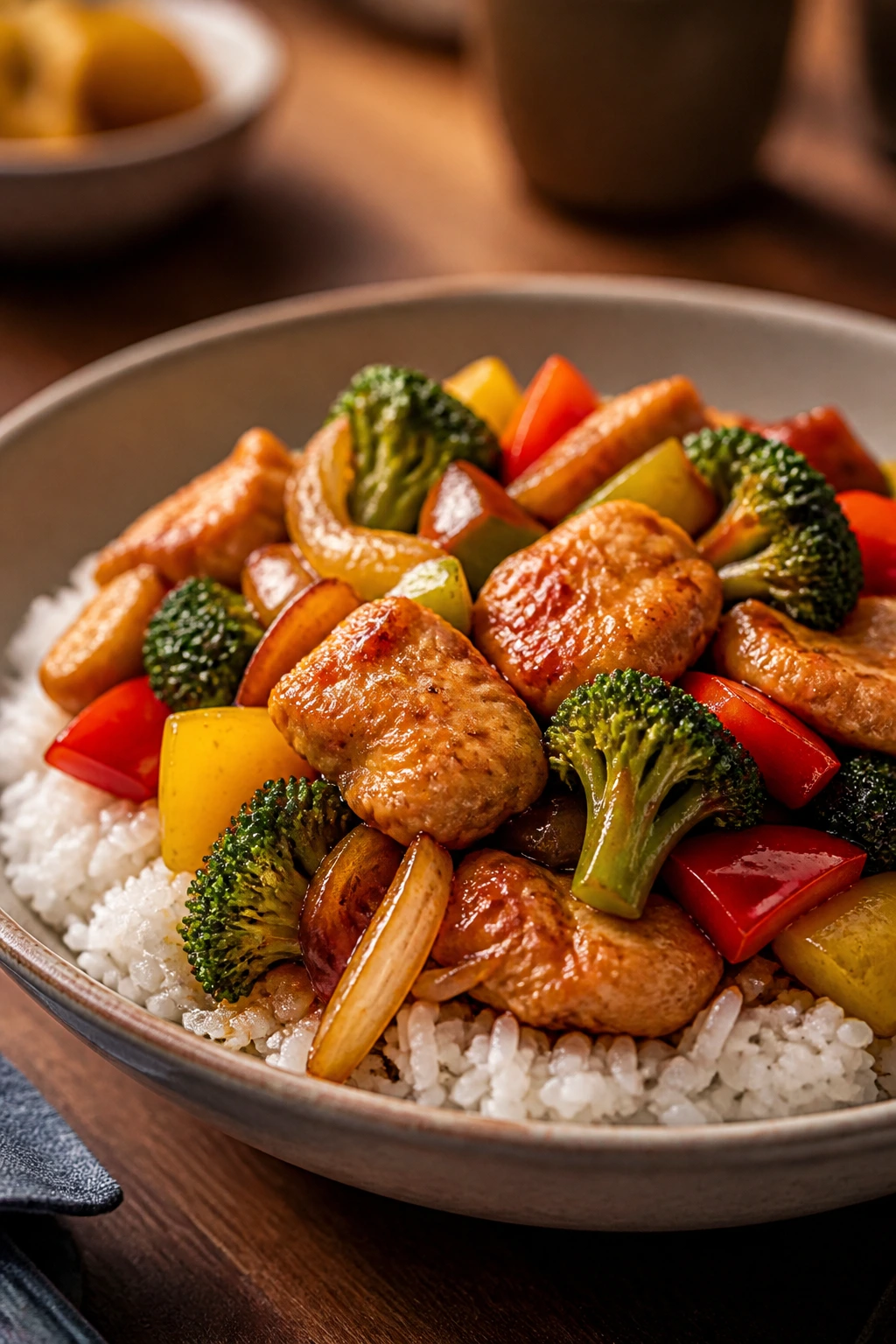
Presentation: Serve the stir fry in a shallow bowl or wide plate so the sauce spreads through the rice instead of disappearing. A little scallion green, sesame seed, or chili slice on top goes a long way when the food itself is already colorful.
Accompaniments: Jasmine rice is the easiest match for almost all of these, though rice noodles, lo mein, or even plain steamed noodles work when you want a softer base. Cucumber salad, pickled vegetables, or a handful of steamed edamame keep the plate from feeling heavy.
Portions: A batch with 1½ pounds of chicken usually feeds 4 hungry people or 5 lighter eaters. If you’re serving it with a full bowl of rice, count on about ¾ cup cooked rice per person; if you’re using noodles, 6 to 8 ounces dry noodles is usually enough for four.
Beverage Pairing: Hot jasmine tea is the cleanest match. If you want something colder, try sparkling water with lime or a dry Riesling with the sweeter sauces. A light lager also works with the chili and peanut versions.
Additional Tips and Flavor Boosters
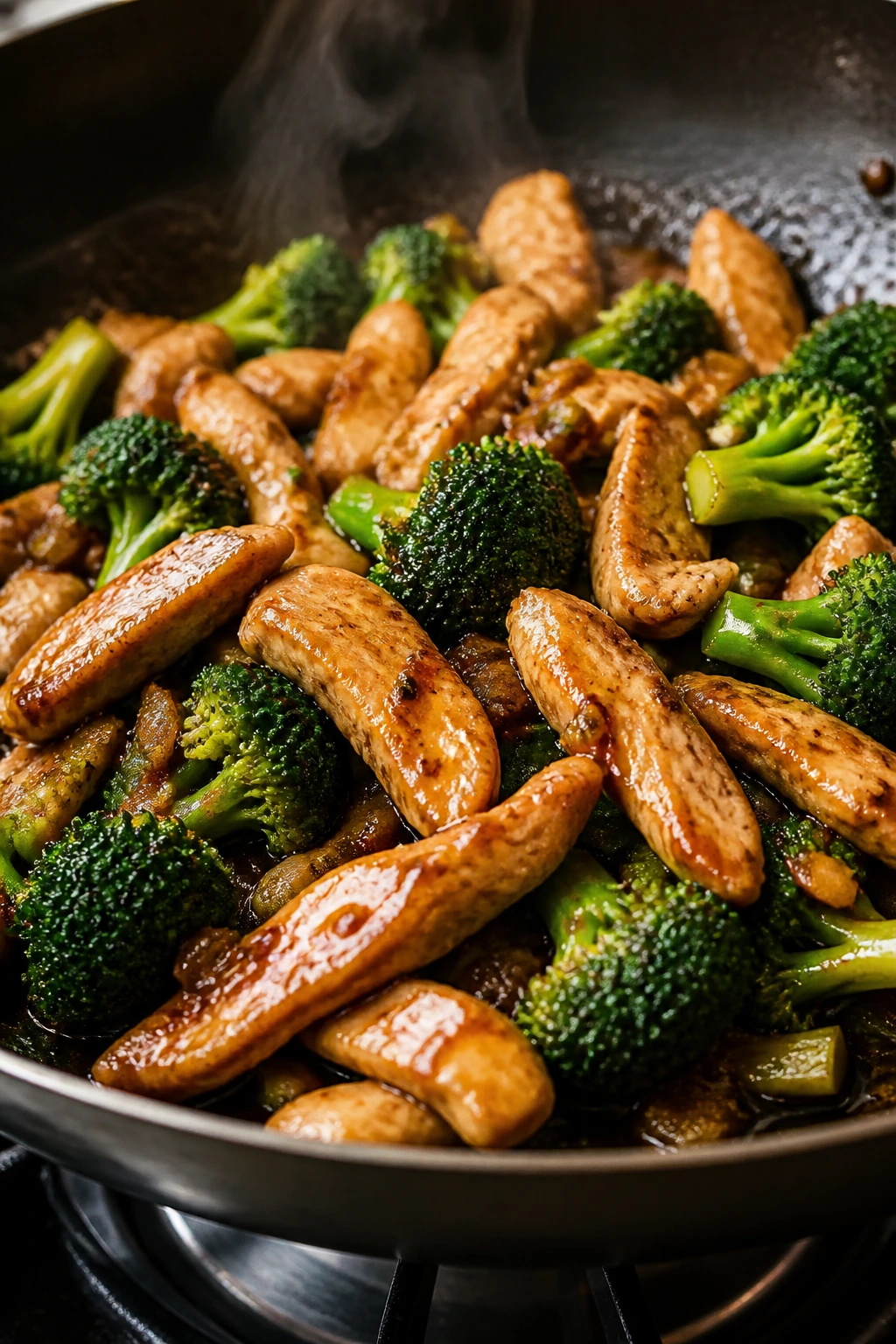
Flavor Enhancement: Keep a small jar of chili crisp nearby. A teaspoon stirred into the finished pan wakes up sweet sauces, peanut sauces, and even the broccoli versions without changing the whole recipe.
Customization: Almost every recipe here accepts another vegetable without complaint. Mushrooms, bok choy, green beans, snap peas, cabbage, asparagus, and carrots all play nicely if you cut them to a similar size so they finish together.
Serving Suggestions: A final scatter of sliced scallions, toasted sesame seeds, chopped peanuts, or a squeeze of lime can change the whole plate. It sounds small. It isn’t. That last fresh note makes the sauce taste newly made.
Make-It-Yours: For gluten-free cooking, use tamari instead of soy sauce and check the label on oyster sauce or hoisin. For lower sodium, use low-sodium soy and let vinegar, citrus, ginger, and garlic carry more of the flavor. For a mild kid-friendly version, pull the chili out and finish with a little honey or orange zest instead of heat. For extra protein, add a fried egg on top; it’s not fussy, just practical.
Make-Ahead, Storage, and Reheating Guidance
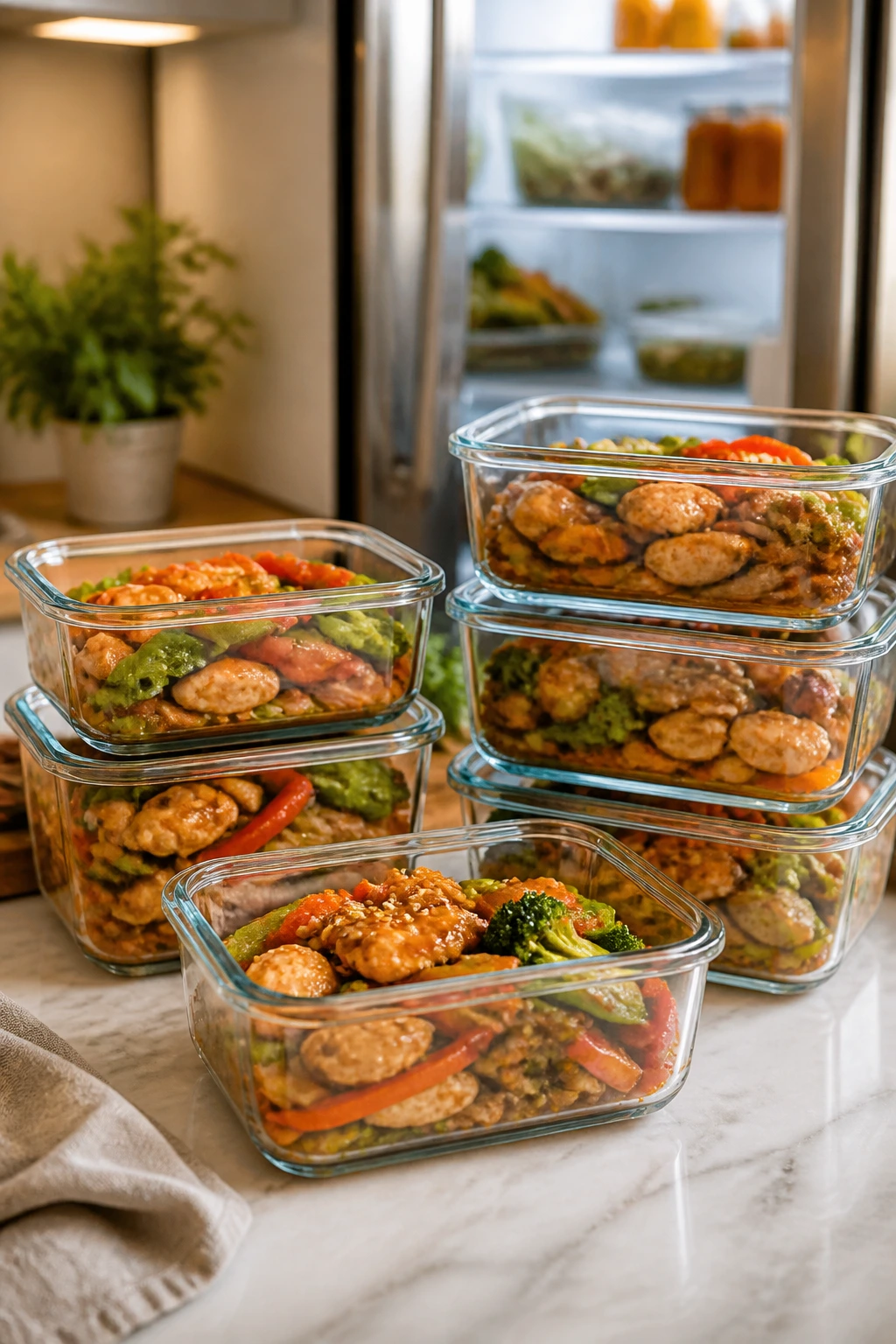
Most of these stir fries keep well in the refrigerator for 3 to 4 days in a sealed container. They’re best when the rice or noodles are stored separately, because the sauce softens everything if it sits too long together. If you’re packing lunches, keep the garnish separate too; scallions and sesame seeds do better when added fresh.
Freezing works, but choose your battles. Saucy chicken dishes with broccoli, peppers, cabbage, or mushrooms freeze better than noodle-heavy versions. Portion them into airtight containers and freeze for up to 2 months. When you thaw, expect the vegetables to soften a little. That’s normal. It won’t taste ruined, just less crisp.
Reheat in a skillet over medium heat with a tablespoon or two of water or stock. Cover for a minute if the pan looks dry, then stir until the chicken is hot and the sauce loosens again. The microwave works in a pinch, but use medium power and stir halfway through so the chicken doesn’t turn rubbery at the edges. For noodle stir fries, a skillet beats the microwave by a mile.
A few components can be made ahead. Slice the chicken and vegetables a day in advance, then keep them cold and dry. Sauce can be whisked together 2 or 3 days ahead, though I’d hold back the cornstarch slurry until cooking time if the recipe depends on a clean, glossy finish. Once you learn that rhythm, weekday cooking gets much less chaotic.
Variations and Adaptations to Try
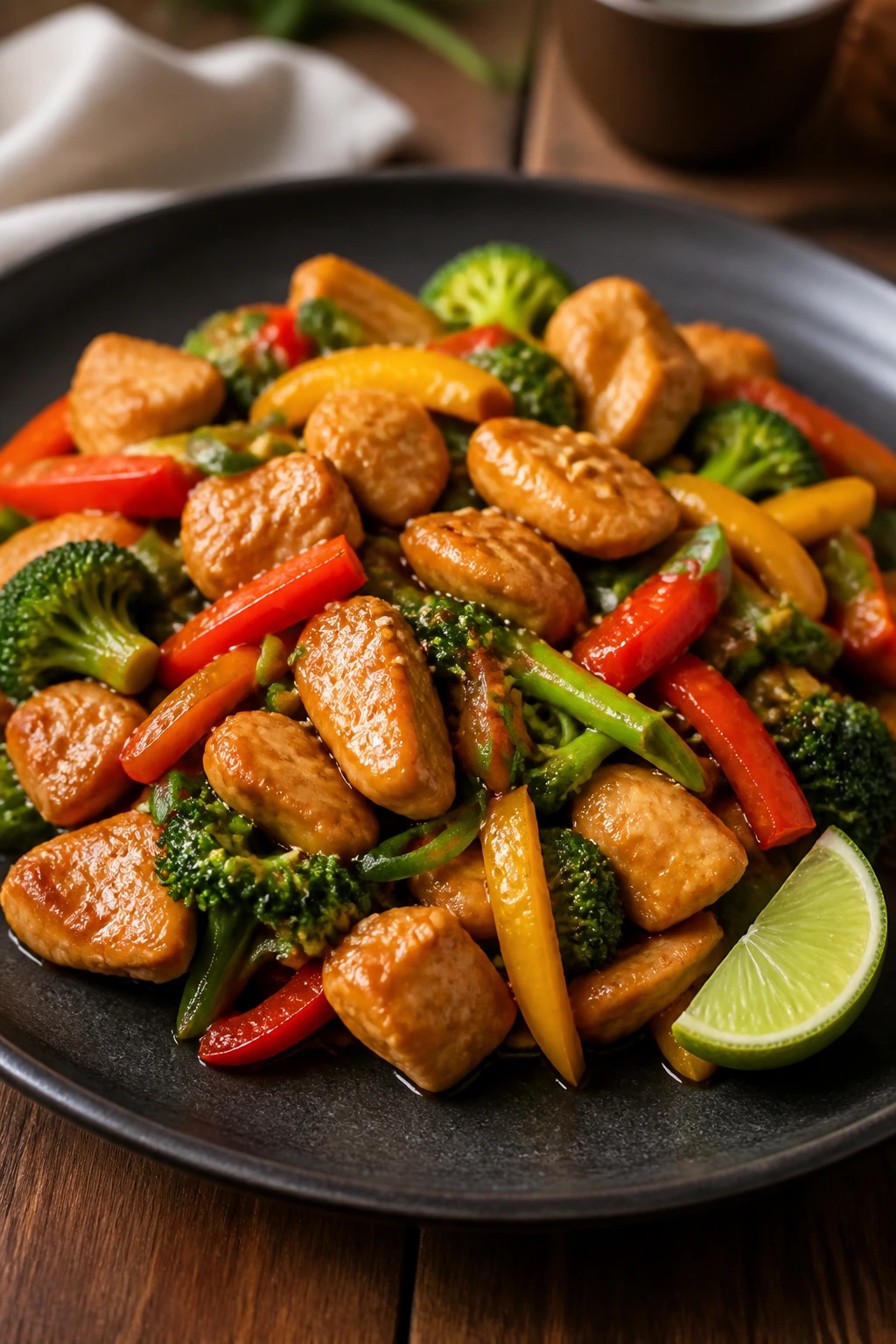
-
Gluten-Free Tamari Turn: Swap soy sauce for tamari and check that your oyster sauce or hoisin is certified gluten-free. The flavor stays close, and the texture barely changes.
-
Low-Sodium Weeknight Pan: Use low-sodium soy sauce, cut the oyster sauce in half, and lean on ginger, garlic, rice vinegar, and citrus for lift. You’ll be surprised how little salt you actually miss when the sauce is built well.
-
Extra-Crisp Chicken Method: Dust the chicken lightly with cornstarch, let it sit for 5 minutes, then sear in a larger batch in hotter oil. This works especially well for General Tso’s, orange chicken, and black pepper chicken.
-
Veg-Heavy Fridge Cleanout: Keep the chicken the same but double the vegetables. Broccoli, cabbage, carrots, mushrooms, snow peas, and bell peppers all fit this trick without much fuss.
-
Kid-Mild Version: Leave out dried chiles, chili crisp, and extra pepper, then finish with a small spoonful of honey or orange juice. Add heat at the table instead of in the pan.
-
Regional Flavor Shift: Push some recipes toward Chinese-American takeout with hoisin and sesame oil, or toward Southeast Asian notes with fish sauce, lime, and Thai basil. The base technique stays the same; the accent changes fast.
Common Mistakes to Avoid
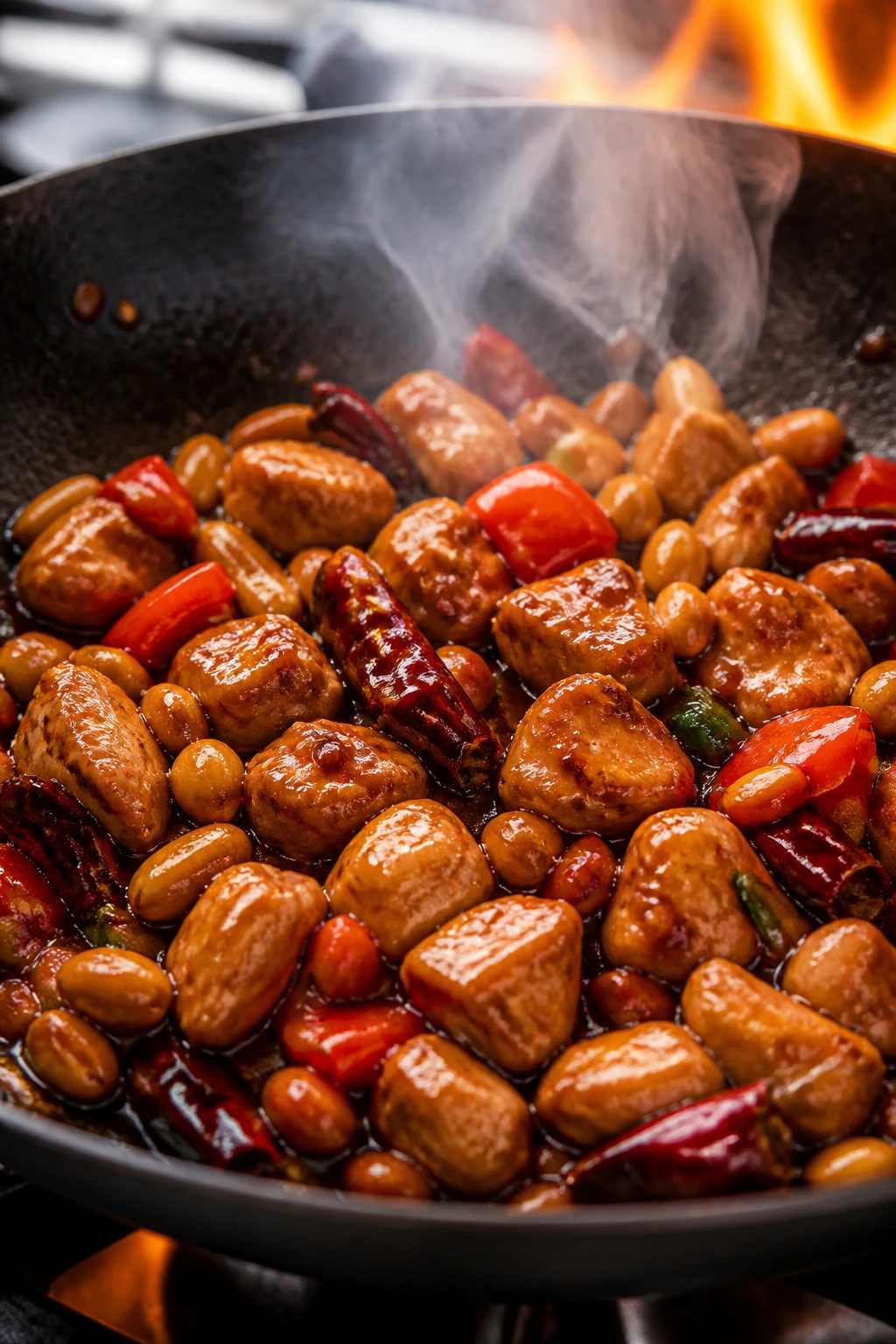
-
Crowding the pan: This is the big one. Too much chicken or too many vegetables at once drops the temperature and gives you steam instead of browning. Cook in batches if you need to. The extra few minutes pay off.
-
Putting the sauce in too early: Garlic can burn, ginger can go stringy, and sugar can thicken before the vegetables are ready. Build the pan first, then add the sauce at the end when you’re only a minute or two from serving.
-
Cutting ingredients in different sizes: One thick carrot chunk and one paper-thin carrot ribbon will never finish together. Keep the pieces similar in size so the pan cooks evenly.
-
Using a weak pan: A thin skillet loses heat fast. If the oil stops shimmering the moment the food goes in, the pan is too small, too crowded, or too light for the job.
-
Over-saucing the dish: A good stir fry should look glazed, not submerged. When the sauce starts pooling at the bottom, you’ve gone too far.
-
Forgetting the final taste: Before serving, taste one bite from the pan. A little more vinegar, a pinch of salt, or a dash of sesame oil can fix a dish that’s close but not quite there.
Frequently Asked Questions
Can I use chicken breast instead of thighs in all of these recipes?
Yes, and it works well if you slice the breast thin and keep the cook time short. Breast meat is leaner, so it needs a hot pan and a quick exit. Thighs are more forgiving, but breast still gives a clean, tidy result.
Do I really need a wok?
No. A large 12-inch skillet works fine, especially if it has fairly high sides and can hold heat. A wok is nice because it gives you more space to toss, but the bigger win is surface area, not shape.
What’s the best oil for stir frying chicken?
Use a neutral oil with a high smoke point, like avocado, peanut, canola, or grapeseed. Save toasted sesame oil for the end. It smells great, but it’s not made for hard searing.
How do I keep the vegetables crisp?
Cut them to a similar size, use high heat, and cook them quickly. If you’re dealing with broccoli or cabbage, a short steam with a tablespoon or two of water can help without making them limp. The goal is tender-crisp, not soft.
Can I make the sauces ahead of time?
Yes. Most stir-fry sauces can be whisked together 2 to 3 days in advance and kept in the fridge. If the sauce uses cornstarch, give it another quick whisk before cooking because the starch settles.
Why did my sauce turn gluey?
Usually the heat was too low after the cornstarch went in, or there was too much starch for the amount of liquid. Add a splash of stock or water and stir over medium-high heat until it loosens. Next time, use a lighter slurry.
Can I use frozen vegetables?
You can, especially for broccoli, green beans, and mixed vegetable blends. Thaw and drain them first, or they’ll dump water into the pan and kill the sear. Frozen vegetables are a fine shortcut when the alternative is skipping dinner.
How do I make these recipes less salty?
Use low-sodium soy sauce, cut back on oyster sauce or hoisin, and rely more on garlic, ginger, vinegar, citrus, and chili for character. A little acid goes a long way when the salt is dialed back. That’s the better fix than watering everything down.
Can I double a stir fry recipe?
You can, but don’t cook it all in one batch unless your pan is enormous. Brown the chicken in batches and keep the vegetables moving so the pan stays hot. A doubled sauce is fine if you want extra over rice.
What if I don’t eat spicy food?
Leave out the chilies, chili crisp, and chili garlic sauce, then lean on sesame oil, ginger, orange zest, or a little honey for interest. You do not need heat to make a stir fry taste alive. Plenty of the recipes here work just fine without it.
Keep the Wok Hot
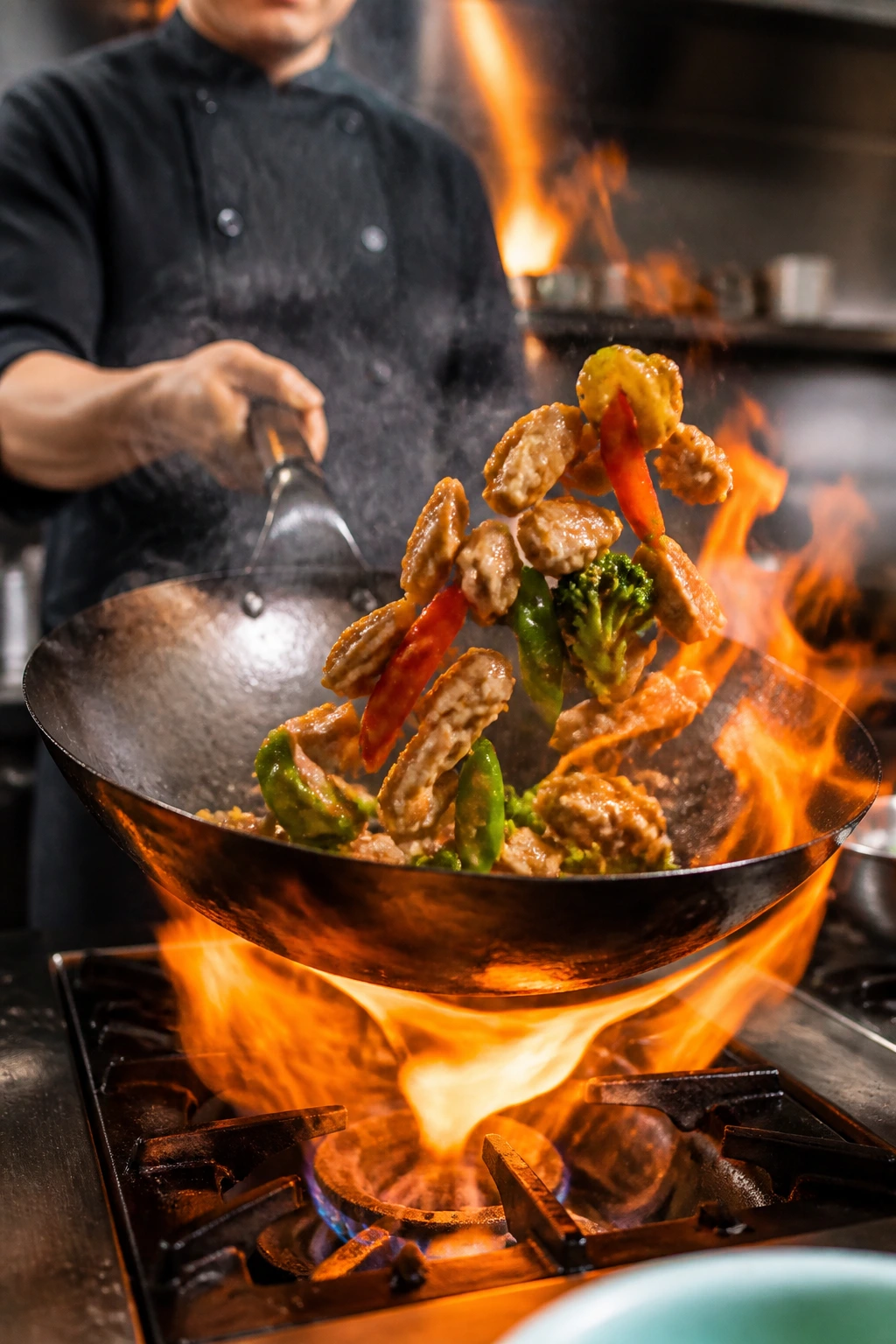
A good chicken stir fry does not need to be complicated to be worth repeating. It needs a hot pan, a few smart ingredients, and the nerve to stop cooking before everything turns soft. That’s the part people miss when they chase takeout flavor at home. The trick is not more sauce. It’s better timing.
Once you get comfortable with the pattern, the recipes stop feeling like recipes and start feeling like a system. Garlic-ginger one night. Orange and broccoli the next. Hoisin, chili, peanuts, sesame, basil, lemon, black pepper. Same heat, different mood.
And that’s the fun of it. The wok stays hot, the chicken stays tender, and dinner gets a lot more interesting from here.