



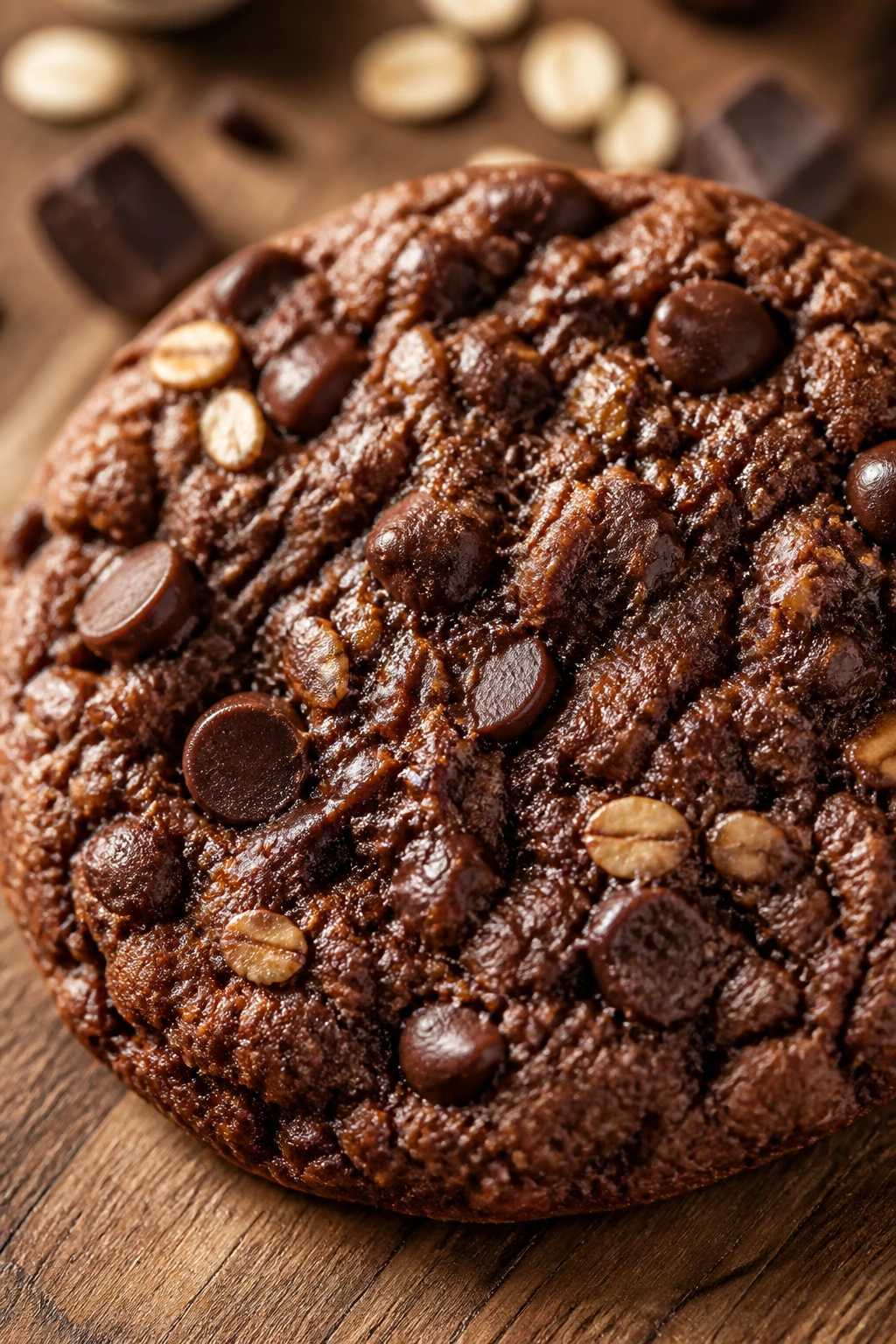
The best chocolate oatmeal cookies smell like toasted oats, brown sugar, and warm cocoa the moment they leave the oven. They don’t announce themselves with the flashy crackle of a brownie or the neat edges of a sugar cookie. They come in softer. Chewier. A little rustic. And that is exactly why they work so well for beginner bakers.
You can get away with a few tiny imperfections here. Butter a touch too soft? Fine. A dough scoop a little uneven? Fine. Oats are forgiving in a way flour-only cookie dough is not, which is why these cookies tend to behave better than people expect. They spread less than plain chocolate cookies, stay tender longer, and give you that satisfying bite where the chocolate melts against the grain of the oats instead of turning the whole thing into sweet paste.
I also happen to think rolled oats are the right call almost every time. Quick oats make cookies softer and smoother, but they erase that little bit of chew that makes these worth baking. Old-fashioned oats bring texture you can feel with your teeth, and they hold up nicely against cocoa, melted chocolate, nut butter, fruit, and all the other directions this dough can take.
So rather than one cookie formula pretending to fit every mood, this collection gives you 15 very practical paths into the same comforting lane. Some are classic. Some lean rich and dark. Some bring fruit, nuts, salt, or a little campfire drama. All of them are built for a home kitchen that may have one mixing bowl, one sheet pan, and a mild fear of overbaking.
Why These Cookies Keep Beginner Bakers Out of Trouble
-
Rolled oats slow the spread: Old-fashioned oats soak up butter and sugar as the dough rests, so the cookies stay thicker and finish chewy instead of thin and brittle.
-
Brown sugar does most of the texture work: Its molasses keeps the crumb soft after cooling, which matters a lot once the cookies have sat on the counter for a few hours.
-
Most of these doughs are one-bowl friendly: You can cream, stir, scoop, and bake without pulling out a stand mixer or any strange gadget you only use twice a year.
-
The dough tells you when it’s ready: When the mix looks glossy, holds together when pinched, and no dry flour hides in the bowl, you’re close enough to bake.
-
Every version teaches one small skill: Browning butter, folding in fruit, balancing salt with chocolate, or working with peanut butter all show up in ways that feel manageable, not fussy.
Why Oats and Chocolate Keep Working So Well Together
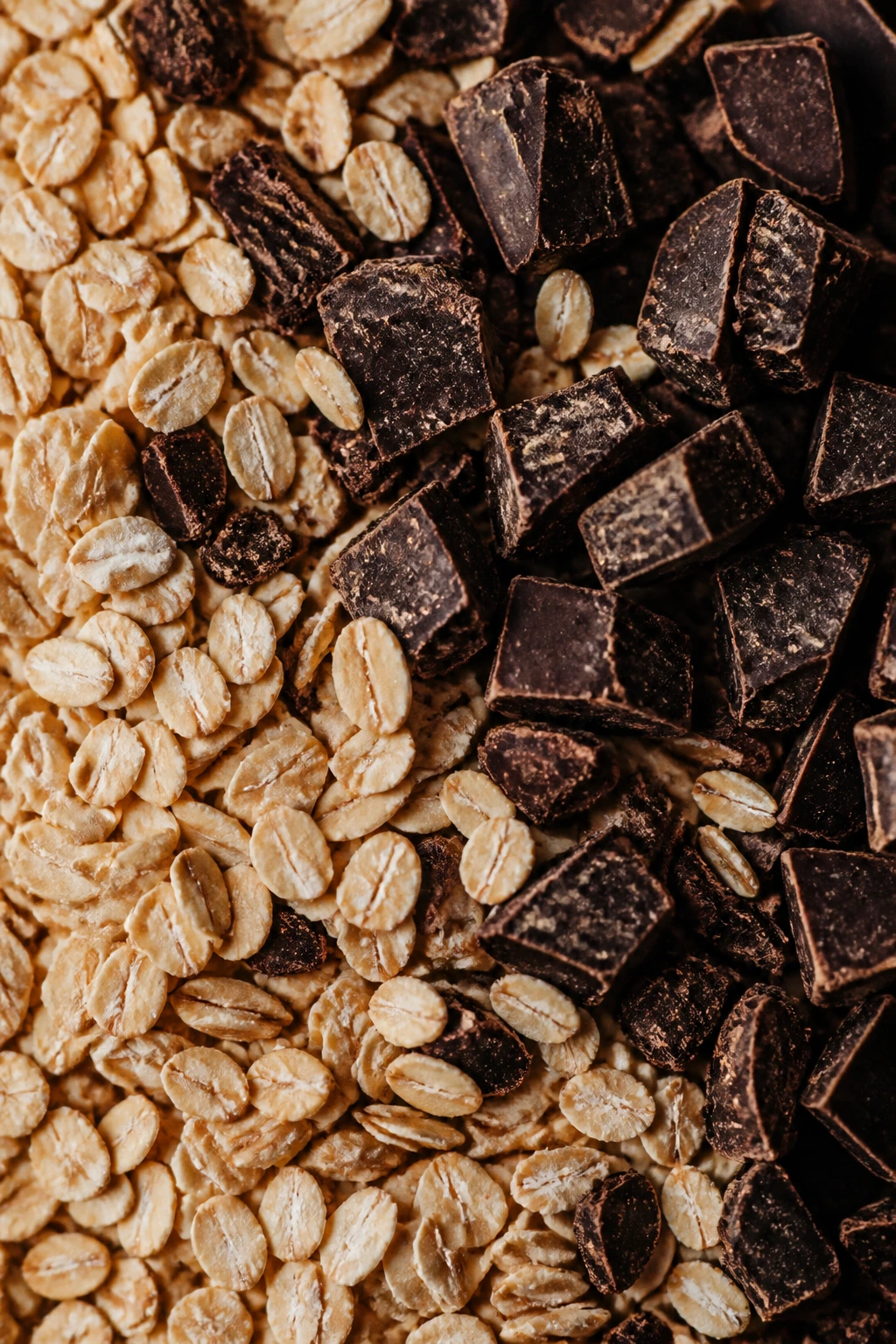
Chocolate can go flat fast if the dough around it is too plain. Oats fix that. They add toasted flavor, a little structure, and a chew that stays interesting even after the cookies cool.
That’s the real trick with oatmeal chocolate cookies. The oats do not hide the chocolate; they give it a better stage. Cocoa powder tastes deeper when it sits next to a nutty grain. Chocolate chips feel more generous when the dough around them has some bite. And if you add salt, nuts, fruit, or citrus, the oats keep the whole thing grounded.
The other advantage is simple: oatmeal cookie dough is generous. It takes mix-ins well. It recovers from slight overmixing better than a delicate butter cookie. It also bakes into shapes that look homemade in the best sense — uneven in a good way, with craggy tops and a little bloom of chocolate at the edges.
That’s why I keep coming back to this format. Not because it’s old-fashioned in a sentimental sense. Because it works.
1. Classic Chewy Cocoa Oatmeal Cookies
Intro:
These are the cookies I’d hand a nervous beginner first. They taste like a cross between a brownie edge and a bowl of toasted oats, with enough chocolate to keep them from reading as “health food in disguise.” The texture lands in that sweet spot where the center stays soft and the outside turns lightly crisp.
A good classic chocolate oatmeal cookie should smell like cocoa warming in butter. That’s the sign the dough is balanced, not overloaded. If you’ve never made this kind of cookie before, this version gives you a clean baseline you can trust before you start tossing in nuts or fruit.
Why It Works:
The mix of cocoa powder and chocolate chips gives you two kinds of chocolate flavor: one baked into the dough, one that stays melty in pockets. Old-fashioned oats keep the cookie from turning cakey, and brown sugar makes the crumb chewy after cooling. Bake them at 350°F for just long enough to set the edges, not dry the centers.
Key Ingredients:
- 1 cup unsalted butter, softened to room temperature — soft enough to cream, not oily or melted.
- 1 cup packed light brown sugar — this is where the chew comes from.
- 1/2 cup granulated sugar — helps the edges crisp.
- 2 large eggs — room temperature if you can manage it.
- 2 teaspoons pure vanilla extract — the quiet background note that keeps the cocoa from tasting flat.
- 1 3/4 cups all-purpose flour, spooned and leveled — too much flour will make the cookies dry.
- 1/2 cup unsweetened cocoa powder, sifted if lumpy — natural cocoa gives a brighter chocolate flavor.
- 1 teaspoon baking soda — gives lift and helps the cookies spread just enough.
- 1 teaspoon fine salt — makes the chocolate taste deeper.
- 3 cups old-fashioned rolled oats — the texture anchor.
- 1 1/2 cups semisweet chocolate chips — the melty payoff.
Quick Steps:
- Heat the oven and prep the pans. Preheat to 350°F (175°C) and line two baking sheets with parchment paper.
- Mix the dry ingredients. Whisk the flour, cocoa powder, baking soda, and salt in a medium bowl until no dark streaks remain.
- Cream the butter and sugars. Beat the butter, brown sugar, and granulated sugar for 2 to 3 minutes, until the mixture looks paler and fluffy around the edges.
- Add the eggs and vanilla. Beat in the eggs one at a time, then stir in the vanilla. Scrape the bowl so no butter hides at the bottom.
- Finish the dough. Stir in the dry ingredients just until the flour disappears, then fold in the oats and chocolate chips. Scoop 2-tablespoon mounds onto the sheet pans.
- Bake and cool. Bake for 10 to 12 minutes, until the edges look set but the centers still look a little soft. Let them sit on the pan for 5 minutes, then move to a rack.
Equipment for This Recipe:
- 2 rimmed baking sheets — keeps the dough from sliding.
- Parchment paper — easiest cleanup and better browning control.
- Hand mixer or stand mixer — for the butter and sugars.
- Cookie scoop or 2 spoons — makes the cookies even.
How to Serve This Dish:
Pile these on a plain plate and let the cracked cocoa tops speak for themselves. They’re best with cold milk, but a mug of black coffee works if you like contrast. Two cookies is a sensible snack; three is dessert.
Pro Tips for This Recipe:
- Chill the scooped dough for 20 minutes if your kitchen is warm. It helps the cookies hold shape.
- Pull them when the centers still look slightly underdone. They finish on the pan.
- Use chopped chocolate if you want bigger melted pockets; chips keep a neater shape.
- If your cocoa looks clumpy, sift it. Cocoa lumps stay stubborn.
Variations on This Dish:
- Dark Night Version: Swap semisweet chips for bittersweet chunks and add 1 extra tablespoon cocoa for a darker, less sweet cookie.
- Salted Finish: Sprinkle flaky salt on top right after baking if you like sharper chocolate flavor.
- Nutty Baseline: Fold in 3/4 cup chopped walnuts for a crunchier cookie with a bakery-style bite.
Common Mistakes to Avoid with This Dish:
- Using too much flour: The cookies bake up dry and won’t spread. Spoon and level the flour instead of packing it.
- Overbaking for color: These go from set to dry fast. The centers should still look soft when they come out.
- Skipping the oats at the end: If you dump them in too early and overmix, the dough gets dense and stiff.
2. Double Chocolate Oatmeal Cookies
Intro:
If the first recipe is the polite version, this one is the louder, darker cousin. The crumb is deeper brown, the chocolate flavor lands first, and the oats provide chew instead of acting like a background prop. I like these when I want the cookie to feel more like dessert than snack.
There’s no need to be shy with the chocolate here. A mix of cocoa powder and chopped dark chocolate gives the dough enough bitterness to keep the sweetness in line. The oats keep everything from turning mud-heavy.
Why It Works:
This dough uses a little less flour and a little more cocoa than the classic version, which pushes the cookie toward fudgy instead of cakey. The oats absorb some of that extra richness, so the centers stay soft without becoming gummy. Chopped chocolate melts in messy pockets; that’s the point.
Key Ingredients:
- 1 cup unsalted butter, softened
- 1 cup packed dark brown sugar — a deeper, molasses-heavy sweetness
- 1/2 cup granulated sugar
- 2 large eggs
- 2 teaspoons vanilla extract
- 1 1/4 cups all-purpose flour, spooned and leveled
- 3/4 cup unsweetened cocoa powder
- 1 teaspoon baking soda
- 1 teaspoon fine salt
- 2 1/2 cups old-fashioned rolled oats
- 1 cup semisweet chocolate chips
- 1 cup chopped dark chocolate or dark chocolate chunks
Quick Steps:
- Preheat the oven to 350°F (175°C) and line two baking sheets with parchment.
- Whisk the flour, cocoa powder, baking soda, and salt.
- Beat the butter and sugars for 2 to 3 minutes until creamy and lighter in color.
- Beat in the eggs and vanilla, then stir in the dry ingredients.
- Fold in the oats, chocolate chips, and dark chocolate chunks. Chill the dough for 15 to 20 minutes if it feels loose.
- Scoop and bake for 10 to 11 minutes, until the edges are set and the centers still look a little soft.
Equipment for This Recipe:
- Mixing bowls — one large, one medium.
- Parchment-lined baking sheets.
- A sturdy spatula for folding in the chunks.
- Wire rack for cooling.
How to Serve This Dish:
These are the cookies I’d serve warm with vanilla ice cream if I wanted a casual dessert that still feels generous. They also work well broken over yogurt or eaten cold from the tin, which is where half the batch usually disappears.
Pro Tips for This Recipe:
- Chop one chocolate bar instead of using all chips. The melted edges are worth it.
- Don’t skip the chill if the dough looks glossy and soft.
- Taste a tiny bit of the dough before baking if you want to check sweetness; the cocoa should still be obvious.
- Use dark brown sugar if you want a deeper, almost toffee-like finish.
Variations on This Dish:
- Triple Chocolate Route: Add 1/2 cup white chocolate chips if you want a sweeter, louder cookie.
- Espresso Boost: Stir in 1 teaspoon instant espresso powder to sharpen the chocolate.
- Sea Salt Finish: A pinch of flaky salt on the hot tray gives the cookie a cleaner finish.
Common Mistakes to Avoid with This Dish:
- Too much cocoa without enough fat: The cookie can turn dry and chalky. Stick to the butter amount listed.
- Baking until the tops look dry: They should still look a little soft in the middle.
- Using only chips: You lose the melty pockets that chopped chocolate brings.
3. Brown Butter Chocolate Chip Oatmeal Cookies
Intro:
Brown butter makes these taste more deliberate than the basic batch, but the method is still friendly. Once the butter smells nutty and the milk solids turn amber, you’ve added a toasty note that plays beautifully with oats. The result tastes almost like a cookie version of granola and toffee.
This is the recipe I’d pick for the baker who wants one small flourish without making the process complicated. Brown the butter once, let it cool a bit, then carry on.
Why It Works:
Brown butter brings the flavor of toasted nuts without adding actual nuts. That matters because oats already have a cereal-like nuttiness, so the whole cookie gets a deeper, rounder taste. A single egg yolk helps the dough stay rich and chewy.
Key Ingredients:
- 1 cup unsalted butter — browned, then cooled for 10 to 15 minutes
- 1 cup packed light brown sugar
- 1/2 cup granulated sugar
- 2 large eggs, plus 1 egg yolk — the yolk boosts chew
- 2 teaspoons vanilla extract
- 1 3/4 cups all-purpose flour
- 1 teaspoon ground cinnamon — optional, but I like the warmth
- 1 teaspoon baking soda
- 1 teaspoon fine salt
- 3 cups old-fashioned rolled oats
- 1 1/2 cups semisweet chocolate chips
Quick Steps:
- Brown the butter in a light-colored pan over medium heat, swirling often, until it smells nutty and the bottom shows amber flecks.
- Pour the butter into a bowl and cool it for 10 to 15 minutes, until warm but not hot.
- Whisk the flour, cinnamon, baking soda, and salt.
- Stir the brown butter with both sugars, then beat in the eggs and vanilla until smooth.
- Fold in the dry ingredients, then the oats and chocolate chips.
- Scoop and bake at 350°F (175°C) for 10 to 12 minutes, until the edges are golden and the centers look soft.
Equipment for This Recipe:
- Light-colored saucepan — easier to see the browning.
- Whisk and heatproof bowl.
- Baking sheets with parchment.
- Cookie scoop.
How to Serve This Dish:
These are excellent with coffee because the brown butter and toasted oats echo the roasted notes in the cup. I also like them slightly warm with salted butter on the side, though that is unapologetically extra.
Pro Tips for This Recipe:
- Watch the butter closely at the end. Brown butter goes from ready to burnt in a blink.
- Let it cool before mixing or the eggs may scramble.
- If you want stronger caramel notes, use dark brown sugar.
- A few extra chocolate chips pressed on top before baking make the cookies look more finished.
Variations on This Dish:
- Toffee Line: Fold in 3/4 cup toffee bits for sharper caramel flavor.
- Walnut Finish: Add 3/4 cup chopped toasted walnuts for a more rustic cookie.
- No-Cinnamon Version: Skip the cinnamon if you want the brown butter to stay center stage.
Common Mistakes to Avoid with This Dish:
- Burning the butter: Even one blackened fleck can turn the flavor bitter. Stop when it smells nutty, not smoky.
- Using hot butter: That melts the sugar too fast and makes the cookies spread.
- Undermeasuring oats: The dough needs the full 3 cups to hold the brown butter richness.
4. Peanut Butter Chocolate Oatmeal Cookies
Intro:
Peanut butter and chocolate have been doing the same dance for a long time, and oats make the pair feel sturdier. These cookies are softer than the chocolate-forward versions, with a little salty pull from the peanut butter and a chewy center that stays tender for days.
I like this batch because it gives you a lot of flavor without demanding any special technique. If you can cream butter and stir in oats, you can make these.
Why It Works:
Peanut butter brings fat, salt, and a dense, plush texture that keeps the cookie from drying out. Chocolate chips keep the flavor from leaning too far into snack-bar territory. Oats make the dough feel substantial enough to handle the extra richness.
Key Ingredients:
- 1/2 cup unsalted butter, softened
- 1 cup creamy peanut butter — stir it first if the oil separates
- 3/4 cup packed brown sugar
- 1/2 cup granulated sugar
- 2 large eggs
- 2 teaspoons vanilla extract
- 1 1/2 cups all-purpose flour
- 1 teaspoon baking soda
- 1 teaspoon fine salt
- 3 cups old-fashioned rolled oats
- 1 cup semisweet chocolate chips
- 1/2 cup chopped roasted peanuts, optional
Quick Steps:
- Preheat the oven to 350°F (175°C) and line the pans.
- Whisk the flour, baking soda, and salt.
- Beat the butter, peanut butter, and sugars for 2 minutes, until smooth and fluffy.
- Beat in the eggs and vanilla, then stir in the dry ingredients.
- Fold in the oats, chocolate chips, and peanuts, if using.
- Scoop, flatten the tops slightly, and bake for 11 to 12 minutes until the edges look set.
Equipment for This Recipe:
- Mixing bowl and hand mixer.
- Baking sheets lined with parchment.
- Cookie scoop.
- Cooling rack.
How to Serve This Dish:
These are strong enough to stand on their own, but a glass of cold milk brings out the peanut butter best. For dessert, sandwich a scoop of vanilla ice cream between two cooled cookies. Messy. Worth it.
Pro Tips for This Recipe:
- Use natural peanut butter only if it’s well stirred and not too runny.
- Press a few extra chips on top before baking if you want the cookies to look bakery-style.
- Don’t make the dough too large; peanut butter cookies already spread a bit less than butter cookies.
- A pinch of flaky salt on the warm cookies sharpens the chocolate.
Variations on This Dish:
- Crunchy Peanut Route: Swap creamy peanut butter for crunchy if you want extra texture without changing the method.
- Chocolate Chunk Version: Use chopped chocolate instead of chips for bigger melt spots.
- Nut-Free Swap: Replace peanut butter with sunflower seed butter and skip the chopped peanuts.
Common Mistakes to Avoid with This Dish:
- Using oily, unstirred peanut butter: The dough can separate and bake unevenly. Stir it first.
- Overbaking for color: Peanut butter dough looks pale even when done.
- Adding too many nuts: The cookie can crumble instead of holding together.
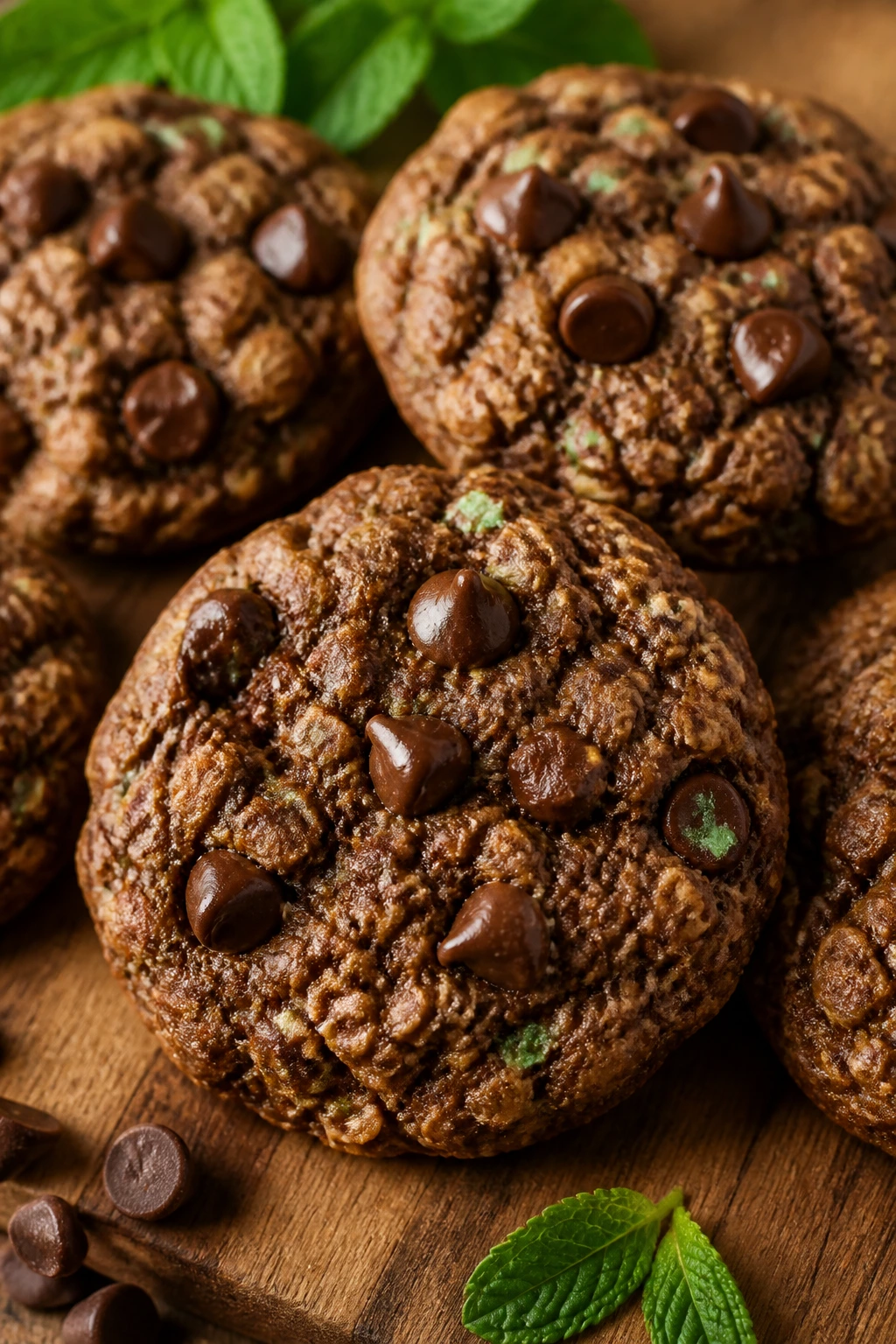
5. Mint Chocolate Oatmeal Cookies
Intro:
These taste like the cookie version of a thin mint, but softer, chewier, and easier to make at home. The mint should sit in the background, not shout. If it tastes like toothpaste, the extract was overdone. If it disappears, you needed a bit more.
That balance is the whole game here. A small amount of peppermint extract and a mix of chocolate chips gives you a clean, cool finish without turning the dough into something artificial.
Why It Works:
Mint can flatten quickly in baked dough, so the chocolate needs to be generous and the cookie base needs enough brown sugar to stay soft. Oats help keep the flavor from reading too sharp. The result is fresh without being skinny or brittle.
Key Ingredients:
- 1 cup unsalted butter, softened
- 1 cup packed brown sugar
- 1/2 cup granulated sugar
- 2 large eggs
- 1 1/2 teaspoons peppermint extract — start here; more can get loud fast
- 2 teaspoons vanilla extract
- 1 3/4 cups all-purpose flour
- 1/2 cup unsweetened cocoa powder
- 1 teaspoon baking soda
- 1 teaspoon fine salt
- 3 cups old-fashioned rolled oats
- 1 1/2 cups semisweet chocolate chips
- 1/2 cup mint chips or chopped mint chocolates
Quick Steps:
- Preheat to 350°F (175°C) and line the sheets.
- Whisk the flour, cocoa powder, baking soda, and salt.
- Cream the butter and sugars until light and fluffy.
- Beat in the eggs, peppermint extract, and vanilla.
- Stir in the dry ingredients, then fold in the oats, chocolate chips, and mint chips.
- Bake 10 to 11 minutes, until the edges are set and the centers still look soft.
Equipment for This Recipe:
- Mixer and bowl.
- Parchment-lined pans.
- Small cookie scoop.
- Wire rack.
How to Serve This Dish:
These are good after dinner with black tea or coffee, especially when you want something cool-tasting without making a whole dessert plate. A crushed candy cane on top during colder months looks festive, but I’d skip it if you want the cookie to stay tender.
Pro Tips for This Recipe:
- Use peppermint extract, not mint extract, unless you want a muddier flavor.
- If the dough tastes too minty before baking, fold in another handful of oats.
- Press extra chips on the tops before baking so the mint signal is obvious.
- Let them cool fully before stacking; mint cookies show fingerprints easily when warm.
Variations on This Dish:
- Dark Mint Version: Use dark chocolate chips instead of semisweet for a cooler, less sweet finish.
- Mint Crunch: Add 1/2 cup chopped chocolate wafer cookies for a firmer bite.
- Peppermint Bark Style: Mix in a few chopped white chocolate pieces for contrast.
Common Mistakes to Avoid with This Dish:
- Overdoing the peppermint extract: Too much tastes sharp and artificial. Start small.
- Baking too long: The mint flavor gets harsh when the cookie dries out.
- Using weak chocolate: Mint needs chocolate with enough depth to keep the cookie from tasting flat.
6. Espresso Chocolate Oatmeal Cookies
Intro:
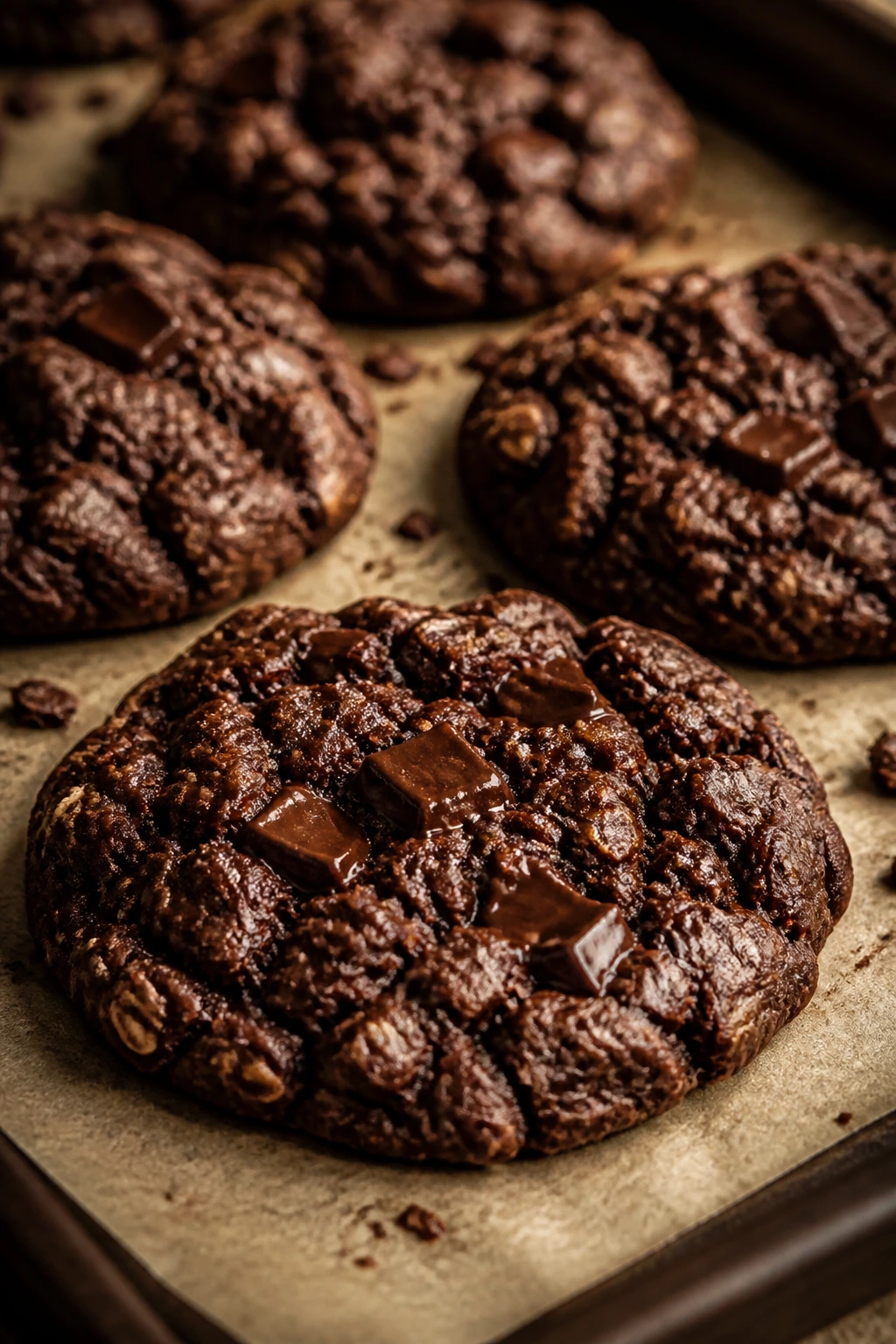
These are for people who like their chocolate a little darker and their cookies a little less sugary. Instant espresso powder does not make the cookies taste like coffee cake. It makes the chocolate taste fuller. That’s the whole point.
This batch has a grown-up edge, but it’s still simple. If you can measure a teaspoon and stir it into the dry ingredients, you can make these.
Why It Works:
Coffee and chocolate amplify each other, especially when the dough already has brown sugar and oats to soften the edges. Espresso powder adds depth without changing the texture. Chocolate chunks make the cookies feel dense in the best possible way.
Key Ingredients:
- 1 cup unsalted butter, softened
- 1 cup packed dark brown sugar
- 1/2 cup granulated sugar
- 2 large eggs
- 2 teaspoons vanilla extract
- 1 3/4 cups all-purpose flour
- 1/2 cup unsweetened cocoa powder
- 1 to 1 1/2 teaspoons instant espresso powder
- 1 teaspoon baking soda
- 1 teaspoon fine salt
- 3 cups old-fashioned rolled oats
- 1 1/2 cups dark chocolate chunks
Quick Steps:
- Heat the oven to 350°F (175°C) and line your pans.
- Whisk the flour, cocoa powder, espresso powder, baking soda, and salt.
- Beat the butter and sugars until fluffy.
- Beat in the eggs and vanilla.
- Stir in the dry ingredients, then fold in the oats and chocolate chunks.
- Bake for 10 to 12 minutes, until the edges are set and the centers still look slightly soft.
Equipment for This Recipe:
- Mixing bowl.
- Hand mixer.
- Baking sheets with parchment.
- Cooling rack.
How to Serve This Dish:
These belong next to coffee, obviously, but they’re also good with cold milk because the milk softens the espresso edge. I like them broken over vanilla ice cream if I’m serving dessert and want something that tastes more grown-up than a standard sundae.
Pro Tips for This Recipe:
- Use instant espresso powder, not brewed coffee. Liquid coffee changes the dough.
- Dark chocolate chunks taste better here than standard chips.
- If you want a stronger mocha profile, add an extra tablespoon cocoa.
- Pull them early. Espresso makes the chocolate taste darker as the cookies cool.
Variations on This Dish:
- Mocha Chip Version: Add 1 cup milk chocolate chips for a sweeter balance.
- Hazelnut Route: Fold in 3/4 cup chopped toasted hazelnuts for a café-style cookie.
- Salted Top: A tiny pinch of flaky salt sharpens the coffee note.
Common Mistakes to Avoid with This Dish:
- Using too much espresso powder: It can get bitter fast. Stay within the range listed.
- Adding brewed coffee to the dough: That throws off the liquid balance.
- Overbaking the centers: Dry cookies mute the coffee-chocolate contrast.
7. Coconut Chocolate Oatmeal Cookies
Intro:
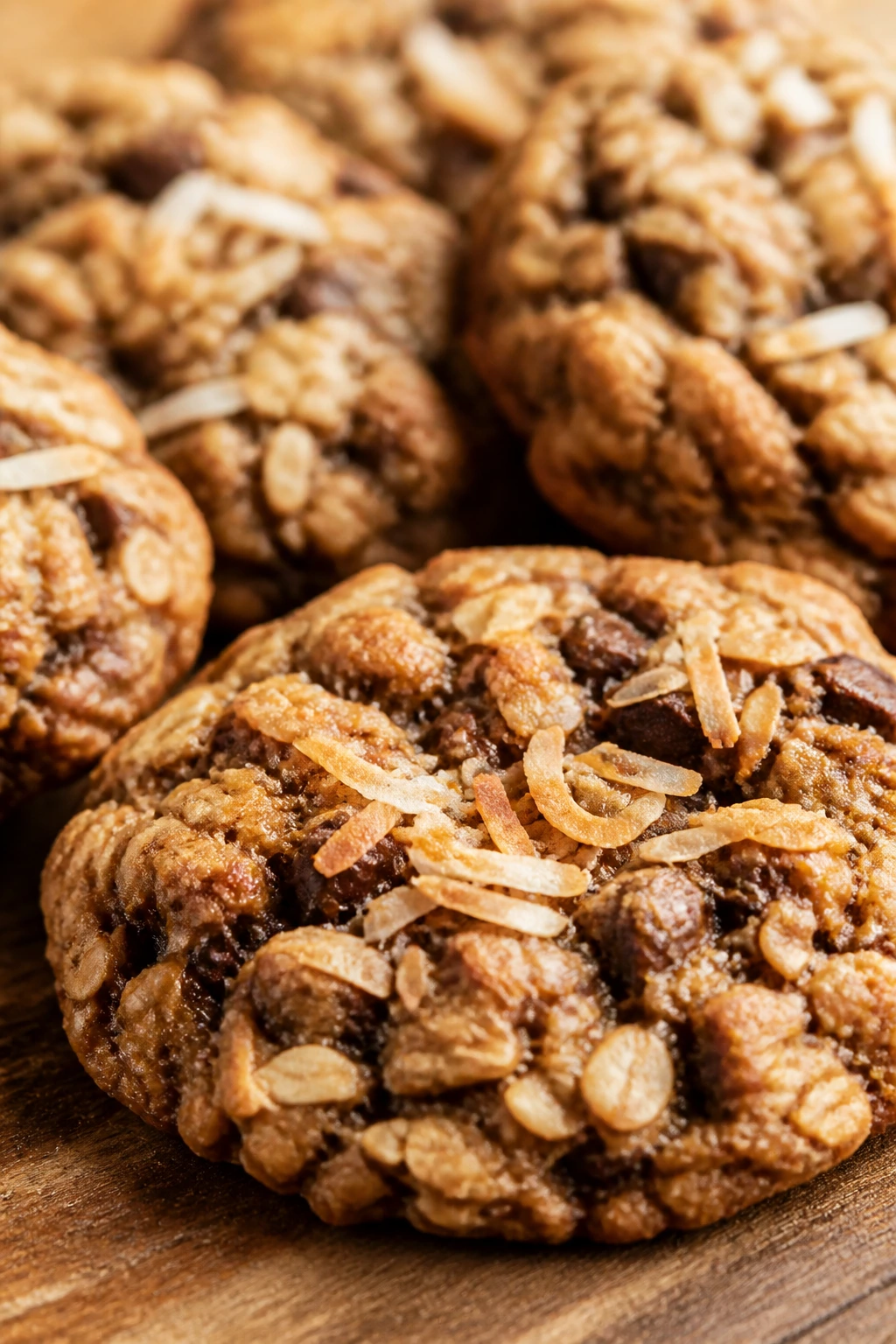
Coconut changes the tone in a nice way. The cookie gets more chew, a faint toasted sweetness, and a texture that feels a little more layered than the basic oat version. It’s not a macaroon. It’s still a proper cookie with chocolate running through it.
To get the best result, use sweetened shredded coconut if you want a softer, sweeter crumb, or unsweetened if you like a drier finish. Toasting a little coconut for the top helps the flavor show up after baking.
Why It Works:
Coconut brings its own fat and chew, which play well against the oats. The chocolate chips keep the flavor grounded so the cookie doesn’t drift into candy bar territory. A small amount of extra salt keeps the sweetness from taking over.
Key Ingredients:
- 1 cup unsalted butter, softened
- 1 cup packed brown sugar
- 1/2 cup granulated sugar
- 2 large eggs
- 2 teaspoons vanilla extract
- 1 1/2 cups all-purpose flour
- 1/2 cup unsweetened cocoa powder
- 1 teaspoon baking soda
- 1 teaspoon fine salt
- 2 1/2 cups old-fashioned rolled oats
- 1 cup sweetened shredded coconut
- 1 cup semisweet chocolate chips
- 1/2 cup toasted coconut, for the top
Quick Steps:
- Preheat the oven to 350°F (175°C) and line the pans.
- Whisk the flour, cocoa powder, baking soda, and salt.
- Cream the butter and sugars until fluffy.
- Beat in the eggs and vanilla.
- Stir in the dry ingredients, then fold in the oats, shredded coconut, and chocolate chips.
- Scoop, top with a little toasted coconut, and bake for 10 to 11 minutes.
Equipment for This Recipe:
- Two sheet pans.
- Mixing bowl and mixer.
- Small skillet or toaster oven for toasting coconut.
- Cooling rack.
How to Serve This Dish:
These taste good all by themselves, but they’re especially nice with coffee that has a little cream in it. The coconut and chocolate also play nicely with vanilla ice cream, which is the quickest route to dessert if the cookies come out warm.
Pro Tips for This Recipe:
- Toast a small handful of coconut until pale gold and use it on top.
- Don’t overpack the shredded coconut; fluffy coconut works better.
- If the dough seems dry, let it sit for 10 minutes before scooping. Coconut takes a minute to hydrate.
- Use semisweet chips unless you want the coconut to taste too sweet.
Variations on This Dish:
- Almond Coconut: Add 1/2 teaspoon almond extract for a more bakery-style profile.
- Dark Chocolate Version: Swap in bittersweet chocolate chunks if you want less sweetness.
- Chewy Tropic Route: Add 1/2 cup chopped dried pineapple, but keep the amount modest.
Common Mistakes to Avoid with This Dish:
- Using too much coconut: The dough turns crumbly and dry.
- Skipping the top garnish: A little toasted coconut helps people taste the flavor right away.
- Baking until the coconut is dark brown: It goes from toasted to bitter fast.
8. Cherry Almond Chocolate Oatmeal Cookies
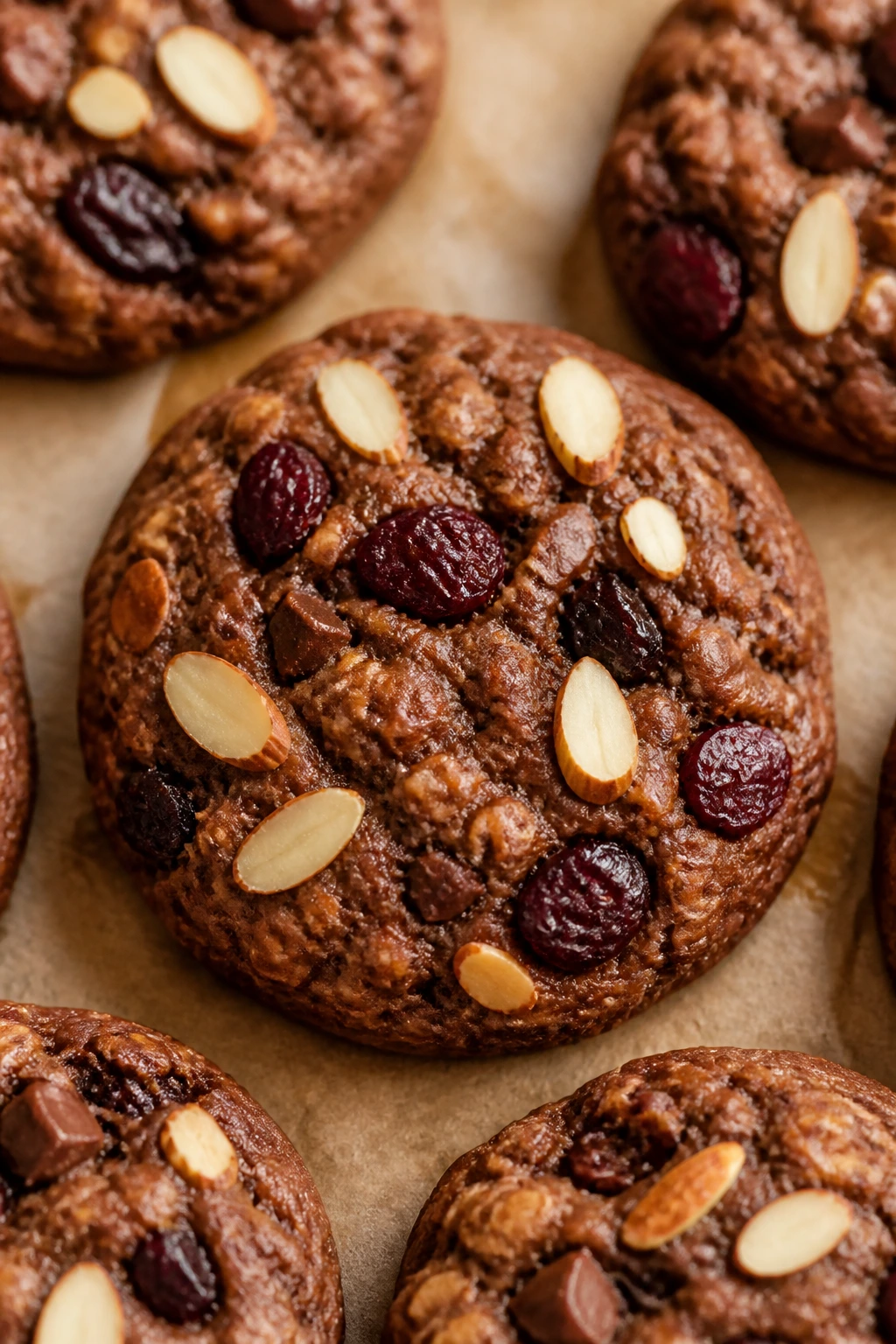
Intro:
Cherry and almond make a strong little pair, especially when chocolate is already in the room. These cookies taste a touch more elegant than the average pantry cookie, but the method stays easy. Dried cherries bring tang. Almonds bring crunch. The oats keep everything from feeling brittle.
This is a good recipe for people who want fruit in a cookie without turning the dough into jam. Dried fruit behaves far better than fresh here.
Why It Works:
The tartness of dried cherries cuts the richness of the chocolate, while almonds add a clean nutty snap. Oats help carry the fruit so the pieces do not sink or scorch. A touch of almond extract makes the whole batch smell better than it has any right to.
Key Ingredients:
- 1 cup unsalted butter, softened
- 3/4 cup packed brown sugar
- 1/4 cup granulated sugar
- 2 large eggs
- 1/2 teaspoon almond extract
- 2 teaspoons vanilla extract
- 1 3/4 cups all-purpose flour
- 1/2 cup unsweetened cocoa powder
- 1 teaspoon baking soda
- 1 teaspoon fine salt
- 3 cups old-fashioned rolled oats
- 3/4 cup dried cherries, chopped if large
- 1/2 cup chopped toasted almonds
- 1 cup semisweet chocolate chunks
Quick Steps:
- Preheat to 350°F (175°C) and line the pans.
- Whisk the flour, cocoa powder, baking soda, and salt.
- Cream the butter and sugars until smooth and lighter in color.
- Beat in the eggs, almond extract, and vanilla.
- Stir in the dry ingredients, then fold in the oats, cherries, almonds, and chocolate chunks.
- Scoop and bake 10 to 12 minutes, until the edges are set.
Equipment for This Recipe:
- Mixing bowl.
- Parchment-lined baking sheets.
- Knife for chopping cherries or almonds if needed.
- Cooling rack.
How to Serve This Dish:
These are very good with tea, especially black tea or something lightly floral. For dessert, I like them with a small scoop of cherry or vanilla ice cream because the fruit note in the cookie gets clearer.
Pro Tips for This Recipe:
- Chop the cherries if they’re sticky and very large.
- Toast the almonds before adding them. Ten minutes at 350°F does the job.
- A few extra chocolate chunks on top make the cookie look more finished.
- If the almond extract is strong, use the smaller amount. It should whisper, not dominate.
Variations on This Dish:
- Black Forest Lean: Use dark chocolate chunks instead of semisweet for a deeper cherry note.
- Nut-Free Swap: Leave out the almonds and use sunflower seeds for crunch.
- Cherry-Scone Style: Add 1/2 teaspoon cinnamon for a warmer, more bakery-like flavor.
Common Mistakes to Avoid with This Dish:
- Using fresh cherries: They dump too much moisture into the dough.
- Leaving cherries whole: Huge chunks can make the cookies fall apart.
- Forgetting to toast the almonds: Raw almonds taste flat next to the chocolate.
9. Banana Walnut Chocolate Oatmeal Cookies
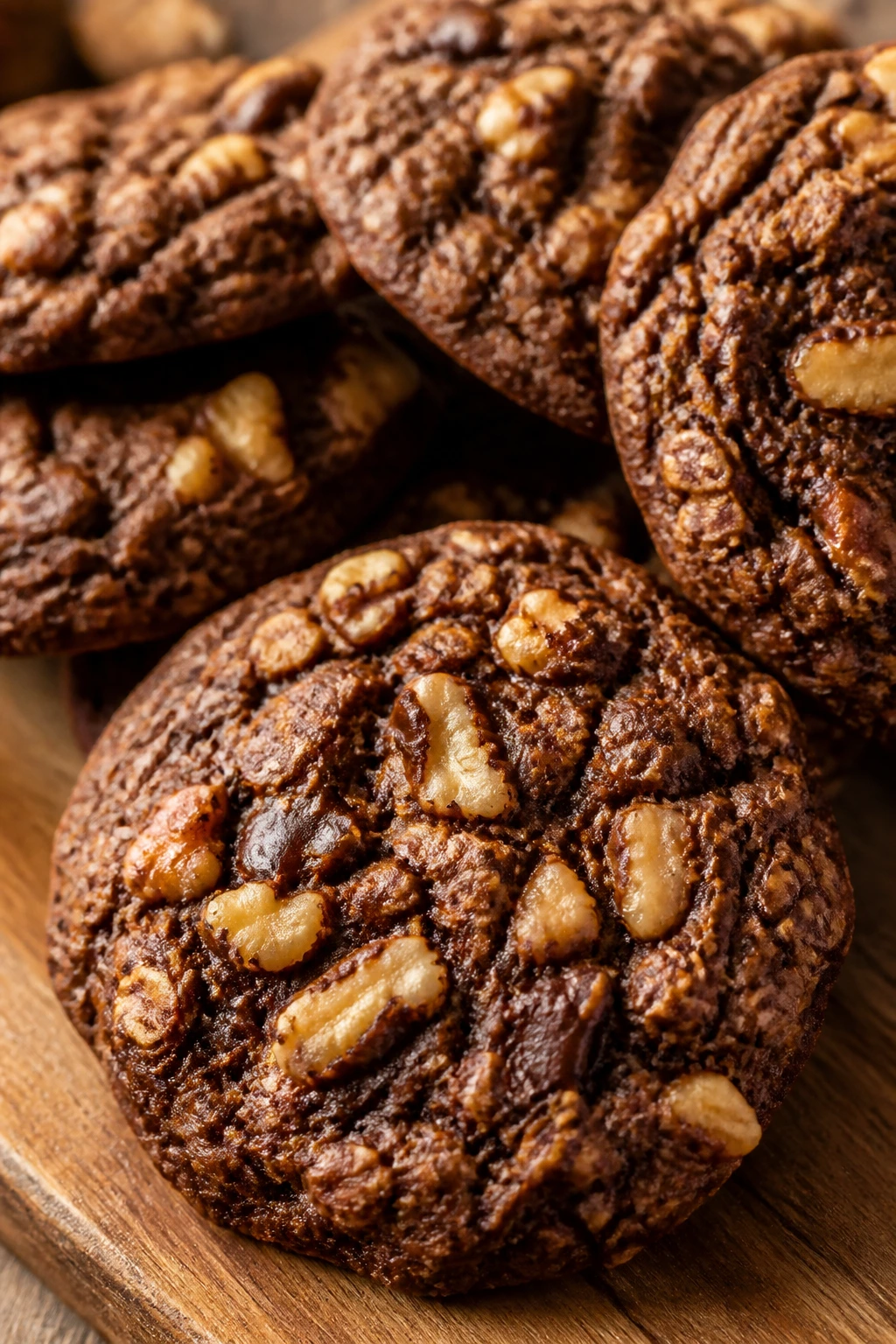
Intro:
Banana changes the structure in a useful way. It adds moisture, sweetness, and that familiar scent you get from banana bread cooling on a wire rack. The cookies stay soft longer, which is convenient, but they also need a little care so they do not bake up cakey.
If you have one overripe banana sitting on the counter, this is the place to put it. Not a smoothie. Not another loaf. Cookies.
Why It Works:
Banana brings enough water to soften the crumb and enough sugar to help browning. Walnuts add structure so the texture does not slide into muffin territory. Oats balance the banana and keep the cookie grounded.
Key Ingredients:
- 1/2 cup unsalted butter, softened
- 3/4 cup packed brown sugar
- 1/4 cup granulated sugar
- 1 medium ripe banana, mashed until mostly smooth, about 1/2 cup
- 1 large egg
- 2 teaspoons vanilla extract
- 1 3/4 cups all-purpose flour
- 1 teaspoon ground cinnamon
- 1 teaspoon baking soda
- 1/2 teaspoon fine salt
- 2 1/2 cups old-fashioned rolled oats
- 1 cup semisweet chocolate chips
- 1/2 cup chopped walnuts
Quick Steps:
- Preheat the oven to 350°F (175°C) and line the sheets.
- Whisk the flour, cinnamon, baking soda, and salt.
- Beat the butter and sugars until fluffy, then mix in the banana, egg, and vanilla.
- Stir in the dry ingredients, then fold in the oats, chocolate chips, and walnuts.
- Chill the dough for 20 to 30 minutes if it feels loose.
- Scoop and bake for 11 to 13 minutes, until the edges are set and the centers look just a little soft.
Equipment for This Recipe:
- Mixing bowl and mixer.
- Fork for mashing the banana.
- Parchment-lined baking sheets.
- Wire rack.
How to Serve This Dish:
These are good warm, when the banana scent is strongest and the chocolate is still soft. I like them with coffee in the morning and with cold milk in the evening, which is a slightly ridiculous thing to admit but accurate.
Pro Tips for This Recipe:
- Use a very ripe banana with brown spots. Pale bananas do not bring enough flavor.
- Chill the dough. Banana makes it softer than the other recipes here.
- Chop the walnuts small so the cookies still hold together.
- Bake until just set. Banana cookies dry out if you chase a golden top.
Variations on This Dish:
- Banana Bread Route: Add 1/4 teaspoon nutmeg for a warmer banana-bread feel.
- Nut-Free Version: Skip the walnuts and add 1/2 cup extra chocolate chips.
- Darker Cookie: Swap in bittersweet chocolate chunks for less sweetness.
Common Mistakes to Avoid with This Dish:
- Using an under-ripe banana: The flavor disappears after baking.
- Not chilling the dough: The cookies can spread too much.
- Overbaking for firmness: They set up as they cool. Give them time.
10. Orange Dark Chocolate Oatmeal Cookies
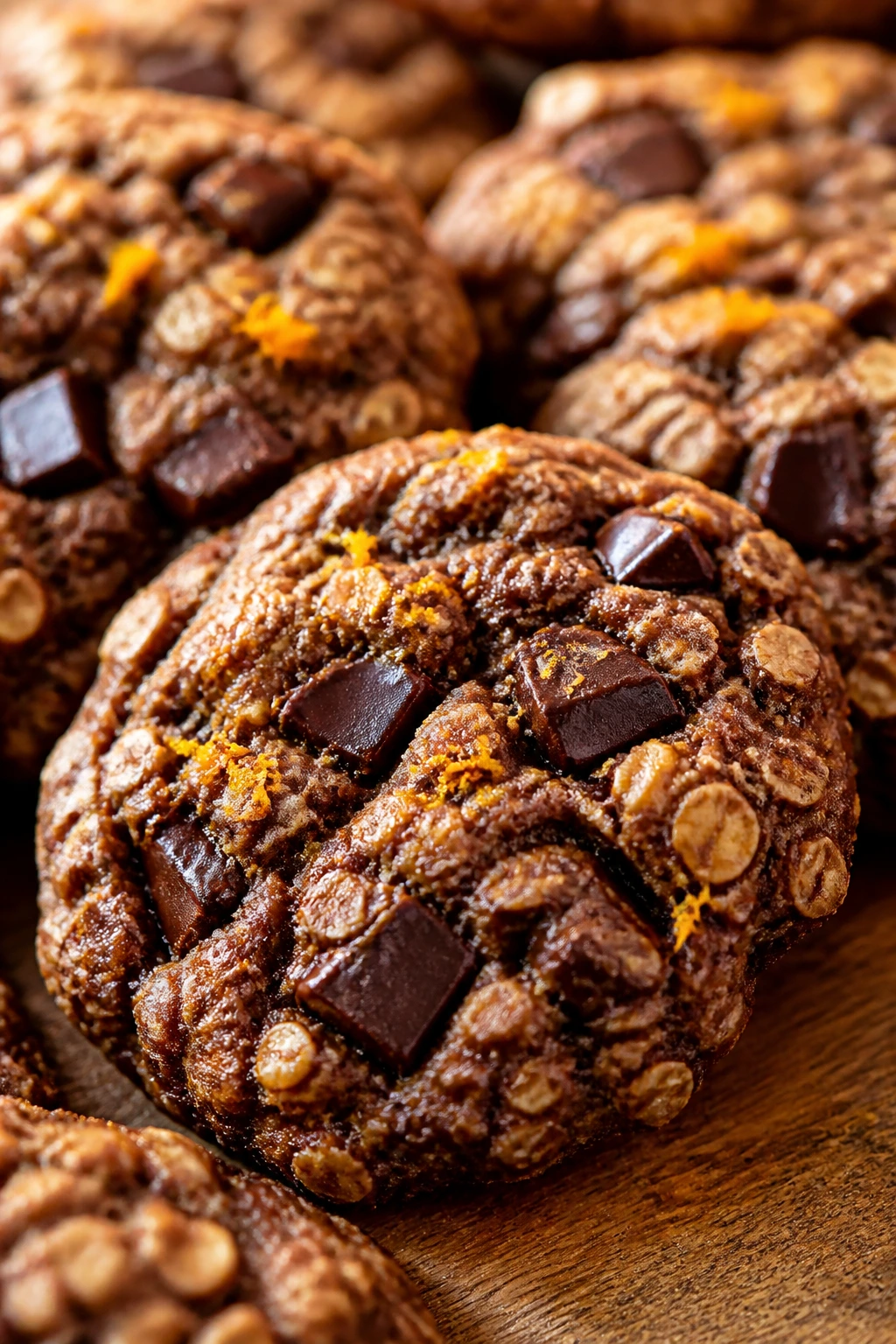
Intro:
Orange and dark chocolate have a clean, bright contrast that wakes up the whole cookie. This is the batch I make when I want something a little sharper than standard chocolate-oat cookies, but not so sharp that the oats get lost.
The zest is the real player here. Juice alone won’t do much. Zest carries the scent, and scent is where orange shows up best in baked goods.
Why It Works:
Citrus oils in the zest lift the chocolate and keep the cookie from tasting heavy. Dark chocolate adds enough bitterness to balance the orange, while oats keep the structure sturdy. A tiny amount of vanilla ties the two flavors together.
Key Ingredients:
- 1 cup unsalted butter, softened
- 1 cup packed brown sugar
- 1/2 cup granulated sugar
- 2 large eggs
- 2 teaspoons vanilla extract
- 1 tablespoon finely grated orange zest
- 1 3/4 cups all-purpose flour
- 1/2 cup unsweetened cocoa powder
- 1 teaspoon baking soda
- 1 teaspoon fine salt
- 3 cups old-fashioned rolled oats
- 1 1/2 cups dark chocolate chunks
Quick Steps:
- Preheat the oven to 350°F (175°C) and line the pans.
- Whisk the flour, cocoa powder, baking soda, and salt.
- Cream the butter and sugars for 2 to 3 minutes.
- Beat in the eggs, vanilla, and orange zest.
- Stir in the dry ingredients, then fold in the oats and dark chocolate chunks.
- Bake for 10 to 11 minutes, until the edges are set and the centers still look soft.
Equipment for This Recipe:
- Mixing bowl and mixer.
- Microplane or fine grater for the zest.
- Sheet pans.
- Cooling rack.
How to Serve This Dish:
These are lovely with tea or espresso. If you want to make them feel more like dessert, serve them with a spoonful of mascarpone or vanilla ice cream. A little orange zest on top makes them smell brighter when they hit the plate.
Pro Tips for This Recipe:
- Zest the orange before juicing it. That order saves effort.
- Use dark chocolate chunks, not chips, for a cleaner contrast.
- Do not add much juice; it can throw off the dough.
- If the zest clumps, rub it into the sugar first. The sugar releases the oils.
Variations on This Dish:
- Orange-Spice Version: Add 1/4 teaspoon ground cardamom for a warmer profile.
- Milk Chocolate Swap: Use milk chocolate if you want a softer, sweeter cookie.
- Candied Orange: Fold in 1/4 cup finely chopped candied orange peel for more bite.
Common Mistakes to Avoid with This Dish:
- Using juice instead of zest as the main orange flavor: Juice just wets the dough.
- Pairing orange with overly sweet chocolate: The contrast gets muddy.
- Skipping the zest rubbing step: The citrus flavor stays locked up.
11. Salted Pretzel Toffee Chocolate Oatmeal Cookies
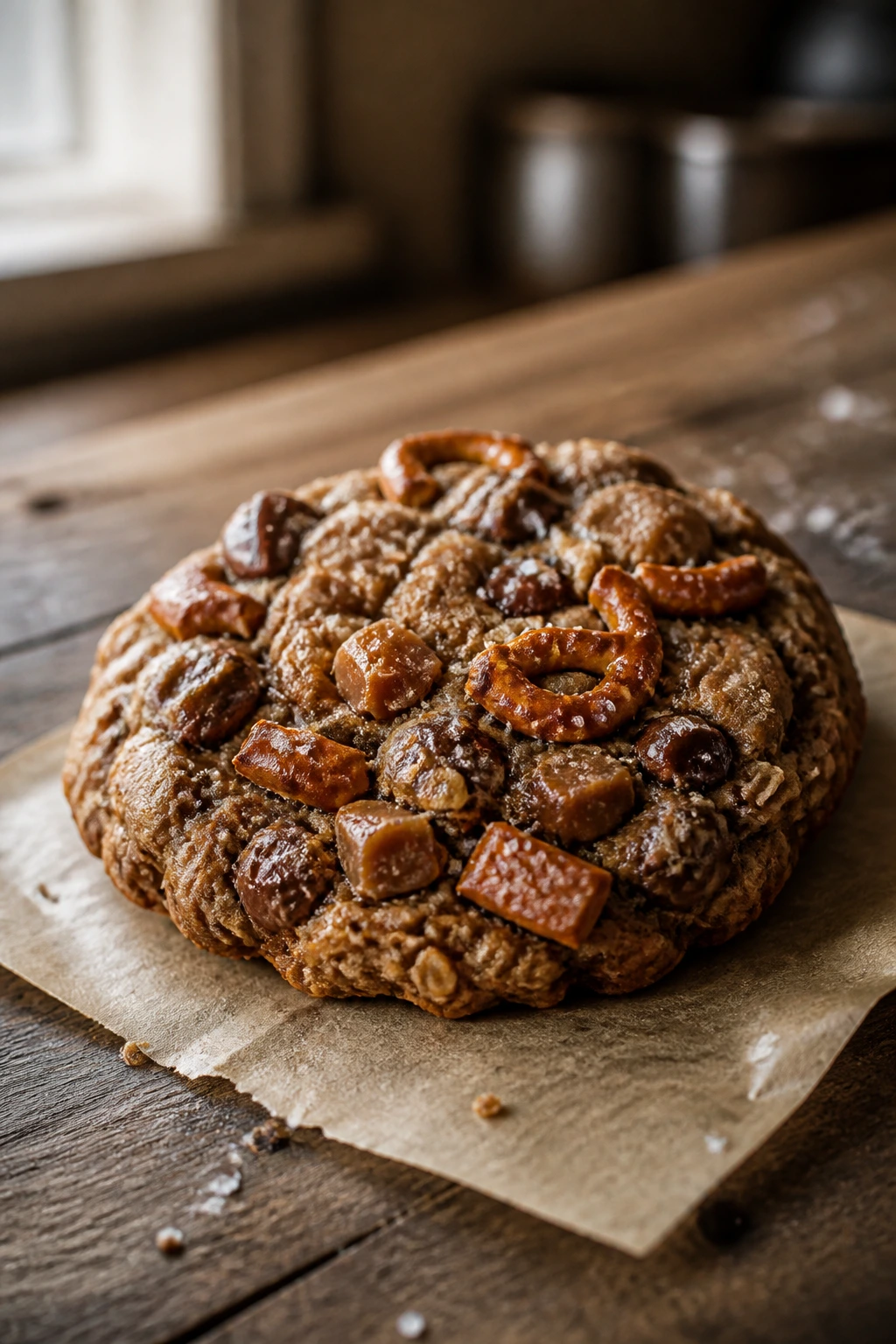
Intro:
These are the loudest cookies in the batch. Salty pretzels, sweet toffee, chocolate, oats. If that sounds like a snack aisle collision, yes, and that’s why it works. The textures keep changing from bite to bite, which makes the cookie feel more playful than the classic versions.
They also handle beginner mistakes fairly well because the pretzels and toffee give the cookies extra crunch and visual cues. You can see when they’re done.
Why It Works:
Pretzels bring salt and a brittle snap; toffee melts into buttery caramel spots; oats keep the dough from collapsing under all that candy-like weight. The salt level in the dough needs to be lower here so the pretzels don’t push it too far.
Key Ingredients:
- 1 cup unsalted butter, softened
- 1 cup packed brown sugar
- 1/2 cup granulated sugar
- 2 large eggs
- 2 teaspoons vanilla extract
- 1 1/2 cups all-purpose flour
- 1/2 cup unsweetened cocoa powder
- 1 teaspoon baking soda
- 1/2 teaspoon fine salt
- 3 cups old-fashioned rolled oats
- 1 cup mini pretzels, lightly broken
- 3/4 cup toffee bits
- 1 1/4 cups semisweet chocolate chips
Quick Steps:
- Preheat to 350°F (175°C) and line the pans.
- Whisk the flour, cocoa powder, baking soda, and salt.
- Cream the butter and sugars until fluffy.
- Beat in the eggs and vanilla.
- Stir in the dry ingredients, then fold in the oats, pretzels, toffee bits, and chocolate chips.
- Scoop and bake for 10 to 12 minutes, until the edges look set and a few pretzel tips are toasted.
Equipment for This Recipe:
- Mixing bowl and mixer.
- Sheet pans with parchment.
- Zip-top bag or bowl for lightly breaking pretzels.
- Cooling rack.
How to Serve This Dish:
These work well on a casual dessert board with coffee, milk, and maybe a bowl of extra pretzels on the side. They’re also excellent crumbled over vanilla ice cream because the salty crunch survives the cold better than you’d think.
Pro Tips for This Recipe:
- Break the pretzels gently. You want pieces, not dust.
- Reserve a few chips and pretzel bits to press into the tops.
- Keep the salt lower in the dough; the pretzels do enough work.
- Let the cookies cool on the sheet a little longer than usual so the toffee firms back up.
Variations on This Dish:
- Caramel Pretzel Route: Add 1/2 cup caramel bits for a softer sweet-salty finish.
- Milk Chocolate Crowd Version: Use milk chocolate chips if you want the salt to stand out more.
- Extra Crunch: Add 1/2 cup chopped roasted peanuts for a snackier bite.
Common Mistakes to Avoid with This Dish:
- Using too much salt in the base dough: The pretzels will make the cookie harsh.
- Breaking pretzels too small: You lose the salty crunch.
- Overbaking the toffee bits: They can harden into teeth-testing shards.
12. Tahini Sea Salt Chocolate Oatmeal Cookies
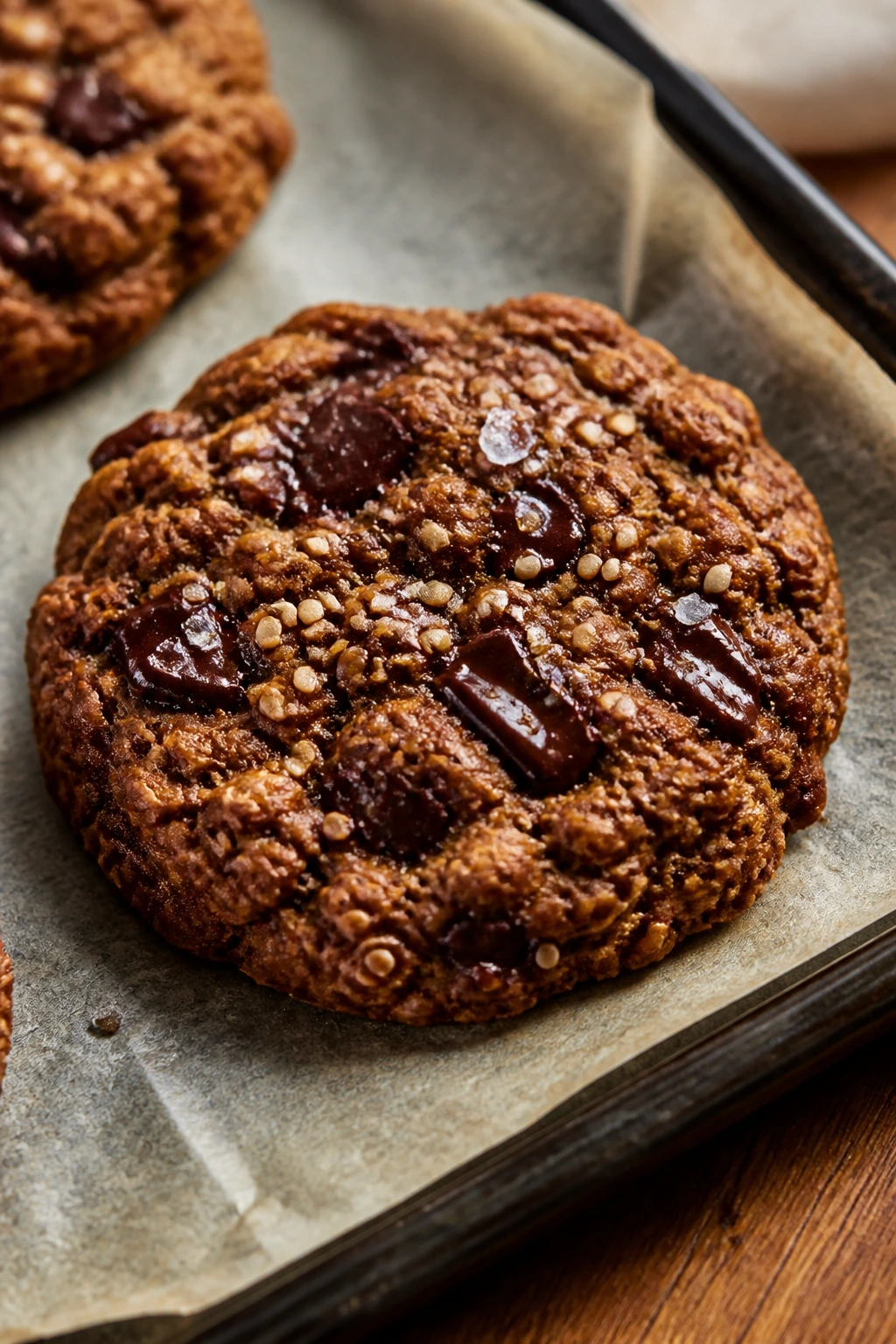
Intro:
Tahini sounds fancy, but it behaves very much like a smooth sesame butter, which makes it friendly in cookie dough. It brings a faint bitter edge and a nutty depth that works surprisingly well with dark chocolate. The sesame note is subtle, not loud.
This recipe is a nice change of pace if you like chocolate cookies that are less sweet and more layered. The oats give the tahini something sturdy to cling to.
Why It Works:
Tahini adds fat and a toasted, slightly earthy flavor. That pairs well with chocolate because both ingredients have a bitter side. A little extra salt on top brings the whole cookie into focus.
Key Ingredients:
- 1/2 cup unsalted butter, softened
- 1/2 cup well-stirred tahini
- 3/4 cup packed brown sugar
- 1/4 cup granulated sugar
- 1 large egg plus 1 egg yolk
- 2 teaspoons vanilla extract
- 1 3/4 cups all-purpose flour
- 1 teaspoon baking soda
- 3/4 teaspoon fine salt
- 3 cups old-fashioned rolled oats
- 1 cup dark chocolate chunks
- 1 tablespoon sesame seeds, optional
- Flaky salt for the top
Quick Steps:
- Preheat the oven to 350°F (175°C) and line the sheets.
- Whisk the flour, baking soda, and fine salt.
- Beat the butter, tahini, and sugars until smooth and slightly fluffy.
- Beat in the egg, yolk, and vanilla.
- Stir in the dry ingredients, then fold in the oats and chocolate chunks.
- Scoop, sprinkle with sesame seeds and flaky salt, and bake for 10 to 11 minutes.
Equipment for This Recipe:
- Mixing bowl and mixer.
- Parchment-lined baking sheets.
- Cookie scoop.
- Cooling rack.
How to Serve This Dish:
Serve these with coffee or black tea if you want the sesame note to show up. They’re also excellent with a scoop of plain vanilla ice cream because the cookie is not overly sweet and can handle a simple topping.
Pro Tips for This Recipe:
- Stir the tahini well before measuring. Separated tahini makes the dough inconsistent.
- Use dark chocolate, not milk chocolate, so the sesame flavor doesn’t vanish.
- A few sesame seeds on top make the cookie easier to identify at a glance.
- If the dough feels loose, chill it for 20 minutes.
Variations on This Dish:
- Halva-Inspired: Add 1/4 teaspoon cinnamon and a few chopped sesame brittle pieces if you have them.
- Nutty Swap: Replace half the tahini with almond butter for a softer sesame note.
- Chocolate-Salt Finish: A heavier pinch of flaky salt makes the chocolate taste brighter.
Common Mistakes to Avoid with This Dish:
- Using dry, stiff tahini: It won’t blend smoothly. Stir until creamy first.
- Pairing with milk chocolate: The cookie turns too sweet and loses contrast.
- Skipping the salt on top: Tahini needs that final nudge.
13. Maple Pecan Chocolate Oatmeal Cookies
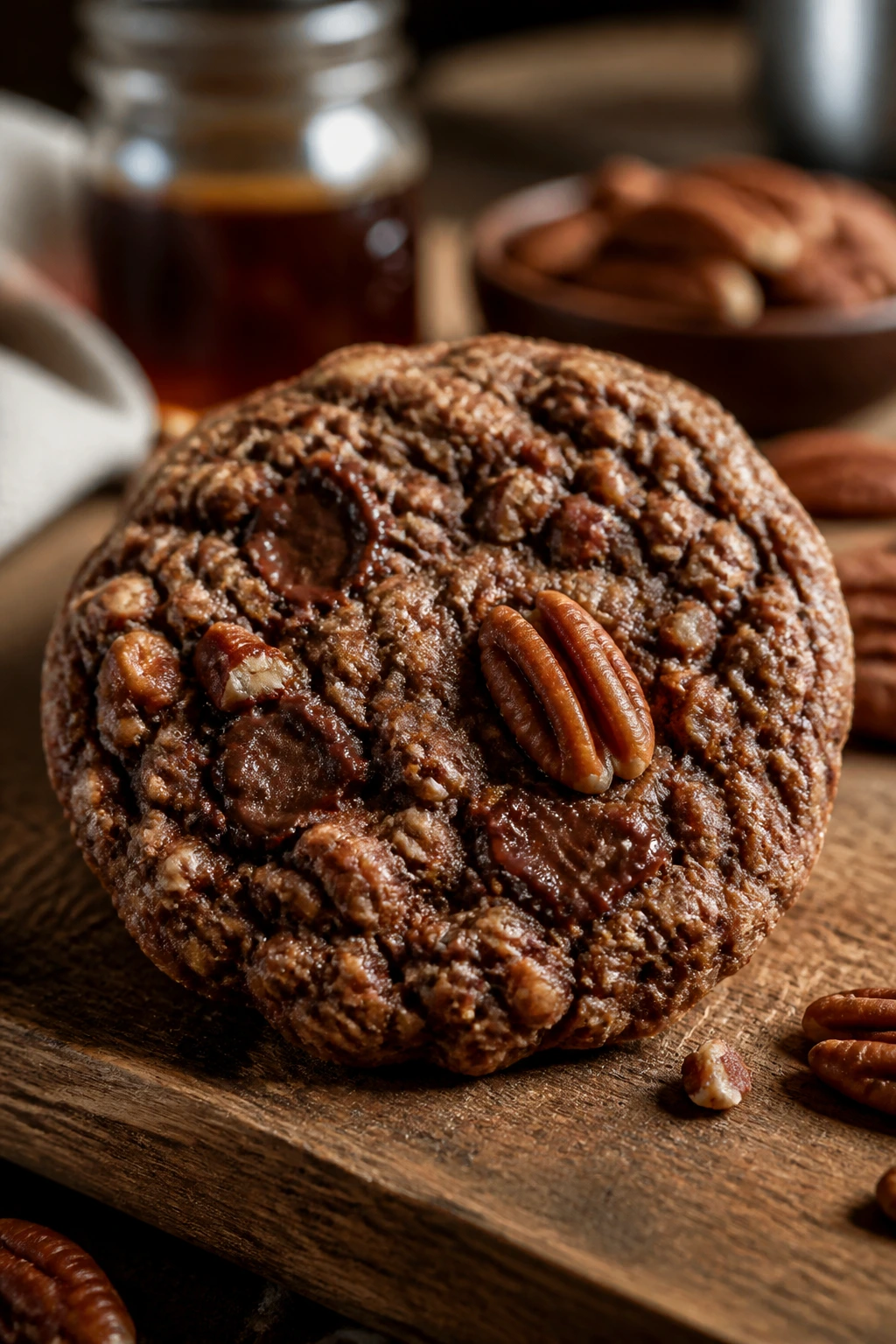
Intro:
These taste like a cookie that wandered through a breakfast table and decided to stay. Maple brings a round sweetness, pecans add a buttery crunch, and the chocolate keeps the whole thing in dessert territory. They’re cozy without being dull.
I like these for people who want a softer, warmer flavor than straight chocolate. They feel especially good when the pecans are toasted first.
Why It Works:
Maple syrup brings flavor with a little moisture, so the dough needs enough flour and oats to stay balanced. Pecans add fat and crunch, which gives the cookies a sturdier bite. Chocolate chips keep the maple from becoming one-note.
Key Ingredients:
- 1/2 cup unsalted butter, softened
- 3/4 cup packed brown sugar
- 1/4 cup pure maple syrup
- 1 large egg plus 1 egg yolk
- 2 teaspoons vanilla extract
- 1 3/4 cups all-purpose flour
- 1 teaspoon ground cinnamon
- 1 teaspoon baking soda
- 1/2 teaspoon fine salt
- 3 cups old-fashioned rolled oats
- 1 cup chopped pecans, toasted
- 1 cup semisweet chocolate chips
Quick Steps:
- Preheat the oven to 350°F (175°C) and line the pans.
- Whisk the flour, cinnamon, baking soda, and salt.
- Beat the butter, brown sugar, and maple syrup until smooth.
- Beat in the egg, yolk, and vanilla.
- Stir in the dry ingredients, then fold in the oats, pecans, and chocolate chips.
- Scoop and bake for 11 to 12 minutes, until the edges are set and the centers still look soft.
Equipment for This Recipe:
- Mixing bowl and mixer.
- Baking sheets lined with parchment.
- Small skillet or oven tray for toasting pecans.
- Wire rack.
How to Serve This Dish:
These are good with coffee, but they also work with hot tea or warm milk if you want the maple flavor to feel softer. I like them on a plate with a few toasted pecan pieces scattered nearby, which is a small thing that makes them feel more deliberate.
Pro Tips for This Recipe:
- Toast the pecans. Raw pecans get lost under the maple.
- Use pure maple syrup, not pancake syrup.
- Chill the dough for 20 minutes if it looks shiny.
- A pinch more salt on top keeps the maple from getting too sweet.
Variations on This Dish:
- Maple Walnut Swap: Use walnuts if you want a sharper nut flavor.
- Cinnamon Roll Route: Add 1/4 teaspoon nutmeg for a warmer spice note.
- Extra Chocolate: Mix in 1/2 cup chopped dark chocolate for bolder pockets.
Common Mistakes to Avoid with This Dish:
- Using too much syrup: The dough gets loose and spreads.
- Skipping toasted pecans: The flavor stays flat.
- Underbaking the center by too much: Maple cookies can stay soft, but they still need structure.
14. Butterscotch Chocolate Oatmeal Cookies
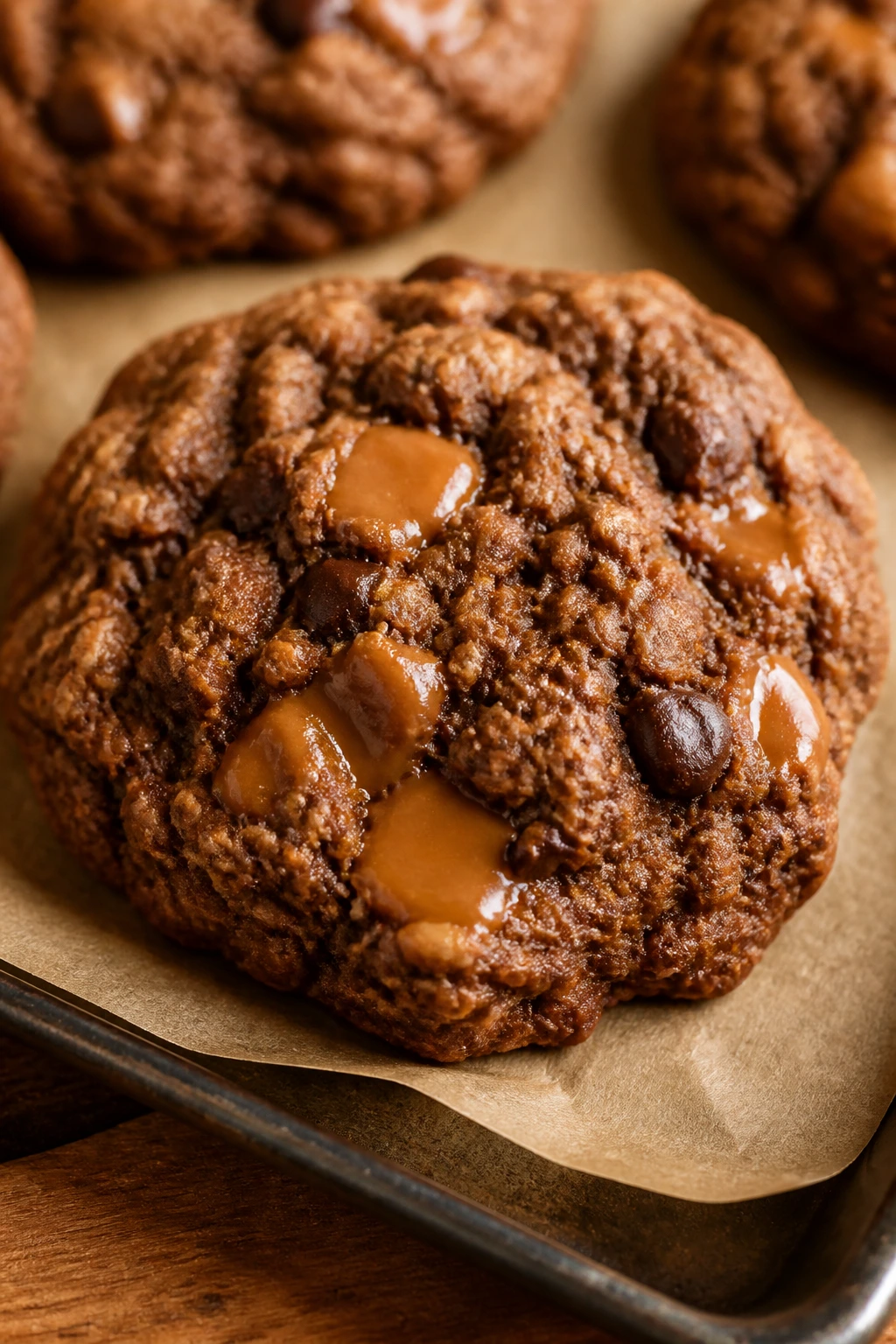
Intro:
Butterscotch and chocolate is one of those combinations that sounds a little old-school until you taste it. Then it makes sense. The butterscotch chips melt into caramel-like puddles, and the oats keep the dough from becoming too sweet or too soft.
This is a good choice if you like a cookie that feels warm and a little nostalgic, but still has enough chocolate to keep adults interested.
Why It Works:
Butterscotch chips bring sugar, butter flavor, and a softer melt than straight chocolate. The oats stabilize all that sweetness and keep the texture chewy. Chocolate chips bring balance so the cookie doesn’t read like candy.
Key Ingredients:
- 1 cup unsalted butter, softened
- 1 cup packed brown sugar
- 1/2 cup granulated sugar
- 2 large eggs
- 2 teaspoons vanilla extract
- 1 3/4 cups all-purpose flour
- 1/2 cup unsweetened cocoa powder
- 1 teaspoon baking soda
- 1 teaspoon fine salt
- 3 cups old-fashioned rolled oats
- 1 cup semisweet chocolate chips
- 1 cup butterscotch chips
Quick Steps:
- Preheat the oven to 350°F (175°C) and line the pans.
- Whisk the flour, cocoa powder, baking soda, and salt.
- Cream the butter and sugars until fluffy.
- Beat in the eggs and vanilla.
- Stir in the dry ingredients, then fold in the oats, chocolate chips, and butterscotch chips.
- Bake for 10 to 12 minutes, until the edges are set and the tops look slightly cracked.
Equipment for This Recipe:
- Mixing bowl and mixer.
- Parchment-lined baking sheets.
- Cookie scoop.
- Cooling rack.
How to Serve This Dish:
These are the cookies I’d put on the table when I want people to take one and then quietly reach for another. They’re good with coffee or cold milk, and they hold up well in lunchboxes once they’ve cooled completely.
Pro Tips for This Recipe:
- Reserve some chips to press into the tops before baking.
- If your butterscotch chips are very sweet, use dark chocolate chips instead of semisweet.
- Bake on the middle rack so the butterscotch doesn’t scorch.
- Let them cool fully before stacking. Butterscotch softens in warm containers.
Variations on This Dish:
- Toasted Coconut Add-On: Stir in 1/2 cup toasted coconut for extra chew.
- Dark Chocolate Balance: Use bittersweet chocolate chips if you want a less sugary cookie.
- Salted Butterscotch: A tiny pinch of flaky salt on top works better than extra salt in the dough.
Common Mistakes to Avoid with This Dish:
- Overloading the dough with chips: It can fall apart and bake unevenly.
- Using high heat: Butterscotch browns faster than chocolate.
- Storing while warm: The chips stay soft and smear across the cookies.
15. S’mores Chocolate Oatmeal Cookies
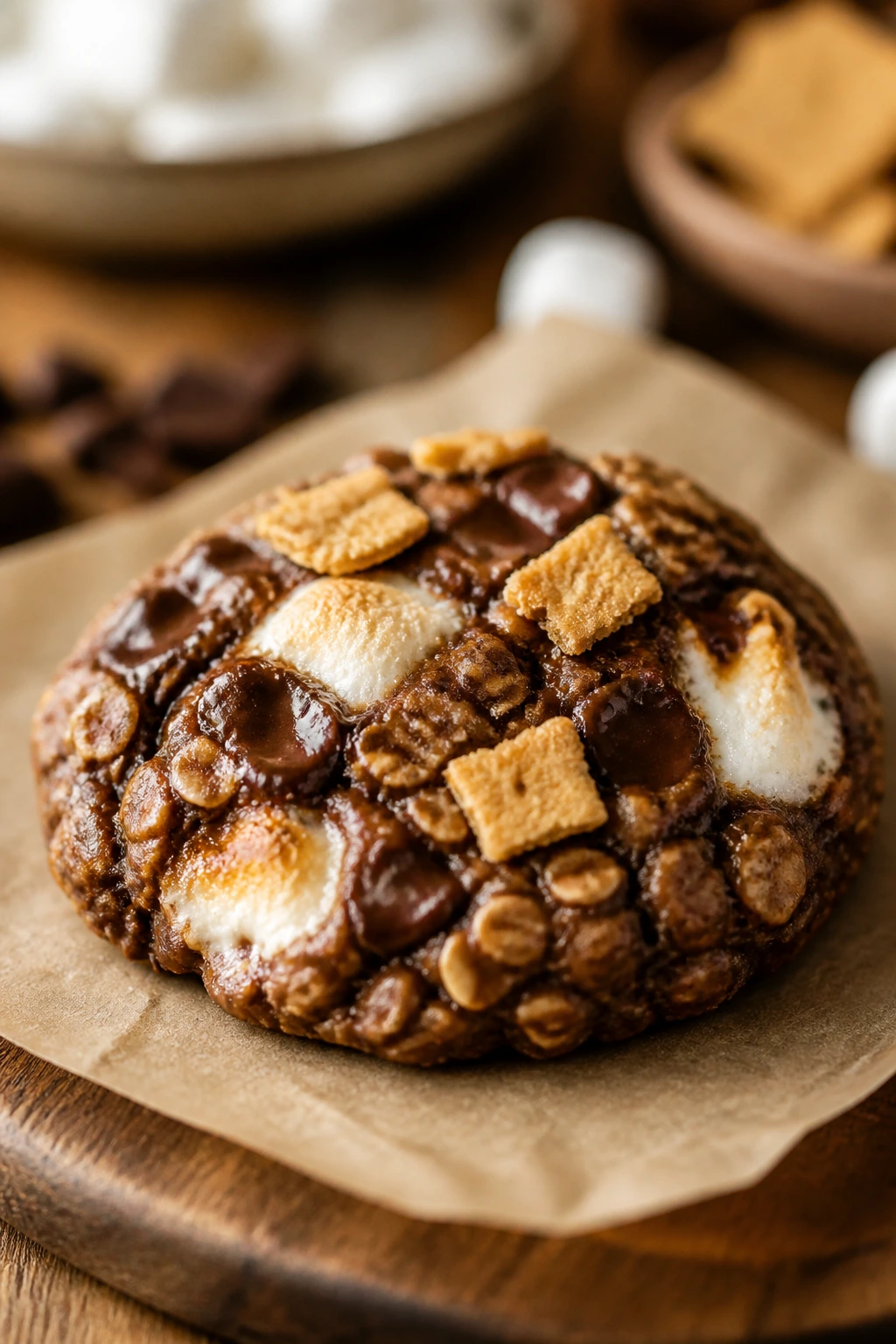
Intro:
These are the most playful cookies in the set, and they lean hard into texture. Graham crackers give you a sandy crunch, marshmallows bring gooey edges, and chocolate holds the whole thing together. The oats keep the dough from turning into a sticky mess.
I would not call these elegant. I would call them useful when you want a cookie that makes people grin on sight.
Why It Works:
Marshmallows melt fast, so the dough needs enough structure from oats and flour to support them. Graham crackers bring a toasted honey note that makes the chocolate feel even richer. If you tuck some marshmallows inside the dough instead of piling too many on top, the cookie bakes more evenly.
Key Ingredients:
- 1 cup unsalted butter, softened
- 1 cup packed brown sugar
- 1/2 cup granulated sugar
- 2 large eggs
- 2 teaspoons vanilla extract
- 1 1/2 cups all-purpose flour
- 1/2 cup unsweetened cocoa powder
- 1 teaspoon baking soda
- 1 teaspoon fine salt
- 3 cups old-fashioned rolled oats
- 1 cup semisweet chocolate chips
- 1 cup broken graham cracker pieces
- 1 cup mini marshmallows, frozen for 10 minutes
- 1/2 cup chocolate chunks
Quick Steps:
- Preheat the oven to 350°F (175°C) and line the pans.
- Whisk the flour, cocoa powder, baking soda, and salt.
- Cream the butter and sugars until fluffy.
- Beat in the eggs and vanilla.
- Stir in the dry ingredients, then fold in the oats, chocolate chips, graham pieces, and frozen marshmallows.
- Scoop quickly, bake for 10 to 11 minutes, and let the cookies cool on the sheet before moving them.
Equipment for This Recipe:
- Mixing bowl and mixer.
- Baking sheets with parchment.
- Small freezer-safe plate or tray for chilling marshmallows.
- Cooling rack.
How to Serve This Dish:
Serve these warm, and people will forgive a lot. They’re best with milk or a cup of hot cocoa if you want the whole s’mores mood to land. If you’re taking them to a gathering, stack them in a tin once fully cool so the marshmallow does not glue them together.
Pro Tips for This Recipe:
- Freeze the marshmallows briefly so they don’t melt away too fast.
- Keep the graham pieces chunky; dust is not the goal.
- Pull the tray early so the marshmallow stays soft rather than disappearing.
- A few chocolate chunks on top make the cookies look more finished.
Variations on This Dish:
- Campfire Dark Version: Use bittersweet chocolate chunks for a less sugary bite.
- Peanut S’mores: Add 1/4 cup chopped peanuts if you want a salty edge.
- Mini Skillet Version: Bake a few spoonfuls of dough in small ovenproof ramekins for a warm dessert.
Common Mistakes to Avoid with This Dish:
- Adding too many marshmallows: They melt into sticky puddles and can burn.
- Using fine graham crumbs only: You lose the crunch.
- Waiting too long to scoop: Marshmallows warm up and become hard to portion.
Why These Cookies Keep Their Shape and Their Chew
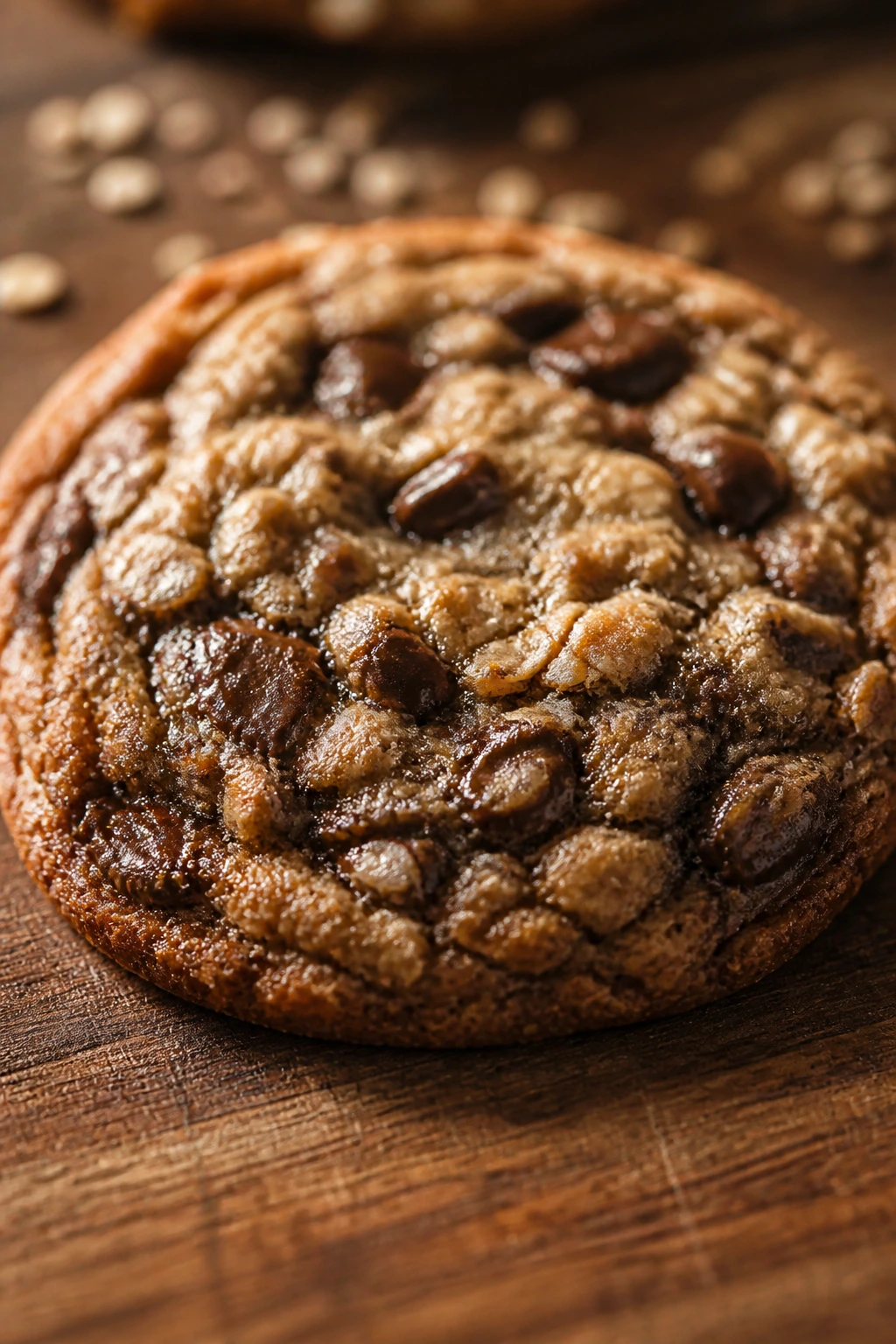
The thing beginners usually want most from a cookie recipe is not drama. It’s predictability. They want to know the dough won’t behave like soup, the cookies won’t spread into each other, and the centers won’t come out dry and crumbly. Oatmeal chocolate cookies do a better job of that than many plain chocolate cookies because oats act like little built-in stabilizers.
A rolled oat is not just texture; it’s structure. It absorbs some of the butter and sugar, which slows spread in the oven and gives the cookie a thicker bite once it cools. That’s why even the softer recipes in this collection still feel substantial. The chocolate may melt. The fruit may soften. The edges may crisp. But the oat backbone stays.
That also explains why these cookies forgive minor errors. If your butter was a touch too warm, the oats can still help the dough hold together. If you overmixed the flour by a little, the oats keep the crumb from turning tough in the same way a cake would. Not magic. Just a very useful ingredient doing more than one job.
Essential Equipment for These Recipes
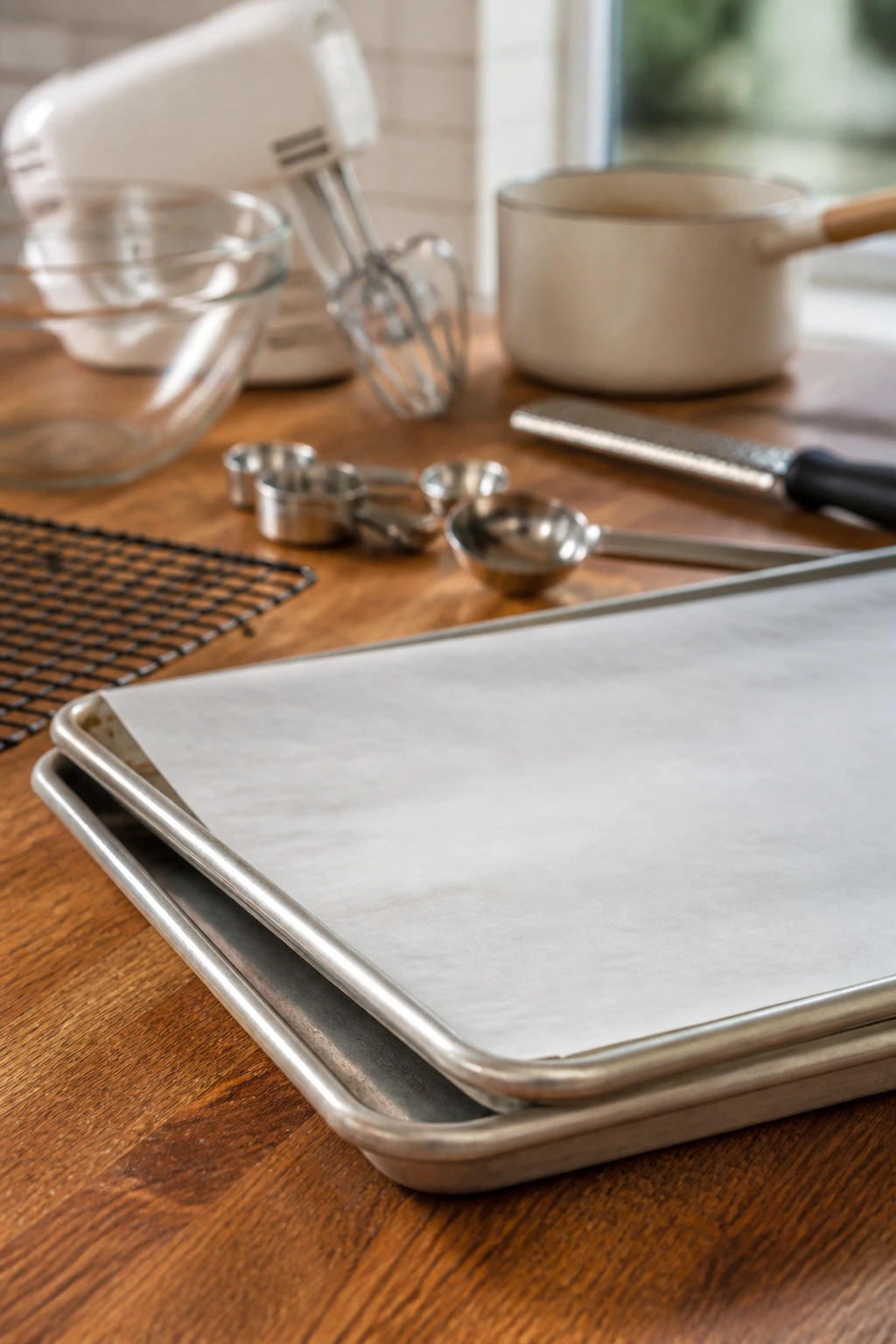
-
Two rimmed baking sheets: Rimmed pans help the dough stay put and give you more room for batch baking.
-
Parchment paper: It prevents sticking and keeps the bottoms from overbrowning before the centers are done.
-
Hand mixer or stand mixer: Most of these doughs need butter and sugar creamed until fluffy, and a mixer makes that part less tiring.
-
Large mixing bowl: Choose one with enough room to fold in oats without chasing dough across the counter.
-
Cookie scoop: A 2-tablespoon scoop keeps the cookies even, which helps them bake evenly.
-
Wire cooling rack: Cookies finish setting as they cool, and a rack keeps the bottoms from steaming.
-
Measuring cups and spoons: Still useful even if you own a scale. Consistent measuring matters here.
-
Microplane or small grater: Handy for orange zest and fine chocolate garnishes.
-
Light-colored saucepan: Worth having if you plan to make the brown butter version, since you can see the color change more clearly.
Smart Shopping and Ingredient Tips
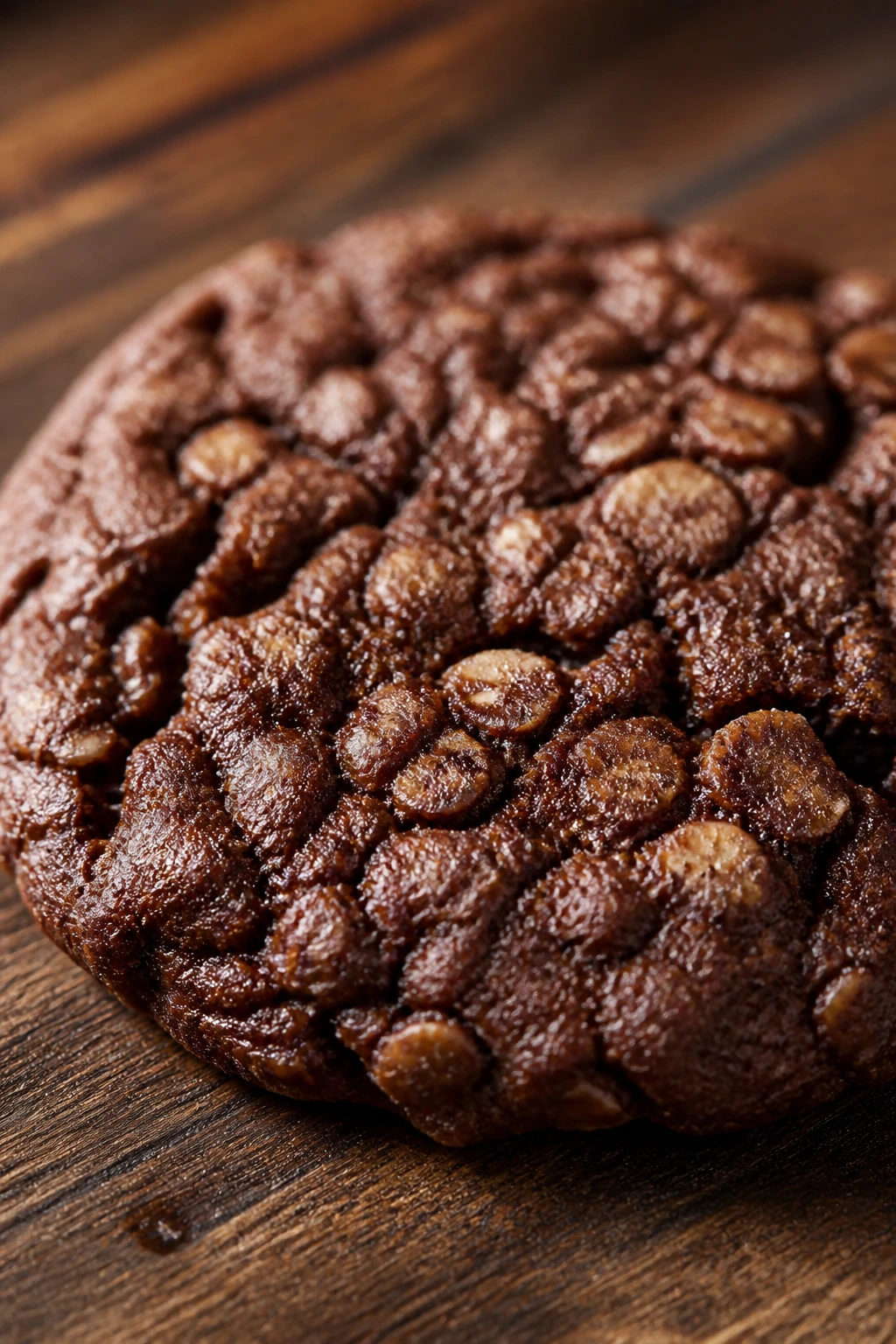
Start with the oats. For this kind of cookie, old-fashioned rolled oats are the sweet spot. Quick oats can work in a pinch, but they give you a softer, more compact cookie and take away some of the chew that makes these recipes worth baking. Steel-cut oats are a hard no; they stay too tough.
For chocolate, I prefer a mix of chips and chopped chocolate when the recipe allows it. Chips keep their shape and make the cookies look neat. Chopped bars melt into puddles, which gives you those uneven chocolate pockets that taste better than they look on the label. If you only buy one kind, make it semisweet or bittersweet, not waxy bargain chocolate.
Butter matters more than people think. Use unsalted butter so you can control the salt in the dough. If all you have is salted butter, reduce the added salt by about 1/4 teaspoon per stick of butter and taste the dough if the recipe allows it. Softened butter should yield to a finger press, not slouch across the bowl.
Brown sugar should be soft and packed, not dried into a brick. If it’s stiff, microwave the sealed bag for a few seconds with a damp paper towel nearby, or bury a slice of bread in the container overnight. Cocoa powder should smell fresh and chocolatey, not dusty. If it smells stale, the cookies will too.
For the fruit-and-nut recipes, buy what you’ll actually taste. Toasted pecans, chopped dried cherries, and candied ginger can make a simple cookie feel more thoughtful than expensive chocolate. But keep the add-ins in check. Too many mix-ins and you’re not baking cookies anymore; you’re building a crumble that hopes for the best.
How to Serve These Cookies
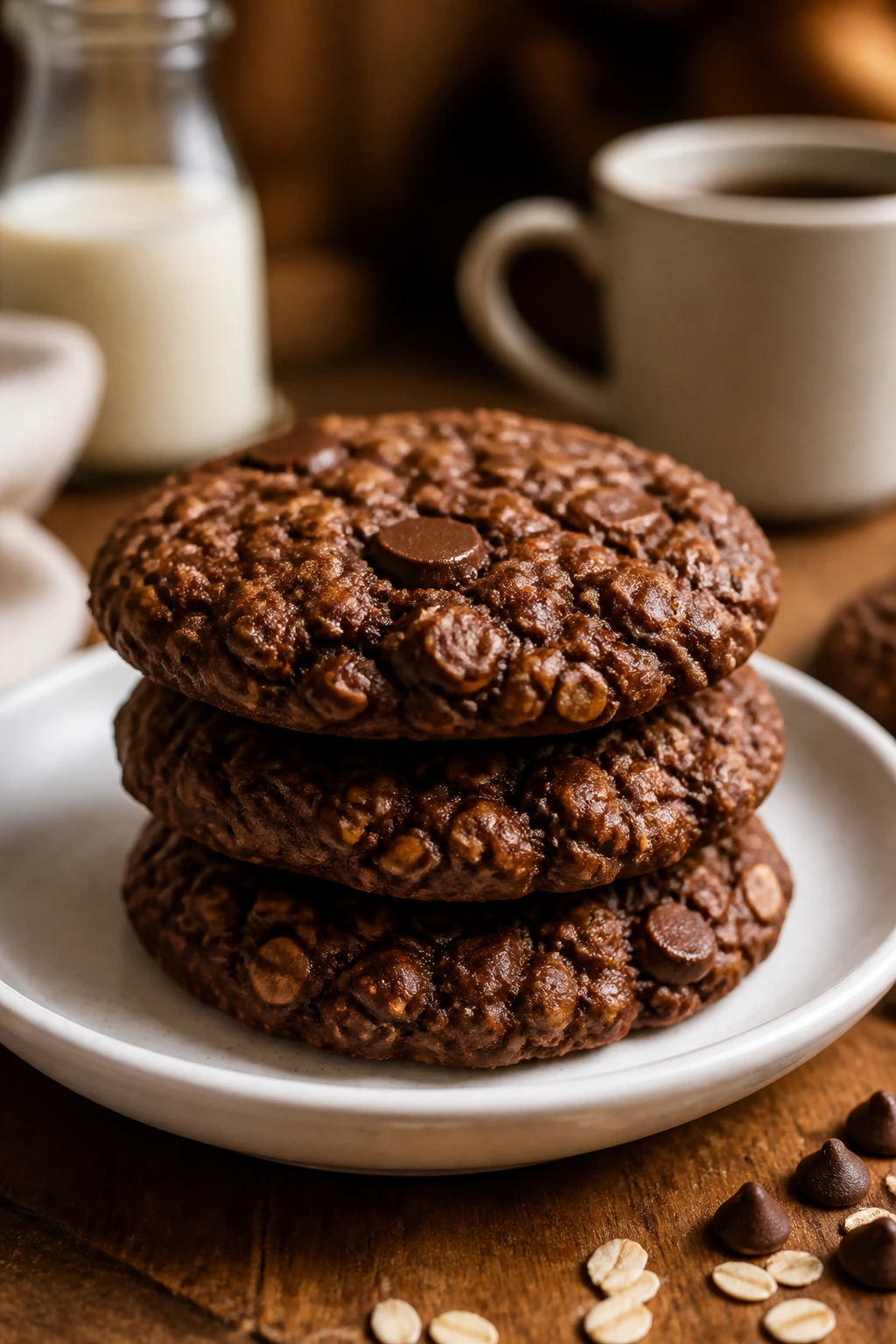
Presentation: Stack 3 cookies slightly offset on a plate or in a shallow bowl so the chocolate bits and oat texture are visible. If you’re serving the darker cocoa versions, a pinch of flaky salt on top makes them look finished without much effort.
Accompaniments: Cold milk is the obvious one, and it’s still the best for the classic, peanut butter, and s’mores cookies. Coffee suits the brown butter, espresso, maple pecan, and tahini versions. Vanilla ice cream turns the double chocolate, orange, and butterscotch cookies into proper dessert with almost no extra work.
Portions: Most of these recipes make standard 2-tablespoon cookies, which means 2 cookies is a normal serving and 3 is a dessert serving. If you want smaller lunchbox cookies, scoop 1 tablespoon of dough and shave 1 to 2 minutes off the bake time. If you want bakery-size cookies, scoop 3 tablespoons and give them a little more room on the sheet.
Beverage Pairing: A glass of whole milk works for almost every version. For coffee lovers, a black drip coffee or oat milk latte is especially good with the darker chocolate and espresso cookies. Tea is the sleeper pairing; strong black tea is excellent with orange, cherry almond, and coconut.
Additional Tips and Flavor Boosters
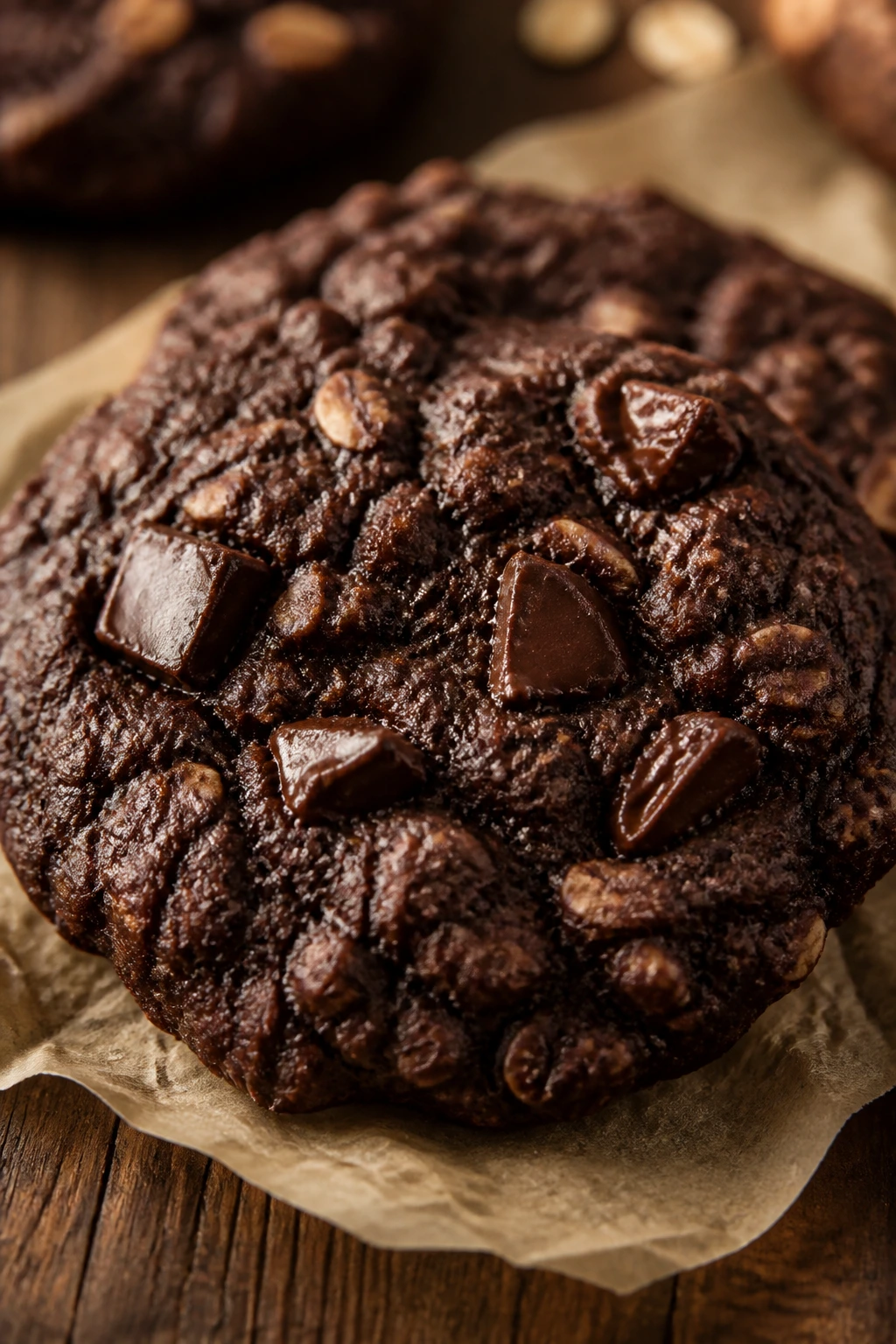
Flavor Enhancement: A tiny pinch of flaky salt on the warm cookies does more than most extra ingredients. It wakes up the chocolate, especially in the cocoa-heavy and butterscotch batches. A teaspoon of instant espresso powder can also sharpen any chocolate dough without making it taste like coffee.
Customization: If you like bigger chocolate pockets, chop a chocolate bar and use it instead of all chips. If you want more crunch, toast nuts for 8 to 10 minutes at 350°F before folding them in. And if you like a softer cookie, swap part of the semisweet chocolate for milk chocolate in just one batch and see which side you prefer.
Serving Suggestions: Warm cookies for 4 minutes in a 300°F oven if they’ve gone fully cool. That softens the edges just enough to make the chips feel fresh again. For dessert, sandwich vanilla ice cream between two cookies or crumble one over pudding or yogurt.
Make-It-Yours: For dairy-free baking, use a firm plant butter with a similar fat content and stick to the chilled versions of the dough. For nut-free batches, skip the nuts and use seeds, coconut, or more chocolate. For a less sweet cookie, choose dark chocolate and trim the granulated sugar by 2 to 3 tablespoons, but do not cut the brown sugar too aggressively or you lose chew.
Make-Ahead, Storage, and Reheating Guidance
Baked chocolate oatmeal cookies keep best in an airtight container at room temperature for 3 to 4 days. Put a sheet of parchment between layers if the cookies are soft or heavily chocolate-loaded. If your kitchen runs warm, the chocolate-heavy versions stay neater in the fridge, though the texture firms up a bit.
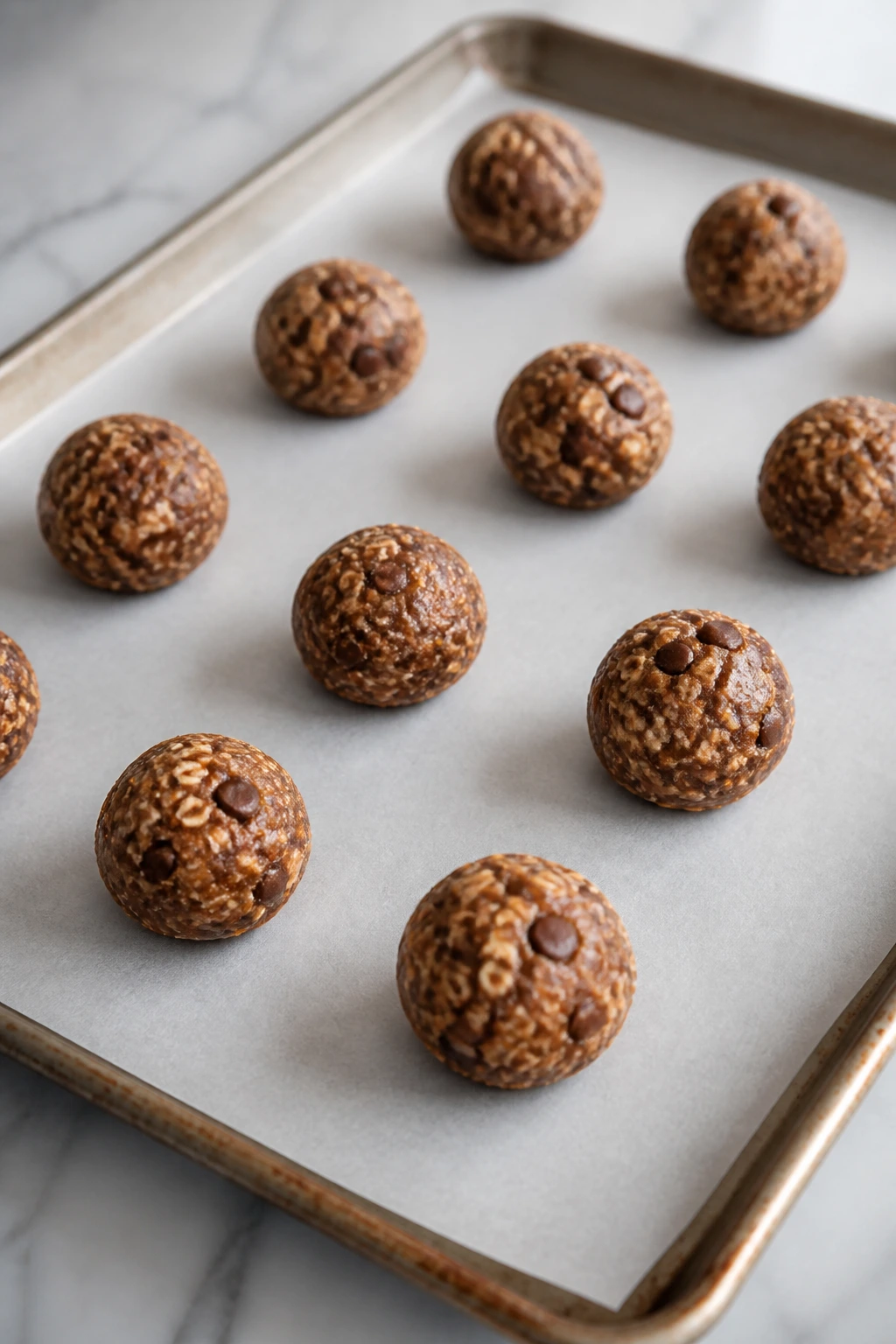
The dough freezes very well. Scoop it into balls, freeze them on a tray until solid, then move them to a freezer bag or container. Most of these doughs keep well for up to 3 months frozen. Bake straight from frozen and add about 1 extra minute, sometimes 2 if the cookies are large. That’s a useful trick when you want one or two cookies without baking a full batch.
For the banana and marshmallow versions, I prefer baking sooner rather than later. Banana dough softens as it sits, and marshmallows can create sticky pockets if left in the fridge for too long. The classic, brown butter, peanut butter, and double chocolate doughs hold up best as make-ahead doughs.
To reheat baked cookies, use a 300°F oven for 3 to 5 minutes if you want the edges to perk up and the centers to soften. A microwave works too, but keep it brief: 8 to 10 seconds for one cookie is enough. Any longer and the oats turn oddly leathery.
Variations and Adaptations to Try
-
Gluten-Free Oat Swap: Use certified gluten-free oats and a 1:1 gluten-free flour blend in place of the all-purpose flour. The dough may need a 20-minute chill because gluten-free blends often bake a little softer.
-
Dairy-Free Pantry Batch: Use plant butter with a high fat content and choose dairy-free chocolate chips. The cookies will spread slightly more if the butter is very soft, so chill the dough before baking.
-
Lower-Sugar Cookie Tin: Trim the granulated sugar by 2 tablespoons and use darker chocolate. Keep the brown sugar in place so the cookies still bake chewy instead of dry.
-
Kid-Friendly Mini Cookies: Scoop smaller mounds and bake for 8 to 9 minutes. Mini cookies keep the edges soft and make the add-ins less intense for younger eaters.
-
Nut-Free School Version: Skip nuts entirely and use coconut, chocolate chips, and seeds if needed. Pretzel, banana, coconut, and classic cocoa versions all adapt cleanly.
-
Region-Shifted Flavor: Add cinnamon and a touch of nutmeg to the maple, banana, or coconut cookies for a warmer flavor profile; add orange zest to the chocolate-heavy versions if you want a brighter edge.
Common Mistakes to Avoid
-
Packing in too much flour: Cookies that measure dry in the bowl usually bake up thick, dull, and crumbly. Spoon the flour into the cup and level it.
-
Using the wrong oats: Quick oats can work, but steel-cut oats do not soften enough in cookie dough. If you want the classic chewy bite, stick with rolled oats.
-
Skipping the chill when the dough is soft: Warm dough spreads before the oats and flour can set the shape. Even 15 to 20 minutes in the fridge can rescue a loose batch.
-
Overbaking because the centers look soft: That softness is the point. Cookies finish on the pan. If you wait until they look firm in the oven, you usually go too far.
-
Adding too many mix-ins: Once the dough gets crowded with chips, fruit, and nuts, it stops holding together. Keep the add-ins within the ranges listed, and reserve a few to press into the tops if you want more visual appeal.
-
Letting marshmallows or chocolate sit in hot dough too long: They melt, smear, and make scooping miserable. Work quickly on the stickier recipes.
Frequently Asked Questions
Can I use quick oats instead of rolled oats?
You can, but the texture changes. Quick oats make the cookies softer and a little tighter, while rolled oats give you more chew and a more obvious oat bite. If you do use quick oats, expect the cookies to spread a bit less and feel more uniform.
Do I really need to chill the dough?
Not always, but it helps more than people expect. If the dough feels sticky, shiny, or warm, a short chill keeps the cookies from spreading too fast. For banana, maple, tahini, or marshmallow-heavy versions, chilling is especially useful.
Can I freeze the dough before baking?
Yes. Shape the dough into balls, freeze them on a tray, then pack them into a freezer bag. Bake from frozen at the same temperature and add a minute or two to the bake time. That works well for nearly all the recipes here.
What cocoa powder should I buy?
Natural unsweetened cocoa is the easiest all-purpose choice. Dutch-process cocoa tastes darker and smoother, which is lovely in double chocolate or espresso versions, but natural cocoa gives a brighter, more familiar chocolate cookie flavor.
Why did my cookies spread too much?
Usually the butter was too warm, the flour was undermeasured, or the dough needed a chill. A hot tray can also cause spreading, so let baking sheets cool between batches. If the dough looks slack, refrigerate it for 20 minutes and try again.
Can I make these without a mixer?
Yes, though brown butter, peanut butter, and tahini doughs take more elbow grease. Soften the butter fully and use a sturdy wooden spoon or spatula. The cookies may be a touch denser, but they’ll still bake well.
How do I keep the cookies chewy after they cool?
Do not overbake them, and store them in an airtight container once fully cool. If they start to dry out, slip a small piece of sandwich bread into the container for a few hours. The bread gives up moisture and softens the cookies a bit.
Can I make these smaller for lunchboxes or larger for dessert plates?
Yes. Smaller scoops bake faster, usually in 8 to 9 minutes. Larger scoops need more space and usually 12 to 14 minutes. The key is the same: pull them when the edges are set and the centers still look a little soft.
A Tray Worth Repeating
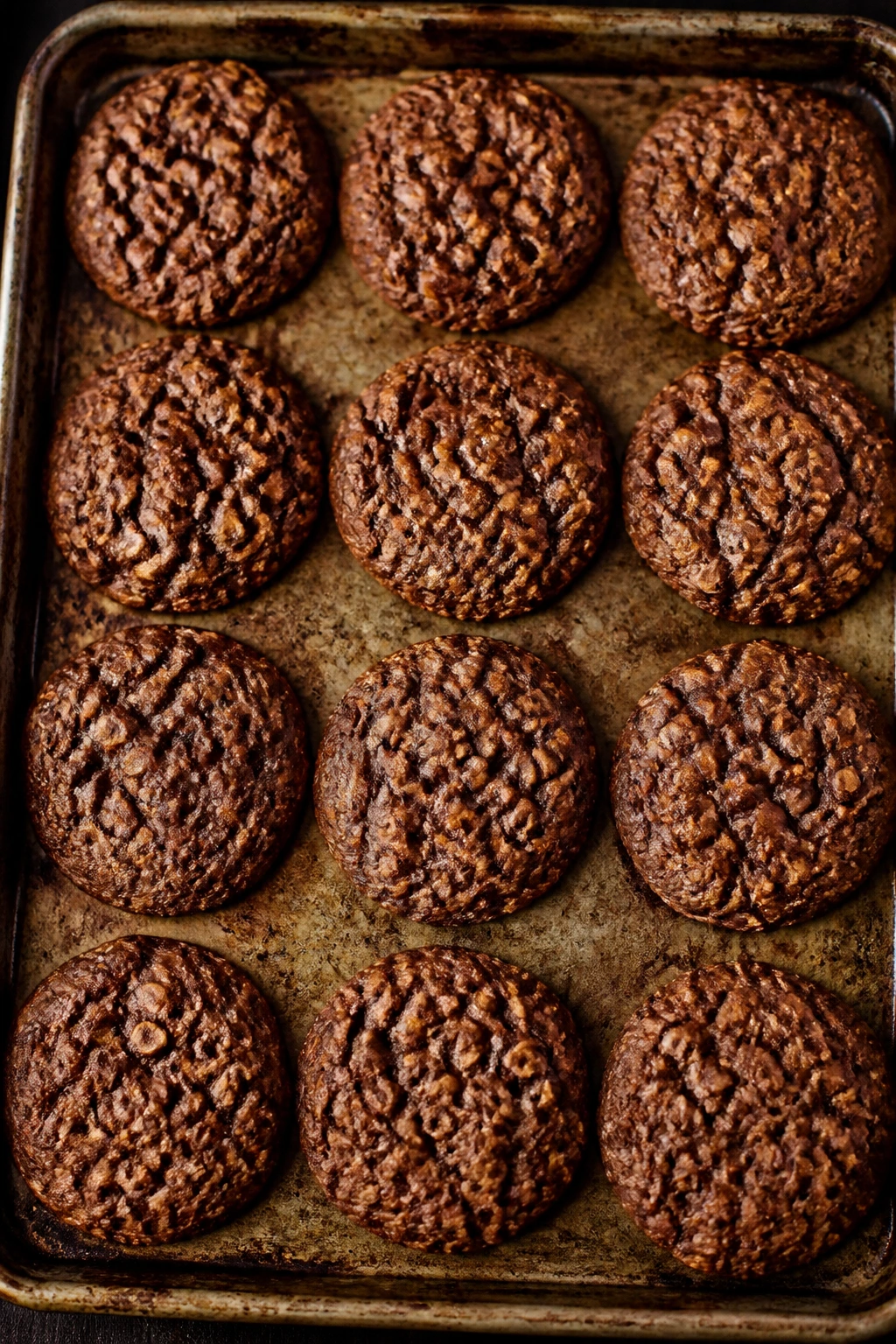
Chocolate oatmeal cookies don’t need fancy staging to earn their place in a kitchen. They are sturdy, flexible, and honest about what they are: a soft cookie with a little chew, a little chocolate, and enough structure to survive a beginner baker’s first few tries.
That makes them useful in a way many prettier cookies are not. You can keep the classic dough in your back pocket, then wander into peanut butter, orange, tahini, or s’mores whenever the pantry leans that way. One base. Fifteen directions. Plenty of room to pick a favorite and keep coming back to it.