



Pork chops get treated like a gamble far too often. People cook them as if they’re fragile, then overdo them by a minute or two, and suddenly dinner tastes dry and a little sad. That’s a shame, because pork chops can be one of the smartest weeknight cuts in the whole meat case: fast to cook, easy to season, and sturdy enough to take on bold sauces without falling apart.
The trick is simple, though not always obvious. Pick chops that are thick enough to stay juicy, give them enough salt, and stop cooking when the center hits 145°F / 63°C, then let them rest for a few minutes. That small pause matters. The juices settle, the surface stops steaming, and the meat eats tender instead of chalky.
That’s why pork chop dinners for busy weeknights deserve a spot in regular rotation. They can be skillet dinners, sheet-pan dinners, saucy one-pan dinners, or the kind that lean on pantry staples when the fridge looks sparse. A good pork chop also plays nicely with sharp mustard, sweet apples, smoky paprika, garlic butter, soy sauce, and a dozen other flavors that help dinner taste like it took more effort than it did.
Why This Collection Earns Its Place in the Rotation
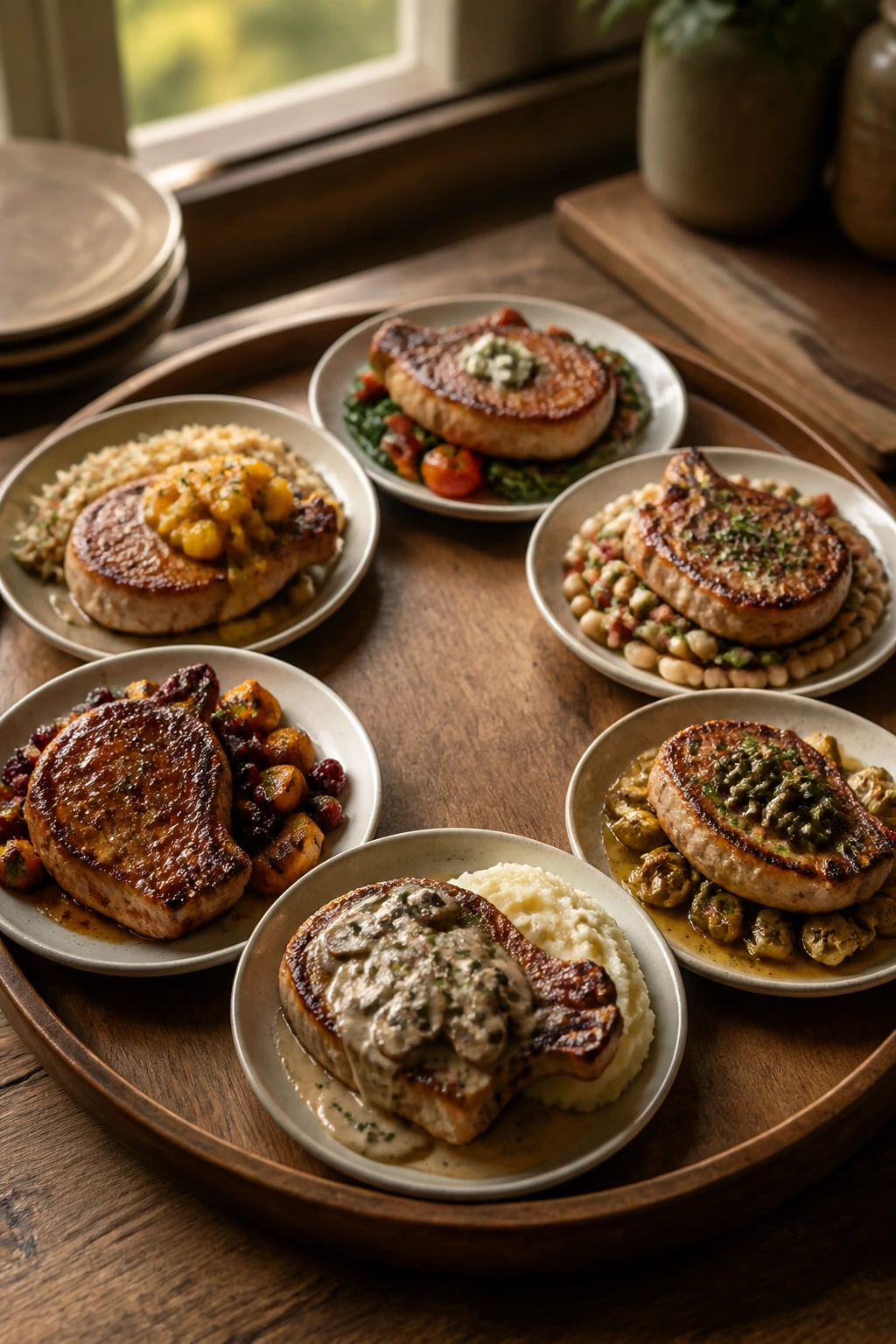
-
Fast without feeling rushed: Most of these dinners land on the table in 25 to 40 minutes, which is the sweet spot when the clock is already yelling at you.
-
Built around ordinary ingredients: You won’t need a specialty shop haul; these recipes lean on potatoes, onions, green beans, broth, mustard, rice, apples, beans, and other grocery-store basics.
-
Good use for different chop cuts: Bone-in, boneless, thick-cut, and thinner chops all have a place here, as long as you match the cooking method to the thickness.
-
Sauces do the heavy lifting: A quick pan sauce, glaze, or gravy turns a plain chop into dinner with a real point of view.
-
Leftovers stay useful: Cold pork chops work in grain bowls, chopped salads, fried rice, wraps, and hash the next day.
-
Easy to scale up: Most of these recipes double cleanly for a bigger family, a hungry guest, or a second round of lunches.
1. Garlic Butter Skillet Pork Chops
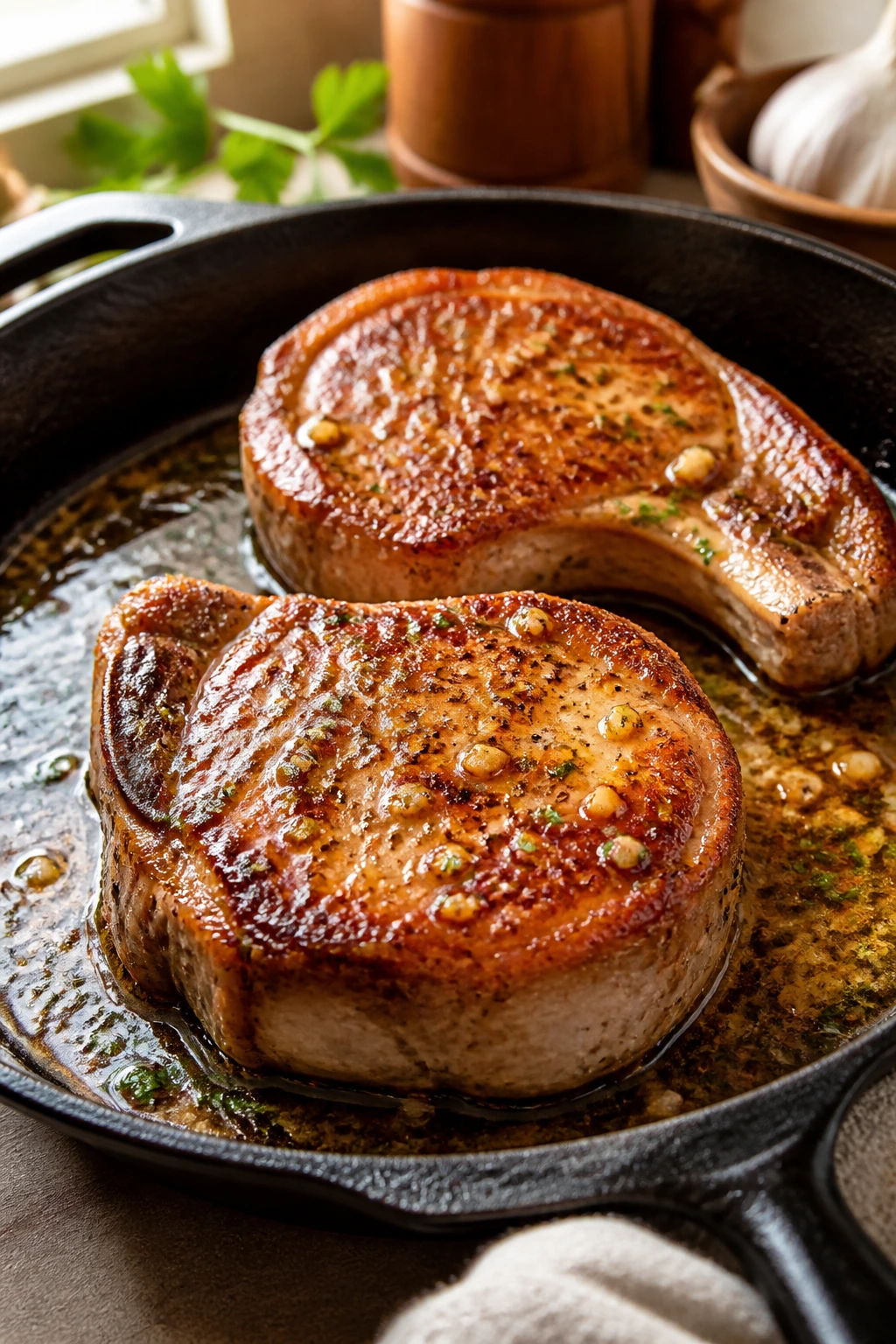
Garlic butter and pork chops is one of those pairings that feels old-school in the best possible way. The meat gets a hard sear, the pan picks up all the browned bits, and the sauce turns glossy in a way that makes a plain Tuesday feel less plain. If you want dinner that smells like you had your act together, this is a strong place to start.
The chops stay juicy because they cook fast and finish in the sauce instead of hanging around in the pan too long. That little splash of broth keeps the garlic from scorching, and the Dijon adds enough sharpness to keep the butter from tasting heavy. Use a thermometer, not vibes. That is the difference between tender and dry.
Why It Works on a Busy Night
A skillet dinner like this gives you control. You can sear the chops, build the sauce in the same pan, and be eating before the oven even finishes preheating. The garlic-butter base also masks the fact that the ingredient list is short, which is a useful trick on nights when you’re trying to spend less time cooking and more time getting the table cleared.
What You’ll Need:
- 4 boneless pork chops, about 1 inch thick
- 1 teaspoon kosher salt
- 1/2 teaspoon black pepper
- 1 teaspoon smoked paprika
- 2 tablespoons olive oil
- 2 tablespoons unsalted butter
- 4 garlic cloves, minced
- 1/2 cup low-sodium chicken broth
- 1 tablespoon Dijon mustard
- 1 tablespoon lemon juice
- 2 tablespoons chopped parsley
Quick Steps
-
Pat and season: Pat the pork chops dry, then season both sides with salt, pepper, and smoked paprika.
-
Sear hard: Heat the olive oil in a large skillet over medium-high heat. Add the chops and cook for 3 to 4 minutes per side, until deeply golden and the center is close to done.
-
Build the sauce: Lower the heat to medium. Add the butter and garlic, stirring for 30 seconds until fragrant, not brown.
-
Deglaze: Pour in the broth, Dijon, and lemon juice. Scrape up the browned bits from the pan and let the sauce simmer for 1 to 2 minutes.
-
Finish gently: Return the chops to the skillet and spoon the sauce over them until the meat reaches 145°F / 63°C.
-
Rest and serve: Let the chops rest for 3 minutes, then finish with parsley and spoon the pan sauce over the top.
Tips and Variations
- Best swap: Bone-in chops work too; add 1 to 2 minutes per side and watch the thermometer.
- Flavor shift: A pinch of red pepper flakes gives the sauce a little bite.
- Serving move: Spoon the extra sauce over mashed potatoes, rice, or buttered noodles.
2. Honey-Dijon Sheet-Pan Pork Chops with Potatoes and Green Beans
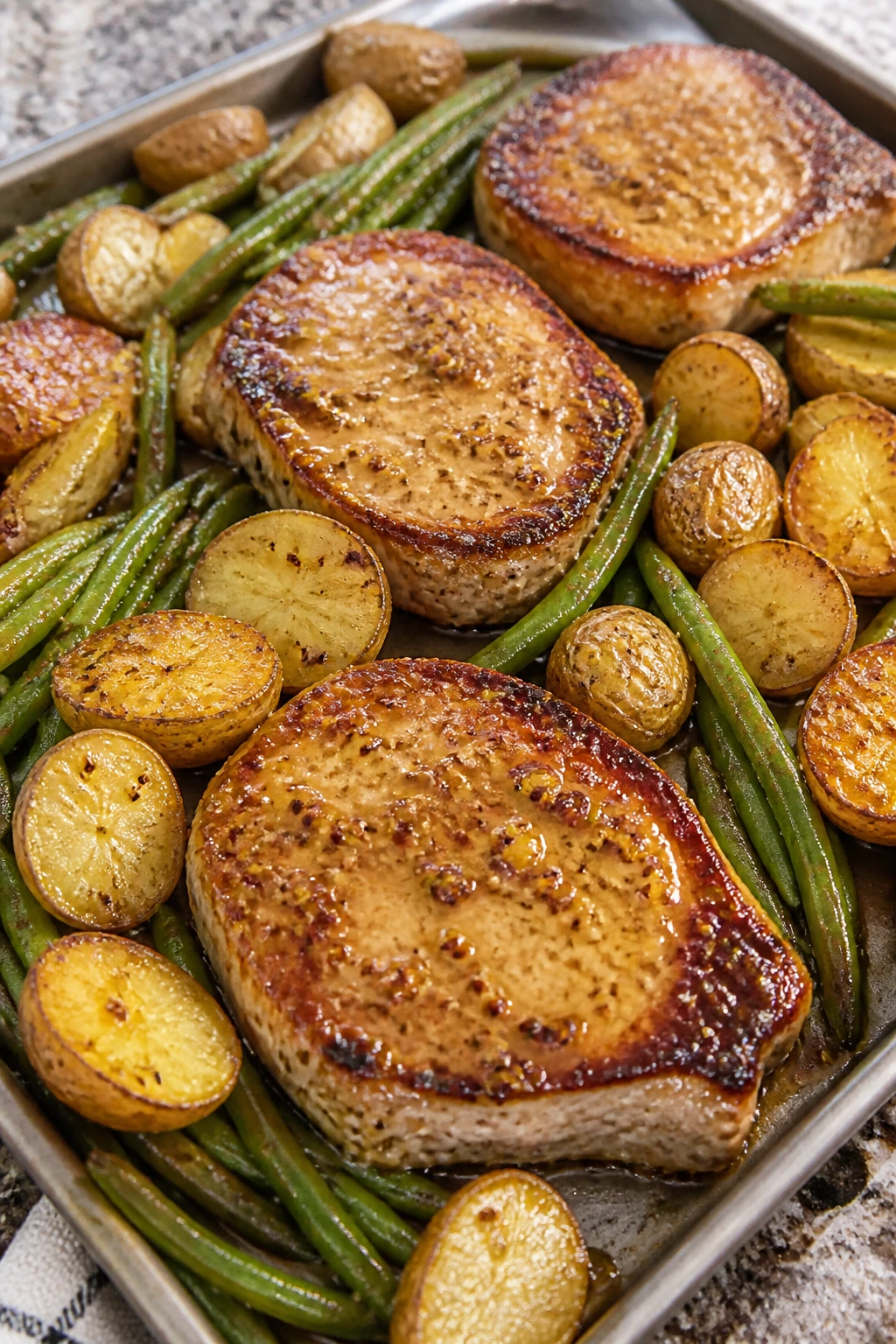
One pan. Two vegetables. Dinner that tastes like you planned ahead, even if you didn’t. The honey-Dijon glaze gives the pork a sticky, golden finish, and the potatoes catch the drippings in the best possible way. Green beans go in late so they stay snappy instead of limp.
This is the kind of meal that makes sheet-pan cooking worth keeping around. The potatoes need a head start, because pork chops and green beans cook faster than most people expect. Once everything lands together, the whole tray smells sweet, savory, and a little roasted around the edges.
Why This One Earns a Repeat
Sheet-pan dinners are useful because they keep cleanup down, but this one also works because the vegetables and the pork finish at roughly the same time. The honey in the glaze helps the chops brown, while Dijon keeps the sweetness from going flat. A quick broil at the end gives the edges some shine without pushing the meat past done.
What You’ll Need:
- 4 boneless or bone-in pork chops, about 1 inch thick
- 1 1/2 pounds baby potatoes, halved
- 12 ounces green beans, trimmed
- 2 tablespoons olive oil
- 1 teaspoon kosher salt
- 1/2 teaspoon black pepper
- 1 teaspoon garlic powder
- 1 teaspoon onion powder
- 3 tablespoons Dijon mustard
- 2 tablespoons honey
- 1 tablespoon lemon juice
- 1/2 teaspoon red pepper flakes, optional
Quick Steps
-
Heat the oven: Set the oven to 425°F / 220°C and line a rimmed sheet pan with parchment or foil.
-
Start the potatoes: Toss the potatoes with half the olive oil, salt, pepper, garlic powder, and onion powder. Roast for 15 minutes.
-
Mix the glaze: Stir together the Dijon, honey, lemon juice, and red pepper flakes in a small bowl.
-
Add the chops and beans: Toss the green beans with the remaining olive oil. Push the potatoes aside, add the chops and green beans to the pan, then brush the pork with the glaze.
-
Roast until done: Return the pan to the oven for 12 to 15 minutes, until the chops reach 145°F / 63°C and the potatoes are tender.
-
Broil briefly: Broil for 1 to 2 minutes if you want a darker glaze. Watch it closely; honey burns fast.
-
Rest: Let the chops sit for 3 minutes before serving.
Tips and Variations
- Time-saver: Cut the potatoes smaller if you want them to soften faster.
- Veg swap: Broccoli or Brussels sprouts can stand in for green beans.
- Better browning: Don’t crowd the pan too much, or the vegetables steam instead of roast.
3. Creamy Mushroom Pork Chops
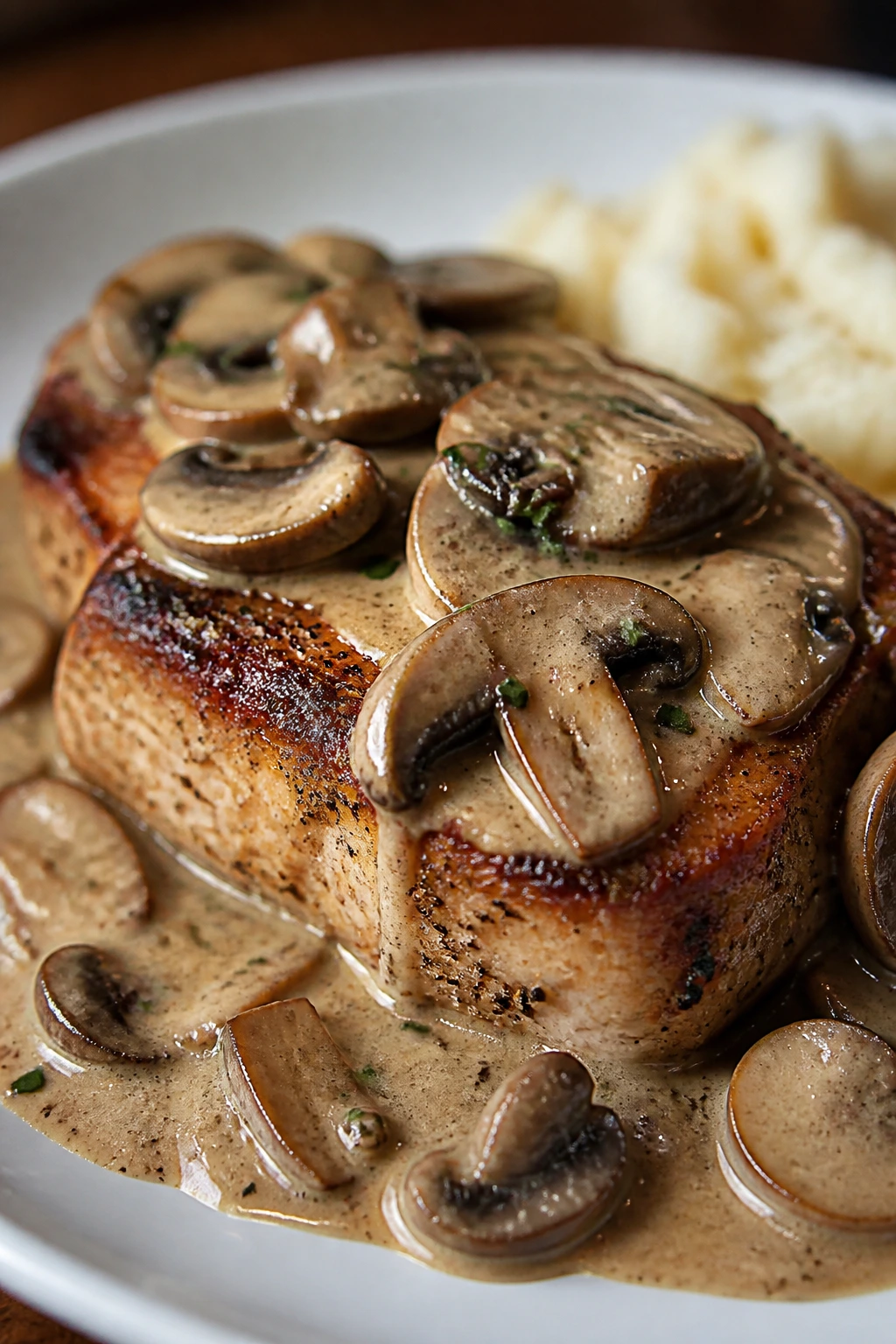
Mushrooms and pork chops have a way of making each other taste richer. The mushrooms soak up the browned bits left in the skillet, and the cream pulls the whole thing into a silky sauce that feels more dinner-party than weeknight, even though it’s still perfectly manageable on a regular evening. It’s a good recipe when you want something comforting without building a whole casserole.
The important detail here is heat management. Too high, and the cream can get fussy; too low, and the sauce never tightens up. Keep the skillet at a steady simmer, and let the mushrooms do their slow, quiet work before the chops go back in.
What Makes It Weeknight-Friendly
You only need one pan, and the sauce comes together while the chops rest for a minute. The mushrooms also stretch the meal in a practical way, which matters if you’re feeding more than two people or want leftovers that still feel like dinner, not scraps. Serve it with noodles, rice, or a pile of mashed potatoes if you want the gravy to disappear in a good way.
What You’ll Need:
- 4 pork chops, boneless or bone-in, about 1 inch thick
- 2 tablespoons all-purpose flour
- 1 teaspoon kosher salt
- 1/2 teaspoon black pepper
- 1 tablespoon olive oil
- 2 tablespoons unsalted butter
- 8 ounces cremini mushrooms, sliced
- 1 shallot, finely chopped
- 3 garlic cloves, minced
- 3/4 cup low-sodium chicken broth
- 1/2 cup heavy cream
- 1 teaspoon fresh thyme leaves or 1/2 teaspoon dried thyme
- 1 teaspoon Dijon mustard
- 2 tablespoons chopped parsley
Quick Steps
-
Season lightly: Mix the flour, salt, and pepper on a plate. Dredge the pork chops lightly on both sides, shaking off the extra flour.
-
Sear the chops: Heat the olive oil and 1 tablespoon butter in a skillet over medium-high heat. Cook the chops for 3 to 4 minutes per side until browned. Remove to a plate.
-
Cook the mushrooms: Add the remaining butter, mushrooms, and shallot to the skillet. Cook for 5 to 6 minutes until the mushrooms release their liquid and start to brown.
-
Add the garlic and liquid: Stir in the garlic for 30 seconds, then pour in the broth, cream, thyme, and Dijon. Simmer for 2 to 3 minutes until the sauce lightly coats a spoon.
-
Finish the chops: Return the pork chops to the pan and simmer gently until they reach 145°F / 63°C, usually 2 to 4 minutes.
-
Serve: Spoon the mushrooms and sauce over the chops, then scatter parsley on top.
Tips and Variations
- Cream swap: Half-and-half works, but the sauce will stay a little looser.
- Extra depth: A splash of dry white wine before the broth gives the mushrooms more lift.
- Vegetable add-in: Stir in a handful of spinach at the end if you want something green in the pan.
4. Pork Chops with Apples and Onions
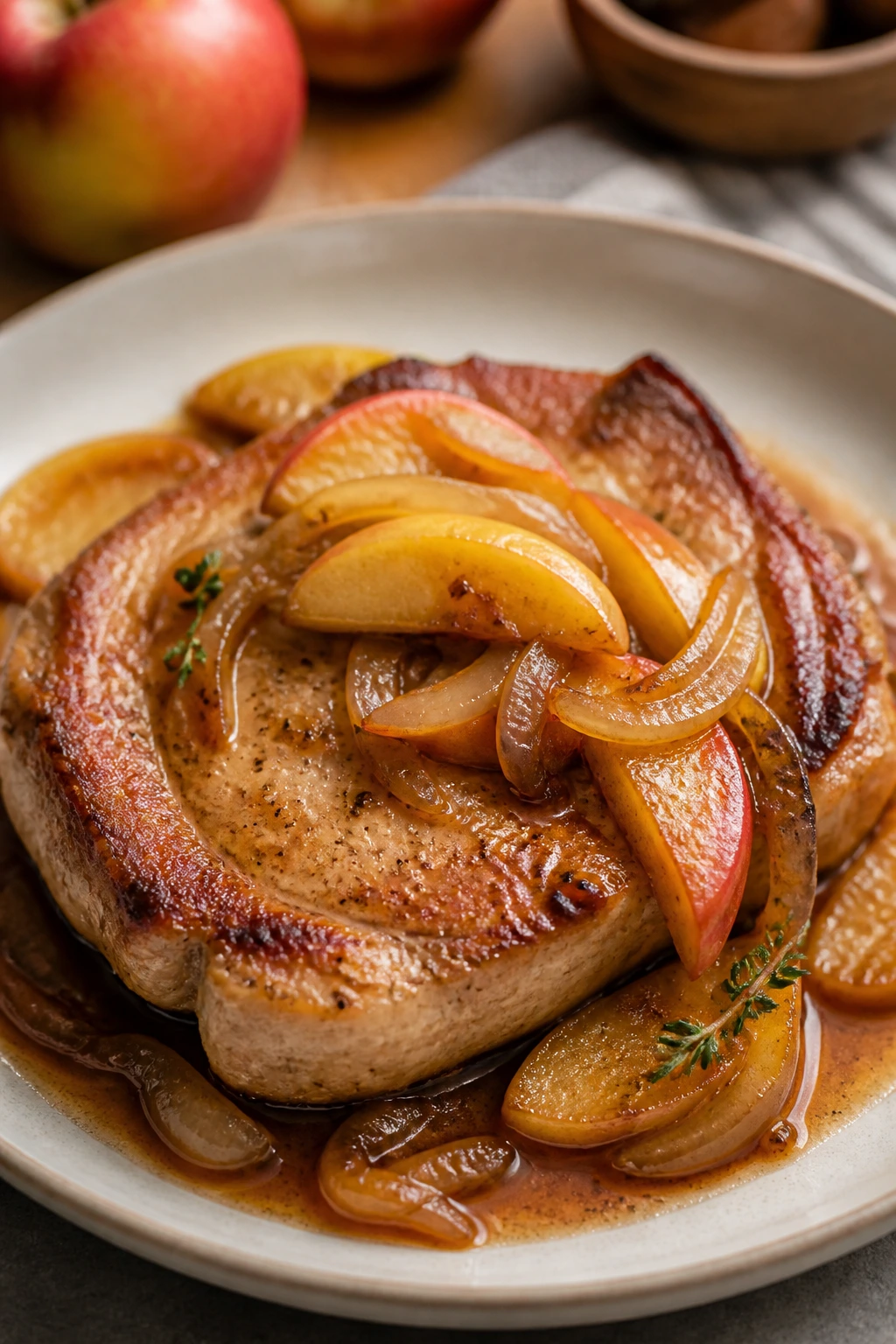
Apples and pork have been sharing the same skillet for a long time for a reason. The fruit softens into something sweet and almost jammy, the onions go golden, and the pork picks up just enough of that flavor to taste balanced instead of sugary. It smells like a fall dinner, but it works any time you’ve got apples around and need a plan.
The key is choosing an apple that keeps some shape. Granny Smith brings sharpness; Honeycrisp stays a little sweeter and still bites back enough to matter. Either way, don’t let the slices cook to complete mush. You want them tender, not invisible.
Why This One Holds Up
This dinner works because the sauce is built from the fruit’s own juices plus a little cider and mustard, so it tastes layered without asking for much effort. It also gives you a way to use up apples that are still good but no longer crisp enough for snacking. If you like savory food with a little sweetness in the background, this is the lane.
What You’ll Need:
- 4 boneless pork chops, about 1 inch thick
- 1 teaspoon kosher salt
- 1/2 teaspoon black pepper
- 1/2 teaspoon smoked paprika
- 2 tablespoons olive oil
- 2 tablespoons unsalted butter
- 1 large yellow onion, thinly sliced
- 2 apples, cored and sliced into wedges
- 3/4 cup apple cider
- 1 tablespoon Dijon mustard
- 1 teaspoon fresh thyme leaves or 1/2 teaspoon dried thyme
- 1 tablespoon apple cider vinegar
Quick Steps
-
Season the chops: Pat the pork dry and season with salt, pepper, and paprika.
-
Brown the meat: Heat the olive oil in a large skillet over medium-high heat. Sear the chops for 3 to 4 minutes per side, then transfer to a plate.
-
Soften the onion and apples: Lower the heat to medium. Add the butter, onion, and apples, and cook for 6 to 8 minutes, stirring now and then, until the onion is soft and the apples have edges of gold.
-
Build the sauce: Pour in the cider, Dijon, thyme, and vinegar. Let it simmer for 2 to 3 minutes so it reduces slightly.
-
Finish together: Return the chops to the skillet and cook gently until they reach 145°F / 63°C, spooning the sauce over them.
-
Rest and plate: Let the meat rest for 3 minutes, then serve with the onions and apples piled on top.
Tips and Variations
- Best apple choice: Tart apples keep the sauce from getting too sweet.
- Herb change-up: Sage works just as well as thyme here.
- Serving move: Spoon this over buttered egg noodles or mashed sweet potatoes.
5. Parmesan-Crusted Pork Chops with Tomatoes and Spinach
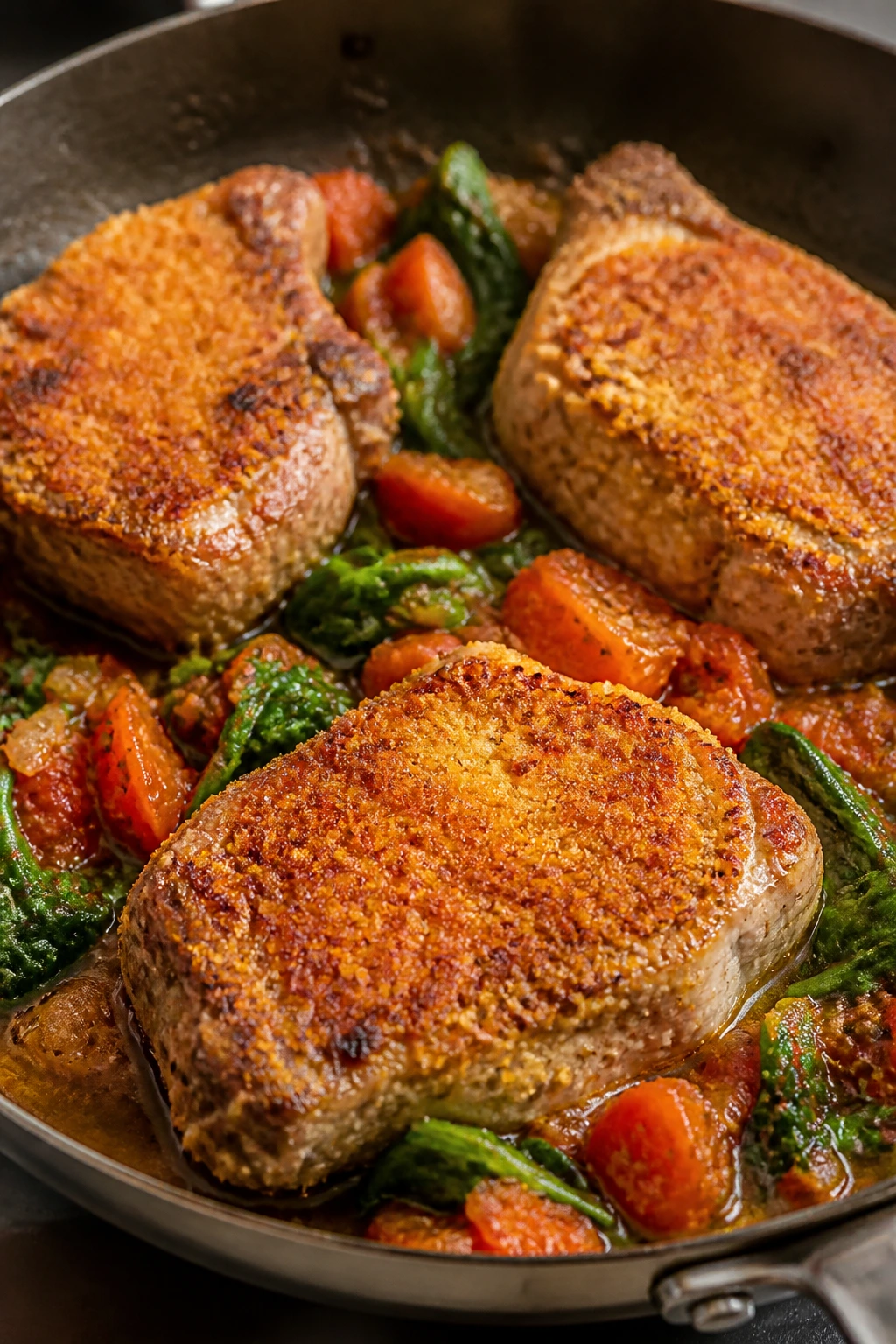
A crunchy Parmesan crust changes the whole mood of pork chops. You get salty, toasted edges, a juicy center, and a skillet of tomatoes that collapse into a quick sauce when the heat hits them. Spinach goes in at the end, barely wilting, which keeps the dish fresh instead of heavy.
This one feels a little more dressed up than the average Tuesday dinner, but it still moves fast. The crust helps protect the meat from drying out, and the tomatoes bring enough moisture that you don’t need a separate sauce pan. I like it because it looks like more effort than it actually asks for.
Why It Stays in the Weeknight Stack
Breaded chops can feel fussy, but this version skips the mess of a deep fry and uses a simple egg-and-Parmesan coating instead. The crust also makes thinner chops easier to manage, because the coating buys you a little insulation in the pan. If your family likes chicken cutlets, this will land in the same happy territory.
What You’ll Need:
- 4 boneless pork chops, about 3/4 to 1 inch thick
- 1/2 cup all-purpose flour
- 2 large eggs, beaten
- 1 cup panko breadcrumbs
- 3/4 cup finely grated Parmesan cheese
- 1 teaspoon garlic powder
- 1 teaspoon Italian seasoning
- 1 teaspoon kosher salt
- 1/2 teaspoon black pepper
- 3 tablespoons olive oil
- 1 tablespoon butter
- 1 pint cherry tomatoes
- 3 garlic cloves, minced
- 4 ounces baby spinach
- 1 tablespoon lemon juice
Quick Steps
-
Set up the breading: Put the flour in one shallow bowl, the eggs in another, and mix the panko, Parmesan, garlic powder, Italian seasoning, salt, and pepper in a third.
-
Coat the chops: Dredge each chop in flour, dip in egg, then press into the Parmesan mixture so the coating sticks well.
-
Pan-fry: Heat the olive oil and butter in a large skillet over medium heat. Cook the chops for 4 to 5 minutes per side until golden and cooked through to 145°F / 63°C.
-
Cook the tomatoes: Transfer the chops to a plate. Add the tomatoes to the same skillet and cook for 3 to 4 minutes until they burst. Stir in the garlic for 30 seconds.
-
Wilt the spinach: Add the spinach and lemon juice, tossing until the leaves just collapse.
-
Serve: Spoon the tomato mixture over or beside the chops.
Tips and Variations
- Crisper crust: Let the breaded chops sit for 5 minutes before frying so the coating clings better.
- Cheese swap: Pecorino Romano gives a sharper, saltier finish.
- Shortcut: Use baby arugula instead of spinach if that’s what’s in the fridge.
6. BBQ Pork Chops with Sweet Potatoes
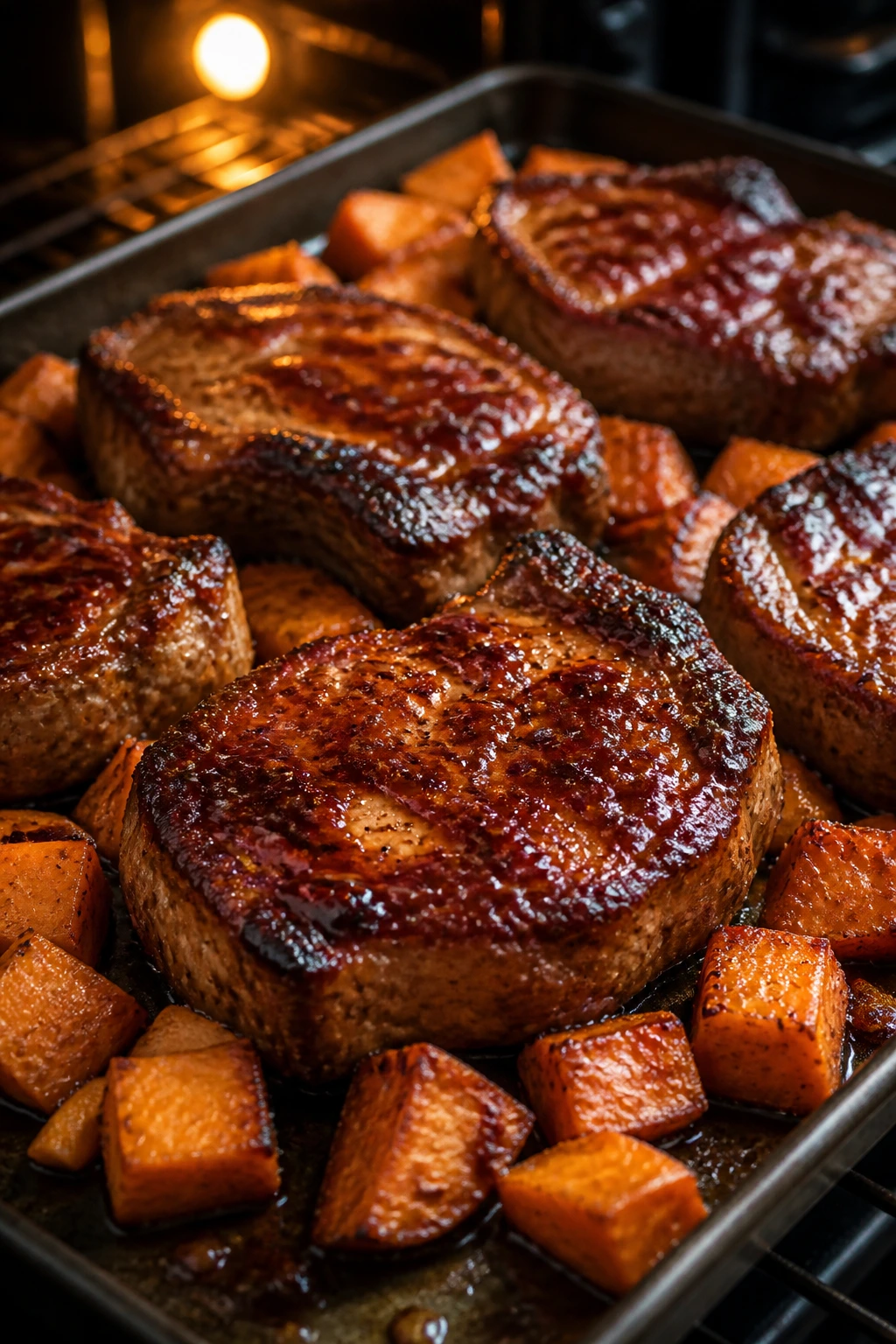
BBQ sauce is not only for ribs and backyard grills. On pork chops, it turns into a sticky glaze that caramelizes in the oven and clings to the edges in a way that feels deeply satisfying. Pair that with roasted sweet potatoes and you have a dinner that hits sweet, smoky, and savory without much trouble.
The sweet potatoes do a lot here. They roast in the same pan, catch a little of the BBQ drippings, and give you a starchy side without dragging out another pot. If you want a dinner that tastes more casual than fancy, this one sits in that sweet spot.
Why It Works in One Pan
This recipe is built around timing. The sweet potatoes go in first because they need the longest roast, and the pork chops join later so they don’t dry out. The sauce needs to be added near the end, because sugary BBQ sauce can burn if it sits under high heat for too long. That timing makes the meal feel simple instead of sloppy.
What You’ll Need:
- 4 pork chops, bone-in or boneless, about 1 inch thick
- 2 large sweet potatoes, peeled and cut into 1-inch cubes
- 1 small red onion, cut into wedges
- 2 tablespoons olive oil
- 1 teaspoon kosher salt
- 1/2 teaspoon black pepper
- 1 teaspoon smoked paprika
- 1 teaspoon garlic powder
- 1/2 cup BBQ sauce
- 1 tablespoon apple cider vinegar
Quick Steps
-
Preheat and prep: Heat the oven to 400°F / 205°C and line a sheet pan with parchment.
-
Roast the vegetables: Toss the sweet potatoes and onion with olive oil, salt, pepper, smoked paprika, and garlic powder. Roast for 15 minutes.
-
Season the chops: Pat the pork dry and season lightly with salt and pepper.
-
Add the pork: Push the vegetables aside and place the chops on the pan. Brush them with BBQ sauce mixed with vinegar.
-
Finish roasting: Return the pan to the oven for 12 to 15 minutes, until the sweet potatoes are tender and the pork reaches 145°F / 63°C.
-
Rest and glaze again: Let the chops rest for 3 minutes, then brush on any extra sauce left in the bowl.
Tips and Variations
- Best sauce choice: A thick, smoky BBQ sauce clings better than a thin, vinegary one.
- Extra heat: Stir a little chipotle paste into the sauce if you like a smoky bite.
- Veg add-on: Bell peppers can roast alongside the sweet potatoes if you want more color.
7. Salsa Verde Pork Chops with Black Beans and Corn
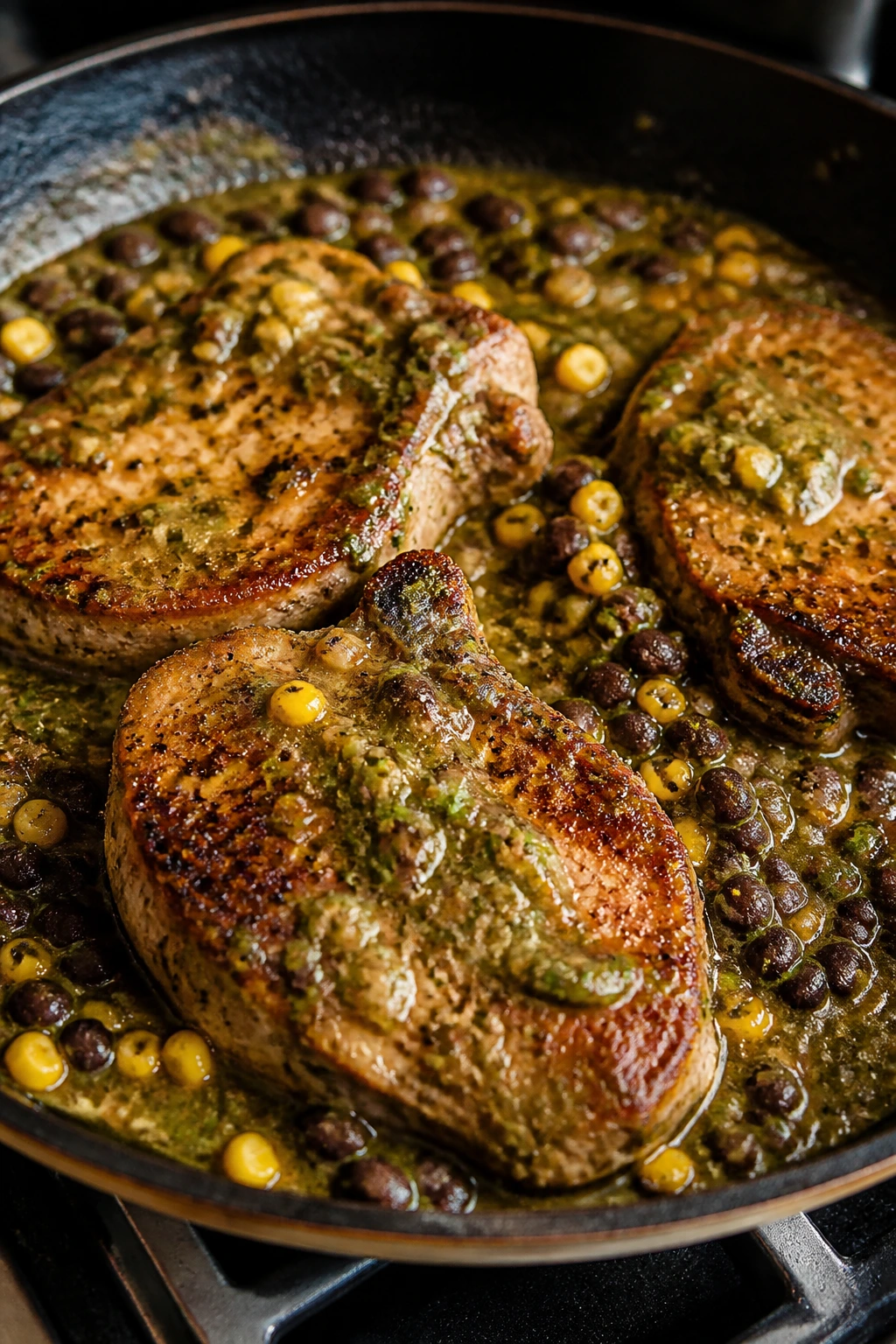
Salsa verde brings a clean, tangy hit that wakes pork chops up fast. The green sauce cuts through the richness of the meat, while black beans and corn turn the skillet into a full meal with almost no extra work. It’s lively, fast, and a little brighter than the usual pork chop dinner.
This is the kind of recipe I lean on when I want dinner to feel less heavy. A jar of salsa verde does more than most people give it credit for; it seasons the whole pan, not just the surface. Add lime at the end, and the dish gets a fresh finish that keeps it from feeling flat.
What Makes It Weeknight-Friendly
Black beans and corn are useful because they already bring texture, color, and enough substance to stretch the meal. The pork chops can sear first, then finish simmering in the sauce while the beans heat through. It all happens in one skillet, which matters when you do not want a stack of dishes waiting for you later.
What You’ll Need:
- 4 boneless pork chops, about 1 inch thick
- 1 teaspoon kosher salt
- 1/2 teaspoon black pepper
- 1 teaspoon ground cumin
- 2 tablespoons olive oil
- 1 small red onion, diced
- 1 can black beans, drained and rinsed
- 1 cup corn kernels, fresh or frozen
- 1 cup salsa verde
- 1/2 cup low-sodium chicken broth
- 1 lime, cut into wedges
- 2 tablespoons chopped cilantro
Quick Steps
-
Season the chops: Sprinkle the pork with salt, pepper, and cumin.
-
Sear briefly: Heat the olive oil in a large skillet over medium-high heat. Cook the chops for 3 to 4 minutes per side, then remove them.
-
Soften the onion: Add the onion to the skillet and cook for 2 to 3 minutes until fragrant and translucent.
-
Add the beans and corn: Stir in the black beans, corn, salsa verde, and broth. Simmer for 2 minutes.
-
Return the pork: Nestle the chops into the sauce and cook for 2 to 4 minutes more, until they reach 145°F / 63°C.
-
Finish fresh: Squeeze lime over the top and scatter cilantro before serving.
Tips and Variations
- Better texture: Frozen corn works well, but thaw it first so it doesn’t water down the sauce.
- Serving idea: Warm tortillas turn this into an easy taco night.
- Flavor boost: Add diced avocado at the table for a creamier finish.
8. Cajun Pork Chops and Rice
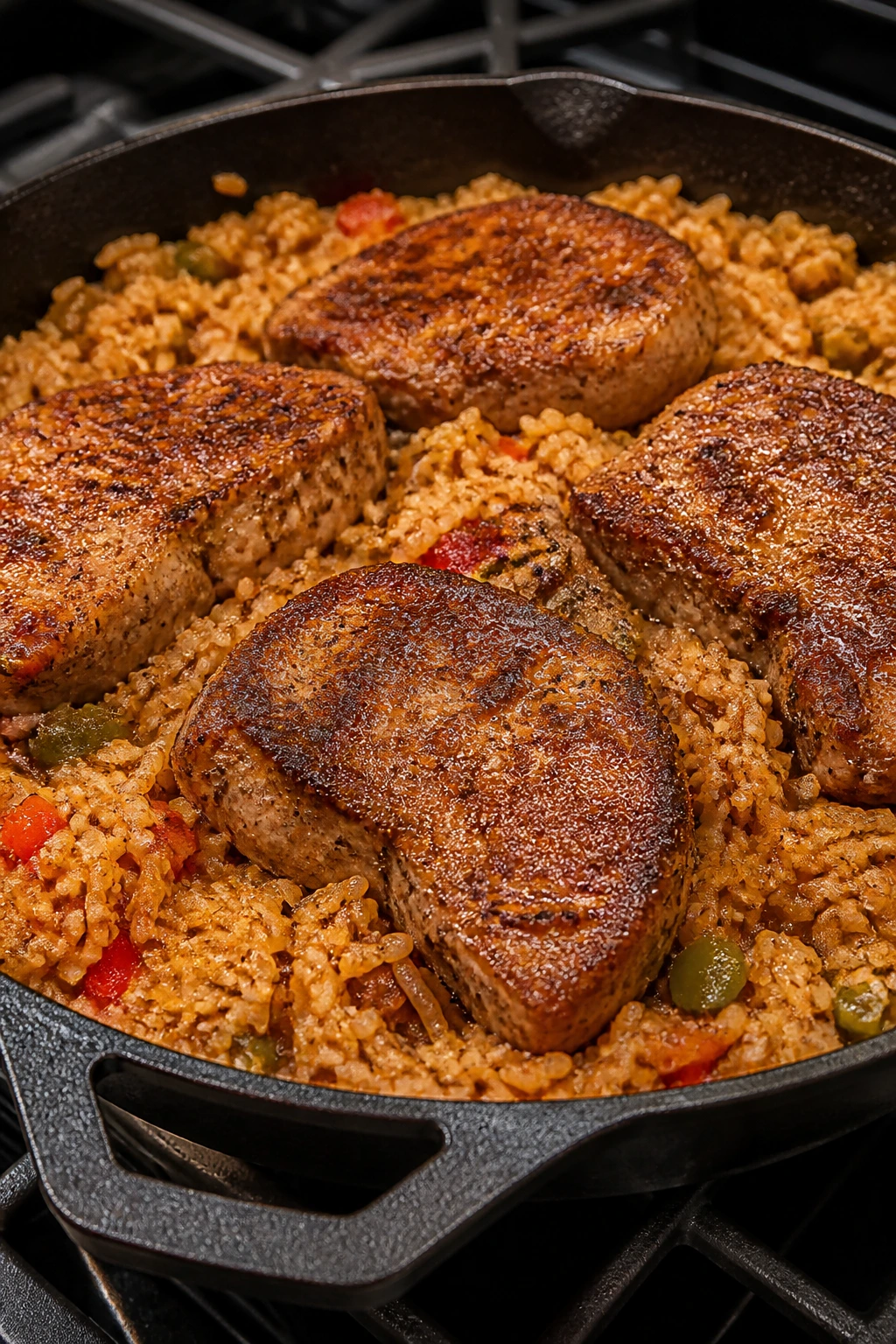
Rice cooked under pork chops is one of those low-fuss tricks that feels smarter than it should. The rice absorbs broth, spices, and pork drippings, so you get a full meal without cooking a side separately. Cajun seasoning gives the skillet a little heat and a lot of personality.
This is a hearty dinner, but not a heavy one if you keep the seasoning balanced. The onions and peppers soften into the rice, and the whole pan ends up with a savory smell that makes the kitchen feel busy in a good way. Use a heavy skillet with a lid. Thin pans can scorch the rice before the liquid is gone.
Why It Works in One Skillet
The rice cooks in the same pan as the pork, which saves time and steals flavor from the meat as it goes. The chops don’t need to be browned perfectly before the rice goes in; they just need a good sear and enough room to finish gently. This is a practical dinner, not a fussy one.
What You’ll Need:
- 4 boneless pork chops, about 3/4 to 1 inch thick
- 2 tablespoons Cajun seasoning
- 1 tablespoon olive oil
- 1 tablespoon butter
- 1 small yellow onion, diced
- 1 red bell pepper, diced
- 2 garlic cloves, minced
- 1 cup long-grain white rice, rinsed
- 2 cups low-sodium chicken broth
- 1/2 cup diced tomatoes, drained
- 2 tablespoons chopped parsley
Quick Steps
-
Season the pork: Coat the chops with Cajun seasoning on both sides.
-
Brown them: Heat the olive oil and butter in a large skillet with a lid over medium-high heat. Sear the chops for 3 minutes per side, then set them aside.
-
Cook the vegetables: Add the onion and bell pepper to the skillet. Cook for 3 to 4 minutes, then stir in the garlic for 30 seconds.
-
Add the rice: Stir in the rice and toast it for 1 minute. Pour in the broth and diced tomatoes, scraping the bottom of the pan.
-
Nestle and simmer: Place the chops on top, cover, and cook on low heat for 18 to 20 minutes, until the rice is tender and the pork reaches 145°F / 63°C.
-
Rest: Let the skillet sit off the heat for 5 minutes before fluffing the rice and serving.
Tips and Variations
- Heat control: If your Cajun seasoning is very salty, cut back on added salt.
- Rice choice: Long-grain white rice works best; brown rice needs more liquid and time.
- Extra color: A handful of sliced scallions at the end sharpens the whole pan.
9. Teriyaki Pork Chops with Broccoli
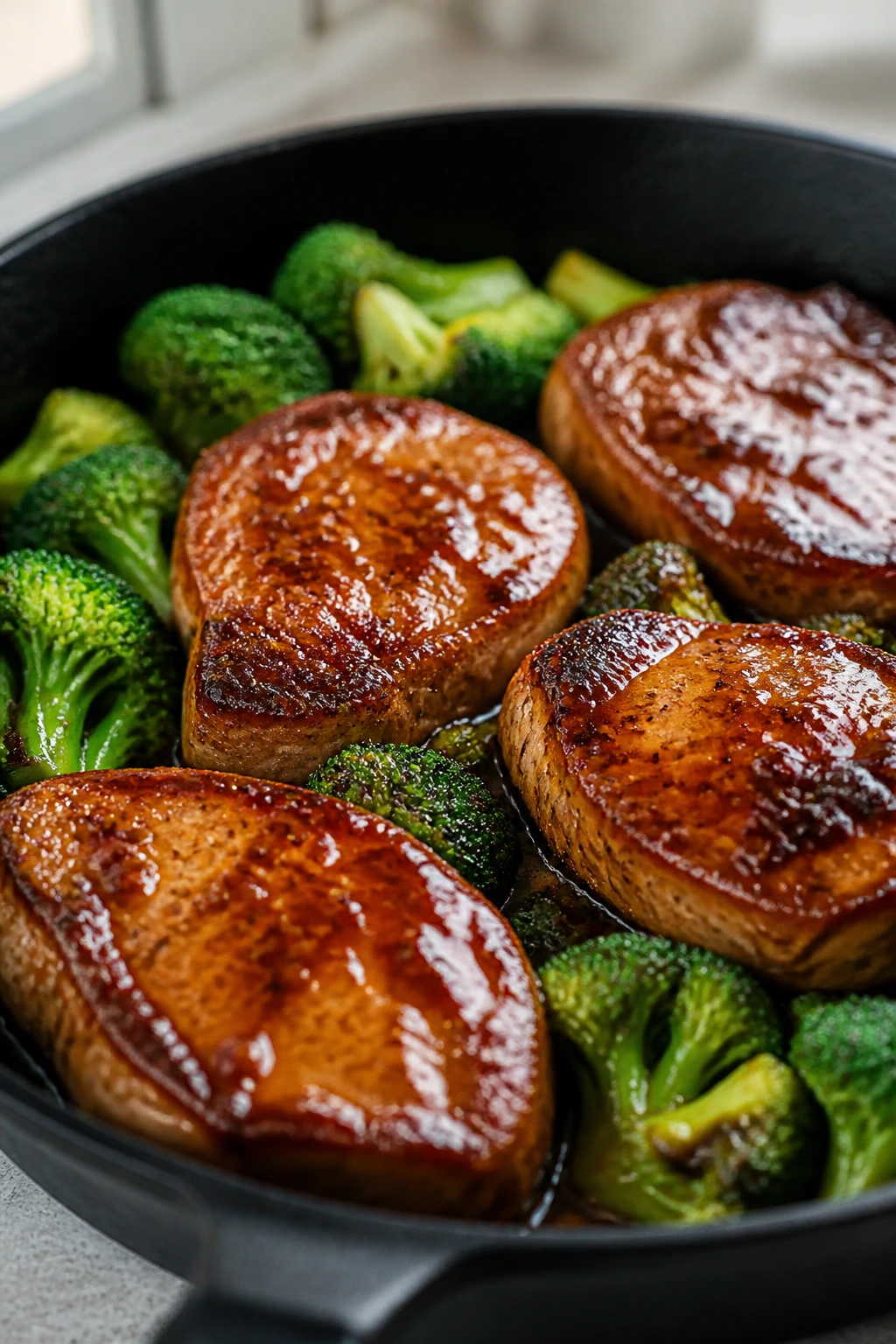
Teriyaki brings gloss, salt, and a little sweetness in one hit, which is why it works so well with pork chops. The sauce clings to the meat, the broccoli catches some of the glaze, and dinner suddenly feels balanced instead of random. If you keep a bottle of soy sauce and ginger around, this one is almost unfairly easy.
The trick is to build the sauce before the pork is done, not after. That way the glaze has time to thicken and coat the chops instead of pooling at the bottom of the pan. Broccoli fits because it cooks quickly and soaks up sauce without going mushy.
Why It Belongs in the Weeknight Lineup
This recipe is quick, but it also covers a lot of bases at once: protein, vegetable, and sauce. The glaze only needs a few minutes to turn shiny, and the cornstarch thickens it enough to feel deliberate. Serve it with rice if you want a full bowl, or keep it simple with steamed rice on the side.
What You’ll Need:
- 4 boneless pork chops, about 1 inch thick
- 1/4 cup low-sodium soy sauce
- 2 tablespoons honey or brown sugar
- 1 tablespoon rice vinegar
- 1 teaspoon grated fresh ginger
- 2 garlic cloves, minced
- 1 teaspoon cornstarch
- 2 tablespoons water
- 4 cups broccoli florets
- 1 teaspoon sesame oil
- 1 tablespoon neutral oil
- 1 tablespoon sesame seeds
- 2 scallions, sliced
Quick Steps
-
Make the sauce: Whisk the soy sauce, honey, rice vinegar, ginger, garlic, cornstarch, and water in a small bowl.
-
Sear the pork: Heat the neutral oil in a skillet over medium-high heat. Cook the pork chops for 3 to 4 minutes per side, until browned and nearly cooked through. Remove them.
-
Cook the broccoli: Add the broccoli and a splash of water to the skillet. Cover for 2 minutes so it turns bright green and just tender.
-
Add the glaze: Pour in the teriyaki sauce and stir for 1 to 2 minutes until thick and glossy.
-
Finish the chops: Return the pork to the skillet and spoon the sauce over it until the meat reaches 145°F / 63°C.
-
Serve: Drizzle with sesame oil and finish with sesame seeds and scallions.
Tips and Variations
- Faster broccoli: Microwave the florets for 1 minute before they hit the skillet.
- Swap the sweetener: Maple syrup can stand in for honey if that’s what you have.
- Better bite: A few chili flakes in the sauce keep the glaze from tasting one-note.
10. Ranch Pork Chops with Baby Potatoes and Carrots
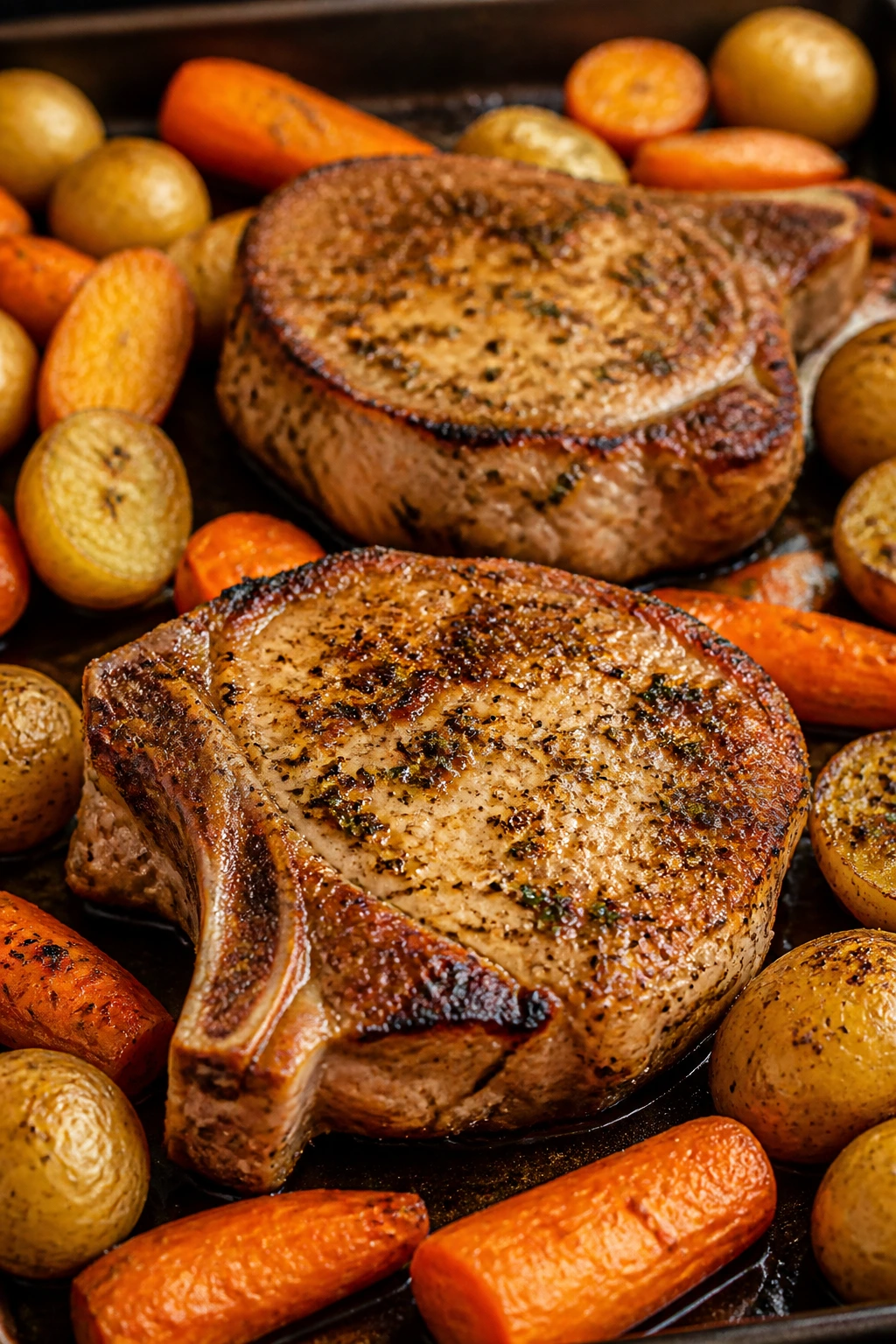
Ranch seasoning gets written off as a shortcut, but it has a place, and pork chops are one of those places. The herbs and garlic in the mix give the meat a familiar, savory crust, while the potatoes and carrots roast right alongside it. It’s straightforward in a way that can be deeply comforting after a long day.
This recipe is useful because it does not ask you to think very hard. The vegetables go down first, the chops join later, and the seasoning does enough work that you don’t need to build a sauce from scratch. If your household likes ranch flavor on anything from chicken to potatoes, this one will disappear fast.
Why It Works
The seasoning packet or homemade ranch blend gives you a dependable base of onion, garlic, dill, and black pepper without dirtying a dozen measuring spoons. The carrots and potatoes roast until their edges brown, which makes the tray feel complete even before you add a garnish. It’s the sort of dinner that makes a forkful of potato worth waiting for.
What You’ll Need:
- 4 pork chops, boneless or bone-in, about 1 inch thick
- 1 1/2 pounds baby potatoes, halved
- 4 medium carrots, cut into 2-inch pieces
- 2 tablespoons olive oil
- 2 tablespoons ranch seasoning
- 1 teaspoon kosher salt
- 1/2 teaspoon black pepper
- 1 tablespoon butter, melted
- 1 tablespoon chopped parsley
- 2 tablespoons grated Parmesan, optional
Quick Steps
-
Heat the oven: Set the oven to 425°F / 220°C and line a sheet pan.
-
Start the vegetables: Toss the potatoes and carrots with olive oil, half the ranch seasoning, salt, and pepper. Roast for 15 minutes.
-
Season the pork: Brush the chops with melted butter, then rub on the remaining ranch seasoning.
-
Add the chops: Move the vegetables around and place the pork on the pan. Roast for 12 to 15 minutes, until the meat reaches 145°F / 63°C and the vegetables are tender.
-
Finish: Sprinkle with parsley and Parmesan if you want a salty finish.
Tips and Variations
- Best cut: Bone-in chops hold heat a little better on the sheet pan.
- Make it brighter: A squeeze of lemon at the end cuts the richness nicely.
- Shortcut: Pre-cut carrots and baby potatoes save real time here.
11. Lemon Herb Pork Chops with Couscous and Asparagus
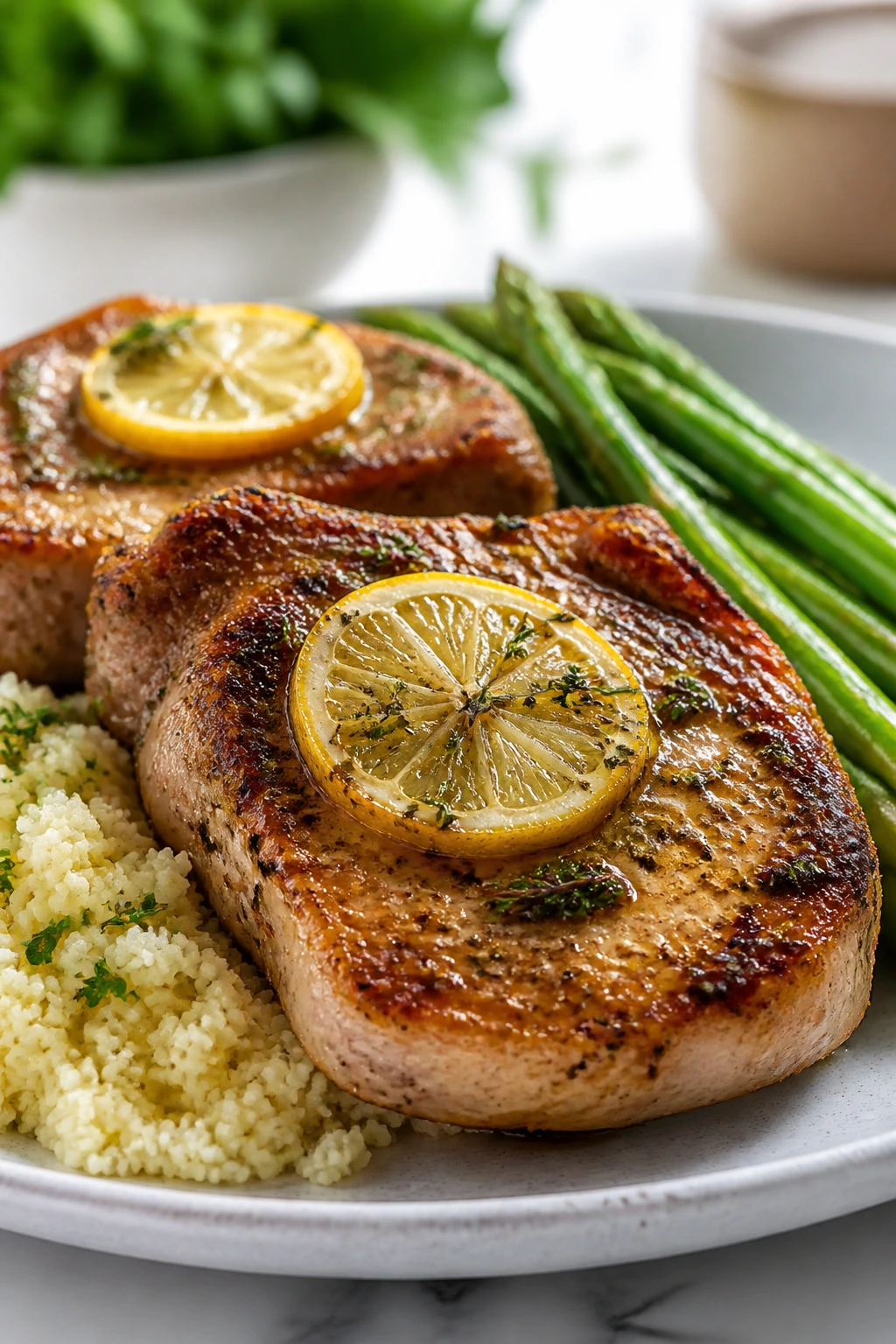
Lemon keeps pork from drifting into heavy territory. When you pair it with thyme, garlic, and a quick couscous side, the whole dinner tastes clean and sharp, not fussy. Asparagus finishes fast and makes the plate look more intentional than the actual effort suggests.
Couscous is one of the better weeknight starches because it takes five minutes and behaves itself. The broth and lemon zest flavor it from the inside, so you do not need a separate sauce for everything. If you’re tired of potatoes, this recipe gives you a lighter lane.
What Makes It Fresh
This is a good example of how a pork chop dinner doesn’t have to feel heavy to feel complete. The lemon juice gets added near the end so it stays bright, and the herbs lift the whole pan without taking over. It’s also one of the few pork dinners that works especially well when you want the side dish to feel a little more elegant.
What You’ll Need:
- 4 boneless pork chops, about 1 inch thick
- 1 teaspoon kosher salt
- 1/2 teaspoon black pepper
- 1 teaspoon dried thyme or 1 tablespoon chopped fresh thyme
- 2 tablespoons olive oil
- 2 tablespoons unsalted butter
- 3 garlic cloves, minced
- 1 lemon, zested and juiced
- 1 cup couscous
- 1 cup low-sodium chicken broth
- 1 bunch asparagus, trimmed
- 2 tablespoons chopped dill or parsley
- 2 tablespoons crumbled feta, optional
Quick Steps
-
Season the chops: Rub the pork with salt, pepper, and thyme.
-
Sear: Heat the olive oil in a skillet over medium-high heat. Cook the chops for 3 to 4 minutes per side until golden. Remove them.
-
Cook the couscous: In a small saucepan, bring the broth to a boil with half the lemon zest. Stir in the couscous, cover, and remove from the heat for 5 minutes. Fluff with a fork.
-
Sauté the asparagus: Add butter to the pork skillet, then cook the asparagus for 3 to 4 minutes. Stir in the garlic for 30 seconds.
-
Finish the chops: Return the pork to the skillet, add lemon juice, and cook until the chops reach 145°F / 63°C.
-
Serve: Plate the couscous, top with pork and asparagus, and finish with dill or parsley and feta if using.
Tips and Variations
- Sharper flavor: Add a spoonful of Dijon to the lemon juice if you want more bite.
- Vegetable swap: Green beans or broccolini can replace asparagus.
- Serving move: Spoon any buttery pan juices over the couscous.
12. Smothered Pork Chops with Onion Gravy
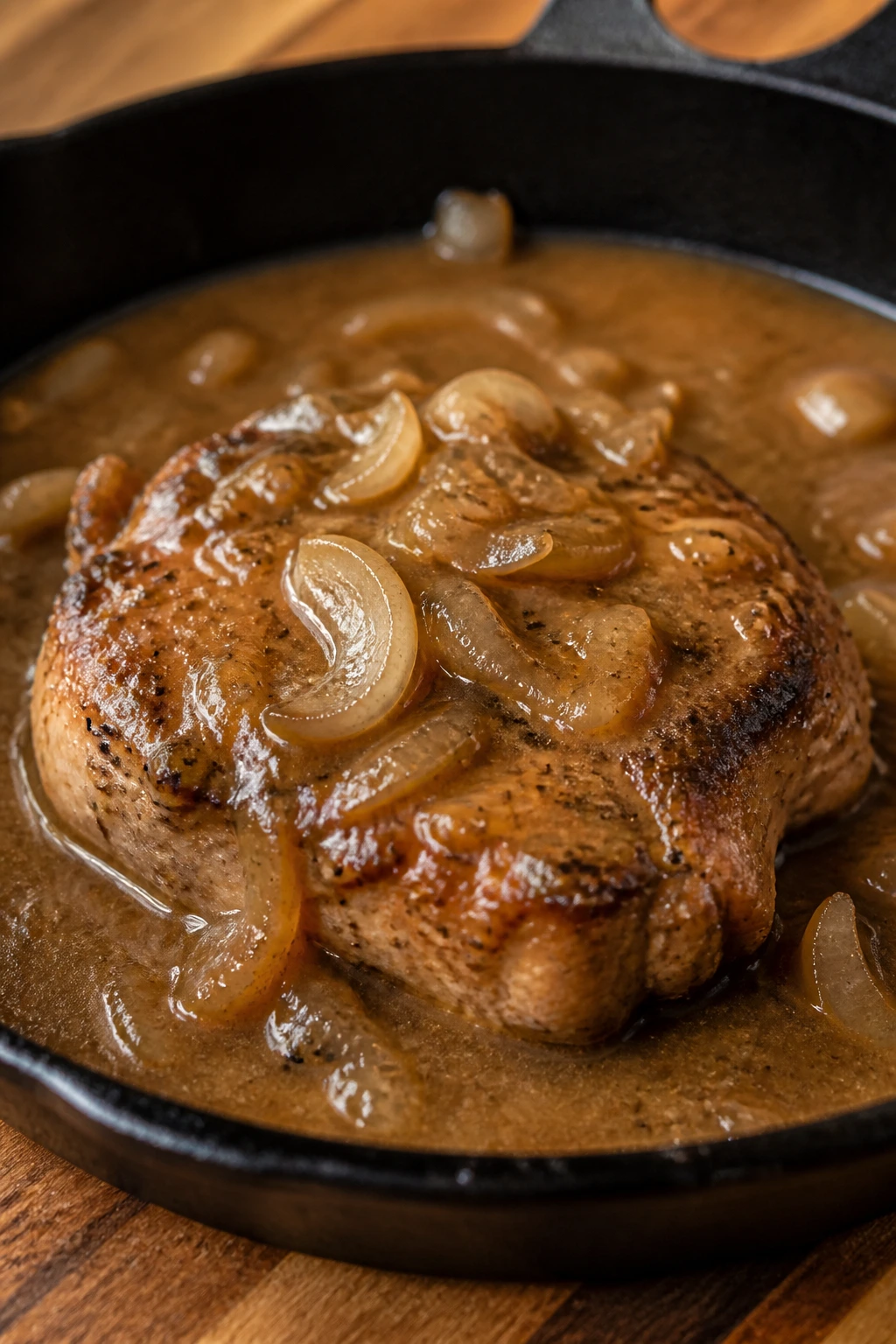
Smothered pork chops are what you make when gravy needs to do the comforting. The onions cook down until they’re soft and sweet, the flour thickens the pan liquid into something spoonable, and the chops finish in the gravy so every bite tastes coated. It’s old-fashioned in the right way.
This is not the fastest recipe in the bunch, but it still fits a weeknight if you keep the sides simple. Mashed potatoes, rice, or buttered noodles will do the job. The gravy is the point here, and honestly, that’s not a bad thing at all.
Why It’s Worth the Extra Pan Time
A good onion gravy turns pork chops from plain protein into dinner with personality. The onions need time to deepen, and the flour needs to cook long enough to lose that raw taste, so don’t rush the middle. Once the gravy is smooth, the chops barely need any more attention.
What You’ll Need:
- 4 pork chops, bone-in or boneless, about 1 inch thick
- 1 teaspoon kosher salt
- 1/2 teaspoon black pepper
- 1/2 cup all-purpose flour, divided
- 2 tablespoons vegetable oil
- 2 tablespoons unsalted butter
- 2 large yellow onions, thinly sliced
- 2 garlic cloves, minced
- 2 cups low-sodium chicken broth
- 1/2 cup whole milk or half-and-half
- 1 teaspoon Worcestershire sauce
- 1/2 teaspoon dried thyme
Quick Steps
-
Season and dredge: Season the chops with salt and pepper, then coat lightly with 1/4 cup of the flour.
-
Brown the chops: Heat the oil in a skillet over medium-high heat. Cook the pork for 3 to 4 minutes per side until browned, then set aside.
-
Cook the onions: Lower the heat to medium. Add butter and onions and cook for 8 to 10 minutes, stirring often, until soft and caramel-colored.
-
Make the gravy: Stir in the garlic, then add the remaining flour. Cook for 1 minute, then slowly whisk in the broth, milk, Worcestershire, and thyme.
-
Smother and simmer: Return the chops to the skillet, cover, and cook gently for 6 to 8 minutes until the pork reaches 145°F / 63°C and the gravy thickens.
-
Serve hot: Spoon the gravy over the chops and whatever starch you’ve got underneath them.
Tips and Variations
- Gravy fix: If it gets too thick, whisk in a splash of broth.
- Flavor boost: A pinch of sage gives the gravy a deeper, cozier edge.
- Best side: Mashed potatoes catch the gravy better than almost anything else.
13. Pesto Tomato Pork Chops
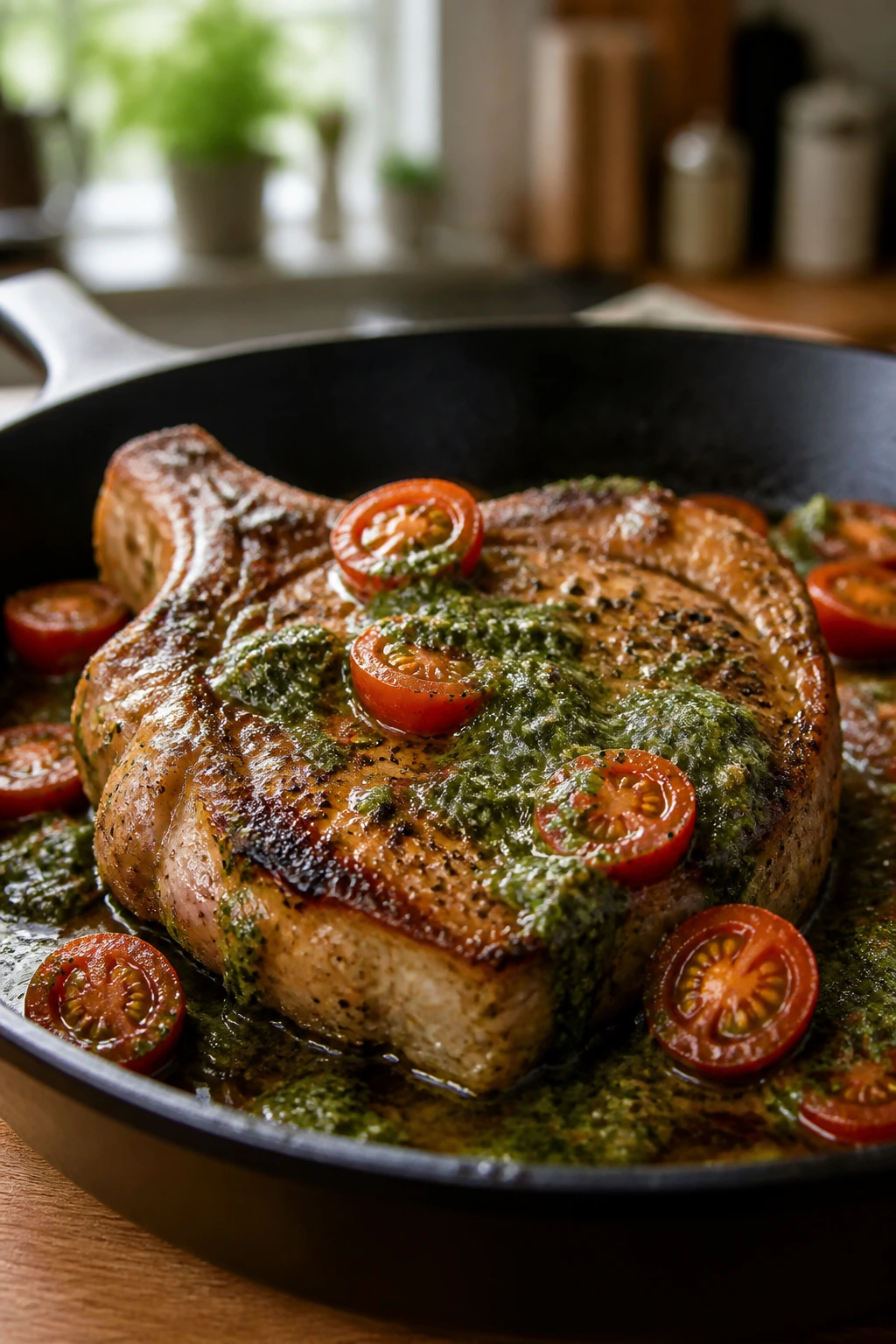
Pesto is not just for pasta, and pork chops are one of the strongest arguments for that fact. The basil, garlic, and Parmesan in pesto cling to the meat, while the tomatoes burst into a quick pan sauce that tastes fresh instead of heavy. If you want something fast that still feels a little bright, this one has a lot going for it.
The key is to treat pesto as a finish as much as a flavor base. It burns if you cook it too hard, so you want it added near the end, after the chops have already picked up a good sear. A small splash of balsamic sharpens the tomatoes and keeps the sauce from tasting flat.
Why It Works
Pesto has enough oil and flavor to coat pork without needing a long simmer. Cherry tomatoes bring moisture, acidity, and a little sweetness, which helps the dish feel balanced in one pan. It’s an especially good use for leftover pesto from another meal, which I always appreciate.
What You’ll Need:
- 4 boneless pork chops, about 1 inch thick
- 1 teaspoon kosher salt
- 1/2 teaspoon black pepper
- 2 tablespoons olive oil
- 1 pint cherry tomatoes
- 3 garlic cloves, minced
- 1/3 cup basil pesto
- 1 tablespoon balsamic vinegar
- 1/4 cup grated Parmesan or shredded mozzarella
- 2 tablespoons chopped basil, optional
Quick Steps
-
Season the pork: Pat the chops dry and season with salt and pepper.
-
Sear: Heat the olive oil in a skillet over medium-high heat. Cook the chops for 3 to 4 minutes per side until browned.
-
Burst the tomatoes: Lower the heat to medium. Add the cherry tomatoes and cook for 3 to 4 minutes until they begin to split.
-
Add garlic and pesto: Stir in the garlic for 30 seconds, then add the pesto and balsamic vinegar.
-
Finish: Return the pork chops to the pan and cook until they reach 145°F / 63°C. Sprinkle with cheese and let it melt for a minute.
-
Serve: Top with basil if you have it.
Tips and Variations
- Cheese choice: Mozzarella makes it creamier; Parmesan keeps it sharper.
- Short on pesto: A tablespoon or two mixed into olive oil still gives you good flavor.
- Best bread side: Toasted sourdough is excellent for mopping up the tomatoes.
14. Smoky Paprika Pork Chops with Brussels Sprouts and Apples
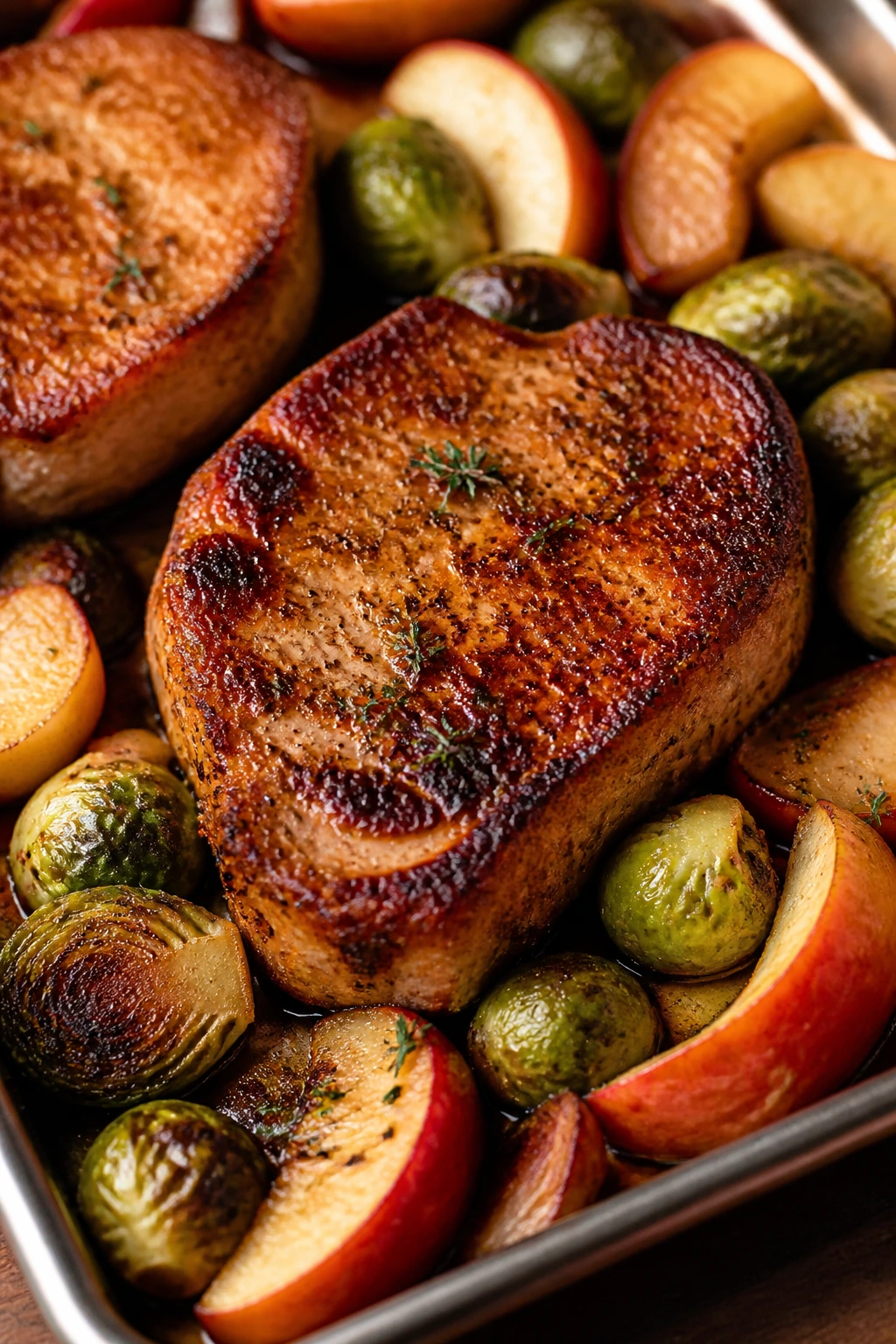
Brussels sprouts and apples make sense together in a way that stops being surprising after one bite. The sprouts turn nutty and crisp at the edges, the apples soften just enough, and smoked paprika adds a darker note that keeps the dish from wandering into brunch territory. It’s a strong sheet-pan dinner when you want something with color and a little contrast.
This recipe also handles the balance problem well. The apples bring sweetness, the paprika brings smoke, and the pork ties both together. A tiny drizzle of maple-Dijon at the end is enough to pull everything into one direction without turning the whole tray sugary.
Why It Stands Out
The contrast matters here more than in a lot of tray dinners. Brussels sprouts like high heat, apples want only enough time to soften, and the pork needs to land in the middle so none of the pieces get left behind. If you like sheet-pan meals that feel a little smarter than the usual roast-and-forget routine, this one is worth keeping.
What You’ll Need:
- 4 pork chops, bone-in or boneless, about 1 inch thick
- 1 pound Brussels sprouts, trimmed and halved
- 1 large apple, cored and sliced
- 1 small red onion, sliced
- 2 tablespoons olive oil
- 1 teaspoon smoked paprika
- 1 teaspoon garlic powder
- 1 teaspoon kosher salt
- 1/2 teaspoon black pepper
- 1 tablespoon Dijon mustard
- 1 tablespoon maple syrup
Quick Steps
-
Preheat the oven: Set it to 425°F / 220°C and line a sheet pan.
-
Roast the vegetables first: Toss the Brussels sprouts and onion with olive oil, paprika, garlic powder, salt, and pepper. Roast for 12 minutes.
-
Add the apples and pork: Stir the apple slices into the pan, nestle the pork chops among the vegetables, and brush the chops with Dijon mixed with maple syrup.
-
Continue roasting: Return the pan to the oven for 12 to 15 minutes, until the chops reach 145°F / 63°C and the sprouts are browned.
-
Rest: Let the pork sit for 3 minutes before serving.
Tips and Variations
- Better browning: Place the sprouts cut-side down for more crisp edges.
- Sweeter finish: A few dried cranberries can be added after roasting.
- Spice option: Add a pinch of cayenne if you want more warmth.
15. Pork Chops with Cabbage and Bacon
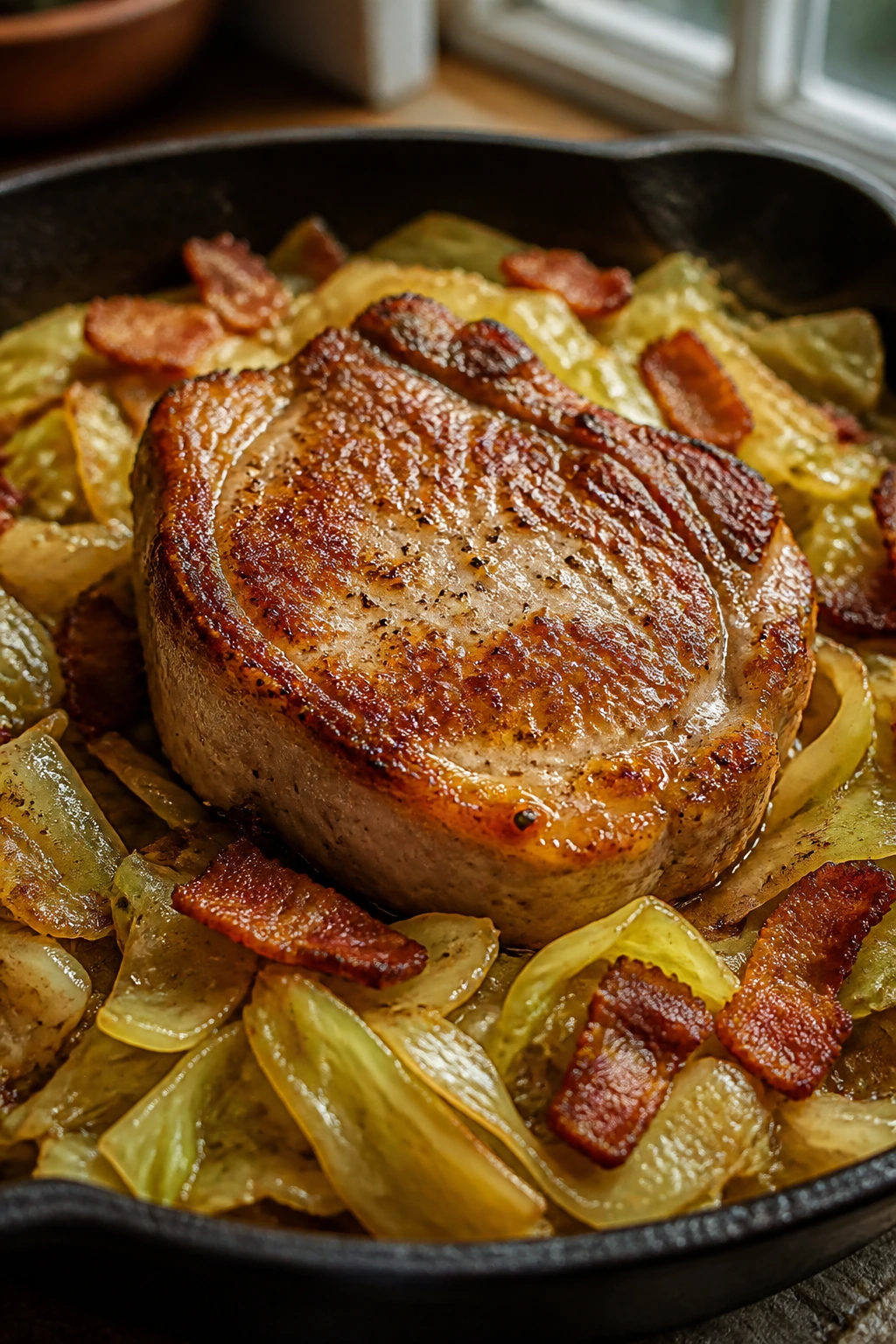
Cabbage gets a bad reputation from people who haven’t cooked it long enough. Give it bacon fat, a little broth, and time to soften, and it turns silky and sweet in a way that makes sense with pork chops immediately. The bacon adds salt and smoke, and the whole skillet feels sturdy without being fussy.
This is a dinner for nights when you want comfort but don’t want to build a casserole. The cabbage cooks down into a pan of savory, glossy ribbons, and the pork can finish right in that mixture. It’s humble food, which is not the same as boring food.
Why It Belongs on the Table
Cabbage is cheap, reliable, and better than people give it credit for when it’s cooked with a little patience. Bacon starts the whole pan with flavor, while vinegar at the end keeps the dish from tasting dull. The final result is hearty enough for cold weather, but it still works any time you need a no-drama dinner.
What You’ll Need:
- 4 pork chops, bone-in or boneless, about 1 inch thick
- 4 slices bacon, chopped
- 1 small green cabbage, cored and sliced
- 1 yellow onion, sliced
- 2 garlic cloves, minced
- 1/2 cup low-sodium chicken broth
- 2 tablespoons apple cider vinegar
- 1 teaspoon kosher salt
- 1/2 teaspoon black pepper
- 1/2 teaspoon caraway seeds, optional
- 1 tablespoon chopped parsley
Quick Steps
-
Cook the bacon: Put the bacon in a large skillet over medium heat and cook until crisp. Remove the bacon with a slotted spoon, leaving the fat behind.
-
Sear the pork: Season the chops with salt and pepper, then cook them in the bacon fat for 3 to 4 minutes per side. Remove to a plate.
-
Soften the cabbage: Add the onion and cabbage to the skillet. Cook for 6 to 8 minutes, stirring now and then, until the cabbage starts to collapse.
-
Add flavor: Stir in the garlic and caraway seeds, if using, for 30 seconds. Pour in the broth and vinegar.
-
Finish together: Nestle the pork chops back into the cabbage, cover, and cook for 5 to 7 minutes until the meat reaches 145°F / 63°C.
-
Serve: Top with the bacon and parsley.
Tips and Variations
- Tastier cabbage: Don’t rush the softening step; the texture gets better as the cabbage collapses.
- Flavor swap: A spoonful of whole-grain mustard can stand in for caraway if you want sharper notes.
- Serving idea: Rye bread or boiled potatoes make this feel complete without much work.
Why Pork Chops Work So Well on Busy Nights
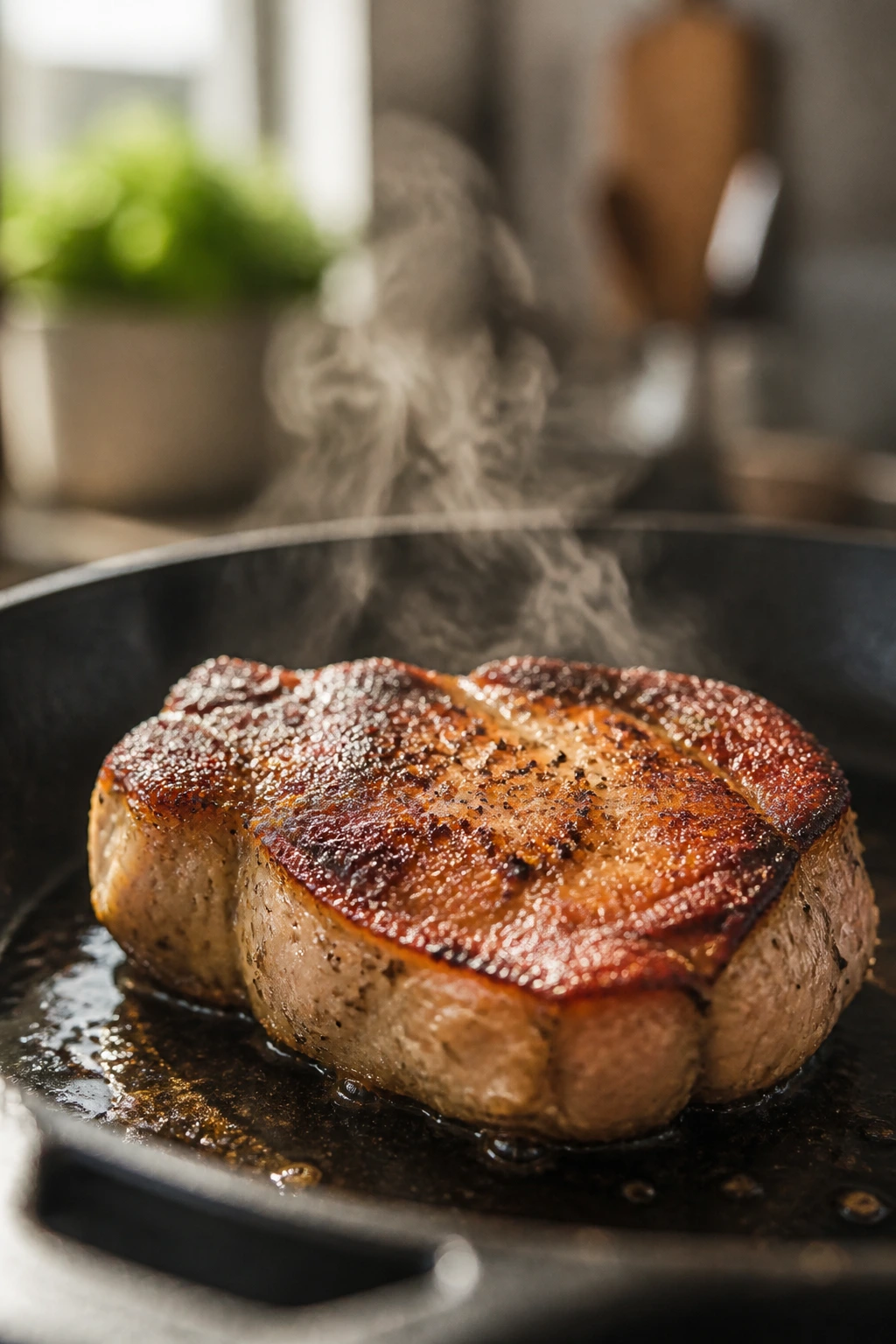
Pork chops earn their keep because they cook fast without being flimsy. A chicken breast can work, sure, but pork chops have a little more flavor built in, especially when you’re dealing with bone-in cuts that stay juicy under heat. They also take to a wide range of seasonings, from mustard to pesto to Cajun spice, which means you can keep the same basic protein and change the mood of dinner almost completely.
Thickness matters more than a lot of people realize. Thin chops can be useful, but they leave you almost no margin for error, while 3/4-inch to 1-inch chops give you time to get a good sear and still land at the right temperature. For the weeknight cook, that margin is gold. It keeps dinner from becoming a race.
I also like pork chops because they pair cleanly with vegetables that cook at the same speed or close to it. Green beans, potatoes, asparagus, cabbage, mushrooms, apples, rice, and couscous all make sense here. That means fewer separate pans, fewer waiting periods, and fewer opportunities to get sidetracked by some other chore while the skillet quietly does its work.
The Gear That Makes These Dinners Easier
-
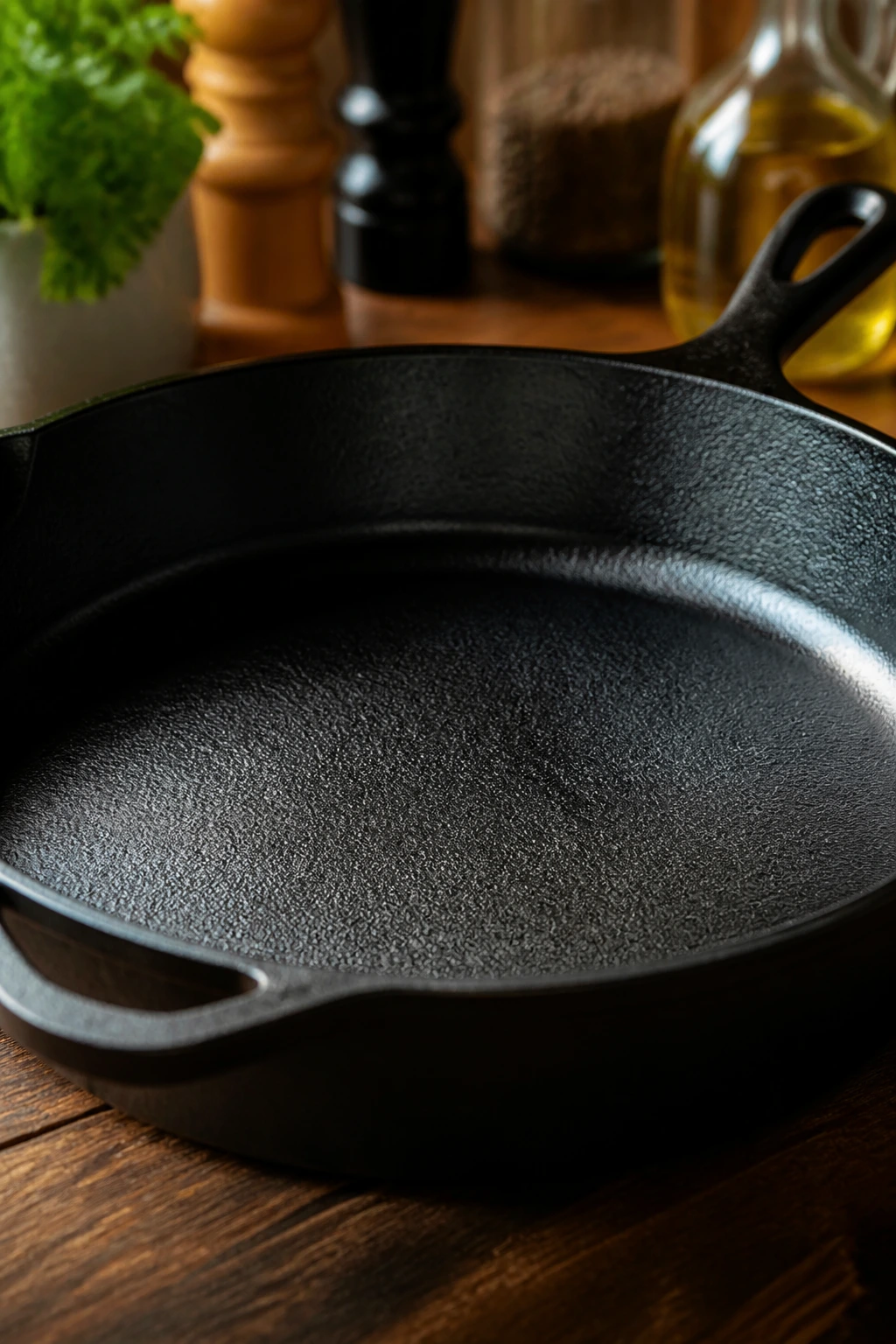
Large cast-iron or stainless-steel skillet: Gives you a good sear and enough room for pan sauces.
-
Rimmed sheet pan: Useful for the roasted dinners, especially when vegetables and pork share the pan.
-
Instant-read thermometer: The simplest way to keep pork juicy; pull the chops at 145°F / 63°C.
-
Tongs: Better than a fork for turning chops without losing juices.
-
Sharp chef’s knife: Important for slicing onions, apples, cabbage, and vegetables evenly.
-
Cutting board: A big one helps keep the prep from turning into a mess.
-
Measuring spoons and cups: Handy for sauces, glazes, and seasonings that need to stay balanced.
-
Small whisk: Makes Dijon sauces, gravy, and teriyaki glaze smoother.
-
Lid for a skillet: Essential for rice and braised-style dinners.
-
Parchment paper or foil: Makes sheet-pan cleanup easier and keeps sticky glazes from welding themselves to the pan.
Shopping for Pork Chops Without Regret
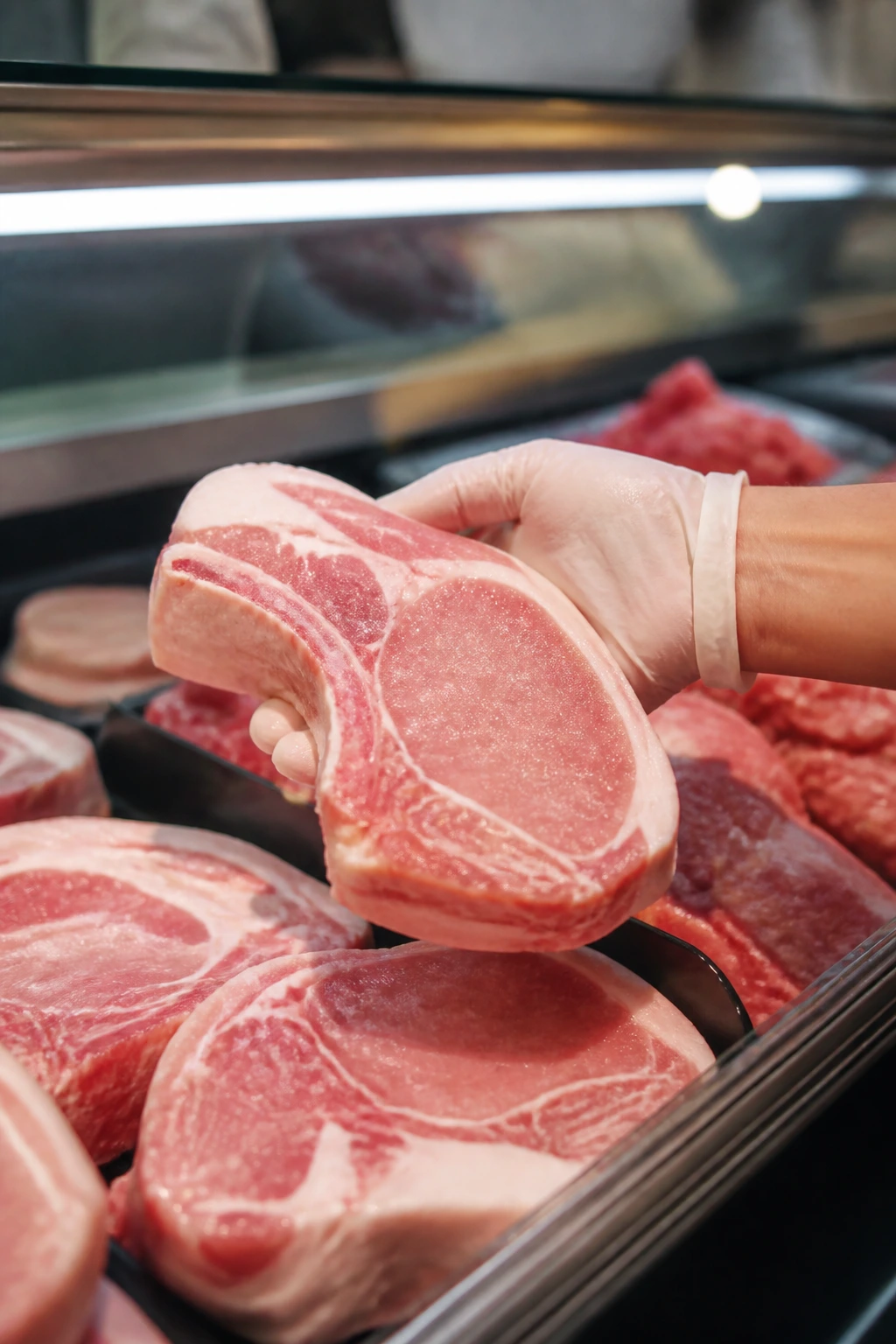
Look for chops that are at least 3/4-inch thick, and if you can find 1-inch-thick chops, grab those for most of these dinners. Thicker chops are much easier to sear without drying out, especially when you’re juggling vegetables or sauces at the same time. Bone-in chops usually have more forgiveness; boneless chops are convenient and easy to slice at the table.
Color matters too. You want pork that looks pale pink to light rosy, not grayish or wet. A little marbling is good. A completely lean chop can taste dry before the pan even gets a chance to help. If the package is swimming in liquid, that’s a sign the meat has spent too much time sitting around. Skip it.
For vegetables, buy with the cooking method in mind. Baby potatoes roast quickly because they’re small. Green beans should snap when bent, not droop. Brussels sprouts should feel dense. Apples for savory recipes need to be firm enough to hold shape, and cabbage should feel heavy for its size. Little details like that save the meal from turning mushy.
Pantry ingredients matter here more than people expect. Low-sodium broth gives you room to season. Dijon adds sharpness that basic yellow mustard won’t quite match. A decent BBQ sauce or pesto can carry an entire dinner when the fridge is sparse. And if you keep soy sauce, rice vinegar, and cornstarch around, teriyaki dinners stop being a project.
How to Serve These Recipes
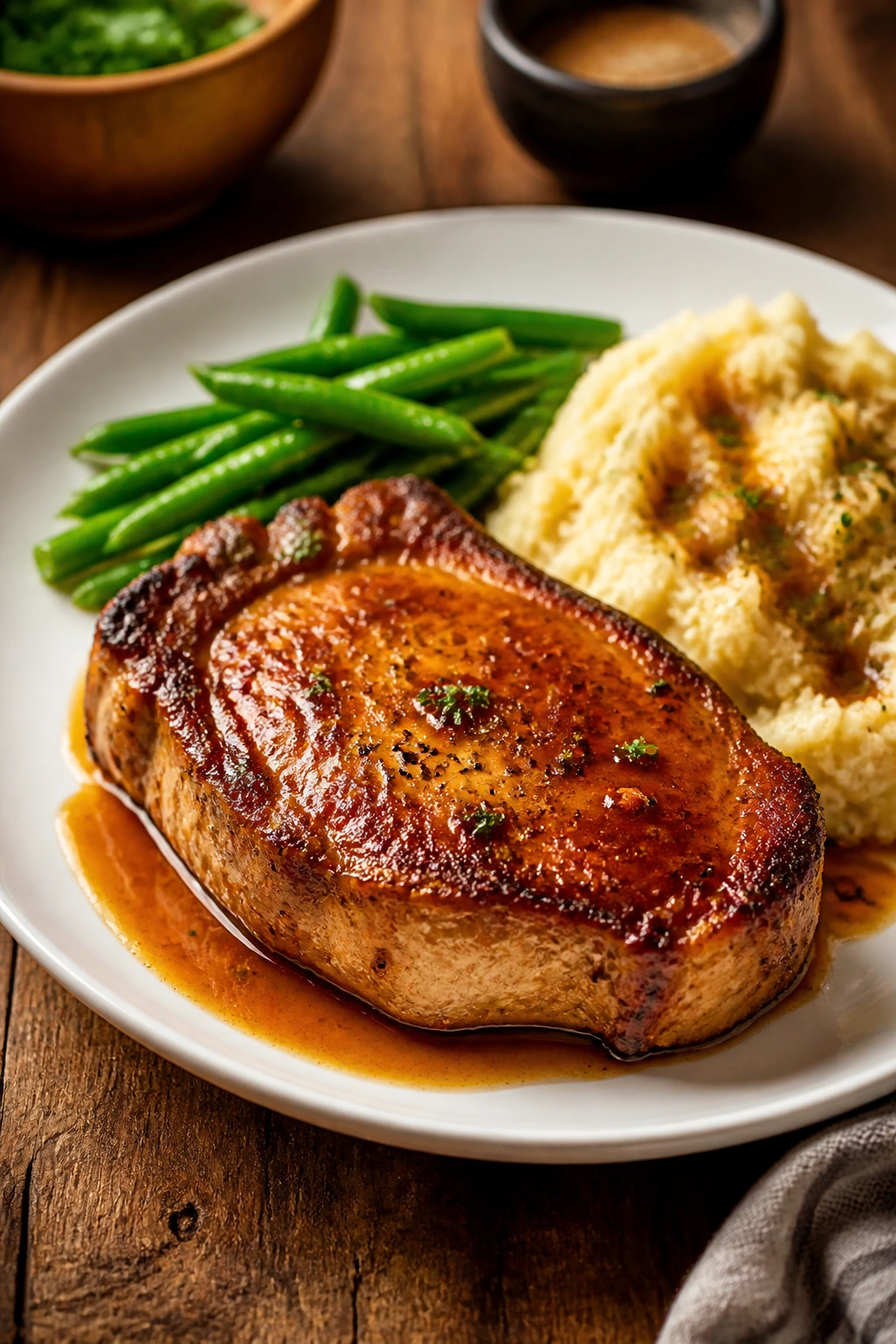
Presentation: Pile the pork slightly off-center on the plate, then spoon the sauce, glaze, or pan juices over the top so the meat still looks like the star. For sheet-pan meals, serve straight from the tray into shallow bowls so the vegetables keep their color and shape.
Accompaniments: Mashed potatoes, buttered rice, couscous, egg noodles, crusty bread, simple green salad, roasted carrots, sautéed greens, and warm tortillas all make sense across this set. If the dish already has potatoes or rice built in, keep the side simple and sharp: a cucumber salad or plain sliced tomatoes works better than another heavy starch.
Portions: Most of these recipes serve 4 people with normal appetites. If you’re feeding bigger eaters, add one extra chop and a second vegetable side rather than stretching the meat too thin. For lighter meals, one chop with a generous mound of vegetables and a starch works well.
Beverage Pairing: Dry cider is a natural fit for apple, mustard, and BBQ dinners. For something nonalcoholic, iced tea with lemon or sparkling water with lime keeps the plate from feeling too rich. If you want wine, a crisp white with some acidity—think something clean and not overly oaky—matches the sauces best.
Small Moves That Make the Dinners Taste Better
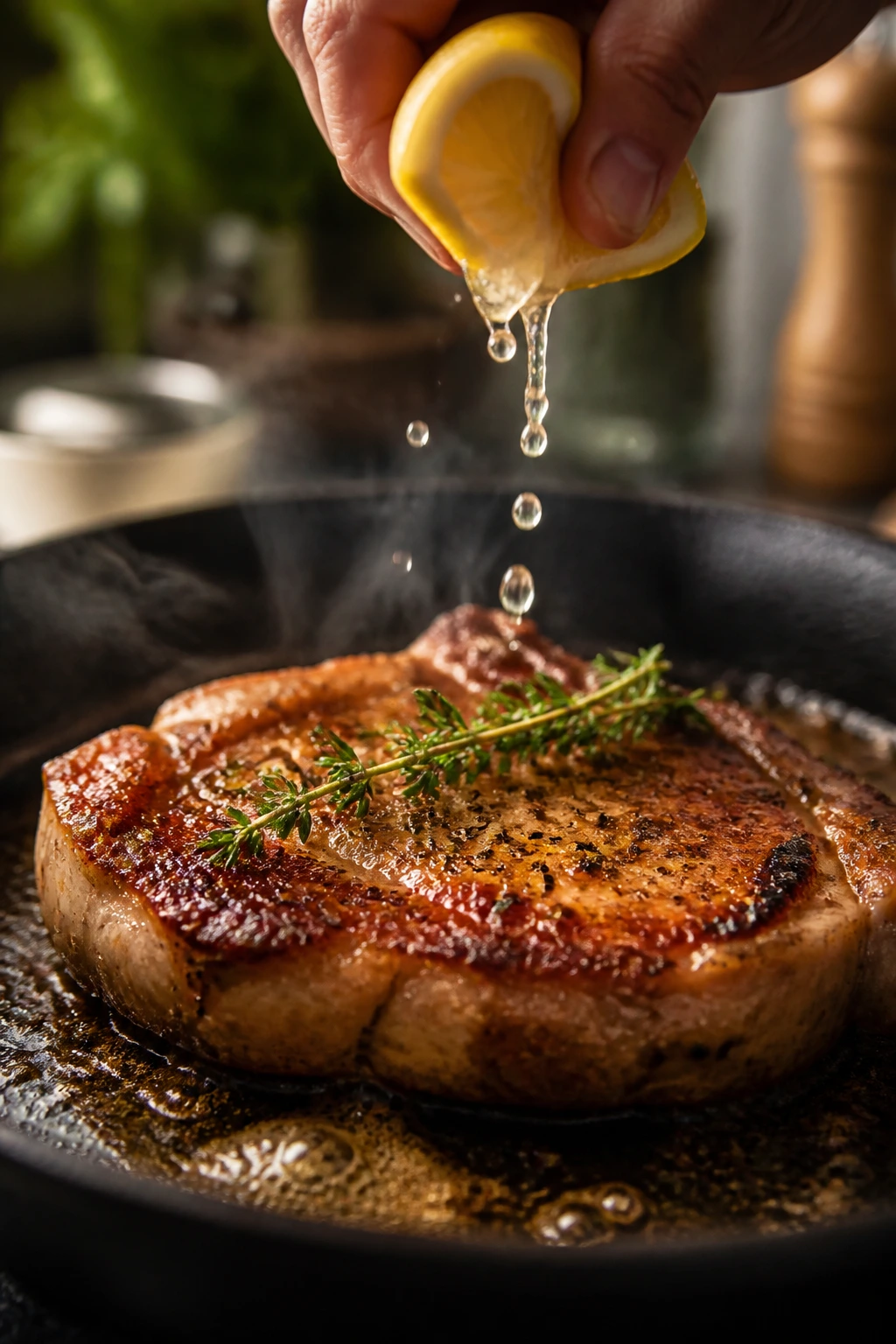
Flavor Enhancement: Finish several of these recipes with a tiny hit of acid—lemon juice, cider vinegar, or a splash of wine. It wakes up butter sauces, cream sauces, and glazes without making them taste sharp.
Customization: If you like heat, add red pepper flakes, cayenne, chipotle powder, or a spoonful of hot sauce to the sauce base rather than dumping spice on the pork itself. That keeps the seasoning even.
Serving Suggestions: Fresh herbs matter more than people think. Parsley, dill, basil, thyme leaves, or sliced scallions give a finished look and a clean taste that dried spices can’t quite provide at the end.
Make-It-Yours: For gluten-free dinners, use cornstarch instead of flour for light coating or thickening, and choose a gluten-free soy sauce or tamari for the teriyaki version. For dairy-free meals, swap butter for olive oil and use coconut cream or an unsweetened plant cream in the richer sauces.
The Mistakes That Make Pork Chops Tough
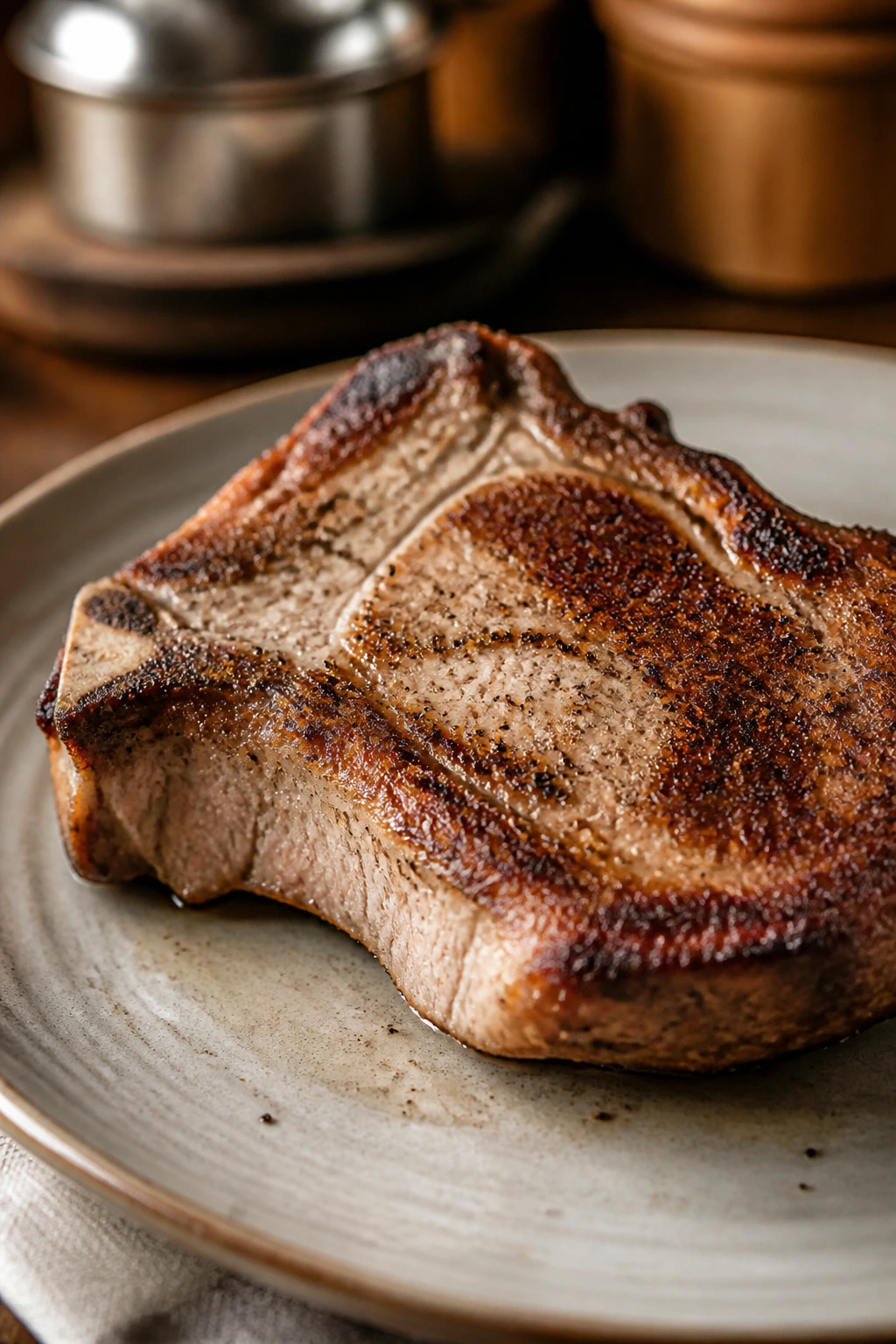
The first mistake is buying chops that are too thin for the method. Thin chops are fine for a quick pan fry, but they leave almost no room for error in a saucy skillet or sheet-pan dinner. If you can choose, pick thicker chops. If thin chops are what you’ve got, reduce the cooking time and watch them closely.
The second mistake is skipping the dry-off step. A wet chop steams before it sears, and then you never get that browned crust that makes the whole dinner taste better. Pat them dry with paper towels, season them, and let them hit the pan with some confidence.
Crowding the pan is another classic problem. Too many chops in one skillet or too much food on one sheet pan lowers the temperature and turns roasting into steaming. Give the meat some breathing room, even if it means cooking in two batches. It’s a small delay that pays for itself.
Then there’s the thermometer issue. Pork cooked by guesswork is where dry dinners come from. Pull chops when they reach 145°F / 63°C, then rest them for a few minutes. That rest is not optional if you want juicy meat. It’s part of the cook.
Finally, sugary sauces get people in trouble. BBQ sauce, honey glaze, and even some teriyaki mixes can burn if they sit under high heat too long. Add them at the right moment, usually near the end, and keep a close eye on color. Burnt sugar tastes bitter, and there is no reason to invite that to dinner.
Easy Twists Worth Trying
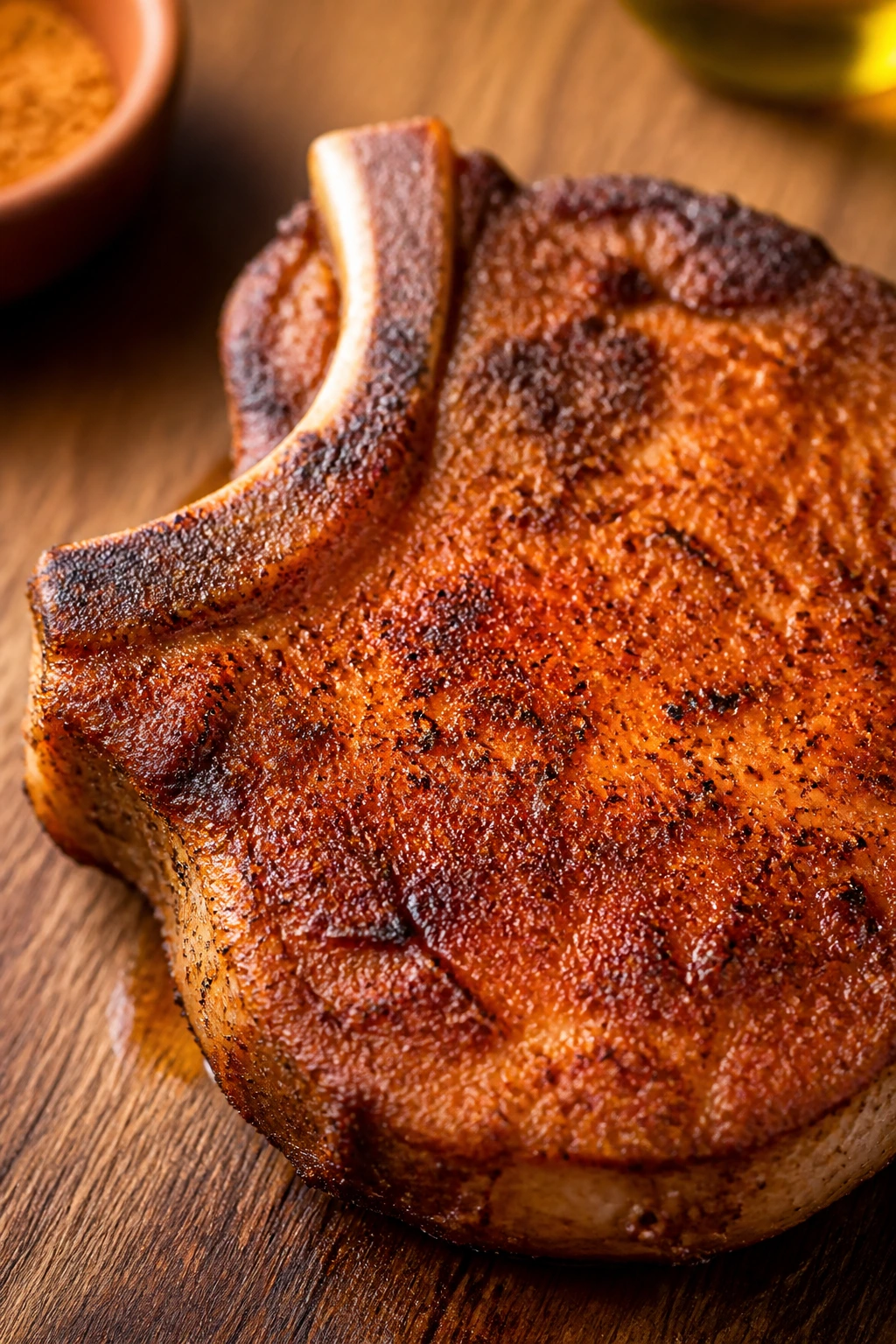
Smoky Southwest Shift: Use chili powder, cumin, and a little chipotle in place of the sweeter sauces. This works especially well on skillet or sheet-pan chops with black beans, corn, or peppers.
Creamy-Dairy-Free Version: Swap heavy cream for unsweetened oat cream or coconut cream in mushroom-style sauces, and use olive oil instead of butter. The sauce won’t taste identical, but it still turns silky.
Lower-Sodium Pantry Fix: Choose low-sodium broth, cut back on seasoning packets, and finish with lemon, vinegar, or fresh herbs so the food still tastes awake. Salt is not the only way to build flavor.
Family-Mild Option: Keep the spice low, use honey-Dijon or apple-onion flavors, and set hot sauce or chili oil on the table instead of building heat into the pan. That usually keeps everybody happy.
Bone-In Upgrade: Bone-in chops take a touch longer, but they hold heat well and stay juicy. They’re especially nice for skillet dinners and sheet-pan roasts where the meat finishes with the vegetables.
Gluten-Free Route: Use cornstarch for dredging or gravy thickening, and choose gluten-free soy sauce or tamari for soy-based glazes. The recipes stay structurally the same, which is the nice part.
Questions People Actually Ask About Pork Chop Dinners
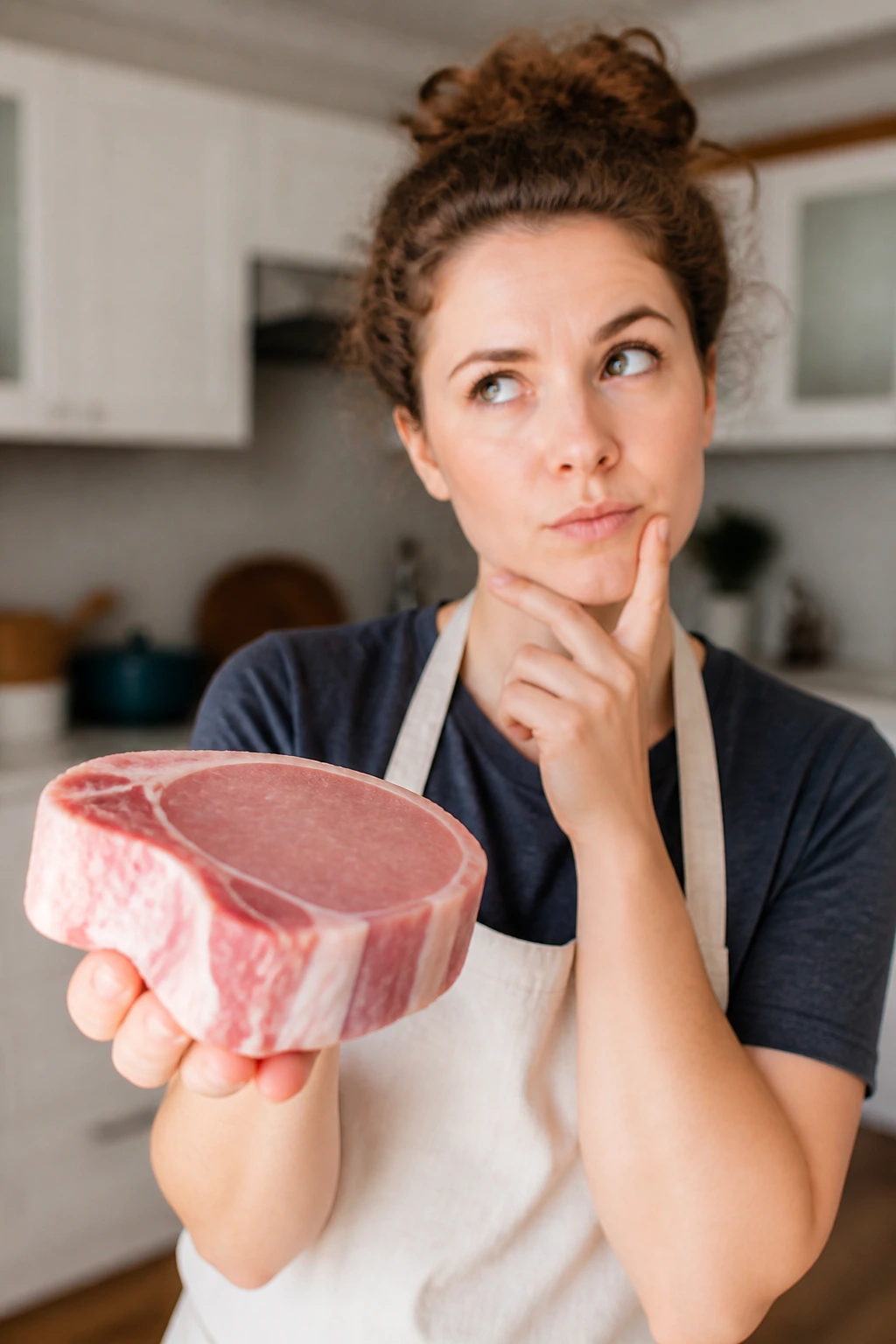
What thickness is best for weeknight pork chops?
About 1 inch is the sweet spot for most of these recipes. It gives you enough time to sear the outside while the center finishes without drying out, and it works for both skillet and sheet-pan cooking.
Can I use bone-in chops instead of boneless?
Yes, and in some recipes I prefer them. Bone-in chops usually stay juicier and can handle a little extra heat, though they may need an extra minute or two of cooking time.
How do I keep pork chops from drying out?
Dry the surface before cooking, season well, use a hot pan or oven, and stop at 145°F / 63°C. Resting for 3 to 5 minutes matters too, because the juices need a minute to settle back into the meat.
Can thin-cut pork chops work in these dinners?
They can, but they need a shorter cooking window and a bit more attention. Use them for quick pan-fry recipes rather than long simmering or oven finishes, or they may overcook before the sauce is ready.
What’s the safest internal temperature for pork chops?
The standard safe target is 145°F / 63°C, followed by a short rest. That usually leaves the meat juicy and lightly pink in the center, which is normal for properly cooked pork.
Can I make these recipes ahead of time?
Yes, some parts can be prepped early. Chop the vegetables, mix sauces, and season the meat ahead of time; just avoid fully cooking the pork too far in advance unless you’re fine reheating gently later.
What’s the best way to reheat leftover pork chops?
A covered skillet over low heat with a splash of broth works better than blasting them in the microwave. If you do use the microwave, go low and slow in short bursts so the meat doesn’t turn tough.
What if my sauce gets too thick or sticky?
Add a spoonful or two of broth, water, or cider and stir over low heat until it loosens. If a glaze starts to look like it’s catching on the pan, pull the heat down fast.
A Weeknight Habit Worth Keeping
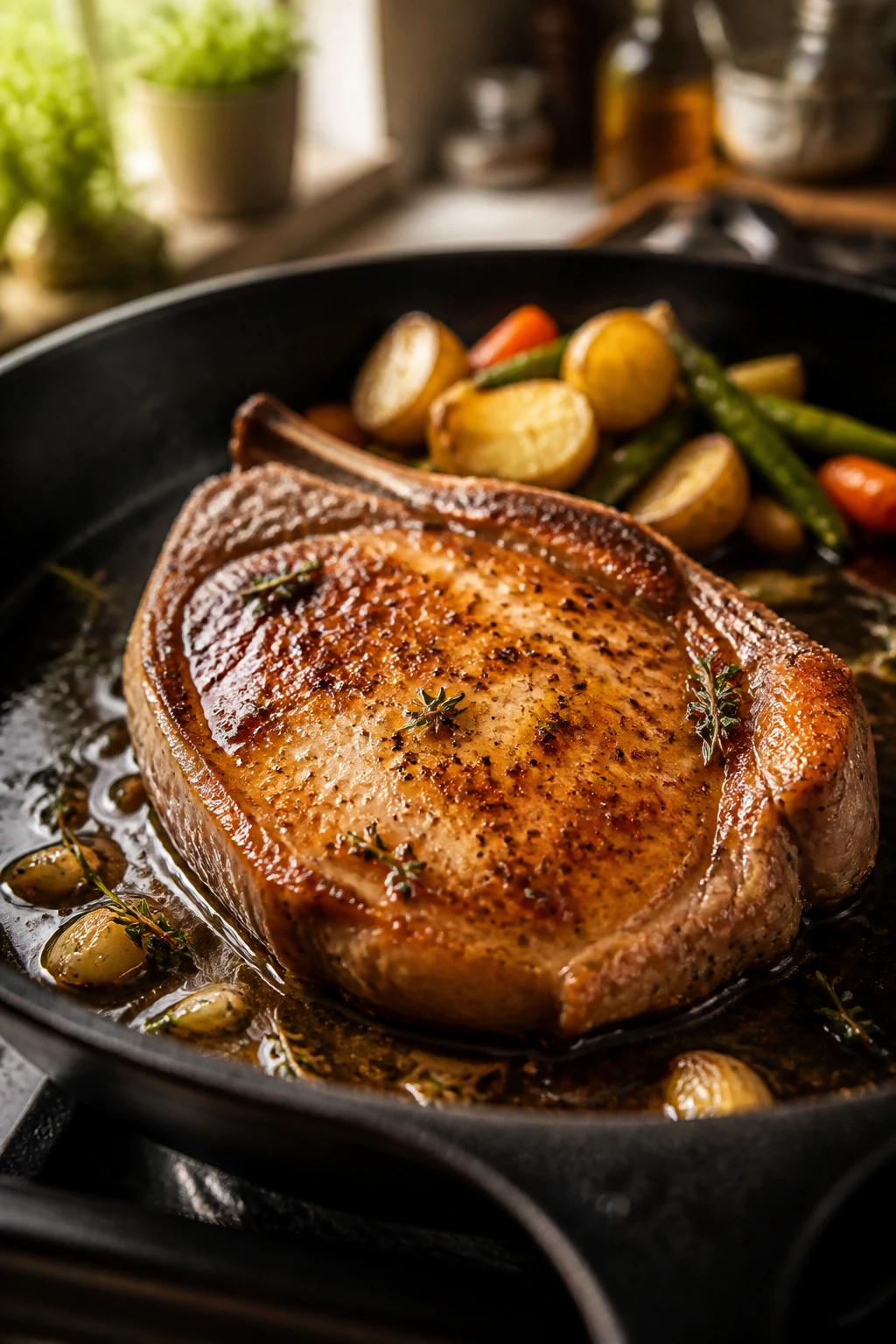
There’s a good reason pork chops keep showing up in busy-kitchen dinners: they don’t ask for much, but they give back a lot. A hot skillet, a smart sauce, and a few vegetables are usually enough to make dinner feel complete. That’s the appeal here. Not fancy. Not difficult. Just dependable food that tastes like someone paid attention.
Keep a couple of these recipes in rotation and weeknights get quieter in a useful way. Fewer decisions. Less cleanup. Better odds of sitting down to a hot meal that still has some texture and personality left in it.