



If you need summer recipes dinner for the grill this weekend, start with food that can take direct heat and still taste like itself afterward. A hot grate is merciless with flimsy marinades and watery vegetables, but it does wonderful things to chicken thighs, flank steak, salmon, shrimp, peaches, and bread. The grill doesn’t just cook dinner. It changes it.
I like grill dinners that build a meal instead of just dropping a piece of meat on a plate. Give me charred lemon over chicken, blistered tomatoes tucked into a burger, or a spoonful of herbs and vinegar over steak so the smoke doesn’t flatten everything out. Give me one or two smart sides, not a parade of them. That’s the sweet spot.
A good weekend grill menu should feel loose in the best way. You can marinate early, prep a sauce while the coals settle or the gas grill preheats, and then spend the actual cooking time paying attention instead of hovering. Some of these recipes are fast enough for a spontaneous dinner. A few need a short soak or a quick sauce, and those are worth the minute they take.
Why This Collection Earns Its Keep on a Hot Grill
-
Fast cleanup: Most of these dinners need one grill, one cutting board, and a bowl or two. That matters when it’s warm and nobody wants a sink full of pans.
-
Built for flame: Chicken thighs, salmon, flank steak, shrimp, halloumi, mushrooms, and pizza dough all handle grill heat without turning fragile or fussy.
-
Summer produce actually gets used: Peaches, tomatoes, corn, zucchini, basil, lemons, and cucumbers show up where they belong, not as garnish pretending to be a side.
-
Dinner feels planned without feeling stiff: A quick marinade, a sauce, and one good finish can make a meal look deliberate even when the shopping list was short.
-
Easy to scale up: Skewers, burgers, kebabs, and grilled bread let you cook for four or fourteen without changing the method.
-
Leftovers behave well: Several of these hold up the next day in salads, wraps, rice bowls, or chopped into cold lunch containers.
1. Lemon-Oregano Chicken Thighs with Charred Lemon
Juicy chicken thighs are the move when the grill is hot and the evening is moving fast. They stay tender even if the flame gets a little aggressive, and the charred lemon at the end wakes everything up with a sharp, smoky bite. Oregano, garlic, and smoked paprika keep the flavor grounded in the grill instead of sliding into bland lemon chicken territory. This is the kind of dinner that smells finished before it even leaves the grate.
Why It Works:
Chicken thighs have enough fat to handle medium-high heat without drying out, which makes them far friendlier than breasts on a grill. The lemon juice and zest bring brightness, but the marinade isn’t so acidic that it turns the surface stringy. Grilling the lemon halves cut-side down gives you a sweeter, less aggressive citrus hit, and that tiny step changes the whole plate.
Key Ingredients:
- 2 pounds boneless, skinless chicken thighs
- 3 tablespoons olive oil
- 2 tablespoons lemon juice
- 1 tablespoon lemon zest
- 3 garlic cloves, minced
- 2 teaspoons dried oregano
- 1 teaspoon kosher salt
- 1 teaspoon smoked paprika
- 1/2 teaspoon black pepper
- 1 lemon, halved for grilling
Quick Steps:
- Whisk the olive oil, lemon juice, lemon zest, garlic, oregano, salt, paprika, and pepper in a large bowl.
- Add the chicken thighs and toss until every piece is coated. Let them sit for 20 to 30 minutes while the grill heats.
- Preheat the grill to medium-high, about 400°F to 450°F. Clean and oil the grates.
- Grill the chicken for 5 to 7 minutes per side, until deeply marked and the thickest piece reaches 165°F.
- Grill the lemon halves cut-side down for 1 to 2 minutes, just until the flesh softens and browns.
- Rest the chicken for 5 minutes, then squeeze the charred lemon over the top before serving.
Equipment for This Recipe:
- Gas or charcoal grill
- Long-handled tongs
- Large mixing bowl
- Instant-read thermometer
- Small basting brush for the lemon juice, if you want a little extra shine
How to Serve This Dish:
Pile the thighs onto a platter and tuck the grilled lemon halves beside them so people can squeeze their own. I like this with grilled zucchini, couscous, or a chopped cucumber salad. The plate wants something cool and a little crunchy.
Pro Tips for This Recipe:
- Pat the thighs dry before marinating if they came from the fridge with extra moisture on them. Dry skinless meat browns faster.
- If your grill has hot spots, move the chicken once during cooking so you don’t scorch the same edge twice.
- Don’t skip the rest. Five minutes keeps the juices in the meat instead of on the cutting board.
- A pinch of red pepper flakes in the marinade is enough to make the lemon taste sharper without turning the chicken spicy.
Variations on This Dish:
- Spicy Calabrian Kick: Add 1 tablespoon Calabrian chile paste to the marinade for a deeper, slow-burning heat.
- Herb-Butter Finish: Brush the grilled chicken with 2 tablespoons melted butter mixed with chopped parsley and thyme right before serving.
- Bone-In Swap: Use bone-in, skin-on thighs and give them indirect heat after the first sear; they need a few extra minutes, but the skin gets crisp.
Common Mistakes to Avoid with This Dish:
- Moving the chicken too soon: If it sticks when you try to lift it, give it another minute. Well-marked chicken releases more cleanly than rushed chicken.
- Using too much lemon juice in the marinade: The chicken can go soft on the surface if you leave it in a very acidic bath too long. Keep the marinade short and balanced.
- Cutting into it right away: The juices will run out fast. Rest the thighs for at least 5 minutes before slicing.
2. Honey-Soy Salmon Fillets
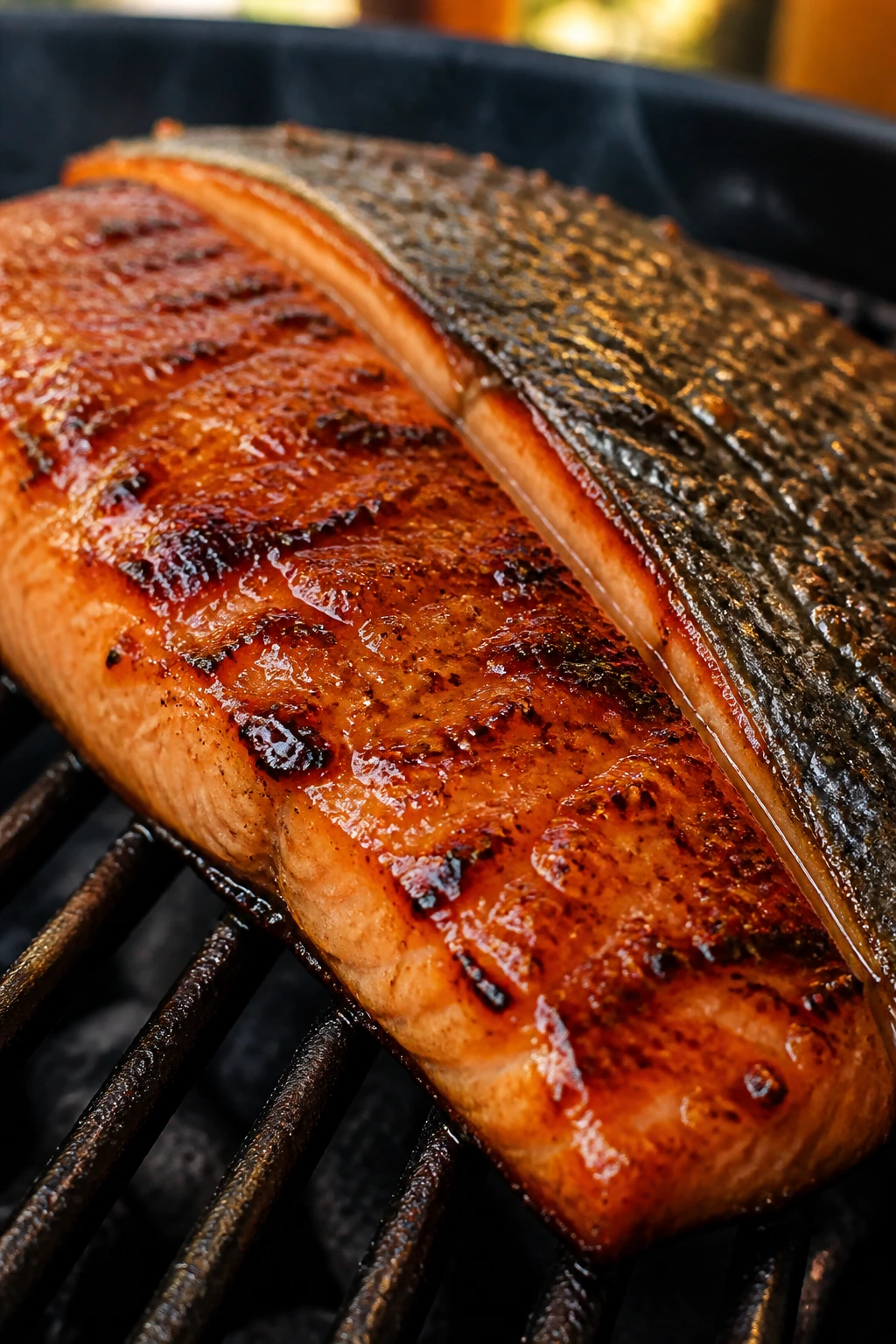
Salmon loves a grill because the skin can take the heat while the flesh stays soft and glossy. Honey and soy give you a salty-sweet glaze that tightens as it hits the heat, and the edges pick up a little caramelization that feels richer than it looks. This is one of those dinners that looks like you worked harder than you did. A good salmon fillet does a lot of the heavy lifting for you.
Why It Works:
The sugar in the honey helps the glaze brown, while soy sauce and ginger keep the flavor from drifting into dessert. Skin-on fillets are easier to grill because the skin protects the flesh from sticking and overcooking. You’re looking for a fast cook here, not a long one, which is why salmon earns its place on a summer grate.
Key Ingredients:
- 4 skin-on salmon fillets, about 6 ounces each
- 3 tablespoons soy sauce
- 2 tablespoons honey
- 1 tablespoon rice vinegar
- 1 teaspoon grated fresh ginger
- 1 garlic clove, finely grated
- 1 tablespoon sesame oil
- 1/4 teaspoon red pepper flakes
- 2 scallions, sliced
- 1 teaspoon sesame seeds
Quick Steps:
- Whisk the soy sauce, honey, rice vinegar, ginger, garlic, sesame oil, and red pepper flakes in a small bowl.
- Reserve half the glaze for serving, then brush the rest over the salmon fillets.
- Preheat the grill to medium, about 375°F to 400°F, and oil the grates well.
- Place the salmon skin-side down and grill with the lid closed for 6 to 8 minutes, until the flesh is mostly opaque.
- Brush the tops with the reserved glaze during the last minute, then remove when the thickest part flakes easily.
- Scatter scallions and sesame seeds over the fillets and serve right away.
Equipment for This Recipe:
- Grill with a clean grate
- Fish spatula or wide turner
- Small bowl for the glaze
- Pastry brush
- Instant-read thermometer, if you like to check for exact doneness
How to Serve This Dish:
Serve the salmon over rice, with a cucumber salad or quick pickled cucumbers on the side. A wedge of lime on the plate doesn’t hurt, though the soy-honey glaze already carries a lot of flavor. Keep the portions simple and let the fish stay the star.
Pro Tips for This Recipe:
- Dry the skin well before grilling. Moist skin clings to the grate and fights you.
- Keep the glaze thin. If it’s too thick, it burns before the fish is done.
- Don’t flip the fillets unless you have to. Skin-side down is the easiest path here.
- Pull the salmon when it flakes but still looks a little glossy in the center. Dry salmon is the punishment for impatience.
Variations on This Dish:
- Miso-Honey Version: Swap 1 tablespoon of the soy sauce for white miso for a deeper, more savory glaze.
- Citrus-Sesame Version: Add 1 teaspoon orange zest and finish with a squeeze of lime for a brighter edge.
- Chili-Lime Version: Replace the ginger with lime zest and add 1 teaspoon chili crisp on top after grilling.
Common Mistakes to Avoid with This Dish:
- Brushing on too much glaze at the start: The honey can scorch. Save some for the end and keep the early layer thin.
- Overcooking the fillets: Salmon goes from silky to dry fast. Start checking early, especially if the fillets are thin.
- Using salmon that’s too cold and wet: Let it sit out briefly and pat it dry so the grill marks can actually form.
3. Steak and Pepper Kebabs
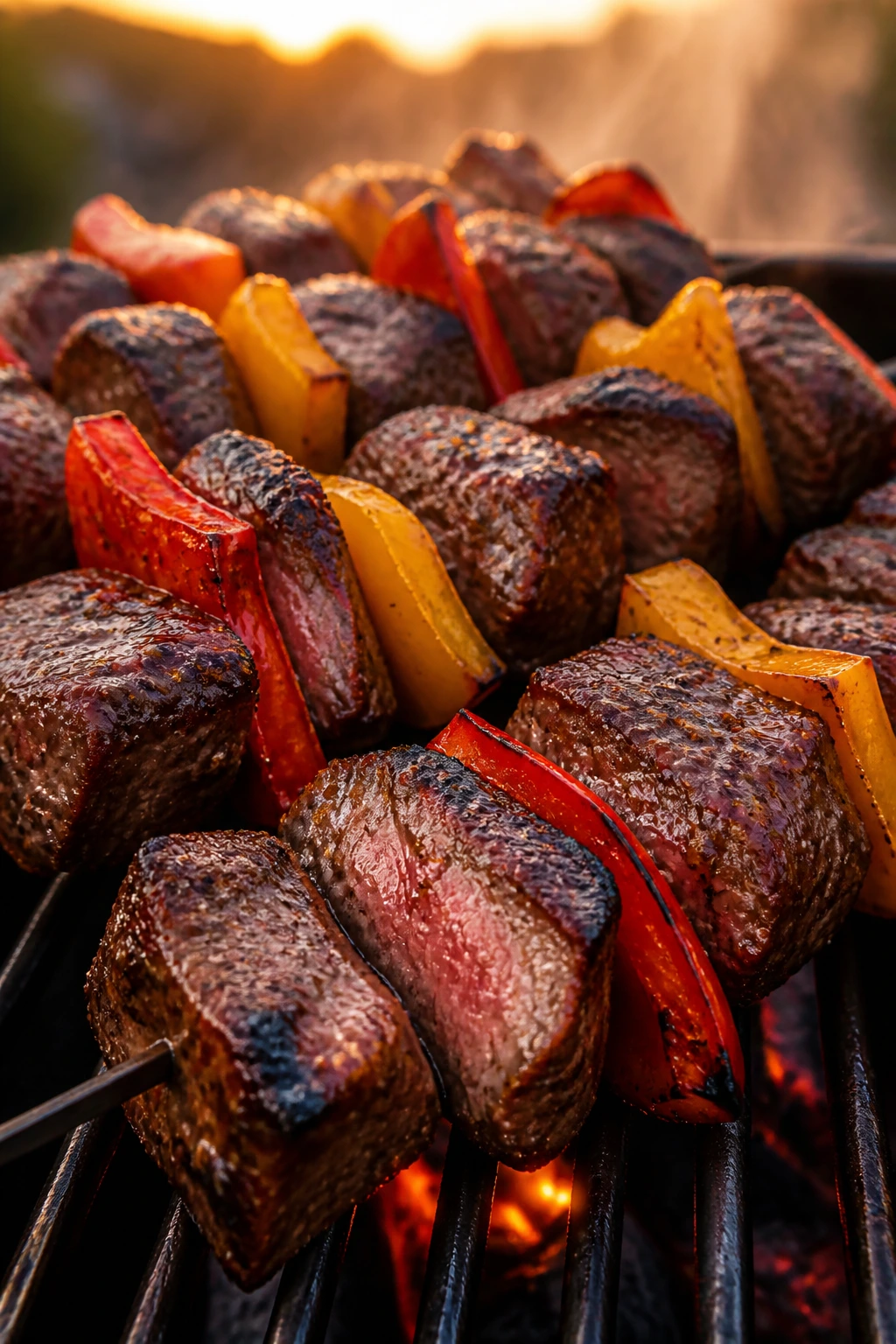
Kebabs are what happens when steak night gets a little looser and a little better-looking. Cut the meat into even chunks, thread in some peppers and onions, and the grill does the rest. The vegetables char around the edges while the steak stays juicy in the middle, and you get a dinner that feels lively on the platter instead of heavy. I’d rather eat this than a plain steak more often than I’d like to admit.
Why It Works:
Sirloin or strip steak has enough structure to stay tender in kebab form, especially when you cut it into evenly sized pieces. The peppers and onions cook in roughly the same window, which matters more than most people think. A brief marinade adds flavor to the surface without making the steak watery.
Key Ingredients:
- 1 1/2 pounds sirloin steak, cut into 1 1/2-inch cubes
- 2 bell peppers, cut into 1 1/2-inch pieces
- 1 large red onion, cut into wedges
- 8 ounces cremini mushrooms, halved
- 3 tablespoons olive oil
- 1 tablespoon Worcestershire sauce
- 1 tablespoon soy sauce
- 2 garlic cloves, minced
- 1 teaspoon smoked paprika
- 1 teaspoon kosher salt
- 1/2 teaspoon black pepper
- Metal or soaked wooden skewers
Quick Steps:
- Stir together the olive oil, Worcestershire, soy sauce, garlic, paprika, salt, and pepper.
- Toss the steak cubes in the marinade and let them sit for 20 to 30 minutes.
- Thread the steak, peppers, onion, and mushrooms onto the skewers, keeping the pieces snug but not crushed.
- Preheat the grill to medium-high, about 425°F. Oil the grates well.
- Grill the kebabs for 8 to 10 minutes total, turning every 2 to 3 minutes, until the steak reaches your preferred doneness.
- Rest the skewers for 5 minutes before sliding the meat and vegetables off the sticks or serving them as-is.
Equipment for This Recipe:
- Grill
- Long skewers
- Mixing bowl
- Tongs
- Cutting board with a towel underneath so it doesn’t slip when you cube the steak
How to Serve This Dish:
These kebabs are good with herbed rice, grilled pita, or a tomato-cucumber salad. I like to slide everything off the skewers onto a wide platter and spoon the juices from the cutting board over the top. Waste none of that.
Pro Tips for This Recipe:
- Cut the steak into pieces that are close in size to the onion wedges. Uneven chunks cook unevenly, and nobody needs one overdone onion and one raw mushroom.
- If your skewers are wooden, soak them for at least 30 minutes so they don’t smolder.
- Leave a little space between the pieces. Crowding turns a kebab into a steam trap.
- A quick squeeze of lemon after grilling sharpens the meat and the vegetables at the same time.
Variations on This Dish:
- Southwest Heat: Add 1 teaspoon cumin and 1 minced chipotle in adobo to the marinade.
- Mushroom-Forward Version: Double the mushrooms and cut the steak into slightly larger pieces so the veg can catch up.
- Steakhouse Style: Finish with a brush of melted butter and chopped parsley right before serving.
Common Mistakes to Avoid with This Dish:
- Mixing tiny and giant pieces on the same skewer: The tiny ones will dry out before the big ones finish.
- Turning the skewers too often: Let them get actual grill marks before you move them.
- Skipping the rest: Steak kebabs need a few minutes off the heat or the juices run right down the plate.
4. Shrimp Tacos with Lime Slaw
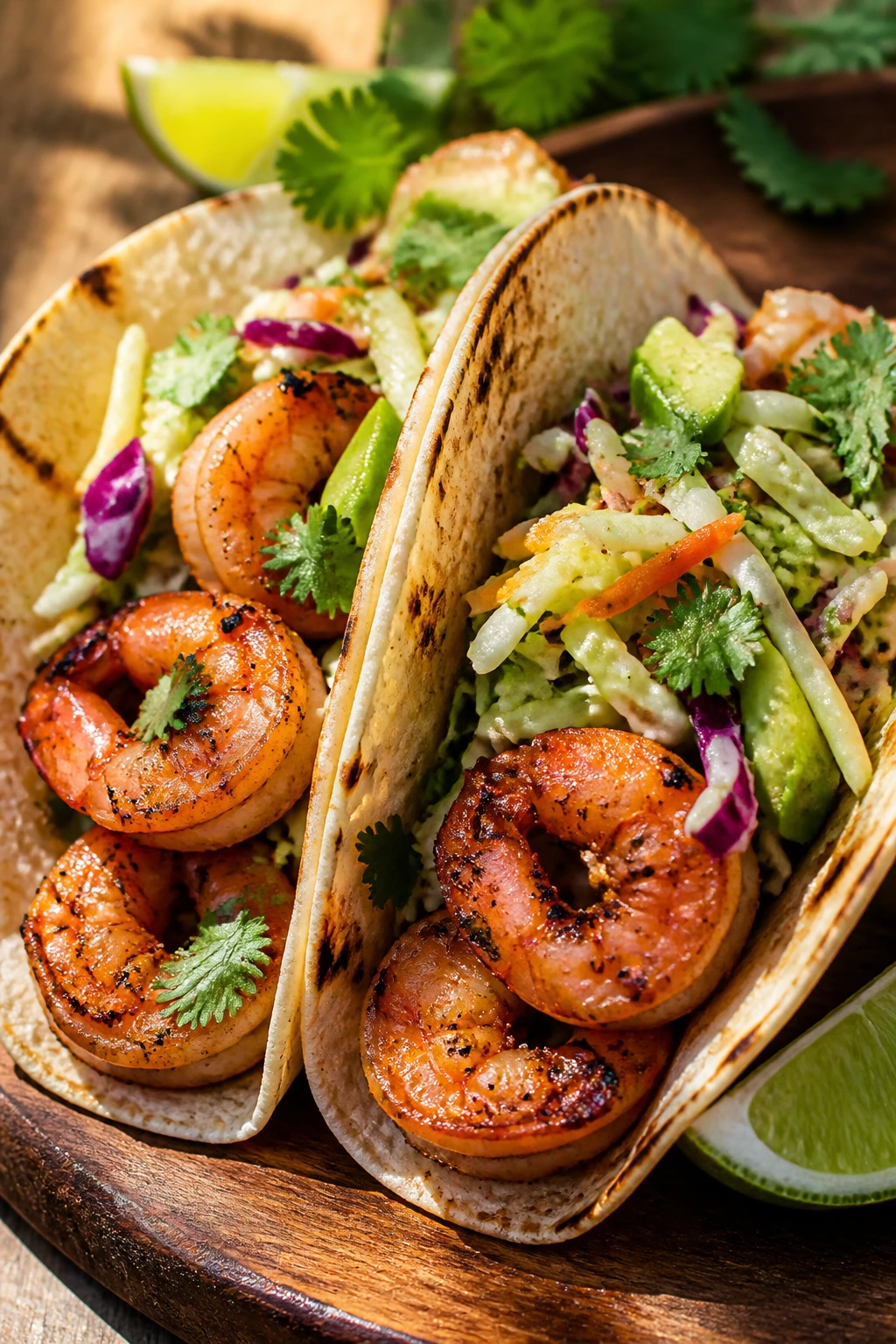
Shrimp are the fastest thing on this list, and that speed is the point. They pick up smoke in minutes, the slaw stays crisp, and the whole dinner lands with enough lime and heat to feel fresh instead of heavy. The grill gives shrimp a little firmness at the edges, which is exactly what soft taco filling needs. I’d call this one a shortcut only if the result looked like a shortcut. It doesn’t.
Why It Works:
Shrimp cook so quickly that grill heat is an advantage, not a risk, if you watch them closely. The lime slaw can be mixed ahead of time and gets better after a short sit in the fridge because the cabbage softens slightly. A quick char on the tortillas makes the tacos smell like the grill even if the shrimp cook in five minutes.
Key Ingredients:
- 1 1/2 pounds large shrimp, peeled and deveined
- 2 tablespoons olive oil
- 1 teaspoon chili powder
- 1 teaspoon ground cumin
- 1 teaspoon garlic powder
- 1 teaspoon kosher salt
- 8 small corn or flour tortillas
- 4 cups shredded green cabbage
- 1/3 cup mayonnaise or plain Greek yogurt
- 2 tablespoons lime juice
- 1/4 cup chopped cilantro
- 1 avocado, sliced, optional
Quick Steps:
- Mix the cabbage, mayonnaise or yogurt, lime juice, cilantro, and a pinch of salt in a bowl. Chill while you cook the shrimp.
- Toss the shrimp with olive oil, chili powder, cumin, garlic powder, and salt.
- Preheat the grill to medium-high. Thread the shrimp onto skewers or use a grill basket.
- Grill the shrimp for 2 minutes per side, until pink, curled, and just opaque in the center.
- Warm the tortillas on the grill for 15 to 20 seconds per side until soft with a few charred spots.
- Fill each tortilla with shrimp, slaw, and avocado if you want it, then finish with extra lime.
Equipment for This Recipe:
- Grill basket or skewers
- Mixing bowl
- Tongs
- Cutting board
- Small bowl for the slaw
How to Serve This Dish:
Serve the tacos family-style so people can build their own. A bowl of black beans, grilled corn, or sliced radishes makes the plate feel fuller without making the cook miserable. Keep the hot sauce nearby.
Pro Tips for This Recipe:
- Use large shrimp if you can. Tiny shrimp overcook fast and vanish into the tortilla.
- Don’t salt the slaw too early if you want it extra crisp. A light seasoning is enough.
- Warm the tortillas right before serving, not after everything is assembled.
- If the shrimp curl into tight little rings, they’ve gone a touch too far. Pull them earlier next time.
Variations on This Dish:
- Chipotle Version: Add 1 teaspoon minced chipotle in adobo to the shrimp seasoning.
- Mango Slaw Version: Fold diced mango into the slaw for a sweeter, softer taco.
- Grilled Pineapple Tacos: Add quick-charred pineapple chunks for a more tropical plate.
Common Mistakes to Avoid with This Dish:
- Overcooking the shrimp: They need minutes, not a long soak on the grill. Watch for the color change and pull them early.
- Watery slaw: If the cabbage is dripping, pat it dry before mixing.
- Cold tortillas: They crack and fall apart. Warm them on the grate.
5. Smoky BBQ Pork Chops
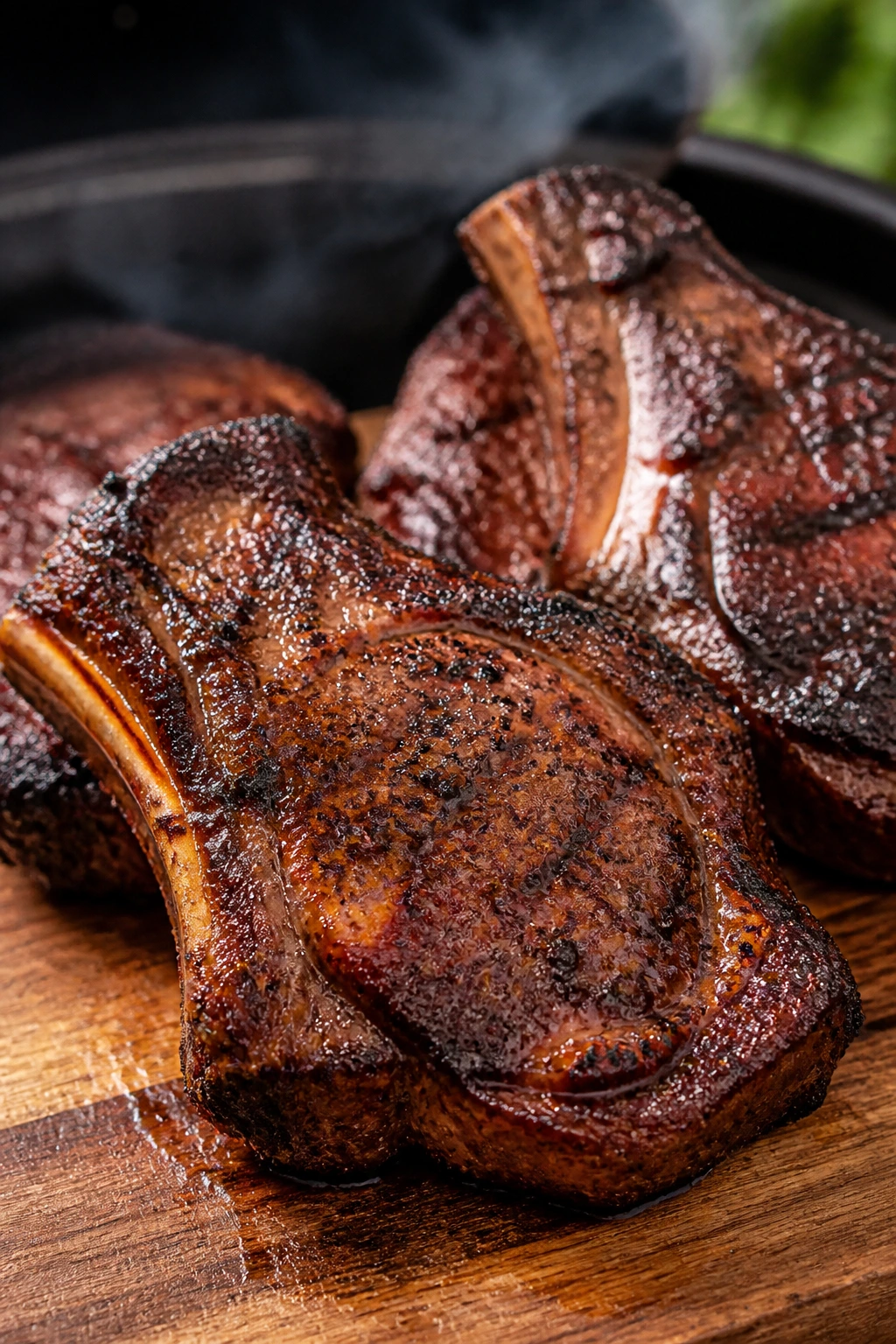
Pork chops get a bad reputation because people cook them like they’re trying to win a race. Give them bone-in cut, a decent dry rub, and two zones of heat, and they turn into one of the easiest grilled dinners around. The smoke kisses the outside, the bone helps protect the meat, and the barbecue sauce only goes on at the end, where it belongs. That last part matters more than people think.
Why It Works:
A 1-inch bone-in chop has enough thickness to handle direct heat without turning chalky. The brown sugar and paprika in the rub build a dark crust, but the sauce waits until the final minute so it doesn’t burn into a sticky shell. Pork finishes best with a little rest, which lets the juices settle back into the meat.
Key Ingredients:
- 4 bone-in pork chops, about 1 inch thick
- 1 tablespoon brown sugar
- 2 teaspoons smoked paprika
- 1 teaspoon garlic powder
- 1 teaspoon onion powder
- 1 1/2 teaspoons kosher salt
- 1/2 teaspoon black pepper
- 1 tablespoon olive oil
- 1/2 cup barbecue sauce
Quick Steps:
- Mix the brown sugar, paprika, garlic powder, onion powder, salt, and pepper in a small bowl.
- Rub the pork chops with olive oil, then coat both sides with the spice mix.
- Preheat the grill to medium-high and set up a cooler zone if you can.
- Grill the chops for 4 to 5 minutes per side over direct heat, then move them to indirect heat if they need a few more minutes.
- Brush with barbecue sauce during the last 1 to 2 minutes, letting it glaze rather than burn.
- Pull the chops when they reach 145°F in the thickest part, then rest for 5 minutes.
Equipment for This Recipe:
- Grill
- Instant-read thermometer
- Tongs
- Small bowl for the rub
- Basting brush
How to Serve This Dish:
Pork chops like something cold and crunchy beside them. Coleslaw, grilled peaches, or a vinegar-heavy cucumber salad all work. If you want a starch, grilled corn or potato salad makes more sense than anything fussy.
Pro Tips for This Recipe:
- Bone-in chops are less forgiving than they look, so check the temperature early.
- Keep the barbecue sauce for the end. Sugar burns fast.
- If your chops are uneven in thickness, flatten the thick end a little with the heel of your hand before seasoning.
- Resting matters here because pork chops dry out faster than a pork shoulder ever would.
Variations on This Dish:
- Carolina-Style Finish: Skip the sweet barbecue sauce and brush with a sharp vinegar sauce at the end.
- Maple-Mustard Version: Mix 2 tablespoons maple syrup with 2 tablespoons Dijon and glaze during the last minute.
- Garlic Herb Version: Leave out the sugar and finish with melted butter, parsley, and thyme instead.
Common Mistakes to Avoid with This Dish:
- Saucing too early: The glaze turns dark and bitter before the pork is done.
- Cooking by color alone: Use a thermometer. Chops can look finished when they’re still underdone in the center.
- Skipping the rest: Slice too soon and the juices leave in a rush.
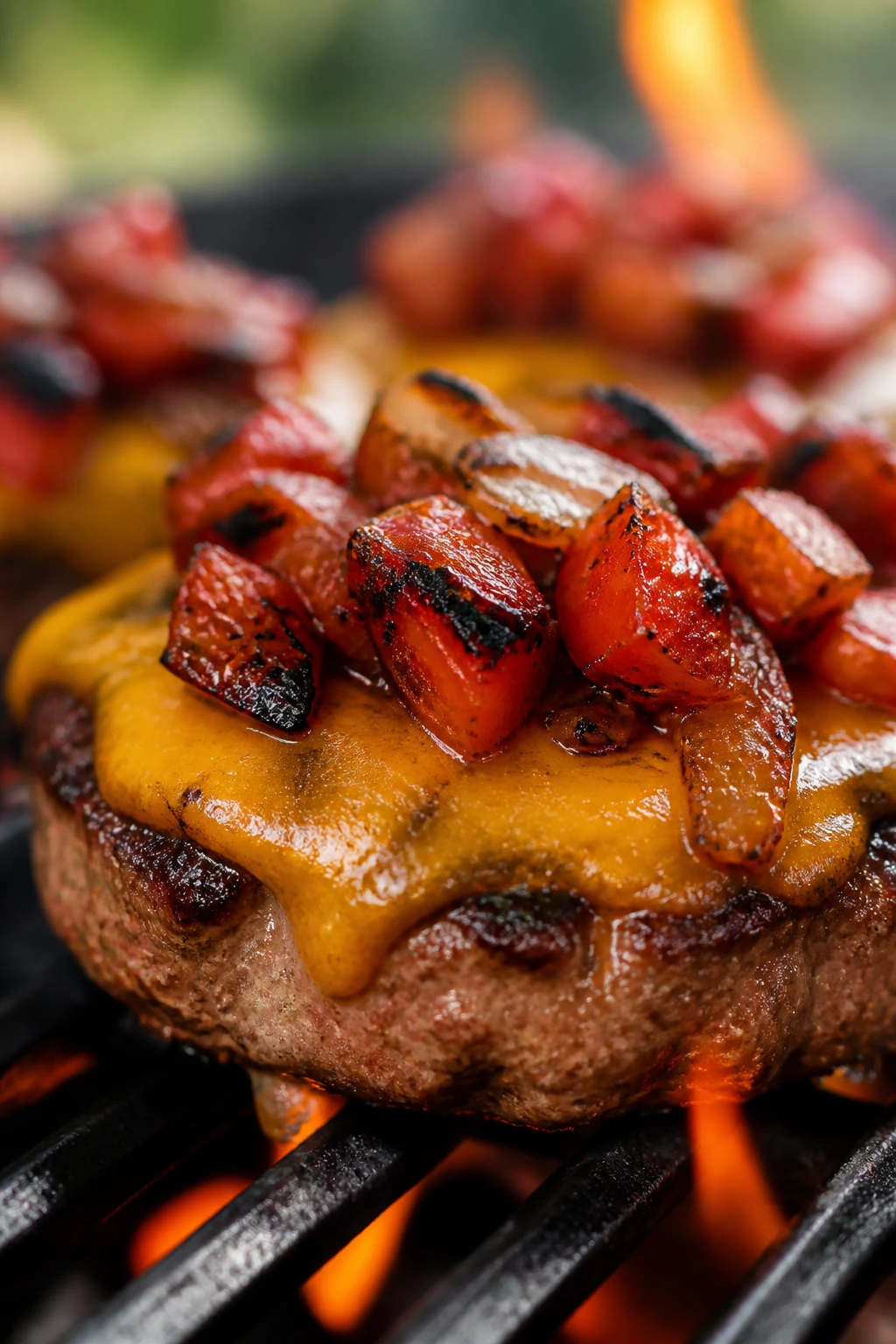
6. Grilled Cheeseburgers with Charred Tomato Relish
A burger on the grill should taste like summer tomatoes, melted cheese, and a little smoke in the background. The relish here does the heavy lifting: blistered tomatoes, softened onion, and basil stirred together while the patties cook. You get a burger that feels complete without needing bacon, aioli, and seven toppings to hide a dry patty. Good beef doesn’t need a costume.
Why It Works:
An 80/20 ground chuck blend has enough fat to stay juicy on the grill and enough structure to hold its shape. The tomatoes soften and collapse into something halfway between sauce and salsa, which is the right texture for a burger. Cheese goes on just long enough to melt into the meat, not so long that it turns rubbery.
Key Ingredients:
- 2 pounds ground chuck, 80/20
- 1 1/2 teaspoons kosher salt
- 1 teaspoon black pepper
- 4 slices cheddar cheese
- 4 burger buns
- 2 cups cherry tomatoes, halved
- 1/2 red onion, sliced
- 1 tablespoon olive oil
- 1 tablespoon balsamic vinegar
- 2 tablespoons chopped basil
- Pickles, lettuce, or mustard, optional
Quick Steps:
- Toss the tomatoes and onion with olive oil in a grill-safe pan or basket.
- Preheat the grill to medium-high. Put the tomato mixture on the grate and cook for 8 to 10 minutes, stirring once, until blistered and soft. Stir in the balsamic and basil.
- Form the beef into 4 patties and season both sides with salt and pepper. Make a shallow dimple in the center of each one.
- Grill the burgers for 3 to 4 minutes per side, adding cheese during the last minute.
- Toast the buns cut-side down for 30 seconds to 1 minute.
- Build the burgers with relish and any extras you want.
Equipment for This Recipe:
- Grill
- Grill basket or small cast-iron pan
- Spatula
- Mixing bowl
- Instant-read thermometer, if you want exact doneness
How to Serve This Dish:
Serve the burgers with chips, grilled potatoes, or a simple green salad. I’d keep the toppings light and let the tomato relish do the talking. A burger this good does not need five sauces.
Pro Tips for This Recipe:
- Handle the meat lightly. Packed patties turn dense fast.
- Press a dimple into the center so the burgers don’t puff into meatballs.
- Let the buns toast. A soft bun with a juicy burger turns soggy by the third bite.
- Pull the burgers when they’re about 5°F below your target; they keep cooking as they rest.
Variations on This Dish:
- Blue Cheese Version: Swap the cheddar for blue cheese and add sliced red onion.
- Turkey Burger Swap: Use 1 1/2 pounds ground turkey and cook to 165°F, with a little olive oil in the mix.
- Smash Burger Shortcut: Flatten smaller patties on a hot grill grate or griddle plate for more crust and less fuss.
Common Mistakes to Avoid with This Dish:
- Pressing the patties with a spatula: You squeeze out the fat that keeps them juicy.
- Using cold, wet tomatoes in the relish: They turn watery instead of jammy. Let them blister properly.
- Overloading the bun: One juicy burger, one spoonful of relish, and a few pickles are enough.
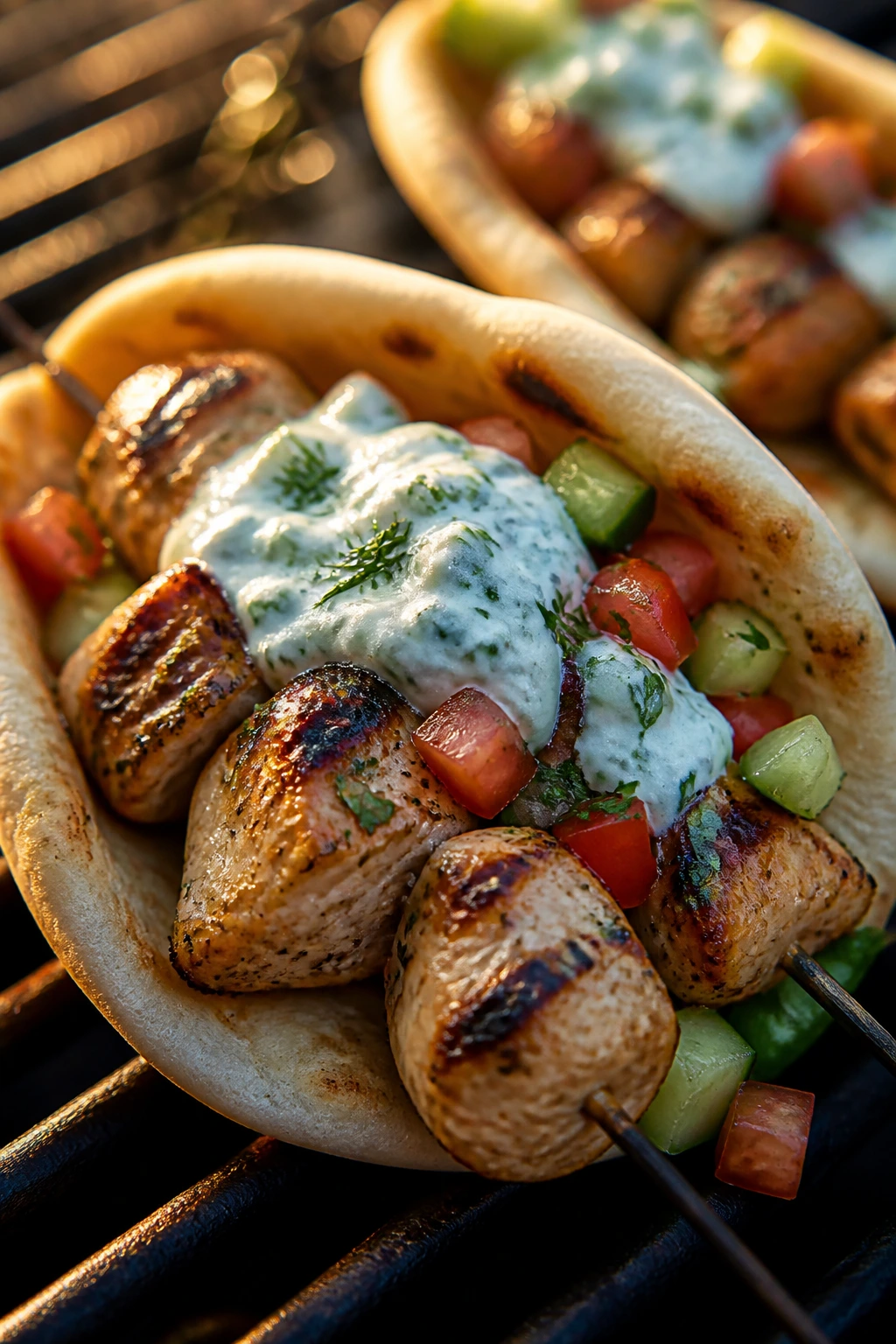
7. Greek Chicken Souvlaki Pitas
This is the kind of grill dinner that tastes brighter than it looks. Yogurt, lemon, garlic, and oregano soak into chicken pieces, and the grill gives them those browned edges that make souvlaki worth the skewers. Tuck everything into warm pita with tzatziki and chopped vegetables, and dinner starts to feel like assembly instead of cooking, which is a nice place to be on a warm evening.
Why It Works:
The yogurt in the marinade clings to the chicken and helps it brown without drying out. Cutting the meat into uniform pieces means the skewers cook evenly, which matters more than people think. The cucumber, tomato, and onion stay cool and crisp against the hot chicken, so the pita never eats flat.
Key Ingredients:
- 2 pounds boneless chicken thighs, cut into 1 1/2-inch pieces
- 1/2 cup plain Greek yogurt
- 2 tablespoons lemon juice
- 2 tablespoons olive oil
- 3 garlic cloves, minced
- 2 teaspoons dried oregano
- 1 teaspoon kosher salt
- 1/2 teaspoon black pepper
- 1 cucumber, diced
- 2 tomatoes, diced
- 1/2 red onion, thinly sliced
- 4 to 6 pitas
- 3/4 cup tzatziki
Quick Steps:
- Mix the yogurt, lemon juice, olive oil, garlic, oregano, salt, and pepper. Toss with the chicken and marinate for 30 minutes to 4 hours.
- Thread the chicken onto skewers.
- Preheat the grill to medium-high and oil the grates.
- Grill the skewers for 8 to 10 minutes, turning every few minutes, until the chicken reaches 165°F.
- Warm the pita on the grill for 20 to 30 seconds per side.
- Fill each pita with chicken, cucumber, tomato, onion, and tzatziki.
Equipment for This Recipe:
- Grill
- Skewers
- Mixing bowl
- Tongs
- Small bowl for the chopped vegetables
How to Serve This Dish:
Serve the pitas warm and folded, with extra tzatziki on the side. A Greek-style salad or grilled potatoes makes the meal feel complete. If you’re serving a crowd, lay everything out and let people build their own.
Pro Tips for This Recipe:
- Don’t leave the chicken in the yogurt marinade for a full day. Four hours is plenty.
- Leave a little space between the pieces on the skewer so the heat can get in.
- If you use wooden skewers, soak them first or they’ll scorch.
- Warm pita is worth the extra minute. Cold pita tears, and then the filling falls out.
Variations on This Dish:
- Lamb Souvlaki: Swap the chicken for lamb shoulder cut into cubes and grill to medium.
- Vegetable Version: Use zucchini, mushrooms, and red onion with the same marinade, then grill a little less time.
- Rice Bowl Style: Skip the pita and serve over rice with cucumber, tomato, and a drizzle of olive oil.
Common Mistakes to Avoid with This Dish:
- Packing the pieces too tightly: The chicken steams instead of browning.
- Using chicken breast without changing the timing: Breast meat dries faster and needs a closer eye.
- Forgetting the acid balance: Too much lemon and the marinade turns sharp instead of bright.
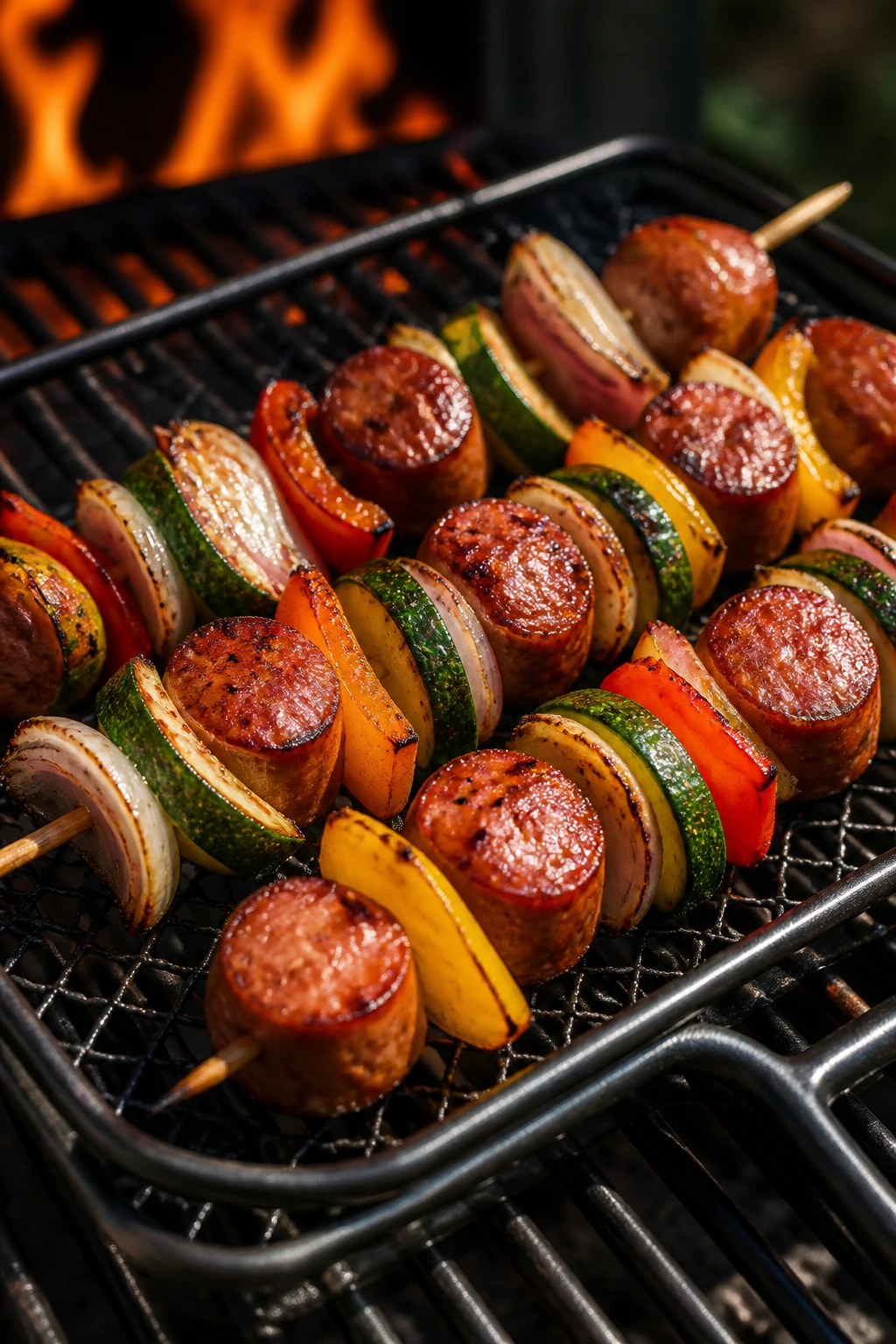
8. Sausage, Zucchini, and Pepper Skewers
Smoked sausage is a cheat code for the grill because it’s already cooked and just wants color, heat, and a little char. Pair it with zucchini, peppers, and onion, and the vegetables pick up the smoky fat while staying pleasantly crisp at the edges. This is the dinner I pull out when I want to feed people fast and still put down something that looks like I planned it.
Why It Works:
Pre-cooked sausage gives you insurance; you’re not trying to cook the protein from raw, only to brown it and warm it through. Zucchini and peppers have enough moisture to handle direct heat if you oil them first, and onion wedges turn sweet when their edges catch the flame. The result is one skewered dinner that doesn’t need a side of apology.
Key Ingredients:
- 1 1/2 pounds smoked sausage or kielbasa, cut into 1-inch pieces
- 2 zucchini, cut into thick half-moons
- 2 bell peppers, cut into squares
- 1 large red onion, cut into chunks
- 2 tablespoons olive oil
- 1 teaspoon Italian seasoning
- 1/2 teaspoon kosher salt
- 1/4 teaspoon black pepper
- 1 tablespoon lemon juice or a spoonful of pesto for serving
Quick Steps:
- Toss the zucchini, peppers, and onion with olive oil, Italian seasoning, salt, and pepper.
- Thread the sausage and vegetables onto skewers, alternating the pieces.
- Preheat the grill to medium-high and oil the grates.
- Grill the skewers for 8 to 10 minutes, turning every couple of minutes, until the vegetables are charred at the edges and the sausage is hot through.
- Finish with lemon juice or a swipe of pesto before serving.
Equipment for This Recipe:
- Grill
- Skewers
- Large bowl
- Tongs
- Basting brush, if you want pesto on the finished skewers
How to Serve This Dish:
Serve the skewers with crusty bread, mustard, or a cool herb sauce. They also work over rice or alongside grilled corn if you want to stretch them further. Slide the pieces off the skewer if you’re serving kids; it’s less messy.
Pro Tips for This Recipe:
- Cut the zucchini thick enough to stay on the skewer. Thin slices turn limp.
- Keep the onion chunks large so they don’t disappear between the grill bars.
- If the sausage is very oily, move the skewers to a slightly cooler part of the grill after the first few minutes.
- A little lemon at the end makes the sausage taste less heavy.
Variations on This Dish:
- Andouille Heat: Use spicy andouille for a more Southern, smoky version.
- Chicken Sausage Swap: Choose chicken sausage with peppers if you want a lighter plate.
- Pesto Finish: Brush the vegetables with basil pesto right after grilling instead of using lemon.
Common Mistakes to Avoid with This Dish:
- Making the vegetables too small: They’ll slip around and burn before the sausage warms.
- Crowding the skewer: Leave enough space for heat to move between the pieces.
- Skipping the oil: Dry vegetables stick and scorch.
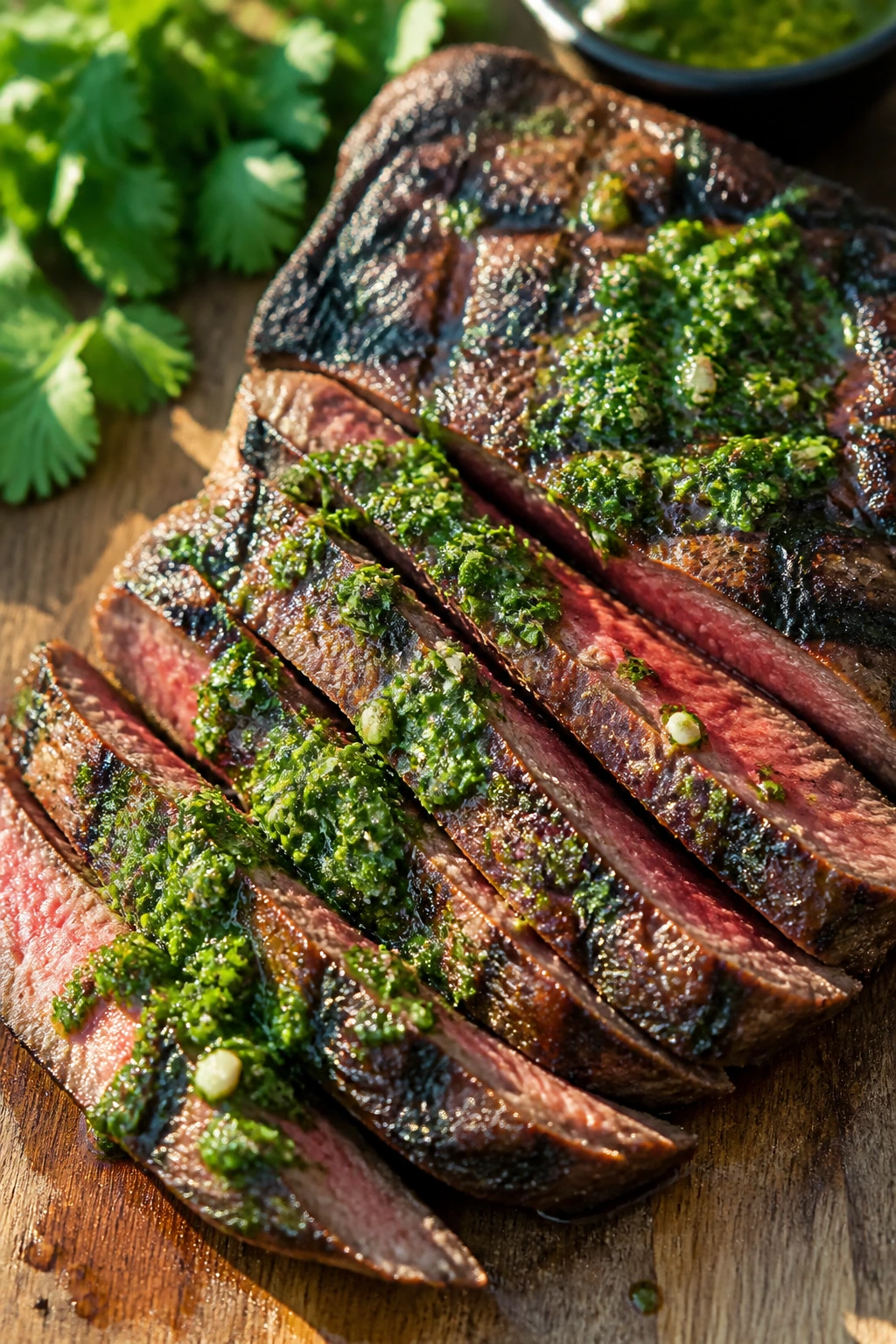
9. Grilled Flank Steak with Chimichurri
Flank steak is all about a sharp sear, a short rest, and a clean slice. Chimichurri cuts right through the beef with herbs, vinegar, garlic, and pepper flakes, and the contrast is the point. This is one of those dinners that tastes expensive without requiring a dramatic amount of effort. I love it for that reason alone.
Why It Works:
Flank steak has bold beef flavor, but it needs to be sliced against the grain or it eats chewy. Chimichurri is the right partner because it adds freshness without covering the meat in a heavy sauce. The vinegar and herbs also make the plate feel cooler, which matters when the grill has been running hot for a while.
Key Ingredients:
- 1 3/4 pounds flank steak
- 1 1/2 teaspoons kosher salt
- 1 teaspoon black pepper
- 1 tablespoon olive oil
- 1 cup flat-leaf parsley, finely chopped
- 1/2 cup cilantro, finely chopped
- 3 garlic cloves, minced
- 2 tablespoons red wine vinegar
- 1/3 cup olive oil
- 1/2 teaspoon red pepper flakes
Quick Steps:
- Mix the parsley, cilantro, garlic, red wine vinegar, olive oil, and red pepper flakes to make the chimichurri. Set aside.
- Pat the flank steak dry and rub it with olive oil, salt, and pepper.
- Preheat the grill to high or medium-high, about 450°F.
- Grill the steak for 4 to 6 minutes per side for medium-rare, depending on thickness.
- Transfer to a board and rest for 10 minutes.
- Slice thinly against the grain and spoon chimichurri over the top.
Equipment for This Recipe:
- Grill
- Sharp chef’s knife
- Cutting board
- Small bowl
- Tongs
How to Serve This Dish:
Serve sliced flank steak with grilled potatoes, asparagus, or a tomato salad. A spoonful of chimichurri on the side helps people decide how much brightness they want. I usually go heavy.
Pro Tips for This Recipe:
- Look for the grain before you grill so you know which direction to slice later.
- Don’t marinate the steak in the chimichurri. Keep the herb sauce bright and raw.
- Rest the meat before slicing, or the juices will run away.
- If the steak is uneven in thickness, put the thicker end over the cooler part of the grill for a minute or two.
Variations on This Dish:
- Mint Chimichurri: Swap half the parsley for mint if you want a cooler, greener finish.
- Skirt Steak Version: Use skirt steak and shorten the cook time by a minute or two per side.
- No-Cilantro Version: Replace the cilantro with extra parsley if you’re one of the people who tastes soap.
Common Mistakes to Avoid with This Dish:
- Slicing with the grain: That’s how flank steak turns stringy.
- Skipping the rest: The steak needs those 10 minutes before the knife comes out.
- Using chimichurri that’s too thick: Add a splash more olive oil if it clumps instead of spooning.
10. Halloumi and Vegetable Skewers
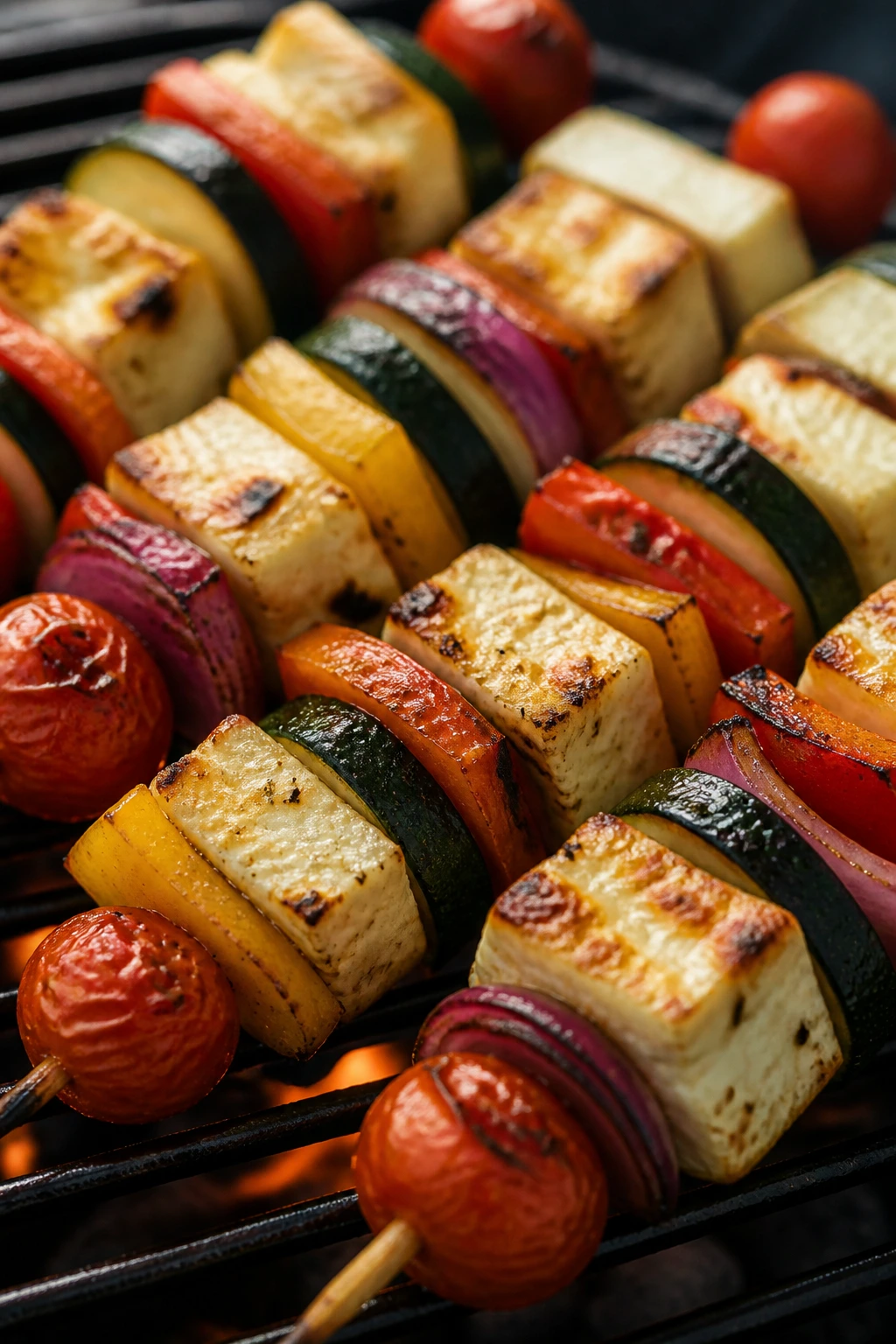
Halloumi behaves like it was made for the grill. It browns instead of melting into a puddle, which is a small miracle when dinner needs to hold together on a skewer. Pair it with zucchini, peppers, onion, and tomatoes, and you get a vegetarian meal with actual char, actual texture, and enough salt to make the vegetables taste louder. I say that in a good way.
Why It Works:
Halloumi’s firm structure lets it sit on the grill long enough to pick up color without collapsing. The vegetables each cook at a slightly different pace, but when they’re cut into similar sizes, they land in the same window. A little lemon or honey at the end sharpens the cheese and keeps the whole skewer from tasting heavy.
Key Ingredients:
- 12 ounces halloumi cheese, cut into 1-inch cubes
- 1 zucchini, cut into thick half-moons
- 2 bell peppers, cut into chunks
- 1 large red onion, cut into wedges
- 1 pint cherry tomatoes
- 2 tablespoons olive oil
- 1 tablespoon lemon juice
- 1 teaspoon dried oregano
- 1/2 teaspoon black pepper
- 1 teaspoon honey, optional
Quick Steps:
- Toss the zucchini, peppers, onion, and tomatoes with olive oil, lemon juice, oregano, and pepper.
- Thread the halloumi and vegetables onto skewers, keeping the cheese in larger pieces so it won’t break apart.
- Preheat the grill to medium-high and oil the grates well.
- Grill the skewers for 6 to 8 minutes total, turning gently, until the vegetables have char marks and the halloumi is golden.
- Drizzle with honey if you want a sweet-salty finish.
Equipment for This Recipe:
- Grill
- Skewers
- Mixing bowl
- Tongs
- Small brush or spoon for the honey finish
How to Serve This Dish:
Serve the skewers with couscous, herby rice, or warm pita. A bowl of yogurt sauce or tahini on the side makes the plate feel finished. If you want a full vegetarian dinner, add a tomato salad.
Pro Tips for This Recipe:
- Pat the halloumi dry before skewering. Wet cheese browns poorly.
- Use sturdy pieces of onion and pepper. Thin bits fall off or overcook.
- Turn the skewers carefully; halloumi can tear if you get rough.
- A quick squeeze of lemon after grilling keeps the cheese from tasting too salty.
Variations on This Dish:
- Harissa Halloumi: Toss the vegetables with 1 teaspoon harissa for a red, smoky kick.
- Grain Bowl Version: Slide everything off the skewers over farro or rice with herbs.
- Dairy-Free Swap: Use extra-firm tofu, pressed and cubed, then grill it with the same seasoning.
Common Mistakes to Avoid with This Dish:
- Using halloumi straight from the package without drying it: The cheese browns weakly and can stick.
- Cutting the vegetables too small: They’ll disappear before the halloumi gets color.
- Cooking over raging heat: Halloumi wants medium-high, not a fire pit.
11. Grilled Pizza with Fresh Mozzarella and Basil
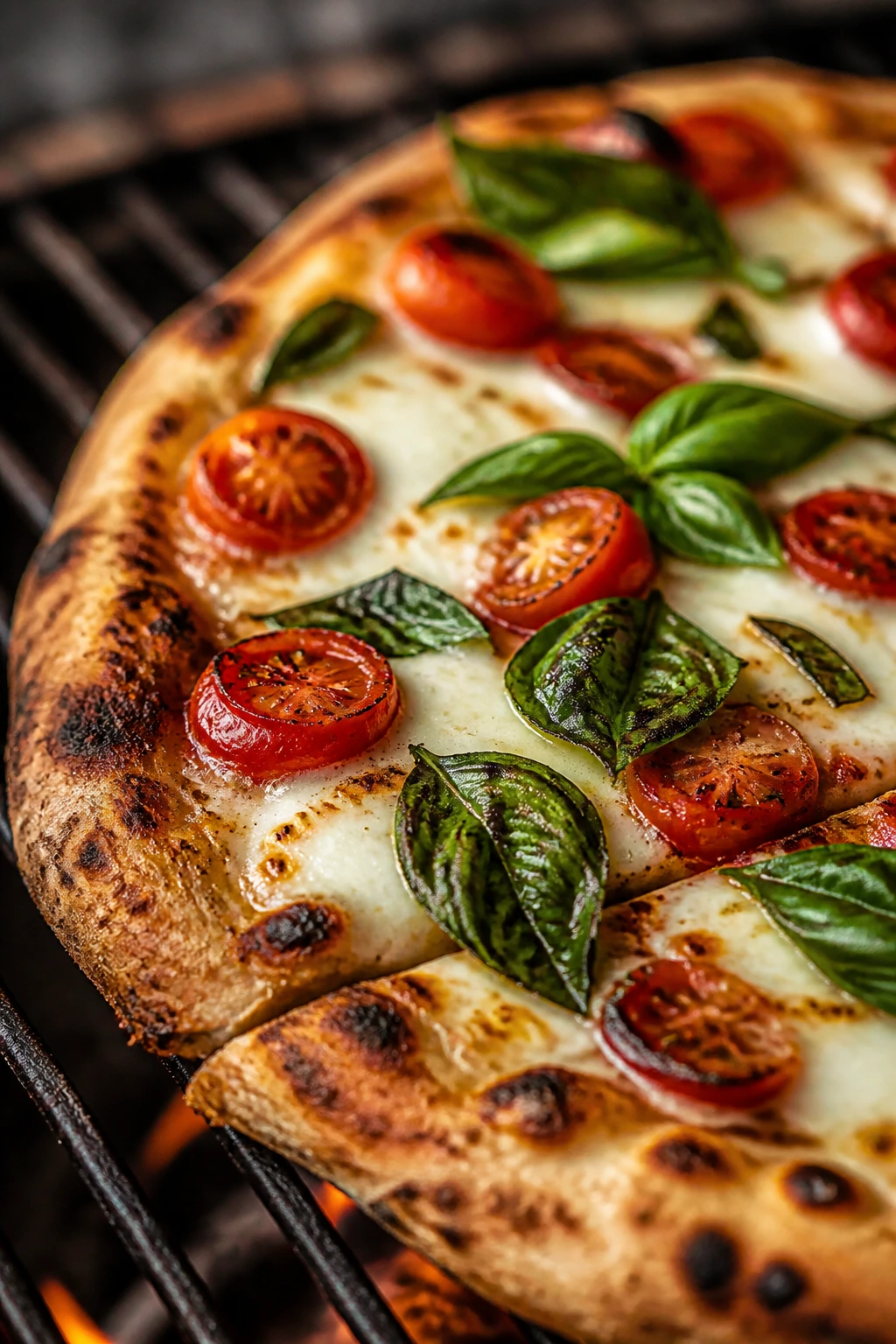
Grilled pizza has a different mood from oven pizza, and that’s why it’s fun. The bottom gets crisp and faintly smoky while the top stays soft and stretchy, and the whole thing feels casual in the best possible way. Fresh mozzarella, basil, and tomatoes keep the topping list simple enough that the dough can still be the point. Good pizza dough on a grill is a small thing that feels bigger than it should.
Why It Works:
Direct heat on the grate gives the crust a quick set, which means the dough can crisp before the toppings overcook. Fresh mozzarella adds creamy pockets, but it needs to be patted dry so it doesn’t turn the pizza into soup. Basil goes on after grilling because heat kills its aroma fast.
Key Ingredients:
- 1 pound pizza dough, at room temperature
- 2 tablespoons olive oil
- 1/2 cup pizza sauce or crushed tomatoes
- 8 ounces fresh mozzarella, sliced and patted dry
- 1 cup cherry tomatoes, halved
- 1 garlic clove, minced
- 1/2 cup basil leaves
- 1/4 cup grated Parmesan
- Pinch of salt and black pepper
Quick Steps:
- Preheat the grill to medium-high, about 450°F. Oil the grates well.
- Stretch the dough into a rough 12-inch round and brush one side with olive oil.
- Place the dough oiled-side down on the grill for 2 to 3 minutes, until the bottom sets and shows grill marks.
- Flip the dough, spread with sauce, then top with mozzarella, tomatoes, garlic, Parmesan, salt, and pepper.
- Close the lid and grill for 3 to 5 minutes, until the cheese melts and the underside is browned.
- Remove from the grill and scatter basil over the top before slicing.
Equipment for This Recipe:
- Grill
- Pizza peel or rimless baking sheet
- Long tongs
- Pastry brush
- Cutting wheel or sharp knife
How to Serve This Dish:
Serve the pizza in wide slices with a green salad and maybe a chilled tomato salad if you have a few extra tomatoes lying around. Keep the topping list light or the crust won’t stay crisp. That’s the whole game here.
Pro Tips for This Recipe:
- Bring the dough to room temperature so it stretches without snapping back.
- Pat the mozzarella dry. Wet cheese kills the crust.
- Don’t overload the toppings. Grilled pizza is at its best when the crust can still breathe.
- If the dough tears, patch it with your fingers and move on. A rough shape is part of the charm.
Variations on This Dish:
- White Pizza: Use ricotta, mozzarella, garlic, and a little lemon zest instead of tomato sauce.
- Pesto Pizza: Swap in basil pesto and top with sliced zucchini and mozzarella.
- Pepperoni Version: Add pepperoni slices, but keep the layer thin so the crust still crisps.
Common Mistakes to Avoid with This Dish:
- Trying to flip dough that hasn’t set: It tears fast. Wait until the first side has actual grill marks.
- Using too much sauce: The middle turns wet and heavy.
- Leaving the basil on the grill: It burns in seconds. Add it after.
12. Teriyaki Chicken Skewers with Pineapple
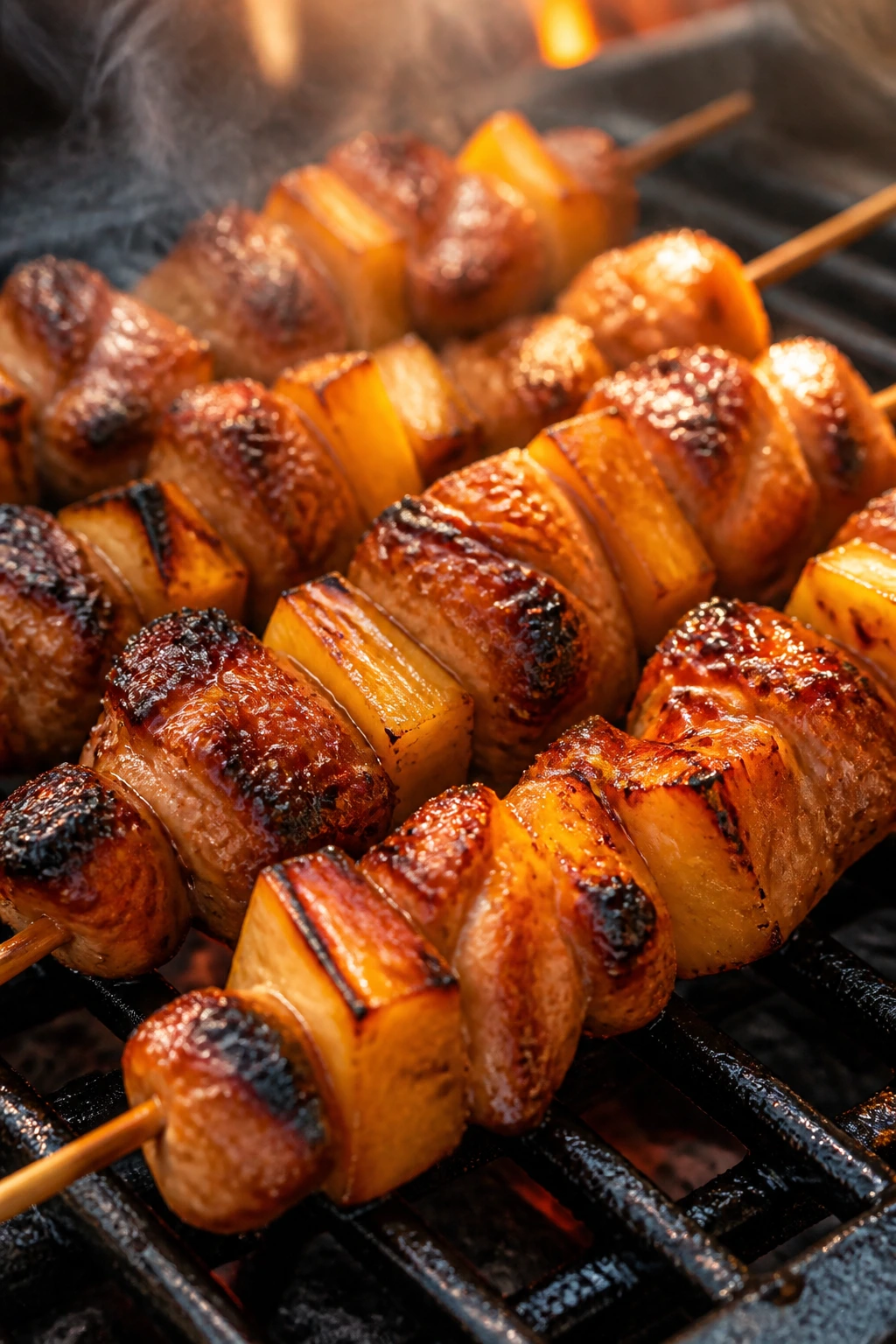
Sweet-savory skewers are a summer grill classic for a reason. Teriyaki glaze clings to the chicken, pineapple adds a hot, juicy bite, and the grill caramelizes the sugars into something deeper than the bottle suggests. These skewers are especially good when you want dinner that looks festive without requiring a dozen moving parts. They’re cheerful food. No mystery there.
Why It Works:
Chicken thighs stay tender through the high heat, and pineapple brings enough acidity to keep the skewers from reading one-note sweet. The trick is to use most of the teriyaki as a glaze near the end, not a bath from start to finish. That keeps the sugar from burning before the chicken is done.
Key Ingredients:
- 2 pounds boneless chicken thighs, cut into 1 1/2-inch pieces
- 2 cups pineapple chunks
- 3/4 cup teriyaki sauce
- 2 tablespoons soy sauce
- 1 tablespoon grated fresh ginger
- 2 garlic cloves, minced
- 1 tablespoon sesame oil
- 2 scallions, sliced
- 1 tablespoon sesame seeds
Quick Steps:
- Mix half the teriyaki sauce with the soy sauce, ginger, garlic, and sesame oil. Toss with the chicken and marinate for 30 minutes to 4 hours.
- Thread the chicken and pineapple onto skewers, alternating pieces.
- Preheat the grill to medium-high and oil the grates.
- Grill the skewers for 10 to 12 minutes, turning every few minutes.
- Brush with the remaining teriyaki sauce during the last 2 minutes so it glazes instead of burns.
- Finish with scallions and sesame seeds.
Equipment for This Recipe:
- Grill
- Skewers
- Mixing bowl
- Tongs
- Small brush for glazing
How to Serve This Dish:
Serve the skewers over rice or with grilled rice noodles if you want something a little different. A crisp cucumber salad or steamed edamame keeps the sweet glaze from feeling too heavy. I like a little extra sauce on the side, too.
Pro Tips for This Recipe:
- Use pineapple chunks that are big enough to stay on the skewer and not collapse.
- Keep the glaze for the end. Sugar burns fast on a hot grate.
- If the chicken pieces are uneven, the smaller ones overcook while the bigger ones catch up.
- A squeeze of lime at the table brightens the whole skewer.
Variations on This Dish:
- Gochujang Version: Stir 1 tablespoon gochujang into the marinade for heat and depth.
- Tofu Swap: Use extra-firm tofu, pressed and cubed, and marinate it the same way.
- Vegetable-Heavy Version: Add red onion and bell pepper chunks for more color and less meat.
Common Mistakes to Avoid with This Dish:
- Using too much bottled sauce early: The sugars blacken before the chicken cooks through.
- Cutting the chicken too small: The pieces dry out and fall apart on the skewer.
- Skipping the final glaze: That last brush is where the sticky, glossy finish comes from.
13. Cedar-Plank Salmon with Dill Yogurt
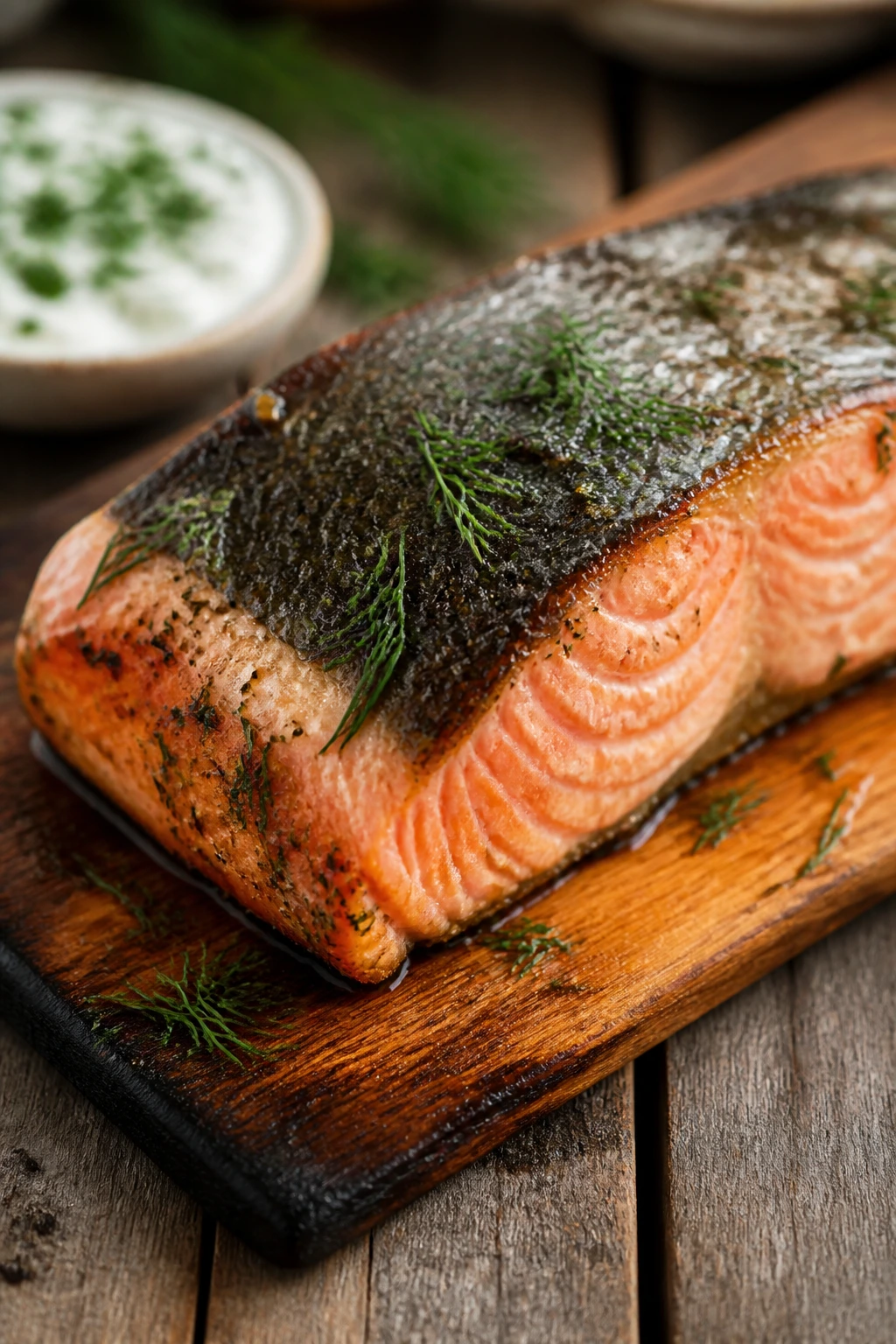
Cedar plank salmon has a very specific kind of charm. The wood gives the fish a soft smoke, the salmon stays moist, and the whole thing feels a little more composed than a plain fillet on the grate. Dill yogurt on the side keeps the richness in check and adds a cool, herbal note that belongs with summer fish. This is the sort of grill recipe that makes people slow down at the table.
Why It Works:
The plank acts like a heat buffer, so the salmon cooks evenly and picks up smoke without direct flame licking the flesh. That means fewer hot spots and less chance of sticking. Dill, yogurt, and lemon give you a cool sauce that cuts through the buttery texture of the fish without fighting it.
Key Ingredients:
- 1 cedar plank, soaked in water for at least 1 hour
- 2 pounds salmon fillet, skin-on
- 1 tablespoon olive oil
- 1 teaspoon kosher salt
- 1/2 teaspoon black pepper
- 4 lemon slices
- 3/4 cup plain Greek yogurt
- 2 tablespoons chopped fresh dill
- 1 teaspoon lemon zest
- 1 small garlic clove, grated
- Pinch of salt for the sauce
Quick Steps:
- Soak the cedar plank in water for at least 1 hour and keep it submerged until you’re ready to grill.
- Mix the yogurt, dill, lemon zest, garlic, and a pinch of salt for the sauce.
- Rub the salmon with olive oil, salt, and pepper, then lay lemon slices on top.
- Preheat the grill to medium, around 375°F to 400°F, and place the soaked plank on the grate for 1 minute until it starts to warm and smoke.
- Set the salmon on the plank, close the lid, and grill for 12 to 18 minutes, until the fish flakes and the center is still moist.
- Serve with dill yogurt on the side.
Equipment for This Recipe:
- Grill
- Cedar plank
- Fish spatula
- Small bowl
- Instant-read thermometer, optional but useful
How to Serve This Dish:
Serve the salmon with grilled asparagus, baby potatoes, or a cucumber-dill salad. Spoon the yogurt alongside rather than on top if you want the skin to stay intact and the presentation clean. The lemon slices can stay on the board for extra aroma.
Pro Tips for This Recipe:
- Soak the plank properly. Dry wood can catch instead of smoke.
- Keep the grill at medium, not high. Cedar plank salmon likes steady heat.
- Don’t drown the fish in sauce before grilling. The yogurt belongs on the side.
- Check for doneness near the thicker end of the fillet first.
Variations on This Dish:
- Maple-Dijon Version: Brush the salmon with maple syrup and Dijon before it goes on the plank.
- Herb Crust Version: Add chopped parsley and a little breadcrumbs on top for a textured finish.
- No-Plank Version: Use a fish basket or foil on the grate if you don’t want to buy cedar planks.
Common Mistakes to Avoid with This Dish:
- Using a dry plank: It can scorch instead of smoke.
- Grilling on too high heat: The outside cooks too fast and the plank can char.
- Overcooking the salmon: It goes from silky to dry fast, especially on a hot grill.
14. Pork Tenderloin with Peach Salsa
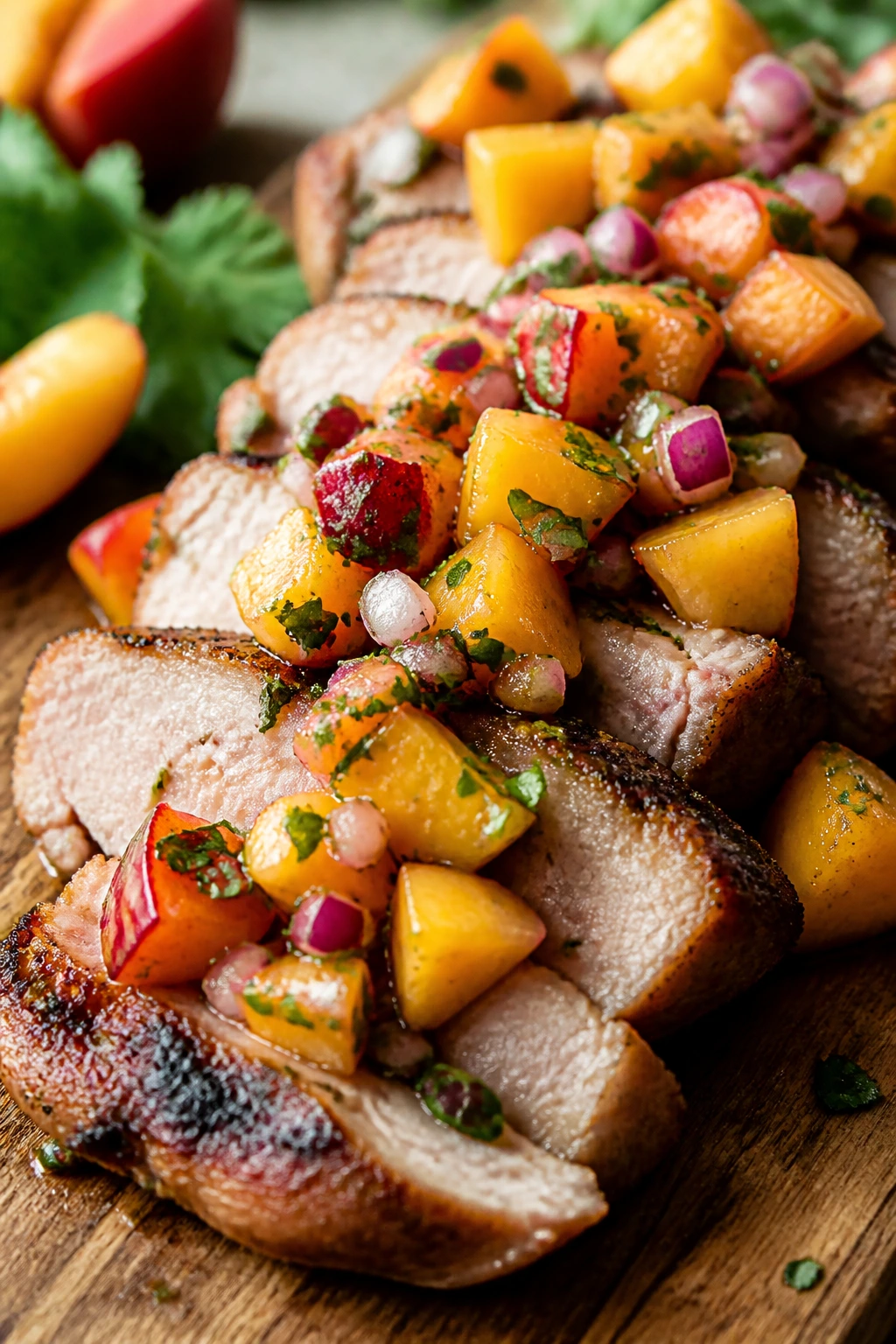
Pork tenderloin is one of the most forgiving lean cuts if you treat it with a little respect. The grill gives it color fast, and the peach salsa brings sweet fruit, sharp onion, and lime to keep the meat from feeling plain. This is a summer dinner that tastes like it belongs on a porch with a messy napkin and a cold drink. That’s the right energy for it.
Why It Works:
Tenderloin cooks quickly and evenly if you give it a hot sear and then move it to gentler heat to finish. The peach salsa uses ripe fruit, but not fruit so soft that it collapses into mush. Lime and cilantro keep the topping bright, which matters because pork tenderloin is lean and benefits from a vivid finish.
Key Ingredients:
- 2 pork tenderloins, about 1 1/2 pounds total
- 1 tablespoon olive oil
- 1 1/2 teaspoons kosher salt
- 1 teaspoon black pepper
- 1 teaspoon smoked paprika
- 2 ripe peaches, diced
- 1/4 cup red onion, finely diced
- 1 jalapeño, seeded and minced
- 2 tablespoons lime juice
- 1/4 cup chopped cilantro
- Pinch of salt for the salsa
Quick Steps:
- Rub the pork with olive oil, salt, pepper, and smoked paprika.
- Mix the peaches, red onion, jalapeño, lime juice, cilantro, and a pinch of salt for the salsa. Let it sit while the pork cooks.
- Preheat the grill to medium-high.
- Grill the tenderloins for 10 to 15 minutes total, turning every few minutes and moving to indirect heat if the outside browns too fast. Cook to 145°F.
- Rest the pork for 5 to 10 minutes, then slice into thick coins.
- Spoon peach salsa over the top.
Equipment for This Recipe:
- Grill
- Instant-read thermometer
- Tongs
- Cutting board
- Small bowl for the salsa
How to Serve This Dish:
Serve it with grilled corn, rice, or a simple green salad. The peach salsa is the centerpiece, so don’t bury the pork under too many other strong flavors. Let the fruit do its work.
Pro Tips for This Recipe:
- Trim off the silvery membrane on the tenderloin before grilling; it can tighten up in a weird way.
- Use peaches that are ripe but still firm enough to dice cleanly.
- Resting is non-negotiable here. Lean pork needs it.
- If the salsa gets too juicy, spoon the fruit off the liquid so the plate doesn’t go soggy.
Variations on This Dish:
- Nectarine Salsa: Swap peaches for nectarines if they’re firmer or more fragrant.
- Chipotle Rub: Add 1/2 teaspoon chipotle powder to the pork seasoning for smoke and heat.
- Herb Finish: Add chopped mint or basil to the salsa for a softer, greener flavor.
Common Mistakes to Avoid with This Dish:
- Overcooking the tenderloin: It dries out faster than people expect.
- Using peaches that are too hard: The salsa tastes raw and sharp instead of juicy.
- Skipping the rest: Slicing immediately drains the juices onto the board.
15. Grilled Portobello Steaks with White Bean Salad
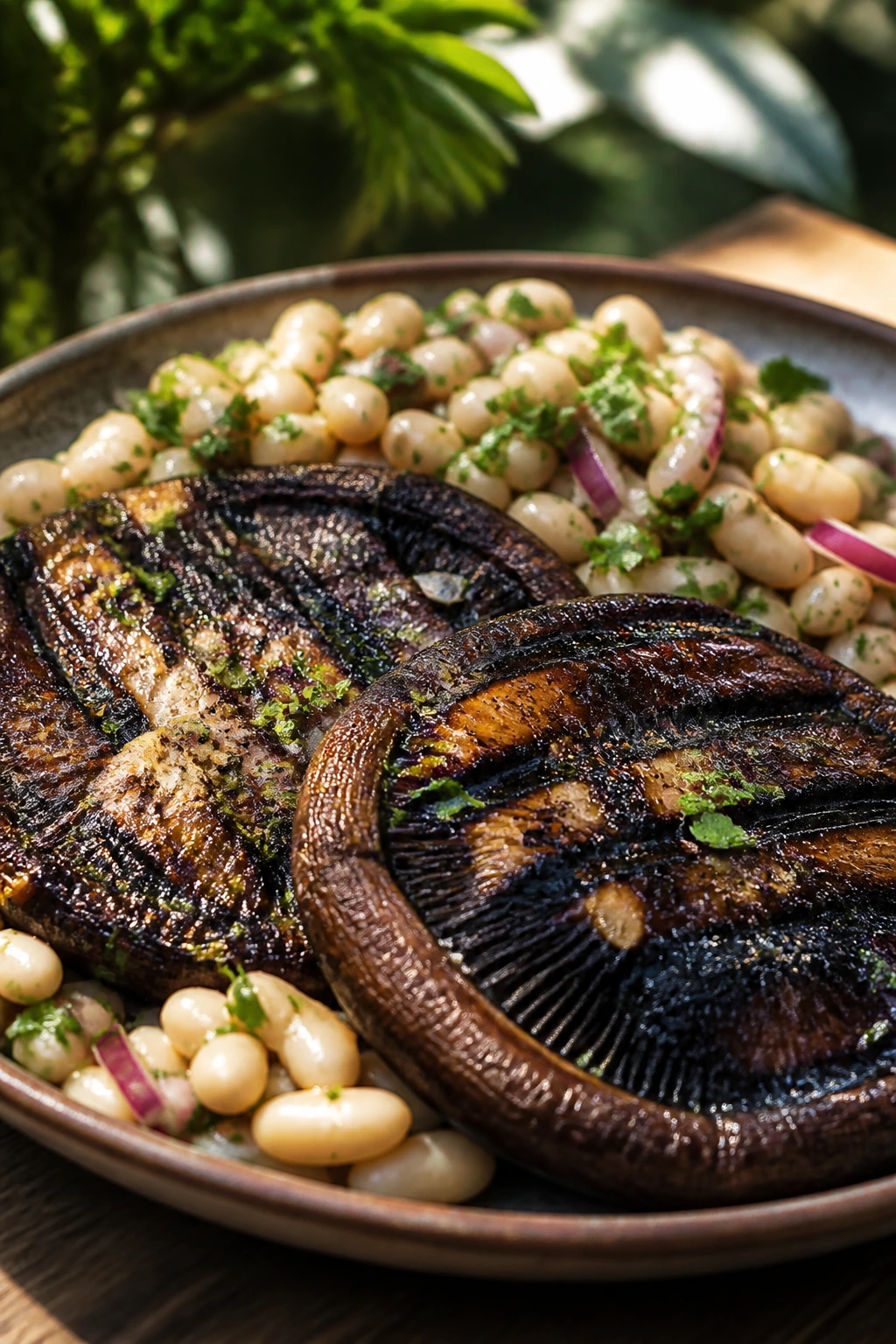
Portobellos are the closest thing vegetables have to steakhouse swagger. They soak up olive oil, balsamic, and garlic like they were made for a grill, and their meaty texture means they can carry dinner without pretending to be something else. The white bean salad adds body, lemon, and herbs so the plate feels full rather than symbolic. This is the vegetarian dinner I make when I don’t want anyone at the table asking where the protein is.
Why It Works:
Large portobello caps have enough surface area to pick up serious grill marks, and their texture turns pleasantly chewy rather than soft if you don’t drown them. White beans bring heft and a little creaminess, which balances the mushrooms’ smoky edges. A touch of lemon keeps the dish from tasting dark or heavy.
Key Ingredients:
- 4 large portobello mushroom caps
- 3 tablespoons olive oil
- 1 tablespoon balsamic vinegar
- 2 garlic cloves, minced
- 1 teaspoon kosher salt
- 1/2 teaspoon black pepper
- 1 can white beans, 15 ounces, drained and rinsed
- 1 cup cherry tomatoes, halved
- 2 cups arugula
- 1/4 red onion, thinly sliced
- 2 tablespoons lemon juice
- 2 tablespoons chopped parsley
- 1/3 cup feta, optional
Quick Steps:
- Wipe the mushroom caps clean and remove the stems. If the gills look very wet, scrape out a little with a spoon.
- Mix 2 tablespoons olive oil with the balsamic, garlic, salt, and pepper. Brush it over the mushroom caps and let them sit for 10 to 15 minutes.
- Toss the white beans, cherry tomatoes, arugula, red onion, lemon juice, parsley, and the remaining olive oil in a bowl. Fold in feta if you’re using it.
- Preheat the grill to medium-high and oil the grates.
- Grill the mushrooms gill-side down for 4 to 5 minutes, then flip and cook another 3 to 4 minutes until tender and marked.
- Serve the mushrooms with the white bean salad spooned alongside or on top.
Equipment for This Recipe:
- Grill
- Pastry brush
- Mixing bowl
- Tongs
- Small spoon for scraping the mushroom gills, if needed
How to Serve This Dish:
Plate each mushroom cap with a generous spoonful of bean salad and a hunk of grilled bread on the side. If you want a little extra richness, add a drizzle of good olive oil or a spoonful of tahini. It eats like a real dinner, not a side dish pretending to be one.
Pro Tips for This Recipe:
- Don’t soak mushrooms in water. Wipe them clean and move on.
- Grill the gill side first so the cap holds its shape.
- Salt the salad right before serving so the arugula doesn’t collapse.
- If the mushrooms are huge, make a second batch of dressing so the beans don’t taste underseasoned.
Variations on This Dish:
- Tahini Version: Swap the feta for a lemon-tahini drizzle and leave the salad dairy-free.
- Pesto Version: Brush the mushrooms with basil pesto after grilling for a greener finish.
- Hearty Bowl Version: Serve everything over farro or rice if you want a grain base.
Common Mistakes to Avoid with This Dish:
- Rinsing mushrooms under running water: They absorb moisture and lose their nice grilled texture.
- Underseasoning the mushrooms: They need more salt than you think.
- Leaving the salad without acid: Beans and greens need the lemon to wake up.
Why the Grill Works So Well for Weekend Dinners
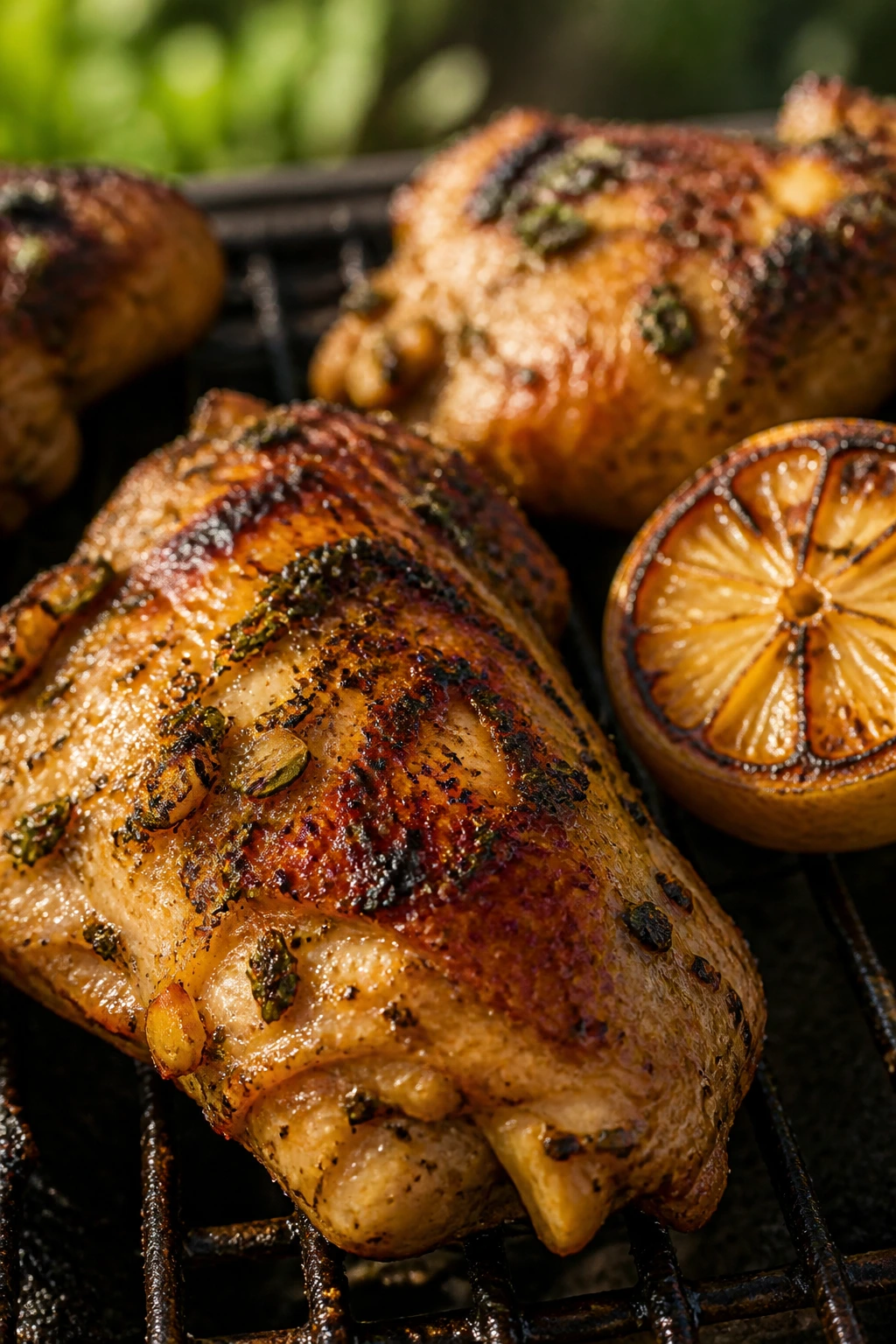
The grill is a blunt instrument in the best way. It gives you direct heat, a little smoke, and a hard limit on how long dinner can take. That matters more on a summer evening than a lot of kitchen rules do. Chicken thighs, salmon, flank steak, shrimp, vegetables, and pizza dough all respond well to that kind of quick, high heat because the grill gives them color before their insides can get tired.
There’s also the simple matter of air. A hot kitchen can make dinner feel longer than it is, and nobody wants to stand over a stove when the evening is warm and the door is open. Outside, the char comes from contact with the grate, not from a complicated sauce or a mountain of pans. You can watch the food, rotate it, and pull it at the exact moment when the edges look right.
The other thing the grill does well is make a small amount of work look deliberate. A bowl of chimichurri. A tray of tomatoes that collapsed in the heat. A sliced peach salsa. A plate of warm pita. These are not hard moves, but they make dinner feel finished. That’s the real appeal here: one heat source, one main plan, and enough variation to keep the whole table interested.
Essential Equipment for These Recipes
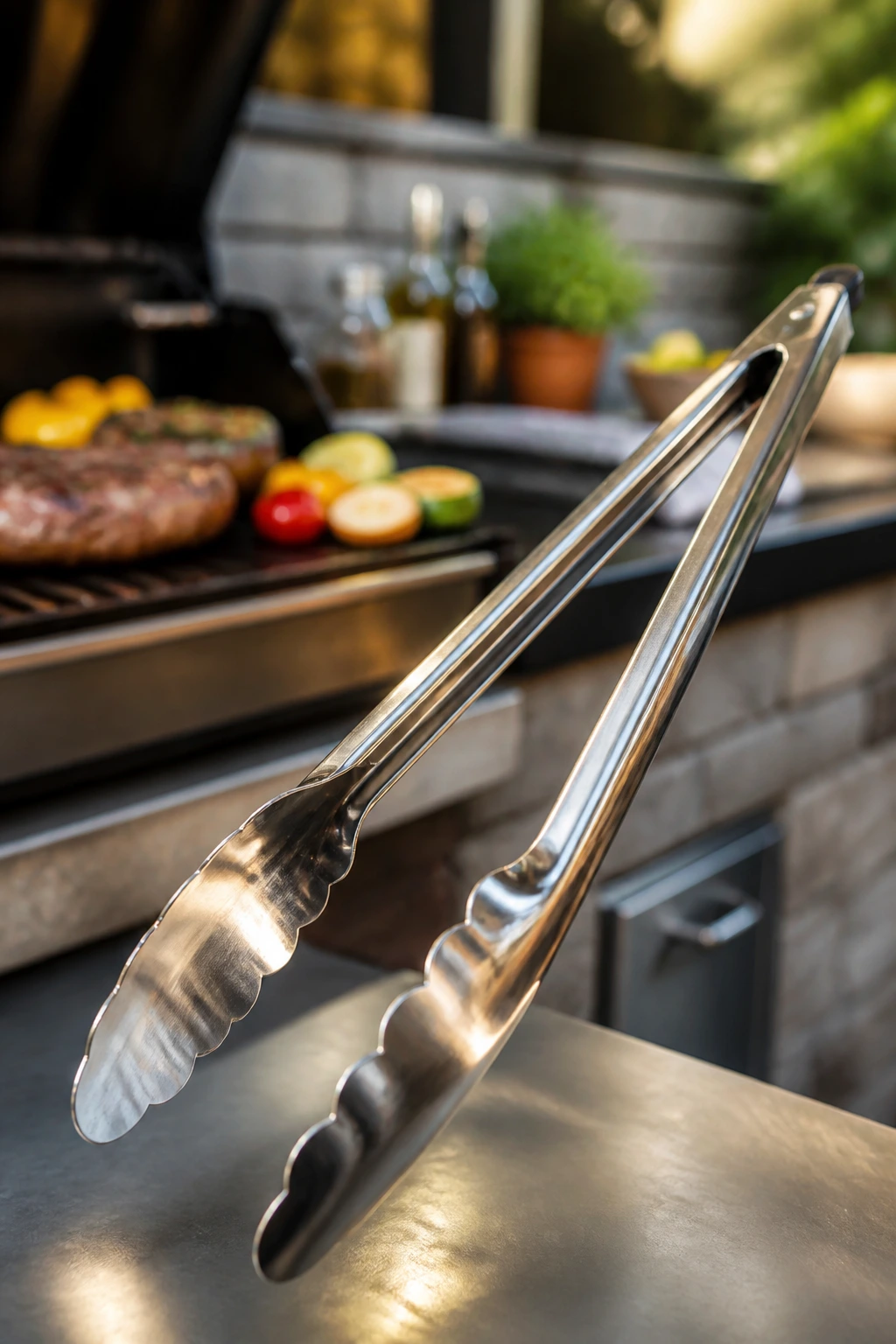
- Gas or charcoal grill: Either one works; gas is faster to manage, charcoal gives you more smoke and a little more mood.
- Long-handled tongs: You want a firm grip without hovering your hands over the heat.
- Instant-read thermometer: This keeps chicken, pork, steak, and fish from turning into guesswork.
- Grill basket: Handy for tomatoes, onions, shrimp, or anything small that likes to fall through the bars.
- Skewers: Metal is easiest; wooden skewers need a soak so they don’t scorch.
- Fish spatula: Wide, thin, and much better than a random turner for salmon.
- Cedar plank: Optional, but worth it if you want that soft smoky note on fish.
- Pizza peel or rimless baking sheet: Makes it easier to move dough onto and off the grill.
- Mixing bowls: You’ll use at least two, and probably more if you’re marinating and making sauce at the same time.
- Cutting board with a damp towel underneath: Keeps the board from sliding when you’re trimming meat or slicing fruit.
- Sharp chef’s knife: Especially useful for kebabs, salsa, and trimming steaks and pork tenderloin.
- Pastry brush: Good for glaze, oil, or a quick coat of sauce near the end of cooking.
- Aluminum foil or a foil pan: Useful if you want to corral tomatoes, onions, or delicate toppings without losing them to the fire.
Smart Shopping and Ingredient Tips for Better Grill Nights
Start with the cuts that like heat. Chicken thighs are far more forgiving than breasts, pork chops should be at least 1 inch thick, and flank steak or sirloin cubes hold up better than tiny, lean strips. For salmon, buy skin-on fillets that look moist and firm, not dry around the edges. Shrimp should be large enough to skewer without curling into little overcooked commas. That sounds fussy, but the size matters.
A good tomato should smell like a tomato when you pick it up. Ripe peaches should give slightly near the stem but still feel sturdy enough to dice. Zucchini should be small to medium, not giant and watery, because the smaller ones hold their shape better on the grill. Halloumi should feel firm and springy, and if it looks wet in the package, pat it dry before it goes anywhere near the grate.
For sausage, smoked or fully cooked links are easiest because the grill only needs to brown them and heat them through. Pizza dough is worth buying from a bakery or pizzeria if your grocery store version tends to snap back and fight you. And if you’re shopping for shrimp, look at the count on the bag; larger shrimp, usually in the 16/20 or 21/25 range, are easier to grill without overcooking.
Herbs matter here more than people admit. Fresh basil, parsley, dill, cilantro, and oregano do the job dry herbs can’t do once the food comes off the heat. Buy citrus that feels heavy for its size, and zest it before juicing so you don’t waste the oils. If you’re making sauces, shop with that in mind too: Greek yogurt should be thick, olive oil should taste like something, and balsamic should have enough body to cling to tomatoes or mushrooms instead of disappearing.
How to Serve These Recipes
Presentation:
Use warm platters, wide bowls, and cutting boards instead of tiny dinner plates whenever you can. Grilled food looks best when the char marks are visible, the slices overlap a little, and the herbs or lemon are added at the end rather than buried under the main ingredient. A little height helps, too. Stack skewers, fan steak slices, or lean salmon over a bed of herbs so it doesn’t read flat.
Accompaniments:
Most of these dinners want one cool side and one simple starch. Think grilled corn, cucumber salad, potato salad, herbed rice, couscous, warm pita, grilled bread, or a chopped tomato salad with a sharp vinaigrette. Burgers want chips or a green salad. Salmon and pork tenderloin like rice or potatoes. Shrimp tacos want slaw and beans. Keep the sides easy enough that they don’t steal the fire from the main dish.
Portions:
For adults, plan on 6 to 8 ounces of meat or fish per person, or 2 to 3 shrimp tacos depending on what else is on the table. Steak kebabs and chicken skewers usually serve 4 well if you’re not building a giant side spread. For vegetarian mains, two large portobellos or 2 to 3 skewers per person feels right. If you’re feeding a crowd, scaling up usually means adding more of the same protein rather than overstuffing each plate.
Beverage Pairing:
A crisp lager works with burgers, pork chops, and sausage. Dry rosé handles chicken, salmon, and shrimp without getting in the way. Sparkling water with lime, iced tea with mint, or a cold lemon soda are easy nonalcoholic choices that don’t fight the smoke. If you want wine, think bright and chilled, not oaky and heavy.
Easy Upgrades That Make These Dinners Taste More Intentional
Flavor Enhancement:
Keep one bright finish in the back pocket for the whole grill session: chimichurri, dill yogurt, salsa, relish, or a simple squeeze of charred lemon. That last hit of acid or herbs makes grilled food taste awake. If a dish already has sauce, finish with something cold or fresh so the heat on the plate doesn’t run in one direction.
Customization:
Heat levels should be adjustable at the table, not forced on everyone at the start. Put hot sauce, chili crisp, sliced jalapeños, and pickled onions on the side so people can build their own plate. The same trick works with herbs and cheese. A plain grilled chicken thigh can become lunch, dinner, or a salad topper depending on what you set next to it.
Serving Suggestions:
Use flaky salt on tomatoes, grilled peaches, and steak right before they hit the table. It’s a small move that makes the flavor feel sharper. A drizzle of olive oil on mushrooms or halloumi helps the char read richer. Fresh herbs should go on last, not five minutes before, or they wilt into nothing.
Make-It-Yours:
For gluten-free plates, lean on rice, corn tortillas, potatoes, and grilled vegetables instead of bread or flour tortillas. For dairy-free cooking, skip yogurt sauces and finish with herb oil, avocado, or tahini. Vegetarian diners do well with halloumi, mushrooms, tofu, and bean salads. If you’re feeding kids, keep the spice light and let them dip their own food.
Make-Ahead, Storage, and Reheating Guidance
A few pieces of this menu can be done ahead without making the food worse. Marinades can usually be mixed a day ahead and kept in the fridge. Chicken, pork, and steak can sit in marinade for 30 minutes to 8 hours depending on the amount of acid; shrimp should be much shorter, usually no more than 30 minutes if citrus is involved. Salsa, chimichurri, relish, and slaw can all be made a few hours ahead, and many of them taste better after a short rest.
For storage, most grilled chicken, pork, beef, sausage, and vegetable dishes keep well in the fridge for 3 to 4 days in sealed containers. Salmon and shrimp are better within 2 days. Grilled pizza is best within a day, though the crust can be revived. Portobellos and other grilled vegetables hold up nicely for 3 days if they’re not drowned in dressing.
Freezer life depends on the dish. Cooked chicken, pork, and beef freeze well for up to 2 months, sliced or whole. Grilled vegetables freeze for about 1 month, though their texture softens. Fish and shrimp can be frozen after grilling, but the texture isn’t as good when reheated, so I usually skip it unless I have to. Slaws and fresh salsas don’t freeze well at all.
Reheat chicken, pork, sausage, and steak gently in a 300°F oven, covered loosely with foil and with a tablespoon or two of water or broth in the pan. That keeps them from drying out. Salmon and shrimp are better warmed low and slow, or eaten cold in a salad or grain bowl. Pizza comes back best in a skillet over medium heat or in a hot oven for 5 to 8 minutes. If you’re packing leftovers, cool them quickly and get them into the fridge within 2 hours; sooner if the night is very warm.
Variations and Adaptations to Try
Gluten-Free Grill Plate:
Swap buns and pita for corn tortillas, rice, potatoes, or grilled vegetables. Most of the recipes here already lean that way without trying. For sauces, use tamari instead of soy sauce if you want to keep the salty-sweet chicken or salmon versions gluten-free. The grill itself doesn’t care what starch you choose.
Dairy-Free Finish:
Skip yogurt sauces, cheese, and butter finishes, then replace them with herb oil, avocado, tahini, or a sharp vinaigrette. Shrimp tacos, chicken thighs, flank steak, and pork tenderloin all handle that kind of change without losing character. You’re not losing flavor. You’re moving it around.
Lower-Sodium Build:
Use citrus, vinegar, garlic, onion, and fresh herbs to carry more of the flavor, then salt the food lightly right before it hits the grill. Choose low-sodium soy sauce if you’re making teriyaki or honey-soy glazes. The point is not to make the food bland; it’s to make the salt do less of the talking.
Vegetarian Grill Night:
Portobellos, halloumi, zucchini, peppers, onions, and even thick slabs of tofu can cover most of the same ground as meat. Add white beans, couscous, or rice so the plate has enough weight. A good sauce matters here even more than on meat, because vegetables need a finish that makes them feel centered.
Kid-Friendly Mild Heat:
Keep chipotle, red pepper flakes, jalapeños, and hot sauces on the side instead of in the main mix. Burgers, chicken thighs, grilled pizza, halloumi skewers, and pork tenderloin are all easy to keep mild without getting dull. Let kids build their own tacos or pitas. The control helps.
Smokier Charcoal Version:
If you’re using charcoal, bank the coals so you have a hot side and a calmer side. Add a small chunk of hardwood if you want more smoke, but don’t overdo it or the food starts tasting bitter. Salmon, pork, and chicken thighs all pick up a stronger grill flavor on charcoal, and that slight edge can be excellent.
Common Grilling Mistakes That Ruin Good Food
-
Not preheating the grill long enough: Food sticks, tears, and picks up weak marks instead of real char. Give the grate time to get hot and clean before anything touches it.
-
Saucing too early: Sugar burns fast, and burnt glaze tastes bitter. Brush on sweet sauces during the last minute or two, not at the start.
-
Crowding the grate: When everything sits too close together, the food steams instead of searing. Work in batches if you need to.
-
Skipping the thermometer: Guessing is how chicken stays underdone and steak gets overdone. A cheap instant-read thermometer fixes most of that drama.
-
Cutting meat before it rests: Juices run out onto the board, and the first bite tastes dry. Let chicken, pork, and steak sit for a few minutes before slicing.
-
Using wet food straight from the fridge: Cold, damp meat browns poorly. Pat it dry and let it sit briefly so the surface can actually sear.
Grill Night Questions People Actually Ask
Can I use a gas grill instead of charcoal?
Yes. Gas is easier to control and faster to clean up, which matters on a warm night when you want dinner, not a project. Charcoal gives you a deeper smoky edge, but the recipes work on either.
What if I only have a grill pan indoors?
Use the same recipes, but work in smaller batches and expect less smoke flavor. You’ll still get color on chicken, steak, halloumi, shrimp, and vegetables. Pizza is trickier indoors, but the rest translate fine.
How far ahead can I marinate meat?
Most chicken, steak, and pork can handle anywhere from 30 minutes to 8 hours, depending on the acid in the marinade. Shrimp is the exception; keep it short or the texture gets soft. Fish generally needs only a brush or brief seasoning, not a long bath.
What should I do if food sticks to the grill?
Stop trying to force it. Let it cook a little longer and it will usually release on its own once the surface browns. Clean, hot grates and a light coat of oil prevent most sticking before it starts.
Can I cook more than one recipe at once?
Yes, if you manage the heat zones. Put quick-cooking items like shrimp or salmon on one side and slower things like pork chops or chicken thighs on the other. A grill basket or foil pan helps keep small items from vanishing through the bars.
How do I know when steak or pork is done without cutting it open?
Use an instant-read thermometer. Pork tenderloin is good at 145°F with a rest. Flank steak is usually best around 130°F to 135°F for medium-rare, depending on thickness and preference.
What if my grill runs hotter than I expect?
Move the food to a cooler zone and close the lid for a minute or two. A hot grill isn’t a problem by itself; staying in one spot too long is. The two-zone setup saves more dinners than most people realize.
Can I keep leftovers for lunch?
Absolutely. Grilled chicken, steak, pork, and vegetables make excellent bowls, wraps, and salads the next day. Fish and shrimp are more delicate, but they still work cold if you keep the reheating gentle or skip it entirely.
A Hot Grill, a Quiet Kitchen
A good grill dinner doesn’t need to be loud. It needs heat, timing, and one finish that makes the food taste awake when it hits the table. That’s why these recipes work so well together: they use the grill for what it does best, then get out of the way and let smoke, char, and a sharp sauce do the rest.
Pick one protein, one vegetable, one bright finish. That formula holds up whether you’re cooking chicken thighs, salmon, flank steak, shrimp tacos, or a platter of mushrooms and beans. It’s simple, but not dull. There’s a difference.
Next time the grate is already hot, choose one of these instead of improvising, and dinner will feel deliberate without turning into a project.