



Dairy-free dinners on a busy weeknight do not have to mean a sad plate of plain chicken and a pile of limp vegetables. That’s the myth that keeps too many families stuck in food ruts. The better answer is usually a skillet, a sheet pan, or a pot that does most of the work while you answer a math question, referee a sibling squabble, and hunt for whatever vanished from the pantry shelf.
The trick is building meals with enough fat, acid, salt, and texture that you don’t miss the dairy in the first place. Olive oil gives you richness. Coconut milk turns curry silky. Lemon, vinegar, mustard, tomatoes, and herbs keep everything bright. And when you use beans, rice, pasta, potatoes, and good protein in the right combinations, dinner feels like dinner — not a compromise.
These are the kinds of meals I reach for when the evening is already noisy and I still want everyone fed on time. They’re practical, filling, and flexible enough to survive a half-empty fridge. A few lean on the stove, a few live in the oven, and one or two will sit in the slow cooker doing their thing while you deal with everything else.
Why These Dairy-Free Dinners Earn a Spot on the Rotation
-
Fast cleanup: Most of these dinners use one pan, one pot, or one baking sheet, which means fewer dishes when you are already done for the day.
-
Family-friendly flavors: Garlic, lemon, soy sauce, taco spices, and tomato-based sauces tend to please kids and adults at the same time.
-
Pantry-first cooking: Beans, rice, pasta, canned tomatoes, broth, and frozen vegetables show up again and again because they save a trip to the store.
-
Flexible protein choices: Chicken, turkey, sausage, shrimp, salmon, lentils, and beans all work here, so you can swap based on sales or what’s already in the freezer.
-
Naturally dairy-free comfort: Coconut milk, olive oil, tahini, mustard, and broth give these meals body and depth without leaning on butter, cream, or cheese.
-
Leftovers that hold up: Several of these dinners taste even better the next day, which matters when lunch is also coming out of the same kitchen.
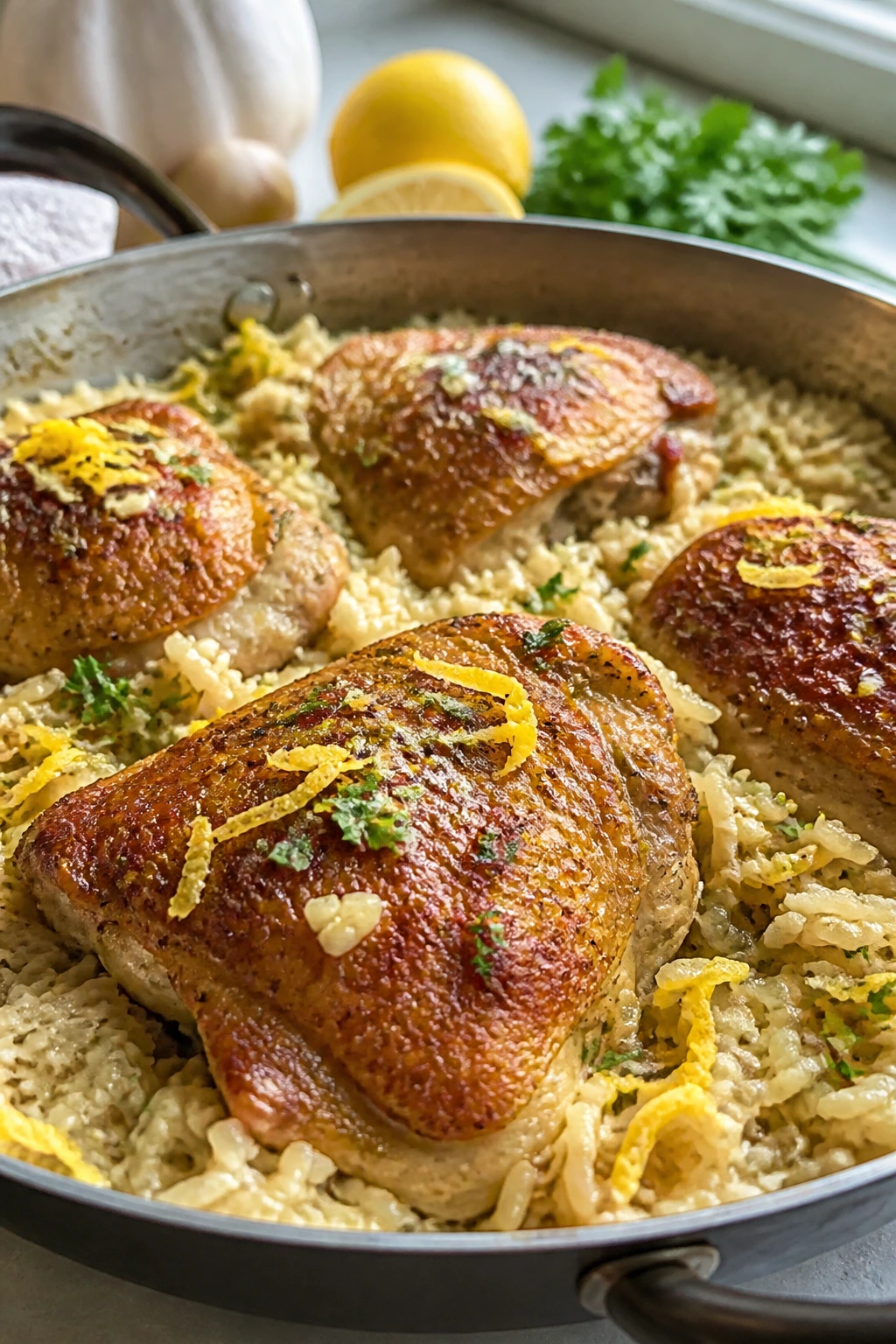
1. Lemon Garlic Chicken and Rice Skillet
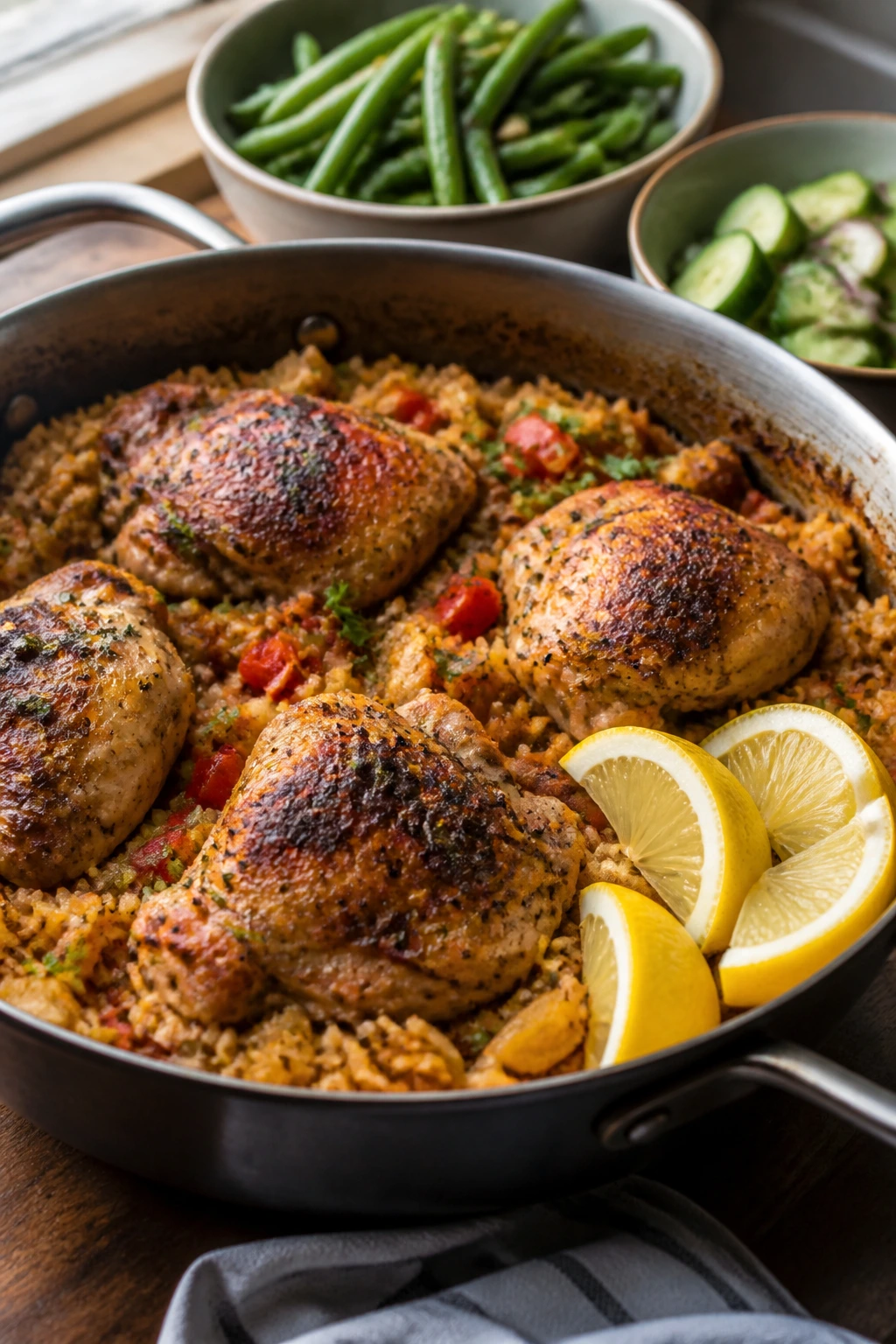
A skillet of chicken and rice with lemon and garlic has a way of smelling like you worked harder than you did. The rice gets savory and a little glossy, the chicken stays juicy, and the lemon wakes everything up at the end so the whole pan tastes clean rather than heavy. I love this kind of dinner because it lands in that sweet spot between comfort food and “I can still function after the dishes.”
Why It Works
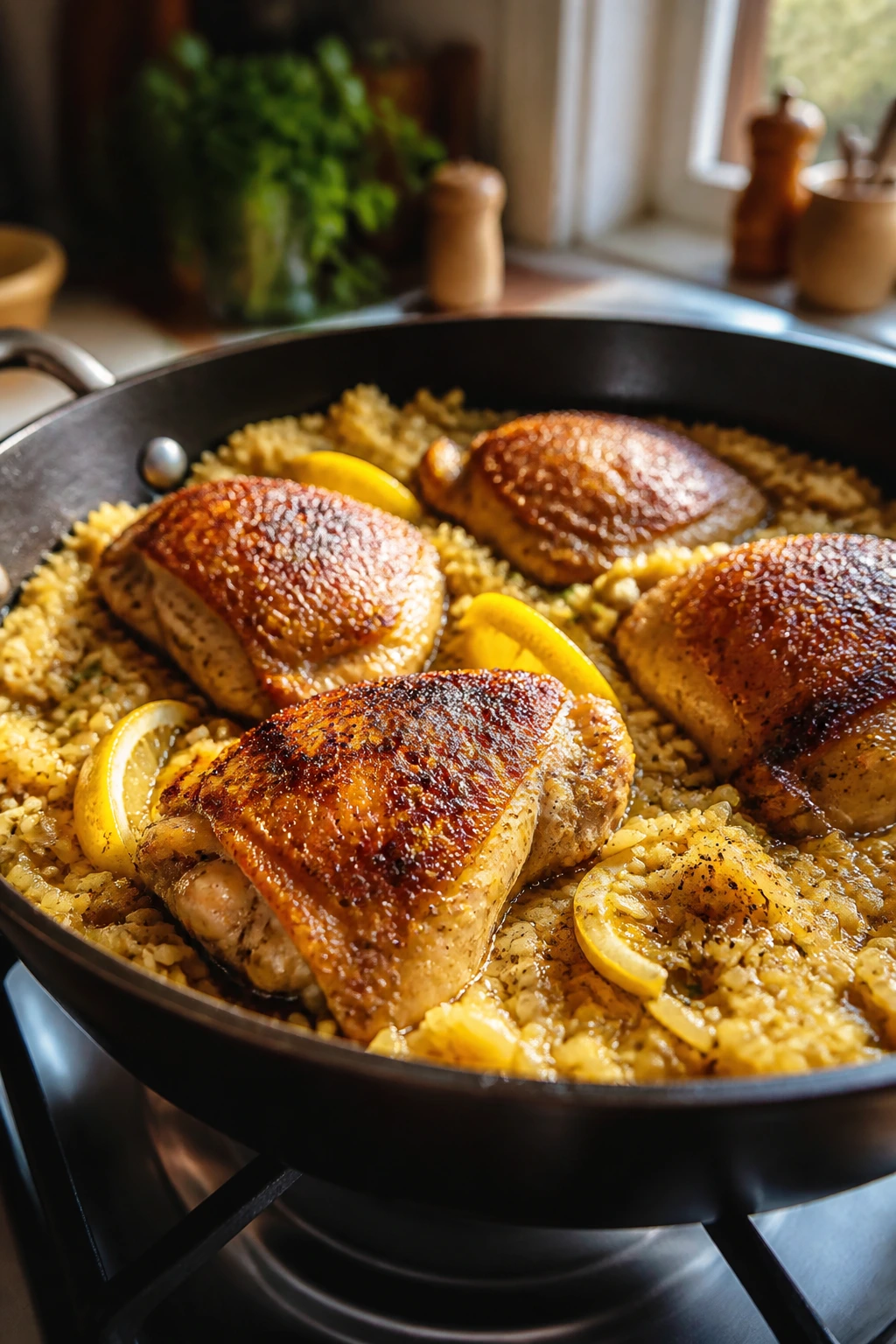
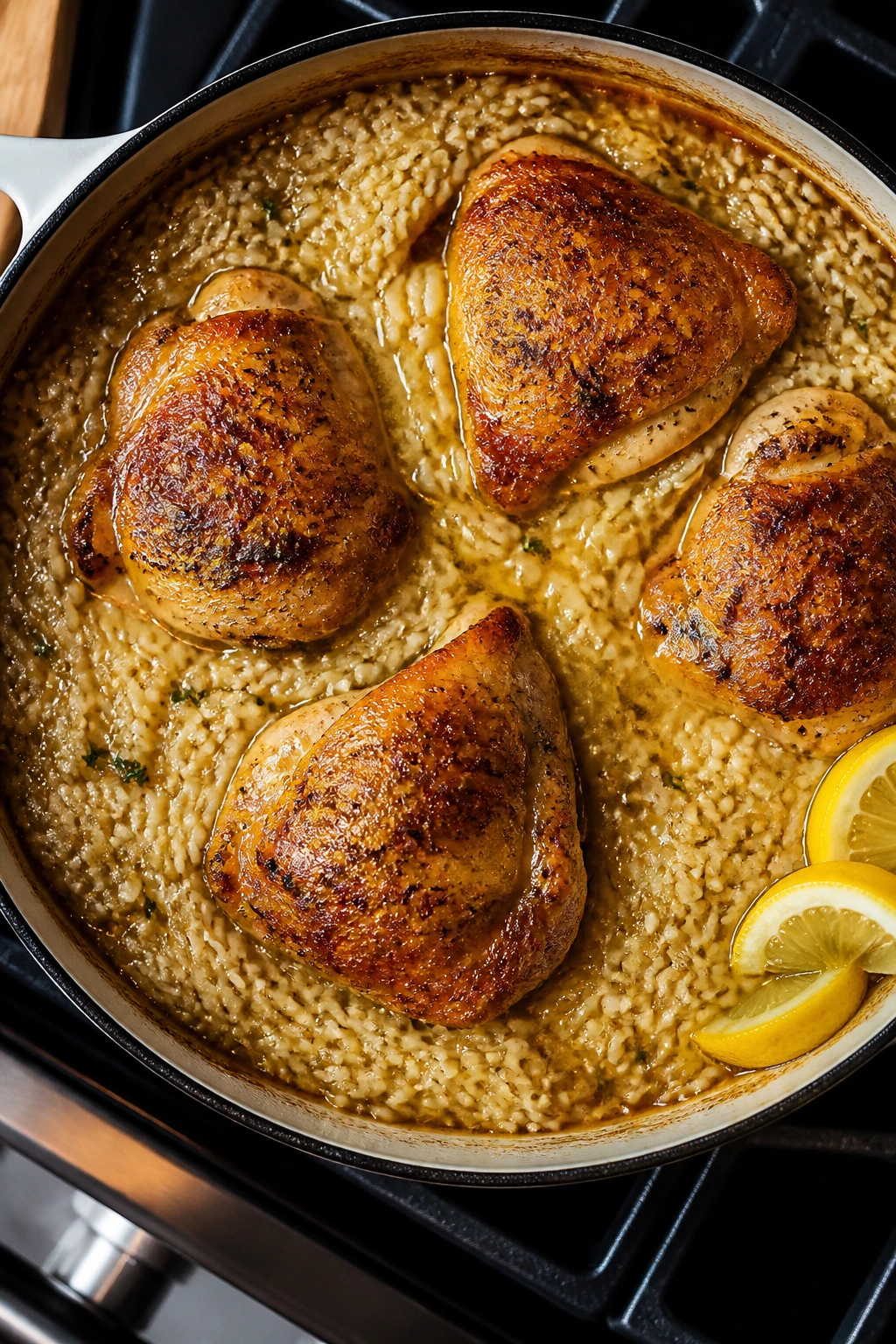
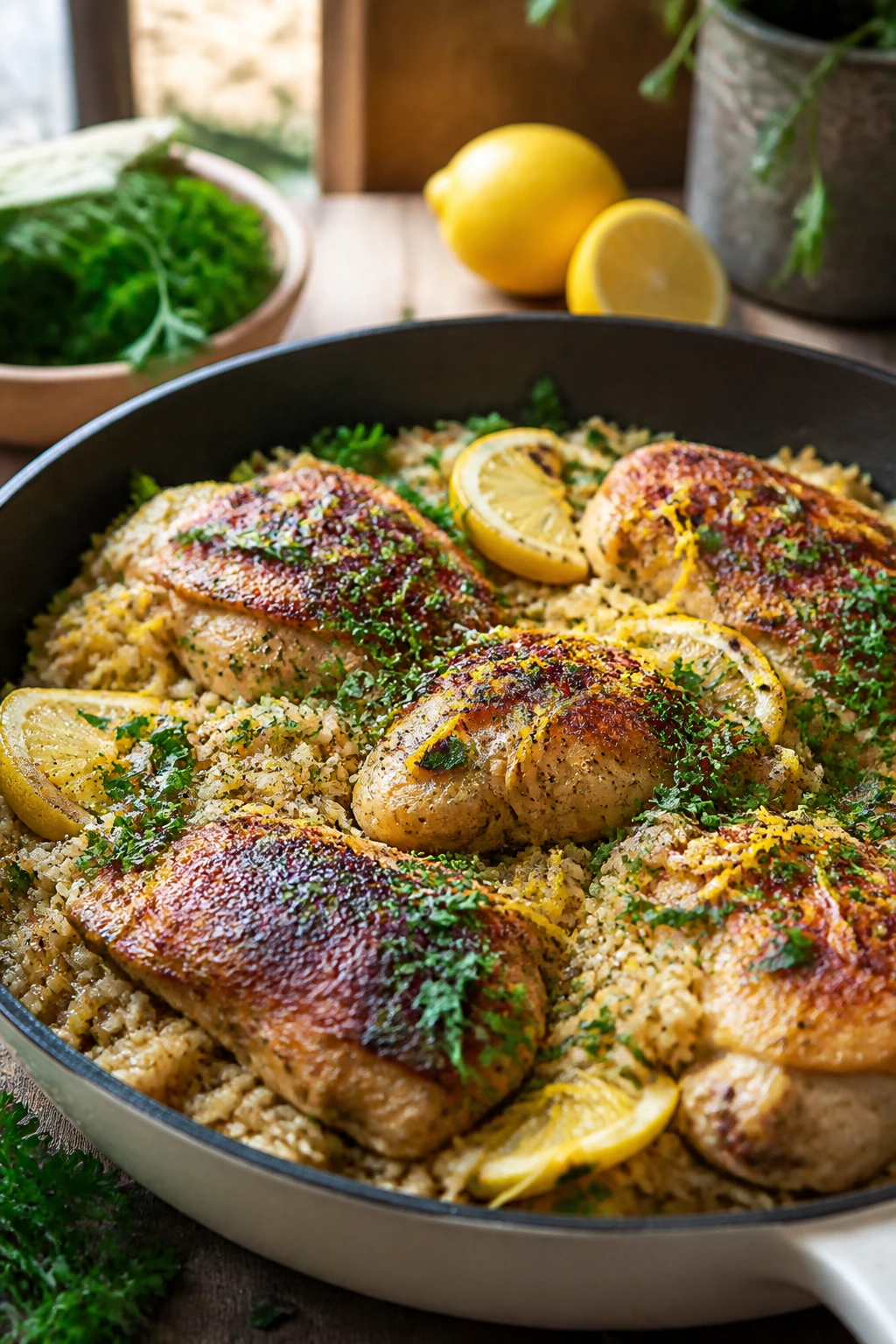
Chicken thighs are the right choice here because they stay tender while the rice cooks underneath them. You get enough fat from the thighs and olive oil to keep the dish from drying out, and the rice absorbs all that savory broth instead of tasting flat. Add lemon at the end, not too early, and you keep the flavor sharp instead of bitter.
Key Ingredients
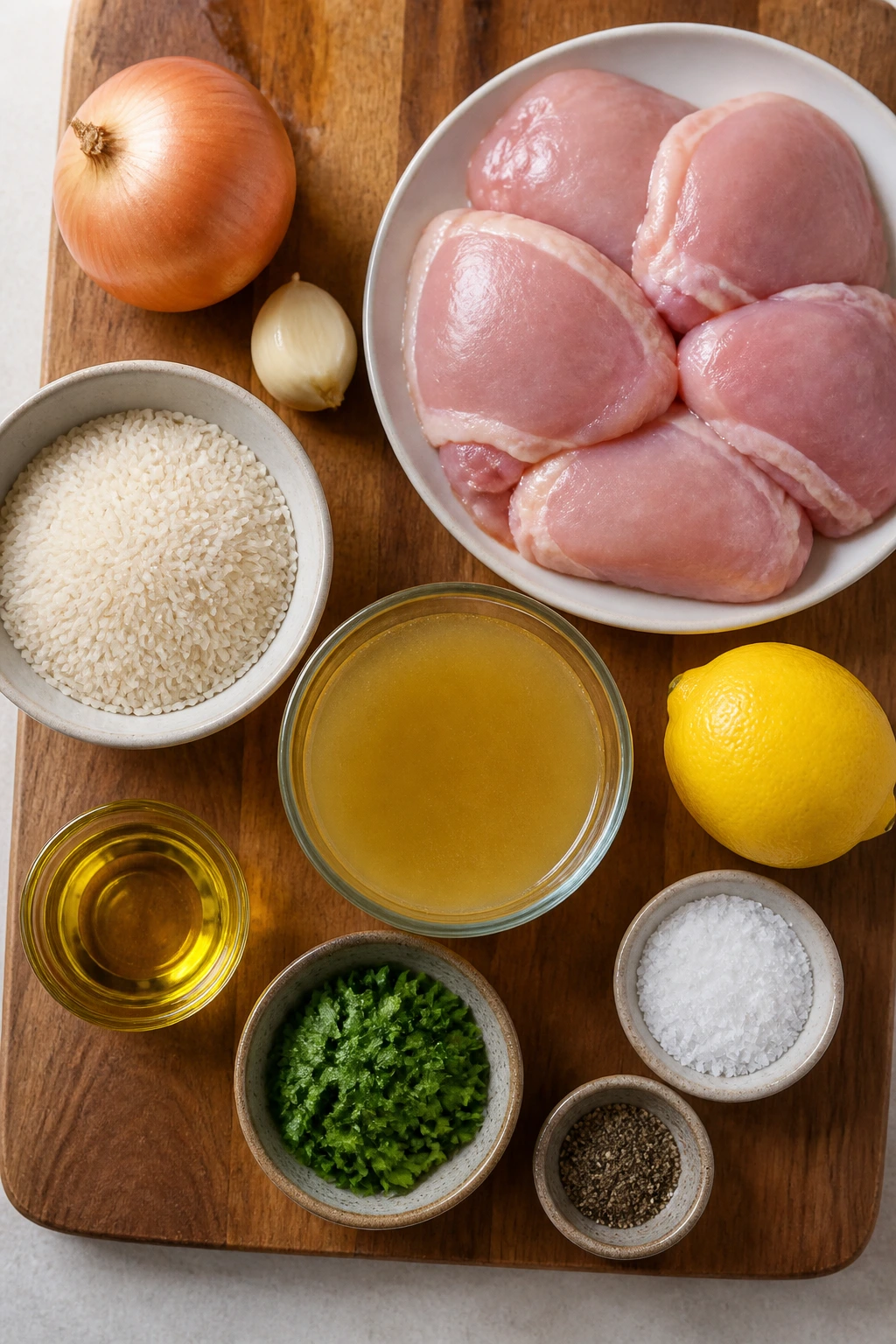
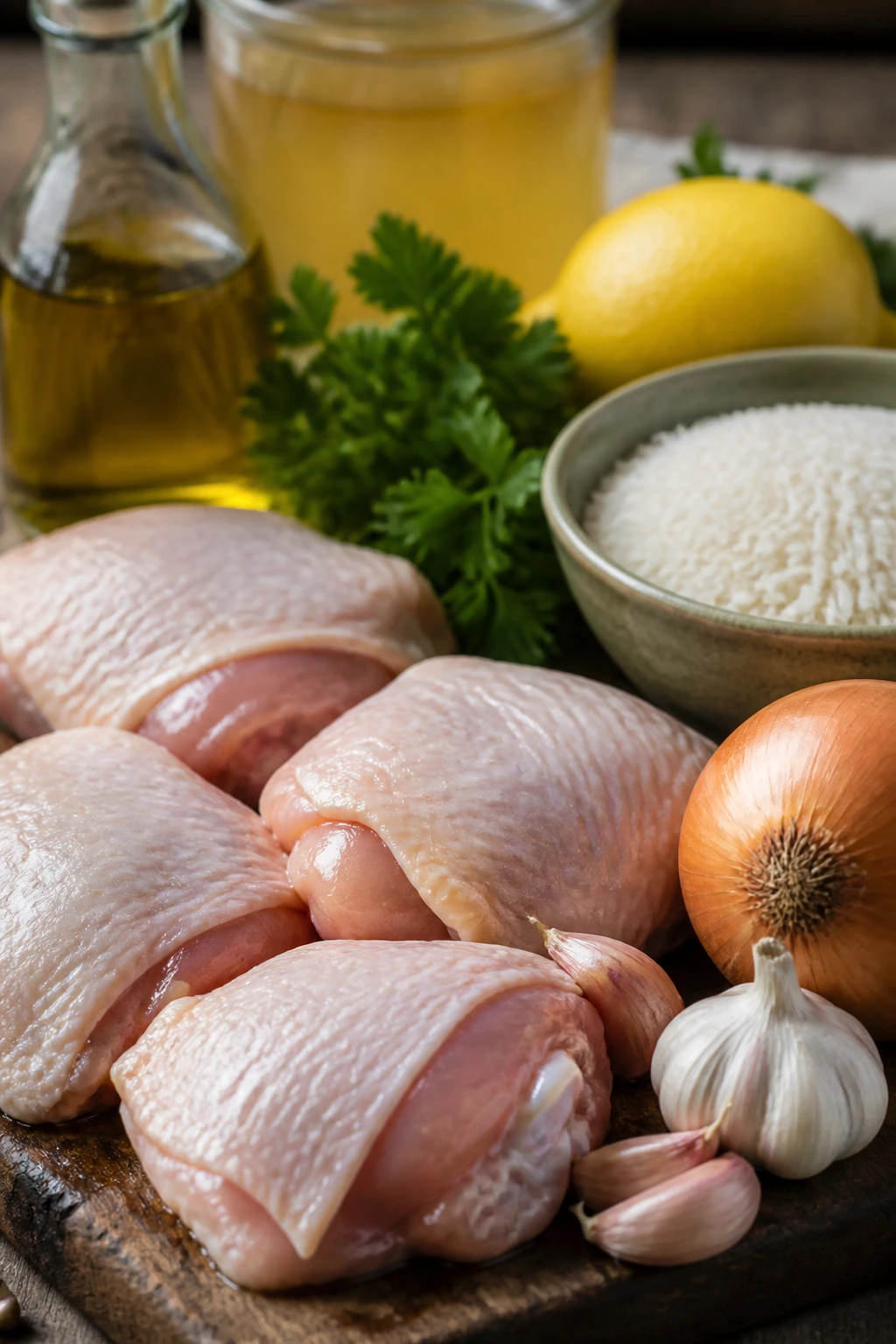
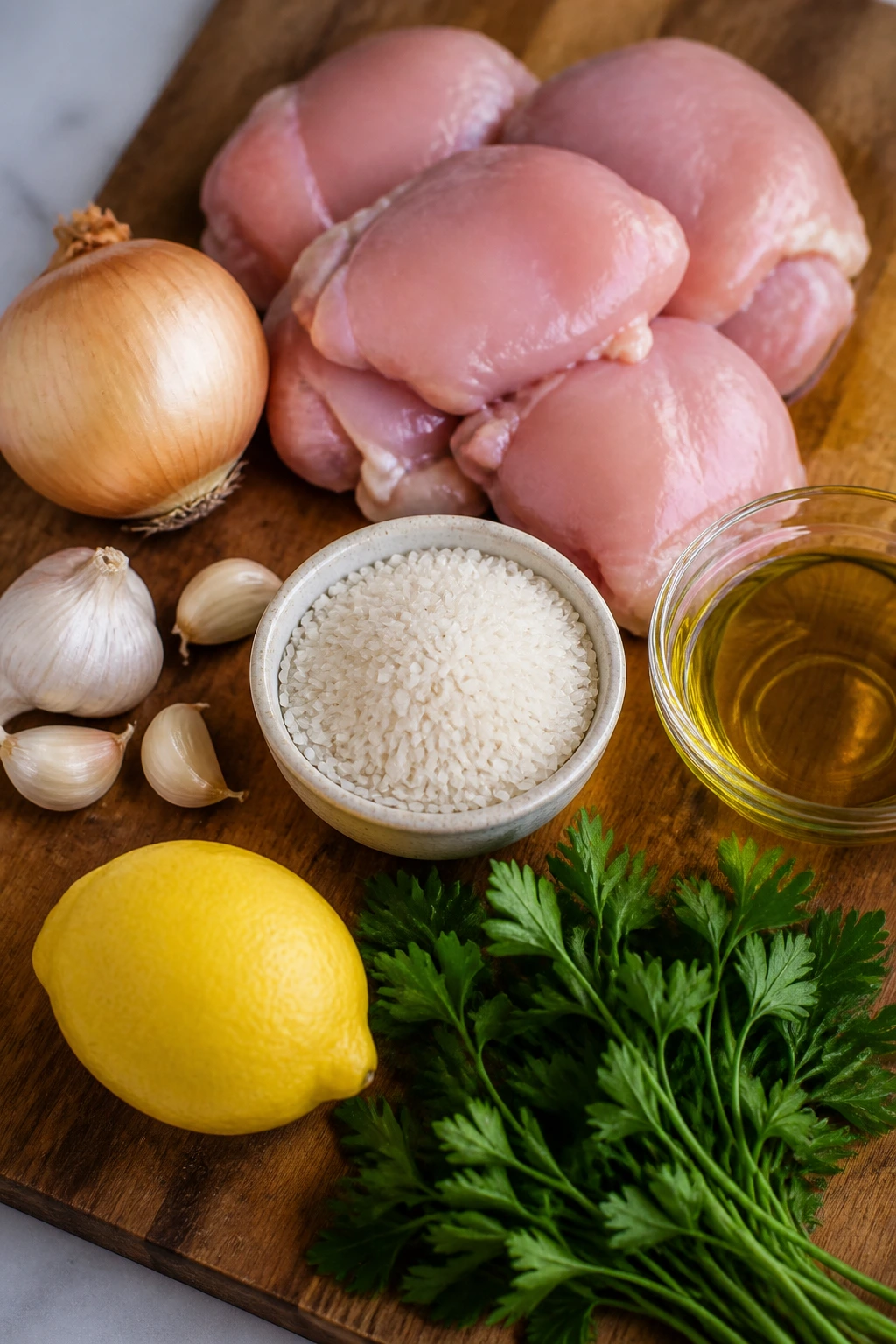
- 1 ½ pounds boneless, skinless chicken thighs
- 1 ½ teaspoons kosher salt
- 1 teaspoon black pepper
- 2 tablespoons olive oil
- 1 small yellow onion, diced
- 4 cloves garlic, minced
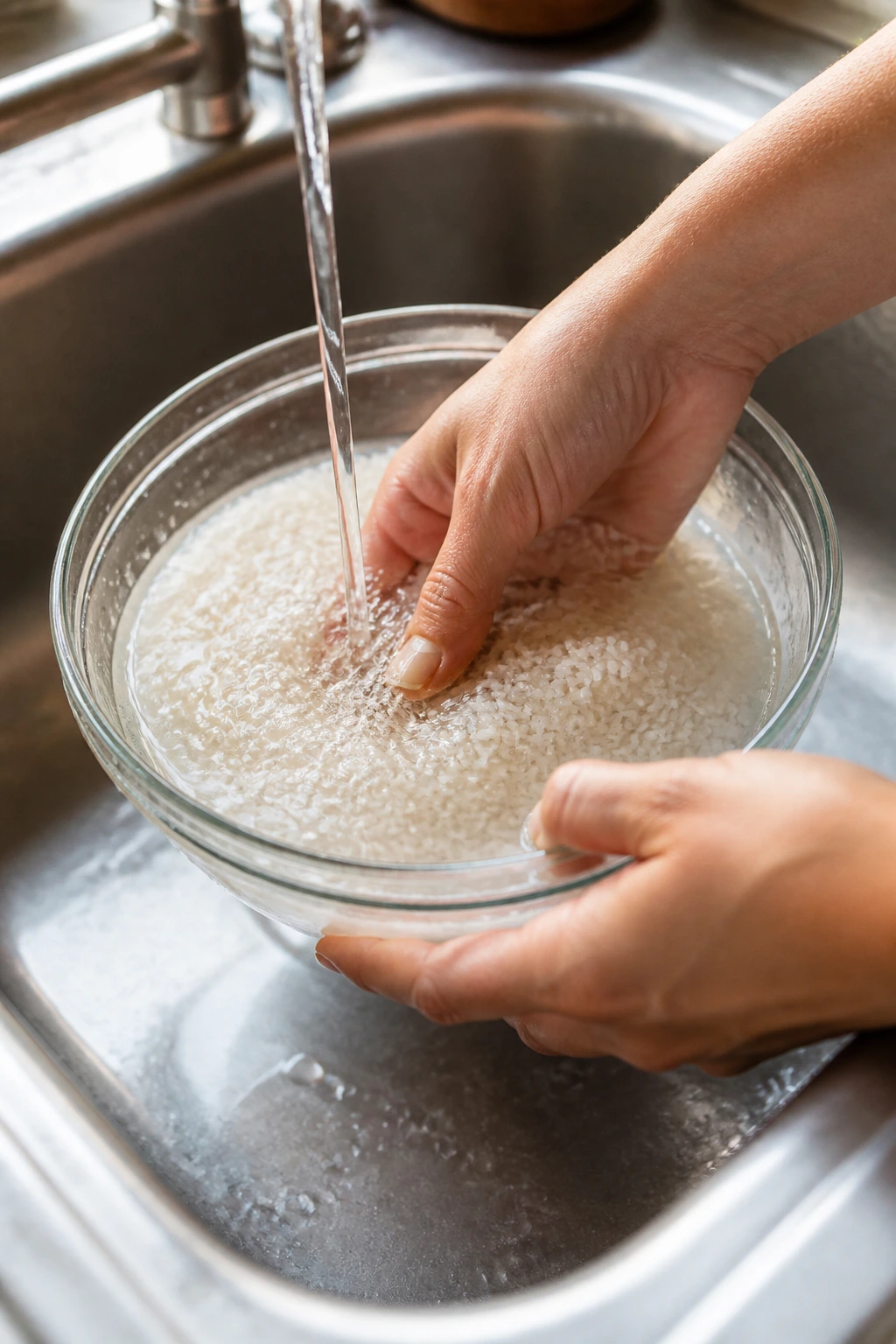
- 1 ½ cups long-grain white rice, rinsed
- 2 ¾ cups low-sodium chicken broth
- 1 lemon, zested and juiced
- 2 tablespoons chopped fresh parsley
Quick Steps
-
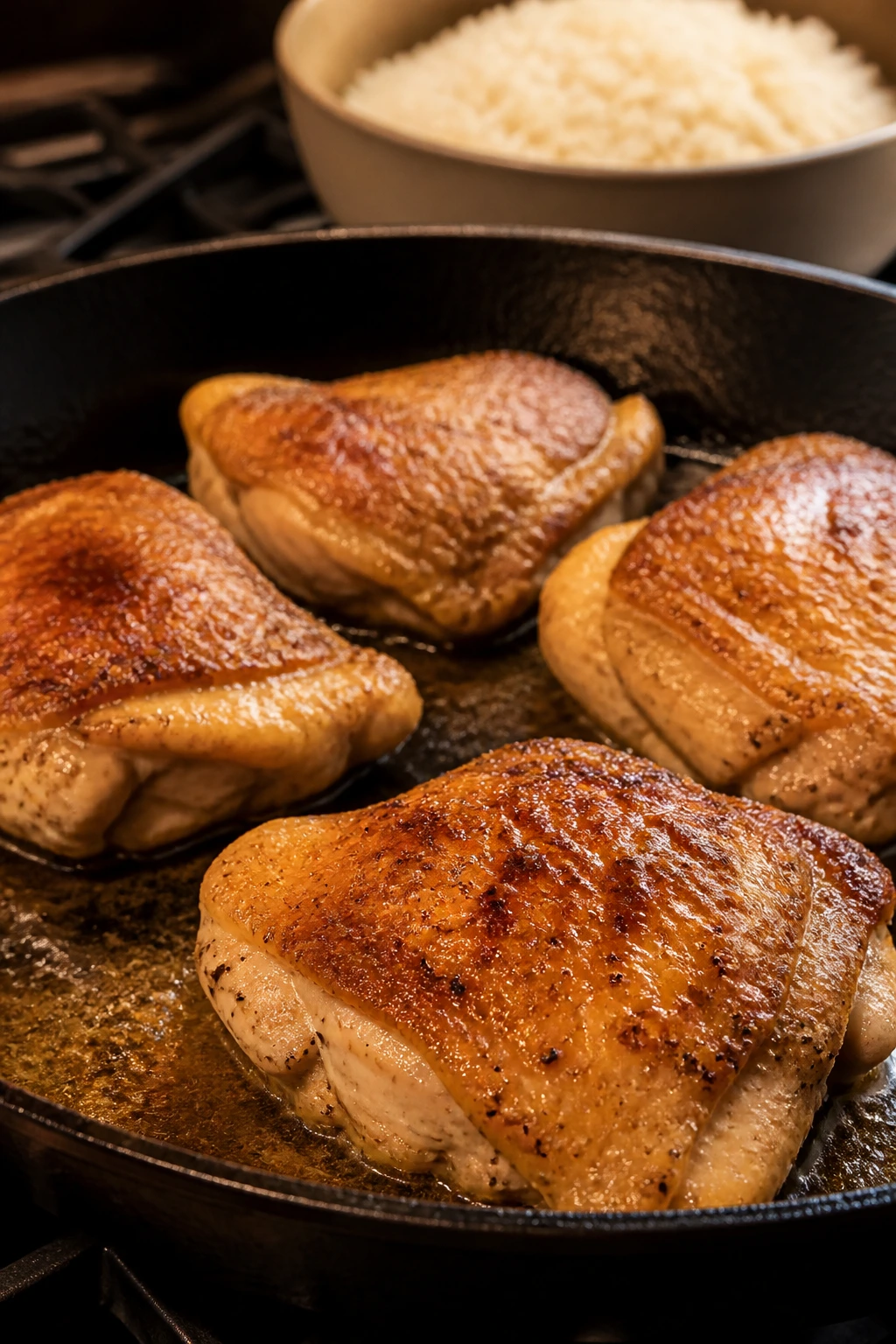
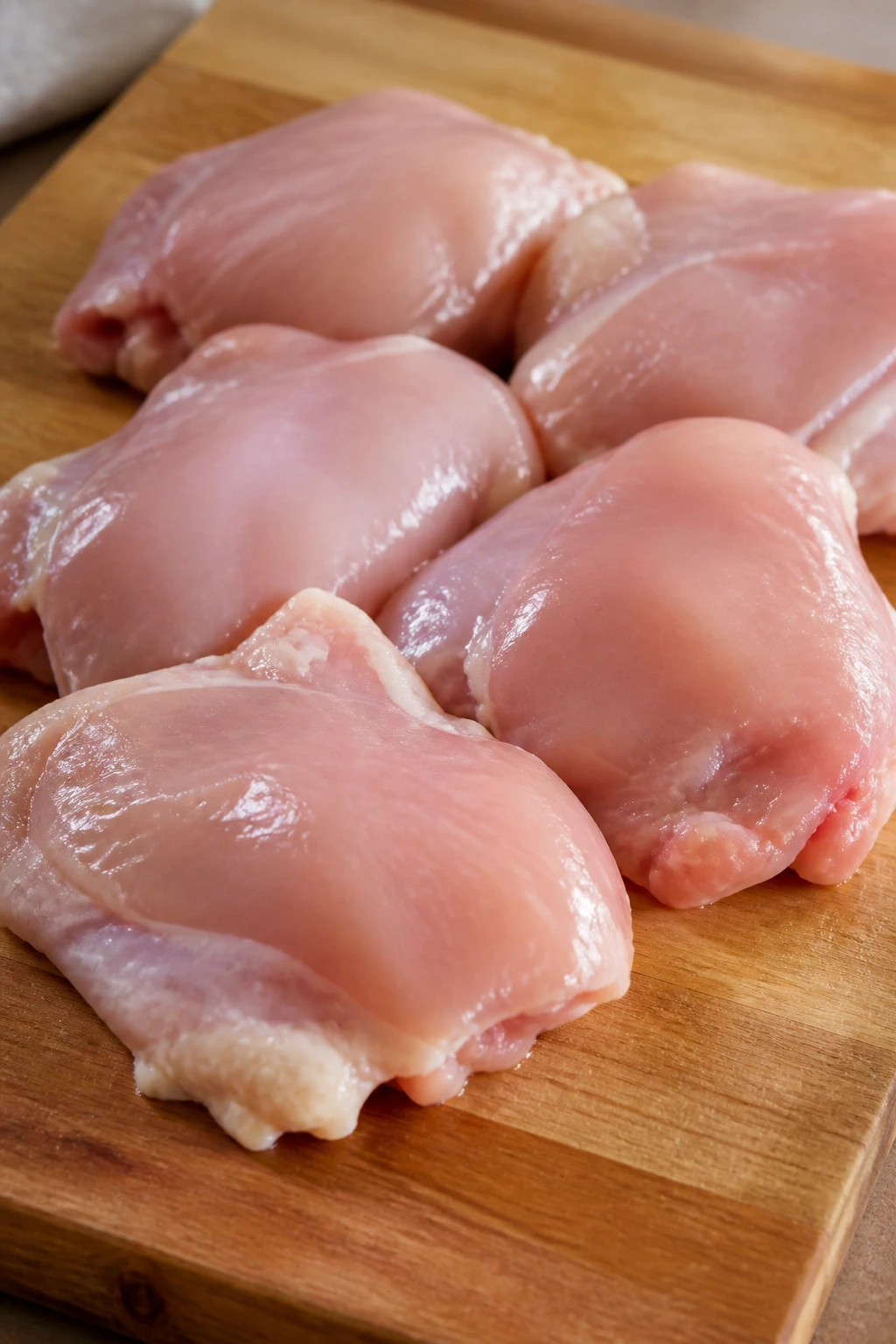
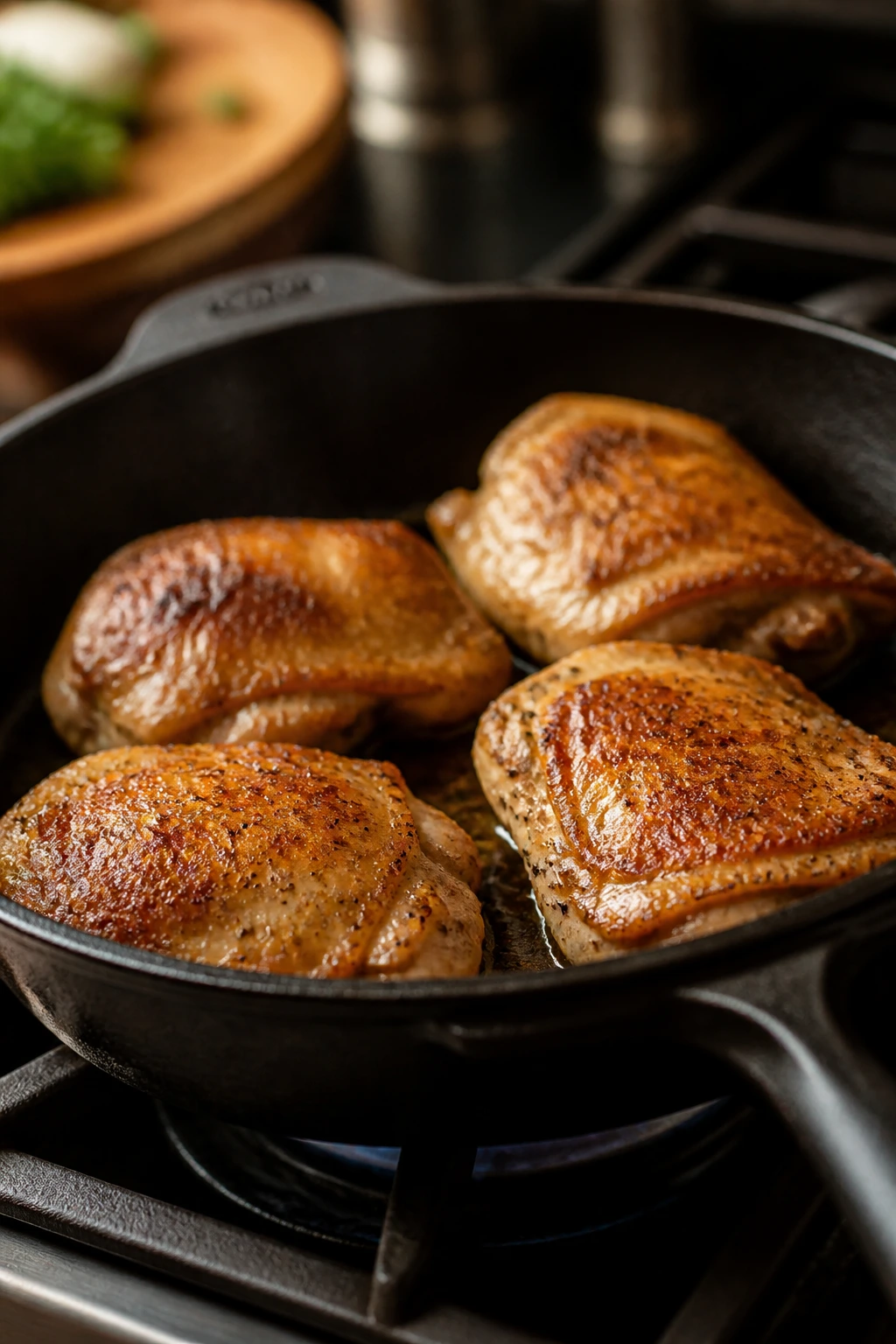
Season the chicken: Pat the thighs dry and season both sides with salt and pepper. Dry chicken browns better; wet chicken steams.
-
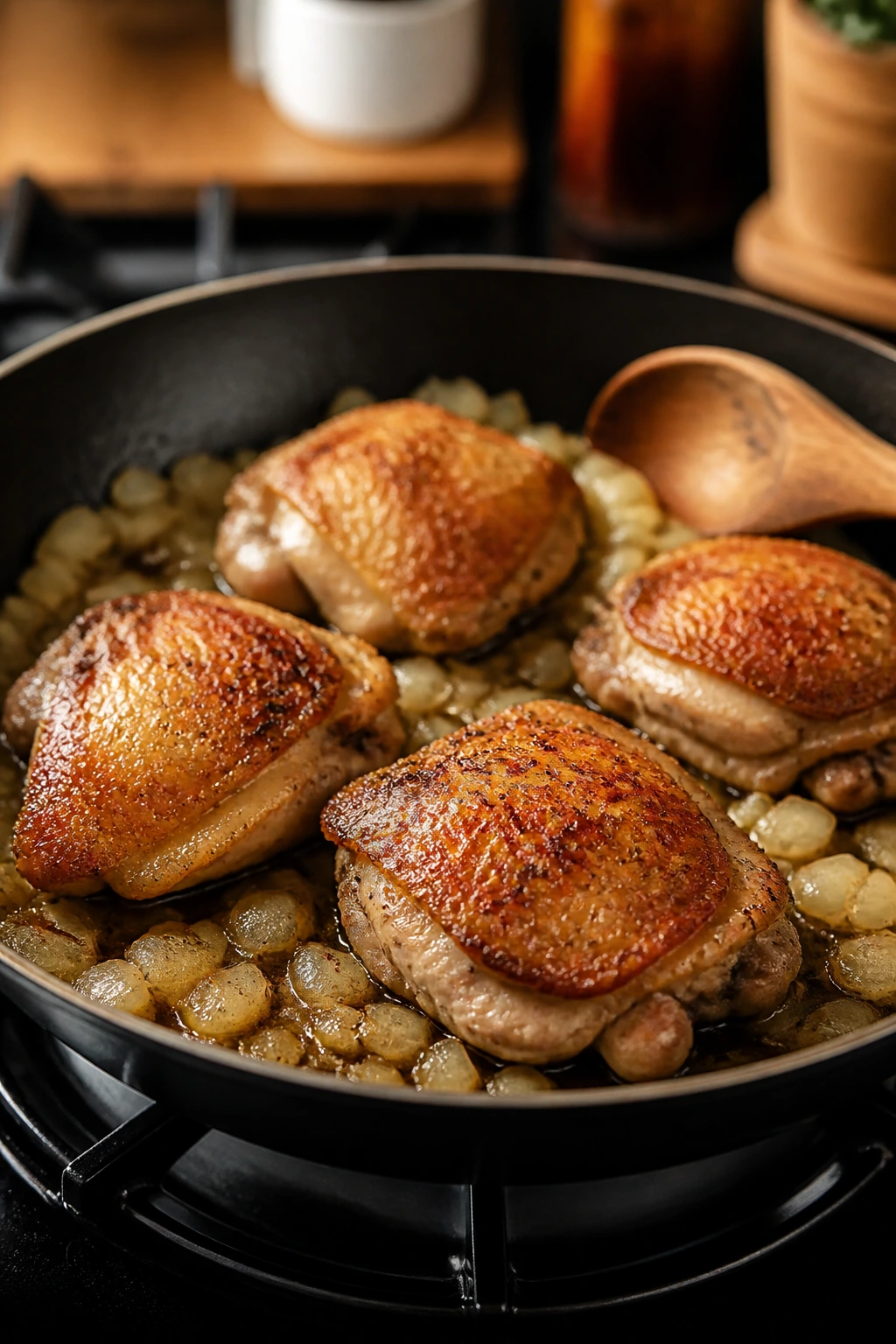
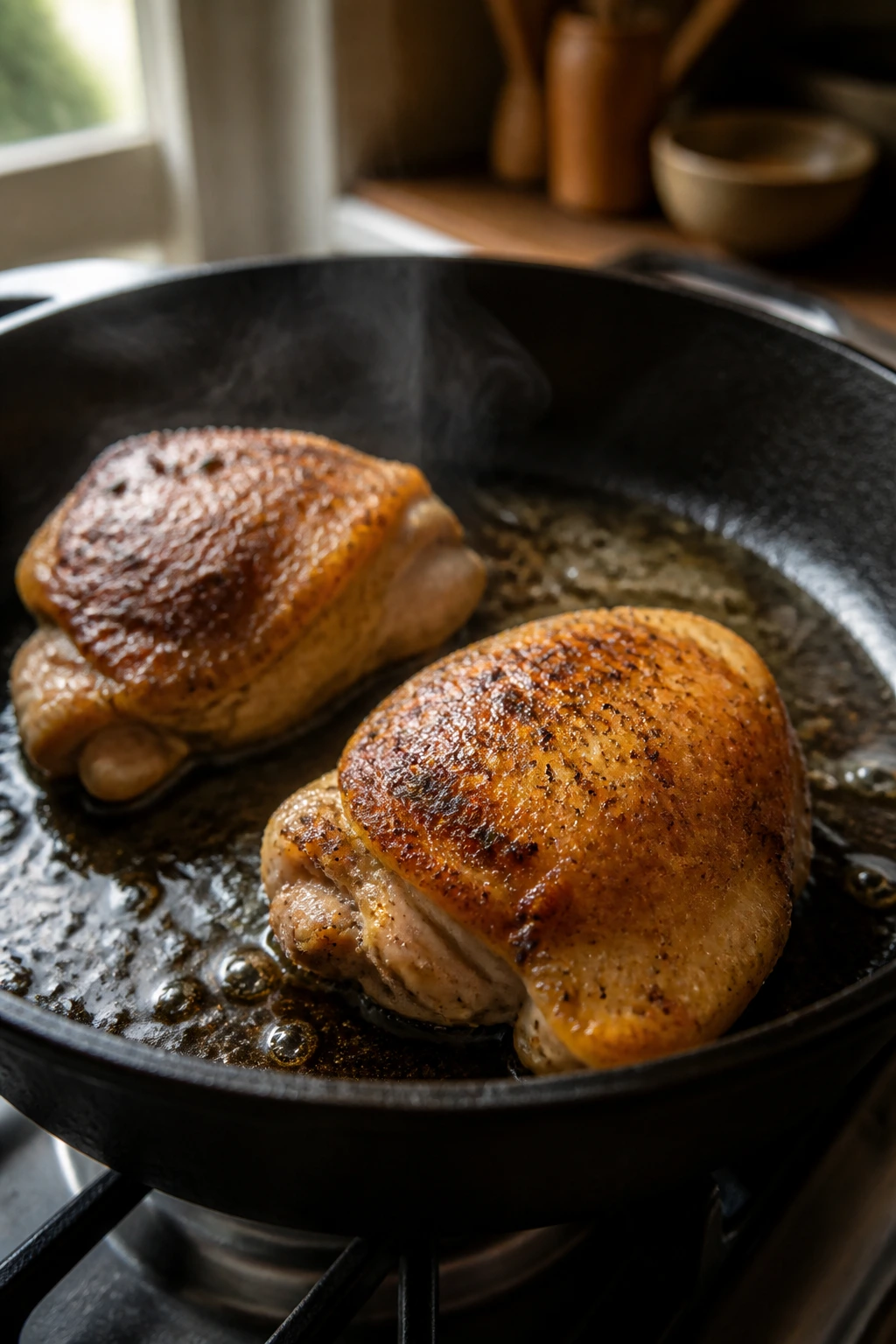
Brown the thighs: Heat the olive oil in a large skillet over medium-high heat. Cook the chicken for 3 to 4 minutes per side until golden, then transfer to a plate.
-
Build the base: Lower the heat to medium. Add the onion and cook for 3 minutes, stirring often, until soft. Stir in the garlic for 30 seconds until fragrant.
-
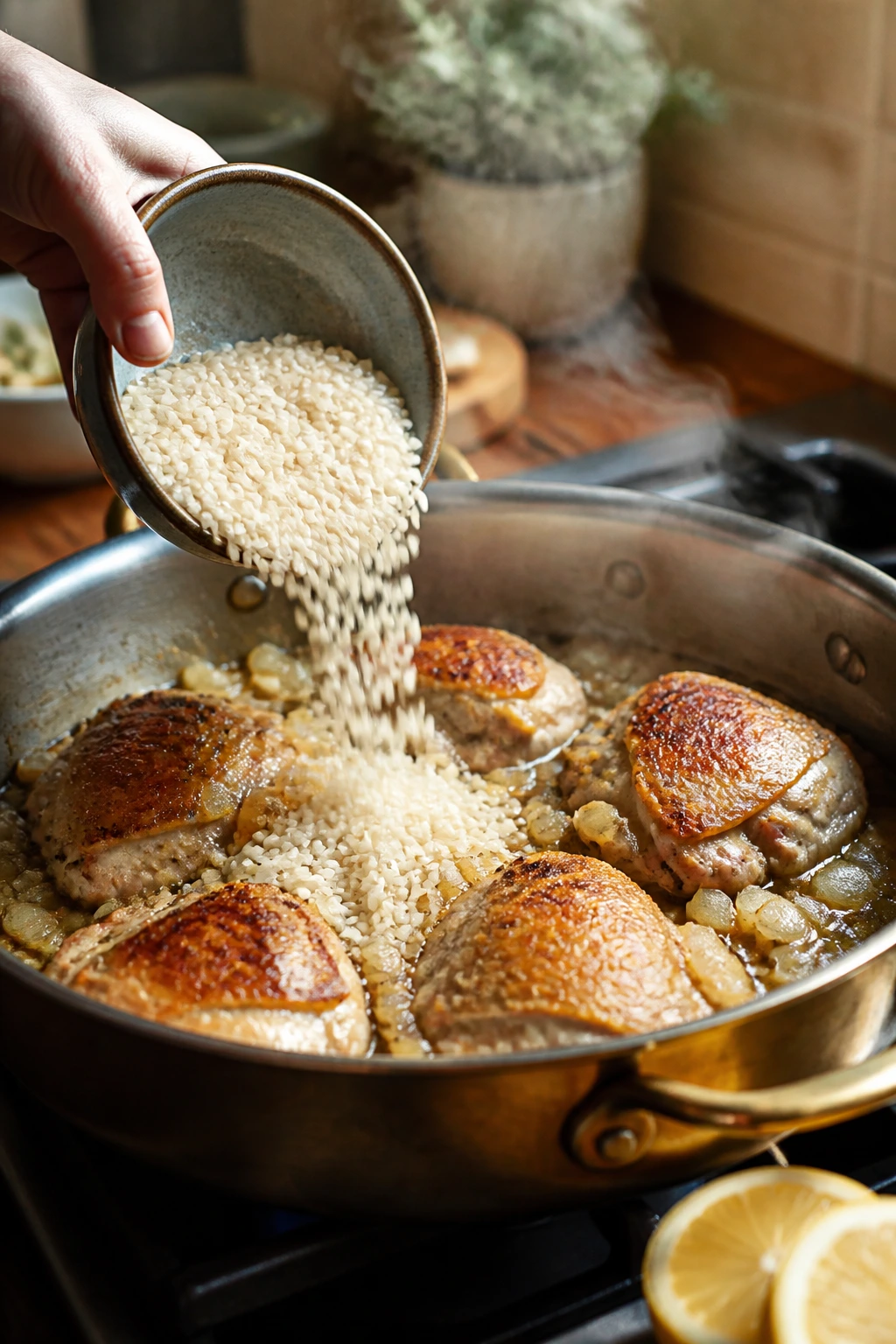
Add rice and broth: Stir in the rinsed rice, then pour in the broth and scrape up the browned bits from the pan. Those bits carry most of the flavor.
-
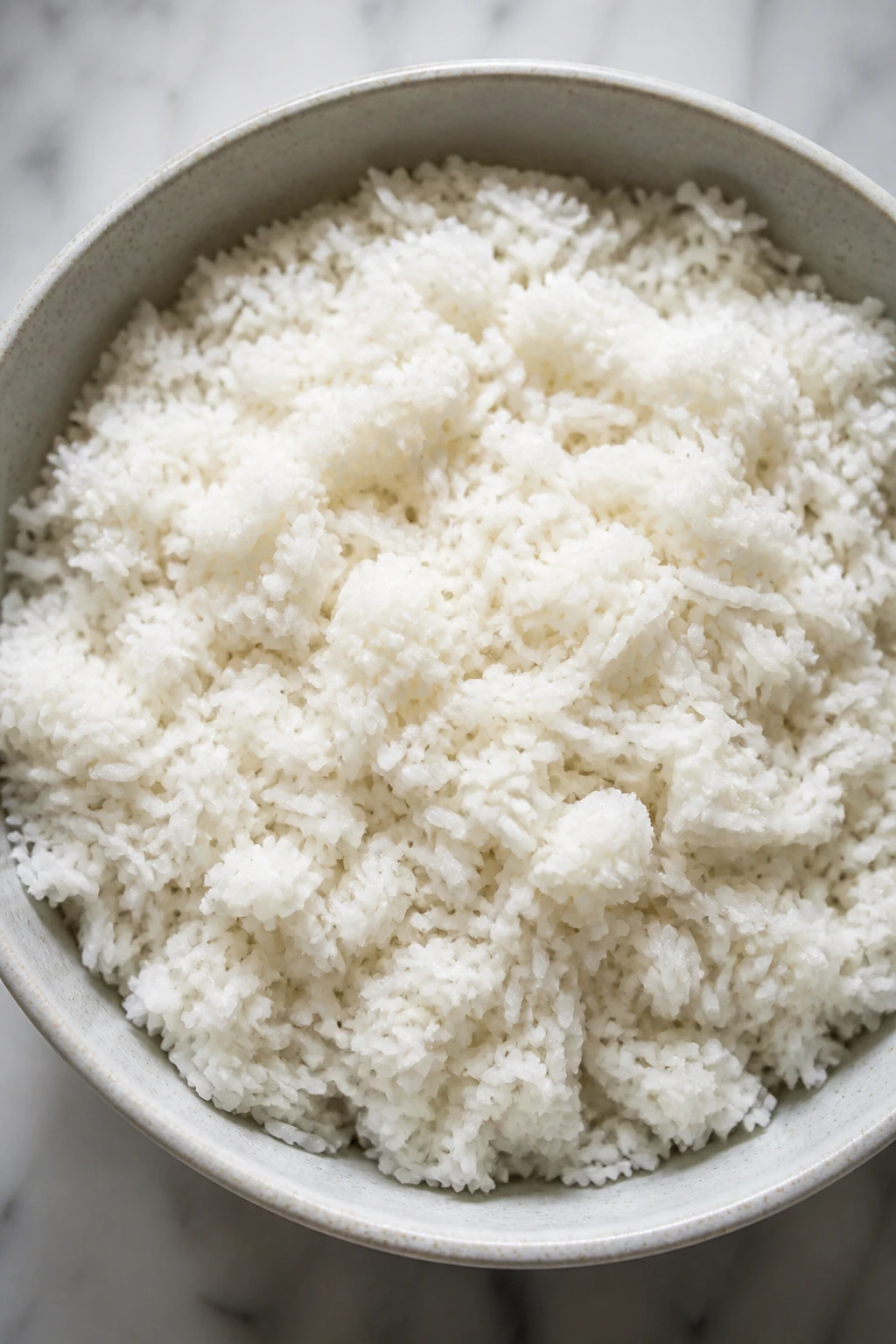
Simmer gently: Nestle the chicken back into the skillet. Cover and cook on low heat for 18 to 20 minutes, until the rice is tender and the liquid is absorbed.
-
Finish bright: Turn off the heat, drizzle with lemon juice, add zest and parsley, then rest for 5 minutes before serving.
Equipment for This Recipe
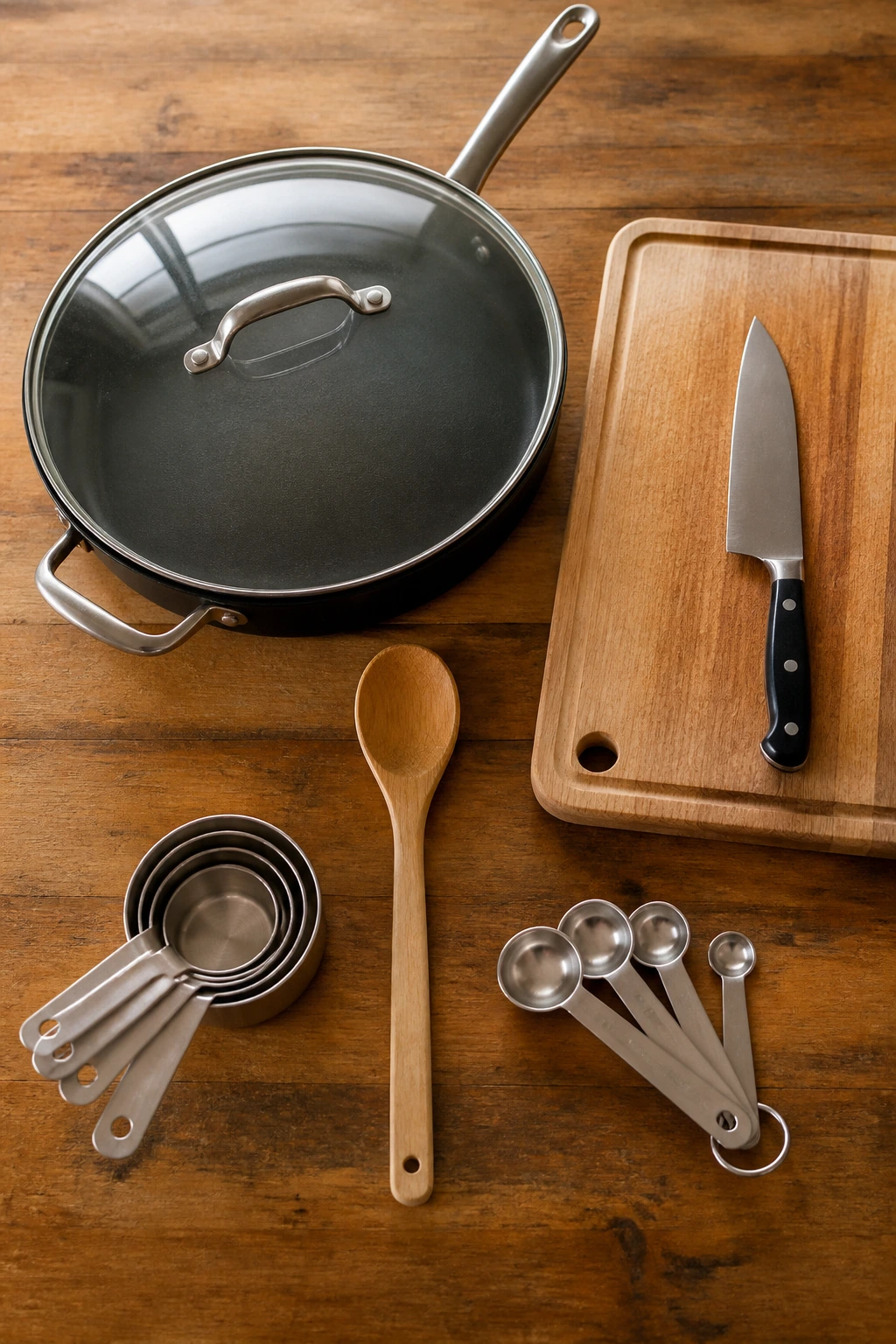
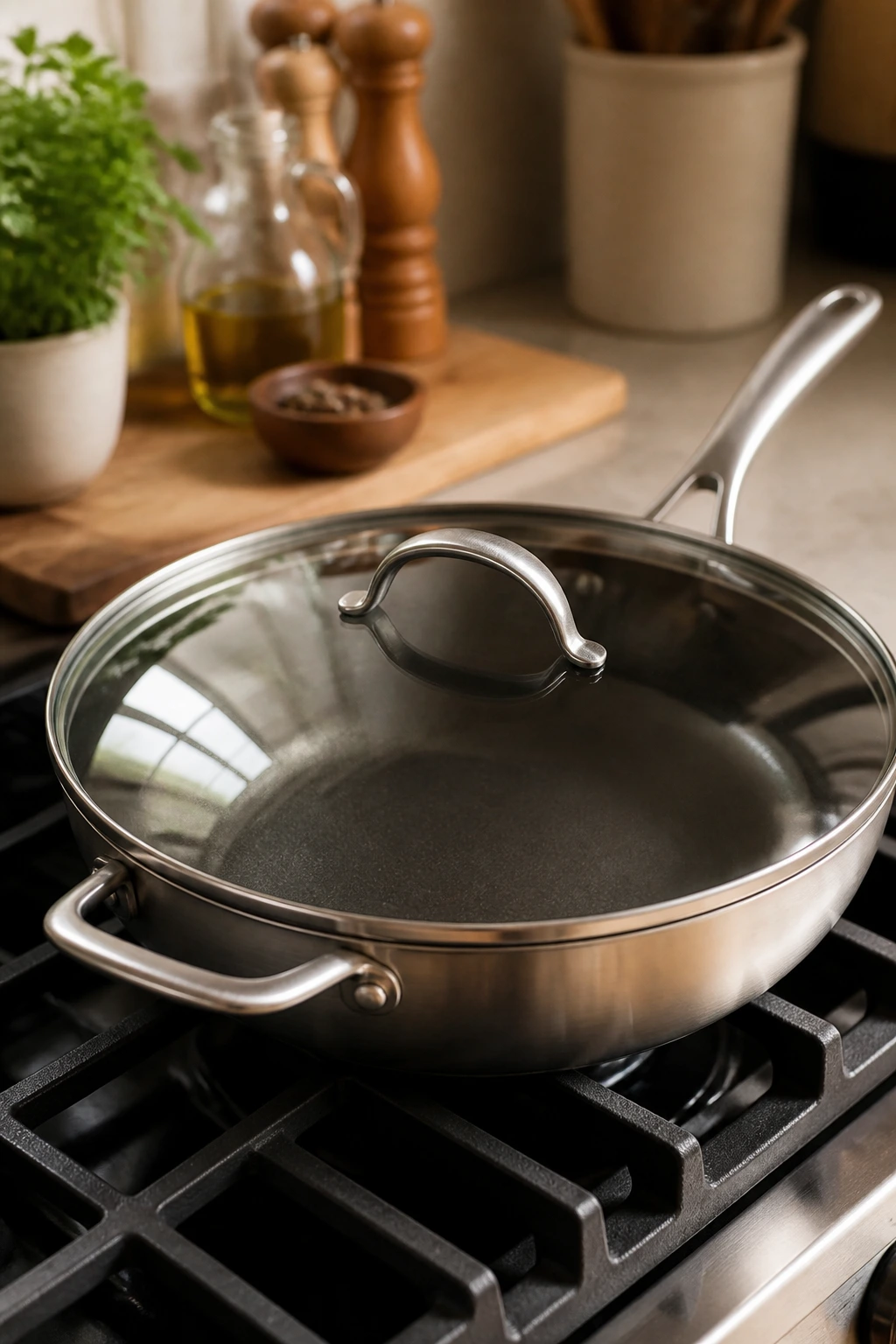
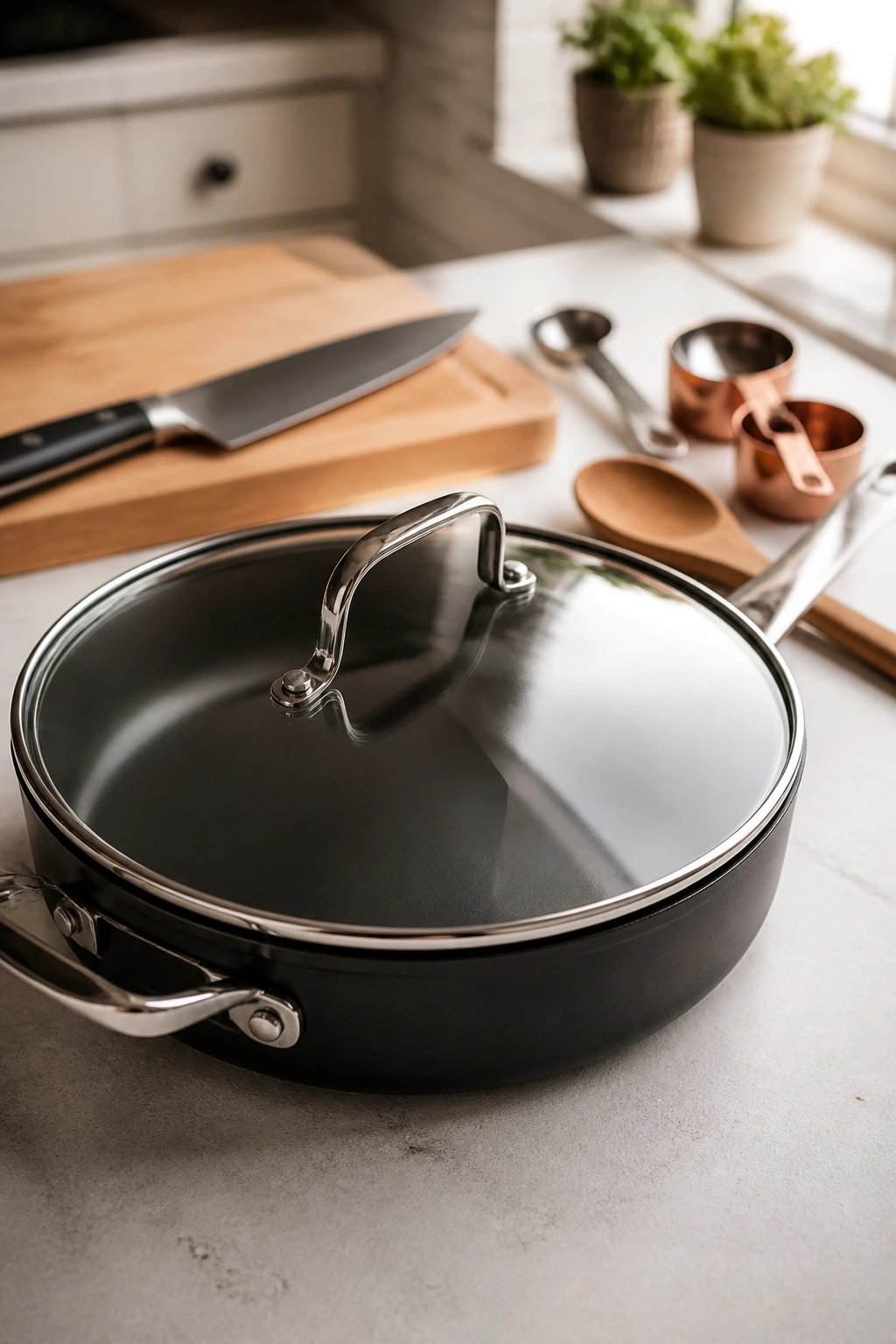
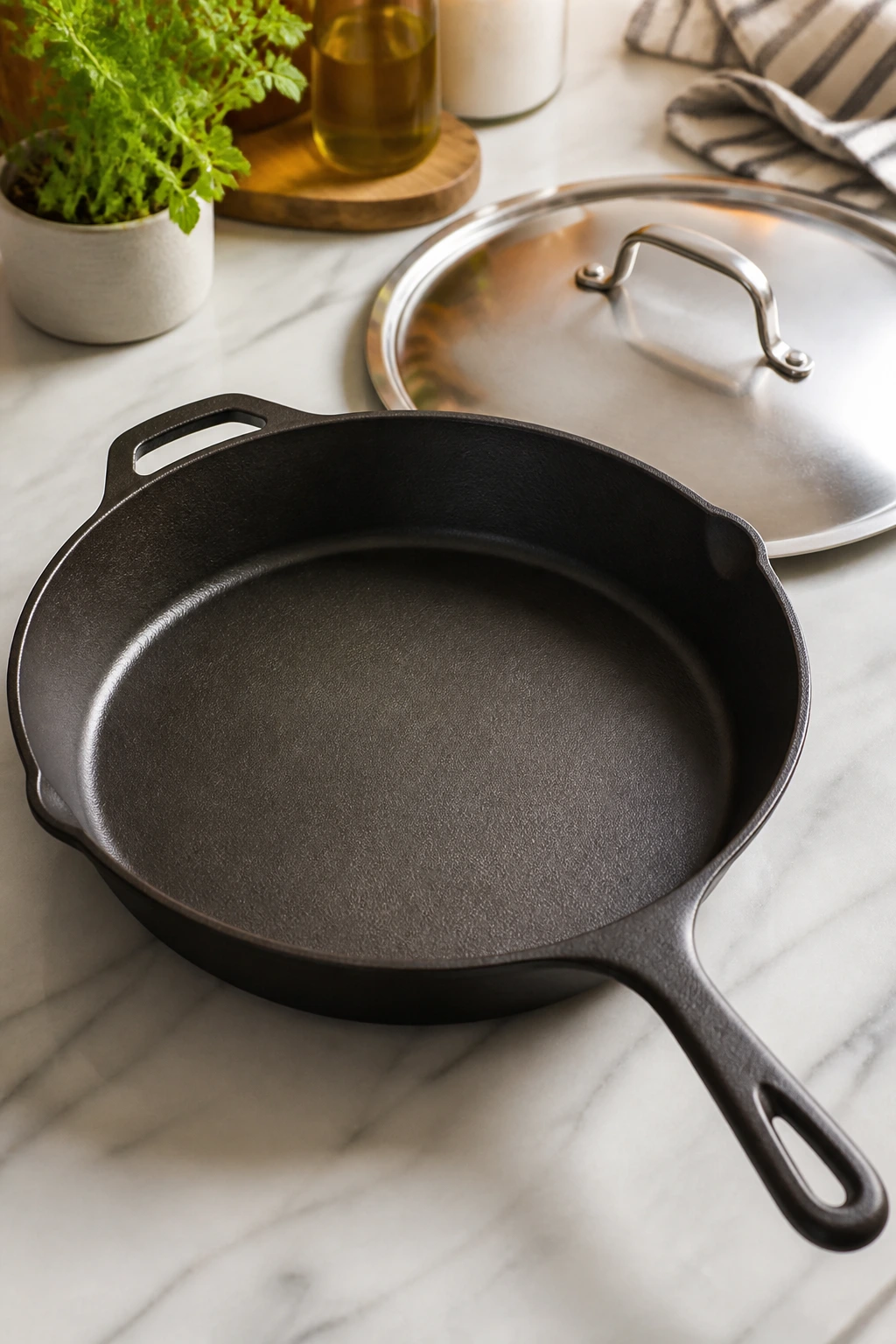
- 12-inch skillet with a lid
- Cutting board and sharp knife
- Measuring cups and spoons
- Wooden spoon or heatproof spatula
How to Serve This Dish
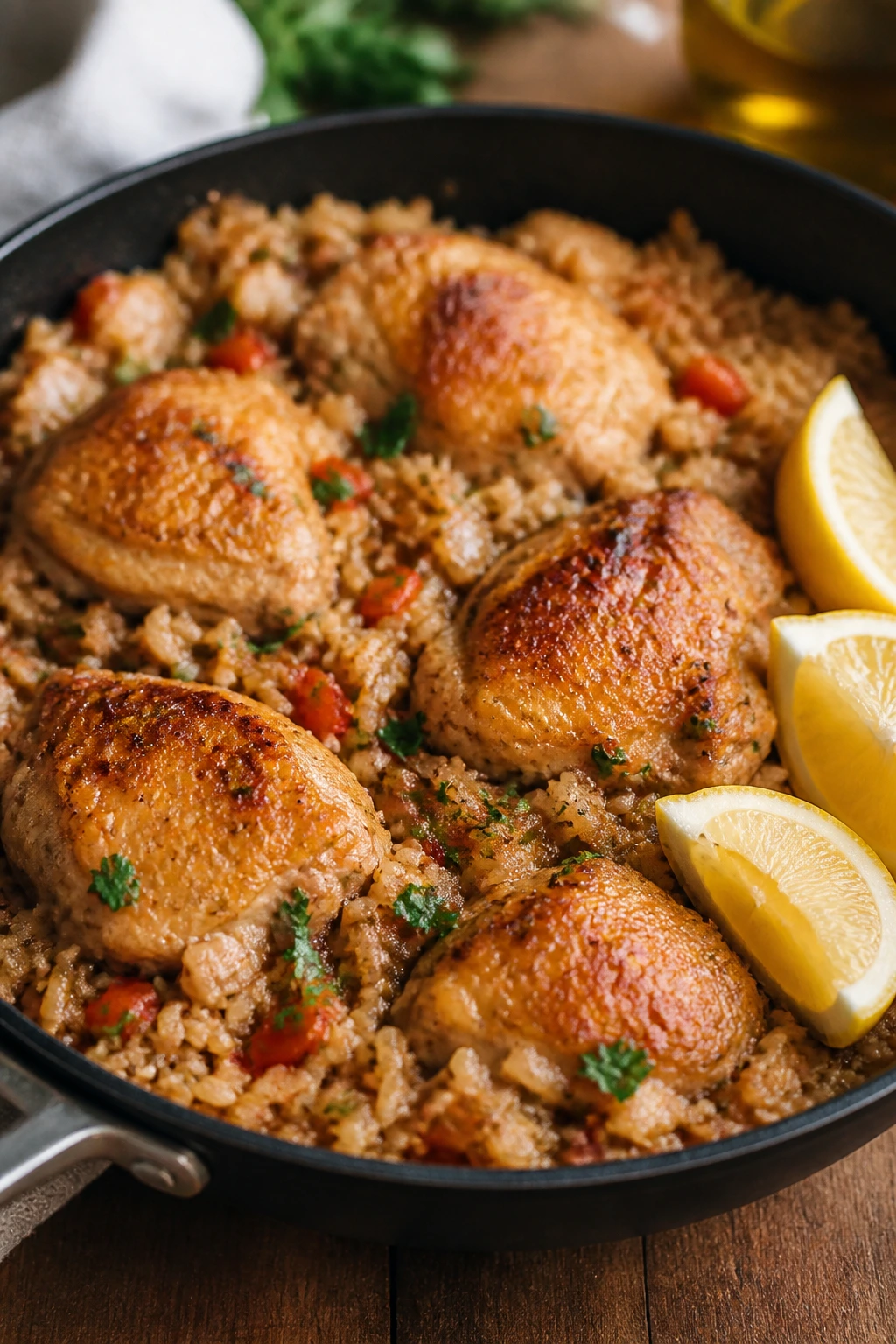
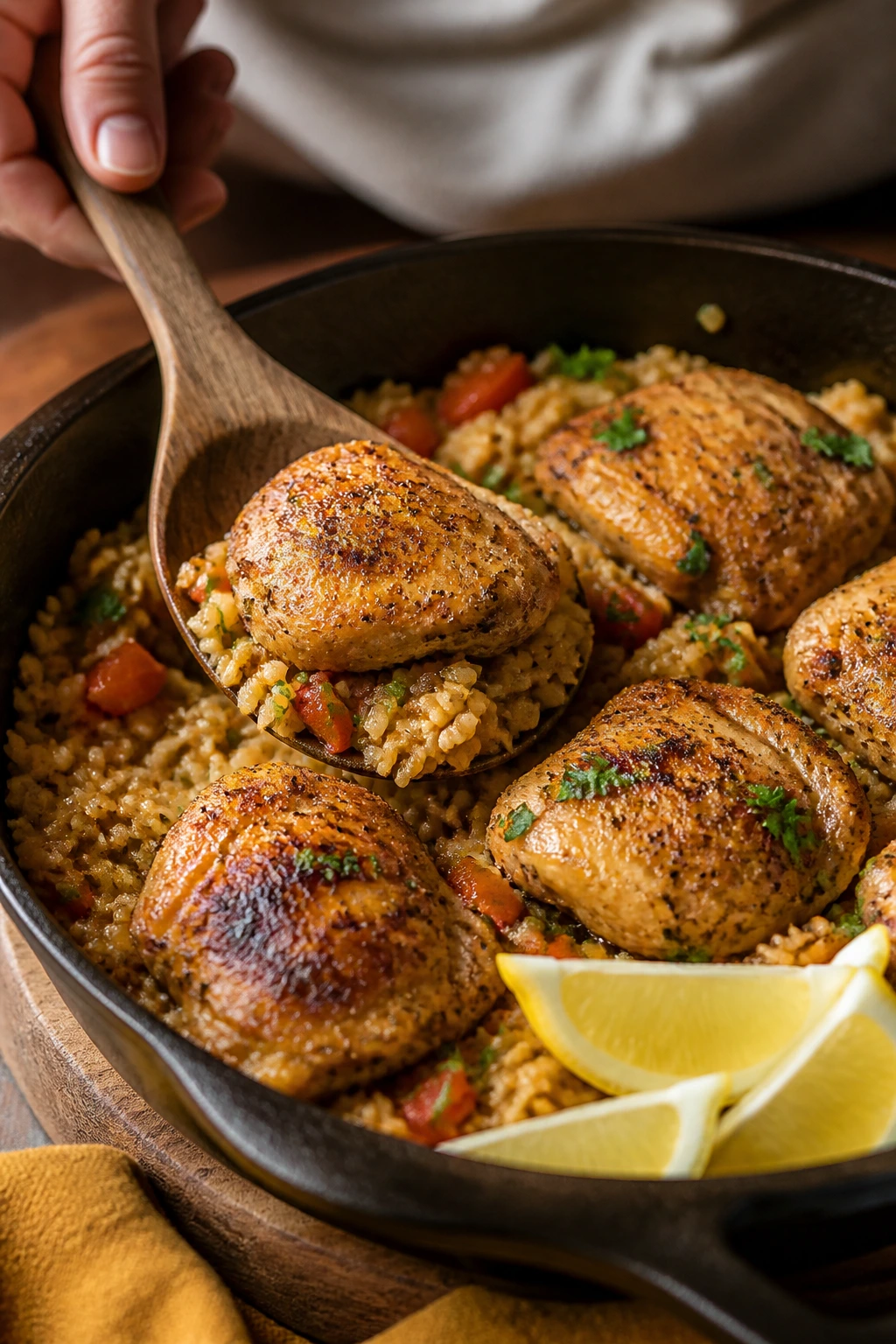
Serve it straight from the pan with the lemon wedges tucked on the side. A simple cucumber salad or steamed green beans keeps the plate fresh and light. Four generous portions is the right target, though hungry eaters will happily take a bigger scoop of rice.
Pro Tips for This Recipe
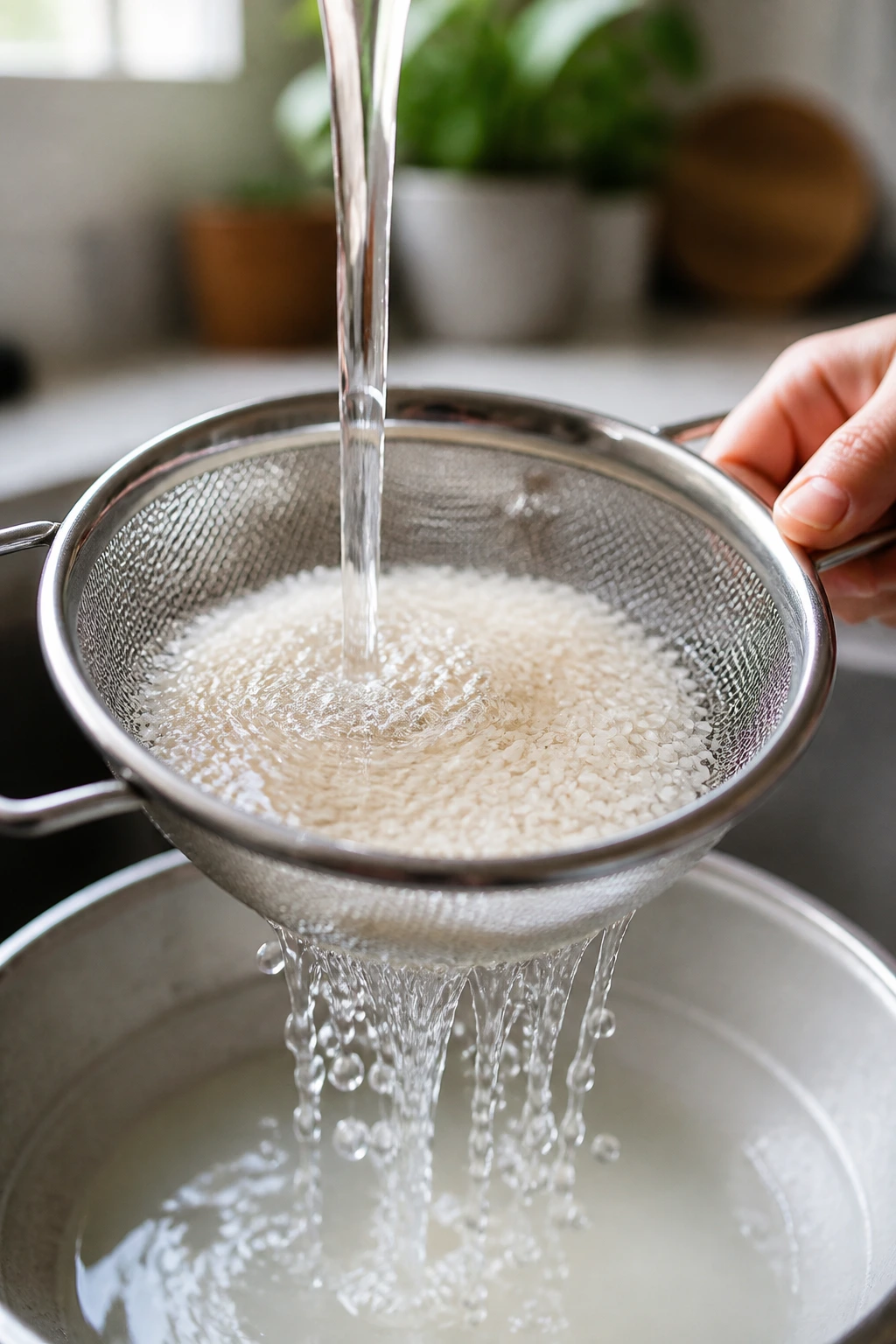
- Rinse the rice: It removes excess starch and keeps the finished rice fluffy instead of sticky.
- Do not rush the browning: A little color on the chicken means more flavor in the whole skillet.
- Keep the lid on: Lifting it too often releases steam, and the rice will cook unevenly.
- Use fresh lemon at the end: Bottled juice tastes dull here.
Variations on This Dish
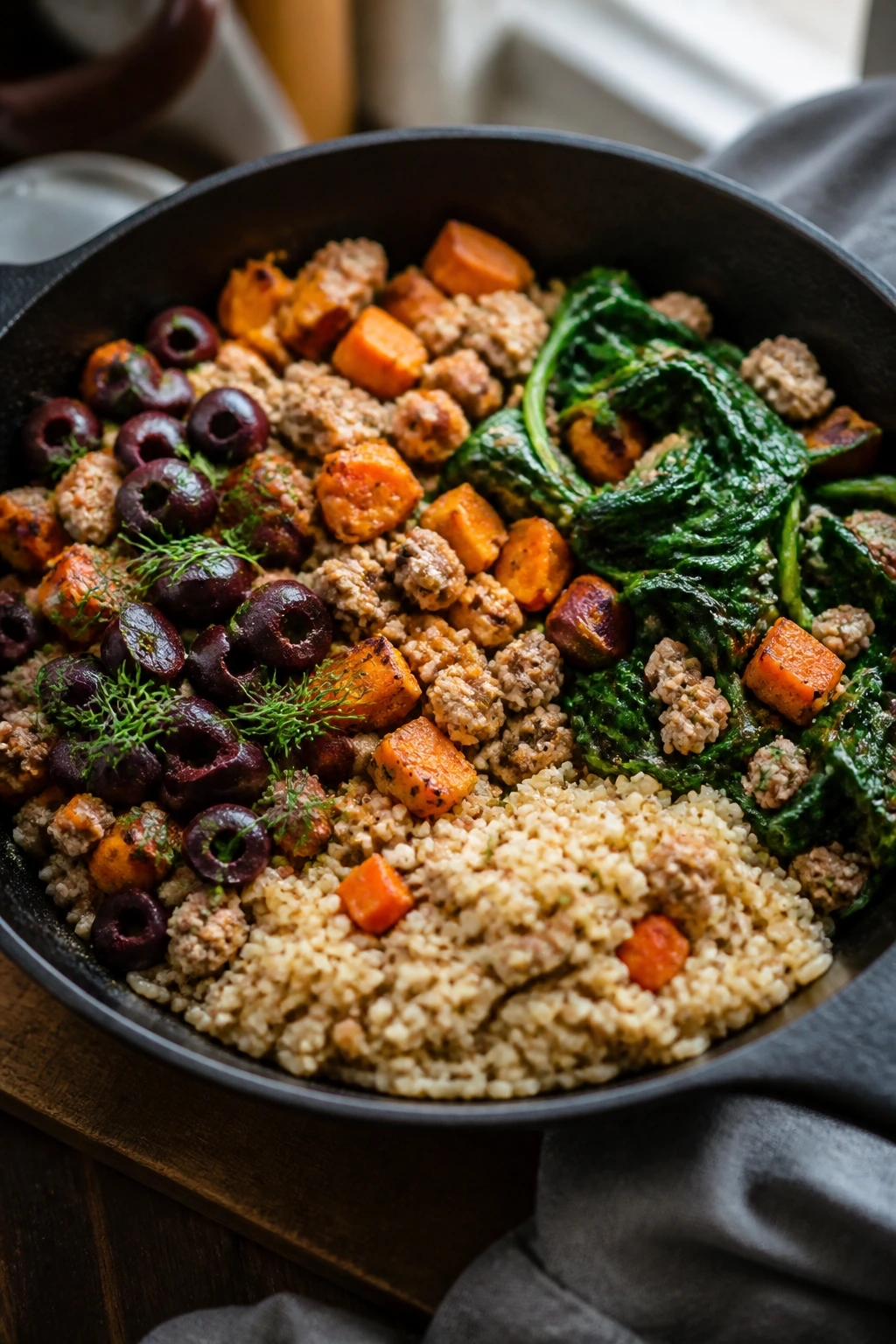
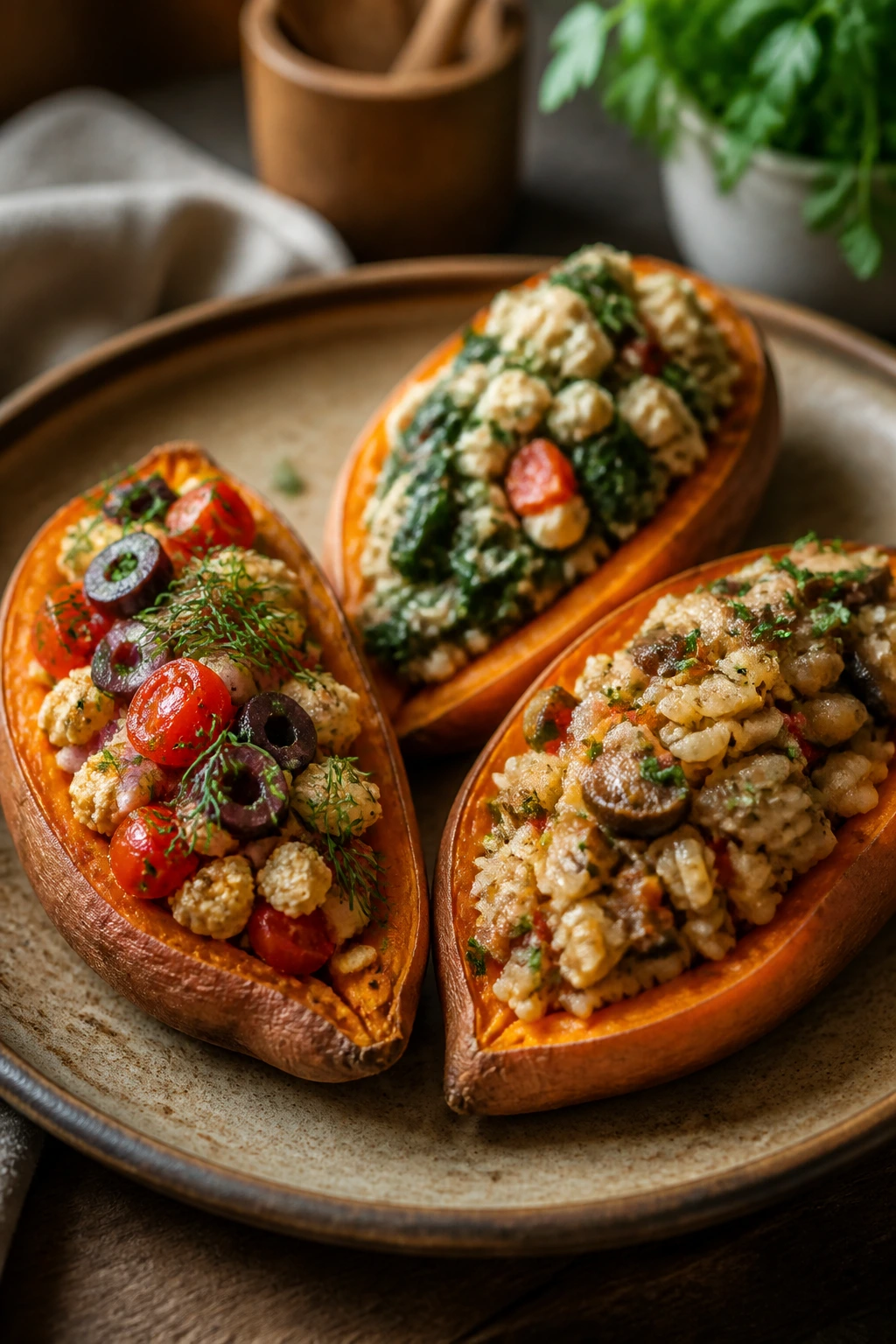
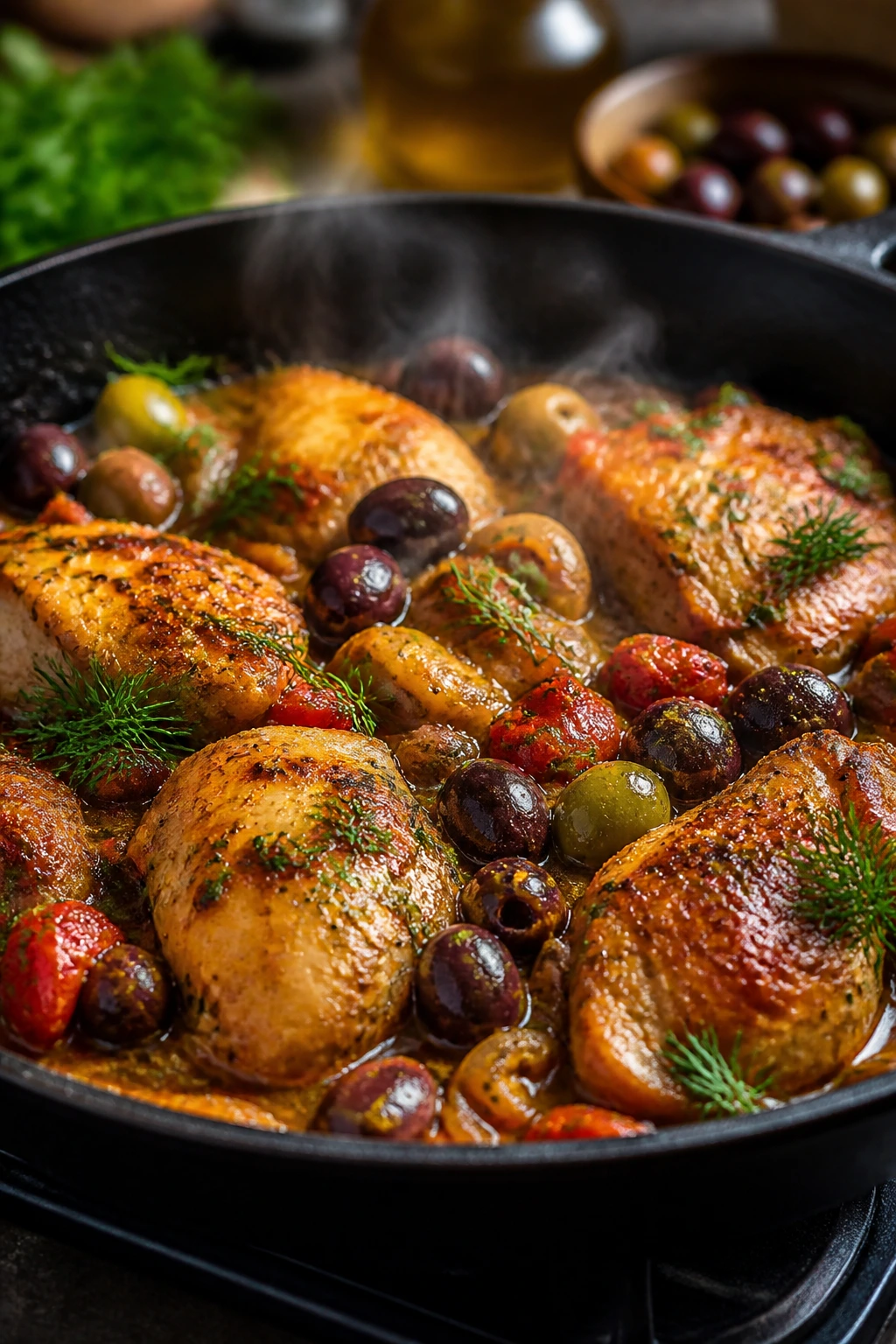
- Mediterranean Finish: Add a handful of sliced olives and a spoonful of chopped dill at the end.
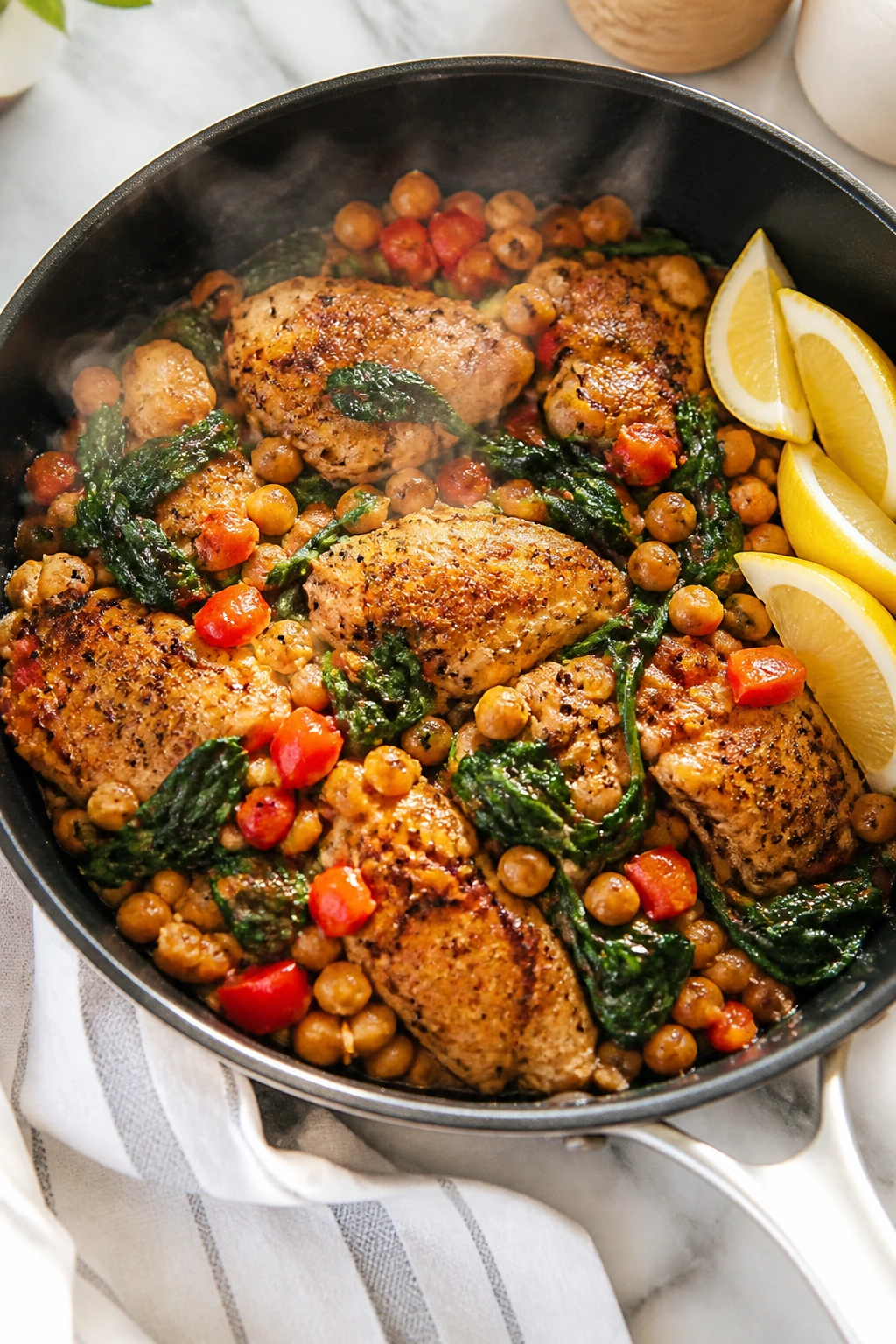
- Chicken and Spinach Version: Stir in 2 cups baby spinach after the rice cooks; it wilts in under a minute.
- Brown Rice Swap: Use 1 ½ cups brown rice and 3 ¼ cups broth, but expect a longer simmer.
Common Mistakes to Avoid with This Dish
- Skipping the rinse: Unrinsed rice can turn gummy and clump together in the skillet.
- Adding lemon too early: Long simmering mutes the brightness and can make the dish taste flat.
- Using a tiny pan: Crowding the chicken and rice leads to uneven cooking and soggy edges.
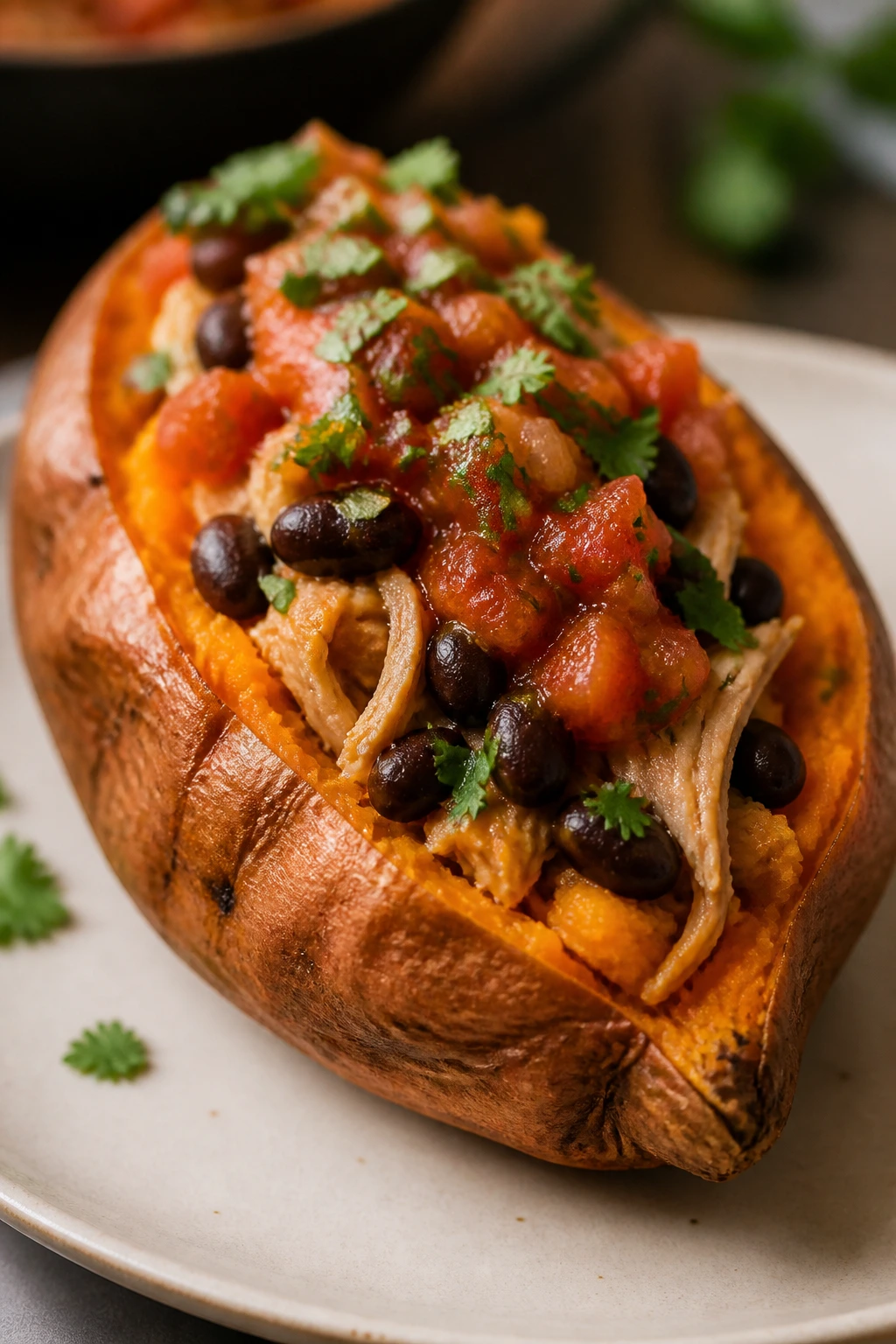
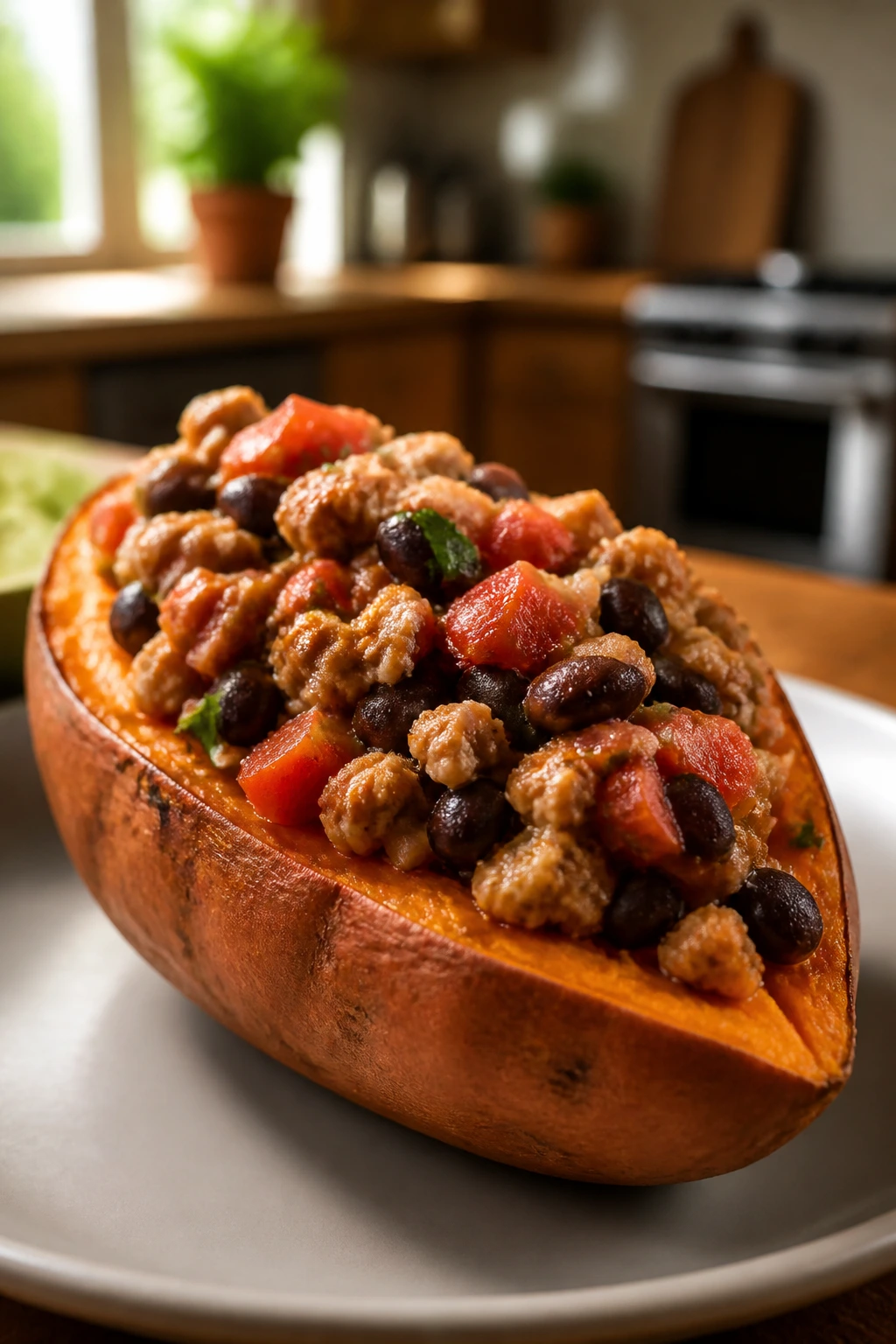
2. Turkey Taco Stuffed Sweet Potatoes
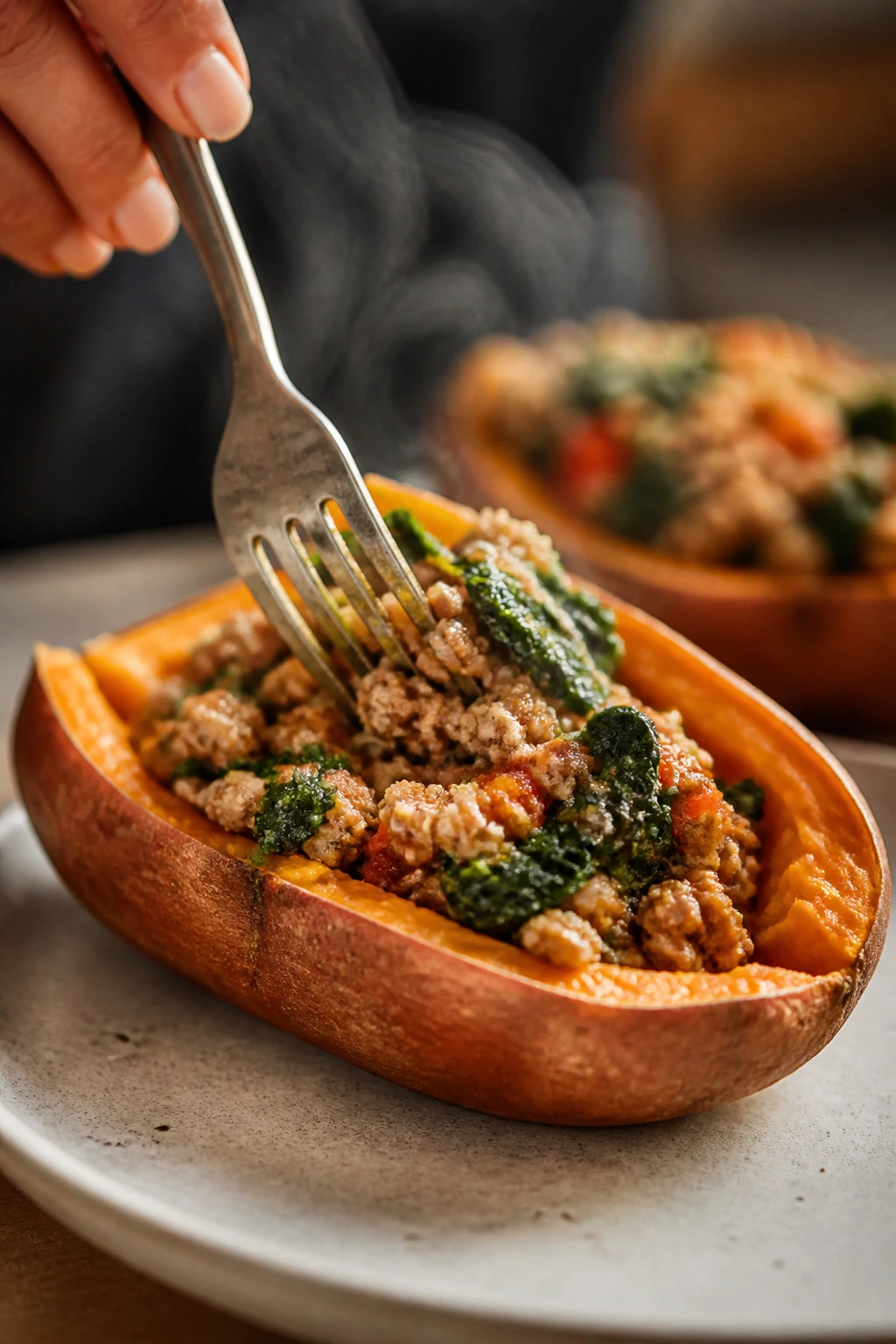
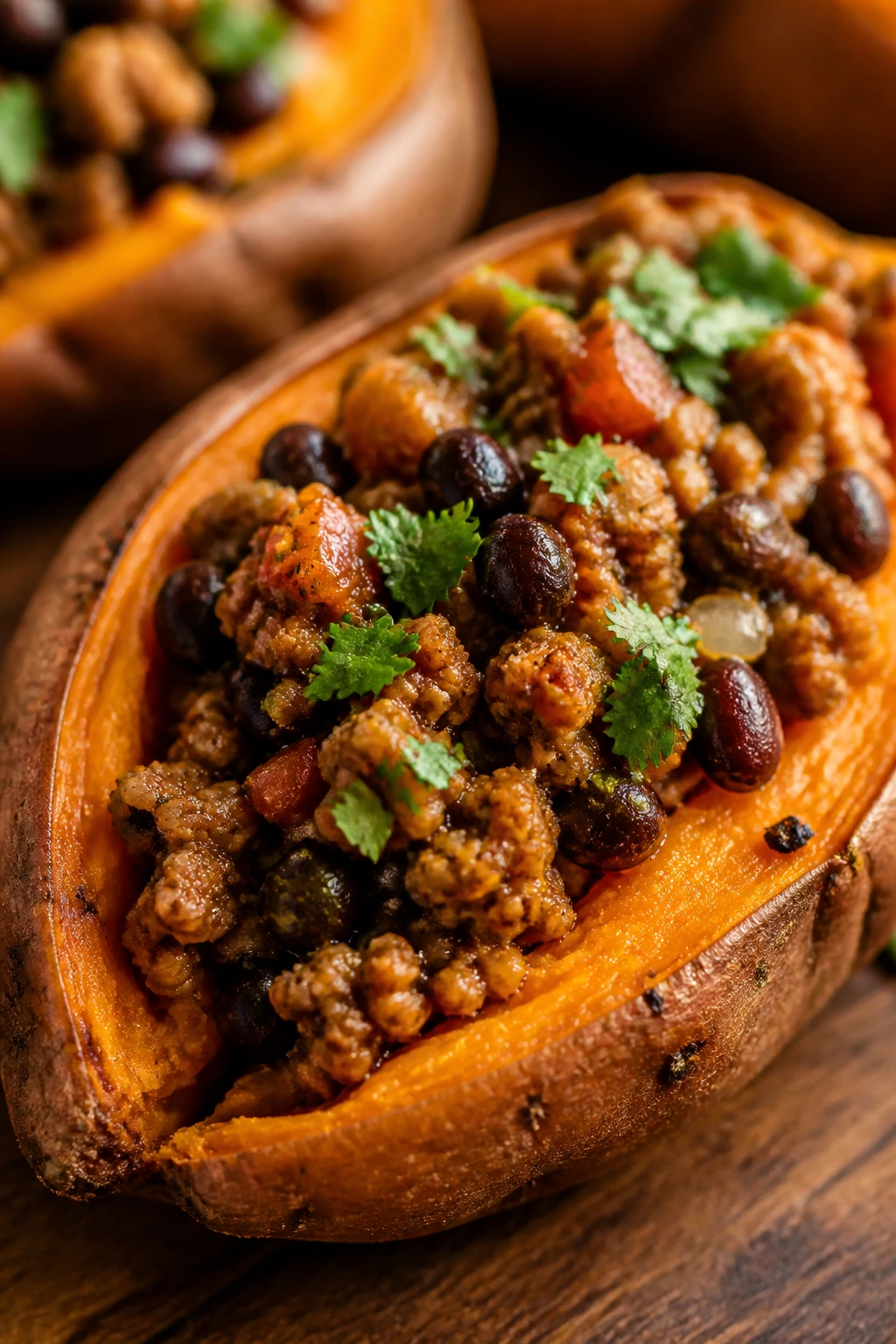
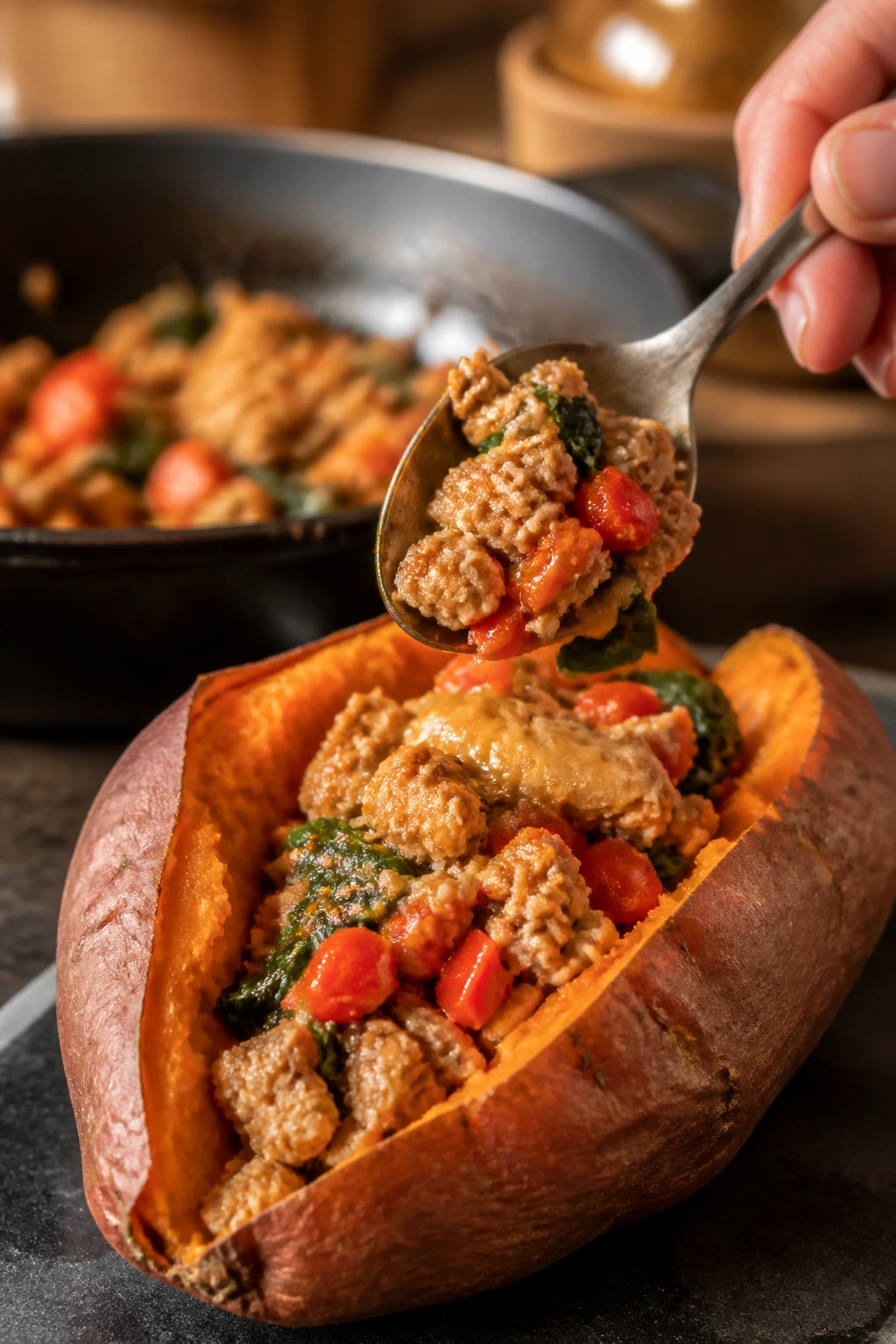
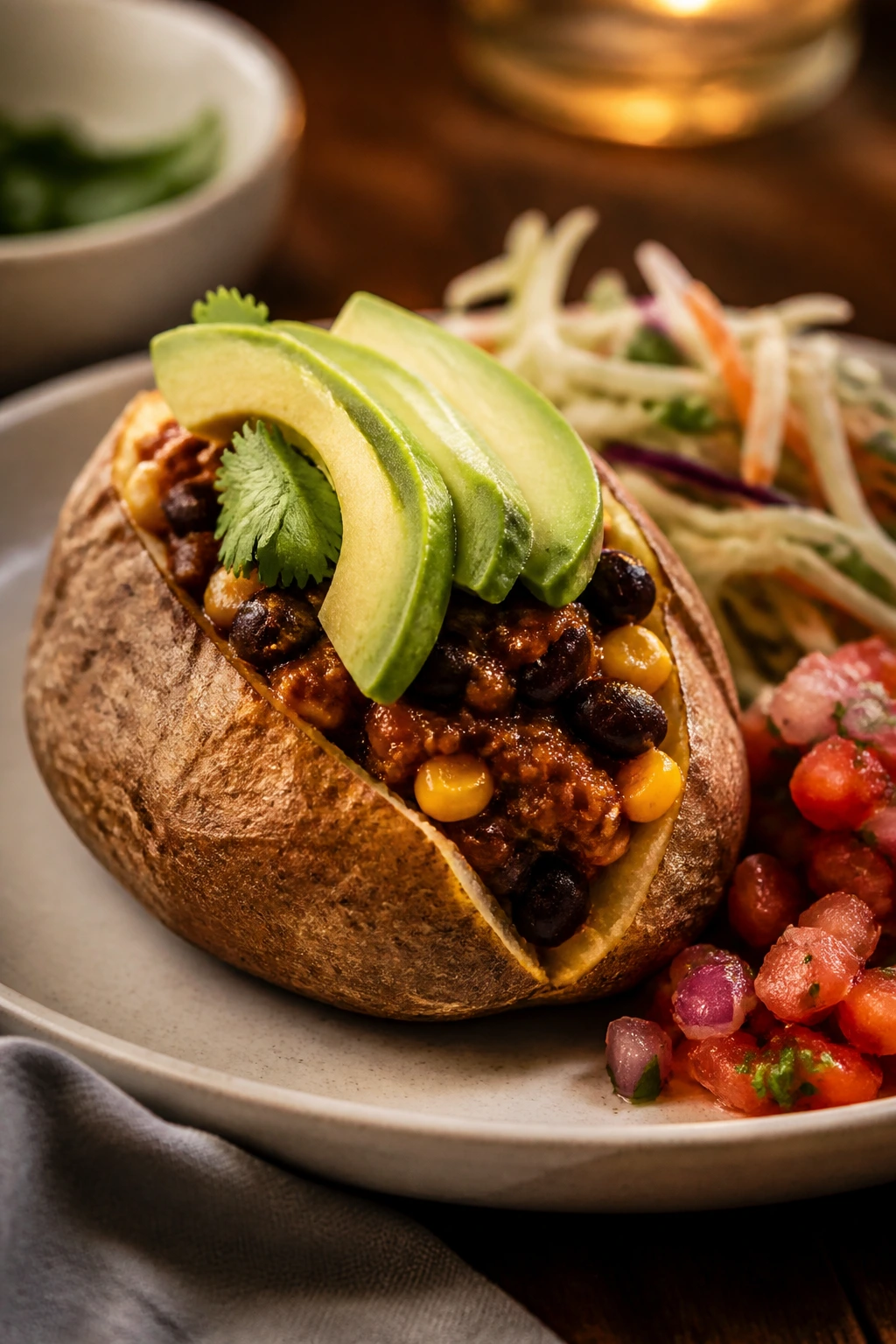
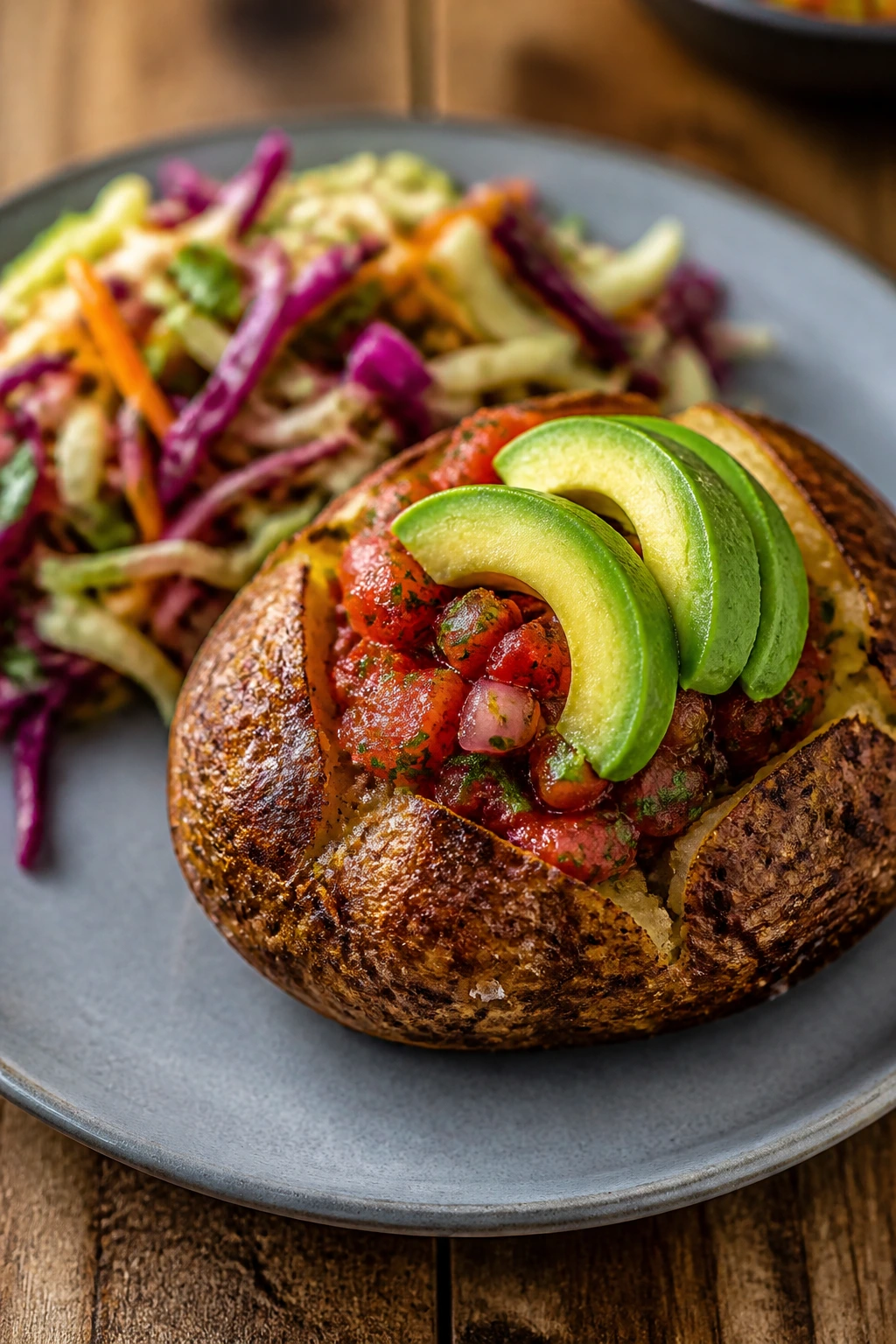
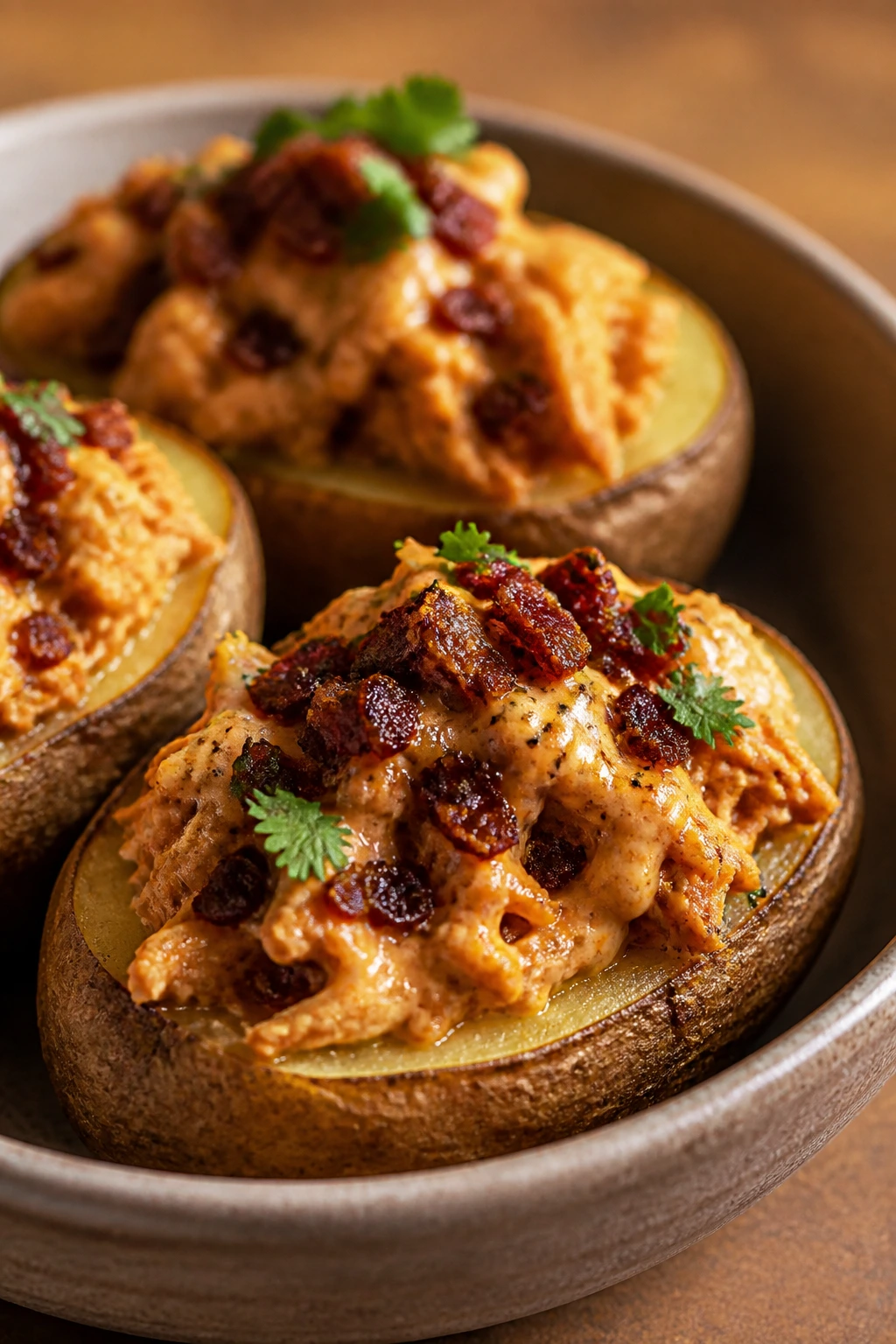
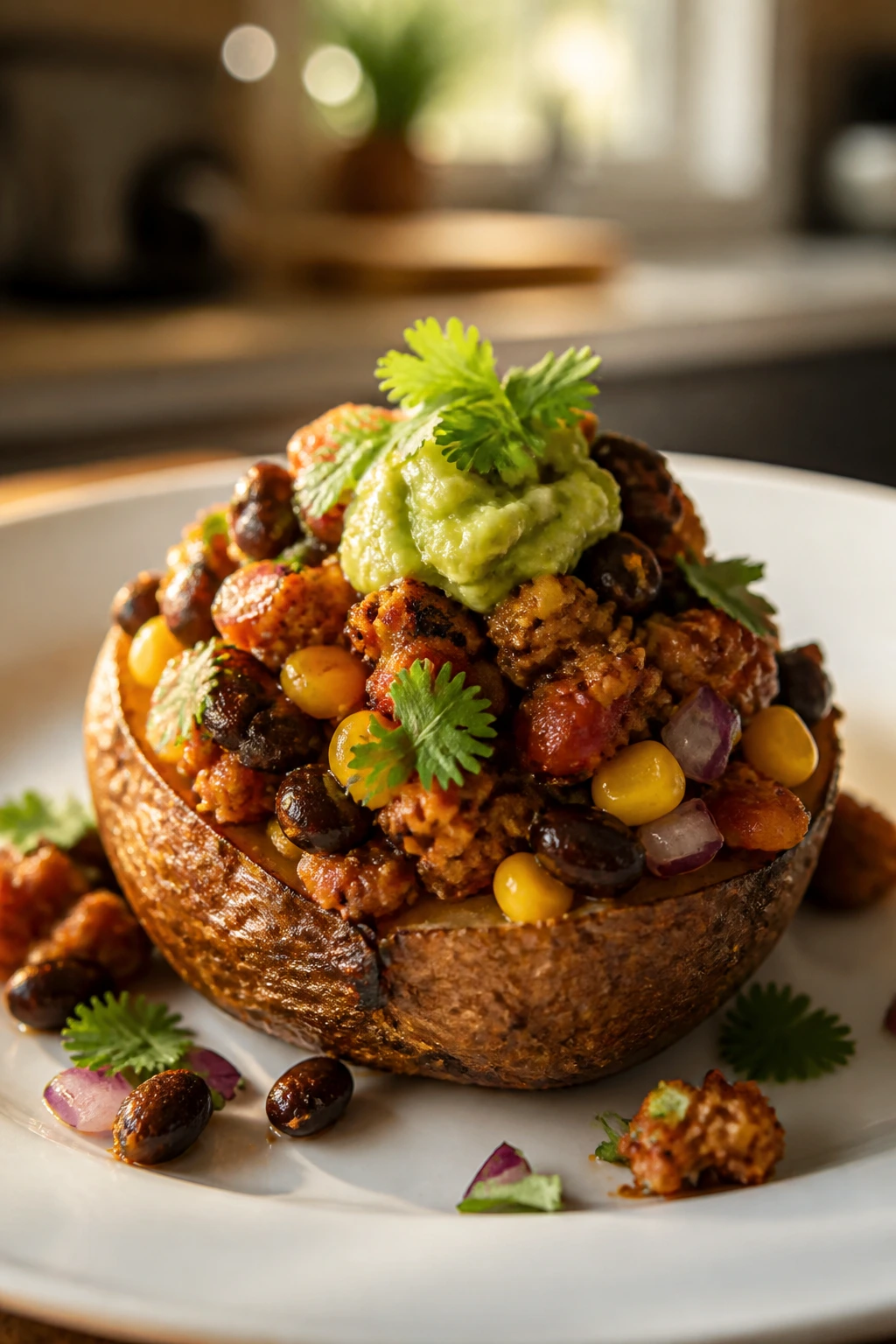
Sweet potatoes do a lot of heavy lifting for a weeknight dinner. Split them open, fill them with spiced turkey, and the whole thing feels substantial without needing cheese to hold it together. The natural sweetness plays nicely with the taco seasoning, and the black beans make the filling stretch in the smartest possible way.
Why It Works
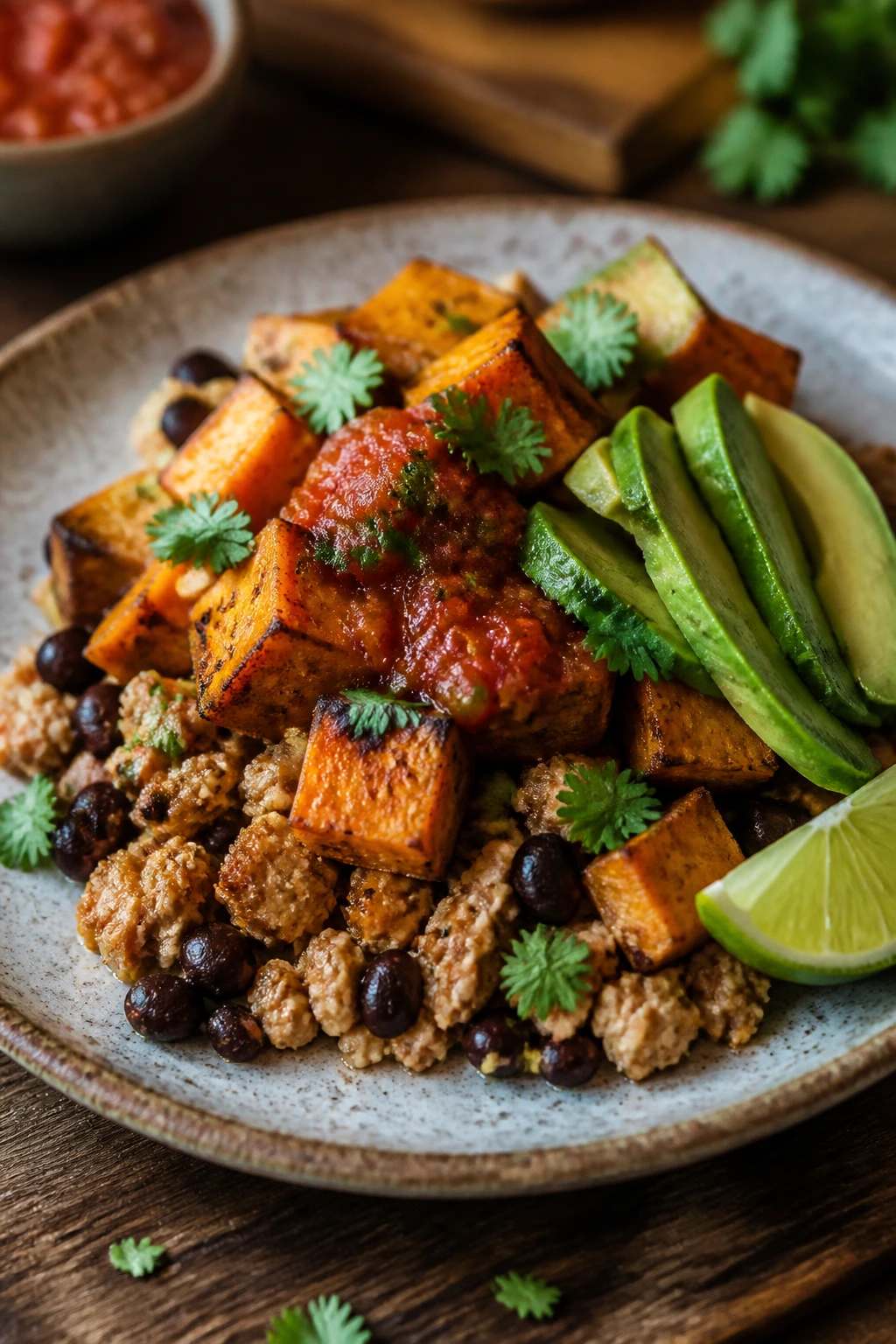
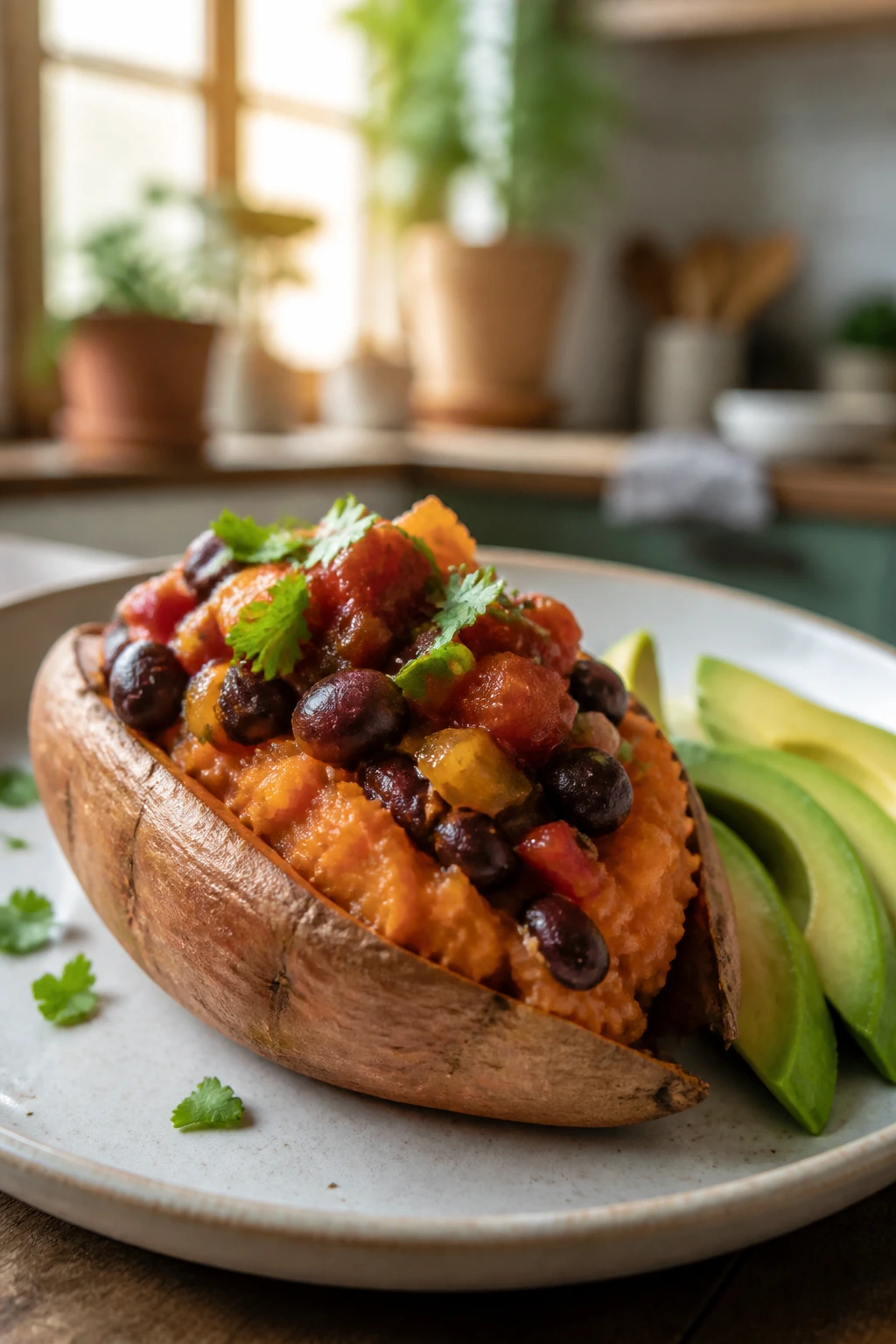
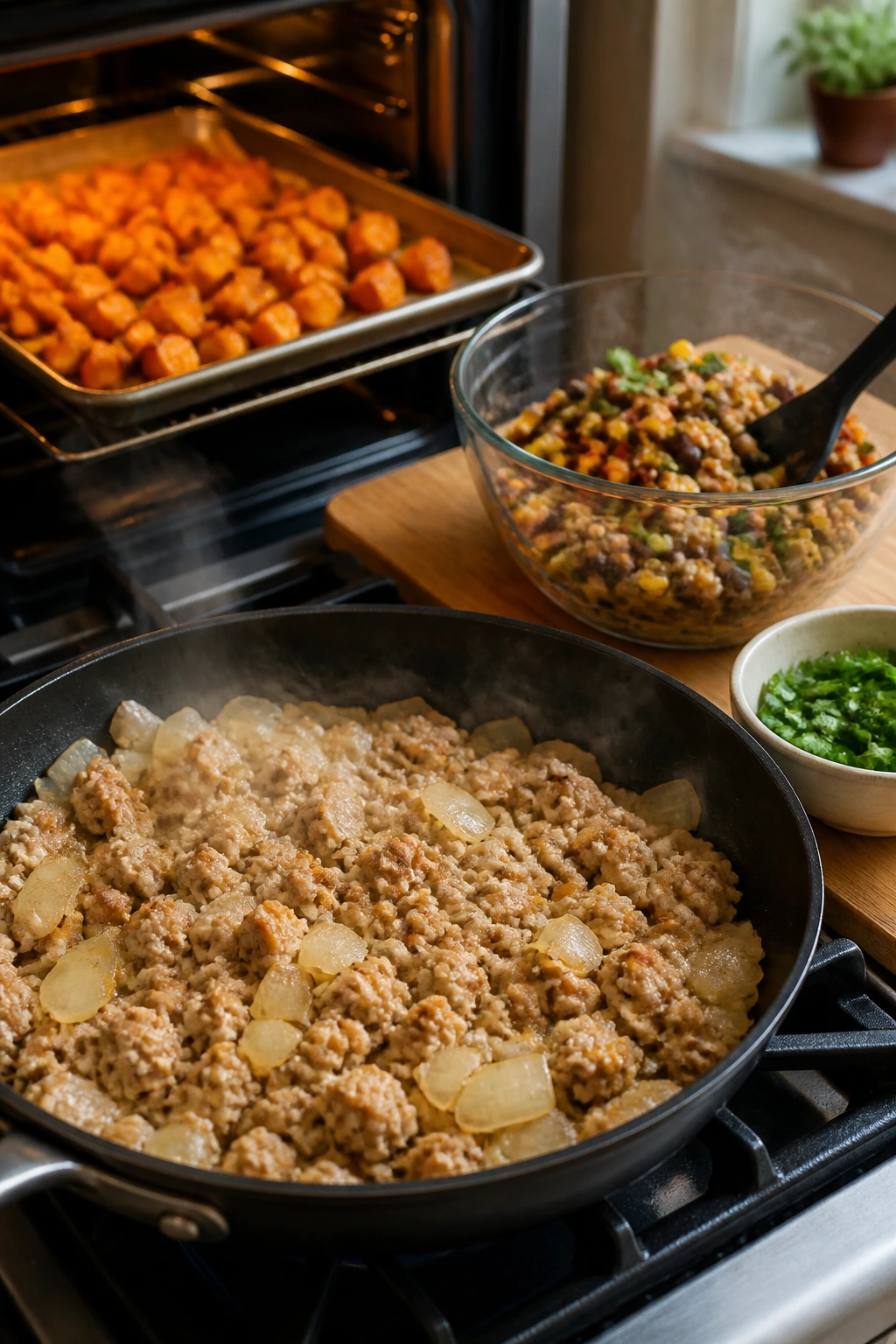
This is one of those dinners that looks like you planned ahead, even if you absolutely did not. The sweet potatoes can roast while you cook the turkey, and the filling comes together fast enough that nobody has to hover in the kitchen asking when dinner is ready. Black beans add fiber and body, while salsa gives you moisture and a little acidity.
Key Ingredients
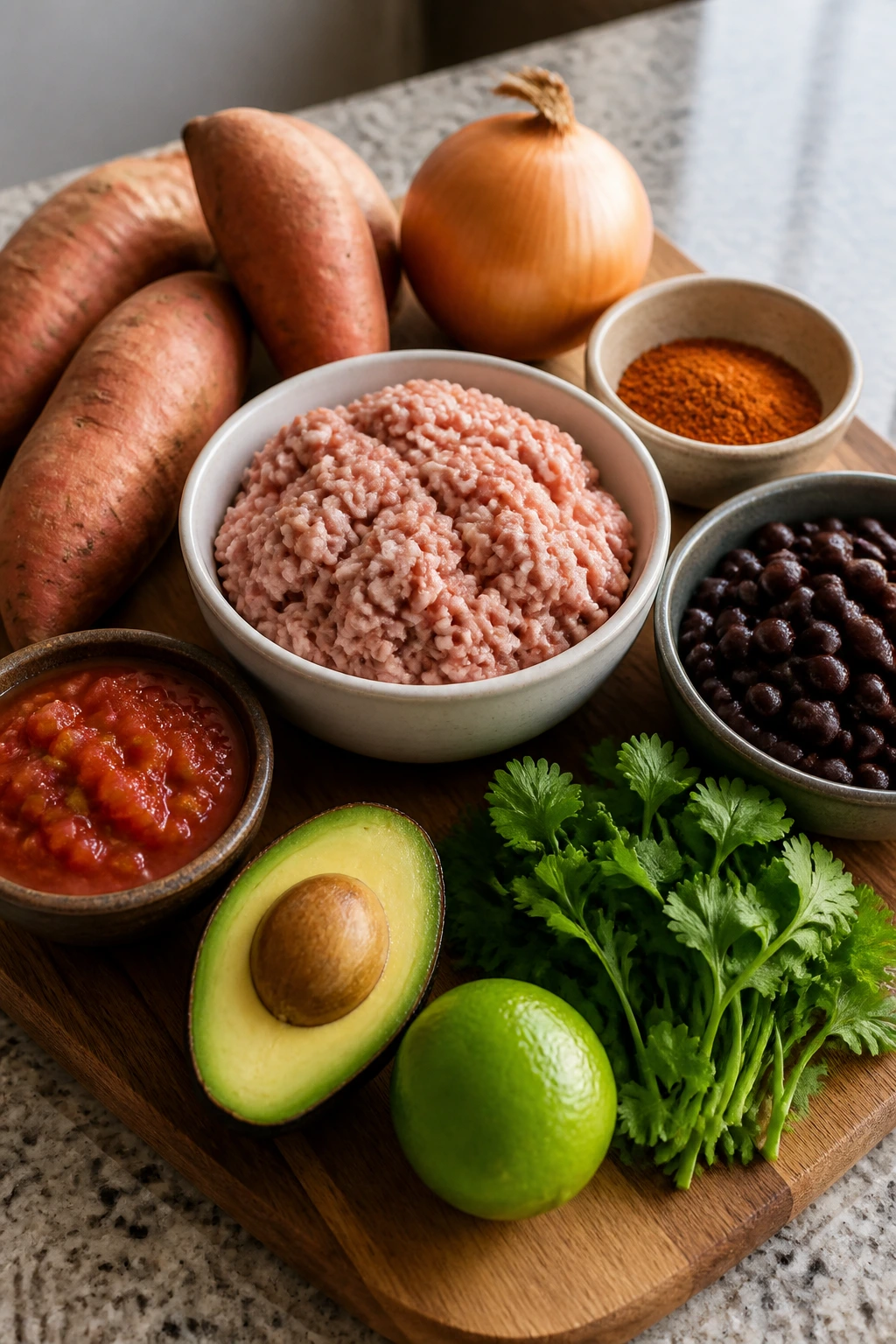
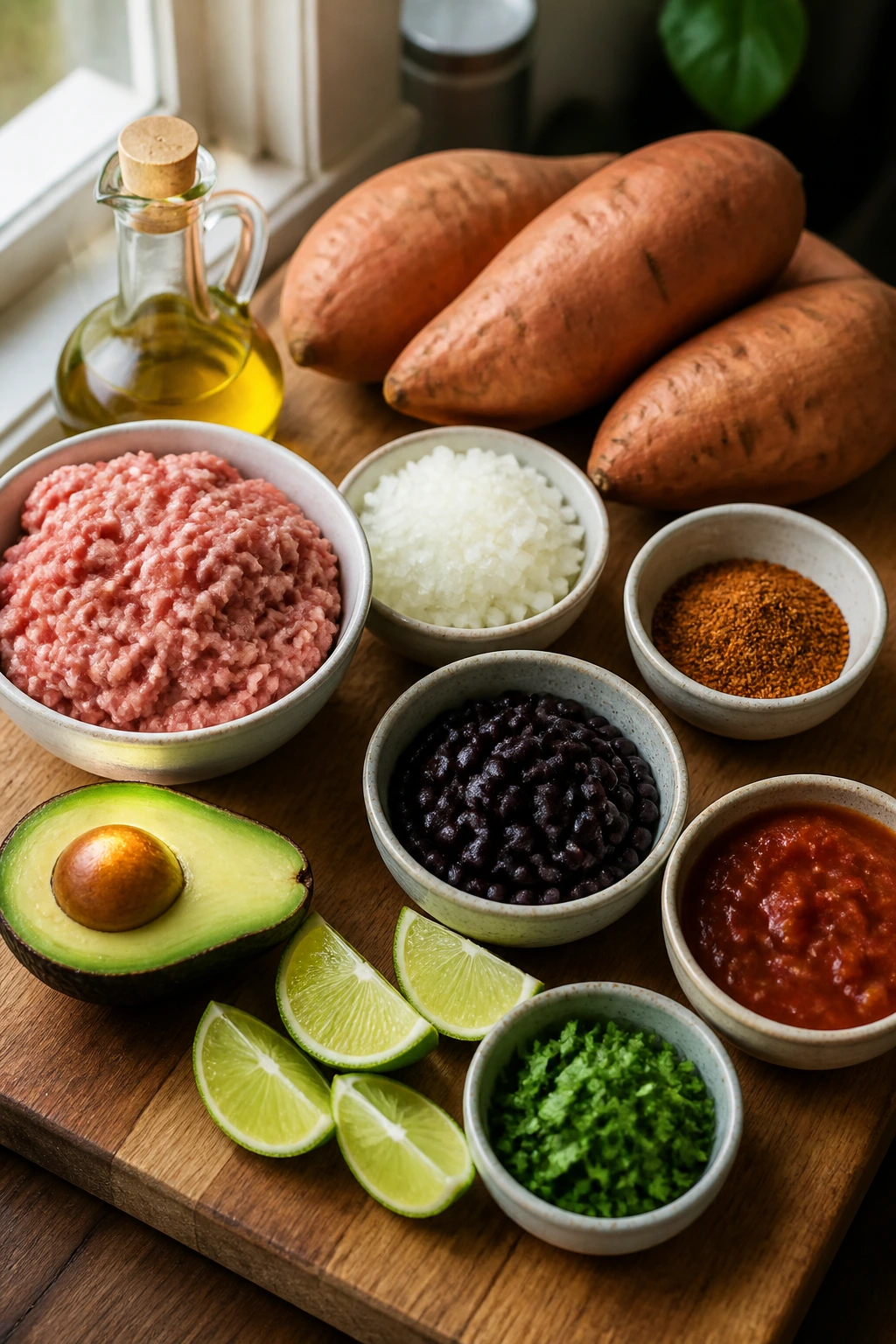
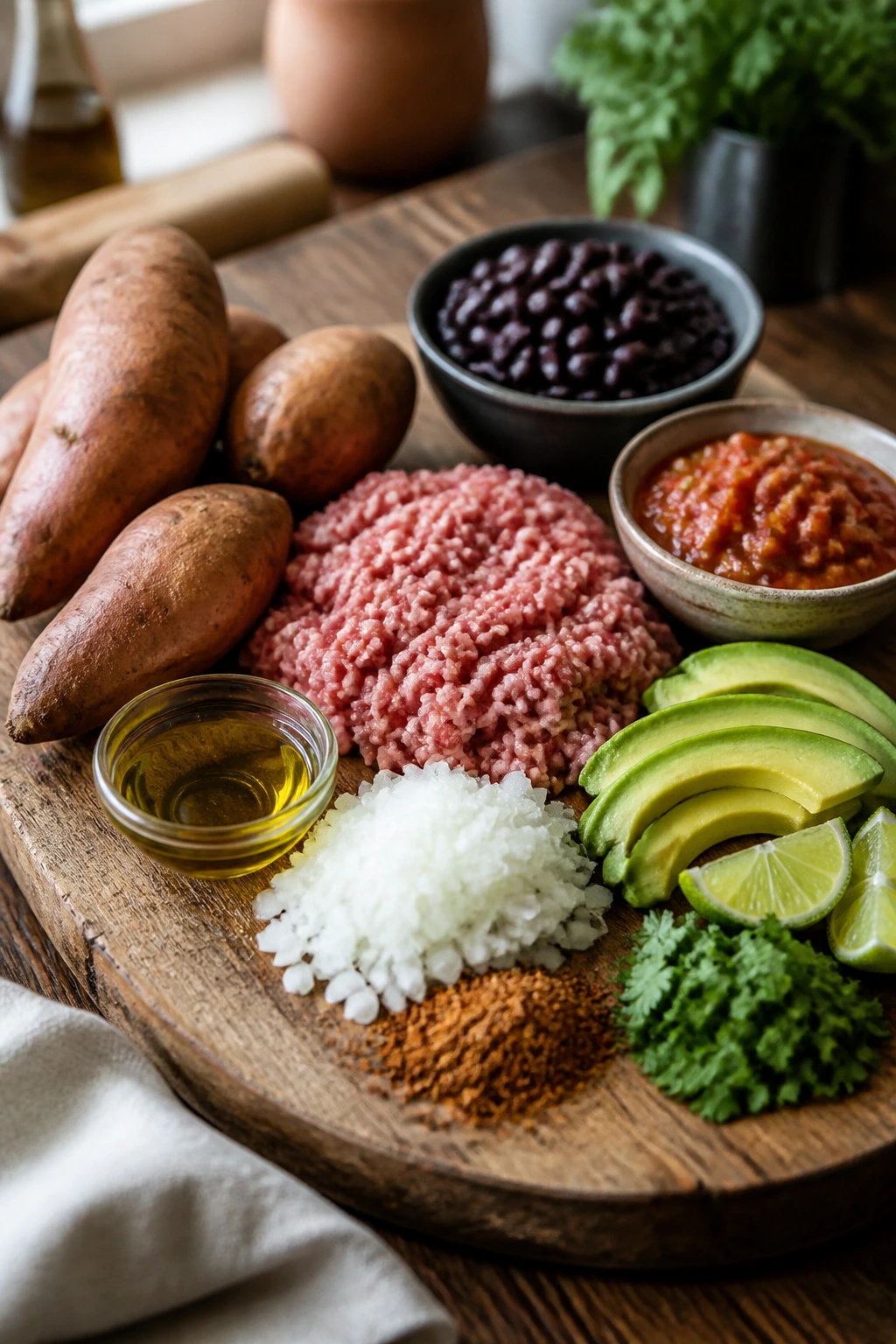
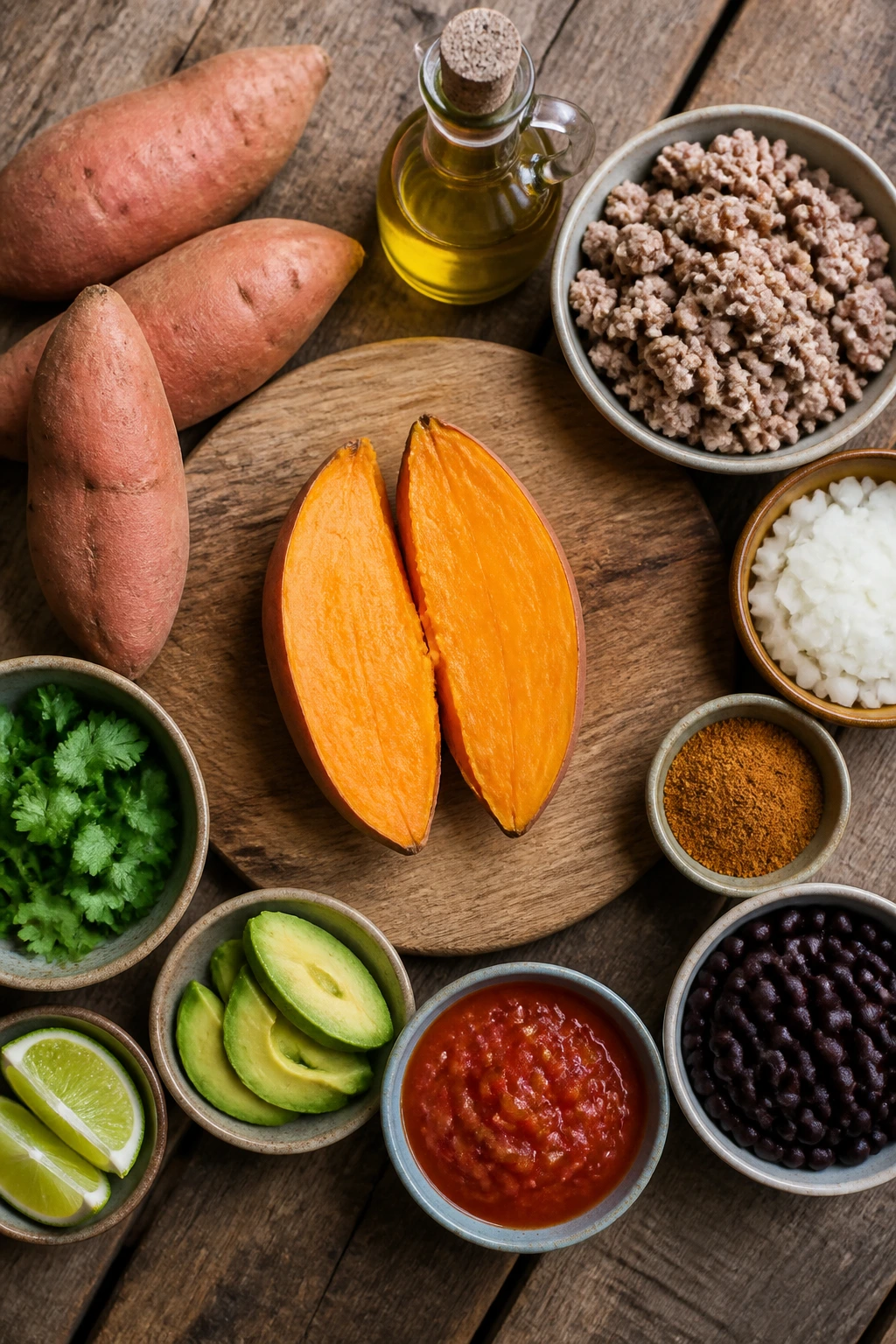
- 4 medium sweet potatoes
- 1 tablespoon olive oil
- 1 pound lean ground turkey
- 1 small onion, finely diced
- 2 tablespoons taco seasoning
- 1 cup canned black beans, rinsed and drained
- ½ cup salsa
- 1 avocado, sliced
- 1 lime, cut into wedges
- 2 tablespoons chopped cilantro
Quick Steps
-
Roast the potatoes: Heat the oven to 425°F. Pierce the sweet potatoes several times with a fork, place on a baking sheet, and roast for 35 to 40 minutes until tender when squeezed with an oven mitt.
-
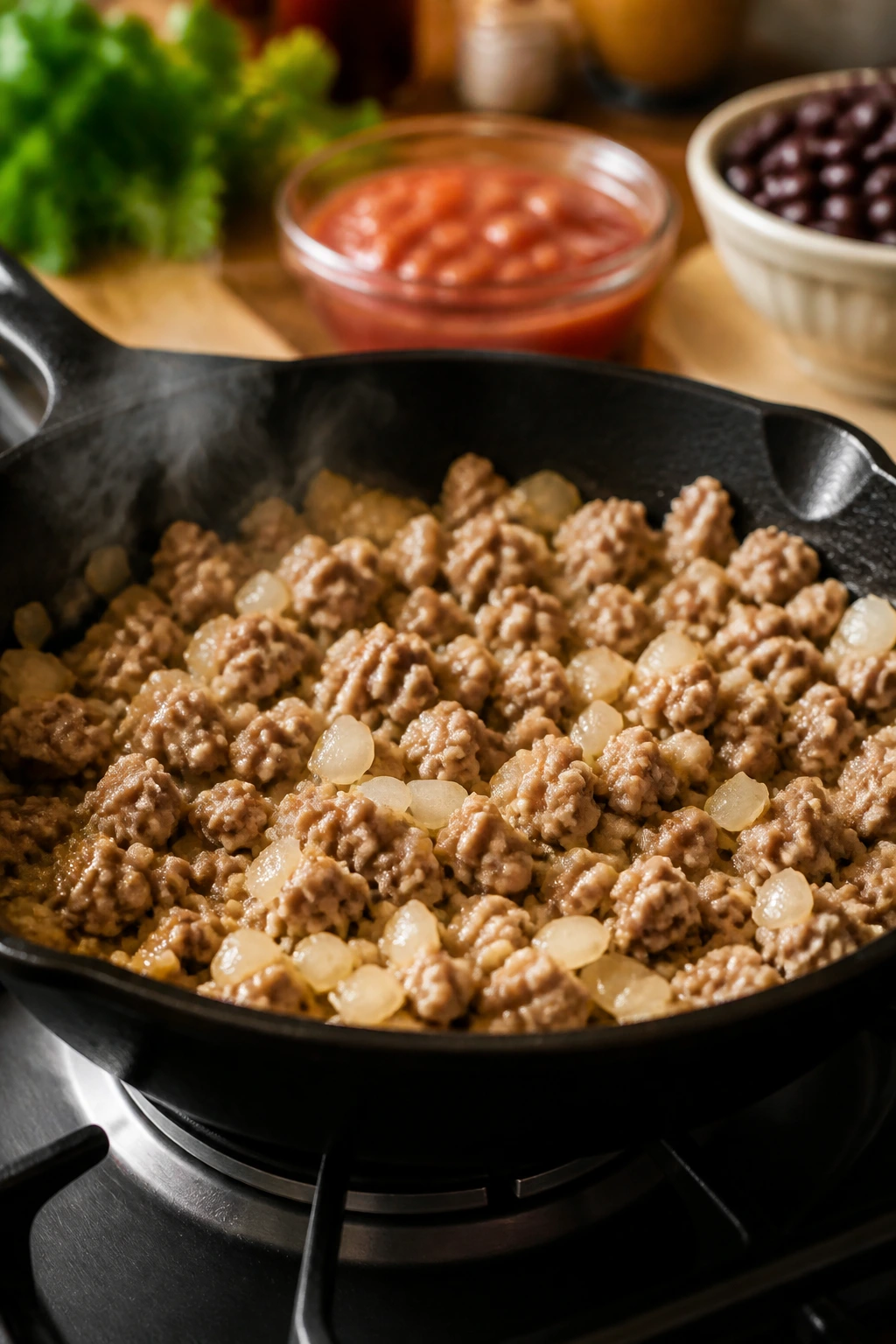
Cook the turkey: Warm the olive oil in a skillet over medium heat. Add the onion and cook for 3 minutes, then add the turkey and break it up with a spoon.
-
Season the filling: Cook the turkey for 6 to 8 minutes until no pink remains. Stir in the taco seasoning, black beans, and salsa, then cook for 2 minutes until hot and thick.
-
Split and stuff: Cut each potato open lengthwise and fluff the inside with a fork. Spoon the turkey mixture over the top.
-
Finish and serve: Add avocado, cilantro, and a squeeze of lime right before serving.
Equipment for This Recipe
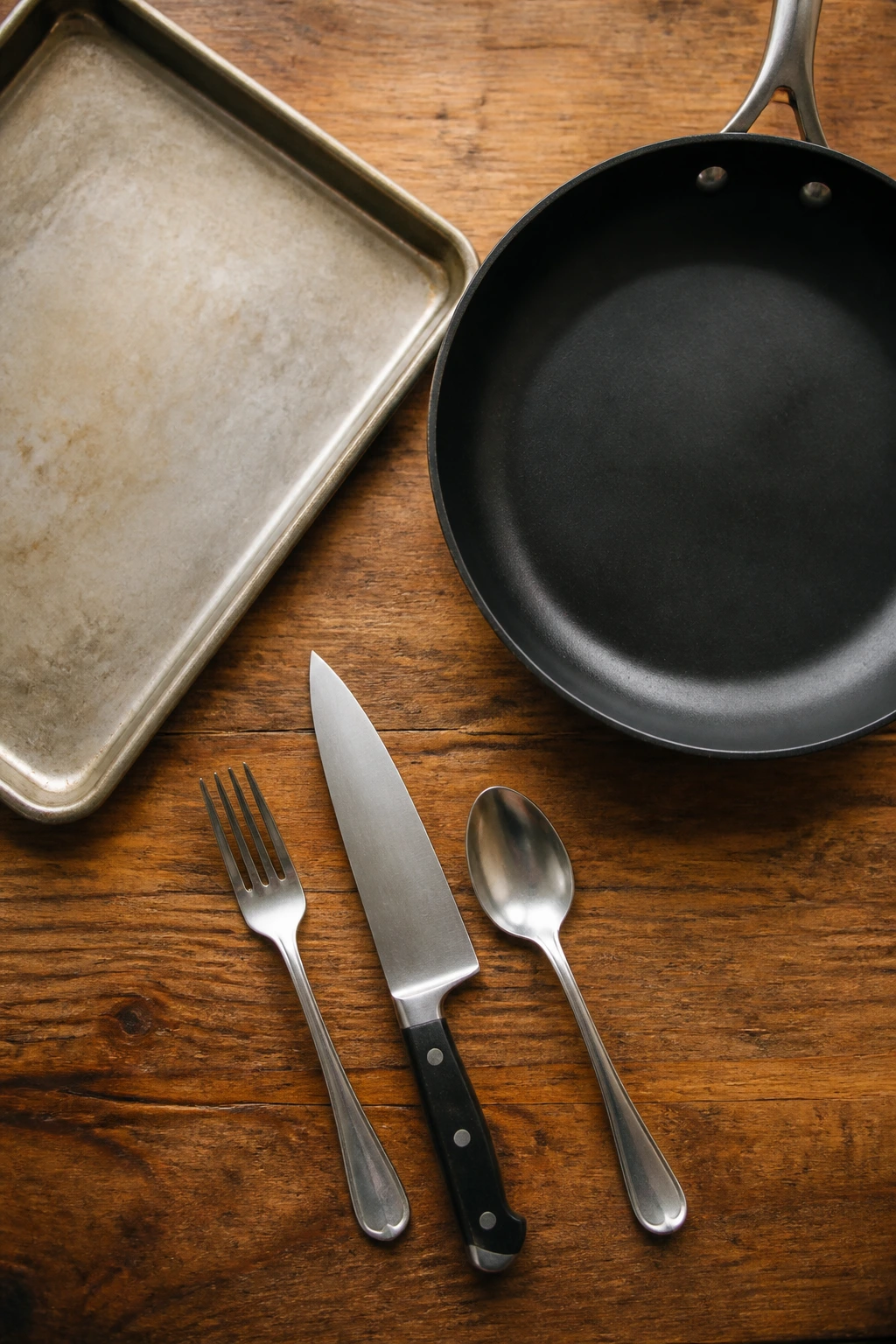
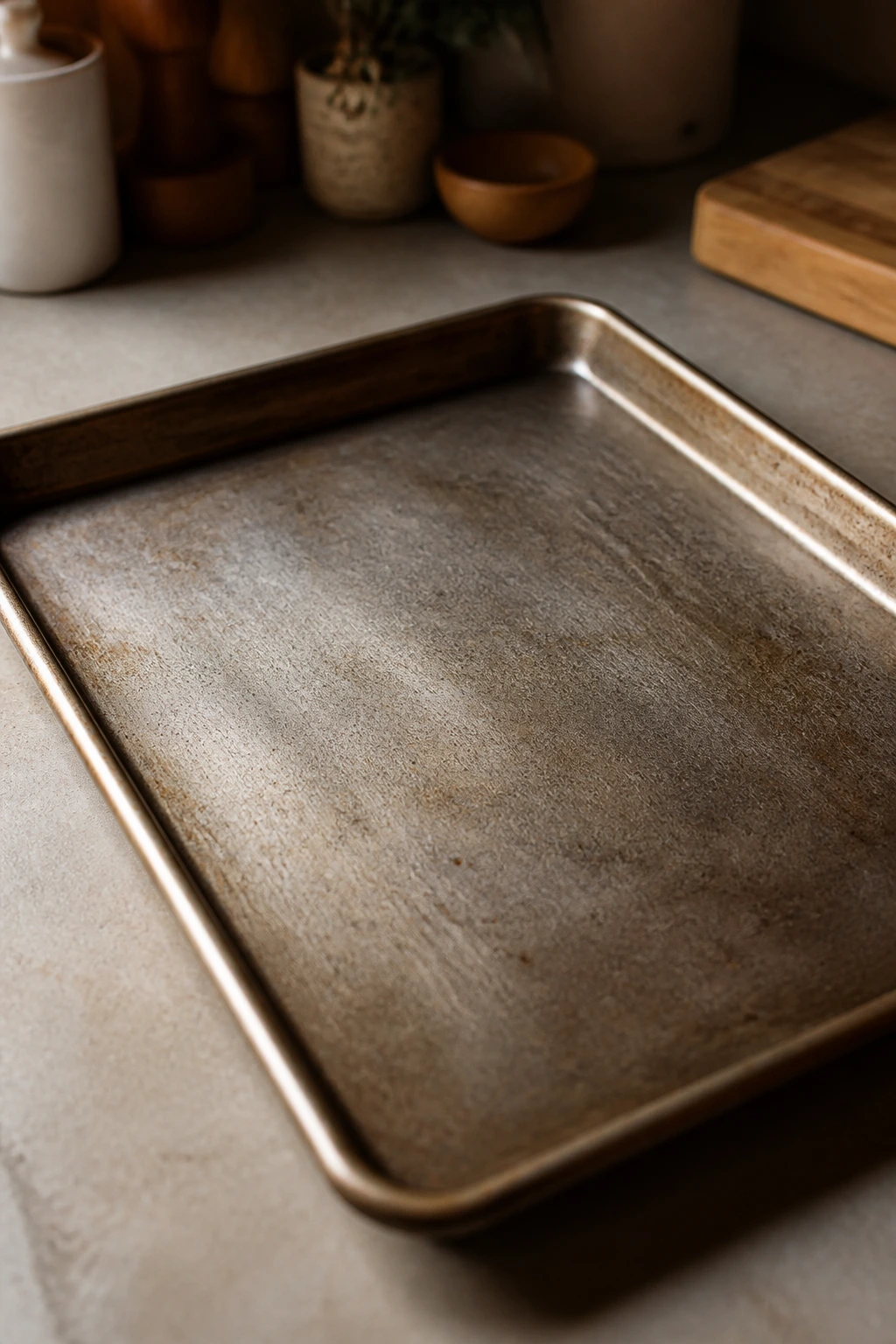
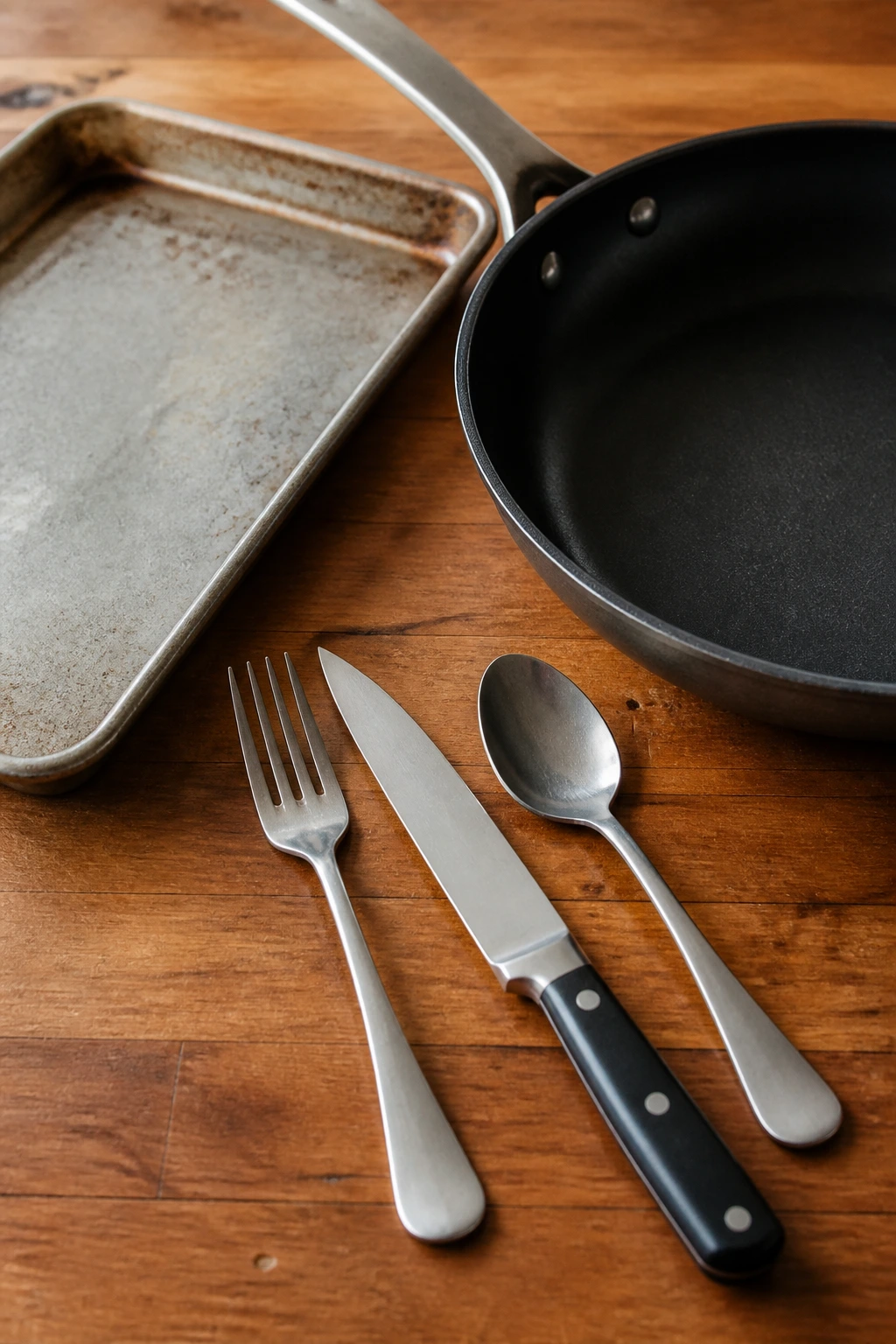
- Rimmed baking sheet
- Large skillet
- Fork for piercing potatoes
- Sharp knife and spoon for stuffing
How to Serve This Dish
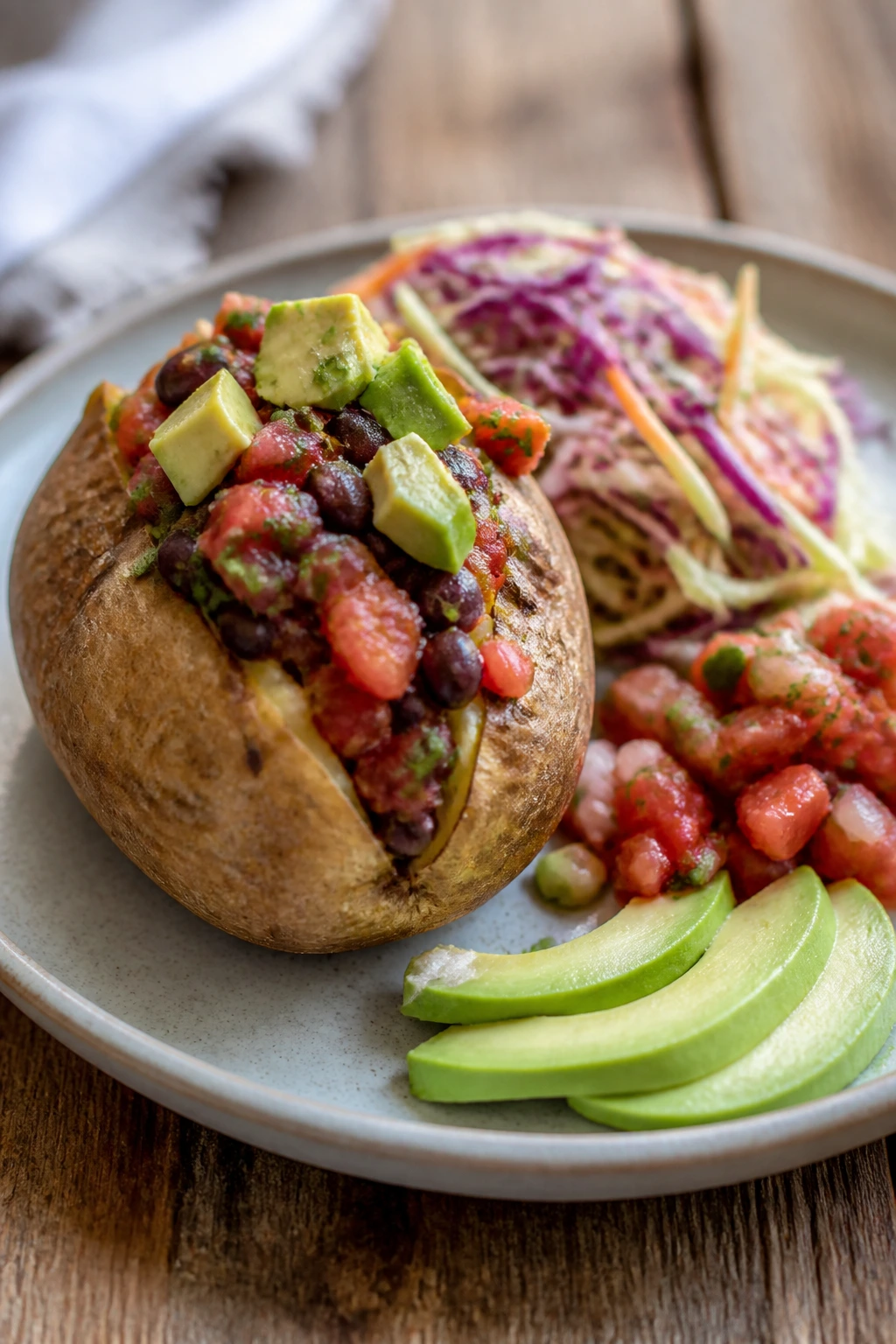
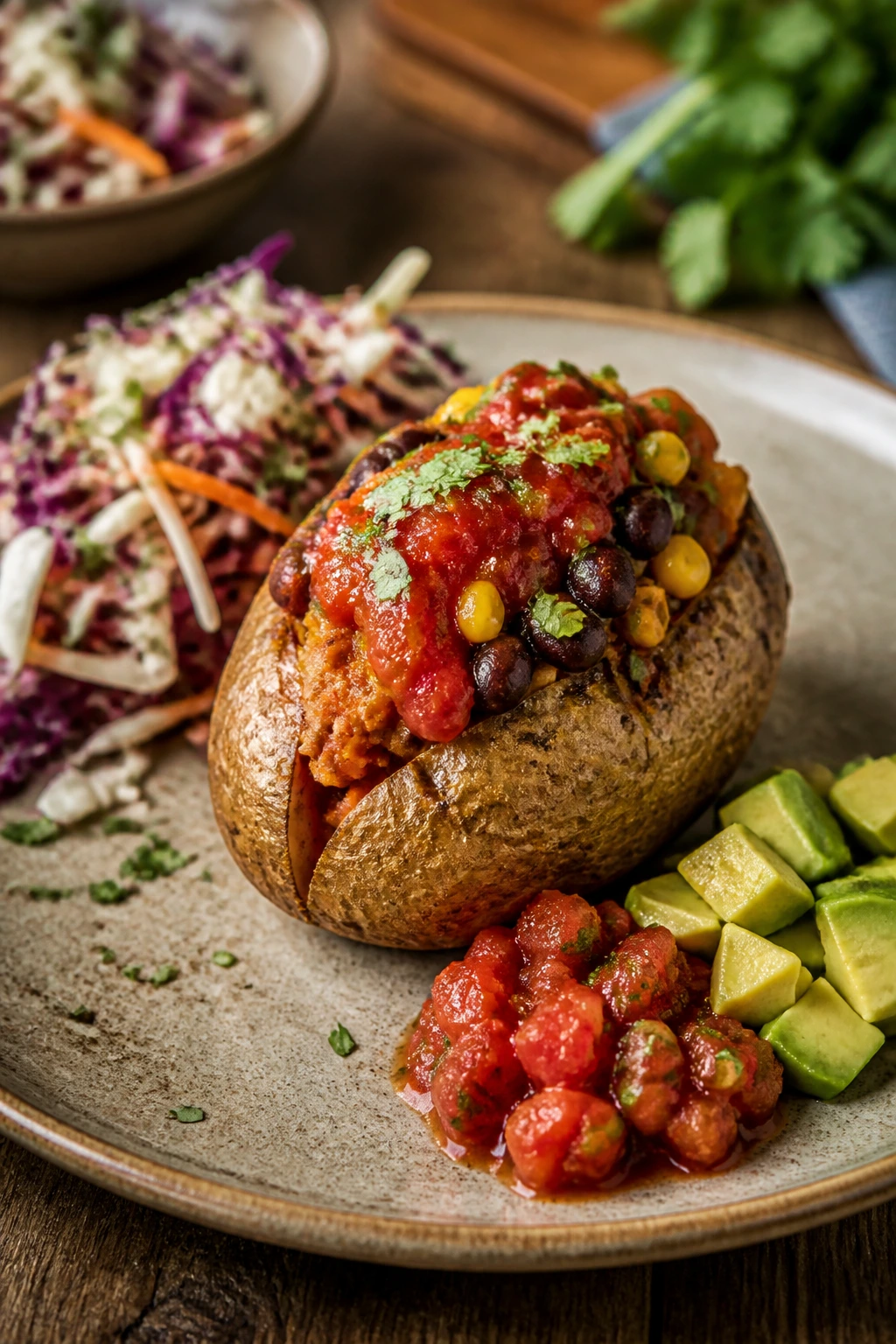
Serve each potato on a plate with a small pile of extra salsa and avocado beside it. A crunchy cabbage slaw makes a smart side if you want more vegetables. One stuffed potato is a solid serving for most adults; two smaller ones work if the rest of the meal is light.
Pro Tips for This Recipe
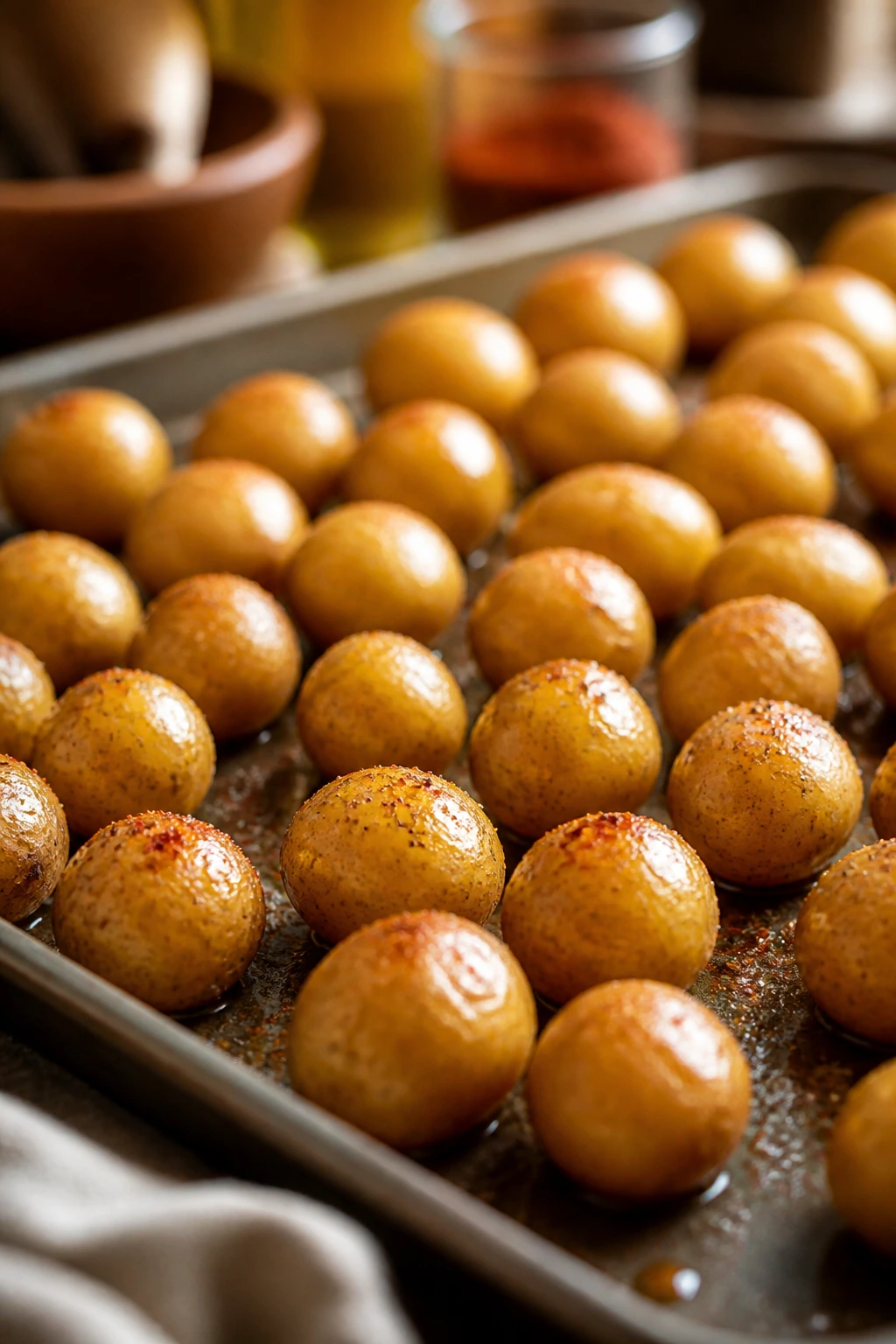
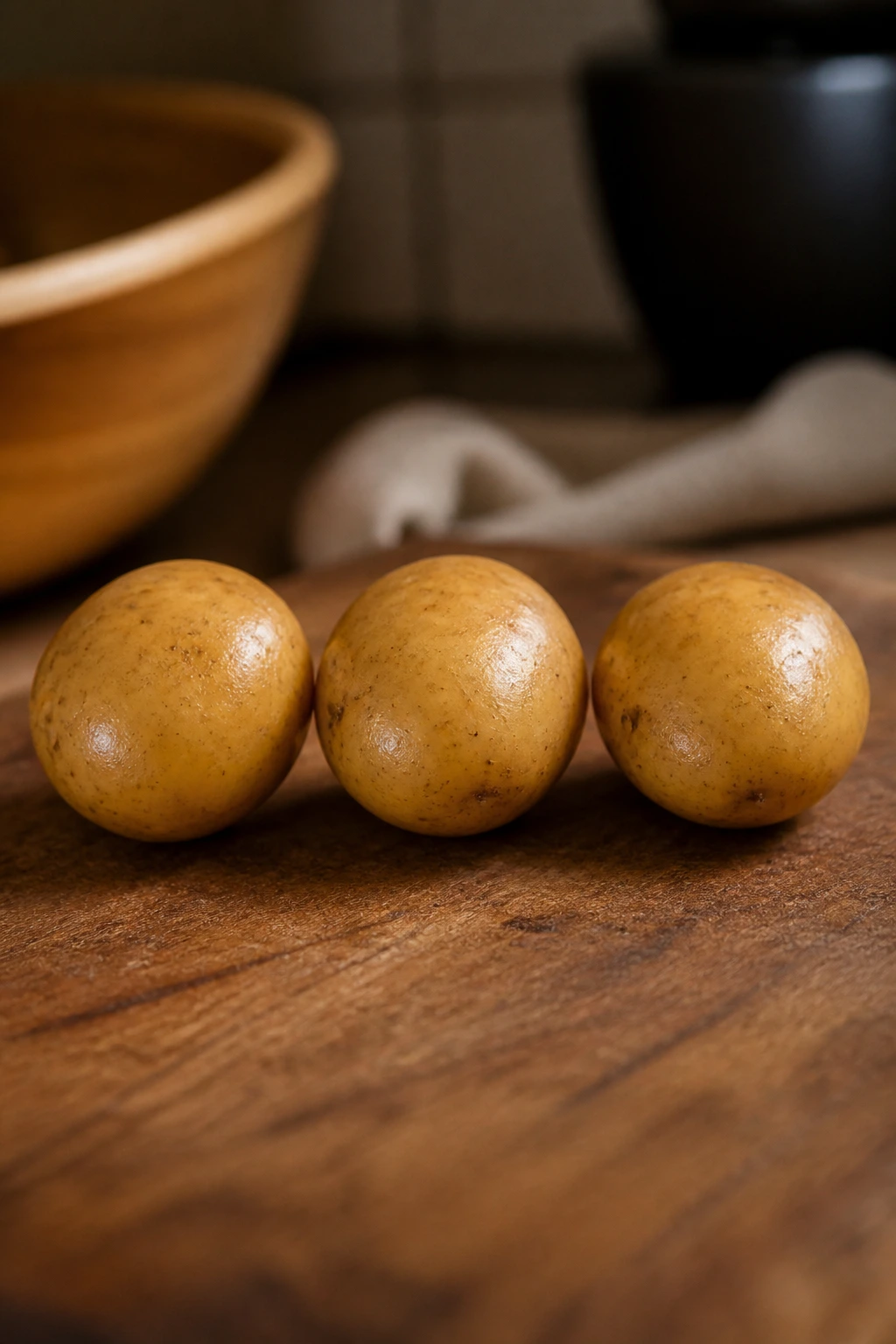
- Choose potatoes that are similar in size: They’ll roast at the same pace.
- Mash the black beans slightly: A few mashed beans help the filling cling to the turkey.
- Warm the salsa with the meat: Cold salsa can drop the temperature of the filling fast.
- Add avocado at the end: It keeps the texture fresh and creamy.
Variations on This Dish
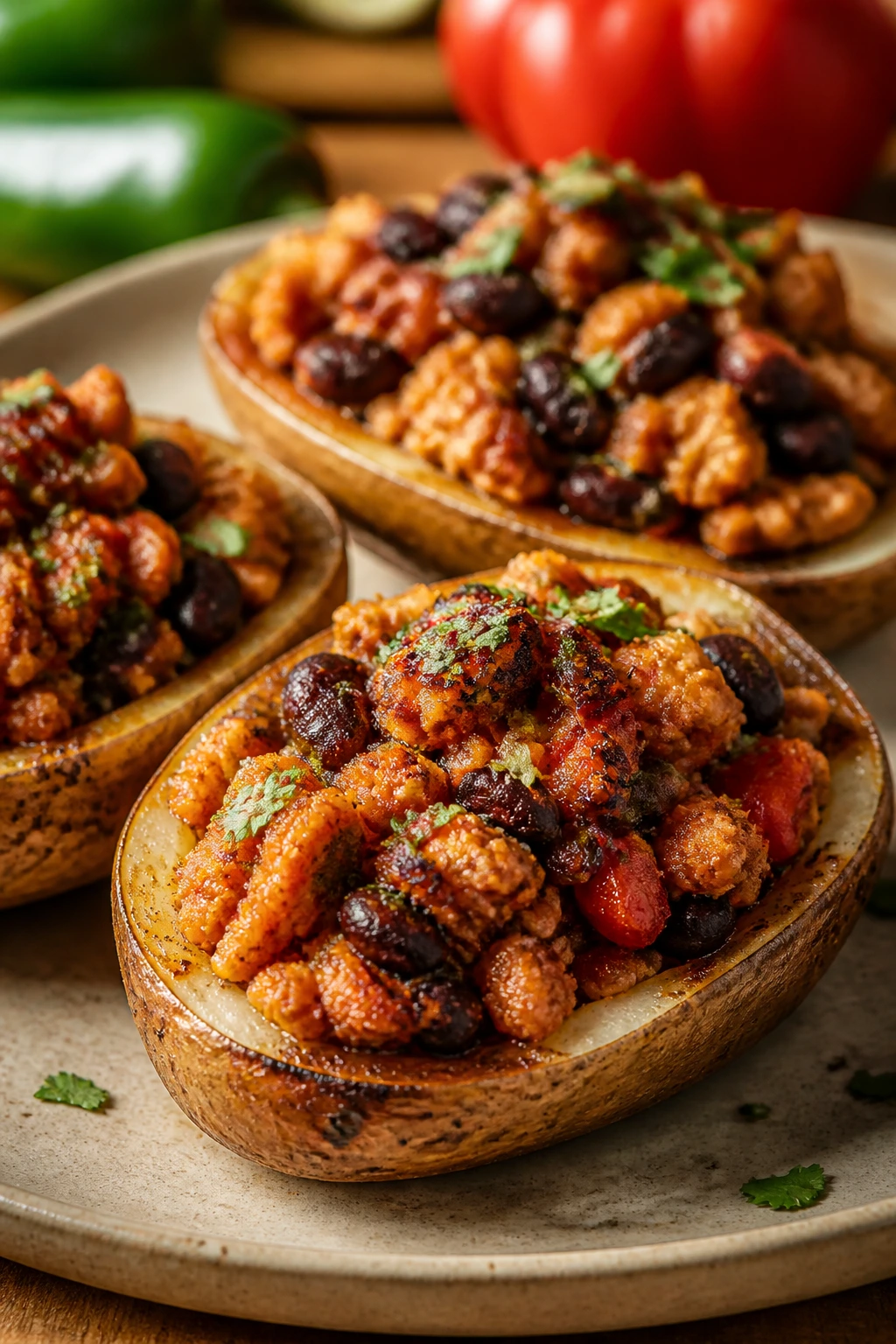
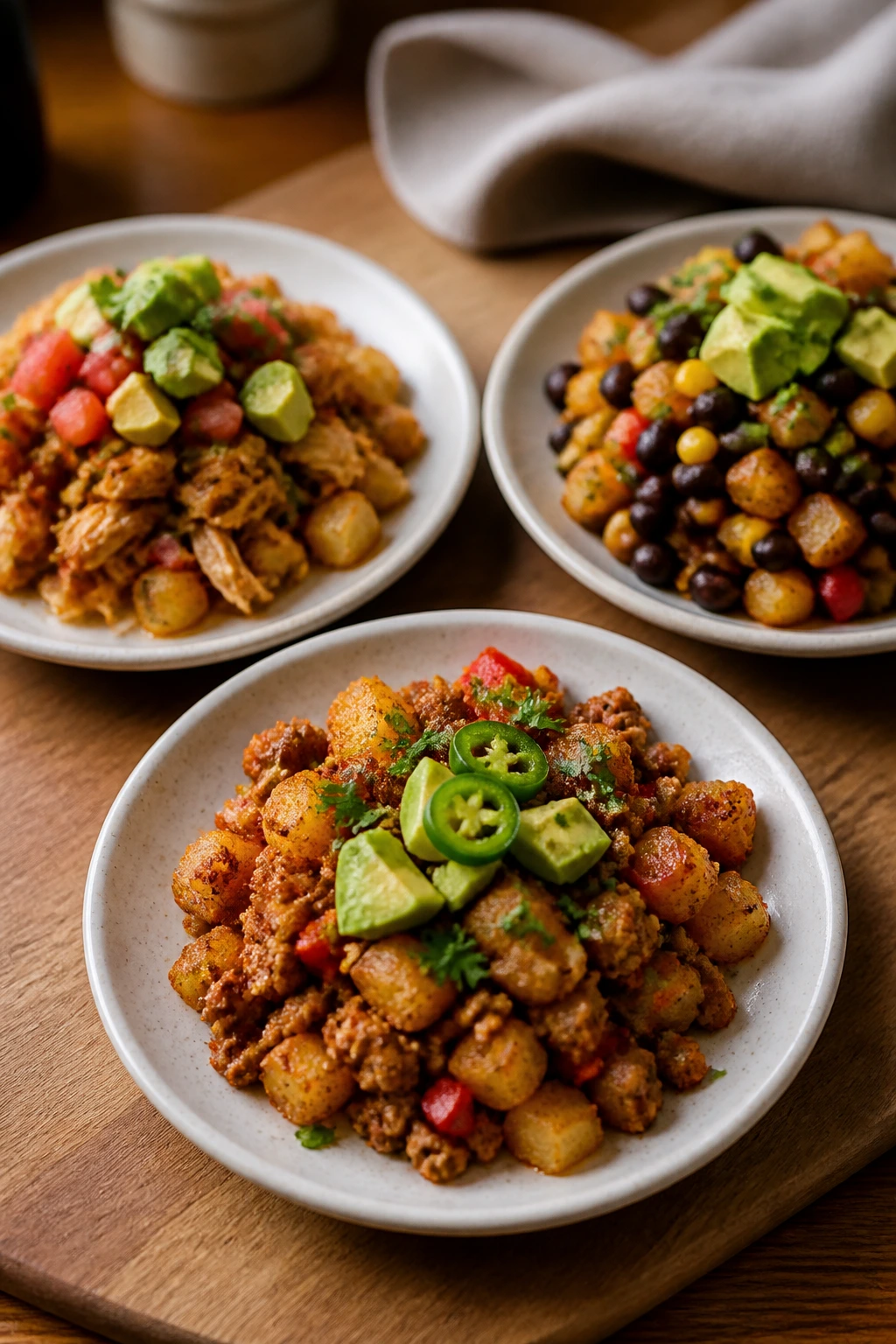
- Chipotle Turkey Potatoes: Stir 1 to 2 teaspoons chipotle in adobo into the turkey for a smoky kick.
- Chicken Taco Version: Swap ground turkey for shredded rotisserie chicken and reduce the skillet time to 2 minutes.
- Bean-Heavy Vegetarian Style: Use 2 cups black beans and 1 cup corn instead of turkey.
Common Mistakes to Avoid with This Dish
- Undercooking the potatoes: A hard center makes the whole dinner feel off, so roast until they give easily.
- Using watery salsa: Thin salsa makes the filling runny instead of spoonable.
- Skipping lime juice: That final squeeze keeps the dish from tasting heavy.
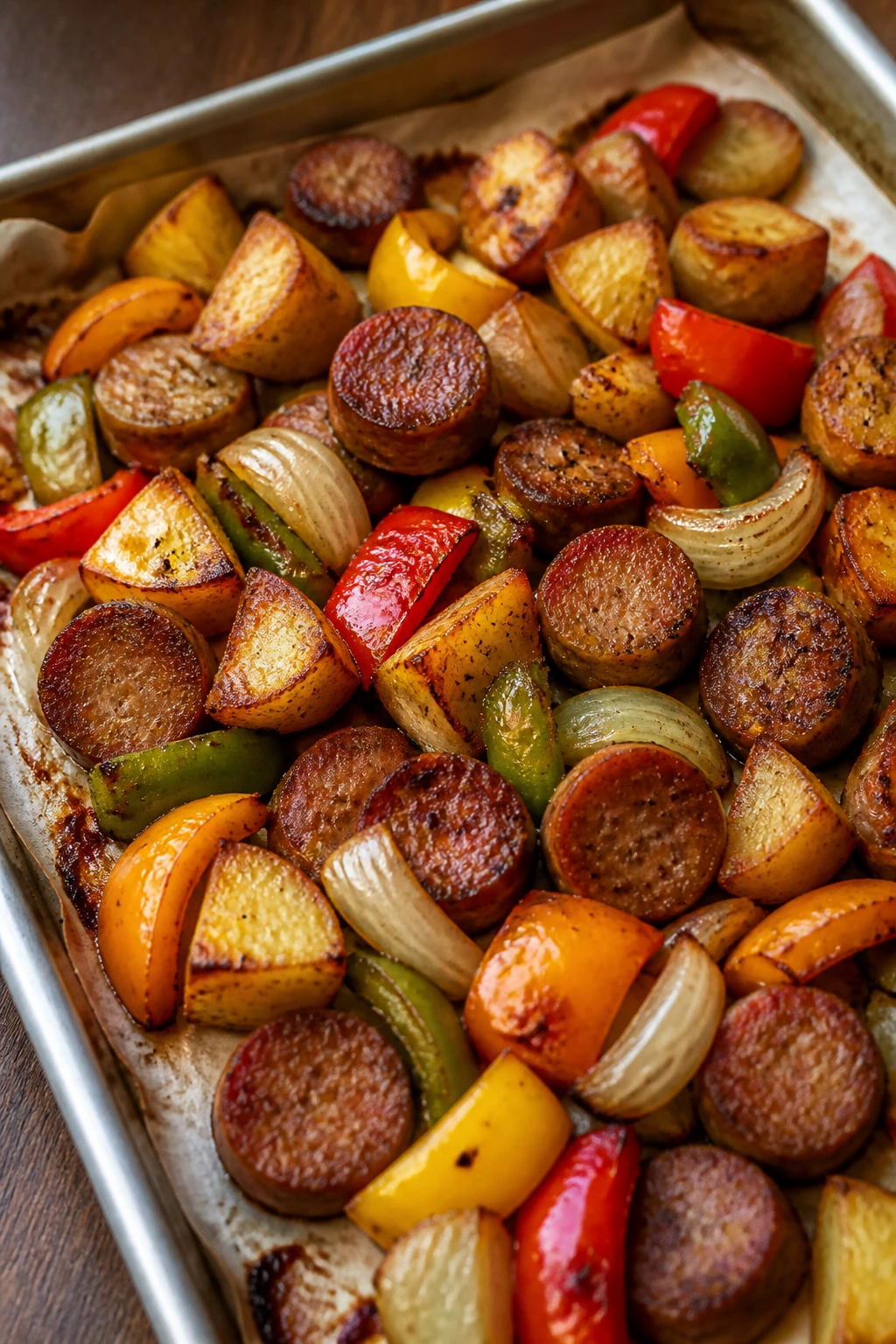
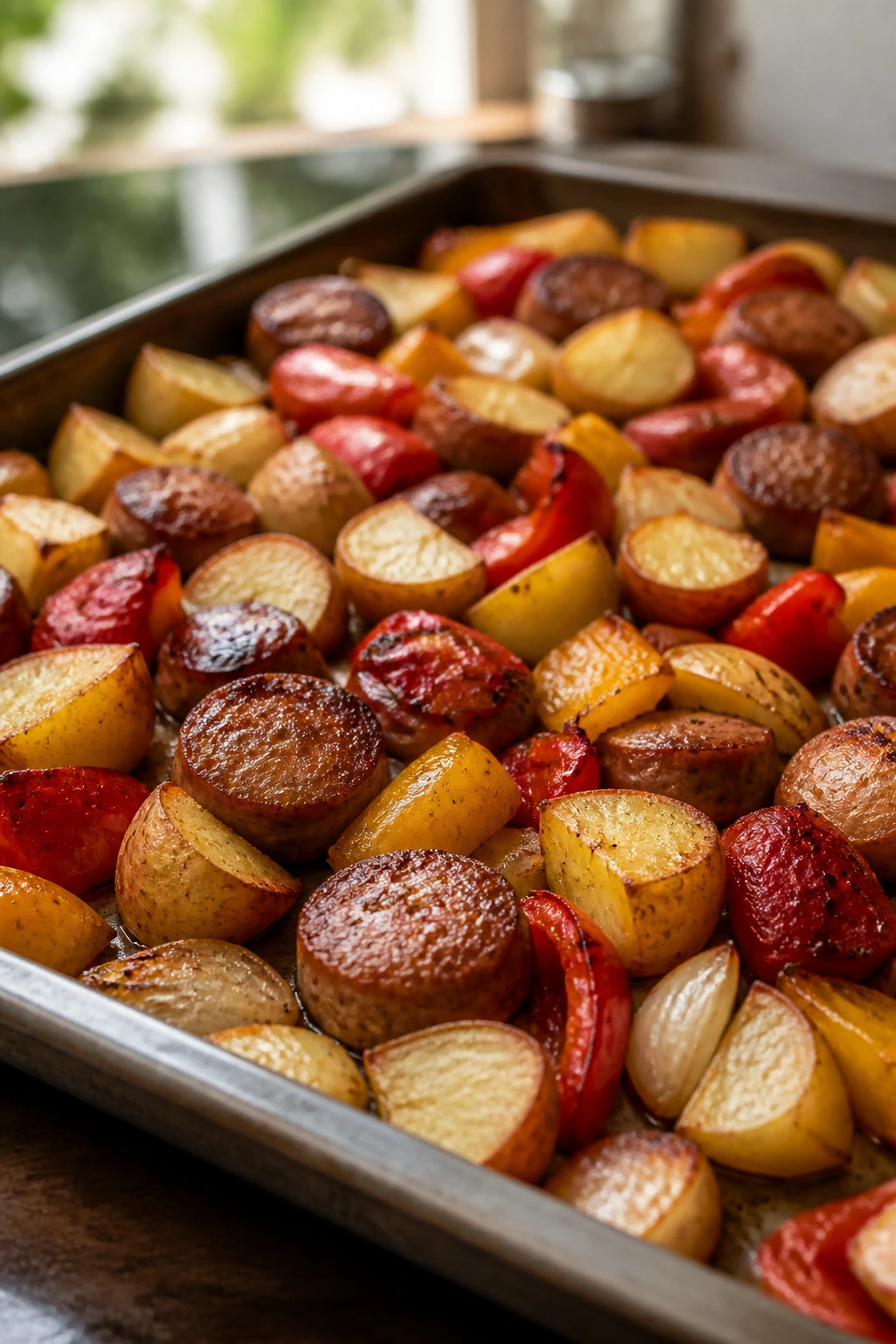
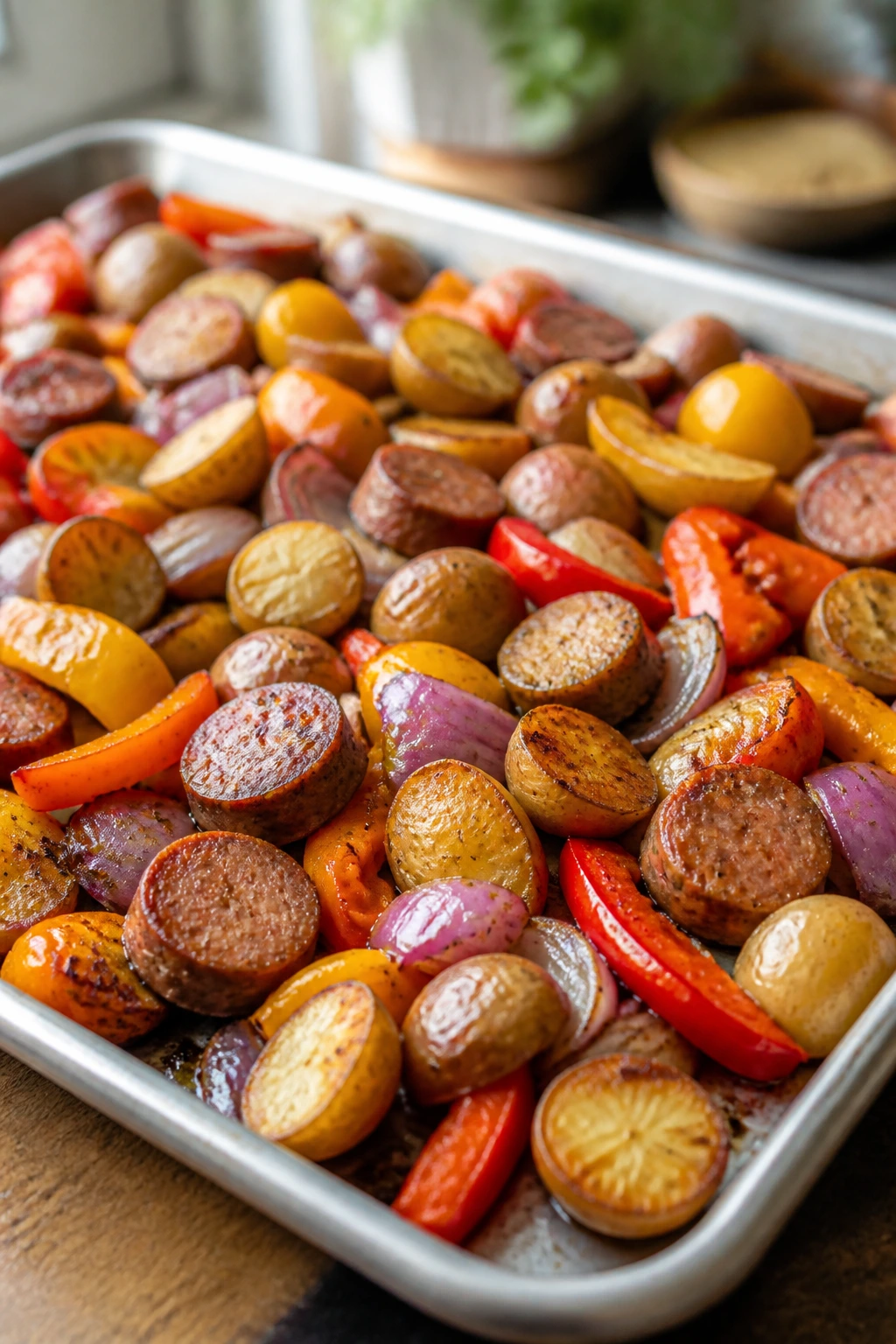
3. Sheet Pan Sausage, Potatoes, Peppers, and Onions
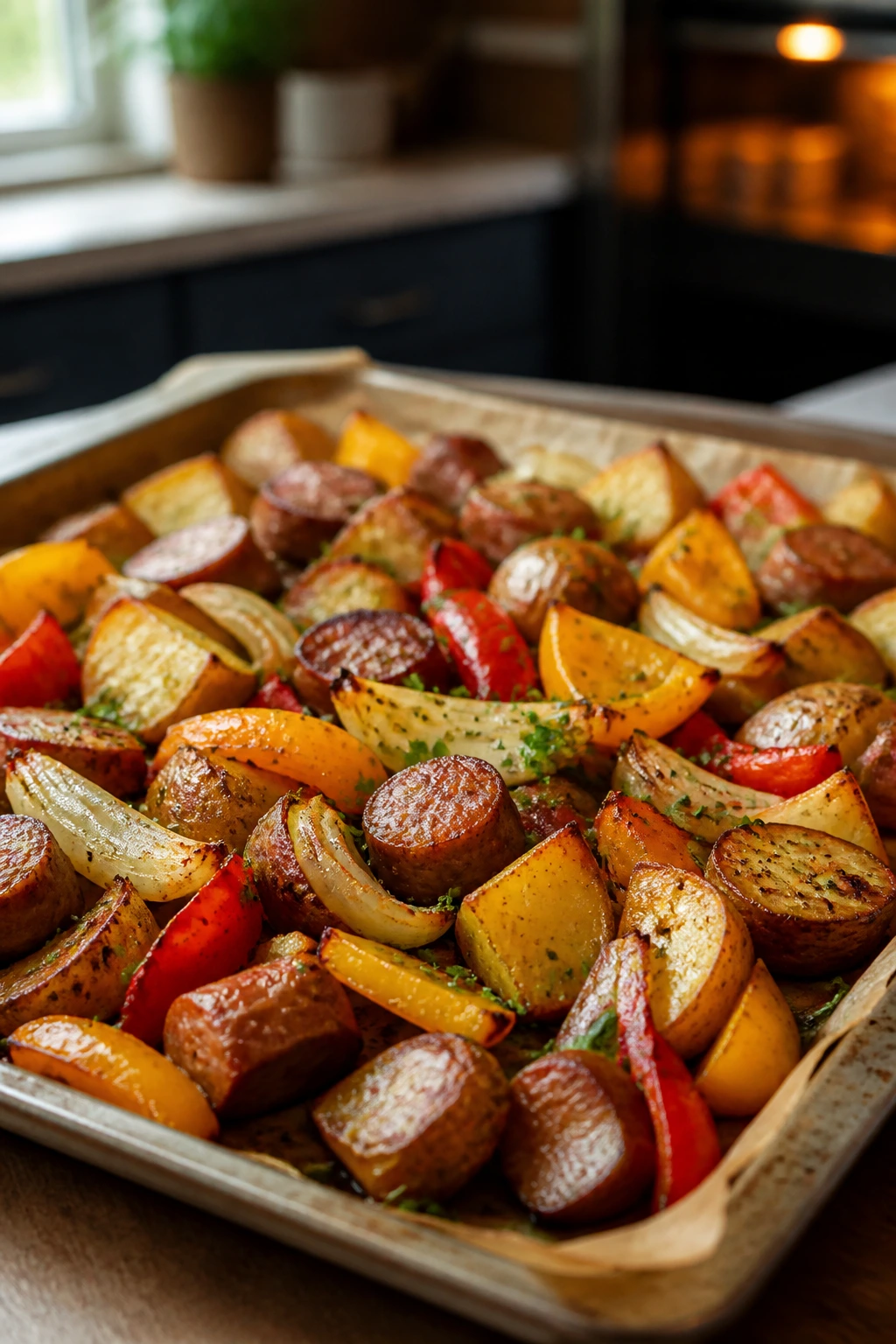
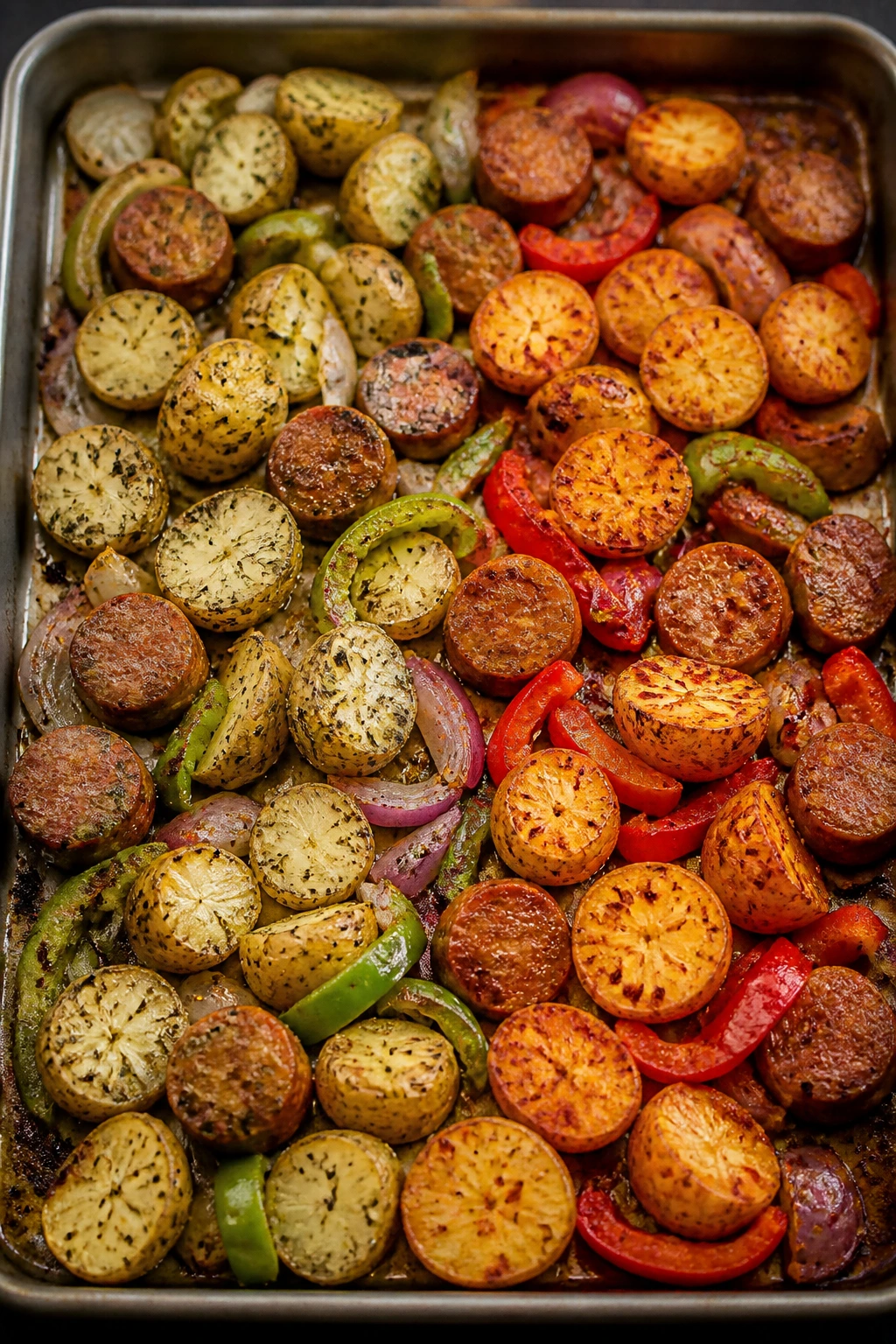
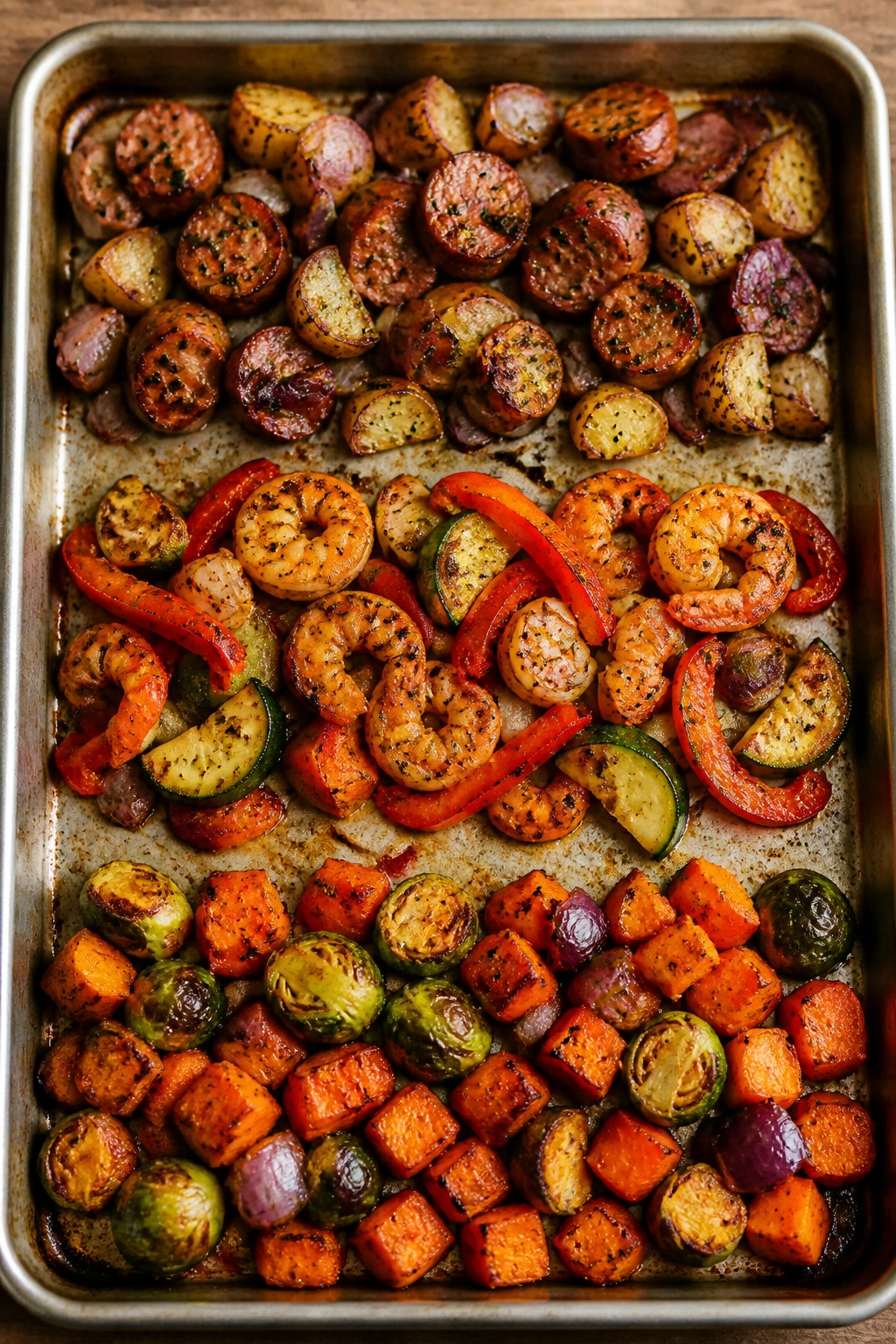
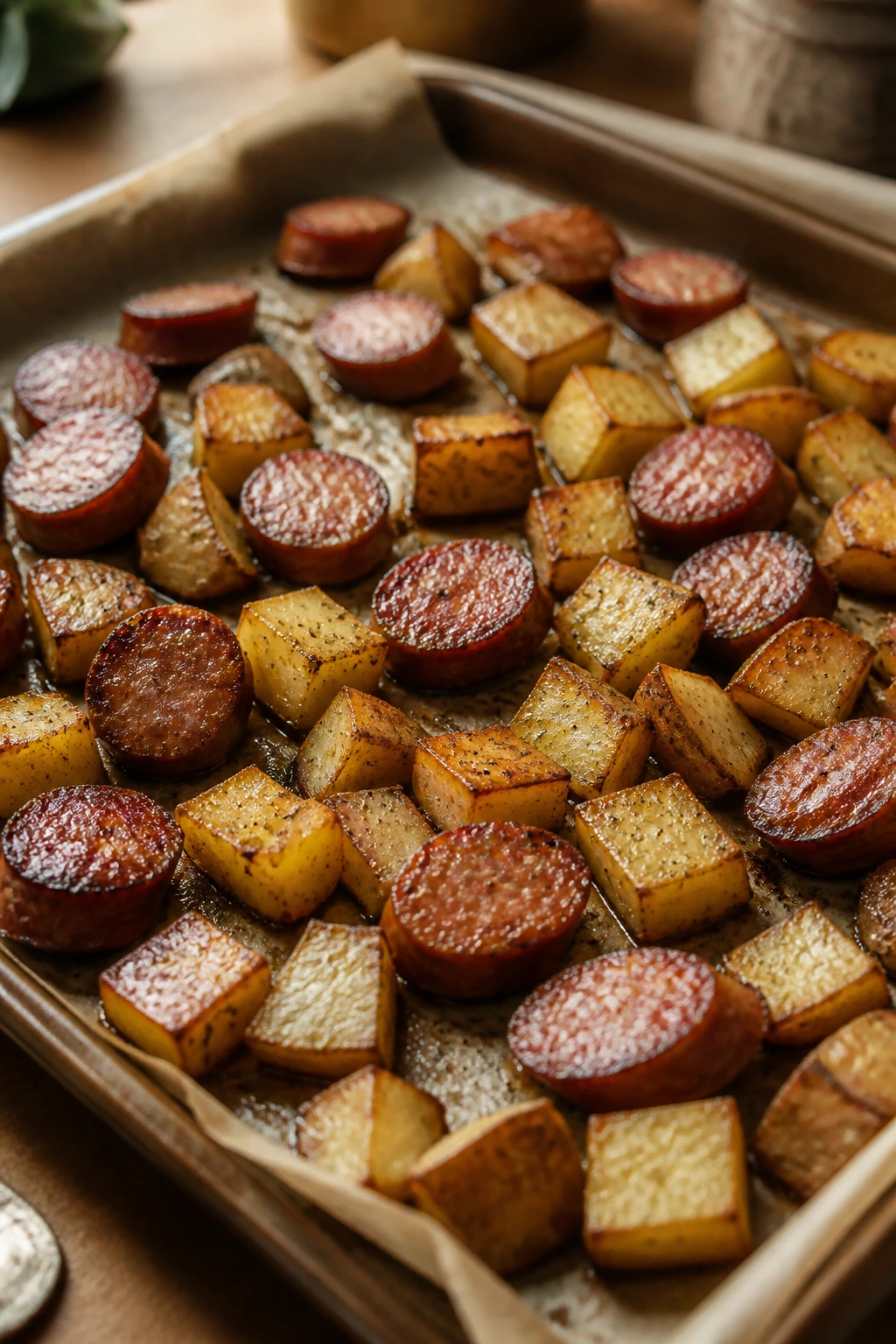
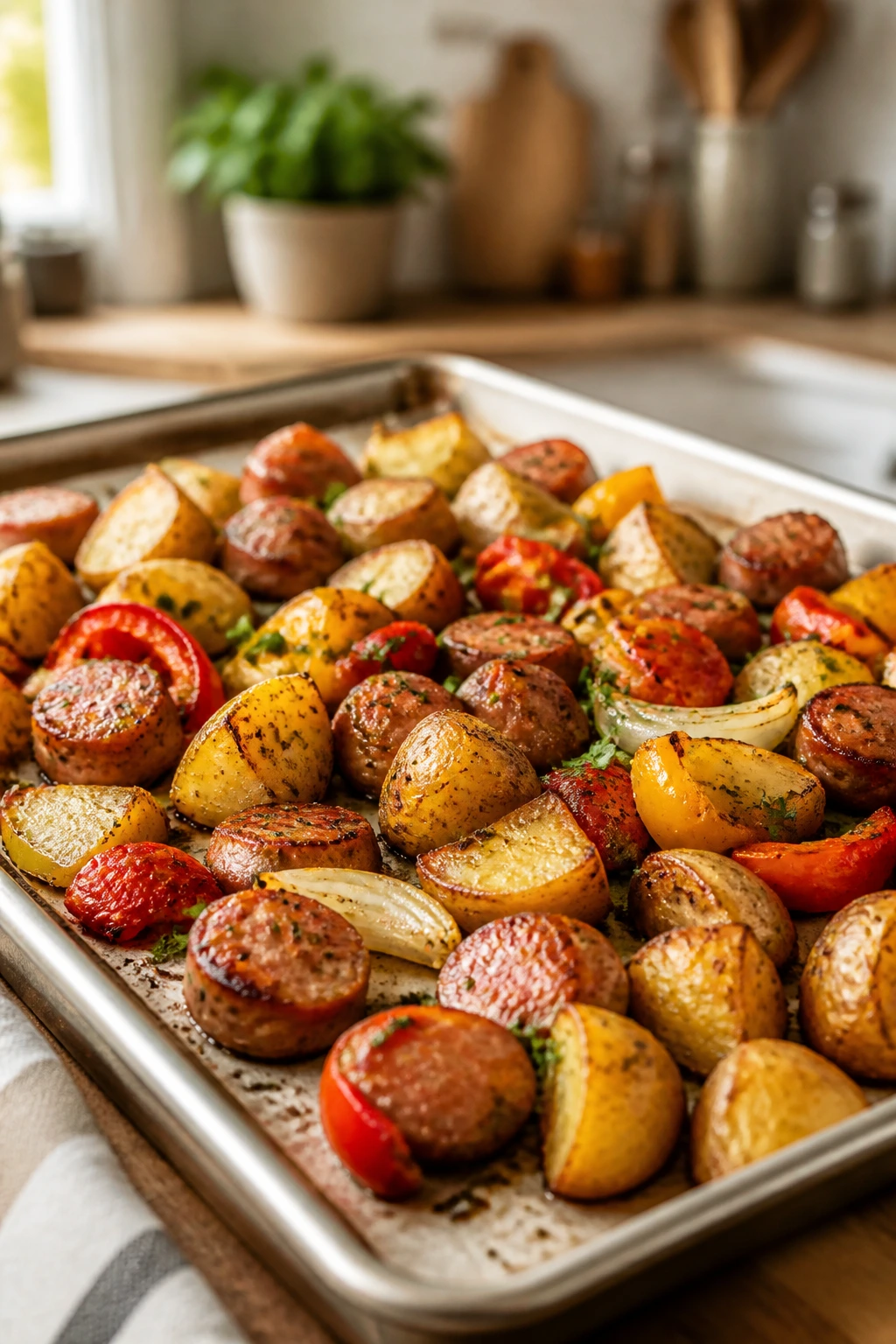
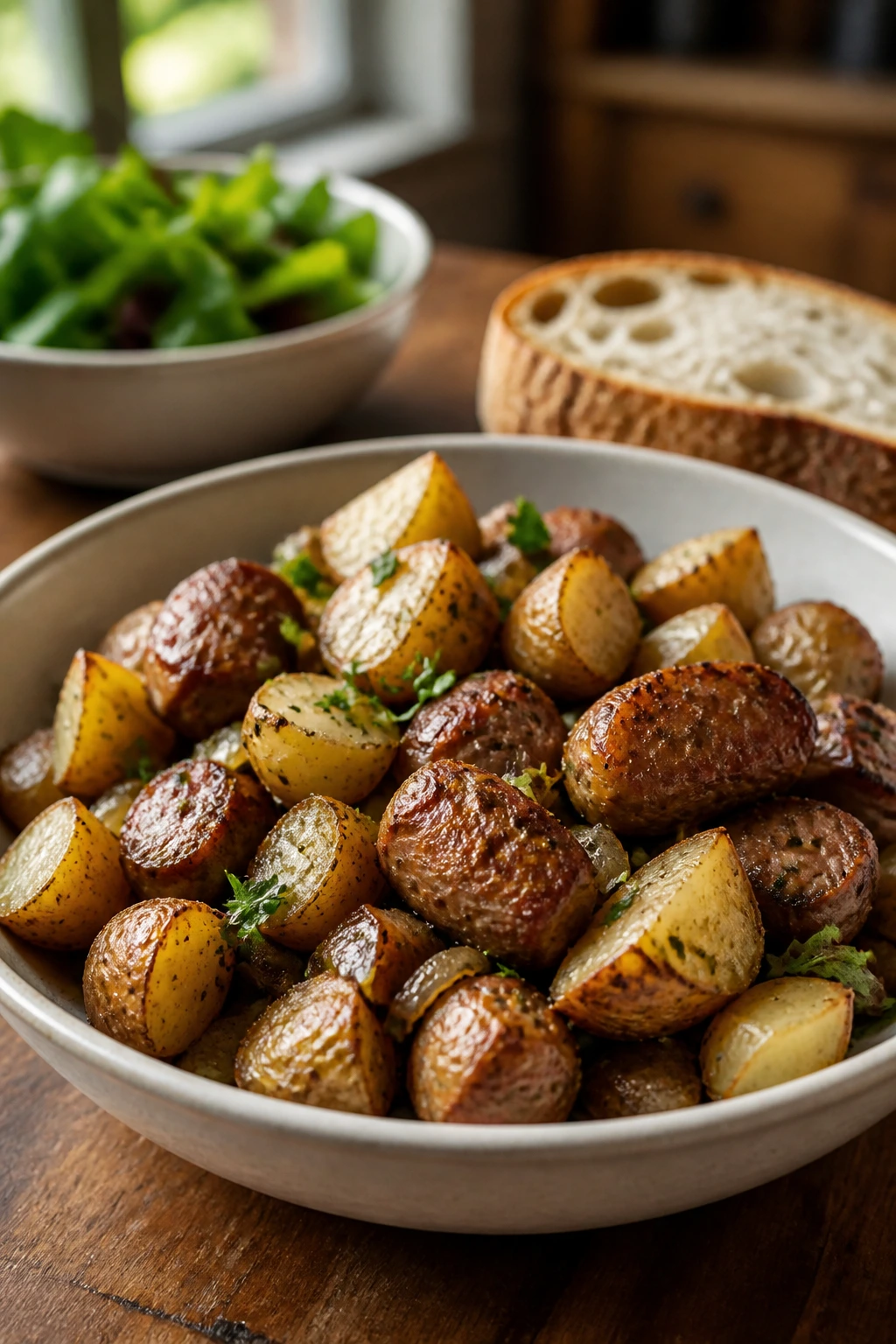
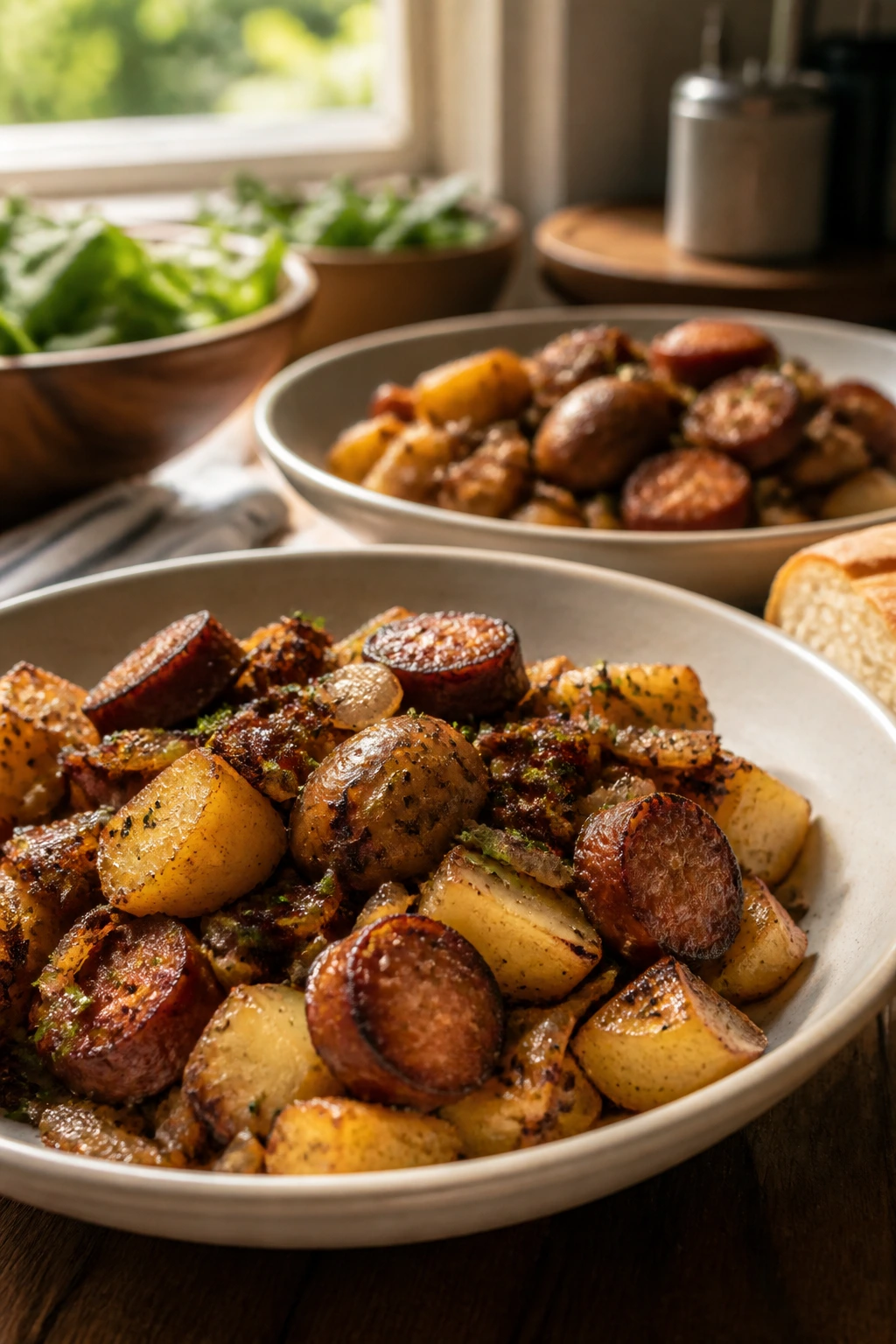
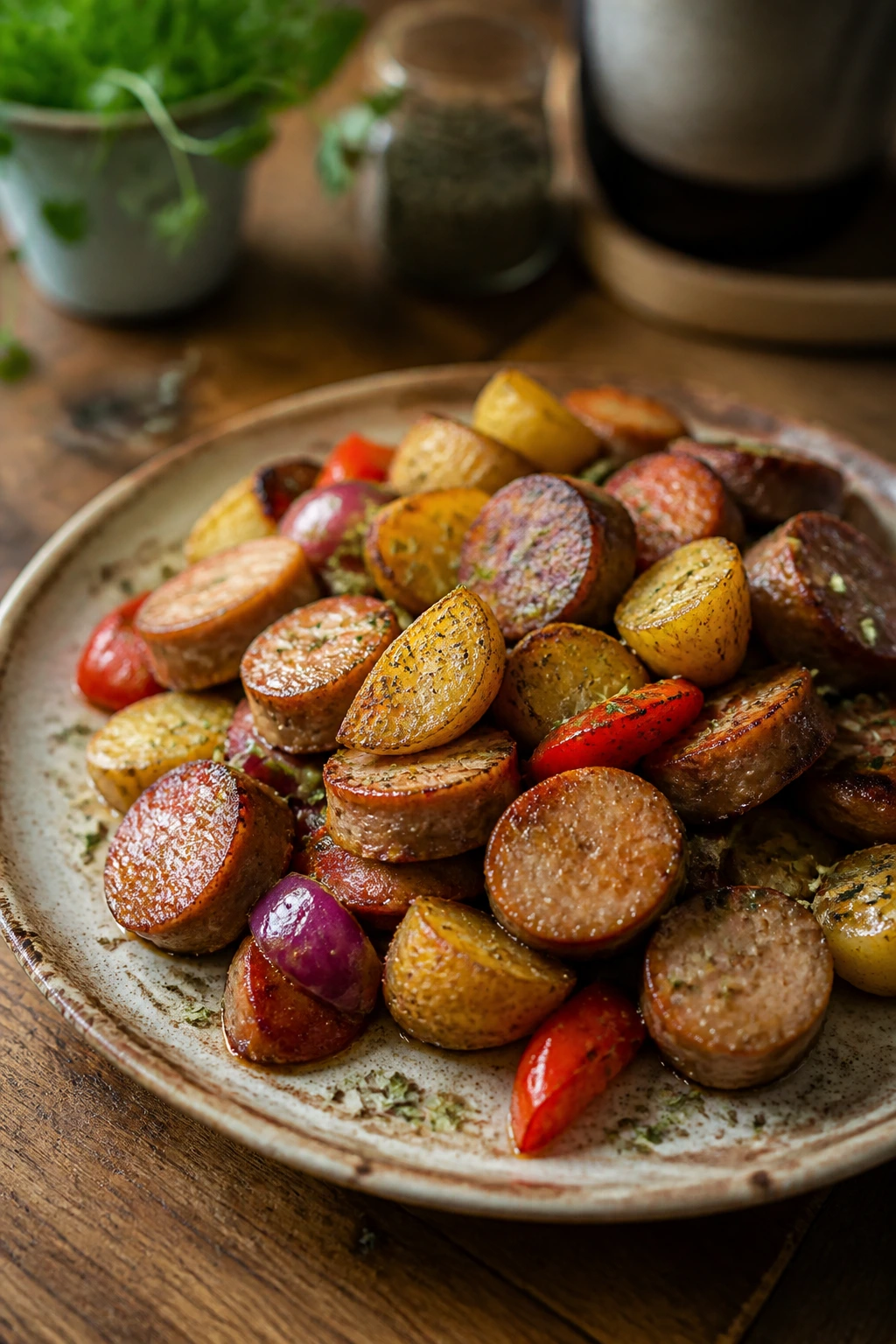
This is the kind of dinner that makes the oven do the grunt work. The potatoes get crisp at the edges, the peppers soften and sweeten, and the sausage brings enough salt and fat to make the whole pan taste like something you meant to cook, not something you assembled in a hurry.
Why It Works
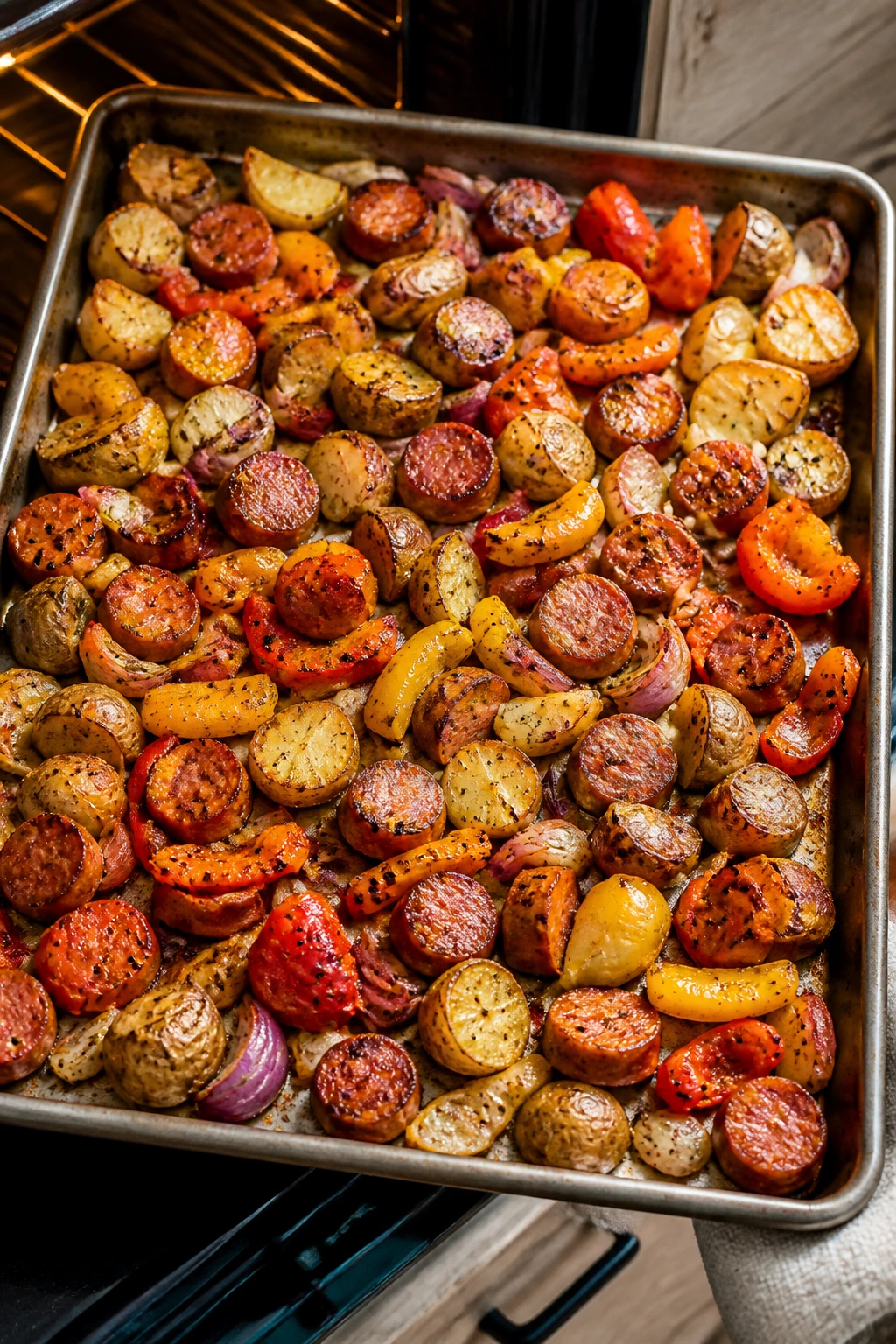
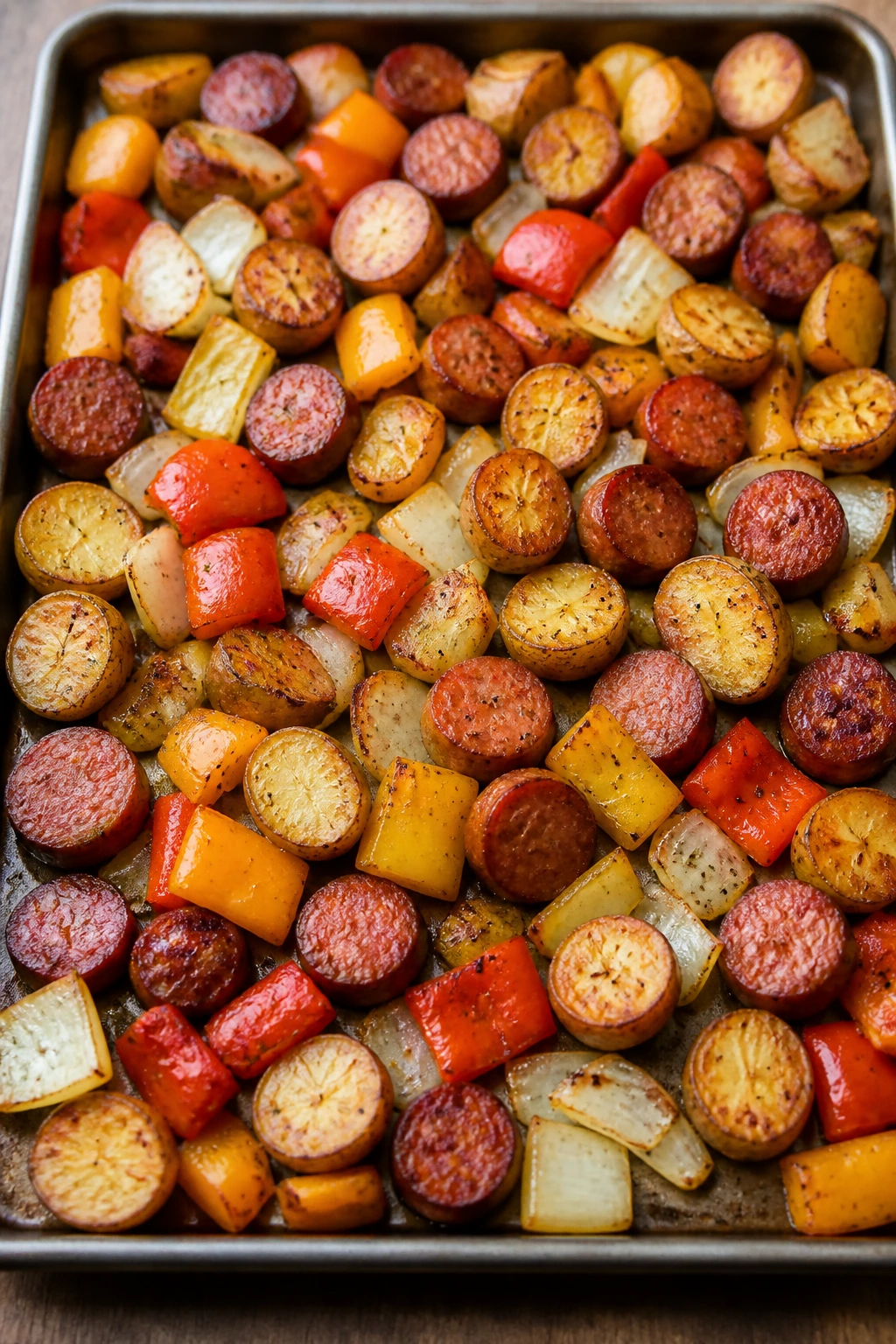
Sheet pan dinners succeed when every ingredient can handle the same heat. Baby potatoes, bell peppers, onions, and smoked sausage all can. Cut the potatoes small enough and everything finishes at the same time, which is the difference between a decent dinner and one you make again next Tuesday.
Key Ingredients
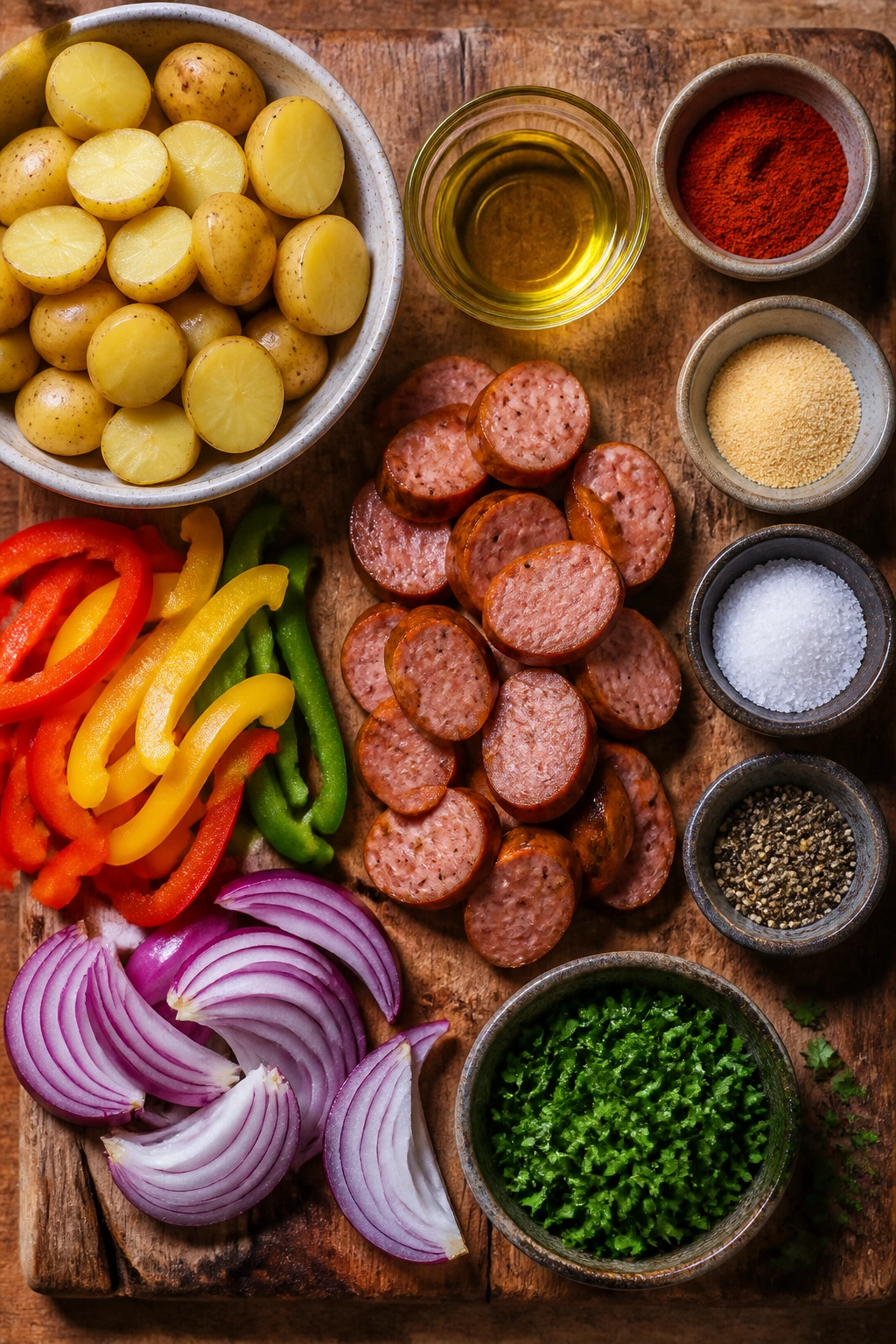
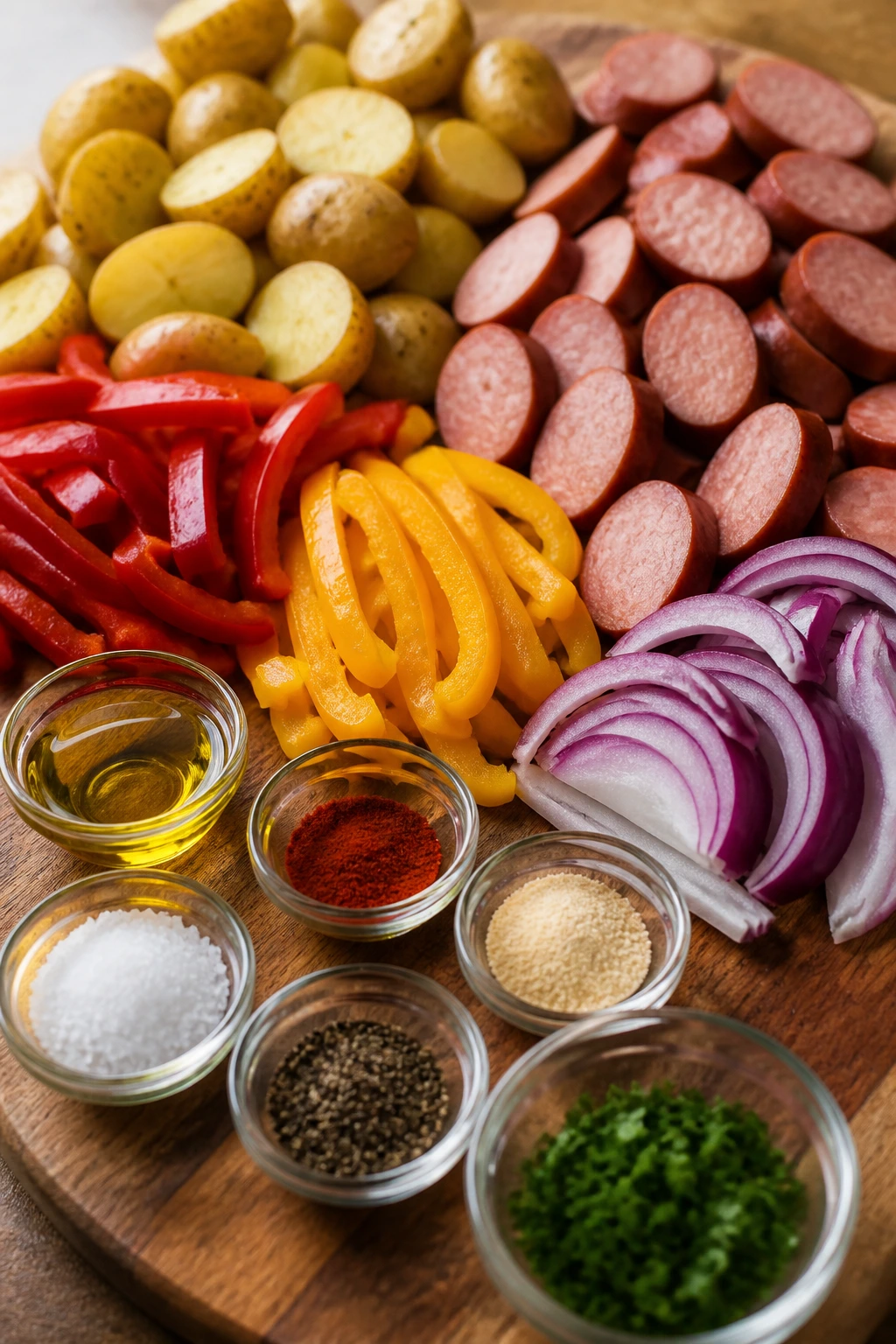
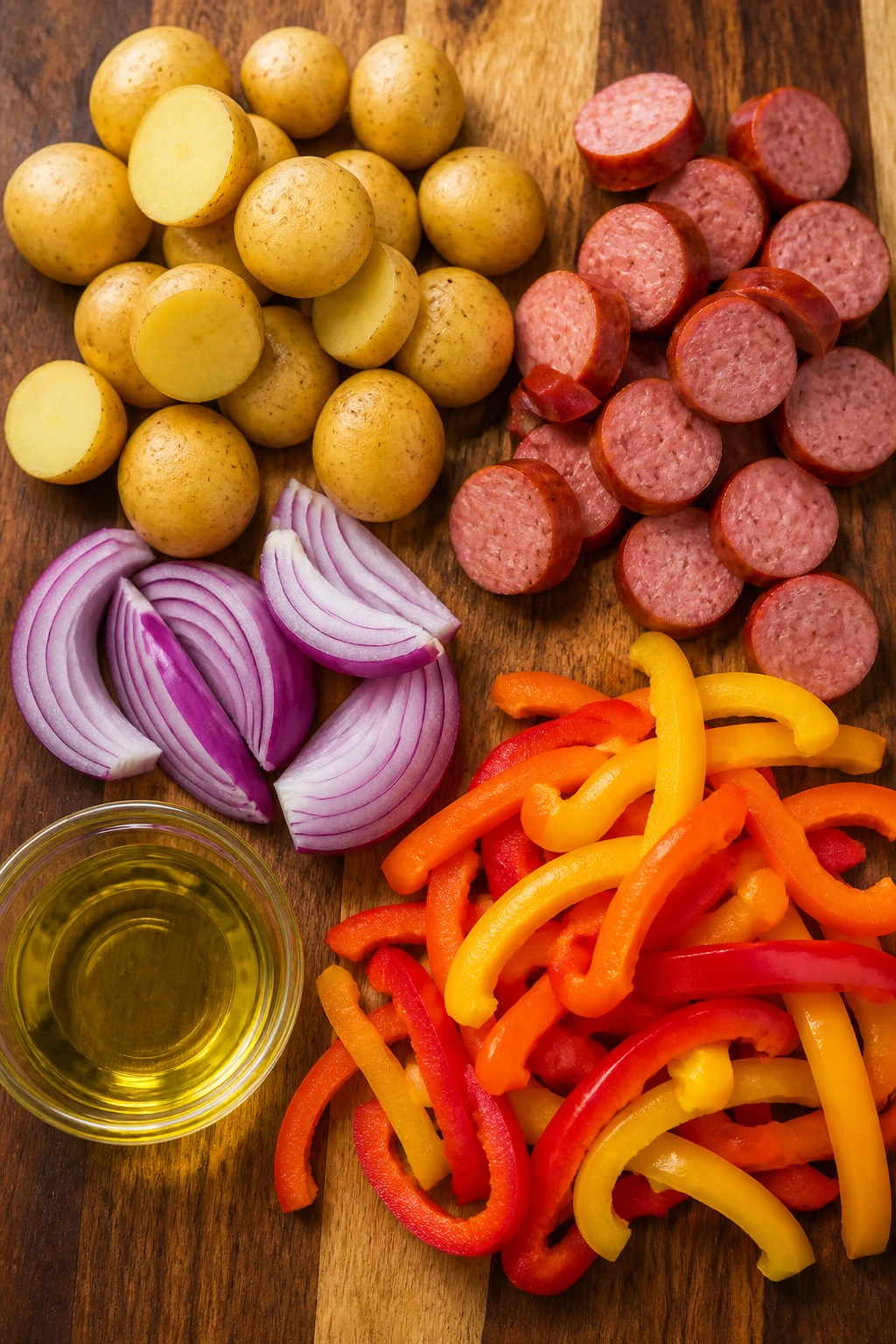
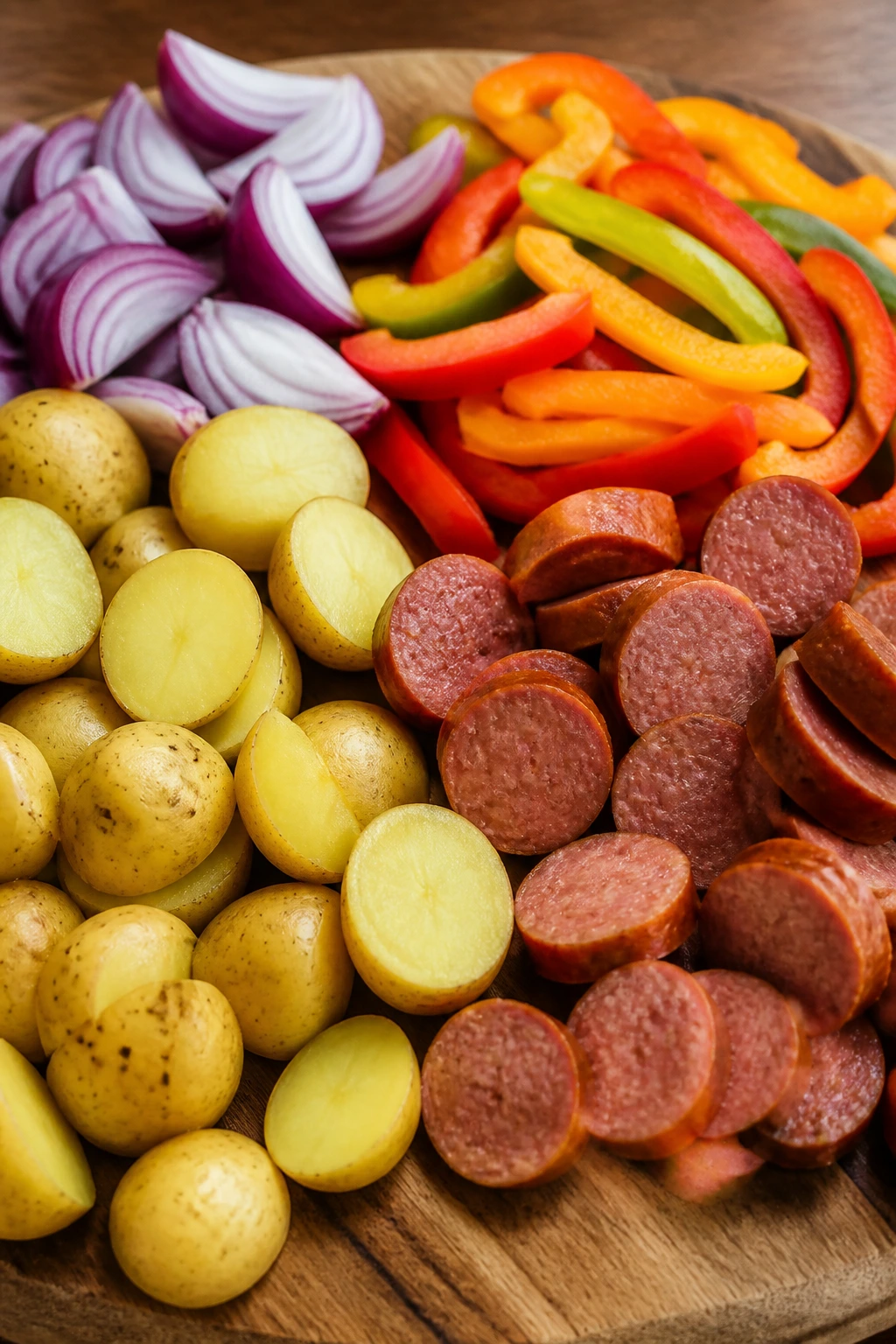
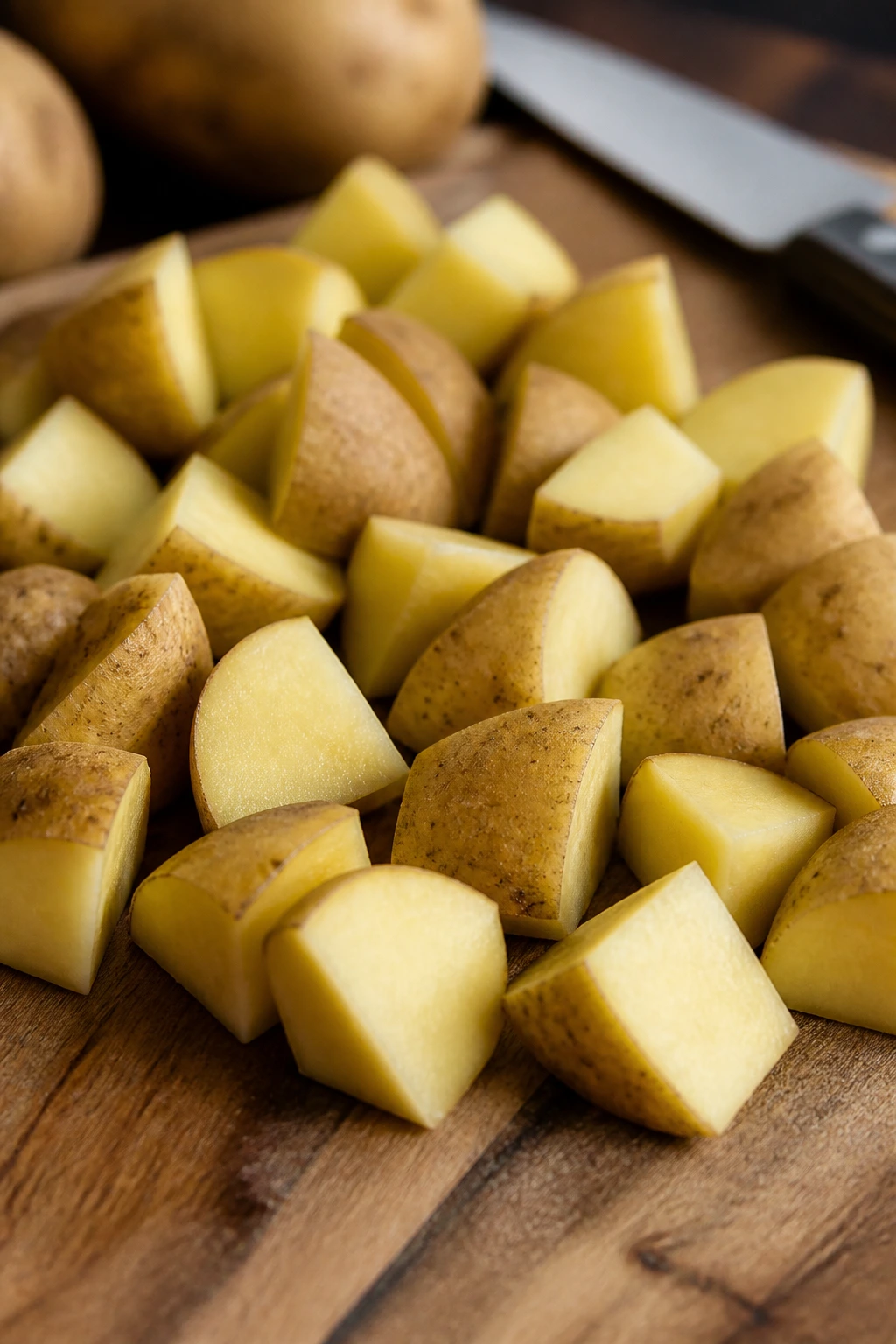
- 1 ½ pounds baby potatoes, halved
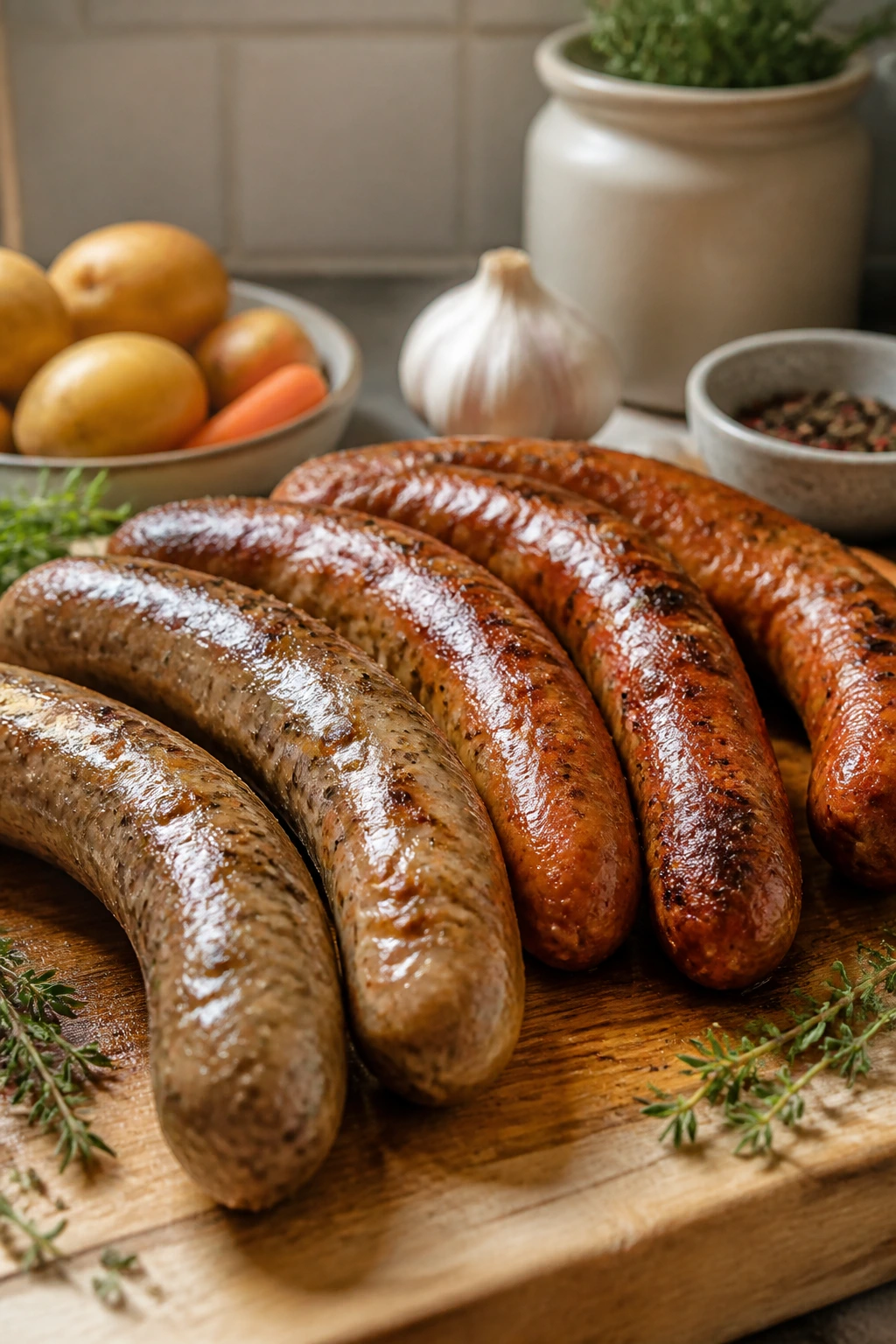
- 1 pound dairy-free smoked sausage, sliced into ½-inch rounds
- 2 bell peppers, sliced
- 1 large red onion, cut into wedges
- 2 tablespoons olive oil
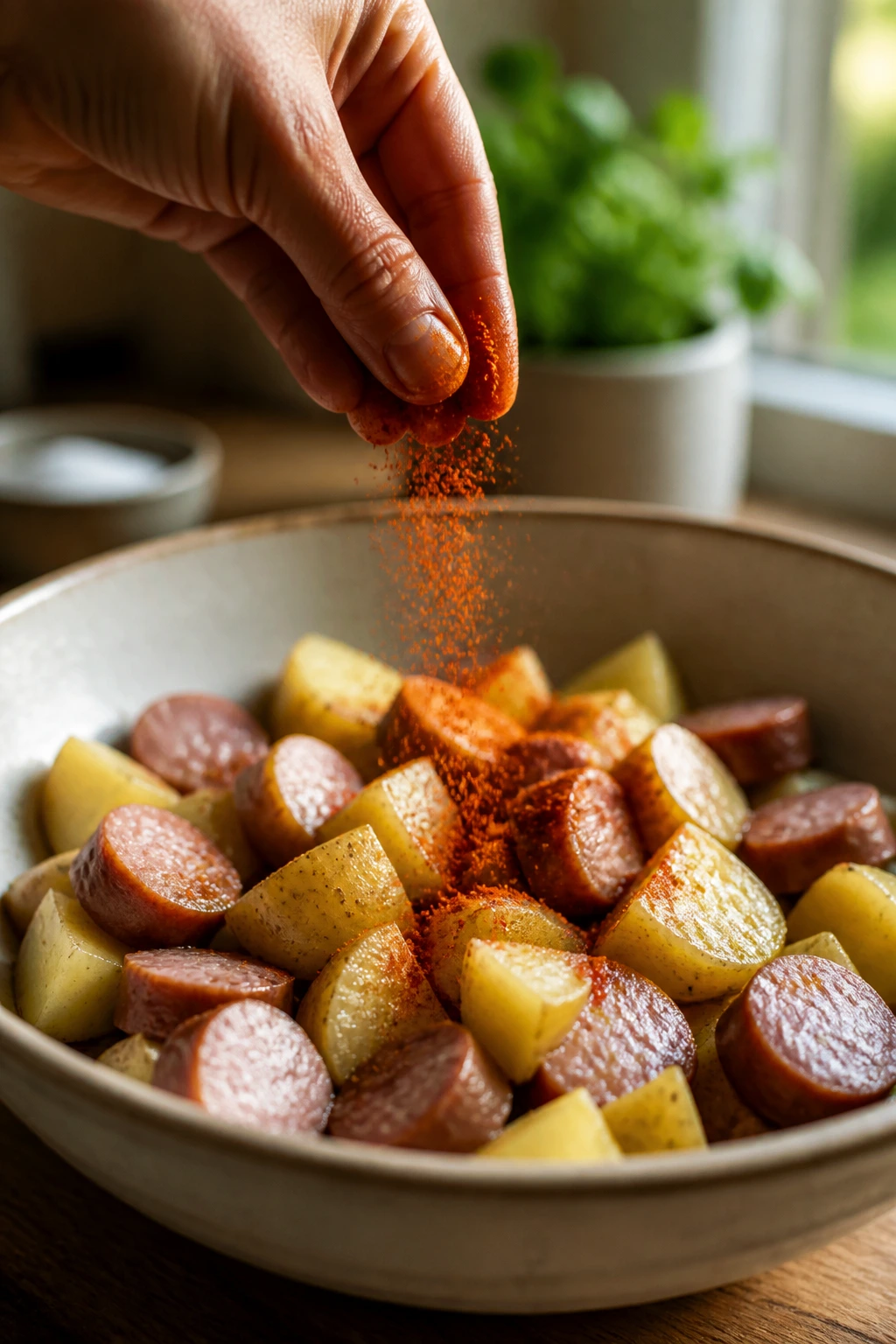
- 1 teaspoon smoked paprika
- 1 teaspoon garlic powder
- 1 teaspoon kosher salt
- ½ teaspoon black pepper
- 1 tablespoon chopped parsley
Quick Steps
-
Heat the oven: Set it to 425°F and line a large sheet pan with parchment for easier cleanup.
-
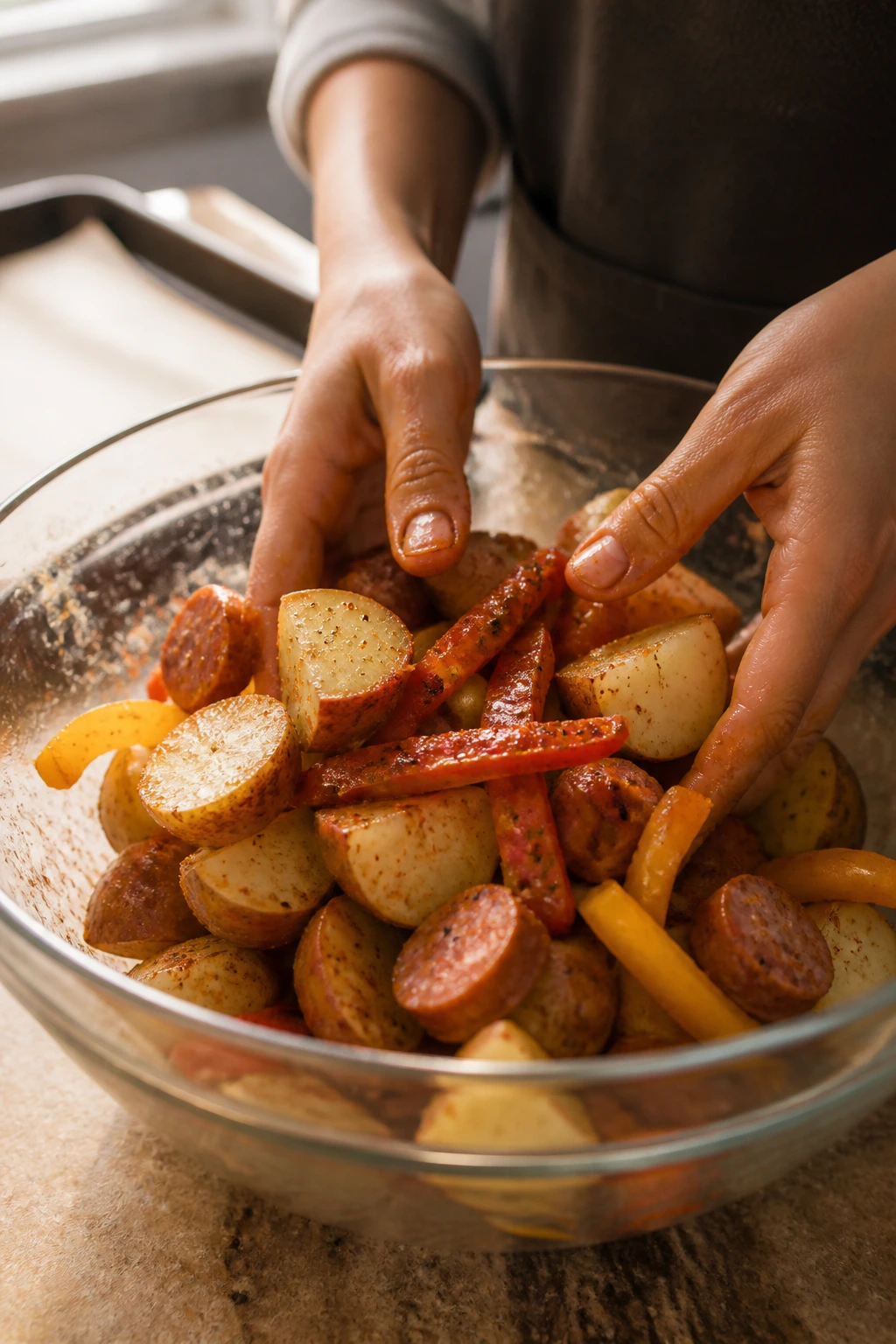
Season everything: Toss the potatoes, sausage, peppers, and onion with olive oil, paprika, garlic powder, salt, and pepper in a large bowl.
-
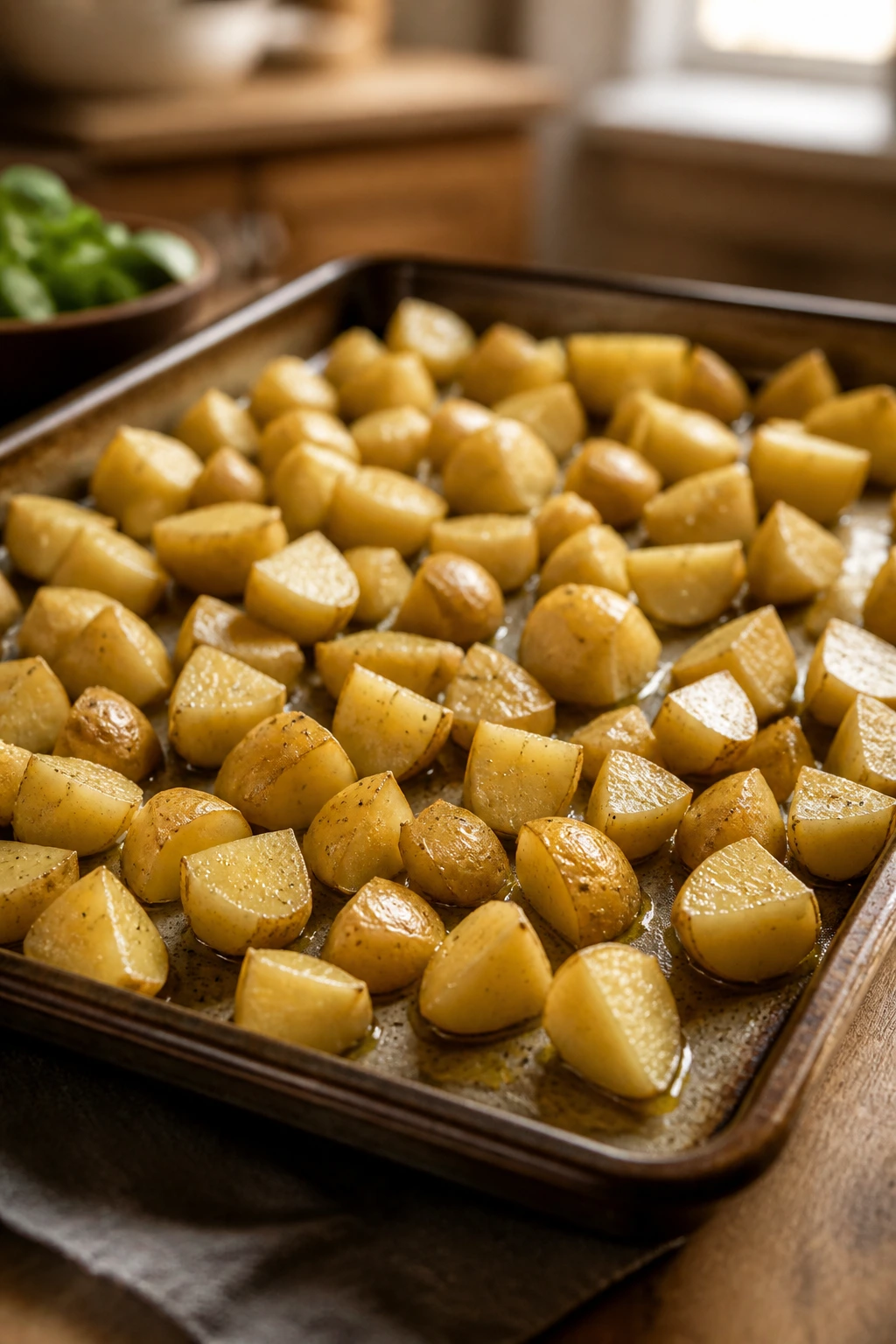
Spread in one layer: Pour the mixture onto the sheet pan and arrange everything so the potatoes sit cut-side down where possible.
-
Roast hard: Bake for 25 to 30 minutes, stirring once halfway through, until the potatoes are browned and the sausage edges are caramelized.
-
Finish fresh: Sprinkle with parsley and serve straight from the pan.
Equipment for This Recipe
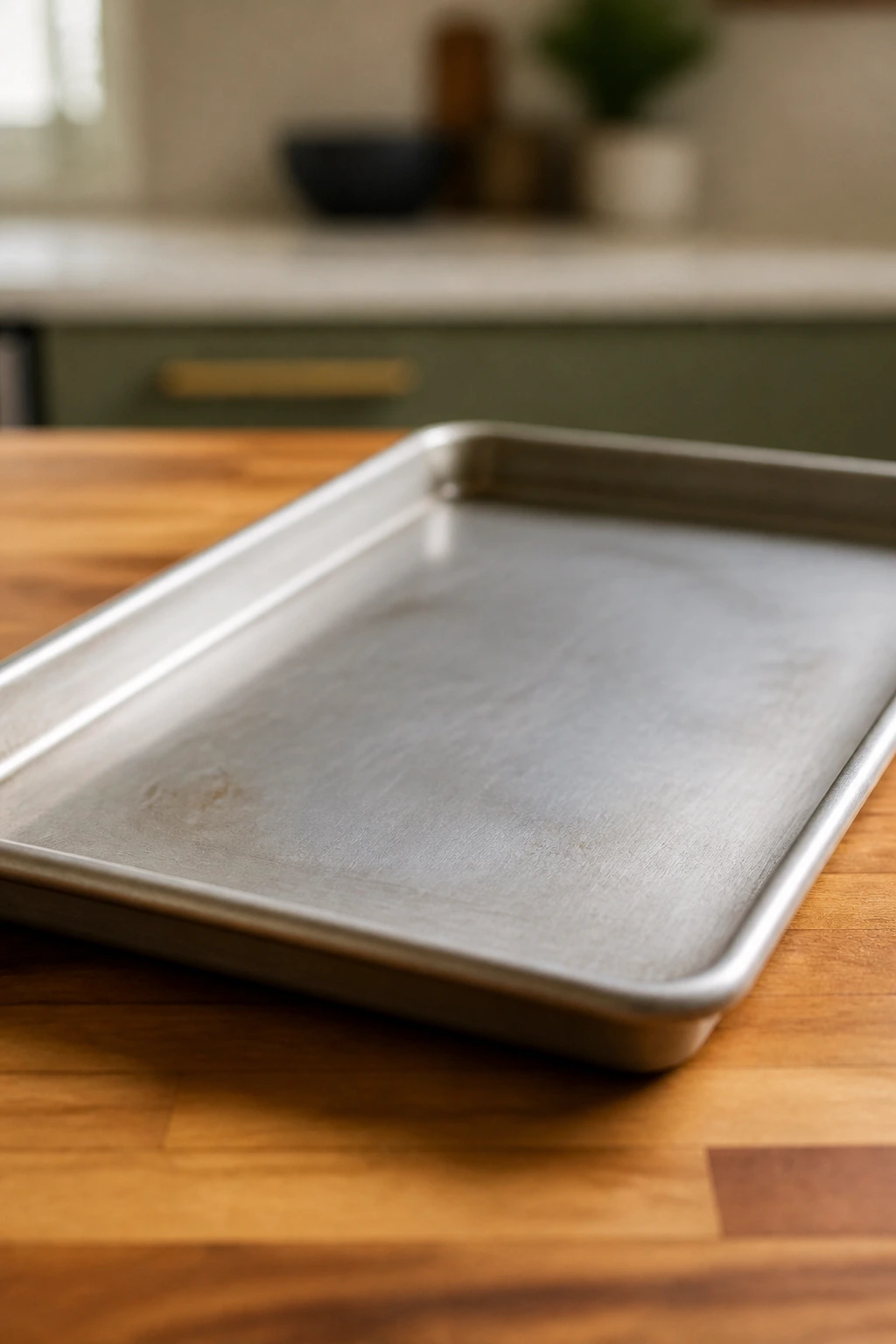
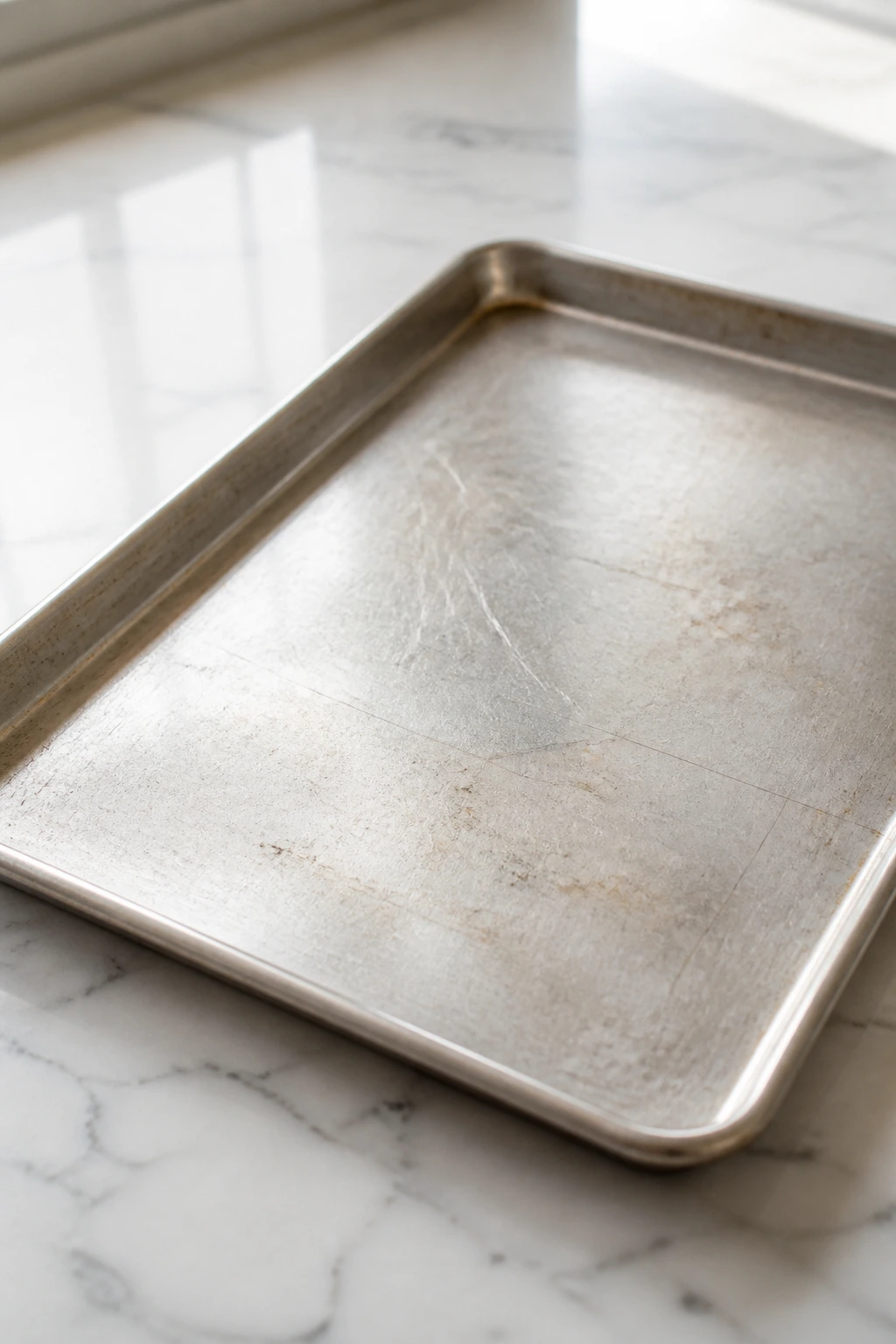
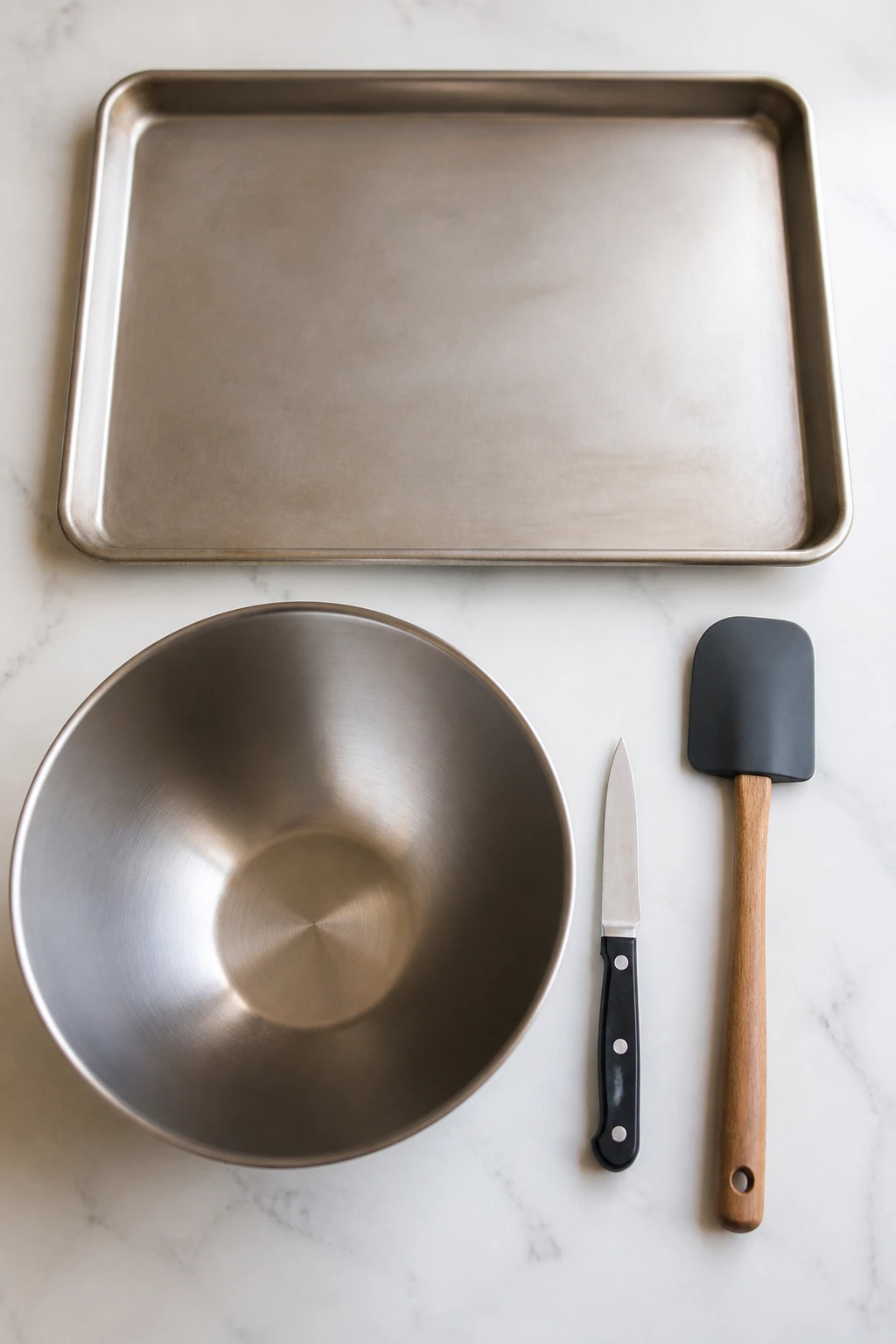
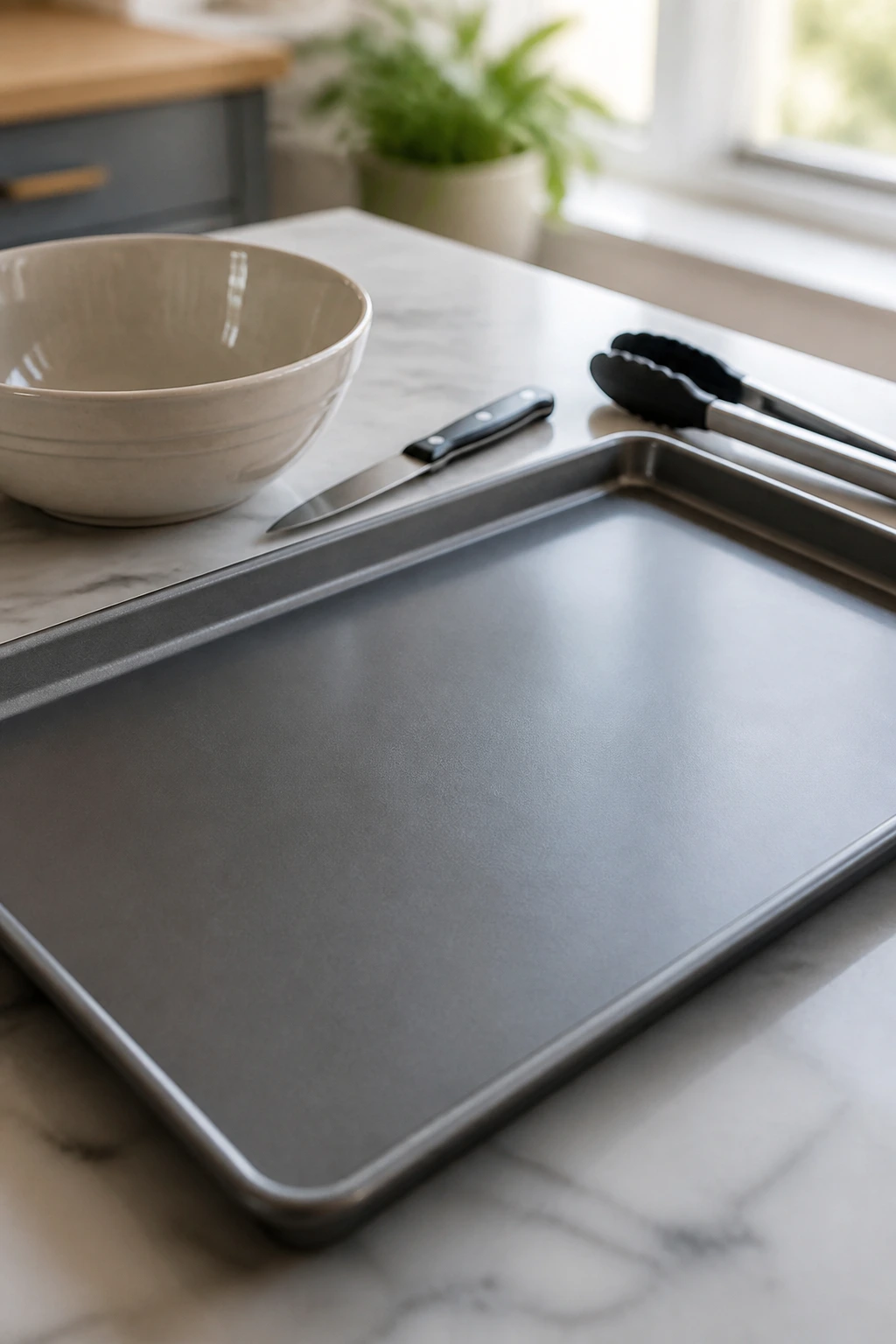
- Large rimmed sheet pan
- Large mixing bowl
- Paring knife
- Spatula or tongs
How to Serve This Dish
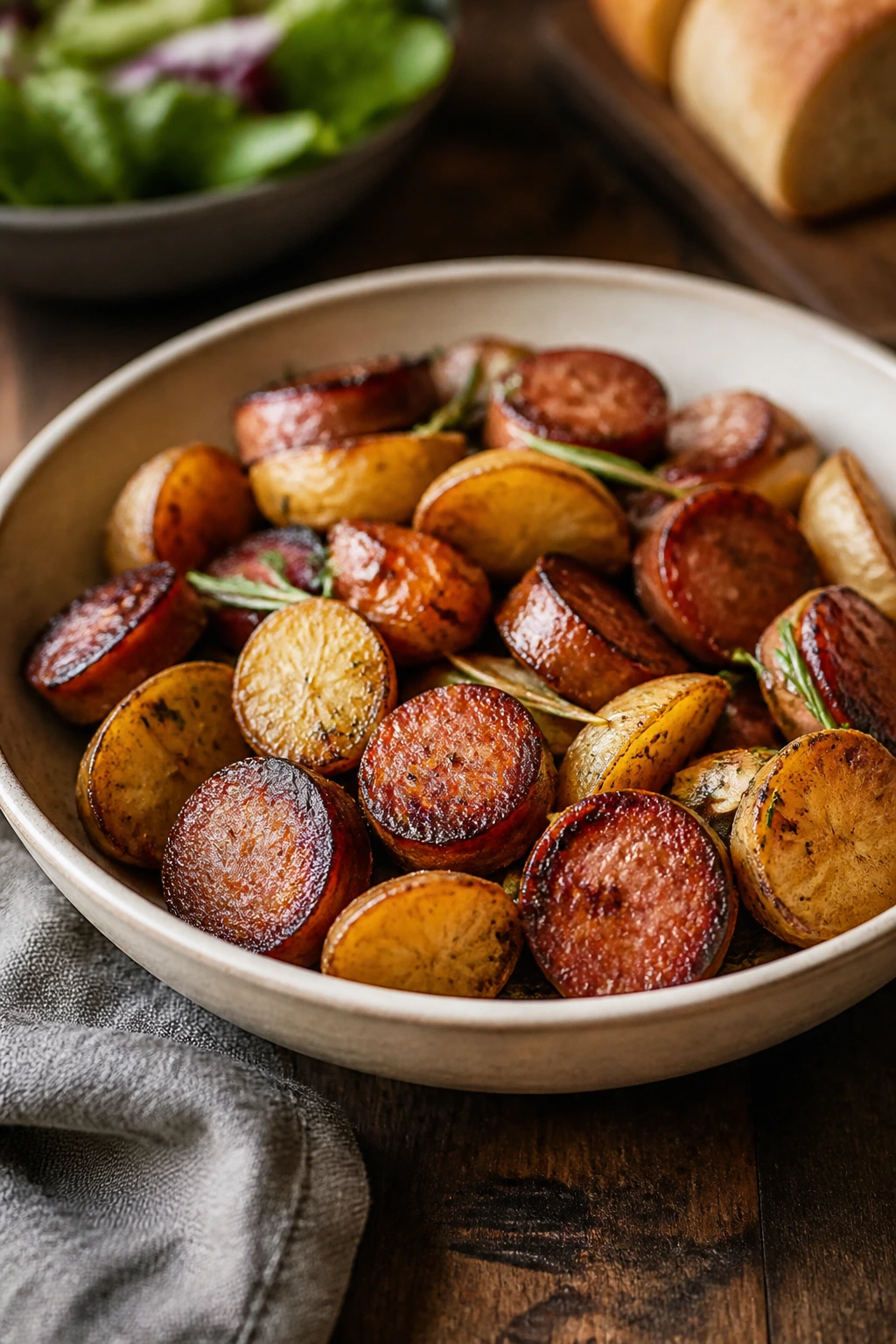
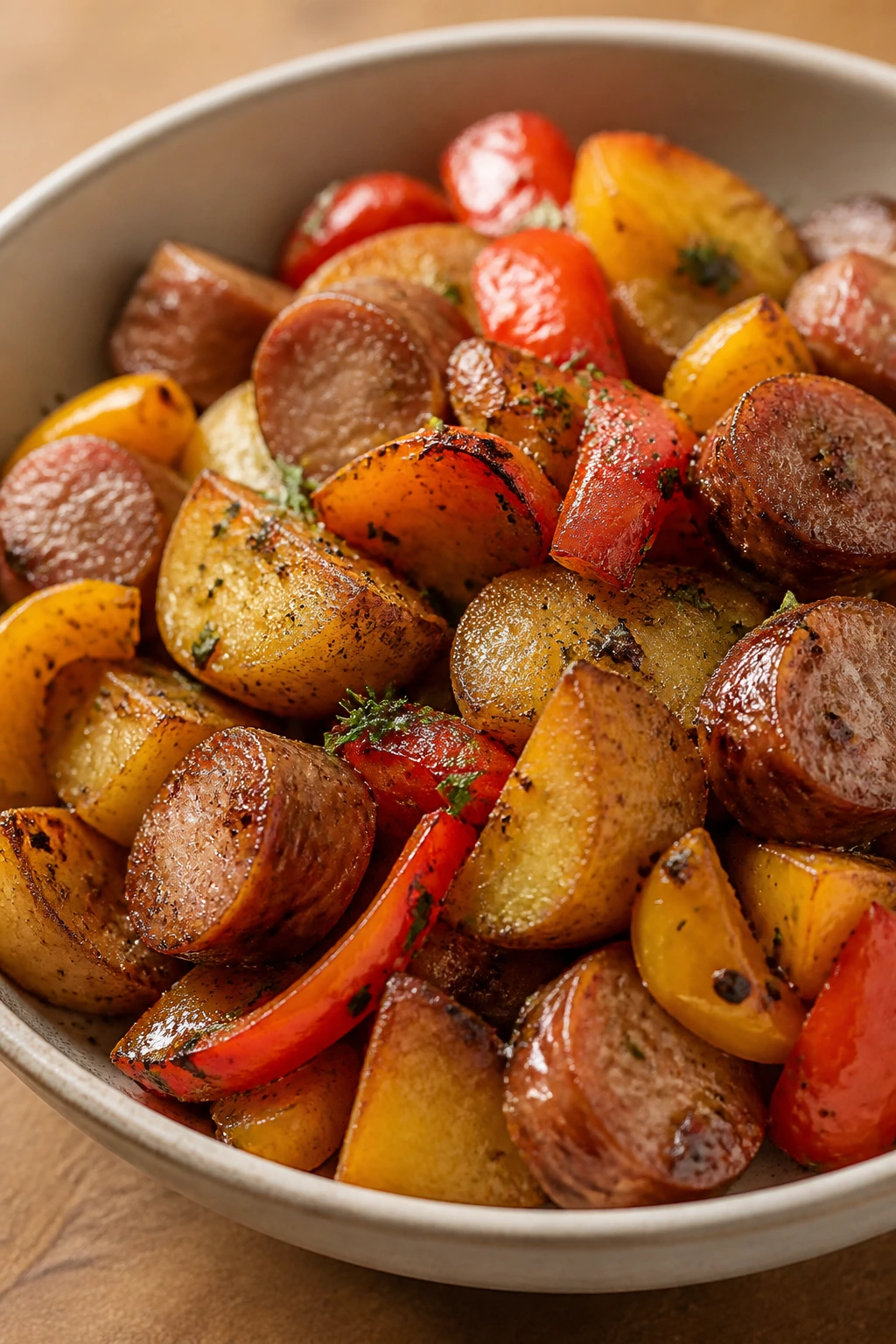
Spoon it into shallow bowls and let the browned bits stay where they are. A mustardy green salad or warm crusty bread makes an easy side. This feeds 4 to 6 depending on how much sausage you use and how hungry the table is.
Pro Tips for This Recipe
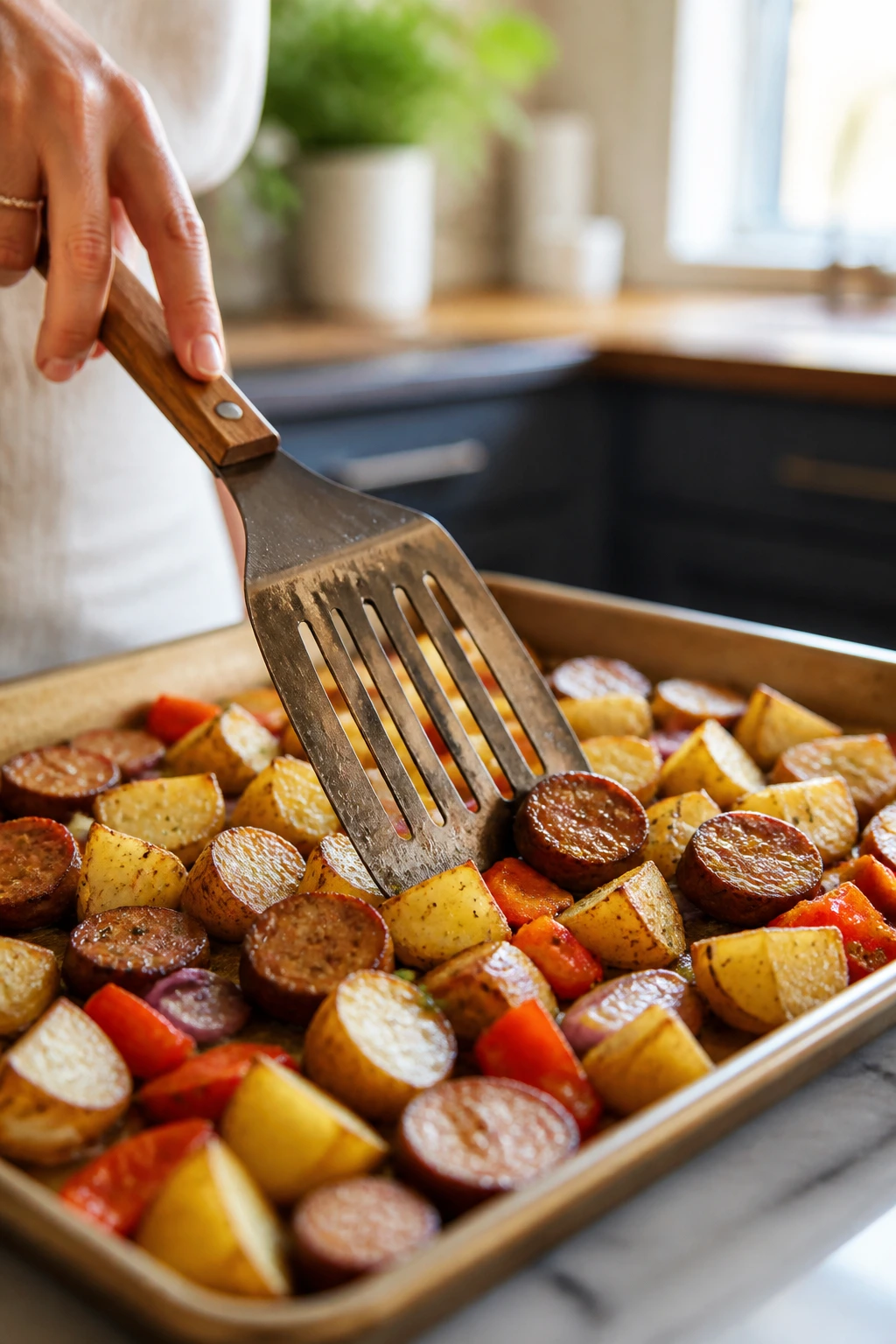
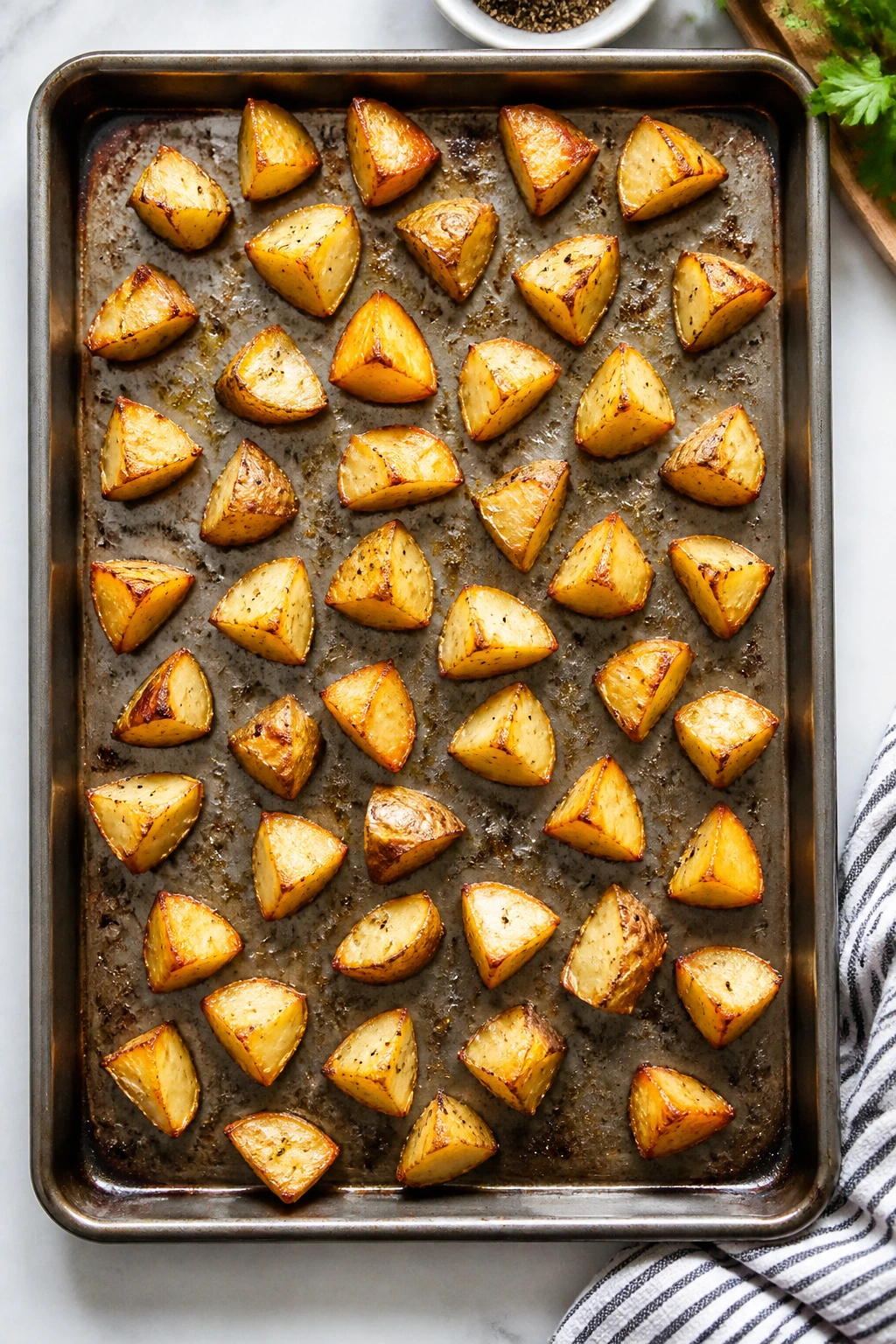
- Cut the potatoes evenly: Small pieces roast on schedule; giant chunks lag behind.
- Don’t crowd the pan: If the ingredients pile up, they steam instead of browning.
- Use a sausage with good flavor: The seasoning has to carry the dish.
- Stir only once: Too much flipping slows down browning.
Variations on This Dish
- Italian Herb Version: Use Italian sausage and add 1 teaspoon dried oregano.
- Spicy Cajun Pan: Swap paprika for Cajun seasoning and add sliced hot peppers.
- Root-Vegetable Swap: Replace half the potatoes with carrots or parsnips for a sweeter roast.
Common Mistakes to Avoid with This Dish
- Slicing the sausage too thin: Paper-thin rounds dry out before the potatoes finish.
- Skipping the parchment: It is not mandatory, but cleanup is much easier with it.
- Using too little salt: Potatoes need more seasoning than people think.
4. Coconut Chickpea Curry with Spinach
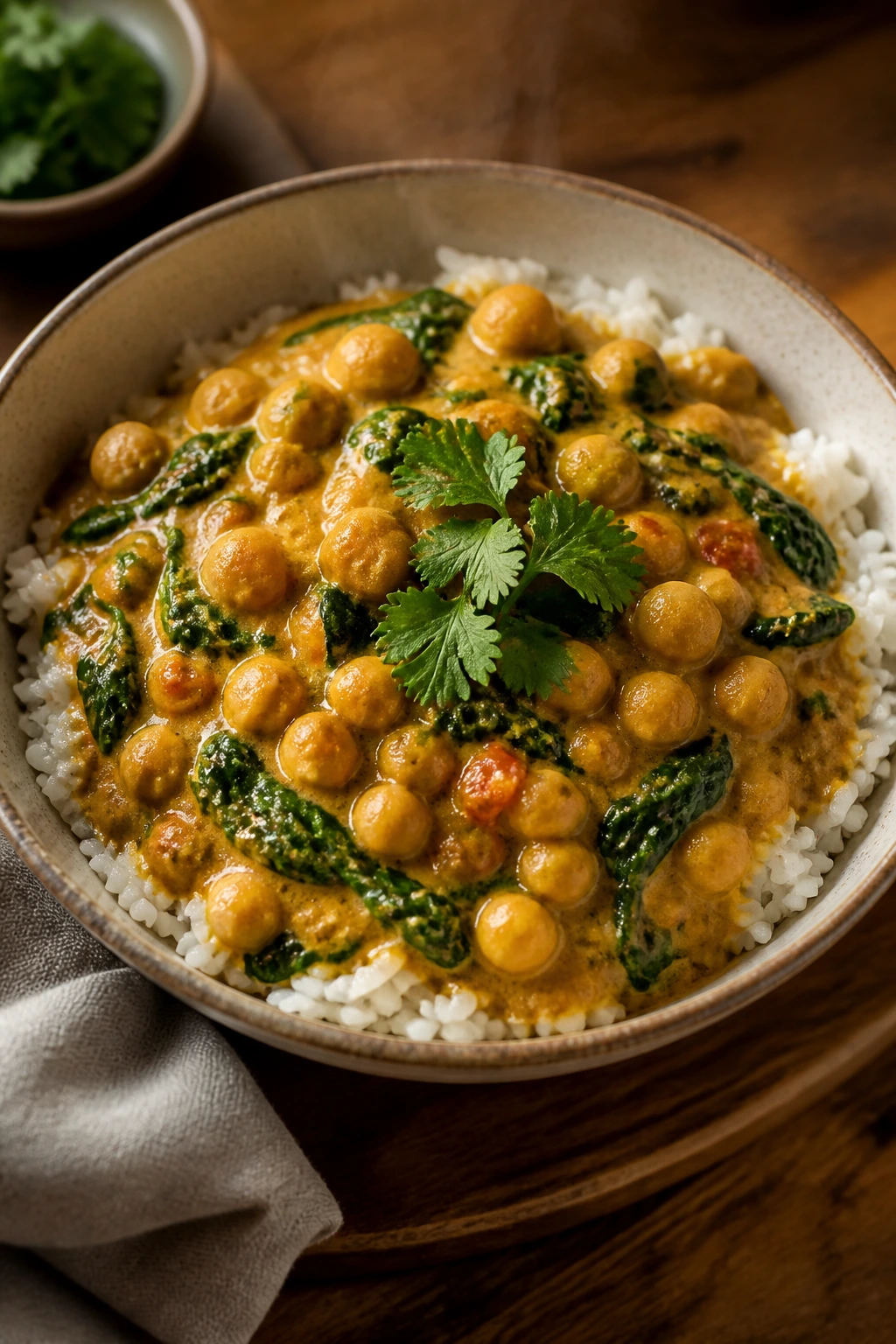
A good coconut curry smells like garlic, ginger, and warm spice before it ever hits the bowl. This one is thick enough to coat rice, bright enough to stay interesting, and fast enough to make on a weeknight without a second thought. Chickpeas keep it filling, and spinach melts into the sauce without asking for extra work.
Why It Works
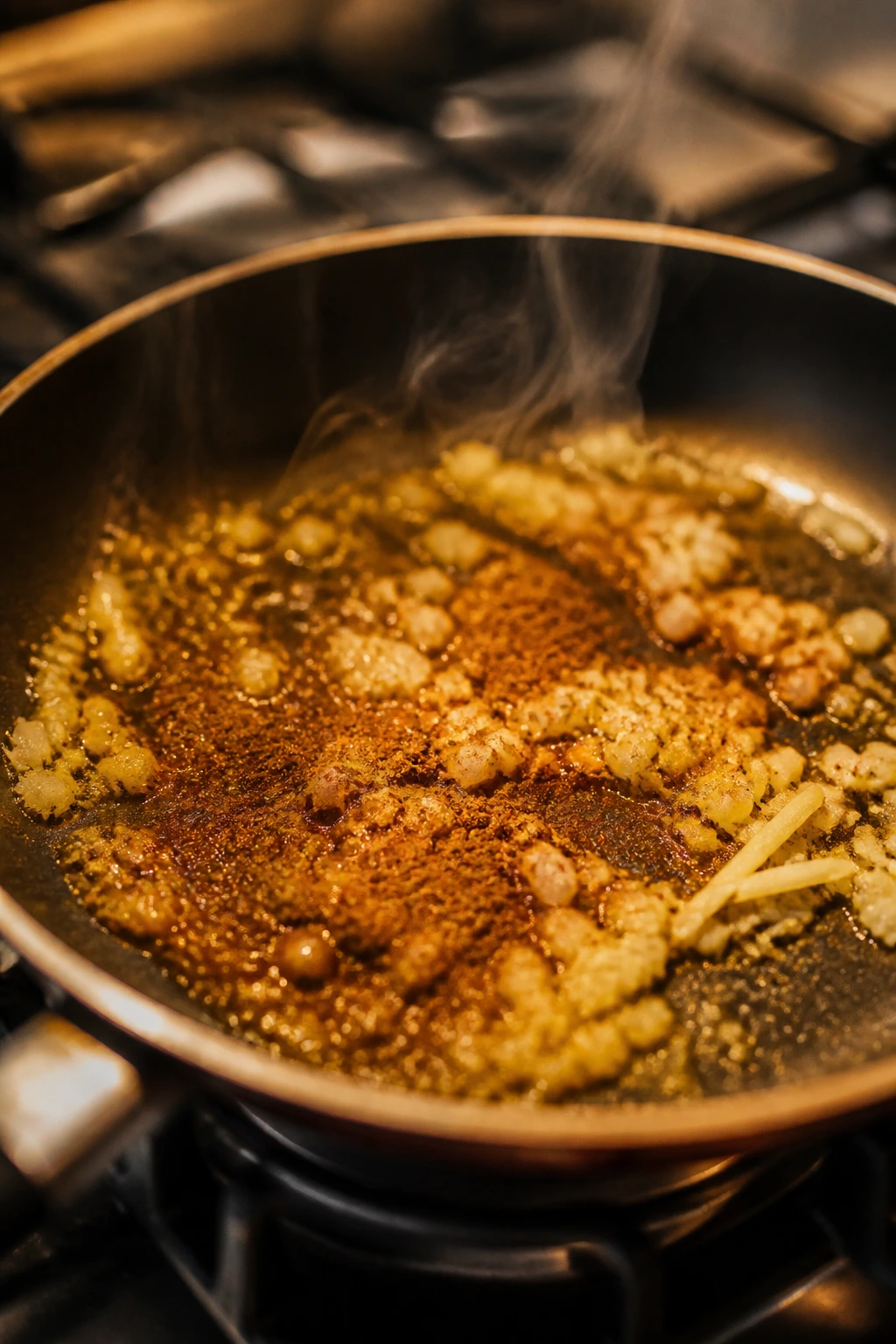
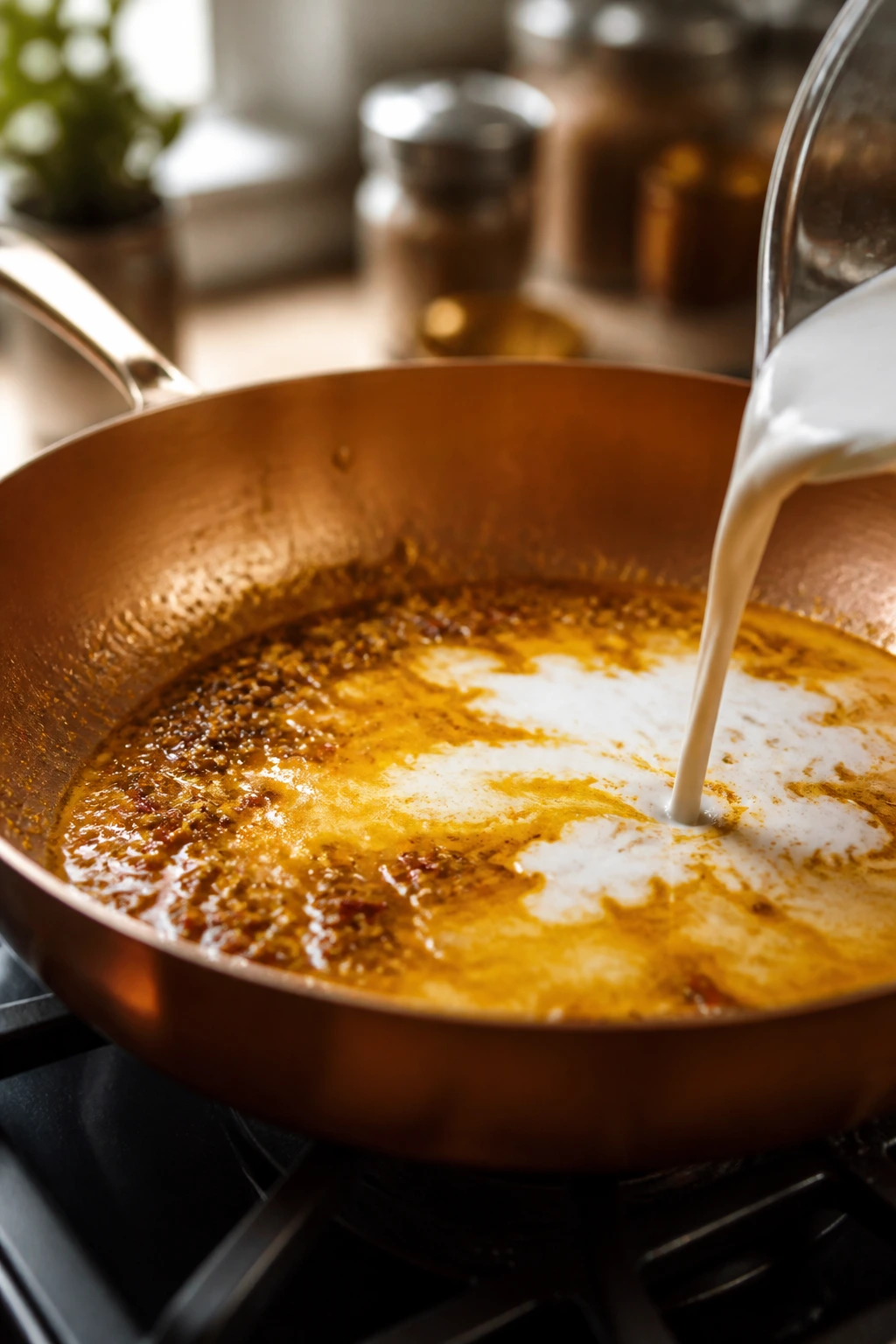
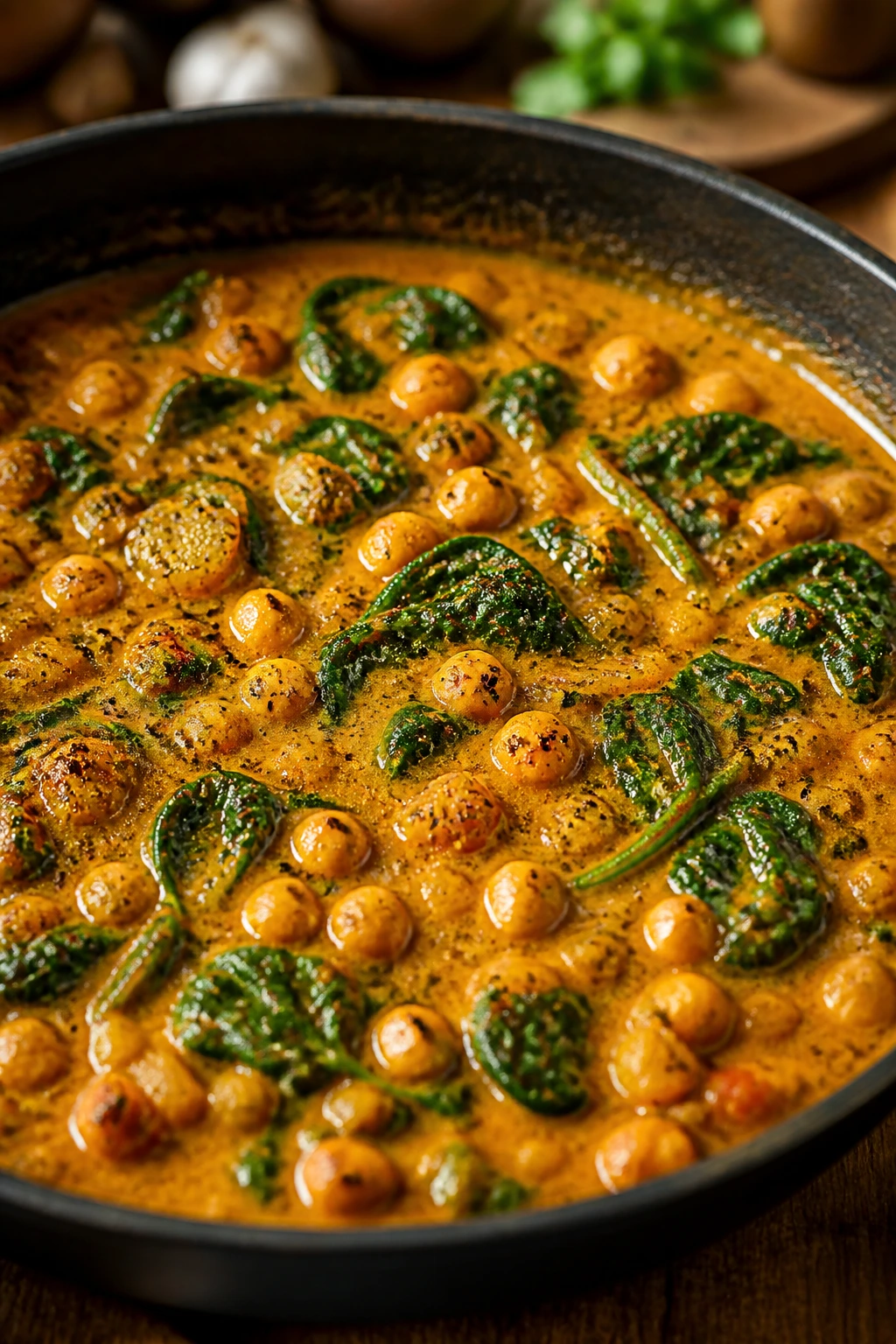
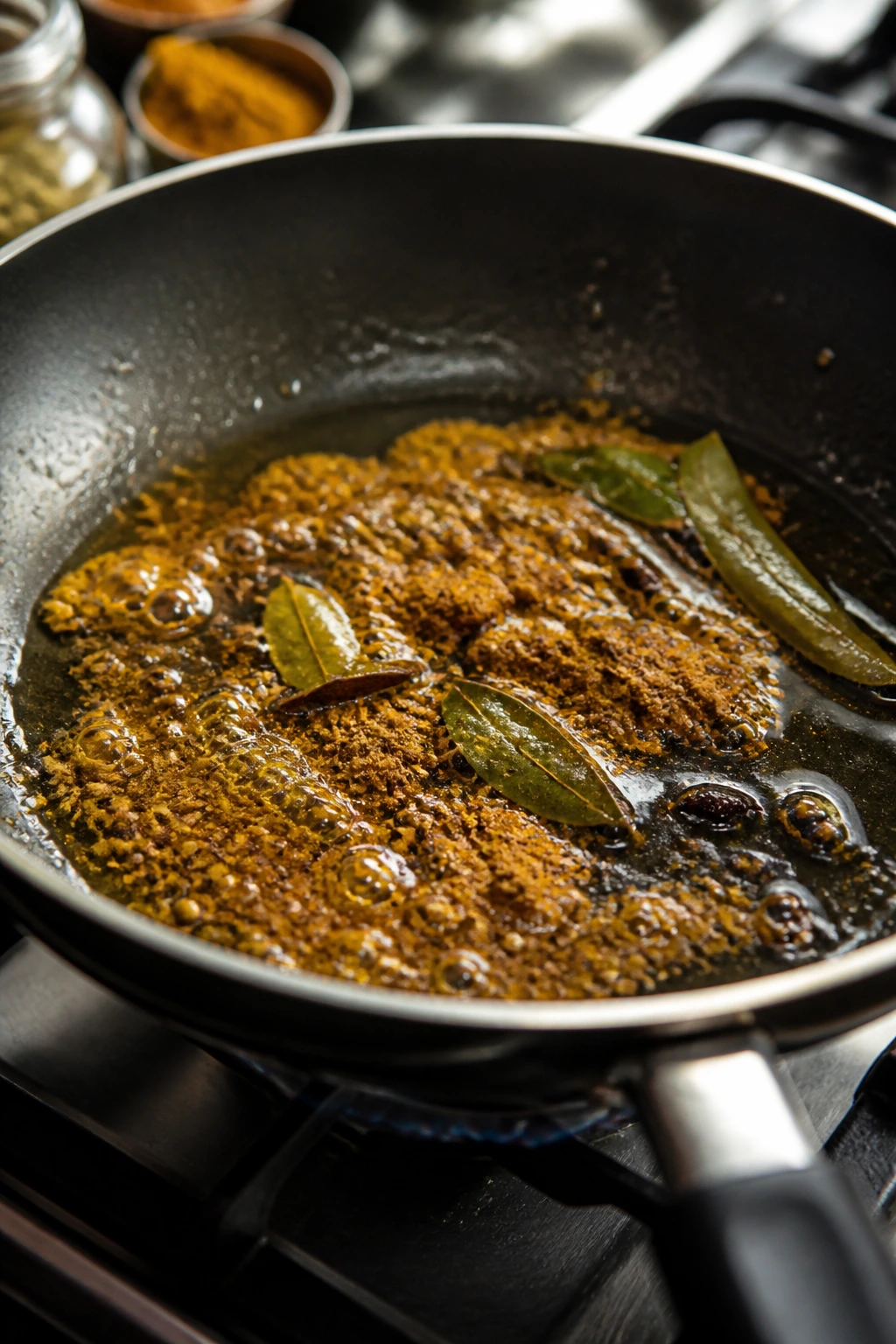
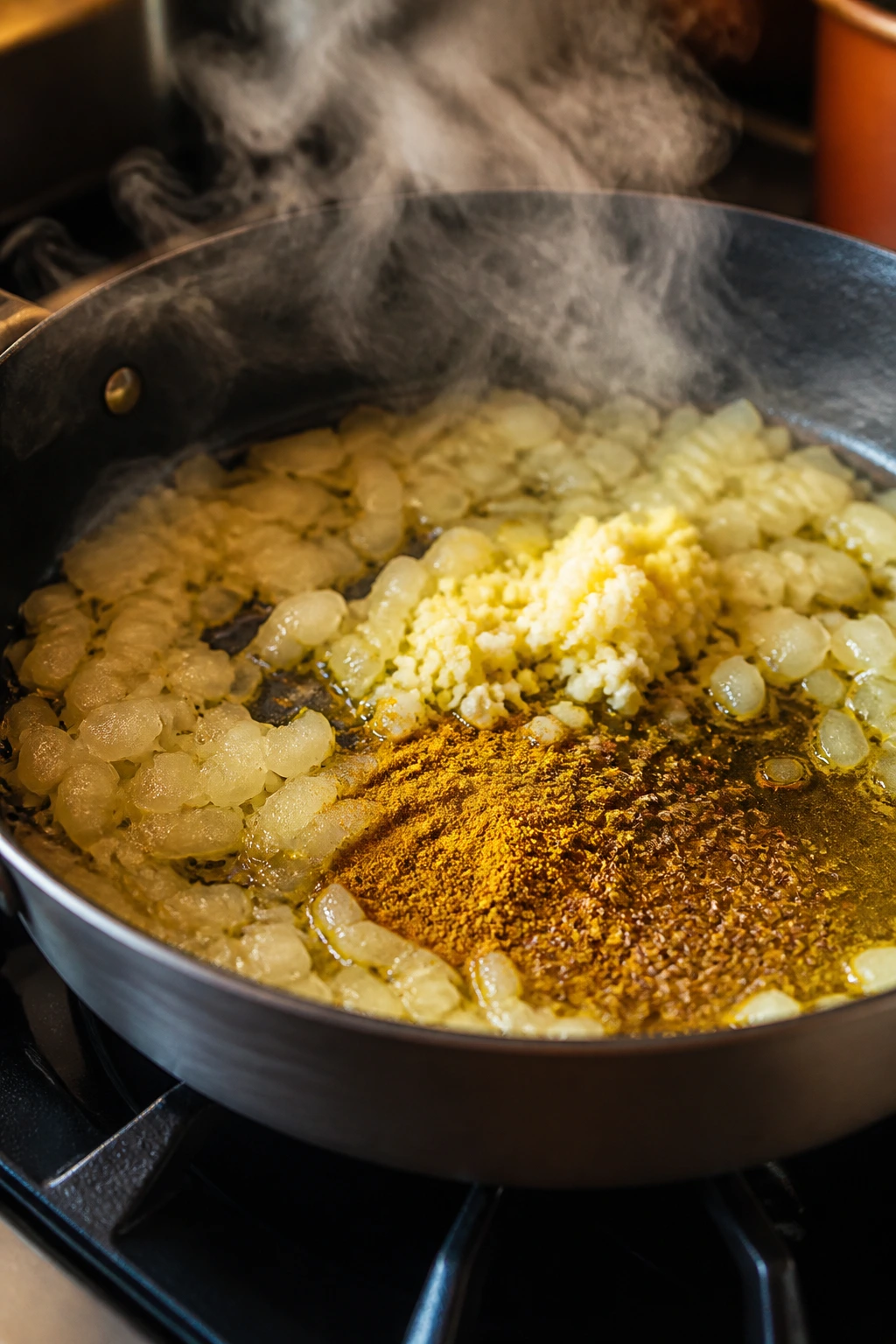
Coconut milk gives the curry a rich base without dairy, and canned chickpeas save a huge amount of time. The trick is blooming the spices in oil for a minute before the liquids go in; that little step wakes up the curry powder and keeps the final sauce from tasting dusty. Spinach goes in at the end because it only needs a minute to wilt.
Key Ingredients
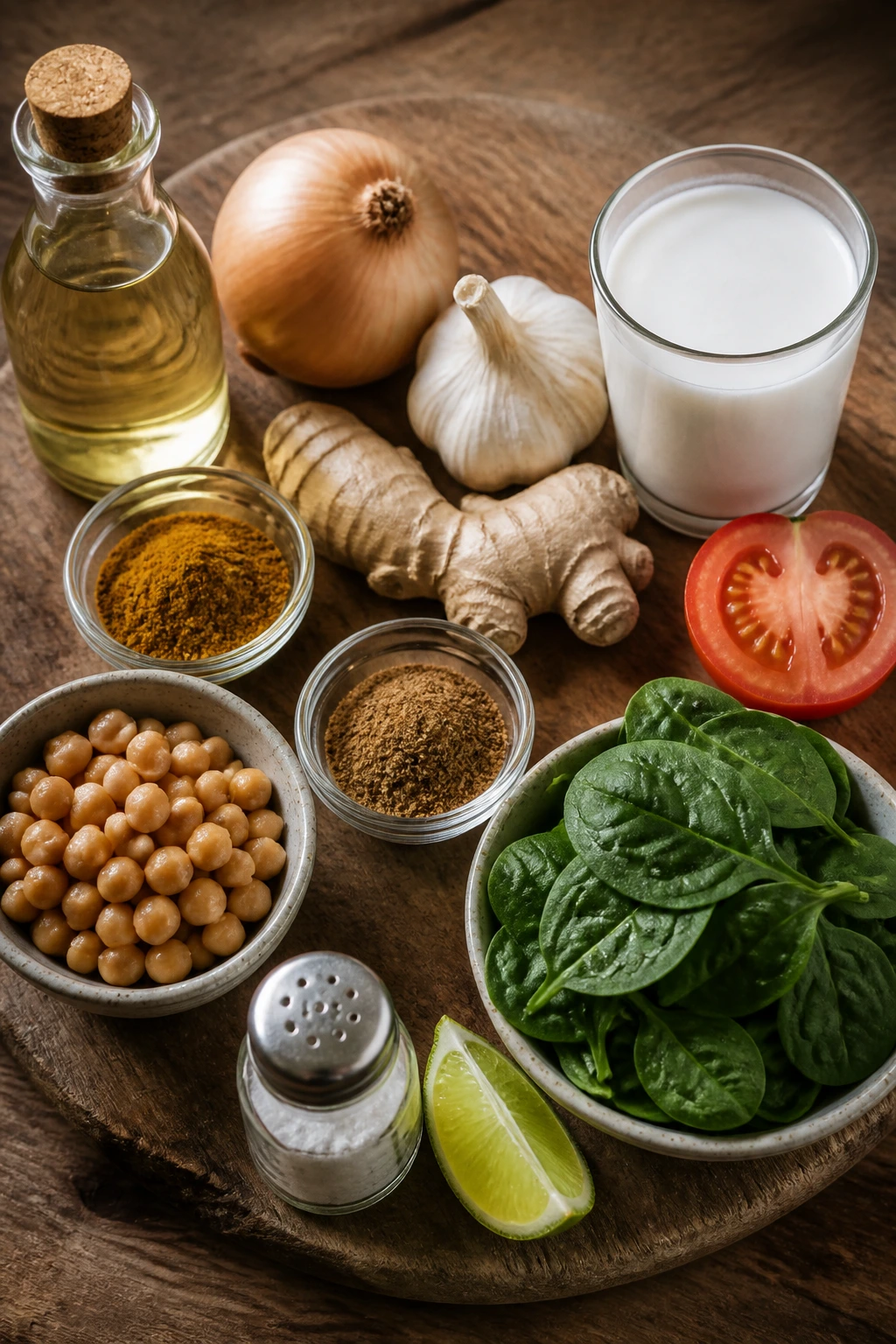
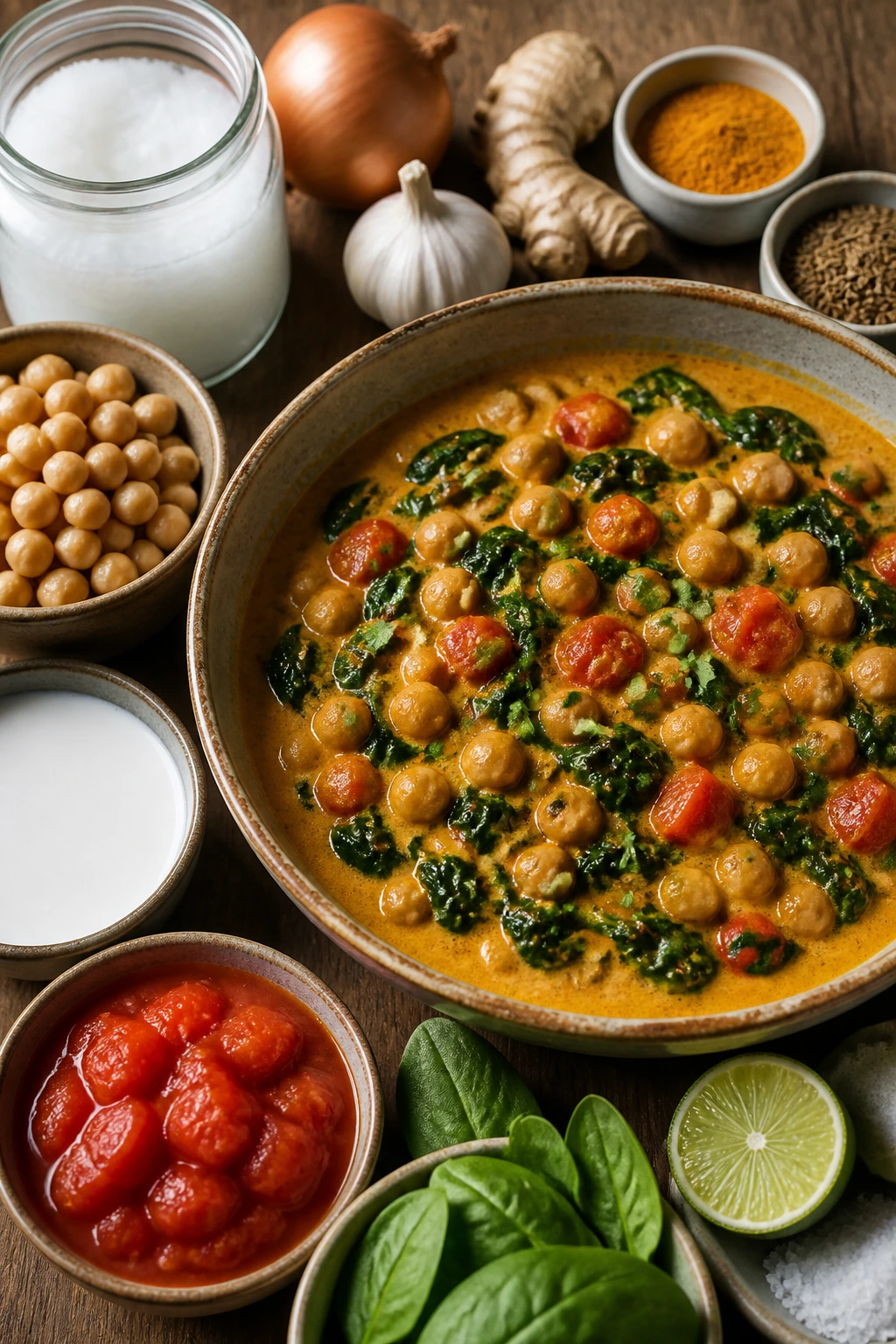
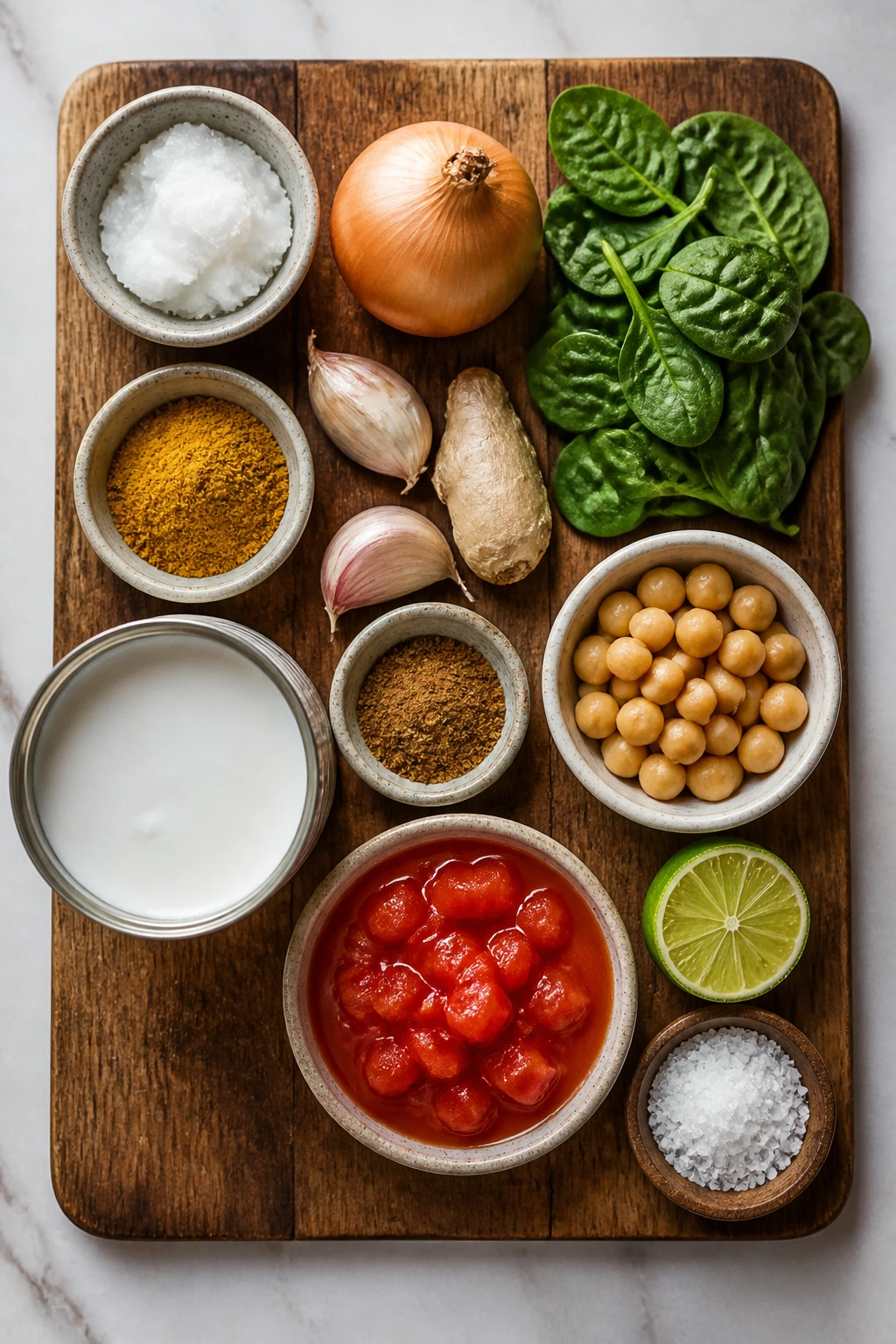
- 1 tablespoon coconut oil or olive oil
- 1 medium onion, diced
- 3 cloves garlic, minced
- 1 tablespoon grated fresh ginger
- 2 tablespoons curry powder
- 1 teaspoon ground cumin
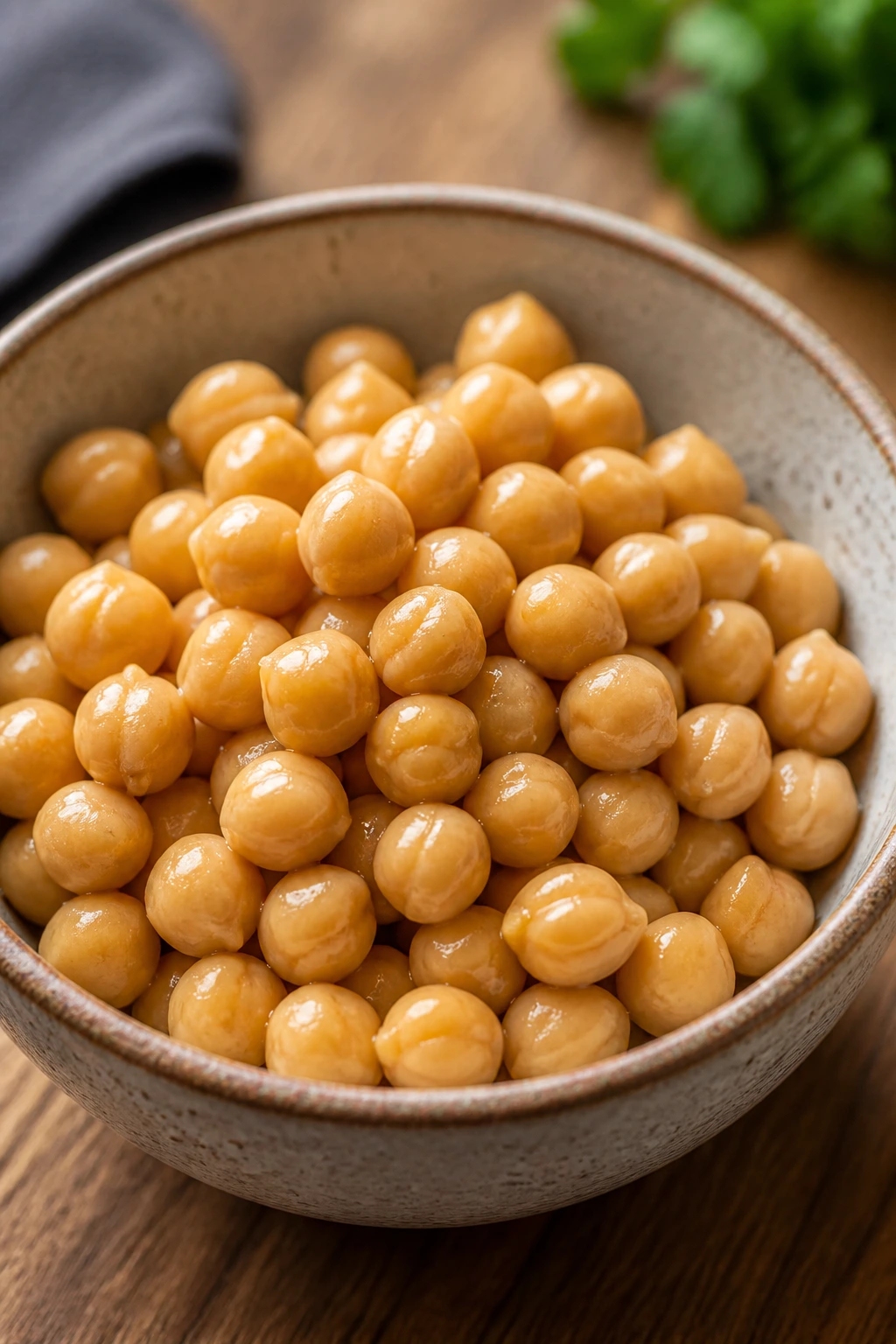
- 1 can (15 ounces) chickpeas, rinsed and drained
- 1 can (13.5 ounces) coconut milk
- 1 can (14.5 ounces) diced tomatoes
- 2 cups baby spinach
- 1 tablespoon lime juice
- ½ teaspoon salt
Quick Steps
-
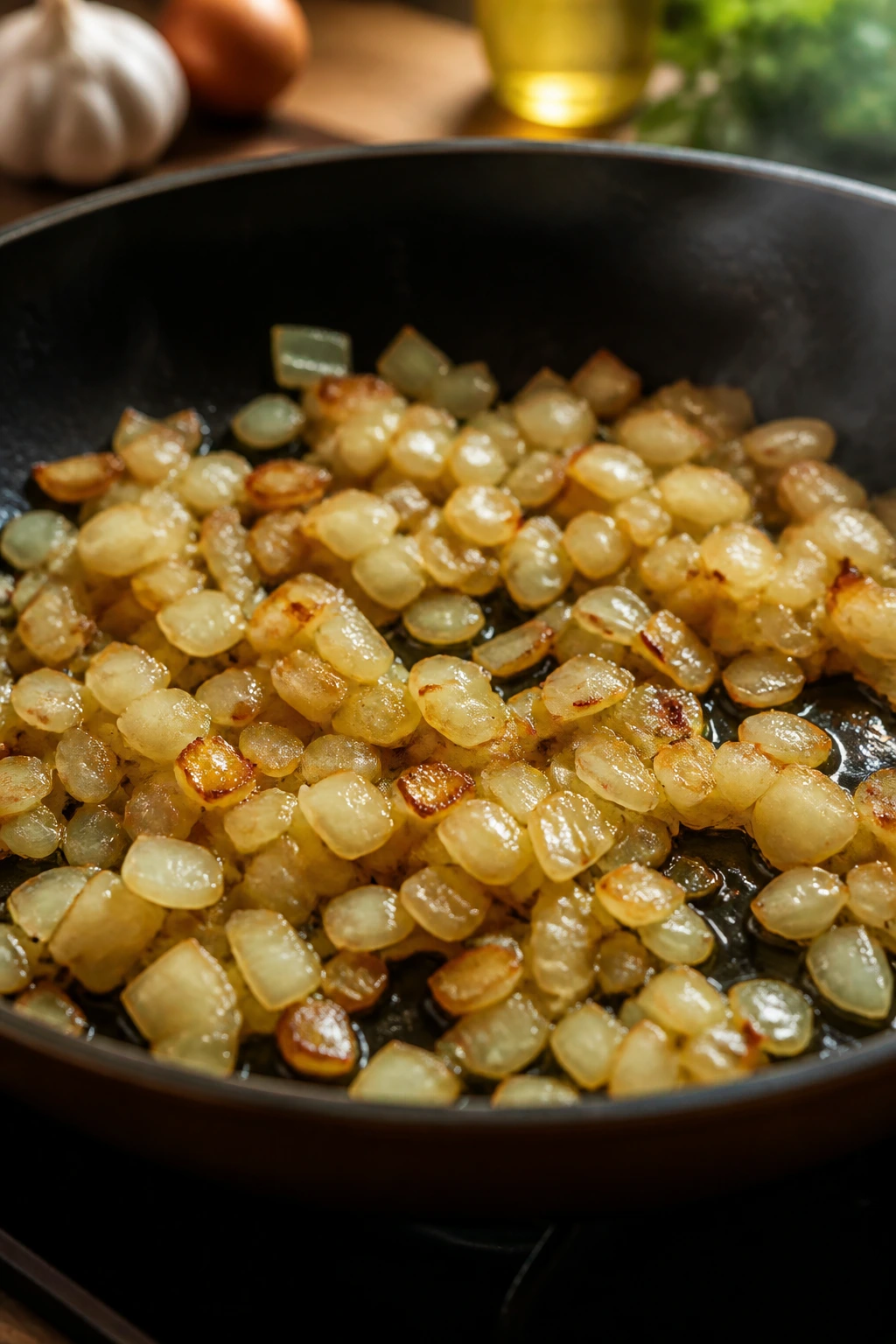
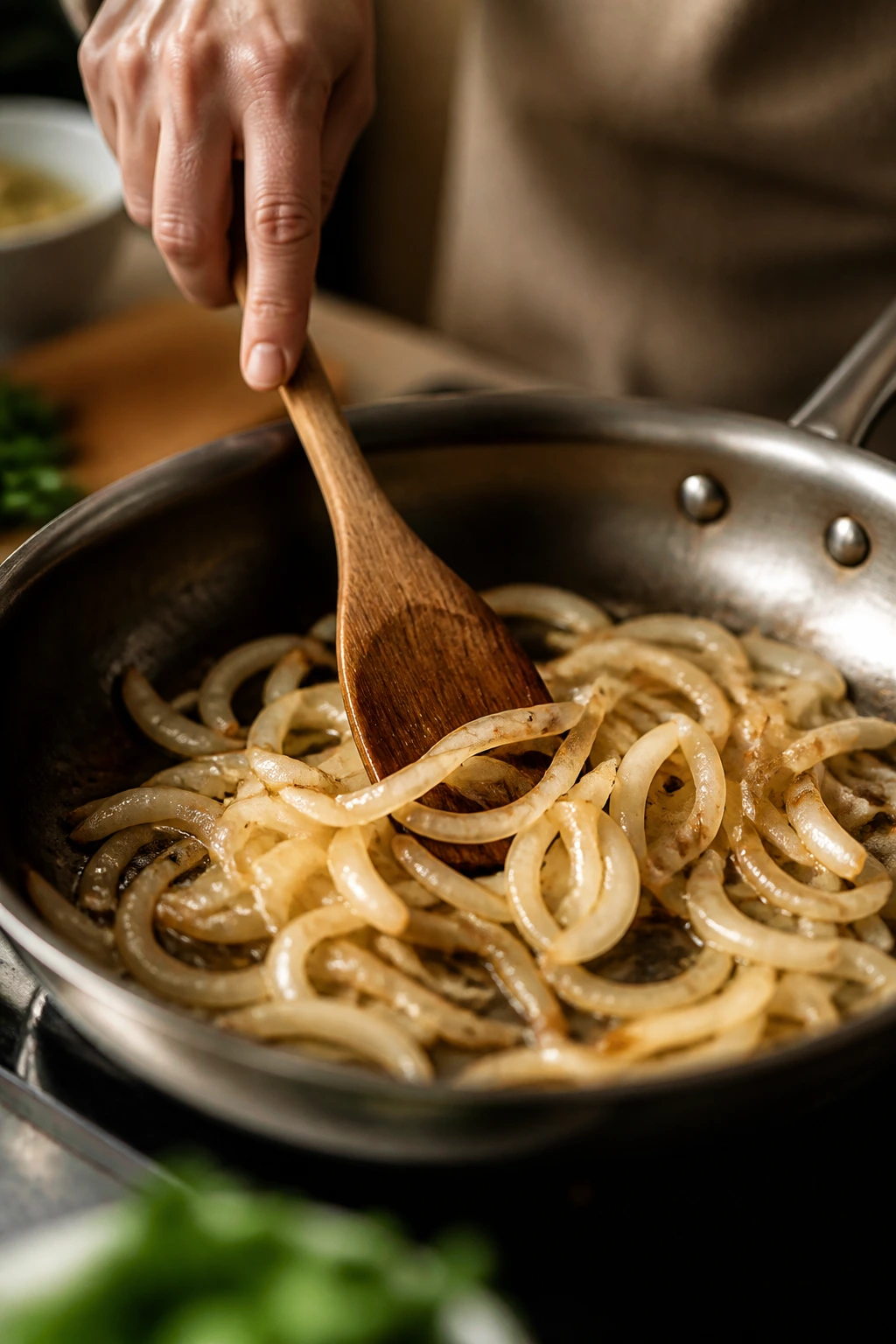
Cook the aromatics: Heat the oil in a skillet or saucepan over medium heat. Add the onion and cook for 4 minutes until soft.
-
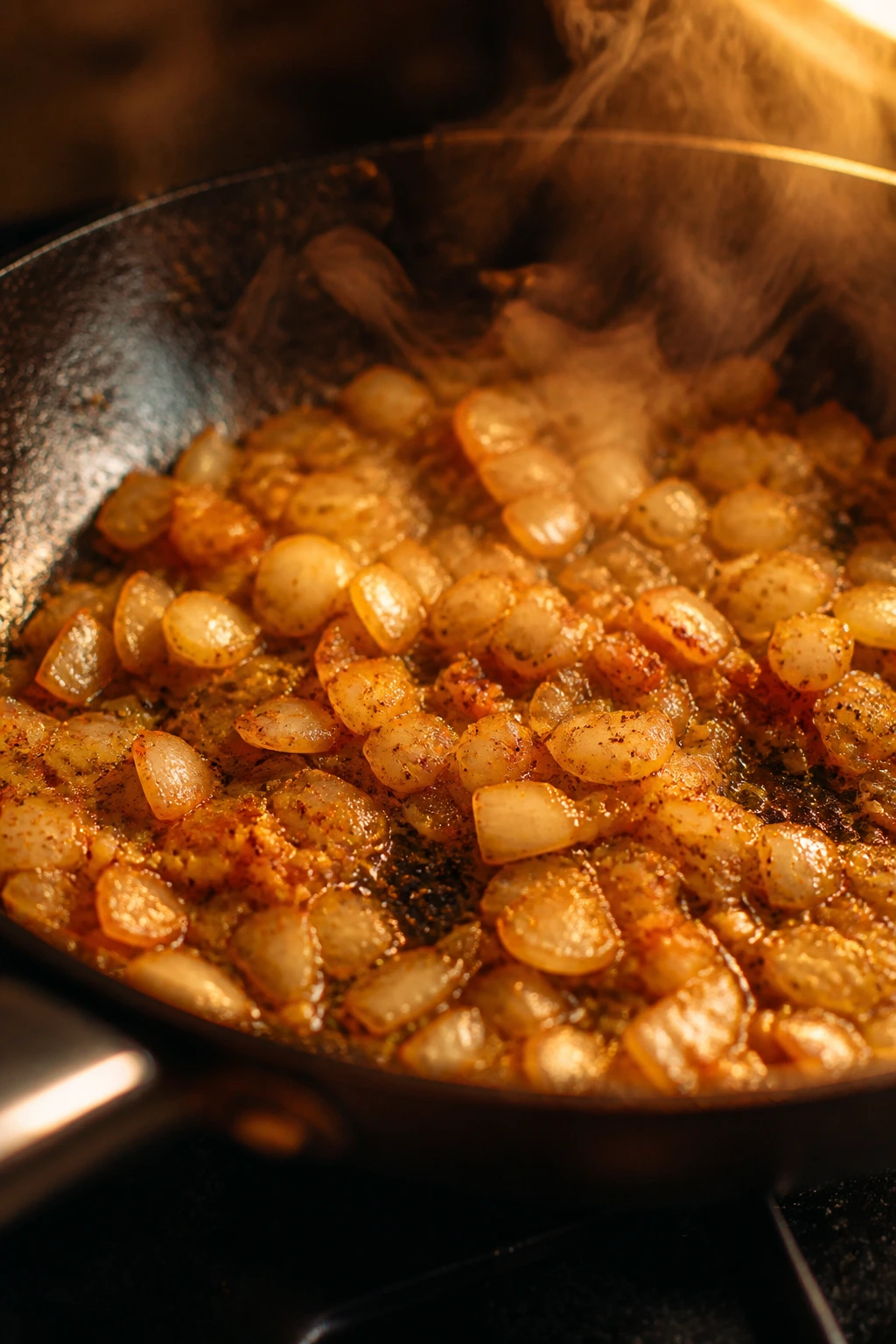
Bloom the spice: Stir in garlic, ginger, curry powder, and cumin. Cook for 1 minute until the pan smells warm and fragrant.
-
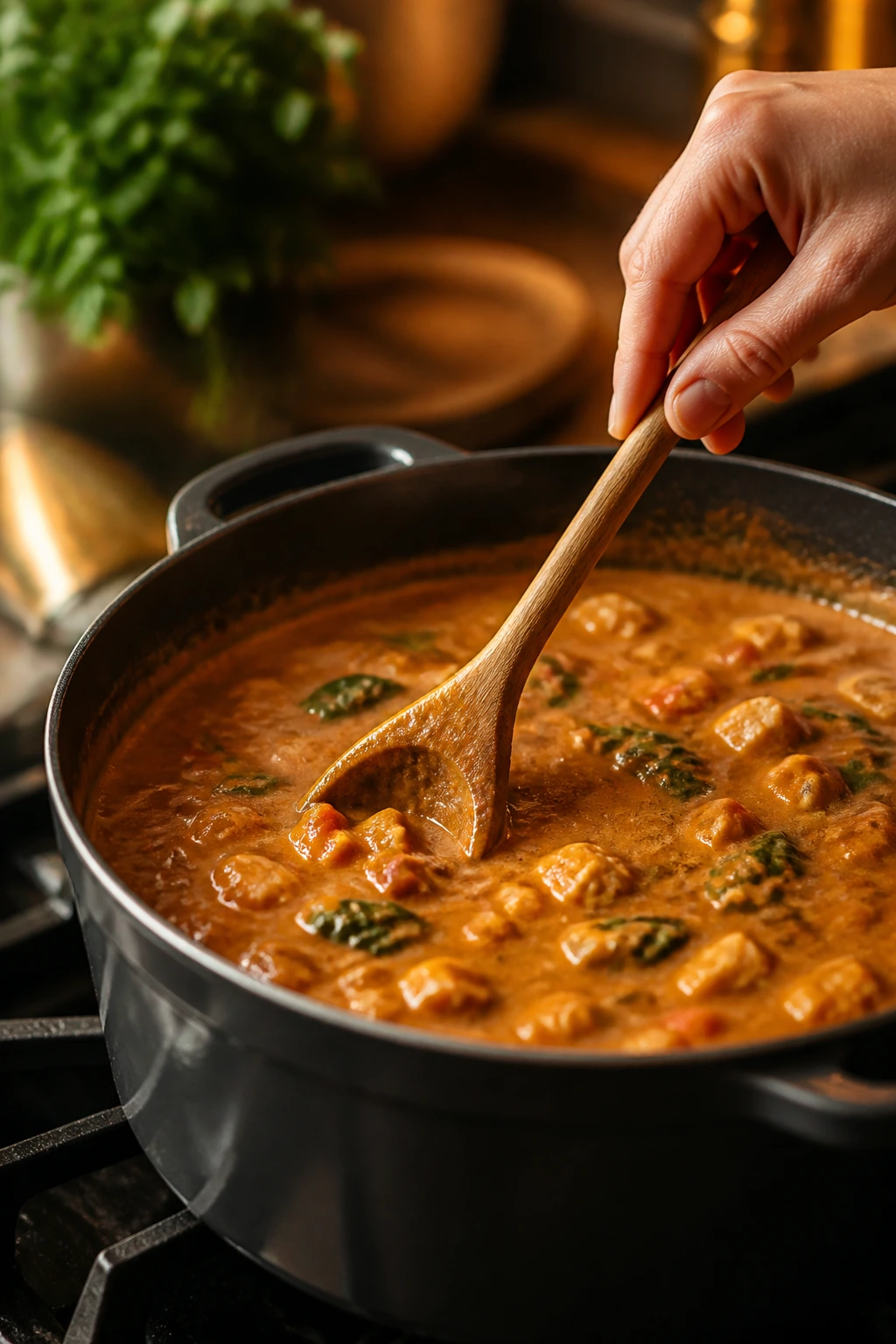
Build the sauce: Add the chickpeas, coconut milk, diced tomatoes, and salt. Stir well and bring to a gentle simmer.
-
Thicken slightly: Cook uncovered for 12 to 15 minutes, stirring now and then, until the sauce is a little thicker and glossy.
-
Wilt the spinach: Stir in the spinach and cook for 1 minute until it collapses.
-
Finish bright: Add lime juice and serve over rice.
Equipment for This Recipe
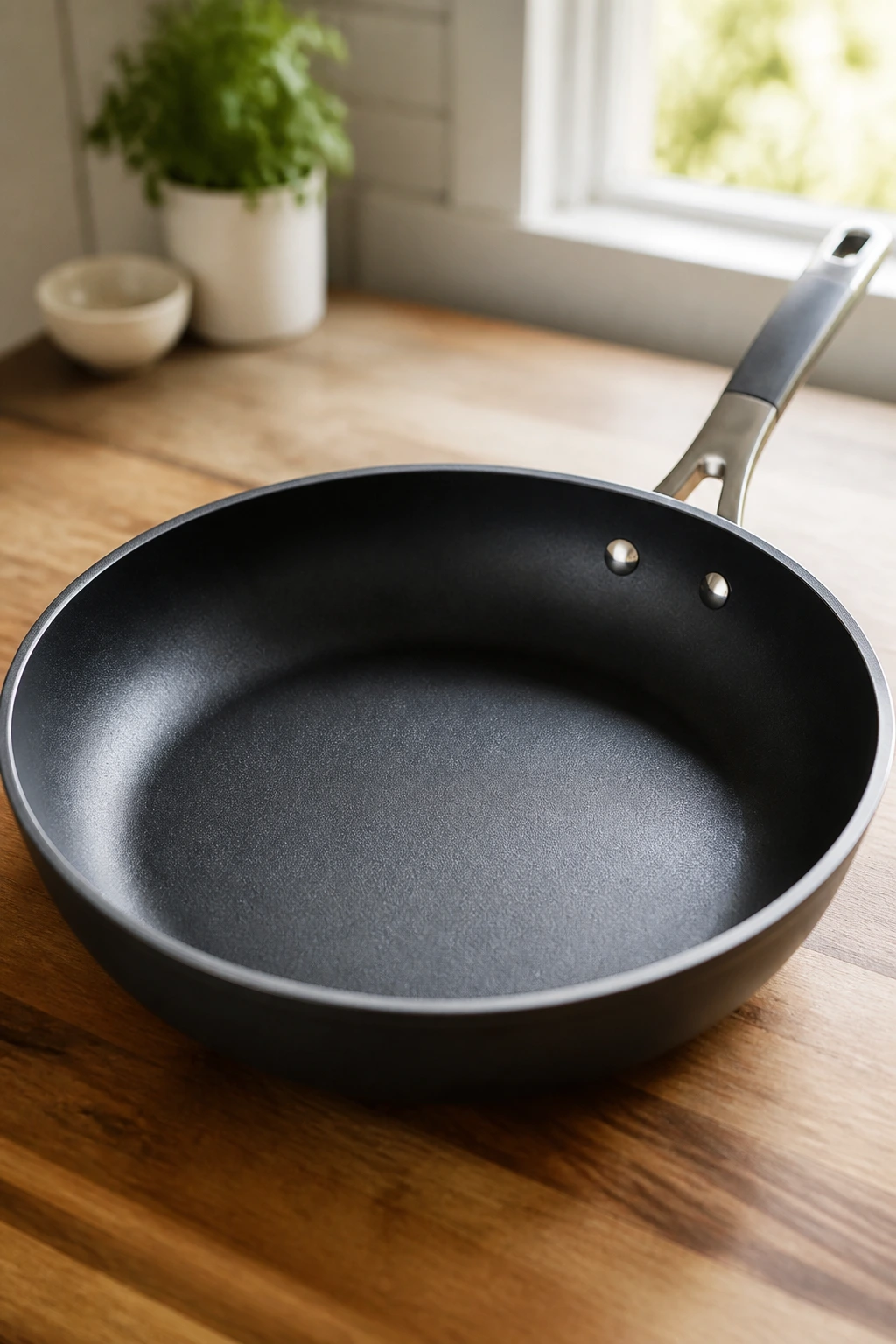
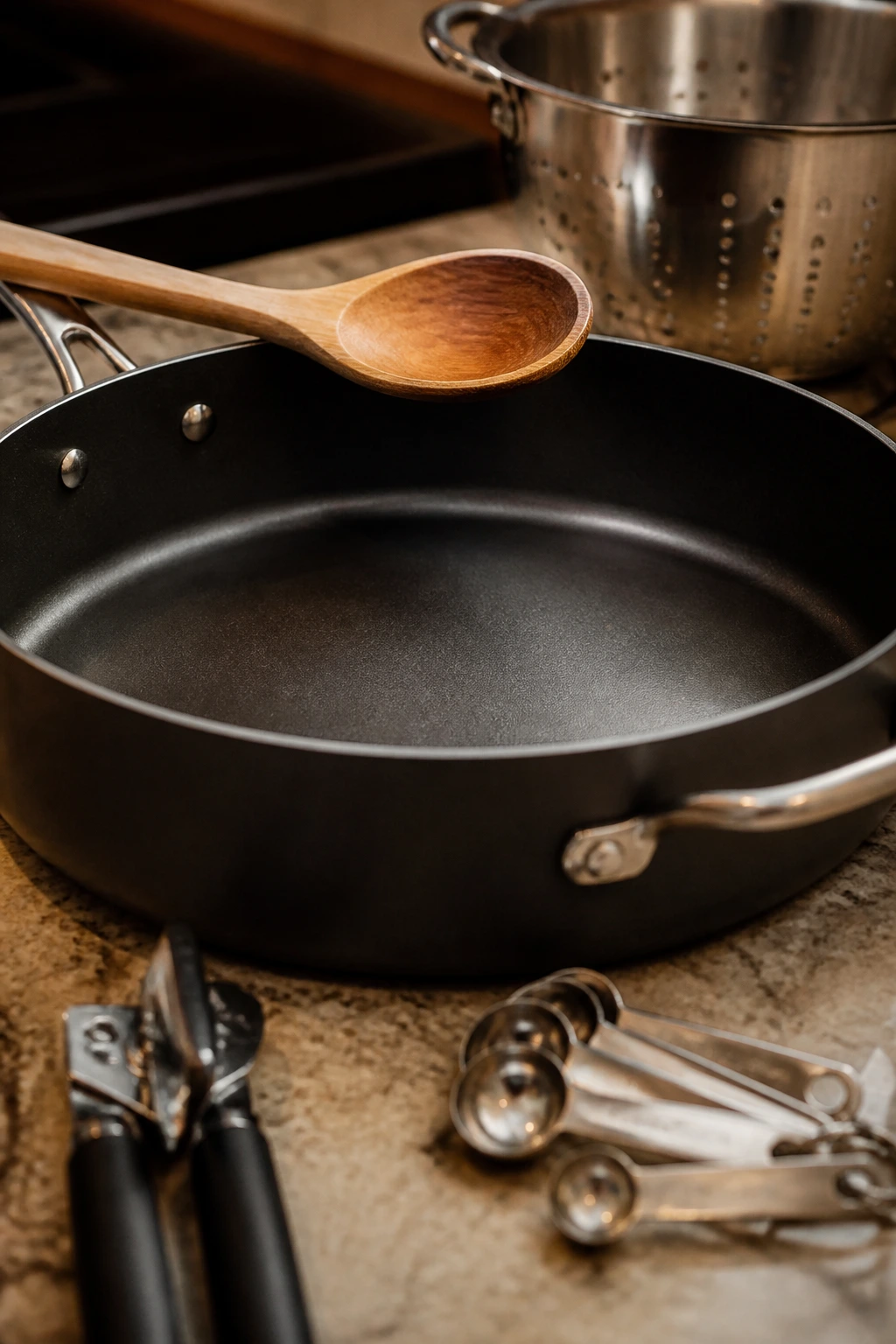
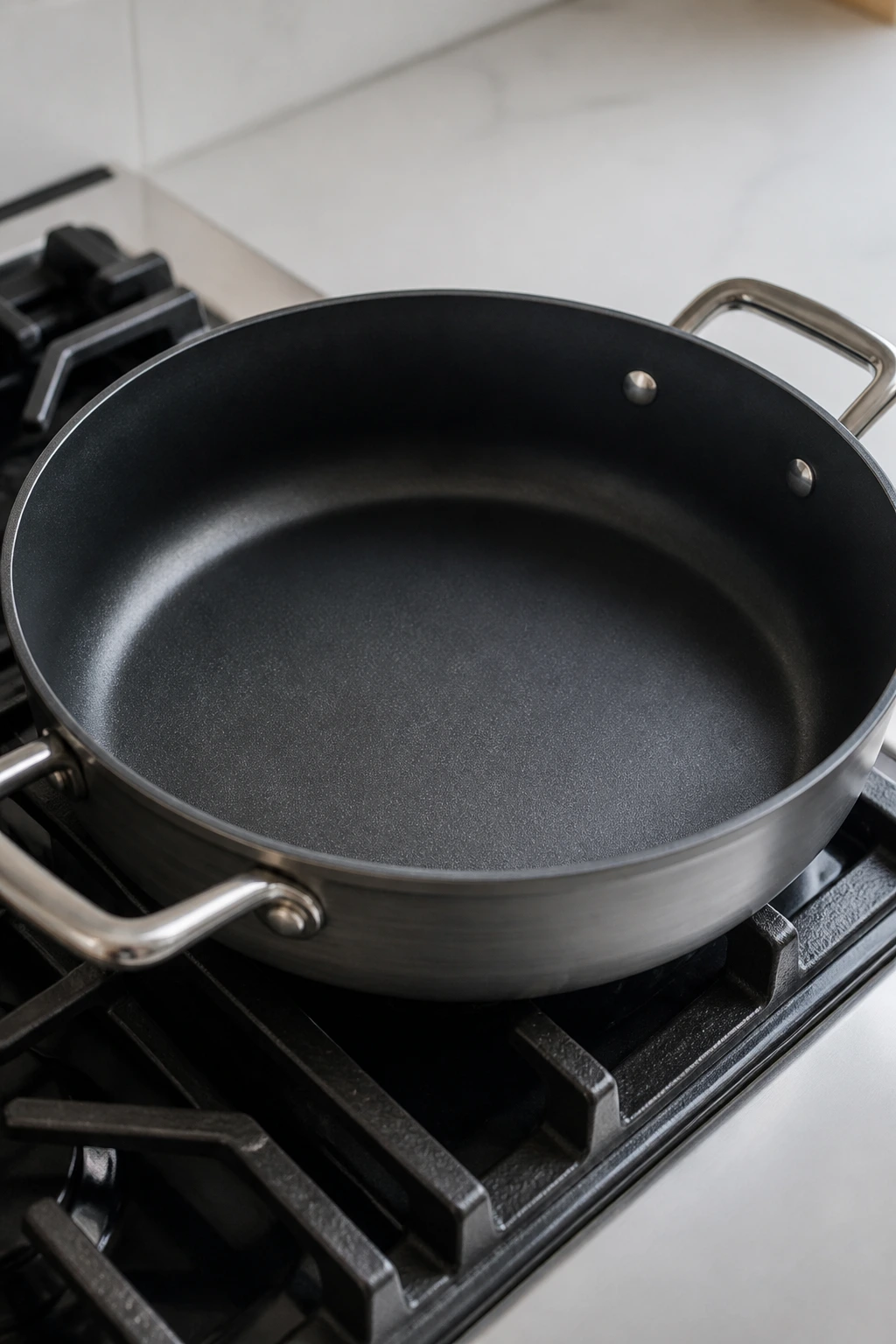
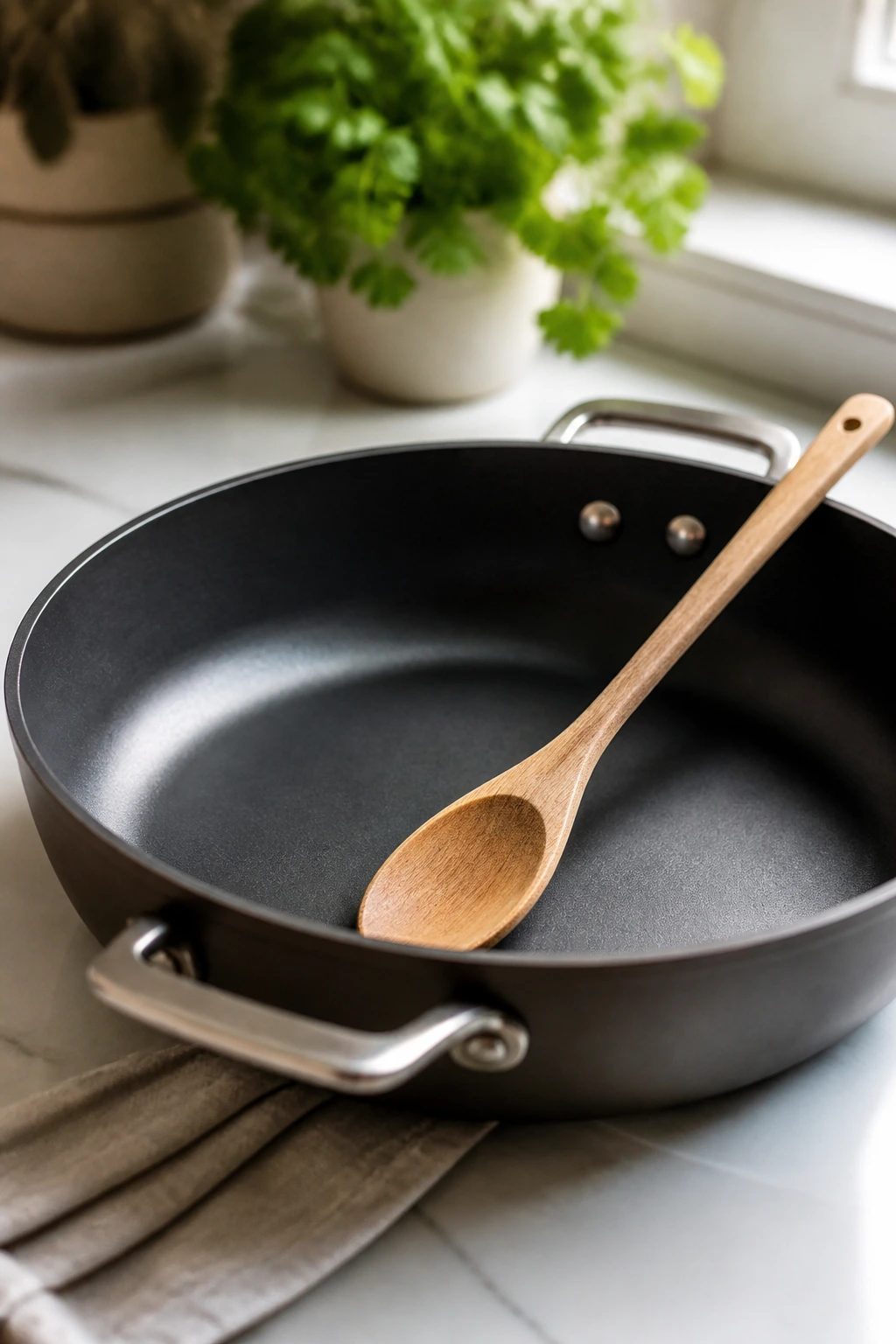
- Deep skillet or medium saucepan
- Wooden spoon
- Measuring spoons
- Can opener and colander
How to Serve This Dish
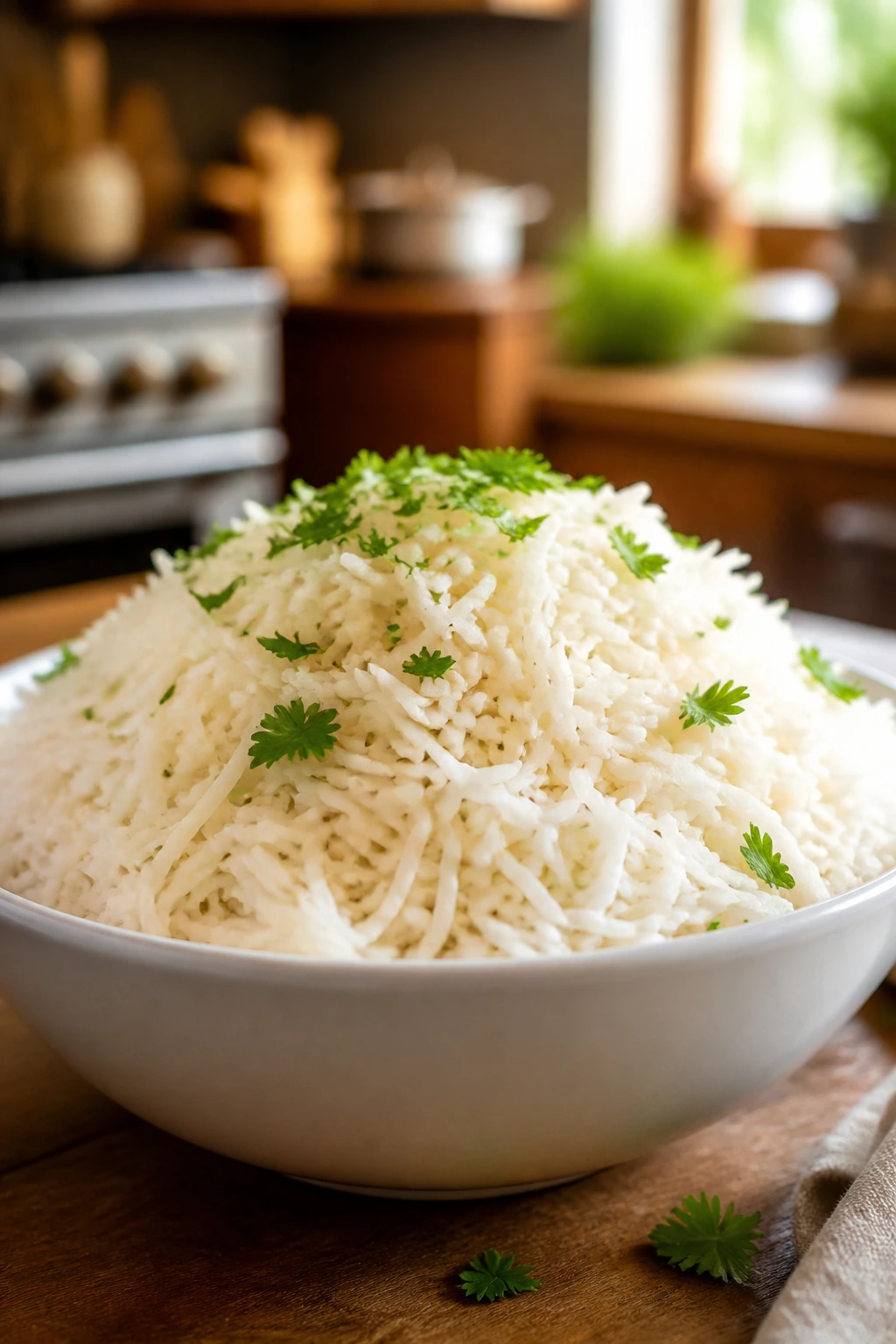
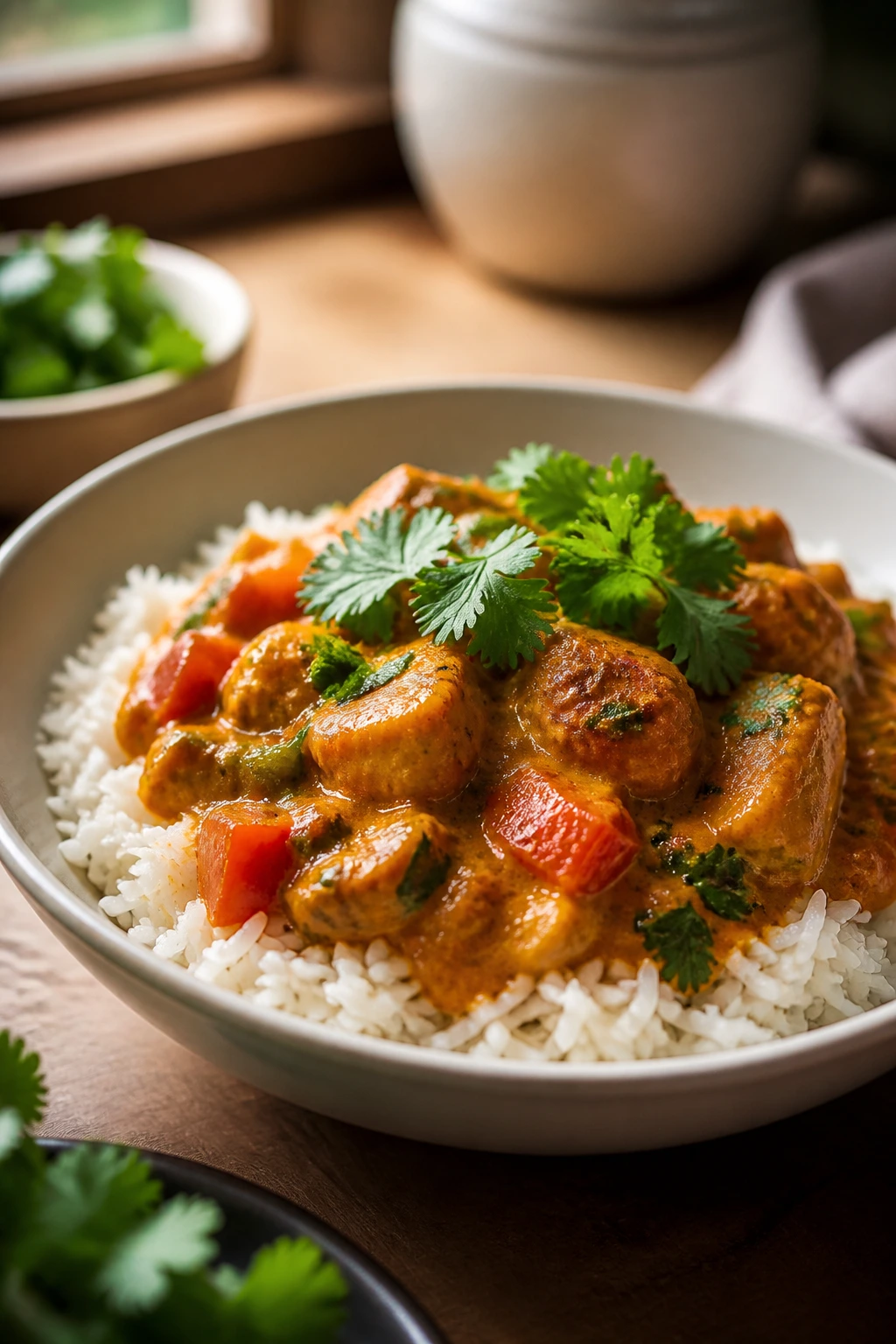
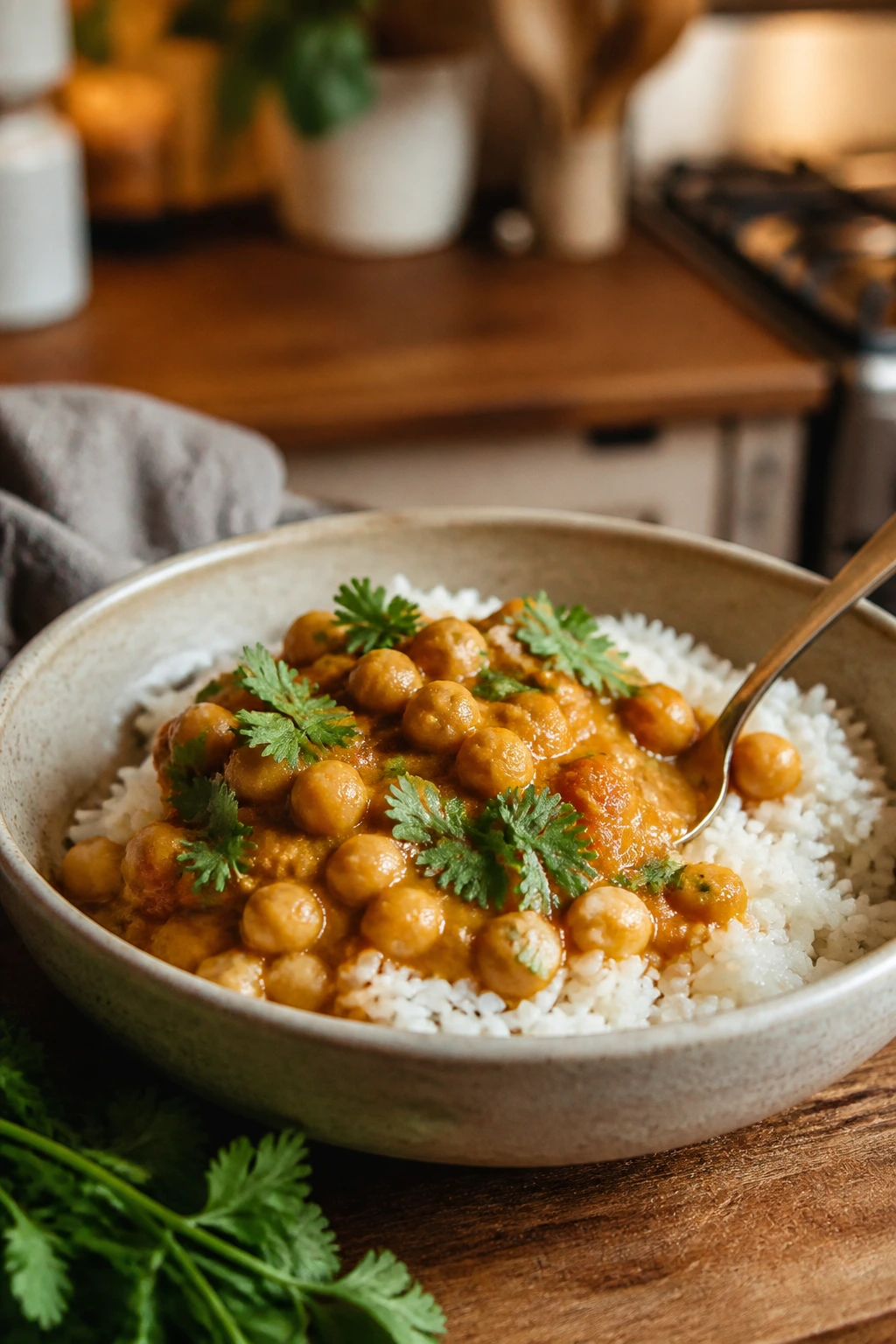
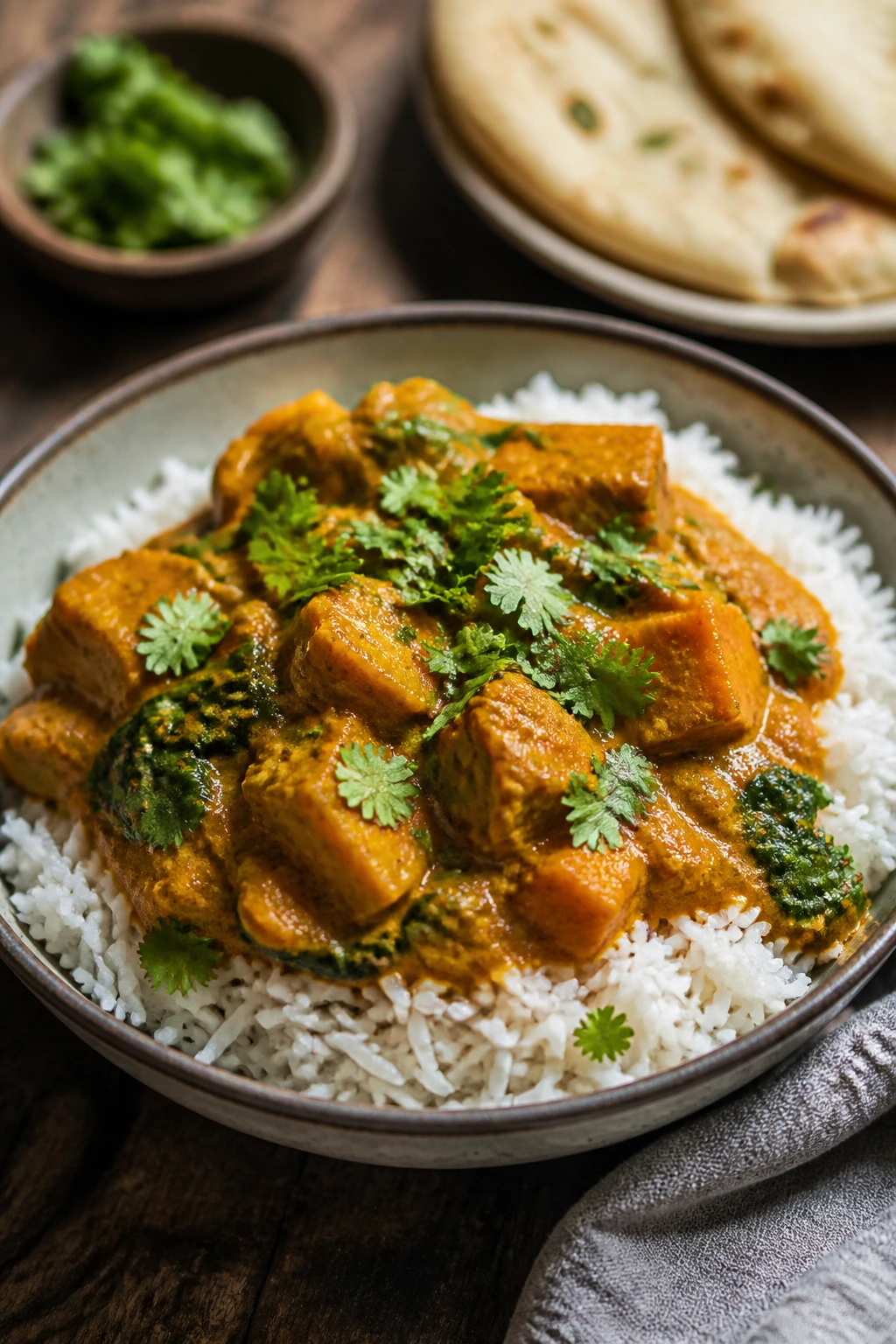
Serve it over basmati rice, jasmine rice, or even warm naan if your bread choice is dairy-free. A spoonful of chopped cilantro on top adds freshness. Four bowls is the normal yield, but leftovers reheat beautifully.
Pro Tips for This Recipe
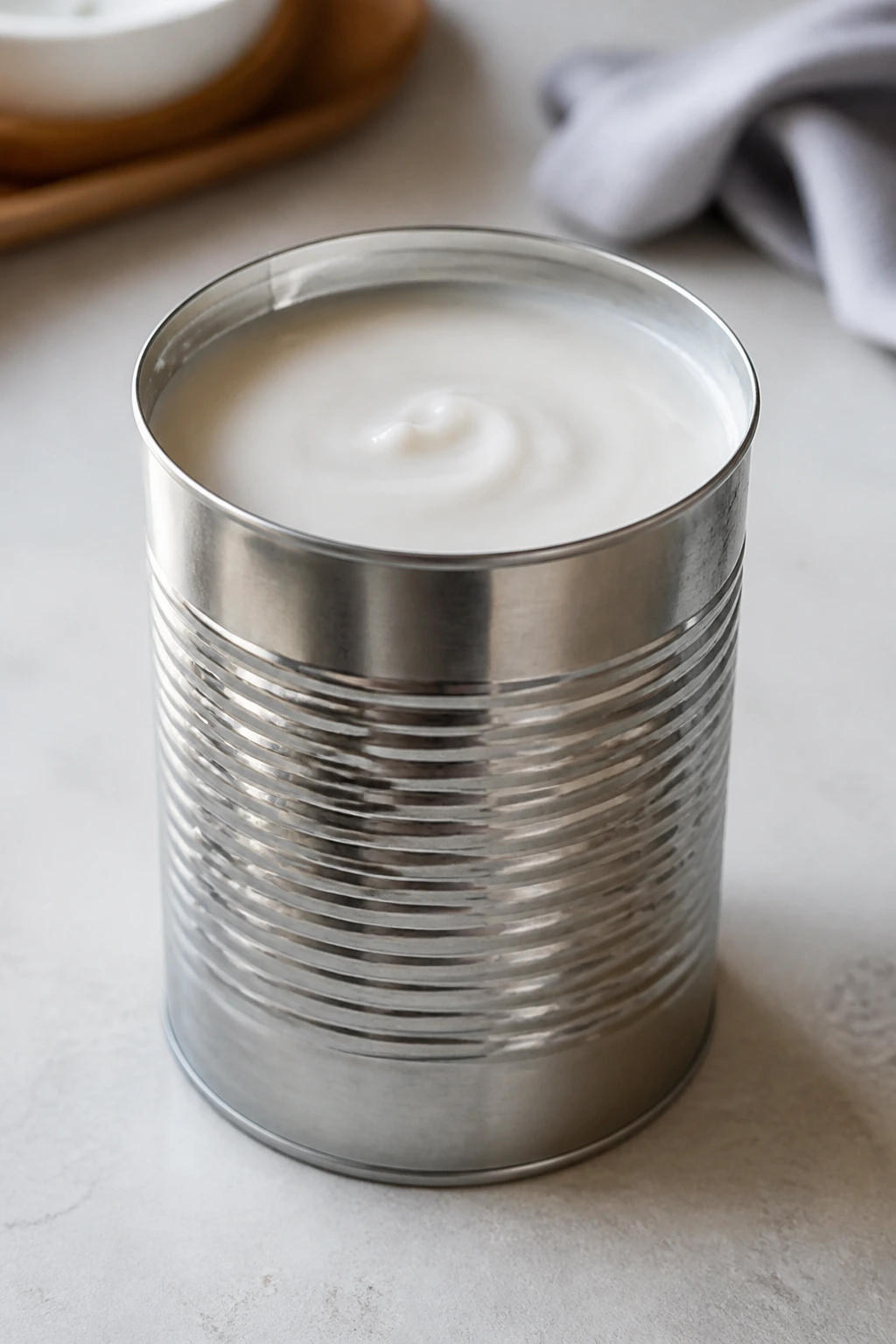
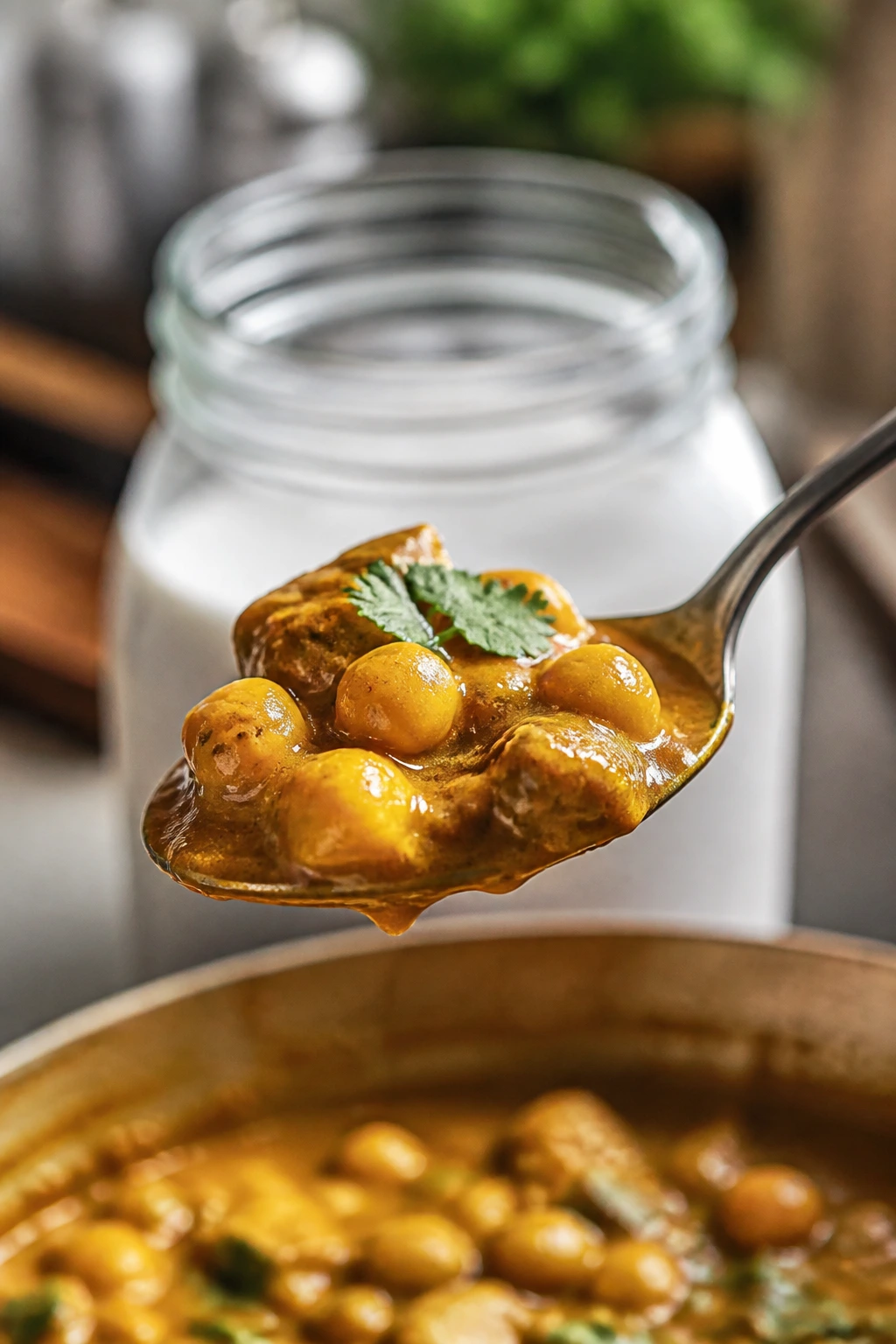
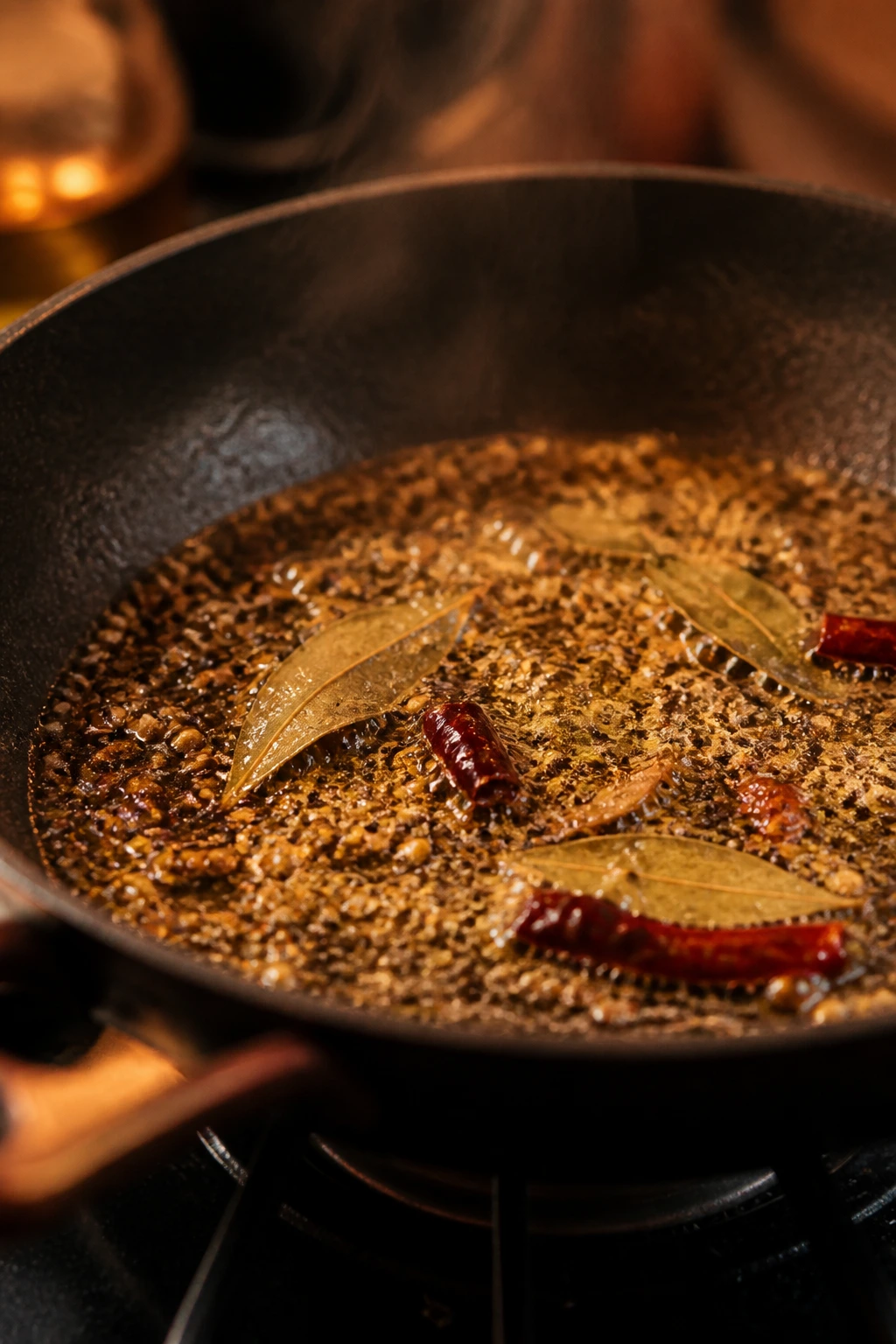
- Use full-fat coconut milk: Light coconut milk makes the sauce thinner and less satisfying.
- Let the spices toast briefly: Raw curry powder can taste flat.
- Mild curry? Fine. If your family likes softer flavors, cut the curry powder to 1 tablespoon.
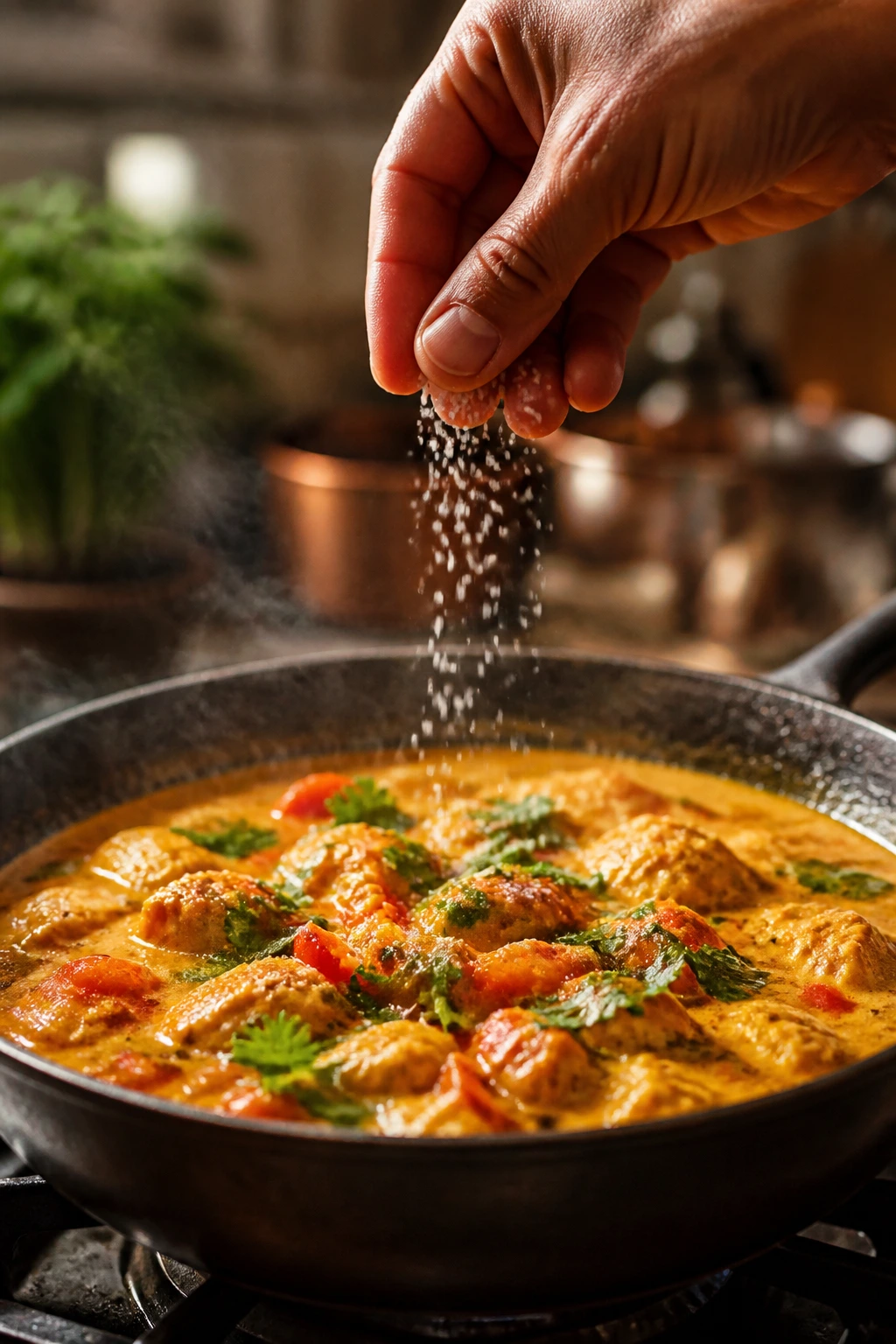
- Salt at the end, too: Tomatoes and coconut milk can dull seasoning, so taste before serving.
Variations on This Dish
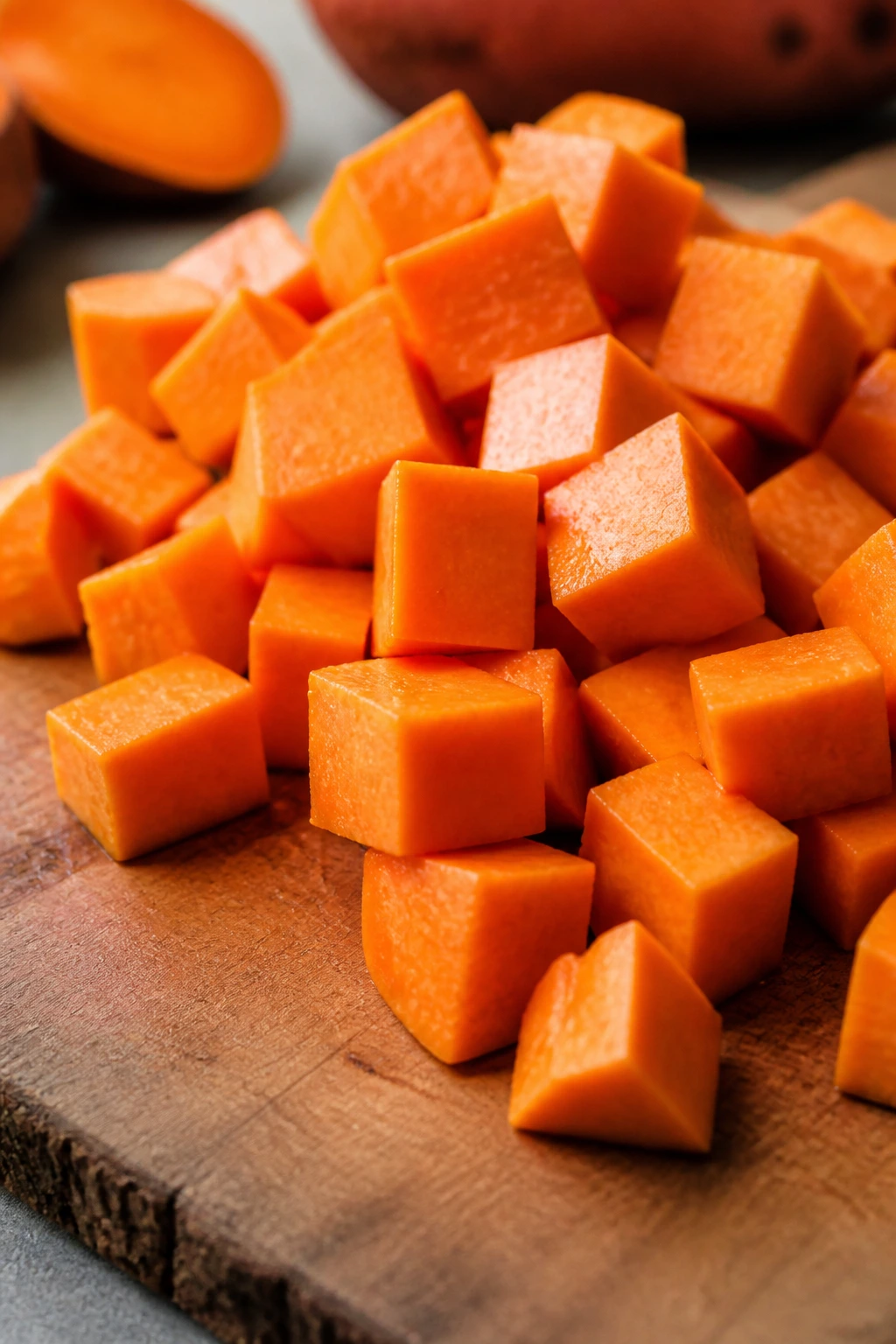
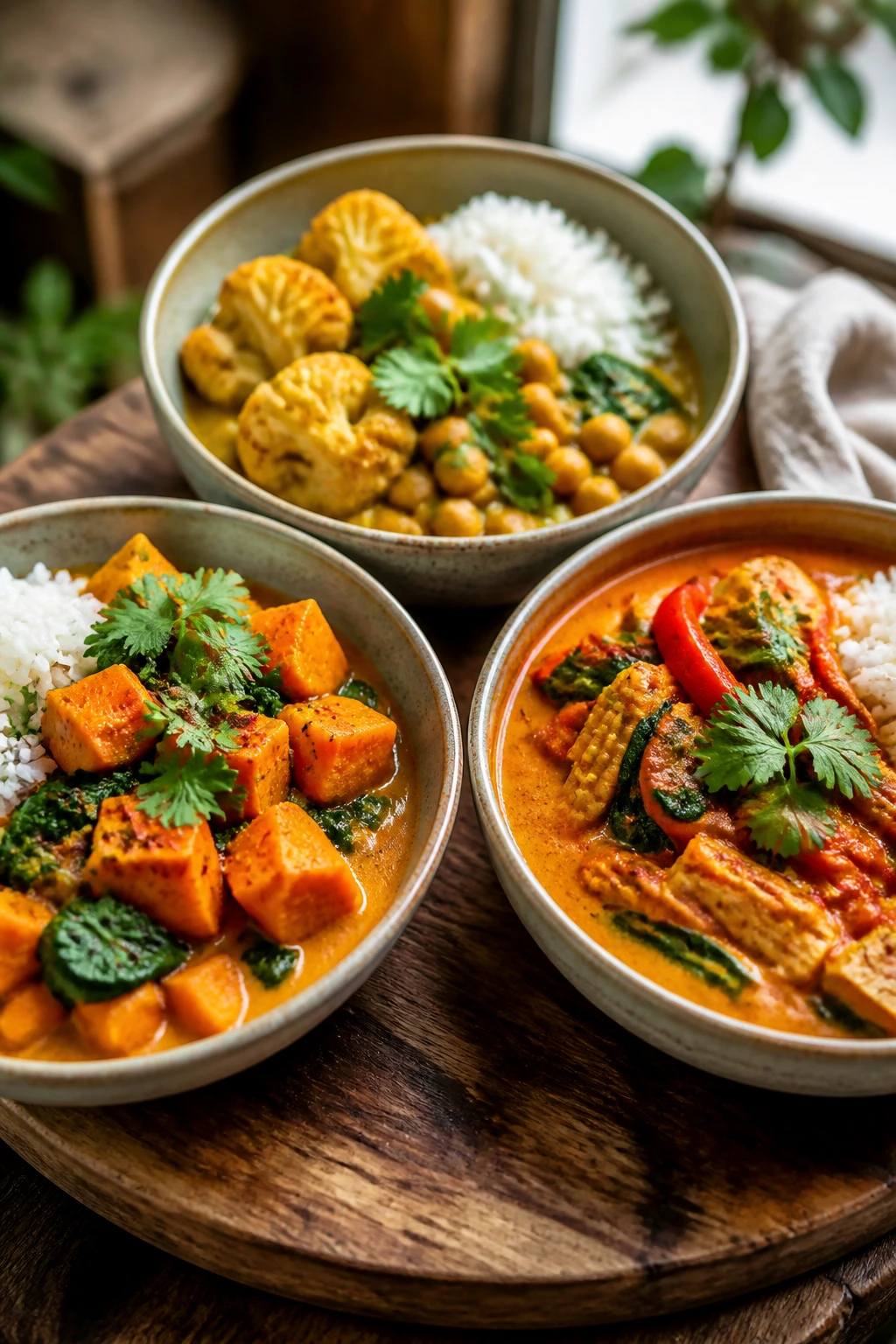
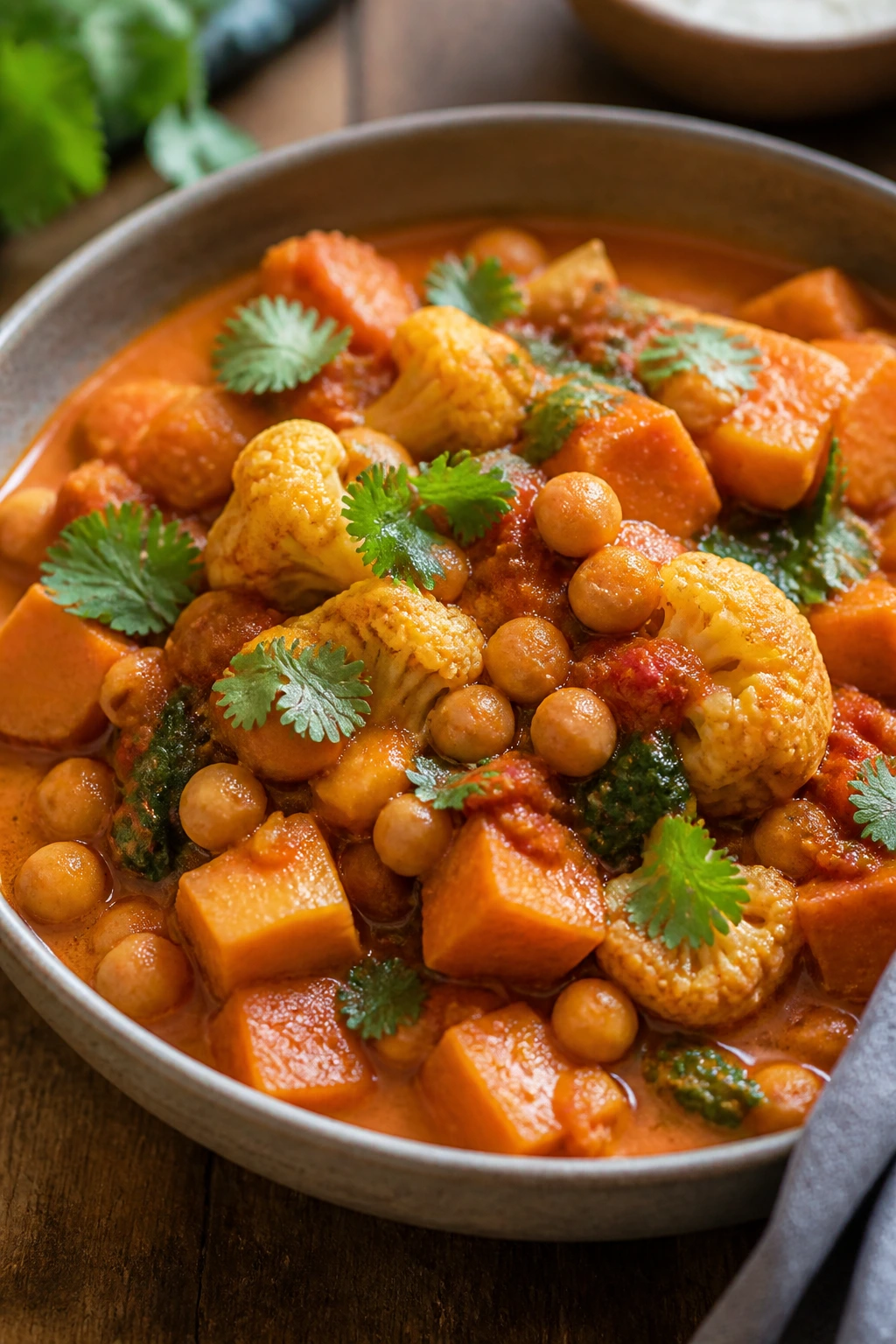
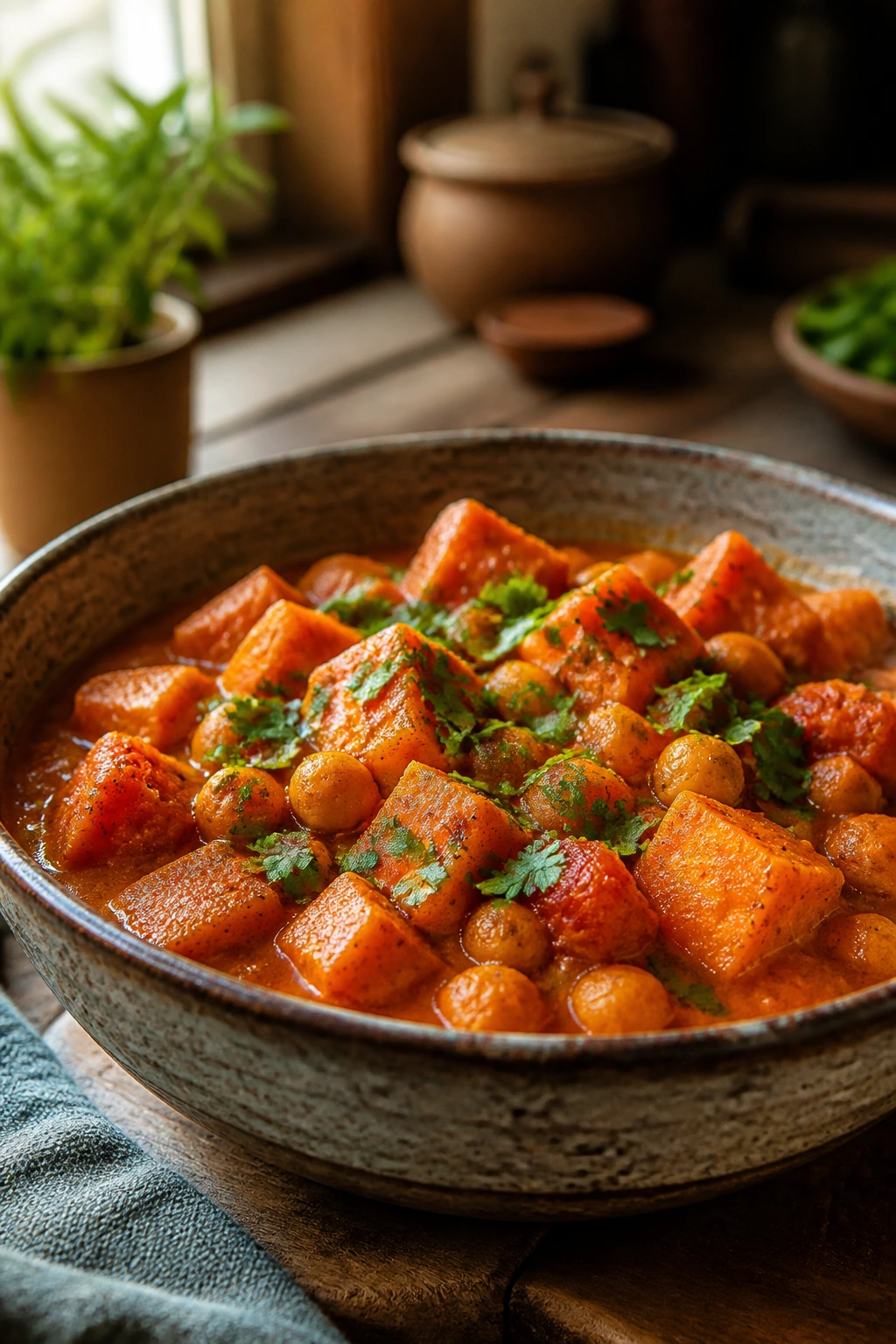
- Sweet Potato Curry: Add 1 ½ cups diced sweet potato with the tomatoes and simmer until tender.
- Chickpea and Cauliflower Version: Stir in 2 cups small cauliflower florets for extra texture.
- Red Curry Twist: Replace curry powder with 2 tablespoons red curry paste.
Common Mistakes to Avoid with This Dish
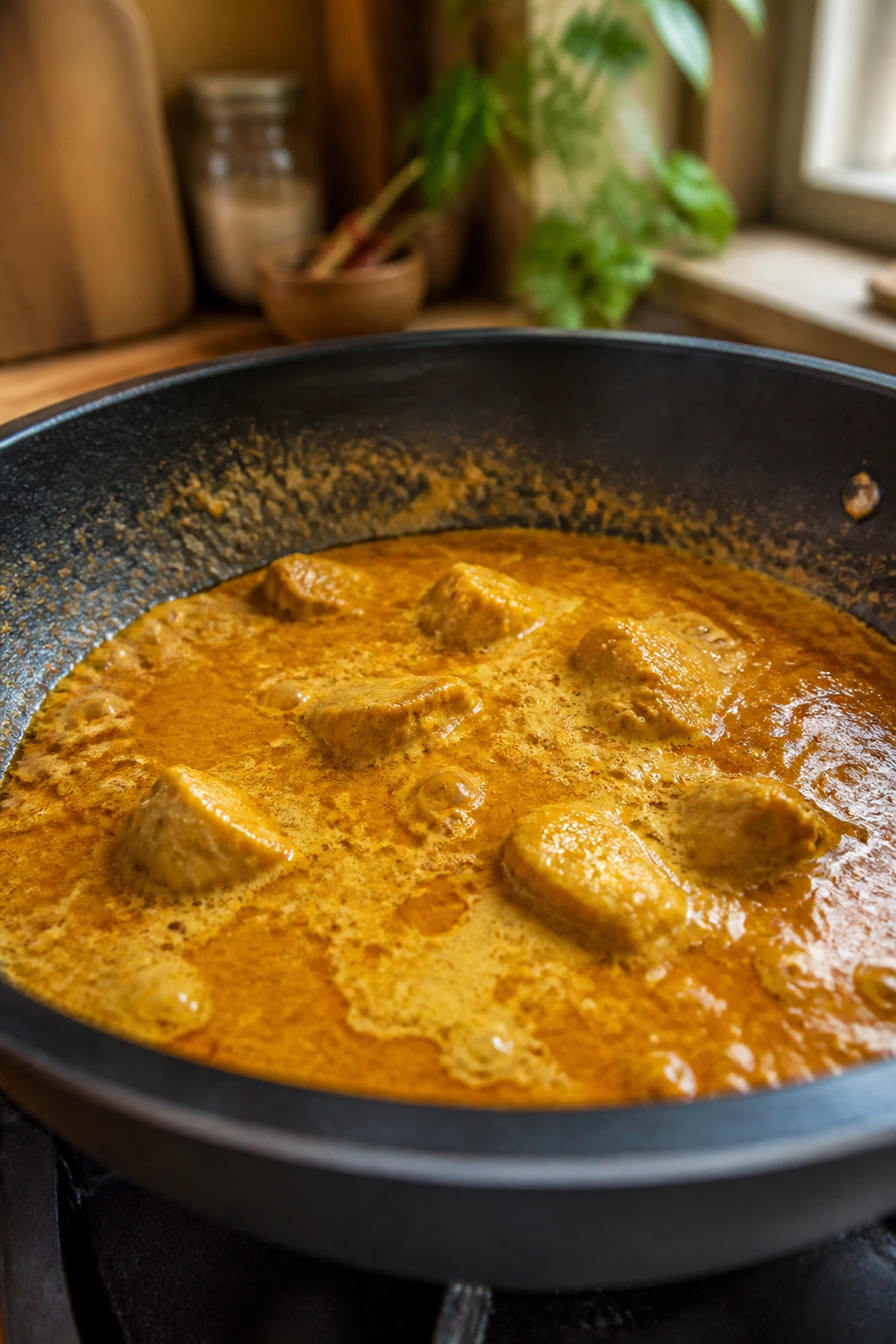
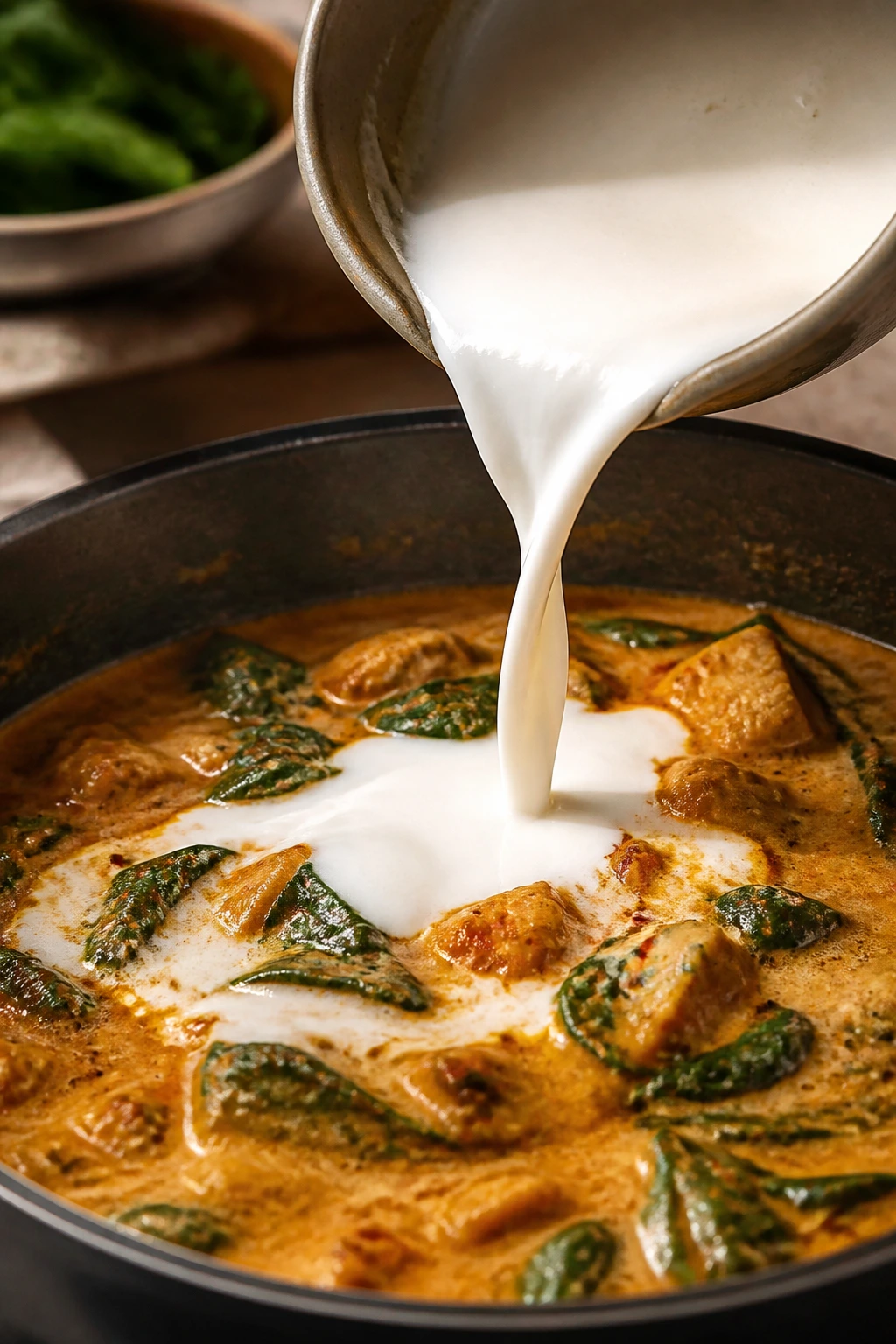
- Boiling the curry hard: Coconut milk can split if the heat is too aggressive.
- Skipping lime juice: The dish needs acid to keep the sauce from tasting heavy.
- Adding spinach too early: It turns drab and overcooked if it sits in the pot too long.
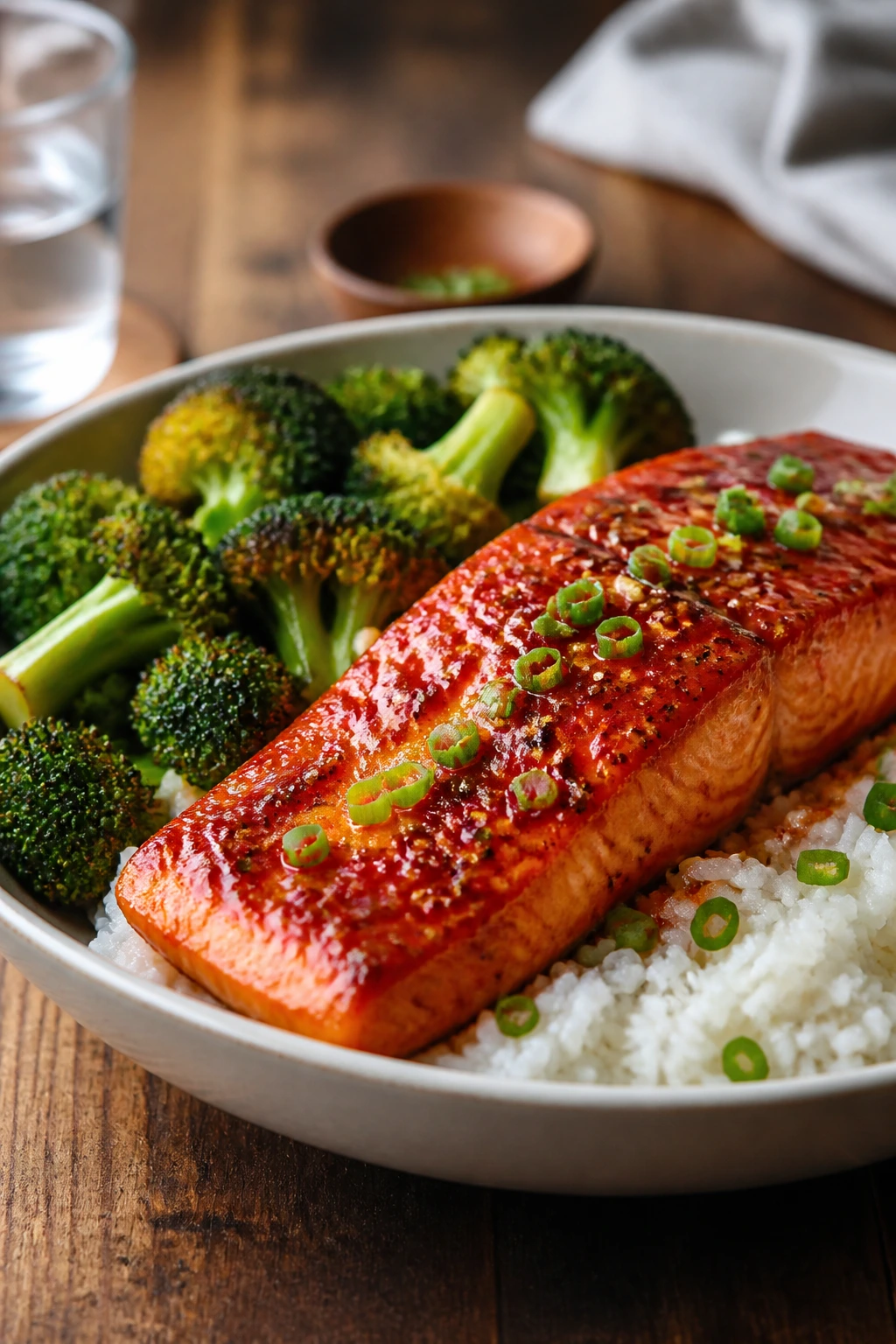
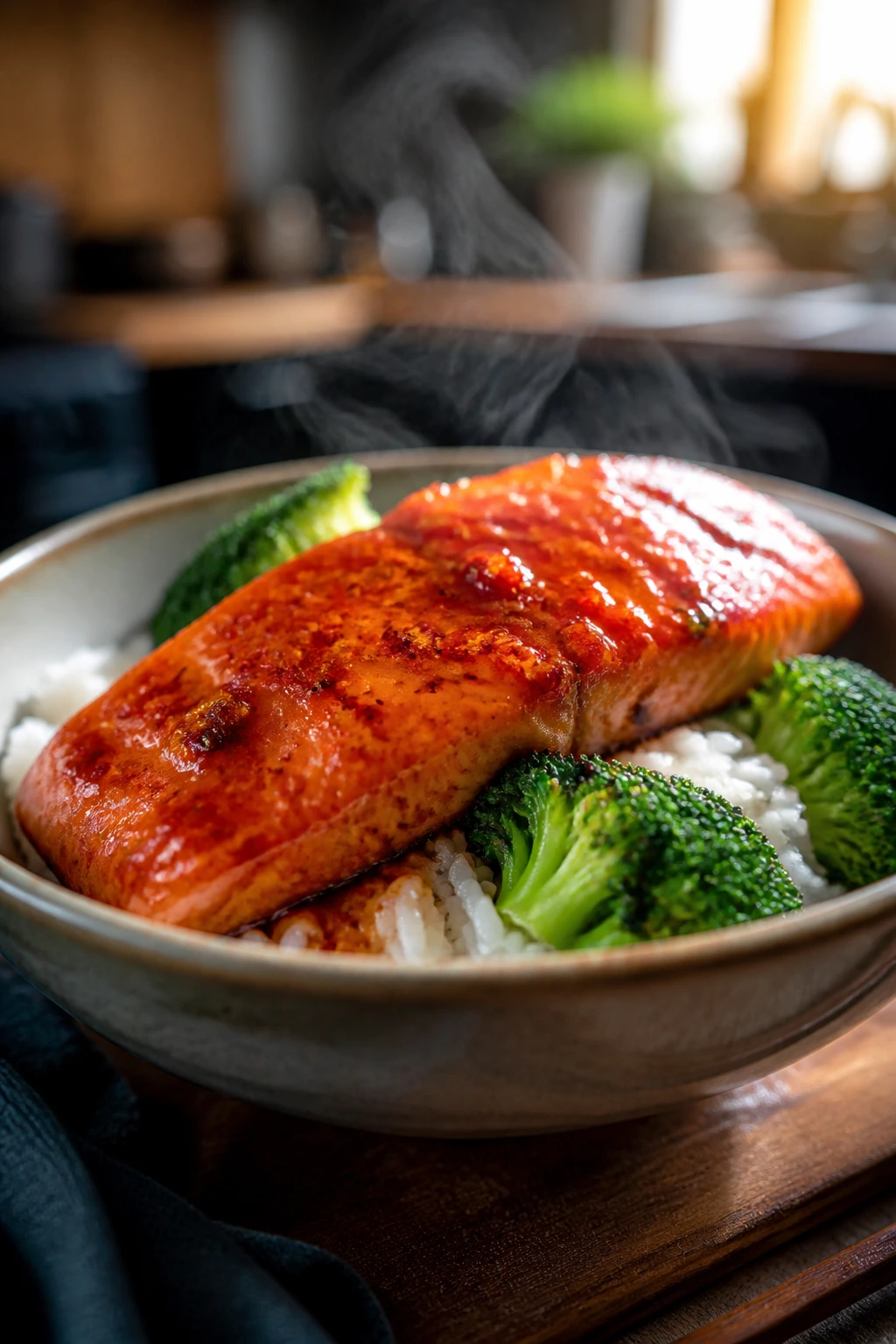
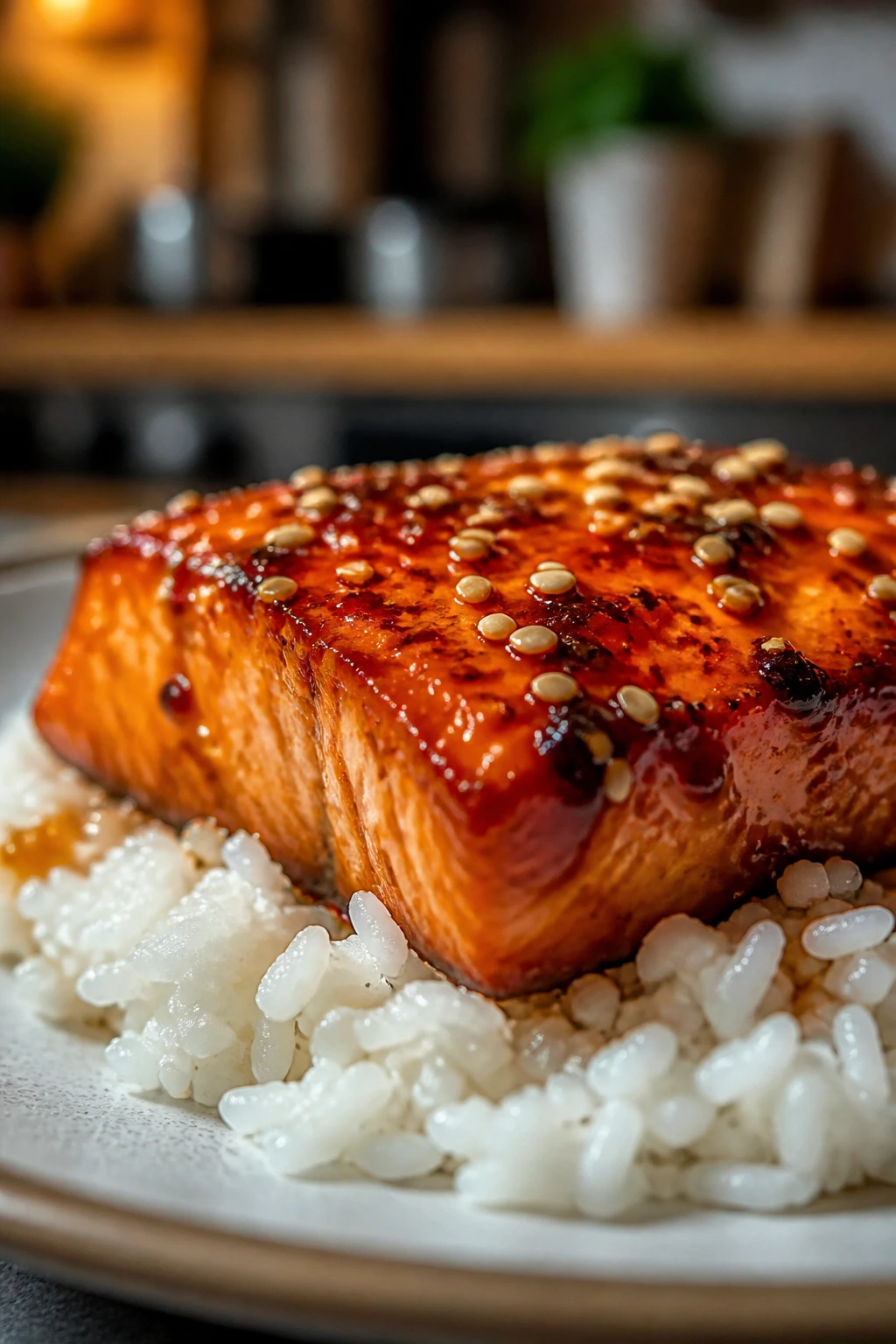
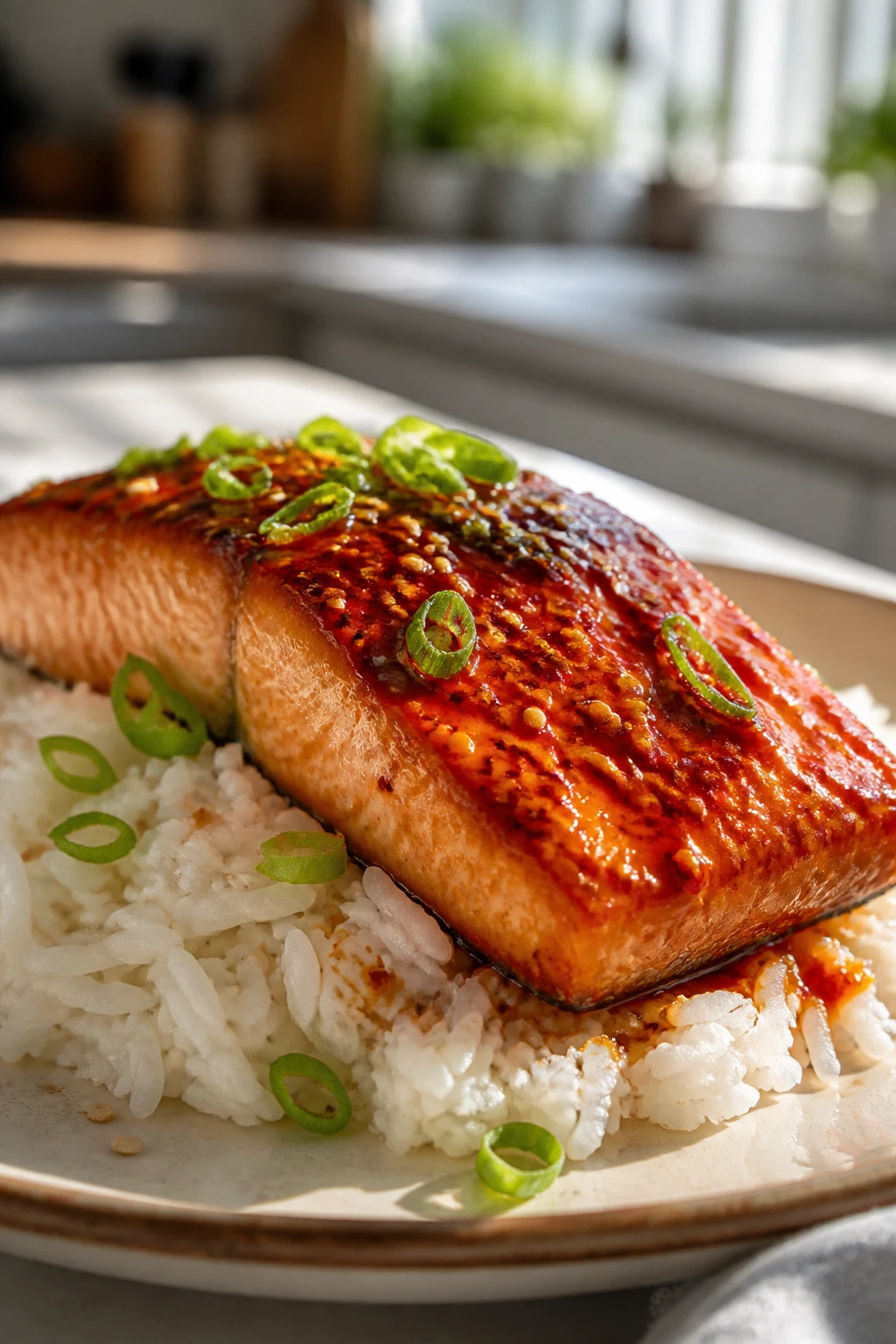
5. Teriyaki Salmon Rice Bowls
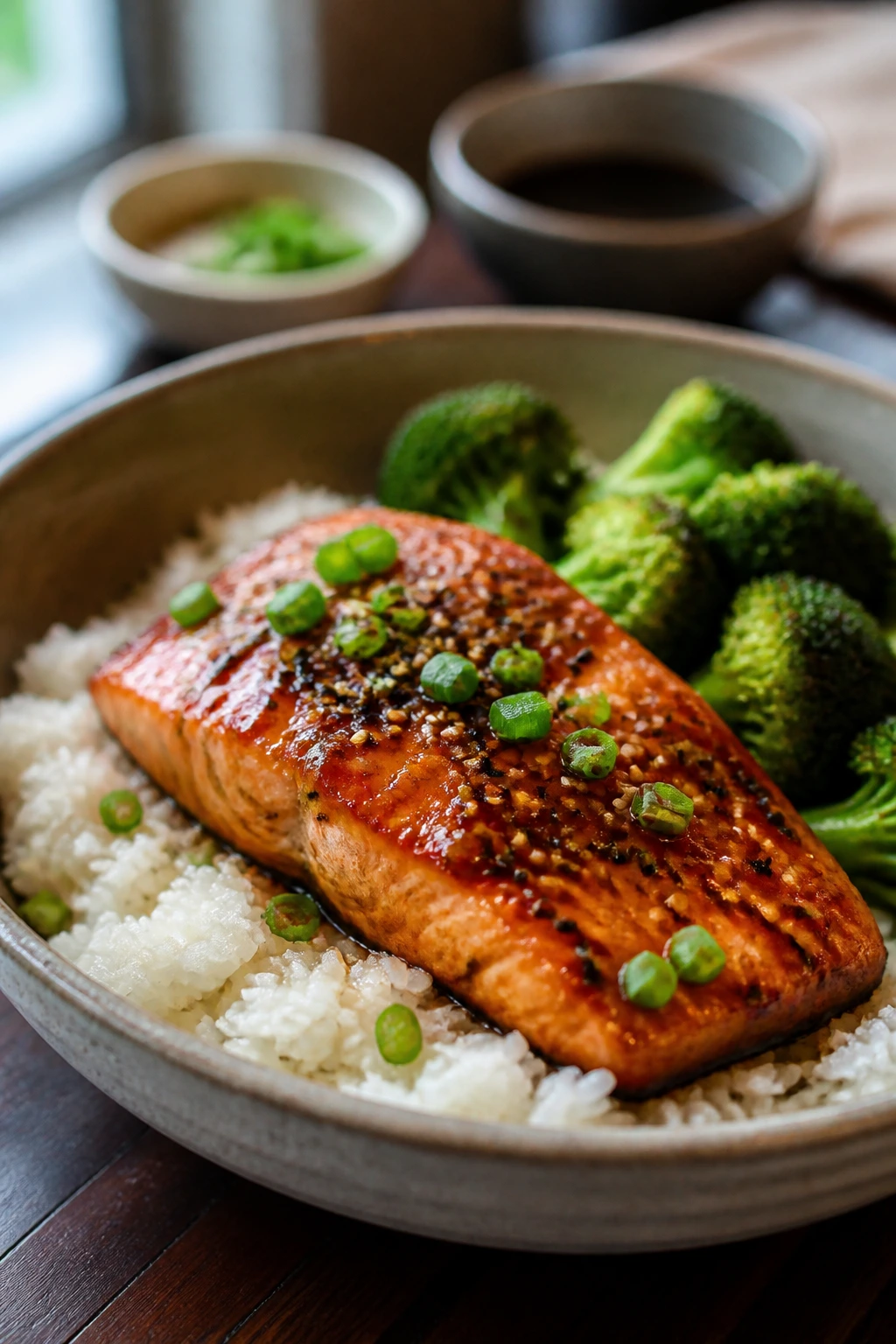
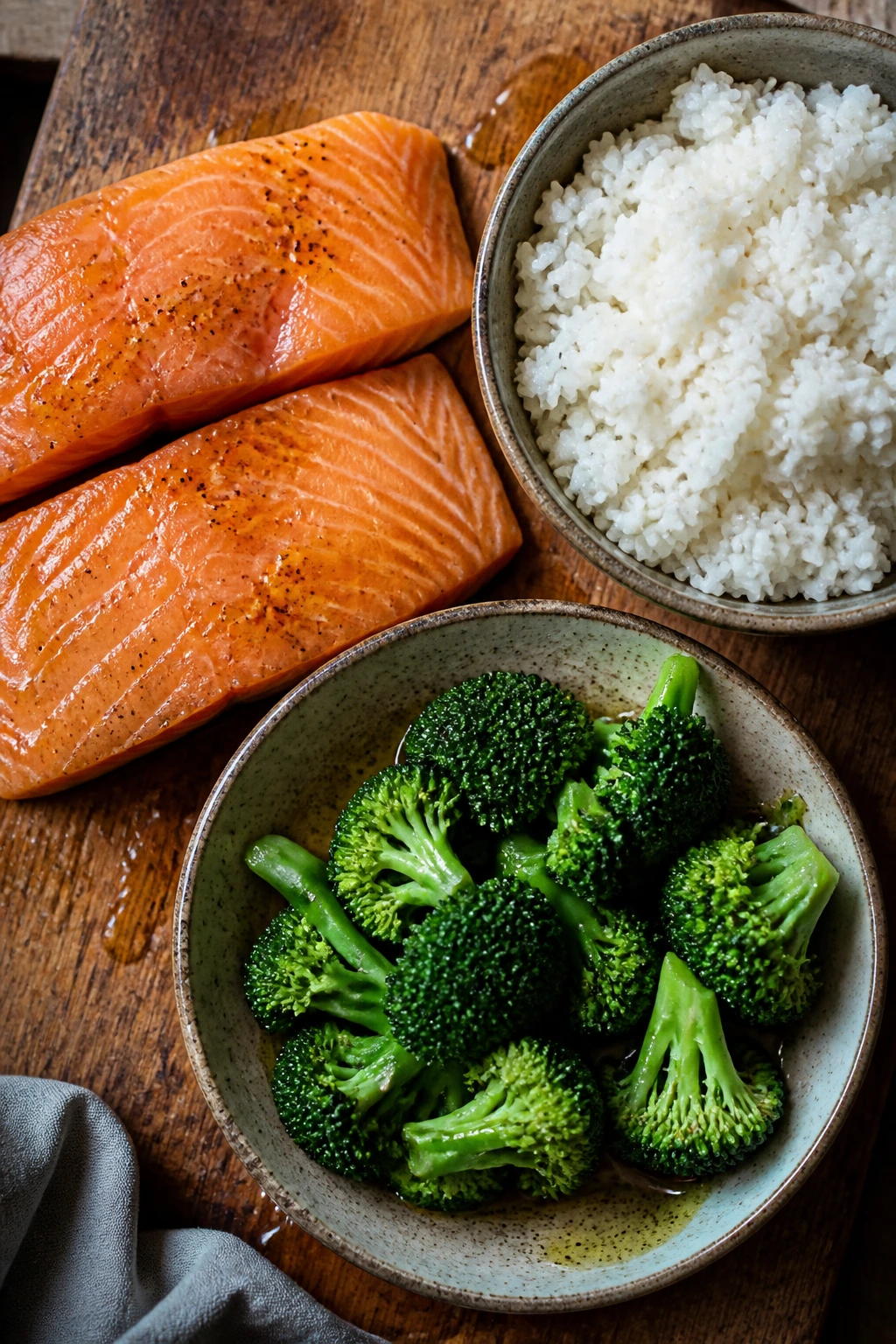
Salmon bowls are one of those dinners that feel polished even when they take almost no time. The salmon gets glazed and sticky, the rice soaks up the extra sauce, and the broccoli gives the bowl a bit of crunch so it doesn’t lean soft all the way through. You get a lot of payoff for very little fuss.
Why It Works
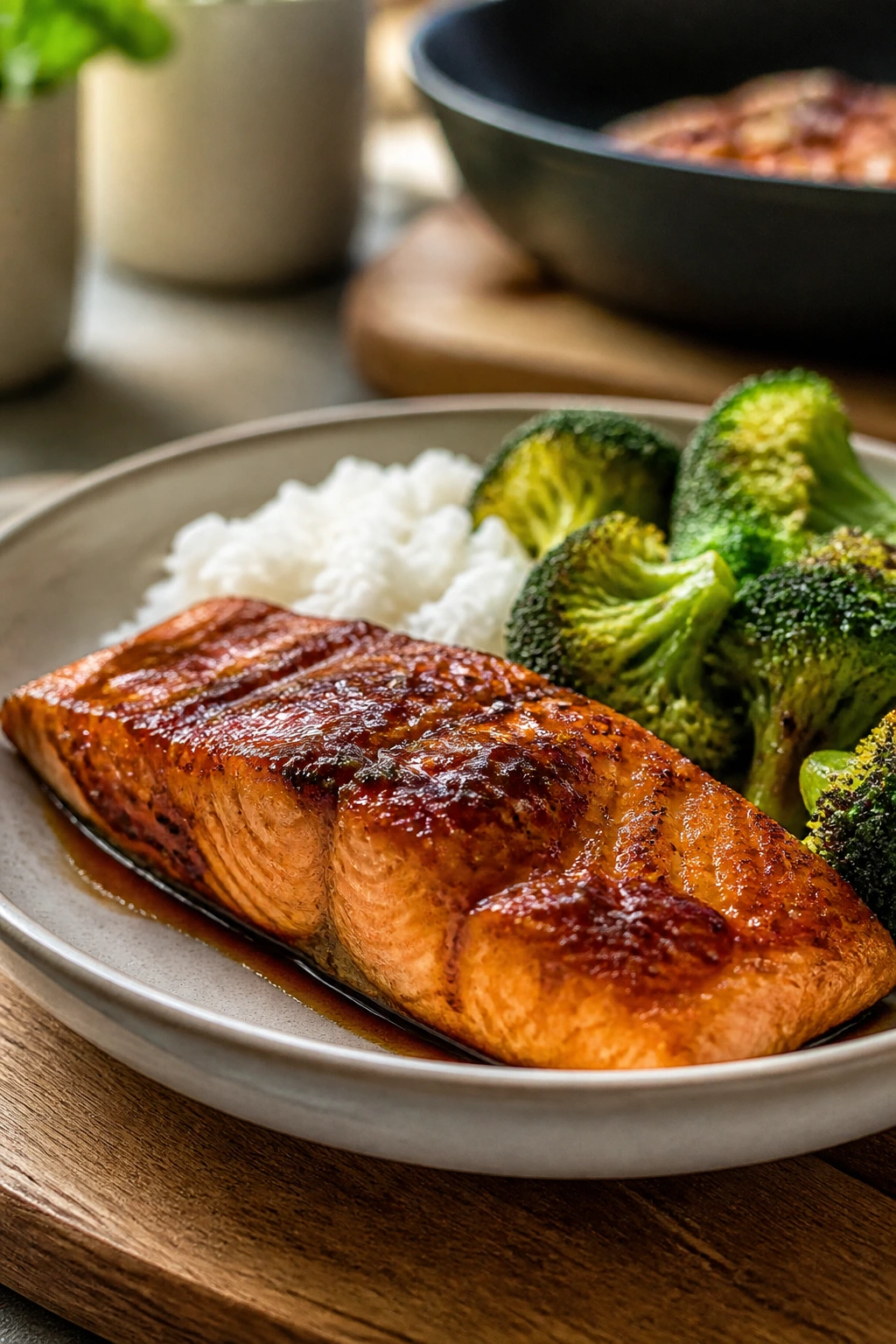
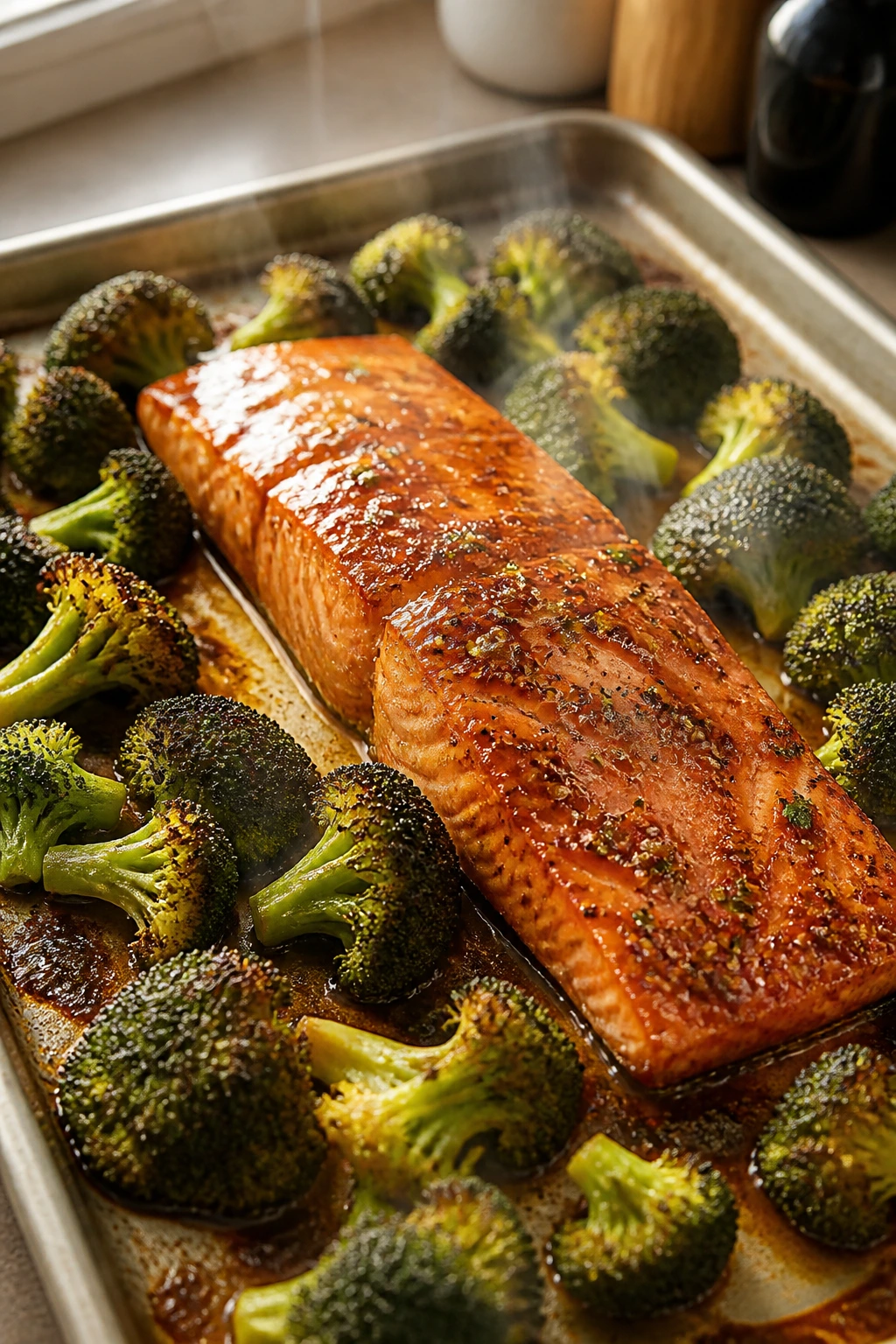
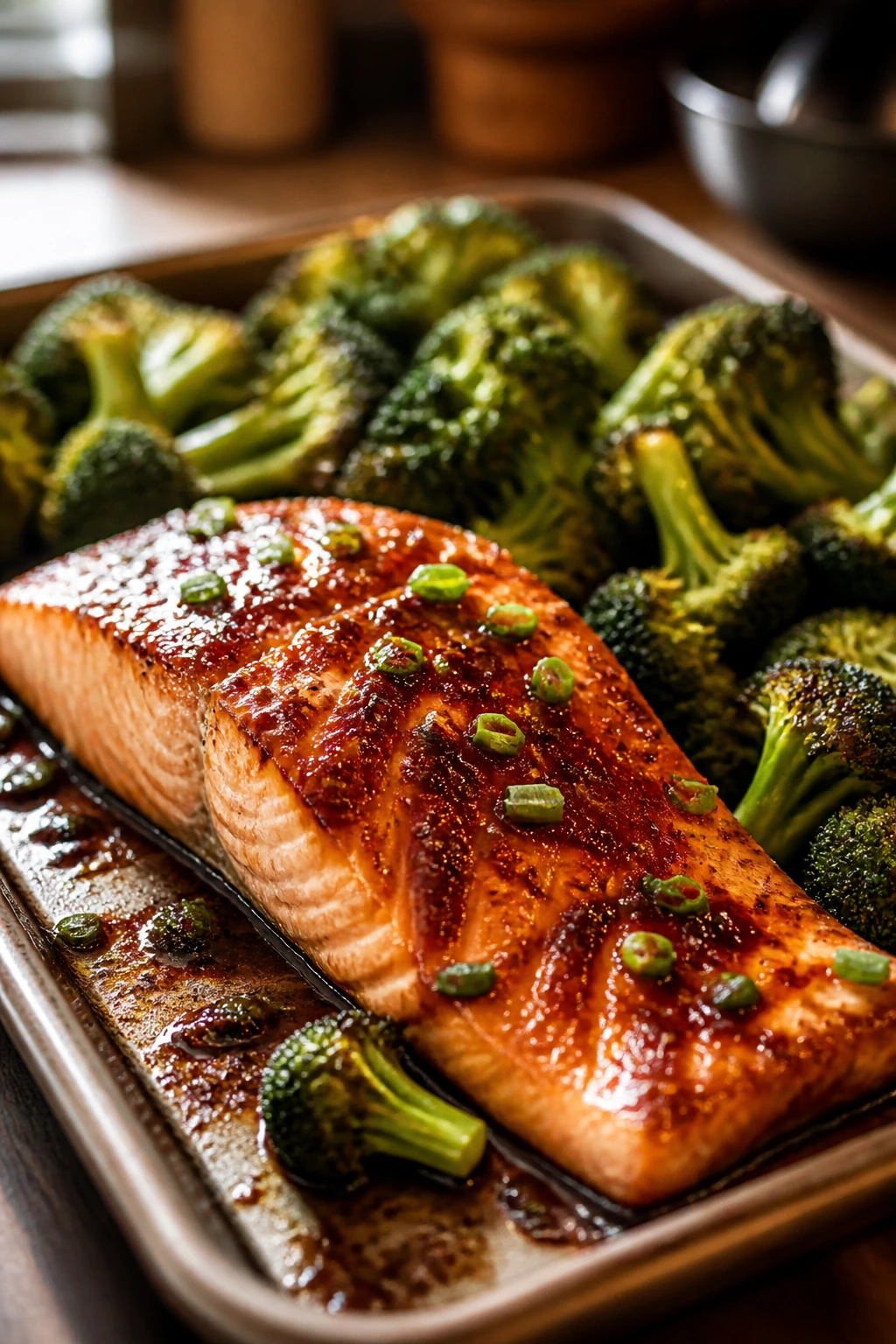
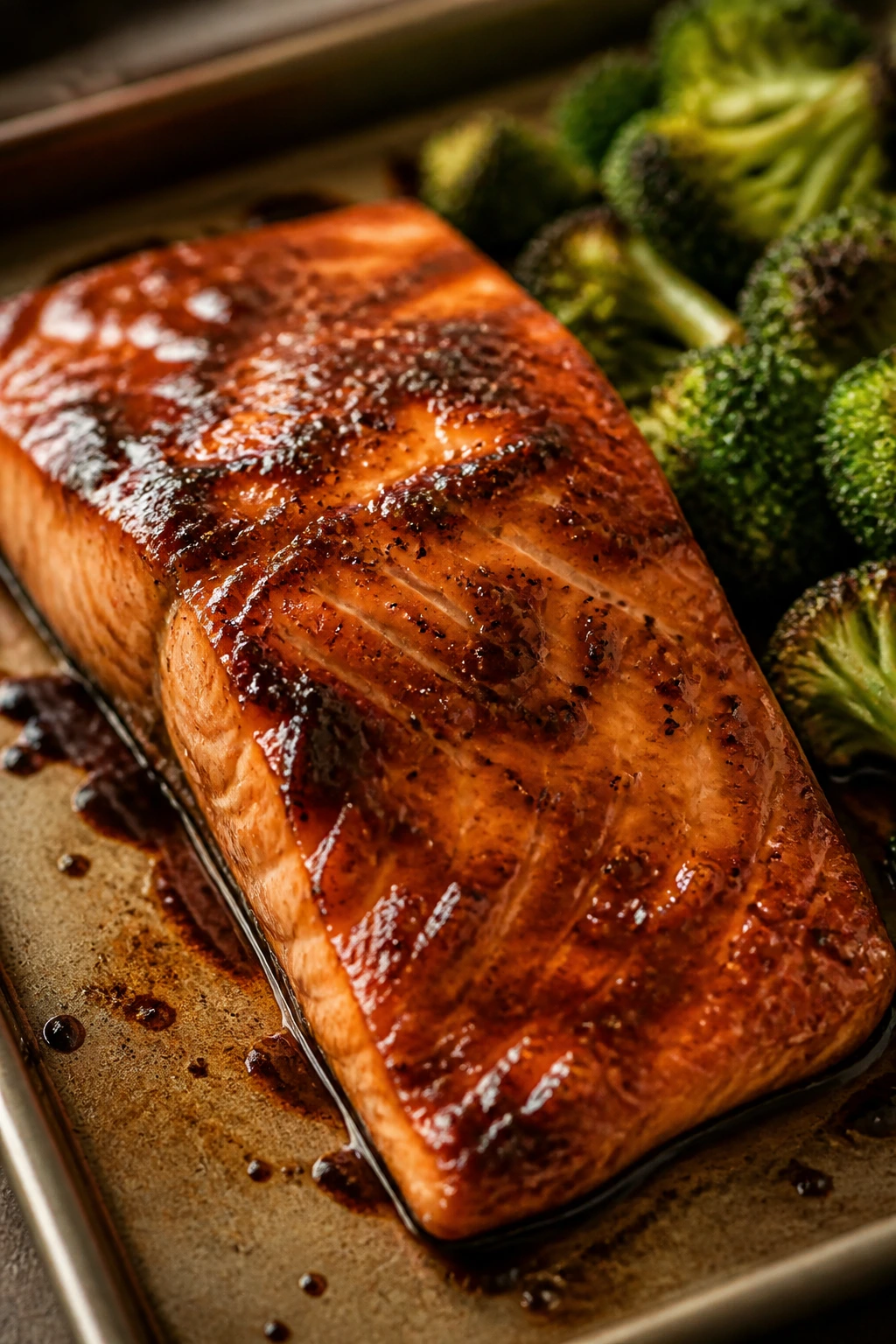
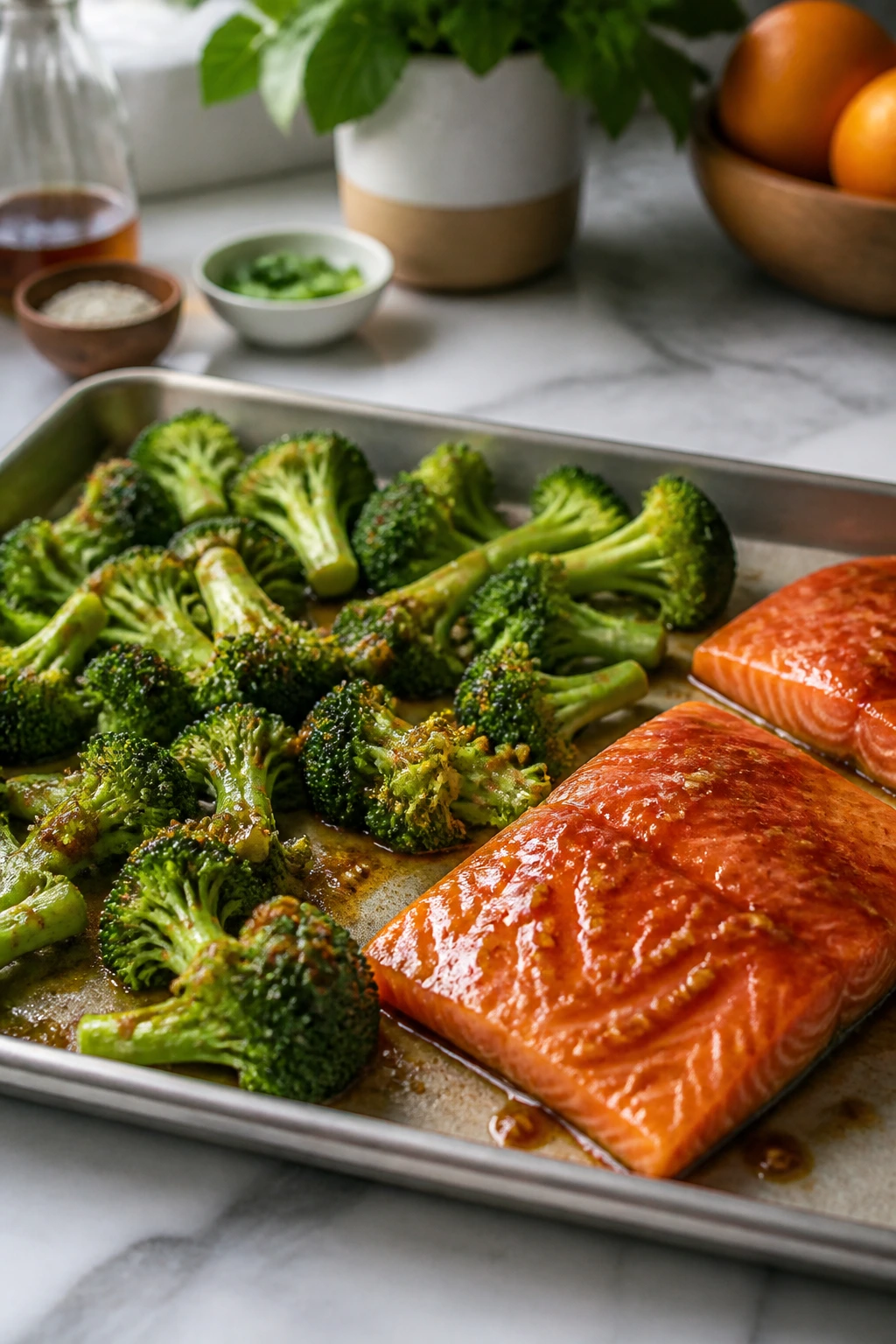
Salmon cooks fast and stays moist if you pull it at the right moment, which is a gift on a weeknight. The teriyaki glaze uses soy sauce, honey, and vinegar for that sweet-salty balance people like without needing bottled sauce full of extras. Roasting the broccoli on the same tray keeps the vegetable side from becoming another project.
Key Ingredients
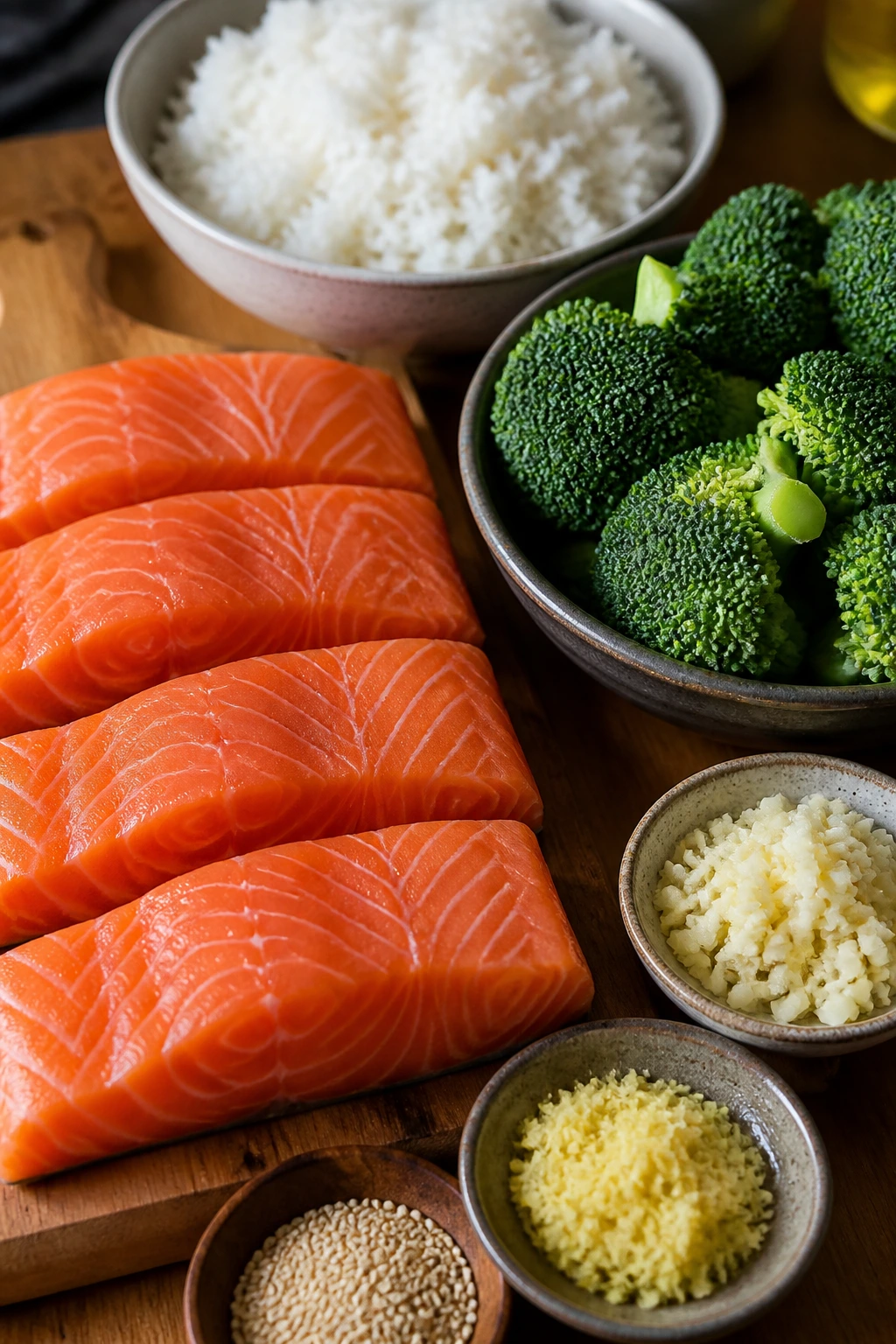
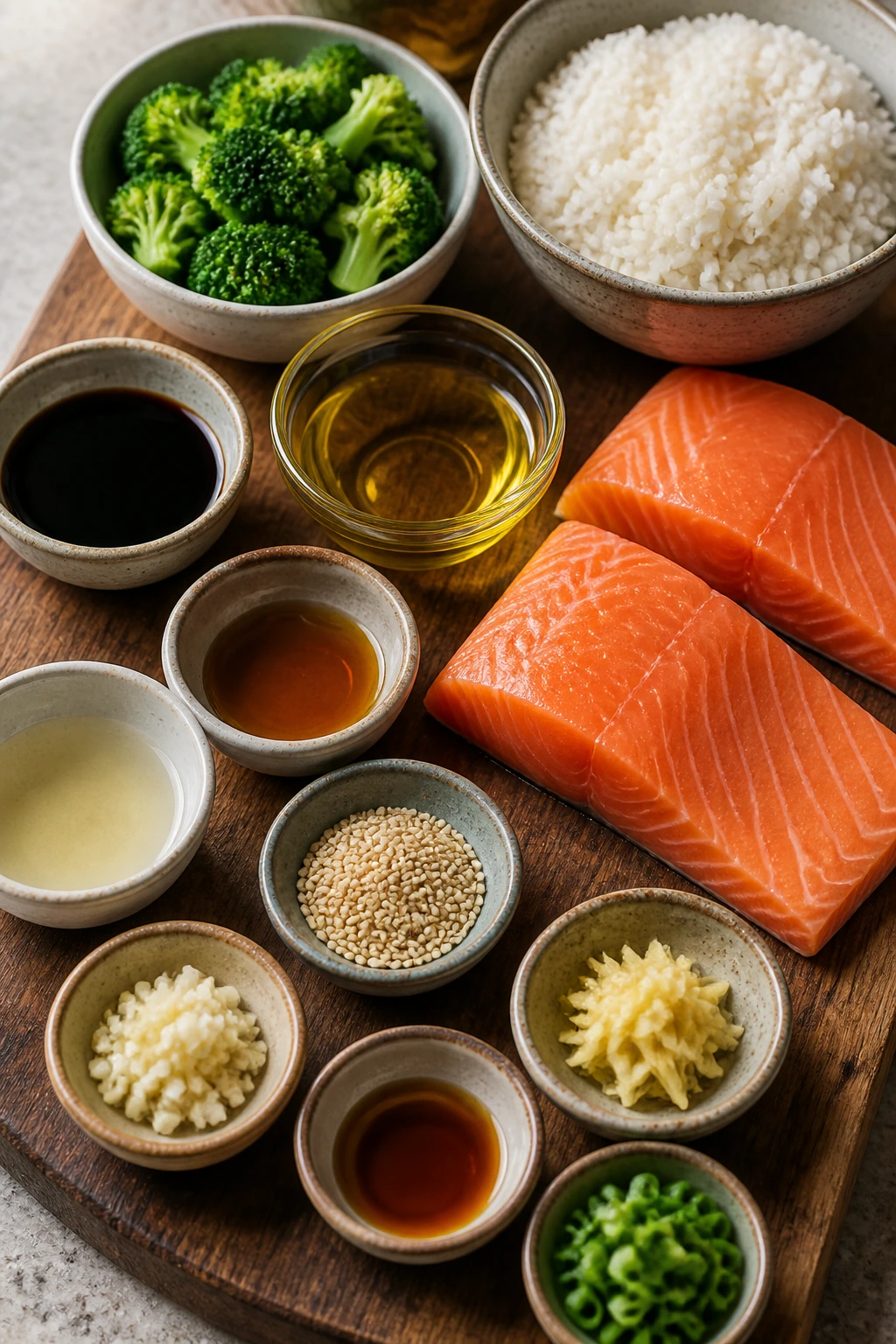
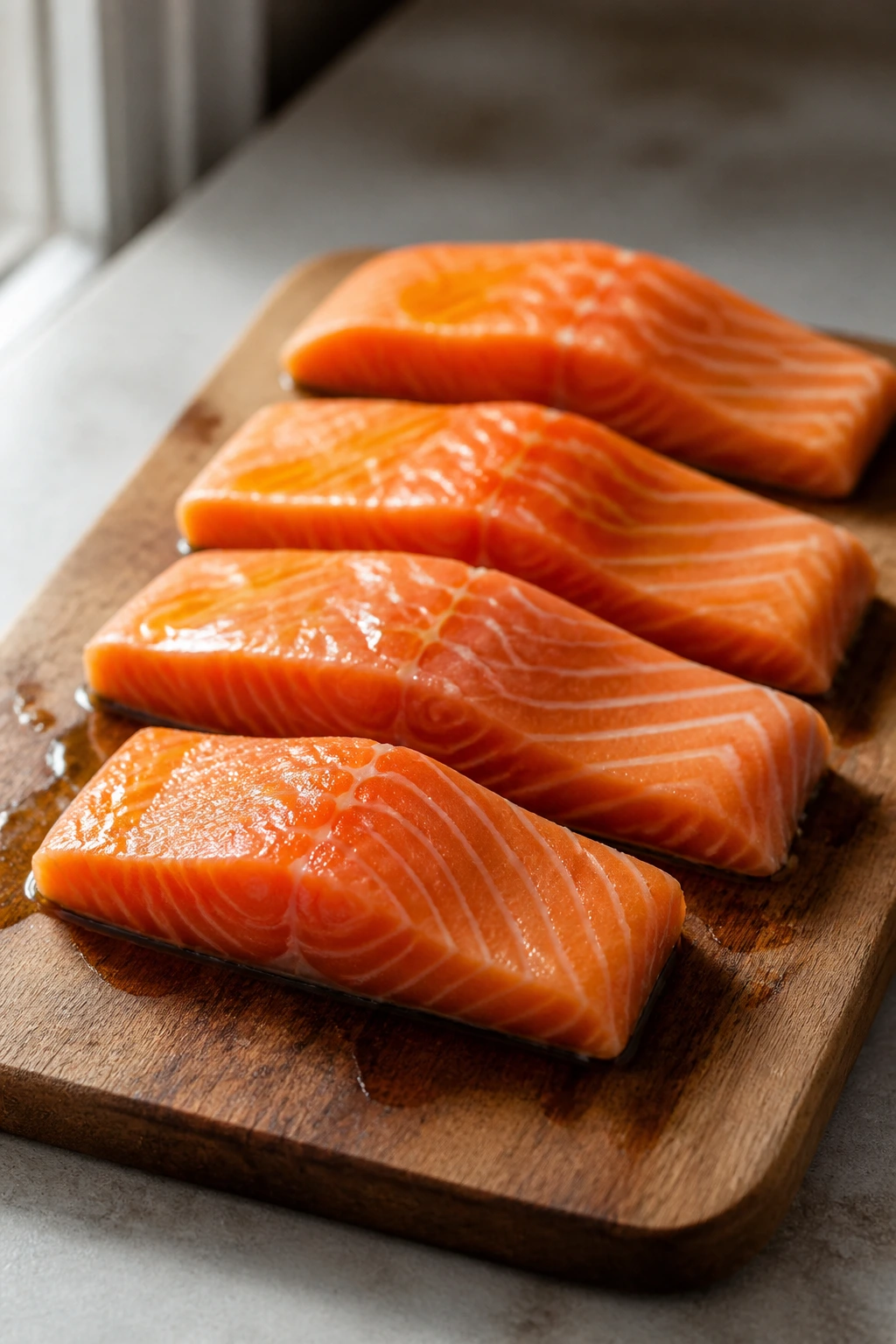
- 4 salmon fillets, about 6 ounces each
- 2 cups cooked rice
- 3 cups broccoli florets
- 2 tablespoons olive oil
- 3 tablespoons low-sodium soy sauce
- 2 tablespoons honey
- 1 tablespoon rice vinegar
- 2 cloves garlic, minced
- 1 teaspoon grated ginger
- 1 teaspoon sesame oil
- 2 tablespoons sliced green onions
- 1 teaspoon sesame seeds
Quick Steps
-
Heat the oven: Set it to 400°F and line a sheet pan.
-
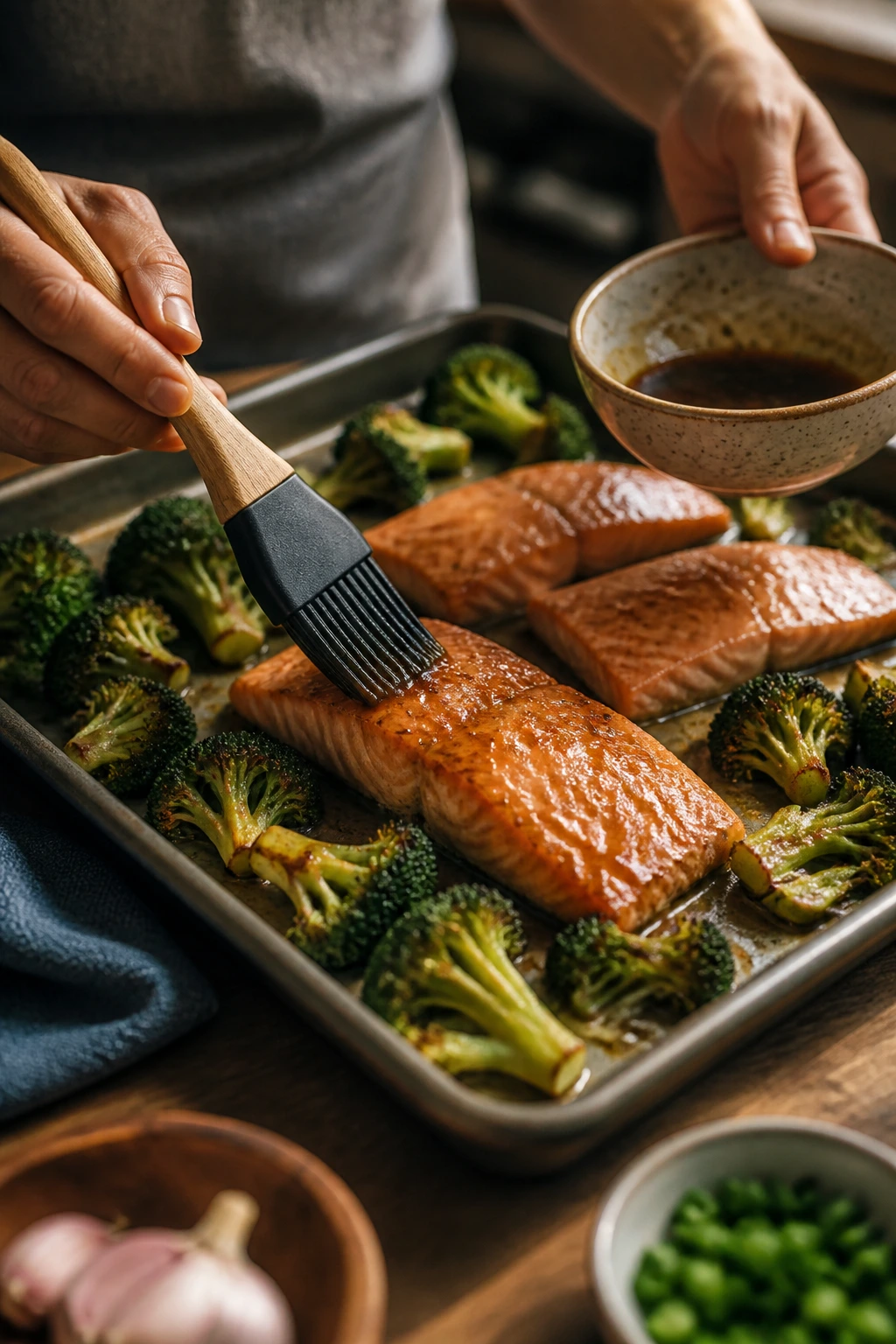
Make the glaze: Whisk soy sauce, honey, vinegar, garlic, ginger, and sesame oil in a small bowl.
-
Roast the broccoli: Toss the broccoli with olive oil and half the glaze, then spread on the pan and roast for 10 minutes.
-
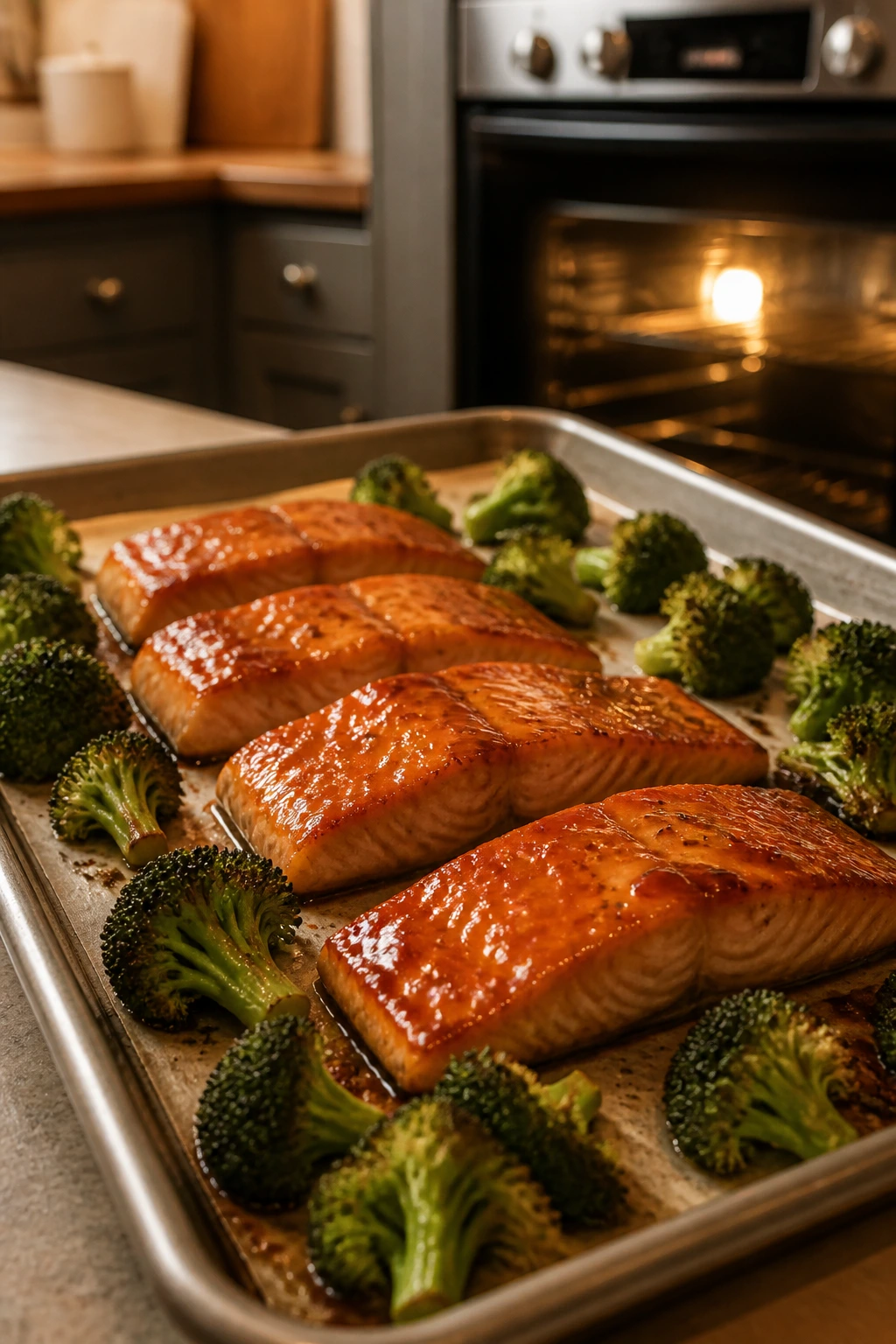
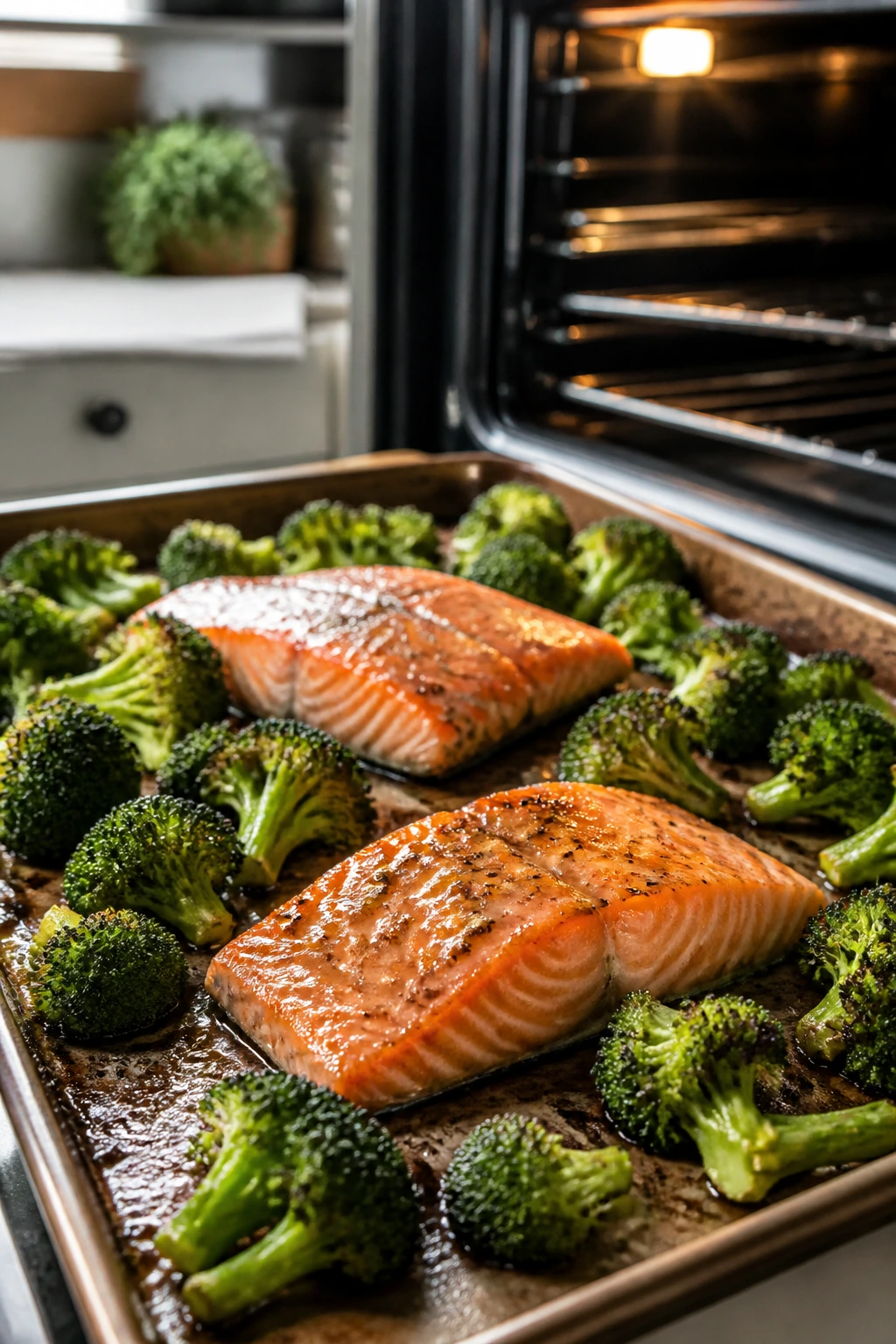
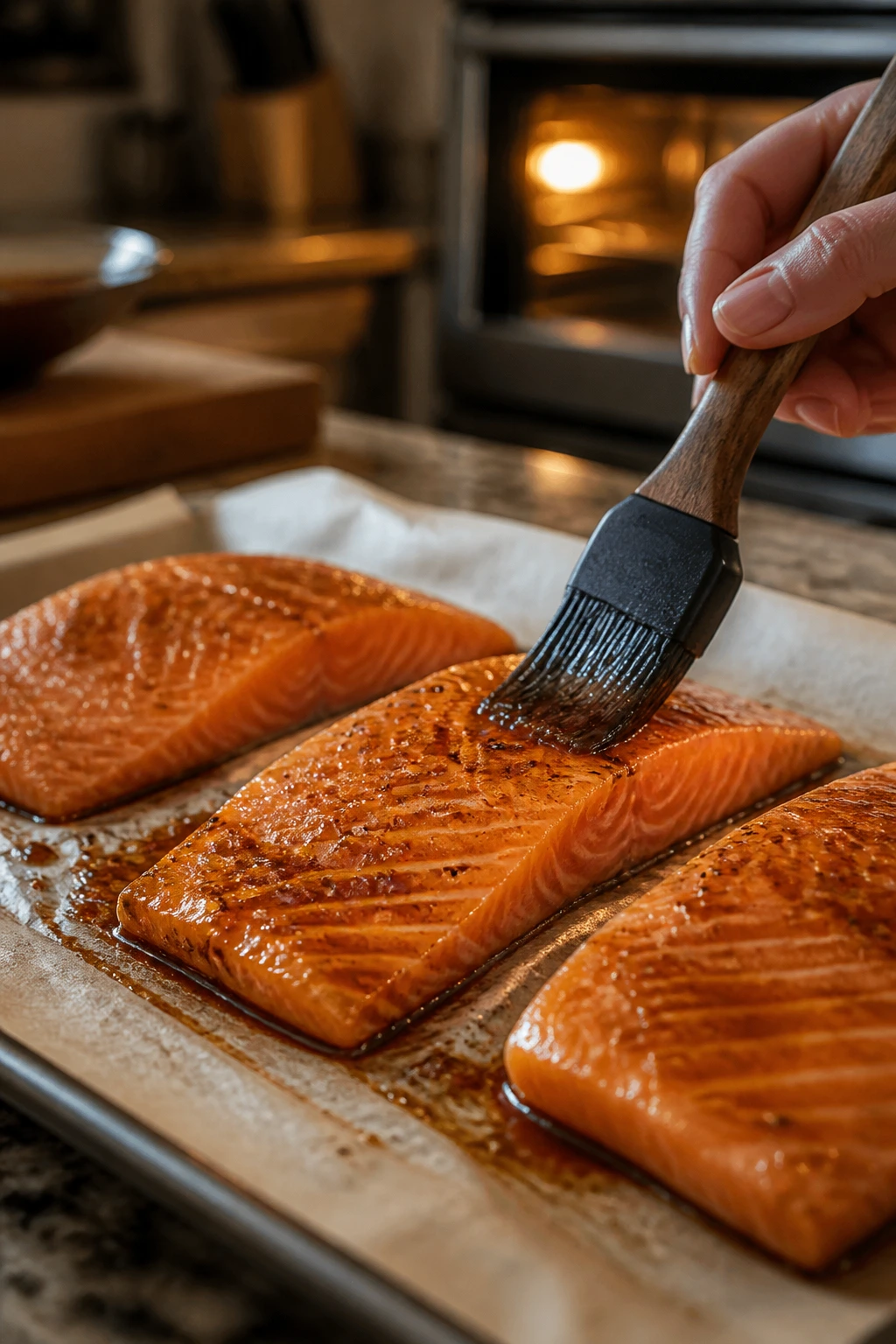
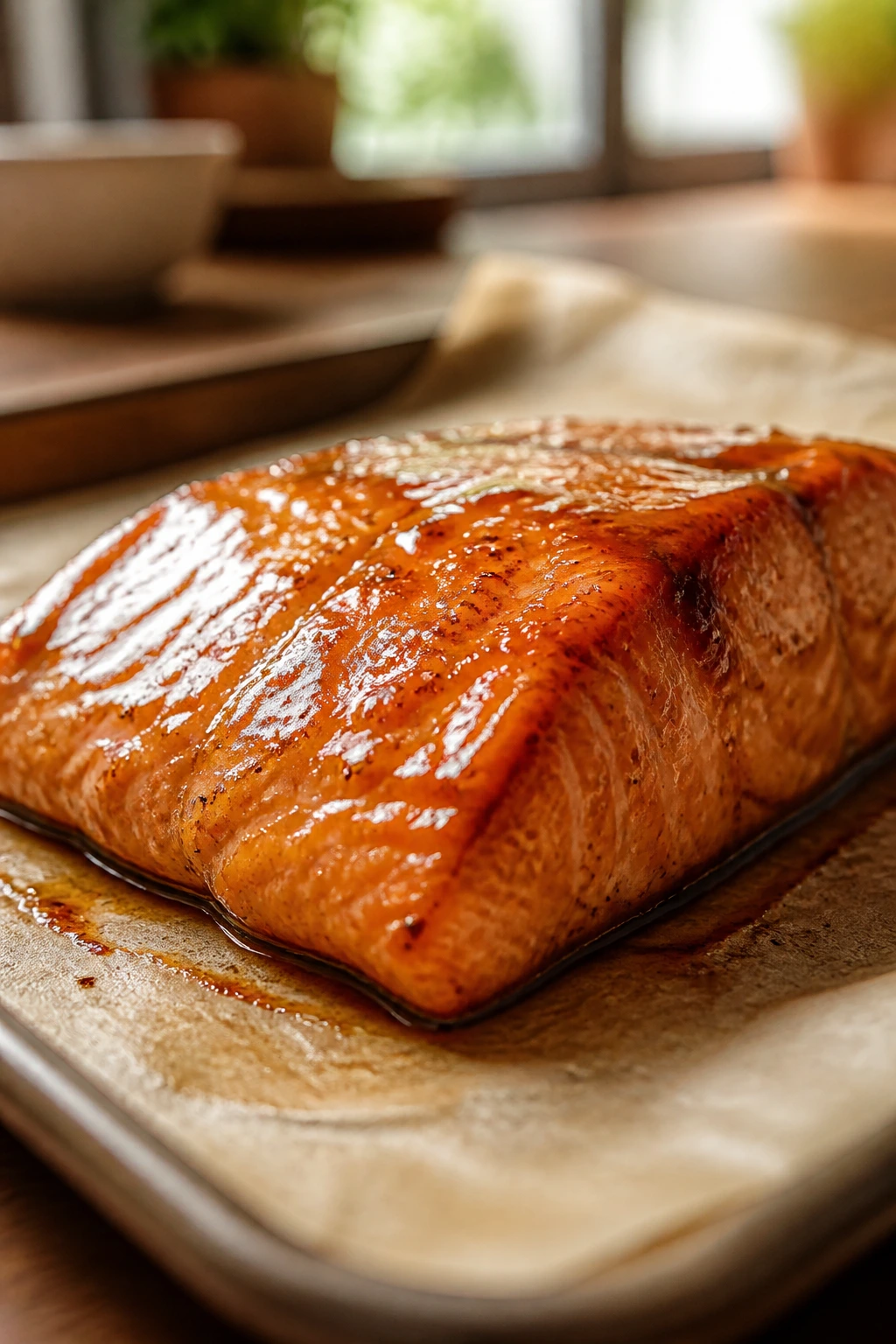
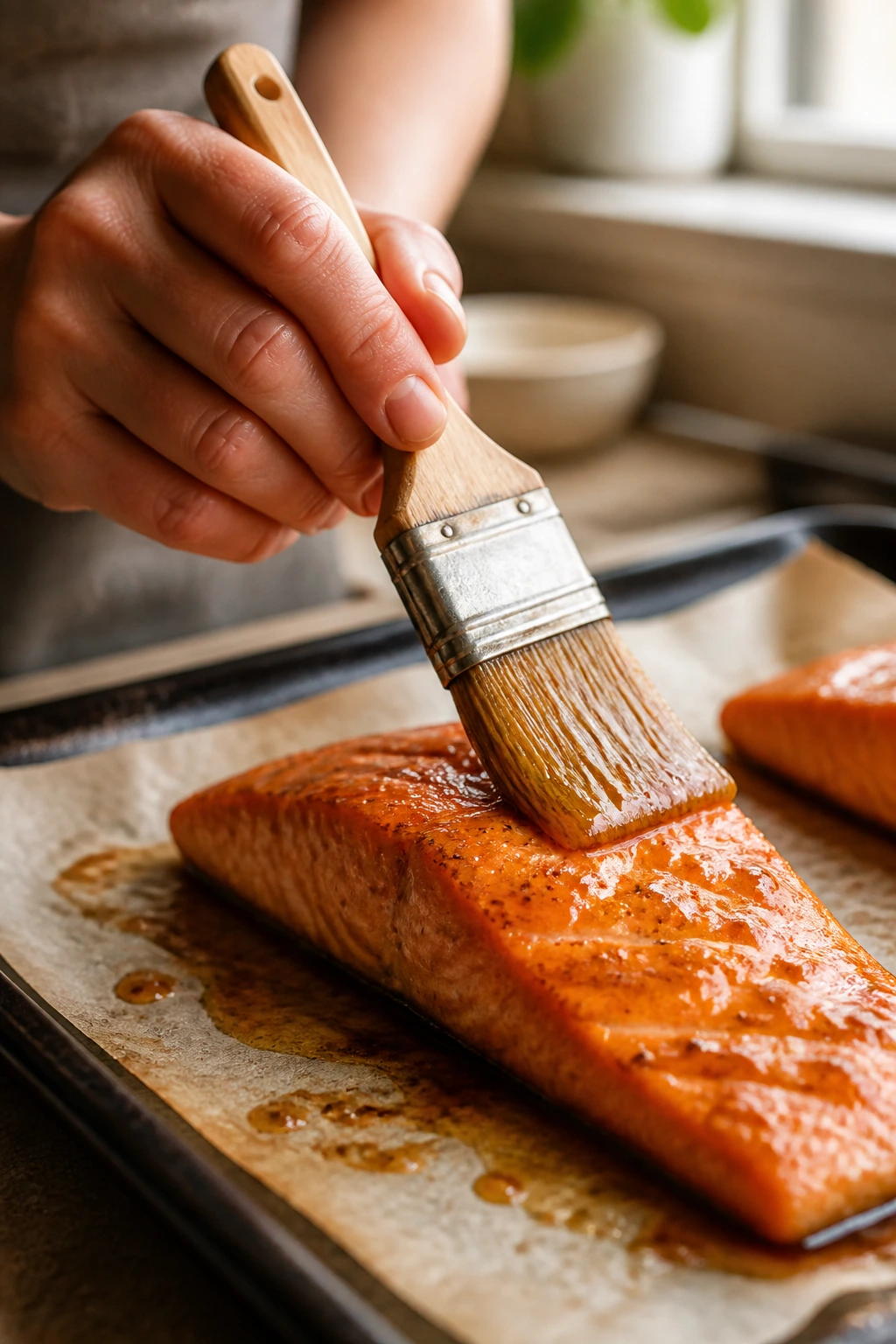
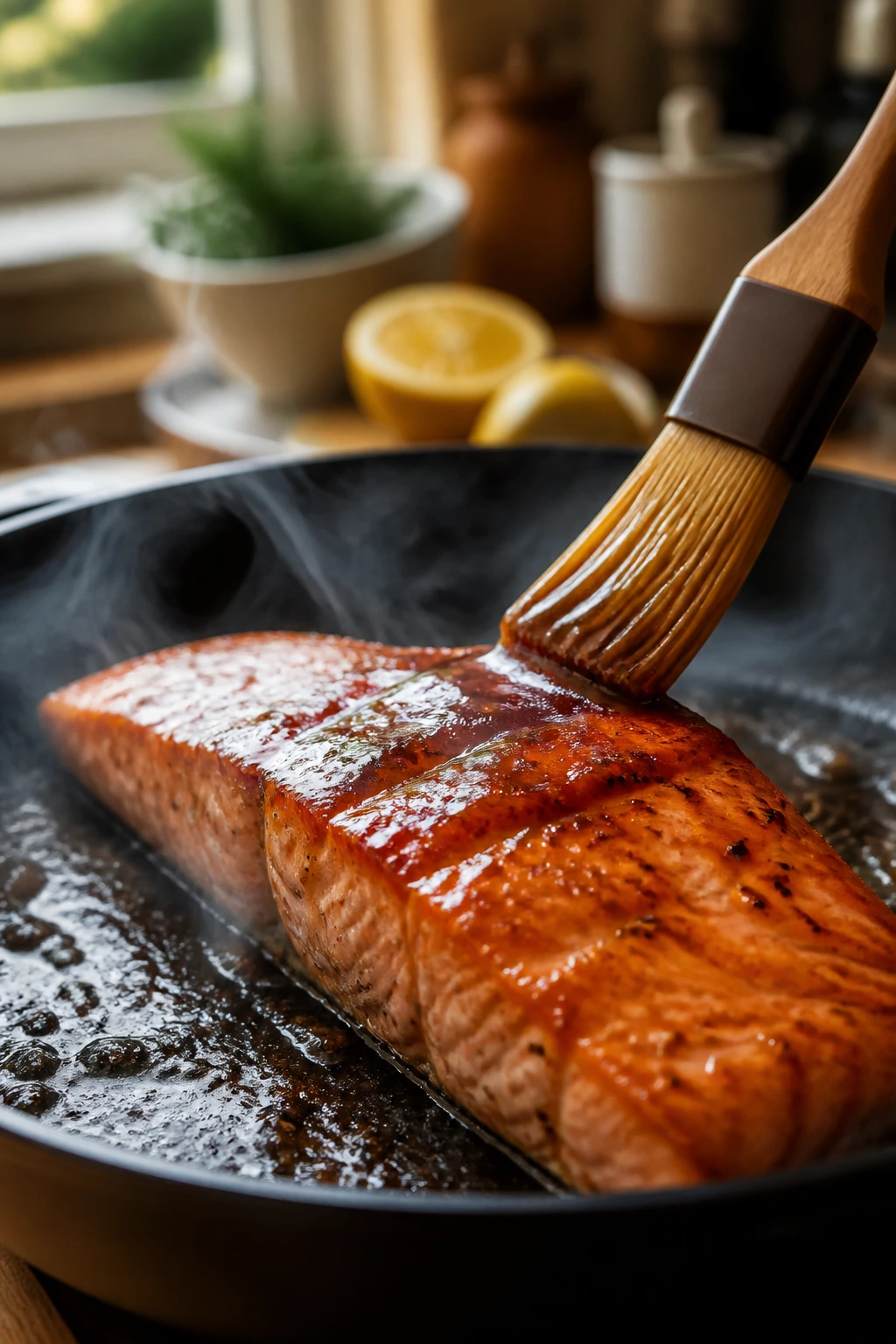
Add the salmon: Place the salmon on the pan, brush with the remaining glaze, and roast for 10 to 12 minutes until the fish flakes easily and still looks moist in the center.
-
Assemble the bowls: Spoon rice into bowls, add broccoli and salmon, then finish with green onions and sesame seeds.
Equipment for This Recipe
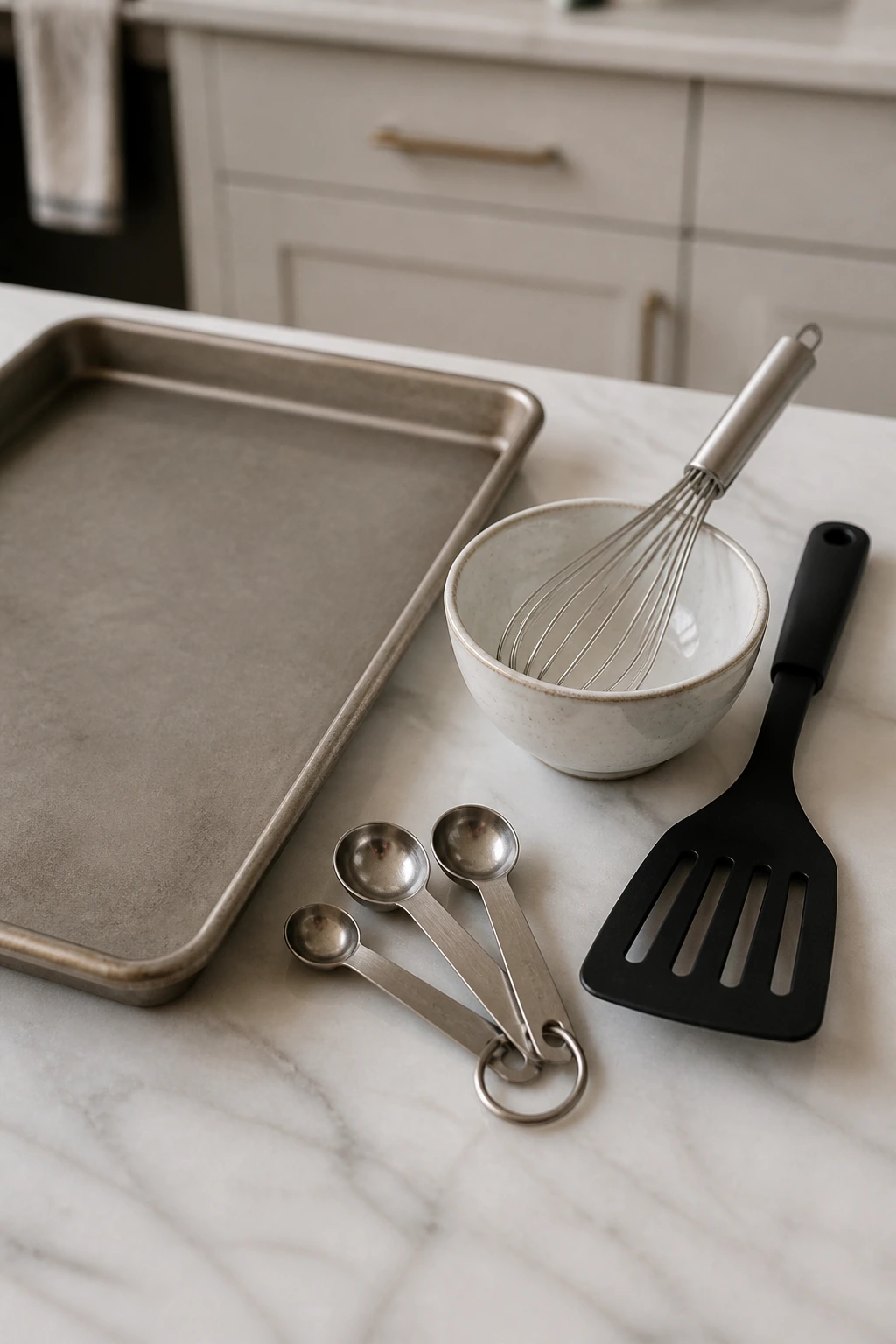
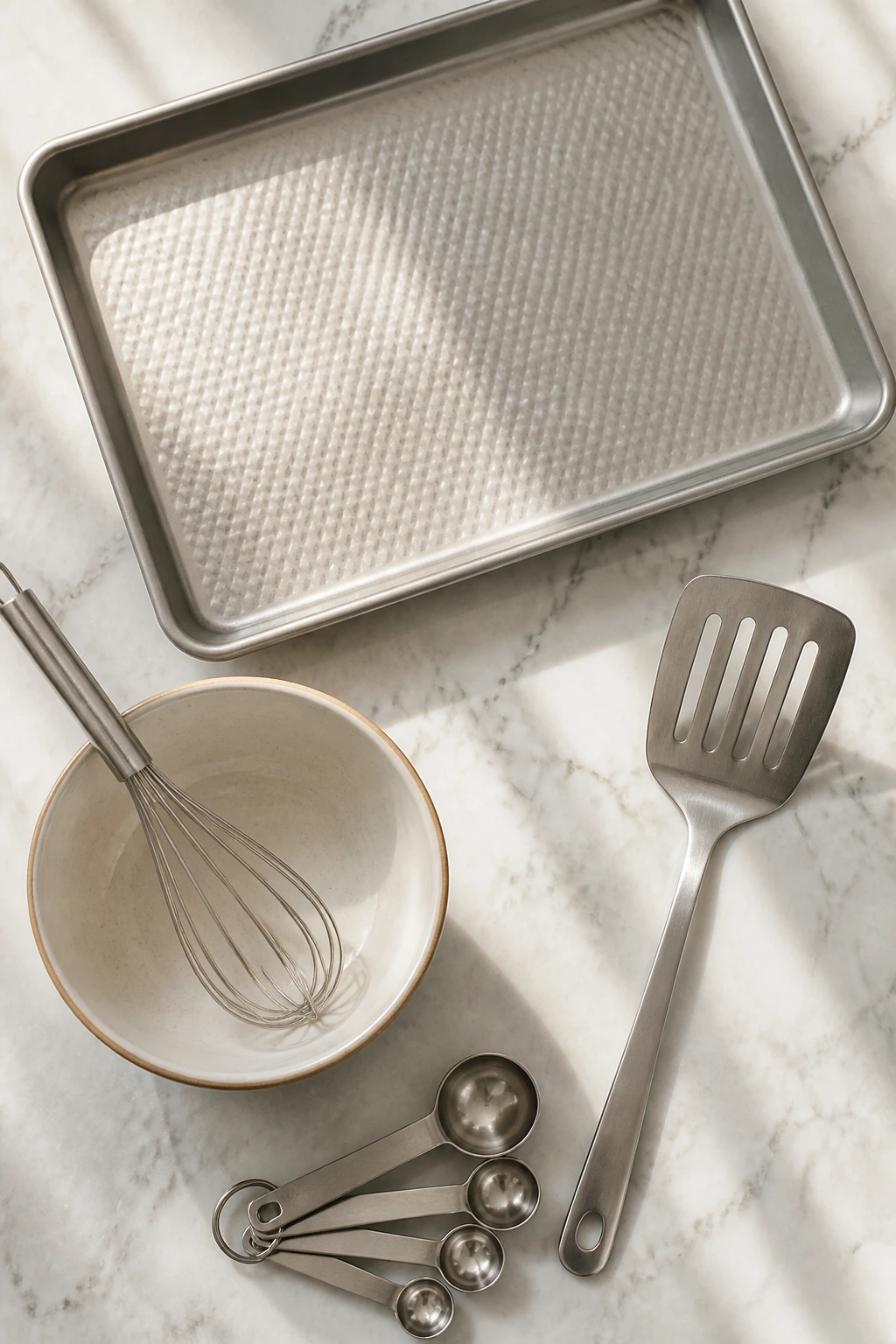
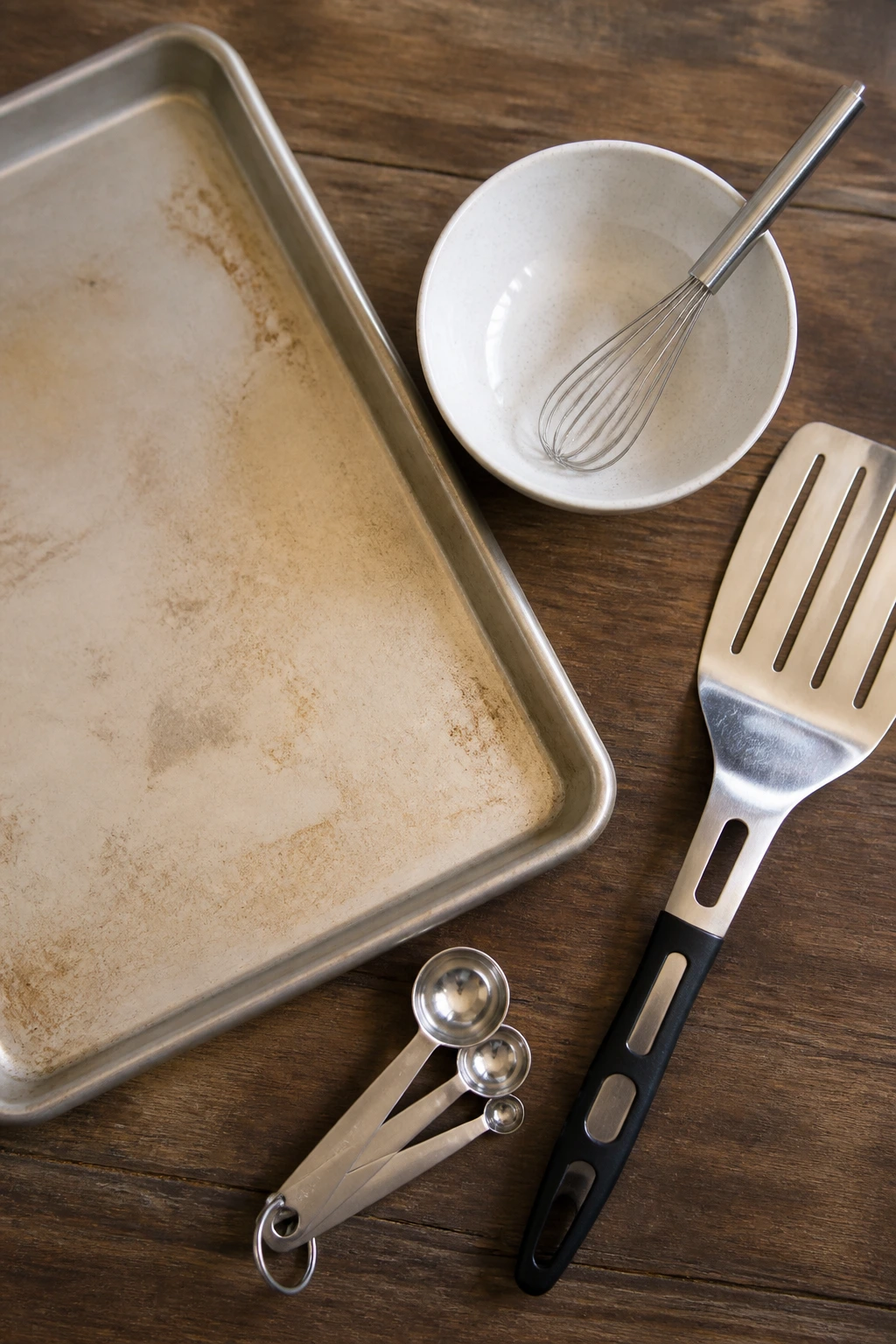
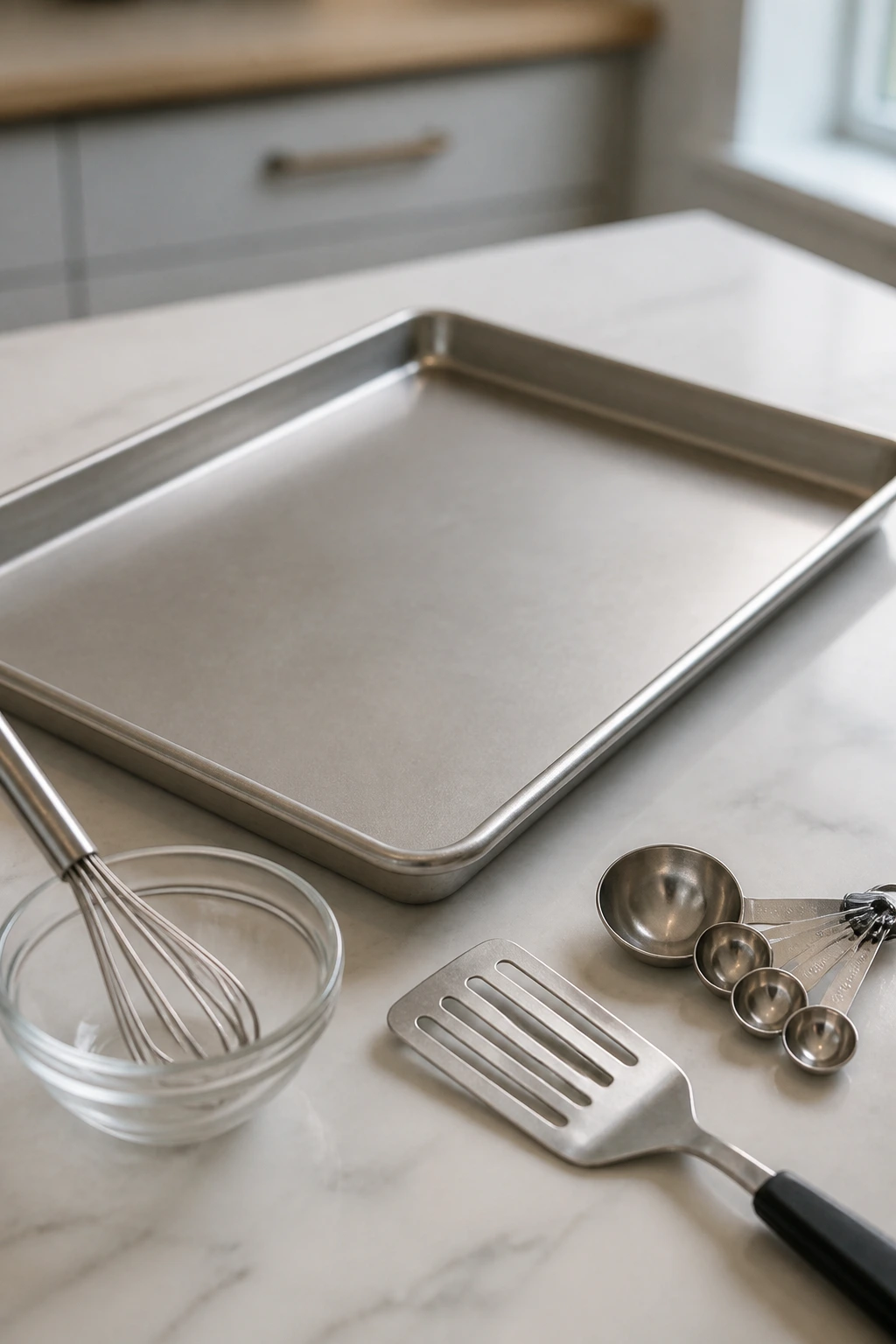
- Sheet pan
- Small bowl and whisk
- Fish spatula or wide turner
- Measuring spoons
How to Serve This Dish
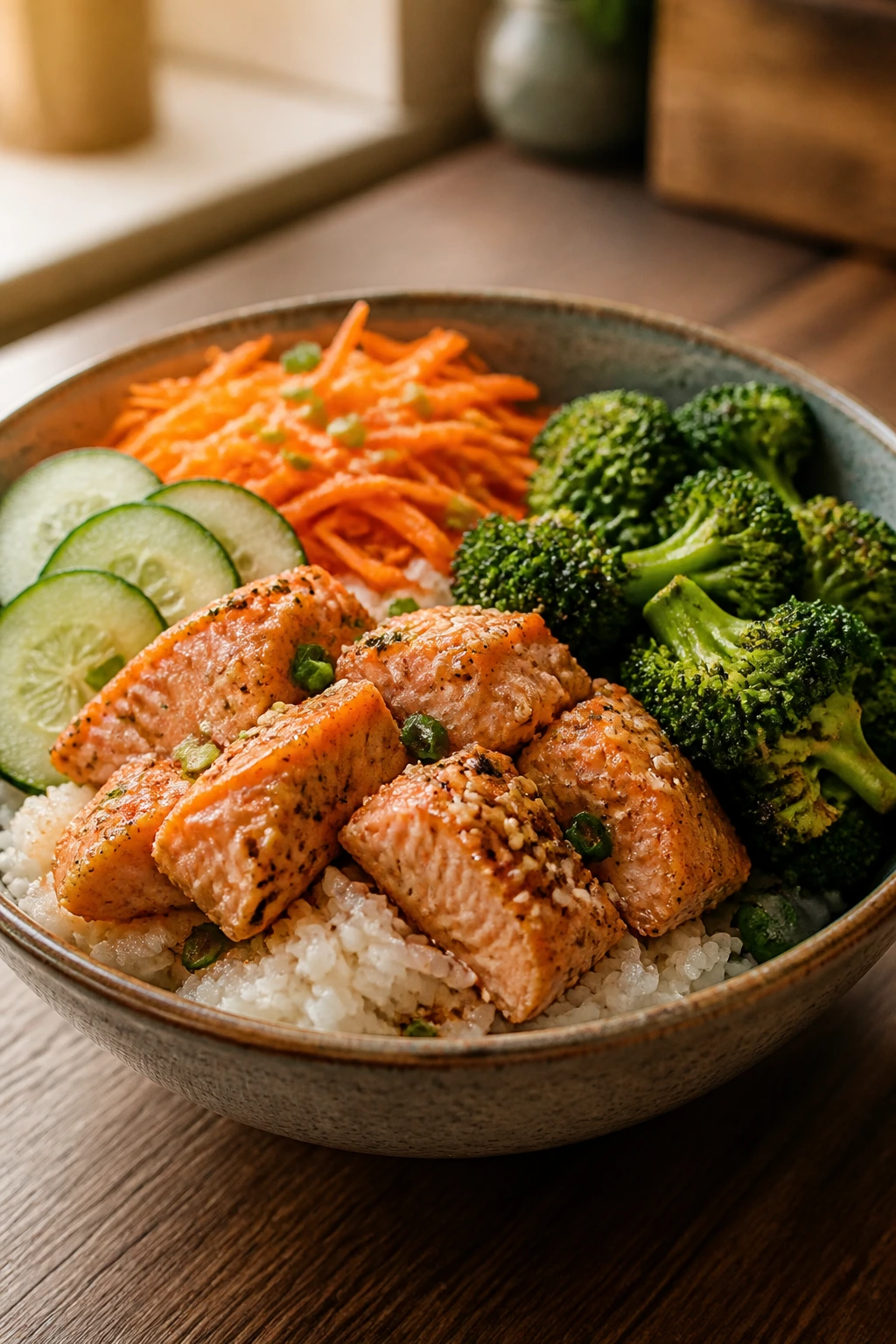
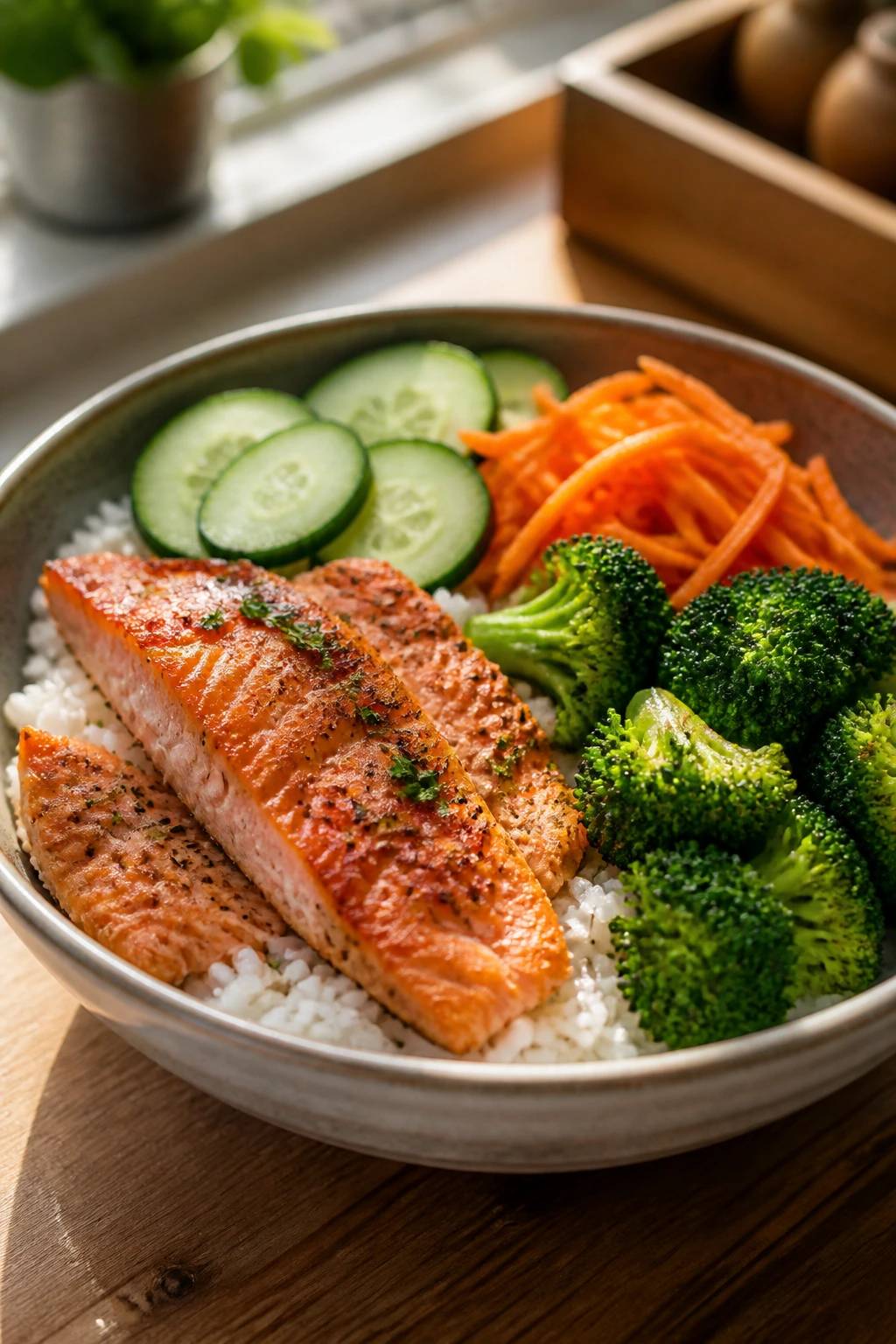
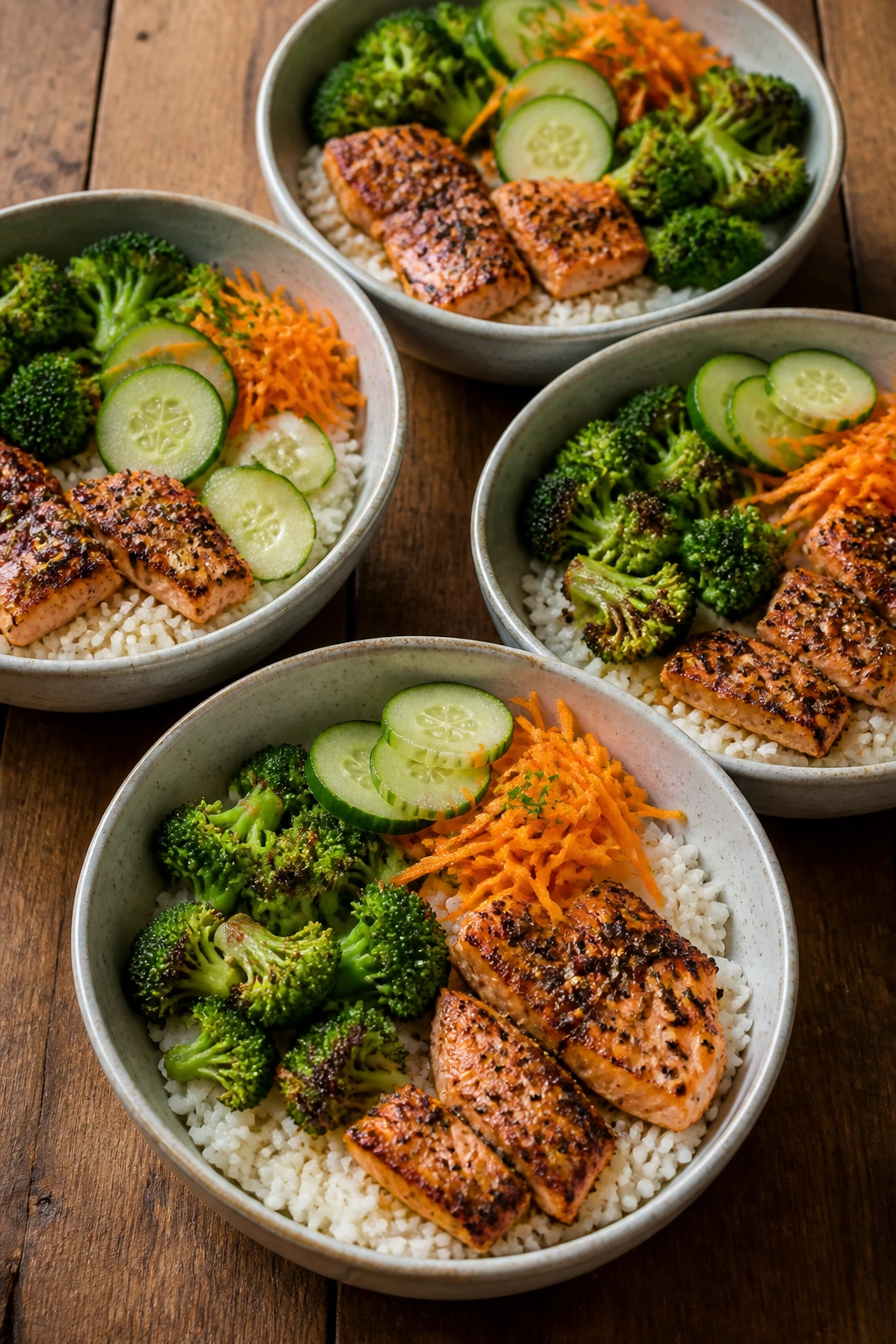
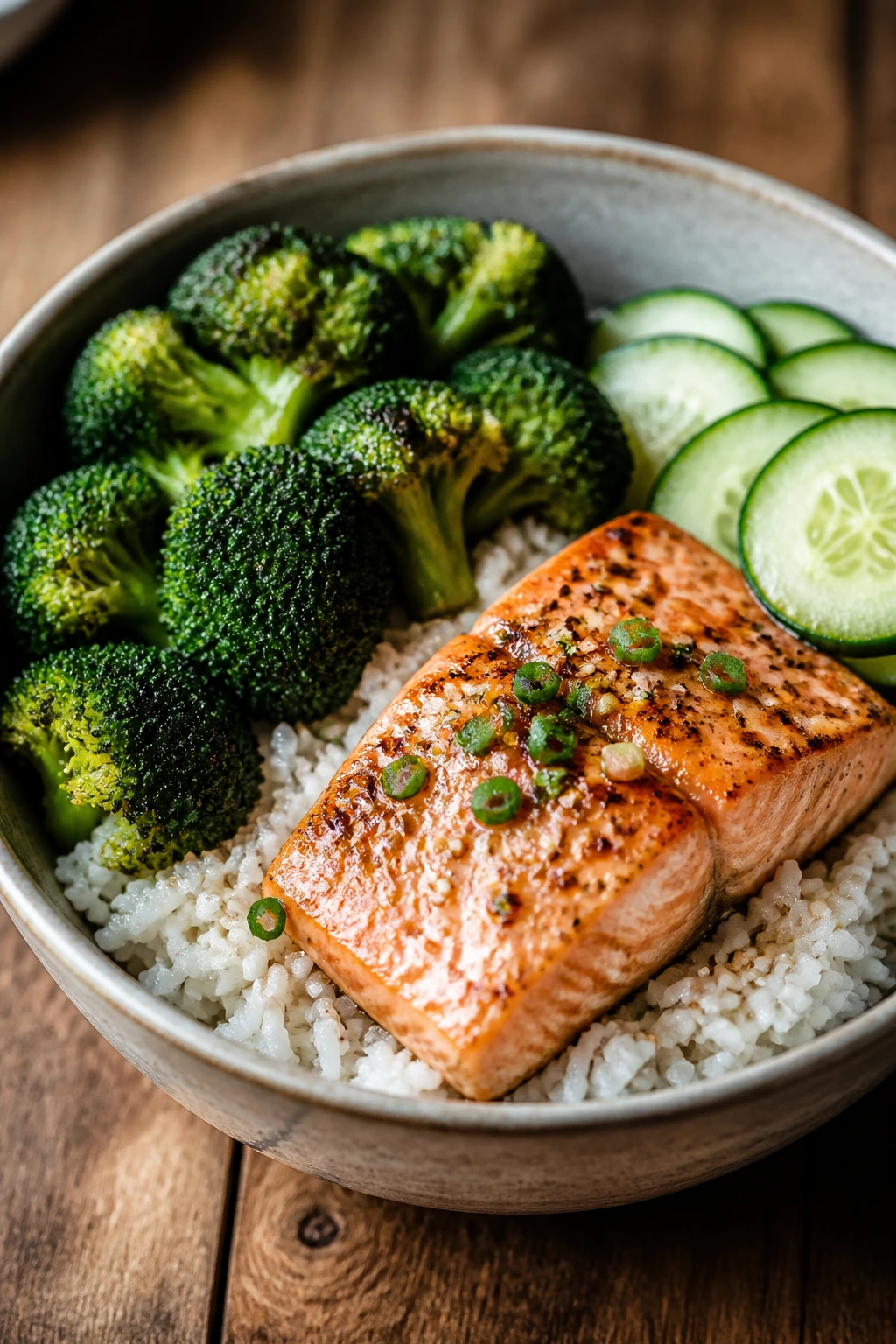
Build each bowl with a base of rice, then stack the salmon on one side and broccoli on the other. A few cucumber slices or shredded carrots make the bowl feel fresher. Four bowls is the standard yield, though the rice can stretch it farther.
Pro Tips for This Recipe
- Check salmon early: Thin fillets can finish fast and dry out if you rely only on the clock.
- Brush, don’t drown: A thin glaze sticks better than a puddle.
- Line the pan: The honey in the glaze can stick hard if it bakes directly on metal.
- Let the salmon rest for 2 minutes: That keeps the juices in the fish instead of on the tray.
Variations on This Dish
- Spicy Sriracha Salmon: Stir 1 teaspoon sriracha into the glaze.
- Chicken Bowl Version: Use sliced chicken thighs and roast 5 to 7 minutes longer.
- Sesame Noodle Swap: Serve the same salmon over rice noodles instead of rice.
Common Mistakes to Avoid with This Dish
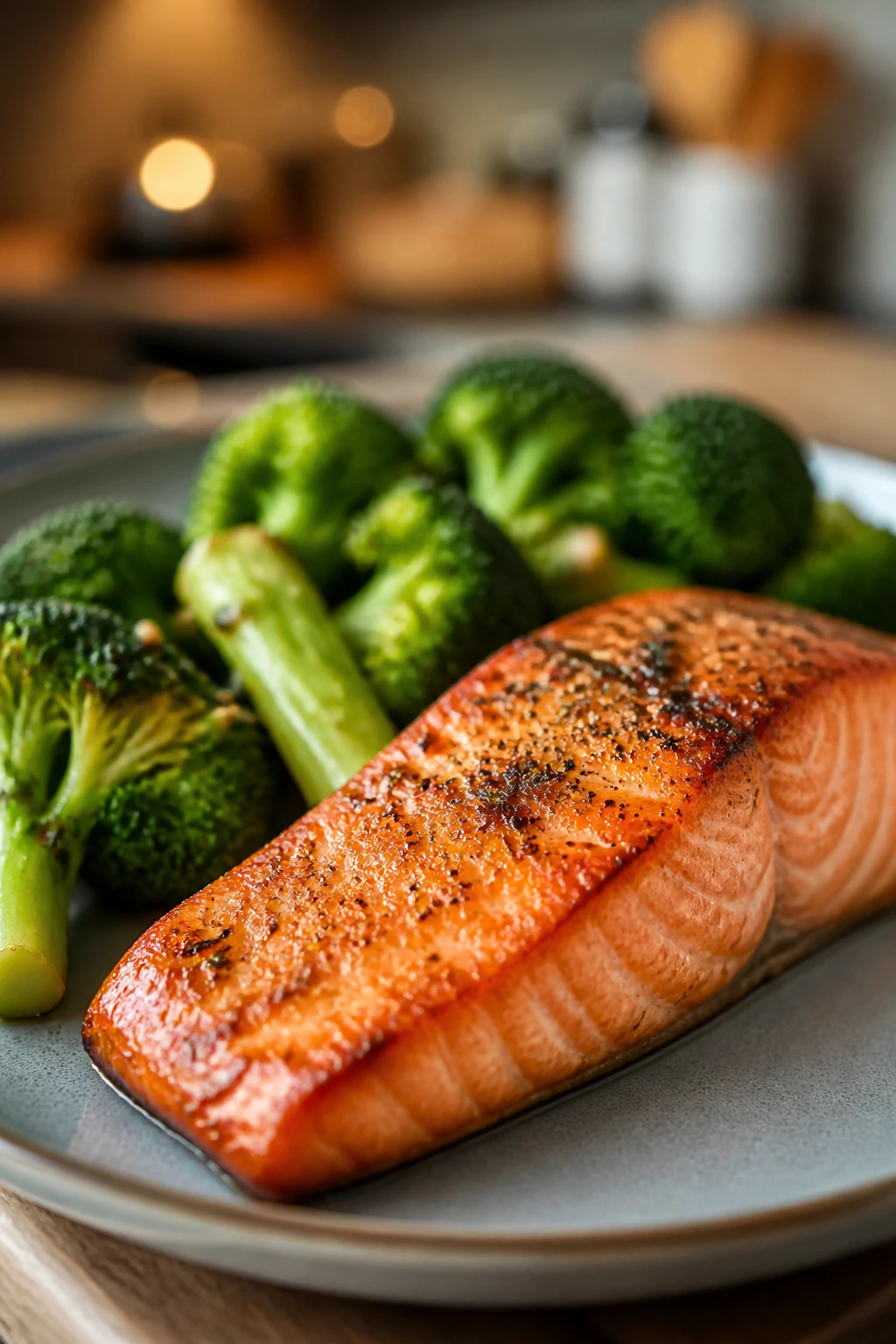
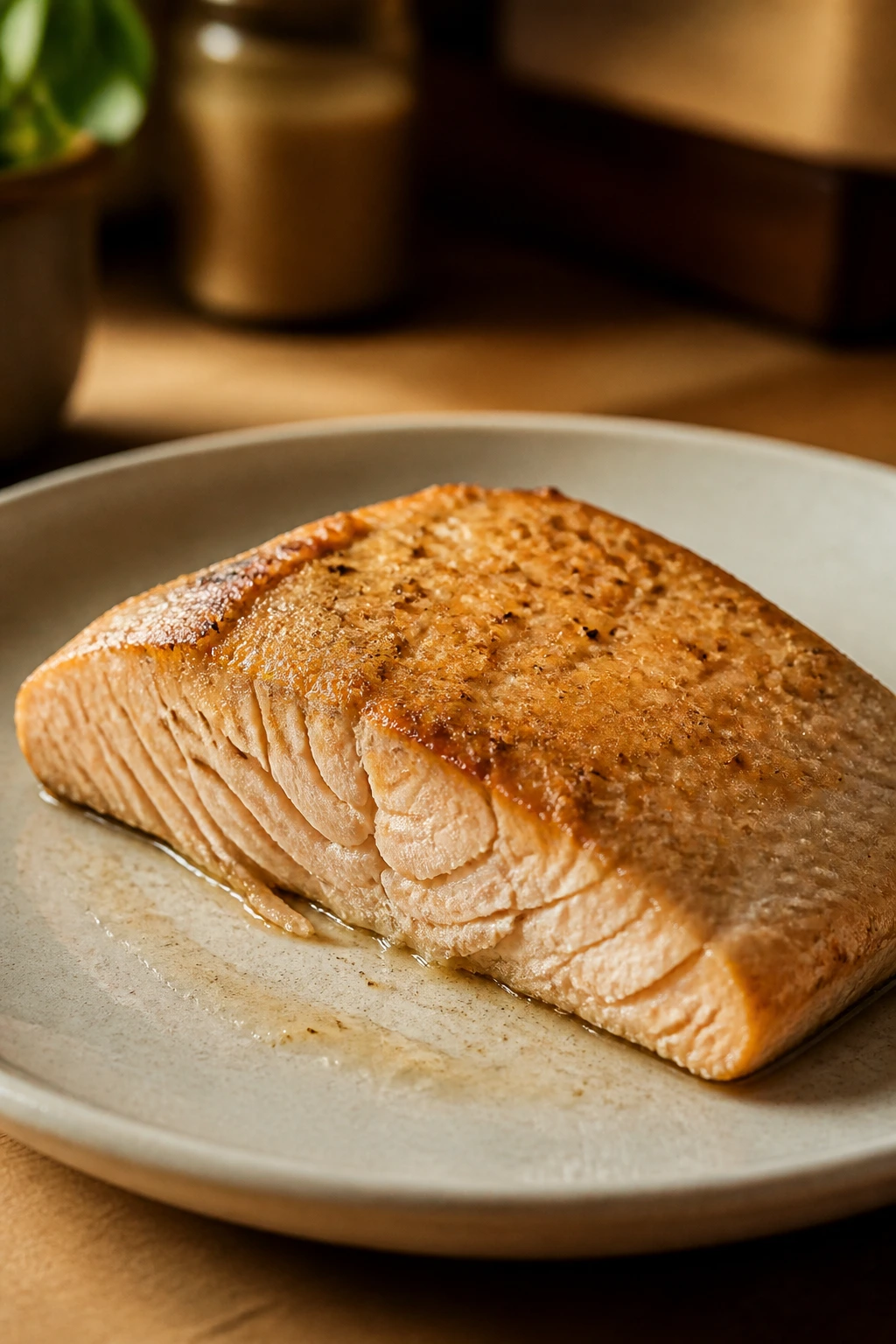
- Overcooking the salmon: It goes from silky to dry fast, so check at the minimum time.
- Using thick broccoli stems without slicing: They won’t tenderize at the same speed.
- Skipping the sesame oil: You only need a little, but it gives the glaze depth.
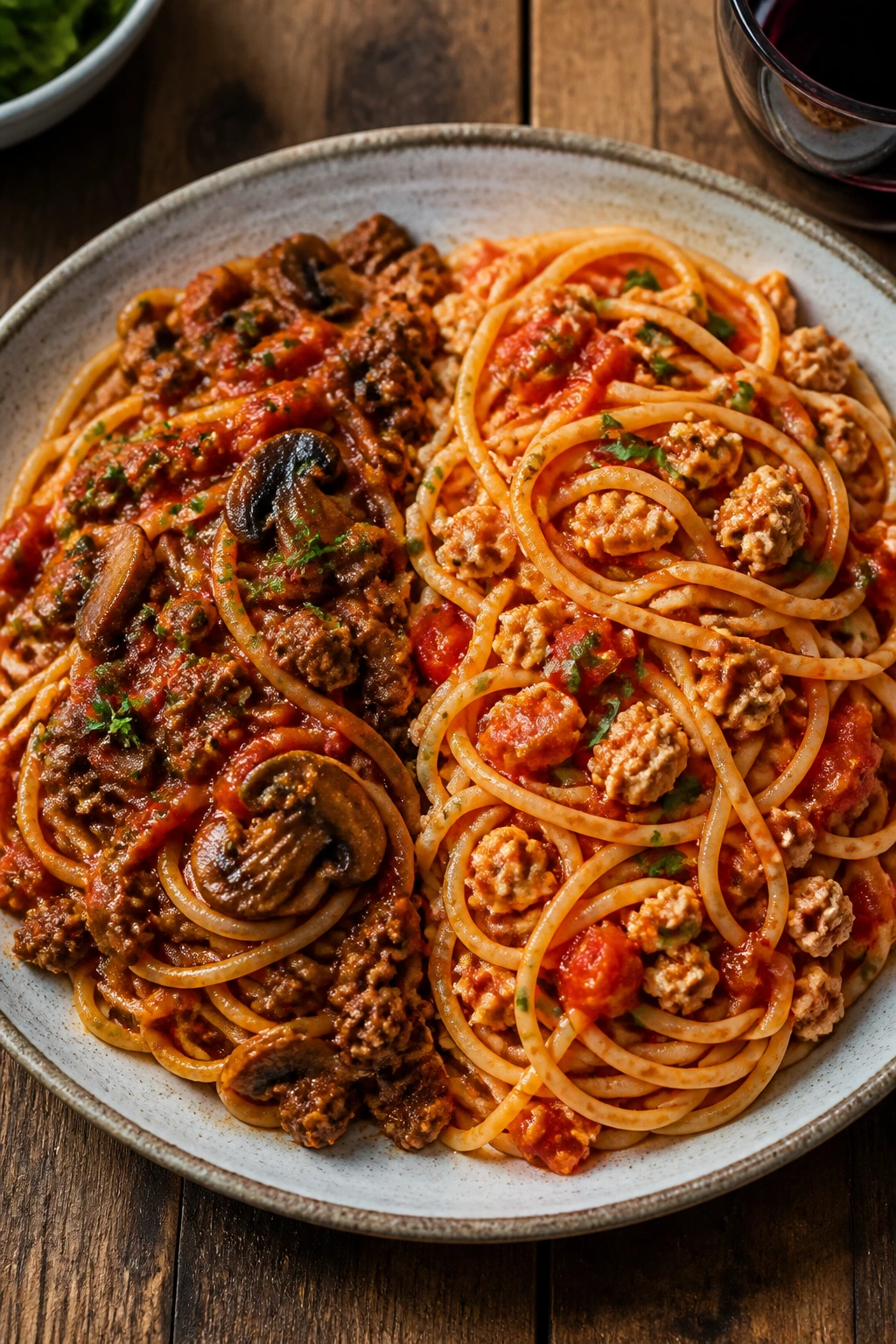
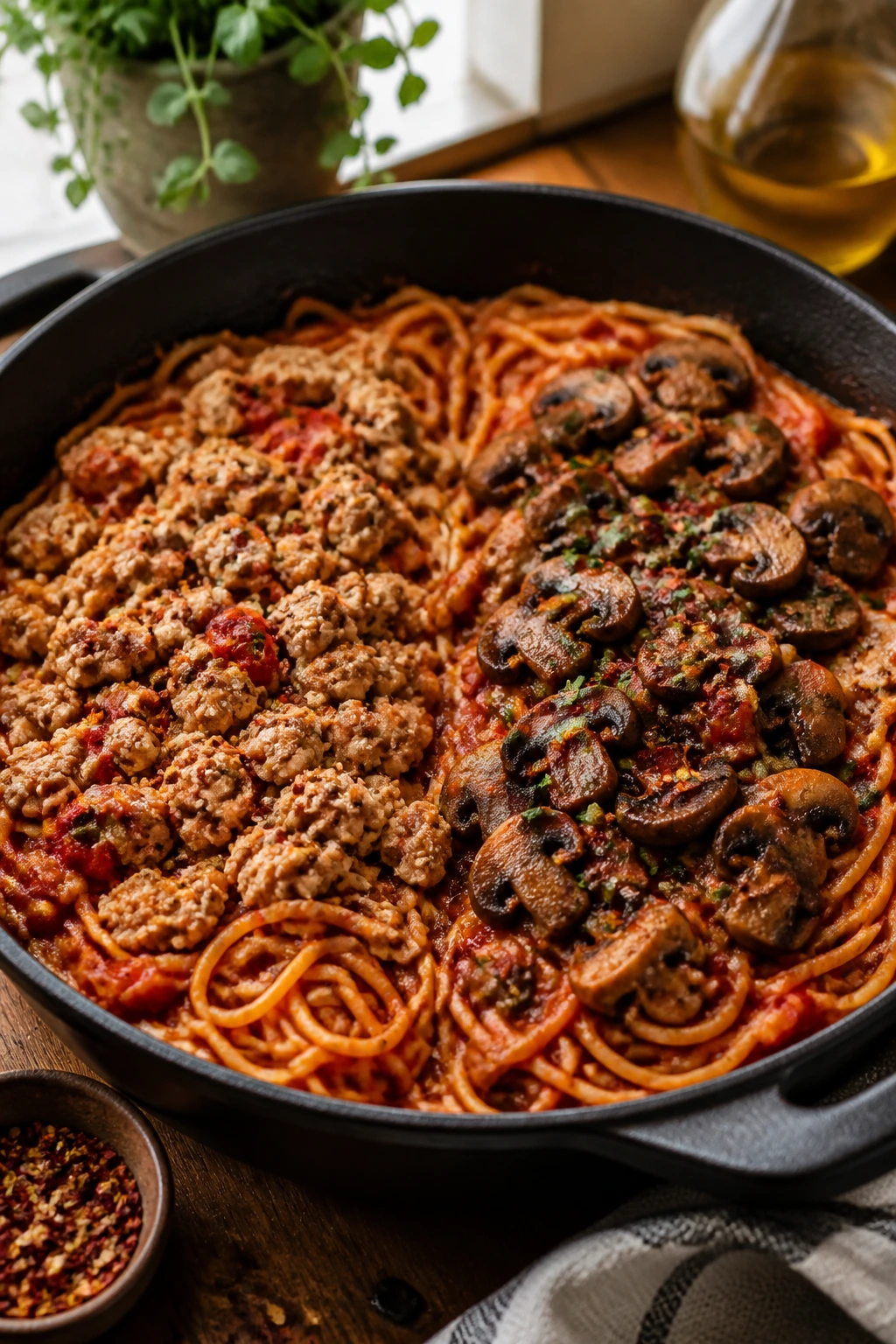
6. One-Pot Spaghetti with Turkey Meat Sauce
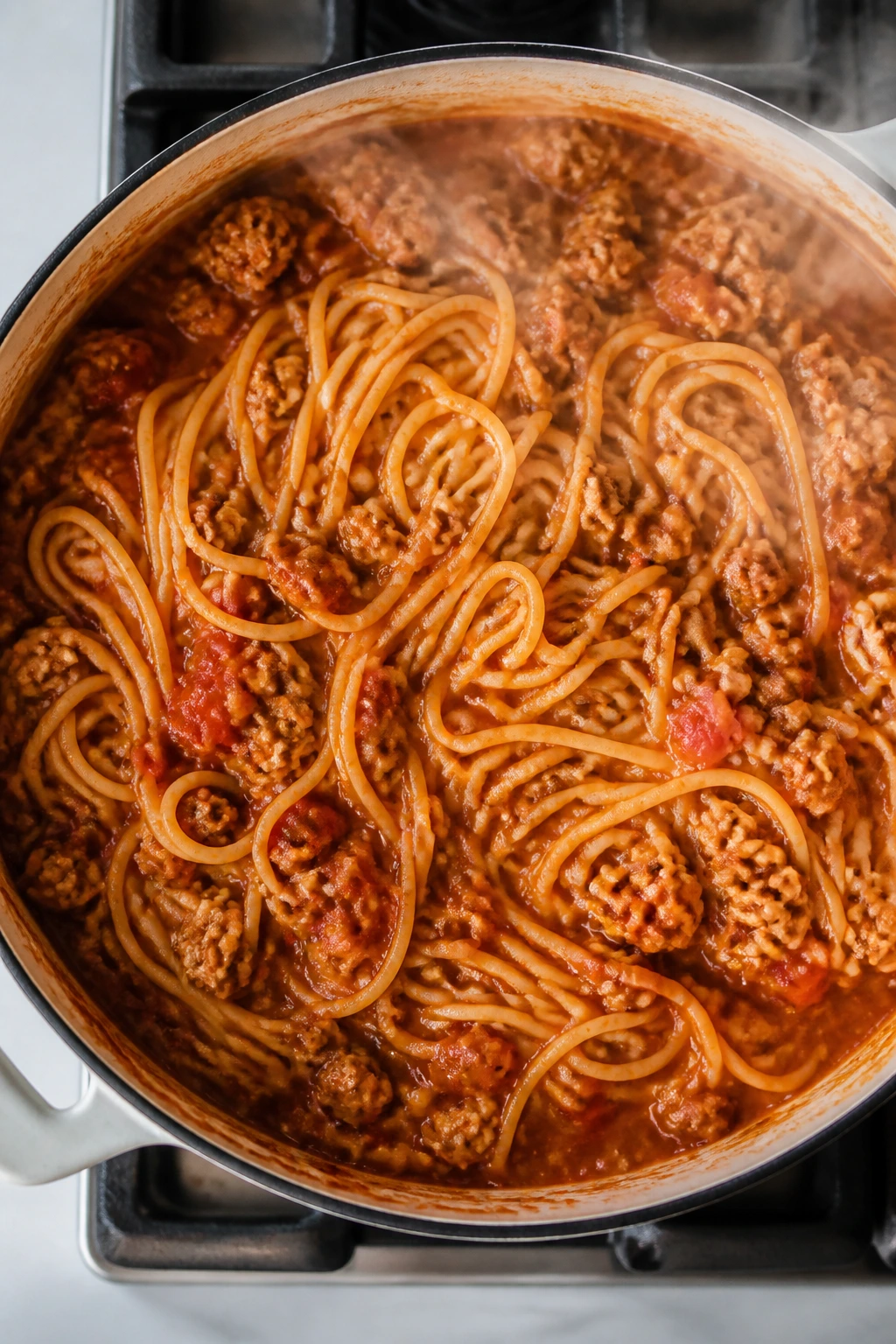
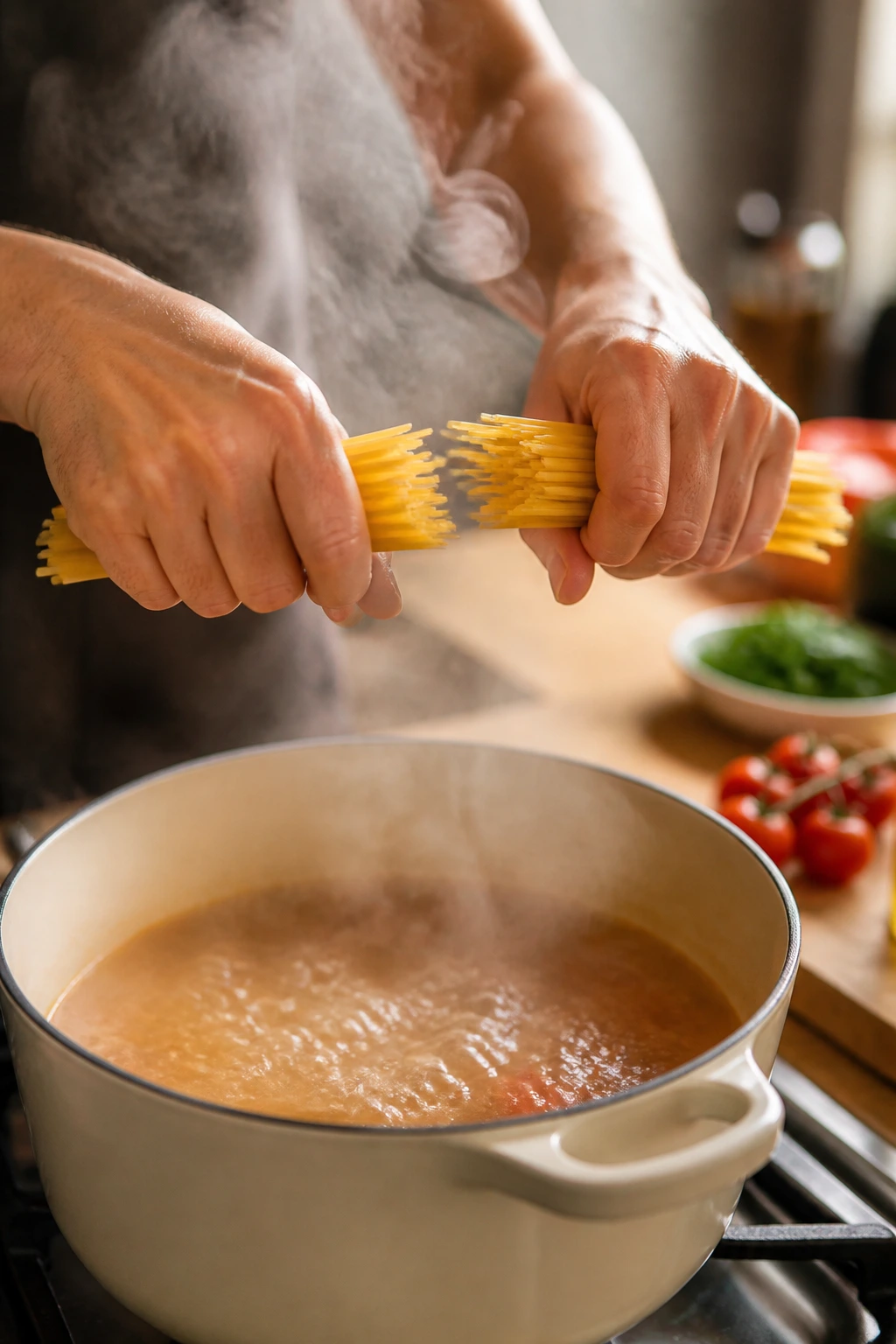
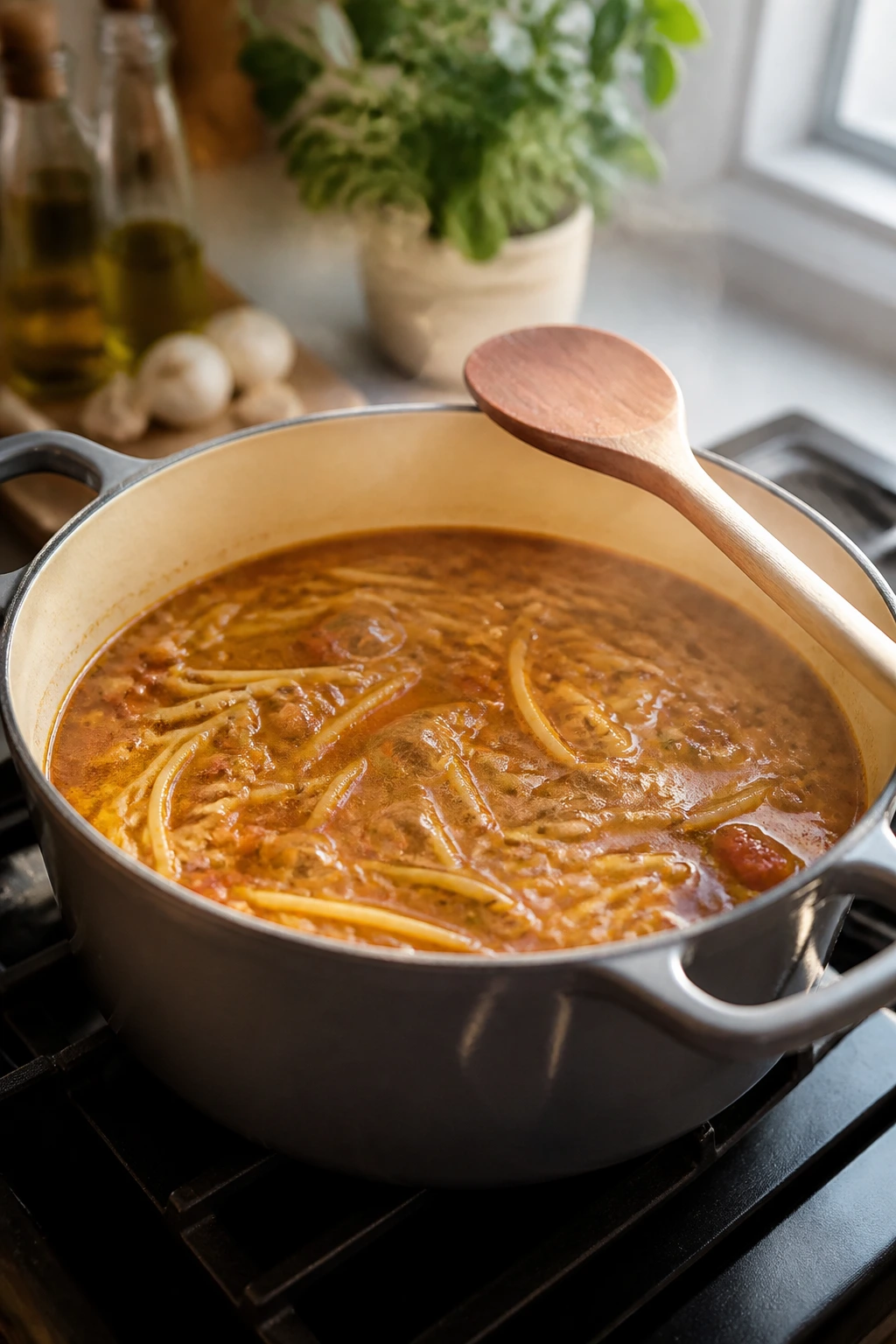
If dinner needs to happen with almost no thought, this is the one. The pasta cooks right in the sauce, which means fewer pots and a better flavor because the starch from the spaghetti helps thicken everything. It tastes like a longer-cooked meat sauce, but it does not ask for the time of one.
Why It Works
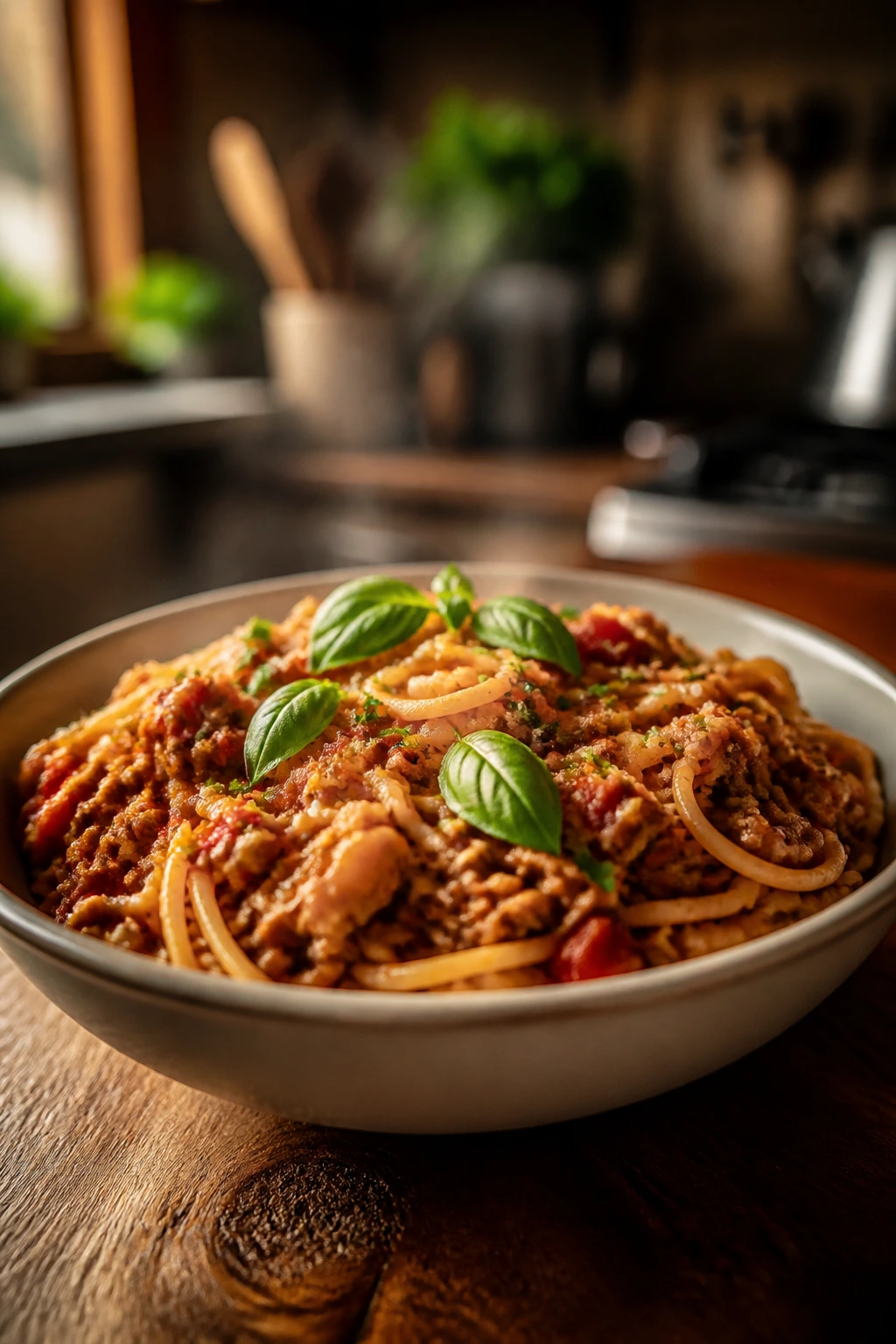
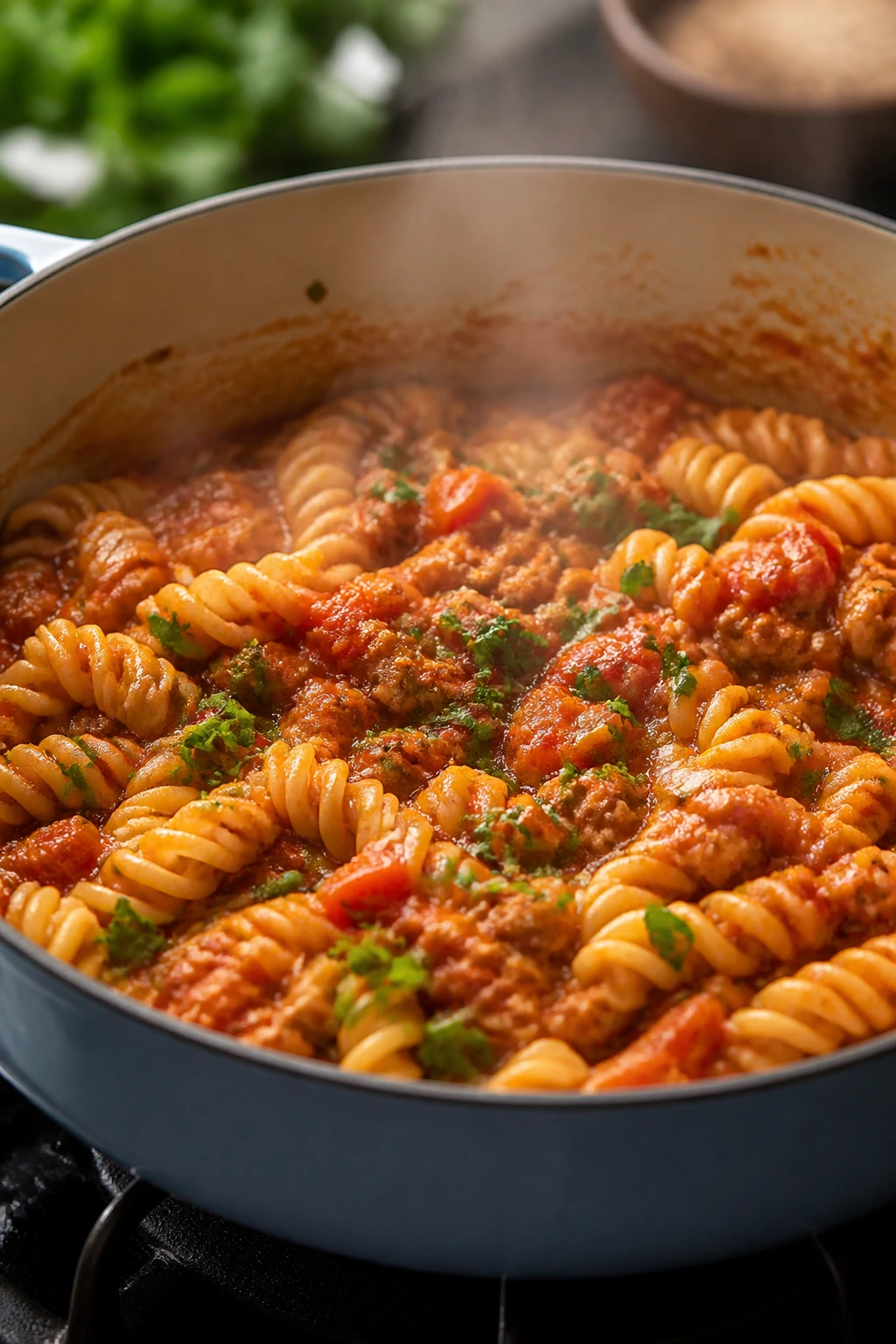
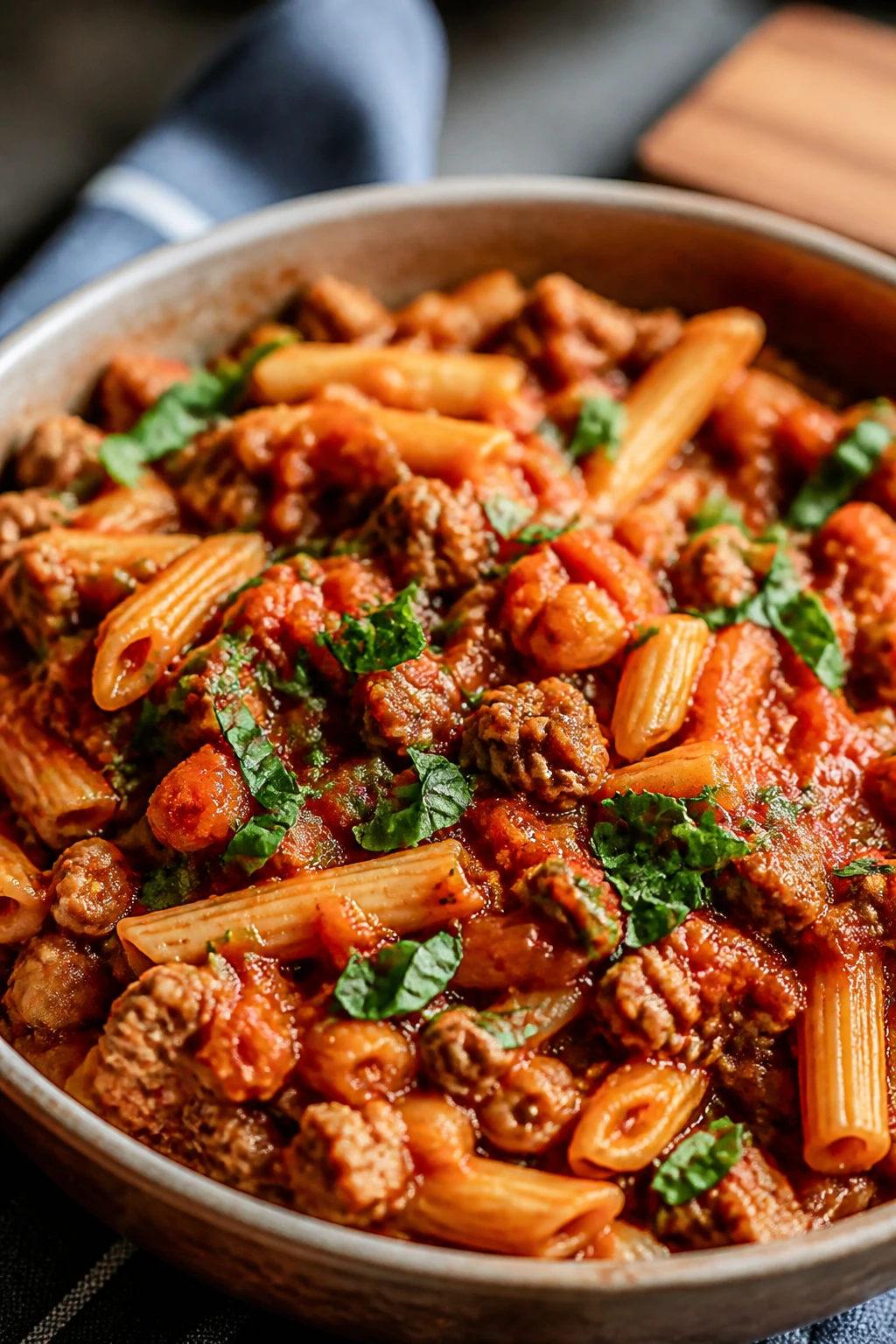
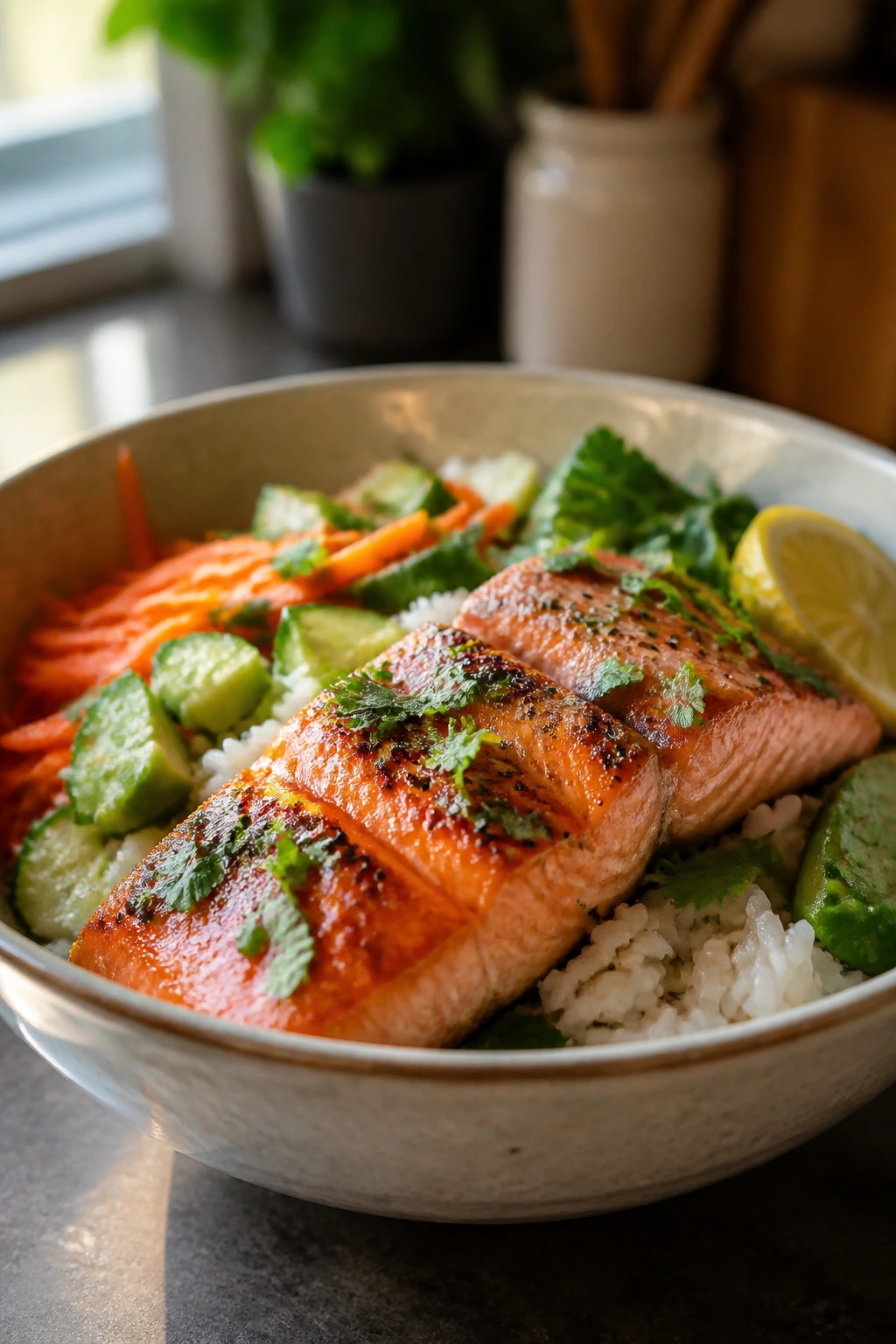
One-pot pasta can be a little fussy if the liquid ratio is off, but this version is sturdy because it uses crushed tomatoes, broth, and enough stirring to keep the noodles from clumping. Ground turkey keeps it lighter than beef, though still filling. A final handful of basil or parsley keeps it from tasting like canned tomatoes alone.
Key Ingredients
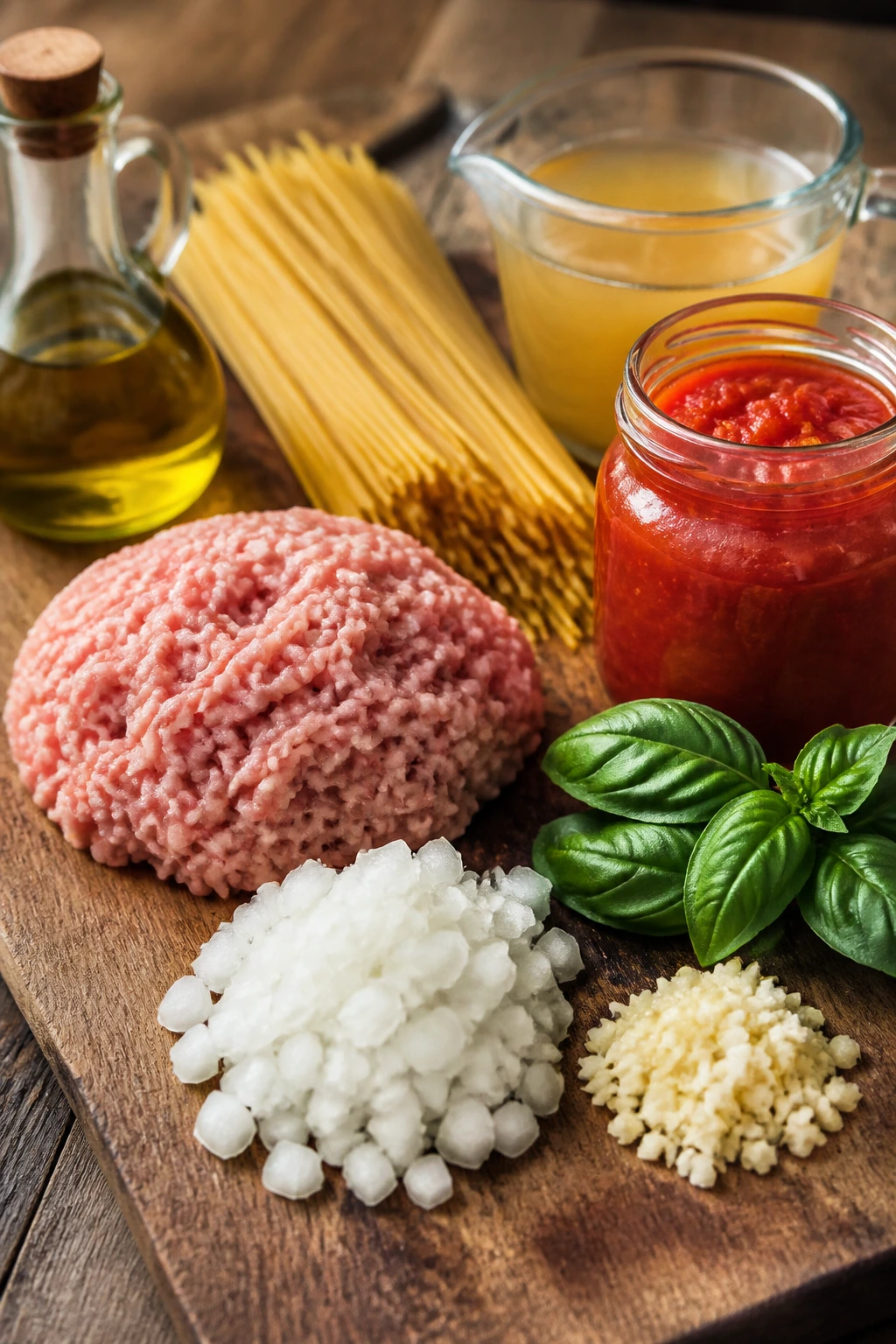
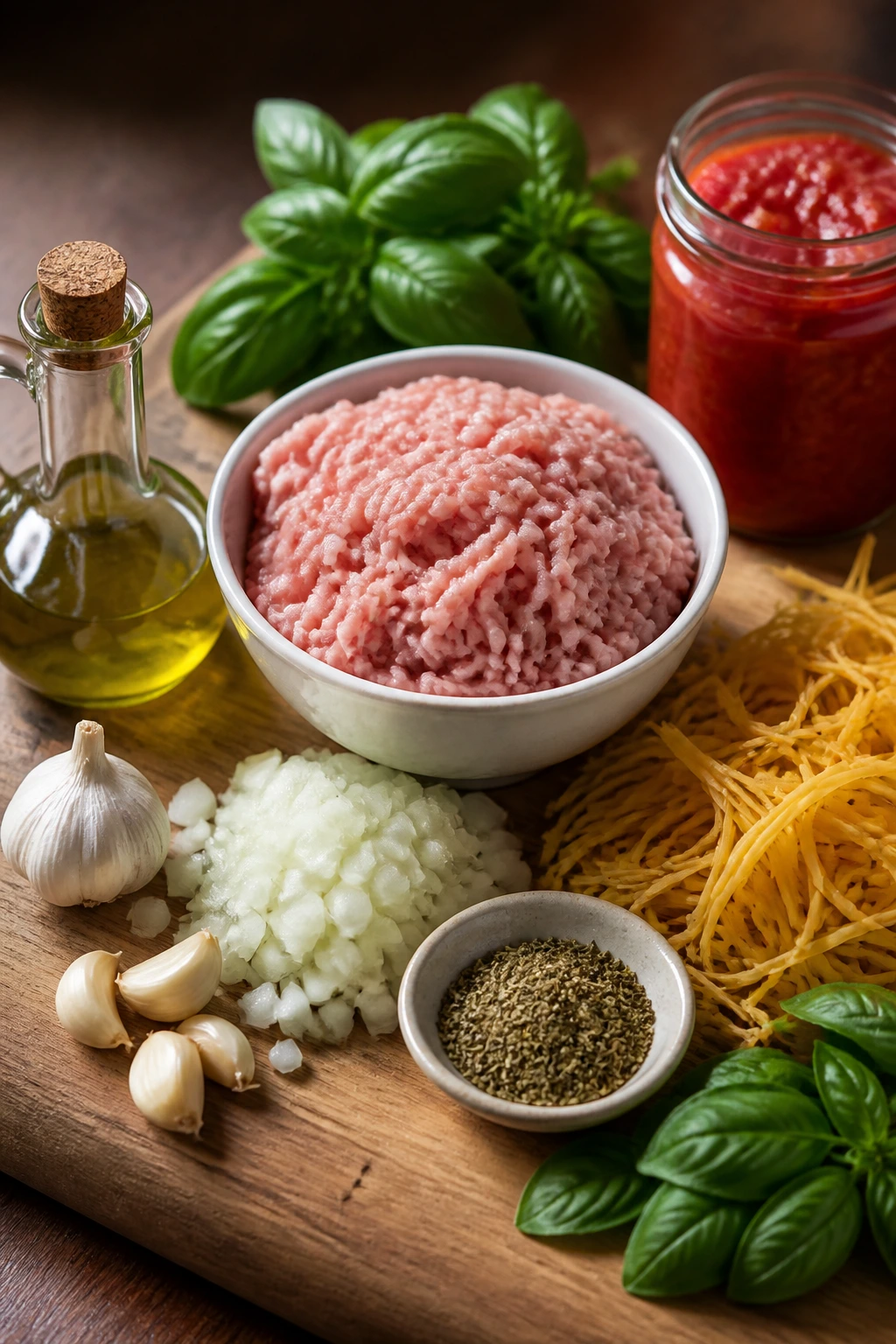
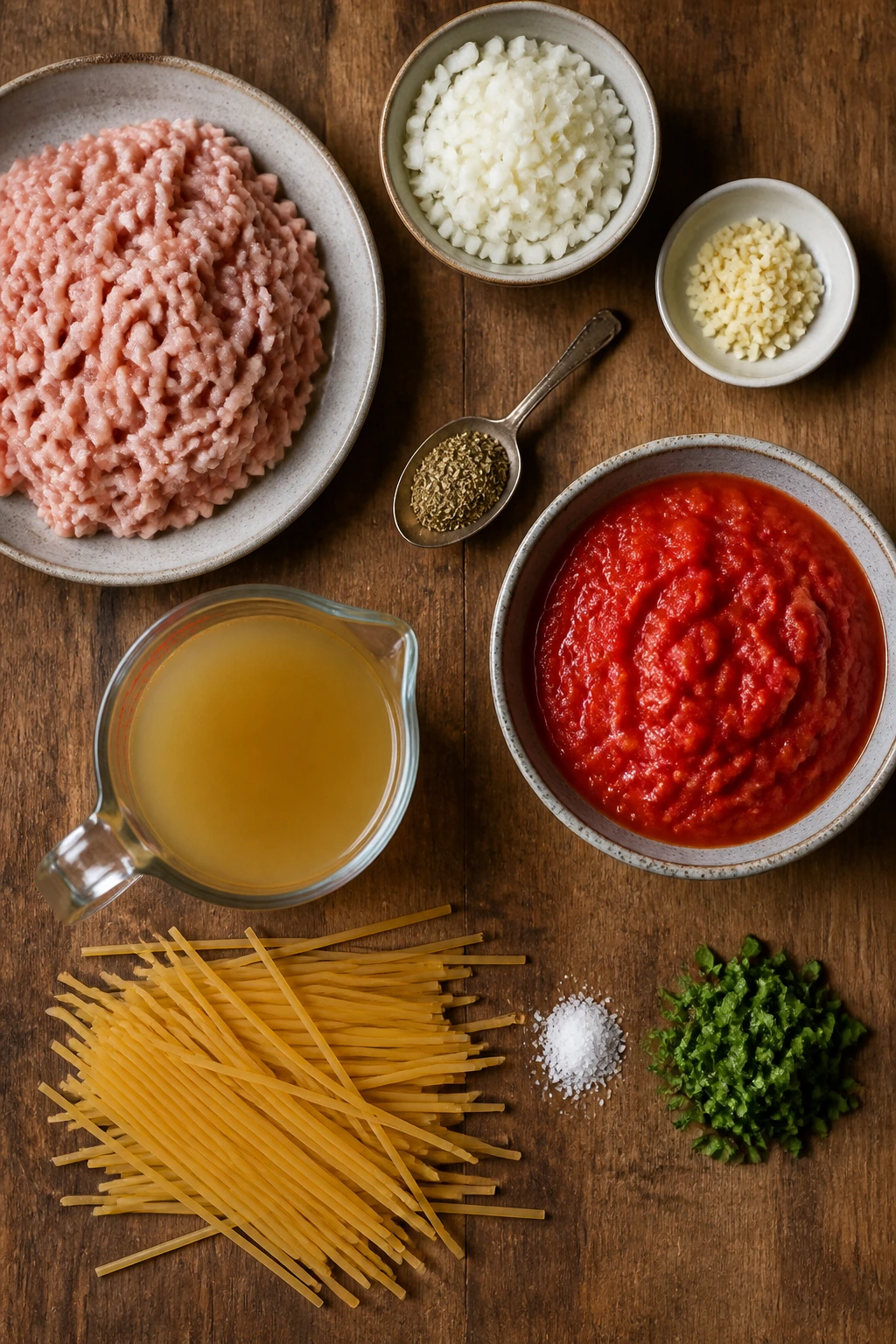
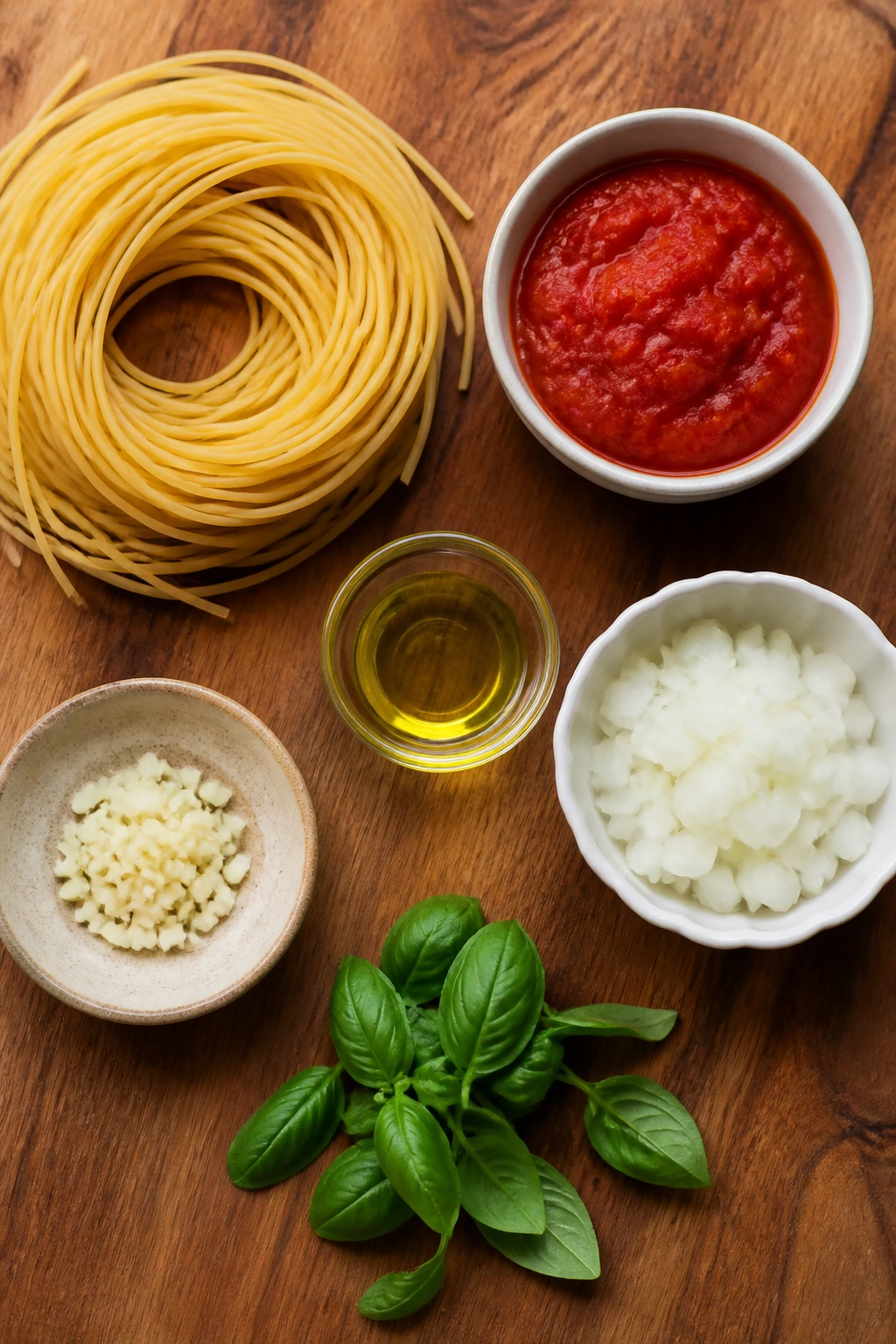
- 1 tablespoon olive oil
- 1 pound ground turkey
- 1 small onion, finely diced
- 4 cloves garlic, minced
- 1 teaspoon dried Italian seasoning
- 1 can (28 ounces) crushed tomatoes
- 3 cups low-sodium chicken broth
- 12 ounces spaghetti, broken in half
- 1 teaspoon salt
- ½ teaspoon black pepper
- ¼ cup chopped basil or parsley
Quick Steps
-
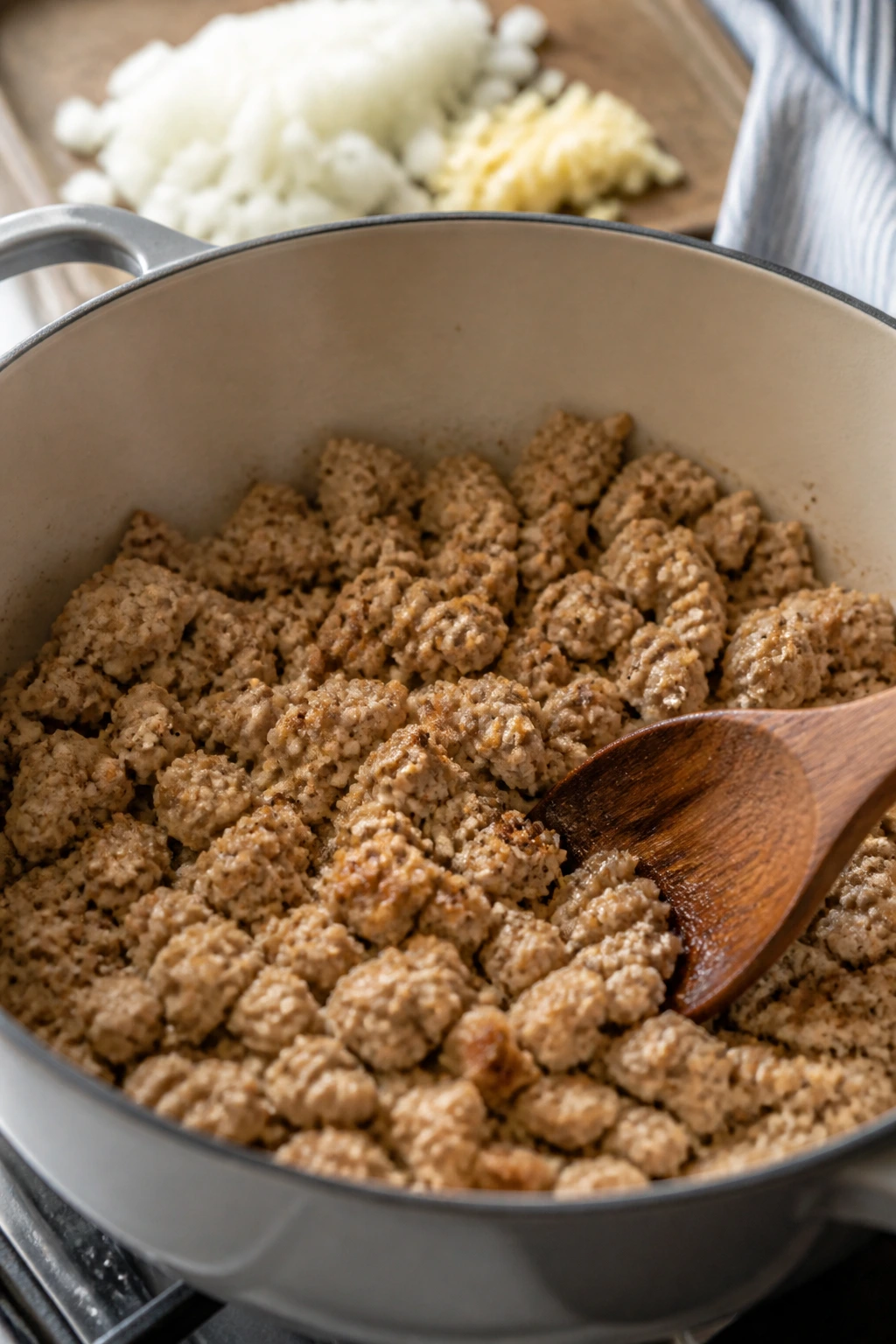
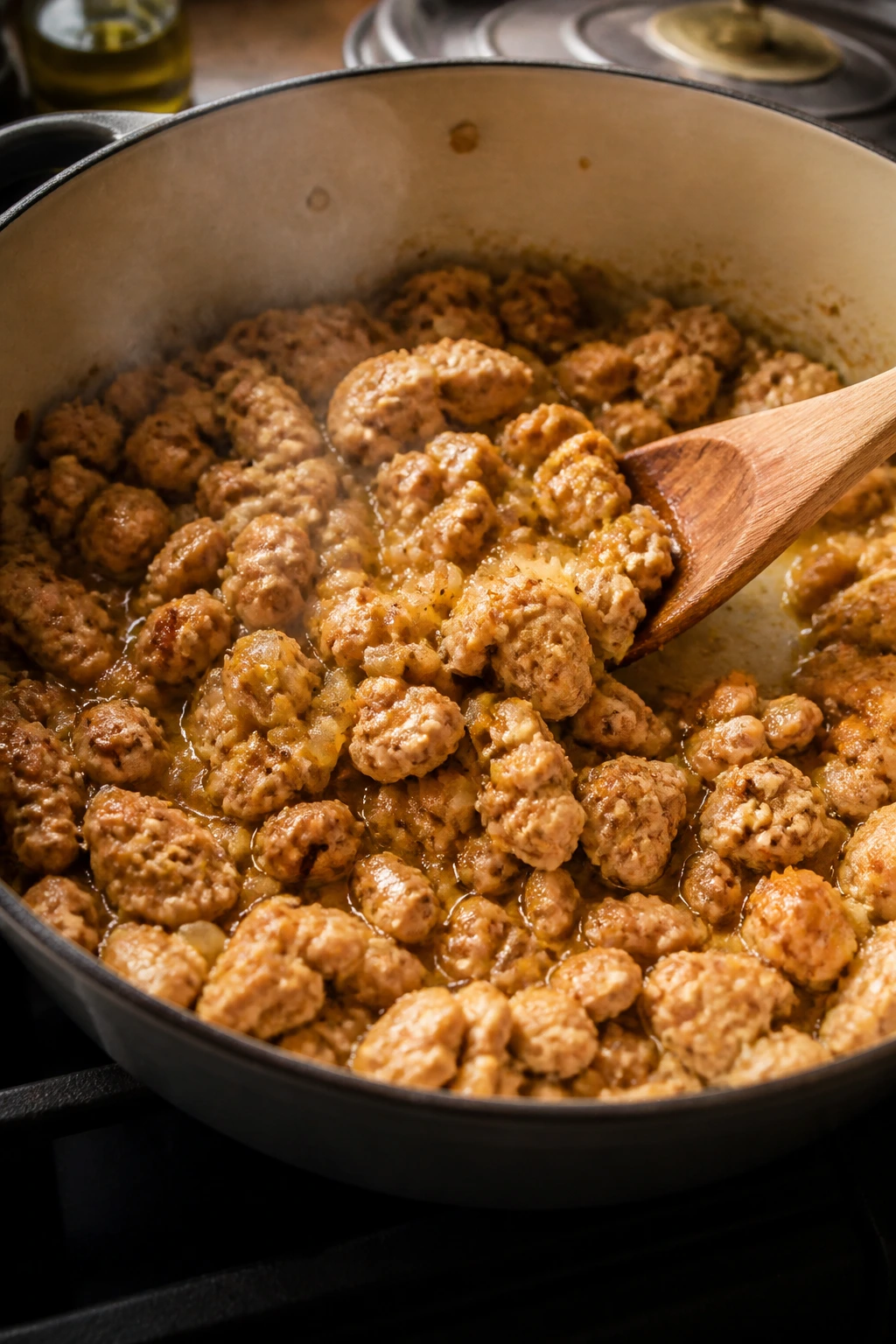
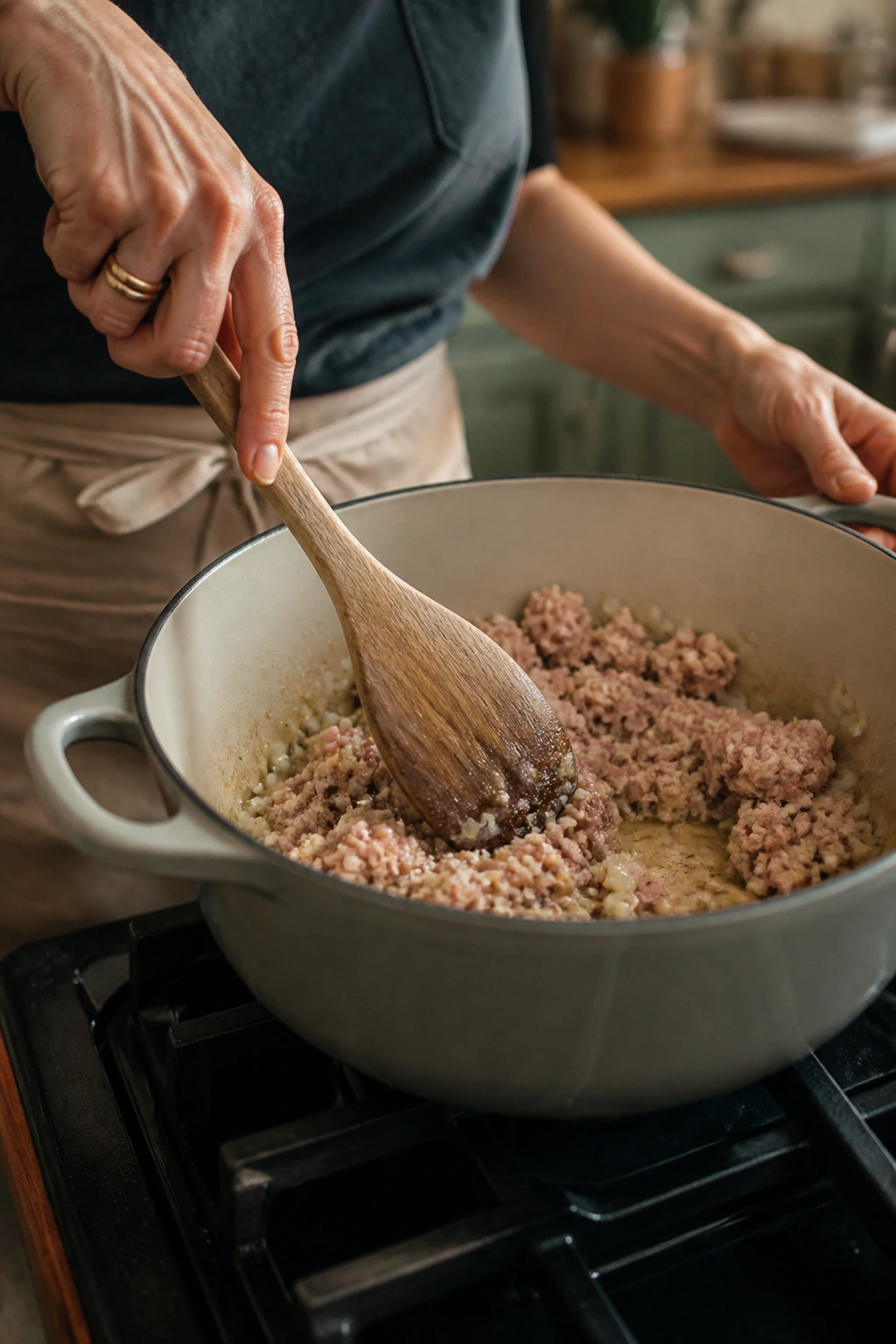
Brown the turkey: Heat the olive oil in a large pot over medium heat. Add the turkey and cook for 5 to 6 minutes, breaking it up as it browns.
-
Add the aromatics: Stir in onion and garlic, then cook for 2 to 3 minutes until the onion softens.
-
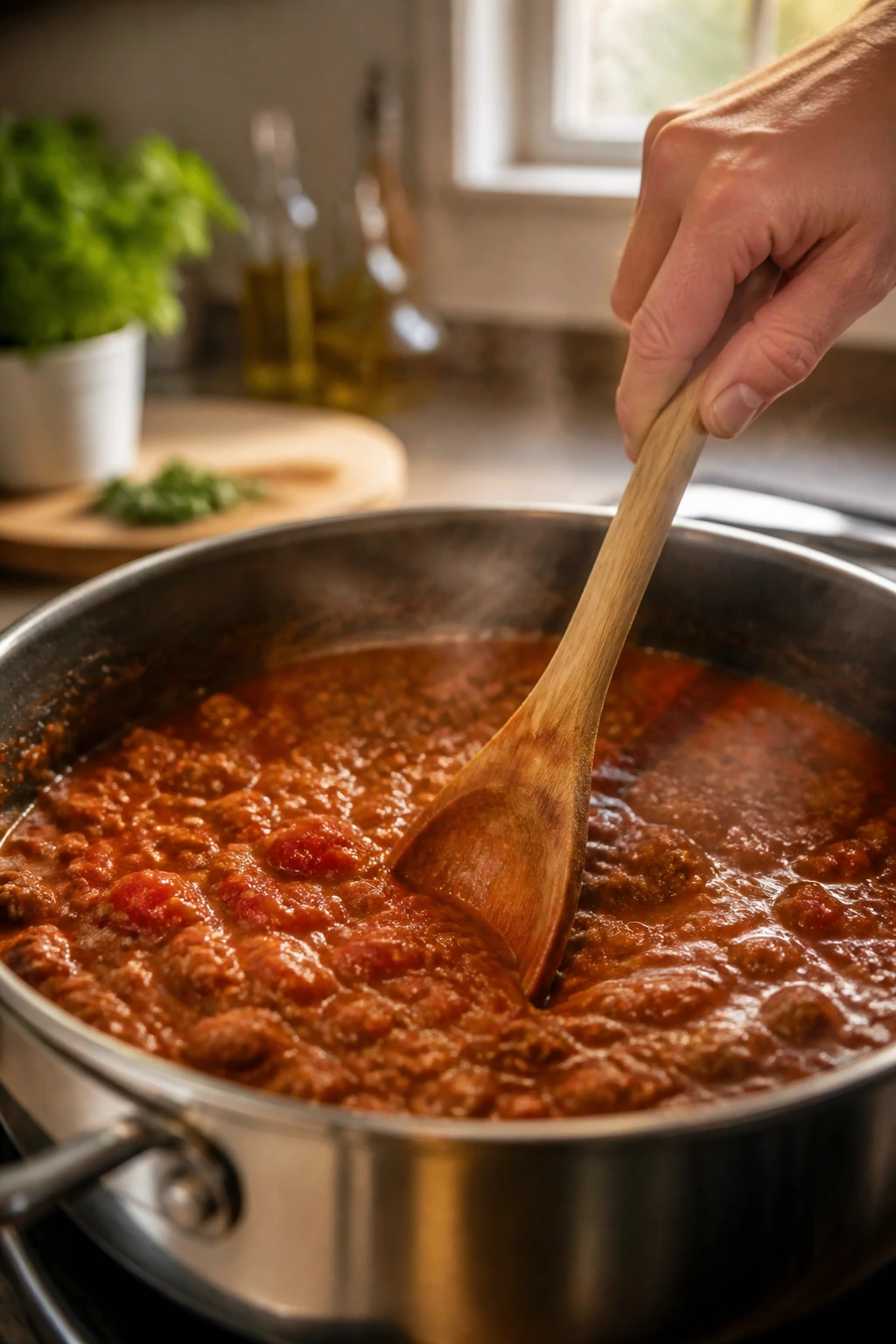
Start the sauce: Add Italian seasoning, crushed tomatoes, broth, salt, and pepper. Bring the pot to a gentle boil.
-
Cook the spaghetti: Stir in the broken spaghetti, reduce the heat to medium-low, and simmer for 12 to 14 minutes, stirring often, until the pasta is tender and the sauce looks glossy.
-
Finish with herbs: Turn off the heat, stir in basil, and let the pot sit for 2 minutes before serving.
Equipment for This Recipe
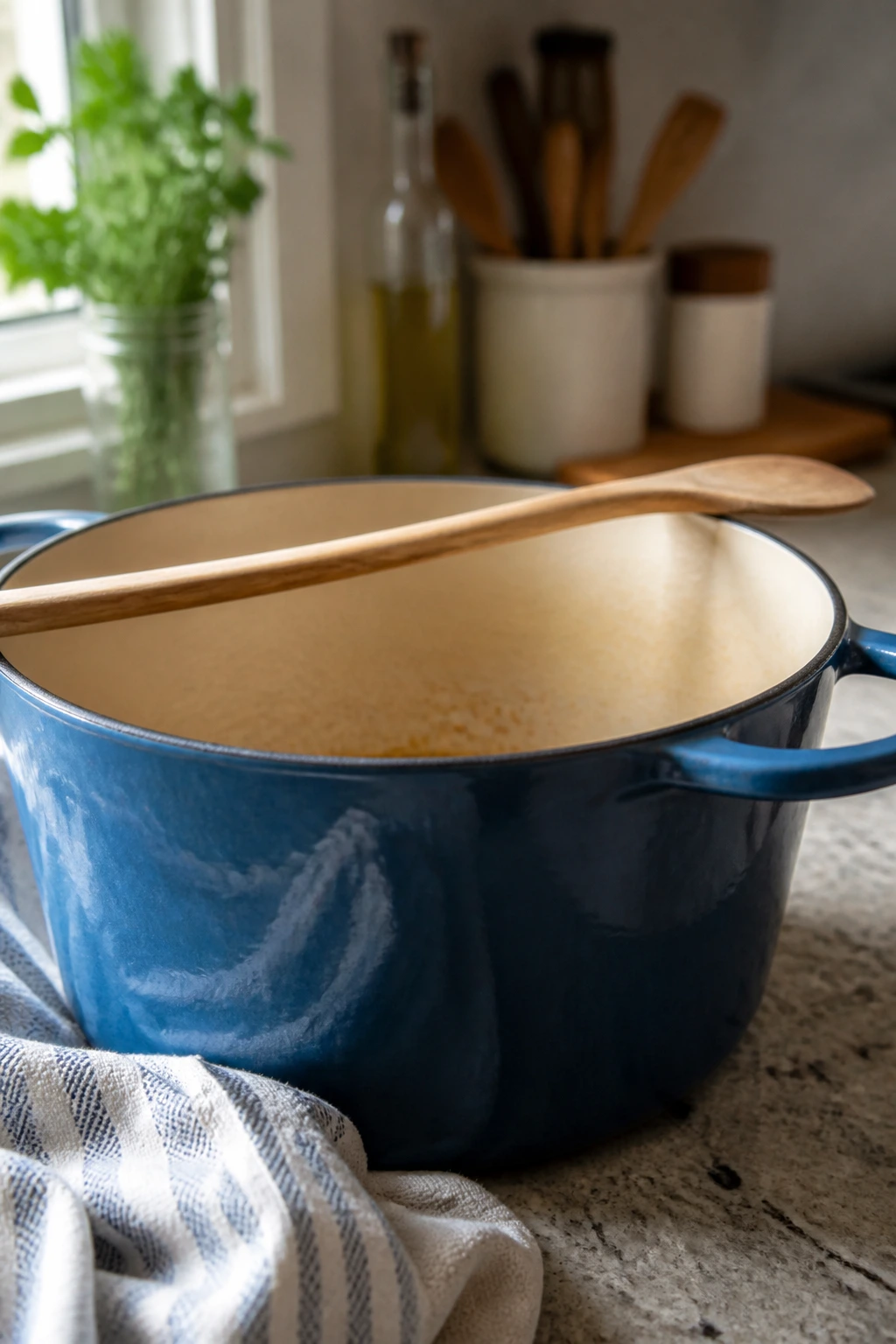
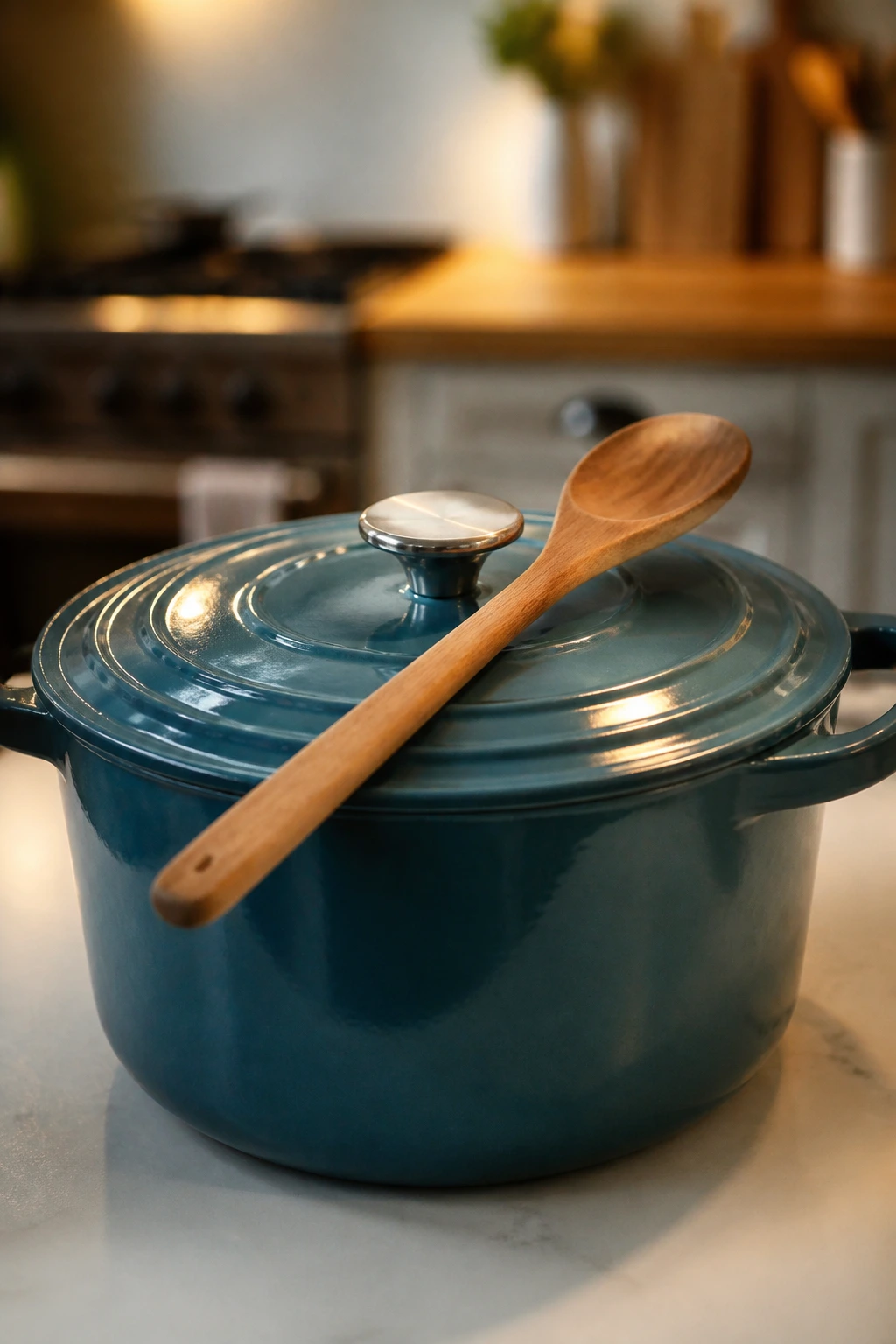
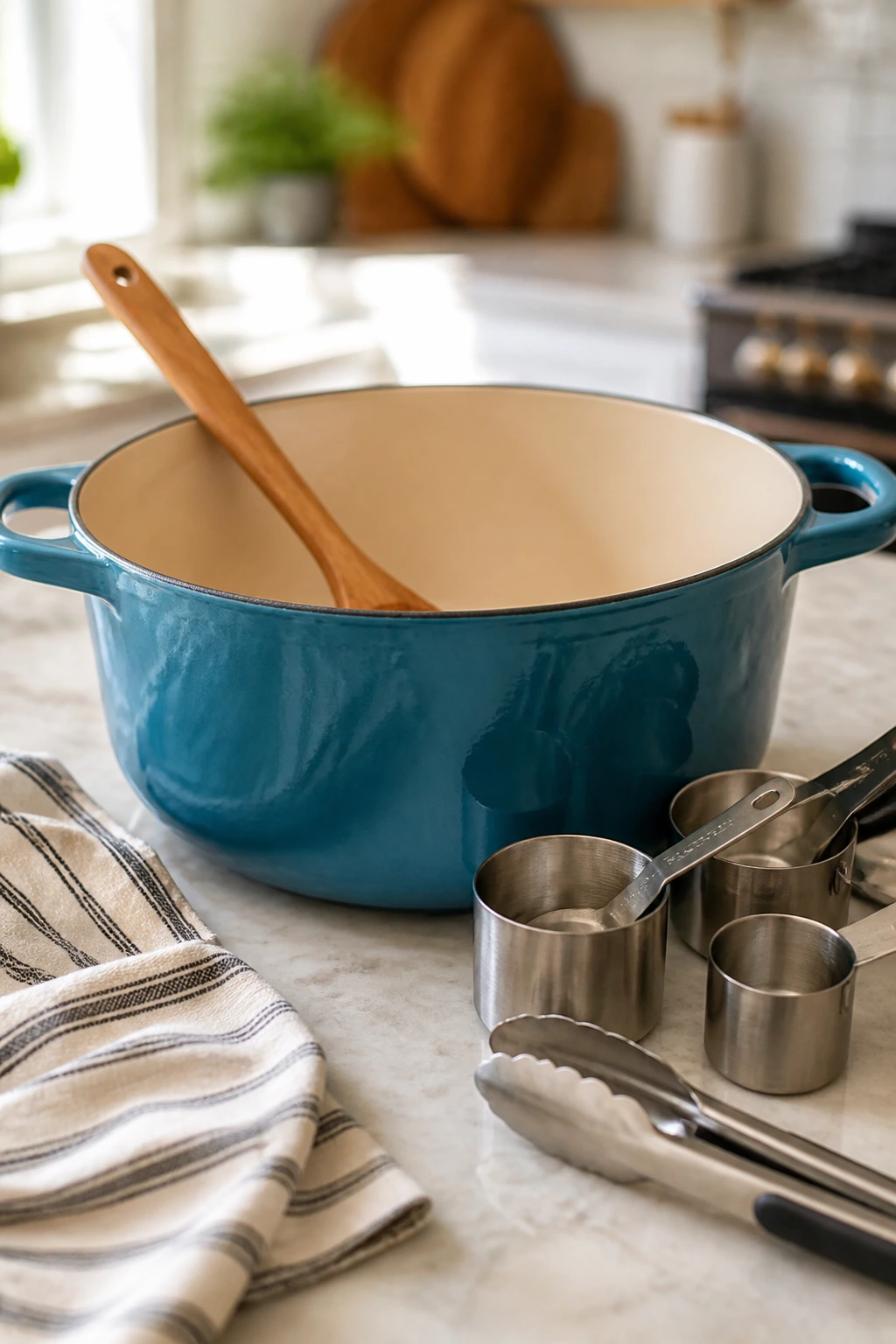
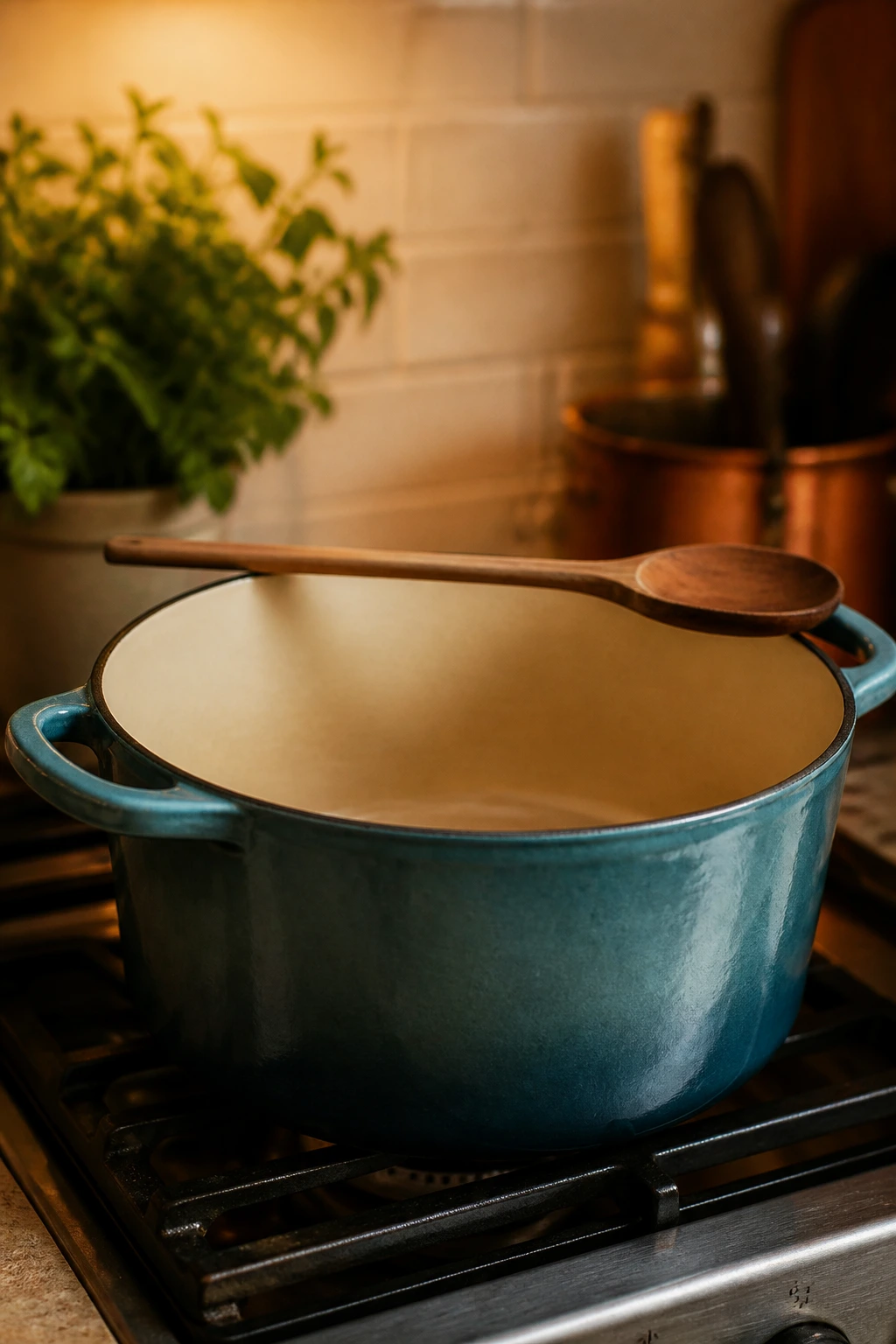
- Large Dutch oven or deep pot
- Wooden spoon
- Measuring cups
- Tongs for stirring pasta
How to Serve This Dish
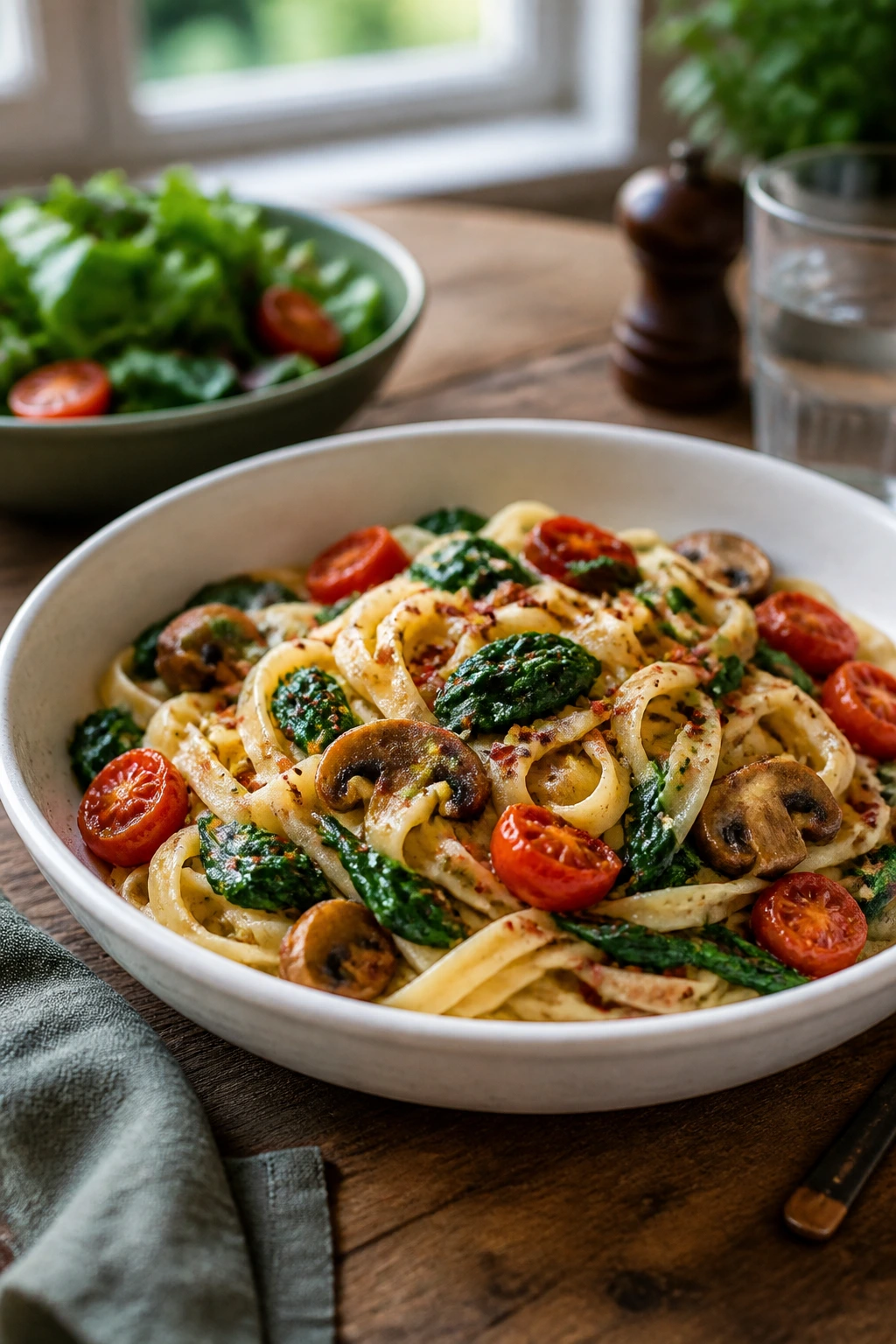
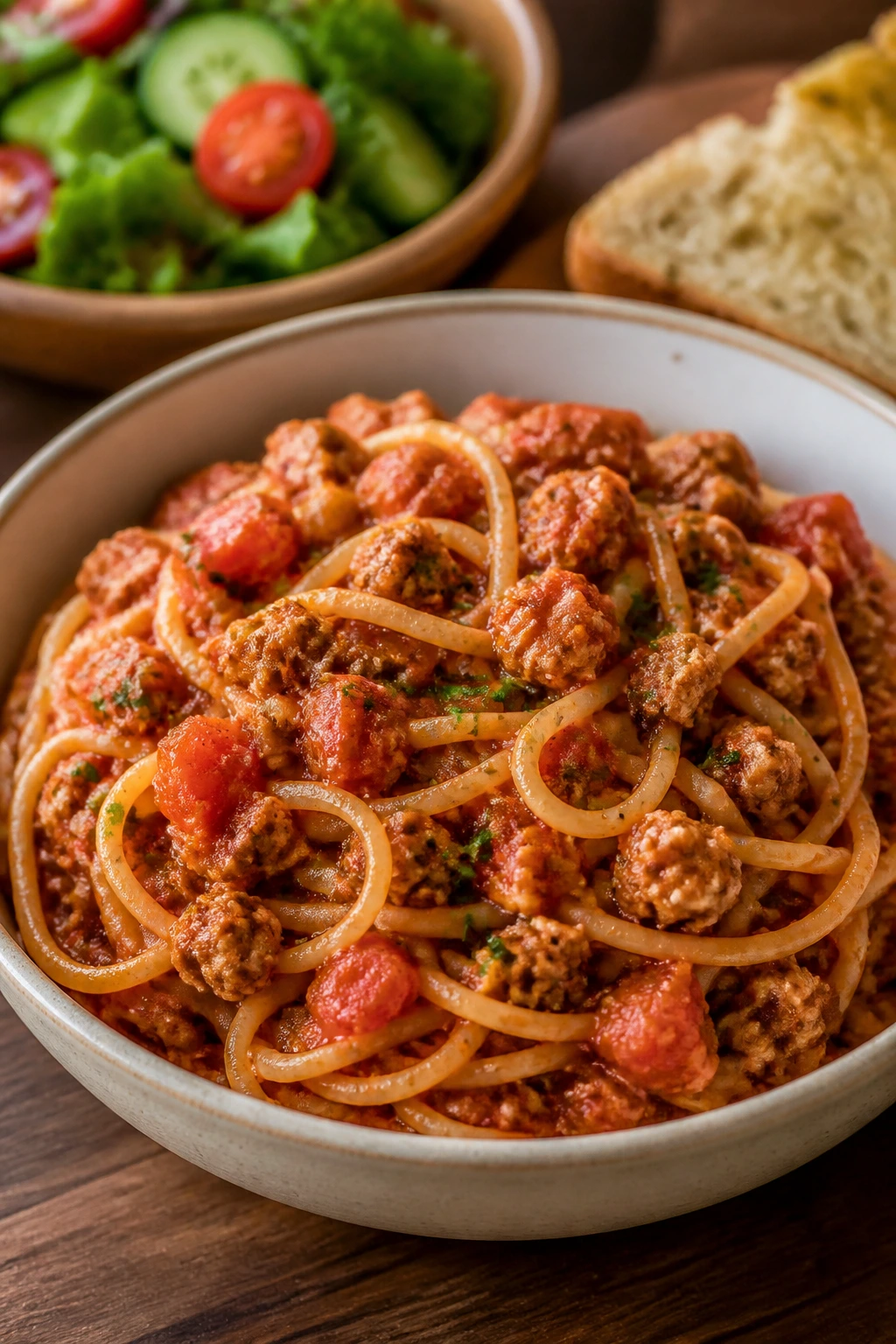
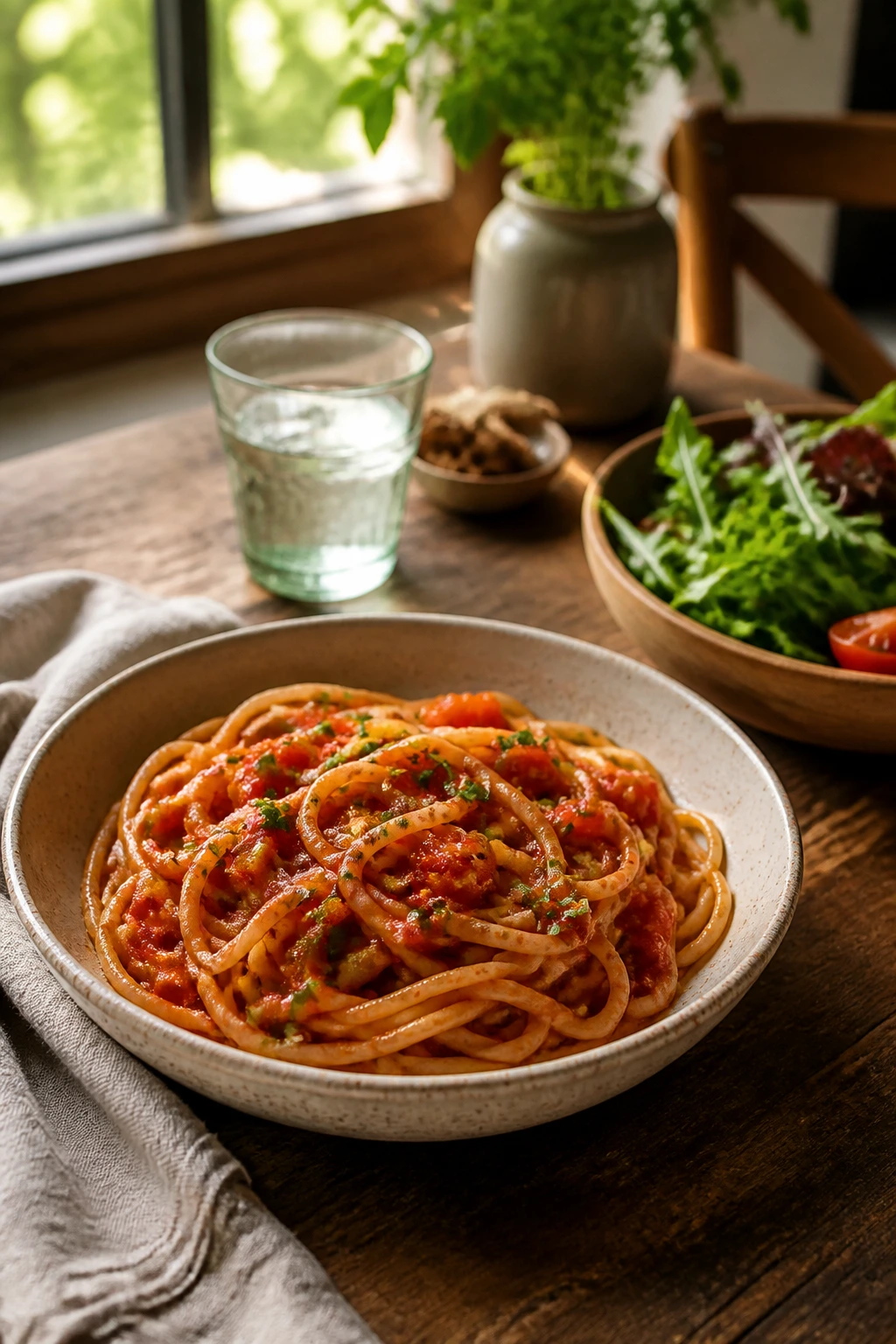
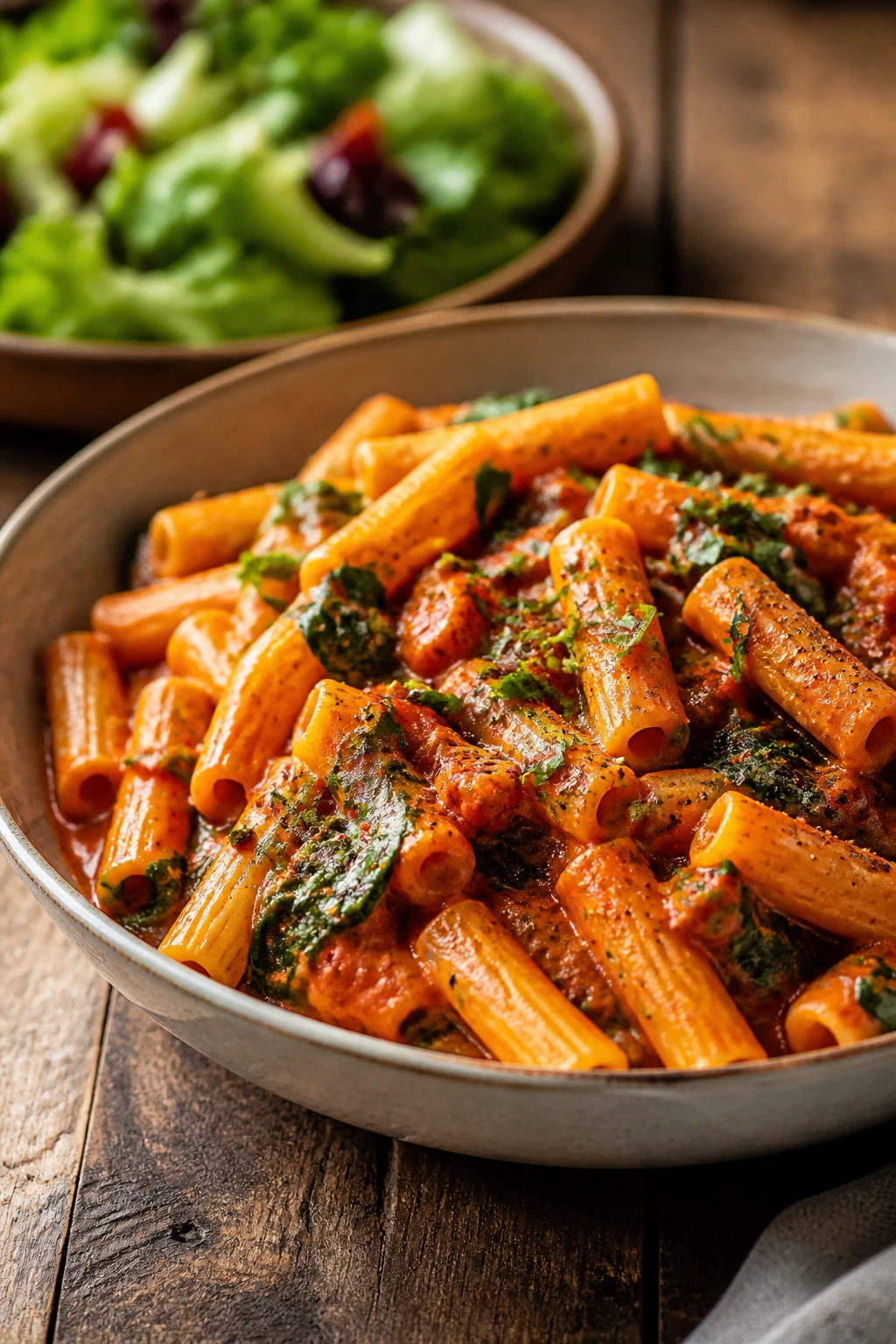
Serve it in wide bowls with a side salad and maybe garlic bread if you have dairy-free bread or are serving plain toast. A simple green salad cuts the richness nicely. Six portions is realistic, especially if you’re feeding children who like a big pile of pasta.
Pro Tips for This Recipe
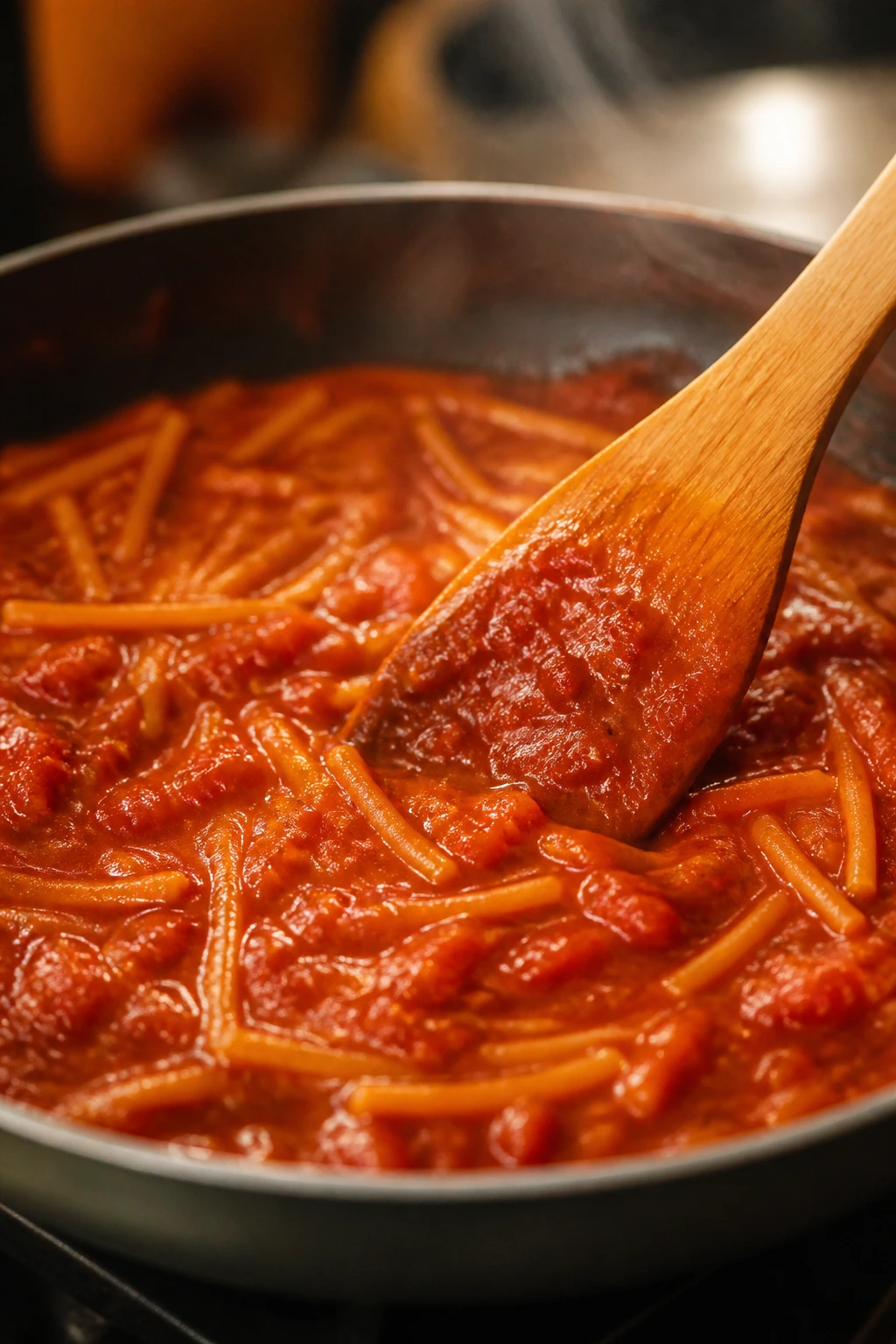
- Stir often: Pasta that sits still can stick in one dense clump.
- Break the spaghetti in half: It fits the pot better and is easier to eat in one-pot form.
- Keep extra broth nearby: If the sauce gets too thick before the noodles finish, add ¼ cup at a time.
- Use crushed tomatoes, not sauce: Crushed tomatoes give you body without turning the sauce too sweet.
Variations on This Dish
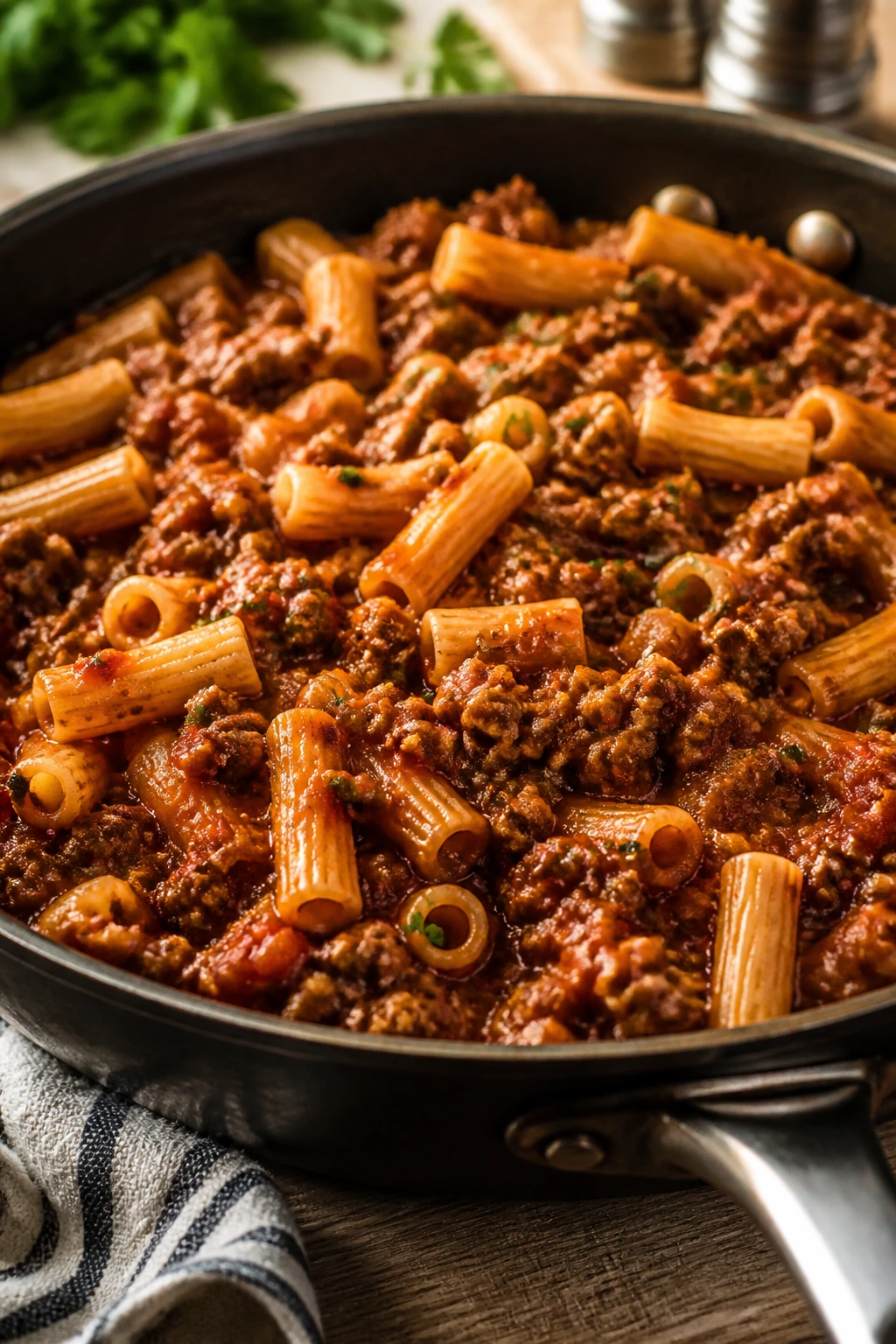
- Beef Version: Swap ground turkey for lean ground beef.
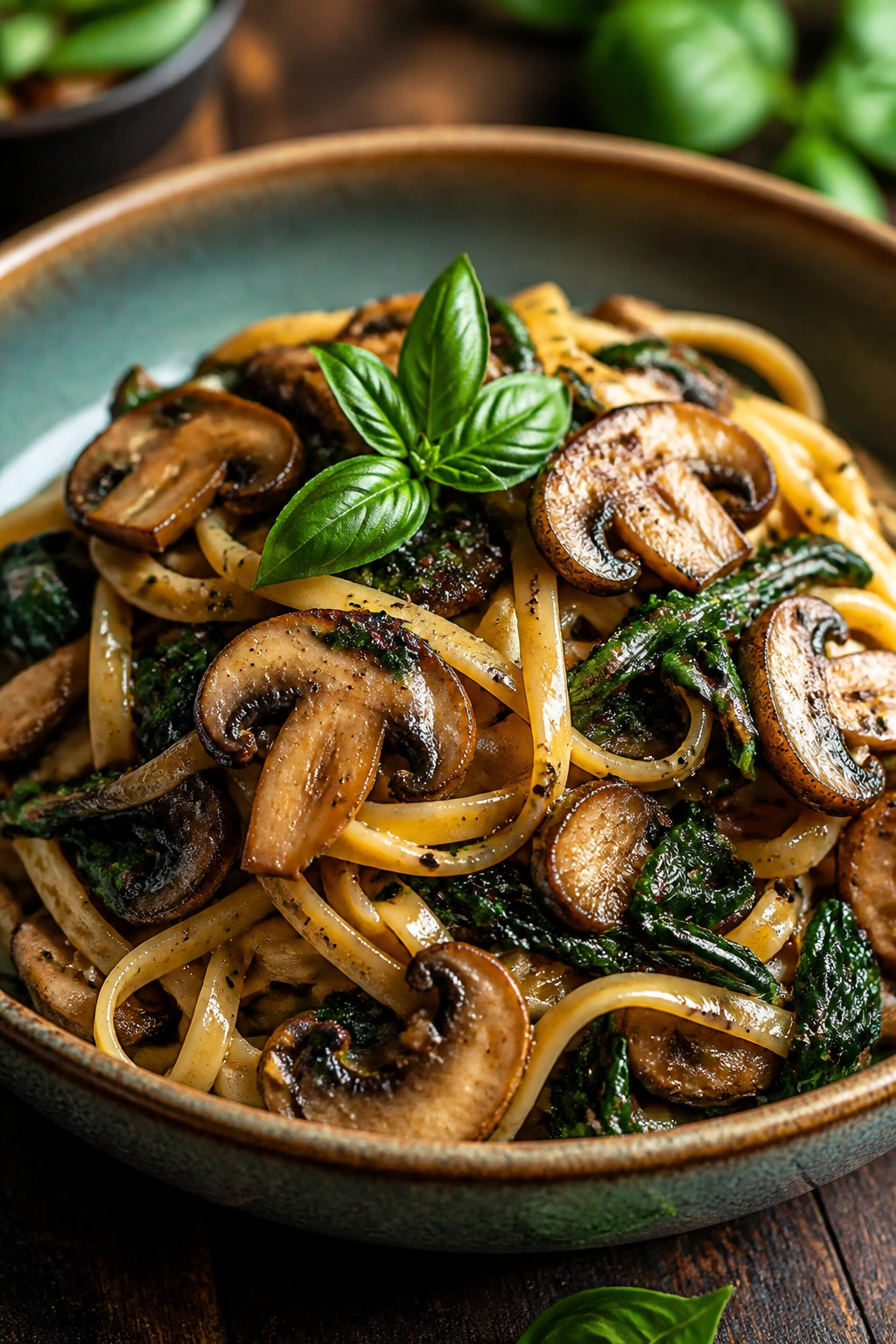
- Veggie Boost: Add 1 cup finely chopped mushrooms with the onion.
- Spicy Arrabbiata Style: Add ½ teaspoon red pepper flakes with the seasoning.
Common Mistakes to Avoid with This Dish
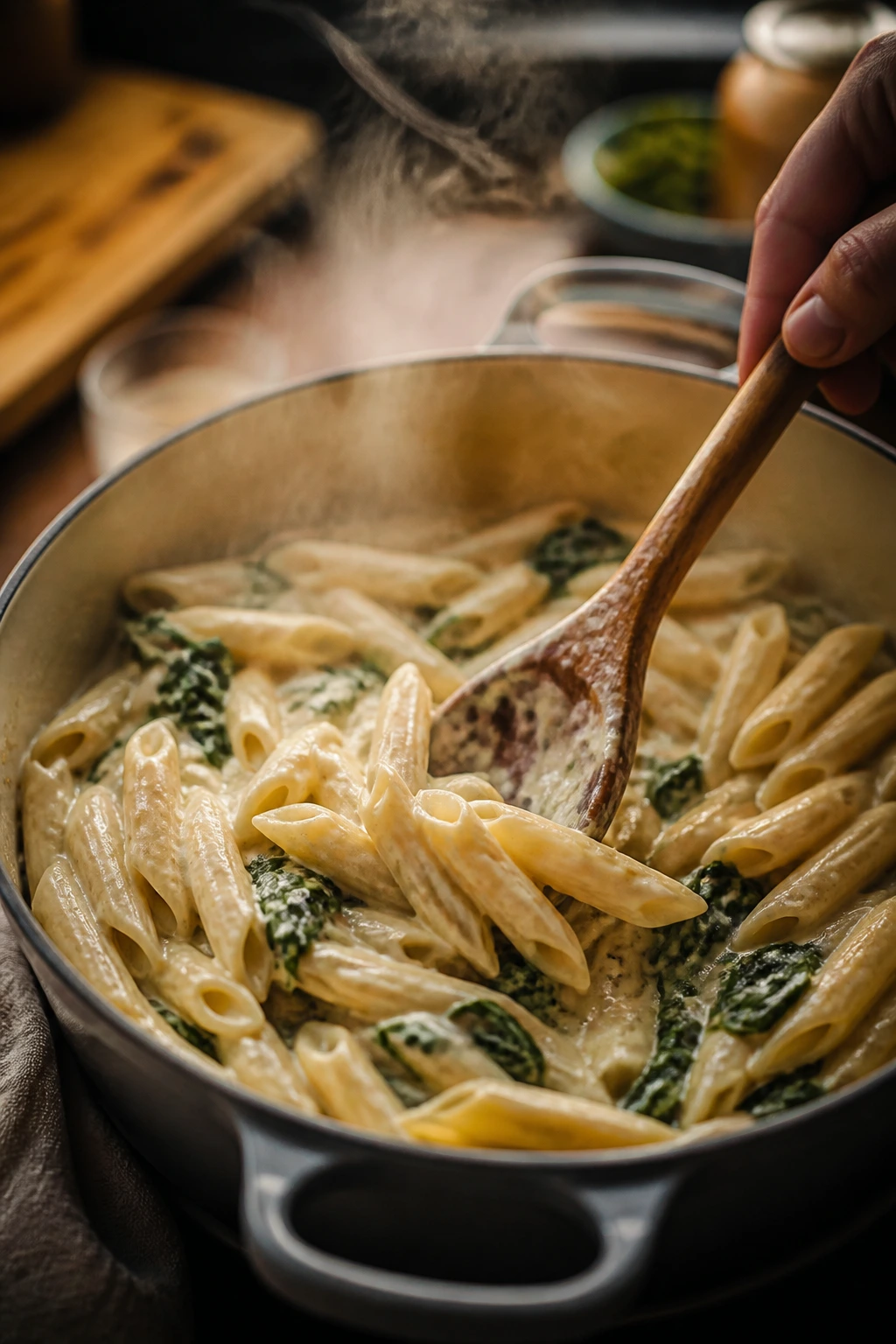
- Not stirring enough: The pasta can stick and cook unevenly.
- Using too little liquid: One-pot pasta needs enough broth to finish tender.
- Adding herbs too early: Fresh basil loses its spark if it cooks the whole time.
7. Beef and Broccoli Rice Bowls
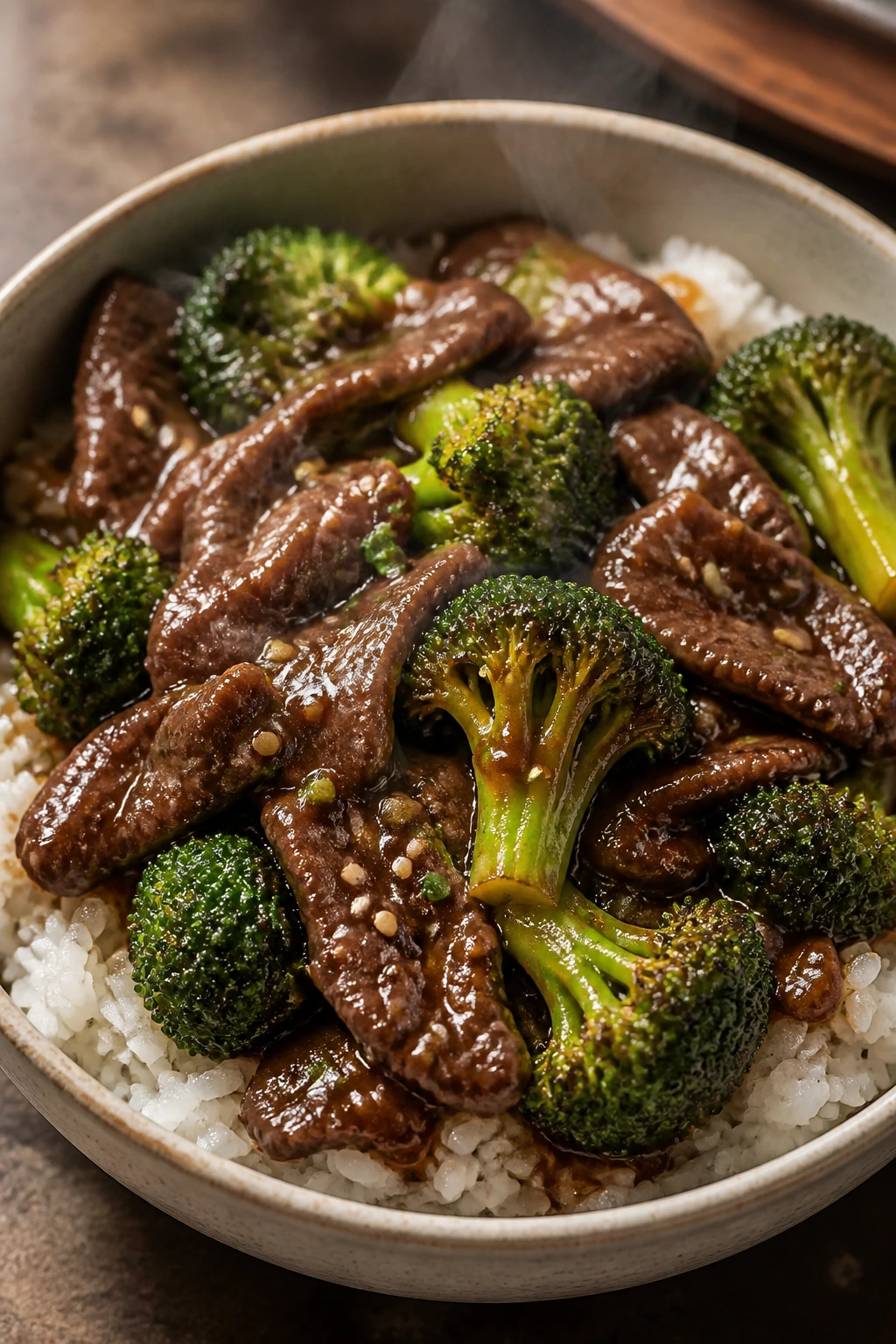
This is takeout-style food without the takeout bill or the soggy container lid. The sauce coats the beef in a salty-sweet glaze, the broccoli keeps the bowl from feeling heavy, and rice gives you the kind of base that makes everyone at the table feel fed. It’s fast, which matters more than polished plating on a Tuesday.
Why It Works
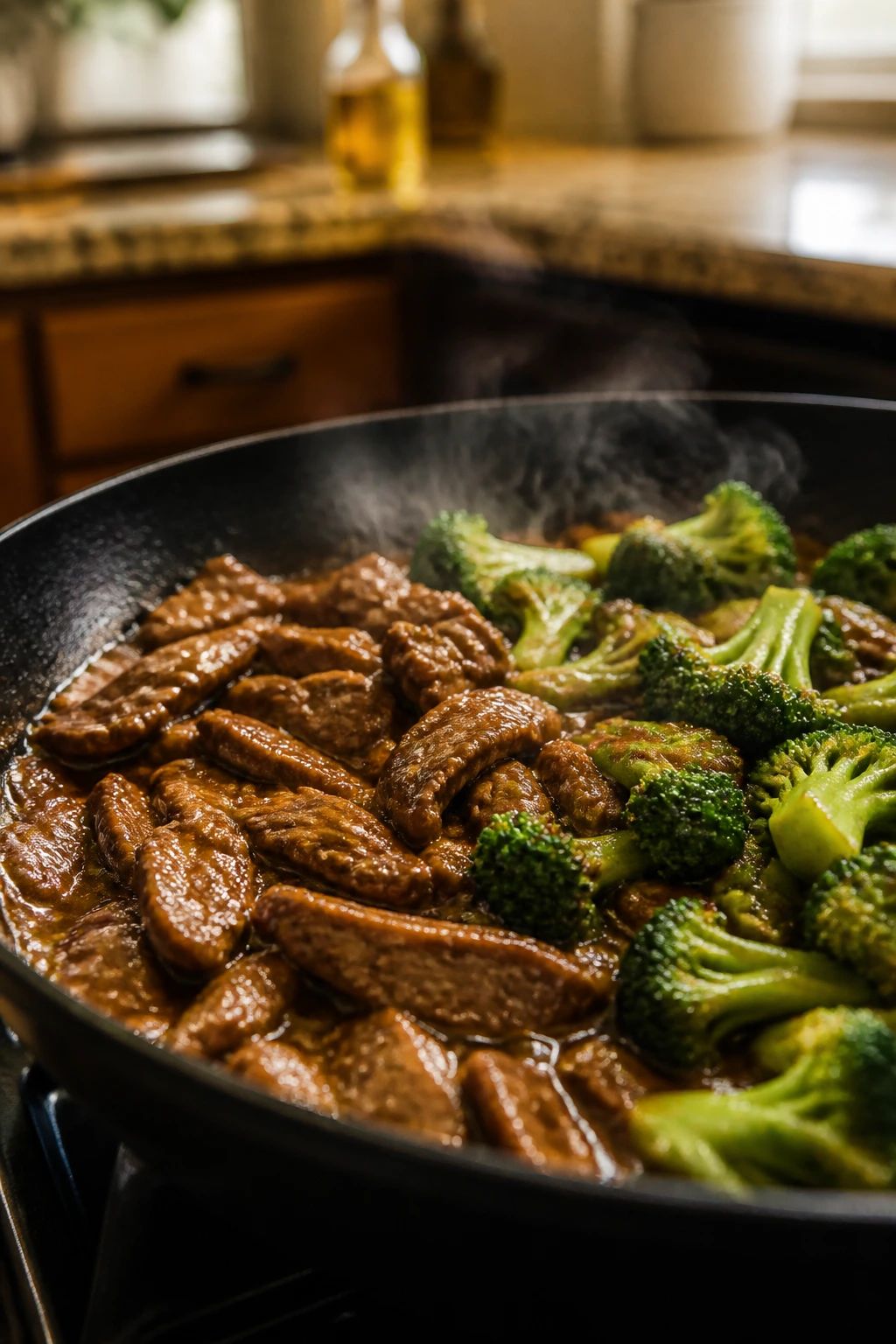
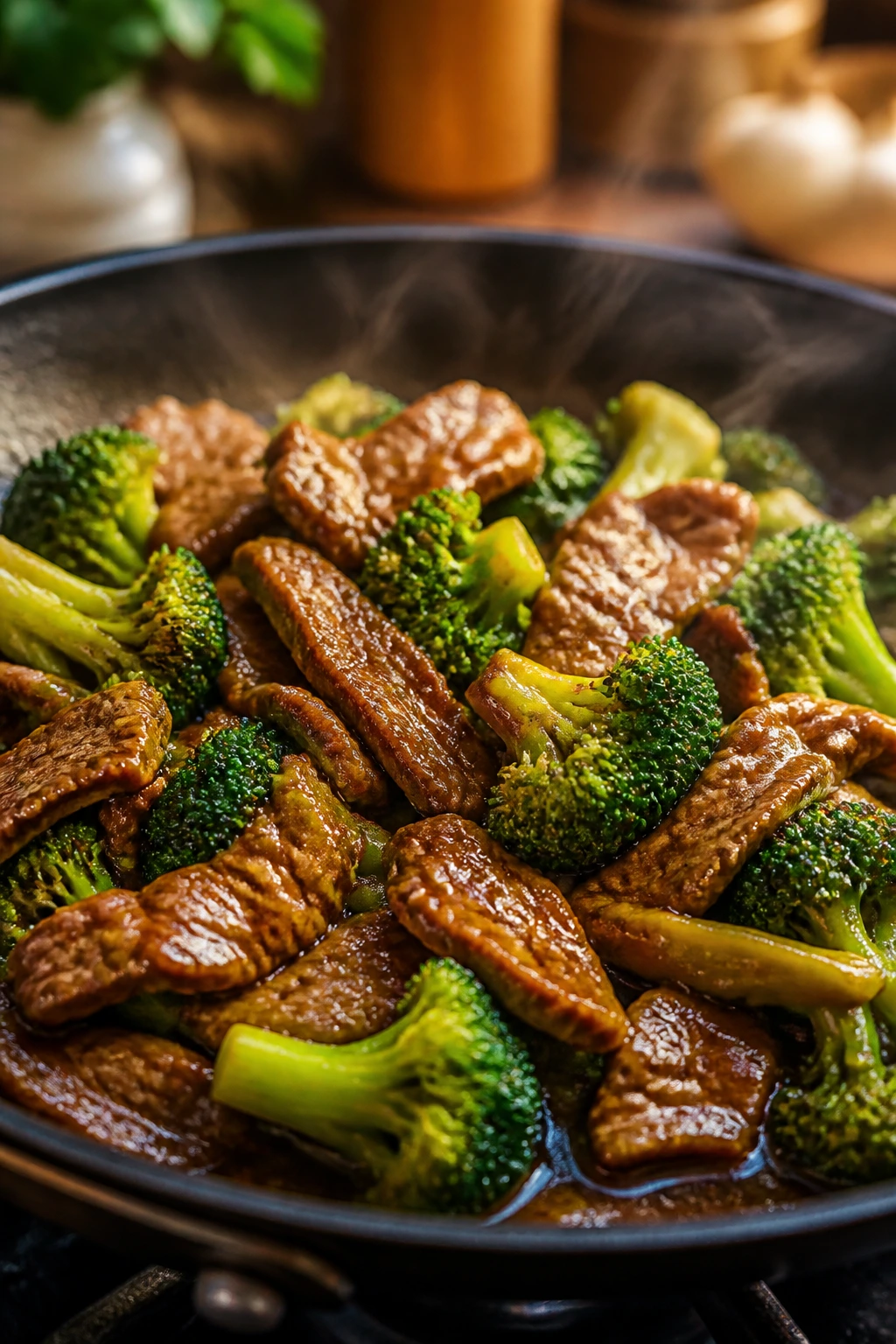
Thin slices of beef cook in minutes, which is why this dinner lands so well for busy nights. A little cornstarch helps the sauce cling, and broccoli soaks up the savory edges without getting mushy if you keep it crisp-tender. The whole thing feels bigger than the ingredient list.
Key Ingredients
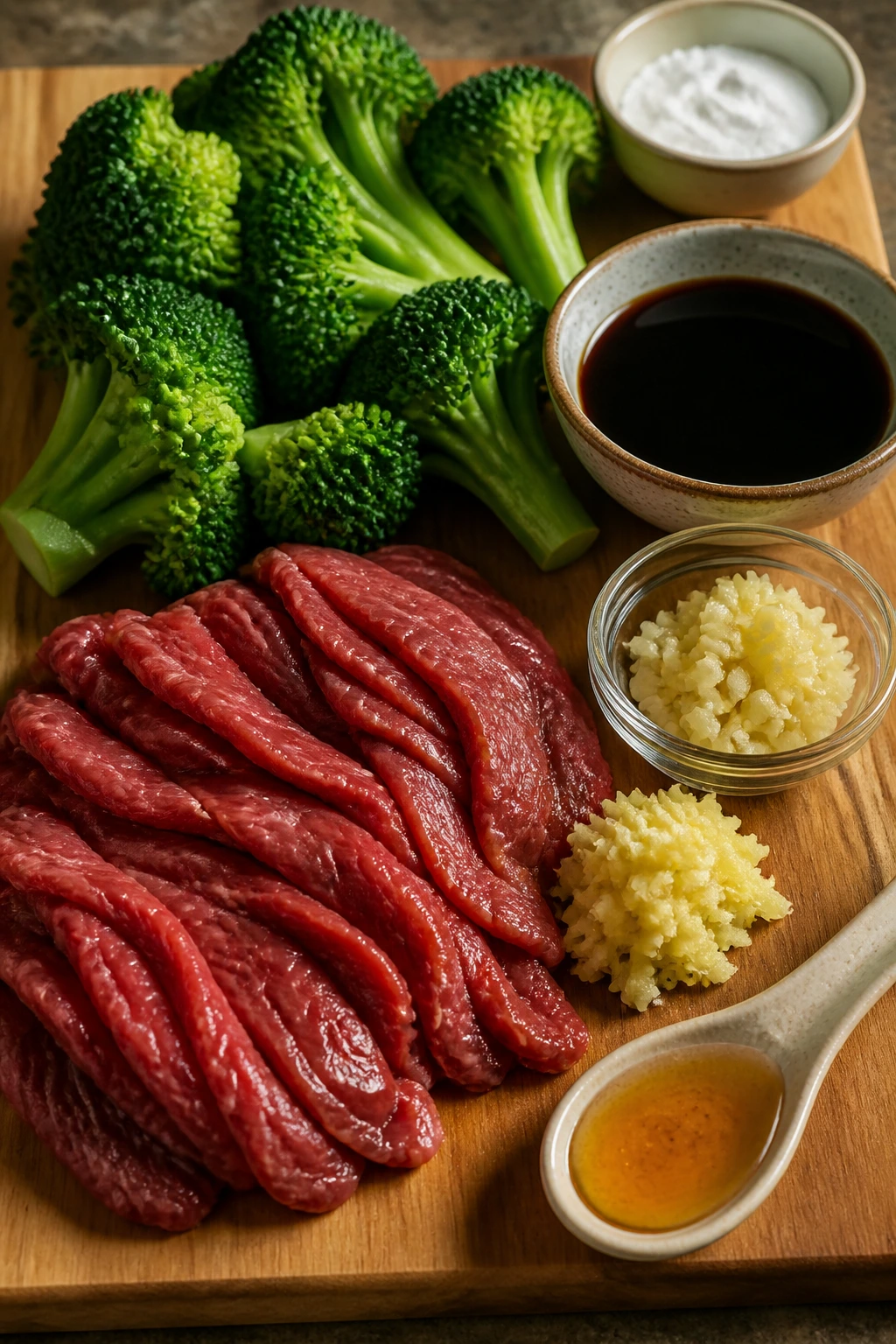
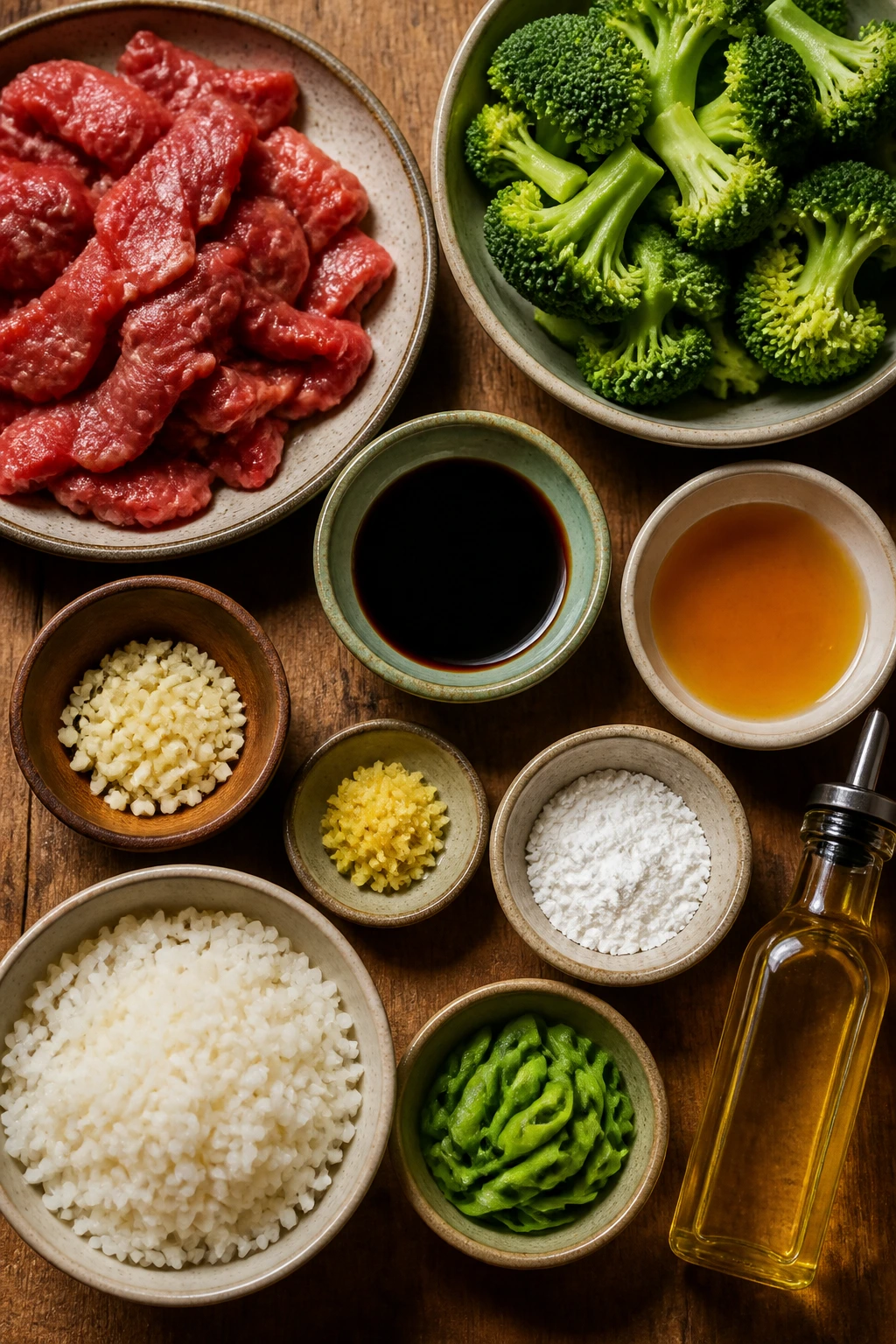
- 1 pound flank steak or sirloin, thinly sliced
- 3 cups broccoli florets
- 2 tablespoons avocado oil or olive oil
- 3 cloves garlic, minced
- 1 teaspoon grated ginger
- ¼ cup low-sodium soy sauce
- 2 tablespoons water
- 1 tablespoon honey
- 1 tablespoon cornstarch
- 2 cups cooked white rice
- 2 tablespoons sliced green onions
Quick Steps
-
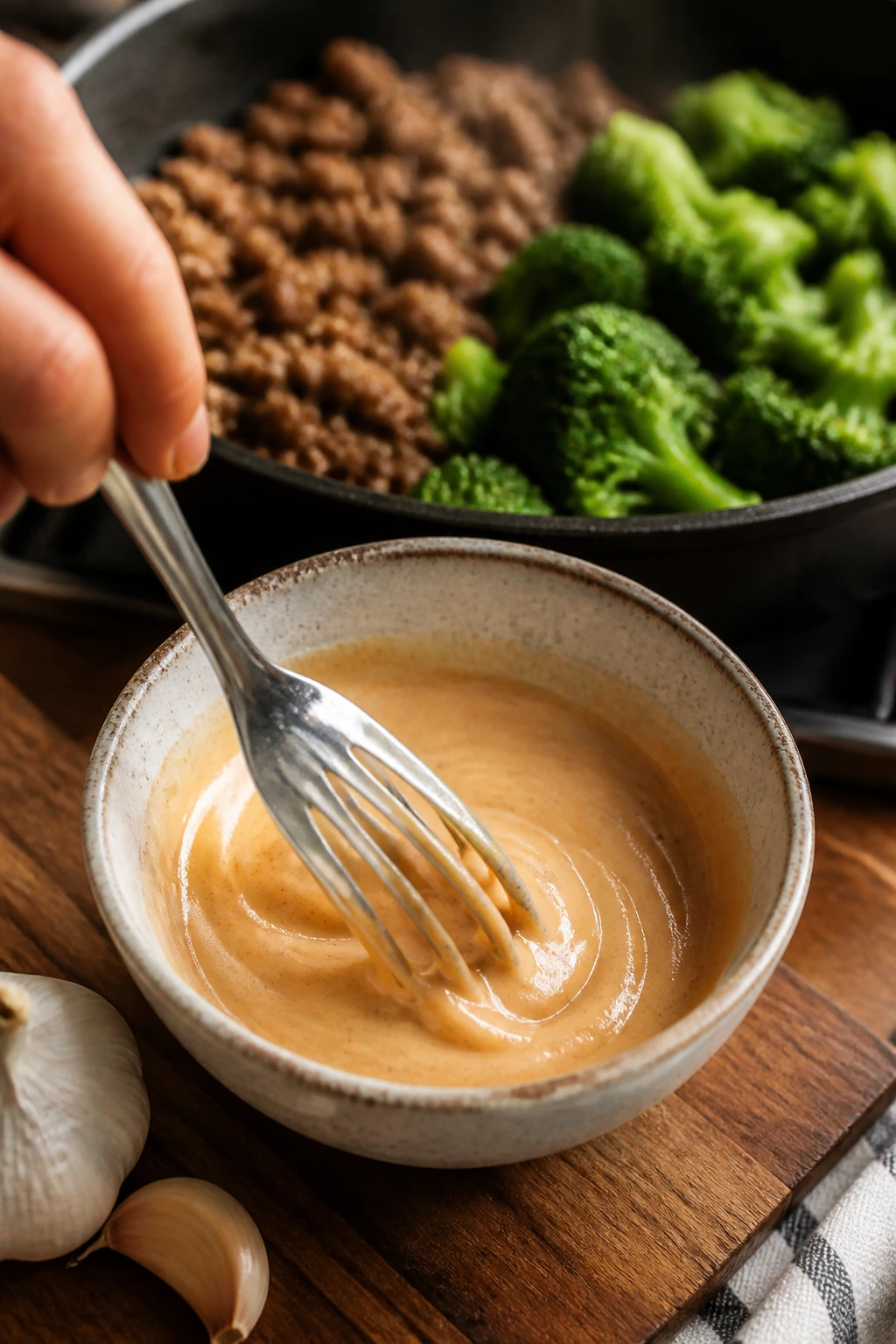
Mix the sauce: Whisk soy sauce, water, honey, and cornstarch in a small bowl until smooth.
-
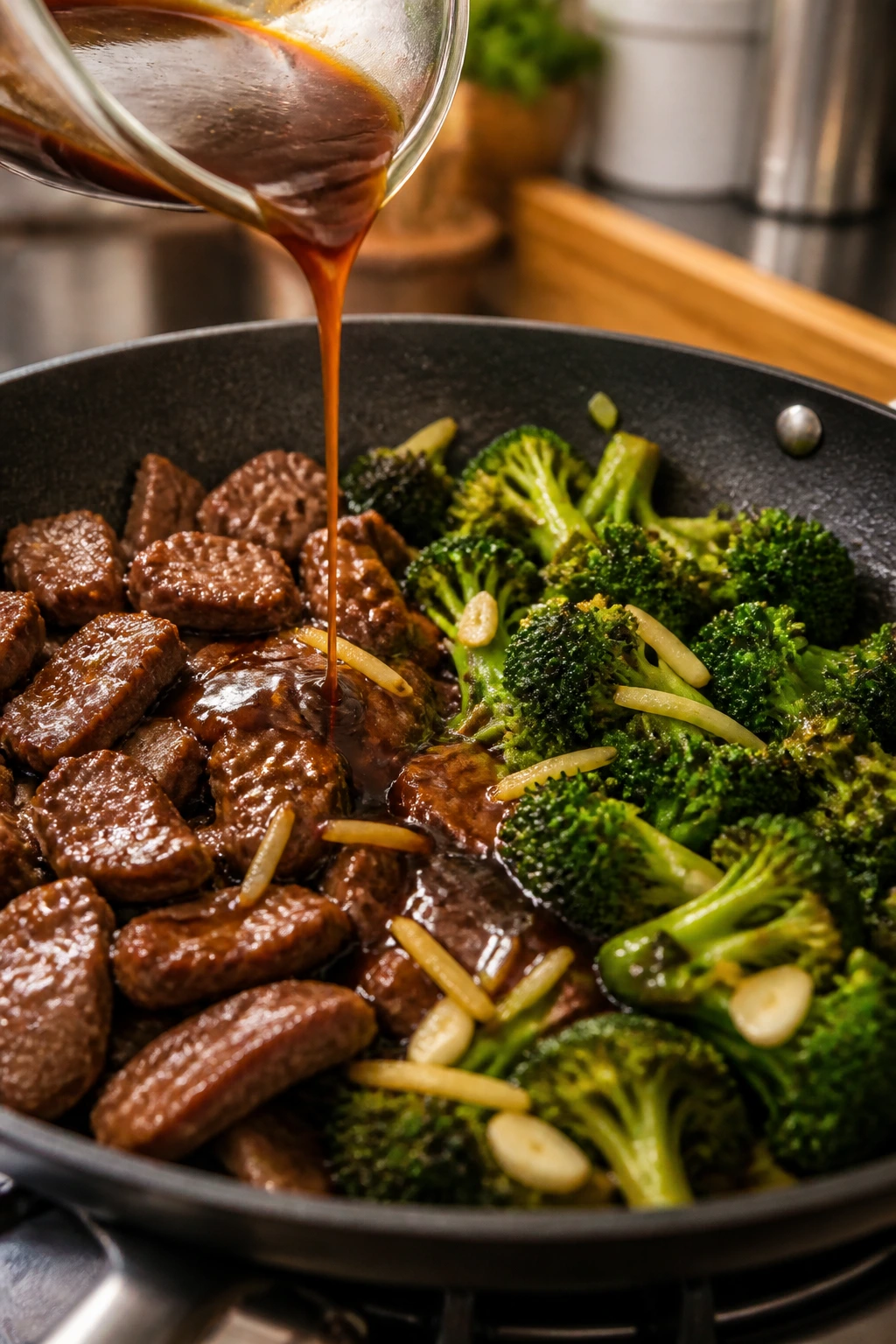
Sear the beef: Heat 1 tablespoon oil in a large skillet over medium-high heat. Cook the beef for 2 to 3 minutes in a single layer until browned, then transfer to a plate.
-
Cook the broccoli: Add the remaining oil and broccoli. Stir-fry for 3 to 4 minutes until bright green and just tender.
-
Build the glaze: Add garlic and ginger, cook for 30 seconds, then return the beef and pour in the sauce.
-
Thicken and serve: Stir for 1 to 2 minutes until the sauce turns shiny and coats the beef. Serve over rice with green onions.
Equipment for This Recipe
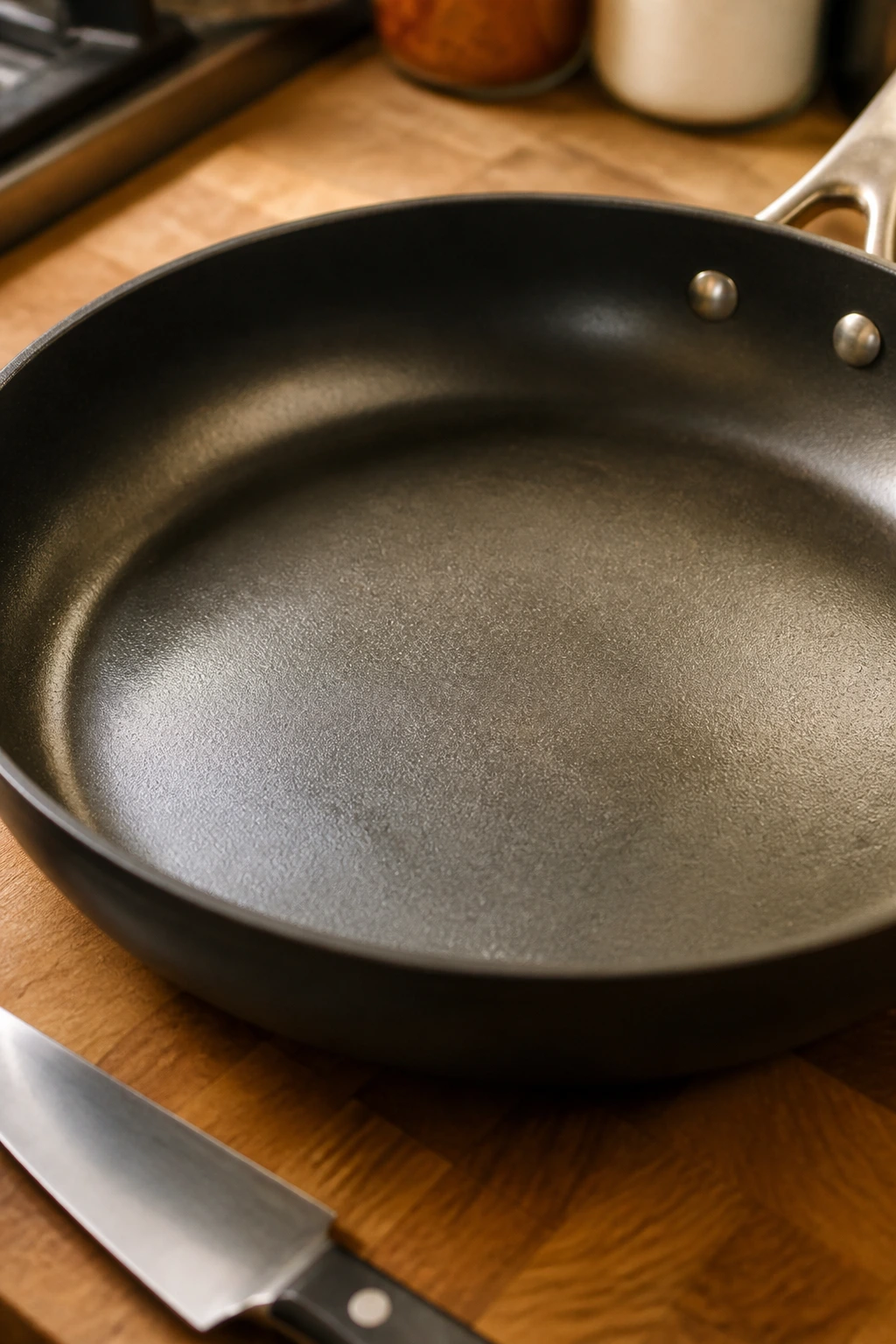
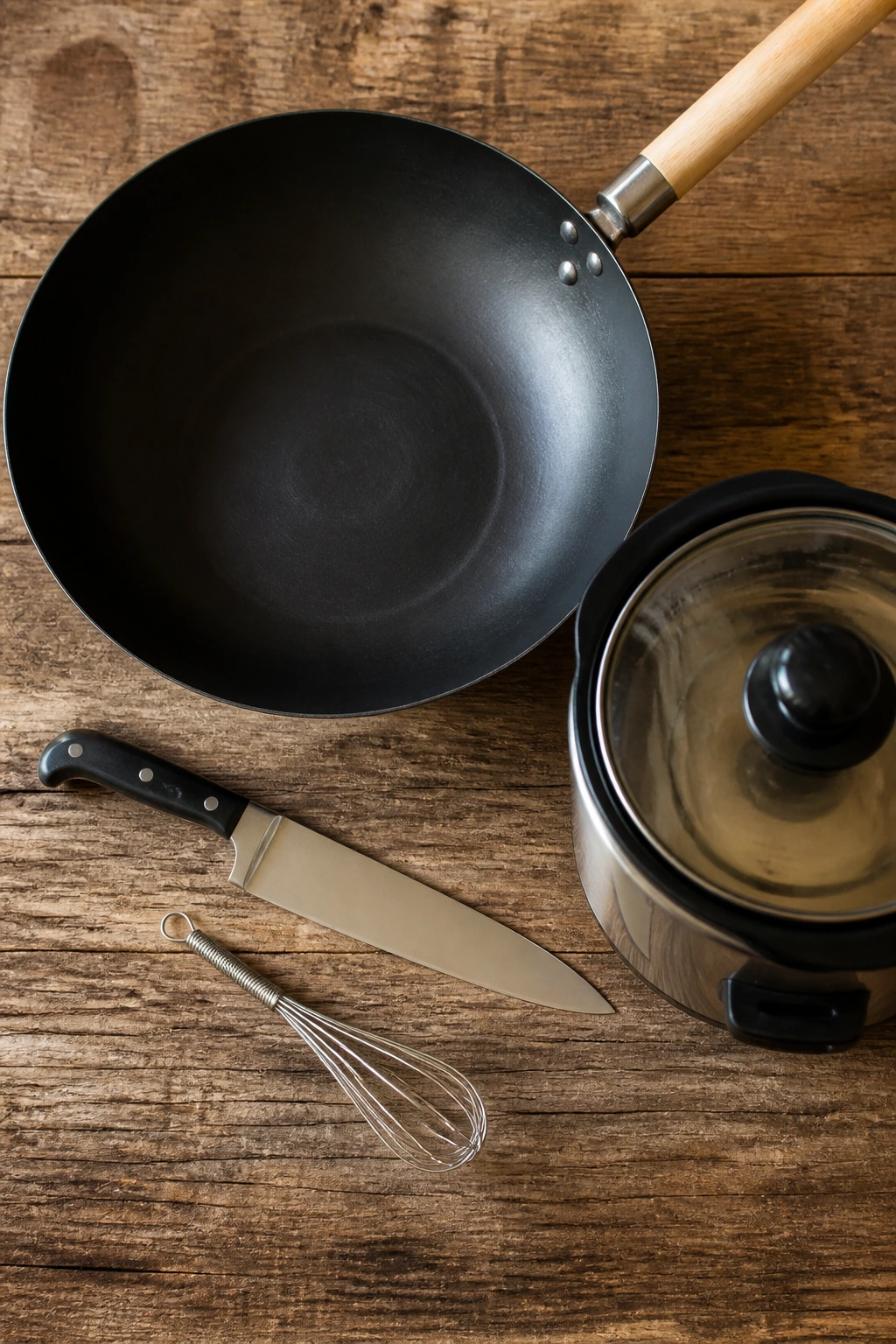
- Large skillet or wok
- Sharp knife for thin slicing
- Small whisk or fork
- Rice cooker or saucepan for rice
How to Serve This Dish
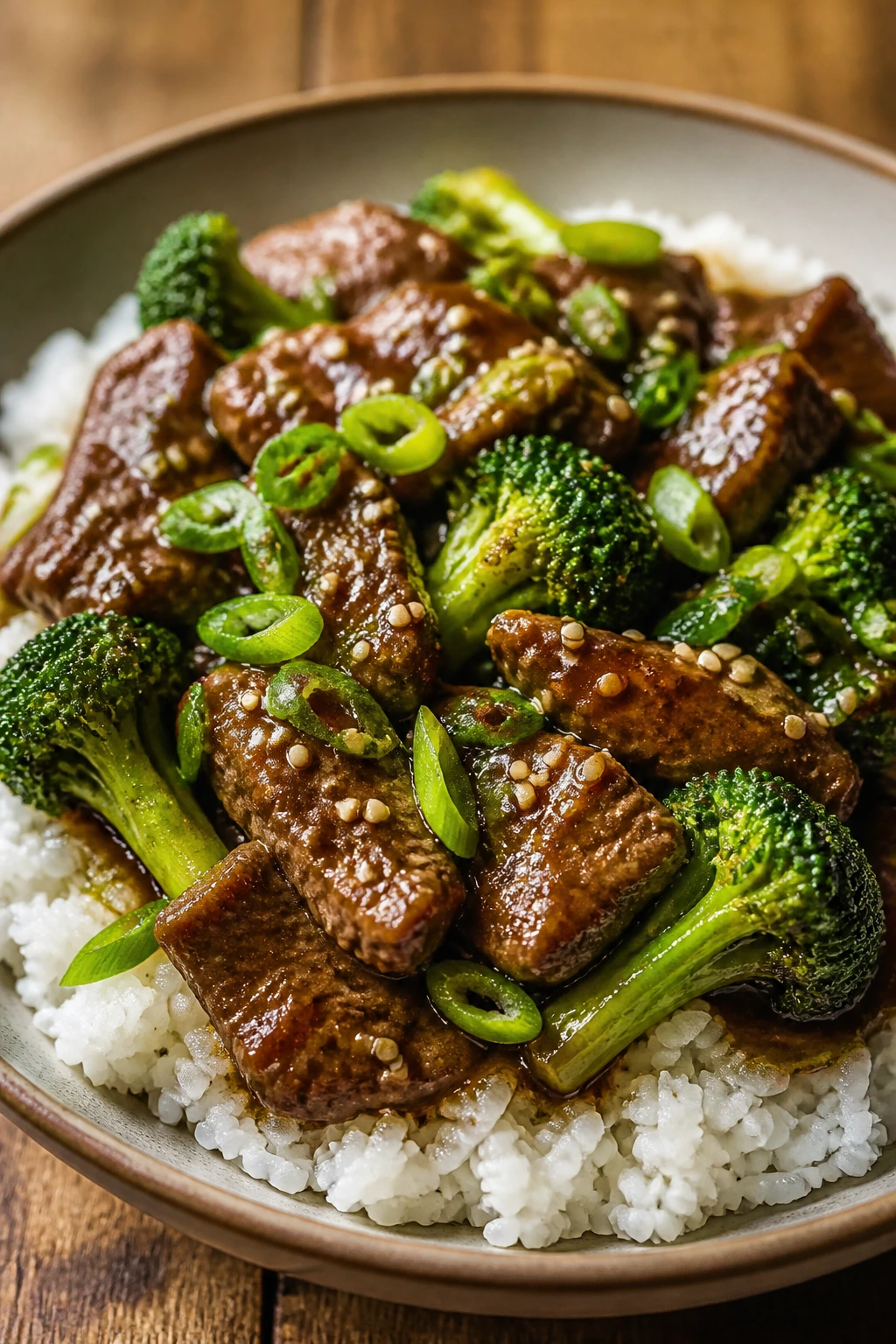
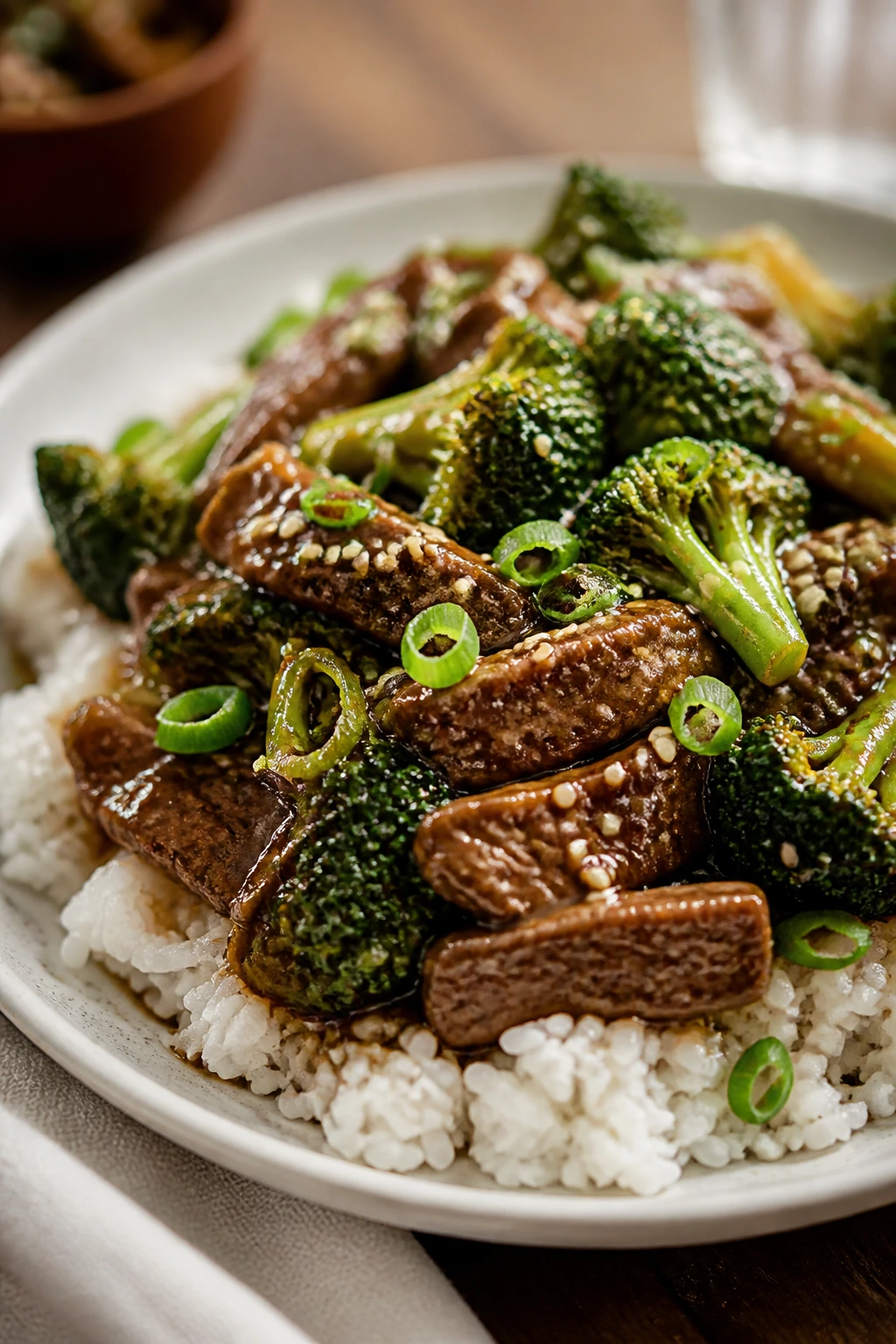
Pile the beef and broccoli over rice and spoon any extra sauce over the top. A few sesame seeds or sliced scallions make it look finished without extra effort. Four hearty servings is a fair count.
Pro Tips for This Recipe
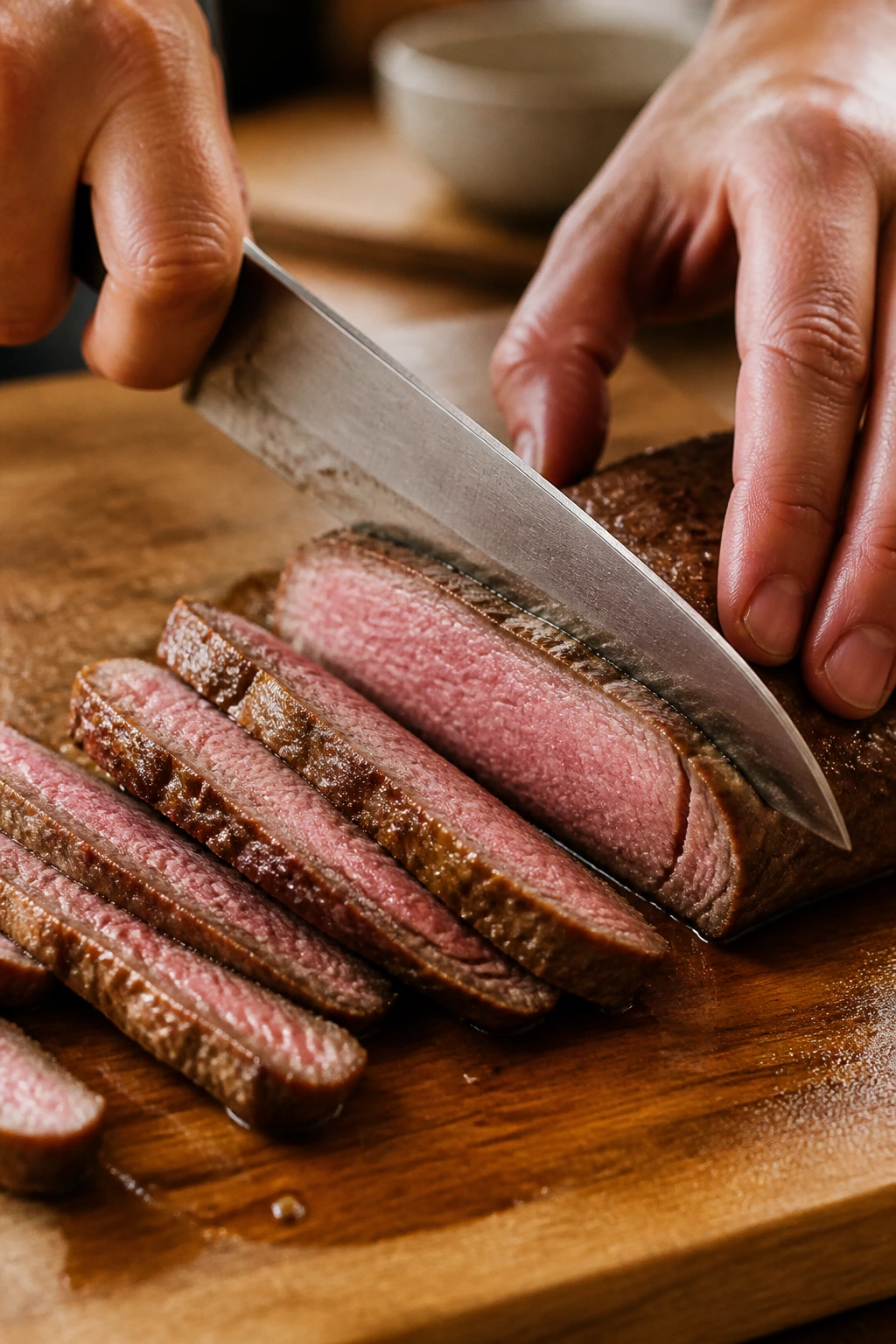
- Slice against the grain: That keeps the beef tender.
- Freeze the steak for 15 minutes first: It’s easier to cut thinly.
- Do not overcook the broccoli: It should still have some bite.
- Whisk the cornstarch well: Lumpy sauce is a pain to fix.
Variations on This Dish
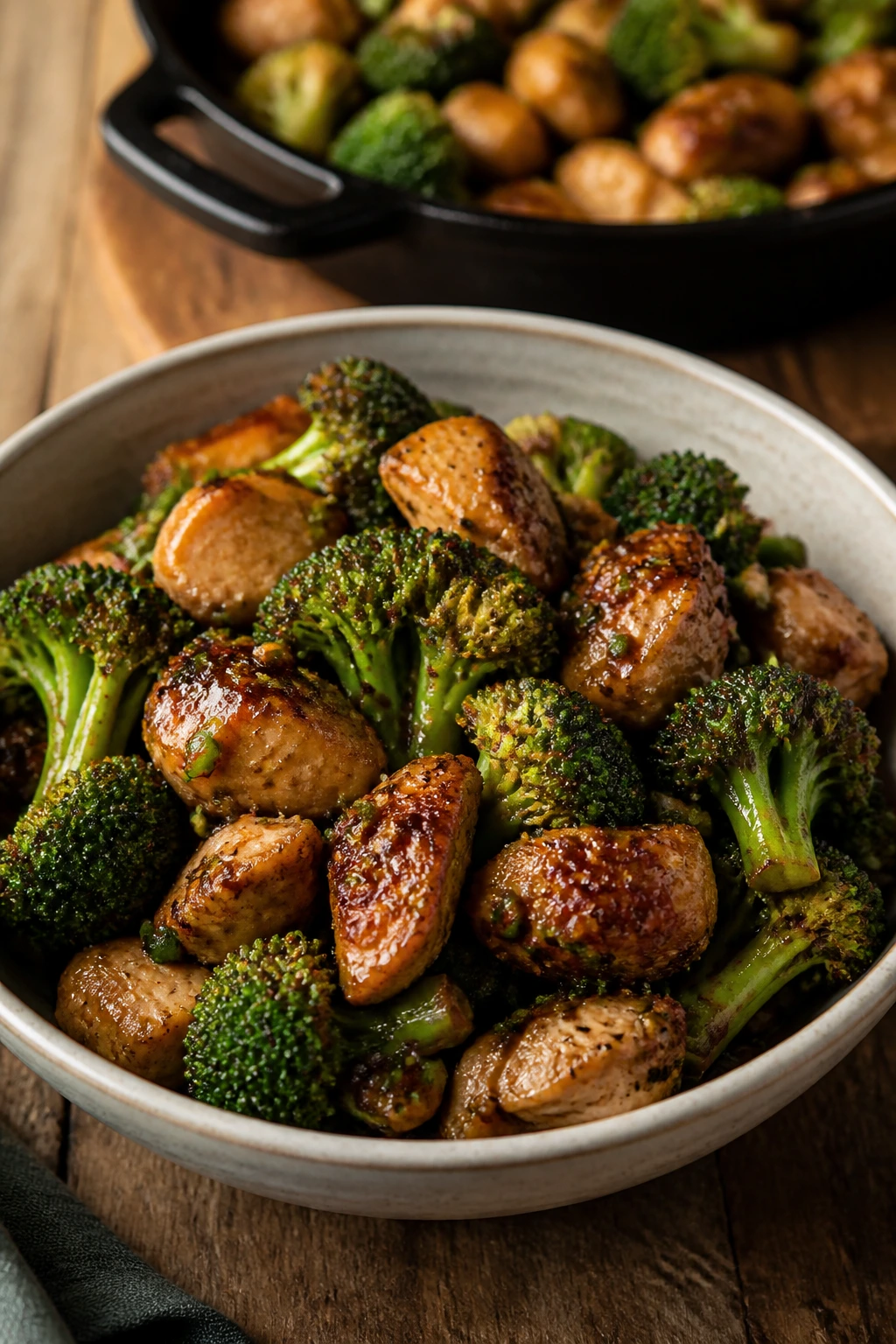
- Chicken and Broccoli Bowl: Use boneless chicken thighs instead of beef.
- Ginger-Sesame Style: Add 1 teaspoon sesame oil at the end.
- Lower-Sodium Version: Use coconut aminos in place of soy sauce.
Common Mistakes to Avoid with This Dish
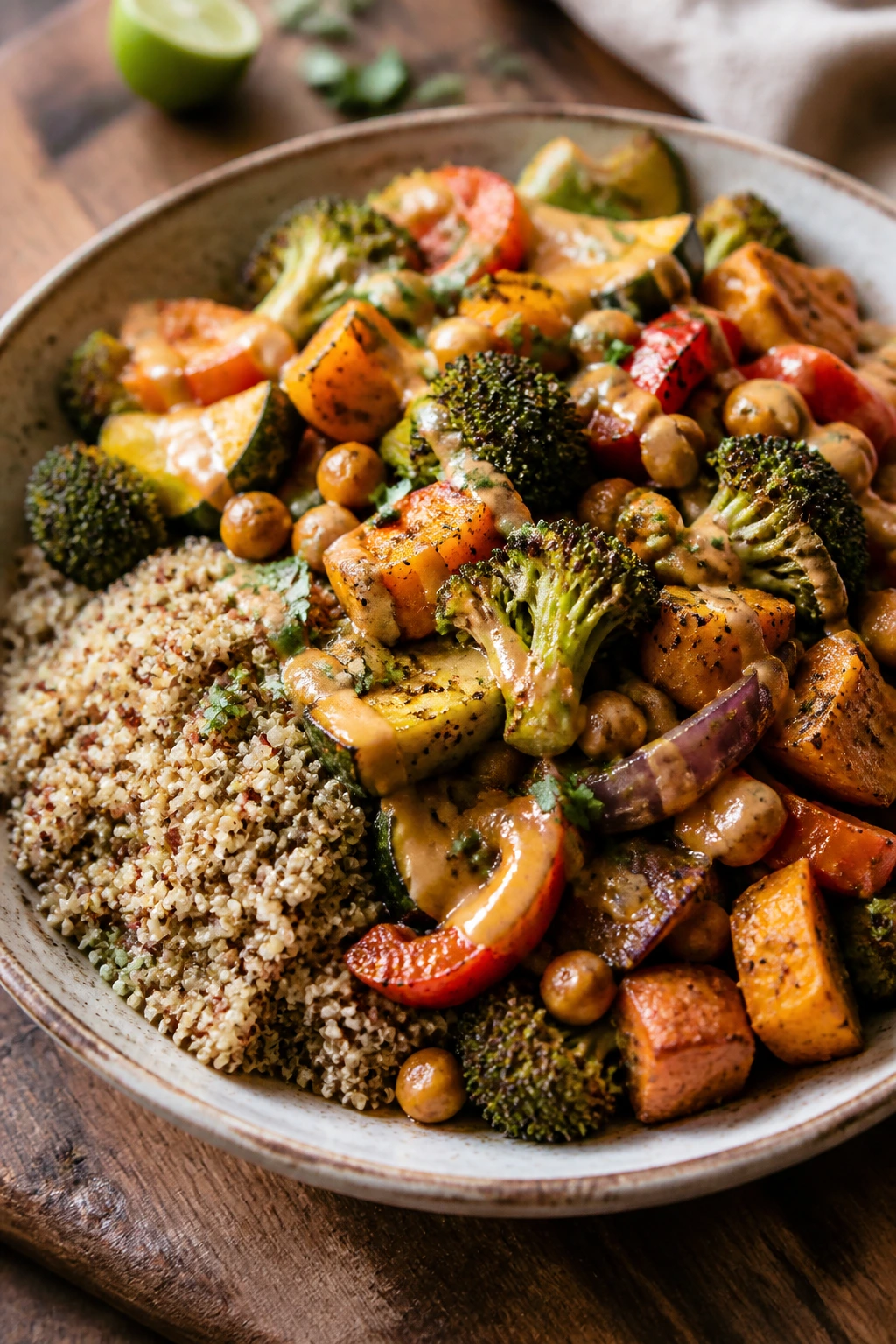
- Crowding the beef: It steams instead of browning if the pan is packed.
- Cooking the broccoli until soft: Mushy broccoli ruins the texture contrast.
- Adding cornstarch directly to the pan: It clumps unless it’s whisked into liquid first.
8. Chicken Fajita Lettuce Wraps
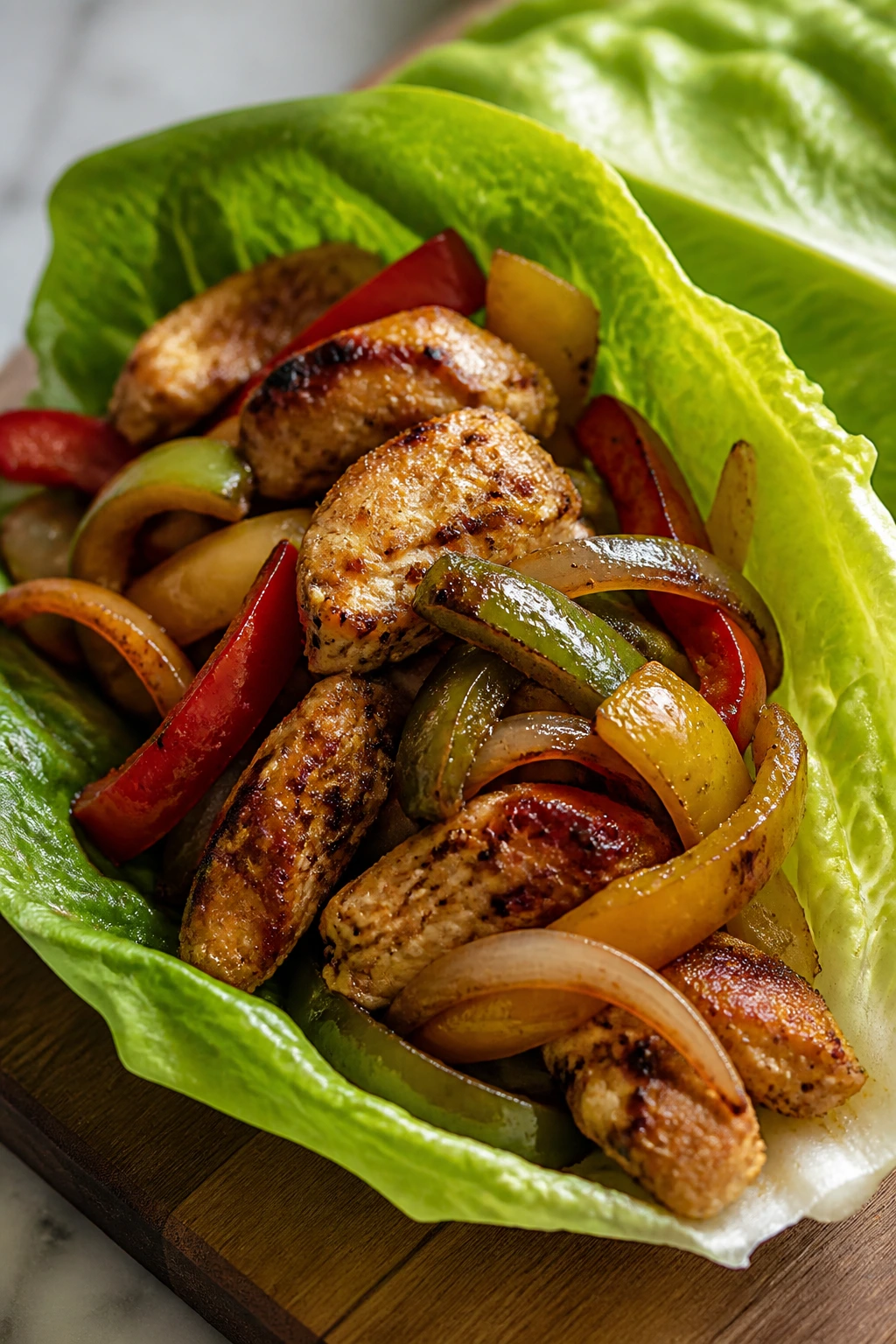
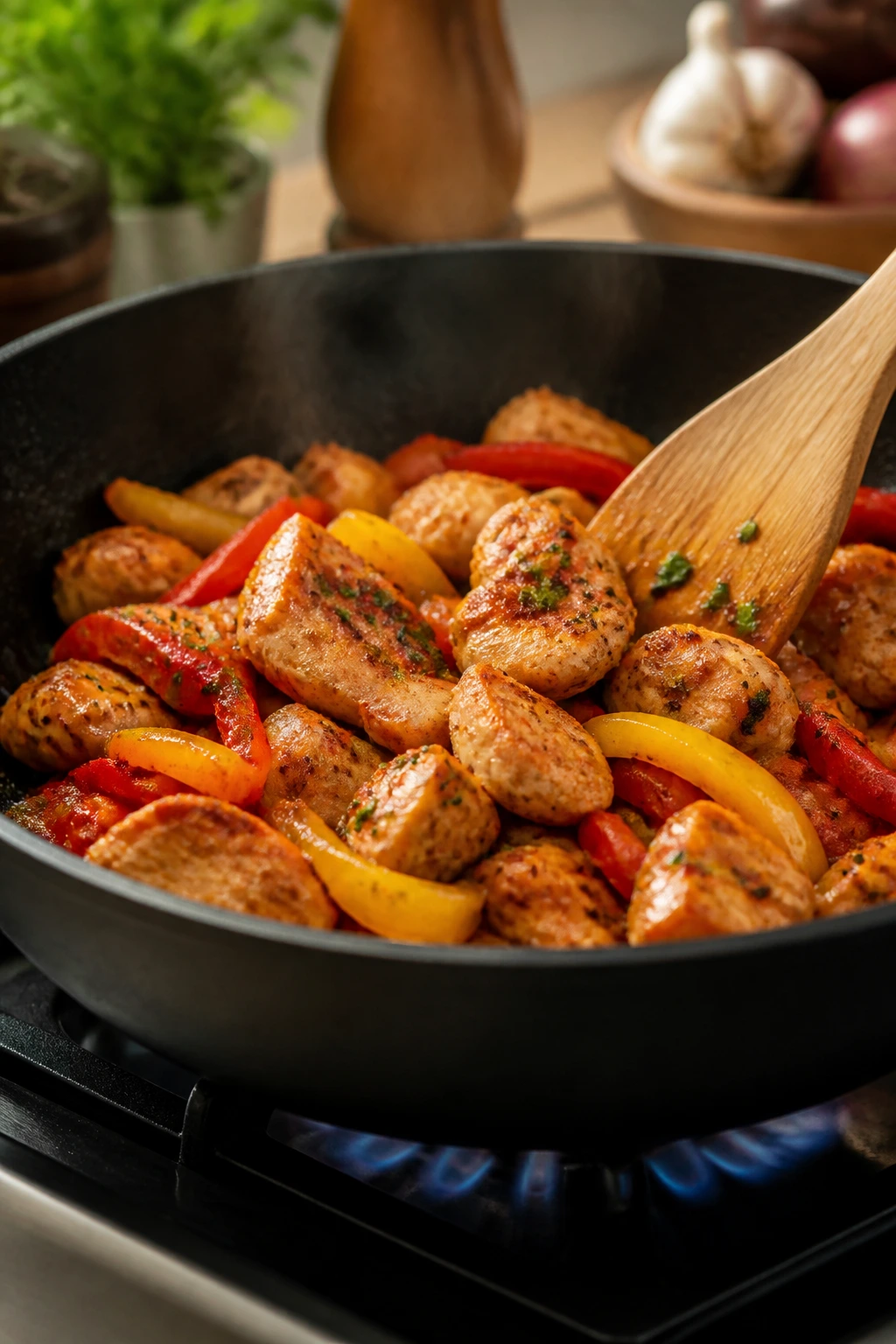
These wraps have the sizzle of fajitas without the flour tortillas, cheese, or heavy cleanup. The chicken and peppers get charred in spots, the onions go sweet at the edges, and the lettuce gives you a cold, crisp crunch that feels fresh against the warm filling. It’s a very practical dinner, which is often the nicest kind.
Why It Works
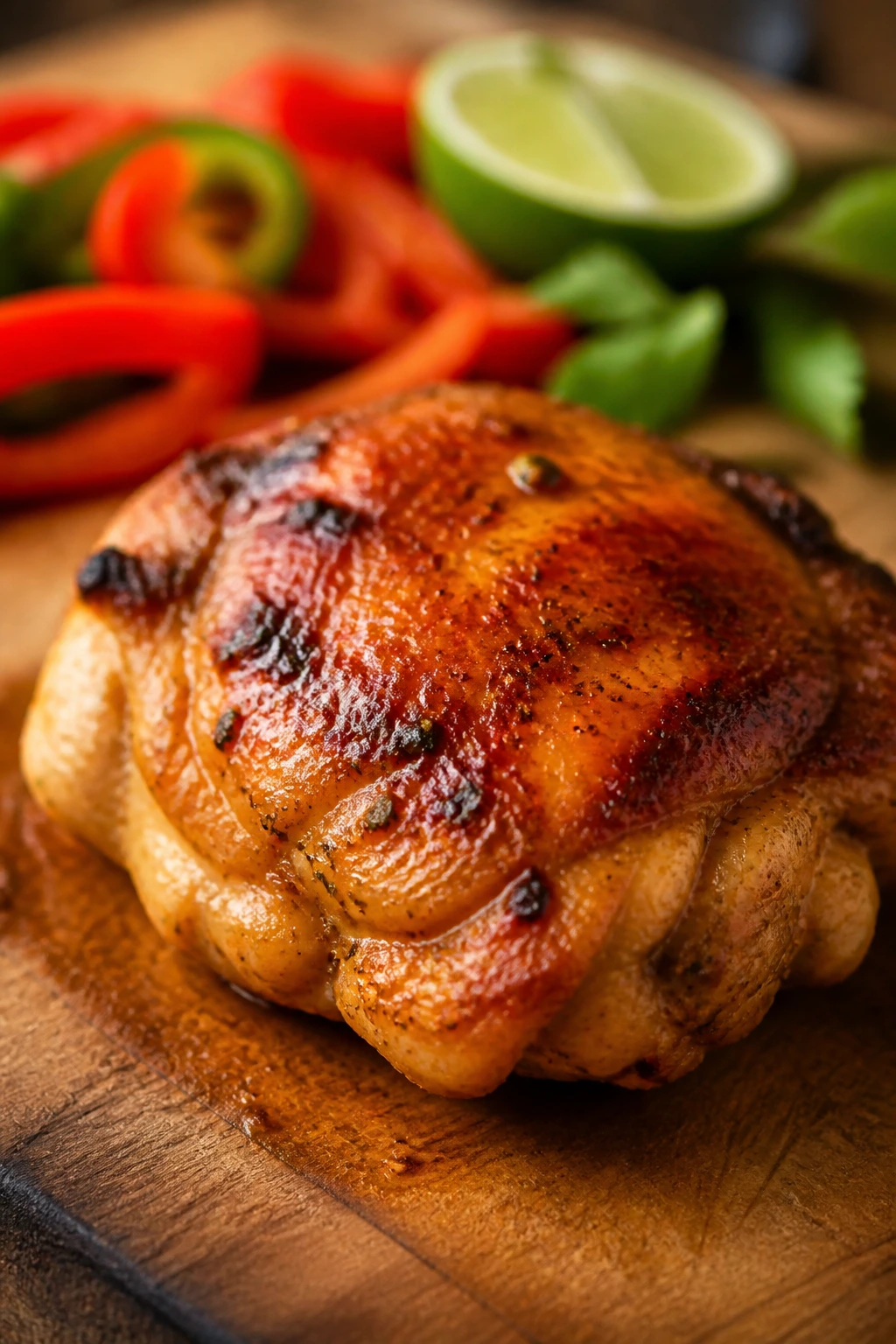
Chicken breast or thighs both work here, though thighs stay juicier if you’re multitasking. The seasoning is simple: chili powder, cumin, garlic, and lime do most of the heavy lifting. Lettuce wraps also let each person build a plate at their own speed, which is helpful when the table is moving at different paces.
Key Ingredients
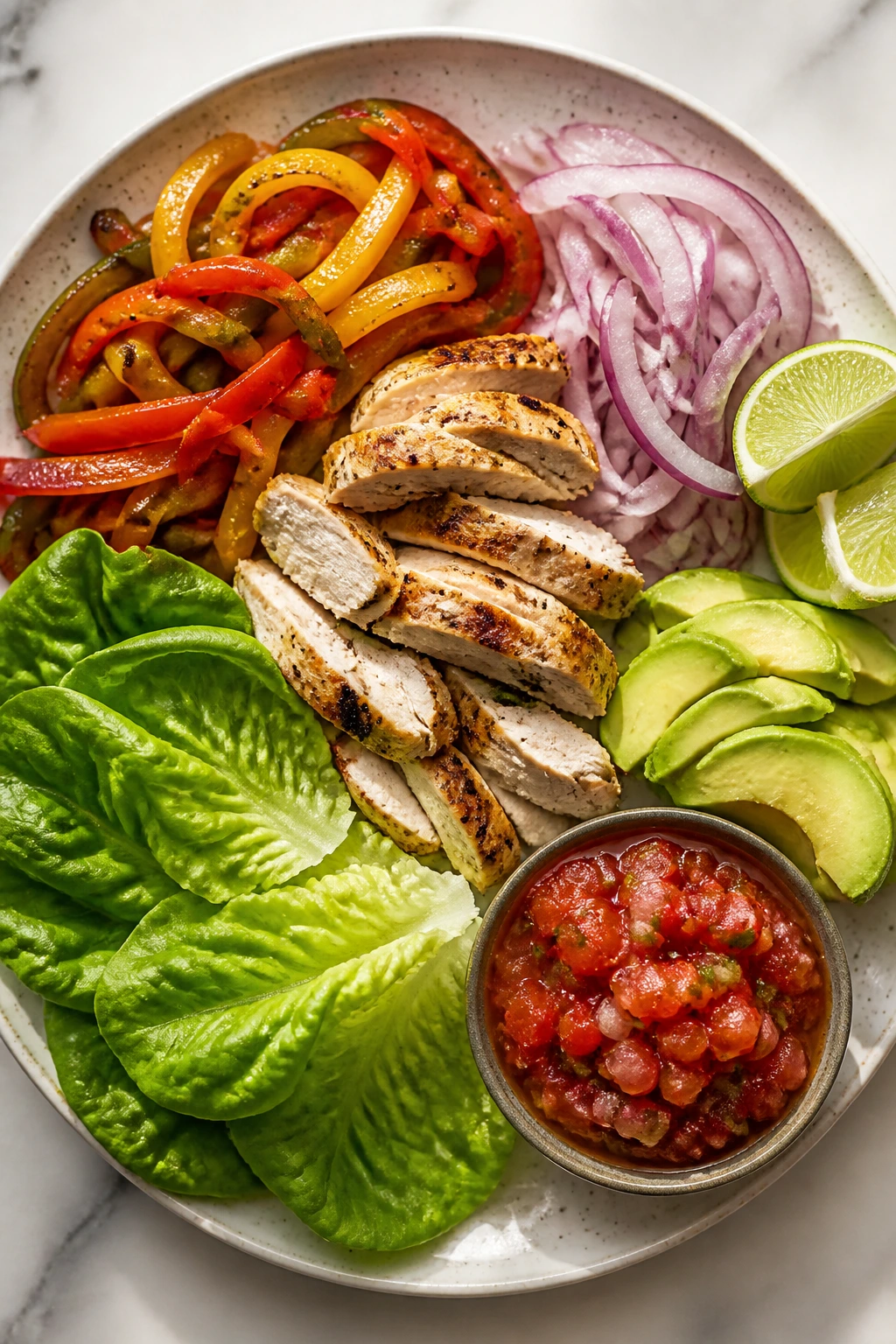
- 1 ¼ pounds boneless chicken breasts or thighs, sliced
- 2 bell peppers, sliced
- 1 medium yellow onion, sliced
- 2 tablespoons olive oil
- 2 teaspoons chili powder
- 1 teaspoon ground cumin
- 1 teaspoon garlic powder
- 1 teaspoon salt
- 1 lime, juiced
- 8 to 10 romaine or butter lettuce leaves
- 1 avocado, sliced
- ½ cup salsa
Quick Steps
-
Season the chicken: Toss the chicken with chili powder, cumin, garlic powder, salt, and lime juice.
-
Cook the vegetables: Heat 1 tablespoon oil in a skillet over medium-high heat. Cook the peppers and onion for 5 minutes until they soften and pick up browned edges. Remove them to a plate.
-
Cook the chicken: Add the remaining oil and cook the chicken for 6 to 8 minutes, stirring occasionally, until cooked through.
-
Combine: Return the vegetables to the skillet and toss for 1 minute to coat everything in the seasoning.
-
Assemble: Spoon the mixture into lettuce leaves and top with avocado and salsa.
Equipment for This Recipe
- Large skillet
- Cutting board and knife
- Citrus juicer or your hands
- Serving platter for the wraps
How to Serve This Dish
Lay out the lettuce leaves, filling, salsa, and avocado separately so everyone can build their own wraps. Rice on the side makes this more filling if you need it. Four servings is the usual amount, though the filling can stretch farther with extra lettuce.
Pro Tips for This Recipe
- Use large lettuce leaves: Small leaves tear the second you fill them.
- Let the chicken sit in the seasoning for 10 minutes if you can: The flavor gets deeper.
- Cook over actual heat, not medium-low: Fajitas need a little browning.
- Keep salsa dry-ish: Very watery salsa will slide out of the wraps.
Variations on This Dish
- Shrimp Fajita Wraps: Swap chicken for shrimp and cook just until pink.
- Rice Bowl Version: Skip the lettuce and serve over cilantro rice.
- Black Bean Addition: Add 1 cup black beans for a heartier filling.
Common Mistakes to Avoid with This Dish
- Using tiny lettuce cups: They collapse and turn the meal into a mess.
- Skipping the lime: The acid is part of the fajita flavor.
- Overcooking chicken breast: It dries out quickly, so pull it as soon as it’s done.
9. Slow Cooker BBQ Pulled Chicken Sandwiches
This one is less a recipe than a favor to your future self. Chicken, onion, and barbecue sauce go into the slow cooker, and a few hours later you’ve got juicy pulled chicken that tastes like more work than it was. The best part is how well it holds for a second dinner or next-day lunch.
Why It Works
Slow cooking is ideal here because chicken breast or thighs can soak up the sauce without requiring any babysitting. The onion melts into the mix, the barbecue sauce thickens around the meat, and a touch of broth keeps the chicken from drying out before it shreds. Serve it on dairy-free buns with coleslaw, and dinner feels complete.
Key Ingredients
- 2 pounds boneless, skinless chicken thighs or breasts
- 1 cup dairy-free barbecue sauce
- 1 small onion, sliced
- ½ cup low-sodium chicken broth
- 1 tablespoon apple cider vinegar
- 1 teaspoon smoked paprika
- ½ teaspoon salt
- 6 dairy-free sandwich buns
- 2 cups coleslaw, for serving
Quick Steps
-
Layer the slow cooker: Put the onion in the bottom of the insert, then set the chicken on top.
-
Mix the sauce: Stir barbecue sauce, broth, vinegar, smoked paprika, and salt together, then pour over the chicken.
-
Cook low and slow: Cover and cook on low for 6 hours or until the chicken shreds easily with two forks.
-
Shred and return: Remove the chicken, shred it, and stir it back into the sauce.
-
Build the sandwiches: Pile onto buns and top with coleslaw.
Equipment for This Recipe
- 6-quart slow cooker
- Two forks for shredding
- Small bowl for mixing sauce
- Tongs or slotted spoon
How to Serve This Dish
Serve the pulled chicken on buns with a cold, crunchy slaw tucked on top. Pickles on the side make the plate better, not fancier. Six sandwiches is a fair estimate, though the chicken can stretch to more if you serve smaller portions.
Pro Tips for This Recipe
- Check the barbecue sauce label: Some sauces sneak in butter or cream-based flavorings.
- Use thighs for the juiciest result: Breast meat works, but thighs forgive more.
- Do not overcook on high: The meat can dry out at the edges.
- Toast the buns if you have 2 extra minutes: They hold up better under the sauce.
Variations on This Dish
- Sweet Heat Version: Stir in 1 tablespoon hot sauce.
- BBQ Chicken Bowl: Skip the buns and serve over rice with roasted corn.
- Apple Cider Twist: Add ¼ cup unsweetened applesauce to the sauce for a softer sweetness.
Common Mistakes to Avoid with This Dish
- Using too much liquid: You want saucy chicken, not soup.
- Shredding too soon: If the chicken resists, it needs more time.
- Forgetting the acid: Vinegar keeps the sauce from tasting flat.
10. Shrimp Fried Rice
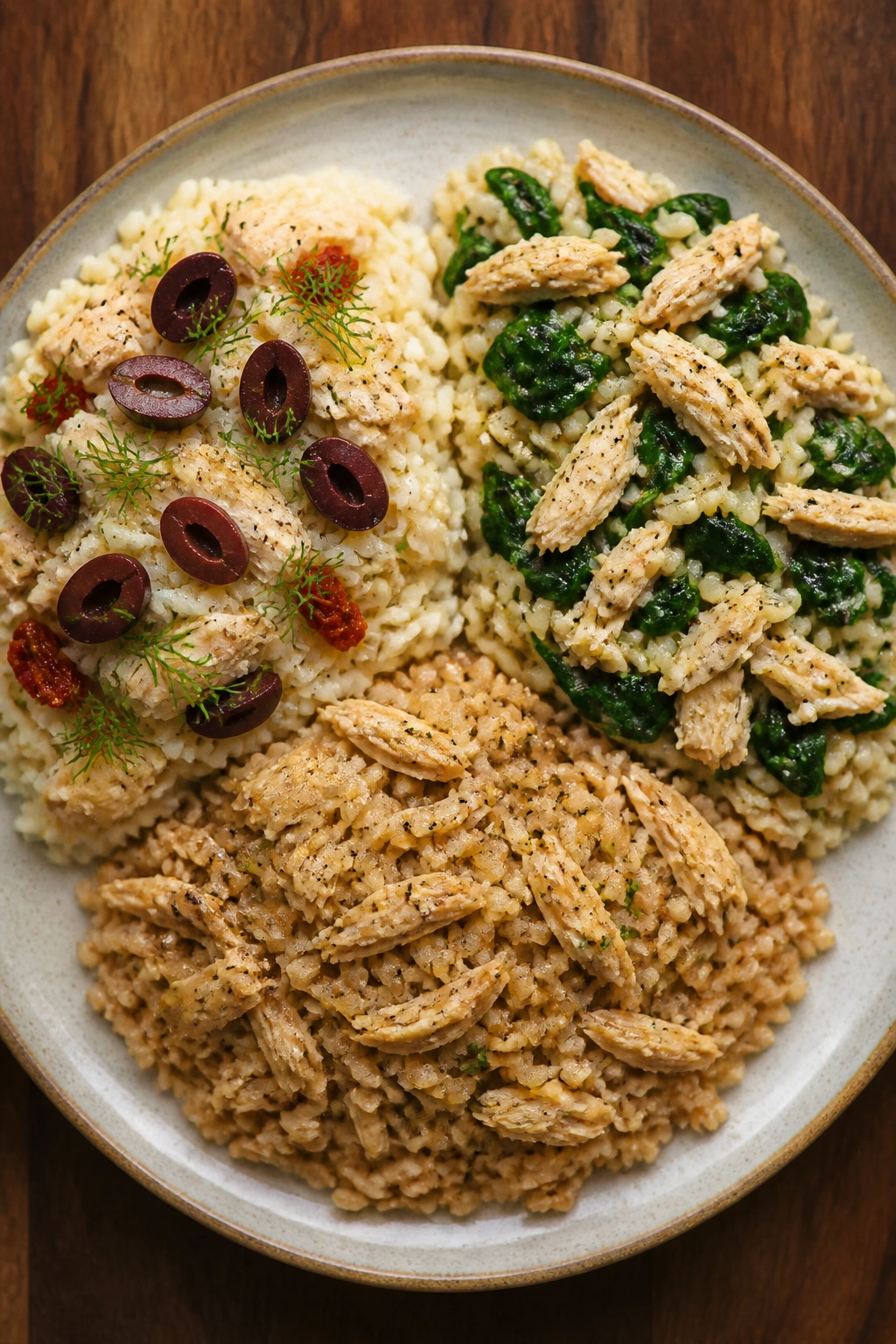
Shrimp fried rice is fast, flexible, and one of the few dinners that can rescue leftover rice with dignity intact. The shrimp cook in minutes, the rice crisps a little in the pan, and the vegetables keep it from feeling like a side dish pretending to be dinner. It’s the kind of meal that makes leftovers feel intentional.
Why It Works
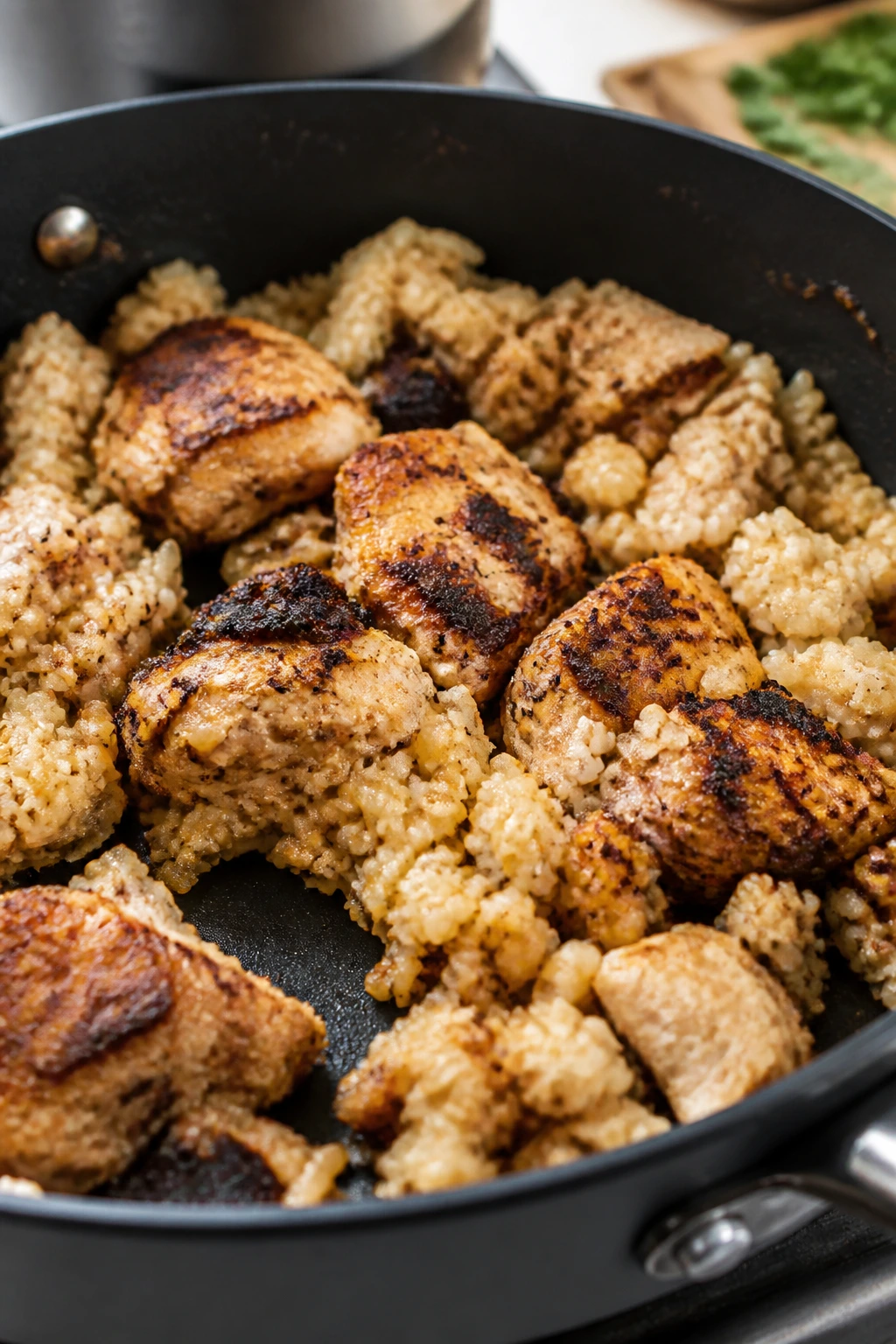
Day-old rice is the secret here. Fresh rice steams and clumps; cold rice fries and separates. Shrimp adds protein without a long cook time, and a hot pan gives the rice little browned bits that make the whole dish taste far better than the ingredient list suggests.
Key Ingredients
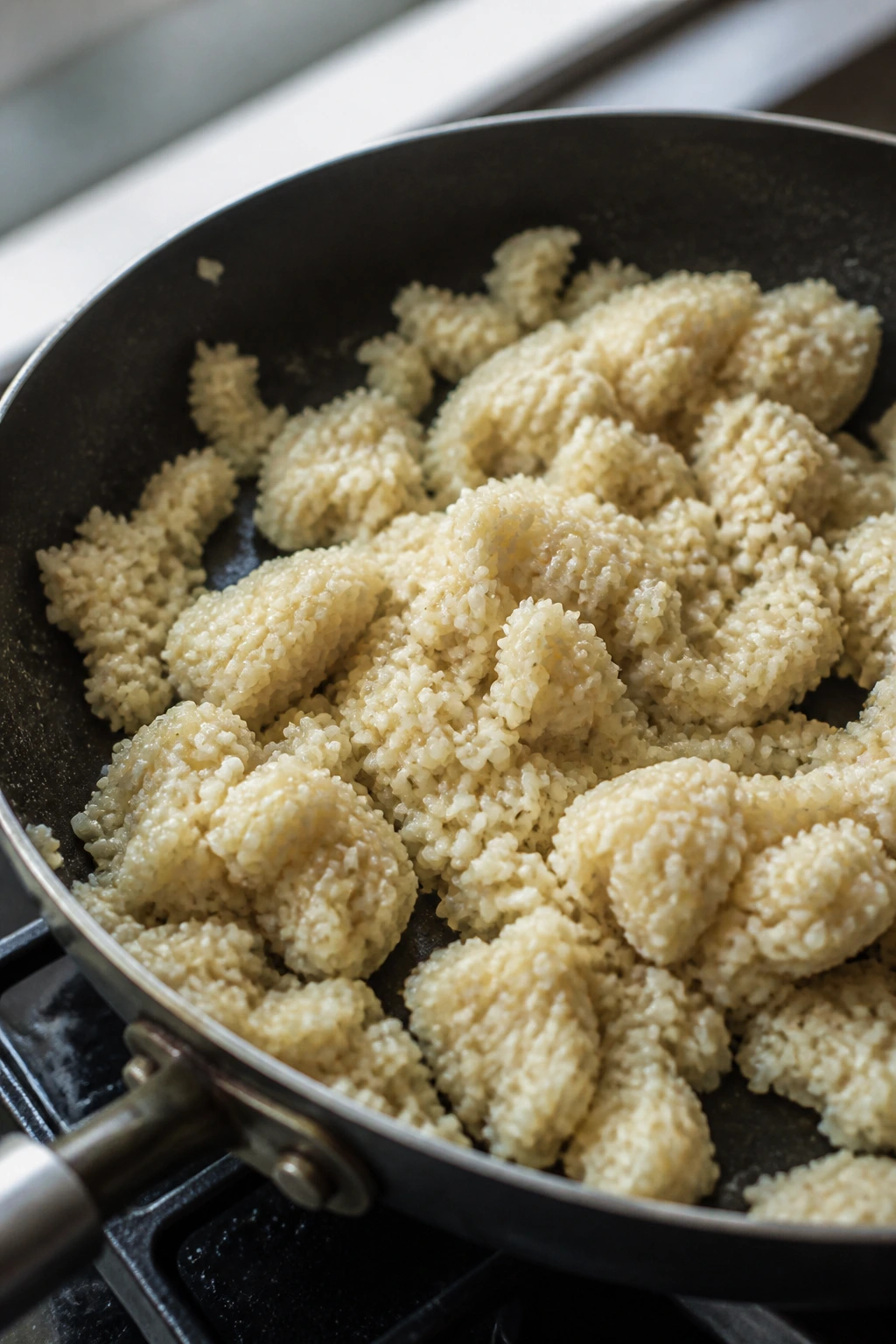
- 3 cups cold cooked rice
- 1 pound raw shrimp, peeled and deveined
- 2 tablespoons neutral oil
- 2 eggs, lightly beaten
- 1 cup frozen peas and carrots
- 3 cloves garlic, minced
- 3 tablespoons low-sodium soy sauce
- 1 teaspoon sesame oil
- 2 green onions, sliced
- ½ teaspoon black pepper
Quick Steps
-
Cook the shrimp: Heat 1 tablespoon oil in a large skillet or wok over medium-high heat. Add the shrimp and cook for 1 to 2 minutes per side until pink, then set aside.
-
Scramble the eggs: Add the eggs to the pan and stir until just set. Remove them to the plate with the shrimp.
-
Fry the vegetables: Add the remaining oil, then cook the peas, carrots, and garlic for 2 minutes.
-
Add the rice: Break up the cold rice with your hands before it hits the pan, then stir-fry for 3 to 4 minutes until hot.
-
Finish the dish: Return the shrimp and eggs, add soy sauce, sesame oil, pepper, and green onions, then toss until evenly coated.
Equipment for This Recipe
- Large skillet or wok
- Spatula
- Bowl for holding cooked shrimp and eggs
- Measuring spoons
How to Serve This Dish
Serve it in shallow bowls with extra green onion on top. A few cucumber slices or a quick side of edamame make a good, no-fuss addition. Four servings is realistic, especially if the rice is the main starch.
Pro Tips for This Recipe
- Use cold rice: Warm rice tends to go mushy.
- Do not overcook shrimp: It turns rubbery fast and loses its sweetness.
- Keep the pan hot: Fried rice needs heat, not patience.
- Break up rice before it goes in: Big clumps are hard to separate once they hit the pan.
Variations on This Dish
- Chicken Fried Rice: Swap shrimp for diced cooked chicken.
- Veggie-Heavy Version: Add diced zucchini or mushrooms with the peas and carrots.
- Spicy Garlic Fried Rice: Add 1 teaspoon chili paste with the soy sauce.
Common Mistakes to Avoid with This Dish
- Using fresh rice: It clumps and steams instead of frying.
- Crowding the pan: Too much at once lowers the heat and softens everything.
- Skipping the sesame oil: A little goes a long way for flavor.
11. Lentil Sloppy Joes
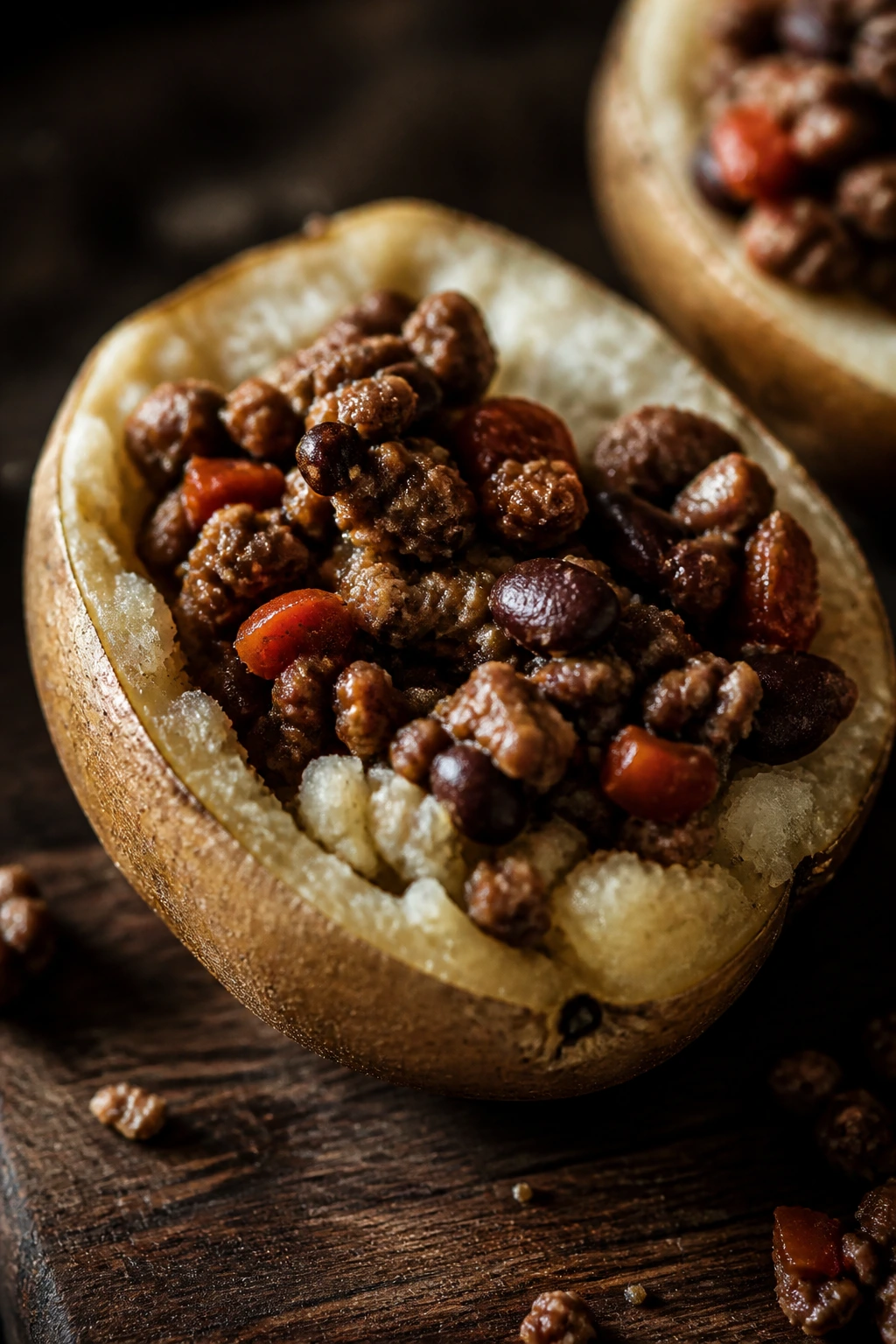
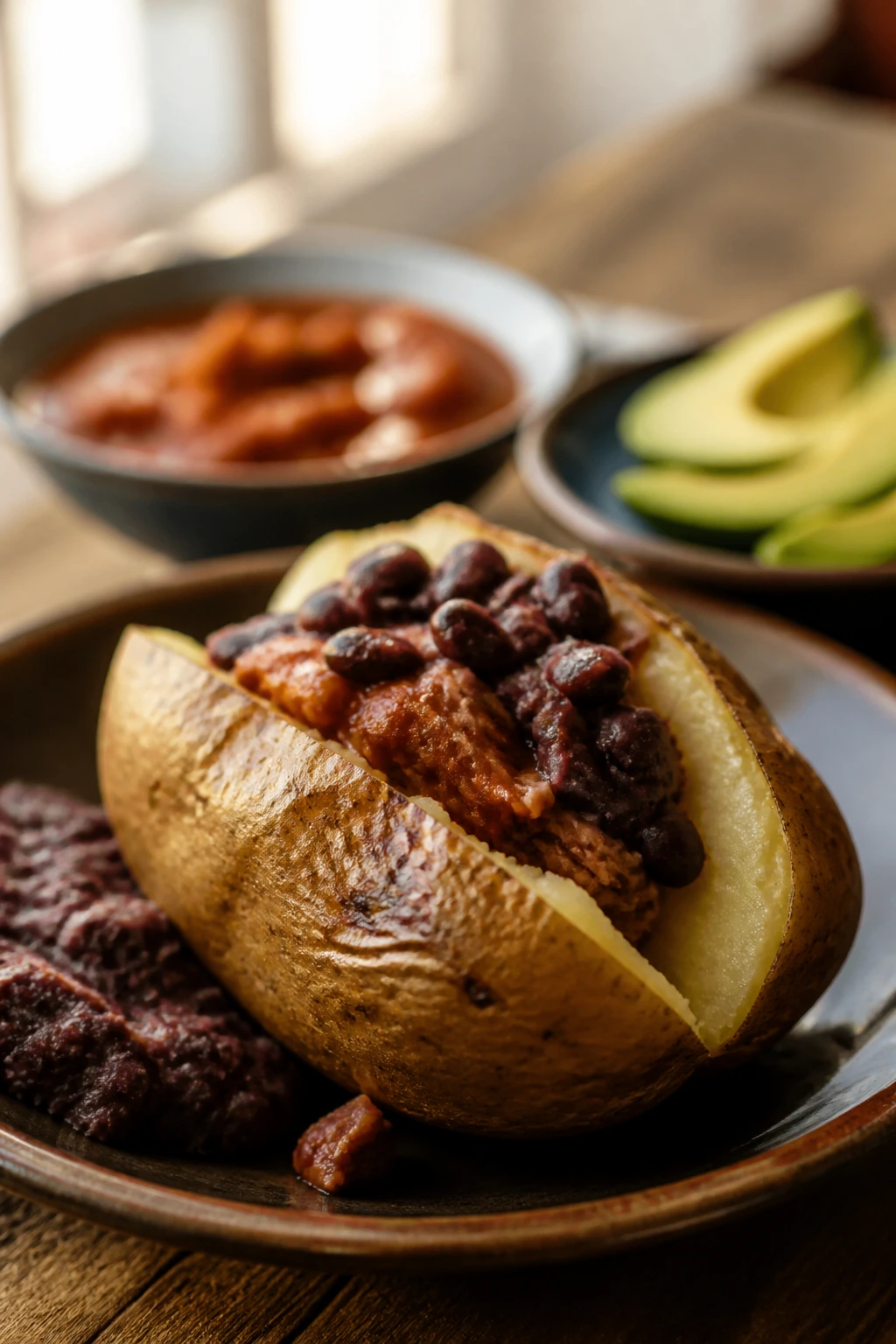
Lentil sloppy joes are the dinner equivalent of a rescue plan that happens to taste good. They are saucy, a little sweet, a little tangy, and sturdy enough to sit in a bun without collapsing after the first bite. Even meat eaters usually stop complaining once the skillet starts simmering.
Why It Works
Lentils are hearty enough to stand in for ground meat when you season them properly and give them a sticky sauce. Tomato paste, ketchup, mustard, and a touch of brown sugar build that familiar sloppy joe flavor. The filling also holds well, which matters when people wander in to eat on different schedules.
Key Ingredients
- 1 tablespoon olive oil
- 1 medium onion, diced
- 1 red bell pepper, diced
- 3 cloves garlic, minced
- 1 cup dry brown or green lentils, rinsed
- 2 ½ cups low-sodium vegetable broth
- ½ cup ketchup
- 2 tablespoons tomato paste
- 1 tablespoon yellow mustard
- 1 tablespoon brown sugar
- 1 teaspoon chili powder
- 4 dairy-free hamburger buns
Quick Steps
-
Start the base: Heat the olive oil in a medium pot over medium heat. Cook the onion and bell pepper for 4 minutes until soft.
-
Add garlic and lentils: Stir in the garlic and lentils for 30 seconds, then pour in the broth.
-
Simmer until tender: Bring to a boil, lower the heat, and simmer uncovered for 20 to 22 minutes until the lentils are soft and most of the liquid is absorbed.
-
Build the sauce: Stir in ketchup, tomato paste, mustard, brown sugar, and chili powder. Cook for 3 to 4 minutes until thick and spoonable.
-
Serve on buns: Spoon the mixture onto buns and serve warm.
Equipment for This Recipe
- Medium saucepan or pot
- Wooden spoon
- Fine-mesh strainer for rinsing lentils
- Measuring cups
How to Serve This Dish
Serve with pickles and a crunchy slaw if you want a classic diner-style plate. Potato wedges work too. Four people eat well from this, and a little extra filling keeps nicely for lunch.
Pro Tips for This Recipe
- Use brown or green lentils: They hold shape better than red lentils.
- Taste before salting heavily: Ketchup and mustard already bring salt.
- Let the filling rest for 5 minutes: It thickens as it sits.
- Toast the buns if possible: They survive the sauce better.
Variations on This Dish
- Smoky Version: Add ½ teaspoon smoked paprika.
- Mushroom Blend: Stir in 1 cup finely chopped mushrooms with the onions.
- Spicy Sloppy Joes: Add a few dashes of hot sauce or cayenne.
Common Mistakes to Avoid with This Dish
- Overcooking the lentils into mush: Check them early; they should stay intact.
- Making the sauce too thin: Simmer a few extra minutes until spoonable.
- Serving on weak bread: Soft buns fall apart fast under the filling.
12. Pork Tenderloin with Apples and Green Beans
This is a sheet-pan dinner that tastes like you cared in a very organized way. Pork tenderloin stays tender when you pull it at the right time, the apples soften into little sweet pockets, and the green beans soak up the pan juices. It’s clean, balanced, and surprisingly elegant for something so easy.
Why It Works
Pork tenderloin cooks quickly, which makes it a natural fit for busy nights. Apples bring sweetness and moisture, while Dijon and thyme keep the whole tray from becoming sugary. Green beans roast fast enough to finish at the same time, so you do not need separate pans or side dishes unless you want them.
Key Ingredients
- 1 ½ pounds pork tenderloin
- 1 tablespoon olive oil
- 1 teaspoon kosher salt
- ½ teaspoon black pepper
- 2 apples, cored and sliced
- 12 ounces green beans, trimmed
- 2 tablespoons Dijon mustard
- 1 tablespoon maple syrup
- 2 cloves garlic, minced
- 1 teaspoon dried thyme
Quick Steps
-
Heat the oven: Set it to 425°F and line a baking sheet.
-
Season the pork: Rub the tenderloin with olive oil, salt, and pepper. Place it in the center of the pan.
-
Mix the glaze: Stir Dijon, maple syrup, garlic, and thyme together, then brush half over the pork.
-
Add the sides: Toss the apples and green beans with a little oil and spread them around the pork.
-
Roast: Bake for 20 to 25 minutes, until the pork reaches 145°F in the thickest part and the beans are tender.
-
Rest and slice: Let the pork rest for 5 minutes, slice, and serve with the apples and beans.
Equipment for This Recipe
- Rimmed sheet pan
- Instant-read thermometer
- Small bowl and brush
- Cutting board and knife
How to Serve This Dish
Slice the pork into medallions and fan them over the apples and beans. A spoonful of pan juices over the top makes the plate taste more finished. Four servings is the sweet spot here.
Pro Tips for This Recipe
- Use a thermometer: Tenderloin dries out if you guess.
- Cut apples thick enough to hold shape: Thin slices turn to mush.
- Rest the meat before slicing: The juices need a minute to settle.
- Choose a pork tenderloin, not a pork loin: They cook at different speeds.
Variations on This Dish
- Pear and Sage Version: Swap apples for pears and use chopped sage.
- Mustard-Herb Style: Add rosemary to the glaze for a sharper flavor.
- Root Vegetable Swap: Use carrots or baby potatoes instead of green beans if that fits your pantry.
Common Mistakes to Avoid with This Dish
- Overcooking the pork: That’s the fastest way to make tenderloin dry.
- Skipping the rest time: Slicing too soon lets the juices run out.
- Using apples that fall apart easily: Some varieties turn soft too fast for roasting.
13. Tuna and White Bean Pasta
This one is old-school in the best way. Tuna, beans, garlic, lemon, and pasta make a dinner that’s cheap, filling, and oddly comforting without feeling heavy. It tastes like the kind of meal people used to make from what was already in the cupboard, which is exactly why it still works.
Why It Works
Canned tuna brings protein and salt, white beans add creaminess without dairy, and lemon keeps the pasta from tasting flat. The olive oil carries the flavor through the sauce, and a little pasta water helps everything cling together. It’s fast enough that the pot of water is often the longest part of the process.
Key Ingredients
- 12 ounces pasta
- 2 tablespoons olive oil
- 3 cloves garlic, minced
- 1 can (5 ounces) tuna in olive oil or water, drained
- 1 can (15 ounces) white beans, rinsed and drained
- 1 cup baby spinach
- 1 lemon, zested and juiced
- 2 tablespoons capers
- 2 tablespoons chopped parsley
- ½ teaspoon black pepper
- ½ teaspoon salt, or to taste
Quick Steps
-
Cook the pasta: Boil the pasta in salted water until al dente. Reserve 1 cup of pasta water before draining.
-
Warm the sauce base: Heat olive oil in a large skillet over medium heat. Add garlic and cook for 30 seconds.
-
Add tuna and beans: Stir in the tuna, white beans, capers, and pepper. Cook for 2 minutes until hot.
-
Bring it together: Add the pasta, spinach, lemon zest, lemon juice, and ½ cup pasta water. Toss until the spinach wilts and the sauce coats the noodles.
-
Finish with herbs: Add parsley and more pasta water if needed.
Equipment for This Recipe
- Large pot for pasta
- Large skillet
- Colander
- Measuring cup for pasta water
How to Serve This Dish
Serve in bowls with extra lemon on the side. A chopped tomato salad makes a nice contrast if you want something fresh. Four servings is about right, though the beans make it stretch farther than you’d expect.
Pro Tips for This Recipe
- Salt the pasta water well: It’s your first chance to season the dish.
- Do not skip the pasta water: It helps build a silky sauce.
- Use tuna packed in olive oil if you want richer flavor: Water-packed tuna works too.
- Add spinach at the end: It only needs a few seconds.
Variations on This Dish
- Mediterranean Style: Add chopped olives and roasted red peppers.
- Garlicky Herb Version: Use dill and extra parsley instead of capers.
- Chickpea Swap: Replace the white beans with chickpeas for a firmer bite.
Common Mistakes to Avoid with This Dish
- Draining all the pasta water: You’ll want some starchy liquid to bind the sauce.
- Overcooking the garlic: It turns bitter fast.
- Using too much tuna: The pasta should still feel balanced, not fish-forward in a heavy way.
14. Mediterranean Chickpea Pasta
This pasta tastes like it came from a much calmer kitchen than the one you’re probably cooking in. Tomatoes, olives, garlic, and chickpeas make a salty-bright sauce that coats the noodles without needing cream or cheese. It’s one of those dinners that somehow feels both light and filling.
Why It Works
Chickpeas give the pasta body, while olives and tomatoes bring the punch. A little lemon juice at the end sharpens the sauce, and spinach or arugula can melt in without extra cooking time. If you’ve ever wanted a meatless dinner that doesn’t feel like a side dish, this is a good place to start.
Key Ingredients
- 12 ounces pasta
- 2 tablespoons olive oil
- 1 small onion, diced
- 3 cloves garlic, minced
- 1 can (15 ounces) chickpeas, rinsed and drained
- 1 can (14.5 ounces) diced tomatoes
- ½ cup sliced kalamata olives
- 2 cups baby spinach
- 1 teaspoon dried oregano
- 1 lemon, juiced
- ½ teaspoon salt
- ¼ teaspoon black pepper
Quick Steps
-
Cook the pasta: Boil until al dente, reserving 1 cup of pasta water before draining.
-
Build the sauce: Warm olive oil in a skillet and cook onion for 4 minutes, then add garlic for 30 seconds.
-
Add the body: Stir in chickpeas, tomatoes, olives, oregano, salt, and pepper. Simmer for 8 to 10 minutes.
-
Toss with pasta: Add pasta and spinach, plus a splash of pasta water, and toss until the spinach wilts.
-
Finish bright: Stir in lemon juice and serve.
Equipment for This Recipe
- Large skillet
- Pasta pot
- Colander
- Wooden spoon
How to Serve This Dish
Serve with extra olives or chopped parsley on top if you have them. A simple cucumber salad or roasted broccoli fits well alongside. Four portions is the standard, though it can feed more if served with bread.
Pro Tips for This Recipe
- Use good olives: They carry a lot of the flavor load.
- Reserve pasta water: It helps the sauce cling to the noodles.
- Do not skimp on garlic: It needs enough time to soften, not burn.
- Lemon goes in last: It keeps the sauce lively.
Variations on This Dish
- Roasted Pepper Version: Add 1 cup chopped roasted red peppers.
- Artichoke Twist: Stir in 1 cup chopped artichoke hearts.
- Spicy Greek Style: Add red pepper flakes and extra oregano.
Common Mistakes to Avoid with This Dish
- Overcooking the pasta: It should still have bite because it will absorb sauce.
- Using bland olives: The dish needs a salty edge.
- Forgetting to taste before serving: A final pinch of salt or squeeze of lemon often fixes everything.
15. Honey Mustard Chicken Thighs and Brussels Sprouts
Here’s a dinner that lands somewhere between cozy and sharp, which is a good place to live on a weeknight. The chicken gets sticky around the edges, the Brussels sprouts caramelize, and the honey mustard glaze pulls everything into one pan with minimal drama. It’s the kind of tray dinner that looks more involved than it is.
Why It Works
Chicken thighs stay juicy under high heat, which matters because Brussels sprouts need that heat to brown properly. The mustard brings tang, the honey brings shine, and a little vinegar keeps the glaze from tasting like candy. You get a full dinner from one sheet pan, and that’s hard to argue with.
Key Ingredients
- 6 bone-in or boneless chicken thighs
- 1 pound Brussels sprouts, trimmed and halved
- 2 tablespoons olive oil
- 2 tablespoons Dijon mustard
- 2 tablespoons honey
- 1 tablespoon apple cider vinegar
- 2 cloves garlic, minced
- 1 teaspoon kosher salt
- ½ teaspoon black pepper
Quick Steps
-
Heat the oven: Set it to 425°F and line a sheet pan.
-
Mix the glaze: Whisk Dijon, honey, vinegar, garlic, salt, and pepper.
-
Coat the chicken: Brush the thighs with half the glaze.
-
Toss the sprouts: Mix the Brussels sprouts with olive oil and the remaining glaze, then spread them on the pan.
-
Roast: Bake for 25 to 30 minutes, until the chicken reaches 165°F and the sprouts are browned at the edges.
-
Rest and serve: Let the chicken rest for 5 minutes before serving.
Equipment for This Recipe
- Sheet pan
- Small bowl and whisk
- Tongs
- Instant-read thermometer
How to Serve This Dish
Serve straight from the tray with rice, mashed potatoes made with olive oil, or a crisp salad if you want to keep it lighter. Four servings is a good estimate, and the leftovers hold up nicely. A few lemon wedges on the side help if you like sharper flavor.
Pro Tips for This Recipe
- Trim the Brussels sprouts evenly: Smaller pieces burn faster.
- Do not crowd the sheet pan: They need space to brown.
- Bone-in thighs take longer: Adjust your timing if you choose them.
- Brush extra glaze on at the end: It gives the chicken a glossy finish.
Variations on This Dish
- Maple Mustard Version: Swap honey for maple syrup.
- Pork Chop Swap: Use bone-in pork chops and reduce cooking time slightly.
- Garlic Herb Style: Add rosemary or thyme for a woodsy note.
Common Mistakes to Avoid with This Dish
- Using too much glaze: Excess sauce pools and steams the sprouts.
- Skipping the thermometer: Chicken thighs can look done before they are.
- Leaving the sprouts whole: Halved sprouts roast better and faster.
16. Sausage and Cabbage Skillet with Apples
This is the kind of skillet dinner that tastes old-fashioned in a good way. Cabbage softens and sweetens, apples add a gentle brightness, and sausage gives the whole pan enough salt and fat to feel satisfying. It’s cheap, fast, and much better than it sounds to anybody who hasn’t made it yet.
Why It Works
Cabbage is one of the best weeknight vegetables because it cooks down without falling apart. Add sausage for protein, apples for contrast, and a splash of broth or mustard to keep the pan from going dull. The result is hearty without being heavy, which is a useful thing at dinner.
Key Ingredients
- 1 pound dairy-free smoked sausage, sliced
- 1 tablespoon olive oil
- 1 small yellow onion, sliced
- 4 cups green cabbage, shredded
- 1 apple, cored and thinly sliced
- 2 tablespoons apple cider vinegar
- 1 teaspoon Dijon mustard
- ¼ cup low-sodium chicken or vegetable broth
- ½ teaspoon salt
- ¼ teaspoon black pepper
- 1 tablespoon chopped parsley
Quick Steps
-
Brown the sausage: Heat olive oil in a large skillet over medium-high heat. Cook the sausage for 4 to 5 minutes until browned, then remove it to a plate.
-
Softening the onion: Add the onion and cook for 3 minutes until translucent.
-
Cook the cabbage and apple: Stir in the cabbage and apple, then cook for 5 to 7 minutes until the cabbage starts to soften.
-
Season the pan: Add vinegar, mustard, broth, salt, and pepper. Stir well and scrape up the browned bits.
-
Finish: Return the sausage, cook for 2 more minutes, and top with parsley.
Equipment for This Recipe
- Large skillet with high sides
- Wooden spoon
- Cutting board and knife
- Measuring spoons
How to Serve This Dish
Serve it in bowls with rye bread, crusty bread, or boiled potatoes if you want to stretch it further. A dollop of extra mustard on the side works nicely. Four generous servings is the normal yield.
Pro Tips for This Recipe
- Use a sausage with seasoning you like: The sausage flavor drives the whole dish.
- Slice the cabbage thinly: It cooks faster and gets tender without a long simmer.
- Add the apple late enough to keep some shape: You want soft slices, not applesauce.
- Taste for acid at the end: A second splash of vinegar can wake up the pan.
Variations on This Dish
- Caraway Cabbage Version: Add ½ teaspoon caraway seeds with the onion.
- Potato Skillet: Stir in small cooked potato cubes for extra bulk.
- Spicy Mustard Style: Use grainy mustard and a pinch of chili flakes.
Common Mistakes to Avoid with This Dish
- Overcooking the cabbage into mush: It should stay tender with some texture.
- Using sweet sausage with sweet apples and no acid: The pan can tip too far into sugary.
- Skipping the browned bits: They carry the savory flavor that ties everything together.
Why Dairy-Free Weeknight Dinners Work So Well on Packed Evenings
The best dairy-free dinners usually do not feel like “substitutes” at all. They’re built around ingredients that already bring richness: olive oil, coconut milk, tahini, beans, eggs, mustard, soy sauce, tomatoes, and well-seasoned broth. Once you stop thinking of the meal as something missing butter or cheese, the whole thing gets easier.
There’s also a practical upside that gets overlooked. Dairy-free cooking often relies on pantry staples and flexible proteins, which means you can make dinner out of what’s already there instead of chasing one specific ingredient. That matters when grocery runs are short, budgets are tight, and you’re trying to get food on the table before everybody starts melting down.
A good weeknight dinner should hold together under pressure. These do.
Essential Equipment for These Recipes
- 12-inch skillet with a lid: Perfect for chicken and rice, saucy pasta, and quick skillet meals.
- Large rimmed sheet pan: The workhorse for roasted chicken, pork, sausage, and vegetables.
- Large pot or Dutch oven: Needed for one-pot pasta, lentils, and saucy dinners that need room to simmer.
- Slow cooker: Handy for pulled chicken without babysitting.
- Sharp chef’s knife: Saves time on every recipe, especially when slicing peppers, cabbage, and meat thinly.
- Cutting board with a stable surface: A small thing that matters a lot when you’re working quickly.
- Instant-read thermometer: The easiest way to keep chicken and pork juicy instead of guessing.
- Measuring cups and spoons: Especially useful for sauces and one-pot meals where the liquid balance matters.
- Tongs and a sturdy spatula: Better control when flipping chicken, sausage, shrimp, or beef.
- Colander and strainer: Handy for pasta, rice rinsing, and canned beans.
- Airtight storage containers: Make leftovers actually usable the next day.
Smart Shopping for Dairy-Free Staples
The easiest dairy-free dinners start at the store, not at the stove. A bottle of olive oil with real flavor, a few cans of tomatoes, chickpeas, white beans, and tuna, plus broth that tastes like something — those are the shelf-stable items that quietly save the week. If you keep them around, you can build a meal without a second grocery trip.
When you buy packaged sauces, check the label with a little suspicion. Barbecue sauce, teriyaki sauce, sausage, and even some taco seasonings can hide butter, whey, or milk powder. You do not need to become a label detective for every bottle, but a quick scan takes less time than making dinner from scratch twice because a sauce was not what it claimed.
Protein choices matter too. Chicken thighs bring more forgiveness than breasts. Ground turkey works best when it has enough seasoning to wake it up. For fish, choose salmon fillets that look moist and smell clean, not fishy. For sausage, go by ingredient list and salt level, because some brands are much better than others and the difference shows up in the pan.
Produce should fit the job. Firm potatoes, bright peppers, tight cabbage, and Brussels sprouts with clean, fresh cut ends will hold up better than produce that’s already soft at the store. If frozen broccoli or spinach is what you have, use it. That is not a compromise; it is dinner.
How to Serve These Recipes
Presentation: Keep it simple and let the food look like food. Bowls for saucy meals, shallow plates for sheet pan dinners, and a platter or tray for wraps and build-your-own meals all make sense here.
Accompaniments: Rice, roasted potatoes, crusty bread, slaw, green salad, cucumber salad, or steamed vegetables work across this whole group. Pick one starch and one fresh side if the main dish is rich.
Portions: Most of these recipes feed 4 people, though the pasta, lentil, and rice dishes often stretch farther. If your crowd eats like a team of linemen, make 1 ½ times the starch and call it honest work.
Beverage Pairing: Sparkling water with lemon fits nearly everything. For something a little more structured, iced tea with a splash of citrus or a crisp apple cider pairs especially well with the pork and sausage dinners.
Additional Tips and Flavor Boosters
Flavor Enhancement: Keep a few finishing ingredients around: lemon, lime, fresh herbs, green onions, parsley, Dijon, vinegar, and sesame seeds. A teaspoon of any of those at the end can fix a meal that tastes a little tired.
Customization: If your family likes heat, keep hot sauce, red pepper flakes, or chili crisp on the table. If they prefer milder food, use garlic, onion powder, and herbs to build flavor without turning up the burn.
Serving Suggestions: Add a crunchy side whenever the dinner is soft or saucy. Cabbage slaw, sliced cucumbers, radishes, or even raw carrots with salt and lemon help balance richer plates.
Make-It-Yours: Need gluten-free? Serve over rice, potatoes, or corn tortillas. Want lower sodium? Rely more on lemon, vinegar, garlic, and herbs, and hold the salt until the end. Feeding picky eaters? Serve sauces on the side and keep toppings separate. That way the table can build its own version without turning dinner into a negotiation.
Make-Ahead, Storage, and Reheating Guidance
Most of these dinners keep well in the refrigerator for 3 to 4 days in airtight containers. The pasta, lentil, rice, and saucy chicken dishes are the easiest leftovers to love. Crispy sheet pan vegetables soften a little overnight, but they still work if you reheat them properly.
For freezing, the pulled chicken, lentil sloppy joe filling, turkey meat sauce, and many of the curry-style dishes hold up well for up to 2 months. Rice-based dinners can also freeze, though the texture is better if you sprinkle a spoonful of water over them before reheating. Fish and shrimp are more delicate; they are edible from the freezer, but I would call them second-choice leftovers, not ideal ones.
Reheat skillet meals in a covered pan over medium-low heat with a splash of broth or water. That keeps the food from drying out. Pasta and rice bowls do better in the microwave when covered loosely and stirred halfway through. Sheet pan dinners warm best in a 350°F oven for 10 to 15 minutes, which helps the edges recover a little texture.
Slow cooker pulled chicken should be cooled quickly, stored with some sauce, and reheated until steaming hot. If it seems dry, stir in a spoonful or two of broth before heating. And if a dish has avocado, lettuce, or fresh herbs, add those only after reheating. They do not enjoy the microwave.
Variations and Adaptations to Try
Gluten-Free Plates: Serve every saucy dinner over rice, potatoes, or gluten-free pasta. For wraps, use lettuce or corn tortillas instead of buns and flour tortillas.
Dairy-Free Kids’ Favorites: Keep toppings separate and let kids choose their own finishers. A plain rice bowl, pasta bowl, or stuffed potato is often easier to sell than a fully built plate.
Lower-Sodium Swaps: Use low-sodium broth, reduced-sodium soy sauce, and plain canned beans rinsed under cold water. Then lean harder on citrus, herbs, garlic, and onion for flavor.
Vegetarian Nights: Chickpeas, lentils, white beans, and eggs can replace meat in several of these recipes without making dinner feel thin. The lentil sloppy joes and chickpea curry are the obvious stars, but the pasta dishes can flex too.
Spice-It-Up Versions: Add chipotle, hot sauce, red pepper flakes, or sriracha to the turkey, chicken, and bean dishes. Keep the heat in the sauce instead of layering it on at the table if you want the whole pan to carry the flavor.
Budget Pantry Swaps: Frozen vegetables can replace fresh in the fried rice, curry, and pasta dishes. Canned tuna, canned beans, and dried lentils are some of the cheapest proteins you can cook without making dinner feel cheap.
Common Mistakes to Avoid
Treating dairy-free food like it needs a replacement cream sauce. It usually doesn’t. The better fix is acid, salt, herbs, and a good cooking fat. If a dish tastes flat, reach for lemon, vinegar, or mustard before you reach for a heavy substitute.
Overcooking the lean proteins. Chicken breast, shrimp, salmon, and pork tenderloin all turn dry if you give them too much time. A thermometer helps, but so does learning the visual cue: opaque, juicy, and just cooked through, not pale and shriveled.
Letting sauces get watery. Too much broth, watery salsa, or extra liquid from vegetables can thin out a meal fast. If that happens, simmer uncovered for a few minutes and let the heat do the fixing.
Crowding the pan. This is the mistake that steals browning from sheet pan dinners and skillet meals. Food needs space. If you pile everything on top of itself, it steams instead of caramelizing.
Forgetting texture. A plate full of soft food gets old fast. Add lettuce, slaw, roasted edges, toasted buns, scallions, or cucumber whenever you can. Small crunches change the whole experience.
Frequently Asked Questions
Can I make these dinners ahead of time?
Yes. The curry, pulled chicken, turkey meat sauce, lentil sloppy joe filling, and rice-based bowls all work well as make-ahead meals. For best texture, keep fresh toppings like avocado, herbs, and lettuce separate until serving.
What dairy-free ingredients make food feel rich?
Olive oil, coconut milk, tahini, avocado, mustard, beans, and starchy pasta water are all useful. They build body and gloss without needing butter or cream.
How do I keep chicken from drying out?
Use thighs when possible, and if you’re using breasts, pull them as soon as they reach temperature and let them rest. A thermometer is worth using here because the margin between juicy and dry can be small.
Can I use frozen vegetables in these recipes?
Absolutely. Frozen broccoli, peas, spinach, corn, and mixed vegetables work well in fried rice, curry, pasta, and skillet dinners. Add them later in the cooking process so they do not turn mushy.
What’s the best dairy-free swap for barbecue sauce or teriyaki sauce?
Look for versions without butter, cream, or whey in the ingredient list, or make your own with soy sauce, honey, vinegar, garlic, and spices. Homemade sauce gives you more control over salt and sweetness.
How do I make these dinners kid-friendly without cooking twice?
Keep the base mild and set out extra toppings at the table. Salsa, hot sauce, herbs, pickles, and extra lemon can go on the adult plates while the kids get the plain version.
Can I freeze leftovers from shrimp or salmon dinners?
You can, but I wouldn’t make that the first choice. Seafood changes texture after freezing and reheating, so it’s better to cook those meals fresh and save the bean, chicken, lentil, and pasta dishes for the freezer.
What if my sauce turns out too thin?
Let it simmer uncovered for a few minutes, or stir in a small spoonful of tomato paste, mashed beans, or a cornstarch slurry if the recipe supports it. A lot of thin sauces are one short simmer away from being fine.
A Rotation That Actually Fits Real Life
Good weeknight dinner planning is less about perfection and more about having a few reliable moves. One skillet meal, one sheet pan, one pasta pot, one slow cooker meal — that’s enough to keep the week from turning into takeout roulette. When the food is filling, dairy-free, and built from ingredients you can keep on hand, dinner becomes less of a fight.
Keep a couple of these on repeat and the rest gets easier. That’s the real payoff: not a spotless kitchen, not an impossible routine, just a handful of dinners that know how to show up when you need them.
Every Recipe at a Glance
-
1. Lemon Garlic Chicken and Rice Skillet — Prep 15 min, Cook 30 min, Total 45 min. Serves 4. Standout: lemony rice and juicy chicken in one pan.
-
2. Turkey Taco Stuffed Sweet Potatoes — Prep 15 min, Cook 35 min, Total 50 min. Serves 4. Standout: sweet potatoes carry the whole taco filling.
-
3. Sheet Pan Sausage, Potatoes, Peppers, and Onions — Prep 15 min, Cook 30 min, Total 45 min. Serves 4 to 6. Standout: crisp-edged potatoes and browned sausage on one tray.
-
4. Coconut Chickpea Curry with Spinach — Prep 15 min, Cook 25 min, Total 40 min. Serves 4. Standout: creamy coconut sauce with pantry chickpeas.
-
5. Teriyaki Salmon Rice Bowls — Prep 15 min, Cook 20 min, Total 35 min. Serves 4. Standout: sticky glazed salmon over fast rice bowls.
-
6. One-Pot Spaghetti with Turkey Meat Sauce — Prep 15 min, Cook 35 min, Total 50 min. Serves 6. Standout: pasta cooks right in the sauce.
-
7. Beef and Broccoli Rice Bowls — Prep 15 min, Cook 15 min, Total 30 min. Serves 4. Standout: takeout-style flavor in under half an hour.
-
8. Chicken Fajita Lettuce Wraps — Prep 15 min, Cook 20 min, Total 35 min. Serves 4. Standout: sizzling fajita filling with crisp lettuce.
-
9. Slow Cooker BBQ Pulled Chicken Sandwiches — Prep 10 min, Cook 6 hours, Total 6 hours 10 min. Serves 6. Standout: hands-off shredded chicken with smoky sauce.
-
10. Shrimp Fried Rice — Prep 10 min, Cook 15 min, Total 25 min. Serves 4. Standout: the best use for cold leftover rice.
-
11. Lentil Sloppy Joes — Prep 15 min, Cook 25 min, Total 40 min. Serves 4 to 6. Standout: hearty, saucy filling that stretches far.
-
12. Pork Tenderloin with Apples and Green Beans — Prep 15 min, Cook 25 min, Total 40 min. Serves 4. Standout: sweet apples and juicy pork on one sheet pan.
-
13. Tuna and White Bean Pasta — Prep 15 min, Cook 15 min, Total 30 min. Serves 4. Standout: pantry pasta with lemon and capers.
-
14. Mediterranean Chickpea Pasta — Prep 15 min, Cook 15 min, Total 30 min. Serves 4. Standout: salty olives and tomatoes with chickpeas.
-
15. Honey Mustard Chicken Thighs and Brussels Sprouts — Prep 15 min, Cook 25 min, Total 40 min. Serves 4. Standout: sticky glaze and caramelized sprouts.
-
16. Sausage and Cabbage Skillet with Apples — Prep 15 min, Cook 25 min, Total 40 min. Serves 4 to 6. Standout: budget-friendly skillet comfort with a sweet-tangy edge.