



A small apartment changes the way dinner works. When the stove is close enough to hear every sizzle and the fan has the personality of a polite cough, you stop chasing fussy recipes and start caring about heat control, cleanup, and how much smoke one skillet can make before the alarm gets involved.
That’s why these stovetop dinners for apartment cooking matter. A good pan, a lid, a little patience, and the right order of operations can turn modest ingredients into dinners that taste deliberate instead of patched together. Brown the chicken first. Toast the pasta for a minute. Bloom the spices in oil. Finish with lemon, vinegar, or herbs so the whole thing wakes up at the table.
I reach for stovetop meals when I want dinner to feel grown-up without turning the kitchen into a project. They’re forgiving if you know where the edges are: don’t scorch the garlic, don’t crowd the pan, and don’t boil cream like you’re trying to punish it. Small space, big payoff.
Why These Dinners Earn a Spot in a Small Kitchen
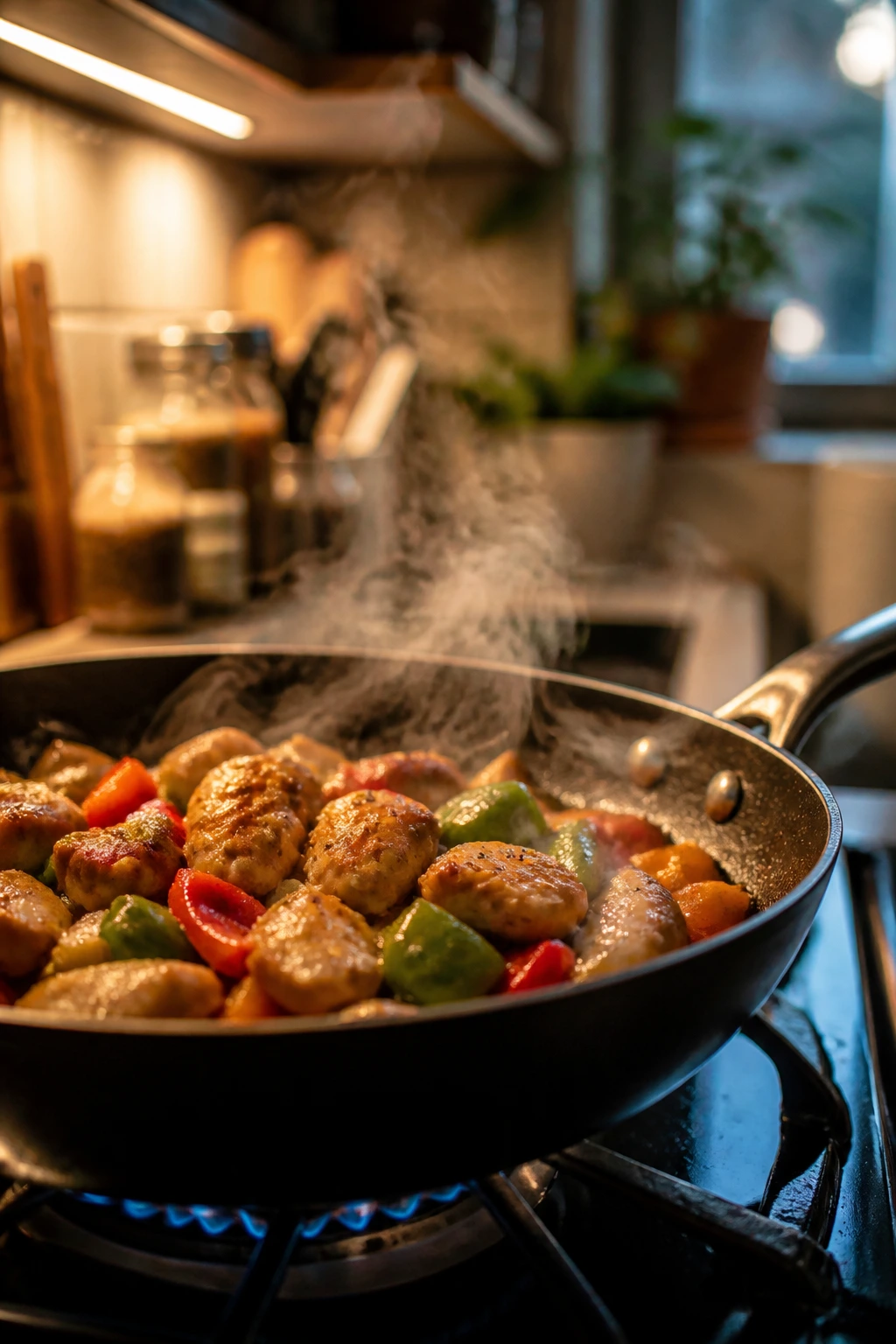
- Low-smoke methods: Most of these recipes use medium heat, covered simmering, or quick searing, which keeps apartment air a lot happier than blasting the broiler or oven.
- One-pan logic: A skillet or Dutch oven does most of the work here, so you spend less time juggling cookware and more time eating.
- Budget-friendly building blocks: Beans, rice, pasta, eggs, cabbage, chicken thighs, and canned tomatoes show up again and again because they carry a dinner farther than their price suggests.
- Leftover insurance: Saucy stovetop dinners usually reheat better than dry baked dishes, especially if you keep a little broth or pasta water back.
- Flexible by design: If the fridge looks thin, these dinners bend. Swap greens, change the protein, use frozen vegetables, or slide in a different noodle without wrecking the whole plan.
- Apartment-proof flavor: Garlic, cumin, soy sauce, lemon, parmesan, curry paste, and fresh herbs do the heavy lifting, so you get a lot of taste without a huge ingredient pile.
1. Lemon Garlic Chicken Orzo Skillet
This is the kind of dinner that looks like you tried harder than you did. The orzo turns silky in chicken broth, the chicken stays juicy, and the lemon cuts through the richness so the pan never feels heavy. It smells like garlic, browned chicken skin, and parmesan, which is honestly a very good smell to have drifting through a small kitchen.
Why It Works: Orzo cooks fast enough for a weeknight, but it still absorbs flavor the way rice sometimes refuses to. Chicken thighs handle the skillet well because they stay tender even if your heat runs a little hot, and the spinach folds in at the end without needing extra time. The whole dish comes together in one pan, which matters when counter space is limited and you do not want three dirty pots staring at you after dinner.
Key Ingredients:
- 1½ pounds boneless, skinless chicken thighs, patted dry
- 1 teaspoon kosher salt
- ½ teaspoon black pepper
- 1 teaspoon paprika
- 1 tablespoon olive oil
- 1 small yellow onion, diced
- 3 cloves garlic, minced
- 1½ cups orzo
- 3 cups low-sodium chicken broth
- 1 lemon, zested and juiced
- 2 cups baby spinach
- ½ cup grated parmesan
- 2 tablespoons chopped parsley
Quick Steps:
- Season the chicken with salt, pepper, and paprika.
- Heat the olive oil in a large skillet over medium-high heat and sear the chicken for 5 to 6 minutes per side until deeply golden and cooked through. Transfer it to a plate.
- Lower the heat to medium. Add the onion and cook for 3 minutes, then add the garlic and stir for 30 seconds until fragrant.
- Stir in the orzo and toast it for 1 minute, then pour in the broth and lemon zest. Simmer for 8 to 10 minutes, stirring often, until the orzo is tender and the liquid is mostly absorbed.
- Stir in the spinach, parmesan, and lemon juice. Return the chicken to the pan, cover for 2 minutes, and finish with parsley.
Tips and Variations:
- Bright Finish: Add a spoonful of chopped dill or basil if you want the dish to taste a little fresher.
- Easy Swap: Boneless chicken breasts work, but cut them thinner so they do not dry out.
- Extra Body: A handful of frozen peas added with the broth gives the pan more color and a little sweetness.
2. Creamy Mushroom Spinach Pasta
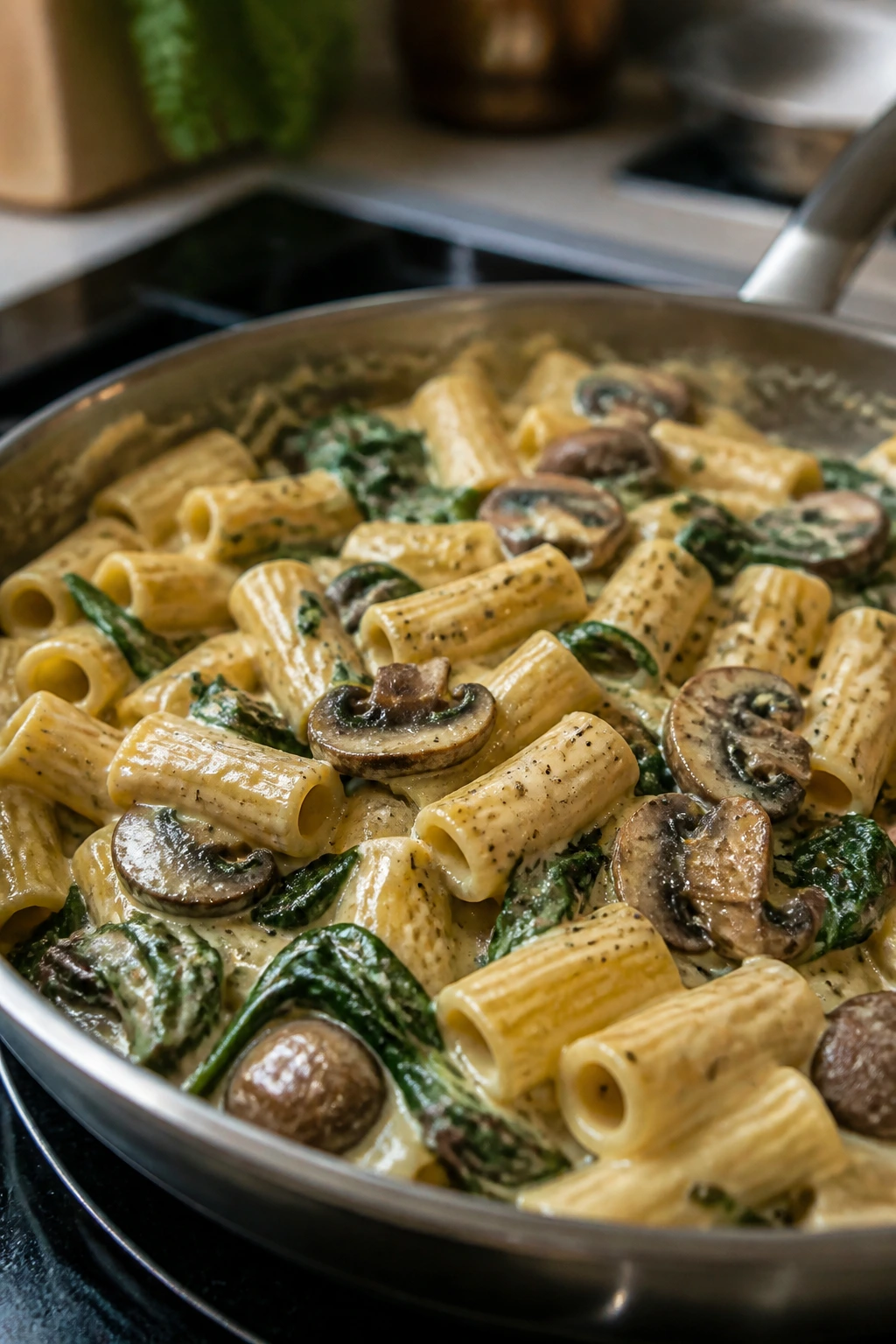
Mushrooms can be boring when they’re rushed. Give them heat, let them give off their water, and they turn meaty and almost nutty, which is why this pasta tastes deeper than its ingredient list suggests. The sauce is creamy without being gluey, and the spinach vanishes into the noodles in the best possible way.
Why It Works: Pasta water and browned mushroom juices make the sauce cling to every piece of pasta, so you do not need a heavy roux or a long reduction. This is a smart apartment dinner because everything happens in a skillet plus one pot, and the aroma stays earthy instead of aggressive. The mushrooms also make the dish feel more substantial than a plain cream pasta, which is handy when you want a meatless dinner that still eats like dinner.
Key Ingredients:
- 12 ounces short pasta, such as rigatoni or fusilli
- 1 pound cremini mushrooms, sliced
- 1 small onion, finely chopped
- 3 cloves garlic, minced
- 2 tablespoons butter
- 1 tablespoon olive oil
- 1 teaspoon kosher salt
- ½ teaspoon black pepper
- ½ teaspoon dried thyme
- 1 cup vegetable broth
- ¾ cup half-and-half or heavy cream
- 1 cup grated parmesan
- 3 cups baby spinach
- ½ cup reserved pasta water
Quick Steps:
- Cook the pasta in salted water until just shy of al dente, then reserve ½ cup of the water and drain.
- Heat the butter and olive oil in a large skillet over medium-high heat. Add the mushrooms and let them brown for 6 to 8 minutes, stirring only occasionally so they can color.
- Add the onion, salt, pepper, and thyme. Cook for 3 to 4 minutes, then add the garlic for 30 seconds.
- Pour in the broth and cream, scraping up the browned bits. Simmer for 2 to 3 minutes until the sauce looks glossy.
- Add the pasta, spinach, and parmesan. Toss until the spinach wilts and the sauce coats the noodles, then loosen with pasta water if needed.
Tips and Variations:
- Better Browning: Do not salt the mushrooms too early or they’ll steam before they brown.
- Greener Version: Stir in a handful of frozen peas with the spinach if you want more color.
- More Bite: A little lemon zest at the end keeps the cream from feeling flat.
3. Beef and Broccoli Noodles
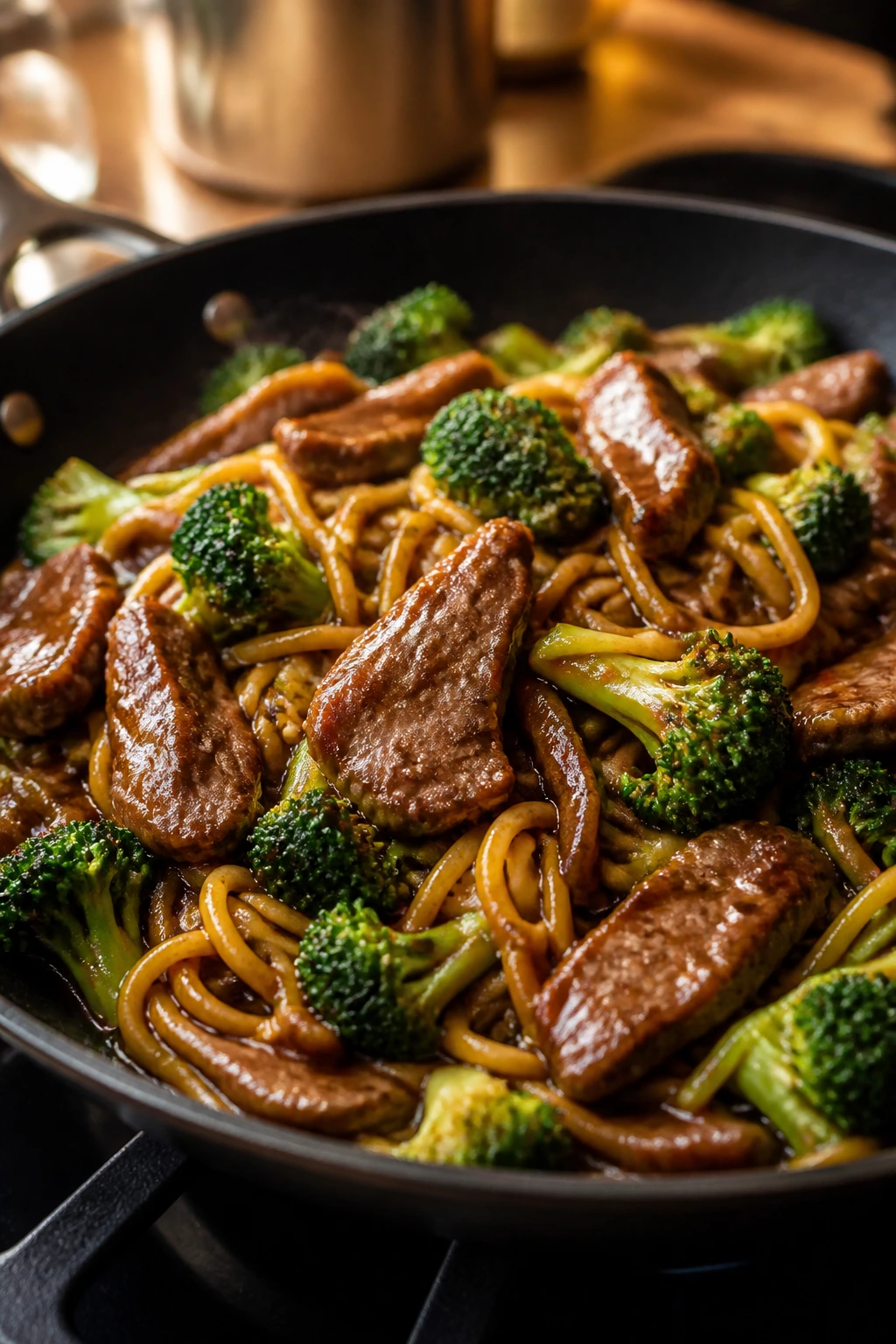
This is the takeout-style dinner that behaves better in a small kitchen than the cardboard box version ever did. The beef gets a quick marinade, the broccoli stays crisp-tender, and the sauce lands in that sweet spot between savory and glossy. It is the sort of meal that makes a Tuesday night feel organized.
Why It Works: Thinly sliced beef cooks quickly, which means you can get real browning without smoking up the place for half an hour. Broccoli holds up nicely on the stovetop because it only needs a short steam finish, and the soy-ginger sauce ties the whole thing together without demanding a long simmer. Noodles soak up extra sauce, so every bite tastes complete instead of like separate components stacked in a bowl.
Key Ingredients:
- 1 pound flank steak or sirloin, sliced thin against the grain
- 8 ounces egg noodles, lo mein noodles, or udon
- 4 cups broccoli florets
- 2 tablespoons soy sauce
- 1 tablespoon oyster sauce
- 1 tablespoon brown sugar
- 1 teaspoon sesame oil
- 1 tablespoon cornstarch
- 2 tablespoons water
- 3 cloves garlic, minced
- 1 teaspoon grated fresh ginger
- 1 tablespoon neutral oil
- 2 sliced scallions
Quick Steps:
- Toss the beef with 1 tablespoon soy sauce, cornstarch, and water. Let it sit for 10 minutes while you cook the noodles.
- Cook the noodles according to the package directions, then drain.
- Heat the oil in a large skillet or wok over medium-high heat. Sear the beef in a single layer for 1 to 2 minutes per side, then move it to a plate.
- Add the broccoli and ¼ cup water to the pan, cover for 2 minutes, and let it steam until bright green and barely tender.
- Stir in the garlic, ginger, remaining soy sauce, oyster sauce, brown sugar, and sesame oil. Return the beef and noodles to the pan, toss everything together, and finish with scallions.
Tips and Variations:
- No Wok Needed: A wide skillet works fine as long as you keep the heat up and do not overcrowd it.
- Vegetable Swap: Snap peas or thin-sliced bell peppers can replace some of the broccoli.
- Heat Control: If your apartment kitchen runs hot, lower the burner before adding the sauce so the sugar does not catch.
4. Chickpea Coconut Curry With Rice
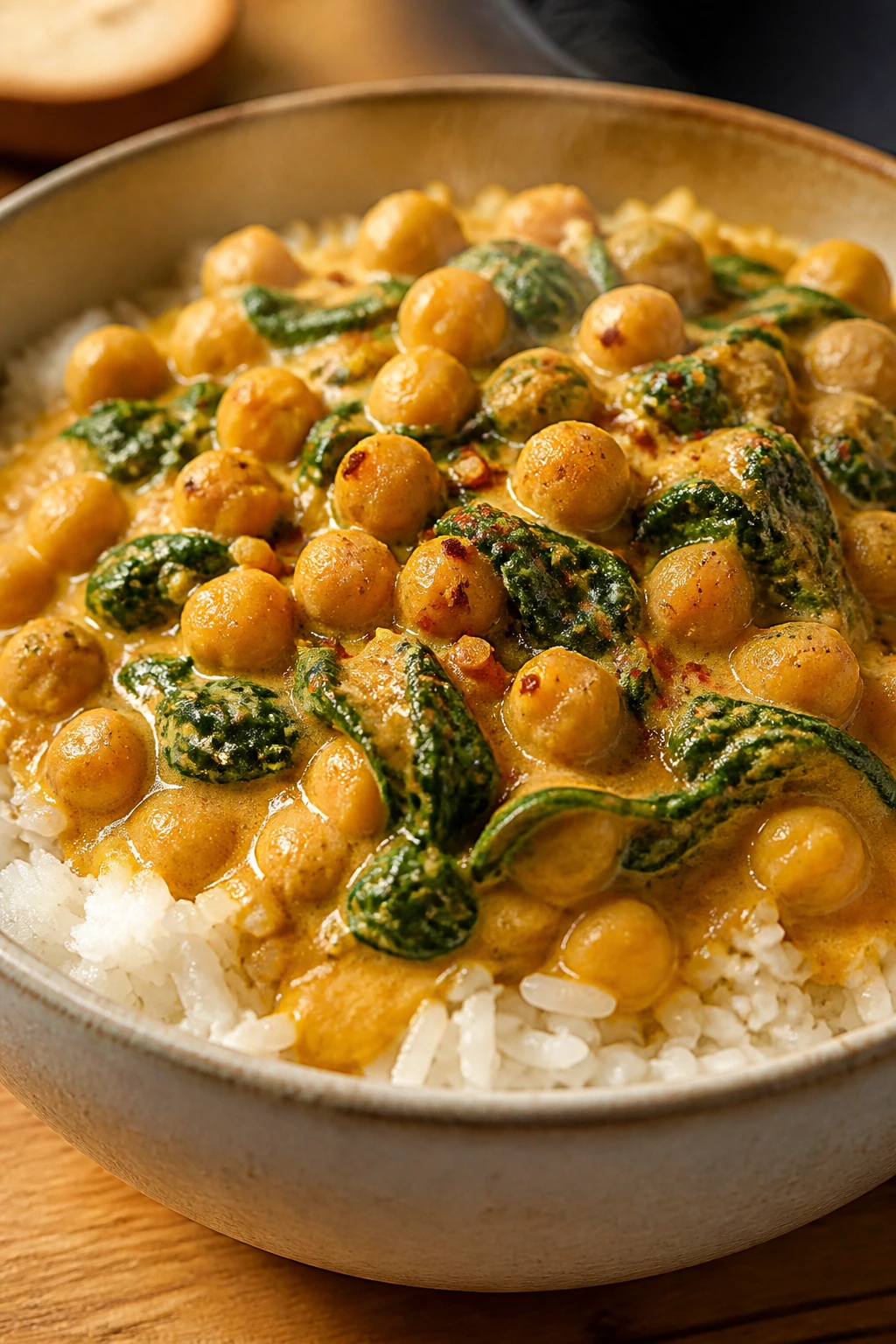
This is comfort food that stays calm. Coconut milk smooths out the spices, chickpeas bring substance, and the tomatoes keep it from tasting one-note. It’s the sort of curry that makes sense in a small kitchen because the pot does the work while you let the rice simmer next to it.
Why It Works: Chickpeas hold their shape and taste better after a short simmer, which makes them ideal for stovetop dinners where you want dinner to finish in under an hour. Coconut milk gives you body without needing dairy, and curry paste or curry powder adds depth fast. The lime at the end matters. Without it, the whole thing can taste sleepy.
Key Ingredients:
- 1 tablespoon olive oil
- 1 medium yellow onion, chopped
- 3 cloves garlic, minced
- 1 tablespoon grated fresh ginger
- 2 tablespoons curry paste or 1½ tablespoons curry powder
- 1 can (14.5 ounces) diced tomatoes
- 2 cans chickpeas, drained and rinsed
- 1 can (13.5 ounces) full-fat coconut milk
- 1 cup low-sodium vegetable broth
- 4 cups baby spinach
- 1 teaspoon kosher salt
- 1 lime, cut into wedges
- 1 cup jasmine rice
- 1¾ cups water
Quick Steps:
- Start the rice in a saucepan: combine the rice and water, bring to a boil, cover, then simmer on low for 15 minutes. Let it rest off heat for 5 minutes.
- Heat the oil in a large pot over medium heat. Cook the onion for 4 minutes until soft.
- Stir in the garlic, ginger, and curry paste or powder. Cook for 30 seconds until fragrant.
- Add the tomatoes, chickpeas, coconut milk, broth, and salt. Simmer for 15 to 18 minutes until slightly thickened.
- Stir in the spinach until wilted, then finish with lime juice and serve over rice.
Tips and Variations:
- Make It Fuller: Add diced sweet potato with the tomatoes if you want a thicker, sweeter curry.
- Keep It Bright: A spoonful of yogurt or coconut yogurt on top cools the heat and adds contrast.
- Shortcut Move: Frozen spinach works, but squeeze it dry so it does not water down the sauce.
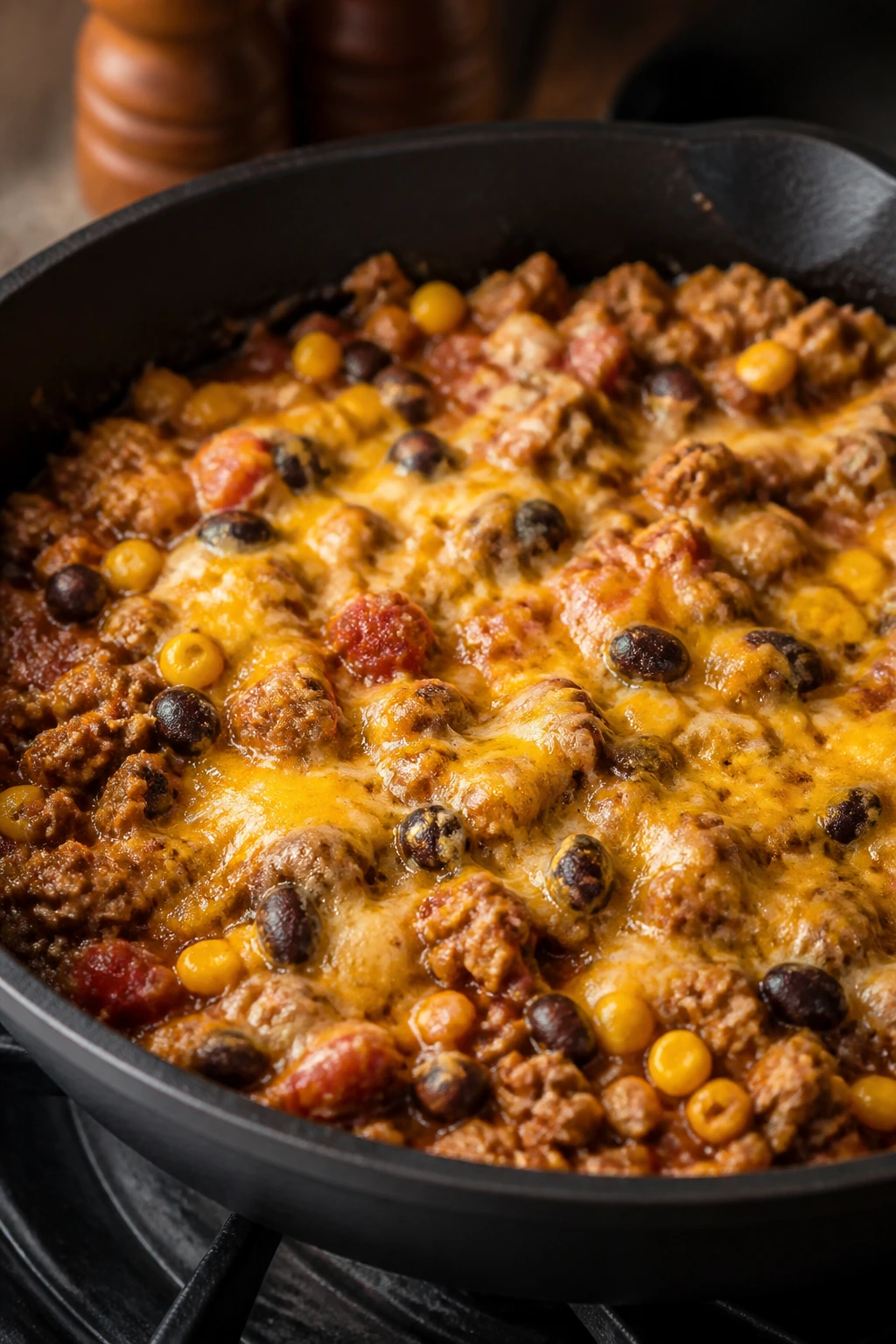
5. Turkey Taco Skillet
This is what I make when I want dinner to feel casual but not lazy. Ground turkey, black beans, corn, salsa, and cheese turn into a skillet filling that you can scoop into tortillas, pile onto rice, or eat with chips straight from the pan. It smells like taco night, which is a very useful smell to have in a small apartment.
Why It Works: Ground turkey takes seasoning well, and the beans give the skillet enough body that you do not miss a long list of extras. Salsa acts as both sauce and seasoning, which is exactly the kind of shortcut that makes stovetop cooking friendly in tight quarters. The cheese melts on top without needing an oven, so you get that comfort-food finish with almost no extra fuss.
Key Ingredients:
- 1 pound ground turkey
- 1 tablespoon olive oil
- 1 small onion, diced
- 1 bell pepper, diced
- 2 tablespoons taco seasoning
- 1 cup salsa
- 1 can black beans, drained and rinsed
- 1 cup corn, frozen or canned
- ½ cup water or broth
- 1½ cups shredded cheddar or Monterey Jack
- 6 small tortillas or tortilla chips, for serving
- Chopped cilantro and avocado, for topping
Quick Steps:
- Heat the oil in a large skillet over medium heat. Cook the onion and bell pepper for 4 minutes until softened.
- Add the turkey and cook, breaking it up with a spoon, until no pink remains, about 5 to 6 minutes.
- Stir in the taco seasoning, salsa, beans, corn, and water. Simmer for 5 minutes until thick and saucy.
- Sprinkle the cheese over the top, cover the skillet, and let it melt for 2 minutes.
- Serve in tortillas or over chips, then finish with cilantro and avocado.
Tips and Variations:
- Bigger Meal: Spoon the filling over rice if you want it to stretch farther.
- Heat Level: Add chopped jalapeño with the onion if you like more bite.
- Meal Prep Trick: The filling keeps well for lunch the next day, especially if you keep the tortillas separate.
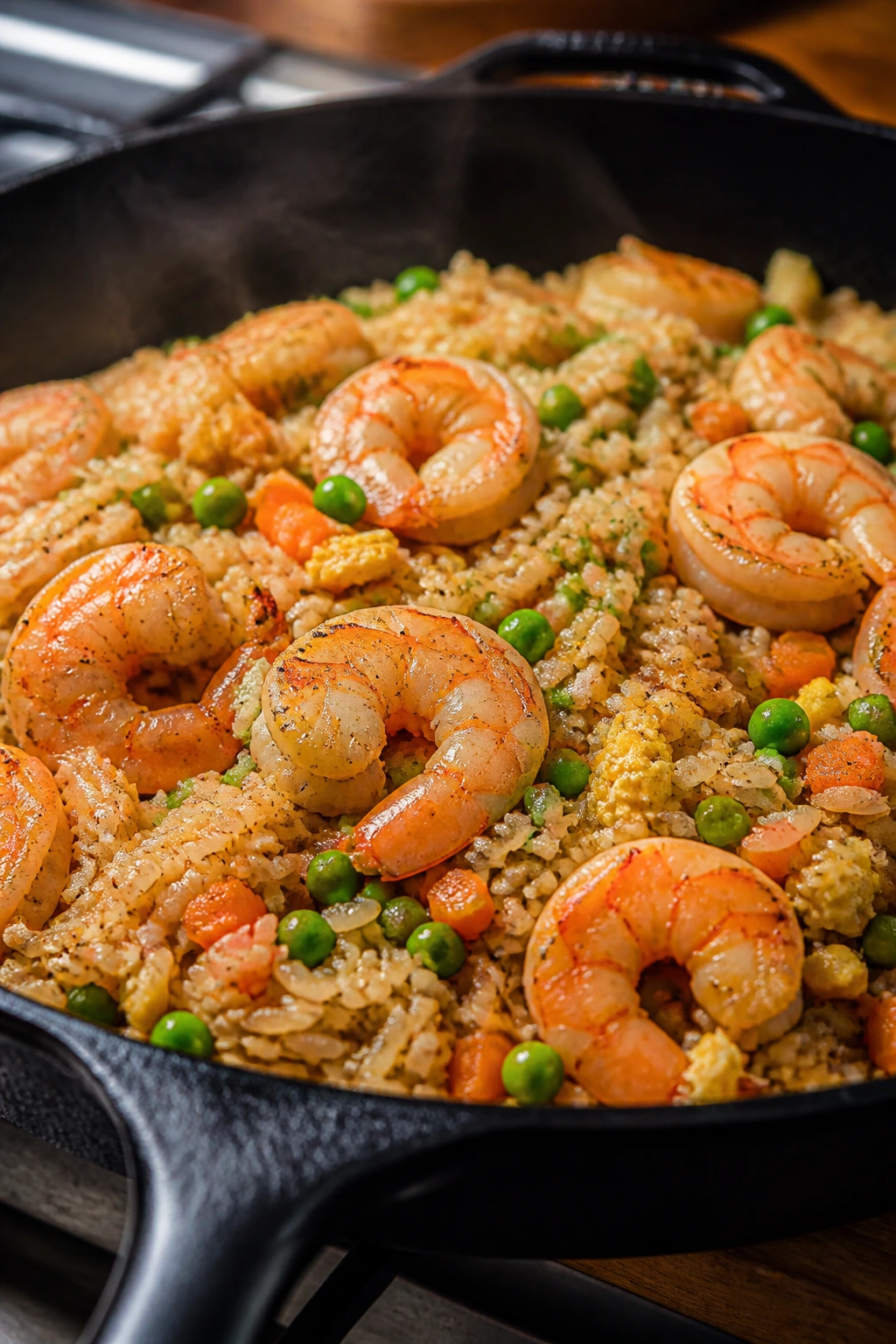
6. Shrimp Fried Rice
Shrimp fried rice is fast, sharp, and a little unforgiving in a good way. It rewards a hot pan and cold rice. The shrimp stay sweet, the egg gives the dish body, and the rice picks up all the soy-sesame flavor without turning mushy, which is exactly what you want when dinner needs to happen fast.
Why It Works: Day-old rice dries out enough to fry instead of steam, so the grains stay separate and a little chewy. Shrimp cook in minutes, which keeps the whole dish quick and keeps the kitchen from getting too hot. The combination of egg, vegetables, and rice means you have a full dinner in one pan, and leftovers reheat surprisingly well if you do not drown them in sauce.
Key Ingredients:
- 1 pound shrimp, peeled and deveined
- 4 cups cold cooked jasmine rice
- 2 large eggs, beaten
- 1 cup frozen peas and carrots
- 3 scallions, sliced
- 2 cloves garlic, minced
- 3 tablespoons soy sauce
- 1 tablespoon oyster sauce
- 2 teaspoons sesame oil
- 1 tablespoon neutral oil
- Salt and black pepper, to taste
Quick Steps:
- Heat the neutral oil in a large skillet over medium-high heat. Cook the shrimp for 1 to 2 minutes per side until opaque, then set aside.
- Add the eggs to the skillet and scramble them just until set. Move them to the side of the pan.
- Stir in the peas, carrots, and garlic. Cook for 1 minute.
- Add the rice, breaking up clumps with your spoon. Fry for 3 to 4 minutes until the rice looks hot and lightly toasted.
- Stir in the soy sauce, oyster sauce, and sesame oil. Return the shrimp, add the scallions, and toss until everything is coated.
Tips and Variations:
- Rice Rule: Fresh rice is too soft; chill cooked rice for a few hours if you can.
- Vegetable Swap: Chopped broccoli florets or diced zucchini work if you want to clear out the fridge.
- Final Touch: A squeeze of lime at the end cuts through the soy sauce and wakes the whole dish up.
7. Sausage, White Bean, and Kale Soup
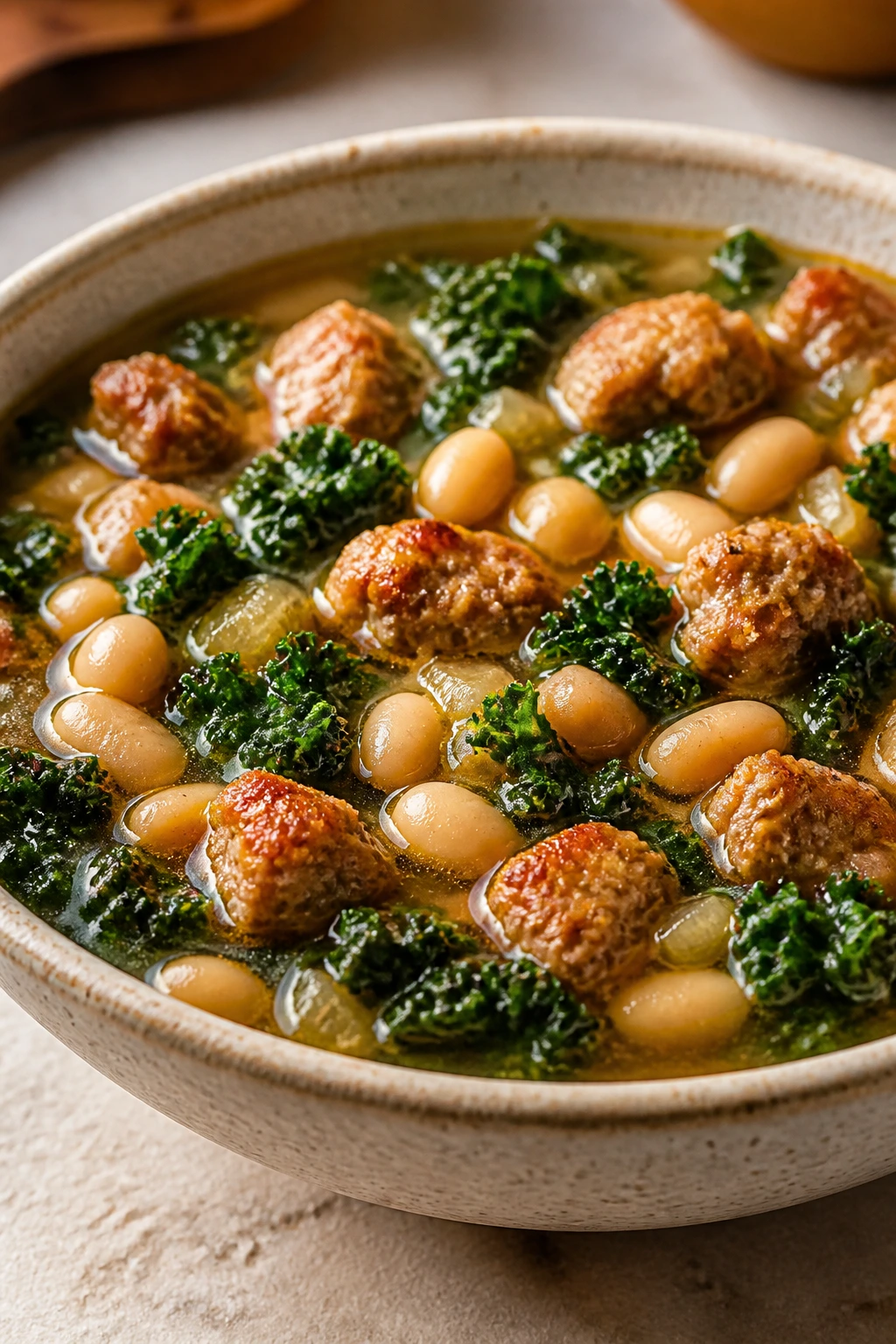
This soup feels sturdy enough to count as dinner without acting heavy. The sausage gives the broth depth, the beans make it filling, and the kale softens just enough to stay bright green instead of collapsing into the background. It’s a one-pot meal that feels calm, which I appreciate on evenings when the kitchen has already done enough.
Why It Works: Browning the sausage first leaves flavorful fat in the pot, which means the vegetables start with a head start. Beans and broth create a base that gets thicker as it simmers, and kale goes in at the end so it keeps some texture. The soup is also forgiving. If you need to add more broth, or if the beans are a little loose, it still behaves.
Key Ingredients:
- 1 pound Italian sausage, casings removed if needed
- 1 tablespoon olive oil, if the sausage is lean
- 1 small onion, diced
- 2 carrots, diced
- 2 celery stalks, diced
- 3 cloves garlic, minced
- 2 cans cannellini beans, drained and rinsed
- 1 can diced tomatoes
- 6 cups low-sodium chicken broth
- 1 bay leaf
- 1 teaspoon dried thyme
- 4 cups chopped kale, stems removed
- ½ teaspoon black pepper
- 1 lemon, for finishing
- Grated parmesan, for serving
Quick Steps:
- Brown the sausage in a large soup pot over medium heat, breaking it up as it cooks. If it is very lean, add the olive oil first.
- Add the onion, carrots, and celery. Cook for 5 minutes until the vegetables soften.
- Stir in the garlic, thyme, and bay leaf for 30 seconds.
- Add the beans, tomatoes, broth, and pepper. Simmer uncovered for 20 to 25 minutes.
- Stir in the kale and cook for 5 minutes more, then finish with lemon juice and parmesan.
Tips and Variations:
- Thicker Bowl: Mash a few beans against the side of the pot if you want a creamier broth.
- Different Sausage: Chicken sausage works if you want a lighter version.
- Serving Move: Toasted bread rubbed with garlic makes this feel like a proper meal.
8. Spaghetti Aglio e Olio With White Beans and Greens
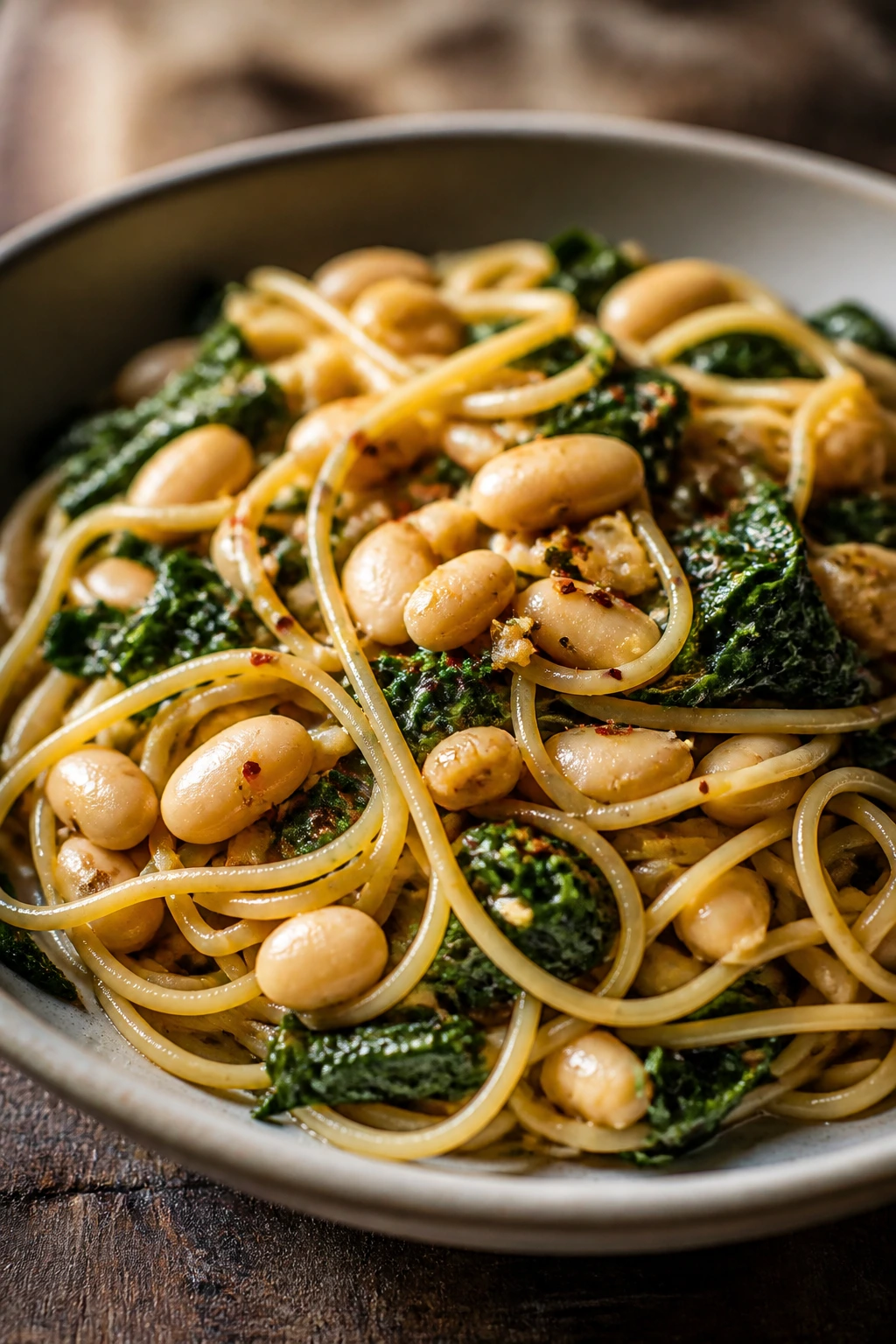
Aglio e olio can be almost too sparse if you’re eating a full dinner, which is why the beans and greens matter here. They give the pasta enough heft to stand on its own, while the garlic-chili oil keeps the whole thing sharp and lively. It’s cheap, fast, and much more satisfying than people expect from a pantry pasta.
Why It Works: Spaghetti cooks quickly and gives you the starch you need to build a sauce with nothing more than olive oil, garlic, and a splash of pasta water. White beans turn that sauce into a meal, not just a side dish, and the greens wilt in seconds. This is a good apartment dinner because it uses one pot for pasta and one skillet for the sauce, and both stay reasonably quiet on the stove.
Key Ingredients:
- 12 ounces spaghetti
- ⅓ cup olive oil
- 6 cloves garlic, thinly sliced
- ½ teaspoon red pepper flakes
- 1 can cannellini beans, drained and rinsed
- 3 cups baby arugula or spinach
- ½ cup reserved pasta water
- 1 lemon, zested and juiced
- 2 tablespoons chopped parsley
- ¼ cup grated parmesan, optional
- Salt, to taste
Quick Steps:
- Cook the spaghetti in salted water until al dente, then reserve ½ cup of the water.
- Warm the olive oil in a large skillet over medium heat. Add the garlic and red pepper flakes and cook until the garlic turns pale gold, about 1 to 2 minutes.
- Stir in the beans and heat them through for 2 minutes.
- Add the greens and toss until just wilted.
- Add the spaghetti, lemon zest, lemon juice, parsley, and a splash of pasta water. Toss until glossy and add more water if needed.
Tips and Variations:
- Garlic Watch: Pale gold is the goal. Deep brown garlic turns bitter fast.
- More Protein: A can of tuna or a few anchovies can slot in if you want a brinier version.
- Texture Trick: Toasted breadcrumbs on top make this feel a lot more finished.
9. Gnocchi in Tomato Cream Sauce
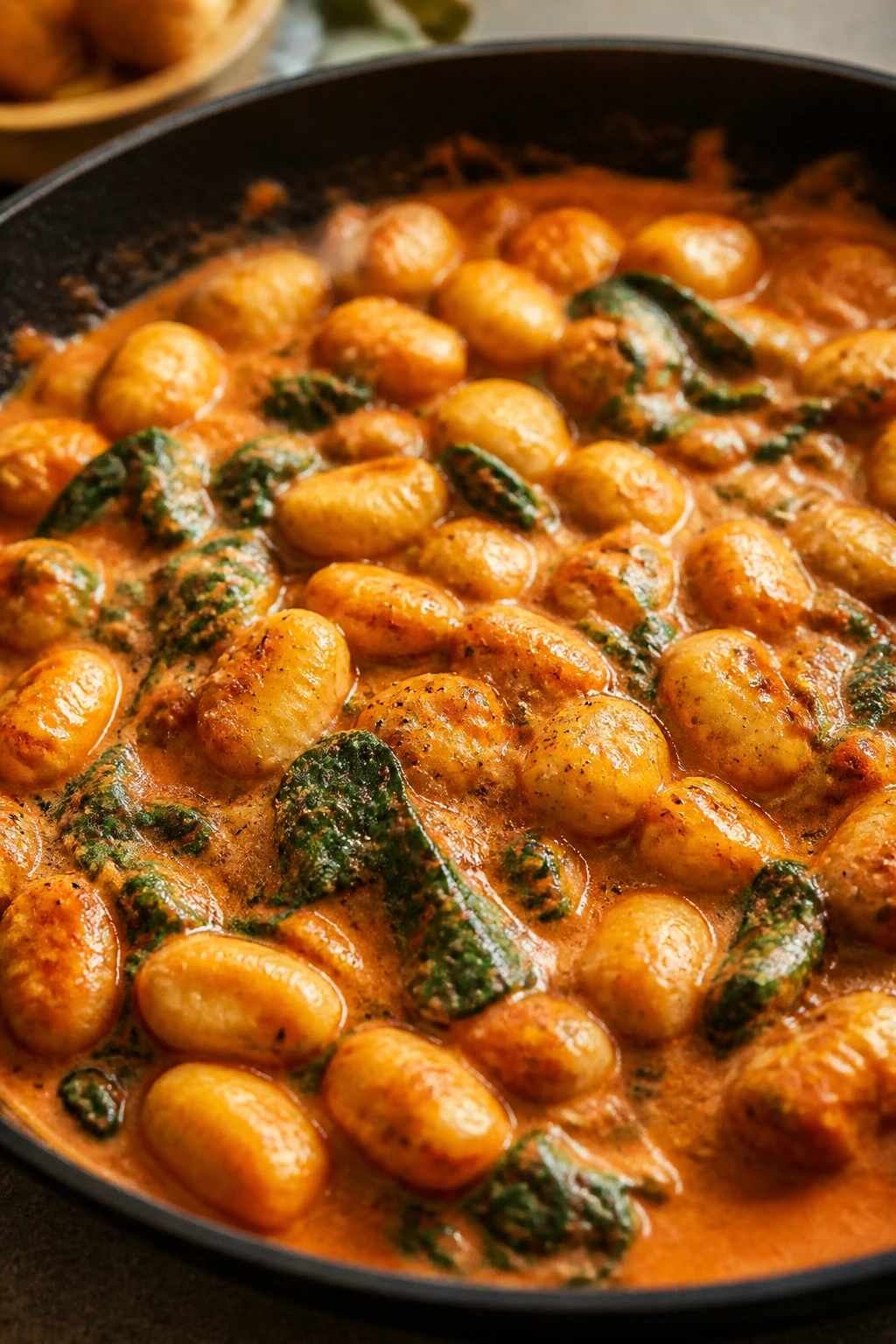
Shelf-stable gnocchi is one of those ingredients that looks unassuming until it saves dinner. In a skillet, it softens into little pillows and picks up the tomato cream sauce like it was made for it. The result is rich, cozy, and fast enough that you do not have time to overthink it.
Why It Works: Gnocchi cooks directly in the sauce, which means the dumplings absorb flavor while thickening the pan at the same time. Tomatoes and cream give you both acidity and richness, so the dish tastes rounded instead of flat. Add spinach at the end and you get a vegetable built in without changing the mood of the meal.
Key Ingredients:
- 1 tablespoon olive oil
- 1 small onion or shallot, minced
- 3 cloves garlic, minced
- 1 can crushed tomatoes
- 1 teaspoon kosher salt
- ½ teaspoon black pepper
- ½ teaspoon dried basil
- ½ cup heavy cream
- 2 packages shelf-stable gnocchi, about 17 to 18 ounces each
- 2 cups baby spinach
- ¼ cup grated parmesan
- Fresh basil, for serving
Quick Steps:
- Heat the oil in a deep skillet over medium heat. Cook the onion for 3 minutes until soft.
- Add the garlic and cook for 30 seconds.
- Stir in the tomatoes, salt, pepper, and dried basil. Simmer for 8 minutes.
- Add the gnocchi and cook for 3 to 4 minutes, stirring gently, until tender and coated.
- Stir in the cream, spinach, and parmesan. Cook for 1 minute until the spinach wilts, then top with basil.
Tips and Variations:
- Sauce Control: If it gets too thick, add a splash of water or broth before the cream goes in.
- Cheesy Finish: Mozzarella melts well here, but use a small handful or the sauce can get stringy.
- Vegetable Add-On: Mushrooms or chopped zucchini can cook with the onion if you want more bulk.
10. Black Bean Enchilada Skillet
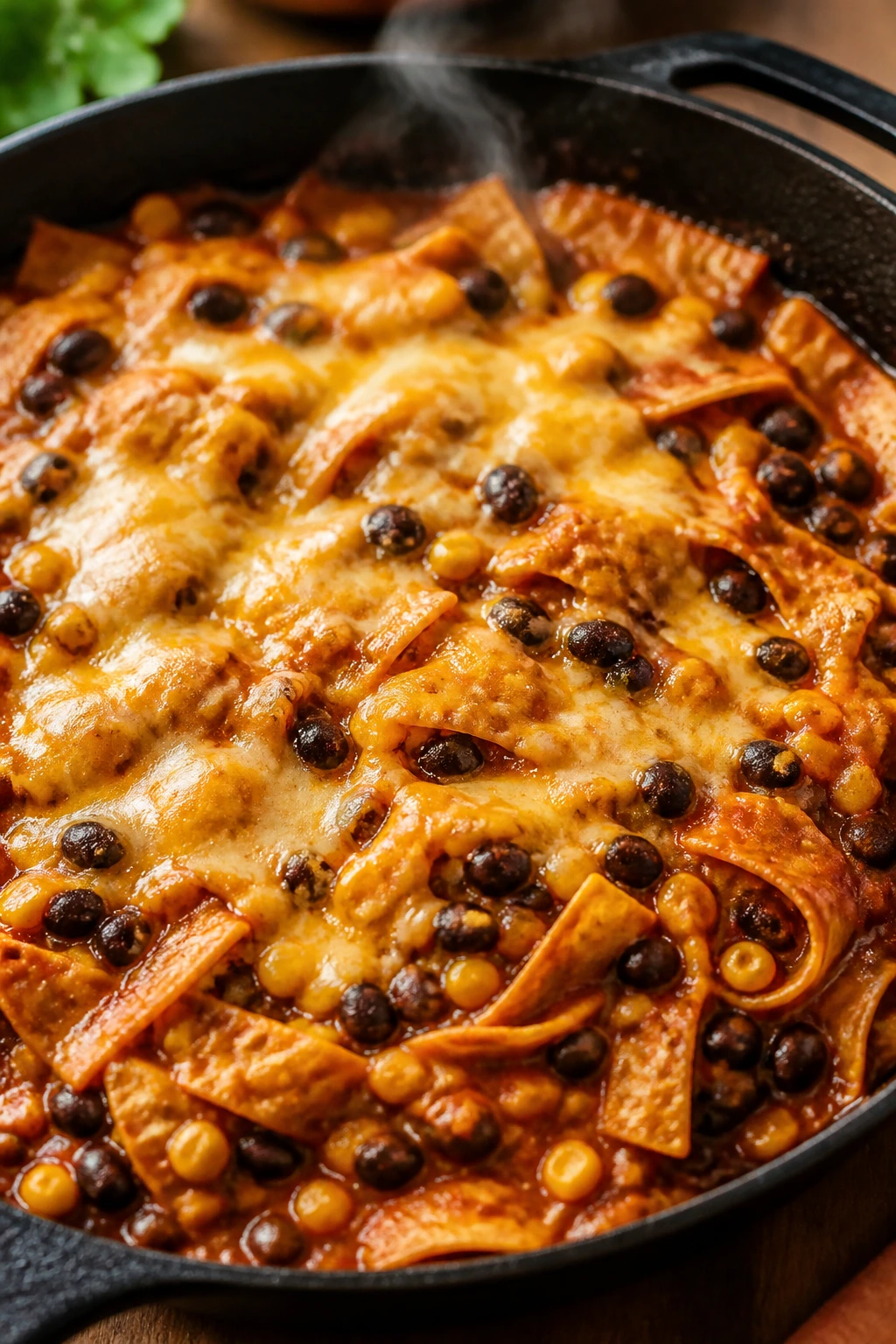
This one sits squarely in the comfort-food lane. Tortilla strips soak up enchilada sauce, black beans give the dish structure, and melted cheese ties everything together into something that eats like a layered casserole without asking for the oven. It’s cheap, filling, and very forgiving.
Why It Works: Enchilada sauce does the heavy lifting, so you do not need a long spice list or a complicated base. Beans and corn bulk the skillet up enough for a real dinner, and the tortillas soften right in the pan instead of going stale. That texture shift is the point. You want them tender, saucy, and a little messy.
Key Ingredients:
- 1 tablespoon neutral oil
- 1 small onion, diced
- 1 bell pepper, diced
- 2 cloves garlic, minced
- 2 cans black beans, drained and rinsed
- 1 cup corn, frozen or canned
- 2 cups red enchilada sauce
- 1 teaspoon ground cumin
- ½ teaspoon chili powder
- 6 small corn tortillas, cut into strips
- 1½ cups shredded cheddar or Monterey Jack
- Chopped cilantro and sliced avocado, for serving
Quick Steps:
- Heat the oil in a large skillet over medium heat. Cook the onion and bell pepper for 4 minutes.
- Add the garlic, cumin, and chili powder. Stir for 30 seconds.
- Add the beans, corn, and enchilada sauce. Simmer for 5 minutes.
- Fold in the tortilla strips and cook for 2 minutes until they soften around the edges.
- Sprinkle on the cheese, cover the skillet, and let it melt for 2 to 3 minutes. Finish with cilantro and avocado.
Tips and Variations:
- Crunch Factor: If you want some texture, save a few tortilla strips and scatter them on top right before serving.
- Different Beans: Pinto beans can replace black beans without changing the spirit of the dish.
- Heat Up: A chopped chipotle pepper in adobo adds smoke if your kitchen can handle it.
11. Peanut Sesame Noodles With Tofu
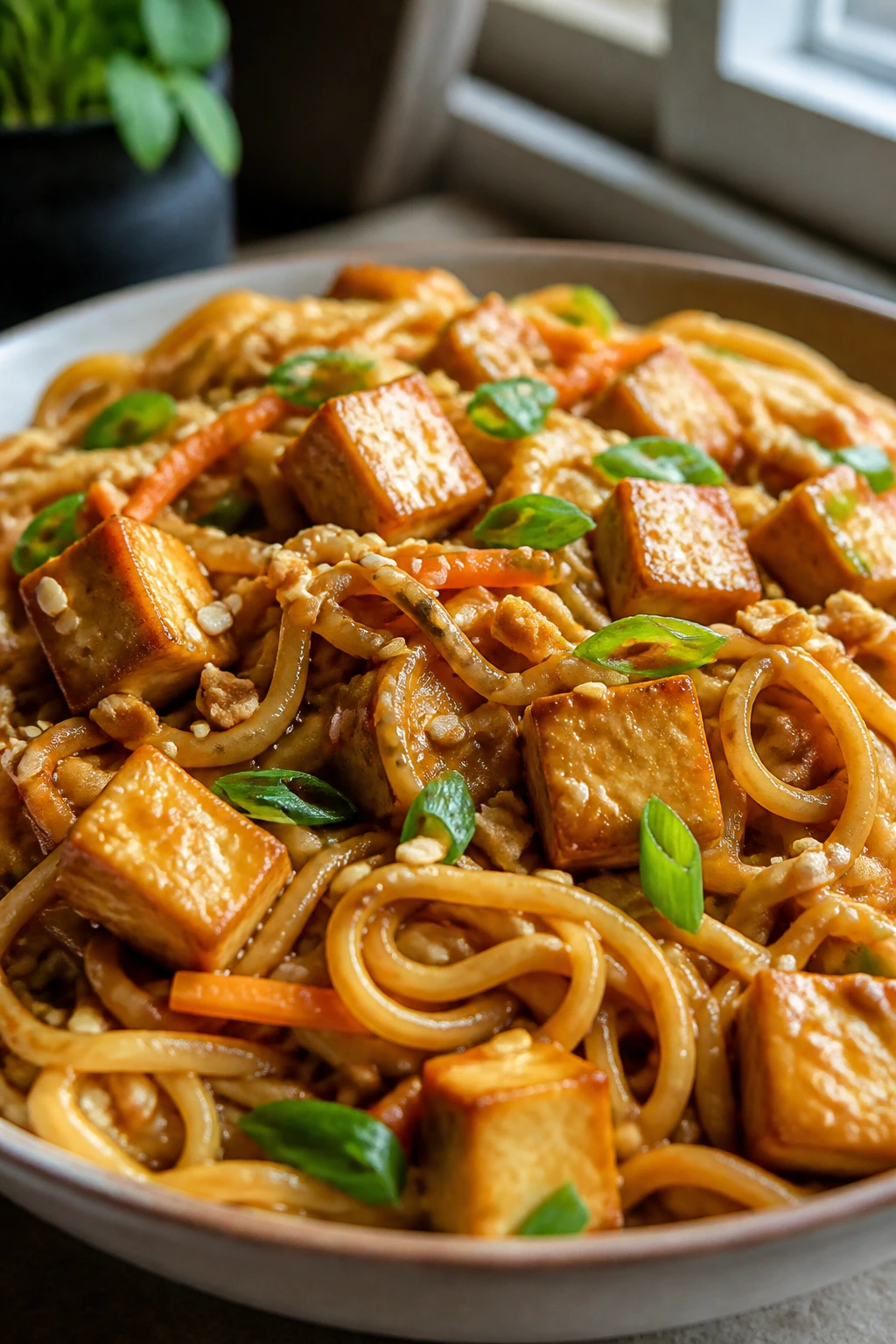
If you like dinners that lean bold instead of mellow, this one earns its spot. The peanut sauce is salty, nutty, and a little sharp from rice vinegar and lime. Tofu gives the dish heft, and the noodles carry the sauce so every bite stays coated.
Why It Works: Firm tofu crisps better when you press it well and give it room in the skillet. The sauce is built from pantry ingredients, which is perfect for apartment cooking because you do not need a special trip for one dinner. Warm noodle water loosens the peanut butter into something glossy, which is the trick that keeps this from tasting thick or sticky.
Key Ingredients:
- 14 ounces noodles, such as soba, spaghetti, or rice noodles
- 1 block firm tofu, pressed and cut into cubes
- 2 tablespoons neutral oil
- 1 cup shredded carrots
- 1 red bell pepper, thinly sliced
- 3 scallions, sliced
- ⅓ cup peanut butter
- 3 tablespoons soy sauce
- 2 tablespoons rice vinegar
- 1 tablespoon honey
- 1 teaspoon sesame oil
- 1 to 2 teaspoons chili crisp or sriracha
- ⅓ cup warm water
- 1 tablespoon lime juice
- 2 tablespoons chopped peanuts
Quick Steps:
- Cook the noodles and set aside a small cup of the cooking water.
- Heat the oil in a large skillet over medium-high heat. Cook the tofu for 8 to 10 minutes, turning until the sides are golden.
- Whisk the peanut butter, soy sauce, rice vinegar, honey, sesame oil, chili crisp, warm water, and lime juice until smooth.
- Add the carrots and bell pepper to the skillet and cook for 2 minutes.
- Toss in the noodles and sauce, adding a little noodle water if needed, then finish with scallions and chopped peanuts.
Tips and Variations:
- Browning Help: If tofu sticks, let it sit longer before turning; it releases once the crust sets.
- Vegetable Swap: Shredded cabbage or snap peas fit this just fine.
- Sauce Balance: More lime gives you sharper flavor, more honey makes it rounder.
12. Moroccan Lentil Stew
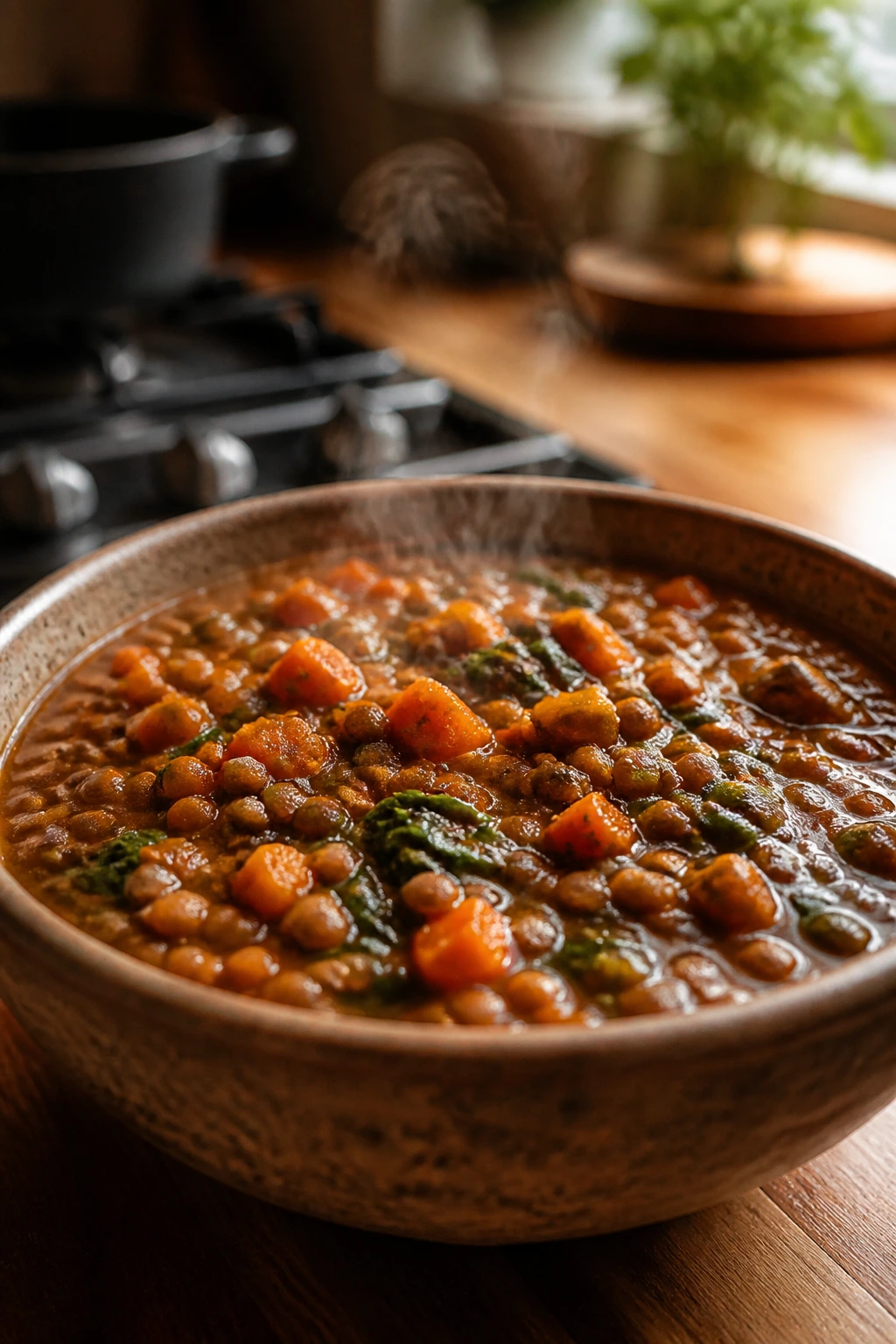
This stew smells like cumin, garlic, and a hint of sweetness from the carrots before it even finishes cooking. Lentils make it hearty without needing meat, and the spice blend is warm rather than loud. It’s the kind of pot that rewards a low burner and a little patience.
Why It Works: Lentils cook directly in the broth, so you get a thick stew without needing flour or cream. The carrots and celery soften into the background while the spices bloom in the oil, which gives the broth more character than a basic bean soup. A squeeze of lemon at the end sharpens the whole pot and keeps it from tasting flat.
Key Ingredients:
- 1 tablespoon olive oil
- 1 medium onion, diced
- 2 carrots, diced
- 2 celery stalks, diced
- 3 cloves garlic, minced
- 1 cup brown or green lentils, rinsed
- 1 can diced tomatoes
- 5 cups low-sodium vegetable broth
- 1 teaspoon cumin
- 1 teaspoon coriander
- ½ teaspoon smoked paprika
- ¼ teaspoon cinnamon
- 2 cups chopped spinach or kale
- 1 lemon, juiced
- Salt and black pepper, to taste
- Plain yogurt or chopped cilantro, for serving
Quick Steps:
- Warm the oil in a soup pot over medium heat. Cook the onion, carrots, and celery for 6 minutes.
- Add the garlic, cumin, coriander, paprika, and cinnamon. Stir for 30 seconds.
- Add the lentils, tomatoes, and broth. Bring to a boil, then lower the heat and simmer for 25 to 30 minutes until the lentils are tender.
- Stir in the spinach or kale and cook for 2 to 3 minutes.
- Finish with lemon juice, then taste and adjust salt and pepper before serving.
Tips and Variations:
- Thicker Texture: Simmer uncovered for the last 5 minutes if you want it less brothy.
- Protein Boost: A spoonful of Greek yogurt on top makes the bowl richer.
- Bread Friend: Flatbread or crusty bread is the right move here.
13. Cajun Chicken and Rice Skillet
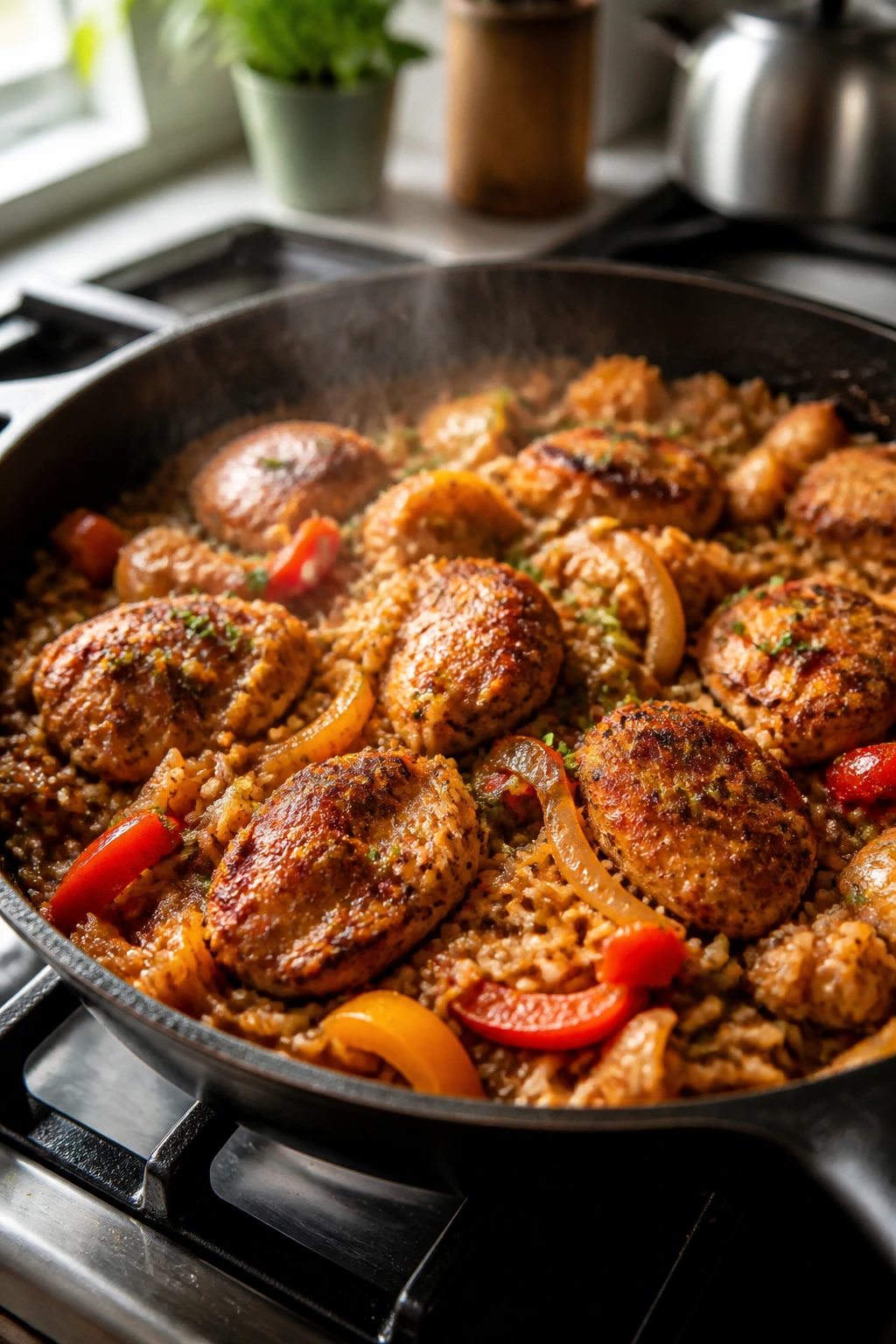
This is a skillet dinner with a little swagger. The chicken browns first, the rice takes on the seasoning and broth, and the peppers and onions give it the kind of sweetness that balances the Cajun spice. It’s hearty, but not clumsy.
Why It Works: Long-grain rice cooks well in a covered skillet, which means you can keep everything in one pan from start to finish. Cajun seasoning gives the dish its backbone, and browning the chicken before the rice starts builds flavor into the bottom of the pan. The key is keeping the heat low once the lid goes on so the rice steams evenly instead of scorching.
Key Ingredients:
- 1½ pounds boneless chicken thighs or breasts
- 2 teaspoons Cajun seasoning
- 1 tablespoon olive oil
- 1 small onion, sliced
- 1 bell pepper, sliced
- 2 celery stalks, sliced
- 3 cloves garlic, minced
- 1½ cups long-grain white rice
- 3 cups low-sodium chicken broth
- 1 can diced tomatoes, drained
- 2 tablespoons butter
- 2 sliced green onions
Quick Steps:
- Season the chicken with Cajun seasoning.
- Heat the oil in a deep skillet over medium-high heat and brown the chicken for 3 to 4 minutes per side. Transfer it to a plate.
- Add the onion, pepper, and celery. Cook for 4 minutes, then stir in the garlic.
- Add the rice, broth, tomatoes, and butter. Nestle the chicken back into the skillet.
- Bring the pan to a simmer, cover, and cook on low for 18 to 20 minutes until the rice is tender and the liquid is absorbed. Rest for 5 minutes, then top with green onions.
Tips and Variations:
- Rice Check: Do not keep lifting the lid; the steam is doing the real work.
- Smaller Heat: If your burner runs hot, use a diffuser or the rice can stick before it finishes.
- Extra Greens: Stir in chopped parsley or spinach at the end for freshness.
14. Seared Salmon With Dill Yogurt and Peas
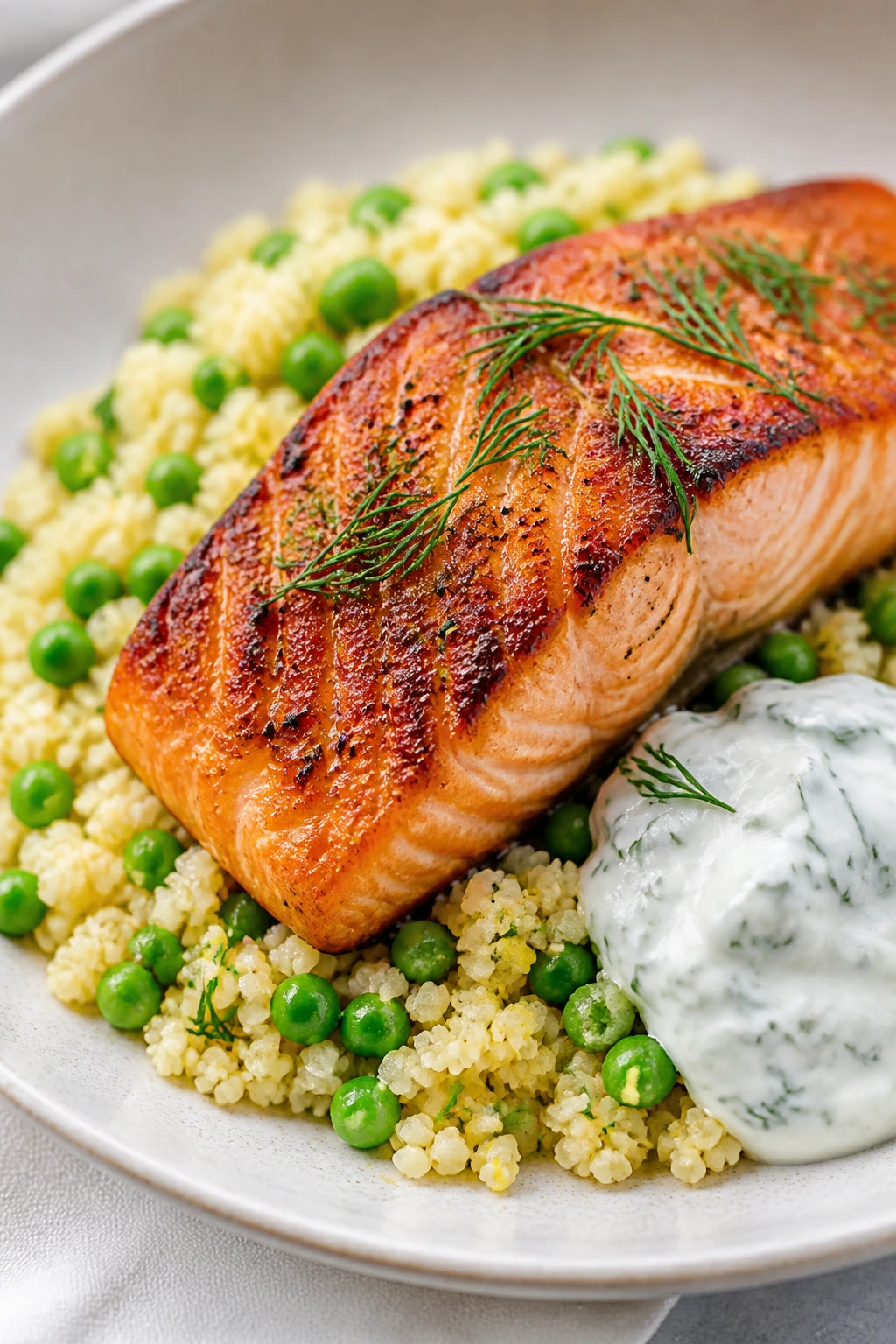
Salmon is one of the best apartment proteins because it cooks fast and does not require much more than salt, pepper, and a hot pan. Here it sits over lemony couscous with peas and a cool dill yogurt sauce, which gives you contrast in temperature, texture, and flavor. It feels light enough for a weeknight, but it still looks like dinner.
Why It Works: A dry fillet sears cleanly in minutes, and couscous hydrates with just off-the-boil liquid, so the whole meal moves fast. Dill and yogurt give the salmon a fresh edge that keeps the fish from feeling too rich. The peas add color and a little sweetness, which is doing more than you might think.
Key Ingredients:
- 4 salmon fillets, about 6 ounces each
- 1 teaspoon kosher salt
- ½ teaspoon black pepper
- 1 tablespoon olive oil
- 1 cup couscous
- 1¼ cups water or broth
- 1 cup frozen peas
- 1 tablespoon butter
- ½ cup plain Greek yogurt
- 1 tablespoon chopped fresh dill
- 1 tablespoon lemon juice
- Lemon wedges, for serving
Quick Steps:
- Season the salmon with salt and pepper.
- Bring the water or broth to a boil in a saucepan. Stir in the couscous, peas, and butter, cover, and remove from heat for 5 minutes. Fluff with a fork.
- Stir the yogurt, dill, and lemon juice together in a small bowl.
- Heat the oil in a skillet over medium heat. Sear the salmon skin-side down first, if it has skin, for 3 to 4 minutes, then flip and cook 2 to 3 minutes more until it flakes easily.
- Serve the salmon over couscous with a spoonful of dill yogurt and lemon on the side.
Tips and Variations:
- Pan Heat: Medium heat is plenty; too hot and the outside cooks before the center does.
- No Dill: Chives or parsley can step in if dill isn’t in the fridge.
- More Crunch: A little diced cucumber on top gives the bowl a nice cool snap.
15. One-Pot Broccoli Mac and Cheese
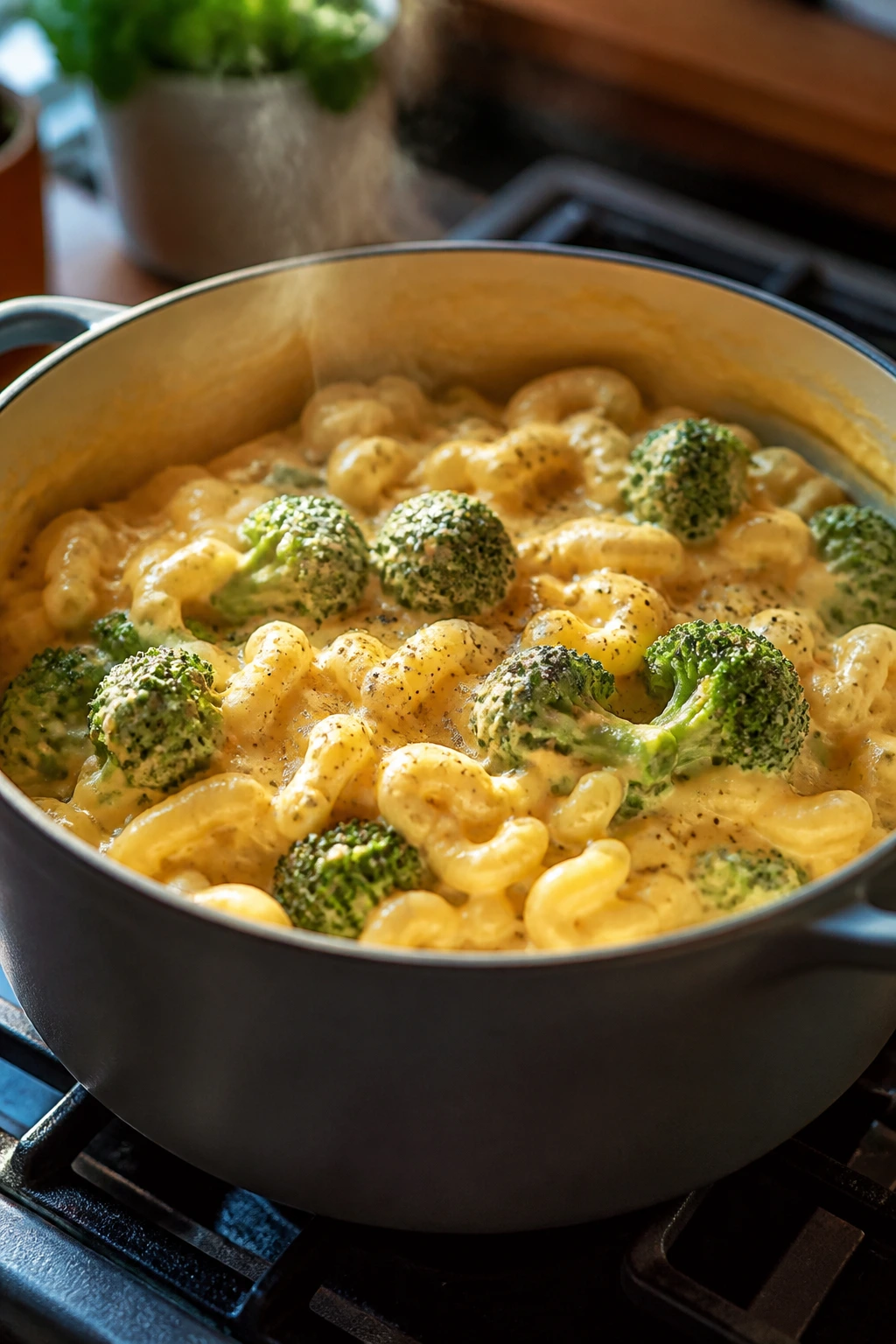
This is mac and cheese with the training wheels off. The pasta cooks in the same pot as the sauce base, the broccoli softens right alongside it, and the cheese melts into a thick, spoonable dinner instead of a side dish. It’s rich, but not fussy.
Why It Works: The starch from the pasta helps thicken the milk, which means you get a creamy sauce without making a separate roux. Broccoli can cook in the same pot in the last few minutes, so you only need one burner and one large pot. That is the kind of efficiency apartment cooking loves.
Key Ingredients:
- 12 ounces elbow macaroni
- 4 cups small broccoli florets
- 2 tablespoons butter
- 2 cups water
- 1½ cups milk
- 1 teaspoon kosher salt
- ½ teaspoon black pepper
- ½ teaspoon mustard powder
- 2 cups shredded sharp cheddar
- ½ cup shredded mozzarella, optional
- 2 tablespoons grated parmesan
Quick Steps:
- Combine the macaroni, water, milk, butter, salt, pepper, and mustard powder in a wide pot over medium heat.
- Bring it to a gentle simmer and cook for 7 to 8 minutes, stirring often so the pasta does not stick.
- Add the broccoli during the last 3 minutes of cooking.
- When the pasta is tender and the liquid is mostly absorbed, remove the pot from heat.
- Stir in the cheddar, mozzarella, and parmesan until smooth and glossy. Let it sit for 2 minutes before serving.
Tips and Variations:
- Cheese Choice: Sharp cheddar gives the most flavor; pre-shredded cheese melts, but block cheese melts cleaner.
- Thicker Finish: Let it rest a few minutes before serving because the sauce tightens as it cools.
- Vegetable Swap: Cauliflower or peas work if broccoli is not your thing.
16. Beef Stroganoff With Egg Noodles
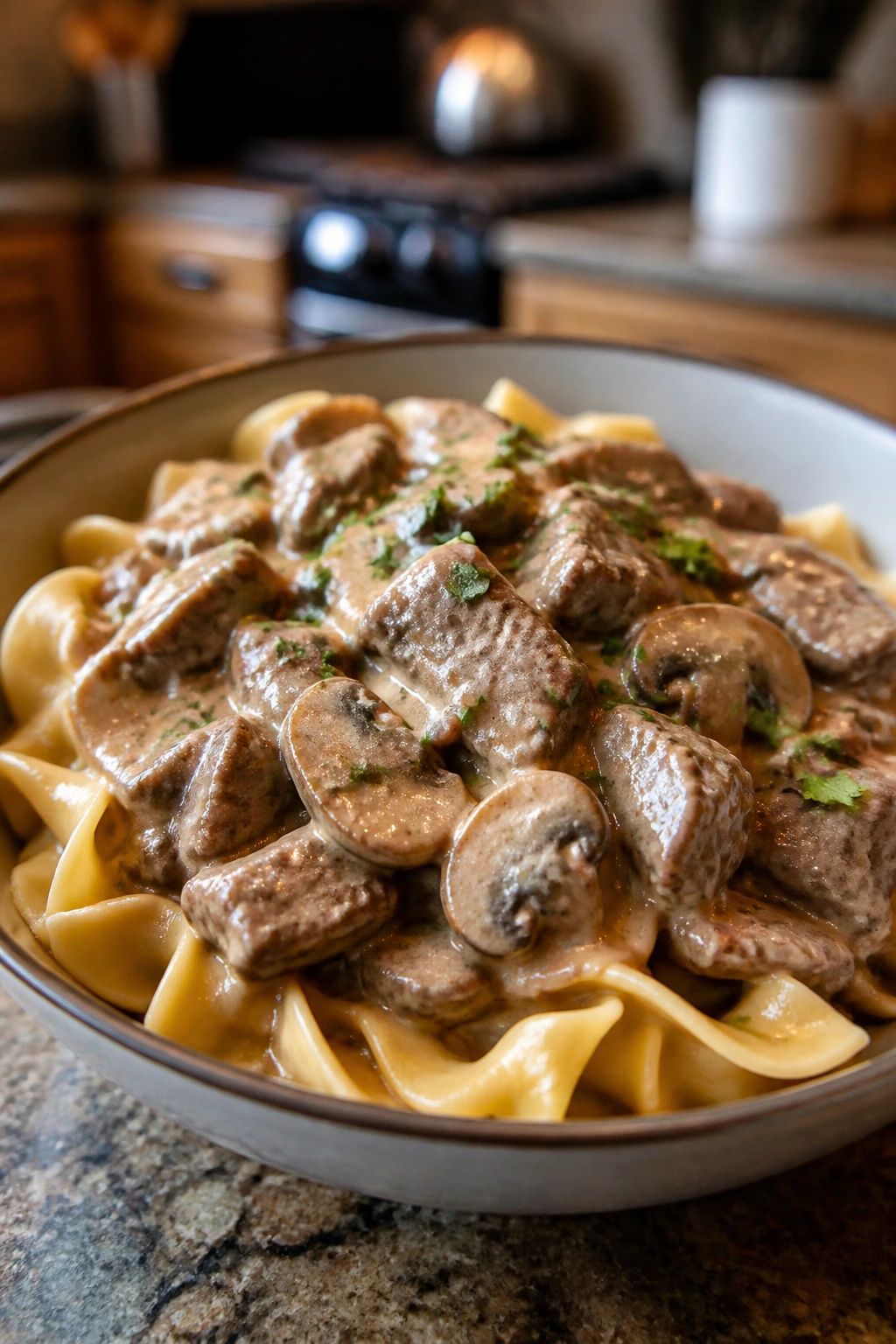
Stroganoff has a rich, old-school comfort to it that still works on a weeknight. Mushrooms and onions build the base, beef adds heft, and sour cream turns the sauce velvety without making it heavy. It tastes like something that should have taken longer than it did.
Why It Works: Egg noodles are wide enough to catch the sauce, which is half the reason this dish feels so satisfying. Searing the beef first gives the pan flavor, then the mushrooms and onions scrape that flavor back into the sauce where it belongs. Sour cream is added at the end so it stays smooth instead of splitting, and that little detail matters more than people think.
Key Ingredients:
- 12 ounces egg noodles
- 1 pound sirloin, thinly sliced, or 1 pound ground beef
- 1 tablespoon olive oil
- 2 tablespoons butter
- 8 ounces mushrooms, sliced
- 1 small onion, sliced
- 3 cloves garlic, minced
- 2 tablespoons flour
- 2 cups beef broth
- 1 tablespoon Dijon mustard
- 1 tablespoon Worcestershire sauce
- ¾ cup sour cream
- 1 teaspoon paprika
- Salt and pepper, to taste
- Chopped parsley, for serving
Quick Steps:
- Cook the egg noodles in salted water, then drain.
- Heat the oil and 1 tablespoon butter in a skillet over medium-high heat. Brown the beef quickly, then transfer it to a plate.
- Add the remaining butter, mushrooms, and onion. Cook for 6 to 8 minutes until the mushrooms brown and the onion softens.
- Stir in the garlic and flour for 30 seconds, then pour in the broth, mustard, Worcestershire, and paprika. Simmer for 3 to 4 minutes until lightly thickened.
- Lower the heat and stir in the sour cream. Return the beef and noodles, then finish with parsley.
Tips and Variations:
- Sour Cream Rule: Keep the heat low when it goes in or the sauce can turn grainy.
- Lean Option: Ground turkey can replace beef, though it needs extra seasoning.
- More Mushroom Flavor: Use a mix of cremini and shiitake if you want a deeper sauce.
17. Thai Basil Turkey Stir-Fry
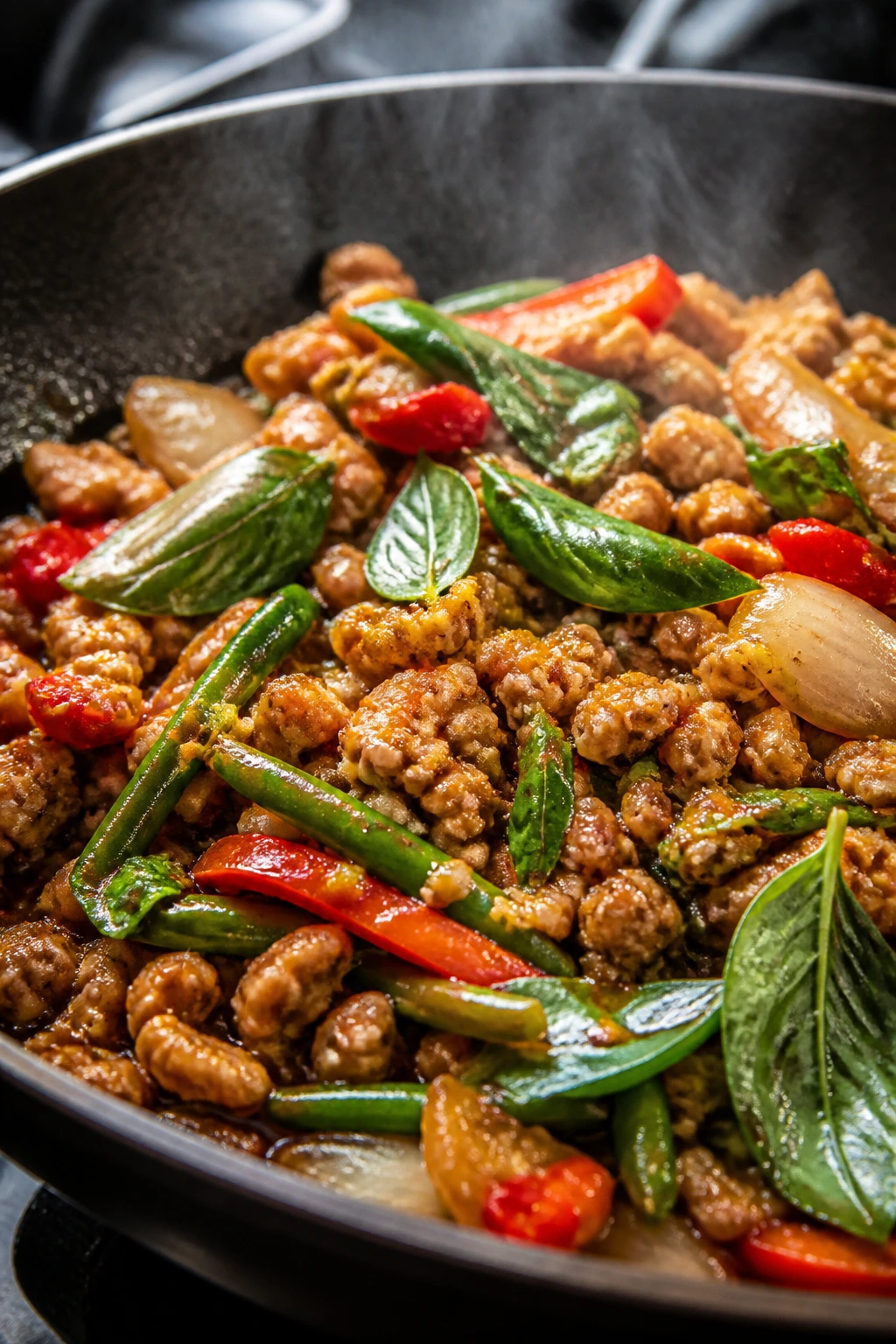
This one is loud in the best way. Garlic, basil, chilies, and a salty-sweet sauce hit the pan fast, and the whole kitchen smells like dinner got serious. Ground turkey keeps it lean and quick, but the sauce and basil bring enough personality that you do not miss takeout.
Why It Works: Stir-frying ground meat is one of the easiest ways to build flavor in a small kitchen because the browning happens fast and the pan stays active. Thai basil is peppery and slightly sweet, which makes it more than a garnish here. The sauce is simple, but it clings to the meat and vegetables, so every bite lands with purpose.
Key Ingredients:
- 1 pound ground turkey
- 1 tablespoon neutral oil
- 4 cloves garlic, minced
- 1 small shallot, sliced
- 1 red chili or ½ teaspoon red pepper flakes
- 1 bell pepper, sliced
- 1 cup green beans, trimmed, or sliced snap peas
- 2 tablespoons soy sauce
- 1 tablespoon fish sauce
- 1 tablespoon oyster sauce
- 1 teaspoon brown sugar
- 2 cups fresh basil leaves
- 2 cups cooked jasmine rice
- Lime wedges, for serving
Quick Steps:
- Cook the rice separately if it is not already ready.
- Heat the oil in a large skillet over medium-high heat. Add the garlic, shallot, and chili and stir for 30 seconds.
- Add the turkey and cook, breaking it up, until no pink remains.
- Stir in the bell pepper and green beans, then add the soy sauce, fish sauce, oyster sauce, and brown sugar. Cook for 2 to 3 minutes until the sauce coats the meat.
- Turn off the heat and fold in the basil until it wilts. Serve over rice with lime.
Tips and Variations:
- Herb Note: If Thai basil is hard to find, regular basil will work, though the flavor is softer.
- Extra Vegetables: Mushrooms or baby corn fit right in.
- Spice Control: Start with half the chili if your apartment smoke detector is sensitive and your tolerance is modest.
18. Tomato-Basil Shakshuka With Feta
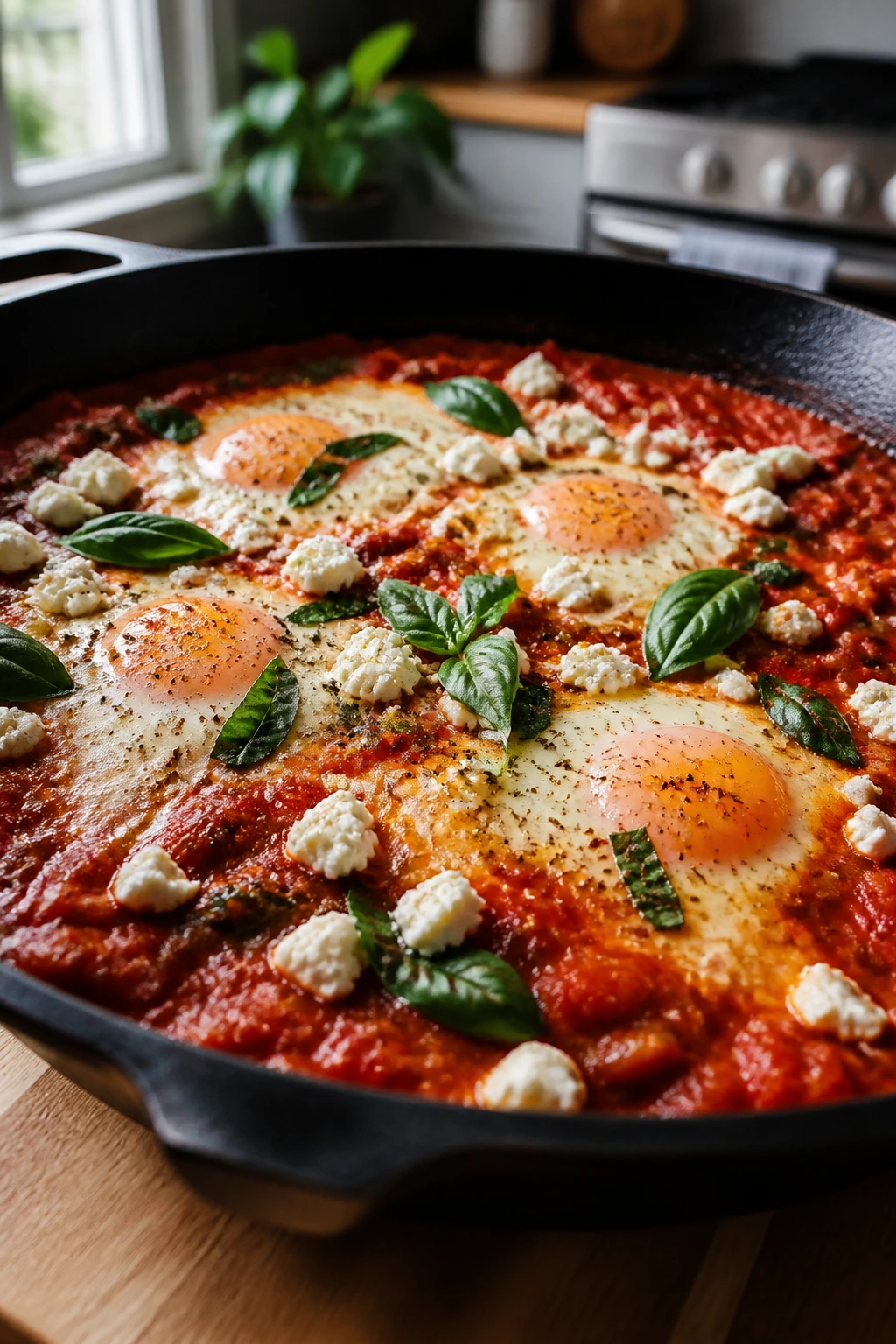
Shakshuka is one of those dinners that feels clever without being showy. Eggs poach right in the sauce, the tomatoes get a little sweet, and the feta gives you pockets of salty richness. It’s excellent for nights when you want something that looks and tastes more involved than it really is.
Why It Works: The sauce acts as both base and cooking liquid, so the eggs stay tender and the whole dish stays contained in one skillet. Cumin and paprika deepen the tomatoes, while feta and herbs keep the finish bright. It’s a stove-top meal that feels almost built for apartments because you can bring the pan to the table and eat from it if you want to keep dishes down.
Key Ingredients:
- 2 tablespoons olive oil
- 1 small onion, diced
- 1 bell pepper, diced
- 3 cloves garlic, minced
- 1 teaspoon ground cumin
- 1 teaspoon paprika
- 1 can crushed tomatoes
- 1 can diced tomatoes
- 1 teaspoon kosher salt
- ½ teaspoon black pepper
- 6 large eggs
- ½ cup crumbled feta
- Chopped basil or parsley
- Crusty bread, for serving
Quick Steps:
- Heat the oil in a large skillet over medium heat. Cook the onion and bell pepper for 5 minutes until softened.
- Add the garlic, cumin, and paprika. Stir for 30 seconds.
- Pour in the tomatoes, salt, and pepper. Simmer uncovered for 10 to 12 minutes until the sauce thickens.
- Use a spoon to make 6 small wells in the sauce and crack an egg into each one.
- Cover the skillet and cook on low for 6 to 8 minutes until the whites are set and the yolks are still a little soft, or cook longer if you want firmer eggs. Top with feta and herbs.
Tips and Variations:
- Egg Check: The whites should look opaque before you pull the pan; the yolks keep cooking after the heat is off.
- Brighter Finish: A little harissa or chili oil on top gives the sauce some edge.
- Bread Move: Tear the bread at the table and use it for scooping; that’s the whole point, really.
Why Stovetop Dinners Work So Well in Apartment Kitchens
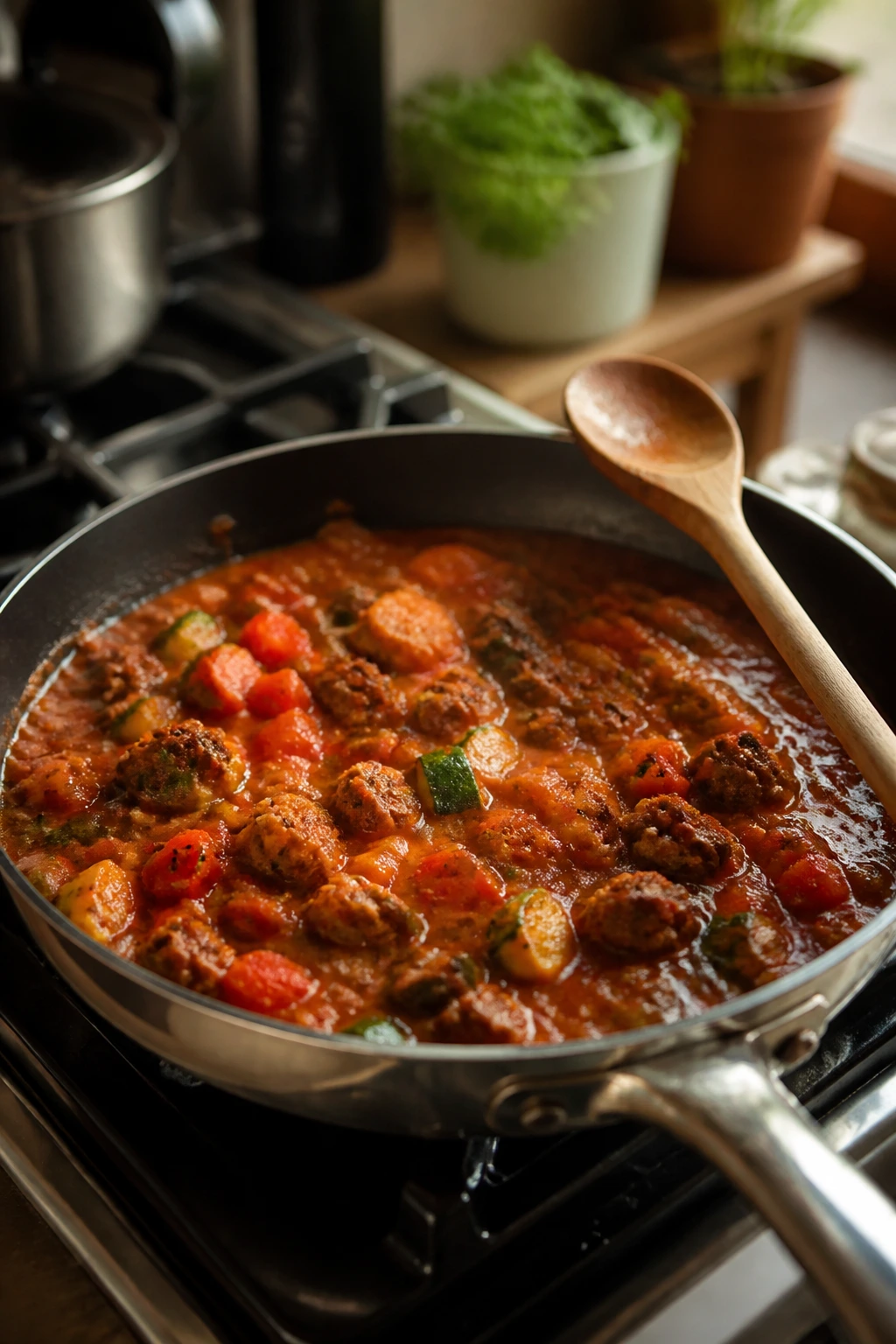
The stove gives you control in a way the oven does not. You can brown something fast, drop the heat, cover the pan, and keep a dinner moving without heating the whole place like a greenhouse. That matters when the kitchen is small and the air circulation is timid.
There’s also a practical charm to cooking in layers. A skillet can start with garlic and oil, then become a sauce, then finish as a full meal. A soup pot can brown sausage, simmer beans, and wilt greens without ever asking for a second vessel. That kind of efficiency is not glamorous. It is better than glamorous.
Apartment cooking also rewards recipes that do not depend on giant heat output. Pasta water, broth, canned tomatoes, coconut milk, and rice all behave well on a normal burner. If you’ve ever tried to make a complicated roast in a cramped space and regretted every decision by the time the timer went off, this probably sounds familiar for a reason.
The best part is that stovetop food usually tastes immediate. You smell the onions before they’re done. You hear the mushrooms soften. You can tell when a sauce needs a splash of water or when the noodles are ready because the pan starts talking back. That feedback loop is half the fun.
Essential Equipment for These Recipes
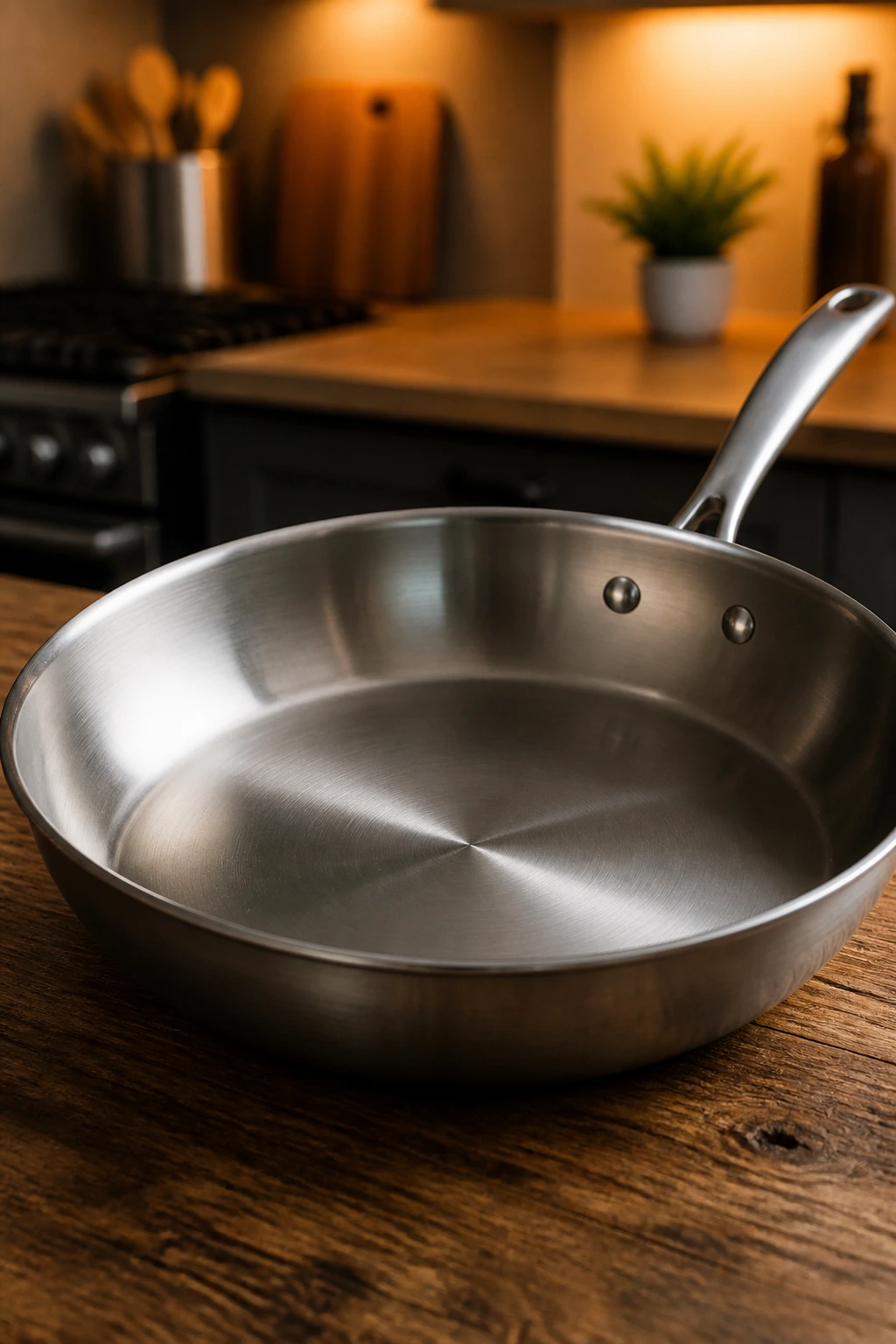
- 10- to 12-inch skillet: The workhorse for searing, saucing, and skillet dinners; choose one with enough surface area that ingredients can brown instead of steam.
- Deep sauté pan or Dutch oven: Better for soups, curry, and saucy pasta because it gives you room to stir without spilling.
- Medium saucepan: Useful for rice, couscous, and boiling pasta when a one-pot method is not the plan.
- Wooden spoon or silicone spatula: Good for scraping browned bits and stirring without scratching nonstick surfaces.
- Tongs: Handy for flipping chicken, turning salmon, or lifting pasta into the sauce.
- Fine grater or microplane: Great for garlic, lemon zest, parmesan, and ginger; it saves time and gives a finer texture.
- Colander or mesh strainer: Needed for draining pasta, rice, or rinsed beans.
- Lid that fits your skillet or pot: More useful than people expect, especially for rice, greens, and quick steam finishes.
- Instant-read thermometer: Optional, but useful for chicken, salmon, and turkey so you stop guessing.
- Splatter screen: Not required, but worth owning if you cook sausage, fish, or anything that likes to spit.
- Airtight storage containers: Leftovers stay better when you can cool and pack them fast.
Smart Shopping and Ingredient Tips for Apartment Cooking
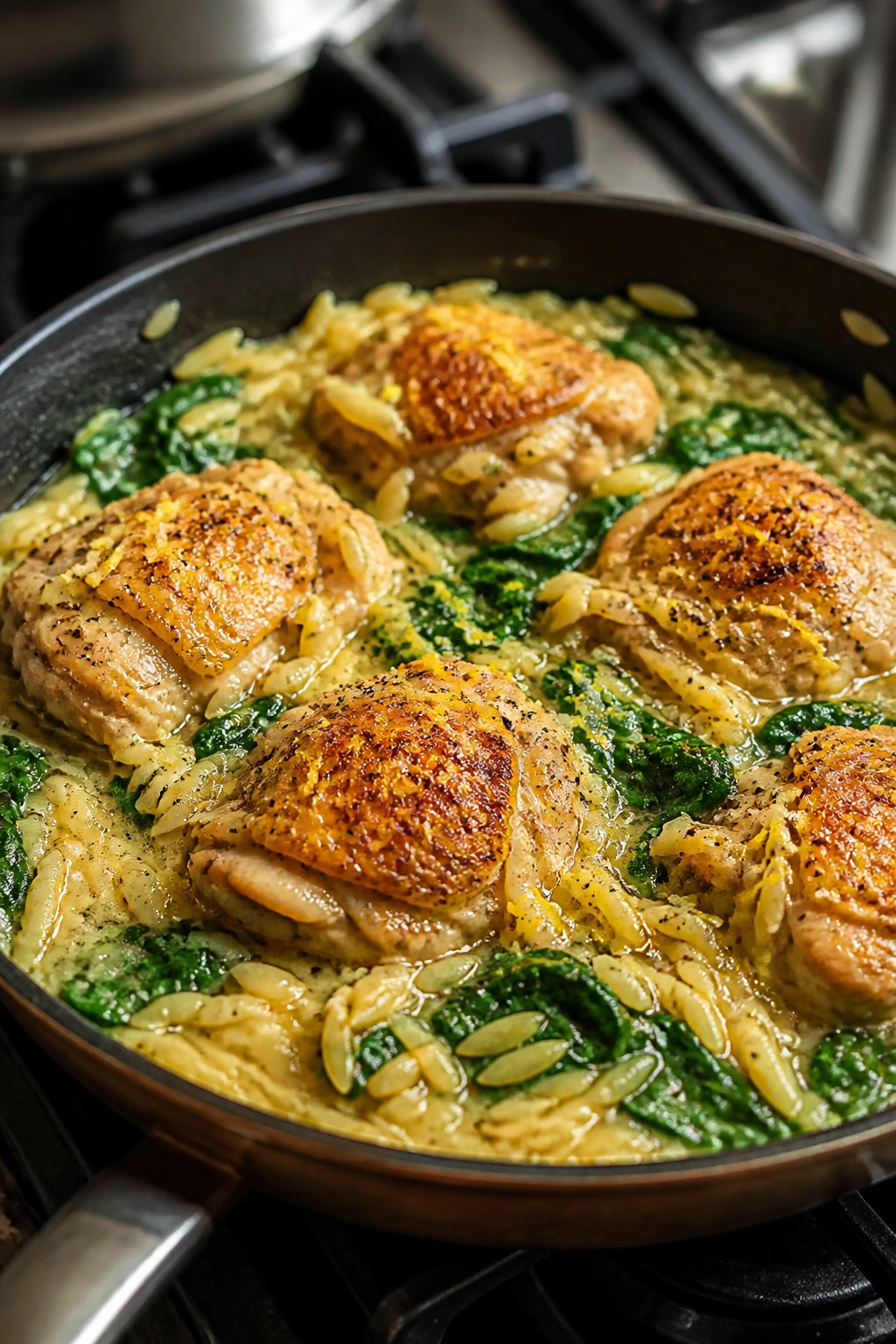
A small kitchen rewards ingredients that do double duty. A lemon helps finish chicken, pasta, curry, and salmon. Onions, garlic, and spinach show up across half this collection. Rice, pasta, canned beans, and tortillas keep well, which means you can stock a few staples and still vary dinner without turning your cupboard into a project.
Buy proteins in portions you can actually cook. Chicken thighs, ground turkey, sausage, shrimp, and salmon fillets all behave well at weeknight scale, and most of them cook fast enough that you do not need a huge skillet to make them work. If you’re using steak, slice it thin against the grain and keep the pan hot. That makes a cheap-ish cut feel much better.
Frozen vegetables deserve more respect than they get. Broccoli, peas, corn, spinach, and mixed stir-fry vegetables are fine here, sometimes better than tired produce that has sat in the crisper too long. They also reduce waste, which matters in a small fridge where every shelf gets crowded quickly.
Low-sodium broth is worth buying. The same goes for canned beans, canned tomatoes, and sauces that you can season yourself. Too much salt in the bottle leaves you nowhere to go, while a lightly seasoned base gives you room to sharpen the dish with herbs, lemon, vinegar, or cheese.
How to Serve These Recipes
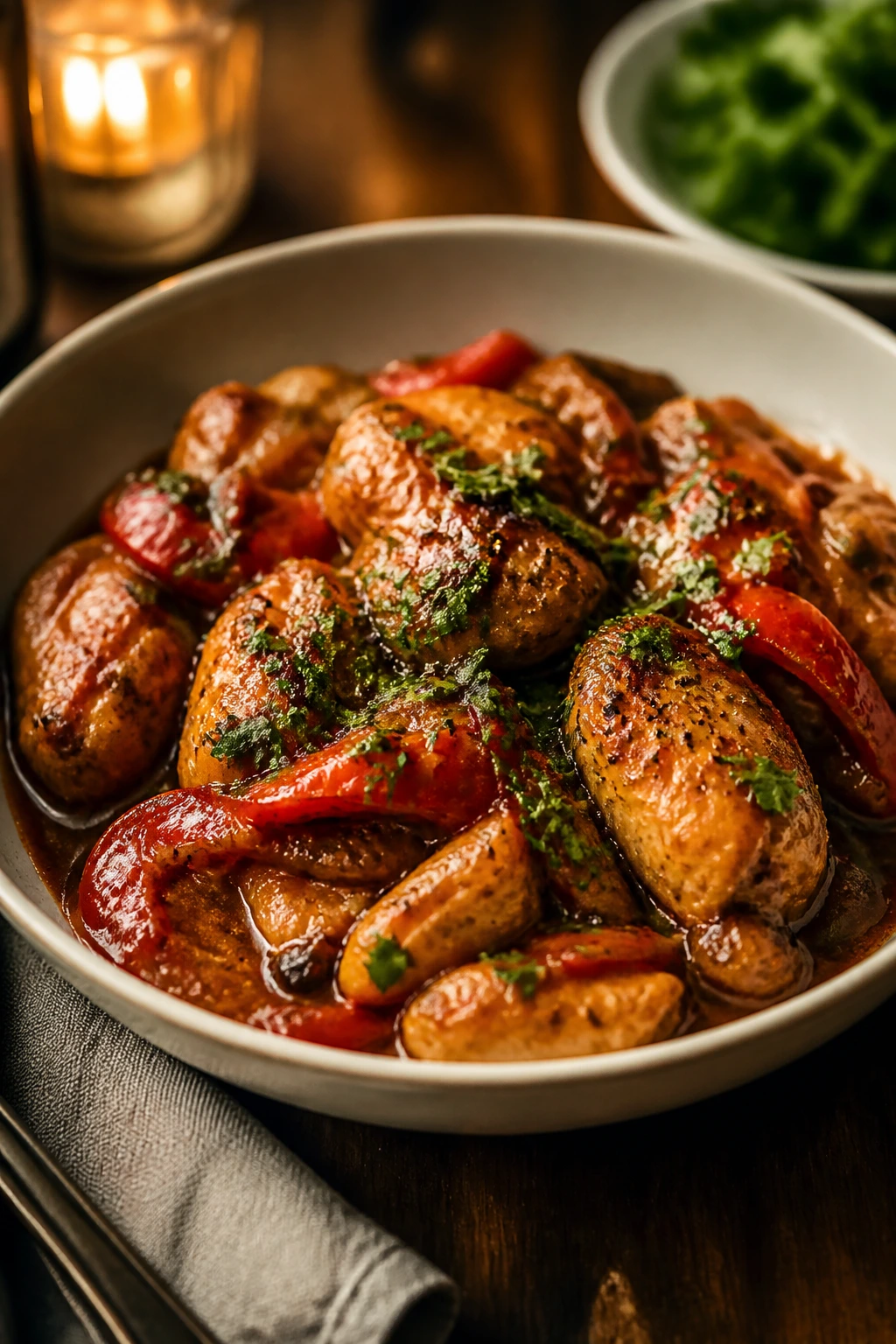
Presentation: Shallow bowls make saucy dinners look intentional and keep everything easier to scoop. Pasta and curry look best when you mound them slightly in the center and finish with herbs, parmesan, scallions, or a squeeze of lemon. A skillet served at the table has a casual charm of its own, but a little garnish helps it feel finished.
Accompaniments: Keep the sides simple. A green salad with a sharp vinaigrette, toasted bread, plain rice, garlic bread, or cucumber salad covers most of these dinners without stealing attention. For the richer dishes, a crisp side is welcome. For the lighter ones, bread or rice makes the plate feel complete.
Portions: Most of these recipes feed 4 comfortably, though soups and rice dishes often stretch to 5 or 6 if you are serving smaller portions. For larger appetites, add bread, extra rice, or an extra vegetable rather than trying to overload the main pan. That keeps the texture where it should be.
Beverage Pairing: Sparkling water with citrus works with almost everything here. A cold lager, a dry white wine, or unsweetened iced tea can also match the mood, depending on how rich or spicy the dinner is. For the curry and stir-fry dishes, ginger beer or a lime seltzer is a nice fit.
Additional Tips and Flavor Boosters
Flavor Enhancement: Finish savory skillet dinners with acid. Lemon juice, lime, a splash of vinegar, or even a spoonful of pickle brine can pull the flavors together at the end. It does not take much. Half a teaspoon in the right dish can make it taste like it was built by someone paying attention.
Customization: Use frozen peas, spinach, corn, or broccoli as your default apartment vegetables. They are reliable, they do not spoil quickly, and they slide into pasta, rice, soups, and curries without complaint. On the protein side, chicken thighs can become turkey, shrimp can become tofu, and sausage can become beans more easily than most people expect.
Serving Suggestions: Toasted breadcrumbs, chopped herbs, chili crisp, sliced scallions, feta, parmesan, and roasted peanuts each do a different job. One adds crunch, one adds salt, one adds heat, and one adds freshness. Pick one or two, not five. Too many toppings turn a good pan dinner into a confused one.
Make-It-Yours: For dairy-free cooking, coconut milk, olive oil, and tahini do a lot of work. For gluten-free versions, use rice, corn tortillas, rice noodles, or gluten-free pasta and thicken sauces with cornstarch instead of flour. For a more filling meal, add a can of beans or a second vegetable before you reach for a second helping of meat.
Make-Ahead, Storage, and Reheating Guidance
Most of these stovetop dinners keep well for 3 to 4 days in the fridge if they are cooled promptly and stored in airtight containers. Soups, curries, and bean-based skillet meals usually hold up best. Pasta with cream sauce is a little more delicate, but it still does fine if you reheat it gently with a splash of water or broth.
Seafood deserves a shorter leash. Salmon and shrimp dishes are best eaten within 2 days of cooking, and they reheat best in a skillet over low heat or in the microwave at low power so they do not dry out. Ground meat dishes usually freeze better than seafood, especially if the sauce is loose enough to protect the texture during thawing.
For rice and pasta, the trick is moisture control. Reheat in a skillet with 1 to 2 tablespoons of water, broth, or milk depending on the dish, then cover briefly so the steam brings everything back to life. Microwaving works too, but do it in short bursts and stir between them. Nobody likes dried-out noodles.
If you want to get ahead, chop onions, garlic, carrots, peppers, and herbs up to 2 days in advance. Mix dry spice blends ahead of time. Marinate chicken or beef the night before. Cook rice the day before if a recipe calls for fried rice or a quick skillet bowl. That kind of prep takes almost no space and makes apartment cooking feel much less like a race.
Variations and Adaptations to Try
The Pantry-Only Night: Build dinner around canned beans, pasta, rice, coconut milk, tuna, or tomatoes when the fridge is bare. This is the easiest way to keep meal costs down without defaulting to takeout. Add one fresh item at the end — lemon, parsley, scallions, or spinach — and the whole pot feels sharper.
The Dairy-Free Switch: Coconut milk handles curry and some soups beautifully, while olive oil and tahini fill in where butter or cream usually land. Skip cheese or use a little nutritional yeast for a savory edge. The dish should still taste finished, not like something got removed.
The Gluten-Free Swap: Rice, rice noodles, corn tortillas, polenta, and gluten-free pasta cover most of this collection without much trouble. Use cornstarch to thicken sauces instead of flour, and check labels on broth, soy sauce, and sausage because those are frequent hiding spots for gluten.
The Extra-Heat Version: Add chili crisp, fresh chilies, red pepper flakes, or a small spoon of harissa. Heat works best when it has a purpose, so pair it with something creamy, starchy, or acidic. That keeps the burn from flattening everything else.
The Leaner Bowl: Use more vegetables, slightly less cheese, and a lighter protein like turkey, shrimp, lentils, or tofu. You still get a full dinner, just with a little less richness. This version is especially useful when you want to eat well and not spend the rest of the evening feeling weighed down.
The Comfort-First Version: Add extra sauce, a bit more butter, or a handful of cheese and serve the meal over rice, noodles, or bread. This works especially well for the stroganoff, curry, soup, and mac and cheese. Some nights need restraint. Some do not.
Common Mistakes to Avoid
- Burning the garlic: Garlic goes bitter in a hurry, especially in a small skillet over high heat. Add it after the onions have softened and keep it moving for only 30 to 60 seconds.
- Crowding the pan: Too much food in one skillet leads to steaming instead of browning. If the protein or vegetables are packed tight, cook them in batches.
- Under-seasoning in layers: A single hit of salt at the end is not enough. Season the protein, taste the sauce, and adjust again before serving.
- Boiling cream sauces hard: Cream, sour cream, and yogurt can split or turn grainy if the heat is too aggressive. Lower the burner before they go in and let the sauce finish gently.
- Using the wrong starch for the job: Fresh rice clumps in fried rice, delicate pasta can break in a heavy sauce, and thin noodles vanish under thick curry. Match the shape to the sauce.
- Forgetting a finishing touch: A pot can taste complete in theory and flat in practice. A squeeze of lemon, a little herb, or a sprinkle of cheese often fixes that in one move.
Frequently Asked Questions
Which of these dinners is best if I only have one burner?
Soups, curries, skillet pastas, shakshuka, and gnocchi dishes are the easiest because they can all be cooked in one pan while rice or pasta is handled separately only if needed. If you want to keep it truly minimal, start with the turkey taco skillet or the black bean enchilada skillet.
Can I use frozen vegetables in these recipes?
Yes, and in some of them frozen vegetables are the smarter choice. Peas, spinach, broccoli, corn, and stir-fry mixes all work well as long as you do not dump in extra water without adjusting the sauce.
How do I keep apartment cooking from setting off the smoke alarm?
Use medium heat unless you are searing meat, and do not walk away from garlic, onions, or dry pans. A splatter screen, a lid, and a little ventilation help more than most people expect. If something needs hard browning, do it quickly, then drop the heat.
Can I make most of these vegetarian?
Yes. Chickpeas, lentils, tofu, beans, mushrooms, and eggs cover a lot of ground here. The easiest swaps are in the curry, pasta, soup, mac and cheese, enchilada skillet, and shakshuka.
What if my sauce gets too thick?
Add a splash of broth, pasta water, or plain water and stir it in over low heat. Do it a tablespoon at a time so you do not thin the dish into soup by accident.
Which recipes freeze best?
Soups, curries, lentil stew, taco filling, and some tomato-based skillet dinners freeze well. Creamy pasta and seafood dishes are less reliable, so I would keep those in the fridge and eat them sooner.
Can I scale these recipes up for guests without wrecking the texture?
You can, but cook the browning ingredients in batches and use a larger pan or a Dutch oven. The biggest mistake when scaling up is overcrowding. That is how you lose color, flavor, and heat control all at once.
What if I do not have a nonstick skillet?
A stainless steel skillet or well-seasoned cast iron pan works fine. Just give the pan time to preheat and do not try to flip food too early; if it releases cleanly, it is ready.
A Small Stove, Big Dinner Payoff
Apartment cooking does not have to mean compromise. A skillet can carry dinner farther than people think, especially when you lean on browning, smart sauces, and ingredients that like each other from the start. That is the real trick behind these dinners: they respect the limits of a small kitchen without tasting limited.
If you keep a few staples on hand — rice, pasta, canned tomatoes, beans, broth, onions, garlic, and one or two good finishing ingredients — dinner gets much easier to build. The stove does not need to be big. The ideas do.
Recipe Collection Quick Reference Table
| Recipe | Prep Time | Cook Time | Total Time | Servings | Standout Detail |
|---|---|---|---|---|---|
| Lemon Garlic Chicken Orzo Skillet | 15 min | 25 min | 40 min | 4 | silky orzo with bright lemon finish |
| Creamy Mushroom Spinach Pasta | 10 min | 25 min | 35 min | 4 | deeply browned mushrooms in a glossy cream sauce |
| Beef and Broccoli Noodles | 15 min | 20 min | 35 min | 4 | takeout-style sauce with crisp-tender broccoli |
| Chickpea Coconut Curry With Rice | 15 min | 30 min | 45 min | 4 to 5 | rich coconut curry that stays pantry-friendly |
| Turkey Taco Skillet | 15 min | 20 min | 35 min | 4 | cheesy skillet filling for tortillas or rice |
| Shrimp Fried Rice | 15 min | 15 min | 30 min | 4 | best use for cold leftover rice |
| Sausage, White Bean, and Kale Soup | 15 min | 35 min | 50 min | 6 | hearty soup with lemony finish |
| Spaghetti Aglio e Olio With White Beans and Greens | 10 min | 20 min | 30 min | 4 | pantry pasta with real staying power |
| Gnocchi in Tomato Cream Sauce | 10 min | 20 min | 30 min | 4 | pillowy gnocchi in a fast creamy tomato sauce |
| Black Bean Enchilada Skillet | 15 min | 20 min | 35 min | 4 to 6 | baked-casserole feel without the oven |
| Peanut Sesame Noodles With Tofu | 20 min | 15 min | 35 min | 4 | glossy peanut sauce with crisp tofu |
| Moroccan Lentil Stew | 15 min | 35 min | 50 min | 4 to 6 | warm spices and a lemony finish |
| Cajun Chicken and Rice Skillet | 15 min | 30 min | 45 min | 4 | one-pan rice with bold seasoning |
| Seared Salmon With Dill Yogurt and Peas | 10 min | 15 min | 25 min | 4 | quick salmon with cool herb sauce |
| One-Pot Broccoli Mac and Cheese | 10 min | 20 min | 30 min | 4 | creamy stovetop mac that actually feels like dinner |
| Beef Stroganoff With Egg Noodles | 15 min | 25 min | 40 min | 4 | rich mushroom sauce with sour cream finish |
| Thai Basil Turkey Stir-Fry | 15 min | 15 min | 30 min | 4 | fast, fragrant stir-fry with basil and lime |
| Tomato-Basil Shakshuka With Feta | 15 min | 20 min | 35 min | 4 | eggs poached right in the sauce |