



A dinner can be healthy and still disappear fast. The trick is not to make kids eat like tiny adults; it’s to give them food that looks familiar enough to trust—meatballs, quesadillas, pasta, bowls, anything that can be held, twirled, dipped, or scooped with a little determination.
Healthy meals for kids dinner ideas work best when the vegetables are folded into the meal instead of parked beside it like a penalty. Cauliflower disappears into mac and cheese, spinach melts into quesadillas, black beans thicken enchilada filling, and suddenly the plate has color, protein, and enough texture to keep the fork moving.
I keep coming back to dinners that survive a picky phase. A good kid dinner still tastes like dinner, not a compromise made in a hurry, and the recipes below lean hard on that idea—mild sauces, crisp edges, soft centers, and leftovers that don’t turn gloomy in the fridge.
Why These Dinners Get Eaten
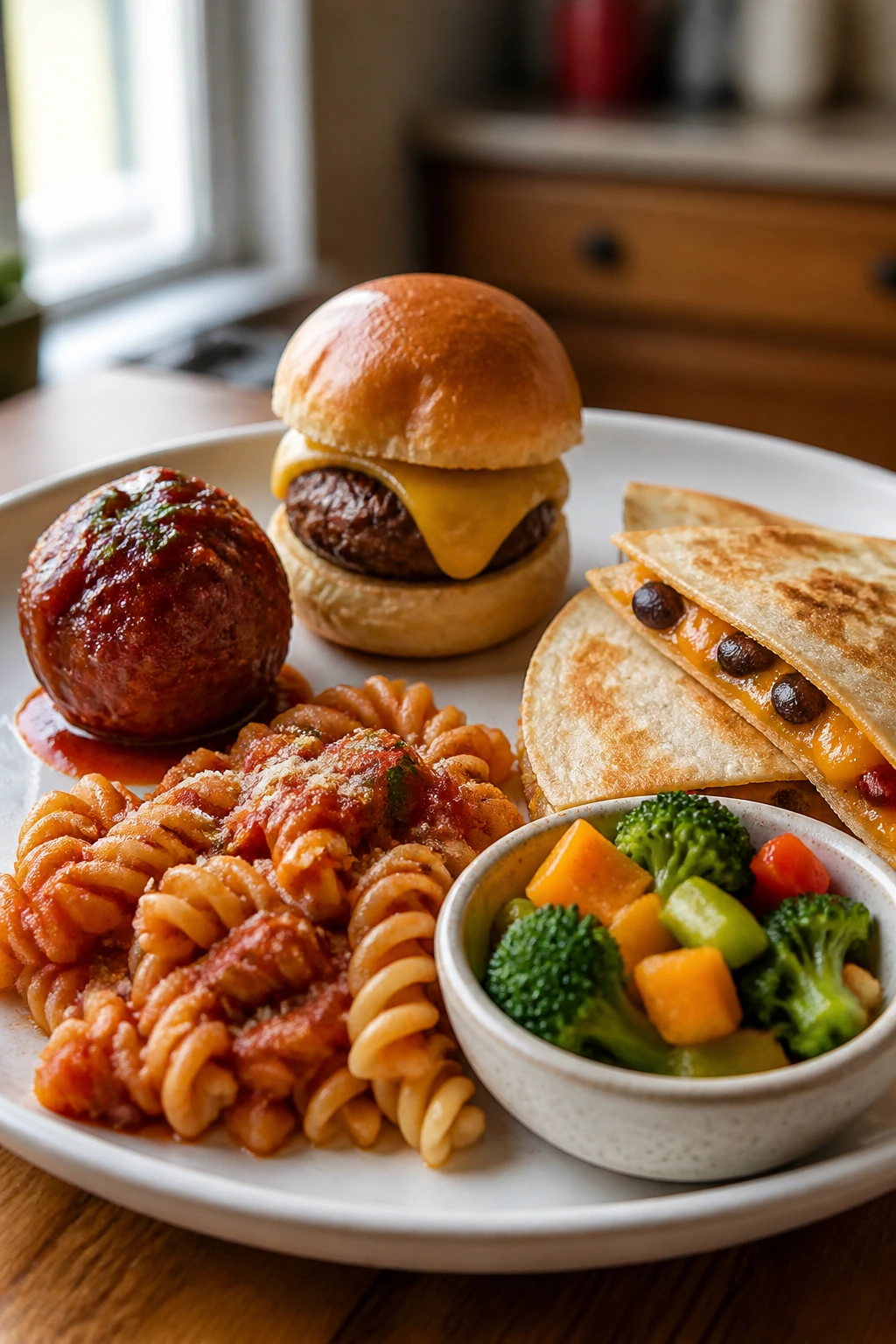
- Familiar shapes: Meatballs, sliders, pasta, quesadillas, and bowls feel recognizable before the first bite, which matters more than a lot of people admit.
- Built-in balance: Each recipe puts protein, a carb, and at least one vegetable on the plate without making you cook three separate sides.
- Real pantry help: Beans, rice, tortillas, pasta, frozen peas, and yogurt show up again and again, so the grocery list stays manageable.
- Flexible seasoning: Most of these dinners stay mild on purpose, then pick up more flavor from salsa, pesto, lemon, or yogurt at the table.
- Leftovers with a second life: Several of these recipes reheat cleanly for lunch, and a few taste even better after a night in the fridge.
1. Turkey Meatballs with Marinara
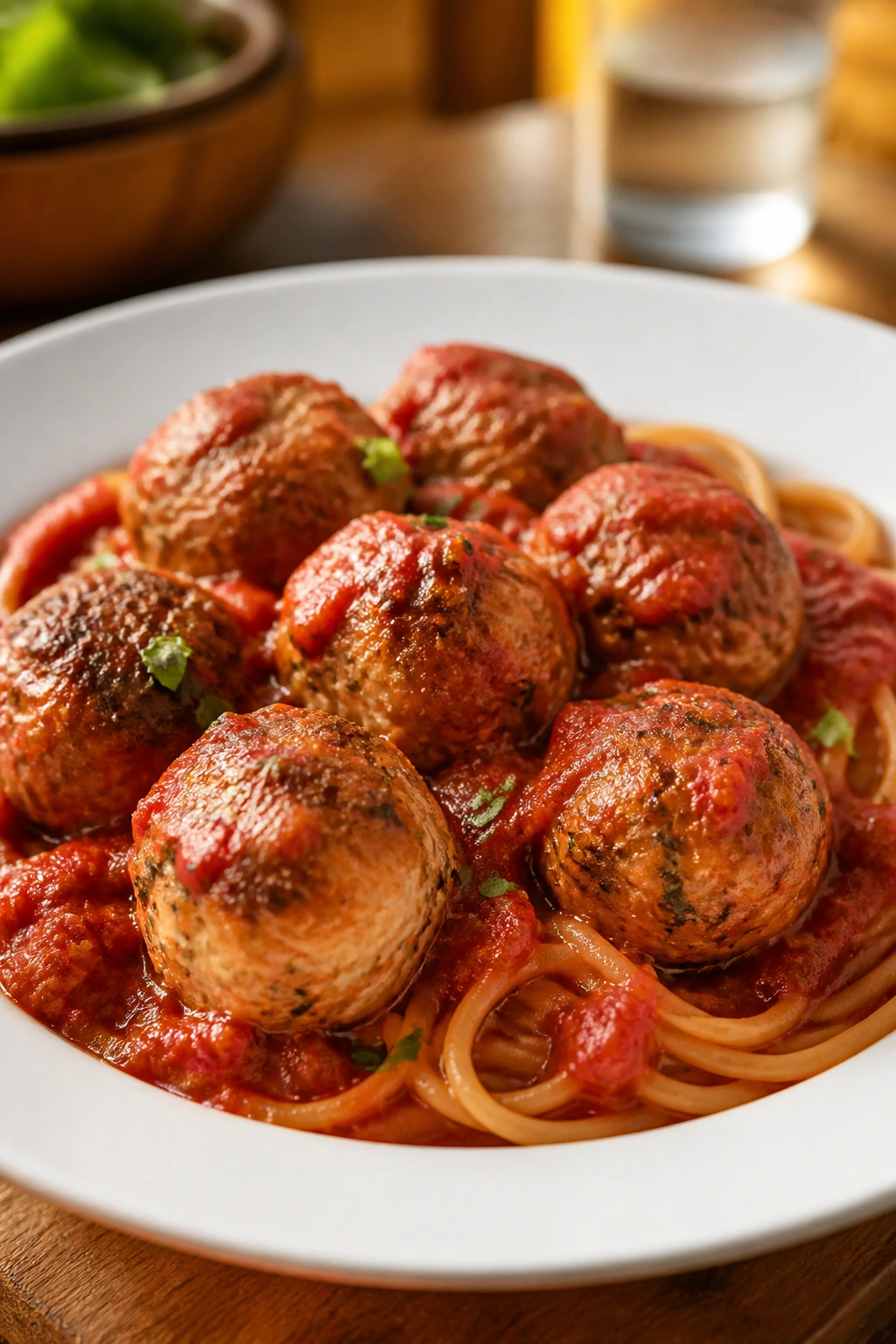
The beauty of turkey meatballs is that they look like comfort food before anyone starts asking questions. These stay tender in the middle, brown at the edges, and soak up marinara without falling apart. If you want a kid dinner that feels familiar but still brings lean protein and a little vegetable balance, this one earns its keep.
Why It Works:
Baking the meatballs instead of frying them keeps the texture even and the cleanup merciful. Ground turkey has a mild flavor that takes on garlic, Parmesan, and tomato sauce without turning aggressive. I prefer this version over a heavy beef meatball for weeknight cooking because it lands lighter on the plate and still feels complete with pasta.
Key Ingredients:
- For the Meatballs:
- 1 lb ground turkey
- 1/2 cup fine breadcrumbs
- 1 large egg
- 1/4 cup grated Parmesan
- 2 cloves garlic, minced
- 2 tbsp chopped parsley
- 1 tsp kosher salt
- 1/2 tsp black pepper
- For Serving:
- 24 oz marinara sauce
- 12 oz whole-wheat spaghetti
- 1 tbsp olive oil
Quick Steps:
- Preheat the oven to 400°F (200°C) and line a rimmed baking sheet with parchment.
- Mix the turkey, breadcrumbs, egg, Parmesan, garlic, parsley, salt, and pepper in a bowl until just combined. Do not mash it into a paste or the meatballs will turn dense.
- Roll into 16 to 18 small meatballs, about 1 1/2 inches wide, and place them on the sheet. Bake for 14 to 16 minutes, until the centers reach 165°F (74°C).
- Simmer the marinara in a saucepan over low heat while the meatballs bake.
- Boil the spaghetti in salted water until al dente, then drain and toss with a spoonful of sauce.
- Serve the meatballs over pasta and spoon extra marinara on top.
Equipment for This Recipe:
- Rimmed baking sheet
- Parchment paper
- Large mixing bowl
- Large pot for pasta
- Medium saucepan
How to Serve This Dish:
Pile the pasta into shallow bowls, set the meatballs on top, and let the sauce pool around the edges. A little grated Parmesan and chopped basil make the plate look finished. I like serving this with cucumber sticks or roasted carrots, because the cool crunch balances the warm sauce.
Pro Tips for This Recipe:
- Wet your hands before rolling the meatballs; the mixture clings less.
- Use a light hand with breadcrumbs if your turkey is extra lean.
- Reserve 1/4 cup pasta water if the sauce needs loosening.
- If you want deeper flavor, stir 1 teaspoon tomato paste into the sauce while it warms.
Variations on This Dish:
- Turkey-Zucchini Meatballs: Add 1/2 cup squeezed-dry grated zucchini for more vegetable volume.
- Cheesy Bake: Put the baked meatballs in a small casserole dish, cover with sauce and mozzarella, and broil until bubbly.
- Gluten-Free Version: Swap in gluten-free breadcrumbs and serve over rice or gluten-free pasta.
Common Mistakes to Avoid with This Dish:
- Overmixing the meat: The meatballs get rubbery fast; mix only until the ingredients disappear together.
- Making them too big: Large meatballs cook unevenly and dry out before the center is done.
- Using watery sauce straight from the jar: Simmer it first so it thickens enough to coat the pasta instead of sliding off.
2. Chicken Quesadillas with Spinach and Black Beans
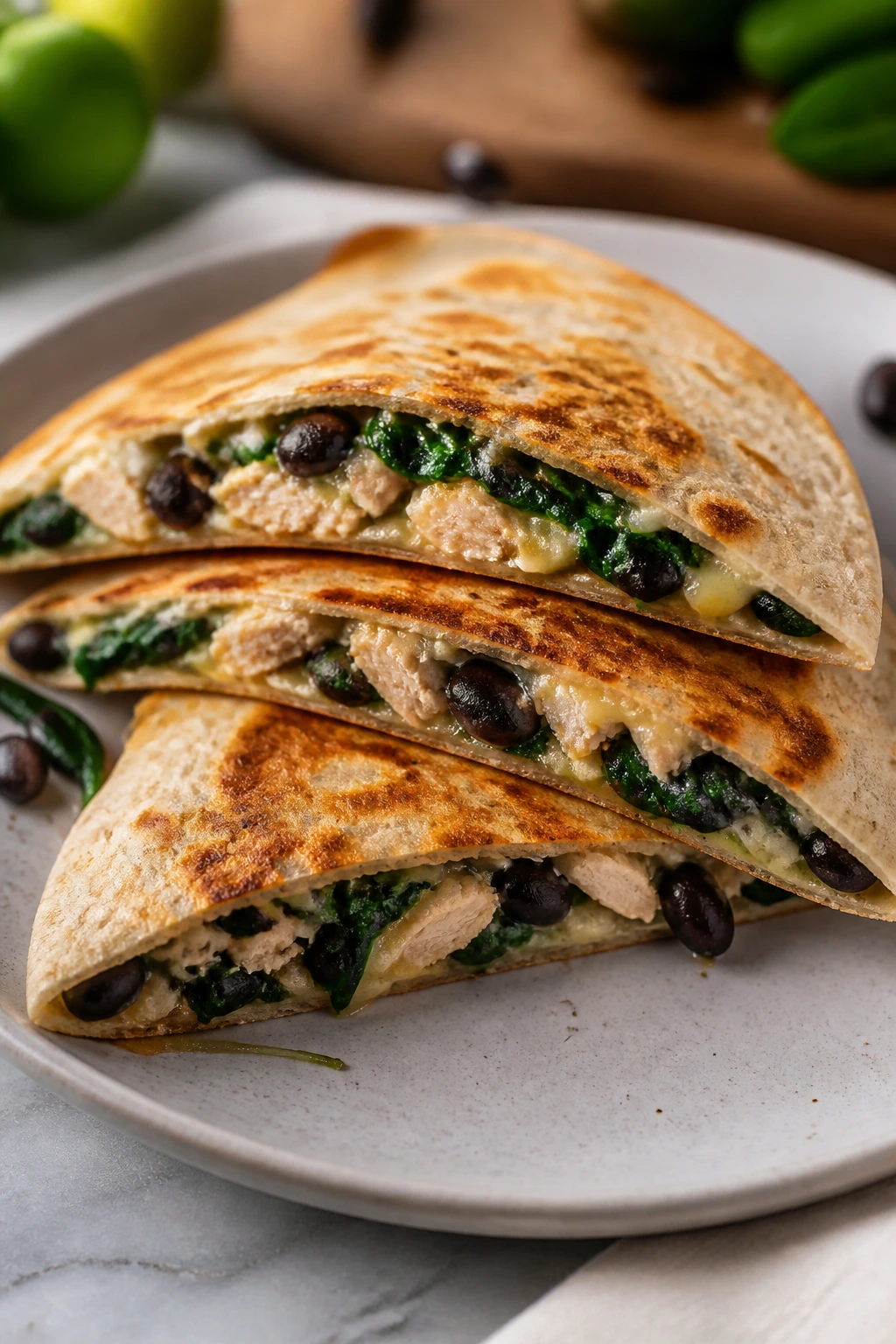
A good quesadilla is crisp on the outside, melty in the middle, and sturdy enough to survive being held in one hand. These get there with shredded chicken, spinach, black beans, and enough cheese to hold the whole thing together without making it heavy. Kids usually notice the crunchy tortilla first. Good.
Why It Works:
The filling stays mild, warm, and familiar, which matters when you’re trying to sneak in spinach without a speech at the table. Black beans add fiber and make the quesadilla feel more substantial than plain chicken and cheese. Cooking each one in a skillet over medium heat gives you that golden crust in about 3 minutes per side.
Key Ingredients:
- 1 tbsp olive oil
- 1 small onion, diced
- 2 cups cooked shredded chicken
- 1 cup canned black beans, rinsed and drained
- 4 cups baby spinach
- 1 tsp ground cumin
- 1/2 tsp garlic powder
- 1/4 tsp salt
- 4 large whole-wheat tortillas
- 1 1/2 cups shredded Monterey Jack or cheddar
- 1/2 cup salsa, for serving
- 1/2 cup plain Greek yogurt, for serving
Quick Steps:
- Heat the olive oil in a skillet over medium heat. Cook the onion for 3 to 4 minutes, until translucent.
- Add the chicken, black beans, cumin, garlic powder, and salt. Stir for 2 minutes, then fold in the spinach until wilted.
- Lay one tortilla in a dry skillet over medium heat and sprinkle cheese over half of it.
- Spoon filling over the cheese, top with a little more cheese, and fold the tortilla closed.
- Cook for 2 to 3 minutes per side, pressing lightly with a spatula, until the tortilla is golden and the cheese is melted.
- Rest for 1 minute, then cut into wedges and serve.
Equipment for This Recipe:
- Large skillet
- Spatula
- Cutting board
- Sharp knife
- Measuring cups
How to Serve This Dish:
Cut each quesadilla into triangles and stack them on a platter with salsa and Greek yogurt in small bowls. The yogurt cuts the saltiness and acts like a cooler, tangier sour cream. I’d add sliced cucumbers or orange wedges on the side and call it a full dinner.
Pro Tips for This Recipe:
- Chop the spinach once if your kids notice big leaves.
- Keep the filling on one half of the tortilla so the fold stays neat.
- Use medium heat; high heat burns the tortilla before the cheese melts.
- Pat the beans dry if they seem wet, or the quesadilla goes soggy fast.
Variations on This Dish:
- Bean-Forward Version: Skip the chicken and add 1/2 cup extra beans plus chopped bell pepper.
- Pepper Jack Adult Plate: Use a little pepper jack in one quesadilla for grown-ups who want more heat.
- Freezer Fold: Make and freeze the folded, ungrilled quesadillas between sheets of parchment.
Common Mistakes to Avoid with This Dish:
- Overstuffing the tortilla: Too much filling makes the quesadilla split when you flip it.
- Cooking on high heat: The outside browns before the center melts.
- Leaving wet greens in the filling: Spinach needs to wilt down and cook off some moisture first.
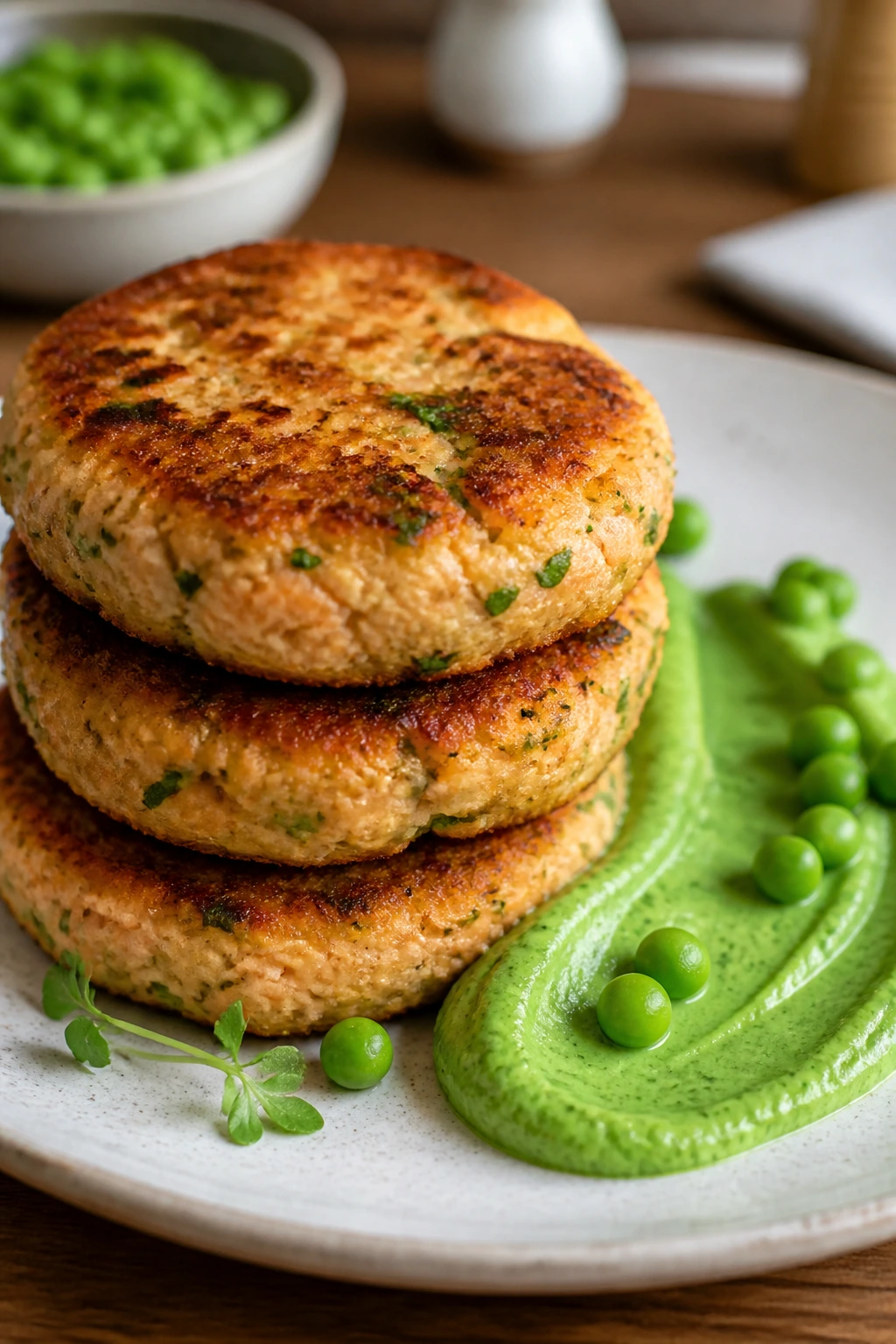
3. Salmon Cakes with Pea Yogurt Sauce
Salmon cakes are one of those dinners that feels fancy only until you make them once. The inside stays soft and flaky, the outside goes crisp in the pan, and the pea sauce turns a plain plate into something brighter without much effort. They are also a good use for pantry salmon, which I always appreciate.
Why It Works:
Canned salmon gives you protein, omega-3s, and a firm base that holds together with very little binder. The pea yogurt sauce is cool, a little sweet, and mild enough for kids who usually side-eye anything green. Pan-searing the cakes in a thin layer of oil gives you a bronzed crust in about 3 minutes per side.
Key Ingredients:
- 2 cans salmon, drained and flaked
- 1 large egg
- 1/3 cup breadcrumbs
- 2 tbsp mayonnaise or Greek yogurt
- 2 tbsp chopped scallions
- 1 tbsp chopped dill
- 1 tsp lemon zest
- 1/2 tsp salt
- 1/4 tsp black pepper
- 1 tbsp olive oil
- 1 cup frozen peas, thawed
- 1/2 cup plain Greek yogurt
- 1 tbsp lemon juice
Quick Steps:
- Mix the salmon, egg, breadcrumbs, mayo, scallions, dill, lemon zest, salt, and pepper in a bowl.
- Shape the mixture into 6 small cakes and press them gently so they hold together. Chill for 10 minutes if the mixture feels soft.
- Blend the peas, Greek yogurt, and lemon juice until mostly smooth. Add a spoonful of water if the sauce is too thick.
- Heat the olive oil in a skillet over medium heat. Cook the cakes for 3 to 4 minutes per side, until golden and hot through.
- Serve with the pea sauce on the side or drizzled across the top.
Equipment for This Recipe:
- Mixing bowl
- Skillet
- Spatula
- Food processor or blender
- Measuring spoons
How to Serve This Dish:
I like these with brown rice, buttered peas, or a pile of shredded lettuce dressed with lemon. The cakes are small enough for a kid plate but sturdy enough for a fork. If you want a prettier finish, add lemon wedges and a few extra dill sprigs.
Pro Tips for This Recipe:
- Chill the cakes before cooking if your kitchen is warm.
- Use a gentle flip; salmon cakes break when you rush them.
- If you hate the fishy edge, add a little extra lemon zest.
- Fine breadcrumbs hold better than big panko shards here.
Variations on This Dish:
- Dill and Corn Cakes: Fold in 1/4 cup corn kernels for a sweeter bite.
- Salmon Burger Style: Make the cakes larger and serve them on buns with cucumber slices.
- No-Blender Sauce: Mash the peas with a fork and stir them into yogurt for a chunkier dip.
Common Mistakes to Avoid with This Dish:
- Skipping the chill time when the mixture is loose: The cakes will spread in the pan.
- Turning them too early: Let the crust set before you flip.
- Over-blending the sauce with no lemon: It can taste flat without a sharp note to wake it up.
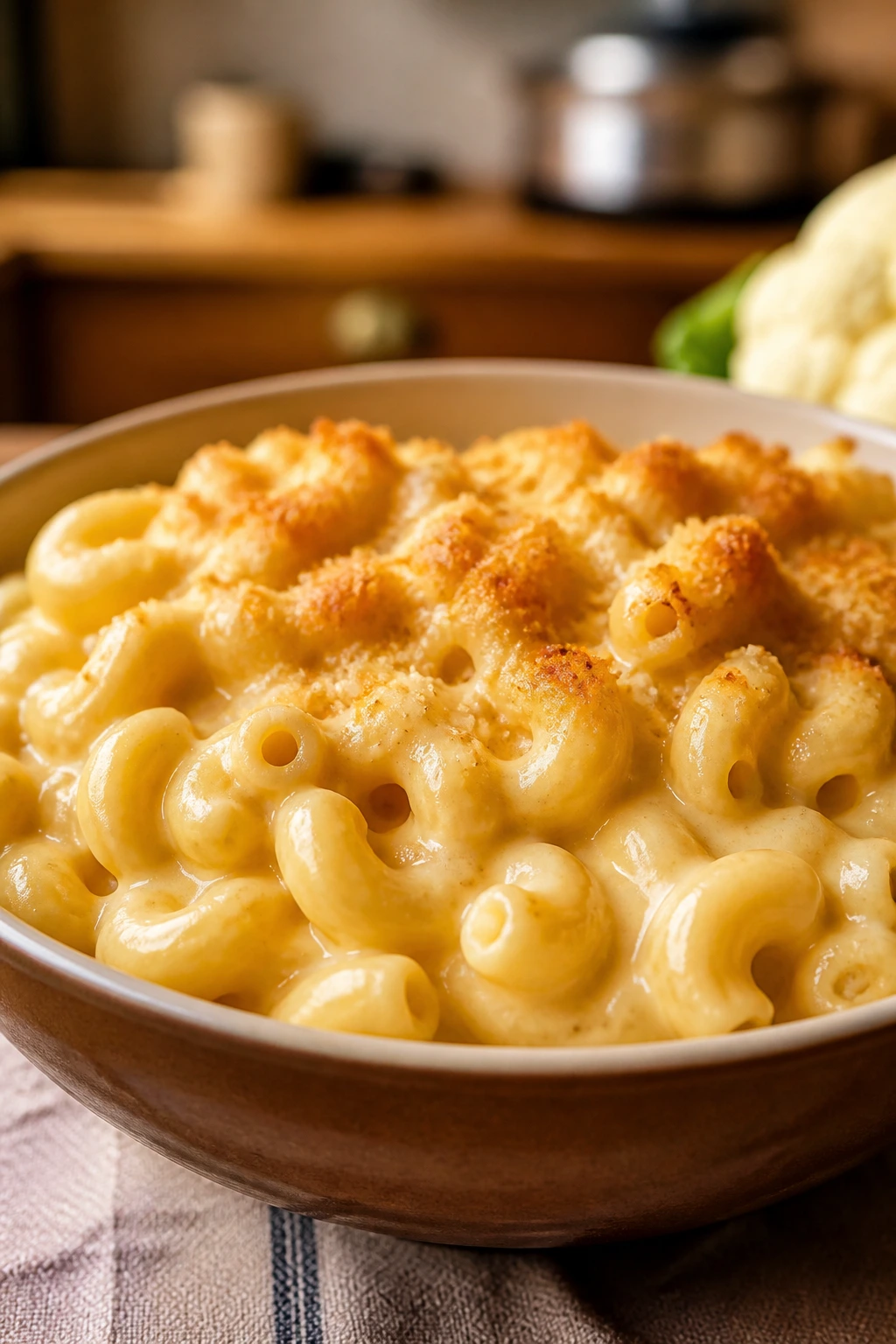
4. Hidden-Cauliflower Mac and Cheese
This is the mac and cheese that lets you add cauliflower without a dinner-table announcement. The sauce is creamy, the pasta stays soft but not mushy, and the cauliflower melts into the cheese so smoothly that most kids only notice the extra bite in the texture. That’s the whole trick, and it works.
Why It Works:
Cauliflower has a mild flavor and a soft texture once cooked, which makes it a good passenger inside a cheese sauce. A quick roux gives the sauce body, and the yogurt adds a little tang without turning it sharp. I like baking the top for 5 minutes so you get a little crust, but the stovetop version is fine when the oven feels like one more thing.
Key Ingredients:
- 12 oz elbow macaroni
- 4 cups cauliflower florets
- 2 tbsp butter
- 2 tbsp all-purpose flour
- 2 cups milk
- 2 cups shredded sharp cheddar
- 1/4 cup plain Greek yogurt
- 1 tsp Dijon mustard
- 1/2 tsp salt
- 1/4 tsp black pepper
- 1/2 cup frozen peas, optional
Quick Steps:
- Boil the macaroni in salted water according to package directions. Add the cauliflower florets during the last 4 minutes, then drain well.
- Melt the butter in a saucepan over medium heat. Whisk in the flour and cook for 1 minute.
- Pour in the milk slowly, whisking until the sauce turns smooth and begins to thicken, about 3 to 4 minutes.
- Stir in the cheddar, Greek yogurt, Dijon, salt, and pepper until melted.
- Fold in the pasta, cauliflower, and peas if using. Spoon into a baking dish and broil 2 to 3 minutes if you want a browned top.
Equipment for This Recipe:
- Large pot
- Colander
- Medium saucepan
- Whisk
- 9×13-inch baking dish or serving bowl
How to Serve This Dish:
Serve it straight from the skillet or dish while the cheese is still stretchy. A side of sliced apples or steamed green beans gives the meal a little freshness next to all that creaminess. If you want to make it look less beige, scatter chopped parsley over the top.
Pro Tips for This Recipe:
- Drain the pasta and cauliflower well or the sauce turns thin.
- Grate the cheese yourself if you can; pre-shredded cheese melts, but not as smoothly.
- Use sharp cheddar so the flavor survives the cauliflower.
- Do not boil the sauce after the cheese goes in or it can turn grainy.
Variations on This Dish:
- Broccoli-Boosted Mac: Swap half the cauliflower for small broccoli florets.
- Stovetop-Only Bowl: Skip the broil and serve right away.
- Gluten-Free Version: Use GF pasta and a 1:1 gluten-free flour in the roux.
Common Mistakes to Avoid with This Dish:
- Overcooking the cauliflower: It should be tender, not collapsing.
- Adding cheese to a boiling sauce: High heat can make the sauce split.
- Using too little salt: Cauliflower softens the flavor, so the sauce needs enough seasoning to stand up.
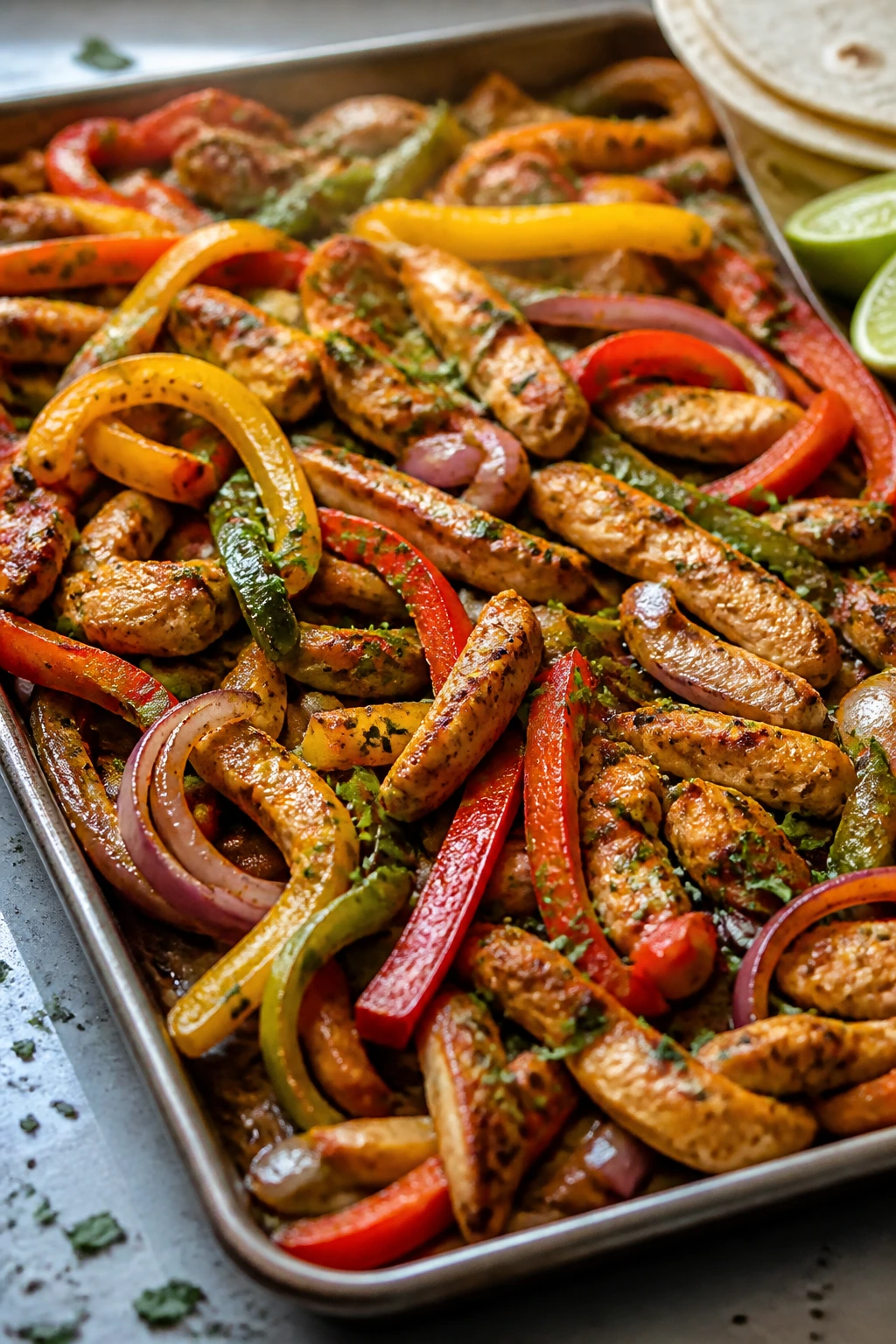
5. Sheet-Pan Chicken Fajitas
Sheet-pan fajitas are what I make when I want dinner to feel loud in color and quiet in effort. The chicken comes out juicy, the peppers soften into sweet strips, and the onions get those brown edges that smell better than they have any right to. Everything lands on the same pan. That matters.
Why It Works:
Cutting the chicken and vegetables into similar-size strips means they cook at nearly the same pace. A hot oven caramelizes the peppers and onions while the spices bloom in the oil. This is one of the cleanest healthy meals for kids dinner ideas because the components stay obvious—no hidden mystery filling, just a plate they can build themselves.
Key Ingredients:
- 1 1/2 lbs boneless chicken breasts or thighs, sliced
- 3 bell peppers, sliced
- 1 medium onion, sliced
- 2 tbsp olive oil
- 2 tsp chili powder
- 1 tsp ground cumin
- 1 tsp garlic powder
- 1/2 tsp smoked paprika
- 1 tsp kosher salt
- 8 small tortillas
- 1 avocado, sliced
- 1 lime, cut into wedges
- 1/2 cup plain Greek yogurt, optional
Quick Steps:
- Preheat the oven to 425°F (220°C) and line a rimmed sheet pan.
- Toss the chicken, peppers, onion, olive oil, chili powder, cumin, garlic powder, paprika, and salt together on the pan.
- Spread everything into one layer and roast for 18 to 20 minutes, stirring once halfway through, until the chicken is cooked through and the vegetables are browned at the edges.
- Warm the tortillas in a dry skillet or wrapped in foil in the oven.
- Serve with avocado, lime, and a spoon of yogurt if you want a cooler finish.
Equipment for This Recipe:
- Rimmed sheet pan
- Large mixing bowl
- Sharp knife
- Cutting board
- Skillet or foil for warming tortillas
How to Serve This Dish:
Let kids build their own tortillas at the table. That small bit of control often keeps the peace. I like to tuck in a spoon of avocado and a squeeze of lime, then add a bowl of corn or sliced tomatoes if the table needs more color.
Pro Tips for This Recipe:
- Don’t crowd the pan or the vegetables steam instead of roast.
- If the chicken strips are thick, slice them thinner than you think.
- Use thighs for more forgiveness; breasts work, but they dry out faster.
- A squeeze of lime at the end wakes up the whole pan.
Variations on This Dish:
- Veggie Fajita Night: Skip the chicken and add mushrooms and zucchini.
- Rice Bowl Version: Serve over brown rice with black beans.
- Mild Cheese Finish: Add a small handful of shredded cheddar before serving.
Common Mistakes to Avoid with This Dish:
- Using a cold pan of ingredients piled on top of each other: The vegetables go limp and pale.
- Forgetting the acid at the end: Lime matters here more than people expect.
- Slicing the peppers too thick: Thick strips stay raw in the middle while the chicken finishes.
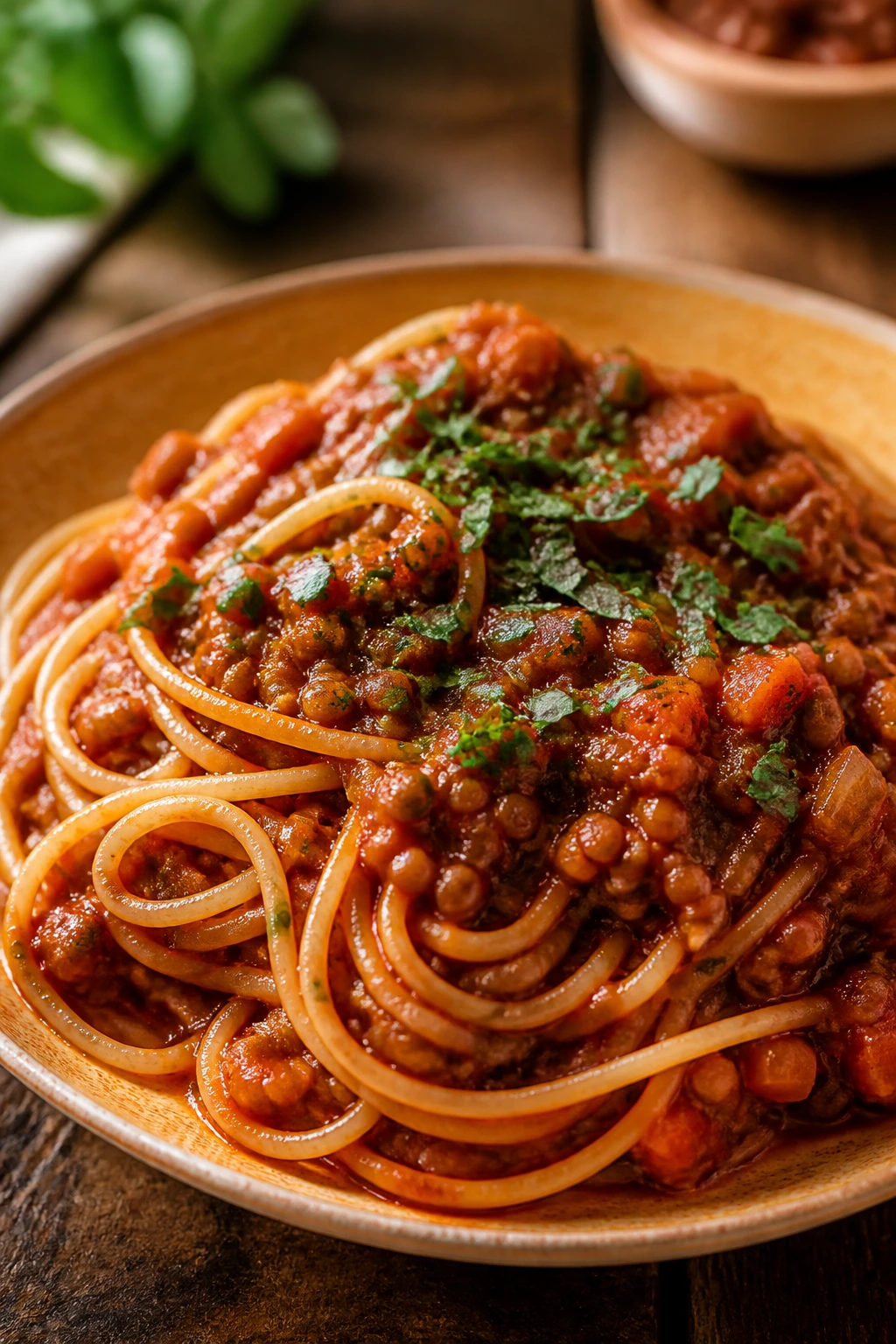
6. Lentil Bolognese with Whole-Wheat Spaghetti
This is the kind of sauce that rewards patience without asking much from you. It tastes rich, tomato-forward, and deeply savory, but the body comes from lentils and vegetables instead of a heavy meat base. Once you spoon it over spaghetti, it looks like classic dinner and eats like something with more staying power.
Why It Works:
Lentils simmer down into a soft, spoonable texture that mimics the heft of a meat sauce. Carrots, onion, celery, and mushrooms build sweetness and depth while the tomatoes keep it bright. I like this one because it reheats better than most pasta sauces, which makes tomorrow’s lunch less sad.
Key Ingredients:
- 1 cup brown or green lentils, rinsed
- 1 tbsp olive oil
- 1 medium onion, diced
- 1 carrot, diced
- 1 celery stalk, diced
- 8 oz mushrooms, finely chopped
- 2 cloves garlic, minced
- 2 tbsp tomato paste
- 1 can (28 oz) crushed tomatoes
- 2 cups low-sodium broth
- 1 tsp Italian seasoning
- 1/2 tsp salt
- 12 oz whole-wheat spaghetti
- Parmesan, for serving
Quick Steps:
- Heat the olive oil in a large pot over medium heat. Cook the onion, carrot, celery, and mushrooms for 6 to 8 minutes, until soft and lightly browned.
- Stir in the garlic and tomato paste and cook for 1 minute until the paste darkens a shade.
- Add the lentils, crushed tomatoes, broth, Italian seasoning, and salt. Bring to a simmer.
- Cook uncovered for 25 to 30 minutes, stirring now and then, until the lentils are tender and the sauce is thick.
- Boil the spaghetti until al dente, then toss with the sauce and finish with Parmesan.
Equipment for This Recipe:
- Large Dutch oven or pot
- Wooden spoon
- Chef’s knife
- Cutting board
- Large pot for pasta
How to Serve This Dish:
Twirl the spaghetti into bowls and spoon the lentil sauce over the top so it stays glossy and thick. A little Parmesan is enough, but chopped parsley gives the plate more life. If your kids need a crunchy side, serve carrot sticks or a green salad with a simple vinaigrette.
Pro Tips for This Recipe:
- Chop the vegetables small so they melt into the sauce.
- Taste near the end and add salt only after the lentils soften.
- If the sauce gets too thick, loosen it with a splash of pasta water.
- Use brown or green lentils, not red, if you want the sauce to hold shape.
Variations on This Dish:
- Fast Red-Lentil Version: Use red lentils and simmer for about 15 minutes for a softer sauce.
- Mushroom-Heavy Sauce: Double the mushrooms if your kids don’t mind the texture.
- Baked Pasta Skillet: Toss the sauce with pasta, top with mozzarella, and bake until bubbly.
Common Mistakes to Avoid with This Dish:
- Stopping the simmer too early: The lentils need time to go soft and absorb the tomato.
- Using too much broth at the start: You want a thick sauce, not soup.
- Skipping the vegetables: The onions, carrot, and celery are not garnish here; they build the whole base.
7. Baked Chicken Tenders with Sweet Potato Fries
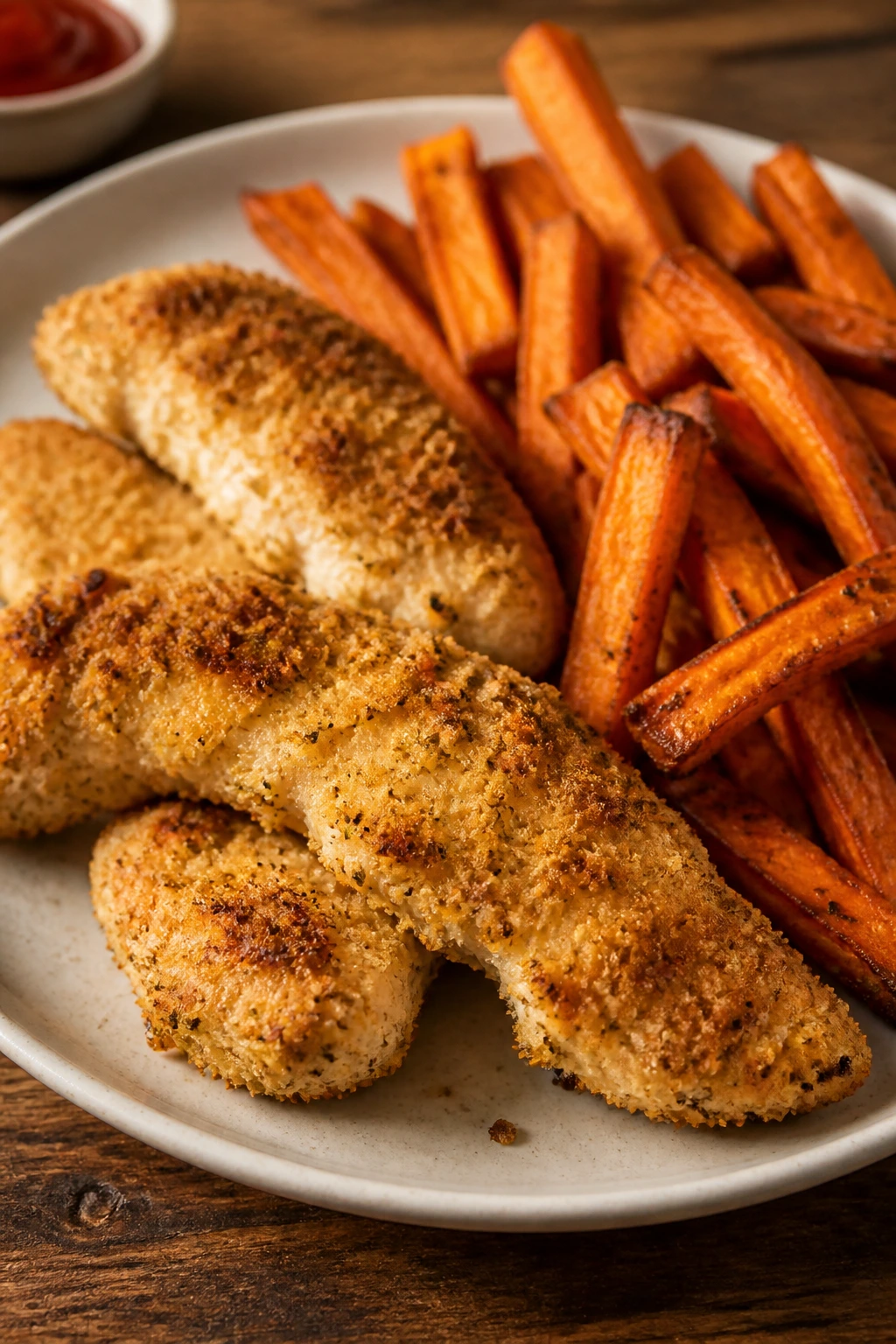
There is a reason chicken tenders keep winning dinner arguments. The baked version gives you the crisp edges kids want without a fryer and without that heavy, greasy finish that hangs around the plate. Pair them with sweet potato fries and a cool dip, and the whole meal feels familiar in the best way.
Why It Works:
Panko and a little Parmesan make the crust light and crunchy instead of dense. Baking the fries on a separate tray means the chicken and potatoes can crisp at the same time without steaming each other. If you use an instant-read thermometer, you take the guesswork out of lean chicken, which is half the battle.
Key Ingredients:
- 1 1/2 lbs chicken tenders
- 2 large sweet potatoes, cut into fries
- 2 tbsp olive oil
- 1 cup panko breadcrumbs
- 1/2 cup finely crushed oats or whole-wheat breadcrumbs
- 1/2 cup grated Parmesan
- 2 large eggs, beaten
- 1 tsp paprika
- 1/2 tsp garlic powder
- 1 tsp salt, divided
- 1/2 tsp black pepper
- Greek yogurt mixed with a little honey mustard, for dipping
Quick Steps:
- Preheat the oven to 425°F (220°C) and line two sheet pans.
- Toss the sweet potato fries with olive oil, half the salt, and a pinch of paprika. Spread them out and roast for 10 minutes.
- Mix the panko, crushed oats, Parmesan, paprika, garlic powder, remaining salt, and pepper in a shallow bowl.
- Dip each chicken tender into the eggs, then press into the crumb mixture until coated.
- Bake the chicken and fries for 12 to 15 minutes more, flipping the tenders once, until the chicken reaches 165°F (74°C) and the coating is golden.
- Serve with the yogurt dip.
Equipment for This Recipe:
- Two rimmed sheet pans
- Shallow bowl
- Tongs
- Instant-read thermometer
- Parchment paper
How to Serve This Dish:
Arrange the tenders in a line or a loose pile, not stacked into a steaming heap. The fries should stay visible and crisp-looking. A side of peas, broccoli florets, or apple slices gives the plate a little more color and a better balance of textures.
Pro Tips for This Recipe:
- Cut the fries evenly so they finish together.
- Pat the chicken dry before breading.
- Do not crowd the tray if you want crunch.
- A short rest after baking keeps the crust attached.
Variations on This Dish:
- Air-Fryer Version: Cook the tenders at 390°F and the fries in a separate batch.
- Sesame Crumb Coating: Add 1 tablespoon sesame seeds to the breadcrumb mix.
- Dairy-Free Crust: Skip the Parmesan and use extra breadcrumbs with garlic powder.
Common Mistakes to Avoid with This Dish:
- Breading wet chicken: The crust slides off in the oven.
- Stacking the fries too tightly: They steam instead of crisp.
- Pulling the chicken too late: Lean tenders dry out fast once they pass 165°F.
8. Pizza Zucchini Boats
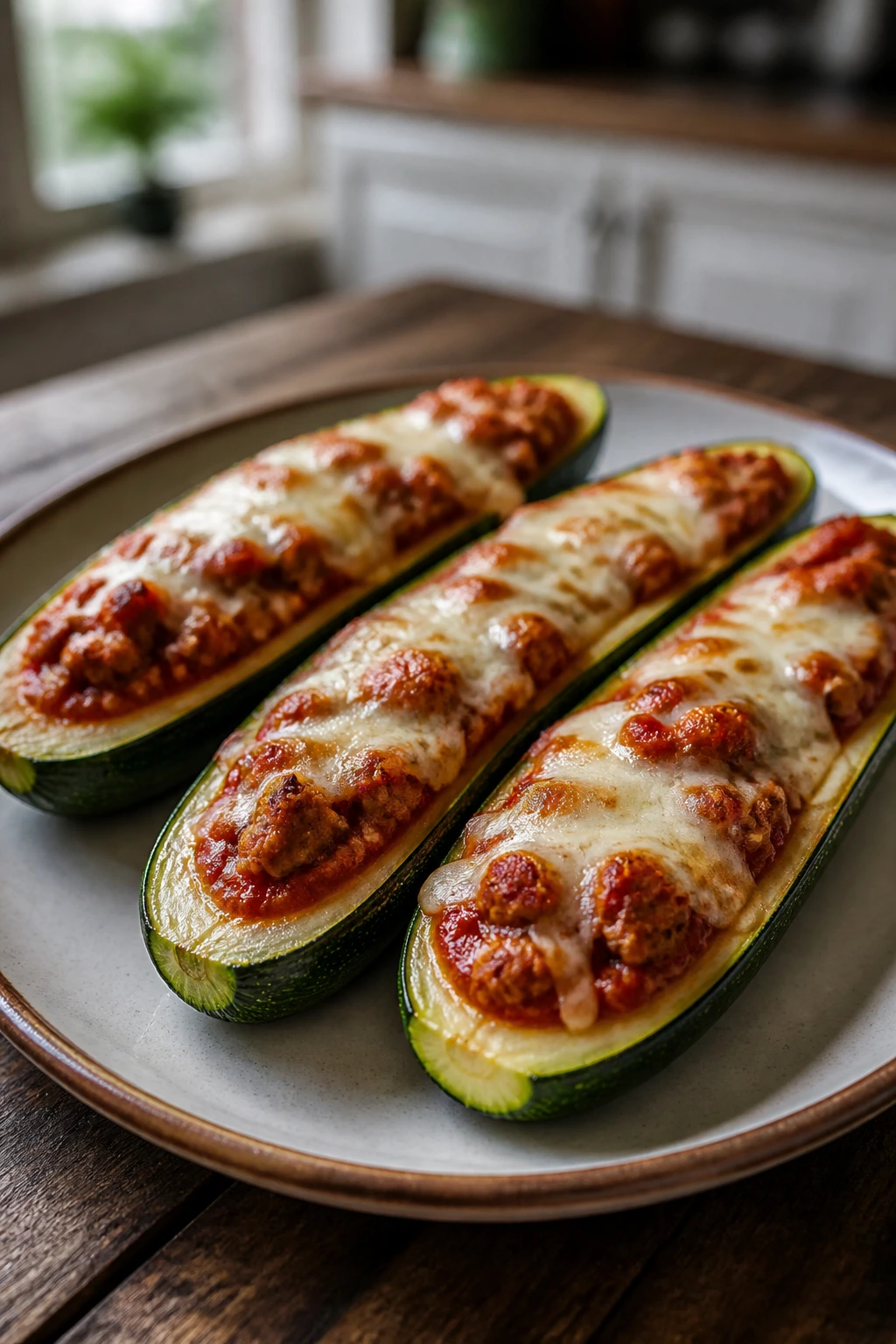
Pizza night does not have to mean a giant crust and a food coma. Zucchini boats keep the pizza flavor, the melted cheese, and the tomato sauce, but swap the base for something that roasts into a soft, savory shell. They are a little playful. Kids usually like the shape before they even taste it.
Why It Works:
Zucchini gives you a built-in serving vessel and a mild flavor that takes on tomato and cheese easily. Pre-baking the boats dries them out a bit, which keeps the filling from sliding into a watery mess. I like using lean turkey or turkey pepperoni here because the flavor stays close to pizza without getting greasy.
Key Ingredients:
- 4 medium zucchini, halved lengthwise
- 1 tbsp olive oil
- 1 cup marinara sauce
- 8 oz lean ground turkey, cooked with a little salt and oregano
- 1/2 cup diced bell pepper
- 1 1/2 cups shredded mozzarella
- 1/4 cup grated Parmesan
- 1 tsp dried oregano
- 1/2 tsp garlic powder
- 1/4 tsp salt
- Chopped basil, for finishing
Quick Steps:
- Preheat the oven to 400°F (200°C). Scoop out the centers of the zucchini, leaving a 1/4-inch border.
- Brush the zucchini with olive oil, place cut-side up on a baking sheet, and bake for 10 minutes.
- Stir the marinara, cooked turkey, bell pepper, oregano, garlic powder, and salt together.
- Spoon the filling into the zucchini boats and top with mozzarella and Parmesan.
- Bake for 10 to 12 minutes more, until the zucchini is tender and the cheese is melted.
- Finish with basil and serve warm.
Equipment for This Recipe:
- Baking sheet
- Spoon
- Sharp knife
- Small skillet, if browning the turkey
- Measuring cups
How to Serve This Dish:
Serve the boats on a platter with extra sauce nearby for kids who like dipping. A simple green salad or garlic toast on the side makes dinner feel complete without much work. Cut the boats into shorter pieces if smaller hands need a calmer plate.
Pro Tips for This Recipe:
- Leave enough zucchini flesh so the boats don’t collapse.
- Pre-baking matters; don’t skip it.
- Keep the filling thick, not runny.
- Fresh basil at the end makes the whole tray smell like pizza night.
Variations on This Dish:
- Margherita Boats: Use tomatoes, mozzarella, and basil only.
- Pepperoni Style: Add turkey pepperoni slices under the cheese.
- Veggie Patch Version: Add mushrooms and spinach to the filling.
Common Mistakes to Avoid with This Dish:
- Scooping the zucchini too deep: The shells tear and leak.
- Using too much sauce: The boats turn watery.
- Overbaking the cheese: It should melt, not brown hard and dry out.
9. Turkey Teriyaki Rice Bowls
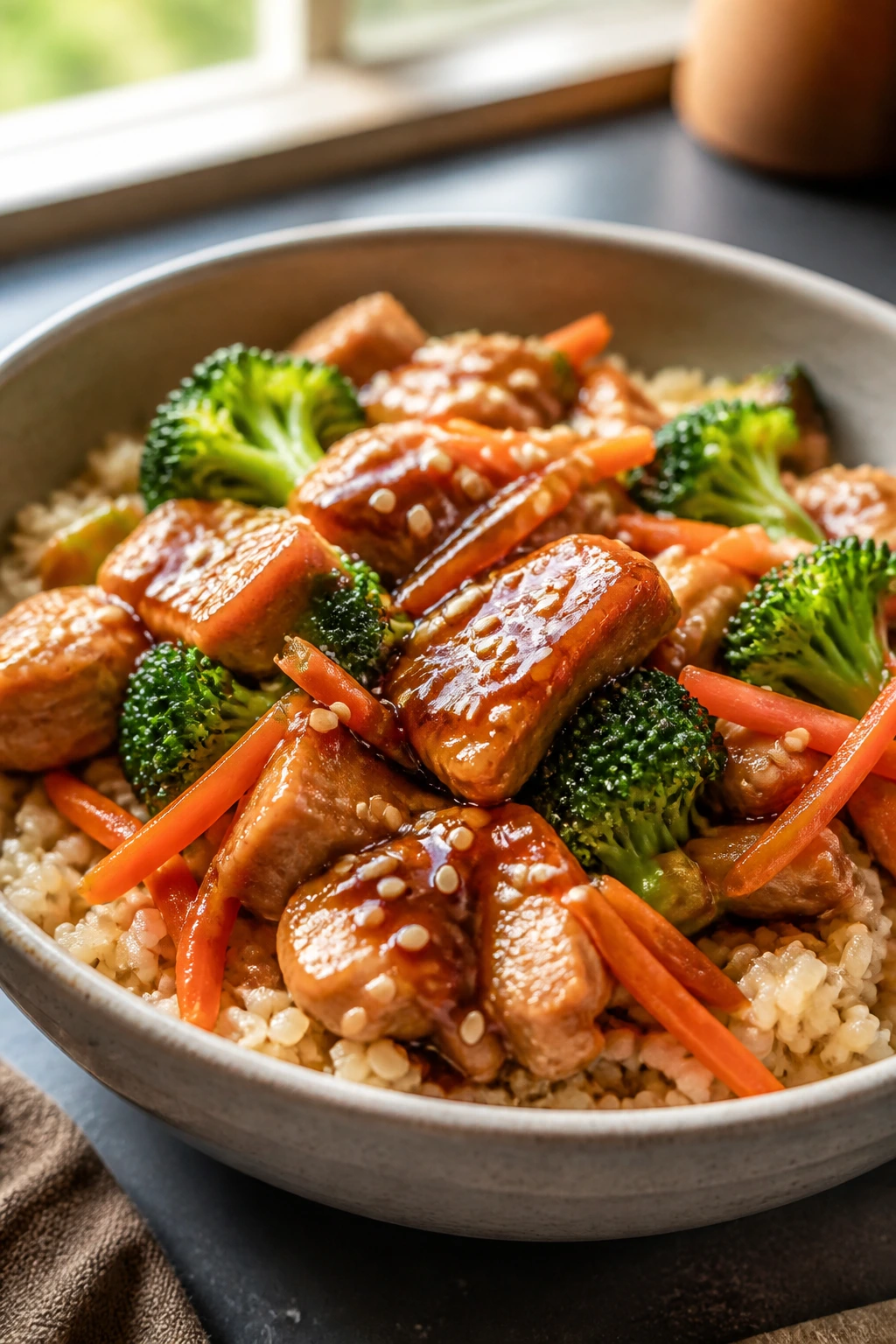
Rice bowls are useful because they let you build dinner in layers and still keep everything moving. This one has sweet-savory turkey, broccoli, carrots, and a glossy teriyaki sauce that clings to the rice instead of pooling around it. Kids who like noodles or takeout-style meals usually meet this one halfway.
Why It Works:
Ground turkey cooks quickly and soaks up sauce without getting tough. The teriyaki glaze thickens in the pan, which means every bite tastes seasoned instead of wet. Brown rice adds a little chew and makes the bowl feel more substantial, though white rice works if that is what gets eaten.
Key Ingredients:
- 1 lb ground turkey
- 2 cups cooked brown rice
- 2 cups broccoli florets
- 1 cup shredded carrots
- 1 tbsp oil
- 1/3 cup low-sodium soy sauce
- 2 tbsp honey
- 1 tsp grated fresh ginger
- 2 cloves garlic, minced
- 1 tsp cornstarch mixed with 2 tbsp water
- 1 tsp sesame oil
- Sesame seeds, for topping
Quick Steps:
- Cook the rice if it is not already done.
- Brown the turkey in a skillet over medium heat for 5 to 6 minutes, breaking it up until no pink remains.
- Add the broccoli and carrots with a splash of water, cover, and cook for 3 to 4 minutes until the broccoli turns bright green.
- Stir in the soy sauce, honey, ginger, and garlic. Add the cornstarch slurry and cook for 1 to 2 minutes until the sauce turns glossy.
- Finish with sesame oil and spoon over rice.
Equipment for This Recipe:
- Large skillet
- Lid
- Measuring spoons
- Small bowl for slurry
- Serving bowls
How to Serve This Dish:
Build the bowls with rice on the bottom, turkey and vegetables on top, and sesame seeds last. A few cucumber slices or pineapple chunks on the side make the plate feel brighter. If your kid likes control, keep the toppings in separate piles instead of mixing them all together.
Pro Tips for This Recipe:
- Use low-sodium soy sauce or the bowl gets too salty fast.
- Cut the broccoli small so it cooks with the carrots.
- Add the slurry only after the sauce starts bubbling.
- A little sesame oil goes a long way; measure it.
Variations on This Dish:
- Pineapple Teriyaki Bowl: Add 1/2 cup pineapple chunks for a sweeter edge.
- Cauliflower Rice Base: Swap the rice for cauliflower rice if you want a lighter bowl.
- Noodle Night: Serve the turkey over soba or brown rice noodles.
Common Mistakes to Avoid with This Dish:
- Letting the sauce stay thin: It should cling to the spoon, not run off.
- Overcooking the broccoli: The color and snap matter.
- Using dry rice straight from the fridge without loosening it: Break it up with a fork so it heats evenly.
10. Veggie Fried Rice with Egg and Edamame
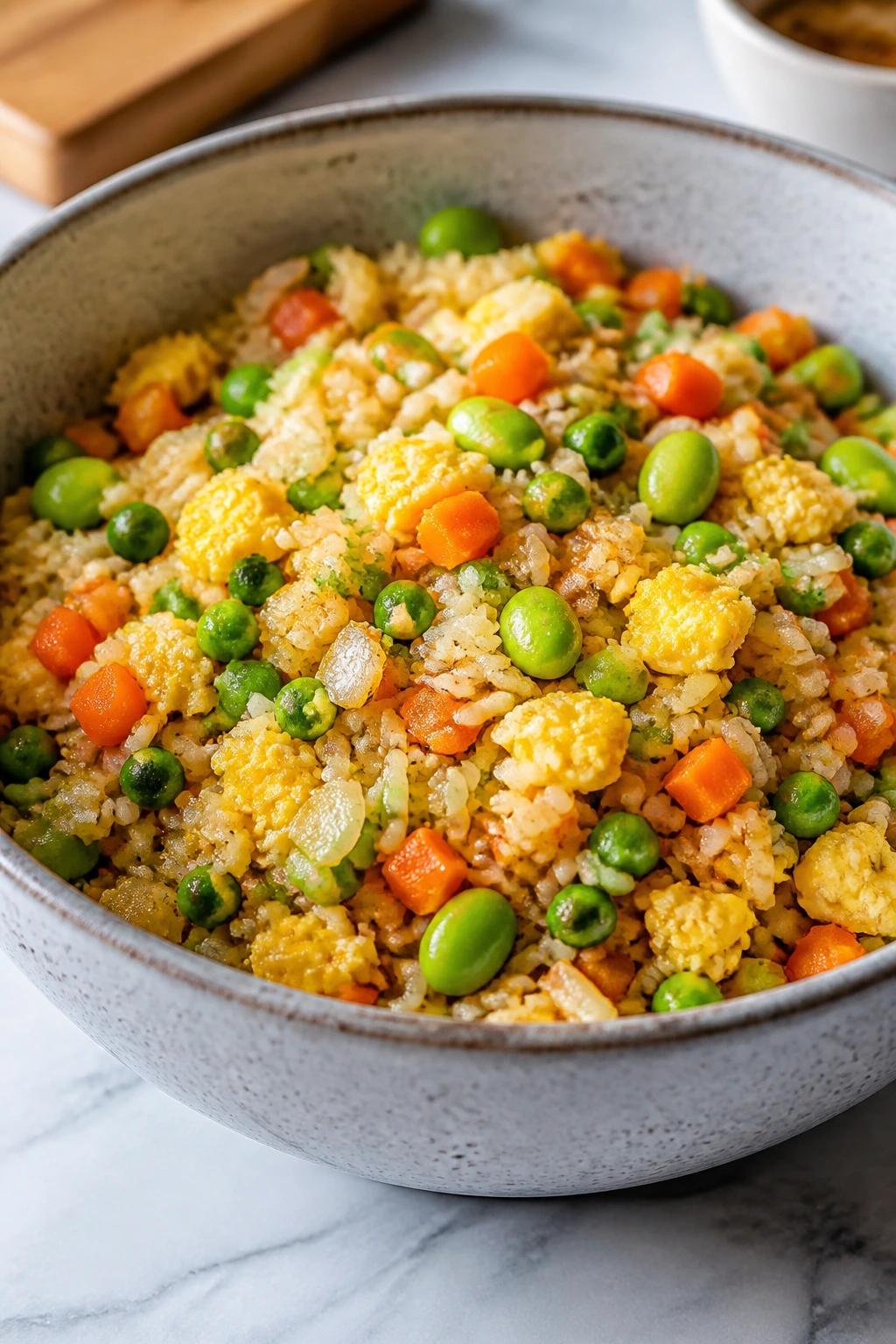
Fried rice is one of the few dinners that can turn leftover rice into something people get excited about. The eggs add richness, the edamame gives you bite, and the vegetables bring color without demanding a side dish. Cold rice is the key. Warm rice turns sticky and moody.
Why It Works:
Day-old rice fries instead of steaming, which gives you separate grains and that lightly toasted flavor kids tend to like. Eggs and edamame add protein without making the dish heavy. This is one of my favorite healthy kid dinners because it feels fast, but it still has enough texture to keep dinner from becoming mush.
Key Ingredients:
- 3 cups cooked brown rice, cold
- 2 large eggs, beaten
- 1 tbsp neutral oil
- 1 cup frozen peas and carrots
- 1 cup shelled edamame
- 2 scallions, sliced
- 2 cloves garlic, minced
- 2 tbsp low-sodium soy sauce
- 1 tsp sesame oil
- 1/4 tsp black pepper
Quick Steps:
- Heat the oil in a large skillet over medium-high heat.
- Scramble the eggs in the skillet until just set, then slide them onto a plate.
- Cook the peas, carrots, edamame, scallions, and garlic for 2 to 3 minutes.
- Add the cold rice and break up any clumps with a spatula. Stir-fry for 4 to 5 minutes until the rice is hot.
- Return the eggs to the pan, add the soy sauce, sesame oil, and pepper, and toss until everything is coated.
Equipment for This Recipe:
- Large skillet or wok
- Spatula
- Small bowl
- Knife
- Cutting board
How to Serve This Dish:
Spoon the rice into bowls and top with a few extra scallions. If you want to make it feel more complete, add mandarin oranges, cucumber slices, or a simple chicken skewer on the side. It is one of those dinners that works well with chopsticks or a fork, which feels practical and a little fun.
Pro Tips for This Recipe:
- Cold rice is non-negotiable here.
- Keep the pan hot enough to sizzle, not smoke.
- Cook the vegetables before the rice so they soften a little.
- Add sesame oil at the end so the flavor stays fresh.
Variations on This Dish:
- Chicken Fried Rice: Add 1 cup diced cooked chicken.
- Veg-Heavy Bowl: Stir in mushrooms or chopped spinach.
- Spicy Grown-Up Side: Finish one portion with chili crisp.
Common Mistakes to Avoid with This Dish:
- Using freshly cooked rice: It turns gummy and clumps.
- Overcrowding the skillet: The rice needs room to fry.
- Adding too much soy sauce all at once: It can swamp the vegetables and make everything taste one-note.
11. Pesto Pasta with Peas and Spinach
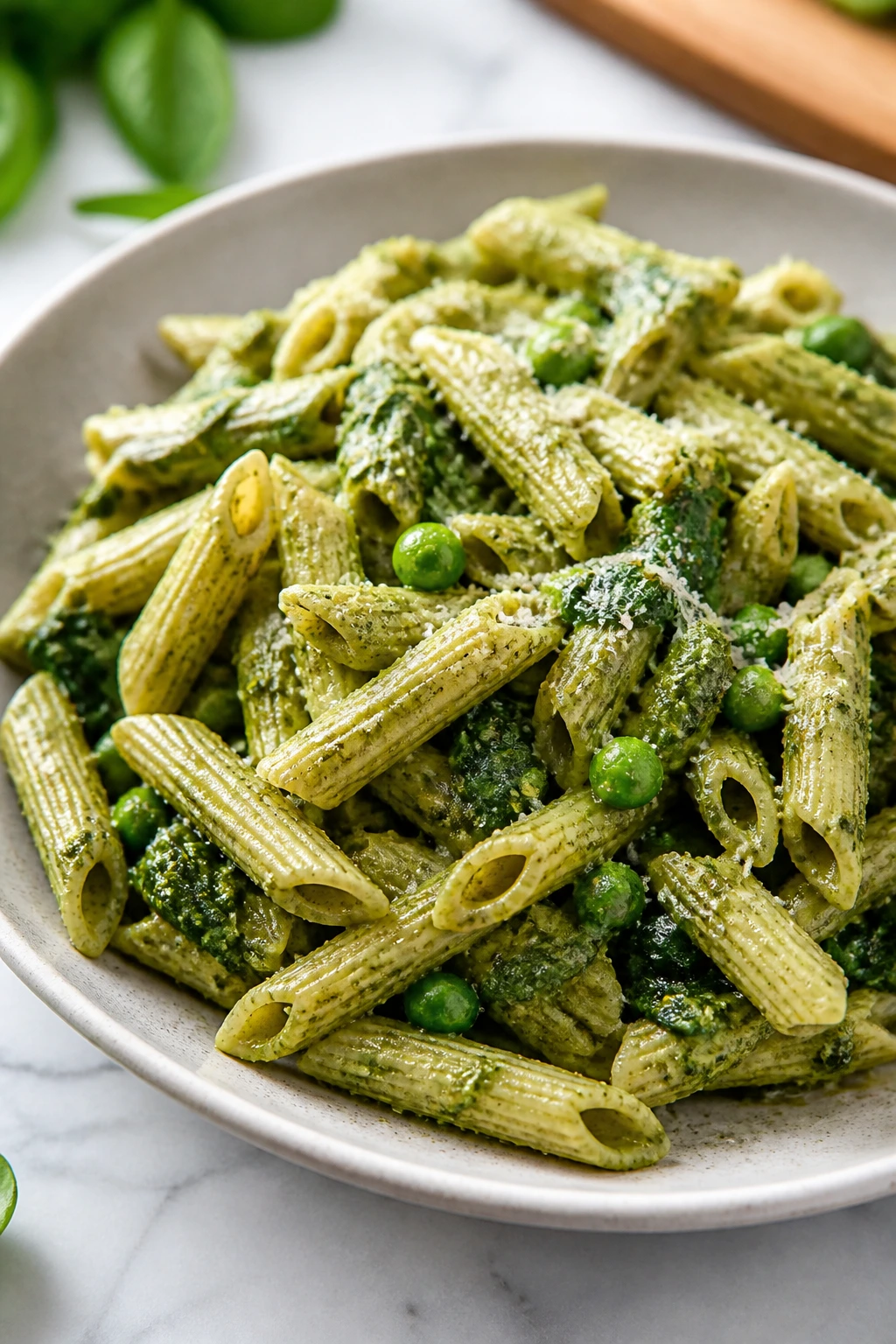
Pesto pasta is quick, green, and friendly to the kind of kitchen where dinner needs to be done before anyone starts asking what else there is to eat. The pesto coats the noodles, the peas add little pops of sweetness, and the spinach folds in like it was always meant to be there. It’s pasta. That already helps.
Why It Works:
The sauce is bold enough that the vegetables don’t taste plain, which matters with kids who inspect every green thing like detectives. Peas stay sweet and spinach melts down in seconds, so the dish looks lively without turning fussy. Pasta water helps the pesto glide instead of sticking in clumps.
Key Ingredients:
- 12 oz whole-wheat pasta
- 1 1/2 cups frozen peas
- 3 cups baby spinach
- 1/2 cup pesto
- 1/2 cup mozzarella pearls or ricotta
- 1/4 cup grated Parmesan
- 1 lemon, zested
- Black pepper, to taste
- Optional: 1 cup diced cooked chicken
Quick Steps:
- Boil the pasta in salted water until al dente. Add the peas during the last 2 minutes.
- Reserve 1/2 cup pasta water, then drain the pasta and peas.
- Toss the hot pasta with pesto, spinach, mozzarella or ricotta, Parmesan, lemon zest, and a splash of pasta water.
- Stir until the spinach wilts and the sauce turns glossy.
- Finish with black pepper and serve right away.
Equipment for This Recipe:
- Large pot
- Colander
- Large mixing bowl or pot
- Microplane or zester
- Wooden spoon
How to Serve This Dish:
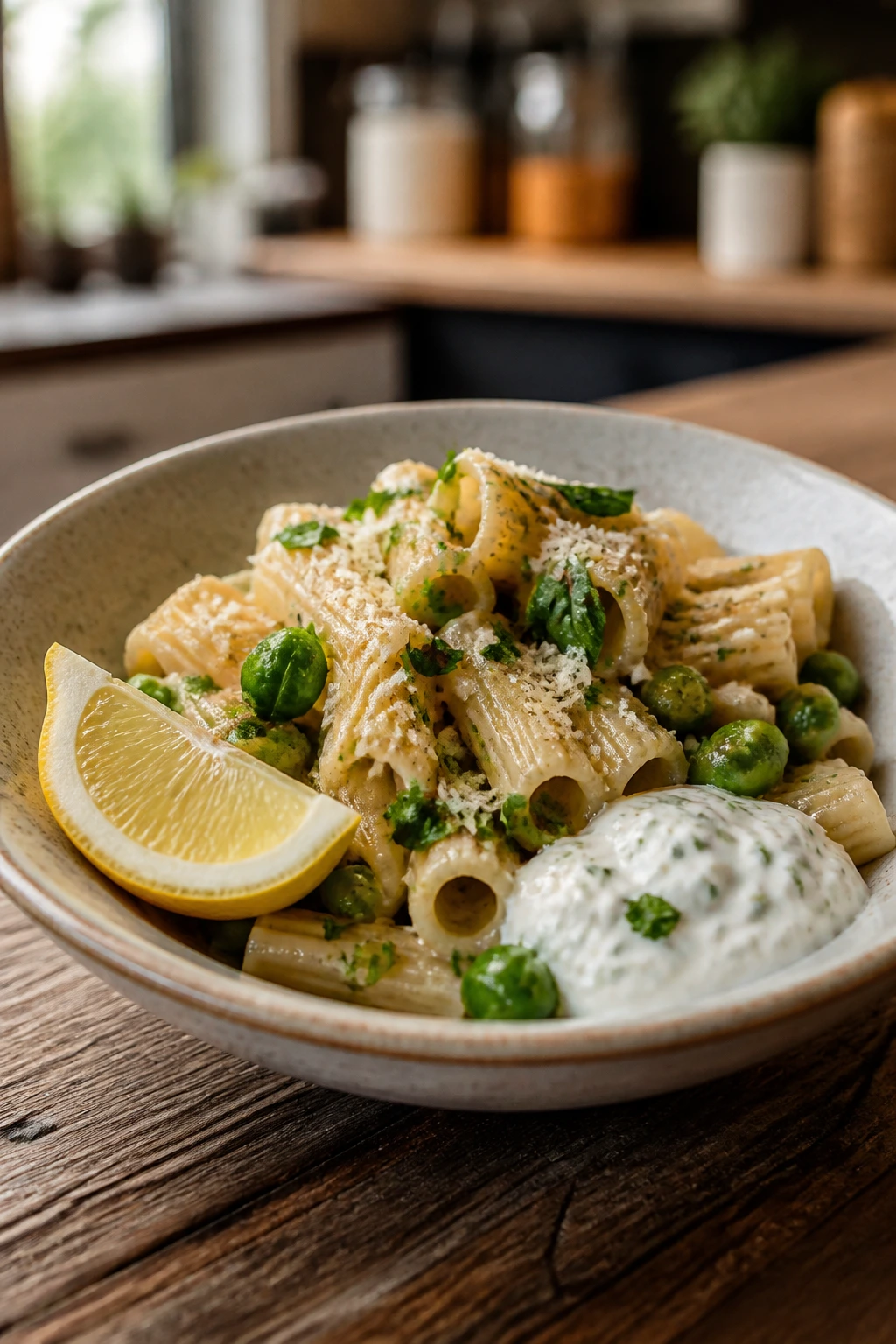
Serve this in wide bowls so the pesto coats the pasta instead of hiding at the bottom. A few extra peas on top make the plate look greener and more deliberate. If you want a side, a little sliced melon or a tomato salad keeps the meal light.
Pro Tips for This Recipe:
- Add the pesto while the pasta is hot so it loosens naturally.
- Use lemon zest, not just juice, for a brighter finish.
- Ricotta makes a softer, creamier sauce than mozzarella.
- If the sauce feels dry, loosen it with another splash of pasta water.
Variations on This Dish:
- Sun-Dried Tomato Pesto: Stir in chopped sun-dried tomatoes for a sweeter edge.
- White Bean Green Pasta: Add 1 cup rinsed white beans for extra protein.
- Chicken Version: Mix in diced grilled chicken for a fuller dinner.
Common Mistakes to Avoid with This Dish:
- Rinsing the pasta: You’ll wash away the starch that helps the sauce stick.
- Adding pesto to cold noodles: Warm pasta is what makes it silky.
- Using too much cheese on top: It can bury the herbs and make the dish heavy.
12. Mild Coconut Chicken Curry
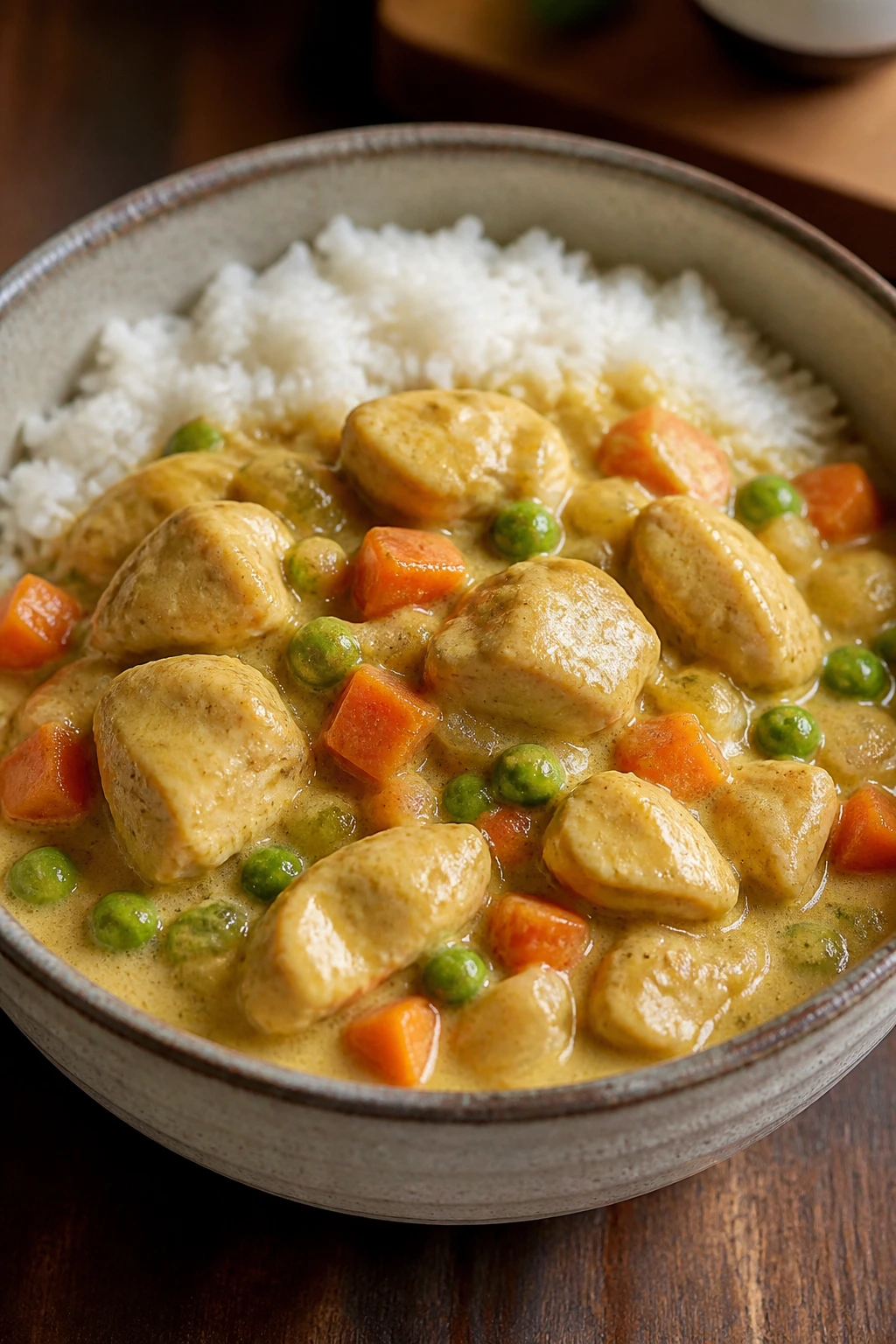
This curry is warm and creamy, but not aggressive. The sauce leans gently sweet from coconut milk, the chicken stays tender, and the carrots and peas make it look like dinner instead of something trying to prove a point. It is a good bridge meal for kids who are curious but cautious.
Why It Works:
Coconut milk softens the spices and gives the sauce body without needing cream. A mild curry powder brings flavor without heat, and the vegetables cook right in the sauce so nothing feels separate. I like serving it over rice because the grains catch the sauce and make every spoonful feel complete.
Key Ingredients:
- 1 lb boneless chicken thighs or breasts, cut into bite-size pieces
- 1 tbsp oil
- 1 small onion, diced
- 2 carrots, sliced thin
- 2 cloves garlic, minced
- 1 tbsp mild curry powder
- 1 can (13.5 oz) coconut milk
- 1 cup low-sodium broth
- 1 cup frozen peas
- 2 cups baby spinach
- 2 cups cooked rice
- 1 lime, cut into wedges
- Salt, to taste
Quick Steps:
- Heat the oil in a skillet or saucepan over medium heat. Cook the onion and carrots for 5 minutes.
- Add the chicken and garlic and cook for 3 to 4 minutes until the outside turns opaque.
- Stir in the curry powder and cook for 30 seconds, just until fragrant.
- Pour in the coconut milk and broth, bring to a gentle simmer, and cook for 12 to 15 minutes until the chicken is done and the carrots are tender.
- Add the peas and spinach for the last 2 minutes.
- Serve over rice with lime.
Equipment for This Recipe:
- Large skillet or Dutch oven
- Cutting board
- Knife
- Wooden spoon
- Rice cooker or saucepan, if making rice fresh
How to Serve This Dish:
Spoon the curry over rice and let the sauce run a little around the edges. Lime brightens the coconut sauce, so don’t skip it. If your table likes crunch, add chopped cucumber or toasted cashews on top.
Pro Tips for This Recipe:
- Keep the simmer gentle so the coconut milk stays smooth.
- Dice the carrots thin; they should soften in the same window as the chicken.
- Taste at the end and add salt only after the curry reduces a little.
- A squeeze of lime right before serving lifts the whole pot.
Variations on This Dish:
- Chickpea Curry: Replace the chicken with 2 cans chickpeas.
- Vegetable-Heavy Pot: Add cauliflower or bell pepper with the carrots.
- Rice-and-Curry Bake: Spoon the curry into a casserole dish with rice and bake until hot.
Common Mistakes to Avoid with This Dish:
- Boiling the curry hard: Coconut milk can separate if you get rough with it.
- Using curry powder with too much heat: Mild is the point here.
- Cutting the chicken too large: Bigger chunks take longer and make the sauce feel uneven.
13. Black Bean Sweet Potato Enchilada Casserole
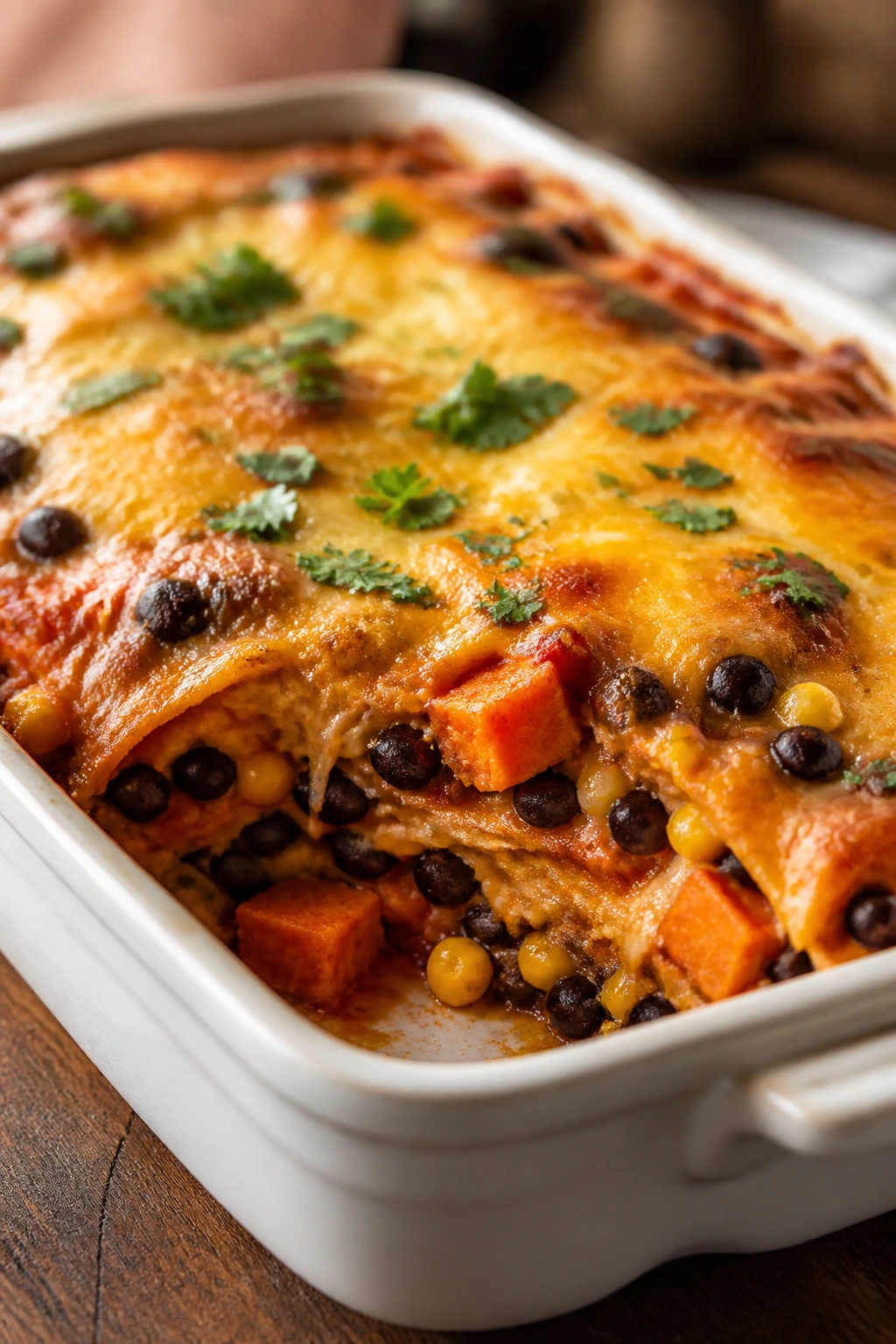
This casserole has the cozy, layered feel of enchiladas without the fiddly rolling. Sweet potatoes bring a soft sweetness, black beans add heft, and the enchilada sauce pulls everything together so each bite tastes like a complete meal. It slices cleanly once it rests, which is a bonus I never ignore.
Why It Works:
The sweet potato balances the tangy sauce and makes the beans feel richer. Layering the tortillas like lasagna keeps the filling from escaping the pan, and the cheese melts into the sauce instead of sitting on top like a lid. It is a smart dinner for a mixed-age table because the flavor stays mild and the texture stays soft.
Key Ingredients:
- 2 medium sweet potatoes, peeled and diced small
- 2 tbsp olive oil
- 2 cans black beans, rinsed and drained
- 1 cup corn
- 2 cups enchilada sauce
- 8 corn tortillas, cut into strips
- 2 cups shredded cheddar or Monterey Jack
- 1 tsp ground cumin
- 1/2 tsp salt
- 2 tbsp chopped cilantro
- 1/2 cup plain Greek yogurt, for serving
- 1 avocado, sliced, for serving
Quick Steps:
- Preheat the oven to 400°F (200°C). Toss the sweet potatoes with olive oil, cumin, and salt, then roast for 15 minutes until nearly tender.
- Stir the beans and corn together in a bowl.
- Spread a thin layer of enchilada sauce in a baking dish. Add a layer of tortilla strips, half the sweet potatoes, and half the bean mixture.
- Repeat with more sauce, tortilla strips, the rest of the filling, and cheese.
- Bake for 20 to 25 minutes until the cheese is melted and the edges are bubbling.
- Rest for 10 minutes before cutting.
Equipment for This Recipe:
- 9×13-inch baking dish
- Sheet pan
- Mixing bowl
- Chef’s knife
- Foil, if you want to cover the top loosely
How to Serve This Dish:
Cut this into neat squares and top each serving with yogurt, cilantro, and avocado. It stands on its own, but a side of shredded lettuce or a simple tomato salad gives the meal a fresh edge. Kids often prefer it scooped into a bowl rather than plated, and that works just fine.
Pro Tips for This Recipe:
- Roast the sweet potatoes first so they do not stay firm in the casserole.
- Use small tortilla strips; they layer better than big torn pieces.
- Let the casserole rest or the slices will slide apart.
- Mild enchilada sauce keeps this kid-friendly, but you can sharpen it with lime.
Variations on This Dish:
- Chicken Enchilada Bake: Add 1 cup shredded chicken.
- Bean-Only Casserole: Double the beans and leave out the chicken entirely.
- Green Sauce Version: Swap red enchilada sauce for mild green salsa.
Common Mistakes to Avoid with This Dish:
- Using watery sweet potato cubes: Roast them first so they hold their shape.
- Skipping the rest time: The layers need a few minutes to settle.
- Overloading with sauce: Too much liquid makes the casserole soupy instead of sliceable.
14. Parmesan Tilapia with Green Beans and Potatoes
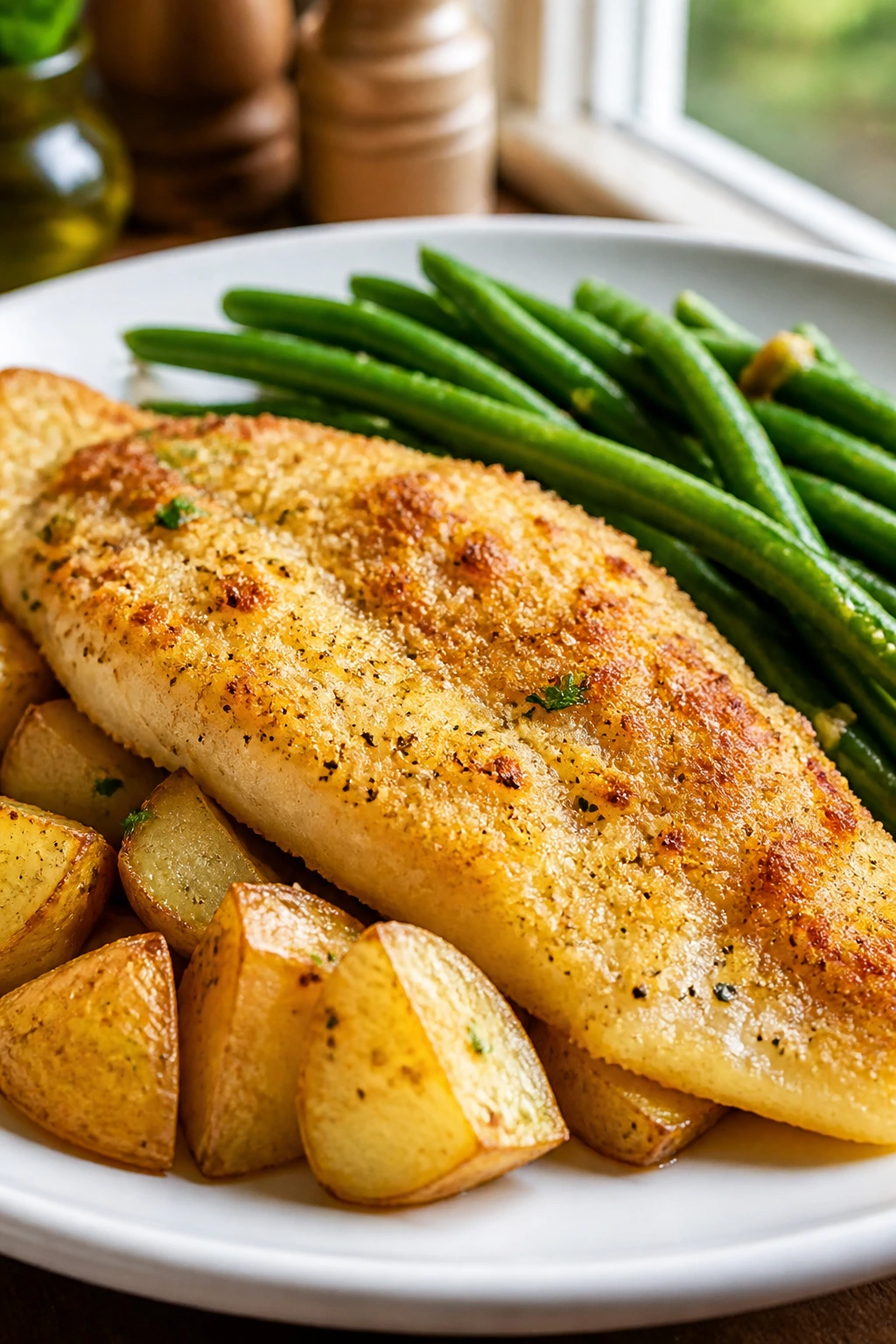
Fish dinners can be tricky with kids, so I lean toward mild white fish with a crunchy top. Tilapia cooks quickly, the Parmesan crust gives it a little attitude, and the green beans and potatoes round out the pan without much drama. It is plain in the right way.
Why It Works:
Tilapia has a soft, mild flavor that stays approachable, and it bakes fast enough that the coating doesn’t dry out. Roasting the potatoes first gives them a head start, while the fish and green beans finish in the final stretch. The result is a one-pan dinner with clean edges and enough texture to keep it interesting.
Key Ingredients:
- 1 1/2 lbs baby potatoes, halved
- 1 lb green beans, trimmed
- 4 tilapia fillets, about 5 to 6 oz each
- 2 tbsp olive oil
- 1/2 cup panko breadcrumbs
- 1/4 cup grated Parmesan
- 1 tsp lemon zest
- 1/2 tsp garlic powder
- 1 tsp salt, divided
- 1/2 tsp black pepper
- Lemon wedges, for serving
Quick Steps:
- Preheat the oven to 425°F (220°C). Toss the potatoes with 1 tbsp oil, half the salt, and pepper.
- Roast the potatoes on a sheet pan for 15 minutes.
- Mix the panko, Parmesan, lemon zest, garlic powder, and the rest of the salt.
- Push the potatoes to one side, add the green beans, and place the tilapia on the pan. Brush the fish with the remaining oil and press the crumb mixture on top.
- Bake for 10 to 12 minutes more, until the fish flakes easily and the potatoes are tender.
- Serve with lemon wedges.
Equipment for This Recipe:
- Rimmed sheet pan
- Small bowl
- Spatula
- Measuring spoons
- Knife and cutting board
How to Serve This Dish:
Serve the fish whole or broken into large flakes beside the potatoes and beans. A little lemon at the table keeps the flavor lively. If your kids prefer a dipping sauce, plain yogurt with a pinch of dill works well.
Pro Tips for This Recipe:
- Do not overbake the fish; it should flake, not dry out.
- Halve the potatoes evenly so they roast on schedule.
- Press the crumb topping on gently so it stays in place.
- If the beans are thin, pat them dry before they go in the oven.
Variations on This Dish:
- Cod Swap: Use cod or haddock if tilapia isn’t the fish you want.
- Herb Crumb Version: Add parsley or dill to the topping.
- Dijon Finish: Brush the fish with a little Dijon before the crumbs go on.
Common Mistakes to Avoid with This Dish:
- Adding the fish too early: It dries out before the potatoes finish.
- Skipping the lemon: The fish needs acid to stay bright.
- Using wet beans: They steam the pan and dull the crust.
15. Lentil Sloppy Joes
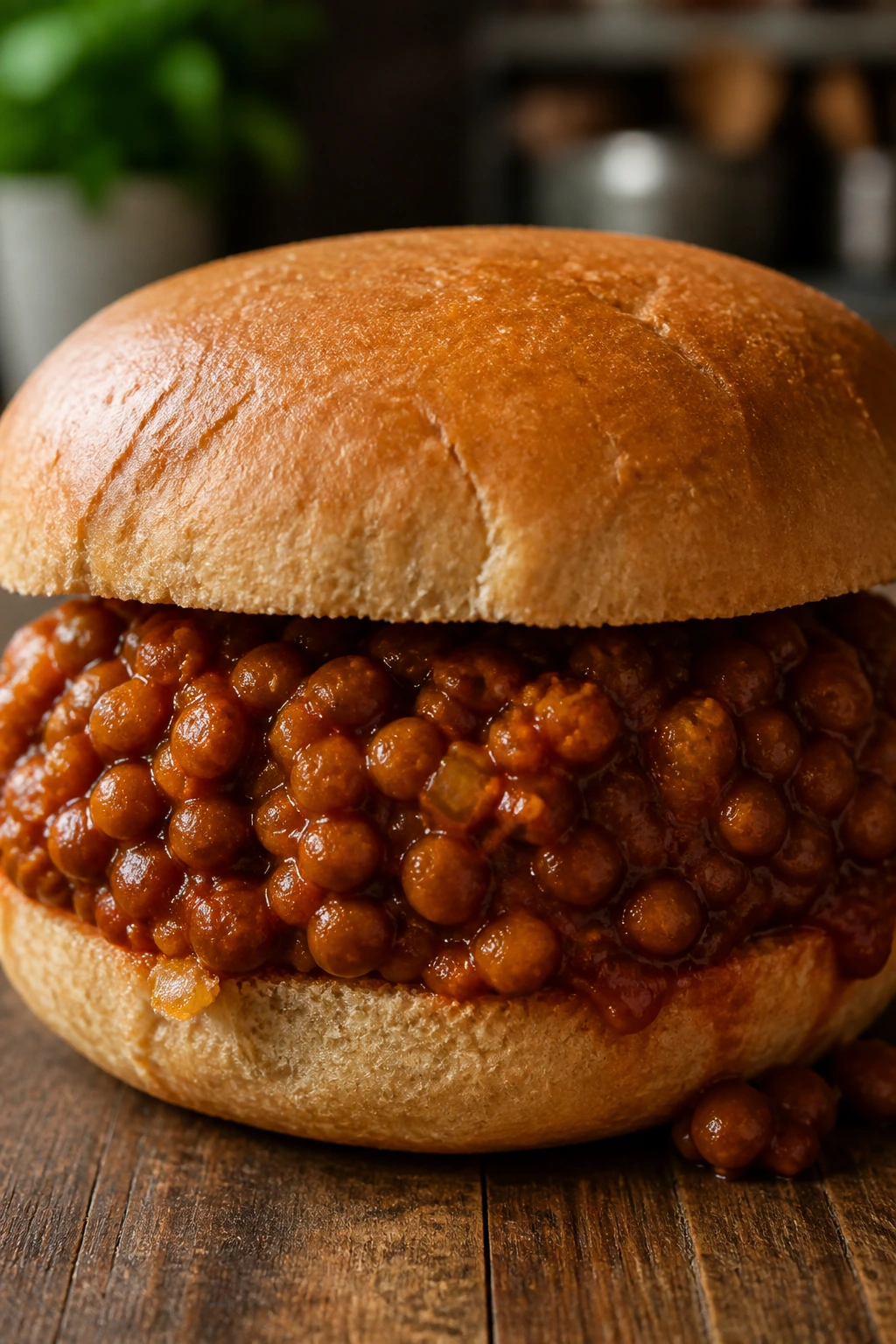
Sloppy Joes are messy by nature, which is part of the appeal. The lentil version keeps the sweet-tangy sauce, the soft bun, and the saucy middle, but swaps in a filling that holds together with more fiber and less grease. It tastes like lunchbox nostalgia with a sturdier spine.
Why It Works:
Brown lentils stay intact enough to give texture while still softening into the sauce. Tomato paste, ketchup, and a little vinegar recreate that familiar sloppy joe balance, and the onions and peppers keep the filling from tasting one-dimensional. The sauce thickens as it simmers, which is what keeps it from turning the bun into paste.
Key Ingredients:
- 1 cup brown lentils, rinsed
- 1 tbsp olive oil
- 1 small onion, diced
- 1 bell pepper, diced
- 2 cloves garlic, minced
- 2 tbsp tomato paste
- 1/3 cup ketchup
- 1 tbsp Worcestershire sauce
- 1 tsp smoked paprika
- 1 tbsp apple cider vinegar
- 2 cups low-sodium water or broth
- 4 to 6 whole-wheat buns
Quick Steps:
- Cook the lentils in the water or broth over medium heat for 20 to 25 minutes, until tender but not falling apart. Drain any excess liquid.
- Heat the olive oil in a skillet and cook the onion and bell pepper for 5 minutes.
- Add the garlic, tomato paste, ketchup, Worcestershire, paprika, and vinegar. Stir for 1 minute.
- Mix in the lentils and cook for 5 minutes until thick and saucy.
- Toast the buns if you want them sturdier, then spoon on the filling.
Equipment for This Recipe:
- Saucepan
- Skillet
- Wooden spoon
- Strainer
- Knife and cutting board
How to Serve This Dish:
Serve the filling piled high on toasted buns with pickle chips or a quick cabbage slaw on the side. If your kids are the sort who need help with mess, keep napkins close and the filling a little thicker than you think. A handful of carrot sticks or sliced grapes rounds out the meal.
Pro Tips for This Recipe:
- Keep the filling thick so the bun holds.
- Taste after simmering; lentils need enough salt to match the sauce.
- Toast the buns lightly or they go soggy fast.
- Chop the vegetables fine if your kids pick at visible pieces.
Variations on This Dish:
- BBQ Sloppy Joes: Swap ketchup for barbecue sauce.
- Stuffed Potato Version: Spoon the filling over baked potatoes instead of buns.
- All-Veg Version: Add grated carrot for a sweeter, softer filling.
Common Mistakes to Avoid with This Dish:
- Undercooking the lentils: Crunchy lentils do not read as comforting.
- Leaving the sauce too wet: It needs body to stay on the bun.
- Over-sweetening it: A little ketchup goes far once the lentils absorb flavor.
16. Veggie Frittata
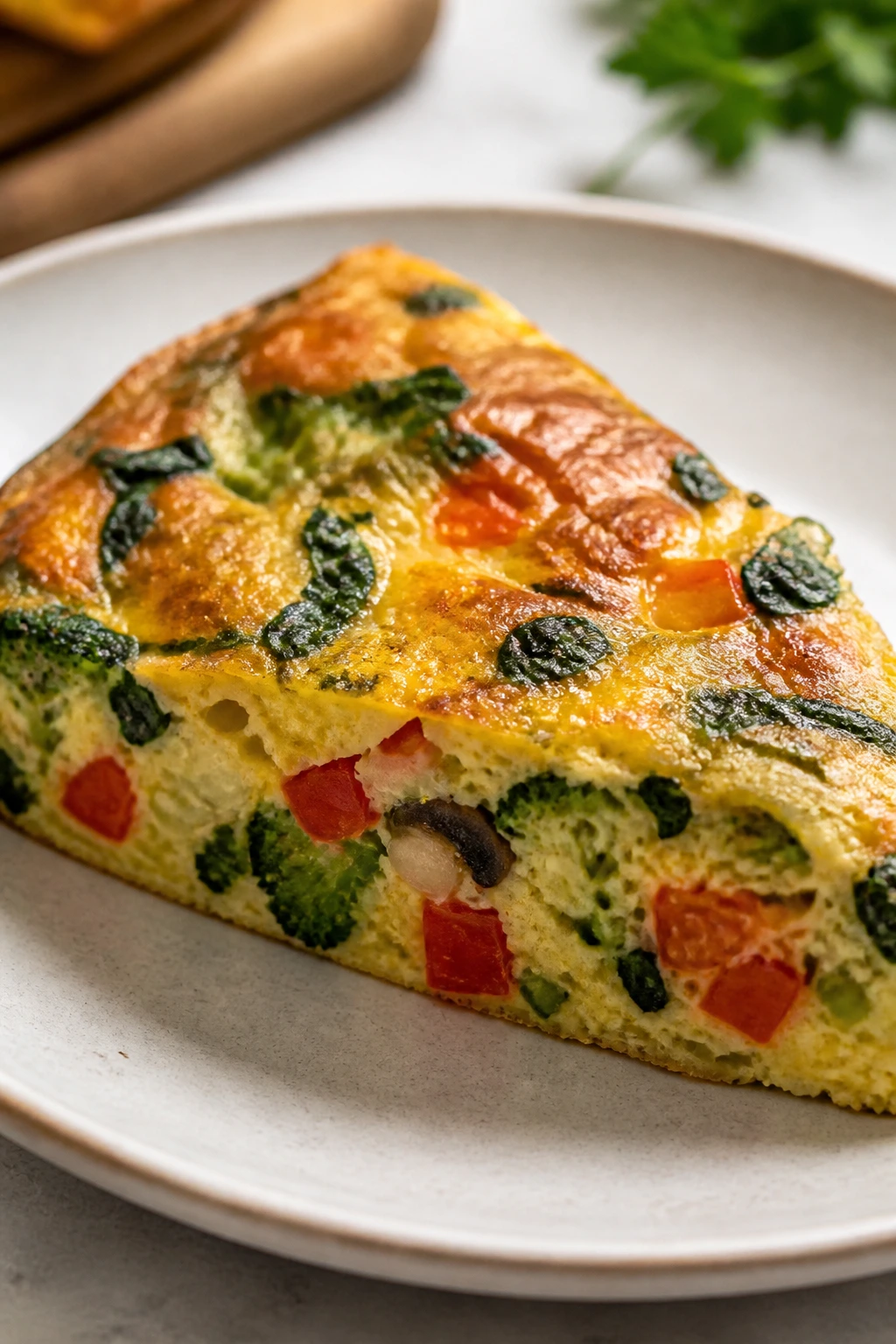
A frittata is the dinner version of cleaning out the vegetable drawer without feeling like you did chores. Eggs hold everything together, the vegetables keep it lively, and the top turns just set and a little golden if you bake it the way you should. It’s gentle food. That can be a good thing.
Why It Works:
Eggs are the quiet hero here because they’re fast, flexible, and forgiving. Pre-cooking the vegetables keeps the frittata from turning watery, and a short oven finish sets the center without browning the bottom too hard. I like this on nights when everyone wants dinner but nobody wants a lot of noise from the kitchen.
Key Ingredients:
- 8 large eggs
- 1/2 cup milk
- 1 tbsp olive oil
- 1 medium potato, diced and cooked until just tender
- 2 cups baby spinach
- 1 small zucchini, diced
- 1/2 cup cherry tomatoes, halved
- 1/2 cup feta or shredded cheddar
- 1/2 tsp salt
- 1/4 tsp black pepper
Quick Steps:
- Preheat the oven to 375°F (190°C).
- Heat the olive oil in an oven-safe skillet over medium heat. Cook the potato and zucchini for 4 to 5 minutes.
- Add the spinach and tomatoes and cook just until the spinach wilts.
- Whisk the eggs, milk, salt, and pepper, then pour them into the skillet. Sprinkle the cheese on top.
- Cook for 2 minutes on the stove, then bake for 10 to 12 minutes until the center is just set.
- Rest for 5 minutes before slicing.
Equipment for This Recipe:
- 10-inch oven-safe skillet
- Mixing bowl
- Whisk
- Knife
- Cutting board
How to Serve This Dish:
Cut the frittata into wedges and serve with toast, berries, or a simple fruit salad. It can sit at the center of the table with a green salad on the side if you want dinner to lean lighter. Leftover wedges also pack neatly for lunch.
Pro Tips for This Recipe:
- Cook watery vegetables first.
- Do not overbake; eggs keep cooking after the pan comes out.
- Use a skillet with a good nonstick surface or seasoned cast iron.
- A little cheese on top gives the surface just enough color.
Variations on This Dish:
- Broccoli Frittata: Swap in chopped broccoli florets.
- Turkey Bacon Version: Add 2 to 3 chopped strips of cooked turkey bacon.
- Herb-Only Version: Use parsley, dill, and chives instead of cheese.
Common Mistakes to Avoid with This Dish:
- Adding raw watery vegetables: The center turns loose and slippery.
- Baking until the eggs puff and brown too much: The texture gets rubbery.
- Slicing too soon: The frittata needs a brief rest so the pieces hold.
17. Chicken Caesar Pita Pockets
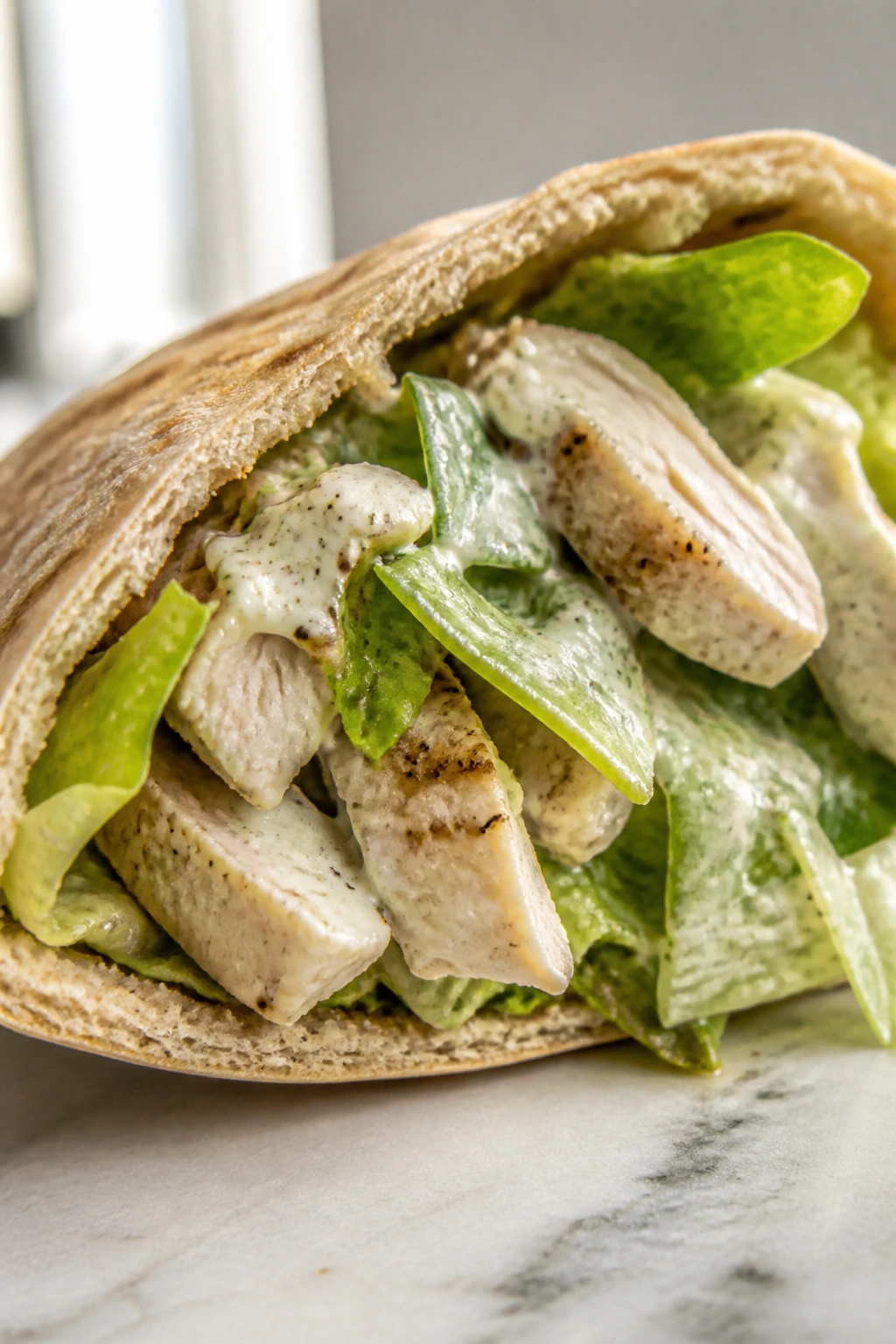
A pita pocket is a useful thing when dinner needs to be fast but still feel assembled. Crisp romaine, juicy chicken, and a yogurt-based Caesar dressing keep the flavors familiar, and the whole thing can be eaten with one hand if the child in question is in a hurry. Which is often.
Why It Works:
Caesar flavors are usually rich and salty, so using Greek yogurt lightens the dressing without stripping away the garlicky punch. Warm chicken in a soft pita gives you contrast, and the romaine keeps the filling crunchy. It’s one of the better healthy meals for kids dinner ideas because it feels like a sandwich with better manners.
Key Ingredients:
- 1 lb boneless chicken breast, cooked and sliced
- 4 whole-wheat pita rounds
- 4 cups chopped romaine lettuce
- 1/2 cup plain Greek yogurt
- 2 tbsp mayonnaise
- 1 tbsp lemon juice
- 1 tsp Dijon mustard
- 1 small garlic clove, finely grated
- 1/4 cup grated Parmesan
- 1/4 tsp salt
- 1/4 tsp black pepper
Quick Steps:
- Cook the chicken in a skillet, grill pan, or oven until it reaches 165°F (74°C), then rest and slice.
- Whisk the yogurt, mayo, lemon juice, Dijon, garlic, Parmesan, salt, and pepper into a dressing.
- Warm the pitas for 20 seconds in the microwave or a dry skillet so they open easily.
- Stuff each pita with lettuce, chicken, and dressing.
- Serve right away so the lettuce stays crisp.
Equipment for This Recipe:
- Skillet or grill pan
- Mixing bowl
- Whisk
- Knife
- Spoon for stuffing
How to Serve This Dish:
Serve the pockets whole or cut them into halves if smaller hands do better that way. A side of grapes, carrot sticks, or roasted potatoes makes the meal feel fuller. If you want extra crunch, tuck in a few homemade croutons right before serving.
Pro Tips for This Recipe:
- Cool the chicken slightly before stuffing so the lettuce doesn’t wilt.
- Warm the pita just enough to open it, not so much that it dries out.
- Keep the dressing thick so it stays inside the pocket.
- Shred the lettuce finely for easier bites.
Variations on This Dish:
- Chickpea Caesar Pockets: Swap the chicken for seasoned chickpeas.
- Salmon Caesar Version: Use flaked salmon instead of chicken.
- Wrap Style: Roll everything in a tortilla if pita pockets split in your hands.
Common Mistakes to Avoid with This Dish:
- Stuffing the pita while the chicken is still hot: The lettuce gets limp.
- Making the dressing too thin: It leaks out and leaves the pocket soggy.
- Overfilling the pita: It tears at the seam before the first bite.
18. Turkey Burger Sliders
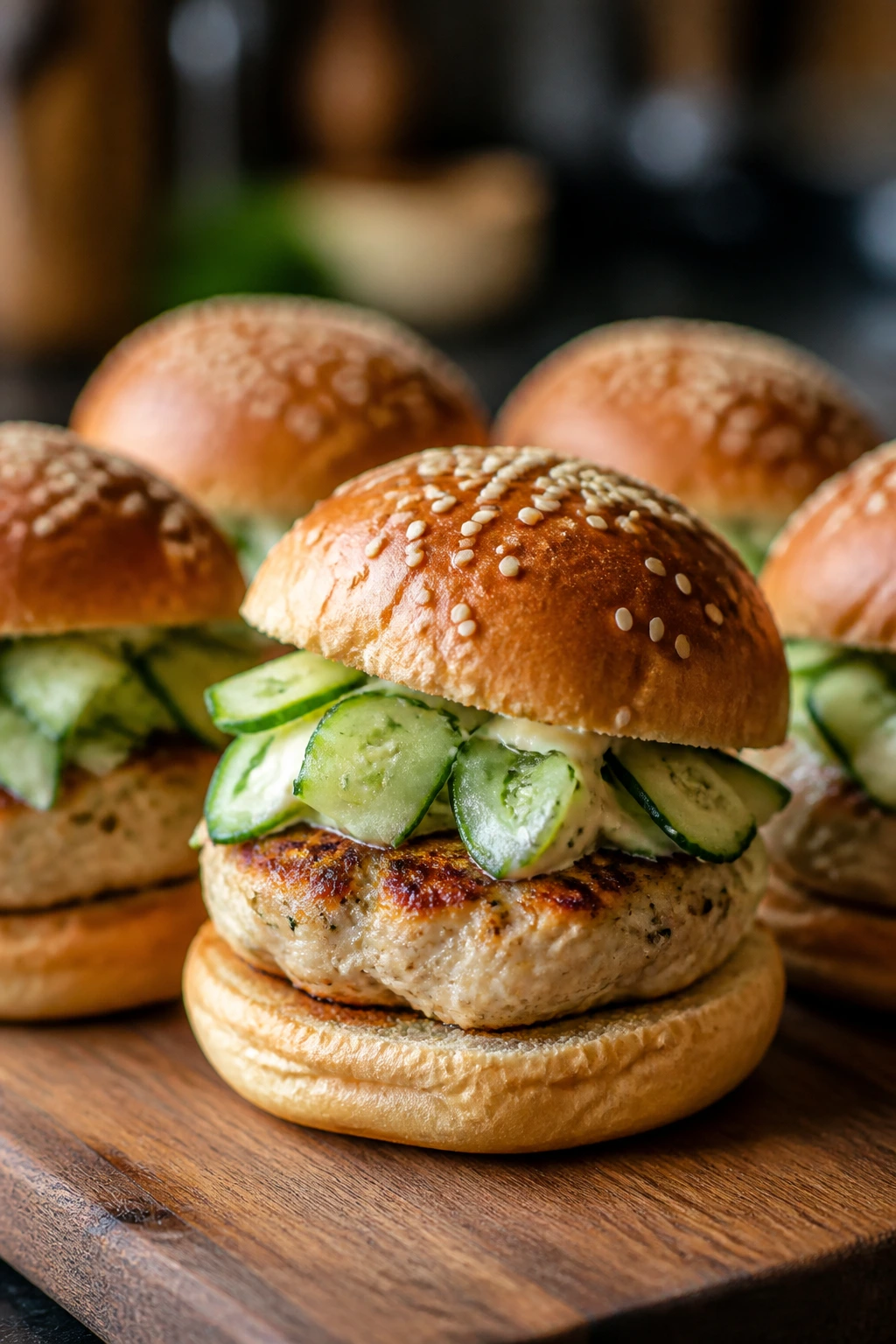
Sliders are dinner with training wheels, in the best sense. They feel smaller, less formal, and easier to eat than a full burger, which is why kids usually relax around them. The turkey patty keeps things lean, and the cucumber slaw adds enough crunch to keep the bite interesting.
Why It Works:
Ground turkey takes seasoning well, but it needs a little binder so the patties stay juicy. Oats or breadcrumbs help with that, and the small slider size keeps the meat from drying out before the center cooks. A cool slaw balances the warmth of the burger and makes the plate look less beige.
Key Ingredients:
- 1 lb ground turkey
- 1 large egg
- 1/3 cup quick oats or breadcrumbs
- 1 tsp onion powder
- 1 tsp garlic powder
- 1 tsp salt
- 1/2 tsp black pepper
- 8 small slider buns
- 1 cup shredded cabbage
- 1/2 cucumber, thinly sliced
- 1/4 cup plain Greek yogurt
- 1 tbsp apple cider vinegar
- 1 tsp chopped dill
Quick Steps:
- Mix the turkey, egg, oats, onion powder, garlic powder, salt, and pepper until just combined.
- Shape into 8 small patties and press a shallow dimple in the center of each one.
- Cook the patties in a skillet over medium heat for 4 to 5 minutes per side, or bake at 400°F (200°C) for about 12 minutes, until they reach 165°F (74°C).
- Stir the cabbage, cucumber, yogurt, vinegar, and dill together for a quick slaw.
- Assemble the sliders and serve with the slaw tucked inside or on the side.
Equipment for This Recipe:
- Mixing bowl
- Skillet or baking sheet
- Spatula
- Small bowl for slaw
- Knife and cutting board
How to Serve This Dish:
Line the sliders up on a tray and keep the slaw in a separate bowl so everyone can build their own. Roasted carrot sticks, potato wedges, or apple slices all fit the vibe. Small burgers also make leftovers feel less sad the next day.
Pro Tips for This Recipe:
- The dimple in the center stops the patties from bulging.
- Chill the patties for 10 minutes if the mixture feels loose.
- Use buns that are soft but sturdy enough not to collapse.
- A little mustard on the bun helps the turkey taste brighter.
Variations on This Dish:
- Cheeseburger Sliders: Add a small slice of cheese near the end of cooking.
- Greek Sliders: Add oregano and serve with cucumber-tomato salad.
- Muffin-Tin Method: Bake the patties in a muffin tin for neat shape.
Common Mistakes to Avoid with This Dish:
- Overworking the turkey: The patties turn dense and springy.
- Making them too thick: Small burgers need a thin shape to cook evenly.
- Skipping the slaw: Without crunch, the sliders taste flat.
19. Turkey Shepherd’s Pie with Cauliflower Mash
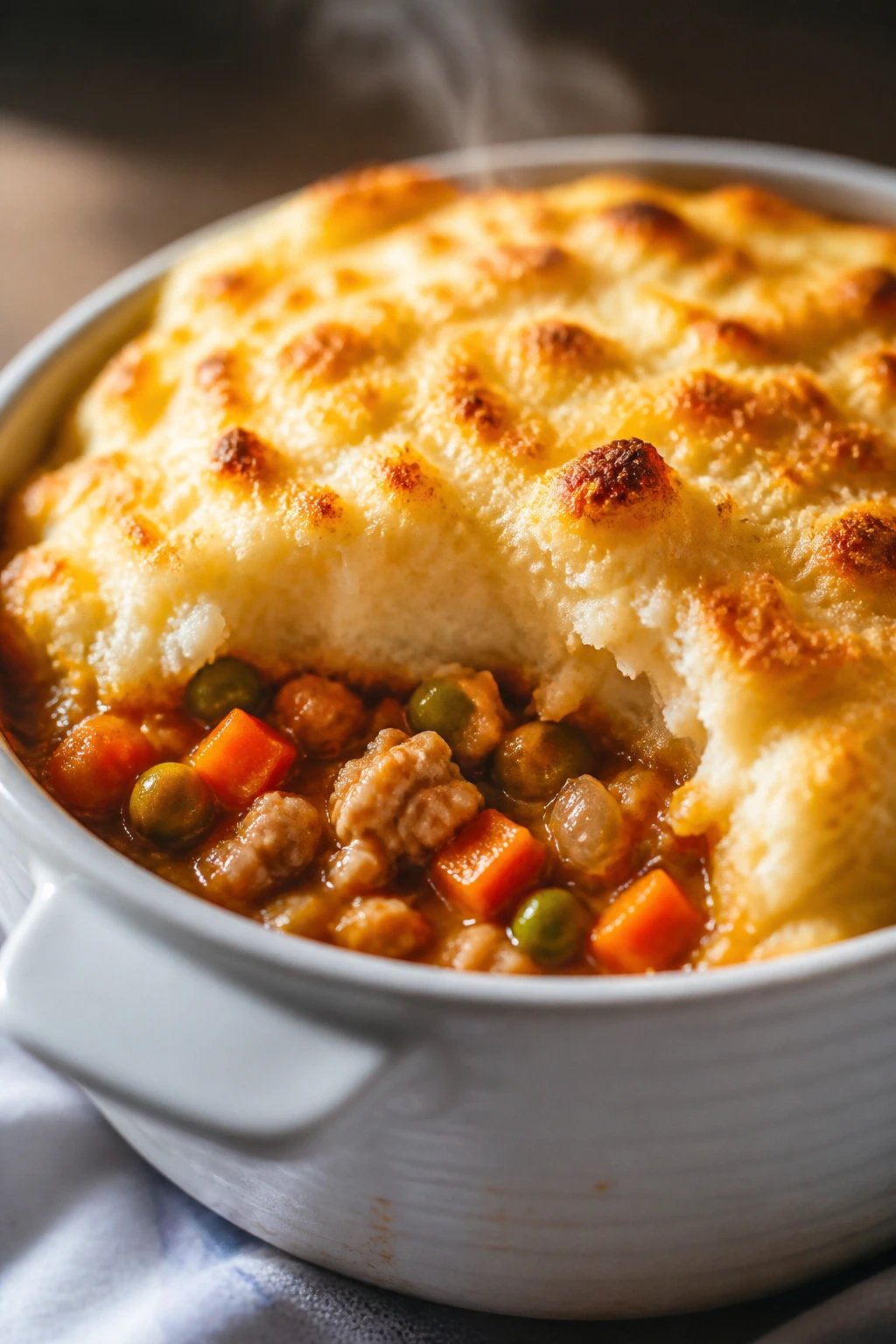
Shepherd’s pie is all about soft layers and a browned top, which makes it feel comforting even before the first spoonful. The turkey filling stays savory and rich, the vegetables hide in plain sight, and the cauliflower mash keeps the topping lighter without losing that creamy lid effect. It’s a good cold-weather dinner, but I wouldn’t wait for cold weather.
Why It Works:
Turkey gives you enough structure for a hearty filling without making the dish heavy. Cauliflower mash cuts the starch a bit, but if you blend it with potato and butter, it still tastes like shepherd’s pie should. The final bake lets the edges crisp slightly, which is the best part.
Key Ingredients:
- 1 lb ground turkey
- 1 tbsp olive oil
- 1 small onion, diced
- 2 carrots, diced
- 1 cup frozen peas
- 2 tbsp tomato paste
- 1 cup low-sodium broth
- 1 tsp dried thyme
- 1 tsp salt, divided
- 1 large head cauliflower, cut into florets
- 1 medium potato, peeled and diced
- 2 tbsp butter
- 1/4 cup milk
- 1/4 cup grated Parmesan
Quick Steps:
- Cook the cauliflower and potato in boiling salted water until tender, about 12 to 15 minutes.
- Brown the turkey in oil over medium heat, then add the onion and carrots and cook for 5 minutes.
- Stir in tomato paste, peas, broth, thyme, and half the salt. Simmer until thick, about 5 minutes.
- Drain the cauliflower and potato well. Mash with butter, milk, Parmesan, and the remaining salt.
- Spread the turkey filling in a baking dish, top with the mash, and bake at 400°F (200°C) for 20 minutes until the top is lightly browned.
Equipment for This Recipe:
- Large pot
- Skillet
- Potato masher or blender
- Baking dish
- Spoon or spatula
How to Serve This Dish:
Scoop it into bowls so the layers stay together. A simple green salad or steamed peas on the side keeps the plate from feeling too soft. If you like a prettier top, run the broiler for a minute at the end, but watch it closely.
Pro Tips for This Recipe:
- Drain the cauliflower and potato thoroughly or the topping goes loose.
- Let the filling thicken before you add the mash.
- Spread the topping all the way to the edges so it seals in moisture.
- A fork dragged across the top makes nice ridges that brown well.
Variations on This Dish:
- Sweet Potato Top: Use half sweet potato for a sweeter finish.
- Lamb Version: Swap in ground lamb if you want a more classic flavor.
- Dairy-Free Mash: Use olive oil and unsweetened milk instead of butter.
Common Mistakes to Avoid with This Dish:
- Leaving too much water in the mash: The topping slides instead of sitting neatly.
- Using a thin filling: It should look saucy, not soupy.
- Baking without browning the top a little: The crust is part of the appeal.
20. Loaded Sweet Potatoes with Taco Beans
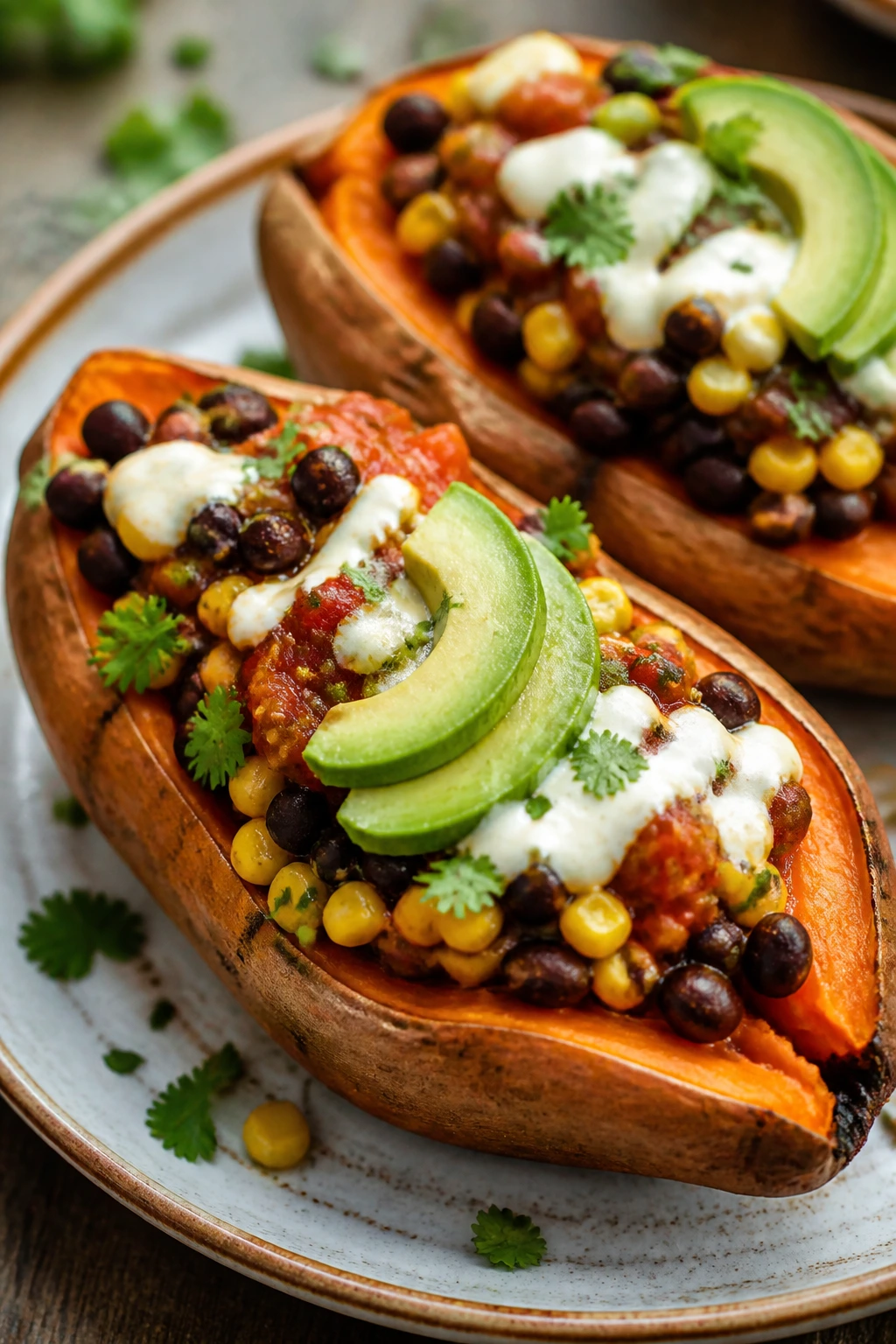
Loaded sweet potatoes are the kind of dinner that works because every topping has a job. The potato gives you sweetness and structure, the beans bring protein, the salsa adds acidity, and the avocado or yogurt keeps the finish creamy. It’s flexible enough to please a mixed table and simple enough to make repeatedly, which is how dinner ideas earn a permanent spot.
Why It Works:
Sweet potatoes roast into a soft, almost jammy base that pairs well with savory taco seasoning. Black beans and corn make the filling feel full without much fuss, and the toppings let each person steer the final flavor. This is one of those dinners that looks casual but lands with enough balance to count as a real meal.
Key Ingredients:
- 4 medium sweet potatoes
- 1 tbsp olive oil
- 2 cans black beans, rinsed and drained
- 1 cup corn
- 1 tsp ground cumin
- 1 tsp chili powder
- 1/2 tsp salt
- 1 cup salsa
- 1 avocado, sliced
- 1/2 cup shredded cheddar
- 1/2 cup plain Greek yogurt
- Chopped cilantro and lime wedges, for serving
Quick Steps:
- Preheat the oven to 400°F (200°C). Rub the sweet potatoes with olive oil and prick them with a fork.
- Bake for 45 to 55 minutes, until the skins loosen and the centers are soft.
- Warm the black beans and corn in a skillet with cumin, chili powder, and salt for 3 to 4 minutes.
- Split the sweet potatoes open and fluff the insides with a fork.
- Top with the bean mixture, salsa, avocado, cheddar, yogurt, cilantro, and lime.
Equipment for This Recipe:
- Baking sheet
- Skillet
- Fork
- Knife
- Spoon for topping
How to Serve This Dish:
Serve the potatoes whole on a plate or split them into bowls if you want fewer drips. The toppings should stay visible, not buried under a mound of cheese. A side salad or a handful of tortilla chips turns this into a fuller dinner without adding much work.
Pro Tips for This Recipe:
- Choose potatoes that are close in size so they roast evenly.
- If you are short on time, microwave the potatoes first and finish in the oven.
- Warm the beans before topping so the potato stays hot.
- Keep the salsa thick; watery salsa can make the filling slide around.
Variations on This Dish:
- Turkey Taco Topper: Add browned ground turkey to the bean mixture.
- Breakfast Sweet Potato: Top with scrambled eggs instead of beans.
- Rice-and-Bean Bowl: Scoop the filling over brown rice if you want a fork-only dinner.
Common Mistakes to Avoid with This Dish:
- Underbaking the potatoes: The filling won’t sit well if the center is hard.
- Using cold toppings straight from the fridge: The potato cools off too fast.
- Skipping the acid: Lime makes the beans and avocado taste brighter.
What Makes These Kid Dinners Work
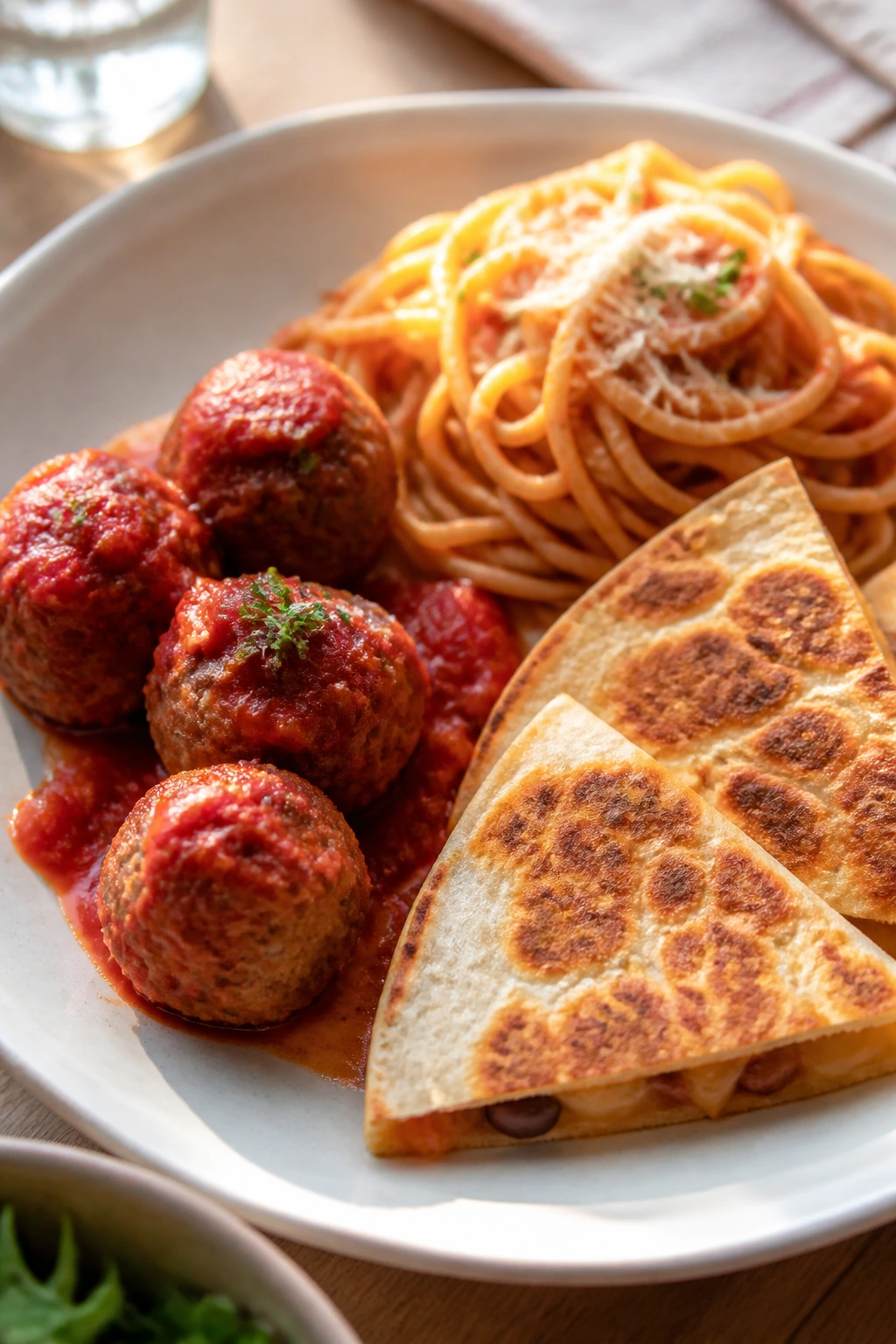
The strongest kid dinners do not try to outsmart the table. They use familiar foods as the frame and then slip better ingredients inside that frame. Meatballs still look like meatballs. Pasta still twirls. Quesadillas still crunch. That small bit of recognition buys you a lot of goodwill.
The other thing these meals have in common is structure. A kid plate usually goes better when there is one obvious protein, one starch that behaves, and one vegetable that is not trying to be center stage. You can absolutely hide cauliflower in sauce or fold spinach into a tortilla, but I would never rely on hidden vegetables alone. Kids notice texture before they notice nutrition. Adults do too, honestly.
Heat matters, too. Warm cheese, roasted edges, soft rice, crisp tortilla, saucy pasta—those are the cues that make dinner feel finished. If you serve a bowl that is technically balanced but flat in temperature and texture, the whole table feels it. That’s why the recipes above lean on roasting, broiling, skillet browning, and a little sauce at the end.
And no, you do not need to make a separate meal for every person. You need a system that lets everyone meet in the middle without you becoming a short-order cook.
Essential Equipment for These Recipes
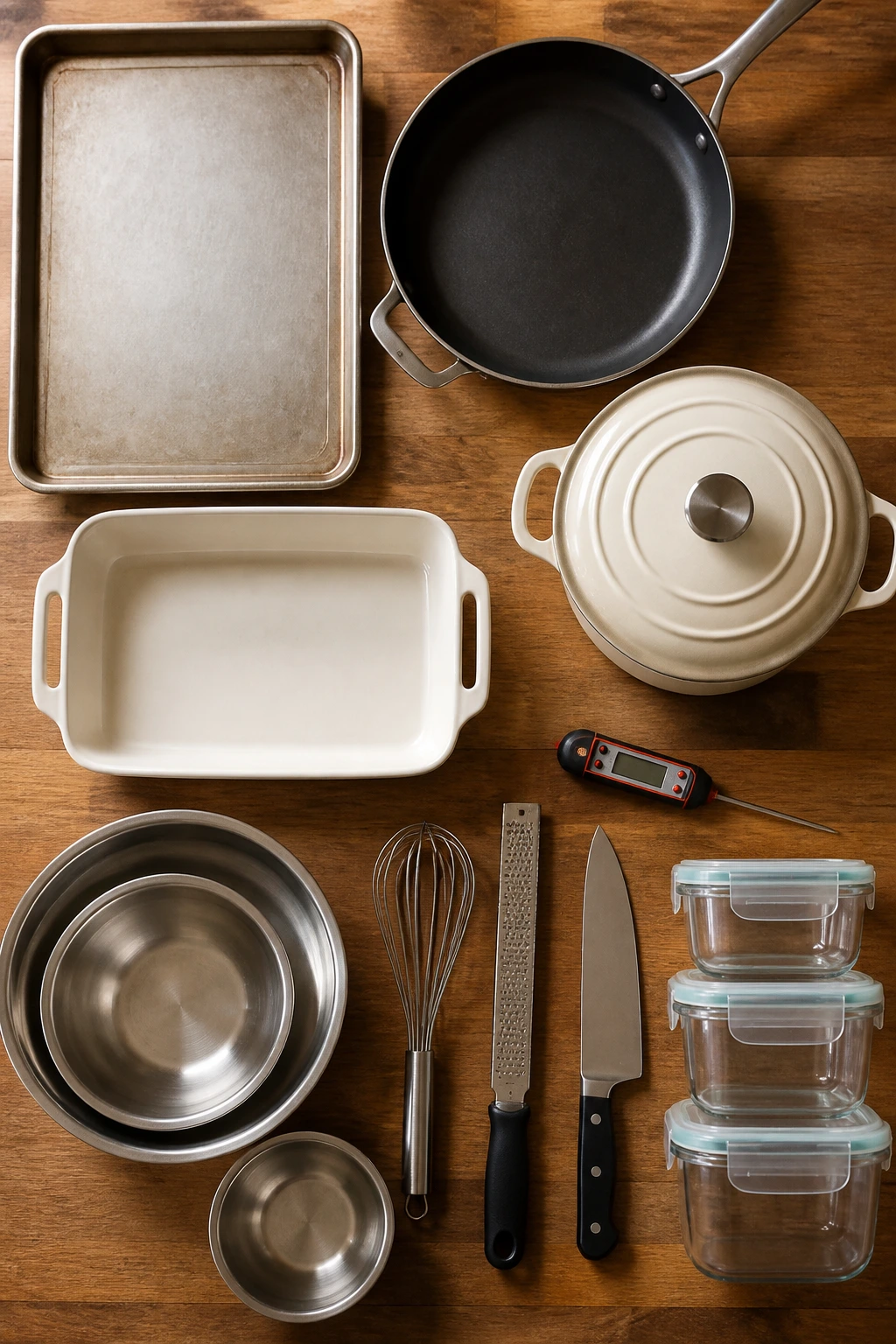
- Rimmed sheet pans: Needed for meatballs, chicken fajitas, tenders, fish, and roasted vegetables; pick sturdy ones that do not warp in the oven.
- Large skillet: The workhorse for quesadillas, fried rice, turkey burgers, curry, and fish with a crust.
- Large pot or Dutch oven: Useful for pasta, lentils, soups, and any sauce that needs a bigger surface.
- 9×13-inch baking dish: Best for casseroles, shepherd’s pie, enchilada bakes, and anything that needs layered baking.
- Instant-read thermometer: The easiest way to keep chicken, turkey, and fish from overcooking; 165°F is your target for poultry.
- Mixing bowls in two sizes: One for raw protein mixtures, one for sauces or slaws.
- Whisk: Helps with egg batters, yogurt dressings, and quick cheese sauces.
- Fine grater or microplane: Handy for Parmesan, lemon zest, and garlic when you want flavor without chunks.
- Sharp chef’s knife: Makes vegetable prep faster and safer, which matters when dinner is already moving.
- Airtight containers: Leftovers keep their shape better when cooled and stored cleanly.
Smart Shopping and Ingredient Tips
The easiest way to make healthy meals for kids dinner ideas work is to shop for ingredients that already want to behave. Look for lean ground turkey that is still a little pink and moist, not dry in the package. For chicken, boneless thighs are more forgiving than breasts; breasts are fine, but they punish overcooking faster. With fish, choose fillets that smell clean, not sharp, and buy them only if you know you’ll cook them soon.
Pantry staples matter more than people think. Low-sodium canned beans, good marinara, crushed tomatoes, brown rice, whole-wheat pasta, and corn tortillas do a lot of quiet work across these recipes. Frozen peas, spinach, edamame, and corn are not second-best here. They are reliable, sweet, and easy to keep on hand, which is half the reason these dinners can happen on a Wednesday without a special trip.
Greek yogurt is one of the smartest ingredients in the whole collection. It stands in for sour cream, softens dressings, and adds creaminess to sauces without needing a lot of butter. Cheese has its place, but use it like seasoning, not wallpaper. A sharp cheddar or Parmesan gives more flavor per bite than a giant pile of mild cheese that melts into nothing.
When you’re buying tortillas, pitas, or buns, go for versions that bend without cracking. A whole-wheat tortilla that tears the second you fold it is not saving you anything. Same with bread: soft matters, but so does structure. For vegetables, choose the cut that saves the most work. Baby spinach is better than large bunches for quick dinners, and pre-trimmed green beans are worth the small extra cost when your evening is busy.
How to Serve These Recipes
Presentation:
Keep the food visible. A shallow bowl for pasta, a wide plate for fish, and a platter for sliders all make dinner look intentional instead of piled on at random. A sprinkle of herbs, a lemon wedge, or a spoon of yogurt on the side goes a long way.
Accompaniments:
The best sides for these dinners are the ones that add crunch or freshness without starting a second project. Think carrot sticks, sliced cucumbers, apple wedges, simple green salads, roasted broccoli, fruit, or a few tortilla chips with salsa. If you need bread, choose something plain enough not to fight the main dish.
Portions:
For kids, I usually think in smaller servings with room for seconds: about 3 to 4 ounces of protein, 1/2 to 1 cup of starch, and a few bites of vegetables. Grown-ups can scale up the protein and vegetables first instead of just loading more pasta or rice onto the plate. That keeps the meal balanced without making it feel like a restraint exercise.
Beverage Pairing:
Cold water is the quiet winner. Milk works especially well with pasta, meatballs, and tenders, while sparkling water with lemon suits bowls, tacos, and curry. If juice is in the picture, keep it small and diluted; the food already brings enough flavor.
Additional Tips and Flavor Boosters
Flavor Enhancement:
A little acid at the end changes everything. Lemon juice on fish, lime on fajitas, vinegar in sloppy joe filling, or a spoon of yogurt on curry keeps the flavors awake. Don’t skip the finishing move; it is usually what makes the meal taste like you cared.
Customization:
Keep a few mix-ins ready. Frozen peas, shredded carrots, corn, chopped spinach, and diced zucchini can go into pasta sauces, rice bowls, casseroles, or egg dishes without much planning. If a child likes a certain sauce—pesto, marinara, salsa, teriyaki—let that sauce be the anchor and build around it.
Serving Suggestions:
Use small bowls for dips and sauces so kids can control the amount. A garnish of chopped herbs, sesame seeds, Parmesan, or avocado slices makes the food look finished with almost no effort. One little bowl of fruit on the side makes the whole plate feel more varied.
Make-It-Yours:
For dairy-free plates, lean on olive oil, tahini, salsa, or coconut milk instead of cream-heavy sauces. For gluten-free meals, use corn tortillas, rice, potatoes, and gluten-free pasta without changing the character of the dinner. For lower-sodium versions, choose unsalted beans and broth, then build flavor with garlic, lemon, vinegar, and herbs instead of extra salt.
Make-Ahead, Storage, and Reheating Guidance
Most of these dinners hold well for 3 to 4 days in the refrigerator if you cool them quickly and store them in airtight containers. Meatballs, lentil sauces, turkey fillings, casseroles, and rice bowls all fall into that group. Fish and chicken dishes are best earlier in the week, ideally within 2 to 3 days, because their texture starts to fade after that.
Freezing works best for saucy or baked dishes. Turkey meatballs, lentil bolognese, sloppy joe filling, curry, shepherd’s pie filling, and enchilada casserole all freeze well for up to 2 months. Let them cool fully, wrap them tightly, and label the container so you don’t play freezer archaeology later. Pasta can freeze, but the texture softens; I usually freeze the sauce and cook fresh pasta instead.
Reheating needs a little care. Pasta and rice bowls do best with a spoonful of water or broth in a covered skillet over medium-low heat, which brings the moisture back without drying the food. Casseroles reheat well in a 350°F (175°C) oven, covered with foil for the first half so the top doesn’t burn before the middle warms. Crispy items like chicken tenders, fish fillets, and quesadilla wedges come back best in a 375°F (190°C) oven or air fryer until the coating is hot and firm again.
For make-ahead planning, prep the pieces that take the most time: chop vegetables 1 to 2 days ahead, mix dressings and sauces up to 3 days ahead, and form meatballs or burger patties a day early. Cooked rice should be cooled and refrigerated within about an hour, then reheated until steaming hot. If a dish has raw avocado or fresh herbs on top, add those after reheating, not before.
Variations and Adaptations to Try
Gluten-Free Pantry Swap
Use corn tortillas, rice, potatoes, gluten-free pasta, and GF breadcrumbs wherever the recipe needs them. This works cleanly in fajitas, taco bowls, meatballs, fish dinners, and casseroles without changing the core flavor. The main thing to watch is sauce thickness; gluten-free pasta water and GF breadcrumbs can behave a little differently, so keep an eye on texture.
Dairy-Light Dinner Night
Choose olive oil, coconut milk, tahini, or avocado instead of cream-based sauces and heavy cheese. You do not need to remove every bit of dairy from the plate; a small sprinkle of Parmesan or a spoon of yogurt can still fit if it works for your household. The goal is to make the meal feel lighter without stripping away the parts kids already trust.
Vegetable-Heavy Plate
If a dinner needs more produce, add it in ways that do not fight the shape of the meal. Stir spinach into pasta, tuck grated zucchini into meatballs, add extra peppers to fajitas, or pile slaw onto sliders. The trick is to keep the texture friendly. Big raw chunks are a different conversation.
Mild-and-Plain Version
For sensitive eaters, season the base lightly with salt, garlic, and maybe one herb, then put stronger toppings on the side. Salsa, pesto, hot sauce, lemon, and yogurt can all sit in small bowls and let each person decide how far to go. That small change often matters more than changing the recipe itself.
Batch-Cook Sunday Setup
Cook rice, roast vegetables, mix one sauce, and form one protein in advance, then spend the week recombining them in different ways. Turkey can become bowls one night and sliders the next. Rice can become fried rice, curry can become a bowl, and roasted vegetables can slide into pasta or quesadillas without a fuss.
Kid-Controlled Dinner Bar
Set out fillings, toppings, and sauces separately and let kids build their own plates. This works especially well for tacos, bowls, sliders, pita pockets, and baked potatoes. It is not about giving up control. It is about letting the food feel less like a test.
Common Mistakes to Avoid
The first mistake is trying to make dinner “healthy” by stripping out all the parts kids actually want. If you remove the cheese, sauce, crunch, and softness, the meal may be virtuous, but it won’t be eaten. Keep one or two familiar textures in every dish, then let the vegetables fit around them.
Another common miss is overcooking lean protein. Turkey meatballs, chicken breast, fish, and tenders all go dry quickly once you push them too far. Use the thermometer. It saves more dinners than any spice blend ever will. Chicken and turkey should hit 165°F (74°C), but that does not mean they should sit there waiting for another ten minutes.
Watery vegetables are a problem too. Frozen spinach, zucchini, cauliflower, and tomatoes all release moisture if you skip the prep. Squeeze, roast, drain, or pre-cook them depending on the recipe. Otherwise your casserole slides, your quesadilla steams, and your sauce loses its grip.
There is also the seasoning trap. Mild does not mean blank. A little salt, garlic, lemon, cumin, or Parmesan can keep a dish from tasting flat, especially when vegetables take up more space on the plate. You can always set out extra salsa or pepper flakes later.
Last, do not make every dinner a visual puzzle. Kids usually eat faster when they can tell what the food is at a glance. Clean shapes, clear sauces, and simple sides help more than a pile of garnishes ever will.
Frequently Asked Questions
How do I make these dinners work if my child refuses vegetables?
Start with recipes where vegetables are part of the structure, not the headline—meatballs, mac and cheese, quesadillas, pasta sauce, and casseroles. Keep the pieces small and the seasoning familiar, then serve one raw crunchy vegetable on the side instead of three. That usually works better than announcing a “vegetable night.”
Which of these recipes freeze best?
Turkey meatballs, lentil bolognese, sloppy joe filling, curry, enchilada casserole, and shepherd’s pie freeze especially well. Quesadillas and sliders can be frozen too, but the texture is better if you freeze the filling or patties separately and assemble later.
Can I swap chicken, turkey, and beef in most of these meals?
Usually, yes. Ground turkey can replace beef in meatballs, burgers, shepherd’s pie, and sloppy joes, while chicken works well in fajitas, Caesar pockets, curry, and quesadillas. Just watch the fat content; leaner meat needs gentler cooking and a little more care with moisture.
What if I only have frozen vegetables?
Frozen vegetables are fine in most of these recipes, and sometimes they’re better than limp fresh produce. Use them in fried rice, pasta, curry, bolognese, and casseroles without apology. For dishes that depend on crisp edges, like fajitas or sheet-pan fish, fresh vegetables still do best.
How do I keep chicken from drying out?
Use thighs when you can, cut breasts evenly, and pull the chicken at 165°F (74°C) instead of guessing. Sauces, yogurt marinades, and a short rest after cooking also help. Dry chicken usually comes from overcooking, not from the recipe itself.
Are these good for lunch leftovers too?
Yes, especially meatballs, pasta sauces, rice bowls, curry, casseroles, and lentil dishes. Reheat them with a little water or broth so they don’t dry out. Crispy foods like tenders and quesadillas are best reheated in the oven or air fryer, not the microwave.
How do I make dinner more filling without making it heavier?
Add beans, lentils, vegetables, or a whole grain instead of just piling on more cheese. Brown rice, whole-wheat pasta, sweet potatoes, and oats all help stretch the meal without turning it into a brick. A good dinner should leave kids satisfied, not sleepy.
Can I serve these meals deconstructed for picky eaters?
Absolutely. Chicken fajitas, sliders, rice bowls, pita pockets, and taco potatoes all break apart neatly into separate components. The plate looks calmer when the pieces are separated, and that small visual change can make a big difference.
The Plates That Come Back Empty
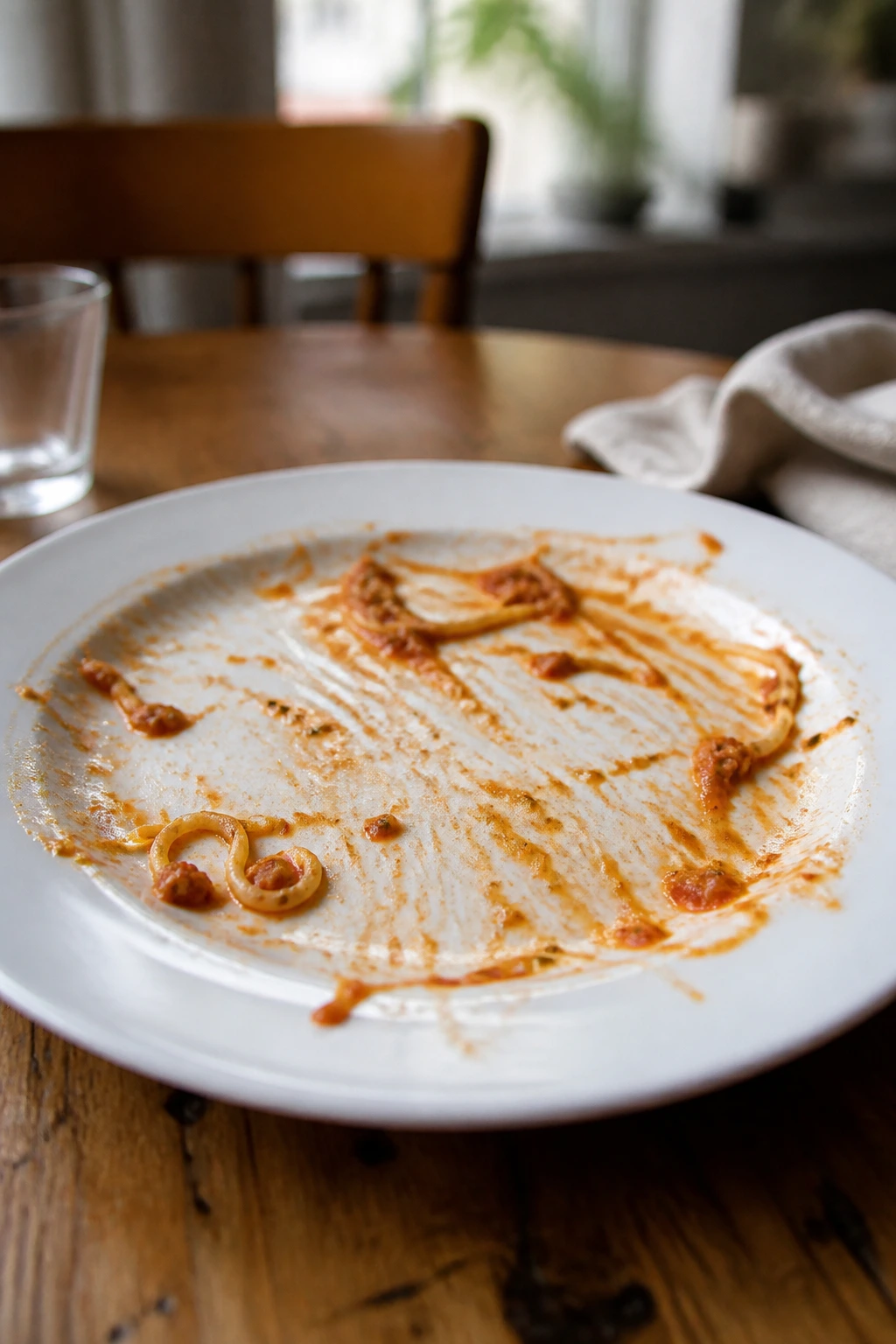
The easiest kid dinners are not the ones that hide the most vegetables. They’re the ones that feel familiar enough to be trusted, then quietly do more than that. A bowl of pasta with lentils, a quesadilla with spinach, or a tray of roasted fish and potatoes can look like normal dinner and still do the work you want it to do.
That’s the sweet spot worth chasing. Not perfection. Just dinners that hold together, taste like food people want to eat, and leave you with a little less cleanup than you expected.
And if one of these ends with someone asking for “more of the cheesy one,” that’s usually a sign you picked the right night to make it again.