



Wholesome healthy meal planning under 500 calories works best when you stop trying to make food smaller and start making it smarter. A 480-calorie meal can look like a bowl that’s piled high with roasted vegetables, sliced chicken, a spoonful of rice, and a sharp yogurt sauce that wakes the whole thing up. A 320-calorie plate can look miserly, dry, and weirdly empty even if it’s technically “on plan.” The number matters. The construction matters more.
That’s the part people miss. A calorie budget is not a punishment; it’s a design problem. Spend those calories on protein that holds you through the afternoon, vegetables that add volume without much energy cost, a measured fat for flavor, and one carb that makes the meal feel like food instead of a worksheet. Soup, stir-fries, grain bowls, egg plates, and sheet-pan dinners all behave differently at this calorie level, and once you understand why, the whole process gets easier.
I keep coming back to one simple rule: if a meal under 500 calories leaves you prowling the kitchen an hour later, it wasn’t built well. That doesn’t mean you failed. It usually means the meal had too little protein, too much hidden oil, or no texture at all. Fix those three things, and the 500-calorie ceiling starts to feel a lot less cramped.
Why Meals Under 500 Calories Work Better When They’re Built, Not Trimmed
Protein earns the first slice of the budget: A meal with about 25 to 35 grams of protein tends to hold up better than one that leans on crackers, toast, or a pile of fruit. Chicken breast, Greek yogurt, eggs, tofu, tuna, cottage cheese, lentils, and fish all give you real staying power without swallowing the whole calorie count.
Fiber stretches the plate without stretching the calories: Broccoli, cabbage, spinach, tomatoes, cucumbers, berries, beans, mushrooms, and cauliflower add bulk, crunch, and moisture. That matters because a bowl that looks generous is easier to stick with than a plate that disappears after six bites.
Fat should show up in measured doses: One teaspoon of olive oil, a tablespoon of tahini, a quarter avocado, or a small sprinkle of cheese changes flavor fast. The mistake is free-pouring. Oil is the sneaky one. It tastes harmless and behaves like a quiet wrecking ball.
A small carb portion makes the meal feel finished: Rice, potatoes, oats, beans, corn tortillas, fruit, or a slice of bread round out the plate and stop the whole thing from feeling like lean-protein homework. I’d rather see 120 calories of potatoes on the plate than a meal that pretends carbs don’t exist.
Sauces carry more weight than people think: Salsa, lemon juice, mustard, yogurt sauces, vinegar-based dressings, chimichurri, and hot sauce can rescue a plain meal without pushing it over the edge. Dry food gets old fast. Moist food gets eaten.
The Calorie Budget That Makes a Plate Feel Complete
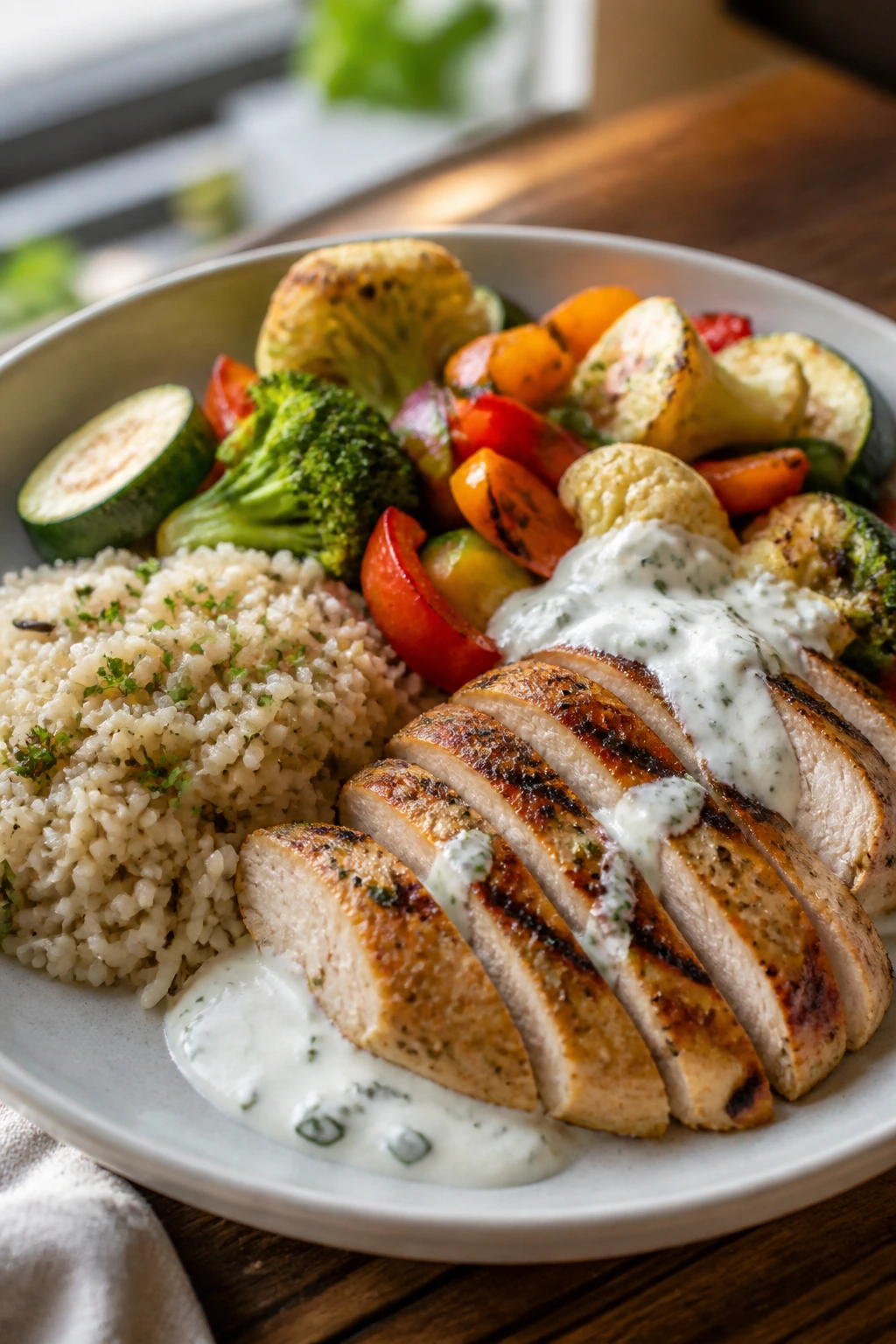
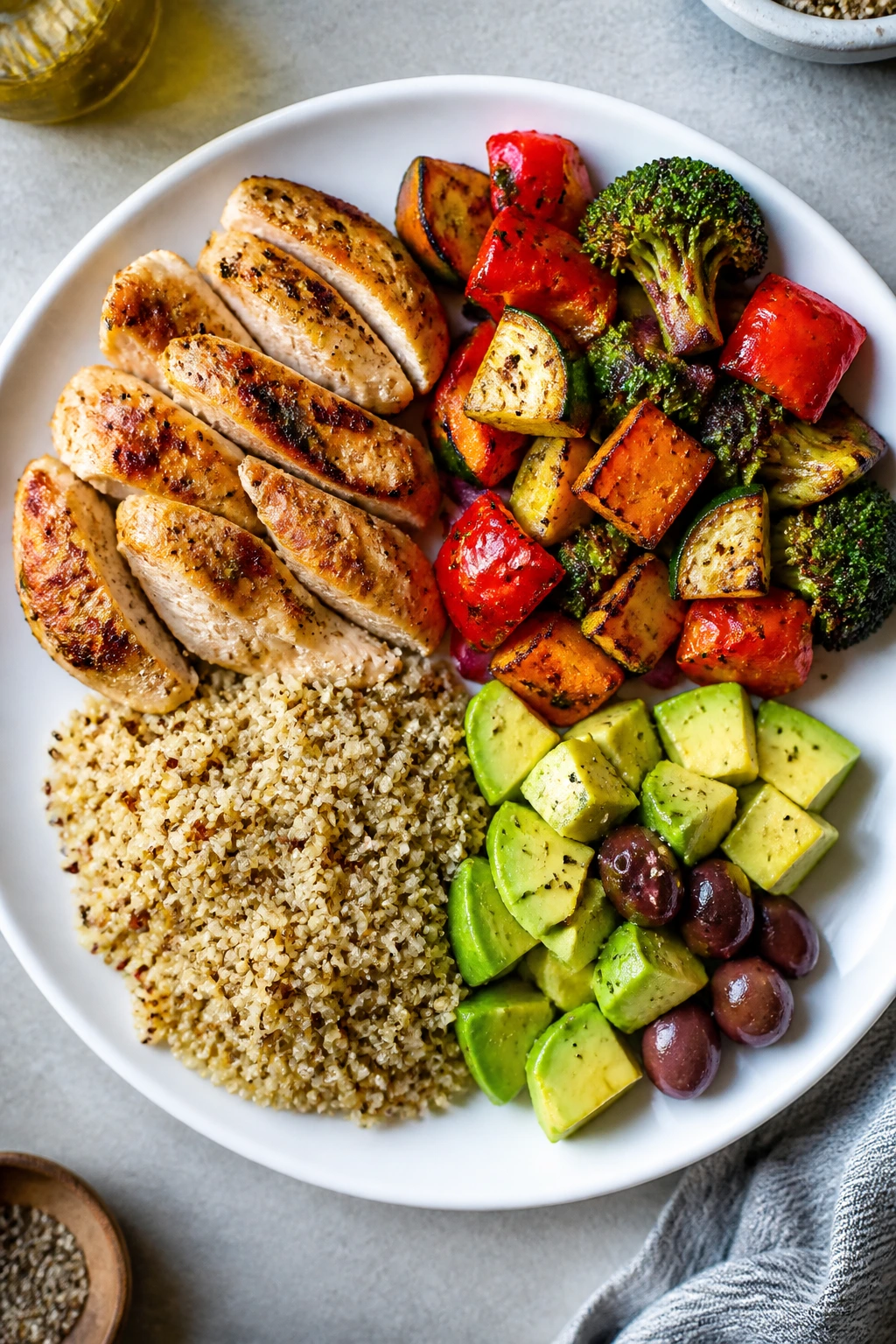
A 500-calorie meal is not tiny. It only feels tiny when the calories are spent in the wrong places. The cleanest way to think about it is in pieces: one main protein, one or two high-volume vegetables, one measured starch, and a small fat or sauce. That’s not a rule carved into stone. It’s a sturdy starting point.
The protein anchor
Start with the thing that gives the meal shape. Four ounces of grilled chicken breast is roughly 180 calories and brings about 30 grams of protein. A salmon fillet at the same weight is closer to 230 calories, but the fat makes it more satisfying and helps the meal feel less stark. Tofu, shrimp, lean turkey, eggs, and low-fat Greek yogurt all fit the same job in different ways.
The volume layer
Then stack in vegetables. Two cups of broccoli, zucchini, cabbage, lettuce, peppers, green beans, or cauliflower add texture and make the plate look bigger than the calories suggest. That’s not just a visual trick. A meal with enough chew and crunch feels more finished, which matters when you’re not eating by the bucket.
The carb and fat balance
Carbs and fats are where people tend to swing too far in one direction. Too little carb, and the meal feels punishing. Too much fat, and the calories jump fast. A half cup of cooked rice, one medium potato, a slice of bread, or a small scoop of quinoa can fit easily if the rest of the plate is built with intention. Keep fats measured. A teaspoon of oil or a spoon of pesto goes a long way when the rest of the meal is well seasoned.
Here’s the part I like most: once you understand the budget, you can stop counting every leaf of spinach and focus on the ingredients that actually move the needle.
- 430-calorie example: 4 oz chicken breast, 1 cup roasted broccoli, 1/2 cup brown rice, 2 tbsp tzatziki, lemon juice, and herbs.
- 390-calorie example: 2 eggs, 3 egg whites, 1 slice whole-grain toast, sautéed mushrooms, and 1 cup berries.
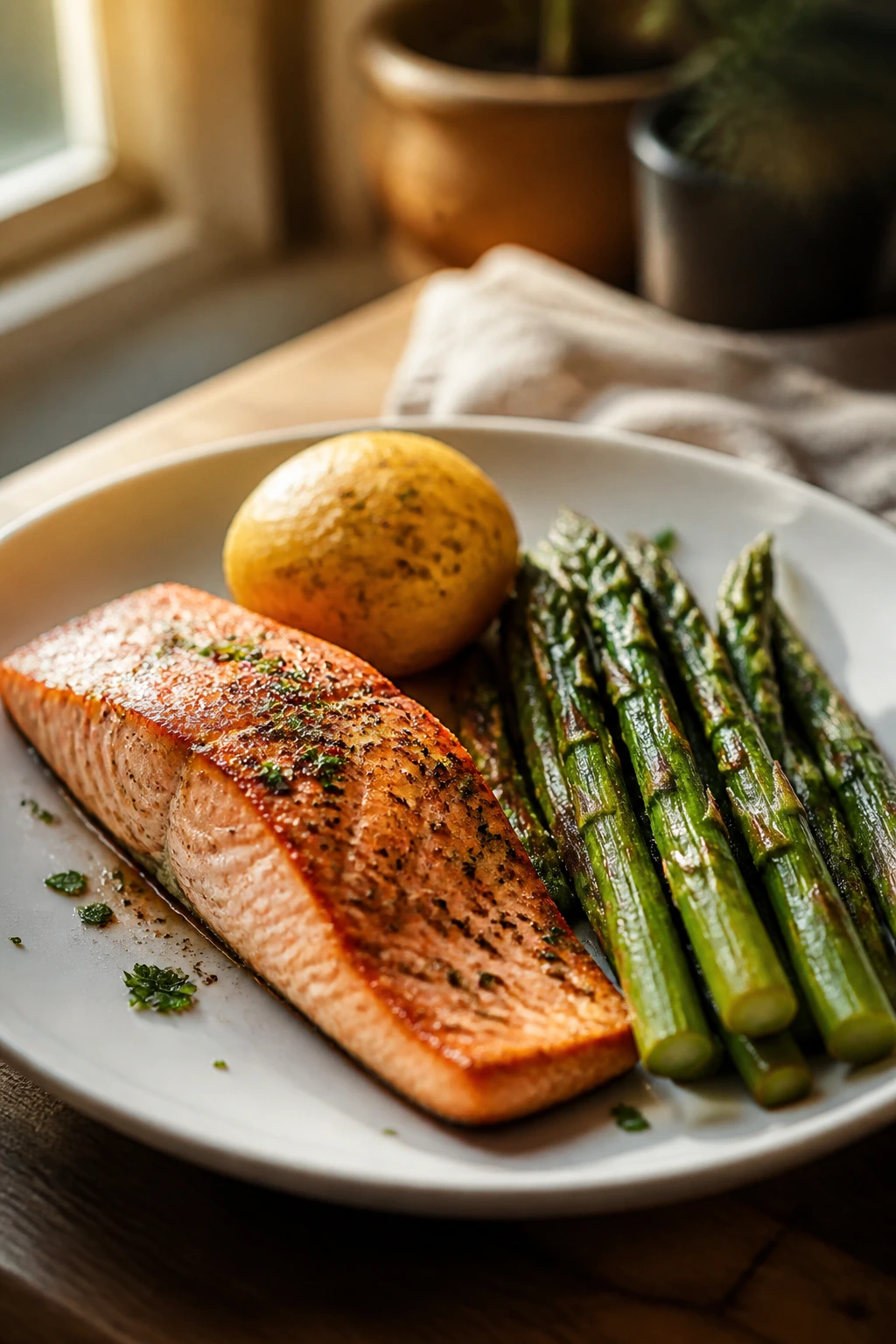
- 470-calorie example: 4 oz salmon, 1 small potato, asparagus, and a spoon of dill yogurt sauce.
Those meals feel different on the tongue, which is the point. The calories aren’t the experience. The texture is.
The Four-Block Plate Formula I Trust Most
A plate under 500 calories works better when it has four blocks instead of one giant blob of “healthy food.” I use the same structure over and over because it keeps decision fatigue down and makes shopping easier. The details change. The skeleton stays.
Protein first, always
Pick the protein before anything else. If you know dinner is going to be turkey, tofu, eggs, shrimp, or beans, the rest of the meal starts to arrange itself around that choice. Protein is the most useful spend in a calorie-controlled meal because it buys time. A half-hearted lunch without enough protein turns into cookie hunting by midafternoon.
Add a vegetable with some personality
Not all vegetables behave the same. Romaine is fine, but roasted Brussels sprouts, blistered green beans, cabbage slaw, sautéed mushrooms, and charred peppers bring more texture and hold up better in leftovers. I like vegetables that still have a little bite. Soft vegetables have their place, but if everything is soft, the meal gets sleepy.
Choose one starch and stop there
This is where a lot of meal plans wobble. People add rice, then bread, then fruit, then a granola bar because the plate did not feel complete. One starch is enough if the meal is built properly. A small potato with salmon. A slice of sourdough with eggs. Half a cup of quinoa with chicken. A cup of berries if breakfast leans savory. Pick one and move on.
Finish with acid or sauce
The last layer should sharpen the whole plate. Lemon on fish. Vinegar on slaw. Salsa on eggs. Yogurt sauce on chicken. Mustard in a tuna bowl. A meal under 500 calories gets much easier to love when there’s something bright or creamy at the end. Plain food is where good intentions go to die.
If you’re staring at a fridge full of ingredients and don’t know where to begin, build in that order. Protein, vegetable, starch, finish. It sounds almost too simple, which is exactly why it works.
A Weekly Planning Rhythm That Fits Real Life
A calorie-controlled week falls apart when the planning itself feels like a second job. The trick is to keep the rhythm light. You do not need five perfectly mapped days and a dozen recipes. You need a short list of meals that share ingredients, so you can cook once and remix the pieces.
-
Pick two breakfasts, two lunches, and two dinners. Repetition is useful. A breakfast rotation of eggs with toast and yogurt with fruit beats inventing a new plan every morning.
-
Choose one protein for each meal block. Maybe chicken for lunches, salmon for dinners, and Greek yogurt or eggs for breakfast. Fewer protein choices mean fewer leftovers waiting to rot in the back of the fridge.
-
Match your vegetables to your cooking method. Roasting, steaming, sautéing, and raw salads all behave differently. If you want fast lunches, pick vegetables that roast well and keep their shape for three days.
-
Build one sauce for the week. Tzatziki, yogurt-herb dressing, salsa verde, peanut-lime sauce, or a simple vinaigrette can rescue all kinds of meals. Store it separately. Always.
-
Leave one flexible meal. A wild-card dinner or lunch keeps the week from feeling brittle. That meal can use whatever’s left: eggs, frozen vegetables, beans, rice, tuna, or a rotisserie chicken you’ve already broken down.
The best part? Once the pantry and fridge start working together, the planning gets faster instead of more annoying. That’s the sign you’ve built a system, not a punishment.
Breakfasts That Stay Under 500 Without Acting Like Dessert
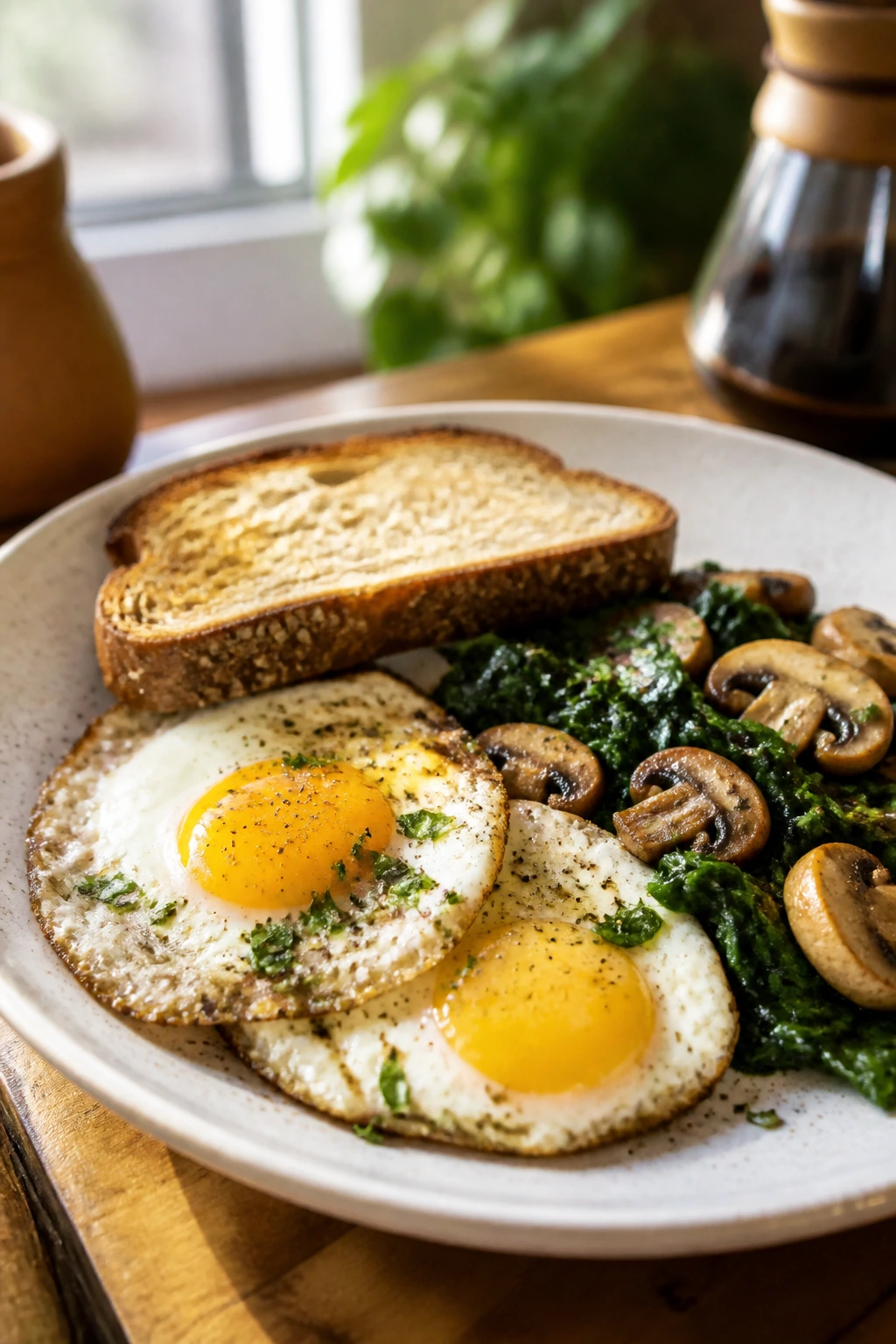
Breakfast is where people accidentally start the day with a sugar spike and a crash. A pastry or sweet granola bowl can fit under 500 calories, sure, but it often leaves you hungry again before the coffee cools. The better move is to give breakfast some protein and a little chew.
A savory egg plate with toast and fruit: Two whole eggs, two egg whites, spinach, mushrooms, and one slice of whole-grain toast lands around 350 to 420 calories depending on the pan fat. Add berries on the side and you’ve got color, fiber, and enough substance to keep you calm until lunch.
Greek yogurt with oats, berries, and seeds: One cup of nonfat Greek yogurt, half a cup of berries, a quarter cup of oats, and a tablespoon of chia seeds usually stays around 300 to 380 calories. The texture matters here. You want cold creaminess, some crunch, and a little tartness.
Warm oats that don’t collapse into mush: Half a cup of dry oats cooked with water or milk, topped with sliced banana, cinnamon, and a spoon of peanut butter can stay near 400 calories if you keep the nut butter honest. I like this better when it includes a side of plain Greek yogurt or a boiled egg. Otherwise it turns into a carb-only breakfast that burns out too fast.
Breakfast wraps that feel like real food: Scrambled eggs, black beans, salsa, a small tortilla, and a few strips of avocado can sit around 400 to 480 calories. The wrap format helps because you can eat it with one hand and still feel like you had breakfast rather than a snack wearing a costume.
A neat trick: if breakfast tends to run sweet, make lunch savory. If breakfast is savory, fruit can show up later. That kind of balance keeps your palate from getting bored.
Lunches That Travel Well and Reheat Cleanly
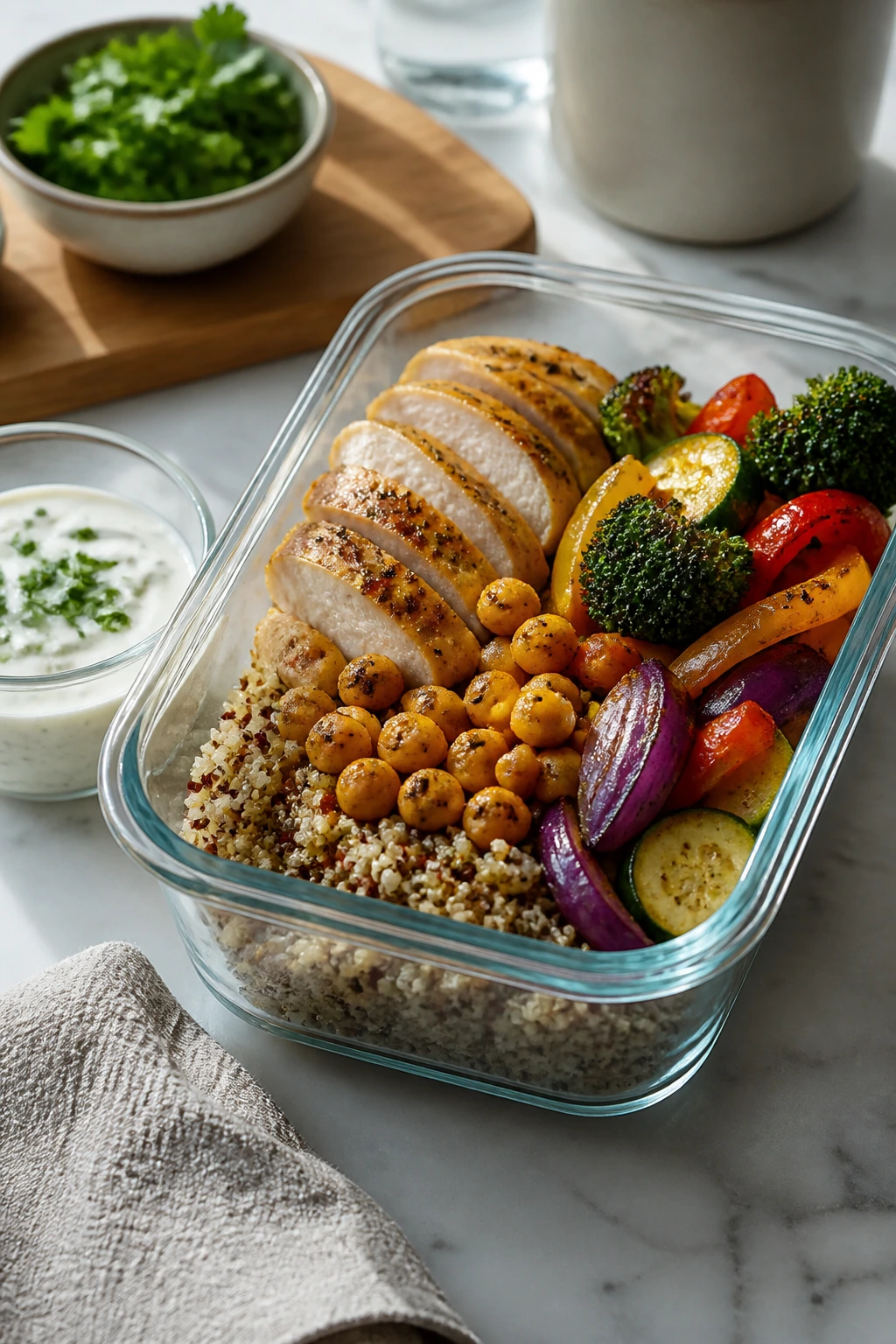
Lunch is where a lot of healthy meal planning gets exposed. A salad is fine until the cucumbers go limp, the chicken dries out, and the dressing makes the whole thing slip into a cold swamp. Packable lunches need sturdier ingredients and a little planning around texture.
Grain bowls hold up better than fragile salads: Start with a half cup of cooked quinoa or brown rice, add roasted vegetables, a solid protein like chicken, tofu, tuna, or chickpeas, and finish with a spoon of sauce kept in a separate cup. That kind of lunch usually lands in the 400 to 500 range and reheats cleanly.
Wraps need structure or they get soggy: A whole-wheat tortilla, sliced turkey or hummus, shredded lettuce, cucumber, tomato, and mustard can stay under 450 calories, but only if you keep wet ingredients minimal. Put the greens next to the protein, not between a wet spread and the bread. That small detail matters more than people expect.
Soup is underrated for calorie control: A bowl of lentil soup, chicken-vegetable soup, or minestrone can feel generous because liquid creates volume. Pair it with a piece of toast or a small side salad and you’ve got a lunch that holds together better than most boxed salads. I’m partial to soups on days when the fridge looks chaotic.
Salads work when they have teeth: Use romaine, kale, cabbage, or arugula, then add something crunchy like carrots, peppers, radishes, or sunflower seeds. Toss in a real protein and one measured fat. A salad without crunch or protein is just a bowl.
If you’re packing lunch for work or school, keep the dressing separate and add it right before eating. A five-second pour can save an entire meal.
Dinners That Still Look Like Dinner
Dinner is where the calorie count gets tested by appetite, habit, and pure mood. A plate under 500 calories still needs to feel like the main event. I do not like dinners that look apologetic. Give me something browned, something bright, and something with enough shape to cut with a fork.
One of the easiest formulas is a protein, a starchy side, and a vegetable that can take heat. Four ounces of salmon with a small roasted potato and asparagus can come in around 450 to 480 calories depending on the oil. That meal works because the salmon brings richness, the potato brings comfort, and the asparagus keeps the plate from getting heavy.
A turkey taco skillet is another strong option. Lean ground turkey, onions, peppers, black beans, salsa, and a spoonful of plain yogurt over lettuce or in a tortilla can stay near 430 to 490 calories. It tastes like dinner, not a compromise. That’s the bar.
Stir-fries deserve more credit than they get. A pan of shrimp or tofu, broccoli, snap peas, carrots, garlic, ginger, and a modest scoop of rice can feel generous at 400-something calories if the sauce is built with soy, lime, and a little sesame oil rather than drowning everything in sweet glaze. I’d rather have a lighter sauce that tastes sharp than a syrupy one that eats the calorie budget in one go.
The key at dinner is to include at least one thing that looks cooked on purpose. Browning helps. Roasting helps. Even a quick sear on tofu or chicken makes the meal feel like a decision, not an afterthought.
Snacks and Mini Meals That Stop the Free-For-All
Snacks are useful when they are planned. They are a mess when they are random. Under-500 meal planning works best if snacks have their own lane and do not quietly become second dinners.
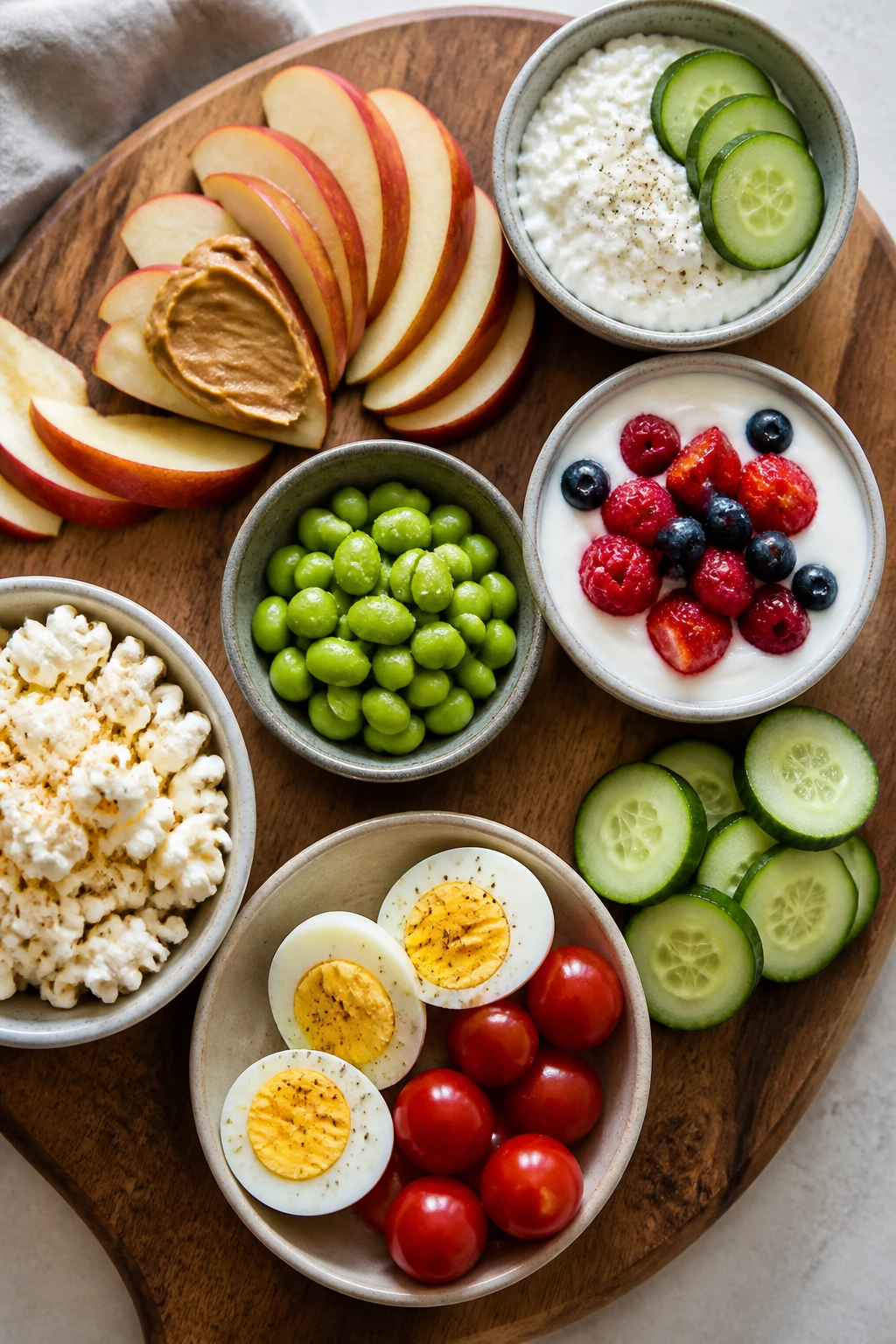
Here are the kinds of snacks that actually pull their weight:
- Apple with 1 tablespoon peanut butter: Usually around 180 to 200 calories, with crunch, sweetness, and enough fat to keep it from disappearing fast.
- Cottage cheese with cucumber and pepper: About 150 to 220 calories depending on the portion. Salty, cool, and a lot more filling than most packaged bars.
- Greek yogurt with cinnamon: Roughly 100 to 150 calories if you keep it plain. Add berries if you need more volume.
- Hard-boiled eggs with cherry tomatoes: Two eggs plus a handful of tomatoes lands near 160 calories and feels more like food than a vending machine compromise.
- Edamame with flaky salt: Half a cup is usually around 100 calories and gives you protein plus something to chew.
- Air-popped popcorn with parmesan: Three cups of popcorn plus a tablespoon of parmesan can stay in the 130 to 160 range and scratches the salty-crunch itch.
The smartest move is to decide before hunger shows up. Once you’re standing in the kitchen with a fork in one hand and a vague feeling in your stomach, snack logic gets sloppy fast.
How to Make 500 Calories Feel Bigger on the Plate
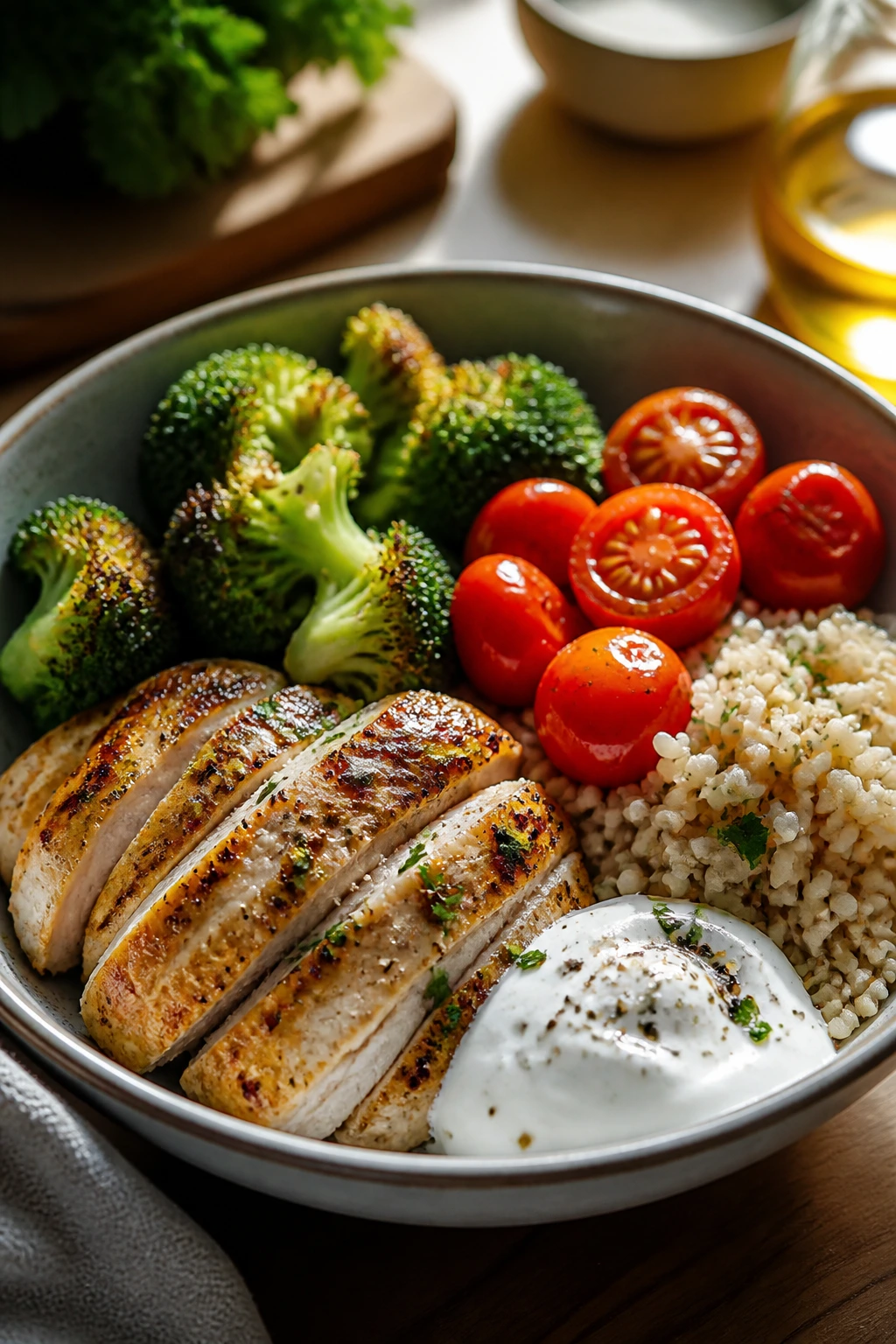
Start with a high-volume base: Leafy greens, cabbage, zucchini, cauliflower rice, broth-based soup, and roasted vegetables all make the plate look fuller without much calorie cost. A shallow bowl of wilted spinach and mushrooms under chicken is more satisfying than the same chicken sitting alone.
Measure the sneaky stuff: Oil, nut butter, pesto, cheese, seeds, and dressings deserve a spoon or scale. A tablespoon here and a tablespoon there can turn a clean 430-calorie meal into a 600-calorie drift without adding much volume at all.
Use acid like a finishing tool: Lemon juice, vinegar, pickled onions, salsa, yogurt, and mustard sharpen the flavor so you do not need a heavy hand with cheese or oil. Bright food reads as more complete, and that matters when portions are modest.
Keep one crunchy element on the plate: Toast, nuts, cabbage, cucumbers, radishes, or roasted chickpeas can rescue a meal from mush. I am mildly suspicious of any low-calorie meal that is all soft textures. It usually gets boring halfway through.
Build in a hot-and-cold contrast: Warm chicken with cold yogurt sauce. Roasted sweet potato with crisp greens. Soup with a chilled side salad. Temperature contrast does a lot of emotional work. Strange but true.
Make the plate colorful, not busy: Three or four colors are enough. More than that can start to look crowded, especially in a lunch bowl. Color is not decoration here; it’s a sign that you actually used produce.
The Mistakes That Blow Past 500 Before You Notice
-
Free-pouring oil: The symptom is a meal that looks normal but comes out much heavier than expected. One tablespoon of oil adds about 120 calories, and that number climbs fast if you drizzle it three times. Fix it by measuring oil with a teaspoon or brushing it on the pan.
-
Using calorie-dense toppings like they’re garnish: A handful of cheese, a scoop of nuts, a spoon of pesto, or a big pour of dressing can quietly add 100 to 200 calories. The meal still looks “healthy,” which is why this mistake is so common. Fix it by deciding the topping amount before you start cooking.
-
Skipping protein at breakfast: A fruit bowl or plain toast may fit the calorie goal, but it often leaves you hungry within a few hours. The fix is boring and effective: add eggs, Greek yogurt, cottage cheese, tofu, or a protein shake and make the meal earn its keep.
-
Treating snacks as free food: A 200-calorie snack after a 450-calorie lunch isn’t a problem. Three of them, plus a latte, plus a taste-test of dinner while you cook? That’s where the math goes sideways. Fix it by counting snacks as part of the day, not exceptions.
-
Making every meal too lean and too dry: Dry chicken, plain rice, and steamed broccoli are the quickest route to boredom. A little sauce, a little acid, and a little fat make the meal easier to finish. That’s not indulgence. That’s good planning.
-
Trusting labels without checking servings: A “single-serve” granola cup or a boxed soup can be much larger than the number on the front suggests. The label is only honest if you read the serving size line. Fix it by checking grams, cups, or ounces once before the food hits the bowl.
Variations for Different Eating Styles and Goals
Protein-Forward Cut: This version pushes more calories toward lean protein and trims the starch a bit. Think chicken, turkey, tuna, shrimp, eggs, cottage cheese, or tofu paired with a larger pile of vegetables and a smaller scoop of rice or potatoes. It works well when hunger is the enemy and you need meals that keep you steady for hours.
Vegetable-Heavy Reset: Some weeks call for more produce and fewer heavy starches. Build around soup, stir-fry, sheet-pan vegetables, chopped salads, and roasted mushrooms or cauliflower, then add enough protein to keep the meal balanced. The flavor has to carry more weight here, so use herbs, vinegar, garlic, mustard, and citrus.
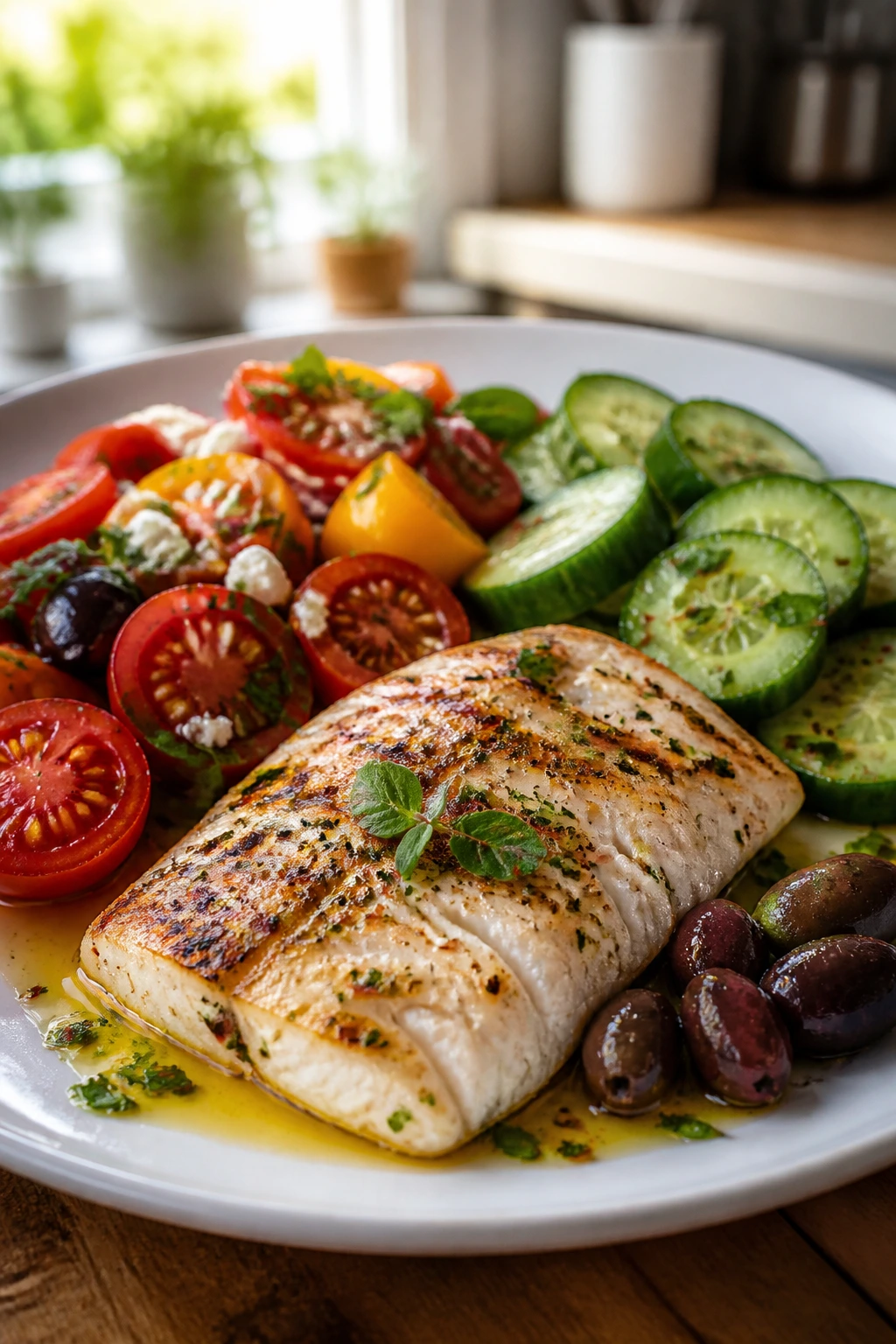
Mediterranean Lean Plate: This one leans on fish, beans, yogurt, tomatoes, cucumbers, olives, herbs, and measured olive oil. The food tastes bright and layered, and it stays friendly to a 500-calorie cap because the flavors come from acid and herbs rather than huge amounts of cheese or creamy sauce.
Budget Pantry Version: Eggs, canned tuna, beans, lentils, frozen vegetables, oats, rice, and plain yogurt can cover a lot of meals without draining your grocery budget. I like this version because it proves calorie-conscious meals do not have to be precious or expensive. A can of tuna, a baked potato, and a chopped salad can eat like a real lunch.
Higher-Carb Training Day Plate: If you need more fuel, let the starch portion rise and keep the rest of the plate lean. Add a bigger scoop of rice, another slice of bread, or a second potato while keeping protein steady. The 500-calorie cap still gives you structure, but the meal becomes more supportive on active days.
The Tools That Keep Planning from Becoming a Chore
-
Digital kitchen scale: The fastest way to stop guessing on oil, rice, nuts, cheese, and protein portions. One good scale saves a lot of “I thought that was a tablespoon” math.
-
Set of measuring spoons and cups: You do not need to measure forever, but you should measure enough times to learn what a real portion looks like. That habit saves calories and money.
-
Meal prep containers with tight lids: Use clear containers if you can. Seeing the food helps you remember what’s in the fridge, which cuts down on forgotten leftovers.
-
Sheet pans: Roasting vegetables, chicken, tofu, salmon, and potatoes on a sheet pan makes meal prep easier than stovetop juggling. I prefer rimmed pans because stray juices stay put.
-
Large skillet or sauté pan: Stir-fries, egg scrambles, taco fillings, and quick vegetable sautés all land better in one good pan.
-
Sharp chef’s knife: Chopping vegetables into even pieces helps them cook at the same pace. A dull knife turns meal prep into a slow argument.
-
Cutting board with a damp towel underneath: Tiny detail. Huge payoff. The board stays put while you chop peppers, onions, cucumbers, and greens.
-
Sauce jars or small containers: Keep dressings, yogurt sauces, and vinaigrettes separate until mealtime. That one habit protects texture better than almost anything else.
Make-Ahead, Storage, and Reheating That Protects Texture
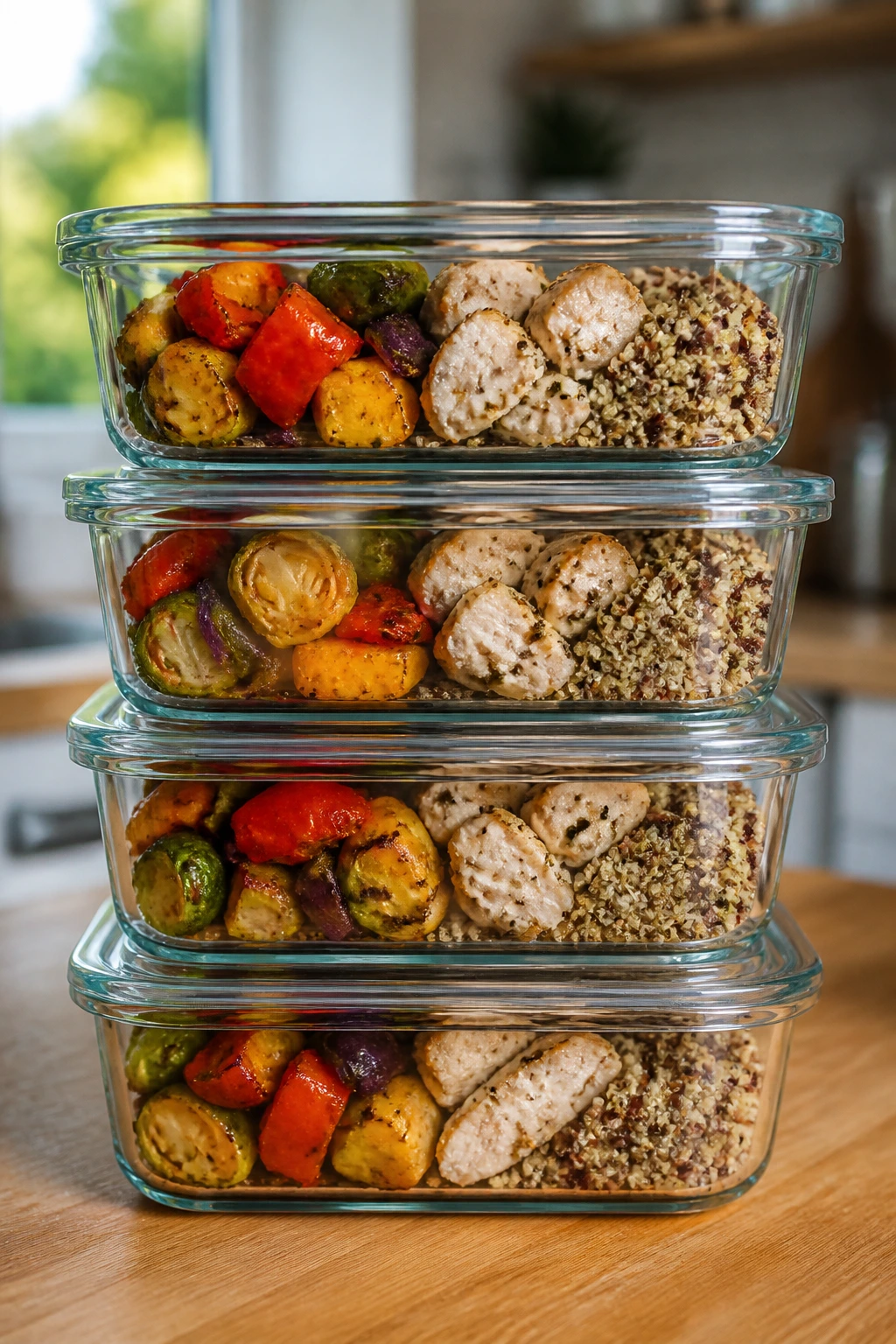
Cooked proteins, grains, and roasted vegetables usually hold well for 3 to 4 days in the refrigerator if you cool them quickly and store them in shallow containers. Soups and chili often keep for up to 4 days and freeze well for 2 to 3 months. Cooked rice and quinoa need a little care: spread them out to cool fast, refrigerate promptly, and reheat with a splash of water so they don’t dry into little pebbles.
Keep wet and crisp elements apart. Store lettuce, cucumbers, herbs, and crunchy toppings in separate containers. A salad that has been dressed ahead of time turns limp fast, and there’s no fixing that later. If you’re making grain bowls, pack the sauce in a tiny container and add it right before eating.
For reheating, the method should match the food. Microwave proteins and grains with a damp paper towel or a teaspoon of water so they steam instead of drying out. Reheat roasted vegetables in a skillet or oven if you want to keep some edge on them. Soup and chili reheat beautifully on the stovetop over medium heat until they’re steaming all the way through, which is the texture most people actually want anyway.
Cool leftovers within 2 hours of cooking, sooner if the kitchen is warm. That’s not fussy; that’s basic food safety. If a meal includes avocado, fresh herbs, or dressed greens, add those fresh right before serving rather than storing them mixed in.
Questions People Ask Before They Start
Can every meal in the day be under 500 calories?
Yes, but that does not mean every meal should be pushed as low as possible. If you’re active, very tall, or simply not satisfied on tiny portions, it may make more sense to keep some meals closer to 450 or 500 and let others sit lower.
Do I have to count vegetables too?
Leafy greens, cucumbers, lettuce, spinach, and similar nonstarchy vegetables usually do not need obsessive counting unless you’re eating enormous portions. Starchy vegetables like potatoes, corn, peas, and winter squash should be counted because their calories climb faster.
What if I’m hungry before the next meal?
That usually means the meal was too light on protein, fiber, or fat. Add 10 to 15 grams more protein, a bigger vegetable portion, or a small planned snack rather than trying to white-knuckle it.
Are sauces allowed in a 500-calorie meal plan?
Absolutely. The trick is to use sauces that add flavor without turning the meal into a calorie swamp. Yogurt sauces, salsa, mustard, vinegars, and light vinaigrettes tend to work better than heavy creamy sauces unless you measure them carefully.
What’s the best breakfast if I get hungry fast?
Eggs plus toast, Greek yogurt with oats, or a breakfast wrap with beans and eggs usually hold better than cereal or fruit alone. The common thread is protein. Breakfast without protein tends to vanish too quickly.
Can I do this as a vegetarian?
Easily, if you pay attention to protein. Tofu, tempeh, eggs, Greek yogurt, cottage cheese, lentils, beans, edamame, and seitan all fit well under 500 calories when the portions are planned instead of guessed.
What if my meal goes over by 50 or 100 calories?
That’s not a disaster. Weekly patterns matter more than one meal being a little higher than planned. I’d rather see a meal that lands at 540 calories and keeps you full than a rigid 430-calorie meal that sends you looking for pretzels ten minutes later.
How do I keep meal prep from getting boring?
Change the flavor, not the whole shopping list. A tray of chicken can become lemon-herb one day, chili-lime the next, and garlic-ginger after that. Same protein. Different sauce. Much less boredom.
Small Plates That Still Feel Complete
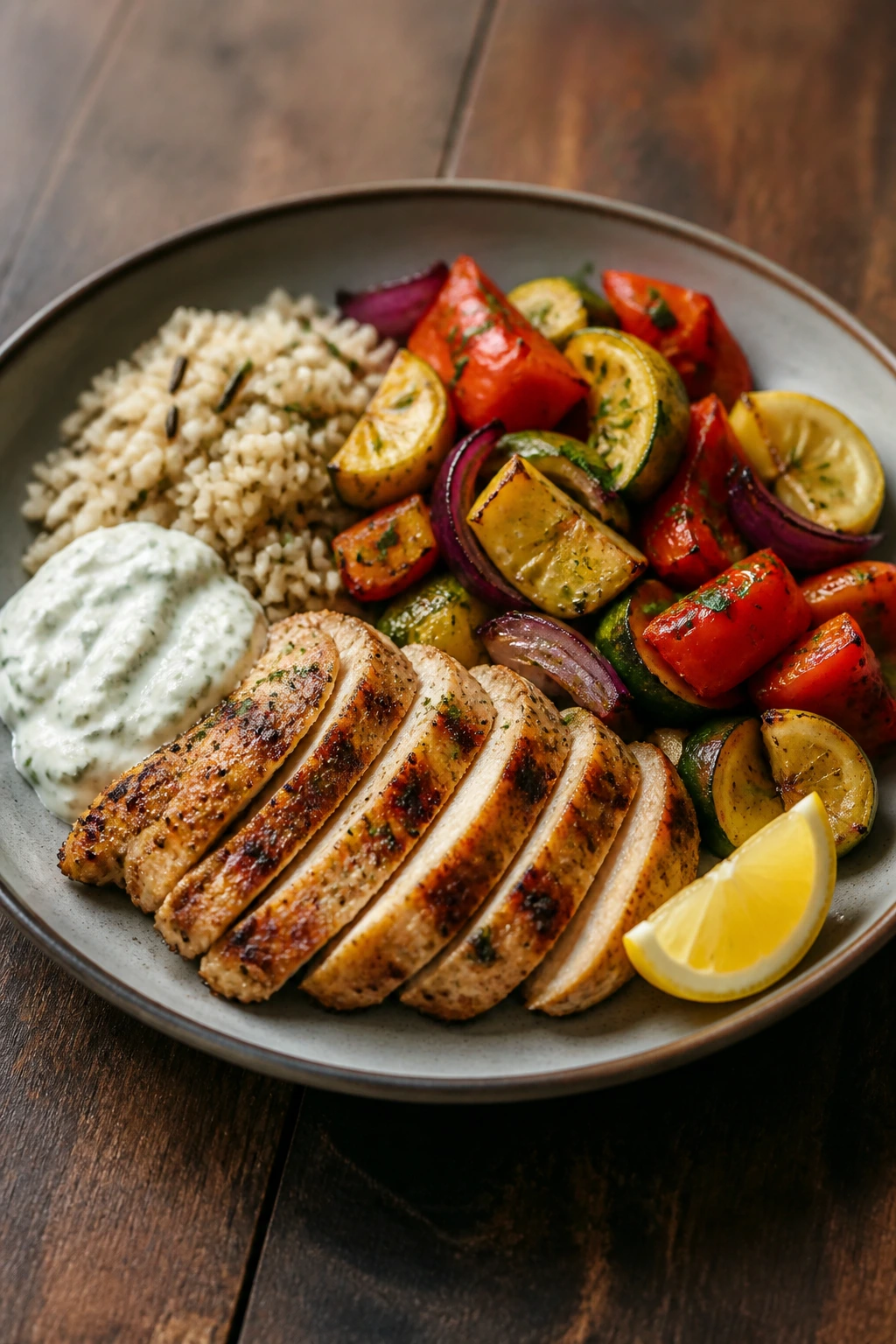
The best meals under 500 calories are the ones that don’t apologize for themselves. They have protein you can trust, vegetables that do more than decorate the plate, and just enough starch or fat to make the whole thing feel like a real meal. That balance is what keeps the plan sustainable. Not perfection. Not self-denial.
A good 460-calorie dinner beats a miserable 320-calorie one almost every time. If the meal is warm, textured, well-seasoned, and built with intention, the calorie cap stops feeling like a cage and starts acting like a useful boundary. That’s a very different experience at the table.
Once you learn the shapes, the rest gets easier. You can build breakfast, lunch, or dinner from the same small set of ideas and keep the food varied enough that you do not burn out on Tuesday. And that’s the real win: a plan you can live with, not one you have to recover from.