



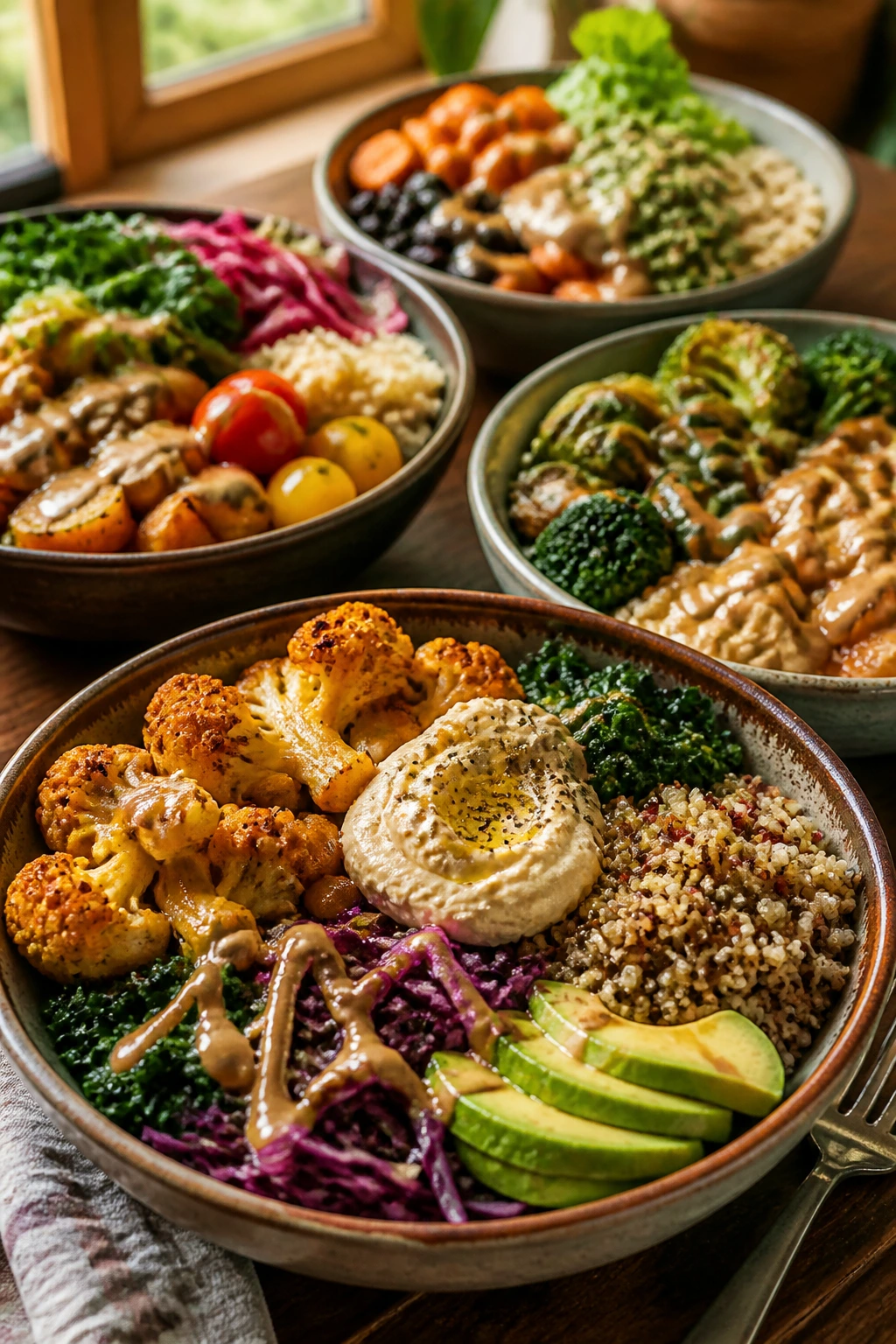
Monday dinners get slippery fast. One person wants pasta, another wants “something light,” and the pan on the stove somehow turns into three half-finished things and a sink full of dishes. Veggie bowls fix that by giving every component a job: a base, a main vegetable, something creamy, something sharp, something crunchy. When those pieces are chosen on purpose, Meatless Monday stops feeling like a compromise and starts feeling like a meal with a spine.
The trick isn’t piling everything into one bowl and hoping the flavors sort themselves out. Nope. A good bowl has contrast you can taste in the first three bites: hot and cold, soft and crisp, savory and bright, rich and clean. A scoop of rice needs salt. Roasted vegetables need acid. Beans need something that tastes awake. If a bowl feels flat, it’s usually because one of those jobs got skipped.
These 24 veggie bowl recipes are built for real kitchens, not magazine kitchens. Some lean smoky and hearty, some go fresh and crunchy, some are saucy enough to keep forkfuls interesting all the way down. A few are pantry-friendly, a few are a little fussy in the best way, and a few can rescue the half-bunch of herbs and random vegetables hanging around in the crisper drawer. Start with the smoky black bean sweet potato bowl. Then keep going.
Why This Collection Earns a Spot in the Monday Rotation
-
Built from ordinary groceries: Beans, grains, yogurt, tahini, rice, and vegetables do most of the work here, so you’re not chasing specialty ingredients to make dinner happen.
-
Texture is never an afterthought: Every bowl here includes at least one creamy element and one crisp or fresh element, which is the difference between a meal and a mound.
-
Easy to scale up or down: These bowls work for one hungry person, a family table, or lunch prep without much mental math.
-
Leftovers don’t feel sad: Grains, roasted vegetables, beans, and sauces all hold up well in the fridge if you store them separately.
-
Meatless doesn’t mean flimsy: Several of these bowls lean on chickpeas, tofu, tempeh, halloumi, lentils, or eggs, so they eat like dinner, not a side dish.
-
Sauce does the heavy lifting: Tahini, yogurt dressings, pesto, gochujang, teriyaki, and peanut sauce keep the flavors moving instead of settling into one note.
Why Veggie Bowls Make Meatless Monday Less Fussy
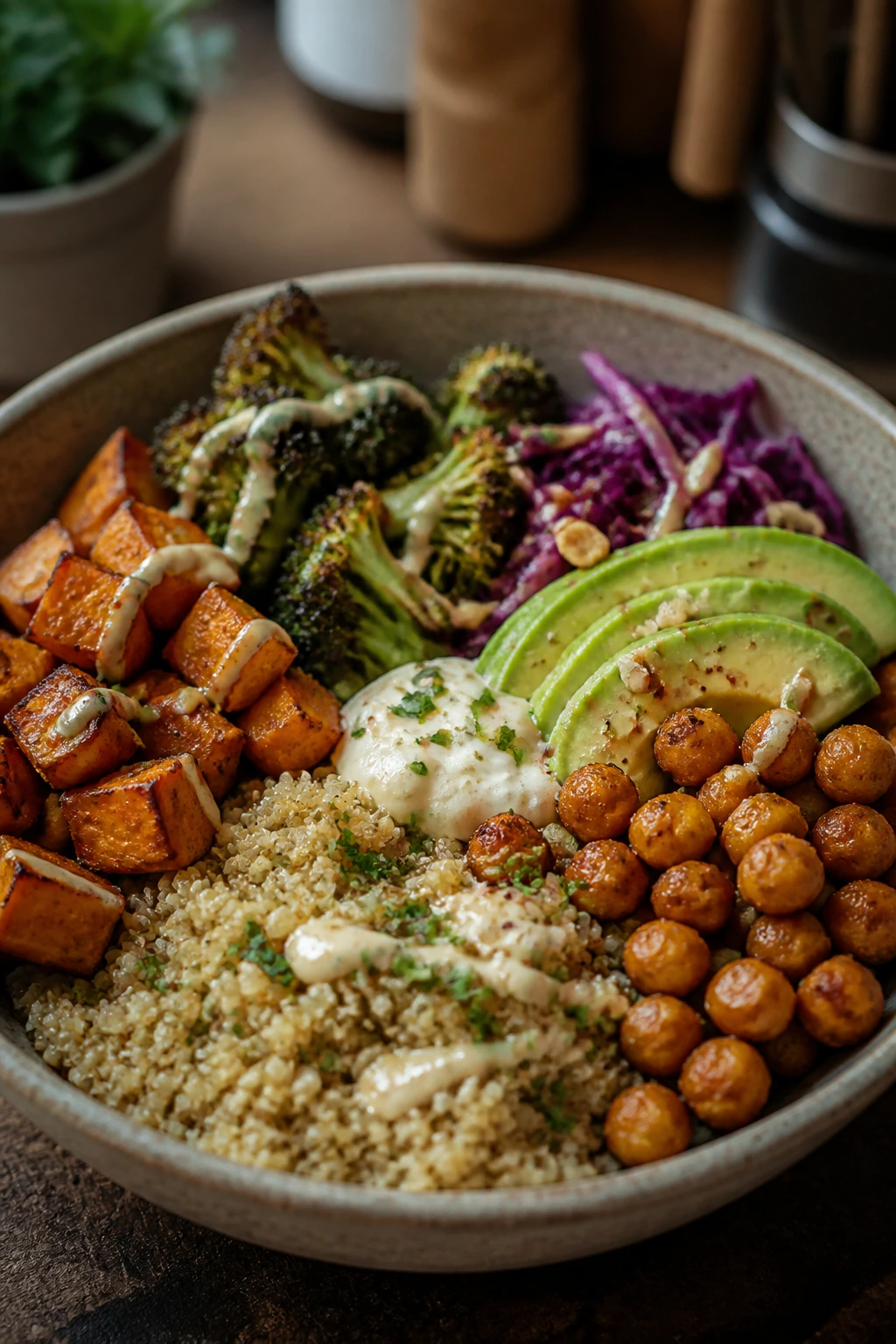
A bowl is a tidy format, but it shouldn’t taste tidy in the boring sense. The reason these dinners work is simple: the parts can be cooked separately, seasoned properly, and combined at the last minute. That means your sweet potatoes can caramelize, your grains can stay fluffy, and your dressing can stay bright instead of drowning everything.
The Base Carries the Rest
Rice, quinoa, farro, couscous, or noodles give the bowl structure. I like a base with some chew, not something that turns gluey after five minutes under hot vegetables. A grain that holds its shape gives your sauce something to cling to.
Sauce Keeps the Bowl Awake
A spoonful of tahini, yogurt, pesto, salsa, or peanut sauce changes the whole experience. It coats the grain, ties the vegetables together, and keeps the last few bites from tasting dry. Skip the sauce and the bowl usually feels underfed even when the portions are generous.
Texture Saves You From Blandness
One crunchy topping goes a long way. Toasted seeds, sliced radishes, cucumber, pickled onions, or crushed tortilla chips make each bite a little different. And yes, that matters. A bowl with only soft ingredients turns samey fast.
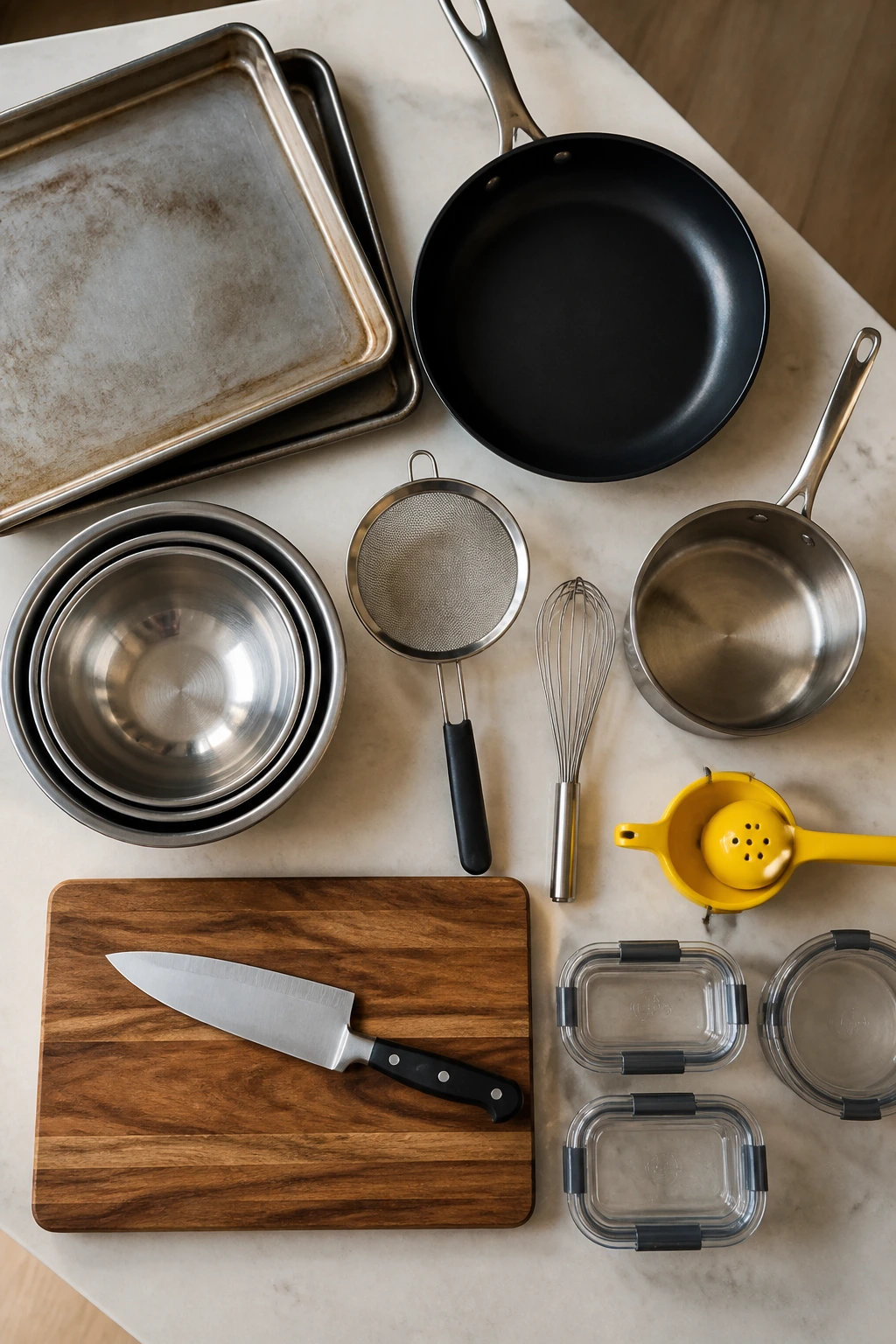
Essential Equipment for These Recipes
-
Rimmed sheet pans — Best for roasting sweet potatoes, cauliflower, carrots, broccoli, and chickpeas without crowding the pan.
-
12-inch skillet or sauté pan — Handy for mushrooms, tofu, tempeh, halloumi, and quick sauces.
-
Medium saucepan with a lid — Use this for rice, quinoa, farro, polenta, lentils, and noodles.
-
Large mixing bowls — You’ll want at least two for tossing vegetables and whisking dressings.
-
Sharp chef’s knife and cutting board — Bowls live or die by clean, even cuts. Uneven cubes cook unevenly.
-
Fine-mesh strainer — Useful for beans, grains, rinsing quinoa, and draining pasta or noodles.
-
Whisk or fork — Enough for tahini dressings, vinaigrettes, and yogurt sauces.
-
Citrus juicer or microplane — Not mandatory, but lemon and lime juice behave better when they’re easy to grab.
-
Airtight storage containers — Keep grains, vegetables, toppings, and sauces apart so the fridge doesn’t turn them into one wet memory.
Smart Shopping for Better Veggie Bowls
A strong bowl starts before the stove does. Buy one sturdy grain, one or two proteins, a few vegetables with different textures, and a sauce that has both fat and acid. That’s the whole game. If you’ve got those parts, you can build dinner without staring into the refrigerator like it personally offended you.
For beans, choose low-sodium canned versions when you can. Rinsing them under cold water knocks off the tinny liquid and gives you a cleaner flavor. For tofu, extra-firm is the safer pick; it holds together during pressing and browning, while softer tofu tends to collapse into the skillet. Tempeh should look pale and smell nutty, not sour.
Vegetables matter more than people admit. A bowl needs at least one thing that roasts well, one thing that stays crisp raw, and one thing that adds color. Sweet potatoes, cauliflower, broccoli, carrots, and squash roast beautifully. Cucumbers, cabbage, radishes, and herbs wake things up at the end. And if you’re buying greens, go for arugula, spinach, romaine, or shredded cabbage rather than delicate lettuce that goes limp under warm grains.
Sauces and finishers are worth the shelf space. Tahini, peanut butter, pesto, salsa, gochujang, miso, yogurt, vinegar, and lemon can all rescue a bowl that started out with good intentions and no personality. Keep nuts, sesame seeds, pumpkin seeds, pickled onions, and fresh herbs around too. Tiny toppings matter more here than on almost any other dinner.
How to Serve These Veggie Bowls Without Making Them Flat
Presentation: Spoon the base into a wide, shallow bowl rather than a deep soup bowl. Pile the vegetables in distinct sections instead of mixing them into a uniform heap, then spoon the sauce over one side so the bowl still looks lively when it hits the table.
Accompaniments: Warm pita, tortilla chips, toasted sourdough, a simple cucumber salad, or a handful of fruit on the side all make sense here. For soupier bowls like shakshuka, bread is non-negotiable in my book. For roasted bowls, something crisp on the side gives the meal a cleaner finish.
Portions: A good adult serving usually lands around 1 to 1½ cups of grain or noodles, 1 cup of vegetables, and ½ to 1 cup of protein or beans, depending on what else is in the bowl. Scale up the base first if you’re feeding hungrier people. Don’t just pile on more sauce.
Beverage Pairing: Sparkling water with lime works across almost everything here. For the smoky, spicy bowls, a dry cider or cold lager can be excellent. For the fresher bowls, iced tea with lemon or cucumber water keeps the meal light without making it feel skimpy.
Extra Flavor Moves for Better Bowls
Flavor Enhancement: Finish with one sharp thing and one oily thing. That might be lime juice plus sesame oil, lemon plus olive oil, or balsamic glaze plus good salt. The combination makes the whole bowl taste put together.
Customization: Swap the base without changing the whole recipe. Quinoa, brown rice, farro, couscous, polenta, noodles, and even roasted potatoes can stand in for one another if you keep the seasoning in line with the bowl’s flavor profile.
Serving Suggestions: I like chopped herbs, toasted seeds, pickled onions, and a pinch of flaky salt right before serving. They don’t add much prep, but they make the bowl taste fresher and more finished.
Make-It-Yours: For vegan bowls, use tahini, hummus, or cashew cream instead of yogurt and skip the cheese. For higher protein, add edamame, tofu, tempeh, lentils, or a second scoop of beans. For gluten-free bowls, choose rice, quinoa, corn, or gluten-free noodles and check sauces for hidden wheat.
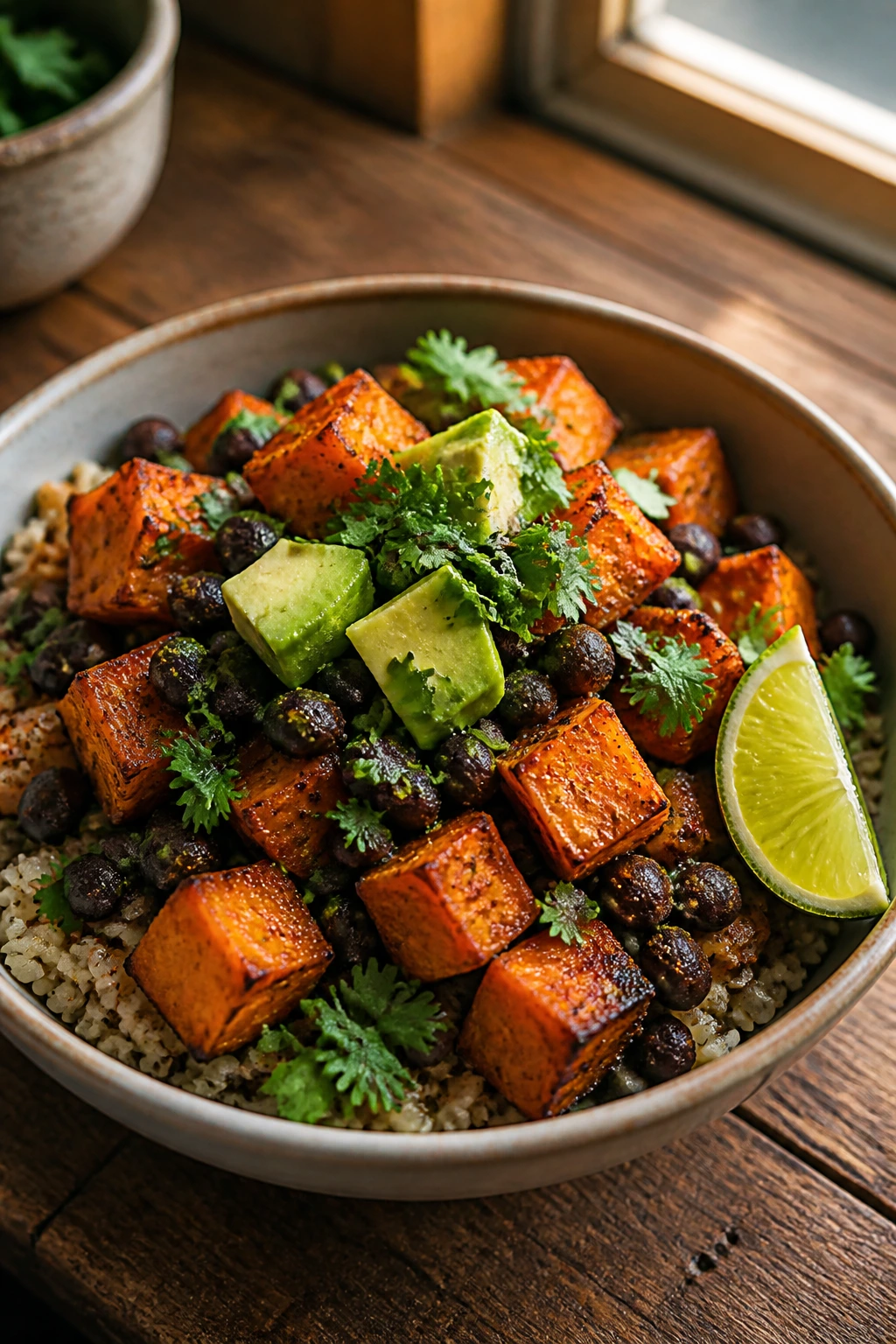
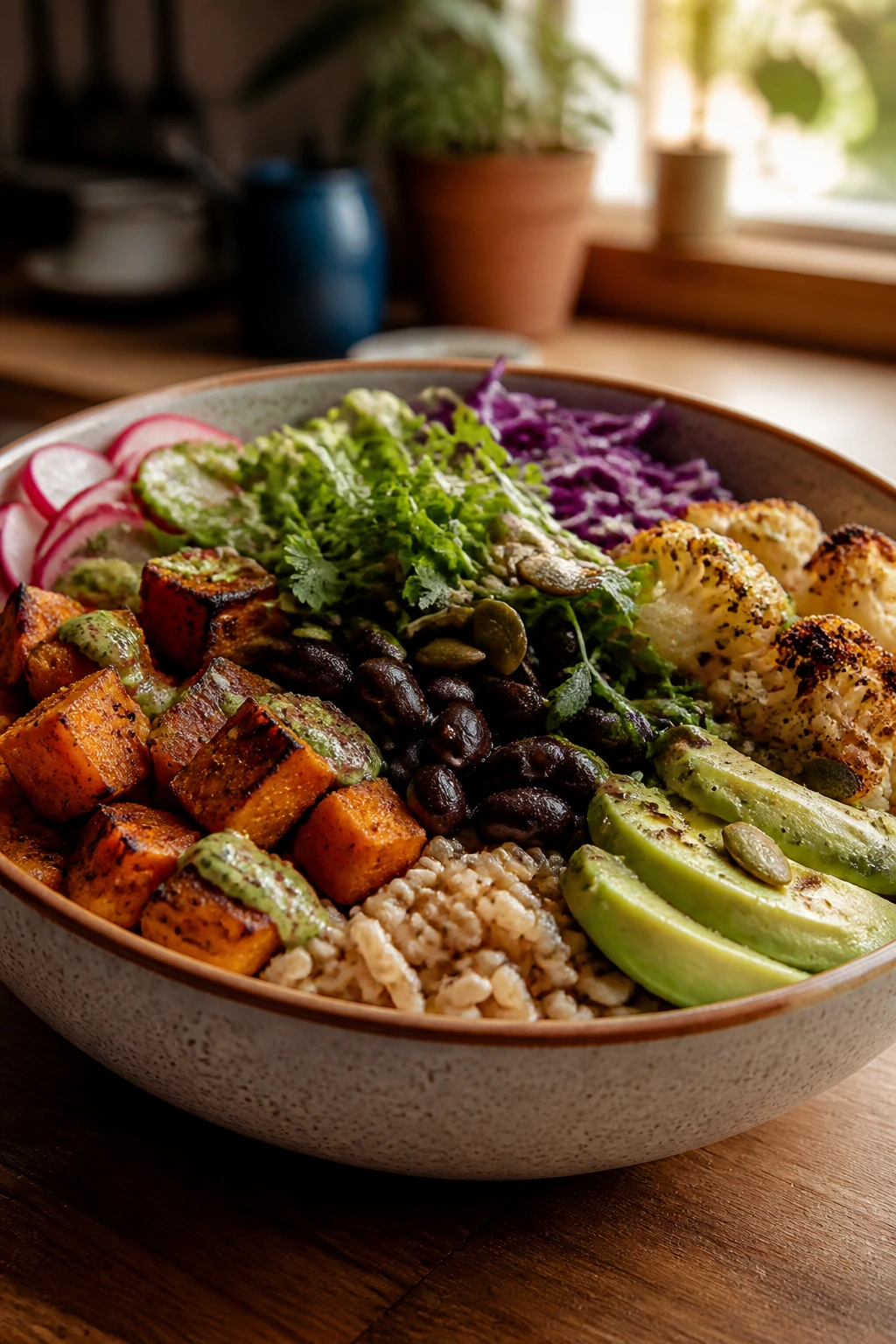
1. Smoky Black Bean Sweet Potato Bowl
Intro: Sweet potatoes and black beans don’t look dramatic in the pan, but once the edges of the potatoes caramelize and the beans pick up that cumin-and-lime smell, the bowl turns into something with real weight. This is one of those meals that tastes like it took longer than it did.
Why It Works: The sweet potato brings soft sweetness, the beans bring body, and the smoked paprika keeps the bowl from feeling sugary. A little lime at the end matters. Without it, the whole thing can feel heavy by the fifth bite.
Key Ingredients:
- 2 medium sweet potatoes, scrubbed and cut into 1/2-inch cubes
- 2 tablespoons olive oil
- 1 teaspoon smoked paprika
- 1/2 teaspoon ground cumin
- 1 (15-ounce) can black beans, drained and rinsed
- 2 cups cooked brown rice or quinoa
- 1 avocado, sliced
- 1 lime, cut into wedges
- 1/4 cup chopped cilantro
- 2 tablespoons plain yogurt or sour cream, optional
Quick Steps:
- Preheat the oven to 425°F and spread the sweet potatoes on a sheet pan with olive oil, smoked paprika, cumin, and salt.
- Roast for 25 to 30 minutes, turning once, until the edges are bronzed and the centers are tender.
- Warm the black beans in a skillet over medium heat for 3 to 4 minutes with a pinch of salt.
- Divide the rice into bowls, top with sweet potatoes, beans, avocado, cilantro, and yogurt, then finish with lime.
Equipment for This Recipe:
- Rimmed sheet pan
- Large skillet
- Mixing bowl
How to Serve This Dish: Serve it warm with extra lime on the side and a handful of tortilla chips if you want crunch. The bowl looks best when the avocado stays in thick slices instead of being mashed into the rice.
Pro Tips for This Recipe:
- Cut the sweet potatoes evenly. Thin edges burn before thick centers finish.
- Salt the beans while they warm; canned beans need that help.
- Add the lime after assembling, not before roasting.
Variations on This Dish:
- Chipotle Corn Version: Add 1 cup thawed corn and 1 chopped chipotle pepper in adobo for a smokier finish.
- Farro Swap: Replace the rice with 2 cups cooked farro for a chewier base.
Common Mistakes to Avoid with This Dish:
- Crowding the pan: The potatoes steam instead of browning. Use two pans if needed.
- Skipping acid: The bowl turns flat. Lime is doing real work here.
2. Lemon Tahini Chickpea Quinoa Bowl
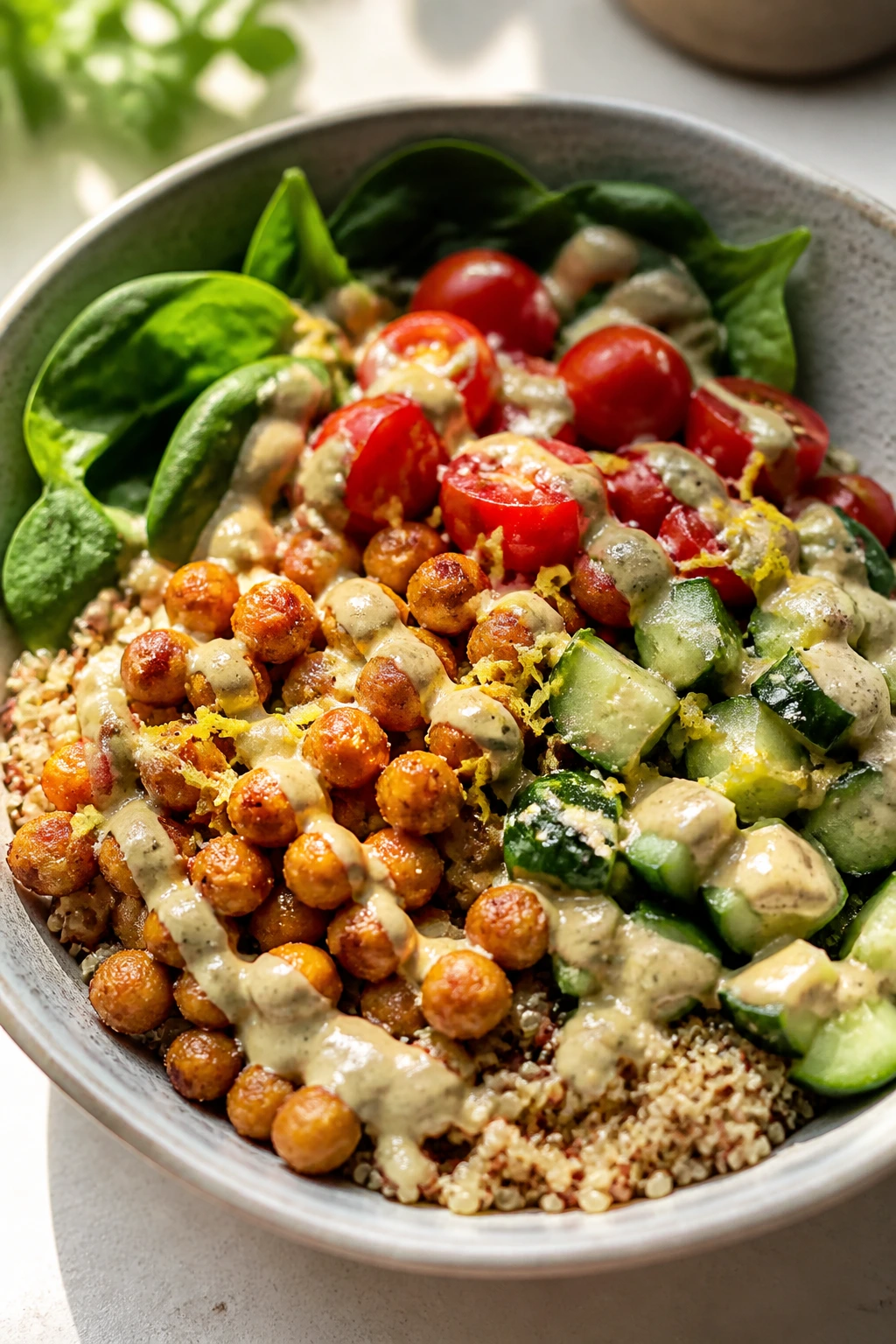
Intro: Tahini can taste a little thick and dusty if you pour it on straight from the jar. Thin it with lemon and water, and it becomes the kind of dressing that makes chickpeas, quinoa, and crisp cucumber taste sharper.
Why It Works: This bowl has the right kind of contrast: nutty quinoa, creamy dressing, and crunchy vegetables. Roasting the chickpeas gives you one crisp element, which matters more than people think. Without it, the bowl leans mushy.
Key Ingredients:
- 1 cup dry quinoa, rinsed
- 1 (15-ounce) can chickpeas, drained, rinsed, and patted dry
- 2 tablespoons olive oil
- 1 teaspoon ground cumin
- 1 cucumber, diced
- 1 cup cherry tomatoes, halved
- 2 cups baby spinach
- 1/4 cup tahini
- 2 tablespoons lemon juice
- 1 small garlic clove, grated
- 2 to 4 tablespoons water
Quick Steps:
- Cook the quinoa in 2 cups water until the grains are fluffy and the little tails appear, about 15 minutes.
- Roast the chickpeas at 400°F with olive oil, cumin, and salt for 20 to 25 minutes until crisp at the edges.
- Whisk tahini, lemon juice, garlic, water, and salt until smooth and pourable.
- Assemble quinoa, spinach, cucumber, tomatoes, and chickpeas, then spoon the dressing over the top.
Equipment for This Recipe:
- Medium saucepan
- Sheet pan
- Whisk
How to Serve This Dish: It works well warm or room temperature, which makes it a smart lunch bowl too. I like a scatter of chopped parsley or dill on top because the herbs cut through the tahini.
Pro Tips for This Recipe:
- Dry the chickpeas well before roasting or they soften instead of crisping.
- Add water to the tahini a teaspoon at a time; it loosens fast.
- Salt the quinoa after cooking if your cooking water was plain.
Variations on This Dish:
- Roasted Cauliflower Version: Swap the chickpeas for 3 cups cauliflower florets and roast them until browned.
- Feta Finish: Add 1/2 cup crumbled feta if you want something saltier and less creamy.
Common Mistakes to Avoid with This Dish:
- Too-thick dressing: It clings in globs. Thin it until it drizzles.
- Wet vegetables: Pat the cucumber dry so the bowl doesn’t leak.
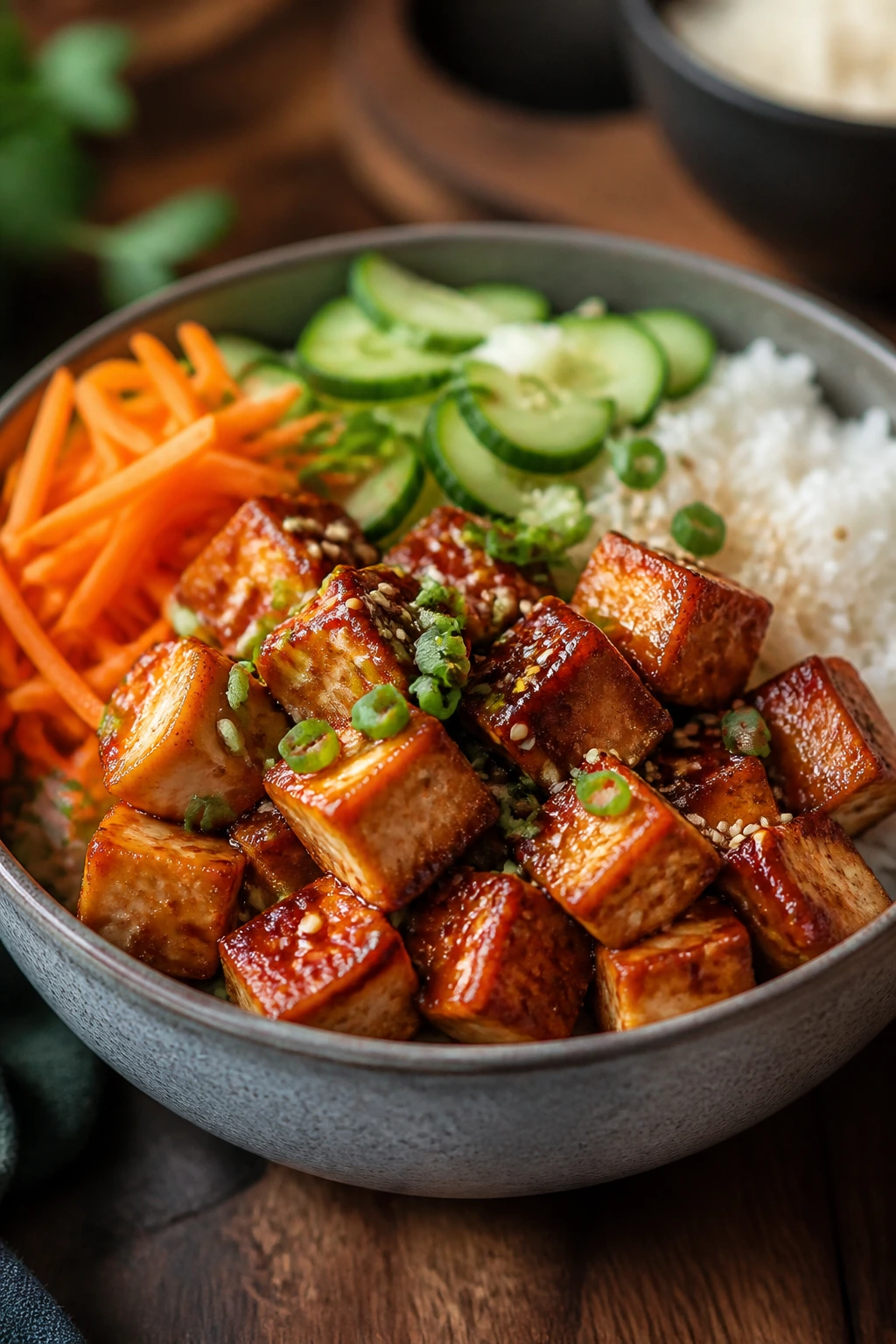
3. Korean Gochujang Tofu Rice Bowl
Intro: Gochujang does the heavy lifting here. It brings heat, salt, and a little funk, which is exactly what plain rice and tofu need if they’re going to feel like dinner instead of a polite snack.
Why It Works: Extra-firm tofu browns into chewy edges when you dust it with cornstarch and give it enough heat. The sauce clings instead of sliding off, and the cool cucumber balances the heat. That temperature contrast is the whole point.
Key Ingredients:
- 1 (14-ounce) block extra-firm tofu, pressed and cut into 1-inch cubes
- 2 tablespoons cornstarch
- 1 tablespoon neutral oil
- 2 tablespoons gochujang
- 1 tablespoon soy sauce
- 1 tablespoon rice vinegar
- 1 tablespoon maple syrup
- 2 cups cooked jasmine rice
- 1 cup shredded carrot
- 1 cup sliced cucumber
- 2 green onions, thinly sliced
- 2 teaspoons sesame seeds
Quick Steps:
- Toss the tofu with cornstarch and salt.
- Bake at 425°F for 20 to 25 minutes on an oiled sheet pan, or pan-fry until the edges are crisp and pale gold.
- Stir gochujang, soy sauce, vinegar, maple syrup, and 1 tablespoon water into a glossy sauce.
- Build bowls with rice, tofu, carrot, cucumber, green onion, sesame seeds, and the sauce.
Equipment for This Recipe:
- Sheet pan or nonstick skillet
- Mixing bowl
- Small bowl for sauce
How to Serve This Dish: Serve it right away while the tofu is still crisp. A few quick-pickled cucumbers or kimchi on the side make the bowl feel bigger without much effort.
Pro Tips for This Recipe:
- Press the tofu for at least 15 minutes so it browns instead of steaming.
- Use a little oil on the sheet pan; dry tofu sticks and tears.
- Don’t drown the bowl in sauce. Start with half, then add more.
Variations on This Dish:
- Sesame Mushroom Bowl: Replace tofu with 12 ounces sliced mushrooms and roast or sauté until browned.
- Brown Rice Swap: Use brown rice if you want a chewier base that holds the sauce longer.
Common Mistakes to Avoid with This Dish:
- Skipping the press: The tofu stays soft and pale.
- Sauce too early: Add it at the end so the crisp edges don’t vanish.
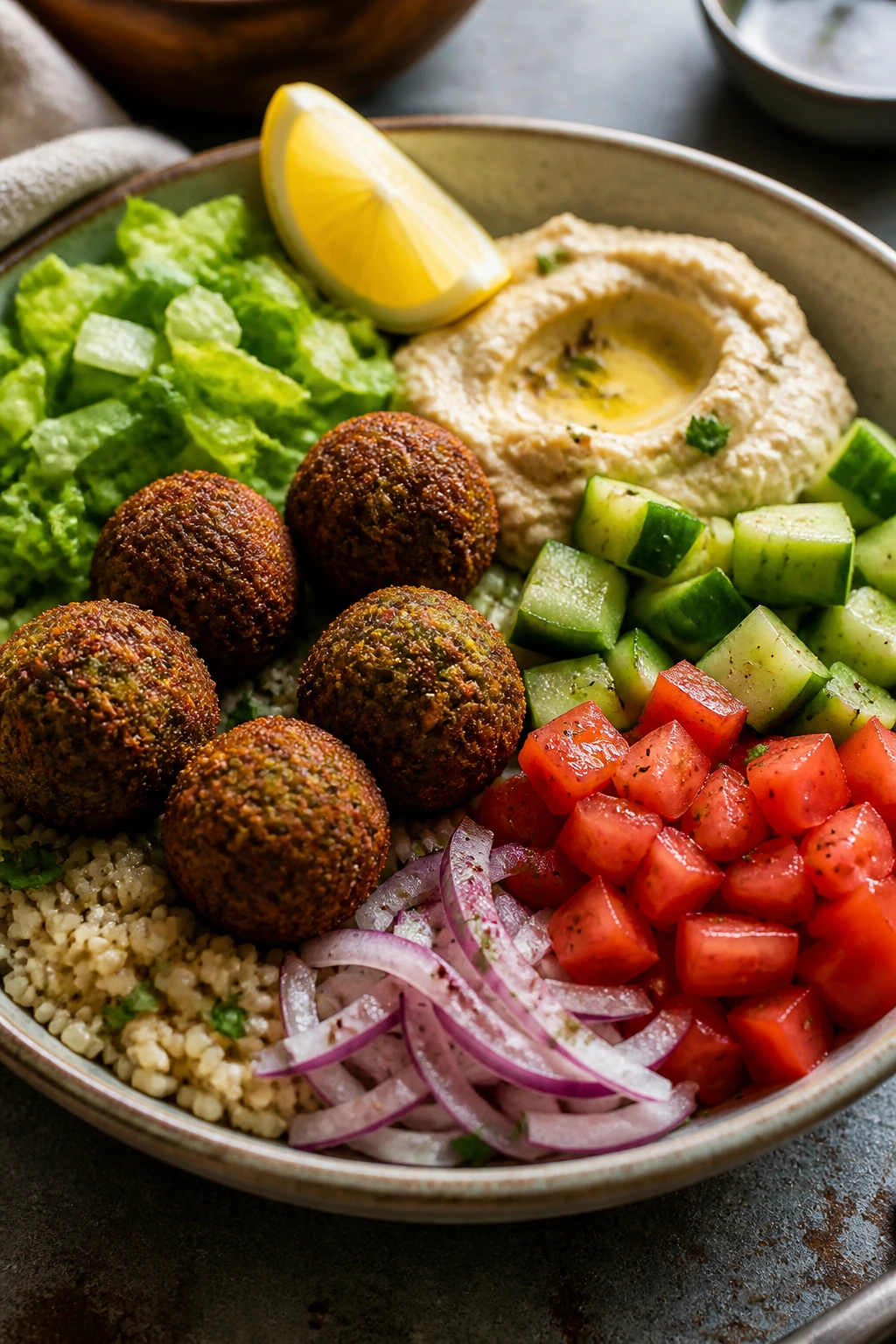
4. Mediterranean Falafel Bowl
Intro: Store-bought falafel can carry a weeknight if you let the vegetables do their own job. The bowl gets its shape from cool cucumber, sharp onion, hummus, and warm chickpeas or falafel with enough seasoning to keep the whole thing moving.
Why It Works: This is all about contrast in temperature and texture. The falafel gives you something savory and crisp, the hummus gives richness, and the chopped salad keeps the bowl from feeling dense. It’s one of the easiest ways to make a meatless dinner feel complete.
Key Ingredients:
- 12 prepared falafel balls, baked or fried
- 1 cup cooked bulgur, rice, or quinoa
- 2 cups chopped romaine
- 1 cup diced cucumber
- 1 cup diced tomato
- 1/2 small red onion, thinly sliced
- 1/3 cup hummus
- 1/3 cup tzatziki
- 1 lemon, cut into wedges
Quick Steps:
- Bake or reheat the falafel until hot and crisp, following package directions or heating at 400°F for about 10 minutes.
- Toss romaine, cucumber, tomato, and onion with a pinch of salt.
- Warm the grain and divide it between bowls.
- Top with falafel, salad, hummus, tzatziki, and lemon.
Equipment for This Recipe:
- Baking sheet
- Mixing bowl
- Sharp knife
How to Serve This Dish: Serve with warm pita or pita chips if you want a more substantial plate. The bowl looks best when the hummus and tzatziki sit in separate spoonfuls instead of being mixed together.
Pro Tips for This Recipe:
- Salt the tomatoes lightly before assembling; it sharpens the flavor fast.
- Reheat falafel until the outside feels firm again.
- If using pita, toast it. Soft pita gets lost.
Variations on This Dish:
- Quinoa Power Bowl: Swap the bulgur for quinoa and add 1/2 cup chickpeas.
- Roasted Veg Bowl: Add roasted zucchini or eggplant if you want more warmth.
Common Mistakes to Avoid with This Dish:
- Watery salad: Pat the cucumber dry so the hummus doesn’t slip around.
- Cold falafel in a warm bowl: Reheat it. Cold falafel tastes dull and dry.
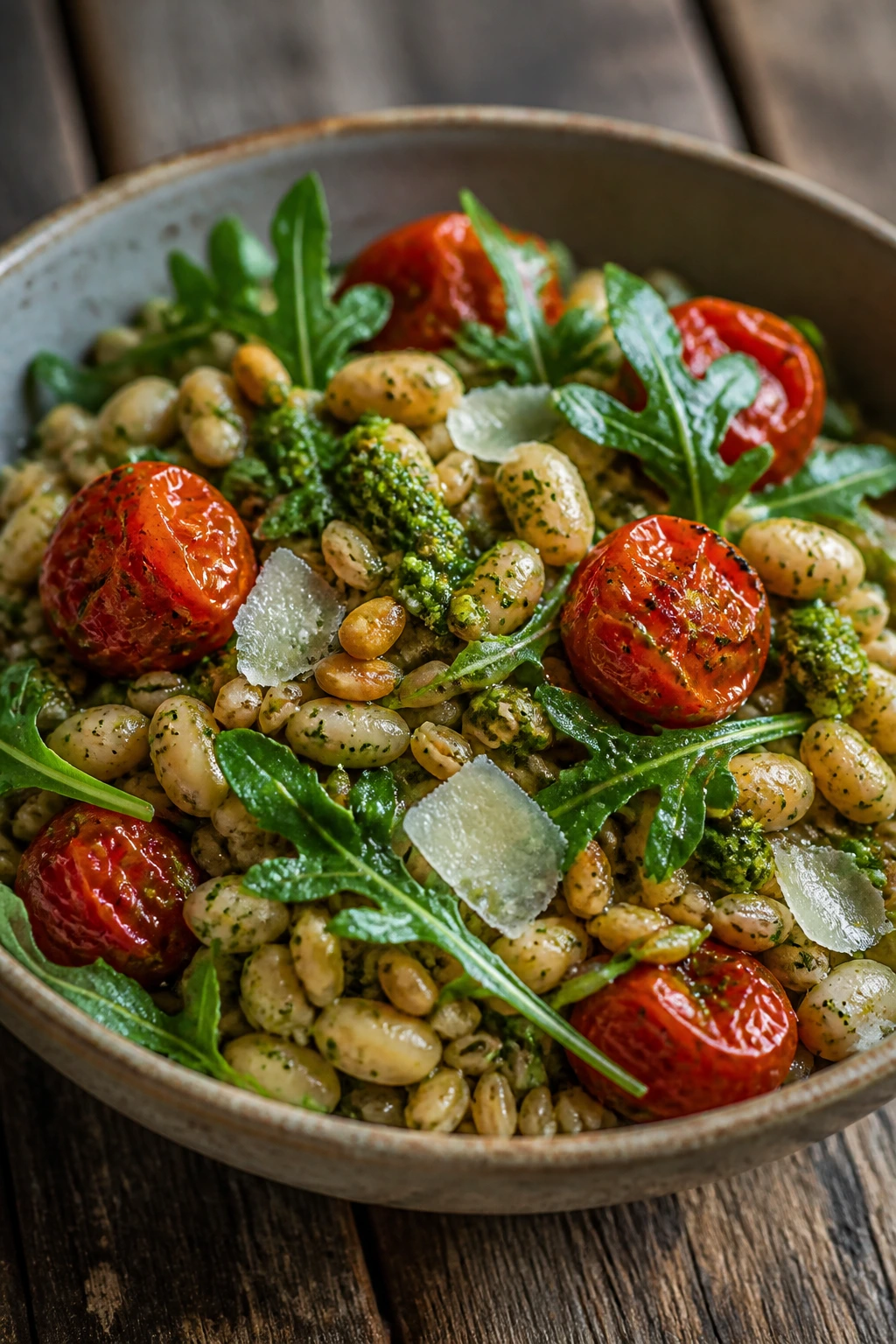
5. Pesto White Bean Farro Bowl
Intro: Farro is the grain that keeps its chew after fifteen minutes on the table. Pair it with white beans, tomatoes, and pesto, and you get something nutty, herbal, and sturdy enough to handle leftovers.
Why It Works: Pesto brings fat and sharp basil flavor, while cannellini beans add soft creaminess. Roasting the tomatoes deepens them just enough that they don’t taste raw and watery. The farro keeps the whole bowl honest.
Key Ingredients:
- 1 cup dry farro
- 1 (15-ounce) can cannellini beans, drained and rinsed
- 2 cups cherry tomatoes
- 2 tablespoons olive oil
- 1/4 cup basil pesto
- 2 cups baby arugula
- 2 tablespoons lemon juice
- 1/4 cup shaved parmesan
- 2 tablespoons pine nuts, toasted
Quick Steps:
- Cook the farro in salted water until tender but chewy, 20 to 25 minutes.
- Roast the tomatoes at 425°F with olive oil and salt until they wrinkle and burst, about 15 minutes.
- Toss the warm farro with pesto and lemon juice.
- Fold in the beans, tomatoes, arugula, parmesan, and pine nuts.
Equipment for This Recipe:
- Saucepan
- Sheet pan
- Large bowl
How to Serve This Dish: It tastes good warm or room temperature. I like a final squeeze of lemon at the table because pesto can get heavy if you skip the brightness.
Pro Tips for This Recipe:
- Drain the farro well so the pesto coats it instead of sliding off.
- Toast the pine nuts in a dry skillet for 2 to 3 minutes, not longer.
- Add the arugula last so it stays perky.
Variations on This Dish:
- Sun-Dried Tomato Version: Stir in 1/4 cup chopped sun-dried tomatoes for a deeper tomato flavor.
- Vegan Bowl: Skip the parmesan and add a pinch of nutritional yeast.
Common Mistakes to Avoid with This Dish:
- Mushy farro: Stop cooking when it’s tender with a little bite.
- Too much pesto: Start small. You can add more, but you can’t pull it back.
6. Buffalo Cauliflower Ranch Bowl
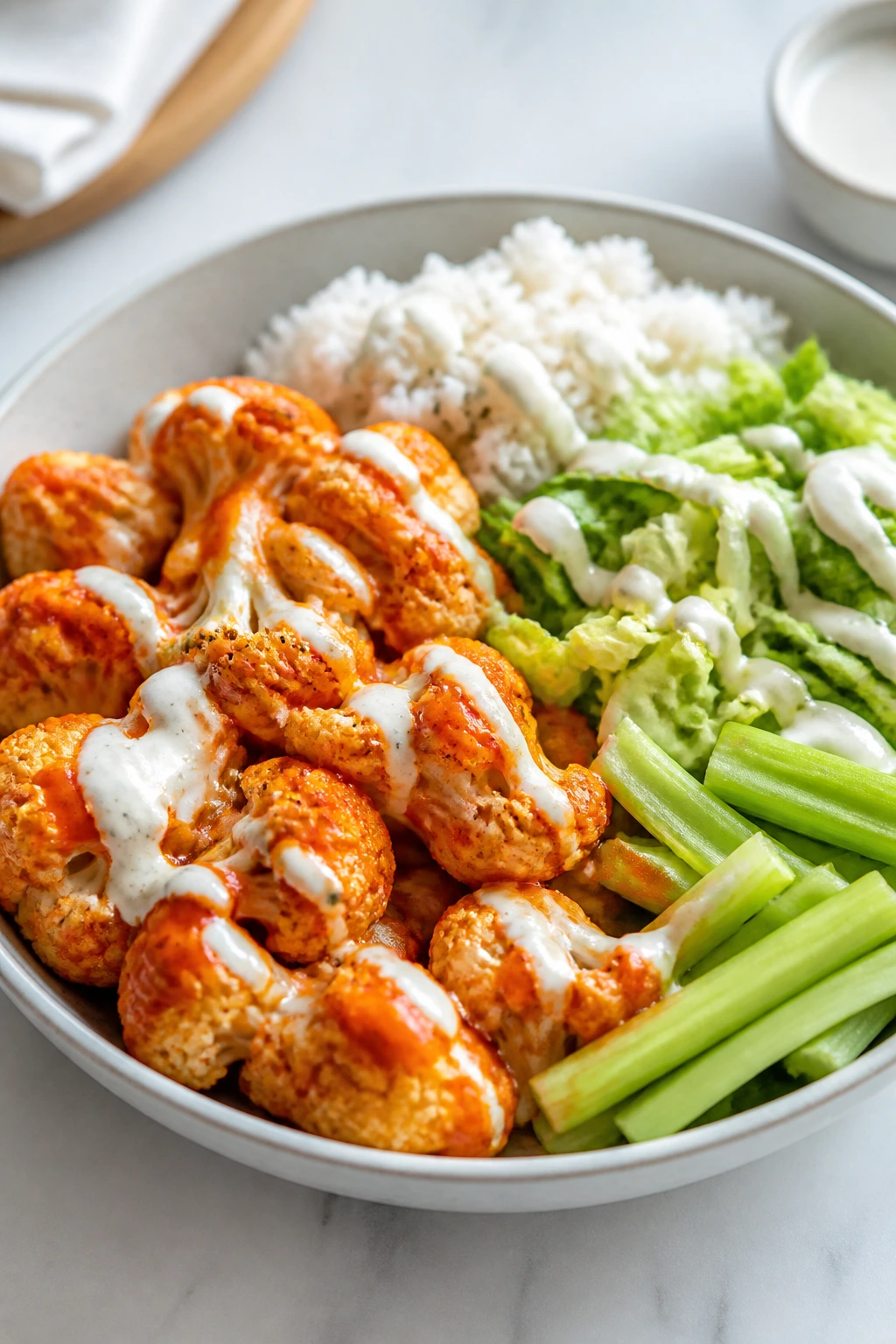
Intro: Buffalo sauce needs something cool and crunchy beside it, or the bowl just blares. Cauliflower brings the heat well, but the ranch, celery, and rice are what keep the meal from getting one-note.
Why It Works: Roasting the cauliflower first gives you browned edges that stand up to the sauce. Chickpeas add protein and another texture, while celery and lettuce keep the bowl from feeling heavy. It’s loud in a good way.
Key Ingredients:
- 1 medium head cauliflower, cut into florets
- 1 (15-ounce) can chickpeas, drained, rinsed, and patted dry
- 2 tablespoons olive oil
- 1/2 teaspoon garlic powder
- 1/2 cup buffalo sauce
- 2 cups cooked brown rice or white rice
- 1 cup shredded romaine
- 1 celery stalk, thinly sliced
- 1/4 cup ranch dressing or yogurt dressing
- 2 tablespoons sliced green onions
Quick Steps:
- Roast the cauliflower and chickpeas at 425°F with olive oil, garlic powder, and salt for 25 minutes, stirring once.
- Toss the hot cauliflower with buffalo sauce.
- Divide the rice and romaine between bowls.
- Top with buffalo cauliflower, chickpeas, celery, ranch, and green onions.
Equipment for This Recipe:
- Rimmed sheet pan
- Large bowl
- Small bowl for dressing
How to Serve This Dish: Serve it with extra ranch on the side and a few carrot sticks if you want the bowl to feel like a full plate. The celery is not decoration; it keeps each bite from getting too rich.
Pro Tips for This Recipe:
- Don’t sauce the cauliflower before roasting or it can scorch.
- Use two sheet pans if the florets are packed tight.
- Warm the rice before assembling so the ranch softens a little.
Variations on This Dish:
- Blue Cheese Version: Swap ranch for blue cheese dressing and add a few crumbles on top.
- Sweet Heat Version: Stir 1 teaspoon honey into the buffalo sauce for a rounder finish.
Common Mistakes to Avoid with This Dish:
- Soggy cauliflower: Space it out on the pan.
- All heat, no cooling element: The bowl needs celery, lettuce, or both.
7. Miso Mushroom Soba Bowl
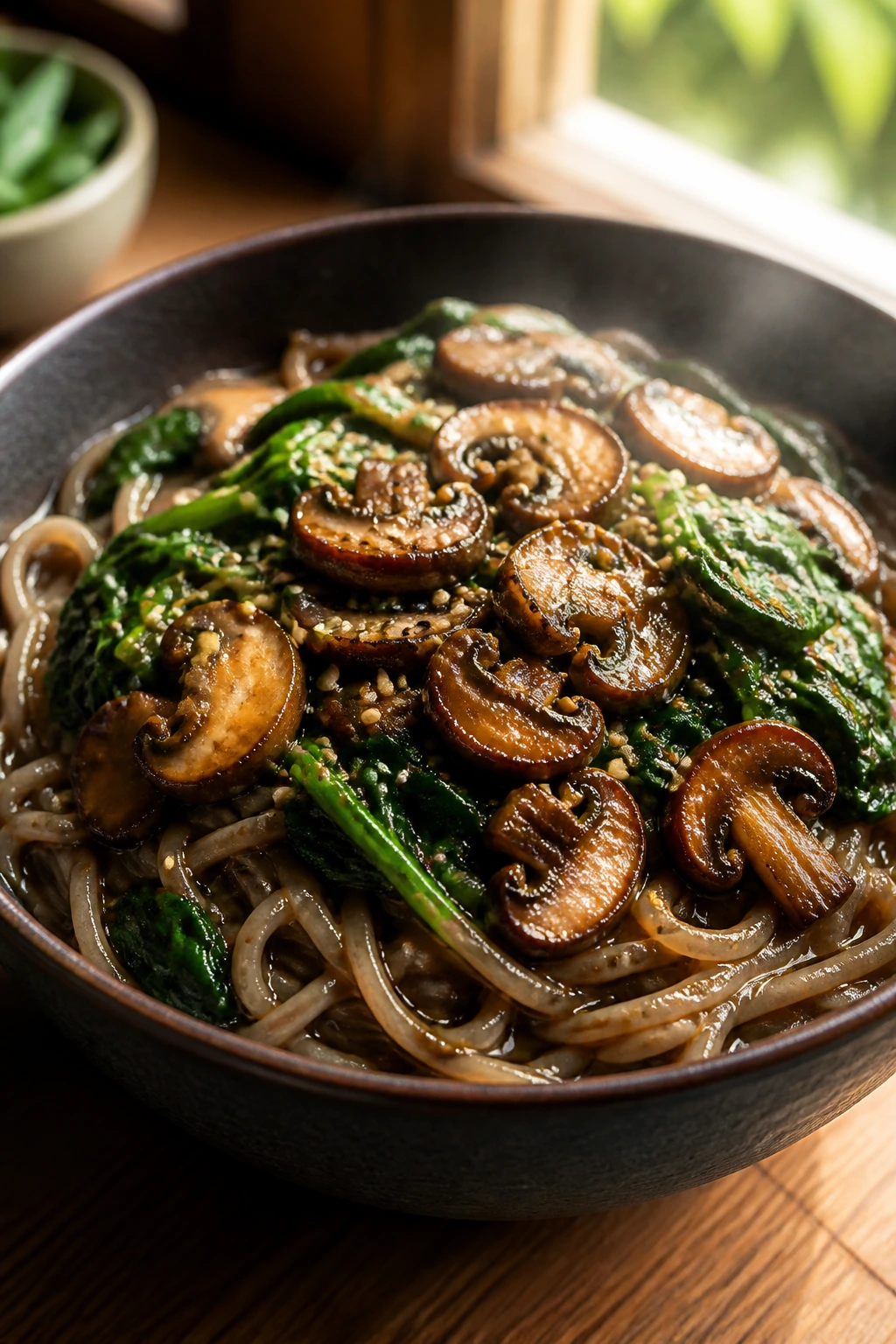
Intro: Mushrooms are the bowl’s built-in umami engine. When they hit a hot skillet and start to brown at the edges, they pick up the kind of savory depth that makes soba feel like a full dinner instead of noodles in a hurry.
Why It Works: Miso and soy sauce give the mushrooms a deep, salty glaze without needing meat. Soba noodles stay pleasantly springy if you pull them early, and spinach wilts into the warm noodles without turning swampy. That little bit of sesame oil on top ties it together.
Key Ingredients:
- 8 ounces soba noodles
- 1 tablespoon sesame oil
- 12 ounces cremini mushrooms, sliced
- 1 tablespoon white miso
- 2 tablespoons soy sauce
- 1 tablespoon rice vinegar
- 1 teaspoon honey or maple syrup
- 2 cups baby spinach
- 1 carrot, julienned
- 2 green onions, sliced
- 1 tablespoon sesame seeds
Quick Steps:
- Cook the soba until just tender, then rinse briefly under cool water.
- Sauté the mushrooms in sesame oil over medium-high heat until browned and reduced, about 8 minutes.
- Stir miso, soy sauce, vinegar, honey, and 2 tablespoons hot water into a smooth sauce.
- Toss the noodles, mushrooms, spinach, carrot, and green onions with the sauce, then top with sesame seeds.
Equipment for This Recipe:
- Medium pot
- Large skillet
- Strainer
How to Serve This Dish: It’s best warm, not piping hot. I like to add a few cucumber ribbons or a small pile of kimchi on the side if the meal needs more bite.
Pro Tips for This Recipe:
- Rinse the soba after cooking so the noodles don’t clump.
- Add the miso off the heat or it can taste harsh.
- Brown the mushrooms properly; pale mushrooms taste flat.
Variations on This Dish:
- Tofu Add-In: Add 8 ounces cubed tofu with the mushrooms for more protein.
- Udon Swap: Use udon noodles if you want a thicker, softer bowl.
Common Mistakes to Avoid with This Dish:
- Overcooked soba: It turns mushy fast. Taste early.
- Skipping the rinse: The noodles stick and the sauce gets gummy.
8. Burrito Bowl with Cilantro Lime Rice
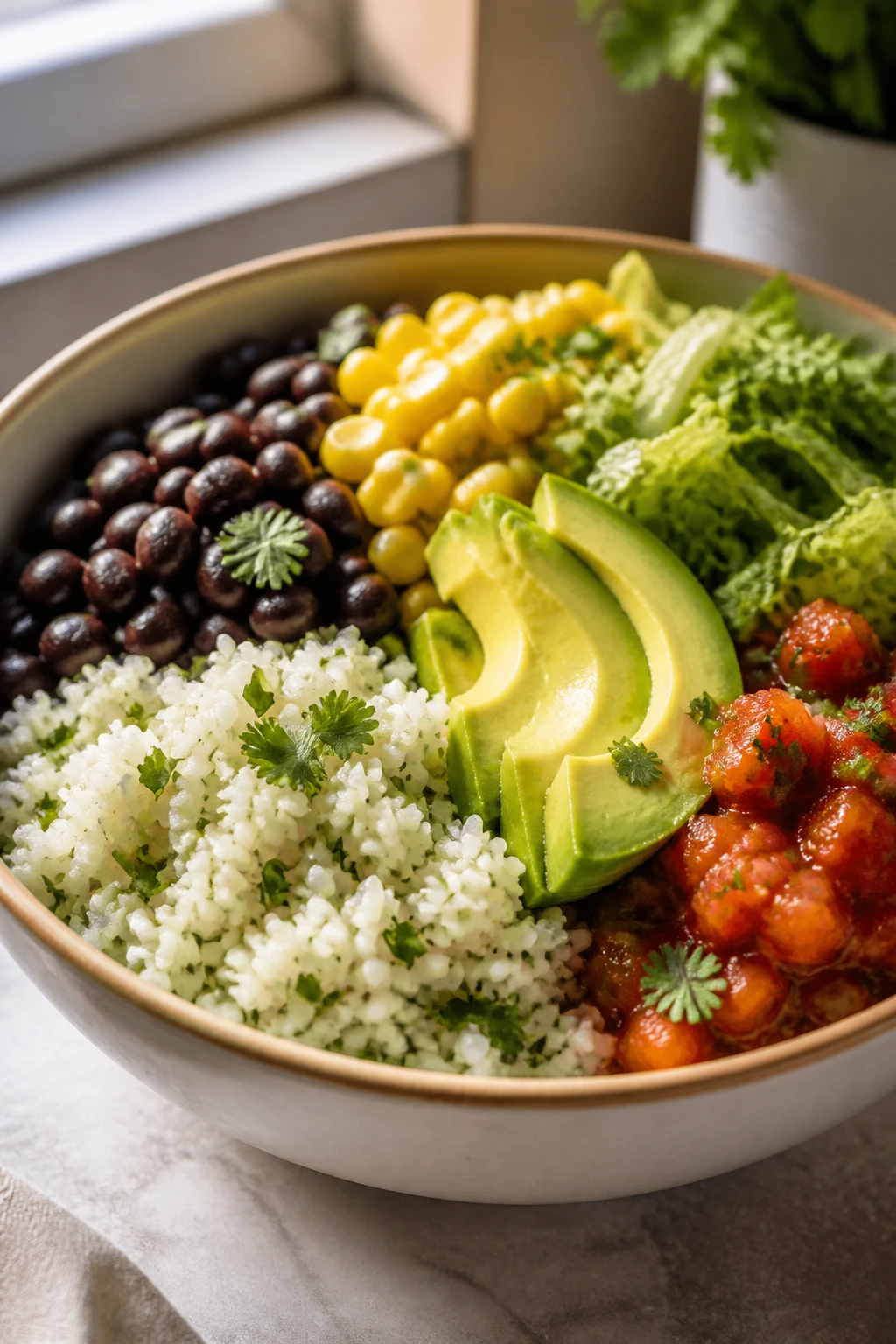
Intro: A burrito bowl only works when the rice tastes like something, not like a blank starch. Lime zest, cilantro, black beans, and corn do the work here, and the whole bowl moves fast once the rice is ready.
Why It Works: This is the kind of bowl that feels familiar without being dull. The beans bring heft, the corn brings sweetness, and the salsa gives the whole thing a wet, bright edge so the rice doesn’t dry out. It’s the meal I make when the fridge is half-empty and the pantry is doing its best.
Key Ingredients:
- 1 cup long-grain white rice
- 2 cups cooked black beans
- 1 cup corn kernels, thawed if frozen
- 1 tablespoon olive oil
- 1 lime, zested and juiced
- 1/4 cup chopped cilantro
- 1 cup shredded lettuce
- 1 avocado, sliced
- 1/2 cup salsa
- 1/4 cup sour cream or plain yogurt, optional
Quick Steps:
- Cook the rice, then fluff it with olive oil, lime zest, lime juice, cilantro, and salt.
- Warm the black beans and corn together in a skillet for 3 to 4 minutes.
- Divide the lettuce and rice between bowls.
- Top with beans, corn, avocado, salsa, and sour cream.
Equipment for This Recipe:
- Medium saucepan
- Skillet
- Citrus juicer
How to Serve This Dish: Serve with tortilla chips or warm corn tortillas if you want a little extra crunch. Keep the salsa on top, not buried, so the rice doesn’t go soggy halfway through.
Pro Tips for This Recipe:
- Season the rice while it’s hot; it absorbs lime better that way.
- Thaw frozen corn and dry it before warming so it browns a little.
- Add avocado right before serving or it starts to dull.
Variations on This Dish:
- Cauliflower Rice Bowl: Use cauliflower rice for a lighter base.
- Roasted Pepper Version: Add roasted bell peppers and a spoonful of pico de gallo.
Common Mistakes to Avoid with This Dish:
- Dry rice: Lime and oil go in while the grains are hot.
- Cold beans straight from the can: Warm them first or the bowl loses steam.
9. Greek Orzo Bowl
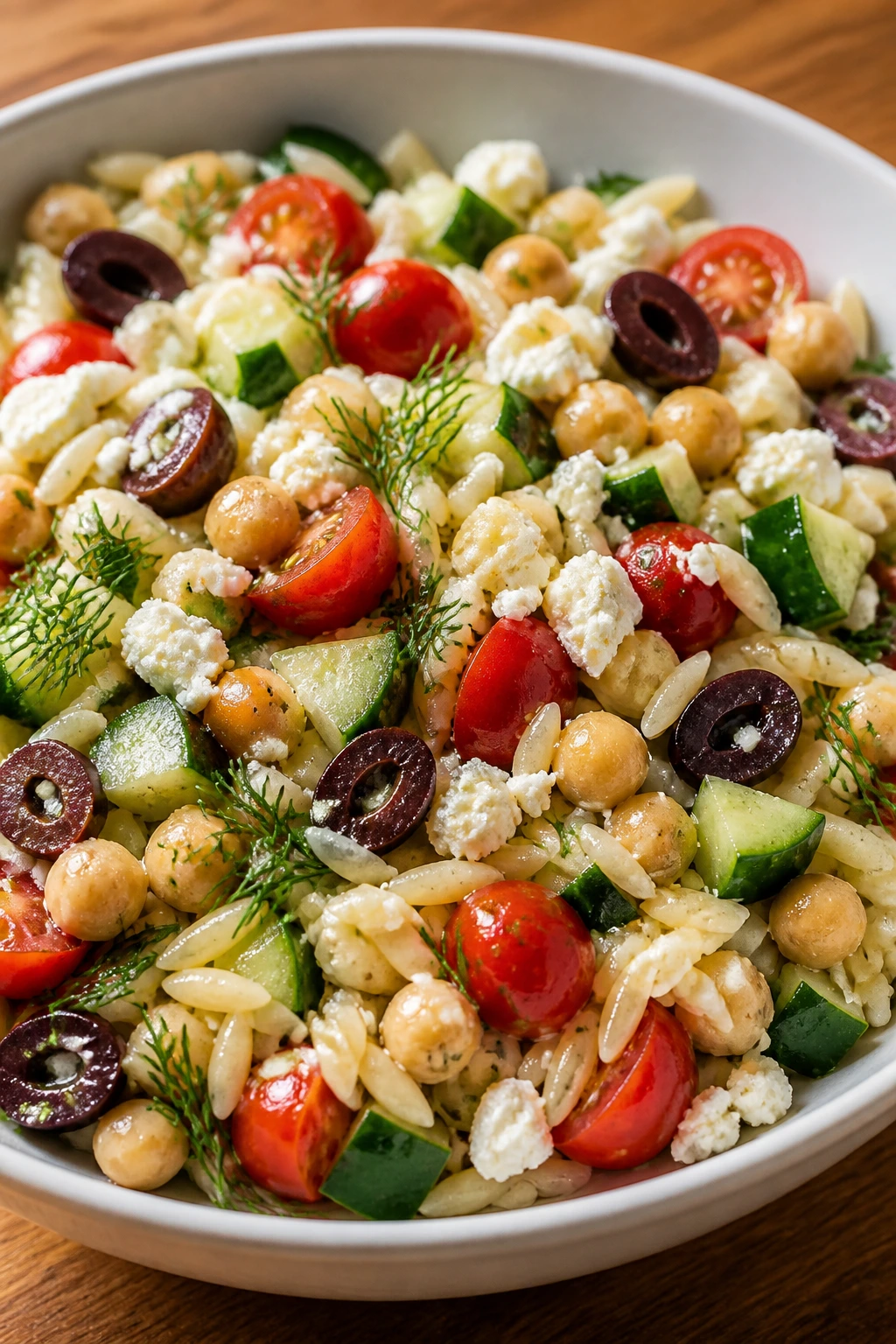
Intro: Orzo gives this bowl a pasta-salad feel without turning it cold and clingy. With chickpeas, cucumber, tomatoes, olives, and feta, it lands somewhere between lunch and dinner in the best way.
Why It Works: The tiny pasta shape catches olive oil and lemon in every curve. Chickpeas add bite, cucumber keeps the bowl fresh, and feta brings a salty snap that keeps the whole thing from tasting soft. It’s a sturdy bowl that still feels bright.
Key Ingredients:
- 8 ounces orzo
- 1 (15-ounce) can chickpeas, drained and rinsed
- 1 cucumber, diced
- 1 cup cherry tomatoes, halved
- 1/2 small red onion, thinly sliced
- 1/2 cup kalamata olives, halved
- 2 tablespoons olive oil
- 2 tablespoons lemon juice
- 1 teaspoon dried oregano
- 1/2 cup crumbled feta
- 2 tablespoons chopped dill or parsley
Quick Steps:
- Cook the orzo until just tender, then drain and rinse briefly with cool water.
- Toss the orzo with olive oil, lemon juice, oregano, and salt.
- Fold in chickpeas, cucumber, tomatoes, onion, olives, feta, and herbs.
- Taste and add more lemon if it needs sharpening.
Equipment for This Recipe:
- Saucepan
- Strainer
- Large mixing bowl
How to Serve This Dish: Serve it slightly chilled or room temperature. It’s good with a spoonful of tzatziki on the side if you want a creamier finish.
Pro Tips for This Recipe:
- Rinse the orzo after cooking so it doesn’t glue itself together.
- Salt the cucumber lightly if it tastes watery, then drain it for 5 minutes.
- Use a generous hand with herbs; Greek bowls want them.
Variations on This Dish:
- Quinoa Swap: Replace the orzo with quinoa for a gluten-free version.
- White Bean Version: Swap chickpeas for cannellini beans if that’s what you’ve got.
Common Mistakes to Avoid with This Dish:
- Overcooked pasta: Orzo turns mushy fast.
- Weak seasoning: This bowl needs enough lemon and salt to wake up the olives and feta.
10. Thai Peanut Veggie Noodle Bowl
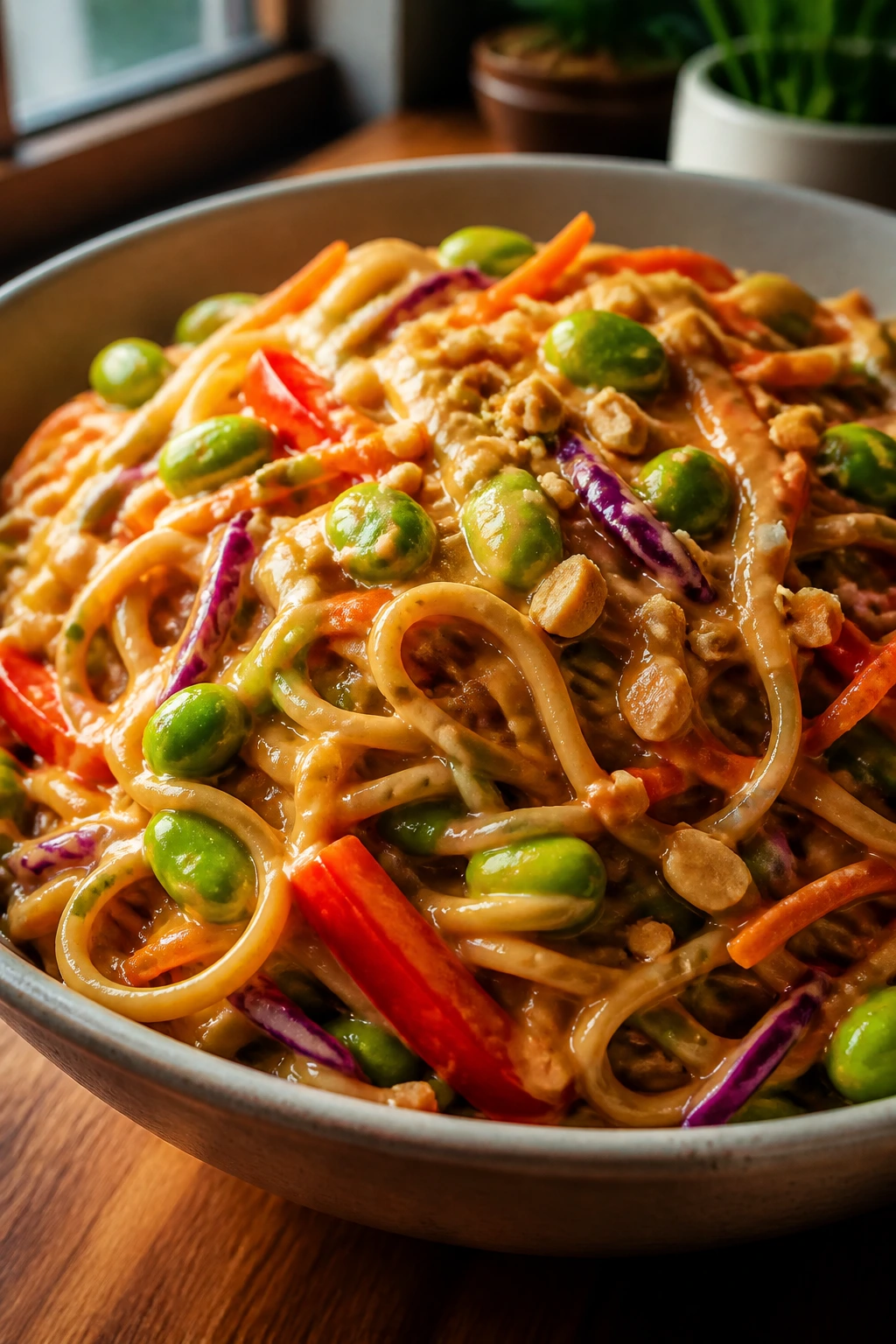
Intro: Peanut sauce wants heat, salt, acid, and a little sweetness in exactly that order. Give it rice noodles, shredded vegetables, and edamame, and you get a bowl that eats like something from your favorite takeout spot without needing a delivery fee.
Why It Works: The sauce clings to noodles better when it’s loosened with hot water, and the vegetables stay crisp if you keep them raw or only barely warm. Edamame adds protein, while peanuts on top keep the texture from going soft. That last bit matters a lot here.
Key Ingredients:
- 8 ounces rice noodles
- 1 cup shelled edamame, thawed
- 1 cup shredded cabbage
- 1 carrot, julienned
- 1 red bell pepper, thinly sliced
- 1/4 cup peanut butter
- 2 tablespoons soy sauce
- 1 tablespoon lime juice
- 1 tablespoon rice vinegar
- 1 teaspoon maple syrup
- 1 teaspoon grated ginger
- 1 clove garlic, grated
- 2 tablespoons chopped peanuts
Quick Steps:
- Soak or cook the noodles according to the package, then rinse and drain well.
- Whisk peanut butter, soy sauce, lime juice, vinegar, maple syrup, ginger, garlic, and 2 to 4 tablespoons hot water.
- Toss the noodles with edamame, cabbage, carrot, and bell pepper.
- Spoon the sauce over the top and finish with peanuts.
Equipment for This Recipe:
- Large bowl
- Small whisking bowl
- Strainer
How to Serve This Dish: Serve it at room temperature or barely warm. I like cilantro and a few lime wedges on the side, because this bowl gets better when the citrus stays lively.
Pro Tips for This Recipe:
- Add hot water to the sauce slowly; peanut butter thickens in seconds.
- Don’t overcook rice noodles or they turn slippery.
- Salt the vegetables lightly if they taste flat.
Variations on This Dish:
- Almond Butter Version: Swap peanut butter for almond butter if that’s what you prefer.
- Tofu Bowl: Add baked tofu cubes for a firmer, more filling meal.
Common Mistakes to Avoid with This Dish:
- Sauce too thick: It should coat, not paste.
- Warm noodles left wet: Drain them well or the sauce thins out.
11. Roasted Broccoli and Halloumi Bowl
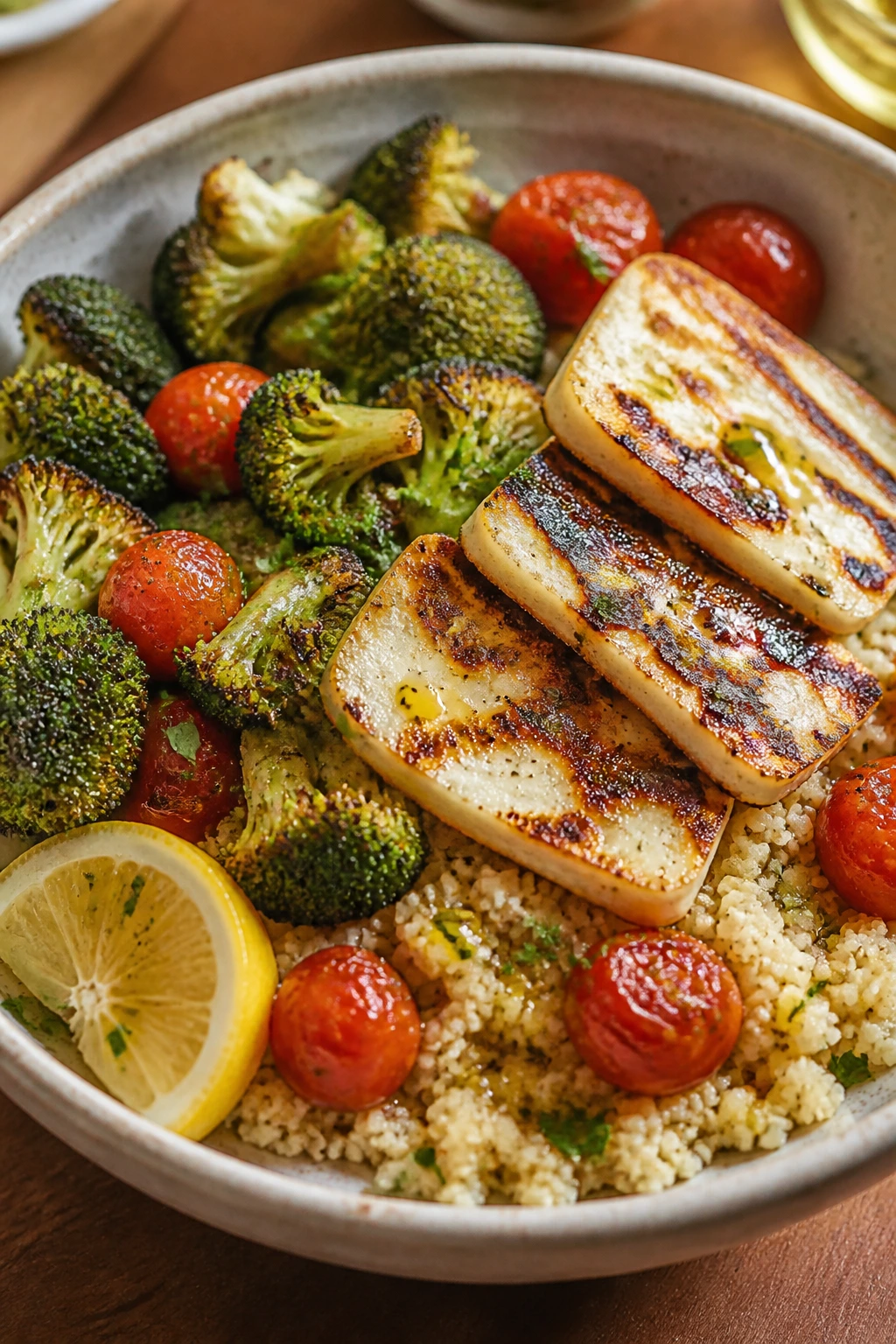
Intro: Halloumi is salty enough to wake up a whole tray of broccoli. Once it sears, the outside gets a little bronzed and the center stays squeaky, which sounds odd until you taste it in a bowl with lemon and couscous.
Why It Works: Broccoli likes high heat, and halloumi likes a dry pan. Together they make a bowl with real contrast: bitter greens, salty cheese, fluffy couscous, and little pops of tomato. The lemon keeps the cheese from taking over.
Key Ingredients:
- 4 cups broccoli florets
- 8 ounces halloumi, sliced into 1/2-inch slabs
- 1 cup couscous
- 1 cup cherry tomatoes
- 2 tablespoons olive oil
- 1 lemon, juiced
- 2 tablespoons plain Greek yogurt
- 2 tablespoons chopped parsley
Quick Steps:
- Roast the broccoli at 425°F with olive oil and salt for 18 to 20 minutes.
- Cook the couscous and fluff it with a fork.
- Sear the halloumi in a dry skillet over medium heat for 1 to 2 minutes per side.
- Assemble the couscous, broccoli, tomatoes, halloumi, yogurt, lemon juice, and parsley.
Equipment for This Recipe:
- Sheet pan
- Skillet
- Medium bowl
How to Serve This Dish: Serve it hot while the halloumi is still firm around the edges. A few toasted almonds or pumpkin seeds on top are a nice extra if you want a little crunch.
Pro Tips for This Recipe:
- Dry the halloumi before searing or it spits and browns unevenly.
- Roast the broccoli until the tips darken; pale broccoli tastes sleepy.
- Add yogurt in little dollops so the bowl keeps some structure.
Variations on This Dish:
- Feta Version: Use crumbled feta instead of halloumi for a softer, saltier bowl.
- Grilled Zucchini Version: Add grilled zucchini ribbons for a lighter plate.
Common Mistakes to Avoid with This Dish:
- Overcooked halloumi: It goes rubbery fast.
- Underseasoned couscous: Couscous needs salt or it tastes like filler.
12. Sesame Edamame Avocado Bowl
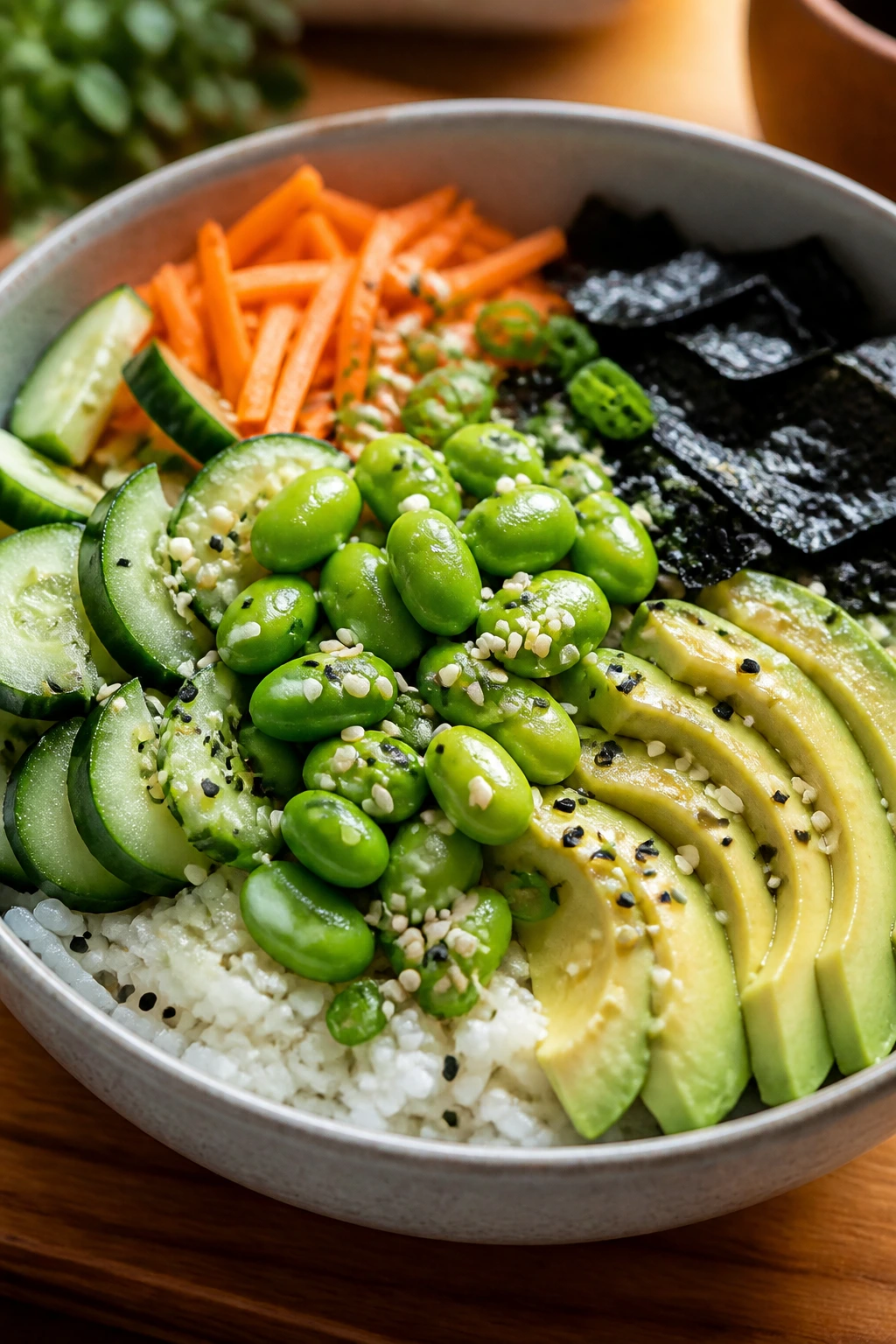
Intro: Sesame oil does a lot of work with almost no volume. Stir it into rice with edamame, avocado, cucumber, and carrot, and the bowl suddenly tastes clean, nutty, and sharper than it looks.
Why It Works: This is a bowl built on cold and warm contrast. The rice gives you a soft base, the vegetables stay crisp, and the avocado adds fat without making everything heavy. Nori strips and sesame seeds keep the flavor in the right lane.
Key Ingredients:
- 2 cups cooked sushi rice
- 1 cup shelled edamame, thawed
- 1 avocado, sliced
- 1 cucumber, sliced
- 1 carrot, julienned
- 2 tablespoons soy sauce
- 1 tablespoon sesame oil
- 1 tablespoon rice vinegar
- 1 teaspoon honey or maple syrup
- 1 tablespoon sesame seeds
- Nori strips, optional
Quick Steps:
- Warm the rice slightly, then stir in a pinch of salt and the rice vinegar.
- Toss edamame, cucumber, carrot, soy sauce, sesame oil, and honey together.
- Divide the rice into bowls and top with the vegetable mix and avocado.
- Finish with sesame seeds and nori strips.
Equipment for This Recipe:
- Medium bowl
- Sharp knife
- Small whisking bowl
How to Serve This Dish: Serve it warm or room temperature. A spoonful of pickled ginger on the side gives the bowl a little bite and keeps the avocado from feeling too mellow.
Pro Tips for This Recipe:
- Let the rice cool a touch before adding avocado so it doesn’t get soft.
- Use more cucumber than you think you need; this bowl likes freshness.
- Toast the sesame seeds for a minute if you want deeper flavor.
Variations on This Dish:
- Smoked Tofu Version: Add cubes of smoked tofu for more chew.
- Brown Rice Bowl: Swap in brown rice if you want a nuttier base.
Common Mistakes to Avoid with This Dish:
- Hot rice with avocado: It softens the avocado too much.
- Too much soy sauce: Keep it light or the bowl turns salty fast.
13. Caprese Farro Bowl
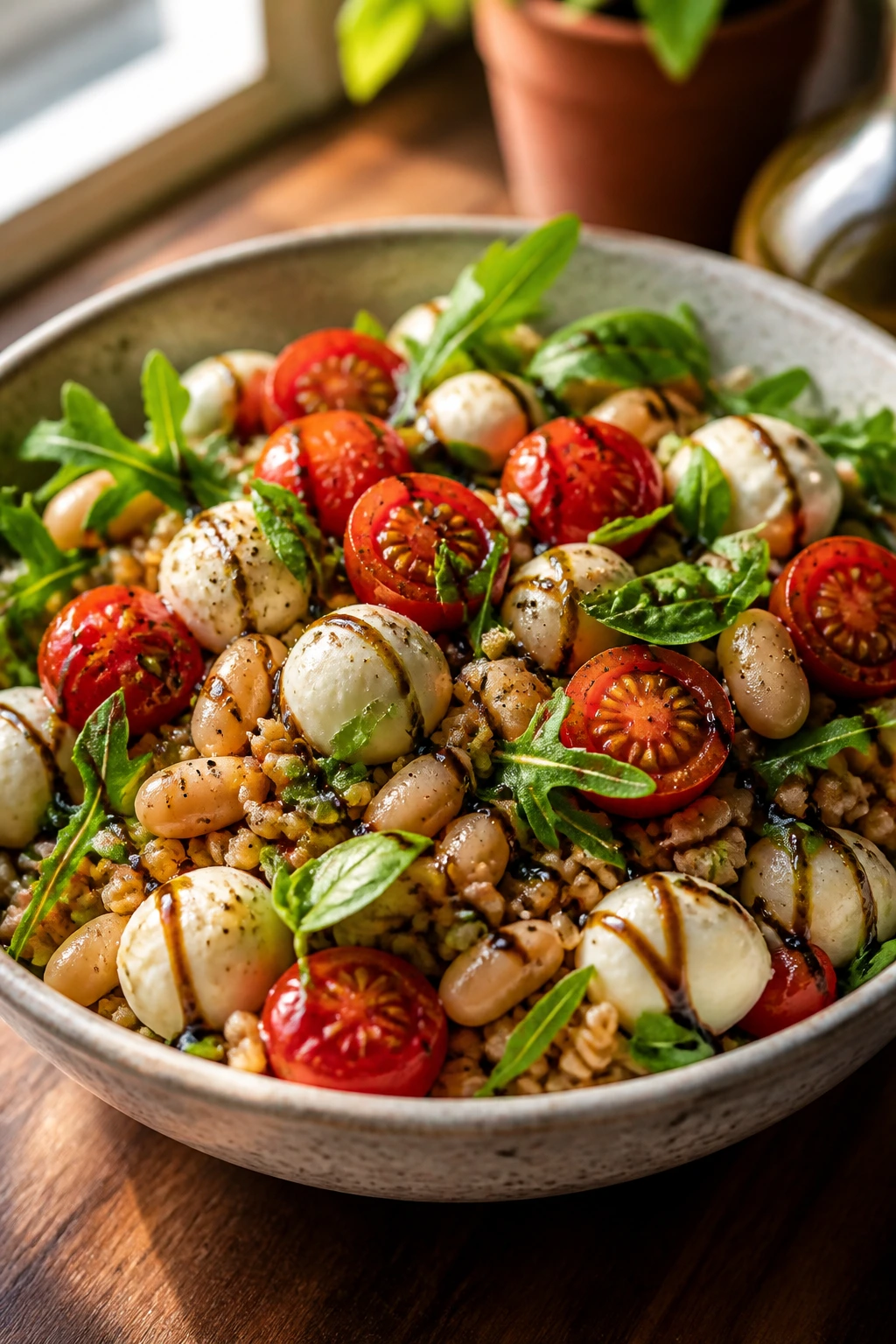
Intro: Caprese flavors can go limp fast if the tomatoes are watery, so this bowl leans on dry farro, good basil, and just enough balsamic glaze to make everything feel intentional. It tastes like summer, but it still eats like dinner.
Why It Works: Farro gives the bowl a nutty base that stands up to mozzarella and tomatoes. Cannellini beans turn it from a side dish into a meal, and basil brings the sharp green note that keeps the cheese from flattening everything out. Balsamic glaze finishes the job.
Key Ingredients:
- 1 cup dry farro
- 1 (15-ounce) can cannellini beans, drained and rinsed
- 1 pint cherry tomatoes
- 8 ounces fresh mozzarella pearls or torn mozzarella
- 2 cups baby arugula
- 1/4 cup basil leaves
- 2 tablespoons olive oil
- 1 tablespoon balsamic glaze
- Salt and black pepper
Quick Steps:
- Cook the farro until tender but chewy, then drain well.
- Toss the warm farro with olive oil, salt, and pepper.
- Fold in the beans, tomatoes, mozzarella, arugula, and basil.
- Drizzle with balsamic glaze just before serving.
Equipment for This Recipe:
- Saucepan
- Large mixing bowl
- Colander
How to Serve This Dish: Serve it warm enough to soften the mozzarella slightly but not so hot that the basil collapses. A slice of crusty bread on the side is never a bad call.
Pro Tips for This Recipe:
- Pat the mozzarella dry so the bowl doesn’t collect extra liquid.
- Add the glaze at the table if you want cleaner layers.
- Use firm cherry tomatoes; soft ones break down too fast.
Variations on This Dish:
- Peach Caprese Version: Add sliced peaches when tomatoes are sweet and firm.
- White Bean-Free Version: Skip the beans if you want it lighter, but keep the farro.
Common Mistakes to Avoid with This Dish:
- Too much balsamic glaze: It can overpower the basil.
- Watery cheese: Drain the mozzarella before it goes in.
14. Harissa Cauliflower Couscous Bowl
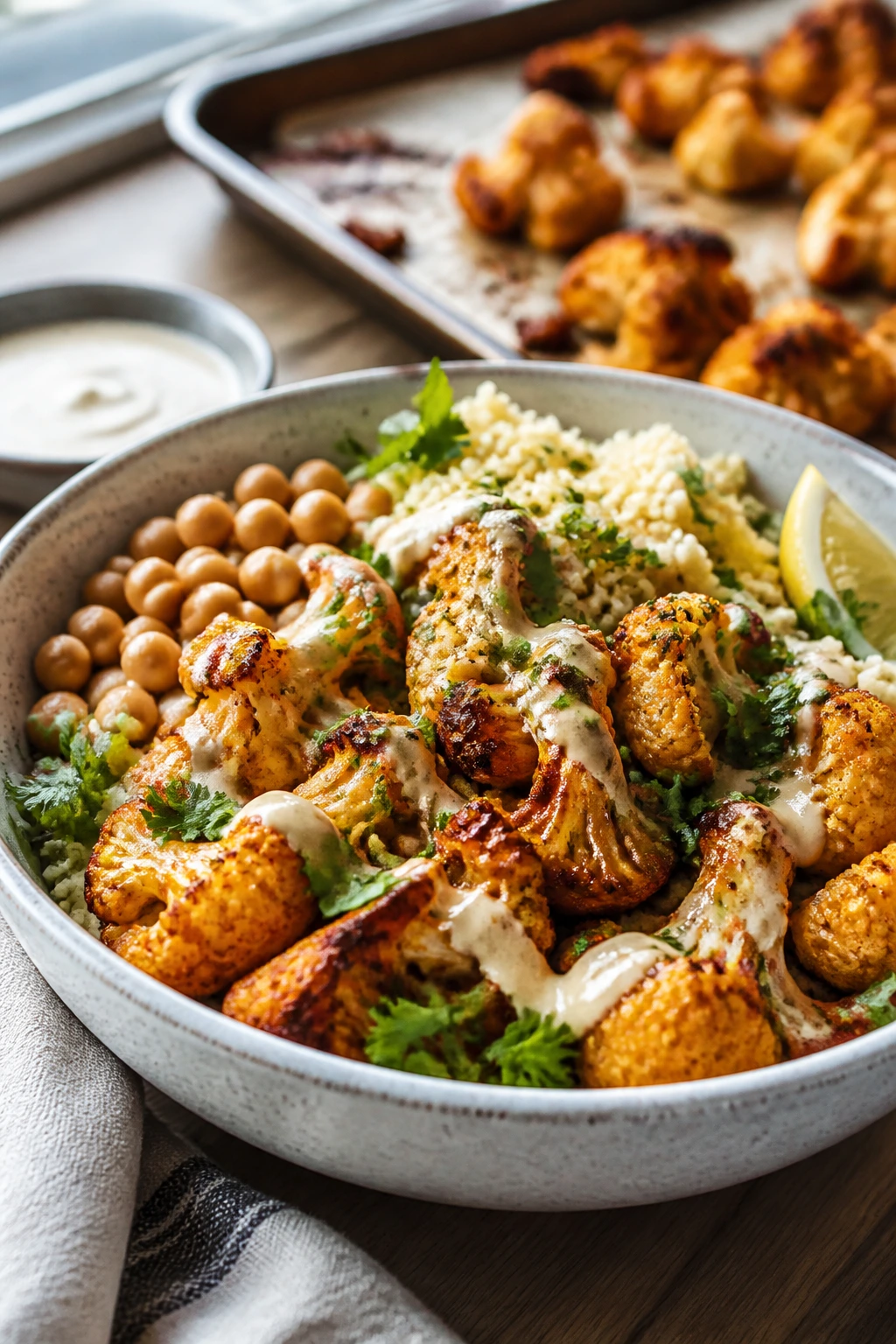
Intro: Harissa behaves best when it gets a hot oven and a little olive oil. It clings to cauliflower in the nicest way, giving the bowl heat that feels warm rather than aggressive.
Why It Works: Roasted cauliflower takes on the harissa well because its edges catch color and flavor fast. Couscous soaks up the drippings, chickpeas add body, and the tahini-lemon sauce cuts through the spice. A few chopped herbs at the end keep it from tasting dark.
Key Ingredients:
- 1 medium head cauliflower, cut into florets
- 1 (15-ounce) can chickpeas, drained and rinsed
- 2 tablespoons olive oil
- 1 to 2 tablespoons harissa paste
- 1 cup couscous
- 1 cup hot vegetable broth or water
- 1/4 cup tahini
- 2 tablespoons lemon juice
- 2 tablespoons chopped parsley
- 2 tablespoons sliced almonds or chopped pistachios
Quick Steps:
- Toss cauliflower and chickpeas with olive oil, harissa, and salt, then roast at 425°F for 25 minutes.
- Pour hot broth over the couscous, cover, and let it stand for 5 minutes before fluffing.
- Whisk tahini, lemon juice, and a splash of water into a spoonable sauce.
- Build bowls with couscous, cauliflower, chickpeas, parsley, nuts, and tahini sauce.
Equipment for This Recipe:
- Sheet pan
- Medium bowl
- Fork for fluffing couscous
How to Serve This Dish: Serve with lemon wedges and maybe a spoonful of yogurt if you want the heat dialed down. The nuts are not decorative; they give the bowl the crunch it needs.
Pro Tips for This Recipe:
- Start with less harissa than you think. You can always add more.
- Roast until the cauliflower edges brown, not just soften.
- Fluff the couscous with a fork so it stays light.
Variations on This Dish:
- Mint Yogurt Version: Add chopped mint to yogurt for a cooler finish.
- Quinoa Swap: Replace the couscous with quinoa for a gluten-free base.
Common Mistakes to Avoid with This Dish:
- Too much harissa: It can overpower the vegetables.
- Dense couscous: Pour the hot liquid over and let it sit, covered.
15. Poblano Corn and Pinto Bowl
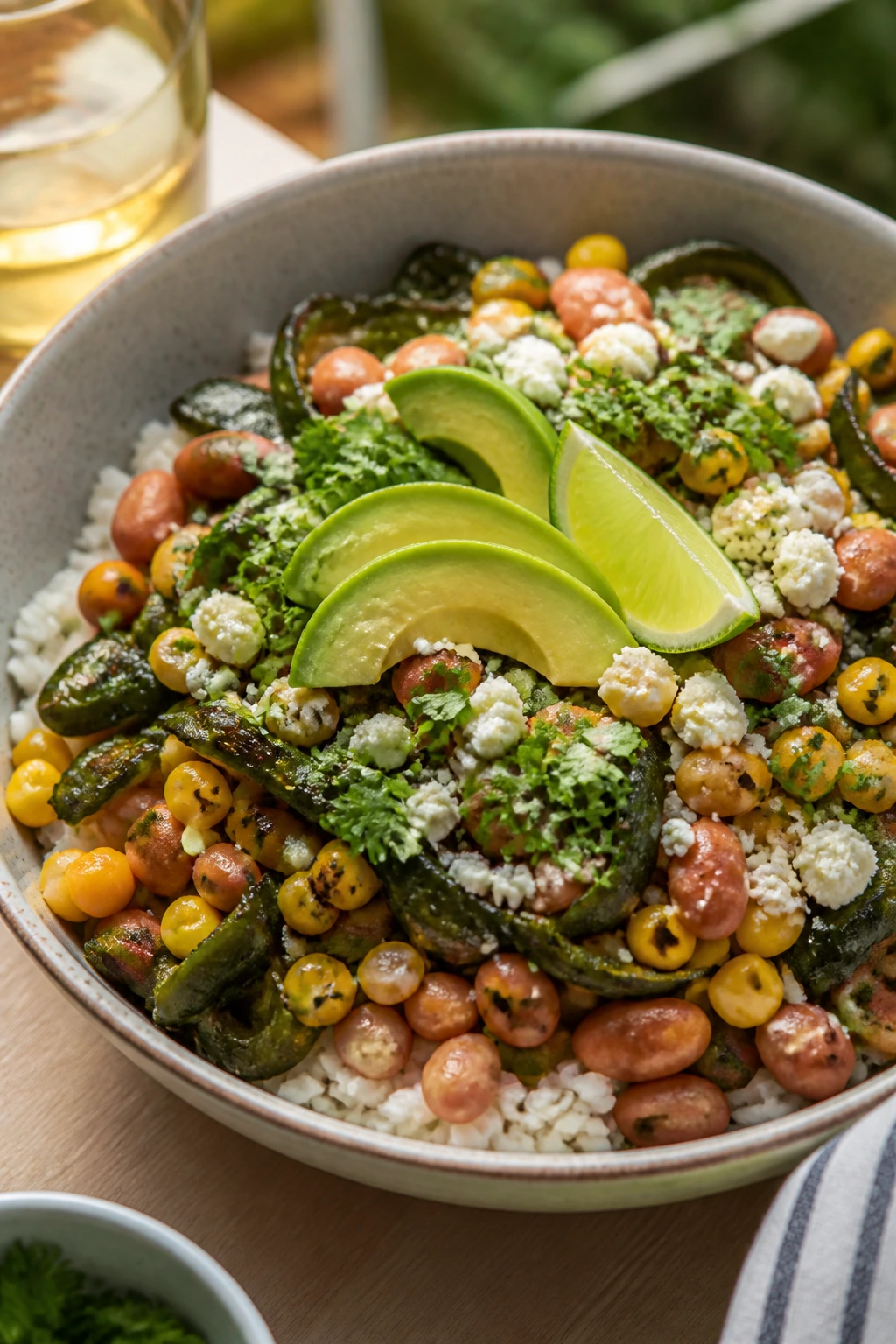
Intro: Poblanos bring more smoke than heat, which makes them perfect for a bowl that also has corn and beans. They taste like they belong next to lime and cilantro, and the whole thing gets better if you char them properly.
Why It Works: The peppers, corn, and pinto beans all share a sweet-savory lane, but the lime and cotija keep the bowl from getting sleepy. If you want a bowl that feels a little like a taco night without the shell pileup, this is the one.
Key Ingredients:
- 2 poblano peppers
- 1 cup corn kernels
- 1 (15-ounce) can pinto beans, drained and rinsed
- 2 cups cooked rice
- 1 tablespoon olive oil
- 1/2 teaspoon ground cumin
- 1/2 teaspoon chili powder
- 1 avocado, sliced
- 1/4 cup chopped cilantro
- 1 lime, juiced
- 1/4 cup cotija or queso fresco
Quick Steps:
- Char the poblano peppers under a broiler or in a dry skillet until blistered, then slice them.
- Warm the corn and pinto beans with olive oil, cumin, chili powder, and salt.
- Divide the rice into bowls.
- Top with poblano, corn, beans, avocado, cilantro, lime juice, and cheese.
Equipment for This Recipe:
- Skillet or broiler-safe pan
- Knife
- Mixing bowl
How to Serve This Dish: Serve with salsa verde or a spoonful of pico de gallo. A few crushed tortilla chips on top give you the crunch the rice can’t provide.
Pro Tips for This Recipe:
- Char the poblanos until the skin blisters; that smoky edge matters.
- Warm the beans with seasoning so they don’t taste straight from the can.
- Add lime after assembling so the avocado stays clean.
Variations on This Dish:
- Sweet Potato Version: Add roasted sweet potato cubes for more heft.
- Cauliflower Rice Version: Use cauliflower rice if you want a lower-carb bowl.
Common Mistakes to Avoid with This Dish:
- Undercooked peppers: They need enough char to taste smoky.
- No salt on the corn: Sweet corn needs seasoning or it disappears.
16. Butternut Squash and Sage Polenta Bowl
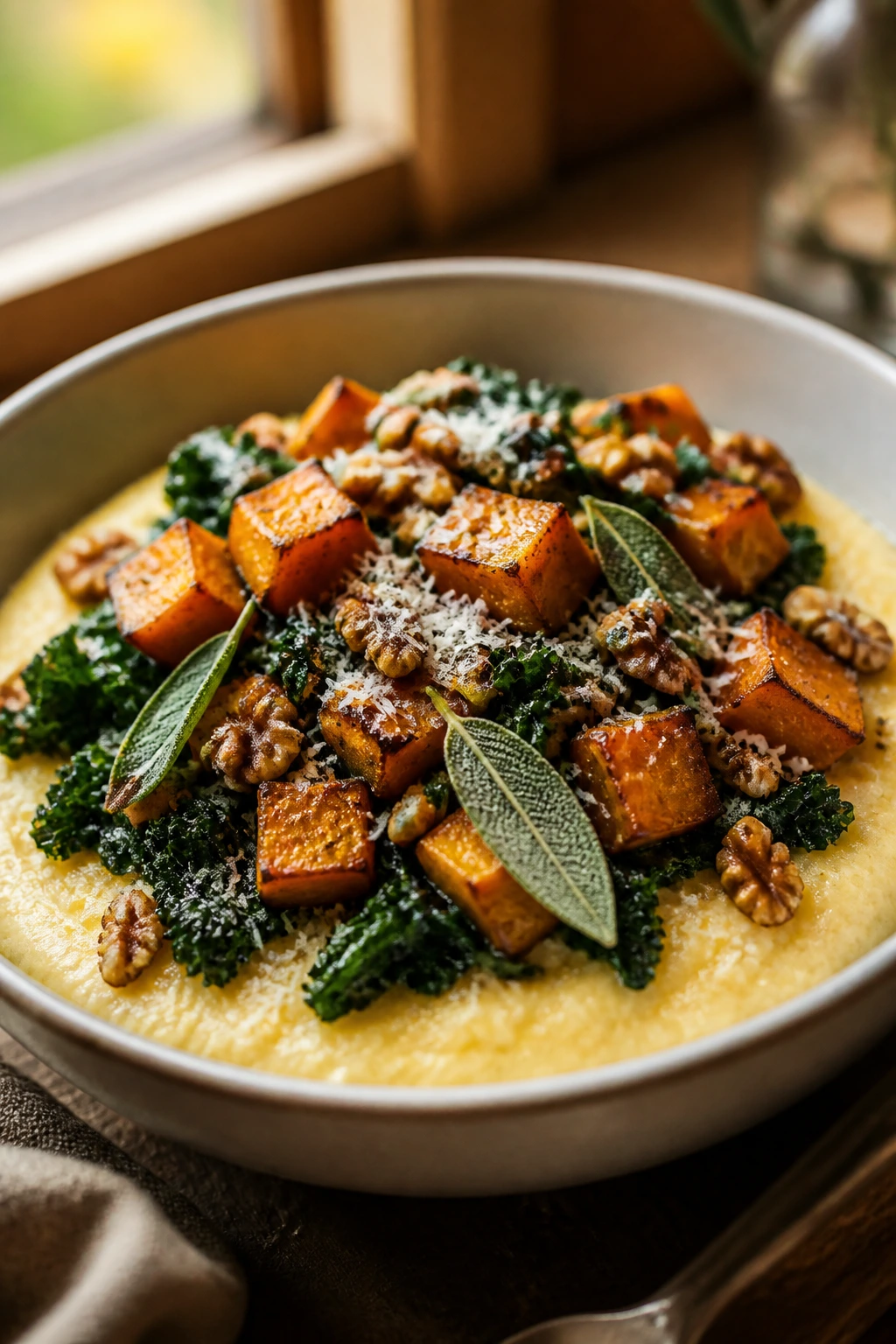
Intro: Polenta gets overlooked because people serve it too stiff. Keep it soft and creamy, then load it with roasted squash and sage, and you get a bowl that feels rich without leaning on meat.
Why It Works: Butternut squash brings sweetness and edges that caramelize in the oven, while polenta gives the bowl a warm, spoonable base. Kale or greens add bitterness, and toasted walnuts keep the texture from going flat. Sage is the herb that makes it taste deliberate.
Key Ingredients:
- 4 cups butternut squash cubes
- 2 tablespoons olive oil
- 1 teaspoon chopped fresh sage
- 1 cup polenta
- 4 cups vegetable broth or water
- 2 tablespoons butter or olive oil
- 2 cups chopped kale
- 1/4 cup grated parmesan
- 2 tablespoons toasted walnuts
Quick Steps:
- Roast the squash at 425°F with olive oil, sage, and salt for 25 to 30 minutes.
- Simmer the polenta in broth, stirring often, until creamy and smooth.
- Wilt the kale in a skillet with a splash of water or olive oil.
- Spoon polenta into bowls and top with squash, kale, parmesan, and walnuts.
Equipment for This Recipe:
- Sheet pan
- Medium saucepan
- Skillet
How to Serve This Dish: Serve it right away while the polenta is loose and glossy. If it sits too long, it sets up fast, so keep your bowls ready before you start assembling.
Pro Tips for This Recipe:
- Stir the polenta more than you think you need to.
- Roast the squash until the edges brown, not just soften.
- Toast the walnuts in a dry pan for a minute or two for better flavor.
Variations on This Dish:
- Goat Cheese Finish: Swap the parmesan for crumbled goat cheese.
- Mushroom Version: Add sautéed mushrooms for a deeper savory note.
Common Mistakes to Avoid with This Dish:
- Polenta too thick: Add broth until it loosens.
- Squash cut unevenly: Small pieces scorch while large pieces stay hard.
17. Rainbow Crunch Buddha Bowl
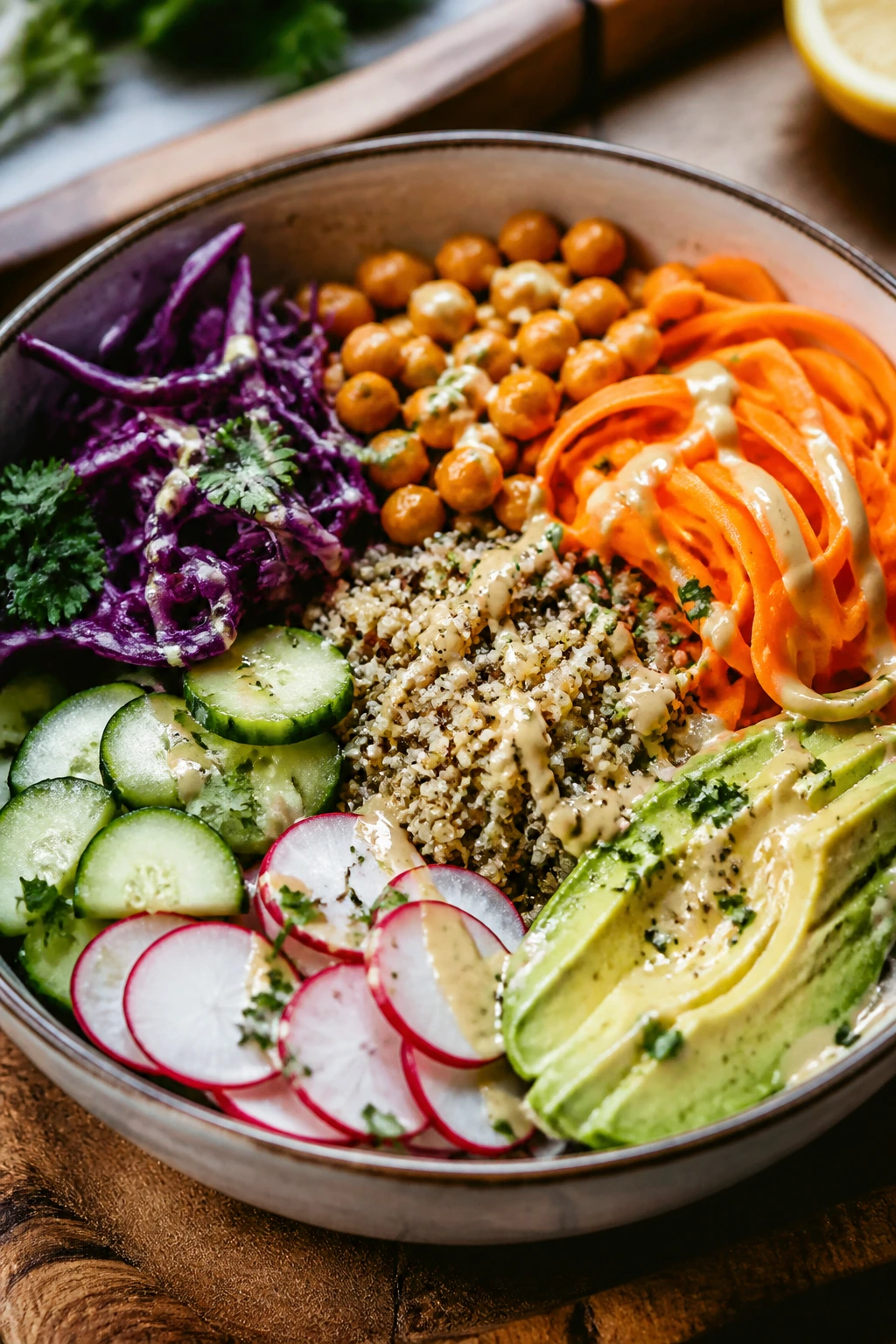
Intro: A Buddha bowl should have crunch in the first bite and a sauce that reaches every corner. If the bowl is all soft greens and beige grains, it’s doing the job badly, so this version leans hard on shredded cabbage, carrots, radishes, and a sharp tahini-lime dressing.
Why It Works: Quinoa gives the base some lift, chickpeas add body, and the roasted carrots bring a little sweetness. The raw vegetables keep the bowl bright, which is what saves it from tasting like a health-food tray from nowhere. The tahini dressing ties everything together without drowning it.
Key Ingredients:
- 1 cup dry quinoa
- 1 cup chickpeas, drained and rinsed
- 2 cups shredded red cabbage
- 2 carrots, cut into ribbons or matchsticks
- 1 cucumber, sliced
- 4 radishes, thinly sliced
- 1 avocado, sliced
- 1/4 cup tahini
- 2 tablespoons lime juice
- 1 tablespoon maple syrup
- 1 tablespoon sesame seeds
Quick Steps:
- Cook the quinoa and let it steam off for 5 minutes.
- Roast the chickpeas at 400°F with salt for 20 minutes if you want them crisp, or leave them plain for a softer bowl.
- Whisk tahini, lime juice, maple syrup, salt, and enough water to make a smooth dressing.
- Build bowls with quinoa, cabbage, carrots, cucumber, radishes, avocado, and dressing.
Equipment for This Recipe:
- Saucepan
- Large bowl
- Whisk
How to Serve This Dish: Serve it in a wide bowl so the colors stay visible. I like a few extra sesame seeds and maybe a handful of herbs on top because the bowl needs a finishing note.
Pro Tips for This Recipe:
- Salt the cabbage lightly if it tastes sharp or tough.
- Add avocado at the last second so it doesn’t brown.
- Thin the dressing until it drips; thick dressing gets clumpy in the vegetables.
Variations on This Dish:
- Peanut Dressing Version: Swap the tahini dressing for peanut sauce if you want a deeper, nuttier flavor.
- Tofu Version: Add pan-seared tofu cubes for more protein.
Common Mistakes to Avoid with This Dish:
- No salt in the raw vegetables: The bowl tastes flat.
- One texture only: Keep at least one crisp element and one creamy element.
18. Shakshuka Breakfast-for-Dinner Bowl
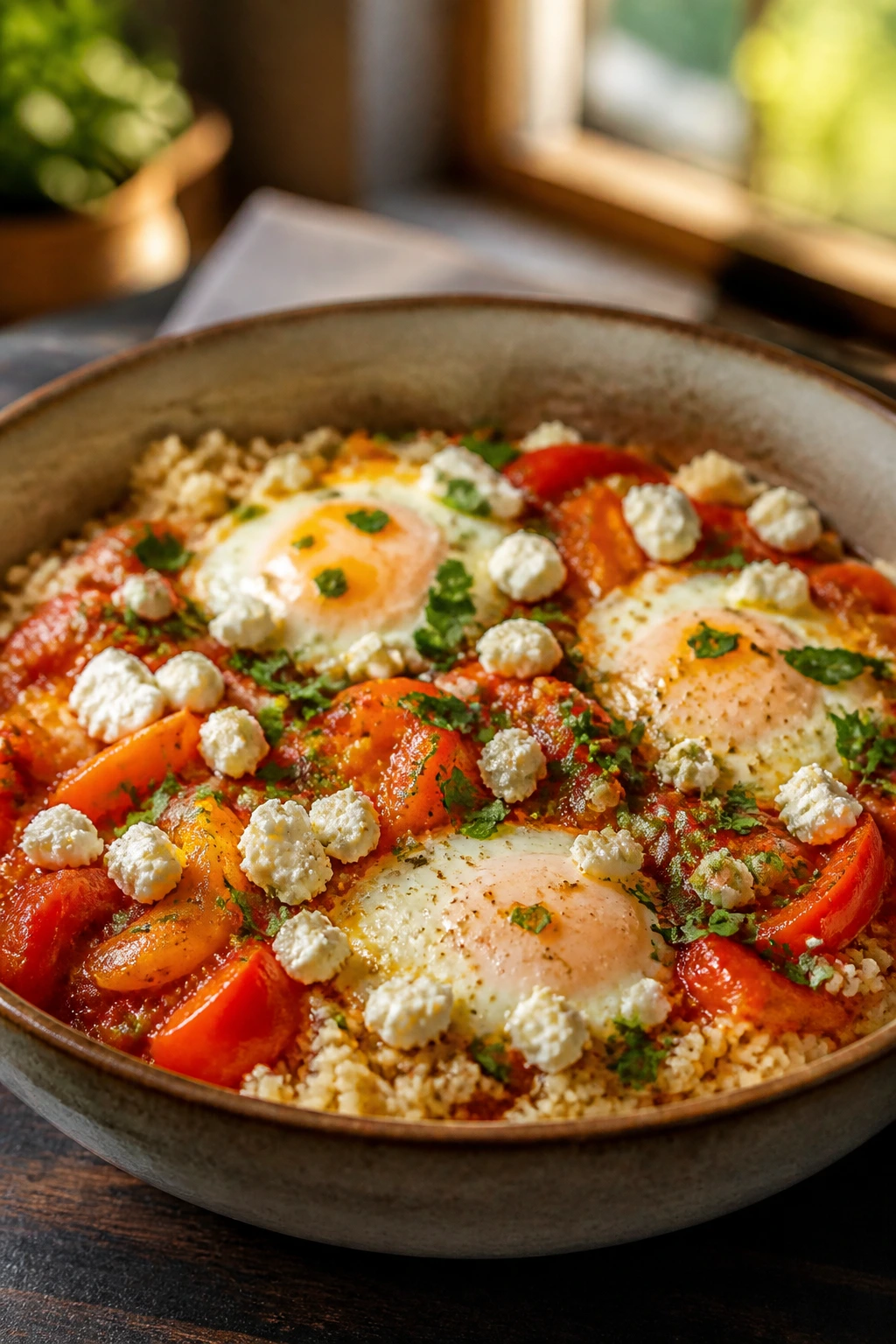
Intro: Shakshuka is already a bowl waiting to happen. Put it over couscous or serve it with bread on the side, and the saucy tomatoes, peppers, and eggs turn into dinner that feels much more composed than the effort required.
Why It Works: The tomato base brings acidity and warmth, and the eggs give the bowl richness without making it heavy. Feta and herbs finish it with salt and freshness. It’s one of the few meatless bowls that can feel both casual and a little dramatic.
Key Ingredients:
- 2 tablespoons olive oil
- 1/2 onion, diced
- 1 red bell pepper, diced
- 2 garlic cloves, minced
- 1 (28-ounce) can crushed tomatoes
- 1 teaspoon paprika
- 1/2 teaspoon ground cumin
- 4 large eggs
- 1/2 cup crumbled feta
- 2 tablespoons chopped parsley
- 2 cups cooked couscous or 4 toasted pita rounds
Quick Steps:
- Sauté the onion and bell pepper in olive oil over medium heat until soft, about 8 minutes.
- Add garlic, paprika, cumin, tomatoes, and salt, then simmer until the sauce thickens, 10 to 12 minutes.
- Make 4 wells, crack in the eggs, cover, and cook until the whites set and yolks are still soft, about 5 to 7 minutes.
- Top with feta and parsley, then serve over couscous or with pita.
Equipment for This Recipe:
- Large skillet with lid
- Spoon
- Measuring cup
How to Serve This Dish: Serve it straight from the skillet if you like a rustic look, or spoon it over couscous for a true bowl format. A little hot sauce on the side is not out of line.
Pro Tips for This Recipe:
- Let the tomato sauce reduce before adding eggs or the whites spread too thin.
- Cover the pan so the tops of the eggs set properly.
- Use ripe, full-flavored tomatoes if your canned tomatoes are plain.
Variations on This Dish:
- White Bean Shakshuka: Add 1 cup white beans to the sauce for more body.
- Harissa Version: Stir in 1 teaspoon harissa for a deeper spice.
Common Mistakes to Avoid with This Dish:
- Sauce too thin: The eggs slide around and overcook.
- No lid on the pan: The eggs stay underdone on top.
19. Kimchi Tempeh Bowl
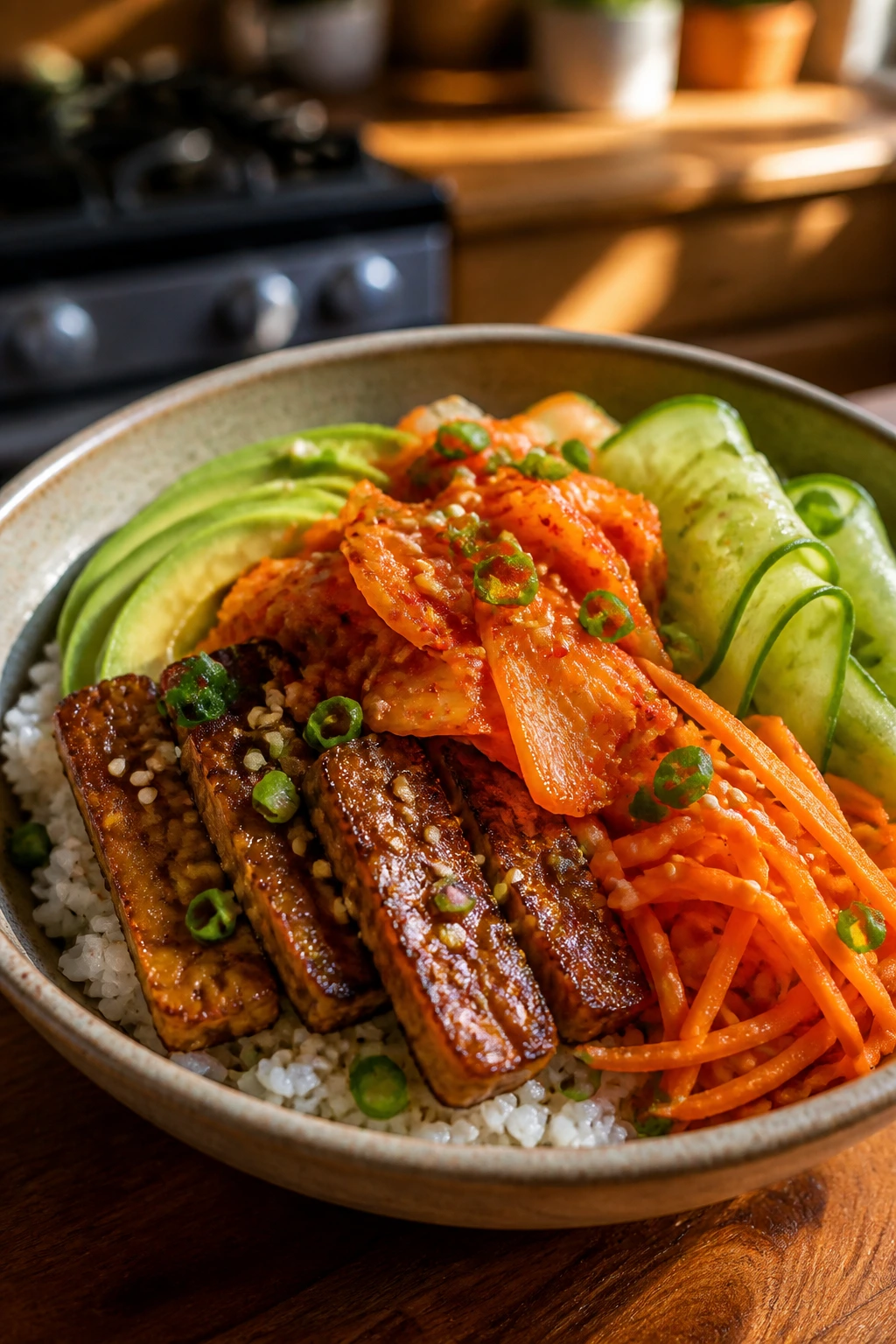
Intro: Tempeh needs steam before it needs a skillet. That small step takes the edge off the fermented soy flavor and sets it up to absorb a glaze without tasting bitter or dry.
Why It Works: Kimchi brings sharpness and crunch, tempeh brings chew, and rice gives the bowl a soft base. The avocado cools the heat, while sesame seeds and scallions keep the bowl from feeling heavy. This one is bold without being sloppy.
Key Ingredients:
- 8 ounces tempeh, sliced into 1/2-inch strips
- 1 tablespoon soy sauce
- 1 teaspoon sesame oil
- 1 tablespoon gochujang
- 2 cups cooked rice
- 1 cup vegetarian kimchi
- 1 cucumber, sliced
- 1 carrot, shredded
- 1 avocado, sliced
- 2 tablespoons sesame seeds
- 2 green onions, sliced
Quick Steps:
- Steam the tempeh for 5 minutes, then pat it dry.
- Sear it in a skillet with sesame oil until browned on both sides, about 4 minutes.
- Stir soy sauce and gochujang together, then glaze the tempeh in the pan for 1 minute.
- Build bowls with rice, kimchi, cucumber, carrot, avocado, tempeh, sesame seeds, and green onions.
Equipment for This Recipe:
- Skillet
- Steamer basket or small saucepan
- Sharp knife
How to Serve This Dish: Serve it while the tempeh is still warm and the kimchi is cold. That contrast makes the bowl much better than if everything sits at the same temperature.
Pro Tips for This Recipe:
- Check that your kimchi is vegetarian; some jars use fish sauce.
- Steam the tempeh first or the finished bowl can taste bitter.
- Don’t let the glaze burn in the pan. One minute is enough.
Variations on This Dish:
- Tofu Version: Swap in pressed tofu if tempeh isn’t your thing.
- Cauliflower Rice Version: Use cauliflower rice for a lighter base.
Common Mistakes to Avoid with This Dish:
- Skipping the steam: Tempeh can taste harsh.
- Using non-vegetarian kimchi by accident: Check the label before it hits the bowl.
20. Zucchini Pesto Chickpea Pasta Bowl
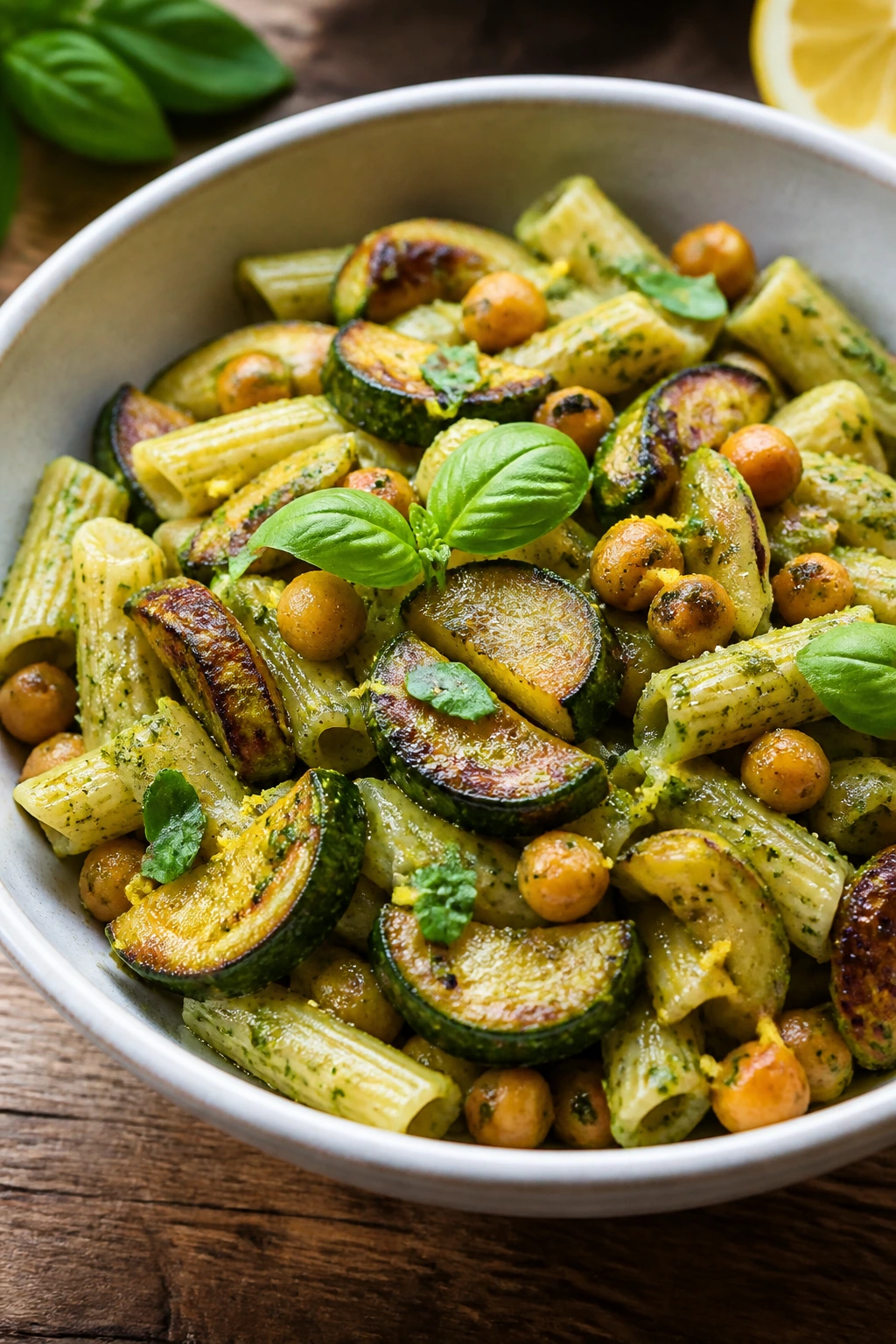
Intro: Pesto can drown pasta bowls if you don’t give the zucchini a chance to brown first. Let the squash pick up some color, add chickpeas for heft, and the whole bowl feels sharper and less greasy.
Why It Works: Pasta gives the bowl comfort, zucchini keeps it from getting heavy, and chickpeas make it stay lunchable enough for dinner. Pesto ties everything together, but a little lemon keeps the sauce from tasting flat. That acidity matters.
Key Ingredients:
- 8 ounces short pasta
- 2 medium zucchini, sliced into half-moons
- 1 (15-ounce) can chickpeas, drained and rinsed
- 2 tablespoons olive oil
- 1/4 cup basil pesto
- 1/4 cup ricotta or a dairy-free ricotta
- 1 tablespoon lemon juice
- 2 tablespoons grated parmesan
- 1/4 cup basil leaves
Quick Steps:
- Cook the pasta until al dente, then drain.
- Sauté the zucchini in olive oil over medium-high heat until browned at the edges.
- Stir in the chickpeas just long enough to warm them.
- Toss with pasta, pesto, lemon juice, ricotta, parmesan, and basil.
Equipment for This Recipe:
- Large pot
- Skillet
- Colander
How to Serve This Dish: Serve it warm with an extra spoonful of ricotta on top. A handful of arugula stirred in at the end can make it feel brighter if the zucchini is very mild.
Pro Tips for This Recipe:
- Don’t overcook the zucchini or it turns watery.
- Save a splash of pasta water if the pesto needs loosening.
- Add the basil at the end so it stays green.
Variations on This Dish:
- Sun-Dried Tomato Version: Add chopped sun-dried tomatoes for a saltier, deeper flavor.
- Arugula Version: Stir in arugula for peppery bite.
Common Mistakes to Avoid with This Dish:
- Greasy pesto bowl: Brown the zucchini first so it contributes flavor.
- Pasta too soft: Pull it early; it keeps cooking in the bowl.
21. Lentil Tabbouleh Bowl
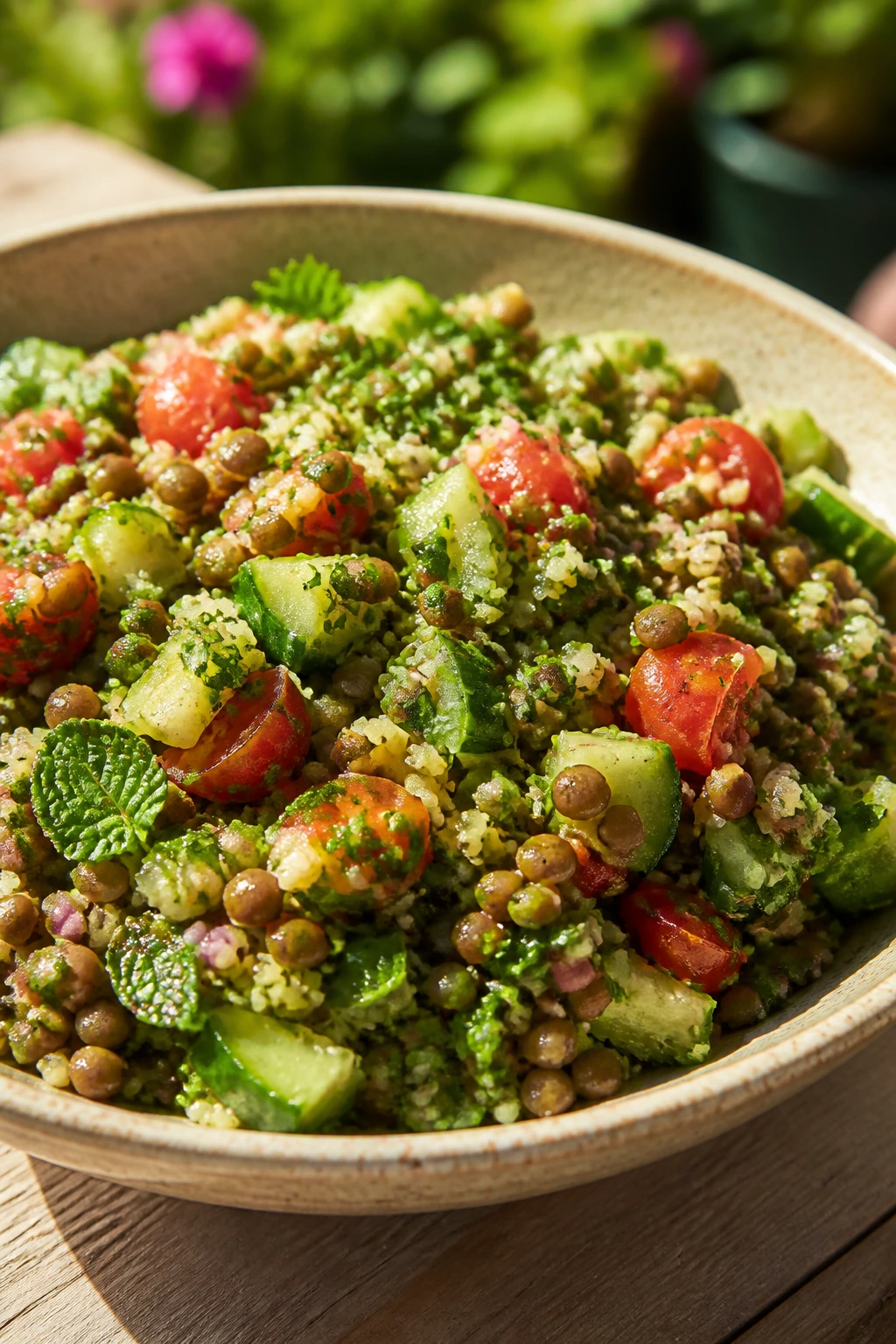
Intro: Tabbouleh is the rare bowl that wants more herbs than grain. When you stretch it with lentils, you get something cool, lemony, and sturdy enough to count as dinner without turning heavy.
Why It Works: Lentils bring protein and a little earthiness, while parsley, mint, tomato, and cucumber keep the bowl bright. Bulgur or quinoa gives it shape, but the herbs do the real flavor work. This is the bowl I reach for when I want something clean but not punishing.
Key Ingredients:
- 1 cup cooked lentils
- 1/2 cup fine bulgur, soaked or cooked according to package
- 1 cucumber, finely diced
- 2 tomatoes, diced
- 1 cup packed parsley, finely chopped
- 1/4 cup mint, chopped
- 2 tablespoons lemon juice
- 2 tablespoons olive oil
- 1/4 small red onion, finely diced
- 1/4 cup crumbled feta, optional
Quick Steps:
- Prepare the bulgur until tender, then drain well if needed.
- Toss the lentils, bulgur, cucumber, tomatoes, parsley, mint, onion, lemon juice, olive oil, salt, and pepper together.
- Chill for 10 to 15 minutes if you want the flavors to settle.
- Top with feta if using and serve.
Equipment for This Recipe:
- Mixing bowl
- Cutting board
- Sharp knife
How to Serve This Dish: Serve it chilled or just barely cool. It’s especially good beside warm pita or as a bed for roasted vegetables if you want more heft.
Pro Tips for This Recipe:
- Chop the parsley finely or it feels shaggy in the bowl.
- Salt the tomatoes lightly and drain any extra juice.
- Let the bowl rest for a short while before serving so the lemon can spread.
Variations on This Dish:
- Quinoa Tabbouleh: Swap the bulgur for quinoa for a gluten-free version.
- Yogurt Side: Add a spoonful of yogurt on the side if you want more creaminess.
Common Mistakes to Avoid with This Dish:
- Too much grain, not enough herbs: It stops tasting like tabbouleh.
- Dressing too early without draining tomatoes: The bowl turns watery.
22. Teriyaki Veggie Udon Bowl
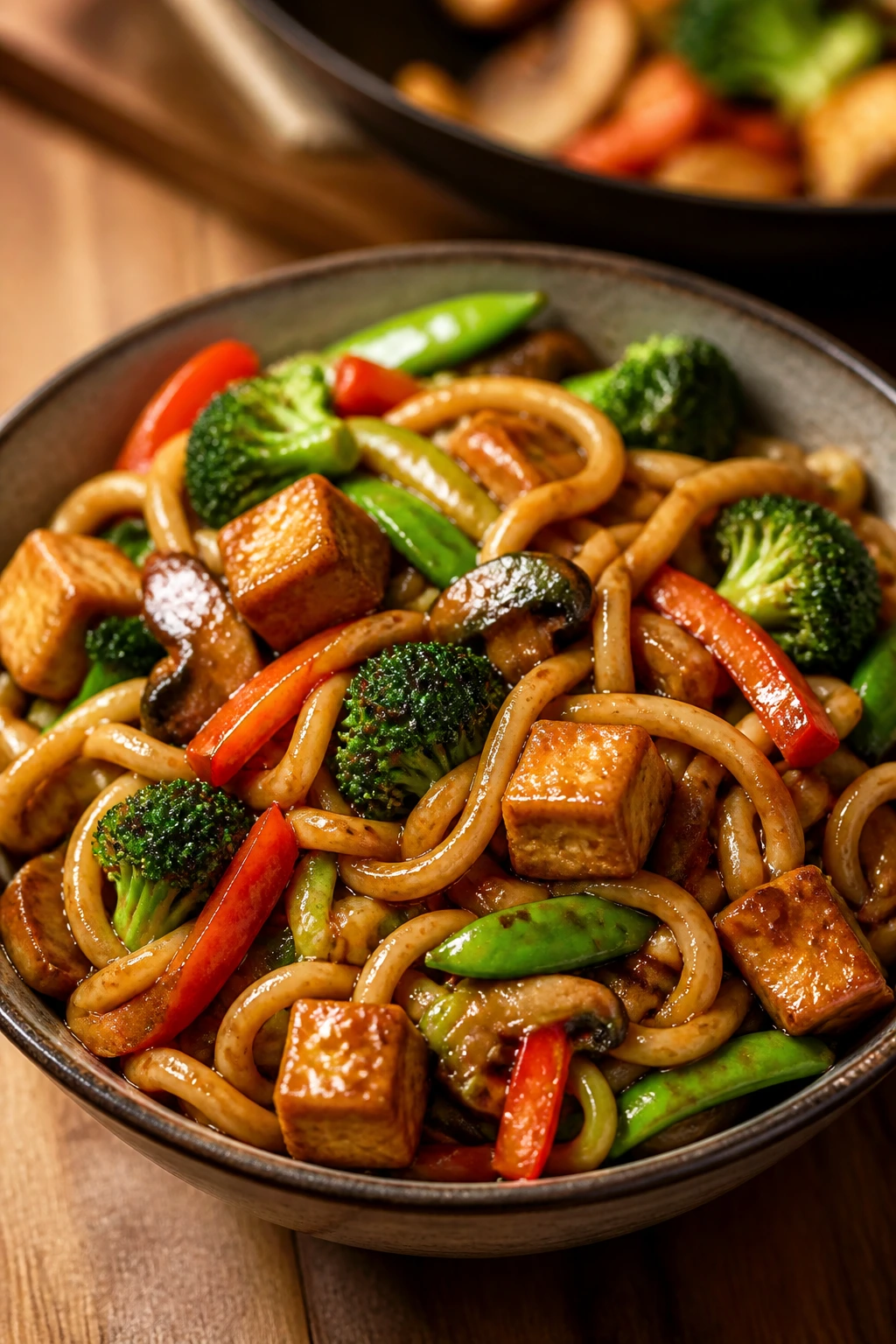
Intro: Udon likes a quick stir-fry and a glossy sauce, not a long simmer. Keep the vegetables crisp, the noodles loose, and the teriyaki clinging in a thin coat instead of a sticky slab.
Why It Works: Thick noodles carry sauce well, broccoli and snap peas bring bite, and tofu or mushrooms make the bowl feel substantial. The trick is to cook fast and assemble fast so the vegetables still taste fresh. That’s where the meal gets its energy.
Key Ingredients:
- 14 ounces fresh or vacuum-packed udon noodles
- 1 tablespoon neutral oil
- 2 cups broccoli florets
- 1 red bell pepper, sliced
- 1 cup snap peas
- 1 cup cubed tofu or sliced mushrooms
- 1/4 cup teriyaki sauce
- 1 teaspoon sesame oil
- 2 green onions, sliced
- 1 tablespoon sesame seeds
Quick Steps:
- Cook or loosen the udon according to the package, then drain.
- Stir-fry the broccoli, bell pepper, snap peas, and tofu or mushrooms in neutral oil over medium-high heat until crisp-tender.
- Add the noodles, teriyaki sauce, and sesame oil, tossing until glossy.
- Finish with green onions and sesame seeds.
Equipment for This Recipe:
- Large skillet or wok
- Pot for noodles
- Tongs
How to Serve This Dish: Serve it hot, straight from the pan. A few cucumber slices on the side can be useful if you want a cool contrast against the sweet sauce.
Pro Tips for This Recipe:
- Don’t overcrowd the pan or the vegetables steam.
- Keep the sauce thin enough to coat, not puddle.
- Use a squeeze of lime if the teriyaki tastes too sweet.
Variations on This Dish:
- Soba Swap: Use soba noodles for a nuttier finish.
- Miso Teriyaki Version: Stir 1 teaspoon miso into the sauce for more depth.
Common Mistakes to Avoid with This Dish:
- Soft vegetables: They need to stay crisp-tender.
- Clumped noodles: Toss them quickly with a splash of water if needed.
23. Baja Avocado Black Bean Bowl
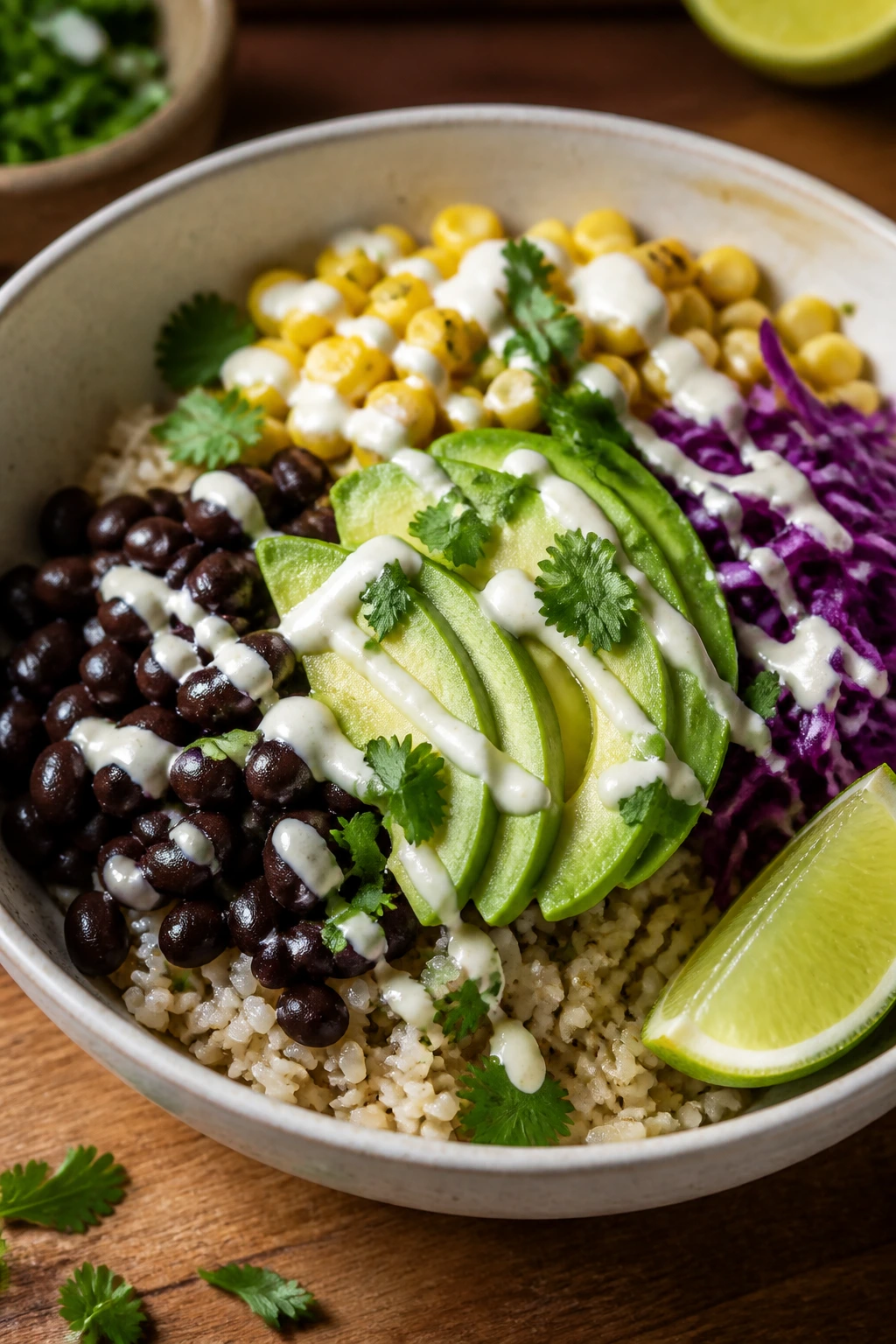
Intro: A Baja-style bowl should taste bright before it tastes rich. Black beans, avocado, cabbage, corn, and lime do that cleanly, and the yogurt crema keeps the whole bowl from getting dry.
Why It Works: The cabbage gives you crunch, the beans provide substance, and the corn adds sweetness against the lime and chili powder. This is one of the fastest bowls in the collection, which makes it a quiet hero on nights when you’re short on time and patience.
Key Ingredients:
- 2 cups cooked rice or quinoa
- 1 (15-ounce) can black beans, drained and rinsed
- 1 cup corn kernels
- 1 cup shredded cabbage
- 1 avocado, sliced
- 1 tablespoon olive oil
- 1 teaspoon chili powder
- 1 lime, juiced
- 1/4 cup salsa
- 1/4 cup plain yogurt or crema
- 2 tablespoons chopped cilantro
Quick Steps:
- Warm the black beans and corn in olive oil with chili powder and salt.
- Stir the lime juice into the yogurt or crema.
- Divide the rice or quinoa into bowls and top with cabbage, bean-corn mixture, avocado, salsa, and cilantro.
- Drizzle with crema and serve.
Equipment for This Recipe:
- Skillet
- Small bowl
- Spoon
How to Serve This Dish: Serve it with tortilla chips if you want extra crunch. Keep the crema in a ribbon over the top rather than mixing it in so the bowl stays bright-looking and easy to eat.
Pro Tips for This Recipe:
- Salt the cabbage lightly if it’s tough.
- Warm the beans and corn together so the bowl feels cohesive.
- Use a ripe avocado; hard avocado makes the bowl feel unfinished.
Variations on This Dish:
- Roasted Sweet Potato Version: Add roasted sweet potato cubes for a sweeter bowl.
- Toasted Pepita Finish: Scatter pumpkin seeds on top for crunch.
Common Mistakes to Avoid with This Dish:
- Too much salsa: It can make the bowl watery.
- No seasoning on the beans: They need salt and chili to stand up.
24. Roasted Root Veggie Hummus Bowl
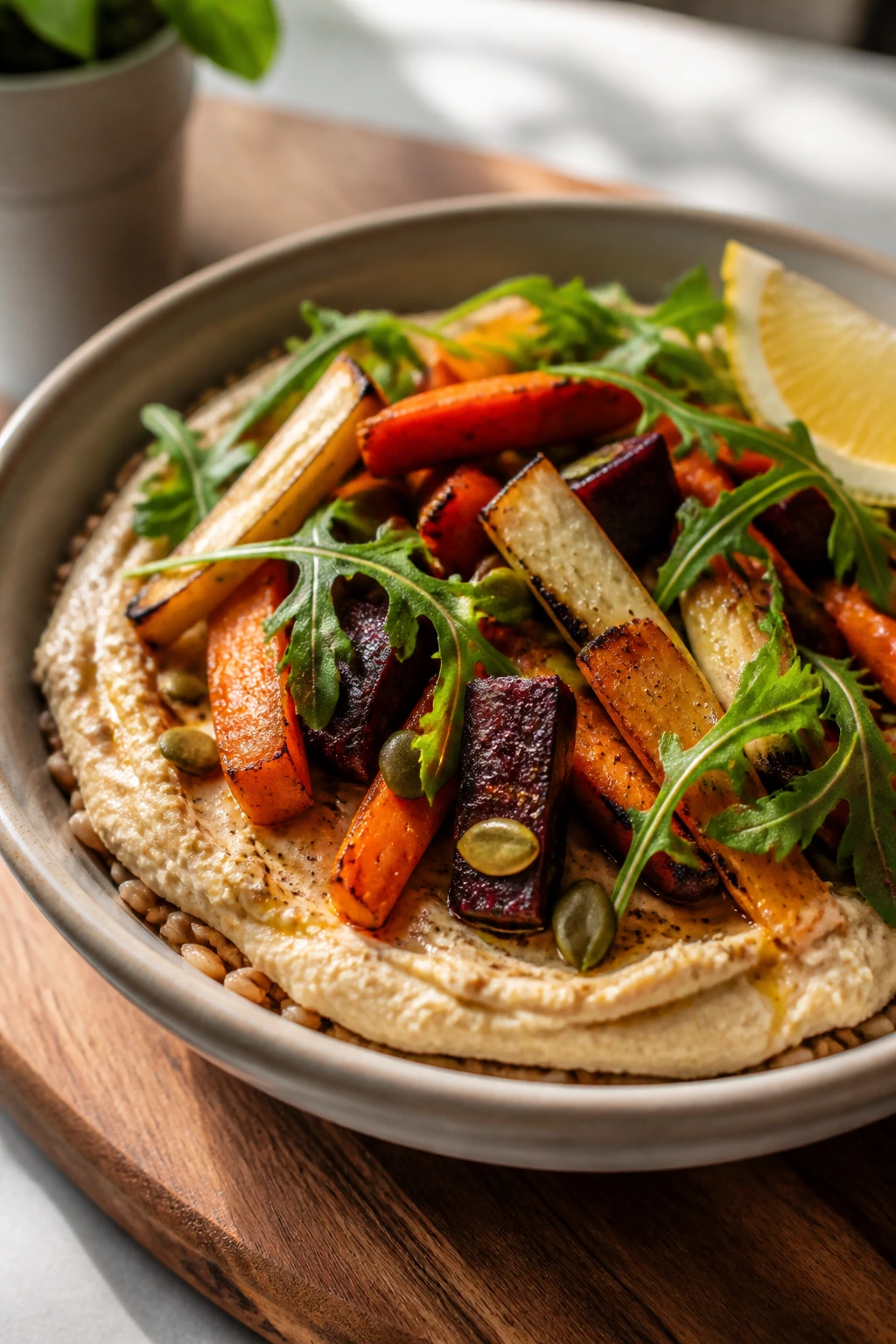
Intro: Roasted roots are at their best when each piece is the same size and the edges go bronzy, not black. Spread hummus under them, add greens and seeds on top, and you get a bowl that tastes earthy, creamy, and sharp in one bite.
Why It Works: Roots bring sweetness and heft, hummus supplies the creamy base, and arugula or herbs add the bitterness that keeps the bowl from feeling too cozy. Farro or quinoa gives you something chewable underneath, which matters if you want dinner to last longer than ten minutes.
Key Ingredients:
- 2 carrots, cut into chunks
- 1 parsnip, cut into chunks
- 1 small beet, peeled and cut into chunks
- 1 red onion, cut into wedges
- 2 tablespoons olive oil
- 2 cups cooked farro or quinoa
- 1/2 cup hummus
- 1 cup arugula
- 2 tablespoons pumpkin seeds
- 1 tablespoon lemon juice
Quick Steps:
- Toss the roots and onion with olive oil and salt, then roast at 425°F for 30 to 35 minutes until tender and browned.
- Warm the farro or quinoa.
- Spread hummus in the bottom of each bowl.
- Layer on the grain, roasted vegetables, arugula, pumpkin seeds, and lemon juice.
Equipment for This Recipe:
- Rimmed sheet pan
- Knife
- Mixing bowl
How to Serve This Dish: Serve it warm with extra lemon and maybe a spoonful of pickled onions if you want more sharpness. It looks best when the hummus stays visible under the vegetables instead of disappearing completely.
Pro Tips for This Recipe:
- Cut the roots to similar sizes so they finish together.
- Roast until the onions soften and the edges crisp.
- Add arugula right at the end so it stays fresh.
Variations on This Dish:
- Tahini Drizzle Version: Swap the lemon finish for tahini thinned with water.
- Chickpea Boost: Add 1 cup roasted chickpeas if you want more protein.
Common Mistakes to Avoid with This Dish:
- Uneven cutting: Some pieces burn while others stay hard.
- Skipping acid: Hummus and roots need lemon to stay lively.
Make-Ahead, Storage, and Reheating Guidance
Bowls are generous with leftovers when you store the parts separately. Grains, beans, and roasted vegetables usually keep 3 to 4 days in the refrigerator if they’re packed in airtight containers. Sauces often hold for up to 5 days, though tahini dressing may thicken and need a spoonful of water stirred in before serving. If you want to freeze grains or beans, aim for up to 2 months and thaw them overnight in the fridge.
Roasted vegetables reheat best in a 400°F oven for 8 to 10 minutes. A skillet works too, especially for mushrooms, cauliflower, and broccoli, because the dry heat brings some edge back. Microwaving is fine for rice, quinoa, or beans, but give them a splash of water and cover the dish loosely so they don’t dry out.
Fresh toppings need special handling. Keep avocado whole until serving day, and slice cucumbers, cabbage, and herbs as close to mealtime as you can. If you’re packing lunches, put sauces in a separate container and line the bottom of the bowl with grains first, then beans or roasted vegetables, then crunchy vegetables on top. Greens go last only if they’re sturdy. Spinach wilts faster than cabbage, and everyone pretends not to notice until lunch arrives.
Some bowls improve overnight. Lentil tabbouleh, Greek orzo, and burrito bowls with sturdy grains taste even better after a short chill, once the lemon and herbs settle in. Others, like shakshuka, halloumi bowls, and anything with avocado, are better assembled fresh. That’s not a failure. It’s just the bowl telling you what it wants.
Variations and Adaptations to Try
Pantry-Only Bowl Night: Keep one grain, one can of beans, one jarred sauce, and one crunchy topping on hand, then build from whatever vegetables you’ve got. Roasted frozen broccoli, canned corn, and hummus can carry a bowl farther than people expect. The bowl gets better when you stop chasing a perfect ingredient list.
Higher-Protein Build: Add tofu, tempeh, edamame, lentils, extra beans, or a fried egg to the base recipes. A second protein doesn’t just add staying power; it changes the texture of the whole bowl. This works especially well in the rice, noodle, and grain bowls that might otherwise land a little light.
Gluten-Free Bowl Swap: Use quinoa, rice, polenta, corn tortillas, or gluten-free noodles instead of farro, couscous, or regular pasta. Check soy sauce, teriyaki, and falafel mix labels carefully because wheat hides in places people forget. The rest of the bowl usually needs no change.
Lower-Sodium Version: Rinse canned beans well, use plain grains, and lean harder on lime, lemon, herbs, garlic, and vinegar for flavor. Cheese, olives, kimchi, miso, and bottled sauces can pile up sodium fast, so use them in smaller amounts and stretch the bowl with fresh ingredients.
Kid-Milder Bowl: Pull back on hot sauce, harissa, gochujang, and raw onion, then add sweet corn, rice, avocado, and a mild yogurt drizzle. Kids usually do better with separate components they can mix themselves. The bowl feels friendlier when nothing is hiding in the sauce.
Extra-Spicy Finish: Keep the base the same and add chili crisp, sliced jalapeños, hot honey, or extra gochujang at the table. A spicy finish works better than blasting the whole bowl from the start, because it lets everyone choose their own heat level without turning dinner into a negotiation.
Where Veggie Bowls Go Wrong
The most common mistake is skipping acid. A bowl can have beans, grains, roasted vegetables, and cheese, and still taste weirdly dull if nothing brightens it at the end. Lemon, lime, vinegar, pickled onions, salsa, or even a spoon of yogurt with a splash of citrus fixes that fast.
Another problem is too many soft textures. Rice, beans, avocado, and a creamy sauce can all be good on their own, but together they can taste like one long soft note. Add cabbage, cucumbers, radishes, seeds, or toasted nuts so the bowl has something to bite into.
People also under-season the base. Plain rice and plain quinoa are not neutral in a nice way; they’re blank in a way that makes the toppings do all the work. Salt the grain water, season beans while they warm, and taste the dressing before you pour it over anything.
Then there’s the sheet-pan mistake: crowding the vegetables. When cauliflower, sweet potatoes, or broccoli sit too close together, they steam instead of browning. Use a second pan if you need it. A bronzed edge is not cosmetic here. It’s flavor.
The last mistake is dressing too early. A little sauce goes a long way, but if you pour it over hot rice and let the bowl sit, the greens wilt and the crispy bits soften. Keep the sauce separate until the end, especially for meal prep.
Questions People Ask About Veggie Bowls
What makes a veggie bowl actually filling?
A filling bowl usually has a grain or noodle base, a protein source like beans, tofu, tempeh, lentils, or eggs, and at least one rich element like avocado, tahini, cheese, or yogurt. If it still feels light, the problem is usually portion size on the base, not the vegetables.
Can I use leftover rice or grains?
Yes, and bowls are one of the best ways to use them. Reheat leftovers with a tablespoon or two of water so they loosen up, then season them again with salt, citrus, or herbs before assembling.
Which bowls work best for meal prep?
The bowls with sturdy components hold up best: burrito bowls, farro bowls, lentil tabbouleh, roasted root veggie bowls, and grain bowls with beans. Keep sauces and avocado separate until serving so the textures stay clean.
How do I keep a bowl from getting soggy?
Dry your vegetables after washing them, drain canned ingredients well, and cool hot components slightly before packing or serving. Put watery items like tomatoes, salsa, and dressed greens on top instead of underneath the grain.
Do I have to use tofu or tempeh?
No. Beans, chickpeas, lentils, eggs, halloumi, hummus, and edamame all work well in meatless bowls. Tofu and tempeh are just two of the easiest high-protein options to season and cook quickly.
Can frozen vegetables work here?
They can, especially corn, broccoli, edamame, and cauliflower. Thaw them first if you want them crisp, then dry them well so they roast instead of steaming.
What if my dressing tastes too thick?
Add water slowly, one teaspoon at a time, until it drizzles instead of clumps. Tahini, peanut butter, and yogurt all behave better once they’re loosened a little.
Which bowls are best if I want something lighter?
The sesame edamame bowl, rainbow crunch bowl, Greek orzo bowl, and lentil tabbouleh bowl all lean fresher and less heavy. They still eat like dinner, but they don’t sit like a brick.
Bowls on Repeat
The best Meatless Monday dinners are the ones that don’t ask for much drama. A grain, a sauce, a protein, something roasted, something crisp. That’s enough to make a bowl feel finished, and enough to keep you from wandering the kitchen at 7:15 wondering what happened to the evening.
Keep a few of these recipes in rotation, and they start to feel less like “recipes” and more like a reliable way to cook from what you already have. One night it’s smoky black beans and sweet potatoes. Another night it’s sesame noodles or shakshuka or a cold lentil tabbouleh bowl with too much parsley, which is the right amount.
The nice thing about veggie bowls is that they reward small improvements. Better salt on the rice. One more squeeze of lime. A handful of herbs. That’s usually where the meal goes from fine to memorable, and it doesn’t take much to get there.