



Vegetarian kid-friendly dinners work best when they look familiar before they look virtuous. A bowl of pasta with a bright red sauce, a quesadilla with crisp edges, a baked potato split open and packed with cheddar and broccoli — those are the kinds of meals that get eaten without a seminar at the table. That matters. Nobody wants to stand over a skillet on a weeknight building something wholesome only to watch a child stare at it like it’s a lab sample.
The trick is not to hide every vegetable and hope for the best. Kids usually do better with food that has a clear shape, mild seasoning, and a texture they can predict. Beans, cheese, eggs, rice, pasta, potatoes, tortillas, and soft roasted vegetables give you a lot to work with. Add a sauce that tastes rounded instead of sharp, keep the heat gentle, and the dinner stops feeling like a negotiation.
What I like most about this style of cooking is how practical it is. A can of beans, a bag of frozen peas, a box of pasta, a few carrots, a block of cheese, and a couple of onions can turn into dinner after a long day without much drama. And if you build the meal with enough protein and fiber, you get the rare kind of kid-friendly dinner that actually keeps everyone full until morning.
Why This Collection Works at the Table
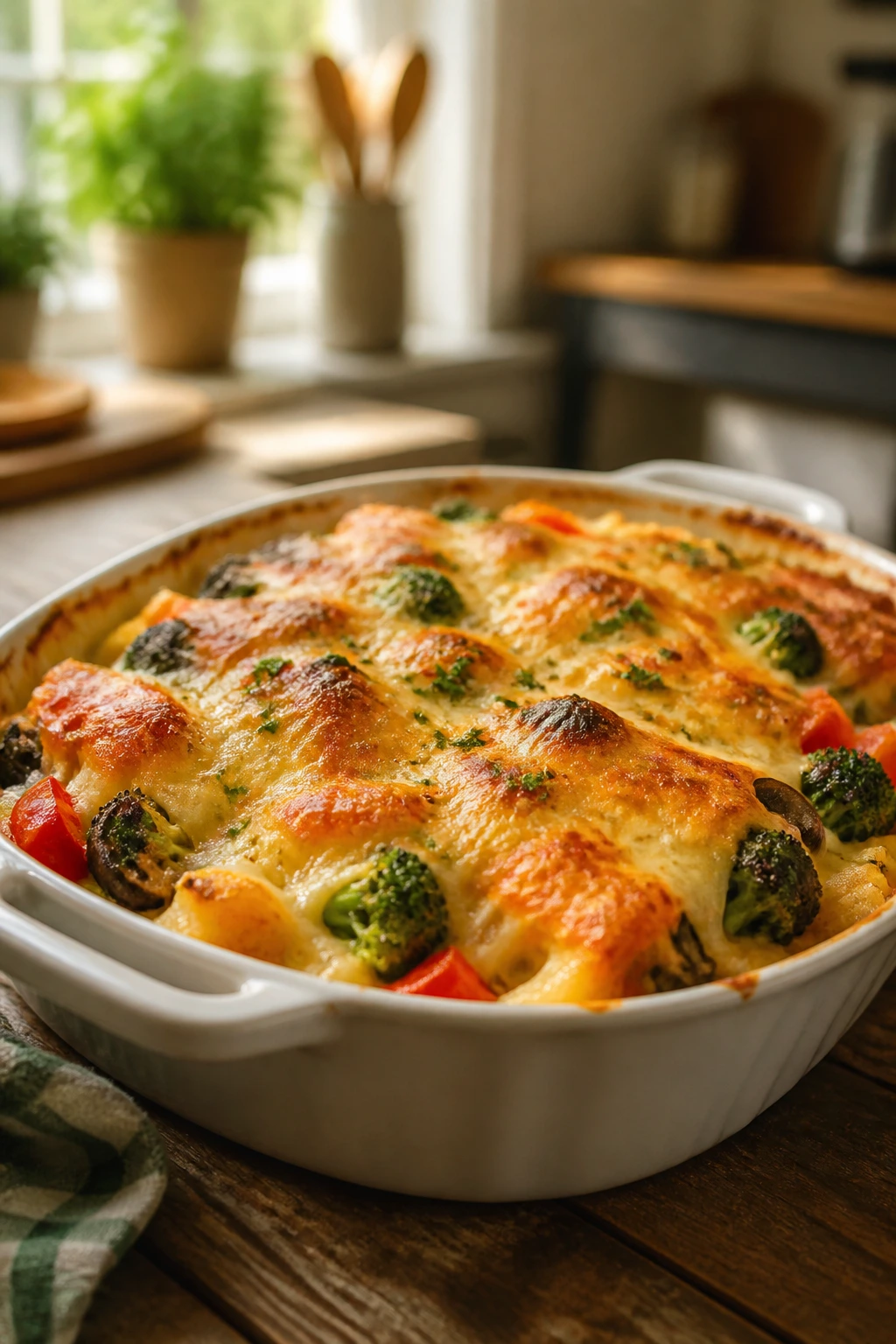
-
Familiar shapes: Tortillas, pasta, rice bowls, stuffed potatoes, and baked casseroles feel safe to picky eaters because they already know how to eat them.
-
Mild but not bland: These dinners lean on cheese, tomato, herbs, beans, and roasted vegetables instead of heavy spice, so the flavors stay readable.
-
Vegetables with a job: The vegetables in these recipes aren’t just scattered on top. They’re folded into sauce, tucked into filling, or roasted until sweet and soft.
-
Real staying power: Beans, lentils, eggs, yogurt, cheese, and whole grains help these meals hold up better than a pile of plain noodles.
-
Easy to split and serve: Most of these dishes can be deconstructed for younger kids, then dressed up with extra herbs, chili flakes, or crunchy toppings for adults.
-
Weeknight-friendly: Many of them use pantry staples and one pan, one pot, or one baking dish, which means less cleanup and fewer excuses to order takeout.
1. Cheesy Veggie Quesadillas
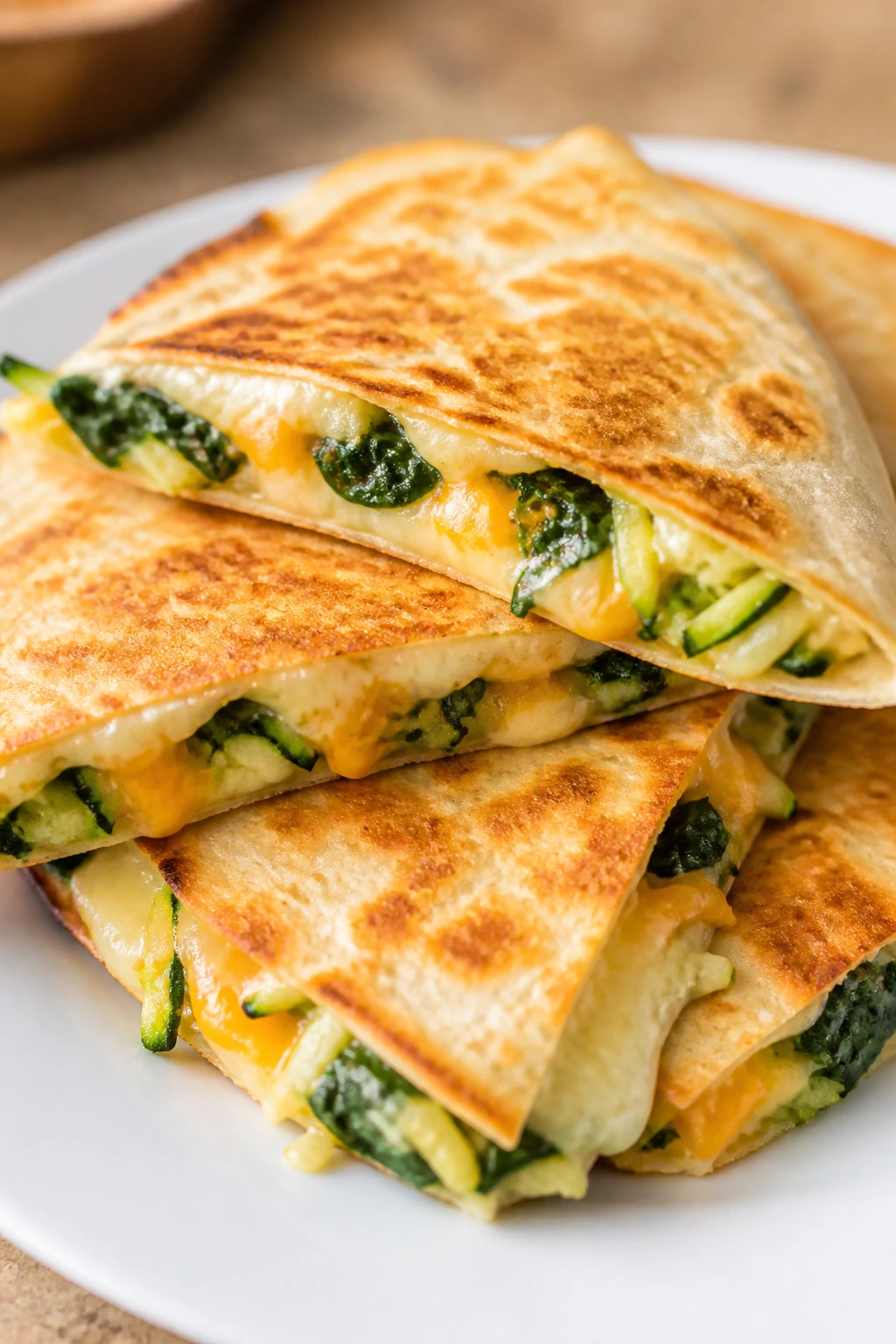
A good quesadilla is all about contrast: crisp tortilla outside, melty cheese inside, and a filling that stays soft instead of watery. These work because the vegetables are chopped small and cooked first, so you don’t end up with a soggy middle or a pile of loose filling on the plate. Kids usually trust a quesadilla faster than they trust a casserole, and I can see why.
Why It Works:
The tortillas brown in about 2 minutes per side, which gives you that crackly edge without drying out the cheese. Black beans add protein and make the filling feel substantial, while zucchini and spinach disappear into the mix once they’re cooked down. The whole thing tastes like familiar comfort food, just with more going on underneath.
Key Ingredients:
- 8 small flour tortillas
- 2 cups shredded cheddar cheese
- 1 cup shredded Monterey Jack
- 1 cup black beans, rinsed and drained
- 1 cup zucchini, grated and squeezed dry
- 1 cup spinach, finely chopped
- 1 tablespoon olive oil
- 1/2 teaspoon ground cumin
Quick Steps:
- Heat the olive oil in a skillet over medium heat, then cook the zucchini for 3 to 4 minutes until most of the moisture is gone.
- Stir in the spinach, black beans, cumin, and a pinch of salt; cook for 1 minute until warmed through.
- Lay 4 tortillas on a board and divide the cheese and vegetable mixture evenly over them.
- Top with the remaining tortillas and press lightly.
- Cook each quesadilla in a dry skillet over medium heat for 2 to 3 minutes per side, until deeply golden and the cheese melts.
- Rest for 1 minute, then slice into wedges.
Equipment for This Recipe:
- Large skillet
- Box grater
- Cutting board and sharp knife
- Spatula
How to Serve This Dish:
Serve the wedges with salsa, plain yogurt, or smashed avocado. A side of sliced cucumber or orange segments keeps the plate bright and easy to eat.
Pro Tips for This Recipe:
- Squeeze the zucchini hard in a towel. Wet zucchini is what turns a quesadilla floppy.
- Use medium heat, not high heat. High heat burns the tortilla before the cheese melts.
- Let the quesadilla sit for a minute before slicing so the filling doesn’t spill out.
Variations on This Dish:
- Bean-and-Corn Version: Add 1/2 cup thawed corn for a sweeter filling that kids often like right away.
- Mild Pizza Quesadilla: Swap cumin for a spoon of pizza sauce and use mozzarella instead of Jack.
- Lunchbox Style: Make them a little less crispy, cool them fully, and pack with a small cup of dip.
Common Mistakes to Avoid with This Dish:
- Don’t overstuff the tortillas. If the filling piles too high, the cheese won’t glue it together.
- Don’t skip cooking off the zucchini moisture. That one step keeps the center from steaming.
- Don’t cut them the second they leave the pan. The cheese needs a short rest to set.
2. Baked Ziti with Spinach and Ricotta
Baked ziti has a strong record with kids because it looks like a bowl of red-sauced pasta and smells like melted cheese. The spinach disappears into the ricotta layer, which is one of those little kitchen tricks that feels almost unfair in the best way. This is the kind of dinner that fills the house with garlic, tomato, and bubbling edges.
Why It Works:
The pasta finishes in the oven, where it drinks in a little sauce and keeps its bite instead of turning mushy. Ricotta brings a soft, creamy texture, and mozzarella gives you the stretchy top every child seems to trust. The spinach adds color and fiber without changing the shape of the meal.
Key Ingredients:
- 1 pound ziti or short tubular pasta
- 24 ounces marinara sauce
- 15 ounces ricotta cheese
- 2 cups shredded mozzarella
- 1/2 cup grated Parmesan
- 3 cups baby spinach, chopped
- 1 egg
- 2 cloves garlic, minced
Quick Steps:
- Preheat the oven to 375°F and grease a 9×13-inch baking dish.
- Boil the pasta in salted water until 2 minutes shy of al dente, then drain.
- Mix ricotta, egg, spinach, garlic, Parmesan, and a pinch of salt in a bowl.
- Toss the pasta with marinara, then stir in half the mozzarella.
- Layer half the pasta in the dish, spoon over the ricotta mixture, add the remaining pasta, and top with the rest of the mozzarella.
- Bake for 25 to 30 minutes until bubbling and browned at the corners.
Equipment for This Recipe:
- 9×13-inch baking dish
- Large pot
- Mixing bowl
- Wooden spoon
How to Serve This Dish:
Scoop it into shallow bowls and finish with extra Parmesan. A simple green salad or roasted carrots on the side keeps the plate balanced without making dinner feel fussy.
Pro Tips for This Recipe:
- Undercook the pasta slightly. It softens more in the oven.
- Use a thick marinara, not a watery one, or the bake will slump.
- Let it stand 10 minutes before serving so the layers hold together.
Variations on This Dish:
- Veggie-Heavy Baked Ziti: Stir in sautéed mushrooms or chopped zucchini with the sauce.
- Dairy-Light Version: Use part-skim ricotta and a little less mozzarella.
- Garlicky Top Layer: Mix a teaspoon of garlic powder into the cheese for a stronger, savory finish.
Common Mistakes to Avoid with This Dish:
- Don’t overcook the pasta first. It will soften again in the oven.
- Don’t use runny sauce. The bake needs body to hold its shape.
- Don’t slice it immediately. Hot baked ziti needs a short rest or it slides apart.
3. Mild Black Bean Taco Bowls
These bowls are the weeknight answer to “What can I make that feels like dinner but still lets everyone choose their own pile?” Black beans, rice, corn, tomatoes, and cheese give you a mix of creamy, crunchy, and warm. Kids who hate mixed-up food often do better when the toppings stay separate until the last second.
Why It Works:
The base is plain enough for picky eaters, but the bowl still has enough texture to feel like a real meal. Rice keeps it filling, while black beans bring protein and a soft bite. A little lime and yogurt at the end make the whole thing taste brighter without pushing it into spicy territory.
Key Ingredients:
- 2 cups cooked brown or white rice
- 2 cans black beans, rinsed and drained
- 1 cup corn kernels, thawed if frozen
- 1 cup cherry tomatoes, halved
- 1 cup shredded cheddar
- 1 avocado, sliced
- 1/2 cup plain Greek yogurt
- 1 lime, cut into wedges
Quick Steps:
- Warm the black beans and corn in a skillet over medium heat with 1 teaspoon olive oil and a pinch of cumin.
- Spoon rice into bowls.
- Top with the warm bean mixture, tomatoes, cheese, and avocado.
- Add a spoonful of Greek yogurt and a squeeze of lime.
- Serve right away while the beans are hot and the rice is still fluffy.
Equipment for This Recipe:
- Medium skillet
- Rice pot or rice cooker
- Sharp knife
- Serving bowls
How to Serve This Dish:
Set everything out family-style and let everyone build their own bowl. Tortilla chips on the side make the meal feel a little more fun, and they add crunch without extra work.
Pro Tips for This Recipe:
- Warm the beans first. Cold beans make the whole bowl feel flat.
- Keep the avocado slices right at the end so they stay green.
- A pinch of salt on the tomatoes makes them taste like something instead of garnish.
Variations on This Dish:
- Cheesy Taco Bowl: Add a layer of melted cheese over the beans before topping.
- Salsa Bowl: Spoon mild salsa over the rice for kids who like a little moisture.
- Protein Boost: Stir in crumbled tofu or extra beans if you want the bowls more filling.
Common Mistakes to Avoid with This Dish:
- Don’t overload the bowl with cold toppings. Warm rice and beans are what make it feel like dinner.
- Don’t skip seasoning the beans. Plain beans can taste dull fast.
- Don’t make the yogurt too thin or it disappears into the rice.
4. Lentil Sloppy Joes
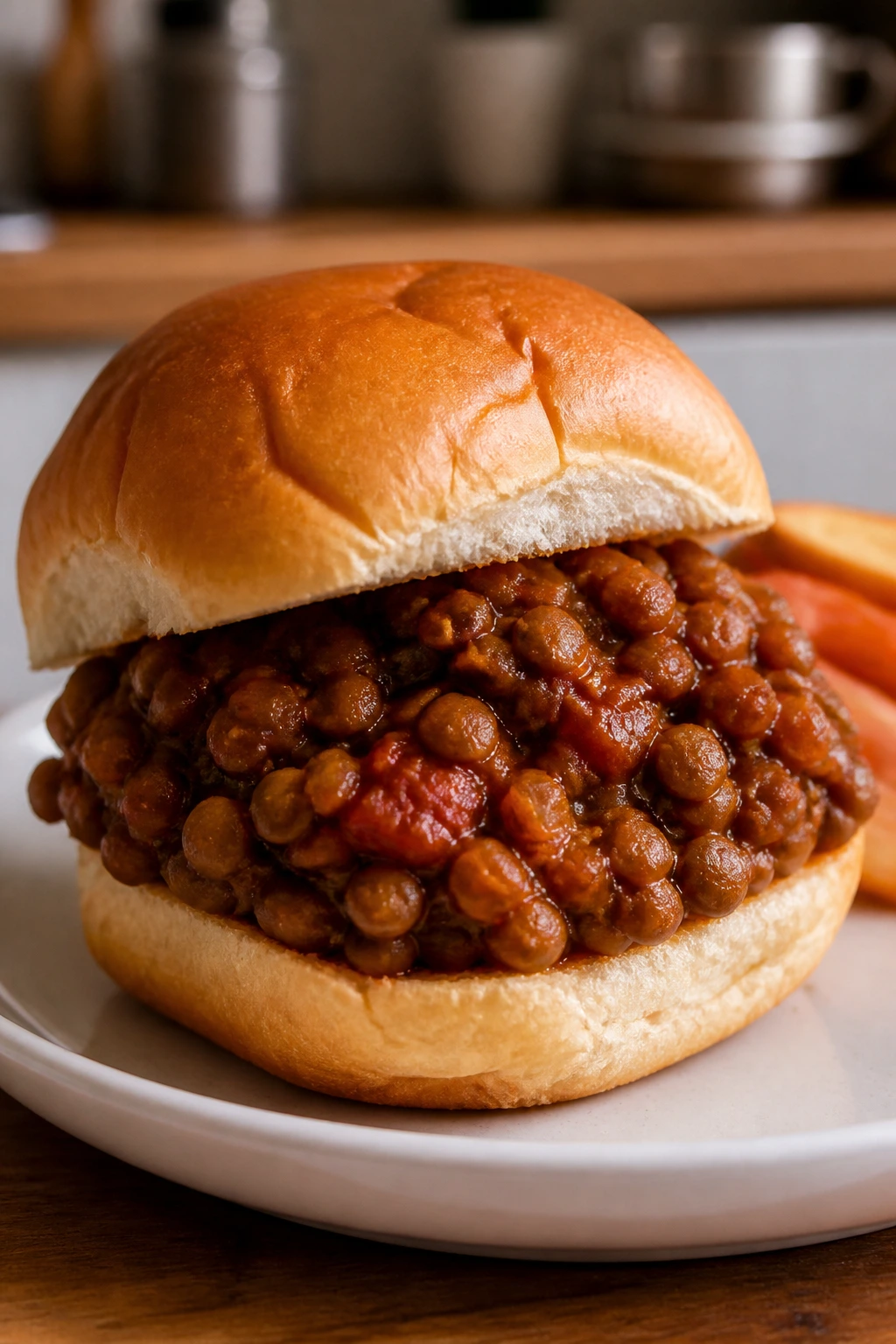
Lentil sloppy joes are messy in the right way. The filling is saucy, soft, and a little sweet from tomato and onion, which makes it feel close enough to the classic sandwich that nobody has to negotiate too hard. On a soft bun, the texture lands somewhere between bean chili and the original version.
Why It Works:
Brown or green lentils hold their shape better than red lentils, so the filling doesn’t collapse into paste. Tomato paste gives depth, ketchup adds a little sweetness, and Worcestershire-style vegetarian sauce brings that savory note people expect from sloppy joes. The sandwich is hearty enough to stand up to a side of carrots or fruit.
Key Ingredients:
- 1 1/2 cups dry brown lentils
- 1 onion, finely chopped
- 1 carrot, grated
- 2 cloves garlic, minced
- 2 tablespoons tomato paste
- 1 cup tomato sauce
- 2 tablespoons ketchup
- 4 to 6 soft hamburger buns
Quick Steps:
- Simmer the lentils in water until tender, about 20 to 25 minutes, then drain.
- Cook the onion and carrot in a skillet with 1 tablespoon oil for 5 minutes until soft.
- Stir in the garlic and tomato paste and cook for 1 minute.
- Add the lentils, tomato sauce, ketchup, and 1/2 cup water; simmer for 8 to 10 minutes until thick.
- Spoon onto buns and serve warm.
Equipment for This Recipe:
- Medium pot
- Large skillet
- Colander
- Wooden spoon
How to Serve This Dish:
Serve with sliced cucumbers, apple wedges, or oven fries. If you want a cleaner plate, toast the buns lightly so they don’t absorb the filling quite so fast.
Pro Tips for This Recipe:
- Cook the lentils until tender but not split. Split lentils make the filling mushy.
- Let the sauce simmer long enough to thicken; runny filling slides right out of the bun.
- Pick soft buns with a little structure, not the ultra-fluffy ones that collapse.
Variations on This Dish:
- BBQ Lentil Joes: Swap part of the tomato sauce for barbecue sauce.
- Cheesy Joe Melt: Add a slice of cheddar over the filling and broil the open sandwich for 1 minute.
- Sloppy Bowl: Serve over mashed potatoes instead of buns for a spoonable version.
Common Mistakes to Avoid with This Dish:
- Don’t skip draining the lentils. Extra water dilutes the sauce.
- Don’t leave the carrot raw. It needs time to soften or the texture feels sharp.
- Don’t pile the filling onto cold buns straight from the bag.
5. Veggie Fried Rice with Egg
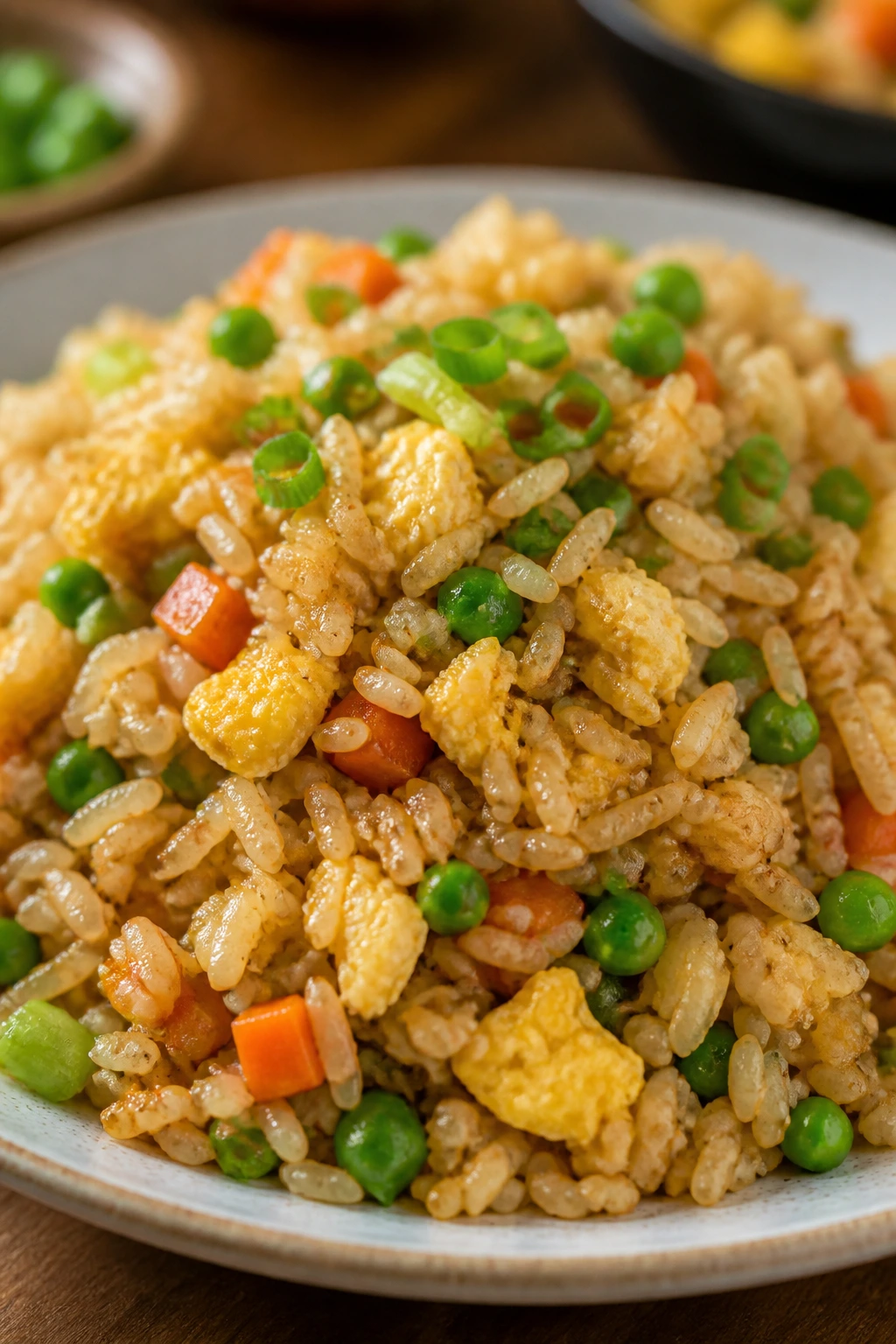
Fried rice is one of those dinners that feels like a small rescue. Leftover rice, a few frozen vegetables, eggs, and soy sauce can become a hot, savory meal in under 20 minutes. The key is using cold rice so the grains stay separate instead of turning into a sticky clump.
Why It Works:
The eggs give the rice richness, and the vegetables add color without much prep if you use frozen peas and carrots. A hot skillet creates little browned edges on the rice, which is the part kids tend to like even when they won’t admit it. It’s flexible enough to use whatever is sitting in the fridge.
Key Ingredients:
- 4 cups cooked rice, chilled
- 3 eggs, beaten
- 1 cup frozen peas and carrots
- 2 green onions, sliced
- 2 tablespoons soy sauce
- 1 tablespoon sesame oil
- 1 tablespoon neutral oil
- 1/2 cup frozen corn
Quick Steps:
- Heat the neutral oil in a large skillet or wok over medium-high heat.
- Scramble the eggs for 30 to 45 seconds, then push them to one side.
- Add the peas, carrots, corn, and green onions; cook for 2 minutes.
- Add the rice and break up the clumps with a spatula.
- Stir in the soy sauce and sesame oil, then cook for 3 to 4 minutes until hot and lightly crisp in spots.
Equipment for This Recipe:
- Large skillet or wok
- Spatula
- Mixing bowl
- Measuring spoons
How to Serve This Dish:
Serve in shallow bowls with cucumber sticks or steamed edamame. A drizzle of extra sesame oil at the table gives the rice a deeper smell right before eating.
Pro Tips for This Recipe:
- Use rice that has chilled for at least a few hours. Fresh rice goes soft.
- Keep the heat high enough to brown the grains a little.
- Don’t drown the rice in soy sauce; add it in two stages if needed.
Variations on This Dish:
- Rainbow Fried Rice: Add diced red bell pepper for sweeter crunch.
- Peanut Fried Rice: Stir in 1 tablespoon peanut butter for a creamy finish.
- Tofu Fried Rice: Add cubed, browned tofu if you want extra protein.
Common Mistakes to Avoid with This Dish:
- Don’t use warm rice. It clumps and steams.
- Don’t overcrowd the skillet or you lose the crisp edges.
- Don’t add too much sauce at once; soggy fried rice is a sad thing.
6. Creamy Tomato Soup with Grilled Cheese Toasts
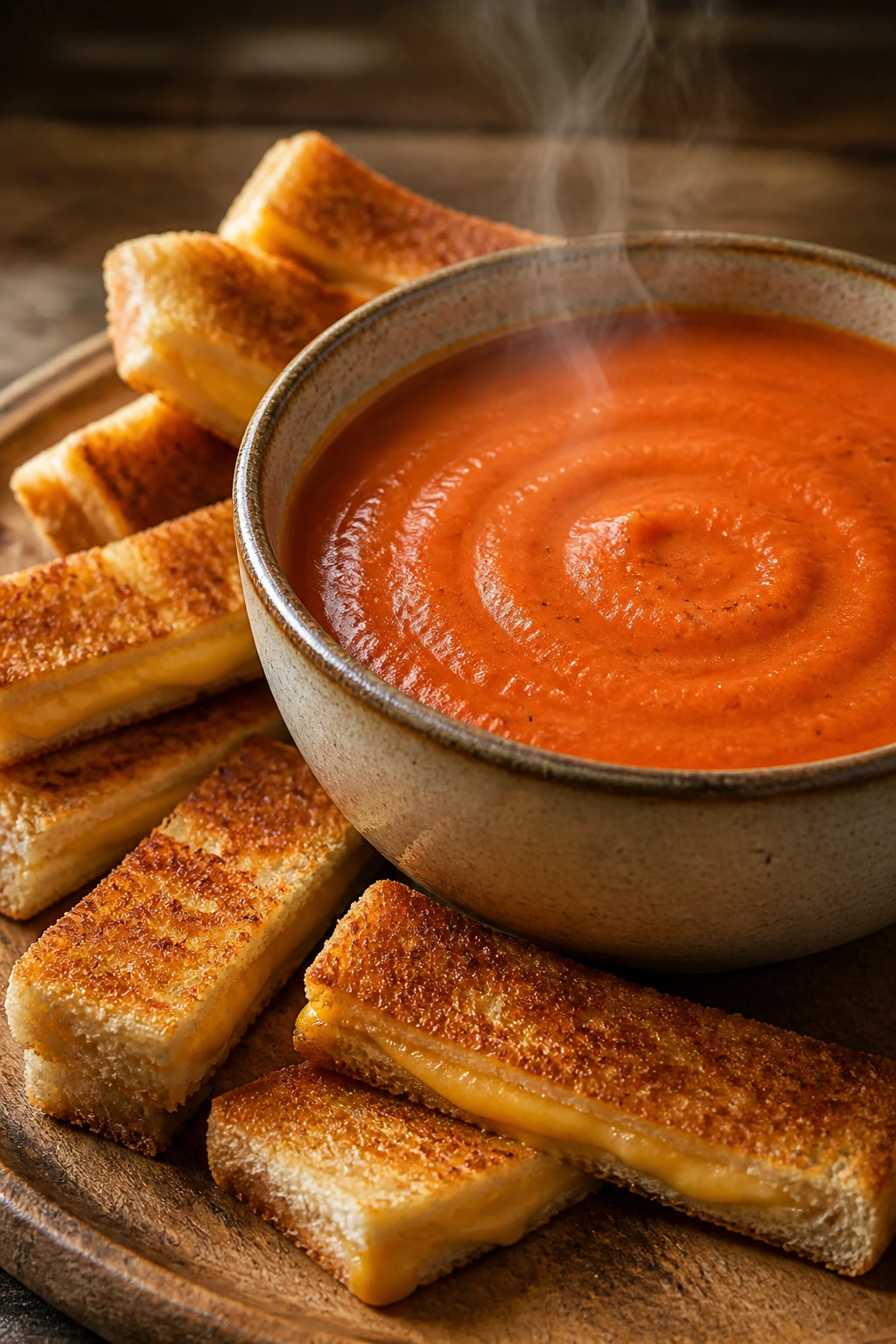
This is the dinner that fixes a bad day without asking questions. Tomato soup gets silky when you blend in a little cream or milk, and grilled cheese cut into strips becomes a dunkable side that feels more fun than formal. The soup should taste like tomatoes, garlic, and butter — not like a canned afterthought.
Why It Works:
Tomato soup is naturally kid-friendly because it’s smooth, mild, and easy to pair with bread. A little cream rounds out the acidity, and grilled cheese brings the fat and crunch that turn soup into a meal. Serve it in mugs or bowls, and it suddenly feels less like “soup night” and more like an event.
Key Ingredients:
- 2 tablespoons butter
- 1 onion, chopped
- 2 cloves garlic, minced
- 2 cans crushed tomatoes
- 2 cups vegetable broth
- 1/2 cup heavy cream or whole milk
- 4 slices sandwich bread
- 4 slices cheddar cheese
Quick Steps:
- Cook the onion in butter over medium heat for 6 minutes until soft.
- Add the garlic and cook for 30 seconds.
- Stir in the tomatoes and broth, then simmer for 15 minutes.
- Blend until smooth, then stir in the cream and salt.
- Make grilled cheese sandwiches in a skillet, then cut into sticks.
Equipment for This Recipe:
- Medium pot
- Blender or immersion blender
- Skillet
- Ladle
How to Serve This Dish:
Pour the soup into wide bowls and stack the grilled cheese sticks on the side for dipping. A few basil leaves or a pinch of Parmesan on top makes it look finished without much effort.
Pro Tips for This Recipe:
- Blend until fully smooth if your kid notices bits. Texture matters here.
- Add cream off the heat so it doesn’t split.
- Use good bread for the grilled cheese; flimsy slices get soggy fast.
Variations on This Dish:
- Roasted Tomato Version: Roast the tomatoes first if you want a deeper flavor.
- Carrot-Tomato Soup: Add chopped carrots with the onion for extra sweetness.
- Pesto Swirl: A spoon of pesto on top gives the bowl a brighter finish.
Common Mistakes to Avoid with This Dish:
- Don’t rush the onion. Under-cooked onion makes the soup taste sharp.
- Don’t boil after adding cream. Gentle heat keeps the texture smooth.
- Don’t serve the grilled cheese on its own if you want a fuller meal — the dip is part of the magic.
7. Hidden Veggie Mac and Cheese
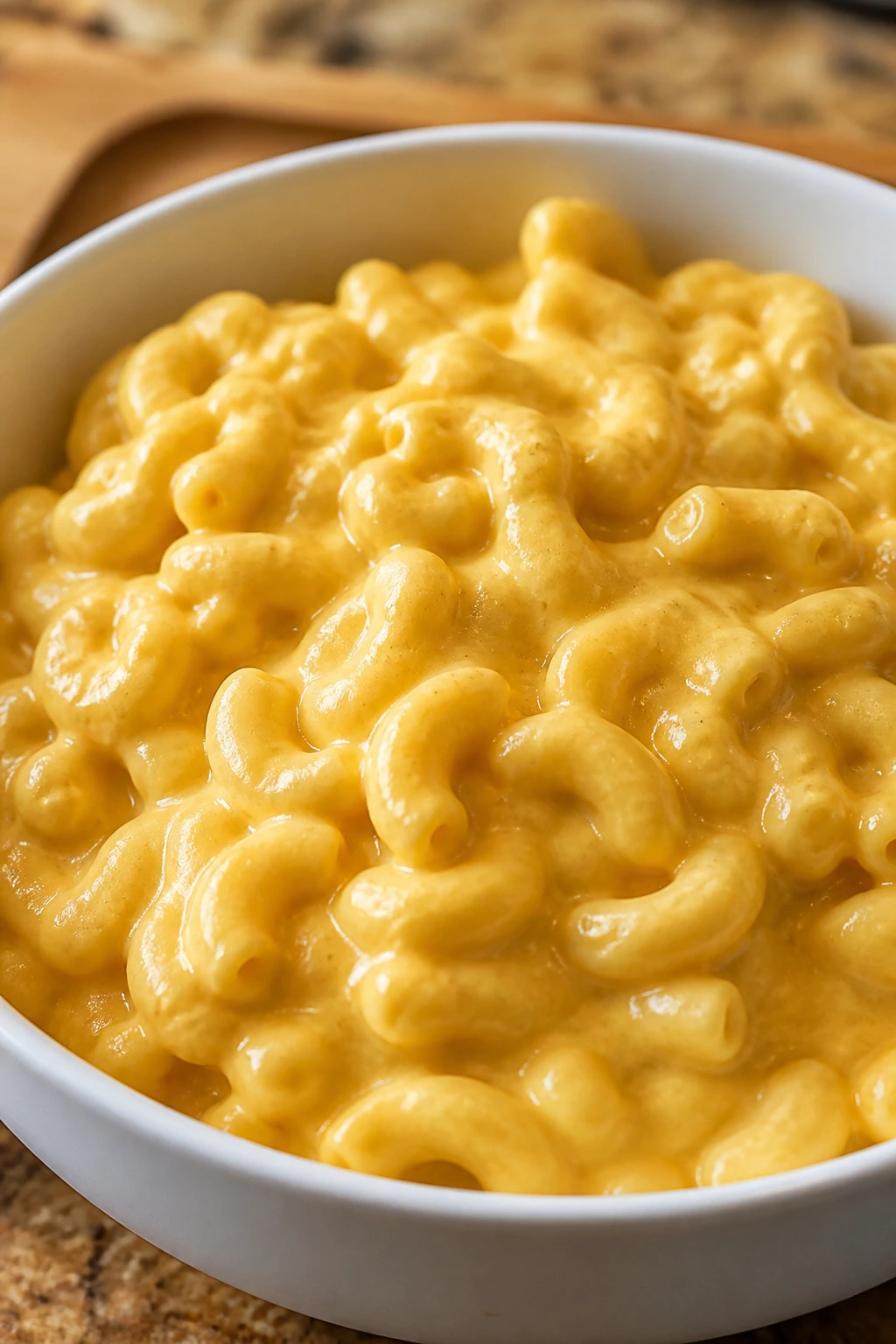
Mac and cheese has a strong hold on children, so it’s a smart place to tuck in cauliflower or butternut squash. The vegetables melt into the sauce and make it thicker, not weirder. Done well, the color stays bright enough to look like mac and cheese, not a science project.
Why It Works:
The sauce gets its creaminess from both cheese and puréed vegetables, which means you can use a little less cheese without losing body. Elbow pasta traps the sauce in every curve. Kids usually accept this version because the flavor still leans dairy-rich and familiar.
Key Ingredients:
- 12 ounces elbow macaroni
- 2 cups cauliflower florets
- 2 tablespoons butter
- 2 tablespoons flour
- 2 cups milk
- 2 cups shredded cheddar
- 1/2 teaspoon salt
- 1/4 teaspoon paprika
Quick Steps:
- Boil the cauliflower until very soft, about 10 minutes, then blend or mash it smooth.
- Cook the macaroni until just al dente and drain.
- Make a simple sauce with butter, flour, milk, and the cauliflower purée.
- Stir in the cheddar, salt, and paprika until melted.
- Toss with the pasta and serve, or bake 10 minutes with extra cheese on top.
Equipment for This Recipe:
- Medium pot
- Saucepan
- Whisk
- Blender or potato masher
How to Serve This Dish:
Serve with peas, sliced cherry tomatoes, or a few roasted broccoli florets. A crunchy topping of toasted breadcrumbs gives the dish texture without turning it into a casserole.
Pro Tips for This Recipe:
- Blend the cauliflower until completely smooth. Any grit will show.
- Add cheese off the heat so the sauce stays silky.
- Salt the pasta water well; bland noodles make the whole bowl fall flat.
Variations on This Dish:
- Butternut Version: Swap the cauliflower for roasted butternut squash.
- Baked Crumb Top: Sprinkle panko and butter over the top, then broil briefly.
- Milder Cheese Blend: Use half cheddar and half mozzarella for a softer flavor.
Common Mistakes to Avoid with This Dish:
- Don’t use too much purée or the sauce gets pasty.
- Don’t overcook the pasta; it keeps cooking in the sauce.
- Don’t skip seasoning the vegetable base, or the cheese tastes flat.
8. Chickpea Coconut Curry with Rice
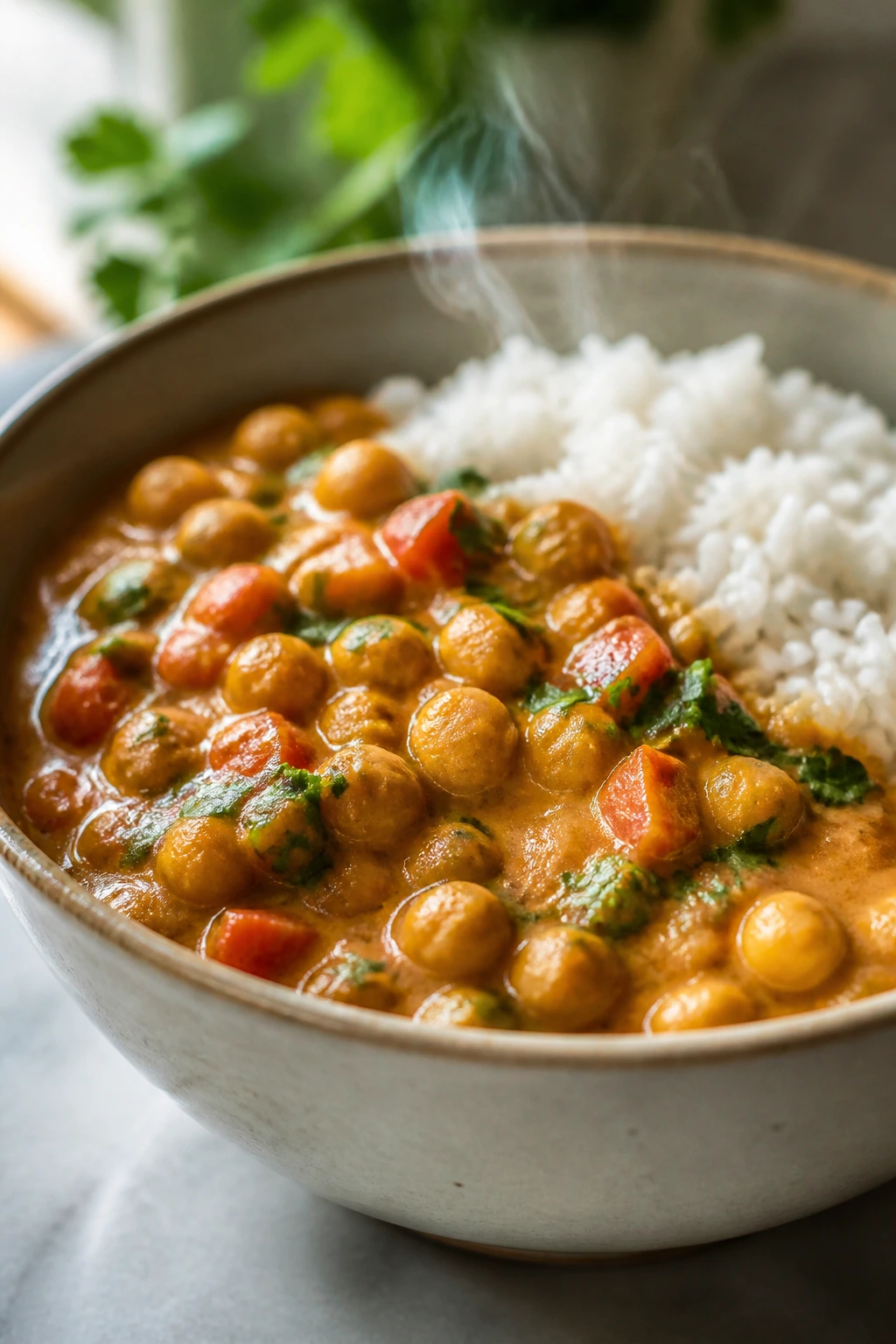
This curry stays mild, creamy, and welcoming, which matters when you’re cooking for kids who treat spice like a personal insult. Chickpeas hold their shape, coconut milk softens the sauce, and a little tomato paste gives the dish body. It smells warm and a little sweet, which helps a lot.
Why It Works:
Chickpeas bring protein and a firm bite, while coconut milk keeps the sauce smooth enough for rice. Curry powder can be kept low and gentle, and you can always add more at the table for the adults. Served over rice, it feels rich without being heavy.
Key Ingredients:
- 2 tablespoons olive oil
- 1 onion, chopped
- 2 cloves garlic, minced
- 1 tablespoon curry powder
- 2 cans chickpeas, drained
- 1 can coconut milk
- 2 tablespoons tomato paste
- 2 cups cooked rice
Quick Steps:
- Cook the onion in oil for 6 to 7 minutes until soft.
- Add the garlic and curry powder and stir for 30 seconds.
- Stir in the chickpeas, coconut milk, tomato paste, and 1/2 cup water.
- Simmer for 10 to 12 minutes until slightly thickened.
- Serve over rice with a squeeze of lime.
Equipment for This Recipe:
- Large skillet or saucepan
- Wooden spoon
- Rice pot
- Measuring spoons
How to Serve This Dish:
Ladle it over rice and add a spoonful of yogurt on top if you want extra creaminess. A few cucumber slices on the side cool the plate down fast.
Pro Tips for This Recipe:
- Use mild curry powder if you want kid acceptance.
- Simmer long enough for the tomato paste to lose its raw edge.
- Mash a few chickpeas in the pan to thicken the sauce a bit.
Variations on This Dish:
- Sweet Potato Curry: Add small cubes of sweet potato and simmer until tender.
- Spinach Finish: Stir in spinach during the last minute.
- Peanut Coconut Curry: Add 1 tablespoon peanut butter for a richer sauce.
Common Mistakes to Avoid with This Dish:
- Don’t let the coconut milk boil hard. It can separate.
- Don’t leave the curry too thin; rice needs a sauce that clings.
- Don’t overspice it if you’re serving young kids.
9. Pesto Pasta with Peas
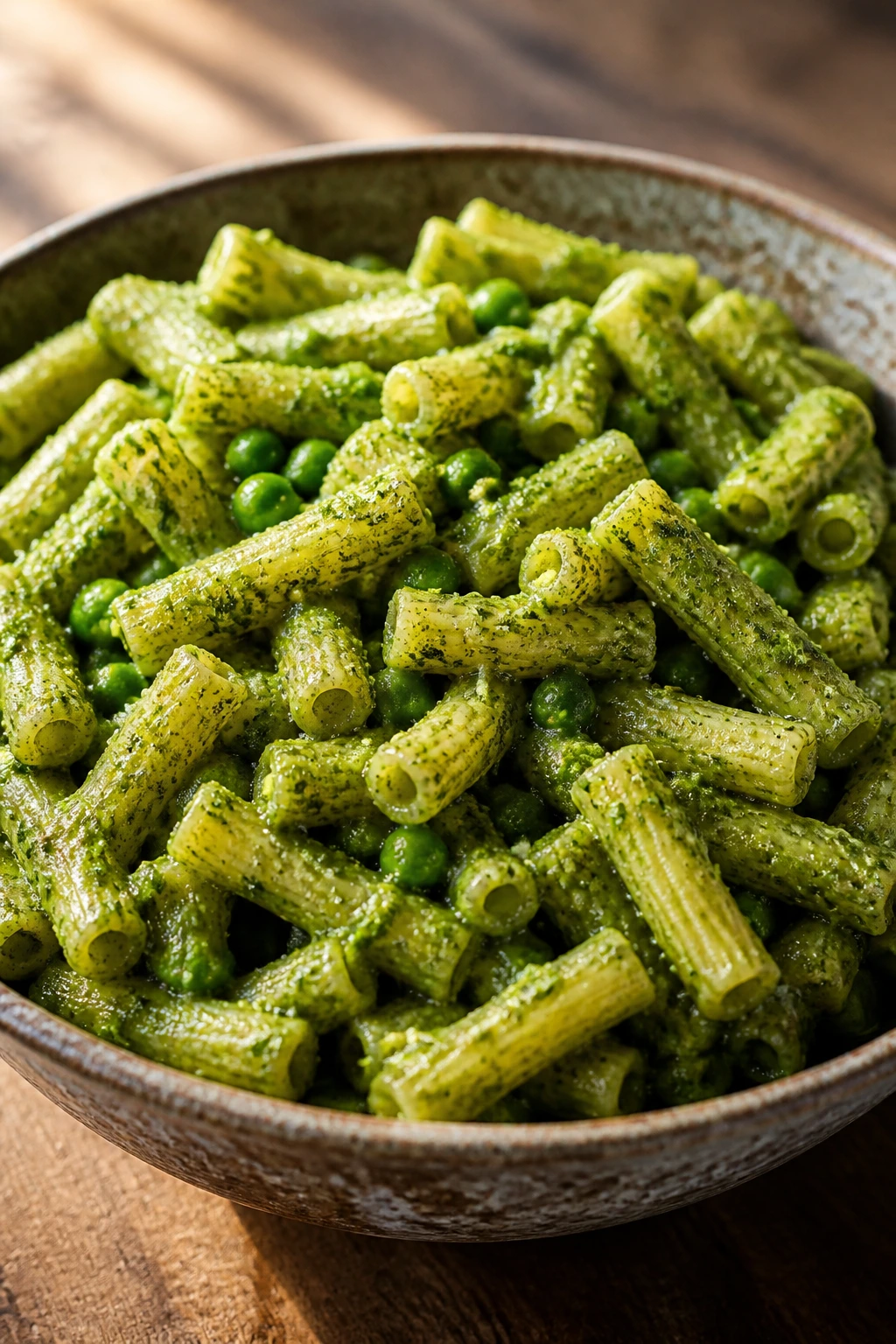
Pesto pasta hits that sweet spot between fresh and familiar. The peas tuck into the pasta and add little bursts of sweetness, while the pesto coats everything in a green, garlicky sheen that’s a lot more kid-friendly than it sounds if you keep the amount moderate. This is one of those dinners that looks brighter than the effort it takes.
Why It Works:
Frozen peas cook in the time it takes the pasta to drain, which makes this fast without tasting rushed. Pesto gives the dish flavor without a long sauce simmer, and a little pasta water helps it cling. Cheese on top softens the herb flavor for younger eaters.
Key Ingredients:
- 12 ounces pasta, like rotini or shells
- 1 1/2 cups frozen peas
- 1/2 cup pesto
- 1/4 cup grated Parmesan
- 1 tablespoon butter
- 1/2 lemon, juiced
- Salt and black pepper
Quick Steps:
- Boil the pasta in salted water until al dente.
- Add the peas during the last 1 minute of cooking.
- Drain, saving 1/2 cup pasta water.
- Toss the hot pasta with butter, pesto, Parmesan, and a splash of pasta water.
- Finish with lemon juice and serve.
Equipment for This Recipe:
- Large pot
- Colander
- Mixing bowl or the pasta pot
- Tongs
How to Serve This Dish:
Serve it warm with sliced tomatoes or garlic bread. For younger kids, chop the pasta a little before mixing so the shapes are easier to scoop.
Pro Tips for This Recipe:
- Add pesto off the heat so it stays bright.
- Use more pasta water than you think you need, a tablespoon at a time.
- If the pesto tastes sharp, a small extra knob of butter smooths it out.
Variations on This Dish:
- Creamy Pesto Pasta: Stir in 2 tablespoons ricotta for a softer sauce.
- Veggie Boost: Add finely chopped spinach or broccoli florets.
- Nut-Free Version: Use a nut-free pesto if allergies are an issue.
Common Mistakes to Avoid with This Dish:
- Don’t add pesto to dry pasta. It needs a little water to coat well.
- Don’t overcook the peas or they go dull and wrinkled.
- Don’t use too much lemon if your pesto already tastes bright.
10. Sweet Potato Black Bean Burritos
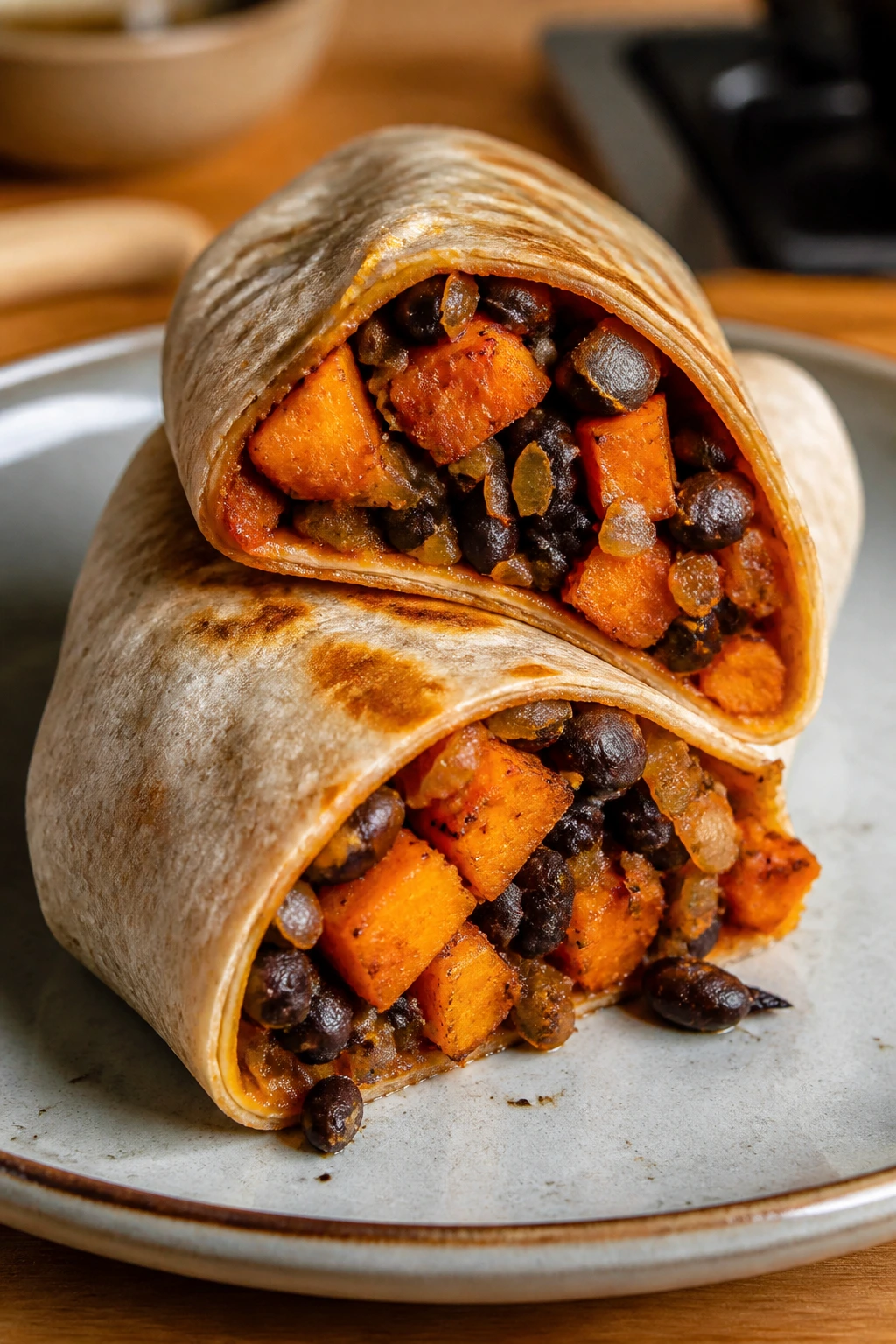
These burritos are sturdy, sweet, and savory all at once, which is useful when the people at the table want something handheld. Sweet potato gives the filling a soft, almost creamy texture, and black beans bring enough heft that one burrito actually counts as dinner. The cheese melts into the beans and holds the whole thing together.
Why It Works:
Roasted sweet potato is naturally sweet, so kids who dislike sharp flavors usually accept it faster than they’d accept a raw vegetable mix. Black beans and rice make the filling substantial, and the tortillas seal it into a neat package. You can make the filling ahead and just warm it when needed.
Key Ingredients:
- 2 medium sweet potatoes, peeled and diced
- 2 cans black beans, drained
- 2 cups cooked rice
- 1 cup shredded cheddar
- 8 large flour tortillas
- 1 teaspoon cumin
- 1 tablespoon olive oil
- 1/2 cup salsa
Quick Steps:
- Roast the sweet potatoes at 400°F with olive oil and cumin for 20 to 25 minutes until tender.
- Warm the beans in a skillet.
- Mix sweet potato, beans, rice, salsa, and cheese in a bowl.
- Spoon into tortillas and roll tightly.
- Toast seam-side down in a skillet for 2 minutes per side if you want a crisp finish.
Equipment for This Recipe:
- Sheet pan
- Skillet
- Mixing bowl
- Spatula
How to Serve This Dish:
Cut the burritos in half and serve with yogurt, avocado, or extra salsa. A crisp cabbage slaw on the side adds crunch without needing another hot pan.
Pro Tips for This Recipe:
- Dice the sweet potato small so it roasts evenly and fast.
- Warm the tortillas before rolling; cold tortillas crack.
- Don’t overfill them if you want clean rolls.
Variations on This Dish:
- Breakfast Burrito Style: Add scrambled eggs to the filling.
- Mild Tex-Mex Version: Skip the salsa in the filling and serve it on the side.
- Cheesy Bean Melt: Roll the filling with extra cheese and toast longer.
Common Mistakes to Avoid with This Dish:
- Don’t use wet sweet potatoes straight from the tray. Let them cool a minute first.
- Don’t roll loose burritos or they split open in the skillet.
- Don’t forget salt. Sweet potatoes need it to taste like dinner.
11. Mini Margherita Pita Pizzas
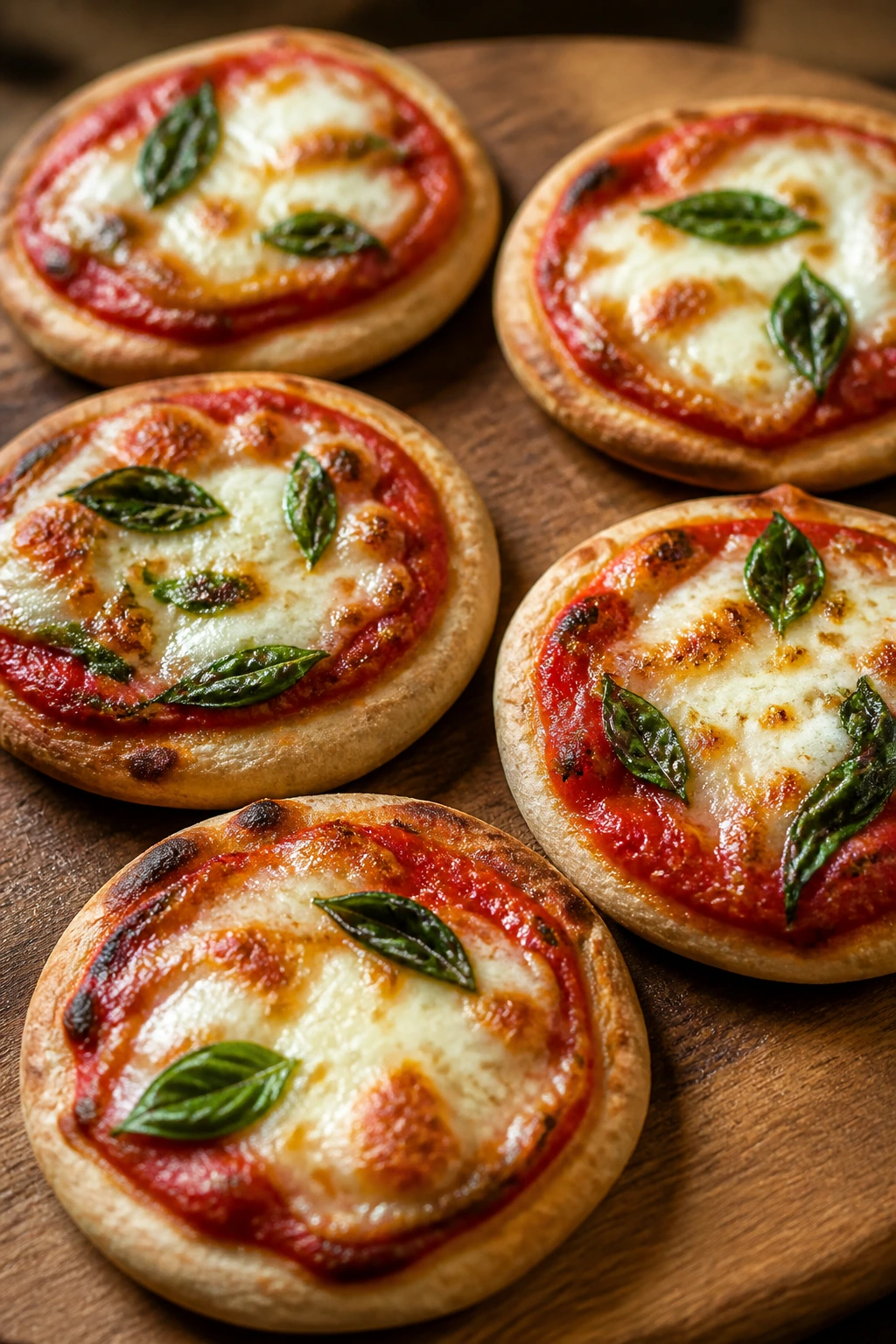
Pita pizzas solve the “I want pizza” problem without making a whole dough project. The pita turns crisp at the edges, the sauce stays simple, and the cheese melts fast enough to keep attention from wandering. Kids like the size, which matters more than adults sometimes admit.
Why It Works:
Pita bread creates a thin, crunchy base that bakes in just a few minutes. Tomato sauce, mozzarella, and basil are familiar and mild, and the small size gives you built-in portion control. If a child wants fewer toppings, that’s fine; this recipe doesn’t fight back.
Key Ingredients:
- 6 pita breads
- 3/4 cup pizza sauce
- 2 cups shredded mozzarella
- 1 cup cherry tomatoes, halved
- 1/2 teaspoon dried oregano
- 1 tablespoon olive oil
- Fresh basil leaves
Quick Steps:
- Heat the oven to 425°F.
- Brush the pita breads lightly with olive oil.
- Spread each with a thin layer of pizza sauce.
- Top with mozzarella, tomatoes, and oregano.
- Bake for 8 to 10 minutes until the cheese melts and the edges crisp.
- Add basil after baking.
Equipment for This Recipe:
- Baking sheet
- Pastry brush or spoon
- Knife
- Oven mitts
How to Serve This Dish:
Serve the pizzas whole or cut into wedges with carrot sticks and a small salad. They’re best eaten warm, when the cheese still stretches a little.
Pro Tips for This Recipe:
- Keep the sauce thin so the pita doesn’t go soggy.
- Don’t overload with tomatoes; too much moisture slows crisping.
- Add basil after baking so it stays green and fragrant.
Variations on This Dish:
- Olive Pizza: Add a few sliced olives for kids who like briny flavors.
- Veggie Patch: Top with very thin mushrooms or bell peppers.
- White Pizza: Swap sauce for ricotta mixed with garlic.
Common Mistakes to Avoid with This Dish:
- Don’t bake too long or the pita turns hard instead of crisp.
- Don’t use a thick layer of sauce. It soaks in fast.
- Don’t add fresh basil before baking or it goes dark and limp.
12. Broccoli Cheddar Stuffed Baked Potatoes
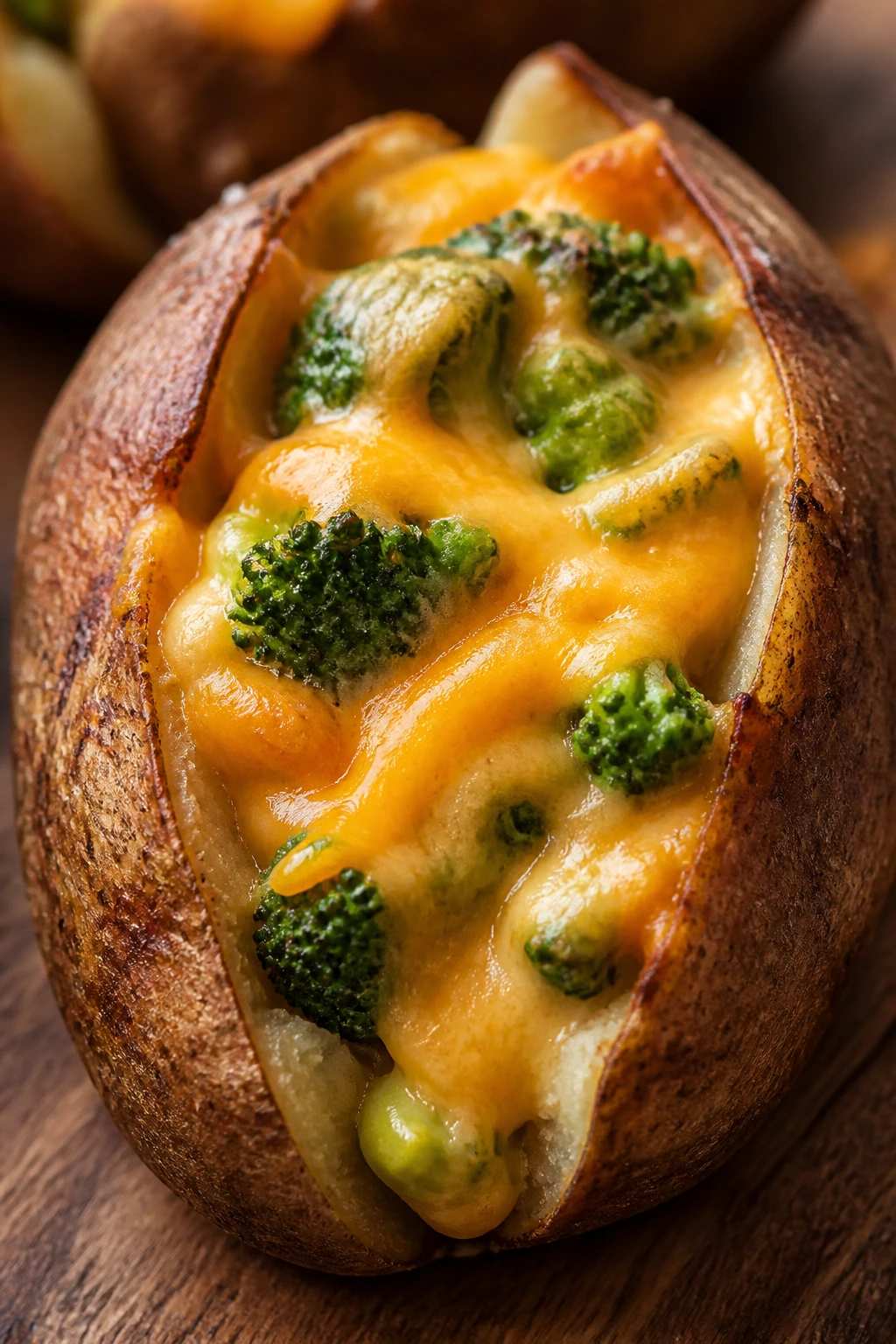
A baked potato is basically a dinner container, and that’s part of the appeal. Load it with cheddar sauce and steamed broccoli and you get a meal that feels like a treat but still brings vegetables to the table. The skin should be crisp, the inside fluffy, and the broccoli chopped small enough to behave.
Why It Works:
Potatoes are filling, cheap, and easy to split open for picky eaters. Cheddar sauce makes broccoli more welcoming, and the soft potato flesh balances the sharper flavor of the cheese. Because the ingredients are all familiar, kids usually accept the shape before they start judging the filling.
Key Ingredients:
- 4 large russet potatoes
- 2 cups broccoli florets, chopped small
- 2 tablespoons butter
- 2 tablespoons flour
- 1 1/2 cups milk
- 2 cups shredded cheddar
- Salt and pepper
Quick Steps:
- Bake the potatoes at 400°F for 50 to 60 minutes until tender.
- Steam the broccoli until just soft, about 4 minutes.
- Make a quick cheese sauce with butter, flour, milk, and cheddar.
- Split the potatoes open and fluff the centers with a fork.
- Top with broccoli and cheese sauce, then serve.
Equipment for This Recipe:
- Baking sheet
- Small saucepan
- Whisk
- Fork
How to Serve This Dish:
Serve with sliced apples, a few cherry tomatoes, or a spoonful of yogurt. A little extra butter on the potato flesh makes the whole thing feel richer without much work.
Pro Tips for This Recipe:
- Bake the potatoes until the skins feel dry and the centers give easily.
- Chop broccoli small so kids don’t have to wrestle giant florets.
- Keep the cheese sauce warm, not boiling, so it stays smooth.
Variations on This Dish:
- Loaded Potato Version: Add chopped scallions or a little bacon-style vegetarian crumble.
- Cauliflower Swap: Use half cauliflower for a softer vegetable flavor.
- Sharp Cheddar Finish: Mix in a little extra sharp cheddar for older kids.
Common Mistakes to Avoid with This Dish:
- Don’t underbake the potatoes. Hard centers ruin the whole thing.
- Don’t drown the potato in sauce; it should still feel like a potato.
- Don’t skip salting the potato flesh after fluffing.
13. Tortellini Soup with Carrots and Spinach
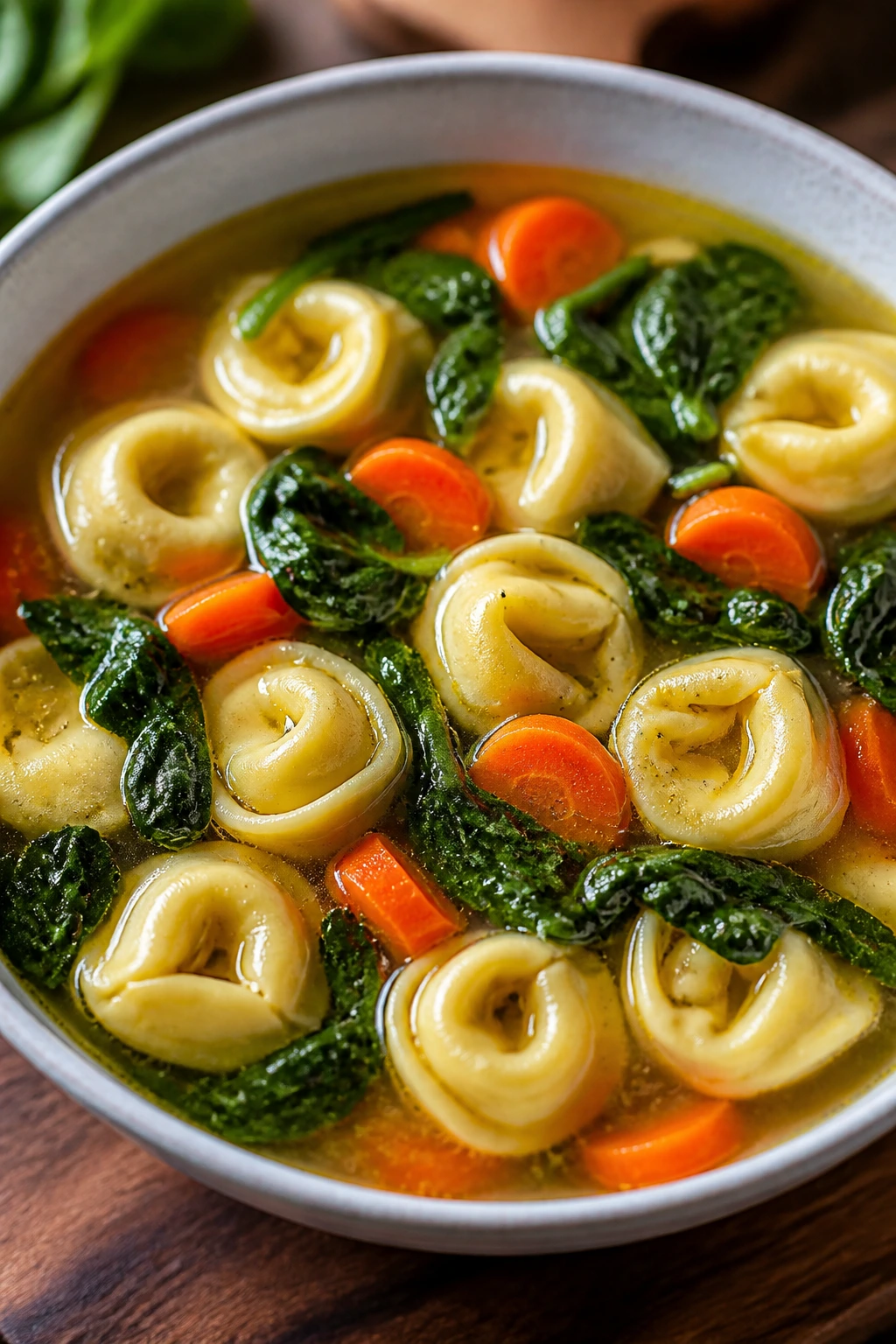
Cheese tortellini gives soup a built-in personality. It turns a simple broth into dinner fast, and carrots plus spinach make the bowl look lively without making it complicated. This is the soup I reach for when I want something slurpy, warm, and not a lot of work.
Why It Works:
Fresh or refrigerated tortellini cooks quickly and brings enough richness that you don’t need a long ingredient list. Carrots soften into the broth, spinach wilts at the end, and the whole bowl tastes rounded instead of thin. Kids often like soup more when there’s a little pasta hiding in it.
Key Ingredients:
- 1 tablespoon olive oil
- 1 onion, chopped
- 2 carrots, sliced thin
- 4 cups vegetable broth
- 1 package cheese tortellini
- 2 cups baby spinach
- 1/2 teaspoon Italian seasoning
- Grated Parmesan for serving
Quick Steps:
- Cook the onion and carrots in oil for 5 minutes.
- Add broth and Italian seasoning, then bring to a simmer.
- Add the tortellini and cook until tender, usually 4 to 6 minutes.
- Stir in the spinach until wilted.
- Serve with Parmesan on top.
Equipment for This Recipe:
- Large pot
- Ladle
- Knife and cutting board
- Wooden spoon
How to Serve This Dish:
Serve in deep bowls with toast or soft bread for dipping. If the soup is for younger kids, cut the tortellini once it’s in the bowl so the shapes are easier to scoop.
Pro Tips for This Recipe:
- Add the spinach only at the end so it stays green.
- Don’t overcook tortellini; it goes from tender to bloated fast.
- A little Parmesan in the broth adds depth, not just garnish.
Variations on This Dish:
- Tomato Tortellini Soup: Stir in a cup of crushed tomatoes for a red version.
- Creamy Tortellini Soup: Add 1/4 cup cream at the end.
- Veggie-Loaded Version: Add zucchini or peas for more color.
Common Mistakes to Avoid with This Dish:
- Don’t boil the tortellini too long or it bursts.
- Don’t forget salt; broth alone can taste flat.
- Don’t add spinach early or it disappears into gray ribbons.
14. Mediterranean Couscous Bowls with Chickpeas
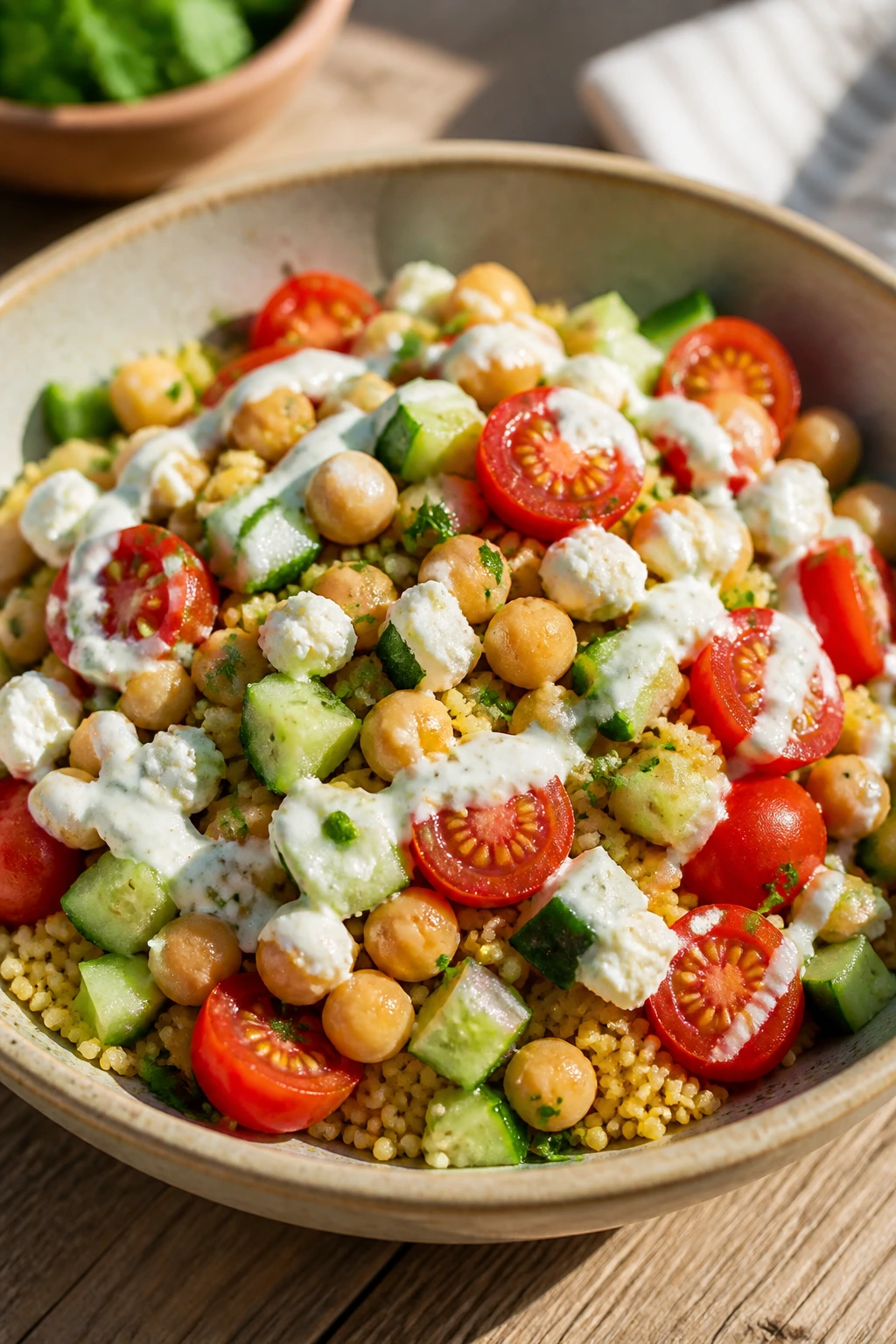
Couscous bowls are soft, mild, and easy to customize, which makes them practical for households where no two plates look the same. Chickpeas, cucumber, tomato, feta, and a lemony yogurt sauce keep the flavors bright but not loud. The whole bowl tastes fresh without requiring much cooking.
Why It Works:
Couscous cooks in five minutes and soaks up lemon and olive oil well. Chickpeas add protein, while cucumber and tomato give a cool crunch against the warm grain. Because everything is bite-sized, younger kids can pick around the parts they trust and still end up with a full plate.
Key Ingredients:
- 1 1/2 cups couscous
- 2 cups boiling water or broth
- 2 cans chickpeas, rinsed and drained
- 1 cucumber, diced
- 1 cup cherry tomatoes, halved
- 1/2 cup feta, crumbled
- 1 lemon, juiced
- 1/2 cup plain yogurt
Quick Steps:
- Pour boiling water or broth over the couscous, cover, and let it sit 5 minutes.
- Fluff with a fork and stir in lemon juice and olive oil.
- Warm the chickpeas briefly in a skillet with salt and oregano.
- Spoon couscous into bowls and top with chickpeas, cucumber, tomatoes, and feta.
- Finish with a spoon of yogurt.
Equipment for This Recipe:
- Medium bowl with lid or plate cover
- Skillet
- Fork
- Knife and cutting board
How to Serve This Dish:
Serve it warm or at room temperature. If kids don’t love mixed bowls, set the toppings in small piles and let them build their own version.
Pro Tips for This Recipe:
- Fluff the couscous gently or it turns dense.
- Season the chickpeas well; they carry most of the savory flavor.
- Pat the cucumber dry so the bowl doesn’t get watery.
Variations on This Dish:
- Hummus Bowl: Swap the yogurt for hummus.
- Roasted Veggie Bowl: Add roasted carrots or zucchini.
- Pita Side: Serve with warm pita wedges for a more filling dinner.
Common Mistakes to Avoid with This Dish:
- Don’t drown the couscous in liquid. It only needs to steam.
- Don’t skip acid; lemon keeps the bowl from tasting dusty.
- Don’t pile wet tomatoes directly onto the grain without draining them a bit.
15. Lentil Bolognese over Spaghetti
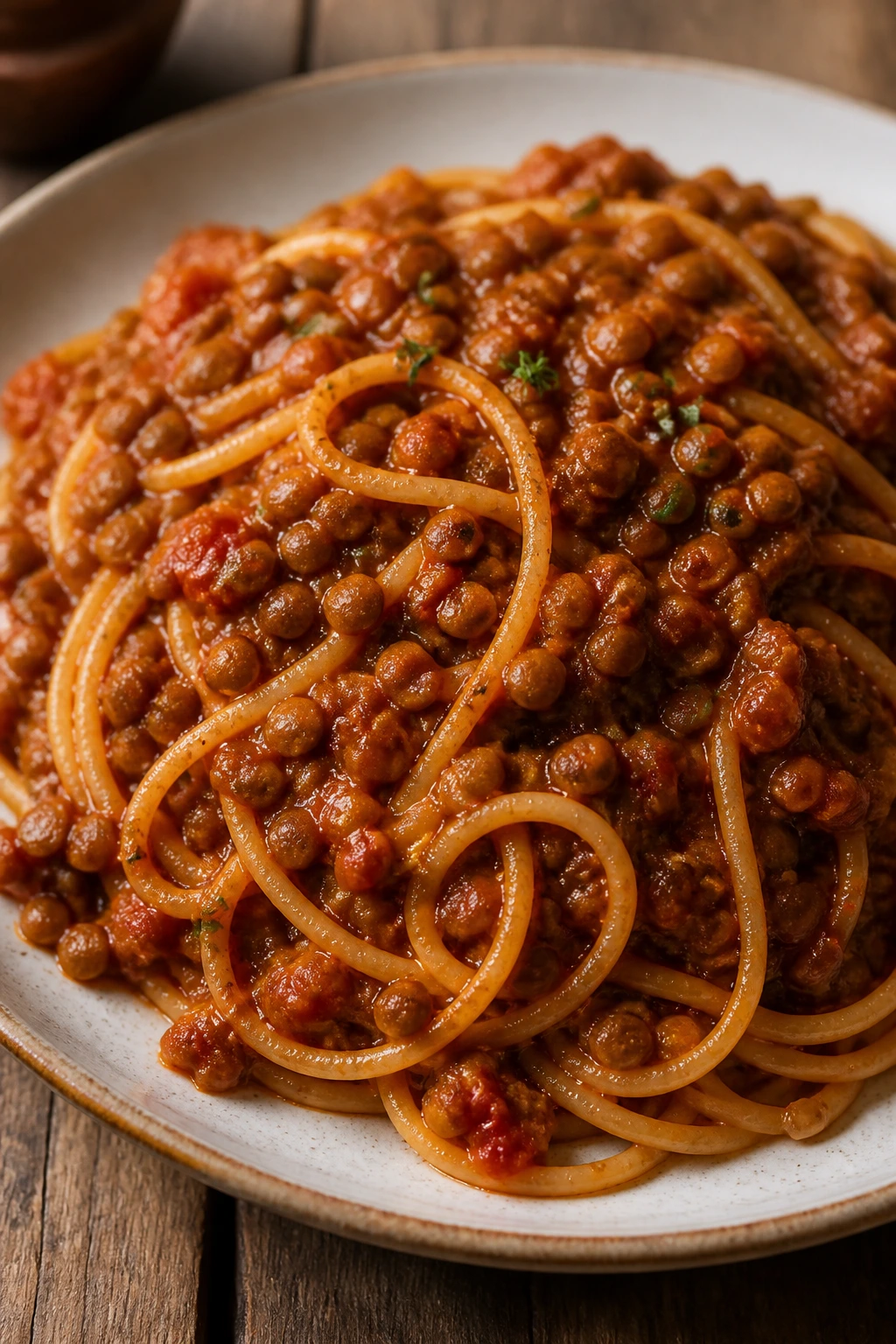
This is the one for people who want the familiar shape of spaghetti night but need a meatless version that still has depth. Lentils take the place of ground meat without pretending to be it, and that’s why the sauce works. It’s thick, tomato-rich, and sturdy enough to cling to long noodles.
Why It Works:
Brown lentils hold their shape and bring a meaty texture that behaves well in a simmered sauce. Carrot, onion, and celery build the base, while tomato paste and garlic give the sauce enough backbone to stand up to pasta. It tastes like a slow-cooked dinner, even if it didn’t take all day.
Key Ingredients:
- 1 1/2 cups brown lentils
- 1 onion, chopped
- 1 carrot, diced
- 1 celery stalk, diced
- 3 cloves garlic, minced
- 2 tablespoons tomato paste
- 24 ounces crushed tomatoes
- 12 ounces spaghetti
Quick Steps:
- Cook onion, carrot, and celery in olive oil for 6 minutes.
- Add garlic and tomato paste; cook for 1 minute.
- Stir in lentils, crushed tomatoes, and 3 cups water. Simmer 25 to 30 minutes.
- Cook spaghetti until al dente.
- Toss pasta with the sauce and serve with Parmesan.
Equipment for This Recipe:
- Large saucepan or Dutch oven
- Large pot
- Colander
- Wooden spoon
How to Serve This Dish:
Pile it into bowls and finish with Parmesan or ricotta. Garlic bread on the side makes it feel like the spaghetti dinner kids expect.
Pro Tips for This Recipe:
- Simmer until the lentils are tender but not split apart.
- Keep the sauce thick; watery lentil sauce won’t cling to pasta well.
- A tiny splash of milk at the end softens the tomato edge.
Variations on This Dish:
- Hidden Greens Version: Stir in finely chopped spinach near the end.
- Mushroom Bolognese: Add chopped mushrooms with the onion.
- Penne Swap: Use short pasta if long noodles are too messy for your table.
Common Mistakes to Avoid with This Dish:
- Don’t underseason the sauce. Lentils need salt and acid.
- Don’t cook the pasta past al dente. It softens again in the sauce.
- Don’t skip the carrot; it balances the tomato’s sharpness.
16. Spinach and Cheese Enchiladas
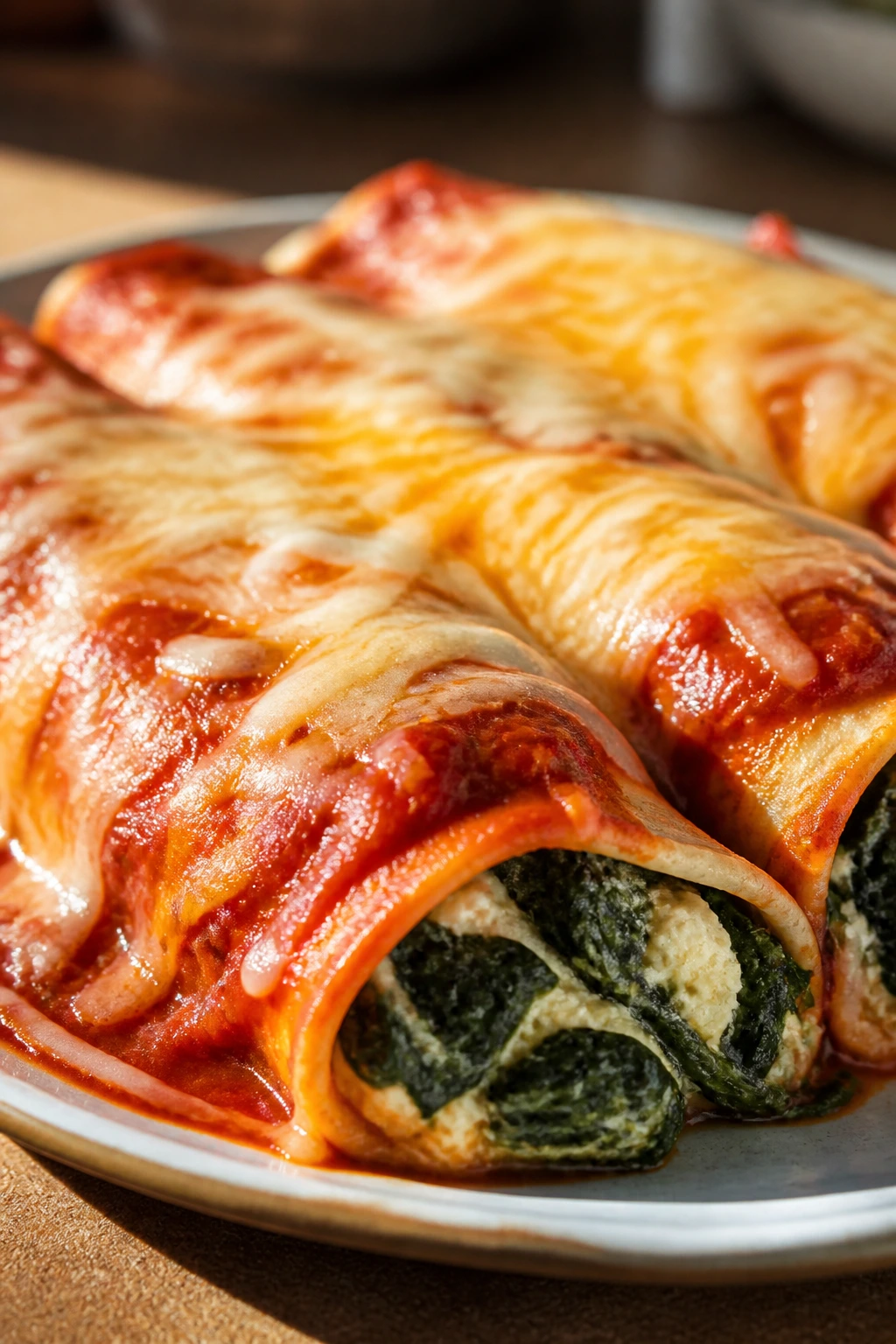
Soft tortillas rolled around spinach, beans, and cheese have a way of looking cheerful on the plate. Enchiladas are a good choice when you want something saucy but still neat enough for kids who resist casseroles with a lot of loose parts. The red sauce ties everything together and keeps the filling from feeling dry.
Why It Works:
The spinach cooks down into the filling, so it doesn’t need to be hidden. Beans bring protein, cheese brings the familiar pull, and the sauce keeps every bite soft. These also reheat well, which is useful if dinner gets delayed.
Key Ingredients:
- 10 corn or flour tortillas
- 2 cups cooked black beans
- 3 cups chopped spinach
- 2 cups shredded Monterey Jack
- 2 cups enchilada sauce
- 1/2 cup sour cream or plain yogurt
- 1 teaspoon cumin
Quick Steps:
- Warm the spinach in a skillet until wilted, then mix with beans, cumin, and 1 cup cheese.
- Spoon filling into tortillas and roll.
- Spread a little sauce in a baking dish, then arrange the enchiladas seam-side down.
- Cover with remaining sauce and cheese.
- Bake at 375°F for 20 to 25 minutes until hot and bubbling.
Equipment for This Recipe:
- Baking dish
- Skillet
- Mixing bowl
- Spoon
How to Serve This Dish:
Serve with rice, avocado, or a little yogurt on top. The enchiladas look nicest when you let them rest a few minutes so the sauce settles.
Pro Tips for This Recipe:
- Warm tortillas before rolling so they don’t tear.
- Keep the filling compact; loose filling makes rolling annoying.
- Use a mild enchilada sauce for younger kids.
Variations on This Dish:
- Sweet Corn Enchiladas: Add 1 cup corn to the filling.
- Bean and Rice Enchiladas: Mix in cooked rice for a heavier dinner.
- Extra-Cheesy Top: Add a little cheddar over the Monterey Jack for sharper flavor.
Common Mistakes to Avoid with This Dish:
- Don’t skip sauce under the enchiladas or they stick to the pan.
- Don’t overfill the tortillas or they split.
- Don’t bake uncovered too long or the edges dry out.
17. Sheet-Pan Halloumi with Roasted Veggies
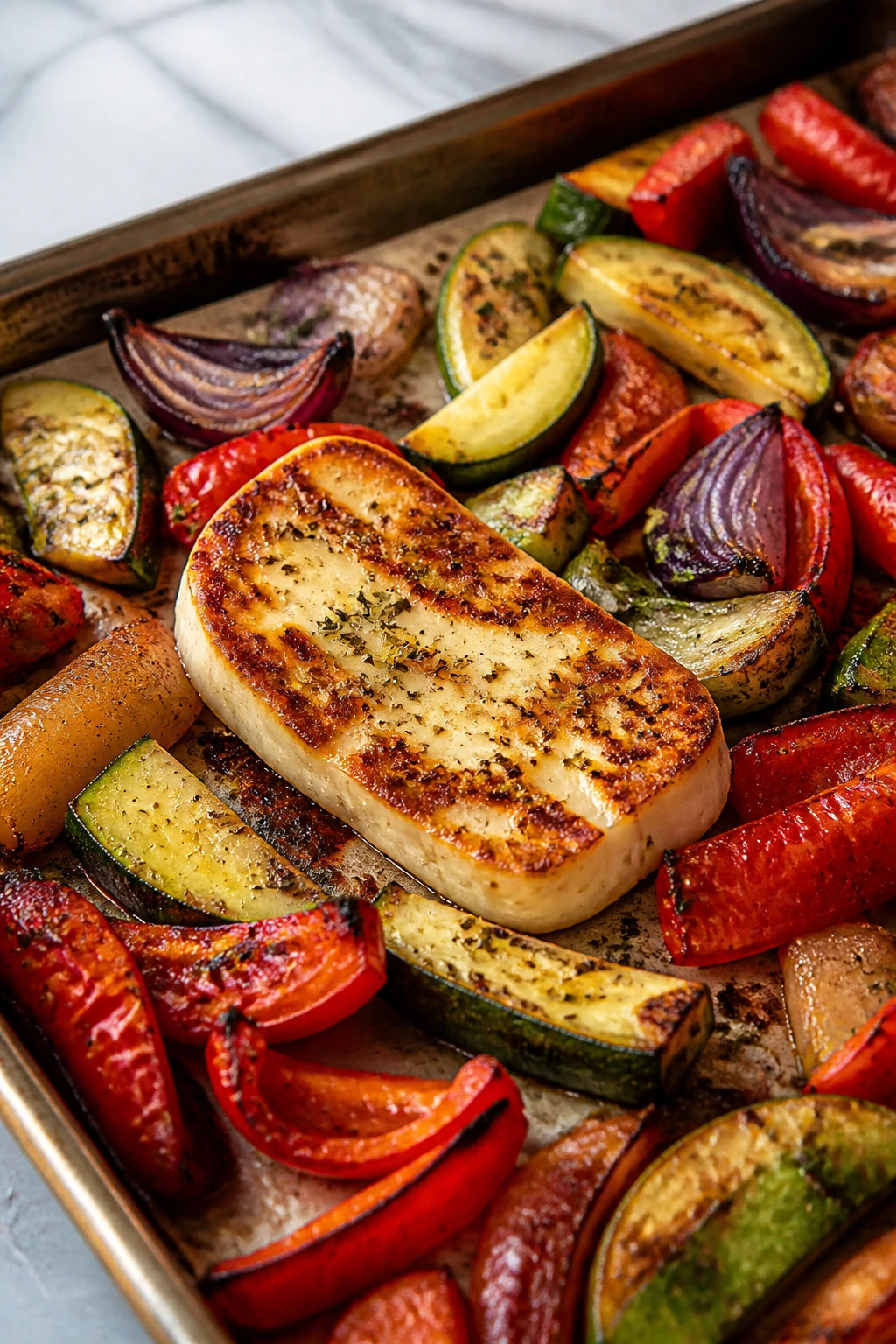
Halloumi is the wild card here, but in a good way. It browns instead of melting, which gives kids a cheese they can actually see and chew. Roast it with sweet peppers, zucchini, and red onion, and you get a dinner that tastes bright and salty without much effort.
Why It Works:
A sheet pan keeps the cooking simple and gives the vegetables enough heat to caramelize. Halloumi stands up to roasting without collapsing, so the final plate has texture instead of mush. Serve it with rice, pita, or couscous and it turns into a complete meal.
Key Ingredients:
- 8 ounces halloumi cheese, sliced
- 1 zucchini, sliced
- 1 red bell pepper, sliced
- 1 red onion, cut into wedges
- 2 tablespoons olive oil
- 1 teaspoon oregano
- 2 cups cooked rice or couscous
- Lemon wedges
Quick Steps:
- Heat the oven to 425°F.
- Toss the vegetables with olive oil, oregano, and salt.
- Roast for 15 minutes.
- Add the halloumi slices and roast for 8 to 10 minutes more until golden.
- Serve over rice or couscous with lemon.
Equipment for This Recipe:
- Sheet pan
- Parchment paper
- Knife and board
- Spatula
How to Serve This Dish:
Serve warm with a drizzle of lemon juice and a spoon of yogurt if you want something creamy. The cheese should sit on top of the vegetables so it stays browned.
Pro Tips for This Recipe:
- Cut the vegetables into similar sizes so they roast at the same speed.
- Add halloumi halfway through; it browns fast.
- If your halloumi is very salty, rinse it briefly and pat it dry.
Variations on This Dish:
- Mediterranean Tray Bake: Add cherry tomatoes and olives.
- Potato Version: Roast small potato cubes with the vegetables for a heavier meal.
- Herby Finish: Use mint or parsley after roasting for a fresher taste.
Common Mistakes to Avoid with This Dish:
- Don’t crowd the pan or the vegetables steam.
- Don’t add halloumi too early or it turns firm and dry.
- Don’t forget acid at the end; lemon keeps the salty cheese in check.
18. Sesame Peanut Noodles with Carrots
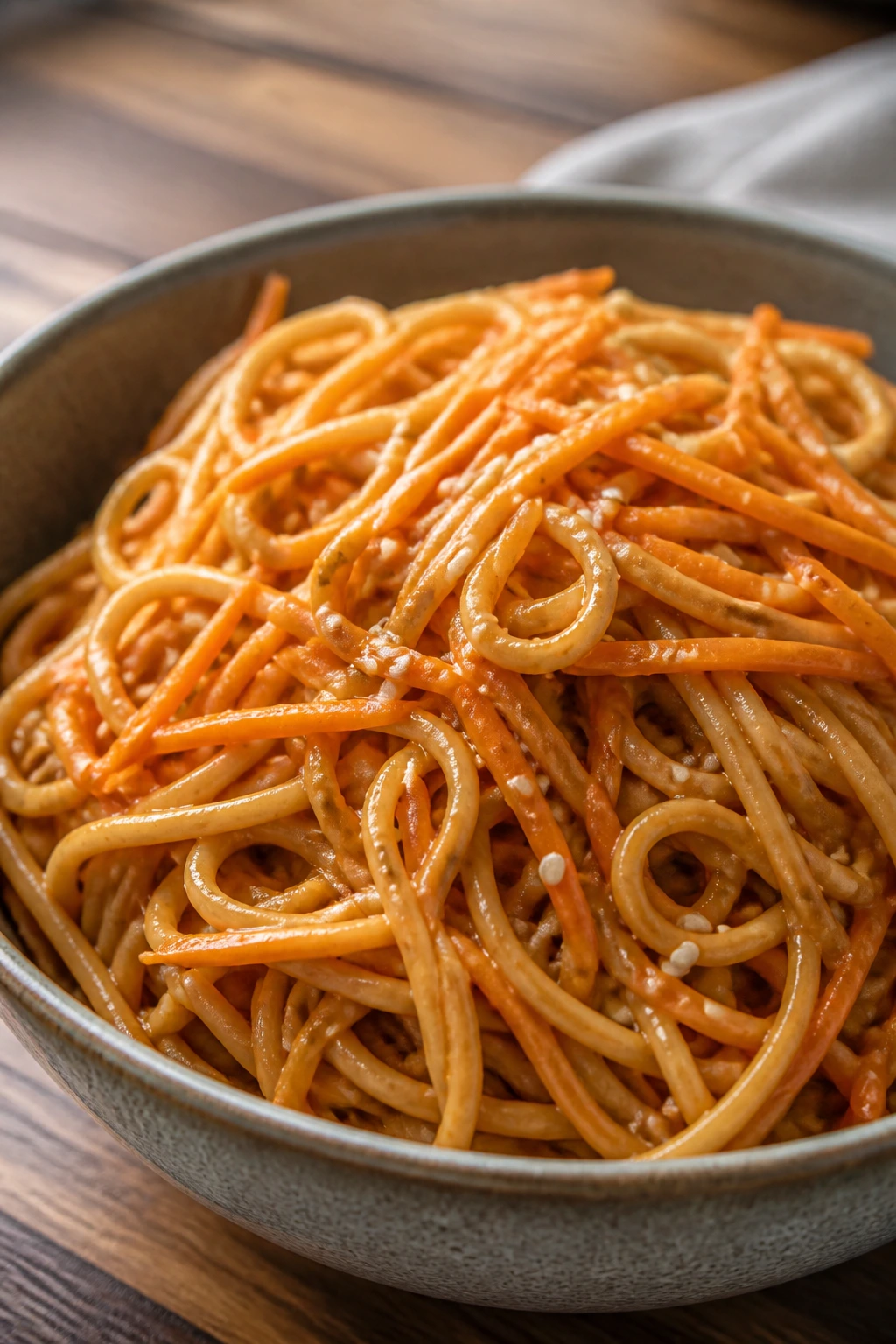
Peanut noodles are one of those dinners that look like takeout but behave like a practical pantry meal. The sauce is creamy, salty, and a little sweet, and the carrots add enough crunch to make the bowl feel alive. Kids often like it because the noodles are familiar and the sauce tastes rounded rather than spicy.
Why It Works:
Peanut butter gives the sauce body, soy sauce gives it salt, and a little honey softens the edges. Shredded carrots cook almost not at all, which means they stay bright and slightly crisp. Served cold or warm, this recipe stays useful across different moods and schedules.
Key Ingredients:
- 12 ounces noodles or spaghetti
- 1/3 cup peanut butter
- 3 tablespoons soy sauce
- 1 tablespoon honey
- 1 tablespoon rice vinegar
- 2 carrots, grated
- 2 green onions, sliced
- 1 tablespoon sesame oil
Quick Steps:
- Cook the noodles and drain.
- Whisk peanut butter, soy sauce, honey, vinegar, sesame oil, and 3 tablespoons warm water into a smooth sauce.
- Toss the noodles with the sauce.
- Add carrots and green onions.
- Serve warm or chilled.
Equipment for This Recipe:
- Large pot
- Mixing bowl
- Whisk
- Tongs
How to Serve This Dish:
Serve in shallow bowls with cucumber sticks or edamame. A sprinkle of sesame seeds adds crunch if your kids like small texture changes.
Pro Tips for This Recipe:
- Add water gradually to the sauce so it stays silky.
- Toss the noodles while they’re still warm; they coat better.
- Use spaghetti if you don’t have Asian noodles — it works fine.
Variations on This Dish:
- Cucumber Noodles: Add sliced cucumber for extra crunch.
- Mild Chili Version: Adults can add chili crisp at the table.
- Tofu Bowl: Add baked tofu cubes for more protein.
Common Mistakes to Avoid with This Dish:
- Don’t leave the sauce too thick or it clumps.
- Don’t use cold noodles straight from the fridge; warm them a bit first.
- Don’t overdo the vinegar if you want kid-friendly flavor.
19. Bean and Cheese Quesadilla Bake
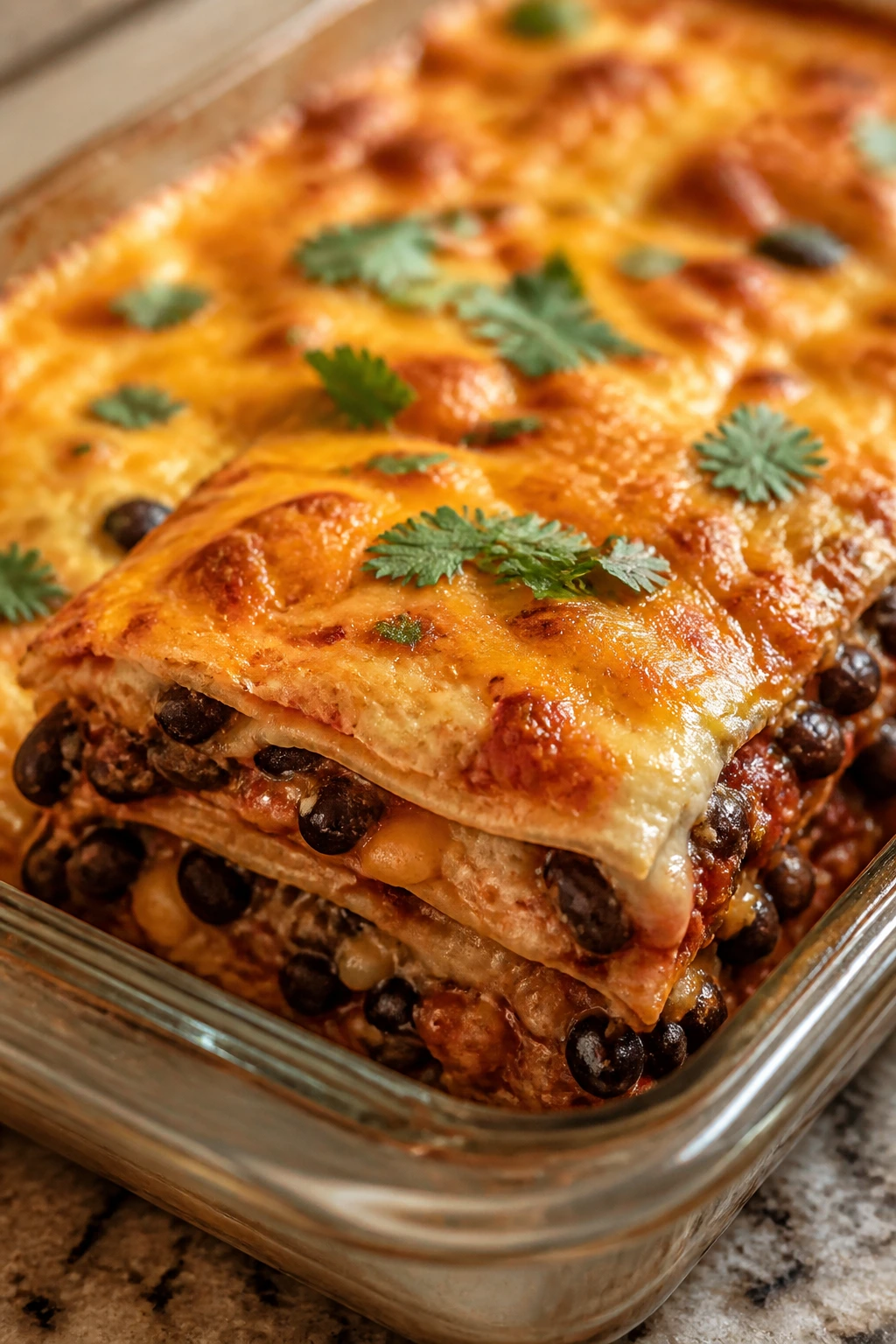
This is what I make when I want the flavor of quesadillas without standing at the stove flipping each one. Layers of tortillas, beans, cheese, and mild salsa bake into a sliceable pan dinner. It’s soft, a little crisp on top, and easy to cut into squares for small hands.
Why It Works:
The casserole format keeps the tortillas from splitting and makes dinner feel orderly. Beans bring protein, cheese melts into every seam, and the salsa gives the filling enough flavor to keep it from tasting like just cheese on bread. It’s also a strong leftover.
Key Ingredients:
- 8 tortillas
- 2 cans refried or black beans
- 3 cups shredded cheddar or Mexican blend
- 1 cup mild salsa
- 1 cup corn
- 1/2 cup chopped green onions
- 1 tablespoon olive oil
Quick Steps:
- Heat the oven to 375°F and grease a baking dish.
- Spread a thin layer of beans in the dish.
- Layer tortillas, salsa, beans, corn, green onions, and cheese.
- Repeat until you finish with cheese on top.
- Bake for 20 to 25 minutes until hot and golden.
- Rest 10 minutes before slicing.
Equipment for This Recipe:
- Baking dish
- Spoon or spatula
- Foil, optional
- Knife
How to Serve This Dish:
Cut into squares and serve with sour cream, avocado, or chopped lettuce. It’s one of the few dinners that works well on plates or as hand-held squares.
Pro Tips for This Recipe:
- Use mild salsa so the filling stays kid-friendly.
- Let it rest before cutting or the layers slide.
- If the top browns too fast, cover loosely with foil.
Variations on This Dish:
- Spinach Layer: Add chopped spinach between the bean layers.
- Breakfast Version: Mix in scrambled eggs.
- Milder Cheese Bake: Use Monterey Jack for a softer flavor.
Common Mistakes to Avoid with This Dish:
- Don’t add too much salsa or the bake turns wet.
- Don’t cut while hot from the oven.
- Don’t forget to grease the pan or the bottom sticks.
20. Cauliflower Mac and Cheese with Breadcrumbs
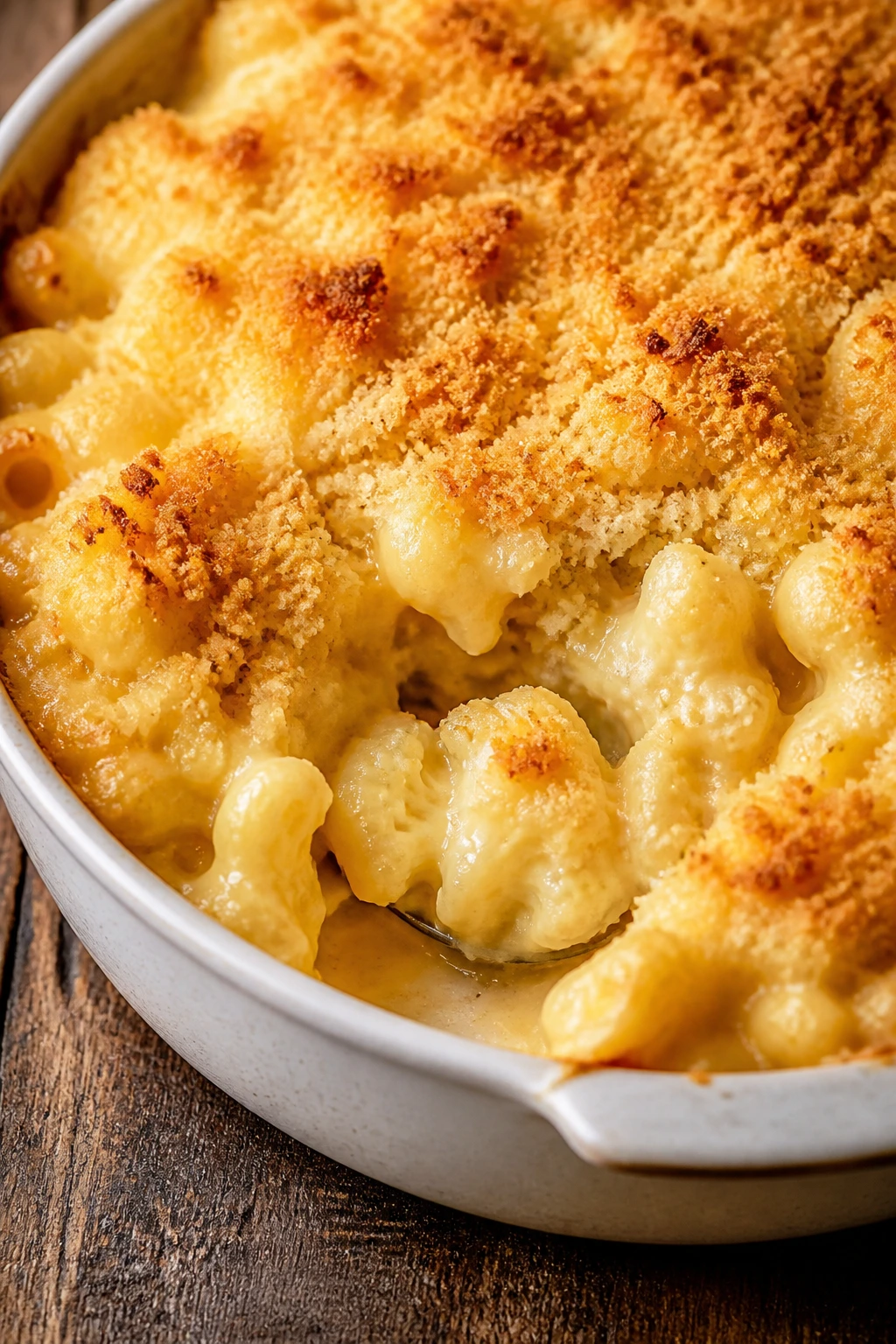
Cauliflower in mac and cheese sounds suspicious until you taste it. Roasted or steamed cauliflower blends into the sauce and gives the dish a little more structure, while breadcrumbs on top add the crunch kids usually ask for somewhere in the meal. The result still tastes like mac and cheese — just a little steadier.
Why It Works:
Cauliflower softens enough to blend into the cheese sauce, so the texture stays creamy. The cheese stays front and center, which matters because this recipe works only if it still feels like the thing kids wanted. Breadcrumbs give the top a toasted finish that makes the dish feel finished, not soggy.
Key Ingredients:
- 12 ounces elbow macaroni
- 3 cups cauliflower florets
- 2 tablespoons butter
- 2 tablespoons flour
- 2 cups milk
- 2 cups shredded cheddar
- 1/2 cup breadcrumbs
- 1 tablespoon melted butter
Quick Steps:
- Steam the cauliflower until very soft, then mash or blend.
- Cook the macaroni until just al dente.
- Make a sauce with butter, flour, milk, cauliflower, and cheddar.
- Mix with pasta and spread in a baking dish.
- Toss breadcrumbs with melted butter and sprinkle on top.
- Bake at 375°F for 15 minutes until golden.
Equipment for This Recipe:
- Pot
- Saucepan
- Baking dish
- Whisk
How to Serve This Dish:
Serve with peas or a simple tomato salad. The crunch on top is best right out of the oven, so bring it to the table fast.
Pro Tips for This Recipe:
- Blend the cauliflower smooth, or it will be noticed.
- Keep the cheese sauce on low heat once the cheese goes in.
- Toast the breadcrumbs lightly if you want even more crunch.
Variations on This Dish:
- Smoky Version: Add a small pinch of smoked paprika.
- Broccoli-Cauliflower Mix: Use half broccoli for a greener flavor.
- Extra-Saucy Style: Add more milk for a looser baked pasta.
Common Mistakes to Avoid with This Dish:
- Don’t overblend the pasta with the sauce if you want some shape left.
- Don’t let the sauce boil after adding cheese.
- Don’t skip the topping; it balances the creamy texture.
21. Vegetable Shepherd’s Pie
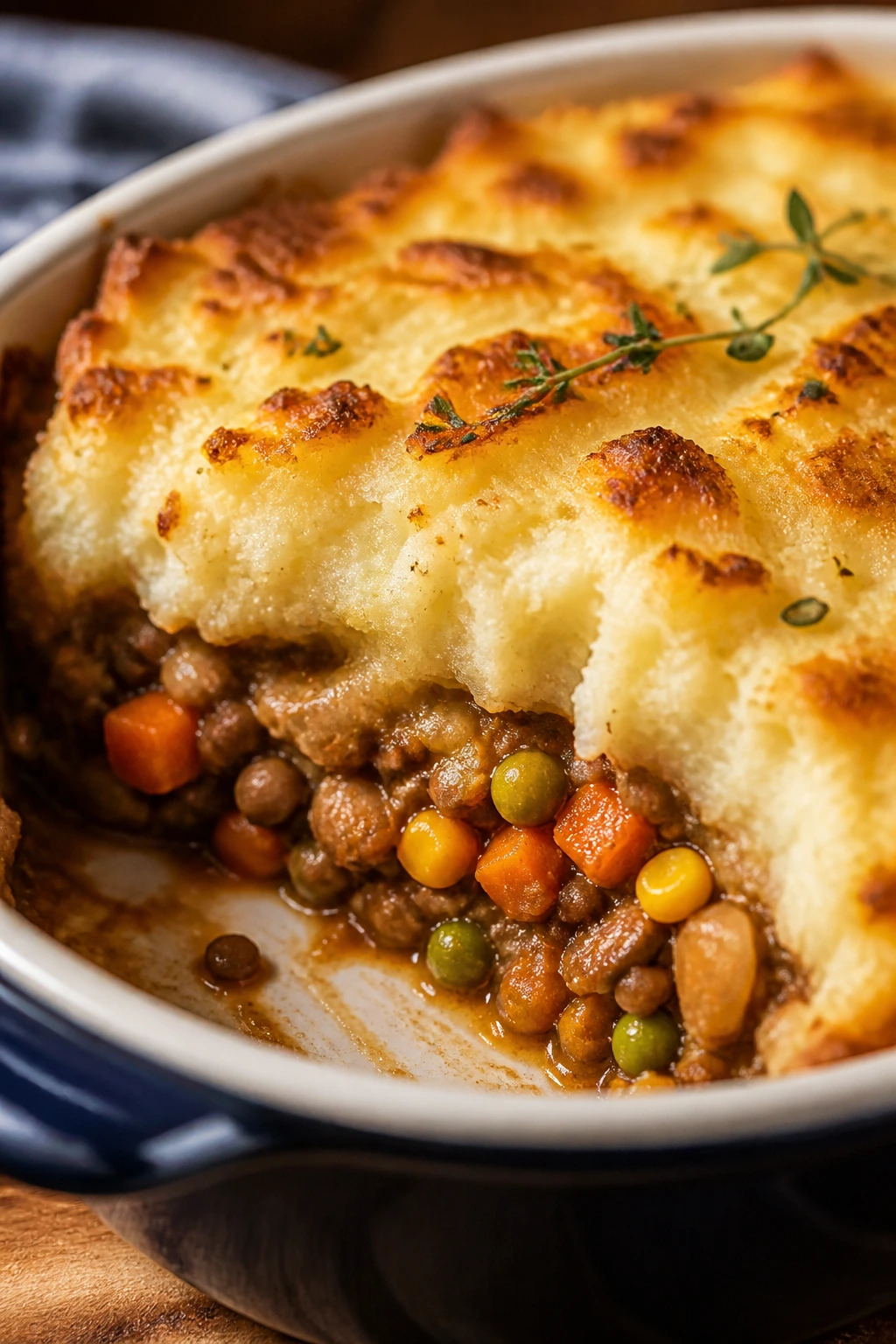
Shepherd’s pie is pure comfort, but the vegetable version earns its keep by being hearty instead of apologetic. Lentils or mushrooms form the base, mashed potatoes cap it off, and carrots, peas, and onion make the filling feel complete. It’s a layered dinner, which kids often find more interesting than a bowl with everything mixed together.
Why It Works:
The filling stays savory and thick, while the mashed potato topping creates a soft, familiar lid. Lentils bring protein and a meaty texture without pretending to be meat, and the vegetables give color and sweetness. Baked together, the edges get a little browned and that helps a lot.
Key Ingredients:
- 2 cups cooked lentils
- 1 onion, chopped
- 2 carrots, diced
- 1 cup peas
- 2 tablespoons tomato paste
- 4 cups mashed potatoes
- 1 cup vegetable broth
- 1 tablespoon olive oil
Quick Steps:
- Cook the onion and carrots in oil for 6 minutes.
- Stir in tomato paste, lentils, broth, and peas; simmer until thick.
- Spread the filling in a baking dish.
- Top with mashed potatoes and smooth the surface.
- Bake at 400°F for 20 minutes until the top browns in spots.
Equipment for This Recipe:
- Skillet
- Baking dish
- Potato masher
- Spoon
How to Serve This Dish:
Serve in wide bowls with a little extra peas or green beans on the side. The best spoonful gets some potato, some filling, and one browned edge.
Pro Tips for This Recipe:
- Keep the filling thick so the topping sits on it instead of sinking.
- Rough up the potato topping with a fork for better browning.
- Use warm mashed potatoes so spreading is easier.
Variations on This Dish:
- Mushroom Pie: Swap half the lentils for chopped mushrooms.
- Cheddar Top: Stir a little cheese into the potatoes.
- Sweet Potato Topping: Use sweet potatoes for a softer, sweeter cap.
Common Mistakes to Avoid with This Dish:
- Don’t make the filling too wet.
- Don’t spread the potatoes so thin they dry out.
- Don’t skip resting the pie for 10 minutes after baking.
22. Tomato Risotto with Peas
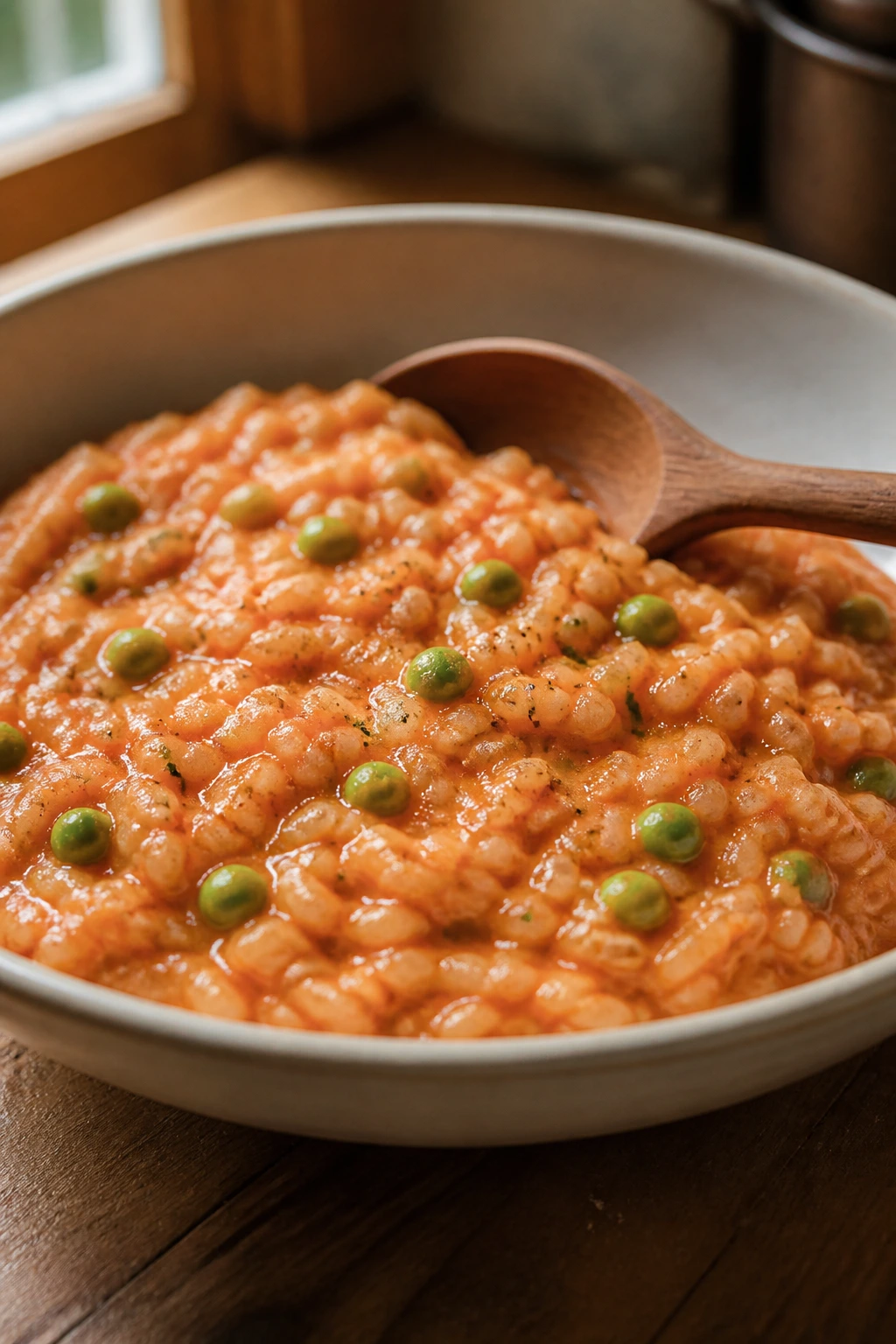
Risotto sounds fancier than it is. What it really asks for is patience and a spoon. The tomato keeps the flavor mild and familiar, the peas bring sweetness, and the rice turns creamy without needing a lot of dairy. For kids, the texture matters as much as the flavor here — soft, spoonable, and warm.
Why It Works:
Arborio rice releases starch as it cooks slowly, which creates the creamy texture. Tomato paste adds color and depth, and peas keep the risotto from tasting one-note. Stirring matters, but not in a stressful way; you’re just nudging the rice toward creaminess.
Key Ingredients:
- 1 1/2 cups Arborio rice
- 1 onion, chopped
- 2 tablespoons tomato paste
- 4 cups warm vegetable broth
- 1 cup frozen peas
- 2 tablespoons butter
- 1/2 cup Parmesan
- 1 tablespoon olive oil
Quick Steps:
- Cook the onion in olive oil until soft.
- Stir in the rice and tomato paste for 1 minute.
- Add broth a ladle at a time, stirring until absorbed before each addition.
- After about 18 to 20 minutes, stir in peas, butter, and Parmesan.
- Serve when the rice is creamy and just tender.
Equipment for This Recipe:
- Wide saucepan or Dutch oven
- Ladle
- Wooden spoon
- Small pot for broth
How to Serve This Dish:
Serve in shallow bowls with extra Parmesan and a few cracked black pepper flecks for adults. A salad with crisp lettuce is a good counterpoint to the soft rice.
Pro Tips for This Recipe:
- Keep the broth warm so the rice cooks evenly.
- Stir often enough to release starch, but not so hard you break the grains.
- Taste near the end; risotto should be tender with a little bite.
Variations on This Dish:
- Creamier Risotto: Add a spoon of mascarpone at the end.
- Mushroom Tomato Risotto: Stir in sautéed mushrooms.
- Lemon Pea Version: Finish with lemon zest for brightness.
Common Mistakes to Avoid with This Dish:
- Don’t walk away for long stretches. Risotto wants attention.
- Don’t add cold broth if you can help it.
- Don’t cook until the rice turns mushy; stop while it still has shape.
23. Falafel Pita Pockets
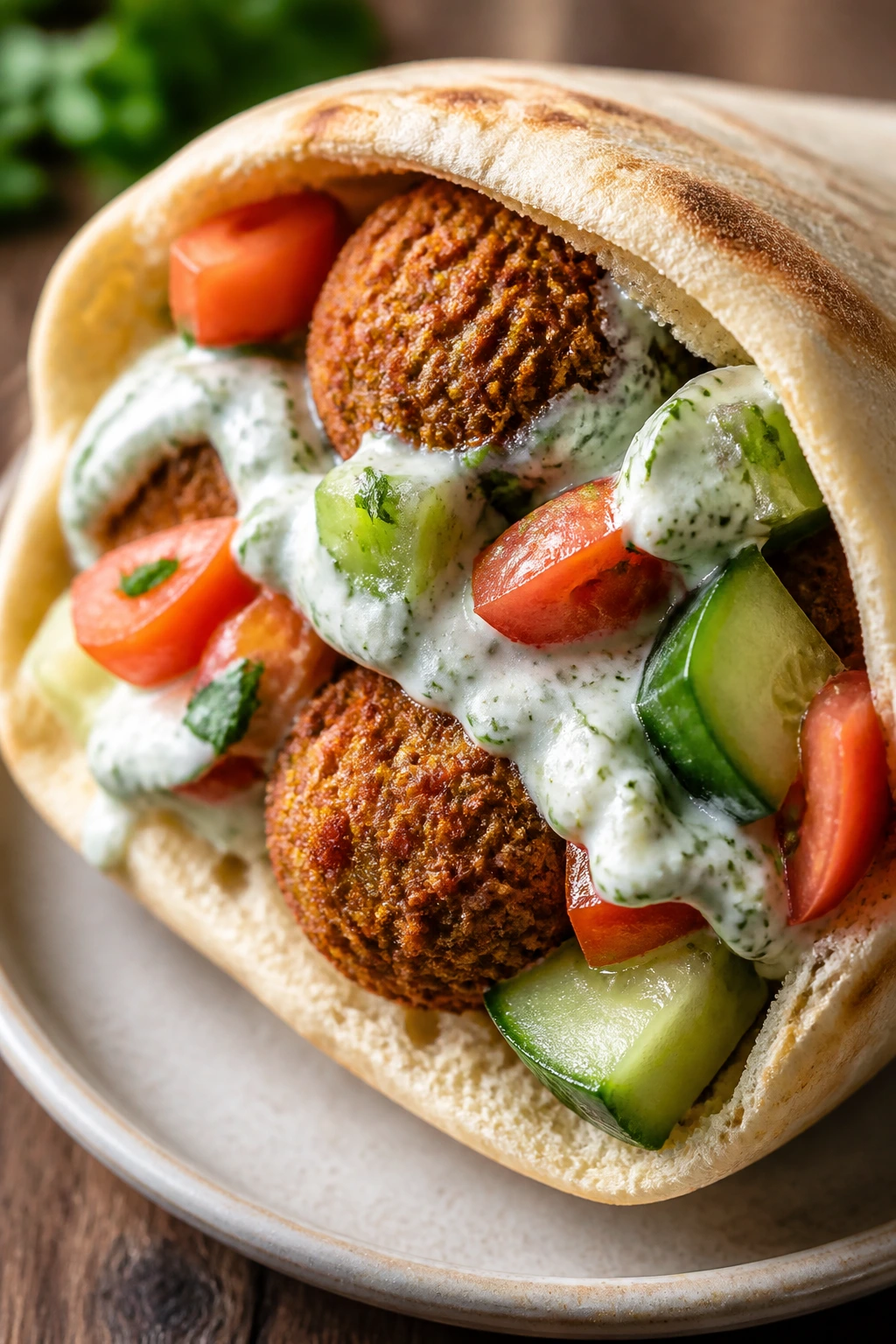
Falafel pita pockets are a good way to make chickpeas feel like something more exciting than “the bean in the can.” Crispy falafel tucked into soft pita with cucumber, tomato, and yogurt sauce gives you hot and cool textures in one meal. Kids like pockets because the food stays contained.
Why It Works:
The falafel can be baked or pan-fried, which gives you flexibility. Chickpeas and herbs make the filling savory, and the yogurt sauce cools everything down. The pita keeps the portions neat, which is helpful when you’re serving little hands.
Key Ingredients:
- 2 cans chickpeas, drained and patted dry
- 1/2 cup parsley
- 1/2 onion
- 2 cloves garlic
- 1 teaspoon cumin
- 4 pita breads
- 1 cucumber, sliced
- 1/2 cup plain yogurt
Quick Steps:
- Blend chickpeas, parsley, onion, garlic, cumin, and salt into a coarse mixture.
- Form small patties or balls.
- Bake at 400°F for 20 minutes or pan-fry until browned.
- Warm the pita bread.
- Fill with falafel, cucumber, tomato, and yogurt.
Equipment for This Recipe:
- Food processor
- Baking sheet or skillet
- Knife
- Spoon
How to Serve This Dish:
Serve the pitas whole or cut in half. Add a few carrot sticks and some extra yogurt sauce for dipping if your kids like to drag dinner out.
Pro Tips for This Recipe:
- Keep the falafel mixture coarse so it doesn’t turn paste-like.
- Dry the chickpeas well or the patties won’t hold shape.
- Warm pita briefly so it bends instead of tearing.
Variations on This Dish:
- Tahini Pocket: Swap yogurt for tahini sauce.
- Baked Falafel Bowl: Skip the pita and serve over rice.
- Mild Herb Version: Use more parsley and less garlic.
Common Mistakes to Avoid with This Dish:
- Don’t use wet chickpeas.
- Don’t make the patties too thick or they stay soft inside.
- Don’t stuff the pita too full or it tears at the seam.
24. Teriyaki Tofu Rice Bowls
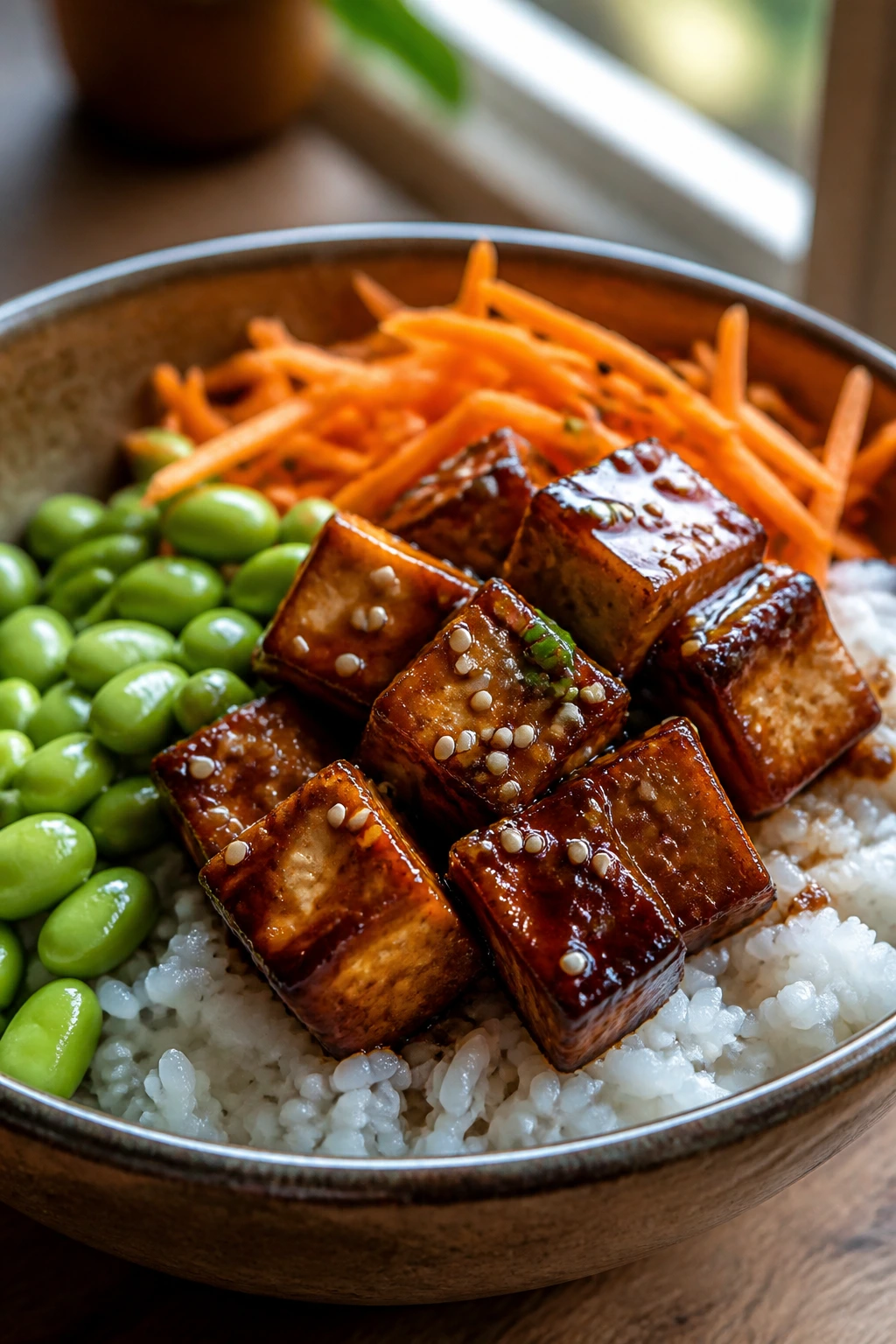
Tofu bowls can be a hard sell until you crisp the tofu and gloss it with a sweet teriyaki sauce. Then the bowl starts to feel familiar: rice underneath, little vegetables around the edges, sauce on everything. Kids who like sweet-and-salty flavors usually warm up to this version fast.
Why It Works:
Pressed tofu browns better and holds its shape, which makes it more appealing than soft cubes floating in sauce. The teriyaki glaze gives enough sweetness to stay kid-friendly, and rice makes the bowl comforting instead of sparse. Carrots and edamame add color and small, manageable bites.
Key Ingredients:
- 14 ounces firm tofu, pressed and cubed
- 2 cups cooked rice
- 1 cup edamame
- 1 carrot, shredded
- 1/4 cup teriyaki sauce
- 1 tablespoon soy sauce
- 1 tablespoon sesame oil
- Sesame seeds
Quick Steps:
- Pat the tofu dry and brown it in a skillet with sesame oil until golden.
- Add teriyaki sauce and soy sauce, then cook until glazed.
- Warm the edamame.
- Spoon rice into bowls and top with tofu, edamame, and carrot.
- Finish with sesame seeds.
Equipment for This Recipe:
- Skillet
- Tofu press or clean towel
- Rice pot
- Grater
How to Serve This Dish:
Serve warm with cucumber slices or a few orange wedges on the side. If your kids are suspicious of tofu, keep the cubes small and let the sauce do the talking.
Pro Tips for This Recipe:
- Press tofu for at least 15 minutes so it browns.
- Don’t crowd the skillet, or the tofu steams.
- Glaze the tofu near the end so the sauce doesn’t burn.
Variations on This Dish:
- Broccoli Bowl: Add steamed broccoli florets.
- Peanut Teriyaki: Stir 1 tablespoon peanut butter into the sauce.
- Noodle Swap: Use noodles instead of rice for a different texture.
Common Mistakes to Avoid with This Dish:
- Don’t skip pressing the tofu.
- Don’t drown it in sauce from the start.
- Don’t serve the bowl cold unless that’s the plan; tofu tastes better warm.
25. Spinach Ricotta Stuffed Shells
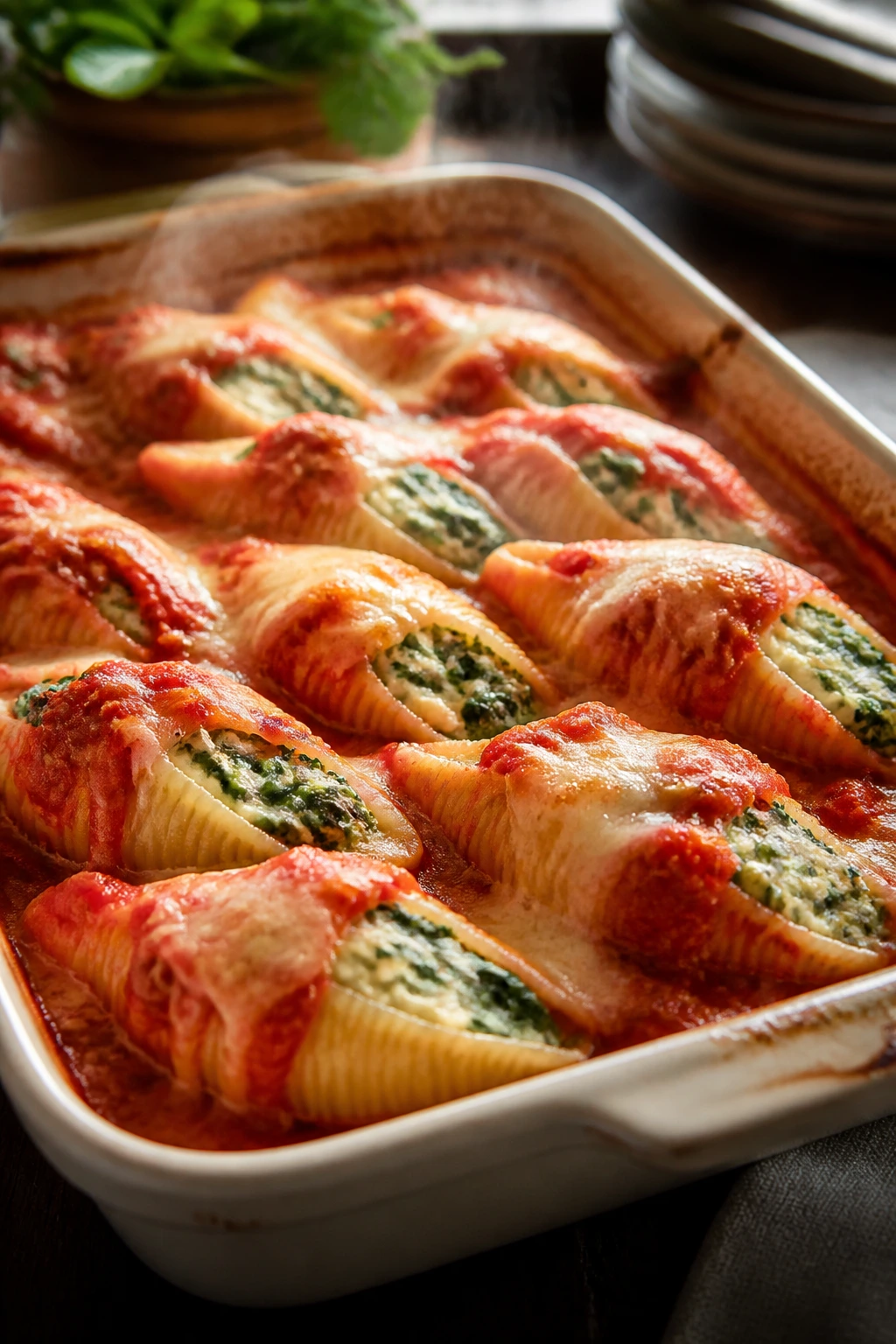
Stuffed shells feel a little special without asking for special effort. The pasta shells hold a ricotta filling that’s creamy and mild, and spinach gives the filling a greener look without changing the flavor too much. A blanket of marinara keeps everything soft and familiar.
Why It Works:
Large shells are easy to fill, and the ricotta-spinach mixture stays tender after baking. Marinara prevents the pasta from drying out, which is the main thing that can go wrong with stuffed pasta. The finished dish slices and serves neatly, which helps at a family table.
Key Ingredients:
- 20 jumbo pasta shells
- 15 ounces ricotta
- 2 cups chopped spinach
- 1 cup mozzarella
- 1/4 cup Parmesan
- 1 egg
- 3 cups marinara sauce
- 1 teaspoon Italian seasoning
Quick Steps:
- Boil the shells until just tender, then drain.
- Mix ricotta, spinach, mozzarella, Parmesan, egg, and seasoning.
- Spread sauce in a baking dish.
- Fill each shell and nestle them into the sauce.
- Top with more sauce and bake at 375°F for 25 minutes.
Equipment for This Recipe:
- Baking dish
- Large pot
- Spoon or piping bag
- Mixing bowl
How to Serve This Dish:
Serve two or three shells per plate with extra sauce spooned around them. A side of roasted zucchini or garlic bread makes the plate feel complete.
Pro Tips for This Recipe:
- Don’t overcook the shells or they tear while filling.
- Use a spoon or zip-top bag to fill shells neatly.
- Let the dish rest after baking so the ricotta settles.
Variations on This Dish:
- Pumpkin Ricotta Shells: Mix in a little pumpkin puree for a fall-like flavor.
- Three-Cheese Shells: Add provolone for more stretch.
- Spinach-Free Version: Swap spinach for finely chopped zucchini.
Common Mistakes to Avoid with This Dish:
- Don’t leave the shells under water after draining; they can split.
- Don’t skimp on sauce underneath.
- Don’t overpack the shells or the filling bursts out.
26. Veggie Pizza Toast
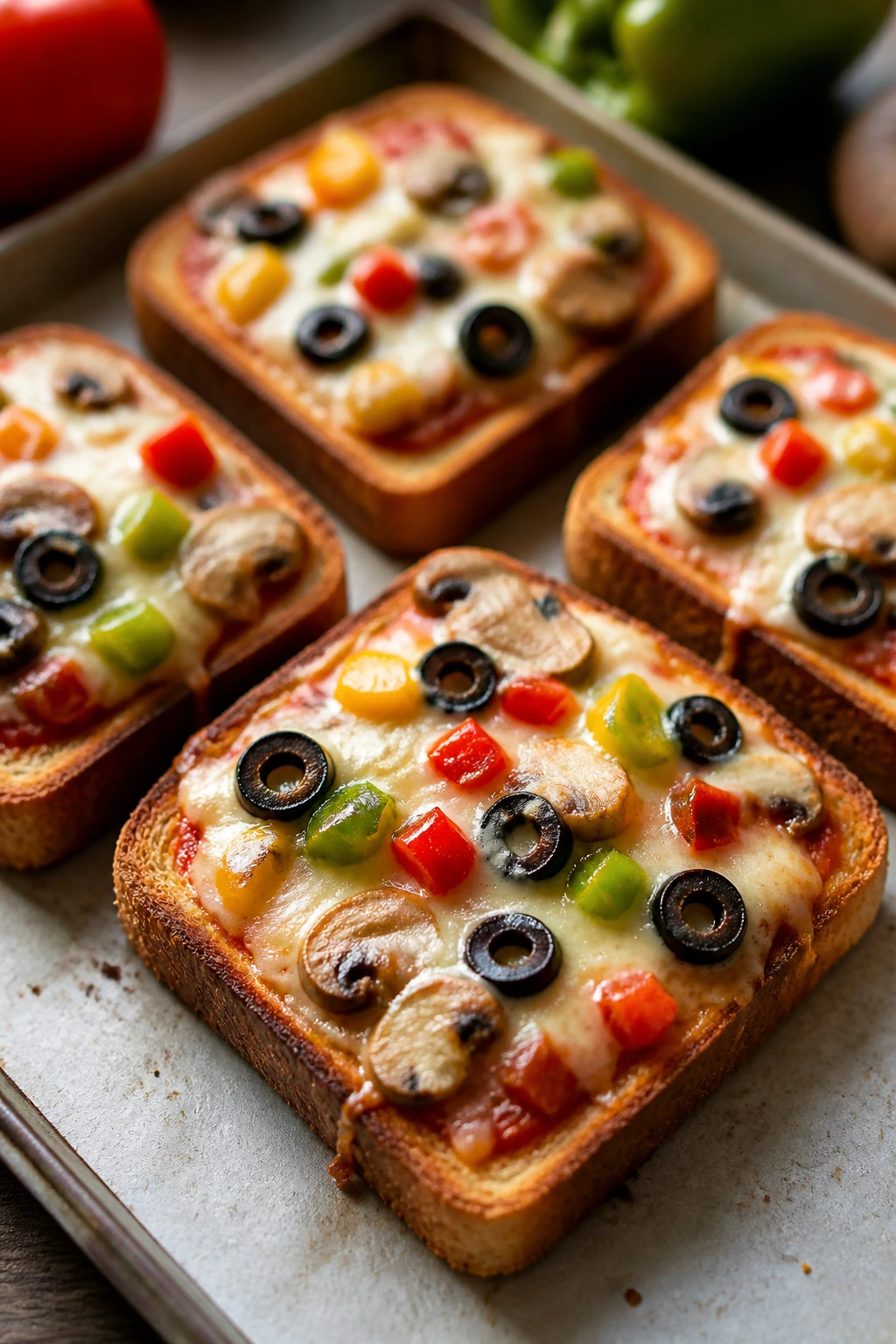
Pizza toast is one of the fastest ways to turn bread, sauce, and vegetables into dinner without pretending it took longer. The bread gets crisp, the cheese melts, and the toppings stay bite-sized. That’s important, because small pieces are easier to accept than a pile of chopped vegetables.
Why It Works:
Toast gives you a sturdy base that can handle sauce and cheese without turning soggy too quickly. It’s also easy to scale up, which matters when one child wants “nothing green” and another wants extra peppers. The whole thing bakes in minutes, so no one gets restless.
Key Ingredients:
- 8 slices sturdy bread
- 1 cup pizza sauce
- 2 cups shredded mozzarella
- 1/2 cup finely chopped bell pepper
- 1/2 cup sliced mushrooms
- 1/4 cup black olives, sliced
- 1 teaspoon oregano
Quick Steps:
- Toast the bread lightly under the broiler or in a toaster.
- Spread each slice with pizza sauce.
- Add cheese and toppings.
- Bake or broil for 3 to 5 minutes until the cheese melts.
- Sprinkle oregano and serve immediately.
Equipment for This Recipe:
- Baking sheet
- Toaster or broiler
- Knife
- Spoon
How to Serve This Dish:
Cut the toasts into halves or strips and serve with salad or fruit. They’re best hot, when the cheese is still soft and the edges are crisp.
Pro Tips for This Recipe:
- Toast the bread first so the base doesn’t collapse.
- Chop vegetables very small if you want them to stay on.
- Watch closely under the broiler; bread goes from browned to burnt in a blink.
Variations on This Dish:
- White Pizza Toast: Use ricotta and garlic instead of red sauce.
- Pesto Toast: Swap pizza sauce for pesto.
- Extra Veggie Toast: Add spinach after baking for a softer green layer.
Common Mistakes to Avoid with This Dish:
- Don’t pile on too much sauce.
- Don’t use thin sandwich bread if you want the toast to stay crisp.
- Don’t walk away during broiling.
27. Mushroom Stroganoff with Egg Noodles
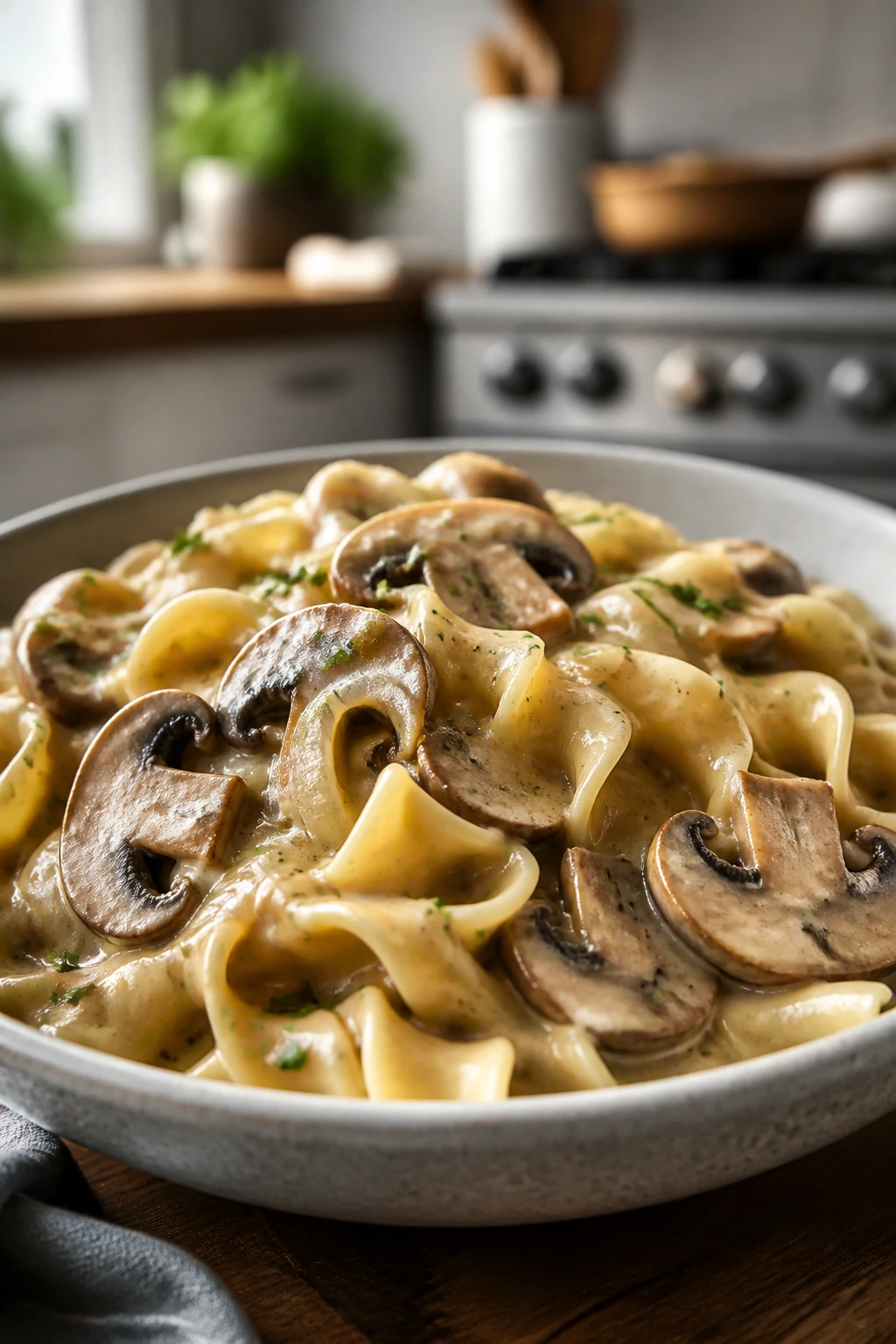
Mushroom stroganoff feels rich and a little old-school, but it can still work with kids if the sauce stays creamy and the mushrooms are sliced thin. Egg noodles give the dish a soft, familiar base, and the sour cream or yogurt gives it that tangy finish that makes stroganoff, well, stroganoff.
Why It Works:
Mushrooms bring a meaty texture without meat, and browning them well gives the sauce depth. A creamy sauce keeps the noodles coated and soft, which is a big part of the appeal. It’s a good dinner for people who want something warm and savory but not heavily spiced.
Key Ingredients:
- 12 ounces egg noodles
- 1 pound mushrooms, sliced
- 1 onion, sliced
- 2 tablespoons butter
- 1 tablespoon flour
- 1 1/2 cups vegetable broth
- 1/2 cup sour cream or plain yogurt
- 1 teaspoon paprika
Quick Steps:
- Cook the noodles and drain.
- Brown the mushrooms and onion in butter until golden.
- Sprinkle in flour and stir for 1 minute.
- Add broth and paprika, then simmer until thick.
- Stir in sour cream off the heat and serve over noodles.
Equipment for This Recipe:
- Large skillet
- Pot for noodles
- Wooden spoon
- Colander
How to Serve This Dish:
Serve in shallow bowls with peas or a side of buttered green beans. A little parsley on top makes the dish look brighter, which helps with mushrooms.
Pro Tips for This Recipe:
- Brown the mushrooms properly or the sauce tastes flat.
- Stir in sour cream off the heat to prevent curdling.
- Slice the mushrooms thin so they’re less intimidating.
Variations on This Dish:
- Lentil Stroganoff: Add cooked lentils for more body.
- Creamy Herb Version: Add dill or parsley.
- Rice Bowl Swap: Serve over rice if noodles are not a hit.
Common Mistakes to Avoid with This Dish:
- Don’t crowd the mushrooms or they steam.
- Don’t boil after adding sour cream.
- Don’t underseason the sauce; mushrooms need salt.
28. Veggie Frittata with Toast
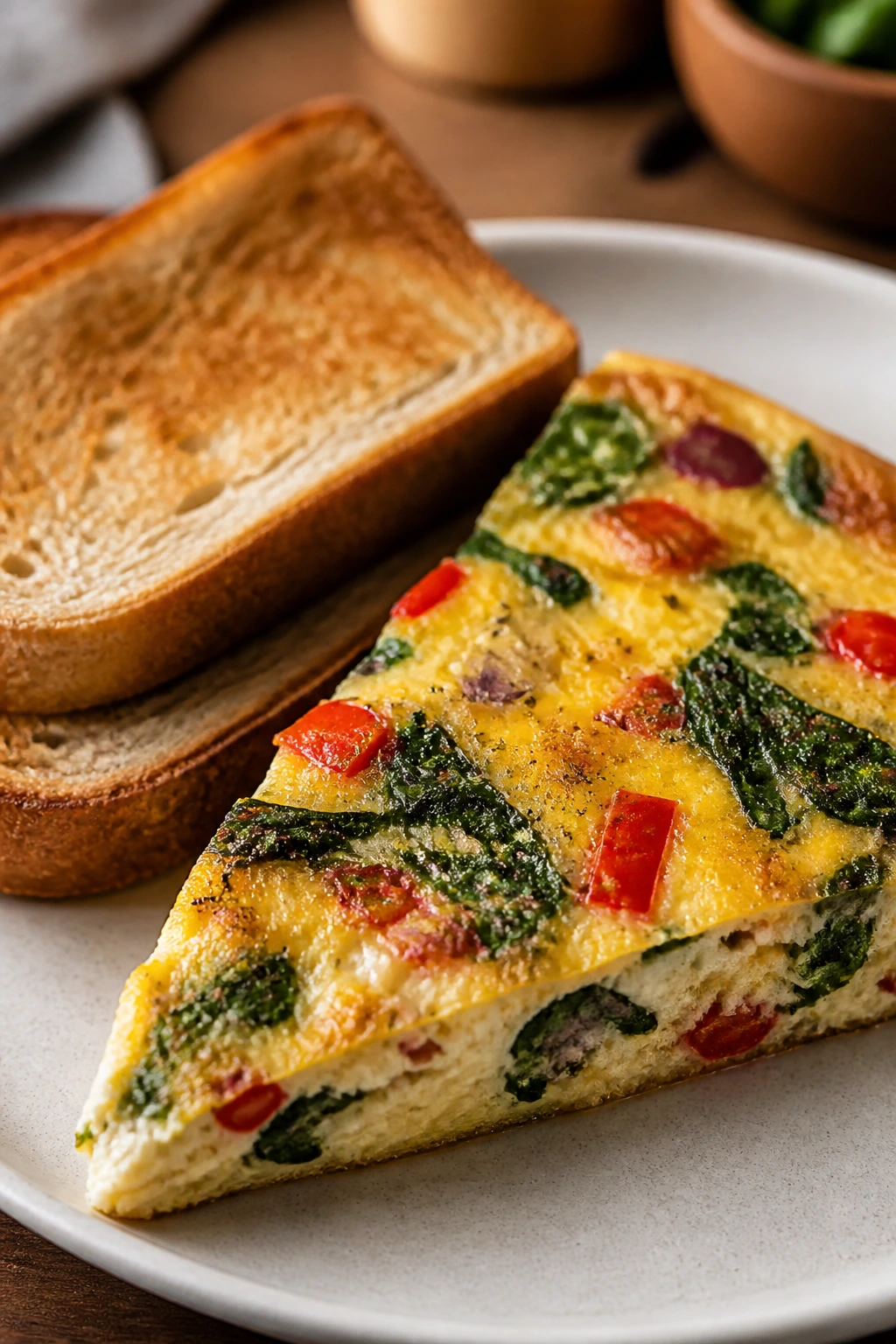
Frittata is a quiet powerhouse dinner. Eggs, cheese, and vegetables cook into one skillet, and you can serve it in wedges with toast on the side. It’s especially useful when the fridge has half a pepper, a few spinach leaves, and some cheese that needs using up.
Why It Works:
Eggs give the meal structure and protein, and the vegetables soften into the custard instead of sitting on top looking lonely. A skillet frittata is easier than a quiche because there’s no crust to fight with. Served warm, it’s soft enough for younger kids and sturdy enough for grown-ups.
Key Ingredients:
- 8 eggs
- 1/2 cup milk
- 1 cup spinach, chopped
- 1/2 cup bell pepper, diced
- 1/2 cup shredded cheddar
- 1 tablespoon olive oil
- Salt and pepper
- 4 slices toast
Quick Steps:
- Cook the peppers in olive oil until softened.
- Add spinach and cook just until wilted.
- Whisk eggs, milk, salt, and pepper.
- Pour into the skillet, sprinkle with cheese, and cook gently until the edges set.
- Finish under the broiler until the center is just firm, then slice.
Equipment for This Recipe:
- Oven-safe skillet
- Whisk
- Mixing bowl
- Spatula
How to Serve This Dish:
Serve wedges with toast and fruit or a small salad. A dollop of yogurt on the side is nice if you want something cool against the warm eggs.
Pro Tips for This Recipe:
- Use an oven-safe skillet so the top can finish quickly.
- Don’t overcook the eggs; they should still look slightly soft in the center before broiling.
- Chop vegetables small so each wedge holds together.
Variations on This Dish:
- Broccoli Frittata: Use tiny broccoli florets instead of peppers.
- Tomato and Basil Version: Add diced tomatoes, but drain them first.
- Cheesy Potato Frittata: Add leftover potatoes for a heavier meal.
Common Mistakes to Avoid with This Dish:
- Don’t cook on high heat or the bottom overbrowns.
- Don’t add wet vegetables without draining them.
- Don’t slice too soon; the frittata needs a minute to set.
29. Three-Bean Chili with Cornbread
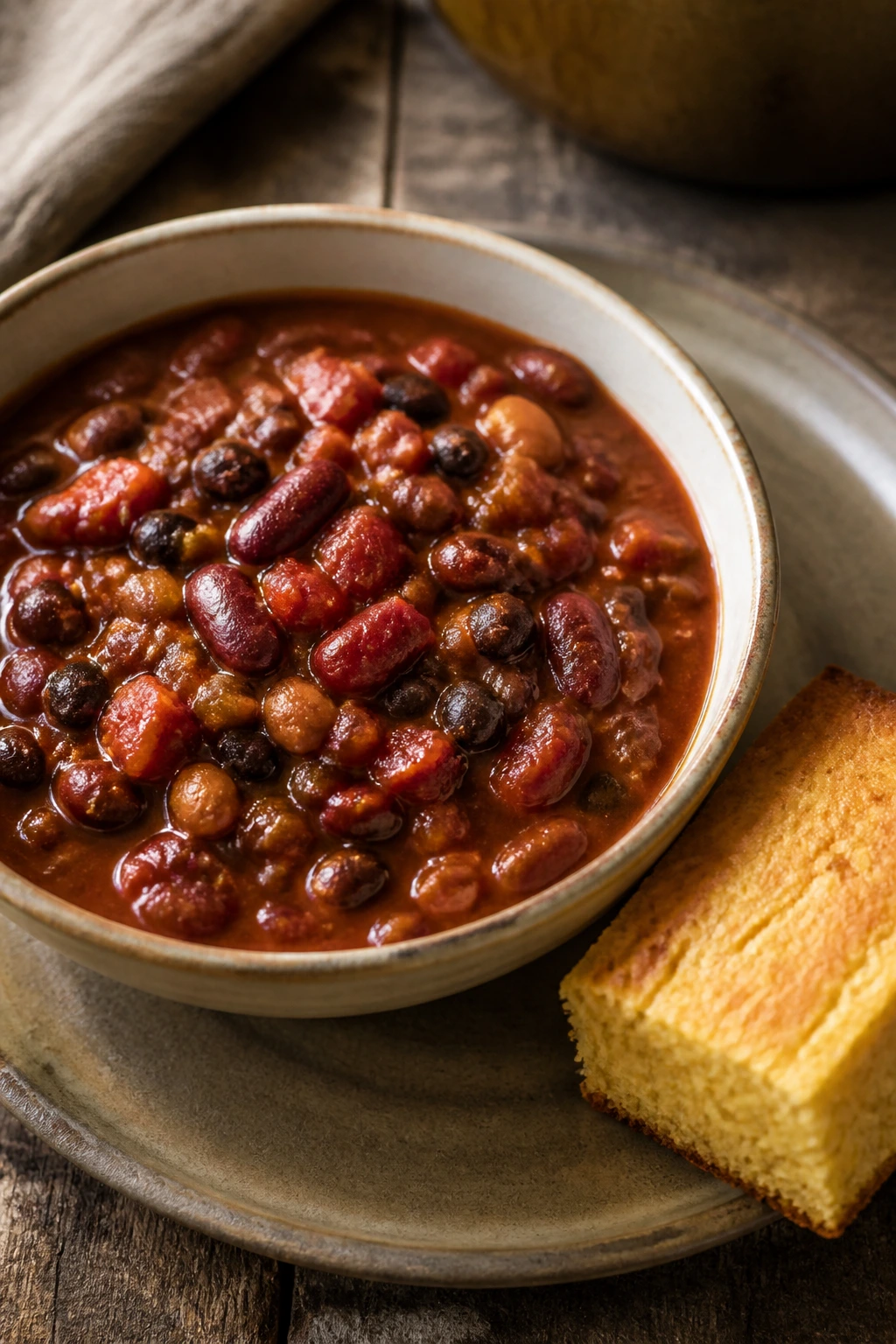
A mild bean chili gives you the cozy dinner feeling without the meat. The beans stay distinct, the tomato broth thickens up, and a piece of cornbread alongside turns the whole thing into something kids can actually scoop and manage. It’s hearty without being fussy.
Why It Works:
Three kinds of beans create different textures, which keeps the bowl from feeling one-note. Tomato, onion, and chili powder build flavor, but you can keep the heat very low. Cornbread gives the meal a slightly sweet side that makes chili easier for younger eaters.
Key Ingredients:
- 1 onion, chopped
- 1 bell pepper, chopped
- 2 cans kidney beans
- 1 can black beans
- 1 can pinto beans
- 2 cups crushed tomatoes
- 2 tablespoons chili powder
- Cornbread for serving
Quick Steps:
- Cook the onion and bell pepper in oil until soft.
- Add chili powder and stir for 30 seconds.
- Add beans and tomatoes, then simmer for 20 minutes.
- Adjust salt and spoon into bowls.
- Serve with warm cornbread.
Equipment for This Recipe:
- Large pot
- Wooden spoon
- Can opener
- Measuring spoon
How to Serve This Dish:
Serve with cornbread, yogurt, or shredded cheese on top. If kids are nervous about chili, keep the bowl shallow and offer the toppings separately.
Pro Tips for This Recipe:
- Mash a small scoop of beans to thicken the chili.
- Keep the spice gentle unless your table likes more heat.
- Let it sit 10 minutes before serving; chili thickens as it rests.
Variations on This Dish:
- Sweet Corn Chili: Add corn for more sweetness.
- Lighter Version: Use white beans and tomatoes instead.
- Loaded Bowl: Top with avocado and cheddar for older kids.
Common Mistakes to Avoid with This Dish:
- Don’t serve chili too thin.
- Don’t forget to season the beans themselves.
- Don’t overdo the chili powder if kids are spice-sensitive.
30. Gnocchi Skillet with Tomato Sauce and Mozzarella
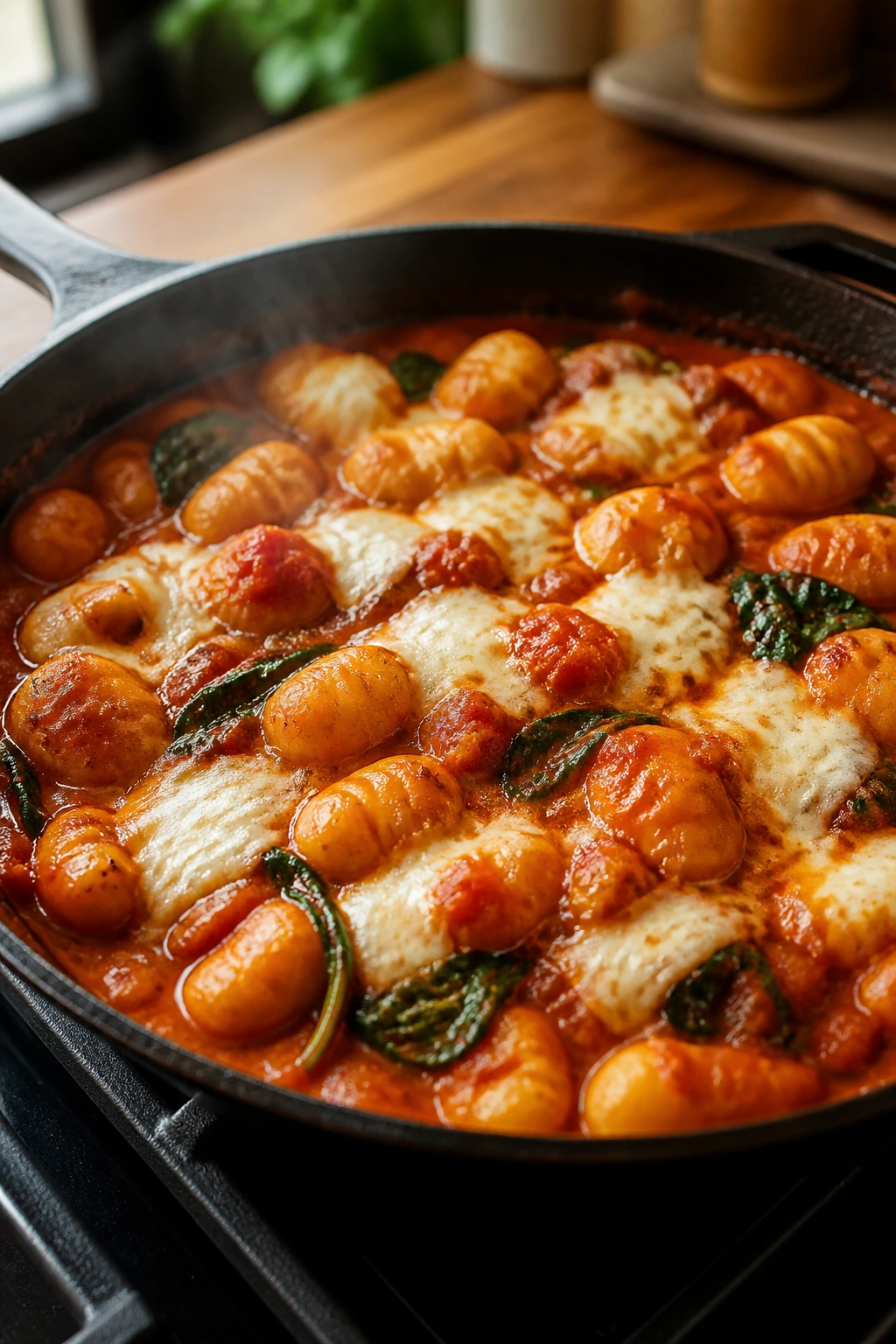
Gnocchi is one of the fastest ways to make dinner feel a little more special without adding actual work. The little potato dumplings soak up tomato sauce, the mozzarella melts into soft pockets, and the whole skillet ends up somewhere between pasta and casserole. Kids tend to like the pillowy texture right away.
Why It Works:
Shelf-stable or refrigerated gnocchi cooks quickly and gives you a soft, chewy base. Tomato sauce keeps the flavor familiar, and mozzarella melts into the gaps so every bite feels warm and cohesive. A skillet finish means fewer dishes and a little browning at the edges.
Key Ingredients:
- 1 pound gnocchi
- 2 cups marinara sauce
- 1 cup water or broth
- 1 1/2 cups shredded mozzarella
- 1 tablespoon olive oil
- 2 cups baby spinach
- 1 teaspoon Italian seasoning
- Parmesan for serving
Quick Steps:
- Heat olive oil in a large skillet.
- Add marinara, water or broth, and seasoning, then bring to a simmer.
- Stir in the gnocchi and cook for 5 to 6 minutes until tender.
- Add spinach and let it wilt.
- Top with mozzarella, cover briefly, and serve once melted.
Equipment for This Recipe:
- Large skillet with lid
- Wooden spoon
- Measuring cup
- Grater for Parmesan
How to Serve This Dish:
Serve straight from the skillet with Parmesan on top. A simple cucumber salad or steamed peas keeps the meal from feeling too soft all the way through.
Pro Tips for This Recipe:
- Keep enough liquid in the pan so the gnocchi cooks through before the sauce thickens.
- Cover briefly for the mozzarella to melt fast.
- Add spinach at the end so it stays green instead of disappearing.
Variations on This Dish:
- Sausage-Style Without Meat: Add sautéed mushrooms for a deeper flavor.
- Rose Version: Stir in a spoon of cream for a pink sauce.
- Garlic Herb Version: Add extra garlic and fresh basil at the end.
Common Mistakes to Avoid with This Dish:
- Don’t boil hard or the sauce splatters and reduces too fast.
- Don’t overcook gnocchi; it turns gummy.
- Don’t skip the lid for the cheese melt.
How to Build a Vegetarian Dinner That Kids Actually Eat
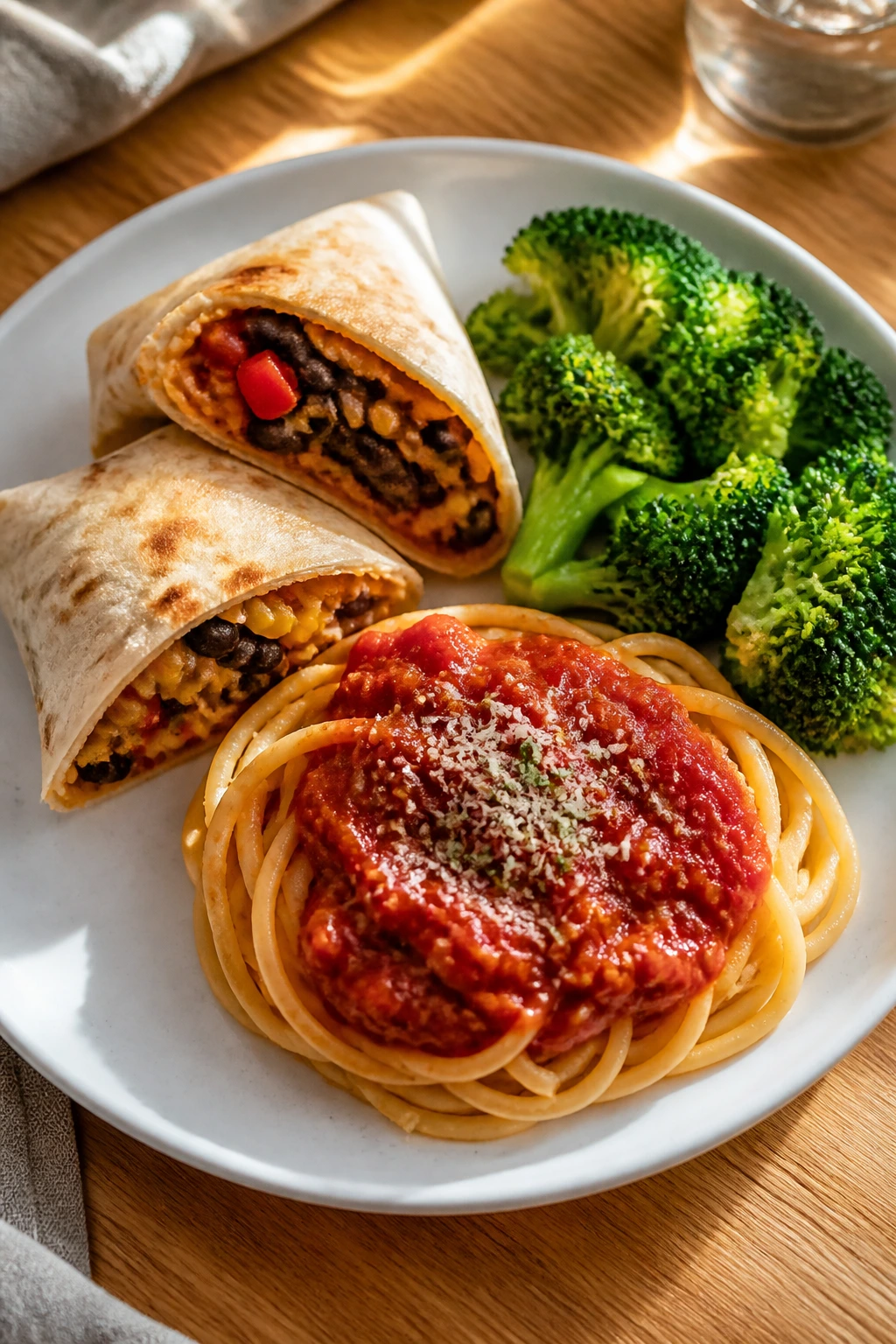
The meals above work because they respect a simple truth: most kids are not rejecting nutrition, they’re rejecting surprise. A dinner that looks like a recognizable shape — a burrito, a pizza, a bowl, a pasta bake, a grilled cheese partner — gets a fairer hearing than a pile of mixed ingredients that seems to have no plan. Shape matters. So does color. So does the way the sauce behaves on a spoon.
A lot of parents try to win with hidden vegetables alone, and that can backfire if the food loses its identity. A better move is to use vegetables that fit the dish naturally: spinach in ricotta, carrots in lentil sauce, cauliflower in mac and cheese, broccoli with cheddar, peas in pasta. The vegetable should feel like part of the recipe, not a prank.
The dinner formula I keep coming back to
Start with one anchor starch. Pasta, rice, tortillas, potatoes, pita, bread, or gnocchi all give a meal a familiar center. Then add one protein source that also behaves well in the texture of the dish — beans, lentils, eggs, tofu, chickpeas, yogurt, halloumi, ricotta, or cheese.
Finish with vegetables that stay sweet, soft, or bite-sized. Raw onions and huge broccoli florets usually create more pushback than they solve. Chop smaller. Roast longer. Cook out the moisture. That last part matters more than it gets credit for.
Why mild seasoning helps
You do not need to make every dinner bland. But for a family table, mild and layered usually works better than loud and sharp. Garlic, onion, tomato, oregano, cumin, soy sauce, pesto, lemon, and a little cheese can do a lot without triggering the “what is this?” reaction. Heat belongs on the side in most houses, not baked into the whole pan.
Essential Equipment for These Recipes
-
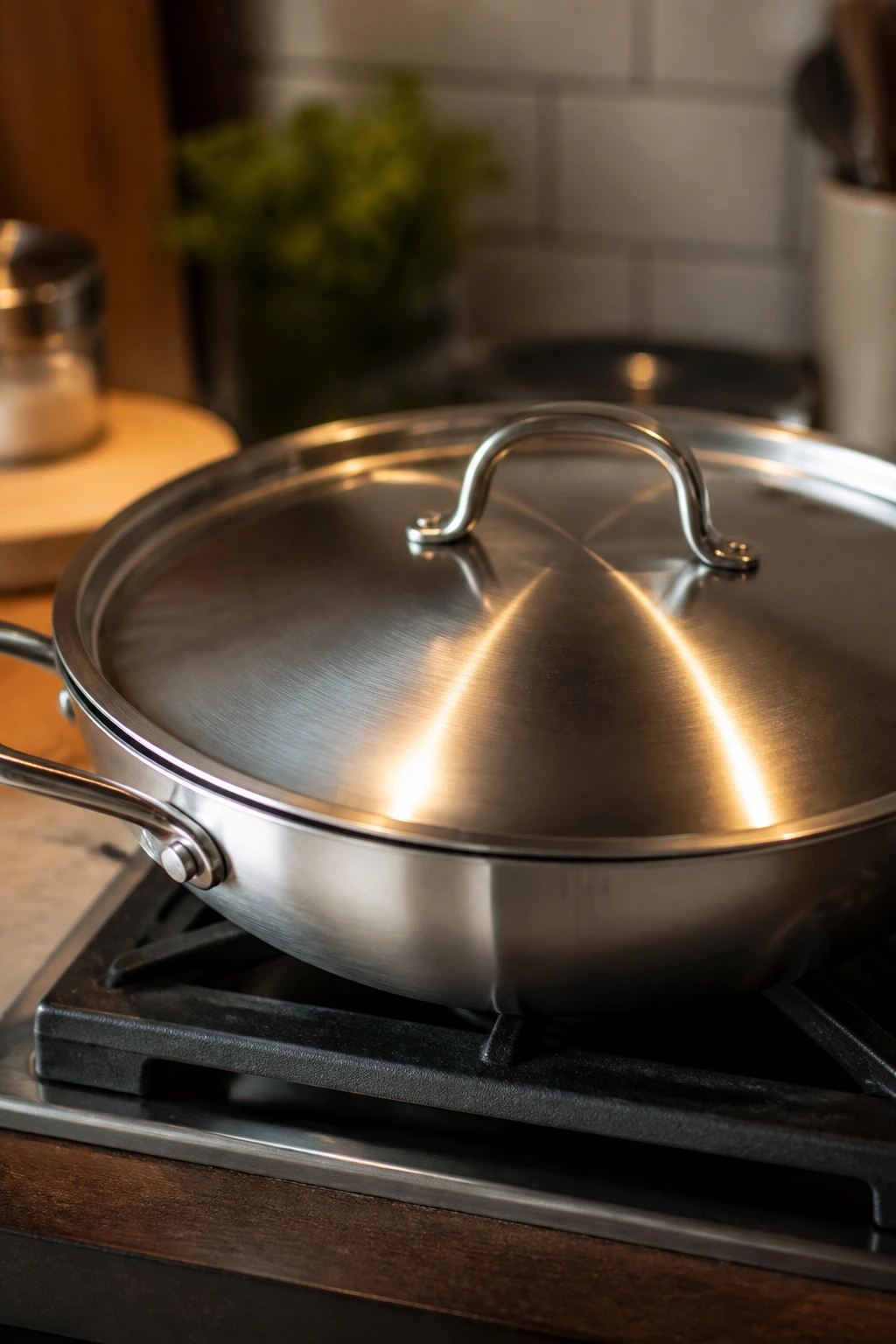
Large skillet: Useful for quesadillas, fried rice, tofu bowls, mushroom stroganoff, and any quick filling that needs a little browning.
-
Medium and large pots: You’ll need them for pasta, soup, chili, rice, and lentil-based sauces.
-
Baking dish, 9×13-inch: The standard size for baked ziti, enchilada bakes, quesadilla bake, and stuffed shells.
-
Sheet pan: Best for roasted sweet potatoes, halloumi trays, pita pizzas, and anything that cooks better with room around it.
-
Colander: Pasta and tortellini nights go much smoother when draining is not improvisation.
-
Whisk: Cheese sauces, risotto, and egg mixtures all behave better with a whisk.
-
Blender or immersion blender: Handy for tomato soup and any hidden-veg sauce that needs to go smooth.
-
Sharp knife and cutting board: Small, even vegetable pieces cook faster and are less intimidating on the plate.
-
Cheese grater: Freshly grated cheese melts cleaner in sauces than the pre-shredded kind.
-
Airtight containers: Leftovers matter here; half the point is dinner that holds up tomorrow.
Smart Shopping and Ingredient Tips
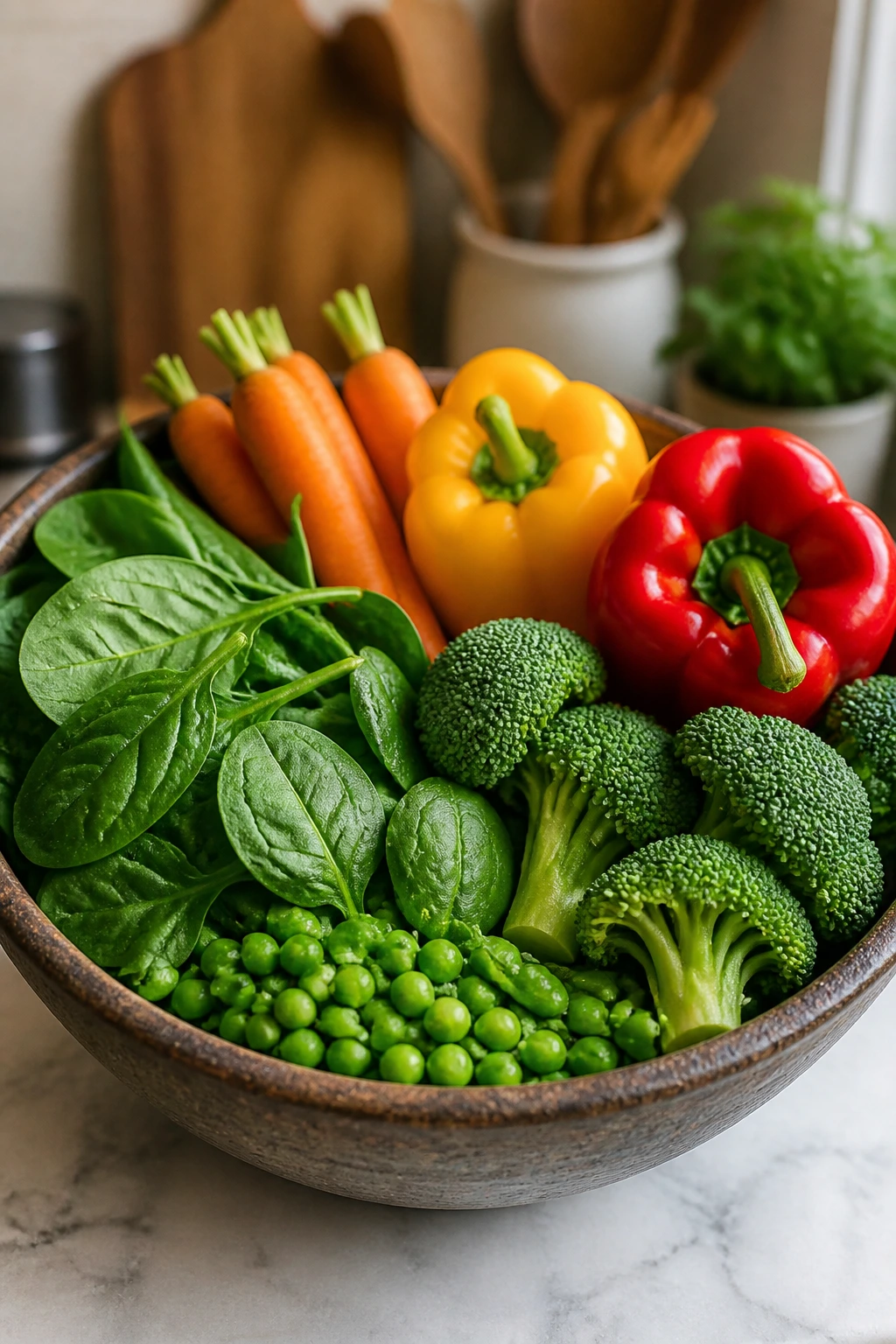
Buy vegetables with the recipe texture in mind, not just the nicest-looking produce in the bin. For quesadillas, baked ziti, enchiladas, and pasta sauces, vegetables need to be chopped small enough to disappear into the dish or soften enough to stop standing out. For bowls and roasted dinners, you can leave things a little larger because the structure is part of the appeal.
Beans and lentils are the backbone of a lot of these meals, and canned versions are completely fine. Rinse canned beans unless you specifically want the liquid for thickness. If you use dry lentils, brown and green lentils usually hold their shape better in sauces and soups, while red lentils break down fast and thicken things fast. That’s useful if you know what you want. It is also how you keep a lentil dish from becoming soup by accident.
Choose pasta shapes with ridges or holes when the sauce matters. Rotini, shells, ziti, elbows, and gnocchi all hold onto sauce better than smooth noodles. For kid dinners, that means more flavor in every bite and less sauce left pooled at the bottom of the bowl.
Cheese quality matters, but not in a precious way. A block of cheddar or mozzarella grated at home melts more cleanly than a bag of pre-shredded cheese, which often has anti-caking powder on it. That powder is not the enemy, but it can make cheese sauces grainy if you’re making a lot of them. For quick bakes, it’s usually fine. For silky sauces, I’d grate my own.
Frozen vegetables are useful, and sometimes they’re the smarter buy. Peas, corn, spinach, and mixed carrot-pea blends hold up well in fried rice, soup, pasta, and casseroles. They save time and cut down on waste, which is worth a lot on a weeknight when a bunch of spinach might wilt before you get to it.
How to Serve These Recipes
Presentation:
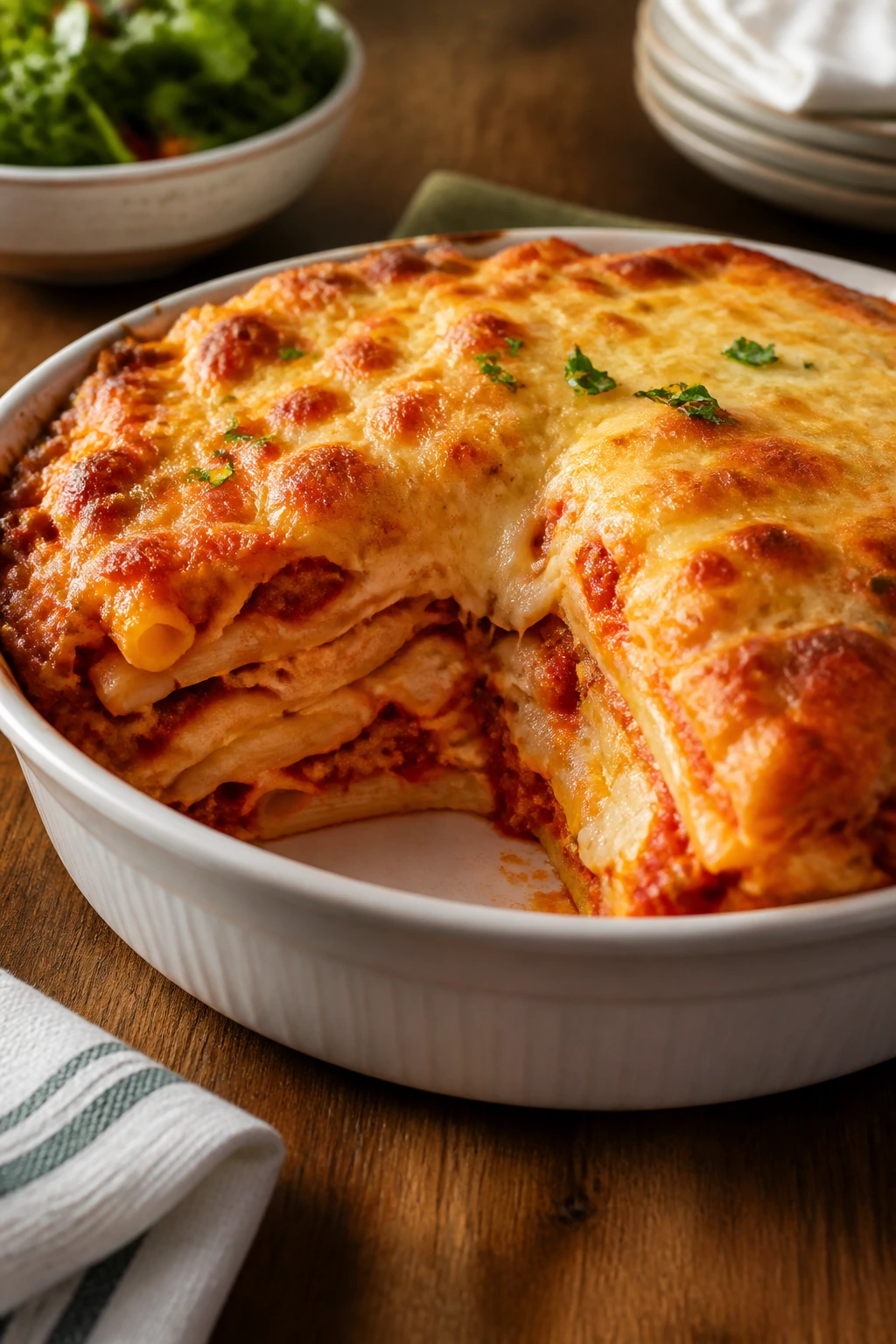
Keep the food recognizable. Quesadillas should be cut into wedges, baked pastas should be scooped in solid mounds, and bowls should show the layers on top instead of stirring everything into one beige mass. Kids eat first with their eyes, and a neat, legible plate goes further than fancy garnishes.
Accompaniments:
Pair the richer dishes with something crisp or cool: sliced cucumbers, carrot sticks, apple wedges, a simple green salad, or fruit on the side. For pasta bakes and soups, garlic bread, pita, or toast gives the meal enough bread energy without needing more complexity. Rice bowls and chili often benefit from yogurt, avocado, or a little shredded cheese on top.
Portions:
Most of these recipes serve 4 to 6 if you keep the sides reasonable. For younger kids, start with smaller scoops and let them ask for more; a full plate can feel like a dare. For hungry teenagers or adults, add another starch or extra bean portion so the meal does not vanish in ten minutes.
Beverage Pairing:
Plain water works just fine, but milk, unsweetened iced tea, or diluted fruit juice pairs well with the saltier dishes like quesadillas, pasta bakes, and chili. For tomato-based meals, a cold glass of water with lemon cuts the richness cleanly.
Additional Tips and Flavor Boosters
Flavor Enhancement:
A small finishing acid changes a lot. Lemon on couscous, lime on taco bowls, a splash of vinegar in chili, or a spoon of yogurt on soup can wake up a dish without making it taste “adult spicy.” I use that trick constantly.
Customization:
If your table likes crunchy toppings, keep toasted breadcrumbs, sesame seeds, crushed tortilla chips, or fried onions nearby. If your table likes creamy food, add yogurt, sour cream, ricotta, or a drizzle of olive oil at the end. Those small moves let each person adjust the plate without rebuilding dinner.
Serving Suggestions:
Chop herbs at the end when you can. Basil on pizza toast, parsley on risotto, green onion on fried rice, or cilantro on taco bowls gives a fresh smell that makes the whole meal feel more awake. Also: a sprinkle of flaky salt on tomatoes or avocado is not a luxury move. It matters.
Make-It-Yours:
For dairy-free eaters, use olive oil, nut-free pesto, hummus, or plant-based cheese where it makes sense. For gluten-free plates, rice bowls, chili, soup, and stuffed potatoes are easy wins. For kids who hate mixed textures, serve the same components separately and let the plate stay organized.
Make-Ahead, Storage, and Reheating Guidance
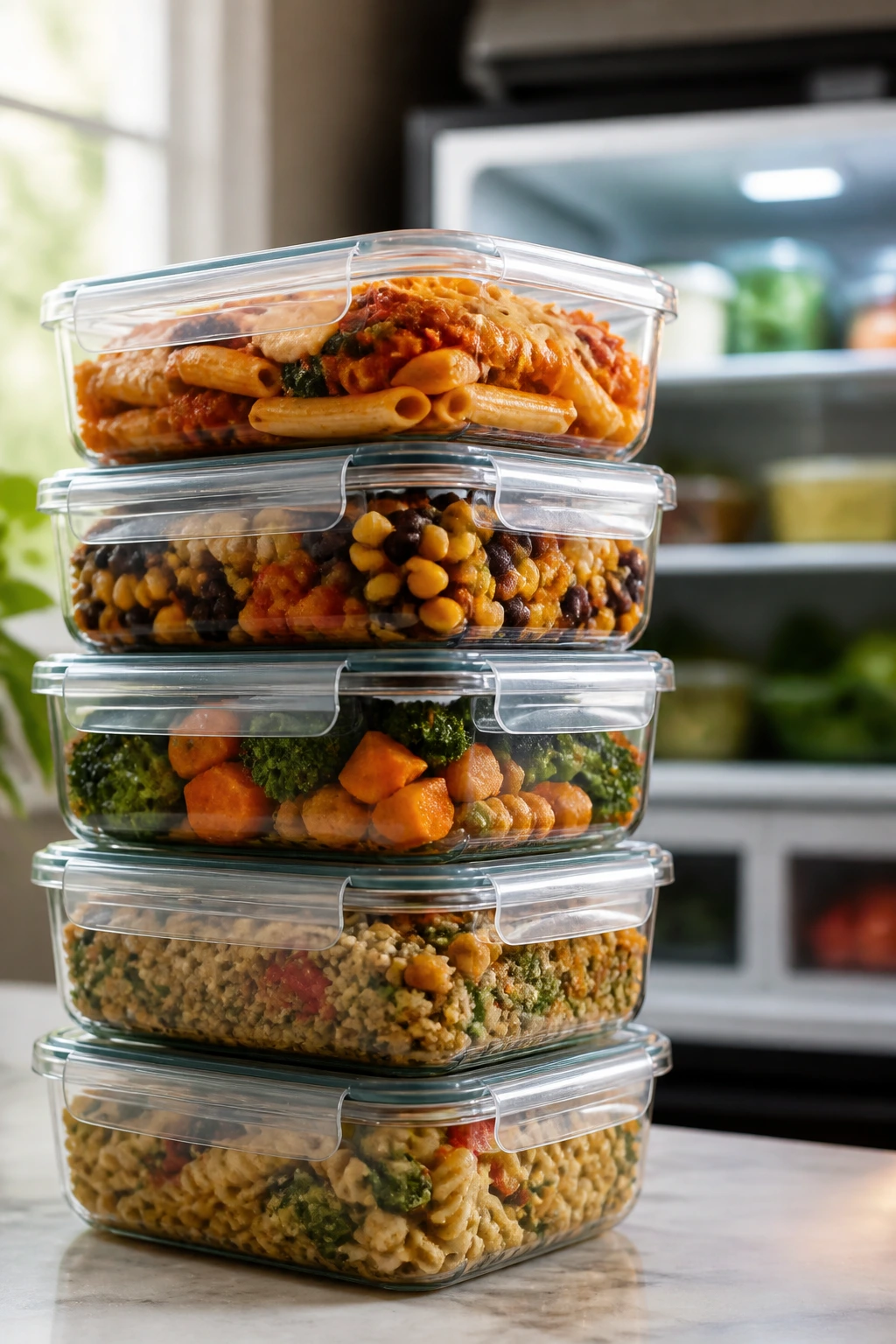
Many of these dinners hold up better than people expect. Baked pastas, chili, lentil sauces, soup, and quesadilla bake usually keep 3 to 4 days refrigerated in airtight containers. Rice bowls and noodle dishes are best within 3 days, especially if they contain avocado or cucumber. Stuffed shells, shepherd’s pie, and baked ziti can also be frozen for up to 2 months, tightly wrapped and sealed.
Reheat pasta bakes and stuffed dishes in a 325°F oven, covered with foil, with a splash of water or sauce if they look dry. Give them 15 to 25 minutes depending on size. On the stovetop, soups, chili, fried rice, and sauces reheat better over low to medium heat with a spoonful of water or broth to loosen them. Microwaving works, but do it in short bursts and stir between rounds so the cheese and sauce do not separate at the edges.
Quesadillas, pita pizzas, and pizza toast are best fresh, but you can keep the filling or toppings ready ahead of time. Cook the vegetables and beans earlier in the day, then assemble and heat at dinner. That small move saves time and keeps the bread from getting soggy.
A few of these meals improve overnight. Lentil bolognese, chili, tomato soup, and bean-based sauces taste deeper the next day because the salt and tomato have time to settle in. Fried rice, on the other hand, is best the day it’s made. The grains dry out if you hold it too long, and no amount of optimism fixes that.
Variations and Adaptations to Try
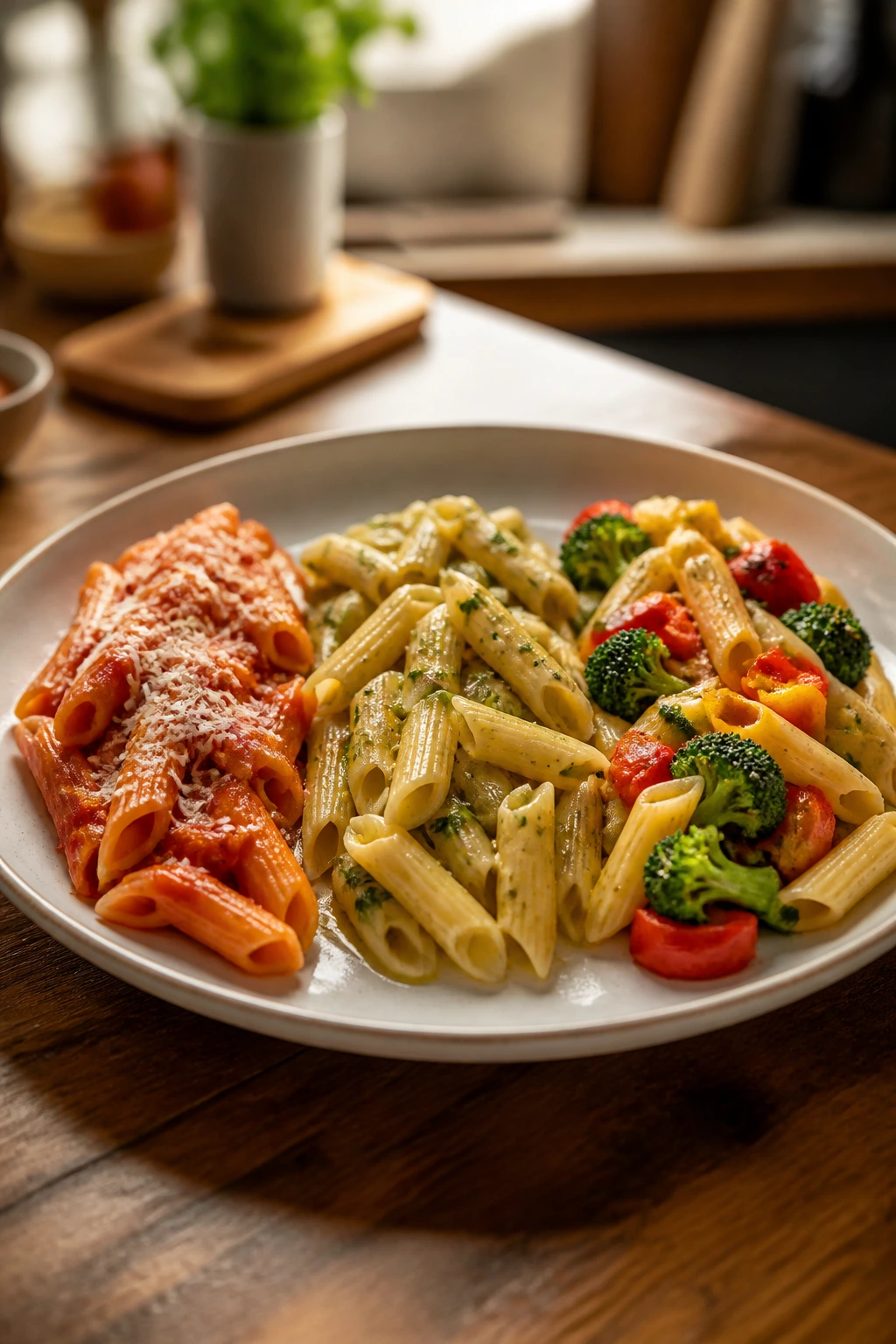
-
The Mild Heat Swap: Keep the base recipes gentle, then put hot sauce, chili flakes, or pepper jam on the table for the adults. That keeps one pan of food useful for everyone.
-
The Dairy-Free Plate: Use olive oil instead of butter, plant milk for cream sauces, and dairy-free cheese only where the recipe can support it. Tomato bakes, rice bowls, chili, and many noodle dishes adapt well.
-
The Gluten-Free Route: Rice bowls, chili, soups, stuffed potatoes, and frittatas are naturally easy to adapt. For pasta recipes, use a gluten-free pasta that holds shape well, and don’t overcook it.
-
The Extra-Protein Version: Add more beans, lentils, tofu, eggs, Greek yogurt, or halloumi when you need dinner to stretch further. This matters most for bigger kids and hungry adults.
-
The Less-Mess Version: Turn bowls into wraps, casseroles into squares, and soups into thicker purees if the table prefers clean hands and cleaner shirts. It’s not glamorous. It works.
-
The Pantry-First Version: Keep pasta, tortillas, canned beans, rice, tomato sauce, coconut milk, and frozen peas on hand so you can build dinner without a special trip. That’s the real engine behind many of these meals.
Common Mistakes to Avoid
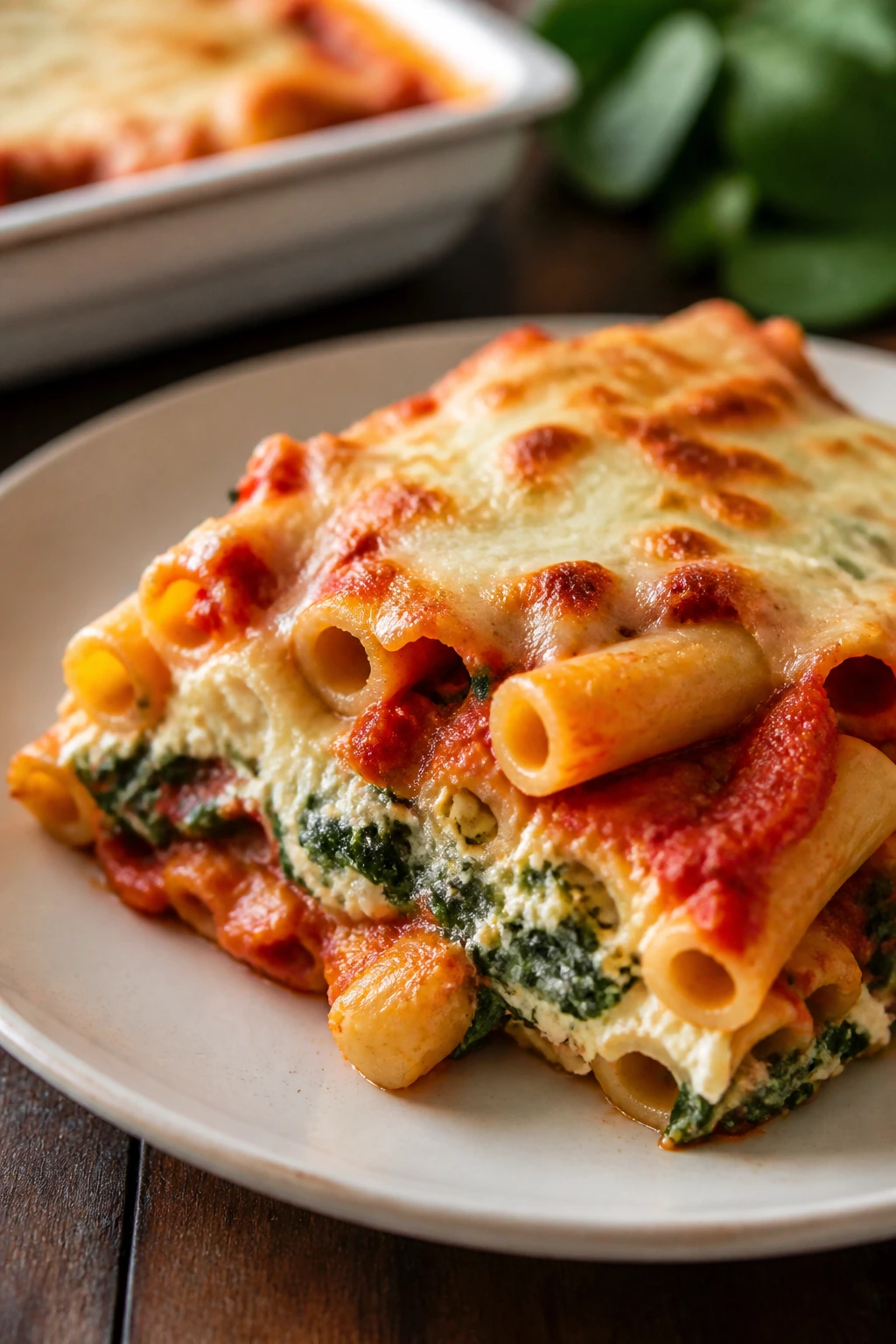
The biggest mistake is trying to make a vegetarian dinner look healthy by loading it with raw vegetables that never got invited to behave. Raw broccoli, giant onion chunks, and watery zucchini all create texture problems that kids notice immediately. Roast, chop smaller, or cook the moisture out first. That is the fix.
Another common issue is under-seasoning the filling because you’re worried about the kids. Mild and bland are not the same thing. Beans need salt. Tomato sauce needs salt. Rice needs salt. Cheese needs acid to wake up. Taste as you go, especially before baking, because once the dish is in the oven, you can only rescue so much.
Saucy dishes can also fail if the sauce is too loose. That shows up as sliding lasagna, watery enchiladas, greasy mac and cheese, or bean filling that escapes the bun. Thicken the mixture before it goes into the dish, and let baked recipes rest for a few minutes before serving. Hot food is slippery food.
Overcooking pasta is another easy way to lose the meal. Pasta bakes and soup pasta both keep cooking after you think they’re done. Stop short by a minute or two, especially for baked ziti, stuffed shells, and tortellini soup. The noodles should still have a little bite when they go into the sauce.
Finally, don’t forget the finish. A squeeze of lime, a spoon of yogurt, a bit of Parmesan, a handful of basil, or a few breadcrumbs can change how the whole plate lands. It’s a small thing. It is also the difference between “fine” and “we should make that again.”
Frequently Asked Questions
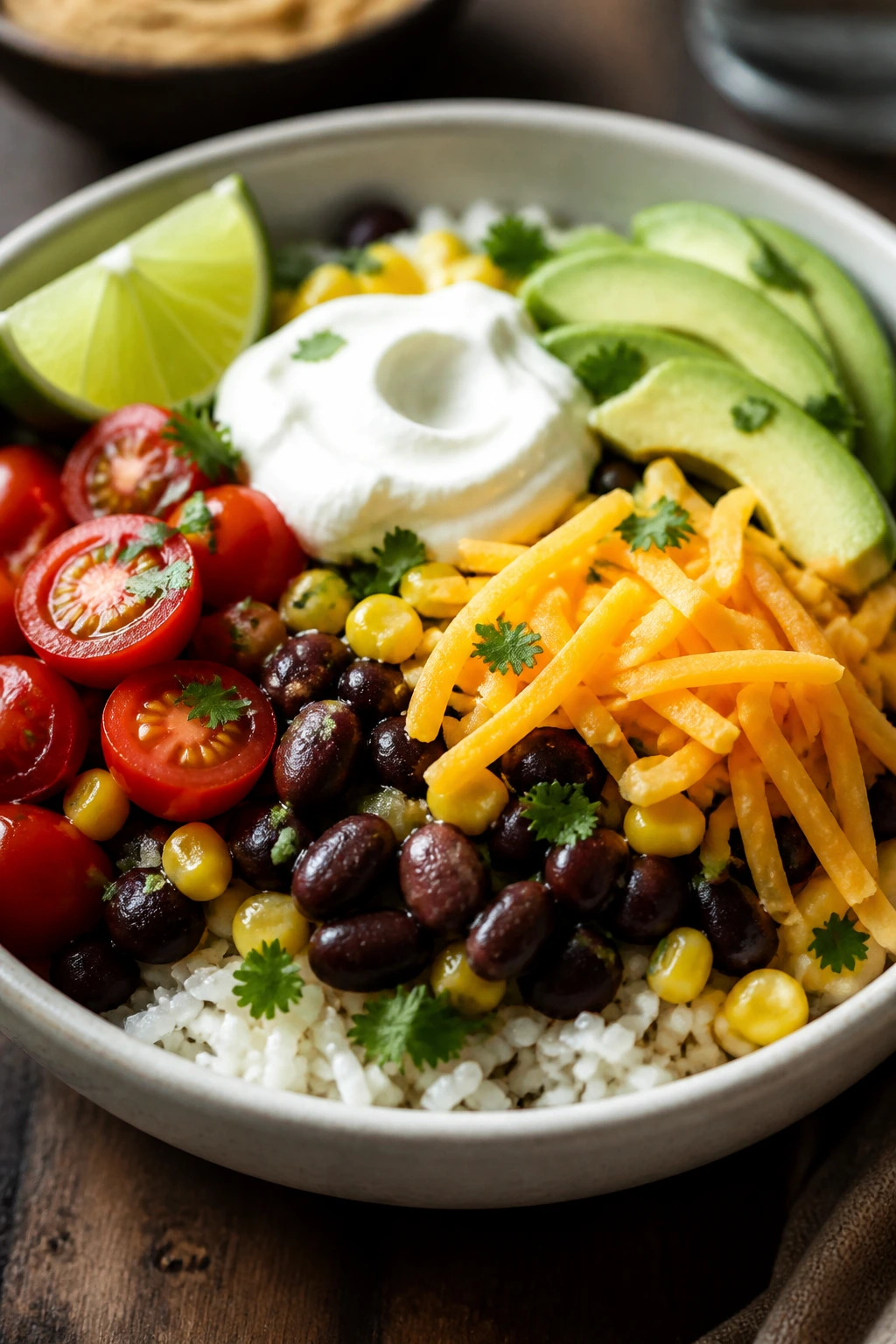
How do I get enough protein in vegetarian kid-friendly dinners?
Beans, lentils, eggs, tofu, chickpeas, Greek yogurt, cheese, and halloumi do the job well in these recipes. You do not need every dinner to hit the same number of protein-heavy ingredients; just make sure the base and the protein source work together so the meal feels complete.
What if my child hates beans?
Start with dishes where the beans are less obvious, like lentil bolognese, hidden-veg mac and cheese, fried rice, or pasta bakes. You can also mash some beans into sauce so the texture softens. Sometimes the problem is not the bean itself; it’s the shape of the bean on the plate.
Can I make these dinners ahead of time?
Yes, especially baked pasta, chili, soups, lentil sauces, and stuffed shells. Many of them can be assembled a day ahead and baked later, which makes the dinner hour feel less crowded. Keep crunchy toppings and fresh herbs separate until serving.
Which recipes freeze best?
Baked ziti, stuffed shells, shepherd’s pie, lentil bolognese, chili, and quesadilla bake freeze well for up to 2 months. Soups also freeze nicely if you leave out dairy until reheating. Skip freezing anything that depends on crisp bread or fresh cucumber.
How do I make the food less spicy without making it bland?
Use garlic, onion, tomato, lemon, herbs, cheese, and a little butter or olive oil to build flavor instead of heat. If the recipe calls for chili powder or curry powder, start with half and serve the stronger seasoning at the table. Mild food can still taste full.
What’s the best way to keep vegetables from getting rejected?
Put them into dishes where they blend with the texture that kids already trust. Spinach in ricotta, carrots in tomato sauce, cauliflower in cheese sauce, and peas in pasta are easier sells than a bowl of random steamed vegetables. Shape matters more than many people think.
Can I use frozen vegetables instead of fresh?
Absolutely. Frozen peas, spinach, corn, carrots, and broccoli are especially useful here. They’re already chopped, they cook quickly, and they work well in soups, rice dishes, pasta bakes, and casseroles.
How do I scale these recipes for bigger families?
Most pasta bakes, chili, soups, and rice bowls scale cleanly by doubling the ingredients and using a larger pot or second baking dish. Watch liquid amounts carefully when scaling sauces and risotto, because bigger batches may need a little more simmer time and a touch more broth.
What if the cheese sauce turns grainy or separates?
Pull it off the heat right away and whisk in a splash of milk or pasta water. Graininess usually comes from heat that was too high or cheese added too fast. Next time, add cheese gradually over low heat and keep it off a boil.
Are these dinners good for lunch leftovers too?
Most of them are, and a few taste better the next day. Lentil sauces, chili, soup, stuffed shells, and baked pasta reheat especially well. The only ones I’d avoid for lunch are the crisp-toasted dishes like pizza toast and fresh quesadillas, which are better when made just before eating.
A Dinner Routine That Sticks
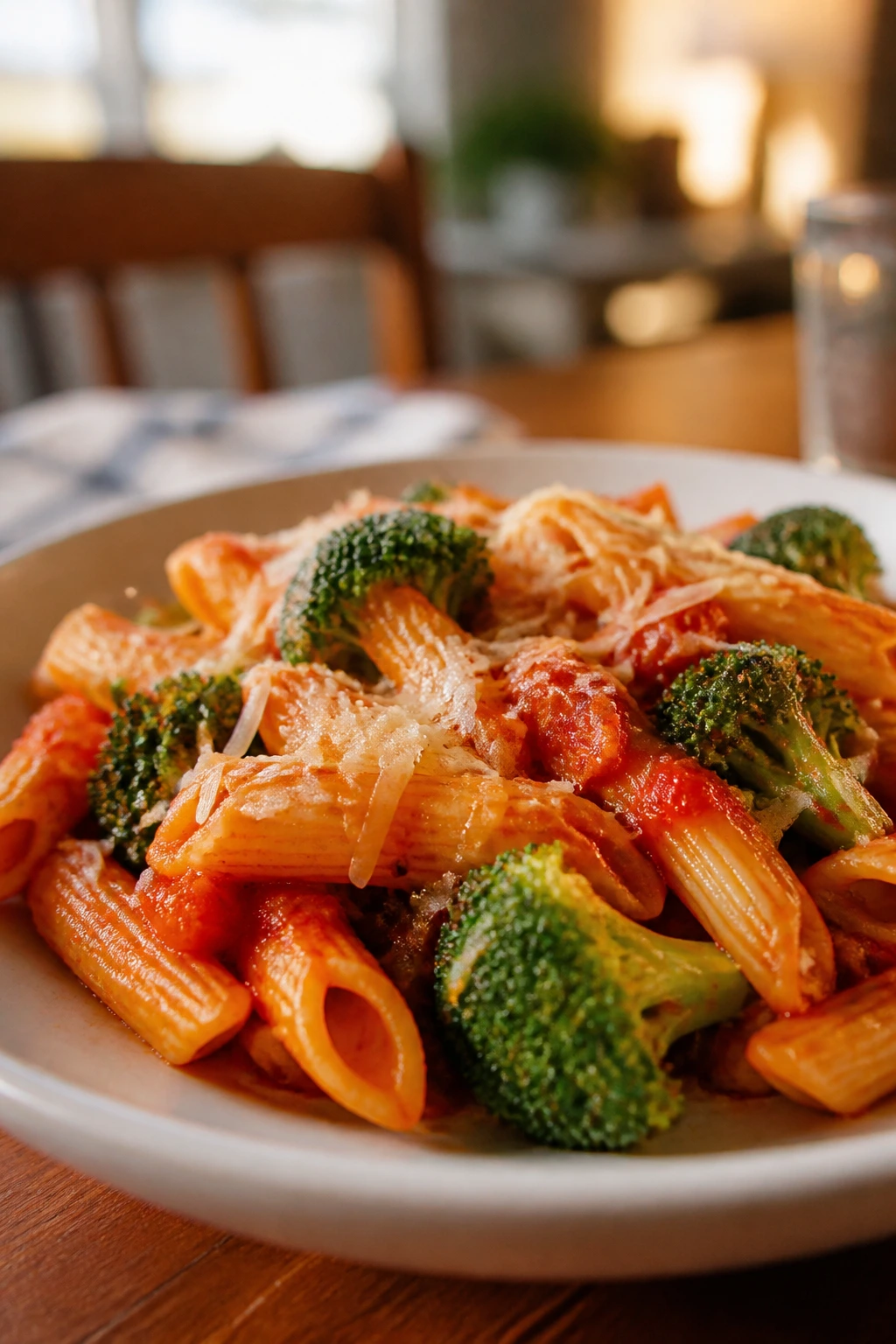
The strongest vegetarian kid-friendly dinners do not try to win by being clever. They win by being recognizable, filling, and easy to eat without a long speech from the cook. That’s why the same few building blocks keep showing up here: pasta, rice, beans, tortillas, eggs, potatoes, cheese, and vegetables that know how to behave.
If you keep a few of these meals in rotation, weeknights get quieter. Not perfect. Quieter. And on a table where somebody is always asking for more cheese, fewer onions, or a second piece of bread, that counts as a solid result.