



The fastest way to ruin crispy homemade Chinese takeout is to trap steam under a lid. A piece of orange chicken that crackles when it leaves the wok can go soft before you find the chopsticks if it sits in a closed container or lands on a wet plate. At home, that problem has a fix: build the crust yourself, keep the sauce separate, and stop cooking the second the coating turns pale gold.
That’s why so many restaurant-style Chinese-American dishes are secretly better when they come out of your own kitchen. They don’t have to survive a car ride. They don’t have to sit in a carton with hot rice breathing on them. You get to serve them at the exact second the coating is crisp, the glaze is still glossy, and the meat inside is still juicy instead of tired.
I’m talking about takeout-style food here—orange chicken, General Tso’s chicken, sesame chicken, sweet-and-sour pork, crispy tofu, shrimp with black bean sauce, that whole beloved family of dishes built on contrast. Crisp outside. Tender center. Sauce that clings without soaking. Get those three things right, and the box on your counter starts looking like a compromise instead of a prize.
Why This Approach Works
The reason this style works at home is almost annoyingly simple. The texture comes from a handful of things doing their jobs at the same time, not from some secret restaurant powder tucked behind the refrigerator.
Thin starch coating: A cornstarch-heavy shell fries up lighter and drier than a thick flour batter, so the crust stays crisp instead of chewy.
Hot oil, not just hot air: Oil around 350°F to 375°F sets the coating fast. That quick set is what keeps the starch from drinking oil like a sponge.
Velveting for tenderness: A short marinade with soy sauce, cornstarch, and a little egg white keeps chicken breast, pork, or beef from tightening up and going stringy.
Sauce at the end: If the glaze goes on too early, the crust starts absorbing moisture before it has a chance to stay snappy. Tossing at the very end keeps the shell dry longer.
Small batches matter: Crowding the pan drops the oil temperature, and once that happens you’re basically steaming dinner in a shallow puddle. Not ideal.
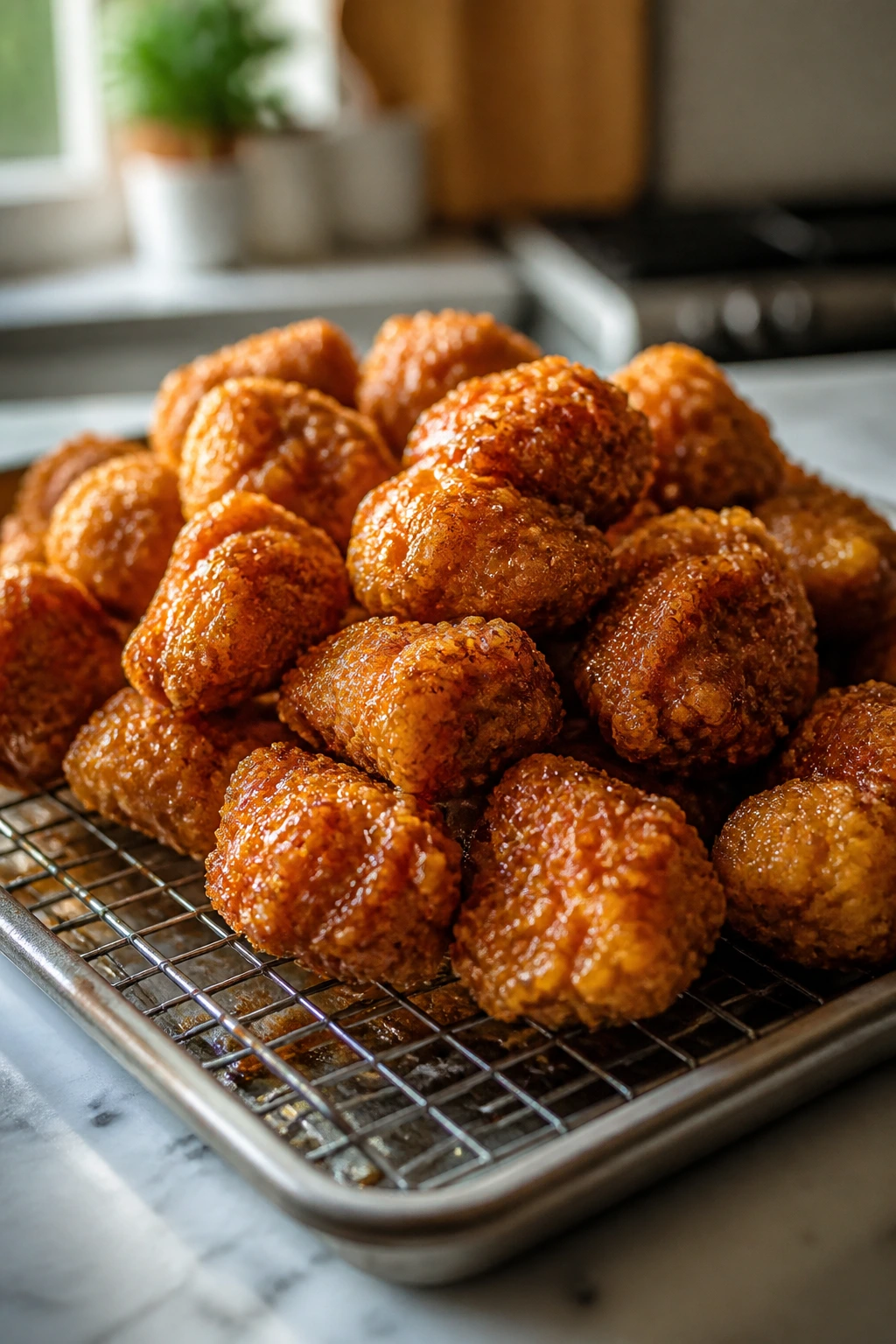
A rack beats paper towels: Air has to reach the bottom of the food or the underside softens fast. I use a wire rack over a sheet pan every single time. It’s boring. It works.
What Chinese Takeout Crisp Actually Is
The words “crispy Chinese” mean different things depending on who’s cooking, but the takeout version most people want is a very specific texture. It’s not the thick, craggy shell you get from fried chicken. It’s not tempura either. It’s thinner, flatter, and a little more brittle, with small blistered edges that pick up sauce without collapsing immediately.
That’s why Chinese-American takeout classics are so satisfying. A good General Tso’s bite gives you a tiny crackle first, then the sauce hits, then the chicken itself stays tender enough to chew without effort. When the texture is right, the whole thing feels louder. More alive. If the coating is too thick, it eats like breaded nuggets in syrup.
Steam is the enemy here, and takeout boxes are basically little steam chambers. The tighter the lid, the faster the crisp gives up. That’s fine if the dish is meant to be soft—think braises or saucy noodles—but it’s a problem when you want a shell. The answer is not “use more batter.” The answer is less batter, more heat, and better timing.
Thin Shell, Not Armor
If the crust can stand up like armor, it’s probably too heavy. The Chinese-American style usually wants a coating just thick enough to protect the meat and catch the sauce on the outside. That’s why a cornstarch dusting often beats a flour-heavy dredge. It fries fast and stays clean-looking instead of turning bready.
Which Dishes Depend on It
Orange chicken. Sesame chicken. General Tso’s chicken. Lemon chicken. Salt-and-pepper shrimp. Crispy beef. Even eggplant works with this method if you keep the oil hot and don’t let it sit around. The dish changes, but the logic stays the same.
The Starch Coating That Fries Up Thin and Shattery
Cornstarch is the backbone of this whole style. It’s what gives you that dry, crisp surface instead of a thick breaded jacket that tastes like fried pastry. A lot of home cooks reach for flour first because it feels familiar. That’s the wrong instinct here.
For a light coating, I like 2 to 3 tablespoons of cornstarch per pound of protein as the starting point. For a sturdier shell, mix 2 tablespoons cornstarch with 2 tablespoons flour. If you want the crispest edge you can get without deep-frying, swap in potato starch or rice flour for part of the starch. Potato starch gives a particularly brittle crunch. Rice flour gives a dry, sandy crisp that works well on shrimp and tofu.
A tiny bit of egg white helps the coating cling, but don’t overdo it. The goal is not a thick batter. It’s a thin film. A thin film fries faster and sheds less oil. That’s the entire game.
A Coating Formula That Behaves
For 1 pound of chicken, pork, or beef, a reliable starting point looks like this:
- 2 tablespoons cornstarch
- 2 tablespoons all-purpose flour
- 1 egg white
- 1 tablespoon soy sauce
- 1 teaspoon Shaoxing wine or dry sherry
- 1 teaspoon neutral oil
- Pinch of white pepper
Toss the meat until it looks tacky and lightly coated, not paste-covered. If the bowl looks wet or glossy, you’ve gone too far. Add one more spoonful of starch only if the pieces still look bare.
What to Skip
Breadcrumbs. Heavy pancake-like batters. A fistful of flour with no starch. Those all make a crust that browns before it crisps, and then it goes soft as soon as sauce touches it. Different target. Different tool.
Velveting Meat Without Turning It Mushy
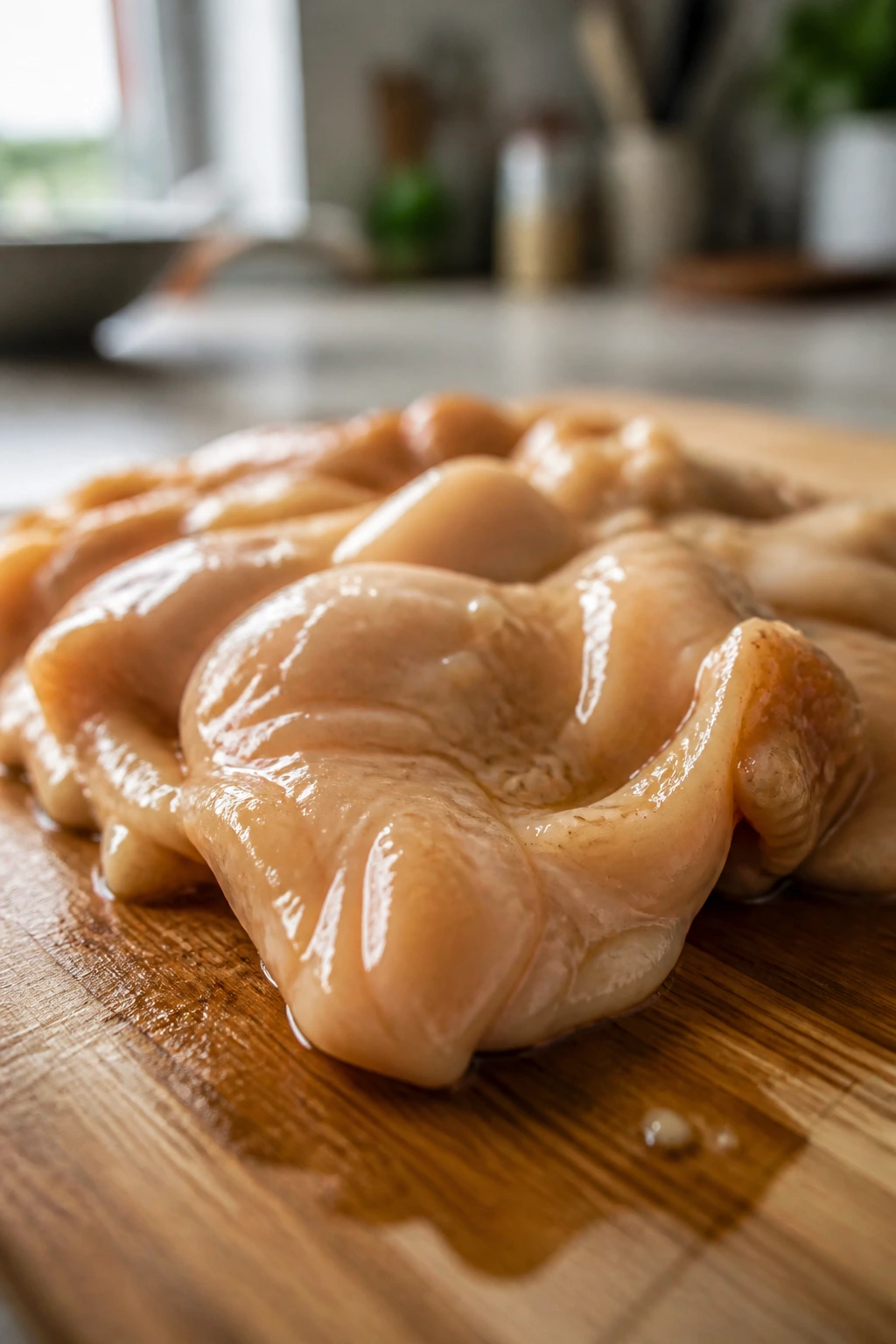
Velveting sounds fussy until you make a batch that stays juicy after frying. Then it feels less like a trick and more like common sense. A short marinade with salt, starch, and a little fat protects lean meat from drying out, especially chicken breast and pork loin.
For chicken and pork, the classic move is a short velvet with soy sauce, Shaoxing wine or dry sherry, cornstarch, a small amount of egg white, and a teaspoon of oil. Give it 15 to 20 minutes. That’s enough for the surface to relax and pick up flavor without getting weird. More time is not always better. Too long, and the texture can turn oddly slippery.
Beef asks for a slightly different hand. Thinly sliced flank steak or sirloin can take a tiny pinch of baking soda—about 1/8 teaspoon per pound—if you want an especially tender bite. But keep the rest of the marinade short, around 15 minutes. Baking soda is powerful. It can rescue tough beef, and it can also make the surface taste flat if you get careless.
Shrimp and tofu play by their own rules. Shrimp don’t need much beyond a light dusting of starch and a short salt rest. Tofu needs pressing first. Give it 20 to 30 minutes under towels and a heavy pan, then cube it and toss it in cornstarch. If you skip the pressing, the coating slides off and the tofu steams instead of crisping.
For Chicken and Pork
Chicken thighs are forgiving. Chicken breast needs closer attention, because one extra minute in the pan is enough to make it dry. Pork tenderloin slices like a dream here, but they need even thickness—about 1/4 inch if you can manage it.
For Beef
Slice across the grain. Thin. That matters more than most people think. If you cut with the grain, no amount of cornstarch will save you from chewiness.
For Shrimp and Tofu
Shrimp go fast. Tofu goes better than people expect, especially extra-firm tofu that’s been pressed and dried well. It’s one of those ingredients that rewards patience with texture, which feels rare and therefore satisfying.
Heat, Oil, and the Sound of a Good Fry
The pan has to be hot enough to seal the coating quickly, but not so hot that the outside burns before the middle cooks. That sweet spot sits around 350°F to 375°F for most Chinese takeout-style frying. If you don’t have a thermometer, you should get one. They’re not glamorous. They are useful.
A piece of coated chicken hitting the oil should hiss immediately. Not meekly. Not with a sad little bubble or two. The coating should flare, then settle into a lively simmer. If the oil barely moves, it’s too cool. The food will absorb oil, and the crust will feel heavy instead of crisp. If the oil smokes, you’ve pushed too far. Pull it back and let it calm down before the next batch.
A wok is nice, but a heavy skillet or Dutch oven works fine. I actually prefer a deep, straight-sided skillet for home frying because it gives me more control over splatter. Woks are great when the burner is fierce. On a home stove, they can behave like shallow bowls with big personalities.
Neutral oil is the right call here. Peanut oil, canola, sunflower, or avocado oil all do the job. Save the strong-flavored oils for finishing. Toasted sesame oil belongs in the sauce or the last drizzle, not the frying pan.
What the Oil Is Telling You
A proper fry sounds active but not frantic. The bubbles should hug the coating, then release. If the bubbles are weak, your pan is underheated. If the oil is roaring and the coating darkens in under a minute, lower the heat.
Shallow Fry or Deep Fry?
You don’t need a full vat of oil. A shallow fry with 1/2 to 1 inch of oil is enough for most takeout-style pieces, especially if you flip once. Deep frying gives a slightly more even crust, but it’s not mandatory. Most home cooks can get 90 percent of the way there with a heavy skillet and a little discipline.
A Step-by-Step Home Method for Orange Chicken, General Tso’s, and Beyond
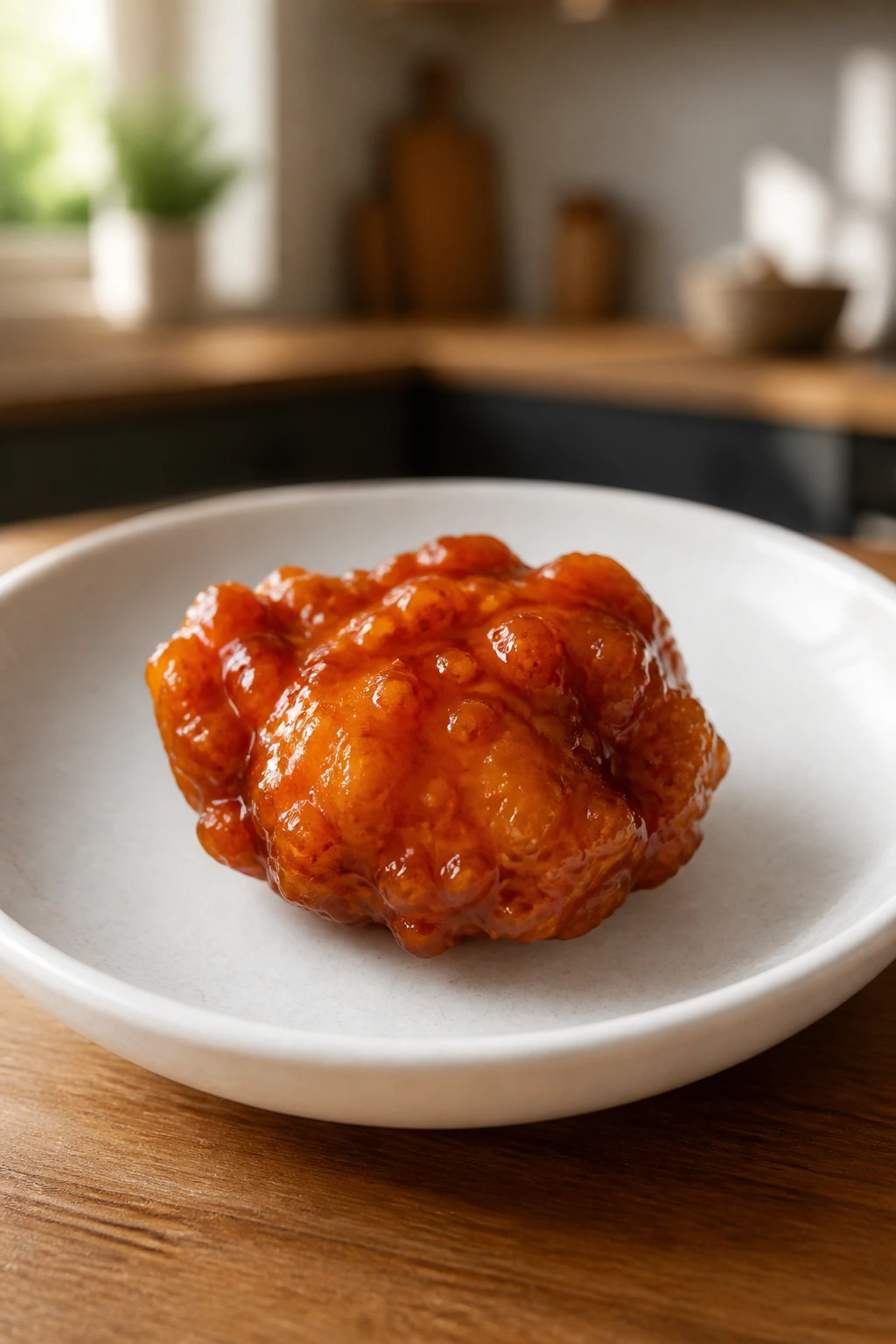
This is the part that actually gets dinner on the plate. Use the same backbone for orange chicken, sesame chicken, General Tso’s chicken, crispy beef, or tofu with garlic sauce. Swap the sauce flavor after the frying is done, not before.
Prep the protein
-
Cut 1 pound of chicken thighs, chicken breast, pork, beef, tofu, or shrimp into even pieces. Chicken and pork work best in 1-inch chunks or thin strips. Beef wants thin slices. Tofu can be cubed. Pat everything dry with paper towels.
-
Toss the protein with the marinade or velvet mix you chose. For chicken or pork, use 1 tablespoon soy sauce, 1 tablespoon Shaoxing wine or dry sherry, 1 egg white, 2 tablespoons cornstarch, 1 teaspoon neutral oil, and a pinch of white pepper. Rest 15 to 20 minutes. For shrimp, skip the egg white and use only a light starch coating for 10 minutes.
-
Dredge the pieces in 2 to 4 tablespoons more cornstarch or a cornstarch-flour blend. Shake off the excess. Let the coated pieces sit 5 minutes so the starch hydrates and sticks instead of flaking off in the oil.
Fry the pieces
-
Heat 1/2 to 1 inch of neutral oil in a heavy skillet or wok over medium-high heat until it reaches 360°F. If you’re working without a thermometer, drop in a pinch of starch. It should bubble immediately and rise to the top.
-
Fry in small batches. Don’t crowd the pan. Chicken usually needs 3 to 4 minutes per batch, shrimp about 1 to 2 minutes, and tofu around 3 minutes if it’s already dry and pressed. The pieces should turn pale gold and feel firm on the outside. Chicken must reach 165°F in the thickest piece.
-
Lift the pieces out with a spider strainer or slotted spoon and drain them on a wire rack set over a sheet pan. If you want extra crunch, let them rest 3 minutes, then fry a second time for 45 to 60 seconds. That second fry is tiny. It makes a real difference.
Build the sauce
-
In a clean skillet or saucepan, stir together 1/3 cup stock or water, 2 tablespoons soy sauce, 1 to 2 tablespoons sugar or honey, 1 tablespoon rice vinegar, 1 teaspoon grated ginger, 2 minced garlic cloves, and 1 tablespoon cornstarch mixed with 2 tablespoons cold water. Add orange juice, chili flakes, black vinegar, or sesame oil depending on the flavor you want. Simmer over medium heat until the sauce turns glossy and lightly thickens.
-
Add the fried protein and toss fast—10 to 15 seconds, no more—just until every piece is coated. If you’re adding broccoli, snow peas, or peppers, fold them in at the very end so they stay bright and a little snappy. Serve immediately.
That last sentence matters more than it sounds. Wait too long, and the whole texture story changes.
Best Proteins, Vegetables, and Sauce Styles for This Method
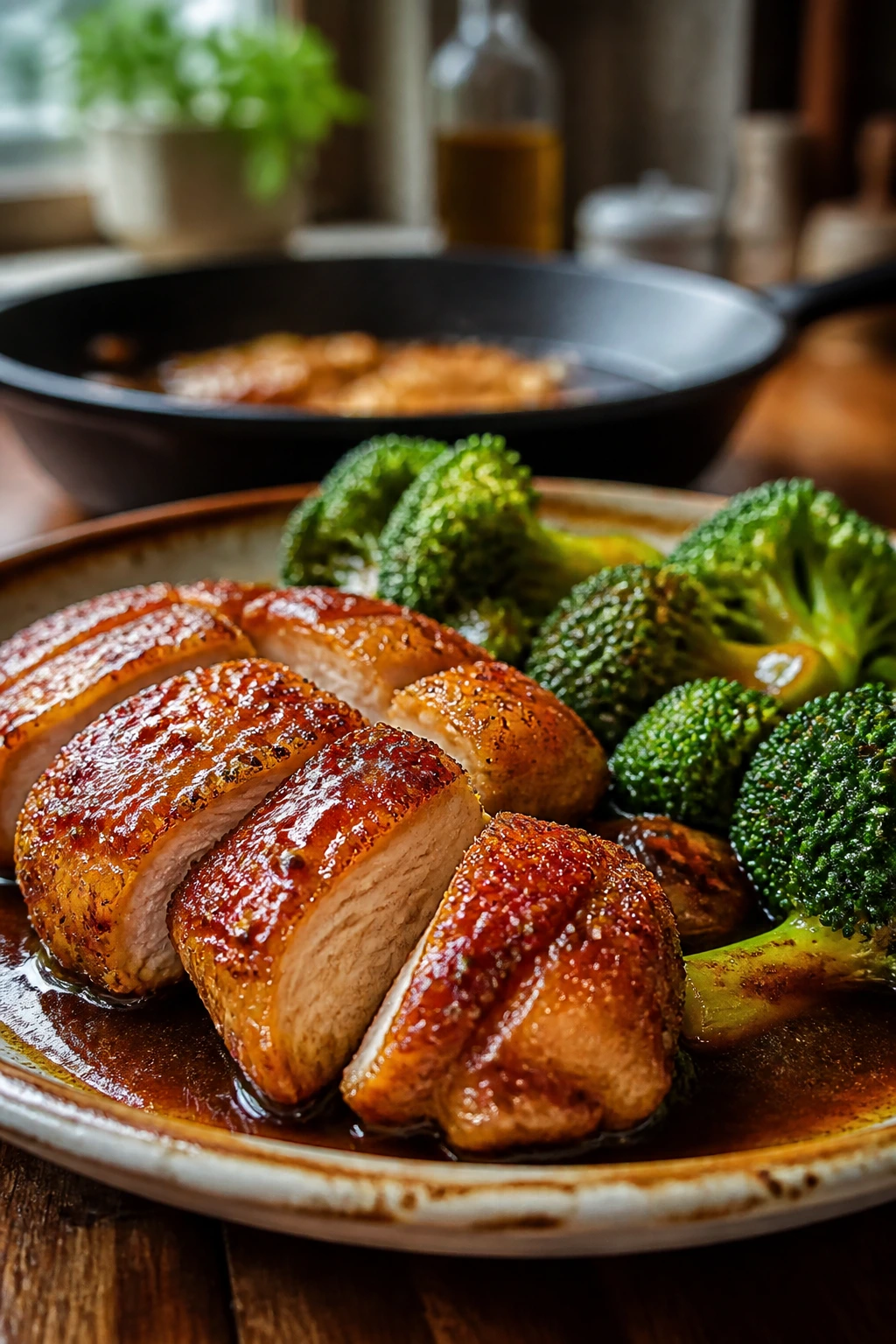
Not every ingredient deserves the fryer. Some things love this treatment. Others turn into trouble. Knowing the difference saves a lot of disappointment.
Proteins That Stay Pleasantly Crisp
Chicken thighs are the easiest win. They stay juicy, they fry well, and they forgive small mistakes. Chicken breast works too, but you need better knife skills and tighter timing. Pork tenderloin is excellent for sweet-and-sour style dishes because it slices neatly and browns fast.
Shrimp are their own category. They cook so quickly that the coating has to be thin and the oil has to be hot. If the shrimp curl into tight little commas and the coating darkens before they turn opaque, the pan ran hot or the batch was too big.
Tofu is underrated here. Pressed extra-firm tofu fries into little golden cubes that grab sauce better than people expect. Eggplant is trickier because it drinks oil, but if you salt it lightly and fry in hot oil, it becomes silky and crisp at the edges in a way that works beautifully with garlic, black bean sauce, or spicy soy.
Vegetables That Hold Their Shape
Broccoli florets are probably the best sidekick in this style. Blanch them for 60 to 90 seconds in salted water, then dry them well before they go into the pan. Snow peas, bell peppers, onions, baby corn, and sliced mushrooms also play nicely if they’re cooked fast.
Avoid watery vegetables unless you’re willing to treat them carefully. Zucchini and spinach can work in stir-fries, but they dump water into the pan and drag down the crust. That’s not a moral failure. It’s just how they behave.
Sauces That Respect the Crust
Orange sauce, garlic-soy sauce, General Tso’s sauce, black pepper sauce, and sweet-and-sour sauce all work because they’re built to cling in a thin layer. They should be glossy and slightly thickened, not syrupy enough to candy the coating.
If the sauce is too thin, it runs to the bottom of the plate. If it’s too thick, it glues the pieces together and dulls the crunch. The sweet spot is a sauce that coats the back of a spoon and slides off in a slow ribbon.
What to Serve Alongside Crispy Chinese Dishes
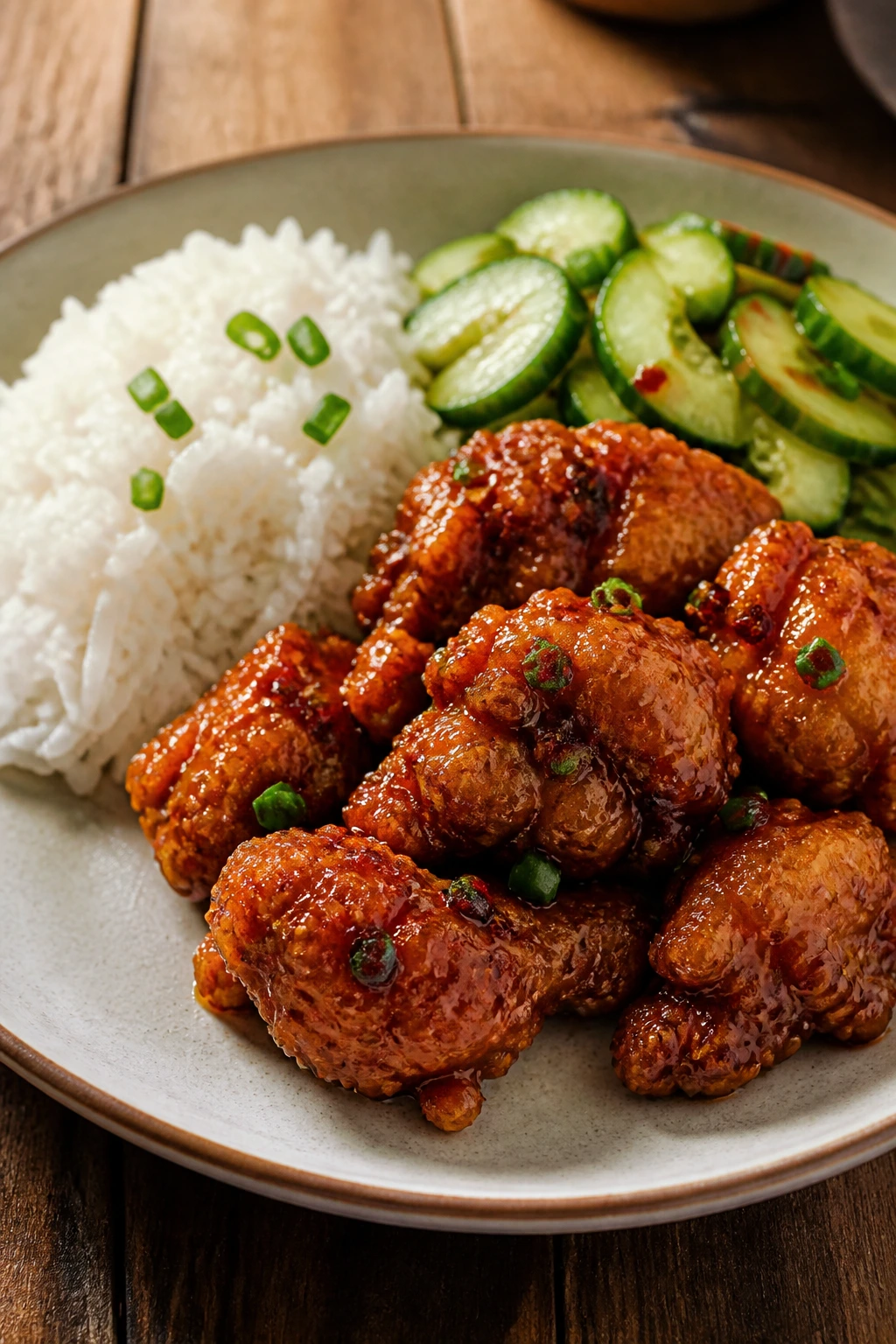
A crisp piece of chicken gets much less crisp if you bury it in a deep bowl and pour hot sauce over the top. Serve it like you care about the texture, because texture is half the point.
Presentation: Use a wide plate or shallow bowl, not a deep soup bowl. Spoon a little sauce under the protein, then pile the crisp pieces on top so the bottom doesn’t sit in a puddle. A few scallion greens or sesame seeds are enough; you don’t need a parade of garnishes.
Accompaniments: Steamed jasmine rice is the obvious partner, and it works because it soaks up extra sauce without competing with the crust. Fried rice is fine if it’s not greasy. Plain lo mein, garlic noodles, or a quick cucumber salad also give the plate balance. If you want a brighter side, do a chopped cucumber and rice-vinegar salad with a pinch of sugar and salt.
Portions: Plan on 4 to 6 ounces of protein per person if rice or noodles are on the table. If the dish is mainly vegetables and tofu, a slightly bigger portion feels right because the plate is lighter. Don’t overload the sauce. A little goes farther than people expect.
Beverage Pairing: Jasmine tea is the cleanest match. A dry lager works if you want something cold and easy. Dry Riesling is a nice choice for orange or sweet-and-sour sauces, especially when there’s ginger and vinegar in the mix.
Tools That Make the Job Easier
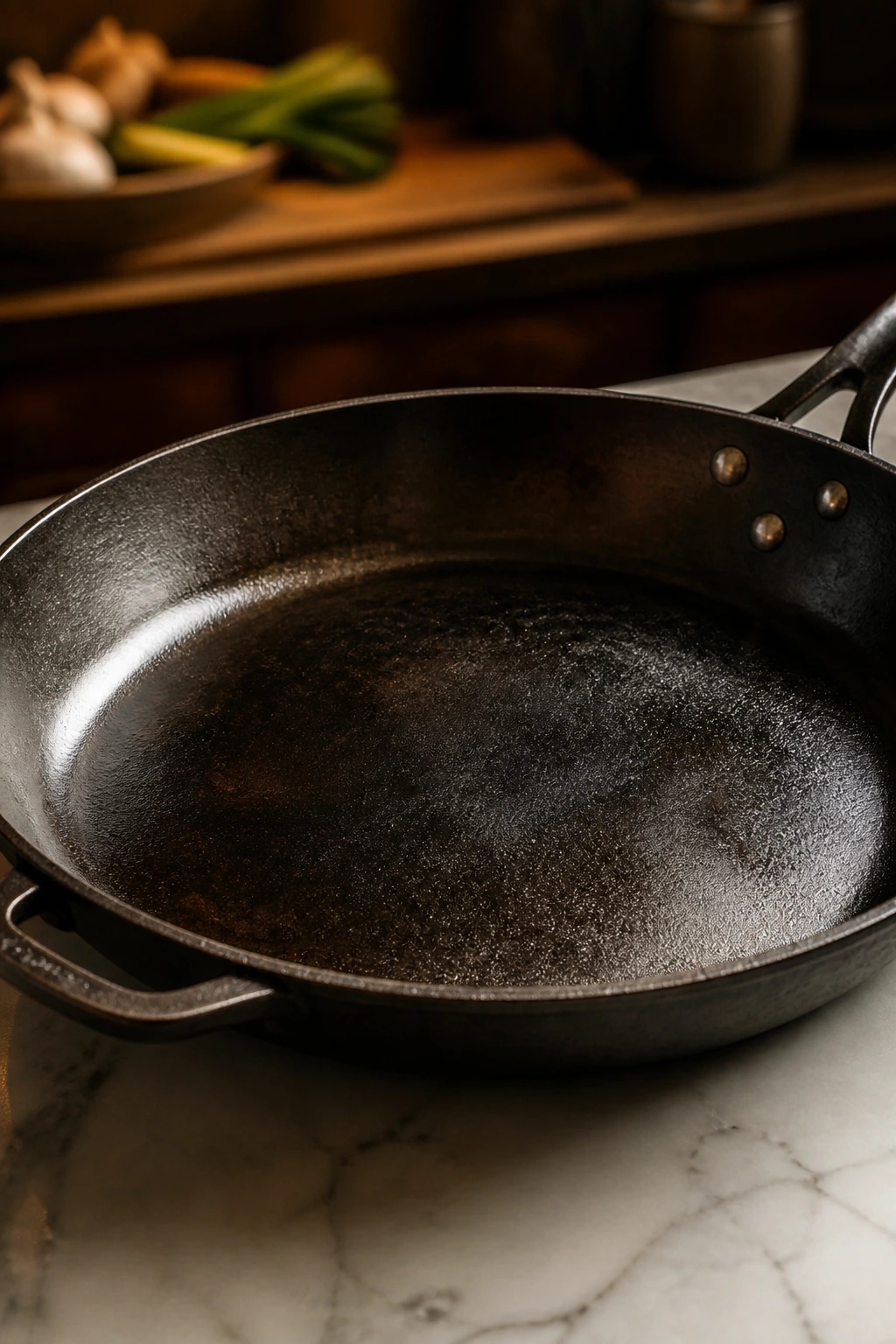
You don’t need a restaurant kitchen. You do need a few pieces of equipment that keep the process from turning messy.
-
12-inch heavy skillet or wok — A deep skillet gives you better temperature control than a thin pan, and a wok is great if your burner is strong enough to keep up.
-
Instant-read thermometer — The fastest way to know when the oil is in the right range and the chicken is cooked through.
-
Wire rack set over a sheet pan — This keeps the bottom of the fried pieces dry. Paper towels work in a pinch, but they trap steam.
-
Spider strainer or slotted spoon — Makes lifting fried pieces out of oil cleaner and safer than using tongs alone.
-
Mixing bowls, at least 2 — One for marinating, one for dredging. A third bowl for the sauce is handy if you’re moving fast.
-
Small saucepan — Useful for building the sauce separately so the fried coating stays crisp.
-
Microplane or fine grater — Best for ginger and garlic if you want a sauce with no big chunks.
-
Sheet pan — Needed for holding fried batches and catching drips.
-
Splatter screen — Optional, but worth it if your stove likes to throw oil at the backsplash.
Little Moves That Keep the Crunch
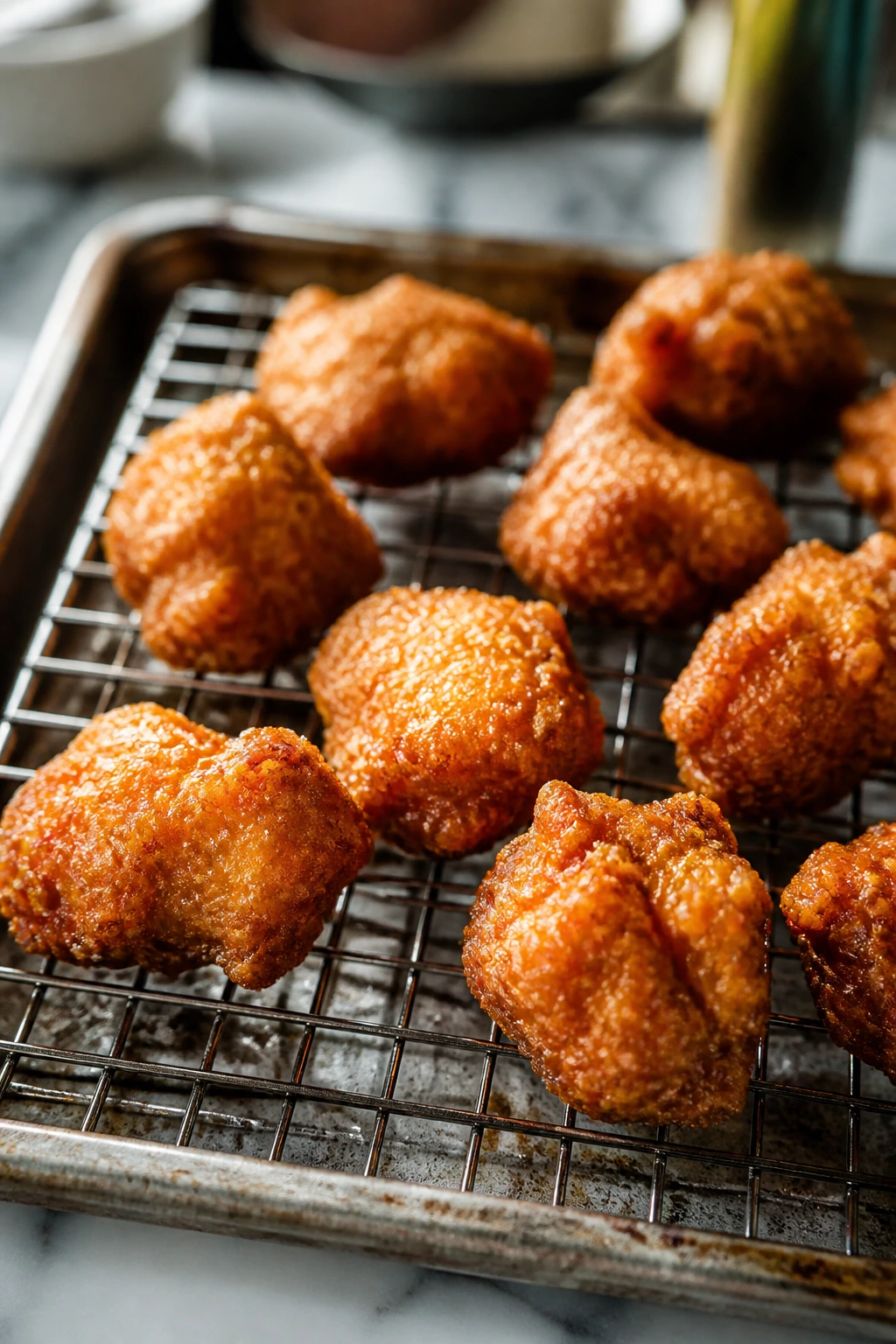
A lot of home cooks get the basics right and still end up with soft edges. The difference usually lives in a few tiny habits, not a giant recipe overhaul.
Dry the protein like you mean it: Water on the surface turns to steam the second it hits the oil. That steam pushes the coating away from the meat and leaves bare spots. Pat the pieces dry before marinating, and again before dredging if they’ve sat for a while.
Keep the sauce separate until the last moment: Even thirty extra seconds can soften the crust. Make the sauce in its own pan, and don’t add the fried pieces until you’ve already reduced it to the thickness you want.
Use a rack, not a plate: I know paper towels look easy. They are a trap. The underside of the food steams against the paper, then the coating goes limp in patches. A rack lets hot air move.
If the sauce needs more body, thicken it before tossing: Don’t try to save a watery sauce after the protein is already in it. Cook off the extra liquid first, then coat the food. Once the crust is wet, you can’t un-wet it.
Finish with acid: A spoonful of rice vinegar or a squeeze of orange juice right at the end gives the glaze life. It keeps sweet sauces from tasting flat. That tiny sharp edge is what makes the dish feel bright instead of sticky.
Common Mistakes That Turn Crunch to Mush
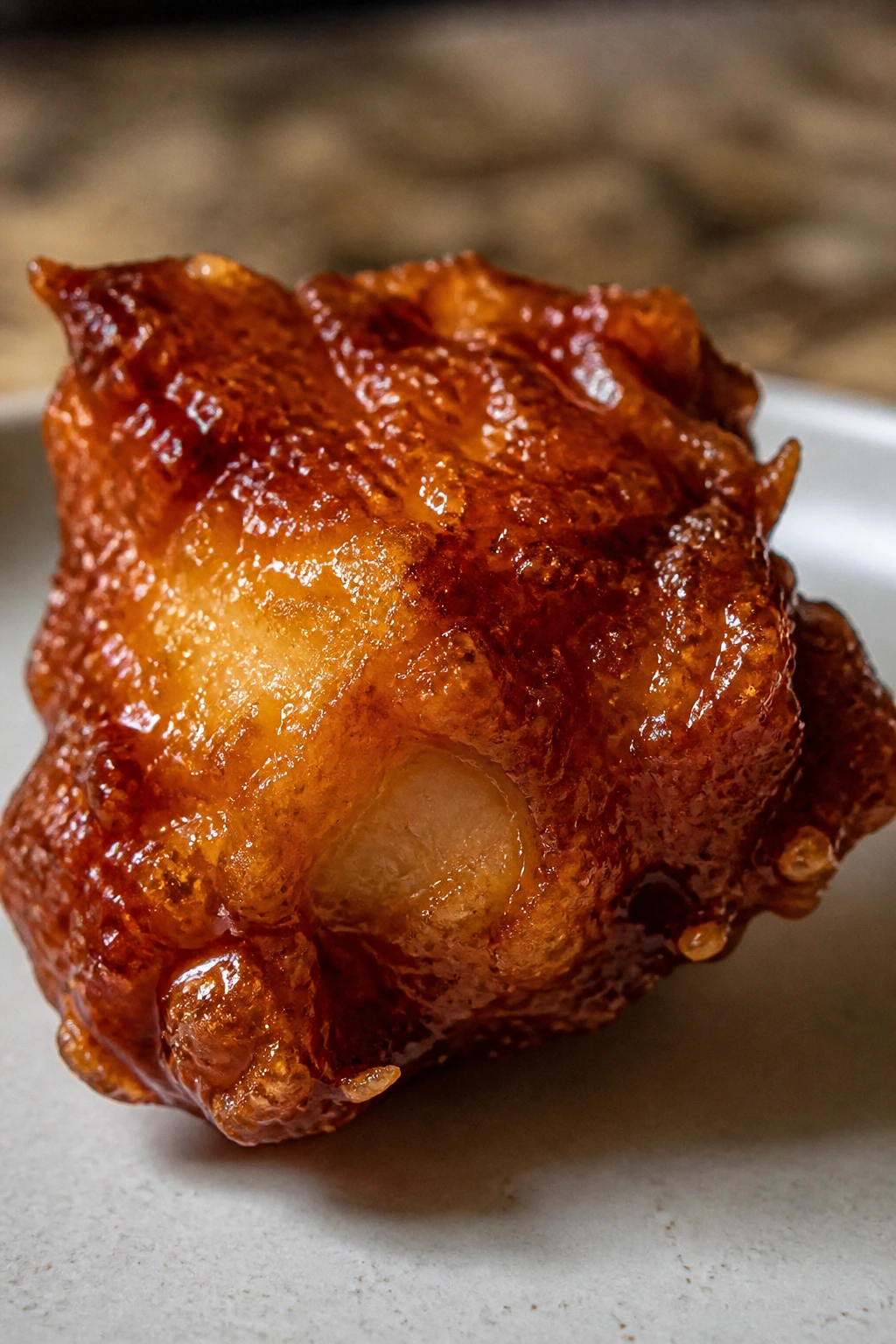
Most failures here are not dramatic. They’re small, ordinary things that pile up. The food still looks good for two minutes, then the texture starts to sag.
-
Crowding the pan: This is the biggest one. Too many pieces in the oil drag the temperature down and make the coating greasy. Fry in batches and keep the pieces in a single layer.
-
Saucing too early: If the fried protein sits in sauce while you finish the rest of dinner, the crust starts absorbing moisture. Keep the toss at the very end, and serve right away.
-
Skipping the rack: A plate or paper towel won’t protect the bottom crust. Use a rack, even if you have to rig one over a baking tray.
-
Using a wet coating: If the marinade is too loose, the starch slumps off in the pan. The coating should cling and look tacky before it fries. If it looks wet, add a little more starch and let it rest.
-
Over-thick sauce: A heavy, sugary sauce can taste good but still kill the crisp. Thin it with stock or water until it coats instead of plastering.
-
Weak heat: If the oil isn’t hot enough, the food absorbs fat before the shell sets. The first batch usually tells you the truth. Listen to the pan.
Variations and Alternative Approaches
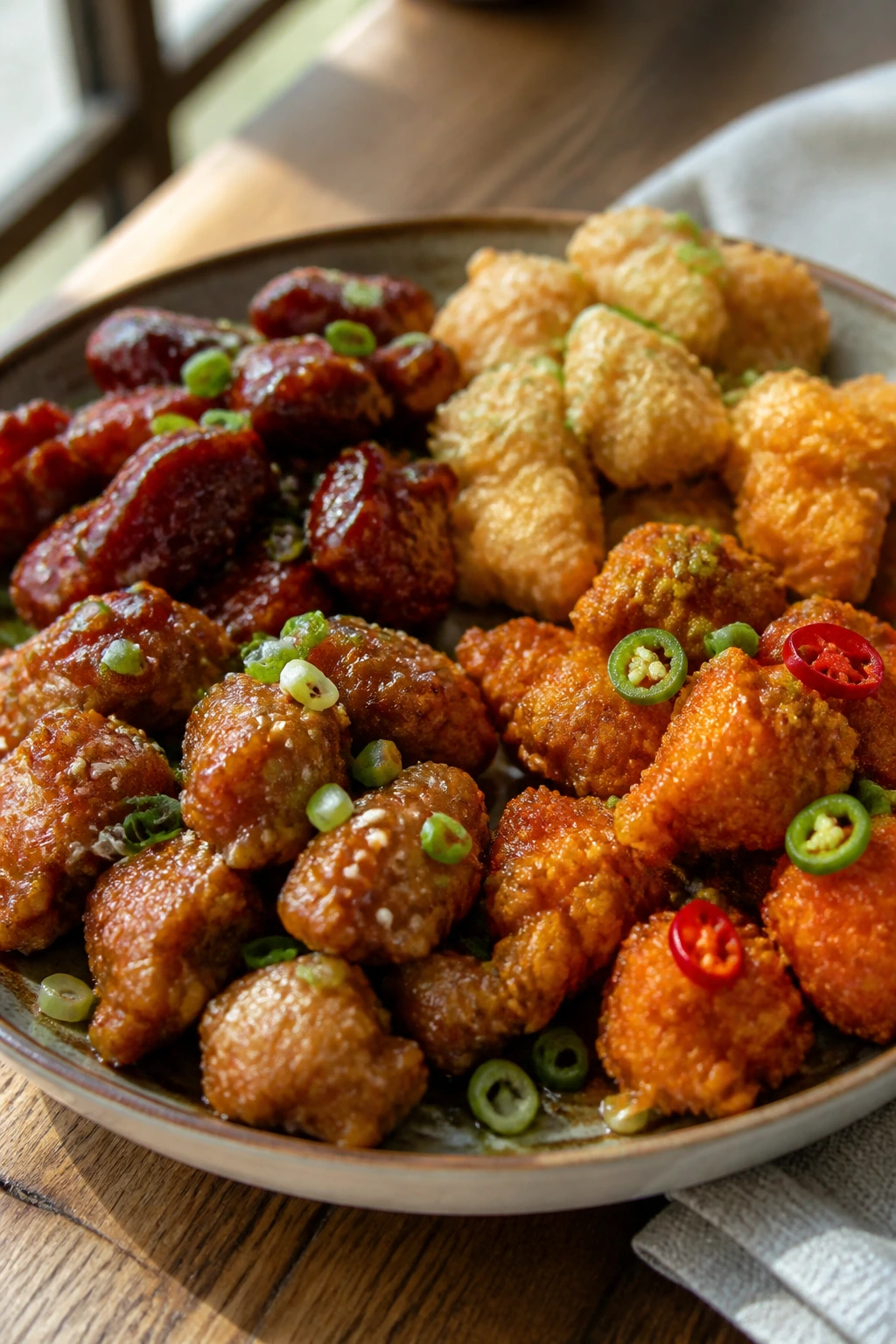
Once you’ve got the basic method, it’s easy to bend it in different directions without losing the texture.
Double-Fry Restaurant Classic: Fry the pieces once until pale gold, let them rest for 3 to 5 minutes, then fry again for 45 to 60 seconds. This gives you a drier, firmer crust that holds sauce a little longer. It’s my favorite move for General Tso’s and orange chicken.
Air-Fryer Crunch Bowl: Toss the coated protein with a light oil spray and cook in a preheated air fryer at 400°F. Flip halfway through. The crust won’t taste identical to fried pieces, but it does get crisp enough for a lighter weeknight version, especially with tofu or chicken thighs cut small.
Gluten-Free Crisp Shell: Use cornstarch, rice flour, and tamari instead of flour and soy sauce. Rice flour adds a dry snap, and tamari keeps the sauce clean without changing the flavor much.
Spicy Sichuan Finish: Add dried chilies, garlic, a little black vinegar, and a pinch of Sichuan peppercorn to the sauce. The peppercorn’s numbing tingle changes the whole dish in a way that feels sharp and bright, not merely hotter.
Veggie-First Plate: Use broccoli florets, snap peas, mushrooms, and crispy tofu instead of meat. This version works best when each vegetable is cooked separately or in stages, because different vegetables release water at different speeds.
Make-Ahead, Storage, and Reheating for Crispy Homemade Chinese Leftovers
If you’re chasing crunch, the fridge is where the magic gets threatened. Still, a little planning helps.
Make-Ahead
The sauce can be made 3 to 5 days ahead and stored in a sealed jar in the refrigerator. Reheat it gently in a saucepan and thin it with a spoonful of water if it thickens too much.
The protein can be cut and marinated earlier in the day, and often up to 8 to 12 hours ahead if it’s going in the fridge the whole time. I wouldn’t hold a starch-heavy coating much longer than that because it can start to get oddly sticky, especially with egg white in the mix.
Storage
Fried, unsauced pieces keep in the refrigerator for 3 to 4 days in an airtight container. If they’re already sauced, the crust softens faster, and the leftovers are best within 2 to 3 days. Freeze the fried pieces for up to 2 months, but expect a less delicate crunch after thawing.
Reheating
The oven is the best backup. Spread the pieces on a rack or baking sheet and reheat at 375°F for 8 to 10 minutes. An air fryer also works well at 375°F for 3 to 6 minutes, especially for smaller pieces. A skillet over medium heat is fine for sauced leftovers, but keep the heat low and add a teaspoon of water if the sauce has tightened.
Microwaving is the fastest method and the worst for texture. It’s not wrong if you’re hungry. It is wrong if you still care about the coating.
Frequently Asked Questions About Crispy Homemade Chinese Takeout
Can I use chicken breast instead of thighs?
Yes, and plenty of people do. Chicken breast just needs tighter timing and a better velvet, because it dries out faster than thigh meat. Cut it into even pieces and pull it the moment it hits 165°F.
Is cornstarch better than flour for this style?
For crispiness, yes. Cornstarch fries up lighter and drier, while flour makes a heavier shell that can feel bready. A little flour can help the coating cling, but cornstarch should do most of the work.
Do I need a wok to make this taste right?
No. A heavy skillet or Dutch oven often works better at home because it holds heat more steadily. A wok is useful if your burner is strong and you know how to handle it, but it is not mandatory.
Why does my sauce make the coating soft so fast?
Usually the sauce is too thin, too early, or both. Reduce it until it lightly coats a spoon, then toss the fried pieces only at the end. If the food sits in sauce while you finish side dishes, the crust loses the race.
Can I air fry the protein and still get real crunch?
You can get a decent crisp, especially with small chicken pieces or tofu, but it won’t taste exactly like a shallow-fried crust. Spray the coating with oil, preheat the basket, and cook in a single layer so the surface dries instead of steaming.
What oil should I use for frying?
Choose a neutral oil with a high smoke point, like peanut, canola, sunflower, or avocado oil. Avoid strongly flavored oils for the fry itself. Save sesame oil for the sauce or finish.
How do I keep broccoli crisp and not dull?
Blanch it briefly in salted water—60 to 90 seconds is usually enough—then dry it before it goes into the pan. If you add it raw to the sauce and cook too long, it turns soft and drains water into the dish.
Can I make the sauce less sweet without ruining it?
Absolutely. Cut the sugar by a third and add a little more vinegar or a splash of stock to keep the sauce balanced. Orange chicken and General Tso’s both handle a sharper edge better than people expect.
Keeping the Takeout Crunch
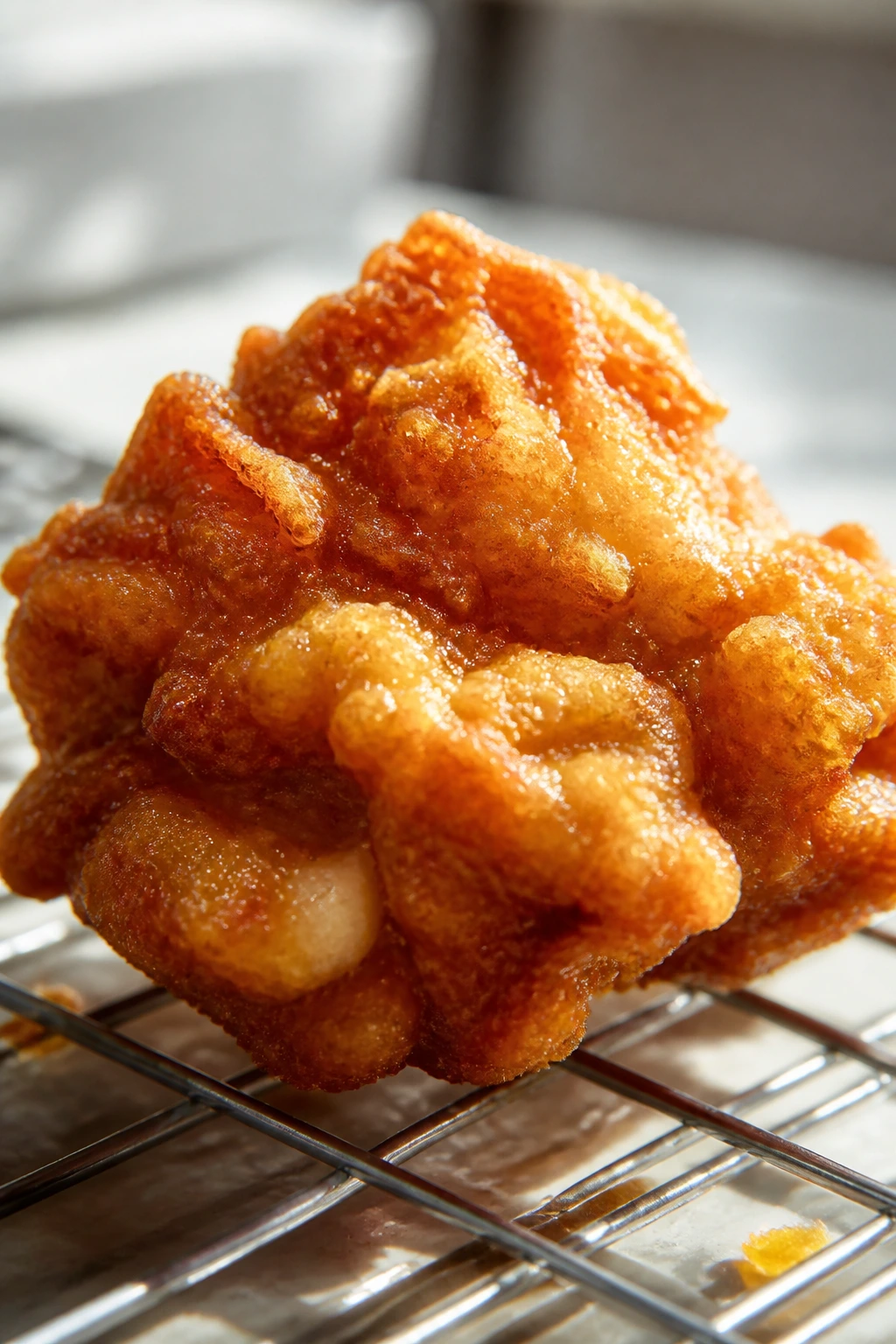
The charm of crispy homemade Chinese takeout is not that it mimics a box down to the last grain of salt. It’s that you get to control the part the box always ruins. The coating stays dry. The sauce stays bright. The meat stays juicy because you don’t let it sit around waiting for the rest of dinner.
Once you’ve made this style a few times, the details start to feel obvious in your hands. You’ll know when the oil is ready by the sound. You’ll know when the sauce is thick enough by the way it slides. And you’ll stop treating the takeout carton like the standard, which is probably the nicest part of all.