



A jar of soy sauce, a spoonful of cornstarch, a bottle of rice vinegar, and a tired onion in the crisper can do more than most people think. Put those things with chicken in a hot skillet, and dinner starts smelling like garlic, ginger, and browned edges before you’ve even finished slicing the scallions. That’s the quiet magic behind Chinese chicken recipes built from pantry staples: they don’t ask for much, but they pay you back fast.
The best part is how little drama these dinners need. A good stir-fry sauce can come from three or four shelf-stable ingredients. A braise only needs a little patience. Soup can taste deep and layered with nothing fancier than broth, ginger, soy sauce, and the chicken you already bought for the week. If you keep a few basics around, you’re always closer to a real meal than you think.
There’s a reason these dishes keep showing up in home kitchens. They’re flexible, they’re fast, and they’re forgiving in the way good weeknight food should be. Browning chicken thighs in a skillet, whisking a glossy sauce, tossing in frozen broccoli or cabbage, finishing with sesame oil at the end — none of it is complicated, but the sequence matters. Get that right, and the result tastes like you put in far more effort than you did.
Why This Pantry-First Collection Earns Its Place
- Short ingredient lists, long payoff: Most of these dishes lean on soy sauce, cornstarch, garlic, ginger, and one sweetener, which means you can build big flavor without a special shopping trip.
- Flexible chicken cuts: Thighs stay juicy in stir-fries and braises, while breasts work well when they’re sliced thin and cooked quickly.
- Sauces that actually cling: Cornstarch and high heat give you the glossy coating people expect from Chinese takeout-style chicken, not a watery puddle at the bottom of the pan.
- Built for leftovers: Many of these recipes reheat cleanly because the sauce protects the chicken from drying out.
- Easy to stretch: A bag of rice, a box of noodles, or a head of cabbage can turn one skillet into dinner for more people without making the meal feel thin.
- No specialty aisle required: A few of the recipes use optional bottles like oyster sauce or hoisin, but the backbone is pantry food you can keep on hand.
1. Garlic Soy Chicken and Broccoli Stir-Fry
Garlic and soy hit the hot oil first, which is the right order if you like the smell of dinner announcing itself before the plate is ready. The broccoli stays bright and a little crisp, the chicken turns shiny instead of greasy, and the sauce lands somewhere between savory and lightly sweet. This is the sort of stir-fry that disappears fast because it tastes clean and direct, not muddy or overcomplicated.
Why It Works:
The chicken gets a quick cornstarch coating, so it browns instead of steaming. Broccoli loves the same hot pan treatment, and a simple sauce of soy, broth, oyster sauce, and rice vinegar turns glossy in under a minute. The whole dish comes together in one skillet, which means the vegetables stay lively and the sauce does not overcook into saltwater.
Key Ingredients:
- 1½ lb boneless, skinless chicken thighs, cut into 1-inch pieces — thighs stay tender even if your heat runs a little hot.
- 2 tablespoons soy sauce — the salty base for the marinade.
- 1 tablespoon cornstarch — helps the chicken brown and thickens the sauce.
- 4 cups broccoli florets — cut small so they cook through fast.
- 4 garlic cloves, minced — use more if your cloves are small and mild.
- 1 tablespoon grated fresh ginger — gives the sauce its sharp edge.
- ½ cup chicken broth — loosens the sauce without watering it down.
- 2 tablespoons oyster sauce — adds depth and that takeout-style savoriness.
- 1 tablespoon rice vinegar — keeps the sauce from tasting flat.
- 1 teaspoon sugar — smooths the salt and vinegar.
- 1 teaspoon sesame oil — stir it in at the end for aroma.
- 2 tablespoons neutral oil — for searing.
- 2 scallions, sliced — finish with them for freshness.
Quick Steps:
- Marinate the Chicken: Toss the chicken with soy sauce and cornstarch in a bowl. Let it sit for 10 minutes while you prep the broccoli and garlic.
- Sear the Chicken: Heat the neutral oil in a large skillet or wok over medium-high heat. Add the chicken in one layer and cook for 3 to 4 minutes per side, until lightly browned and almost cooked through.
- Cook the Broccoli: Push the chicken to the edges and add the broccoli with 2 tablespoons water. Cover for 2 minutes, until the florets turn bright green and just start to soften.
- Build the Sauce: Add garlic, ginger, broth, oyster sauce, rice vinegar, and sugar. Stir for 1 to 2 minutes until the sauce bubbles and lightly thickens.
- Finish and Serve: Turn off the heat, drizzle in the sesame oil, and toss with scallions. The sauce should coat the chicken in a thin shine, not pool in the pan.
Equipment for This Recipe:
- Large wok or 12-inch skillet — wide enough to keep the chicken from crowding.
- Mixing bowl — for the quick marinade.
- Wooden spoon or spatula — for tossing without tearing the broccoli.
- Measuring spoons and cups — the sauce balances on the numbers.
How to Serve This Dish:
Spoon it over steamed jasmine rice so the sauce has somewhere to go. If you want a little crunch, add a few roasted sesame seeds right before serving. It also works well over rice noodles, but I prefer rice here because it drinks up the garlic sauce better.
Pro Tips for This Recipe:
- Use chicken thighs if you can. They forgive a hot pan; breasts do not.
- Cut the broccoli into bite-size florets so the stems and tops cook at the same speed.
- Mix the sauce ingredients in a small bowl before you start. Stir-frying moves fast, and there’s no time to hunt for the vinegar once the garlic is sizzling.
Variations on This Dish:
- Chili Garlic Broccoli Chicken: Add 1 tablespoon chili garlic sauce with the broth for a sharper, hotter finish.
- Cauliflower Swap: Replace half the broccoli with cauliflower florets if that’s what’s in the fridge.
- Gluten-Free Version: Use tamari instead of soy sauce and make sure your oyster sauce is certified gluten-free.
Common Mistakes to Avoid with This Dish:
- Crowding the pan: If the chicken sits in a pile, it steams and turns pale. Cook in two batches if your skillet is small.
- Overcooking the broccoli: Mushy broccoli makes the whole dish feel tired. Pull it when the stems still have a little snap.
- Skipping the final sesame oil: If you add sesame oil early and cook it hard, it loses the nutty aroma that makes the dish taste finished.
2. Sticky Sesame Chicken Thighs
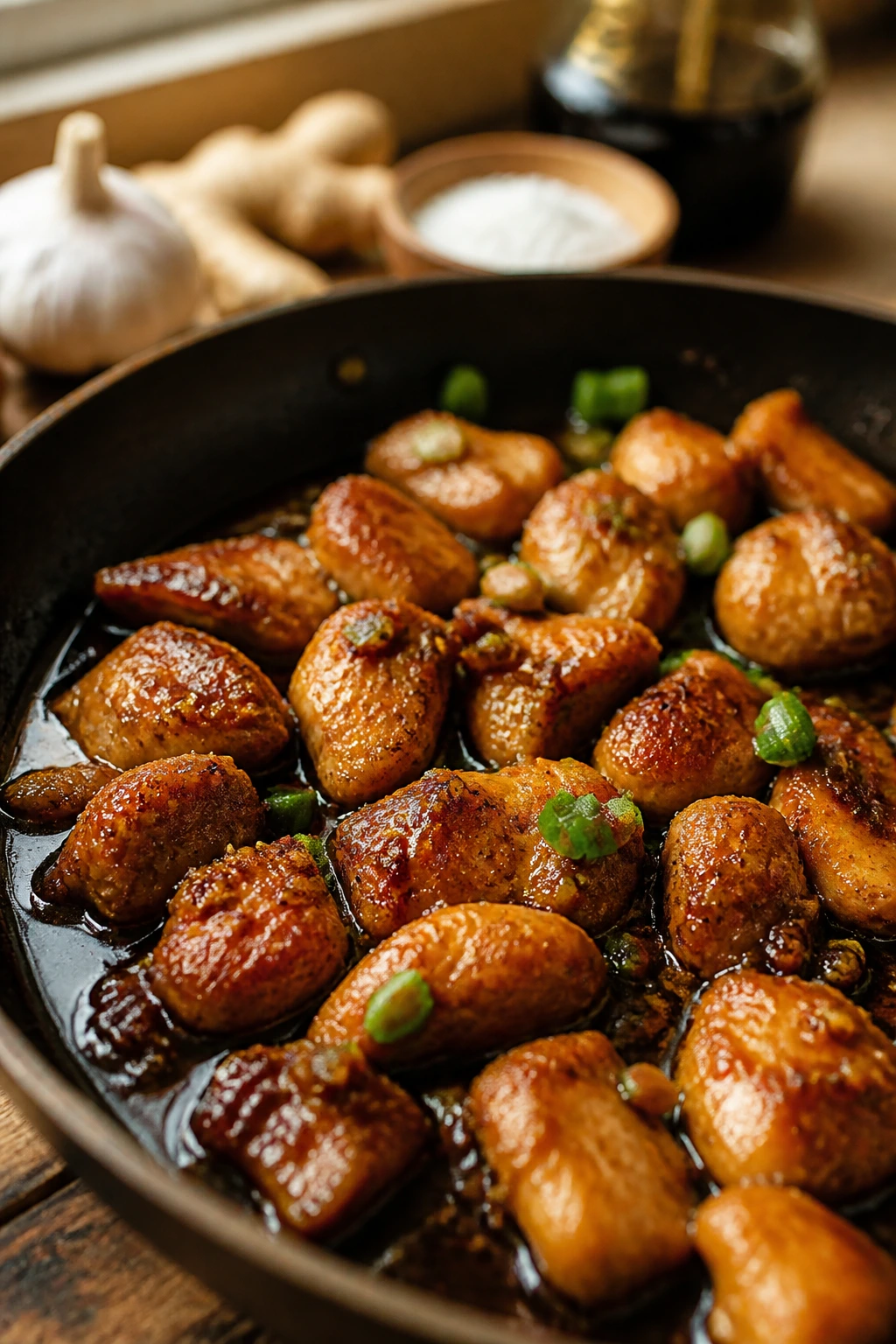
This one leans sweeter, but not in a cloying way. The sauce clings to the chicken in a lacquered coat, and the sesame seeds toast lightly as they hit the pan. It’s the recipe I’d reach for when I want something that feels a little more like takeout without calling in an order.
Why It Works:
Cornstarch gives the chicken a crisp-edged crust, and the honey-soy glaze reduces quickly enough to stick instead of slide off. Brown sugar and rice vinegar keep the sweetness from turning flat. A little sesame oil at the end gives the dish its clean nutty finish.
Key Ingredients:
- 1½ lb boneless, skinless chicken thighs, cut into bite-size pieces — best for juicy, sticky chicken.
- 2 tablespoons cornstarch — for a light crust.
- ½ teaspoon fine salt — just enough to season the chicken.
- ¼ teaspoon black pepper — keeps the coating from tasting plain.
- 2 tablespoons neutral oil — for frying.
- ⅓ cup soy sauce — the salty backbone.
- 3 tablespoons honey — gives the glaze its sticky sheen.
- 2 tablespoons brown sugar — helps the sauce caramelize.
- 1 tablespoon rice vinegar — keeps the glaze lively.
- 2 garlic cloves, minced — sharpens the sweetness.
- 1 teaspoon grated ginger — adds warmth.
- 1 teaspoon sesame oil — stir in at the end.
- 1 tablespoon sesame seeds — for the obvious but useful crunch.
- 2 scallions, sliced — for freshness.
Quick Steps:
- Coat the Chicken: Toss chicken with cornstarch, salt, and pepper until every piece looks dusty.
- Brown the Pieces: Heat oil in a skillet over medium-high heat. Cook the chicken 5 to 7 minutes, turning once, until the edges are golden.
- Make the Glaze: Add soy sauce, honey, brown sugar, vinegar, garlic, and ginger to the pan. Stir and let the sauce bubble for 2 to 3 minutes.
- Reduce Until Sticky: Keep cooking until the sauce looks thick enough to coat the chicken in a shiny layer and leaves a trail when you drag the spoon through it.
- Finish: Turn off the heat, add sesame oil and sesame seeds, then toss with scallions.
Equipment for This Recipe:
- Large nonstick or stainless skillet — helps the glaze reduce cleanly.
- Small bowl — for the cornstarch coating.
- Spatula — for turning the chicken without scraping off the crust.
How to Serve This Dish:
Pile it over rice with extra scallions scattered on top. A side of plain steamed cabbage is good here because it catches the sticky sauce without competing with it. If you want a fuller plate, add cucumber slices with a splash of rice vinegar.
Pro Tips for This Recipe:
- Do not dump all the sauce in at once if your pan is small. Give the chicken room to bubble.
- Toast the sesame seeds in the dry pan for 30 seconds before you start if you want more aroma.
- If the glaze gets too thick, splash in 1 tablespoon water and stir until it loosens.
Variations on This Dish:
- Orange Sesame Chicken: Swap 2 tablespoons of the soy sauce for orange juice and add zest.
- Spicy Sesame Chicken: Stir in 1 teaspoon chili flakes or a small spoon of chili crisp.
- Breast-Friendly Version: Use chicken breast cut into thinner pieces and shorten the browning time by 1 to 2 minutes.
Common Mistakes to Avoid with This Dish:
- Adding the sesame oil too early: It burns fast and loses its smell.
- Letting the glaze burn on high heat: Sugar can go from sticky to bitter in a blink.
- Using too much cornstarch: A heavy coating turns gummy instead of crisp.
3. Kung Pao Chicken with Peanuts
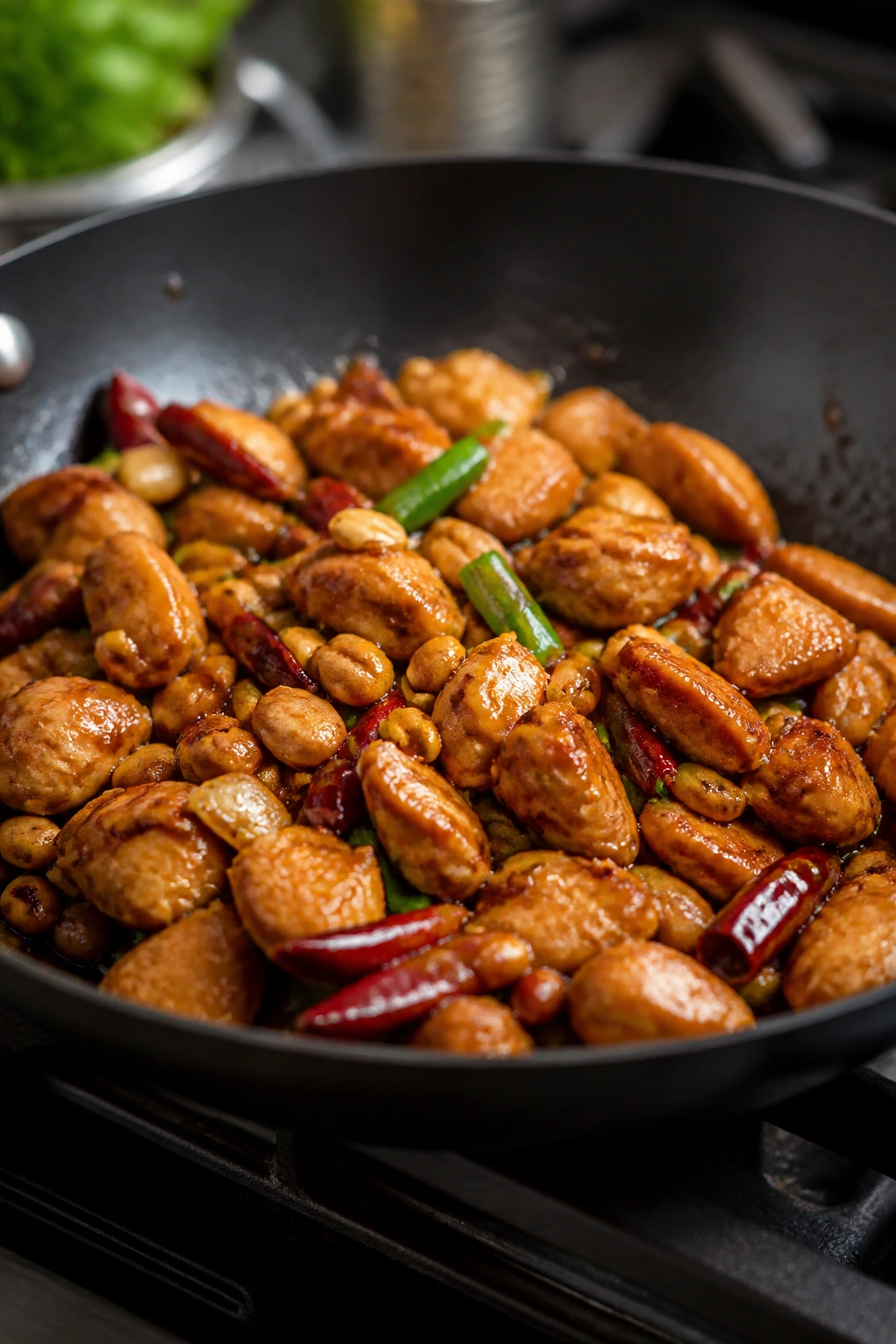
Kung Pao should have a little bite. A little heat too. The dried chiles bloom in the oil, the peanuts stay crunchy, and the sauce lands with that good salty-sour balance that makes you keep going back for one more spoonful of rice. If you like food that wakes up halfway through the bite, this is your dish.
Why It Works:
The chicken is marinated lightly, then seared hard so it holds onto its texture. Dried chiles and ginger give the oil a base of heat before the sauce goes in, while vinegar and sugar keep the whole thing from tasting one-note. Peanuts are not decoration here; they carry crunch all the way to the last bite.
Key Ingredients:
- 1½ lb boneless chicken thighs, diced — the best cut for a stir-fry that moves quickly.
- 1 tablespoon soy sauce — for the marinade.
- 1 tablespoon Shaoxing wine or dry sherry — adds depth; water works in a pinch.
- 1 tablespoon cornstarch — helps the chicken sear.
- 2 tablespoons neutral oil — for the pan.
- 8 to 10 dried red chiles — use fewer if you want less heat.
- 4 garlic cloves, minced — keep them ready before the oil goes in.
- 1 tablespoon grated ginger — brightens the sauce.
- ½ cup roasted peanuts — the classic crunch.
- 1 red bell pepper, diced — gives the dish some sweetness and color.
- 2 scallions, sliced — added near the end.
- 3 tablespoons soy sauce — for the sauce.
- 1 tablespoon rice vinegar — gives the sharp finish.
- 1 tablespoon brown sugar — balances the heat.
- 1 tablespoon hoisin sauce — rounds out the savory side.
- ¼ cup chicken broth — loosens the sauce.
Quick Steps:
- Marinate the Chicken: Mix chicken with soy sauce, Shaoxing wine, and cornstarch. Rest it for 10 minutes.
- Bloom the Chiles: Heat oil in a wok over medium-high heat. Add the dried chiles and stir for 20 to 30 seconds until they darken slightly and smell nutty, not burnt.
- Cook the Chicken: Add the chicken and sear 4 to 5 minutes until lightly browned.
- Add the Aromatics: Stir in garlic, ginger, and bell pepper for 1 minute, then pour in soy sauce, vinegar, sugar, hoisin, and broth.
- Finish the Stir-Fry: Add peanuts and scallions, toss until the sauce coats everything, and serve right away.
Equipment for This Recipe:
- Wok or large skillet — heat matters here.
- Small bowl — for the quick marinade.
- Wooden spatula — for constant tossing.
How to Serve This Dish:
Serve it over plain rice or a pile of noodles if you want the sauce to stretch. I like a bowl of sliced cucumbers on the side because the cold crunch resets your mouth between spicy bites.
Pro Tips for This Recipe:
- Keep the dried chiles moving. If they blacken too much, the whole pan turns bitter.
- Use roasted, unsalted peanuts if possible. Salted peanuts can make the finished dish too salty.
- Cut the bell pepper small so it softens fast without turning mushy.
Variations on This Dish:
- Cashew Kung Pao: Swap peanuts for cashews if that’s what’s in the pantry.
- Extra-Vinegar Version: Add another teaspoon of rice vinegar if you want a sharper, more punchy sauce.
- Veg-Heavy Bowl: Add diced zucchini or a handful of green beans for more bulk.
Common Mistakes to Avoid with This Dish:
- Using too many chiles at once: Heat builds faster than people expect. Start small.
- Skipping the marinade: Without that cornstarch coat, the chicken tastes flatter and the sauce doesn’t cling.
- Serving it too late: Kung Pao loses its crunch if it sits around; eat it while the peanuts still sound crisp against the bowl.
4. Orange Chicken Skillet
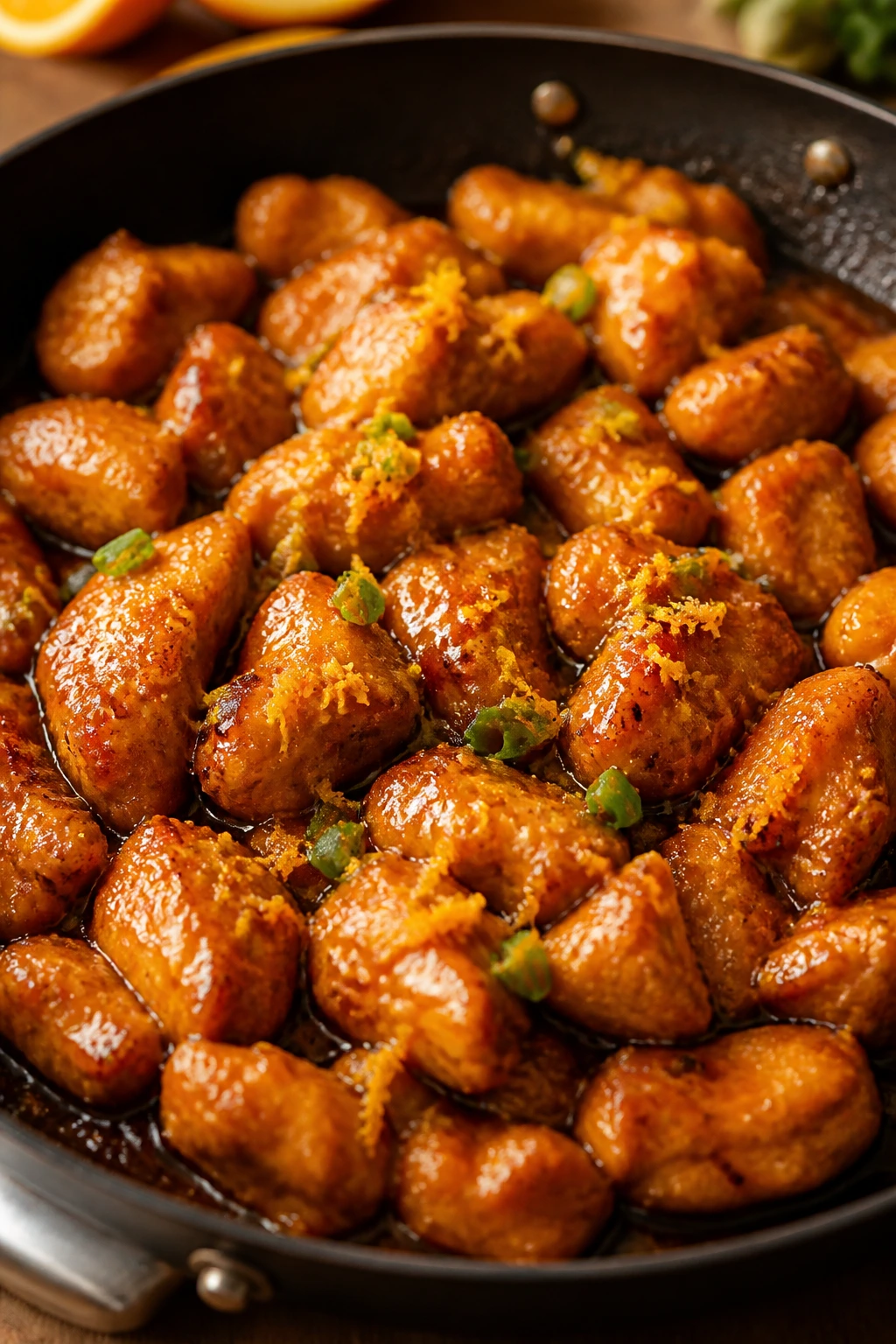
Orange chicken can go syrupy in the wrong hands. When it works, though, the sauce tastes bright and sticky, with citrus on top and savory depth underneath. This skillet version keeps the chicken crisp enough to matter, which is why it feels more honest than the limp, overly sweet versions people sometimes end up with.
Why It Works:
Orange juice gives the sauce the sharp lift, but soy sauce, vinegar, and a little sugar keep it from tasting like candy. A cornstarch slurry thickens it fast, so you can toss the chicken and eat while the coating is still glossy. Pan-frying the chicken first gives you browned edges that hold up under the sauce.
Key Ingredients:
- 1½ lb boneless chicken thighs or breasts, cut into 1-inch pieces — thighs are juicier, breasts are a little leaner.
- ½ cup cornstarch — for the chicken coating.
- 1 teaspoon salt — seasons the pieces before frying.
- ¼ teaspoon black pepper — a small, useful edge.
- 2 tablespoons neutral oil — for the skillet.
- ½ cup orange juice — the base of the sauce.
- 1 tablespoon orange zest — gives the sauce a stronger citrus smell.
- ⅓ cup sugar — sweetens and helps the glaze stick.
- 3 tablespoons soy sauce — balances the orange.
- 2 tablespoons rice vinegar — keeps it bright.
- 2 garlic cloves, minced — for depth.
- 1 teaspoon grated ginger — for warmth.
- 1 tablespoon cornstarch mixed with 2 tablespoons water — the slurry.
- 2 scallions, sliced — for finishing.
Quick Steps:
- Coat the Chicken: Toss chicken with cornstarch, salt, and pepper until every piece looks evenly dusted.
- Brown the Chicken: Heat oil in a large skillet over medium-high heat. Cook the chicken in a single layer for 4 to 6 minutes per side, until crisp and cooked through.
- Build the Sauce: In a small bowl, whisk orange juice, zest, sugar, soy sauce, vinegar, garlic, and ginger.
- Thicken the Glaze: Pour the sauce into the skillet and simmer for 2 minutes, then stir in the cornstarch slurry. Cook until the sauce turns shiny and thick.
- Toss and Finish: Return the chicken to the pan, toss to coat, and scatter scallions on top.
Equipment for This Recipe:
- Large skillet — for browning and sauce reduction.
- Small bowl — for the slurry.
- Microplane or fine grater — if you’re zesting the orange.
How to Serve This Dish:
This belongs over rice, preferably something plain and hot enough to soften the sauce at the table. If you want a takeout-style plate, add steamed broccoli on the side and let the orange glaze run into it.
Pro Tips for This Recipe:
- Use fresh orange zest. Bottled juice alone is too flat.
- Let the sauce simmer before adding the slurry, or it can turn pasty.
- If you like crispier chicken, fry it in two batches and keep the first batch warm on a rack.
Variations on This Dish:
- Mandarin Chili Chicken: Add 1 teaspoon chili flakes to the sauce for heat.
- Lighter Citrus Chicken: Use half orange juice and half chicken broth if you want less sweetness.
- Gluten-Free Version: Swap tamari for soy sauce and check the labels on your cornstarch and vinegar.
Common Mistakes to Avoid with This Dish:
- Using too much orange juice: The sauce turns thin and watery if you don’t reduce it.
- Skipping the zest: Without zest, the orange flavor falls off fast.
- Saucing chicken that isn’t hot: Warm chicken grabs the glaze better than cold chicken.
5. Black Pepper Chicken with Onions
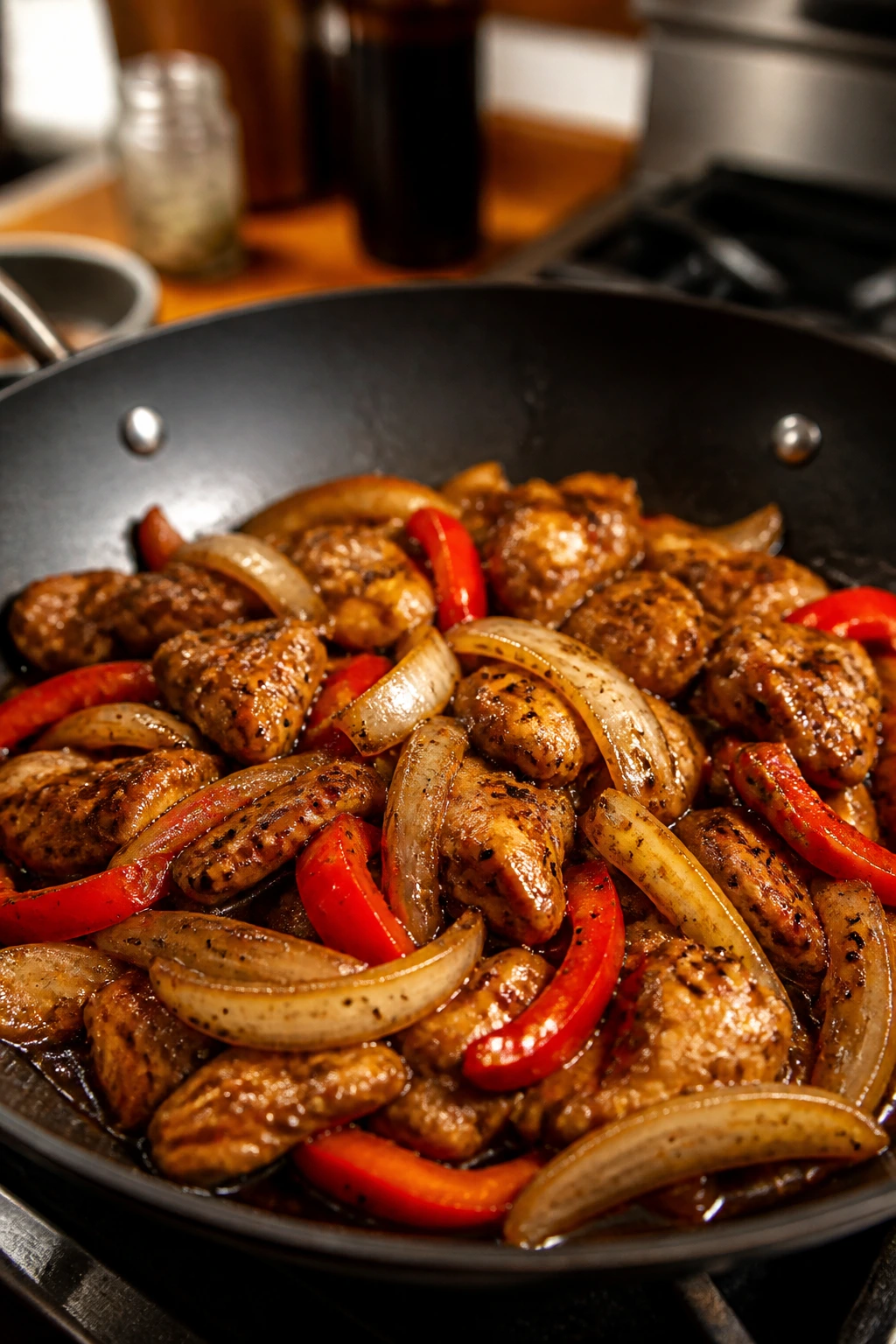
This is the recipe that tastes like a good corner takeout place smells at 6 p.m. Black pepper is the point here, not a background note. The onions soften into the sauce, the chicken stays savory, and the pepper hits in a warm, clean way instead of a sharp, dusty one.
Why It Works:
Black pepper blooms in hot oil, which turns it from plain spice into something rounder and deeper. Oyster sauce and soy bring the savory base, while onion and bell pepper keep the dish from feeling heavy. A small cornstarch thickener binds the sauce just enough to coat the chicken.
Key Ingredients:
- 1½ lb boneless chicken thighs, sliced thin — thin slices cook fast and stay tender.
- 1 tablespoon soy sauce — for the marinade.
- 1 tablespoon cornstarch — helps with browning.
- 2 tablespoons neutral oil — for the pan.
- 1 large yellow onion, sliced — softens into the sauce.
- 1 green bell pepper, sliced — adds sweetness and crunch.
- 4 garlic cloves, minced — the savory backbone.
- 1 tablespoon grated ginger — brightens the pepper.
- 2 tablespoons oyster sauce — deep, salty flavor.
- 1 tablespoon soy sauce — for the sauce.
- 1 tablespoon rice vinegar — keeps the sauce from feeling flat.
- 1 teaspoon sugar — balances the pepper bite.
- 1 to 2 teaspoons freshly ground black pepper — use the full amount if you like heat.
- ¼ cup chicken broth — loosens the sauce.
Quick Steps:
- Marinate the Chicken: Toss chicken with soy sauce and cornstarch. Set aside for 10 minutes.
- Cook the Vegetables: Heat oil in a skillet over medium-high heat. Add onion and bell pepper and cook for 3 minutes until the onion edges start to soften.
- Sear the Chicken: Push the vegetables aside, add the chicken, and cook 4 to 5 minutes until lightly browned.
- Season Hard: Add garlic, ginger, oyster sauce, soy sauce, vinegar, sugar, pepper, and broth. Stir for 2 minutes until the sauce tightens.
- Serve Hot: Spoon over rice while the pepper aroma is still sharp and warm.
Equipment for This Recipe:
- Large skillet or wok — a wide surface keeps the onion from steaming.
- Sharp knife — thin slices matter here.
- Mixing bowl — for the quick marinade.
How to Serve This Dish:
A bowl of white rice is the obvious choice, and it’s the right one. If you want more vegetable contrast, add a side of quick cucumber pickles or steamed baby bok choy.
Pro Tips for This Recipe:
- Use freshly ground black pepper, not the dusty stuff from the bottom of the shaker.
- Slice the onion thick enough to keep some texture.
- If your oyster sauce is very salty, cut the soy sauce back by 1 teaspoon.
Variations on This Dish:
- Double Pepper Chicken: Add sliced fresh chilies with the garlic if you want a hotter edge.
- Mushroom Pepper Chicken: Swap in sliced mushrooms for half the bell pepper.
- Breast Version: Use chicken breast and shorten the cooking time by 2 minutes.
Common Mistakes to Avoid with This Dish:
- Using stale pepper: It tastes flat and woody. Grind it fresh.
- Cooking on low heat: The onions will leak water and the chicken won’t brown.
- Overdoing the sauce: You want a shiny coat, not a soup.
6. Chinese Chicken Fried Rice
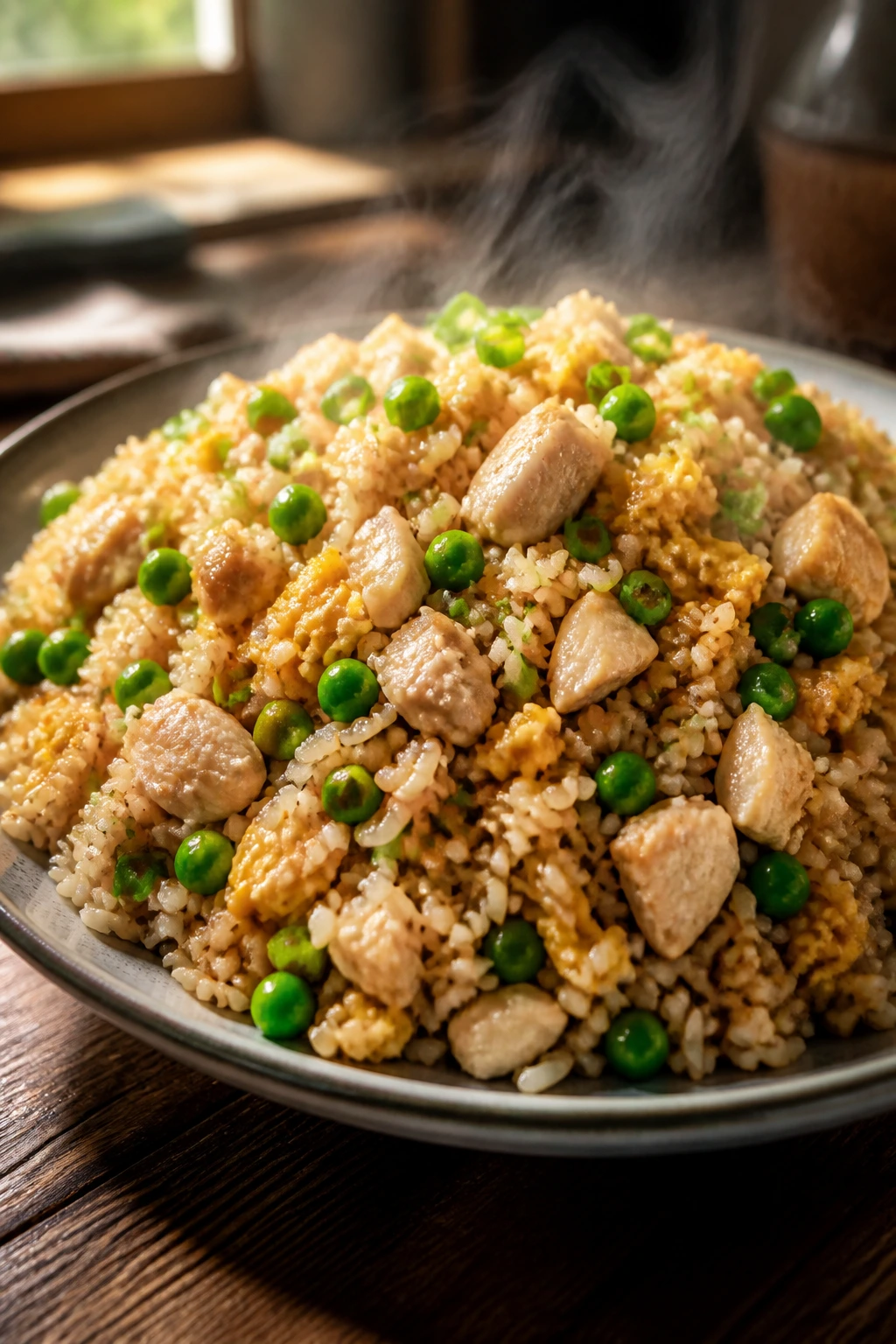
Good fried rice is about restraint. Day-old rice, hot pan, and small pieces of chicken — that’s the whole trick, and it matters more than any fancy add-in. The grains should stay separate, the eggs should look tender, and the soy sauce should land in little browned pockets instead of flooding the pan.
Why It Works:
Cold rice dries out a bit, which lets it fry instead of collapsing. Eggs cook quickly and coat the grains, while scallions and frozen peas add color without turning the pan wet. A touch of sesame oil at the end gives the whole bowl a restaurant smell.
Key Ingredients:
- 3 cups cooked jasmine rice, chilled overnight — dry rice fries best.
- 1 lb boneless chicken breast or thigh, diced small — small pieces cook fast.
- 3 large eggs, beaten — for richness and texture.
- 1 cup frozen peas and carrots — thawed or straight from frozen.
- 3 scallions, sliced — one of the best finishing ingredients in the pantry.
- 3 tablespoons soy sauce — season the rice.
- 1 tablespoon oyster sauce — adds depth.
- 1 teaspoon sesame oil — finish, don’t fry with it.
- 2 tablespoons neutral oil — for the wok or skillet.
- 2 garlic cloves, minced — optional but useful.
- Salt and white pepper, to taste — for the eggs and rice.
Quick Steps:
- Scramble the Eggs: Heat 1 tablespoon oil in a large skillet over medium-high heat. Add the eggs and stir until they’re just set but still soft, then move them to a plate.
- Cook the Chicken: Add the remaining oil and the chicken. Stir-fry 4 to 5 minutes until cooked through and lightly golden.
- Fry the Rice: Add garlic, rice, peas, and carrots. Break up clumps with your spatula and cook for 3 to 4 minutes until the grains are hot and starting to sizzle.
- Season and Combine: Add soy sauce, oyster sauce, and white pepper. Stir in the eggs and half the scallions.
- Finish: Turn off the heat, drizzle sesame oil over the top, and toss with the rest of the scallions.
Equipment for This Recipe:
- Large wok or deep skillet — room to toss matters.
- Spatula — for breaking up rice clumps.
- Bowl — for beating the eggs.
How to Serve This Dish:
Serve it in shallow bowls while the rice is still steaming. I like it with a few slices of cucumber and a spoon of chili crisp on the side, but it stands on its own when the rice is seasoned properly.
Pro Tips for This Recipe:
- Use rice that’s been chilled at least 8 hours. Fresh rice gets mushy.
- Keep the pan hot enough to hear the rice crackle.
- Salt lightly at first. Soy sauce can sneak up on you fast.
Variations on This Dish:
- Chicken and Pineapple Fried Rice: Add ½ cup diced pineapple for a sweet-salty contrast.
- Spicy Fried Rice: Stir in chili oil or a pinch of chili flakes with the soy sauce.
- Vegetable-Heavy Version: Add diced zucchini or mushrooms to bulk it up.
Common Mistakes to Avoid with This Dish:
- Using wet rice: It clumps and steams instead of frying.
- Adding sesame oil too early: It burns and loses fragrance.
- Crowding the skillet: Fried rice needs space to dry out and crisp.
7. Chicken Chow Mein with Cabbage
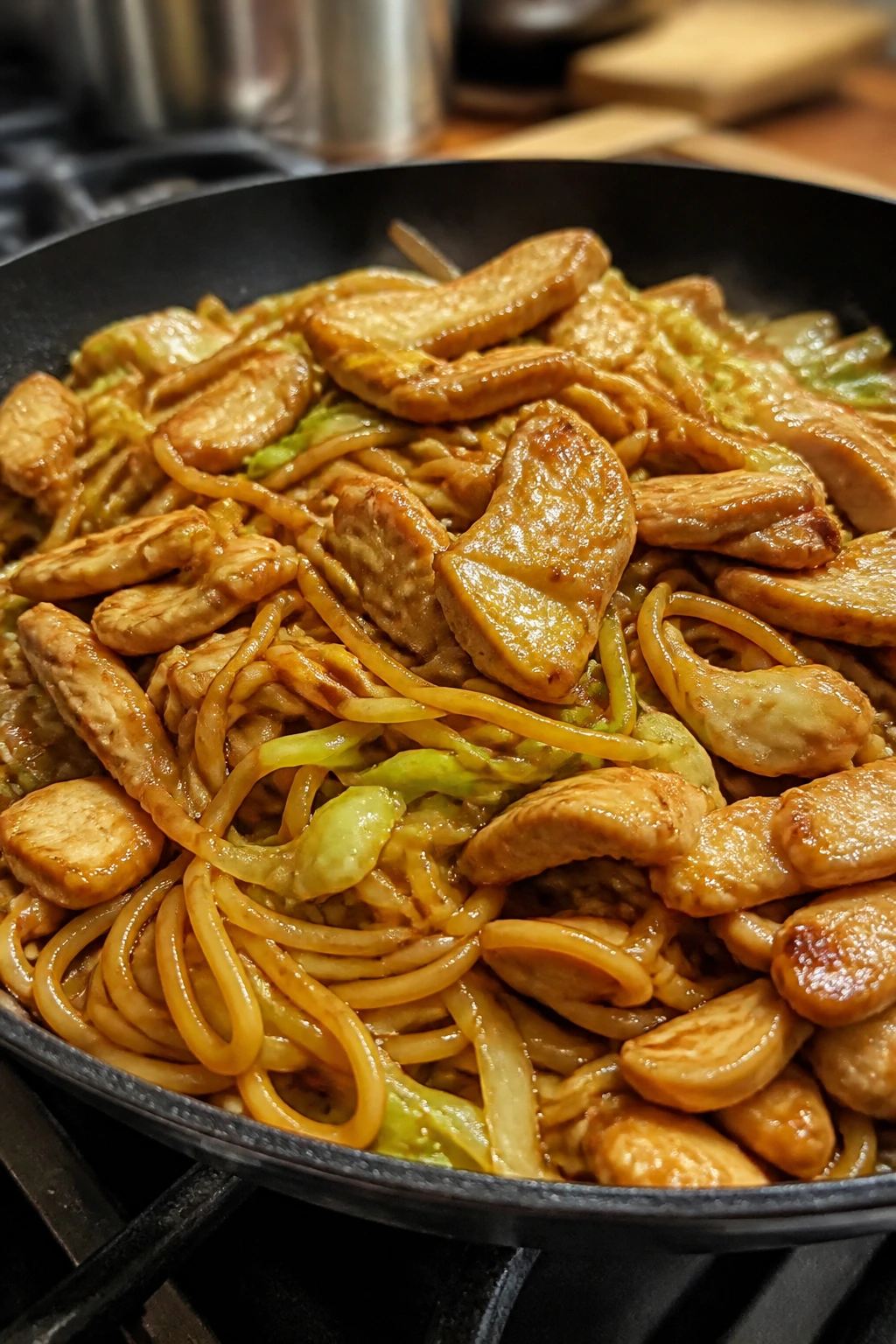
Chow mein is one of those dishes that makes a humble cabbage feel like it has a job to do. The noodles pick up the sauce, the cabbage softens just enough to bend, and the chicken stays tucked into the tangle instead of disappearing. It’s a practical, pantry-minded dinner that still feels like you ordered something on purpose.
Why It Works:
The noodles get boiled first, then finished in the pan so they can absorb sauce without going soggy. Cabbage and carrot bring sweetness and crunch, and a mix of soy, oyster sauce, and broth gives the whole dish a glossy coat. The cornstarch in the sauce keeps everything attached.
Key Ingredients:
- 8 oz chow mein noodles or spaghetti — whichever dry noodle you have.
- 1 lb boneless chicken thighs, sliced thin — easier to cook quickly.
- 3 cups shredded cabbage — green or napa both work.
- 1 carrot, julienned — for color and sweetness.
- 2 garlic cloves, minced — add them after the chicken browns.
- 1 tablespoon grated ginger — wakes up the sauce.
- 3 tablespoons soy sauce — the salty base.
- 1 tablespoon oyster sauce — adds body.
- ½ cup chicken broth — keeps the noodles slick.
- 1 tablespoon cornstarch mixed with 2 tablespoons water — thickens the sauce.
- 1 teaspoon sesame oil — finish only.
- 2 tablespoons neutral oil — for frying.
- 2 scallions, sliced — for the end.
Quick Steps:
- Cook the Noodles: Boil the noodles until barely tender, then drain and toss with a few drops of oil so they don’t stick.
- Brown the Chicken: Heat oil in a large skillet or wok. Cook the chicken for 4 to 5 minutes until no longer pink.
- Add the Vegetables: Stir in cabbage, carrot, garlic, and ginger. Cook for 2 to 3 minutes until the cabbage softens at the edges.
- Sauce the Pan: Add soy sauce, oyster sauce, broth, and cornstarch slurry. Stir until the sauce thickens and clings to the noodles.
- Toss Everything Together: Add the noodles, scallions, and sesame oil. Toss until the noodles are evenly coated and hot.
Equipment for This Recipe:
- Wok or large skillet — the noodles need room.
- Pot for boiling noodles — any medium pot works.
- Tongs or a spatula — for lifting and tossing.
How to Serve This Dish:
Pile it into bowls and finish with extra scallions if you have them. A simple side of steamed edamame or snap peas is enough; the noodles already do most of the work.
Pro Tips for This Recipe:
- Undercook the noodles by 30 seconds if you plan to toss them in the pan longer.
- Shred the cabbage thinly so it softens before the noodles break down.
- Add the sesame oil at the end, not into the boiling water.
Variations on This Dish:
- Mushroom Chow Mein: Add sliced mushrooms with the cabbage for a deeper, earthier pan.
- Spicy Chow Mein: Stir in chili garlic sauce with the soy sauce.
- Gluten-Free Version: Use rice noodles or certified gluten-free noodles and tamari.
Common Mistakes to Avoid with This Dish:
- Overcooking the noodles: They turn limp when they go back into the pan.
- Adding too much broth: Chow mein should look slick, not soupy.
- Skipping the final toss: The sesame oil and scallions need a last-minute mix to spread properly.
8. Egg Drop Chicken Soup
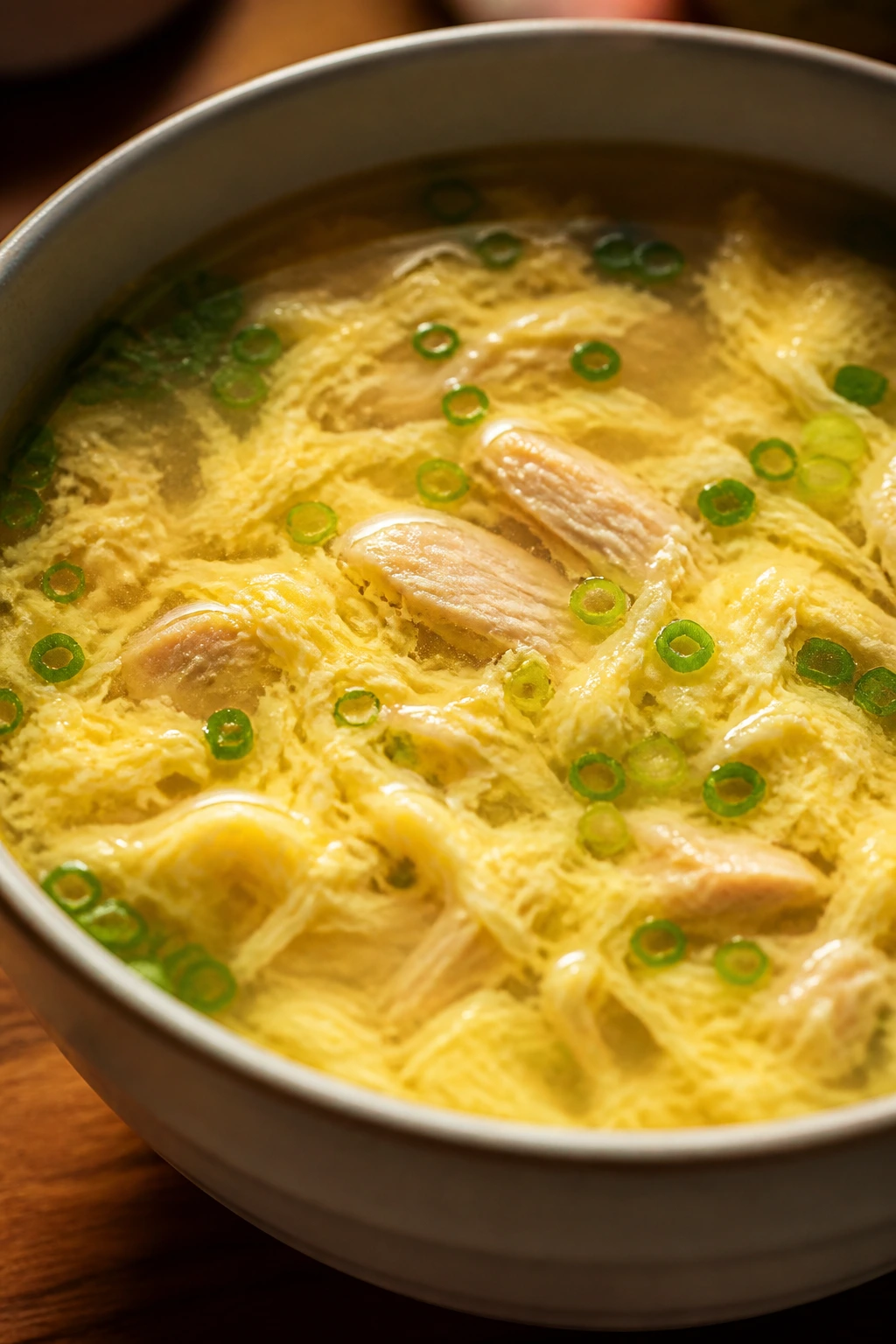
This soup tastes like something between comfort and speed. The broth is gingered and lightly savory, the egg ribbons drift through it in soft threads, and the chicken makes it feel like a meal instead of a starter. It’s especially useful when you want dinner to be warm without being heavy.
Why It Works:
Cornstarch gives the broth a slight body so the egg ribbons suspend instead of sinking. Ginger and garlic build flavor quickly, and the chicken can poach right in the soup, which saves time and dishes. A final hit of sesame oil makes the whole pot smell round and finished.
Key Ingredients:
- 1 lb boneless chicken breast or thighs, cut into bite-size pieces — thin pieces cook directly in the broth.
- 6 cups chicken broth — use a good-tasting broth, since there’s not much to hide behind.
- 2 teaspoons grated ginger — more if you like a sharper broth.
- 2 garlic cloves, minced — optional but helpful.
- 2 tablespoons soy sauce — seasons the soup.
- 1 tablespoon cornstarch mixed with 2 tablespoons water — for slight thickness.
- 2 large eggs, beaten — for the signature ribbons.
- 3 scallions, sliced — for freshness.
- 1 teaspoon sesame oil — add at the end.
- White pepper, to taste — the classic finish if you have it.
Quick Steps:
- Simmer the Base: Bring broth, ginger, garlic, and soy sauce to a gentle simmer in a saucepan.
- Cook the Chicken: Add the chicken and simmer for 5 to 6 minutes until cooked through.
- Thicken Lightly: Stir in the cornstarch slurry and cook 1 minute until the broth looks slightly fuller.
- Add the Eggs: Stir the soup in a slow circle, then drizzle in the beaten eggs. Let them set for 20 seconds before stirring again.
- Finish: Turn off the heat, add sesame oil and scallions, and season with white pepper.
Equipment for This Recipe:
- Medium saucepan or soup pot — wide enough for the egg ribbons.
- Whisk — for the cornstarch slurry.
- Ladle — makes serving easier.
How to Serve This Dish:
Serve it in deep bowls with a few extra scallions scattered on top. A side of steamed rice makes it more filling, but the soup is also fine on its own when you want something light.
Pro Tips for This Recipe:
- Keep the broth at a gentle simmer, not a rolling boil, before adding the eggs.
- Drizzle the eggs slowly if you want ribbons instead of scrambled clouds.
- Taste the broth after the chicken cooks; a pinch more soy can make the whole pot wake up.
Variations on This Dish:
- Mushroom Egg Drop Soup: Add sliced mushrooms with the broth for more body.
- Corn and Chicken Version: Stir in ½ cup frozen corn for sweetness.
- Rice Noodle Bowl: Pour the soup over cooked rice noodles for a heartier bowl.
Common Mistakes to Avoid with This Dish:
- Boiling the eggs hard: That turns ribbons into broken bits.
- Underseasoning the broth: Soup needs salt to feel like soup.
- Adding too much cornstarch: You want light body, not gravy.
9. Five-Spice Roast Chicken Thighs
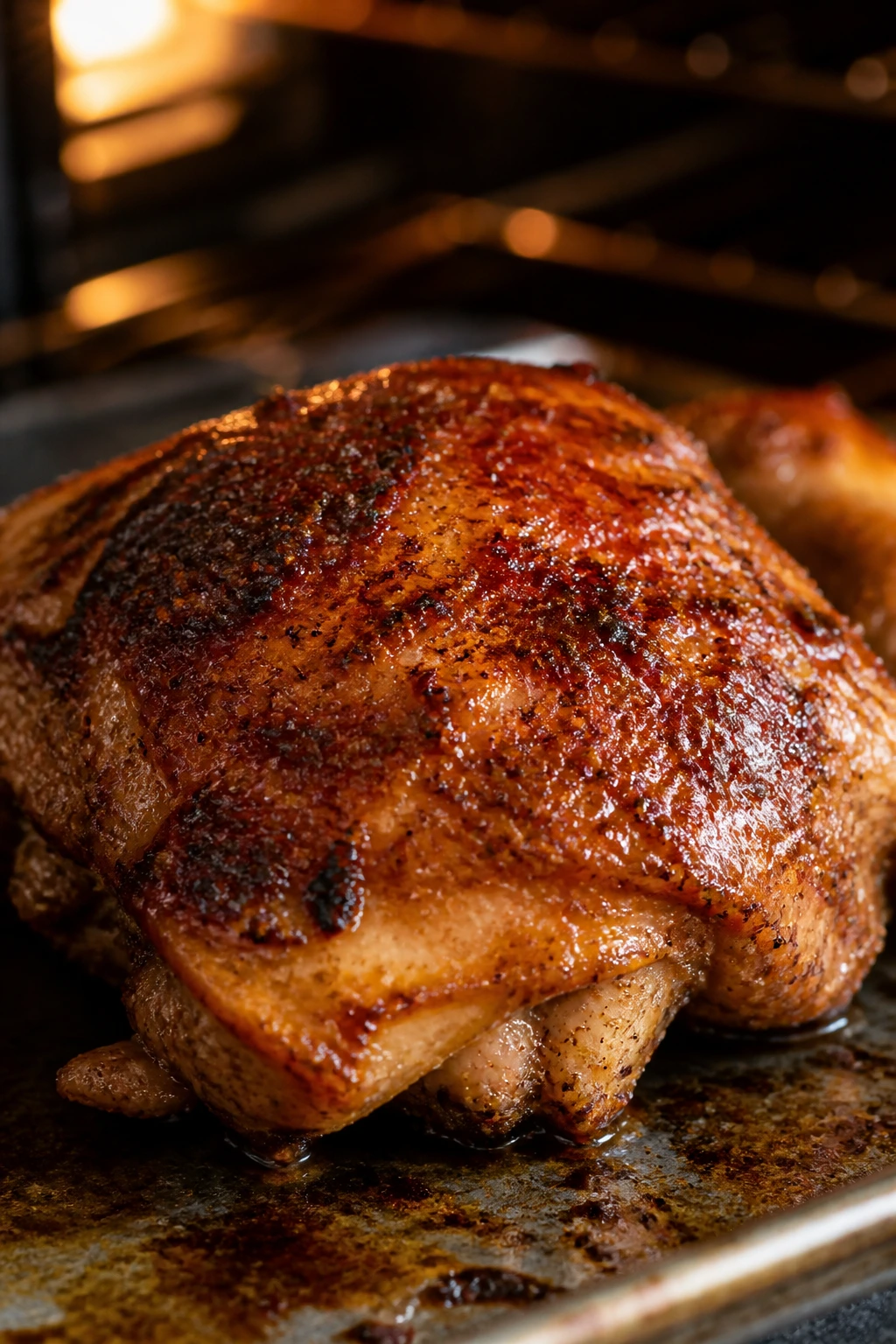
Roasting chicken thighs with five-spice is the lazy-smart move. The spice mix gives you cinnamon, clove, fennel, and star-anise notes in one shake, and the oven does the rest while the skin gets bronzed and a little sticky at the edges. It’s a pantry dish that tastes more deliberate than it is.
Why It Works:
Five-spice powder has enough aromatic weight to carry a roast without a separate marinade full of ingredients. A little soy and honey help the seasoning cling to the skin, while a hot oven gives the thighs time to brown before the sugars burn. The result is savory on the inside and lacquered on top.
Key Ingredients:
- 2 lb bone-in, skin-on chicken thighs — best for roasting.
- 2 tablespoons soy sauce — for the marinade.
- 1 tablespoon five-spice powder — the main flavor.
- 1 tablespoon honey — helps the skin glaze.
- 2 garlic cloves, minced — rounds out the spice.
- 1 tablespoon grated ginger — keeps the flavor bright.
- 1 tablespoon rice vinegar — adds sharpness.
- 1 tablespoon neutral oil — helps the coating spread.
- 1 teaspoon salt — if your soy sauce is low-sodium, use a little more.
- ½ teaspoon black pepper — optional but nice.
Quick Steps:
- Heat the Oven: Preheat to 425°F and line a sheet pan with foil or parchment.
- Mix the Marinade: Stir soy sauce, five-spice, honey, garlic, ginger, vinegar, oil, salt, and pepper in a bowl.
- Coat the Chicken: Rub the mixture all over the thighs and let them sit for 15 minutes while the oven heats fully.
- Roast: Arrange the thighs skin-side up and roast for 35 to 40 minutes, until the skin is browned and the juices run clear near the bone.
- Rest and Serve: Rest 5 minutes before serving so the juices stay in the meat.
Equipment for This Recipe:
- Sheet pan — for even roasting.
- Parchment or foil — makes cleanup easier.
- Small mixing bowl — for the marinade.
How to Serve This Dish:
Serve the thighs over rice or with stir-fried cabbage. A spoon of the pan juices over the rice is half the reason to make this. If you want something brighter, add quick-pickled cucumbers on the side.
Pro Tips for This Recipe:
- Pat the skin dry before marinating if it’s very wet.
- Put the thighs on a rack if you want even more crisp skin.
- Watch the honey near the end; if your oven runs hot, tent lightly with foil.
Variations on This Dish:
- Garlic Five-Spice Wings: Use wings instead of thighs and reduce the cook time.
- Orange Five-Spice Thighs: Add orange zest to the marinade.
- Spice-Heavy Version: Add ½ teaspoon chili flakes for a warmer finish.
Common Mistakes to Avoid with This Dish:
- Roasting at too low a temperature: The skin stays pale and flabby.
- Using too much marinade on the pan: Sugar can burn on the sheet.
- Skipping the rest: Slicing too soon lets the juices run out.
10. Sweet and Sour Chicken Bites
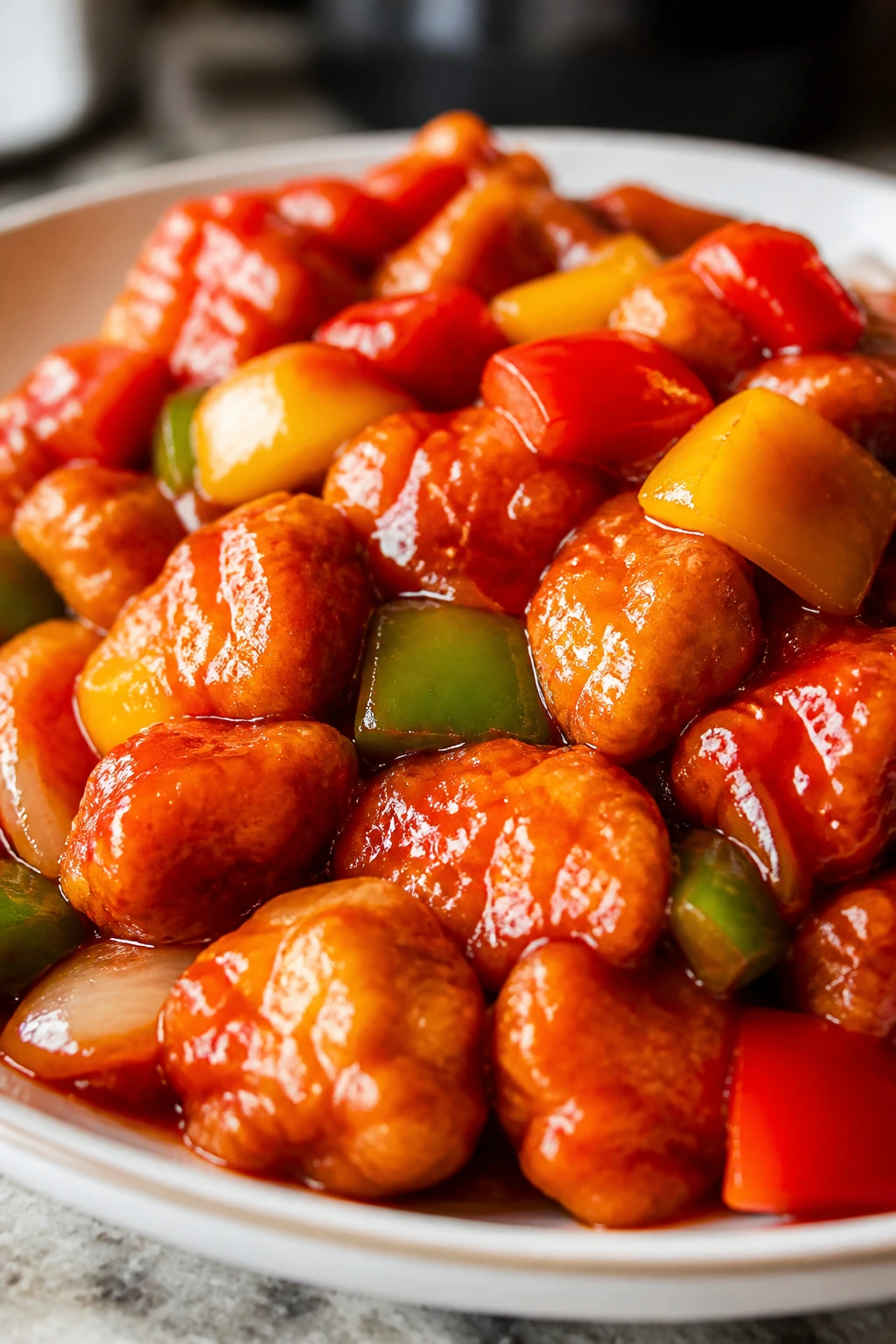
Sweet and sour chicken gets a bad reputation when the sauce is too neon and the chicken is too soft. This version keeps the balance cleaner. You get sharp vinegar, a tomato-sweet edge, and chicken pieces that still have a little texture under the sauce.
Why It Works:
The cornstarch coating helps the chicken brown, and the quick sauce thickens in the pan instead of sitting separately. Ketchup may sound plain, but it gives the sauce body, color, and a little tomato roundness that pairs well with vinegar and sugar. Bell pepper and pineapple bring the sweet-sour contrast into the pan instead of making the dish one-note.
Key Ingredients:
- 1½ lb boneless chicken breast or thighs, cut into bite-size chunks — thighs stay juicier, breasts crisp up a bit more.
- ½ cup cornstarch — for coating.
- ½ teaspoon salt — seasons the chicken.
- ¼ teaspoon black pepper — enough to support the sauce.
- 2 tablespoons neutral oil — for pan-frying.
- ½ cup ketchup — the tomato base.
- ¼ cup rice vinegar — for tang.
- ¼ cup sugar — balances the sharpness.
- 2 tablespoons soy sauce — adds savory depth.
- 1 tablespoon cornstarch mixed with 2 tablespoons water — thickens the sauce.
- 1 green bell pepper, chopped — for crunch.
- 1 onion, chopped — softens into sweetness.
- 1 cup pineapple chunks, drained — optional but classic.
Quick Steps:
- Coat the Chicken: Toss the chicken with cornstarch, salt, and pepper until evenly covered.
- Pan-Fry: Heat oil in a skillet over medium-high heat and cook the chicken 5 to 7 minutes, until crisp and cooked through.
- Make the Sauce: Whisk ketchup, vinegar, sugar, soy sauce, and the cornstarch slurry in a bowl.
- Add the Vegetables: Stir bell pepper, onion, and pineapple into the pan for 2 minutes.
- Glaze and Finish: Pour in the sauce and toss until it thickens and coats the chicken in a glossy layer.
Equipment for This Recipe:
- Large skillet — wide enough for browning.
- Mixing bowl — for coating the chicken.
- Whisk — for the sauce.
How to Serve This Dish:
Serve with rice, and keep the portion of sauce generous so it soaks into the grains. This also works in a lunch box the next day because the sweet-sour sauce holds up better than a lot of fried chicken sauces.
Pro Tips for This Recipe:
- Drain canned pineapple well so the sauce doesn’t thin out.
- Brown the chicken in batches if your skillet is small.
- Taste the sauce before you pour it in; some ketchup brands are sweeter than others.
Variations on This Dish:
- Pineapple-Forward Version: Use the full cup of pineapple and a little less sugar.
- Veggie-Only Sauce: Skip the pineapple and add more onion and bell pepper.
- Air Fryer Chicken Bites: Crisp the coated chicken in an air fryer, then toss with the sauce in a skillet.
Common Mistakes to Avoid with This Dish:
- Making the sauce too sweet: The vinegar should still be easy to taste.
- Skipping the cornstarch slurry: The sauce needs thickening or it stays thin and shiny without clinging.
- Using wet chicken: Excess moisture blows the coating right off.
11. Ginger Scallion Chicken
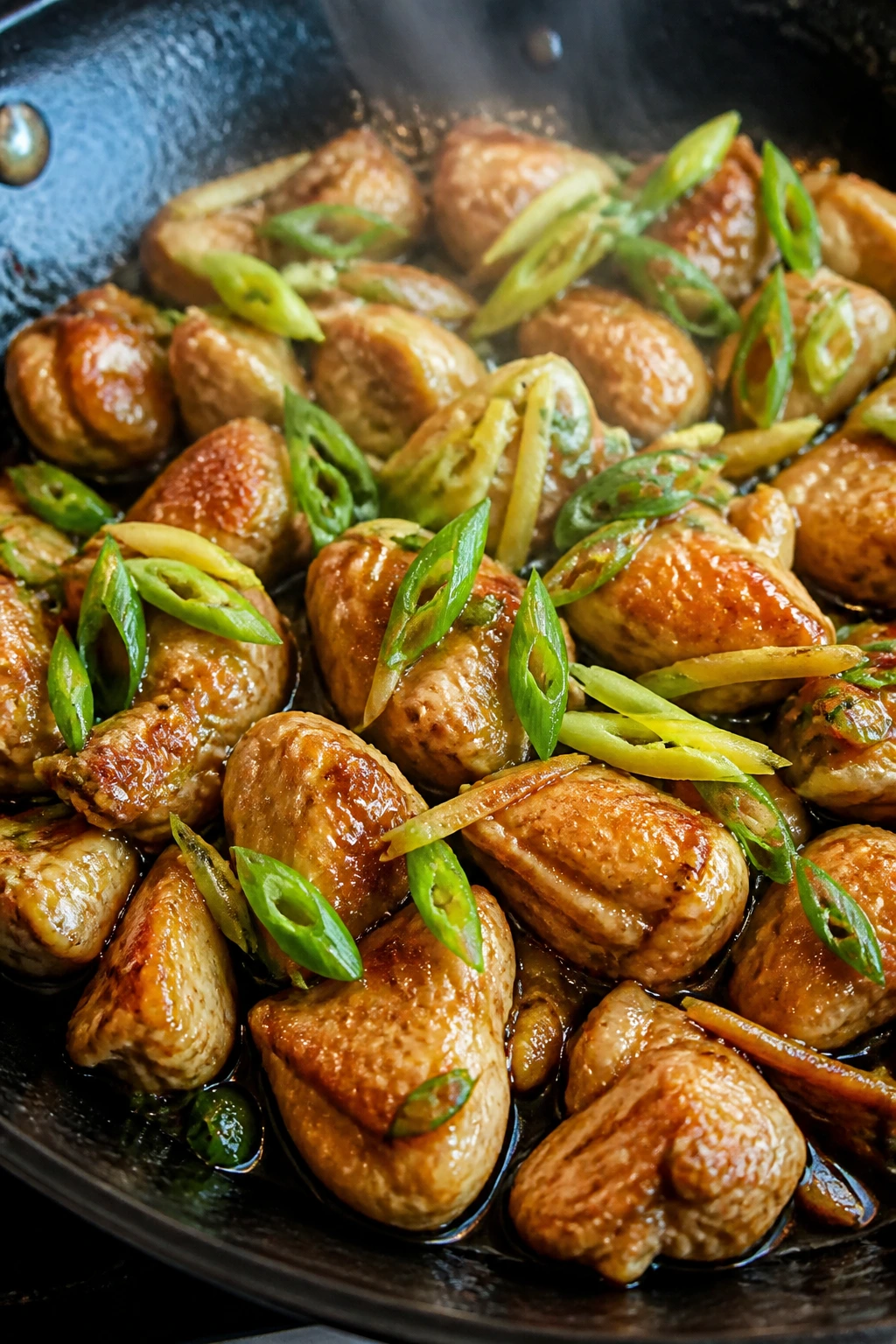
Ginger scallion chicken is simple enough to look almost plain until you taste it. Then the ginger kicks in, the scallions go sweet and sharp, and the chicken tastes cleaner than it has any right to. I like this one because it doesn’t hide behind a heavy sauce; it depends on good seasoning and timing.
Why It Works:
Ginger and scallions are one of those old combinations that only works if you treat them well. Here, the chicken gets seared first, then finished with a hot ginger-scallion mixture so the aromatics stay bright. A splash of broth helps make a light pan sauce that clings without turning heavy.
Key Ingredients:
- 1½ lb boneless chicken thighs, sliced or left in larger pieces — thighs stay juicy in a quick skillet.
- 1 tablespoon soy sauce — for light seasoning.
- 1 tablespoon neutral oil — for the chicken.
- 1 tablespoon sesame oil — use in the sauce, not for frying.
- 2 tablespoons grated ginger — the key flavor.
- 4 scallions, finely sliced — use both white and green parts.
- ½ cup chicken broth — for a light pan sauce.
- 1 teaspoon sugar — rounds out the edges.
- 1 tablespoon rice vinegar — keeps the sauce bright.
- Salt, to taste — go lightly if your soy is salty.
Quick Steps:
- Season the Chicken: Toss chicken with soy sauce and a pinch of salt.
- Sear: Heat neutral oil in a skillet over medium-high heat and cook the chicken for 4 to 5 minutes per side, until browned and cooked through.
- Make the Sauce: Stir ginger, scallions, broth, sugar, vinegar, and sesame oil together in a small bowl.
- Pour and Sizzle: Add the sauce to the hot pan and cook for 1 minute, just until it smells sharp and the liquid lightly reduces.
- Serve: Spoon the ginger-scallion sauce over the chicken and serve right away.
Equipment for This Recipe:
- Skillet with a lid — useful if your chicken pieces are thicker.
- Small bowl — for mixing the sauce.
- Cutting board and sharp knife — scallions need to be very fine.
How to Serve This Dish:
This is excellent over rice, but it also works with plain noodles or a bowl of steamed vegetables. I like it with extra scallions on top because the raw green onion gives the dish a brighter finish.
Pro Tips for This Recipe:
- Grate the ginger fine so it melts into the sauce.
- Use more scallion whites if you want a stronger onion note.
- If the pan looks dry, add 1 or 2 tablespoons more broth before serving.
Variations on This Dish:
- Poached Ginger Chicken: Poach the chicken gently instead of searing for a softer texture.
- Chili Scallion Version: Add a spoon of chili crisp to the sauce.
- Rice-Vinegar Heavy Version: Add an extra teaspoon of vinegar for a sharper bite.
Common Mistakes to Avoid with This Dish:
- Burning the ginger: It turns bitter fast in a dry pan, so add the sauce quickly.
- Using too little salt: The dish can taste thin if you underseason the chicken.
- Letting the sauce reduce too far: You want a light gloss, not a sticky glaze.
12. Cashew Chicken with Bell Peppers
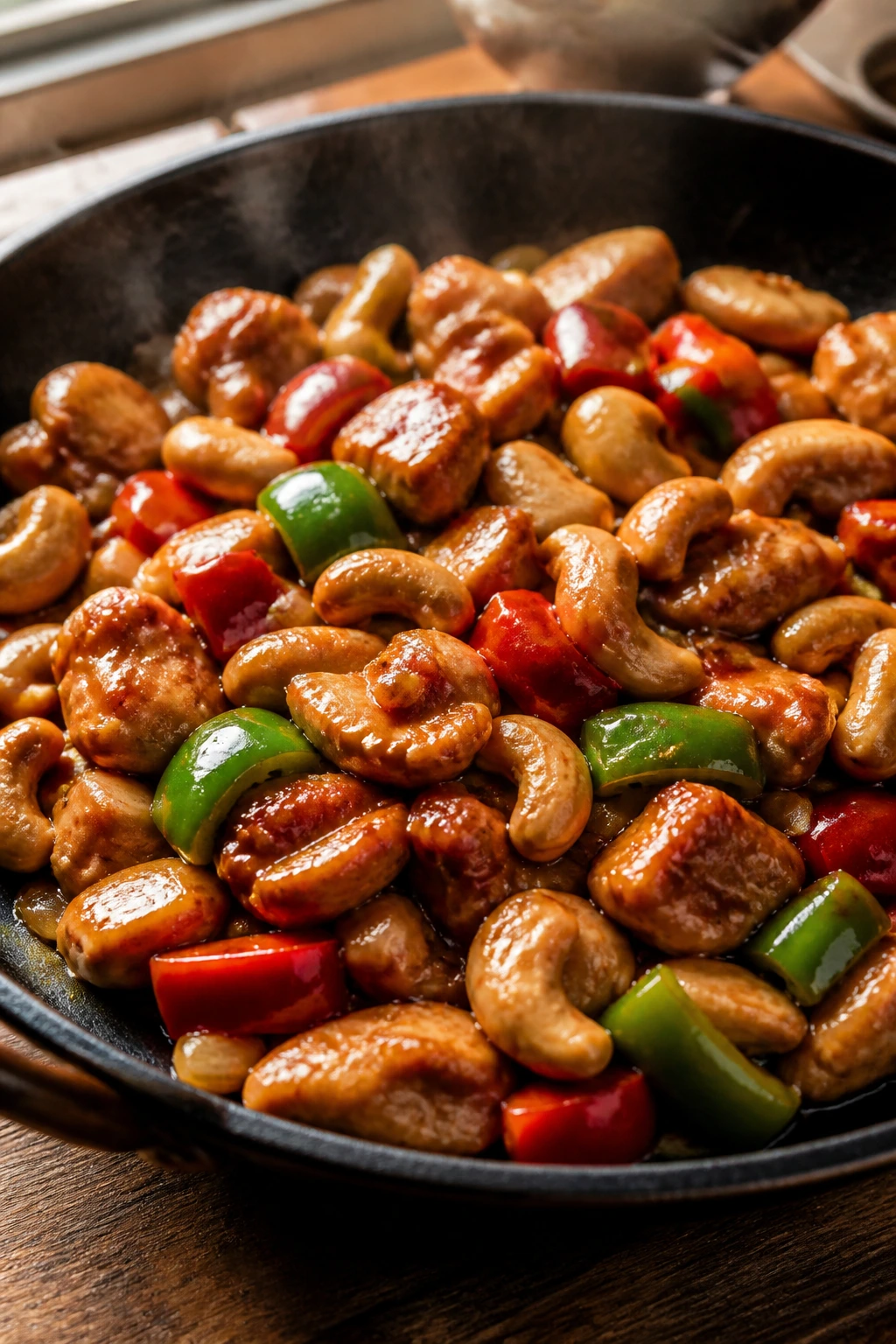
Cashew chicken sits in that useful middle ground between stir-fry and comfort food. The cashews bring buttery crunch, the peppers stay sweet, and the sauce is savory without being heavy. If you have a half-used jar of oyster sauce and a bag of cashews in the pantry, this is where they earn their keep.
Why It Works:
Cashews hold their crunch if you add them late, and bell peppers add enough sweetness that the sauce does not need much sugar. Chicken coated with cornstarch browns quickly, then catches the sauce without going dry. The result is fast, colorful, and easy to serve over rice.
Key Ingredients:
- 1½ lb boneless chicken thighs, diced — the best cut for this style.
- 1 tablespoon soy sauce — for the chicken.
- 1 tablespoon cornstarch — helps the chicken brown.
- 2 tablespoons neutral oil — for the pan.
- 1 red bell pepper, sliced — sweeter than green pepper.
- 1 green bell pepper, sliced — for contrast.
- 1 small onion, sliced — softens into the sauce.
- 3 garlic cloves, minced — don’t skimp.
- 1 tablespoon grated ginger — gives the sauce lift.
- ¼ cup roasted cashews — add at the end.
- 2 tablespoons oyster sauce — for savory depth.
- 1 tablespoon soy sauce — for the sauce.
- ½ cup chicken broth — keeps it loose enough to toss.
- 1 teaspoon sesame oil — finish only.
Quick Steps:
- Prep the Chicken: Toss chicken with soy sauce and cornstarch.
- Brown the Chicken: Heat oil in a skillet over medium-high heat and cook chicken for 4 to 5 minutes until golden.
- Cook the Vegetables: Add onion and bell peppers, cooking for 2 to 3 minutes until just softened.
- Add Sauce: Stir in garlic, ginger, oyster sauce, soy sauce, and broth. Cook until the sauce lightly thickens.
- Finish: Add cashews and sesame oil, toss, and serve hot.
Equipment for This Recipe:
- Wok or skillet — enough room to stir without spilling.
- Spatula — for keeping the cashews whole.
- Small bowl — for the chicken coating.
How to Serve This Dish:
Rice is the easy answer, and it works well. If you want a little extra, add steamed broccoli or snap peas on the side so the plate feels fuller without adding a second sauce.
Pro Tips for This Recipe:
- Toast the cashews in a dry pan for 2 minutes if they taste bland.
- Don’t add the cashews too early or they’ll lose their snap.
- Slice the peppers evenly so they finish at the same time.
Variations on This Dish:
- Chicken and Mushroom Cashew Stir-Fry: Replace one bell pepper with sliced mushrooms.
- Spicy Cashew Version: Add chili flakes with the garlic.
- Gluten-Free Version: Use tamari and a gluten-free oyster sauce.
Common Mistakes to Avoid with This Dish:
- Adding cashews too soon: They soften and stop tasting like themselves.
- Cooking peppers into mush: They should stay a little crisp.
- Underseasoning the sauce: Cashews mute salt a bit, so taste before serving.
13. Mu Shu Chicken Skillet
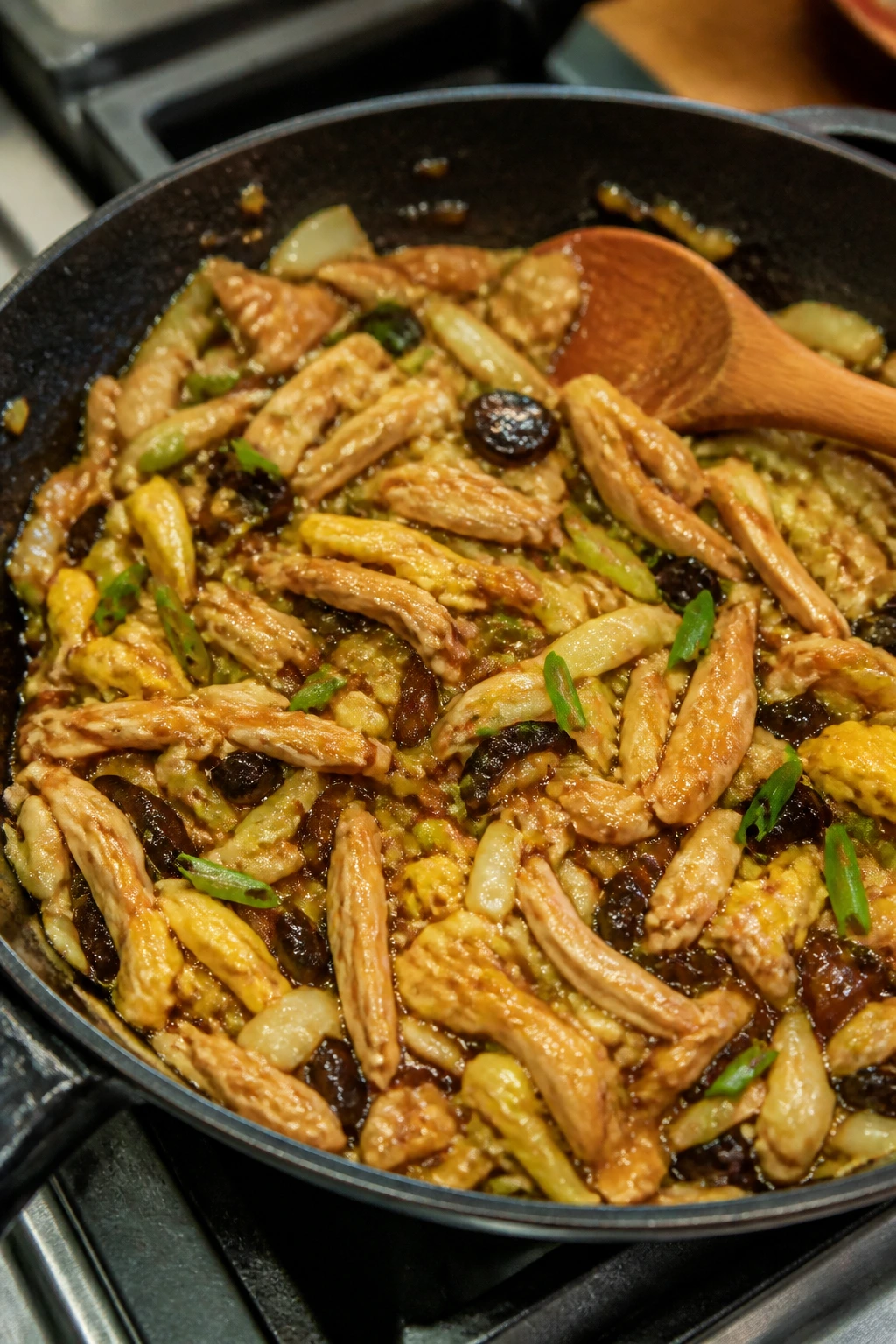
Mu shu chicken is a cabbage dish dressed up like a project, which I mean as a compliment. The filling smells sweet from hoisin and ginger, the eggs turn into soft ribbons, and the cabbage softens without collapsing. Wrap it in tortillas if you can’t find pancakes; nobody at the table will complain.
Why It Works:
Cabbage, eggs, and chicken cook quickly and all like the same hot skillet. Hoisin gives the filling its sweet-savory note, and a little rice vinegar keeps it from feeling sticky. Because the ingredients are shredded or sliced thin, the whole dish feels layered even though it cooks fast.
Key Ingredients:
- 1½ lb boneless chicken thighs, sliced thin — easy to stir-fry.
- 2 tablespoons neutral oil — split for the chicken and eggs.
- 2 large eggs, beaten — part of the classic texture.
- 3 cups shredded cabbage — green or napa.
- 1 carrot, shredded — for sweetness.
- 1 cup sliced mushrooms — optional but useful.
- 2 garlic cloves, minced — for the savory base.
- 1 tablespoon grated ginger — keeps the filling bright.
- 3 tablespoons hoisin sauce — the signature flavor.
- 1 tablespoon soy sauce — for salt.
- 1 tablespoon rice vinegar — for balance.
- 6 flour tortillas or Chinese-style pancakes — for serving.
Quick Steps:
- Scramble the Eggs: Heat 1 teaspoon oil and cook the eggs just until set; move them to a plate.
- Cook the Chicken: Add the remaining oil and stir-fry the chicken for 4 to 5 minutes until browned.
- Add the Vegetables: Stir in cabbage, carrot, mushrooms, garlic, and ginger. Cook 3 minutes until the cabbage softens but still has shape.
- Season: Add hoisin, soy, and vinegar, then return the eggs to the skillet.
- Serve: Spoon the filling into warm tortillas or pancakes and fold.
Equipment for This Recipe:
- Large skillet or wok — essential for the cabbage volume.
- Spatula — for scrambling and folding.
- Dry skillet or microwave — for warming tortillas.
How to Serve This Dish:
Set the filling in the center of the table with warm tortillas and extra hoisin. A little sliced cucumber on the side makes the rich filling feel lighter.
Pro Tips for This Recipe:
- Shred the cabbage thinly so it softens in minutes.
- Don’t overcook the eggs; they finish in the skillet.
- Warm the tortillas before filling or they crack at the fold.
Variations on This Dish:
- Lettuce-Wrapped Mu Shu: Use butter lettuce cups instead of tortillas.
- Vegetable-Heavy Mu Shu: Add more mushrooms and carrots, and cut the chicken back by a third.
- Spicy Hoisin Version: Stir in chili crisp or chili sauce.
Common Mistakes to Avoid with This Dish:
- Using too much hoisin: It can drown the cabbage if you pour with a heavy hand.
- Skipping the vinegar: The filling turns sticky and dull.
- Packing the pan too full: Cabbage needs contact with heat or it steams.
14. Sichuan Chili Chicken with Green Beans
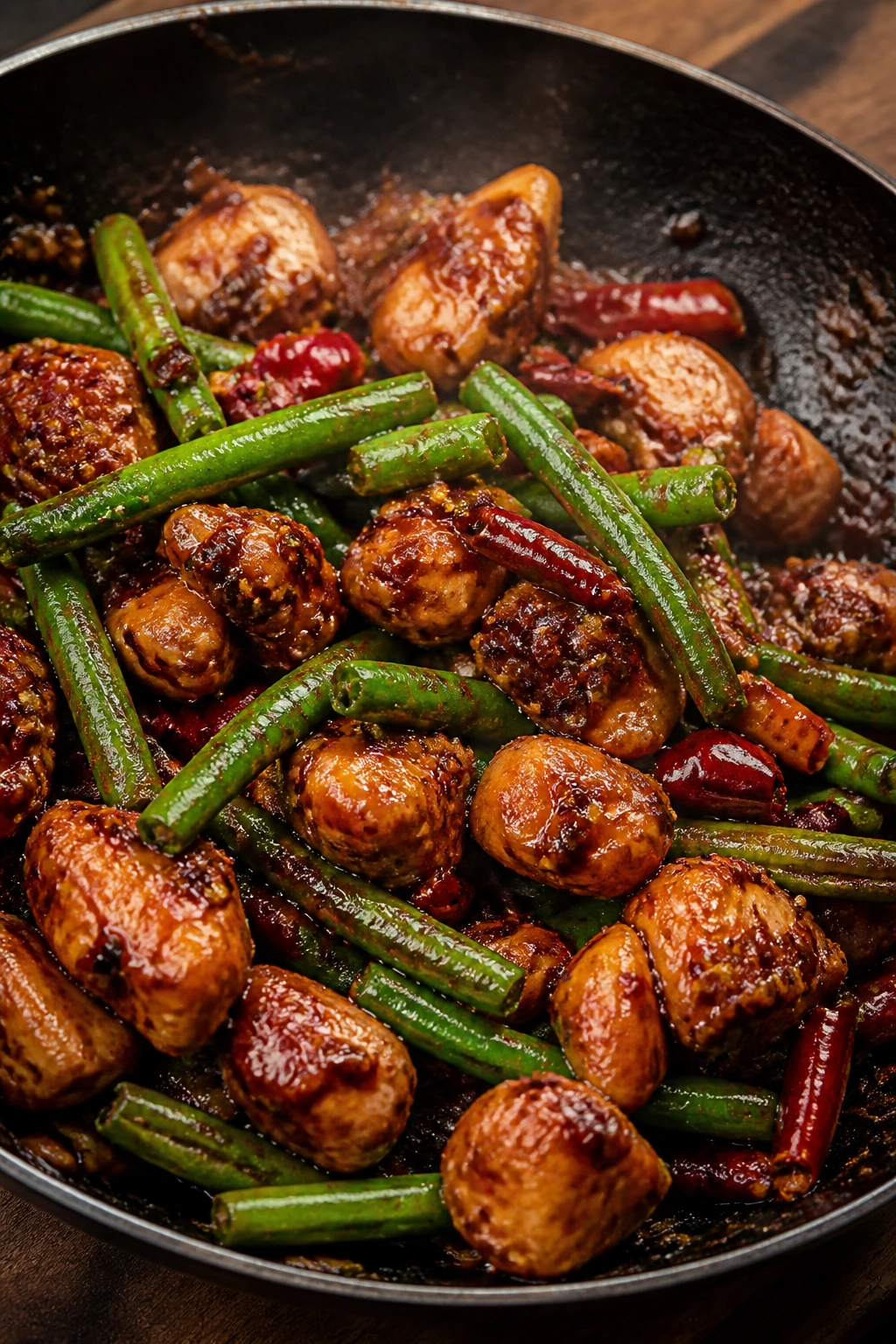
This is the fiery one in the bunch. The green beans blister, the dried chiles darken in the oil, and the chicken gets coated in a sauce that tastes sharp, savory, and a little reckless in the best way. If you keep chili garlic sauce or doubanjiang around, this dish comes together with almost insulting ease.
Why It Works:
Green beans love a hard sear, and the chicken stays juicy when it’s cut small and cooked quickly. Chili garlic sauce or a spoon of doubanjiang brings depth without requiring an ingredient hunt. Vinegar and sugar balance the heat so the flavor reads as spicy, not just loud.
Key Ingredients:
- 1½ lb boneless chicken thighs, cut into chunks — forgiving and flavorful.
- 2 tablespoons soy sauce — for the marinade.
- 1 tablespoon cornstarch — helps the chicken brown.
- 2 tablespoons neutral oil — for the skillet.
- 2 cups green beans, trimmed — fresh or frozen, thawed and patted dry.
- 4 garlic cloves, minced — key with Sichuan-style heat.
- 1 tablespoon grated ginger — keeps the sauce bright.
- 1 to 2 tablespoons chili garlic sauce or doubanjiang — choose your heat level.
- 1 tablespoon rice vinegar — sharpens the sauce.
- 1 teaspoon sugar — rounds out the spice.
- 2 scallions, sliced — for the finish.
- 1 teaspoon sesame oil — at the end only.
Quick Steps:
- Marinate the Chicken: Toss chicken with soy sauce and cornstarch for 10 minutes.
- Blister the Beans: Heat oil in a wok over medium-high heat and cook green beans for 4 to 5 minutes until blistered in spots.
- Cook the Chicken: Add the chicken and stir-fry 4 minutes until browned.
- Season the Pan: Add garlic, ginger, chili sauce, vinegar, and sugar, then toss until the sauce coats everything.
- Finish: Add scallions and sesame oil, then serve immediately.
Equipment for This Recipe:
- Wok or large skillet — the heat needs to stay high.
- Spatula — for constant movement.
- Small bowl — for the marinade.
How to Serve This Dish:
Serve with plain rice and, if you’re smart, a cold drink nearby. The beans and sauce are intense enough that a simple side of cucumber salad helps a lot.
Pro Tips for This Recipe:
- Pat frozen green beans dry or they’ll sputter and steam.
- Start with 1 tablespoon chili sauce if you’re not sure about the heat.
- Keep the garlic from browning too long; it should smell sweet, not burnt.
Variations on This Dish:
- Peanut Chili Chicken: Add 2 tablespoons peanuts at the end.
- Bell Pepper Version: Replace some beans with sliced red pepper.
- Milder Family Style: Use 1 teaspoon chili sauce and a little more sugar.
Common Mistakes to Avoid with This Dish:
- Using wet beans: They soften instead of blistering.
- Letting the chile sauce scorch: Add it after the chicken is nearly done.
- Serving it late: The beans lose their snap if they sit in the sauce too long.
15. Lemon Chicken with Honey and Soy
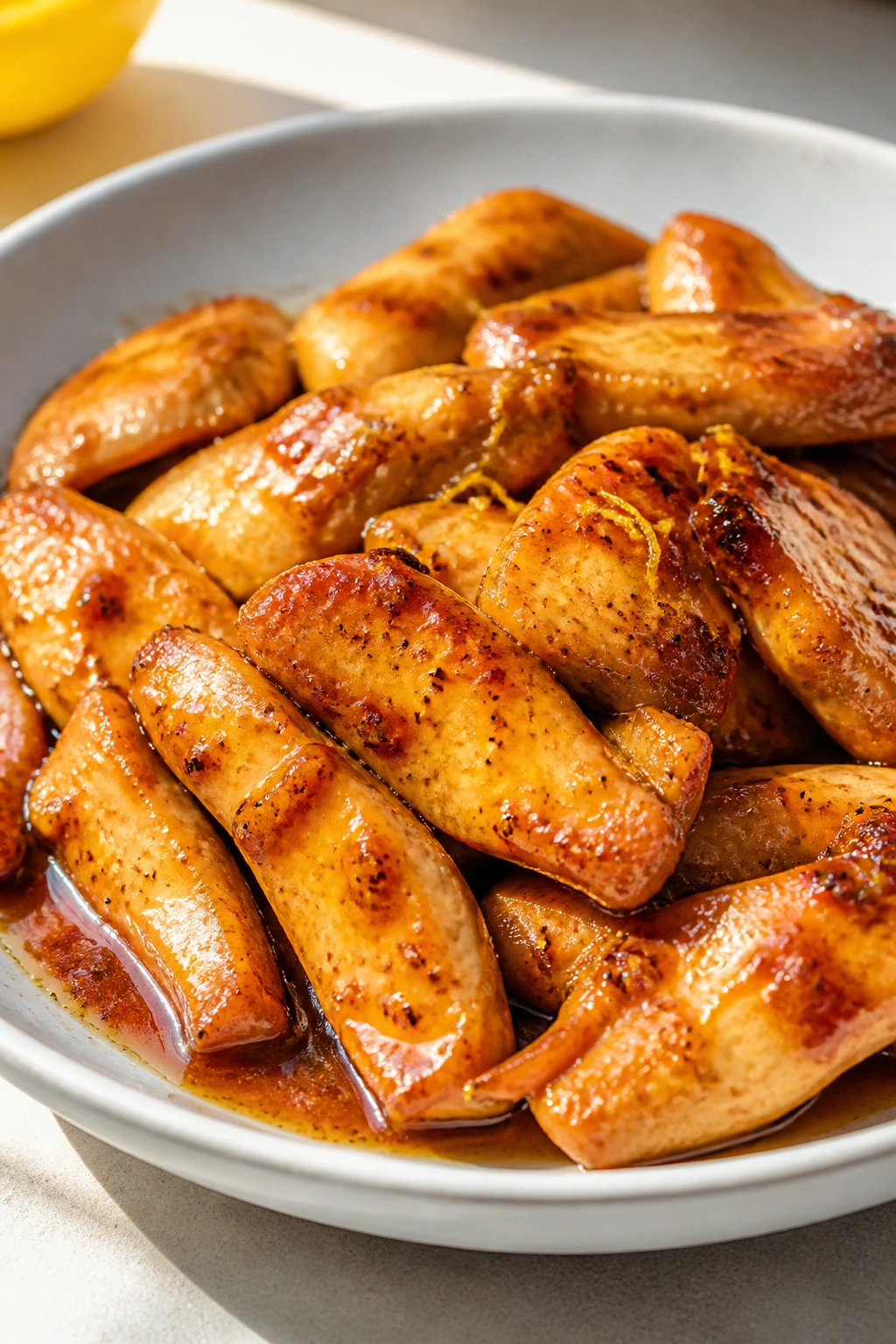
Lemon chicken should taste bright enough to wake the whole pan up. The honey softens the citrus, the soy keeps the flavor grounded, and the chicken picks up a glaze that feels clean instead of sticky-sweet. It’s a useful recipe when you want something with a little lift but no heavy sauce.
Why It Works:
Lemon zest carries the aroma, while juice brings the acid that makes the chicken taste fresh. Honey gives the sauce body, and cornstarch thickens it just enough to stick. This is one of those dishes that gets better if you taste and adjust at the end, because lemons vary wildly.
Key Ingredients:
- 1½ lb boneless chicken thighs or breasts, cut into strips — strips cook fast and evenly.
- 1 tablespoon soy sauce — seasons the chicken.
- 1 tablespoon cornstarch — helps with browning.
- 2 tablespoons neutral oil — for the skillet.
- ¼ cup fresh lemon juice — the main acid.
- 1 tablespoon lemon zest — stronger citrus aroma.
- 3 tablespoons honey — for the glaze.
- 2 tablespoons soy sauce — for the sauce.
- 2 garlic cloves, minced — adds depth.
- 1 teaspoon grated ginger — optional but nice.
- ½ cup chicken broth — keeps the sauce from turning too sharp.
- 1 tablespoon cornstarch mixed with 2 tablespoons water — to thicken.
Quick Steps:
- Coat the Chicken: Toss chicken with soy sauce and cornstarch.
- Brown It: Heat oil in a skillet over medium-high heat and cook chicken 4 to 5 minutes per side.
- Mix the Sauce: Whisk lemon juice, zest, honey, soy sauce, garlic, ginger, broth, and slurry in a bowl.
- Glaze: Pour sauce into the pan and simmer 2 minutes until glossy.
- Serve: Toss to coat and serve as soon as the sauce turns shiny.
Equipment for This Recipe:
- Large skillet — for the chicken and glaze.
- Microplane or grater — for the lemon zest.
- Small whisk — for the sauce.
How to Serve This Dish:
This is excellent over rice, but it also works with plain noodles or roasted potatoes if that’s what’s in the kitchen. A side of steamed broccoli or green beans makes the lemon taste brighter.
Pro Tips for This Recipe:
- Taste the lemon before you pour; some are sharper than others.
- Add the zest before the juice if you want a louder citrus smell.
- If the sauce turns too tart, add another teaspoon of honey.
Variations on This Dish:
- Garlic-Lemon Chicken: Double the garlic and skip the ginger.
- Spicy Lemon Chicken: Add a pinch of red pepper flakes.
- Gluten-Free Version: Use tamari in place of soy sauce.
Common Mistakes to Avoid with This Dish:
- Too much lemon juice: The sauce becomes sharp and thin.
- Skipping the zest: The flavor fades fast without it.
- Overcooking breast meat: Thin strips are quick; they dry out fast.
16. Chicken Lo Mein with Cabbage and Carrots
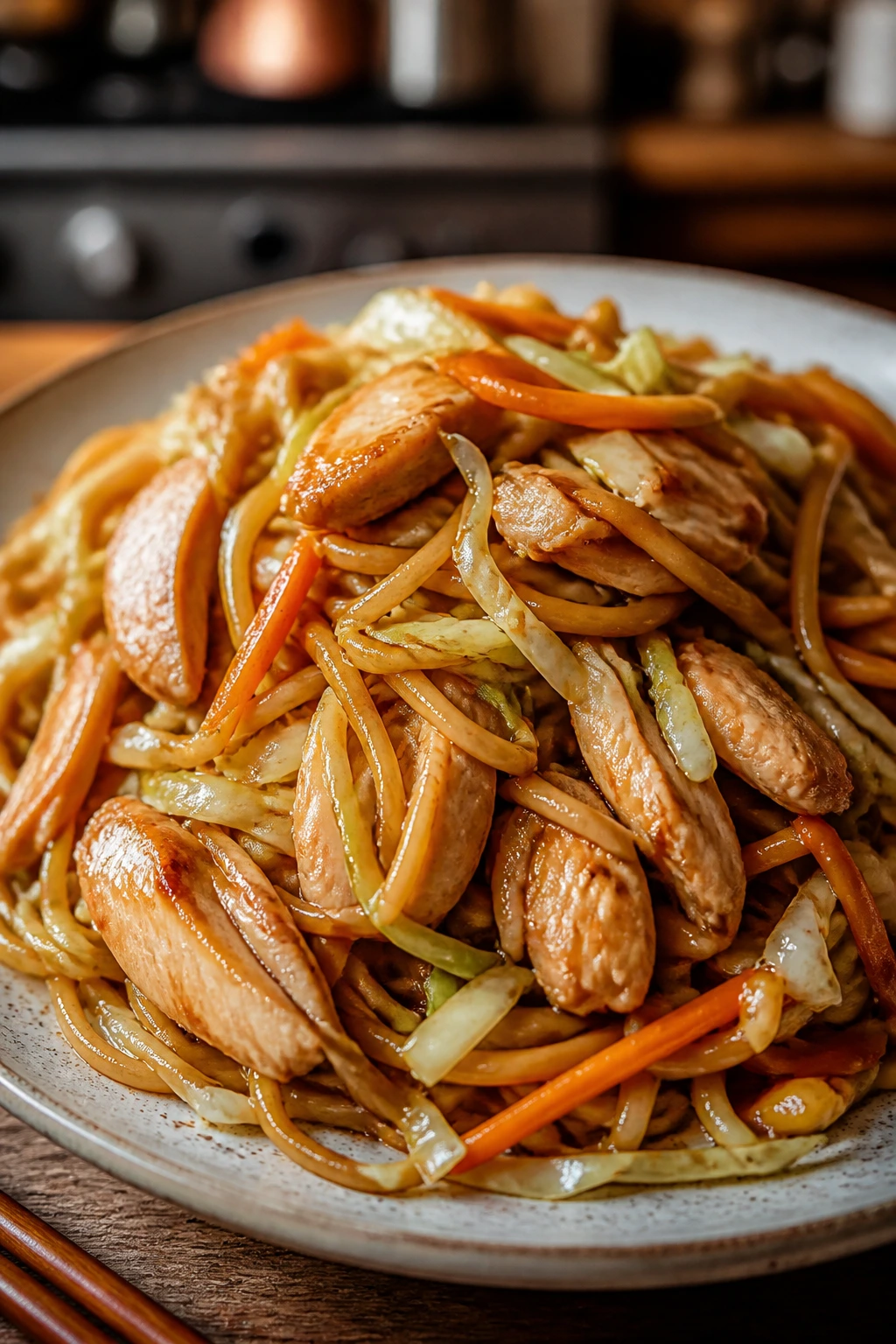
Lo mein is where pantry noodles earn their rent. The sauce is savory and slick, the cabbage softens into the noodles, and the chicken gives the dish enough structure to feel like a meal rather than a side. It’s the kind of dinner that handles leftovers well because the noodles soak up flavor instead of fighting it.
Why It Works:
The noodles are cooked separately, then tossed back into the pan so they can drink up the sauce. Cabbage and carrot bring sweetness and a little chew, and oyster sauce plus soy gives the familiar restaurant-style depth. A bit of broth keeps the noodles from going dry in the pan.
Key Ingredients:
- 10 oz lo mein noodles or spaghetti — dried noodles are fine here.
- 1½ lb chicken thighs, thinly sliced — quick-cooking and juicy.
- 2 cups shredded cabbage — softens fast.
- 1 carrot, julienned — for sweetness.
- 3 garlic cloves, minced — essential.
- 1 tablespoon grated ginger — keeps the pan lively.
- 3 tablespoons soy sauce — seasons the noodles.
- 2 tablespoons oyster sauce — adds richness.
- ½ cup chicken broth — helps the sauce cling.
- 1 teaspoon sesame oil — finish only.
- 2 tablespoons neutral oil — for cooking.
- 2 scallions, sliced — for the top.
Quick Steps:
- Boil the Noodles: Cook until just tender, then drain and toss with a little oil.
- Cook the Chicken: Heat oil in a skillet or wok and stir-fry the chicken for 4 to 5 minutes.
- Add the Vegetables: Stir in cabbage, carrot, garlic, and ginger; cook 2 to 3 minutes.
- Season the Pan: Add soy sauce, oyster sauce, and broth, then toss in the noodles.
- Finish: Drizzle sesame oil over the top and toss with scallions.
Equipment for This Recipe:
- Large wok or skillet — for tossing noodles.
- Pot — for boiling pasta.
- Tongs — helpful for lifting and folding.
How to Serve This Dish:
Serve it in a big bowl with chopsticks if you like the ritual, or a fork if you don’t. It stands alone well, though a side of quick cucumber salad adds a cold, clean contrast.
Pro Tips for This Recipe:
- Cook the noodles a touch shy of done so they finish in the pan.
- Slice the chicken thin so it doesn’t overpower the noodles.
- Keep the heat high enough to keep the noodles from getting wet and clingy.
Variations on This Dish:
- Spicy Lo Mein: Add chili oil at the end.
- Mushroom Lo Mein: Add sliced mushrooms with the cabbage.
- Gluten-Free Version: Use rice noodles and tamari.
Common Mistakes to Avoid with This Dish:
- Using too much broth: The noodles should be coated, not swimming.
- Adding sesame oil early: It loses fragrance.
- Tossing too hard: Long noodles can break if you beat them around like laundry.
17. Red-Braised Chicken Drumsticks
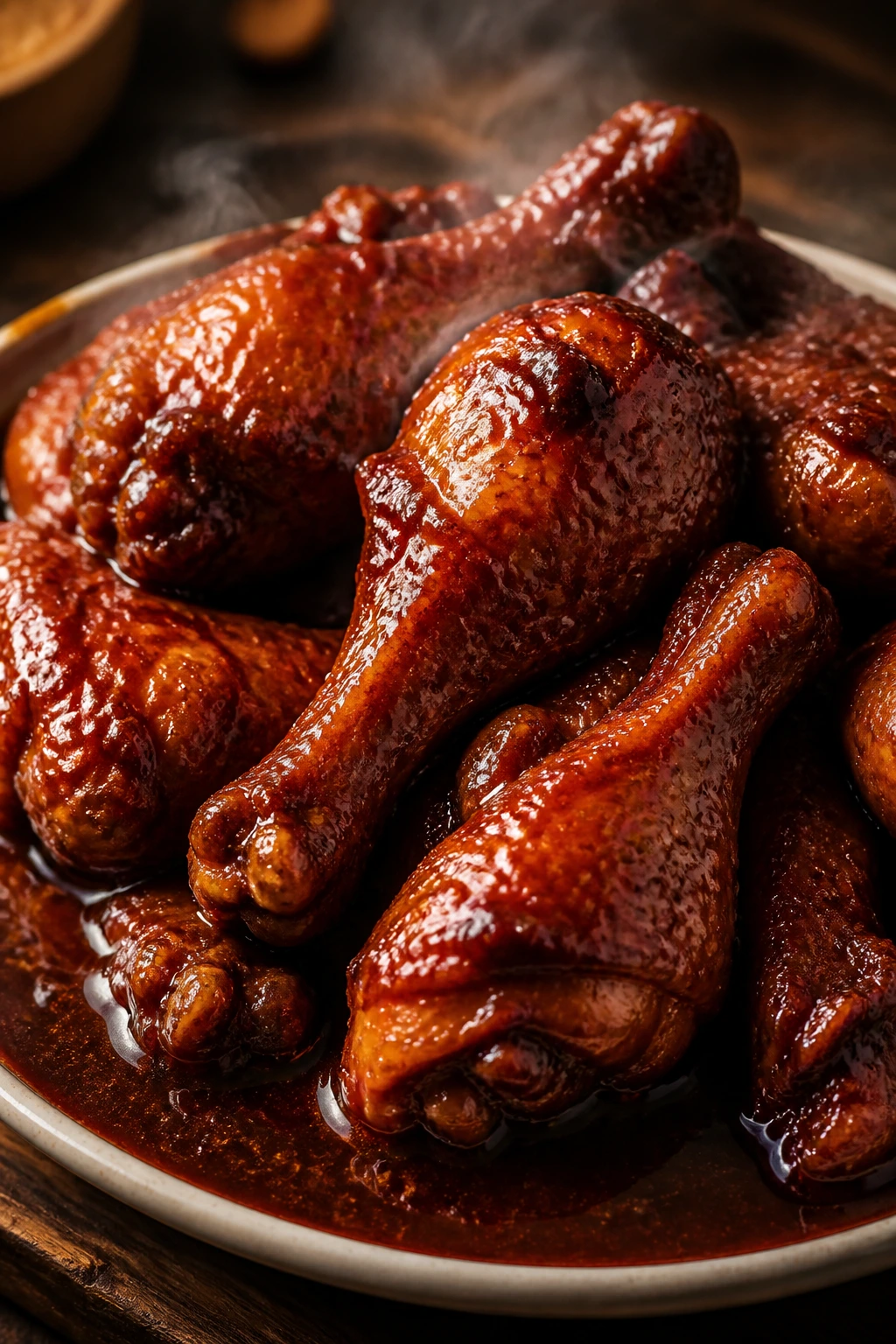
Red-braised chicken is deep, glossy, and a little old-fashioned in the best way. The soy, sugar, and aromatics make a sauce that darkens as it simmers, and the drumsticks take on that savory, almost caramelized finish that makes you want rice immediately. It’s not fast in the stir-fry sense, but it’s still easy.
Why It Works:
Braising lets cheap, sturdy cuts of chicken turn tender without any fuss. Soy sauce and a little dark soy or molasses give the sauce its color, while star anise and ginger make the flavor smell round and warm. The sauce reduces on its own, so you end with something spoonable, not watery.
Key Ingredients:
- 8 chicken drumsticks, skin-on — sturdy and perfect for braising.
- 1 tablespoon neutral oil — for browning.
- 3 tablespoons soy sauce — the main seasoning.
- 1 tablespoon dark soy sauce or molasses — for color.
- 1 tablespoon sugar — helps the sauce gloss.
- 4 garlic cloves, smashed — they soften as the chicken braises.
- 2-inch piece ginger, sliced — for aroma.
- 2 star anise — optional but worth it if you have them.
- 2 cups chicken broth or water — for the braise.
- 2 scallions, cut into 2-inch pieces — for the pot.
- 1 tablespoon rice vinegar — for a final lift.
Quick Steps:
- Brown the Drumsticks: Heat oil in a Dutch oven and brown the chicken on all sides, about 6 minutes total.
- Add Aromatics: Stir in garlic, ginger, star anise, and scallions for 30 seconds.
- Braise: Add soy sauce, dark soy or molasses, sugar, and broth. Bring to a simmer, cover, and cook 25 to 30 minutes.
- Reduce the Sauce: Uncover and simmer 8 to 10 minutes until the liquid turns glossy and coats the drumsticks.
- Finish: Stir in rice vinegar and serve.
Equipment for This Recipe:
- Dutch oven or deep skillet with lid — best for braising.
- Tongs — for turning the drumsticks.
- Wooden spoon — for the reduction.
How to Serve This Dish:
Serve with a mound of rice that can catch the sauce. A side of steamed bok choy or cabbage is ideal because the greens like the braising liquid.
Pro Tips for This Recipe:
- Brown the drumsticks well; that color becomes part of the sauce.
- If the sauce tastes too salty, add a splash more water and simmer.
- Rest the chicken 5 minutes before serving so the sauce settles.
Variations on This Dish:
- Braised Egg Version: Add peeled hard-boiled eggs for the last 15 minutes.
- Potato Braise: Add chunks of potato during the simmer.
- Five-Spice Braise: Add ½ teaspoon five-spice powder with the soy sauce.
Common Mistakes to Avoid with This Dish:
- Rushing the reduction: Thin sauce is the difference between braised and boiled.
- Skipping the browning: You lose a lot of flavor if you do.
- Cooking at a hard boil: Braises turn stringy and rough when they boil aggressively.
18. Hot and Sour Chicken Soup
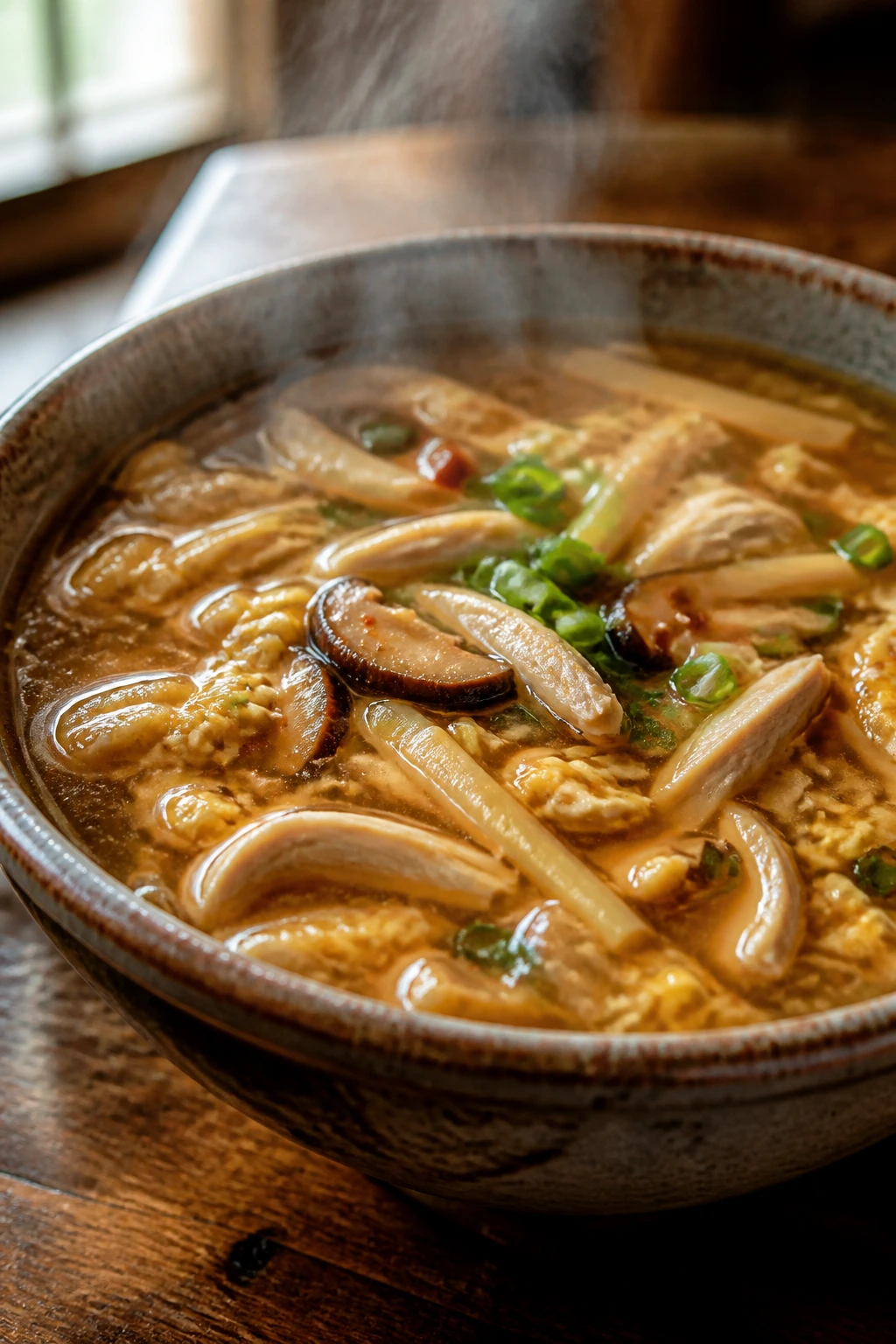
Hot and sour soup should wake up your mouth in stages. First comes the vinegar, then the pepper, then the soft broth around the chicken and mushrooms. It’s a soup with edges, which is why it feels satisfying instead of bland.
Why It Works:
The broth gets body from cornstarch, brightness from rice vinegar, and heat from white pepper or chili oil. Mushrooms and bamboo shoots bring texture, and egg ribbons give the soup a softer middle. Chicken turns it from a starter into a full meal.
Key Ingredients:
- 1 lb chicken breast or thighs, thinly sliced — thin slices cook directly in the broth.
- 6 cups chicken broth — the foundation.
- 1 cup sliced mushrooms — fresh or dried, rehydrated.
- ½ cup canned bamboo shoots, drained — optional but classic.
- 2 tablespoons soy sauce — for salt.
- 3 tablespoons rice vinegar — the sour note.
- 1 to 2 teaspoons white pepper — the heat.
- 2 tablespoons cornstarch mixed with 3 tablespoons water — for body.
- 2 large eggs, beaten — for ribbons.
- 3 scallions, sliced — for freshness.
- 1 teaspoon sesame oil — finish only.
- Chili oil, to taste — optional if you want more heat.
Quick Steps:
- Simmer the Base: Bring broth, mushrooms, bamboo shoots, and soy sauce to a simmer.
- Cook the Chicken: Add the chicken and simmer 4 to 5 minutes until just cooked.
- Season the Soup: Stir in vinegar, white pepper, and cornstarch slurry.
- Add Eggs: Stir the soup in a slow circle and drizzle in the eggs.
- Finish: Add sesame oil and scallions, then taste and adjust the vinegar or pepper.
Equipment for This Recipe:
- Soup pot — wide enough for egg ribbons.
- Whisk — for the slurry.
- Ladle — for serving.
How to Serve This Dish:
Serve it steaming hot in deep bowls. If you want a full dinner, add a bowl of rice or a plate of steamed dumplings on the side.
Pro Tips for This Recipe:
- Add vinegar at the end so it stays sharp.
- White pepper tastes different from black pepper — more direct, less earthy.
- Rehydrate dried mushrooms in hot water if you want a deeper broth.
Variations on This Dish:
- Mushroom-Heavy Version: Double the mushrooms and skip the bamboo shoots.
- Tamer Heat: Use ½ teaspoon white pepper and no chili oil.
- Rice Noodle Soup: Add cooked rice noodles just before serving.
Common Mistakes to Avoid with This Dish:
- Adding vinegar too early: The sour note fades in a long simmer.
- Over-thickening the broth: It should feel light, not paste-like.
- Scrambling the eggs too hard: Slow drizzle, gentle stir, better ribbons.
19. Salt and Pepper Chicken
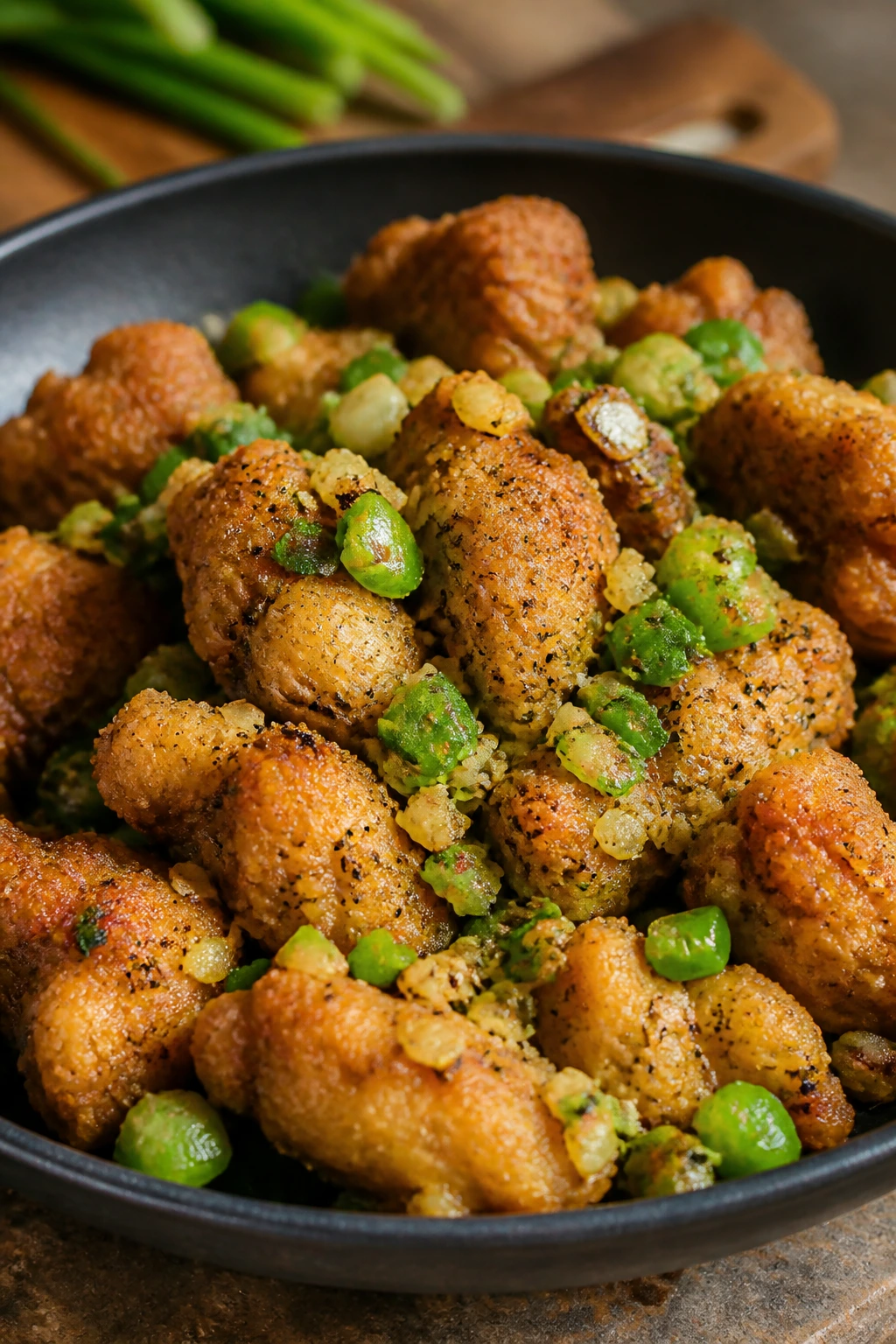
Salt and pepper chicken is the snacky recipe in the bunch. It’s crisp, salty, and very easy to keep reaching for. The garlic and scallions give it enough freshness to keep the fried coating from feeling heavy, and the white pepper adds a clean heat that hangs around the edges.
Why It Works:
Cornstarch or a cornstarch-flour mix gives the chicken a crisp outer layer without making it greasy. White pepper and salt season the pieces after frying, which keeps the coating bright. A quick toss with garlic and scallions gives the dish enough fragrance to feel complete.
Key Ingredients:
- 1½ lb boneless chicken thighs, cut into chunks — thigh meat stays juicy when fried.
- ½ cup cornstarch — for the coating.
- 1 teaspoon salt — for the chicken.
- 1 teaspoon white pepper — the classic seasoning.
- 2 tablespoons neutral oil — for shallow frying.
- 4 garlic cloves, minced — added near the end.
- 3 scallions, sliced — for the final toss.
- ½ teaspoon chili flakes — optional.
- 1 teaspoon five-spice powder — optional, but nice in tiny amounts.
Quick Steps:
- Season and Coat: Toss the chicken with salt, white pepper, and cornstarch until well covered.
- Fry: Heat oil in a skillet over medium-high heat and cook the chicken 4 to 5 minutes per side until crisp and cooked through.
- Add Aromatics: Lower the heat slightly, add garlic and chili flakes, and stir for 20 seconds.
- Finish: Toss in scallions and a pinch more salt if needed.
- Serve: Move fast while the coating is still crisp.
Equipment for This Recipe:
- Heavy skillet — keeps the frying temperature steadier.
- Slotted spoon — for lifting the chicken.
- Paper towels or a rack — for draining.
How to Serve This Dish:
This is best as a main with rice, but it also works as a small plate with drinks if you slice the chicken smaller. Add a little sliced cucumber or pickled veg to cut the salt.
Pro Tips for This Recipe:
- Dry the chicken well before coating it or the cornstarch turns patchy.
- Do not overcrowd the pan or the coating softens.
- Season while the chicken is still hot so the salt clings.
Variations on This Dish:
- Five-Spice Salt and Pepper Chicken: Add a tiny pinch of five-spice to the coating.
- Air Fryer Version: Spray lightly with oil and air-fry until crisp, shaking once.
- Extra-Garlic Version: Double the garlic and keep the heat low so it doesn’t burn.
Common Mistakes to Avoid with This Dish:
- Coating too thickly: You want a light crust, not a flour shell.
- Frying on low heat: The chicken drinks oil and gets heavy.
- Waiting too long to serve: Crisp coating fades as steam builds up.
20. Chicken and Mushroom Oyster Sauce Stir-Fry
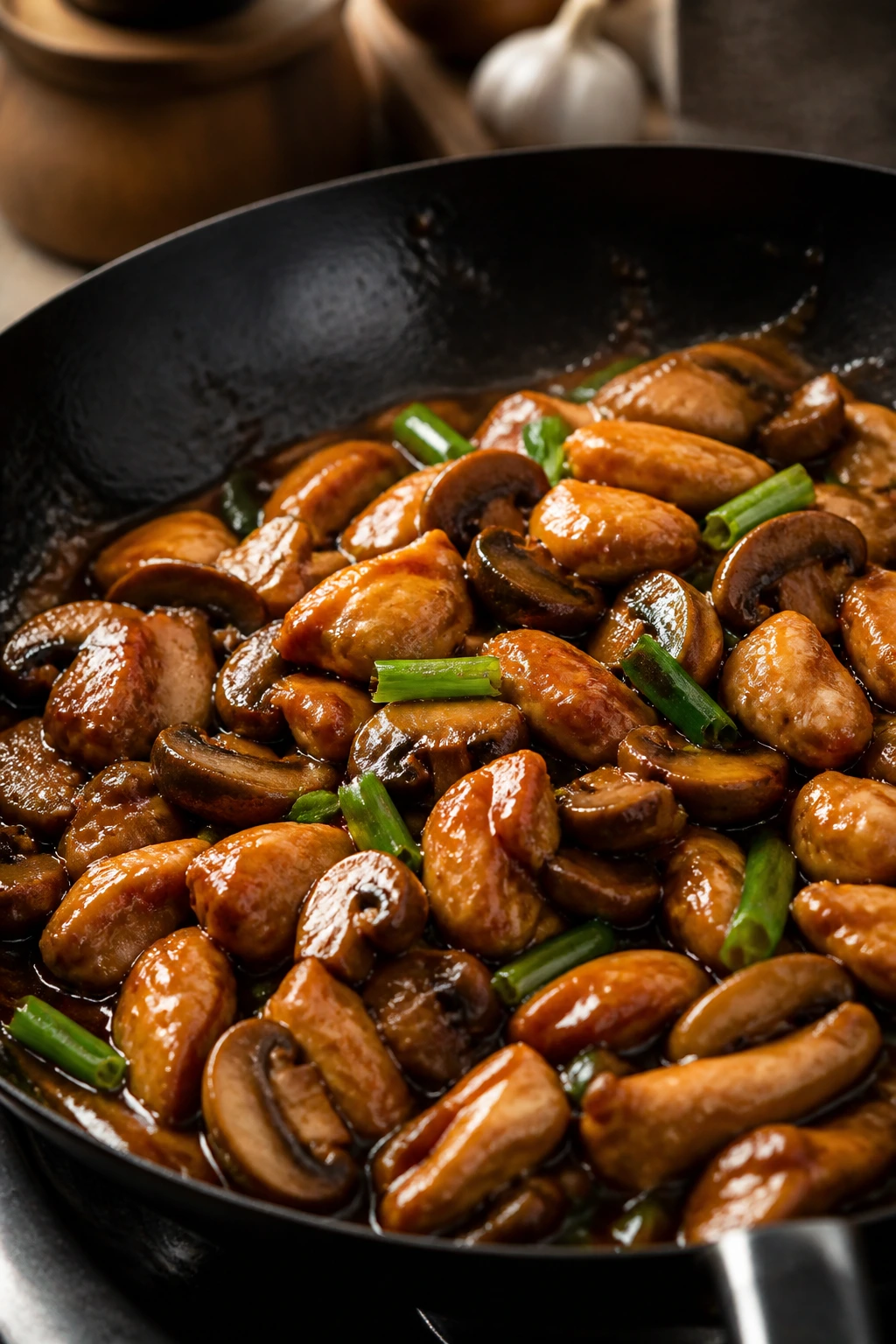
This dish tastes bigger than it looks. Mushrooms soak up the oyster sauce and chicken broth, chicken turns silky, and the whole pan ends up tasting like a very good home-cooked dinner with almost no ceremony. It’s one of my favorites for using up a carton of mushrooms before they sulk in the fridge.
Why It Works:
Mushrooms release moisture, but if you cook them hot enough first, they brown instead of just weeping. Oyster sauce carries the savory flavor, while cornstarch thickens the juices into a light glaze. The chicken pieces stay tender because they cook quickly and finish in the sauce rather than before it.
Key Ingredients:
- 1½ lb chicken thighs, sliced thin — quick-cooking and forgiving.
- 8 oz mushrooms, sliced — cremini or white button.
- 2 tablespoons neutral oil — for the pan.
- 3 garlic cloves, minced — the flavor starts here.
- 1 tablespoon grated ginger — brightens the sauce.
- 2 tablespoons oyster sauce — the main flavor.
- 1 tablespoon soy sauce — for extra salt.
- ½ cup chicken broth — loosens the glaze.
- 1 tablespoon cornstarch mixed with 2 tablespoons water — thickens the pan juices.
- 1 teaspoon sesame oil — finish only.
- 2 scallions, sliced — for the top.
Quick Steps:
- Brown the Mushrooms: Heat oil in a skillet over medium-high heat and cook mushrooms until they lose their moisture and take on color.
- Add the Chicken: Stir in the chicken and cook 4 to 5 minutes until lightly browned.
- Season: Add garlic and ginger, then oyster sauce, soy sauce, and broth.
- Thicken: Stir in the cornstarch slurry and cook until the sauce clings to the mushrooms and chicken.
- Finish: Turn off the heat, add sesame oil and scallions, and serve hot.
Equipment for This Recipe:
- Large skillet — room helps mushrooms brown.
- Spatula — for flipping and stirring.
- Small bowl — for the slurry.
How to Serve This Dish:
Rice is the cleanest partner because it catches the sauce without getting in the way. You can also serve it over noodles, but I like rice here because the mushrooms stay the focus.
Pro Tips for This Recipe:
- Let the mushrooms sit in the pan without stirring for a minute to encourage browning.
- Cut the chicken thin so it finishes at the same time as the mushrooms.
- If the sauce tastes too salty, add 2 tablespoons water and simmer briefly.
Variations on This Dish:
- Snow Pea Version: Add snow peas in the last minute for crunch.
- Black Pepper Mushrooms: Add a teaspoon of black pepper to the sauce.
- Gluten-Free Version: Use tamari and a gluten-free oyster sauce.
Common Mistakes to Avoid with This Dish:
- Crowding the mushrooms: They steam and go rubbery.
- Using too much cornstarch: The sauce should be glossy, not thick like pudding.
- Overcooking the chicken: Thin slices only need a short visit in the pan.
21. General Tso’s Chicken
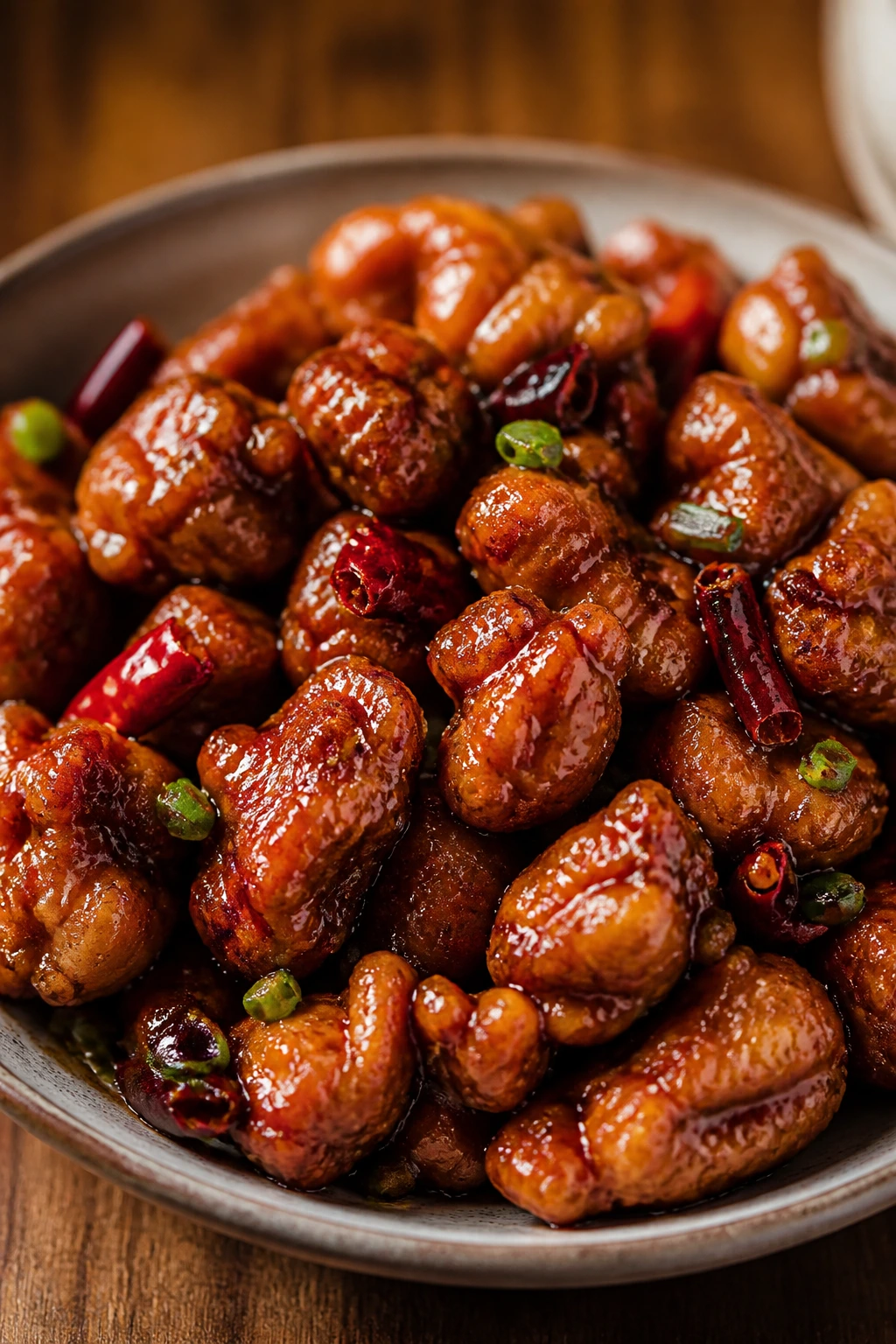
General Tso’s is the one people often ask for by name, and for good reason. The sauce is sweet, salty, and sharp all at once, the chicken has a crispy shell, and the dried chiles give the bowl a little heat that sneaks up after the first bite. It’s a takeout classic that actually makes sense to cook at home.
Why It Works:
The chicken gets coated in cornstarch so it crisps in the pan, and the sauce reduces fast enough to cling without soaking the coating. Rice vinegar and soy keep the sweet side from taking over. A few dried chiles or chili flakes add enough bite to keep the dish from turning sugary.
Key Ingredients:
- 1½ lb boneless chicken thighs, cut into chunks — best for staying juicy.
- ½ cup cornstarch — for the coating.
- 1 teaspoon salt — seasons the chicken.
- 2 tablespoons neutral oil — for frying.
- 3 garlic cloves, minced — for the sauce.
- 1 tablespoon grated ginger — adds warmth.
- ⅓ cup soy sauce — the salty base.
- ¼ cup rice vinegar — sharpens the sauce.
- 3 tablespoons sugar — for the classic sweet note.
- 2 tablespoons hoisin sauce — adds body and depth.
- ½ cup chicken broth — keeps the sauce loose while it reduces.
- 4 to 6 dried chiles or ½ teaspoon chili flakes — for heat.
- 2 scallions, sliced — to finish.
Quick Steps:
- Coat the Chicken: Toss chicken with salt and cornstarch until evenly dusted.
- Fry or Shallow-Fry: Heat oil in a skillet and cook the chicken until crisp and browned, about 6 to 8 minutes total.
- Build the Sauce: In a small bowl, whisk garlic, ginger, soy sauce, vinegar, sugar, hoisin, broth, and chiles.
- Reduce: Pour the sauce into the pan and simmer until it thickens enough to coat the chicken.
- Finish: Toss with scallions and serve while the coating is still crisp.
Equipment for This Recipe:
- Skillet with good surface area — needed for browning.
- Small bowl — for the sauce.
- Slotted spoon — helpful if you fry in batches.
How to Serve This Dish:
Rice is the default, and it works. If you want a little freshness, add steamed broccoli or a pile of cucumber slices, because the sauce is rich enough to want a cool counterpoint.
Pro Tips for This Recipe:
- Use thighs, not breasts, if you want a texture closer to takeout.
- Keep the sauce ingredients ready before you fry; the last step moves quickly.
- If the sauce gets too thick, add 1 tablespoon broth and stir.
Variations on This Dish:
- Milder General Tso’s: Cut the chiles in half and use less hoisin.
- Orange-Forward Version: Add 2 tablespoons orange juice for a lighter citrus note.
- Oven-Crisped Version: Bake the coated chicken on a rack at 425°F, then toss with sauce.
Common Mistakes to Avoid with This Dish:
- Saucing chicken that’s already gone soft: Crisp chicken needs the sauce at the very end.
- Using too much sugar: The dish should be sweet, not candy-like.
- Skipping the chili element: Without a little heat, the sauce tastes flat.
22. Sesame Chicken Lettuce Cups
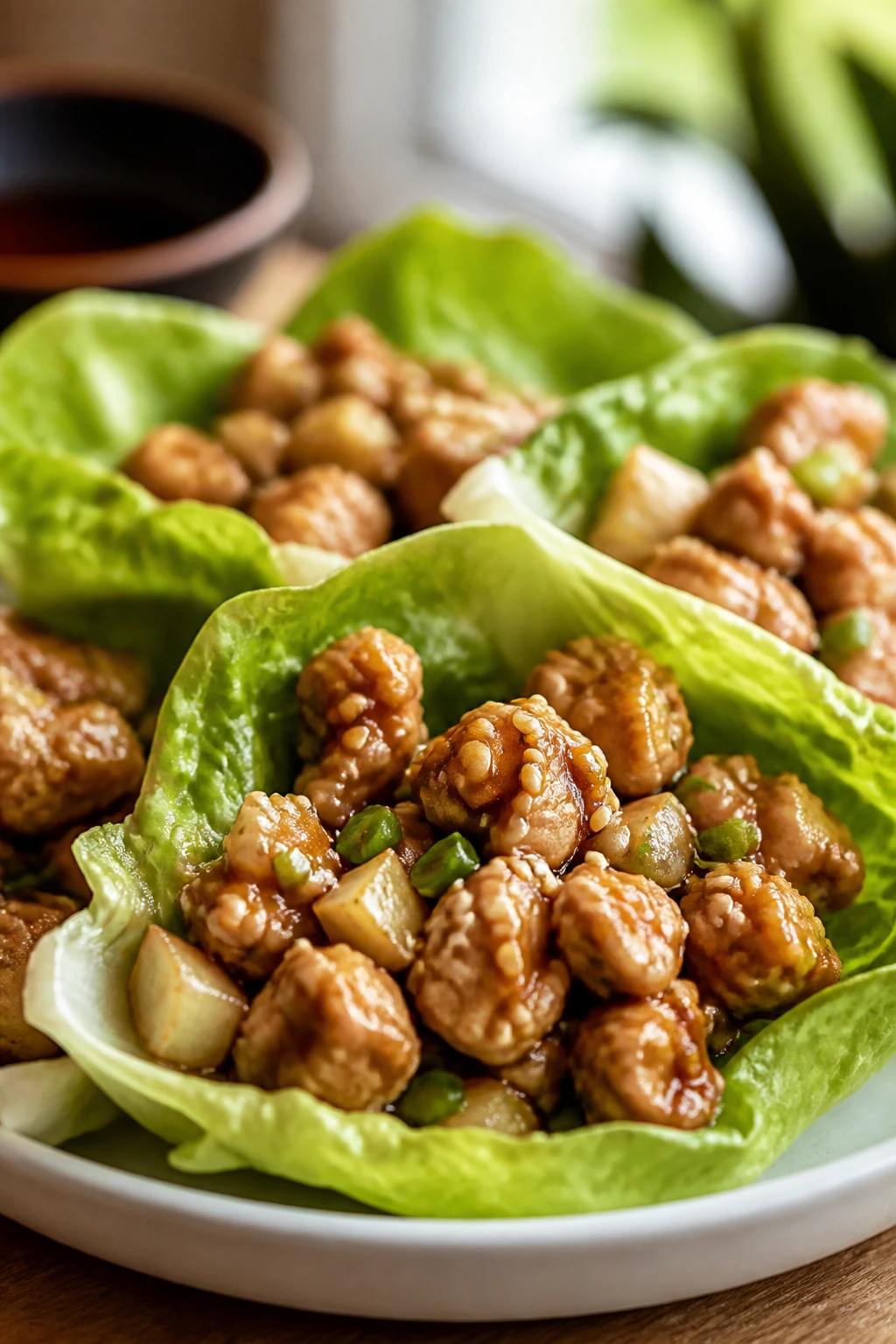
These lettuce cups are the cleanest way to get the sesame chicken flavor without a heavy plate. The chicken is sweet-salty, the water chestnuts stay crunchy, and the lettuce gives each bite a cold snap that makes the filling feel brighter. It’s the kind of thing that vanishes before you realize you’ve eaten half the bowl.
Why It Works:
Hoisin and soy build that familiar sweet-savory base, while water chestnuts keep the filling from turning soft. The chicken is chopped small so it tucks into lettuce leaves without falling out. A little sesame oil at the end brings the nutty smell people notice right away.
Key Ingredients:
- 1½ lb ground chicken or finely diced chicken thighs — ground chicken makes the filling easy.
- 2 tablespoons neutral oil — for the pan.
- 3 garlic cloves, minced — gives the filling its backbone.
- 1 tablespoon grated ginger — freshens the sweetness.
- 3 tablespoons soy sauce — for seasoning.
- 2 tablespoons hoisin sauce — the main sweet note.
- 1 tablespoon rice vinegar — keeps it from getting sticky.
- ½ cup canned water chestnuts, diced — for crunch.
- 1 teaspoon sesame oil — finish only.
- 8 to 10 lettuce leaves — butter lettuce or romaine.
- 2 scallions, sliced — for the top.
- 1 tablespoon sesame seeds — optional but useful.
Quick Steps:
- Cook the Chicken: Heat oil in a skillet and cook the ground chicken, breaking it up, until no pink remains.
- Add Aromatics: Stir in garlic and ginger for 30 seconds.
- Season the Filling: Add soy sauce, hoisin, and vinegar, then cook 1 minute.
- Add Crunch: Stir in water chestnuts, sesame oil, and scallions.
- Assemble: Spoon into lettuce leaves and finish with sesame seeds.
Equipment for This Recipe:
- Large skillet — for the filling.
- Lettuce spinner or paper towels — dry leaves stay crisp.
- Spoon — for filling the cups cleanly.
How to Serve This Dish:
Set the filling and leaves on the table separately so people can build their own. A small bowl of chili crisp or sliced cucumber on the side makes the plate feel more complete.
Pro Tips for This Recipe:
- Dry the lettuce leaves well or the filling slides.
- Chop the water chestnuts small so they distribute evenly.
- If the filling looks too wet, cook it for another minute before serving.
Variations on This Dish:
- Spicy Lettuce Cups: Add chili garlic sauce to the filling.
- Cabbage Cup Version: Use blanched cabbage leaves instead of lettuce.
- Turkey Swap: Ground turkey works almost exactly the same way.
Common Mistakes to Avoid with This Dish:
- Using wet lettuce: Water makes the leaves tear.
- Overfilling the cups: They split and spill.
- Letting the filling sit too long: It’s best when warm and a little glossy.
23. Chicken Congee with Scallions
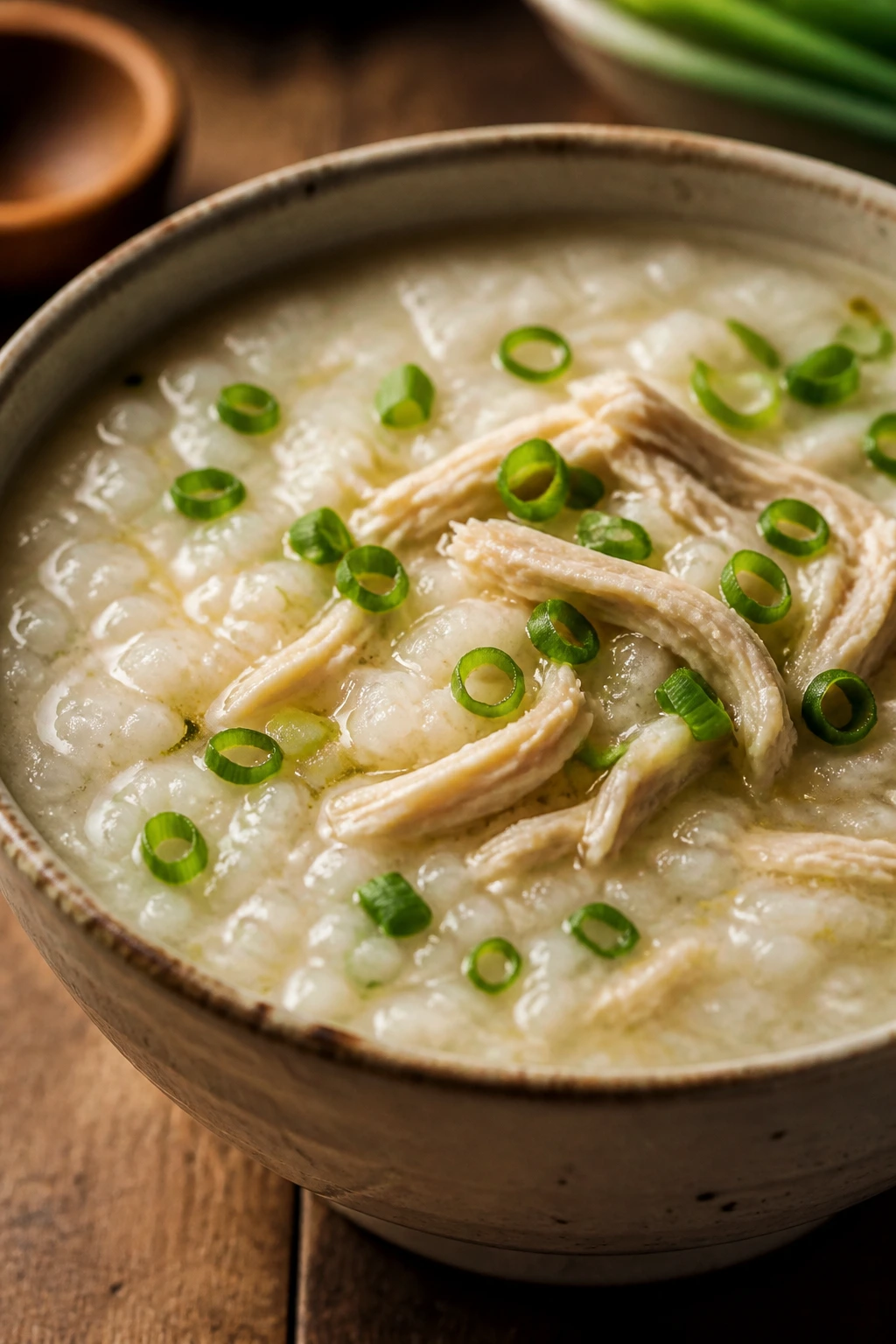
Congee is what happens when rice takes a long, slow bath and comes out comforting instead of boring. The chicken folds into the silky porridge, the ginger keeps it from feeling dull, and the scallions cut through the softness at the end. It’s the calmest recipe in this whole bunch, and sometimes that’s the one you need.
Why It Works:
Rice breaks down into a creamy texture when simmered long enough with broth, so you get body without adding dairy or heavy thickeners. Chicken cooks gently in the congee and shreds easily. A little soy, sesame oil, and scallions at the end make each bowl taste finished rather than plain.
Key Ingredients:
- 1 cup jasmine rice, rinsed — the base of the porridge.
- 8 cups chicken broth — more or less depending on how thick you want it.
- 1 lb boneless chicken thighs or breast — poaches right in the pot.
- 2-inch piece ginger, sliced — gives the broth warmth.
- 2 tablespoons soy sauce — for seasoning.
- 1 teaspoon sesame oil — finish only.
- 3 scallions, sliced — for the top.
- White pepper, to taste — optional but classic.
Quick Steps:
- Start the Congee: Combine rice, broth, and ginger in a large pot and bring to a simmer.
- Cook Slowly: Simmer uncovered or partially covered for 35 to 45 minutes, stirring occasionally, until the rice breaks down and the texture looks creamy.
- Add the Chicken: Stir in the chicken and cook for 10 to 12 minutes until done, then shred it with two forks.
- Season: Add soy sauce and white pepper to taste.
- Finish: Drizzle with sesame oil and top with scallions.
Equipment for This Recipe:
- Large pot — enough room for the rice to swell.
- Wooden spoon — for stirring without scratching.
- Forks — for shredding the chicken.
How to Serve This Dish:
Serve congee in deep bowls with extra soy sauce on the side if people want more salt. A few crisp pickles or a soft-boiled egg make it feel more complete, but the bowl is already doing the work.
Pro Tips for This Recipe:
- Stir occasionally so the rice doesn’t stick to the bottom.
- Add more hot broth if the congee tightens too much.
- Day-old rice works faster than raw rice if you’re in a hurry.
Variations on This Dish:
- Chicken and Mushroom Congee: Add sliced mushrooms with the rice.
- Ginger-Heavy Version: Use more ginger for a sharper broth.
- Fried Shallot Finish: Add crunchy fried shallots right before serving.
Common Mistakes to Avoid with This Dish:
- Rushing the simmer: Congee needs time to break down.
- Starting with too little liquid: It thickens as it cooks, so keep extra broth nearby.
- Over-seasoning early: Salt can concentrate as the rice softens.
24. Spicy Peanut Chicken Noodles
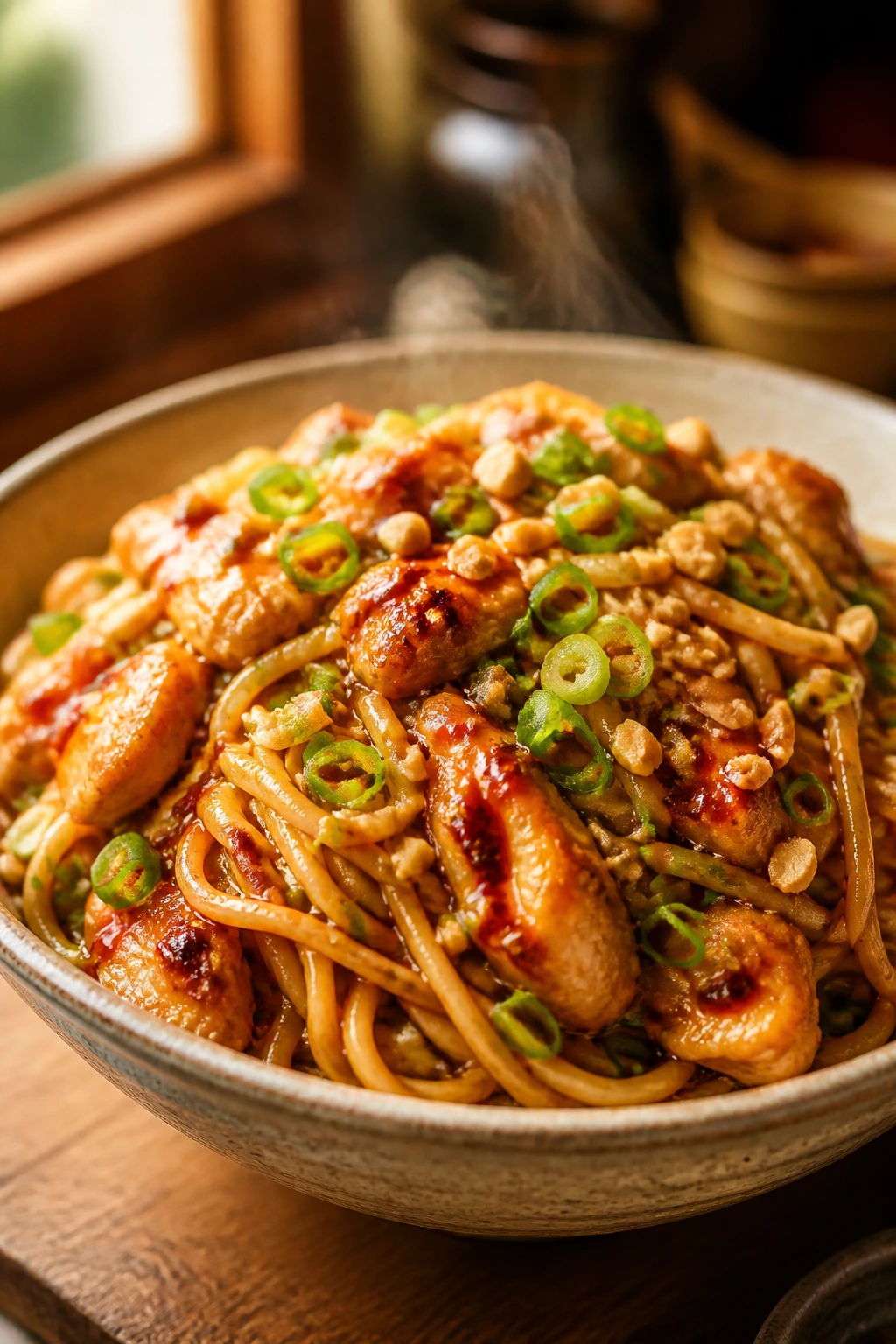
Peanut butter in noodle sauce sounds casual, maybe too casual, until you taste what soy, vinegar, and chili oil do with it. The sauce turns creamy and clingy, the chicken gives the bowl substance, and the noodles carry every bit of heat. It’s pantry food with a little swagger.
Why It Works:
Peanut butter brings body without cream, and rice vinegar keeps it from feeling heavy. Soy sauce and a touch of sugar make the sauce taste round, while chili oil or sambal gives the bowl its heat. Noodles are the right vehicle because they absorb the sauce instead of leaving it behind.
Key Ingredients:
- 10 oz noodles or spaghetti — cook them just shy of done.
- 1 lb boneless chicken thighs, sliced thin — quick-cooking and juicy.
- 1 tablespoon soy sauce — for the chicken.
- 2 tablespoons peanut butter — creamy or chunky both work.
- 2 tablespoons soy sauce — for the sauce.
- 1 tablespoon rice vinegar — sharpens the peanut flavor.
- 1 tablespoon chili oil or sambal — adjust for heat.
- 1 tablespoon sugar — balances the salt.
- 1 garlic clove, grated — a little goes far.
- 1 teaspoon sesame oil — finish only.
- ¼ cup hot water or broth — to thin the sauce.
- 2 scallions, sliced — for the top.
Quick Steps:
- Cook the Noodles: Boil until just tender, then drain.
- Cook the Chicken: Stir-fry the chicken in a hot skillet until browned and cooked through.
- Mix the Sauce: Whisk peanut butter, soy sauce, vinegar, chili oil, sugar, garlic, and hot water until smooth.
- Toss Everything Together: Add noodles and sauce to the pan and stir until coated.
- Finish: Add sesame oil and scallions.
Equipment for This Recipe:
- Pot — for the noodles.
- Skillet — for the chicken and tossing.
- Whisk — important for smoothing the peanut sauce.
How to Serve This Dish:
Serve in deep bowls with extra scallions or crushed peanuts if you have them. A side of sliced cucumber helps cool the chili without fighting the sauce.
Pro Tips for This Recipe:
- Warm the peanut sauce before tossing if your peanut butter is stiff.
- Thin the sauce gradually so you don’t overdo it.
- Salt the noodle water lightly; the sauce already carries a lot of salt.
Variations on This Dish:
- Cold Peanut Noodles: Chill the noodles and chicken, then toss with the sauce.
- Veggie-Heavy Version: Add shredded cabbage or cucumber ribbons.
- No-Chili Version: Skip the chili oil and add a little more vinegar.
Common Mistakes to Avoid with This Dish:
- Using dry, clumpy peanut butter straight from the jar: It needs a little liquid to become sauce.
- Overcooking the noodles: They soften fast once sauced.
- Forgetting acid: Without vinegar, the peanut sauce feels heavy.
25. Chicken with Black Bean Garlic Sauce
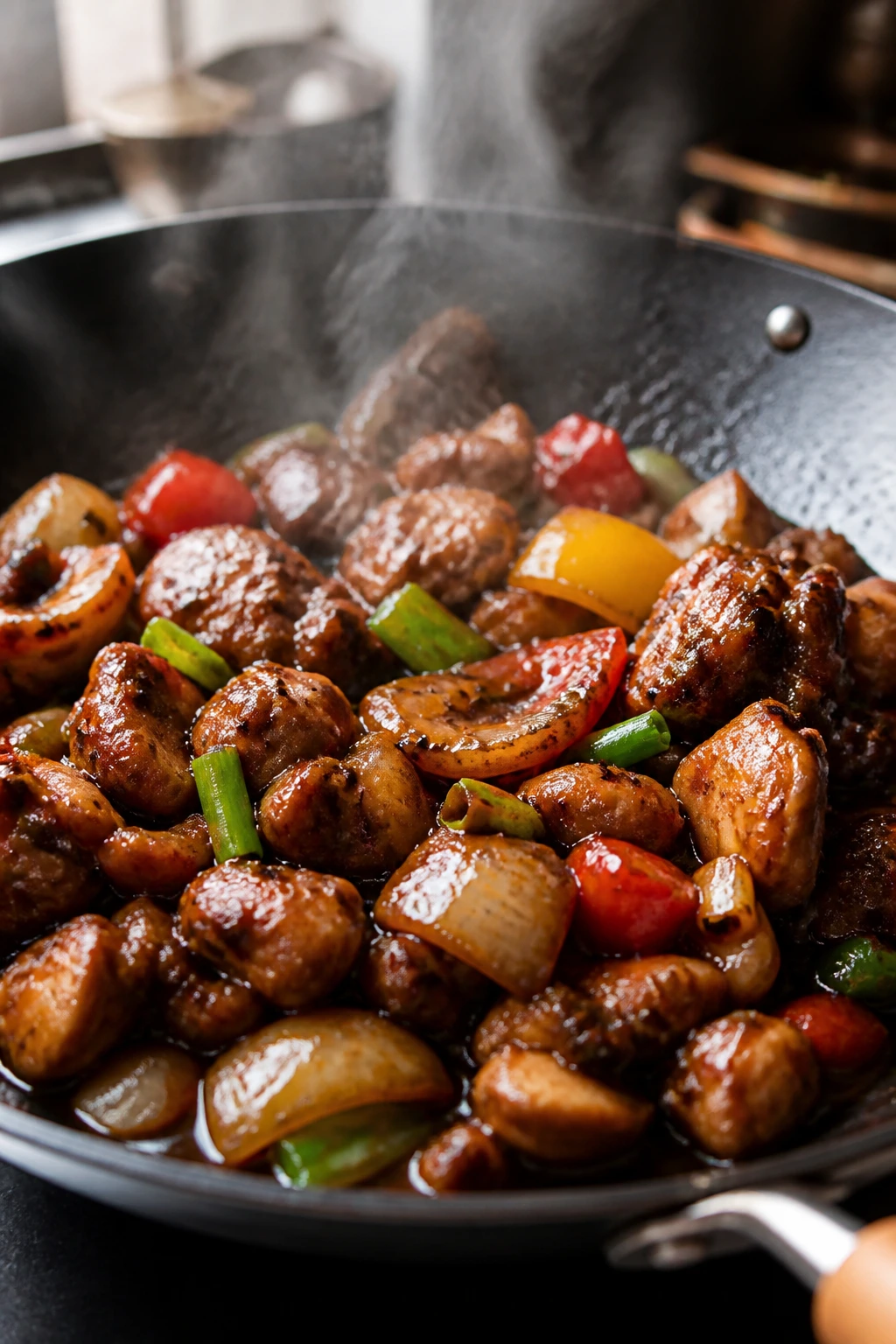
This is the recipe for when you want a deep, savory sauce that tastes like it came from a serious stir-fry house. The black bean garlic sauce gives you salt, funk, and garlic in one spoonful, and the chicken and peppers soak it up fast. It’s punchy without being fussy.
Why It Works:
Black bean garlic sauce is already concentrated, which means a small amount goes a long way. The vegetables bring sweetness and freshness, and cornstarch helps the sauce cling to the chicken instead of sliding off the bottom of the pan. This is one of the easiest dishes to make taste bigger than it is.
Key Ingredients:
- 1½ lb chicken thighs, sliced thin — best for this kind of sauce.
- 1 tablespoon soy sauce — for the chicken.
- 1 tablespoon cornstarch — for browning.
- 2 tablespoons neutral oil — for the pan.
- 1 onion, sliced — adds sweetness.
- 1 bell pepper, sliced — any color works.
- 3 garlic cloves, minced — even with black bean sauce, garlic helps.
- 1 tablespoon grated ginger — for lift.
- 2 tablespoons black bean garlic sauce — the main flavor.
- 1 tablespoon soy sauce — for balance.
- ½ cup chicken broth — to loosen the sauce.
- 1 teaspoon sesame oil — finish only.
- 2 scallions, sliced — for freshness.
Quick Steps:
- Marinate the Chicken: Toss chicken with soy sauce and cornstarch.
- Cook Vegetables: Heat oil in a skillet and stir-fry onion and bell pepper for 2 minutes.
- Cook Chicken: Add chicken and cook 4 to 5 minutes until lightly browned.
- Add Sauce: Stir in garlic, ginger, black bean garlic sauce, soy sauce, and broth; simmer until glossy.
- Finish: Add sesame oil and scallions.
Equipment for This Recipe:
- Wok or large skillet — wide enough for fast stirring.
- Small bowl — for the marinade.
- Spatula — to keep the vegetables moving.
How to Serve This Dish:
Serve with rice and a simple green vegetable. The sauce is assertive enough that the rest of the plate should stay plain.
Pro Tips for This Recipe:
- Taste your black bean sauce first; some brands are much saltier than others.
- Keep the onion slightly crisp so it doesn’t vanish.
- If you like a looser sauce, add 2 tablespoons more broth.
Variations on This Dish:
- Mushroom Black Bean Chicken: Add sliced mushrooms with the onion.
- Spicy Version: Stir in a spoonful of chili garlic sauce.
- Low-Sodium Version: Use low-sodium soy sauce and a lighter hand with the bean sauce.
Common Mistakes to Avoid with This Dish:
- Using too much black bean sauce: It can overwhelm the whole pan.
- Cooking the aromatics too long: Garlic burns fast in a hot wok.
- Skipping the broth: The sauce needs a little liquid to spread properly.
26. Chinese Chicken Curry with Potatoes
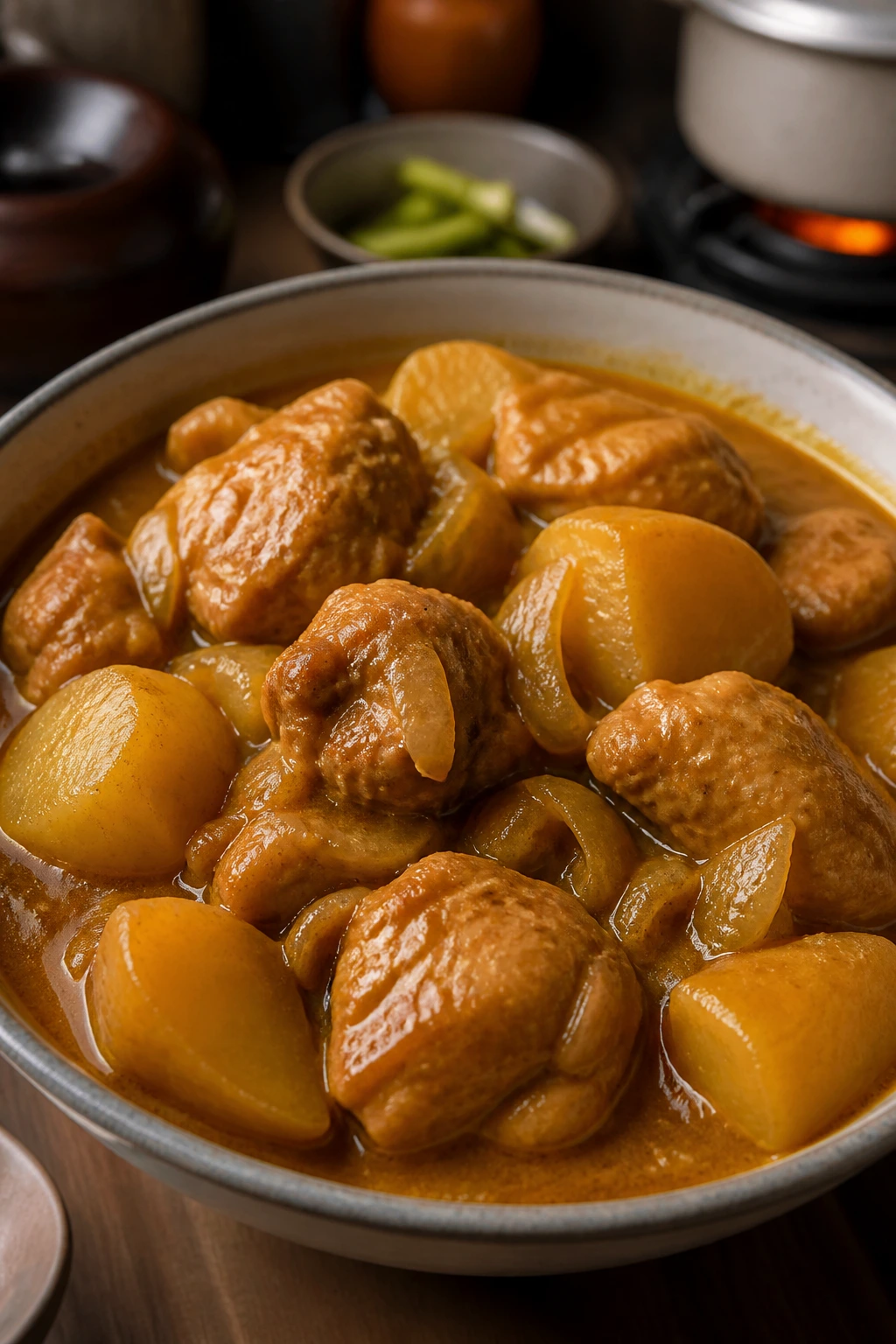
This is not the coconut-heavy curry some people picture. Chinese-style chicken curry usually lands warmer, lighter, and a little saucier, with potatoes soaking up the spiced broth. It’s a pantry-friendly braise that feels especially useful when you have potatoes and onions waiting to be cooked.
Why It Works:
Curry powder gives the dish a familiar warm spice without needing a long paste. Potatoes thicken the sauce as they simmer, and chicken thighs stay tender in the broth. A little soy sauce makes the curry taste more rounded and less flat.
Key Ingredients:
- 1½ lb boneless chicken thighs, cut into chunks — best for simmering.
- 2 medium potatoes, peeled and cubed — they help body the sauce.
- 1 onion, sliced — the sweet base.
- 2 garlic cloves, minced — for depth.
- 1 tablespoon grated ginger — keeps the curry bright.
- 1½ tablespoons curry powder — the main spice.
- 2 tablespoons soy sauce — for salt and savoriness.
- 2 cups chicken broth — the braising liquid.
- 1 tablespoon cornstarch mixed with 2 tablespoons water — optional, for a thicker sauce.
- 2 tablespoons neutral oil — for the pan.
Quick Steps:
- Sauté the Onion: Heat oil in a deep skillet or pot and cook the onion until softened, about 4 minutes.
- Bloom the Spices: Add garlic, ginger, and curry powder and stir for 30 seconds.
- Add Chicken and Potatoes: Stir in the chicken and potatoes, then add soy sauce and broth.
- Simmer: Cover and cook 20 to 25 minutes until the potatoes are tender and the chicken is cooked through.
- Thicken if Needed: Stir in the cornstarch slurry and simmer 1 minute more.
Equipment for This Recipe:
- Deep skillet or Dutch oven — for simmering.
- Wooden spoon — for scraping up the spices.
- Pot lid — helps the potatoes cook evenly.
How to Serve This Dish:
Serve over rice, with the curry spooned heavily on top. A simple side of steamed greens is enough, since the potatoes already make the bowl hearty.
Pro Tips for This Recipe:
- Cut the potatoes into even pieces so they finish together.
- Stir the curry powder briefly in oil before adding liquid; it tastes fuller.
- If the sauce thickens too much, add a splash more broth.
Variations on This Dish:
- Carrot Curry Version: Add sliced carrots with the potatoes.
- Mild Family Version: Use 1 tablespoon curry powder instead of 1½.
- Coconut-Free but Silkier: Mash a few potato cubes into the sauce before serving.
Common Mistakes to Avoid with This Dish:
- Adding the curry powder to liquid only: It tastes flatter that way.
- Undercooking the potatoes: They should be tender enough to break with a spoon.
- Using too much cornstarch too early: Let the potatoes do some of the thickening.
27. Tomato Egg Chicken Stir-Fry
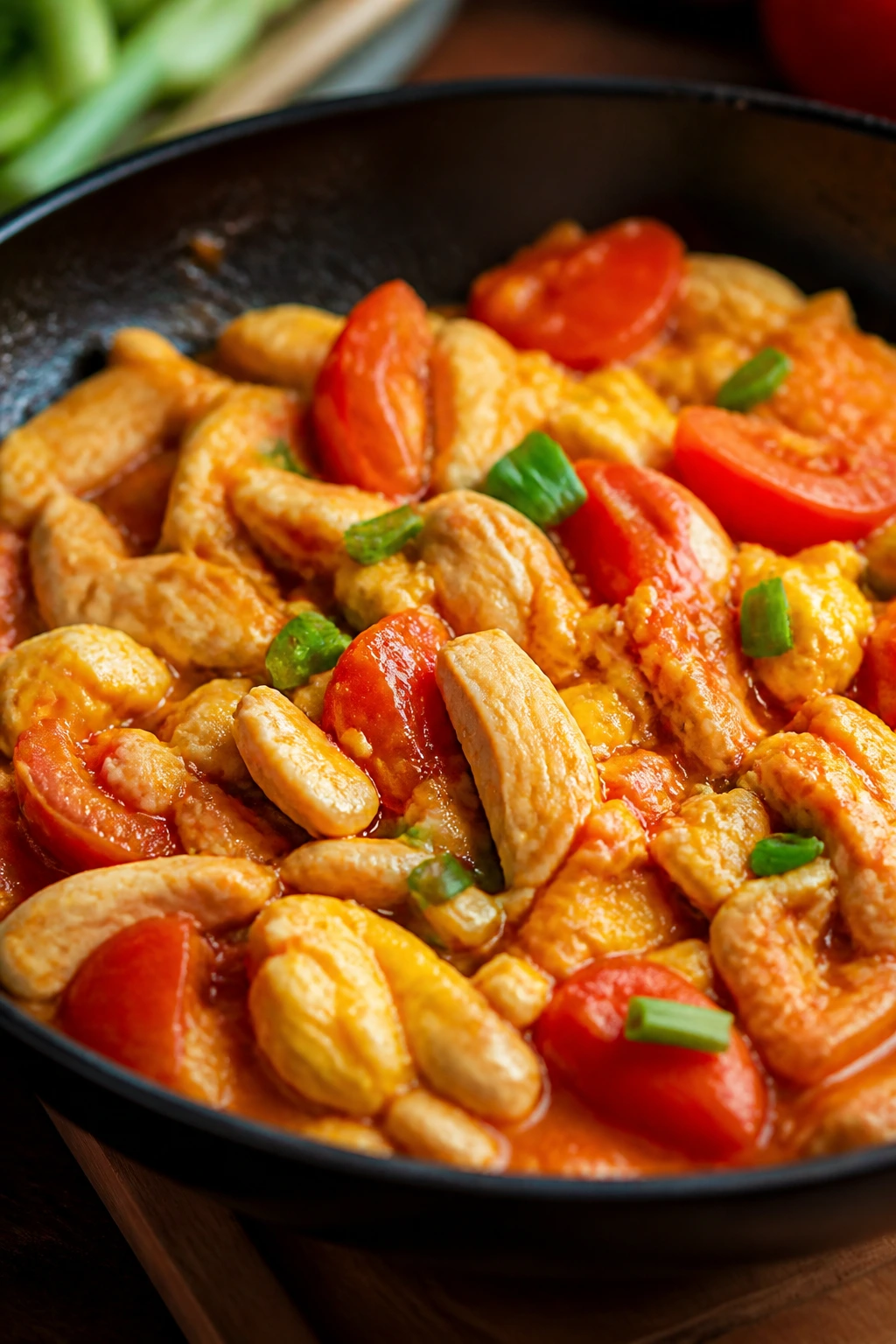
Tomato egg dishes are one of the great home-cooking comforts, and adding chicken turns them into dinner without wrecking the charm. The tomatoes soften into a saucy pile, the eggs stay tender, and the chicken gives the whole thing more heft. It’s sweet, savory, and a little nostalgic if you grew up around this style of cooking.
Why It Works:
Tomatoes release juice fast, which means they create their own sauce if you give them enough heat. Eggs thicken the texture and mellow the acidity, while soy sauce and a pinch of sugar keep the pan balanced. Chicken goes in first so it cooks before the tomatoes collapse.
Key Ingredients:
- 1 lb boneless chicken thighs, sliced thin — faster and juicier.
- 3 large eggs, beaten — for the soft curds.
- 4 medium tomatoes, chopped — or 1 can diced tomatoes in a pinch.
- 2 tablespoons neutral oil — for the skillet.
- 2 garlic cloves, minced — for depth.
- 2 tablespoons soy sauce — seasons the pan.
- 1 teaspoon sugar — balances the tomatoes.
- 2 scallions, sliced — for the finish.
- 1 teaspoon sesame oil — finish only.
- 1 tablespoon cornstarch mixed with 2 tablespoons water — optional if the tomatoes are very juicy.
Quick Steps:
- Cook the Eggs: Scramble the eggs in a little oil until just set, then remove them.
- Cook the Chicken: Add more oil and stir-fry the chicken until browned and cooked through.
- Cook the Tomatoes: Add garlic and tomatoes and cook until they soften and start to break down.
- Season and Thicken: Stir in soy sauce, sugar, and cornstarch slurry if needed.
- Finish: Fold the eggs back in, add scallions and sesame oil, and serve.
Equipment for This Recipe:
- Large skillet — for the eggs and tomatoes.
- Bowl — for beating the eggs.
- Spatula — for folding, not smashing.
How to Serve This Dish:
Rice is the natural landing spot. Spoon the tomato juices over the top; that’s the part people usually want more of. A few sliced cucumbers on the side keep the plate from feeling too soft.
Pro Tips for This Recipe:
- Let the tomatoes cook down enough that they lose their raw edge.
- Pull the eggs early so they stay tender in the final toss.
- Use ripe tomatoes when you can; they make the dish taste less sharp.
Variations on This Dish:
- Scallion-Heavy Version: Add more scallions and less garlic.
- Spicy Tomato Chicken: Stir in chili flakes with the garlic.
- Canned Tomato Fix: Use canned diced tomatoes if fresh ones are pale and flavorless.
Common Mistakes to Avoid with This Dish:
- Overcooking the eggs: They should stay soft.
- Serving before the tomatoes break down: You want sauce, not raw chunks.
- Skipping the sugar: A tiny amount keeps the tomato acidity in check.
28. Honey Garlic Chicken and Green Beans
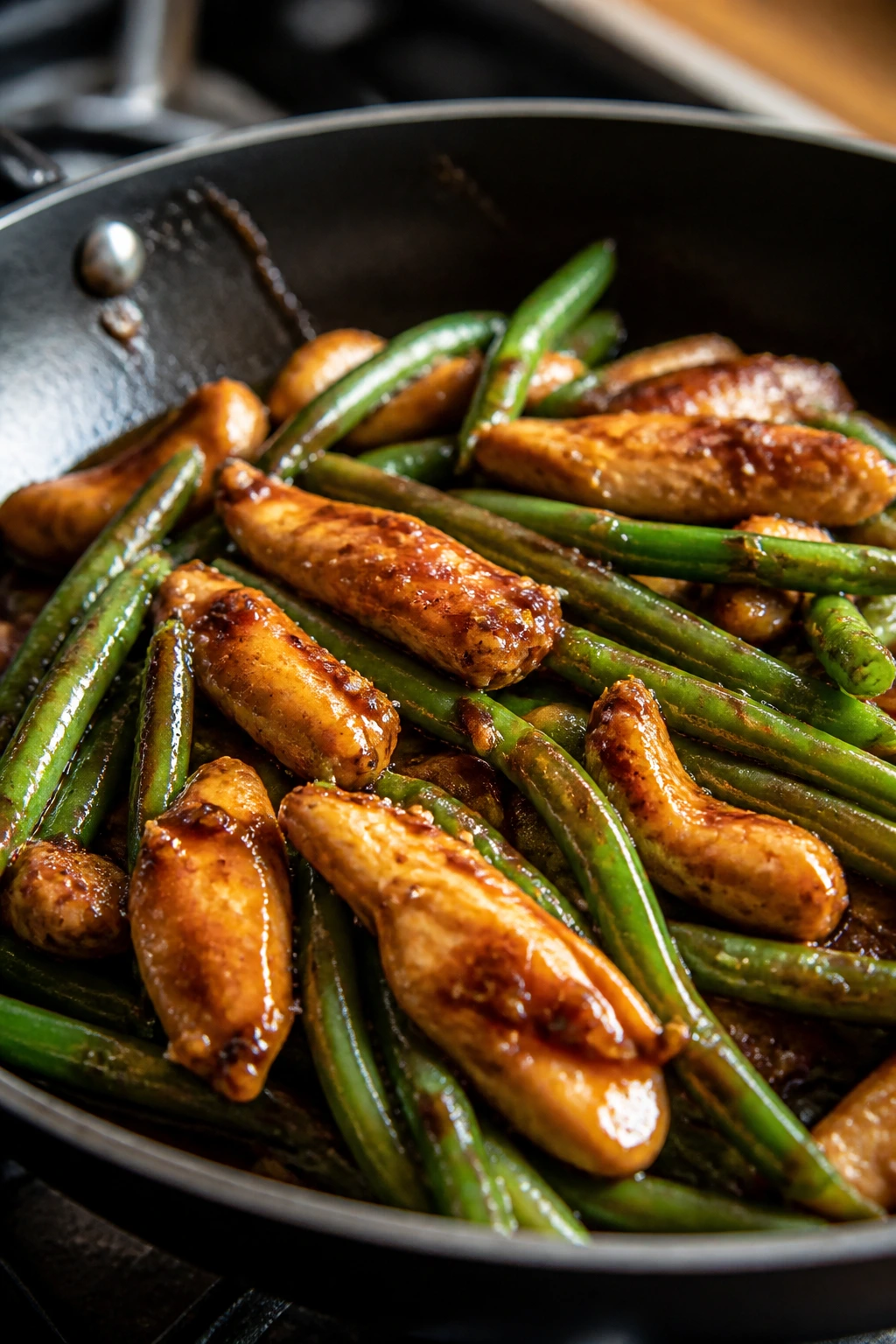
This recipe is plain in the best way. Honey gives the glaze a soft shine, garlic does what garlic does, and green beans bring enough snap to keep the pan lively. If you want a dinner that tastes easy without tasting lazy, this one earns a regular spot.
Why It Works:
Green beans can take high heat, which makes them ideal for a quick stir-fry. Honey, soy, and vinegar make the sauce taste fuller than its short ingredient list suggests. Cornstarch keeps the glaze attached so the beans and chicken come out coated instead of wet.
Key Ingredients:
- 1½ lb chicken thighs, sliced into strips — fast-cooking and juicy.
- 3 cups green beans, trimmed — fresh or thawed frozen beans.
- 2 tablespoons neutral oil — for the pan.
- 4 garlic cloves, minced — this recipe likes garlic.
- 3 tablespoons honey — for the glaze.
- 3 tablespoons soy sauce — the savory side.
- 1 tablespoon rice vinegar — keeps the sauce bright.
- 1 tablespoon cornstarch mixed with 2 tablespoons water — thickens the sauce.
- 1 teaspoon sesame oil — finish only.
- 1 teaspoon grated ginger — optional but useful.
Quick Steps:
- Cook the Beans: Heat oil in a skillet and cook green beans for 3 to 4 minutes until blistered and bright.
- Add the Chicken: Stir in the chicken and cook 4 to 5 minutes until browned.
- Add Garlic and Ginger: Cook for 30 seconds, just until fragrant.
- Glaze: Whisk honey, soy sauce, vinegar, and slurry, then pour into the pan and simmer until sticky.
- Finish: Add sesame oil and toss once more.
Equipment for This Recipe:
- Large skillet — for a quick sear.
- Small bowl — for the sauce.
- Spatula — for keeping the beans moving.
How to Serve This Dish:
Rice is the easiest move, but this also works with noodles if that’s what’s left in the cupboard. A handful of sesame seeds on top gives it a little extra finish without changing the recipe.
Pro Tips for This Recipe:
- Dry the beans well or they’ll steam.
- Add the slurry near the end; too early and the glaze can get tacky.
- Taste for salt at the finish, since honey softens seasoning.
Variations on This Dish:
- Chili Garlic Honey Chicken: Add chili garlic sauce for heat.
- Sesame Green Bean Version: Double the sesame oil at the end, but do not fry with it.
- Broccoli Swap: Use broccoli florets instead of green beans.
Common Mistakes to Avoid with This Dish:
- Letting the garlic brown too long: It turns bitter fast.
- Using too much honey: The sauce gets sticky in a candy way.
- Cooking the green beans until limp: You want snap, not softness.
29. Chicken and Napa Cabbage Soup
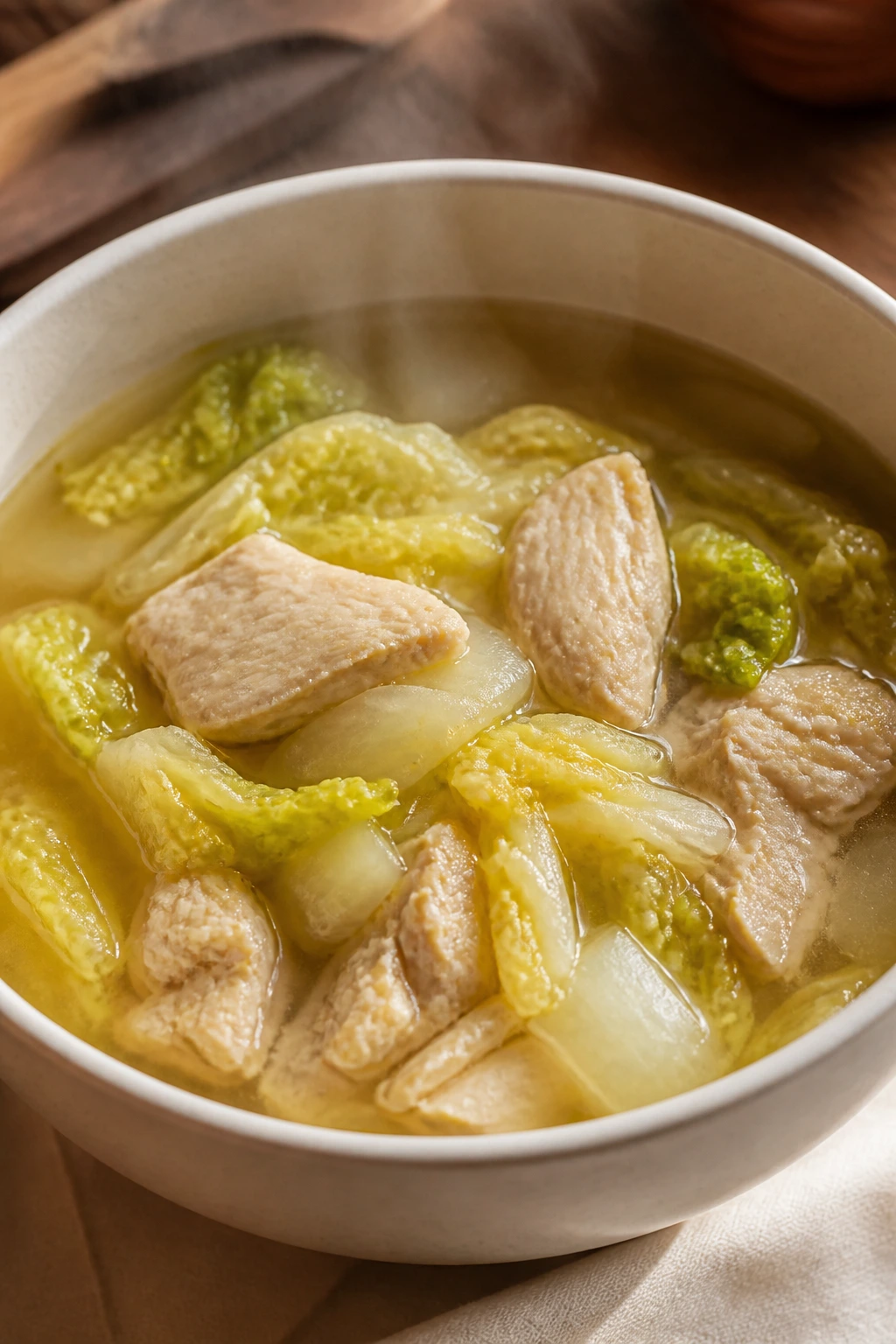
This soup is what I make when the fridge feels sparse but not hopeless. Napa cabbage turns silky fast, the broth picks up ginger and garlic, and the chicken gives the pot enough substance to count as dinner. It’s light, but not weak.
Why It Works:
Napa cabbage cooks down beautifully without dissolving, which makes it ideal for soup. Ginger and garlic carry the aromatics, and soy sauce gives the broth a savory line without making it heavy. Because the chicken simmers in the broth, the soup tastes deeper than the ingredient list looks.
Key Ingredients:
- 1 lb boneless chicken thighs, cut into bite-size pieces — or use shredded cooked chicken.
- 6 cups chicken broth — the base.
- 4 cups chopped napa cabbage — use the tender white and green parts.
- 2 garlic cloves, minced — for depth.
- 1 tablespoon grated ginger — for brightness.
- 2 tablespoons soy sauce — for seasoning.
- 1 teaspoon sesame oil — finish only.
- 3 scallions, sliced — for the top.
- 1 cup sliced mushrooms — optional, but useful.
- White pepper, to taste — classic and sharp.
Quick Steps:
- Start the Broth: Bring broth, ginger, and garlic to a simmer.
- Cook the Chicken: Add the chicken and simmer 6 to 8 minutes until cooked.
- Add the Cabbage: Stir in napa cabbage and mushrooms, then cook 3 to 4 minutes until tender.
- Season: Add soy sauce and white pepper.
- Finish: Turn off the heat, drizzle sesame oil over the pot, and top with scallions.
Equipment for This Recipe:
- Soup pot — enough room for cabbage.
- Ladle — for serving.
- Knife and board — for quick chopping.
How to Serve This Dish:
Serve it with rice if you want more bulk, or by itself if you want something calmer. A few drops of chili oil on top are nice, but they’re optional.
Pro Tips for This Recipe:
- Slice the cabbage into medium pieces so it still has shape in the bowl.
- Taste the broth after the cabbage goes in; it may need another splash of soy.
- Use leftover roast chicken if you want to shorten the cooking time.
Variations on This Dish:
- Egg Drop Cabbage Soup: Drizzle in beaten eggs at the end.
- Noodle Soup Version: Add cooked noodles to make it heartier.
- Spicy Finish: Add chili oil or white pepper to the bowl at serving.
Common Mistakes to Avoid with This Dish:
- Overcooking the cabbage: It should soften, not vanish.
- Using too little seasoning: Soup needs salt more than people think.
- Boiling the broth hard: Gentle simmer keeps it clear and better tasting.
30. Scallion Oil Chicken
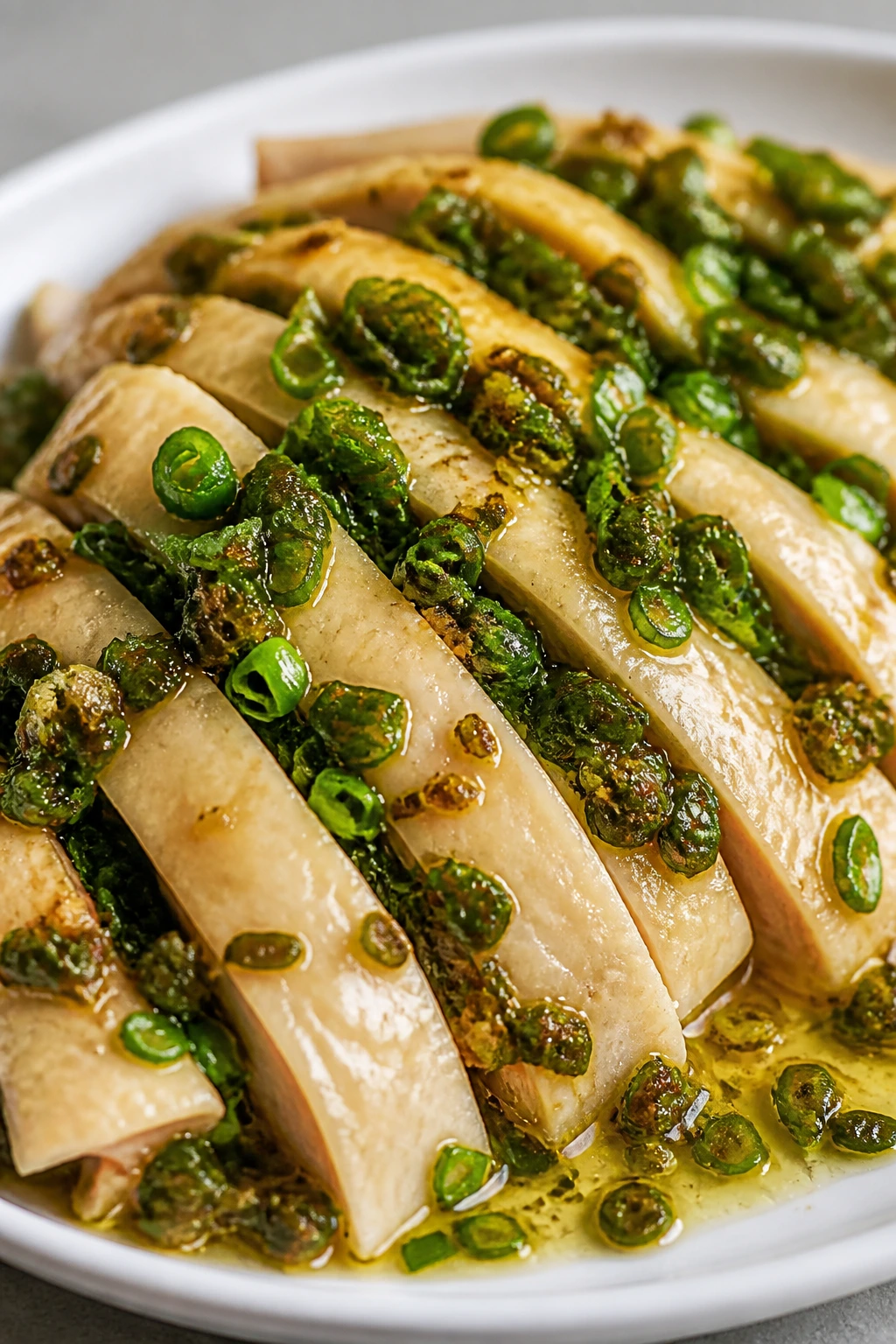
This is the quiet finale, and it’s one of the most satisfying. The chicken stays soft and clean-tasting, while the scallion oil brings a hot, green, oniony perfume that seems to hover over the bowl for a minute after you set it down. It’s simple in the way that only practiced food can be simple.
Why It Works:
Poaching or gently simmering the chicken keeps it silky, and a separate hot scallion oil gives you maximum flavor without overcooking the herbs. Ginger and soy build the background, while a tiny amount of sugar and vinegar keep the sauce balanced. It’s the sort of dish that rewards patience more than effort.
Key Ingredients:
- 1½ lb boneless chicken thighs — or a mix of thighs and breast if you want.
- 6 cups water or chicken broth — for poaching.
- 3 scallions, cut into 2-inch pieces — for the poaching liquid.
- 2-inch piece ginger, sliced — for the broth.
- 3 tablespoons soy sauce — for the sauce.
- 1 tablespoon rice vinegar — brightens the finish.
- 1 teaspoon sugar — rounds out the sharpness.
- 3 tablespoons neutral oil — for the scallion oil.
- 3 scallions, finely sliced — for the hot oil.
- 1 teaspoon sesame oil — stir in at the end.
Quick Steps:
- Poach the Chicken: Bring water or broth, scallion pieces, and ginger to a gentle simmer. Add the chicken and cook 12 to 15 minutes, until just done.
- Rest and Slice: Remove the chicken, let it rest 5 minutes, then slice.
- Make the Sauce: Whisk soy sauce, rice vinegar, sugar, and sesame oil in a bowl.
- Cook the Scallion Oil: Heat neutral oil until shimmering, then pour it over the finely sliced scallions in a heatproof bowl.
- Assemble: Spoon the sauce over the chicken and top with the hot scallion oil.
Equipment for This Recipe:
- Saucepan or deep skillet — for poaching.
- Heatproof bowl — for the scallion oil.
- Sharp knife — for clean slicing.
How to Serve This Dish:
Serve it warm over rice with the scallion oil drizzled across the top. A side of blanched greens or cucumbers makes the plate feel crisp and balanced.
Pro Tips for This Recipe:
- Keep the poaching liquid at a bare simmer so the chicken stays tender.
- Slice the chicken against the grain for the best texture.
- Pour the oil over the scallions right before serving so the aroma stays bright.
Variations on This Dish:
- Soy-Garlic Version: Add minced garlic to the sauce for a punchier result.
- Chili Scallion Version: Add a spoonful of chili flakes to the hot oil.
- Cucumber Plate Version: Serve sliced chicken over smashed cucumbers for a colder, lighter meal.
Common Mistakes to Avoid with This Dish:
- Boiling the chicken hard: It turns stringy and dry.
- Letting the scallions burn in the oil: They should sizzle, not blacken.
- Skipping the rest time: Slicing too soon lets the juices leak out.
Why Chinese Chicken Cooking Loves a Short Pantry
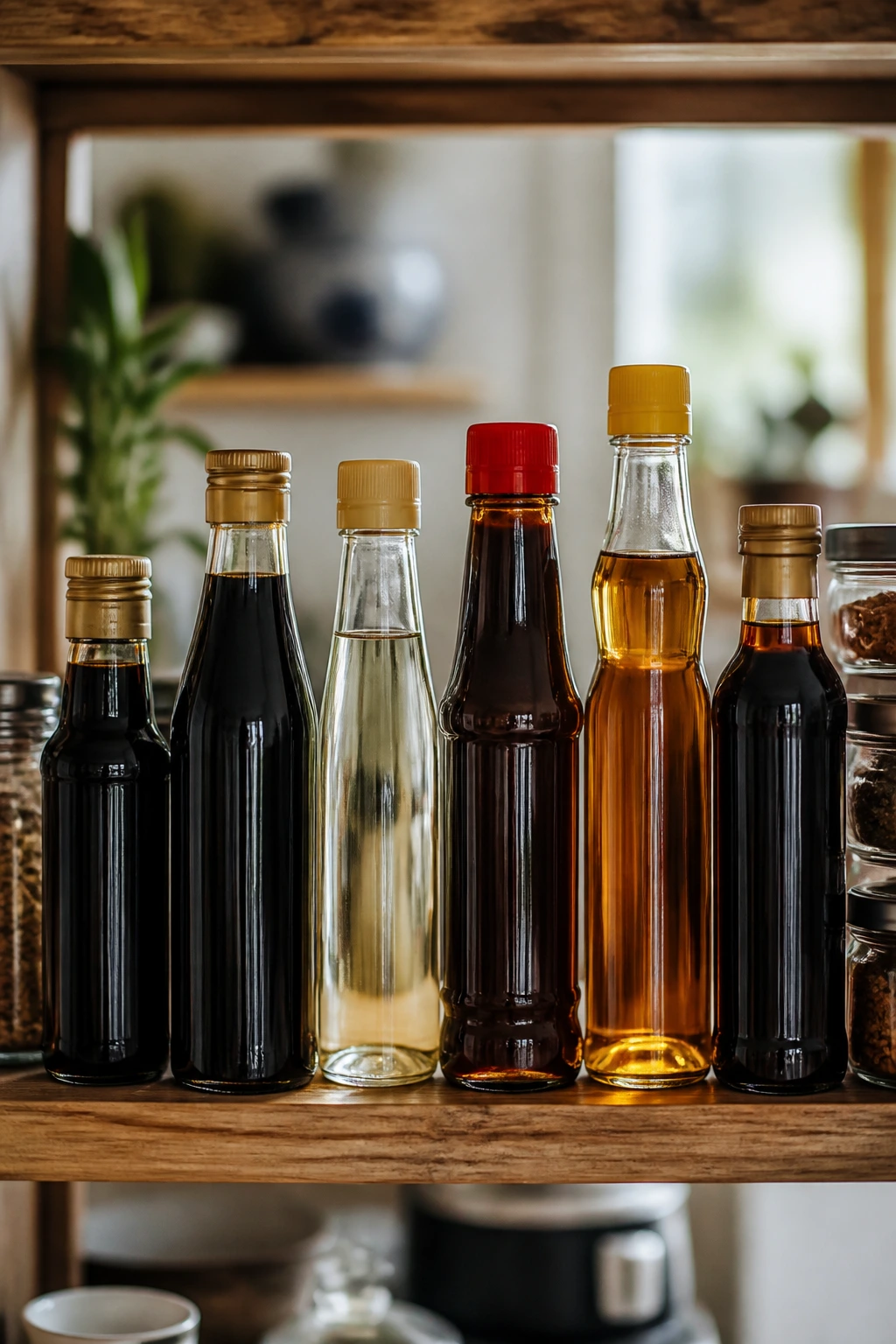
The whole logic behind these dishes comes down to a few repeatable moves. Soy sauce carries salt and color. Rice vinegar wakes up the sauce. Cornstarch thickens at the exact moment you need it to. Sesame oil steps in at the end like a final brushstroke, not a cooking fat. Once those pieces are in place, you can swing from garlic-soy broccoli to black bean chicken to sweet-and-sour bites without feeling like you need a new kitchen every time.
Heat matters just as much as ingredients. Stir-fries need a skillet hot enough to brown the chicken before it leaks juice. Braises need a slower simmer so the sauce concentrates instead of boiling apart. Soups want restraint, especially when you’re adding eggs or soft greens. The same pantry shelf can support all three methods, but the pan temperature changes the whole mood.
There’s also a practical reason these recipes work so well together. They make use of the things people actually keep around: rice, noodles, canned broth, frozen vegetables, garlic, ginger, onions, eggs, and a few jars that do a lot of heavy lifting. That’s not a compromise. That’s good kitchen planning.
The Tools That Make These Dinners Easier
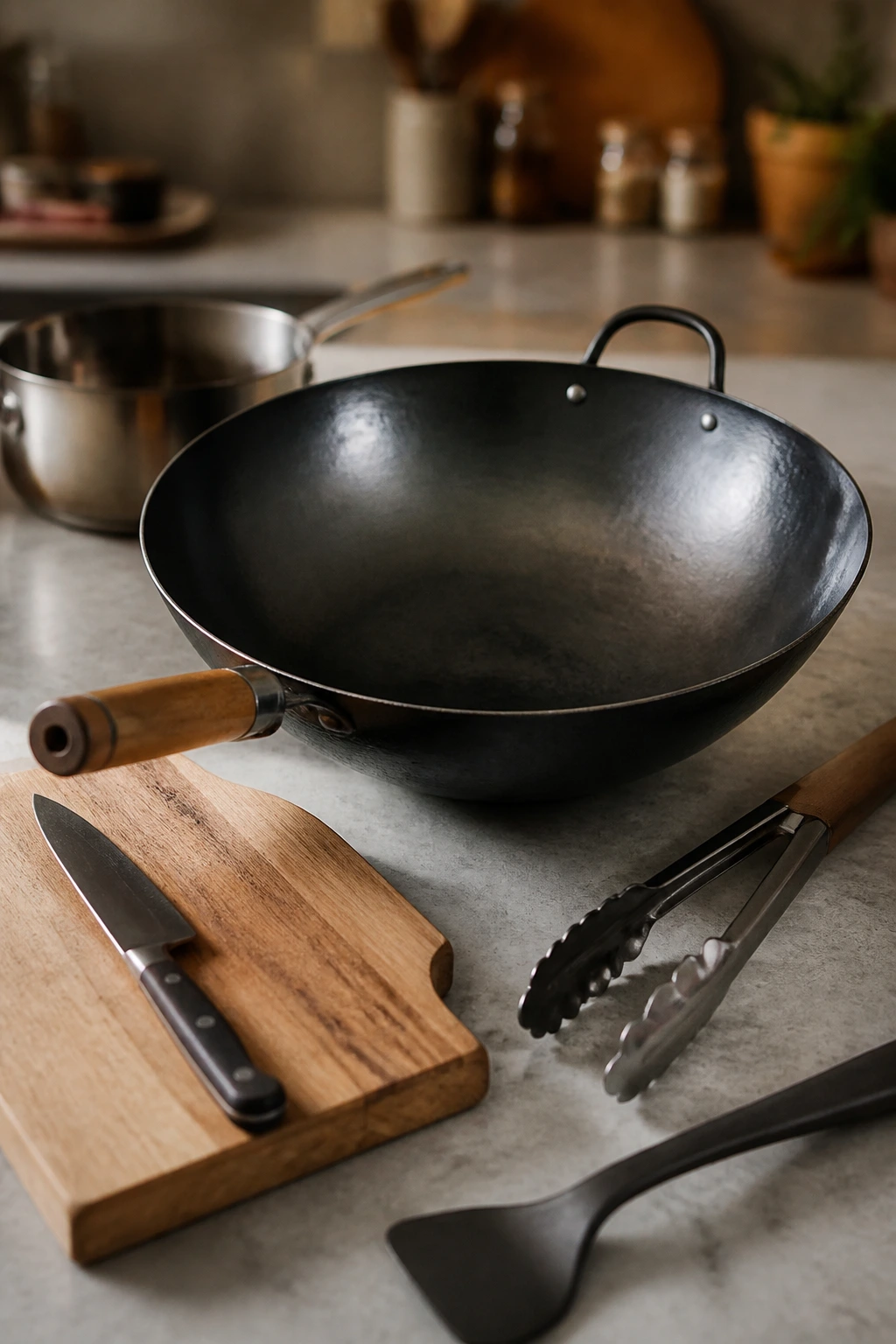
- Wok or large skillet: Best for high-heat stir-fries and anything that needs quick tossing.
- Dutch oven or deep sauté pan: Useful for braises, soups, and saucy chicken dishes that need room.
- Saucepan: The right size for congee, egg drop soup, and small-batch glazes.
- Sharp chef’s knife: Thin slicing changes the texture of chicken, onions, and cabbage more than people expect.
- Cutting board with a damp towel underneath: Keeps the board from skating around while you chop quickly.
- Small mixing bowls: Handy for sauces, cornstarch slurries, and marinades.
- Whisk or fork: Needed for breaking up cornstarch and egg mixtures cleanly.
- Spatula or wooden spoon: A flat edge helps scrape up browned bits without tearing the food.
- Tongs: Especially good for turning chicken thighs and drumsticks.
- Fine-mesh strainer: Useful if you want smoother soup broth or are draining noodles.
- Ladle: Makes soups and congee easier to portion.
- Sheet pan with rack: Great for baked or roasted chicken versions that need air circulation.
Smart Shopping and Ingredient Tips
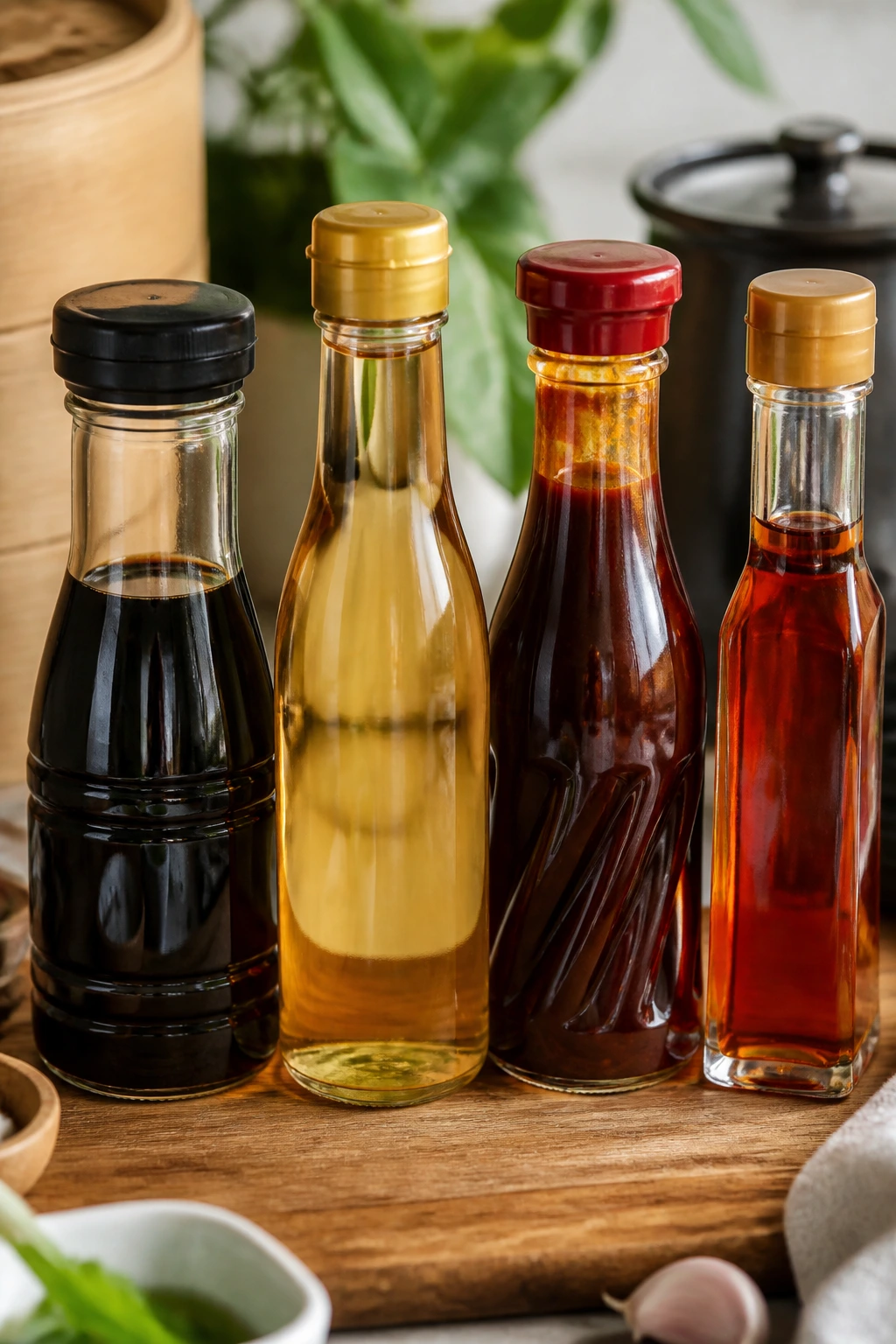
If you want these Chinese chicken recipes to taste vivid instead of merely salty, start with the bottles that do the heavy lifting. A decent soy sauce, rice vinegar, oyster sauce, and sesame oil will cover a shocking amount of ground. I’d rather have one good bottle of each than three specialty sauces that only work once. For soy sauce, choose one that tastes rounded and not just aggressively salty; low-sodium is fine if that’s what you usually cook with, but it may need a little more reduction in the pan.
Chicken thighs are the safer buy for most of these dishes. They stay tender in stir-fries, braises, and saucy skillet meals, and they don’t punish you if dinner gets delayed by five minutes. Chicken breast works for quick cooking, but slice it thin and cook it hard and fast. If you’re buying frozen chicken, thaw it completely and pat it dry before it hits the pan.
Cornstarch matters more than people give it credit for. It’s not just a thickener; it helps create the light coating that lets sauces cling. Keep it in a jar with a tight lid because humidity turns it clumpy. Rice vinegar is the cleaner-tasting option for these recipes, and plain distilled vinegar tastes harsher in a lot of them. If you can find Shaoxing wine, great. If you can’t, dry sherry or water plus a little extra soy sauce will usually get you close enough for home cooking.
Don’t overlook frozen vegetables. Frozen broccoli, peas, green beans, and mixed stir-fry vegetables are often better than tired fresh produce that’s been hanging around too long. They can go straight into a hot pan if you thaw and dry them well. Cabbage, onions, carrots, scallions, and cabbage are the quiet heroes here too — cheap, sturdy, and happy to sit on the counter for days.
For pantry add-ins, black bean garlic sauce, chili garlic sauce, hoisin, and canned bamboo shoots are all worth keeping around if you like Chinese-inspired dinners on repeat. None of them are mandatory, but each one opens up another lane. That’s the fun part. A few bottles, one bag of rice, a pack of chicken, and you’re already in business.
How to Serve These Recipes
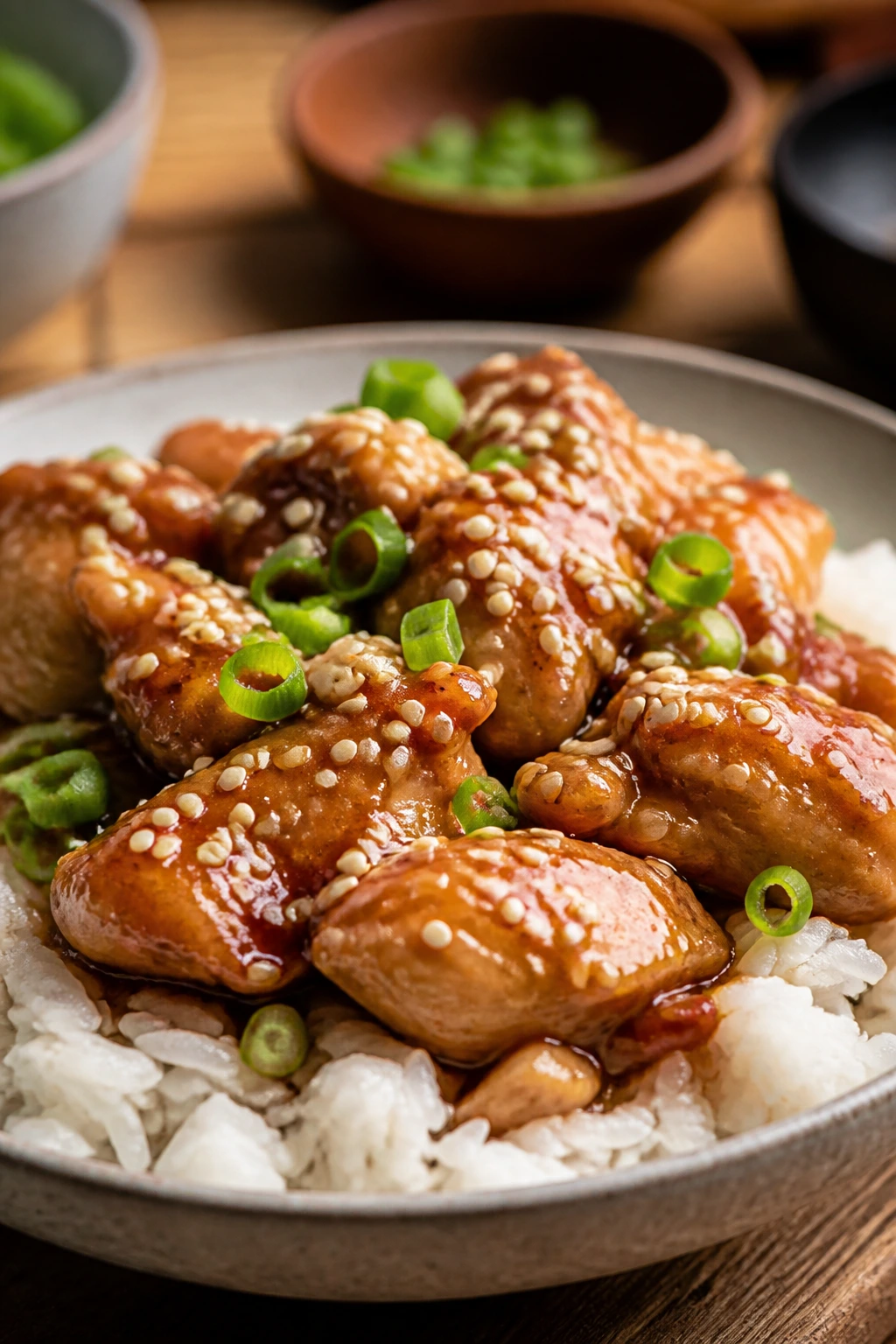
Presentation:
Use shallow bowls for saucy stir-fries and deep bowls for soups, congee, and noodle dishes. A scatter of sliced scallions, a few sesame seeds, or a small drizzle of chili oil makes the food look finished without making it fussy. For braises and roast chicken, spoon a little of the sauce over the rice first, then set the chicken on top so the plate looks intentional.
Accompaniments:
Steamed jasmine rice is the universal answer, but noodles, congee, and lettuce cups have their own place too. I like quick cucumber salad, blanched bok choy, cabbage slaw, or simple stir-fried greens beside richer dishes like General Tso’s or red-braised drumsticks. A plain side is the right move when the main dish already has a strong sauce.
Portions:
Most of these recipes comfortably serve 4 when paired with rice or noodles. If the chicken is the only main thing on the table, keep portions closer to 6 to 8 ounces cooked chicken per person. When scaling up, double the sauce only if your pan is wide enough; otherwise cook in two batches so the food browns instead of steaming.
Beverage Pairing:
Cold jasmine tea, unsweetened green tea, or sparkling water with lime all work beautifully with salty or spicy dishes. For richer plates like sesame chicken or black bean chicken, a dry lager is a clean fit. For soups and congee, I usually reach for tea because it doesn’t flatten the broth.
Additional Tips and Flavor Boosters
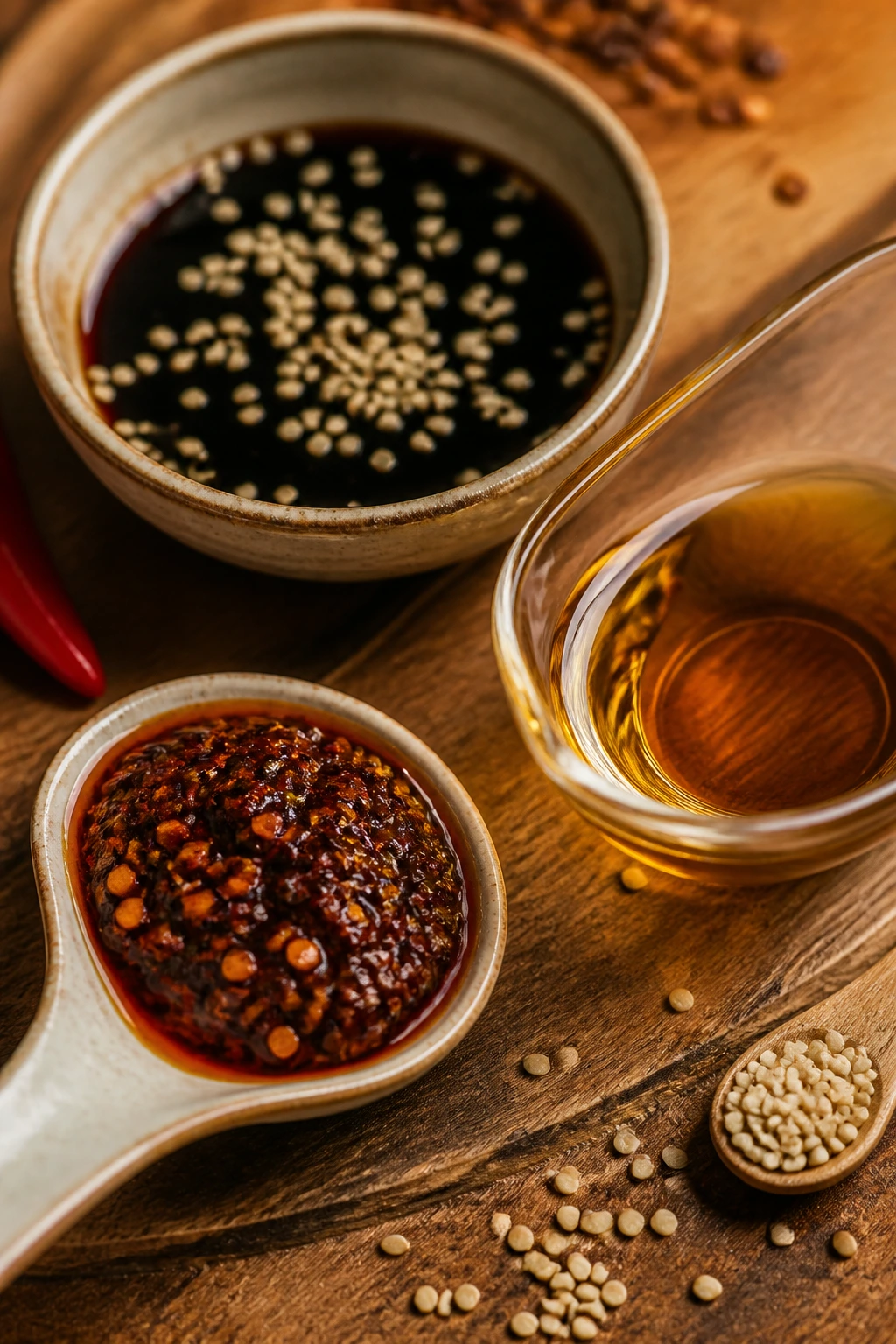
Flavor Enhancement:
A tiny finish can make the whole dish feel more awake. A spoonful of chili crisp, a drizzle of toasted sesame oil, or a few drops of black vinegar at the table can change a good bowl into one you remember. Toasted sesame seeds help too, but only if you actually toast them for a minute in a dry pan first.
Customization:
If you want more vegetables, add cabbage, broccoli, green beans, or mushrooms to almost any recipe in this collection. If you want more sweetness, lean on honey or orange marmalade instead of dumping in more sugar. For more heat, choose chili garlic sauce, chili oil, or dried chiles depending on whether you want body, heat, or a little of both.
Serving Suggestions:
Fresh scallions are the easiest garnish because they work on almost every dish here. Quick-pickled cucumbers are worth the five minutes they take, especially next to sticky or fried chicken. If a dish feels too brown, add something green at the end; that small bit of color usually comes with a small bit of freshness too.
Make-It-Yours:
For a lighter version, use chicken breast, reduce the oil a little, and keep the cook time short. For gluten-free cooking, tamari and certified gluten-free oyster or hoisin sauces handle most of the swap without changing the structure. For a lower-sugar plate, trim the honey or brown sugar by a third and lean on vinegar, citrus, or black bean sauce for flavor instead.
Make-Ahead, Storage, and Reheating Guidance
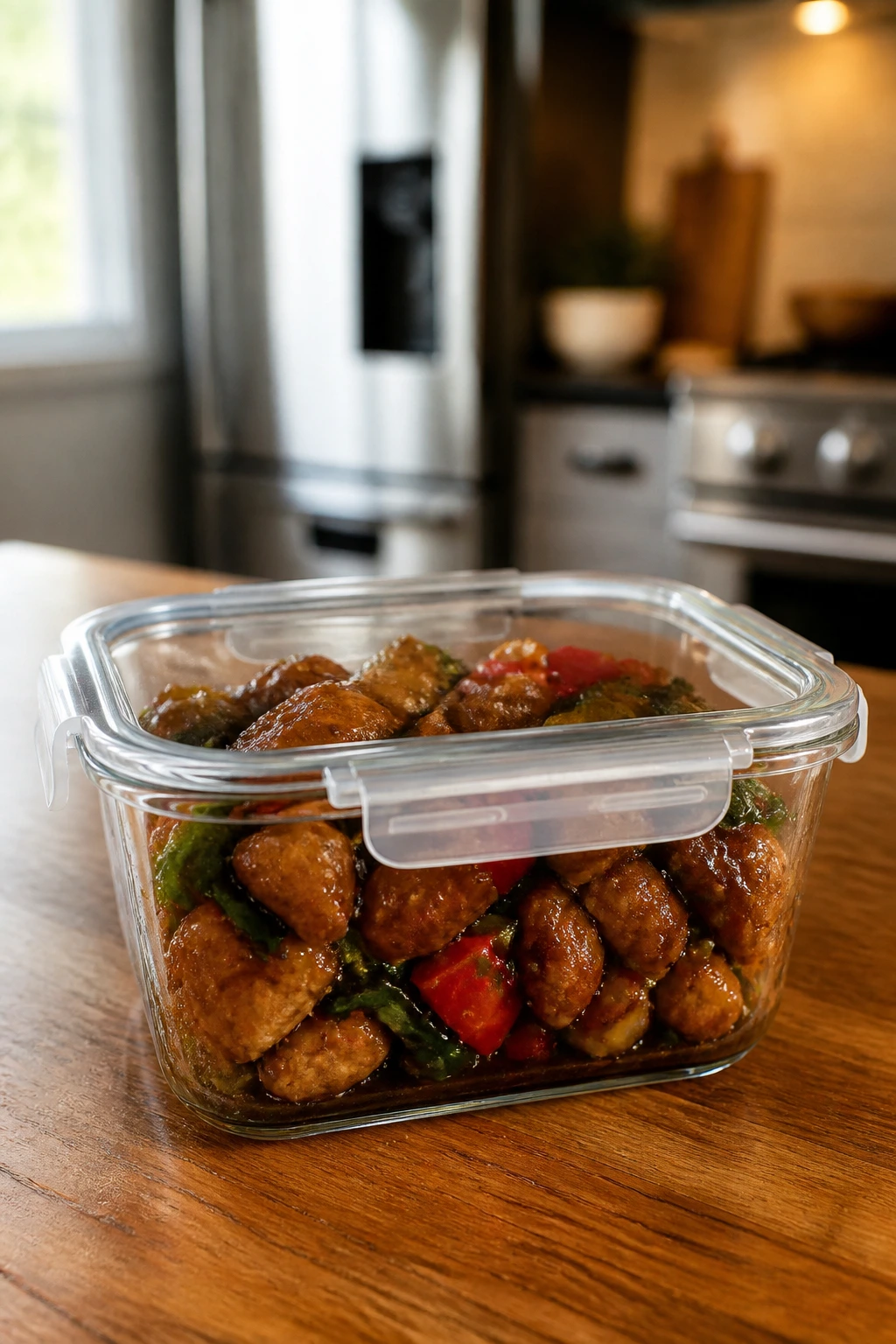
Most of these recipes keep well for 3 to 4 days in the refrigerator if they’re cooled promptly and stored in airtight containers. Soups and braises usually hold the best because the chicken stays sheltered in liquid. Fried or crisped chicken dishes keep their flavor just fine, but the coating softens in the fridge, which is normal. I would not leave any of them out for more than 2 hours at room temperature.
Freezing works best for braises, soups, curry-style dishes, and saucy stir-fries without a crunchy coating. Those can usually be frozen for up to 2 months. Fried chicken pieces, sesame chicken, orange chicken, and General Tso’s are better eaten fresh or refrigerated short-term, because freezer time makes the crust sad. If you do freeze them, separate the sauce from the chicken when you can.
For reheating, use the method that respects the texture. Stir-fries and saucy chicken reheat well in a skillet over medium-low heat with 1 to 2 tablespoons water or broth. Soup and congee should be warmed gently on the stove, stirring occasionally. Fried chicken pieces do better on a sheet pan in a 375°F oven or in an air fryer for a few minutes so the coating firms back up a bit. Microwaving works in a pinch, but it softens coatings and can overcook the chicken edges fast.
A few of these dishes improve overnight. Red-braised chicken, curry chicken, and some black bean or oyster sauce stir-fries taste a little deeper the next day because the sauce settles into the meat. Fried rice is also a next-day champion, as long as you reheat it hot enough to wake up the grains.
Pantry-Swap Variations Worth Trying
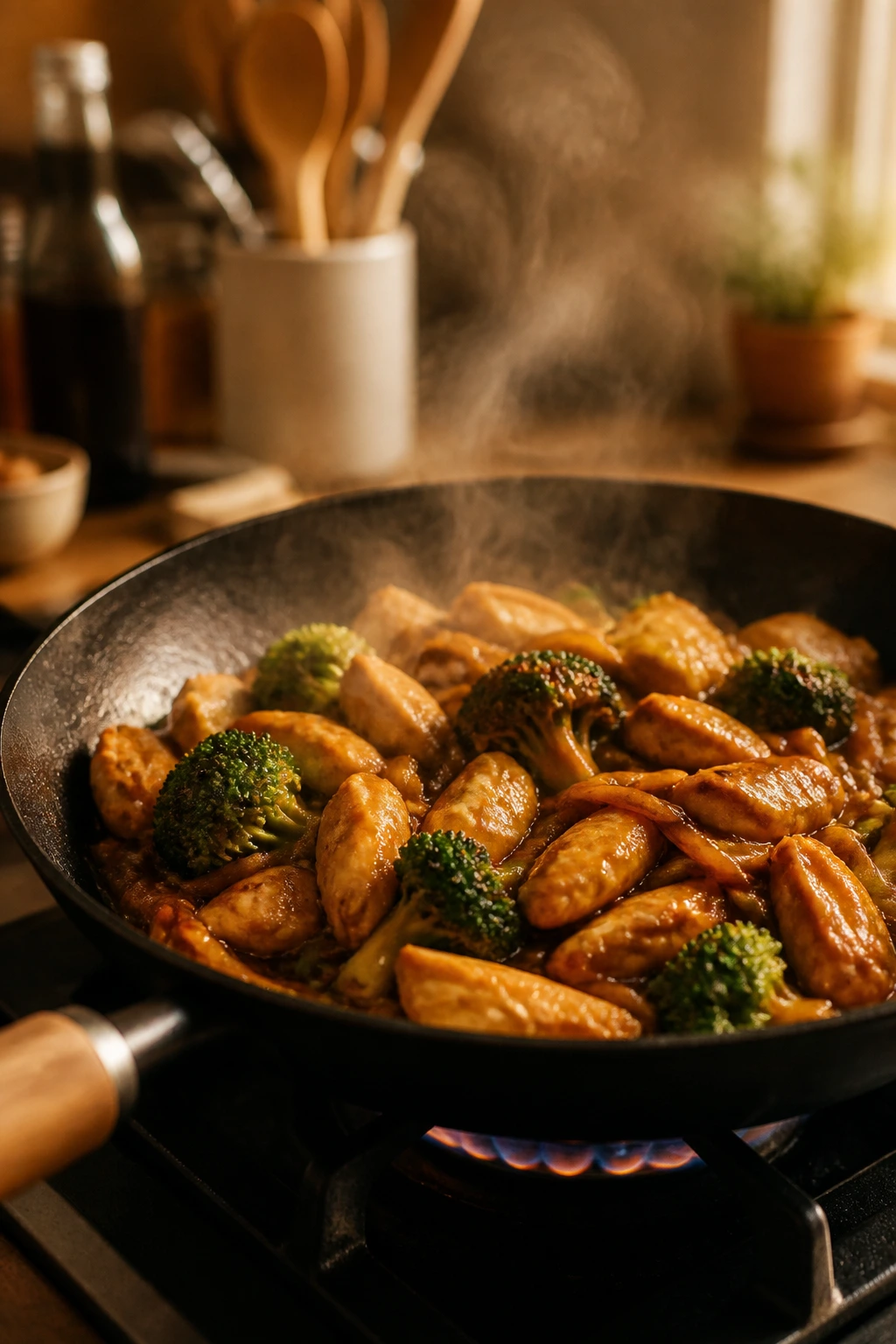
-
Gluten-Free Pantry Swap: Use tamari instead of soy sauce, then check your oyster sauce, hoisin, and black bean sauce labels. The flavor stays close, and the texture usually does too, especially in stir-fries and soups.
-
Lower-Sodium Bowl: Cut soy sauce by a third and replace the missing liquid with chicken broth, water, or unsalted stock. You’ll want more ginger, scallions, or vinegar to keep the flavor from sagging.
-
Frozen-Veg Rescue Dinner: Use frozen broccoli, green beans, peas, or mixed vegetables directly from the freezer after thawing and drying them. This version is especially good in fried rice, lo mein, and skillet sauces where a little extra moisture can cook off.
-
Heat-Lover’s Version: Add dried chiles, chili garlic sauce, or chili crisp depending on the dish. Dried chiles give a sharper oil-infused heat, while chili crisp gives you heat plus crunch and garlic bits.
-
Rice-to-Noodles Switch: Move any saucy chicken from rice to noodles when you want a different kind of bowl. Lo mein, spaghetti, and even thin rice noodles all work if the sauce is not too thick.
-
Vegetable-Heavy Dinner: Cut the chicken back by a quarter and add cabbage, mushrooms, broccoli, or green beans. The sauce stretches farther, and the meal still feels full.
Common Mistakes to Avoid
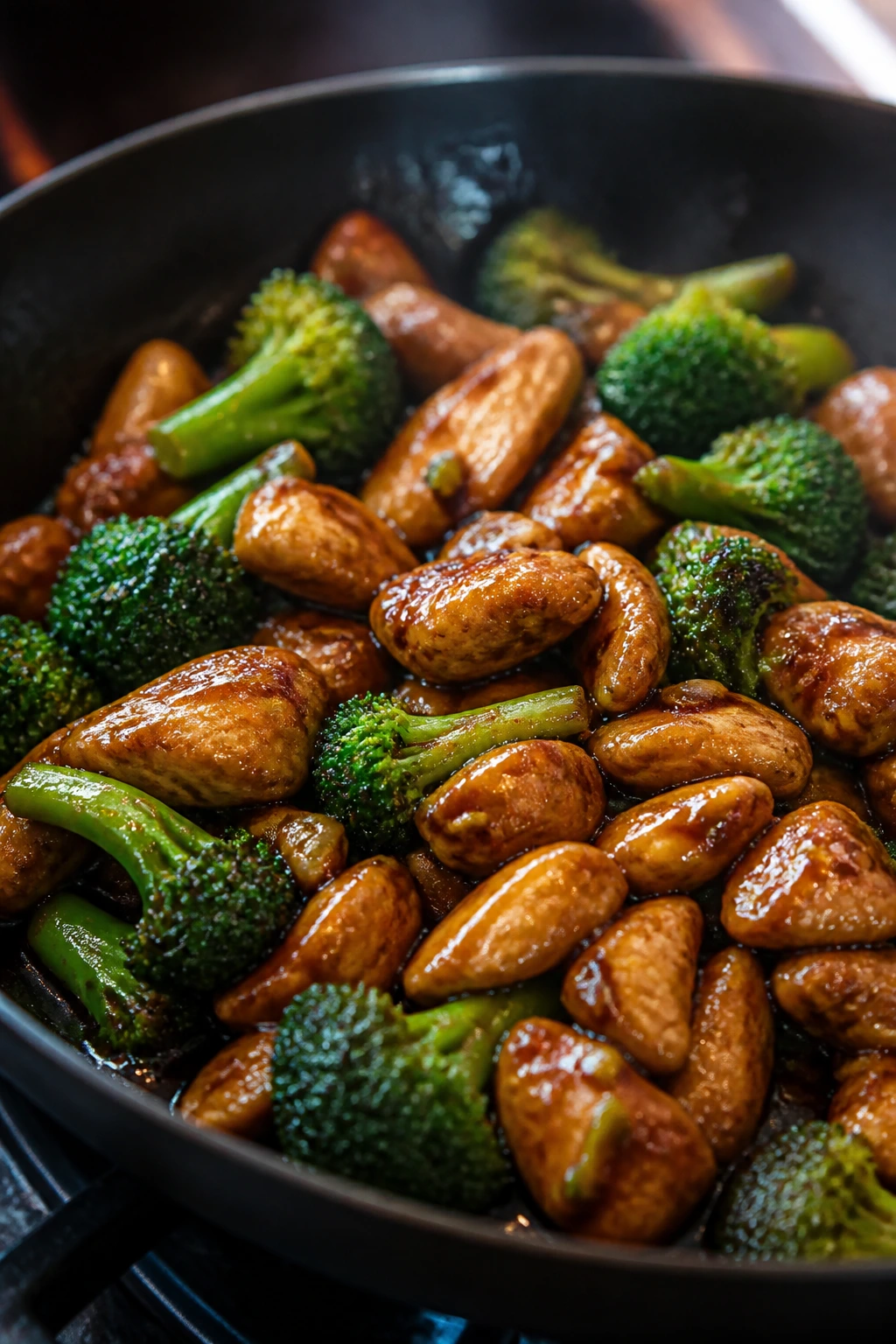
One big mistake is using a pan that’s too small. Chinese chicken cooking depends on heat and surface area. If the chicken or vegetables pile up, they steam instead of browning, and the sauce turns muddy. When the pan looks crowded, cook in two batches. It takes a few more minutes and gives you better food.
Another common problem is adding garlic or ginger too early. Both of them can go from fragrant to bitter fast, especially in a very hot wok. If the pan is screaming hot, get the sauce components ready first and add the aromatics only when the meat is close to done. That small timing shift changes the whole smell of the dish.
People also over-thicken with cornstarch. A glossy sauce is good. A gluey one is not. Start with the amount you need, then wait 20 to 30 seconds before adding more, because cornstarch thickens as it heats. If you rush that part, you end up with a pan that looks polished but eats like paste.
The fourth mistake is treating sesame oil like cooking oil. It isn’t. Add it at the end so the flavor stays round and nutty. If you fry with it, you burn off the aroma and lose the part people notice most.
Finally, don’t over-salt the pan before the sauce reduces. Soy sauce, oyster sauce, black bean sauce, and broth all bring salt in different amounts, and the concentration changes as the liquid cooks down. Taste at the end, not halfway through, unless you enjoy guessing wrong.
Questions Readers Always Ask
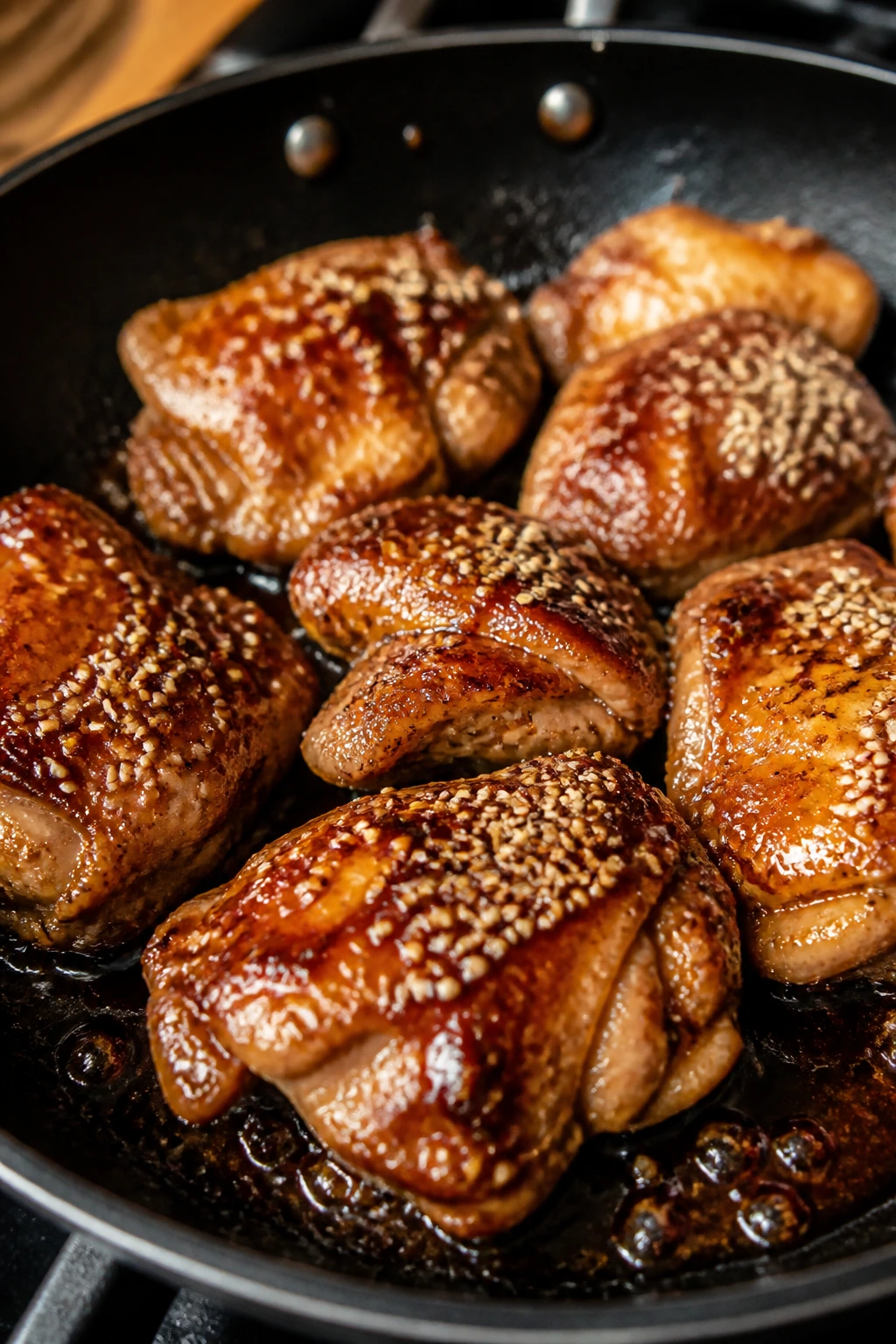
Can I use chicken breasts instead of thighs?
Yes, but slice them thinner and shorten the cook time. Breasts dry out faster, so they’re best in quick stir-fries, noodle dishes, and soups rather than long braises.
What’s the single most important pantry item for these recipes?
Soy sauce. If I had to choose one bottle, that would be it, because it works in stir-fries, soups, braises, noodle dishes, and fried rice. Cornstarch would be my second pick.
Do frozen vegetables work in these Chinese chicken recipes?
They do, especially in fried rice, chow mein, and saucy skillet meals. Thaw them first and pat them dry so they don’t flood the pan.
What if I don’t have Shaoxing wine?
Dry sherry is the closest easy swap. If neither is around, use a splash of water and maybe a little extra soy sauce; the dish will still work.
How do I keep the sauce from getting watery?
Dry your chicken and vegetables well, use a hot pan, and don’t overload it. If you’re using a thickener, mix cornstarch with cold water first and add it near the end, not before the sauce starts bubbling.
Which recipes freeze best?
Red-braised chicken, chicken curry, hot and sour soup, napa cabbage soup, and egg drop soup all freeze fairly well. Crisp fried dishes do not freeze nearly as nicely because the coating softens.
Can I make these dishes less salty without ruining them?
Yes. Use low-sodium soy sauce, reduce oyster sauce a little, and add more vinegar, ginger, or scallions at the end. Flavor should still taste awake, not just less salty.
How spicy are these recipes?
Some are mild, some lean hot, and most can go either way. Kung Pao, Sichuan chili chicken, General Tso’s, and hot and sour soup are the easiest places to add heat, while fried rice, congee, and lemon chicken are easier to keep gentle.
Can I double these recipes for a crowd?
You can, but use two pans or cook in batches if you want the same browning. The sauce doubles fine; the heat and pan space are the parts that usually fail.
A Better Weeknight Habit
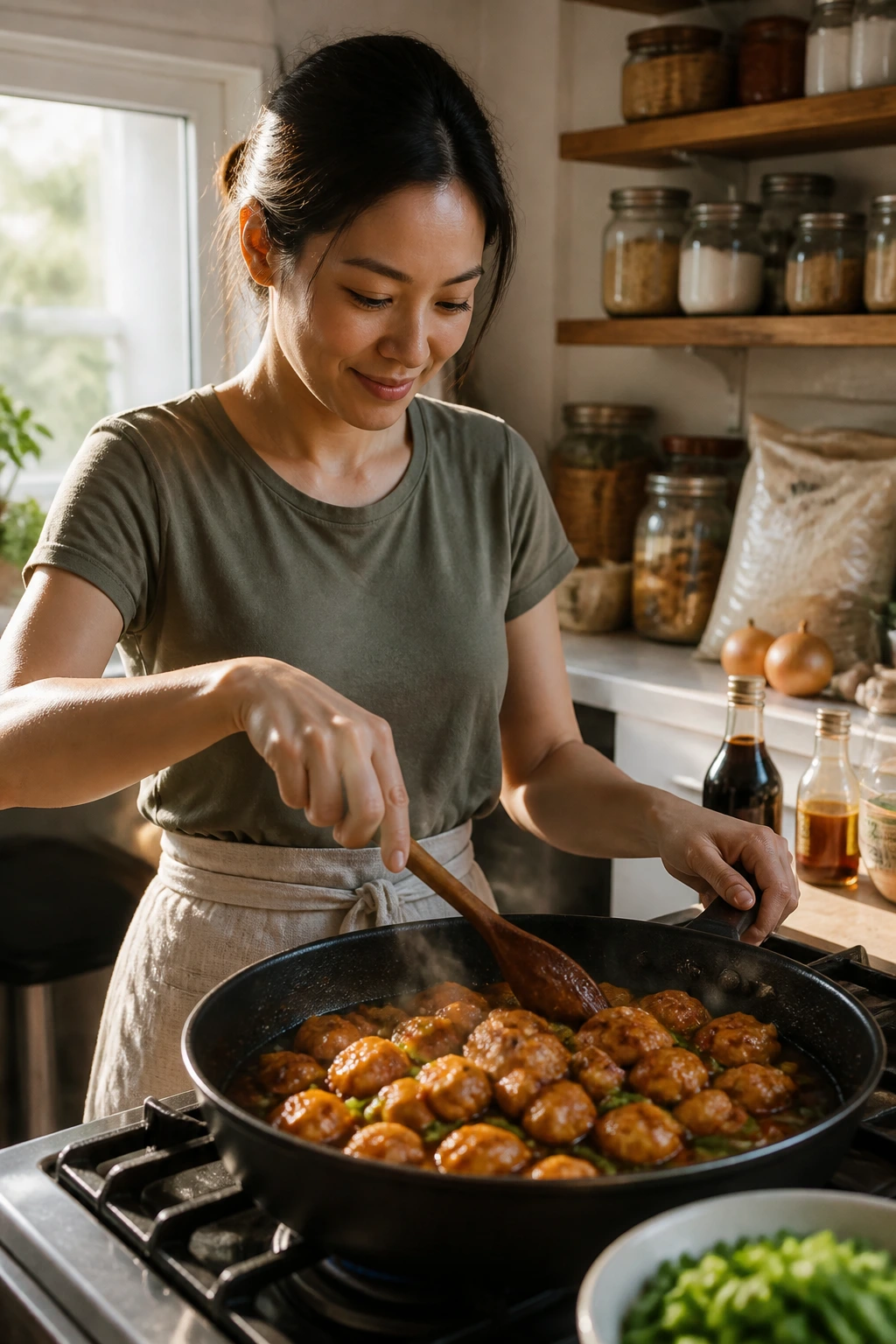
Once you get a few of these dishes under your fingers, the pantry stops feeling like a place you raid in desperation. It becomes a place you cook from on purpose. That’s the real advantage here: not novelty, not restaurant mimicry, but the quiet confidence of knowing a bottle of soy sauce, a bag of rice, and a couple of chicken thighs can become dinner without much friction.
Keep the core ingredients around, and these recipes start to feel less like separate meals and more like a system. That system is worth having. It turns the “what’s for dinner?” question into something you can answer in the time it takes the rice to steam.