



Most high protein recipes fail for one reason: they taste like homework. Dry chicken breast, sad egg whites, and protein powder that clings to the blender cup all have the same problem — they chase numbers and forget the plate. The recipes here do the opposite. They give you real food with enough protein to keep you full, but also enough salt, acid, herbs, crunch, and sauce to make you want a second bite.
That matters more than people admit. A meal can be technically “healthy” and still be a drag to eat. If the texture is chalky, the seasoning is timid, or the protein source is cooked one minute too long, nobody is going to keep making it. The recipes below lean on smart, ordinary ingredients: Greek yogurt, eggs, beans, salmon, turkey, cottage cheese, tofu, beef, shrimp, lentils. Nothing weird. Nothing punishing.
Some are fast enough for a weeknight skillet. Some are built for meal prep containers that hold up for three days in the fridge. A few are breakfast recipes that don’t collapse into sugar an hour later. And yes, there are plant-based options that do more than shrug and say “good enough.” Start with the first one and the pattern becomes obvious: protein tastes best when it has something sharp, creamy, or crisp to lean on.
Why These Recipes Earn Their Spot on the Table
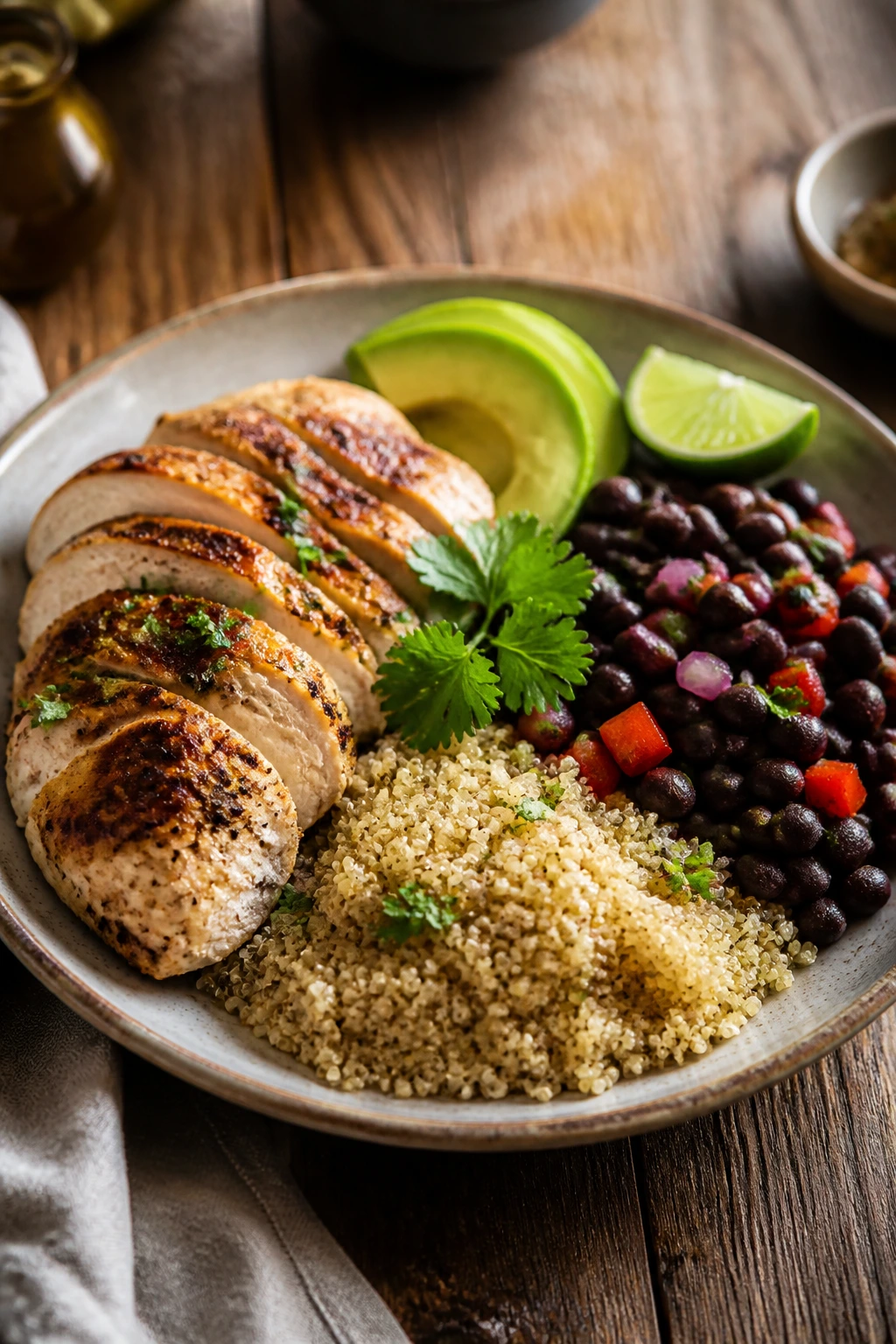
-
Real protein, not protein theater: Each recipe uses a substantial source — chicken, turkey, fish, eggs, tofu, beans, lentils, or dairy — so the meal feels complete instead of patched together.
-
Flavor gets equal billing: Lemon, mustard, garlic, cumin, soy sauce, herbs, vinegar, and toasted spices show up again and again because bland protein is the fastest way to waste dinner.
-
Meal prep without the cardboard effect: Several dishes keep their texture for 3 to 4 days, which means lunch boxes stay interesting instead of turning into fridge regret.
-
Breakfast, lunch, and dinner are covered: It’s easier to keep protein steady when you have options at every meal, not just at the end of the day.
-
Mix of animal and plant sources: Some days you want salmon. Some days you want lentils or tofu. The collection gives you both without forcing the point.
-
Comfort food is still allowed: High protein does not have to mean austere. A good chili, pasta bake, or stuffed sweet potato can still pull its weight.
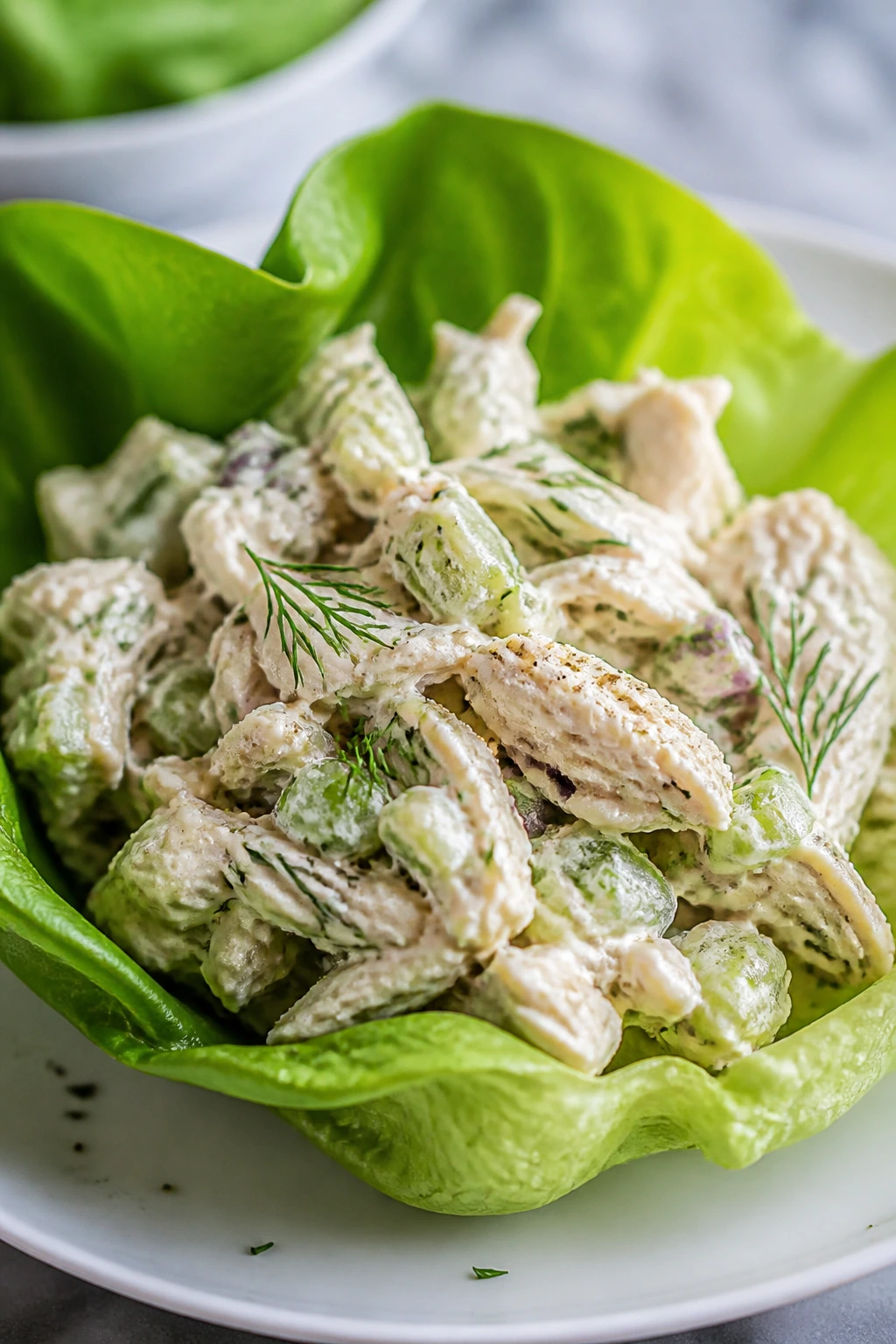
1. Greek Yogurt Chicken Salad Lettuce Cups
Chicken salad gets boring fast when it’s all mayo and no contrast. This version stays creamy, but the lemon, dill, and celery keep it bright and snappy, and the lettuce cups give each bite a cold, crisp edge. It eats like lunch that was planned on purpose.
Why It Works: Greek yogurt brings protein and tang, while a little mayonnaise keeps the texture from turning sharp and chalky. Shredded chicken soaks up the dressing instead of sitting in it, and celery gives you a clean crunch that never feels heavy. The lettuce wrap keeps the whole thing light without making it feel skimpy.
Key Ingredients:
- 1 1/2 lb cooked chicken breast, shredded
- 3/4 cup plain Greek yogurt
- 2 tbsp mayonnaise
- 1 stalk celery, finely diced
- 1 tbsp Dijon mustard
- 1 tbsp lemon juice
- 2 tbsp chopped dill
- 8 butter lettuce leaves
- Salt and black pepper, to taste
- 1/2 cup halved grapes, optional
Quick Steps:
- Stir the yogurt, mayonnaise, Dijon, lemon juice, dill, salt, and pepper in a bowl.
- Fold in the chicken, celery, and grapes if using.
- Chill for 10 minutes so the flavors settle.
- Spoon into lettuce leaves.
- Finish with extra dill and black pepper.
Equipment for This Recipe: Large mixing bowl; chef’s knife; cutting board. A salad spinner helps keep lettuce crisp, but it’s optional.
How to Serve This Dish: Pile the filling into butter lettuce or romaine leaves and serve with sliced cucumbers or a handful of cherry tomatoes. Two or three cups make a solid lunch; four cups can stand in for dinner if you add fruit on the side.
Pro Tips for This Recipe:
- Use chicken that’s been cooled before shredding; hot chicken makes the dressing watery.
- A tiny splash of pickle brine works if you want more bite.
- If the mix seems dry, add yogurt in 1 tablespoon increments instead of dumping in a lot at once.
Variations on This Dish:
- Curry Chicken Cups: Add 1 tsp curry powder and chopped apple for a warmer flavor.
- Avocado Herb Version: Swap half the yogurt for mashed avocado and use parsley instead of dill.
Common Mistakes to Avoid with This Dish:
- Don’t drown the chicken in dressing; it should look coated, not soupy.
- Don’t skip salt. Cold chicken salad needs more seasoning than you think.
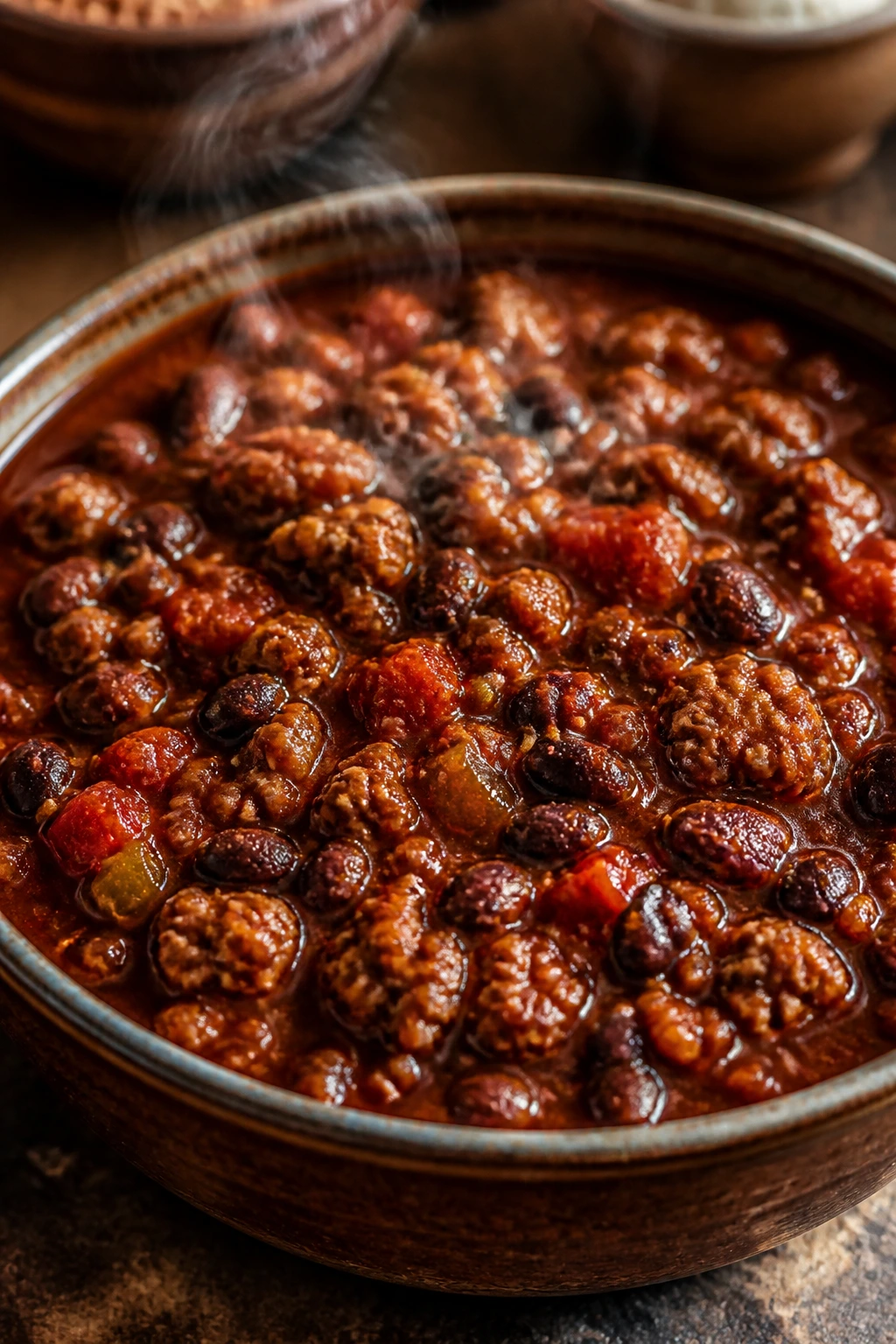
2. Smoky Turkey and Black Bean Chili
This is the kind of chili that smells like it’s been on the stove all afternoon, even when it hasn’t. Ground turkey keeps it lean, black beans bring more protein and body, and a hit of cocoa or coffee deepens the broth without making it taste strange. The bowl ends up hearty, smoky, and stable — not thin and sad.
Why It Works: Turkey browns quickly and picks up flavor from the pot, while black beans and tomatoes build a thick spoonable base. Chili powder, cumin, and smoked paprika give the chili a darker edge, and a short simmer lets everything marry without overcooking the turkey. A squeeze of lime at the end keeps the whole pot from tasting flat.
Key Ingredients:
- 1 tbsp olive oil
- 1 lb ground turkey
- 1 yellow onion, diced
- 3 garlic cloves, minced
- 2 tbsp chili powder
- 1 tsp ground cumin
- 1 tsp smoked paprika
- 1 tbsp tomato paste
- 1 can (28 oz) crushed tomatoes
- 2 cans (15 oz each) black beans, drained and rinsed
- 1 cup chicken broth
- 1 lime, juiced
Quick Steps:
- Heat the oil in a Dutch oven over medium-high heat.
- Cook the turkey and onion for 6 to 8 minutes until the meat is browned and the onion softens.
- Stir in the garlic, spices, and tomato paste for 1 minute.
- Add tomatoes, beans, and broth; bring to a boil, then simmer 25 minutes.
- Finish with lime juice and taste for salt.
Equipment for This Recipe: Dutch oven or heavy pot; wooden spoon; can opener; ladle.
How to Serve This Dish: Serve with Greek yogurt, chopped cilantro, and sliced avocado. A small scoop of rice works if you want it heavier, but the chili stands fine on its own.
Pro Tips for This Recipe:
- Let the turkey brown before stirring too much; color means flavor.
- If it tastes sharp, simmer uncovered for 5 extra minutes.
- A little chopped jalapeño goes in well, but add it with the onion, not at the end.
Variations on This Dish:
- White Turkey Chili: Use white beans, green chiles, and cumin-forward seasoning.
- Beefier Bowl: Swap in lean ground beef if you want a richer finish.
Common Mistakes to Avoid with This Dish:
- Don’t rush the simmer. Chili needs time to thicken and lose the canned-tomato edge.
- Don’t forget acid at the end; lime wakes the whole pot up.
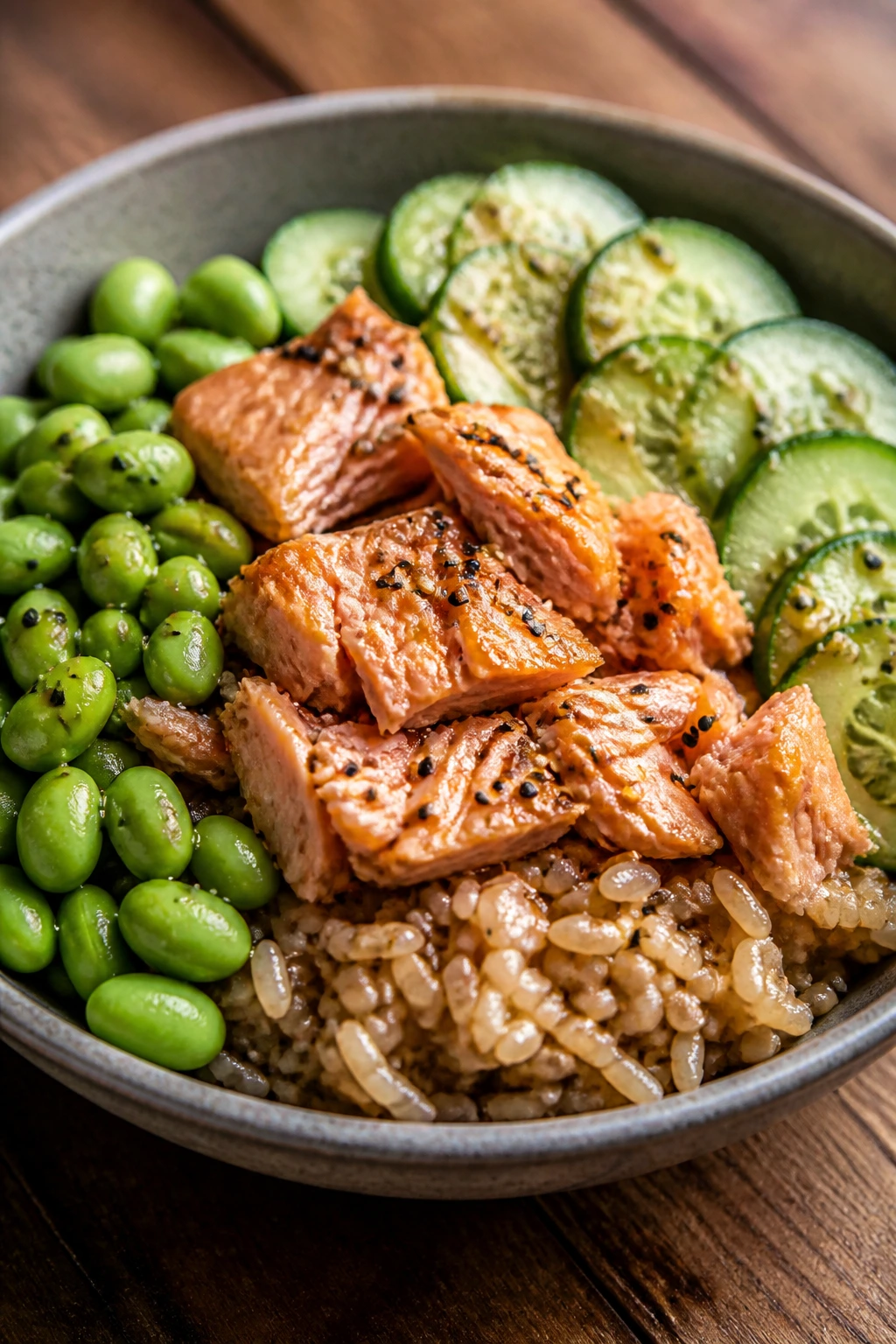
3. Salmon Rice Bowls with Edamame and Cucumber
A good salmon bowl should feel cool, warm, creamy, and crisp all at once. This one does, with flaky fish over rice, chilled cucumber, edamame, and a soy-sesame dressing that clings to every grain. It’s a protein-packed lunch that doesn’t taste like leftovers.
Why It Works: Salmon brings rich protein and fat, which means the bowl stays satisfying without needing a heavy sauce. Edamame adds a second protein source, and cucumber keeps each bite sharp. Rice acts like a neutral base that catches the dressing instead of letting it run to the bottom of the bowl.
Key Ingredients:
- 4 salmon fillets, about 5 oz each
- 2 cups cooked brown rice or jasmine rice
- 1 cup shelled edamame, thawed
- 1 cucumber, thinly sliced
- 2 tbsp soy sauce
- 1 tbsp rice vinegar
- 1 tsp sesame oil
- 1 avocado, sliced
- 2 tbsp sesame seeds
- 2 scallions, sliced
Quick Steps:
- Season the salmon with salt and pepper and bake at 400°F (200°C) for 10 to 12 minutes, until it flakes easily.
- Whisk soy sauce, rice vinegar, and sesame oil.
- Divide rice between bowls.
- Add salmon, edamame, cucumber, and avocado.
- Drizzle with dressing and top with sesame seeds and scallions.
Equipment for This Recipe: Sheet pan; small bowl; measuring spoons; fork.
How to Serve This Dish: Build the bowl with the rice on the bottom so the warm grains soften the dressing. Serve with extra cucumber or pickled ginger on the side if you like a sharper finish.
Pro Tips for This Recipe:
- Pat the salmon dry before baking so the top browns instead of steaming.
- Use rice that’s not steaming hot if you want the cucumber to stay crisp.
- A spoonful of sriracha mayo works if you want more heat and creaminess.
Variations on This Dish:
- Miso Salmon Bowl: Brush the fish with miso, honey, and soy before baking.
- Mediterranean Swap: Trade rice for quinoa and use lemon, dill, and cucumber.
Common Mistakes to Avoid with This Dish:
- Don’t overbake the salmon. Dry fish ruins the bowl fast.
- Don’t drown the rice in dressing; you want seasoning, not a puddle.
4. Cottage Cheese Scrambled Eggs with Tomatoes and Chives
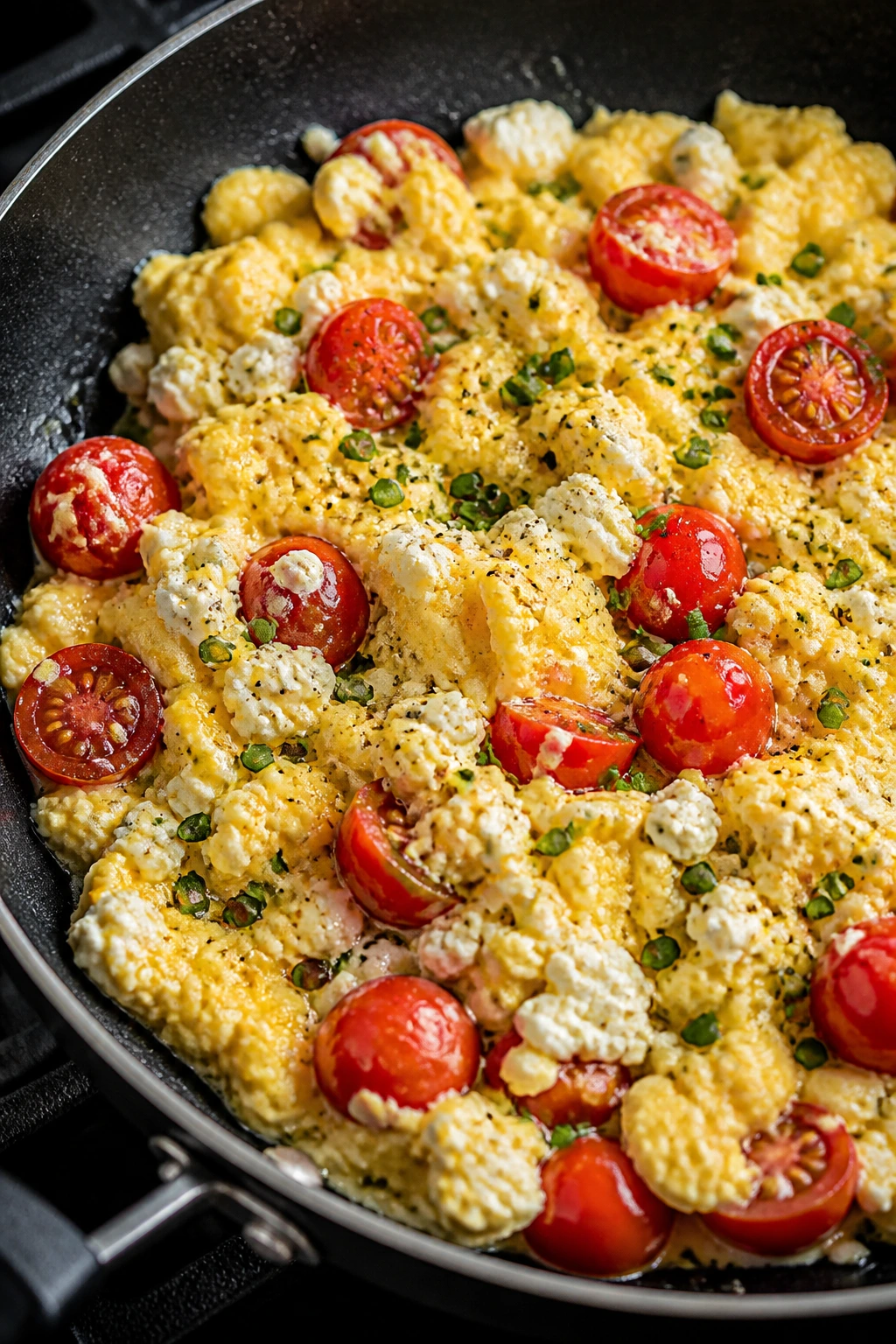
If cottage cheese still makes you think of bland diet food, this skillet will change your mind. The cheese melts into the eggs and leaves them fluffy, creamy, and a little tangy, while the tomatoes burst into small juicy pockets. It’s breakfast that actually sticks with you.
Why It Works: Eggs and cottage cheese stack protein in one pan without needing protein powder or a side of regret. The dairy softens the curds and keeps the scramble tender, and quick-cooked tomatoes add moisture so the pan doesn’t feel dry. Chives bring a mild onion note that wakes everything up.
Key Ingredients:
- 6 large eggs
- 1/2 cup cottage cheese
- 1 tbsp butter
- 1 cup cherry tomatoes, halved
- 2 tbsp chopped chives
- Salt and black pepper, to taste
- 1 slice toasted whole-grain bread, optional
- 1 tsp olive oil
Quick Steps:
- Whisk the eggs, cottage cheese, salt, and pepper until mostly smooth.
- Heat butter and oil in a nonstick skillet over medium-low heat.
- Add tomatoes and cook for 2 minutes until they start to blister.
- Pour in the egg mixture and stir slowly for 3 to 4 minutes until softly set.
- Remove from the heat and top with chives.
Equipment for This Recipe: Nonstick skillet; whisk; bowl; silicone spatula.
How to Serve This Dish: Spoon it onto toast or serve beside sliced avocado. A few herbs on top make it look intentional, not improvised.
Pro Tips for This Recipe:
- Keep the heat low; high heat turns the eggs rubbery.
- If the cottage cheese curds bother you, blend the mixture for 10 seconds first.
- Pull the pan off the heat while the eggs still look slightly underdone; they finish on the plate.
Variations on This Dish:
- Spinach Version: Fold in a handful of baby spinach right before the eggs set.
- Smoked Salmon Upgrade: Add smoked salmon after cooking and skip the tomatoes.
Common Mistakes to Avoid with This Dish:
- Don’t over-stir. You want soft curds, not tiny dry crumbs.
- Don’t use a screaming-hot pan; cottage cheese can turn grainy if it cooks too hard.
5. Beef and Broccoli Stir-Fry
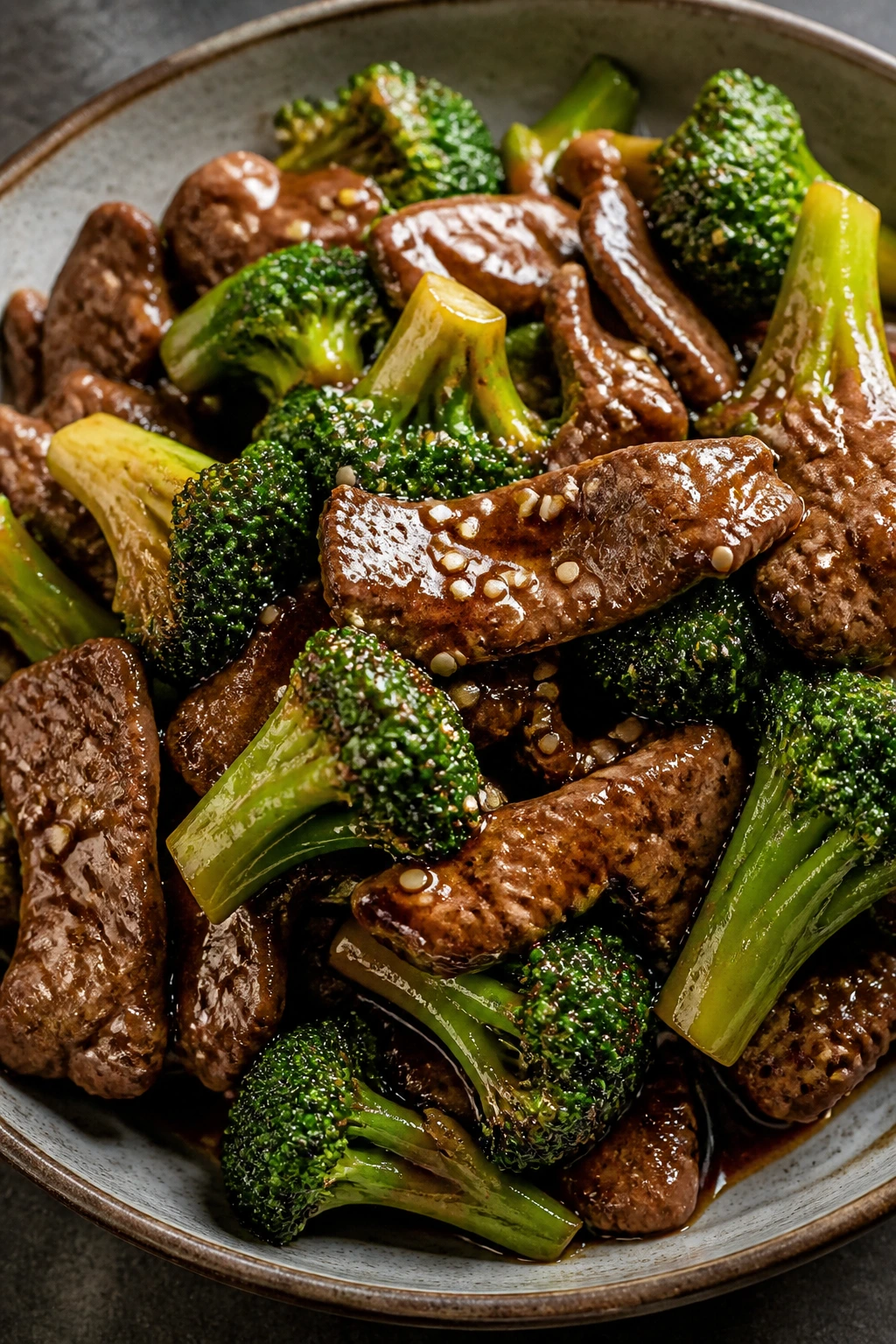
This is the kind of stir-fry that makes takeout feel unnecessary. Thin-sliced beef, glossy broccoli, garlic, and a soy-ginger sauce give you that salty-sweet edge people chase in a carton. It’s fast, sure, but the real reason to make it is that it tastes bigger than the amount of work it asks from you.
Why It Works: Lean beef sears quickly and brings a lot of protein in a small portion, while broccoli gives the pan texture and a little bitterness. The sauce thickens in the heat instead of soaking the beef, which keeps each bite coated instead of soggy. A touch of cornstarch gives the sauce that clingy finish people always remember.
Key Ingredients:
- 1 lb flank steak, thinly sliced against the grain
- 4 cups broccoli florets
- 2 tbsp soy sauce
- 1 tbsp oyster sauce
- 1 tbsp cornstarch
- 2 garlic cloves, minced
- 1 tsp grated ginger
- 1 tbsp sesame oil
- 1/2 cup water
- 2 cups cooked rice, for serving
Quick Steps:
- Toss the beef with 1 tbsp soy sauce and cornstarch.
- Heat sesame oil in a large skillet over high heat and sear the beef for 2 minutes per side; remove.
- Add broccoli, garlic, ginger, and water; cover for 3 minutes.
- Stir in the oyster sauce and remaining soy sauce.
- Return the beef, toss 1 minute, and serve over rice.
Equipment for This Recipe: Large skillet or wok; sharp knife; mixing bowl; tongs.
How to Serve This Dish: Serve over hot rice so the sauce has something to grab onto. A sprinkle of sesame seeds or sliced scallions is enough to make it look finished.
Pro Tips for This Recipe:
- Slice the beef thin while it’s slightly chilled; it’s cleaner and faster.
- Don’t crowd the pan or the beef will steam.
- Add a splash of water if the sauce tightens too much before the broccoli is done.
Variations on This Dish:
- Spicy Version: Add chili garlic sauce with the ginger.
- Lower-Carb Bowl: Serve over cauliflower rice or shredded cabbage.
Common Mistakes to Avoid with This Dish:
- Don’t overcook the beef. A minute too long and it gets chewy.
- Don’t skip slicing against the grain; that’s the difference between tender and stringy.
6. Lentil Bolognese Over Whole-Wheat Pasta
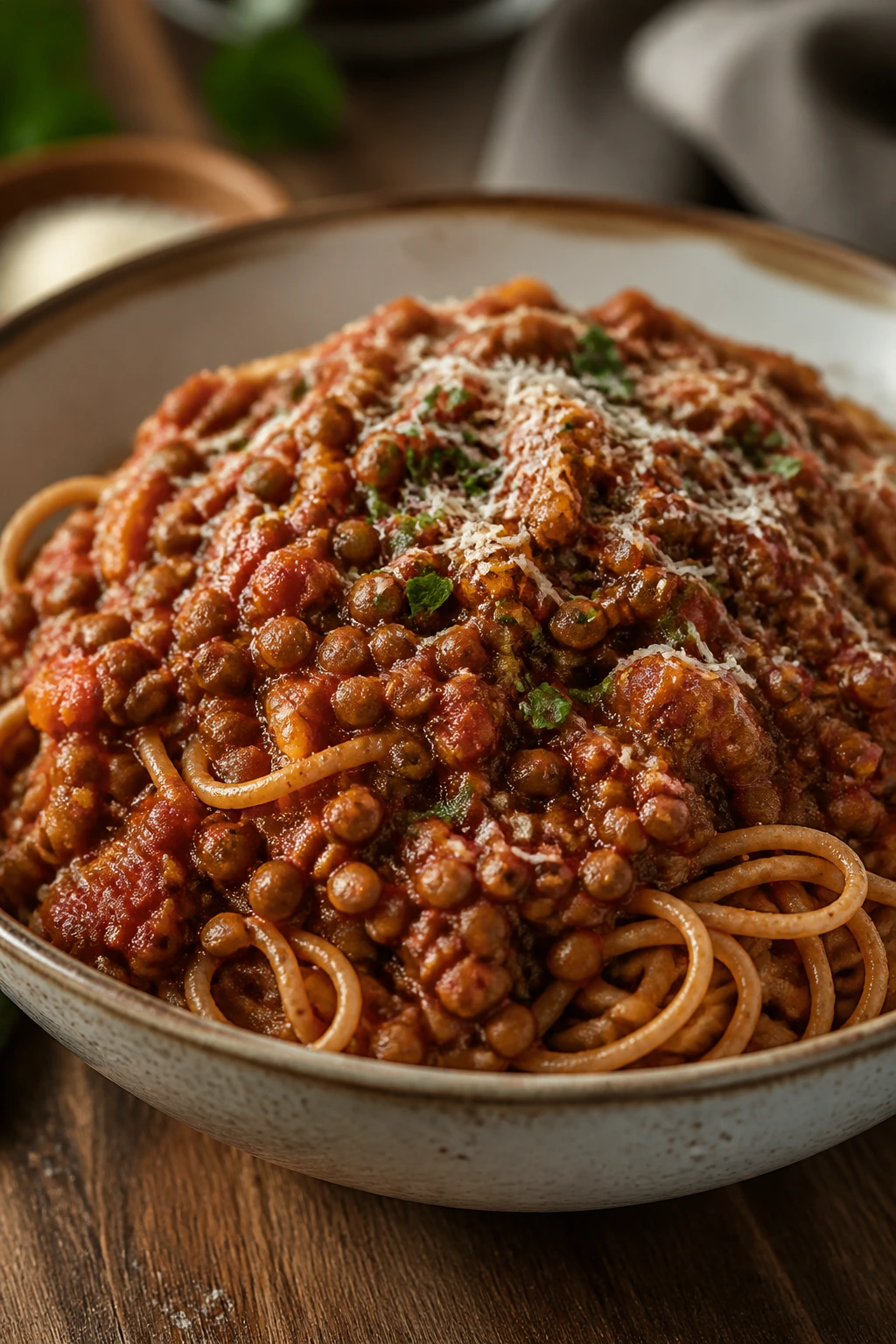
Lentils give this sauce the body most meatless pastas miss. The tomatoes stay bright, the onions go sweet, and the whole thing clings to noodles the way a good Bolognese should. It’s filling without being heavy, and it doesn’t taste like a compromise.
Why It Works: Lentils add a steady, earthy protein source that behaves a little like finely crumbled meat once it simmers. Tomato paste, garlic, and herbs give the sauce depth, and a splash of pasta water helps it wrap around the noodles. Whole-wheat pasta adds more fiber and a nutty backbone that fits the sauce.
Key Ingredients:
- 1 tbsp olive oil
- 1 onion, diced
- 2 carrots, diced
- 2 celery stalks, diced
- 3 garlic cloves, minced
- 2 tbsp tomato paste
- 1 cup dried brown lentils, rinsed
- 1 can (28 oz) crushed tomatoes
- 2 cups vegetable broth
- 12 oz whole-wheat spaghetti
- 1/4 cup grated Parmesan
Quick Steps:
- Cook onion, carrots, and celery in oil over medium heat for 8 minutes.
- Add garlic and tomato paste; cook 1 minute.
- Stir in lentils, tomatoes, and broth; simmer 30 minutes until thick.
- Boil the pasta until al dente.
- Toss pasta with sauce and Parmesan.
Equipment for This Recipe: Large saucepan; pasta pot; colander; wooden spoon.
How to Serve This Dish: Twirl the pasta high and finish with extra Parmesan and black pepper. A bitter green salad on the side keeps the plate from feeling too soft.
Pro Tips for This Recipe:
- Rinse the lentils well so the sauce stays clean-tasting.
- If the sauce gets too thick, loosen it with pasta water, not plain water.
- Let it sit 5 minutes before serving; the sauce settles and gets silkier.
Variations on This Dish:
- Mushroom Bolognese: Add finely chopped mushrooms with the vegetables.
- Meaty Blend: Mix half lentils and half lean ground beef.
Common Mistakes to Avoid with This Dish:
- Don’t leave the sauce watery. Lentils need time to swell and thicken.
- Don’t underseason the pasta water; the noodles should carry some salt too.
7. Tuna and White Bean Pita Pockets
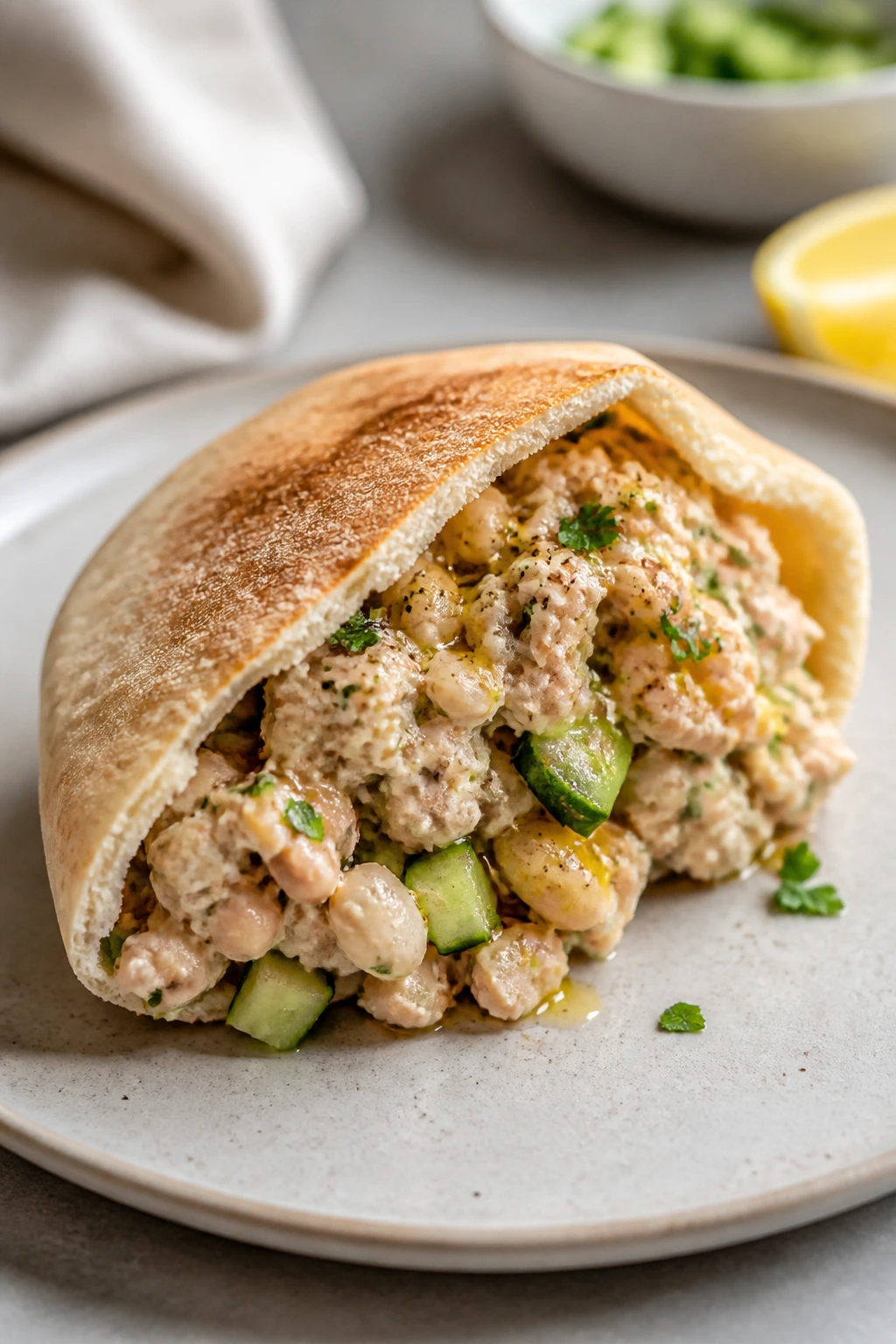
A tuna sandwich can feel limp. Tuna in a pita with white beans, lemon, and herbs feels like lunch with a plan. The beans add creaminess and protein, the tuna brings salt and texture, and the cucumber keeps it cold and crisp.
Why It Works: White beans stretch the filling without turning it mushy, and they blend well with tuna’s firm flakes. Lemon juice and parsley brighten the whole mixture, while a little yogurt or olive oil helps it bind without drowning the fish. Pita gives you a pocket that travels better than bread.
Key Ingredients:
- 2 cans tuna in water, drained
- 1 can (15 oz) cannellini beans, drained and rinsed
- 1/4 cup plain Greek yogurt
- 1 tbsp olive oil
- 1 tbsp lemon juice
- 2 tbsp chopped parsley
- 1/2 cucumber, diced
- 4 pita breads
- Salt and black pepper, to taste
Quick Steps:
- Mash half the beans in a bowl.
- Stir in tuna, yogurt, olive oil, lemon juice, parsley, cucumber, salt, and pepper.
- Warm the pita briefly so it opens cleanly.
- Spoon the filling into each pocket.
- Serve with extra lemon.
Equipment for This Recipe: Mixing bowl; fork; knife; toaster or skillet for warming pita.
How to Serve This Dish: Serve with sliced peppers or carrot sticks. If you want it less messy, tuck the filling into halved pita rounds instead of full pockets.
Pro Tips for This Recipe:
- Use tuna packed in water or olive oil, but drain it well either way.
- Mash only half the beans so the filling stays chunky.
- A few chopped capers add a briny edge if you like sharper flavors.
Variations on This Dish:
- Mediterranean Version: Add chopped olives and a little feta.
- No-Dairy Version: Swap the yogurt for extra olive oil and a spoon of hummus.
Common Mistakes to Avoid with This Dish:
- Don’t overfill the pita or it will split.
- Don’t skip draining the tuna and beans; watery filling is the fastest way to ruin the pocket.
8. Sheet Pan Chicken Fajita Bowls
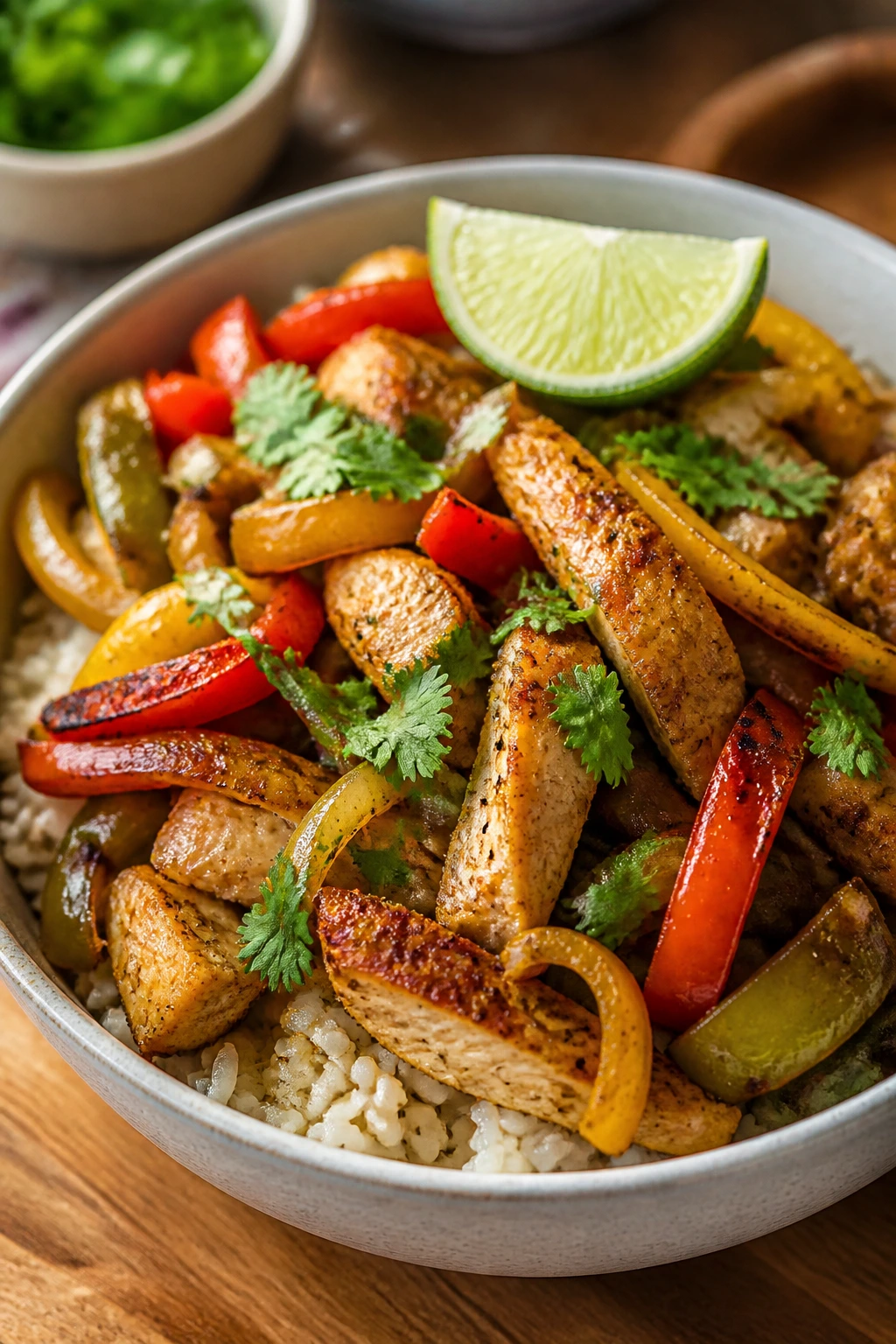
The beauty of fajita bowls is that the oven does the hard part. Chicken, peppers, and onions roast together until the edges char a little, and that bit of caramelization is what makes the bowl taste like more than chicken and rice. A squeeze of lime at the end ties it together.
Why It Works: Chicken breast or thighs pick up spice well when they roast in a single layer, and peppers soften just enough to still keep a bite. The sheet pan gives you browning without babysitting the stove. Once the lime and cilantro hit the hot vegetables, the whole tray smells bright instead of heavy.
Key Ingredients:
- 1 1/2 lb chicken breasts or thighs, sliced
- 3 bell peppers, sliced
- 1 large red onion, sliced
- 2 tbsp olive oil
- 2 tsp chili powder
- 1 tsp ground cumin
- 1 tsp garlic powder
- 1 lime, juiced
- 2 cups cooked rice
- 1/4 cup chopped cilantro
Quick Steps:
- Heat the oven to 425°F (220°C).
- Toss chicken, peppers, onion, oil, and spices on a sheet pan.
- Roast for 18 to 22 minutes, stirring once, until chicken reaches 165°F (74°C).
- Squeeze lime over the pan.
- Serve over rice with cilantro.
Equipment for This Recipe: Rimmed sheet pan; large bowl; instant-read thermometer; spatula.
How to Serve This Dish: Build bowls with rice, fajita mixture, and a spoon of salsa or Greek yogurt. Avocado slices make the plate feel complete without adding much work.
Pro Tips for This Recipe:
- Cut the vegetables into similar sizes so they roast at the same pace.
- Don’t overcrowd the pan; use two pans if needed.
- A pinch of smoked paprika gives the tray more depth.
Variations on This Dish:
- Steak Fajita Bowl: Swap the chicken for flank steak and roast it a little less.
- Cauliflower Rice Version: Use cauliflower rice under the fajitas for a lighter bowl.
Common Mistakes to Avoid with This Dish:
- Don’t slice the chicken too thin or it dries out.
- Don’t forget the rest time; even 5 minutes helps the juices settle.
9. Tofu Peanut Noodle Salad
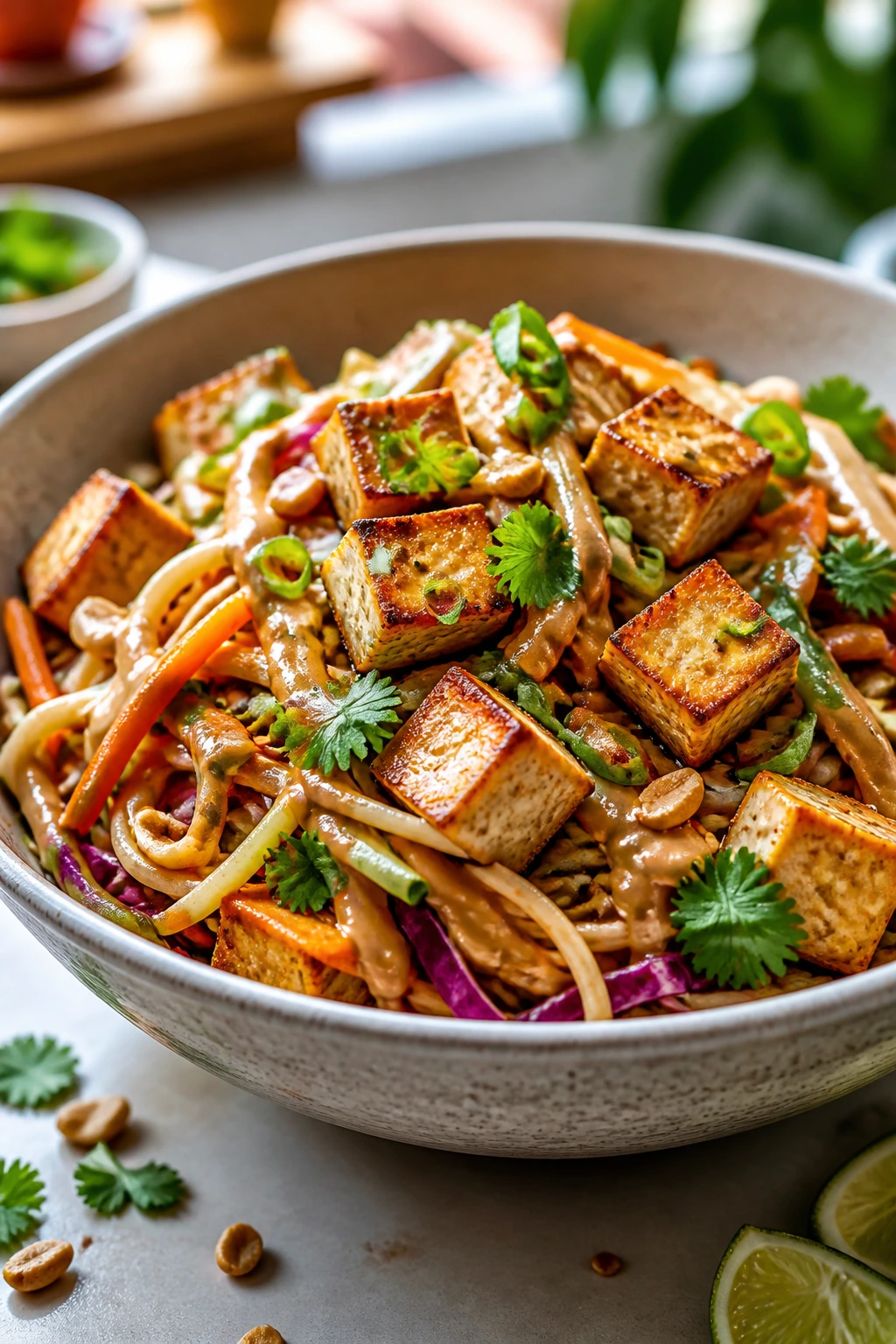
Cold noodles can be boring. Cold noodles with crisp tofu, peanut sauce, lime, and shredded cabbage have actual personality. The sauce is creamy and salty, the vegetables stay crunchy, and the tofu picks up the dressing like a sponge.
Why It Works: Firm tofu brings protein without needing a long cook, and pressing it first keeps it from going soggy in the pan. Peanut butter gives the sauce body, soy sauce gives it salt, and lime keeps it lively. Cabbage and carrots survive the dressing better than tender greens, which makes the salad hold up for lunch.
Key Ingredients:
- 14 oz firm tofu, pressed and cubed
- 8 oz rice noodles or soba noodles
- 2 cups shredded cabbage
- 1 carrot, shredded
- 3 tbsp peanut butter
- 2 tbsp soy sauce
- 1 tbsp lime juice
- 1 tsp sesame oil
- 1 tbsp water, more as needed
- 2 tbsp chopped peanuts
Quick Steps:
- Cook the noodles, rinse under cool water, and drain well.
- Pan-sear the tofu in a little oil over medium-high heat until golden on 3 sides, about 8 minutes.
- Whisk peanut butter, soy sauce, lime juice, sesame oil, and water.
- Toss noodles with cabbage, carrot, tofu, and sauce.
- Top with peanuts.
Equipment for This Recipe: Nonstick skillet; mixing bowl; whisk; colander.
How to Serve This Dish: Serve it cold or room temperature in a shallow bowl with extra lime wedges. A handful of cilantro or mint makes it taste brighter than it looks.
Pro Tips for This Recipe:
- Press the tofu for at least 15 minutes.
- Add sauce gradually; rice noodles soak it up fast.
- If the sauce seizes, whisk in warm water 1 teaspoon at a time.
Variations on This Dish:
- Spicy Satay Bowl: Add chili paste or sriracha.
- Edamame Boost: Toss in 1 cup shelled edamame for more protein.
Common Mistakes to Avoid with This Dish:
- Don’t skip cooling the noodles before dressing them.
- Don’t use silken tofu here; it falls apart under the sauce.
10. Turkey Meatballs with Marinara and Zucchini Noodles
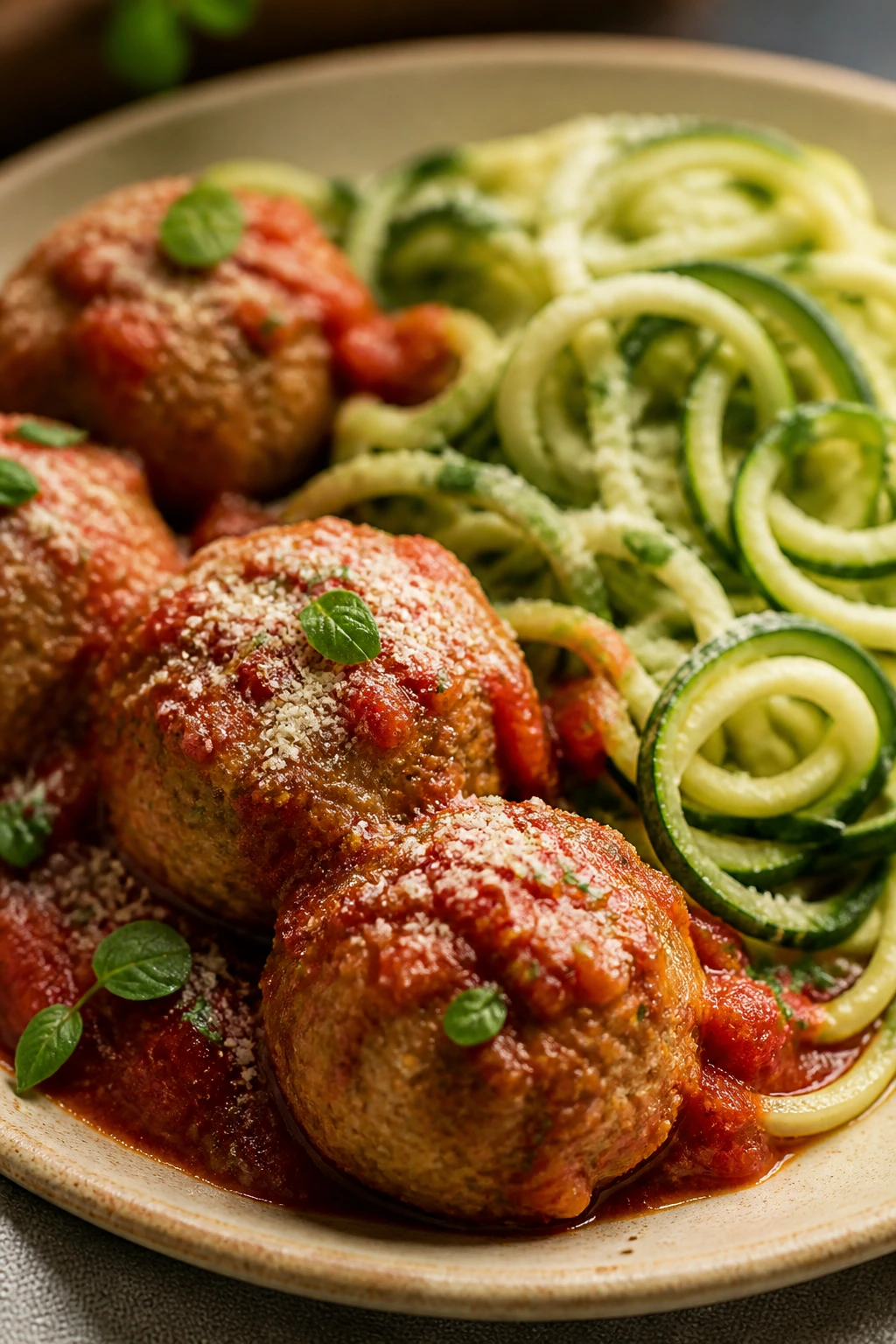
These meatballs stay juicy if you treat them gently. Turkey can go dry in a hurry, so the trick is breadcrumbs, egg, and enough Parmesan to keep the texture tender. The zucchini noodles keep the plate light, but the sauce and meatballs do the heavy lifting.
Why It Works: Ground turkey needs fat and binder, and the egg plus breadcrumbs prevent the meatballs from turning dense. Baking them gives even color without making you stand over a skillet, and marinara keeps the dish moist. Zucchini noodles cook in a flash, which keeps the whole plate from becoming mush.
Key Ingredients:
- 1 lb ground turkey
- 1/2 cup breadcrumbs
- 1 egg
- 1/4 cup grated Parmesan
- 2 garlic cloves, minced
- 1 tsp Italian seasoning
- 2 cups marinara sauce
- 4 medium zucchini, spiralized
- 1 tbsp olive oil
- Salt and pepper, to taste
Quick Steps:
- Heat the oven to 400°F (200°C).
- Mix turkey, breadcrumbs, egg, Parmesan, garlic, seasoning, salt, and pepper.
- Shape into 16 meatballs and bake 15 minutes.
- Warm marinara in a skillet and simmer the meatballs 5 minutes in the sauce.
- Quickly sauté zucchini noodles in oil for 2 minutes and serve.
Equipment for This Recipe: Rimmed baking sheet; mixing bowl; skillet; spiralizer or vegetable peeler.
How to Serve This Dish: Spoon the meatballs and sauce over the zucchini noodles, or use half zucchini and half pasta if you want more heft. Extra Parmesan is not optional in my kitchen.
Pro Tips for This Recipe:
- Wet your hands before rolling the meatballs; it keeps the mixture from sticking.
- Don’t overmix the turkey or the meatballs get tight.
- Cook the zucchini noodles fast, or they turn watery.
Variations on This Dish:
- Spicy Arrabbiata: Use a hot marinara and add red pepper flakes.
- Pasta Version: Serve over whole-wheat spaghetti instead of zucchini.
Common Mistakes to Avoid with This Dish:
- Don’t skip the bake step and brown them too hard in a pan; turkey dries out fast.
- Don’t let the zucchini sit too long after cooking or it weeps water onto the plate.
11. Shrimp Quinoa Skillet with Feta
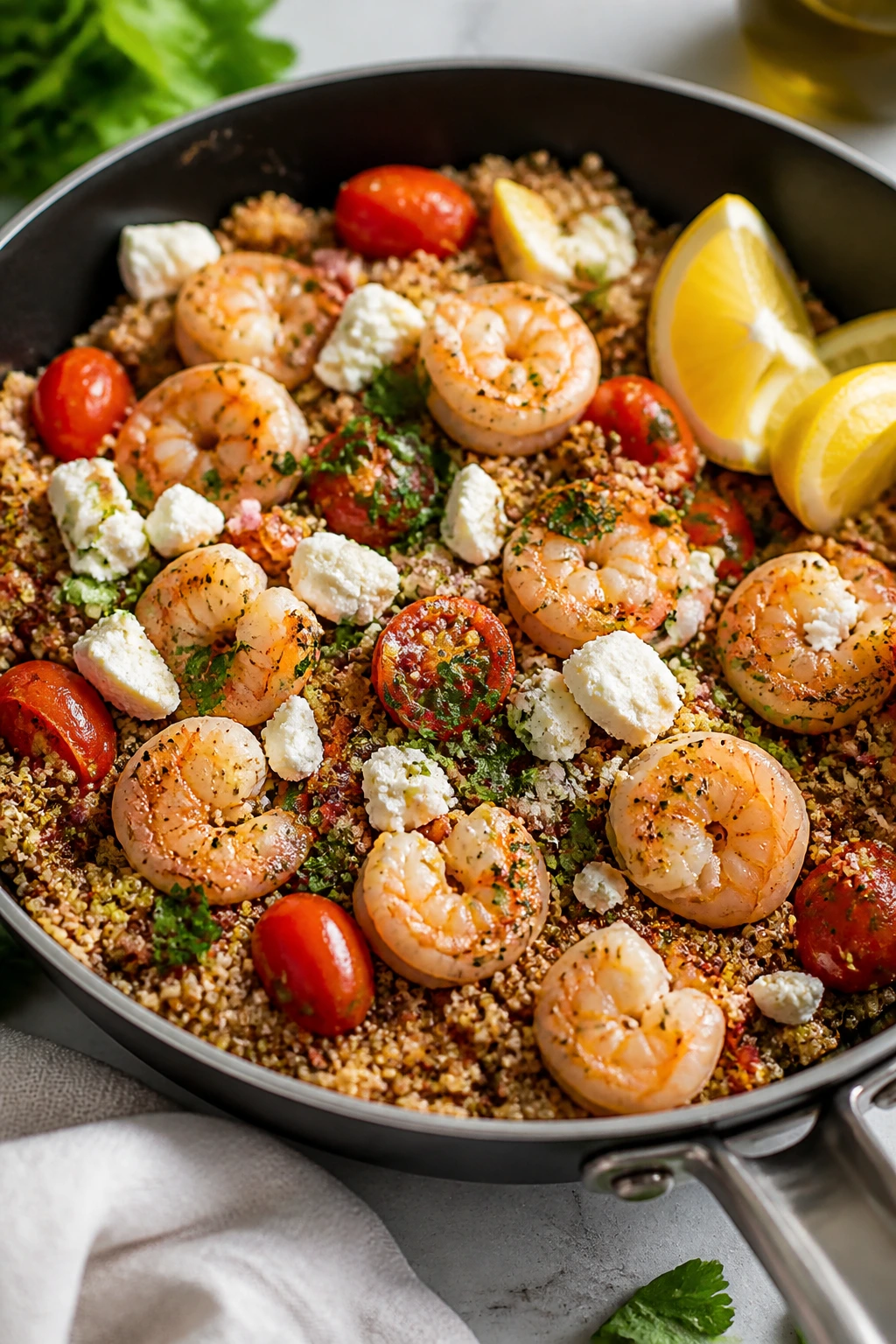
Shrimp and quinoa have a nice habit of making each other look better. The quinoa gives the skillet body, the shrimp cook in minutes, and feta adds a salty finish that feels earned. It’s the kind of one-pan meal that tastes cleaner than it has any right to.
Why It Works: Shrimp bring a lot of protein with almost no cooking time, and quinoa holds the skillet together without needing pasta or rice. Tomatoes break down into a light sauce, garlic adds depth, and feta gives the dish enough salt that you do not need much else. A squeeze of lemon at the end keeps the whole thing lively.
Key Ingredients:
- 1 cup quinoa, rinsed
- 1 lb large shrimp, peeled and deveined
- 1 tbsp olive oil
- 2 garlic cloves, minced
- 1 cup cherry tomatoes
- 2 cups vegetable or chicken broth
- 1/3 cup crumbled feta
- 2 tbsp chopped parsley
- 1 lemon, cut into wedges
Quick Steps:
- Simmer quinoa in broth for 15 minutes until the liquid is absorbed.
- Stir in garlic and tomatoes and cook 3 minutes.
- Add shrimp, cover, and cook 3 to 4 minutes until pink.
- Fold in feta and parsley.
- Serve with lemon wedges.
Equipment for This Recipe: Large skillet with lid; measuring cups; knife; spoon.
How to Serve This Dish: Serve hot from the skillet with lemon squeezed over the top. A green salad with a simple vinaigrette is enough on the side.
Pro Tips for This Recipe:
- Rinse quinoa so it doesn’t taste bitter.
- Pull the shrimp the moment they turn opaque; overcooked shrimp go rubbery fast.
- If the pan looks dry, splash in a few tablespoons of broth.
Variations on This Dish:
- Greek-Style Skillet: Add olives and oregano.
- No-Feta Version: Use chopped avocado at the end for creaminess.
Common Mistakes to Avoid with This Dish:
- Don’t walk away from the shrimp. They overcook fast.
- Don’t forget to rinse quinoa or the dish can taste dusty.
12. High-Protein Overnight Oats with Greek Yogurt
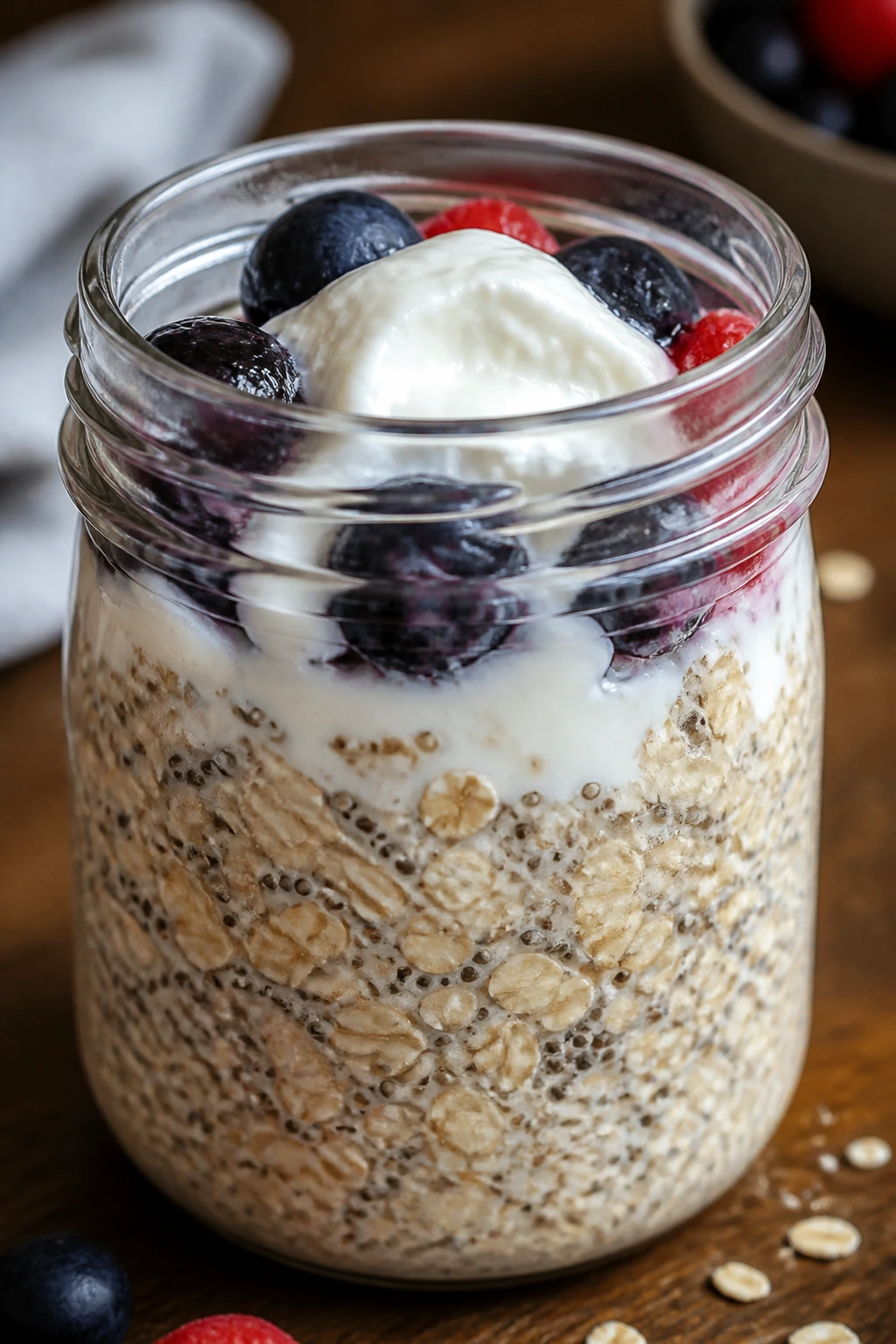
Overnight oats can be mushy, or they can be the kind you actually look forward to eating. Greek yogurt, oats, chia, and peanut butter create a thick, spoonable jar that tastes like breakfast and doesn’t vanish an hour later. Cold fruit on top keeps it from feeling heavy.
Why It Works: Oats and chia absorb liquid overnight, which gives you a creamy texture without cooking. Greek yogurt raises the protein count and keeps the jar tangy, while peanut butter adds fat so the breakfast lasts. The trick is balancing the milk so it sets thick but not gluey.
Key Ingredients:
- 1 cup rolled oats
- 3/4 cup plain Greek yogurt
- 1/2 cup milk
- 2 tbsp chia seeds
- 1 tbsp peanut butter
- 1 tsp honey or maple syrup
- 1/2 cup berries
- Pinch of salt
Quick Steps:
- Stir oats, yogurt, milk, chia, peanut butter, sweetener, and salt in a jar.
- Cover and refrigerate at least 6 hours.
- Stir before serving and add a splash of milk if needed.
- Top with berries.
- Eat cold.
Equipment for This Recipe: Mason jar or container with lid; spoon; measuring cups.
How to Serve This Dish: Eat it straight from the jar or pour it into a bowl with extra berries and a few chopped nuts. It works well as a grab-and-go breakfast, but it also feels good in a real bowl.
Pro Tips for This Recipe:
- Use rolled oats, not instant, or the texture gets pasty.
- Add fruit in the morning if you want it to stay brighter and firmer.
- A spoon of hemp hearts adds more protein without changing the flavor much.
Variations on This Dish:
- Chocolate PB Jar: Stir in 1 tbsp cocoa powder.
- Apple Pie Version: Swap berries for diced apple and cinnamon.
Common Mistakes to Avoid with This Dish:
- Don’t overdo the liquid. Oats should be thick, not sloshy.
- Don’t forget the salt; it sharpens the peanut butter and yogurt.
13. Black Bean Egg Breakfast Burritos
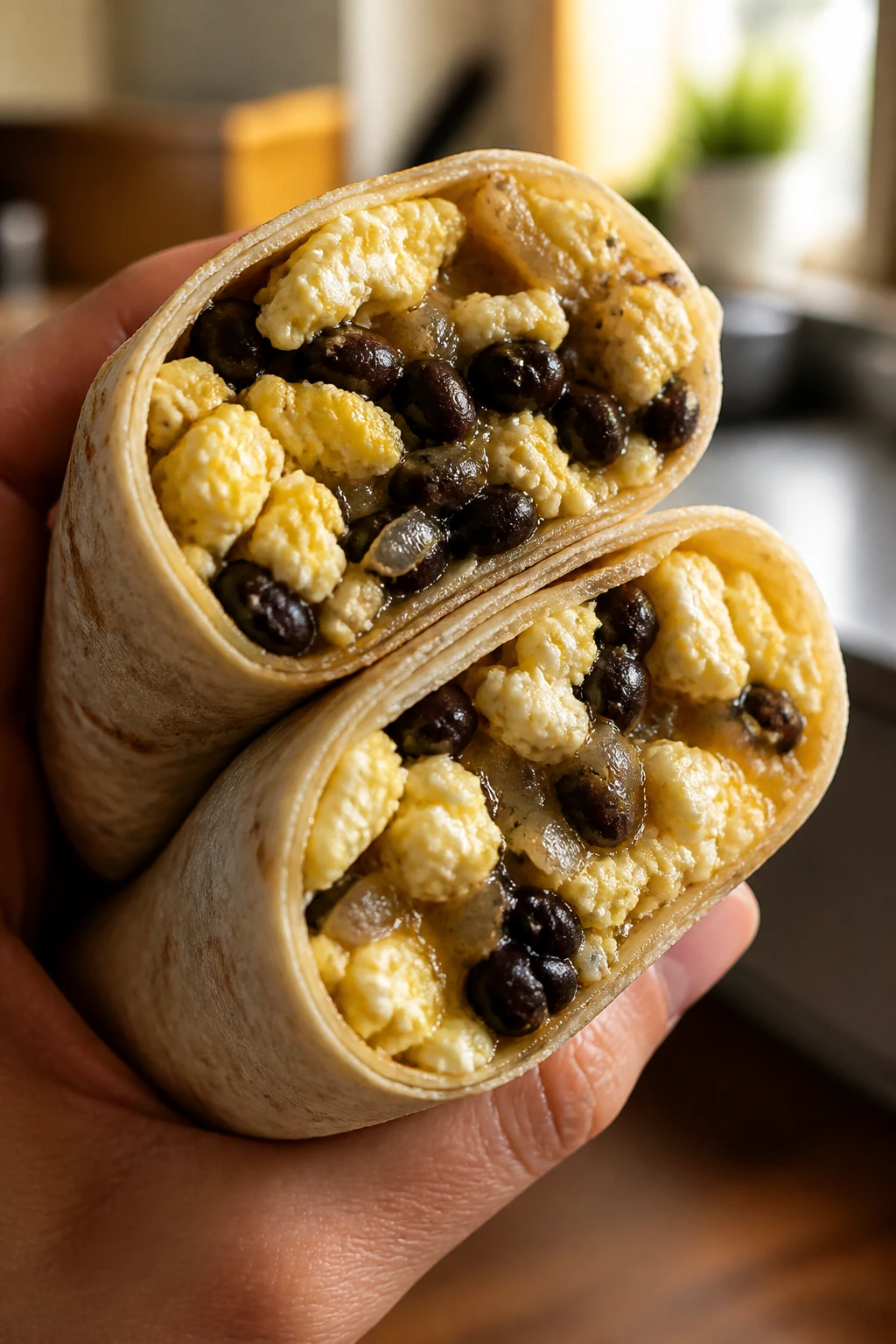
Eggs and beans inside a tortilla are not a flashy idea. They are a smart one. The eggs stay soft, the beans make the burrito heartier, and a little cheese melts into the folds so every bite feels complete instead of bare.
Why It Works: Eggs and black beans give you a balanced mix of protein and fiber, which keeps the burrito steady. Salsa adds moisture and flavor so you do not need a lot of cheese, and warm tortillas fold better than cold ones. Scrambling the eggs gently is what keeps the filling from turning dry.
Key Ingredients:
- 6 large eggs
- 1 cup black beans, rinsed and drained
- 1/2 cup shredded cheddar
- 1/4 cup salsa
- 4 large flour tortillas
- 1 tbsp butter
- 2 tbsp chopped scallions
- Salt and pepper, to taste
Quick Steps:
- Warm the tortillas so they bend without cracking.
- Scramble the eggs slowly in butter over medium-low heat.
- Stir in the beans, salsa, cheese, and scallions.
- Divide the filling among the tortillas.
- Roll tightly and toast seam-side down for 1 minute.
Equipment for This Recipe: Nonstick skillet; spatula; plate; foil if you want to wrap them.
How to Serve This Dish: Serve with fruit or extra salsa on the side. If you’re eating at home, a smear of avocado inside the tortilla makes the burrito feel less dry.
Pro Tips for This Recipe:
- Warm the tortillas in the skillet or microwave before filling them.
- Drain the beans well so the burrito does not leak.
- Wrap each burrito in foil if you plan to eat later.
Variations on This Dish:
- Green Chile Burrito: Add roasted green chiles and pepper jack.
- Vegetable Version: Fold in sautéed peppers and spinach.
Common Mistakes to Avoid with This Dish:
- Don’t overfill the tortillas or the seam will split.
- Don’t cook the eggs too hard; they keep cooking once they’re inside the burrito.
14. Cottage Cheese Pancakes with Blueberries
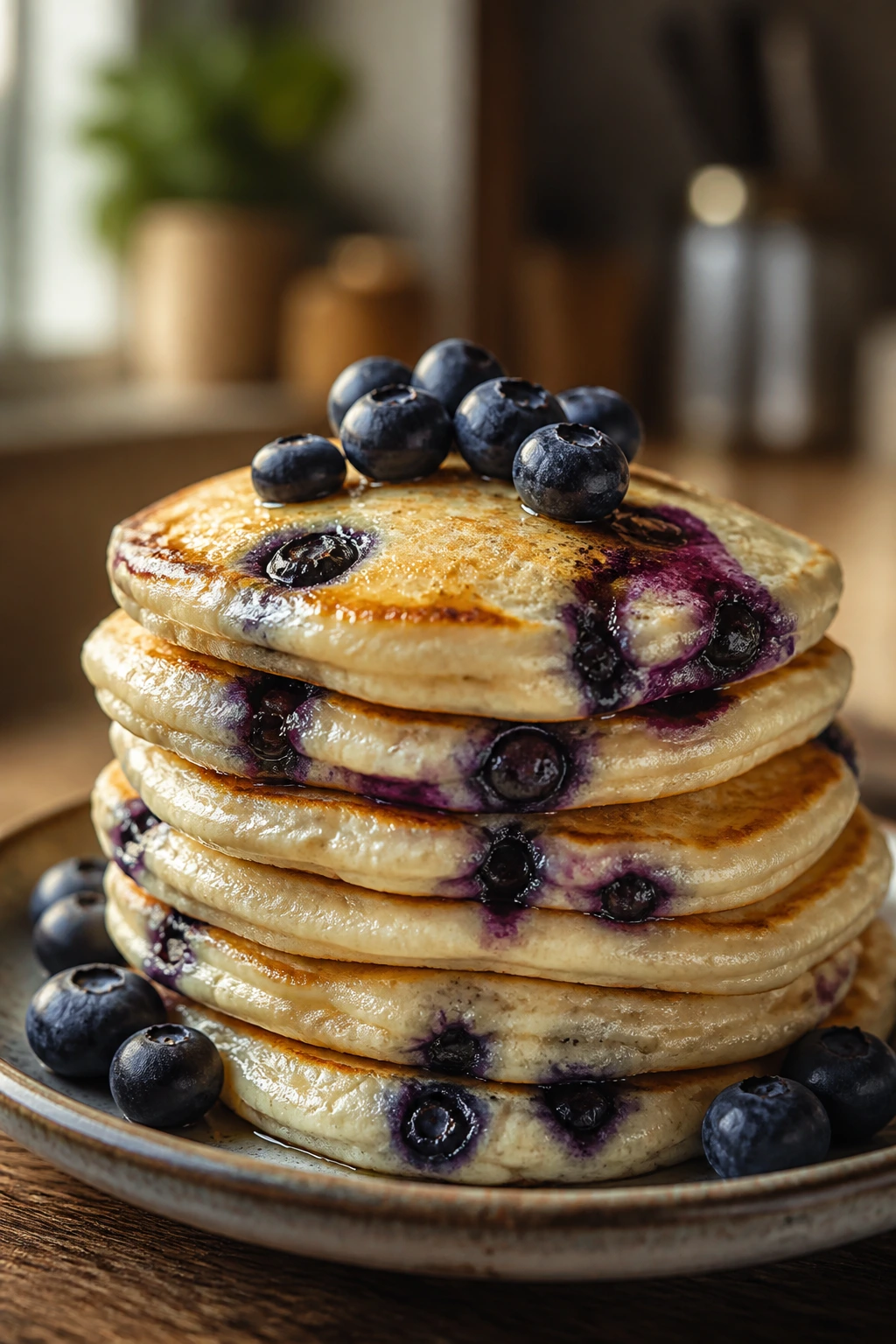
Cottage cheese pancakes sound suspicious until you cut into them. Then you get the point: soft centers, browned edges, and enough protein to keep breakfast from collapsing. Blueberries pop in the batter and leave little sweet pockets.
Why It Works: Cottage cheese gives the pancakes a tender, custardy crumb while boosting protein in a way flour alone cannot. Eggs and oats help bind the batter, and a quick cook over medium heat gives the cakes a golden crust without burning the sugar in the berries. They taste richer than a normal pancake stack, which is part of the appeal.
Key Ingredients:
- 1 cup cottage cheese
- 2 large eggs
- 1/2 cup rolled oats
- 1/4 cup flour
- 1 tsp baking powder
- 1 tsp vanilla extract
- 1/2 cup blueberries
- Butter or oil for the pan
- Pinch of salt
Quick Steps:
- Blend cottage cheese, eggs, oats, flour, baking powder, vanilla, and salt until mostly smooth.
- Fold in blueberries.
- Heat a skillet over medium and grease lightly.
- Cook 1/4-cup scoops for 2 to 3 minutes per side.
- Serve warm.
Equipment for This Recipe: Blender or food processor; nonstick skillet; spatula; measuring cups.
How to Serve This Dish: Stack with extra berries and a spoon of yogurt instead of a heavy syrup pour. A little maple syrup is enough if the berries are sweet.
Pro Tips for This Recipe:
- Let the batter sit 5 minutes so the oats thicken it.
- Cook at medium, not high, or the outside darkens before the middle sets.
- Wipe the pan between batches if the berries start to burn.
Variations on This Dish:
- Lemon Version: Add lemon zest and swap blueberries for raspberries.
- Savory Stack: Skip vanilla, add chives, and serve with smoked salmon.
Common Mistakes to Avoid with This Dish:
- Don’t use too much flour or the pancakes lose their custardy center.
- Don’t flip them early; wait for firm edges and bubbles.
15. Chicken Shawarma Bowls
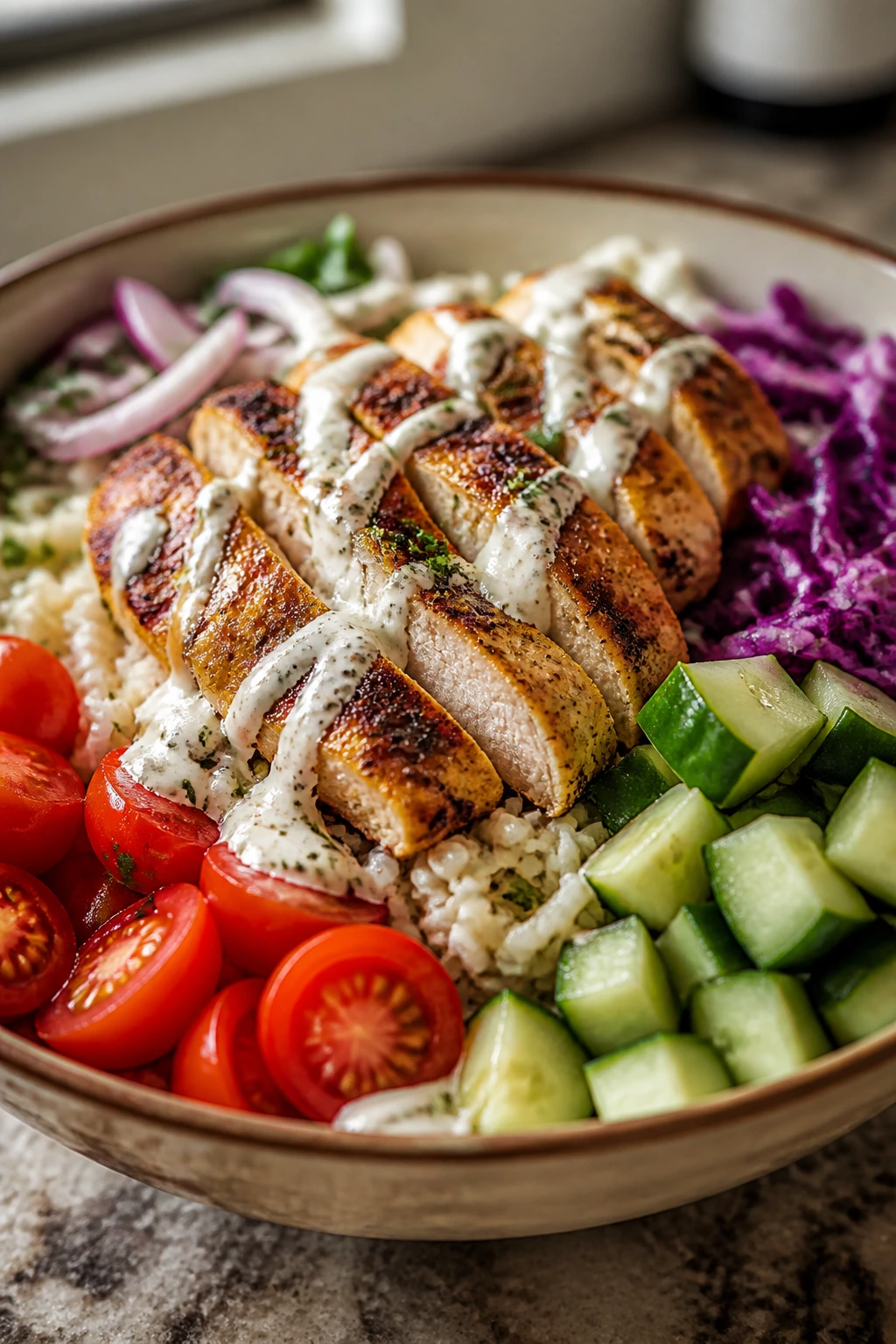
Shawarma bowls work because the spices are doing honest work. Cumin, paprika, coriander, and garlic turn plain chicken into something fragrant, and the yogurt sauce keeps the bowl from drying out. Add cucumbers and rice, and suddenly dinner feels like a plan, not a fallback.
Why It Works: Yogurt tenderizes the chicken and carries the spice mix deep into the meat. Roasting or pan-searing creates browned edges that smell nutty and warm, while fresh vegetables keep the bowl from leaning too far into spice and starch. A garlicky yogurt sauce gives the whole thing a cool finish.
Key Ingredients:
- 1 1/2 lb boneless chicken thighs
- 1/2 cup plain Greek yogurt
- 2 tsp ground cumin
- 2 tsp paprika
- 1 tsp ground coriander
- 2 garlic cloves, minced
- 2 cups cooked rice
- 1 cucumber, diced
- 1 cup cherry tomatoes, halved
- 1/4 cup tahini or yogurt sauce
Quick Steps:
- Mix yogurt, spices, garlic, salt, and pepper; coat the chicken.
- Marinate 20 minutes if you can.
- Bake at 425°F (220°C) for 20 minutes or pan-sear until 165°F (74°C).
- Slice the chicken.
- Serve over rice with cucumbers, tomatoes, and sauce.
Equipment for This Recipe: Mixing bowl; skillet or sheet pan; thermometer; knife.
How to Serve This Dish: Build the bowl in layers so the sauce can run through the rice. A little chopped parsley or pickled onion makes the plate look sharper.
Pro Tips for This Recipe:
- Thighs stay juicier than breasts here.
- Add a pinch of cinnamon if you want the spice mix to feel rounder.
- Warm the rice before assembling; cold rice makes the bowl clunky.
Variations on This Dish:
- Lemon Herb Version: Use oregano, lemon zest, and dill instead of shawarma spices.
- Cauliflower Bowl: Swap rice for roasted cauliflower and chickpeas.
Common Mistakes to Avoid with This Dish:
- Don’t skip the yogurt marinade; the chicken tastes flatter without it.
- Don’t cut the chicken immediately after cooking or the juices spill out.
16. Teriyaki Tempeh Bowls
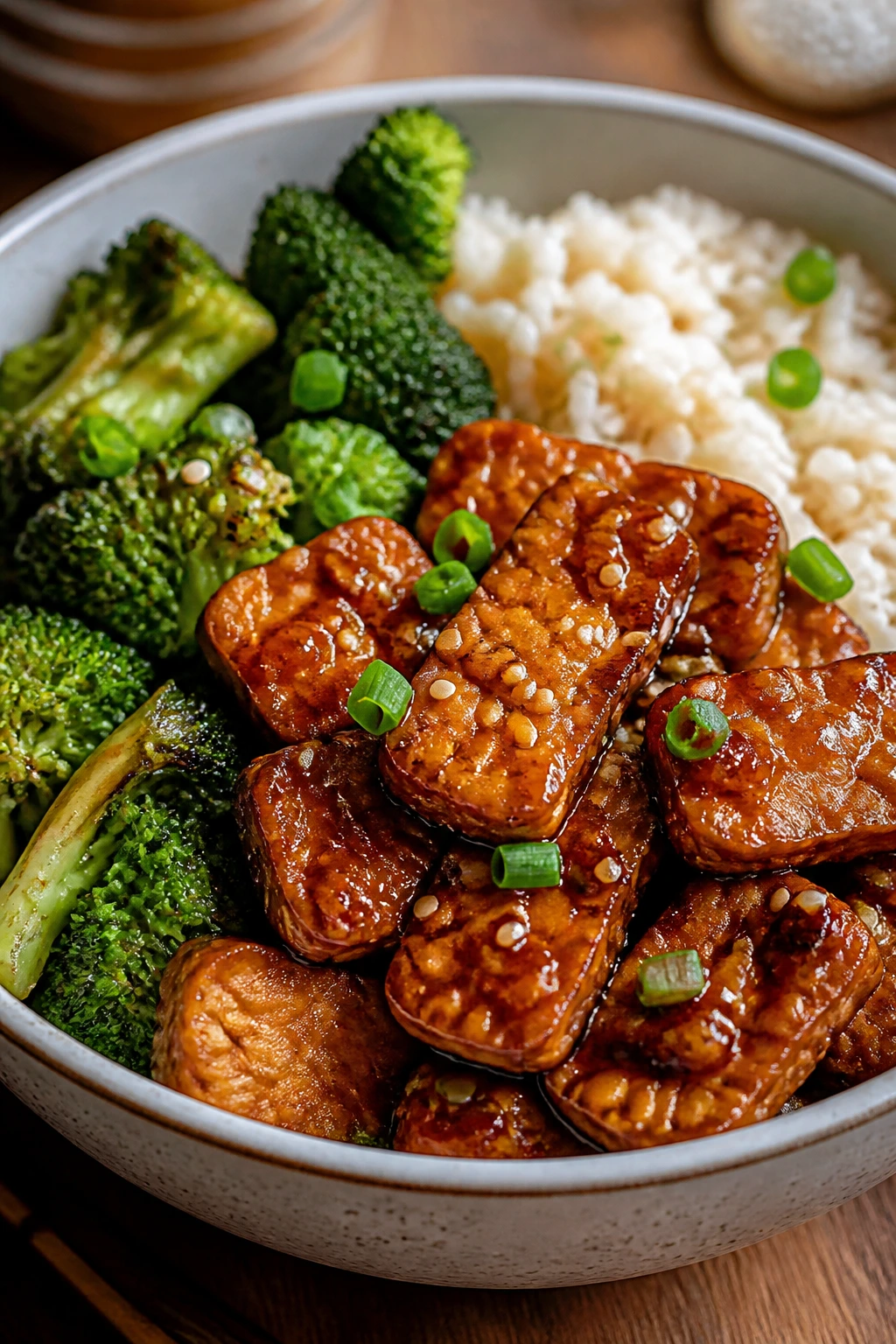
Tempeh has a nutty, almost toasted flavor that gets better when you let sauce touch it. Teriyaki glaze, broccoli, and rice give it a familiar shape, so even people who are wary of tempeh usually come around after the first bite. It’s firm, sweet-savory, and not at all boring.
Why It Works: Tempeh starts with more character than tofu, and pan-searing gives it a crisp edge before the glaze goes on. The teriyaki sauce caramelizes lightly and clings to the surface, while broccoli and rice create the usual bowl structure that makes dinner feel complete. A little sesame oil at the end gives it a restaurant-style finish.
Key Ingredients:
- 8 oz tempeh, sliced
- 2 cups cooked rice
- 2 cups broccoli florets
- 1/4 cup soy sauce
- 2 tbsp honey or maple syrup
- 1 tbsp rice vinegar
- 1 garlic clove, minced
- 1 tsp grated ginger
- 1 tsp sesame oil
- 1 tbsp sesame seeds
Quick Steps:
- Steam or simmer tempeh for 10 minutes to mellow the flavor.
- Whisk soy sauce, sweetener, vinegar, garlic, and ginger.
- Sear tempeh in a skillet until golden on both sides.
- Add sauce and broccoli; cook 3 to 4 minutes until glossy.
- Serve over rice with sesame oil and seeds.
Equipment for This Recipe: Skillet; small bowl; spatula; steamer basket or saucepan.
How to Serve This Dish: Serve in wide bowls so the sauce can coat the rice, not disappear into it. Sliced scallions make the finished bowl taste fresher.
Pro Tips for This Recipe:
- Steam tempeh first or it can taste bitter.
- Let the sauce reduce until sticky, not watery.
- Add a few drops of chili oil if you want more bite.
Variations on This Dish:
- Peanut Teriyaki: Stir in 1 tablespoon peanut butter to the sauce.
- Mixed Veg Bowl: Add mushrooms and snap peas with the broccoli.
Common Mistakes to Avoid with This Dish:
- Don’t skip pre-steaming the tempeh.
- Don’t let the sauce burn; sweet glaze can go from glossy to bitter quickly.
17. Turkey Taco Stuffed Sweet Potatoes
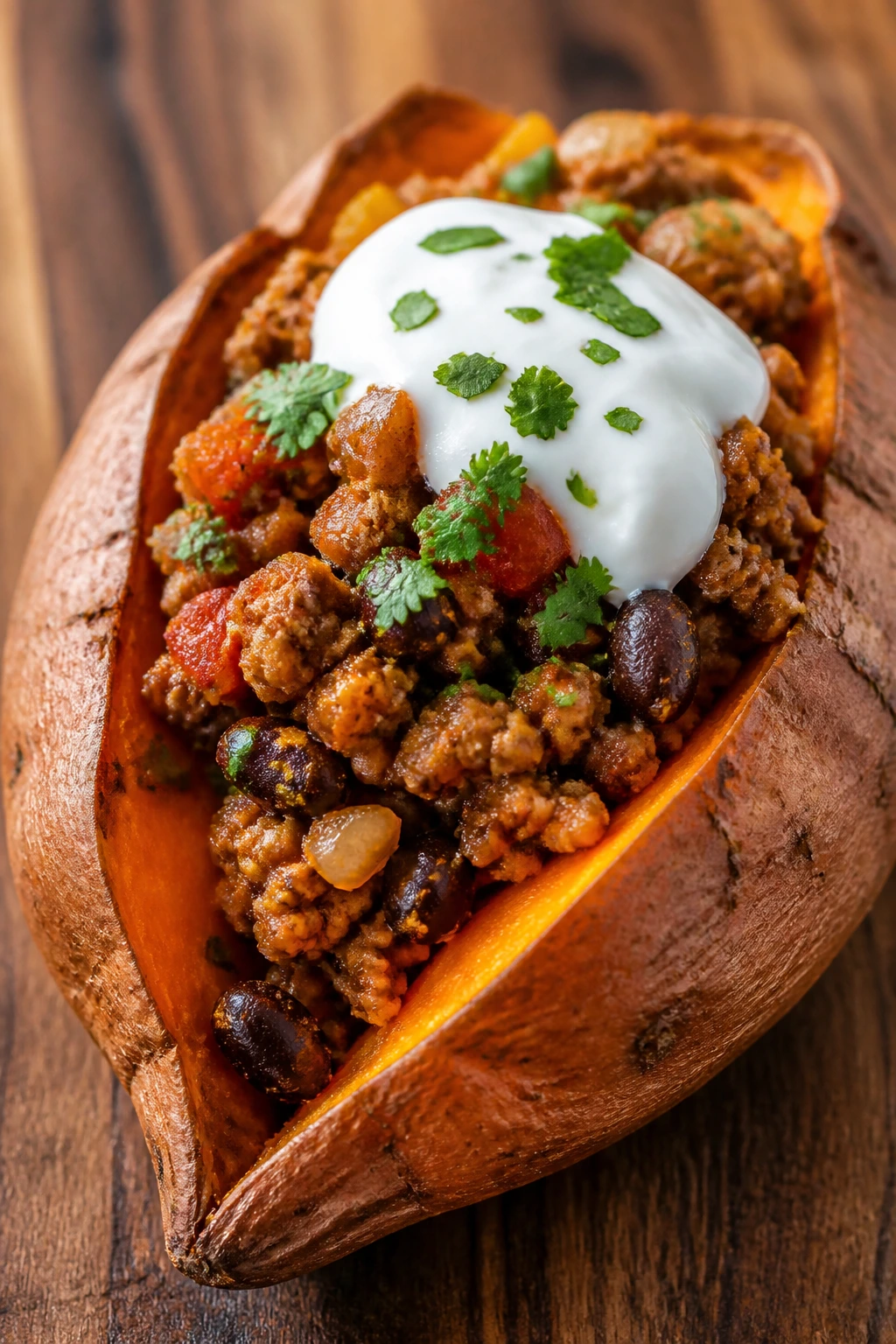
Sweet potatoes and taco turkey are a better pair than they sound on paper. The potato brings creamy sweetness, the turkey brings spice and heft, and a spoon of yogurt or salsa keeps the whole thing from feeling dry. It’s a high-protein dinner that still feels warm and comforting.
Why It Works: Turkey taco filling gives you lean protein without making the dish heavy, and roasted sweet potatoes provide enough starch to turn it into a full meal. Beans add even more protein and help the filling stay moist. The contrast between sweet potato and taco spices is what keeps the plate interesting.
Key Ingredients:
- 4 medium sweet potatoes
- 1 tbsp olive oil
- 1 lb ground turkey
- 1 tsp chili powder
- 1 tsp cumin
- 1/2 tsp garlic powder
- 1/2 cup black beans
- 1/2 cup salsa
- 1/4 cup Greek yogurt
- 1/4 cup shredded cheese
Quick Steps:
- Bake sweet potatoes at 400°F (200°C) for 45 to 55 minutes until tender.
- Brown turkey in a skillet and add spices.
- Stir in beans and salsa; simmer 3 minutes.
- Split the sweet potatoes and fluff the insides.
- Fill with turkey mixture and top with yogurt and cheese.
Equipment for This Recipe: Sheet pan; skillet; fork; spoon.
How to Serve This Dish: Serve each potato split open with the filling mounded high and the yogurt drizzled over the top. A crunchy cabbage slaw on the side makes it feel fresher.
Pro Tips for This Recipe:
- Scrub the potatoes and pierce them before baking.
- Use salsa that’s thick, not watery.
- A pinch of smoked paprika makes the turkey taste deeper.
Variations on This Dish:
- Chicken Taco Potato: Use shredded chicken instead of turkey.
- Vegetarian Taco Potato: Swap in lentils and black beans.
Common Mistakes to Avoid with This Dish:
- Don’t underbake the sweet potatoes or they’ll fight you when you split them.
- Don’t skip draining the beans if they’re packed in a lot of liquid.
18. Baked Cod with Chickpeas and Tomatoes
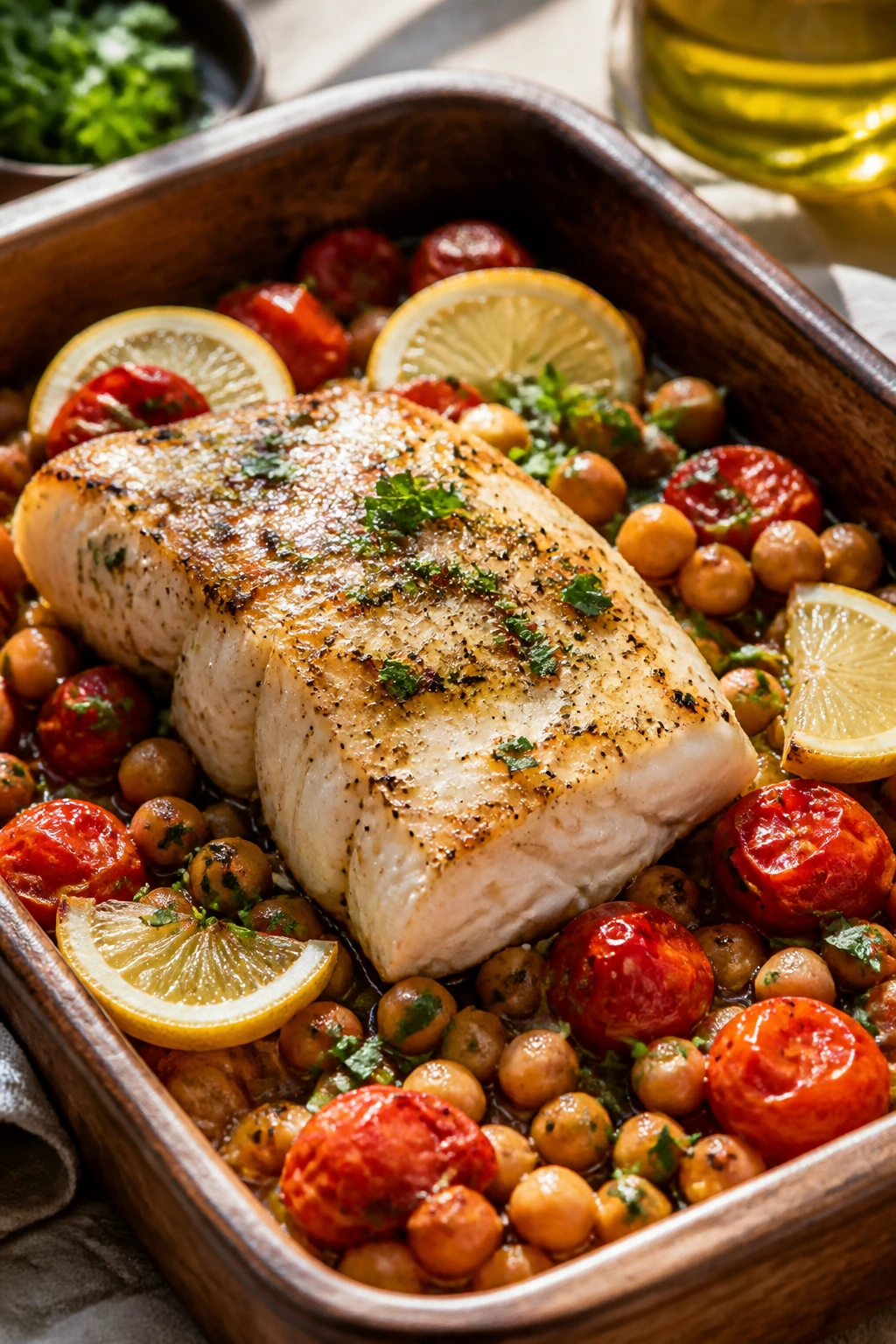
Cod doesn’t need much to taste good. A tray of tomatoes, chickpeas, garlic, and olive oil gives it a juicy base, and the fish cooks gently on top so it stays flaky instead of dry. The result tastes clean, savory, and a little sun-warmed.
Why It Works: Chickpeas bring extra protein and a creamy bite, while tomatoes break down into a saucy bed that protects the cod from drying out. Garlic, olive oil, and herbs carry a Mediterranean feel without requiring a long ingredient list. A short bake keeps the fish tender and the chickpeas soft around the edges.
Key Ingredients:
- 1 1/2 lb cod fillets
- 1 can (15 oz) chickpeas, rinsed and drained
- 2 cups cherry tomatoes
- 3 garlic cloves, sliced
- 2 tbsp olive oil
- 1 tsp dried oregano
- 1 lemon, sliced
- Salt and pepper, to taste
- 2 tbsp chopped parsley
Quick Steps:
- Heat the oven to 425°F (220°C).
- Toss chickpeas, tomatoes, garlic, oil, oregano, salt, and pepper in a baking dish.
- Roast 15 minutes until the tomatoes burst.
- Nestle the cod into the dish and add lemon slices.
- Bake 10 to 12 minutes until the fish flakes easily.
Equipment for This Recipe: Baking dish; sheet pan if you want extra space; knife; spoon.
How to Serve This Dish: Spoon the tomato-chickpea mixture under the fish and finish with parsley. A piece of crusty bread is useful for the sauce, even if you keep the rest of the meal light.
Pro Tips for This Recipe:
- Don’t overbake cod; it should just flake.
- Use thick fillets if you can, since thin ones dry out faster.
- A few olives add salt and punch if you want more depth.
Variations on This Dish:
- Spicy Tomato Version: Add red pepper flakes and a spoon of harissa.
- Herb Swap: Use dill and mint instead of oregano.
Common Mistakes to Avoid with This Dish:
- Don’t add the fish too early or it turns chalky.
- Don’t skip the pre-roast on the tomatoes and chickpeas; that’s where the flavor starts.
19. Greek Turkey Burgers
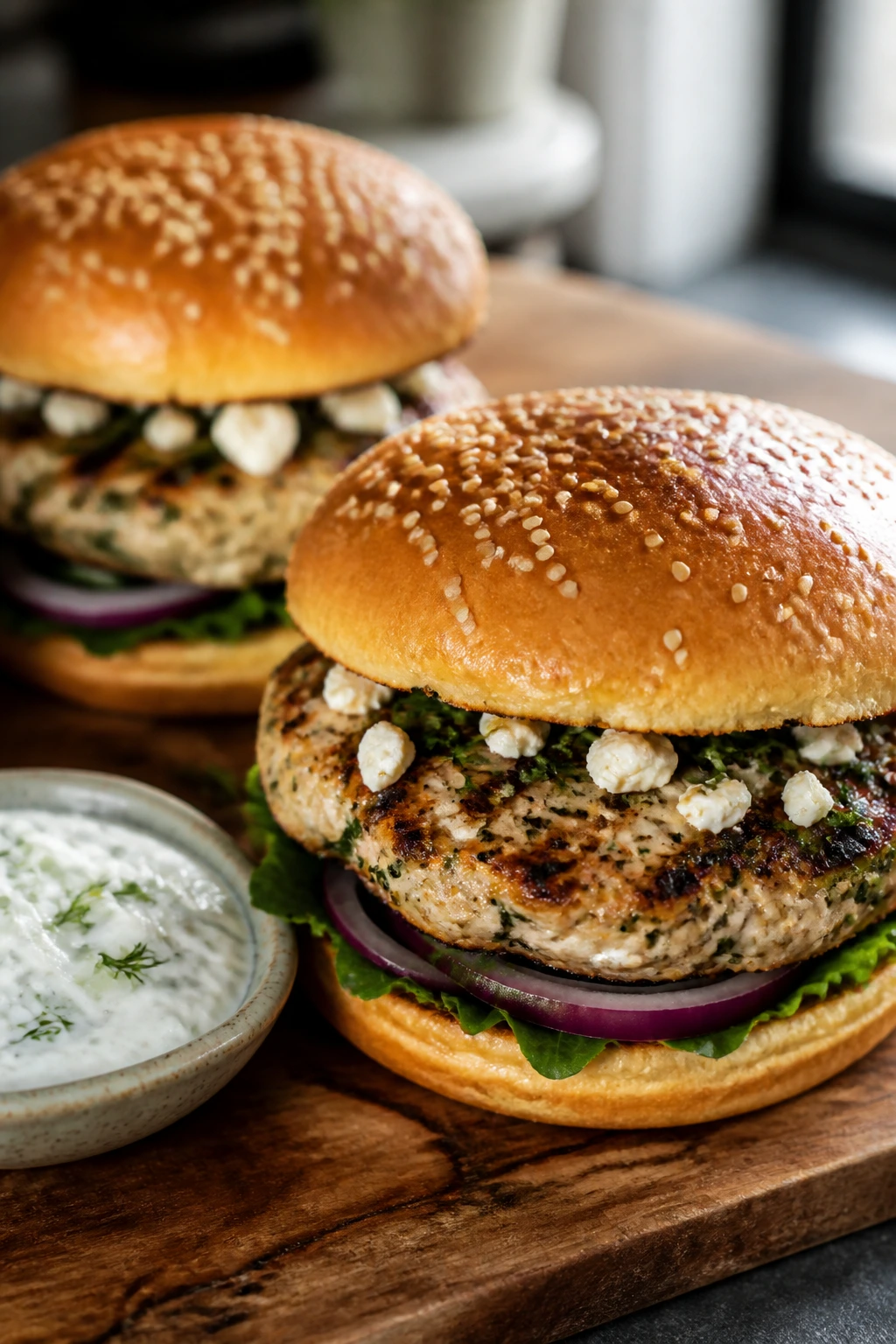
A turkey burger can go wrong if it tastes like cardboard. Feta, herbs, garlic, and a little grated onion fix that problem fast. These burgers are juicy, salty, and sturdy enough to hold a bun without falling apart in the first bite.
Why It Works: Feta adds salt and moisture to lean turkey, and chopped herbs keep the burger from tasting flat. A bit of grated onion melts into the meat as it cooks, which helps the patty stay tender. Greek yogurt or tzatziki on top ties the whole thing together and gives it a cool finish.
Key Ingredients:
- 1 1/2 lb ground turkey
- 1/2 cup crumbled feta
- 2 tbsp chopped parsley
- 2 tbsp chopped dill
- 1/4 cup grated onion
- 1 garlic clove, minced
- 1 egg
- 4 burger buns or lettuce wraps
- 1/2 cup tzatziki
Quick Steps:
- Mix turkey, feta, herbs, onion, garlic, egg, salt, and pepper.
- Form 4 patties and chill 10 minutes.
- Grill or pan-sear over medium heat for 5 to 6 minutes per side.
- Cook until the center hits 165°F (74°C).
- Serve on buns with tzatziki.
Equipment for This Recipe: Mixing bowl; skillet or grill; spatula; thermometer.
How to Serve This Dish: Serve with tomato, cucumber, and a few red onion rings. If you skip the bun, wrap it in lettuce and add a side of roasted potatoes or a chopped salad.
Pro Tips for This Recipe:
- Chill the patties before cooking so they hold together.
- Don’t press down on the burger while it cooks.
- Use feta in a block if you want a creamier texture than pre-crumbled.
Variations on This Dish:
- Spicy Burger: Add minced jalapeño and a pinch of cumin.
- Turkey Meatball Version: Roll the mix into meatballs and serve with tzatziki.
Common Mistakes to Avoid with This Dish:
- Don’t make the patties too thick or the centers lag behind.
- Don’t skip the thermometer; turkey needs to be fully cooked.
20. Peanut Chicken Soba Soup
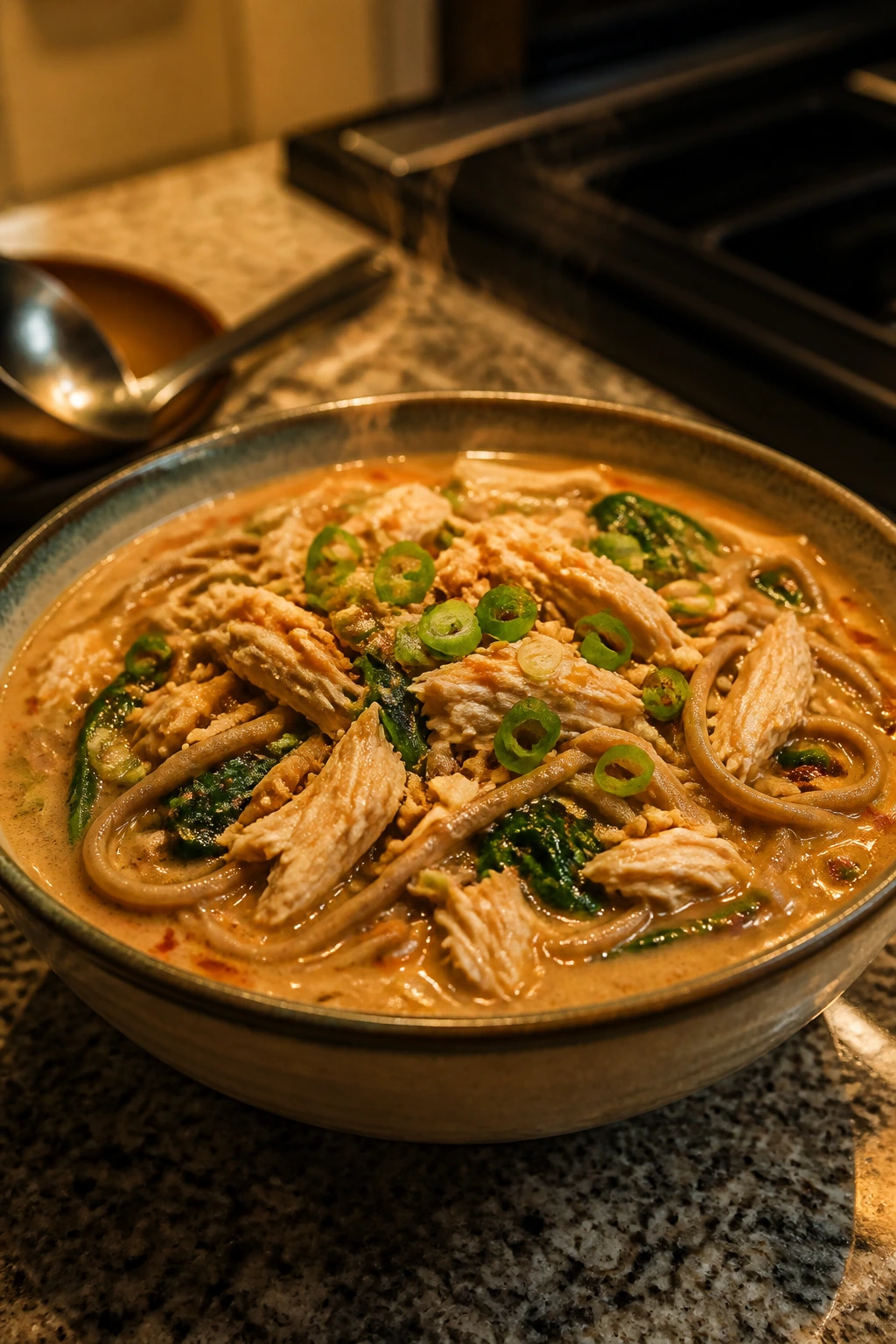
Soup can be filling when you give it protein, noodles, and a broth with some backbone. This one leans savory and nutty, with peanut butter, soy, ginger, and shredded chicken making the bowl taste deeper than a quick weeknight soup has any right to. It’s cozy, but not mushy.
Why It Works: Chicken adds the protein anchor, soba noodles give you chew, and peanut butter creates a broth that tastes rich without cream. Ginger and garlic cut through the richness so it doesn’t feel heavy. A few greens wilt at the end and keep the bowl from being all starch and broth.
Key Ingredients:
- 1 tbsp sesame oil
- 2 garlic cloves, minced
- 1 tbsp grated ginger
- 4 cups chicken broth
- 1/3 cup peanut butter
- 2 tbsp soy sauce
- 2 cups shredded cooked chicken
- 6 oz soba noodles
- 2 cups baby spinach
- 2 scallions, sliced
Quick Steps:
- Warm sesame oil in a pot and cook garlic and ginger for 30 seconds.
- Add broth, peanut butter, and soy sauce; whisk smooth.
- Simmer 5 minutes.
- Add chicken and soba noodles; cook until noodles are tender, about 5 minutes.
- Stir in spinach and scallions.
Equipment for This Recipe: Soup pot; whisk; ladle; knife.
How to Serve This Dish: Serve hot with extra scallions and a squeeze of lime if you like it brighter. A soft-boiled egg on top makes the protein count climb even higher.
Pro Tips for This Recipe:
- Whisk the peanut butter into the broth before adding noodles.
- Cook soba just until tender; they keep softening in the pot.
- Add chili crisp if you want heat and texture.
Variations on This Dish:
- Thai-Style Soup: Add lime juice and a splash of fish sauce.
- Tofu Swap: Use cubed tofu instead of chicken.
Common Mistakes to Avoid with This Dish:
- Don’t let the broth boil hard after adding peanut butter; it can separate.
- Don’t overcook soba noodles or they go limp.
21. Ricotta Spinach Stuffed Shells with Turkey
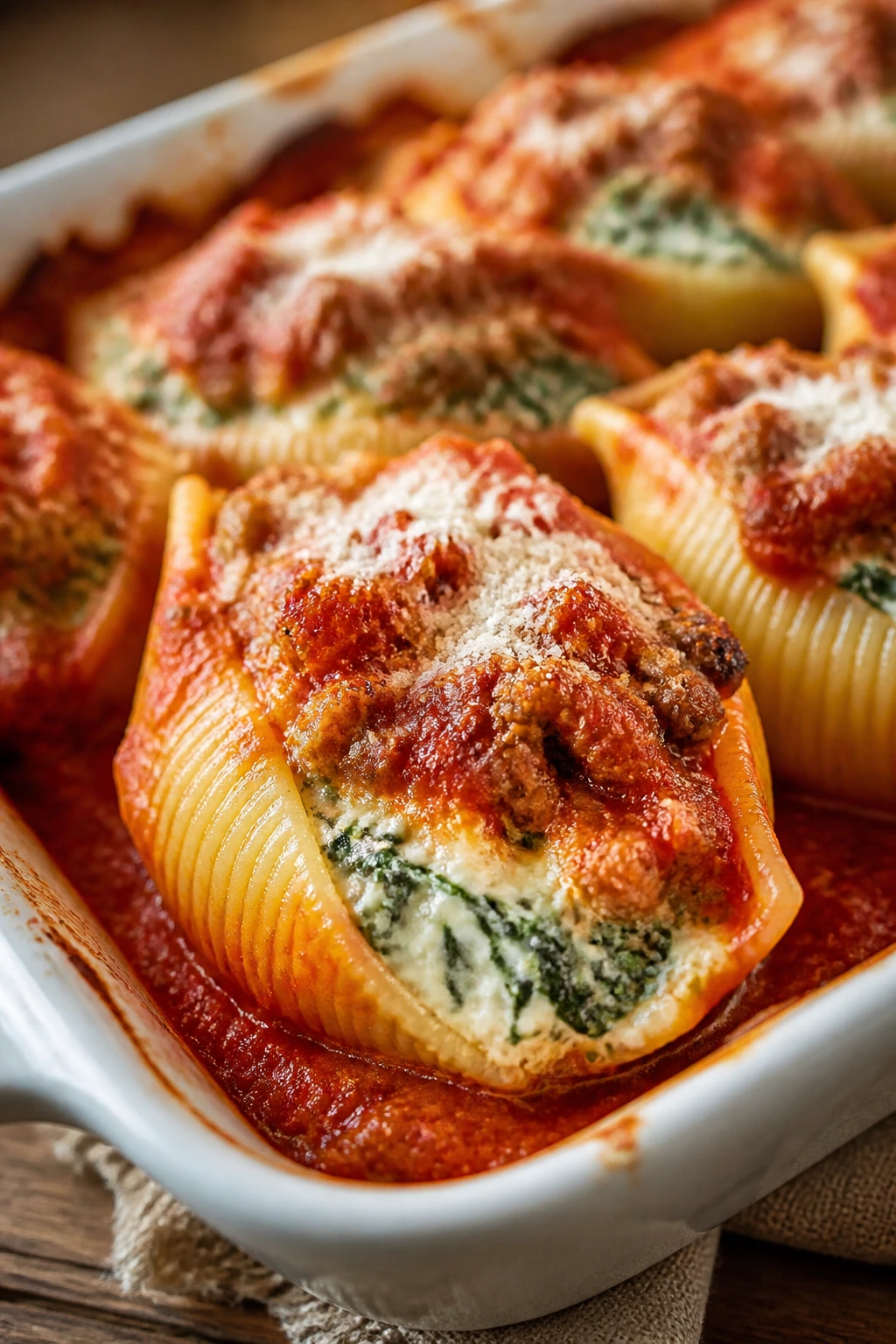
Stuffed shells usually show up as comfort food, but this version sneaks in plenty of protein. Ricotta, turkey, spinach, and marinara fill each shell with enough body that you don’t need a mountain of pasta on the plate. It tastes rich, tomatoey, and a little old-school in the best way.
Why It Works: Ricotta and turkey create a filling that is creamy but not too soft, and spinach adds color plus a little freshness. The shells hold the filling neatly, and baking them under marinara keeps them from drying out. Parmesan on top gives the bake a salty crust.
Key Ingredients:
- 20 jumbo pasta shells
- 1 lb ground turkey
- 1 cup ricotta
- 1 cup chopped spinach
- 1 egg
- 2 cups marinara sauce
- 1/2 cup shredded mozzarella
- 1/4 cup grated Parmesan
- 1 tsp Italian seasoning
Quick Steps:
- Boil the shells until just shy of tender and drain.
- Brown the turkey and cool slightly.
- Mix turkey, ricotta, spinach, egg, seasoning, salt, and pepper.
- Stuff the shells and arrange in marinara.
- Top with mozzarella and Parmesan and bake at 375°F (190°C) for 25 minutes.
Equipment for This Recipe: Baking dish; saucepan; spoon; colander.
How to Serve This Dish: Serve three to four shells per person with a green salad. A little extra sauce on the plate helps keep every bite moist.
Pro Tips for This Recipe:
- Undercook the shells by 1 minute so they finish in the oven.
- Let the turkey cool before mixing so the ricotta doesn’t melt early.
- Use a piping bag or zip-top bag with the corner cut off for cleaner stuffing.
Variations on This Dish:
- Chicken Ricotta Shells: Swap turkey for shredded chicken.
- Vegetable-Heavy Version: Add sautéed mushrooms to the filling.
Common Mistakes to Avoid with This Dish:
- Don’t overfill the shells or they split in the pan.
- Don’t bake uncovered for too long or the tops dry out.
22. Chili Lime Steak Salad
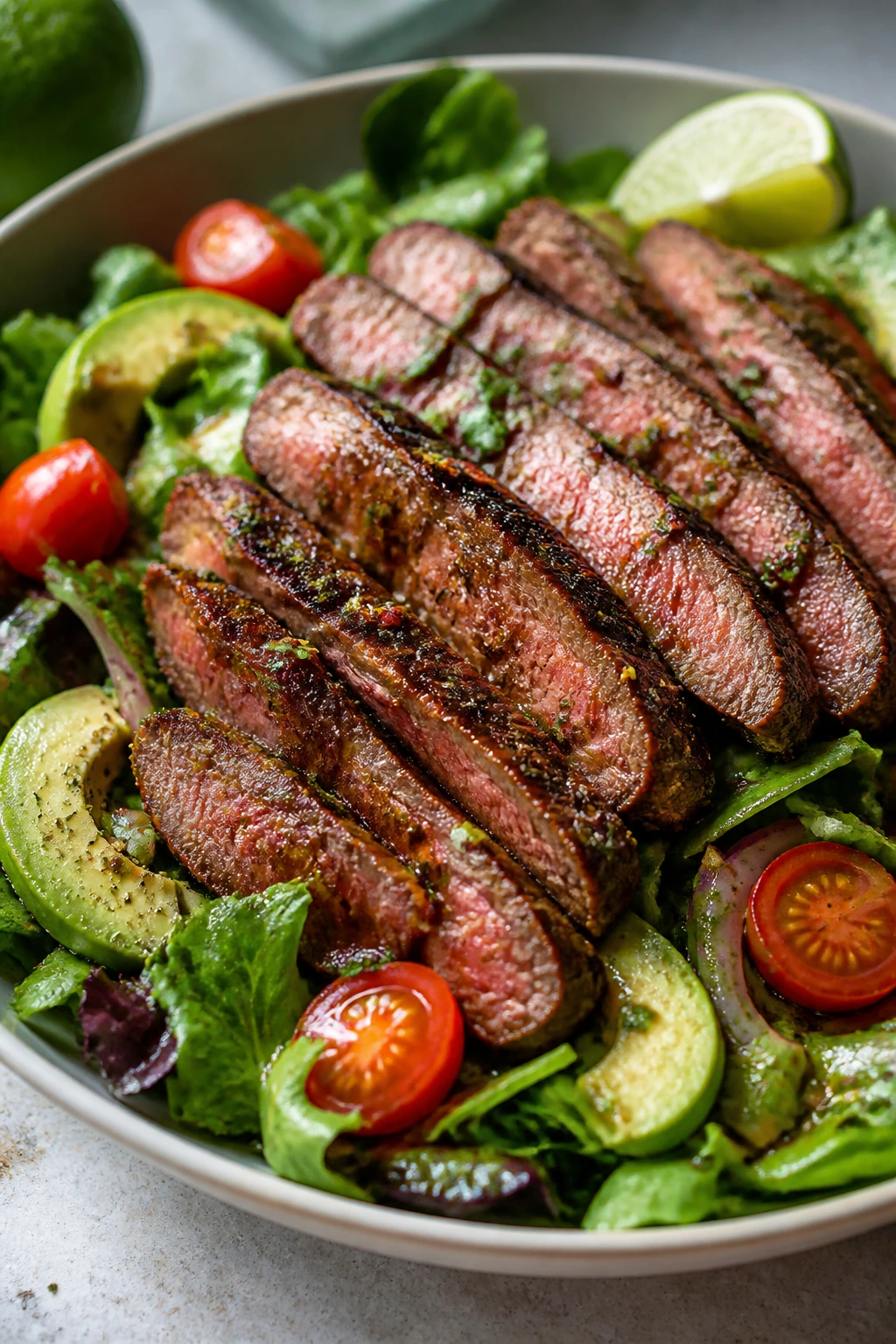
Steak salad gets interesting when the steak is seasoned like it means it. Chili, lime, and garlic give the meat a punchy crust, and the greens underneath stay crisp under the warm slices. This is the kind of salad that actually feels like dinner.
Why It Works: Steak delivers protein in a compact serving, and the warm slices soften the greens just enough without wilting them completely. Lime and chili cut through the richness of the beef, and avocado or beans can make the bowl more filling if needed. It’s a smart way to keep a salad from feeling like a side dish.
Key Ingredients:
- 1 lb flank or skirt steak
- 1 tbsp olive oil
- 1 tsp chili powder
- 1 tsp garlic powder
- 1 lime, juiced
- 6 cups mixed greens
- 1 avocado, sliced
- 1 cup cherry tomatoes
- 1/4 red onion, thinly sliced
- 2 tbsp crumbled queso fresco or feta
Quick Steps:
- Rub steak with oil, chili powder, garlic powder, salt, and pepper.
- Sear over high heat for 3 to 4 minutes per side, or to your preferred doneness.
- Rest 10 minutes, then slice thinly.
- Toss greens with lime juice and a little oil.
- Top with steak, avocado, tomatoes, onion, and cheese.
Equipment for This Recipe: Cast-iron skillet or grill pan; cutting board; sharp knife; salad bowl.
How to Serve This Dish: Serve the steak sliced across the grain so it stays tender. A few tortilla chips on the side can give the salad a bit of crunch and help it feel like a meal.
Pro Tips for This Recipe:
- Rest the steak before slicing or the juices flood the board.
- Slice thinly against the grain for the best texture.
- A spoon of salsa in the dressing adds body and heat.
Variations on This Dish:
- Steak Taco Salad: Add black beans and crushed tortilla chips.
- Citrus Herb Version: Swap chili for oregano and orange juice.
Common Mistakes to Avoid with This Dish:
- Don’t cut the steak right away; the slices will dry out.
- Don’t drown the greens in dressing or they collapse.
23. Miso Salmon Noodle Soup
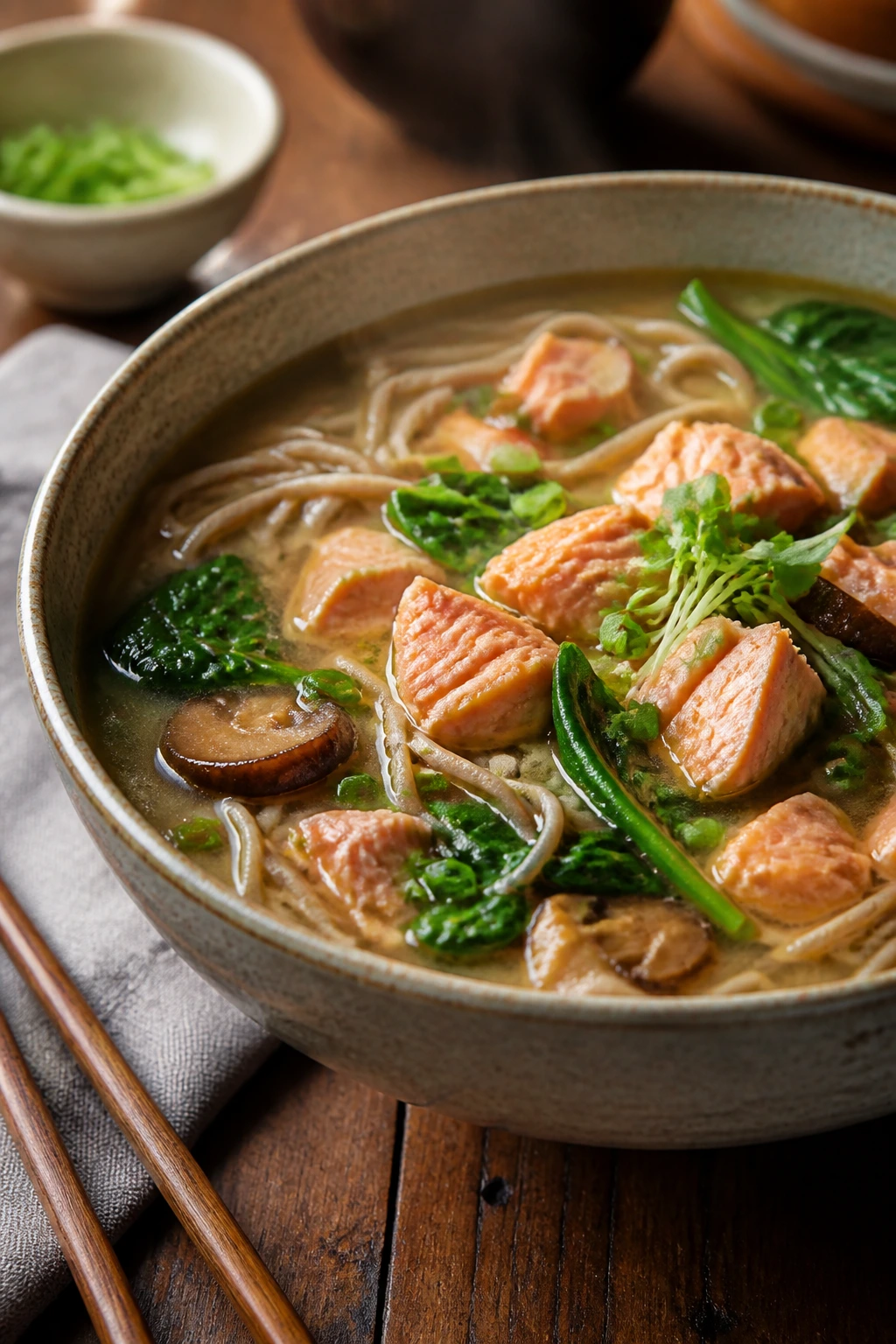
Miso soup is good. Miso soup with salmon, noodles, and mushrooms is dinner. The broth tastes deep and salty in that clean, steady way miso does, while the salmon flakes into the bowl and turns it into something that lasts longer than a light soup.
Why It Works: Miso gives the broth a savory base without needing hours of simmering, and salmon raises the protein count while keeping the soup elegant and simple. Noodles and mushrooms make it feel like an actual meal, not an appetizer. The trick is adding the miso off the boil so it stays smooth and fragrant.
Key Ingredients:
- 4 cups chicken or vegetable broth
- 2 tbsp white miso paste
- 2 salmon fillets, about 5 oz each
- 4 oz soba or udon noodles
- 1 cup sliced mushrooms
- 1 cup baby spinach
- 2 scallions, sliced
- 1 tsp sesame oil
- 1 tsp grated ginger
Quick Steps:
- Simmer broth, ginger, mushrooms, and noodles until the noodles are nearly done.
- Lower the heat and whisk in miso paste.
- Nestle in the salmon and cook gently 4 to 6 minutes.
- Add spinach and sesame oil.
- Top with scallions.
Equipment for This Recipe: Soup pot; whisk; ladle; spoon.
How to Serve This Dish: Serve hot with a soft egg if you want even more protein. A little chili oil on top gives the broth a deeper edge.
Pro Tips for This Recipe:
- Do not boil the miso hard or the flavor dulls.
- Use salmon pieces that are similar in size so they cook evenly.
- Add the spinach at the end so it stays bright.
Variations on This Dish:
- Tofu Miso Soup: Swap salmon for cubed tofu.
- Shiitake Upgrade: Use shiitake mushrooms for a stronger broth.
Common Mistakes to Avoid with This Dish:
- Don’t add the miso to a rolling boil.
- Don’t overcook the salmon; it should flake with a fork, not shred into dust.
24. Edamame Fried Rice with Egg
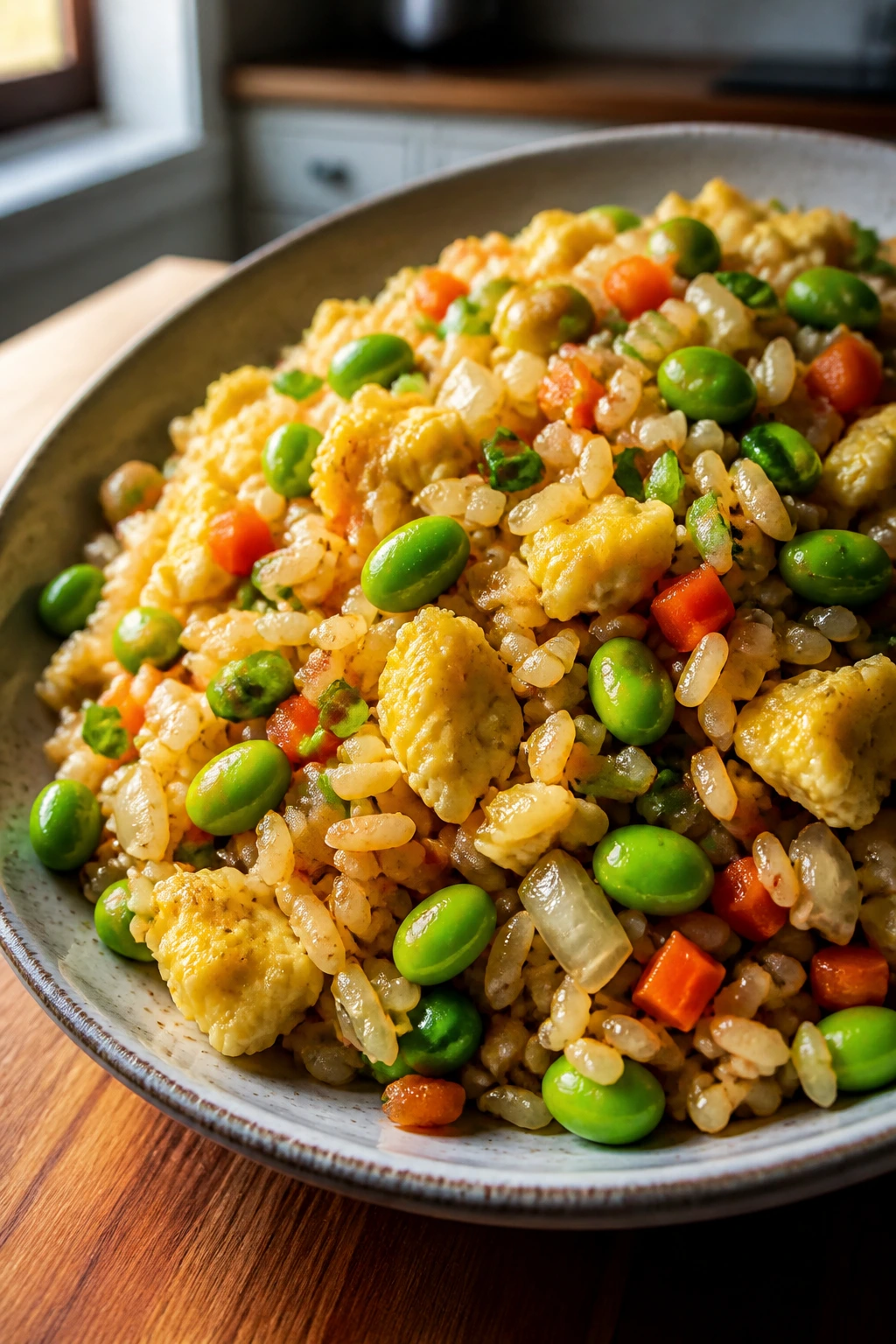
Fried rice is one of the easiest ways to make protein feel like a full meal. Edamame, eggs, rice, and a few vegetables stir together into something savory and fast, with browned bits at the bottom of the pan if you do it right. It’s also one of the best ways to use leftover rice without apology.
Why It Works: Day-old rice dries out just enough to fry instead of clumping, and eggs plus edamame give the dish a serious protein boost. Soy sauce and sesame oil handle the flavor side, while frozen vegetables make the whole thing simple to pull together. The key is a hot pan and fast stirring.
Key Ingredients:
- 3 cups cooked, chilled rice
- 2 eggs, beaten
- 1 cup shelled edamame
- 1 cup frozen peas and carrots
- 2 tbsp soy sauce
- 1 tsp sesame oil
- 2 scallions, sliced
- 1 tbsp neutral oil
- 1 garlic clove, minced
Quick Steps:
- Heat oil in a large skillet over medium-high heat.
- Scramble the eggs quickly, then remove them.
- Cook garlic, edamame, and frozen vegetables for 2 minutes.
- Add rice and soy sauce; stir-fry 3 to 4 minutes.
- Fold in eggs, sesame oil, and scallions.
Equipment for This Recipe: Large skillet or wok; spatula; bowl; fork.
How to Serve This Dish: Serve in bowls with a little extra soy or chili crisp. It’s solid on its own, but cucumber slices on the side make the meal feel fresher.
Pro Tips for This Recipe:
- Use cold rice straight from the fridge.
- Keep the pan hot so the rice fries instead of steaming.
- A small splash of rice vinegar at the end brightens the whole skillet.
Variations on This Dish:
- Chicken Fried Rice: Add shredded chicken with the vegetables.
- Kimchi Version: Stir in chopped kimchi and a little gochujang.
Common Mistakes to Avoid with This Dish:
- Don’t use fresh, hot rice. It clumps and turns soft.
- Don’t overload the pan with too many extras or the rice stops frying.
25. Chickpea Tuna Avocado Salad
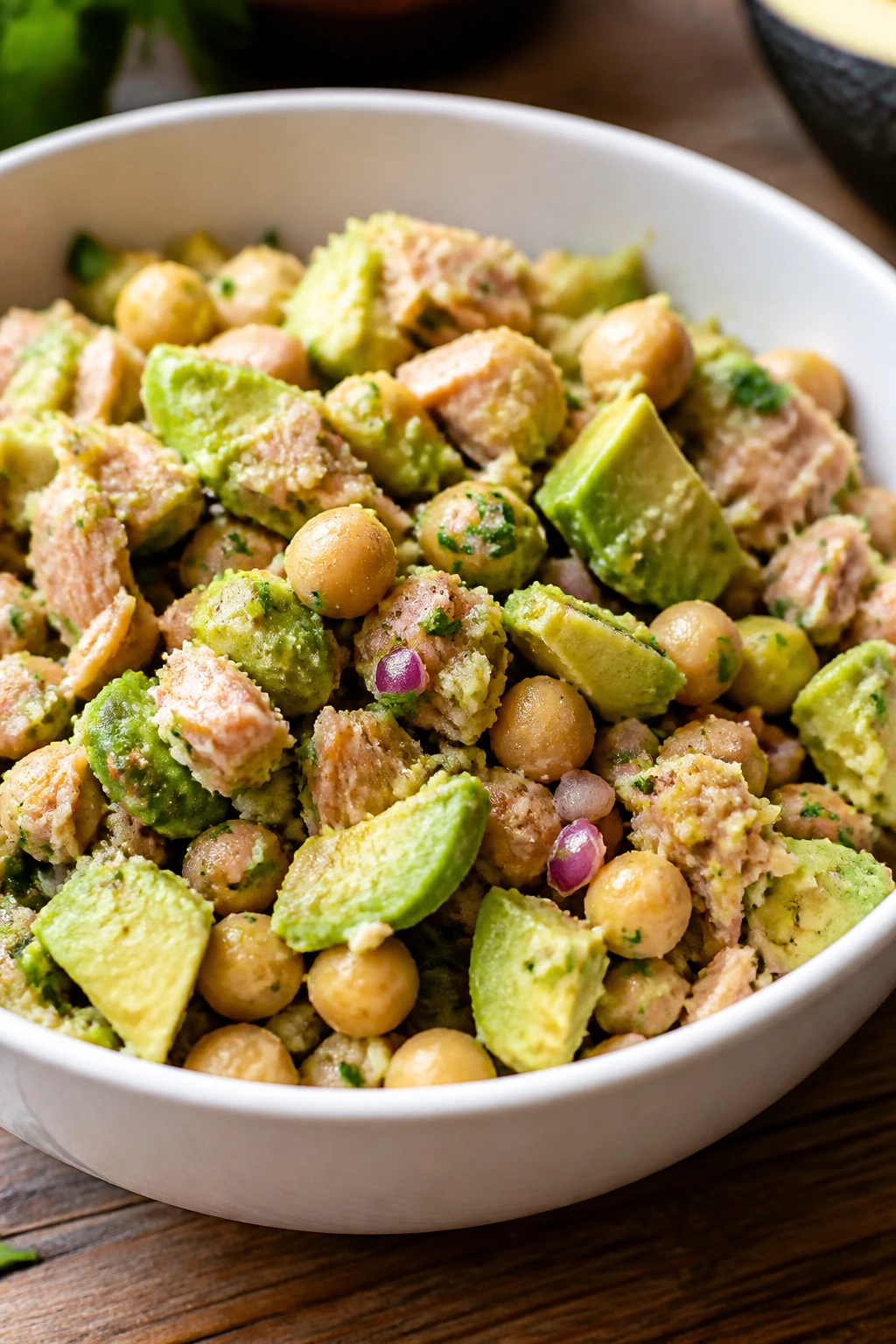
This salad walks a line between tuna salad and smashed chickpea salad, and that’s the sweet spot. Chickpeas make it chunky, tuna keeps it lean and salty, and avocado gives the whole bowl enough creaminess that you barely miss the mayo. It’s lunch that holds together.
Why It Works: Tuna and chickpeas create a high-protein base with different textures, which keeps every bite interesting. Avocado softens the mixture without making it slippery, and lemon juice stops the whole thing from tasting heavy. It works in a bowl, in lettuce, or stuffed into pita.
Key Ingredients:
- 1 can tuna, drained
- 1 can chickpeas, rinsed and drained
- 1 avocado, diced
- 1 celery stalk, diced
- 1 tbsp lemon juice
- 1 tbsp olive oil
- 2 tbsp chopped parsley
- Salt and black pepper, to taste
- 4 lettuce leaves or 2 pita breads
Quick Steps:
- Mash about half the chickpeas in a bowl.
- Stir in tuna, avocado, celery, lemon juice, oil, parsley, salt, and pepper.
- Taste and adjust seasoning.
- Spoon into lettuce leaves or pita.
- Serve cold.
Equipment for This Recipe: Mixing bowl; fork; knife; spoon.
How to Serve This Dish: Serve it cold with cucumber spears or stuffed into crisp lettuce cups. If you want it to feel richer, add a spoon of yogurt or hummus.
Pro Tips for This Recipe:
- Use ripe but not mushy avocado.
- Mash only half the chickpeas for texture.
- Add the avocado just before serving if you want the brightest color.
Variations on This Dish:
- Curried Chickpea Tuna: Add curry powder and chopped raisins.
- No-Tuna Version: Replace tuna with more chickpeas and chopped boiled eggs.
Common Mistakes to Avoid with This Dish:
- Don’t over-mash the chickpeas or the salad gets paste-like.
- Don’t leave it sitting too long once the avocado is mixed in.
26. Crispy Tofu Tacos with Slaw
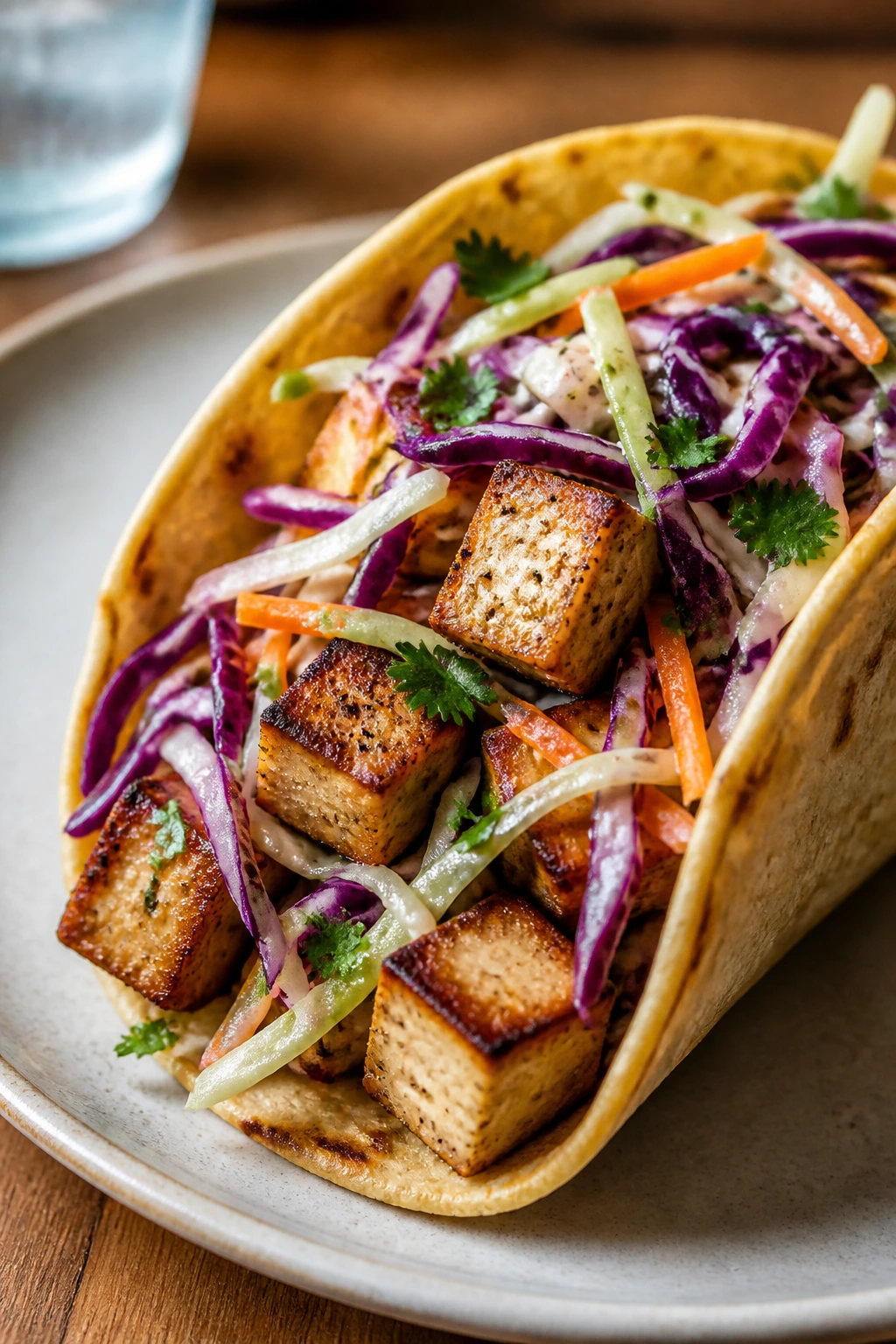
If tofu only tastes good when it’s buried under sauce, the answer is usually texture, not seasoning. These tacos solve that with a crisp skillet sear, a sharp slaw, and a creamy drizzle that gives the tofu something to cling to. The tortilla ends up carrying a lot more personality than most meatless tacos.
Why It Works: Pressed tofu browns well and gives you a chewy-crisp edge that contrasts with the slaw. Cabbage stays snappy and holds up to dressing, while lime and yogurt or crema keep the tacos from tasting dry. A little chili powder or cumin makes the tofu taste intentionally seasoned, not merely present.
Key Ingredients:
- 14 oz extra-firm tofu, pressed and cubed
- 1 tbsp cornstarch
- 1 tbsp olive oil
- 1 tsp chili powder
- 1/2 tsp cumin
- 2 cups shredded cabbage
- 1 lime, juiced
- 1/4 cup Greek yogurt or sour cream
- 8 small tortillas
- Salt, to taste
Quick Steps:
- Toss tofu with cornstarch, chili powder, cumin, and salt.
- Sear in oil over medium-high heat until crisp on 3 sides, about 8 minutes.
- Toss cabbage with lime juice and a pinch of salt.
- Warm tortillas.
- Fill tortillas with tofu, slaw, and yogurt.
Equipment for This Recipe: Skillet; pressing setup or towels; bowl; tongs.
How to Serve This Dish: Stack the tacos with a little extra slaw so the tortillas do not feel empty. A spoon of salsa or hot sauce gives them more lift.
Pro Tips for This Recipe:
- Press the tofu well or it won’t crisp.
- Cornstarch is what helps the crust set.
- Warm the tortillas so they don’t split when folded.
Variations on This Dish:
- Baja Style: Add cabbage, lime crema, and pickled onions.
- Bean Boost: Add black beans for a heavier taco.
Common Mistakes to Avoid with This Dish:
- Don’t move the tofu around too much before it browns.
- Don’t skip seasoning the slaw; plain cabbage tastes thin.
27. Cottage Cheese Lasagna Roll-Ups
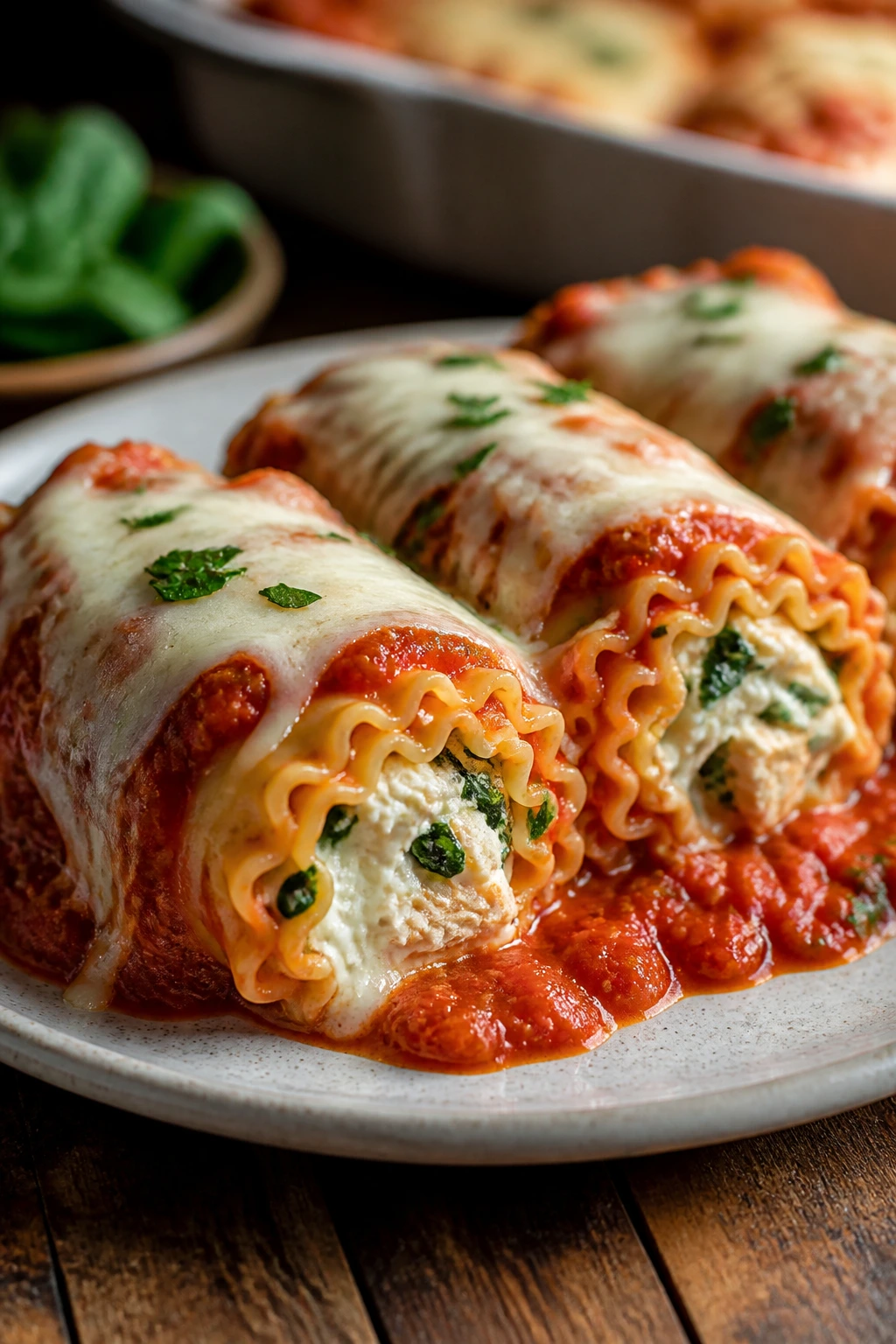
Lasagna roll-ups take the good part of lasagna — the creamy, saucy, cheesy middle — and make it easier to portion. Cottage cheese keeps the filling protein-heavy without turning it gluey, and the noodles bake up tender under the marinara. It’s comfort food with a straight face.
Why It Works: Cottage cheese and spinach create a filling that is creamy but still structured enough to roll. Using individual noodles means each serving gets the same amount of sauce and cheese, which is weirdly satisfying. Ground turkey folded into the filling adds even more protein without weighing the dish down.
Key Ingredients:
- 12 lasagna noodles
- 2 cups cottage cheese
- 1 cup chopped spinach
- 1 egg
- 1 cup cooked ground turkey
- 2 cups marinara sauce
- 1 cup shredded mozzarella
- 1/4 cup Parmesan
- 1 tsp Italian seasoning
Quick Steps:
- Boil noodles until pliable and drain.
- Mix cottage cheese, spinach, egg, turkey, seasoning, salt, and pepper.
- Spread filling on each noodle and roll up.
- Place in a baking dish with marinara underneath and on top.
- Bake at 375°F (190°C) for 25 minutes with mozzarella and Parmesan.
Equipment for This Recipe: Baking dish; saucepan; spoon; colander.
How to Serve This Dish: Serve two to three roll-ups per plate with a green salad. A little extra sauce around the edges makes the dish look homemade in a good way.
Pro Tips for This Recipe:
- Don’t overcook the noodles or they tear when rolling.
- Let the filling cool a bit so it spreads better.
- Use a deep enough dish that the sauce can bubble without spilling over.
Variations on This Dish:
- Vegetarian Roll-Ups: Skip the turkey and add mushrooms.
- Spinach-Artichoke Version: Add chopped artichokes and a touch of garlic.
Common Mistakes to Avoid with This Dish:
- Don’t pack the filling too thick or the noodles won’t roll.
- Don’t forget sauce underneath the noodles or the bottom dries out.
28. Skillet Chicken and Lentils with Spinach
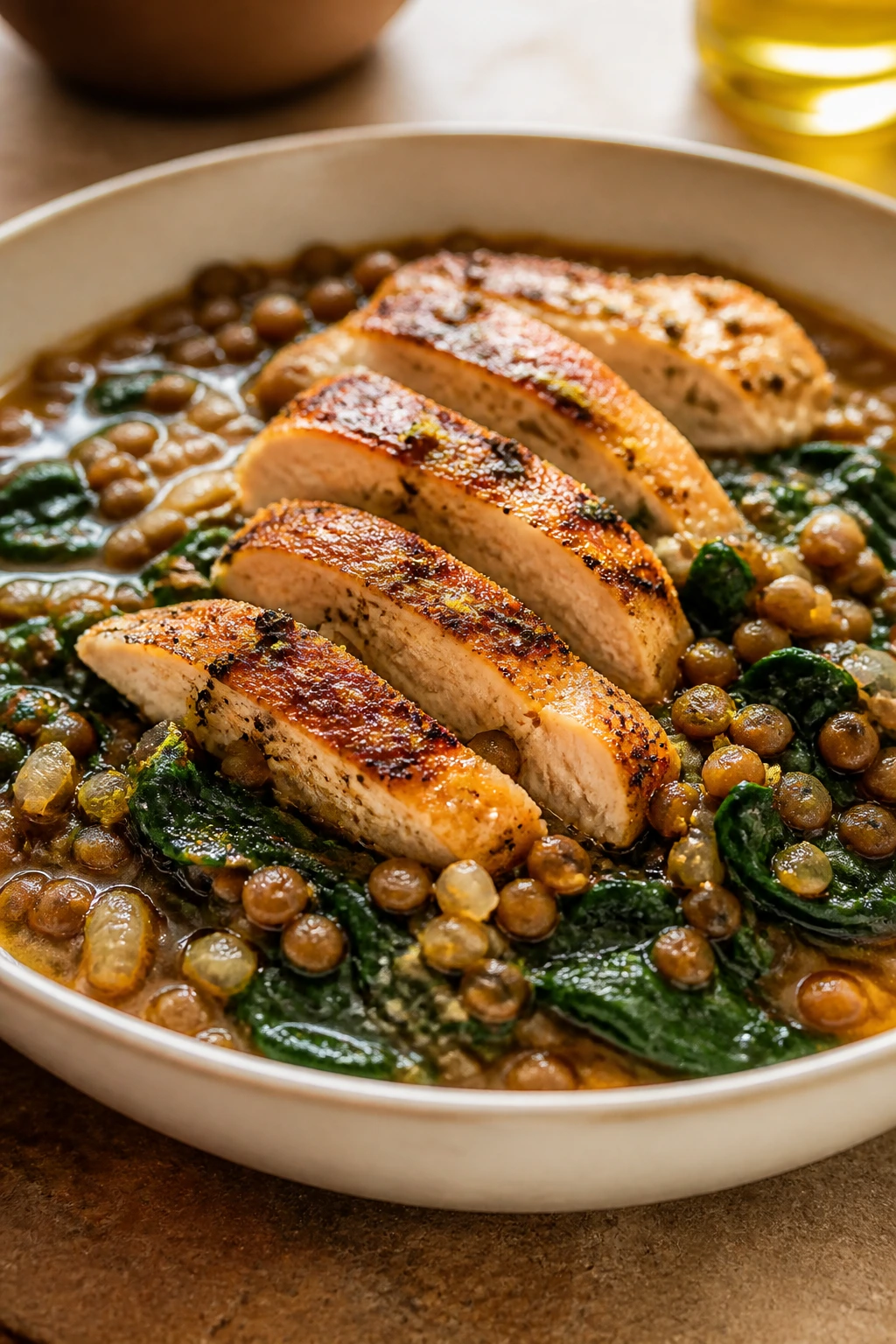
This is the sort of dinner that feels calm to cook. Chicken browns, lentils simmer, spinach wilts in at the end, and the skillet turns into a full meal without needing a dozen side dishes. It tastes earthy, savory, and a little lemony if you finish it right.
Why It Works: Chicken gives the dish a familiar anchor while lentils add extra protein and a soft, satisfying bite. Cooking the lentils in broth means they pick up flavor instead of tasting plain. Spinach melts down at the end and keeps the skillet from feeling dense.
Key Ingredients:
- 1 lb boneless chicken thighs, cut into pieces
- 1 cup green or brown lentils, rinsed
- 1 small onion, diced
- 2 garlic cloves, minced
- 3 cups chicken broth
- 2 cups baby spinach
- 1 tbsp olive oil
- 1 lemon, juiced
- 1 tsp dried thyme
- Salt and pepper, to taste
Quick Steps:
- Brown chicken in oil over medium-high heat for 5 minutes.
- Add onion and garlic; cook 2 minutes.
- Stir in lentils, broth, thyme, salt, and pepper.
- Simmer covered for 25 to 30 minutes until lentils are tender and chicken is cooked through.
- Stir in spinach and lemon juice.
Equipment for This Recipe: Large skillet or braiser; lid; spoon; knife.
How to Serve This Dish: Serve it in shallow bowls with the broth spooned over the top. A slice of crusty bread or a spoon of yogurt on the side rounds it out nicely.
Pro Tips for This Recipe:
- Use thighs rather than breasts so the chicken stays juicy through the simmer.
- Salt the broth well; lentils soak up seasoning.
- Add the spinach at the very end so it stays green.
Variations on This Dish:
- Tomato Herb Version: Add 1 cup crushed tomatoes and parsley.
- Smoky Version: Use smoked paprika and a pinch of cumin.
Common Mistakes to Avoid with This Dish:
- Don’t boil the lentils hard or they break down too quickly.
- Don’t skip the lemon at the end; it sharpens the whole pan.
Why Protein Tastes Better When It Has Something to Lean On
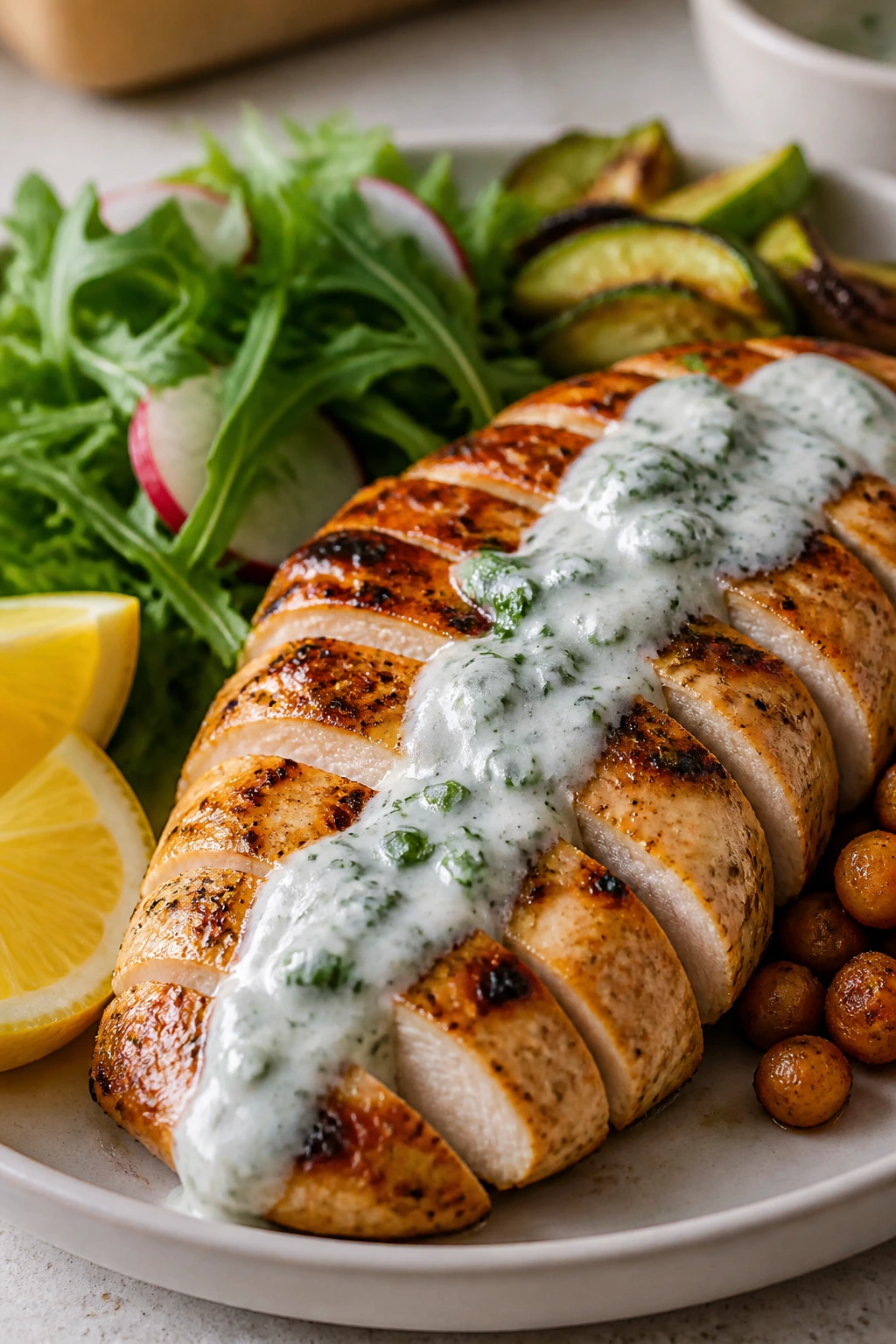
A plate built around protein can be satisfying or dull, and the difference usually comes from the same three things: fat, acid, and texture. Lean chicken breast wants yogurt, salsa, or a pan sauce. Beans want citrus and herbs. Salmon wants something crisp or cool next to it. Without those supports, even a well-cooked protein source can feel flat.
That’s why these high protein recipes use more than one smart trick at a time. Greek yogurt shows up because it adds body and tang. Feta, Parmesan, and cottage cheese add salt and creaminess without making a dish heavy. Lemon, lime, vinegar, and tomatoes keep the richer ingredients from getting sleepy on the tongue. And crunch matters more than people think. Celery, cabbage, cucumbers, toasted seeds, and lettuce turn protein from a number into a meal.
I also have a soft spot for dishes that use the right amount of effort. Not the most effort. The right amount. A sheet pan fajita bowl should not require seven pans. A turkey chili should not make you feel like you’ve started a project. Good protein cooking is mostly about stacking the deck in your favor, then getting out of the way.
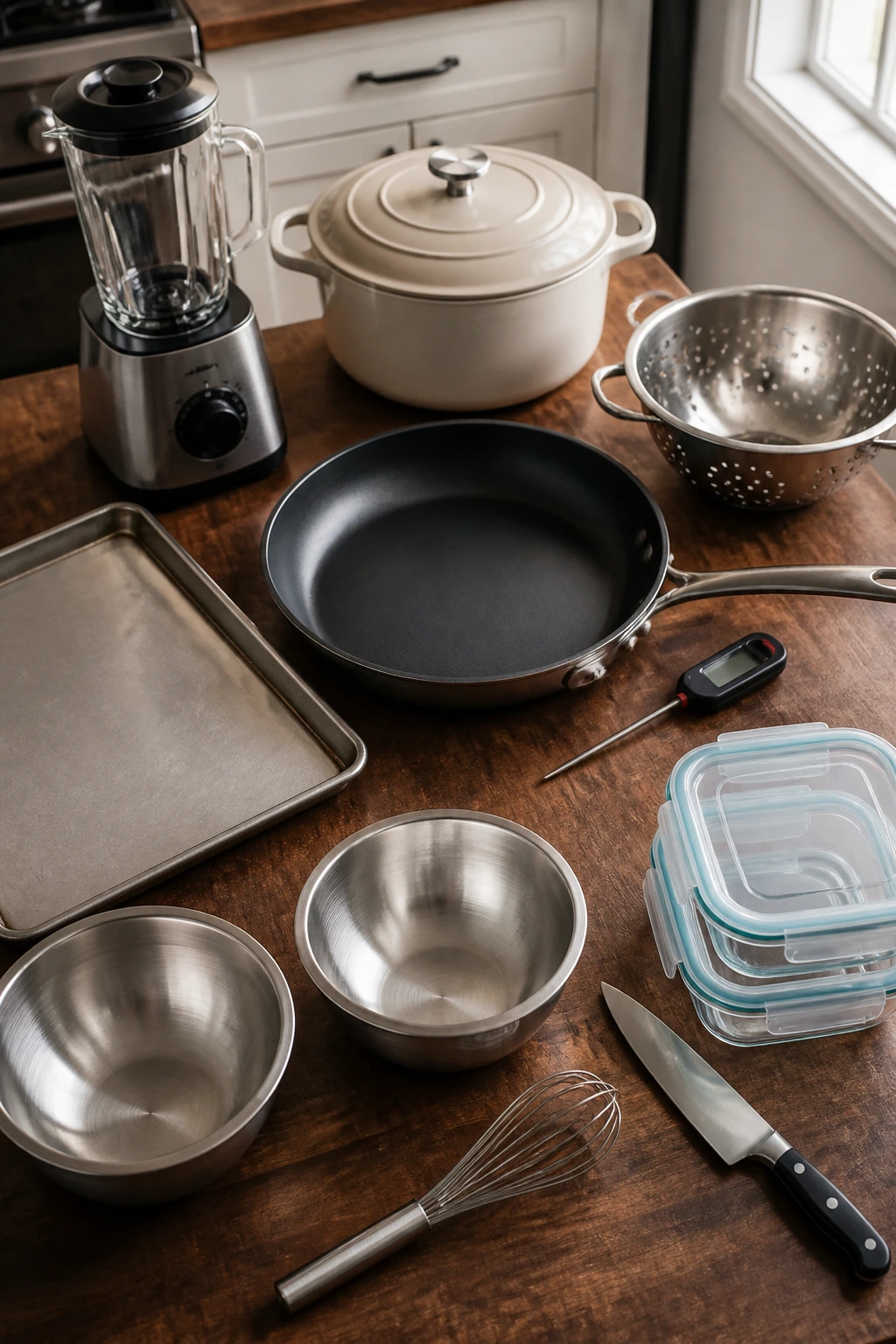
Essential Equipment for These Recipes
-
Large skillet or sauté pan: The workhorse for stir-fries, scrambles, skillet dinners, and quick sauces.
-
Rimmed sheet pan: Needed for fajita bowls, baked fish, meatballs, and anything that benefits from roasting in one layer.
-
Dutch oven or heavy pot: Best for chili, soups, and lentils because it holds heat evenly and doesn’t scorch the bottom.
-
Instant-read thermometer: The easiest way to keep chicken, turkey, salmon, and cod from going dry.
-
Mixing bowls in 2 sizes: One for dressings and one for bigger recipes saves time and keeps prep tidy.
-
Sharp chef’s knife: Thin slicing matters for steak, vegetables, and chicken cutlets.
-
Colander: Useful for pasta, noodles, beans, and rinsing lentils or quinoa.
-
Whisk: Small but important for sauces, dressings, and eggs.
-
Airtight containers: Meal prep stays better when the bowls seal properly.
-
Blender or food processor: Optional, but handy for pancake batter, smooth sauces, or cottage cheese mixtures.
Smart Shopping and Ingredient Tips
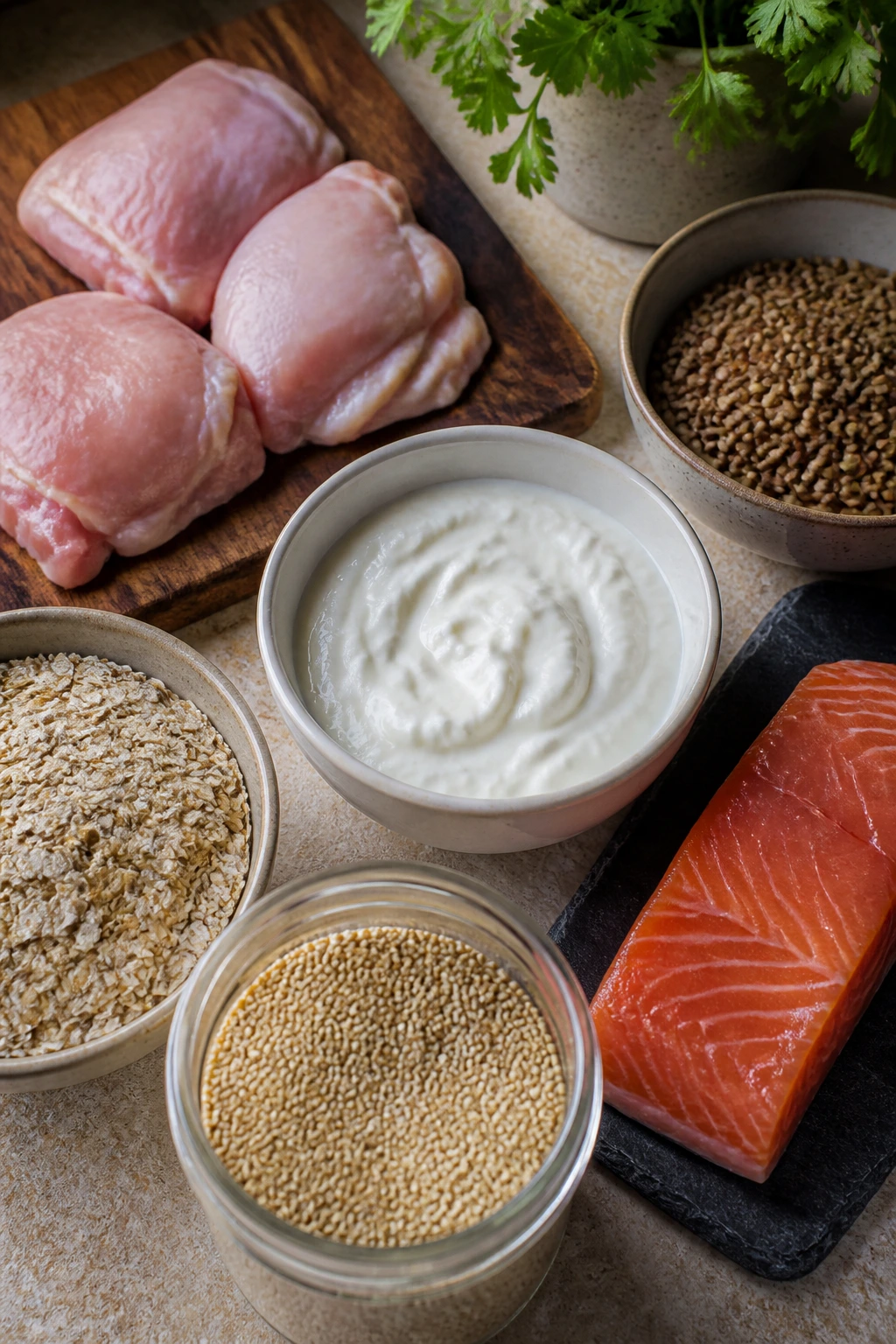
The quickest way to ruin a protein-heavy recipe is to buy ingredients that fight the recipe instead of helping it. For chicken dishes, I prefer thighs when the cooking time is longer and breasts when the heat is short and sharp. Thighs forgive mistakes; breasts do not. With fish, thicker fillets are easier to control than paper-thin ones, and salmon is more forgiving than cod if your timing is a little off.
For dairy, choose Greek yogurt and cottage cheese with a texture you actually like eating cold. Some brands are loose and watery; others are thick and almost spoonable. Thicker usually works better in sauces and breakfast recipes. When a recipe calls for feta, Parmesan, or ricotta, buy the version that smells clean and fresh, not the one that’s been sitting in a bag forever.
Beans, lentils, quinoa, rice, and oats are the quiet backbone of this whole collection. Rinse lentils and quinoa so they don’t taste dusty. Use canned beans that are firm, not broken apart in the can. For rice bowls and fried rice, chilled rice is your friend. For overnight oats, rolled oats hold texture better than instant oats, which can turn to paste.
And yes, canned fish is worth buying well. Tuna in olive oil tastes richer than the bargain can that smells like the inside of a metal shelf. The same goes for tomatoes: crushed tomatoes with a bright, sweet smell are doing you a favor before you even turn on the stove.
How to Serve These Recipes
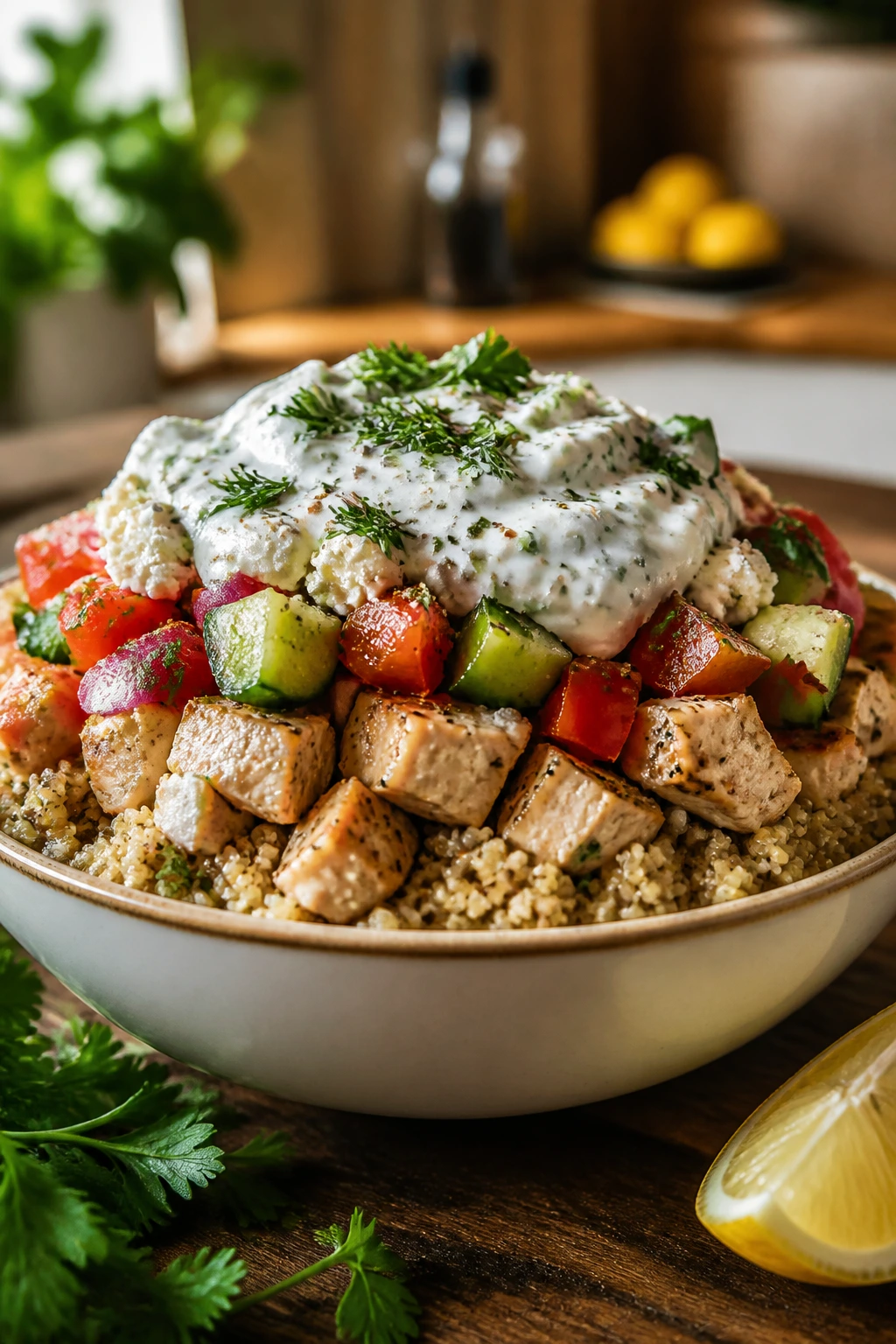
Presentation: Build bowls in layers instead of dumping everything into the center. Put grains or greens on the bottom, protein in the middle, and the sauce or garnish on top so the color shows. A few herbs, sliced scallions, or lemon wedges make even a plain weeknight plate look finished.
Accompaniments: Lean salads, roasted vegetables, toast, cucumber slices, fruit, and simple grains fit across this whole set. A bowl of chili wants yogurt and cilantro. Salmon bowls want pickled ginger or avocado. Stuffed potatoes want slaw. You do not need elaborate sides; you need one bright thing and one crunchy thing.
Portions: Most of these dishes land well at 4 to 6 ounces of cooked protein per adult serving, plus a carb or vegetable base. If you’re feeding bigger eaters, increase the grain or vegetable layer first, not the sauce. That keeps the meal balanced instead of sloppy.
Beverage Pairing: Sparkling water with lemon, unsweetened iced tea, or a light citrusy drink works across the board. With richer dishes like burgers or meatballs, a crisp iced tea or a dry sparkling beverage cuts through the fat nicely.
Additional Tips and Flavor Boosters
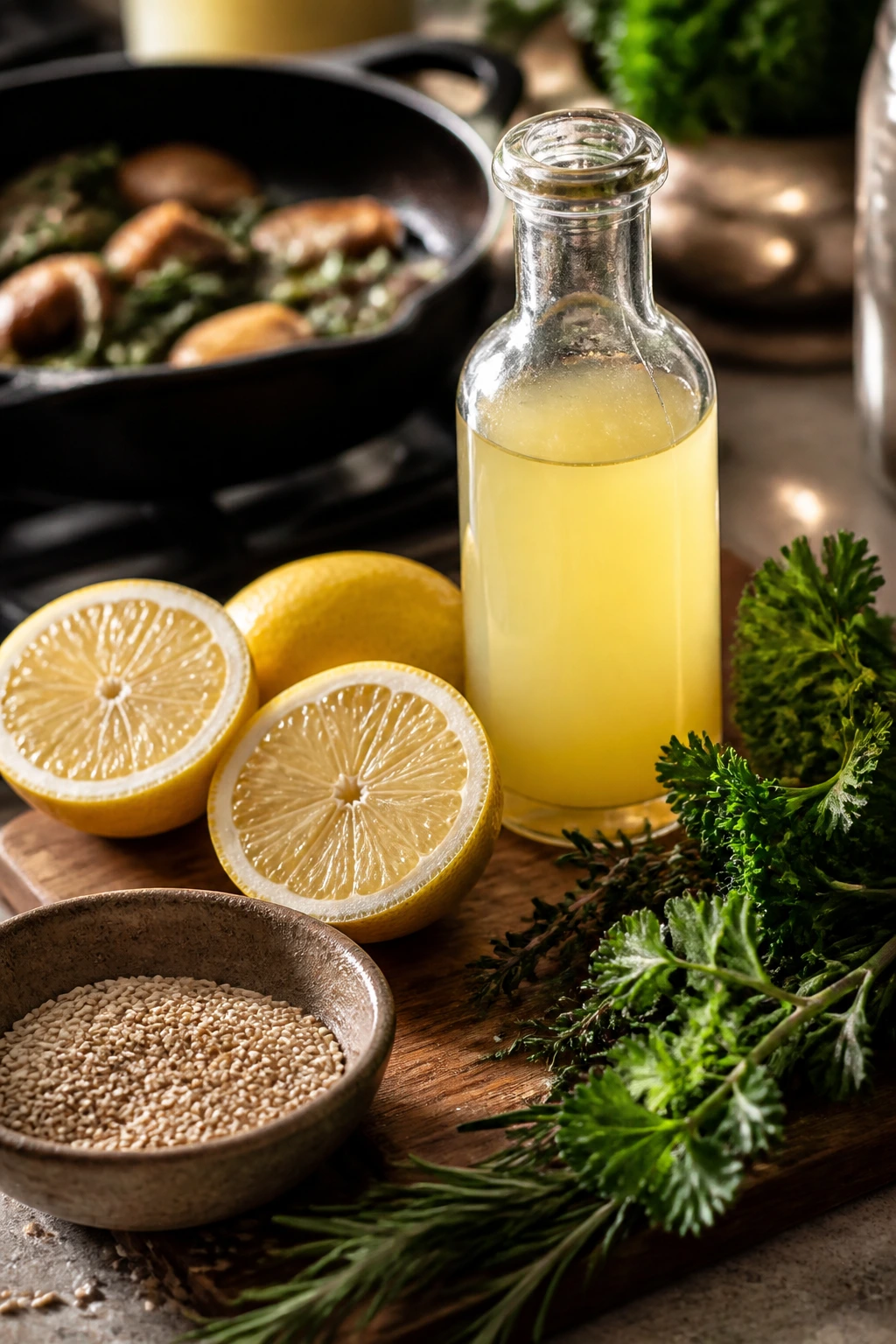
Flavor Enhancement: Keep a jar of lemon juice, lime juice, or vinegar near the stove. A spoonful at the end changes a heavy dish faster than another pinch of salt. That little hit of acid is the difference between “fine” and “I want another bite.”
Customization: Add extra protein without making a dish strange by leaning on eggs, yogurt, beans, edamame, or a bit of cheese. A bowl of fried rice can take more egg. Chili can take more beans. A salad can take a boiled egg or a few tablespoons of cottage cheese if you’re making it for lunch.
Serving Suggestions: Toasted sesame seeds, chopped herbs, pickled onions, sliced scallions, and crushed peanuts all do the same job: they give the plate one more texture. Use one, maybe two. More than that starts to feel messy.
Make-It-Yours: For dairy-free cooking, use olive oil dressings, tahini, or avocado instead of yogurt and cheese. For gluten-free versions, swap rice, potatoes, corn tortillas, or gluten-free pasta where needed. For lower-carb meals, lean harder on greens, cabbage, zucchini, and cauliflower rice instead of trying to make everything into a bowl of beige.
Make-Ahead, Storage, and Reheating Guidance
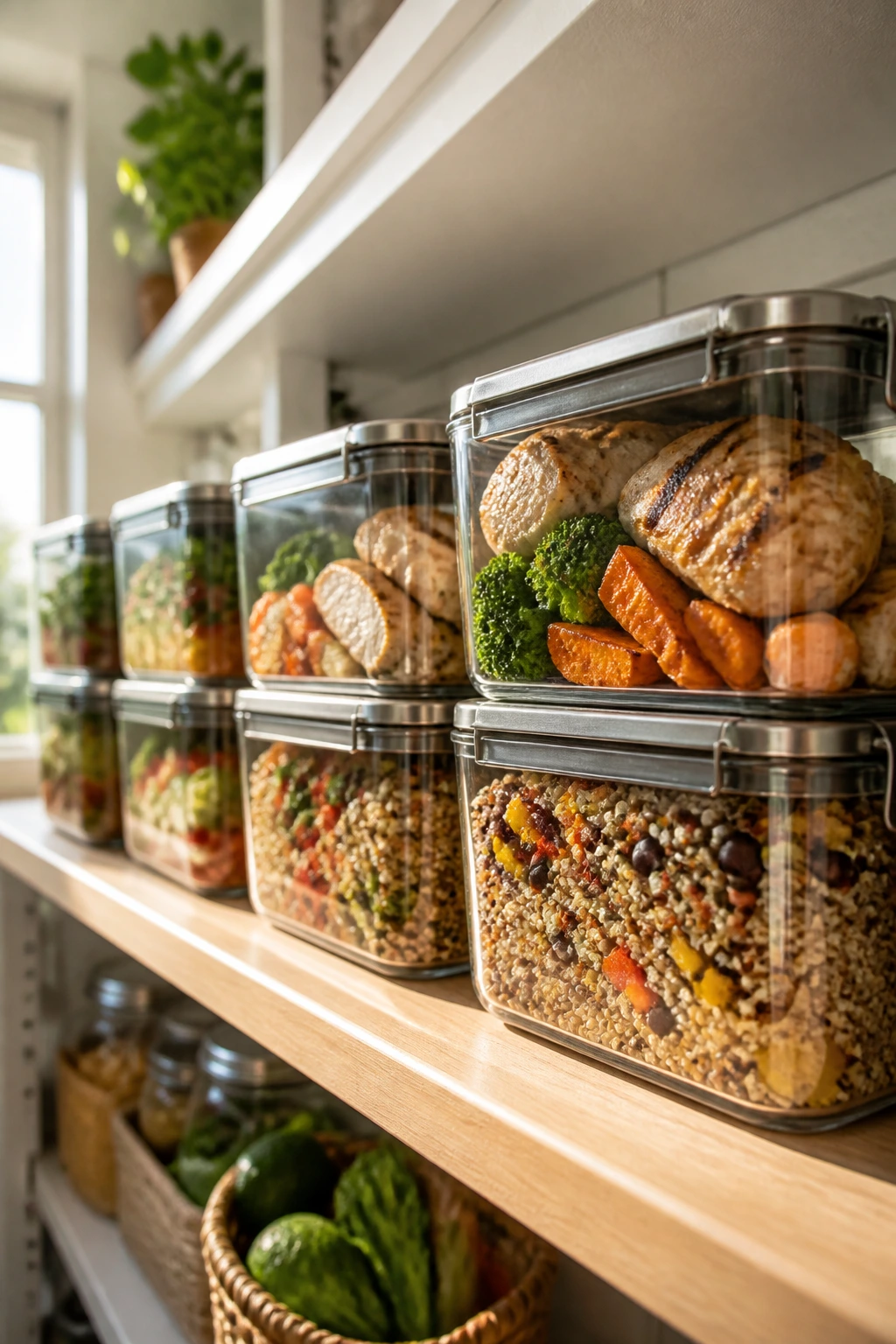
Most of these recipes hold well for 3 to 4 days in the refrigerator if they’re stored in airtight containers. Chicken, turkey, beef, bean, grain, and pasta dishes usually reheat well in the microwave with a splash of water or broth. Soups and chilies can be reheated gently on the stove over medium-low heat until they’re steaming but not boiling hard.
Seafood needs a shorter leash. Salmon, cod, and shrimp dishes are best within 1 to 2 days in the fridge, and I would not freeze them unless you’re fine with a softer texture later. Rice bowls and noodle bowls do better when the sauce is stored separately; add it after reheating so the vegetables and grains do not go limp. For salads with lettuce, keep the protein mixture and greens apart until serving time.
Breakfast items have their own rhythm. Overnight oats keep well for up to 4 days and actually improve after the first night. Egg burritos freeze nicely for up to 2 months if you wrap them tightly, then reheat in the microwave and crisp them in a skillet if you want the tortilla to behave. Pancakes also freeze well; stack them with parchment between each layer so they don’t stick.
If a dish tastes a little flat after chilling, don’t panic. Add a squeeze of lemon, a spoon of yogurt, a fresh herb, or a few flakes of salt. Cold food almost always needs a little more wake-up than hot food.
Variations and Adaptations to Try
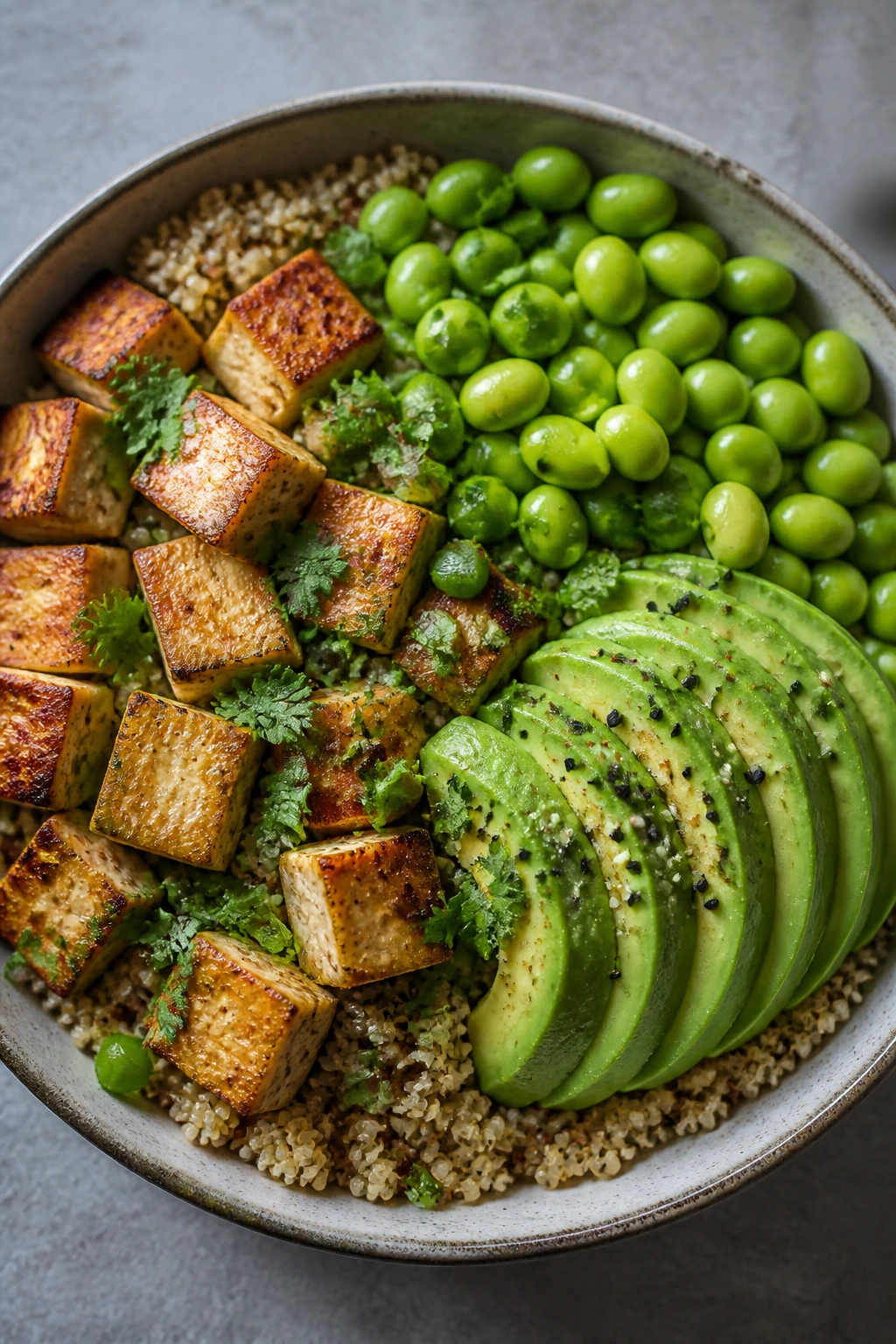
Dairy-Free Protein Fixes: Swap Greek yogurt and cottage cheese for tahini, hummus, avocado, or a dairy-free yogurt with enough body to hold a sauce. In savory dishes, olive oil plus lemon often does more than people expect. It won’t taste identical, but it will still taste intentional.
Gluten-Free Swaps That Don’t Feel Like Settling: Use rice, quinoa, corn tortillas, lettuce cups, or potatoes instead of bread and wheat pasta. The trick is to choose a base with its own texture, not a sad substitute that collapses under the sauce.
Vegetarian Protein Boosts: Tempeh, tofu, lentils, beans, edamame, eggs, cottage cheese, and Greek yogurt can carry a meal farther than most people think. The biggest upgrade is usually a better seasoning strategy, not some fancy replacement product.
Kid-Friendly Mild Versions: Pull back on chili heat, use familiar shapes like burritos, pasta, or meatballs, and add cheese at the end. Kids usually care less about “healthy” and more about whether the food feels too spicy, too saucy, or too green.
Meal-Prep Batch Cooking: Roast a tray of chicken, cook a pot of rice or quinoa, and prep one crunchy vegetable on the side. Then mix and match through the week. That one move turns several recipes into a usable rotation instead of a pile of separate chores.
Common Mistakes to Avoid
The first mistake is chasing protein so hard that you strip out everything fun. Dry chicken, plain tofu, and an underseasoned bowl of lentils are still dry chicken, plain tofu, and underseasoned lentils, even if the nutrition label looks tidy. Salt, acid, fat, and texture are not extras. They are the reason the meal gets eaten.
The second mistake is overcooking lean proteins. Chicken breast, shrimp, cod, and turkey all cross the line quickly. Use a thermometer when you can, and pull seafood the moment it turns opaque and flakes. A dish can look “done” and still eat like overcooked chalk if you wait for too much visual drama.
The third mistake is forgetting that texture carries flavor. Limp cucumbers, soggy rice, watery tomatoes, and steamed broccoli all flatten a plate fast. If a recipe wants crunch, keep something crisp back until the end — herbs, seeds, cabbage, lettuce, nuts, pickles, or fresh vegetables.
The fourth mistake is underseasoning cold food. Chicken salad, overnight oats, tuna mixtures, and grain bowls need more seasoning than you think because cold mutes salt and spice. Taste again after chilling, then add a little more lemon, salt, herbs, or sauce.
Finally, don’t ignore the base. A great protein on bad rice, dry pasta, or mushy noodles still feels disappointing. The base does not need to be the star, but it has to show up.
Frequently Asked Questions
How much protein should a meal have to feel satisfying?
For most people, a meal with a solid protein source plus a carb or vegetable base is enough to feel steady for several hours. In practice, that often means a serving built around 4 to 6 ounces of meat or fish, or a generous mix of beans, eggs, tofu, or dairy. The exact number matters less than whether the meal feels balanced and keeps you from hunting the pantry an hour later.
Can I make these recipes without protein powder?
Yes. None of the savory recipes need it, and the breakfast dishes rely on eggs, yogurt, cottage cheese, oats, beans, or tofu instead. That keeps the texture closer to real food and avoids the chalky aftertaste that can show up in powder-heavy meals.
Which recipes are best for meal prep?
Turkey chili, lentil bolognese, chicken shawarma bowls, edamame fried rice, stuffed sweet potatoes, and chicken salad hold up well for several days. Keep crisp items like lettuce, cucumbers, and seeds separate until serving time. That one habit makes meal prep taste much fresher.
What’s the easiest way to keep chicken from drying out?
Use thighs for longer cooking, or if you use breasts, cook them only until they hit 165°F (74°C) and then stop. A yogurt marinade, a sauce, or a broth-based simmer helps too. Dry chicken usually means too much heat, not too little effort.
Can I freeze these recipes?
Yes, but not all of them equally well. Chili, meatballs, lentil sauce, burritos, and stuffed pasta freeze nicely; seafood and fresh salads do not. Freeze in flat containers or freezer bags, and label them so you are not guessing later.
Are canned beans enough to count as high protein?
They’re a strong start, especially when paired with eggs, fish, chicken, yogurt, tofu, or cheese. Beans alone usually need help from another protein source if you want a meal that stays full for a long stretch. That’s why so many of these recipes pair beans with another anchor.
How do I make these recipes dairy-free?
Use olive oil, tahini, avocado, hummus, or dairy-free yogurt in place of Greek yogurt, cottage cheese, ricotta, or feta when needed. The best swap depends on whether you need creaminess, tang, or salt. If you replace all three at once with the same ingredient, the dish can lose its shape.
What if I’m cooking for someone who hates “healthy food”?
Lean into familiar formats: chili, burgers, tacos, pasta, meatballs, burritos, or bowls with a good sauce. People rarely object to protein when the food tastes like dinner instead of a compromise. Give them something saucy, salty, and warm.
Why do some protein meals taste flat even when they’re seasoned?
Usually because they’re missing one of three things: acid, fat, or crunch. A bowl can have enough salt and still feel dead if nothing brightens the flavor or changes the texture. A squeeze of lemon, a little yogurt, or a handful of toasted nuts often fixes that faster than more spice.
Meals You’ll Actually Want Again
The real test of high protein recipes is not whether they hit a number on paper. It’s whether you’d make them again when you’re tired, hungry, and not in the mood to babysit a skillet. The recipes here are built for that moment. They use ordinary ingredients, and they lean on flavor instead of force.
A few of them are rich and cozy. Some are cold and sharp. A few live in the sweet spot where meal prep meets actual pleasure. Keep two or three favorites in rotation, and the rest of the week gets easier in a way that feels almost suspicious at first.
That’s the whole point: protein should help dinner, not flatten it. Pick one recipe, make it once, and then make it better the second time.