



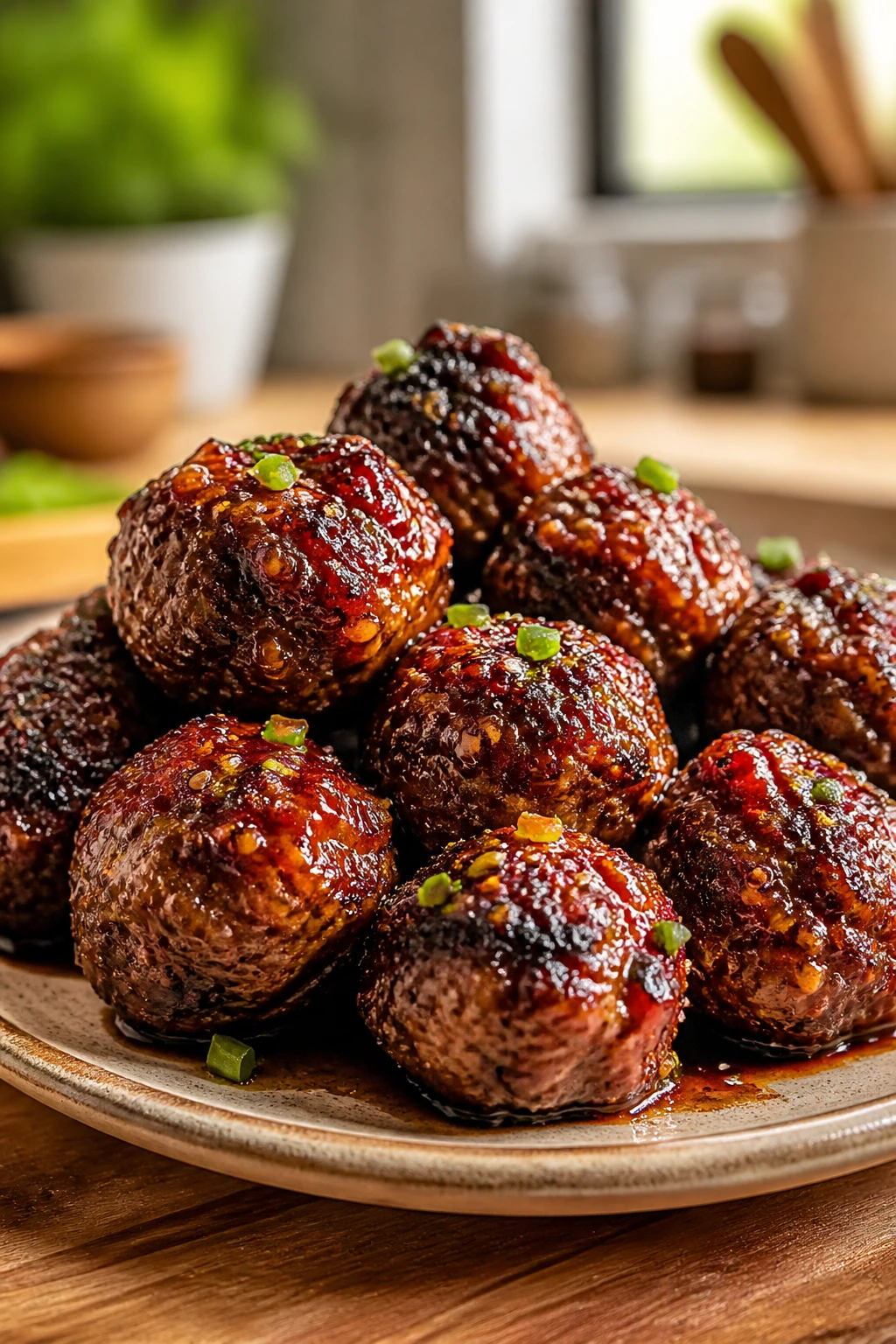
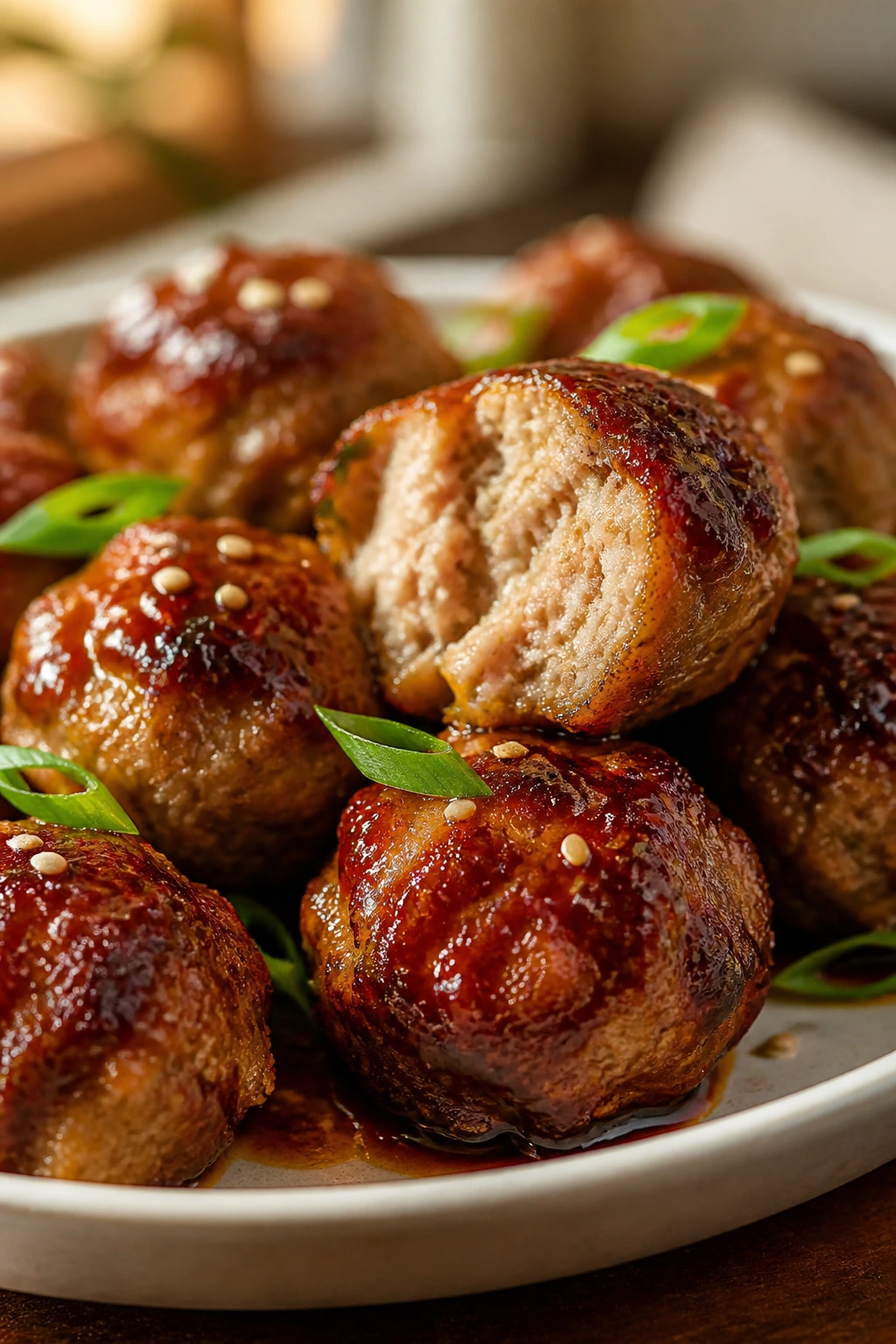
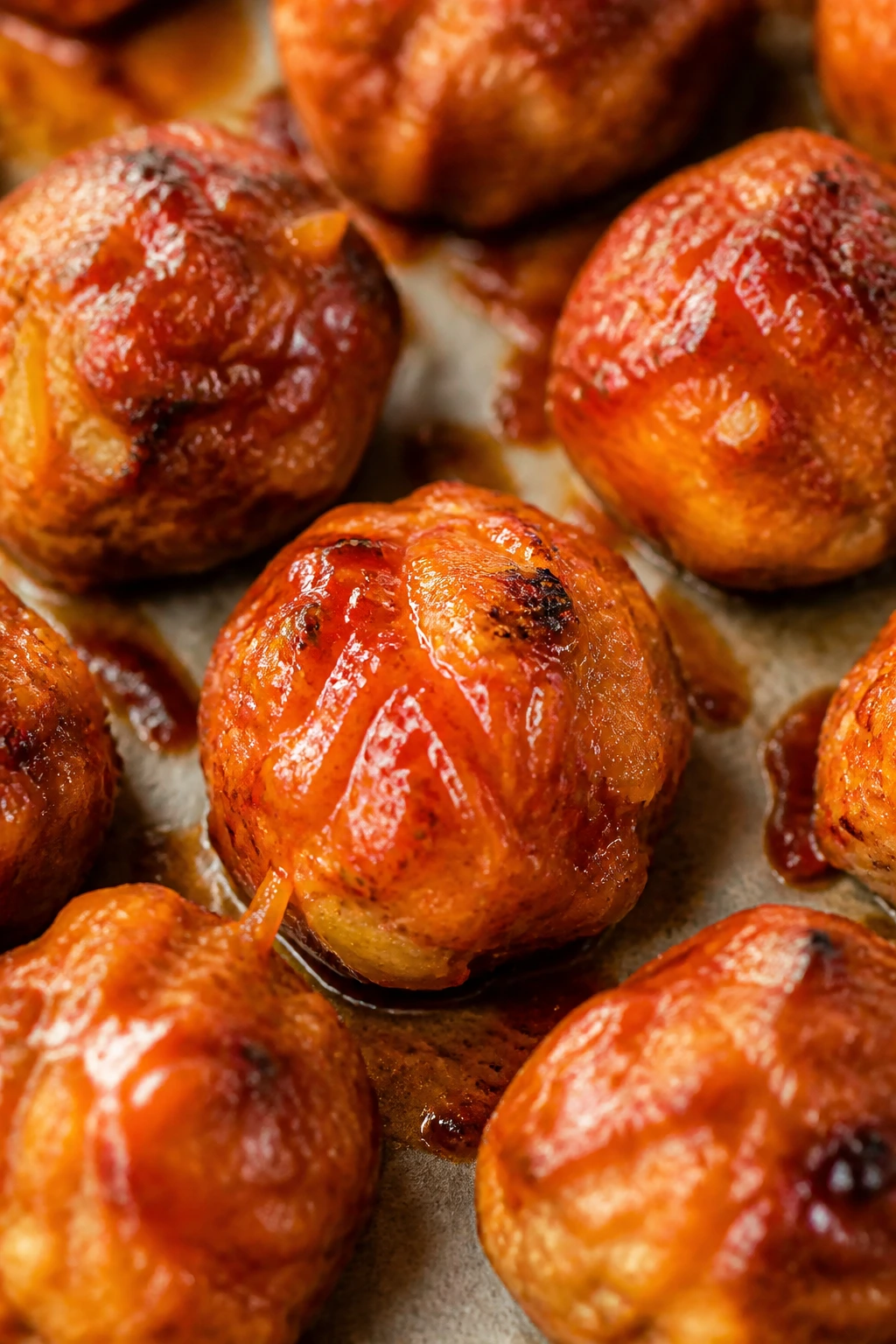
The best Korean BBQ meatballs land on the table glossy, sticky, and a little charred at the edges. They smell like toasted sesame oil, garlic, and the sweet heat of gochujang the second they leave the oven, and that smell does half the work before anyone takes a bite.
Takeout meatballs tend to arrive either too soft or buried under sauce that tastes flat by the time you open the lid. Homemade Korean BBQ meatballs are different because you get the browning, the seasoning, and the glaze at the same moment. You can make the sauce sharp with rice vinegar, keep the meat tender with panko, and finish everything while it’s still hot enough to soak up flavor instead of stewing in it.
I like this style of recipe because it’s flexible in a way delivery food never is. Beef, pork, chicken, turkey, lamb, even mixed meats all behave well here if you treat them right. A sheet pan works. So does an air fryer. A skillet changes the whole mood. And if you’ve got leftover rice, lettuce, cucumbers, or noodles hanging around, these meatballs turn into dinner without much drama.
Why You’ll Keep Coming Back to This Collection
-
The glaze lands after the browning: Each batch gets a proper crust first, so the sauce tastes bright instead of burnt and bitter.
-
The meat stays tender without getting mushy: Panko, egg, and a little moisture from scallion, pear, kimchi, or cabbage keep the texture soft without turning the meatballs into paste.
-
You can cook these several ways: Sheet pan, skillet, air fryer, grill, and slow cooker all work here, which means you can match the method to your mood and your kitchen.
-
The flavor goes with almost anything: Spoon them over rice, tuck them into lettuce, pile them into noodles, or serve them with quick pickles and call it done.
-
They hold up for make-ahead cooking: Form them, chill them, freeze them, bake them, glaze them. The structure stays solid, which is half the battle when you want dinner to behave.
1. Classic Gochujang Beef Meatballs
These are the tray I keep coming back to when I want the simplest version to taste like a proper Korean BBQ night. The beef gets browned on the outside, the gochujang glaze turns sticky and brick-red, and the sesame finish gives each bite that warm, nutty smell that hangs around the kitchen for an hour.
Why It Works:
Beef handles gochujang better than a lot of leaner meats because the fat keeps the texture juicy while the glaze brings heat and sweetness. Baking at 425°F gives you fast browning without drying the middle. A quick simmer of the sauce keeps it shiny and helps it cling instead of sliding off.
Key Ingredients:
For the Meatballs:
- 1 lb ground beef, preferably 85/15
- 1/2 cup panko breadcrumbs
- 1 large egg
- 2 scallions, finely sliced
- 2 garlic cloves, grated or minced
- 1 tablespoon soy sauce
- 1 teaspoon toasted sesame oil
For the Gochujang Glaze:
- 1/4 cup gochujang
- 2 tablespoons honey
- 2 tablespoons soy sauce
- 2 tablespoons rice vinegar
- 2 tablespoons water
Quick Steps:
- Preheat the oven to 425°F and line a sheet pan with parchment.
- Mix the meatball ingredients in a bowl until just combined.
- Roll into 1 1/2-inch balls and place them on the pan with space between each one.
- Bake for 12 to 14 minutes, until browned and the center reaches 160°F.
- Simmer the glaze in a small saucepan for 2 to 3 minutes, until it looks glossy and slightly thickened.
- Toss the hot meatballs in the glaze and finish with sesame seeds and more scallion.
Equipment for This Recipe:
- Rimmed sheet pan
- Parchment paper
- Large mixing bowl
- Small saucepan
How to Serve This Dish:
Serve these over steamed rice with sliced cucumber and a few quick-pickled carrots. A little extra glaze pooled under the rice is not a mistake. It’s the point.
Pro Tips for This Recipe:
- Chill the shaped meatballs for 15 minutes if the mixture feels soft.
- Don’t overpack the mixture. Loose rolling makes a lighter bite.
- If your oven runs cool, broil for 1 to 2 minutes at the end for deeper browning.
Variations on This Dish:
- Sharper and Brighter: Add 1 extra tablespoon of rice vinegar to the glaze for a more cutting finish.
- Bulgogi-Style: Swap 1 tablespoon of honey for 1 tablespoon of grated pear.
Common Mistakes to Avoid with This Dish:
- Using very lean beef: The meatballs dry out fast. Use 85/15 or blend in a spoonful of neutral oil.
- Saucing too early: If the glaze goes on before baking, it burns before the meat finishes.
2. Pork and Scallion Sesame Meatballs
This is the savory, salty version that leans harder into sesame and scallion than heat. The pork gives you a softer, richer bite, and the scallions bring that fresh green snap that keeps the whole thing from feeling heavy.
Why It Works:
Ground pork carries sesame oil beautifully, and the fat keeps the interior plush. The glaze here is less sticky-sweet and more soy-forward, which makes the meatballs work with rice, noodles, or a pile of crunchy lettuce. A quick bake is enough; pork does not need much help.
Key Ingredients:
For the Meatballs:
- 1 lb ground pork
- 1/2 cup panko breadcrumbs
- 1 large egg
- 4 scallions, thinly sliced
- 2 garlic cloves, minced
- 1 tablespoon soy sauce
- 1 teaspoon toasted sesame oil
For the Sesame Glaze:
- 3 tablespoons soy sauce
- 2 tablespoons mirin
- 1 tablespoon brown sugar
- 1 tablespoon rice vinegar
- 1 teaspoon sesame seeds
Quick Steps:
- Heat the oven to 425°F and line a pan.
- Mix the pork mixture just until it comes together.
- Scoop and roll into golf-ball-size meatballs.
- Bake for 13 to 15 minutes, until lightly browned and cooked through.
- Warm the glaze in a small pan until the sugar dissolves and it turns syrupy.
- Toss the meatballs with glaze and sesame seeds.
Equipment for This Recipe:
- Sheet pan
- Mixing bowl
- Small skillet
- Cookie scoop or spoon
How to Serve This Dish:
These are excellent with steamed jasmine rice and a tangle of shredded cabbage dressed with rice vinegar. The sweet-salty sauce catches in the rice grains and makes the bowl feel finished.
Pro Tips for This Recipe:
- Use scallions generously; they cut through the pork fat.
- Keep the glaze light. Too much sugar flattens the pork.
- A brief broil adds a little blistering if you want more char.
Variations on This Dish:
- Lettuce-Wrap Version: Serve with butter lettuce, cucumber sticks, and extra glaze on the side.
- Heat-Forward Version: Add 1 teaspoon gochugaru to the meat mixture.
Common Mistakes to Avoid with This Dish:
- Overmixing the pork: The texture gets dense fast. Stop when the bowl looks even.
- Skipping the glaze simmer: Thin sauce slides off and pools on the tray.
3. Bulgogi Chicken Meatballs with Pear
Chicken can go bland if you treat it like beef. Bulgogi-style seasoning fixes that. The pear adds moisture and a soft sweetness, and the finished meatballs smell like garlic, sesame, and a little caramel.
Why It Works:
Ground chicken needs help with moisture, and grated pear does that job without making the mixture wet. The pear also echoes classic bulgogi marinade, where fruit softens the sharp edges of soy and garlic. Bake these hot and fast so the surface browns before the inside overcooks.
Key Ingredients:
For the Meatballs:
- 1 lb ground chicken
- 1/2 cup grated peeled pear, lightly squeezed
- 1/3 cup panko breadcrumbs
- 1 large egg
- 2 garlic cloves, minced
- 1 tablespoon soy sauce
- 1 teaspoon toasted sesame oil
For the Bulgogi Glaze:
- 1/4 cup soy sauce
- 2 tablespoons brown sugar
- 1 tablespoon mirin
- 1 teaspoon grated ginger
- 1 teaspoon sesame oil
Quick Steps:
- Preheat the oven to 425°F.
- Mix the chicken, pear, panko, egg, garlic, soy, and sesame oil.
- Roll into 1 1/2-inch balls and place on a lined pan.
- Bake for 12 to 13 minutes, until the centers reach 165°F.
- Simmer the glaze for 2 minutes until it coats a spoon.
- Brush or toss the meatballs with glaze and serve.
Equipment for This Recipe:
- Box grater
- Sheet pan
- Parchment
- Small saucepan
How to Serve This Dish:
Pile them over rice with spinach, carrots, and a few slices of fresh pear if you want the bowl to lean bright. They also make a good filling for lettuce cups with a few crushed sesame seeds on top.
Pro Tips for This Recipe:
- Squeeze excess liquid from the pear. Wet chicken mixture spreads too much.
- Don’t wait for deep browning; chicken dries before it blacks.
- Taste the glaze before tossing. If the pear is very sweet, add another teaspoon of vinegar.
Variations on This Dish:
- Spicy Bulgogi: Add 1 teaspoon gochujang to the glaze.
- Mild Family Batch: Skip the ginger and keep the glaze mostly soy and pear.
Common Mistakes to Avoid with This Dish:
- Using pear puree: It loosens the mix too much. Grated pear works better.
- Pulling them too late: Chicken goes dry fast once it hits 165°F.
4. Kimchi Turkey Meatballs
Kimchi does two things here: it wakes up the turkey, and it gives the meatballs little pockets of acid and crunch. The result is brighter than standard turkey meatballs and far less one-note.
Why It Works:
Turkey is lean, so it needs both fat and flavor. Chopped kimchi brings salt, funk, and moisture, while the gochujang glaze gives the kind of sticky finish you want from Korean BBQ meatballs. Bake them on parchment so the kimchi bits do not weld themselves to the pan.
Key Ingredients:
For the Meatballs:
- 1 lb ground turkey
- 1/2 cup kimchi, well squeezed and finely chopped
- 1/2 cup panko breadcrumbs
- 1 large egg
- 2 scallions, sliced
- 2 garlic cloves, minced
- 1 tablespoon soy sauce
For the Honey Heat Glaze:
- 2 tablespoons gochujang
- 2 tablespoons honey
- 2 tablespoons rice vinegar
- 2 tablespoons water
- 1 teaspoon toasted sesame oil
Quick Steps:
- Heat the oven to 425°F.
- Mix the turkey, kimchi, panko, egg, scallions, garlic, soy, and sesame oil.
- Shape into meatballs and arrange them on the pan.
- Bake for 12 to 14 minutes, until the centers reach 165°F.
- Simmer the glaze for 2 to 3 minutes until smooth.
- Coat the meatballs and finish with sesame seeds.
Equipment for This Recipe:
- Sheet pan
- Mixing bowl
- Spatula
- Small saucepan
How to Serve This Dish:
These are excellent over white rice with sautéed greens and a spoonful of extra kimchi on the side. The acid in the kimchi makes the whole plate feel sharper and cleaner.
Pro Tips for This Recipe:
- Drain the kimchi hard. Too much liquid makes the mixture slack.
- If the kimchi is very sour, add a pinch of brown sugar to the mix.
- A brief rest after baking helps the meatballs hold together in the glaze.
Variations on This Dish:
- Extra-Fermented Version: Use aged kimchi for a deeper, funkier bite.
- More Heat: Add 1 teaspoon gochugaru to the glaze.
Common Mistakes to Avoid with This Dish:
- Leaving kimchi too wet: The meatballs spread and steam.
- Baking until pale and soft: They need some color or the turkey tastes flat.
5. Air-Fryer Sesame Beef Meatballs
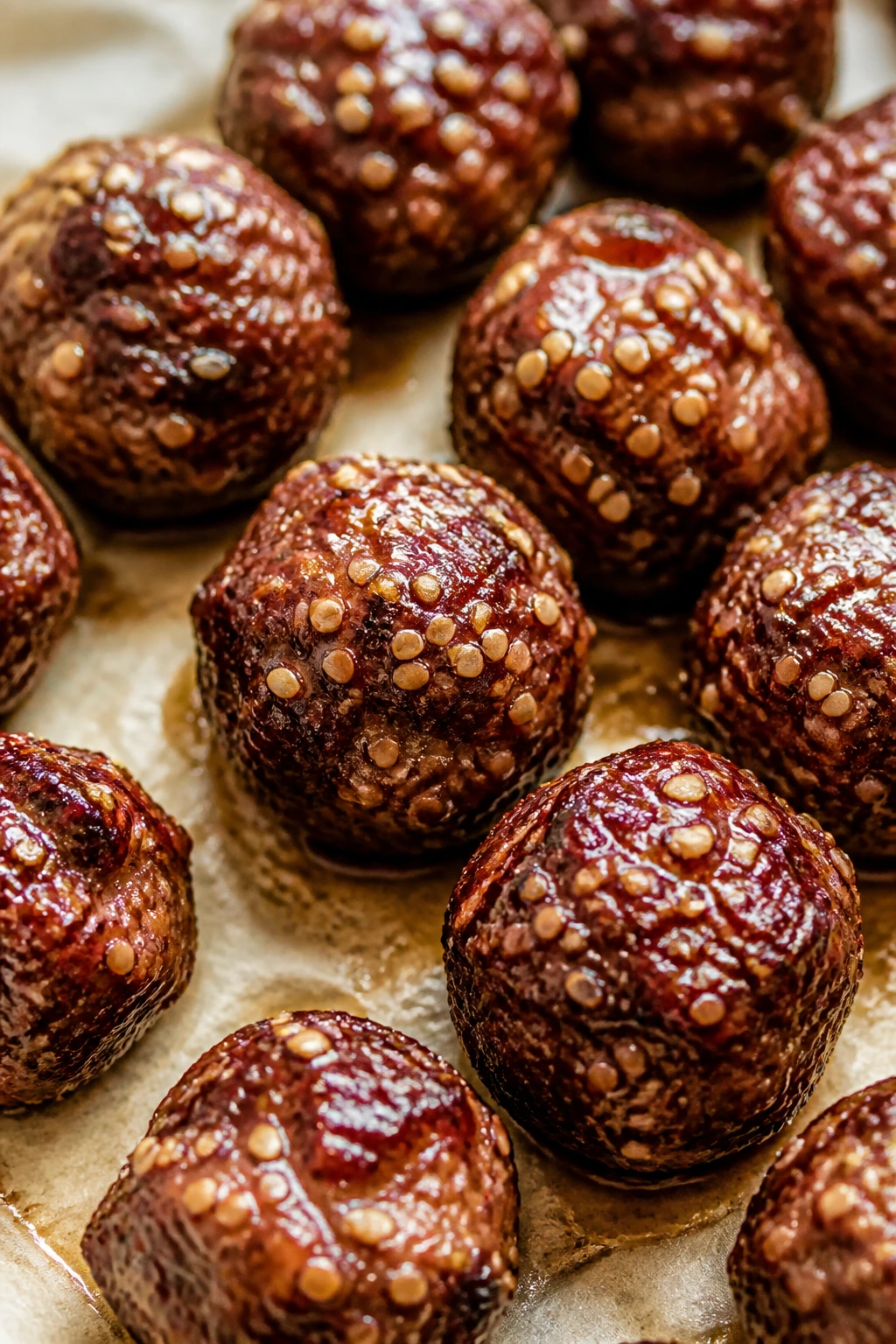
Air fryers do a nice job with meatballs because the hot circulating air sets the outside quickly. You get the browned edges you’d normally chase in a skillet, and you don’t have to stand over the stove.
Why It Works:
The air fryer keeps the shape crisp without a lot of added oil. Beef plus sesame is a classic pairing for a reason: fat, toast, and salt all show up at once. A short glaze at the end keeps the meatballs from tasting dry.
Key Ingredients:
For the Meatballs:
- 1 lb ground beef
- 1/2 cup panko breadcrumbs
- 1 large egg
- 2 scallions, sliced
- 2 garlic cloves, minced
- 1 tablespoon soy sauce
- 1 teaspoon toasted sesame oil
- 2 teaspoons sesame seeds
- 1 teaspoon gochugaru
For the Glaze:
- 3 tablespoons soy sauce
- 2 tablespoons honey
- 1 tablespoon rice vinegar
- 1 tablespoon water
Quick Steps:
- Preheat the air fryer to 380°F.
- Mix the beef, panko, egg, scallions, garlic, soy, sesame oil, sesame seeds, and gochugaru.
- Roll into 1 1/2-inch balls and place in a single layer in the basket.
- Air fry for 9 to 11 minutes, shaking once, until browned and 160°F inside.
- Warm the glaze briefly on the stove or in the microwave.
- Toss the meatballs in glaze and serve hot.
Equipment for This Recipe:
- Air fryer
- Mixing bowl
- Tongs
- Small bowl for glaze
How to Serve This Dish:
Serve these as a snack with toothpicks and a little cucumber salad, or turn them into a rice bowl with shredded carrots and sesame seeds. They hold their shape well enough for party trays.
Pro Tips for This Recipe:
- Don’t crowd the basket or the edges stay soft.
- Shake the basket once halfway through.
- If your air fryer runs hot, check at 8 minutes.
Variations on This Dish:
- Sweeter Finish: Add another tablespoon of honey to the glaze.
- Spicier Finish: Add 1 teaspoon gochujang to the glaze.
Common Mistakes to Avoid with This Dish:
- Skipping the single layer: The meatballs steam instead of brown.
- Glazing inside the air fryer: Sticky sauce burns on the basket.
6. Pineapple Gochujang Pork Meatballs
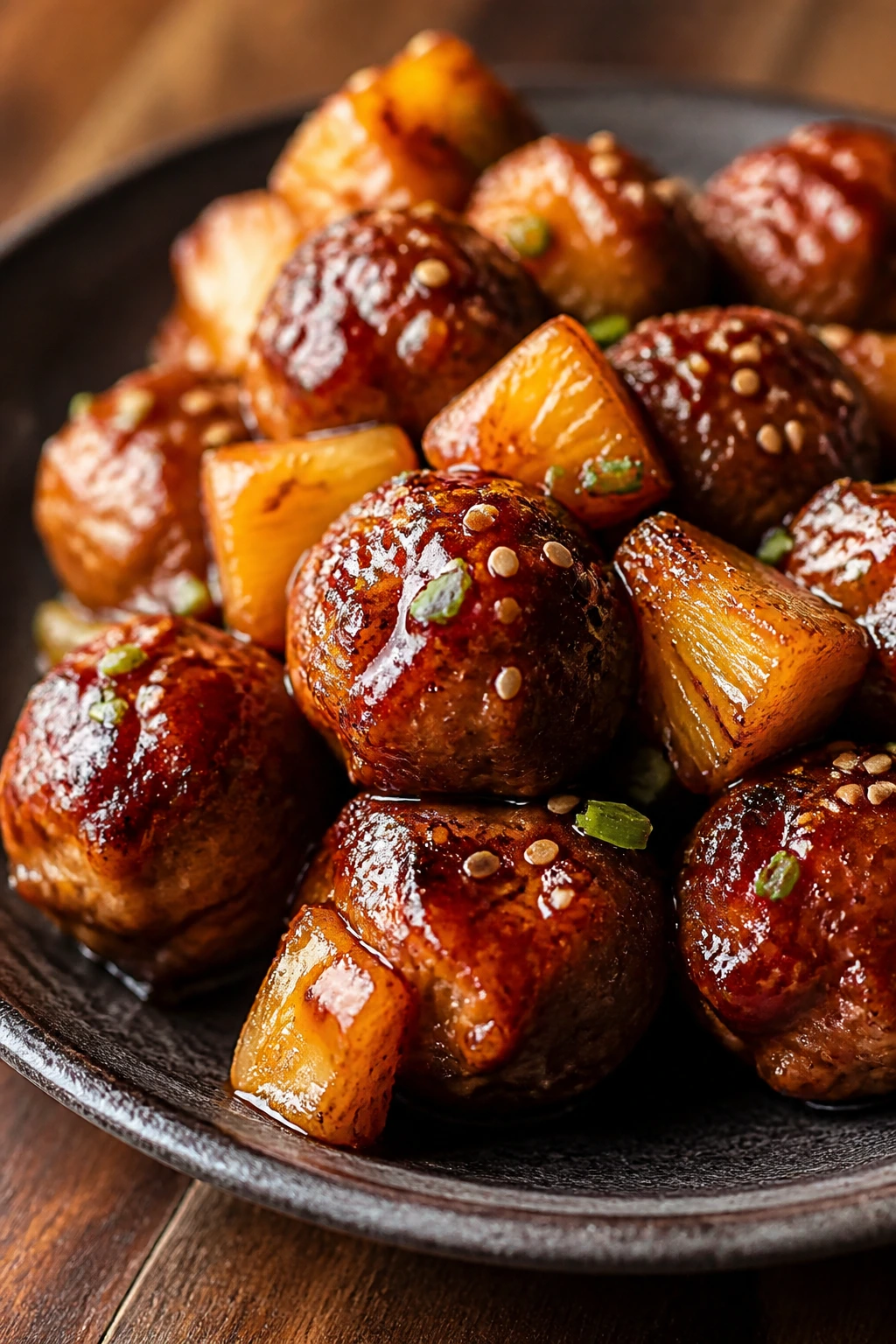
Sweet pineapple and pork play well together because the fruit’s acid cuts the richness without fighting it. Here, the pineapple also gives the glaze a glossy, almost restaurant-style shine.
Why It Works:
Pineapple brings more than sweetness. The acid brightens the pork, and the juice helps carry the gochujang into a sticky sauce. Just drain the fruit well. Too much liquid pushes the meatballs toward soggy.
Key Ingredients:
For the Meatballs:
- 1 lb ground pork
- 1/3 cup crushed pineapple, well drained
- 1/2 cup panko breadcrumbs
- 1 large egg
- 2 garlic cloves, minced
- 1 teaspoon grated ginger
- 1 tablespoon soy sauce
- 1 teaspoon toasted sesame oil
For the Glaze:
- 1/4 cup gochujang
- 2 tablespoons honey
- 2 tablespoons pineapple juice
- 1 tablespoon rice vinegar
- 2 tablespoons water
Quick Steps:
- Heat the oven to 425°F.
- Mix the pork, pineapple, panko, egg, garlic, ginger, soy, and sesame oil.
- Roll into meatballs and place on a lined pan.
- Bake for 13 to 15 minutes until browned and cooked through.
- Simmer the glaze until it looks thick enough to coat a spoon.
- Toss the meatballs and spoon any extra sauce over rice.
Equipment for This Recipe:
- Sheet pan
- Parchment paper
- Mixing bowl
- Small saucepan
How to Serve This Dish:
These belong next to coconut rice, jasmine rice, or even plain white rice if that’s what you’ve got. Add sliced scallions and a few sesame seeds, and the plate suddenly looks deliberate.
Pro Tips for This Recipe:
- Drain pineapple in a fine sieve for a few minutes.
- If the mixture feels loose, add 1 more tablespoon of panko.
- A quick broil gives the pineapple bits a caramel edge.
Variations on This Dish:
- Less Sweet: Cut the honey to 1 tablespoon and add more vinegar.
- Spice-Heavy: Add 1 teaspoon gochugaru to the glaze.
Common Mistakes to Avoid with This Dish:
- Using too much pineapple: The meatballs get soft and hard to brown.
- Sauce that never thickens: Simmer it long enough to lose the thin, watery look.
7. Short-Rib Style Beef-Pork Meatballs
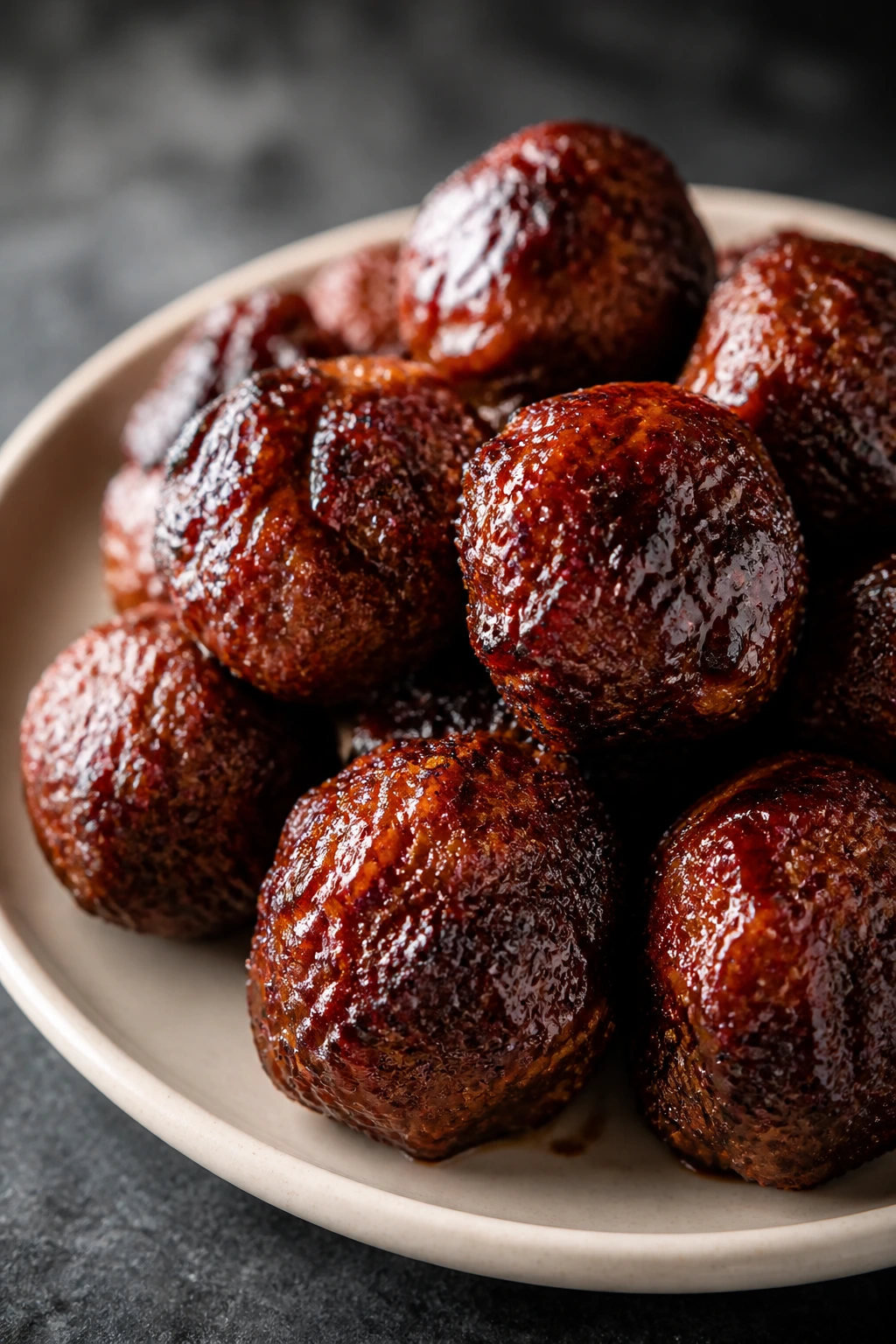
This batch tastes richer and a little more special than a standard weeknight tray. The mix of beef and pork gives you the flavor of short ribs without the price or the long braise.
Why It Works:
Beef brings depth, pork adds juiciness, and grated pear gives the glaze a clean sweetness. You get that short-rib mood without needing a slow cooker or a whole afternoon. The meatballs are sturdy enough for a broiled finish, which helps the outside pick up those dark edges people always chase.
Key Ingredients:
For the Meatballs:
- 1/2 lb ground beef
- 1/2 lb ground pork
- 1/3 cup grated Asian pear, lightly squeezed
- 1/2 cup panko breadcrumbs
- 1 large egg
- 2 scallions, sliced
- 3 garlic cloves, minced
- 1 tablespoon soy sauce
For the Glaze:
- 3 tablespoons soy sauce
- 2 tablespoons brown sugar
- 1 tablespoon mirin
- 1 tablespoon rice vinegar
- 1 teaspoon toasted sesame oil
Quick Steps:
- Preheat the oven to 425°F.
- Mix the meatball ingredients until even.
- Shape into 1 1/2-inch balls and bake for 12 minutes.
- Brush with glaze and broil for 2 to 3 minutes until glossy and browned.
- Rest 2 minutes before serving.
Equipment for This Recipe:
- Rimmed sheet pan
- Broiler-safe parchment or foil
- Mixing bowl
- Pastry brush
How to Serve This Dish:
Serve with rice, sautéed mushrooms, or a simple pile of spinach wilted in sesame oil. The darker glaze looks especially good over pale rice.
Pro Tips for This Recipe:
- Squeeze the pear lightly so the mix stays shapeable.
- Use a broiler-safe pan if you want better char.
- Don’t skip the resting time before glazing.
Variations on This Dish:
- More Aromatic: Add a little grated garlic to the glaze.
- Extra Juicy: Swap 1/4 lb of the pork for finely ground beef fat if you can get it.
Common Mistakes to Avoid with This Dish:
- Skipping the broiler: You lose the short-rib-style char.
- Using super sweet pear: The glaze can turn cloying; balance with more vinegar.
8. Honey-Garlic Chicken Meatballs
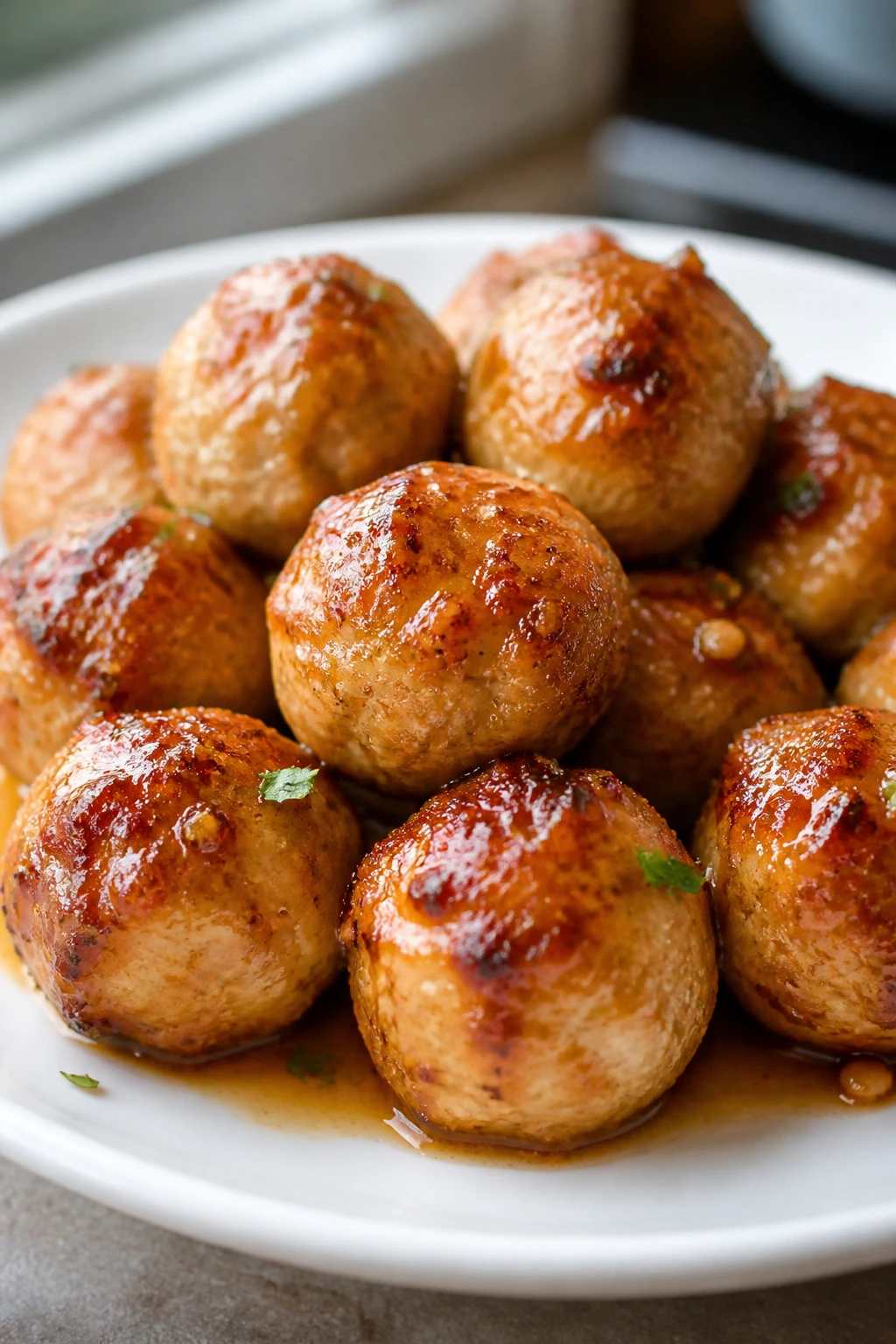
If you want something lighter in flavor but still glossy and satisfying, chicken is the cleanest place to go. The honey-garlic glaze gives it the sticky finish, and a little gochugaru keeps the sweetness from flattening out.
Why It Works:
Chicken meatballs can dry out, so the egg and panko do real work here. Garlic and ginger make the flavor sharper, while honey gives the glaze enough body to cling. Bake them just long enough to hit 165°F. No more.
Key Ingredients:
For the Meatballs:
- 1 lb ground chicken
- 1/2 cup panko breadcrumbs
- 1 large egg
- 3 garlic cloves, minced
- 1 tablespoon grated ginger
- 2 scallions, sliced
- 1 tablespoon soy sauce
- 1 teaspoon toasted sesame oil
- 1 teaspoon gochugaru
For the Glaze:
- 2 tablespoons honey
- 2 tablespoons soy sauce
- 1 tablespoon rice vinegar
- 1 tablespoon water
- 1 teaspoon sesame oil
Quick Steps:
- Heat the oven to 425°F.
- Mix the chicken mixture gently.
- Roll into balls and bake for 12 to 13 minutes.
- Simmer the glaze for 2 minutes until syrupy.
- Toss the meatballs and top with scallions.
Equipment for This Recipe:
- Sheet pan
- Parchment
- Medium bowl
- Small saucepan
How to Serve This Dish:
These are good over rice, but I also like them tucked into lettuce leaves with shredded cucumber. The sweet-garlic glaze makes them work like a cross between dinner and a snack.
Pro Tips for This Recipe:
- Stop mixing as soon as the bowl looks even.
- Check the center early; chicken goes from tender to dry in a short window.
- A tiny pinch of salt on top after glazing makes the flavors pop.
Variations on This Dish:
- Hotter Version: Add 1 tablespoon gochujang to the glaze.
- Milder Version: Skip the gochugaru and keep the garlic forward.
Common Mistakes to Avoid with This Dish:
- Handling the chicken too much: It tightens the texture.
- Overbaking by habit: Chicken meatballs do not forgive extra minutes.
9. Doenjang Beef Meatballs
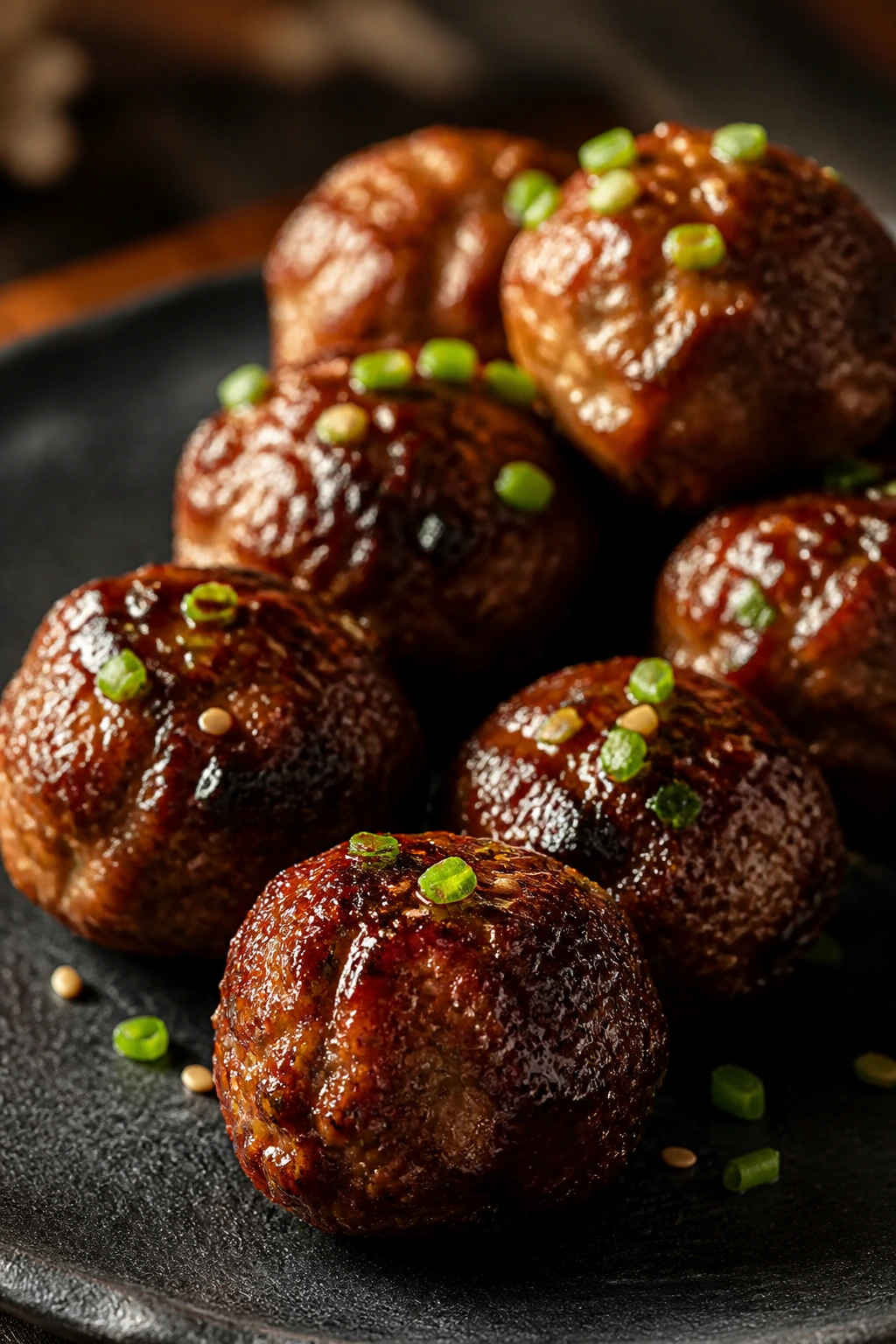
Doenjang brings a deeper, funkier savory note than soy sauce alone. If you like your Korean BBQ meatballs with more backbone and less sweetness, this is the tray to make.
Why It Works:
Doenjang is salty, earthy, and a little fermented in the best way. Mixed into beef, it tastes like the meat was seasoned from the inside out. The glaze keeps the bowl balanced with just enough honey to round off the edges.
Key Ingredients:
For the Meatballs:
- 1 lb ground beef
- 1/2 cup panko breadcrumbs
- 1 large egg
- 1 tablespoon doenjang
- 2 scallions, sliced
- 2 garlic cloves, minced
- 1 teaspoon toasted sesame oil
- 1/2 teaspoon black pepper
For the Glaze:
- 1 tablespoon doenjang
- 2 tablespoons soy sauce
- 1 tablespoon honey
- 2 tablespoons water
- 1 teaspoon sesame seeds
Quick Steps:
- Preheat the oven to 425°F.
- Mix the beef, panko, egg, doenjang, scallions, garlic, sesame oil, and pepper.
- Shape and bake for 12 to 14 minutes.
- Warm the glaze until smooth.
- Toss the meatballs and finish with sesame seeds.
Equipment for This Recipe:
- Mixing bowl
- Sheet pan
- Small saucepan
- Spoon or spatula
How to Serve This Dish:
These are excellent with plain rice and steamed broccoli because the sauce already carries the heavy flavor work. A soft egg on top turns the bowl into something richer without much effort.
Pro Tips for This Recipe:
- Doenjang is salty. Taste before adding extra soy.
- A broiler finish adds a darker edge if you like more roast flavor.
- Use fine panko, not coarse, so the meatball texture stays tight.
Variations on This Dish:
- More Sweeter Balance: Add another teaspoon of honey to the glaze.
- Spicier Balance: Stir 1 teaspoon gochugaru into the meat mixture.
Common Mistakes to Avoid with This Dish:
- Over-salting out of habit: Doenjang already brings salt.
- Using too much glaze: The flavor is strong; a thin coat is enough.
10. Ssamjang Pork Meatballs
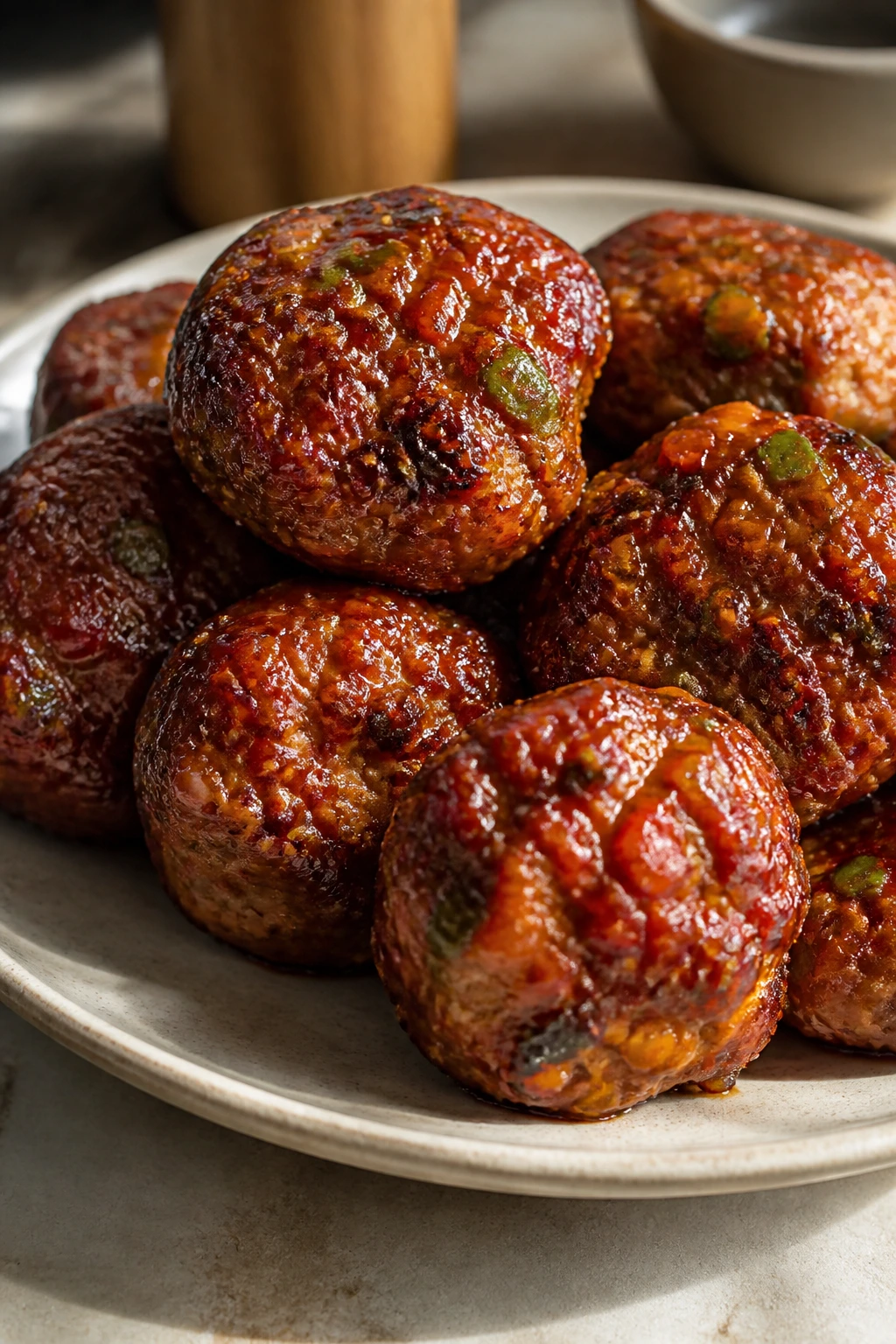
Ssamjang tastes like it was built for meatballs. It’s thick, savory, and ready for lettuce wraps, which means the whole dish feels casual in the best possible way.
Why It Works:
Pork loves ssamjang because the fermented soybean paste and chili give the meat more depth than a plain soy glaze. The meatballs stay juicy, and the sauce clings like a dip and a glaze at the same time. Serve with lettuce and you have dinner that feels hand-held and sharp.
Key Ingredients:
For the Meatballs:
- 1 lb ground pork
- 1/2 cup panko breadcrumbs
- 1 large egg
- 2 tablespoons ssamjang
- 2 scallions, sliced
- 2 garlic cloves, minced
- 1 tablespoon soy sauce
- 1 teaspoon toasted sesame oil
For the Glaze:
- 2 tablespoons ssamjang
- 2 tablespoons honey
- 1 tablespoon rice vinegar
- 2 tablespoons water
Quick Steps:
- Heat the oven to 425°F.
- Mix the pork mixture gently until uniform.
- Form meatballs and bake for 13 minutes.
- Simmer the glaze until glossy.
- Toss and serve right away.
Equipment for This Recipe:
- Sheet pan
- Mixing bowl
- Small saucepan
- Serving platter or bowls
How to Serve This Dish:
Butter lettuce, cucumber sticks, and a few shreds of carrot make the best setup here. Put the meatballs in the leaf, spoon on a little glaze, fold, and eat while they’re still warm.
Pro Tips for This Recipe:
- Keep the glaze thick; ssamjang needs body.
- If your ssamjang is very salty, loosen it with 1 extra tablespoon water.
- A few sesame seeds on top help with texture.
Variations on This Dish:
- Wrap-It-Yourself Tray: Serve the meatballs separate from the lettuce and sauce.
- Extra Crunch: Add chopped water chestnut for a little snap.
Common Mistakes to Avoid with This Dish:
- Making the glaze too thin: It disappears on the lettuce.
- Using limp lettuce: Butter lettuce or romaine leaves hold up best.
11. Ginger-Sesame Turkey Meatballs
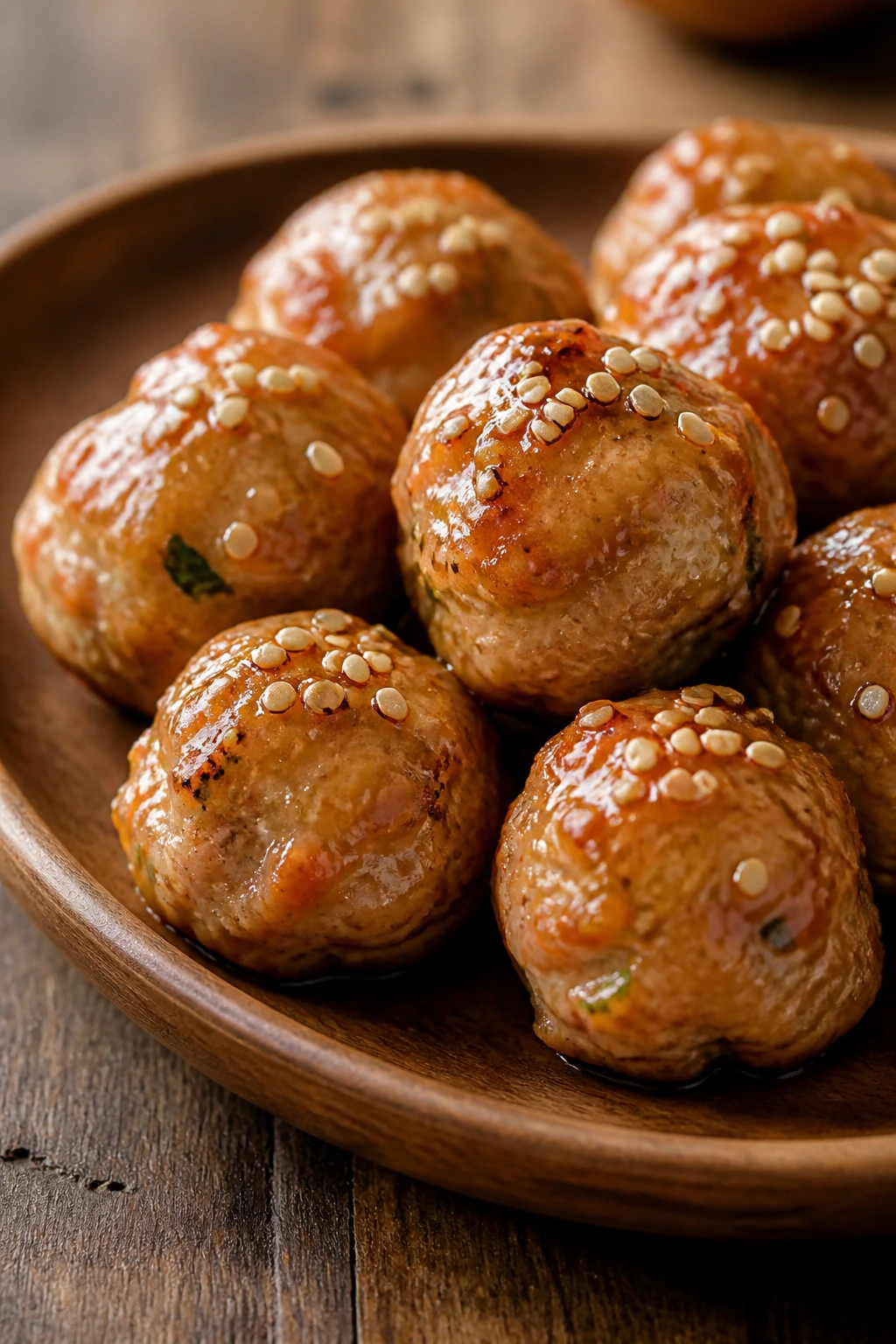
Turkey does best when it gets a strong flavor backbone. Ginger, sesame, and carrot give this version lift, and the meatballs end up tasting lighter without feeling skimpy.
Why It Works:
Turkey needs moisture, but it also needs a clear flavor line so it doesn’t taste like seasoned paper. Ginger adds heat, carrot adds a little sweetness and moisture, and sesame ties it all together. The glaze is simple on purpose.
Key Ingredients:
For the Meatballs:
- 1 lb ground turkey
- 1/4 cup finely grated carrot
- 1/2 cup panko breadcrumbs
- 1 large egg
- 2 scallions, sliced
- 1 tablespoon grated ginger
- 2 garlic cloves, minced
- 1 tablespoon soy sauce
- 1 teaspoon toasted sesame oil
For the Glaze:
- 3 tablespoons soy sauce
- 2 tablespoons honey
- 1 tablespoon rice vinegar
- 1 teaspoon sesame oil
Quick Steps:
- Preheat the oven to 425°F.
- Mix the turkey mixture gently.
- Shape into balls and bake for 12 to 14 minutes, until 165°F inside.
- Stir the glaze together and warm it briefly.
- Toss the meatballs and finish with sesame seeds.
Equipment for This Recipe:
- Mixing bowl
- Box grater
- Sheet pan
- Small bowl for sauce
How to Serve This Dish:
These are good in rice bowls with sautéed greens or on their own with a side of cucumbers. The ginger keeps the whole plate feeling fresh, even with the glaze on top.
Pro Tips for This Recipe:
- Grate the carrot finely so it disappears into the mix.
- If the mixture is sticky, wet your hands before rolling.
- Don’t let the glaze boil hard or it turns muddy.
Variations on This Dish:
- Brighter Finish: Add a splash of rice vinegar right before serving.
- More Heat: Add 1 teaspoon gochugaru to the glaze.
Common Mistakes to Avoid with This Dish:
- Using dry carrot shreds: They don’t release moisture the right way.
- Overcooking turkey: Pull it as soon as the center reaches 165°F.
12. Gochugaru Lamb Meatballs
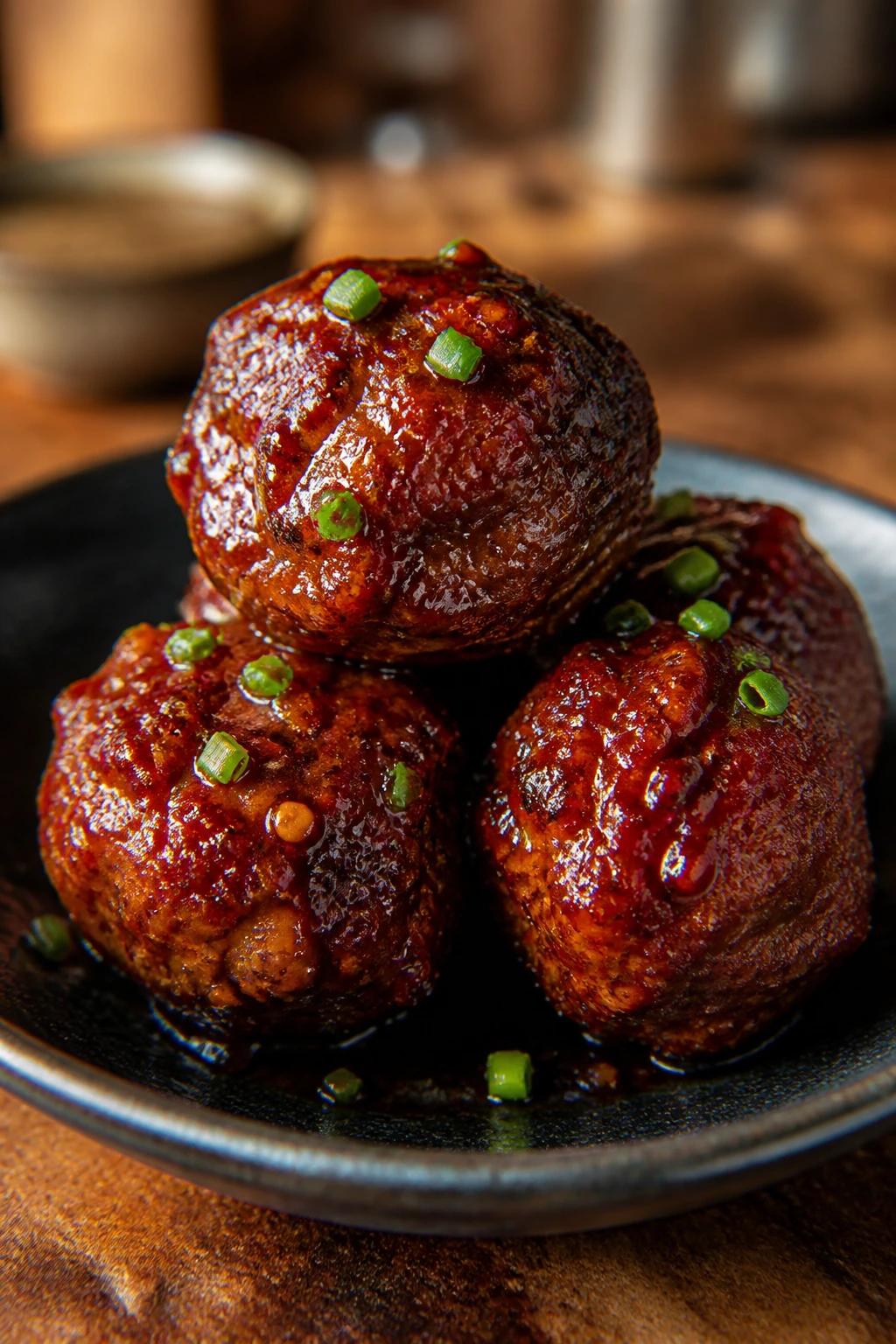
Lamb gives this collection a deeper, richer note. It can handle gochugaru and garlic without getting buried, and the result feels bold without wandering out of the Korean BBQ lane.
Why It Works:
Lamb has enough flavor to stand up to smoke and chili. Gochugaru gives warmth rather than blunt heat, and sesame oil brings the whole thing back to familiar ground. The glaze stays sweet enough to balance the lamb’s richness.
Key Ingredients:
For the Meatballs:
- 1 lb ground lamb
- 1/2 cup panko breadcrumbs
- 1 large egg
- 2 garlic cloves, minced
- 2 scallions, sliced
- 1 tablespoon gochugaru
- 1 tablespoon soy sauce
- 1 teaspoon toasted sesame oil
- 1/2 teaspoon salt
For the Glaze:
- 1/4 cup gochujang
- 2 tablespoons honey
- 2 tablespoons water
- 1 tablespoon rice vinegar
Quick Steps:
- Heat the oven to 425°F.
- Mix the lamb mixture gently.
- Roll into meatballs and bake for 11 to 13 minutes.
- Warm the glaze until smooth and glossy.
- Toss the meatballs and serve hot.
Equipment for This Recipe:
- Sheet pan
- Parchment paper
- Mixing bowl
- Small saucepan
How to Serve This Dish:
These do well with rice, quick cucumber salad, or even a small bowl of chilled noodles. The lamb makes the dish feel richer than the usual takeout tray, so keep the sides crisp.
Pro Tips for This Recipe:
- Don’t overwork lamb; it tightens quickly.
- A little extra vinegar helps balance the richness.
- Serve with something cold and crunchy.
Variations on This Dish:
- More Savory: Add 1 teaspoon doenjang to the meat mix.
- Less Spicy: Cut the gochugaru in half and let the glaze do the rest.
Common Mistakes to Avoid with This Dish:
- Using too much gochujang: It can cover the lamb instead of supporting it.
- Cooking to an overly well-done center: Lamb gets dry fast once it passes the target.
13. Mushroom-Beef Umami Meatballs
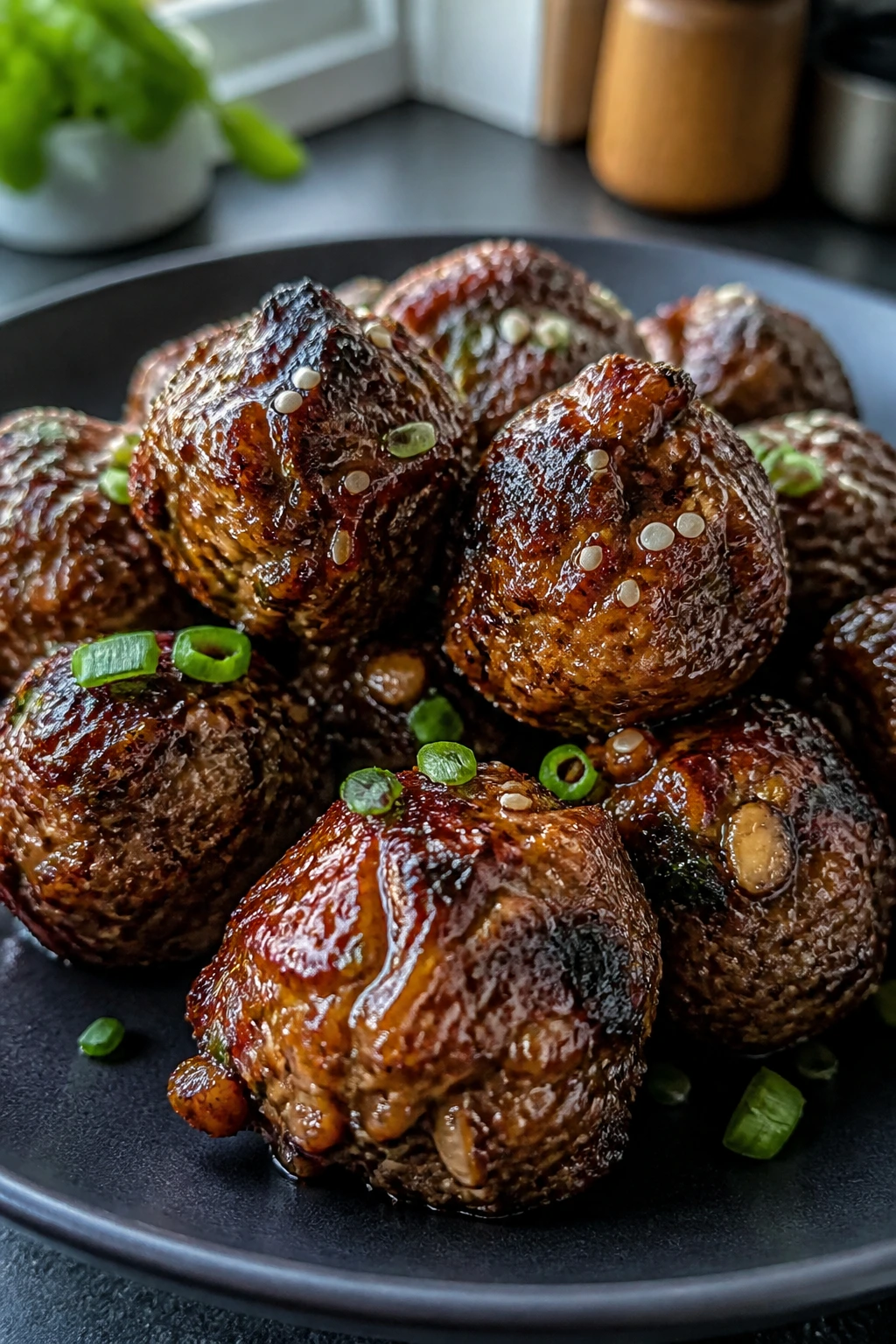
Chopped mushrooms stretch the beef and make the texture softer in a good way. The payoff is a meatball that tastes fuller, more savory, and a little more expensive than it is.
Why It Works:
Mushrooms bring moisture and a deep savory note that beef picks up easily. They also keep the meatballs from feeling heavy, which is nice when the glaze is rich. If you chop the mushrooms finely enough, they disappear into the meat instead of falling out.
Key Ingredients:
For the Meatballs:
- 1 lb ground beef
- 1 cup finely chopped mushrooms
- 1/2 cup panko breadcrumbs
- 1 large egg
- 2 garlic cloves, minced
- 2 scallions, sliced
- 1 tablespoon soy sauce
- 1 teaspoon toasted sesame oil
- 1/2 teaspoon black pepper
For the Glaze:
- 3 tablespoons soy sauce
- 2 tablespoons honey
- 1 tablespoon rice vinegar
- 1 tablespoon water
- 1 teaspoon sesame seeds
Quick Steps:
- Preheat the oven to 425°F.
- Mix the beef, mushrooms, panko, egg, garlic, scallions, soy, sesame oil, and pepper.
- Roll into balls and bake for 13 to 14 minutes.
- Warm the glaze until slightly thick.
- Toss and top with sesame seeds.
Equipment for This Recipe:
- Chef’s knife
- Sheet pan
- Mixing bowl
- Small saucepan
How to Serve This Dish:
These are good on rice, but they shine over noodles because the mushroom flavor makes them feel almost brothy. A little extra scallion on top keeps the bowl lively.
Pro Tips for This Recipe:
- Chop the mushrooms very fine so they blend in.
- If they release a lot of water, cook them briefly before mixing.
- Use a hot pan or oven so the mushroom moisture doesn’t steam the beef.
Variations on This Dish:
- Deeper Mushroom Flavor: Use shiitake instead of button mushrooms.
- Softer Texture: Add 2 tablespoons milk to the breadcrumb mix.
Common Mistakes to Avoid with This Dish:
- Leaving mushroom pieces too large: They fall out and the mix won’t bind evenly.
- Skipping browning: The dish loses its savory depth.
14. Cheese-Stuffed Korean-American Meatballs
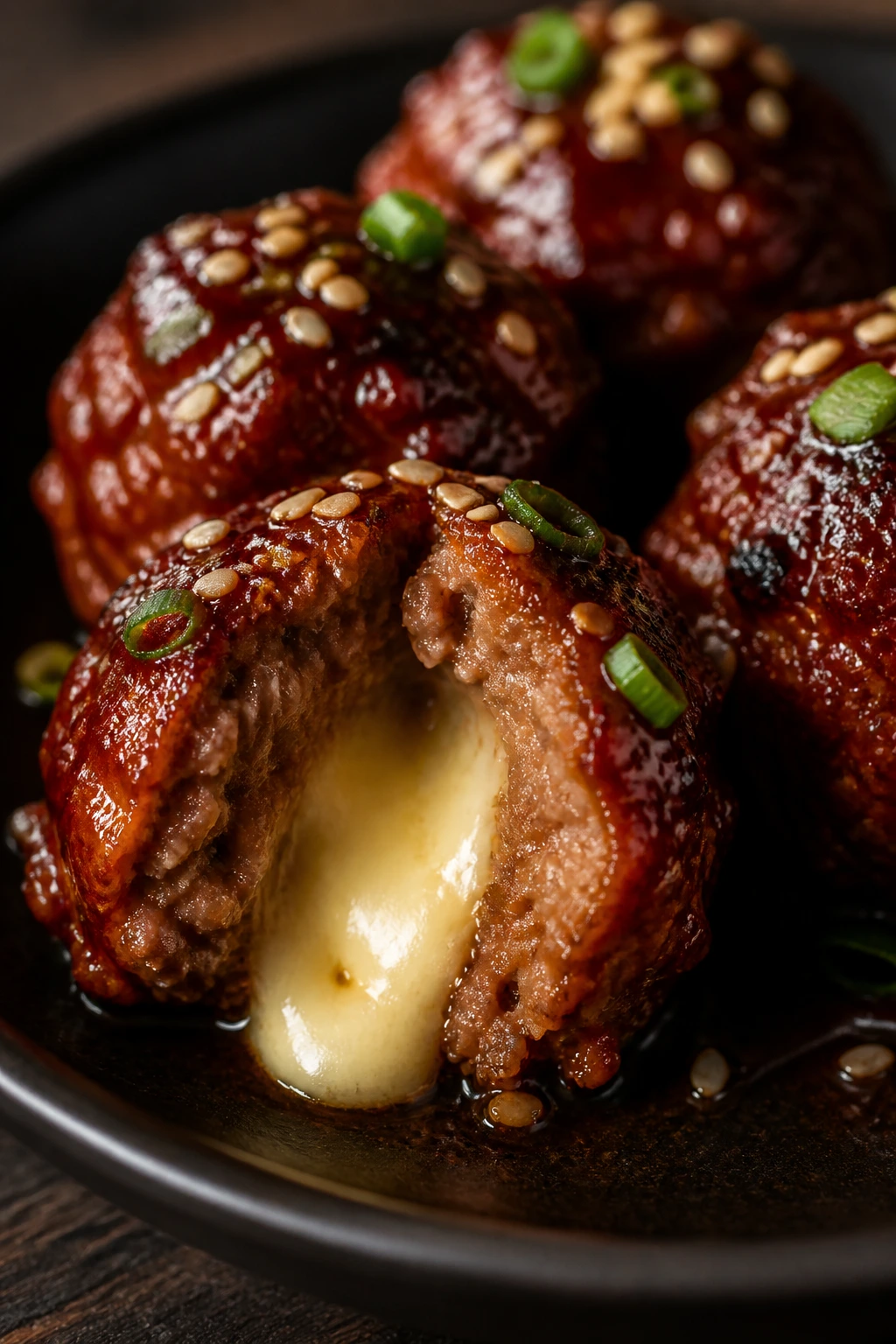
There’s always one tray that disappears first, and this is usually it. The cheese center turns the meatball into a little pocket of steam and stretch, while the gochujang glaze keeps the whole thing from tasting like a novelty.
Why It Works:
A small cube of mozzarella or low-moisture cheese gives you the payoff people expect from stuffed meatballs. The outer meat stays seasoned with gochujang and soy, so the sweet-salty glaze still reads as Korean BBQ. Keep the cheese cube small or it leaks out before the meat cooks through.
Key Ingredients:
For the Meatballs:
- 1 lb ground beef
- 1/2 cup panko breadcrumbs
- 1 large egg
- 2 scallions, sliced
- 2 garlic cloves, minced
- 1 tablespoon gochujang
- 1 tablespoon soy sauce
- 1 teaspoon toasted sesame oil
- 8 small cubes mozzarella, about 1/2 inch each
For the Glaze:
- 1/4 cup gochujang
- 2 tablespoons honey
- 2 tablespoons soy sauce
- 2 tablespoons water
Quick Steps:
- Heat the oven to 425°F.
- Mix the meatball base, then divide it into 8 portions.
- Wrap each portion around a cheese cube and seal the edges tightly.
- Bake for 12 to 14 minutes until browned and the cheese is hot.
- Warm the glaze and spoon it over the meatballs.
Equipment for This Recipe:
- Sheet pan
- Parchment
- Mixing bowl
- Small spoon or scoop
How to Serve This Dish:
Serve these as an appetizer with toothpicks or over rice if you want them to act like dinner. A few chopped scallions on top make the melted cheese feel less heavy.
Pro Tips for This Recipe:
- Freeze the cheese cubes for 10 minutes if they’re soft.
- Seal the meat tightly so the filling stays inside.
- Let them rest 2 minutes before glazing or the cheese can gush out.
Variations on This Dish:
- Spicy Cheese Center: Use pepper jack instead of mozzarella.
- Mild Party Version: Reduce the gochujang in the meat and keep the heat in the glaze.
Common Mistakes to Avoid with This Dish:
- Making the cheese cubes too big: They rupture the meatball.
- Skipping the seal: Once it cracks, the filling leaks onto the pan.
15. Napa Cabbage Pork Meatballs
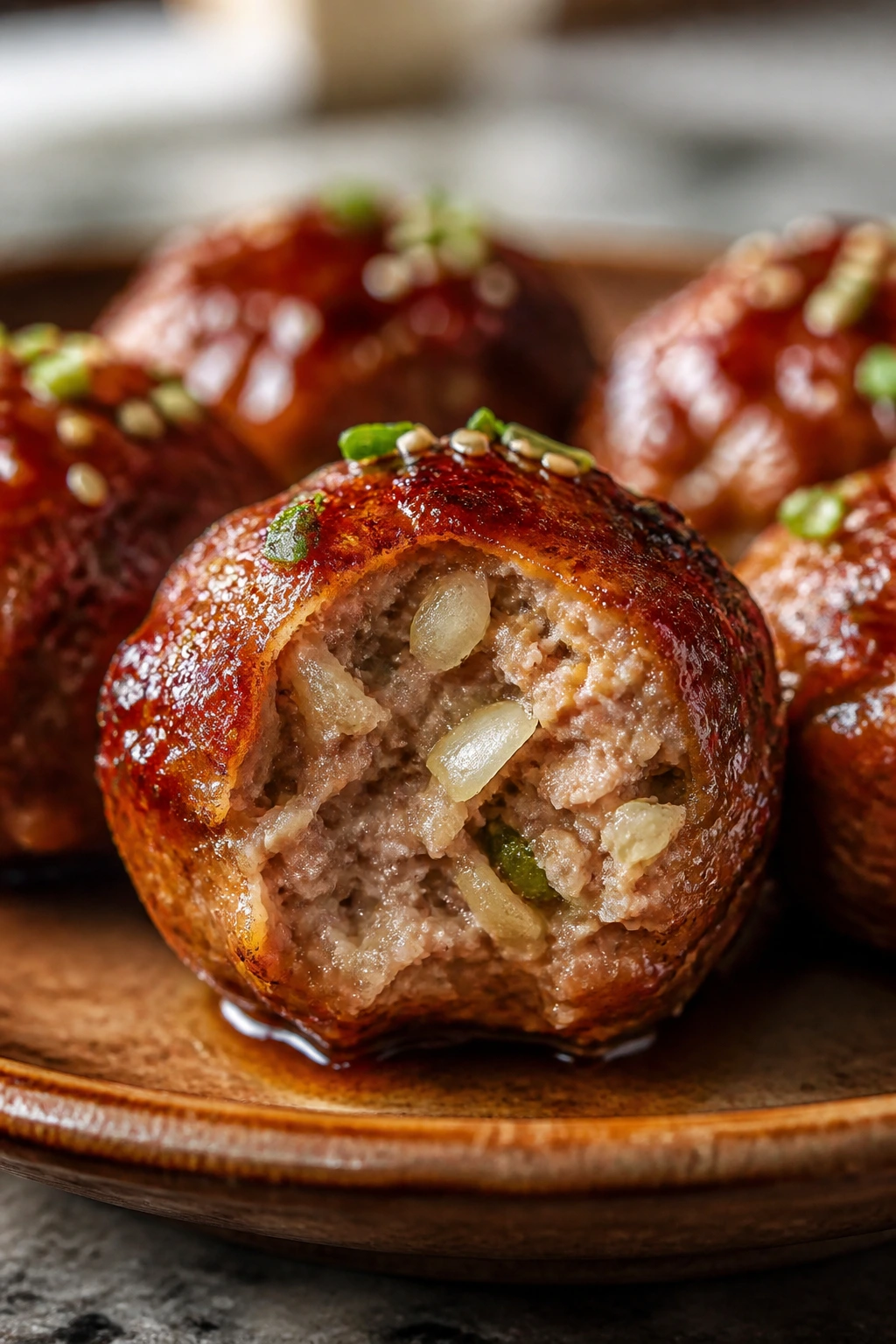
Napa cabbage is one of those ingredients that quietly fixes a recipe. It brings moisture, a softer bite, and a little sweetness that works especially well with pork and sesame.
Why It Works:
Finely chopped cabbage melts into the meatball instead of announcing itself. That means tenderness without a crumbly texture, and the pork stays juicy even after a full bake. The glaze here is clean and not too thick, which keeps the cabbage from feeling heavy.
Key Ingredients:
For the Meatballs:
- 1 lb ground pork
- 1 cup napa cabbage, finely shredded and squeezed dry
- 1/2 cup panko breadcrumbs
- 1 large egg
- 2 scallions, sliced
- 2 garlic cloves, minced
- 1 teaspoon grated ginger
- 1 tablespoon soy sauce
- 1 teaspoon toasted sesame oil
For the Glaze:
- 3 tablespoons soy sauce
- 2 tablespoons honey
- 1 tablespoon rice vinegar
- 1 teaspoon sesame seeds
Quick Steps:
- Preheat the oven to 425°F.
- Mix the pork, cabbage, panko, egg, scallions, garlic, ginger, soy, and sesame oil.
- Roll into balls and place on a lined pan.
- Bake for 13 to 15 minutes until cooked through.
- Toss with the warm glaze and sesame seeds.
Equipment for This Recipe:
- Mixing bowl
- Sheet pan
- Clean kitchen towel or paper towels
- Small saucepan
How to Serve This Dish:
These fit nicely with rice and a side of cucumber salad or quick kimchi. The cabbage gives the meatballs a soft, almost dumpling-like feel that works well with simple sides.
Pro Tips for This Recipe:
- Squeeze the cabbage dry or the mixture turns loose.
- Shred it finely so it disappears into the meat.
- A quick broil deepens the edges if you want more color.
Variations on This Dish:
- More Peppery: Add 1/2 teaspoon black pepper to the mix.
- Lighter Version: Use ground turkey instead of pork.
Common Mistakes to Avoid with This Dish:
- Leaving cabbage wet: The meatballs steam and spread.
- Cutting the cabbage too thick: Big pieces make the texture feel rough.
16. Scallion Chicken Meatballs
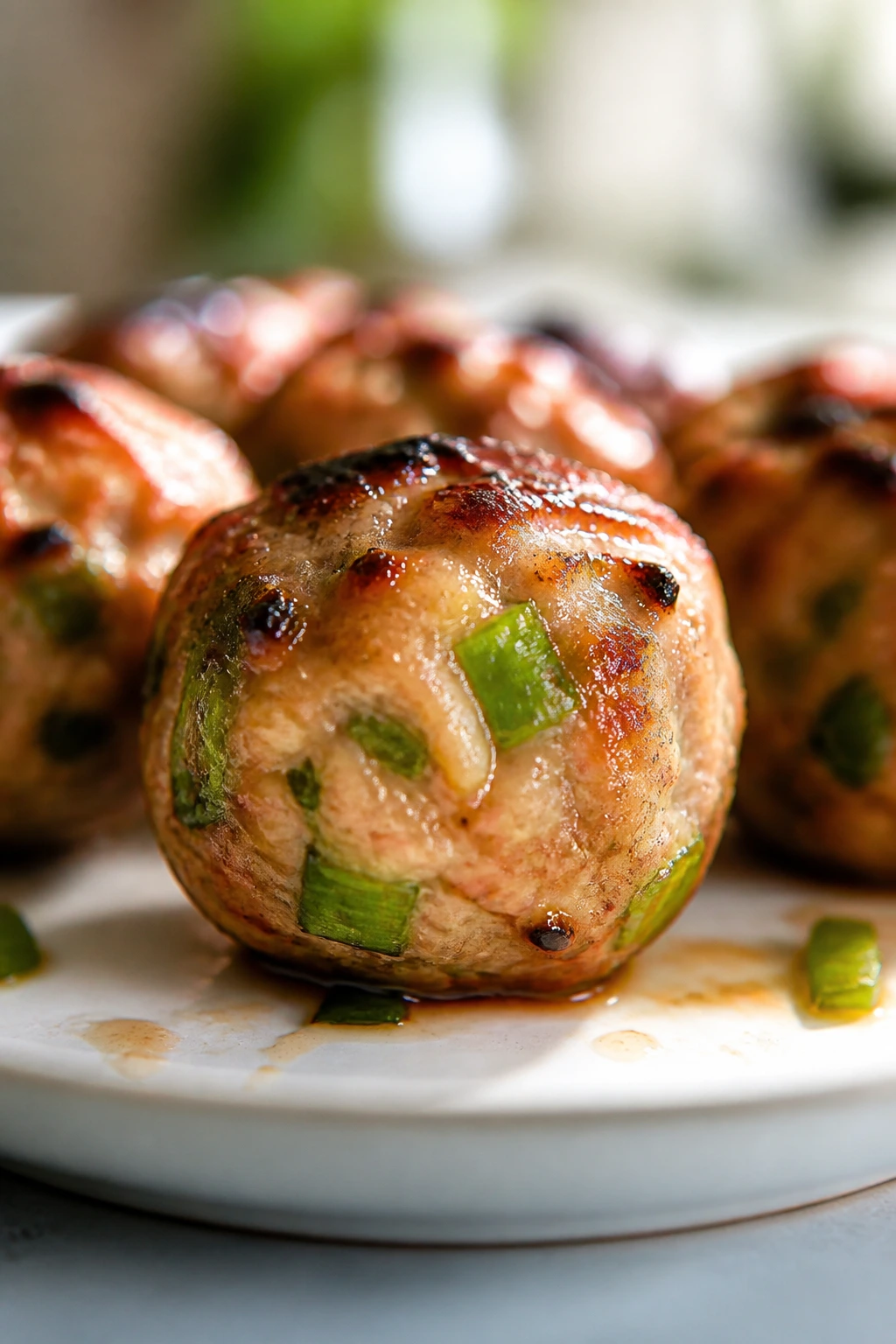
This is the green, fresh version of the tray. Six scallions sound like a lot until they hit the bowl, and then you realize that’s exactly what chicken needs to stop tasting plain.
Why It Works:
Chicken carries scallion flavor cleanly, and the sesame oil rounds out the edges. The meatballs bake fast, which keeps them tender. A light glaze is enough here; too much sauce hides the fresh onion bite.
Key Ingredients:
For the Meatballs:
- 1 lb ground chicken
- 6 scallions, thinly sliced
- 1/2 cup panko breadcrumbs
- 1 large egg
- 2 garlic cloves, minced
- 1 tablespoon soy sauce
- 1 teaspoon toasted sesame oil
- 1 tablespoon sesame seeds
For the Glaze:
- 2 tablespoons soy sauce
- 2 tablespoons honey
- 1 tablespoon rice vinegar
- 1 tablespoon water
Quick Steps:
- Preheat the oven to 425°F.
- Mix the chicken, scallions, panko, egg, garlic, soy, sesame oil, and sesame seeds.
- Form the meatballs and bake for 12 to 13 minutes.
- Warm the glaze and toss with the hot meatballs.
- Garnish with extra scallion.
Equipment for This Recipe:
- Mixing bowl
- Sheet pan
- Parchment
- Small saucepan
How to Serve This Dish:
These are good with rice, but I like them best in a bowl with sliced cucumbers and a spoonful of chili crisp on the side. The scallions stay bright even after baking, which gives the plate a fresher look.
Pro Tips for This Recipe:
- Use the scallions all the way up into the pale green parts.
- If the mix feels wet, add another tablespoon of panko.
- Don’t drown them in sauce; the scallion flavor needs space.
Variations on This Dish:
- Gochujang Glaze: Stir 1 tablespoon gochujang into the sauce.
- Extra Green: Add chopped chives along with the scallions.
Common Mistakes to Avoid with This Dish:
- Using too little scallion: The flavor gets lost.
- Overcooking chicken: Pull it as soon as the center is set.
17. Sticky Soy Beef Meatballs
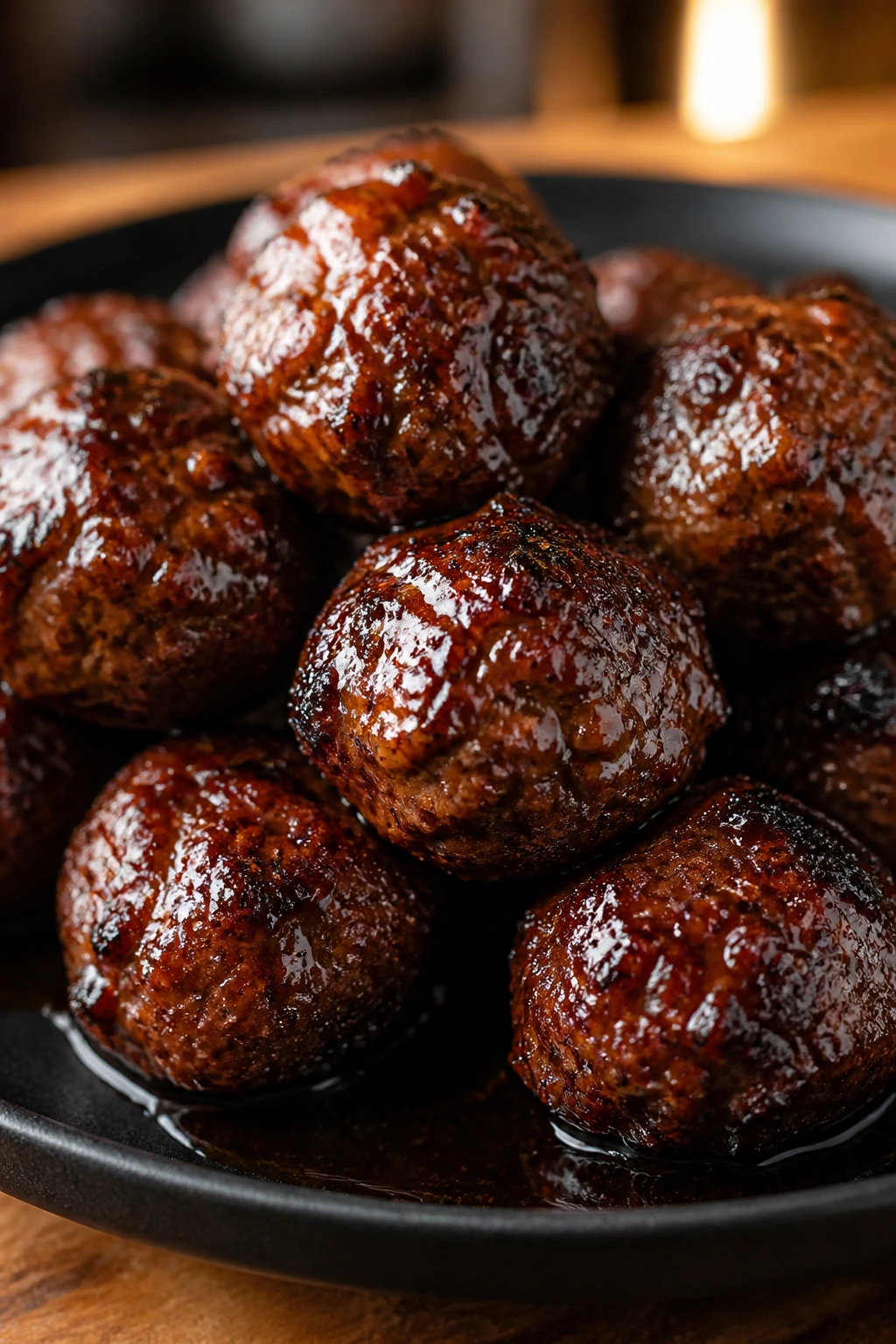
This is the version for people who like their Korean BBQ meatballs darker, saltier, and a little more caramelized. The glaze reduces down into a lacquer that looks almost too glossy to be real.
Why It Works:
Soy, brown sugar, and a little gochujang reduce into a tight glaze that sticks to browned beef. Broiling at the end gives you edge char in under two minutes. That tiny window matters.
Key Ingredients:
For the Meatballs:
- 1 lb ground beef
- 1/2 cup panko breadcrumbs
- 1 large egg
- 2 garlic cloves, minced
- 1 tablespoon grated ginger
- 2 scallions, sliced
- 2 tablespoons soy sauce
- 1 teaspoon toasted sesame oil
For the Sticky Glaze:
- 1/3 cup soy sauce
- 2 tablespoons brown sugar
- 2 tablespoons rice vinegar
- 1 tablespoon water
- 1 teaspoon gochujang
Quick Steps:
- Preheat the oven to 425°F.
- Mix the meatballs and shape them.
- Bake for 12 minutes.
- Simmer the glaze until thick and shiny.
- Brush the meatballs and broil for 1 to 2 minutes.
Equipment for This Recipe:
- Sheet pan
- Broiler-safe pan
- Small saucepan
- Pastry brush
How to Serve This Dish:
These are a good match for plain rice and something crunchy, like shredded cabbage or sliced radish. The darker glaze needs a pale base to stand out.
Pro Tips for This Recipe:
- Watch the broiler. The line between glossy and burnt is short.
- Reduce the glaze before brushing. Thin sauce won’t cling.
- Let the meatballs cool for a minute before tossing or the glaze slides off.
Variations on This Dish:
- More Heat: Add gochugaru to the sauce.
- Less Sweet: Cut brown sugar to 1 tablespoon and add more vinegar.
Common Mistakes to Avoid with This Dish:
- Brushing on raw glaze: It never sets properly.
- Walking away from the broiler: The sugar can scorch fast.
18. Perilla Pork Meatballs
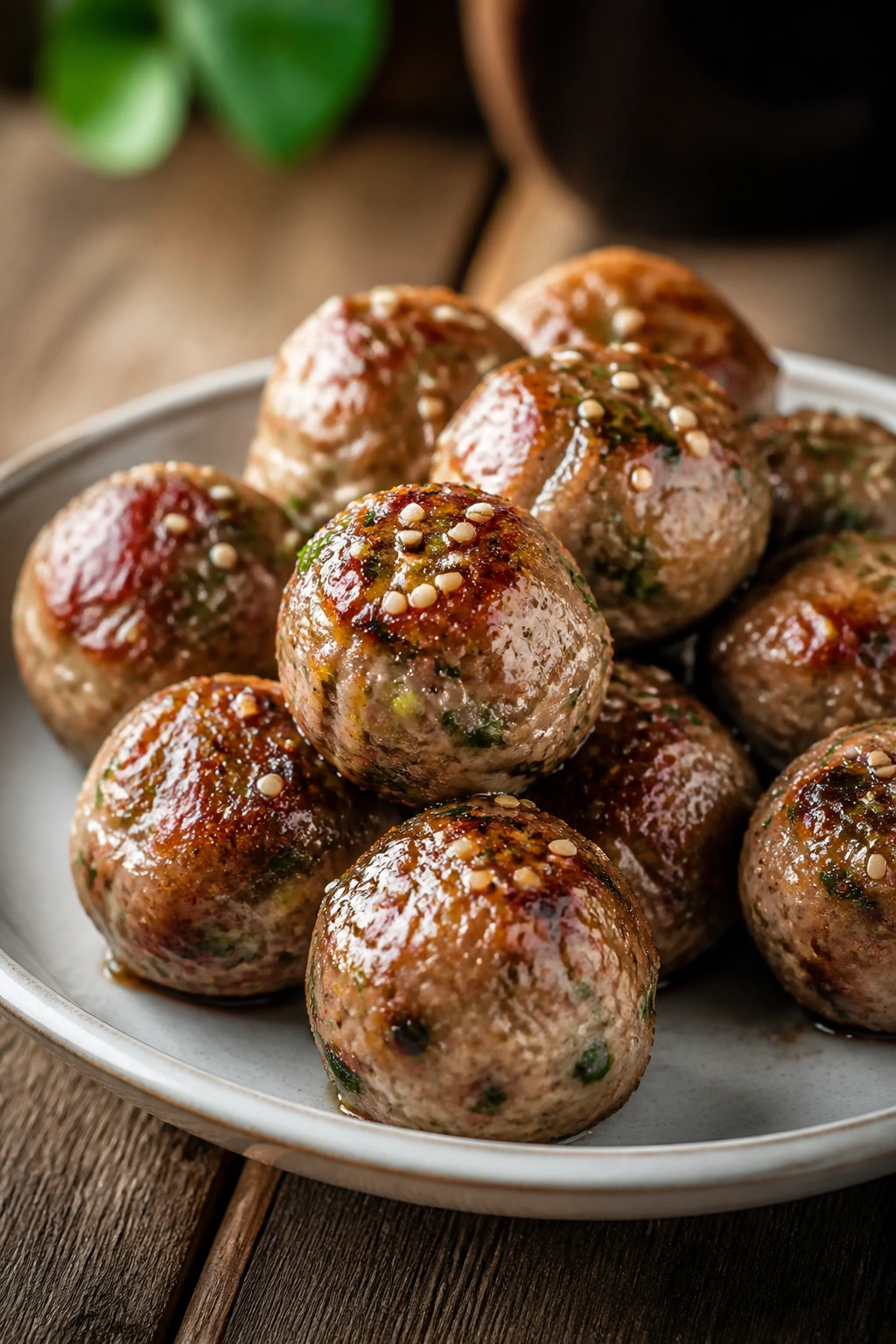
Perilla leaves give pork a cool, herbal note that tastes clean and a little nutty. If you can find them, they bring a very specific Korean aroma that basil can’t quite copy, though basil works in a pinch.
Why It Works:
Pork likes herbs with a little bite, and perilla has that in spades. The leaves soften as the meatballs bake, leaving little green flecks and a faint anise-like edge. The glaze stays plain enough not to step on that flavor.
Key Ingredients:
For the Meatballs:
- 1 lb ground pork
- 1/2 cup panko breadcrumbs
- 1 large egg
- 8 perilla leaves, finely chopped
- 2 garlic cloves, minced
- 2 scallions, sliced
- 1 tablespoon soy sauce
- 1 teaspoon toasted sesame oil
- 1/2 teaspoon black pepper
For the Glaze:
- 3 tablespoons soy sauce
- 2 tablespoons honey
- 1 tablespoon rice vinegar
- 1 teaspoon sesame seeds
Quick Steps:
- Heat the oven to 425°F.
- Mix the pork, panko, egg, perilla, garlic, scallions, soy, sesame oil, and pepper.
- Roll into meatballs and bake for 13 minutes.
- Stir the glaze together and warm it.
- Toss the cooked meatballs and finish with sesame seeds.
Equipment for This Recipe:
- Mixing bowl
- Sheet pan
- Parchment
- Knife and cutting board
How to Serve This Dish:
These go well with rice and a side of sliced cucumbers dressed with vinegar. The herbal note makes them one of the lighter-tasting entries in the whole collection.
Pro Tips for This Recipe:
- Chop the perilla fine or it can tear the meatball shape.
- If you can’t find perilla, use a mix of basil and mint.
- Serve with something cold; it helps the herbal flavor show up.
Variations on This Dish:
- Minted Version: Use half basil, half mint.
- More Savory: Add 1 teaspoon doenjang to the meat.
Common Mistakes to Avoid with This Dish:
- Using too much herb: The mixture can fall apart.
- Overcrowding the pan: Perilla meatballs need browning to stay lively.
19. Grill-Charred Bulgogi Meatballs
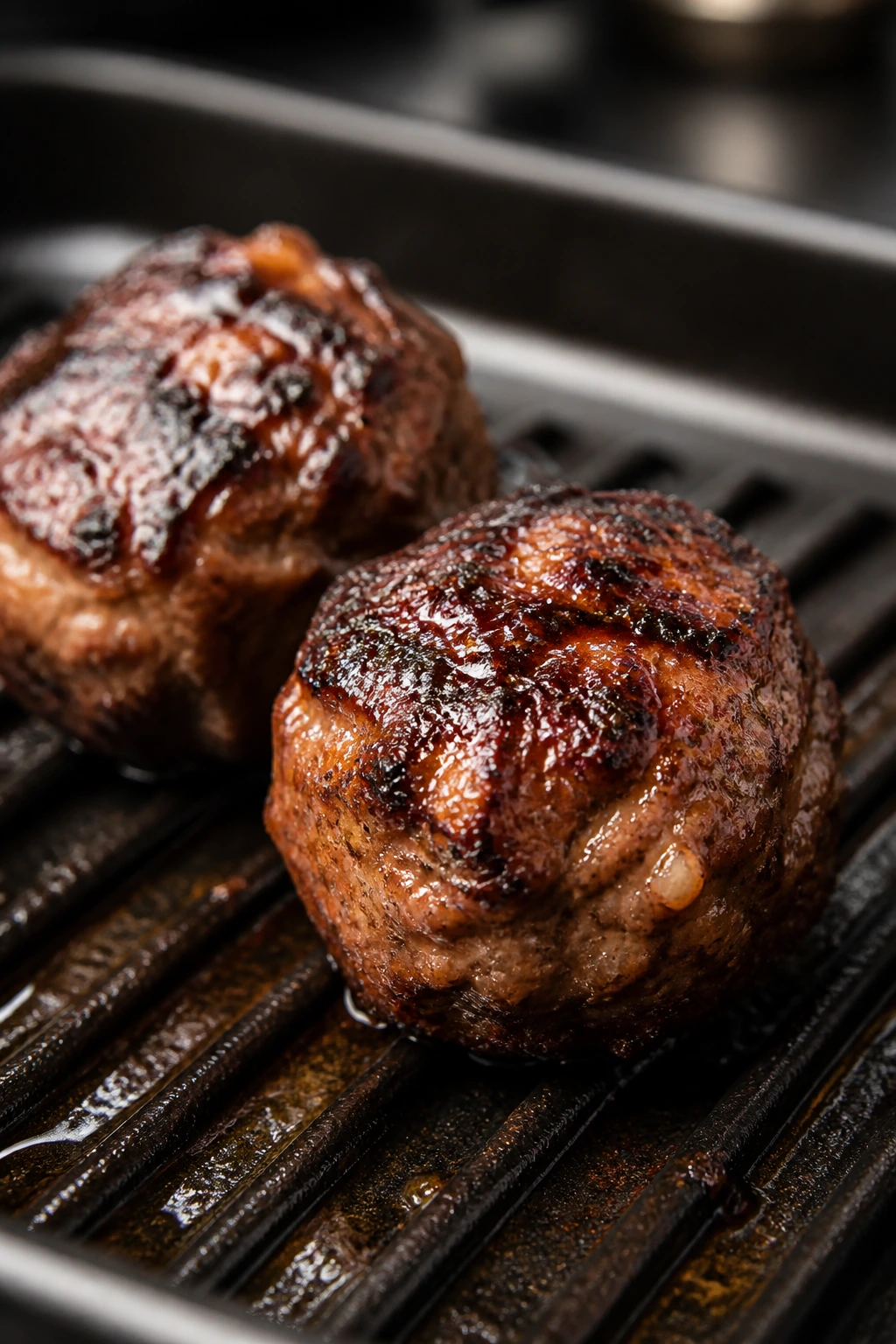
These are the ones that taste closest to outdoor grilling, even if you’re using a broiler or a grill pan. The outside picks up char, the inside stays juicy, and the pear-sweet bulgogi flavor comes through fast.
Why It Works:
A little grated pear and onion in the mix gives you the familiar bulgogi sweetness. The grill or broiler adds smoke and caramelization that a plain oven bake can’t quite match. This is the tray I’d make when I want the kitchen to smell like a barbecue for half an hour.
Key Ingredients:
For the Meatballs:
- 1 lb ground beef
- 1/4 cup grated Asian pear
- 1/4 cup grated onion
- 1/2 cup panko breadcrumbs
- 1 large egg
- 2 garlic cloves, minced
- 1 tablespoon soy sauce
- 1 tablespoon brown sugar
- 1 teaspoon toasted sesame oil
For the Glaze:
- 3 tablespoons soy sauce
- 2 tablespoons brown sugar
- 1 tablespoon mirin
- 1 tablespoon sesame oil
- 1 teaspoon grated garlic
Quick Steps:
- Heat the broiler or grill to medium-high.
- Mix the meatball ingredients.
- Shape and place on a lined tray or grill-safe pan.
- Cook for 10 to 12 minutes, turning once, until charred and cooked through.
- Brush with glaze during the last minute.
- Rest briefly before serving.
Equipment for This Recipe:
- Broiler-safe tray or grill pan
- Mixing bowl
- Tongs
- Pastry brush
How to Serve This Dish:
Serve them with rice, grilled scallions, or just a bowl of ssamjang on the side. They also work well skewered onto toothpicks for a party tray.
Pro Tips for This Recipe:
- Grate onion fine so it blends into the meat.
- Brush with glaze near the end, not at the start.
- If grilling, oil the grates lightly so the meatballs release cleanly.
Variations on This Dish:
- Smokier Version: Add a pinch of smoked paprika if you want a deeper grill note.
- Sweeter Version: Use extra pear and cut the brown sugar by half.
Common Mistakes to Avoid with This Dish:
- Glazing too early on the grill: The sugar burns before the meat cooks.
- Making them too large: Smaller meatballs brown better and cook evenly.
20. Slow-Cooker Party Meatballs
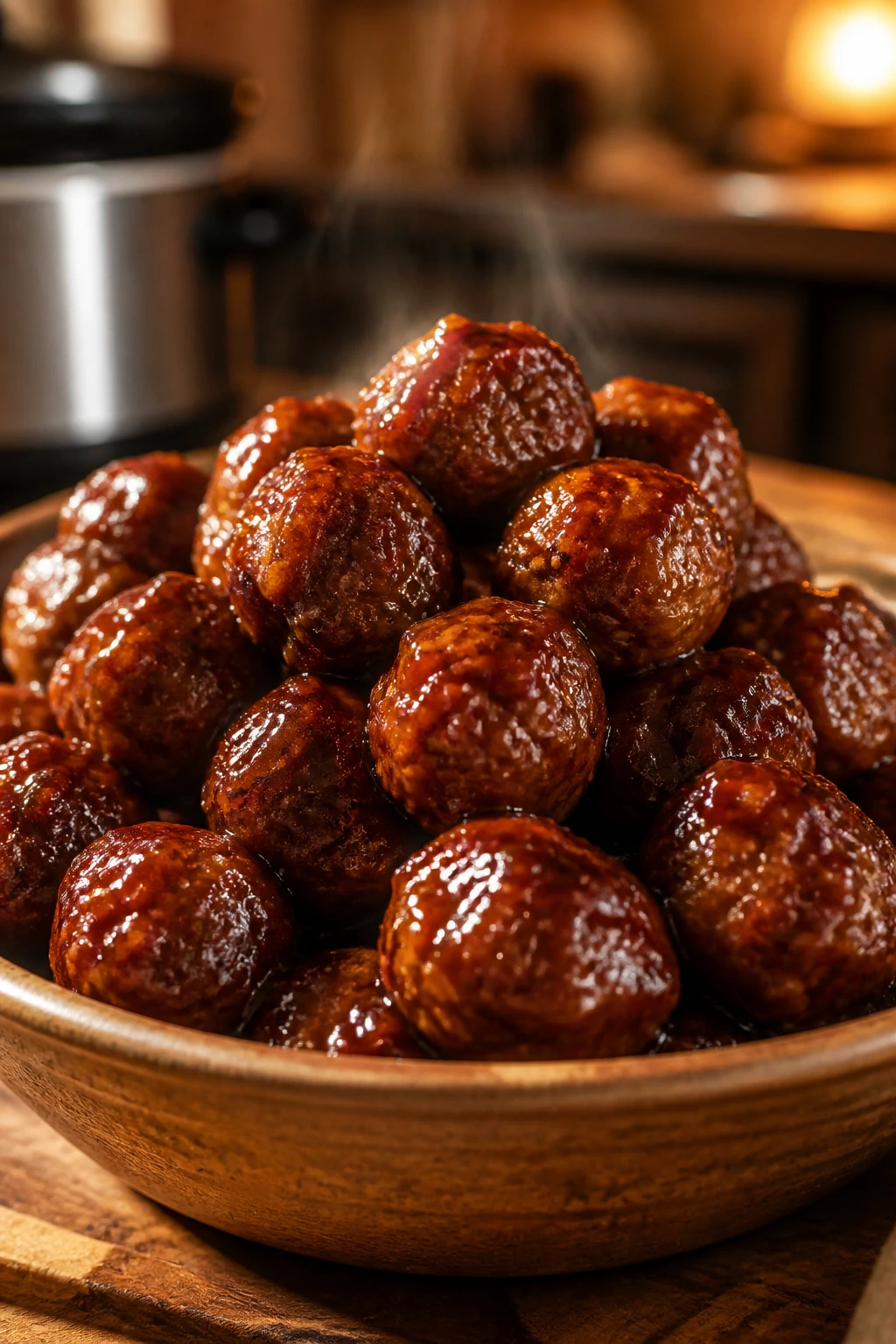
This batch is built for a platter, not a single bowl. The meatballs get baked first, then go into the slow cooker with sauce where they stay hot and glossy without turning soft.
Why It Works:
A slow cooker is not the place to cook raw meatballs from scratch if you want a clean texture. Bake them first. That sets the surface and keeps the interior from turning pasty while they sit in sauce for a couple of hours. The sauce also gets a chance to thicken around the edges.
Key Ingredients:
For the Meatballs:
- 1 lb ground beef
- 1 lb ground pork
- 1 cup panko breadcrumbs
- 2 large eggs
- 4 garlic cloves, minced
- 4 scallions, sliced
- 2 tablespoons soy sauce
- 2 teaspoons toasted sesame oil
For the Slow-Cooker Sauce:
- 1/2 cup gochujang
- 1/2 cup honey
- 1/2 cup soy sauce
- 1/4 cup rice vinegar
- 1/2 cup water
Quick Steps:
- Bake the meatballs at 425°F for 12 to 14 minutes until browned.
- Stir the sauce in the slow cooker until smooth.
- Add the baked meatballs and toss gently.
- Cook on low for 1 1/2 to 2 hours, stirring once or twice, until hot and glossy.
- Serve from warm.
Equipment for This Recipe:
- Slow cooker
- Sheet pan
- Mixing bowl
- Large spoon or spatula
How to Serve This Dish:
This is the tray for toothpicks, napkins, and a side of rice if you want it to become dinner. I’d add sliced scallions and sesame seeds right before serving so the platter doesn’t look dull.
Pro Tips for This Recipe:
- Bake first. Raw meatballs can fall apart in sauce.
- Stir gently so the coating stays intact.
- Keep the slow cooker on warm once they’re done.
Variations on This Dish:
- Sweeter Party Version: Add 2 tablespoons brown sugar.
- More Tang: Add an extra tablespoon of rice vinegar.
Common Mistakes to Avoid with This Dish:
- Starting with raw meatballs: They break and go grainy.
- Cooking too long on low: They absorb sauce and lose definition.
21. Sheet-Pan Meatballs with Bok Choy
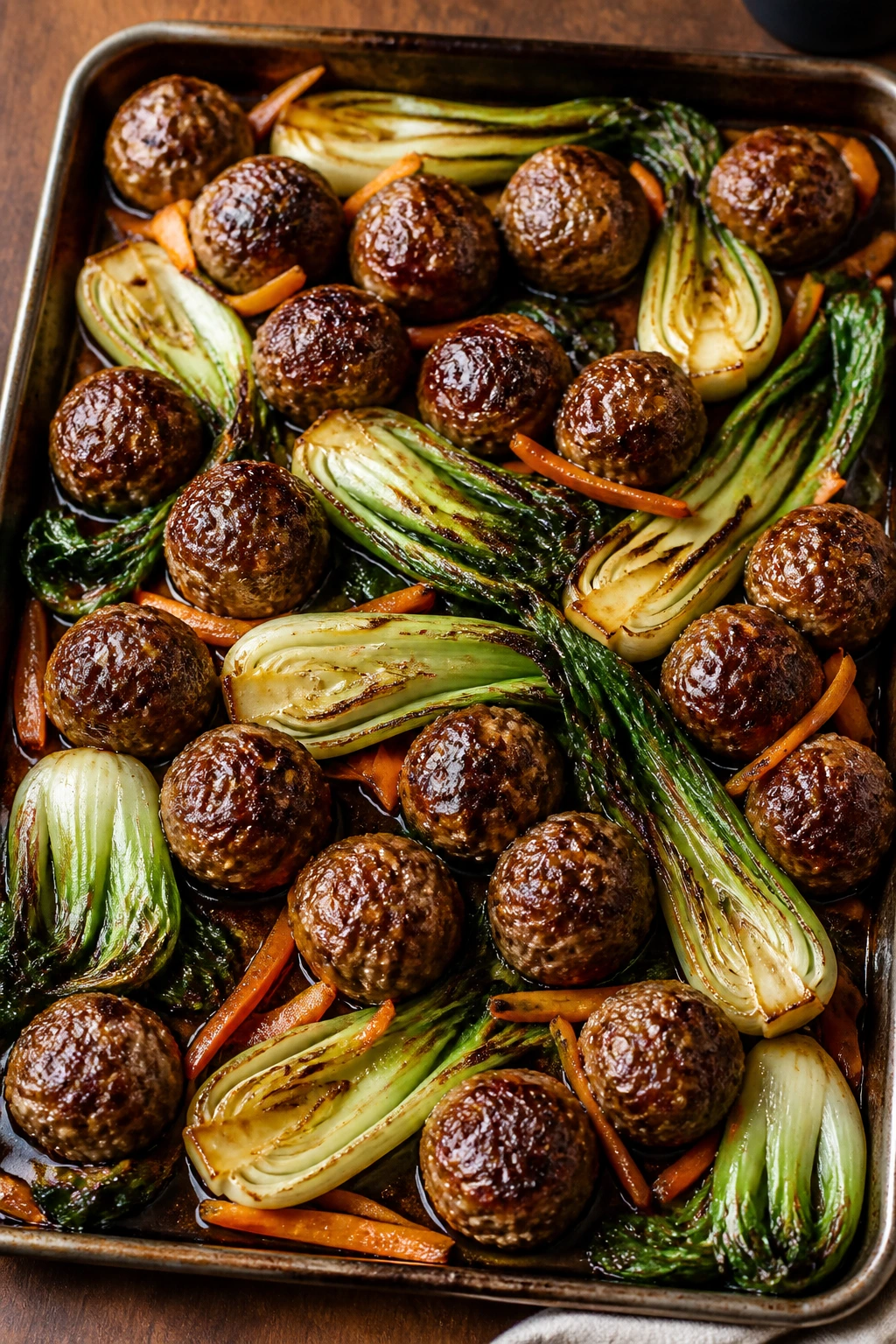
This is the cleanest one-pan dinner in the group. Meatballs roast beside bok choy and carrots, and the vegetables soak up just enough sauce to taste intentional.
Why It Works:
The sheet pan gives you browned meatballs and roasted vegetables at the same time. Bok choy softens around the edges but keeps its crunch in the stems. A light glaze ties the whole thing together without making the vegetables soggy.
Key Ingredients:
For the Meatballs:
- 1 lb ground chicken or beef
- 1/2 cup panko breadcrumbs
- 1 large egg
- 2 garlic cloves, minced
- 2 scallions, sliced
- 1 tablespoon soy sauce
- 1 teaspoon toasted sesame oil
For the Vegetables and Glaze:
- 2 baby bok choy, halved lengthwise
- 2 carrots, sliced into thin matchsticks
- 2 tablespoons soy sauce
- 1 tablespoon gochujang
- 1 tablespoon honey
- 1 tablespoon water
- 1 teaspoon sesame oil
Quick Steps:
- Heat the oven to 425°F.
- Toss the vegetables with half the glaze.
- Shape the meatballs and place them on the pan with the vegetables.
- Roast for 15 to 18 minutes, turning the meatballs once, until cooked through and the bok choy edges are browned.
- Drizzle with the remaining glaze before serving.
Equipment for This Recipe:
- Large sheet pan
- Mixing bowl
- Tongs
- Small bowl for glaze
How to Serve This Dish:
Scoop the pan straight into bowls over rice. The vegetables will look a little blistered, and that is the good part. That char is where the flavor lives.
Pro Tips for This Recipe:
- Cut the carrots thin so they cook in the same window as the meatballs.
- Don’t drown the bok choy. A light coating is enough.
- Give the pan space or the vegetables steam.
Variations on This Dish:
- Vegetable-Heavy Version: Add sliced onions or mushrooms.
- Spicier Version: Increase the gochujang to 2 tablespoons.
Common Mistakes to Avoid with This Dish:
- Crowding the pan: Everything softens.
- Using thick carrot chunks: They stay raw when the meatballs are done.
22. Japchae Meatball Bowls
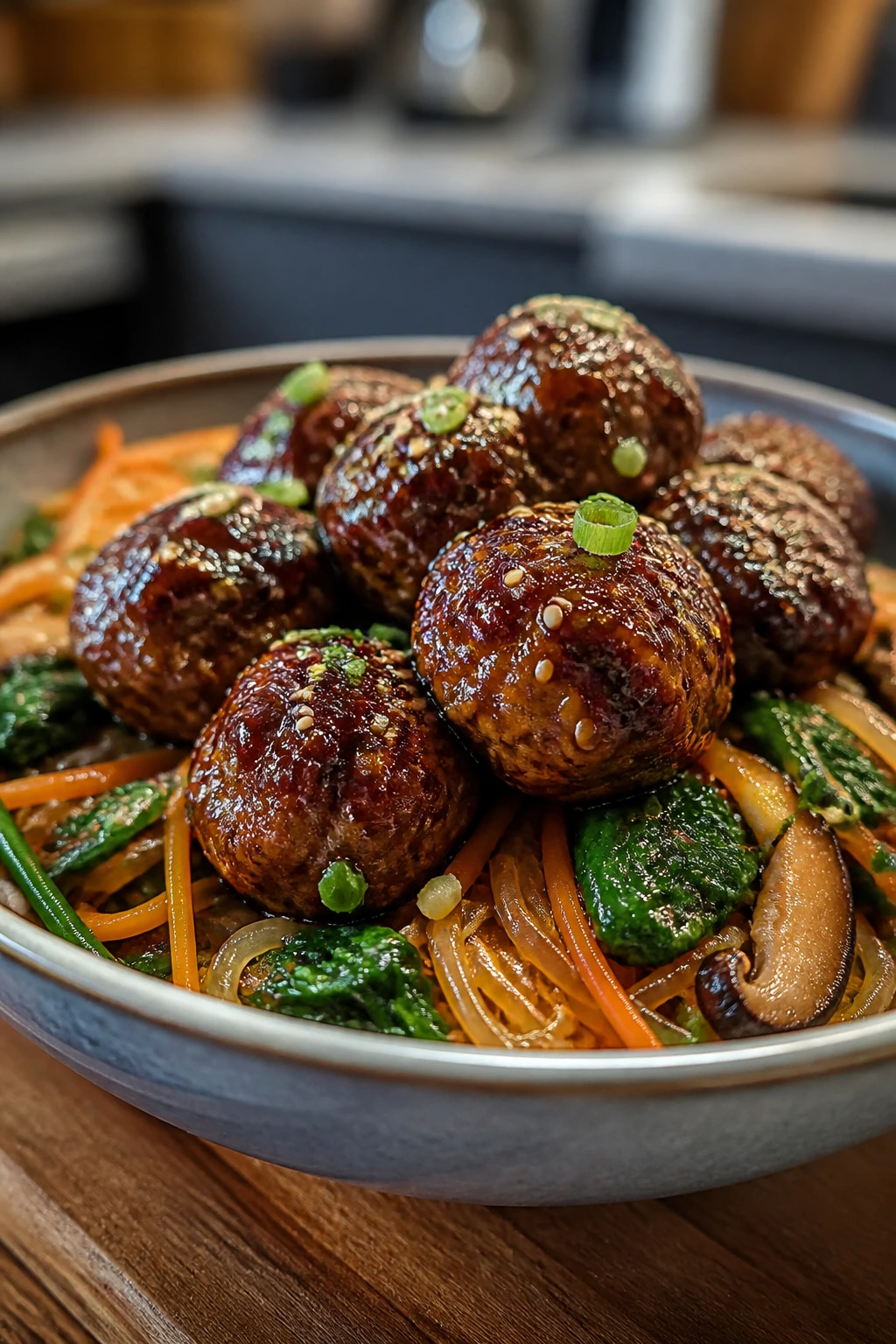
Japchae and meatballs are a better match than they sound at first. The sweet potato noodles twirl around the sauce, and the meatballs bring the savory center the noodles need.
Why It Works:
Japchae already has the sweet-salty sesame rhythm that Korean BBQ meatballs like. The noodles keep the dish from feeling heavy, and the vegetables give you color and crunch. The meatballs can be simple here because the bowl does the rest of the talking.
Key Ingredients:
For the Meatballs:
- 1 lb ground beef
- 1/2 cup panko breadcrumbs
- 1 large egg
- 2 scallions, sliced
- 2 garlic cloves, minced
- 1 tablespoon soy sauce
- 1 teaspoon toasted sesame oil
For the Noodles and Bowl:
- 8 oz sweet potato noodles
- 1 cup spinach
- 1 carrot, julienned
- 1 cup sliced mushrooms
- 2 tablespoons soy sauce
- 1 tablespoon brown sugar
- 1 teaspoon sesame oil
- 1 tablespoon sesame seeds
Quick Steps:
- Cook the noodles until tender, then rinse and drain.
- Bake the meatballs at 425°F for 12 to 14 minutes.
- Sauté the vegetables briefly with soy, sugar, and sesame oil.
- Toss the noodles with the vegetables and sesame seeds.
- Top with meatballs and any pan juices.
Equipment for This Recipe:
- Large pot
- Skillet
- Sheet pan
- Tongs
How to Serve This Dish:
Pile the noodles into shallow bowls first, then nest the meatballs on top so the glaze runs into the strands. A few extra sesame seeds make the bowl look finished without much fuss.
Pro Tips for This Recipe:
- Don’t overcook the noodles or they go sticky.
- Slice the vegetables thin so they stay crisp-tender.
- Save a splash of noodle cooking water if the bowl needs loosening.
Variations on This Dish:
- Chicken Version: Swap in ground chicken and add more ginger.
- Spicier Bowl: Stir in 1 teaspoon gochujang to the noodle sauce.
Common Mistakes to Avoid with This Dish:
- Rinsing noodles too lightly: They clump.
- Letting vegetables overcook: Japchae needs a little bite.
23. Bibimbap Meatball Bowls
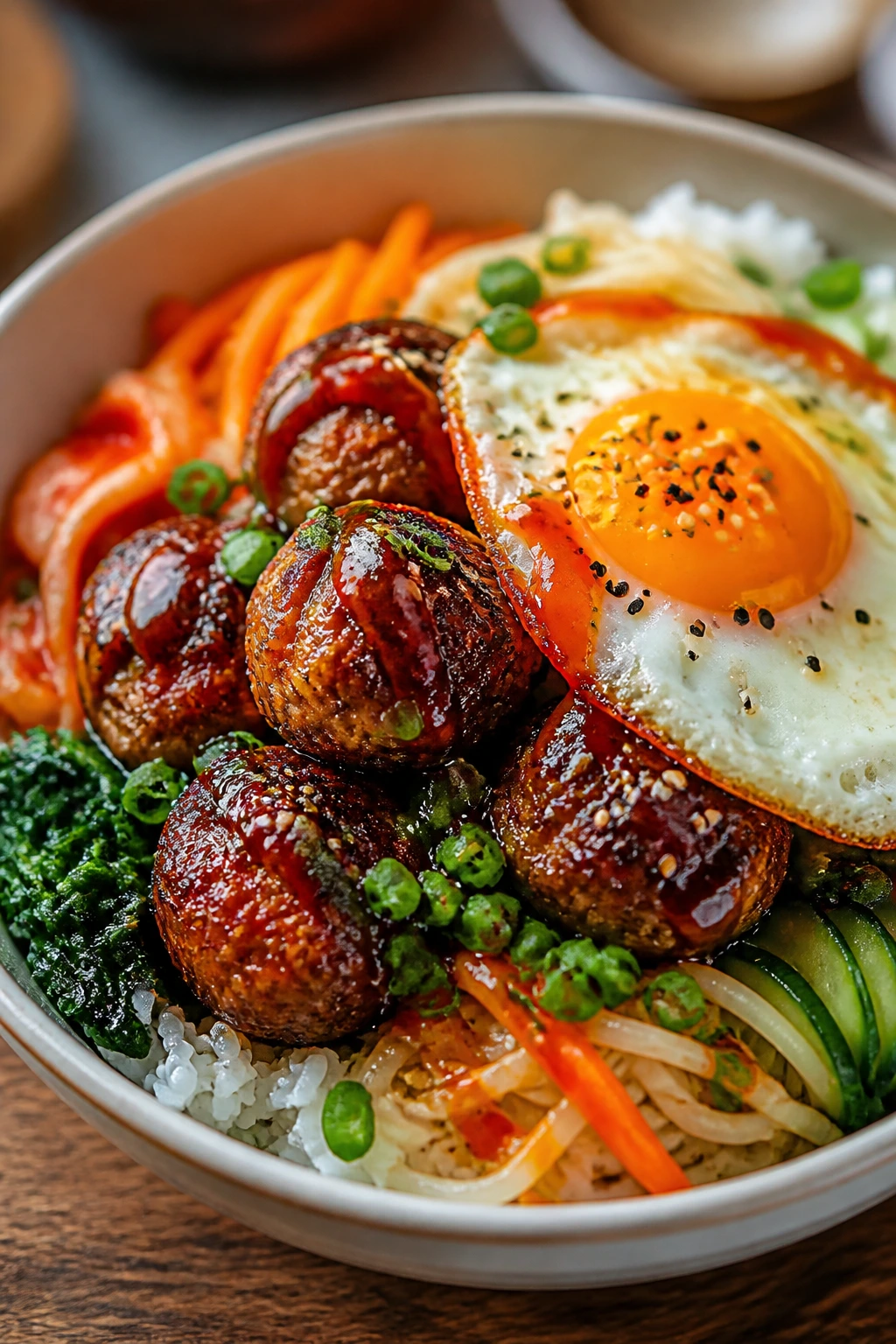
Bibimbap is the friendliest place to put Korean BBQ meatballs because the bowl already wants contrast. Rice, vegetables, egg, sauce, meat. It all makes sense fast.
Why It Works:
The meatballs bring the savory main element, and the vegetables keep the bowl fresh. A fried egg on top adds a rich yolk that loosens the gochujang just enough. This is the one I make when I want dinner to look more planned than it really was.
Key Ingredients:
For the Meatballs:
- 1 lb ground turkey or beef
- 1/2 cup panko breadcrumbs
- 1 large egg
- 2 garlic cloves, minced
- 2 scallions, sliced
- 1 tablespoon soy sauce
- 1 teaspoon toasted sesame oil
For the Bowl:
- 3 cups cooked rice
- 1 cup spinach, lightly sautéed
- 1 carrot, julienned
- 1 cucumber, thinly sliced
- 1 cup mushrooms, sautéed
- 2 eggs, fried
- 2 tablespoons gochujang
- 1 tablespoon rice vinegar
- 1 tablespoon water
Quick Steps:
- Bake the meatballs at 425°F for 12 to 14 minutes.
- Mix the gochujang sauce with vinegar and water.
- Arrange rice in bowls and set vegetables around the edges.
- Top with meatballs and fried eggs.
- Spoon the sauce over the egg and rice before serving.
Equipment for This Recipe:
- Sheet pan
- Skillet
- Rice cooker or pot
- Serving bowls
How to Serve This Dish:
Keep the vegetables in separate little piles if you want the bowl to look like bibimbap instead of a stir-fry dump. The egg yolk should run into the sauce. Don’t fight that.
Pro Tips for This Recipe:
- Use warm rice so the bowl feels cohesive.
- Keep the vegetables dry after cooking.
- A sprinkle of sesame seeds gives the top more texture.
Variations on This Dish:
- Vegetarian Bowl Base: Use plant-based meatballs if you like, but keep the vegetables and egg.
- Extra Crunch: Add bean sprouts or shredded cabbage.
Common Mistakes to Avoid with This Dish:
- Mixing everything too soon: The bowl loses its layers.
- Using cold rice straight from the fridge: It makes the whole dish feel dull.
24. Lettuce Wrap Meatballs
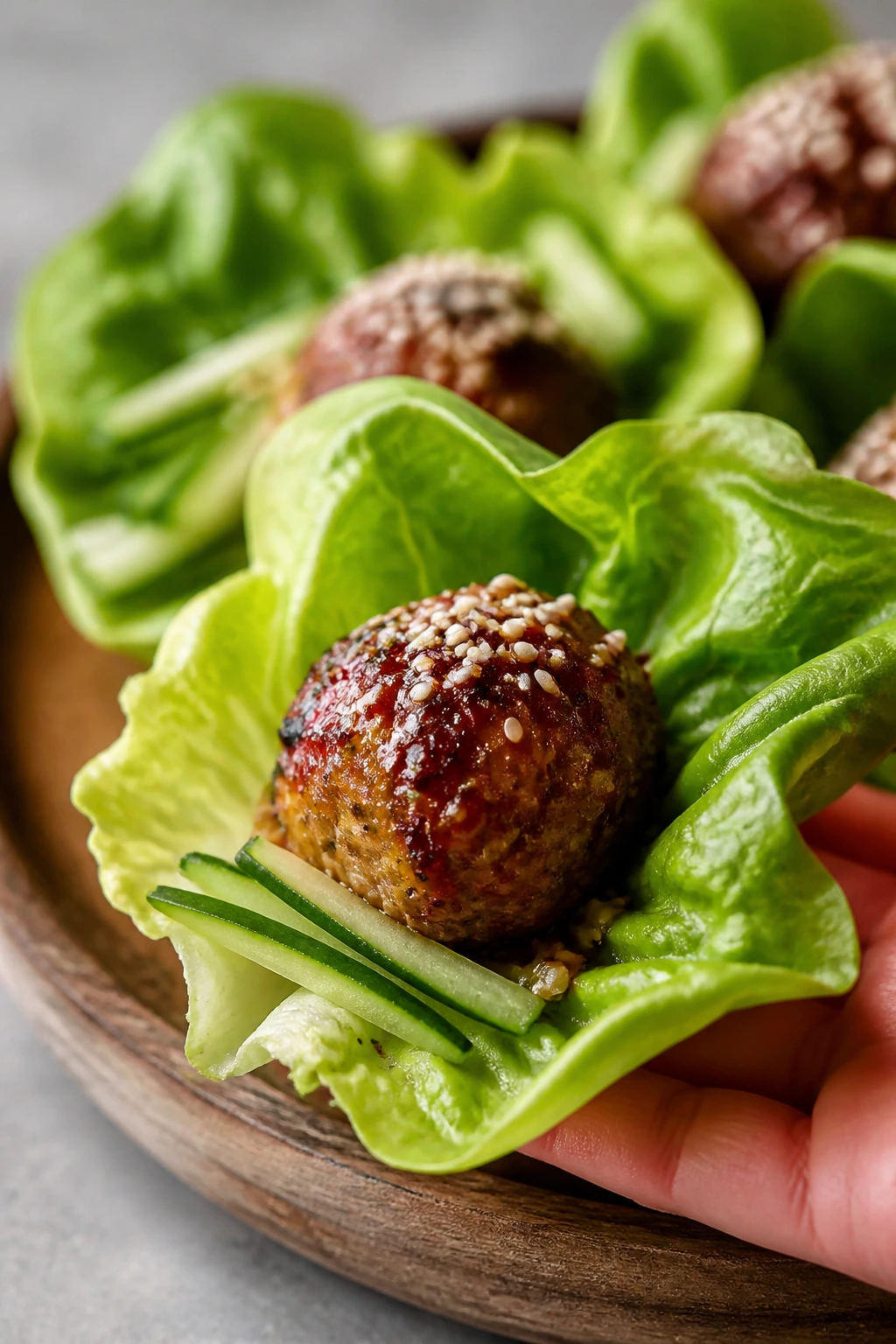
This is the hand-held version that makes you feel like you’re eating with purpose, even if you’re standing at the counter. The crisp lettuce, warm meatballs, and cold cucumber give you a clean bite every time.
Why It Works:
Lettuce wraps need food with enough seasoning to stand on its own. These meatballs bring that, and the fresh vegetables keep every bite from turning rich and heavy. The trick is using a sauce that’s bold but not too wet.
Key Ingredients:
For the Meatballs:
- 1 lb ground pork
- 1/2 cup panko breadcrumbs
- 1 large egg
- 2 garlic cloves, minced
- 2 scallions, sliced
- 1 tablespoon soy sauce
- 1 teaspoon toasted sesame oil
For Serving:
- 8 to 10 butter lettuce leaves
- 1 cucumber, cut into matchsticks
- 1 cup shredded carrots
- 1/2 cup quick-pickled radish
- 2 tablespoons gochujang
- 1 tablespoon rice vinegar
- 1 tablespoon honey
Quick Steps:
- Bake the meatballs at 425°F for 13 to 15 minutes.
- Stir the gochujang, vinegar, and honey together for a quick sauce.
- Fill each lettuce leaf with cucumber, carrots, radish, and a meatball or two.
- Spoon sauce over the top and fold.
Equipment for This Recipe:
- Sheet pan
- Mixing bowl
- Sharp knife
- Serving platter
How to Serve This Dish:
Set everything out family-style and let people build their own wraps. That keeps the lettuce crisp and stops the meatballs from getting soggy before they hit the table.
Pro Tips for This Recipe:
- Pat the lettuce leaves dry before serving.
- Keep the sauce thick enough to spoon, not pour.
- Small meatballs work better than oversized ones here.
Variations on This Dish:
- Beef Version: Swap in ground beef for a deeper flavor.
- Extra Fresh: Add mint or basil with the cucumber.
Common Mistakes to Avoid with This Dish:
- Using watery lettuce: The wraps collapse fast.
- Overfilling the leaves: They tear before you get a bite.
25. Meatball Skewers with Ssamjang Glaze
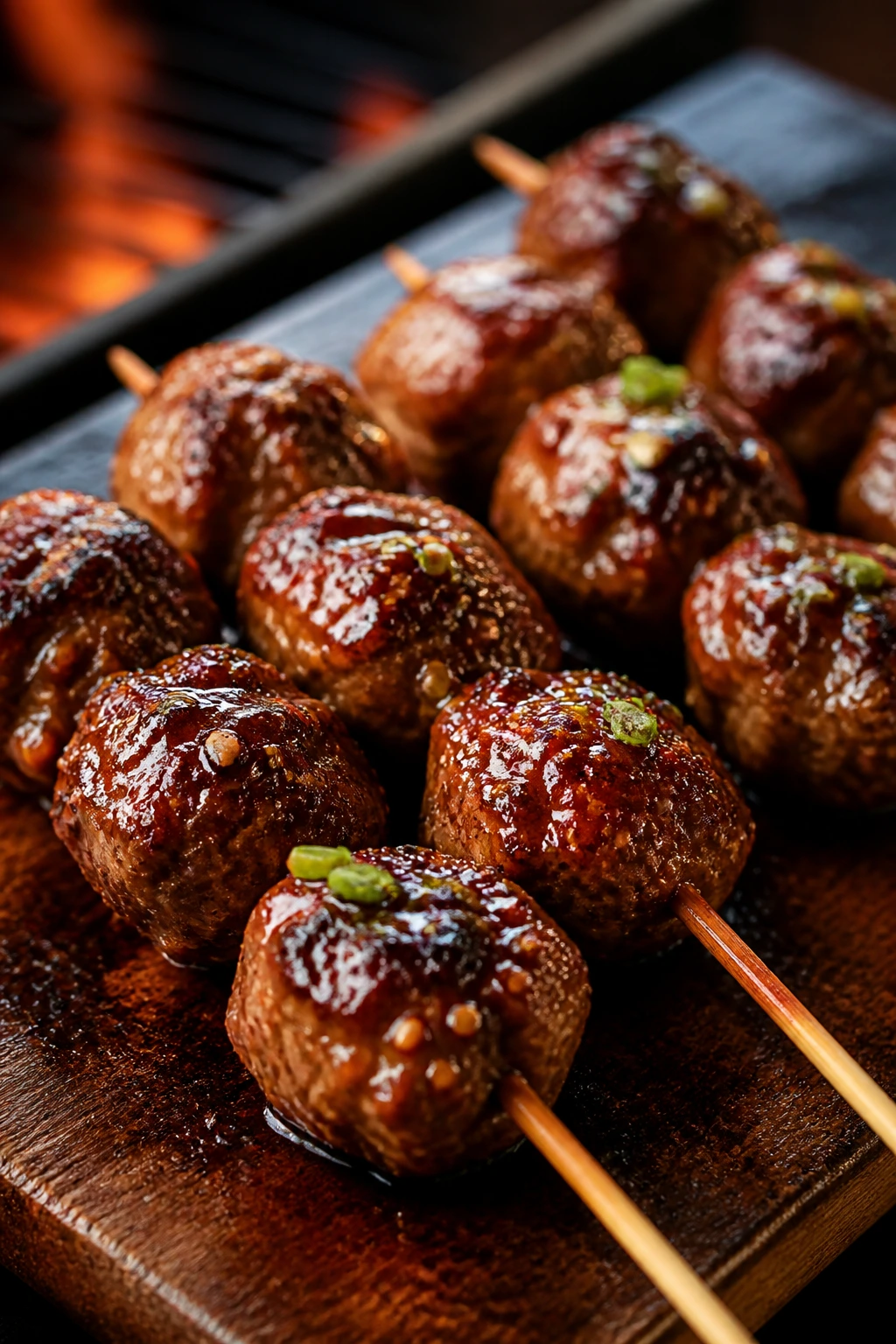
These bring a little grill-party energy to the table. Thread them on skewers, brush them with ssamjang glaze, and you’ve got Korean BBQ meatballs that feel ready for a backyard fire even if they came out of the oven.
Why It Works:
Skewers increase the surface area for glaze and char. That means more browned bits and less steaming. Ssamjang has enough body to coat the meatballs while still tasting savory and punchy.
Key Ingredients:
For the Meatballs:
- 1 lb ground beef
- 1/2 cup panko breadcrumbs
- 1 large egg
- 2 garlic cloves, minced
- 2 scallions, sliced
- 1 tablespoon soy sauce
- 1 teaspoon toasted sesame oil
For the Glaze:
- 2 tablespoons ssamjang
- 2 tablespoons honey
- 1 tablespoon rice vinegar
- 2 tablespoons water
Quick Steps:
- Preheat the broiler or grill to medium-high.
- Shape the meat mixture into slightly smaller meatballs.
- Cook them for 10 to 12 minutes until browned.
- Thread onto skewers if using wooden or metal sticks.
- Brush with glaze and broil or grill for 1 to 2 minutes more.
Equipment for This Recipe:
- Skewers
- Broiler-safe tray or grill
- Mixing bowl
- Pastry brush
How to Serve This Dish:
Serve with rice, lettuce, or a tray of sliced cucumbers so the skewers don’t feel too heavy. A little extra ssamjang on the side makes them easy to eat fast.
Pro Tips for This Recipe:
- Make the meatballs slightly smaller so they sit neatly on skewers.
- If using wooden skewers, soak them first.
- Brush glazing on at the very end to avoid burnt sugar.
Variations on This Dish:
- Charcoal-Style: Finish over direct flame for deeper smoke.
- Mild Party Tray: Use less ssamjang and more honey.
Common Mistakes to Avoid with This Dish:
- Trying to skewer raw meatballs: They fall apart.
- Letting the glaze char before the meat is hot: The outside gets bitter.
26. Kimchi Sliders with Meatballs
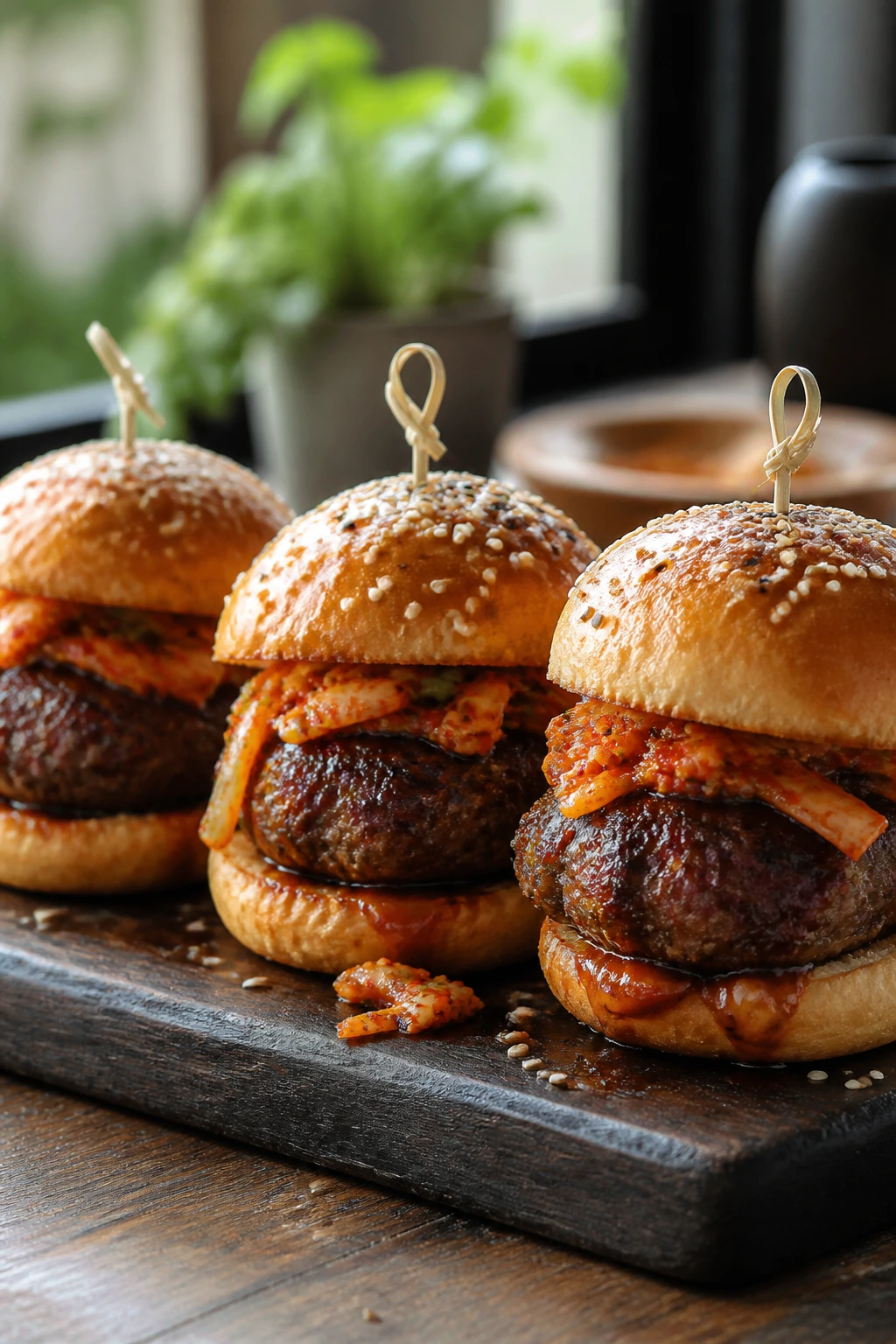
This one leans Korean-American on purpose. The meatballs get the usual sesame and soy treatment, then slide into mini buns with kimchi slaw and a sticky sauce that keeps the whole thing lively.
Why It Works:
Meatballs on buns can get clumsy fast, so the seasoning has to be strong and the buns have to be small. Kimchi slaw adds crunch and acid, which cuts through the richness better than plain cabbage ever could. The result feels part barbecue, part sandwich shop.
Key Ingredients:
For the Meatballs:
- 1 lb ground beef
- 1/2 cup panko breadcrumbs
- 1 large egg
- 1/2 cup finely chopped kimchi, squeezed dry
- 2 garlic cloves, minced
- 1 tablespoon soy sauce
- 1 teaspoon toasted sesame oil
For the Sliders:
- 8 mini slider buns
- 1 cup shredded cabbage
- 1/2 cup chopped kimchi
- 1 tablespoon rice vinegar
- 1 tablespoon mayonnaise
- 1 tablespoon gochujang
- 1 teaspoon honey
Quick Steps:
- Bake the meatballs at 425°F for 12 to 14 minutes.
- Stir the slaw ingredients together.
- Mix the gochujang sauce until smooth.
- Split the buns, add slaw and meatballs, then drizzle with sauce.
- Serve warm.
Equipment for This Recipe:
- Sheet pan
- Mixing bowl
- Small bowl for slaw
- Knife for buns
How to Serve This Dish:
These work best as a tray of sliders with napkins close by. If you want them to feel more polished, skewer each bun with a pick and add a thin slice of cucumber.
Pro Tips for This Recipe:
- Squeeze kimchi before mixing so the buns don’t get soggy.
- Toast the buns lightly.
- Keep the slaw separate until serving if you’re making them ahead.
Variations on This Dish:
- Cheesy Version: Add a thin slice of melted provolone.
- Spicier Version: Add more gochujang to the sauce.
Common Mistakes to Avoid with This Dish:
- Using large buns: They overpower the meatballs.
- Wet slaw: It turns the slider bottom into mush.
27. Black Sesame Beef Meatballs
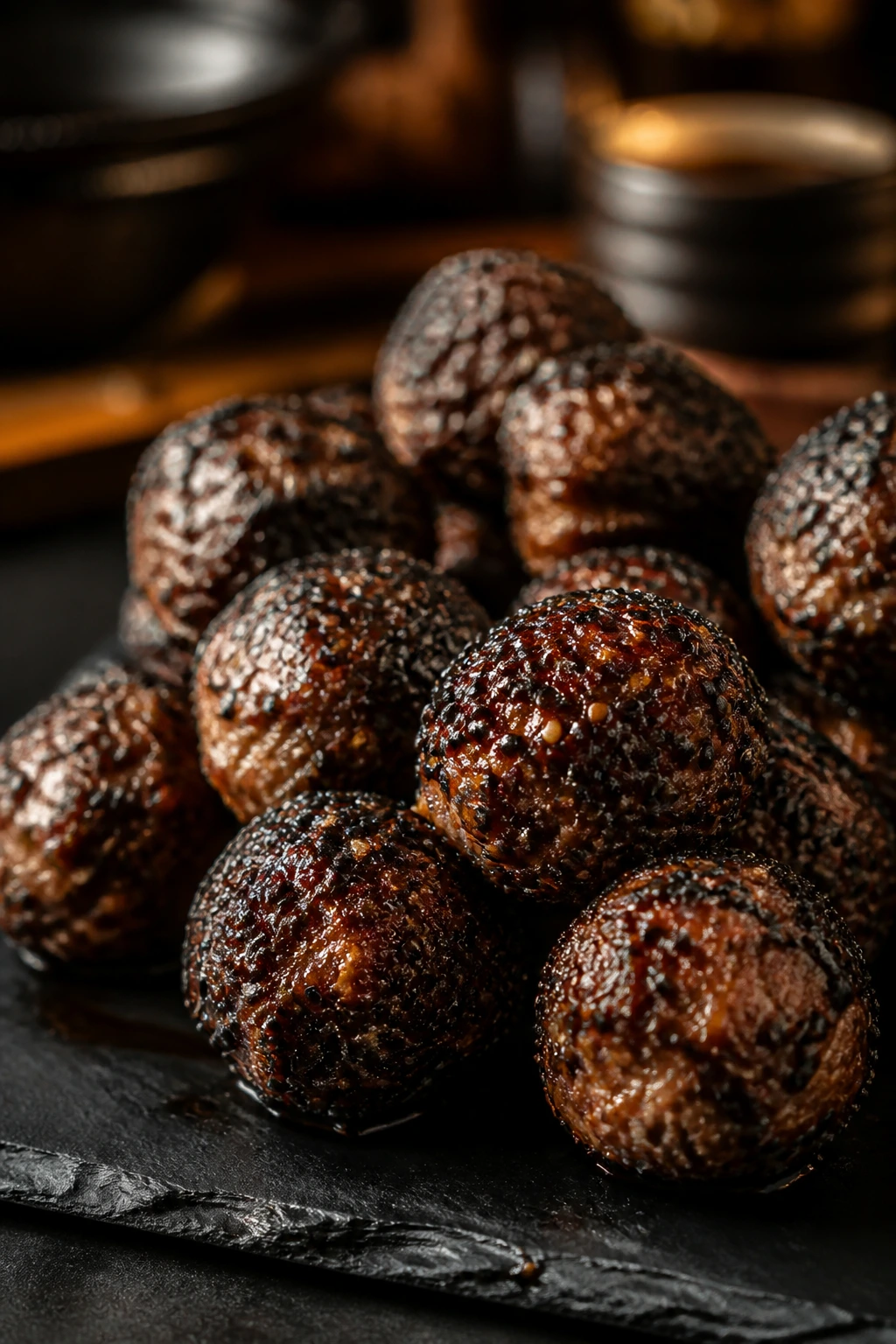
Black sesame brings a deep toasted note and a striking look that feels a little different without leaving the theme. The flavor is nutty, earthy, and sharp enough to make the glaze feel more complex.
Why It Works:
Black sesame has a stronger toasted flavor than white sesame alone. Mixed into beef, it adds crunch and a slightly bitter edge that plays nicely with sweet soy glaze. The meatballs look dramatic without needing a complicated sauce.
Key Ingredients:
For the Meatballs:
- 1 lb ground beef
- 1/2 cup panko breadcrumbs
- 1 large egg
- 2 tablespoons black sesame seeds
- 2 garlic cloves, minced
- 2 scallions, sliced
- 1 tablespoon soy sauce
- 1 teaspoon toasted sesame oil
For the Glaze:
- 3 tablespoons soy sauce
- 2 tablespoons honey
- 1 tablespoon rice vinegar
- 1 tablespoon water
Quick Steps:
- Preheat the oven to 425°F.
- Mix the beef with panko, egg, black sesame, garlic, scallions, soy, and sesame oil.
- Shape and bake for 12 to 14 minutes.
- Warm the glaze and brush or toss the meatballs.
- Sprinkle extra sesame seeds on top.
Equipment for This Recipe:
- Mixing bowl
- Sheet pan
- Parchment
- Small saucepan
How to Serve This Dish:
Serve these over rice with steamed broccoli or bok choy. The black sesame gives the plate a darker, deeper look, so a bright green vegetable helps.
Pro Tips for This Recipe:
- Lightly crush some of the black sesame seeds so the flavor spreads.
- Add the glaze while the meatballs are hot for better cling.
- White sesame on top gives the finished dish more contrast.
Variations on This Dish:
- Sesame-Heavy Version: Add 1 tablespoon white sesame seeds too.
- Gochujang Finish: Stir a teaspoon of gochujang into the glaze.
Common Mistakes to Avoid with This Dish:
- Using too much sesame oil: It can overwhelm the black sesame.
- Skipping the garnish: The black sesame looks best with contrast.
28. Pickled Radish Pork Meatballs
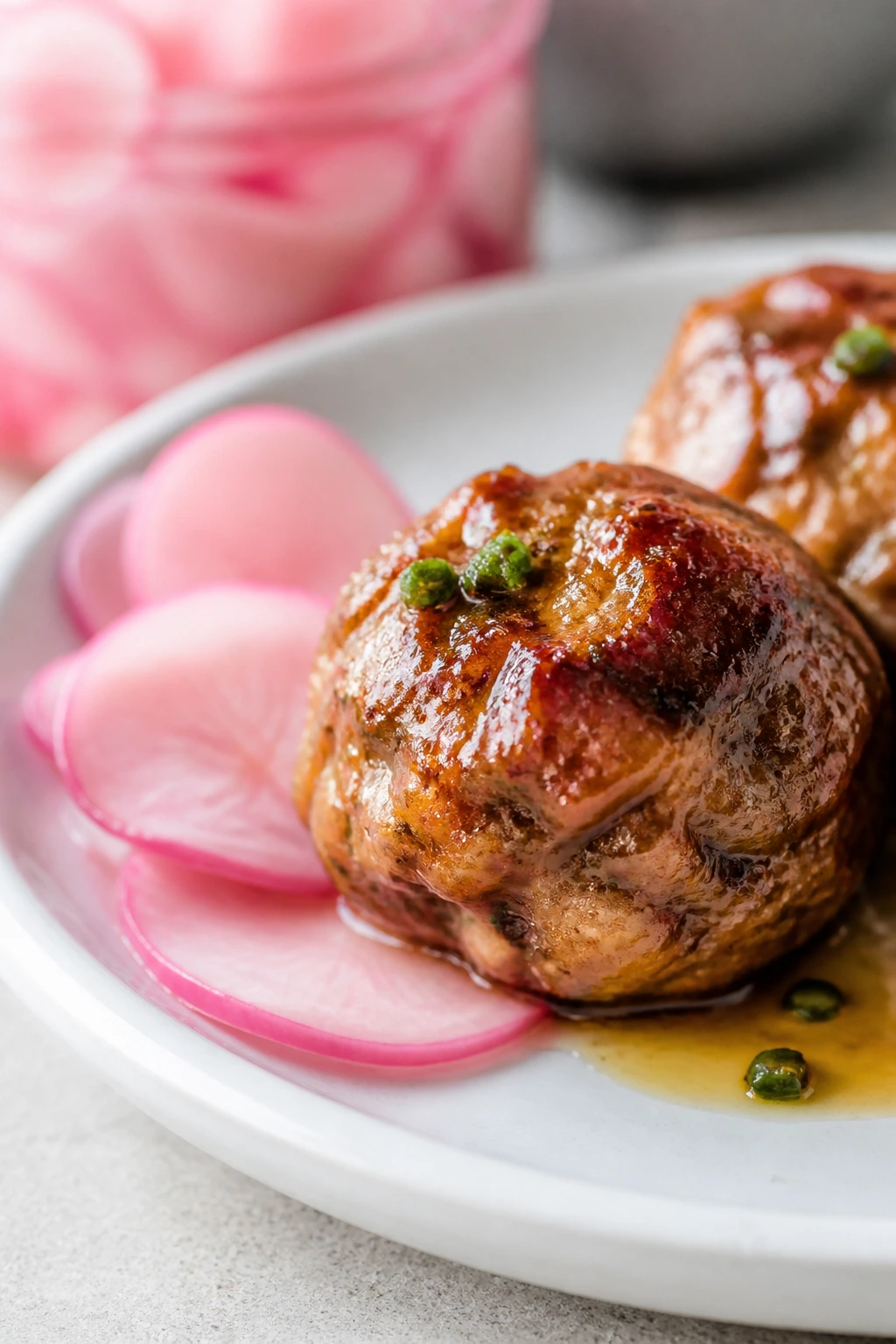
Pickled radish is one of those side ingredients that snaps a rich meatball back into balance. The pork stays tender, the glaze is savory and light, and the radish adds the sharp bite that makes another mouthful feel worth it.
Why It Works:
Pork gives the meatball a soft, rich base. Pickled radish supplies acid and crunch, which matters because the glaze is still doing sweet-salty work in the background. This recipe tastes especially good when the radish is very cold and the meatballs are hot.
Key Ingredients:
For the Meatballs:
- 1 lb ground pork
- 1/2 cup panko breadcrumbs
- 1 large egg
- 2 garlic cloves, minced
- 2 scallions, sliced
- 1 tablespoon soy sauce
- 1 teaspoon toasted sesame oil
For the Pickled Radish:
- 1 cup daikon or Korean radish, thinly sliced
- 1/4 cup rice vinegar
- 2 tablespoons sugar
- 1/2 teaspoon salt
For the Glaze:
- 3 tablespoons soy sauce
- 2 tablespoons honey
- 1 tablespoon rice vinegar
- 1 teaspoon sesame seeds
Quick Steps:
- Mix the pickled radish ingredients and chill while you cook.
- Preheat the oven to 425°F.
- Mix and shape the pork meatballs.
- Bake for 13 to 15 minutes until browned.
- Warm the glaze and toss the meatballs.
- Top with pickled radish and sesame seeds.
Equipment for This Recipe:
- Mixing bowl
- Sheet pan
- Sharp knife
- Small jar or bowl for pickling
How to Serve This Dish:
Put the meatballs over rice and top with a small mound of pickled radish so every bite has a little crunch. A few scallions and a spoon of extra glaze finish the job.
Pro Tips for This Recipe:
- Slice the radish thin so it pickles fast.
- Chill it long enough to taste sharp, not sweet.
- Use cold pickles against hot meatballs for the best contrast.
Variations on This Dish:
- More Tang: Add a splash more vinegar to the radish.
- Lettuce Wrap Version: Tuck the meatballs and radish into lettuce leaves instead of rice.
Common Mistakes to Avoid with This Dish:
- Skipping the pickle time: The radish tastes flat.
- Making the glaze too sweet: The acid balance disappears.
Why Korean BBQ Meatballs Work So Well in a Bowl, a Wrap, or a Party Tray
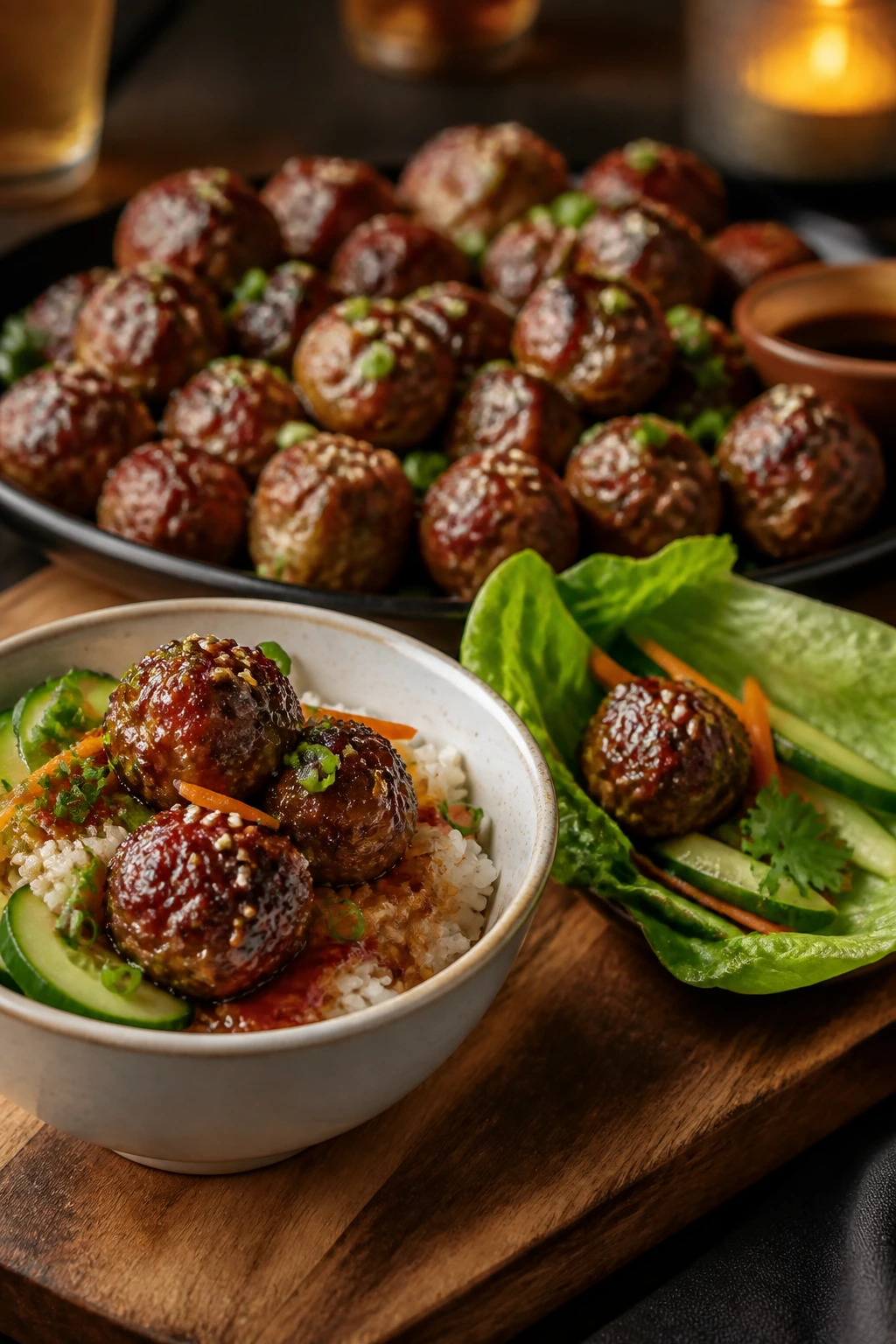
There’s a reason this flavor set keeps showing up on repeat in home kitchens. Korean BBQ meatballs have built-in contrast: sweet, salty, spicy, nutty, and acidic. That means they don’t need a pile of extra ingredients to taste finished. The glaze does one job. The meat does another. The garnishes close the gap.
The other reason they work is mechanical. Meatballs give you more browned surface per bite than a plain patty, which means more places for sauce to cling. That matters with gochujang, ssamjang, soy, and sesame oil because those flavors are strongest when they sit on a seared crust instead of soaking into a simmering stew. A 425°F oven, a hot skillet, or a broiler can all create that crust if you do not crowd the pan.
Panko helps more than most people think. It gives the meat mixture a little structure while holding onto moisture, and that’s especially useful with leaner meats like chicken and turkey. If you’ve ever had a dry turkey meatball that tasted like dust, you already know the problem. Korean-style seasoning can’t save a dry texture by itself. It needs a binder and enough fat to carry the flavor.
Essential Equipment for These Recipes
-
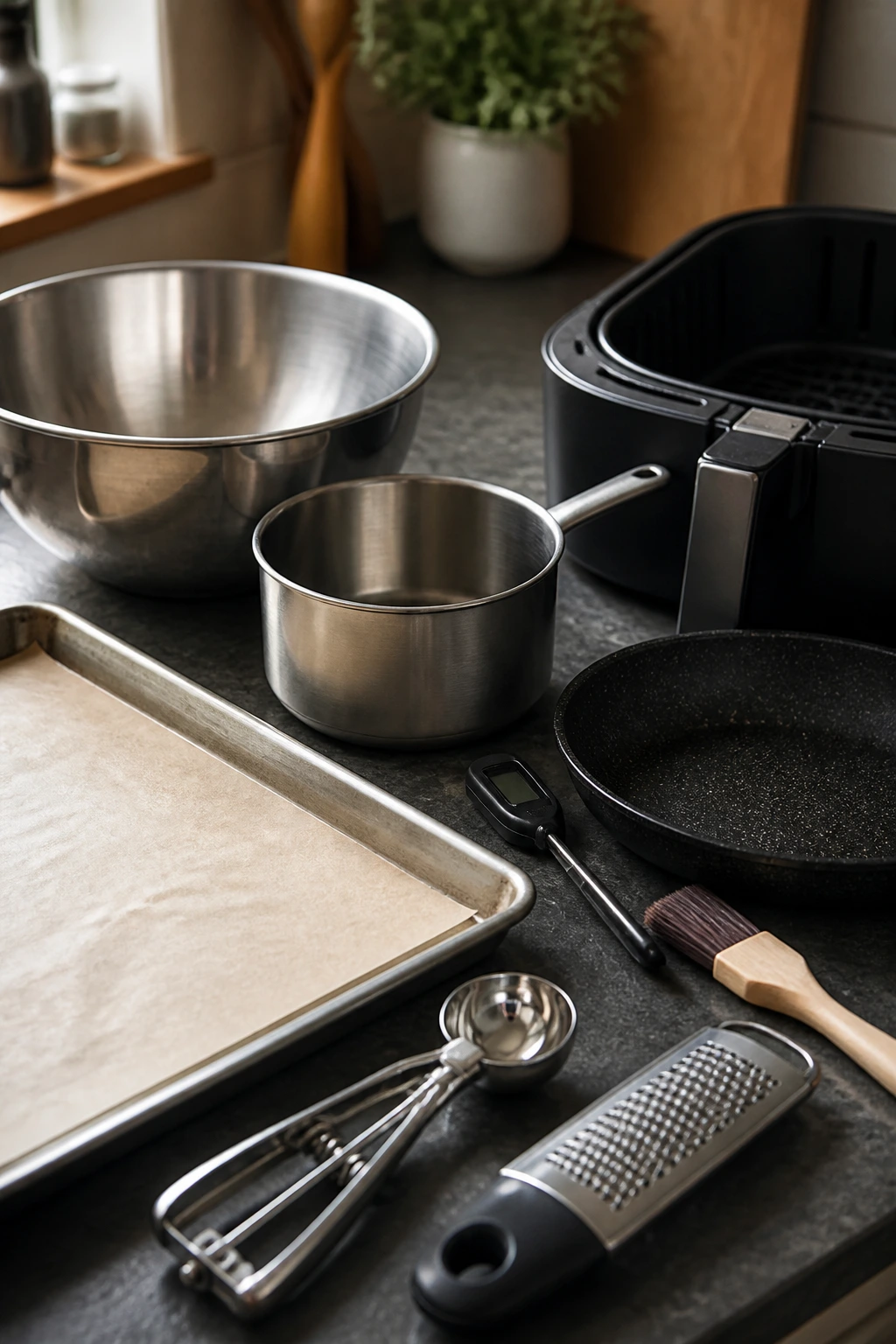
Rimmed sheet pans: The safest, easiest way to bake meatballs and catch glaze drips.
-
Parchment paper or foil: Keeps sticky sauces from welding themselves to the pan.
-
Large mixing bowls: You need room to fold the mixture without smearing it into a paste.
-
Cookie scoop or tablespoon: Makes the meatballs the same size, which helps them cook evenly.
-
Small saucepan: Useful for reducing gochujang, honey, soy, or ssamjang into a proper glaze.
-
Air fryer basket: Helpful for fast browning with less oil, especially on beef and chicken.
-
Skillet or grill pan: Best when you want more char and a little smoke.
-
Instant-read thermometer: The cleanest way to stop cooking at 160°F for beef and pork, 165°F for poultry.
-
Pastry brush: Good for glazing broiled or grilled meatballs without dumping sauce all over the pan.
-
Fine grater or microplane: Makes garlic, ginger, and pear disappear into the mixture instead of staying in harsh little chunks.
Smart Shopping and Ingredient Tips
Start with the meat. For beef, an 85/15 blend gives you enough fat for flavor without turning the tray greasy. For pork, avoid the leanest package if you can; pork shoulder blends are usually juicier. Ground chicken and turkey need the most help, so buy the freshest package you can and use it the day you bring it home if possible.
Gochujang varies more than people expect. Some tubs are sweeter, some are sharper, and some hit harder with heat. Taste a dab before you commit to the full glaze. If it tastes thick and almost jammy, use a little more vinegar. If it leans sharp, add another spoon of honey.
Sesame oil should smell toasted, not flat. If the bottle smells faint or greasy, replace it. A small bottle goes a long way, and the flavor is strongest when it’s added at the end of mixing or in the glaze rather than cooked hard from the start.
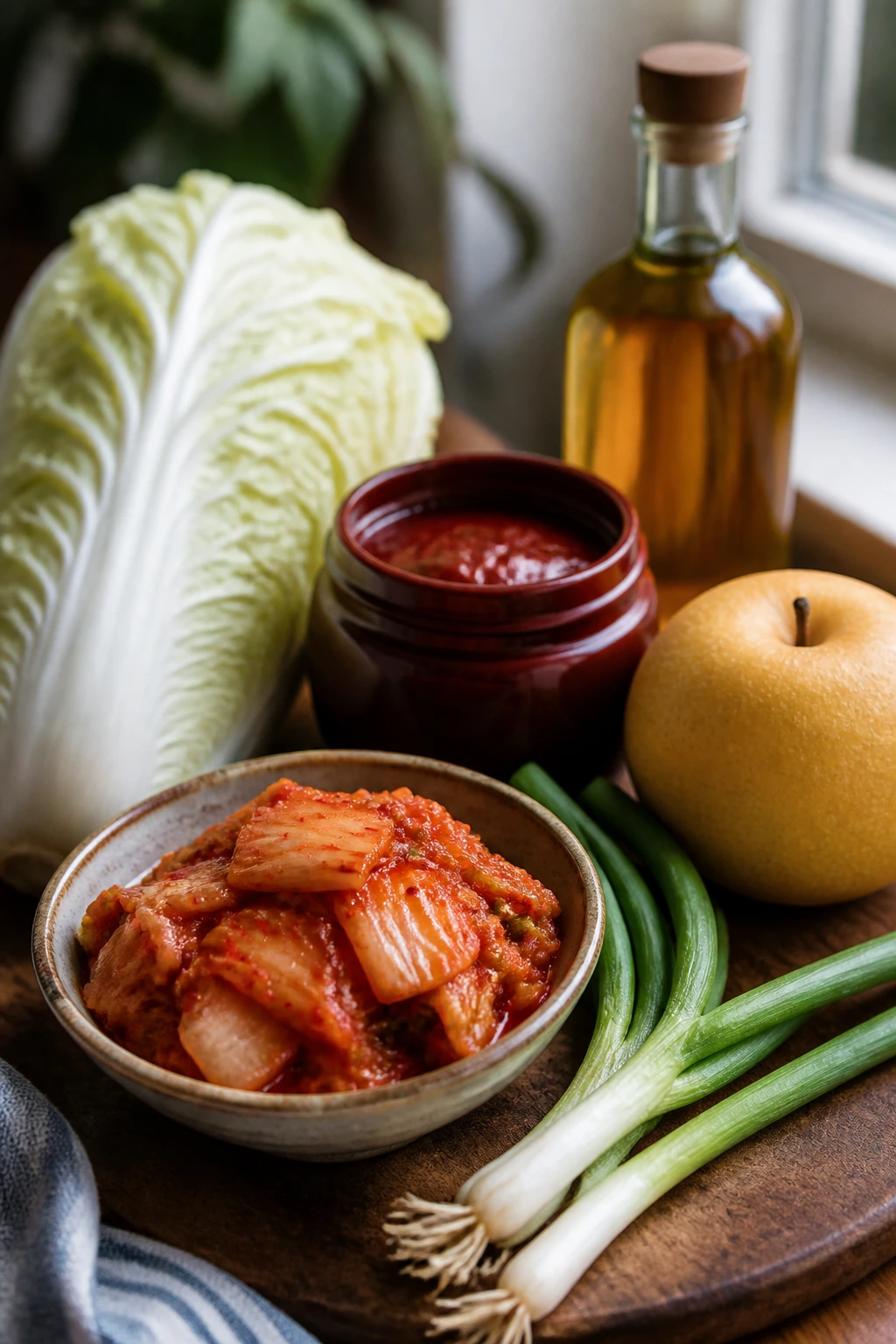
Kimchi, pear, scallions, and napa cabbage are the ingredients that make these recipes taste like something more than “spicy meatballs with soy.” Buy kimchi with visible cabbage pieces, not a watery red jar. For pear, Bosc or Asian pear both work. For scallions, choose bunches with crisp white ends and dark green tops. If you use frozen meat, thaw it fully and pat it dry before mixing. Wet meat is a nuisance in this kind of recipe.
How to Serve These Recipes
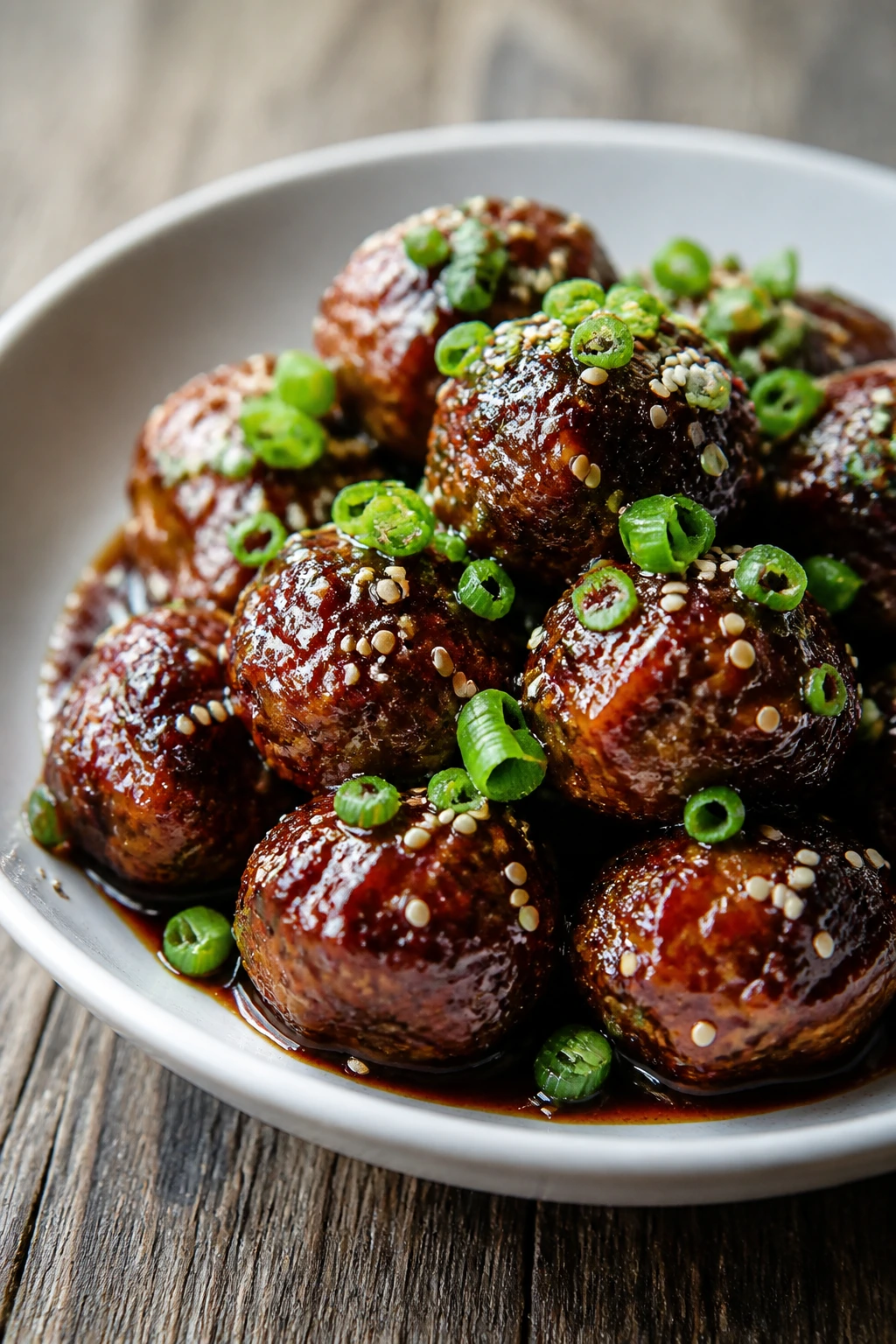
Presentation:
Serve the meatballs in shallow bowls or on a wide platter so the glaze pools a little instead of disappearing. A few sliced scallions, sesame seeds, and a brush of extra sauce make the whole tray look finished in a way plain brown meatballs never do.
Accompaniments:
Steamed rice is the easiest match, but lettuce leaves, cucumber salad, quick-pickled radish, sautéed bok choy, shredded cabbage, japchae, and plain noodles all work. If you want one plate to do all the work, pair the meatballs with rice and one cold crunchy side.
Portions:
Plan on 4 to 5 meatballs per person for a main dish, or 2 to 3 if you’re serving them as an appetizer. For bowls, 3 to 4 meatballs over 1 cup of rice usually feels right. For sliders or wraps, smaller meatballs keep the balance clean.
Beverage Pairing:
Cold lager, crisp sparkling water with lime, or chilled barley tea all fit the sweet-salty profile without fighting it. If you want something nonalcoholic with more depth, ginger tea or lightly sweetened iced tea works better than soda.
Additional Tips and Flavor Boosters
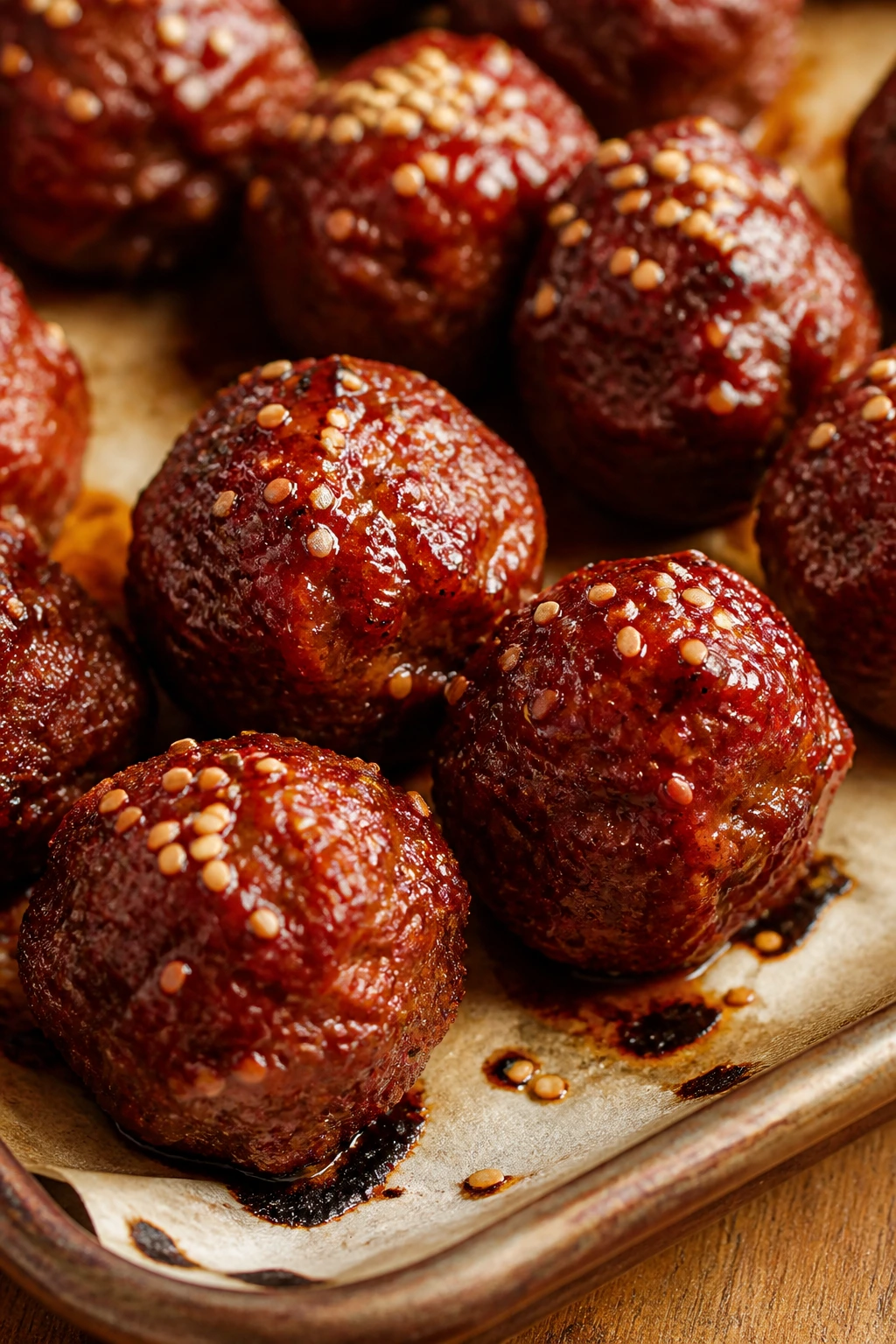
Flavor Enhancement:
A teaspoon of toasted sesame oil in the meat and another half teaspoon in the glaze can change the whole tray, but do not overdo it. Too much sesame oil tastes heavy fast. A final splash of rice vinegar right before serving wakes up the glaze.
Customization:
If you want more heat, add gochugaru to the meat and gochujang to the glaze. If you want less sugar, pull back on honey and lean on pear, kimchi, or onion for sweetness. For richer meatballs, mix beef and pork. For lighter ones, use chicken and add grated carrot or pear.
Serving Suggestions:
Top bowls with thin cucumber ribbons, quick-pickled radish, or a soft-boiled egg. For party trays, keep the glaze in a small bowl nearby so people can add more without turning the meatballs soggy. A little extra sesame seed crunch helps almost every version.
Make-It-Yours:
For gluten-free meatballs, use gluten-free panko and check the labels on gochujang and soy sauce. For dairy-free cooking, most of these recipes already work as written. For lower-sodium versions, dilute soy sauce with water in the glaze and lean harder on ginger, garlic, scallion, and vinegar.
Make-Ahead, Storage, and Reheating Guidance
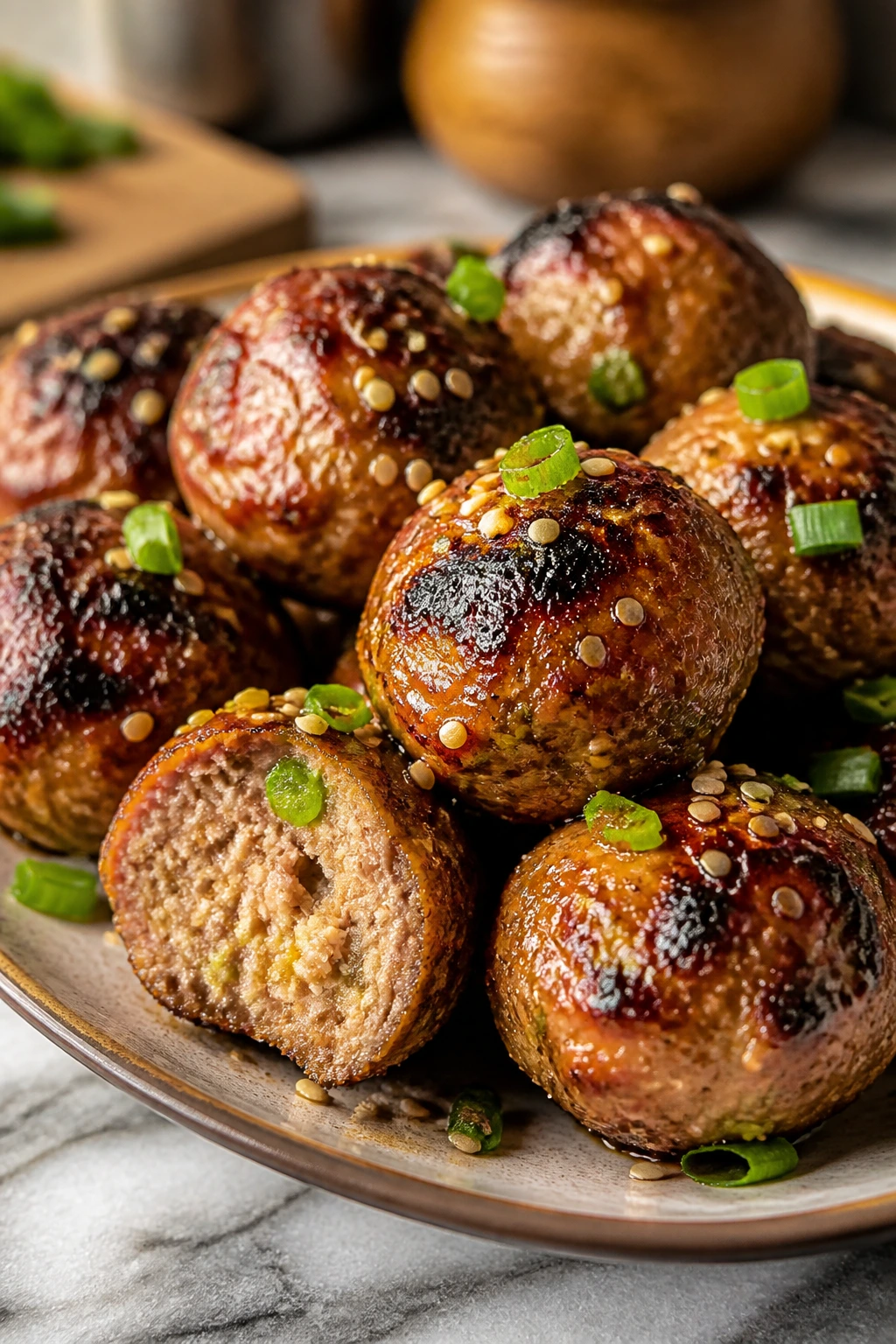
You can form most of these meatballs up to 24 hours ahead and keep them covered in the fridge. That’s the easiest make-ahead move because the cold firms them up and improves the shape. If you want to freeze them raw, lay them on a tray until firm, then bag them for up to 2 months. Bake from thawed if you can. If you must bake from frozen, add a few extra minutes and check the center with a thermometer.
Cooked meatballs keep well in the fridge for 3 to 4 days in a shallow container. Store the glaze separately when you can, especially for the crisper versions. That keeps the surface from going soft. Slow-cooker meatballs are the least crisp of the group, so they should be reheated gently on low in a saucepan or microwave at medium power with a spoonful of water.
For reheating, the oven is best for meatballs you want to stay browned. Use 325°F for about 10 minutes, loosely covered, then uncover for a few minutes if you want the surface to firm back up. The microwave works in a pinch, but do it in short bursts and cover the dish so the sauce does not splatter everywhere. Air fryer reheating works well too: 350°F for 3 to 5 minutes usually brings back the edges without drying the center.
Variations and Adaptations to Try
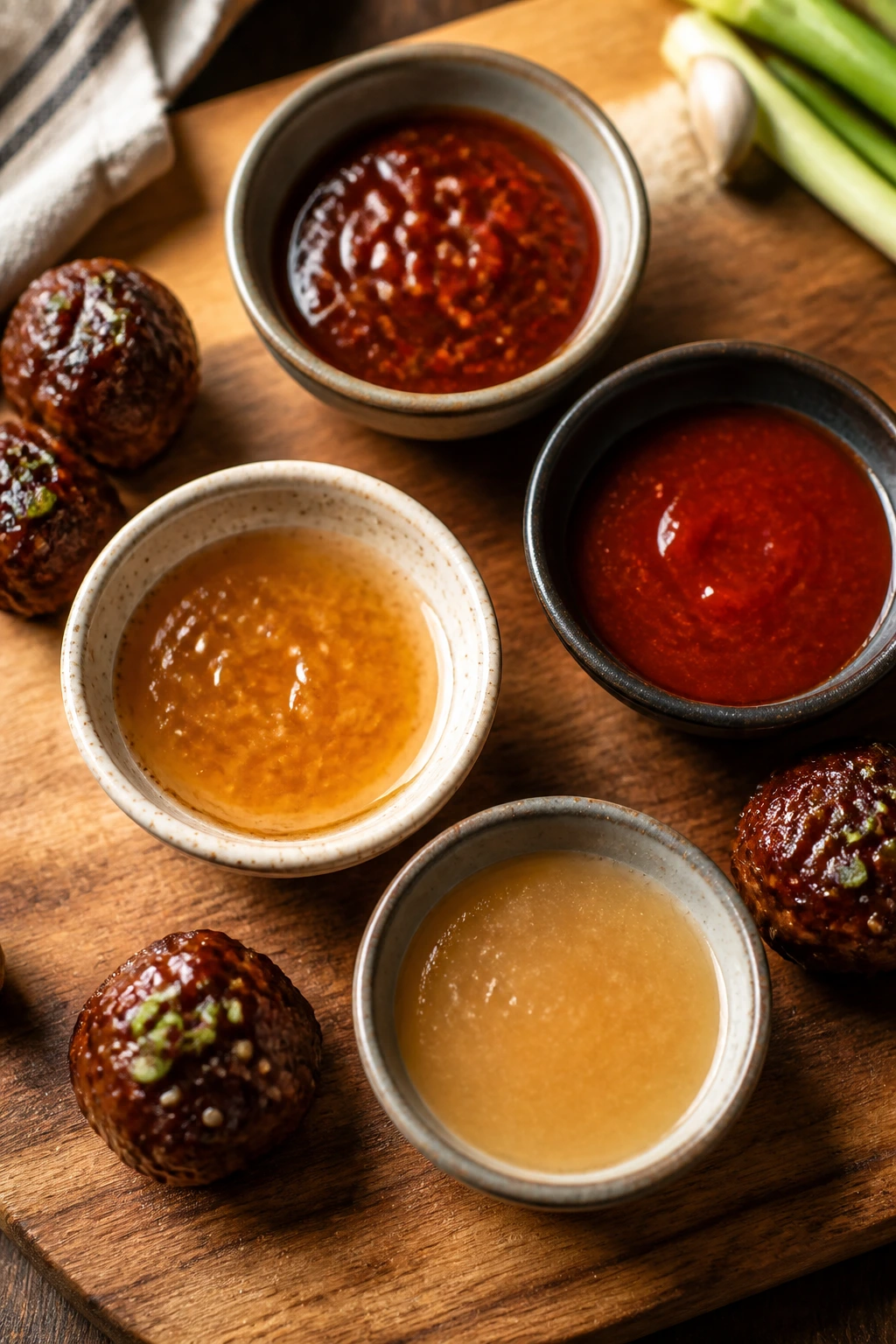
Gluten-Free Swap:
Use gluten-free panko or crushed rice crackers instead of regular panko, and make sure your soy sauce and gochujang are labeled gluten-free. The texture stays close to the original, especially in baked versions.
Milder Family Batch:
Cut the gochujang in half and keep the heat in a small bowl of sauce at the table. That gives you the same savory base without scaring off anyone who thinks chili paste is a major event.
Lower-Sugar Glaze:
Replace half the honey or brown sugar with extra rice vinegar and a splash of water. The glaze gets thinner, so reduce it longer on the stove until it coats a spoon.
Pork-Free Option:
Use beef, chicken, or turkey everywhere you would normally reach for pork. Chicken needs more moisture from pear, carrot, or scallion. Beef needs a little extra fat or it can turn dry.
Extra-Spicy Version:
Stir gochugaru into the meat and add gochujang to the glaze. If you want a sharp finish instead of blunt heat, add vinegar too. Spicy meatballs need acid or they taste one-dimensional.
Common Mistakes to Avoid
-
Overmixing the meat: The mixture turns dense and rubbery. Stop once the ingredients look evenly spread.
-
Using a wet glaze too early: Sugar burns before the meat cooks. Bake or sear first, then glaze at the end.
-
Crowding the pan: Meatballs steam when they touch. Give them space or use two pans.
-
Skipping the thermometer: Guessing leads to dry chicken or underdone beef. Check the center and pull at the right temperature.
-
Making every batch too lean: Lean meat sounds neat until the texture turns chalky. A little fat keeps the meatballs tender.
-
Forgetting acid: Rice vinegar, kimchi, pickled radish, or quick pickles keep the sweet glaze from getting dull.
Frequently Asked Questions
Can I make these meatballs ahead of time?
Yes. Shape them a day ahead and chill them covered, or freeze them raw for longer storage. If they’re already cooked, keep the glaze separate until reheating so the surface stays firmer.
What meat works best if I only want to buy one package?
Ground beef is the most forgiving. It handles gochujang, sesame oil, scallion, and soy without needing much rescue. Pork is a close second if you want a softer, richer result.
Can I use frozen meatballs and just make the sauce?
You can, but they won’t taste as fresh. If you go that route, bake the frozen meatballs first to crisp the outside, then toss them in a reduced glaze so the sauce sticks.
Do I have to use gochujang?
No, but it gives the flavor its backbone. If you skip it, lean on soy sauce, honey, ginger, garlic, and a little vinegar, then add gochugaru if you still want heat.
How do I keep chicken and turkey meatballs from drying out?
Use panko, egg, and one moist ingredient like pear, carrot, kimchi, or cabbage. Pull them the second they hit 165°F. That last minute matters more than people think.
Can I make these in an air fryer?
Yes. Air fry at 380°F in a single layer until browned and cooked through, usually 9 to 12 minutes depending on size. Glaze after cooking so the sauce stays glossy instead of sticking to the basket.
What if my glaze turns too thick?
Add water a teaspoon at a time and warm it again. If it turns too thin, simmer it for another minute or two. The goal is a spoon-coating sauce, not syrup.
What’s the best side if I want a full meal?
Rice is the easiest answer, but rice plus one cold crunchy side is better. Cucumber salad, pickled radish, or shredded cabbage gives the bowl the texture it needs.
Can I double the recipes for a party?
Absolutely. Use two sheet pans or cook in batches so the meatballs brown instead of steaming. Double the glaze in a small saucepan and reduce it a little longer so it still clings.
The Tray That Clears First
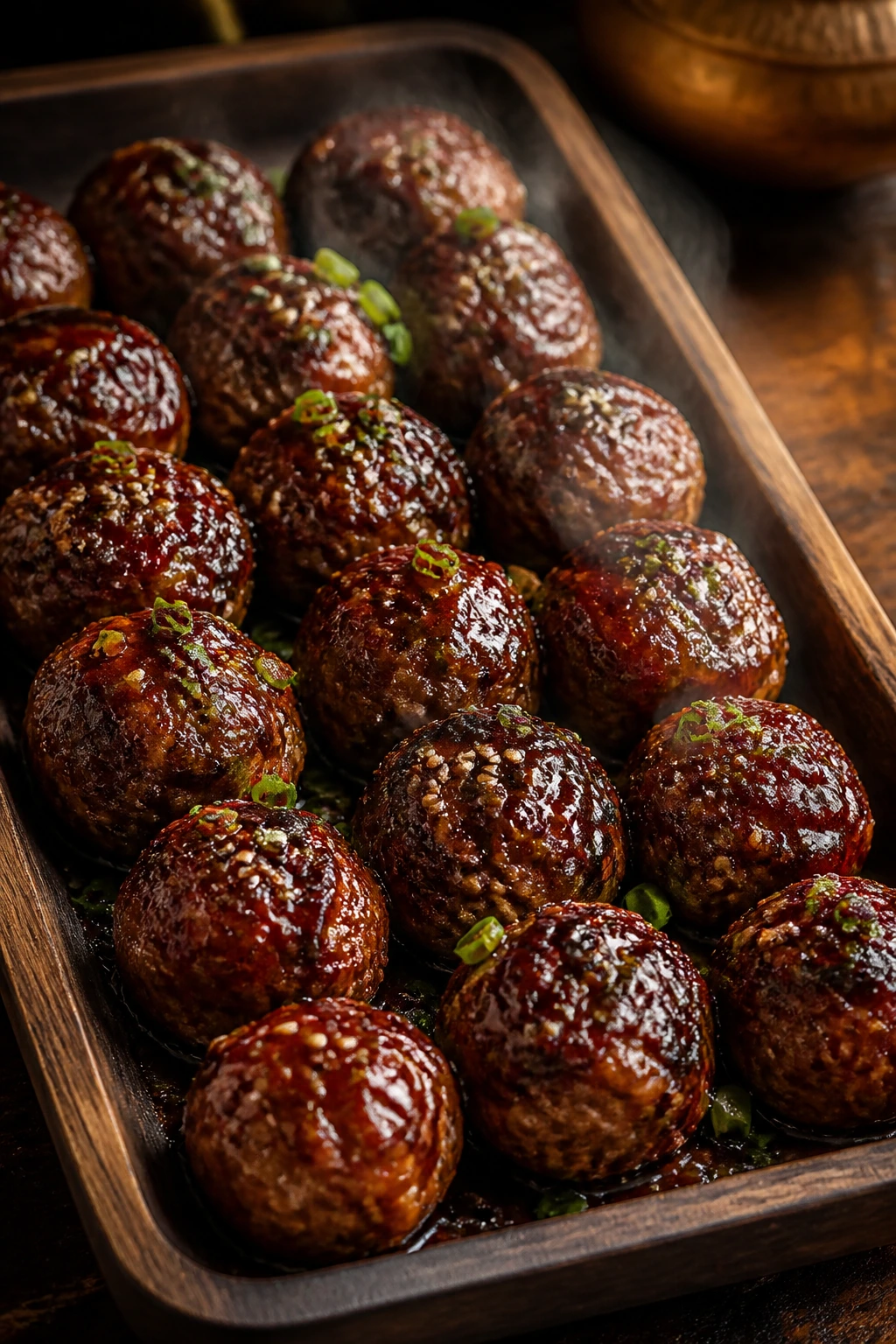
The nice thing about Korean BBQ meatballs is that they behave like a full meal and a snack at the same time. They can sit on rice, hide in lettuce, pile into sliders, or show up on skewers with a bowl of glaze beside them. That kind of flexibility is rare, and it’s why this style never gets old in my kitchen.
If you make just one batch, start with the classic gochujang beef or the pork-and-scallion version. They show the formula at its best: browned meat, sticky sauce, a little sesame, and just enough acid to keep the whole thing moving. After that, the rest of the collection starts to feel less like a list and more like a useful rotation you can pull from whenever the craving hits.