



Smoker sausage cooking tips get interesting the moment you stop treating sausage like a cheap pile of links and start treating it like a fat-and-salt delivery system. Bacon lovers already understand that trick. You want the casing to snap, the interior to stay juicy, and the smoke to land like a clean layer of flavor instead of a sooty coat.
That balance is a little more delicate than people expect. Push the heat too hard and the casing splits before the center finishes. Use the wrong wood, and the sausage picks up a bitter edge that tastes like an old ash bucket. Hold the links in the right temperature range, though, and you get something that tastes close to the best part of breakfast sausage, kielbasa, and bacon all at once.
The good news is that the fixes are small. Dry the surface. Leave space between the links. Trust the thermometer. Pick a wood that flatters pork instead of bullying it. A smoker reward comes from restraint, and the first tip is the one most people skip because it feels too simple to matter.
Why These Smoker Sausage Tips Matter More Than a Bigger Fire
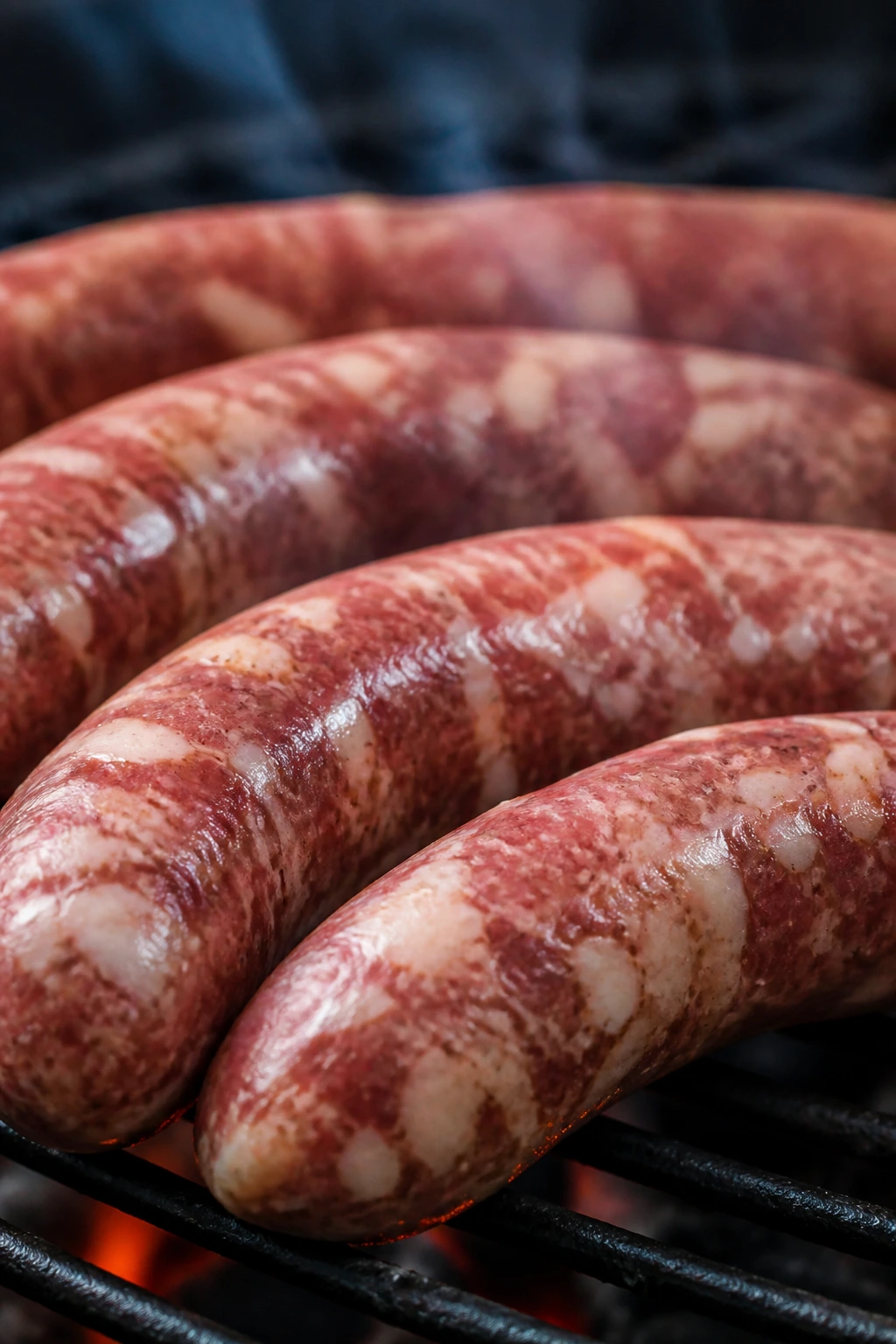
- Fat-first thinking: Pork sausage needs a gentle heat curve because the fat carries flavor and keeps the interior from turning chalky.
- Casing control: A dry, intact casing gives you snap, and that snap is half the pleasure of smoked sausage.
- Wood choice: Apple, cherry, pecan, oak, and a light hand with hickory taste better on sausage than a heavy, bitter smoke cloud.
- Thermometer honesty: Fresh pork sausage should reach 160°F, poultry sausage 165°F, and pre-cooked links only need warming to about 140-150°F.
- Bacon payoff: A little bacon fat, mustard, or maple at the finish can make a sausage tray taste richer than a whole bottle of sauce.
1. Start With Sausage That Has Enough Fat to Stay Juicy
Lean sausage looks responsible on paper. In the smoker, it can turn dry fast.
Pork sausage with enough fat — usually somewhere around a 70/30 lean-to-fat blend — has room to move. The fat softens as it cooks, bastes the meat from the inside, and gives the smoke something to cling to. That matters more than most people think. Bacon lovers tend to chase richness anyway, so there’s no prize for buying the driest link on the shelf.
Fresh pork bratwurst, breakfast sausage, and kielbasa all work well when the grind is coarse enough to keep a little texture. If you’re making sausage at home, don’t fight the fat. Use it.
2. Separate Raw Links From Pre-Cooked Ones Right Away
Raw sausage and fully cooked sausage do not want the same smoke session. Not even close.
Raw links need time in the smoker to reach a safe internal temperature and build flavor along the way. Pre-cooked kielbasa or smoked sausage only needs to pick up smoke and warm through. Treating them the same is how you end up with split casings on the pre-cooked stuff and underdone centers on the fresh stuff.
The short version
- Fresh sausage: Smoke low and steady until the center hits 160°F for pork or 165°F for poultry.
- Pre-cooked sausage: Smoke more gently and pull once it reaches 140-150°F and tastes warm through.
- Mixed trays: Put the pre-cooked links on later, or they’ll overcook while the raw ones catch up.
That one scheduling change fixes a lot of bad sausage.
3. Pat the Casings Dry Before They Hit the Grates
Moist sausage casing is a smoke magnet in the wrong direction.
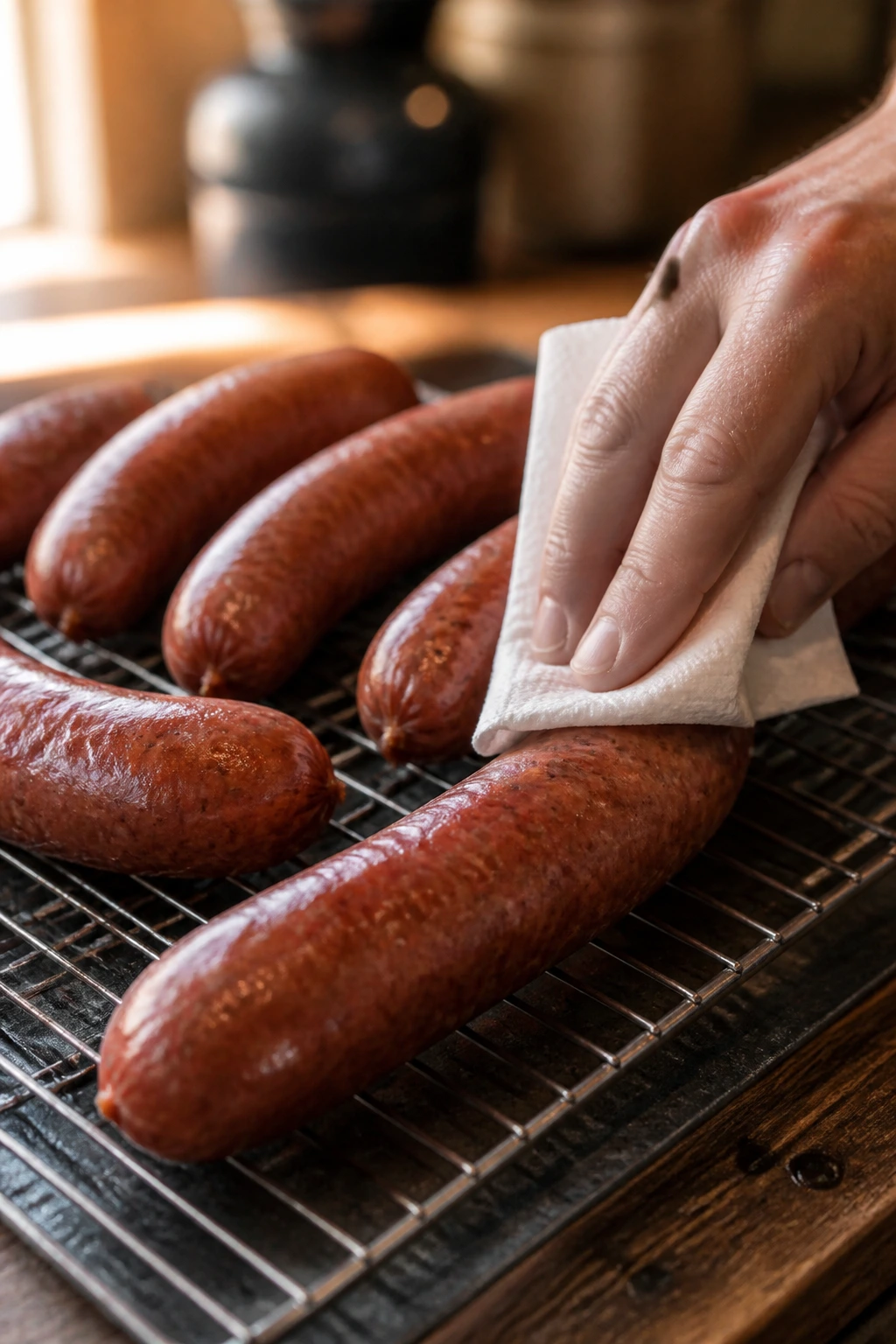
If the surface is wet, it can steam before it browns. You’ll still get cooked sausage, but the casing stays dull and soft. I like to pat the links dry with paper towels, then leave them on a rack in the fridge for 15 to 30 minutes if I have the time. That tiny drying window helps the surface take smoke more evenly.
Dry skin. Better bark. Same smoker.
4. Keep the Smoker Low and Patient at the Start
The first 30 minutes matter more than the last 10.
If the smoker runs hot too early, the casing tightens before the sausage has a chance to absorb much smoke. The fat starts moving too fast. The outside gets tense and shiny, then splits when the link expands. A steadier 225°F to 250°F gives the sausage time to warm without panic.
That slower start also gives you a cleaner smoke ring and a more even color. No drama. Just a steady climb.
5. Choose Wood That Tastes Good With Pork, Not Campfire Ash
Sausage loves wood that smells friendly.
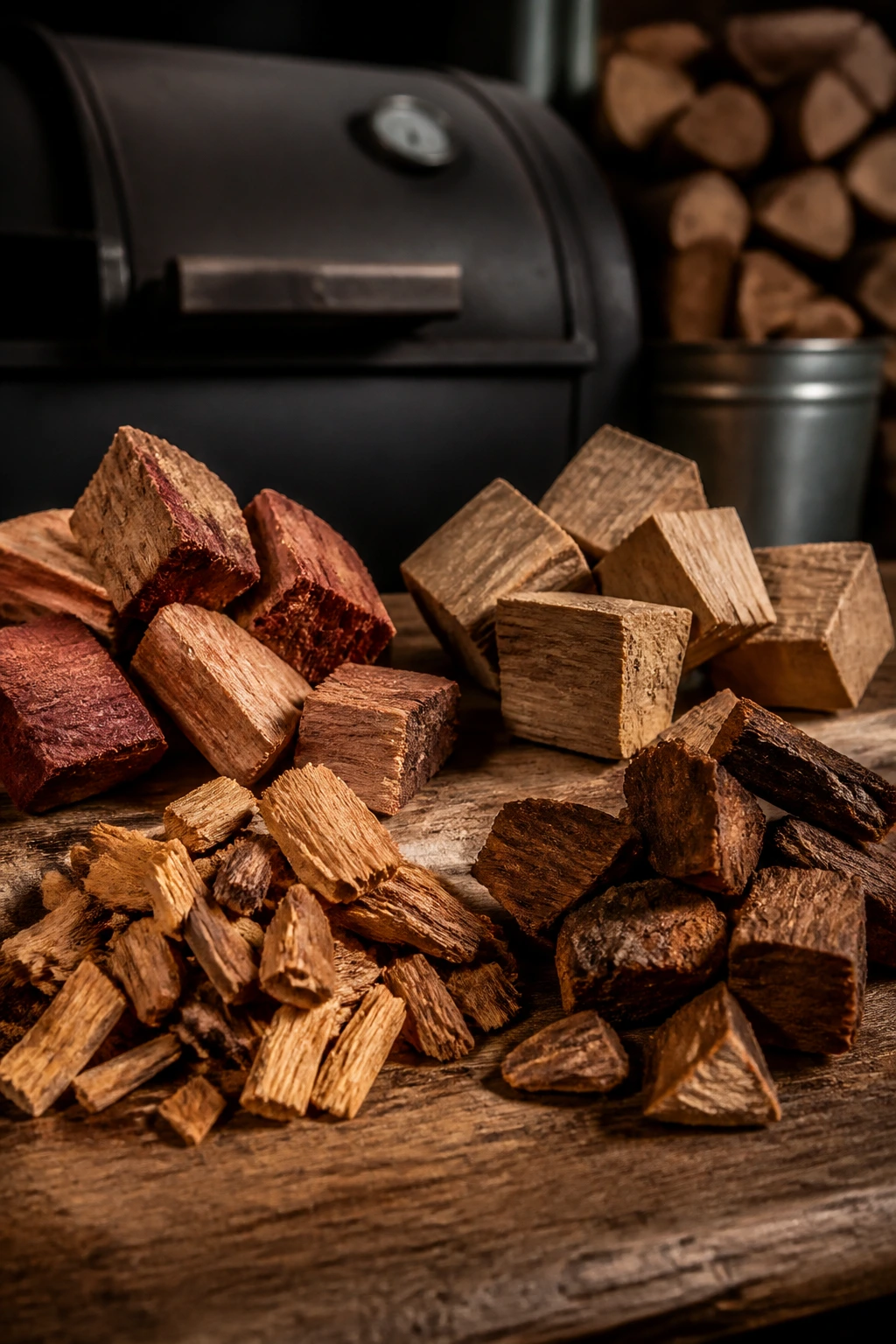
Apple is sweet and mild, which makes it a good choice for breakfast links and anything with maple or sage. Cherry brings a little more color and a soft fruity edge. Oak is the quiet workhorse; it gives steady smoke without shouting. Pecan sits somewhere between oak and hickory, with a nutty tone that plays nicely with black pepper.
Hickory is the one bacon lovers reach for first, and I get it. Use it lightly. A 50/50 mix of hickory and apple is often better than a pure hickory blast, especially on a long cook. Mesquite can work in tiny amounts, but sausage picks up strong smoke fast. There’s no need to bully it.
6. Brush on Bacon Fat at the Finish, Not the Beginning
Bacon fat tastes like a shortcut, but timing matters.
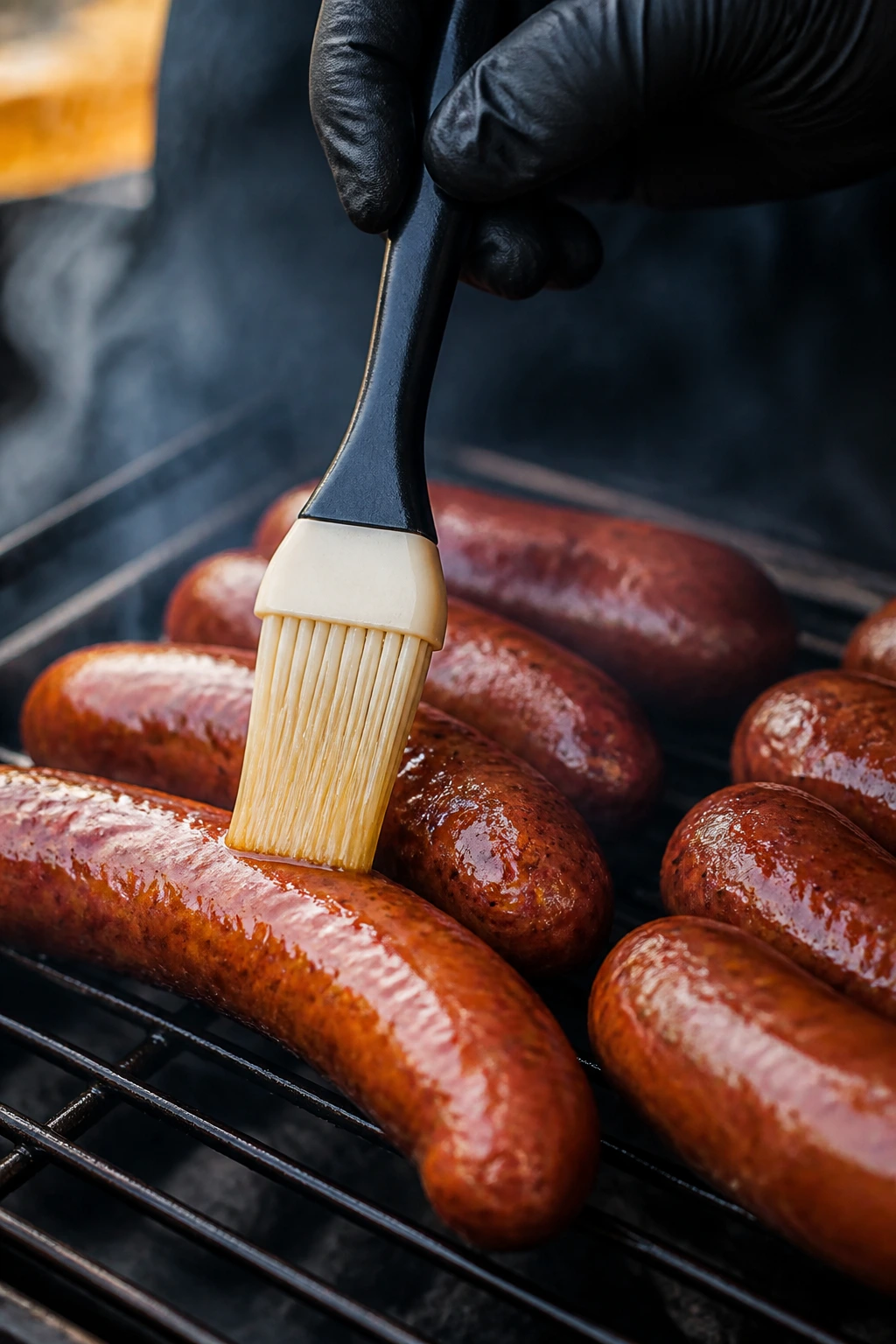
If you brush it on at the start, you can block smoke from reaching the surface. The casing ends up greasy before it gets colored. Wait until the last 10 minutes, then brush on a thin layer of warm bacon fat — just enough to gloss the casing, not soak it. That small finish makes sausage taste rounder and more savory.
You can also mix the bacon fat with a little Dijon or maple if you want a sweeter edge. Keep the layer thin. Thick fat on the outside can make the sausage feel heavy instead of rich.
7. Wrap Only When the Sausage Needs It
Bacon-wrapped sausage is a crowd pull for a reason. It can also be overkill.
If the sausage is already fatty, wrapping it in bacon can make the final bite muddy and heavy. That works on leaner links or smaller party bites. It’s less useful on a hefty brat that already has plenty of pork richness. Thin-cut bacon wraps more cleanly than thick-cut, and it crisps faster at smoker-safe finishing temperatures.
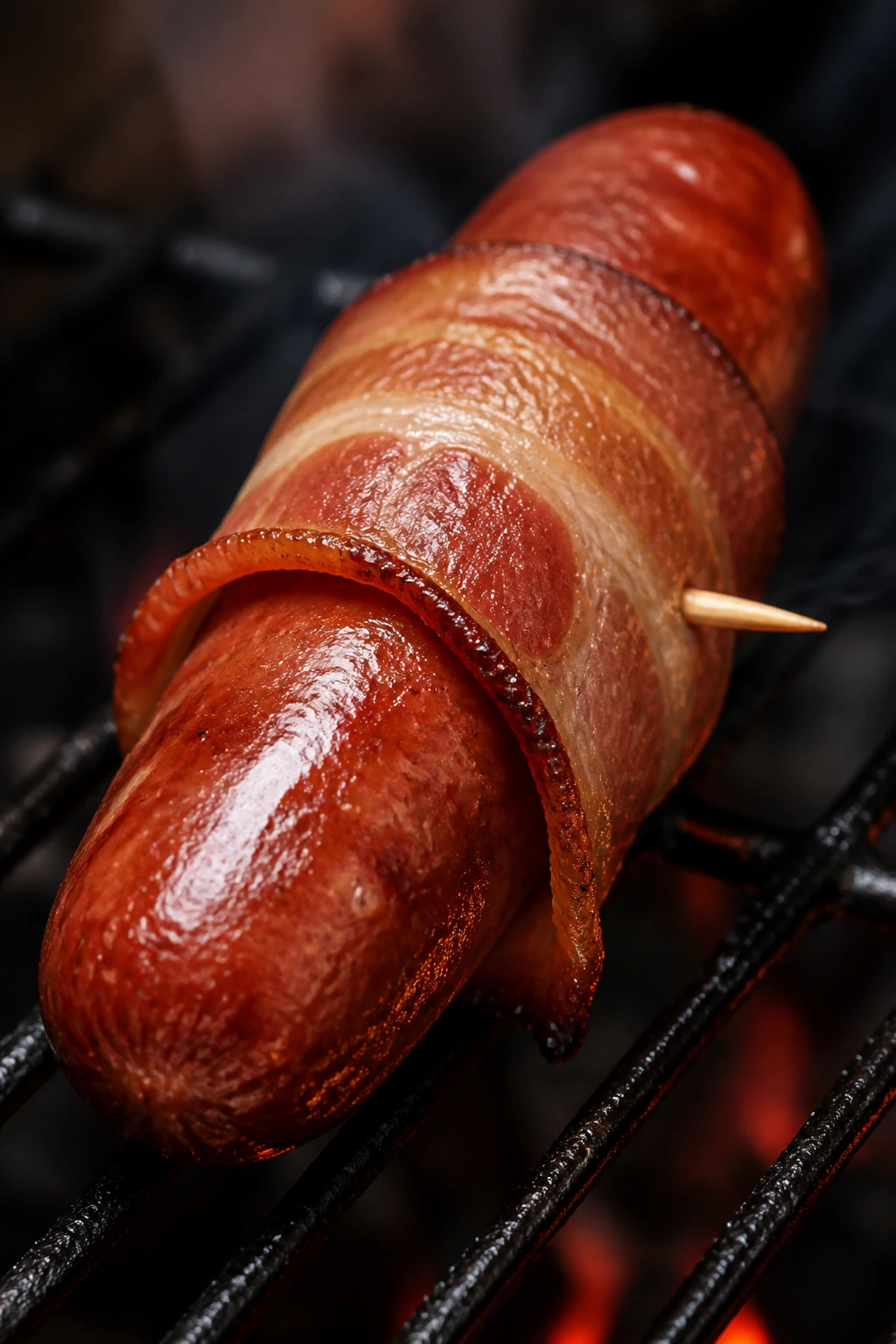
Use toothpicks to secure the wrap if needed, but don’t jam them so tight that the bacon tears. The wrap should hug the sausage, not strangle it. That tiny gap helps the fat render instead of steaming against the casing.
8. Score Lightly if You Want More Smoke Without Drying It Out
A few shallow cuts can help the smoke stick, but the knife has to stay polite.
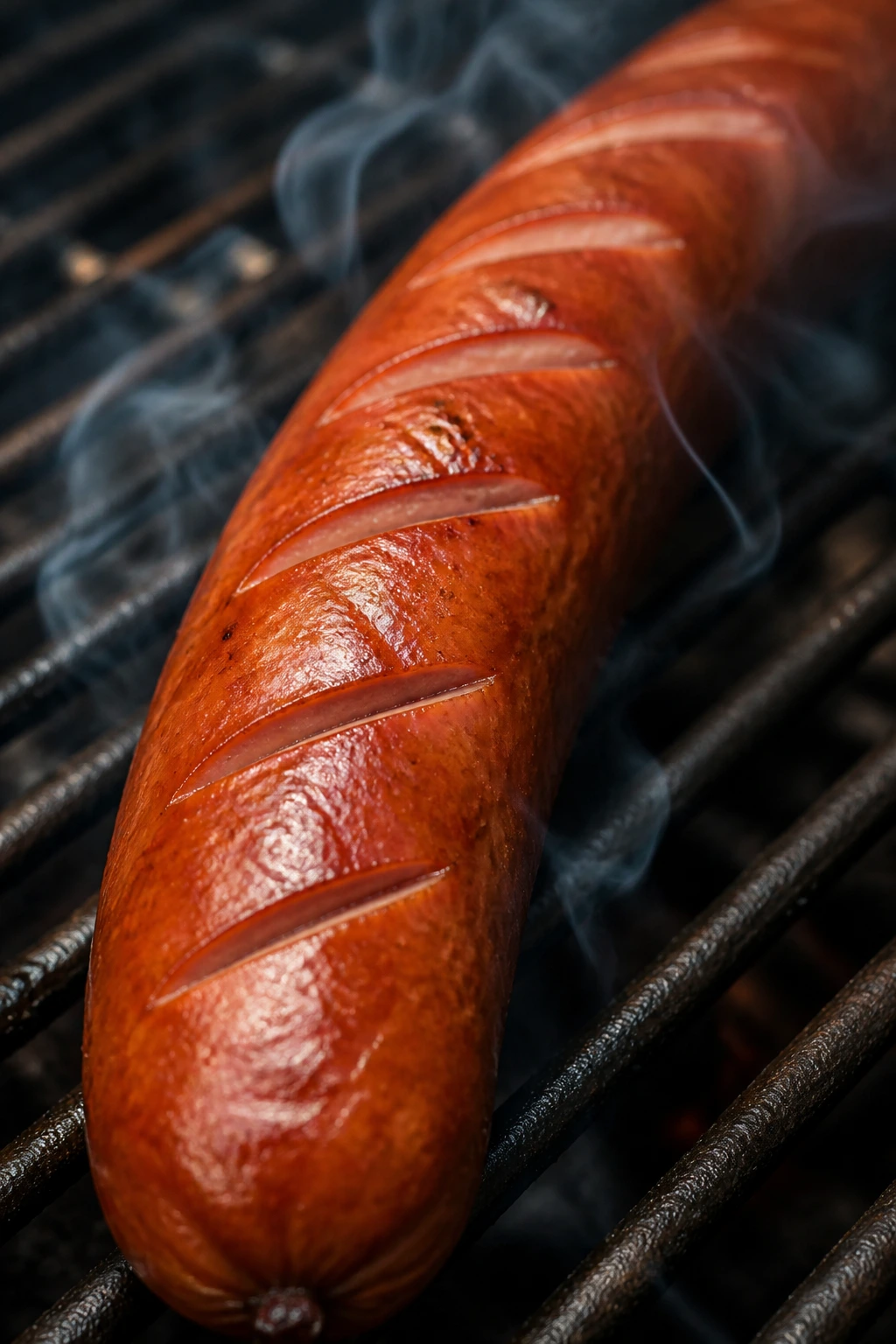
Light scoring on pre-cooked sausage increases surface area and gives a little more room for seasoning or glaze. I’m talking shallow slashes, not deep cuts. If you cut too far, the juices leak out and the casing loses its snap. For thick links, two or three diagonal scores per side is enough.
This is one of those moves people overdo. Small cuts. Better color. Less risk.
9. Leave Space Between Links So They Smoke, Not Steam
Crowded sausage is steamed sausage with a grill mark problem.
Give each link at least an inch of room. More if the smoker is packed. When the air can move around the meat, the casing dries a little, the smoke reaches all sides, and the surface browns instead of turning pale and soft. Sausage shrinks as it cooks, so the spacing looks generous at first and normal later.
If the links are touching, they block one another and trap moisture. The result is a gray patch where the contact point sits. Ugly. Avoidable.
10. Put a Thermometer in the Thickest Link and Stop Guessing
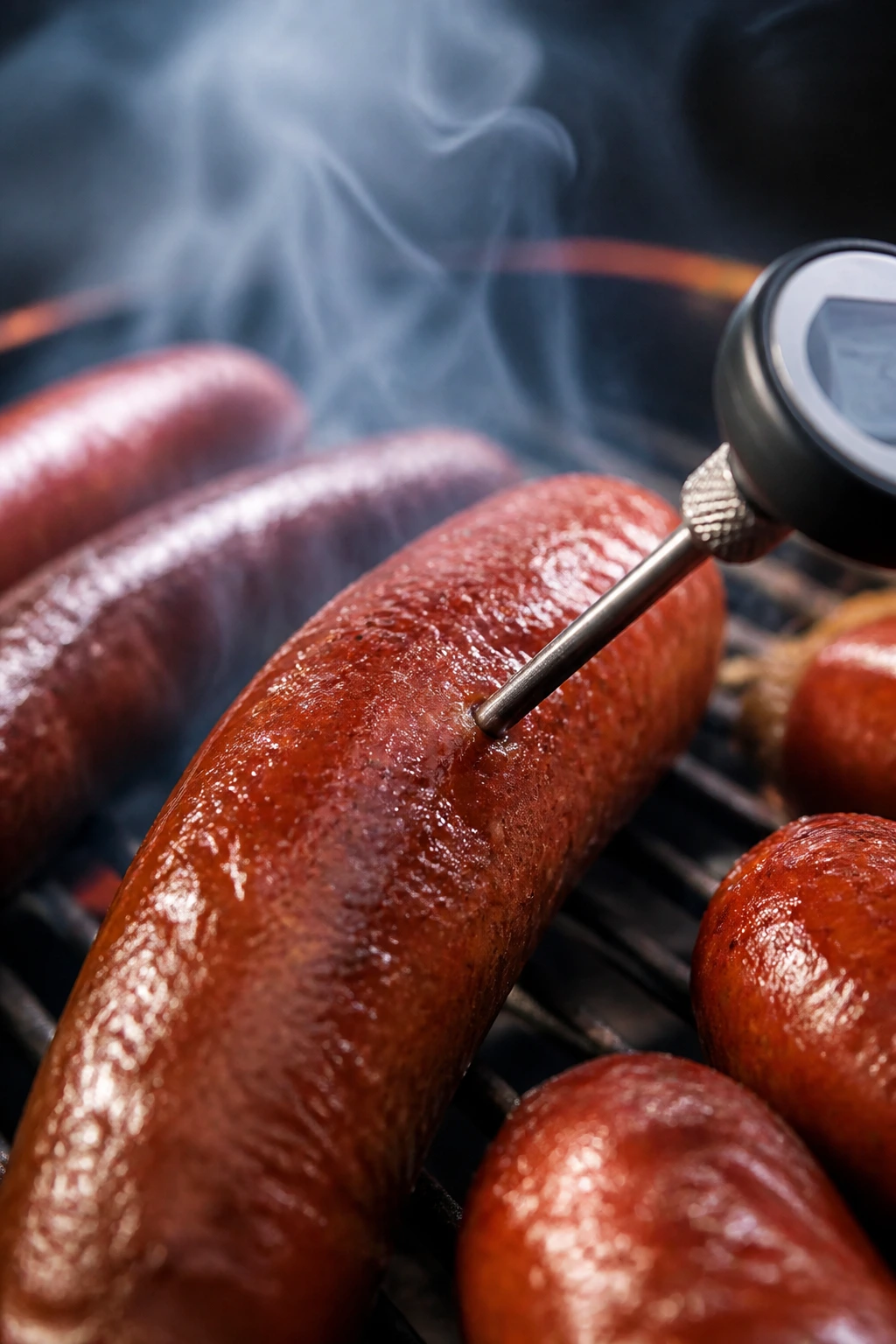
Color lies; temperature does not.
The nicest-looking sausage in the smoker can still be underdone in the middle, and the dull one can be ready first. Use an instant-read thermometer or a probe thermometer in the thickest link, checking near the center. That’s the number that matters. For fresh pork sausage, pull at 160°F. For poultry sausage, aim for 165°F. Pre-cooked sausage only needs warming to around 140-150°F.
If you’re cooking a mixed tray, check the largest piece first. That link controls the batch.
11. Pull Sausage at the Right Finish Temp for the Style
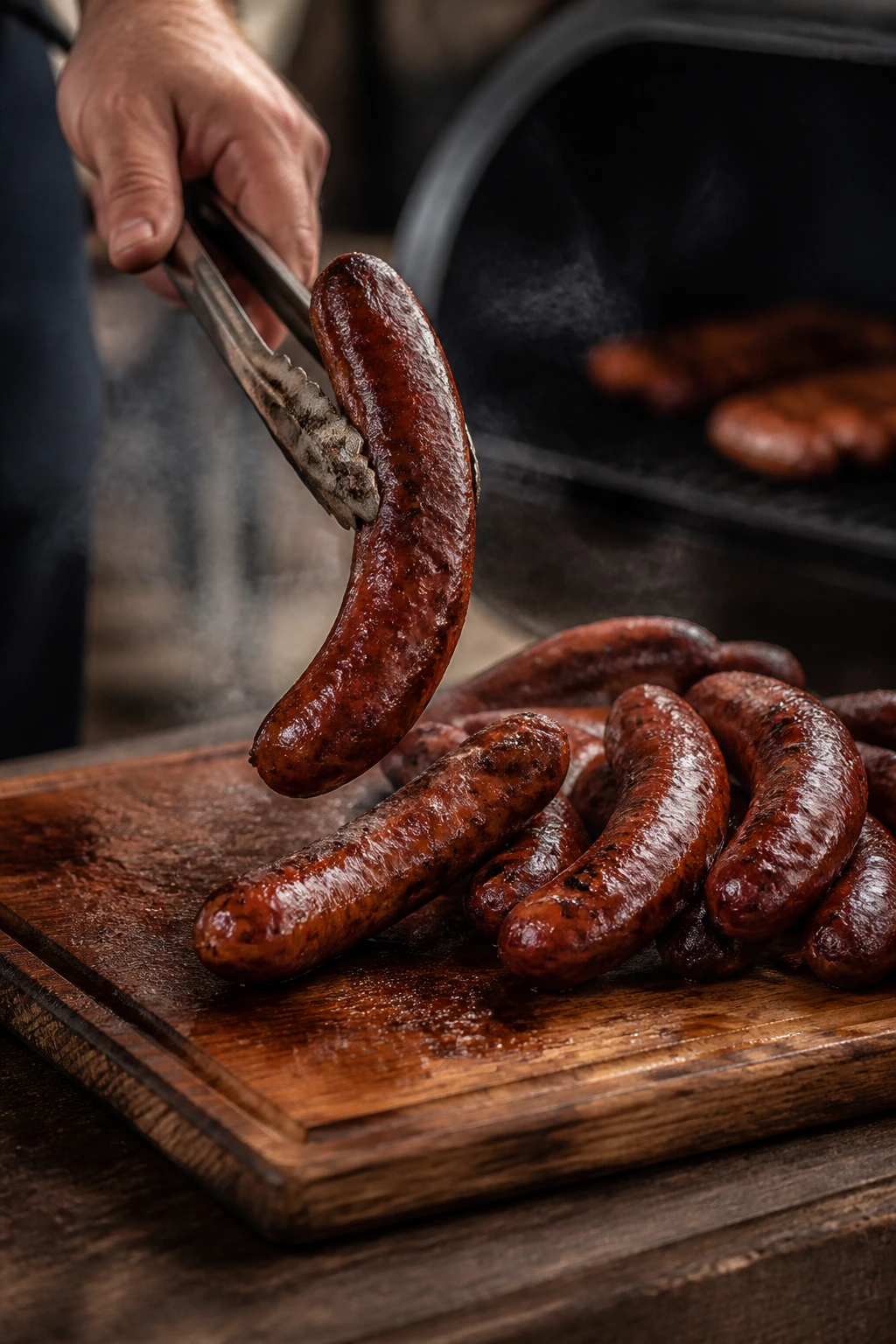
Not every sausage wants the same endpoint.
Fresh pork sausage is done at 160°F. Poultry sausage needs 165°F. Pre-cooked sausage can come off much earlier, because you’re chasing smoke and texture rather than full cooking. If you pull sausage around 158°F and let it rest, it often climbs a couple of degrees on its own. That carryover is useful.
This is the part where patience pays. A rushed pull gives you a center that feels soft or loose. A smart pull gives you sausage that slices cleanly and still leaks a little juice when you bite into it.
12. Rest It Long Enough for the Juices to Settle
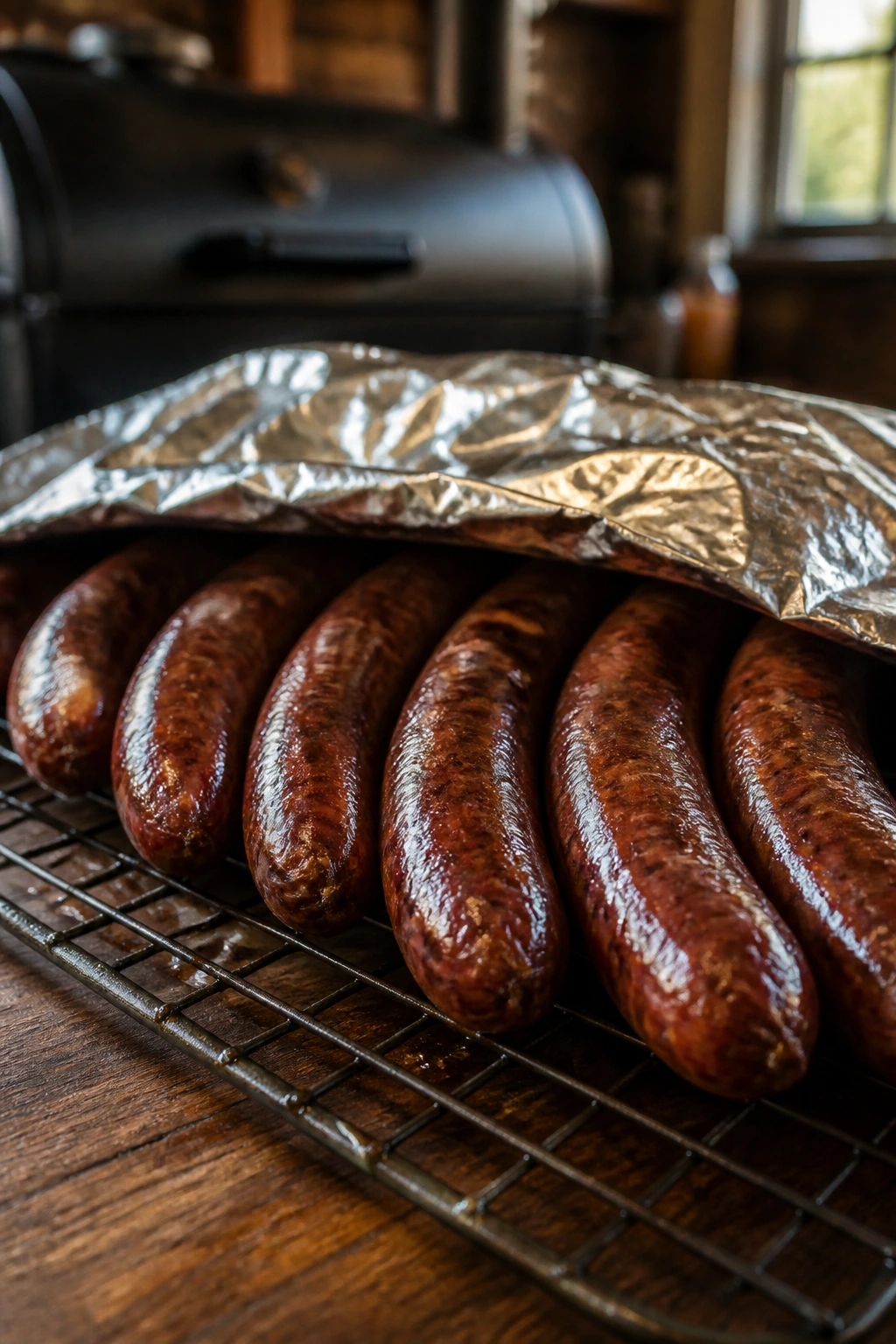
The resting period is not optional.
A freshly smoked link is full of moving fat and hot juice. Slice it right away and that good stuff runs onto the board. Give the sausage 5 to 10 minutes on a wire rack or tray, loosely tented with foil. That short pause lets the pressure settle down inside the casing.
Don’t wrap it tightly. Tight foil softens the casing and steam kills the snap you just worked for. Loose is better.
13. Give It a Short Sear if You Want a Snappier Bite
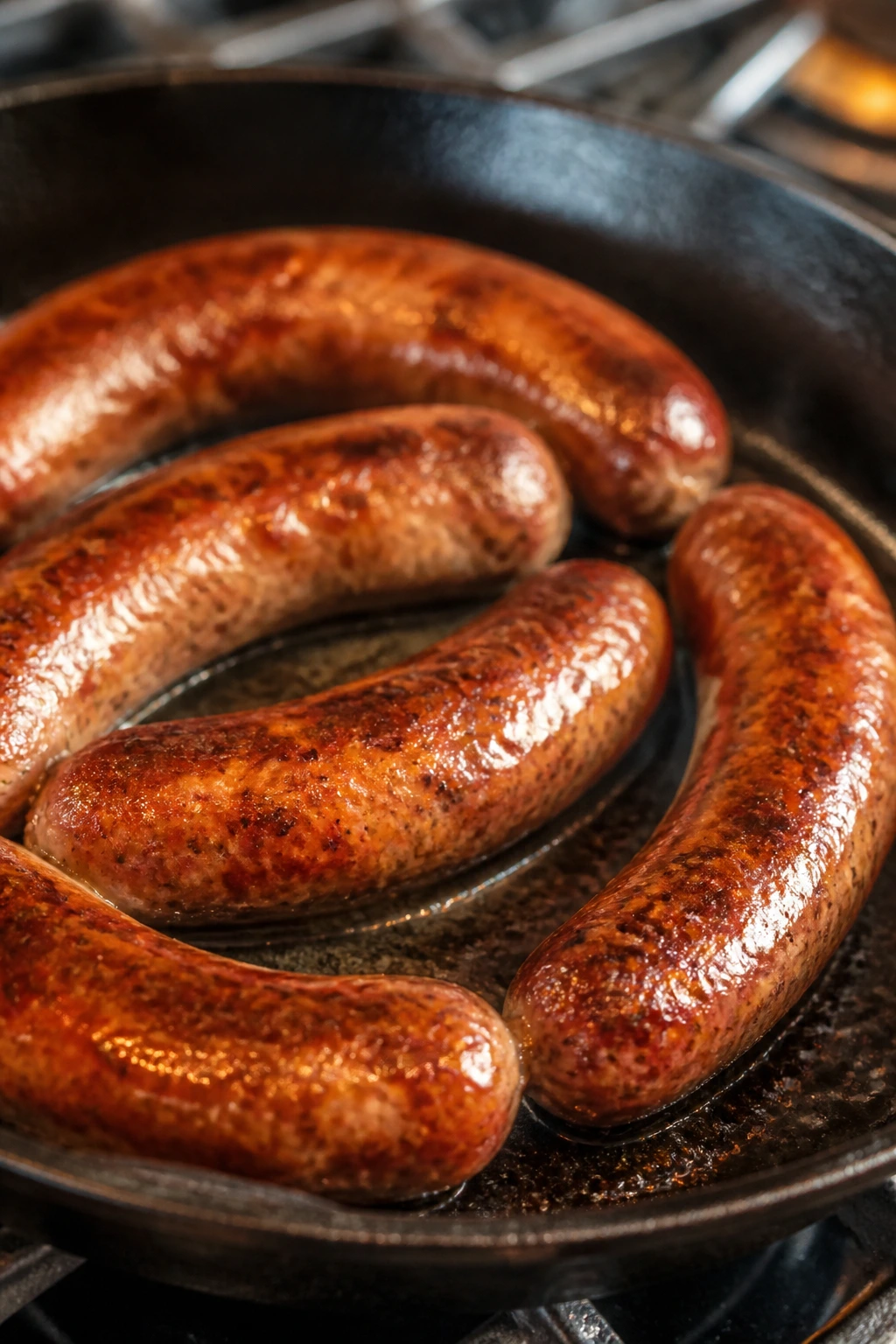
Sometimes the smoker gives you flavor, but the finish needs a little extra edge.
A quick sear over direct heat — 1 to 2 minutes per side — crisps the casing and tightens the surface just enough to make every bite feel cleaner. A hot cast-iron skillet works too. This is especially useful for pre-cooked sausage, where you want color and snap without a long cook.
Don’t linger. A long sear pulls the juices out and makes the casing split. Short and sharp. That’s the move.
14. Season Like a Bacon Breakfast Plate, Not a Candy Shop
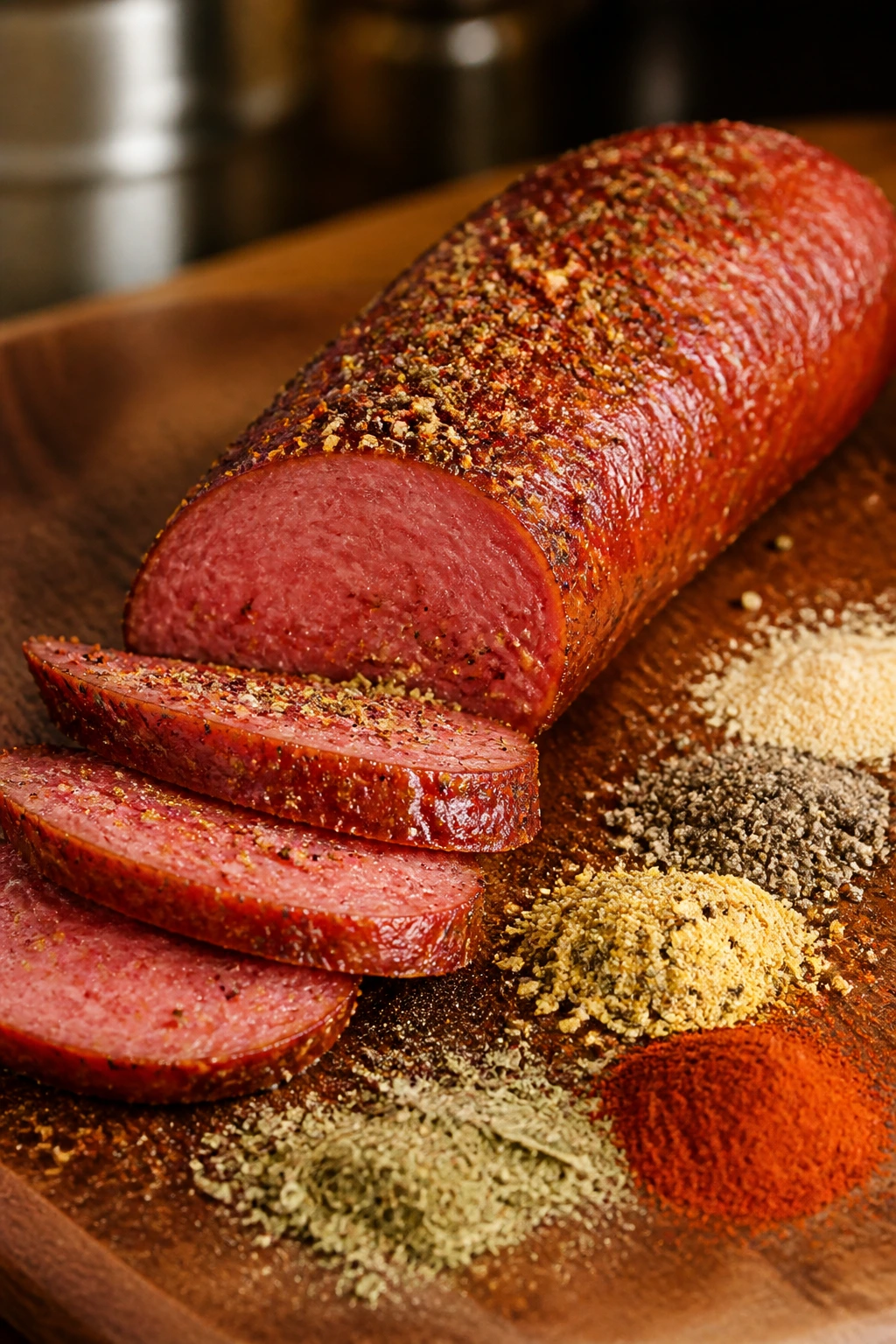
Pork wants salt, pepper, and a little smoke. It does not need dessert pretending to be dinner.
Black pepper, sage, dry mustard, onion powder, and smoked paprika all make sense on sausage. A small pinch of brown sugar can help a glaze brown, but keep it in the background. Too much sweetener burns, especially if you run the smoker hot at the end. Bacon lovers usually want savory first, sweet second.
If you’re seasoning a homemade batch, taste the mix before stuffing. Fry a teaspoon in a skillet. That one test tells you more than a guess ever will.
15. Build Color in Layers Instead of Chasing Dark Bark
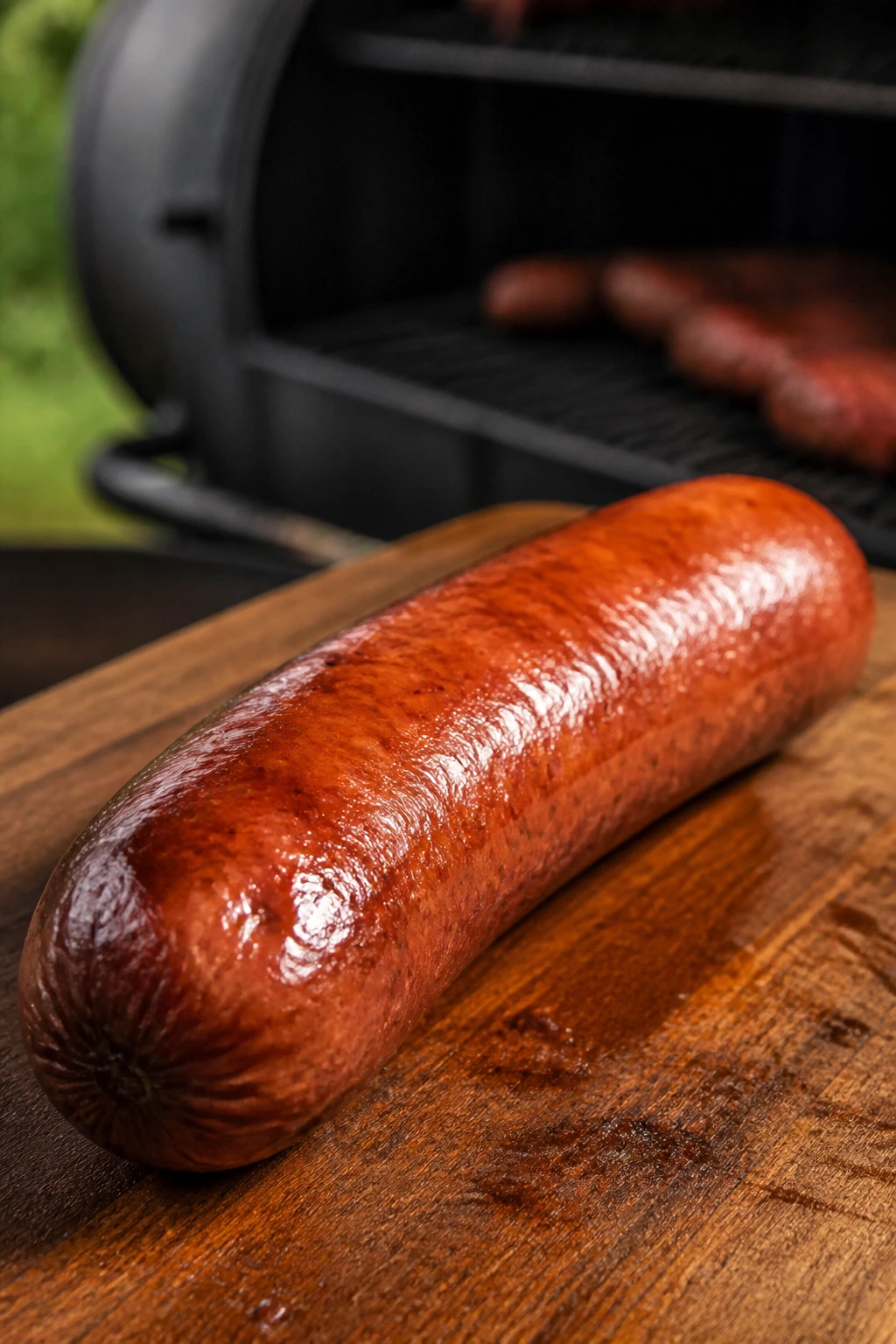
Dark color can fool people.
A glossy bronze casing with a little smoke ring is often better eating than a nearly black shell that tastes bitter. Let the sausage sit in smoke long enough to take on color, then decide whether it needs a glaze or a hotter finish. A layered approach gives you control. Dumping on sweet sauce too early gives you sticky, scorched sausage.
Think in stages. Smoke. Check. Finish. That rhythm works better than trying to force a fast result out of a slow food.
16. Rotate the Rack When Your Smoker Has Hot Spots
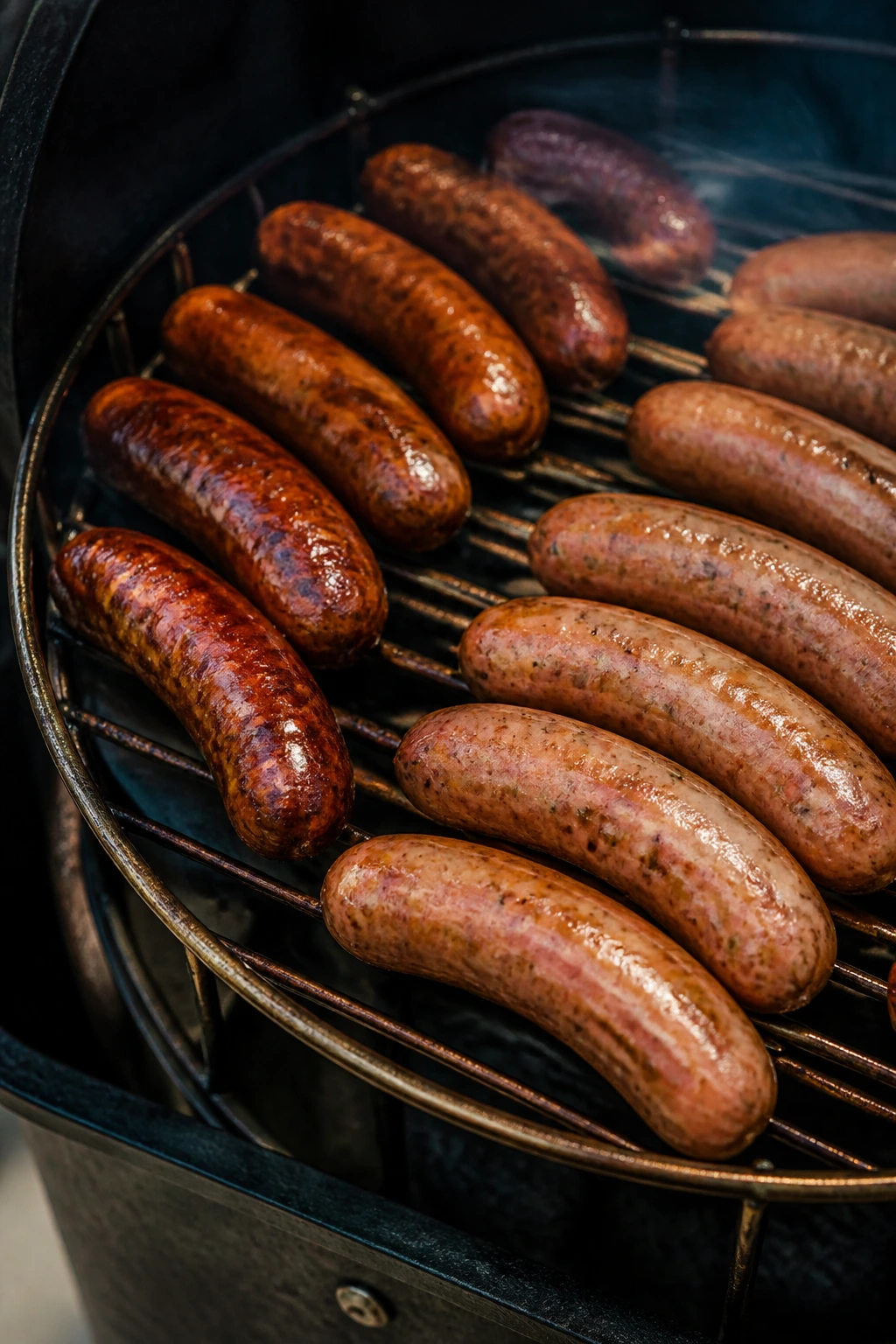
Most smokers have one side that cooks meaner than the other.
Offsets, kettles, and some pellet models all have spots where the heat or smoke hits harder. If the links on the left side brown faster than the ones on the right, rotate the tray or swap their positions halfway through. One clean rotation beats opening the lid every ten minutes to peek.
The trick is to learn your smoker’s personality. Once you know where it runs hot, you stop fighting it and start using it.
17. Treat Maple as a Support Note, Not the Whole Song
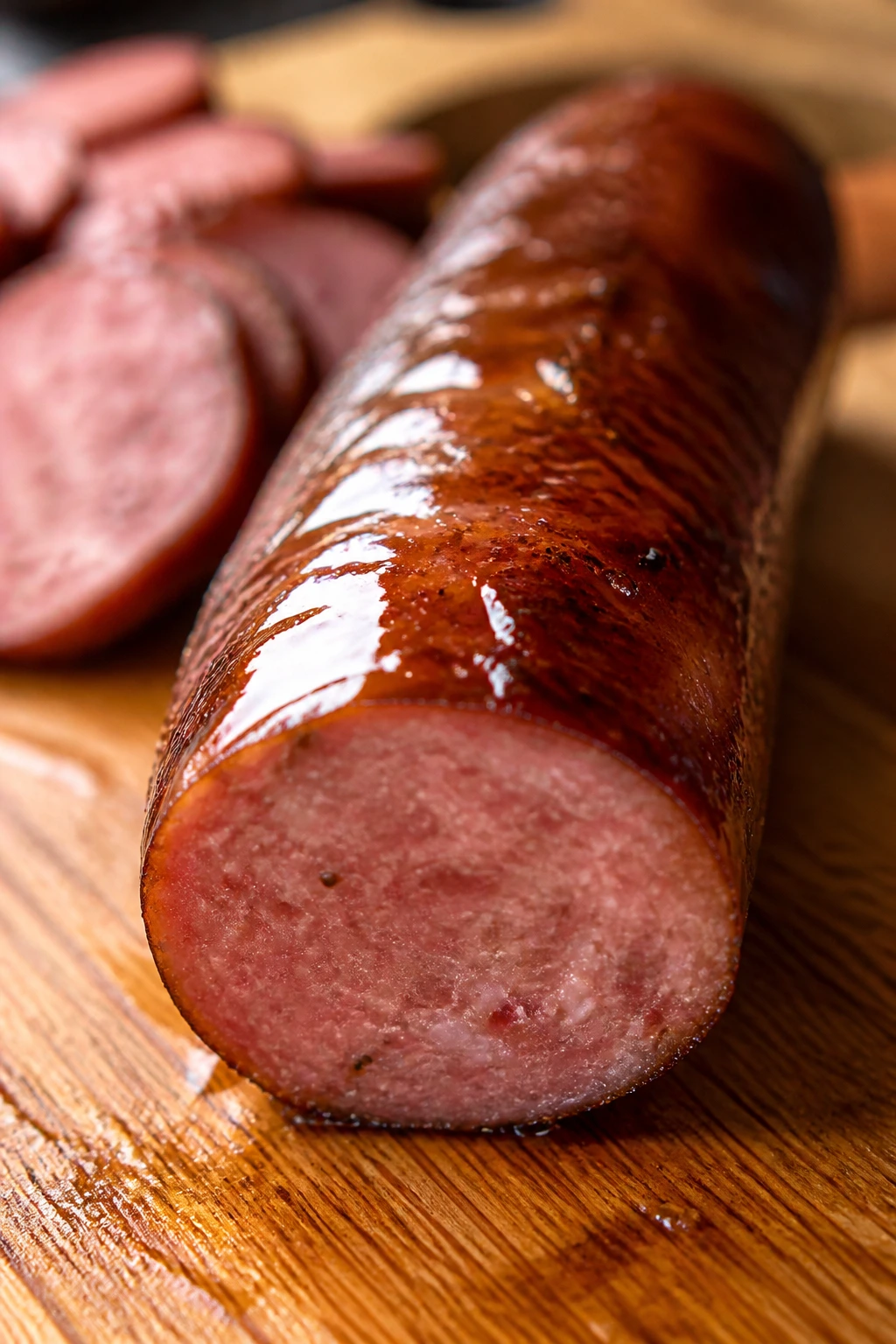
Maple belongs with sausage. It just shouldn’t dominate the plate.
A little maple syrup in a glaze, or a light brush of maple butter near the finish, rounds out the salt and smoke. It’s especially good on breakfast sausage and bacon-wrapped links. But if the maple is too heavy, the sausage turns sticky and candy-like. That’s not what bacon lovers are after.
Use maple the way you’d use a pinch of salt in caramel. Enough to sharpen the flavor. Not enough to broadcast itself from across the yard.
18. Keep the Bark Thin When You’re Cooking Bacon-Wrapped Links
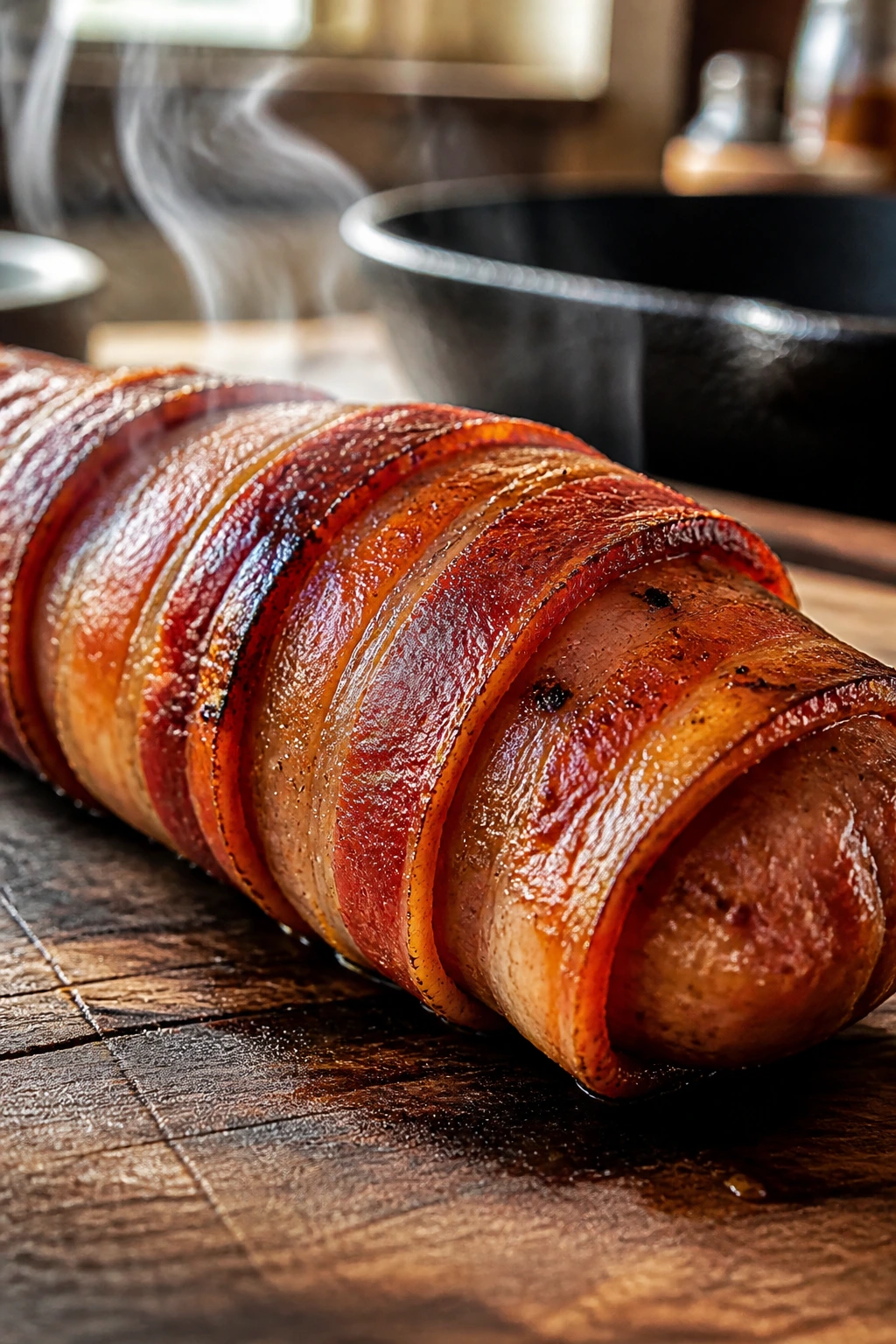
Bacon-wrapped sausage needs a different kind of restraint.
The bacon has to render, the sausage has to heat through, and the whole thing needs enough airflow to crisp instead of steaming. Thin-cut bacon helps. So does finishing at a slightly higher temperature — often around 275°F — for the last stretch. If the bacon stays pale and floppy, the heat was too low or the links were too crowded.
I like bacon-wrapped sausage best when the bacon feels like a crisp coat, not a blanket. The difference is texture. Big difference.
19. Slice on the Bias for Better Texture and Better Plating
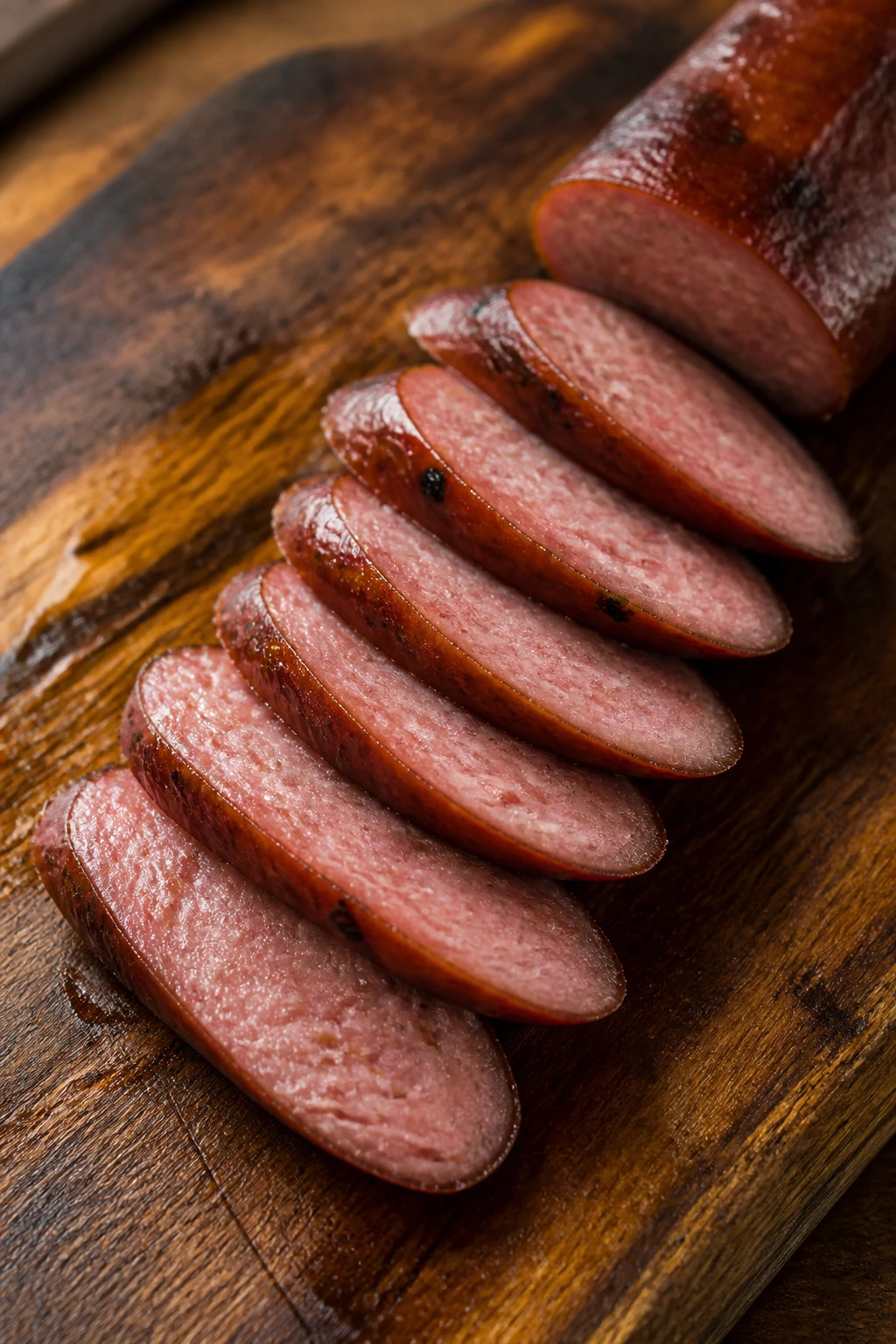
Straight cuts work. Bias cuts look and eat better.
Slicing sausage at a 45-degree angle exposes more of the interior and gives each piece a larger face on the board. That makes the meat look juicier and gives the smoke ring more room to show. It also makes the sausage easier to spear with a toothpick if you’re serving a crowd.
If you’re keeping links whole, just slice one end on the bias and fan it slightly. Same trick. Less effort. Better presentation.
20. Smoke Sausage with Peppers, Onions, and Potatoes in the Same Pan
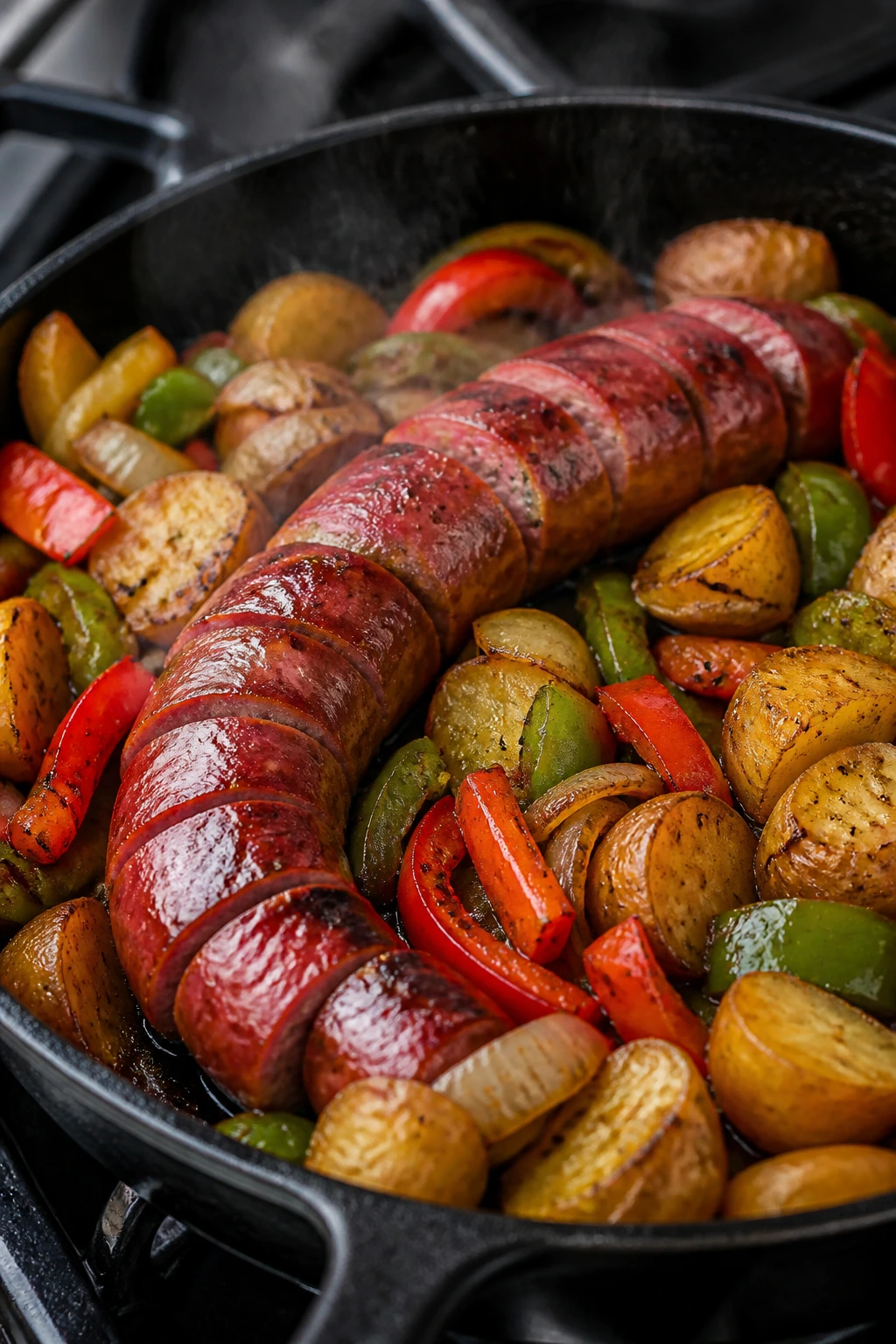
Some sausage should be the main event. Some should become dinner in one pan.
A cast-iron skillet or foil pan under the links catches the drippings and turns peppers, onions, and small potato cubes into a side dish with real pork flavor. Toss the vegetables with a little oil, salt, and black pepper before they go under the sausage. If the potatoes are bigger than a nickel, par-cook them first or they’ll lag behind the sausage.
The pan collects smoke, fat, and seasoning all at once. That’s the kind of lazy-smart cooking I respect.
21. Hold Finished Sausage Warm Without Drying It Out
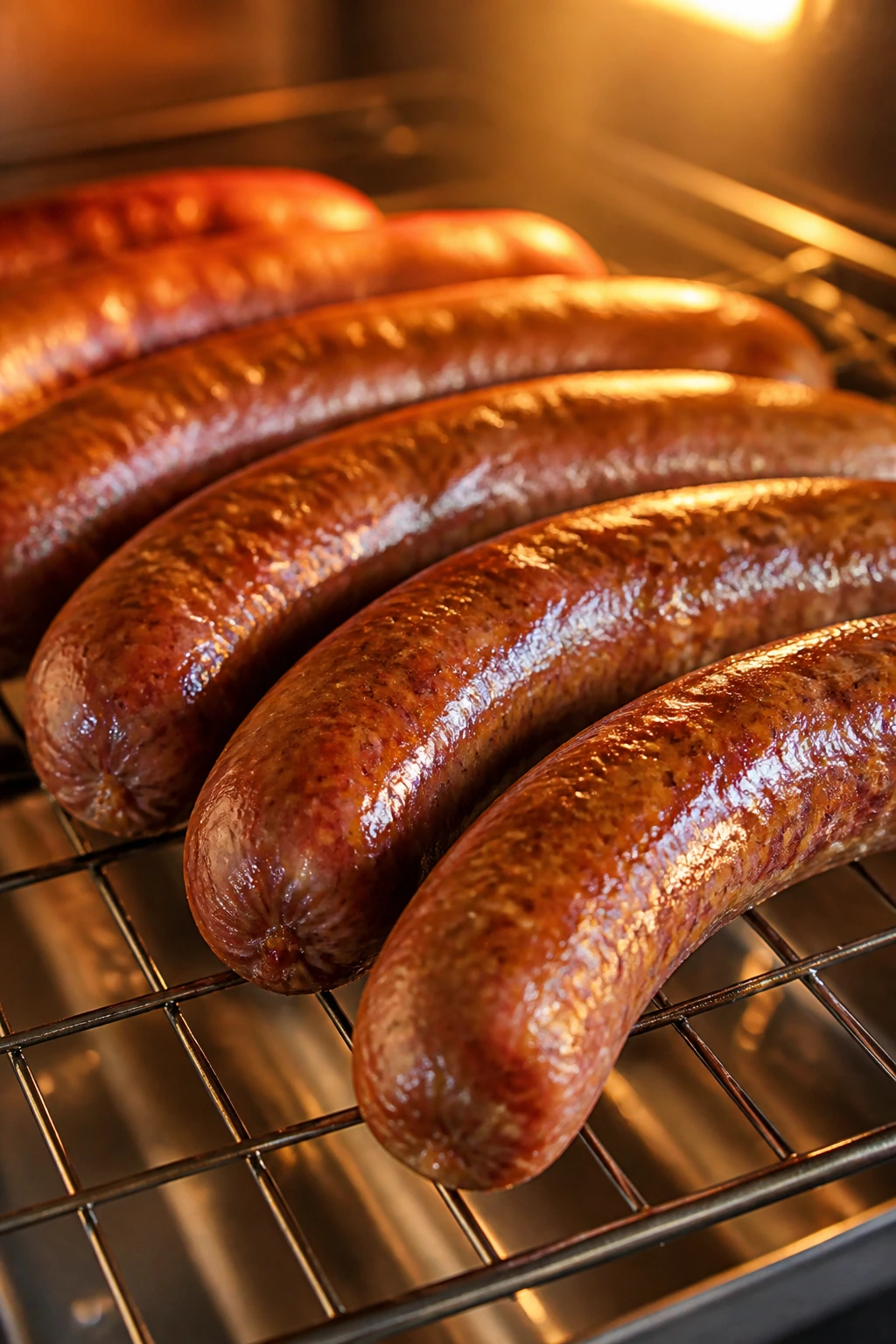
Party timing can ruin good sausage faster than bad seasoning.
If the rest of the meal isn’t ready, hold the links in a 170°F oven or a warming drawer. Put them on a rack over a tray so they don’t sit in their own steam. Cover loosely with foil if needed, but do not seal them up tight. Sealed heat softens the casing and the bite goes flabby.
If you need to hold them longer than an hour, keep the tray slightly covered and add a few drops of water or broth only if the pan looks dry. A little moisture. Not a bath.
22. Make a Mustard-and-Pickle Board That Cuts Through the Fat

Rich sausage needs a bright plate next to it.
Yellow mustard, grainy mustard, dill pickles, pickled onions, sauerkraut, and vinegar slaw all do real work here. They cut through the fat and keep the meal from feeling heavy after the second link. Bacon lovers usually know this already, even if they don’t say it out loud. Fat wants acid standing beside it.
If you’re feeding a crowd, put the condiments in small bowls and keep them cold. A warm mustard puddle is a small tragedy.
23. Turn Leftovers Into Hash Before They Lose Their Spark
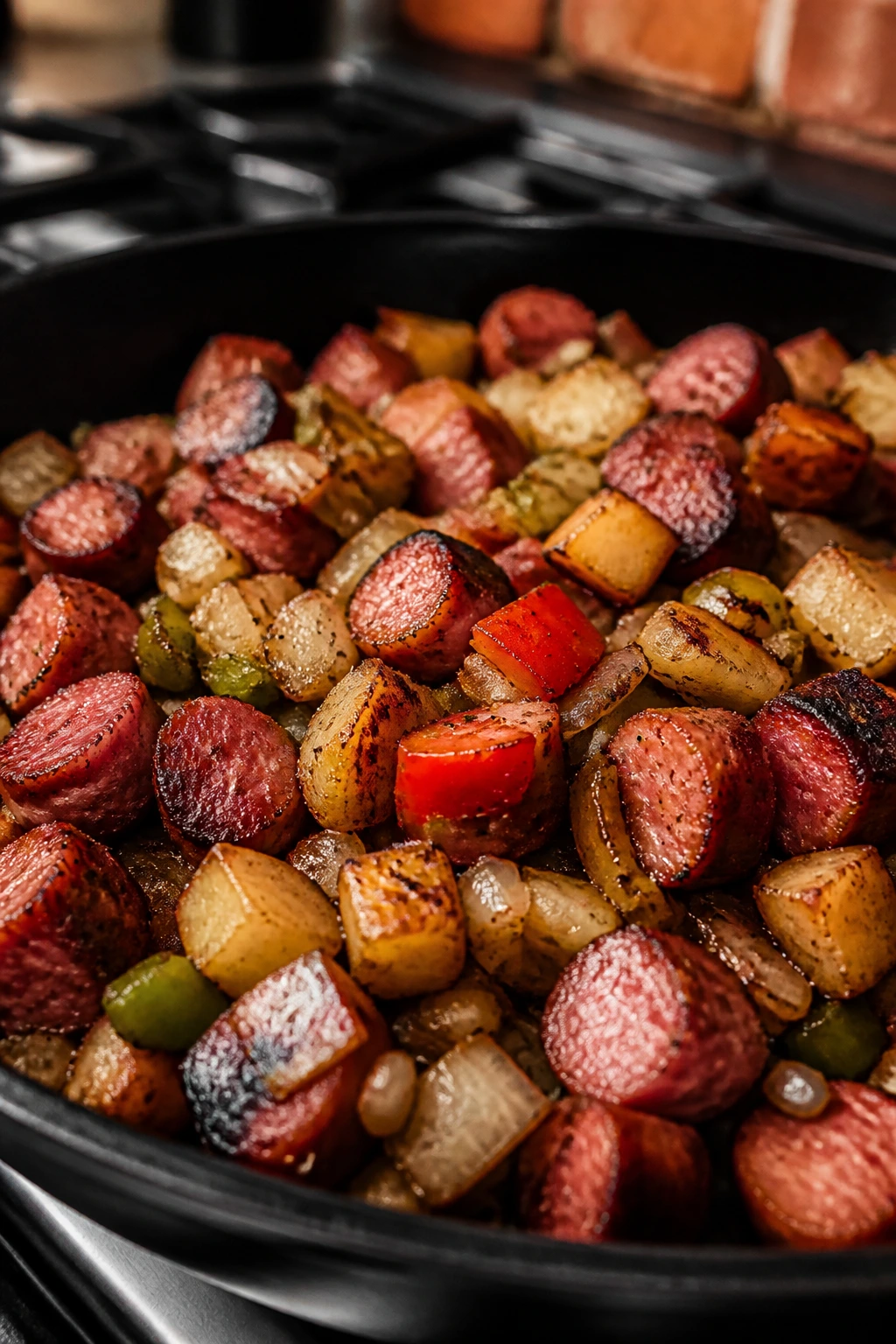
Smoked sausage rarely tastes bad the next day. It just gets less exciting if you leave it whole.
Dice the leftover links and crisp them in a skillet with potatoes, onions, and peppers. Crack in a couple eggs if you want breakfast to feel like you meant it. The sausage picks up more texture when it hits the hot pan a second time, and the browned edges make the leftovers taste fresh again.
If the sausage has started to dry, chop it smaller. More edge means more flavor.
24. Use Casings That Snap, Not Ones That Burst
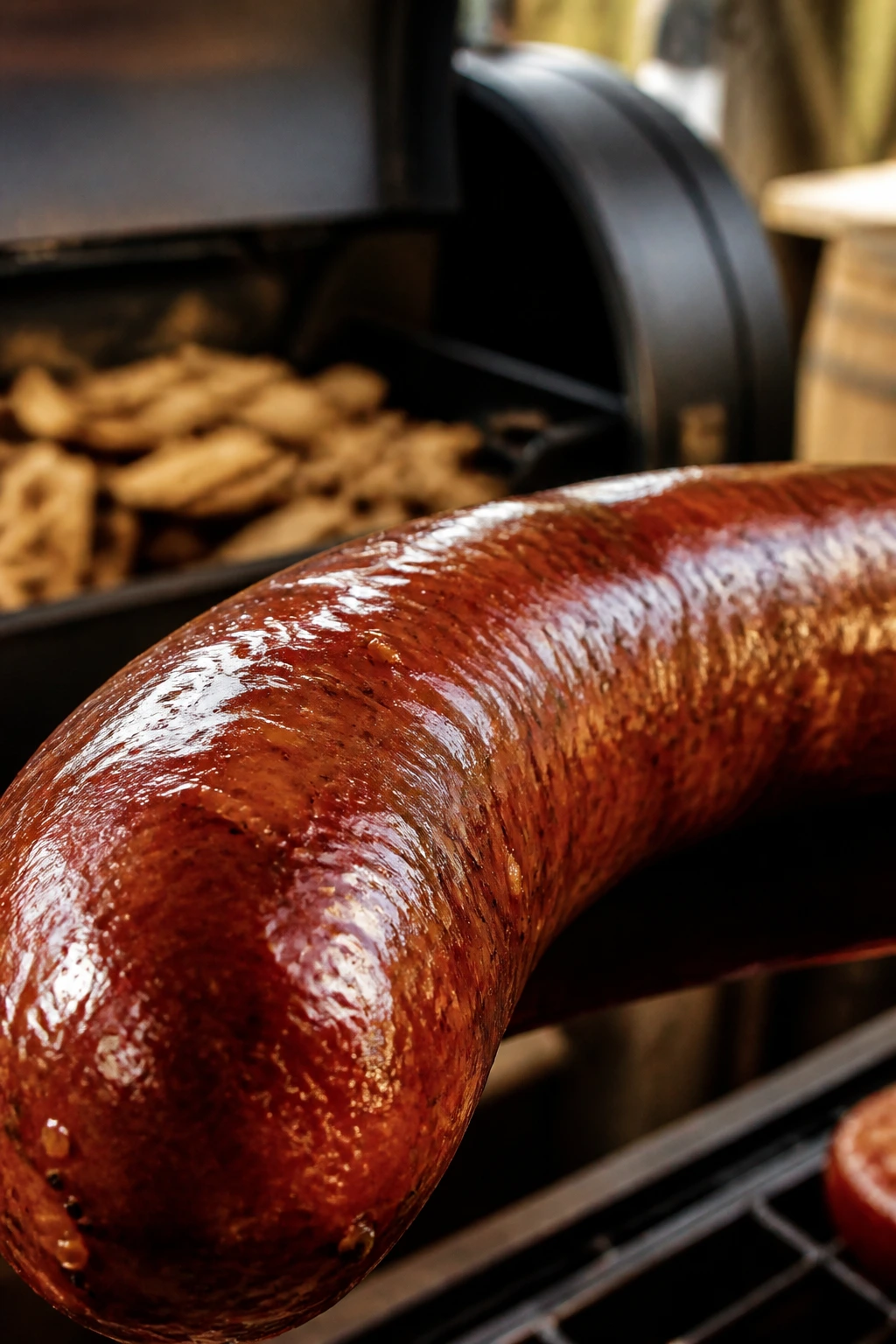
The casing does a lot of quiet work.
Natural casings tend to give that clean snap bacon lovers like. Collagen casings can work too, but they often need gentler handling. If the sausage is stuffed too tight, or the heat climbs too fast, the casing splits and dumps juice into the smoker. That’s a mess and a loss.
Don’t prick the casing unless you have a real blowout problem. People stab sausage the way they stab a balloon, hoping to save it. Usually they just make the leak worse.
25. Keep Homemade Sausage Cold From Grind to Smoker
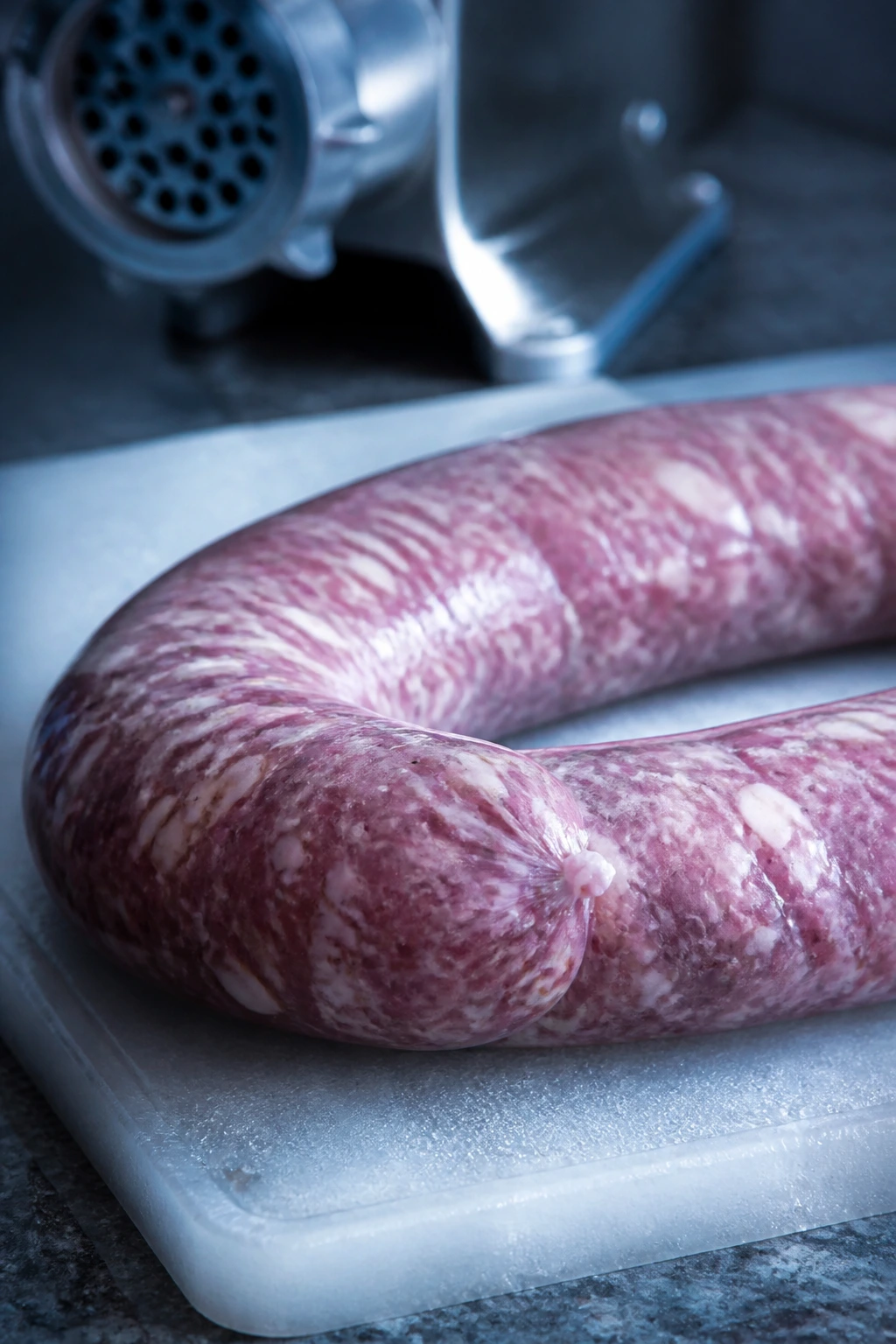
This one matters if you make your own links.
Cold meat grinds cleaner, stuffs better, and keeps the fat in little distinct pockets instead of smearing into paste. Chill the grinder parts, the bowl, and the meat itself. Aim to keep the mixture below 40°F as long as possible. If the mix starts to feel sticky or greasy, stop and chill it for 15 minutes.
That cold control pays off later. The sausage smokes more evenly and the texture stays firm instead of bouncy.
26. Match Your Temperature to the Smoker You Own
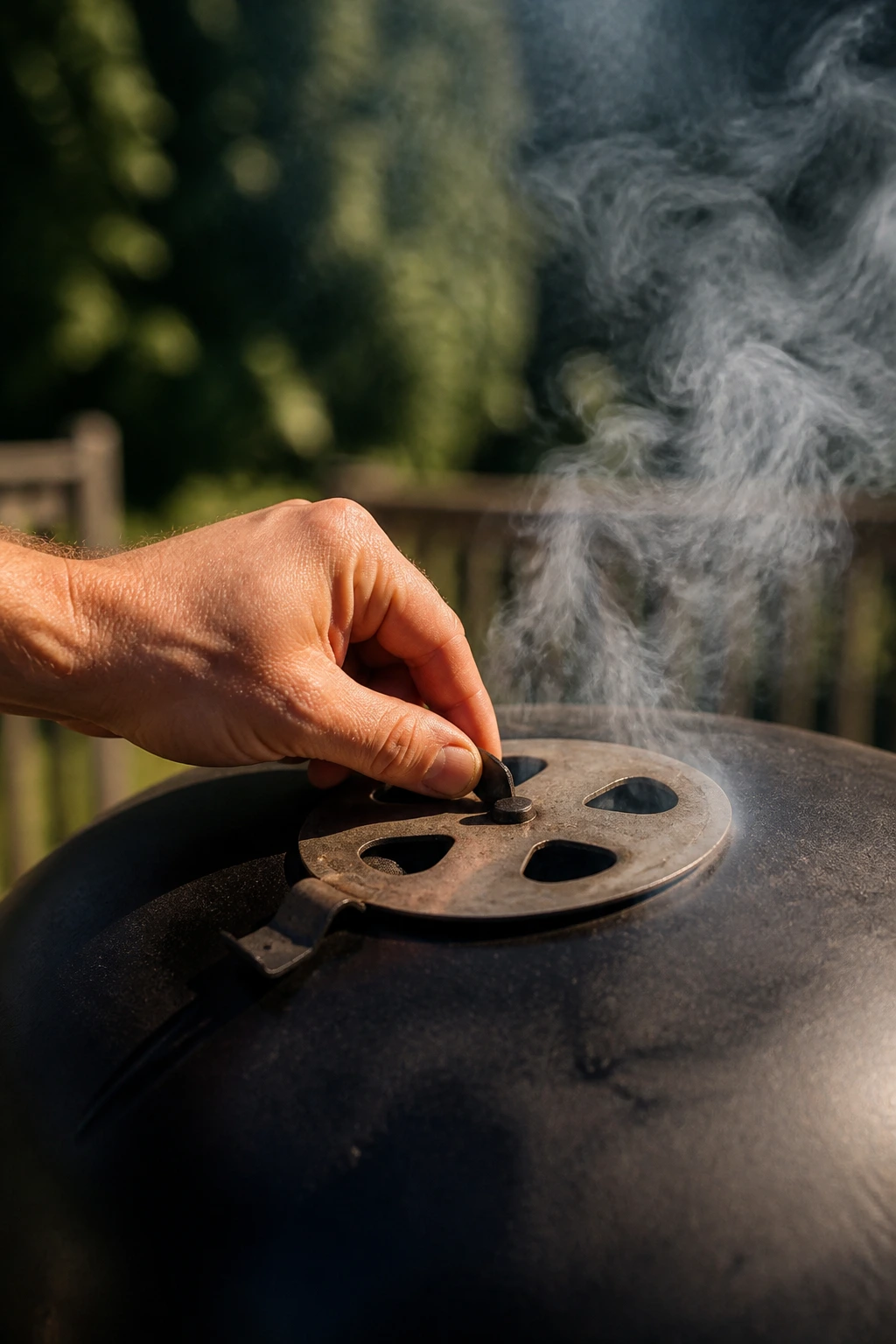
A pellet smoker, an offset, an electric box, and a kettle grill do not behave the same way.
Pellet smokers hold a steady temperature well, which makes sausage easy if you choose 225°F to 250°F and don’t keep opening the lid. Offset smokers need more attention to airflow and fire size. Electric smokers often run moist, so the casing may stay softer unless you give the links a little dry time before and after cooking. A kettle grill needs a two-zone setup and a few wood chunks, not a pile of coals under the meat.
The target stays the same. The path changes.
27. Manage Fire Cleaner in an Offset Smoker
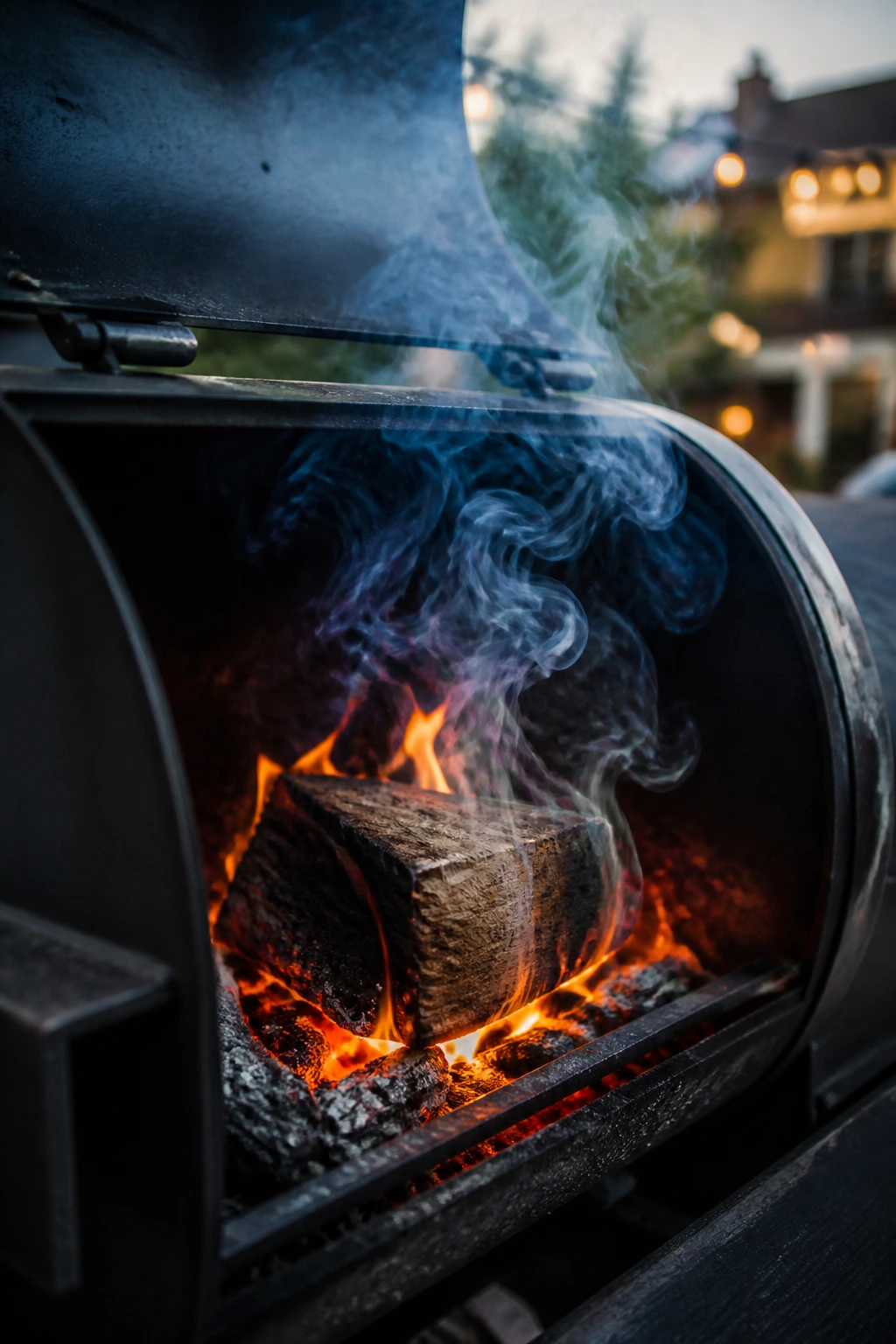
Offset smokers can make beautiful sausage or bitter sausage, depending on the fire.
The goal is thin blue smoke, not thick white clouds. Use seasoned wood or charcoal with wood chunks that have had time to catch cleanly. If the smoke smells sharp, dirty, or heavy in the nose, wait. Sausage picks up ugly smoke fast because of the fat on the surface. You can’t hide that later.
A clean fire sounds calmer, smells sweeter, and leaves the sausage tasting like smoke instead of soot. That’s the whole game.
28. Run One Test Link Before You Commit the Whole Batch
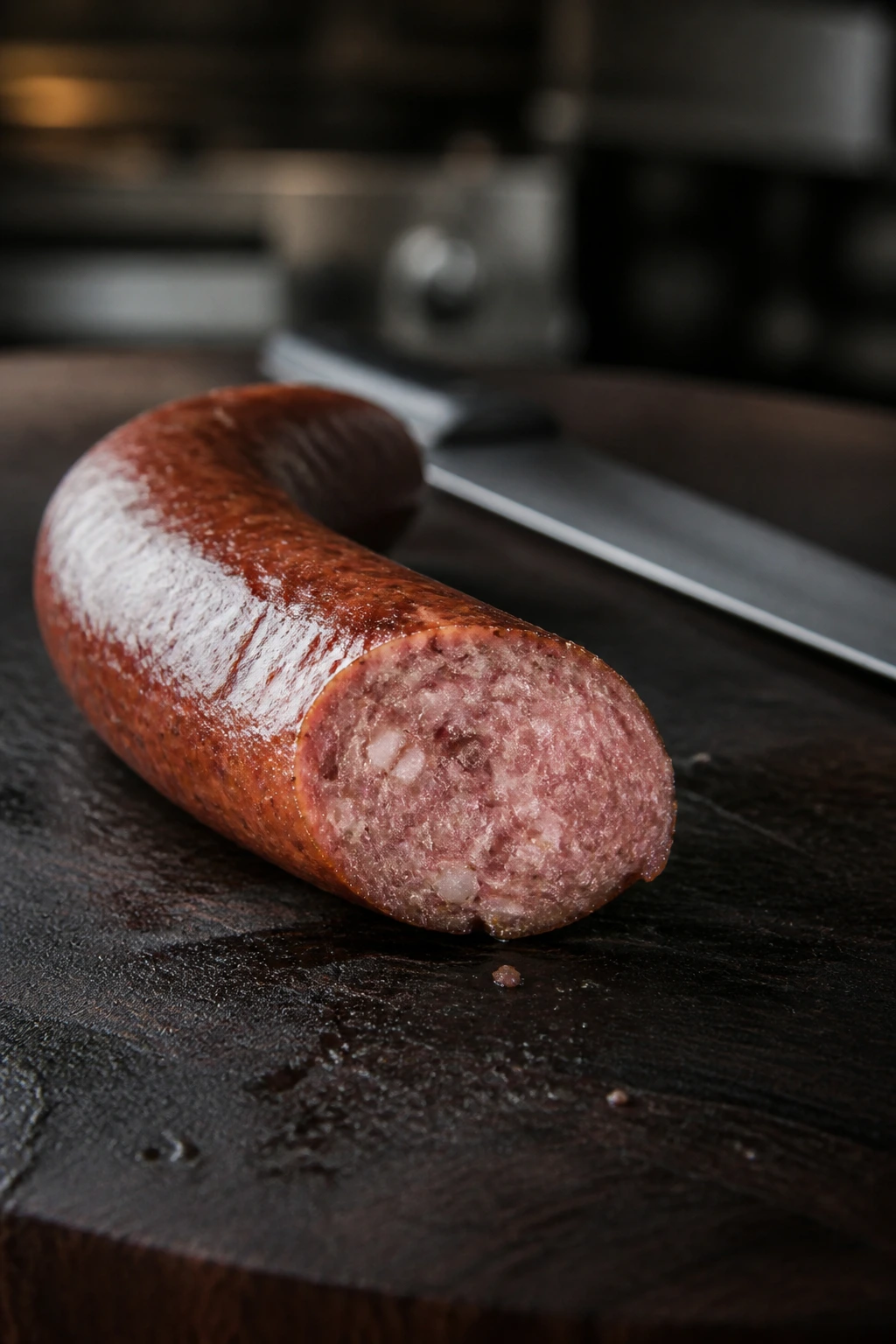
This is the move I wish more people used.
Smoke one link first, then slice it and taste the salt, pepper, smoke level, and texture. If the seasoning feels flat, fix it before the rest of the batch goes on. If the casing feels soft, raise the heat a touch or give the links more room. If the wood is too aggressive, switch to a milder mix before the whole tray takes the hit.
One test link can save an entire rack. Cheap insurance.
Why Smoked Sausage Tastes Better When You Stop Fighting the Fat
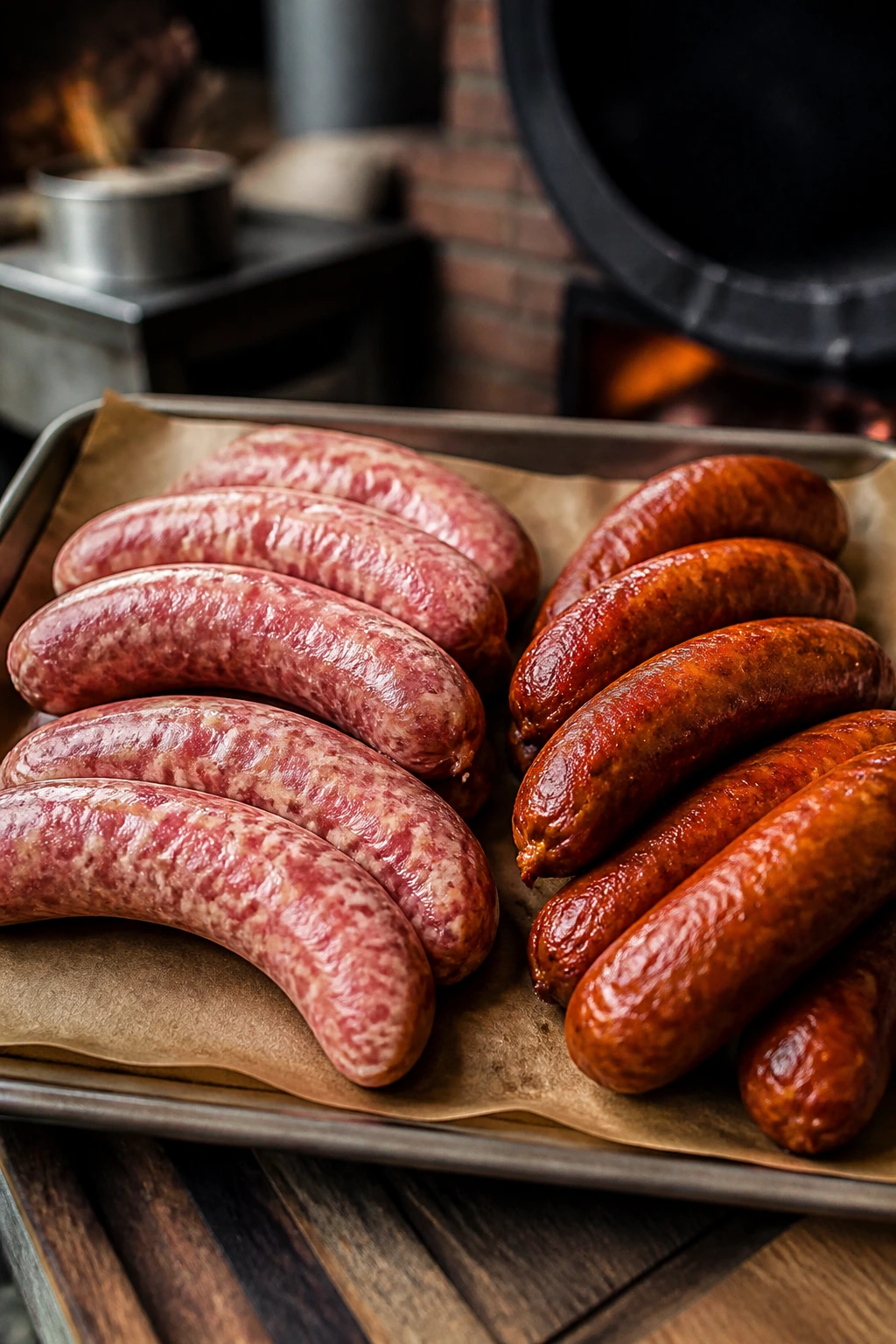
Sausage and bacon share the same basic logic: keep the heat honest, keep the smoke clean, and let the fat do some of the work. That’s why smoked sausage gets better when the cook stops trying to bully it. Low and steady heat protects the casing. A clean wood choice keeps the flavor pork-friendly. A thermometer keeps all the guesswork out of the middle.
Bacon lovers already know that the best parts of pork are usually the parts that render slowly and finish crisp. Sausage rewards the same mindset. It wants a calm smoker, a little patience, and one or two bright finishing touches — mustard, maple, bacon fat, maybe a quick sear.
Essential Equipment for These Tips
- Smoker or grill setup: Pellet, offset, electric, kettle, or charcoal unit — the temp control matters more than the logo on the lid.
- Reliable probe thermometer: This is the one tool that keeps you from serving dry or underdone sausage.
- Instant-read thermometer: Useful for checking the thickest link without leaving a probe in the meat the whole time.
- Long tongs: Short tongs put your hands too close to the heat when you’re rotating links or moving a tray.
- Wire rack: Lets air move around the sausage so the casing dries and sets instead of steaming on a flat pan.
- Rimmed sheet pan or foil pan: Handy for holding sausage, catching drips, or carrying a whole batch to the table.
- Cast-iron skillet: Best for a quick finishing sear or for making smoked sausage hash the next day.
- Heat-resistant gloves: Worth it if you’re working with a hot offset, a chimney, or a heavy rack.
- Small pastry brush: Ideal for thin bacon-fat or maple glazes without flooding the sausage.
- Sharp knife and cutting board: A clean bias slice needs a sharp blade, not a serrated mess.
- Airtight storage containers: Keep leftovers from drying out in the fridge and stop the smoker smell from taking over everything else.
Smart Shopping and Ingredient Tips
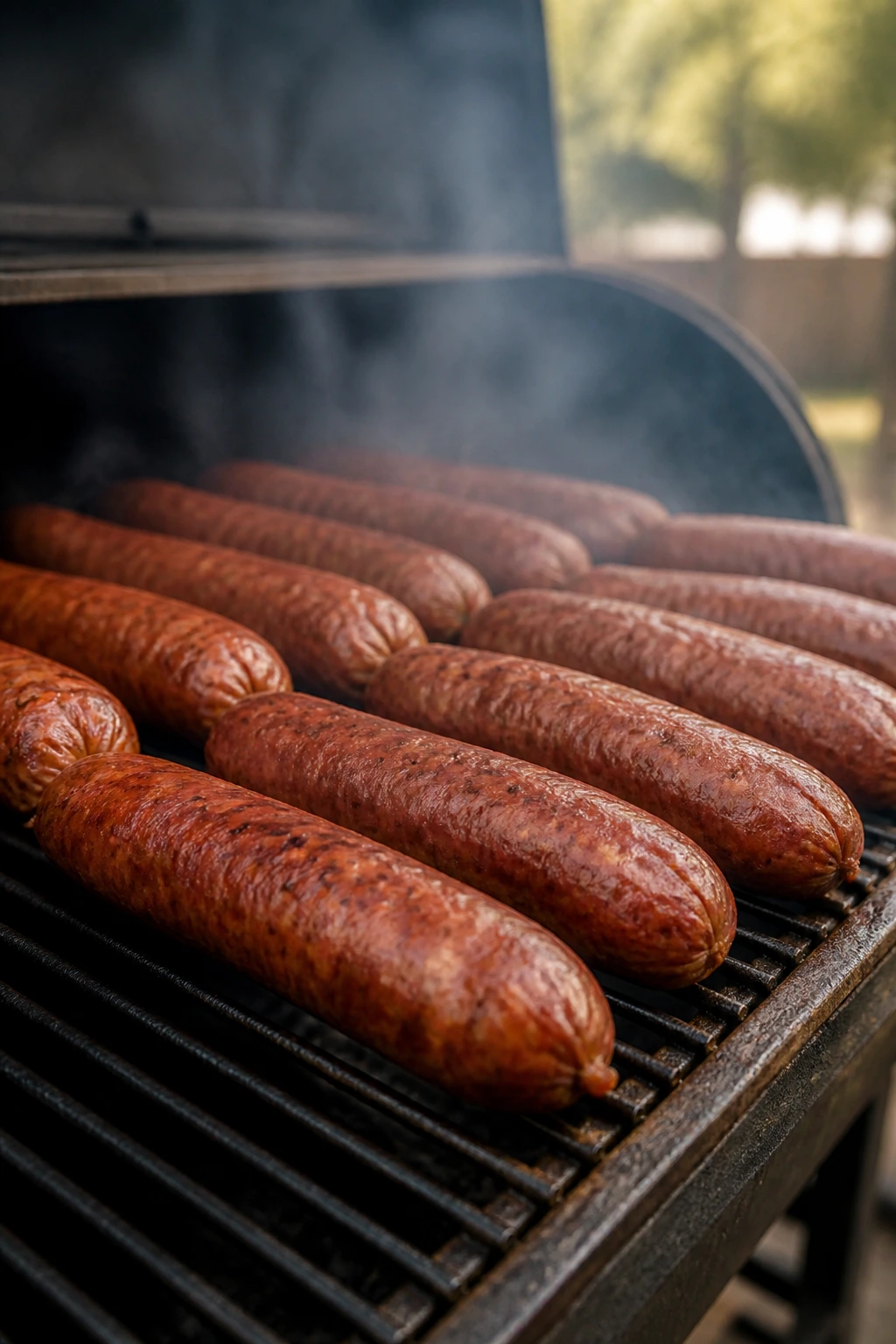
Buy sausage with the cook in mind, not just the label. Fresh pork bratwurst, breakfast links, Italian sausage, and good kielbasa all smoke well if they’re made with enough fat and a real casing. If the ingredient list is full of starches and mystery fillers, the texture can go a little rubbery under smoke. Coarse grind usually works better than a fine, paste-like texture.
For bacon lovers, the bacon itself matters too. Thin-cut bacon crisps faster when you’re wrapping links, while regular-cut bacon gives you a little more insurance against tearing. Thick-cut bacon can be fine, but it needs longer heat and careful spacing or it stays chewy in the overlap. If you’re using bacon fat as a finish, save the good stuff from a skillet of plain bacon rather than a pan full of garlic or sugary glaze.
Pre-cooked sausage is a smart buy when you want fast smoke flavor with less risk. Fresh sausage is better when you want a juicier bite and the full satisfaction of cooking it from raw. Neither one is wrong. They just ask for different heat and different timing.
How to Serve Smoked Sausage So Bacon Lovers Stay Interested
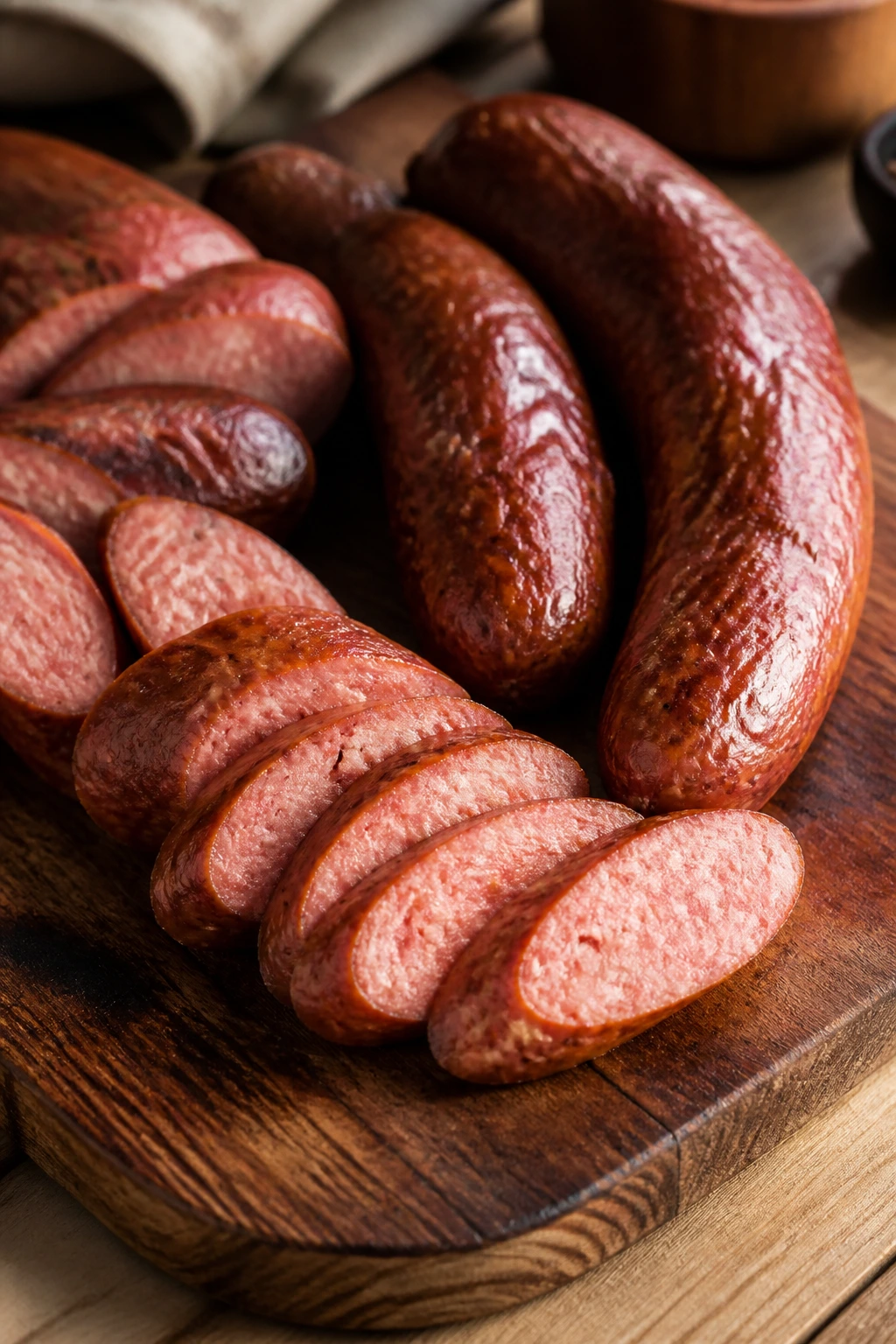
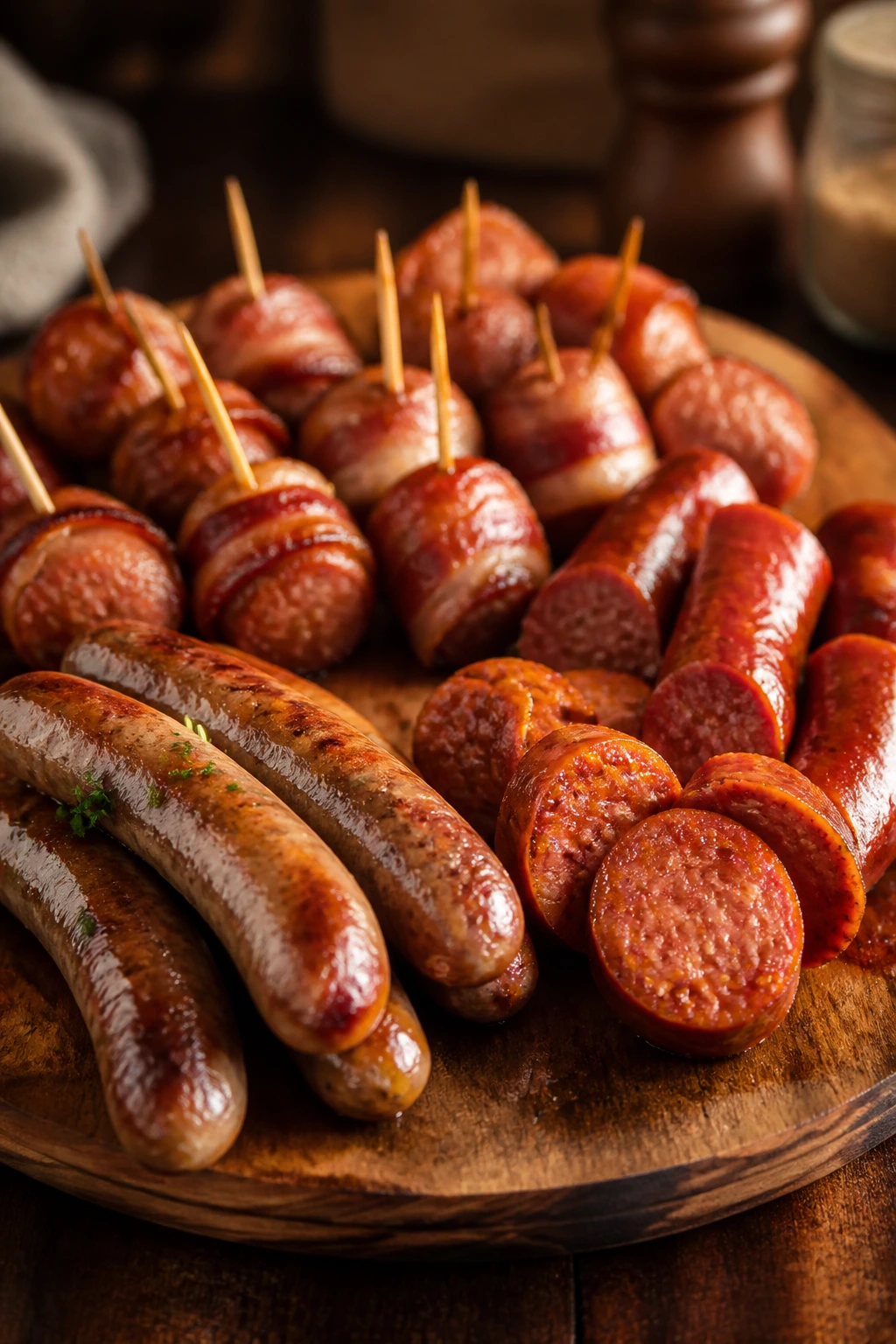
Presentation: Slice one or two links on the bias and leave the rest whole. That mix of sliced pieces and intact sausages looks generous on a board, and it gives people a choice between a clean bite and a bigger, juicier piece. If you want the plate to look especially good, fan the slices over a little bed of sauerkraut or slaw so the juices don’t pool.
Accompaniments: Mustard is the obvious move, but don’t stop there. Dill pickles, pickled onions, potato salad, baked beans, cornbread, roasted peppers, and vinegar slaw all work because they cut through the fat. If you’re serving sausage for breakfast, eggs and crispy potatoes make more sense than bread alone.
Portions: One large link per person is enough when there are strong sides. For a main plate with fewer extras, figure on 6 to 8 ounces of sausage per adult. For a party platter, cut links into 1-inch slices and plan on about 2 to 3 slices per person if other food is on the table.
Beverage Pairing: A dry cider, a cold pilsner, or an amber lager all fit the pork-and-smoke profile. If you want something nonalcoholic, unsweet tea or sparkling water with lemon works because it clears the fat instead of echoing it.
Small Moves That Add Big Bacon Energy
Flavor Enhancement: A tiny hit of mustard powder, black pepper, or smoked paprika in a finishing glaze gives sausage a sharper edge without turning it into barbecue candy. A teaspoon of apple cider vinegar can wake up a glaze that tastes too heavy.
Customization: Add sliced jalapeños, caramelized onions, or a few chopped roasted peppers to the pan under the sausage. The drippings soak into the vegetables, and the whole tray tastes more complete. If you like sweet heat, a spoonful of pepper jelly at the end can be good, but keep the layer thin.
Serving Suggestions: Chopped chives, pickled red onions, and a smear of grainy mustard make the plate feel intentional. None of those are there just for color. They all sharpen the pork. A little fresh parsley is fine too, though I’d pick something with bite first.
Make-It-Yours: If you want a lower-sodium version, choose a sausage that isn’t already heavily seasoned and lean on acid and herbs at the finish. If you want more heat, go with andouille or add cayenne to the glaze. If you want a breakfast feel, lean on sage and maple. If you want a game-day board, go heavier on mustard, pickles, and smoky wood.
Make-Ahead, Storage, and Reheating Guidance
Cooked smoked sausage keeps 3 to 4 days in the refrigerator when it’s cooled, wrapped well, and stored in an airtight container. If you want to freeze it, wrap the links or slices tightly in foil or freezer paper, slide them into a freezer bag, and use them within 2 months for the best texture. Sausage can stay safe longer than that if frozen solid, but the casing and fat texture start to slide downhill.
Raw sausage should stay cold until you’re ready to smoke it. If it came from the butcher case, cook it within a day or two, or freeze it while it’s still fresh. Thaw it in the refrigerator, not on the counter. That matters more than people admit.
For reheating, the oven is the cleanest option. Set it around 300°F, put the sausage on a rack or in a foil-covered pan, and warm it until the center feels hot, usually 10 to 15 minutes depending on thickness. If you want a crisp casing, uncover it for the last few minutes. A skillet works well too: low heat, a lid, and a tablespoon of water to create gentle steam before the last minute of browning.
Air fryers are useful for bacon-wrapped sausage because they re-crisp the exterior fast. About 350°F for 3 to 5 minutes usually does the trick. The microwave works in a pinch, but it softens casing and can make the fat separate. Use short bursts only.
If you’re serving a crowd, smoke the sausage a little early and hold it in a 170°F oven for up to 1 to 2 hours. Keep it on a rack so the bottom doesn’t get soggy.
Variations and Adaptations to Try
Hickory-and-Maple Breakfast Links: Use fresh breakfast sausage, smoke it over a 50/50 blend of hickory and apple, then brush the links with a thin maple-Dijon glaze in the last 10 minutes. The hickory gives you the bacon-adjacent edge, while the maple keeps the breakfast note from feeling dry.
Bacon-Wrapped Party Bites: Cut smoked sausage or kielbasa into chunks, wrap each piece with a narrow strip of bacon, and secure with a toothpick. Smoke gently until the bacon renders, then finish with a short hotter stretch so the wrap crisps. These disappear fast on a platter.
Cajun Heat With a Clean Finish: Pick andouille, use oak or pecan smoke, and finish with a tiny brush of hot sauce mixed with butter or bacon fat. The spice should stay savory, not aggressive. This one likes pickles on the side.
Beer Hall Brats: Bratwurst smoked over apple or oak, then held with sautéed onions and mustard, taste like a proper pub plate. A little beer in the holding pan adds steam and fragrance, though you don’t need much. Keep the smoke modest and let the pork stay front and center.
Apple Orchard Sausage Pan: Pair sausage with apple slices, onions, and a few sage leaves in a cast-iron skillet under the grate. The fruit softens into the drippings and gives the tray a sweet, pork-friendly edge. It’s a good fit for people who like bacon with applesauce or maple.
Common Mistakes That Make Smoked Sausage Taste Flat
- Cooking it too hot: The casing splits, the fat leaks, and the sausage tastes greasy instead of juicy. Keep the cooker in the 225°F to 250°F range for most fresh links, then finish higher only if the casing needs a crisping pass.
- Using heavy, dirty smoke: Bitter white smoke leaves the sausage tasting harsh. Wait for cleaner smoke before loading the meat, especially in an offset smoker.
- Crowding the grate: Touching links steam each other and end up pale at the contact points. Leave breathing room so air can move around every side.
- Skipping the thermometer: If you rely on color alone, you’ll miss undercooked centers or overdone edges. Check the thickest link and pull by temperature, not hope.
- Glazing too early: Sugar burns, turns sticky, and can make the casing dark before the meat is ready. Add sweet glaze near the end, not at the start.
- Slicing too soon: The juices run out and the board gets the good part instead of the eater. Rest the sausage for 5 to 10 minutes first.
Frequently Asked Questions
What temperature should I smoke sausage at?
For most fresh pork sausage, 225°F to 250°F is the sweet spot. That range gives you enough heat to cook through without bursting the casing or rendering the fat too fast. Pre-cooked sausage can sit in the same range, but it only needs to warm and take on smoke.
Do I need to pre-cook sausage before smoking it?
No. Fresh sausage is usually smoked from raw and brought to a safe internal temperature in the smoker. Pre-cooked sausage is different — it’s already done, so you’re just warming it and adding smoke. The distinction matters because it changes both time and heat.
What wood tastes best if I like bacon flavor?
Hickory is the most bacon-like choice, but I’d use it in moderation. A mix of hickory and apple or hickory and oak often gives better balance than pure hickory, which can go sharp fast. Bacon lovers usually like the smoke to support the pork, not flatten it.
How do I keep sausage casings from splitting?
Run the smoker a little lower, keep the links dry on the outside, and don’t crowd the grate. A casing usually splits because the heat hit too hard or the link was stuffed too tightly. If the sausage starts to swell fast, lower the heat and give it room.
Can I smoke bacon-wrapped sausage?
Yes, and it’s a smart move for leaner sausage or party bites. Use regular-cut bacon, wrap it snugly, and finish hot enough to crisp the bacon before serving. If the bacon stays soft, the smoker was too cool or the pieces were packed too tightly.
How long does smoked sausage keep in the fridge?
Cooked smoked sausage keeps 3 to 4 days in the refrigerator if it’s stored in an airtight container. Chill it promptly after serving and reheat it gently so the casing doesn’t turn rubbery. If you won’t use it in that window, freeze it.
What if my sausage tastes too smoky or bitter?
That usually means the fire was dirty or the wood was too strong for too long. Next time, use a milder wood, wait for cleaner smoke, and pull the sausage earlier in the cook if the casing darkens too fast. Bitter smoke is a fire problem more than a sausage problem.
Can I use a pellet smoker, electric smoker, or kettle grill?
Yes. Pellet smokers are easiest for steady temperature, electric smokers need airflow and a little attention to moisture, and kettle grills need a two-zone setup with wood chunks. The gear changes the handling, not the basic target: steady heat, clean smoke, and a thermometer.
The Smoke Worth Waiting For
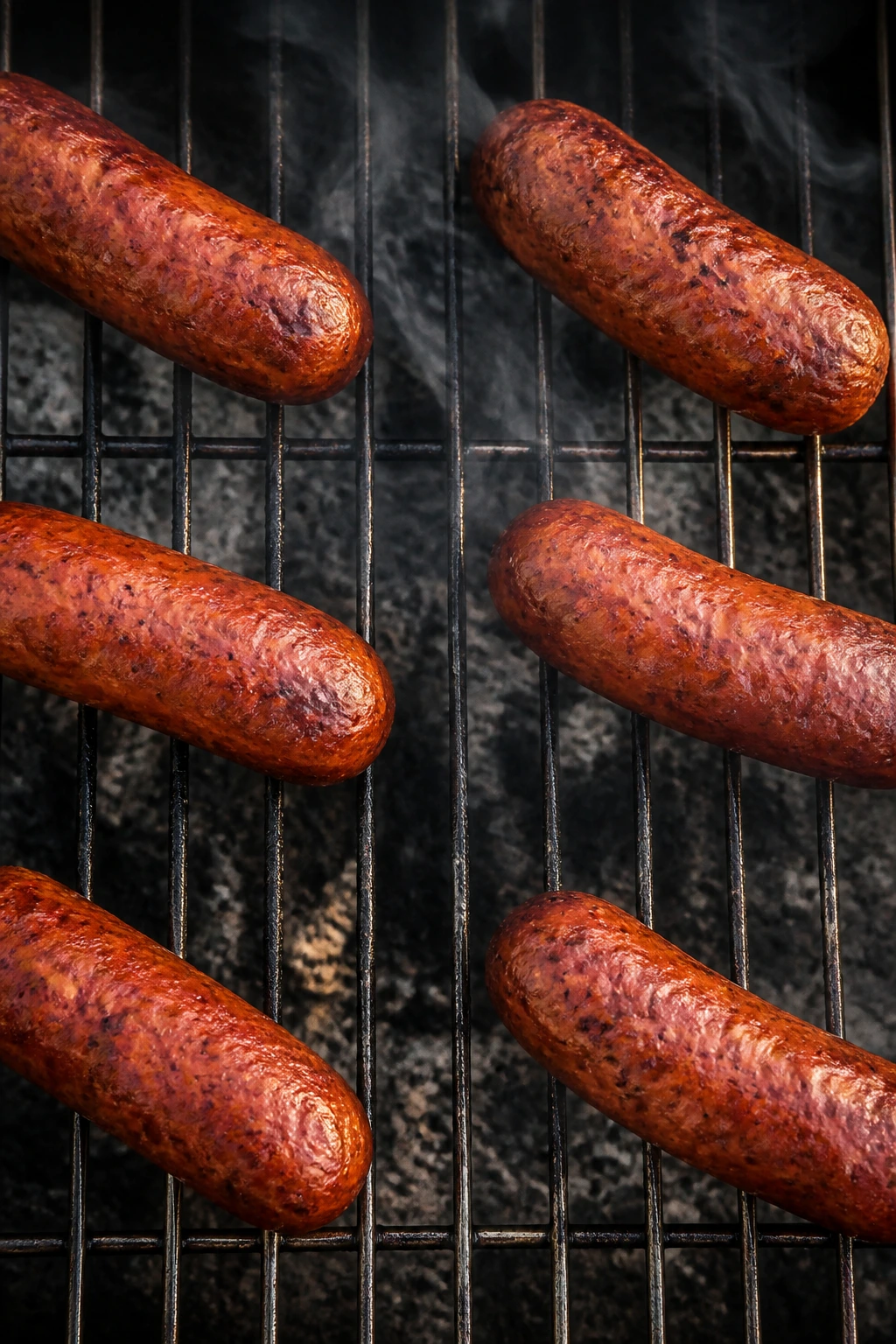
Smoked sausage works when you stop trying to rush it and start giving the casing, fat, and smoke a little room to do their jobs. Bacon lovers usually understand that instinct better than most. They know the value of render, the difference a crisp edge makes, and why a salty, smoky bite needs something sharp on the side.
That’s the real trick here. Keep the fire clean. Keep the temperature honest. Give the sausage a good rest, then serve it with mustard, pickles, or a pile of potatoes that caught the drippings. Do that, and the smoker gives you something sturdy, juicy, and hard to quit.