



A good meatless dinner should do more than fill a bowl. It should smell like garlic hitting olive oil, look like a proper plate, and give you the kind of satisfied heaviness that comes from beans, grains, vegetables, and a sauce with some backbone. That’s the bar here. Not “it’s healthy, so it counts.” Real dinner.
Vegetarian recipes for a healthy dinner work best when they keep three things in balance: protein, texture, and a little acid at the end. Leave out any one of those and the meal feels thin. Keep all three, and a tray of vegetables suddenly eats like something you planned, not something you settled for.
That balance is what these recipes are built around. Lentils show up where ground meat usually would. Chickpeas pick up roasted edges. Brown rice, farro, quinoa, and whole-wheat pasta give the meal some staying power. And when a dish needs brightness, it gets lemon, vinegar, yogurt, tomatoes, or herbs — because a healthy dinner should taste awake, not obedient.
Why These Vegetarian Dinners Actually Feel Like Dinner
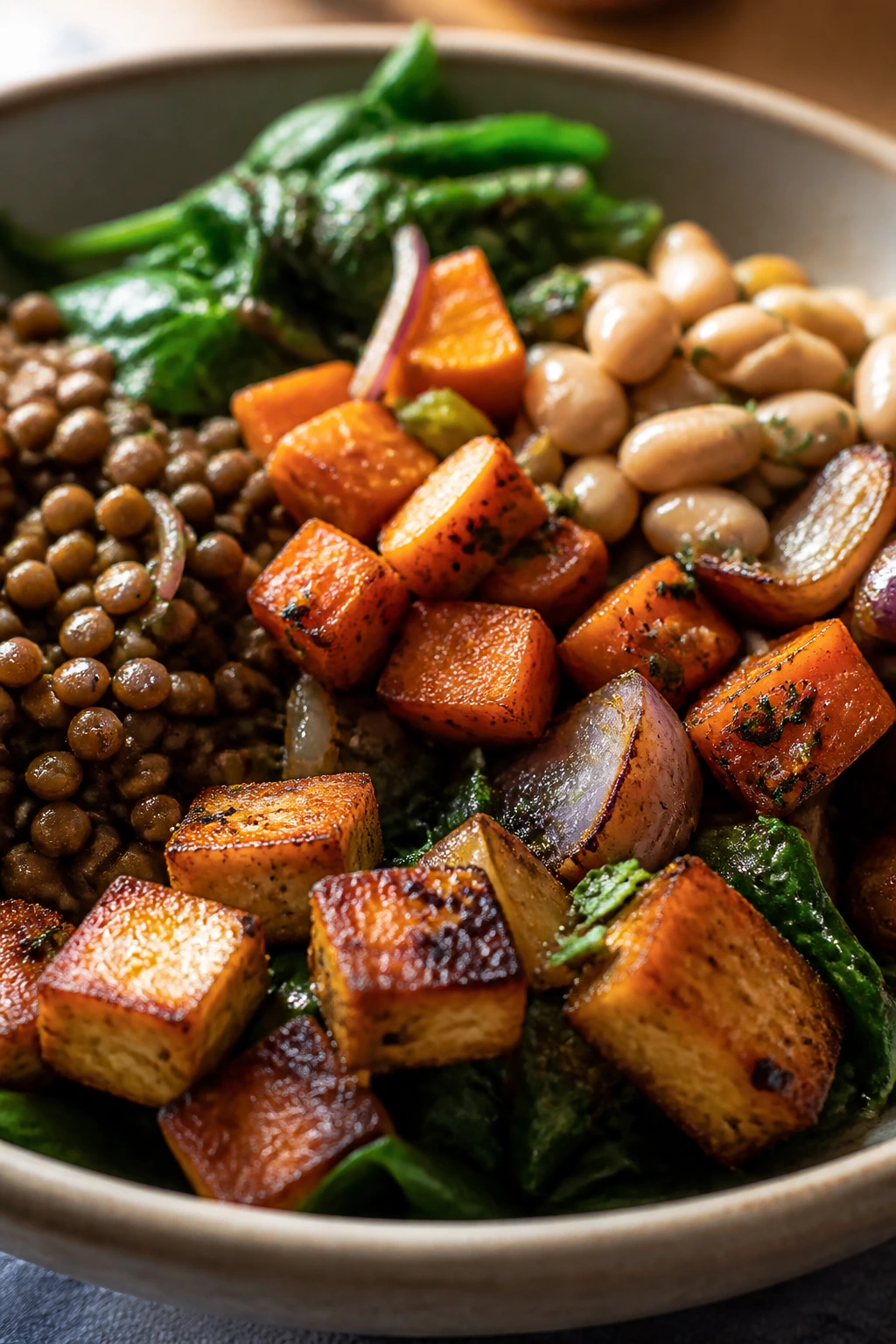
-
Protein Is Built In: Beans, lentils, tofu, tempeh, eggs, and dairy show up in the main role, not as a side note, so you do not need to stack the plate with extras to feel full.
-
The Texture Changes Keep Things Interesting: Roasted edges, creamy sauces, crisp slaws, chewy grains, and tender greens keep these dishes from collapsing into one soft note.
-
Most Recipes Use Everyday Staples: Onion, garlic, canned beans, rice, pasta, tortillas, broth, and lemons do most of the heavy lifting, which means fewer special trips to the store.
-
They Reheat Like Adults: Soups, stews, grain bowls, and saucy pasta dishes hold up in the fridge instead of turning into dry leftovers by lunch the next day.
-
The Vegetables Matter More Than Decoration: Carrots get roasted until they sweeten, mushrooms get browned, and greens get wilted only at the end so they still taste like themselves.
-
You Can Build Them Up or Keep Them Lean: Add feta, yogurt, eggs, or extra beans when you want more richness, or keep them plant-forward with olive oil, herbs, and a strong dressing.
1. Lemon Herb Chickpea Skillet
A hot skillet of chickpeas, zucchini, and cherry tomatoes has a very specific kind of comfort to it. The tomatoes burst, the zucchini softens at the edges, and the lemon at the end keeps the whole thing from tasting heavy.
Why It Works: Chickpeas bring protein and a little chew, while the lemon and parsley keep the skillet bright enough for a warm night. It is fast, one-pan, and good over rice, couscous, or with bread for scooping.
Key Ingredients:
- 2 tablespoons olive oil
- 1 small yellow onion, diced
- 3 garlic cloves, minced
- 1 medium zucchini, diced
- 1 can chickpeas, 15 ounces, drained and rinsed
- 1 pint cherry tomatoes, halved
- 2 cups baby spinach
- 1 lemon, zested and juiced
- 1 teaspoon dried oregano
- 2 tablespoons chopped parsley
- 1/2 teaspoon salt
- 1/4 teaspoon black pepper
Quick Steps:
- Heat the olive oil in a large skillet over medium heat.
- Cook the onion for 4 minutes, then add the garlic and zucchini and cook for 3 more minutes until the edges soften.
- Stir in the chickpeas, tomatoes, oregano, salt, and pepper; cook for 6 to 8 minutes until the tomatoes slump and release juice.
- Add the spinach and stir just until wilted.
- Turn off the heat, add the lemon zest, lemon juice, and parsley, then taste and adjust salt.
Equipment for This Recipe:
- Large skillet
- Cutting board
- Chef’s knife
How to Serve This Dish: Spoon it over brown rice, quinoa, or warm pita. A little crumbled feta works if you want more richness, but it is good without it.
Pro Tips for This Recipe:
- Dry the chickpeas well after rinsing so they sauté instead of steaming.
- Add the lemon only at the end; early lemon can flatten the tomatoes.
- If your zucchini is large and seedy, scoop the center out first.
Variations on This Dish:
- Feta Finish: Add 1/3 cup crumbled feta right before serving for a saltier, creamier finish.
- Tomato-Basil Swap: Use basil instead of parsley and add 1 teaspoon balsamic vinegar at the end.
Common Mistakes to Avoid with This Dish:
- Watery skillet: Wet chickpeas and crowded zucchini release too much moisture. Pat the chickpeas dry and use a wide pan.
- Flat flavor: If it tastes dull, it usually needs salt and lemon, not more cooking.
- Mushy spinach: Add spinach at the end and stop stirring once it collapses.
2. Red Lentil Coconut Curry
Red lentils cook down into a soft, almost silky sauce that clings to rice instead of sliding off it. The coconut milk rounds out the spice, and the spinach disappears into the curry in the best possible way.
Why It Works: Red lentils break down quickly, so you get a thick curry in under 30 minutes without blending. It is one of the easiest vegetarian recipes for a healthy dinner when you want something warm, spoonable, and dependable.
Key Ingredients:
- 1 tablespoon coconut oil
- 1 onion, finely chopped
- 3 garlic cloves, minced
- 1 tablespoon grated fresh ginger
- 2 tablespoons curry paste or curry powder
- 1 cup red lentils, rinsed
- 1 can diced tomatoes, 14.5 ounces
- 1 can coconut milk, 13.5 ounces
- 2 cups vegetable broth
- 3 cups baby spinach
- 1 teaspoon salt
- 1 lime, cut into wedges
Quick Steps:
- Warm the coconut oil in a saucepan over medium heat.
- Cook the onion for 5 minutes, then add garlic, ginger, and curry paste or powder for 1 minute.
- Stir in the lentils, tomatoes, coconut milk, broth, and salt.
- Simmer for 18 to 20 minutes, stirring often, until the lentils are soft and the curry is thick.
- Fold in the spinach and let it wilt for 1 minute, then finish with lime juice.
Equipment for This Recipe:
- Medium saucepan or Dutch oven
- Wooden spoon
- Fine grater for ginger
How to Serve This Dish: Serve it over basmati rice or brown rice, with a spoonful of yogurt if you want a cooler edge. A handful of cilantro on top keeps it fresh.
Pro Tips for This Recipe:
- Rinse the lentils until the water runs less cloudy; it keeps the curry cleaner-tasting.
- Stir every few minutes so the lentils do not stick on the bottom.
- If the curry gets too thick, loosen it with hot water, 2 tablespoons at a time.
Variations on This Dish:
- Green Curry Route: Use green curry paste and add frozen peas in the last 3 minutes.
- Protein Boost: Stir in a can of drained chickpeas along with the lentils.
Common Mistakes to Avoid with This Dish:
- Burnt bottom: Lentils sink and stick fast. Stir from the base of the pot.
- Too thin: Let it simmer uncovered for a few extra minutes; red lentils need time to collapse.
- Too spicy: Coconut milk softens heat, but not instantly. Add more after the first taste, not before.
3. Quinoa Stuffed Bell Peppers
Stuffed peppers can be bland if you treat them like a casserole in a vegetable shell. These are different. The quinoa stays fluffy, the black beans give the filling heft, and the pepper edges turn sweet in the oven.
Why It Works: The peppers act as their own serving vessel, which makes portioning easy and keeps the filling moist. Quinoa and beans bring protein, and a little cheese on top gives the baked surface some pull.
Key Ingredients:
- 4 large bell peppers, halved and seeded
- 1 tablespoon olive oil
- 1 small onion, diced
- 1 cup cooked quinoa
- 1 can black beans, 15 ounces, drained and rinsed
- 1 cup corn kernels, fresh or frozen
- 1 cup salsa
- 1 teaspoon cumin
- 1/2 teaspoon salt
- 1 cup shredded cheddar or Monterey Jack
Quick Steps:
- Heat the oven to 400°F and set the pepper halves cut-side up in a baking dish.
- Sauté the onion in olive oil for 4 minutes, then stir in quinoa, black beans, corn, salsa, cumin, and salt.
- Spoon the filling into the peppers and press lightly so it settles.
- Cover with foil and bake for 25 minutes.
- Remove the foil, add cheese, and bake 10 more minutes until the tops are browned and the peppers are tender at the edges.
Equipment for This Recipe:
- 9×13-inch baking dish
- Skillet
- Foil
How to Serve This Dish: Serve two pepper halves per person with a green salad or sliced avocado on the side. The filling should be hot and the pepper should still have a little bite.
Pro Tips for This Recipe:
- Pre-bake the peppers for 10 minutes if you like them softer.
- Use cooked quinoa that is dry and fluffy, not wet from the pot.
- If your salsa is very thin, cook the filling for 2 minutes before stuffing.
Variations on This Dish:
- Southwest Black Bean Version: Add chopped jalapeño and a pinch of smoked paprika.
- No-Cheese Finish: Skip the cheese and top with avocado and lime yogurt instead.
Common Mistakes to Avoid with This Dish:
- Watery filling: Salsa can be thin. Cook it down a bit first if needed.
- Undercooked peppers: If they still crunch hard, cover and bake longer before adding cheese.
- Overfilling: Pack the filling in, but leave a little room so it does not tumble out when baked.
4. Spinach Mushroom Whole-Wheat Pasta
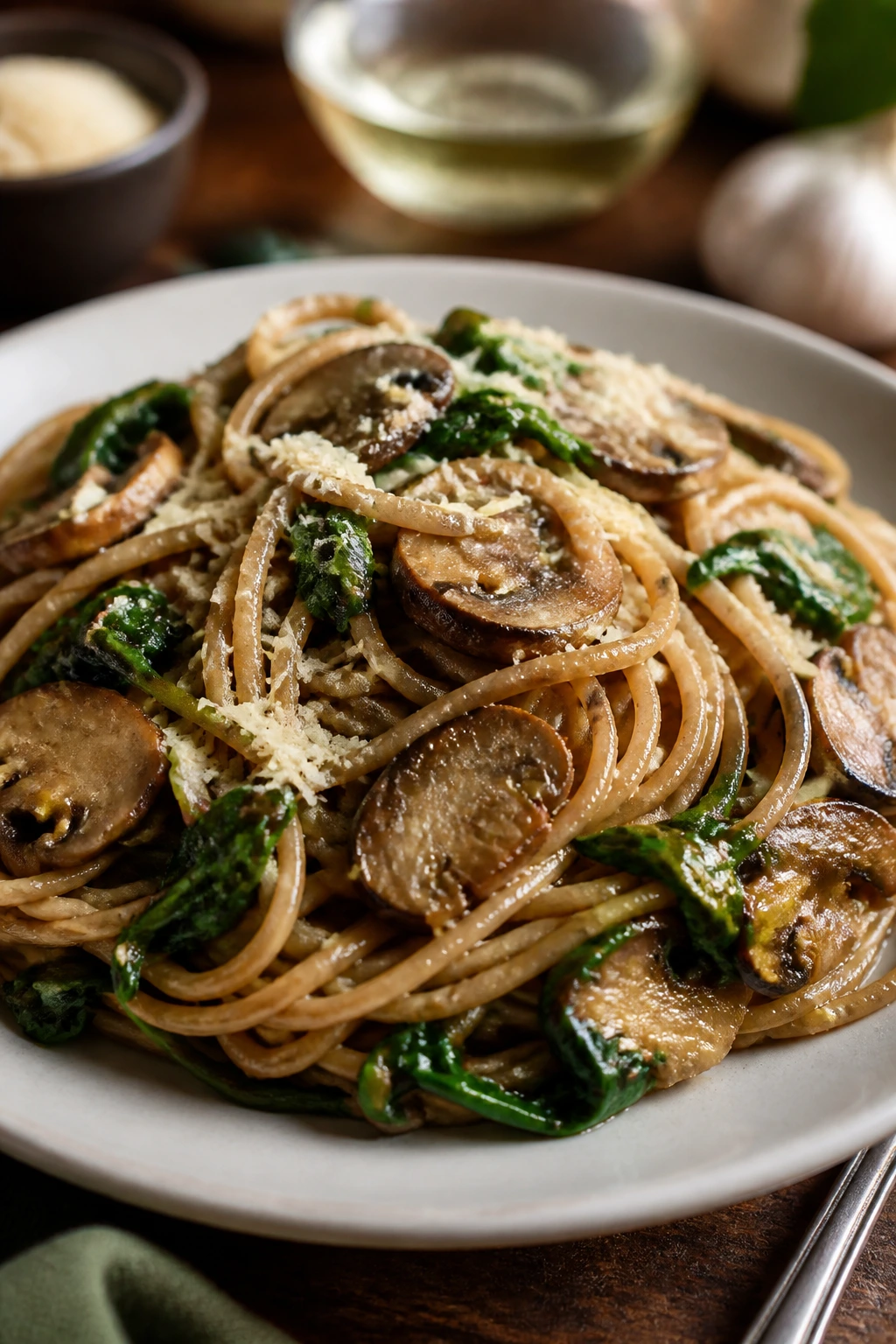
The key to a good vegetable pasta is not drowning the noodles. It is browning the mushrooms until they smell almost nutty, then using a little pasta water to turn garlic, olive oil, and parmesan into a sauce that coats instead of pools.
Why It Works: Whole-wheat pasta brings more fiber than standard white pasta, and the mushrooms create a deep, savory base without needing meat. Spinach folds in at the end, so the dish stays green and fresh-looking.
Key Ingredients:
- 12 ounces whole-wheat spaghetti or linguine
- 2 tablespoons olive oil
- 1 pound cremini mushrooms, sliced
- 4 garlic cloves, minced
- 5 ounces baby spinach
- 1/2 cup grated parmesan
- 1/2 teaspoon salt
- 1/4 teaspoon black pepper
- 1/2 cup reserved pasta water
Quick Steps:
- Cook the pasta in salted water until al dente, then reserve 1/2 cup of the water.
- Heat the olive oil in a large skillet and cook the mushrooms for 8 to 10 minutes until browned and their liquid evaporates.
- Add the garlic and cook for 30 seconds.
- Add the spinach and toss until wilted.
- Add the drained pasta, parmesan, and enough pasta water to make a glossy sauce; toss until the noodles are coated.
Equipment for This Recipe:
- Large pot
- Large skillet
- Tongs
How to Serve This Dish: Finish with extra parmesan and a few cracks of black pepper. A simple salad with lemon dressing keeps the meal from feeling too soft.
Pro Tips for This Recipe:
- Do not rush the mushrooms; browning is where the flavor comes from.
- Salt the pasta water well so the noodles taste seasoned on their own.
- Add the pasta water gradually. Too much turns the sauce watery.
Variations on This Dish:
- Creamy Version: Stir in 2 tablespoons of cream cheese or ricotta with the parmesan.
- Beaned-Up Bowl: Add 1 cup cooked white beans when you toss in the pasta.
Common Mistakes to Avoid with This Dish:
- Pale mushrooms: If they never brown, your pan is too crowded. Cook them in two batches.
- Dry pasta: Save the pasta water before draining. People forget that part more than they should.
- Bitter garlic: Garlic burns fast. Half a minute is enough.
5. Tofu Vegetable Stir-Fry with Brown Rice
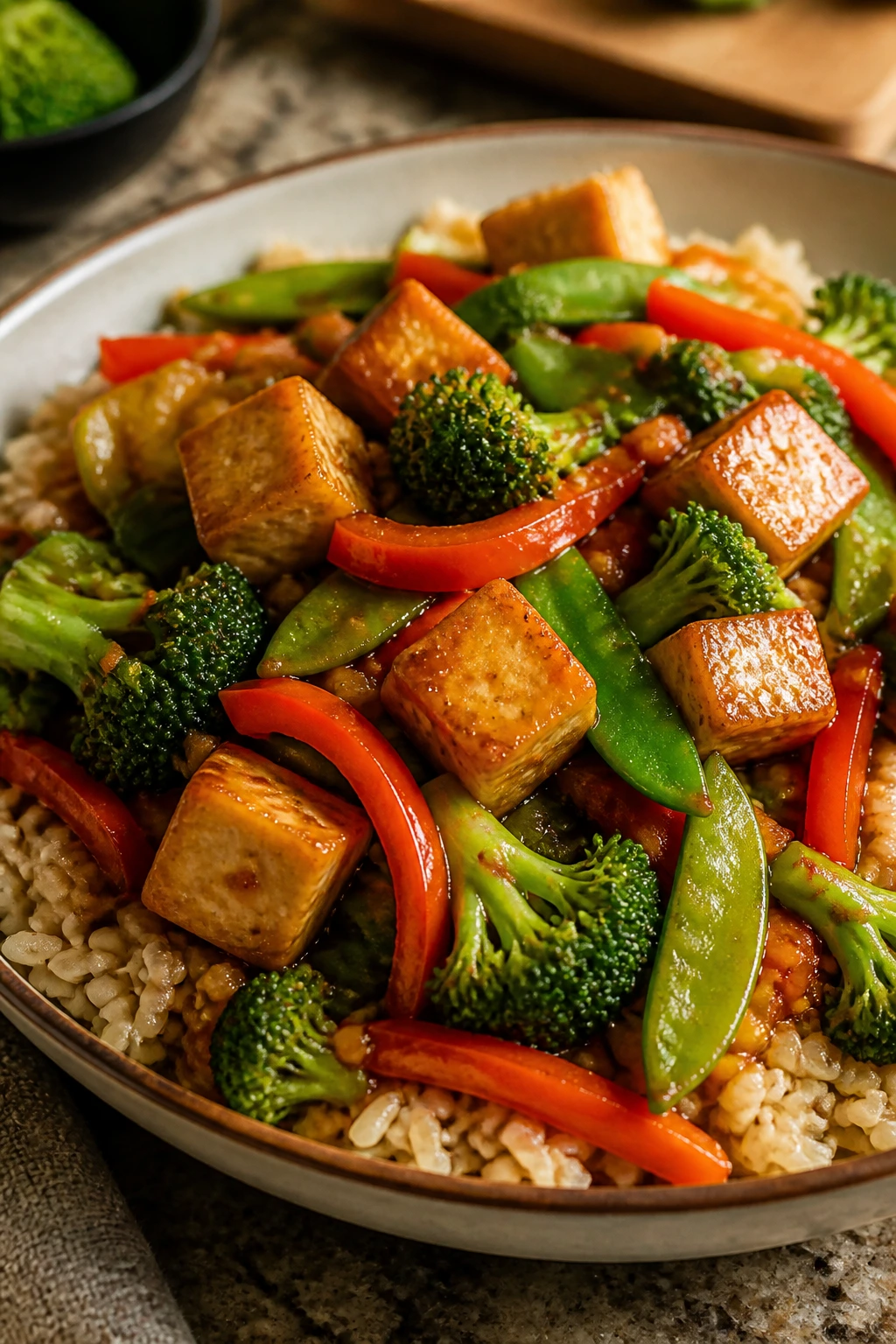
A good stir-fry should have three noises: a hard sear from the tofu, a sharp sizzle from the vegetables, and the soft scrape of a spatula moving everything around before it overcooks. That’s the rhythm.
Why It Works: Tofu soaks up sauce once it is browned, and brown rice gives the dish some chew. The vegetables stay bright because they cook fast, which is the whole point.
Key Ingredients:
- 1 block extra-firm tofu, 14 ounces, pressed and cubed
- 2 tablespoons cornstarch
- 2 tablespoons neutral oil
- 2 cups broccoli florets
- 1 red bell pepper, sliced
- 1 cup snap peas
- 3 garlic cloves, minced
- 1 tablespoon grated ginger
- 3 tablespoons soy sauce or tamari
- 1 tablespoon rice vinegar
- 1 teaspoon sesame oil
- 3 cups cooked brown rice
Quick Steps:
- Toss the tofu cubes with cornstarch and a pinch of salt.
- Heat the oil in a large skillet or wok and brown the tofu on all sides, about 8 to 10 minutes.
- Add broccoli, bell pepper, snap peas, garlic, and ginger; stir-fry for 4 to 5 minutes.
- Stir in soy sauce, rice vinegar, and sesame oil.
- Serve the stir-fry over warm brown rice.
Equipment for This Recipe:
- Large skillet or wok
- Spatula
- Rice cooker or saucepan for rice
How to Serve This Dish: Spoon it into shallow bowls so the sauce pools a little around the rice. Toasted sesame seeds add a little crunch if you want them.
Pro Tips for This Recipe:
- Press the tofu for at least 15 minutes so it browns, not steams.
- Keep the vegetables moving, but not constantly; they need a brief pause against the hot pan.
- Use tamari if you want a gluten-free version.
Variations on This Dish:
- Peanut Stir-Fry: Add 2 tablespoons peanut butter to the sauce and thin with water.
- Miso-Ginger Swap: Replace half the soy sauce with white miso whisked into warm water.
Common Mistakes to Avoid with This Dish:
- Soggy tofu: Wet tofu will not crisp. Press it first.
- Sauce burned onto pan: Add the sauce after the vegetables are mostly cooked.
- Mushy broccoli: Cut florets small enough to cook quickly, but not so small they collapse.
6. Black Bean Enchilada Skillet
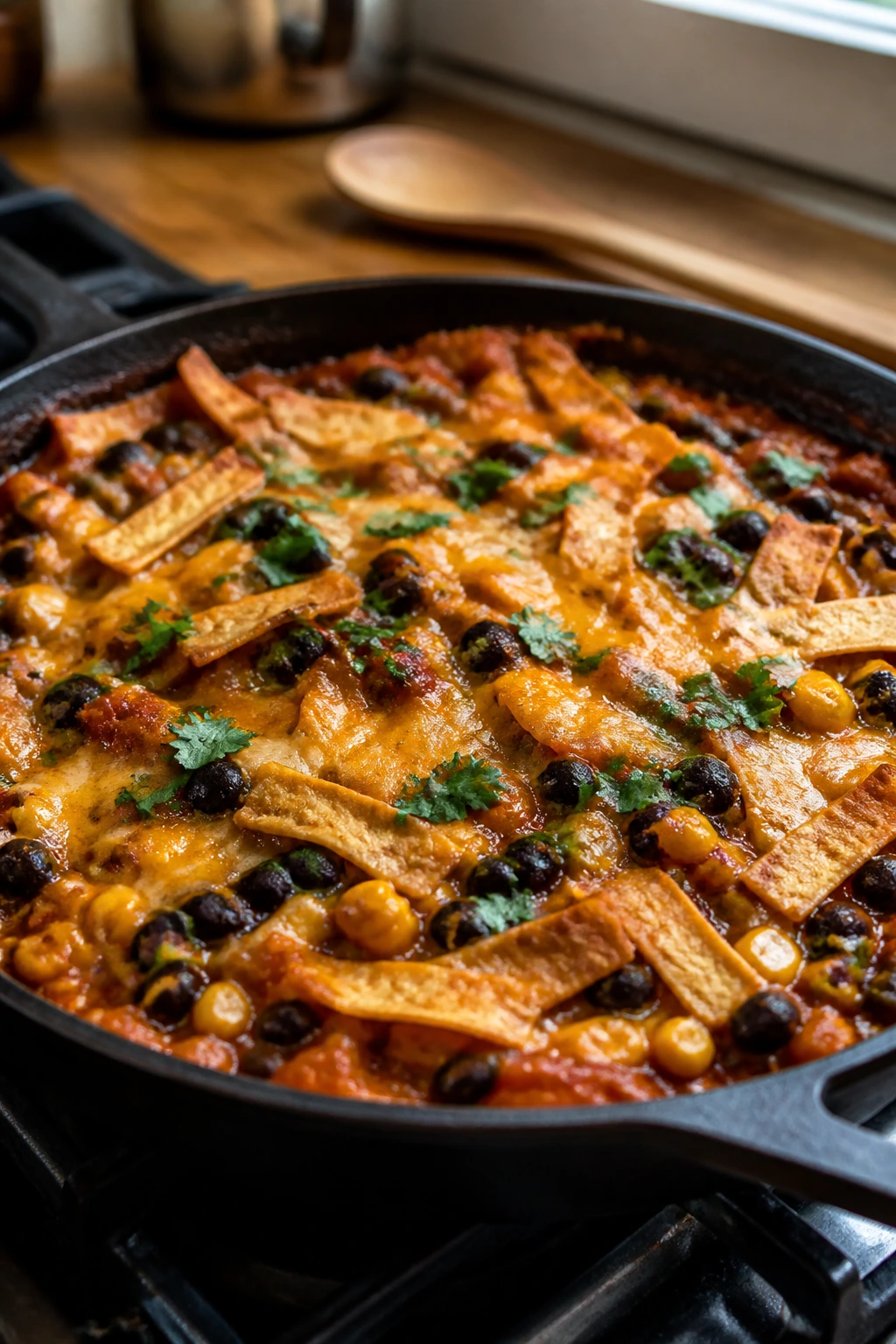
This is the sort of dinner that smells like toasted cumin and melted cheese before it even hits the table. Tortillas soften in the sauce, the beans make the pan hearty, and every scoop gets a little bit of edge from the browned bits at the bottom.
Why It Works: You get enchilada flavor without rolling tortillas or building separate layers. The black beans and corn keep it filling, and the skillet format makes it weeknight-friendly.
Key Ingredients:
- 1 tablespoon olive oil
- 1 onion, diced
- 1 red bell pepper, diced
- 2 cups cooked or canned black beans
- 1 cup corn
- 2 cups enchilada sauce
- 4 corn tortillas, cut into strips
- 1 cup shredded cheese
- 1/2 teaspoon cumin
- 1/4 teaspoon salt
- 1 avocado, sliced
Quick Steps:
- Heat the oven to 375°F.
- Cook the onion and bell pepper in olive oil for 5 minutes.
- Stir in beans, corn, enchilada sauce, cumin, and salt.
- Fold in the tortilla strips and cook for 2 minutes so they soften.
- Top with cheese and bake for 10 to 12 minutes until bubbling.
- Finish with avocado.
Equipment for This Recipe:
- Oven-safe skillet
- Wooden spoon
- Sharp knife
How to Serve This Dish: Serve straight from the skillet with a spoon and a handful of cilantro. A lime wedge on the side is a good move.
Pro Tips for This Recipe:
- If your enchilada sauce is salty, hold back on added salt until the end.
- Use corn tortillas, not flour, so the texture stays true.
- Let the skillet sit for 5 minutes before serving so the sauce thickens.
Variations on This Dish:
- Green Chile Version: Use green enchilada sauce and add roasted poblano strips.
- Extra-Green Version: Stir in a big handful of chopped spinach before baking.
Common Mistakes to Avoid with This Dish:
- Tortillas disappearing: Cut them into strips, not tiny pieces, or they turn into mush.
- Too much sauce: A heavy pour makes the pan soupy.
- Cheese overbaking: Pull it when it is melted and bubbling, not when it has turned hard.
7. Cauliflower Tikka Bowls
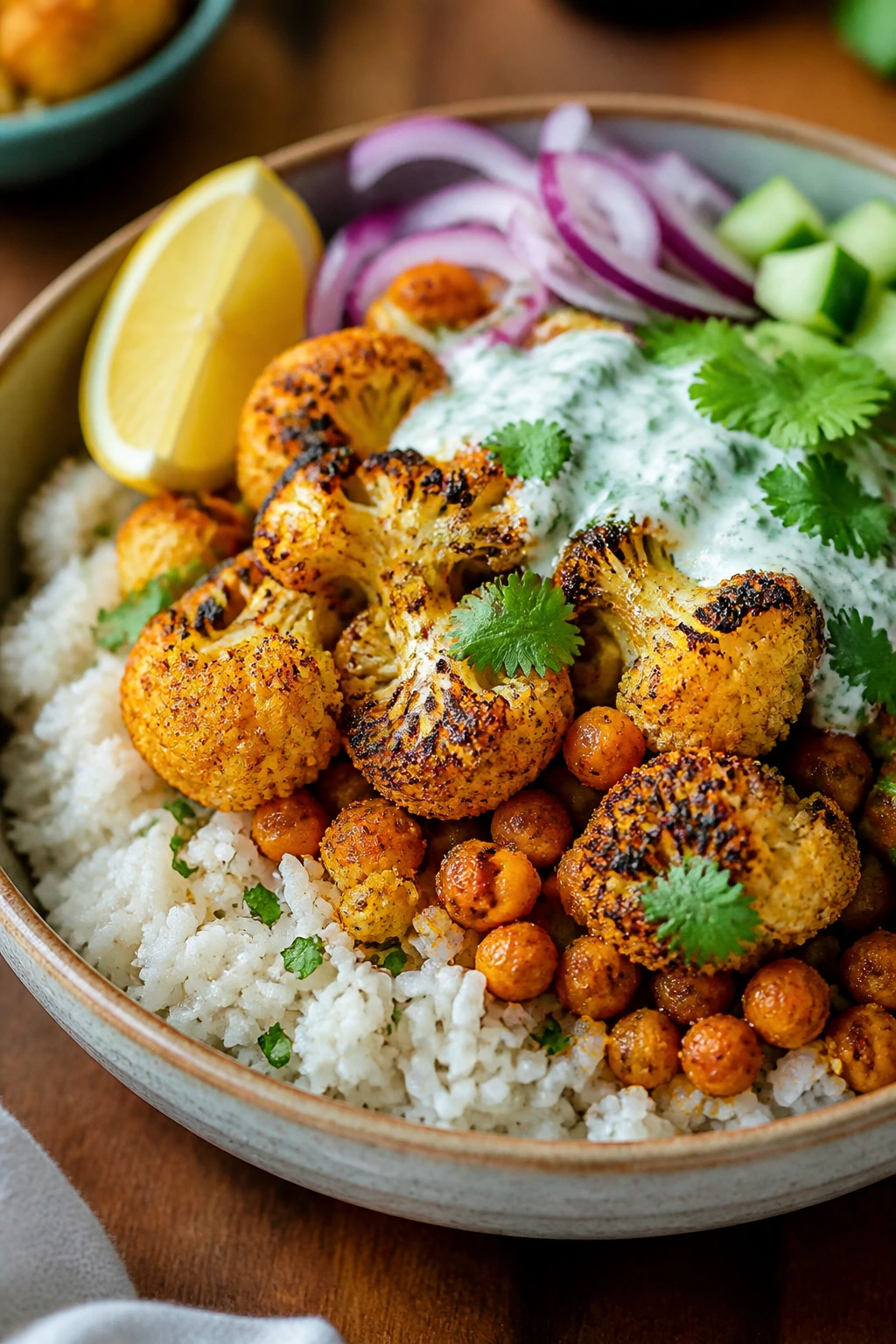
Roasted cauliflower takes on a charred, almost smoky edge that makes this bowl feel much bigger than its ingredient list. The yogurt sauce cools the spice, and the rice underneath catches every drip.
Why It Works: Cauliflower gets flavor when it browns hard in the oven, and chickpeas add substance without weighing the bowl down. It is a strong template for healthy vegetarian dinners because it hits spicy, creamy, and fresh all at once.
Key Ingredients:
- 1 large head cauliflower, cut into florets
- 1 can chickpeas, drained and rinsed
- 2 tablespoons olive oil
- 2 teaspoons tikka masala or garam masala
- 1 teaspoon salt
- 2 cups cooked rice
- 1/2 cup plain yogurt
- 1 cucumber, diced
- 1/4 cup chopped cilantro
- 1 lime, cut into wedges
Quick Steps:
- Heat the oven to 425°F.
- Toss cauliflower and chickpeas with olive oil, spice blend, and salt.
- Roast for 25 to 30 minutes until the cauliflower edges are browned.
- Stir yogurt with a squeeze of lime and a pinch of salt.
- Serve over rice with cucumber, cilantro, and the yogurt sauce.
Equipment for This Recipe:
- Rimmed sheet pan
- Mixing bowl
- Spoon or spatula
How to Serve This Dish: Build each bowl with rice first, then the roasted cauliflower and chickpeas, then the cold cucumber and yogurt. The temperature contrast matters.
Pro Tips for This Recipe:
- Leave space on the pan; crowded cauliflower steams instead of roasts.
- Use full-fat or thick yogurt so the sauce does not run everywhere.
- A pinch of chili flakes at the end wakes up the whole bowl.
Variations on This Dish:
- Vegan Bowl: Swap the yogurt for unsweetened coconut yogurt or tahini sauce.
- Red Lentil Add-In: Stir warm red lentils into the rice for extra heft.
Common Mistakes to Avoid with This Dish:
- Pale cauliflower: The oven needs to be hot. 425°F is not negotiable if you want char.
- Dry bowl: Always include a sauce, even if it is just yogurt and lime.
- Underseasoned chickpeas: They need the same spice as the cauliflower, not a separate dusting.
8. Lentil Bolognese over Whole-Wheat Spaghetti
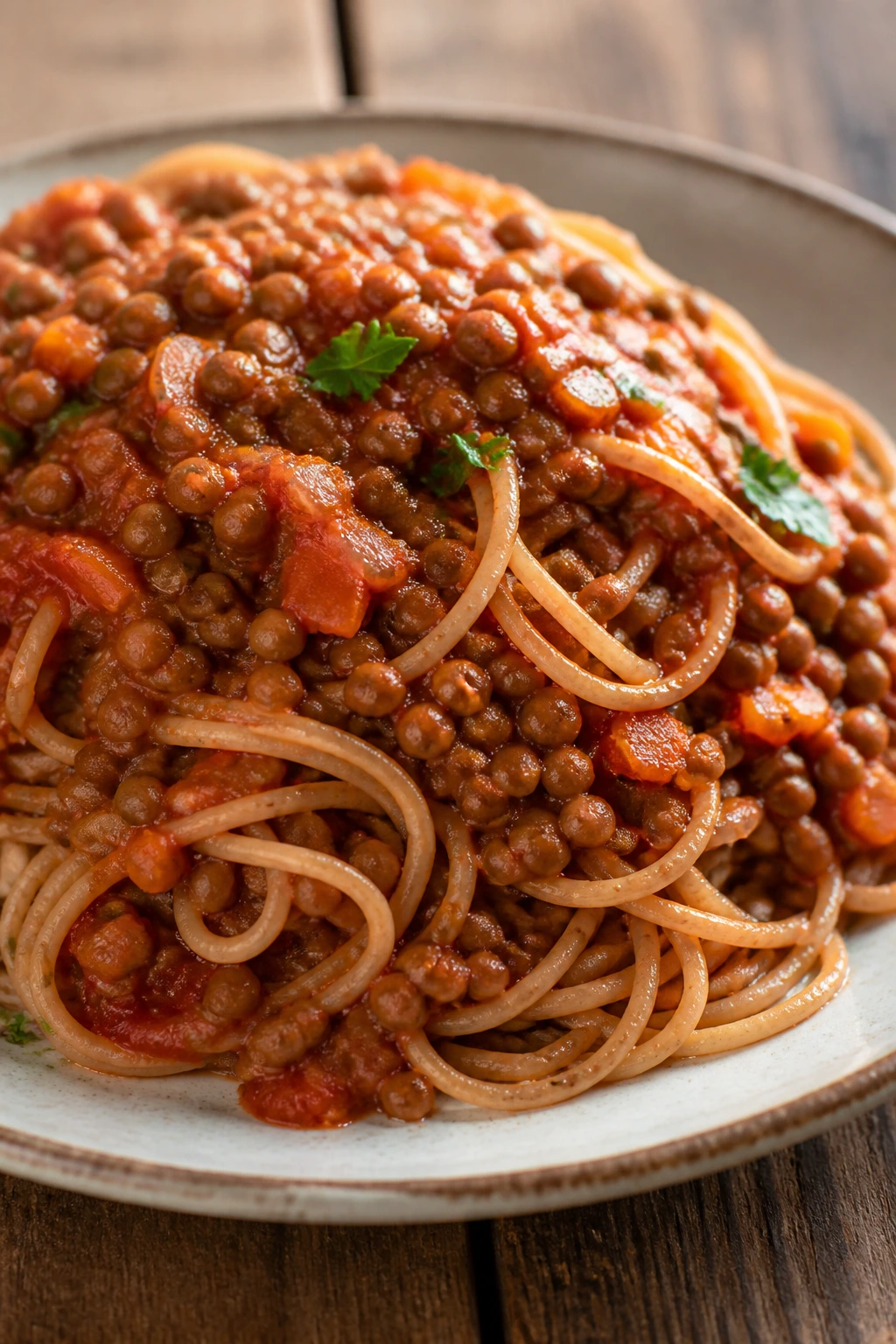
Lentils make a quietly excellent substitute for meat sauce because they hold their shape and soak up tomato, garlic, and herbs without turning grainy. The result is rich enough to coat pasta but still light enough to count as dinner, not a brick.
Why It Works: Brown or green lentils bring protein and fiber, and tomato paste deepens the sauce without needing hours on the stove. Whole-wheat spaghetti keeps the dish grounded and hearty.
Key Ingredients:
- 2 tablespoons olive oil
- 1 onion, finely chopped
- 2 carrots, finely diced
- 2 celery stalks, finely diced
- 3 garlic cloves, minced
- 1 tablespoon tomato paste
- 1 cup dry brown or green lentils
- 1 can crushed tomatoes, 28 ounces
- 2 cups vegetable broth
- 1 teaspoon dried oregano
- 12 ounces whole-wheat spaghetti
- 1/4 cup grated parmesan
Quick Steps:
- Cook onion, carrots, and celery in olive oil for 6 to 8 minutes.
- Stir in garlic and tomato paste for 1 minute.
- Add lentils, crushed tomatoes, broth, and oregano.
- Simmer for 30 to 35 minutes until the lentils are tender and the sauce thickens.
- Cook the spaghetti until al dente and toss with the sauce and parmesan.
Equipment for This Recipe:
- Dutch oven or large saucepan
- Large pot for pasta
- Grater for parmesan
How to Serve This Dish: Twirl the pasta into shallow bowls and spoon extra sauce over the top. A little chopped basil or parsley keeps the sauce from feeling dark and heavy.
Pro Tips for This Recipe:
- Keep the simmer gentle so the lentils stay intact.
- Add a splash of pasta water if the sauce feels too tight.
- Taste near the end; lentils absorb salt as they cook.
Variations on This Dish:
- Mushroom Version: Add 8 ounces finely chopped mushrooms with the carrots.
- Red Wine Style: Deglaze the pot with 1/4 cup red wine before adding tomatoes.
Common Mistakes to Avoid with This Dish:
- Too-thick sauce too soon: Lentils need time, and the sauce will tighten as it rests.
- Mushy pasta: Cook the spaghetti to al dente so it does not collapse under the sauce.
- Flat tomato flavor: Tomato paste and parmesan are doing work here; skip neither one.
9. Sweet Potato Black Bean Tacos
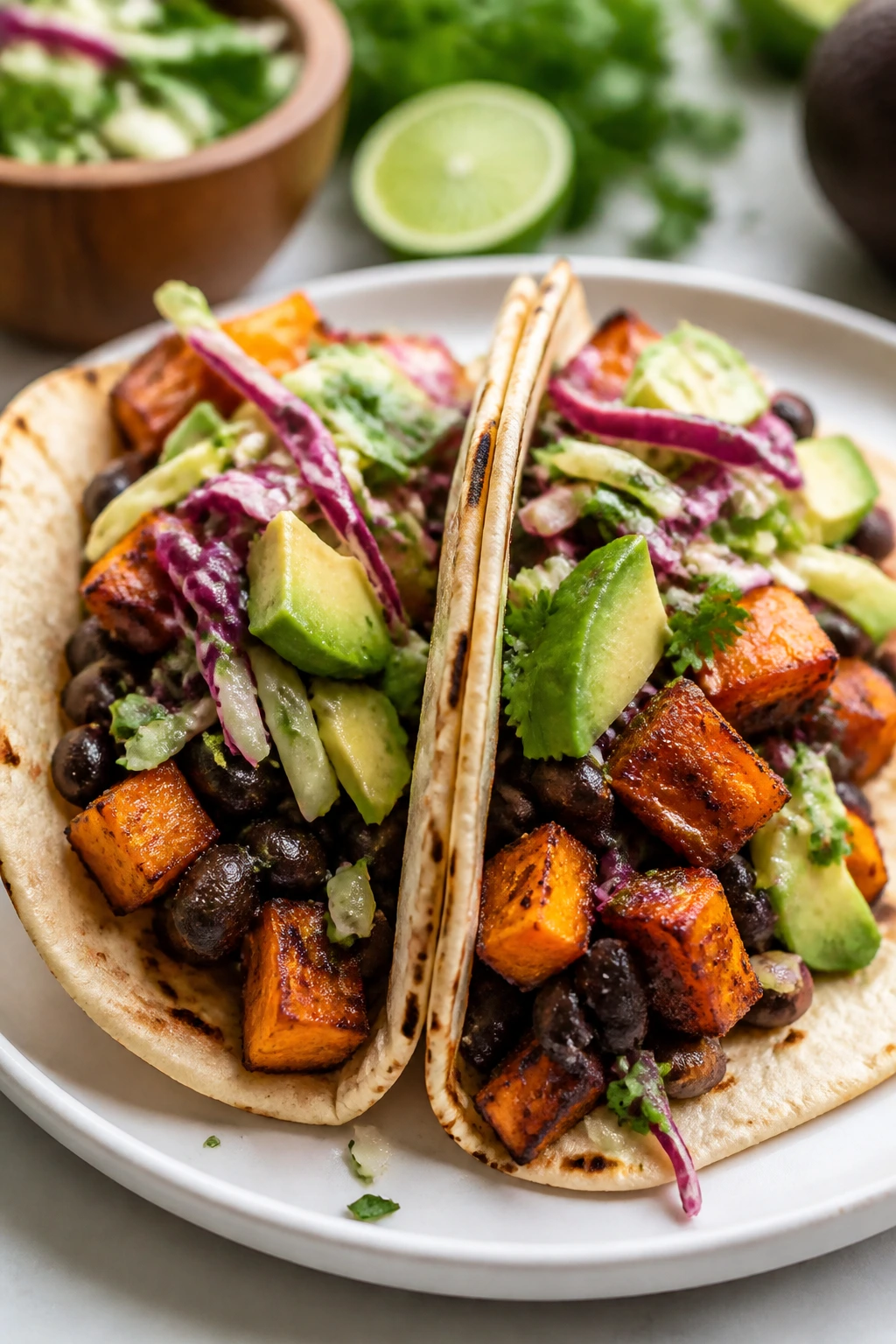
The best sweet potato tacos taste like contrast. The potatoes are soft and caramelized, the beans are earthy, the cabbage is crisp, and the lime cuts through the whole thing so it doesn’t read like baby food in a tortilla.
Why It Works: Roasted sweet potatoes bring natural sweetness, black beans keep the taco filling, and cabbage slaw gives each bite a snap. It is a clean example of healthy vegetarian dinner food that still feels like a proper taco night.
Key Ingredients:
- 2 medium sweet potatoes, peeled and cubed
- 1 tablespoon olive oil
- 1 teaspoon chili powder
- 1/2 teaspoon salt
- 1 can black beans, drained and rinsed
- 8 small corn tortillas
- 2 cups shredded cabbage
- 1 lime, juiced
- 1 avocado, sliced
- 2 tablespoons chopped cilantro
Quick Steps:
- Heat the oven to 425°F.
- Toss sweet potatoes with olive oil, chili powder, and salt, then roast for 25 minutes.
- Warm the black beans in a small saucepan.
- Toss cabbage with lime juice and a pinch of salt.
- Fill tortillas with sweet potatoes, beans, slaw, avocado, and cilantro.
Equipment for This Recipe:
- Sheet pan
- Small saucepan
- Skillet or griddle for tortillas
How to Serve This Dish: Serve with extra lime wedges and hot sauce on the side. A spoonful of yogurt or crema works if you want a cooler finish.
Pro Tips for This Recipe:
- Roast the potatoes in a single layer so they brown at the edges.
- Warm tortillas in a dry skillet for better flavor and flexibility.
- Salt the cabbage slaw lightly; it should taste bright, not raw.
Variations on This Dish:
- Chipotle Version: Mix chopped chipotle in adobo into the beans.
- Corn Salsa Upgrade: Add a quick corn, tomato, and onion salsa for more crunch.
Common Mistakes to Avoid with This Dish:
- Soggy tacos: Don’t overfill them with wet toppings.
- Bland beans: Black beans need salt and heat; plain beans taste sleepy.
- Dry tortillas: Warm them right before serving.
10. Broccoli and White Bean Soup
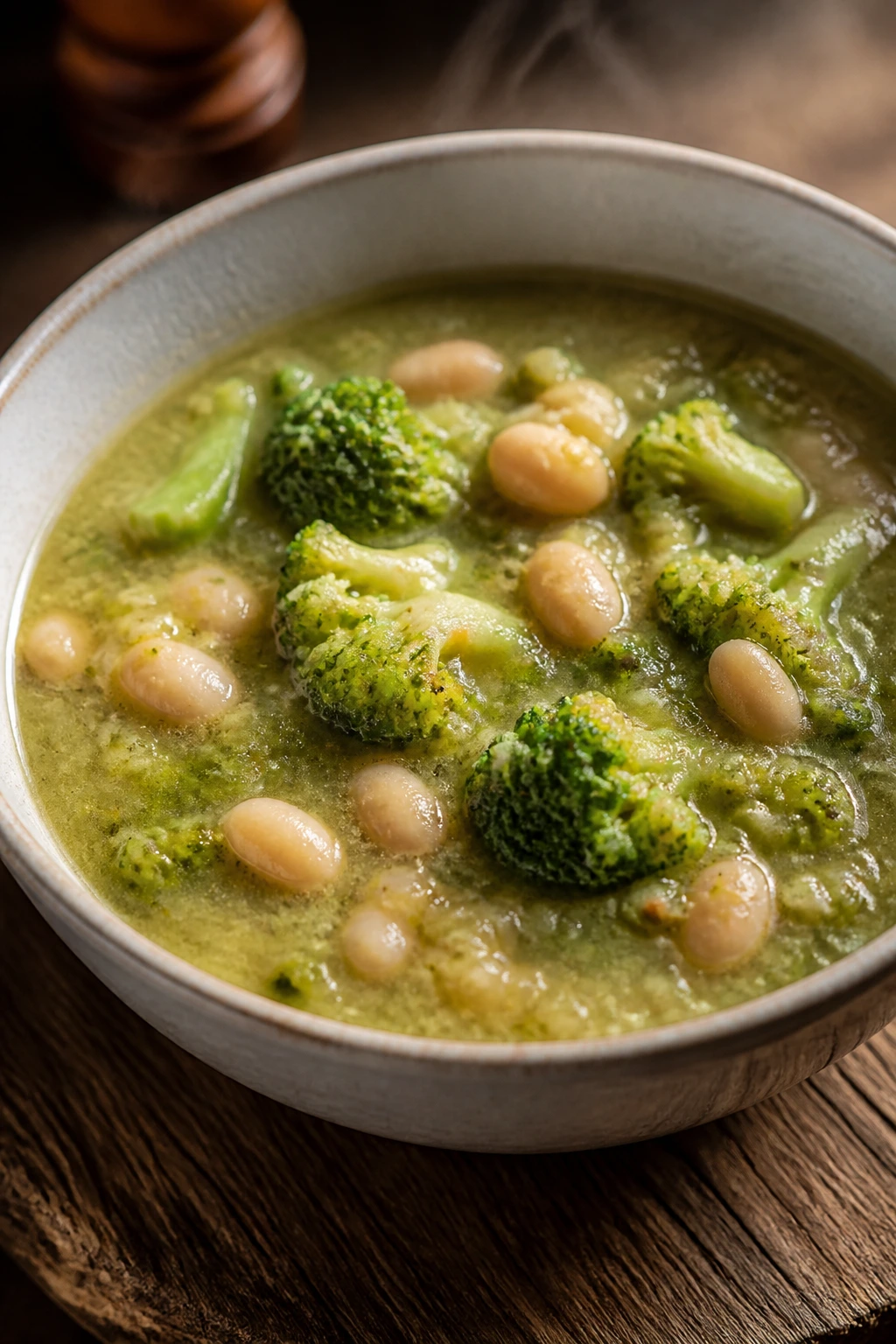
Broccoli soup can go wrong fast if it turns into green paste. This version stays better than that by keeping some pieces intact and using white beans to make the broth creamy without dumping in a lot of cream.
Why It Works: White beans thicken the soup naturally, and broccoli gives it structure and a clean, grassy taste. A squeeze of lemon at the end sharpens everything and keeps the pot from feeling dull.
Key Ingredients:
- 1 tablespoon olive oil
- 1 onion, chopped
- 2 garlic cloves, minced
- 1 russet potato, peeled and diced
- 4 cups broccoli florets
- 1 can cannellini beans, drained and rinsed
- 4 cups vegetable broth
- 1/2 teaspoon salt
- 1/4 teaspoon black pepper
- 1 lemon, juiced
- 2 tablespoons grated parmesan, optional
Quick Steps:
- Cook onion in olive oil for 5 minutes, then add garlic for 30 seconds.
- Add potato, broccoli, beans, broth, salt, and pepper.
- Simmer for 15 to 18 minutes until the potato is tender.
- Mash a few beans against the side of the pot or blend a cup of the soup for body.
- Finish with lemon juice and parmesan if using.
Equipment for This Recipe:
- Soup pot or Dutch oven
- Potato masher or blender
- Ladle
How to Serve This Dish: Serve with toasted whole-grain bread or a small grilled cheese if you want it more filling. A cracked black pepper finish matters here.
Pro Tips for This Recipe:
- Cut the broccoli into mixed sizes so some pieces melt and some stay chunky.
- Add lemon at the end, not while the soup is still hard boiling.
- If the soup seems thin, simmer uncovered for 5 extra minutes.
Variations on This Dish:
- Cheesy Broccoli Version: Stir in 1 cup shredded cheddar off the heat.
- Herb Finish: Add dill or parsley right before serving.
Common Mistakes to Avoid with This Dish:
- Overblending: Total puree makes broccoli taste flatter. Leave some texture.
- Under-salted broth: Beans and potatoes need more salt than people think.
- Boiling too hard: A hard boil can make broccoli smell swampy. Keep it at a gentle simmer.
11. Zucchini Noodle Pesto Bowl with Mozzarella and Tomatoes
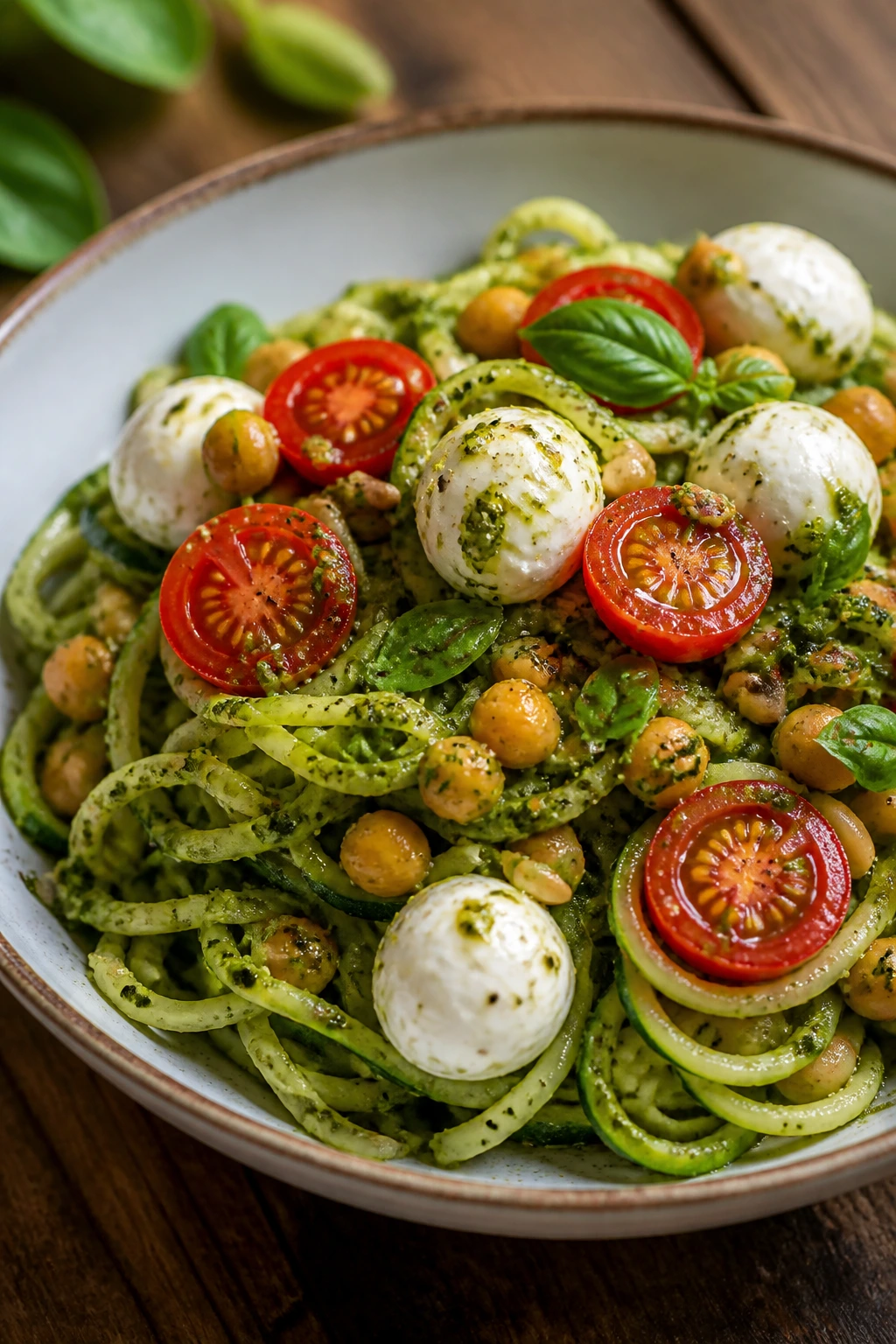
Zucchini noodles need a strong supporting cast or they feel flimsy. Pesto, tomatoes, mozzarella, and a few chickpeas give the bowl enough weight to pass as dinner instead of garnish.
Why It Works: Pesto brings fat and herbs, tomatoes bring acidity, and the chickpeas turn the bowl from side dish to meal. The trick is not cooking the zucchini too much; it should still have a little crunch.
Key Ingredients:
- 4 medium zucchini, spiralized
- 1 cup cherry tomatoes, halved
- 1 cup chickpeas, drained and rinsed
- 1/3 cup pesto
- 1 cup mozzarella pearls or diced fresh mozzarella
- 1 tablespoon olive oil
- 1/4 teaspoon salt
- 1/4 teaspoon black pepper
Quick Steps:
- Toss chickpeas with olive oil and a pinch of salt, then warm them in a skillet for 3 minutes.
- Place zucchini noodles in a bowl and salt lightly.
- Add tomatoes, chickpeas, pesto, mozzarella, and pepper.
- Toss gently and serve right away.
Equipment for This Recipe:
- Spiralizer
- Large bowl
- Skillet
How to Serve This Dish: Pile it into shallow bowls and top with extra pesto if you like a heavier sauce. Serve with toast or focaccia if you want more substance.
Pro Tips for This Recipe:
- Salt the zucchini lightly and let it sit for 5 minutes, then blot excess moisture.
- Use pesto that tastes sharp and garlicky, not flat.
- Serve immediately; zucchini noodles get watery if they sit too long.
Variations on This Dish:
- Caprese Route: Add basil leaves and use only tomatoes, mozzarella, and pesto.
- Protein Boost: Add a hard-boiled egg or extra chickpeas.
Common Mistakes to Avoid with This Dish:
- Watery bowl: Zucchini releases water fast. Blot it before tossing.
- Too much pesto: A heavy hand overwhelms the zucchini.
- Overcooked chickpeas: They only need warming, not browning to the point of dryness.
12. Chickpea Shawarma Bowls
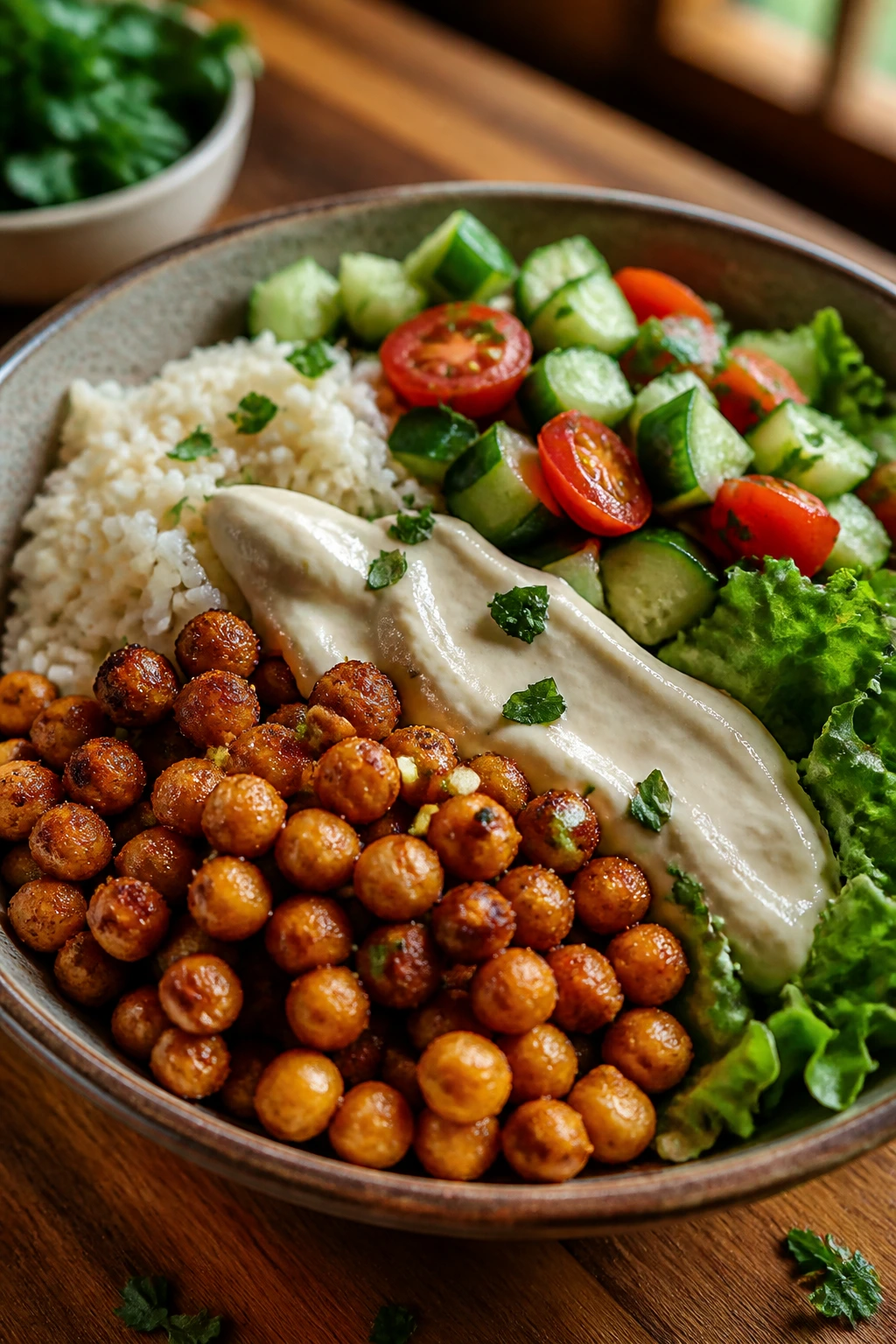
Shawarma spices do a lot of heavy lifting when you do not want a complicated dinner. They turn chickpeas from plain pantry food into something aromatic and warm, with enough paprika and cumin to make the bowl feel layered.
Why It Works: Chickpeas roast well, tahini gives the sauce body, and cucumber-tomato salad keeps the bowl fresh. Put it over rice or greens and it becomes a full meal without much fuss.
Key Ingredients:
- 2 cans chickpeas, drained and rinsed
- 2 tablespoons olive oil
- 2 teaspoons ground cumin
- 2 teaspoons paprika
- 1/2 teaspoon turmeric
- 1/2 teaspoon salt
- 2 cups cooked rice or chopped romaine
- 1 cucumber, chopped
- 1 cup cherry tomatoes, halved
- 1/4 cup tahini
- 1 lemon, juiced
Quick Steps:
- Heat the oven to 425°F.
- Toss chickpeas with oil, cumin, paprika, turmeric, and salt.
- Roast for 20 to 25 minutes until browned and a little crisp.
- Whisk tahini with lemon juice and a splash of water.
- Build bowls with rice or greens, chickpeas, cucumber, tomatoes, and sauce.
Equipment for This Recipe:
- Sheet pan
- Mixing bowl
- Small whisk
How to Serve This Dish: Serve with pita or warm flatbread on the side. Pickled onions are an excellent extra if you have them.
Pro Tips for This Recipe:
- Dry the chickpeas before roasting so they crisp.
- Thin tahini sauce slowly; it can seize before it turns smooth.
- A little sumac on top adds a sharp finish.
Variations on This Dish:
- Cauliflower Swap: Roast cauliflower florets with the same spices instead of chickpeas.
- Yogurt Drizzle: Mix half tahini, half yogurt for a creamier sauce.
Common Mistakes to Avoid with This Dish:
- Soft chickpeas: Wet beans will not crisp in the oven.
- Bland bowl: The sauce needs enough lemon and salt to wake up the spices.
- Too much grain, not enough topping: Keep the base moderate; the chickpeas should be the star.
13. Vegetable Minestrone with Beans
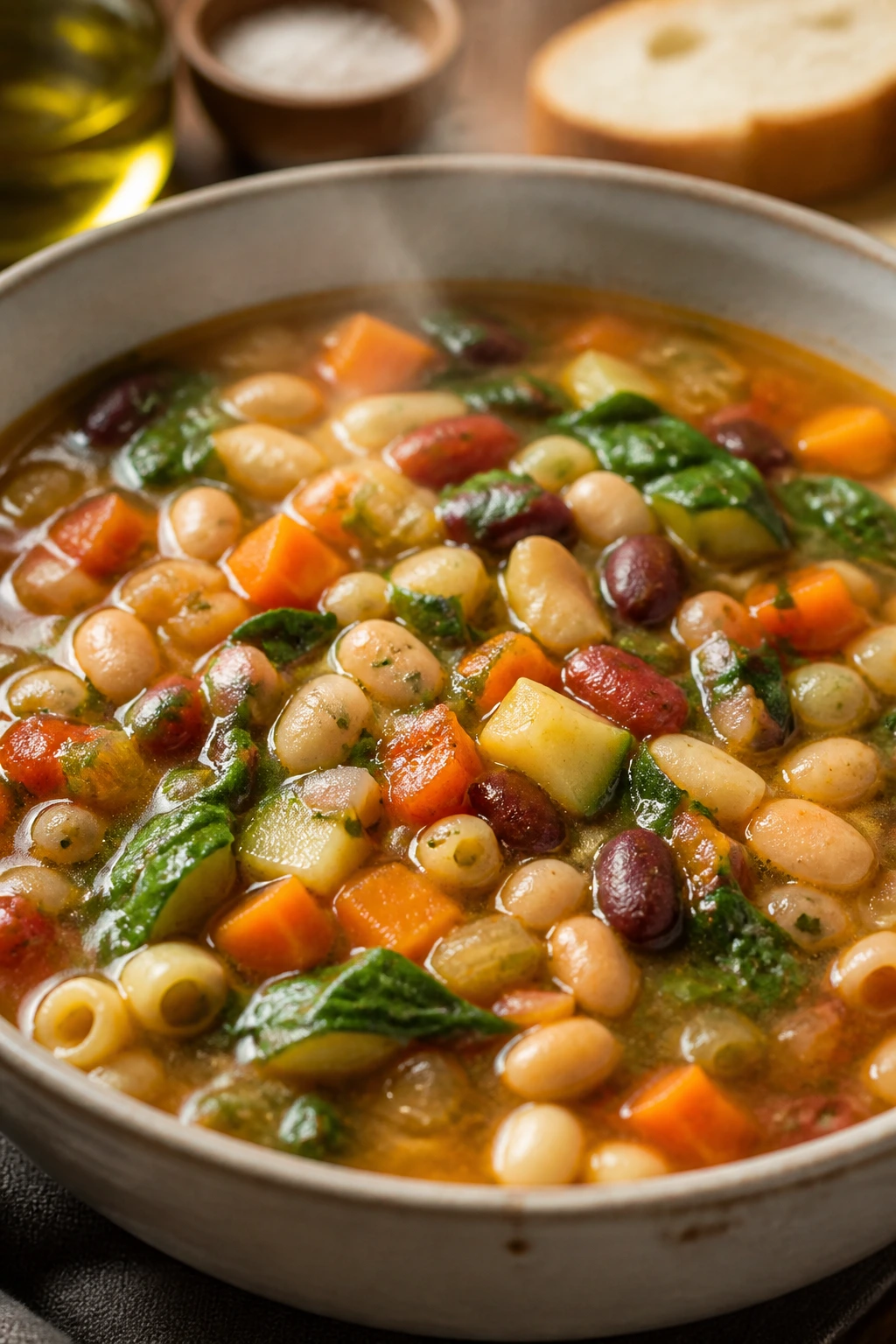
Minestrone is one of those soups that benefits from patience, but not too much of it. The vegetables need time to soften, the beans need to stay intact, and the pasta goes in only at the end so the broth stays clear enough to look like soup, not stew paste.
Why It Works: Beans and small pasta make this filling without needing cream or cheese. It is also one of the easiest ways to use a bag of mixed vegetables before they start sulking in the fridge.
Key Ingredients:
- 1 tablespoon olive oil
- 1 onion, chopped
- 2 carrots, diced
- 2 celery stalks, diced
- 2 garlic cloves, minced
- 1 zucchini, diced
- 1 can diced tomatoes, 14.5 ounces
- 1 can kidney or cannellini beans, drained and rinsed
- 5 cups vegetable broth
- 1/2 cup small pasta
- 1 teaspoon Italian seasoning
- 2 cups chopped spinach
Quick Steps:
- Cook onion, carrots, and celery in olive oil for 6 minutes.
- Add garlic and zucchini and cook for 2 minutes.
- Stir in tomatoes, beans, broth, and seasoning; simmer for 15 minutes.
- Add pasta and cook until tender, about 8 minutes.
- Stir in spinach just before serving.
Equipment for This Recipe:
- Large soup pot
- Ladle
- Cutting board
How to Serve This Dish: Serve with crusty bread and a little olive oil for dipping. A spoonful of pesto on top is a nice extra if you want more herb flavor.
Pro Tips for This Recipe:
- Cook the pasta separately if you expect leftovers; it stays firmer.
- Cut the vegetables to roughly the same size so they soften evenly.
- Add spinach at the very end so it stays green.
Variations on This Dish:
- Bean-Free Version: Swap in extra vegetables and a little extra pasta if beans are not your thing.
- Pesto Minestrone: Stir in 1 tablespoon pesto before serving.
Common Mistakes to Avoid with This Dish:
- Soggy pasta: If the soup will sit, store the pasta separately.
- Too many vegetables at once: Give each cut enough room to soften.
- Underseasoned broth: A bland minestrone is almost always missing salt and parmesan rind, if you use one.
14. Thai Peanut Soba Noodles with Edamame
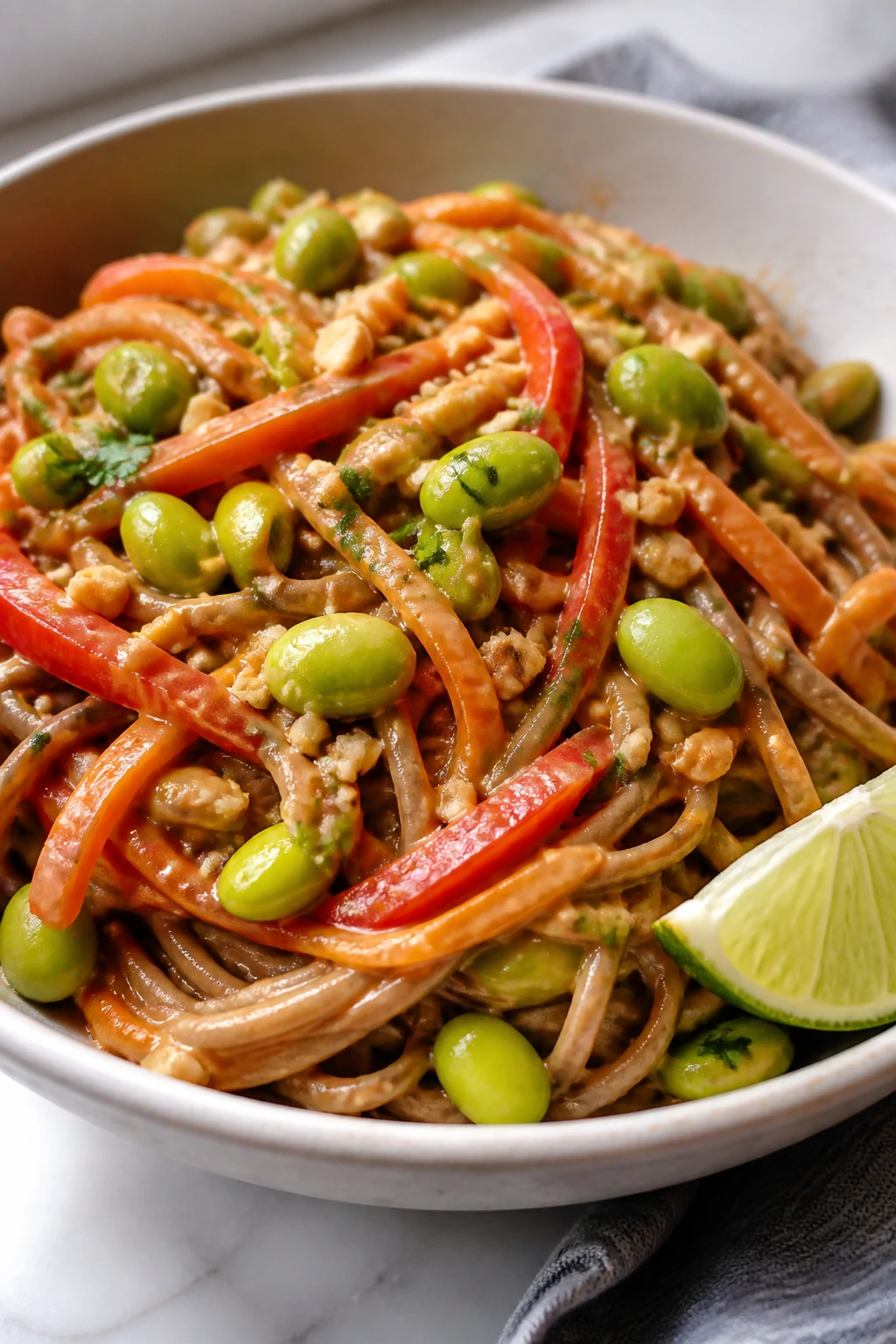
Cold noodles can be dinner, but warm noodles with a peanut sauce that clings to every strand feel more settled. The edamame add bite, and the lime keeps the peanut sauce from turning heavy.
Why It Works: Soba cooks fast, edamame bring protein, and peanut butter makes a sauce that tastes richer than the ingredient list suggests. It is a smart fridge-cleanout meal as long as you keep the sauce balanced.
Key Ingredients:
- 8 ounces soba noodles
- 1 cup shelled edamame
- 1 carrot, julienned
- 1 red bell pepper, thinly sliced
- 3 tablespoons peanut butter
- 2 tablespoons soy sauce or tamari
- 1 tablespoon rice vinegar
- 1 teaspoon sesame oil
- 1 lime, juiced
- 2 tablespoons water
- 2 tablespoons chopped scallions
Quick Steps:
- Cook the soba noodles and edamame according to package directions, then drain.
- Whisk peanut butter, soy sauce, vinegar, sesame oil, lime juice, and water into a smooth sauce.
- Toss noodles with carrot, bell pepper, and edamame.
- Add the sauce and toss until every strand is coated.
- Finish with scallions.
Equipment for This Recipe:
- Large pot
- Whisk
- Large mixing bowl
How to Serve This Dish: Serve warm or at room temperature in big bowls. A handful of chopped peanuts on top gives the noodles a better crunch.
Pro Tips for This Recipe:
- Rinse soba lightly after cooking so it does not glue itself together.
- Thin the sauce a little at a time; peanut butter thickens fast.
- Add lime at the end if the sauce tastes flat.
Variations on This Dish:
- Spicy Version: Stir in chili crisp or sriracha.
- Cabbage Crunch Version: Add shredded cabbage for more texture and better leftovers.
Common Mistakes to Avoid with This Dish:
- Thick sauce clumps: Add water slowly and whisk hard.
- Overcooked soba: It gets mushy fast; pull it as soon as it turns tender.
- Too-sweet peanut sauce: Peanut butter needs acid and salt more than extra honey.
15. Eggplant Tomato Bake with Chickpeas
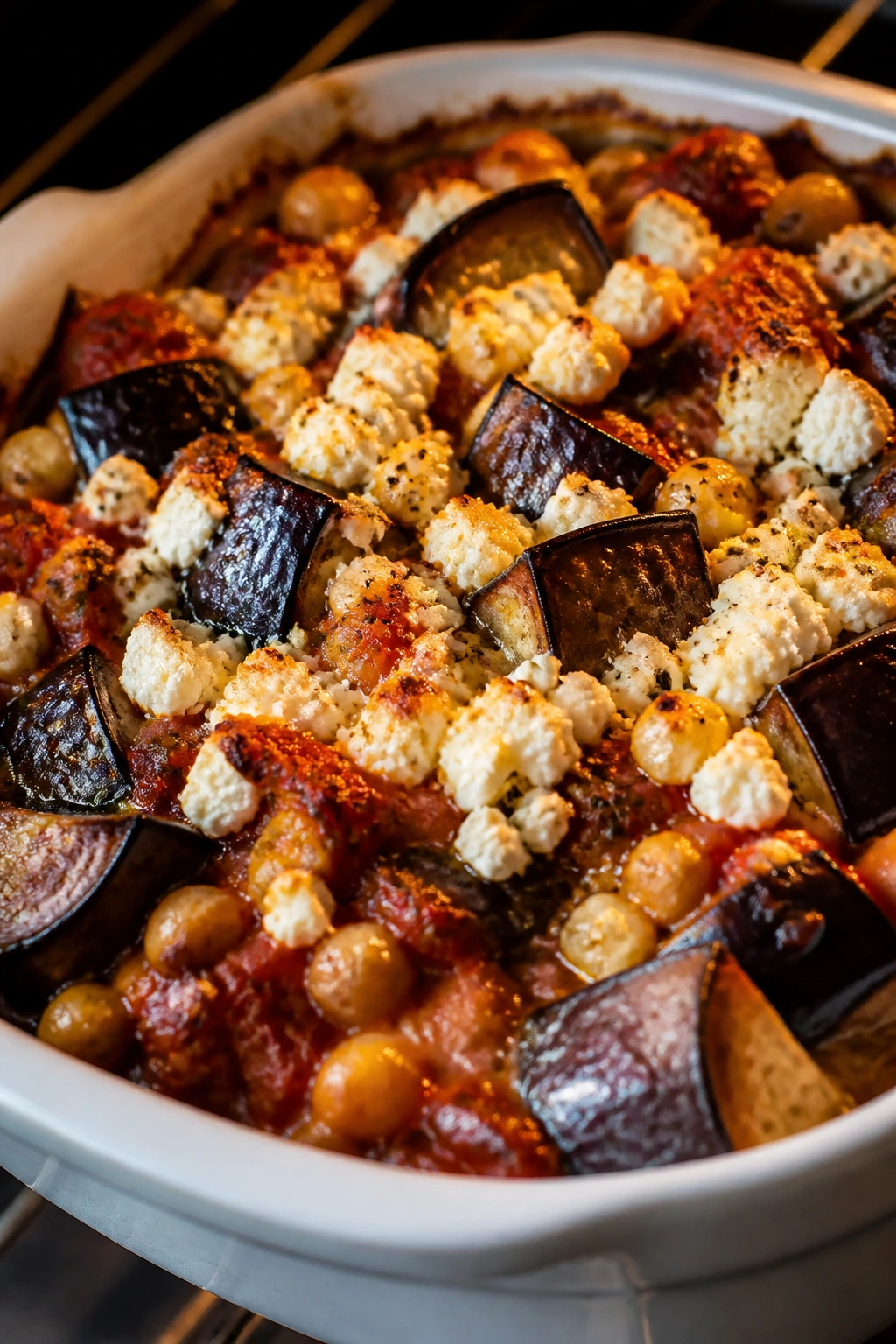
Eggplant does not need to be fussy, but it does need heat. Roast it hard enough and it becomes custardy, not spongy, which is exactly what this baked dish leans on.
Why It Works: Tomatoes and chickpeas create a saucy base, while eggplant turns soft enough to absorb all that oregano and garlic. A little feta at the top gives the pan a salty edge.
Key Ingredients:
- 1 large eggplant, cubed
- 2 tablespoons olive oil
- 1 can chickpeas, drained and rinsed
- 1 can crushed tomatoes, 14 to 15 ounces
- 3 garlic cloves, minced
- 1 teaspoon dried oregano
- 1/2 teaspoon salt
- 1/2 cup crumbled feta
- 2 tablespoons chopped parsley
Quick Steps:
- Heat the oven to 425°F.
- Toss eggplant with half the olive oil and roast for 15 minutes.
- Mix chickpeas, tomatoes, garlic, oregano, and salt, then pour over the eggplant.
- Bake another 15 minutes until bubbling.
- Top with feta and parsley before serving.
Equipment for This Recipe:
- Sheet pan or shallow baking dish
- Mixing bowl
- Spatula
How to Serve This Dish: Serve it with couscous, rice, or warm pita to catch the tomato sauce. It also works on its own if you want a lighter plate.
Pro Tips for This Recipe:
- Salt the eggplant lightly if it is large and bitter, then blot it dry.
- Roast in a hot oven so the cubes actually brown.
- Add feta after baking so it stays crumbly.
Variations on This Dish:
- Vegan Version: Skip feta and finish with olives and lemon.
- Harissa Boost: Stir 1 teaspoon harissa into the tomato mixture.
Common Mistakes to Avoid with This Dish:
- Spongy eggplant: Under-roasted eggplant never gets silky.
- Diluted tomato flavor: Use crushed tomatoes, not watery sauce.
- Too much feta too early: It melts into the bake instead of finishing it.
16. Sesame Ginger Tempeh Lettuce Wraps
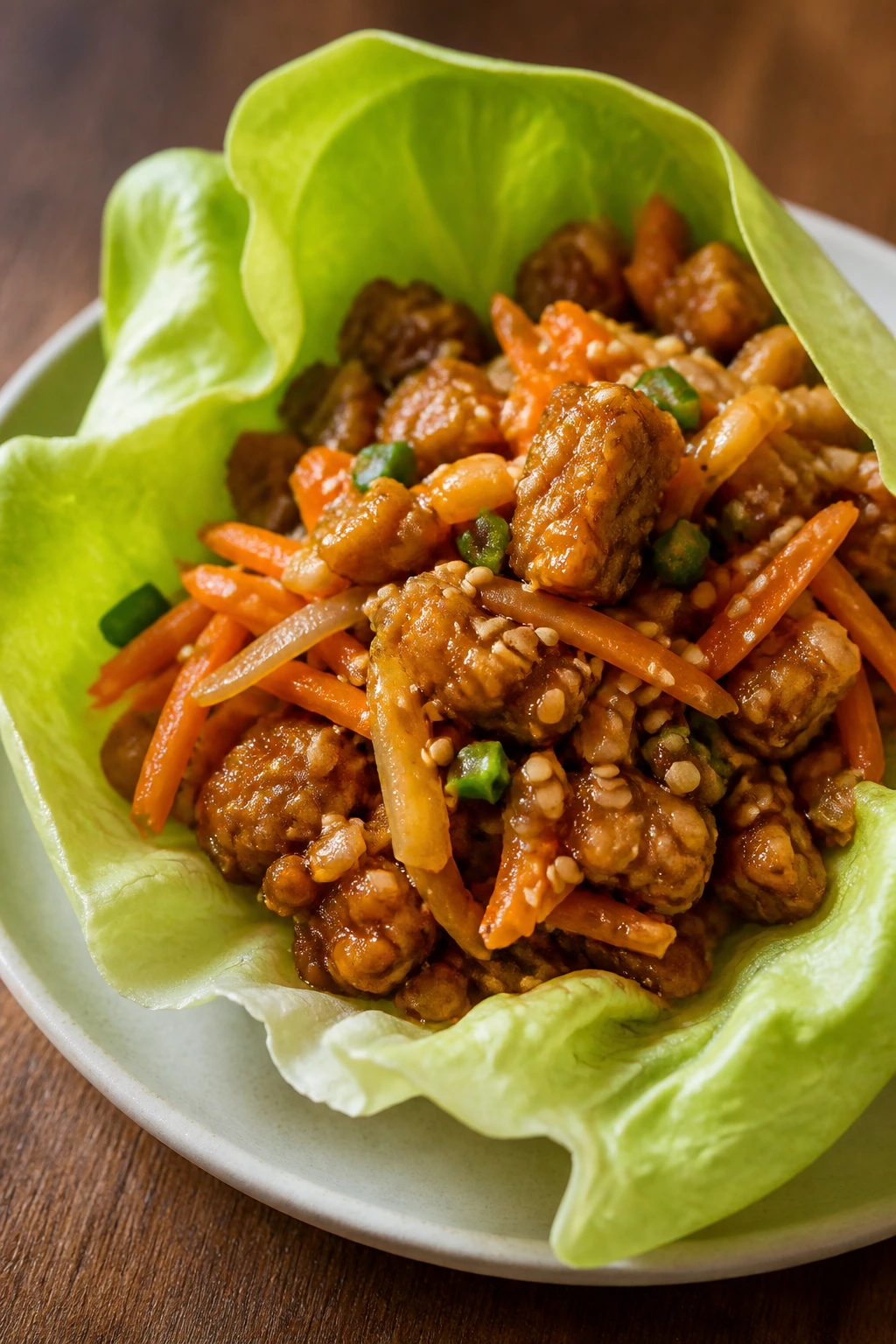
Tempeh has a firmer, nuttier bite than tofu, which makes it a good choice when you want something you can spoon into lettuce leaves without the filling falling apart. The sesame-ginger glaze gives it just enough shine.
Why It Works: Tempeh is packed with protein and holds up well in a hot pan. Lettuce wraps keep the meal light, but the filling is savory enough to feel like dinner.
Key Ingredients:
- 8 ounces tempeh, crumbled
- 1 tablespoon neutral oil
- 2 garlic cloves, minced
- 1 tablespoon grated ginger
- 2 tablespoons soy sauce or tamari
- 1 tablespoon maple syrup
- 1 teaspoon sesame oil
- 1 carrot, shredded
- 1/2 cup chopped water chestnuts
- 8 butter lettuce leaves
- 2 tablespoons sliced scallions
Quick Steps:
- Heat oil in a skillet over medium heat.
- Cook tempeh for 5 minutes until lightly browned.
- Add garlic and ginger for 30 seconds, then stir in soy sauce, maple syrup, and sesame oil.
- Fold in carrot and water chestnuts for 1 minute.
- Spoon into lettuce leaves and top with scallions.
Equipment for This Recipe:
- Skillet
- Spatula
- Small bowl for the glaze
How to Serve This Dish: Serve the wraps with extra lettuce leaves and a lime wedge if you like a sharper finish. A side of rice turns this into a more filling dinner.
Pro Tips for This Recipe:
- Crumble tempeh small so it fits the lettuce better.
- Butter lettuce is easier to fold than romaine.
- Add a teaspoon of rice vinegar if the glaze needs brightness.
Variations on This Dish:
- Mushroom Blend: Mix in finely chopped mushrooms for a softer filling.
- Spicy Sesame: Add chili paste or red pepper flakes to the glaze.
Common Mistakes to Avoid with This Dish:
- Dry tempeh: Tempeh likes sauce. Do not skip the glaze.
- Broken lettuce cups: Use the outer leaves for sturdier wraps.
- Overstuffing: The filling should stay in the leaf, not spill out on the plate.
17. Mediterranean Orzo with Feta and Peas
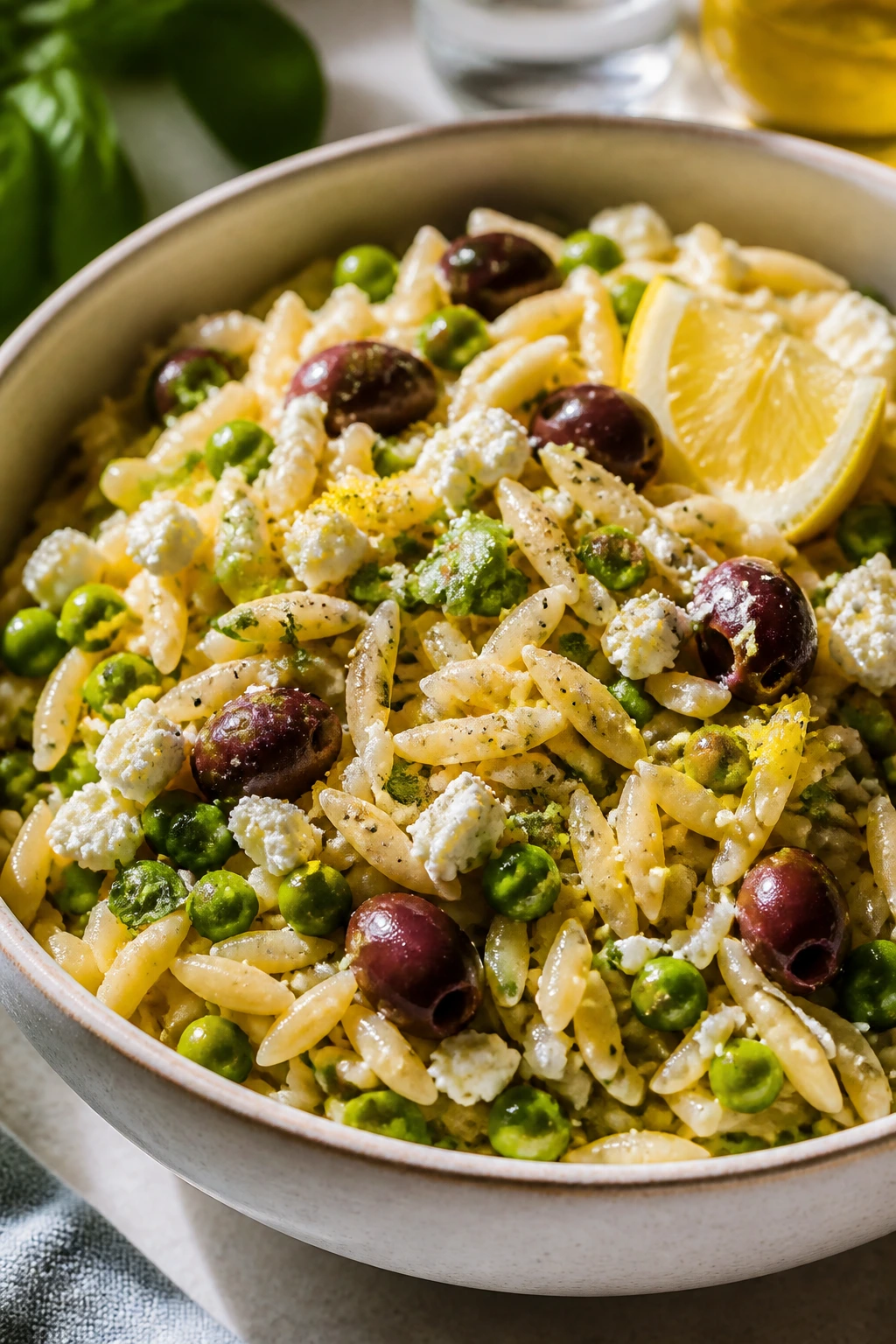
Orzo is one of those pasta shapes that likes to pretend it is rice, and that makes it perfect for a dinner that wants to feel casual but not sloppy. Feta, peas, lemon, and olives keep the bowl bright and salty.
Why It Works: Orzo cooks fast, peas bring sweetness, and feta adds enough richness that you do not need a heavy sauce. It is a good warm-weather dinner, but it works any time you want something light without being flimsy.
Key Ingredients:
- 1 tablespoon olive oil
- 1 small onion, diced
- 1 1/2 cups dry orzo
- 3 cups vegetable broth
- 1 cup frozen peas
- 1/2 cup crumbled feta
- 1/4 cup sliced olives
- 1 lemon, zested and juiced
- 2 tablespoons chopped dill or parsley
Quick Steps:
- Cook the onion in olive oil for 3 minutes.
- Add the orzo and toast for 1 minute.
- Pour in broth and simmer, stirring often, until the orzo is tender and most liquid is absorbed.
- Stir in peas for the last 2 minutes.
- Finish with feta, olives, lemon, and herbs.
Equipment for This Recipe:
- Large saucepan
- Wooden spoon
- Citrus zester
How to Serve This Dish: Serve it warm in shallow bowls with a green salad on the side. It is also good at room temperature, which makes leftovers easier to handle.
Pro Tips for This Recipe:
- Stir often so the orzo does not stick.
- Add broth as needed if the pan tightens too fast.
- Lemon zest matters here; it gives the whole dish lift.
Variations on This Dish:
- Spinach Version: Stir in baby spinach right at the end.
- Tomato-Orzo Swap: Add halved cherry tomatoes with the peas.
Common Mistakes to Avoid with This Dish:
- Gummy orzo: Too little liquid makes it gluey. Keep a little broth handy.
- Too much feta too soon: Fold it in at the end so it stays distinct.
- Flat flavor: Lemon and herbs are not optional here.
18. Harissa Roasted Carrot and Chickpea Tray Bake
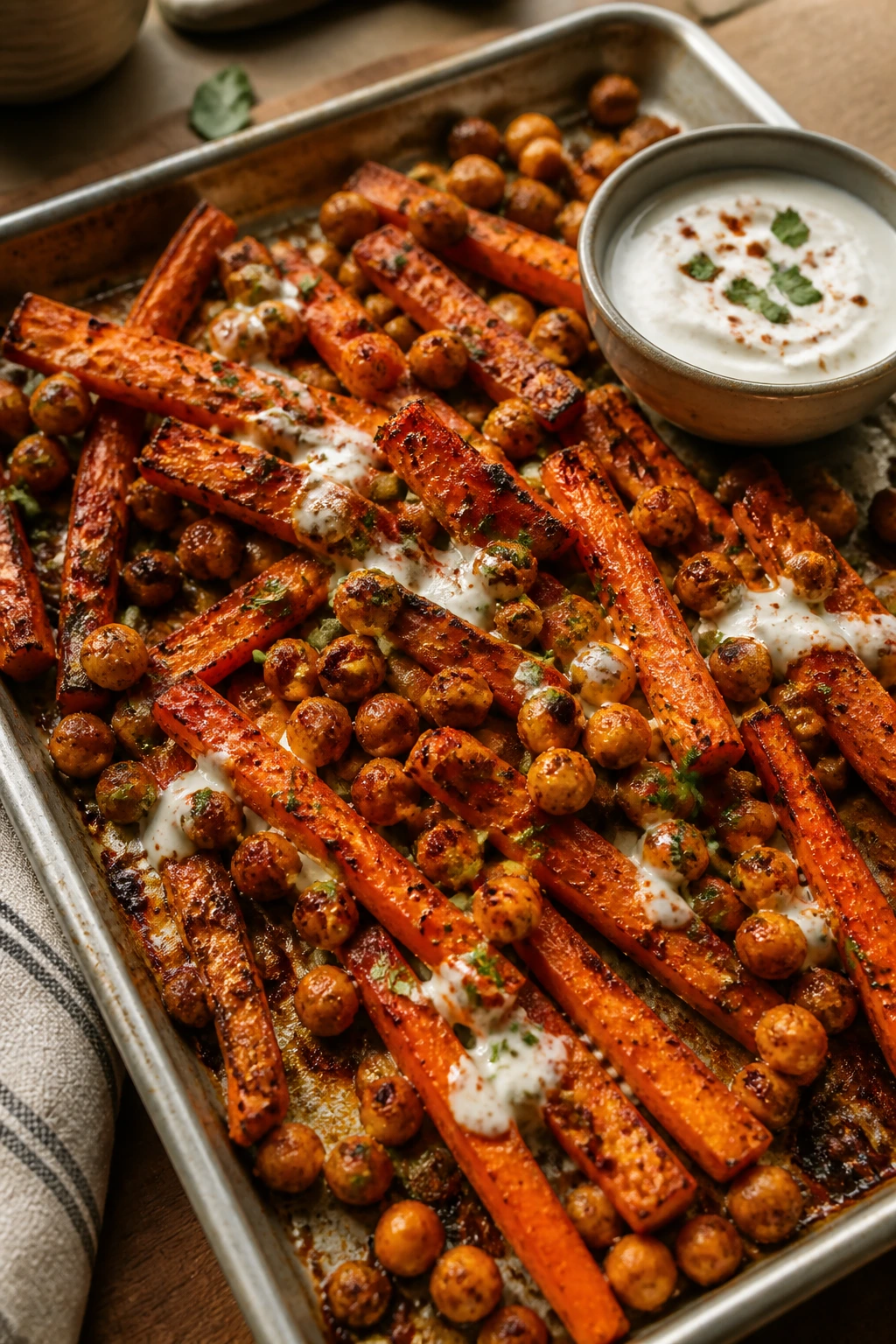
Carrots get much better when they are roasted until their edges darken a little. Harissa adds heat and smoke, chickpeas catch the spice, and yogurt on the side cools it down.
Why It Works: Roasting concentrates the sweetness in the carrots and gives the chickpeas texture. A tray bake like this is simple, but it still looks like dinner when you bring it out.
Key Ingredients:
- 1 pound carrots, cut into thick sticks
- 1 can chickpeas, drained and rinsed
- 2 tablespoons olive oil
- 1 to 2 tablespoons harissa paste
- 1 teaspoon salt
- 1 cup plain yogurt
- 1 tablespoon lemon juice
- 2 tablespoons chopped mint or parsley
Quick Steps:
- Heat the oven to 425°F.
- Toss carrots and chickpeas with olive oil, harissa, and salt.
- Roast for 25 to 30 minutes, stirring once, until the carrots are tender and browned.
- Stir yogurt with lemon juice.
- Serve the tray bake with the yogurt sauce and herbs.
Equipment for This Recipe:
- Rimmed sheet pan
- Mixing bowl
- Small bowl for sauce
How to Serve This Dish: Serve it over couscous, rice, or quinoa so nothing goes to waste. The yogurt should be cool and spoonable, not runny.
Pro Tips for This Recipe:
- Cut carrots to the same thickness so they roast evenly.
- Harissa varies in heat; start with less if yours is fiery.
- Spread everything out. Crowding ruins the char.
Variations on This Dish:
- Sweet-Savory Version: Add 1 tablespoon honey to the harissa mix.
- Vegan Sauce: Swap yogurt for tahini thinned with lemon and water.
Common Mistakes to Avoid with This Dish:
- Steamed vegetables: The pan is too crowded or too small.
- Burned harissa: High heat is good, but check halfway through.
- Dry tray bake: Always pair it with a sauce.
19. White Bean and Kale Stew
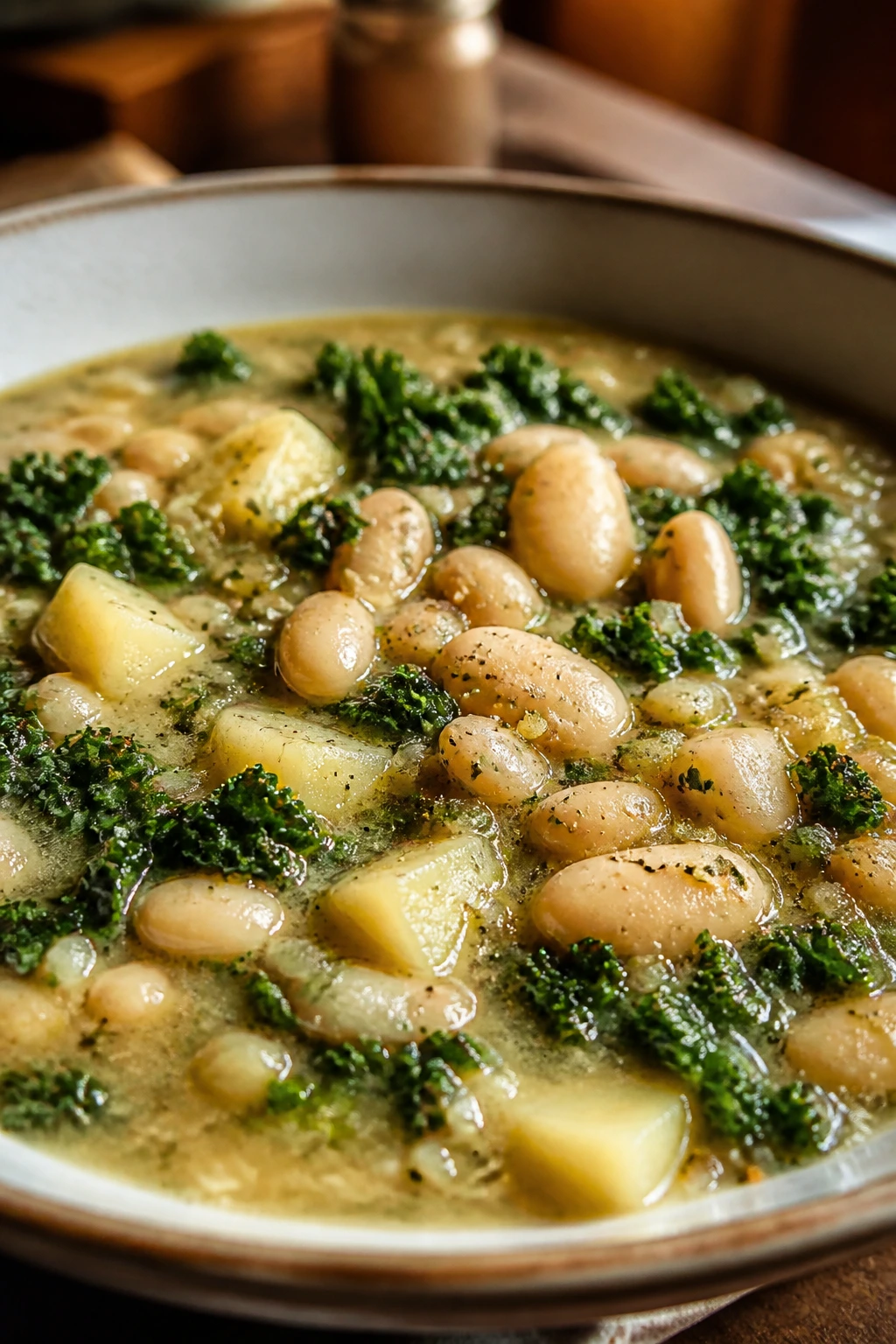
This stew tastes like it was designed by someone who wanted dinner to keep its shape. The beans break slightly, the kale softens without melting, and the broth gets creamy after a little mashing.
Why It Works: White beans give the stew body, kale brings structure, and potatoes make it more filling without needing pasta or cream. It is the sort of healthy dinner that gets better after a short rest.
Key Ingredients:
- 1 tablespoon olive oil
- 1 onion, chopped
- 2 carrots, diced
- 2 garlic cloves, minced
- 1 potato, diced
- 2 cans white beans, drained and rinsed
- 5 cups vegetable broth
- 1 teaspoon thyme
- 4 cups chopped kale
- 1 tablespoon lemon juice
- 1/2 teaspoon salt
Quick Steps:
- Cook onion and carrots in olive oil for 6 minutes.
- Add garlic and potato and cook for 2 minutes.
- Stir in beans, broth, thyme, and salt, then simmer for 20 minutes.
- Mash a few beans against the pot for body.
- Add kale and simmer 5 minutes, then finish with lemon juice.
Equipment for This Recipe:
- Dutch oven
- Potato masher
- Ladle
How to Serve This Dish: Serve with crusty bread or a slice of toasted sourdough. A drizzle of olive oil on top gives the bowl a nicer finish.
Pro Tips for This Recipe:
- Remove the tough stem from kale so it does not stay leathery.
- Mash only a portion of the beans; texture matters.
- Lemon at the end sharpens the whole pot.
Variations on This Dish:
- Tomato Version: Add a can of diced tomatoes for a redder, brighter stew.
- Rosemary Swap: Use rosemary instead of thyme if you want a woodier flavor.
Common Mistakes to Avoid with This Dish:
- All-mashed stew: Leave some beans whole for texture.
- Tough kale: Give it enough simmer time, but not so long it goes murky.
- Underseasoned broth: Beans need more salt than soup recipes usually admit.
20. Mushroom Farro Pilaf
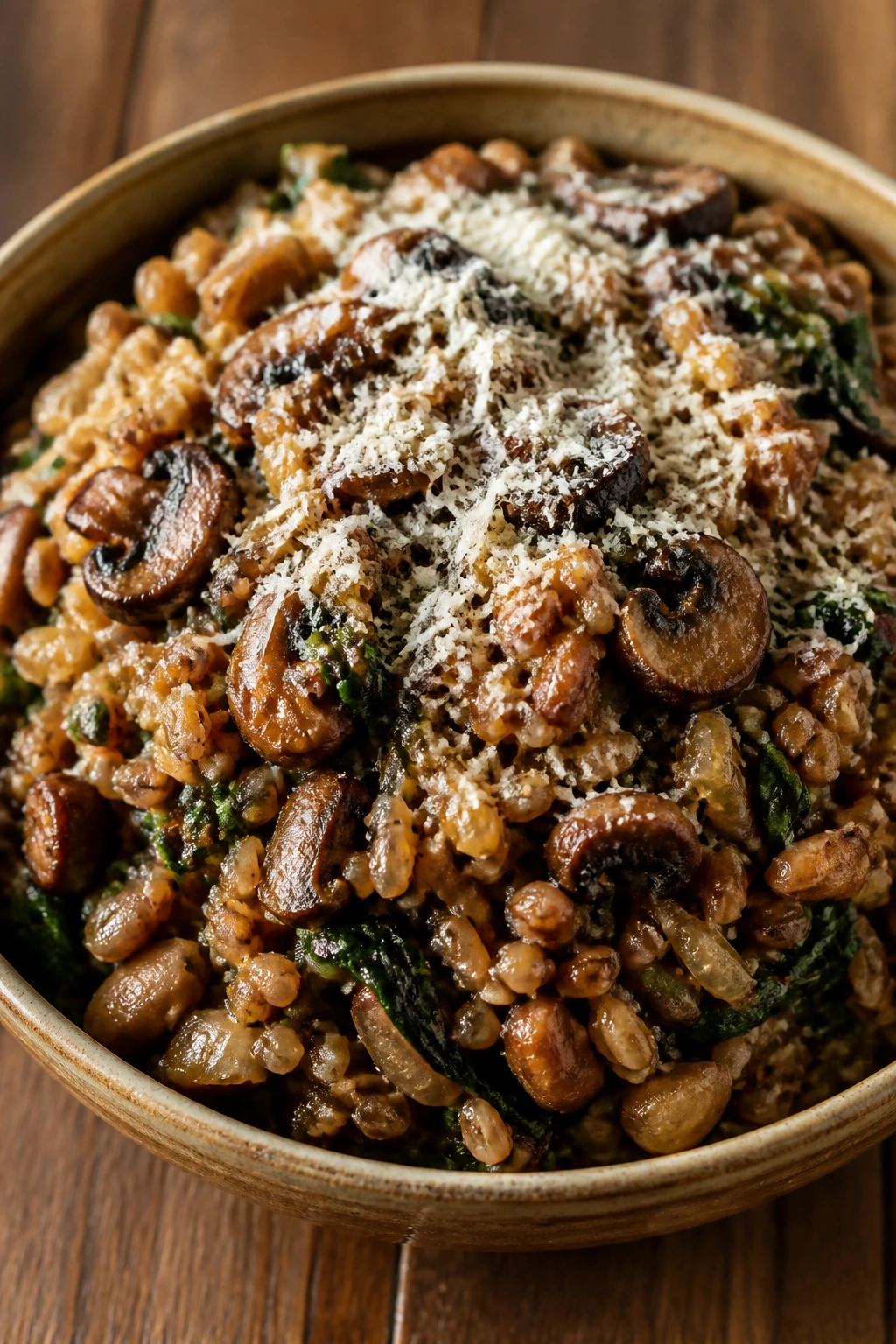
Farro has a chewy, nutty bite that makes it feel a little more serious than rice. Pair it with mushrooms, onions, and a handful of greens, and you get a dinner that eats like a grain bowl but lands with more depth.
Why It Works: Farro holds up well under vegetables and broth, so it stays toothsome instead of turning soft. Mushrooms bring savory flavor, and a little parmesan or lemon at the end keeps it from feeling dry.
Key Ingredients:
- 1 cup farro, rinsed
- 2 tablespoons olive oil
- 8 ounces mushrooms, sliced
- 1 onion, diced
- 2 garlic cloves, minced
- 3 cups vegetable broth
- 2 cups baby spinach
- 1/4 cup grated parmesan
- 1 tablespoon lemon juice
Quick Steps:
- Cook farro in broth until tender, about 25 to 30 minutes, then drain if needed.
- Brown mushrooms and onion in olive oil for 8 minutes.
- Add garlic for 30 seconds.
- Stir in farro, spinach, parmesan, and lemon juice.
- Serve warm.
Equipment for This Recipe:
- Saucepan
- Skillet
- Fine strainer, if needed
How to Serve This Dish: Serve it in bowls with roasted vegetables or a fried egg if you want more protein. It is sturdy enough for dinner and restrained enough not to feel heavy.
Pro Tips for This Recipe:
- Cook farro until chewy, not crunchy.
- Brown mushrooms well; pale mushrooms are wasted mushrooms.
- Use broth instead of water for a deeper base.
Variations on This Dish:
- Herbed Pilaf: Add parsley and dill at the end.
- Bean Version: Stir in a cup of white beans for extra heft.
Common Mistakes to Avoid with This Dish:
- Overcooked farro: It should have bite.
- No browning on mushrooms: That is where the flavor lives.
- Too little acid: Lemon or parmesan keeps the grain from tasting dusty.
21. Veggie Fried Rice with Eggs
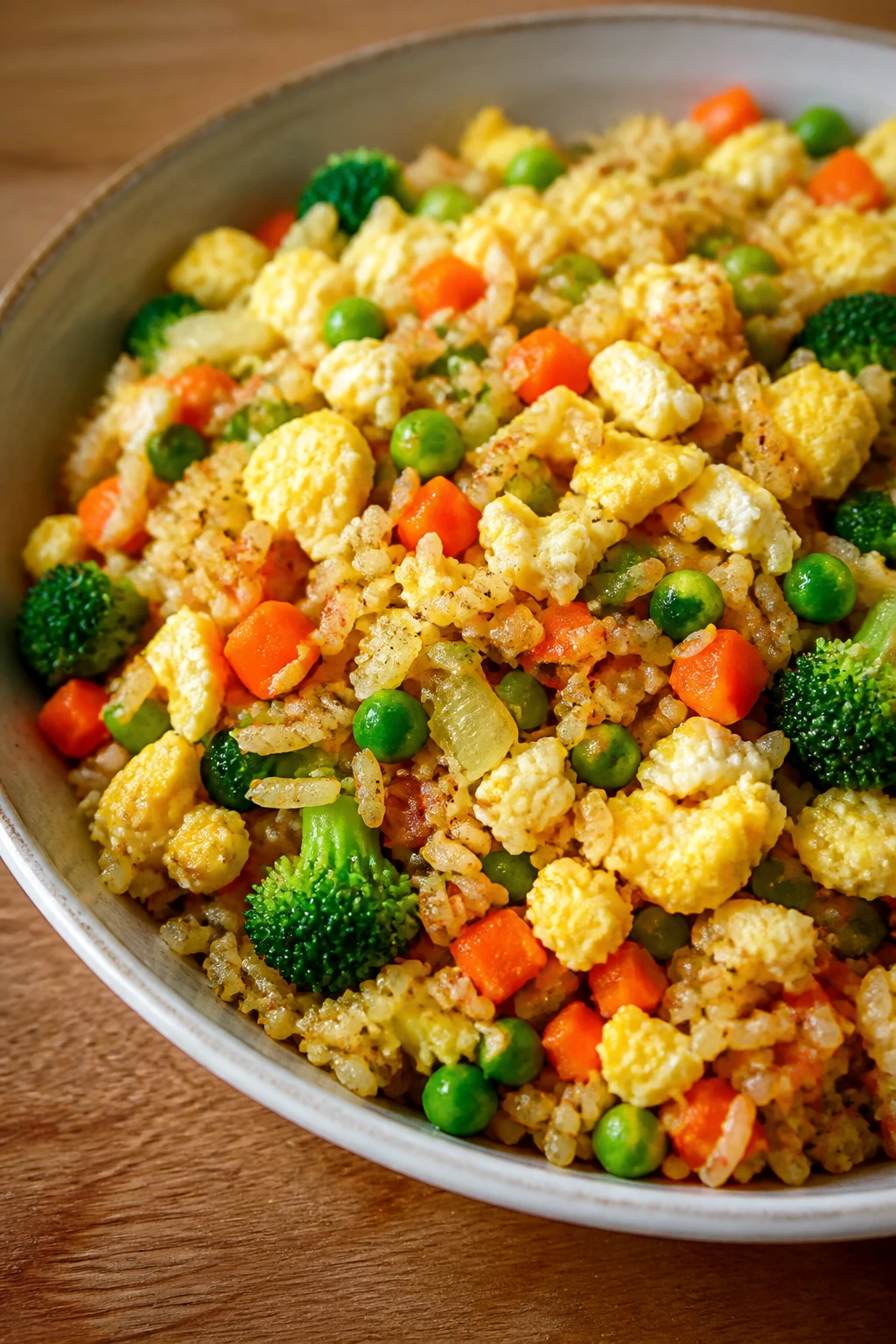
Fried rice works because it turns leftovers into something with edges. Cold rice fries better than fresh rice, the vegetables stay snappy, and the eggs give the pan that familiar, savory finish.
Why It Works: It is fast, uses cooked rice, and gives you a place to spend odds and ends from the vegetable drawer. The trick is heat: the pan should be hot enough to fry, not merely warm.
Key Ingredients:
- 3 cups cooked and chilled rice
- 2 tablespoons neutral oil
- 2 eggs, lightly beaten
- 1 cup frozen peas and carrots
- 1 cup chopped broccoli or bell pepper
- 2 scallions, sliced
- 2 tablespoons soy sauce
- 1 teaspoon sesame oil
- 1 clove garlic, minced
Quick Steps:
- Heat oil in a large skillet over medium-high heat.
- Scramble the eggs, then remove them from the pan.
- Add vegetables and garlic, and cook for 3 to 4 minutes.
- Add rice and break up the clumps with a spatula.
- Stir in soy sauce, sesame oil, eggs, and scallions.
Equipment for This Recipe:
- Large skillet or wok
- Spatula
- Bowl for beaten eggs
How to Serve This Dish: Serve it hot in bowls with extra scallions or a little chili sauce. It can stand alone, but a side of cucumber salad makes it feel fresher.
Pro Tips for This Recipe:
- Use rice that has been chilled; fresh rice clumps.
- Keep the pan hot so the rice fries instead of steaming.
- Add soy sauce around the edge of the pan for better flavor distribution.
Variations on This Dish:
- Tofu Fried Rice: Add cubed tofu in place of the eggs.
- Pineapple Version: Toss in a small handful of pineapple for a sweet-salty bend.
Common Mistakes to Avoid with This Recipe:
- Wet rice: Freshly cooked rice turns mushy.
- Crowded pan: The rice needs space to fry.
- Too much sauce: Fried rice should taste seasoned, not soaked.
22. Baked Falafel Pita Plates
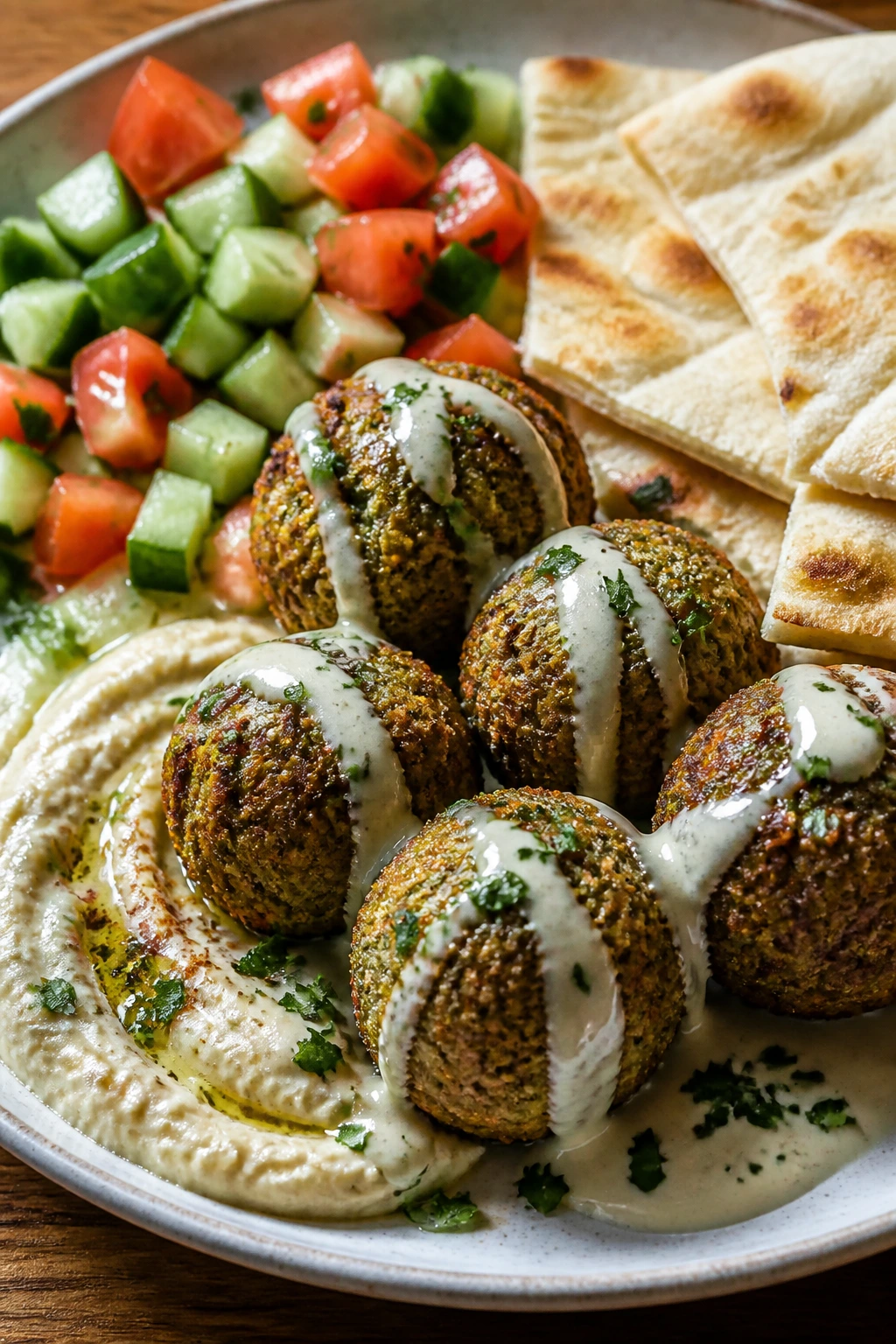
Baked falafel gives you the herb-heavy flavor of the classic version without the mess of deep frying. The chickpeas stay savory, the pita carries the fillings, and the tahini sauce pulls everything together.
Why It Works: Baking keeps the falafel lighter, and the herbs give it a fresh green taste. When you add tomato, cucumber, and tahini, the plate ends up balanced enough for dinner, not just lunch.
Key Ingredients:
- 2 cans chickpeas, drained and rinsed
- 1 small onion, roughly chopped
- 2 garlic cloves
- 1/2 cup parsley
- 1/4 cup cilantro
- 1 teaspoon cumin
- 1/2 teaspoon baking powder
- 1 teaspoon salt
- 2 tablespoons flour or chickpea flour
- 4 pita breads
- 1/4 cup tahini
- 1 lemon, juiced
- 1 cucumber, diced
- 1 tomato, diced
Quick Steps:
- Heat the oven to 400°F.
- Pulse chickpeas, onion, garlic, herbs, cumin, baking powder, salt, and flour in a food processor until the mixture holds together.
- Shape into patties and bake for 20 to 25 minutes, flipping once.
- Whisk tahini with lemon juice and a little water.
- Serve in pita with cucumber, tomato, and sauce.
Equipment for This Recipe:
- Food processor
- Sheet pan
- Parchment paper
How to Serve This Dish: Stuff the falafel into pita with the vegetables and sauce, or build a plate and tear the bread alongside it. Pickled vegetables are a strong add-on.
Pro Tips for This Recipe:
- Do not puree the mixture into hummus; it needs some texture.
- Chill the mixture if it feels too soft to shape.
- Parchment helps, but a light oil spray on the tray helps browning more.
Variations on This Dish:
- Spicy Herb Falafel: Add a little jalapeño or red pepper flakes to the mix.
- Rice Plate Version: Serve the patties over rice instead of inside pita.
Common Mistakes to Avoid with This Dish:
- Falafel falling apart: The mix needs enough flour and chilling time.
- Dry patties: Do not bake them until rock hard.
- Weak sauce: Tahini needs enough lemon and water to turn creamy.
23. Vegetable Paella
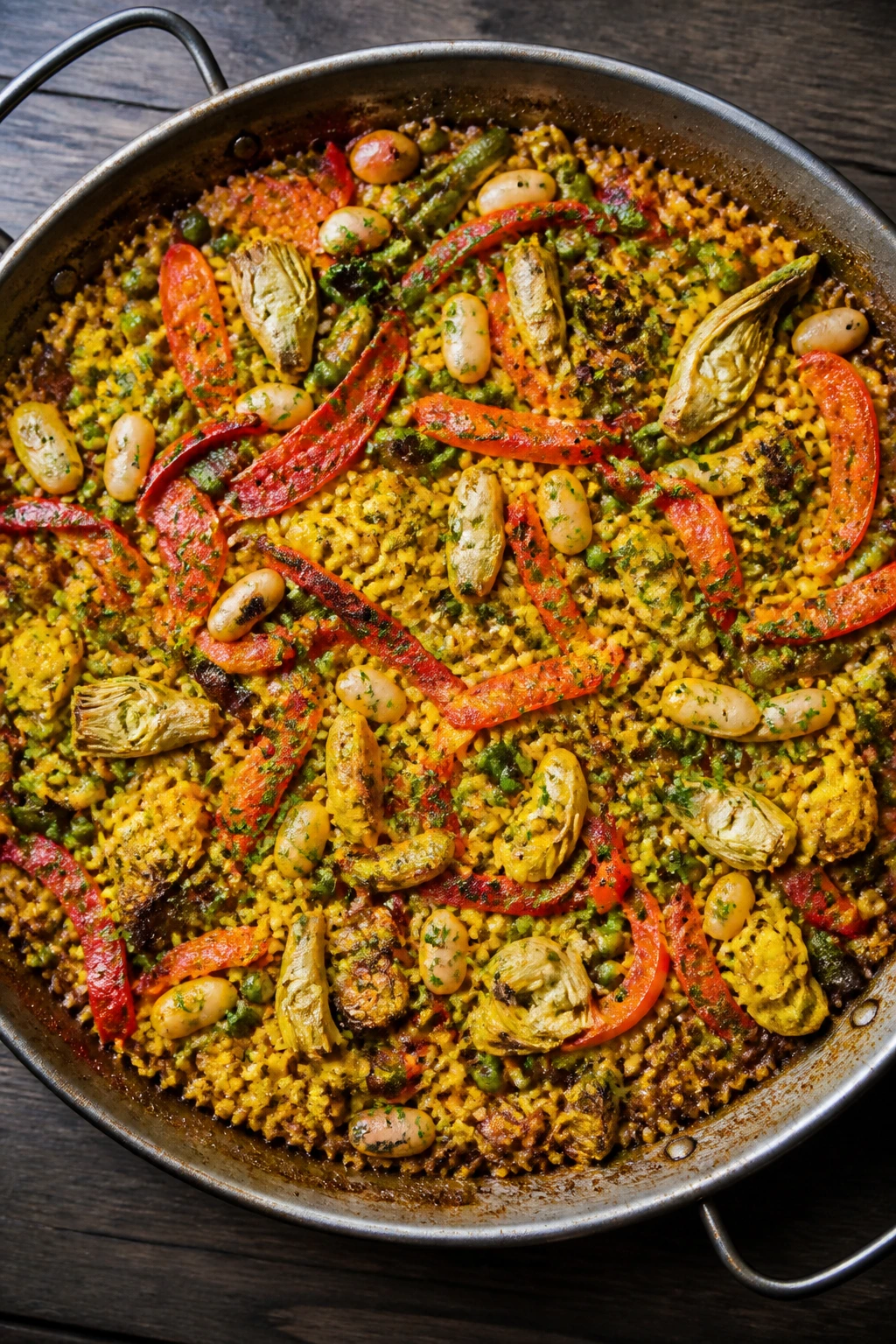
Paella should smell like toasted rice and smoked paprika before the lid comes off. This vegetable version keeps the saffron mood if you use it, but even without saffron it can still taste lively if the vegetables are browned and the rice forms a little crust underneath.
Why It Works: Short-grain rice absorbs broth well, and the vegetables sit on top instead of disappearing into the pan. The goal is layered flavor, not a stir-fry disguised as paella.
Key Ingredients:
- 2 tablespoons olive oil
- 1 onion, sliced
- 1 red bell pepper, sliced
- 2 garlic cloves, minced
- 1 1/2 cups short-grain rice
- 1 teaspoon smoked paprika
- 1 can diced tomatoes, 14.5 ounces
- 4 cups vegetable broth
- 1 cup green beans
- 1 cup peas
- Lemon wedges for serving
Quick Steps:
- Cook onion and bell pepper in olive oil for 5 minutes.
- Add garlic, rice, and smoked paprika and stir for 1 minute.
- Pour in tomatoes and broth, then simmer without stirring much.
- Add green beans and peas in the last 10 minutes.
- Cook until the rice is tender and the bottom forms a slight crust.
Equipment for This Recipe:
- Wide skillet or paella pan
- Wooden spoon
- Lid or foil
How to Serve This Dish: Serve it straight from the pan with lemon wedges. A simple salad with olive oil and vinegar is enough on the side.
Pro Tips for This Recipe:
- Use a wide pan so the rice cooks in a thin layer.
- Resist stirring once the liquid is in; paella needs to set.
- A little crust on the bottom is good. A burned bottom is not.
Variations on This Dish:
- Artichoke Version: Add canned artichoke hearts with the peas.
- Saffron Finish: If you have saffron, bloom a pinch in warm broth first.
Common Mistakes to Avoid with This Dish:
- Overstirring: That turns paella into risotto.
- Too much broth: The rice should absorb it, not swim in it.
- No browning: The vegetables need color before the liquid goes in.
24. Stuffed Zucchini Boats with Ricotta and Spinach
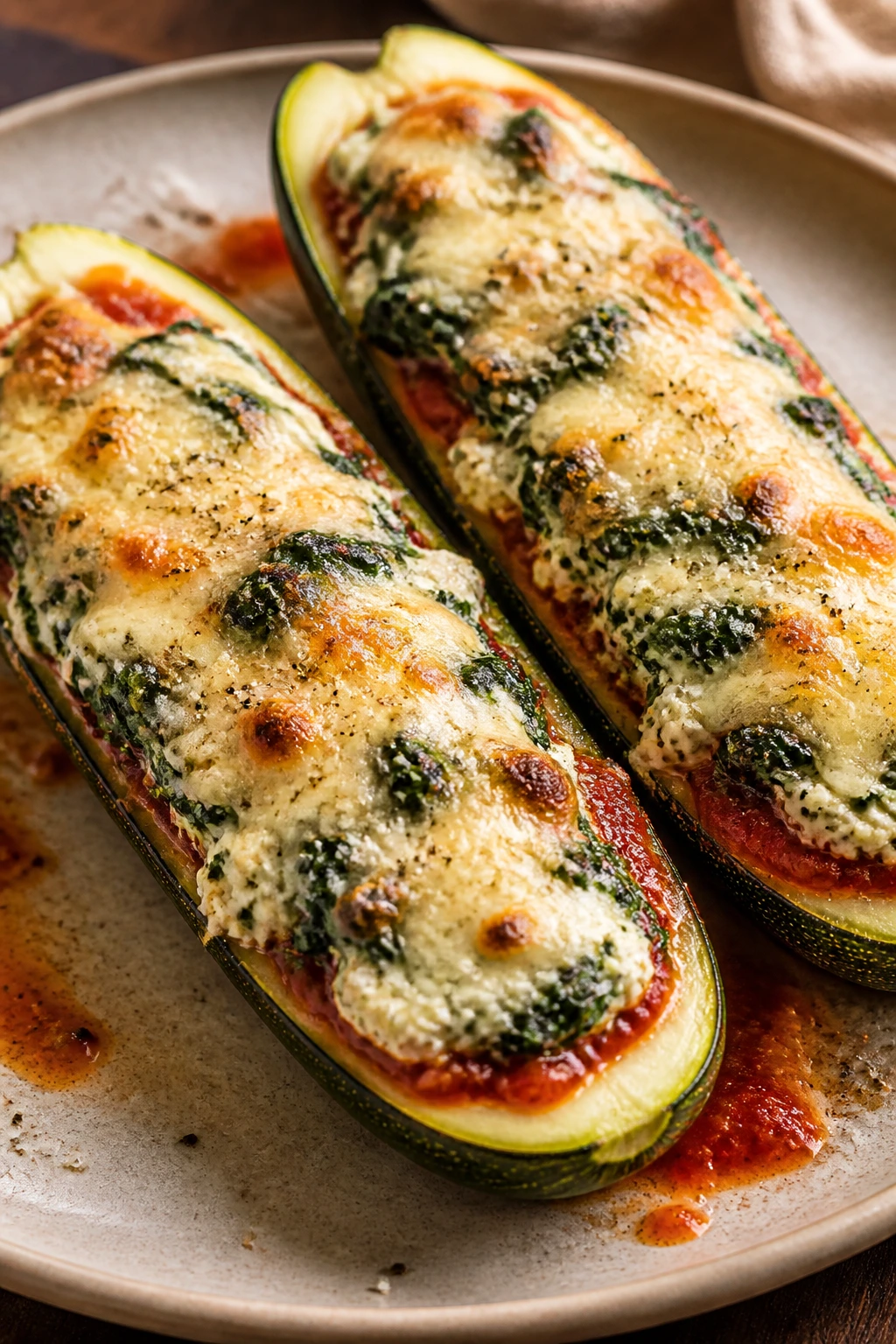
Zucchini boats can be forgettable if the filling is thin, but ricotta, spinach, and parmesan fix that quickly. The zucchini softens enough to hold the filling while still keeping its shape on the plate.
Why It Works: This is a smart way to use a lot of zucchini without ending up with a watery skillet. The filling is creamy, the topping browns, and the whole dish feels lighter than a baked pasta.
Key Ingredients:
- 4 medium zucchini, halved lengthwise and scooped
- 1 tablespoon olive oil
- 2 cups chopped spinach
- 1 cup ricotta
- 1/2 cup grated parmesan
- 1 cup marinara sauce
- 1/4 cup breadcrumbs
- 1 garlic clove, minced
- 1/2 teaspoon salt
Quick Steps:
- Heat the oven to 400°F.
- Brush zucchini halves with olive oil and bake for 10 minutes.
- Mix spinach, ricotta, parmesan, garlic, salt, and breadcrumbs.
- Fill the zucchini, spoon marinara over the top, and bake 15 to 18 minutes.
- Broil for 1 to 2 minutes if you want more browning.
Equipment for This Recipe:
- Baking dish
- Spoon for scooping zucchini
- Mixing bowl
How to Serve This Dish: Serve two zucchini halves per person with a green salad or roasted potatoes. They make a neat plate, which is part of the appeal.
Pro Tips for This Recipe:
- Do not scoop the zucchini so deeply that the shells collapse.
- Press moisture out of the spinach if it seems wet.
- Add a little mozzarella if you want more melt.
Variations on This Dish:
- Vegan Filling: Use cashew ricotta or firm tofu blended with lemon and herbs.
- Pesto Version: Stir 1 tablespoon pesto into the ricotta mixture.
Common Mistakes to Avoid with This Dish:
- Watery filling: Wet spinach or too much marinara can drown the boats.
- Raw zucchini: Give the shells a head start in the oven.
- Overbaking: Zucchini should be tender, not hollowed out and collapsing.
25. Miso-Glazed Tofu with Bok Choy and Rice
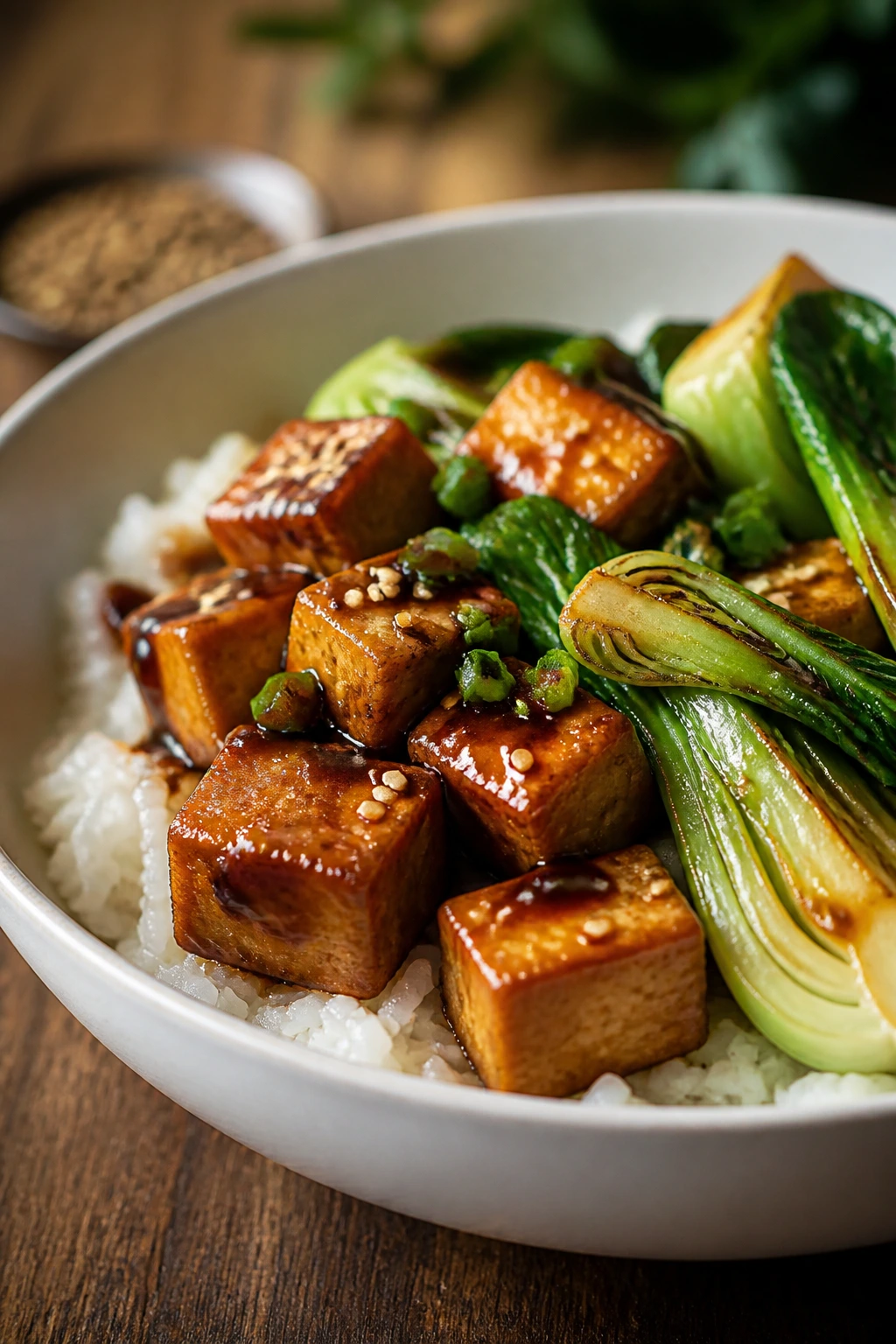
Miso gives tofu a salty, almost caramel-like edge when it hits heat, and bok choy brings a crisp stem and tender leaf in one vegetable. Over rice, it becomes a clean, savory dinner that does not feel like a compromise.
Why It Works: The glaze clings to tofu better than a thin sauce, and bok choy cooks fast enough to stay bright. It is a tidy, high-protein way to end the list because it tastes deliberate without taking much time.
Key Ingredients:
- 1 block extra-firm tofu, 14 ounces, pressed and cubed
- 2 tablespoons white miso
- 1 tablespoon soy sauce or tamari
- 1 tablespoon maple syrup
- 1 teaspoon rice vinegar
- 1 tablespoon neutral oil
- 4 heads baby bok choy, halved
- 2 cups cooked rice
- 1 tablespoon sesame seeds
- 2 scallions, sliced
Quick Steps:
- Whisk miso, soy sauce, maple syrup, and rice vinegar into a glaze.
- Heat oil in a skillet and brown the tofu on all sides.
- Add the bok choy and cook for 3 to 4 minutes until the stems are just tender.
- Pour in the glaze and toss until it coats the tofu.
- Serve over rice and finish with sesame seeds and scallions.
Equipment for This Recipe:
- Large skillet
- Whisk
- Small bowl
How to Serve This Dish: Spoon the tofu and bok choy over warm rice so the glaze seeps down. A small bowl of cucumber slices on the side makes the plate feel fresher.
Pro Tips for This Recipe:
- Press tofu well; miso glaze sticks better to dry tofu.
- Keep the heat moderate after the glaze goes in so it does not scorch.
- A tiny splash of water can loosen the glaze if it gets too thick.
Variations on This Dish:
- Sesame-Garlic Version: Add minced garlic to the pan before the glaze.
- Broccoli Swap: Replace bok choy with broccoli florets if that is what you have.
Common Mistakes to Avoid with This Dish:
- Broken glaze: Miso can clump if it is not whisked smooth first.
- Burned tofu exterior: Brown it, yes. Burn it, no.
- Wilted bok choy: It only needs a few minutes; overcooking kills the crunch.
Why These Vegetarian Dinners Keep Working Night After Night
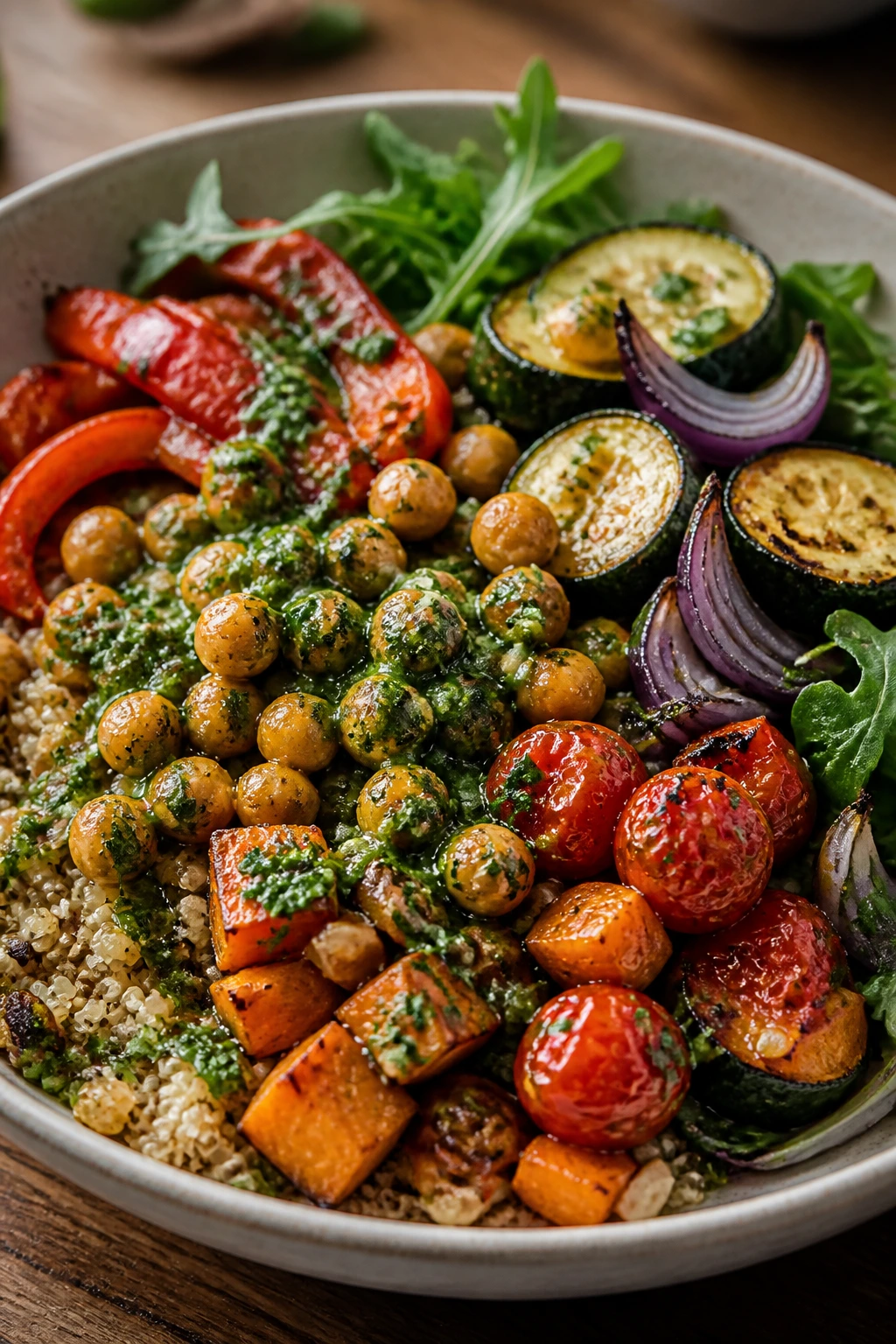
The reason this kind of cooking keeps showing up on my own dinner table is simple: it solves the part of dinner that people usually fake. The plate needs a center. A bowl of vegetables without a grain, bean, or protein feels like a side dish pretending to be a meal. These recipes fix that without making you drag out three pans and an hour’s worth of prep.
There is also a practical rhythm to them. Beans and lentils are cheap and forgiving. Whole grains carry leftovers well. Roasted vegetables taste better when they get a little color. And when you build around that pattern — something hearty, something crisp, something acidic, something creamy or salty — dinner stops being a puzzle.
Essential Equipment for These Recipes
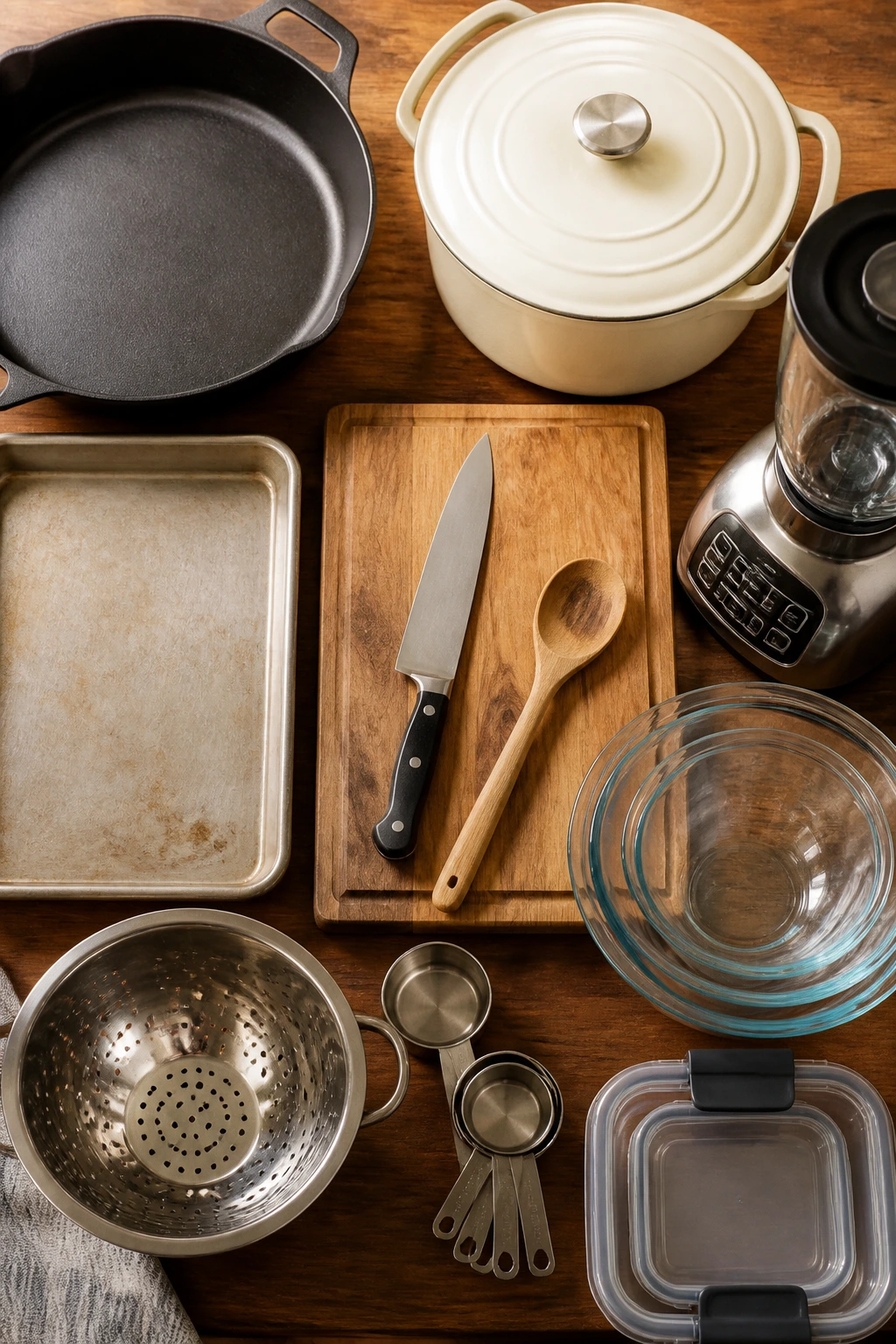
- Large skillet or sauté pan: You’ll use this for chickpeas, stir-fries, skillet bakes, and quick pasta sauces.
- Dutch oven or soup pot: Best for lentil curry, minestrone, stews, and brothy soups that need steady heat.
- Rimmed sheet pan: Roasting vegetables, chickpeas, tofu, and tray-bake dinners goes much better on a pan with edges.
- Cutting board and chef’s knife: The vegetables in this collection are simple, but they still need clean, even cuts.
- Wooden spoon or heatproof spatula: Useful for scraping browned bits and keeping lentils or rice from sticking.
- Measuring cups and spoons: Spice-heavy recipes need this more than people admit.
- Colander or fine strainer: Handy for rinsing beans, draining pasta, and handling cooked grains.
- Mixing bowls: You’ll want at least two, especially for marinades, sauces, and tossed salads.
- Blender or immersion blender, optional: Not required for everything, but useful for creamy soups and smoother sauces.
- Airtight storage containers: Leftovers are part of the plan here, not an afterthought.
Smart Shopping and Ingredient Tips
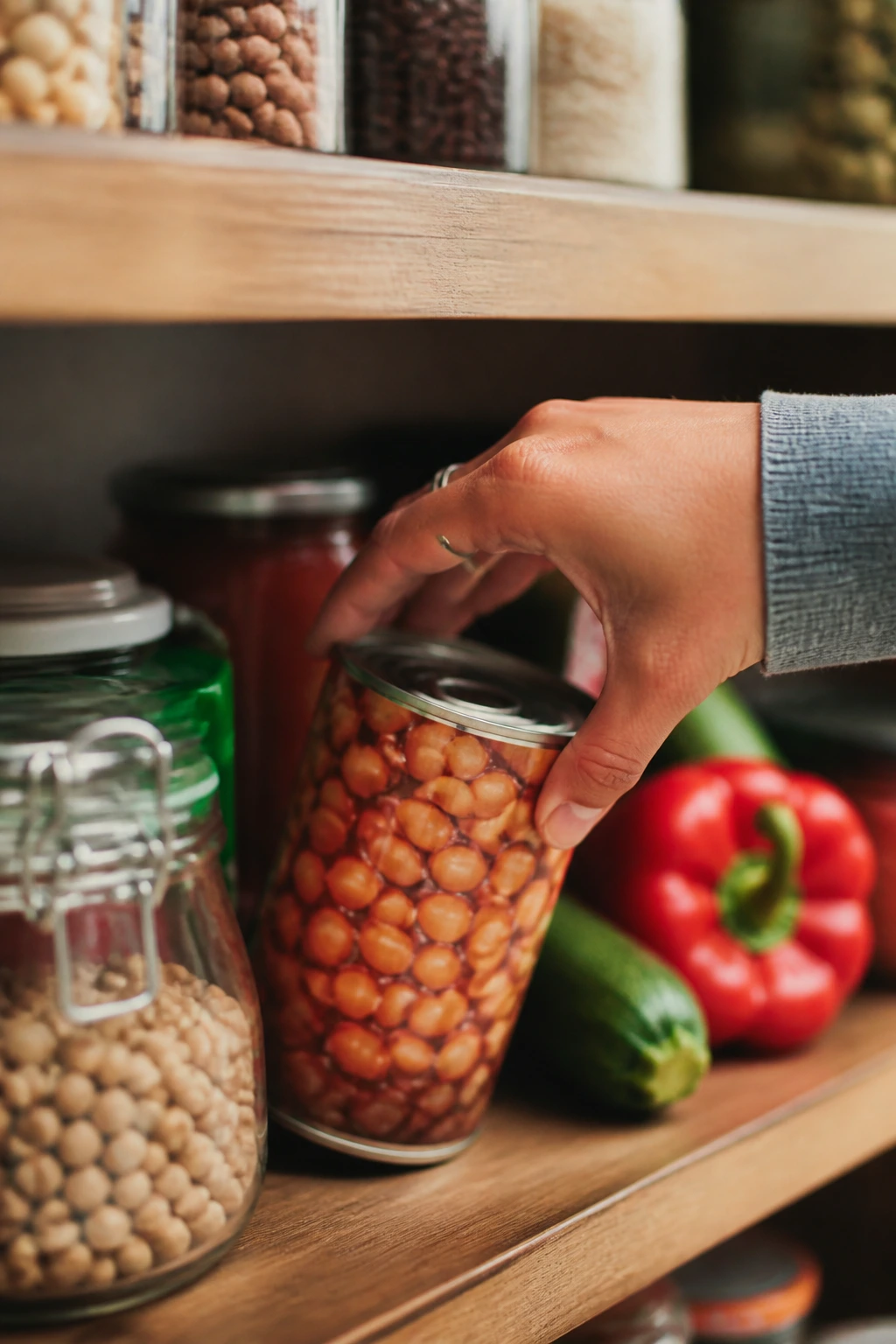
Beans, lentils, tofu, and grains do most of the work in this collection, so quality matters more than fancy add-ons. Look for canned beans with short ingredient lists, then rinse them until the liquid runs mostly clear. That one step cuts down on the canned taste and gives you a cleaner pan.
For tofu, extra-firm is the safe choice. If the package feels squishy, pass on it for dinner; you want tofu that can hold its shape after pressing and searing. Tempeh should smell nutty, not sour, and bok choy should have crisp stems without yellow spots near the base.
Vegetables tell you more than labels do. Pick bell peppers that feel heavy for their size. Buy zucchini that are small to medium, because the giant ones are full of watery seeds. Mushrooms should be dry and firm, not slimy. If a bunch of herbs looks tired and limp, skip it and use dried herbs in the cooked part, then finish with lemon or vinegar instead.
Broth is worth paying attention to. Low-sodium vegetable broth gives you more control, especially in soups, curries, and rice dishes where salt can creep up fast. The same goes for canned tomatoes and enchilada sauce — a little salt is useful, but a lot can push a healthy dinner into “why is this so loud?” territory.
Frozen vegetables are not a compromise here. Frozen peas, corn, edamame, and spinach often outperform sad fresh versions that have been sitting in the crisper for a week. Use them where they make sense, and no one at the table will complain.
How to Serve These Recipes
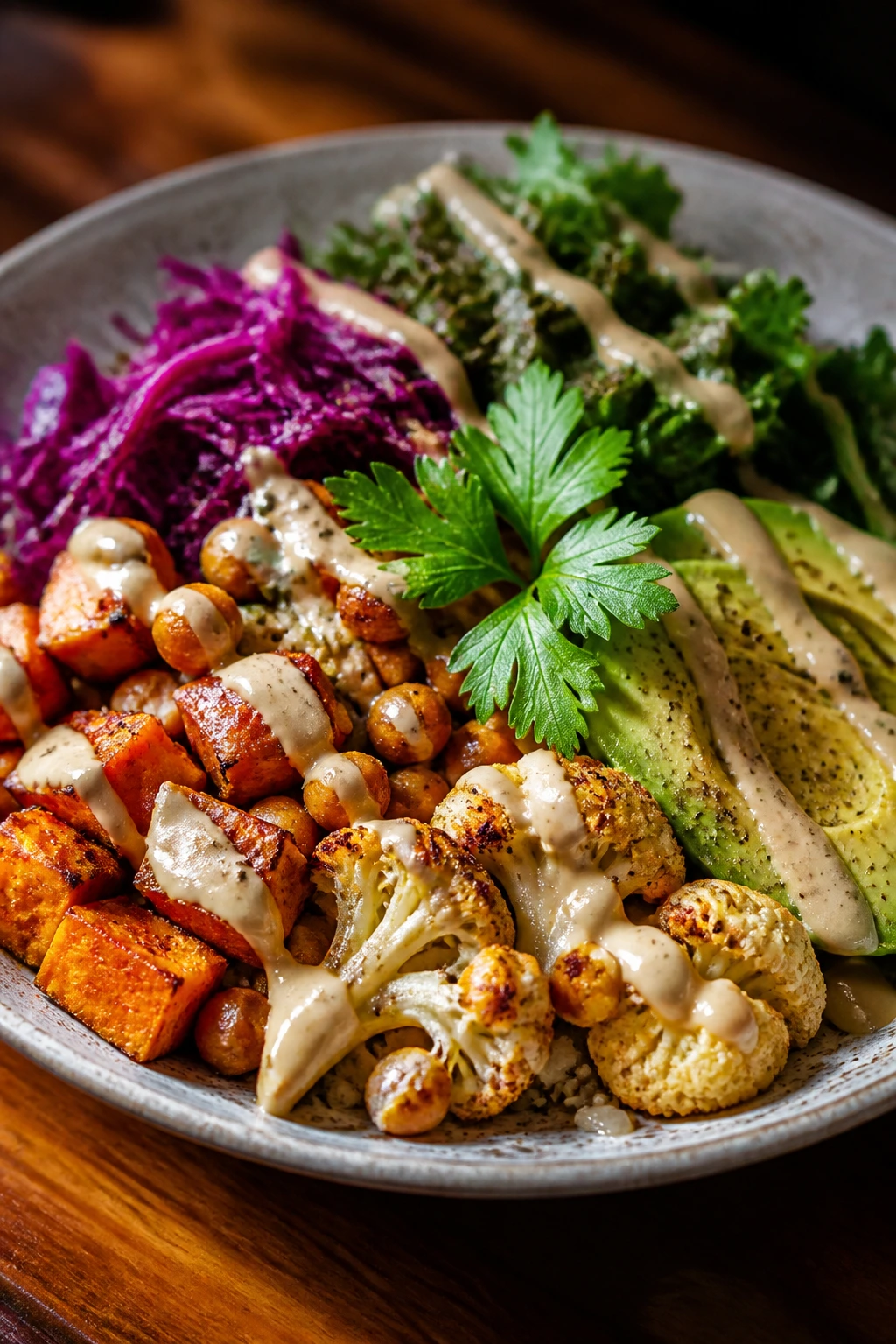
Presentation: Build height when you can. Grain bowls look better when the greens, sauces, and vegetables sit in distinct piles instead of being stirred into one beige mass. Soups and stews look better with a little oil, herbs, or yogurt on top, not a blank surface.
Accompaniments: Brown rice, quinoa, couscous, pita, toasted sourdough, and simple green salads play well across this collection. If a dinner leans spicy, cool it with yogurt, cucumber, or a lemony slaw. If it leans soft, give it crunch with seeds, chopped nuts, or quick-pickled onions.
Portions: Most of these recipes work as a solid main course for 4 people, though the soups and pasta dishes stretch a little farther if you add bread. For hungrier nights, serve an extra half cup of grains or a second slice of bread rather than piling on random extras.
Beverage Pairing: Sparkling water with lime works across almost everything here, and unsweetened iced tea is a good back-pocket option. If you want wine, pick something crisp and not too oaky — a dry white or a light red usually behaves better than a heavy bottle.
Additional Tips and Flavor Boosters
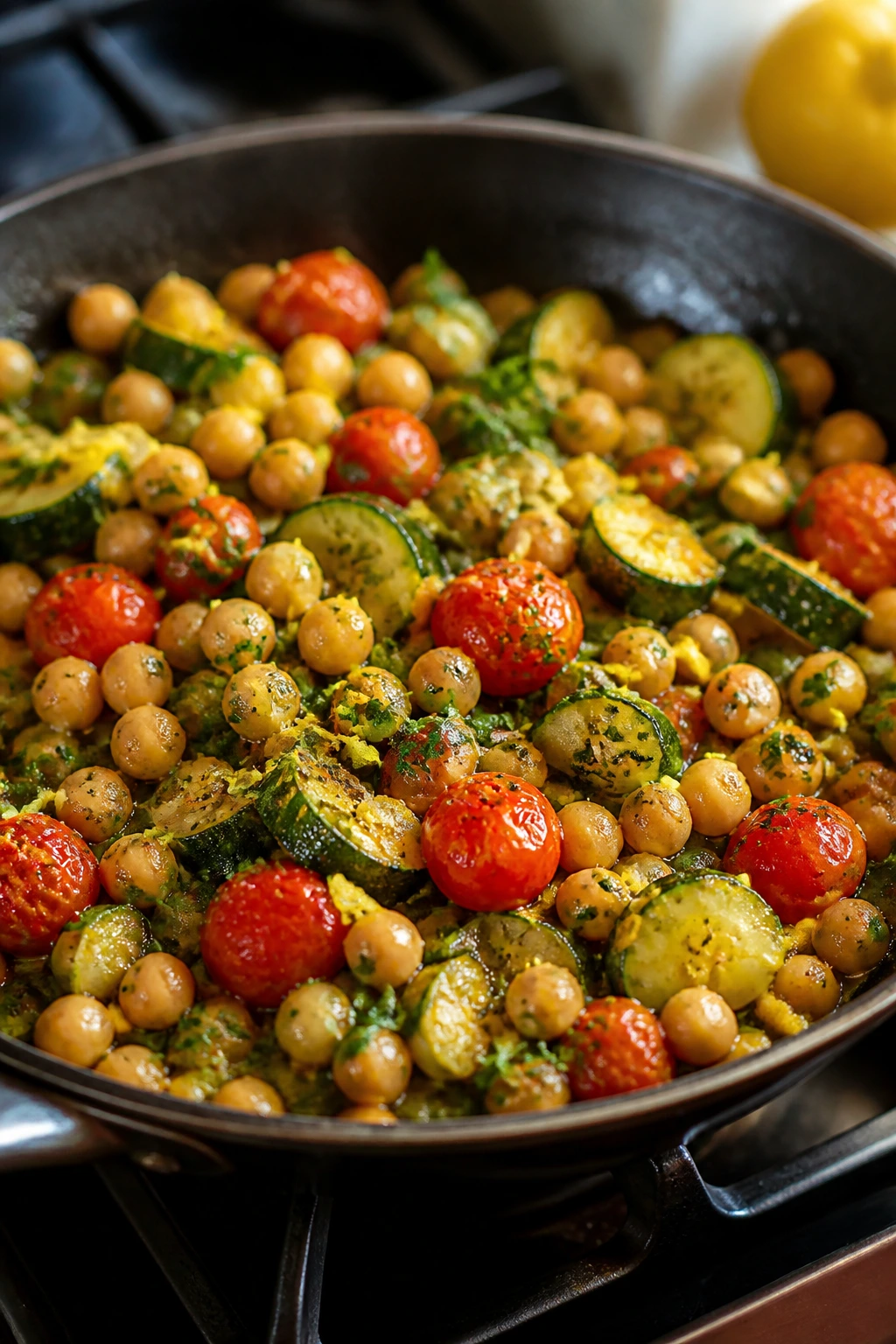
Flavor Enhancement: A finishing hit of lemon juice, red wine vinegar, or lime can rescue a dish that tastes heavy after cooking. I also like toasted sesame seeds, chili crisp, chopped herbs, or a spoonful of yogurt when a plate needs one more layer.
Customization: Add extra beans to soups, tuck spinach into pasta, swap brown rice for quinoa, or toss in roasted cauliflower where a recipe calls for another sturdy vegetable. These recipes are built to bend, not break.
Serving Suggestions: Pickled onions on tacos and bowls make a bigger difference than people expect. A handful of fresh herbs on top of stew or curry can make the whole dish taste sharper and cleaner.
Make-It-Yours: For a vegan version, use olive oil, tofu, tempeh, tahini, and plant yogurt instead of dairy-based finishes. For a higher-protein plate, add eggs, edamame, chickpeas, or extra lentils. For a gluten-free version, reach for rice, quinoa, corn tortillas, tamari, and gluten-free pasta.
Make-Ahead, Storage, and Reheating Guidance
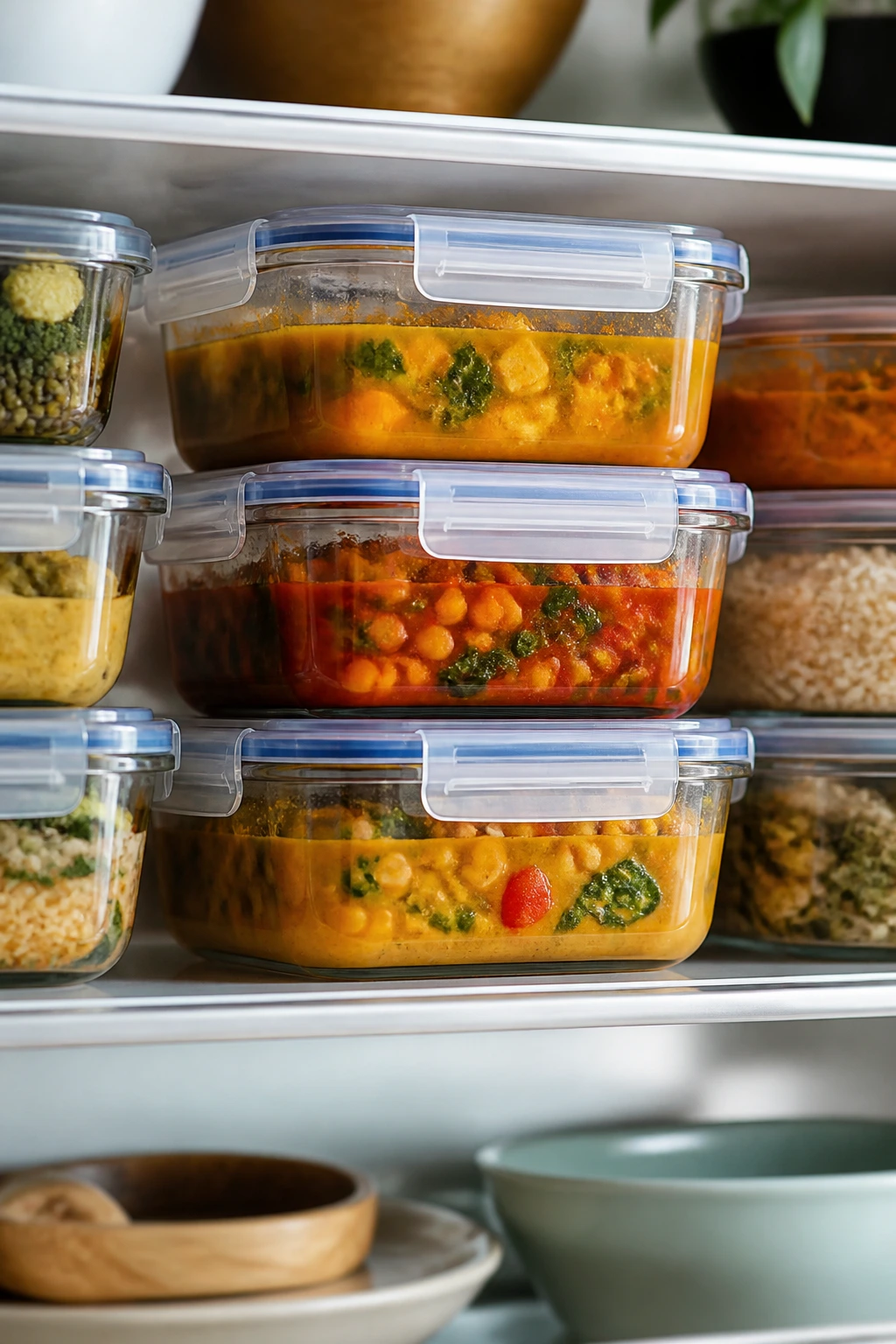
Most of these vegetarian dinners keep well for 3 to 4 days in the refrigerator, as long as you cool them fast and store them in airtight containers. Soups, curries, stews, and lentil sauces often taste even better the next day because the seasoning settles in. Delicate dishes like zucchini noodles, lettuce wraps, and anything with a crisp slaw are better assembled fresh and stored in parts.
Freezer life depends on texture. Lentil bolognese, minestrone, chickpea curry, white bean stew, and black bean skillet filling freeze well for up to 2 months. Pasta bakes and grain-based bowls can freeze for about 1 month, though the texture softens a little on thawing. Zucchini noodles, cucumber-heavy bowls, and lettuce wraps do not freeze well, and I would not bother trying to force it.
For reheating, use the method that matches the dish. Soups and stews should go back on the stovetop over medium-low heat with a splash of broth or water. Rice bowls and stir-fries reheat best in a skillet, where the moisture can evaporate instead of collecting at the bottom. Baked dishes like stuffed peppers or zucchini boats do well in a 350°F oven, covered loosely with foil for the first 10 minutes so the top does not dry out.
If you are meal-prepping, keep sauces separate when possible. Tahini sauce, yogurt drizzle, pesto, and lemon dressings last longer and taste fresher when they are added right before eating. That tiny bit of extra effort pays for itself in texture.
Variations and Adaptations to Try
-
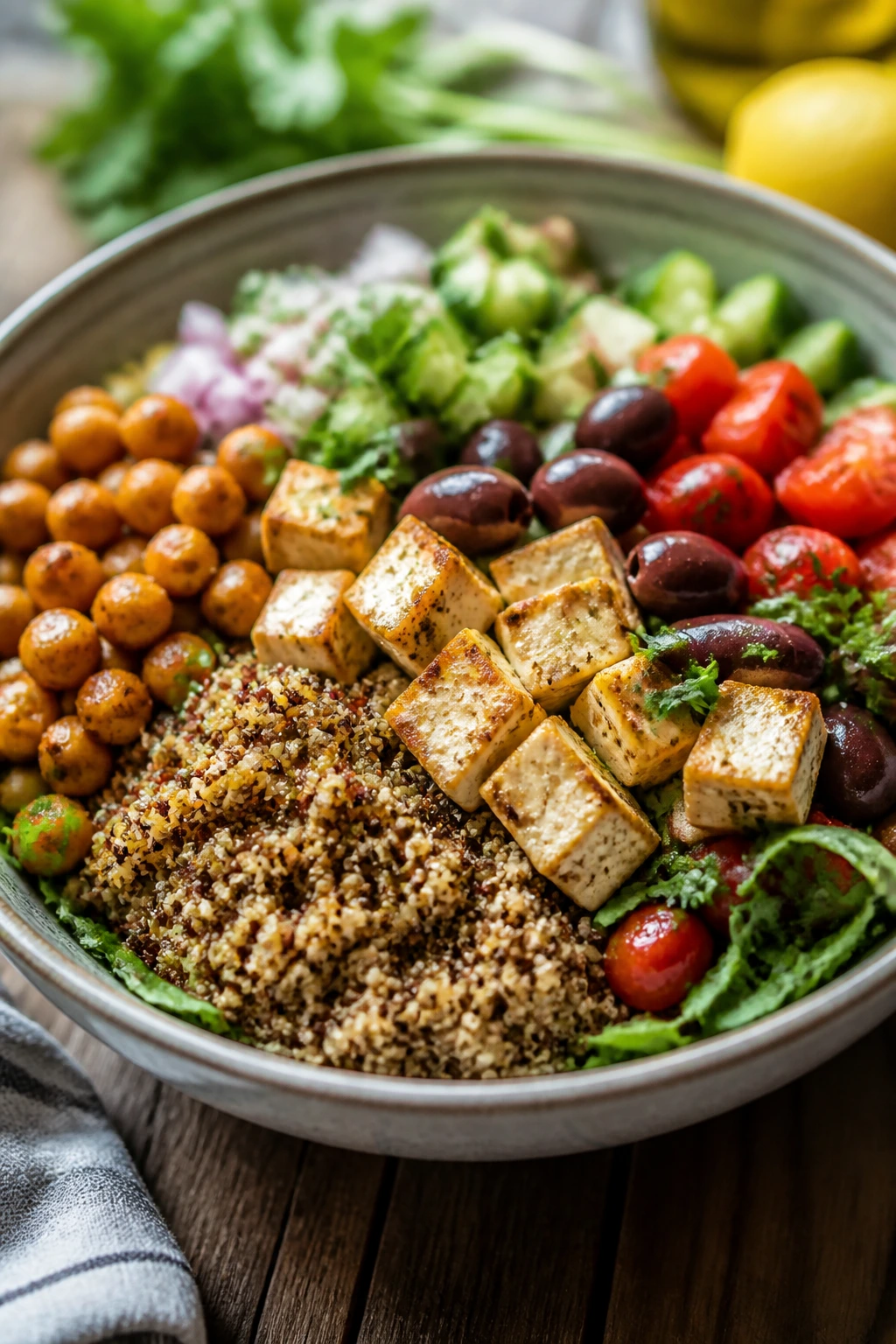
Strictly Vegan Switch: Use tofu, tempeh, beans, olive oil, and tahini instead of cheese or yogurt. The recipes in this collection lose very little when you swap smartly and finish with acid.
-
Higher-Protein Plate: Add edamame to stir-fries, extra chickpeas to bowls, eggs to fried rice, or a scoop of Greek yogurt to spicy dishes. This is the easiest way to make a dinner hold you longer without making it feel heavier.
-
Gluten-Free Path: Choose tamari instead of soy sauce, corn tortillas instead of flour, rice or quinoa instead of wheat pasta, and certified gluten-free broth if needed. Most of these recipes already lean close to gluten-free.
-
Lower-Sodium Version: Use no-salt-added canned beans, low-sodium broth, and a lighter hand with cheese and soy sauce. Then push flavor with lemon, herbs, garlic, ginger, smoked paprika, or vinegar.
-
Kid-Friendly Mild Mode: Pull back on chili powder, harissa, curry paste, and hot sauce, then offer the heat at the table. Sweet potatoes, roasted carrots, pasta, and rice bowls tend to win over picky eaters more reliably than anything with a loud spice hit.
-
Mediterranean Turn: Add olives, feta, lemon, dill, oregano, tomatoes, and chickpeas to almost any grain bowl or roasted vegetable dinner here. The flavor profile is bright, salty, and easy to recognize, which helps a lot on nights when you want dinner to feel simple.
Common Mistakes to Avoid
-
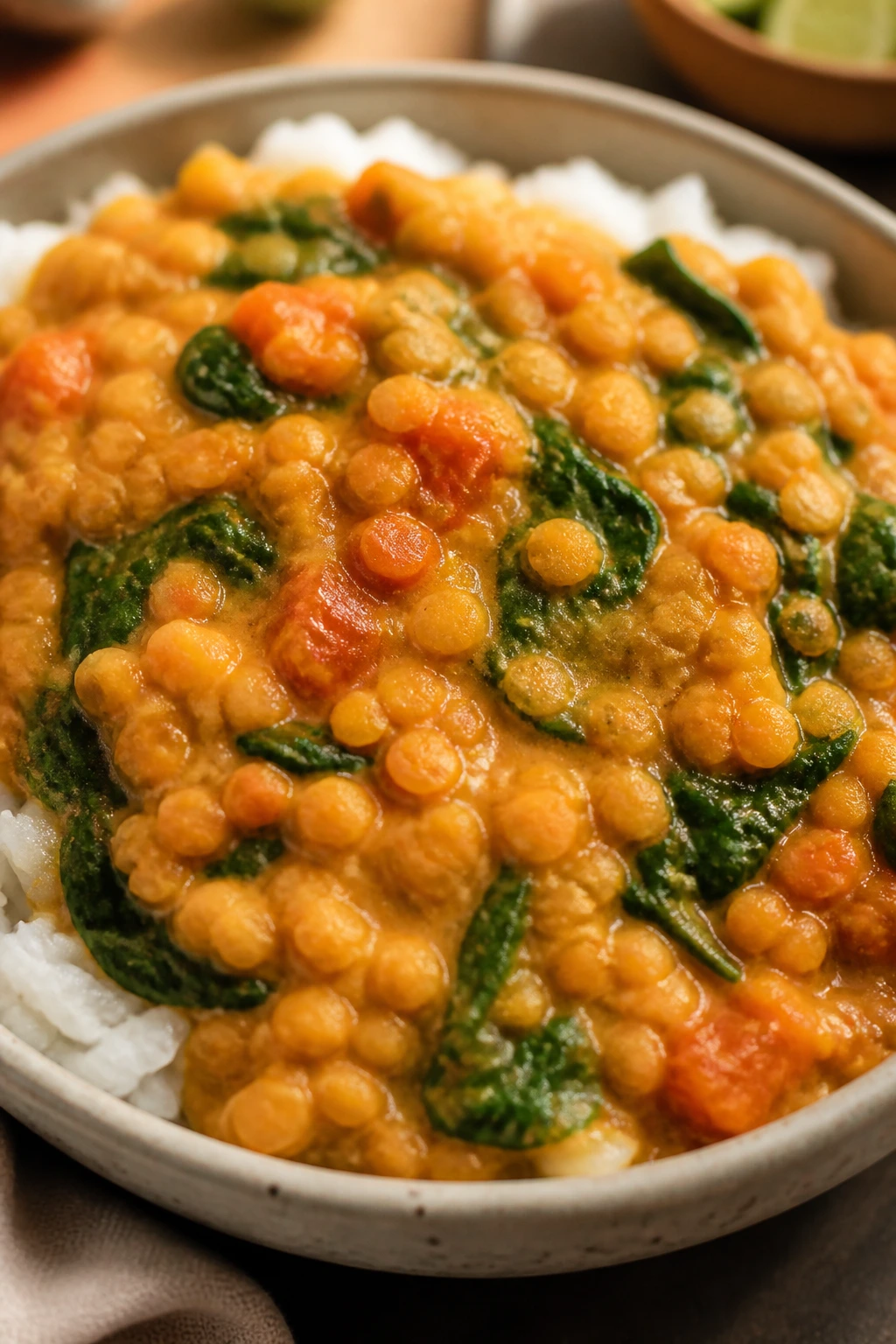
Underseasoning beans and grains: Plain beans taste like the can they came from. Season them in the pan with salt, garlic, herbs, citrus, or spice so they carry their own flavor into the dish.
-
Treating vegetables like garnish: If the vegetables are the main event, roast them hard enough or sauté them long enough to get real color. Pale zucchini and floppy broccoli make dinner feel unfinished.
-
Skipping acid at the end: Lemon juice, lime, vinegar, or even a spoonful of yogurt can wake up a dish that tastes flat after cooking. Healthy food often needs that final sharp note more than it needs more oil.
-
Crowding the pan: This is the fastest way to lose browning. Chickpeas, cauliflower, tofu, and mushrooms all behave better when they have room to breathe and aren’t steaming in their own moisture.
-
Overcooking pasta and grains: Whole-wheat pasta, farro, rice, and orzo should still have some bite. If they go too soft, the whole dinner starts to feel tired.
-
Assembling wet ingredients too early: Zucchini noodles, lettuce wraps, and slaws can collapse if they sit with sauce for too long. Keep wet and dry parts separate until the last minute.
Frequently Asked Questions
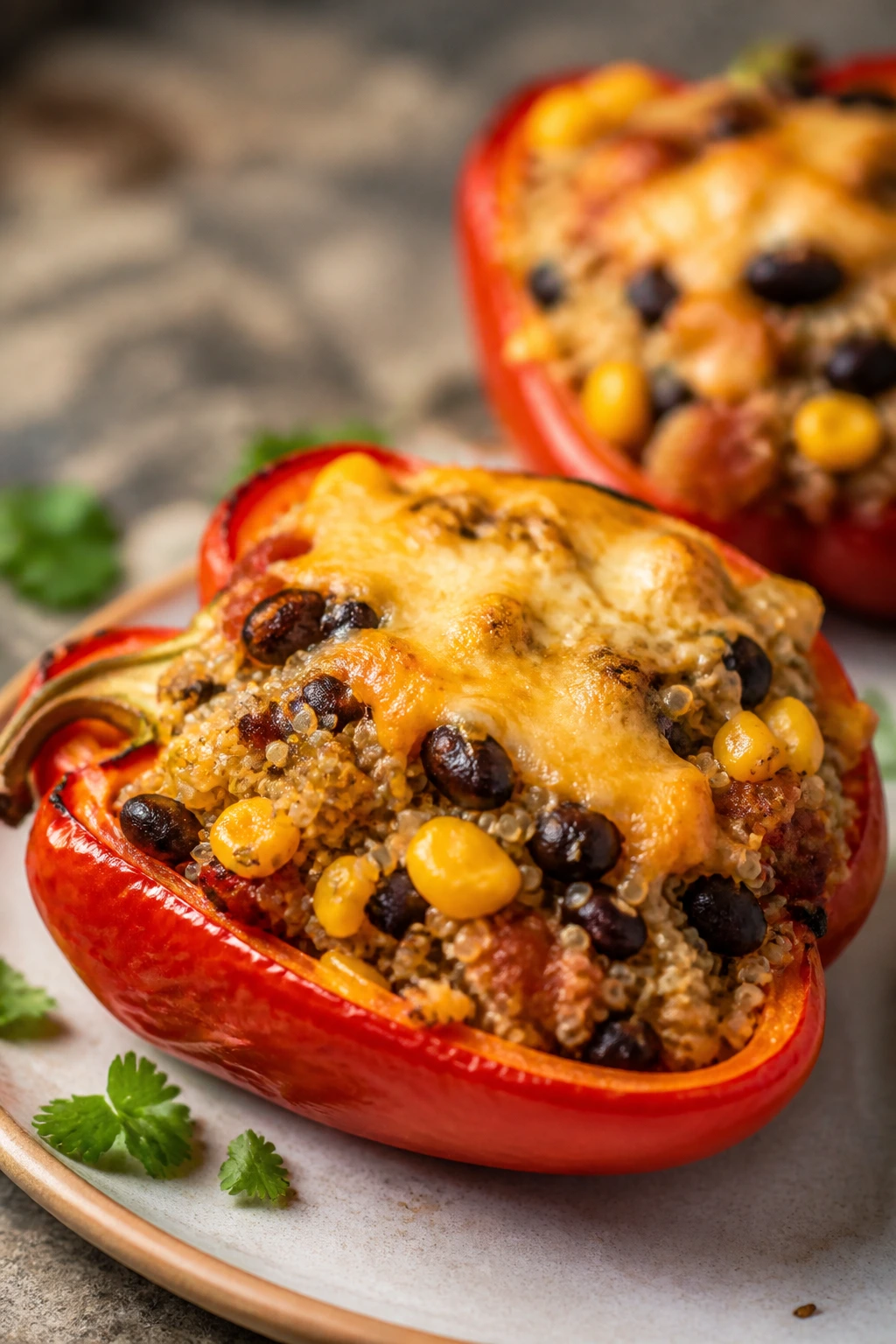
Can I meal prep these vegetarian dinners for the week?
Yes, and the best candidates are soups, stews, curries, lentil sauces, roasted chickpea bowls, and grain-based dishes. Keep fresh toppings, sauces, and greens separate, then assemble right before eating so the texture stays good.
What is the easiest way to make these dinners more filling?
Add one more protein or one more grain, not both in huge amounts. A scoop of chickpeas, a fried egg, extra tofu, or another half cup of rice usually solves the problem without turning the plate into a pile.
Can I use frozen vegetables instead of fresh ones?
Absolutely. Frozen peas, corn, spinach, broccoli florets, and edamame are useful because they are picked at the right stage and cook fast. Just keep an eye on extra moisture, especially in skillets and bakes.
How do I keep vegetarian pasta dishes from drying out?
Reserve pasta water and add it back when you toss the noodles with the sauce. A little olive oil helps, but the starch in the water is what gives the sauce grip.
Are canned beans fine, or do I need to cook them from scratch?
Canned beans are fine, and in many weeknight dinners they are the better choice. Rinse them well, season them properly, and they do the job without complaint.
What if I do not like tofu?
Use chickpeas, white beans, tempeh, eggs, or seitan if you eat it. Tofu is only one tool in the box, and plenty of these recipes work with other proteins.
Can I freeze soup and curry leftovers?
Yes. Most bean-based soups, lentil curries, and stews freeze well for up to 2 months. Cool them fully first, freeze in portion-sized containers, and reheat gently with a splash of broth.
How do I keep roasted vegetables from going soggy?
Use a hot oven, a roomy pan, and dry vegetables. If the pan is crowded or the vegetables are wet, they steam instead of browning, and that’s when dinner turns limp.
Do these recipes work if I only have one pan?
Many of them do, especially the skillet dinners, tray bakes, soups, and stir-fries. Pasta and rice dishes need one extra pot, but that still keeps the cleanup manageable.
A Better Kind of Weeknight Plate
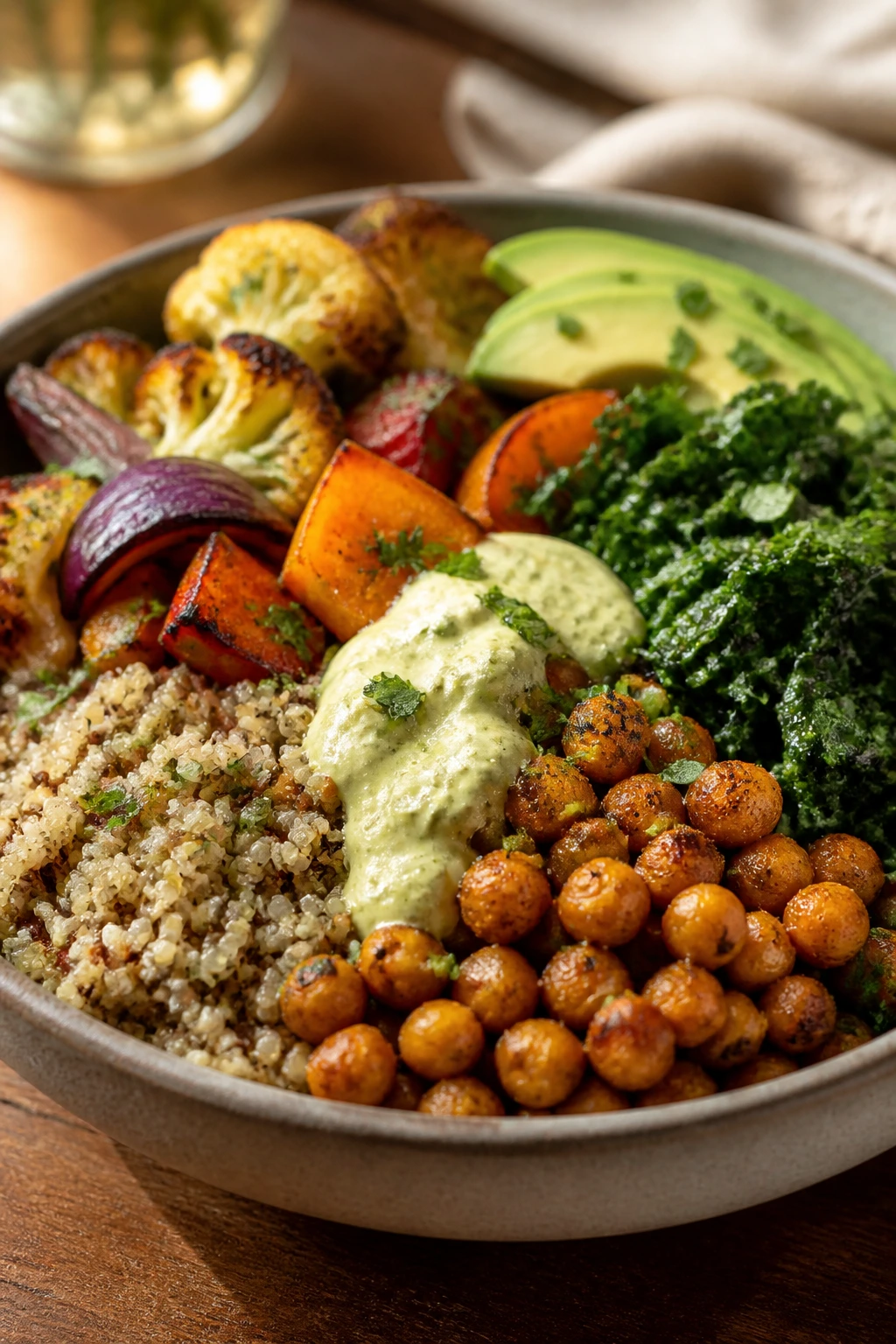
A healthy vegetarian dinner does not need to feel like a correction. It can be roasted, saucy, crisp at the edges, and full enough that you stop thinking about what is missing. That is the real trick — not making a meal that avoids meat, but making one that stands on its own.
The best part is how repeatable these recipes are. Once you’ve made a chickpea skillet, a lentil curry, a tray of roasted vegetables, and one good grain bowl, you start seeing dinner differently. The fridge stops looking like a problem and starts looking like a set of building blocks, which is exactly where this kind of cooking gets useful.