



A jar of soy sauce and a bag of rice can do more for dinner than a cart full of random produce. That’s the quiet power of Chinese pantry cooking: a few sharp, salty, fragrant ingredients, a hot pan, and a sensible way to turn scraps, leftovers, noodles, eggs, and vegetables into something you actually want to eat.
The best easy Chinese recipes are not fussy. They don’t ask you to stand around marinating for half a day or hunt down six specialty bottles. They ask for the things most kitchens already have — rice, noodles, eggs, cornstarch, garlic, ginger, vinegar, sesame oil, canned broth, frozen vegetables, cabbage, tofu — then they use heat and timing to make those plain things taste like they belong together. That’s the whole trick, and it’s a good one.
I keep coming back to this style of cooking because it forgives a messy fridge and rewards a well-stocked cupboard. Cold rice gets a second life. Wilted scallions stop being a problem and start being flavor. A splash of soy, a little sugar, and a spoon of cornstarch can turn a thin, dull sauce into something glossy enough to cling to noodles or broccoli. You can make dinner fast, but it still tastes like somebody paid attention.
Why Pantry Staples Work So Well in Chinese Recipes
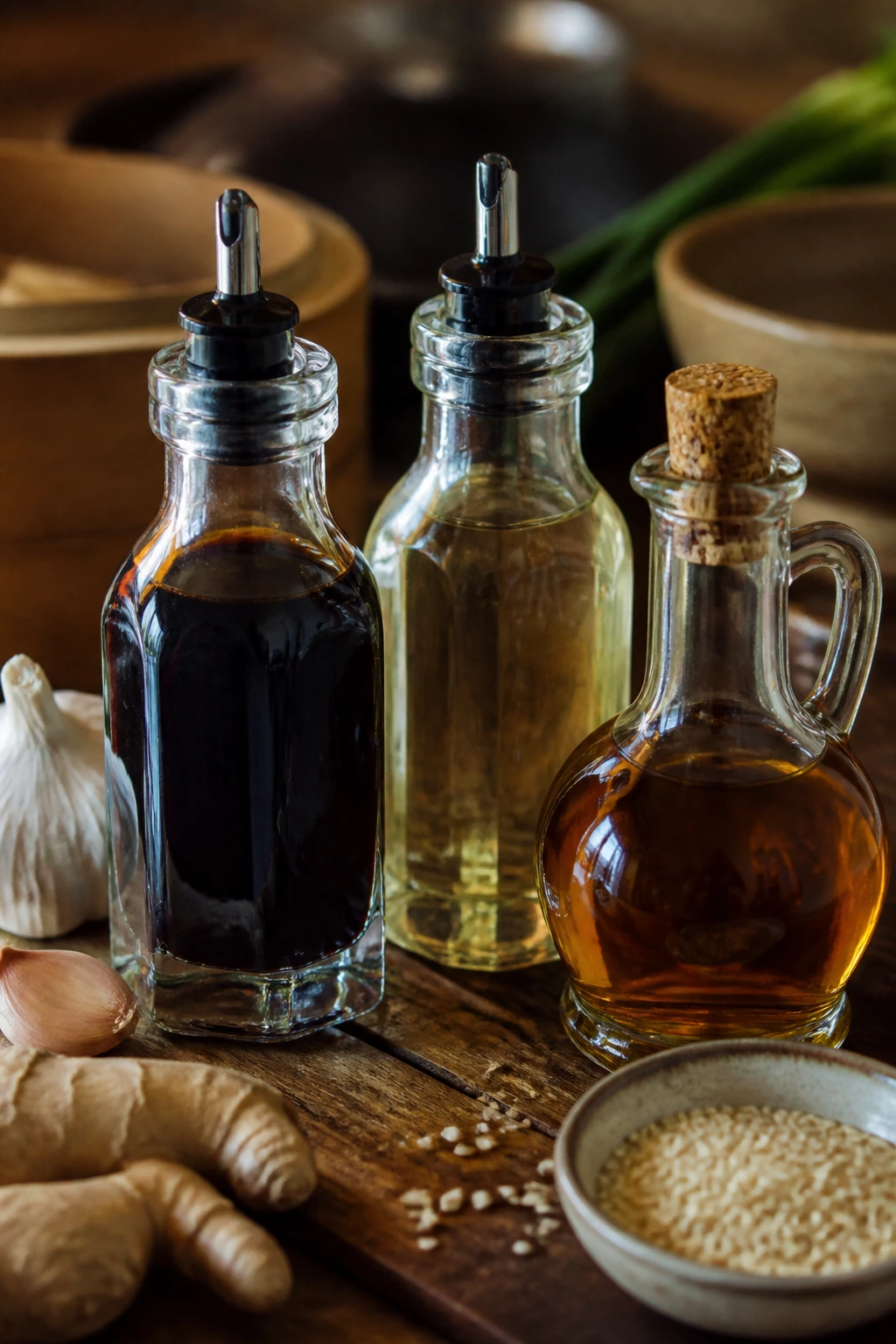
Soy sauce does a lot of the heavy lifting: It adds salt, color, and that rounded savory note that makes a stir-fry taste finished instead of flat.
Cornstarch is the secret texture tool: A teaspoon or two thickens sauce, gives meat a light velvet coating, and keeps everything from tasting watery.
High heat turns ordinary ingredients into dinner: A hot wok or skillet gives cabbage, broccoli, and noodles a little char at the edges, which is where a lot of the flavor lives.
Eggs, tofu, rice, and noodles stretch well: They soak up sauce instead of fighting it, which makes them ideal when you want a filling meal without a long ingredient list.
These dishes are flexible on purpose: If you have carrots, green onions, frozen peas, canned mushrooms, or leftover chicken, there’s a place for them here.
You do not need a specialty pantry to start: A few core bottles — soy sauce, rice vinegar, sesame oil — plus garlic and ginger can carry a surprising number of meals.
1. Egg Fried Rice
The first pan of fried rice I ever loved was slightly smoky, a little salty, and full of crispy bits where the rice hit the hot wok. That’s the version worth chasing. Not mushy, not greasy, not sad beige leftovers. Good egg fried rice has separate grains, soft egg ribbons, and enough soy sauce to coat everything without turning it dark and wet.
Why It Works: Cold rice fries instead of steaming, which is why this dish needs yesterday’s rice, not fresh. The eggs cook first, then come back at the end so they stay tender and don’t disappear into the grains.
Key Ingredients:
- 3 cups cold cooked white rice
- 2 large eggs, beaten
- 2 tablespoons neutral oil
- 2 scallions, thinly sliced
- 2 tablespoons soy sauce
- 1 teaspoon sesame oil
- 1 cup frozen peas and carrots, optional
- 1 clove garlic, minced, optional
Quick Steps:
- Break up the cold rice with your fingers so the grains separate.
- Heat the oil in a wok or large skillet over medium-high heat.
- Scramble the eggs for 30 to 45 seconds, just until softly set, then remove them.
- Stir-fry the garlic and vegetables for 1 to 2 minutes, then add the rice.
- Toss in the soy sauce, return the eggs, finish with scallions and sesame oil, and cook until the rice looks dry at the edges and hot throughout.
Equipment for This Recipe:
- Large wok or 12-inch skillet
- Spatula or wooden spoon
- Small bowl for beating eggs
- Cutting board and knife
How to Serve This Dish: Spoon it into shallow bowls and top with extra scallions or a fried egg if you want a richer plate. It works beside cucumber salad, quick pickles, or a simple bowl of soup.
Pro Tips for This Recipe:
- Use rice that has chilled overnight. Fresh rice clumps and turns soft fast.
- Keep the pan hot. If the rice sits and steams, you lose the fried part.
- Add soy sauce around the edge of the pan. It sizzles there first and spreads more evenly.
Variations on This Dish:
- Spam and Scallion Fried Rice: Dice Spam and crisp it before the rice goes in.
- Chili Crisp Fried Rice: Stir in 1 tablespoon chili crisp at the end for heat and crunch.
- Brown Rice Version: Use chilled brown rice, but give it an extra minute in the pan because it stays firmer.
Common Mistakes to Avoid with This Dish:
- Using warm rice: It sticks and turns dense. Chill it first.
- Adding too much soy sauce at once: The rice gets wet and dark. Start small and taste.
- Crowding the pan: If you pile in too much rice, it steams instead of fries.
2. Scallion Oil Noodles
This is the kind of dish that looks almost too plain until the first bite. Then the scallions, softened in hot oil, taste sweet and oniony, and the soy sauce clings to every strand with a slick, glossy sheen. It’s the pantry noodle bowl I reach for when the fridge is empty and I still want something that feels deliberate.
Why It Works: Scallions cook in the oil long enough to perfume it without burning, which gives the noodles more flavor than a plain soy toss ever could. A little sugar softens the salt, and sesame oil brings the whole thing into focus at the end.
Key Ingredients:
- 12 ounces dried noodles or spaghetti
- 4 scallions, sliced, whites and greens separated
- 3 tablespoons neutral oil
- 2 tablespoons soy sauce
- 1 tablespoon oyster sauce or more soy sauce
- 1 teaspoon sugar
- 1 teaspoon sesame oil
- Pinch of chili flakes, optional
Quick Steps:
- Boil the noodles until just tender, then save 1/2 cup of the cooking water and drain.
- Heat the oil in a skillet over medium heat and add the scallion whites.
- Cook for 1 minute, then add the greens and stir until fragrant and softened.
- Add the soy sauce, oyster sauce, sugar, and a splash of noodle water.
- Toss in the noodles and cook until the sauce coats them in a thin shine, then finish with sesame oil.
Equipment for This Recipe:
- Large pot
- Skillet or wok
- Tongs
- Measuring spoons
How to Serve This Dish: Eat it straight from the bowl with a soft egg or a few slices of cucumber on the side. It also makes a sharp little lunch with leftover chicken or tofu.
Pro Tips for This Recipe:
- Salt the noodle water lightly. The sauce should season the noodles, not fight the water.
- Save the cooking water. A few spoonfuls help the sauce cling.
- Do not brown the scallions too hard. Bitter scallions make the whole bowl taste rough.
Variations on This Dish:
- Peanut Scallion Noodles: Add 1 tablespoon peanut butter for a thicker, richer sauce.
- Garlic-Chili Noodles: Fry 2 minced garlic cloves with the scallions and add chili oil at the end.
- Cold Noodle Version: Chill the noodles, then toss with a slightly thicker sauce for a picnic-style bowl.
Common Mistakes to Avoid with This Dish:
- Burning the scallions: Keep the heat moderate; burnt scallions taste harsh.
- Skipping noodle water: The sauce can slide off dry noodles.
- Using thick pasta without enough sauce: If you use spaghetti, loosen it with a little extra water.
3. Tomato Egg Stir-Fry
Tomatoes and eggs are one of those combinations that sounds plain until you taste the sweet-tart juices against soft curds of egg. The sauce is loose and red, not thick or heavy, and that’s the charm. It should puddle a little over rice and soak right in.
Why It Works: Tomatoes break down fast and make their own sauce, which means this dish cooks in about 10 minutes. Eggs add body and richness, while a small pinch of sugar softens the acidity so the tomatoes taste round instead of sharp.
Key Ingredients:
- 4 medium tomatoes, cut into wedges
- 4 large eggs, beaten
- 2 tablespoons neutral oil
- 2 scallions, sliced
- 1 tablespoon soy sauce
- 1 teaspoon sugar
- Salt and white pepper, to taste
Quick Steps:
- Heat 1 tablespoon oil in a skillet over medium-high heat and scramble the eggs until just set.
- Remove the eggs and add the remaining oil.
- Cook the tomatoes with a pinch of salt for 3 to 4 minutes until they slump and get juicy.
- Stir in soy sauce and sugar.
- Return the eggs, toss gently, and cook for 30 seconds more until the sauce looks glossy and the eggs are coated.
Equipment for This Recipe:
- Large skillet
- Spatula
- Small bowl for eggs
- Knife and cutting board
How to Serve This Dish: Serve it over steamed rice so the tomato juices soak into the grains. A side of stir-fried greens or plain tofu keeps the plate from feeling too soft.
Pro Tips for This Recipe:
- Choose ripe tomatoes with real flavor. Out-of-season tomatoes need a touch more sugar.
- Take the eggs out early. They finish in the sauce and stay tender.
- Cook the tomatoes until they collapse. Waxy tomato chunks make the dish feel unfinished.
Variations on This Dish:
- Silken-Tofu Tomato Bowl: Add cubes of tofu to make it more filling.
- Garlic Tomato Eggs: Fry 2 minced garlic cloves before the tomatoes go in.
- Noodle Version: Spoon the stir-fry over thin noodles for a fast lunch.
Common Mistakes to Avoid with This Dish:
- Overcooking the eggs: They should stay soft, not rubbery.
- Using bland tomatoes: The whole dish depends on the tomato flavor.
- Forgetting a little sugar: Without it, the sauce can taste too acidic.
4. Garlic Soy Lo Mein
This is the noodle dish I make when I want dinner to feel bigger than the ingredients list. Garlic, soy, and a little sesame oil are doing most of the work here, but once the noodles hit the sauce and a few vegetables soften in the pan, it tastes like something you planned on purpose.
Why It Works: Lo mein is all about quick tossing, so the sauce hits hot noodles and coats them evenly. A small splash of water keeps the noodles loose, while cabbage or carrots give the bowl some crunch.
Key Ingredients:
- 12 ounces egg noodles or spaghetti
- 3 tablespoons soy sauce
- 1 tablespoon oyster sauce
- 2 teaspoons sesame oil
- 3 cloves garlic, minced
- 1 cup shredded cabbage
- 1 carrot, julienned
- 2 tablespoons neutral oil
Quick Steps:
- Cook the noodles until tender, then drain.
- Stir soy sauce, oyster sauce, sesame oil, and 2 tablespoons water together.
- Heat oil in a wok over medium-high heat and fry the garlic for 20 seconds.
- Add cabbage and carrot, then toss for 2 minutes until slightly softened.
- Add the noodles and sauce, tossing until everything looks glossy and evenly coated.
Equipment for This Recipe:
- Wok or large skillet
- Pot for noodles
- Tongs
- Small bowl for sauce
How to Serve This Dish: Pile it into bowls and top with sliced scallions or sesame seeds. It sits well beside dumplings, tofu, or a fried egg if you want more protein.
Pro Tips for This Recipe:
- Mix the sauce before the noodles hit the pan. You won’t have time later.
- Undercook the noodles by 30 seconds. They finish in the wok.
- Shred the cabbage thin. Thick strips stay stiff and fight the noodles.
Variations on This Dish:
- Chicken Lo Mein: Add shredded cooked chicken at the end.
- Vegetable Lo Mein: Toss in frozen peas, corn, or bell pepper strips.
- Spicy Garlic Lo Mein: Add chili oil or crushed red pepper with the sauce.
Common Mistakes to Avoid with This Dish:
- Overcooking the noodles: Soft noodles break apart when tossed.
- Dry sauce: A spoonful of water keeps the dish from clumping.
- Too many vegetables: They can crowd the noodles and make the pan wet.
5. Chinese Cabbage Stir-Fry
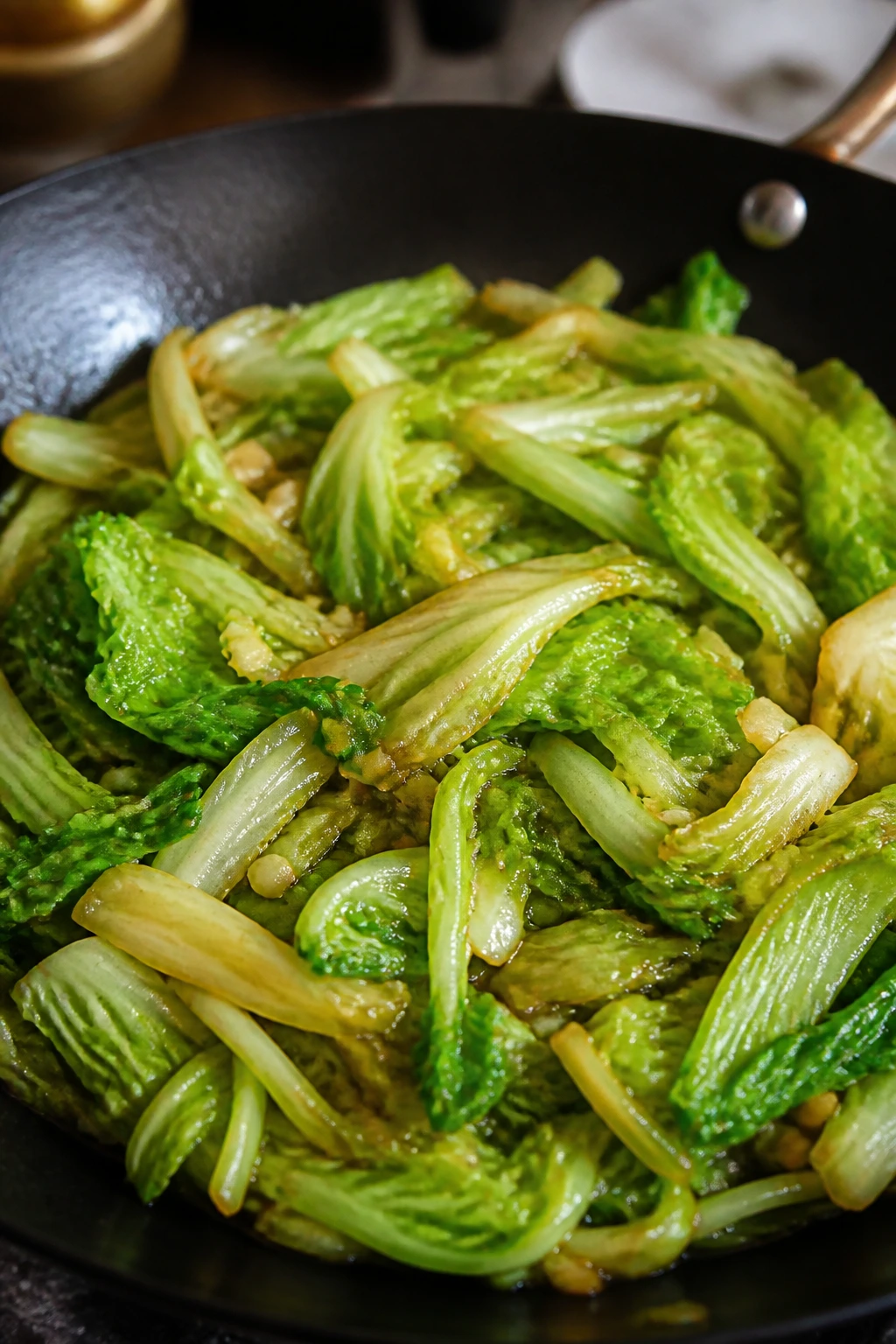
Cabbage gets underestimated all the time. In a hot pan with garlic and soy, it turns silky at the edges and keeps enough bite in the middle to stay interesting. This is the sort of side dish that ends up being the first thing gone from the table.
Why It Works: Cabbage has a lot of water, so it softens fast and carries seasoning well. A splash of vinegar at the end wakes everything up and keeps the dish from tasting flat or boiled.
Key Ingredients:
- 6 cups shredded green or napa cabbage
- 3 cloves garlic, sliced
- 2 tablespoons neutral oil
- 1 tablespoon soy sauce
- 1 teaspoon rice vinegar
- 1/2 teaspoon sugar
- Pinch of chili flakes, optional
Quick Steps:
- Heat the oil in a large skillet over medium-high heat.
- Add the garlic and stir for 15 to 20 seconds until fragrant.
- Add the cabbage and toss for 2 to 3 minutes until the edges start to soften.
- Stir in soy sauce, sugar, vinegar, and chili flakes.
- Cook until the cabbage is glossy and just tender, then serve right away.
Equipment for This Recipe:
- Large skillet or wok
- Wooden spoon
- Knife and cutting board
How to Serve This Dish: Put it next to rice, noodles, or braised tofu. It also works inside a bowl with leftover pork or chicken for a fast one-dish meal.
Pro Tips for This Recipe:
- Cut the cabbage evenly. Thin strips cook at the same pace.
- Do not overcook it. Limp cabbage loses the point.
- Finish with vinegar at the end. That keeps the flavor bright.
Variations on This Dish:
- Cabbage with Bacon: Crisp bacon first, then cook the cabbage in the fat.
- Sesame Cabbage: Add a drizzle of sesame oil after the heat is off.
- Chili-Garlic Cabbage: Double the garlic and add a spoon of chili crisp.
Common Mistakes to Avoid with This Dish:
- Crowding the skillet: The cabbage steams instead of stir-fries.
- Too much liquid: You want a glossy coat, not a puddle.
- Skipping acid: A little vinegar keeps the cabbage lively.
6. Hot and Sour Soup
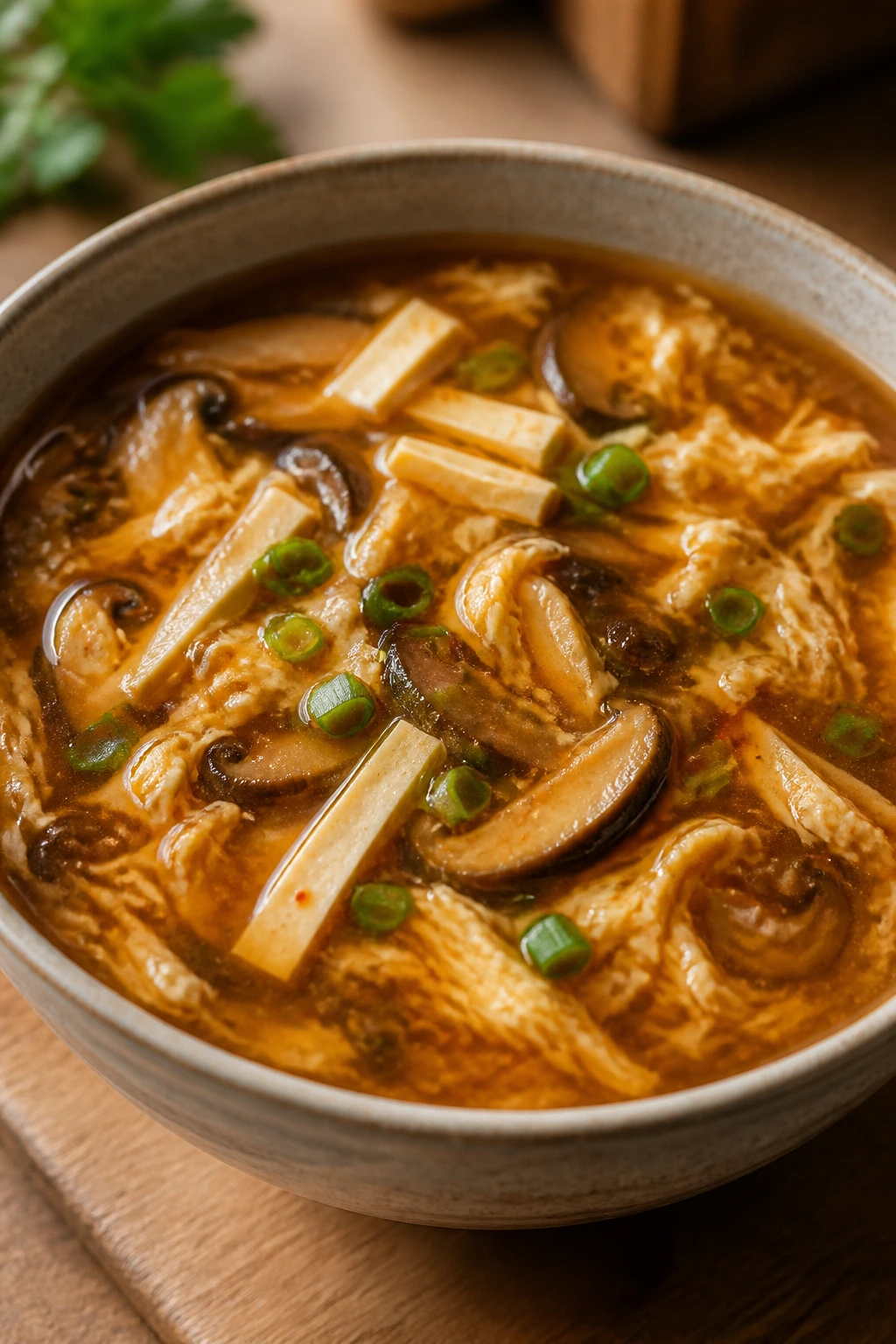
Hot and sour soup has a specific kind of edge to it. The broth should feel peppery and tart at the same time, with mushrooms for chew, tofu for softness, and thin egg ribbons drifting through like silk. If it tastes only salty, you missed the point.
Why It Works: Vinegar and white pepper do the heavy lifting here, and cornstarch gives the broth that light, almost velvety body. The eggs thicken the texture further without making the soup heavy.
Key Ingredients:
- 4 cups chicken or vegetable broth
- 4 dried shiitake mushrooms, soaked and sliced
- 1 cup firm tofu, cut into thin strips
- 2 tablespoons rice vinegar
- 1 to 2 teaspoons soy sauce
- 1 teaspoon cornstarch mixed with 2 teaspoons water
- 1 large egg, beaten
- White pepper, to taste
Quick Steps:
- Bring the broth to a simmer with mushrooms and tofu.
- Stir in soy sauce, vinegar, and white pepper.
- Add the cornstarch slurry and cook until the broth turns lightly thickened.
- Stir the soup in a slow circle and drizzle in the beaten egg.
- Turn off the heat once the egg ribbons set, then taste and adjust the vinegar and pepper.
Equipment for This Recipe:
- Medium saucepan
- Small bowl for slurry
- Chopsticks or fork for egg ribbons
How to Serve This Dish: Ladle it into small bowls and top with scallions or a few drops of chili oil. It makes a sharp starter before fried rice, noodles, or dumplings.
Pro Tips for This Recipe:
- Taste before adding more vinegar. The balance matters more than the quantity.
- Drizzle the egg slowly. Fast pouring makes clumps instead of ribbons.
- White pepper is not optional here. Black pepper tastes different and less sharp.
Variations on This Dish:
- Pork Hot and Sour Soup: Add cooked shredded pork for a fuller bowl.
- Extra-Loaded Version: Add bamboo shoots or wood ear mushrooms if you have them.
- Milder Soup: Use less white pepper and a bit more broth.
Common Mistakes to Avoid with This Dish:
- Over-thickening the broth: It should coat a spoon lightly, not turn into gravy.
- Skipping the pepper: That’s where the heat lives.
- Boiling after the egg goes in: It breaks the ribbons into sad wisps.
7. Chinese Steamed Eggs
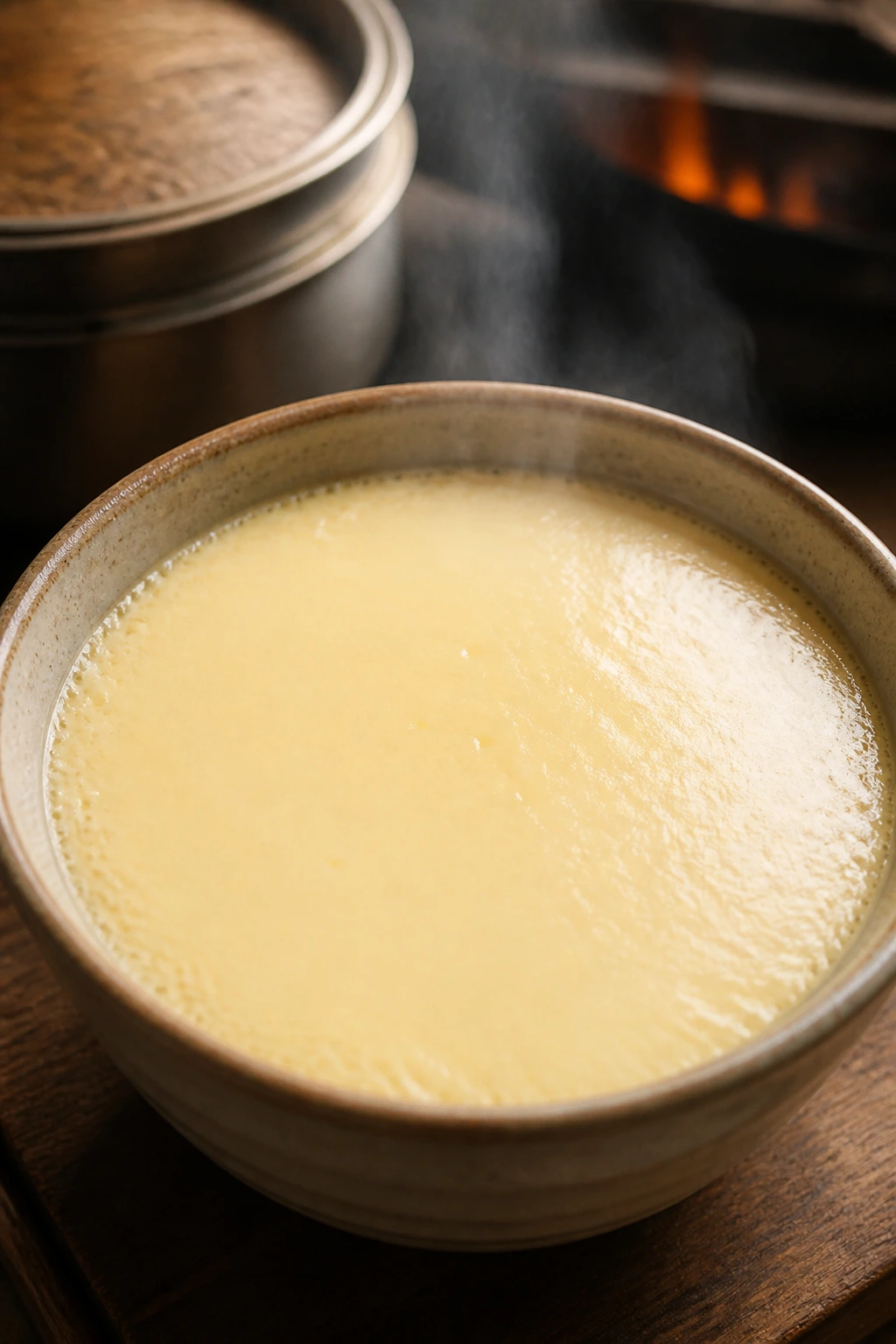
Steamed eggs are one of the calmest things you can make in a kitchen. The surface should come out smooth and pale, with a texture somewhere between custard and silken tofu. A few drops of soy sauce and sesame oil are enough to turn that delicate base into a proper meal.
Why It Works: Eggs set gently in steam, so they stay tender instead of puffing up and cracking. The key is the right amount of warm liquid — too little and the custard turns dense, too much and it never firms up.
Key Ingredients:
- 4 large eggs
- 1 1/2 cups warm water or light broth
- 1/2 teaspoon salt
- 1 teaspoon soy sauce, plus more for serving
- 1 teaspoon sesame oil
- Sliced scallions, for topping
Quick Steps:
- Whisk the eggs with salt and soy sauce until smooth.
- Add the warm water and stir gently to combine without making foam.
- Strain the mixture into a heatproof bowl for the smoothest texture.
- Cover and steam over medium heat for 12 to 15 minutes until the center is just set.
- Drizzle with sesame oil and scallions before serving.
Equipment for This Recipe:
- Heatproof bowl
- Steamer basket or pot with rack
- Fine-mesh strainer
- Whisk
How to Serve This Dish: Serve it as a soft side with rice and stir-fried greens, or eat it alone with a spoon straight from the bowl. It also fits nicely into a breakfast plate with congee.
Pro Tips for This Recipe:
- Strain the egg mixture. You lose little bits of albumen and gain a smooth surface.
- Keep the steam gentle. Hard boiling makes bubbles and holes.
- Use warm, not hot, water. Hot liquid starts cooking the eggs before they steam.
Variations on This Dish:
- Shrimp Egg Custard: Add a few small shrimp on top before steaming.
- Mushroom Version: Top with sliced cooked mushrooms and a little oyster sauce.
- Miso-Style Swap: Use a light broth with a teaspoon of miso for extra savoriness.
Common Mistakes to Avoid with This Dish:
- Whisking too hard: Foam makes the custard pockmarked.
- Lid dripping water onto the surface: Cover the bowl loosely or use a plate.
- Oversteaming: The center should wobble slightly when it comes out; it firms as it rests.
8. Mapo Tofu
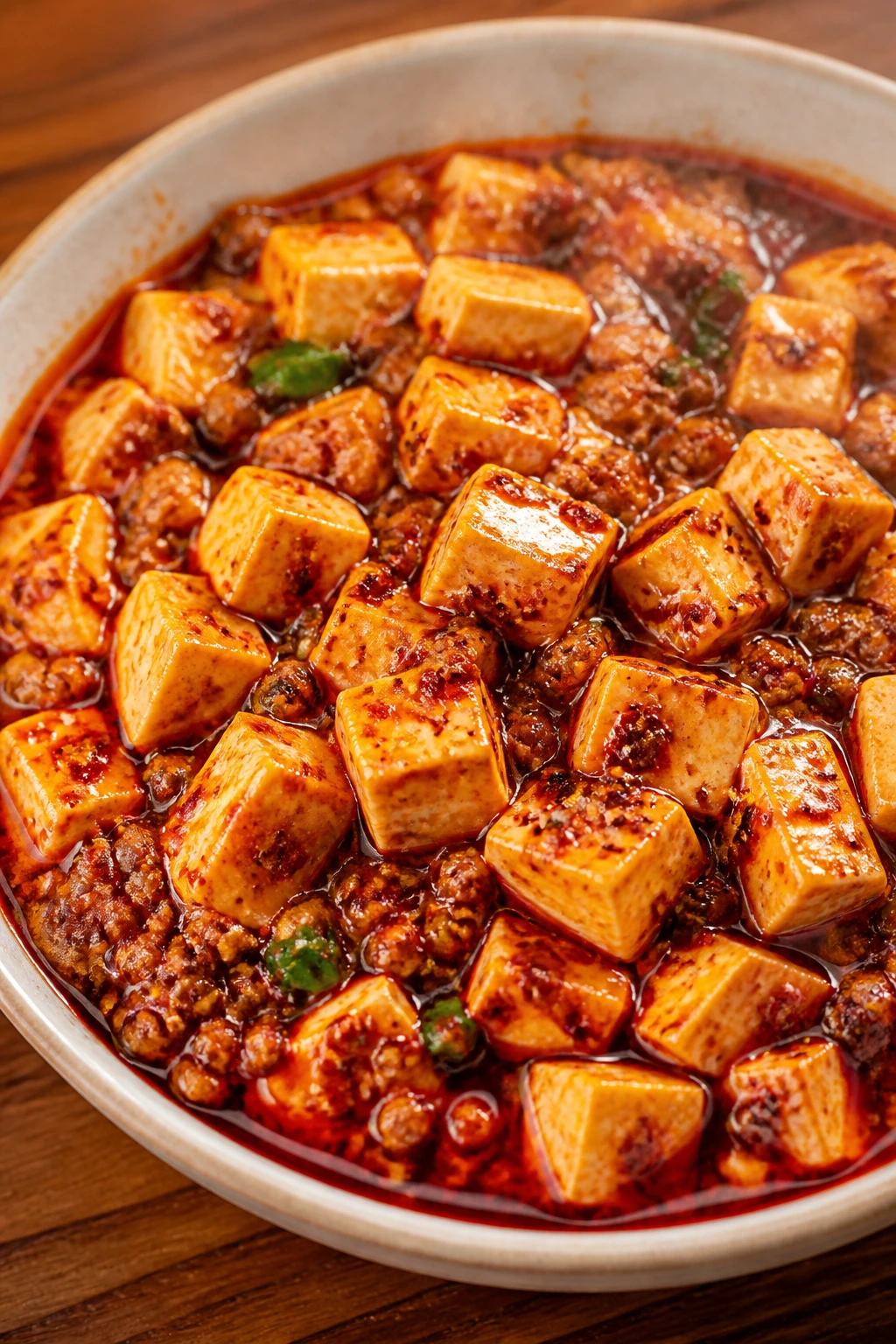
Mapo tofu should not be timid. The sauce is red, fragrant, and a little numbing if you use Sichuan pepper, with soft tofu cubes hanging in the middle like they’ve been waiting for the sauce all along. It’s one of the most useful pantry dishes in the entire collection because it’s fast, cheap, and deeply satisfying.
Why It Works: The tofu soaks up the sauce without falling apart if you handle it gently. Ground pork adds richness, but the dish still works with just chili paste, garlic, and soy sauce if the pantry is running light.
Key Ingredients:
- 1 block firm or medium-firm tofu, cut into cubes
- 1/2 pound ground pork
- 2 tablespoons doubanjiang or chili bean paste
- 2 cloves garlic, minced
- 1 teaspoon grated ginger
- 1 tablespoon soy sauce
- 1 teaspoon cornstarch mixed with 2 tablespoons water
- 1 teaspoon chili oil, optional
- 1/2 teaspoon ground Sichuan pepper, optional
- Sliced scallions, for finishing
Quick Steps:
- Brown the pork in a skillet over medium-high heat until cooked through.
- Stir in garlic, ginger, and doubanjiang, cooking for 30 seconds.
- Add 1 cup water and the tofu cubes, then simmer gently for 3 to 4 minutes.
- Stir in soy sauce and cornstarch slurry, cooking until the sauce turns glossy and lightly thick.
- Finish with chili oil, Sichuan pepper, and scallions.
Equipment for This Recipe:
- Large skillet or wok
- Spatula
- Small bowl for slurry
- Knife and cutting board
How to Serve This Dish: Spoon it over steamed rice so the sauce can sink into the grains. A side of blanched greens keeps the bowl from feeling too rich.
Pro Tips for This Recipe:
- Move the tofu with a gentle hand. Hard stirring breaks the cubes.
- Bloom the doubanjiang briefly in oil. That step deepens the color and flavor.
- Taste before adding more salt. The chili paste may already be salty enough.
Variations on This Dish:
- Vegetarian Mapo Tofu: Skip the pork and add chopped mushrooms.
- Milder Version: Use less chili paste and more soy sauce.
- Extra-Spicy Version: Add chili crisp and a pinch more Sichuan pepper.
Common Mistakes to Avoid with This Dish:
- Boiling the tofu hard: It can tear apart.
- Using watery sauce: The final slurry should give the dish body.
- Underseasoning the pork: It needs to taste savory before the tofu goes in.
9. Beef and Broccoli
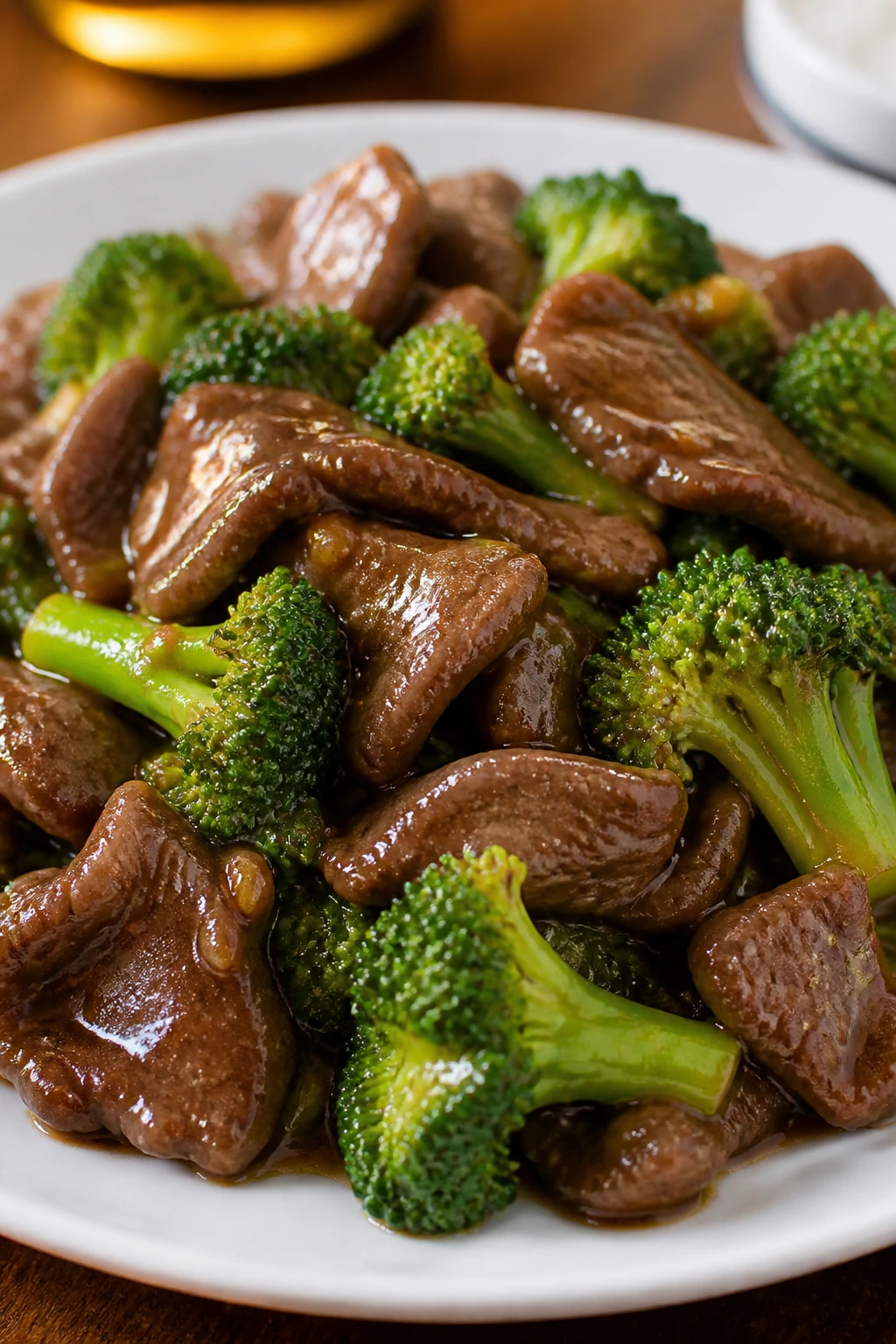
Beef and broccoli is one of those dishes that teaches you how much a simple sauce can do. The broccoli stays bright and slightly crisp, the beef gets coated in a glossy brown glaze, and the whole pan smells like garlic, soy, and ginger hitting hot oil at the same time.
Why It Works: Thin slices of beef cook fast and stay tender when coated with a light cornstarch marinade. Broccoli needs only a brief blanch or steam so it keeps some bite instead of turning dull and soft.
Key Ingredients:
- 1 pound flank steak or sirloin, thinly sliced
- 3 cups broccoli florets
- 3 tablespoons soy sauce
- 1 tablespoon oyster sauce
- 1 teaspoon sugar
- 2 cloves garlic, minced
- 1 teaspoon grated ginger
- 1 teaspoon cornstarch
- 2 tablespoons neutral oil
Quick Steps:
- Toss the beef with soy sauce, cornstarch, and 1 teaspoon oil.
- Blanch the broccoli for 1 minute, then drain.
- Stir-fry the beef in hot oil for 1 to 2 minutes until browned at the edges.
- Add garlic and ginger, then stir in broccoli, oyster sauce, sugar, and 2 tablespoons water.
- Toss until the sauce coats the beef and broccoli in a thin sheen.
Equipment for This Recipe:
- Wok or large skillet
- Slotted spoon
- Mixing bowl
- Knife
How to Serve This Dish: Serve over white rice or noodles, and keep the sauce modest so it doesn’t flood the bowl. A little extra black pepper over the top works better than more salt.
Pro Tips for This Recipe:
- Slice the beef against the grain. That keeps it tender.
- Do not skip the cornstarch. It helps the sauce cling and protects the beef.
- Blanch the broccoli first if your pan is small. It keeps the stir-fry from getting soggy.
Variations on This Dish:
- Chicken and Broccoli: Use sliced chicken thighs instead of beef.
- Mushroom Broccoli Bowl: Add sliced mushrooms for a meatless version.
- Black Pepper Beef: Add extra black pepper and less oyster sauce for a sharper finish.
Common Mistakes to Avoid with This Dish:
- Thick beef slices: They stay chewy. Slice them thin.
- Overcooked broccoli: It should stay green and springy.
- Too much sauce in the pan: You want coating, not soup.
10. Chicken and Broccoli
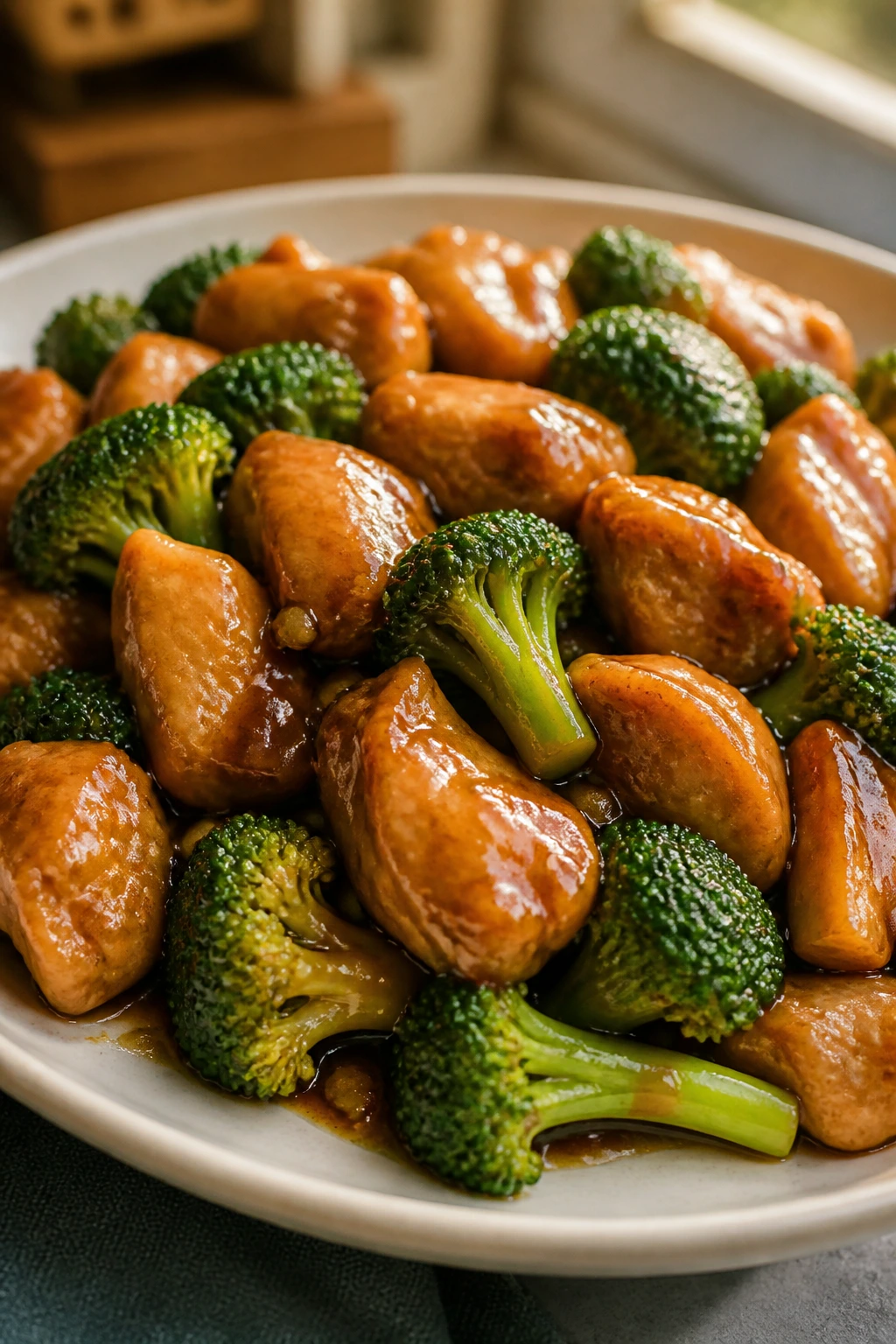
Chicken and broccoli lives in the same neighborhood as beef and broccoli, but the chicken version can be even lighter on the palate. The sauce should be savory and a little sweet, with enough garlic to smell good before the bowl reaches the table. If your chicken is tender and your broccoli still has some snap, you did it right.
Why It Works: Chicken thighs stay juicy in a hot stir-fry, and a cornstarch coat helps them brown instead of drying out. Broccoli and sauce cook fast, so this is a practical dish for nights when you want one pan and no drama.
Key Ingredients:
- 1 pound boneless chicken thighs, sliced
- 3 cups broccoli florets
- 2 tablespoons soy sauce
- 1 tablespoon oyster sauce
- 2 cloves garlic, minced
- 1 teaspoon grated ginger
- 1 teaspoon cornstarch
- 1 teaspoon sugar
- 2 tablespoons neutral oil
Quick Steps:
- Toss the chicken with soy sauce and cornstarch.
- Blanch or steam the broccoli for 1 minute.
- Stir-fry the chicken in oil until lightly browned and cooked through.
- Add garlic and ginger, then the broccoli, oyster sauce, sugar, and 2 tablespoons water.
- Toss until the sauce clings and the chicken looks glossy.
Equipment for This Recipe:
- Large skillet or wok
- Bowl for marinating
- Tongs or spatula
How to Serve This Dish: Spoon it over rice and let the sauce trickle into the grains. It also works with noodles if you want more texture in the bowl.
Pro Tips for This Recipe:
- Use thighs if you can. They forgive a hot pan better than breasts.
- Keep the broccoli bright. Overcooked broccoli flattens the whole dish.
- Taste the sauce before adding salt. Soy and oyster sauce may be enough.
Variations on This Dish:
- Ginger-Sesame Chicken: Add extra sesame oil at the end.
- Spicy Chicken and Broccoli: Stir in chili garlic sauce.
- Tofu Swap: Use firm tofu cubes if you want a meatless version.
Common Mistakes to Avoid with This Dish:
- Dry chicken breast: If you use breast meat, slice it thin and cook fast.
- Skipping the quick broccoli blanch: The pan alone may overcook the florets.
- Sauce too salty: Add a splash of water before reaching for more soy sauce.
11. Kung Pao Chicken
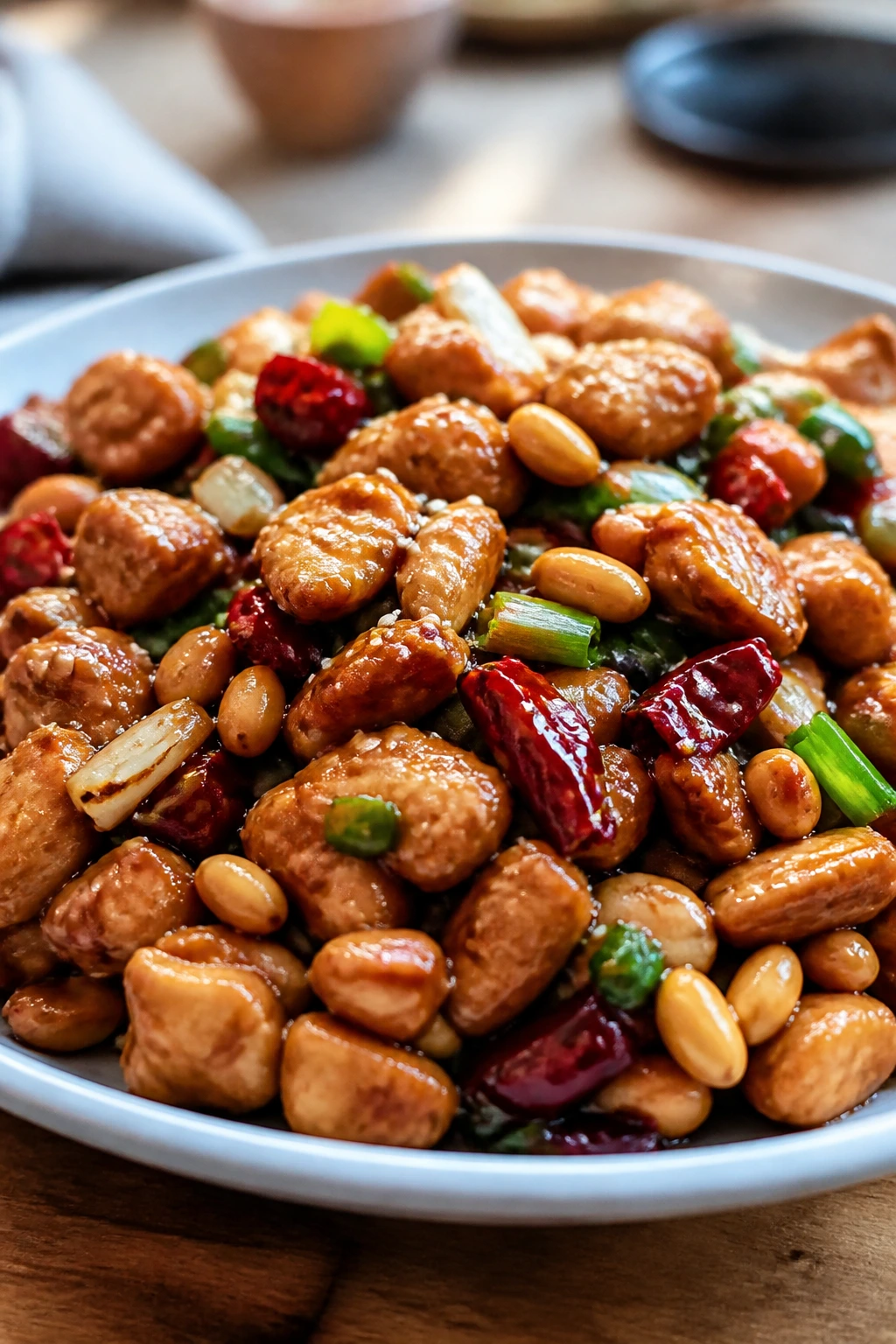
Kung Pao chicken should have contrast. Tender chicken, crunchy peanuts, a little heat from dried chilies, and a sauce that lands somewhere between salty, sweet, and tangy. It’s the sort of stir-fry that tastes better when the pan is hot enough to blister the chilies just a little.
Why It Works: The chicken is usually marinated with cornstarch, which keeps it juicy. Peanuts bring crunch, and the vinegar cuts through the richer sauce so the whole dish stays lively.
Key Ingredients:
- 1 pound boneless chicken thighs, cubed
- 2 tablespoons soy sauce
- 1 teaspoon cornstarch
- 2 tablespoons neutral oil
- 6 to 8 dried red chilies
- 2 cloves garlic, minced
- 1 teaspoon grated ginger
- 1/4 cup roasted peanuts
- 1 tablespoon rice vinegar
- 1 teaspoon sugar
Quick Steps:
- Toss the chicken with soy sauce and cornstarch.
- Heat the oil and briefly fry the chilies until fragrant.
- Add chicken and stir-fry until mostly cooked through.
- Add garlic, ginger, vinegar, sugar, and peanuts.
- Cook until the sauce tightens and coats the chicken in a shiny layer.
Equipment for This Recipe:
- Wok or large skillet
- Small bowl
- Spatula
- Knife and cutting board
How to Serve This Dish: Serve with plain rice so the sauce has a clean backdrop. A side of steamed bok choy or cabbage keeps the meal balanced.
Pro Tips for This Recipe:
- Watch the chilies closely. Fragrant is good; blackened is bitter.
- Keep the chicken pieces even. They cook at the same pace.
- Add peanuts at the end if you want them extra crunchy.
Variations on This Dish:
- Kung Pao Tofu: Use firm tofu cubes instead of chicken.
- Extra-Heat Version: Add chili oil or chopped fresh chilies.
- Cashew Swap: Use cashews if that’s what’s in the cupboard.
Common Mistakes to Avoid with This Dish:
- Burning the dried chilies: They should toast lightly, not char.
- Too much sugar: The sauce should be balanced, not candy-sweet.
- Soft peanuts: Add them late so they stay crunchy.
12. General Tso’s Chicken
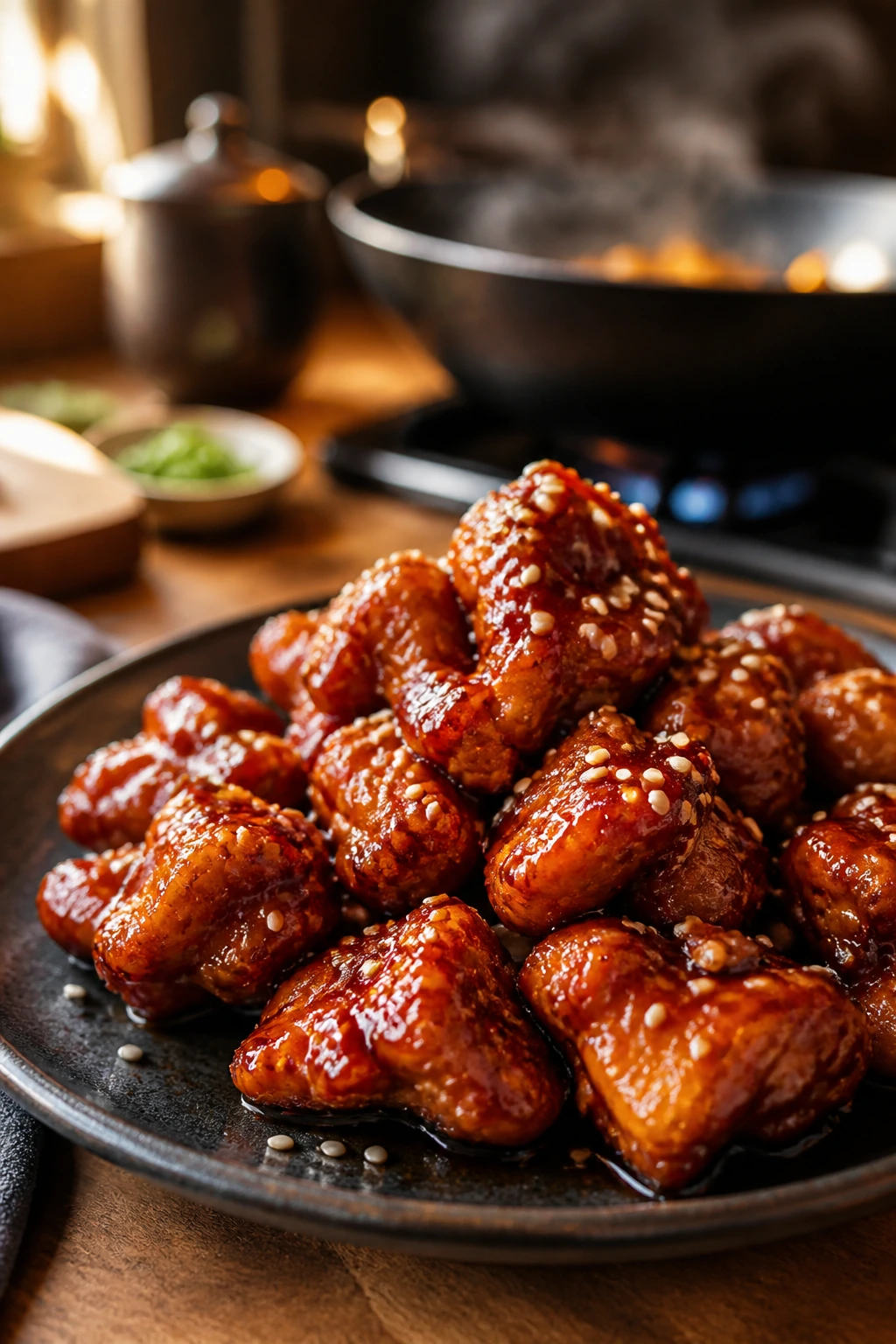
General Tso’s chicken is takeout-style comfort with a sweet, sticky edge and a little heat at the back of the throat. The chicken should be crisp on the outside, then coated in a sauce that clings instead of pooling. If the sauce drips like syrup, you went too far; if it vanishes, you didn’t use enough cornstarch.
Why It Works: The chicken gets a quick starch coating before frying or pan-frying, which gives the sauce something to grab. Soy sauce, vinegar, sugar, garlic, and ginger create the familiar sweet-savory balance without much fuss.
Key Ingredients:
- 1 pound boneless chicken thighs, cut into bite-size pieces
- 1/2 cup cornstarch
- 2 large eggs, beaten
- 3 tablespoons soy sauce
- 2 tablespoons rice vinegar
- 2 tablespoons sugar
- 2 cloves garlic, minced
- 1 teaspoon grated ginger
- 1/2 teaspoon chili flakes
- 2 tablespoons neutral oil
Quick Steps:
- Coat the chicken in egg, then cornstarch.
- Fry or pan-fry until golden and cooked through; set aside.
- Stir together soy sauce, vinegar, sugar, garlic, ginger, chili flakes, and 2 tablespoons water.
- Pour the sauce into the pan and simmer until glossy.
- Add the chicken back and toss until every piece is coated.
Equipment for This Recipe:
- Large skillet or wok
- Mixing bowls
- Tongs or chopsticks
- Slotted spoon if frying
How to Serve This Dish: Serve it with rice and a plain vegetable so the sauce can stay the loudest thing on the plate. A little steamed broccoli is enough.
Pro Tips for This Recipe:
- Use thighs for better texture. They stay juicier under hot sauce.
- Let the sauce reduce a little. Thin sauce won’t cling.
- If frying, don’t overcrowd the pan. The coating needs room to crisp.
Variations on This Dish:
- Baked Version: Bake the coated chicken at 425°F until crisp, then sauce it.
- Orange-Chili Version: Add orange zest and a splash of orange juice.
- Milder Family Style: Cut the chili flakes in half and add a touch more sugar.
Common Mistakes to Avoid with This Dish:
- Saucing too early: The chicken loses crispness fast.
- Too much cornstarch on the coating: It can turn chalky.
- Sauce not reduced enough: It should be sticky, not watery.
13. Sweet and Sour Pork
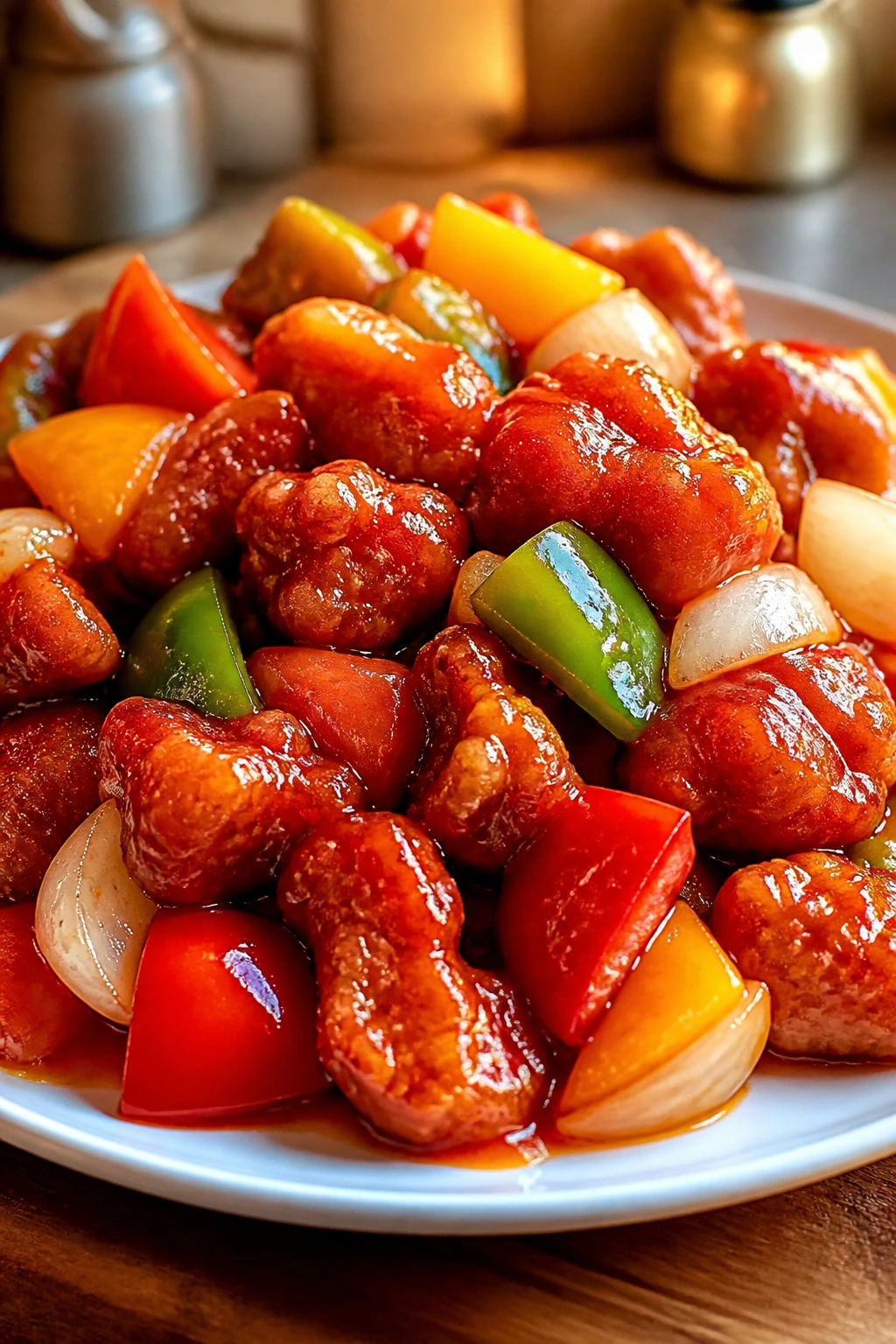
Sweet and sour pork needs a sharp, bright sauce and enough crunch to keep the bite interesting. The pepper and onion should still have some resistance, and the pork should stay crisp long enough to reach the table. This one has a little more attitude than the softer stir-fries, and that’s half the appeal.
Why It Works: The sour part cuts the sweetness so the sauce tastes lively instead of sugary. A light flour-cornstarch coating helps the pork brown quickly and hold some texture under the glaze.
Key Ingredients:
- 1 pound pork shoulder or loin, cut into bite-size pieces
- 1/2 cup cornstarch
- 1/4 cup flour
- 1 egg, beaten
- 1 bell pepper, chunked
- 1 small onion, chunked
- 3 tablespoons ketchup
- 2 tablespoons rice vinegar
- 2 tablespoons sugar
- 1 tablespoon soy sauce
Quick Steps:
- Coat the pork in egg, flour, and cornstarch.
- Fry or pan-fry until golden and cooked through.
- Stir together ketchup, vinegar, sugar, soy sauce, and 2 tablespoons water.
- Cook the pepper and onion for 2 minutes so they stay crisp.
- Add the sauce and pork, tossing until the glaze turns shiny and clings.
Equipment for This Recipe:
- Large skillet or wok
- Bowls for coating
- Slotted spoon
- Measuring spoons
How to Serve This Dish: Serve over rice so the tangy sauce has somewhere to go. It also works with steamed greens if you want a lighter plate.
Pro Tips for This Recipe:
- Keep the vegetable pieces big. Tiny pieces turn soft too fast.
- Fry in batches if needed. Crowding kills the crunch.
- Taste the sauce before adding the pork back. The balance should lean bright, not sugary.
Variations on This Dish:
- Chicken Version: Swap in chicken thigh pieces.
- Pineapple Version: Add canned pineapple chunks for a sweeter, juicier sauce.
- Air-Fryer Version: Crisp the coated pork in the air fryer, then toss with the sauce.
Common Mistakes to Avoid with This Dish:
- Sauce too sweet: Increase the vinegar before adding more sugar.
- Soggy pork: Drain it well and sauce it at the last moment.
- Overcooked peppers: They should still look green or bright red, not faded.
14. Sesame Chicken
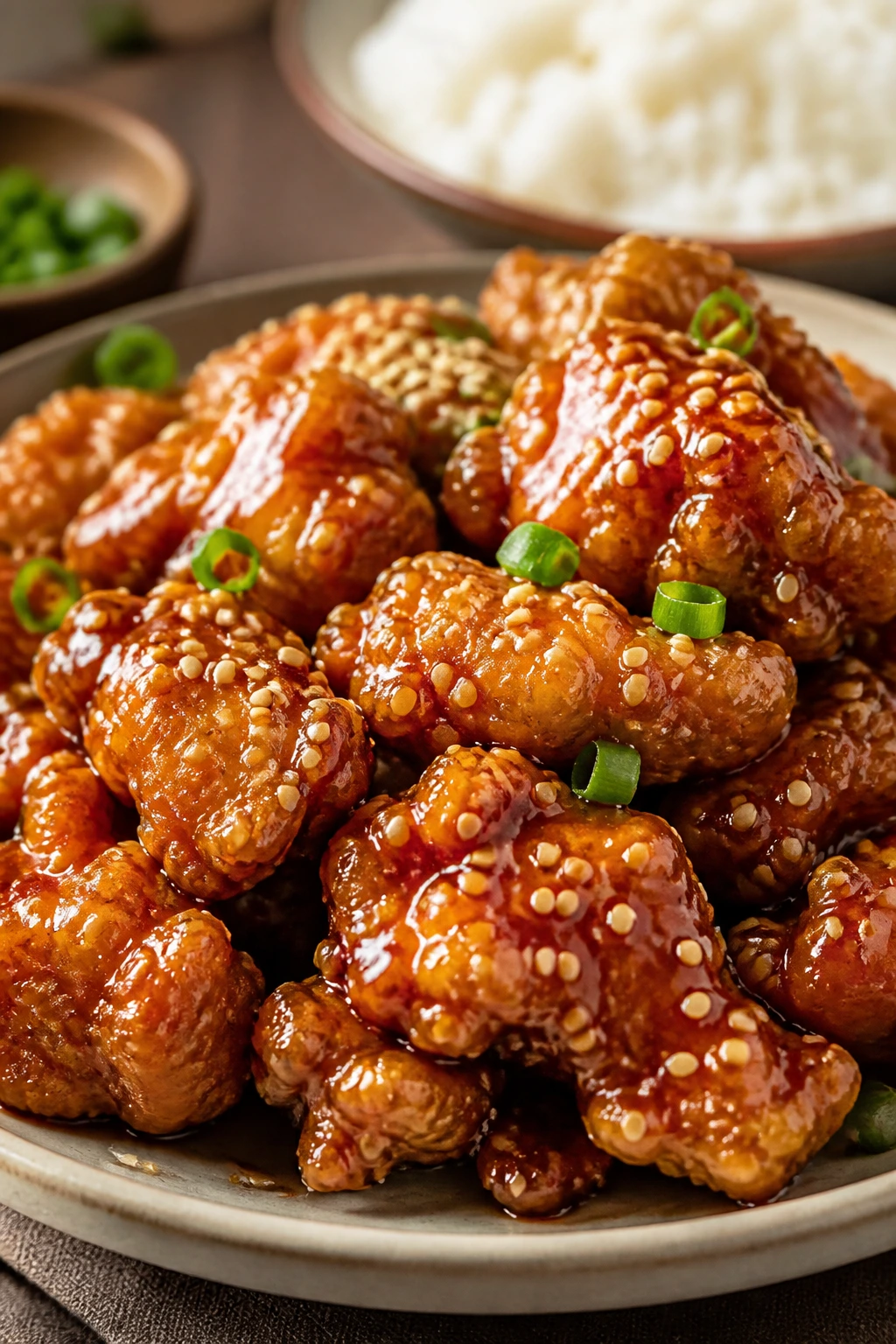
Sesame chicken should land on the table with a sticky sheen and a toasted nutty smell from the sesame seeds. The sauce is sweeter than a lot of the dishes in this list, so the trick is getting enough acid and salt to keep it from feeling heavy. When it works, it hits that takeout note without tasting flat.
Why It Works: Cornstarch gives the chicken a crisp base and the sauce a place to cling. Sesame oil and seeds add fragrance at the end, where they can stay bright instead of disappearing into the pan.
Key Ingredients:
- 1 pound boneless chicken thighs, cut into pieces
- 1/2 cup cornstarch
- 2 eggs, beaten
- 3 tablespoons soy sauce
- 2 tablespoons rice vinegar
- 3 tablespoons sugar or honey
- 1 teaspoon sesame oil
- 1 tablespoon toasted sesame seeds
- 2 cloves garlic, minced
Quick Steps:
- Coat the chicken in egg and cornstarch.
- Fry or pan-fry until golden and cooked through.
- Mix soy sauce, vinegar, sugar, garlic, sesame oil, and 2 tablespoons water.
- Simmer the sauce until it turns glossy.
- Toss the chicken in the sauce and finish with sesame seeds.
Equipment for This Recipe:
- Large skillet
- Bowls for coating and sauce
- Tongs
- Spoon
How to Serve This Dish: Serve with rice and steamed broccoli so the sweetness has something plain beside it. A few sliced scallions over the top keep it from looking too dark.
Pro Tips for This Recipe:
- Toast the sesame seeds if they’re plain. The flavor is much better.
- Use enough acid. Vinegar stops the sauce from tasting like syrup.
- Sauce the chicken right before serving. The coating stays crisper.
Variations on This Dish:
- Orange Sesame Chicken: Add orange zest and a splash of juice.
- Spicy Sesame Chicken: Stir in chili paste.
- Baked Version: Bake the coated chicken pieces first, then glaze.
Common Mistakes to Avoid with This Dish:
- Too much sugar: The sauce should be sweet, not candy-like.
- Cold sauce on hot chicken: Warm the sauce before tossing.
- Skipping sesame oil: It’s the signature finish.
15. Pepper Steak
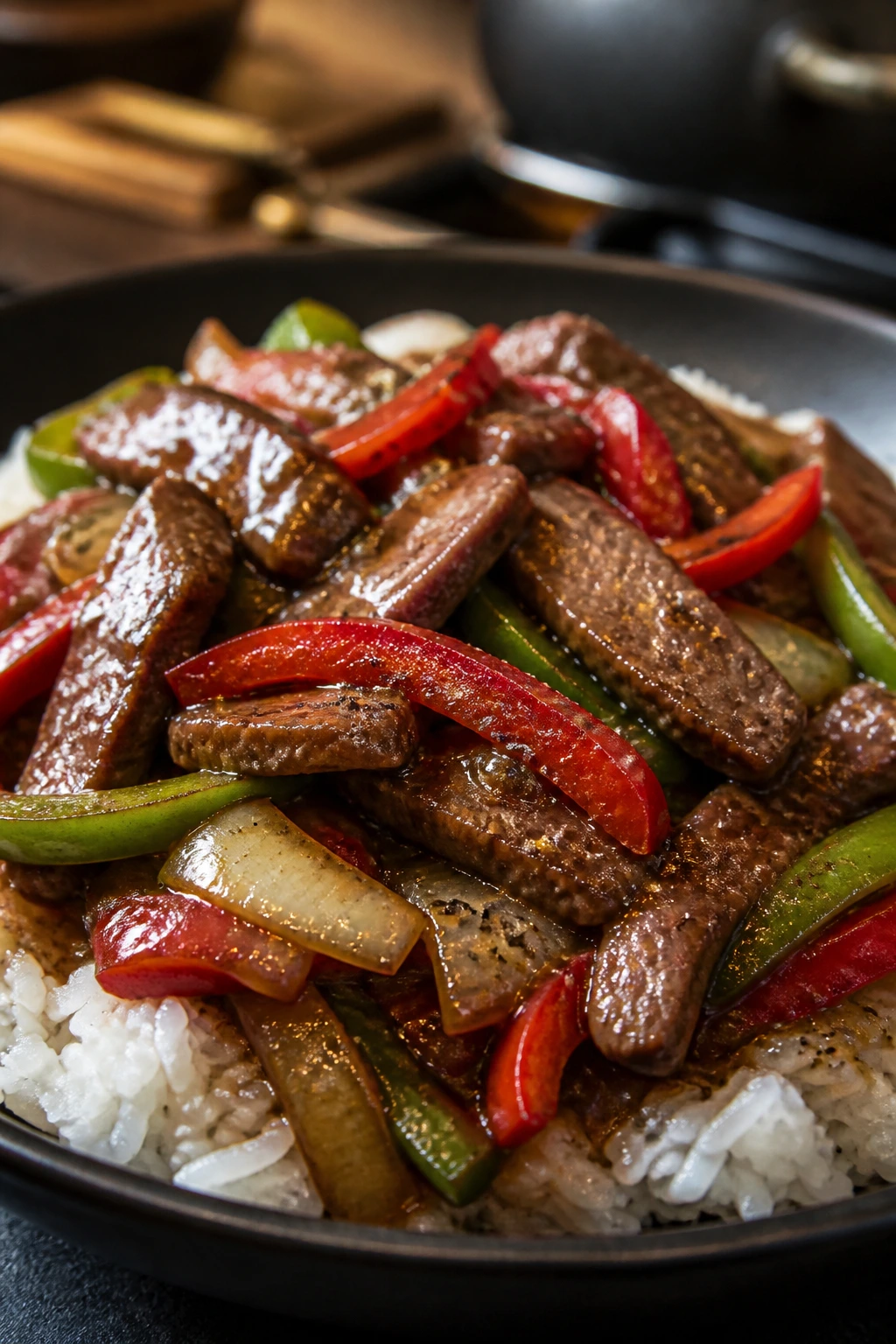
Pepper steak tastes like a skillet that was hot enough to matter. The beef should be tender, the onions just softened, and the bell peppers still a little snappy. This is a good place to spend a few seconds on the sauce because the whole dish depends on that savory, peppery finish.
Why It Works: Thin beef cooks fast, and a quick cornstarch marinade keeps it from turning dry. Bell peppers and onions bring sweetness and texture, which makes the sauce taste fuller than it is.
Key Ingredients:
- 1 pound flank steak, thinly sliced
- 2 bell peppers, sliced
- 1 onion, sliced
- 2 tablespoons soy sauce
- 1 tablespoon oyster sauce
- 1 teaspoon cornstarch
- 1 teaspoon black pepper
- 2 cloves garlic, minced
- 2 tablespoons neutral oil
Quick Steps:
- Marinate the beef with soy sauce and cornstarch.
- Stir-fry the beef quickly until browned, then remove it.
- Cook onions and peppers for 2 to 3 minutes.
- Add garlic, oyster sauce, black pepper, and a splash of water.
- Return the beef and toss until coated.
Equipment for This Recipe:
- Wok or large skillet
- Sharp knife
- Mixing bowl
- Spatula
How to Serve This Dish: Put it over rice, or spoon it onto noodles if you want more chew. A side of cucumber salad helps cut the rich beef.
Pro Tips for This Recipe:
- Slice the beef thin and across the grain. Texture matters here.
- Do not overcook the peppers. They should stay bright.
- Use black pepper generously. The dish needs that bite.
Variations on This Dish:
- Mushroom Pepper Steak: Add sliced mushrooms with the peppers.
- Spicy Pepper Steak: Add chili flakes or fresh chilies.
- Chicken Pepper Stir-Fry: Swap in sliced chicken thighs.
Common Mistakes to Avoid with This Dish:
- Tough beef: Cut it thin and cook it fast.
- Peppers turning limp: They should get a quick hit, not a long simmer.
- Too little seasoning: Black pepper is not garnish here.
16. Moo Shu Vegetables
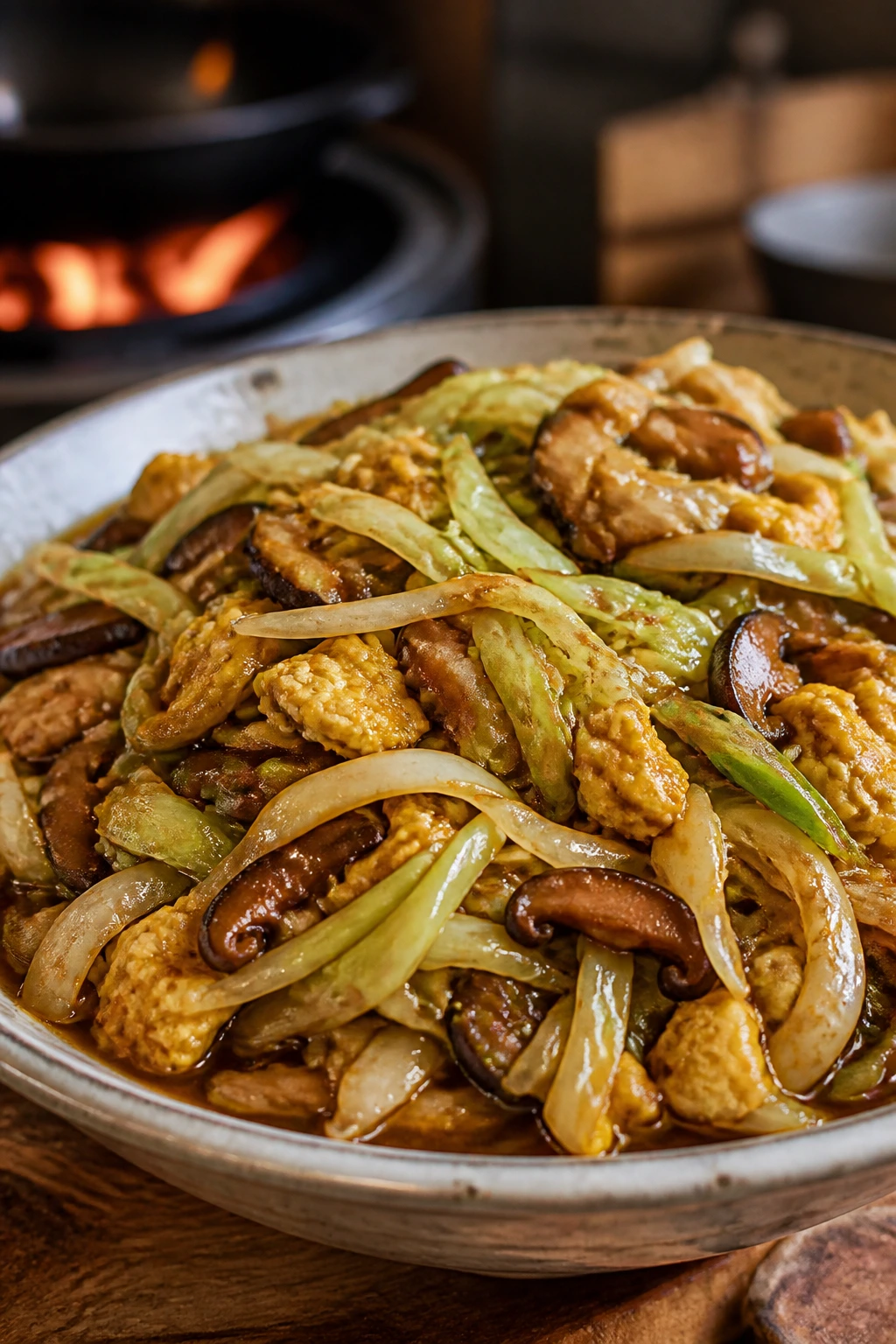
Moo shu vegetables are good when you want a pan full of shredded things that still taste lively. Cabbage, mushrooms, and egg all give the filling a soft, savory texture, and the hoisin or soy sauce pulls it together. Wrapped in tortillas or thin pancakes, it becomes one of those meals you eat with both hands and no regrets.
Why It Works: Everything is chopped or shredded small, so the filling cooks fast and stays flexible. Eggs add richness, while hoisin or soy gives the finished wrap a sweet-salty edge.
Key Ingredients:
- 4 cups shredded cabbage
- 1 cup sliced mushrooms
- 3 large eggs, beaten
- 2 tablespoons neutral oil
- 2 tablespoons soy sauce
- 1 tablespoon hoisin sauce
- 2 cloves garlic, minced
- 6 small tortillas or thin pancakes
Quick Steps:
- Scramble the eggs softly and set them aside.
- Stir-fry mushrooms and garlic until the mushrooms give off their moisture.
- Add cabbage and cook until just wilted.
- Stir in soy sauce and hoisin, then return the eggs.
- Warm the tortillas and spoon the filling inside.
Equipment for This Recipe:
- Large skillet
- Spatula
- Small bowl for eggs
- Tortilla warmer or clean towel
How to Serve This Dish: Fold the filling into warm tortillas and serve with a little extra hoisin on the side. It works well with a crisp cucumber salad or a simple broth soup.
Pro Tips for This Recipe:
- Shred the cabbage thinly. Big pieces are hard to wrap.
- Cook off mushroom moisture. Otherwise the filling turns wet.
- Warm the wraps first. Cold tortillas crack.
Variations on This Dish:
- Chicken Moo Shu: Add shredded cooked chicken.
- Tofu Moo Shu: Use cubed tofu and skip the egg if needed.
- Spicy Moo Shu: Add chili garlic sauce to the filling.
Common Mistakes to Avoid with This Dish:
- Overfilling the wraps: They split and spill.
- Leaving mushrooms watery: Let them dry in the pan first.
- Using thick tortillas cold: Warmth makes them fold cleanly.
17. Garlic Green Beans
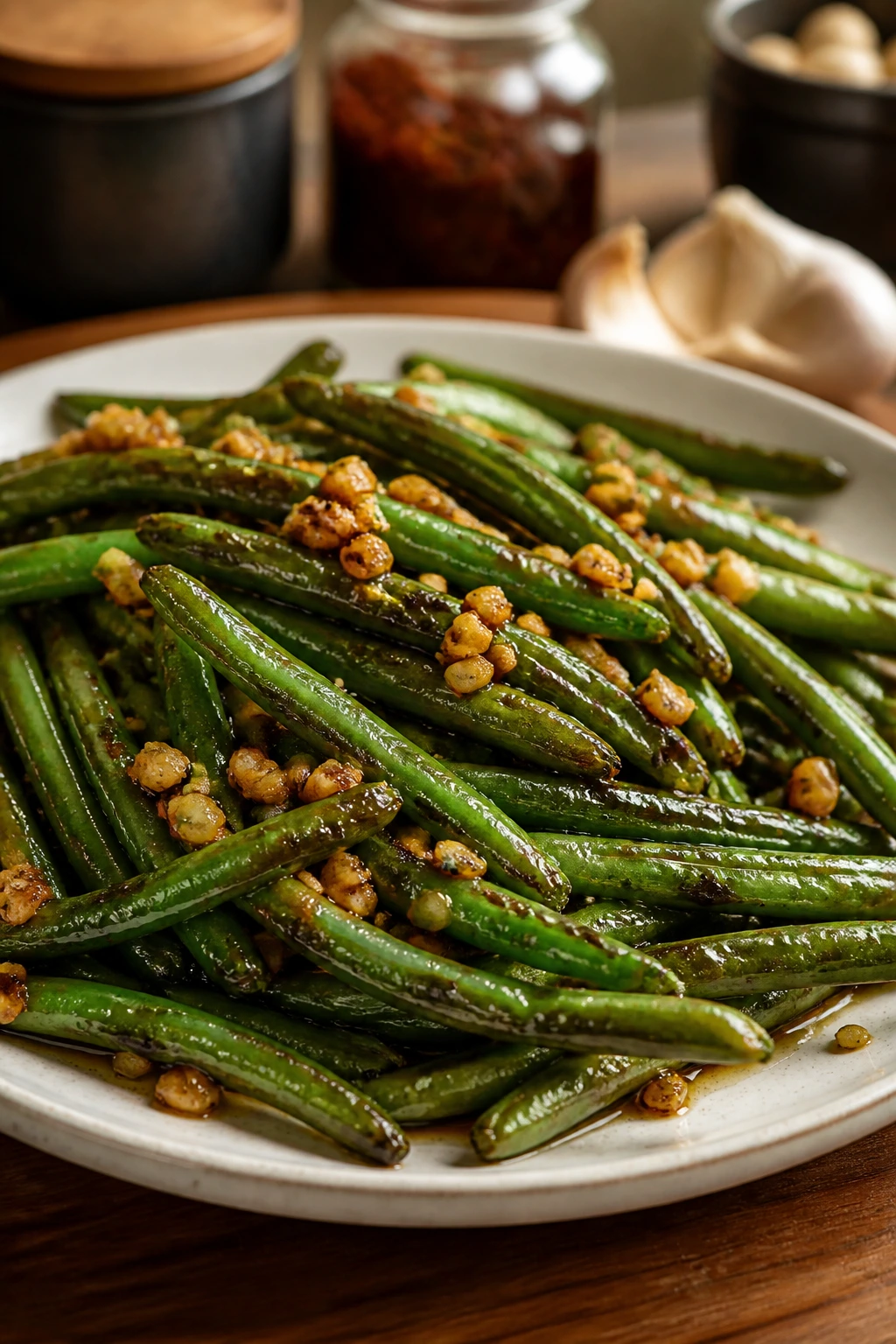
Garlic green beans are one of those side dishes that can steal a meal if you’re not paying attention. The beans should blister a little, stay snappy, and pick up the garlic without turning bitter. A small splash of soy and sugar is enough to make them taste finished.
Why It Works: Green beans like high heat and a short cooking time, which gives you charred spots and a crisp-tender center. Garlic goes in late so it perfumes the oil without scorching.
Key Ingredients:
- 1 pound green beans, trimmed
- 3 cloves garlic, minced
- 2 tablespoons neutral oil
- 1 tablespoon soy sauce
- 1 teaspoon sugar
- 1 teaspoon sesame oil
- Pinch of chili flakes, optional
Quick Steps:
- Heat the oil in a skillet over medium-high heat.
- Add the green beans and cook for 5 to 7 minutes until blistered and crisp-tender.
- Add garlic and stir for 20 seconds.
- Stir in soy sauce, sugar, sesame oil, and chili flakes.
- Toss for 30 seconds more and serve hot.
Equipment for This Recipe:
- Large skillet
- Spatula
- Knife and cutting board
How to Serve This Dish: Put them beside rice, noodles, or any saucy main dish. They also make a sharp side for fried tofu or roasted chicken.
Pro Tips for This Recipe:
- Dry the beans before cooking. Water fights browning.
- Keep the garlic brief. Burnt garlic ruins the batch.
- Taste before adding more soy. The beans should stay bright.
Variations on This Dish:
- Szechuan-Style Beans: Add chili crisp and a little vinegar.
- Sesame Beans: Finish with extra sesame oil and seeds.
- Bacon Beans: Crisp bacon first and cook the beans in the fat.
Common Mistakes to Avoid with This Recipe:
- Boiling the beans too long: They lose their snap.
- Adding garlic too early: It burns before the beans are done.
- Using too much sauce: A light coating is enough.
18. Soy-Braised Tofu
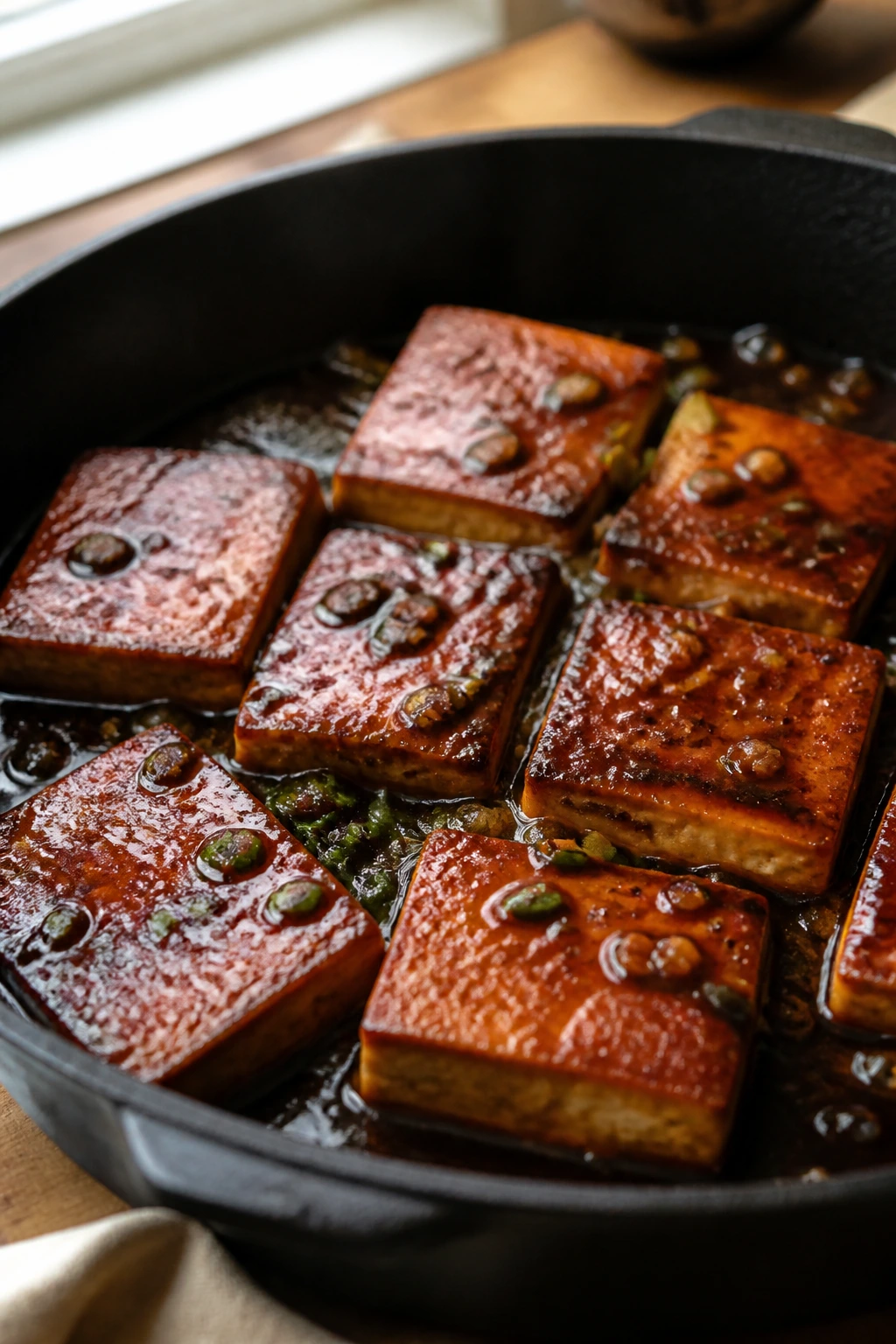
Soy-braised tofu is what happens when a humble block of tofu gets treated with some respect. The outside turns golden, the sauce reduces to a lacquer, and the middle stays soft. It’s one of my favorite pantry meals because it doesn’t need meat to feel complete.
Why It Works: Browning the tofu before braising gives it texture and keeps it from falling apart in the sauce. Soy sauce, sugar, garlic, and ginger build a simple braising liquid that turns rich as it simmers.
Key Ingredients:
- 1 block firm tofu, pressed and cut into slabs or cubes
- 2 tablespoons soy sauce
- 1 teaspoon sugar
- 2 cloves garlic, sliced
- 1 teaspoon grated ginger
- 1 tablespoon neutral oil
- 1 teaspoon cornstarch mixed with 2 tablespoons water
- Sliced scallions, for serving
Quick Steps:
- Press the tofu for 15 minutes, then cut it.
- Brown the tofu in oil until both sides are golden.
- Add garlic and ginger, then pour in soy sauce and 1/2 cup water.
- Simmer for 5 minutes so the tofu absorbs the sauce.
- Stir in the cornstarch slurry and cook until the liquid turns glossy.
Equipment for This Recipe:
- Skillet with lid
- Spatula
- Tofu press or paper towels
- Small bowl for slurry
How to Serve This Dish: Serve it over rice, with steamed bok choy or cabbage on the side. A few sesame seeds or scallions make it look finished fast.
Pro Tips for This Recipe:
- Press the tofu first. Extra water keeps it from browning.
- Brown before braising. The crust gives the dish shape.
- Taste the sauce as it reduces. It should be savory, not overly salty.
Variations on This Recipe:
- Mushroom Braised Tofu: Add sliced mushrooms for more depth.
- Spicy Braised Tofu: Add chili oil or chili flakes.
- Bok Choy Version: Braise baby bok choy in the same sauce.
Common Mistakes to Avoid with This Recipe:
- Skipping the press: Wet tofu won’t brown well.
- Overstirring: The cubes can break.
- Too much slurry: The sauce should coat, not gel.
19. Sticky Soy Chicken Wings
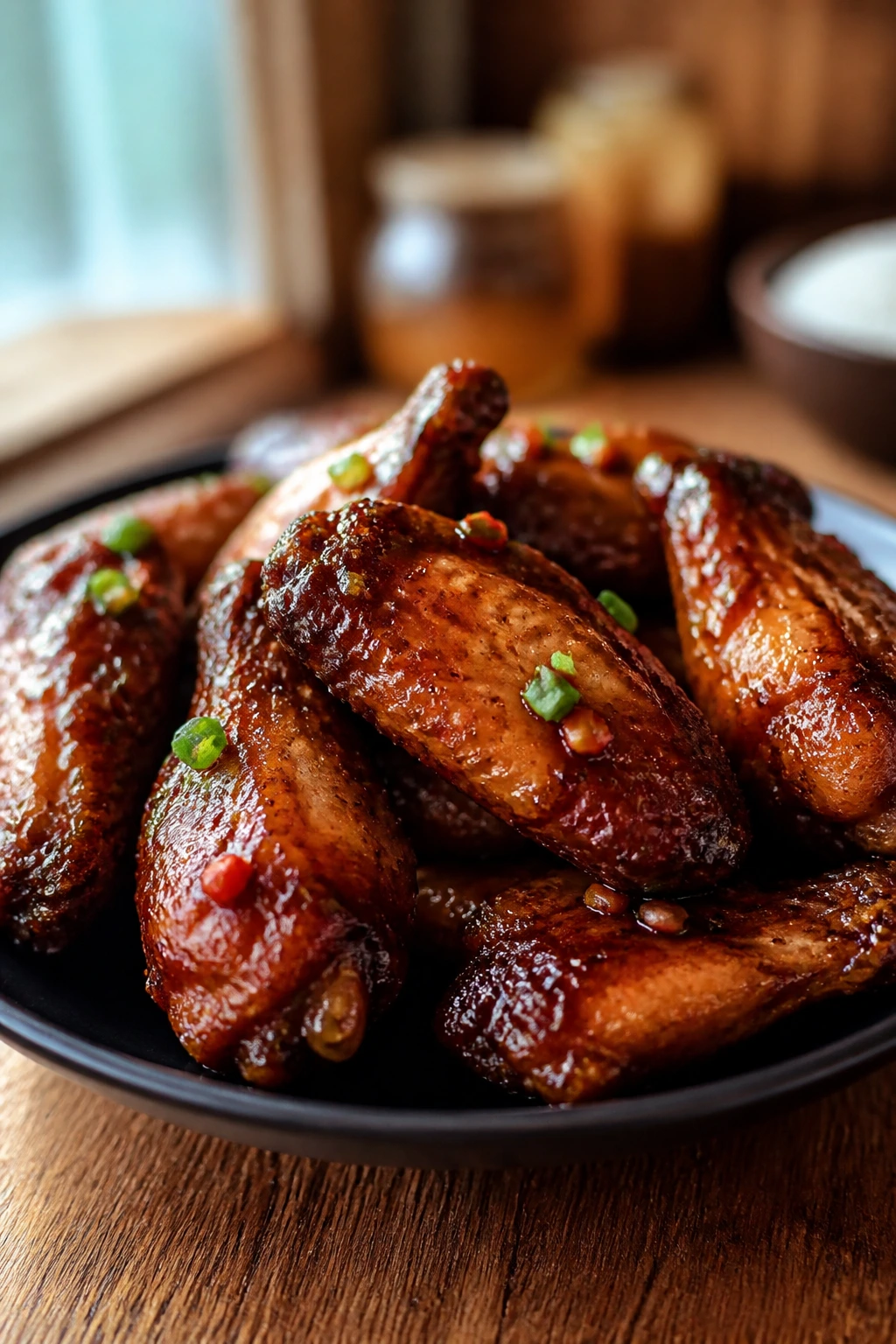
Sticky soy chicken wings come out lacquered, salty-sweet, and a little glossy at the edges. The sauce should cling to the skin in a thin layer, and the pan should smell like soy, ginger, and caramelized sugar. These are the wings people hover over.
Why It Works: Wings have enough fat to stay juicy while the sauce reduces around them. Soy sauce and sugar make the glaze, while a little vinegar keeps it from becoming flat or cloying.
Key Ingredients:
- 2 pounds chicken wings
- 1/4 cup soy sauce
- 3 tablespoons sugar or honey
- 2 tablespoons rice vinegar
- 3 cloves garlic, smashed
- 1 teaspoon grated ginger
- 1/2 teaspoon five-spice powder
- 1 tablespoon neutral oil
Quick Steps:
- Pat the wings dry and brown them in oil.
- Add garlic, ginger, soy sauce, sugar, vinegar, five-spice, and 1/2 cup water.
- Cover and simmer for 20 minutes.
- Uncover and reduce the sauce until sticky and shiny.
- Turn the wings so they get fully glazed.
Equipment for This Recipe:
- Deep skillet or Dutch oven
- Tongs
- Lid
- Measuring spoons
How to Serve This Dish: Serve the wings with rice or plain noodles to catch the glaze. They also work well with a plate of cucumber salad to cut the richness.
Pro Tips for This Recipe:
- Dry the wings well. Moisture blocks browning.
- Reduce the sauce uncovered at the end. That’s how it becomes sticky.
- Turn the wings in the glaze. Every side should get coated.
Variations on This Recipe:
- Oven-Finished Wings: Braise first, then roast to tighten the skin.
- Spicy Wing Version: Add chili flakes or chili paste.
- Orange Soy Wings: Add a strip of orange zest or a splash of juice.
Common Mistakes to Avoid with This Recipe:
- Sauce too thin: Keep simmering until it clings.
- Burning the sugar: Watch the heat once the lid comes off.
- Using wet wings: They steam and won’t brown as well.
20. Dan Dan Noodles
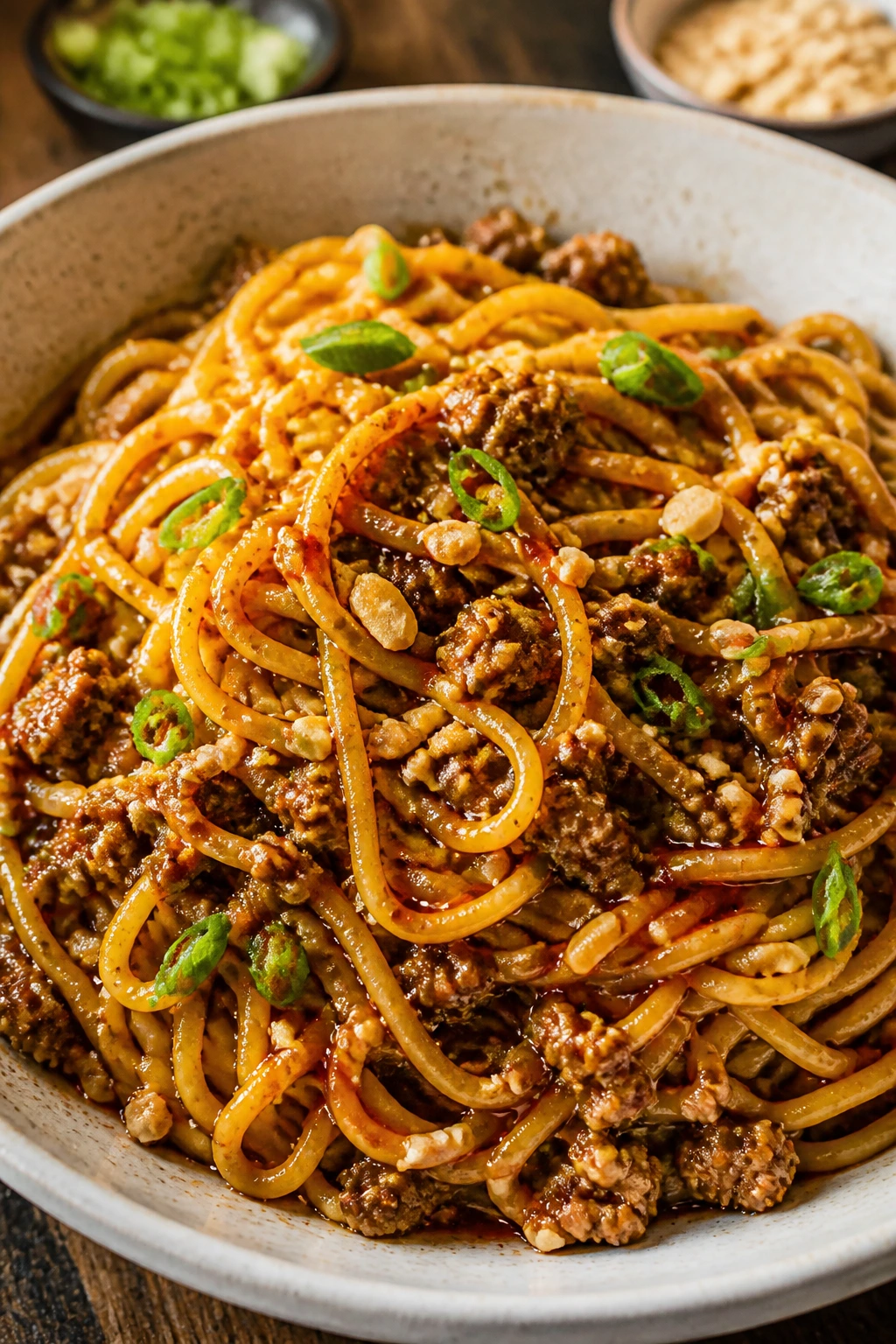
Dan dan noodles should feel a little dangerous in the best way. The sauce is nutty, salty, spicy, and sharp with vinegar, and the noodles should carry enough sauce that every twirl tastes like something different from the last. If you have peanut butter but not sesame paste, you’re still in business.
Why It Works: The sauce is built from fat, acid, salt, and heat, so it stays interesting even with pantry substitutions. Ground pork gives a savory base, while chili oil and vinegar keep the bowl from going heavy.
Key Ingredients:
- 12 ounces thin noodles
- 1/2 pound ground pork
- 2 tablespoons peanut butter or sesame paste
- 2 tablespoons soy sauce
- 1 tablespoon Chinese black vinegar or rice vinegar
- 1 teaspoon chili oil
- 2 cloves garlic, minced
- 1 teaspoon sugar
- Scallions, for serving
Quick Steps:
- Cook the noodles and save a little cooking water.
- Brown the pork in a skillet until crumbly and cooked through.
- Stir peanut butter, soy sauce, vinegar, chili oil, garlic, sugar, and 3 tablespoons noodle water together.
- Toss the noodles with the sauce.
- Spoon the pork on top and finish with scallions.
Equipment for This Recipe:
- Pot for noodles
- Skillet
- Mixing bowl
- Chopsticks or tongs
How to Serve This Dish: Serve it in shallow bowls so the sauce sits around the noodles instead of disappearing. A side of cucumber slices or blanched greens keeps the spice in check.
Pro Tips for This Recipe:
- Loosen the sauce with noodle water. Thick paste won’t coat well.
- Use thin noodles. They hold the sauce better than thick ones.
- Taste for vinegar at the end. The acid should wake the bowl up.
Variations on This Recipe:
- Vegetarian Dan Dan: Skip the pork and use chopped mushrooms.
- Extra-Sesame Version: Add a little sesame oil and more paste.
- Sweeter Bowl: Add a pinch more sugar if the sauce tastes too sharp.
Common Mistakes to Avoid with This Recipe:
- Sauce too thick: Add more noodle water.
- Not enough heat: A little chili oil matters here.
- Over-salting: Soy sauce and black vinegar already bring plenty.
21. Peanut Sesame Noodles
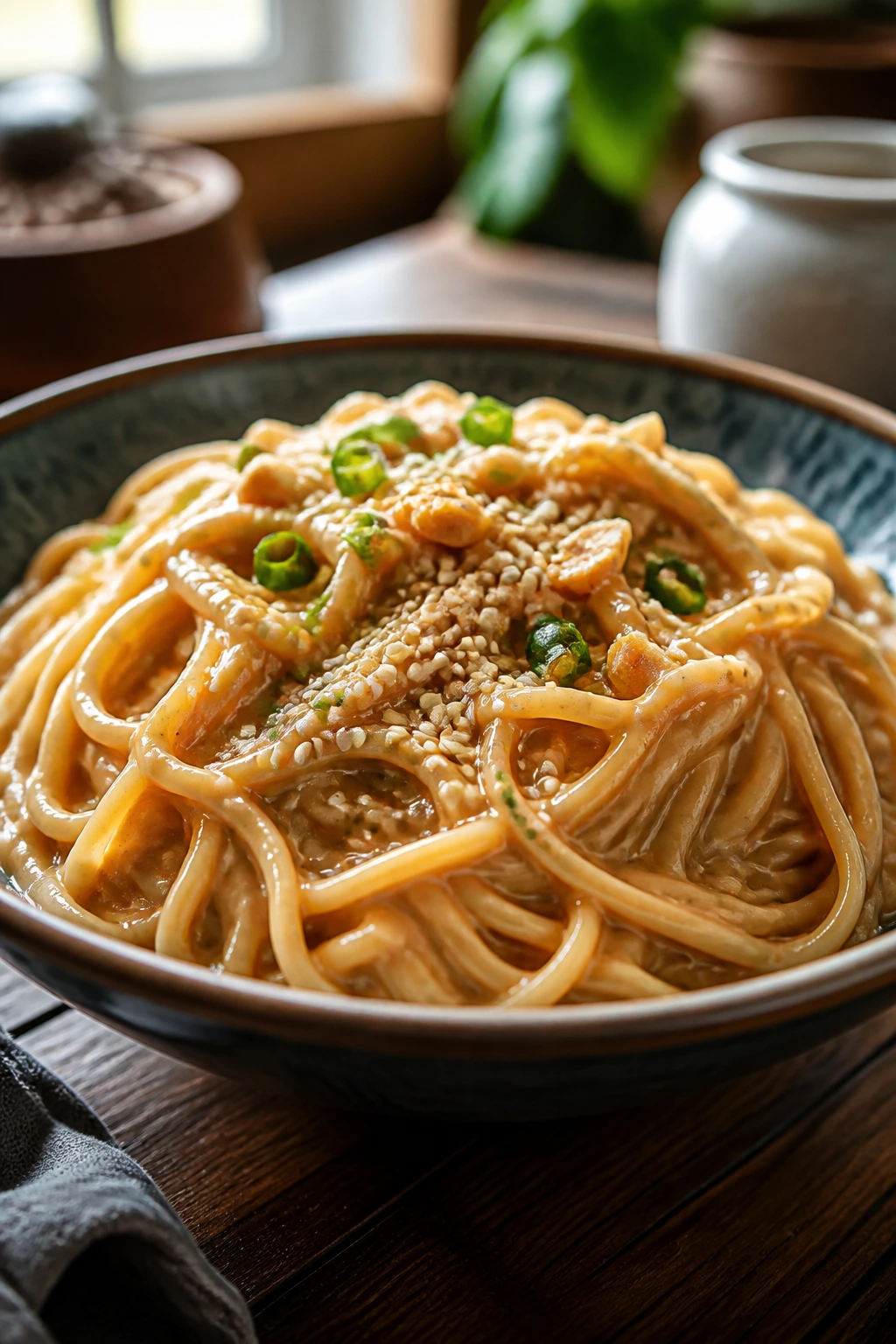
Peanut sesame noodles are the sort of thing that saves a weeknight without asking for applause. The sauce is creamy, salty, and a little tangy, and it sticks to the noodles in a way that feels almost luxurious for such a short ingredient list.
Why It Works: Peanut butter gives the sauce body, soy sauce brings salt, and rice vinegar keeps it from tasting heavy. A splash of hot water turns it into a glossy dressing that can coat noodles instead of clumping into paste.
Key Ingredients:
- 12 ounces noodles
- 1/4 cup peanut butter
- 2 tablespoons soy sauce
- 1 tablespoon rice vinegar
- 1 teaspoon sesame oil
- 1 teaspoon sugar
- 1 clove garlic, grated
- 2 to 4 tablespoons hot water
- Sliced cucumber or scallions, for topping
Quick Steps:
- Cook the noodles and drain them well.
- Whisk peanut butter, soy sauce, vinegar, sesame oil, sugar, garlic, and hot water into a smooth sauce.
- Toss the noodles with the sauce while still warm.
- Add more hot water if needed so the sauce coats evenly.
- Top with cucumber or scallions.
Equipment for This Recipe:
- Pot
- Mixing bowl
- Whisk
- Tongs
How to Serve This Dish: Eat it warm, room temperature, or cold. It goes well with shredded chicken, tofu, or a plate of quick-pickled vegetables.
Pro Tips for This Recipe:
- Warm noodles loosen the sauce. Cold noodles can make it seize.
- Add water slowly. You want creamy, not runny.
- Use smooth peanut butter for the easiest sauce.
Variations on This Recipe:
- Spicy Peanut Noodles: Add chili crisp or sriracha.
- Sesame-Lime Version: Swap in a bit of lime juice for some vinegar.
- Protein Bowl: Add shredded chicken or cubes of tofu.
Common Mistakes to Avoid with This Recipe:
- Sauce too thick: A tablespoon of hot water fixes it fast.
- Too much sugar: The peanut should stay savory.
- Skipping acid: The vinegar keeps the bowl bright.
22. Pantry Chow Mein
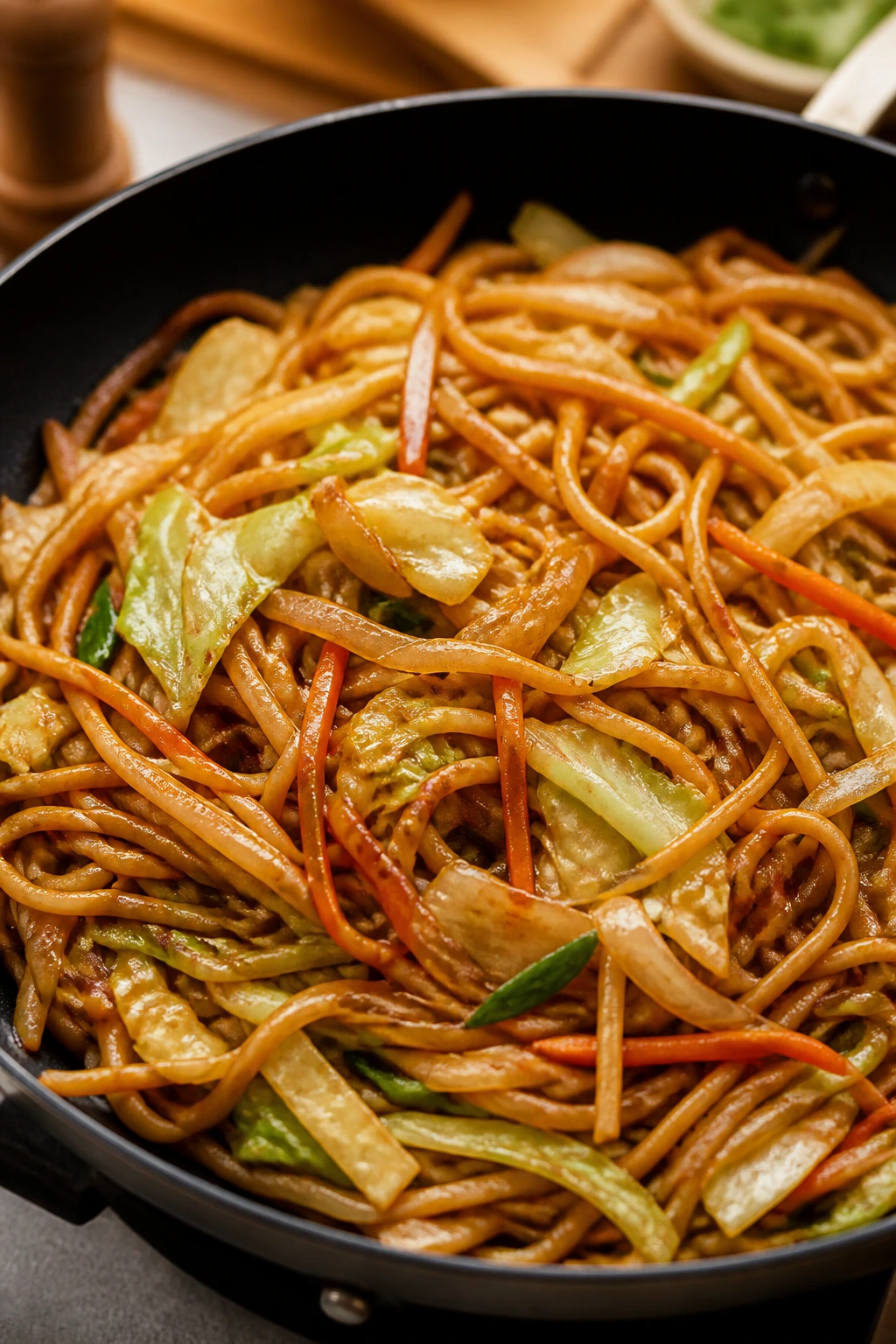
Pantry chow mein is what you make when the vegetable drawer is mostly apology. A cabbage, a carrot, maybe an onion, and a packet of noodles are enough if the sauce is right. The finished dish should be a little savory, a little smoky, and not at all shy.
Why It Works: The noodles absorb sauce quickly, so the whole dish tastes unified instead of like noodles with things in them. Quick-cooked vegetables stay crisp and give the bowl different textures.
Key Ingredients:
- 12 ounces chow mein noodles or thin spaghetti
- 2 cups shredded cabbage
- 1 carrot, julienned
- 1 small onion, sliced
- 2 tablespoons soy sauce
- 1 tablespoon oyster sauce
- 1 teaspoon sesame oil
- 2 tablespoons neutral oil
- 2 cloves garlic, minced
Quick Steps:
- Cook the noodles and drain.
- Stir together soy sauce, oyster sauce, sesame oil, and 2 tablespoons water.
- Stir-fry onion, carrot, and cabbage in hot oil for 2 to 3 minutes.
- Add garlic and noodles.
- Toss with the sauce until everything is glossy and hot.
Equipment for This Recipe:
- Large wok or skillet
- Pot for noodles
- Tongs
- Knife and cutting board
How to Serve This Dish: Serve it as the main event or alongside dumplings and soup. A little chili oil on the table is never wasted here.
Pro Tips for This Recipe:
- Do not overcook the noodles. They finish in the pan.
- Slice vegetables thin. They should cook quickly and evenly.
- Toss constantly once the sauce goes in. That keeps clumps away.
Variations on This Recipe:
- Chicken Chow Mein: Add shredded cooked chicken.
- Mushroom Chow Mein: Add sliced mushrooms for extra savoriness.
- Spicy Chow Mein: Add chili garlic sauce with the soy.
Common Mistakes to Avoid with This Recipe:
- Wet noodles: Drain them well before they hit the pan.
- Thick vegetable cuts: They won’t soften in time.
- Too much sauce: The noodles should shine, not swim.
23. Congee
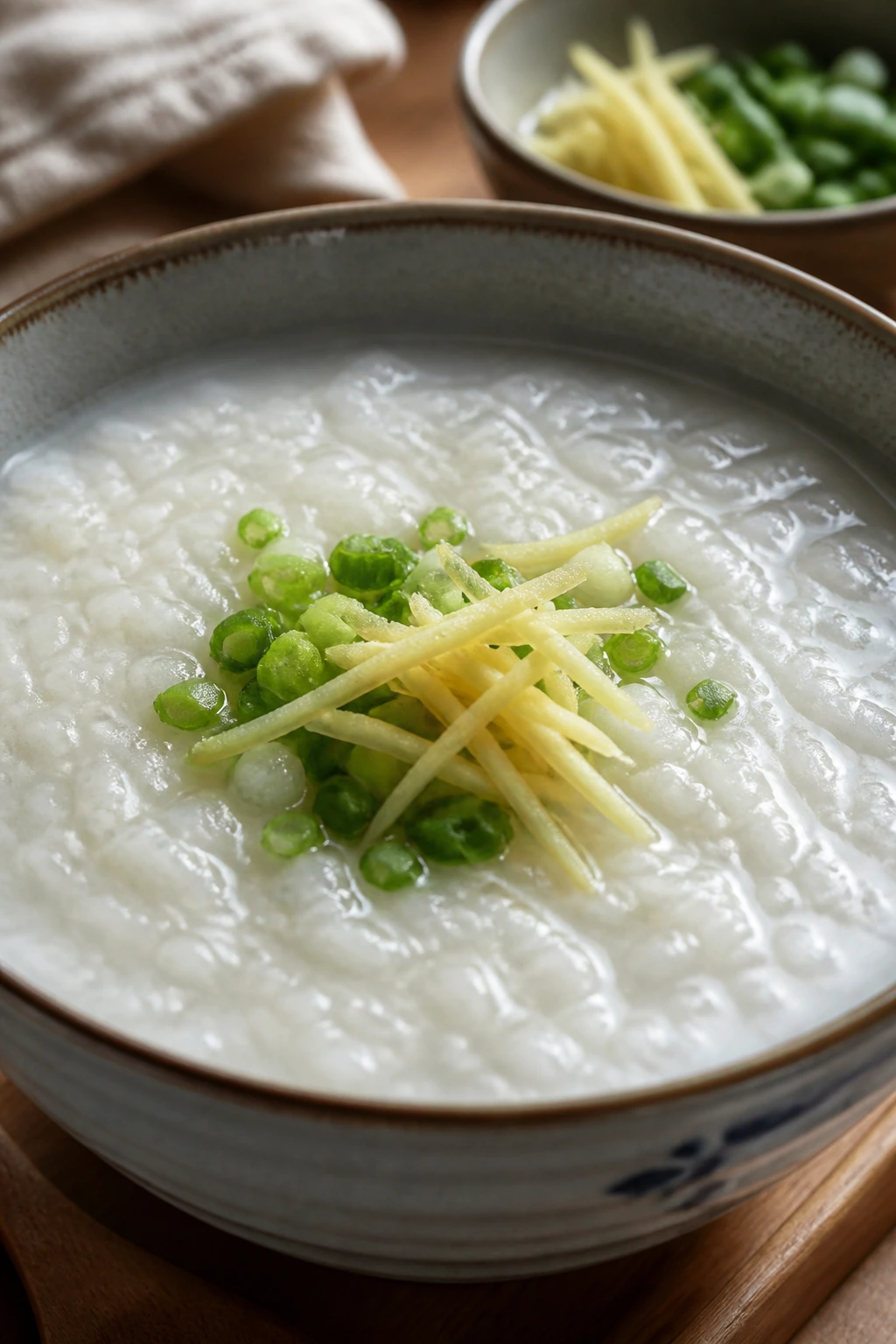
Congee is the softest, calmest thing on this list, and that’s exactly why it matters. Rice cooks down into a silky porridge that tastes plain in the best possible way, ready for soy sauce, scallions, fried eggs, pickles, or shredded meat. It’s what you make when you want dinner to feel gentle.
Why It Works: Rice breaks down in a lot of liquid over time, which gives you body without cream. A little ginger or broth can add flavor, but the real strength of congee is how easy it is to top and tailor.
Key Ingredients:
- 1 cup white rice
- 8 cups water or broth
- 2 slices fresh ginger
- 1/2 teaspoon salt
- Soy sauce, for serving
- Sliced scallions, for serving
- Fried egg or shredded chicken, optional
Quick Steps:
- Rinse the rice and add it to a pot with water, ginger, and salt.
- Bring to a boil, then lower to a gentle simmer.
- Cook for 45 to 60 minutes, stirring now and then, until the rice breaks down and the porridge looks creamy.
- Add more water if it gets too thick.
- Serve with soy sauce, scallions, and toppings.
Equipment for This Recipe:
- Large pot
- Wooden spoon
- Ladle
- Bowl for toppings
How to Serve This Dish: Serve it in deep bowls with several small toppings on the side so everyone can build their own. Pickled vegetables, fried shallots, and a soft egg all fit.
Pro Tips for This Recipe:
- Stir occasionally so the rice does not stick.
- Add water as needed. Congee should stay loose and spoonable.
- Use broth if you want more savory flavor. Water works fine too.
Variations on This Recipe:
- Chicken Congee: Add shredded cooked chicken near the end.
- Century Egg Style: Top with sliced century egg if you have it.
- Savory Breakfast Congee: Add a fried egg and scallions.
Common Mistakes to Avoid with This Recipe:
- Too little liquid: It turns into sticky rice porridge, not congee.
- Boiling too hard: The bottom can scorch.
- Under-seasoning the topping: The porridge itself is mild on purpose.
24. Scallion Pancakes
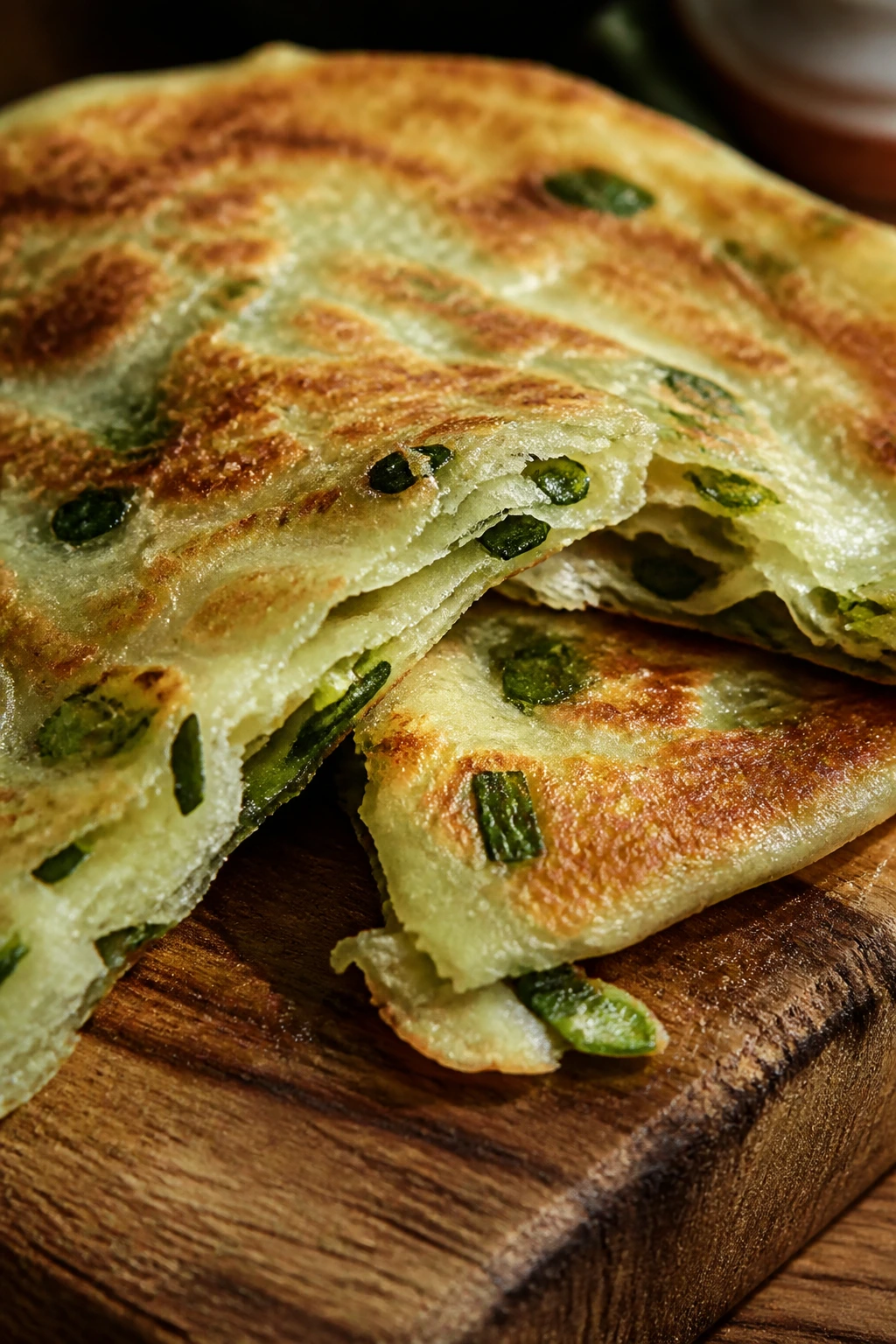
Scallion pancakes are crisp on the outside, layered inside, and slightly chewy in the middle. The best ones crack a little when you cut them. They need only flour, hot water, oil, and scallions, which makes them one of the cleanest pantry tricks in the whole set.
Why It Works: Hot water dough stays pliable and rolls thin without fighting you. The oil layers create steam pockets in the pan, which is how you get those flaky sheets instead of one dense disk.
Key Ingredients:
- 2 cups all-purpose flour
- 3/4 cup hot water
- 1/2 teaspoon salt
- 4 scallions, finely sliced
- 2 tablespoons sesame oil or neutral oil
- Neutral oil for pan-frying
Quick Steps:
- Mix flour, salt, and hot water into a soft dough.
- Knead briefly, rest 20 minutes, then divide.
- Roll each piece thin, brush with oil, and sprinkle with scallions.
- Roll up and coil the dough, then flatten again.
- Pan-fry each pancake in a thin layer of oil until golden and crisp on both sides.
Equipment for This Recipe:
- Mixing bowl
- Rolling pin
- Skillet
- Pastry brush or spoon
How to Serve This Dish: Cut into wedges and serve with soy-vinegar dip. They’re best hot, alongside soup or as a snack with tea.
Pro Tips for This Recipe:
- Rest the dough. It rolls easier and stretches less.
- Roll it thin enough to see faint shadows through it. That helps with layers.
- Use a modest amount of oil. Too much makes the pancakes greasy.
Variations on This Recipe:
- Sesame Seed Pancakes: Sprinkle seeds with the scallions.
- Chive Version: Use Chinese chives if they’re available.
- Stuffed Pancake: Add a little minced garlic to the filling.
Common Mistakes to Avoid with This Recipe:
- Dry dough: Add a teaspoon of water at a time.
- Skipping the rest: The dough will fight back.
- Too-hot pan: The outside burns before the inside layers set.
25. Smashed Cucumber Salad
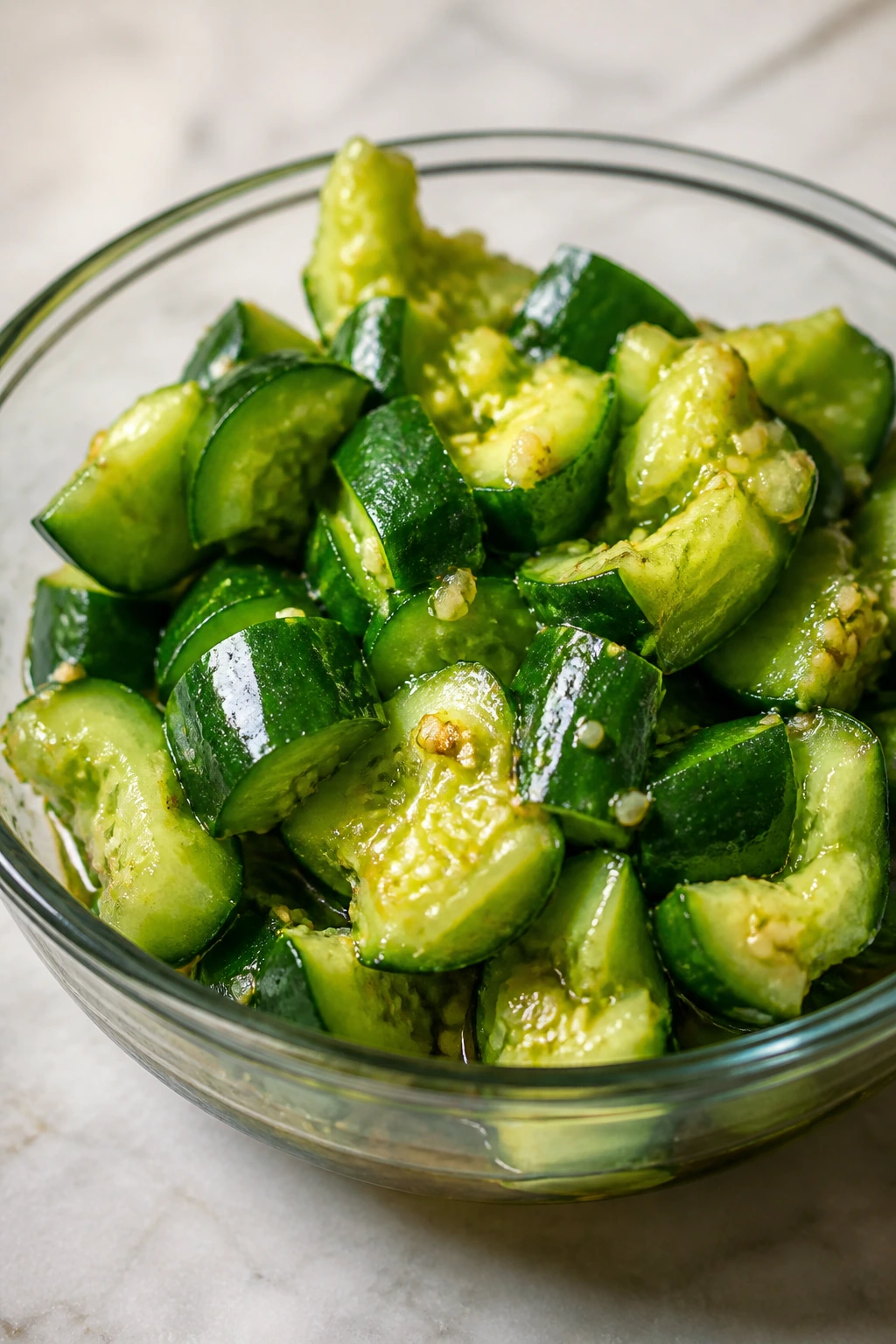
Smashed cucumber salad is cold, sharp, and loud in the right way. The cucumbers should crack open under the knife, then soak up a dressing that tastes like vinegar, garlic, soy, and sesame oil. It’s the salad I want next to anything fried.
Why It Works: Smashing creates rough edges that hold dressing better than neat slices do. Salt pulls out a little water, which keeps the final salad crisp instead of watery.
Key Ingredients:
- 2 English cucumbers or 4 Persian cucumbers
- 2 cloves garlic, minced
- 1 tablespoon soy sauce
- 1 tablespoon rice vinegar
- 1 teaspoon sesame oil
- 1/2 teaspoon sugar
- Chili oil, optional
- Pinch of salt
Quick Steps:
- Smash the cucumbers with the flat side of a knife or rolling pin.
- Cut them into bite-size pieces and sprinkle with salt.
- Let them sit 10 minutes, then drain off excess water.
- Mix garlic, soy sauce, vinegar, sesame oil, sugar, and chili oil.
- Toss the cucumbers with the dressing and chill briefly.
Equipment for This Recipe:
- Cutting board
- Knife or rolling pin
- Bowl
- Colander
How to Serve This Dish: Serve it cold beside noodles, fried rice, or braised meats. It also works as a starter that wakes up the palate.
Pro Tips for This Recipe:
- Drain the cucumbers after salting. That keeps the salad crunchy.
- Use enough garlic. The salad should smell sharp.
- Chill for 10 minutes if you can. The flavor settles in.
Variations on This Recipe:
- Spicy Cucumber Salad: Add extra chili oil.
- Peanut Cucumber Salad: Add a spoonful of peanut butter to the dressing.
- Herby Version: Toss in cilantro or mint if you like it.
Common Mistakes to Avoid with This Recipe:
- Slicing instead of smashing: You lose the rough texture that holds dressing.
- Skipping the salt step: The salad turns watery.
- Too much sesame oil: It can overwhelm the cucumbers fast.
26. Egg Drop Soup
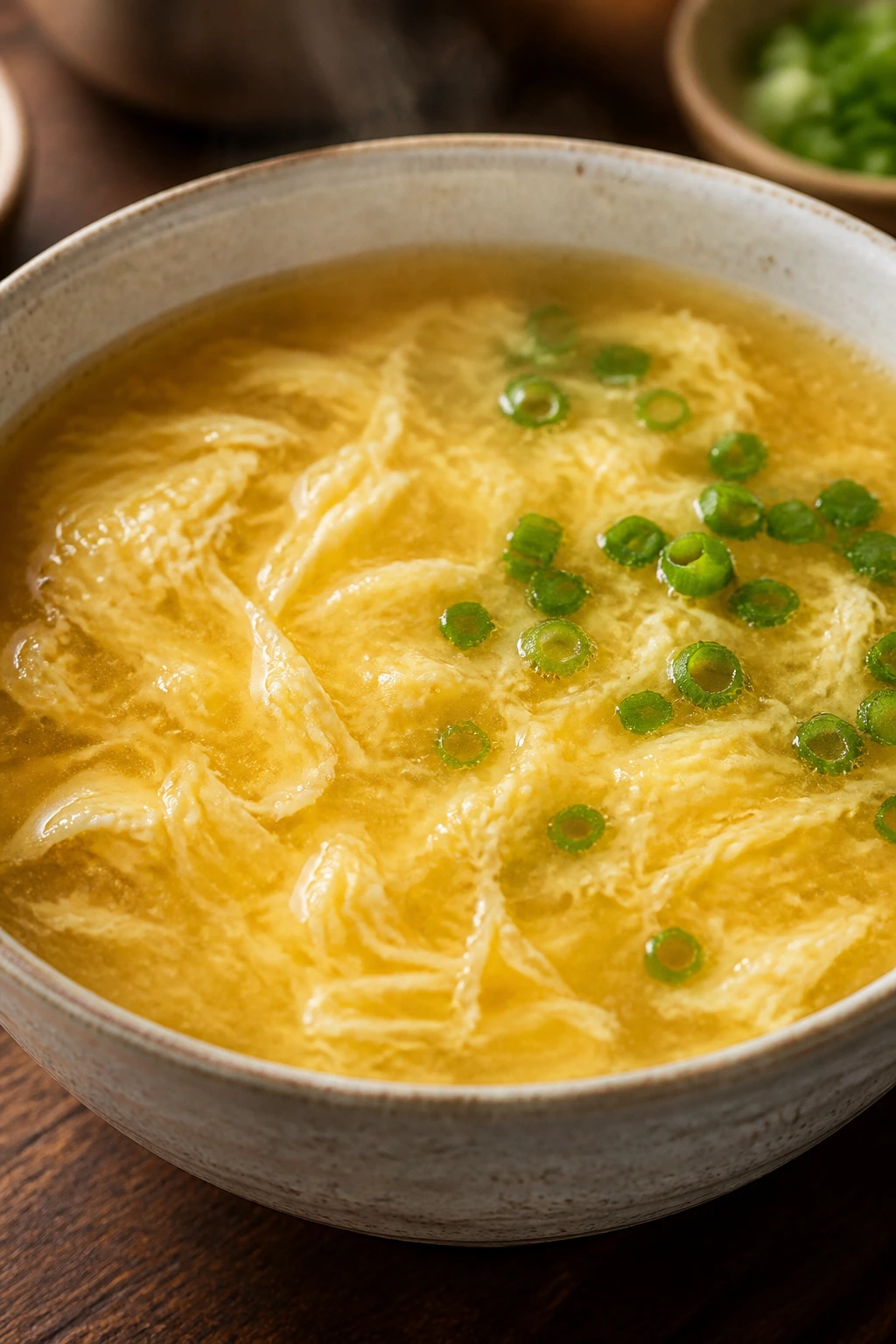
Egg drop soup is what happens when broth, eggs, and a little starch decide to behave like a real meal. The broth should be lightly thickened, not heavy, and the eggs should fall into long ribbons. It’s fast, soft, and a good thing to know how to make on a tired night.
Why It Works: Hot broth cooks the egg as soon as it hits the pot, so the ribbons form almost instantly. A little cornstarch gives the soup body, which helps the eggs float instead of sinking.
Key Ingredients:
- 4 cups chicken or vegetable broth
- 2 large eggs, beaten
- 1 tablespoon cornstarch mixed with 2 tablespoons water
- 1 teaspoon soy sauce
- 1/2 teaspoon salt, or to taste
- White pepper, to taste
- Sliced scallions, for serving
Quick Steps:
- Bring the broth to a simmer with soy sauce, salt, and white pepper.
- Stir in the cornstarch slurry and cook until lightly thickened.
- Stir the soup in a slow circle.
- Drizzle in the beaten eggs in a thin stream.
- Turn off the heat, let the ribbons set, and top with scallions.
Equipment for This Recipe:
- Medium saucepan
- Small bowl
- Fork or whisk
- Chopsticks or spoon
How to Serve This Dish: Serve it hot in small bowls as a starter or alongside fried rice and a vegetable dish. A few drops of sesame oil can make it feel more complete.
Pro Tips for This Recipe:
- Do not let the broth boil hard after the egg goes in.
- Move the spoon in one direction before pouring the eggs. That helps the ribbons form.
- Taste the broth before adding more salt. Some broths are already seasoned.
Variations on This Recipe:
- Corn Egg Drop Soup: Add a handful of canned or frozen corn.
- Tomato Egg Soup: Stir in diced tomatoes for a tangier bowl.
- Chicken Egg Drop Soup: Add shredded chicken.
Common Mistakes to Avoid with This Recipe:
- Pouring eggs too fast: You get clumps instead of ribbons.
- Skipping starch: The soup feels thin and watery.
- Over-salting broth: It gets harsh fast.
27. Cabbage and Bacon Stir-Fry
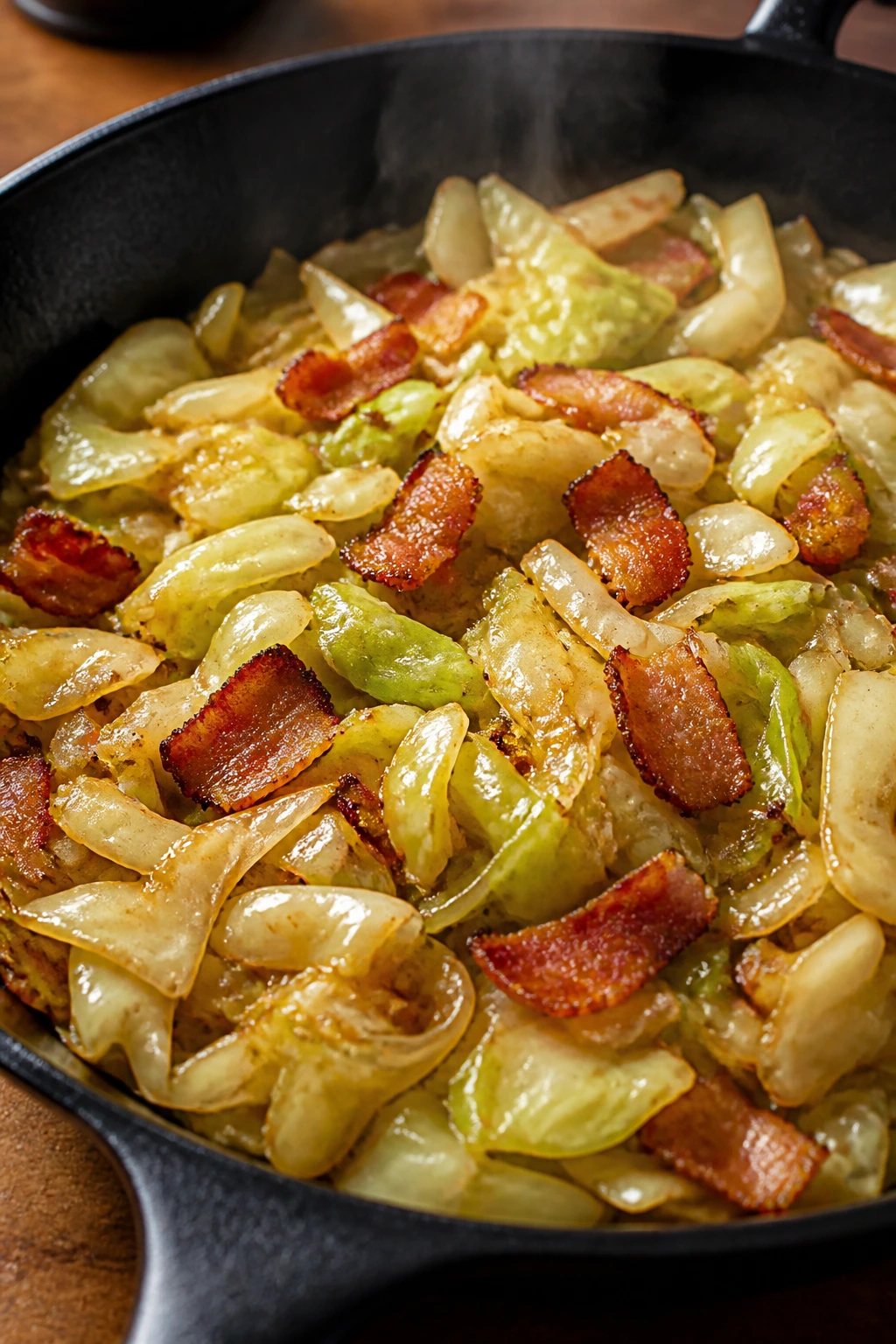
Cabbage and bacon is the kind of dish that sounds simple until the bacon fat starts hitting the cabbage. Then everything smells smoky and savory, and the cabbage turns sweet around the edges. It’s rustic, fast, and one of the best ways to make a big pan of vegetables disappear.
Why It Works: Bacon gives the pan seasoning before the cabbage even goes in. The cabbage picks up the fat, then finishes with a little vinegar so the dish doesn’t taste heavy.
Key Ingredients:
- 6 strips bacon, chopped
- 6 cups shredded cabbage
- 2 cloves garlic, minced
- 1 tablespoon soy sauce
- 1 teaspoon rice vinegar
- Black pepper, to taste
Quick Steps:
- Cook the bacon in a skillet until crisp.
- Remove some fat if the pan looks flooded.
- Add garlic and cabbage, then stir-fry for 3 to 4 minutes.
- Add soy sauce, vinegar, and black pepper.
- Cook until the cabbage is tender at the edges and the bacon is mixed back in.
Equipment for This Recipe:
- Large skillet
- Spatula
- Knife and cutting board
How to Serve This Dish: Serve it with rice, potatoes, or plain noodles. It also works next to tofu, chicken, or a fried egg.
Pro Tips for This Recipe:
- Do not drown the cabbage in bacon fat. A little goes a long way.
- Cut the cabbage into even shreds. It cooks more predictably.
- Add vinegar at the end. That keeps the flavor sharp.
Variations on This Recipe:
- Pork Belly Version: Use sliced pork belly instead of bacon.
- Spicy Cabbage: Add chili flakes or chili crisp.
- Mushroom Cabbage Stir-Fry: Add mushrooms with the cabbage.
Common Mistakes to Avoid with This Recipe:
- Overcooking the cabbage: It should still have some bite.
- Skipping acid: Bacon fat needs contrast.
- Too much soy sauce: The bacon already brings salt.
28. Five-Spice Roasted Potatoes
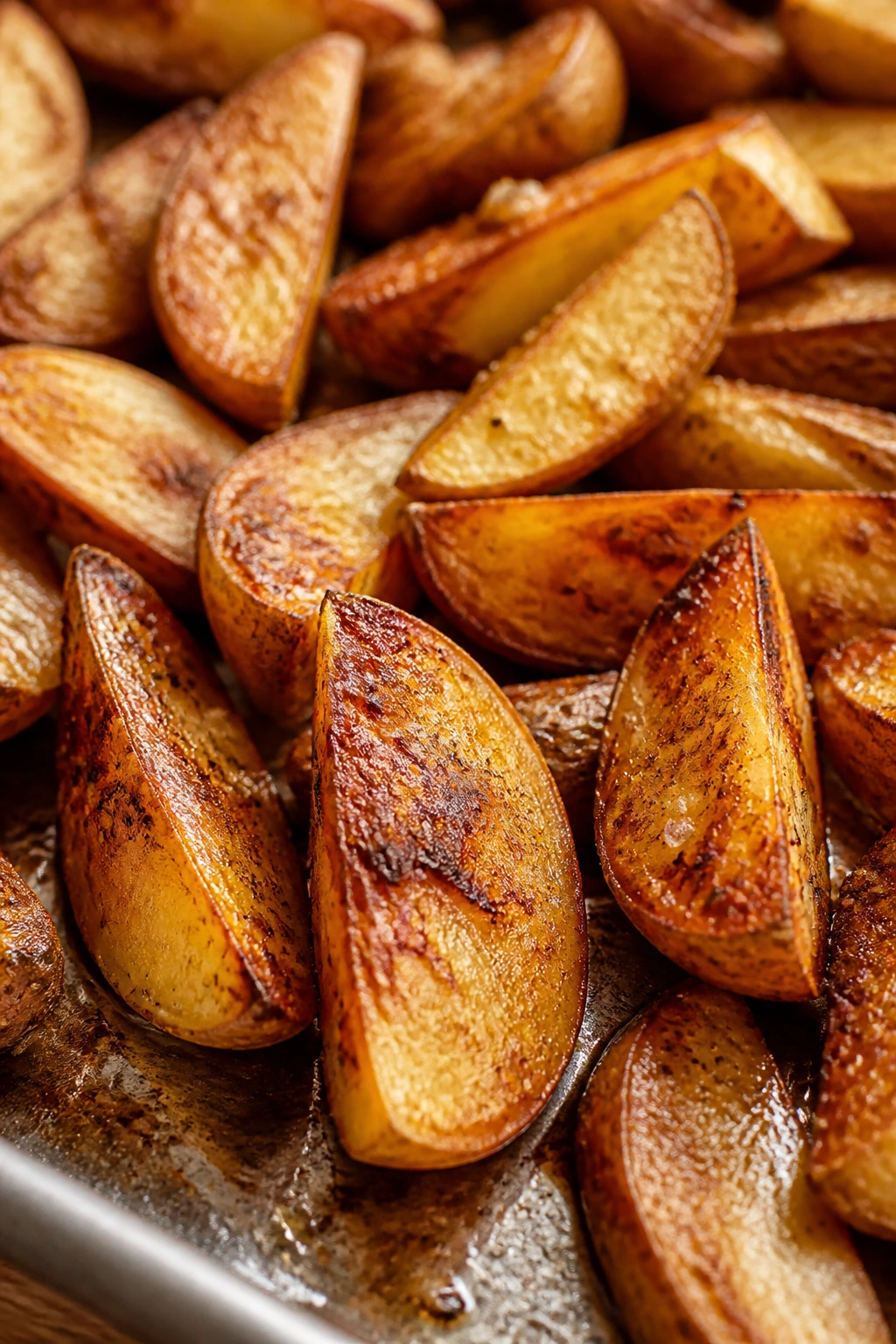
Five-spice roasted potatoes are not traditional in the strictest sense, but they belong here because the flavor profile works. The potatoes get crisp edges, a warm anise-cinnamon note from the spice blend, and a salty finish that makes them feel like more than a side. They disappear fast.
Why It Works: High heat dries the surface and browns the potato edges. Five-spice gives the potatoes a Chinese-inspired perfume that pairs well with soy-based mains and stir-fried greens.
Key Ingredients:
- 2 pounds potatoes, cut into wedges or cubes
- 2 tablespoons neutral oil
- 1 teaspoon five-spice powder
- 1 tablespoon soy sauce
- 1 teaspoon salt
- 2 cloves garlic, minced, optional
Quick Steps:
- Preheat the oven to 425°F (220°C).
- Toss the potatoes with oil, five-spice, soy sauce, salt, and garlic.
- Spread them on a sheet pan in one layer.
- Roast for 30 to 40 minutes, flipping once, until crisp and browned.
- Serve hot with scallions if you like.
Equipment for This Recipe:
- Sheet pan
- Large bowl
- Spatula
- Knife
How to Serve This Dish: Serve them as a side with chicken, tofu, or braised vegetables. They also make a good snack with chili oil or vinegar dip.
Pro Tips for This Recipe:
- Dry the potatoes after washing. Wet surfaces brown poorly.
- Do not crowd the pan. Space equals crispness.
- Taste the seasoning before roasting. Five-spice should be noticeable, not overpowering.
Variations on This Recipe:
- Chili Five-Spice Potatoes: Add chili flakes.
- Sweet-Savory Potatoes: Add a pinch of sugar.
- Garlic Scallion Finish: Toss with scallions after roasting.
Common Mistakes to Avoid with This Recipe:
- Low oven temperature: The potatoes soften before they crisp.
- Too much soy sauce: They can go soggy.
- Skipping the flip: You lose even browning.
29. Chinese-Style Meatballs
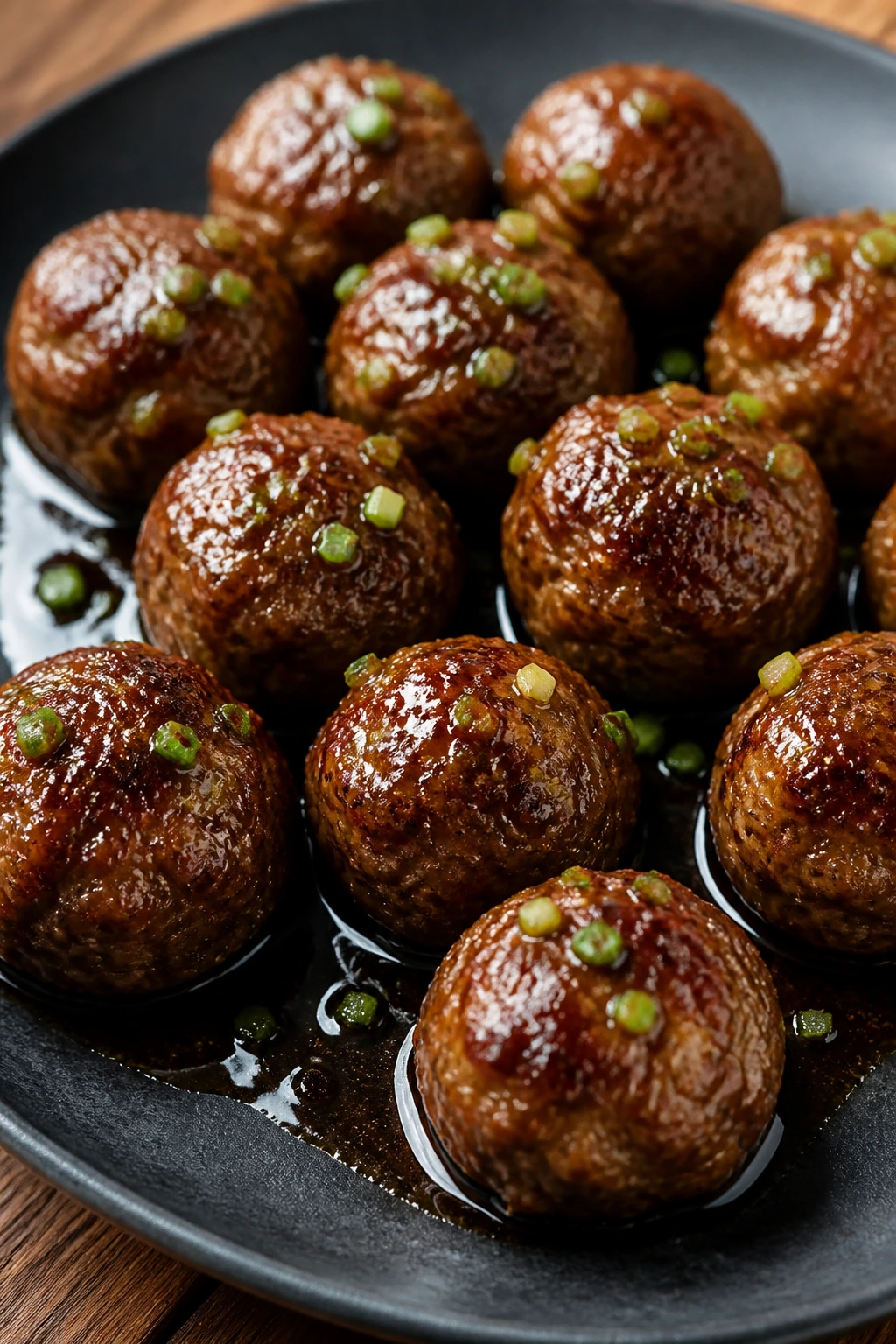
Chinese-style meatballs should be tender, savory, and lightly glazed, not dense little bricks. They work with pork, beef, or a mix, and the sauce can be as simple as soy, garlic, ginger, and a little sugar. This is comfort food with a tidy shape.
Why It Works: Egg and cornstarch help bind the meatballs without making them tight. A quick simmer in sauce gives them flavor all the way through, which is what matters more than a browned outside here.
Key Ingredients:
- 1 pound ground pork or beef
- 1 egg
- 2 tablespoons cornstarch
- 2 tablespoons soy sauce
- 2 cloves garlic, minced
- 1 teaspoon grated ginger
- 1 teaspoon sugar
- 1 tablespoon neutral oil
- 1/2 cup water or broth
Quick Steps:
- Mix the meat, egg, cornstarch, soy sauce, garlic, ginger, and sugar.
- Form into small meatballs.
- Brown them in oil in a skillet.
- Add water or broth, cover, and simmer until cooked through.
- Uncover and reduce the liquid into a light glaze.
Equipment for This Recipe:
- Large skillet with lid
- Mixing bowl
- Spoon or small scoop
- Tongs
How to Serve This Dish: Serve the meatballs over rice or noodles, or tuck them beside cabbage and greens. They also work well in a lunch box because the glaze holds.
Pro Tips for This Recipe:
- Keep the meatballs small. They cook evenly and stay tender.
- Do not overmix the meat. Tight mixing makes them dense.
- Let the sauce reduce before serving. A thin glaze tastes unfinished.
Variations on This Recipe:
- Ginger-Scallion Meatballs: Add more scallions and fresh ginger.
- Baked Meatballs: Bake at 400°F until browned, then sauce.
- Turkey Version: Use ground turkey with a little extra oil.
Common Mistakes to Avoid with This Recipe:
- Meatballs too large: They brown outside before they cook inside.
- Dry mixture: Add a spoonful of water if needed.
- Too much sauce reduction: It can turn sticky in the wrong way.
30. Tea Eggs
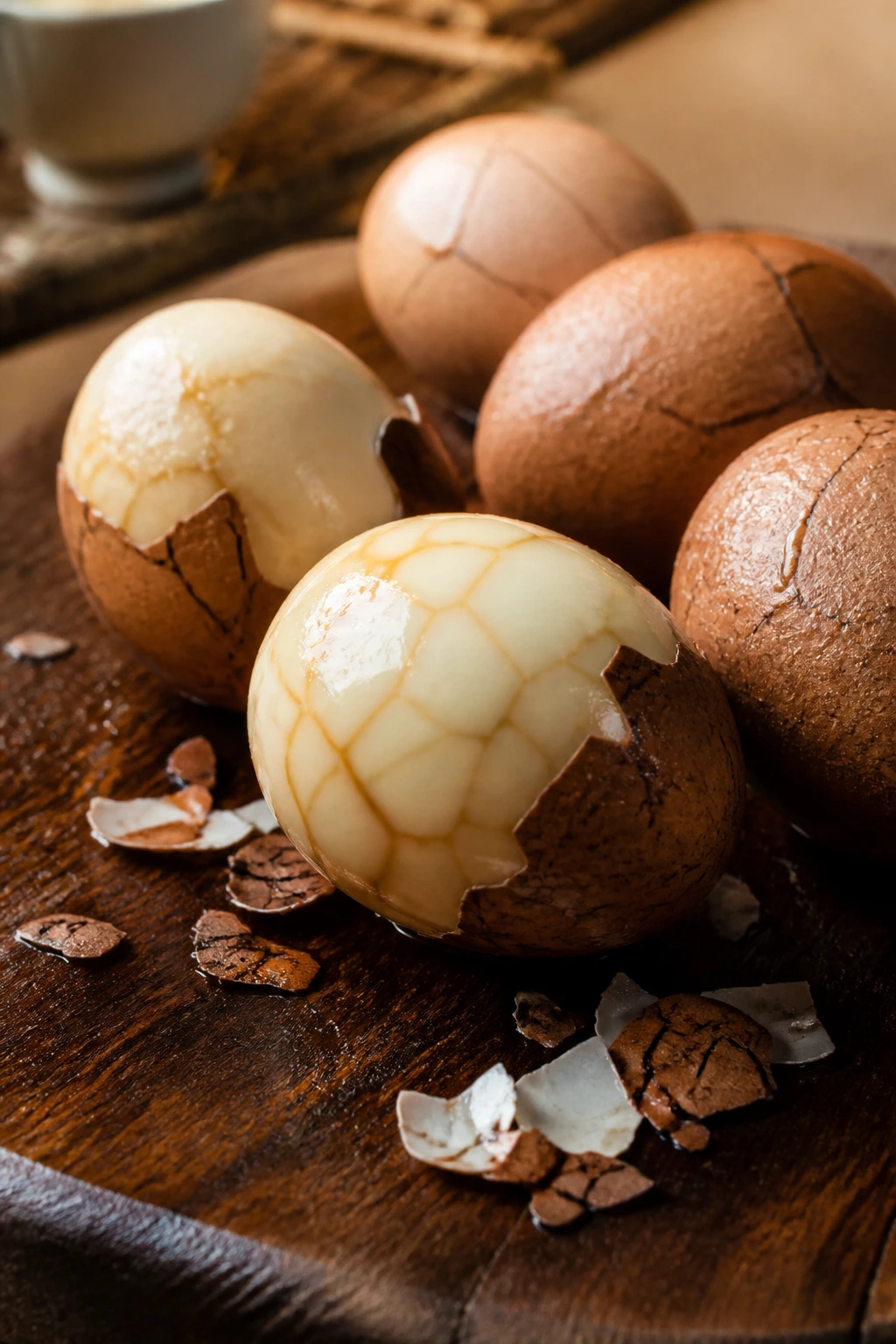
Tea eggs are a little dramatic, and that’s part of the fun. The cracked shells make those dark lines across the whites, and the inside picks up a gentle tea-and-spice flavor. They’re easy to keep around, easy to snack on, and better the next day than the first.
Why It Works: Simmering eggs in tea, soy sauce, and spices lets the flavor seep into the whites through the cracked shell. The longer they sit, the darker and more seasoned they become.
Key Ingredients:
- 6 large eggs
- 4 cups water
- 2 tablespoons soy sauce
- 2 black tea bags or 2 teaspoons loose black tea
- 1 star anise
- 1 small cinnamon stick
- 1 teaspoon salt
- 1 teaspoon sugar
Quick Steps:
- Hard-boil the eggs and cool them.
- Tap the shells all over to crack them without peeling.
- Simmer water, soy sauce, tea, star anise, cinnamon, salt, and sugar.
- Add the cracked eggs and simmer for 20 minutes.
- Turn off the heat and let them steep longer for deeper color.
Equipment for This Recipe:
- Saucepan
- Spoon
- Slotted spoon
- Bowl of ice water
How to Serve This Dish: Peel and halve them for breakfast, snacks, or rice bowls. A little salt or chili oil on top is enough if you want to dress them up.
Pro Tips for This Recipe:
- Crack the shells in many places. That gives the marbled look.
- Let them steep at least an hour. Longer means darker flavor.
- Do not skip the ice bath after boiling. It makes peeling easier.
Variations on This Recipe:
- Five-Spice Eggs: Add a pinch of five-spice.
- Smokier Version: Use lapsang souchong tea.
- Soy-Heavy Version: Add a little more soy for deeper color.
Common Mistakes to Avoid with This Recipe:
- Peeling before steeping: The seasoning can’t get in.
- Boiling too hard: Eggs can crack apart.
- Too little tea or spice: The flavor should be noticeable.
31. Sesame Noodles with Chicken
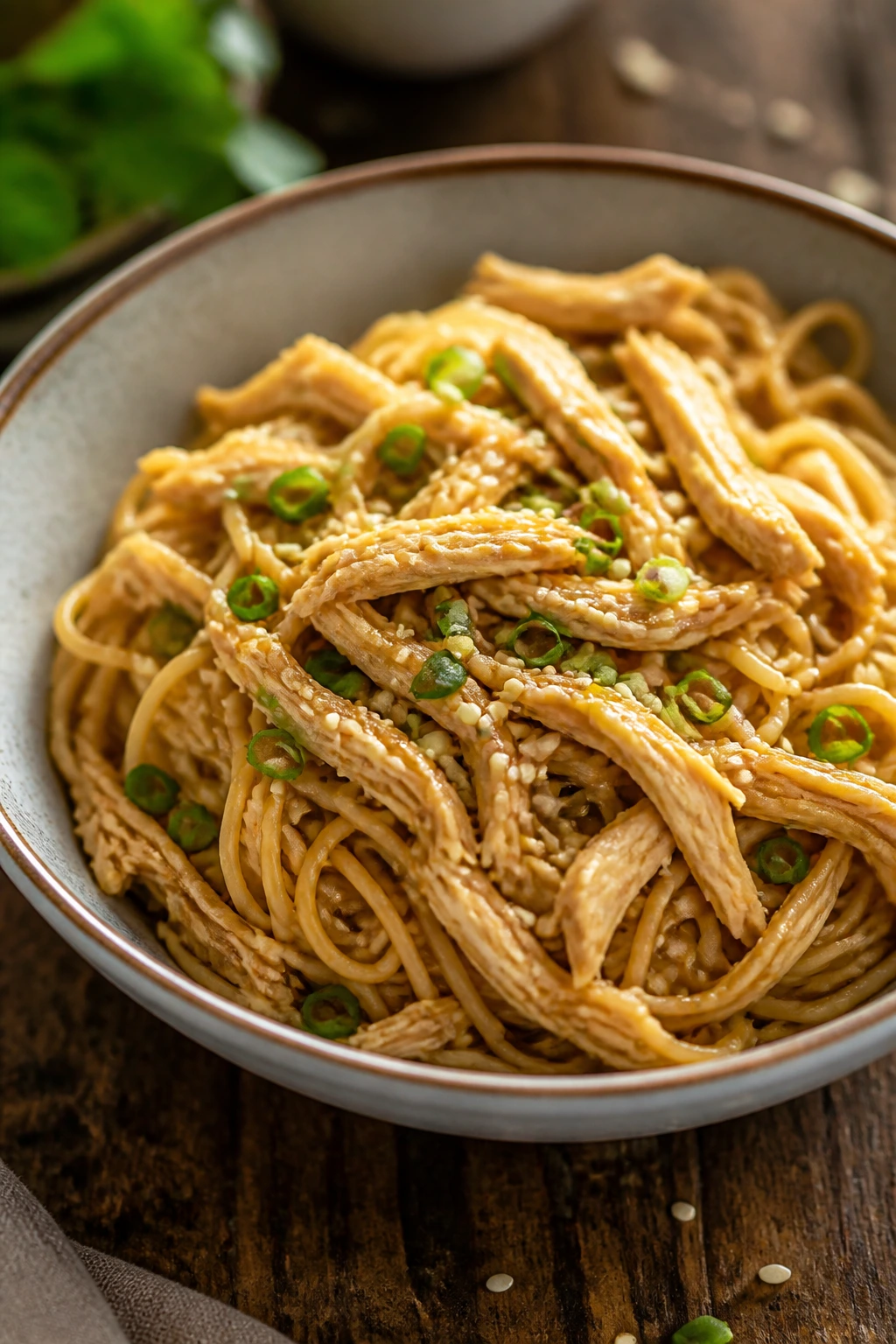
Sesame noodles with chicken is the kind of lunch or dinner that behaves like a full meal without asking much from you. The sauce is nutty, salty, and a little tangy, and the chicken gives it enough substance to feel built, not thrown together.
Why It Works: The sauce clings to noodles because the peanut or sesame paste gets loosened with water and vinegar. Shredded chicken absorbs the sauce without fighting the texture.
Key Ingredients:
- 12 ounces noodles
- 2 cups cooked chicken, shredded
- 1/4 cup peanut butter or sesame paste
- 2 tablespoons soy sauce
- 1 tablespoon rice vinegar
- 1 teaspoon sesame oil
- 1 teaspoon sugar
- 2 to 4 tablespoons hot water
- Sliced scallions, for topping
Quick Steps:
- Cook the noodles and drain them well.
- Whisk peanut butter, soy sauce, vinegar, sesame oil, sugar, and hot water into a smooth sauce.
- Toss the noodles with the sauce.
- Fold in the shredded chicken.
- Top with scallions and serve warm or chilled.
Equipment for This Recipe:
- Pot for noodles
- Mixing bowl
- Whisk
- Tongs
How to Serve This Dish: Serve it in bowls with cucumber or carrot on the side. It works well for lunch because it eats fine at room temperature.
Pro Tips for This Recipe:
- Warm chicken mixes in more easily.
- Add water a spoonful at a time. The sauce should be silky.
- A little vinegar matters. It keeps the sauce from feeling heavy.
Variations on This Recipe:
- Spicy Chicken Noodles: Add chili crisp or chili oil.
- Cold Lunch Version: Chill the noodles after saucing.
- Tofu Swap: Use cubed tofu instead of chicken.
Common Mistakes to Avoid with This Recipe:
- Sauce too thick: Thin it with hot water.
- Dry chicken: Toss it with a little sauce first.
- Oversalting: Soy sauce plus paste can be enough on its own.
32. Tofu and Broccoli Stir-Fry
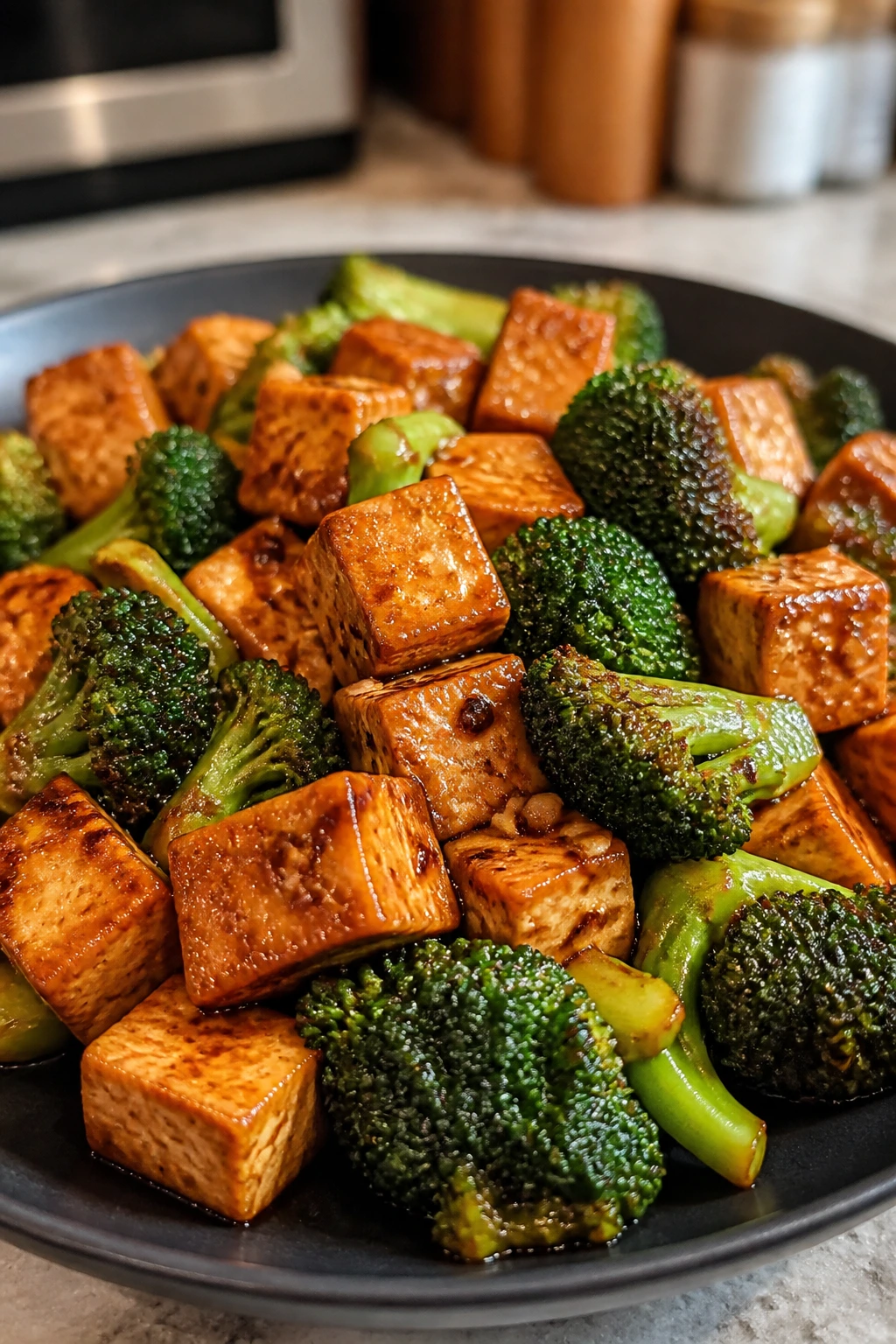
Tofu and broccoli is one of those dishes that can taste dull in the wrong hands and excellent in the right ones. The trick is to brown the tofu before it ever sees the sauce, then keep the broccoli bright and a little crisp. The final dish should feel clean, savory, and not watery.
Why It Works: Broccoli holds up well in a quick stir-fry, and tofu soaks up garlic-soy sauce like a sponge once it has a seared edge. Cornstarch helps the sauce cling instead of pooling.
Key Ingredients:
- 1 block firm tofu, pressed and cubed
- 3 cups broccoli florets
- 2 tablespoons soy sauce
- 1 tablespoon oyster sauce or more soy sauce
- 2 cloves garlic, minced
- 1 teaspoon grated ginger
- 1 teaspoon cornstarch
- 2 tablespoons neutral oil
Quick Steps:
- Brown the tofu in oil until golden on several sides.
- Remove it and stir-fry the broccoli for 2 minutes.
- Add garlic and ginger.
- Return the tofu, then add soy sauce, oyster sauce, cornstarch mixed with 2 tablespoons water, and a splash of water if needed.
- Cook until the sauce turns glossy and coats the tofu.
Equipment for This Recipe:
- Wok or skillet
- Spatula
- Tofu press or paper towels
- Small bowl
How to Serve This Dish: Serve it over rice or noodles with a few sesame seeds on top. It also sits well beside a simple soup or cucumber salad.
Pro Tips for This Recipe:
- Press the tofu well. Water blocks browning.
- Keep the broccoli from softening too long. It should stay lively.
- Use a hot pan. That sear is part of the flavor.
Variations on This Recipe:
- Garlic-Chili Version: Add chili garlic sauce.
- Mushroom Broccoli Tofu: Add mushrooms for extra savoriness.
- Lighter Sauce: Use less oyster sauce and more water.
Common Mistakes to Avoid with This Recipe:
- Wet tofu: It will steam instead of brown.
- Overcooked broccoli: The dish loses its snap.
- Thin sauce: Add the cornstarch slurry only when the pan is hot.
33. Pork Fried Rice
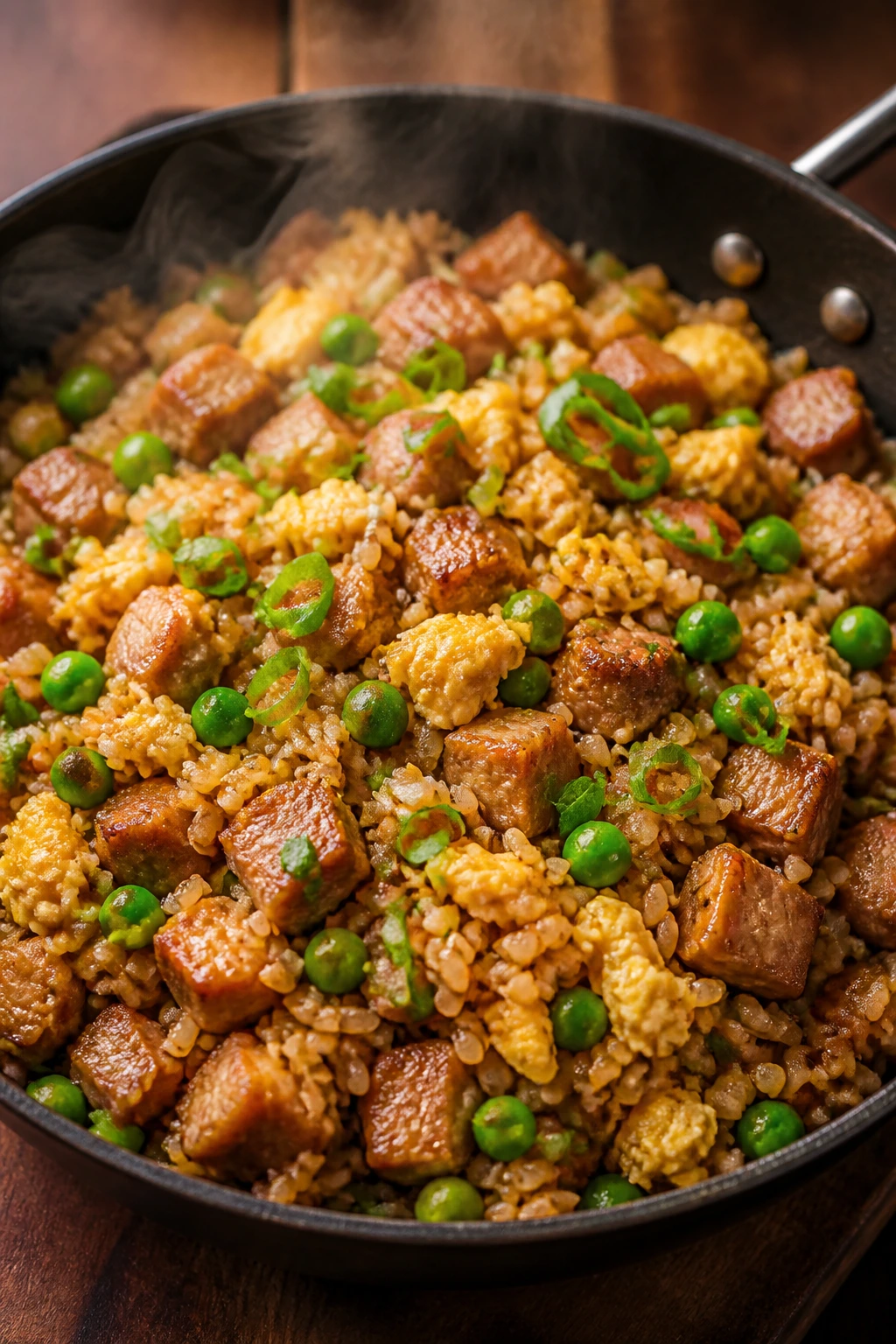
Pork fried rice has the same comfort as egg fried rice, but with more chew and a deeper savory note. Leftover roast pork, a few peas, and cold rice can turn into a skillet full of dinner before you’ve finished thinking about takeout. It’s practical food with a good, salty edge.
Why It Works: Leftover pork already has seasoning and fat, which gives the rice a head start. Eggs add softness, while cold rice fries up properly and keeps the texture separate.
Key Ingredients:
- 3 cups cold cooked rice
- 1 cup cooked pork, diced
- 2 large eggs, beaten
- 2 tablespoons neutral oil
- 2 tablespoons soy sauce
- 1 scallion, sliced
- 1/2 cup frozen peas and carrots
- 1 teaspoon sesame oil
Quick Steps:
- Scramble the eggs in hot oil and set them aside.
- Stir-fry the pork and vegetables for 1 to 2 minutes.
- Add the rice and break up any clumps.
- Season with soy sauce and toss until hot.
- Return the eggs, finish with scallions and sesame oil, and serve.
Equipment for This Recipe:
- Wok or large skillet
- Spatula
- Bowl for eggs
- Knife
How to Serve This Dish: Serve it as a main dish with cucumber salad or quick soup. A fried egg on top makes the bowl feel more complete.
Pro Tips for This Recipe:
- Use pork that is already cooked. This dish is built for leftovers.
- Separate the rice before it hits the pan. Clumps are the enemy.
- Do not over-sauce it. Pork brings its own flavor.
Variations on This Recipe:
- Char Siu Fried Rice: Use chopped barbecue pork if you have it.
- Spicy Pork Fried Rice: Add chili crisp.
- Mixed Veggie Version: Toss in cabbage or corn instead of peas.
Common Mistakes to Avoid with This Recipe:
- Fresh rice: It gets sticky.
- Too much oil: Fried rice should be light, not greasy.
- Adding pork too late: It needs a chance to heat through with the rice.
34. Wonton Soup with Frozen Wontons
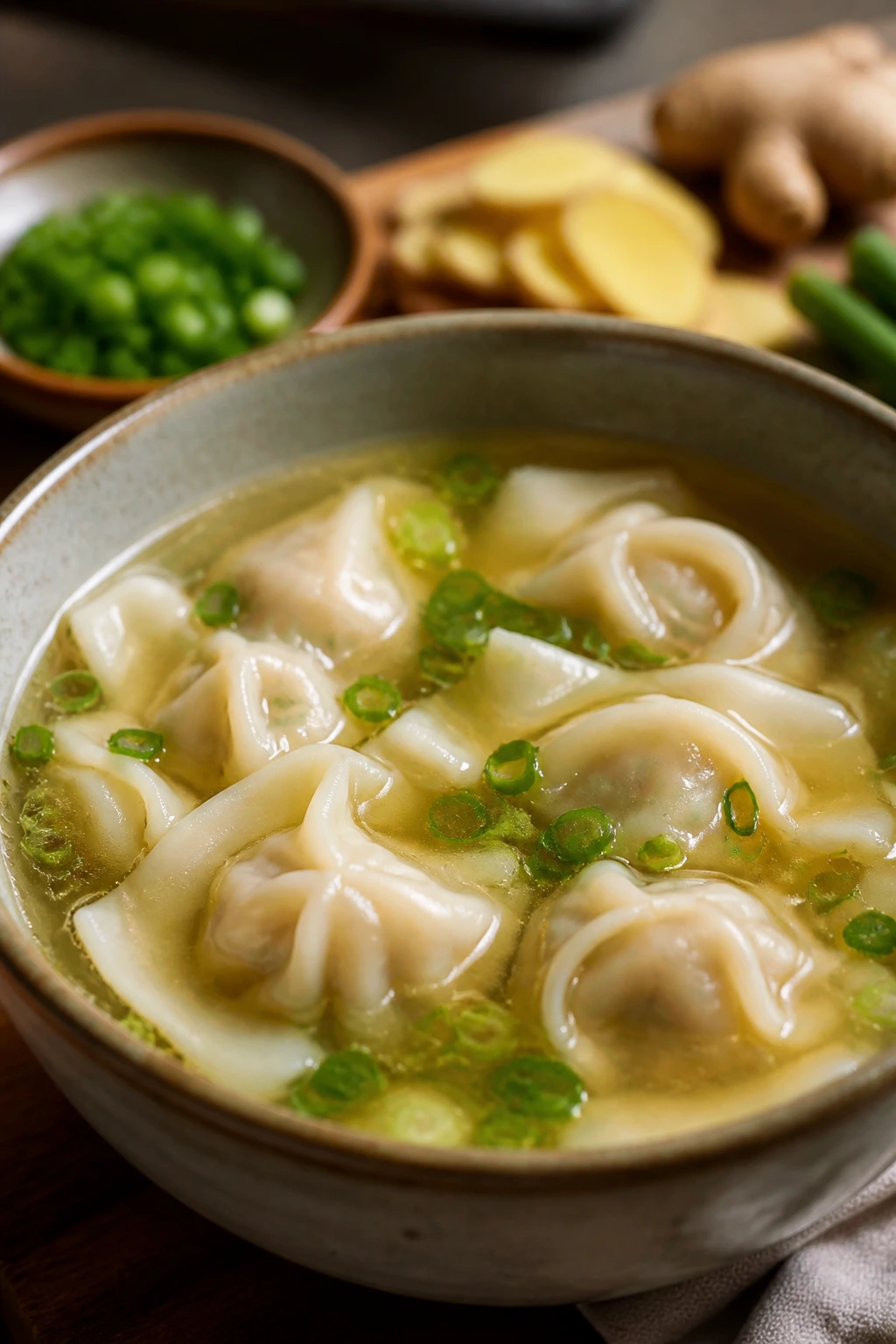
Frozen wontons are one of the few shortcuts I never argue with. Drop them into hot broth with ginger and scallions, and dinner appears with almost no ceremony. The broth should be light and savory, not overworked. The wontons bring the heft.
Why It Works: Frozen wontons cook straight in the broth, which keeps the process short and the texture intact. Ginger and scallions brighten the soup so it tastes fresh even when the filling came from the freezer.
Key Ingredients:
- 12 to 16 frozen wontons
- 4 cups chicken broth
- 2 slices ginger
- 1 tablespoon soy sauce
- 1 teaspoon sesame oil
- 2 scallions, sliced
- Baby bok choy or spinach, optional
Quick Steps:
- Bring the broth to a simmer with ginger and soy sauce.
- Add the wontons and cook according to package directions until they float and are hot through.
- Add bok choy or spinach in the last minute if using.
- Turn off the heat and stir in sesame oil.
- Top with scallions and serve right away.
Equipment for This Recipe:
- Medium saucepan
- Ladle
- Slotted spoon
- Knife
How to Serve This Dish: Serve it in deep bowls with a few vegetables floating beside the wontons. It works as a light dinner or a first course before stir-fried noodles.
Pro Tips for This Recipe:
- Do not boil the broth hard. Gentle simmer keeps the wontons intact.
- Add sesame oil at the end. It tastes fresher that way.
- Use a broth you actually like. The soup depends on it.
Variations on This Recipe:
- Spicy Wonton Soup: Add chili oil or chili crisp.
- Greens-Heavy Version: Add lots of bok choy or spinach.
- Pork and Ginger Boost: Stir in extra ginger for a sharper broth.
Common Mistakes to Avoid with This Recipe:
- Overcrowding the pot: The wontons need space to cook evenly.
- Cooking too long: Frozen wontons can split if overdone.
- Using bland broth: There’s nowhere for weak broth to hide.
35. Stir-Fried Rice Cakes with Cabbage
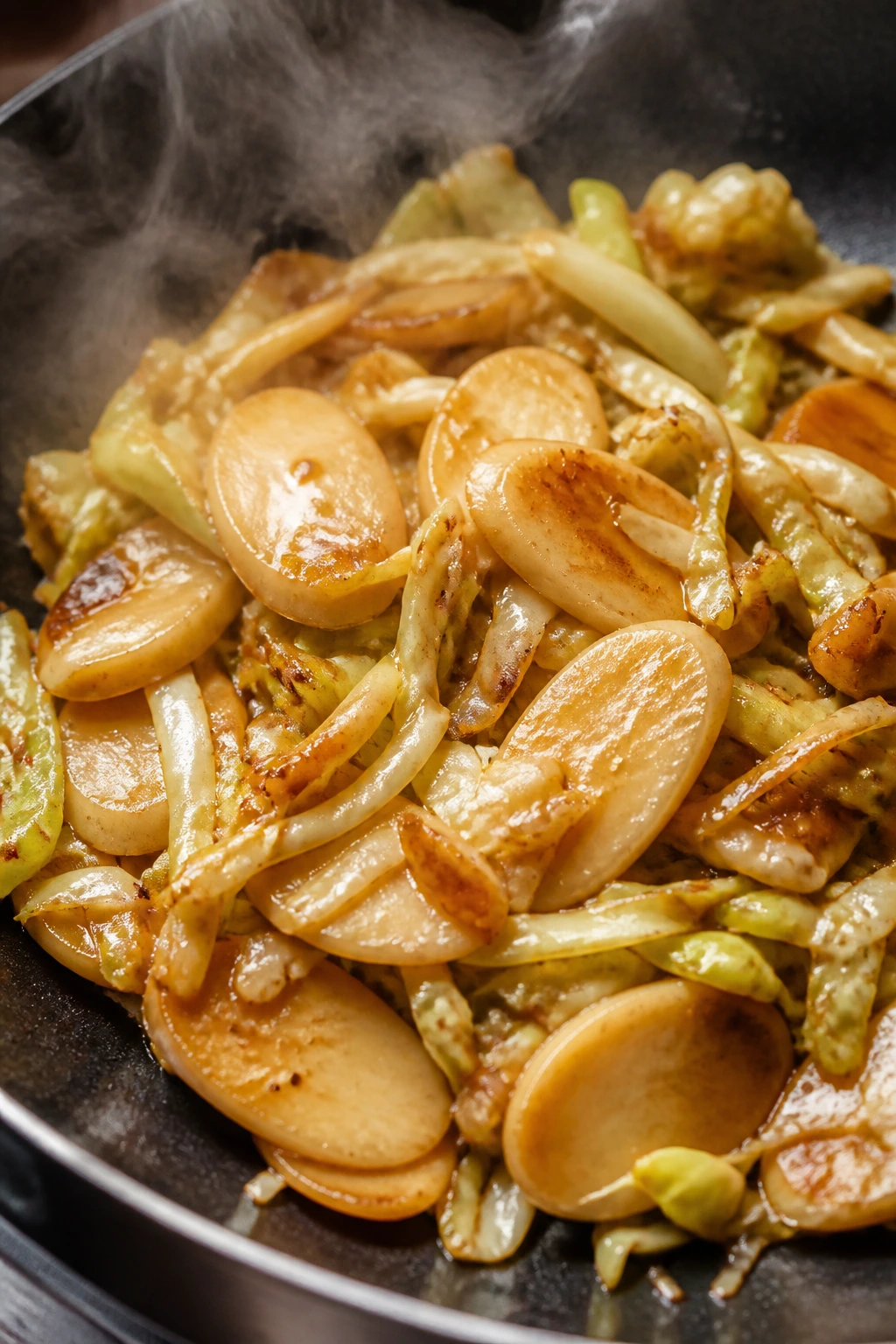
Stir-fried rice cakes have a chewy, slippery texture that is unlike noodles but just as satisfying when the sauce gets into every fold. With cabbage, garlic, and soy, they become a smoky, savory pan of comfort. If you like a little chew in your dinner, this one delivers.
Why It Works: Rice cakes absorb sauce while keeping their signature bounce. Cabbage softens around them and adds just enough sweetness to balance the soy and oyster sauce.
Key Ingredients:
- 1 pound rice cakes (nian gao), sliced if needed
- 3 cups shredded cabbage
- 2 cloves garlic, minced
- 2 tablespoons soy sauce
- 1 tablespoon oyster sauce
- 2 tablespoons neutral oil
- 1 teaspoon sesame oil
- 1/4 cup water
Quick Steps:
- Soak or parboil the rice cakes if the package calls for it.
- Heat the oil and cook the garlic for 20 seconds.
- Add cabbage and stir-fry for 2 minutes.
- Add rice cakes, soy sauce, oyster sauce, and water.
- Toss until the sauce coats the rice cakes and they soften at the edges.
Equipment for This Recipe:
- Large skillet or wok
- Pot, if parboiling is needed
- Spatula
- Bowl
How to Serve This Dish: Serve it hot from the pan with extra scallions or chili oil if you like heat. It’s filling enough for dinner on its own, but a simple soup beside it is nice.
Pro Tips for This Recipe:
- Check the package instructions for the rice cakes. Some need soaking, some need boiling.
- Do not skip the water. It helps soften the cakes and make the sauce cling.
- Toss gently near the end. Rice cakes can stick if you’re rough with them.
Variations on This Recipe:
- Mushroom Rice Cakes: Add sliced mushrooms with the cabbage.
- Spicy Rice Cakes: Add chili paste or chili crisp.
- Chicken Rice Cakes: Add shredded cooked chicken for more protein.
Common Mistakes to Avoid with This Recipe:
- Using dry rice cakes straight from the package: They can stay hard in the center.
- Too little sauce: The cakes need enough liquid to soften.
- Overcooking the cabbage: It should stay slightly crisp.
Why Stir-Frying Makes These Easy Chinese Recipes Work
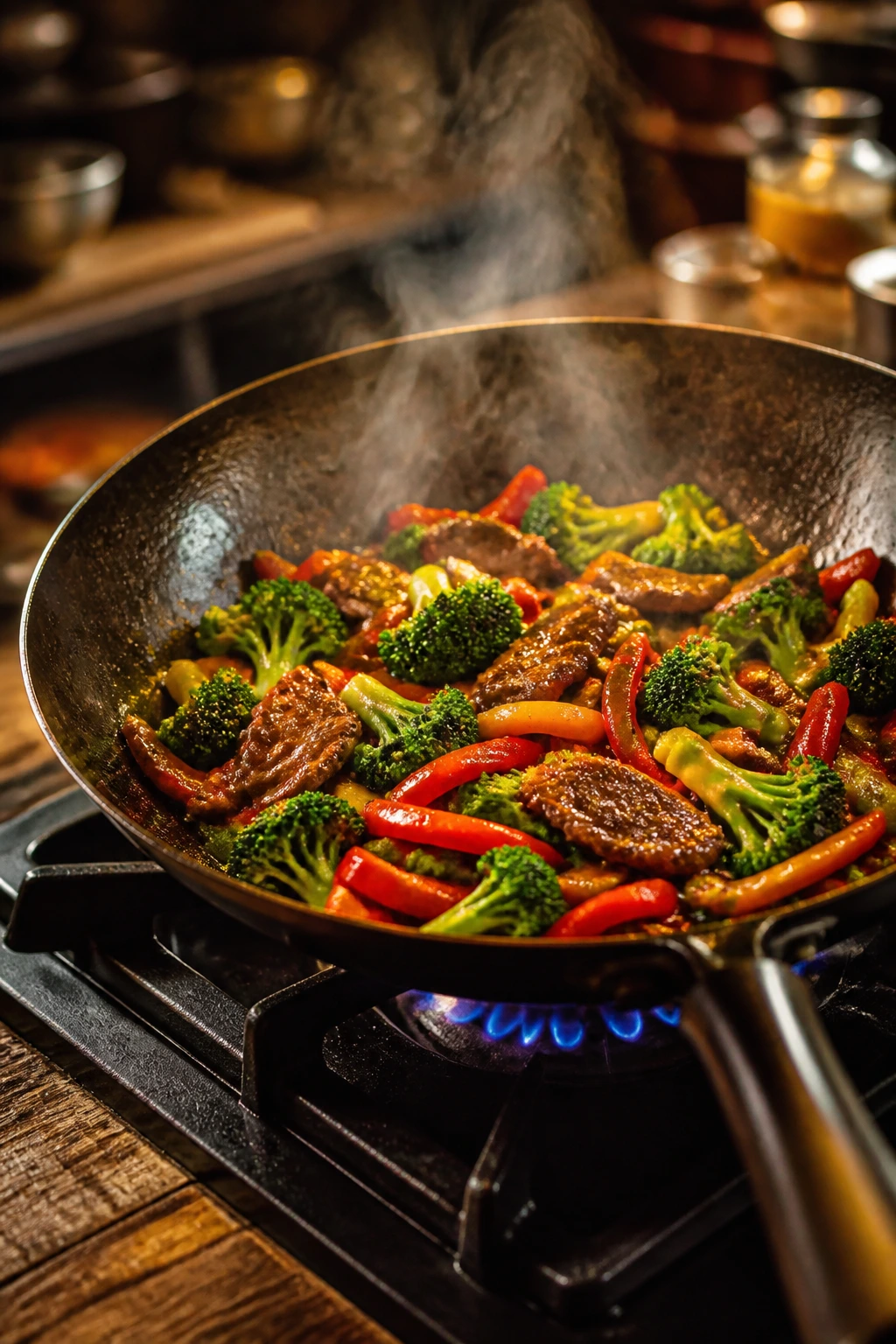
A hot pan is doing more than cooking here. It’s concentrating flavor, evaporating excess water, and giving you that edge of caramelization that makes a short ingredient list taste finished. When the pan is hot enough, garlic perfumes the oil in seconds, broccoli stays green, cabbage turns sweet at the edges, and noodles pick up a thin gloss instead of a soggy coat. That’s why stir-fry keeps showing up in Chinese home cooking. It is fast, but not sloppy.
There’s also a practical reason pantry recipes lean so hard on this method: it handles leftovers well. Cold rice fries cleanly. Day-old noodles loosen with a splash of water. Tofu, eggs, mushrooms, and cabbage all absorb sauce instead of needing a long braise. You can pull dinner together from odds and ends, but the result still feels deliberate because the method gives shape to whatever is in the kitchen.
The one thing stir-fry punishes is hesitation. If the pan is timid, the food steams. If the sauce is mixed too late, the garlic burns while you fumble with the bottle. Get your sauce ready first. Keep the ingredients close. Work in stages. That rhythm matters more than fancy ingredients ever will.
Essential Equipment for These Recipes
- Wok or large skillet: A wide cooking surface helps moisture evaporate fast and keeps stir-fries from crowding.
- Medium saucepan or pot: You’ll use this for noodles, soup, congee, and any recipe that starts on the stove.
- Tongs and a spatula: Tongs are best for noodles; a flat spatula helps with eggs, tofu, and fried rice.
- Small bowls for sauces: Mixing soy, vinegar, cornstarch, and sugar before the heat goes on saves time and prevents burning.
- Fine-mesh strainer: Handy for congee, steamed eggs, and anything that needs a smoother texture.
- Knife and cutting board: Sharp cuts matter because most of these dishes cook fast and need even pieces.
- Measuring spoons and cups: Sauce balance depends on actual amounts, especially with soy sauce and vinegar.
- Lid for a skillet or pot: Useful for braising wings, steaming eggs, and finishing tofu dishes.
- Rice cooker, optional: Not required, but it makes the rice for fried rice and congee much easier to manage.
Smart Shopping and Ingredient Tips
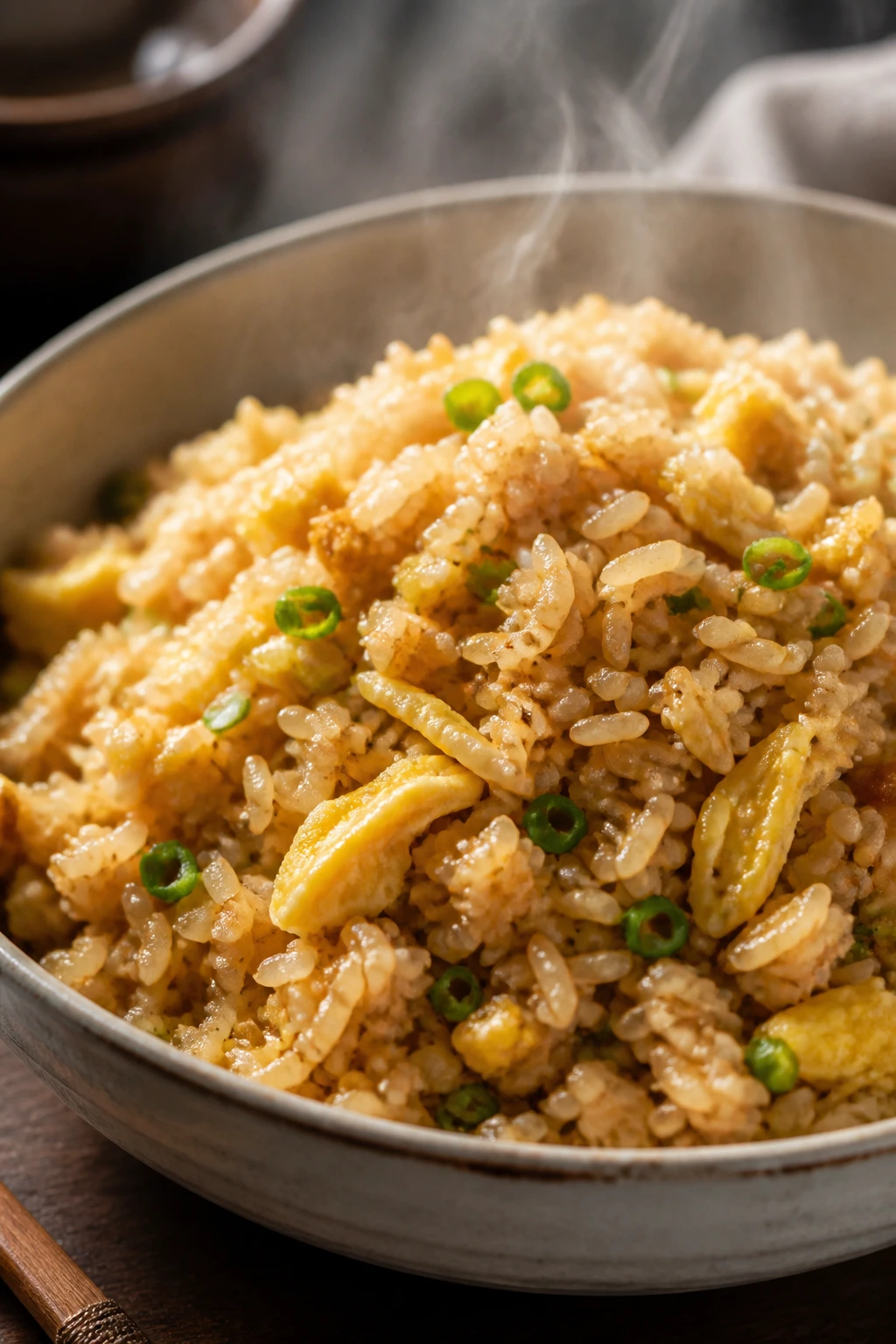
Soy sauce is the backbone here, and it pays to know what you’re buying. Light soy sauce seasons; dark soy sauce colors. If you only keep one bottle, buy a good all-purpose light soy sauce and call it a day. Oyster sauce adds depth to stir-fries and noodles, but it is optional in a lot of these recipes — soy sauce plus a little sugar and water can still get the job done.
Rice vinegar is the cleaner, softer acid for most of these dishes. Black vinegar brings more depth and a little smoke, which is why it shines in Dan Dan noodles and dipping sauces. Sesame oil should be used like perfume, not cooking fat. A teaspoon at the end is enough for most bowls. If it hits the pan early and cooks hard, the fragrance thins out.
For noodles, buy what you’ll actually use. Egg noodles, lo mein noodles, ramen, spaghetti, and even linguine can all stand in for one another in a pantry pinch. The exact shape matters less than the sauce-to-noodle ratio. For rice, long-grain white rice is the cleanest option for fried rice because it stays separate. Short-grain rice works for congee, though it behaves a little stickier.
Frozen vegetables are not a compromise here. Peas, corn, broccoli florets, and mixed stir-fry vegetables all work when the pan is hot and the sauce is ready. Fresh cabbage is one of the best pantry vegetables because it lasts, cooks fast, and costs less than most produce. Keep tofu on hand if you cook this way often; firm tofu survives stir-frying better than silken, and pressing it for 10 to 15 minutes makes a real difference.
How to Serve These Recipes
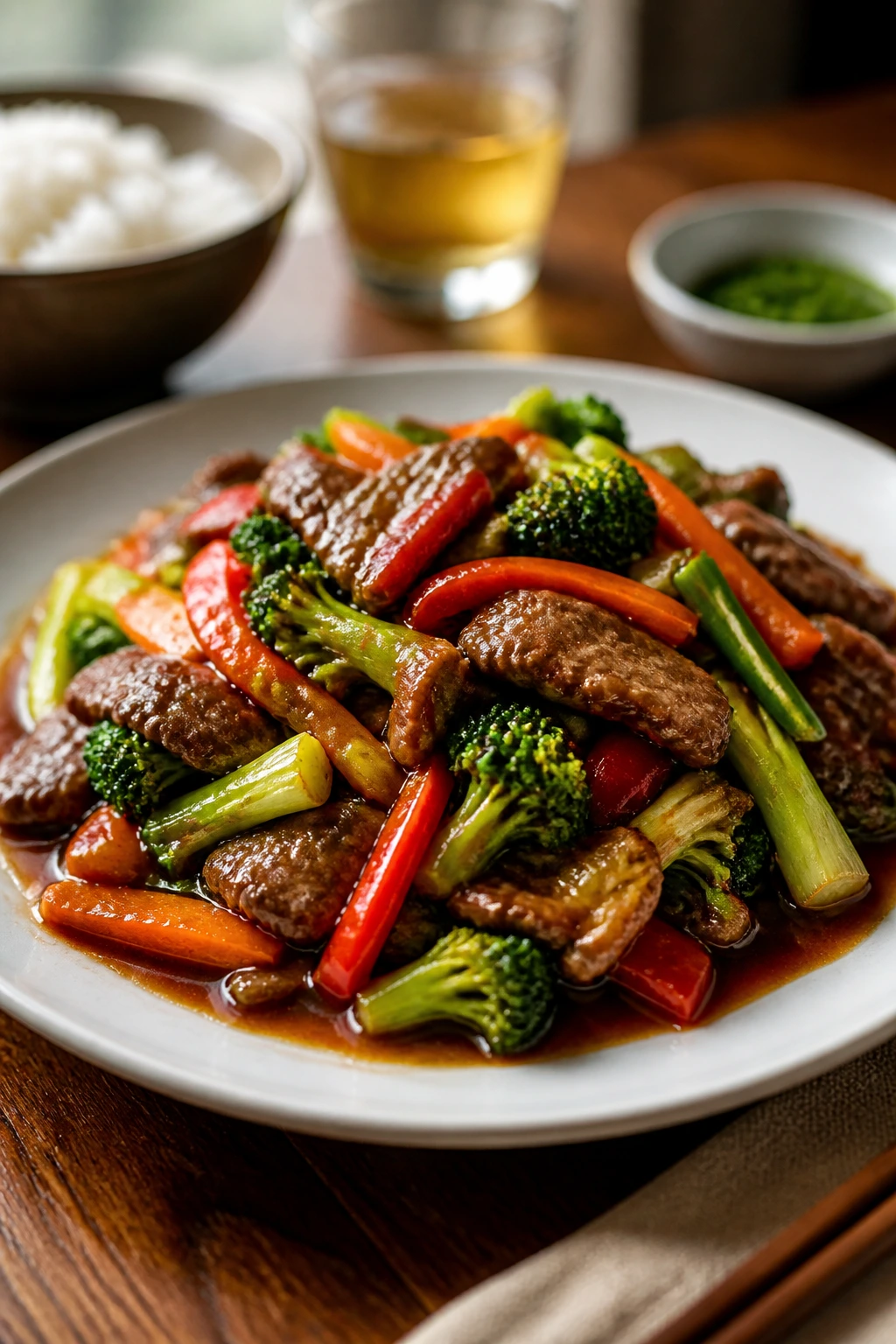
Presentation: Keep the plates simple and let the food show its color and texture. A bowl of fried rice looks better with a little scallion green on top, while glossy chicken-and-broccoli needs a clean white plate or shallow bowl so the sauce reads properly.
Accompaniments: Plain rice, quick cucumber salad, steamed greens, and simple broths are the best sidekicks. If you’re serving a saucy dish like General Tso’s or mapo tofu, use plain starches to catch the sauce; if you’re serving noodles, keep the side light and crisp.
Portions: Most of these recipes serve 2 to 4 people as written, but stir-fries stretch well if you add rice or noodles. For dinner, a saucy main plus 1 cup cooked rice per person usually feels right. For snacks or sides, scallion pancakes, tea eggs, or cucumber salad can be split more loosely.
Beverage Pairing: Jasmine tea is the easy match because it stays clean and fragrant beside salty sauces. Cold beer works with crisp dishes like wings, sesame chicken, and scallion pancakes. If you want something nonalcoholic and cooler, plain sparkling water with a squeeze of lime does the job without fighting the food.
Additional Tips and Flavor Boosters
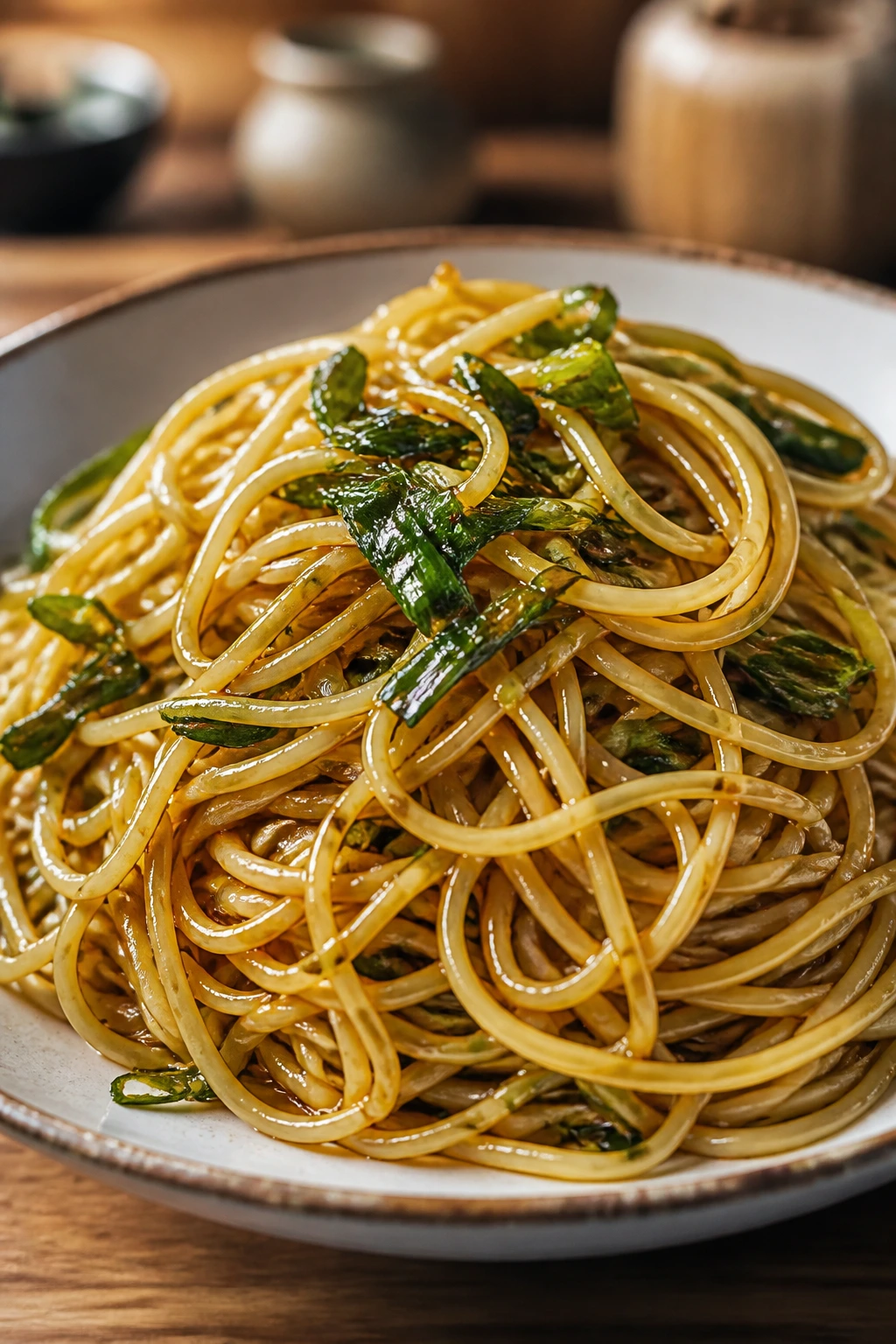
Flavor Enhancement: Keep a small jar of chili crisp or chili oil near the stove. A spoonful stirred into fried rice, noodles, tofu, or dumpling soup adds heat, crunch, and a roasted note that plain hot sauce rarely gives you.
Customization: A handful of frozen peas, sliced mushrooms, shredded cabbage, or chopped carrots can stretch almost any stir-fry. These recipes are built to accept small additions without complaint, which is one reason pantry Chinese cooking feels so forgiving.
Serving Suggestions: Fresh scallions, toasted sesame seeds, and a few drops of sesame oil are the easiest way to make a bowl look finished. A squeeze of rice vinegar over cabbage or noodles can sharpen the whole plate in one move.
Make-It-Yours: For vegetarian versions, use tofu, mushrooms, or eggs as the protein and lean on soy, garlic, ginger, and vinegar for backbone. For gluten-free cooking, choose tamari instead of soy sauce and serve the stir-fries with rice or rice noodles. For lower-sodium meals, dilute the sauce with water and lean harder on garlic, ginger, and acid.
Make-Ahead, Storage, and Reheating Guidance
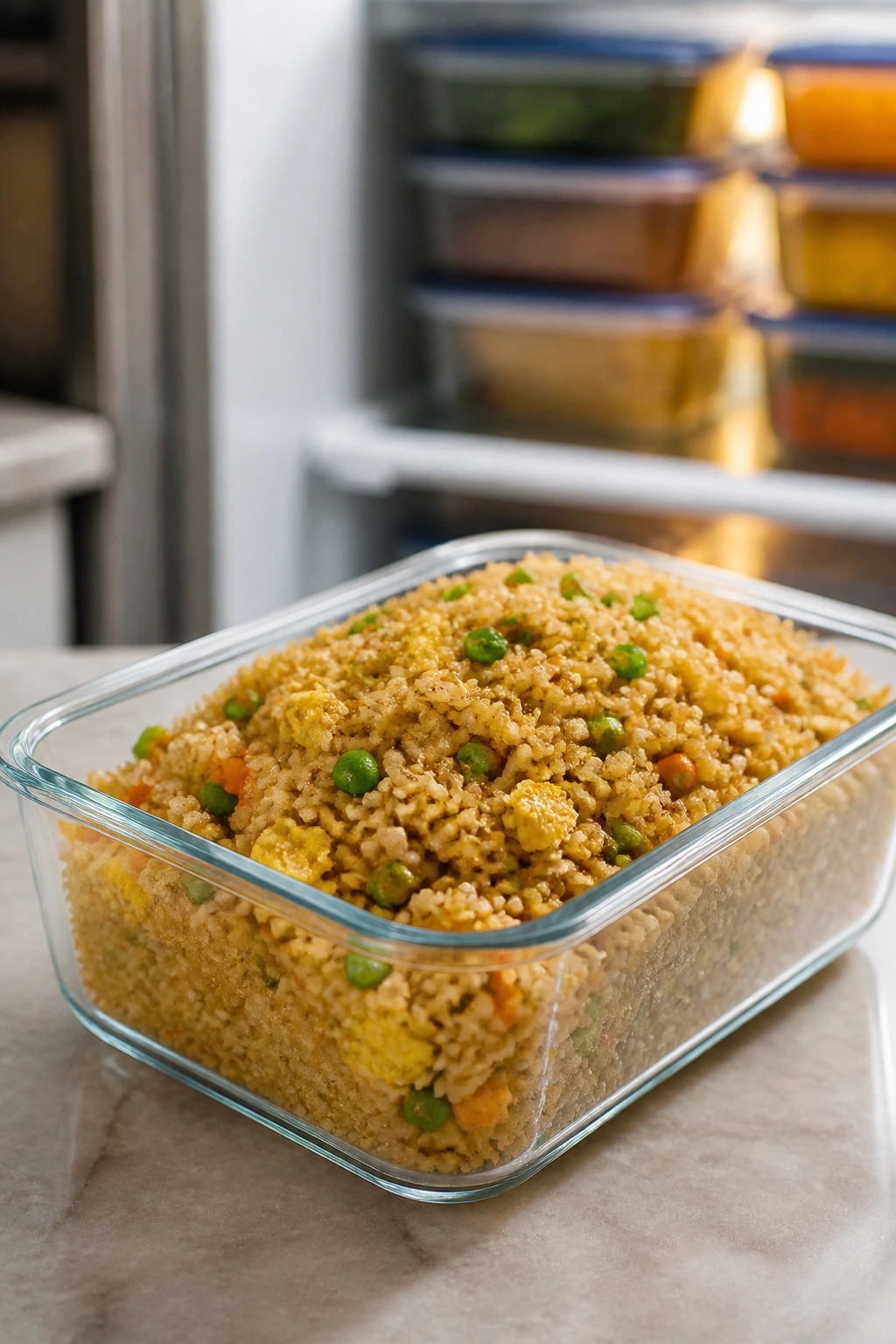
Most of these dishes hold well for 3 to 4 days in the refrigerator if you cool them quickly and store them in airtight containers. Fried rice, lo mein, chow mein, tofu dishes, and braised wings all reheat best in a skillet over medium heat with a teaspoon or two of water to loosen the sauce. Microwave reheating works in a pinch, but it can make noodles sticky and broccoli limp, so cover the dish loosely and stop once it’s hot.
Soups and congee keep well for up to 4 days refrigerated and often thicken as they sit. That’s not a problem; just add water or broth while reheating until the texture loosens again. Egg drop soup is best fresh, but you can rewarm it gently without a boil if you want to save leftovers. Tea eggs can live in the fridge for up to 5 days in their cooking liquid, which helps the flavor deepen.
Freezing works for some recipes and not others. Braised wings, meatballs in sauce, congee, and many tofu dishes freeze for up to 2 months. Fried rice and noodle dishes are more delicate; they are edible after freezing, but the texture softens and the noodles may clump. If you do freeze them, spread them flat in containers and thaw overnight in the fridge before reheating in a skillet. Cabbage stir-fries and cucumber salad do not freeze well at all. They lose their shape and snap.
For make-ahead work, cook rice a day early for fried rice, mix sauce bottles in advance, and chop vegetables the morning before dinner if you want the evening to feel easy. The less you have to think about once the pan gets hot, the better these recipes turn out.
Variations and Adaptations to Try
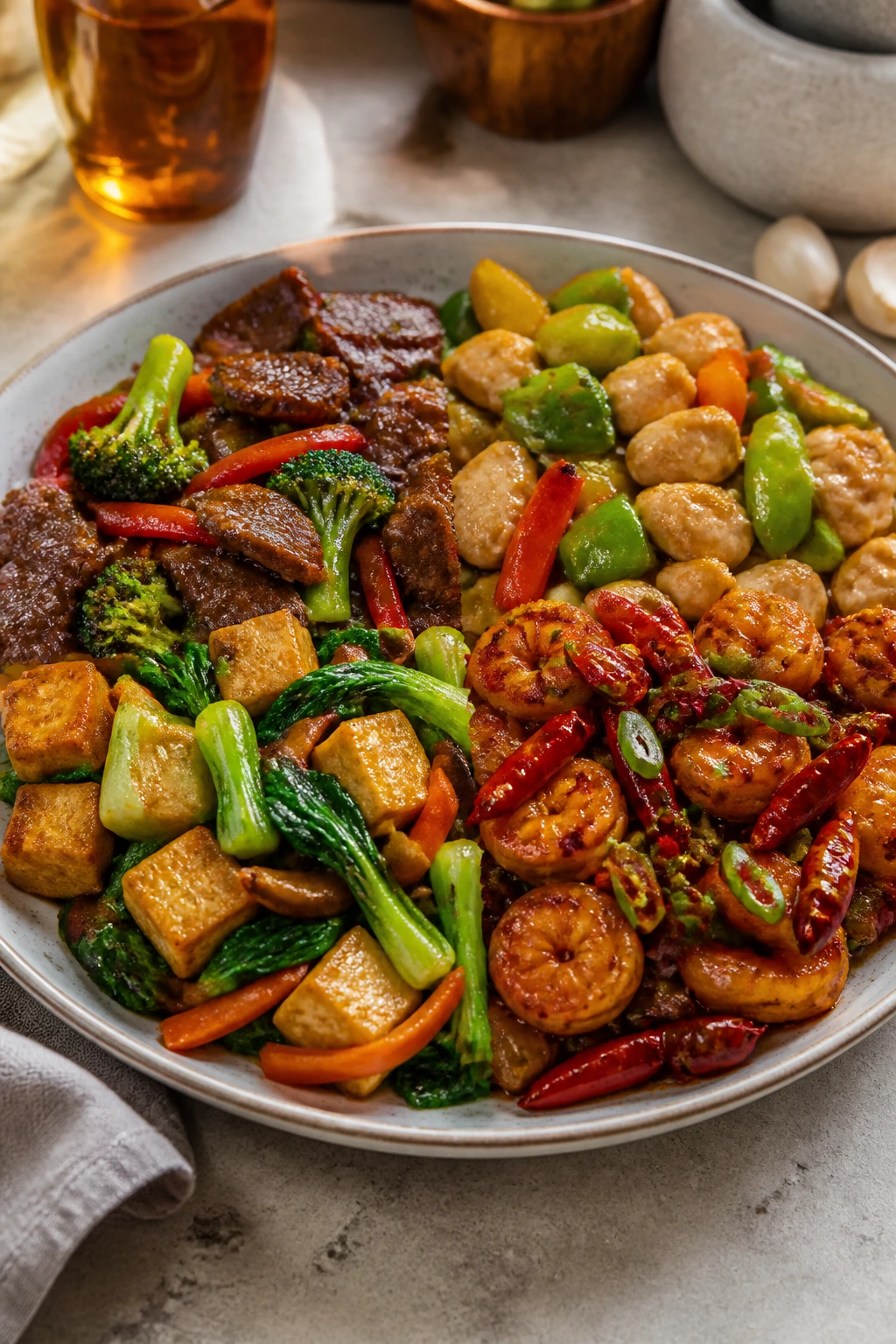
Gluten-Free Pantry Swap: Use tamari instead of soy sauce and check bottled sauces for wheat. Rice, rice noodles, tofu, eggs, and most vegetables already fit the plan, so the main job is watching the labels on sauces and noodle brands.
Lower-Sodium Reset: Cut soy sauce by a third and make up the flavor with garlic, ginger, rice vinegar, and a touch of sugar. You can also dilute sauces with water or broth and still get a good finish if you keep the heat high enough to reduce them a little.
Vegetarian and Vegan Shift: Tofu, mushrooms, cabbage, egg-free noodles, and vegetable broth can stand in for most proteins here. For dishes like mapo tofu or Kung Pao, the missing meat is less important than getting the sauce balanced and the tofu browned first.
Spice-Level Dial: Keep the dried chilies, chili oil, and chili crisp separate until the end so you can serve hot and mild versions from the same pan. That matters for family meals where one person wants heat and another wants none.
Budget-Batch Cooking: Cook a double batch of rice, shred a whole cabbage, and keep a few sauce mixes ready in the fridge. With those three things in place, half of this list becomes a 15-minute dinner instead of a 30-minute one.
Regional Takeout Mood: Lean more sweet with sesame chicken and General Tso’s, more sharp with hot and sour soup and Dan Dan noodles, or more savory with tomato eggs, cabbage stir-fry, and congee. A pantry can move in different directions depending on which bottle you reach for first.
Common Mistakes to Avoid
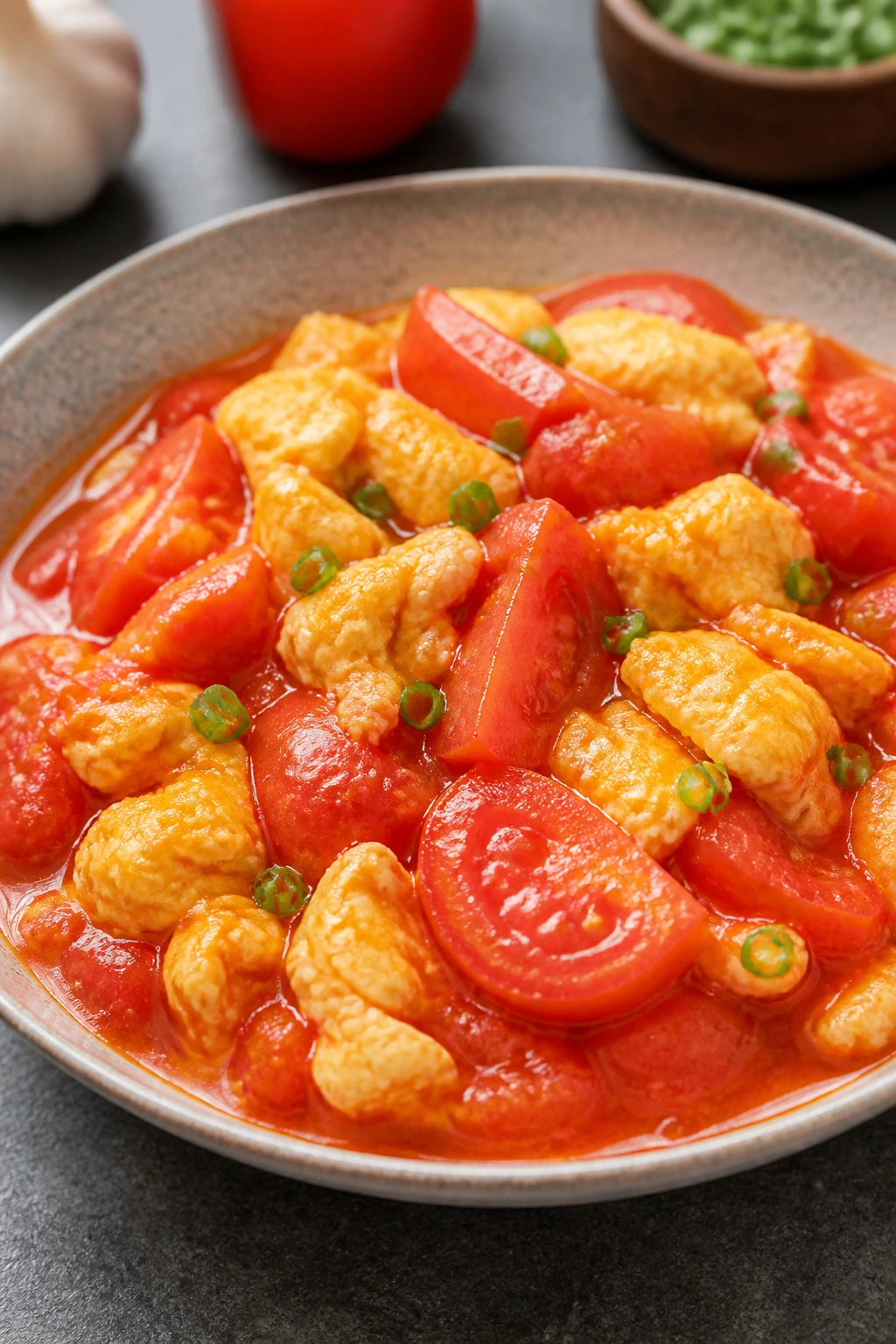
Starting with a cold pan: Stir-fry needs heat right away. If the pan is only warm, vegetables steam and meat turns gray before it browns. Let the pan heat fully before the oil goes in.
Adding sauce too late: Once the garlic starts browning, you need the sauce ready. Fumbling with bottles while the pan sits hot is how you get burnt garlic and thin flavor. Mix sauces before you turn on the burner if you can.
Using too much liquid: A lot of these dishes want a glossy coat, not a soup-like finish. If the sauce pools at the bottom, keep cooking so it reduces, or add a small slurry if the recipe calls for it.
Overcooking the vegetables: Broccoli should stay green, cabbage should stay a little crisp, and green beans should still snap. If everything goes soft, the dish loses shape fast. Pull vegetables earlier than you think.
Skipping the salt check: Soy sauce, oyster sauce, broth, and bacon all bring salt in different amounts. Taste before adding more. I’d rather you under-salt once and fix it than bury the dish under a heavy hand.
Crowding the pan: This is the classic stir-fry problem. Too much food at once drops the temperature, which means steaming, not browning. If your skillet is small, cook in batches. It’s tedious. It also works.
Frequently Asked Questions
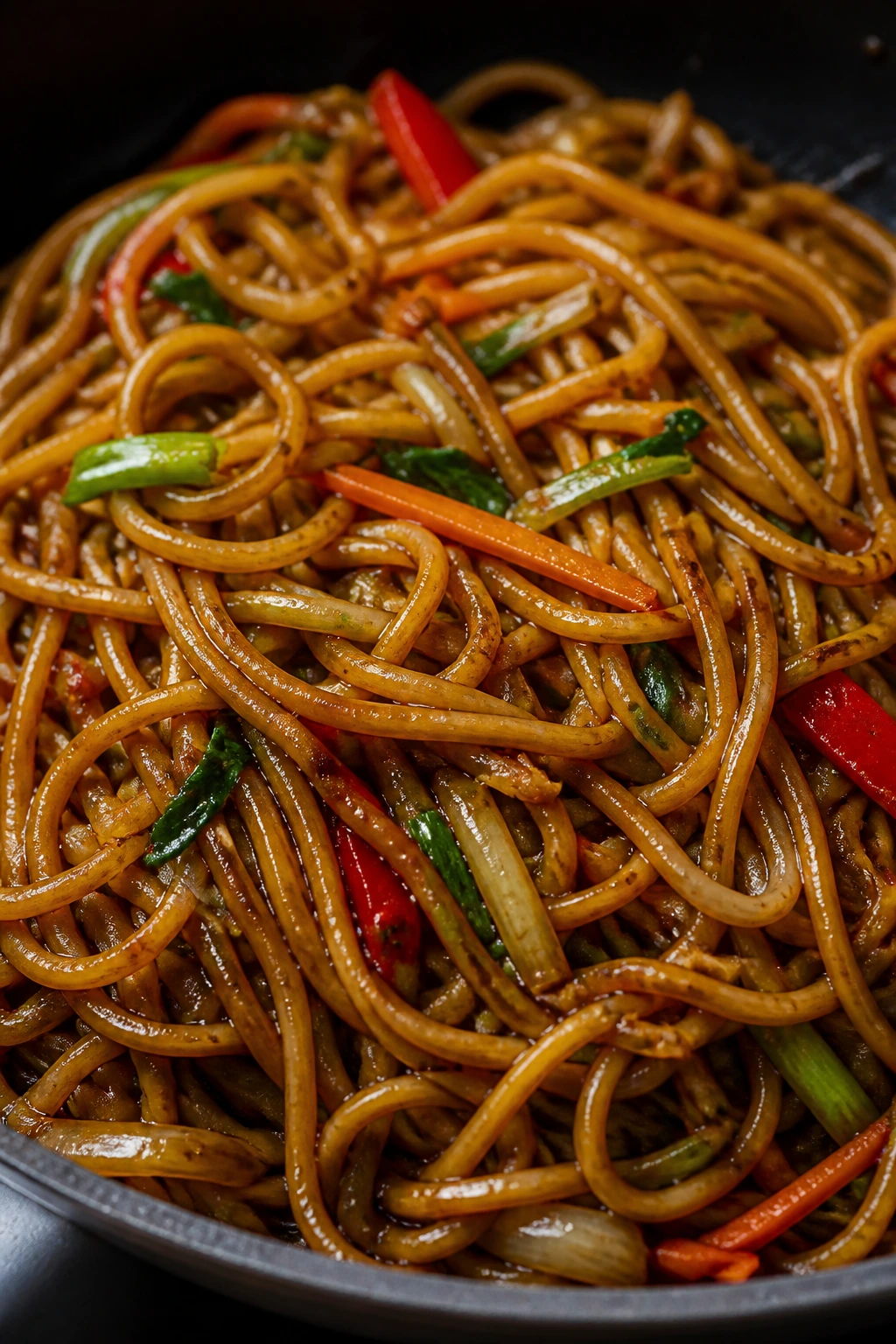
What pantry items do I need first for Chinese cooking?
Start with soy sauce, rice vinegar, sesame oil, cornstarch, neutral oil, garlic, ginger, rice, and noodles. With those basics, you can make fried rice, noodles, quick soups, simple stir-fries, and most of the sauces in this collection.
Can I make these recipes without a wok?
Yes. A wide 12-inch skillet does most of the same work if you don’t overload it. The key is surface area, not the shape of the pan, so use the biggest skillet you have and cook in batches when needed.
Is regular soy sauce enough, or do I need dark soy sauce too?
Regular soy sauce is enough for almost everything here. Dark soy sauce mainly deepens color and adds a little molasses-like depth, so treat it as optional unless you want a darker sauce for noodles or braises.
What oil works best for stir-frying?
Use a neutral oil with a fairly high smoke point, like canola, peanut, grapeseed, or avocado oil. Save sesame oil for the end, because it’s a finishing oil, not the one you want smoking in the pan.
Can I use frozen vegetables instead of fresh?
Absolutely. Frozen peas, carrots, broccoli florets, and mixed vegetables all fit this style well. Just keep the pan hot and don’t add too much at once, or the extra ice will cool the pan and make the food watery.
How do I keep noodles from sticking together?
Cook them just until tender, drain them well, and toss them with sauce while they’re still warm. If they sit dry in a pile, they glue together fast. A tablespoon of noodle water or hot water can loosen things back up.
What if my sauce tastes too salty?
Add a splash of water, a pinch of sugar, or a little vinegar to rebalance it. If the dish is already in the pan, toss in more vegetables, noodles, or rice to spread the salt across a bigger volume.
Which of these recipes are best for leftovers?
Fried rice, congee, braised tofu, meatballs, wings, and many noodle dishes keep well. Crisp salads and pancakes are best fresh, but most saucy skillet dishes hold up for a few days if reheated gently.
A Pantry Full of Good Stir-Fries
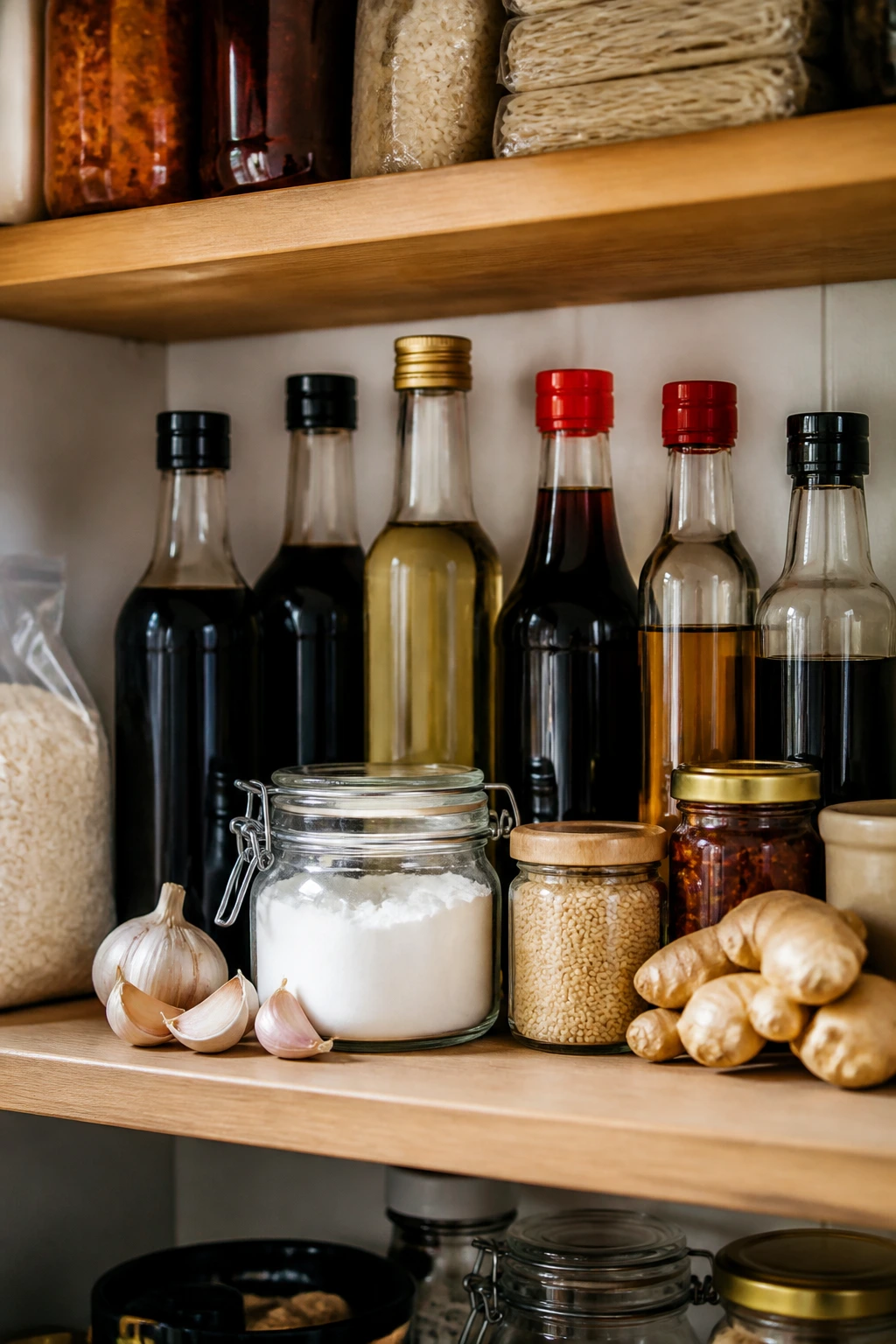
A cupboard full of the right bottles can carry you a long way. Soy sauce, vinegar, sesame oil, cornstarch, and a few aromatics can turn rice, noodles, eggs, tofu, cabbage, and leftover meat into meals that taste orderly even when the kitchen is not.
That’s what makes these Chinese pantry recipes worth keeping around. They’re fast, yes, but more than that, they teach a useful habit: cook with what you have, keep the heat up, and give the sauce a reason to matter. Once that clicks, dinner gets a lot less complicated.