



Takeout chicken hits hardest when it lands on the table still crackling. Give it fifteen minutes, though, and the crust softens, the sauce slides into one sweet patch, and the broccoli turns gray around the edges. That’s the moment I started making Chinese chicken dishes at home instead of waiting for a delivery bag to save dinner.
The home version has one thing the carton never does: control. You get to decide whether the sauce leans sharp with black vinegar, glossy with oyster sauce, or sweet enough to cling to fried chicken without tasting like syrup. You can velvet chicken thighs so they stay silky under high heat, or braise a whole bird until the meat slides off the bone and the sauce tastes like it has been reduced by someone who actually cares.
And yes, there are a few moving parts here. Some dishes want a wok screaming hot. Others want a quiet simmer, a bamboo steamer, or a Dutch oven with the lid cracked just enough for steam to escape. Once you learn which method belongs to which dish, the whole category opens up fast. The first batch sets the tone.
Why This Collection Is Worth Making
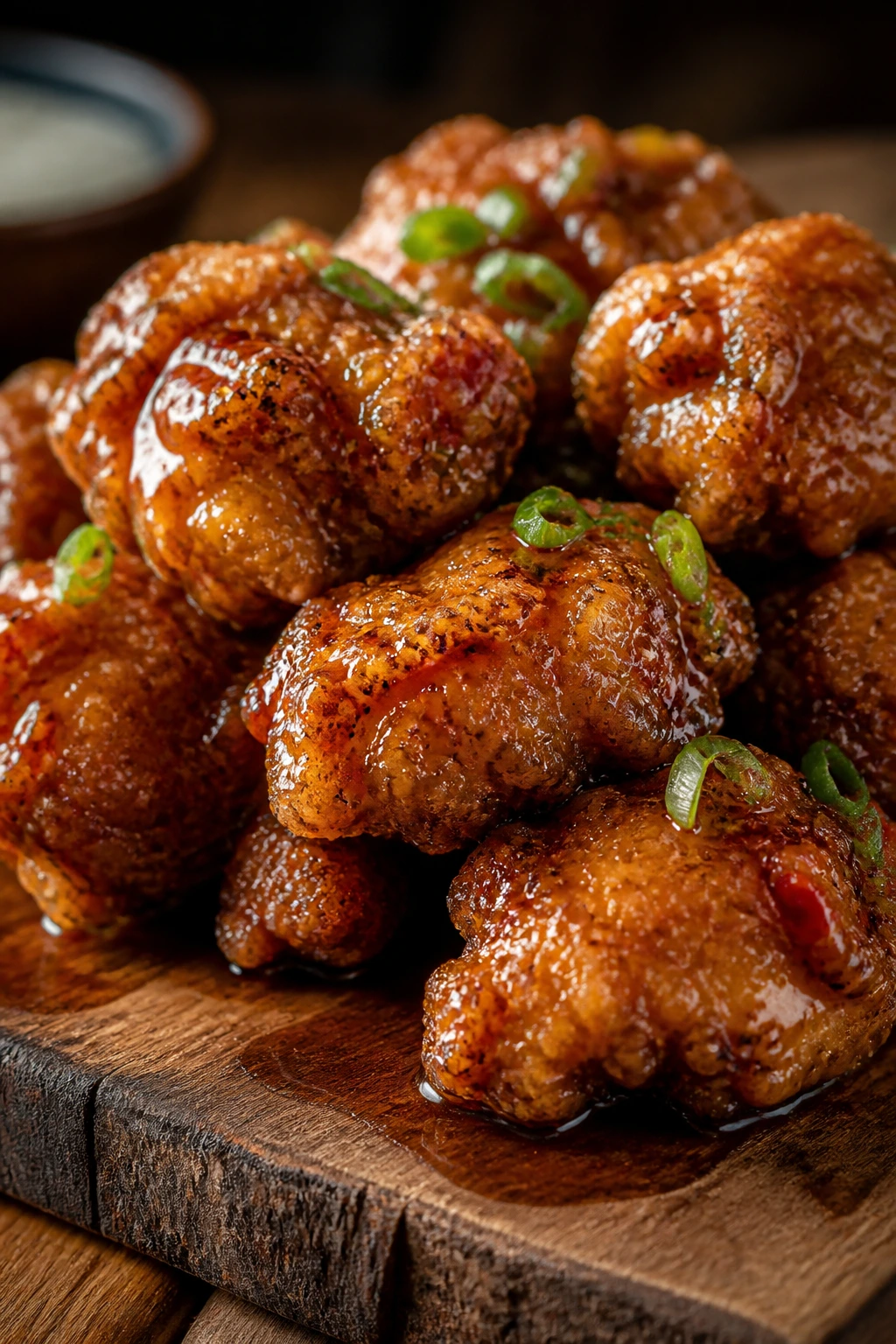
-
Crunch Stays Crunchy: Fried chicken can keep its edge at home because you’re plating it the second it’s glazed, not letting it sweat inside a carton.
-
Sauce Balance Is Yours: You can pull back the sugar, push the vinegar, or make the chile heat louder without asking a delivery app for mercy.
-
One Pantry, Dozens of Directions: Soy sauce, ginger, garlic, scallions, cornstarch, Shaoxing wine, and sesame oil can carry a shocking number of Chinese chicken recipes.
-
Leftovers Reheat Better: Home-cooked stir-fries and braises usually rewarm better than takeout, especially when you keep the sauce a little looser than you think you need.
-
Chicken Thighs Make Life Easier: Thighs stay juicy through high heat, simmering, and a little overcooking. That matters more than fancy technique.
-
You Can Match the Mood: Fast wok dinner, red-braised comfort bowl, steamed chicken with ginger scallions, soup, noodles, rice — the range is the point.
1. General Tso’s Chicken
That lacquered, sticky-red sauce with a little heat and a little tang is the whole trick here. When the chicken is fried in a thin cornstarch shell, it holds onto the glaze instead of going soggy in seconds.
Why It Works: The dish depends on contrast: crisp chicken, sweet-savory sauce, and a hit of dried chile or chili paste. Thigh meat stays juicy under the fry, and the sauce thickens in under 2 minutes once it hits the pan.
Key Ingredients:
- 1 1/2 lbs boneless chicken thighs, cut into 1-inch pieces
- 1 large egg, lightly beaten
- 1/2 cup cornstarch
- 1/2 cup low-sodium soy sauce
- 3 tbsp rice vinegar
- 3 tbsp sugar
- 4 garlic cloves, minced
- 1 tbsp fresh ginger, minced
- 1 tbsp chili paste or 6 dried chiles
- 2 tbsp neutral oil, plus more for frying
- 2 scallions, sliced
Quick Steps:
- Toss the chicken with egg and cornstarch until every piece looks dry and shaggy; let it sit 10 minutes.
- Heat 1 inch of oil to 350°F / 175°C and fry the chicken in batches for 4 to 5 minutes, until pale gold and crisp.
- In a small pan, simmer soy sauce, vinegar, sugar, garlic, ginger, chili paste, and 1/4 cup water for 1 to 2 minutes.
- Toss the chicken in the sauce just long enough to coat, then top with scallions.
Equipment for This Recipe:
- Wok or deep skillet
- Spider or slotted spoon
- Instant-read thermometer
How to Serve This Dish: Spoon it over steamed jasmine rice with a pile of quick-blanched broccoli or baby bok choy. The rice catches the extra sauce, which is the part people always scrape up at the end anyway.
Pro Tips for This Recipe:
- Fry in small batches or the coating softens before it even leaves the oil.
- Keep the sauce a touch looser than you think; it thickens fast off the heat.
- Thighs give you a better result than breast meat here.
Variations on This Dish:
- Extra-Hot General Tso’s: Add more dried chiles and a teaspoon of crushed Sichuan peppercorns.
- Baked Version: Bake coated chicken on a wire rack at 425°F / 220°C until crisp, then glaze.
- Gluten-Free Version: Use tamari and check that your chili paste has no wheat.
Common Mistakes to Avoid with This Dish:
- Saucing too early: The crust softens fast. Toss right before serving.
- Skipping the fry batches: Overcrowding drops the oil temperature and gives you pale, greasy chicken.
2. Kung Pao Chicken
The dried chiles and peanuts are not decoration. They’re the whole personality of the dish, and when the chicken is cut small enough, each bite gets a little sweetness, a little sting, and a snap from the nuts.
Why It Works: Kung Pao chicken lives on quick heat and fast timing. A brief marinade gives the chicken a tender edge, while the sauce reduces just enough to cling without drowning the peanuts.
Key Ingredients:
- 1 1/2 lbs boneless chicken thighs, diced
- 1 tbsp soy sauce
- 1 tbsp Shaoxing wine or dry sherry
- 1 tbsp cornstarch
- 8 dried red chiles, cut in half
- 1/3 cup roasted peanuts
- 1 red bell pepper, diced
- 2 scallions, cut into 1-inch pieces
- 2 tbsp soy sauce
- 2 tbsp Chinkiang vinegar
- 2 tbsp sugar
- 1 tsp sesame oil
- 2 cloves garlic, minced
- 1 tsp ginger, minced
Quick Steps:
- Toss chicken with soy sauce, wine, and cornstarch; rest 10 minutes.
- Stir-fry the chiles in oil for 10 seconds, just until fragrant, then add the chicken.
- Cook until the chicken is no longer pink and the edges pick up color.
- Add garlic, ginger, bell pepper, sauce ingredients, and peanuts; toss until glossy.
Equipment for This Recipe:
- Wok
- Wooden spatula
- Small prep bowls
How to Serve This Dish: Serve with plain rice and one green vegetable. I like this with blistered green beans because the peanuts and beans keep the same crunch lane without feeling repetitive.
Pro Tips for This Recipe:
- Don’t burn the chiles; they should toast, not smoke.
- Cut the chicken into even pieces so it cooks in one pass.
- Add the peanuts at the end so they stay snappy.
Variations on This Dish:
- Sweeter Takeout Style: Add another teaspoon of sugar and a tablespoon of ketchup.
- More Numbing Heat: Add crushed Sichuan peppercorns with the dried chiles.
- Vegetable-Heavy Version: Add zucchini or celery, cut thin so it cooks fast.
Common Mistakes to Avoid with This Dish:
- Cooking the nuts too early: Peanuts turn soft if they simmer too long.
- Too much sauce: Kung Pao should cling, not pool.
3. Orange Chicken
Orange chicken tastes like a dessert someone somehow made into dinner, and that’s exactly why it works when the sauce is balanced. You want citrus, sugar, and soy in the same pan, not a sugar bomb with a sad orange note.
Why It Works: A crisp fried coating gives the sauce a place to stick, while fresh zest and juice keep the glaze from flattening out. It’s also one of the easiest ways to make chicken breast feel indulgent without drying it out.
Key Ingredients:
- 1 1/2 lbs boneless chicken thighs or breasts, cubed
- 2 eggs, beaten
- 3/4 cup cornstarch
- 1/2 cup flour
- 1/2 cup orange juice
- 1 tbsp orange zest
- 3 tbsp soy sauce
- 3 tbsp sugar
- 2 tbsp rice vinegar
- 2 garlic cloves, minced
- 1 tsp ginger, minced
- Neutral oil for frying
Quick Steps:
- Coat the chicken in egg, then cornstarch-flour mix.
- Fry at 350°F / 175°C until crisp and light golden, about 4 minutes per batch.
- Simmer orange juice, zest, soy sauce, sugar, vinegar, garlic, and ginger for 2 to 3 minutes.
- Toss the chicken in the sauce and serve immediately.
Equipment for This Recipe:
- Deep skillet
- Zester or microplane
- Wire rack
How to Serve This Dish: Keep it simple: rice, scallions, and maybe steamed snap peas. Too many side flavors crowd the citrus.
Pro Tips for This Recipe:
- Fresh zest matters more than extra juice.
- Pull the chicken the second it turns pale gold; it finishes in the sauce.
- Add a teaspoon of toasted sesame oil off heat for depth.
Variations on This Dish:
- Sharper Orange Chicken: Add extra vinegar and cut the sugar by 1 tablespoon.
- Honey Orange Chicken: Swap 1 tablespoon of sugar for honey.
- Baked Orange Chicken: Bake the coated chicken on a rack, then glaze under hot sauce.
Common Mistakes to Avoid with This Dish:
- Using bottled orange juice only: The flavor goes flat fast.
- Letting the chicken sit in sauce too long: The coating loses its crunch.
4. Sesame Chicken
Sesame chicken should taste toasted, not sugary with a sesame garnish dumped on top. When you get it right, the sauce has that deep amber shine and the seeds actually smell nutty.
Why It Works: The sesame flavor comes from a mix of toasted sesame oil and seeds, while the sweet-salty sauce keeps the fried chicken from tasting one-note. Small chicken pieces mean more surface area for sauce.
Key Ingredients:
- 1 1/2 lbs chicken thighs, cut into bite-size pieces
- 1 egg
- 1/2 cup cornstarch
- 1/4 cup flour
- 1/4 cup soy sauce
- 3 tbsp honey
- 2 tbsp rice vinegar
- 1 tbsp ketchup
- 2 tsp toasted sesame oil
- 1 tbsp sesame seeds
- 2 scallions, sliced
Quick Steps:
- Coat chicken with egg, cornstarch, and flour.
- Fry until crisp and pale gold, then drain.
- Simmer soy, honey, vinegar, ketchup, and sesame oil until glossy.
- Toss in the chicken, shower with sesame seeds, and finish with scallions.
Equipment for This Recipe:
- Wok or skillet
- Slotted spoon
- Small saucepan
How to Serve This Dish: Serve with rice and simple steamed cabbage. The cabbage takes the extra sauce well and doesn’t fight the sweetness.
Pro Tips for This Recipe:
- Toast the sesame seeds in a dry pan for 1 minute if you want more aroma.
- Keep the sauce glossy and thin; it should coat, not candy.
- Use thighs if you want the coating to stay juicy longer.
Variations on This Dish:
- Sticky Sesame Chicken: Add 1 extra tablespoon of honey.
- Spicy Sesame Chicken: Stir in chili flakes or a spoon of chili crisp.
- Gluten-Free Version: Use tamari and a gluten-free flour blend.
Common Mistakes to Avoid with This Dish:
- Too much sesame oil: It turns bitter fast.
- Skipping the toasting step: Untoasted seeds taste dusty.
5. Sweet and Sour Chicken
The sweet-and-sour combo only works when the fruit note, vinegar, and sauce color all stay in balance. Pineapple, bell peppers, and a red-orange glaze can get clumsy fast if the sauce is too thick or too sweet.
Why It Works: A light batter keeps the chicken tender, while pineapple juice and vinegar give the sauce a sharp edge. The vegetables add texture that takes the dish beyond pure fried chicken in sauce.
Key Ingredients:
- 1 1/2 lbs chicken breast or thighs, cubed
- 1 egg
- 1/2 cup cornstarch
- 1/4 cup flour
- 1 red bell pepper, chunked
- 1 green bell pepper, chunked
- 1 cup pineapple chunks
- 1/3 cup pineapple juice
- 1/4 cup rice vinegar
- 3 tbsp sugar
- 2 tbsp ketchup
- 1 tbsp soy sauce
Quick Steps:
- Batter and fry the chicken until light gold.
- Stir-fry peppers for 2 minutes so they stay bright.
- Simmer pineapple juice, vinegar, sugar, ketchup, and soy until slightly thick.
- Toss everything together with pineapple chunks and serve at once.
Equipment for This Recipe:
- Skillet or wok
- Mixing bowl
- Paper towel-lined tray
How to Serve This Dish: White rice is the cleanest match. If you want a fuller plate, add cucumber slices on the side to cool down the sweetness.
Pro Tips for This Recipe:
- Keep the peppers crisp; mushy peppers make the whole dish taste heavy.
- Don’t over-reduce the sauce or it turns candy-like.
- Use pineapple chunks in juice, not syrup.
Variations on This Dish:
- Sharper Sweet and Sour: Add extra vinegar and cut the sugar slightly.
- Crispier Version: Double-fry the chicken for a firmer shell.
- Spicy Sweet and Sour: Add sliced red chiles or a spoon of chili garlic sauce.
Common Mistakes to Avoid with This Dish:
- Overcrowding the frying oil: The coating softens before it browns.
- Using canned pineapple syrup: It makes the sauce too heavy.
6. Lemon Chicken
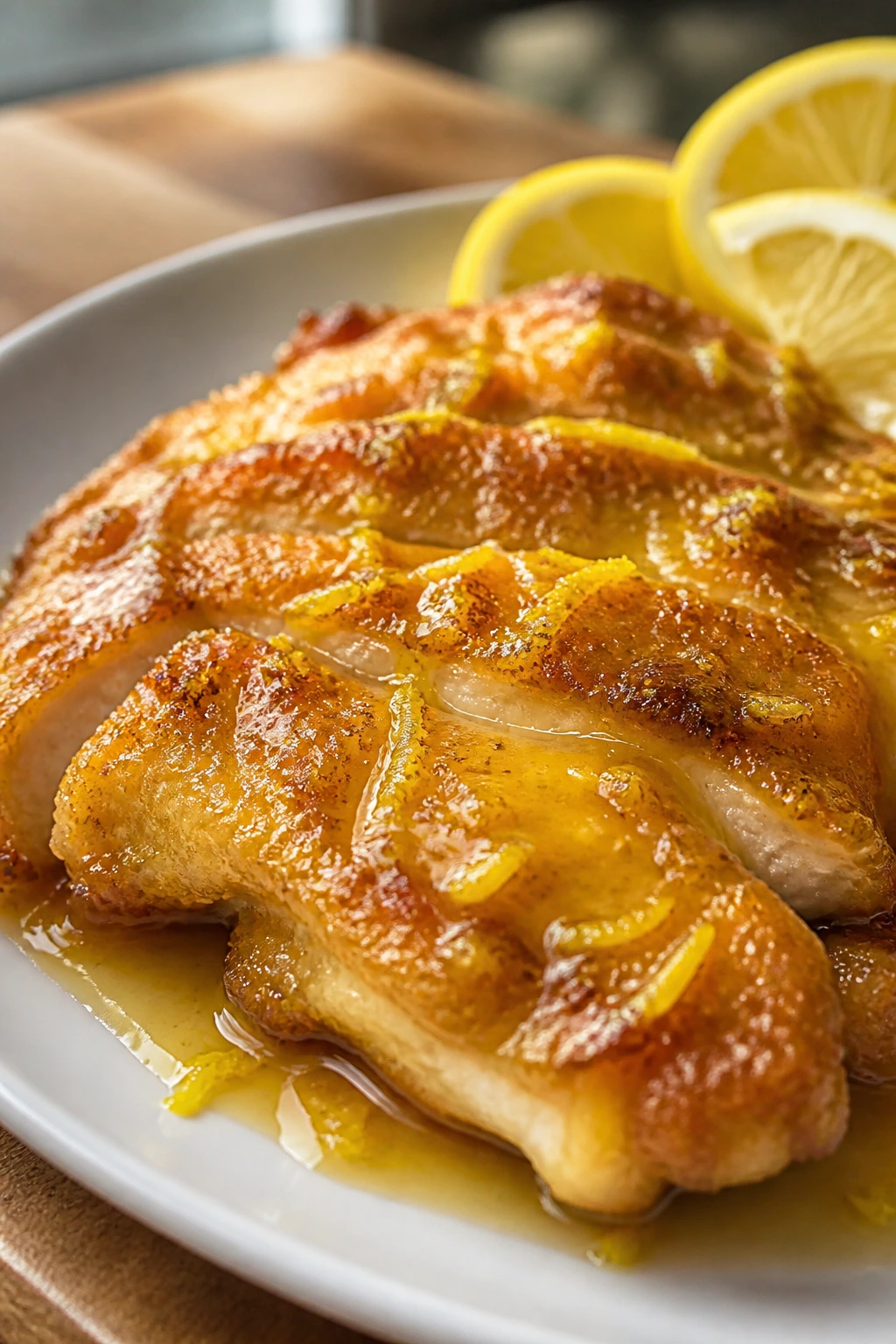
Lemon chicken should taste bright and clean, not like sugar with a wedge of fruit on the side. A thin, glossy lemon sauce over crisp chicken is one of the rare takeout-style dishes that feels lighter without feeling flimsy.
Why It Works: Lemon juice brings the acid, a little sugar rounds it out, and cornstarch thickens the sauce fast. Thinly sliced chicken cooks quickly, so it stays tender under the coating.
Key Ingredients:
- 1 1/2 lbs chicken breasts, sliced thin
- 1 egg
- 1/2 cup cornstarch
- 1/4 cup flour
- 1/3 cup fresh lemon juice
- 1 tbsp lemon zest
- 2 tbsp sugar
- 2 tbsp soy sauce
- 1 cup chicken broth
- 1 tsp ginger, grated
- 2 tbsp oil
Quick Steps:
- Coat and fry the chicken in batches until crisp.
- Simmer lemon juice, zest, sugar, soy, broth, and ginger for 2 minutes.
- Stir in a cornstarch slurry until the sauce turns shiny and lightly thick.
- Spoon over the chicken or toss lightly right before serving.
Equipment for This Recipe:
- Skillet
- Fine grater
- Small whisk
How to Serve This Dish: Best with rice and steamed asparagus or broccoli. The lemon cuts through the starch, so the plate stays fresh rather than heavy.
Pro Tips for This Recipe:
- Use fresh lemon juice; bottled tastes flat here.
- Add zest at the end of the sauce for a sharper smell.
- Keep the chicken pieces thin so they fry evenly.
Variations on This Dish:
- Honey Lemon Chicken: Swap some sugar for honey.
- Extra-Crisp Lemon Chicken: Shallow-fry twice for a harder crust.
- Light Skillet Version: Pan-sear the chicken instead of deep-frying.
Common Mistakes to Avoid with This Dish:
- Too much cornstarch in the sauce: It turns pasty.
- Pouring sauce too early: The crust softens almost instantly.
7. Chicken with Broccoli
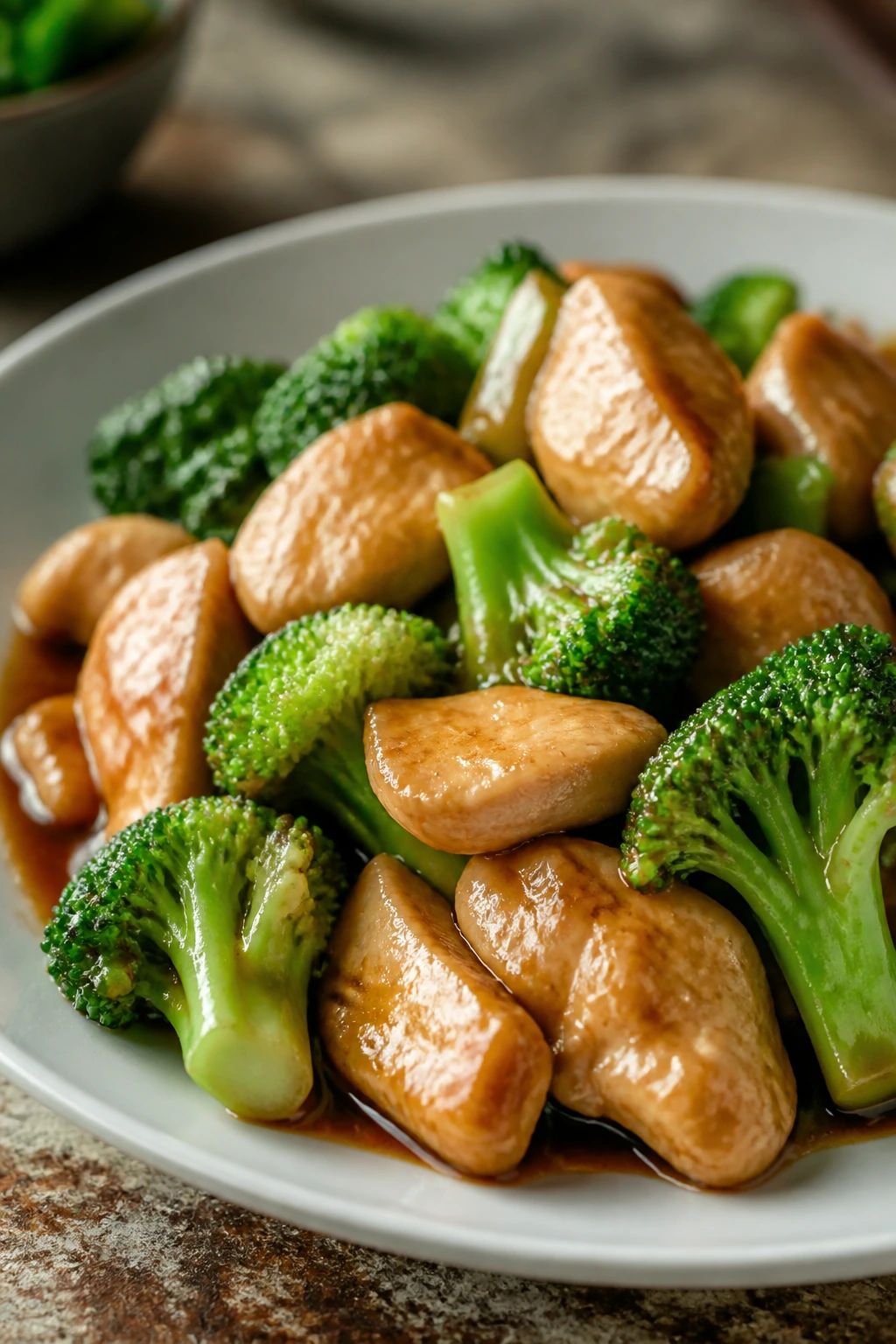
This is the dish that proves restraint can be the best move. When the broccoli stays bright green and the chicken gets velveted just right, you don’t miss the heavy takeout slick at all.
Why It Works: Velveting with cornstarch and a little soy helps the chicken stay soft in the wok. A quick blanch or steam on the broccoli keeps it crisp, so the whole dish finishes in the same minute.
Key Ingredients:
- 1 1/2 lbs chicken breast or thighs, thinly sliced
- 1 tbsp soy sauce
- 1 tbsp cornstarch
- 1 large broccoli crown, cut into florets
- 2 tbsp oyster sauce
- 1 tbsp soy sauce
- 1/2 cup chicken broth
- 2 garlic cloves, minced
- 1 tsp ginger, minced
- 1 tsp sesame oil
Quick Steps:
- Marinate chicken with soy and cornstarch for 10 minutes.
- Blanch broccoli for 1 minute, then drain well.
- Stir-fry chicken until just cooked through.
- Add garlic, ginger, broccoli, sauce ingredients, and toss until glossy.
Equipment for This Recipe:
- Wok
- Slotted spoon
- Saucepan for blanching
How to Serve This Dish: Serve over jasmine rice. If you want a second side, do a cucumber salad with rice vinegar and sesame oil so the plate stays clean.
Pro Tips for This Recipe:
- Dry the broccoli well or the sauce will thin out.
- Slice the chicken against the grain.
- Add sesame oil at the very end for a better aroma.
Variations on This Dish:
- Garlic-Heavy Version: Add another clove or two and a pinch of white pepper.
- Black Pepper Broccoli Chicken: Add coarse black pepper to the sauce.
- Mushroom Version: Add sliced shiitakes with the broccoli.
Common Mistakes to Avoid with This Dish:
- Overcooking broccoli: It turns dull and tastes bitter.
- Skipping the cornstarch marinade: The chicken gets tight and dry.
8. Cashew Chicken
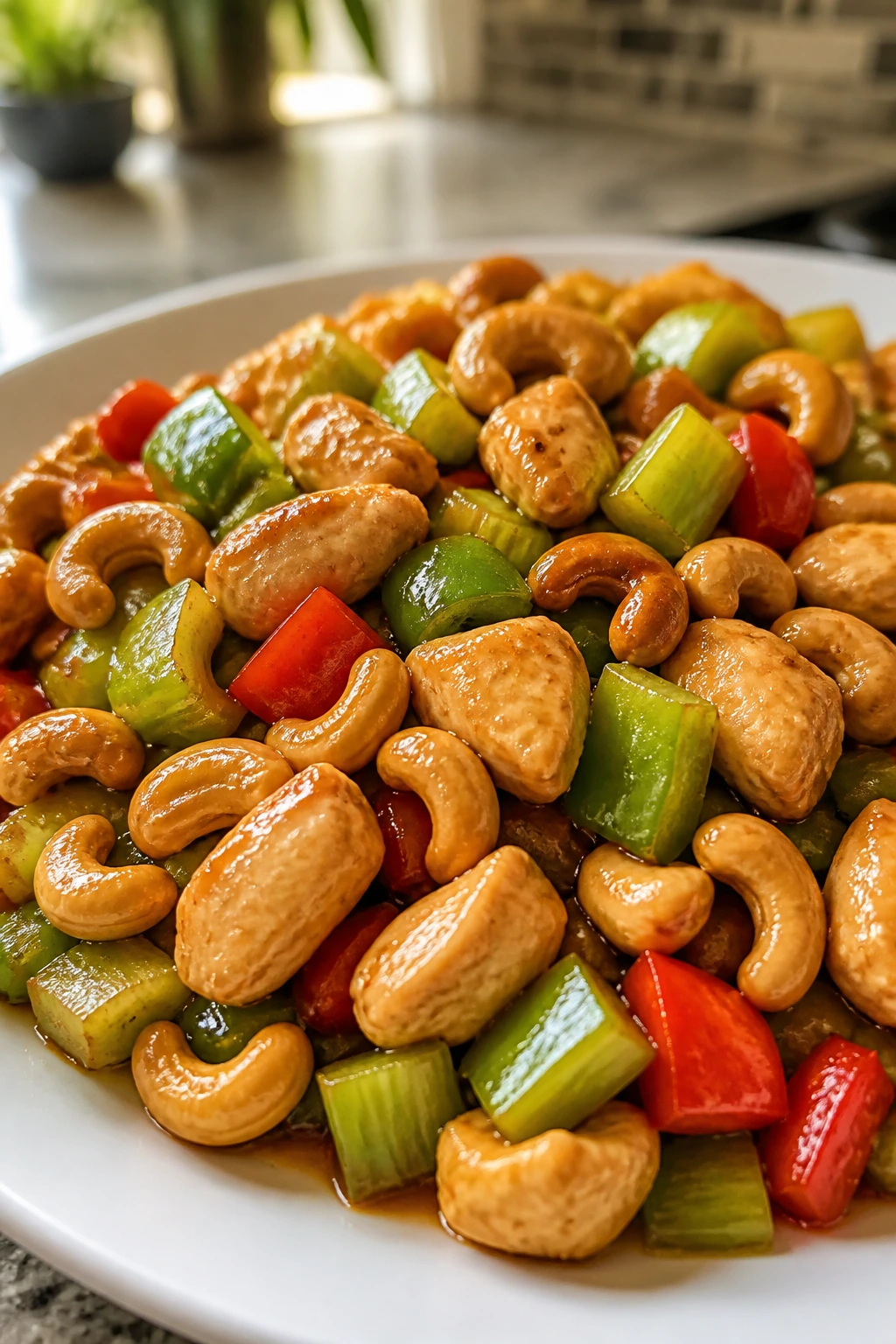
Cashew chicken works because the cashews stay buttery and the celery stays loud. You want a little chew, a little crunch, and enough savory sauce to tie the whole skillet together.
Why It Works: Cashews bring fat and crunch, while celery and bell pepper keep the dish from feeling heavy. The sauce is fast, which matters because cashews go stale-looking if they sit too long in heat.
Key Ingredients:
- 1 1/2 lbs chicken thighs, diced
- 1/4 cup soy sauce
- 1 tbsp cornstarch
- 1 cup roasted cashews
- 1 celery stalk, sliced
- 1 bell pepper, sliced
- 2 tbsp oyster sauce
- 1 tbsp Shaoxing wine
- 2 garlic cloves, minced
- 1 tsp ginger, minced
Quick Steps:
- Marinate chicken with soy and cornstarch.
- Stir-fry chicken until browned on the edges.
- Add garlic, ginger, celery, and pepper; cook until crisp-tender.
- Stir in oyster sauce, wine, and cashews, then toss 30 seconds.
Equipment for This Recipe:
- Large skillet
- Cutting board
- Wooden spoon
How to Serve This Dish: This likes rice, but it also works over noodles if you want a more filling bowl. Keep the garnish simple: scallions, maybe a few extra cashews.
Pro Tips for This Recipe:
- Add the cashews near the end or they lose their snap.
- Use raw chicken that’s patted dry for better browning.
- Keep the celery a little firm; soft celery ruins the texture contrast.
Variations on This Dish:
- Spicy Cashew Chicken: Add sliced chiles or chili oil.
- Saucy Version: Splash in chicken broth and thicken lightly with cornstarch.
- Vegetable-Loaded Version: Add mushrooms and snap peas.
Common Mistakes to Avoid with This Dish:
- Using salted cashews without adjusting soy: The dish can go too salty.
- Cooking the vegetables too long: They should still snap.
9. Chicken Chow Mein
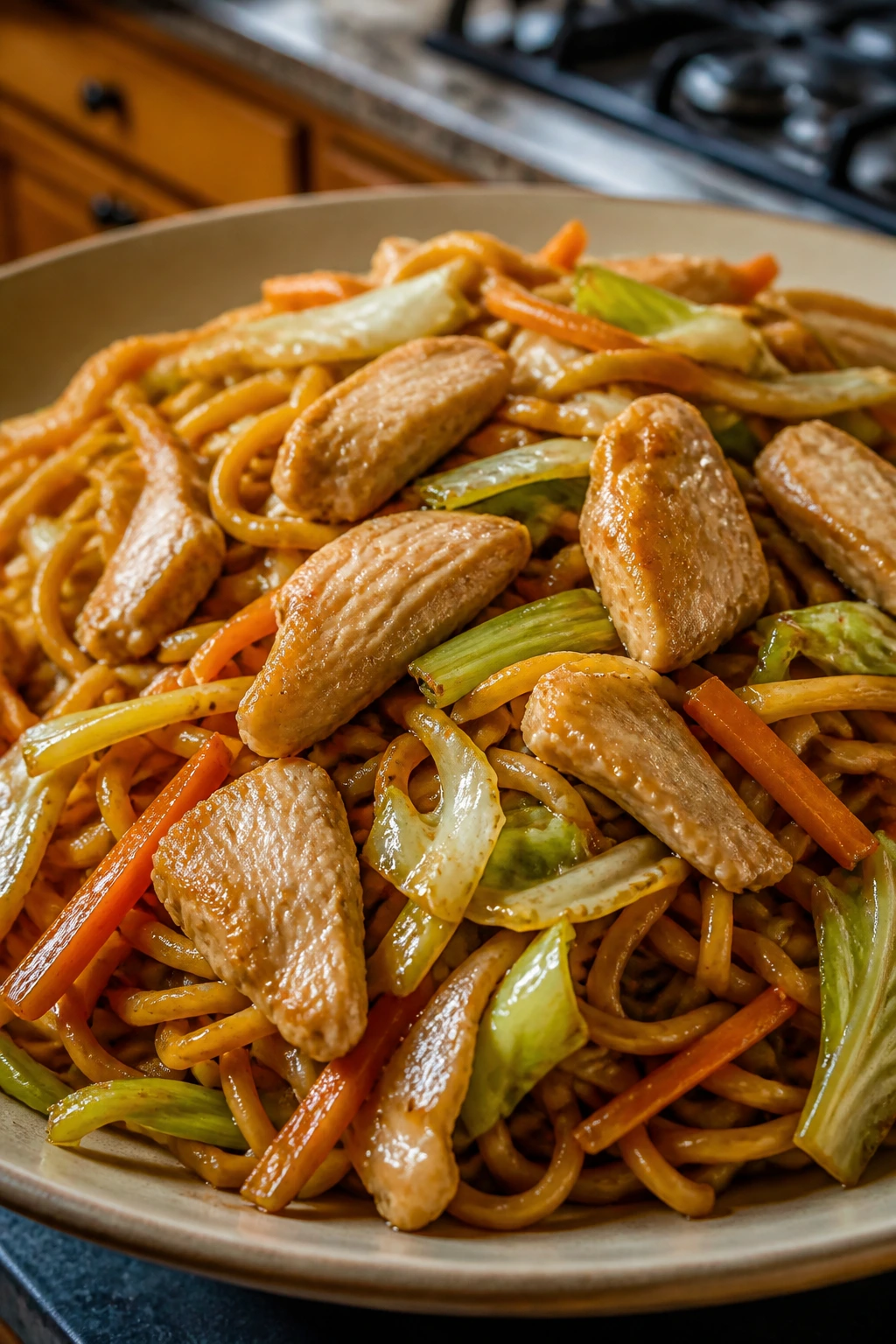
Chow mein needs a drier hand than lo mein. The noodles should pick up a little color from the pan, the cabbage should stay crisp, and the sauce should be just enough to coat everything without making it slippery.
Why It Works: Thin noodles fry fast, and a short stir-fry keeps the texture lively. Chicken thighs work best because they stay tender when the noodles need a little extra time in the pan.
Key Ingredients:
- 8 oz chow mein noodles, cooked and drained
- 1 lb chicken thighs, sliced thin
- 2 cups shredded cabbage
- 1 carrot, julienned
- 2 celery stalks, sliced
- 3 tbsp soy sauce
- 2 tbsp oyster sauce
- 1 tbsp sesame oil
- 2 garlic cloves, minced
- 2 tbsp neutral oil
Quick Steps:
- Stir-fry the chicken until cooked through, then remove.
- Cook cabbage, carrot, celery, and garlic for 2 minutes.
- Add noodles, soy sauce, oyster sauce, and chicken.
- Toss over high heat until the noodles pick up a little color.
Equipment for This Recipe:
- Wok
- Pot for boiling noodles
- Tongs
How to Serve This Dish: Serve straight from the pan with a few chile oil drips on top if you like heat. A simple soup on the side turns it into a full meal without much extra work.
Pro Tips for This Recipe:
- Undercook the noodles by about 1 minute if they’ll stay in the wok.
- Use high heat so the vegetables don’t go limp.
- Dry the noodles well after boiling.
Variations on This Dish:
- Shrimp-Style Texture: Crisp a few noodles in the pan for a mixed texture finish.
- Mushroom Chow Mein: Add shiitakes for a deeper sauce.
- Spicy Chow Mein: Finish with chili crisp.
Common Mistakes to Avoid with This Dish:
- Overloading the wok: The noodles steam instead of fry.
- Too much sauce: Chow mein should not swim.
10. Chicken Lo Mein
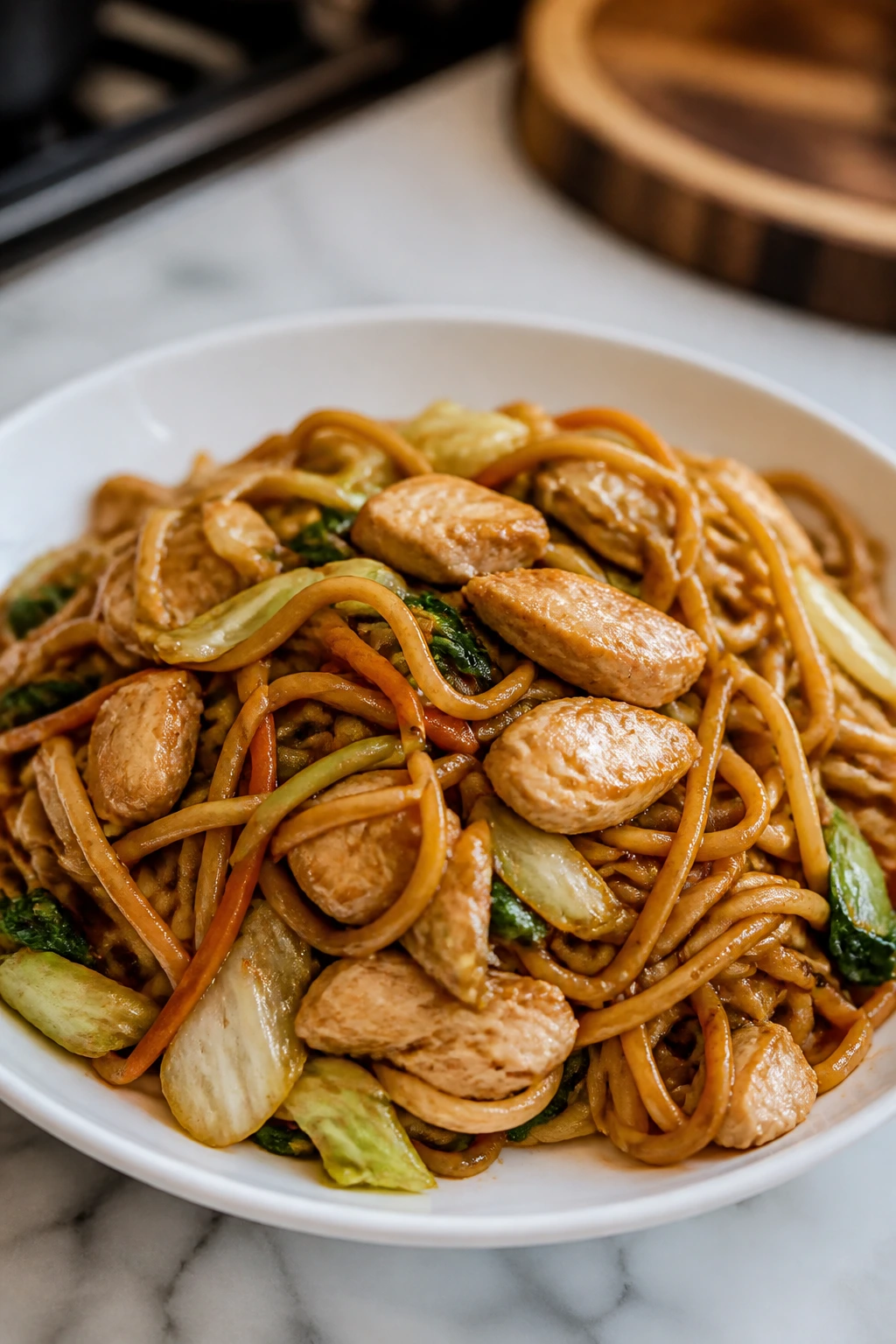
Lo mein is the softer, saucier cousin of chow mein, and I mean that in the best way. The noodles should feel coated, not fried dry, with enough sauce left behind to chase with chopsticks.
Why It Works: Lo mein uses boiled noodles tossed in sauce, so the dish gets richness from the sauce instead of browning on the noodles. A little sugar and sesame oil keep the flavor rounded.
Key Ingredients:
- 12 oz lo mein noodles or spaghetti
- 1 lb chicken thighs, sliced
- 2 cups napa cabbage, shredded
- 1 carrot, julienned
- 3 tbsp soy sauce
- 2 tbsp oyster sauce
- 1 tbsp hoisin sauce
- 1 tsp sesame oil
- 2 garlic cloves, minced
- 1 tsp ginger, minced
Quick Steps:
- Boil noodles until just tender, then drain.
- Stir-fry chicken, garlic, ginger, and vegetables until bright.
- Add noodles and sauce ingredients.
- Toss for 1 minute until the noodles are glossy and evenly coated.
Equipment for This Recipe:
- Large skillet or wok
- Colander
- Tongs
How to Serve This Dish: Lo mein likes a bowl more than a plate. Add a spoon of chili oil at the table and a side of steamed bok choy if you want more greens.
Pro Tips for This Recipe:
- Reserve a splash of noodle water if the pan looks dry.
- Don’t break the noodles; long strands are half the pleasure.
- Keep the vegetables crisp so the bowl doesn’t go mushy.
Variations on This Dish:
- Garlicky Lo Mein: Double the garlic and finish with scallions.
- Vegetable Lo Mein: Add mushrooms, snow peas, and bean sprouts.
- Peanut Lo Mein: Stir in a spoon of peanut butter for a richer sauce.
Common Mistakes to Avoid with This Dish:
- Using overcooked noodles: They tear when tossed.
- Forgetting to season the noodles: Plain noodles can taste thin even with sauce.
11. Chicken Fried Rice
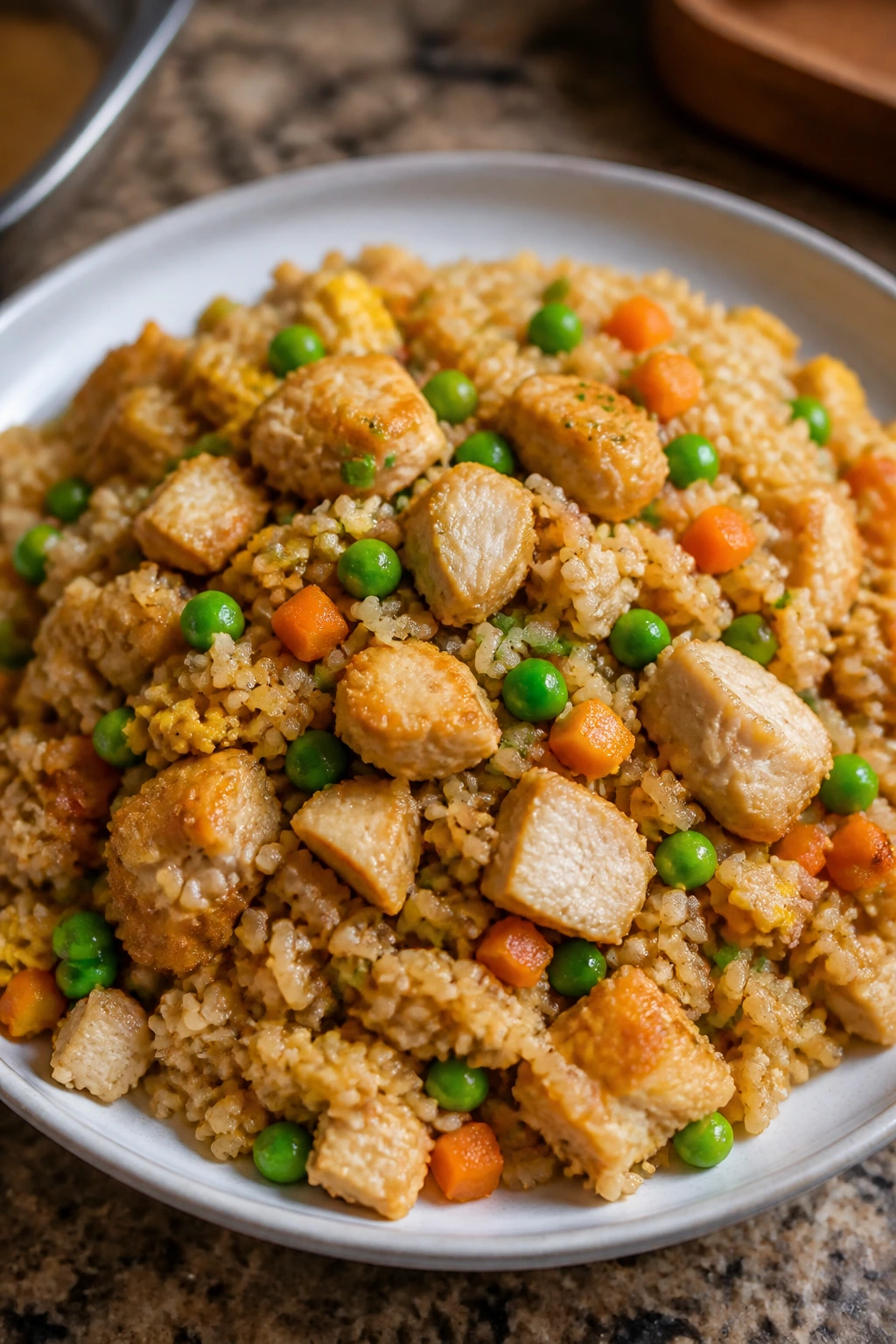
Fried rice is where leftover rice earns its keep. Cold grains fry up with a dry edge, the egg threads through the rice, and the chicken gives it enough body to eat as dinner, not as a side.
Why It Works: Day-old rice stays separate in the pan, which is the entire game. Fast heat, a little soy, and a small amount of sauce keep the grains distinct instead of sticky.
Key Ingredients:
- 3 cups cold cooked jasmine rice
- 1 lb chicken thigh or breast, diced
- 2 eggs, beaten
- 1/2 cup frozen peas
- 1/2 cup diced carrot
- 2 scallions, sliced
- 2 tbsp soy sauce
- 1 tbsp oyster sauce
- 1 tbsp neutral oil
- 1 tsp sesame oil
Quick Steps:
- Stir-fry chicken until cooked, then push to the side.
- Scramble the eggs in the pan and break them up.
- Add rice, peas, carrot, soy, and oyster sauce.
- Toss over high heat until the grains separate and the rice smells toasted.
- Finish with scallions and sesame oil.
Equipment for This Recipe:
- Large wok
- Rice paddle or spatula
- Mixing bowl
How to Serve This Dish: Serve it in a shallow bowl with extra scallions and a little soy at the table. If there’s one dish here that likes a fried egg on top, it’s this one.
Pro Tips for This Recipe:
- Cold rice is non-negotiable.
- Don’t add too much sauce or the rice turns wet.
- Break up clumps before the rice hits the wok.
Variations on This Dish:
- Shrimp and Chicken Fried Rice: Add cooked shrimp at the end.
- Spicy Fried Rice: Stir in chili crisp or chopped fresh chile.
- Veg-Heavy Version: Add corn and chopped cabbage.
Common Mistakes to Avoid with This Dish:
- Using freshly cooked rice: It turns gummy.
- Crowding the pan: The rice steams instead of fries.
12. Black Pepper Chicken
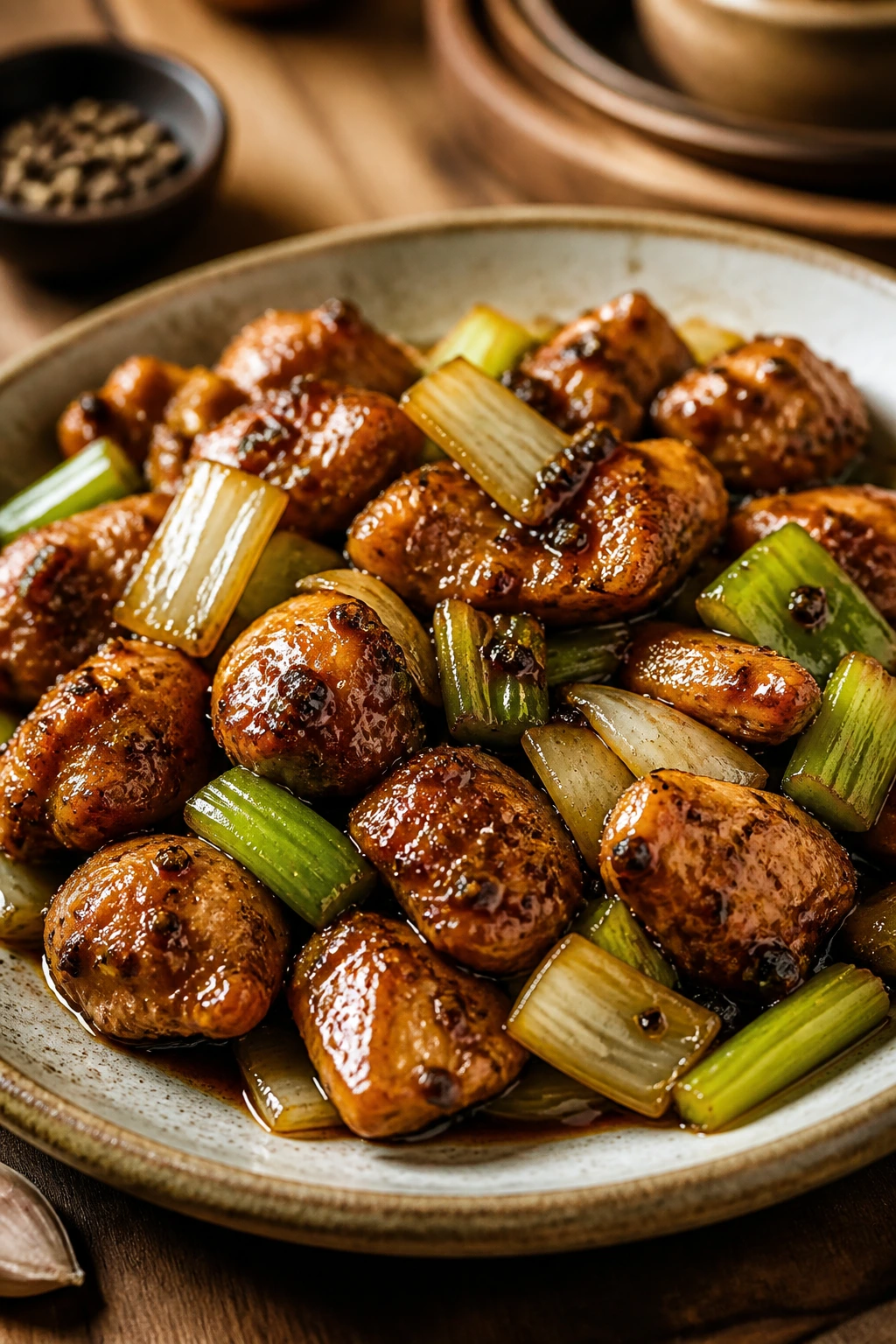
Black pepper chicken hits with a sharp, warm heat that is different from chile heat. The sauce should smell peppery before it even reaches the bowl.
Why It Works: Coarse black pepper blooms in hot oil and gives the sauce a smoky edge. Celery and onions keep the dish crisp enough to cut through the pepper.
Key Ingredients:
- 1 1/2 lbs chicken thighs, sliced
- 1 tbsp soy sauce
- 1 tbsp cornstarch
- 1 onion, sliced
- 2 celery stalks, sliced
- 1 green bell pepper, sliced
- 2 tsp coarsely ground black pepper
- 2 tbsp oyster sauce
- 1 tbsp soy sauce
- 1 tbsp Shaoxing wine
- 2 garlic cloves, minced
Quick Steps:
- Marinate the chicken briefly with soy and cornstarch.
- Stir-fry chicken until browned and remove.
- Cook onions, celery, bell pepper, garlic, and black pepper for 2 minutes.
- Add sauces, return chicken, and toss until lightly glossy.
Equipment for This Recipe:
- Wok
- Pepper grinder
- Small prep bowls
How to Serve This Dish: Rice is enough, though a side of steamed broccoli or snap peas makes the pepper pop even more. Don’t overcomplicate the plate.
Pro Tips for This Recipe:
- Freshly ground pepper matters more than pre-ground dust.
- Add some pepper at the start and some at the end for layered heat.
- Keep the vegetables crisp.
Variations on This Dish:
- Extra-Peppery Version: Add white pepper too.
- Saucier Version: Add 1/4 cup broth and thicken lightly.
- Mild Family Version: Cut the pepper in half and add more onion.
Common Mistakes to Avoid with This Dish:
- Burning the pepper: It turns harsh fast.
- Overcooking the onions: They should still have a little bite.
13. Chicken with Garlic Sauce
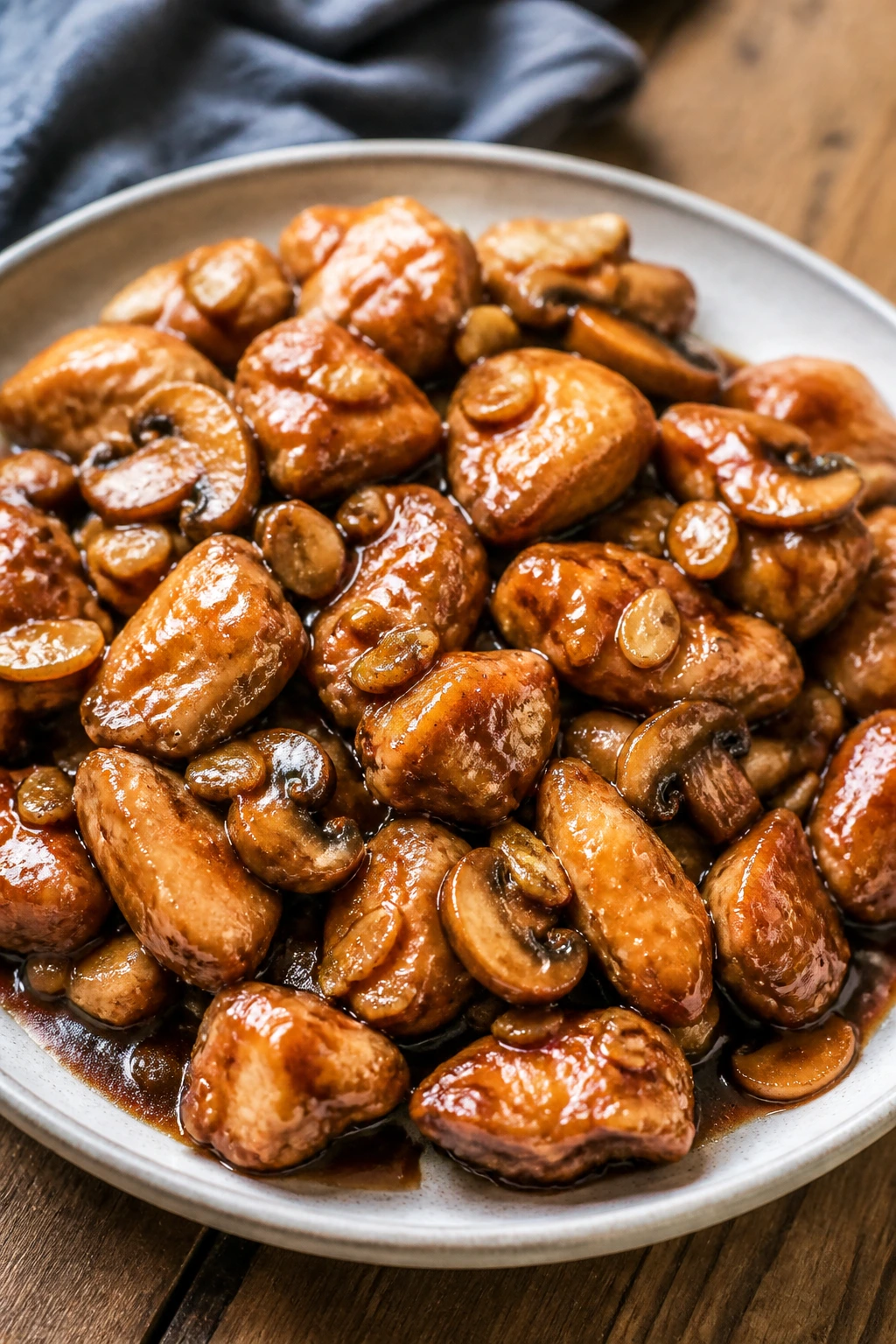
This one should taste like garlic, vinegar, and chile are all leaning in at once. It’s one of the best dishes for people who want takeout-style heat without breaded chicken.
Why It Works: The sauce is built on soy, vinegar, garlic, and a little sugar, then thickened so it clings to the vegetables and chicken. A small amount of cornstarch gives the glossy finish you expect.
Key Ingredients:
- 1 1/2 lbs chicken thighs, sliced
- 1 egg white
- 1 tbsp cornstarch
- 1 cup mushrooms, sliced
- 1 bell pepper, sliced
- 4 garlic cloves, minced
- 1 tbsp ginger, minced
- 3 tbsp soy sauce
- 2 tbsp rice vinegar
- 1 tbsp chili garlic sauce
- 1/2 cup chicken broth
- 1 tsp sesame oil
Quick Steps:
- Marinate chicken with egg white and cornstarch for 10 minutes.
- Stir-fry chicken, then set aside.
- Cook mushrooms, bell pepper, garlic, and ginger.
- Add sauce ingredients, return chicken, and simmer until glossy.
Equipment for This Recipe:
- Wok
- Whisk
- Spatula
How to Serve This Dish: It’s good over rice, but I like it with plain noodles when I want the sauce to spread out a little more. Add sliced scallions for freshness.
Pro Tips for This Recipe:
- Use enough garlic that you can smell it before the sauce thickens.
- Don’t skip the egg white marinade; it helps with tenderness.
- Add the sesame oil after the heat is off.
Variations on This Dish:
- Extra-Spicy Garlic Chicken: Add more chili garlic sauce.
- Vegetarian Version: Swap chicken for seared tofu and mushrooms.
- Light Sauce Version: Use less thickener so it’s more like a stir-fry glaze.
Common Mistakes to Avoid with This Dish:
- Letting the garlic brown too far: It goes bitter.
- Adding the broth without cornstarch ready: The sauce stays thin.
14. Hunan Chicken
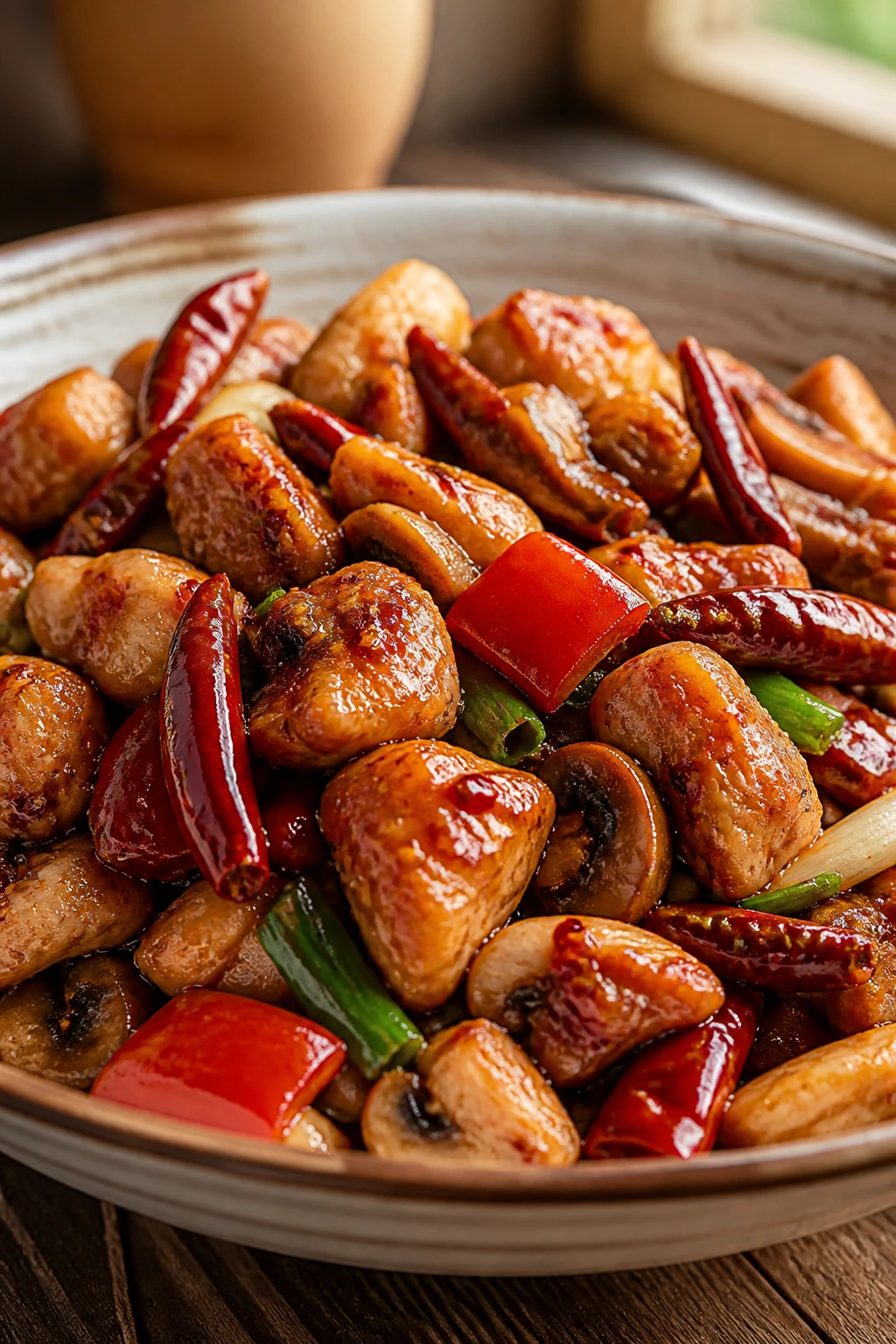
Hunan chicken should feel a little louder than you expected. It’s spicy, savory, and usually built around fresh peppers or pickled chile flavors that hit faster than sweet takeout heat.
Why It Works: Hunan cooking likes direct heat and a sharper flavor profile. A lean sauce and quick stir-fry keep the chicken from getting heavy, which is the whole point here.
Key Ingredients:
- 1 1/2 lbs chicken thighs, sliced
- 2 fresh red chiles, sliced
- 1 bell pepper, sliced
- 1/2 cup mushrooms, sliced
- 3 tbsp soy sauce
- 1 tbsp rice vinegar
- 1 tbsp chili bean paste
- 2 garlic cloves, minced
- 1 tsp ginger, minced
- 1 tsp cornstarch
- 2 tbsp oil
Quick Steps:
- Toss chicken with cornstarch and a little soy.
- Stir-fry chicken until lightly browned.
- Add chiles, vegetables, garlic, and ginger.
- Stir in soy, vinegar, and chili bean paste until the sauce clings.
Equipment for This Recipe:
- Wok
- Sharp knife
- Small bowl for sauce
How to Serve This Dish: Serve with rice and a cool side like sliced cucumber or chilled tofu. Hunan dishes like a little contrast.
Pro Tips for This Recipe:
- Use fresh chiles if you want sharp heat.
- Keep the sauce small and direct, not sweet.
- Slice the chicken thin so it cooks fast.
Variations on This Dish:
- Pickled-Chile Version: Add a spoonful of pickled chili for more tang.
- Less-Spicy Version: Use fewer fresh chiles and more bell pepper.
- Chicken-and-Eggplant Version: Add eggplant cubes for a fuller pan.
Common Mistakes to Avoid with This Dish:
- Confusing it with a sweet stir-fry: Hunan should taste sharper.
- Letting the peppers soften too much: They need texture.
15. Szechuan Chicken
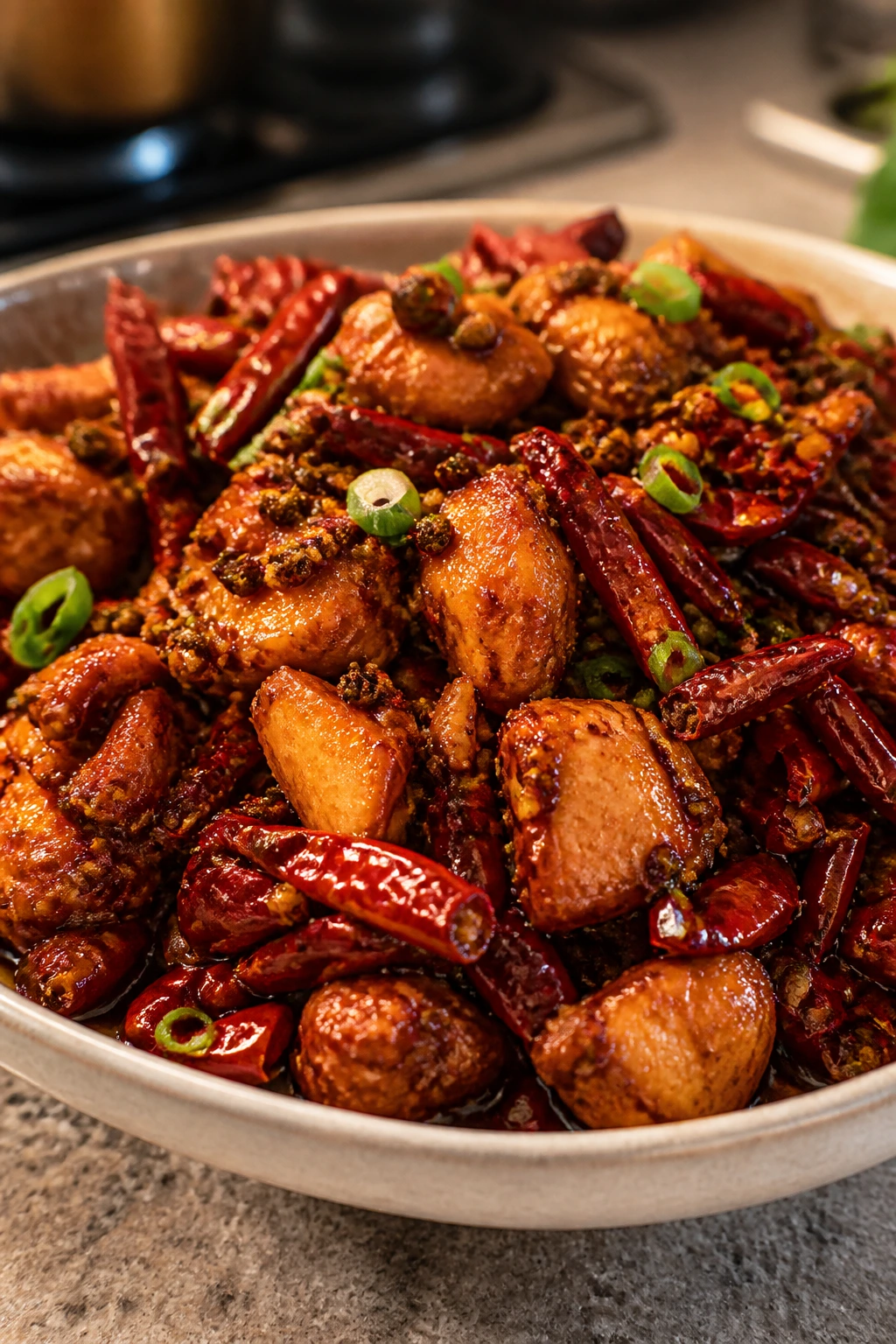
The best Szechuan chicken does two things at once: it heats up, then it tingles. That Sichuan peppercorn numbness is part of the point, and once you taste it against tender chicken, plain spicy chicken starts to feel flat.
Why It Works: Dried chiles and Sichuan peppercorns create layered heat. A fast sear keeps the chicken juicy, while a sauce with soy and black vinegar balances the fire.
Key Ingredients:
- 1 1/2 lbs chicken thighs, diced
- 1 tbsp soy sauce
- 1 tbsp cornstarch
- 8 dried chiles
- 1 tsp Sichuan peppercorns, lightly crushed
- 1 bell pepper, diced
- 2 tbsp soy sauce
- 1 tbsp black vinegar
- 1 tbsp chili bean paste
- 2 garlic cloves, minced
- 1 tsp ginger, minced
Quick Steps:
- Marinate chicken with soy and cornstarch.
- Toast chiles and peppercorns briefly in oil.
- Add chicken and sear quickly.
- Stir in vegetables and sauce, then toss until glossy and fragrant.
Equipment for This Recipe:
- Wok
- Mortar and pestle or spice grinder
- Slotted spoon
How to Serve This Dish: Serve with rice and a plain green vegetable. If you want to cool the heat, add a cucumber salad with rice vinegar and a pinch of sugar.
Pro Tips for This Recipe:
- Crush the peppercorns lightly, not into dust.
- Don’t overdo the vinegar; it should support, not dominate.
- Add the chiles early enough to perfume the oil, but not so long that they burn.
Variations on This Dish:
- Mala-Heavy Version: Add more peppercorns and a spoon of chili oil.
- Milder Version: Cut the peppercorns in half.
- Noodle Version: Toss the finished chicken with plain noodles.
Common Mistakes to Avoid with This Dish:
- Burning the chiles: Bitter heat ruins the sauce.
- Using too much peppercorn: Numbness becomes the only thing you taste.
16. Three Cup Chicken
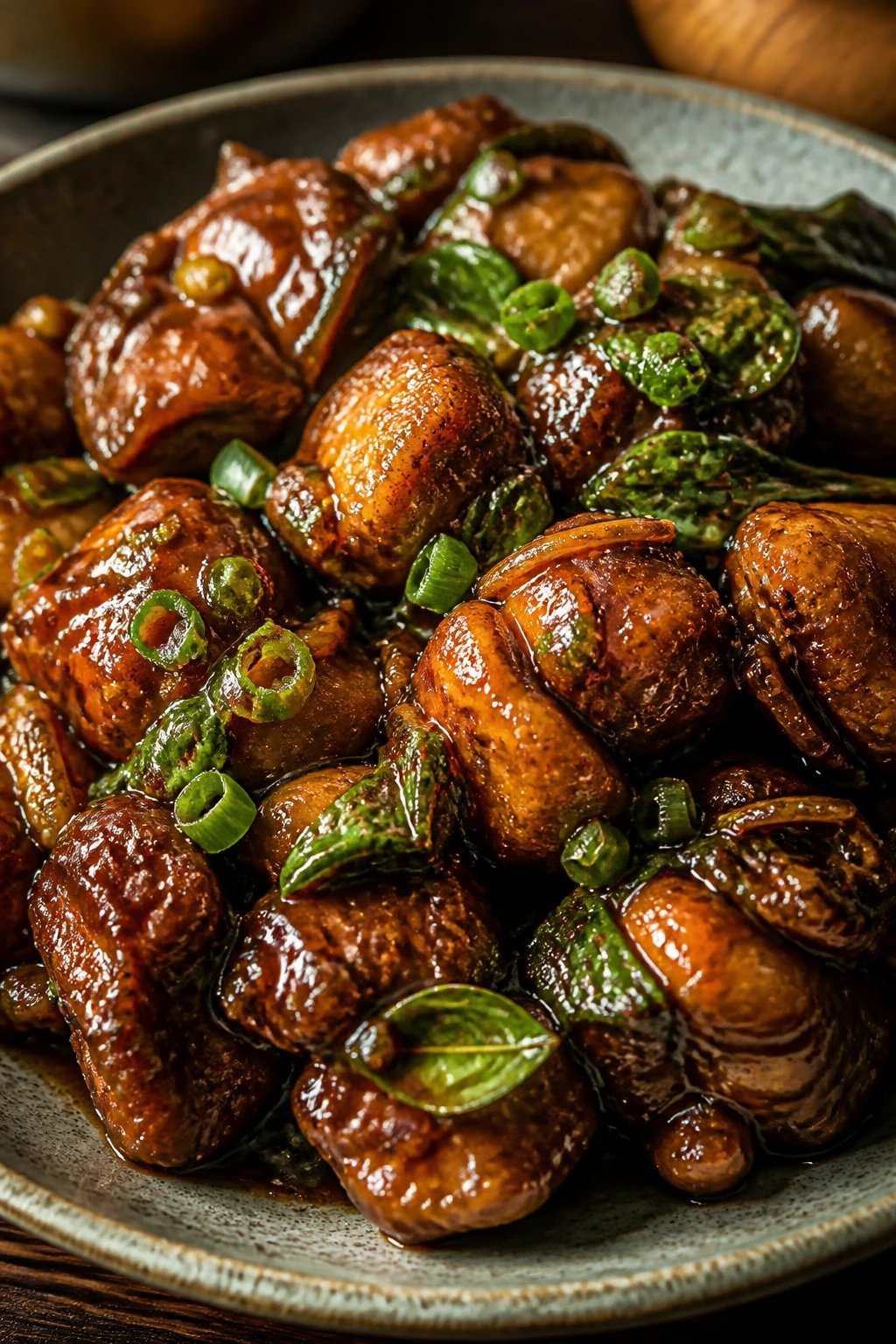
Three Cup Chicken is built on a sauce so simple it almost feels suspicious: soy, sesame oil, and rice wine. Then basil and ginger step in and make the whole skillet smell like a covered market stall in the best possible way.
Why It Works: The sauce reduces on the chicken itself, so the meat stays juicy while the glaze turns dark and sticky. Thai basil is common in some versions, but regular basil works if that’s what you can find.
Key Ingredients:
- 2 lbs chicken thighs, bone-in or boneless
- 1/3 cup soy sauce
- 1/3 cup Shaoxing wine
- 1/4 cup sesame oil
- 1 tbsp sugar
- 1 thumb ginger, sliced
- 6 garlic cloves, smashed
- 1 cup basil leaves
- 2 scallions, cut into lengths
Quick Steps:
- Brown the chicken in sesame oil.
- Add ginger, garlic, soy, wine, and sugar.
- Cover and simmer until the chicken is tender and the sauce thickens.
- Stir in basil and scallions off heat.
Equipment for This Recipe:
- Dutch oven or deep skillet with lid
- Tongs
- Wooden spoon
How to Serve This Dish: Spoon it over hot rice and let the sauce soak in. A side of sautéed greens keeps the plate from feeling too rich.
Pro Tips for This Recipe:
- Don’t skimp on basil at the end.
- Boneless thighs cook faster; bone-in gives the sauce more depth.
- Let the lid stay on for part of the simmer so the sauce concentrates.
Variations on This Dish:
- Spicier Three Cup Chicken: Add dried chiles.
- Mushroom Three Cup Chicken: Add shiitakes with the ginger.
- Less-Salty Version: Use lower-sodium soy and a splash of broth.
Common Mistakes to Avoid with This Dish:
- Adding basil too early: It turns dull and muddy.
- Using too much sesame oil at the start: It can become heavy.
17. Taiwanese Popcorn Chicken
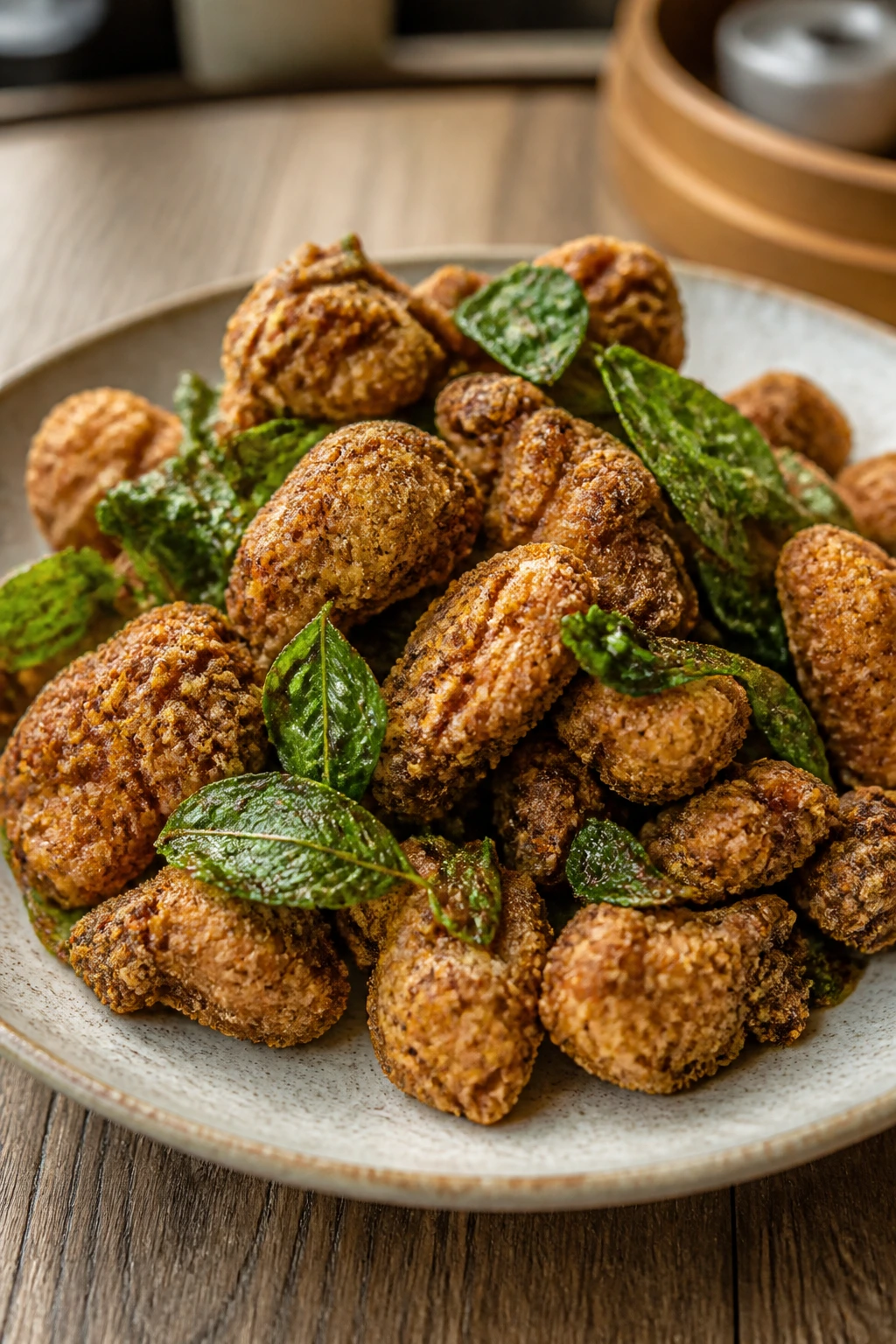
This is the crunchy one. Bite-size chicken, fried until the crust blisters, then tossed with basil and five-spice so every piece tastes seasoned all the way through.
Why It Works: Small pieces fry fast and stay juicy, and a starch coating gets shatteringly crisp. Five-spice gives the chicken a warm backbone that regular salt-and-pepper fry chicken doesn’t have.
Key Ingredients:
- 1 1/2 lbs chicken thighs, bite-size pieces
- 2 tbsp soy sauce
- 1 tbsp Shaoxing wine
- 1 tsp five-spice powder
- 1/2 cup sweet potato starch or cornstarch
- 1/2 cup basil leaves
- 1 cup neutral oil, for frying
- 1/2 tsp salt
- 1/2 tsp white pepper
- 1 dried chili, sliced
Quick Steps:
- Marinate chicken with soy, wine, and five-spice.
- Coat lightly in starch.
- Fry at 350°F / 175°C until crisp and cooked through.
- Fry basil briefly, then toss with chicken, salt, white pepper, and chile.
Equipment for This Recipe:
- Deep skillet or pot
- Spider
- Wire rack
How to Serve This Dish: Serve in a basket or bowl with a squeeze of lime if you like a bright finish. It’s a snack, a beer plate, or dinner with rice and pickles.
Pro Tips for This Recipe:
- Sweet potato starch gives a rougher, crunchier crust.
- Fry the basil in seconds, not minutes.
- Season the chicken before coating so the flavor goes inside.
Variations on This Dish:
- Extra-Fragrant Version: Add more basil and a pinch of Sichuan peppercorn.
- Air-Fryer Version: Spray well and cook in a single layer until crisp.
- Milder Version: Skip the dried chile and use more white pepper.
Common Mistakes to Avoid with This Dish:
- Using large chicken pieces: They cook unevenly.
- Letting fried basil sit too long: It turns limp fast.
18. Soy Sauce Chicken
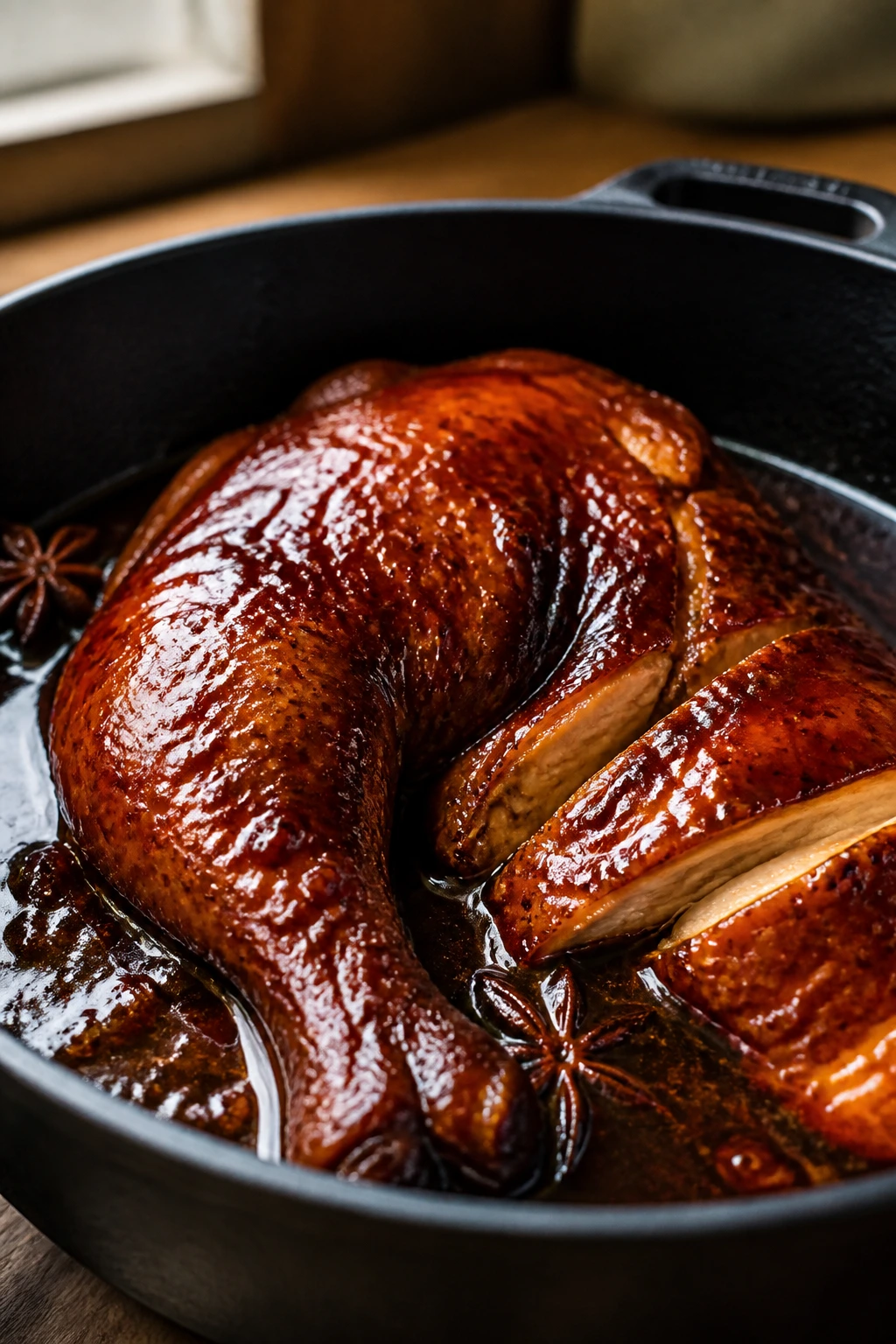
Soy sauce chicken is proof that a braise can be deeply flavorful without a mile-long ingredient list. The skin should come out glossy, the meat gently salted, and the broth dark enough to make you think ahead to rice.
Why It Works: Whole chicken or large pieces absorb the braising liquid slowly, which gives you seasoned meat from skin to bone. Star anise and ginger keep the soy from tasting flat.
Key Ingredients:
- 1 whole chicken, 3 1/2 to 4 lbs
- 1/2 cup soy sauce
- 1/4 cup dark soy sauce
- 1/4 cup Shaoxing wine
- 3 tbsp sugar
- 4 slices ginger
- 3 scallions
- 2 star anise
- 2 cups water
Quick Steps:
- Combine soy sauces, wine, sugar, ginger, scallions, star anise, and water in a pot.
- Bring to a simmer, add the chicken, and cover partially.
- Braise until the meat is cooked through and the skin looks lacquered.
- Rest before slicing so the juices stay put.
Equipment for This Recipe:
- Dutch oven
- Tongs
- Sharp carving knife
How to Serve This Dish: Slice it over rice and spoon some braising liquid on top. A few cucumber slices or blanched greens keep the plate from feeling heavy.
Pro Tips for This Recipe:
- Dark soy gives color; don’t swap it for all light soy.
- Turn the chicken once or twice if it isn’t fully submerged.
- Resting before slicing matters here.
Variations on This Dish:
- Boneless Thigh Version: Reduces cooking time and makes weekday slicing easier.
- Five-Spice Version: Add a pinch of five-spice to the braise.
- Ginger-Heavy Version: Add more ginger for a sharper finish.
Common Mistakes to Avoid with This Dish:
- Boiling instead of simmering: The skin tears and the broth gets cloudy.
- Slicing too soon: The juices run out onto the board.
19. Hainanese Chicken Rice
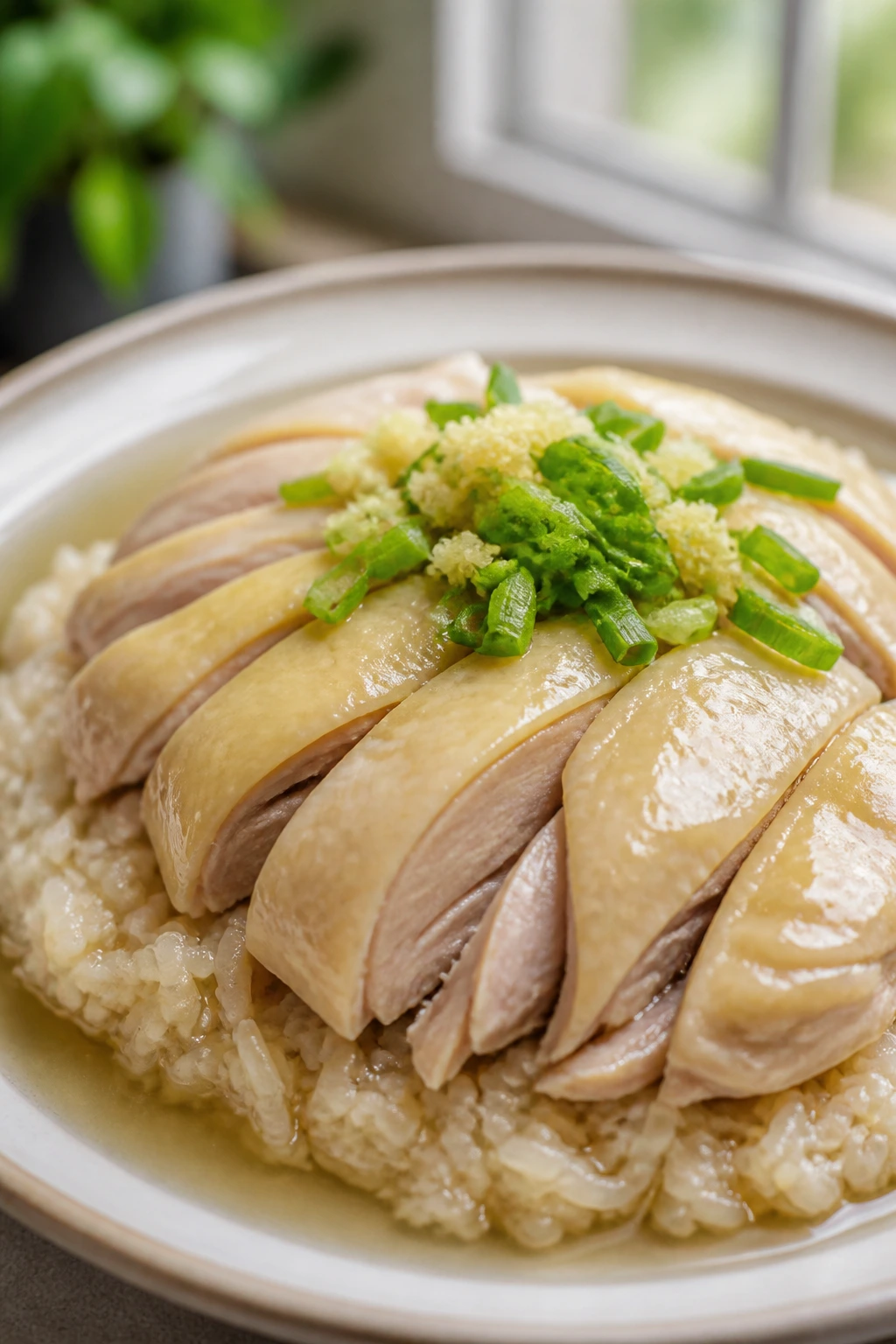
This dish looks spare on the plate and tastes like someone paid attention to every step. The chicken should be silky, the rice fragrant with chicken fat and ginger, and the ginger-scallion sauce sharp enough to wake up the whole bowl.
Why It Works: Poaching keeps the chicken tender, and cooking the rice in seasoned chicken stock gives it more flavor than plain steaming ever could. The sauce is the bright part that ties the whole thing together.
Key Ingredients:
- 1 whole chicken, 3 1/2 to 4 lbs
- 2 cups jasmine rice, rinsed
- 2 tbsp chicken fat or neutral oil
- 4 slices ginger
- 3 cloves garlic, smashed
- 2 scallions
- 1/2 cup chopped scallions for sauce
- 2 tbsp grated ginger for sauce
- 2 tbsp soy sauce
- 2 tbsp hot poaching broth
Quick Steps:
- Poach the chicken gently with ginger and scallions until just cooked.
- Use some of the broth to cook the rinsed rice.
- Mix the scallion-ginger sauce.
- Slice the chicken and serve with rice, broth, and sauce.
Equipment for This Recipe:
- Large stockpot
- Fine mesh sieve
- Rice cooker or saucepan
How to Serve This Dish: The classic plate is chicken, rice, and a small bowl of broth. Add cucumber slices if you want a cool crunch; don’t crowd the plate.
Pro Tips for This Recipe:
- Keep the poaching liquid below a boil.
- Rinse the rice until the water runs mostly clear.
- Chill the chicken briefly if you want cleaner slicing.
Variations on This Dish:
- Ginger-Lime Version: Add lime juice to the sauce.
- Thigh-Only Version: Easier for weeknight cooking.
- Extra-Fragrant Rice: Cook the rice with more ginger and garlic.
Common Mistakes to Avoid with This Dish:
- Overboiling the chicken: It tightens and turns stringy.
- Skipping the sauce: The dish loses its edge without it.
20. Drunken Chicken
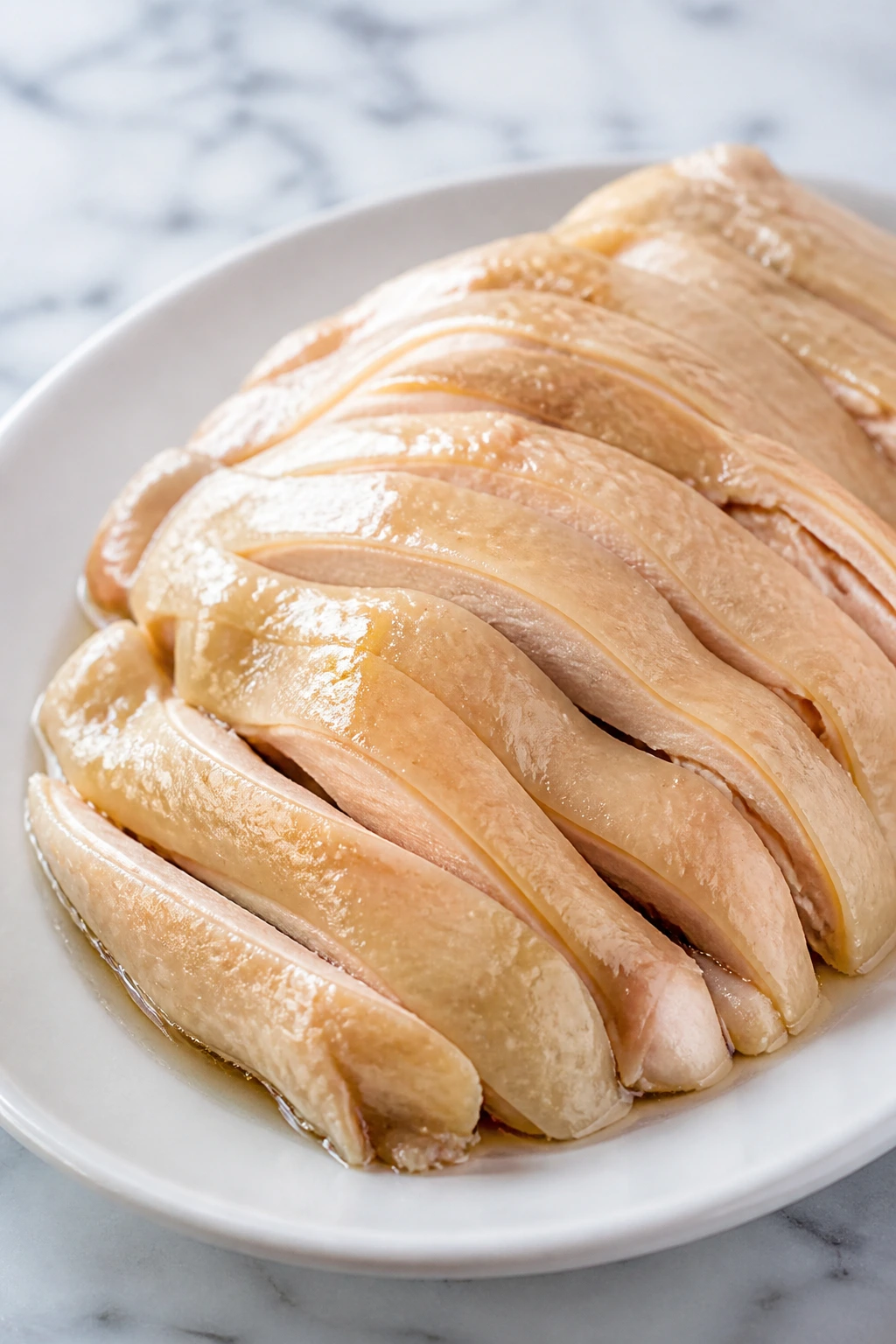
Drunken chicken is chilled, scented, and quietly bold. The wine doesn’t make it boozy in the loud sense; it makes the meat taste clean, fragrant, and almost floral.
Why It Works: Poached chicken soaks up a Shaoxing wine marinade while it rests, and the chilled texture helps the flavor spread evenly. This is one of the few chicken dishes that’s better after a little time in the fridge.
Key Ingredients:
- 2 lbs chicken thighs or a small whole chicken
- 1/2 cup Shaoxing wine
- 1/4 cup soy sauce
- 2 slices ginger
- 2 scallions
- 1 tsp sugar
- 1 tsp sesame oil
- 1 star anise
Quick Steps:
- Poach the chicken gently with ginger, scallions, and star anise.
- Cool the chicken in the broth for 15 minutes.
- Mix Shaoxing wine, soy, sugar, and sesame oil.
- Chill the chicken in the marinade for at least 2 hours before serving.
Equipment for This Recipe:
- Pot with lid
- Shallow dish for chilling
- Slicing knife
How to Serve This Dish: Slice it cold or at cool room temperature with a few spoonfuls of the marinade. It works as a starter, a cold plate, or the protein in a light rice bowl.
Pro Tips for This Recipe:
- Don’t rush the chilling time; the flavor deepens as it rests.
- Use a covered container so the aroma stays in.
- Slice against the grain for a cleaner bite.
Variations on This Dish:
- Cantonese-Style Version: Add more scallion and ginger.
- Lighter Version: Reduce the soy and add more broth.
- Herbier Version: Add cilantro stems to the poaching liquid.
Common Mistakes to Avoid with This Dish:
- Marinating while the chicken is still hot: It dulls the wine aroma.
- Using too much soy: The dish loses its delicacy.
21. Cantonese Steamed Chicken with Ginger-Scallion Sauce
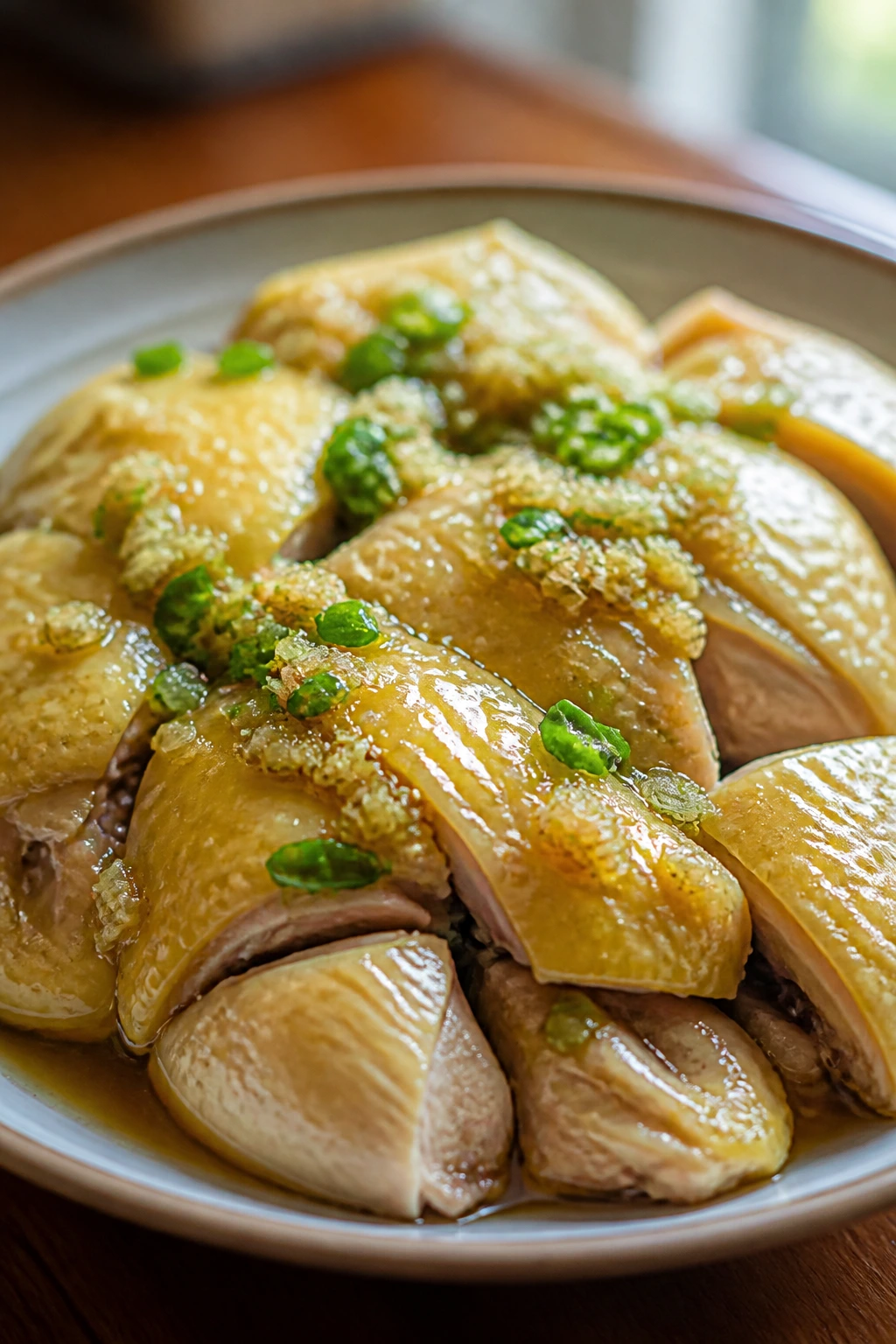
Steam is underrated. It gives you chicken that tastes clean and almost sweet, and the ginger-scallion sauce brings the sharpness back in a way that never feels heavy.
Why It Works: Steaming keeps the meat juicy, especially if you use bone-in pieces. The sauce, poured on after cooking, adds heat and freshness instead of weighing the chicken down.
Key Ingredients:
- 2 lbs chicken thighs, bone-in or boneless
- 1 tbsp soy sauce
- 1 tbsp Shaoxing wine
- 1 tsp sesame oil
- 1 tsp cornstarch
- 3 scallions, minced
- 2 tbsp ginger, minced
- 3 tbsp neutral oil
- 1 tsp salt
- 1/2 tsp white pepper
Quick Steps:
- Marinate chicken with soy, wine, sesame oil, cornstarch, salt, and pepper for 15 minutes.
- Steam over simmering water until cooked through, about 20 to 25 minutes.
- Heat oil until hot, then pour over the scallions and ginger.
- Spoon the ginger-scallion oil over the chicken.
Equipment for This Recipe:
- Steamer basket or rack
- Heatproof plate
- Small saucepan
How to Serve This Dish: Serve with rice and a side of steamed greens. The sauce should drip into the rice, and that’s the best part.
Pro Tips for This Recipe:
- Keep the steam at a steady simmer, not a rolling boil.
- Chop the ginger and scallions finely so they soften in the hot oil.
- Bone-in thighs stay juicier than breast meat.
Variations on This Dish:
- Black Bean Version: Add a teaspoon of fermented black beans to the sauce.
- Spicier Version: Stir minced chile into the hot oil.
- Whole Chicken Version: Increase steaming time and check near the thigh bone.
Common Mistakes to Avoid with This Dish:
- Lifting the lid too often: You lose steam and extend the cooking.
- Using cold oil on the aromatics: The sauce won’t bloom.
22. White Cut Chicken with Scallion-Ginger Dip
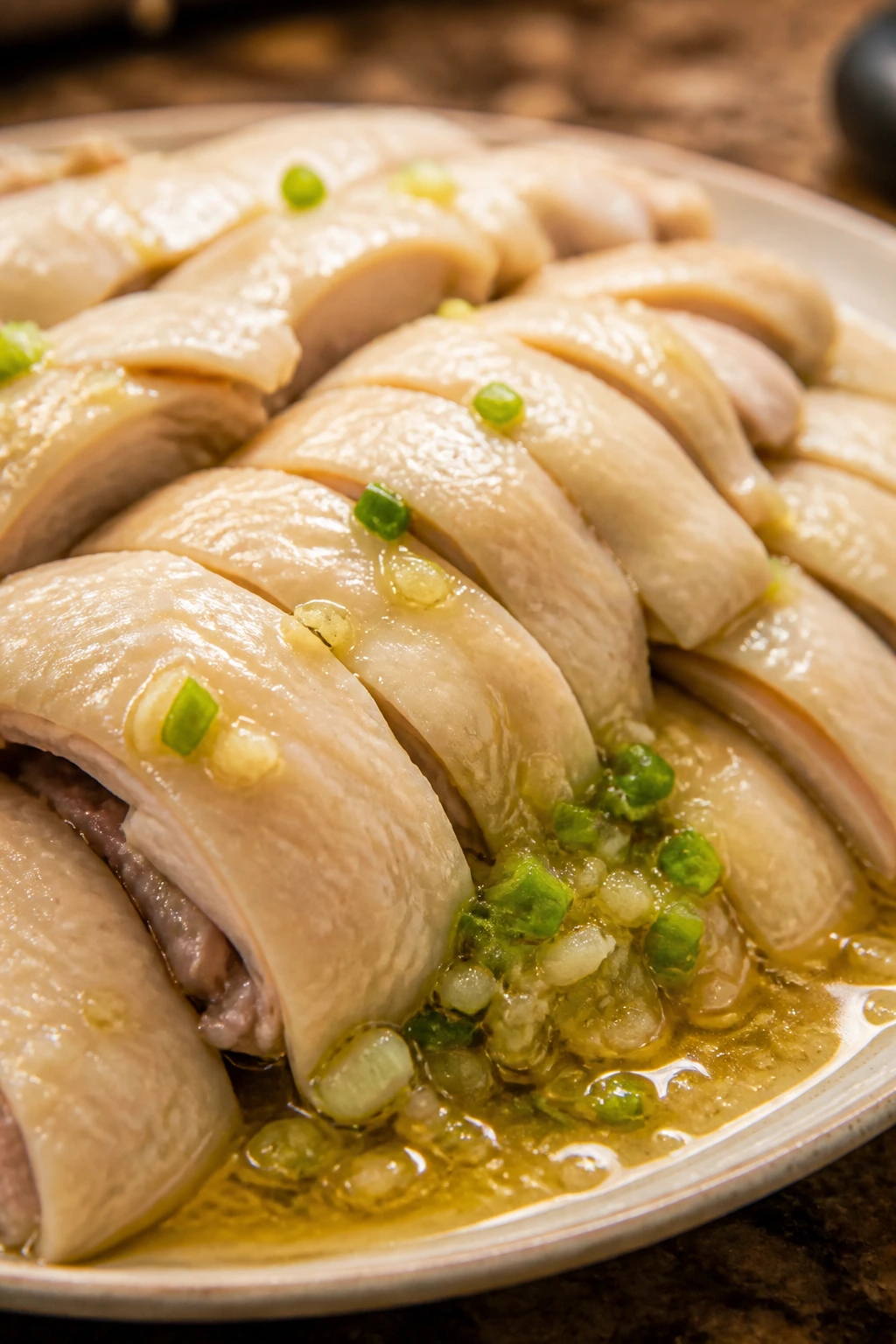
White cut chicken is the stripped-down version of poached chicken, and that’s the beauty of it. No glaze. No heavy sauce. Just clean meat and a sharp dip that makes each bite wake up.
Why It Works: Gentle poaching keeps the chicken soft, while the dipping sauce brings salt, ginger, scallion, and a little heat. It’s a dish where texture matters more than drama.
Key Ingredients:
- 1 whole chicken, 3 1/2 to 4 lbs
- 4 slices ginger
- 3 scallions
- 2 tbsp salt
- 1 cup chopped scallions
- 2 tbsp minced ginger
- 1/4 cup neutral oil
- 1 tbsp soy sauce
- 1 tsp sesame oil
- 1 pinch white pepper
Quick Steps:
- Poach the chicken with ginger, scallions, and salt until just cooked.
- Chill briefly, then carve into neat pieces.
- Mix scallions, ginger, hot oil, soy, sesame oil, and white pepper.
- Serve chicken with the dip on the side.
Equipment for This Recipe:
- Stockpot
- Slotted spoon
- Sharp cleaver or knife
How to Serve This Dish: Plate it with cucumber, rice, and the ginger dip in a small bowl. It’s one of those dishes that looks plain until the first bite, then it gets all the attention.
Pro Tips for This Recipe:
- Don’t boil hard; the skin splits and toughens.
- Let the chicken cool enough to slice cleanly.
- Hot oil over the aromatics is what makes the dip sing.
Variations on This Dish:
- Soy Dip Version: Add light soy to the dipping bowl.
- Chili Dip Version: Add sliced fresh chile.
- Poached Thigh Version: Easier if you don’t want to carve a whole bird.
Common Mistakes to Avoid with This Dish:
- Skipping the cooling step: The slices shred.
- Making the dip ahead too far: The scallions lose their sharpness.
23. Chicken and Green Beans Stir-Fry
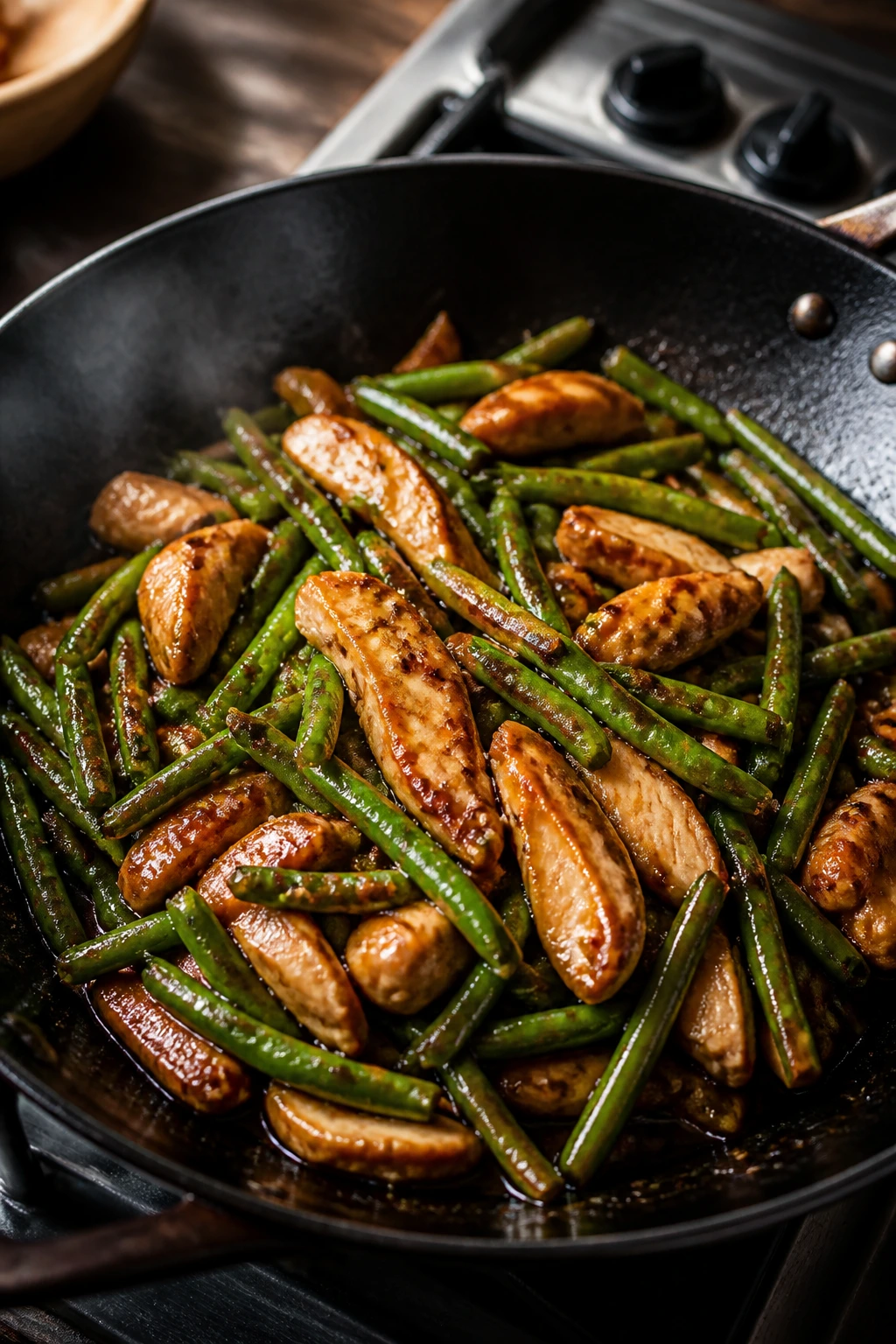
Green beans need real heat or they taste dull. Once they blister, they go sweet and snappy, and the chicken has enough seasoning to turn the whole pan into a proper dinner.
Why It Works: Blistered beans bring texture, while a quick soy-garlic sauce keeps the dish from feeling flat. Chicken thighs hold up better than breasts when the beans need a minute to color.
Key Ingredients:
- 1 1/2 lbs chicken thighs, sliced
- 8 oz green beans, trimmed
- 2 tbsp soy sauce
- 1 tbsp oyster sauce
- 2 cloves garlic, minced
- 1 tsp ginger, minced
- 1 tsp sugar
- 1 tsp cornstarch
- 2 tbsp oil
Quick Steps:
- Blanch or dry-fry the beans until blistered, then remove.
- Stir-fry chicken until mostly cooked.
- Add garlic and ginger.
- Return beans with soy, oyster sauce, sugar, and cornstarch slurry; toss until glossy.
Equipment for This Recipe:
- Wok
- Tongs
- Slotted spoon
How to Serve This Dish: Serve it with rice and maybe a small bowl of soup if you want a fuller meal. The beans carry enough green to keep the plate from feeling heavy.
Pro Tips for This Recipe:
- Don’t overboil the beans; they should stay bright.
- Use high heat so the beans blister instead of steam.
- Add the slurry gradually.
Variations on This Dish:
- Garlic-Forward Version: Add another clove or two.
- Spicy Version: Add dried chile or chili oil.
- Mushroom Version: Add sliced shiitakes.
Common Mistakes to Avoid with This Dish:
- Soft beans: They turn swampy when overcooked.
- Thick, gluey sauce: Start with less cornstarch than you think.
24. Chicken Egg Foo Young
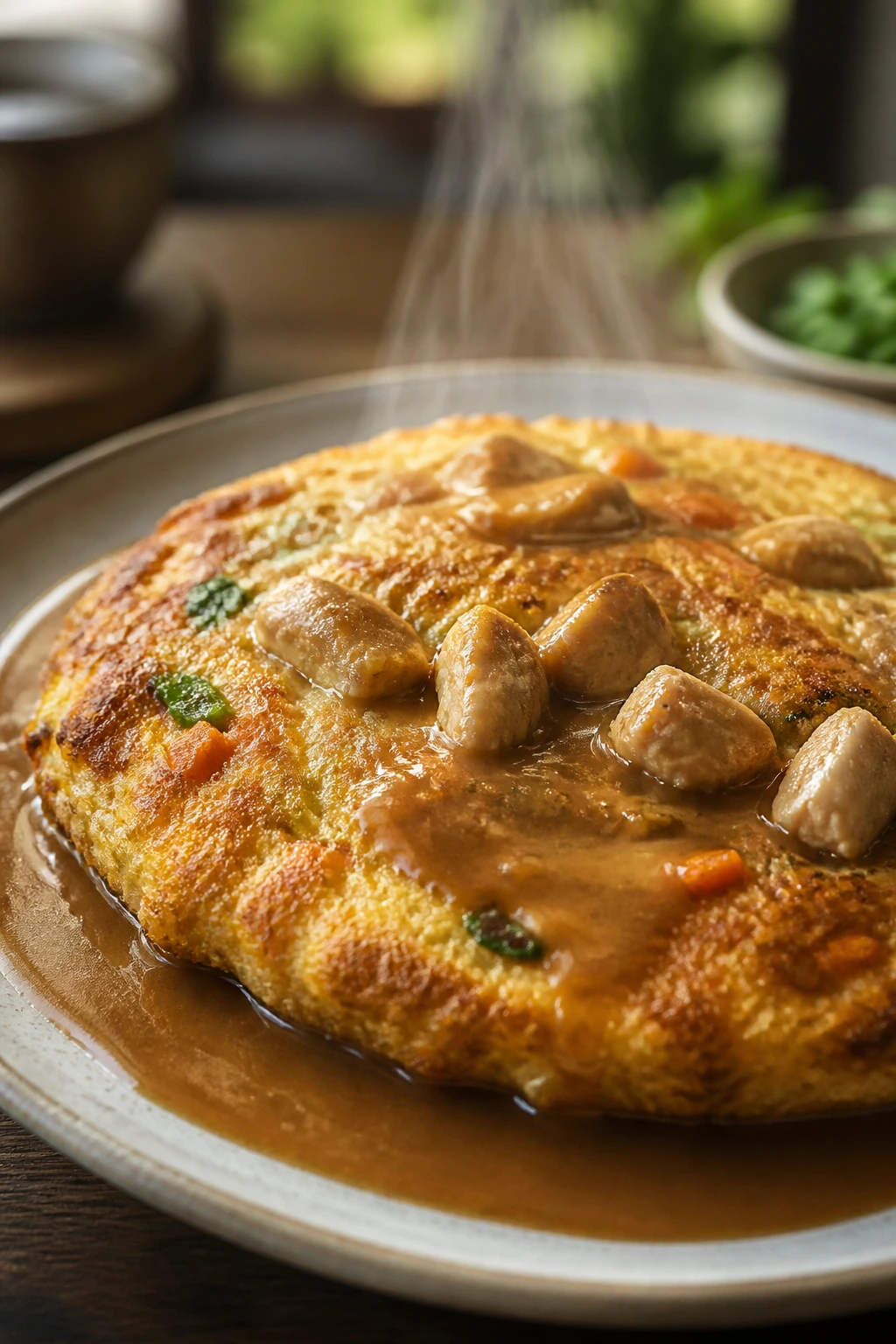
Egg Foo Young is a pan-fried omelet with a little Chinese-American diner swagger. When the patties puff in the skillet and the gravy hits the hot egg, the whole thing feels satisfying in a way that doesn’t need a lot of explaining.
Why It Works: Beaten eggs hold chopped chicken and vegetables together, and the gravy brings the savory part home. It’s fast, flexible, and much better when the patties are cooked until the edges go deeply golden.
Key Ingredients:
- 6 eggs
- 1 cup cooked chicken, chopped
- 1/2 cup bean sprouts
- 1/4 cup mushrooms, chopped
- 2 scallions, sliced
- 1 tbsp soy sauce
- 1 tsp sesame oil
- 1 tbsp flour or cornstarch
- 1 cup chicken broth
- 1 tbsp oyster sauce
Quick Steps:
- Mix eggs, chicken, sprouts, mushrooms, scallions, soy, sesame oil, and flour.
- Pan-fry into 3 or 4 thick patties until golden on both sides.
- Simmer broth and oyster sauce with a little cornstarch for gravy.
- Spoon the gravy over the patties.
Equipment for This Recipe:
- Nonstick skillet
- Whisk
- Small saucepan
How to Serve This Dish: Egg Foo Young likes rice on the side and nothing too fussy. I’ll sometimes add a pile of sautéed cabbage because the gravy likes something mild to soak into.
Pro Tips for This Recipe:
- Don’t make the patties too thin or they fall apart.
- Let the first side get deep color before flipping.
- Use cooked chicken, not raw.
Variations on This Dish:
- Shrimp and Chicken Version: Add chopped shrimp with the chicken.
- Vegetable-Only Version: Skip the chicken and add more sprouts and mushrooms.
- Spicy Gravy Version: Add white pepper and a dash of chili oil.
Common Mistakes to Avoid with This Dish:
- Watery filling: Dry the vegetables a bit first.
- Too much gravy reduction: It should still pour easily.
25. Chicken Lettuce Wraps
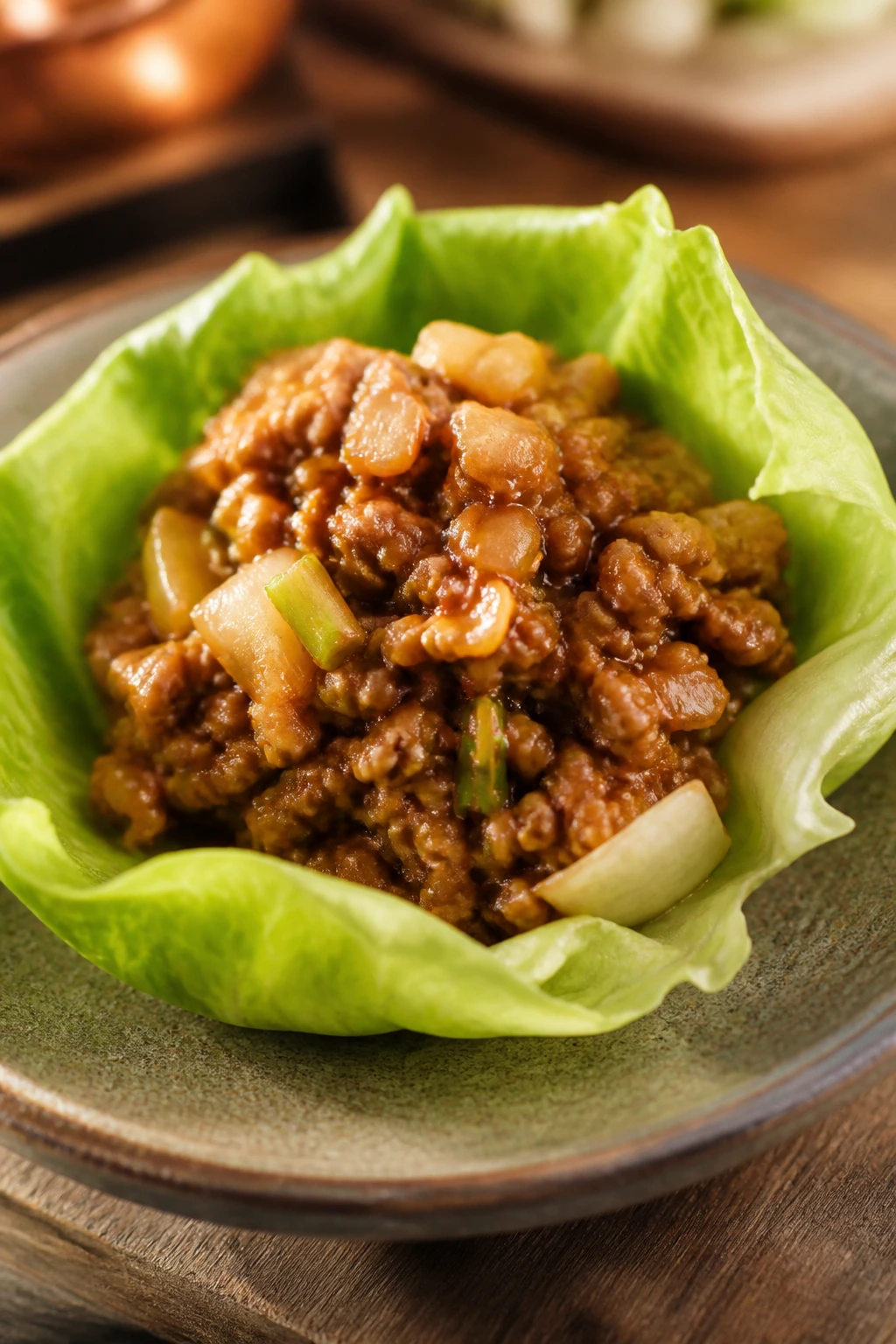
This is the dish you make when you want something crisp, fast, and a little messy in the good way. The chicken filling should be savory, scented with ginger and garlic, and just wet enough to spoon into cool lettuce cups.
Why It Works: Ground chicken soaks up the sauce fast, and water chestnuts bring the crunch people usually miss when they order this out. Lettuce cups keep the dish light without making it feel like diet food.
Key Ingredients:
- 1 lb ground chicken
- 1 tbsp oil
- 2 cloves garlic, minced
- 1 tsp ginger, minced
- 1/4 cup hoisin sauce
- 2 tbsp soy sauce
- 1/2 cup water chestnuts, chopped
- 2 scallions, sliced
- 1 head butter lettuce or iceberg, leaves separated
Quick Steps:
- Brown the chicken in oil until no longer pink.
- Stir in garlic and ginger.
- Add hoisin and soy, then fold in water chestnuts and scallions.
- Spoon into lettuce leaves and serve right away.
Equipment for This Recipe:
- Large skillet
- Wooden spoon
- Serving platter
How to Serve This Dish: Set out the filling and lettuce separately so the leaves stay cold and crisp. A few cucumber sticks or rice on the side turn it into dinner without extra effort.
Pro Tips for This Recipe:
- Chop the water chestnuts small enough to fit in one bite.
- Use cooler lettuce leaves so they don’t wilt.
- A squeeze of lime can sharpen the filling.
Variations on This Dish:
- Mushroom-Heavy Version: Add finely chopped mushrooms to stretch the filling.
- Spicy Version: Stir in chili paste or sriracha.
- Pork-and-Chicken Version: Mix ground pork with the chicken for a richer bite.
Common Mistakes to Avoid with This Dish:
- Overfilling the lettuce: The leaves tear.
- Dry chicken: Don’t cook off all the sauce.
26. Scallion Oil Chicken
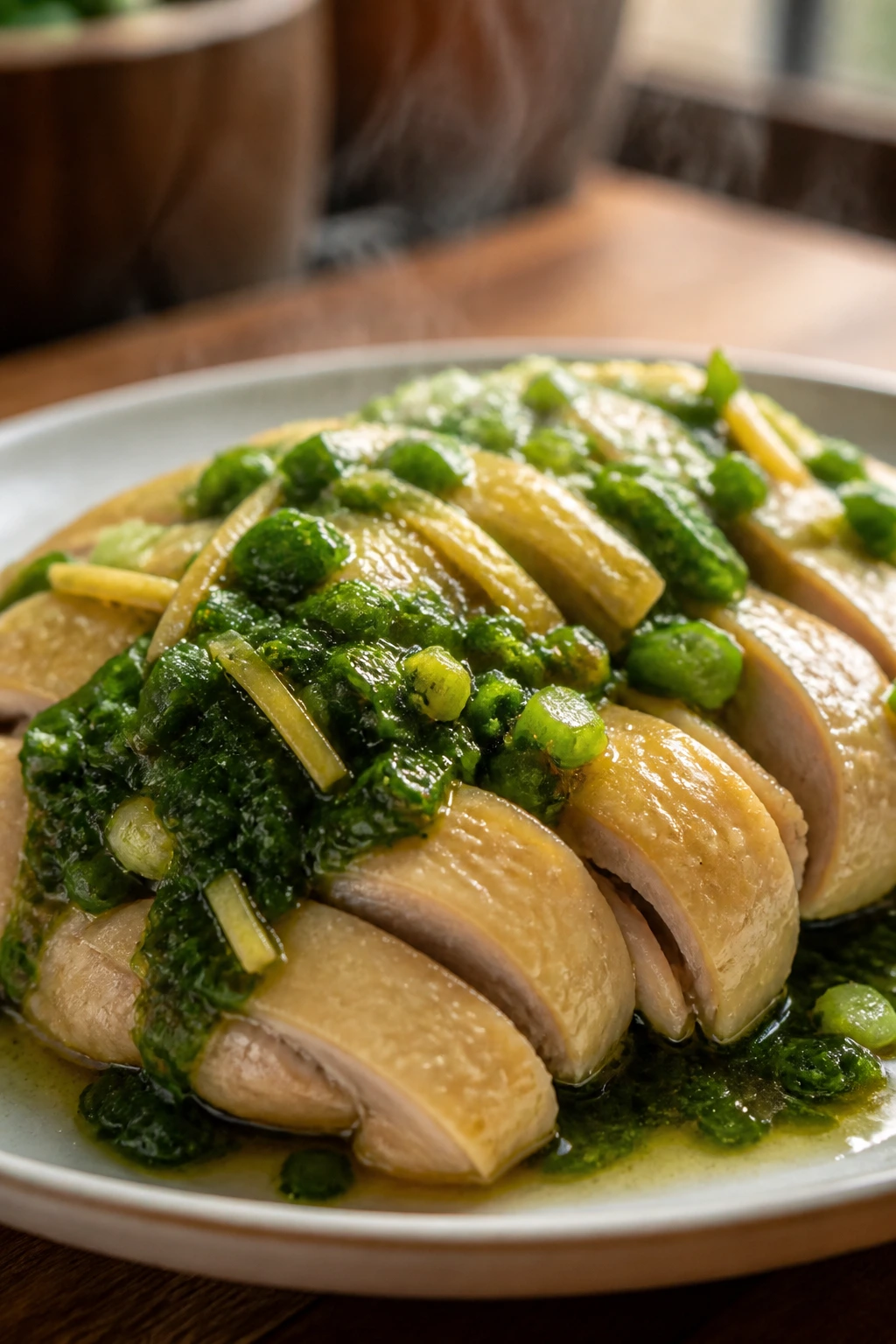
Scallion oil is one of those sauces that smells like you did more work than you did. When the hot oil hits the scallions, they soften, sweeten, and turn the whole plate glossy.
Why It Works: Chicken can be poached, steamed, or quickly cooked, but the flavor punch comes from the scallion oil poured on top at the end. It’s sharp, fragrant, and clean.
Key Ingredients:
- 2 lbs chicken thighs
- 3 scallions, cut into 2-inch lengths
- 2 tbsp ginger, sliced
- 1/4 cup neutral oil
- 2 tbsp soy sauce
- 1 tsp sesame oil
- 1 tsp salt
- 1/2 tsp white pepper
Quick Steps:
- Cook the chicken gently until done, then rest.
- Heat oil until shimmering and pour it over scallions and ginger.
- Add soy sauce, sesame oil, salt, and white pepper.
- Spoon the sauce over sliced chicken.
Equipment for This Recipe:
- Small saucepan
- Heatproof bowl
- Knife
How to Serve This Dish: Rice is enough, but this also works with noodles because the scallion oil spreads so well. It’s one of the best dishes in the whole list for a clean, bright plate.
Pro Tips for This Recipe:
- Hot oil should sizzle the aromatics right away.
- Slice the chicken only after it rests.
- Keep the sauce simple; the scallion is the point.
Variations on This Dish:
- Garlic Scallion Version: Add minced garlic to the bowl.
- Chili Scallion Version: Add sliced fresh chile.
- Rice-Bowl Version: Serve over rice with cucumber and cucumber pickle.
Common Mistakes to Avoid with This Dish:
- Using lukewarm oil: The scallions won’t soften properly.
- Over-salting: The soy already brings plenty.
27. Clay Pot Chicken with Mushrooms
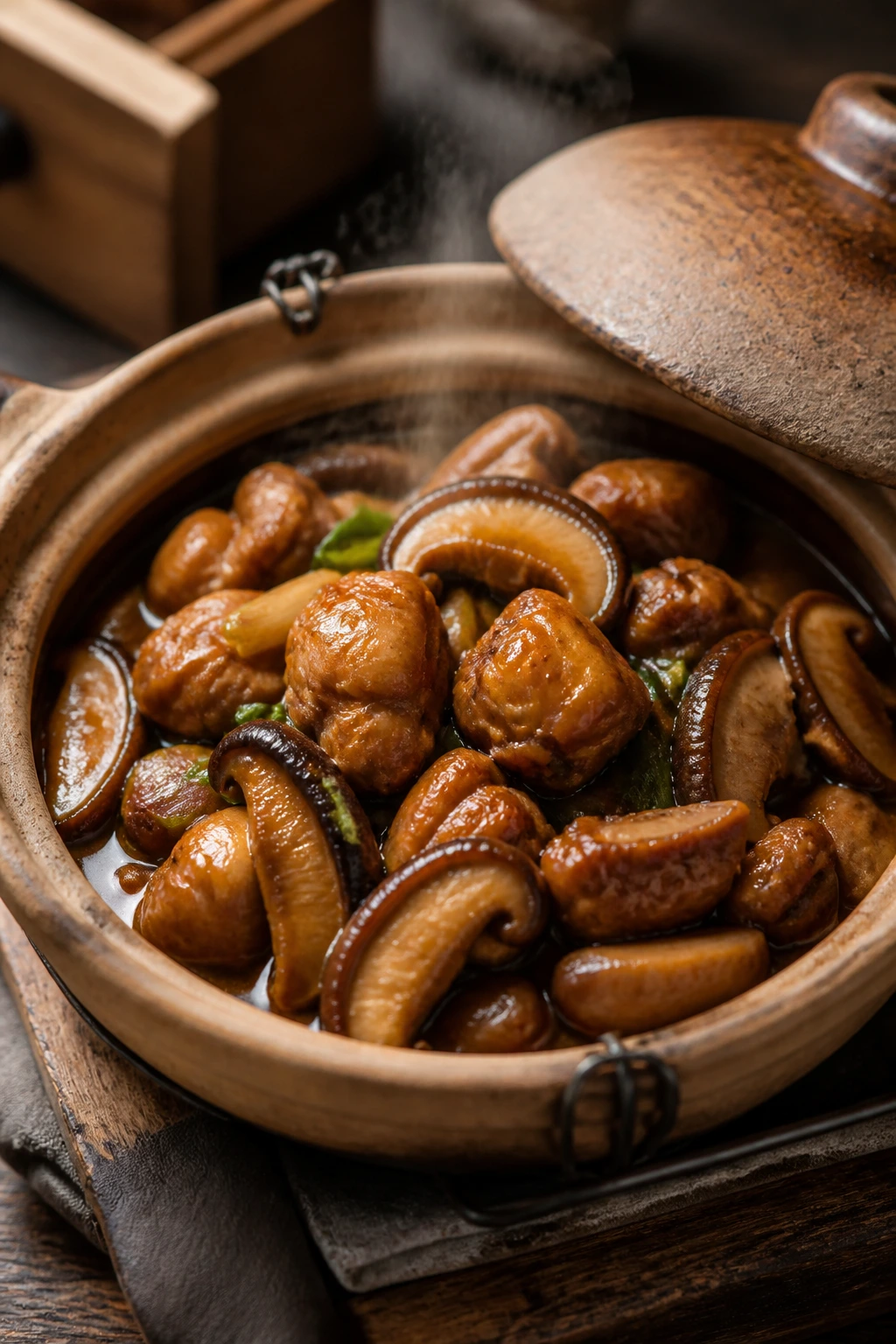
A clay pot gives the dish a little earthiness and keeps the sauce close to the rice. Even in a Dutch oven, this style feels warmer and more grounded than a quick stir-fry.
Why It Works: Mushrooms soak up the braising sauce, and the chicken’s juices mix with oyster sauce and soy as the pan simmers. The result is a sauce that tastes like it spent more time on the stove than it actually did.
Key Ingredients:
- 1 1/2 lbs chicken thighs
- 1 cup shiitake mushrooms, sliced
- 1 tbsp soy sauce
- 2 tbsp oyster sauce
- 1 tbsp Shaoxing wine
- 2 cloves garlic, sliced
- 1 tsp ginger, sliced
- 1 cup chicken broth
- 2 scallions
- 1 tsp sesame oil
Quick Steps:
- Brown the chicken lightly.
- Add mushrooms, garlic, and ginger.
- Stir in broth, soy, oyster sauce, and wine, then simmer covered.
- Finish with scallions and sesame oil.
Equipment for This Recipe:
- Clay pot or Dutch oven
- Lid
- Rice spoon
How to Serve This Dish: Put it over rice and let the sauce sink in. Mushrooms and chicken pieces should both end up in each spoonful.
Pro Tips for This Recipe:
- Soak dried shiitakes if using them; save the soaking liquid.
- Let the sauce reduce just enough to coat.
- Cut the chicken into even chunks so it cooks evenly.
Variations on This Dish:
- Lap Cheong Version: Add sliced Chinese sausage.
- Ginger-Mushroom Version: Add extra ginger for a sharper finish.
- Cabbage Version: Add wedges of napa cabbage near the end.
Common Mistakes to Avoid with This Dish:
- Too much liquid: The dish should be saucy, not soupy.
- Skipping the browning step: You lose depth.
28. Chicken with Snow Peas
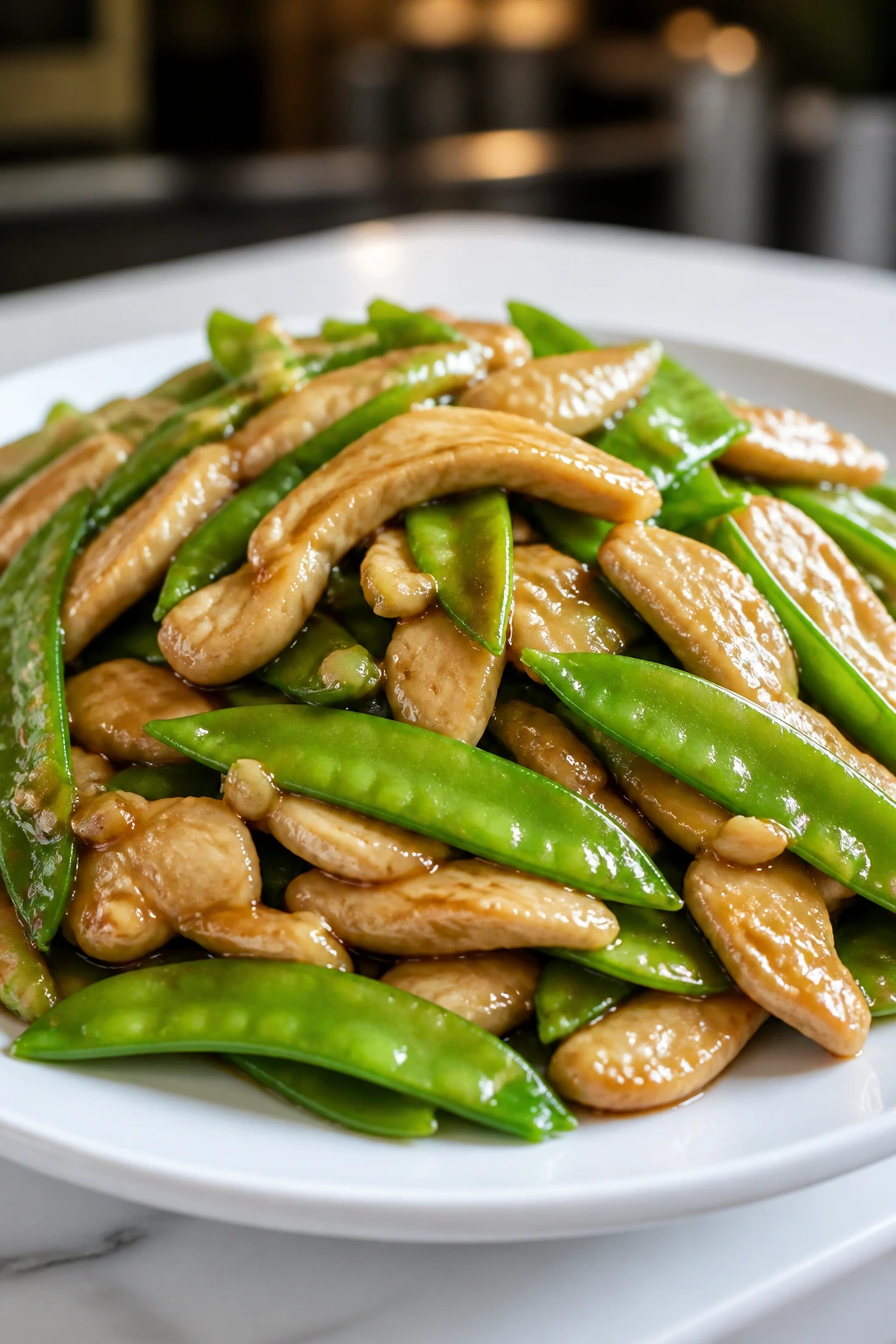
Snow peas cook fast, and that’s the whole reason to keep them in the pan for the shortest possible time. You want green, crisp pods, not limp strings.
Why It Works: The sweetness of snow peas pairs cleanly with a light oyster-soy sauce. Thin chicken slices cook at the same speed, so the whole stir-fry stays bright.
Key Ingredients:
- 1 1/2 lbs chicken breast or thighs, sliced thin
- 8 oz snow peas, trimmed
- 2 tbsp soy sauce
- 2 tbsp oyster sauce
- 2 cloves garlic, minced
- 1 tsp ginger, minced
- 1 tsp cornstarch
- 2 tbsp oil
- 1 tsp sesame oil
Quick Steps:
- Marinate chicken with soy and cornstarch.
- Stir-fry chicken until just cooked.
- Add garlic, ginger, and snow peas.
- Toss with oyster sauce and sesame oil for 30 seconds.
Equipment for This Recipe:
- Wok
- Tongs
- Small bowl
How to Serve This Dish: Serve with rice or plain noodles. The dish is clean enough that a second vegetable side isn’t necessary, which is a relief on a busy night.
Pro Tips for This Recipe:
- Keep the snow peas moving so they stay bright.
- Slice the chicken thin across the grain.
- Don’t add too much sauce; the peas should still taste fresh.
Variations on This Dish:
- Mushroom Snow Pea Version: Add sliced mushrooms.
- Garlic-Heavy Version: Increase garlic to 4 cloves.
- Cashew Version: Add roasted cashews for crunch.
Common Mistakes to Avoid with This Dish:
- Overcooking the peas: They lose their snap fast.
- Uneven chicken slices: Some pieces dry out before others cook.
29. Chicken with Chinese Eggplant
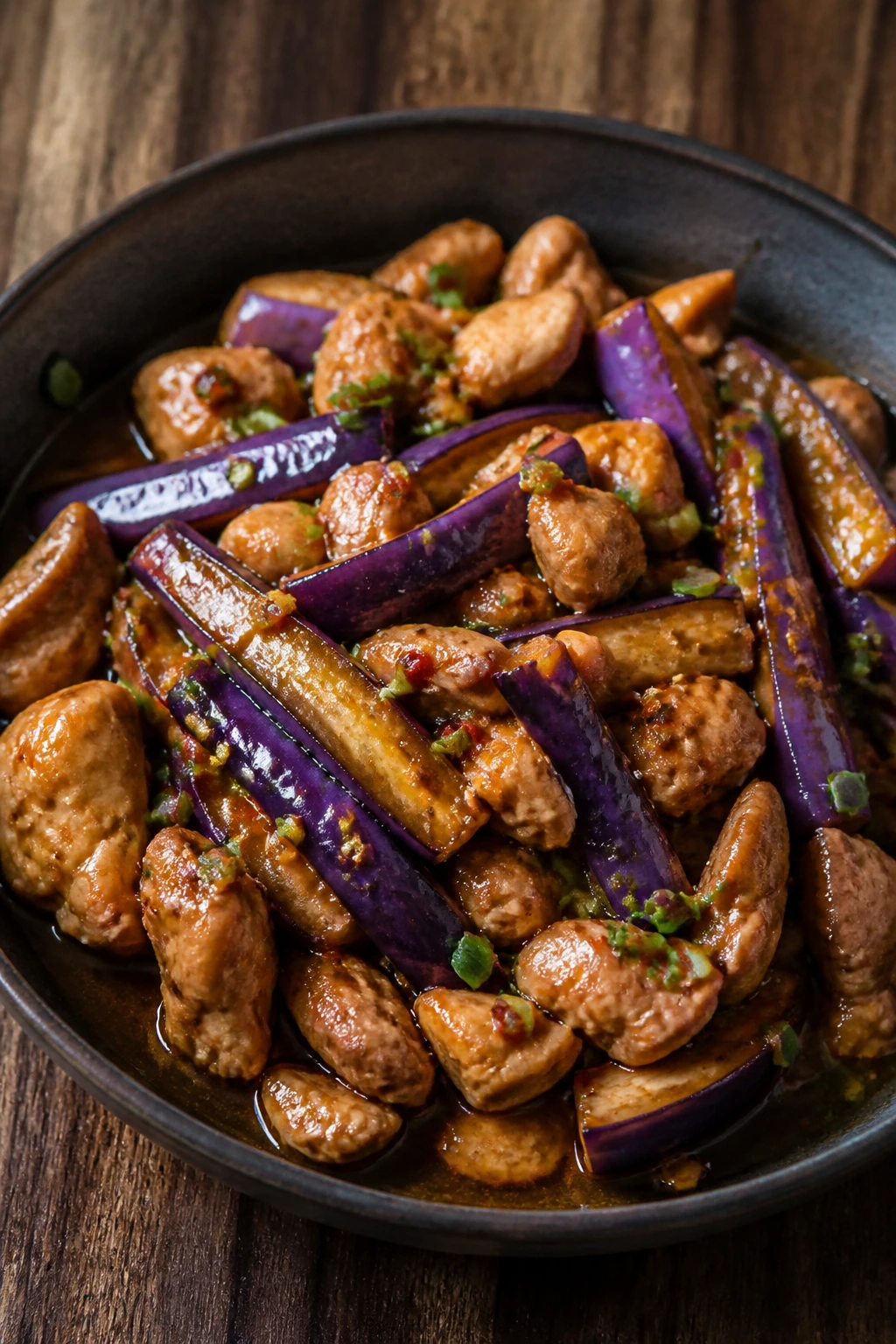
Chinese eggplant drinks up sauce in a way that regular eggplant doesn’t. Once it softens, it turns almost creamy, which is exactly why it’s so good with garlicky chicken and a little chile heat.
Why It Works: Eggplant absorbs flavor and stretches the chicken into a fuller skillet. A little vinegar keeps the dish from tasting too soft or oily.
Key Ingredients:
- 1 1/2 lbs chicken thighs, sliced
- 2 Chinese eggplants, cut into batons
- 2 tbsp soy sauce
- 1 tbsp chili bean paste
- 2 cloves garlic, minced
- 1 tsp ginger, minced
- 1 tbsp rice vinegar
- 1/2 cup chicken broth
- 1 tsp cornstarch
- 2 tbsp oil
Quick Steps:
- Salt the eggplant lightly while you prep the chicken.
- Stir-fry the chicken until browned.
- Add eggplant, garlic, and ginger.
- Stir in sauce and broth; simmer until the eggplant is soft and glossy.
Equipment for This Recipe:
- Wok or deep skillet
- Lid
- Cutting board
How to Serve This Dish: Serve with rice so the sauce has somewhere to go. A cold cucumber side works well because eggplant can read rich.
Pro Tips for This Recipe:
- Chinese eggplant cooks faster than globe eggplant.
- Keep the heat medium-high so the pieces soften without turning mushy.
- A little vinegar wakes up the whole pan.
Variations on This Dish:
- Miso-Style Version: Add a spoon of miso for deeper saltiness.
- Spicier Version: Increase chili bean paste.
- Pork-Style Version: Swap half the chicken for ground pork.
Common Mistakes to Avoid with This Dish:
- Using too much oil: Eggplant can soak it up fast.
- Undercooking the eggplant: It should be silky, not squeaky.
30. Mala Chicken
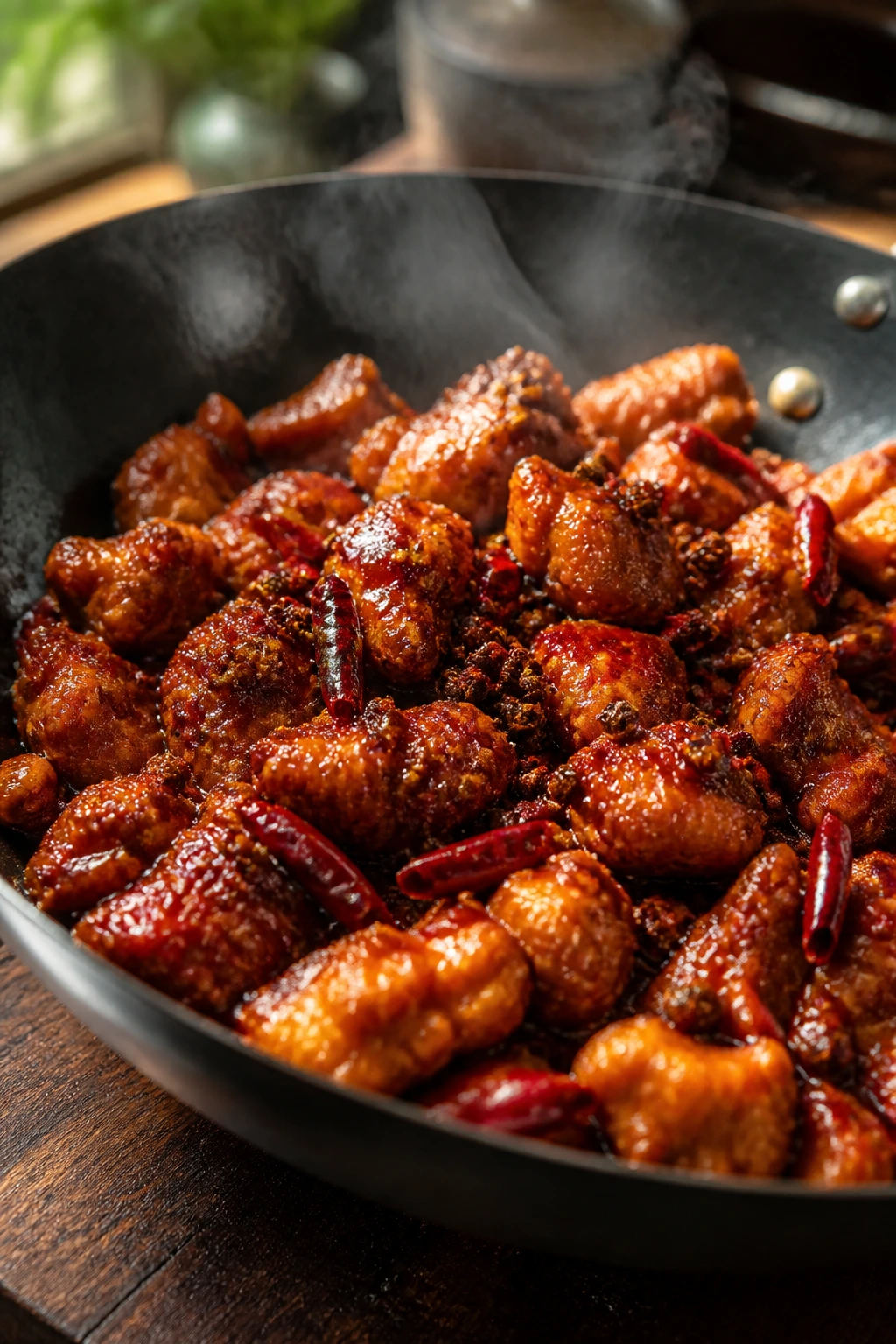
Mala chicken is not shy. It brings dried chiles and Sichuan peppercorns together, then coats the chicken in a savory haze that makes plain spicy food look timid.
Why It Works: The peppercorn gives you the mouth-tingling note, while the chicken gets crisp edges from a quick fry or deep sear. The dish stays lively because the seasoning is direct and not buried under sugar.
Key Ingredients:
- 1 1/2 lbs chicken thighs, bite-size pieces
- 1 tbsp soy sauce
- 1 tbsp Shaoxing wine
- 1 tsp cornstarch
- 10 dried chiles
- 1 tsp Sichuan peppercorns
- 2 cloves garlic, sliced
- 1 tsp ginger, sliced
- 1 tbsp chili bean paste
- 2 tbsp oil
Quick Steps:
- Marinate the chicken briefly.
- Toast chiles and peppercorns in oil until fragrant.
- Add chicken and sear until browned.
- Stir in garlic, ginger, and chili bean paste, then toss until coated.
Equipment for This Recipe:
- Wok
- Spider or slotted spoon
- Small bowl
How to Serve This Dish: Serve it with plain rice and a milder side. Too many extras blur the point, and the point is the heat.
Pro Tips for This Recipe:
- Don’t burn the peppercorns.
- Keep the chicken pieces small and even.
- Eat it hot; the aroma fades as it sits.
Variations on This Dish:
- Extra-Mala Version: Add more peppercorn and a little chili oil.
- Less-Hot Version: Use fewer chiles and more garlic.
- Crispier Version: Dust the chicken lightly in starch before frying.
Common Mistakes to Avoid with This Dish:
- Burning the spices: Bitter heat ruins the dish.
- Too much sauce: Mala chicken should be dry-ish and fragrant.
31. Dry-Fried Chili Chicken
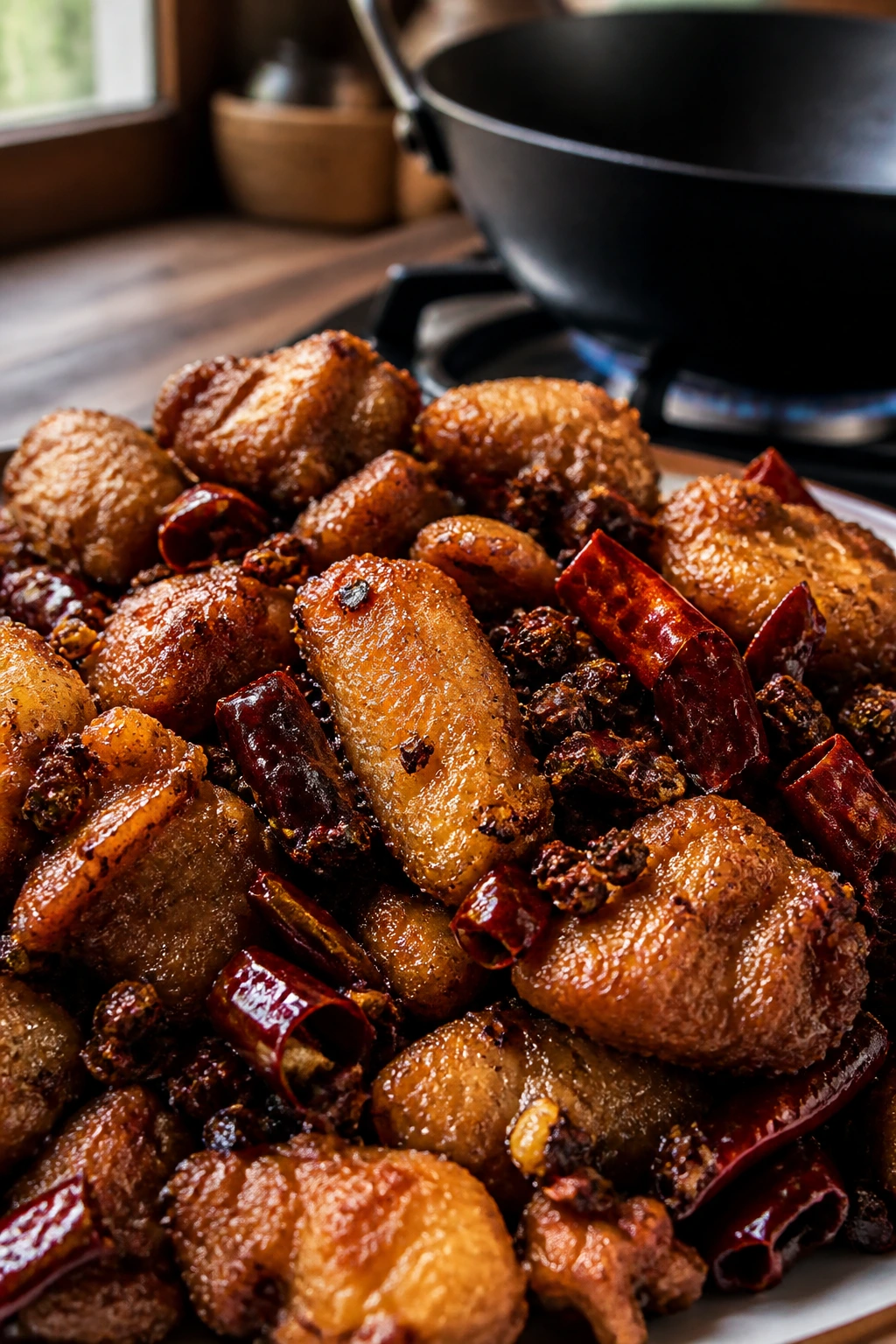
This is the drier, more aggressive cousin of kung pao. The chicken should be crisp on the edges and almost scattered among the chiles, not sitting in a puddle of sauce.
Why It Works: Dry-frying concentrates flavor and gives the chicken more surface browning. The chilies perfume the oil, and the dish stays more snack-like than saucy.
Key Ingredients:
- 1 1/2 lbs chicken thighs, cut small
- 1 tbsp soy sauce
- 1 tbsp Shaoxing wine
- 1 tbsp cornstarch
- 12 dried chiles
- 1 tsp Sichuan peppercorns
- 3 garlic cloves, sliced
- 2 scallions, sliced
- 2 tbsp oil
Quick Steps:
- Marinate chicken with soy, wine, and cornstarch.
- Fry or sear the chicken until the edges crisp.
- Add chiles, peppercorns, garlic, and scallions.
- Toss just until fragrant and serve without heavy sauce.
Equipment for This Recipe:
- Wok
- Tongs
- Slotted spoon
How to Serve This Dish: Serve with rice or noodles, plus a vegetable with water content like cucumber or sautéed greens. The chicken itself should stay bold and a little dry.
Pro Tips for This Recipe:
- Use plenty of chilies but don’t let them burn.
- Keep the chicken in small pieces so it crisps fast.
- This dish likes a quick toss, not a long simmer.
Variations on This Dish:
- Numbing Version: Add more peppercorn.
- Garlic Version: Double the garlic.
- Peanut Version: Add peanuts near the end for crunch.
Common Mistakes to Avoid with This Dish:
- Adding broth: It stops being dry-fried.
- Too much cornstarch: The coating can go gummy.
32. Salt and Pepper Chicken
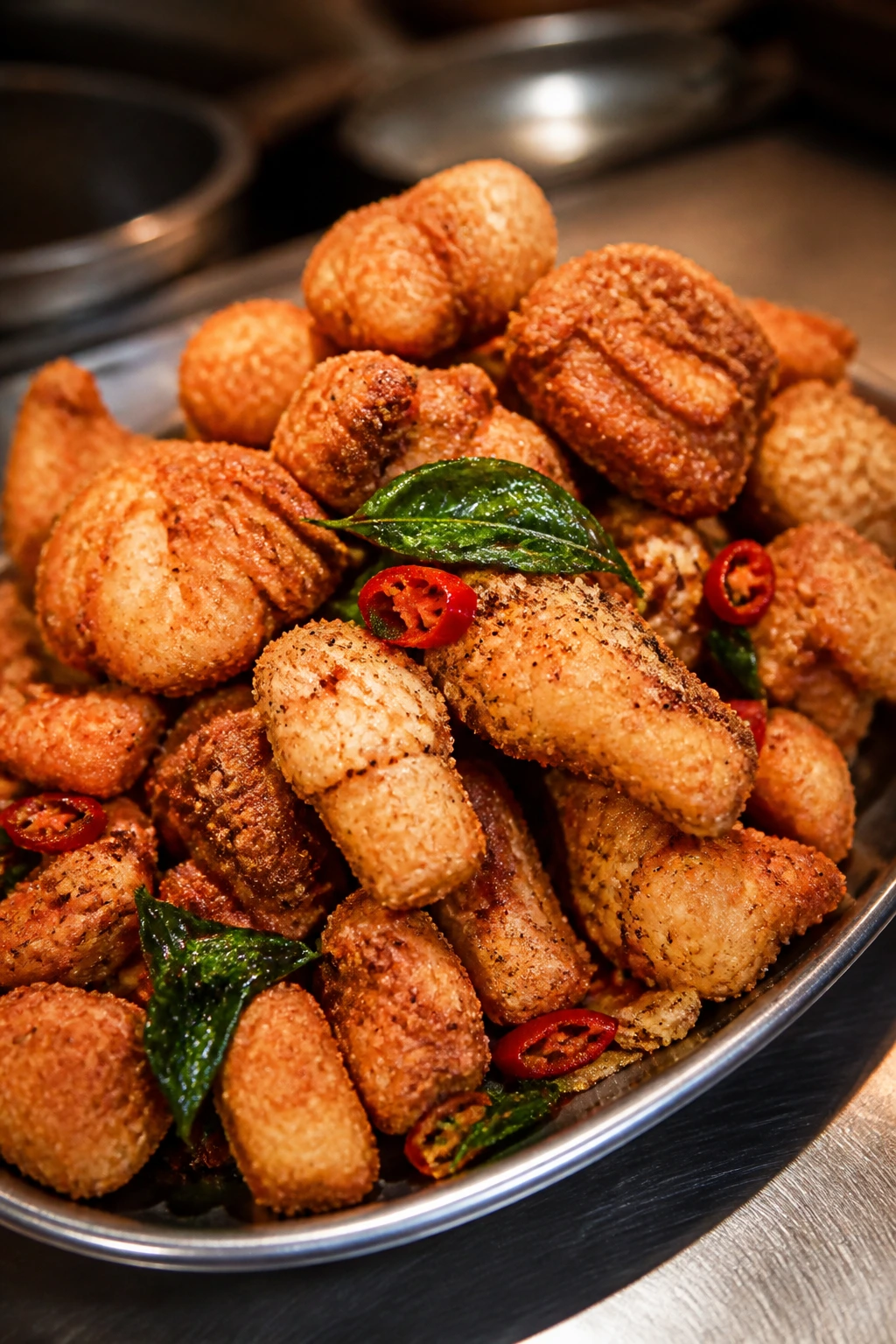
Salt and pepper chicken is the snack-table dish I’d trust to disappear first. The spice is clean, the crust is crisp, and the fried basil or chilies make the whole thing smell like a street stall.
Why It Works: A light starch coating fries hard and fast, while salt, pepper, and five-spice make the seasoning stick. Bite-size pieces mean every piece gets the same crunch.
Key Ingredients:
- 1 1/2 lbs chicken thighs, bite-size pieces
- 1 egg
- 1/2 cup cornstarch
- 1 tsp salt
- 1 tsp white pepper
- 1/2 tsp five-spice powder
- 1 red chile, sliced
- 1/2 cup basil leaves
- Oil for frying
Quick Steps:
- Coat chicken in egg and cornstarch.
- Fry until crisp and golden.
- Toss with salt, white pepper, five-spice, chile, and fried basil.
- Serve hot and plain.
Equipment for This Recipe:
- Deep skillet
- Spider
- Mixing bowl
How to Serve This Dish: It works as an appetizer, but I’ll happily eat it as dinner with rice and maybe a cold beer or jasmine tea. Keep the rest of the meal simple.
Pro Tips for This Recipe:
- White pepper gives a cleaner heat than black pepper.
- Fry the basil for just a few seconds.
- Salt the chicken after frying so the crust stays crisp.
Variations on This Dish:
- Taiwanese-Style Version: Add more basil and garlic.
- Spicy Version: Use more fresh chile.
- Air-Fryer Version: Spray well and cook in one layer.
Common Mistakes to Avoid with This Dish:
- Salting before frying: Moisture weakens the crust.
- Over-frying basil: It turns bitter quickly.
33. Hot and Sour Chicken Soup
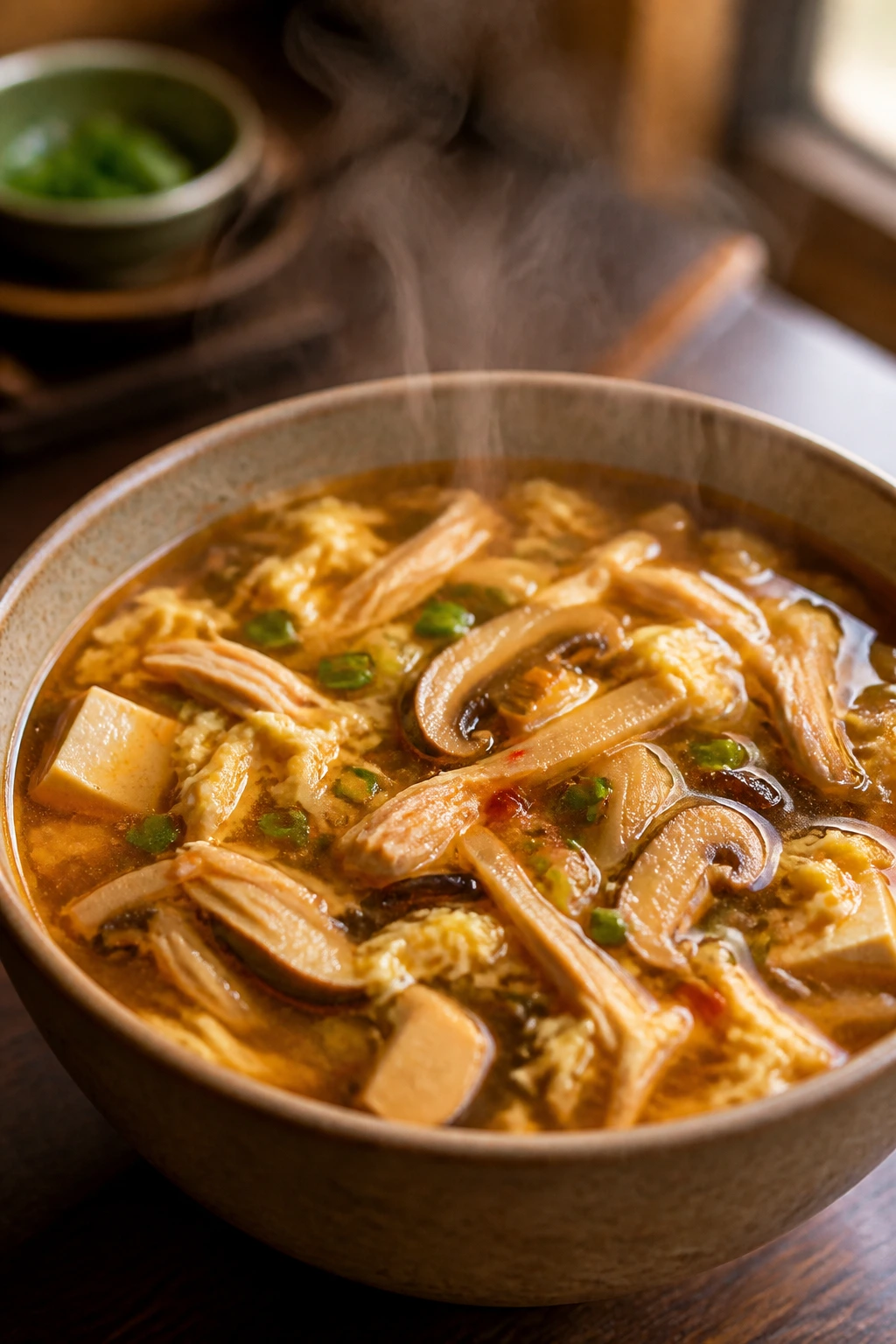
Hot and sour soup should wake up your face without blowing the room apart. Chicken gives it body, but the vinegar, white pepper, and mushrooms are what make the broth worth finishing.
Why It Works: The broth balances vinegar heat with savory stock, and shredded chicken makes the soup filling without turning it into stew. Egg ribbons and tofu give it the texture people keep chasing.
Key Ingredients:
- 1 lb cooked chicken, shredded
- 6 cups chicken broth
- 1 cup mushrooms, sliced
- 1/2 cup tofu, julienned
- 1/4 cup bamboo shoots
- 2 tbsp soy sauce
- 2 tbsp rice vinegar
- 1 tbsp white pepper
- 2 tbsp cornstarch
- 2 eggs, beaten
Quick Steps:
- Simmer broth with mushrooms, tofu, bamboo shoots, soy, vinegar, and white pepper.
- Stir in chicken.
- Add cornstarch slurry until lightly thick.
- Drizzle in eggs to form ribbons.
Equipment for This Recipe:
- Stockpot
- Whisk
- Ladle
How to Serve This Dish: Serve steaming hot in deep bowls. A plate of dumplings or a simple rice bowl works well next to it, but the soup can stand alone.
Pro Tips for This Recipe:
- Add vinegar at the end if you want the sharpest finish.
- Stir slowly when adding eggs so the ribbons set.
- White pepper should taste obvious, not timid.
Variations on This Dish:
- More Sour Version: Add extra vinegar just before serving.
- Spicier Version: Add chili oil.
- Vegetable Version: Add carrots and napa cabbage.
Common Mistakes to Avoid with This Dish:
- Over-thickening: The soup should stay slurpable.
- Boiling after the eggs go in: The ribbons break apart.
34. Chicken and Corn Soup
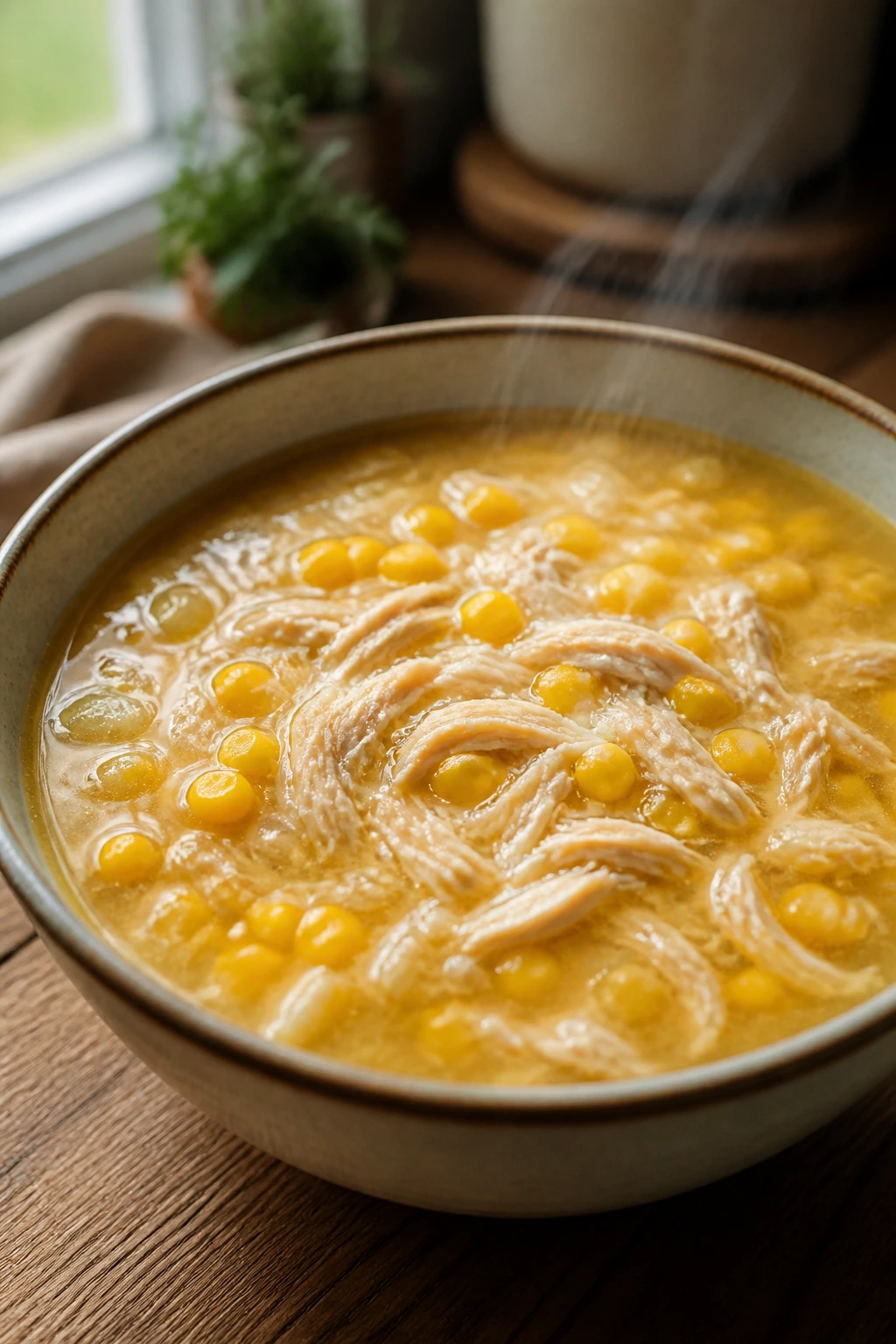
Corn makes this soup soft and sweet, but the chicken keeps it from becoming dessert-adjacent. The best version has a silky broth and little pops of whole corn kernel.
Why It Works: Cornstarch gives the broth a gentle body, while egg ribbons or shredded chicken add texture. The soup feels homey without being heavy.
Key Ingredients:
- 1 lb cooked chicken, shredded
- 4 cups chicken broth
- 1 1/2 cups corn kernels
- 1/2 cup creamed corn
- 2 eggs, beaten
- 2 tbsp cornstarch
- 2 scallions, sliced
- 1 tsp salt
- 1/2 tsp white pepper
Quick Steps:
- Simmer broth with corn kernels and creamed corn.
- Add chicken and season with salt and white pepper.
- Stir in cornstarch slurry.
- Drizzle in eggs and finish with scallions.
Equipment for This Recipe:
- Soup pot
- Whisk
- Ladle
How to Serve This Dish: Serve in small bowls as a starter or in larger bowls with steamed rice. It’s especially good when you want dinner to feel gentle.
Pro Tips for This Recipe:
- Use both whole corn and creamed corn for texture.
- Don’t add too much cornstarch; the soup should still flow.
- Finish with white pepper for a warmer note than black pepper gives.
Variations on This Dish:
- Chicken-and-Mushroom Version: Add chopped mushrooms.
- Sweet-Corn Version: Use fresh corn cut from the cob.
- Silky Version: Strain part of the soup and blend some corn before returning it.
Common Mistakes to Avoid with This Dish:
- Making it too thick: Then it eats like pudding.
- Overcooking the chicken: Shredded cooked chicken only needs warming through.
35. Velvet Chicken and Asparagus
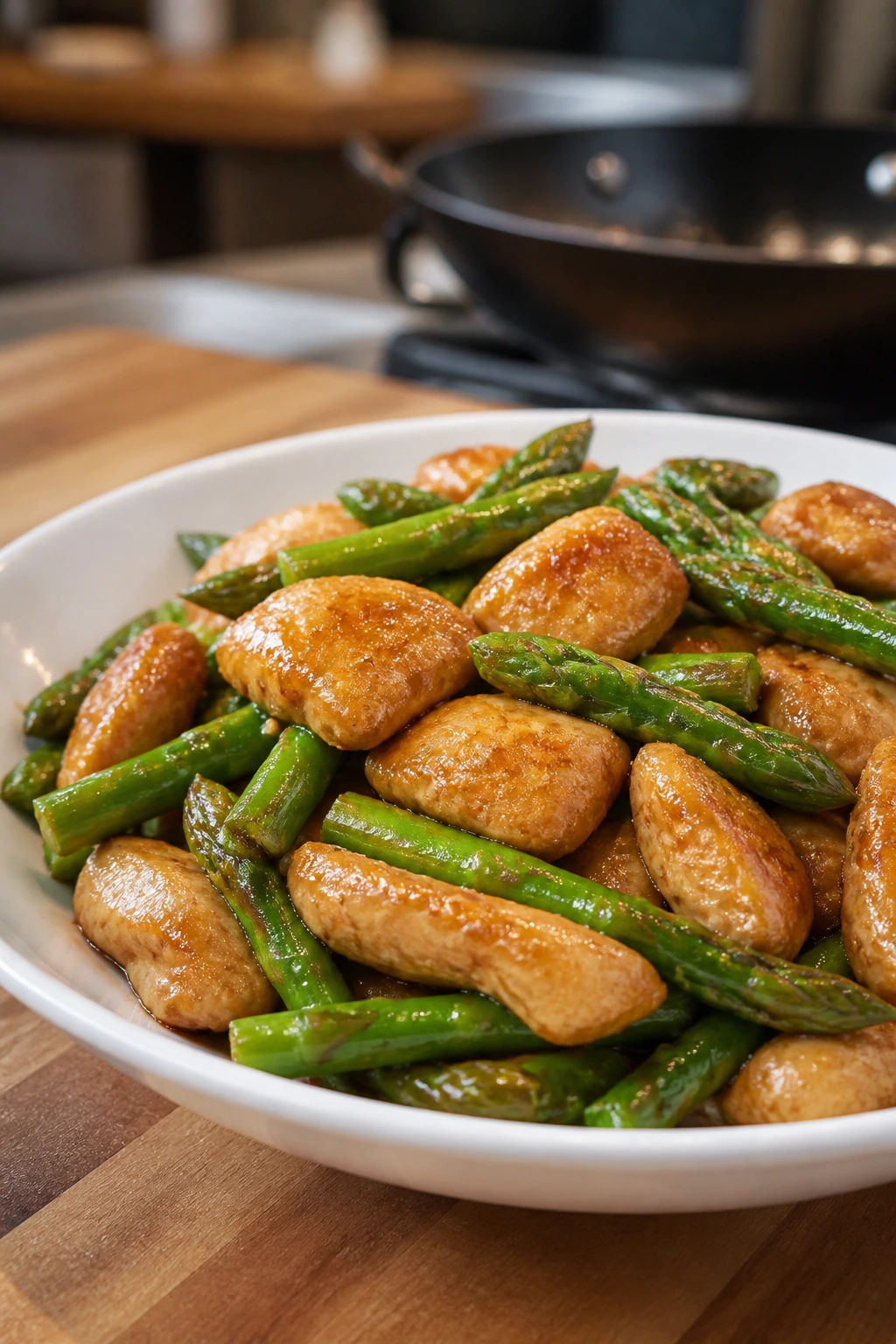
Asparagus gives you a clean green bite, and velveting keeps the chicken soft enough to match it. This is the kind of stir-fry that looks simple and still tastes expensive.
Why It Works: Velveting with egg white and cornstarch protects the chicken under high heat. Asparagus cooks quickly, so both ingredients finish together without one going mushy.
Key Ingredients:
- 1 1/2 lbs chicken breast, sliced thin
- 1 egg white
- 1 tbsp cornstarch
- 1 bunch asparagus, cut into 2-inch pieces
- 2 tbsp oyster sauce
- 1 tbsp soy sauce
- 2 cloves garlic, minced
- 1 tsp ginger, minced
- 1 tsp sesame oil
Quick Steps:
- Marinate chicken with egg white and cornstarch for 10 minutes.
- Stir-fry chicken until just cooked, then remove.
- Cook asparagus, garlic, and ginger until bright green.
- Return chicken with sauce ingredients and toss briefly.
Equipment for This Recipe:
- Wok
- Cutting board
- Slotted spoon
How to Serve This Dish: Serve with rice or simple noodles. It’s also one of the better dishes here if you want a second vegetable side to do almost nothing.
Pro Tips for This Recipe:
- Trim woody asparagus ends or the texture goes stringy.
- Keep the stir-fry hot and fast.
- Add sesame oil at the end.
Variations on This Dish:
- Mushroom Version: Add sliced mushrooms with the asparagus.
- Lemon-Garlic Version: Add a small squeeze of lemon.
- Chicken and Broccolini Version: Swap the asparagus for broccolini.
Common Mistakes to Avoid with This Dish:
- Overcooking asparagus: It should still bend with some snap.
- Using too much thickener: The sauce should stay light.
36. Chicken Mei Fun
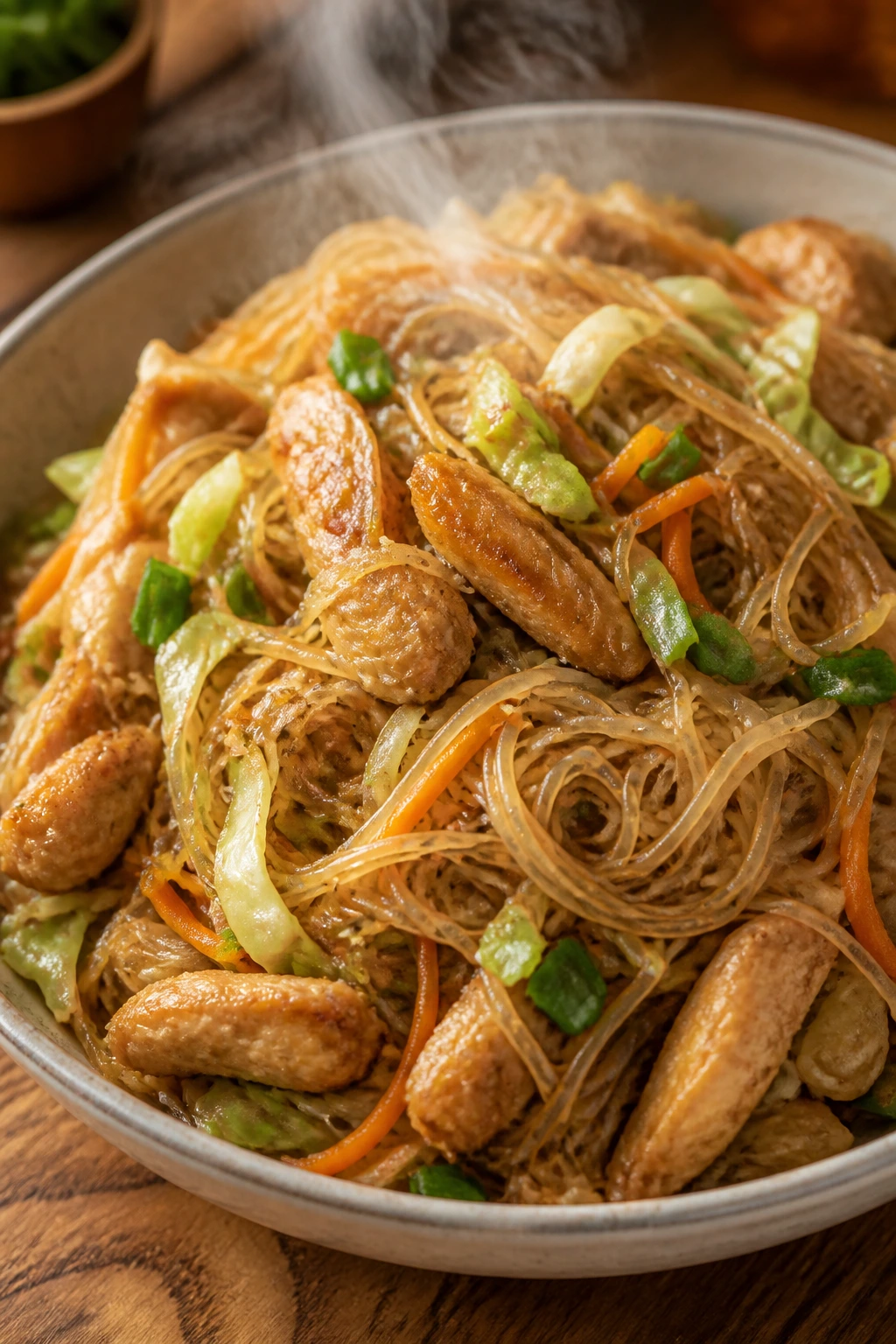
Mei fun is about thin rice noodles catching sauce without collapsing. With chicken, cabbage, and a little curry or soy depending on your mood, it becomes one of the most useful noodle dinners in the whole list.
Why It Works: Rice noodles cook fast and soak up seasoning quickly, while chicken gives the dish enough heft to stand on its own. The vegetables keep the strands from clumping.
Key Ingredients:
- 8 oz rice vermicelli
- 1 lb chicken thighs, sliced thin
- 1 cup shredded cabbage
- 1 carrot, julienned
- 2 scallions, sliced
- 2 tbsp soy sauce
- 1 tbsp oyster sauce
- 1 tsp curry powder or five-spice
- 2 cloves garlic, minced
- 1 tbsp oil
Quick Steps:
- Soak or boil noodles until pliable, then drain well.
- Stir-fry chicken with garlic.
- Add cabbage, carrot, and scallions.
- Toss in noodles with sauces and seasoning until evenly colored.
Equipment for This Recipe:
- Wok
- Colander
- Tongs
How to Serve This Dish: Serve it hot and piled high in a bowl. A squeeze of lime or a spoon of chili oil changes the whole mood.
Pro Tips for This Recipe:
- Rice noodles tear if you over-soak them.
- Keep the wok hot so the noodles don’t turn pasty.
- Add a little more oil than you think you need; rice noodles like it.
Variations on This Dish:
- Singapore-Style Version: Use curry powder more boldly.
- Vegetable Version: Add bean sprouts and bell pepper.
- Spicy Version: Finish with chili crisp.
Common Mistakes to Avoid with This Dish:
- Clumpy noodles: Toss them with a little oil after draining.
- Overcooking the cabbage: It should still have life.
37. Crispy Honey Chicken
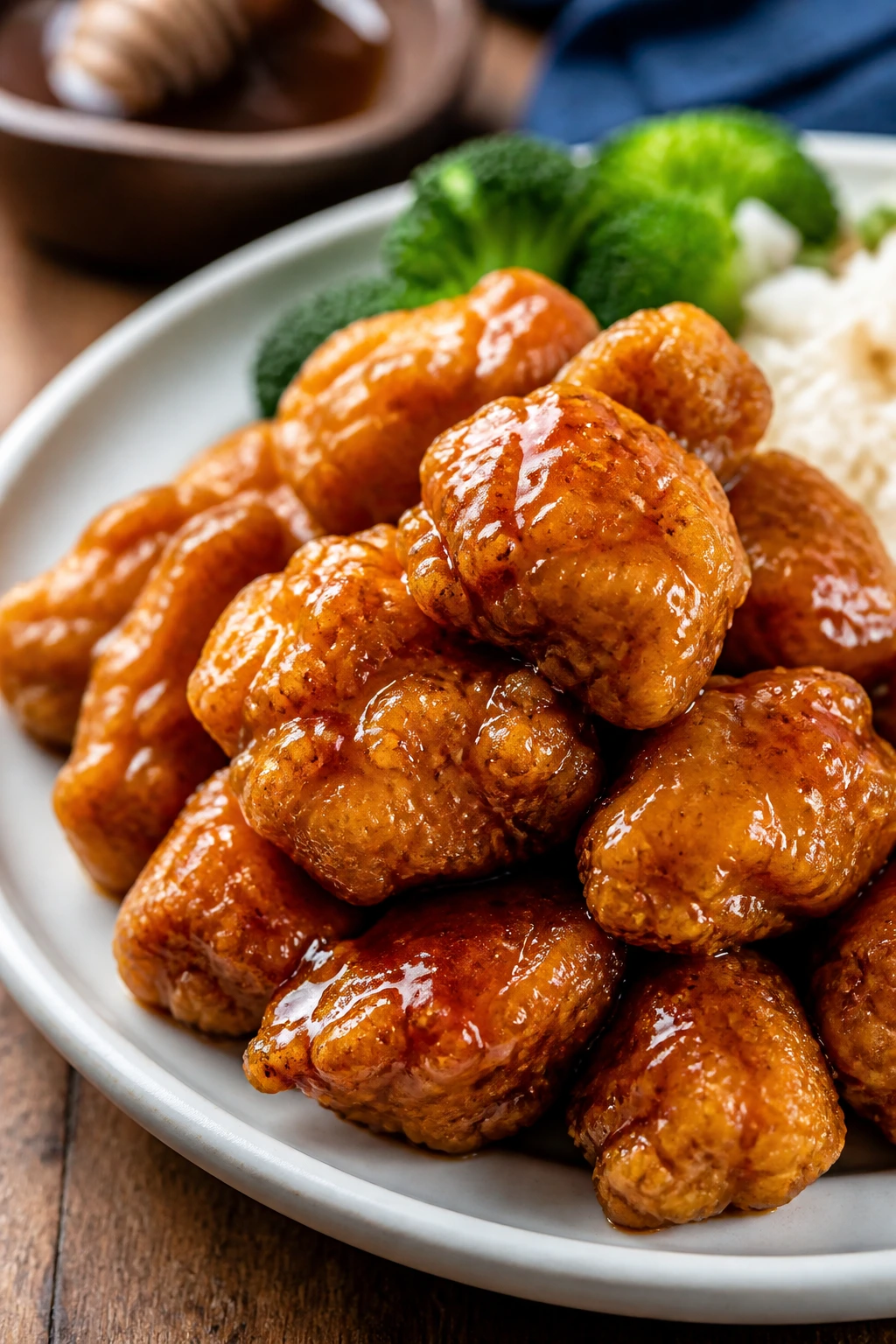
Honey chicken is sweet, yes, but the crisp shell and a little vinegar keep it from turning into candy. The glaze should shine, not drown.
Why It Works: A crisp batter or starch coating gives the honey something to cling to. The sauce stays simple, which keeps the honey from feeling too heavy.
Key Ingredients:
- 1 1/2 lbs chicken thighs, bite-size pieces
- 1 egg
- 1/2 cup cornstarch
- 1/4 cup flour
- 1/4 cup honey
- 2 tbsp soy sauce
- 1 tbsp rice vinegar
- 1 clove garlic, minced
- 1 tsp ginger, minced
- Oil for frying
Quick Steps:
- Coat chicken with egg, cornstarch, and flour.
- Fry until crisp and pale gold.
- Simmer honey, soy, vinegar, garlic, and ginger for 1 minute.
- Toss lightly and serve at once.
Equipment for This Recipe:
- Deep skillet
- Wire rack
- Saucepan
How to Serve This Dish: It likes rice and a sharp vegetable, like sautéed bok choy. That’s the easiest way to keep the sweetness from running away with the meal.
Pro Tips for This Recipe:
- Don’t over-reduce the honey sauce.
- Toss lightly so the coating stays crisp longer.
- Use thighs if you want more forgiveness.
Variations on This Dish:
- Honey-Sesame Version: Add sesame oil and seeds.
- Crispier Version: Double-fry the chicken.
- Chili Honey Version: Add sliced chiles.
Common Mistakes to Avoid with This Dish:
- Sauce too thick: It turns sticky instead of glossy.
- Letting the chicken sit in sauce: It softens fast.
38. Shanghai Braised Chicken
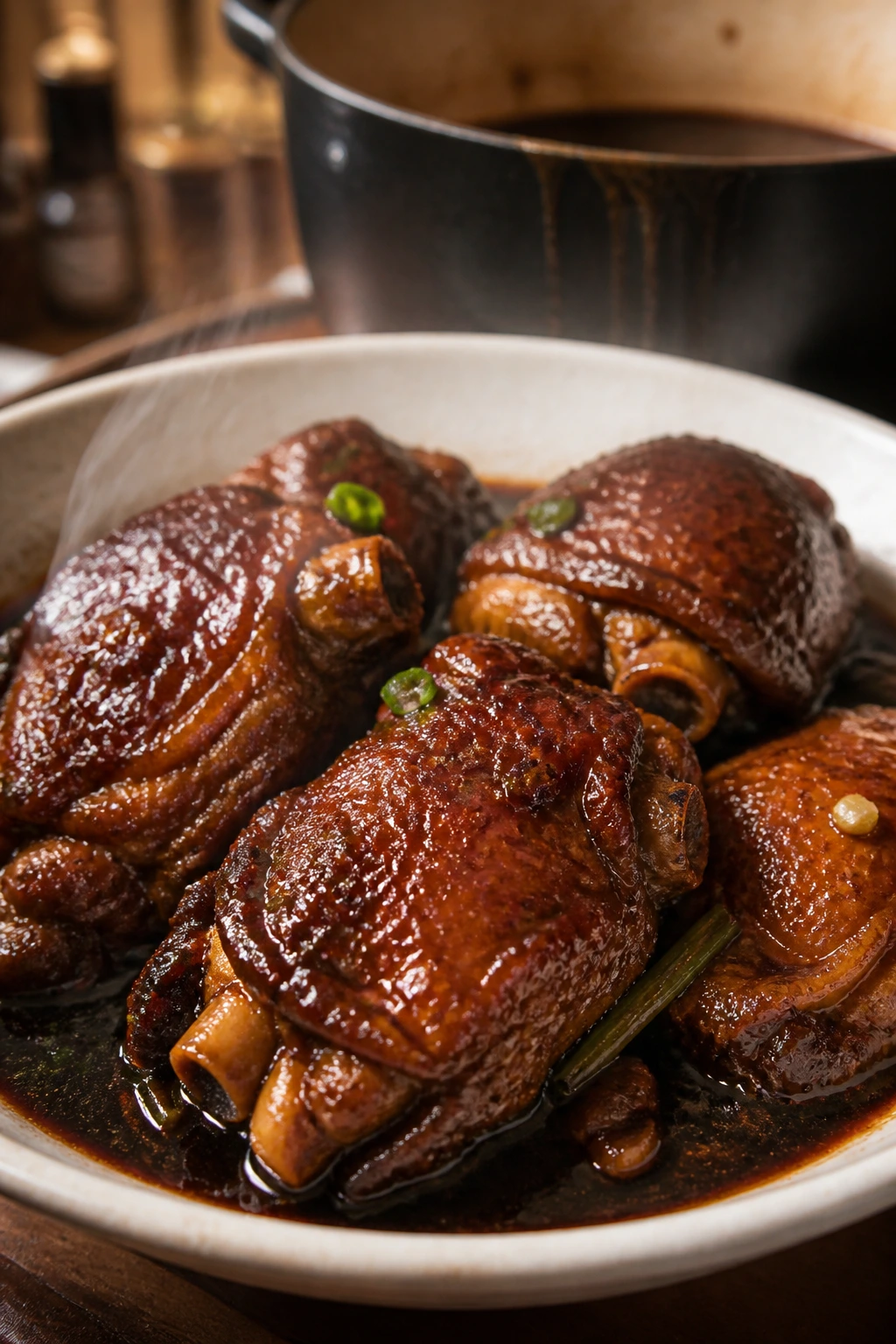
Shanghai-style braising goes dark, glossy, and slightly sweet in a way that feels comforting without turning mushy. The sauce should coat the chicken and the mushrooms like lacquer.
Why It Works: Soy, sugar, ginger, and Shaoxing wine reduce into a shiny braise that clings to bone-in chicken. The longer simmer gives the meat a deeper flavor than a quick stir-fry ever could.
Key Ingredients:
- 2 lbs chicken thighs, bone-in
- 1/3 cup soy sauce
- 2 tbsp dark soy sauce
- 3 tbsp sugar
- 1/4 cup Shaoxing wine
- 4 slices ginger
- 3 cloves garlic
- 1 cup mushrooms
- 1 cup water or broth
Quick Steps:
- Brown the chicken lightly.
- Add ginger, garlic, soy sauces, wine, sugar, and liquid.
- Simmer covered until the chicken is tender.
- Uncover to reduce the sauce until glossy.
Equipment for This Recipe:
- Dutch oven
- Tongs
- Wooden spoon
How to Serve This Dish: Serve it with rice and let the sauce travel into every grain. A side of blanched greens or pickled vegetables keeps the richness in check.
Pro Tips for This Recipe:
- Dark soy is for color, not salt alone.
- Simmer gently or the sauce tightens too soon.
- Bone-in thighs give you better braise flavor.
Variations on This Dish:
- Chestnut Version: Add peeled chestnuts.
- Egg Version: Braise peeled hard-boiled eggs in the sauce.
- Spicier Version: Add dried chiles.
Common Mistakes to Avoid with This Dish:
- Reducing too fast: The sauce can become too salty.
- Skipping the browning: You lose the deep flavor base.
39. Chicken in Oyster Sauce
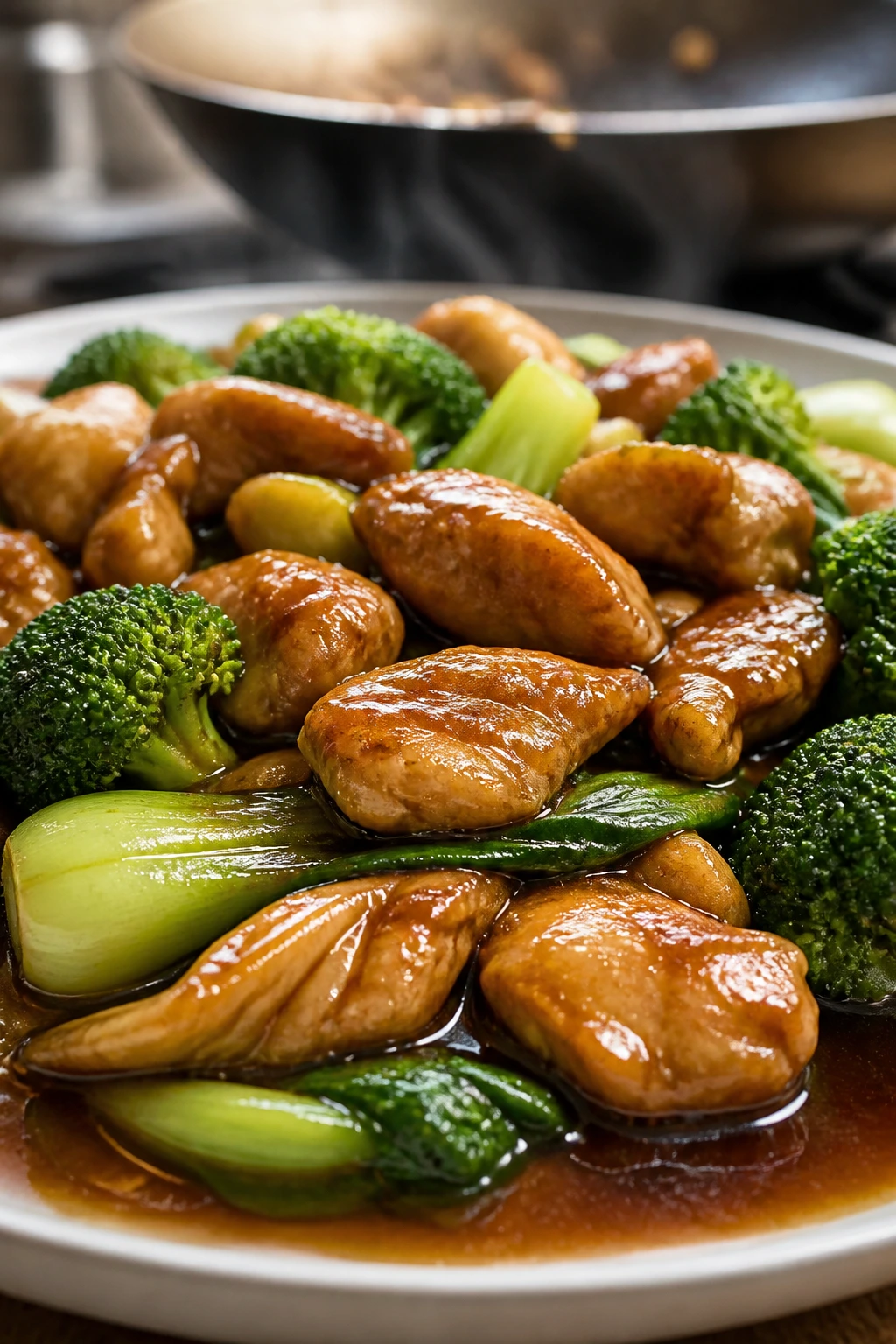
Oyster sauce chicken is one of those dishes that tastes like the pantry did more than it really did. Savory, glossy, and fast — that’s the whole appeal.
Why It Works: Oyster sauce brings built-in body and savory depth, so you don’t need a long ingredient list. A few vegetables keep the sauce from tasting one-dimensional.
Key Ingredients:
- 1 1/2 lbs chicken thighs, sliced
- 2 cups broccoli or bok choy
- 2 tbsp oyster sauce
- 1 tbsp soy sauce
- 1 tbsp Shaoxing wine
- 2 garlic cloves, minced
- 1 tsp ginger, minced
- 1/2 cup chicken broth
- 1 tsp cornstarch
- 1 tsp sesame oil
Quick Steps:
- Stir-fry chicken until nearly done.
- Add garlic, ginger, and vegetables.
- Stir in oyster sauce, soy, wine, broth, and cornstarch slurry.
- Toss until the sauce turns shiny and coats the pan.
Equipment for This Recipe:
- Wok
- Small whisk
- Knife
How to Serve This Dish: This is best over rice, and it’s one of the easiest dishes here to scale up for a crowd. The sauce does the work, so the sides can stay basic.
Pro Tips for This Recipe:
- Use low-sodium soy if your oyster sauce is salty.
- Don’t overcook bok choy; the stems should still have snap.
- Sesame oil goes in last.
Variations on This Dish:
- Mushroom Version: Add shiitakes.
- Garlic-Heavy Version: Add more garlic and white pepper.
- Snow Pea Version: Swap the broccoli for snow peas.
Common Mistakes to Avoid with This Dish:
- Too much sauce reduction: Oyster sauce can get heavy quickly.
- Using too much cornstarch: It should coat, not gel.
40. Chicken with Black Bean Sauce
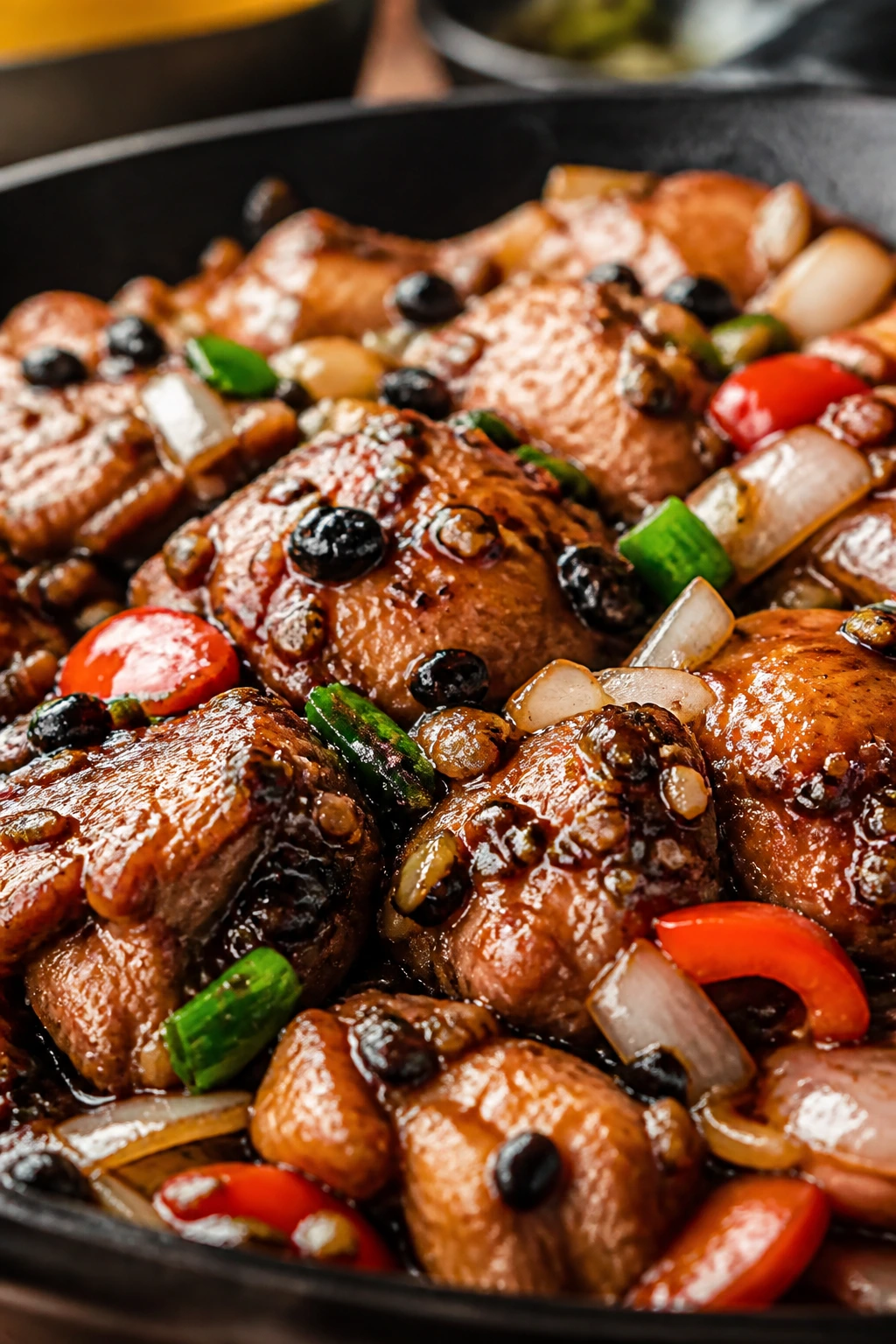
Fermented black beans bring that salty, funky depth that makes the whole skillet taste more complex than the ingredients list suggests. A little goes a long way.
Why It Works: Black beans, garlic, and ginger create a savory base that loves chicken thighs and crisp vegetables. The sauce should stay loose enough to move around the pan, not glue itself into a paste.
Key Ingredients:
- 1 1/2 lbs chicken thighs, sliced
- 1 tbsp fermented black beans, rinsed and chopped
- 1 bell pepper, sliced
- 1 onion, sliced
- 3 garlic cloves, minced
- 1 tsp ginger, minced
- 2 tbsp soy sauce
- 1 tbsp Shaoxing wine
- 1/2 cup chicken broth
- 1 tsp cornstarch
Quick Steps:
- Stir-fry chicken until browned.
- Add black beans, garlic, ginger, onion, and pepper.
- Stir in soy, wine, broth, and cornstarch slurry.
- Toss until glossy and serve.
Equipment for This Recipe:
- Wok
- Small bowl
- Slotted spoon
How to Serve This Dish: Rice is the obvious choice, though steamed noodles are also good. Keep the vegetable side light, because the sauce is already doing enough.
Pro Tips for This Recipe:
- Rinse the black beans so they don’t taste harshly salty.
- Chop them so they spread through the dish.
- Don’t skip the onion; it softens the flavor.
Variations on This Dish:
- Spicy Version: Add sliced chile.
- Mushroom Version: Add mushrooms for more body.
- Drier Stir-Fry Version: Use less broth and more pan heat.
Common Mistakes to Avoid with This Dish:
- Using too many black beans: The flavor gets muddy.
- Not rinsing them: The dish can become overly salty.
41. Ginger-Scallion Chicken
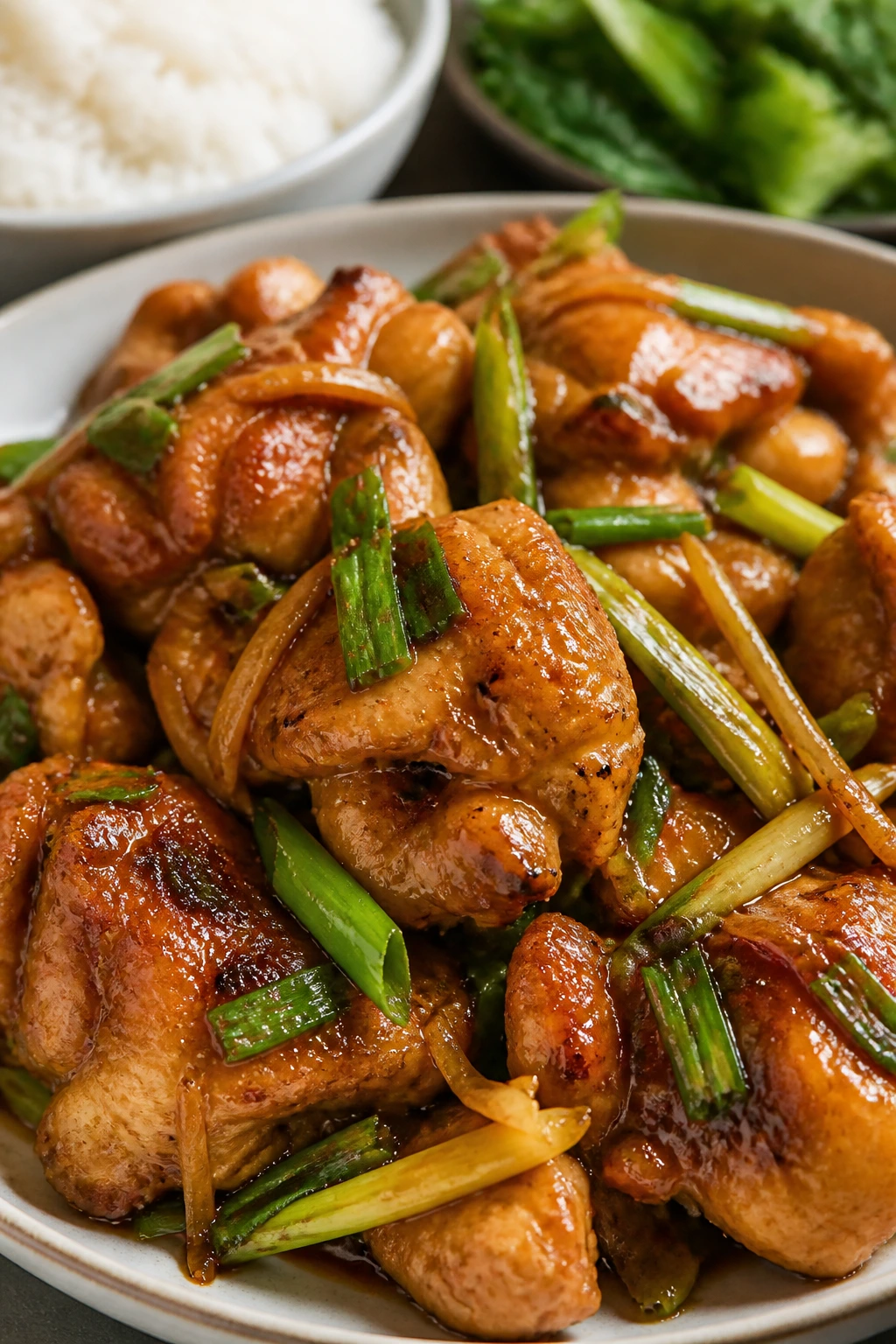
This is the kind of dish that tastes like it was built from three things that always belong together. Ginger brings the heat, scallions bring the lift, and chicken gives the sauce a reason to exist.
Why It Works: The flavor is immediate and clean, so you don’t need a long simmer. A hot wok or skillet lets the scallions soften just enough to sweeten.
Key Ingredients:
- 1 1/2 lbs chicken thighs, sliced
- 3 scallions, chopped
- 2 tbsp ginger, minced
- 2 cloves garlic, minced
- 2 tbsp soy sauce
- 1 tbsp Shaoxing wine
- 1 tsp sesame oil
- 1 tbsp oil
- 1 tsp sugar
Quick Steps:
- Stir-fry chicken until lightly browned.
- Add garlic, ginger, and scallions.
- Stir in soy, wine, sugar, and sesame oil.
- Toss until the pan smells sharp and the chicken is coated.
Equipment for This Recipe:
- Skillet or wok
- Spatula
- Prep bowl
How to Serve This Dish: Serve it with white rice, and don’t bury it in extra sauces. This one likes to stay bright and direct.
Pro Tips for This Recipe:
- Use a lot of scallion greens for freshness.
- Keep the ginger finely minced so it spreads through the dish.
- A quick high-heat finish is better than a long simmer.
Variations on This Dish:
- Chili Ginger Chicken: Add chile flakes.
- Mushroom Ginger Chicken: Add sliced mushrooms.
- Lighter Version: Use a splash of broth instead of extra oil.
Common Mistakes to Avoid with This Dish:
- Letting the scallions brown too much: They turn bitter.
- Using too little ginger: The dish needs the bite.
42. Five-Spice Roast Chicken
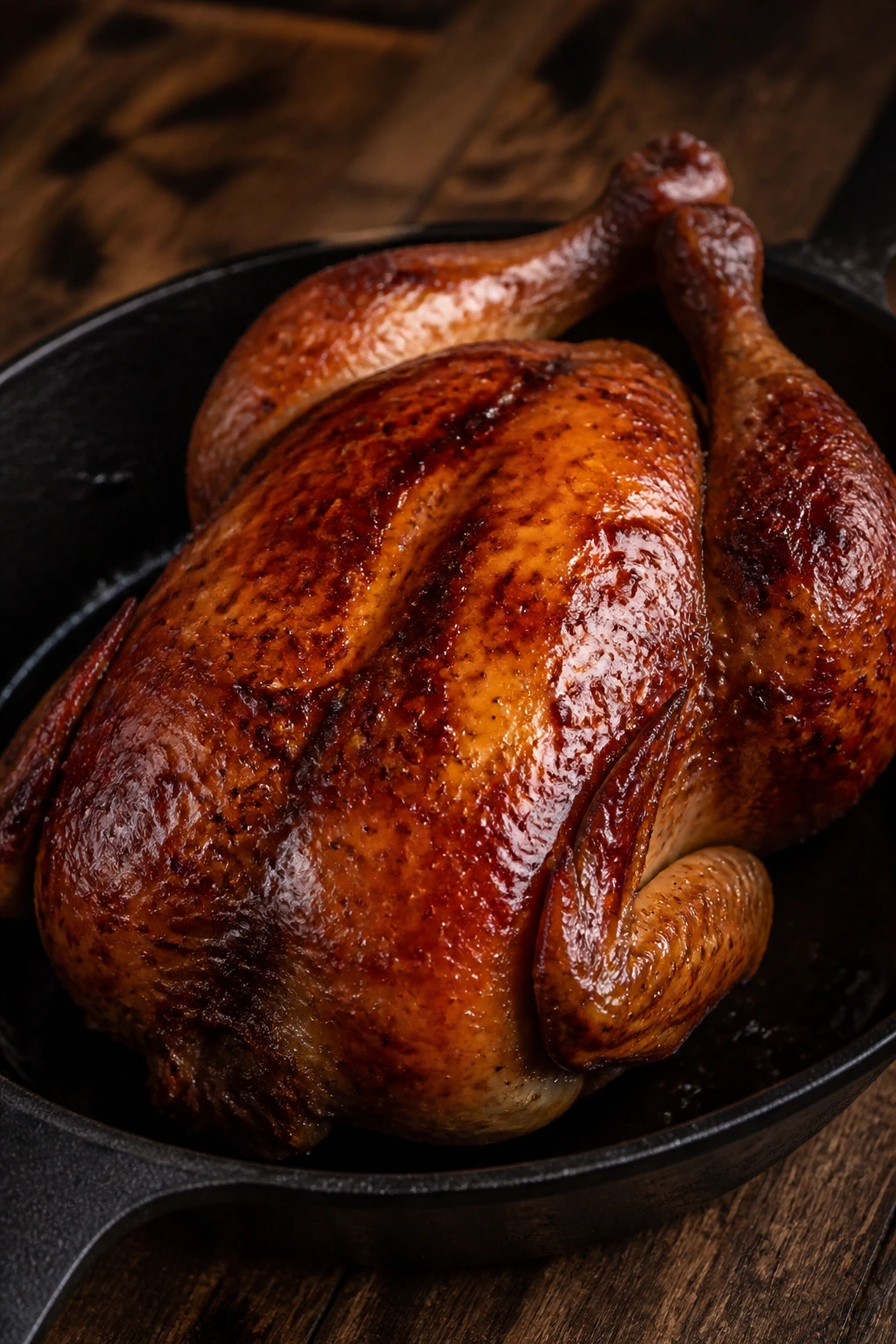
Five-spice roast chicken tastes like the oven did something old and wise. The skin perfumes the kitchen, and the meat underneath carries warm notes of star anise, cinnamon, and clove.
Why It Works: Five-spice gives the chicken a deep aromatic layer without a long marinade. A little soy or honey helps the skin brown into a lacquered finish.
Key Ingredients:
- 1 whole chicken, 4 lbs
- 2 tbsp soy sauce
- 1 tbsp Shaoxing wine
- 1 tbsp honey
- 1 1/2 tsp five-spice powder
- 1 tsp salt
- 1 tsp oil
- 4 slices ginger
- 3 scallions
Quick Steps:
- Rub the chicken with soy, wine, honey, five-spice, salt, and oil.
- Stuff the cavity with ginger and scallions.
- Roast at 400°F / 205°C until the skin is deep golden and the juices run clear.
- Rest before carving.
Equipment for This Recipe:
- Roasting pan
- Meat thermometer
- Basting brush
How to Serve This Dish: Carve it with rice and roasted or steamed greens. It also makes an excellent cold leftover chicken for sandwiches or rice bowls.
Pro Tips for This Recipe:
- Dry the skin well before roasting.
- Use a thermometer so you don’t guess at doneness.
- Resting is what keeps the meat juicy.
Variations on This Dish:
- Honey-Glazed Version: Increase the honey slightly.
- Spicier Version: Add white pepper and a pinch of chile.
- Citrus Version: Add orange zest to the rub.
Common Mistakes to Avoid with This Dish:
- Too much five-spice: It can dominate fast.
- Roasting with wet skin: You’ll lose crispness.
43. Spicy Cumin Chicken
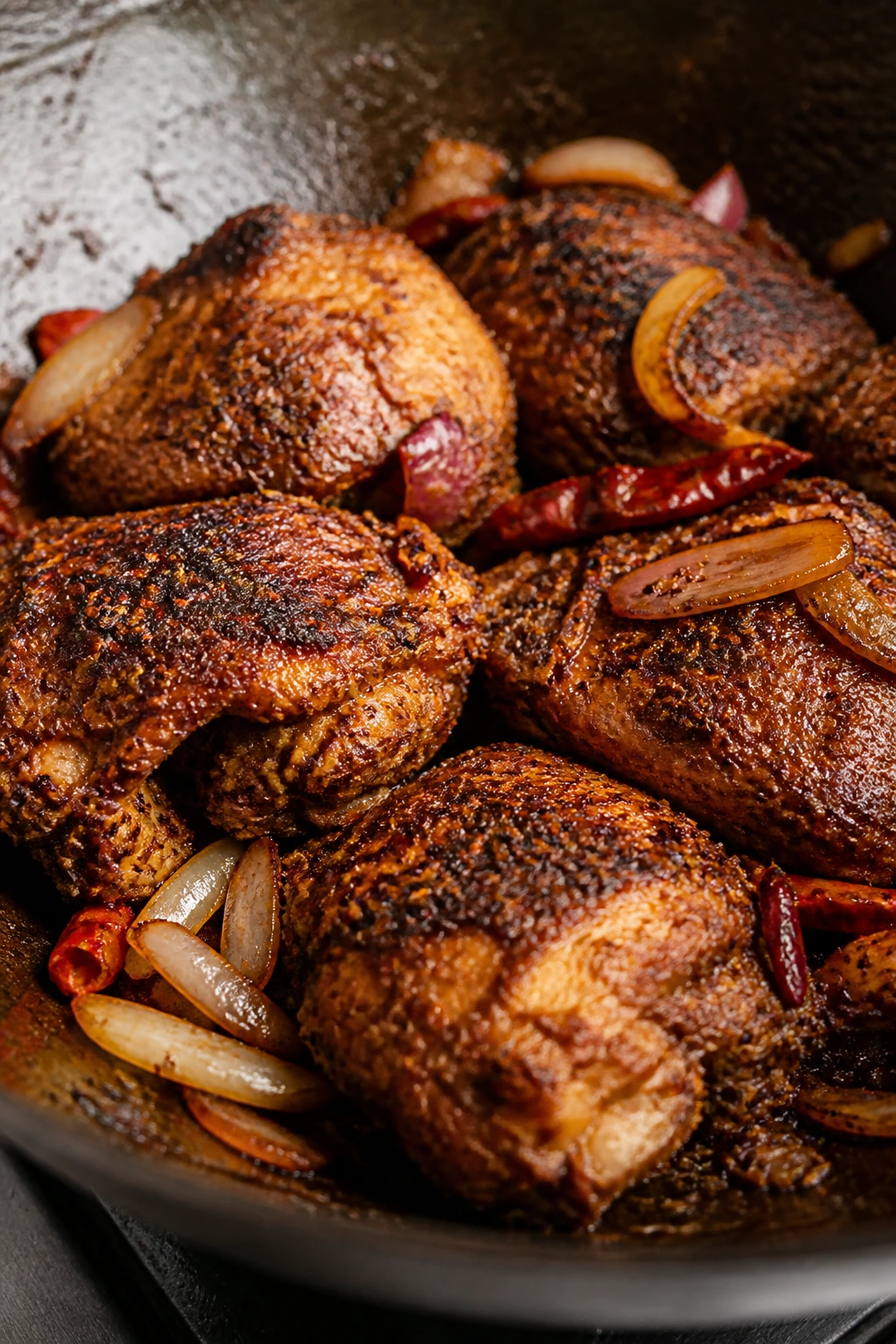
Cumin chicken walks a line between Chinese and Xinjiang-style spice, and it’s one of the best dishes in the list if you want something smoky, dry, and aggressive in a good way.
Why It Works: Cumin toasts in hot oil and coats the chicken with a dusty warmth that clings. Onion and chile keep the dish moving so it doesn’t taste flat.
Key Ingredients:
- 1 1/2 lbs chicken thighs, sliced
- 2 tsp ground cumin
- 1 tsp cumin seeds
- 1 tsp chili flakes
- 1 onion, sliced
- 2 garlic cloves, sliced
- 1 tbsp soy sauce
- 1 tbsp Shaoxing wine
- 1 tbsp oil
Quick Steps:
- Season chicken with cumin, soy, and wine.
- Sear until browned.
- Add onions, garlic, cumin seeds, and chili flakes.
- Toss until the spices smell toasted and the chicken is coated.
Equipment for This Recipe:
- Wok or skillet
- Spatula
- Measuring spoons
How to Serve This Dish: Serve it with rice or flatbread-style pancakes if you want a more filling plate. It also loves plain cucumber on the side because the spice is dry and direct.
Pro Tips for This Recipe:
- Toast the cumin seeds briefly for a stronger scent.
- Slice the onion thin so it softens fast.
- Don’t drown it in sauce; the dry finish is the point.
Variations on This Dish:
- Lamb-Style Cumin Chicken: Add extra cumin and onion.
- Milder Version: Cut the chili flakes in half.
- Peppers Version: Add bell peppers for sweetness.
Common Mistakes to Avoid with This Dish:
- Using stale cumin: The dish turns flat.
- Too much liquid: It stops tasting dry-fried.
44. Cantonese Chicken Congee
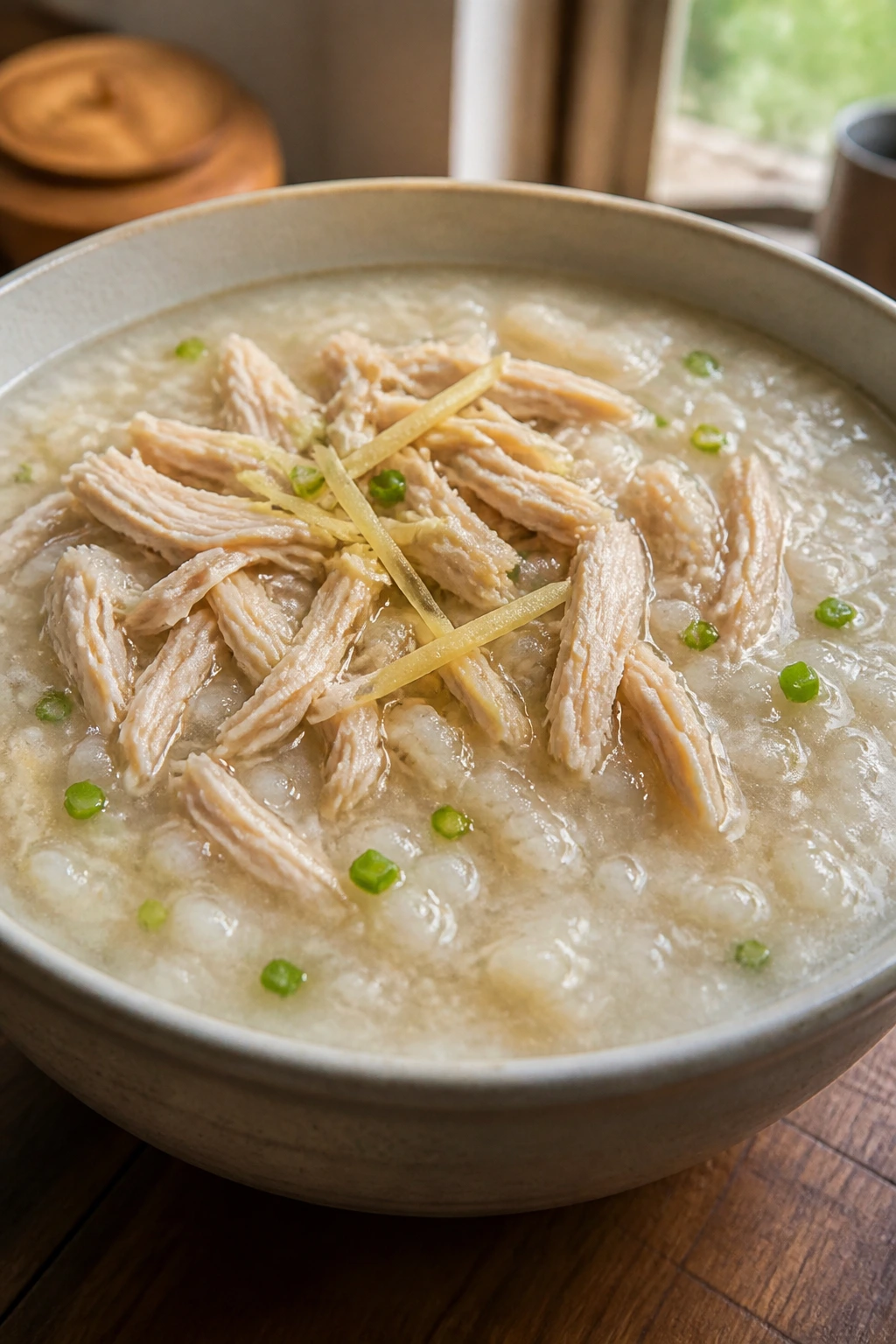
Congee is the soft landing at the end of a long day. The rice breaks down into a creamy porridge, the chicken shreds into the bowl, and ginger gives the whole thing a little lift.
Why It Works: Long simmering turns rice into comfort without needing dairy or much fat. Chicken cooks gently in the broth, so the texture stays tender and clean.
Key Ingredients:
- 1 cup jasmine rice, rinsed
- 8 cups water or broth
- 1 lb chicken thighs or breast
- 4 slices ginger
- 2 scallions, sliced
- 1 tsp salt
- 1 tsp sesame oil
- White pepper to taste
Quick Steps:
- Simmer rice, water, and ginger until the rice breaks down, 45 to 60 minutes.
- Add chicken and cook gently until tender.
- Shred the chicken and stir it back in.
- Season with salt, sesame oil, and white pepper.
Equipment for This Recipe:
- Heavy pot
- Wooden spoon
- Ladle
How to Serve This Dish: Top with scallions, extra white pepper, and a drizzle of sesame oil. A little pickled vegetable on the side keeps the bowl from feeling too soft.
Pro Tips for This Recipe:
- Stir often near the end so it doesn’t catch.
- Add more broth if you want a looser texture.
- Rinsing the rice makes the porridge smoother.
Variations on This Dish:
- Century Egg Version: Add diced century egg on top.
- Mushroom Version: Add sliced mushrooms while simmering.
- Thicker Version: Use less water and simmer longer.
Common Mistakes to Avoid with This Dish:
- Cooking too hard: The bottom scorches.
- Underseasoning: Congee needs more salt than people expect.
45. Chicken Congee with Century Egg
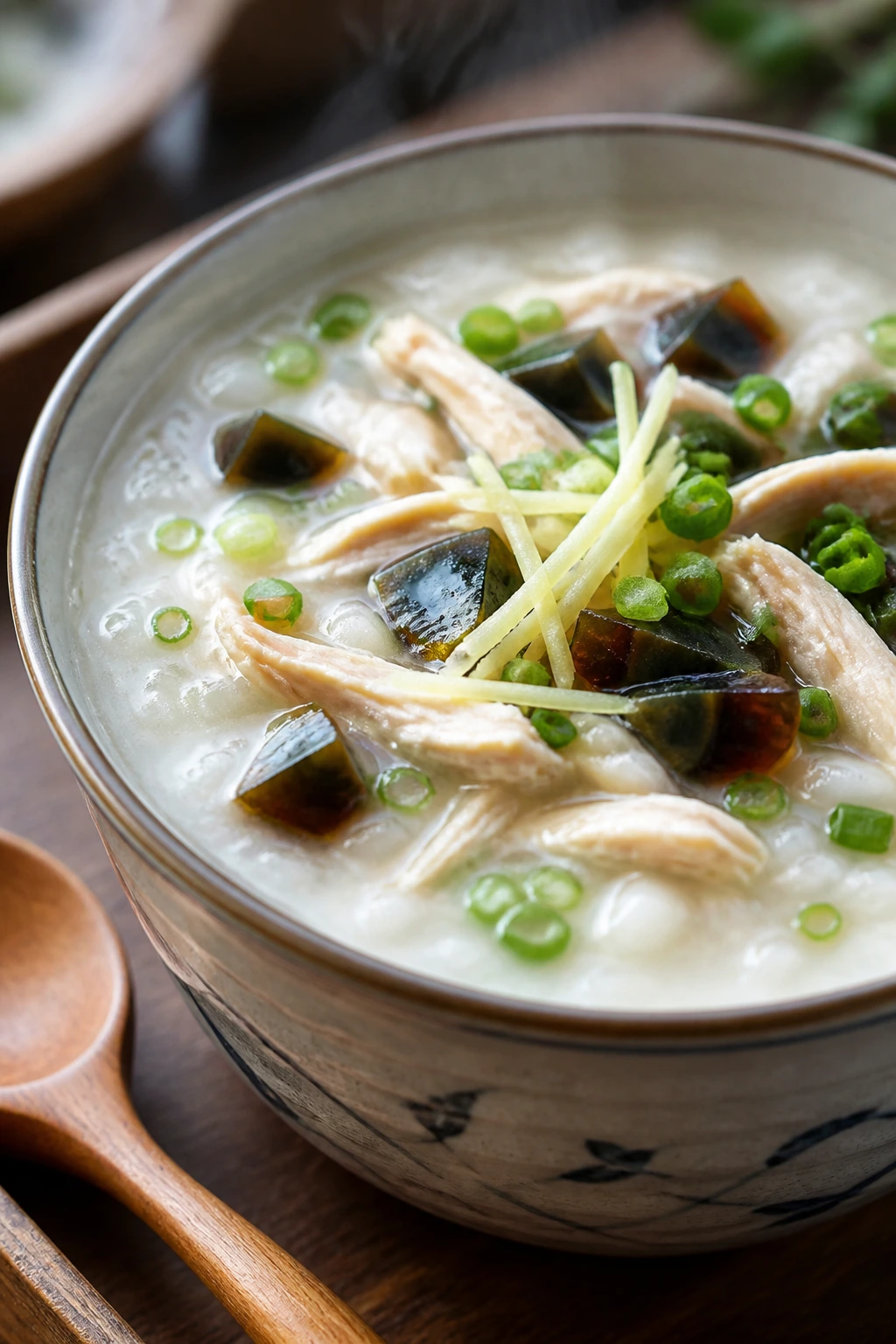
This is the bolder congee bowl. The century egg adds a creamy, earthy note that sounds strange on paper and makes perfect sense in the bowl with ginger and chicken.
Why It Works: The porridge stays gentle, while the egg brings richness and a little funk. Shredded chicken keeps it from being too soft or too plain.
Key Ingredients:
- 1 cup jasmine rice
- 8 cups water or broth
- 1 lb chicken, cooked and shredded
- 2 century eggs, diced
- 4 slices ginger
- 2 scallions, sliced
- 1 tsp salt
- White pepper to taste
- 1 tsp sesame oil
Quick Steps:
- Cook the rice with ginger until it turns porridge-like.
- Stir in shredded chicken.
- Ladle into bowls and top with century egg.
- Finish with scallions, sesame oil, and white pepper.
Equipment for This Recipe:
- Pot
- Ladle
- Sharp knife
How to Serve This Dish: Serve hot, with a little extra white pepper at the table. If you’ve never had century egg with congee, this is the gentlest place to start.
Pro Tips for This Recipe:
- Add the century egg at the end so it keeps its texture.
- Ginger is doing a lot of work here; don’t skimp.
- Congee thickens as it stands, so loosen it with broth if needed.
Variations on This Dish:
- Extra-Ginger Version: Add more slices to the pot.
- Salty-Protein Version: Top with shredded chicken and roasted peanuts.
- Plain Version: Skip the century egg and use pickled mustard greens instead.
Common Mistakes to Avoid with This Dish:
- Cooking the egg too long: It loses its distinct texture.
- Making the porridge too thick: It should still spoon smoothly.
46. Clay Pot Rice with Chicken and Chinese Sausage
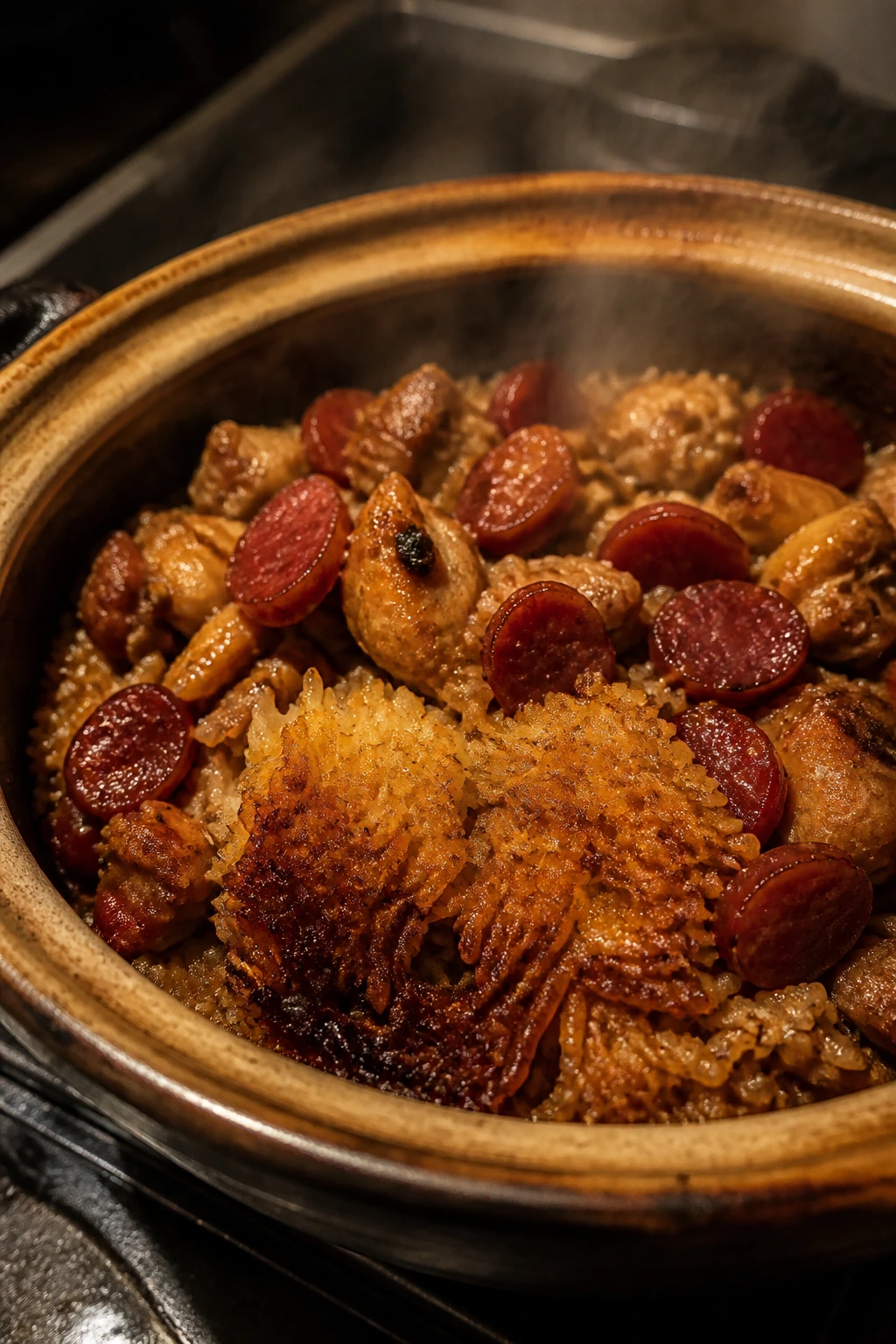
This is the crispy-bottomed rice dish people remember. The rice at the bottom toasts, the chicken steams above it, and the sausage drips sweet fat through the whole pot.
Why It Works: The pot does two jobs at once: it cooks the rice and creates a crust. Chicken, sausage, and soy sauce all season the grains from the top down.
Key Ingredients:
- 1 1/2 cups jasmine rice, rinsed
- 1 lb chicken thighs, sliced
- 2 links Chinese sausage, sliced
- 2 tbsp soy sauce
- 1 tbsp oyster sauce
- 1 tsp sesame oil
- 1 tsp sugar
- 1 cup water or broth
- 2 scallions
Quick Steps:
- Layer rice, water, and a little oil in the pot.
- Top with chicken, sausage, soy, oyster sauce, and sugar.
- Cover and cook low until the rice is done and the bottom crust forms.
- Finish with sesame oil and scallions.
Equipment for This Recipe:
- Clay pot or heavy Dutch oven
- Lid
- Rice paddle
How to Serve This Dish: Serve straight from the pot and scrape the crispy edge onto each plate. That toasted rice is the reason people keep going back for more.
Pro Tips for This Recipe:
- Keep the heat low once the rice starts to set.
- Let the pot rest before stirring.
- Use a little more liquid if your pot runs hot.
Variations on This Dish:
- Mushroom Version: Add shiitakes.
- Chicken-Only Version: Skip the sausage and add more soy.
- Spicy Version: Add sliced chile or chili oil.
Common Mistakes to Avoid with This Dish:
- Too much heat: The bottom burns before the rice cooks.
- Lifting the lid too often: You lose steam.
47. Tea-Smoked Chicken
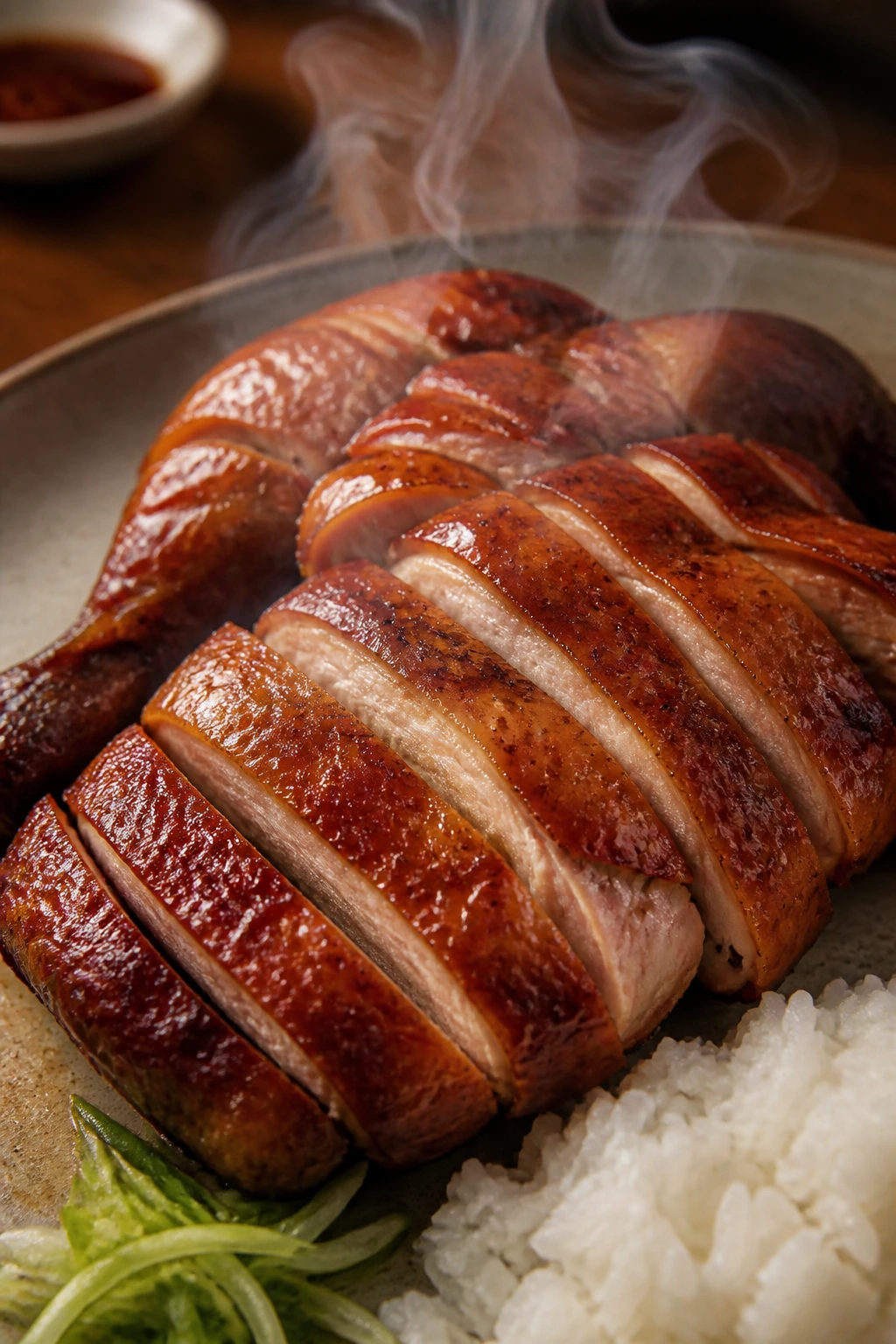
Tea-smoked chicken tastes like smoke and perfume had a quiet meeting. It’s not a barbecue flavor; it’s subtler, with tea giving the chicken a dry, aromatic finish.
Why It Works: Tea, rice, and sugar create fragrant smoke that clings to the skin. The chicken stays juicy because it’s usually cooked first, then smoked just long enough to perfume it.
Key Ingredients:
- 2 lbs chicken thighs or a small whole chicken
- 2 tbsp soy sauce
- 1 tbsp Shaoxing wine
- 1 tsp salt
- 1 tsp sugar
- 2 tbsp black tea leaves
- 2 tbsp uncooked rice
- 1 tbsp sugar for smoking
- 1 tsp sesame oil
Quick Steps:
- Season the chicken and cook it until done.
- Line a wok with foil, add tea, rice, and sugar.
- Set a rack above the smoking mixture and cover tightly.
- Smoke the chicken for a few minutes until fragrant, then rest.
Equipment for This Recipe:
- Wok with tight lid or smoker setup
- Rack
- Heavy foil
How to Serve This Dish: Slice it thin with rice and a sharp dipping sauce. It’s a dish that likes a little ceremony, even if that ceremony is just a careful plate.
Pro Tips for This Recipe:
- Seal the lid well or the smoke escapes.
- Don’t smoke too long; the aroma should stay elegant.
- Let the chicken rest before slicing.
Variations on This Dish:
- More-Smoky Version: Add more tea and a little extra sugar.
- Oven Version: Finish briefly in the oven if your wok setup is awkward.
- Five-Spice Version: Rub the chicken with a little five-spice before smoking.
Common Mistakes to Avoid with This Dish:
- Over-smoking: It turns harsh.
- Using a loose lid: The smoke never concentrates.
48. Salt-Baked Chicken
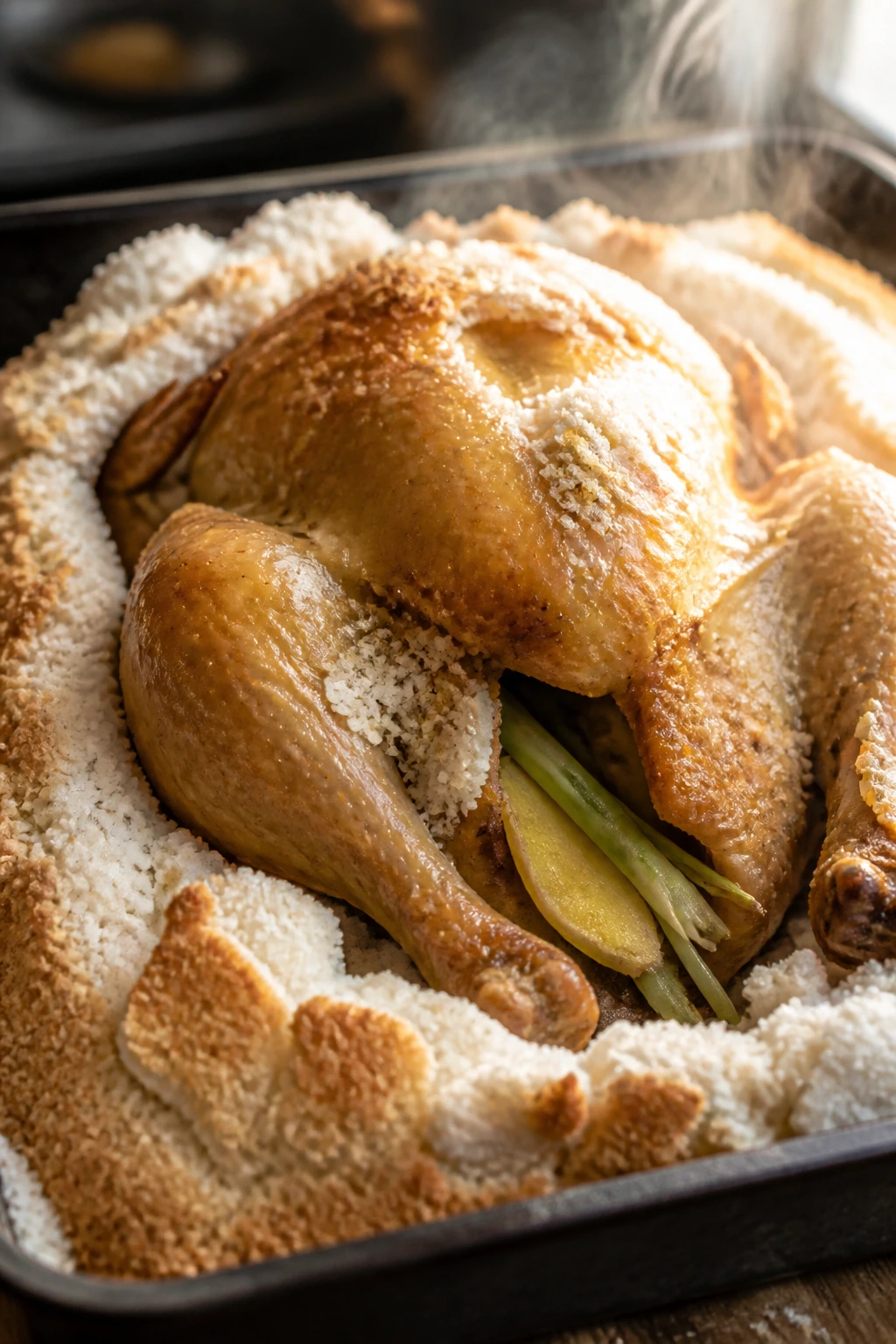
Salt-baked chicken sounds intimidating, but the method is basically a sealed roast with a salty crust that protects the meat. The result is tender, fragrant chicken with skin that holds its flavor tightly.
Why It Works: The salt shell traps heat evenly, so the chicken cooks gently and evenly. Aromatics inside the cavity perfume the meat without flooding it with liquid.
Key Ingredients:
- 1 whole chicken, 3 1/2 to 4 lbs
- 2 tbsp salt
- 1 tbsp Shaoxing wine
- 4 slices ginger
- 3 scallions
- 1 tsp five-spice powder
- 4 to 6 cups coarse salt, for the shell or bed
Quick Steps:
- Rub the chicken with salt, wine, and five-spice.
- Stuff with ginger and scallions.
- Wrap or nest the chicken in a thick salt bed and roast until cooked through.
- Rest before cracking open the salt.
Equipment for This Recipe:
- Roasting pan or Dutch oven
- Parchment paper
- Meat thermometer
How to Serve This Dish: Serve it simply with rice and lightly dressed greens. Once the chicken is cooked well, it doesn’t need much else.
Pro Tips for This Recipe:
- Use enough salt to create a real protective layer.
- Check the internal temperature rather than guessing.
- Rest before carving so the juices settle.
Variations on This Dish:
- Herb Version: Add cilantro stems or more scallion.
- Ginger-Heavy Version: Add extra ginger slices.
- Thigh-Only Version: Easier if you don’t want to manage a whole bird.
Common Mistakes to Avoid with This Dish:
- Thin salt layer: The chicken won’t cook evenly.
- Skipping the thermometer: This method can look done before it actually is.
49. Xinjiang Big Plate Chicken
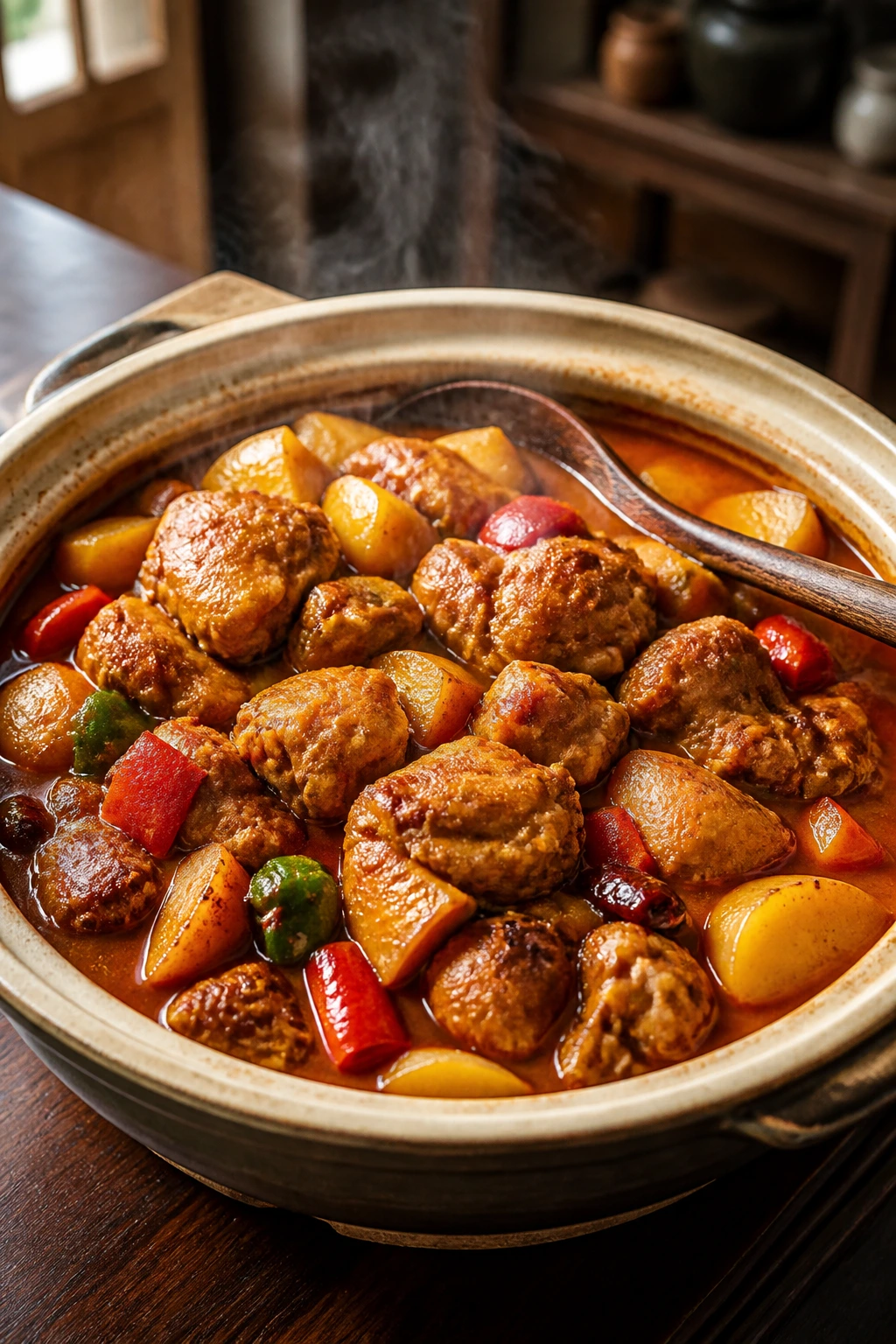
Big Plate Chicken is the loud, hearty, family-style dish in the set. Chicken, potatoes, peppers, and chilies all simmer together until the sauce turns thick enough to coat noodles or rice.
Why It Works: Potatoes absorb the savory broth, while the chicken stays rich and the chilies keep the whole pan awake. It’s a stew and a stir-fry pretending to be one dish.
Key Ingredients:
- 2 lbs chicken thighs, bone-in pieces
- 2 potatoes, chunked
- 1 onion, sliced
- 2 bell peppers, sliced
- 8 dried chiles
- 2 tbsp soy sauce
- 1 tbsp chili bean paste
- 1 tbsp Shaoxing wine
- 1 cup broth
- 2 cloves garlic, sliced
Quick Steps:
- Brown the chicken and toast the chiles.
- Add onion, potatoes, garlic, soy, wine, and broth.
- Simmer until the potatoes soften.
- Add peppers near the end so they stay crisp.
Equipment for This Recipe:
- Wide pot or deep skillet
- Lid
- Wooden spoon
How to Serve This Dish: Serve it over hand-pulled noodles, wide noodles, or rice. It’s built for sharing, and the sauce should reach everything on the plate.
Pro Tips for This Recipe:
- Don’t cut the potatoes too small or they break down.
- Keep the peppers for the end.
- Bone-in chicken gives the sauce more depth.
Variations on This Dish:
- Noodle Version: Serve over thick noodles.
- Spicier Version: Add more dried chiles.
- Lighter Version: Use boneless thighs and less oil.
Common Mistakes to Avoid with This Dish:
- Overcooking the peppers: They should still have shape.
- Too much broth: The sauce turns soupy instead of coating.
50. Chicken with Chinese Broccoli
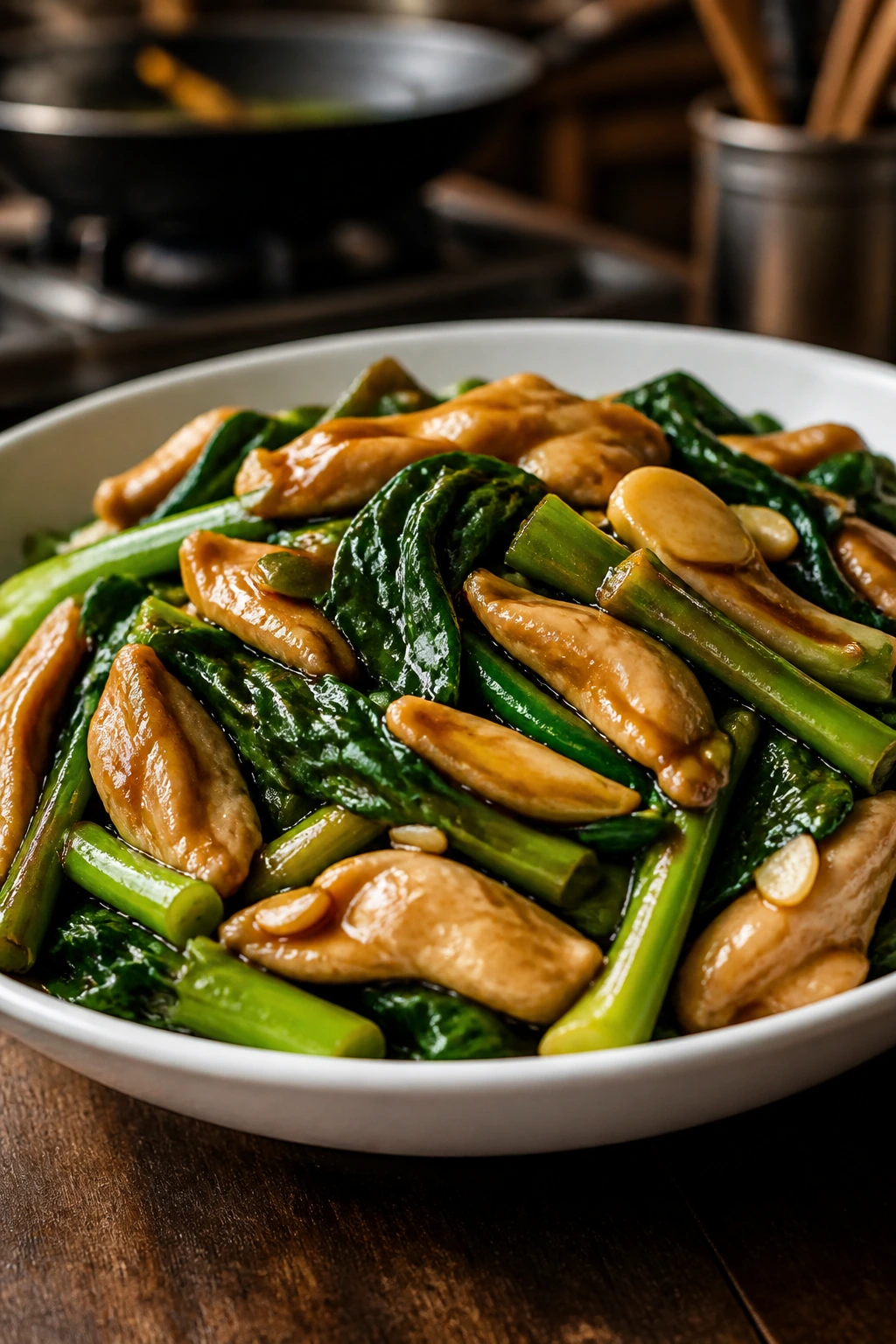
Chinese broccoli, or gai lan, has a firmer stem and a faint bitterness that regular broccoli doesn’t quite have. Pair it with chicken and oyster sauce, and you get a dish that tastes more grown-up than the average stir-fry.
Why It Works: Blanching the gai lan keeps the stems crisp and green, while the chicken picks up a glossy oyster sauce finish. A little garlic and ginger are enough to carry the whole pan.
Key Ingredients:
- 1 1/2 lbs chicken thighs, sliced
- 1 bunch Chinese broccoli, trimmed
- 2 tbsp oyster sauce
- 1 tbsp soy sauce
- 2 cloves garlic, minced
- 1 tsp ginger, minced
- 1/2 cup chicken broth
- 1 tsp cornstarch
- 1 tsp sesame oil
Quick Steps:
- Blanch gai lan for 1 minute and drain well.
- Stir-fry chicken until almost done.
- Add garlic, ginger, oyster sauce, soy, broth, and cornstarch slurry.
- Return the gai lan and toss until glossy.
Equipment for This Recipe:
- Wok
- Saucepan for blanching
- Tongs
How to Serve This Dish: Spoon the chicken over the gai lan and rice so the sauce reaches the stems. It’s one of the cleanest-looking plates in the list when you keep the greens bright.
Pro Tips for This Recipe:
- Trim the stems if they look woody.
- Dry the gai lan well after blanching.
- Add sesame oil at the end only.
Variations on This Dish:
- Garlic Version: Double the garlic.
- Mushroom Version: Add shiitakes.
- Chili Version: Add sliced fresh chile or chili oil.
Common Mistakes to Avoid with This Dish:
- Overcooking the gai lan: The stems should keep a little snap.
- Using too much sauce: It should glaze, not drown.
Why the Wok Beats the Carton
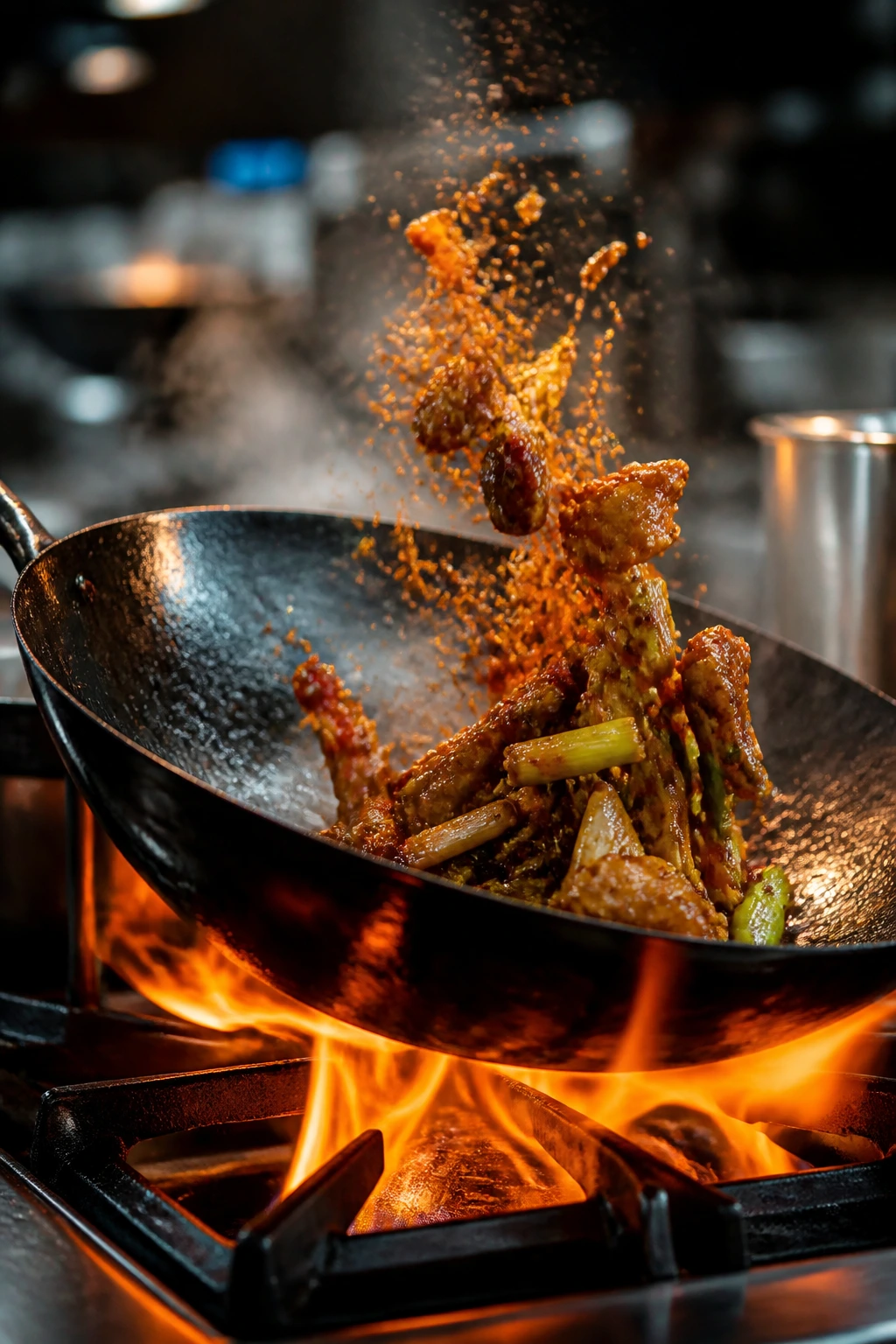
A good Chinese chicken dish usually looks simple right until you start cooking it. Then the details matter. Heat, timing, and sauce thickness turn into the whole game, and that’s where home cooking wins hard.
The wok is good at speed, but it’s not the only useful tool. A wide skillet can crisp chicken thighs better than a cheap, tiny wok on a weak burner. A Dutch oven is better for braises and soups because it holds heat steady. A steamer basket gives you tenderness no sauce can fake. Different dishes ask for different jobs, and once you stop trying to make every chicken recipe do everything, the results get cleaner.
There’s also the texture issue, which restaurants handle by cooking in batches and plating fast. At home, that means you can keep fried chicken crunchy, broccoli bright, and noodles separated if you’re willing to use high heat and a little patience. The part people miss is not technique so much as restraint. Don’t drown the pan. Don’t crowd the meat. Don’t simmer a crisp dish for five extra minutes just because it feels safer.
Essential Equipment for These Recipes
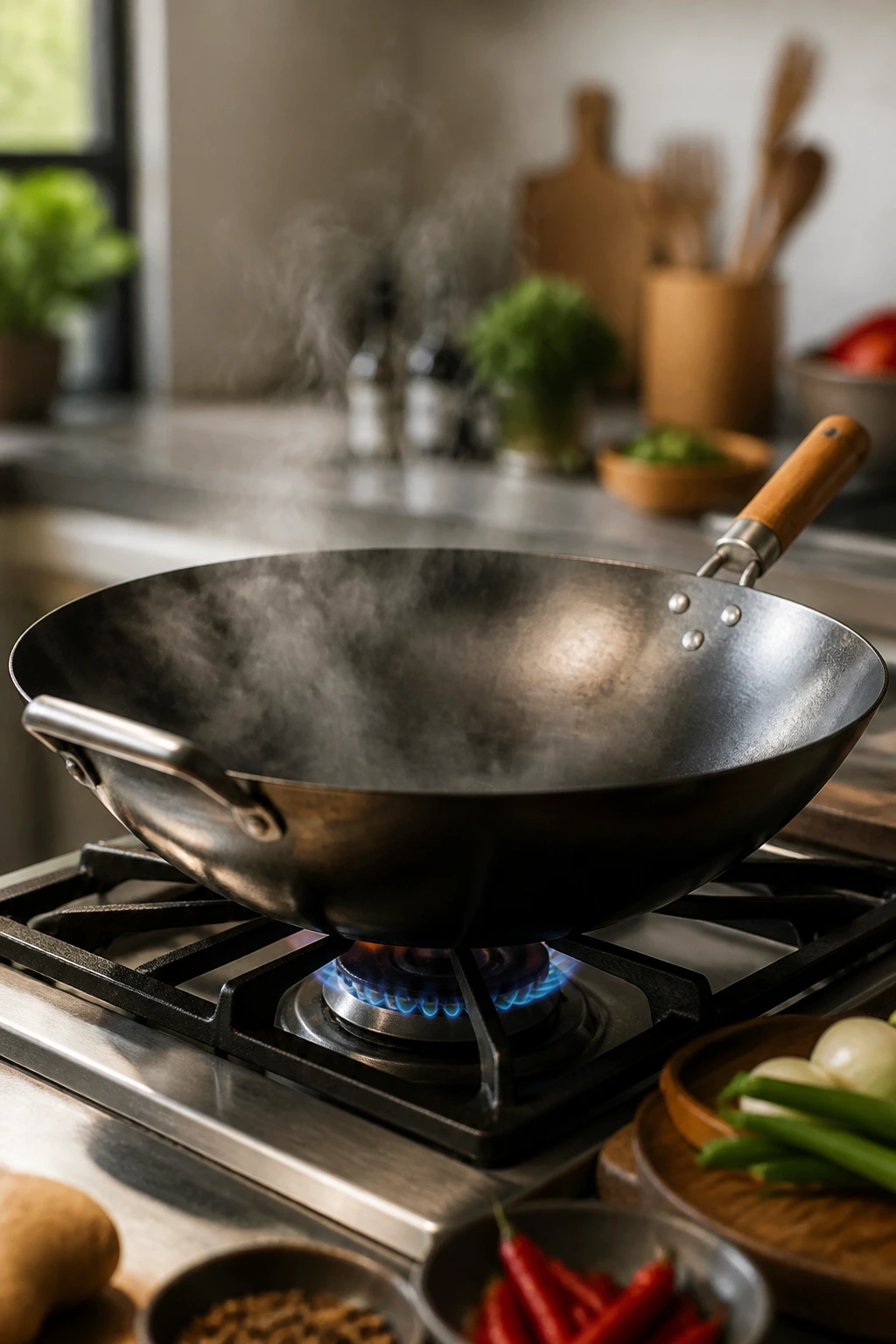
-
Wok: Best for fast stir-fries, dry-fried chile dishes, and glossy sauces that need quick evaporation.
-
12-inch Skillet: A strong backup for anyone without a wok; it gives chicken enough surface contact to brown.
-
Dutch Oven: The right choice for braises, soy sauce chicken, congee, and soup.
-
Steamer Basket: Needed for steamed chicken, and it also helps with dumplings or blanched greens.
-
Spider or Slotted Spoon: Makes frying safer and faster when you’re pulling chicken from hot oil.
-
Meat Thermometer: Especially useful for whole birds, braises, and roast chicken; guessing here is how dinner goes sideways.
-
Fine-Mesh Sieve: Handy for broth, congee, and soup if you want a cleaner texture.
-
Small Sauce Bowls: Prep bowls keep sauces organized before the wok starts shouting at you.
-
Rice Cooker or Heavy Pot: Not glamorous, but important. Chinese chicken dishes are better when the rice is right.
Smart Shopping and Ingredient Tips
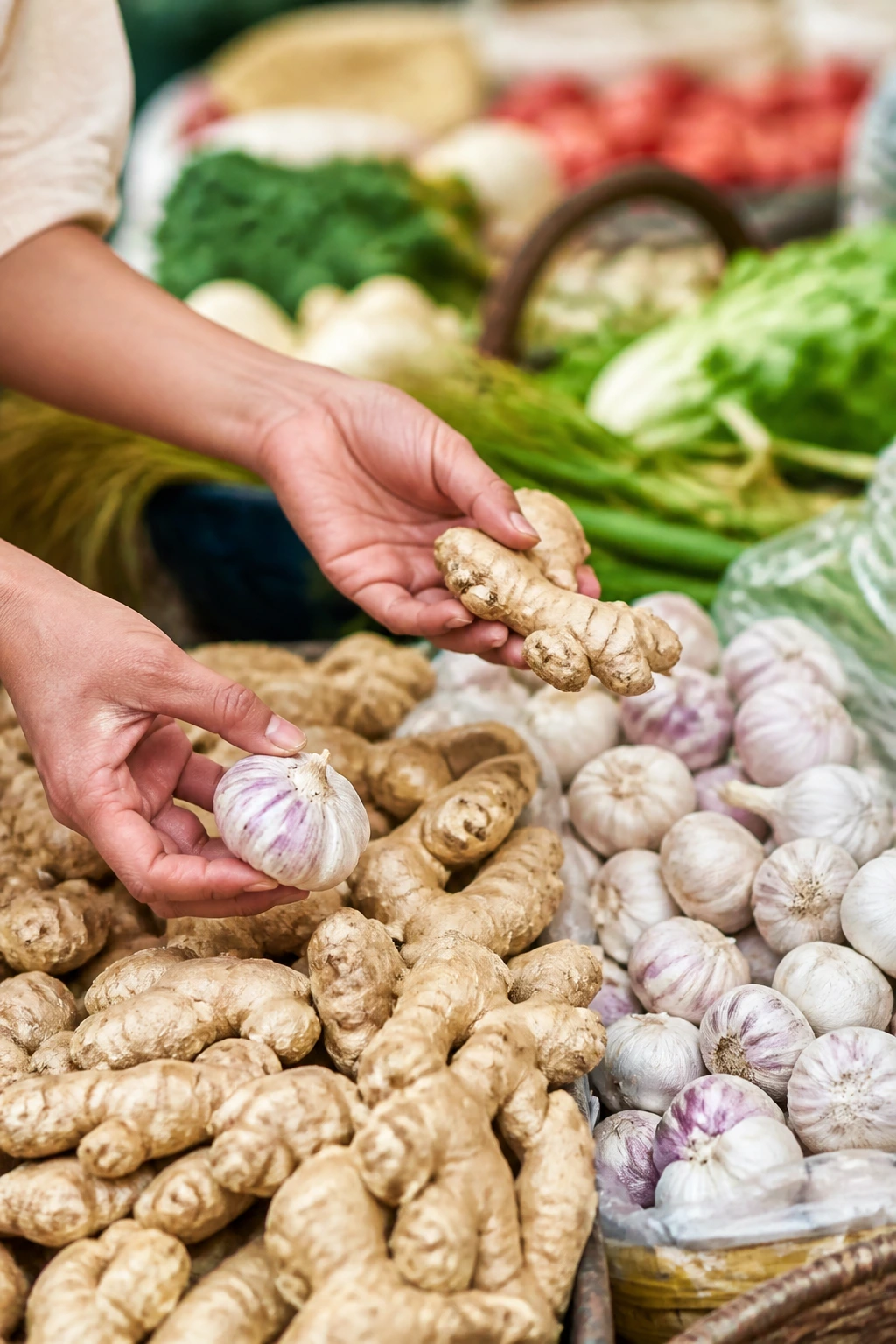
Chicken thighs are the safest bet for most of these recipes. They forgive a little overcooking, they stay juicy in stir-fries, and they taste richer in braises. Chicken breast still has its place — lemon chicken, velveted asparagus chicken, and some noodle dishes — but it needs faster timing and a lighter hand.
Soy sauce deserves more attention than people give it. Low-sodium soy keeps sweet-sour sauces from getting too salty, while dark soy sauce is mostly for color and depth in braises. If a recipe calls for Shaoxing wine, dry sherry is the easiest substitute that doesn’t make the dish taste off. Rice vinegar should taste sharp, not sweet. Chinkiang black vinegar is darker and deeper, and it matters in spicy dishes where plain vinegar would feel thin.
Cornstarch is the quiet hero here. It’s the reason velveting works, the reason sauces cling, and the reason fried chicken can feel lighter than a flour-heavy crust. For fried coatings, cornstarch mixed with a little flour gives a rougher, crunchier shell than flour alone. For sauces, a small slurry goes farther than a giant spoonful.
Fresh ginger and garlic should smell clean and sharp. If the ginger looks wrinkled and the garlic feels soft, skip it. Scallions, napa cabbage, gai lan, snow peas, and broccoli all bring a useful freshness to the plate, and frozen peas are fine in fried rice. For crunch, use peanuts, cashews, or water chestnuts that still have some bite. Stale nuts are not worth saving.
How to Serve These Recipes
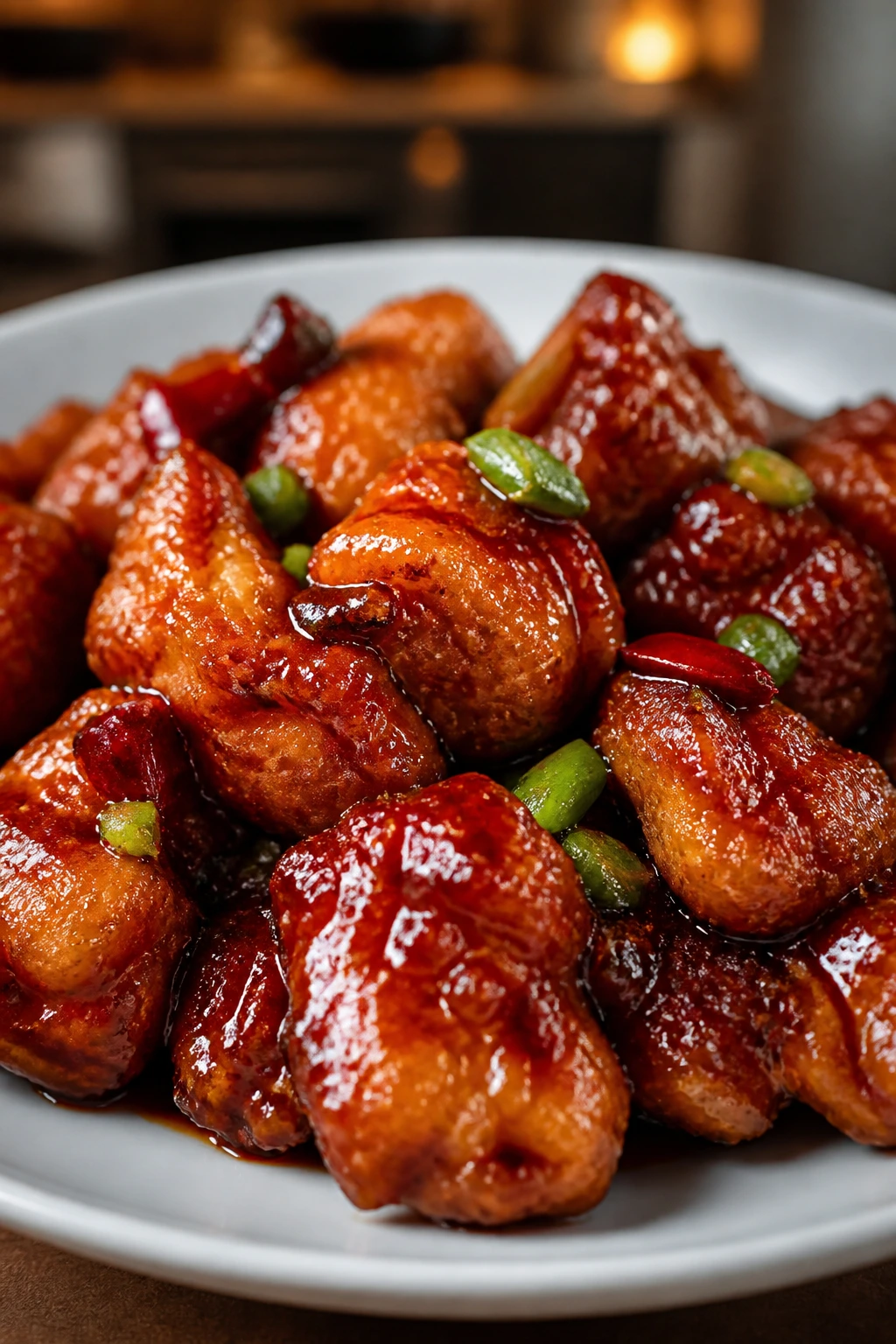
Presentation: Keep fried chicken dishes on shallow bowls or wide plates so the coating stays exposed and crisp-looking. Braises and clay-pot dishes want a deeper bowl with the sauce pooled around the rice. For steamed or poached chicken, slice cleanly and fan the pieces slightly instead of stacking them into a pile.
Accompaniments: Jasmine rice is the workhorse, but plain steamed rice, fried rice, lo mein, chow mein, congee, and even simple noodles all make sense depending on the dish. Add cucumber salad, blanched bok choy, stir-fried green beans, or quick-pickled cabbage when the main dish is rich or sweet. A bowl of clear soup works surprisingly well alongside heavier fried dishes.
Portions: Most of these recipes comfortably feed 3 to 4 people at about 6 to 8 ounces of chicken per person, depending on the sides. If you’re serving rice and vegetables, you can stretch a pound and a half of chicken farther than people expect. For braises and soups, people usually take bigger servings, so plan accordingly.
Beverage Pairing: Jasmine tea is the cleanest all-around choice. Light lager, sparkling water with lime, or unsweetened iced tea also match the salt-sugar-heat balance better than anything too sweet.
Additional Tips and Flavor Boosters
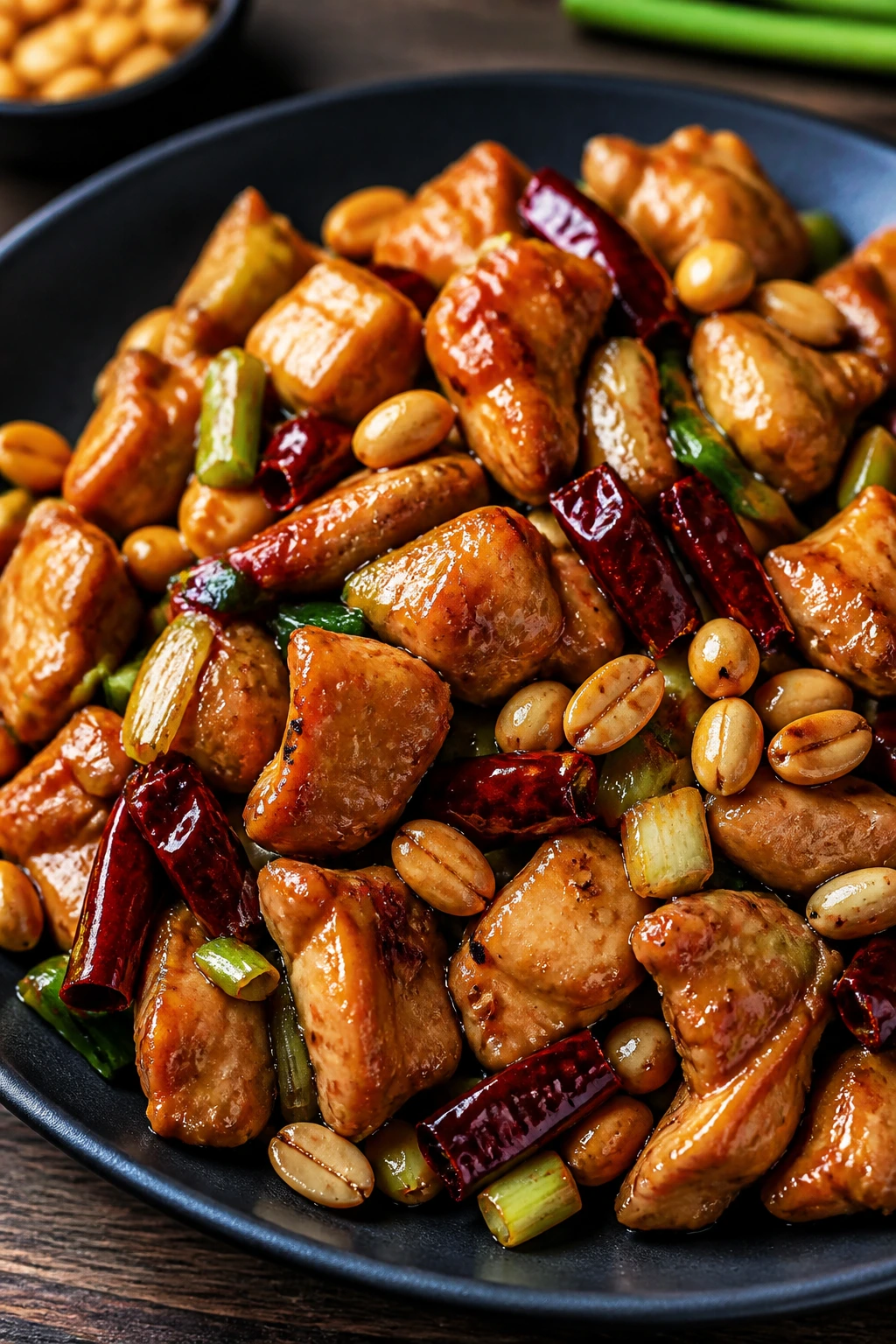
Flavor Enhancement: A tiny splash of toasted sesame oil at the end changes the smell of the whole dish more than a bigger amount added early. For braises, a bit of dark soy gives the chicken the deep color people expect from restaurant food.
Customization: If you want more vegetables, add mushrooms, snow peas, baby bok choy, or napa cabbage to stir-fries without changing the sauce. For a meatier bowl, toss in extra chicken thigh pieces or add a few mushrooms that have been browned first.
Serving Suggestions: Finish fried dishes with scallions, toasted sesame seeds, or a few drops of chili oil. Braises like cilantro or extra ginger. Soups usually want white pepper at the table, not buried in the broth.
Make-It-Yours: For gluten-free versions, tamari and rice flour or cornstarch handle most jobs well. For lower-sugar dishes, reduce the sweetener but keep the acid; that balance matters more than the exact spoon count. For dairy-free cooking, you’re already in good territory, which is one reason this cuisine works so well at home.
Make-Ahead, Storage, and Reheating Guidance
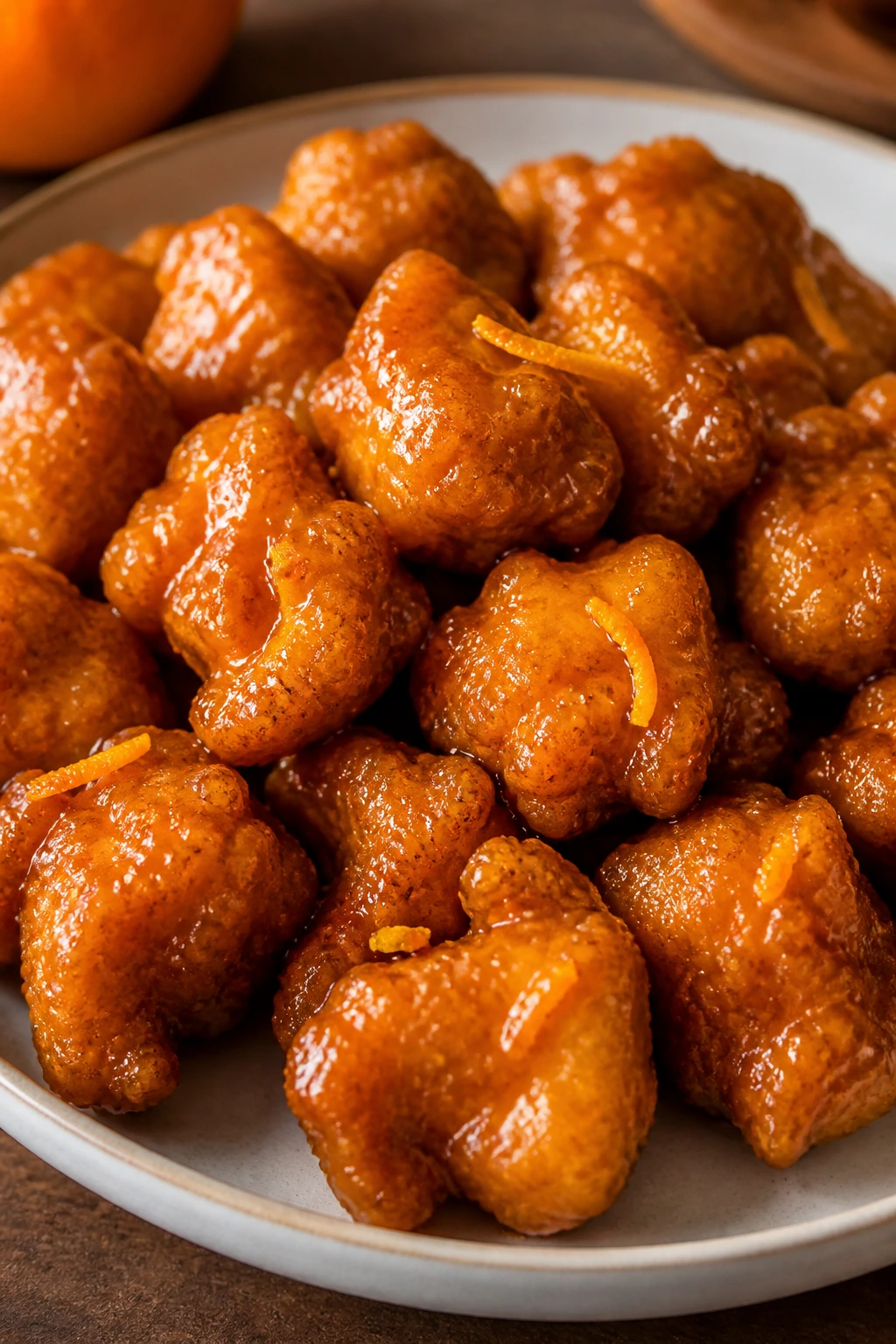
Most stir-fried Chinese chicken dishes keep well for 3 to 4 days in the refrigerator if you cool them fast and store them in shallow containers. Fried chicken dishes are the least cooperative because the crust softens, but they still keep safely; they just need better reheating. Braises, soups, and congee often taste even better the next day because the sauce or broth settles and deepens.
For freezing, saucy braises and soups hold up best for up to 2 months. Freeze them in portions with enough liquid to keep the chicken from drying out. Chicken fried rice, lo mein, and chow mein can freeze, but the texture softens when thawed, so I’d only freeze them if you know you’ll reheat in a hot skillet. Fried chicken and popcorn chicken are better cooked fresh, though you can refrigerate leftovers and re-crisp them in an oven or air fryer.
Reheating matters. For stir-fries, use a skillet over medium heat with a spoonful of water or broth so the sauce loosens before it starts to dry out. For braises, cover and warm gently on the stove. For fried dishes, use a 375°F / 190°C oven or air fryer until the coating wakes back up. Microwaves work in a pinch, but they’re the fastest way to turn crisp chicken into a soft compromise.
Make-ahead works best when you separate components. Cook the sauce ahead, chop the vegetables ahead, marinate the chicken ahead, and fry or toss at the last minute. That’s especially useful for General Tso’s, sesame chicken, and orange chicken, where the final toss should happen right before the plate leaves the kitchen.
Variations and Adaptations to Try
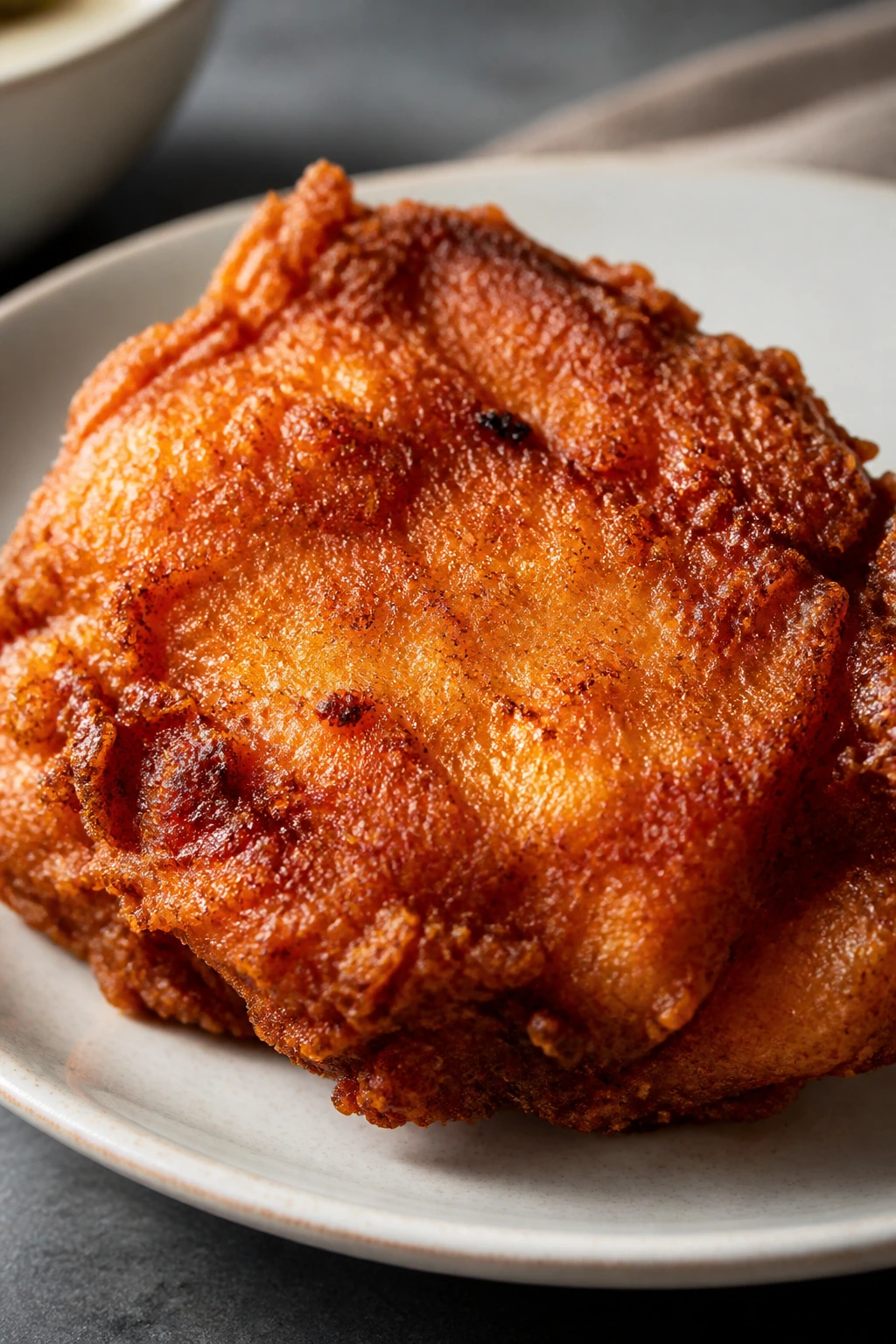
-
The Thigh-Only Switch: Use chicken thighs across almost the entire list if you want the easiest route to juicy meat. They handle frying, stir-frying, steaming, and braising with less risk of drying out.
-
The Gluten-Free Pantry Swap: Tamari instead of soy sauce, cornstarch instead of flour-heavy coatings, and rice noodles or rice bowls instead of wheat noodles get you surprisingly far without changing the flavor profile much.
-
The Mild Family Version: Cut dried chiles in half, skip Sichuan peppercorns, and lean on scallions, ginger, and sesame oil instead. The dishes still taste like themselves, just less loud.
-
The Extra-Crisp Takeout Style: Double-fry the chicken, keep the sauce slightly thinner, and toss at the table if you want maximum crunch. This works especially well for orange chicken, General Tso’s, and sesame chicken.
-
The Vegetable-Heavy Bowl: Add broccoli, snow peas, bok choy, mushrooms, or cabbage to almost any stir-fry and braise. The sauces here are flexible enough to carry more produce without getting confused.
-
The Air-Fryer Shortcut: Breaded or coated fried dishes can move to an air fryer if you spray them well and don’t crowd the basket. It won’t taste identical to deep-frying, but it gets you close enough for a weeknight.
Common Mistakes to Avoid
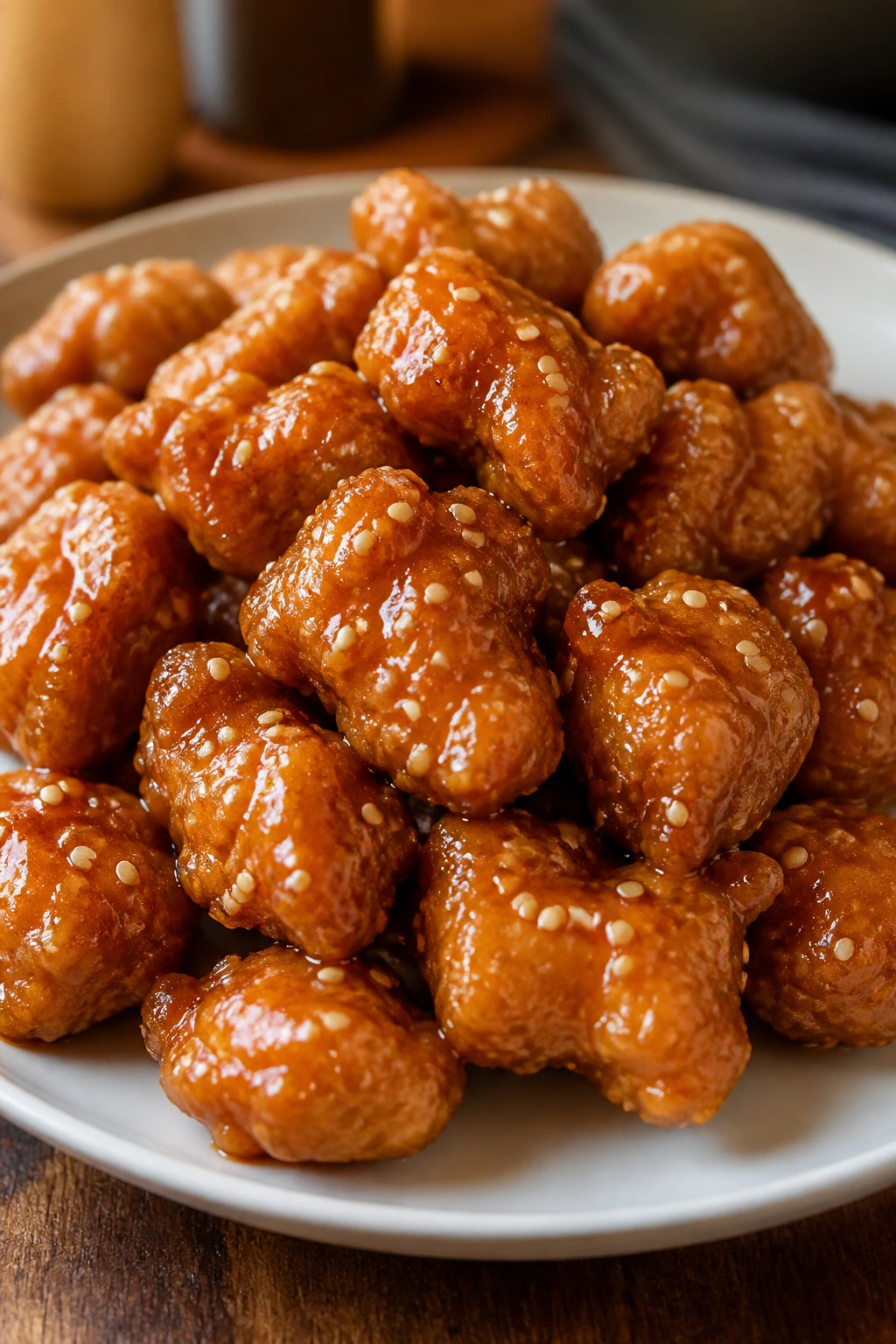
-
Crowding the Pan: If chicken sits too close together, it steams instead of browns. Cook in batches, even if it feels slower.
-
Over-Sweetening the Sauce: A lot of takeout-style chicken leans sweet, but too much sugar kills the acid and makes the whole dish taste flat. Taste the sauce before it goes into the pan.
-
Using the Wrong Cut: Breast meat can be good, but it’s less forgiving in braises and high-heat stir-fries. If you want the least stress, use thighs.
-
Saucing Too Early: Crispy chicken softens fast once it’s coated. Finish the toss right before serving, not five minutes before.
-
Underseasoning the Rice: Plain rice can make a strong dish taste weaker than it is. Season the rice properly or the sauce has to work too hard.
-
Skipping the Rest Time: Whole chickens, roasted birds, and braises need a few minutes off the heat so the juices settle. Cutting too soon is how you lose all that careful work onto the board.
Frequently Asked Questions
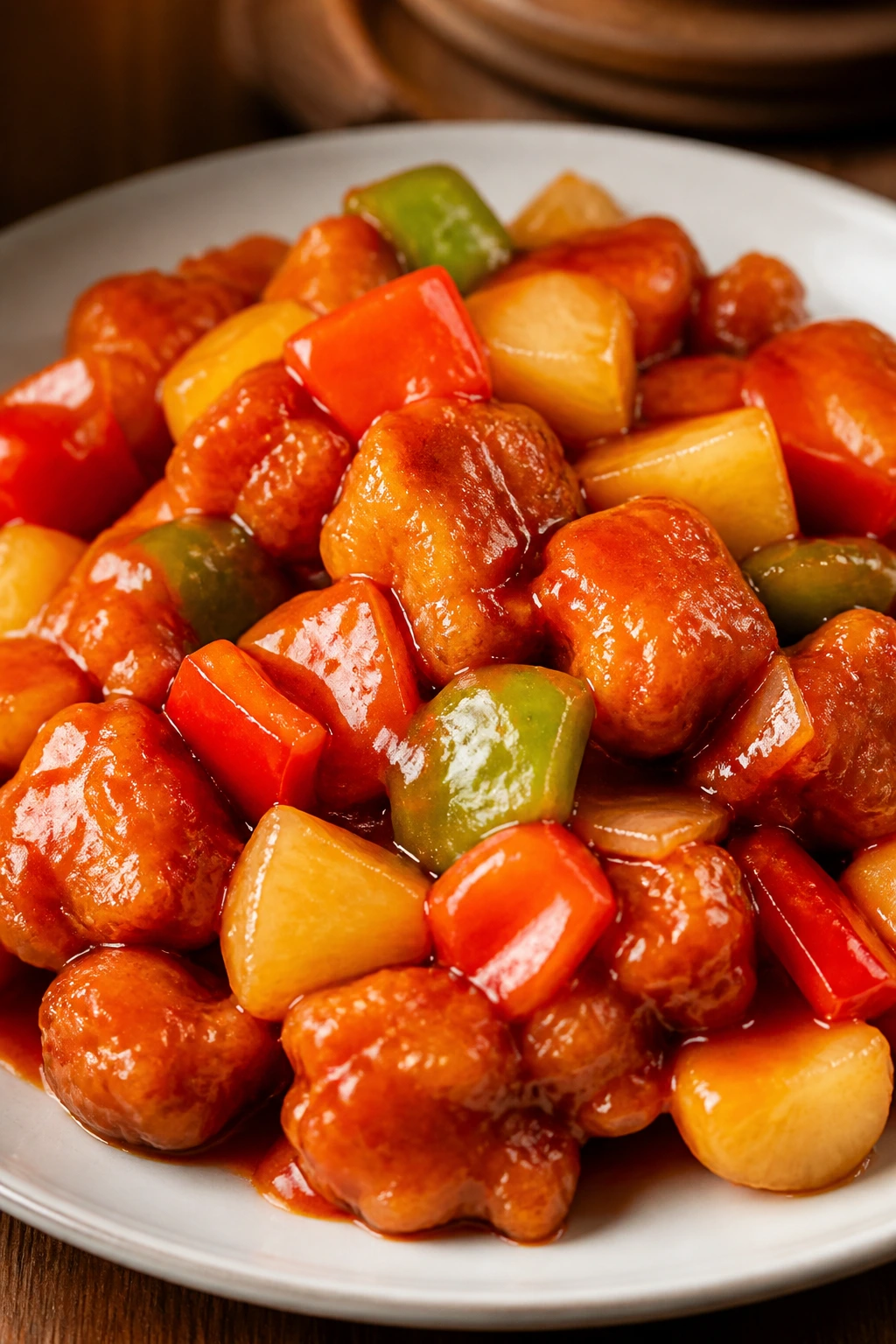
Can I use chicken breast instead of thighs in most of these recipes?
Yes, but the timing changes. Breast works best in quick stir-fries, lemon chicken, and velveted dishes where it cooks fast and doesn’t sit in sauce for long. For braises, fried dishes, and anything that simmers, thighs usually taste better and stay juicier.
What’s the best substitute for Shaoxing wine?
Dry sherry is the easiest replacement and behaves the most like the real thing in stir-fries and braises. If you don’t want alcohol, use a mix of chicken broth and a splash of rice vinegar, but the flavor will be a little flatter.
Do I need a wok for all of these dishes?
No. A wide skillet works fine for most stir-fries if it gets hot enough. Use a Dutch oven for braises and soups, and a steamer basket for steamed chicken; the shape of the pan matters less than the heat and the room to move food around.
How do I keep fried chicken dishes crisp after saucing?
Toss them at the last possible moment and serve immediately. If you need the chicken to stay crisp longer, keep the sauce on the side or make the sauce a little looser so it coats rather than saturates.
Why does my sauce turn gluey or too thick?
Usually the cornstarch went in too fast or the heat was too high for too long. Start with less slurry than you think you need, stir constantly, and pull the pan off the heat while the sauce still looks slightly thinner than the final texture.
Can I freeze these dishes?
Braised chicken, soups, and congee freeze well for up to 2 months. Fried chicken, noodles, and rice dishes freeze less gracefully, but they’re still usable if you reheat them in a hot skillet or oven instead of the microwave.
What rice works best with Chinese chicken dishes?
Jasmine rice is the safest default because it’s fragrant and doesn’t fight the sauce. Short-grain rice works for congee and some bowl dishes, but for most of these recipes, a fluffy long-grain rice gives you the cleanest plate.
How spicy should these dishes be?
Spice level should fit the dish, not your panic threshold. Kung Pao, Szechuan, Mala, and dry-fried chili chicken are supposed to be loud; lemon chicken, soy sauce chicken, and Hainanese chicken rice are not. If you cut the heat, replace some of it with ginger, scallion, or black vinegar so the flavor still has shape.
The Takeout Basket Can Wait
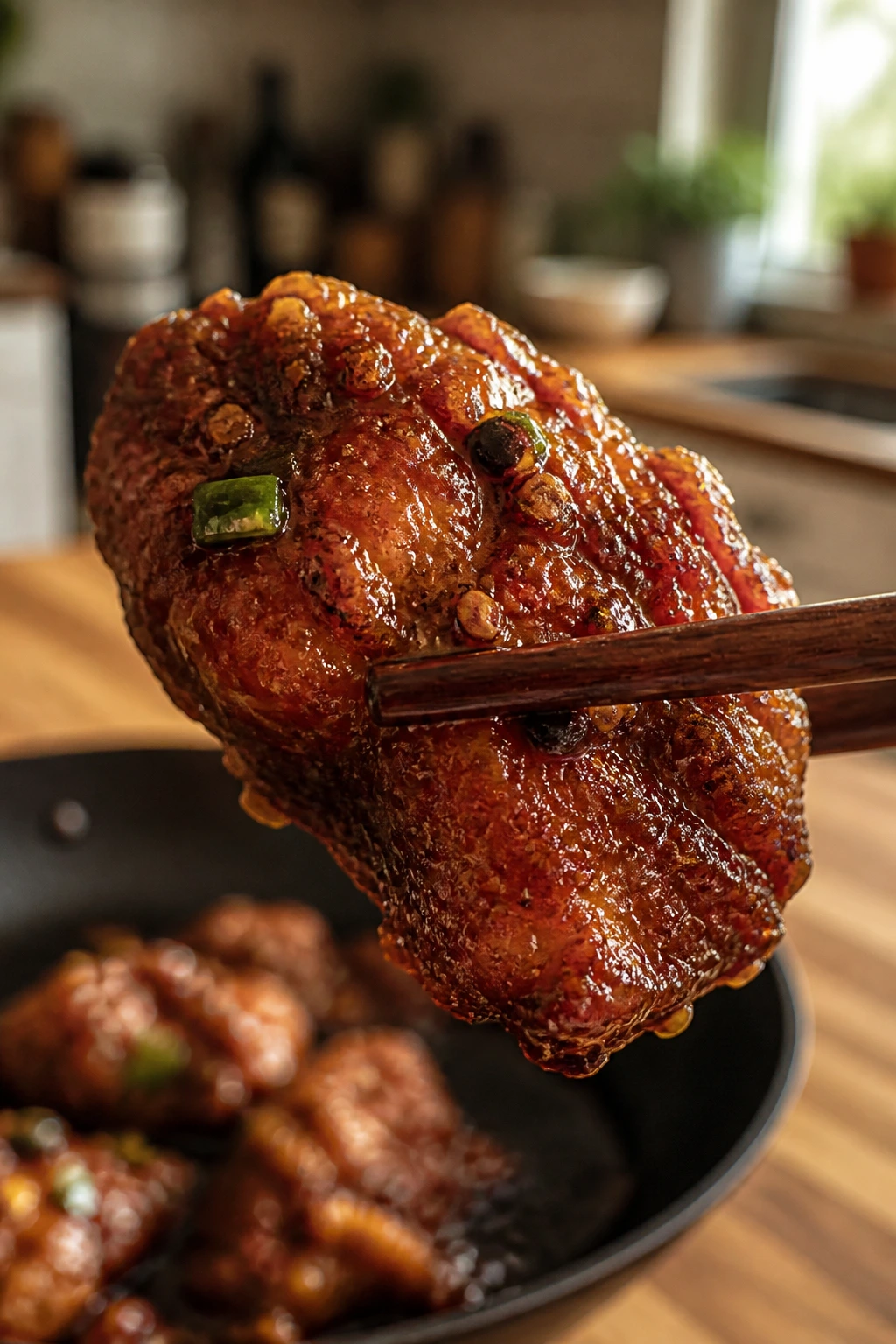
The best thing about Chinese chicken dishes is that they’re not one trick with 50 names. They’re a toolbox. Once you know how to fry, steam, braise, and stir-fry with confidence, you can move from General Tso’s one night to Hainanese chicken rice the next without feeling like you’ve switched cuisines completely.
That’s why these dishes keep showing up in home kitchens: they give you a lot back for the small amount of attention they ask for. Get the sauce right. Keep the heat honest. Don’t rush the part where the chicken needs a minute to rest or the pan needs to stay crowded just enough to brown. Then cook the one that sounds best tonight.