



The best spicy Asian food has a sound before it has a taste: garlic hitting hot oil, ginger hissing for half a second, and a pan that smells so good you stop chopping for a moment just to look over. Takeout gets credit for that first rush, but a home kitchen can do it cleaner, sharper, and hotter where it counts. No soggy broccoli. No sauce that tastes like sugar syrup with a little heat hiding behind it. No mystery grease pooling in the bottom of a carton.
What usually wins people over is not some secret restaurant trick. It’s order. Aromatics go in first, sauce gets mixed before the pan gets hot, vegetables are cut to the same size so they finish together, and the final hit of vinegar or lime wakes everything up at the end. Once you understand those moves, spicy Asian food stops feeling fussy and starts feeling like the most forgiving kind of dinner you can make.
I lean Chinese-inspired here, because that’s where the easiest weeknight wins live: chili crisp, scallions, soy sauce, black vinegar, garlic, ginger, sesame oil, doubanjiang, and a hot skillet that does most of the work. But the same logic also carries into Sichuan, Hunan, Korean-leaning, and broader Asian-inspired bowls and stir-fries. The category is wider than one country. The trick is learning the flavor families that make it sing.
Why Homemade Spicy Asian Food Works Better Than the Delivery Box
Why This Approach Works
- Faster than a driver with three stops: Once your sauce is mixed and your vegetables are cut, most stir-fries finish in 8 to 12 minutes on the stove, which is faster than waiting for a carton to arrive lukewarm.
- Heat that has shape: You can choose between chili crisp, fresh chilies, fermented chile paste, or Sichuan peppercorn, so the spice tastes smoky, bright, numb, or sharp instead of one flat burn.
- Texture that survives the plate: A home pan can keep broccoli snappy, beef browned at the edges, and noodles slick instead of gummy from sitting in steam.
- A cleaner finish: A spoon of black vinegar, a handful of scallions, or a drizzle of toasted sesame oil at the end makes the whole dish taste alive.
- Pantry-first cooking: Soy sauce, cornstarch, garlic, ginger, vinegar, and dried chilies can turn into a dozen different dinners without a grocery run.
- Easy to tune: If the sauce is too salty, add water and acid. If it is too flat, add another pinch of sugar and a little more heat. The pan gives feedback fast.
A lot of takeout-style food tastes tired because it has to survive a car ride. Steam softens crispy edges, noodles keep drinking sauce, and fried bits get trapped under a lid where they lose their edge. At home, you can do the opposite. You can let the sauce cling instead of puddling. You can keep the greens bright. You can pull the pan off the heat the second the garlic smells sweet instead of bitter.
And there’s the part people don’t always say out loud: home versions don’t need to be copies. A really good spicy Asian dinner can be a little cleaner than takeout, a little less greasy, and a little more focused. That is not a downgrade. It’s the whole point.
The Pantry Shelf That Makes Weeknight Heat Easy
A good spicy pantry is not huge. It’s a small set of bottles and jars that keep showing up in different combinations, and once you know what each one does, you stop buying random sauces that only work once.
The salty backbone
Soy sauce is the center of a lot of these dishes, but it does different jobs depending on the bottle. Light soy brings salt and savory depth. Dark soy adds color and a faint molasses note, which is why a stir-fry can turn glossy and bronze without tasting sweet. Tamari does the same kind of work if you need gluten-free.
Oyster sauce brings that restaurant-like roundness people can’t always name. If you don’t eat shellfish, a mushroom oyster sauce gives a similar body. It’s not the same thing. It still works.
The bright edge
Rice vinegar is the easiest acid to keep around because it’s soft and clean. Black vinegar is deeper and a little smoky, with enough character to make a simple noodle bowl taste like you meant it. I keep both on hand, because they solve different problems.
Dry sherry or Shaoxing wine can also do quiet work in the background. Shaoxing has a nutty, savory edge that reads immediately in a stir-fry. If you can’t get it, dry sherry is the closest common swap. White wine is sharper and thinner; it will work in a pinch, but it does not bring the same depth.
The heat
Chili crisp is more than heat. It brings fried garlic, chile flakes, oil, and often a little crunch. Chili oil is cleaner and smoother, which makes it better when you want the heat to spread through sauce instead of sitting on top. Doubanjiang is the heavy hitter: fermented broad beans and chilies, dark red and salty, with a funk that turns tofu or ground pork into something much bigger than the sum of its parts.
Keep one jar of crushed chilies or chili flakes around too. They are not flashy, but they bloom well in hot oil and give you instant heat without changing the whole identity of the dish.
The thickener and the finish
Cornstarch is what turns sauce from watery to glossy. It also helps protein brown more evenly when you use it as a light coating. A small spoon goes a long way. Too much turns gluey fast.
Sesame oil is a finishing oil, not a frying oil. If you cook it hard, the aroma disappears. Add it at the end, off heat, and it smells nutty instead of burnt.
Scallions, garlic, ginger, and toasted sesame seeds are not optional in spirit, even if one of them is missing from your counter that night. They are the last bit that makes the dish feel intentional instead of assembled.
Heat With Character: Chili Crisp, Doubanjiang, and Sichuan Peppercorn
Most people say they want food to be spicy, but what they usually mean is that they want it to feel awake. That is a different thing. A bowl can be hot and still taste flat. It can also be only medium-hot and still make you keep going back for one more bite because the heat has layers.
Sichuan peppercorn is the easiest example. It is not a pepper in the chili sense. It gives a tingling, numbing feeling on the tongue and lips, the famous ma in ma la. That sensation is part of why Sichuan food feels so distinctive. Pair it with dried chilies, and the heat changes shape. It stops being a single burn and starts feeling almost electric.
Doubanjiang does another job entirely. It is fermented, salty, and deep red, and a spoon of it can tint an entire pan. If you’ve ever had mapo tofu or a dry-fried eggplant dish that tasted like it had real backbone, doubanjiang was probably doing half the work. It is intense, though, so go light on the soy sauce if you use it. The jar already brings salt.
Chili crisp is the easiest jar to love because it gives you crunch along with the burn. The little fried bits cling to rice, noodles, dumplings, and even scrambled eggs. I reach for it when I want a dish to feel textured instead of smooth. If you dump it into the pan too early, the crunchy parts disappear. Spoon it over the finished dish and it stays lively.
Fresh chilies are the opposite end of the spectrum. They bring brightness and a snap that dried heat never will. Thin slices of serrano, Thai bird chilies, jalapeño, or Fresno chilies give a top-note heat that hits right away and fades fast. Use them when you want the spice to taste fresh rather than fermented or smoky.
A simple way to think about it
- Dried chilies: darker heat, great for oil-blooming.
- Fresh chilies: brighter heat, better near the end.
- Chili crisp: crunchy, savory, and easy to spoon on top.
- Doubanjiang: salty, fermented, and powerful in small amounts.
- Sichuan peppercorn: tingling, not just hot.
Pick two, not five. That’s usually enough.
The Sauce Formula That Gives You Gloss Instead of Puddle
The sauce is where a lot of home cooks get shy. They either drown the pan or barely season it at all. The middle ground is not hard once you think in parts rather than recipes.
A good spicy sauce usually needs five things: salt, sweetness, acid, body, and enough liquid to coat the food without flooding it. Soy sauce gives salt and umami. A little sugar, honey, or brown sugar rounds off the sharp edges. Vinegar wakes everything up. Stock or water stretches the sauce. Cornstarch gives it the sheen people associate with takeout.
Here’s the part that matters in practice: mix the sauce before it goes near the heat. If you dump cornstarch straight into a hot pan, it clumps. If you add cold or room-temperature liquid with the starch already dissolved, it thickens more evenly. The sauce should look a little too thin in the bowl and then turn glossy in the pan after 30 to 60 seconds of simmering.
The other trick is restraint. A sauce that tastes perfect in the mixing bowl can taste heavy once it lands on rice. That’s because rice keeps absorbing liquid. Same with noodles. So when you think you’ve hit the right flavor, stop one step before that and finish with something sharp at the end — a splash of black vinegar, a squeeze of lime, or a spoon of chili oil with garlic in it.
A flexible starting point
For a pound of meat, tofu, or vegetables, a lot of home cooks do well with:
- soy sauce for the salty base
- a little water or stock for volume
- a spoon of sugar for balance
- vinegar for brightness
- cornstarch for gloss
- chili oil, chili crisp, or doubanjiang for heat
That is not a rule carved into stone. It is a map. If you use doubanjiang, you may need less soy and less sugar. If you use chili crisp, you may want more acid. If the dish is going over noodles, a touch more liquid helps the sauce spread.
And yes, seasoning the protein first matters. A quick marinade with soy sauce, a splash of Shaoxing wine, and a little cornstarch gives meat a more savory edge and helps the outside brown before the sauce goes in. That tiny step is one reason home stir-fries can taste restaurant-like without getting fussy.
Stir-Fry, Braise, Noodles, and Rice Bowls: Choosing the Right Method
Not every spicy Asian dish wants the same kind of heat. Some want a fast sear and a short finish. Others want a longer simmer so the sauce can sink in. The method changes the whole mood of the meal.
Stir-fry when you want speed and snap
Stir-fry is the workhorse. It fits sliced chicken thigh, flank steak, shrimp, tofu, green beans, broccoli, cabbage, and bell peppers. The pan needs to be hot enough that the food sizzles the second it lands. If the pan is weak, the vegetables water out and the protein turns pale. If the pan is hot, the edges brown and the sauce clings before dinner falls apart.
This is the method for weeknights when the rice is already cooking and you want a plate in front of you fast. It’s also the easiest way to make spicy food feel fresh. Garlic, ginger, and chilies go in for seconds, not minutes.
Braise when you want depth
A braise gives you a different kind of pay-off. Ground pork with doubanjiang, tofu in a chile-bean sauce, or eggplant in a spicy garlic sauce all benefit from a little simmer time. The sauce thickens in the pan or the skillet, and the seasoning gets into every bite. It takes longer than a stir-fry, but not by much — often 15 to 25 minutes total once the aromatics are in.
This is where you get dishes that feel deeper and less shiny. Not worse. Different. A braise is especially good when the heat source is fermented, because the slow cook helps the flavors settle.
Noodles when you want sauce to be the main event
Noodles are the easiest place to make spicy Asian food feel luxurious. They like sauces that are a little looser than stir-fry sauce, because the noodles absorb a lot as they sit. Tossing the noodles with the sauce off heat keeps them slick instead of gluey. If you cook them too long, they turn mushy fast.
Rice noodles, lo mein-style wheat noodles, ramen noodles, and even spaghetti in a pinch can all work if the sauce is balanced. The noodles should get coated, not drowned.
Rice bowls when you want the easiest dinner life
Rice bowls are the least fussy route and one of the smartest. Make a spicy protein, keep a vegetable crisp, spoon it over jasmine rice or short-grain rice, and finish with scallions and sesame seeds. Leftovers also hold up better in bowl form, because rice can absorb a little extra sauce without the whole thing turning pasty.
A good bowl has contrast. Soft rice underneath, something crunchy on top, and a hot sauce that doesn’t disappear into the starch.
The Vegetables, Proteins, and Tofu That Hold Their Shape Under Heat
Some ingredients make spicy cooking easy because they forgive the cook. Others punish sloppy timing immediately. The trick is choosing the ones that can take a hit.
Chicken thighs are the easiest protein to recommend because they stay juicy even if the heat runs a little strong. Slice them thin across the grain, and they cook quickly without drying out. Flank steak does the same job on the beef side, but it needs to be sliced very thin and against the grain or it turns chewy. Shrimp is fast, almost too fast, and needs to be pulled the second it goes opaque and pink.
Ground pork is a sleeper hit. It browns beautifully, carries chili paste well, and doesn’t need much more than garlic, ginger, and a splash of vinegar to become dinner. Ground chicken works too, but it has less fat, so it appreciates a little extra oil and a more assertive sauce.
Tofu deserves more respect than it usually gets in spicy home cooking. Press it for at least 15 minutes, then cube it and either pan-fry it or bake it until the edges go gold. If you dust it with a little cornstarch before frying, the surface gets a light crust that grabs sauce instead of shedding it. Firm tofu handles stir-fries. Extra-firm tofu holds up in braises. Silken tofu is best when you want a softer dish like mapo-style tofu where the sauce does the heavy lifting.
Vegetables that stay bright instead of collapsing
- Broccoli: best cut into small florets with the stems peeled and sliced; the stems are too good to throw away.
- Bok choy: separate the stems from the leaves because the stems need more time.
- Green beans: blister nicely in a hot pan and stay crisp if you don’t overcrowd them.
- Snow peas and sugar snap peas: go in late so they keep their snap.
- Cabbage: cheap, fast, and much better than people remember; it turns sweet at the edges.
- Mushrooms: shiitake, oyster, and cremini all bring a meaty chew and soak up spicy sauce.
- Bell peppers: add color and sweetness, but cut them a little thicker than you think so they don’t disappear.
A small but useful trick: if your stove is weak, blanch broccoli or green beans in salted boiling water for 30 to 45 seconds before they hit the pan. Then dry them well. That little head start means the vegetables stay green while the pan catches up.
Serving It Like It Came From a Good Kitchen
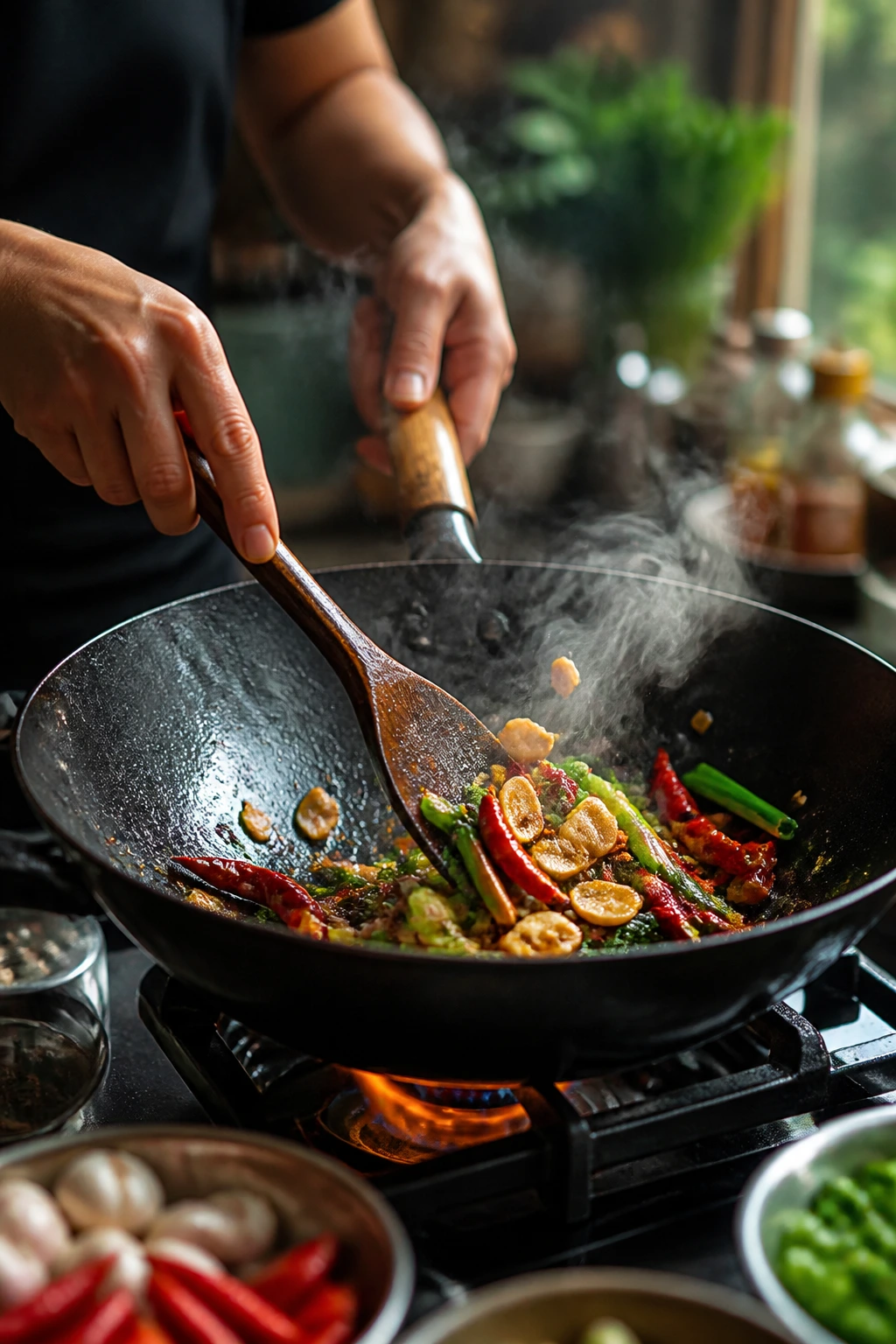
Presentation: Use a wide bowl or a shallow plate if the dish is saucy. Pile the rice or noodles slightly off-center, spoon the spicy topping over one side, and leave a little negative space so the food doesn’t look mashed together. A last-minute scatter of scallions, toasted sesame seeds, and a few drops of chili oil makes the bowl look finished without trying too hard.
Accompaniments: Steamed jasmine rice is the safest default, but nothing stops you from serving a spicy stir-fry with cold cucumber salad, quick-pickled carrots, or plain noodles on the side if you want more stretch. For a heavier dish like mapo tofu or chili pork, a simple broth soup works better than another rich side. For a crisp vegetable stir-fry, a soft egg on top is one of those small additions that makes the whole plate feel fuller.
Portions: A standard adult serving usually lands somewhere around 1 to 1½ cups of stir-fry or saucy protein over ¾ to 1 cup cooked rice. If the dish is very rich, go lighter on the rice and heavier on the vegetables. If you’re feeding people who come hungry, build the meal around the starch and keep the spicy component bold enough to cut through it.
Beverage Pairing: Cold jasmine tea is a clean match because it resets the palate without fighting the heat. A crisp lager works well with salty, chile-heavy dishes. Off-dry riesling handles spice better than a dry white wine, especially when the dish has vinegar or a little sweetness.
Nope, you do not need a fancy garnish bar. You need one sharp bowl, one bright finish, and enough contrast that the first bite tastes different from the last.
Practical Tips for Better Results
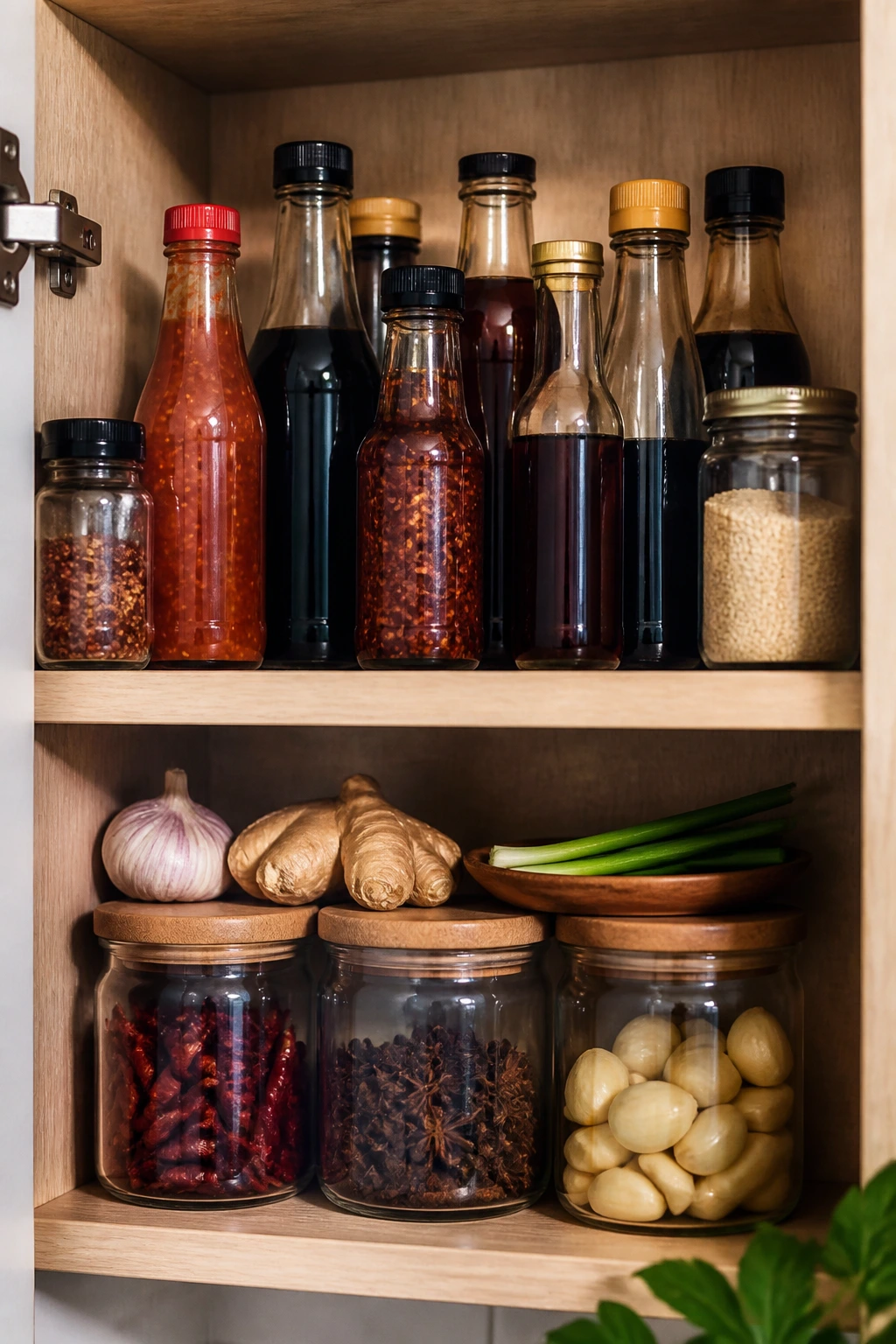
Flavor Enhancement: Bloom dried chilies, garlic, or ginger in hot oil for 20 to 30 seconds before anything wet goes in. That short window changes the whole pan. If the garlic starts to brown hard, it turns bitter fast, so treat it like a quick cue, not a long sauté.
Time-Saver: Mix the sauce in a jar and keep it in the fridge for a few days. Shake it before using, because cornstarch settles. A pre-mixed sauce removes the most annoying part of weeknight cooking: hunting for five bottles while the oil is already hot.
Pro Move: Cut vegetables by cooking time, not by category. Broccoli stems need a head start, leaves need almost no time, and mushrooms will give up water if you crowd them. That tiny bit of sorting does more for texture than fancy knife work ever will.
Cost-Saver: Buy one or two vegetables that work across multiple dishes. Cabbage, carrots, onions, mushrooms, and frozen broccoli are hard to beat for price and flexibility. They also tolerate a spicy sauce better than watery vegetables that collapse into mush.
Heat Control: If a dish feels too spicy, do not reach first for sugar. Add a splash of stock, another teaspoon of vinegar, or a spoon of peanut butter or tahini if the flavor profile fits. Sugar can blunt the heat, but acid and fat usually fix the dish more cleanly.
Finish Strong: Hold back a few scallions, herbs, or a spoon of chili crisp for the end. When they go in off heat, they stay green and fragrant. That fresh finish is one of the biggest differences between a home dish that tastes good and one that tastes finished.
I also like to keep a damp towel under the cutting board when I’m moving fast. It sounds small. It saves a lot of annoyance.
Common Mistakes That Make Home Versions Taste Flat
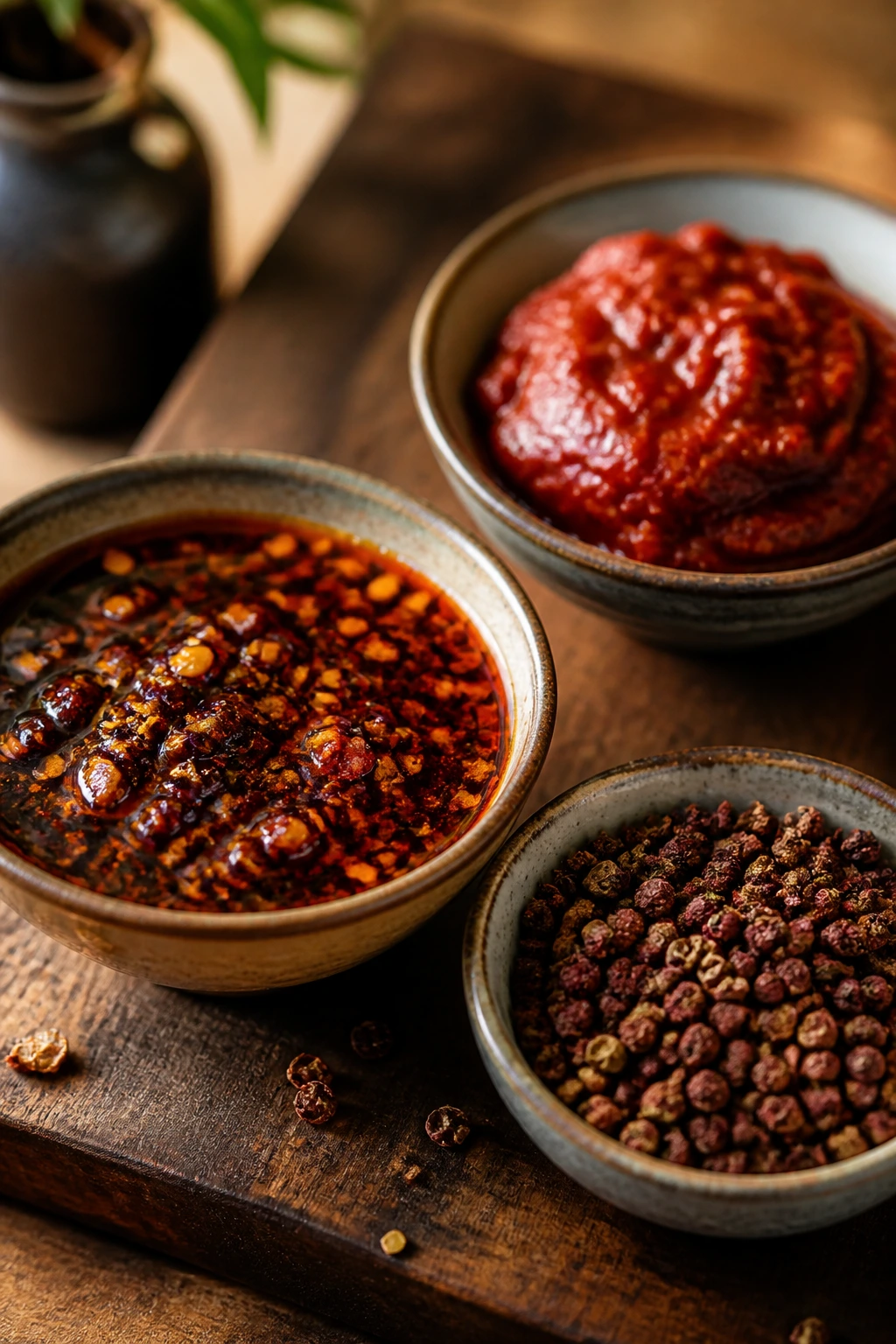
Crowding the pan is the first killer. If the vegetables sit in a mound, they steam instead of sear, and the dish turns soft and gray around the edges. Cook in batches if you have to. The extra minute is worth it.
Using one bottled sauce as the whole flavor base is the second problem. A lot of those sauces are sweet, thick, and narrow. They can taste fine in the first bite and dull by the third. Build with soy, acid, garlic, and heat instead of letting one jar do everything.
Another easy mistake is cooking garlic and chili too long. The smell changes from sweet and sharp to bitter and stale in a hurry. Once the garlic is fragrant, get the liquid in. Don’t sit and admire it.
Too much cornstarch is a sneaky one. A sauce that looked shiny for 10 seconds can turn gummy after it sits because the starch was overdone. Start small. You can always simmer a little longer or add a touch more slurry if the sauce is still thin.
Skipping acid leaves the dish heavy. That extra spoon of rice vinegar or black vinegar is often the difference between “good enough” and “I want another bowl.” Salt alone does not brighten food. It only makes it louder.
And then there’s the overcooked protein problem. Chicken breast turns dry fast. Shrimp go rubbery fast. Beef gets tough fast if the slices are too thick. Slice thin, cook hot, and pull the pan at the first sign that the protein is done. Carryover heat will do the last little bit.
Variations and Regional Twists Worth Trying
Sichuan Mala Night
Use doubanjiang, chili crisp, and a light sprinkle of ground Sichuan peppercorn over tofu, beef, or eggplant. The point here is not plain heat; it’s the numbing-tingling thing that makes you keep eating even when the spice is building. A finish of black vinegar keeps the dish from feeling heavy.
Gochujang-Glazed Shortcut
Gochujang brings sweet, salty, fermented heat in one spoonful, which makes it useful on chicken thighs, mushrooms, or roasted cauliflower. Mix it with soy sauce, garlic, a little honey, and a splash of water, then toss it with the hot ingredients right before serving. It leans Korean rather than Chinese, but it belongs in the same busy-weeknight lane.
Cumin Lamb Skillet
Thin-sliced lamb, onion, cumin seed, dried chilies, and a little soy create a dry-fried, savory pan that tastes far more dramatic than the ingredient list suggests. It wants a hot skillet and not much sauce. The cumin should smell toasted, not dusty.
Mushroom and Tofu Power Bowl
Oyster mushrooms and pressed tofu soak up spicy sauce without needing meat to carry the flavor. A mushroom-heavy bowl also tolerates black vinegar, garlic, and chili crisp especially well because the mushrooms bring their own savory depth. Serve it over rice with scallions and a squeeze of lime if you want a brighter edge.
Garlic-Chile Green Bean Stir-Fry
Blister the beans until the skins split in spots, then toss them with garlic, red pepper flakes, soy, and a small splash of vinegar. This one stays crisp and bright if you keep the cook time short. It’s the dish I reach for when I want heat without a heavy sauce.
Sweet-Savory Family Version
Dial the chili back and lean on soy, a little brown sugar, garlic, and sesame oil for a milder bowl that still tastes like real food. Add chili crisp at the table so the people who want more heat can control their own fate. That trick keeps one pan useful for a mixed crowd.
Tools and Equipment That Earn Their Space
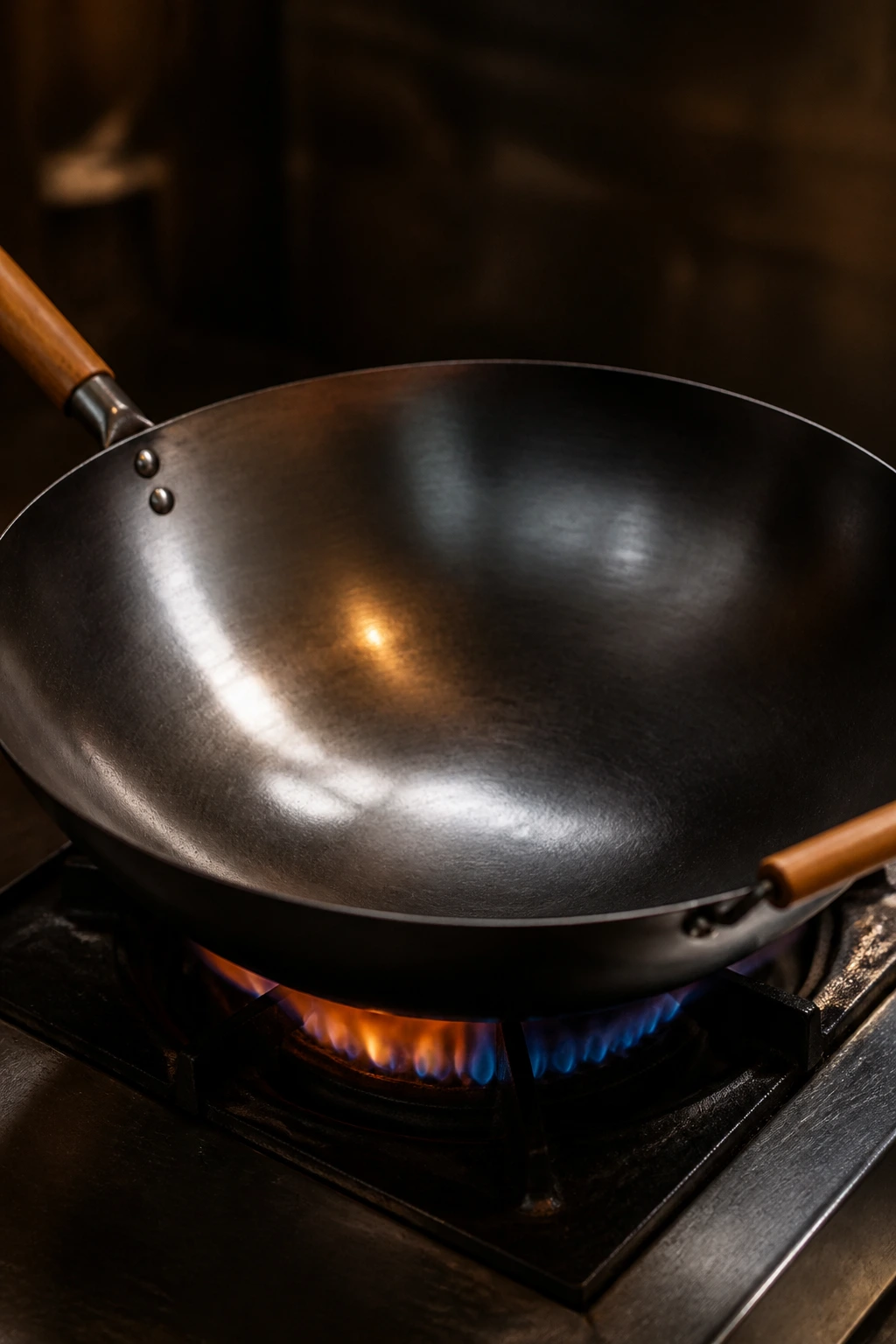
- Wok or 12-inch skillet: A wok is nice if your stove gets hot enough; a heavy skillet works fine on a home burner and often browns more evenly.
- Heatproof spatula or wooden spoon: You need something that can move food fast without scratching the pan.
- Sharp chef’s knife: Thin, even slices are half the battle in stir-fry cooking.
- Cutting board with a damp towel underneath: Keeps the board from slipping when you’re chopping garlic, chilies, and herbs in a hurry.
- Small bowls or ramekins: Good for staging chopped aromatics and keeping the sauce ready before the heat goes on.
- Measuring spoons: Small amounts of chili paste, sesame oil, and vinegar matter more than they look like they should.
- Spider or slotted spoon: Handy for scooping noodles, blanching vegetables, or pulling fried bits out of hot oil.
- Tongs: Useful for turning protein and moving larger vegetables without breaking them.
- Rice cooker or covered saucepan: Makes the starch part almost effortless and frees the stove for the main pan.
- Instant-read thermometer: Optional, but helpful if you cook chicken or shrimp often and want less guesswork.
- Fine-mesh strainer: Good for rinsing shrimp, draining blanched vegetables, or straining a sauce that picked up garlic bits you did not want.
You do not need every tool on day one. A good knife, a skillet, and a couple of small bowls will get you far.
Storage, Make-Ahead, and Reheating
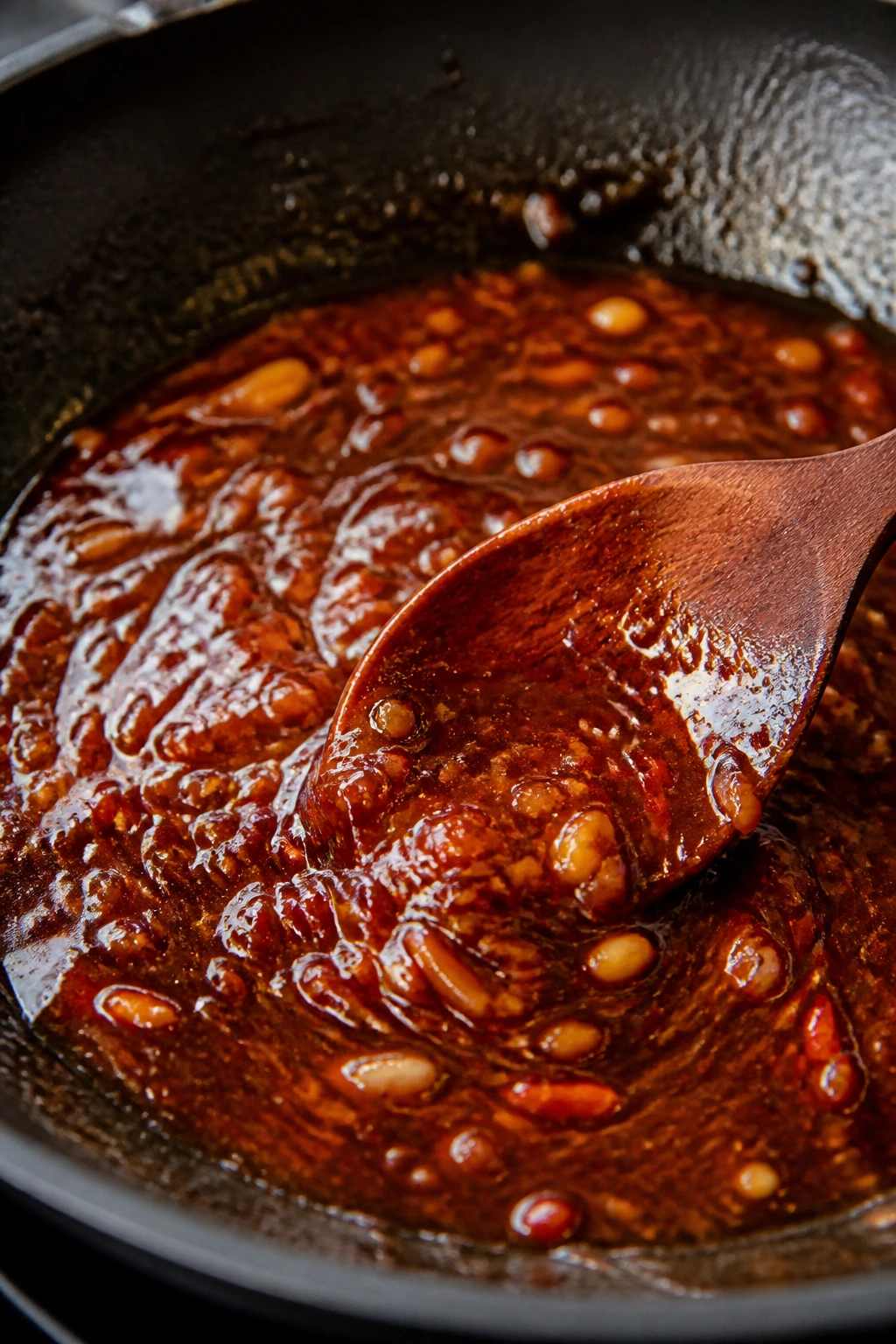
Spicy Asian food often holds up better than people expect, but the trick is separating the parts that like steam from the parts that hate it. Saucy stir-fries, braises, and rice bowls usually keep well in the fridge for 3 to 4 days in airtight containers. If the dish includes crisp vegetables or fried garnishes, keep those on the side if you can; they soften fast once they sit in the sauce.
Cool the food within 2 hours of cooking and get it into the fridge. That matters more than people think, especially with rice and noodles. Spread the food in a shallow container if it’s steaming heavily, because a deep hot pile takes too long to chill and keeps cooking itself.
Freezing works best for saucy dishes with protein or tofu. Chicken in chili sauce, mapo-style tofu, ground pork with vegetables, and braises all freeze well for up to 2 months. Noodles are less cooperative. They tend to go soft after thawing, so if you know you want leftovers, keep the noodles separate and freeze only the sauce and topping.
Reheating on the stove is the best move for most dishes. Put the food in a skillet over medium heat with a tablespoon or two of water, stock, or unsalted broth, and stir until the sauce loosens and the center is hot. If the dish has crisp vegetables, use a slightly hotter pan and keep the reheating short so they do not collapse.
The microwave works too, but cover the container loosely and heat in 45-second bursts, stirring between each one. That stops the edges from drying out while the center is still cold. For fried or crispy items, the oven or air fryer is better: 375°F for 5 to 8 minutes usually brings some life back without overcooking the inside.
A pre-mixed sauce can often sit in the fridge for several days if it does not contain delicate fresh herbs. Just shake it before using, because the starch settles. If it contains raw garlic or ginger, smell it before you cook; if it smells off or dull in a weird way, make a fresh batch. The sauce is cheap. Your dinner time is not.
Frequently Asked Questions
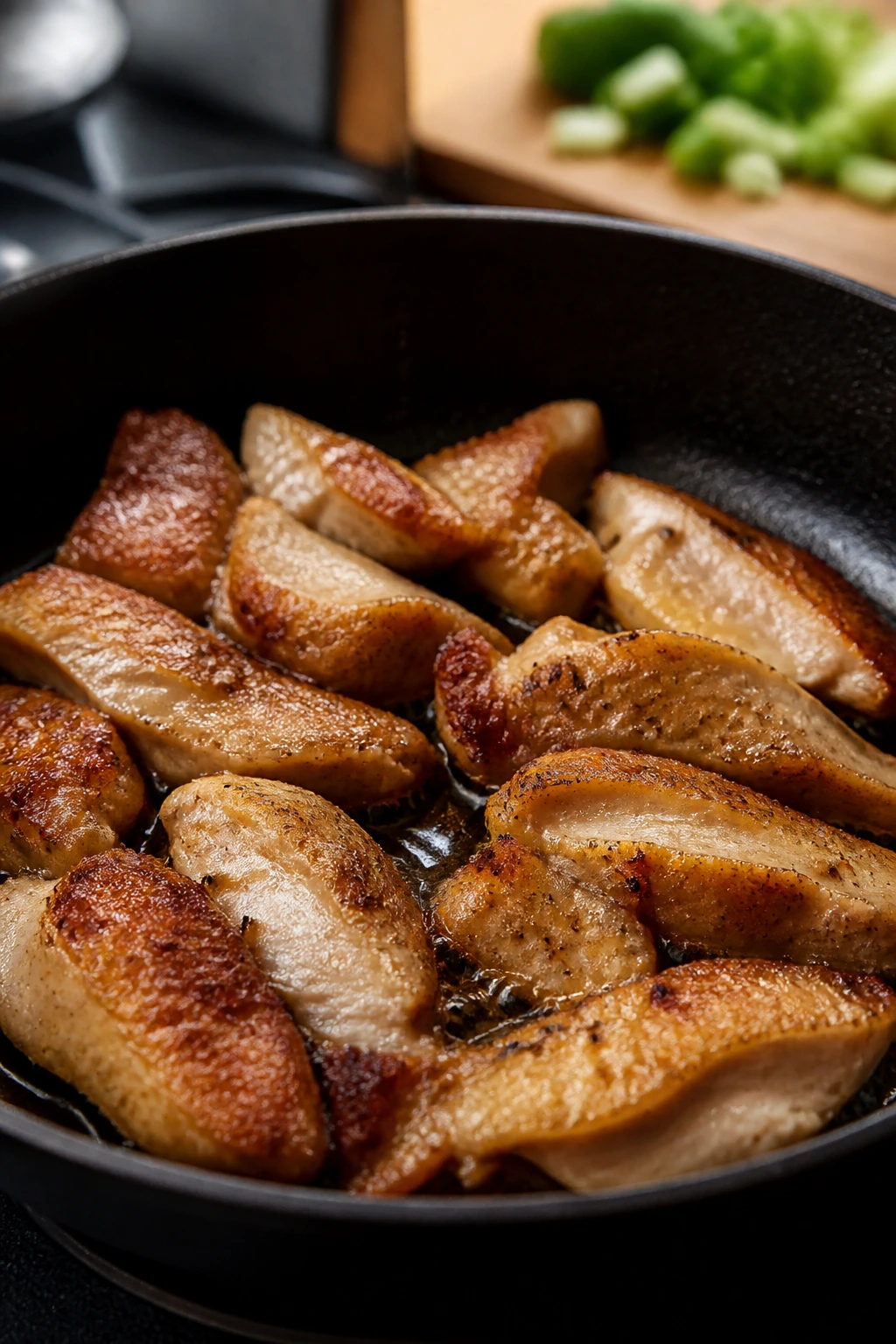
Can I make spicy Asian food without a wok?
Yes. A heavy 12-inch skillet is enough for most home kitchens, and on many home burners it browns better than a cheap thin wok. The real requirement is heat and enough room to keep food from steaming in a pile.
What should I buy first if my pantry is empty?
Start with soy sauce, rice vinegar, sesame oil, cornstarch, garlic, ginger, and one heat source like chili crisp or dried red pepper flakes. That small set covers stir-fries, noodles, rice bowls, and quick braises without locking you into one flavor path.
Is chili crisp the same as chili oil?
No. Chili oil is mostly infused oil with heat, while chili crisp usually has crunchy fried bits like garlic or shallot and sometimes peanuts or fermented soybeans. Chili crisp adds texture; chili oil is cleaner and more fluid.
How do I keep vegetables crisp instead of soggy?
Use a hot pan, cut the vegetables to similar sizes, and cook them in the right order. Dense vegetables like broccoli stems or carrots go in first; delicate ones like bok choy leaves or snap peas go in late. If your pan runs weak, blanch the dense vegetables for 30 to 45 seconds first.
Can I use chicken breast instead of thighs?
You can, but slice it thin and do not walk away from the pan. Chicken breast dries out faster than thigh meat, so keep the cook time short and finish it in sauce rather than overcooking it in oil.
What if the sauce turns out too salty?
Add a splash of water or stock, then a little vinegar to wake the flavor back up. If it still tastes harsh, toss in more vegetables or a small pinch of sugar. Don’t keep adding soy sauce just because the color looks light.
How do I make it vegetarian or vegan without losing depth?
Use mushrooms, tofu, or eggplant as the main body, then lean on mushroom oyster sauce, soy sauce, black vinegar, garlic, ginger, and chili crisp. Fermented ingredients carry the savory weight that meat would usually provide, so the dish still tastes full.
What if the sauce is too thin at the end?
Keep it in the pan for another 30 to 60 seconds and let it bubble gently. If it still looks watery, add a small cornstarch slurry and simmer again. The sauce should coat the back of a spoon lightly, not sit like broth.
Can I make the heat milder without making the dish bland?
Yes. Reduce the chili paste or fresh chilies, then lean harder on garlic, ginger, black vinegar, sesame oil, and scallions. Spice is only one part of the flavor picture. If the aromatics are strong, you won’t miss the burn as much as you think.
Worth Repeating
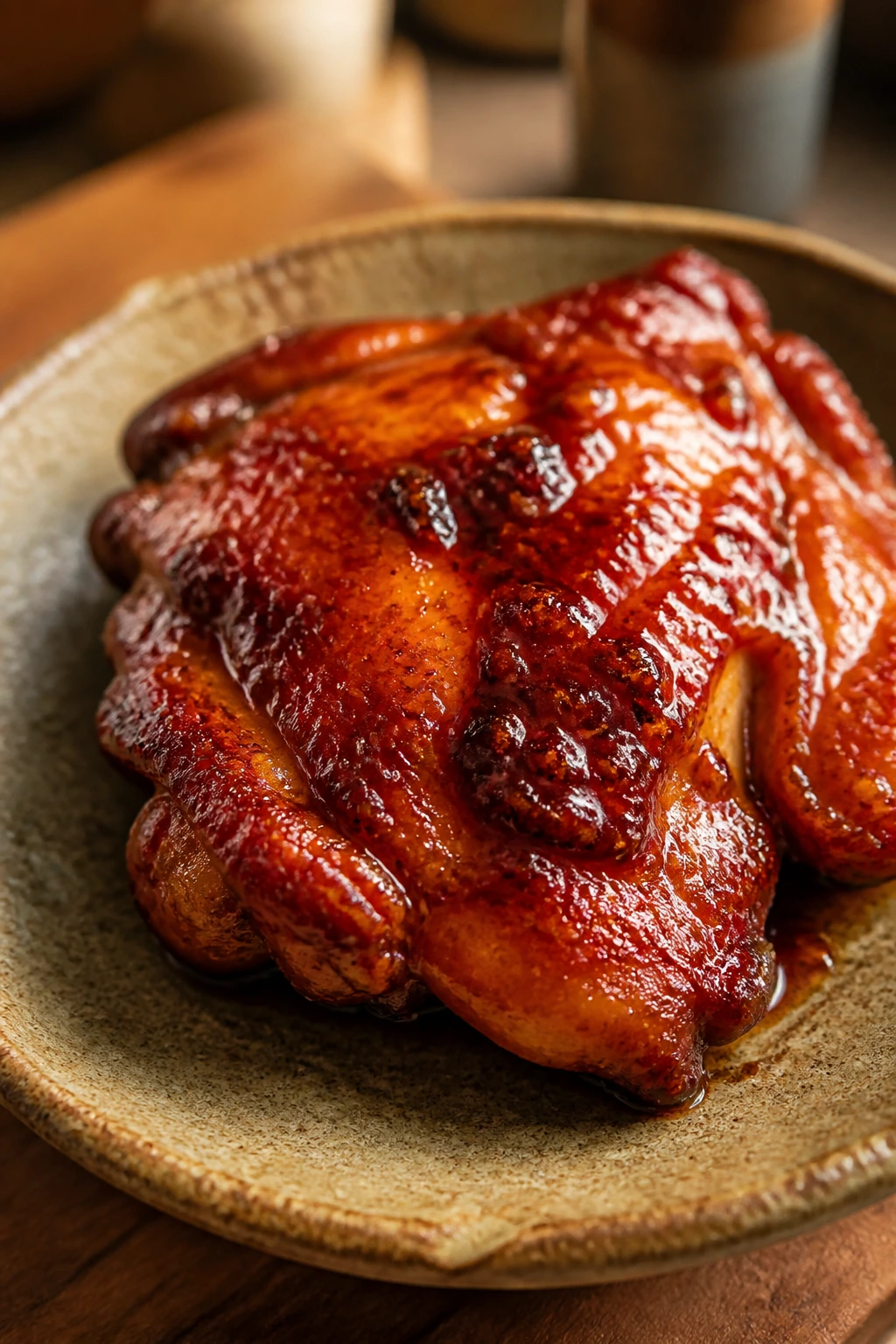
The home version wins when you stop chasing a carton and start chasing balance. Hot pan, fast timing, sharp acid, clean aromatics, and just enough heat to make the bite feel awake. That is the whole trick, and it works across noodles, rice bowls, tofu, chicken, beef, and vegetables that taste like they were cooked by someone paying attention.
A good spicy bowl does not need to be loud to matter. It needs to taste fresh at the first bite and steady at the last one, which is why the best versions usually come from a small pile of smart ingredients and a skillet that never gets too timid. The next time the takeout menu starts looking tired, open a bottle of vinegar, get the pan hot, and make dinner smell like you meant it.