



Some dinners fall apart the moment you get greedy with the heat. Stir-fry is the opposite. A good spicy easy Chinese better than takeout dinner wants a screaming-hot pan, a short list of ingredients, and a sauce that hits salty, sweet, sour, and spicy in one glossy hit. When it works, the chicken stays juicy, the broccoli keeps its snap, and the sauce clings to the rice instead of puddling sadly at the bottom of the bowl.
That’s the part a lot of home cooks miss. They chase “takeout flavor” with extra sugar or bottled sauce, then wonder why the food tastes flat, sticky, or weirdly heavy. The real trick is much more practical: prep everything before the pan gets hot, use the right kind of heat, and build flavor in layers so the garlic doesn’t burn and the vegetables don’t steam themselves into mush.
Chinese-American takeout has its own logic, and it’s a good one. It’s fast, loud, and built for weeknights. You do not need a restaurant burner or a wok that costs more than your rent. A wide skillet, a bowl of sauce, and a few pantry staples can get you most of the way there, especially once you understand what makes the flavor taste round instead of harsh. The little details matter. So does the order you use them in.
Why This Approach Works
- Fast heat, not long cooking: Stir-fry rewards short bursts of heat, which means the vegetables stay crisp and the protein stays tender instead of drying out.
- One sauce does the heavy lifting: A balanced sauce with soy, vinegar, a little sugar, and cornstarch gives you salt, brightness, and that glossy coat people associate with takeout.
- Heat with character: Chili oil, dried chiles, Sichuan peppercorn, and doubanjiang all taste different. That difference is what keeps the food from tasting like generic “spicy.”
- Easy to scale: Once you know the base formula, you can make it with chicken, shrimp, tofu, beef, mushrooms, cabbage, or whatever is hanging around in the crisper drawer.
- Better texture than delivery: A home pan can give you browned edges and fresher vegetables. Delivery food often sits in steam inside a clamshell; yours doesn’t have to.
- One pantry, many meals: Buy a few core sauces and spices once, and you can turn them into noodles, rice bowls, lettuce wraps, or a midnight egg-and-rice situation that somehow feels like a real plan.
What Chinese Takeout Flavor Actually Tastes Like at Home
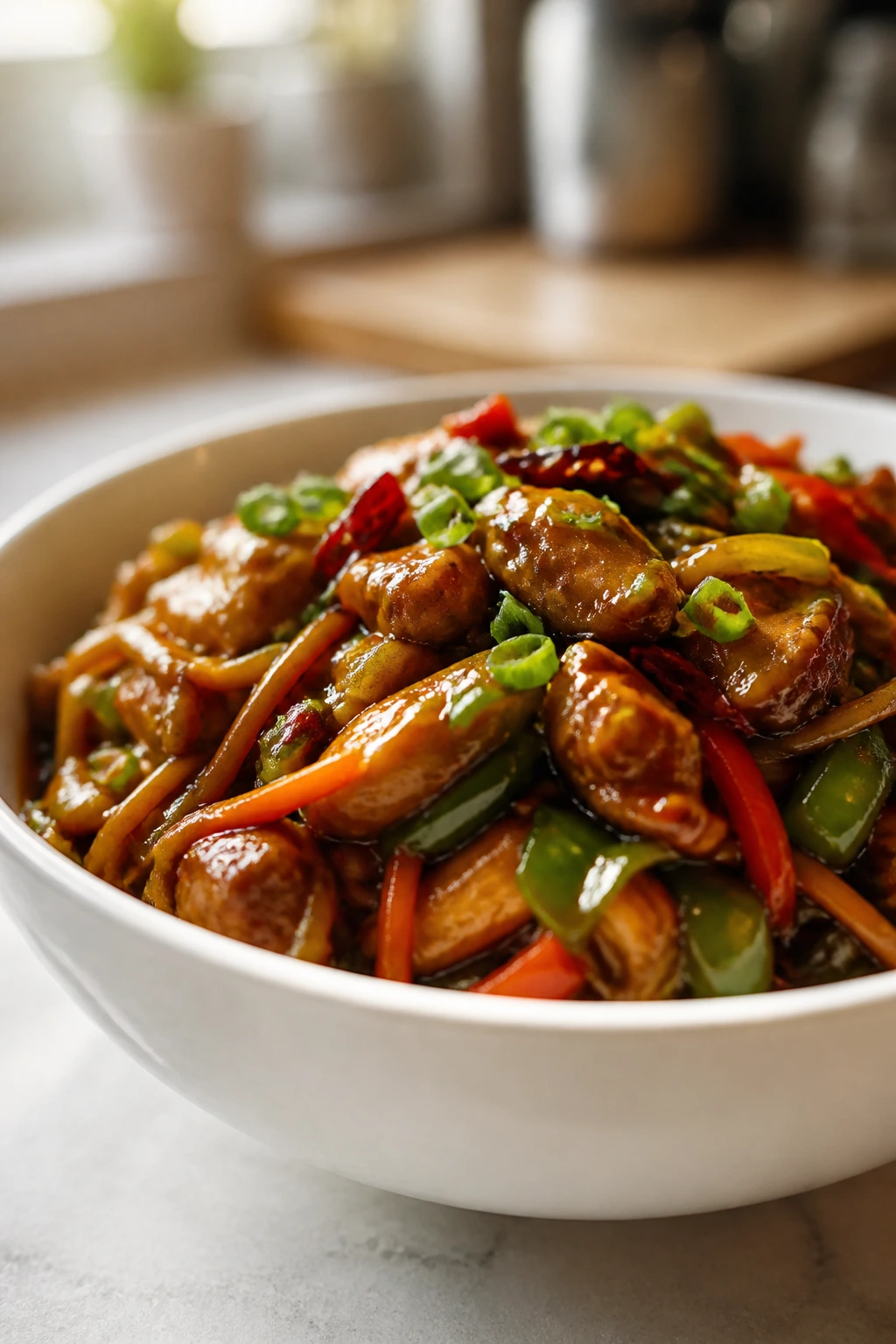
The flavor people usually mean when they say “Chinese takeout” is a very specific thing. It’s not one cuisine and it’s not one region. It’s a set of habits: soy for salt, sugar for roundness, vinegar for lift, garlic and ginger for bite, and a little starch to make the sauce cling. That combination is why a good lunch special tastes unified instead of muddy.
The spicy versions have a second layer. They don’t just burn. They smell warm. Dried chiles bring a little smoke, chili crisp brings fried garlic and shallot, and Sichuan peppercorn brings that tingly, citrusy numbness that people either love immediately or spend three meals getting used to. That’s the difference between heat that wakes up the food and heat that bulldozes it.
Wok Hei Without a Restaurant Burner
You can get some of the same effect at home even if your stove is timid. The goal is not a perfect restaurant wok hei cloud. The goal is browned spots, quick evaporation, and food that never sits long enough to get soggy. A wide skillet helps because the ingredients can spread out instead of stacking on top of each other like a wet little tower.
A lot of home cooks think “high heat” means “leave it alone and hope for the best.” Nope. High heat means control. You keep the pan hot, but you also keep the portions small enough that the steam can escape.
Why the Sauce Should Taste Slightly Too Strong in the Bowl
Before it hits the pan, the sauce should taste a little louder than you want. That sounds odd until you’ve cooked it. Once it touches hot noodles, rice, or vegetables, the edges mellow out fast. If the sauce tastes timid in the mixing bowl, it will taste flat on the plate.
That’s why takeout-style sauces often lean harder on salt, vinegar, and a touch of sweetness than people expect. The food is carrying the sauce. The sauce is not floating on top as decoration.
The Pantry Items That Turn a Cold Cabinet Into Takeout Mode
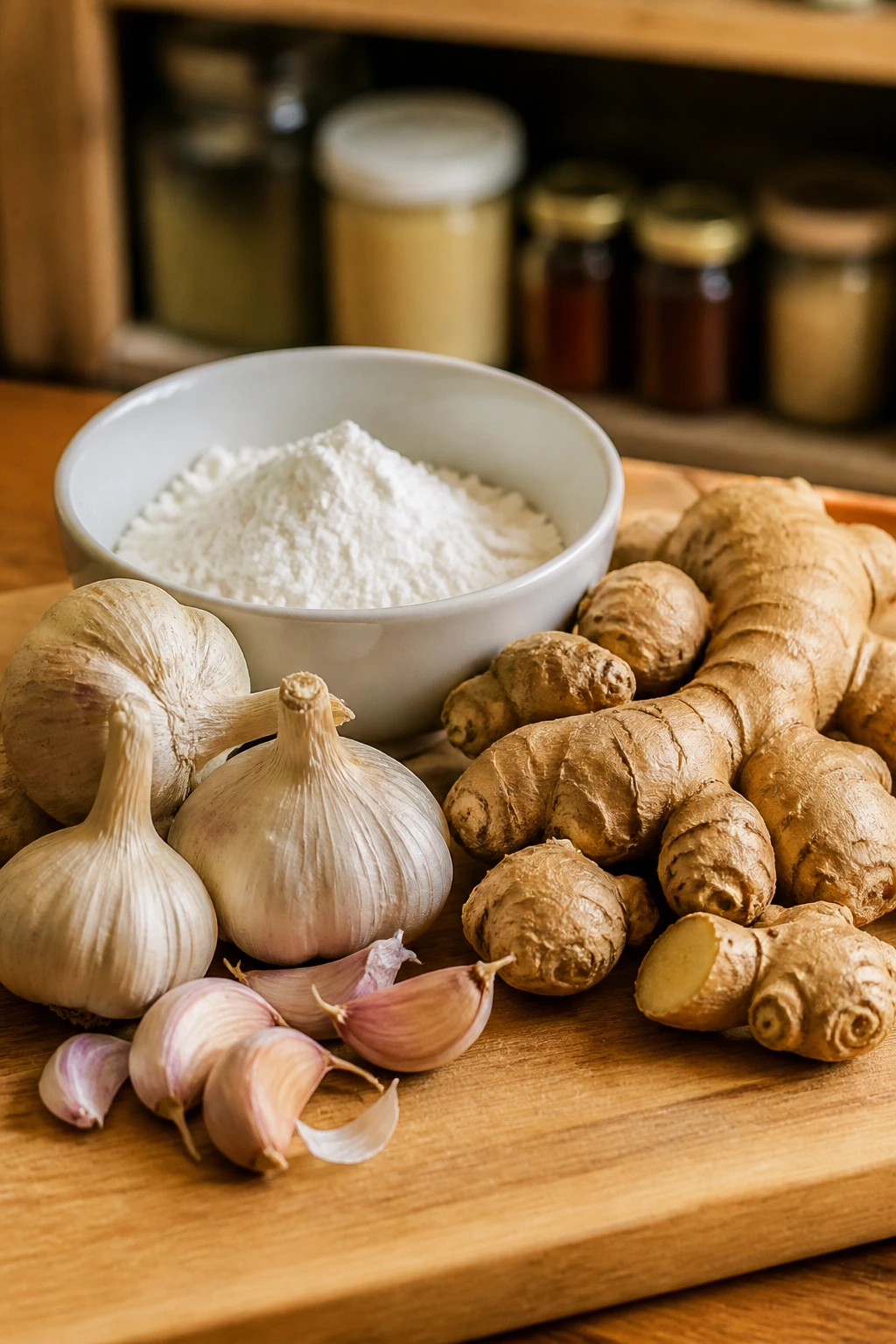
A good spicy Chinese pantry is not huge. It’s just well chosen. If you keep the right bottles and jars on hand, the rest becomes a matter of chopping and timing.
The non-negotiables are light soy sauce, cornstarch, garlic, ginger, and one good vinegar. Light soy brings salt and depth; cornstarch turns the sauce glossy instead of watery; garlic and ginger give the sharp, familiar aroma; vinegar keeps the whole thing from tasting heavy.
The bottle that changes more dinners than you’d think is Shaoxing wine. It adds a dry, savory edge that bottled stir-fry sauces usually fake with extra sugar and flavor enhancers. If you can’t find it, dry sherry is the closest pantry-level substitute. It is not identical, but it gets you into the right neighborhood.
Dark soy sauce is for color and a little caramel note. It is thicker and less salty than light soy. You do not need much—usually just a spoonful. Too much and everything turns dark and almost muddy-looking.
Chinkiang black vinegar earns its space. It tastes deeper than rice vinegar, with a little molasses-like edge and a sharp finish that works especially well with pork, eggplant, cabbage, and noodles. Rice vinegar is lighter and cleaner; black vinegar has more attitude.
The Extras I Actually Reach For
- Chili crisp: Crunch, garlic, and oil in one jar. It turns a plain stir-fry into something that smells alive.
- Doubanjiang: Fermented chile-bean paste with serious salt and funk. Use a teaspoon or two, not half the jar.
- Sesame oil: Finishing oil, not frying oil. Add it off the heat or it gets loud in the wrong way.
- White pepper: Common in Chinese-American cooking and worth buying. It has a sharp, almost earthy heat that black pepper can’t fake.
- Sichuan peppercorn: Tiny, fragrant, and tingly. Toast them briefly and grind them fresh if you want the clearest flavor.
A small jar of MSG is not a bad idea either. A pinch or two can round out a sauce the way salt does, only with a little more depth. That’s not cheating. That’s seasoning.
The Sauce Formula That Gives You Gloss, Salt, Sweetness, and Heat
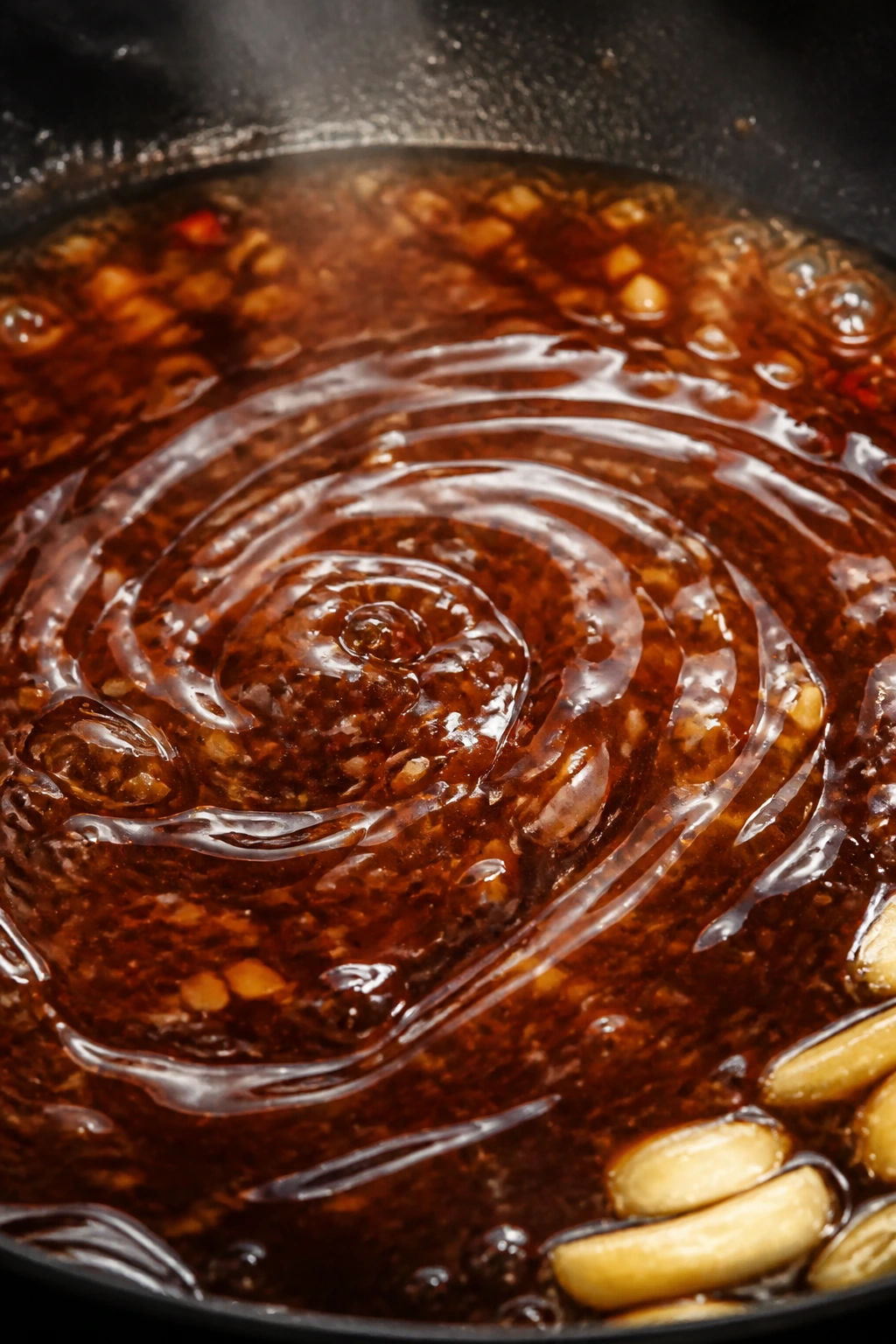
Here’s the ratio I trust when I want dinner to taste like I knew what I was doing, even if I was chopping scallions with one eye on the clock.
- 3 tablespoons light soy sauce
- 1 tablespoon dark soy sauce
- 2 tablespoons Chinese black vinegar or rice vinegar
- 1 tablespoon Shaoxing wine or dry sherry
- 1 to 2 teaspoons sugar or honey
- 1/2 cup chicken stock, vegetable stock, or water
- 1 tablespoon cornstarch
- 1 to 2 teaspoons chili crisp, chili oil, or crushed dried chiles
- 1 teaspoon toasted sesame oil
- 2 cloves garlic, finely grated or minced
- 1 teaspoon grated fresh ginger
That base works because each part has a job. The soy gives salt and color. The vinegar keeps the sauce from tasting sleepy. The stock makes enough volume to coat a whole pan without becoming syrup. The cornstarch thickens it just enough to stick to the food.
Balance in a Spoonful
Taste the sauce before it goes into the pan. It should be salty, sharp, and a little sweeter than you expect. If it tastes flat, add another teaspoon of vinegar or a pinch of sugar. If it tastes thin and thin in a boring way, not watery, a bit more soy or a small spoon of doubanjiang will usually fix it.
Scaling It Up or Down
For a small dinner for two, cut the sauce in half. For a crowded pan of chicken and vegetables, double it, but keep the cornstarch proportional. If you double the liquid and forget the starch, you’ll get soup. That’s not a disaster, but it is not takeout-style stir-fry either.
The biggest mistake here is adding cornstarch directly to hot liquid without whisking it first. It clumps. It always clumps. Stir it into the cold sauce until the mixture looks smooth and slightly cloudy, then pour it into the pan at the end.
Choosing the Right Heat Source for the Right Kind of Burn
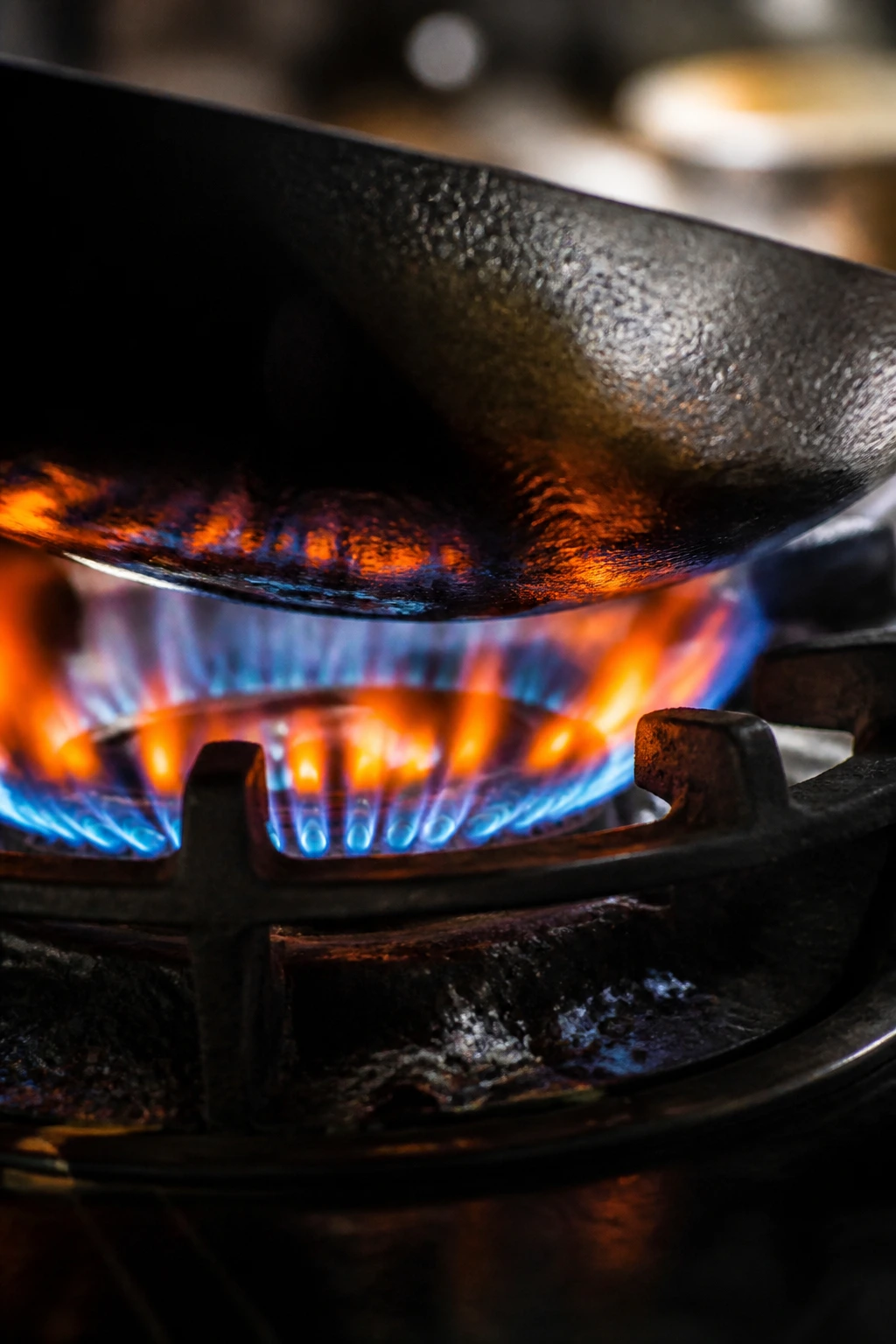
Spicy Chinese food does not rely on one kind of heat, and that’s the fun of it. Some peppers taste fruity, some taste smoky, some taste sharp, and some bring a mouth-tingling numbness that acts like a flavor amplifier. Use the right one and the whole dish comes into focus.
Dried red chiles are the easiest place to start. Toast them in oil for 10 to 20 seconds until they darken and smell toasty, not burnt. They give you a warm, clean heat that works in chicken, tofu, green beans, and noodle dishes.
Chili oil is more about aroma than brute force. Good chili oil tastes like fried spices and red pepper, not just plain fire. A spoonful stirred into the sauce or drizzled at the end gives the food a rounder finish.
Chili crisp brings texture. Those crunchy garlic and shallot bits matter. They break up a sauce and make each bite feel a little different. Put it on at the end if you want the crunch to stay intact.
When to Use Sichuan Peppercorn
Sichuan peppercorn is not a chile, even though people lump it in with spicy ingredients. It gives a tingle on the lips and tongue, almost like citrus peel mixed with electricity. It is sharp, fragrant, and a little strange in the best way.
Toast it first in a dry pan for 30 to 45 seconds, then crush it lightly. If you use too much, the numbness takes over and the rest of the dish disappears. One teaspoon for a family-sized pan is usually plenty.
Doubanjiang, White Pepper, and the Funky Stuff
Doubanjiang is the flavor bomb. It’s salty, fermented, and aggressive in a way that tastes incredible with eggplant, chicken, and beef. A little goes a long way; start with a teaspoon and build from there.
White pepper is the quiet one. It doesn’t announce itself, but it gives a peppery hum that feels right in egg drop soup, pepper chicken, and fried rice. Black pepper is fine, but white pepper tastes more at home here.
How to Stir-Fry Without Steaming the Food
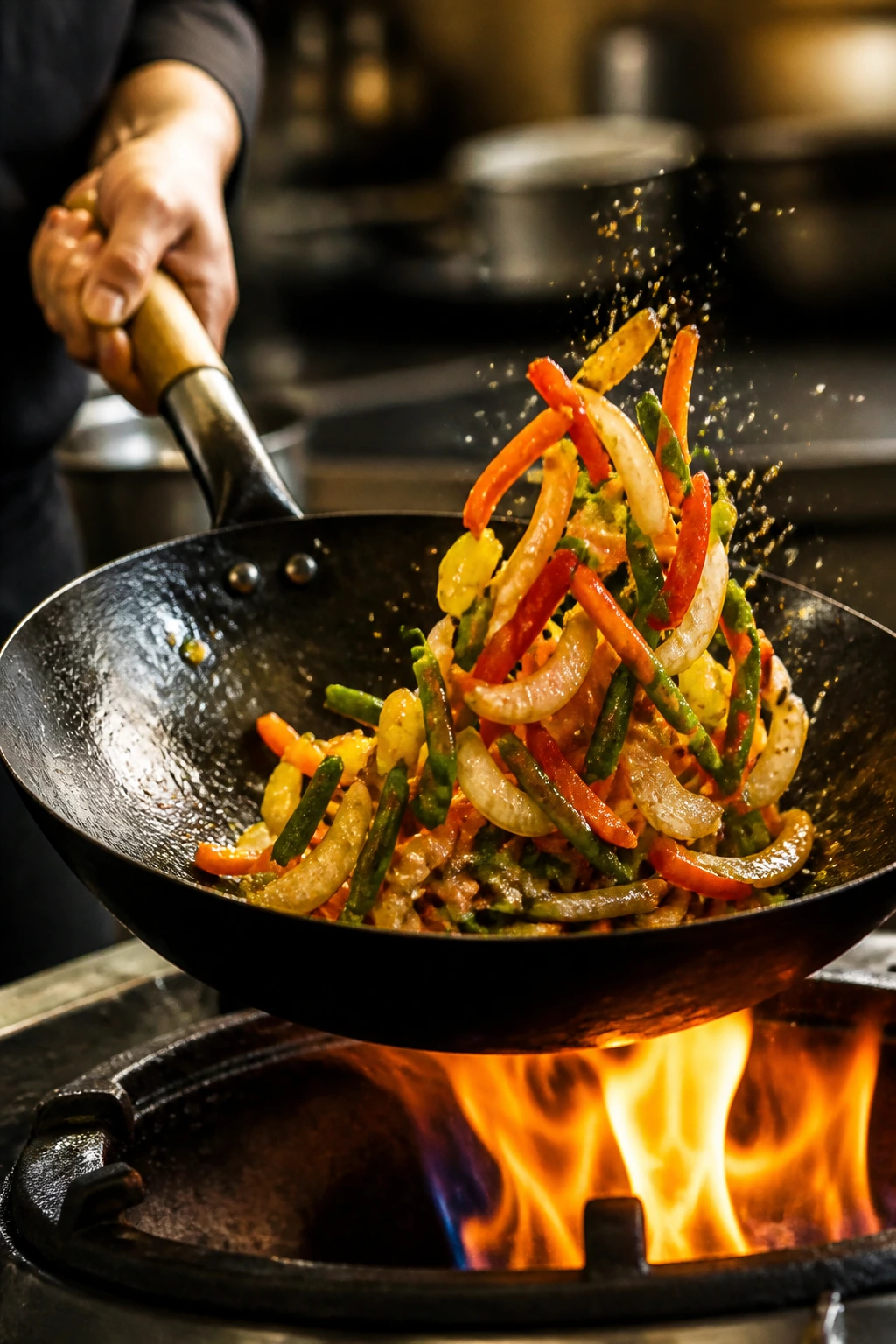
Stir-fry looks fast because it is fast. That speed only works if the prep is done before the heat goes on. Once the pan is hot, you should be reaching, not chopping.
- Slice the protein thinly and evenly. Chicken thighs, flank steak, shrimp, or tofu all cook better when the pieces are similar in size. Thin slices brown faster and stay tender.
- Mix the sauce before you turn on the stove. Keep it in a small bowl or measuring cup with a spoon nearby. If it needs a second stir, you should be able to grab it without hunting for the cornstarch.
- Heat the pan until oil shimmers. That usually takes 1 to 2 minutes over medium-high to high heat. If you toss in the first ingredient too early, it sticks and softens instead of searing.
- Cook the protein in a single layer. Don’t crowd it. If needed, do two batches. The extra two minutes are worth it.
- Add aromatics for seconds, not minutes. Garlic and ginger can go from fragrant to bitter fast. Once they smell sweet and sharp, move on.
- Stagger vegetables by density. Broccoli and carrots go in before snow peas or scallions. Cabbage and bok choy need less time than green beans.
- Pour in the sauce at the end. Toss until the pan looks glossy and the sauce just thickens enough to coat the food. If it turns gluey, the heat was too high or the pan sat too long after the starch hit.
That is the whole trick, really. Heat, order, and restraint. Stir-fry punishes impatience.
Protein and Vegetable Pairings That Carry Spicy Sauce Well
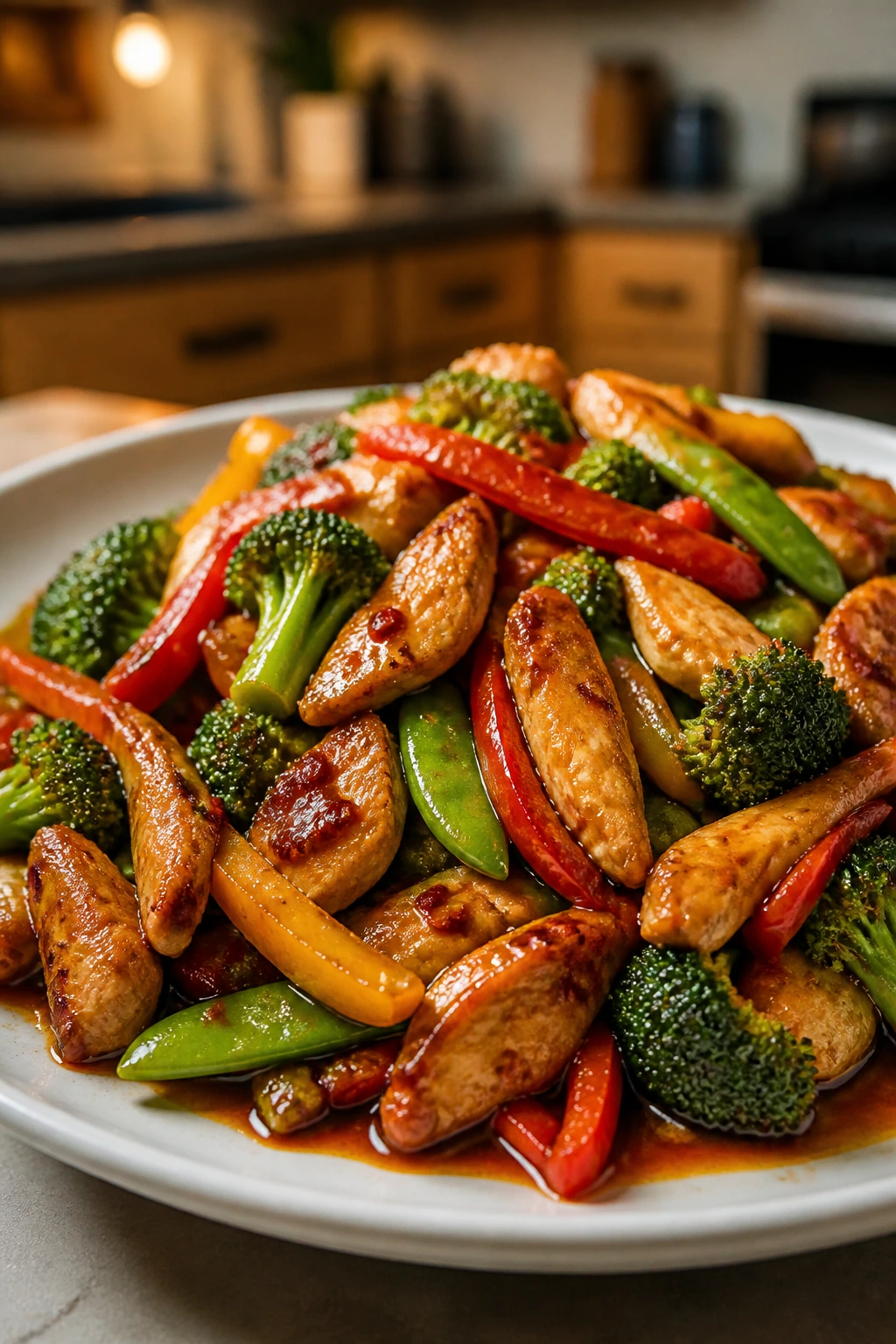
The best spicy Chinese takeout-style dinners use ingredients that can stand up to a sauce with real personality. Not every protein behaves the same way. Chicken thighs soak up flavor and stay juicy. Shrimp cooks in a flash and needs very little help. Flank steak likes quick searing and a short marinade. Tofu needs a little more care, but once it’s pressed and browned, it holds sauce beautifully.
Chicken thighs are my first choice for beginners. They forgive a slightly hot pan, a slightly crowded pan, or a slightly distracted cook. Slice them thin, marinate for 10 to 15 minutes, and you’re in good shape.
Shrimp works best when you keep the sauce light and fast. Overcook it and you get rubber. Cook it just until it turns pink and curls into a loose C. The second it tightens into a hard O, you’ve gone too far.
Vegetables That Stay Crisp
Broccoli, snap peas, green beans, shredded cabbage, bell peppers, baby bok choy, and mushrooms all do well in spicy takeout-style dishes. Broccoli likes a quick blanch or a few tablespoons of water under the lid for 30 seconds. Mushrooms need space so their moisture can cook off. Cabbage takes on sauce like a sponge and remains satisfying even after reheating.
Eggplant is a special case. It drinks oil and softens fast, so it’s best in dishes where you want a silkier texture, like a Sichuan-style garlic chile version. If you want bite, stick with vegetables that keep their shape.
Marinating Without Overthinking It
A tiny marinade goes a long way: 1 tablespoon soy sauce, 1 teaspoon Shaoxing wine, 1 teaspoon cornstarch, and a pinch of sugar for every 8 ounces of protein. That’s enough to season the surface and give the sauce something to grab later. You are not curing meat here. You are building a thin, useful coating.
Rice, Noodles, and the Side Dish That Soaks Up the Sauce
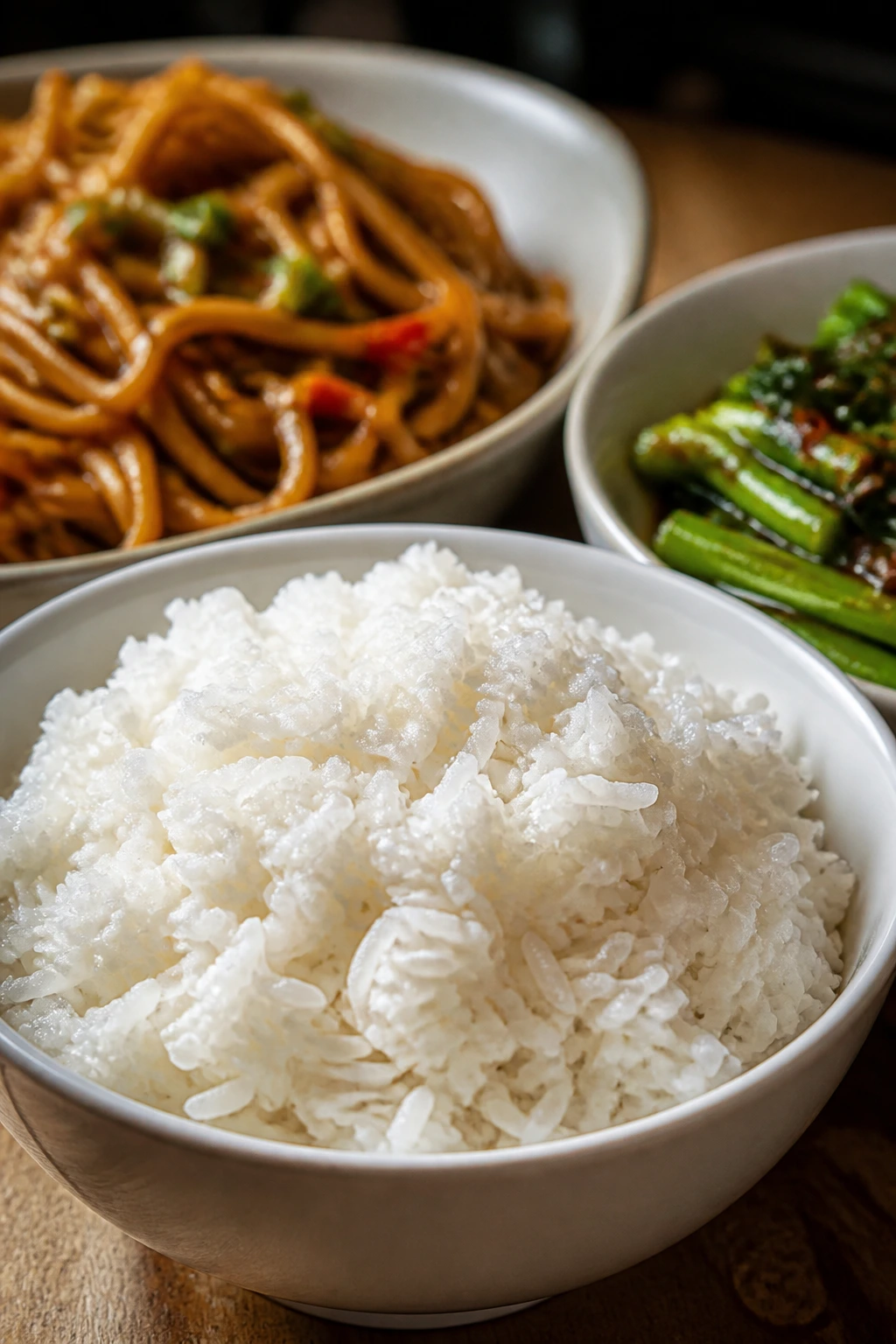
Plain jasmine rice is the default for a reason. Its soft texture and lightly floral smell let the sauce stay front and center. Medium-grain rice will clump more, which some people love. Long-grain rice stays a little drier and is fine if you want each grain distinct.
If you’re serving noodles, lo mein-style egg noodles are the easiest match. Toss them with a little oil after boiling so they don’t glue themselves together. Rice noodles work too, but they need a lighter hand; they soak up sauce quickly and can turn dense if they sit in the pan too long.
Day-old rice is a gift if you’re making fried rice. Cold rice has less surface moisture, which means it fries instead of steaming. Spread freshly cooked rice on a tray if you need to cool it faster.
A side dish can change the whole feel of the meal. Quick cucumber salad with rice vinegar, sesame oil, and a pinch of salt cuts through chili heat. Garlicky greens give the plate a cleaner finish. If you want something richer, scallion pancakes or a simple egg drop soup makes the meal feel deliberate rather than cobbled together.
A Weeknight Game Plan That Gets Dinner on the Table Fast
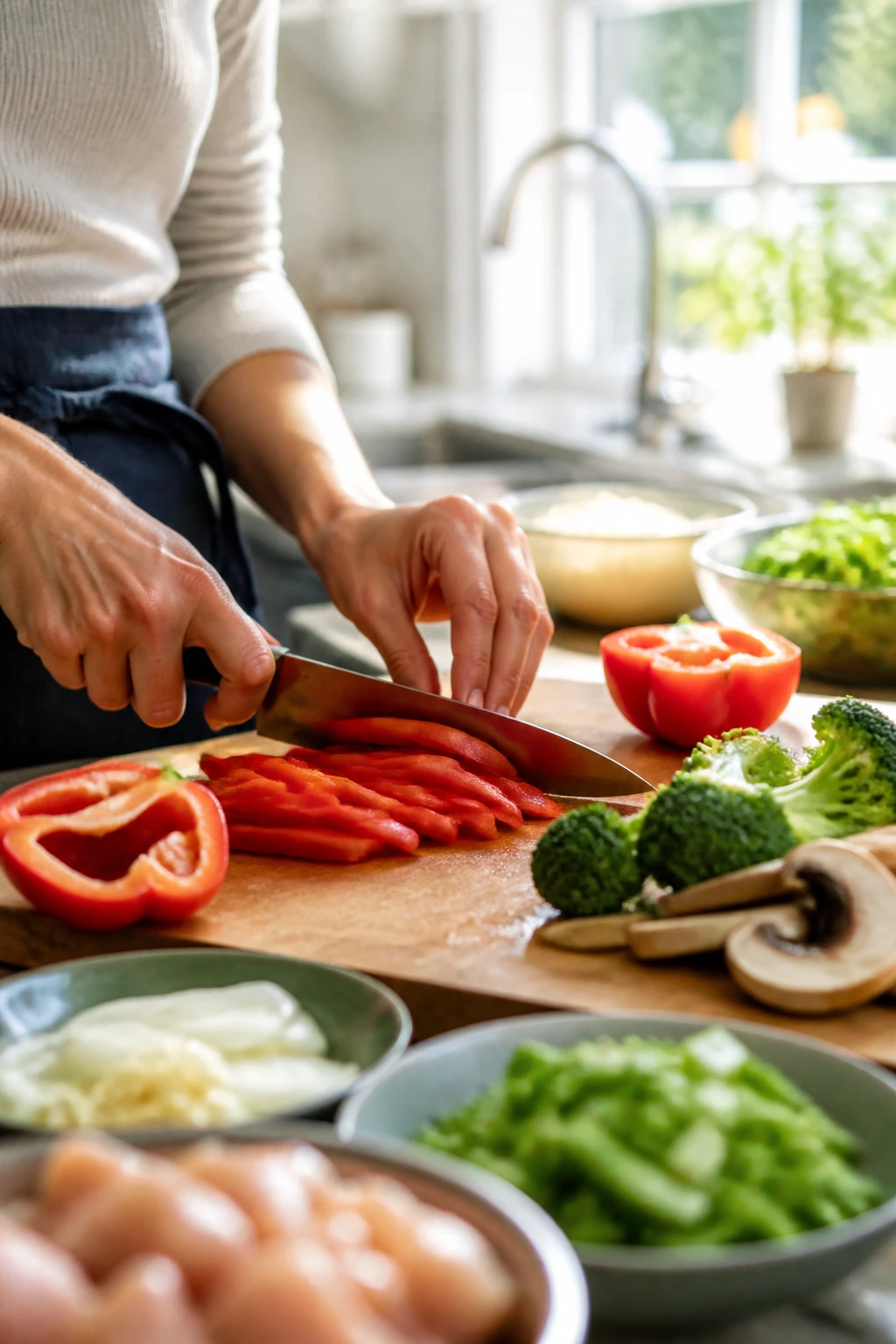
The most useful thing about Chinese takeout-style cooking is that the actual cooking time is short. The prep is where the work lives. Once you stop pretending the pan will save you from a messy cutting board, dinner gets easier.
0 to 10 minutes: Put rice on first. Mix the sauce. Slice the protein. Chop the vegetables into pieces that will finish at roughly the same time. Keep anything that needs only seconds—scallions, sesame seeds, herbs—off to the side.
10 to 15 minutes: Marinate the protein if you’re using one. Press tofu if that’s the direction you’re going. If broccoli is in the mix, blanch it for 45 to 60 seconds in salted water, then drain it well. Dry vegetables brown better than wet ones. Always.
15 to 25 minutes: Heat the pan, cook the protein, then move it out while you handle the vegetables. If the pan looks dry, add a splash more oil. If it looks crowded, pull ingredients into a bowl and finish in a second batch. That tiny bit of discipline is what keeps the food from tasting like one soft mixture.
25 to 30 minutes: Sauce, toss, taste, finish. Add sesame oil off the heat and sprinkle on scallions or sesame seeds. Serve immediately while the vegetables still have some snap.
If you want to make this feel even easier, chop twice as much garlic and ginger as you need and keep the extra in the freezer. It saves time, and unlike a lot of shortcut advice, this one actually pays rent.
How to Plate Spicy Chinese Takeout So It Feels Intentional
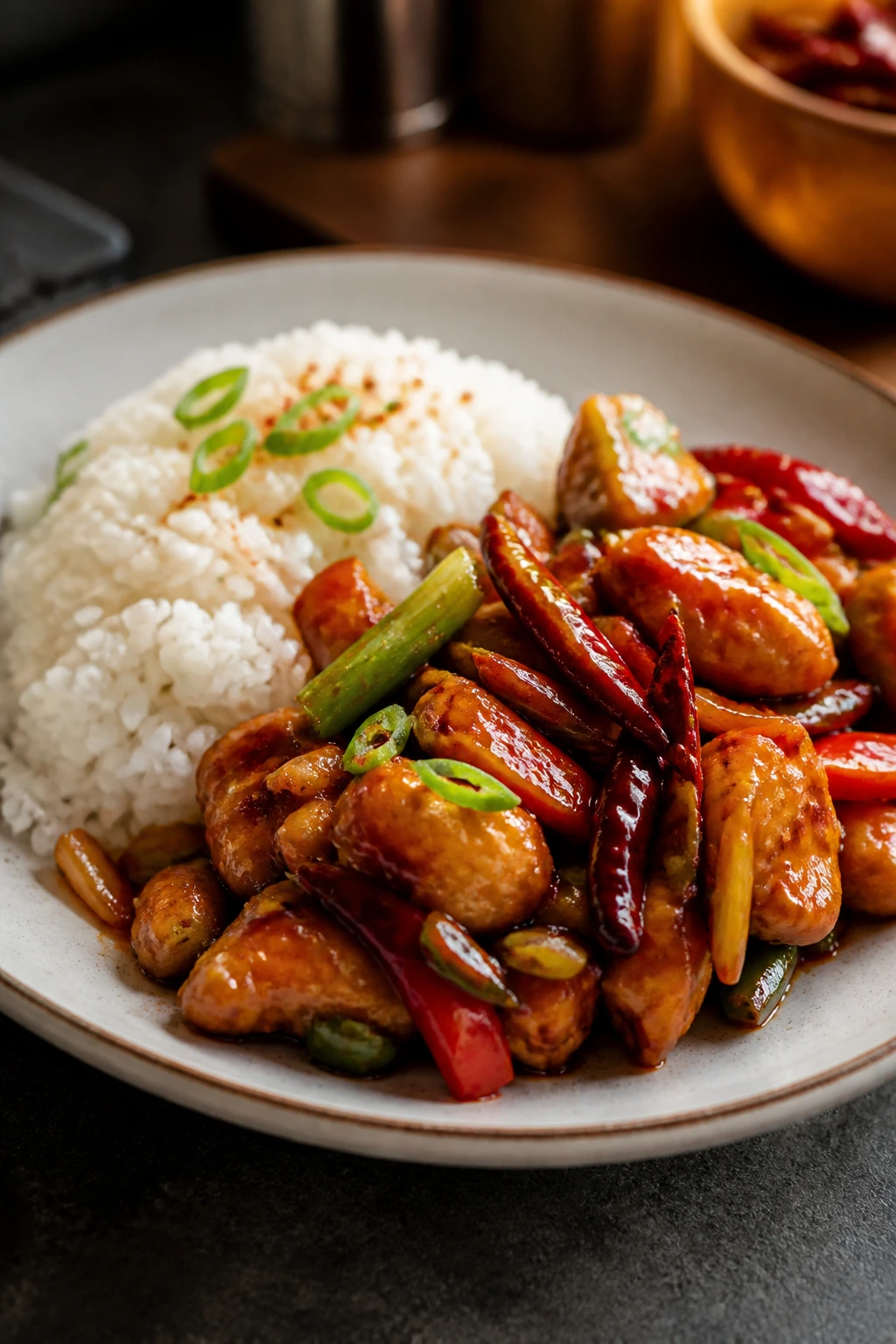
Takeout at home should look casual, not messy. The plate doesn’t need flowers. It needs contrast. A mound of rice, a pile of glossy stir-fry, and one bright thing on top is enough.
Presentation: Use shallow bowls or wide plates so the sauce sits where people can see it. Spoon the rice first, then top it with the stir-fry so the sauce trickles down the sides. Finish with sliced scallions, toasted sesame seeds, or a few rings of fresh chile if the dish can take it.
Accompaniments: Steamed jasmine rice is the obvious answer, and I would still choose it most nights. Cucumber salad, quick sautéed bok choy, sesame noodles, or a small bowl of hot-and-sour-style soup all fit the same table without fighting the main dish.
Portions: For a protein-centered stir-fry, plan on about 6 ounces of protein per person, plus 1 to 1½ cups cooked rice if rice is the base. If you’re serving noodles, start with about 2 ounces dry noodles per person and adjust up if the dish is heavy on vegetables.
Beverage Pairing: Cold lager is a clean match if you want something simple. Unsweetened jasmine tea or oolong tea works if you want the meal to feel lighter. A dry riesling can handle the chili and vinegar without getting in the way, which is one reason it shows up near spicy food so often.
The Small Moves That Make the Biggest Difference
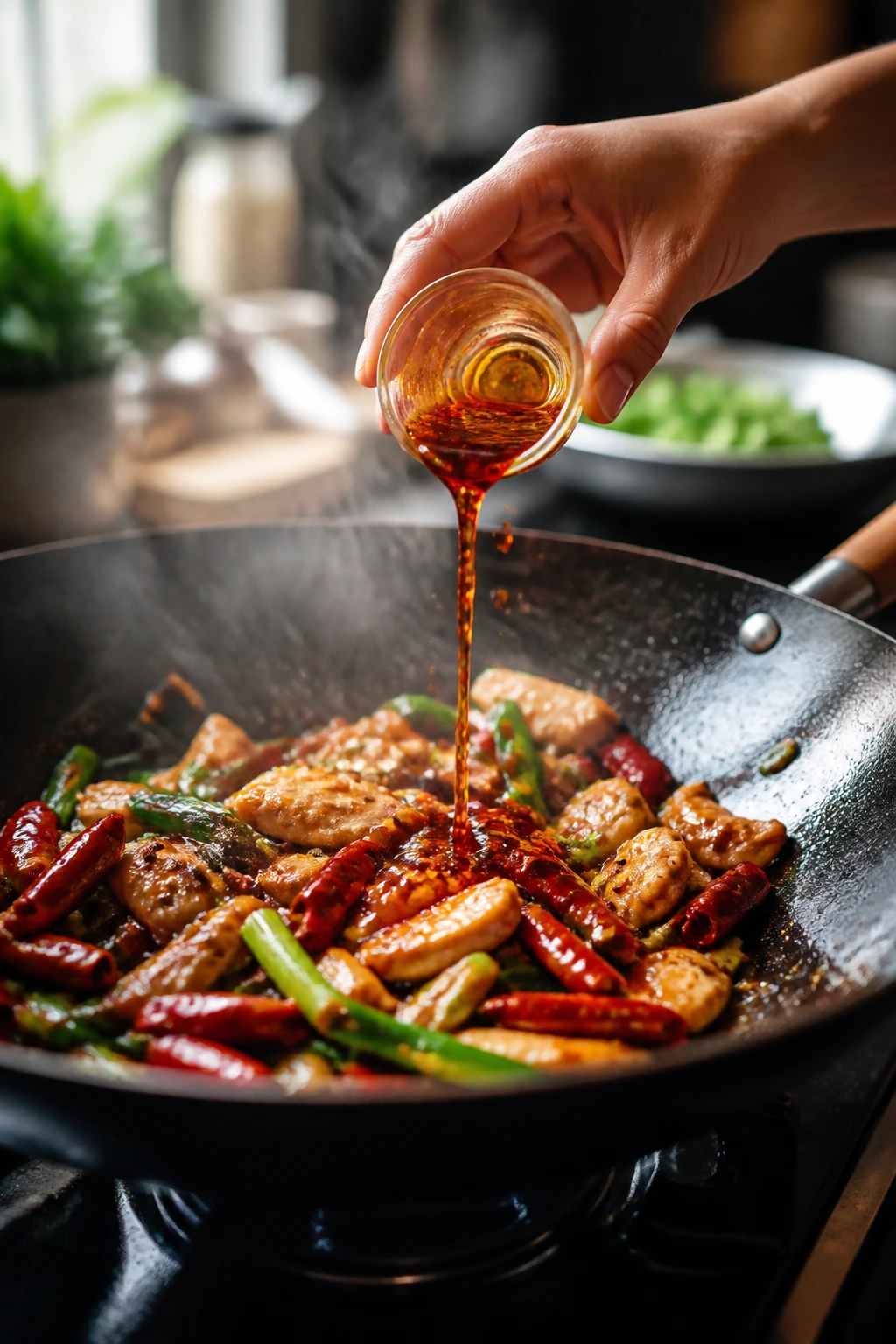
There are a few little adjustments that quietly change the whole dinner. None of them are flashy. All of them matter.
Flavor Enhancement: Add a teaspoon of black vinegar or a spoon of chili crisp at the very end, after the heat is off. That last-second hit makes the sauce taste brighter and stops the acidity or garlic from disappearing into the pan.
Time-Saver: Keep a jar of garlic-ginger paste in the fridge or freeze the two together in teaspoon-sized portions. Fresh is a little cleaner, sure, but a smart shortcut beats a dead slow dinner.
Cost-Saver: Use cabbage, carrots, onions, and tofu as the backbone when proteins are expensive or scarce. Those ingredients stretch sauce well and still feel like real dinner, not a compromise.
Pro Move: Wet the edge of the pan with a tablespoon or two of water when you add broccoli or green beans, then cover for 30 seconds. That softens the vegetables just enough without turning them limp, and it saves you from blanching if you’re in a hurry.
Make-It-Yours: For a gluten-free version, use tamari or a certified gluten-free soy sauce. For a dairy-free meal, nothing needs to change. For a lower-sodium version, lean harder on garlic, ginger, vinegar, and chile rather than simply lowering the soy and hoping for the best.
Mistakes That Flatten the Flavor
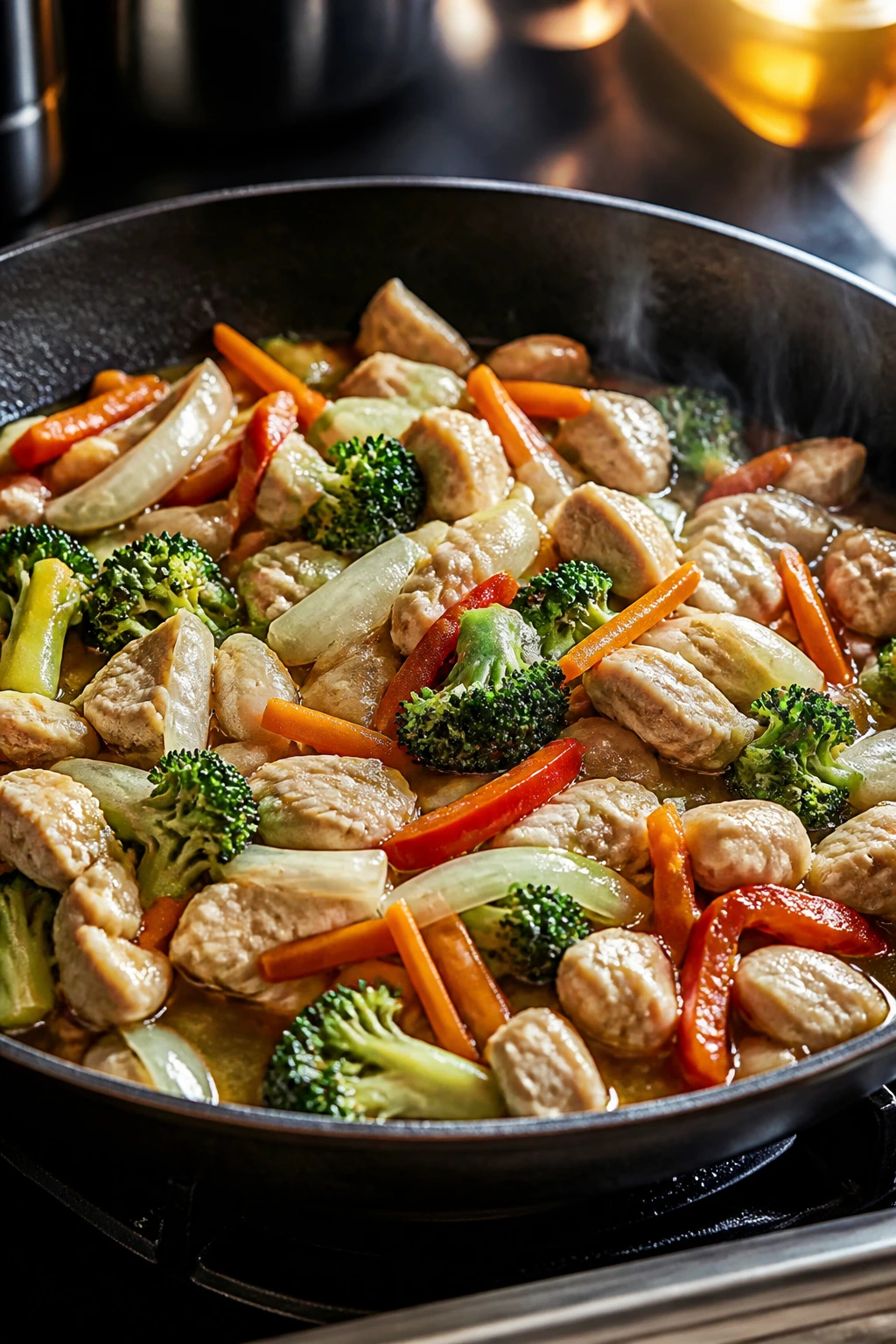
Crowding the pan is the big one. The food starts to steam, the sauce thins out, and you lose the browned edges that make the dish taste cooked instead of assembled. The fix is simple: cook in batches and give the ingredients room.
Adding the sauce too early makes vegetables soft and the cornstarch gluey. You want the sauce to hit the pan near the end, after the protein and vegetables are already cooked. If the sauce starts thickening before you finish tossing, lower the heat and add a tablespoon of water.
Using only heat and no balance leaves you with a spicy dish that tastes sharp but shallow. Chili needs salt, acid, and a little sweetness to feel complete. If the sauce tastes harsh, don’t add more chile. Add vinegar or a pinch of sugar first.
Skipping the pre-mix causes lumpy sauce and uneven seasoning. Garlic, ginger, soy, vinegar, and starch should be ready to pour, not still waiting for their turn in the bowl. Once the pan is hot, there’s no time to correct chaos.
Overcooking shrimp or thin-sliced chicken is easy because both move fast. Pull shrimp the moment they turn opaque. Pull chicken once the center is no longer pink and the juices run clear; if you have a thermometer, 165°F is the safe target for chicken.
Forgetting to taste at the end is how you wind up with dinner that feels almost right but not quite. A tiny splash of vinegar, a pinch of salt, or a few drops of sesame oil can fix a flat pan in seconds. Taste before you serve. Always.
Five Variations Worth Trying
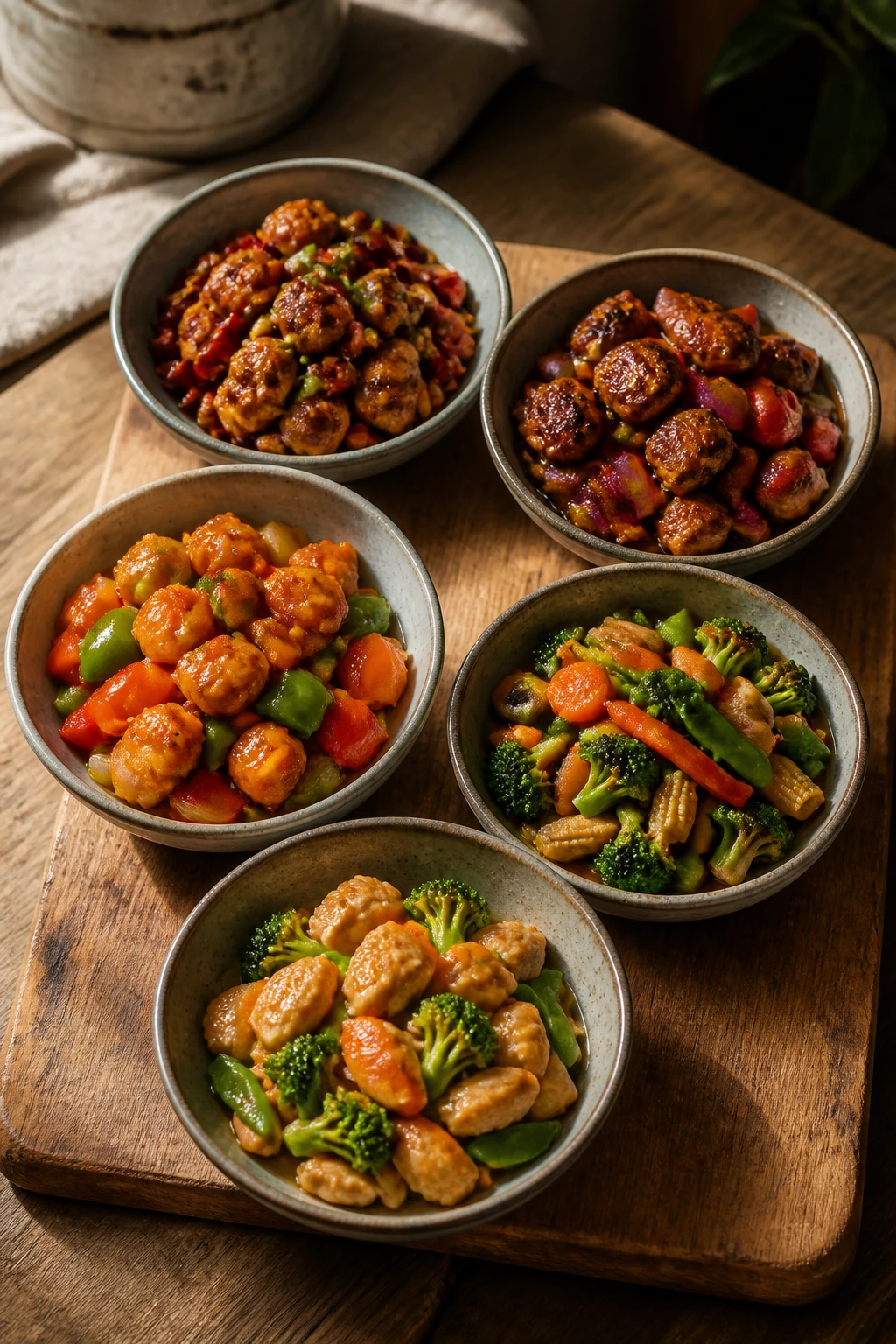
Sichuan Firecracker Bowl: Add 1 teaspoon doubanjiang, 1 teaspoon Sichuan peppercorn, and a handful of dried red chiles to the oil at the start. This version leans tingly and deep, especially with chicken, tofu, or eggplant.
Garlic Black Vinegar Chicken: Increase the black vinegar to 3 tablespoons, cut the sugar in half, and finish with extra garlic and scallions. The result tastes sharper and less sweet, which I prefer with rice and bok choy.
Orange-Chile Stir-Fry: Add 1 teaspoon orange zest and 2 tablespoons fresh orange juice to the sauce. It gives the heat a bright edge without turning the dish into a sticky orange-sauce clone.
Pantry-First Vegetable Bowl: Use cabbage, carrots, mushrooms, and tofu with a sauce built from soy, vinegar, chili crisp, and sesame oil. It’s cheap, filling, and honestly one of the easiest ways to make the whole thing feel like a plan.
Milder Family Version: Skip the dried chiles and use chili oil sparingly at the table. Keep the garlic, ginger, and vinegar strong so the dish still tastes interesting even when the heat is dialed back.
Tools That Earn Their Keep
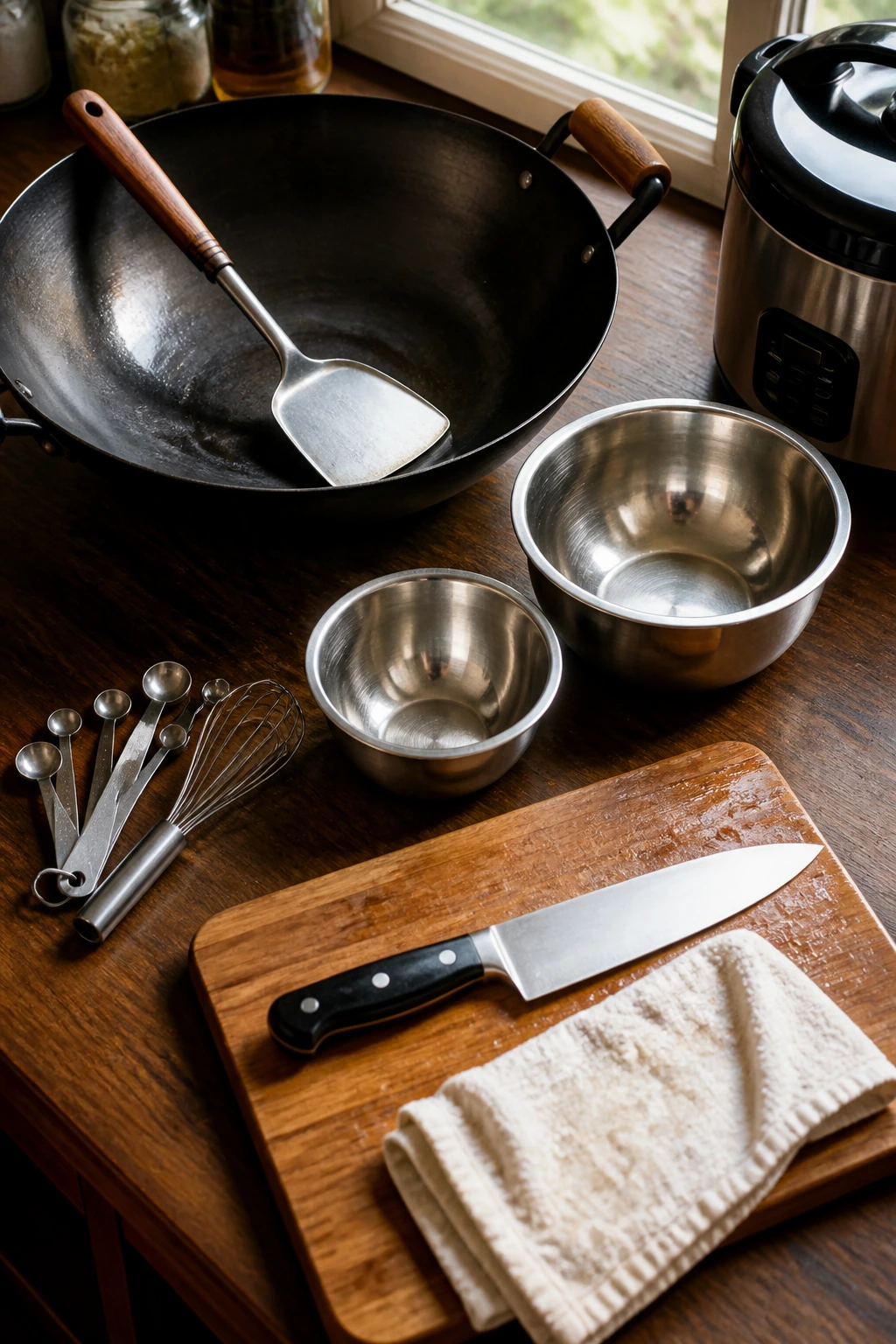
- Wok or 12-inch skillet: A wok is nice, but a wide skillet with high sides works fine and often sits more steadily on a home burner.
- Long-handled spatula or metal turner: You want something that can move food fast without breaking it apart.
- Mixing bowls in two sizes: One for the sauce, one for the prepped protein or vegetables. Keeps the counter from turning into a storm.
- Sharp chef’s knife: Thin, even cuts help everything cook at the same pace.
- Cutting board with a damp towel underneath: Prevents sliding, which matters more than people think when you’re slicing hot-pepper-heavy ingredients.
- Measuring spoons and cups: Stir-fry moves too fast for guesswork when you’re balancing soy, vinegar, and starch.
- Instant-read thermometer: Optional, but helpful for chicken and shrimp if you’re new to high-heat cooking.
- Small whisk or fork: Needed for cornstarch sauces so you don’t end up with little white lumps.
- Rice cooker: Not required, but it frees your hands and makes weeknight timing less annoying.
Storage, Reheating, and Make-Ahead Without Rubberizing the Food
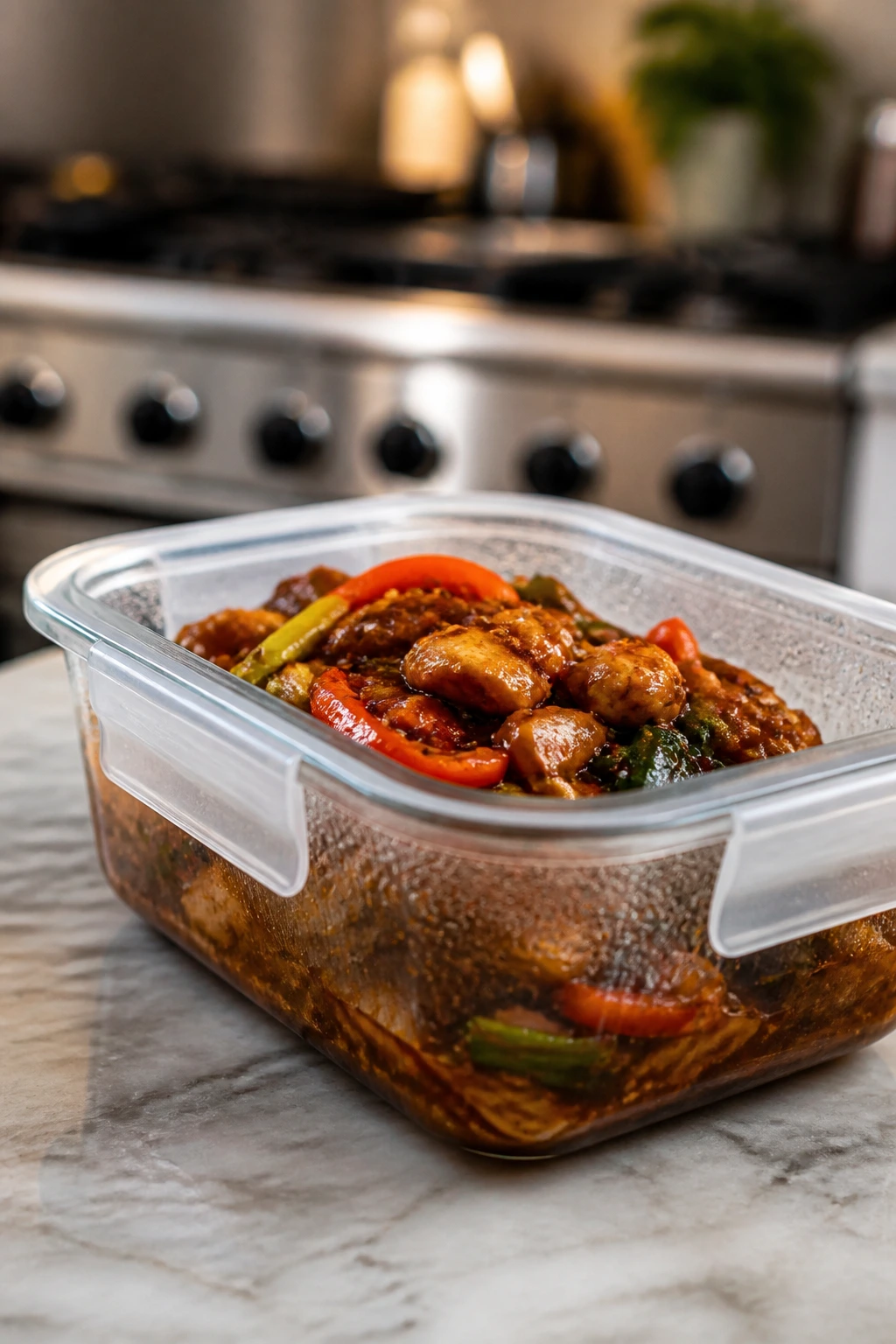
Stir-fry keeps better than people expect, but the texture changes. Store leftovers in an airtight container in the fridge for 3 to 4 days. If the dish is sauce-heavy—chicken and broccoli, tofu and cabbage, beef with peppers—it usually reheats better than dry noodle dishes.
For the freezer, up to 2 months is a fair target for saucy stir-fries. The vegetables will soften a little after thawing, so freeze dishes with cabbage, broccoli, or bell peppers if you’re okay with some loss of snap. Skip freezing for cucumber salads, fresh herbs, and anything meant to stay crisp.
The best reheat method is a skillet over medium heat with a teaspoon or two of water. Cover for a minute, then uncover and toss until the sauce loosens and the food is hot. Microwave works in a pinch, but use medium power and cover the container loosely so the edges don’t dry out while the center heats.
Make-ahead works best in pieces. Mix the sauce up to 3 days ahead. Slice the vegetables the day before. Marinate chicken or beef overnight if the marinade is soy-based and not overloaded with acid. If you’re using shrimp, marinate only briefly—15 to 20 minutes is enough.
One good habit: keep the rice separate from the stir-fry when storing leftovers. Rice absorbs sauce and turns heavy if you pile everything together for too long.
Questions People Ask Before They Cook This
Do I need a wok to make spicy Chinese takeout-style food?
No. A 12-inch skillet with a wide surface area works fine, and on some home burners it’s easier to handle than a wok. The real requirement is space, heat, and quick movement.
Can I use bottled stir-fry sauce instead of making my own?
You can, but most bottled sauces are too sweet or too thin for a really good spicy version. If you use one, add fresh garlic, ginger, vinegar, and chili crisp so the flavor tastes layered instead of one-note.
How do I make it spicy without making it bitter?
Use more than one heat source. Chili crisp, dried chiles, and a little Sichuan peppercorn taste different from each other, and that mix gives you depth without harshness. Burnt chiles, on the other hand, taste bitter fast.
What’s the best soy sauce to buy?
Look for a light Chinese soy sauce for salt and a dark soy sauce for color. If you only buy one bottle, buy light soy first. It does the most work.
Can I make this gluten-free?
Yes. Use tamari or a certified gluten-free soy sauce, and check the labels on chili crisp, black vinegar, and stock. Some versions sneak wheat into places you wouldn’t expect.
Why does my stir-fry always go watery?
Usually because the pan is crowded, the vegetables were wet, or the sauce went in too early. Dry the ingredients, cook in batches, and add the sauce at the very end so the starch can thicken instead of dissolving into steam.
What if my sauce gets too thick?
Add a tablespoon of water or stock and toss over low heat for 20 to 30 seconds. If it turns too thin, let it simmer a little longer or add a tiny cornstarch slurry, not a big dump all at once.
Is MSG okay in homemade Chinese food?
Yes. A small pinch can round out the savory flavor and make the dish taste fuller. If you like it and it agrees with you, it belongs in the pantry the same way salt does.
Can I make this with tofu and still get good texture?
Absolutely, but press the tofu first and brown it before adding the sauce. Soft, wet tofu straight from the package will fall apart and won’t hold the spicy coating nearly as well.
A Takeout Habit Worth Keeping
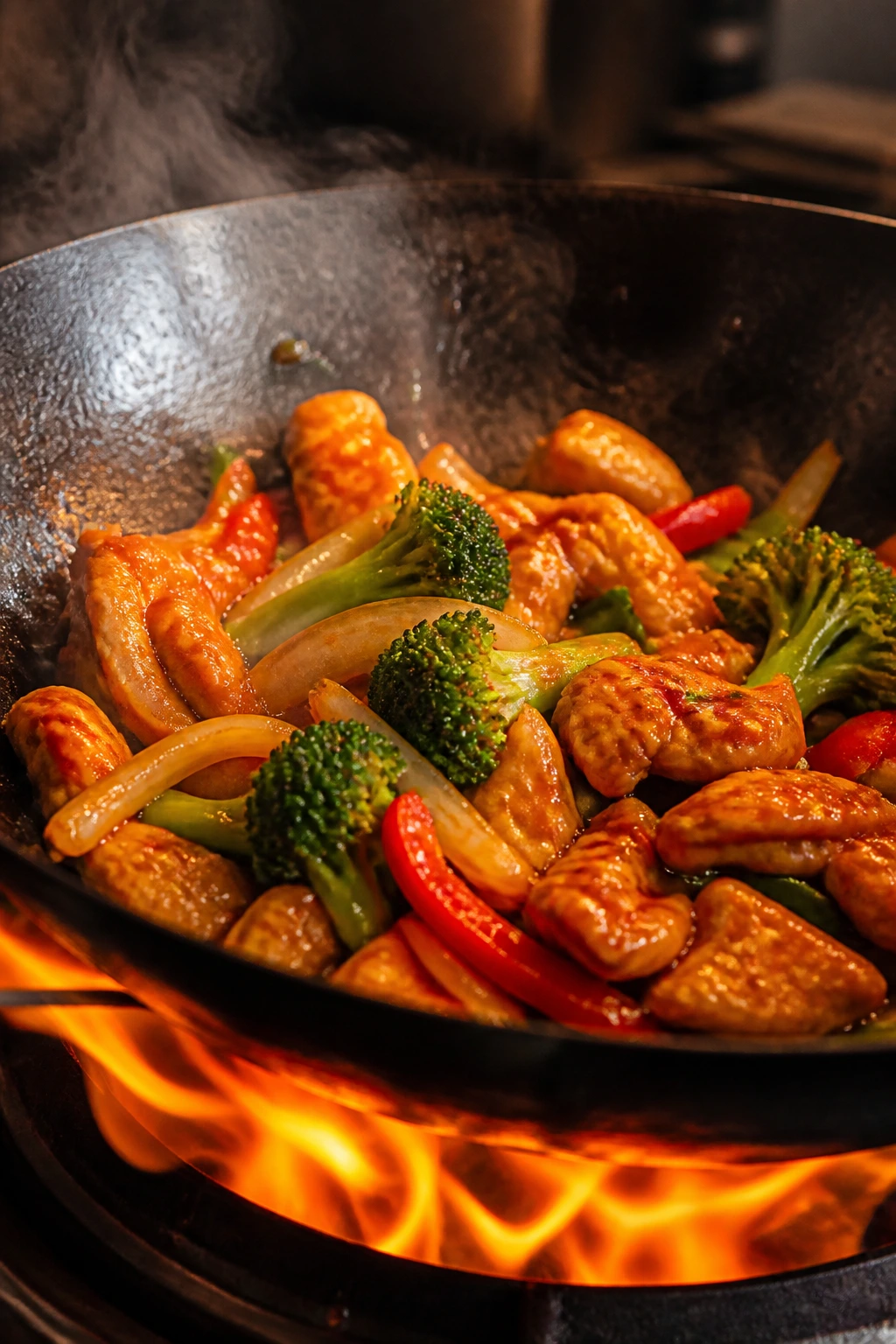
A spicy homemade stir-fry hits a sweet spot that delivery rarely does. It’s faster than waiting for a driver, brighter than most bottled sauces, and a lot more adaptable once you know the rhythm. The pan does not need to be fancy. The ingredient list does not need to be long. It just needs a little intention and a little heat.
The best part is that once you’ve made one good version, the next one gets easier. Chicken becomes tofu. Rice becomes noodles. Chili crisp gets swapped for black vinegar, or the other way around, and dinner still lands where you want it: glossy, hot, and loud in the best way.