



A good one-pot dinner idea does more than save you from a sink full of pans. It changes the whole rhythm of the evening. The food feels cozier, the cleanup feels shorter, and the kitchen smells like someone actually cared enough to brown the onions instead of dumping everything into a casserole and hoping for the best.
These one-pot dinner ideas are built for real family nights: hungry people, different appetites, and exactly one chance to get dinner on the table without turning it into a project. A deep pot or Dutch oven does a lot of heavy lifting here. Rice drinks in broth, pasta picks up tomato and garlic, beans thicken the pot naturally, and browned bits on the bottom turn into flavor instead of burnt regret.
I’ve always thought the best one-pot meals have a kind of quiet confidence about them. They’re not flashy. They don’t need three sauces and a garnish tower. They just need good ingredients, a steady hand, and enough common sense to know when to leave the lid on and when to lift it off.
Why These One-Pot Dinners Win on Busy Nights
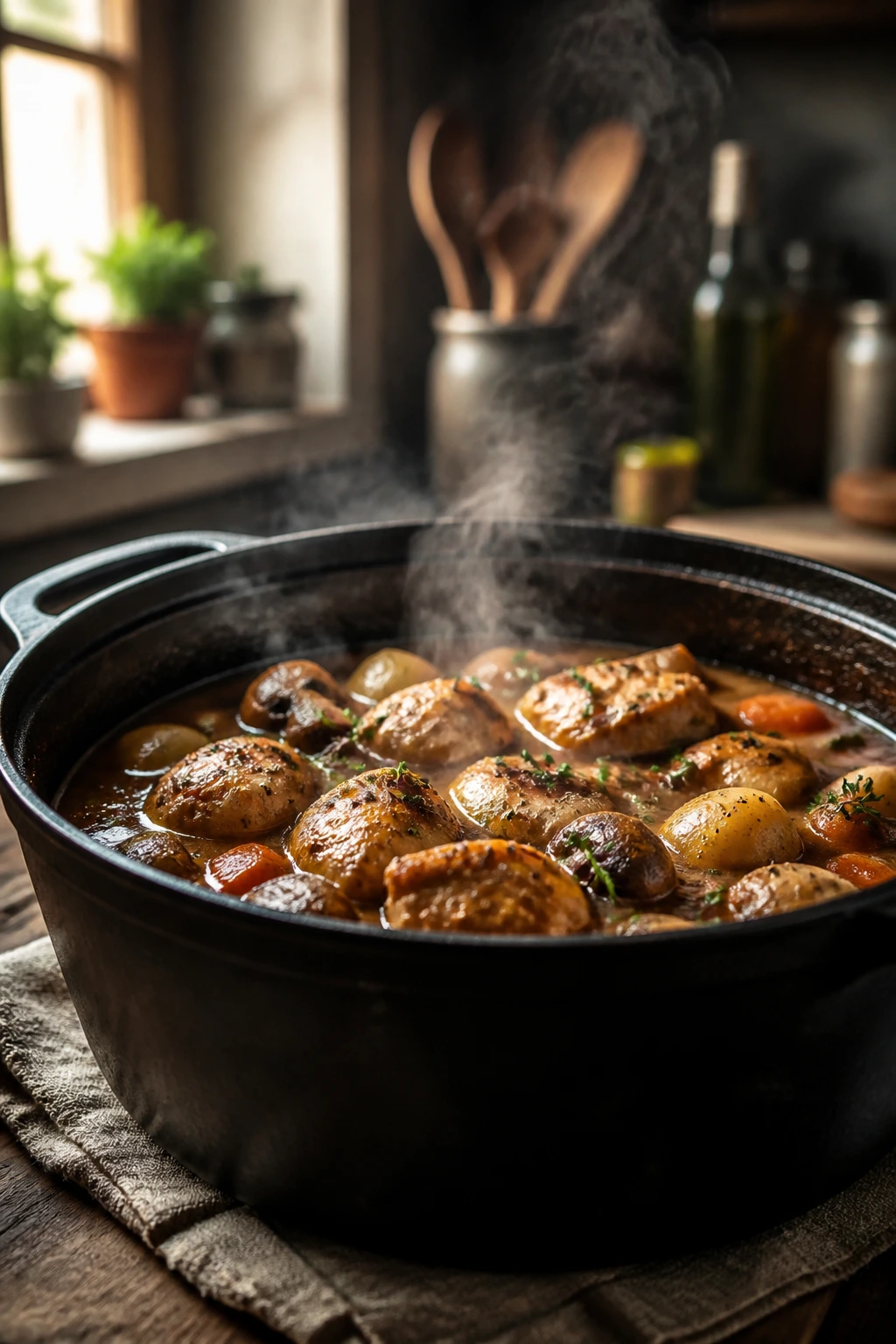
-
Less cleanup, more real life: One pot means fewer dishes, but it also means fewer little tasks to forget when dinner gets interrupted by homework, a phone call, or a dog barking at nothing.
-
Built-in flavor layering: Browning meat, softening onions, and toasting rice or pasta in the same pot gives the dish a deeper, rounder taste than simmering everything together from the start.
-
Stretchy enough for family hunger: Potatoes, barley, rice, beans, and pasta make these meals filling without needing a huge amount of meat, which keeps dinner practical.
-
Good leftovers are part of the deal: Most of these dinners taste even better after a night in the fridge, especially the stews, soups, and chili-style recipes.
-
Easy to mix and match: Once you know the basic rhythm, you can swap proteins, grains, or vegetables without starting from scratch.
1. Creamy Chicken and Rice with Mushrooms
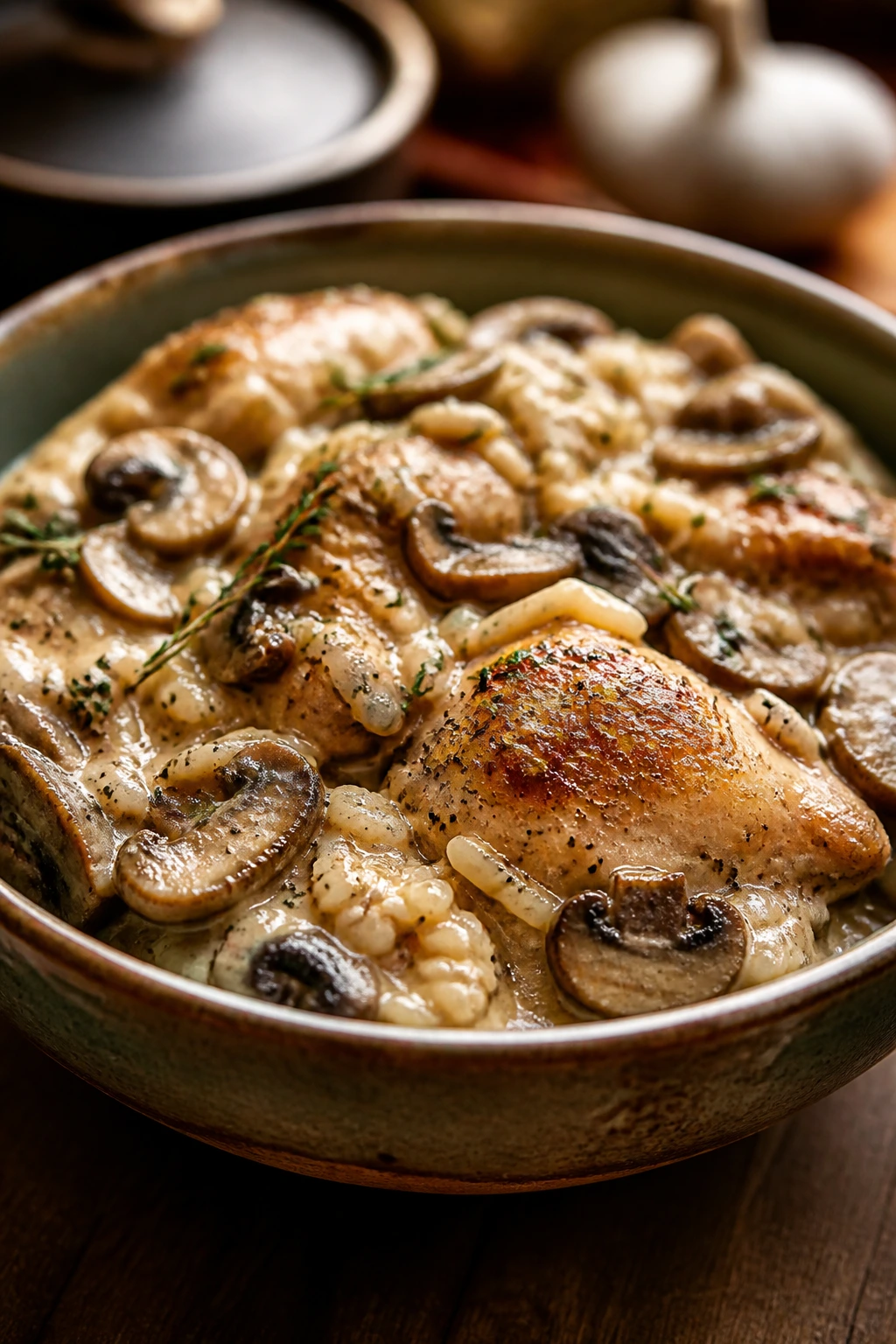
A pot of chicken, rice, and mushrooms has a way of making the whole house smell calmer. The rice comes out tender and glossy, the mushrooms turn earthy and soft, and the broth gets rich enough that you’ll want to mop up the last spoonful.
This is the kind of family dinner I reach for when I want something cozy but not heavy-handed. It eats like a casserole, cooks like a skillet meal, and still feels like actual cooking.
Why It Works:
Chicken thighs stay juicy through the simmer, which matters because rice dishes punish lean meat that dries out. The mushrooms add savoriness, the rice drinks in the broth, and the cream at the end rounds everything out without turning the pot gluey. If you keep the simmer low, the grains stay separate instead of collapsing into mush.
Key Ingredients:
- 2 pounds boneless, skinless chicken thighs, trimmed of excess fat
- 1 tablespoon olive oil
- 1 medium yellow onion, diced
- 8 ounces cremini mushrooms, sliced
- 3 cloves garlic, minced
- 1 1/2 cups long-grain white rice, rinsed
- 3 cups low-sodium chicken broth
- 1 cup half-and-half
- 1 cup frozen peas
- 1 teaspoon dried thyme
- 1 teaspoon kosher salt
- 1/2 teaspoon black pepper
- 2 tablespoons chopped parsley, for finishing
Quick Steps:
-
Brown the Chicken: Heat the olive oil in a Dutch oven over medium-high heat. Season the chicken thighs with salt and pepper, then sear for 4 minutes per side until deep golden brown. Pull them to a plate; they do not need to be cooked through yet.
-
Cook the Vegetables: Add the onion and mushrooms to the same pot and cook for 6 to 8 minutes, stirring now and then, until the mushrooms have released their liquid and the onions look soft and lightly golden. Add the garlic and thyme for 30 seconds.
-
Toast the Rice: Stir in the rinsed rice and cook for 1 minute so the grains get coated in the fat and pick up a little flavor. This tiny step makes the finished pot taste less flat.
-
Simmer the Base: Pour in the broth, scrape up the browned bits, and return the chicken and any juices to the pot. Bring to a gentle boil, then drop the heat to low, cover, and simmer for 18 minutes.
-
Finish Gently: Stir in the half-and-half and peas. Cover again and cook for 3 to 5 minutes more, until the rice is tender and the chicken reaches 165°F in the thickest part.
-
Rest and Serve: Turn off the heat and let the pot sit for 5 minutes before serving. Finish with parsley. Do not boil hard after adding the cream, or the sauce can split.
Tips and Variations:
- Use thighs, not breasts, if you want the chicken to stay tender.
- A squeeze of lemon at the end wakes up the creaminess.
- Spinach can replace peas if that’s what’s in the fridge.
2. Beef and Barley Stew
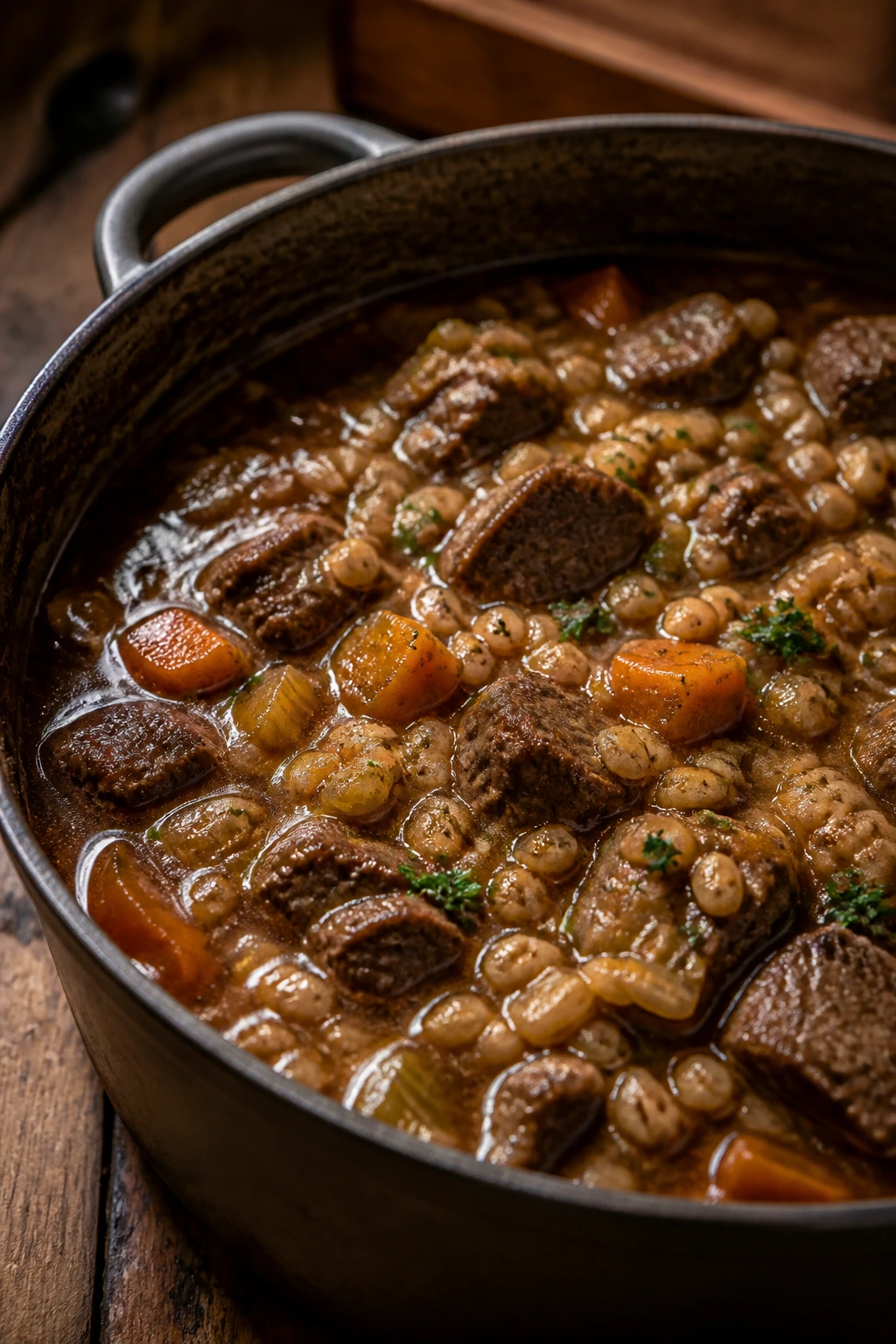
This is the stew that makes people hover around the stove. The broth turns dark and deep, the barley thickens the pot naturally, and the beef gets so tender it falls apart with a spoon.
Beef and barley is old-school comfort food, and I mean that as a compliment. It tastes like a meal that has patience.
Why It Works:
Chuck roast has enough connective tissue to go from chewy to silky when it simmers low and slow. Pearl barley adds body and a nutty chew that makes the stew feel substantial without needing flour or cream. Tomato paste and Worcestershire bring the kind of background savoriness that makes the broth taste like it took all afternoon, even when it didn’t.
Key Ingredients:
- 2 pounds beef chuck, cut into 1-inch cubes
- 2 tablespoons all-purpose flour
- 2 tablespoons olive oil
- 1 large yellow onion, chopped
- 2 carrots, sliced into thick rounds
- 2 celery stalks, sliced
- 8 ounces cremini mushrooms, halved
- 3 cloves garlic, minced
- 2 tablespoons tomato paste
- 1 cup pearl barley, rinsed
- 6 cups low-sodium beef broth
- 1 tablespoon Worcestershire sauce
- 1 teaspoon dried thyme
- 1 bay leaf
- 2 tablespoons chopped parsley
Quick Steps:
-
Sear the Beef: Pat the beef dry, toss it with the flour, salt, and pepper, and brown it in the hot oil in batches over medium-high heat. Each side should take about 2 minutes. Don’t crowd the pot or the meat will steam.
-
Soften the Vegetables: Add the onion, carrots, celery, and mushrooms. Cook for 6 to 7 minutes, stirring now and then, until the onions turn translucent and the mushrooms shrink.
-
Build the Broth: Stir in the garlic and tomato paste for 1 minute, then add the barley, broth, Worcestershire, thyme, and bay leaf. Scrape the bottom well. That browned layer is not trash; it is dinner.
-
Simmer Low and Slow: Return the beef and any juices to the pot. Bring everything to a simmer, cover partially, and cook for 1 hour to 1 hour 10 minutes, stirring once or twice, until the barley is tender and the beef is easy to pierce with a fork.
-
Adjust the Texture: If the stew looks too thick, splash in up to 1 cup more broth. If it looks thin, simmer uncovered for 10 minutes.
-
Finish Cleanly: Remove the bay leaf, taste for salt, and stir in the parsley right before serving.
Tips and Variations:
- Pearl barley works best here; hulled barley takes much longer.
- A spoonful of mustard stirred in at the end gives the broth a sharper edge.
- This stew freezes well, which makes it a smart weekend batch.
3. Sausage, Peppers, and Orzo Skillet
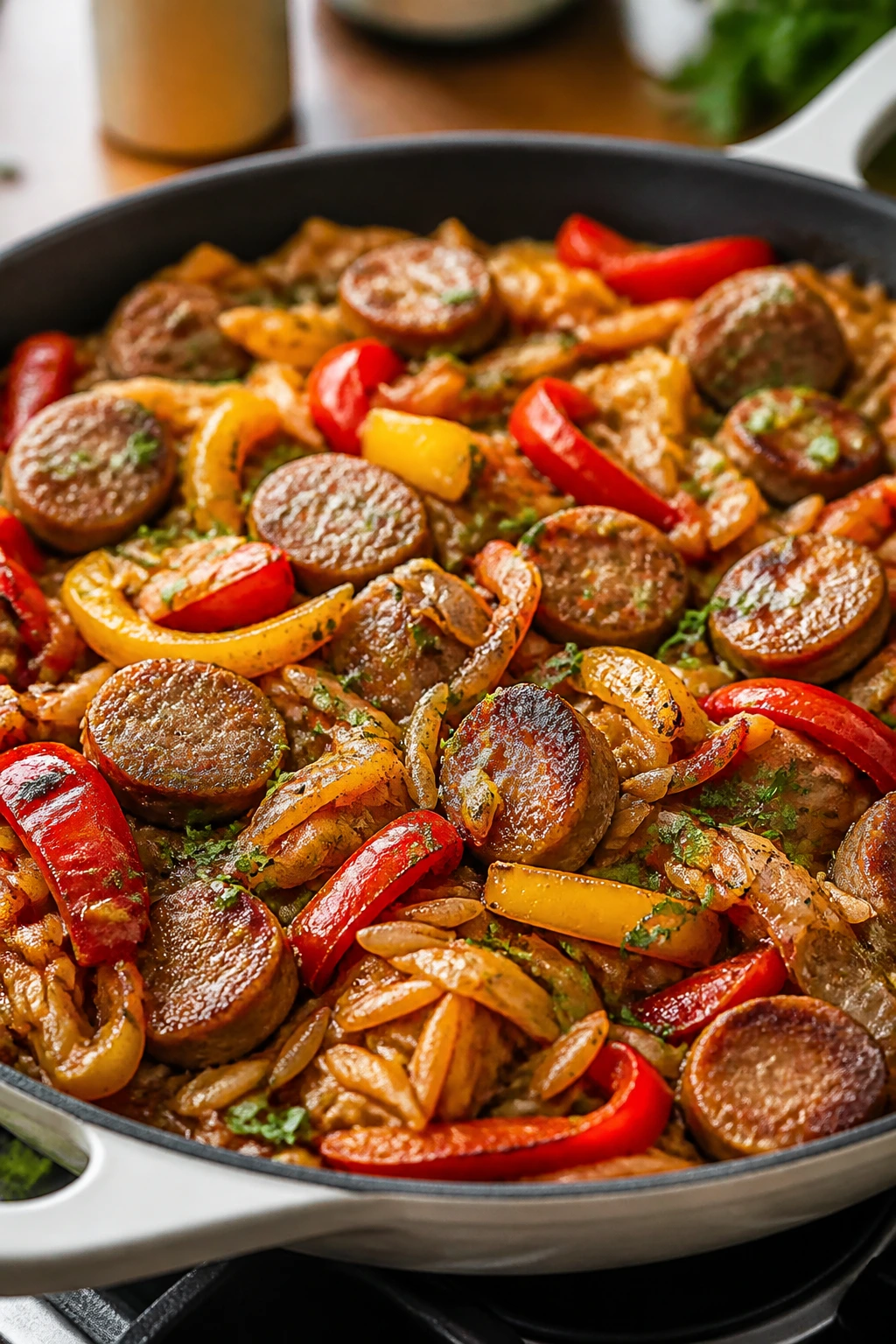
This one smells like onions, peppers, garlic, and browned sausage all getting along in one pan. The orzo cooks right in the sauce, so you get something that lands between pasta and a rice pilaf, only far more comforting.
It’s the sort of dinner that disappears fast because nobody has to negotiate with it. Kids pick out the sausage. Adults steal the peppers. Everybody wins.
Why It Works:
Italian sausage brings fat and seasoning, which means the pot starts with flavor instead of needing to build it from scratch. Orzo is ideal for one-pot cooking because it cooks quickly and soaks up the tomato broth without going gummy if you watch it closely. Bell peppers soften into sweet ribbons, which keeps the dish bright instead of heavy.
Key Ingredients:
- 1 1/2 pounds Italian sausage, mild or hot, casings removed if needed
- 1 large onion, thinly sliced
- 2 bell peppers, sliced
- 4 cloves garlic, minced
- 1 1/2 cups orzo
- 1 can (14.5 ounces) diced tomatoes
- 3 cups low-sodium chicken broth
- 1 teaspoon dried Italian seasoning
- 1/2 teaspoon crushed fennel seeds
- 1/2 cup grated Parmesan
- 2 tablespoons chopped basil or parsley
Quick Steps:
-
Brown the Sausage: Cook the sausage in a large deep skillet over medium-high heat, breaking it into pieces, until it loses its pink color and starts to brown, about 6 minutes. Spoon off excess fat if the pan looks greasy.
-
Cook the Vegetables: Add the onion and peppers and cook for 5 to 6 minutes, until softened and a little blistered at the edges. Stir in the garlic, Italian seasoning, and fennel seeds for 30 seconds.
-
Toast the Orzo: Add the orzo and stir for 1 minute so it gets coated in the oil and picks up a toasty note. That small step keeps the pasta from tasting plain.
-
Simmer the Dish: Pour in the tomatoes and broth, then bring the pot to a gentle boil. Lower the heat and simmer uncovered for 10 to 12 minutes, stirring often, until the orzo is tender and the sauce has thickened.
-
Finish with Cheese: Stir in the Parmesan and half the herbs. The sauce should look creamy and cling to the spoon.
-
Serve Hot: Taste and adjust salt if needed, then scatter the rest of the herbs over the top.
Tips and Variations:
- Use mild sausage for kids and hot sausage for a little bite.
- A handful of spinach stirred in at the end melts down in a minute.
- Add a splash of broth if the orzo drinks up too much liquid before it’s tender.
4. Turkey Chili Mac
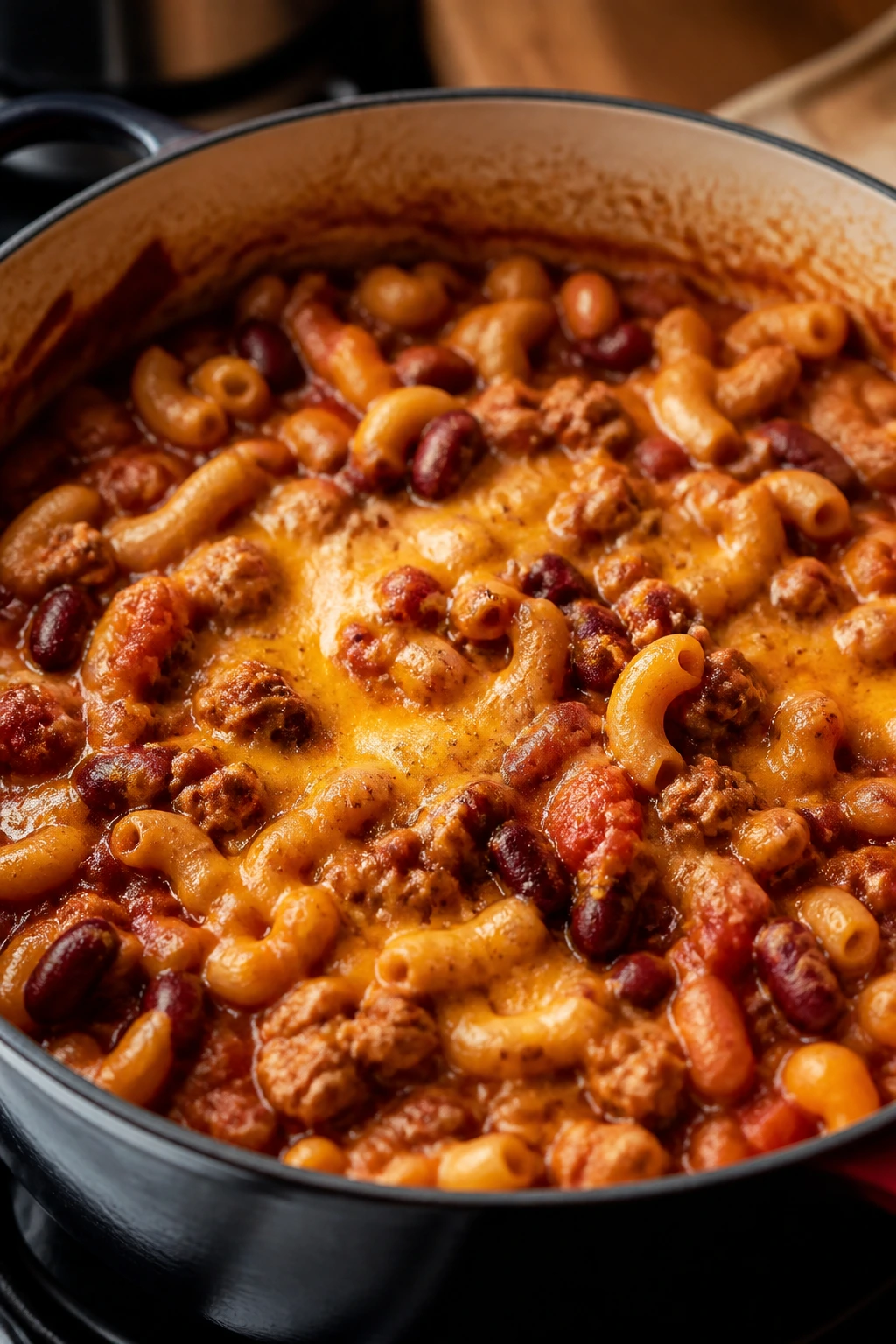
Chili mac is what happens when two dependable dinner ideas stop arguing and start helping each other. You get beans, pasta, tomato, and cheese in the same pot, and somehow the whole thing tastes even better than it sounds.
This is a family favorite for a reason. It’s filling, familiar, and a little bit messy in the good way.
Why It Works:
Ground turkey needs strong seasoning, and chili powder, cumin, and tomato paste give it that backbone. Pasta cooked in the chili broth absorbs flavor from the beginning instead of getting sauced at the end. The cheese melts into the liquid and turns the whole pot glossy, which is the part people remember.
Key Ingredients:
- 1 tablespoon olive oil
- 1 pound ground turkey
- 1 medium onion, diced
- 1 bell pepper, diced
- 3 cloves garlic, minced
- 2 tablespoons tomato paste
- 2 tablespoons chili powder
- 1 teaspoon ground cumin
- 1 1/2 cups elbow macaroni
- 1 can (15 ounces) kidney beans, drained and rinsed
- 1 can (14.5 ounces) diced tomatoes
- 2 1/2 cups low-sodium chicken broth
- 1 cup shredded cheddar
- 2 tablespoons chopped scallions or cilantro
Quick Steps:
-
Brown the Turkey: Heat the oil in a pot over medium-high heat and cook the turkey until it loses its pink color, about 5 minutes. Break it up well so there are no big clumps.
-
Add the Aromatics: Stir in the onion and bell pepper and cook for 4 to 5 minutes, until softened. Add the garlic, tomato paste, chili powder, cumin, salt, and pepper, and cook for 1 minute more.
-
Build the Chili Base: Add the macaroni, beans, tomatoes, and broth. Stir well and bring the pot to a gentle boil.
-
Cook the Pasta: Lower the heat and simmer uncovered for 10 to 12 minutes, stirring often, until the pasta is tender and the sauce has thickened.
-
Melt the Cheese: Turn off the heat and stir in the cheddar until the pot turns creamy and smooth.
-
Finish and Serve: Top with scallions or cilantro. If the pot looks too thick before the pasta is done, add broth in 1/4-cup splashes.
Tips and Variations:
- White beans can stand in for kidney beans if that’s what you have.
- A spoonful of sour cream at the table smooths out the chili heat.
- Ground turkey breast is leaner but a little drier; regular ground turkey holds up better.
5. Lemon Garlic Chicken Pasta with Spinach
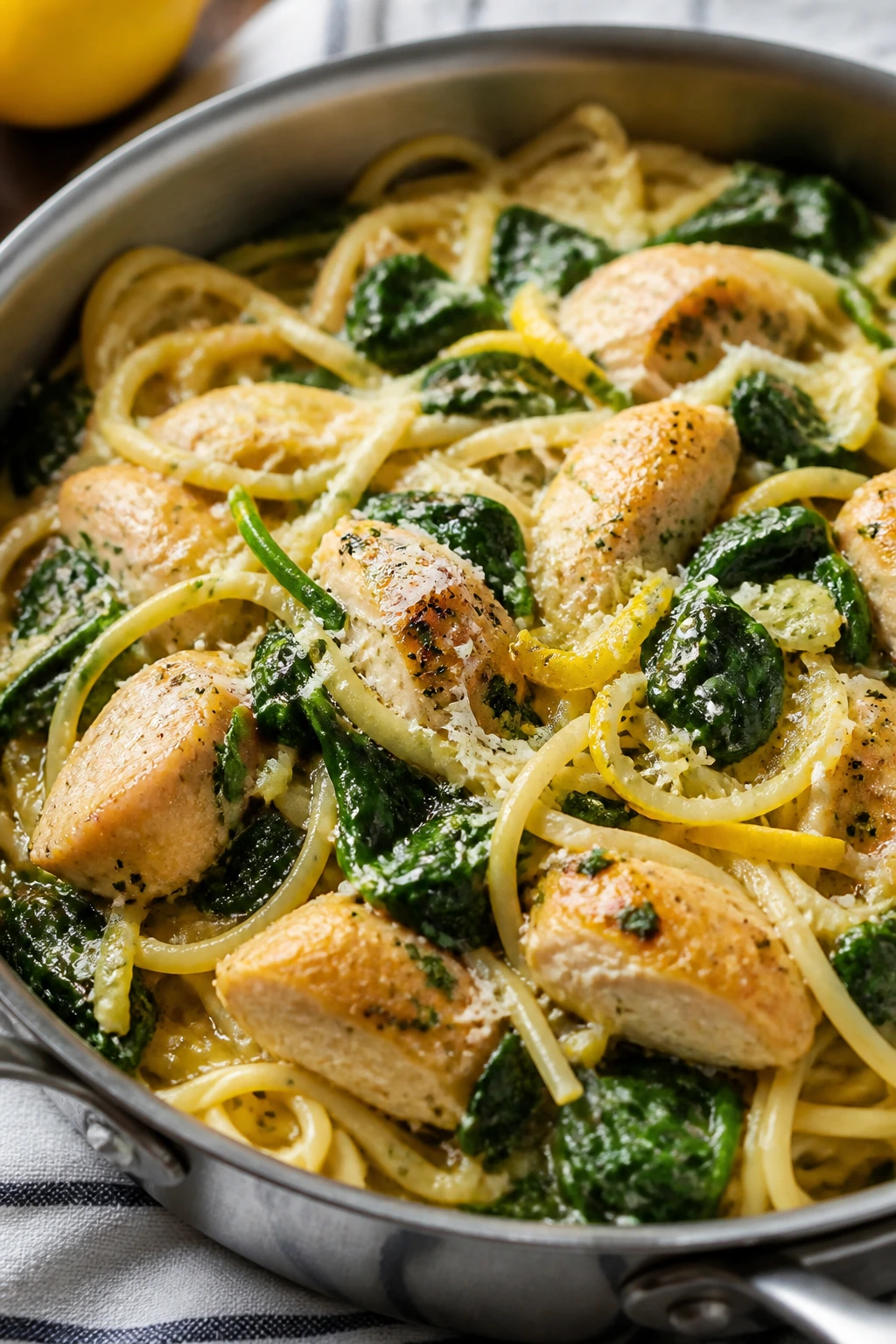
Bright lemon keeps this pasta from feeling too heavy, which is exactly why I like it in the middle of a long week. It still eats like comfort food, but the garlic, broth, and Parmesan pull it into something fresher.
The spinach wilts right into the sauce. Nobody needs to negotiate with a green vegetable when it disappears that cleanly.
Why It Works:
One-pot pasta works when the liquid amount is balanced, and this one uses broth plus a little milk for a sauce that coats the noodles instead of drowning them. Chicken thighs stay more forgiving than breasts, especially if the pasta needs a few extra minutes. Lemon goes in at the end so it stays sharp and bright rather than tasting cooked down.
Key Ingredients:
- 1 1/2 pounds boneless, skinless chicken thighs, cut into bite-size pieces
- 2 tablespoons olive oil
- 1 medium onion, thinly sliced
- 4 cloves garlic, minced
- 12 ounces penne or rotini
- 4 cups low-sodium chicken broth
- 1 cup milk
- 1 lemon, zested and juiced
- 4 ounces baby spinach
- 3/4 cup grated Parmesan
- 1 teaspoon kosher salt
- 1/2 teaspoon black pepper
Quick Steps:
-
Brown the Chicken: Heat the oil in a deep skillet or pot over medium-high heat. Season the chicken with salt and pepper, then cook for 5 to 6 minutes until lightly browned. It does not need to be fully cooked yet.
-
Soften the Onion: Add the onion and cook for 3 minutes, then stir in the garlic for 30 seconds until fragrant.
-
Cook the Pasta in Liquid: Add the pasta, broth, milk, and lemon zest. Bring to a boil, then lower the heat and simmer uncovered for 10 to 12 minutes, stirring often.
-
Add the Greens: Stir in the spinach and lemon juice. Cook for 1 minute until the leaves collapse into the sauce.
-
Melt in the Cheese: Stir in the Parmesan until the sauce looks creamy and the noodles are glossy.
-
Taste and Serve: Adjust salt and pepper, then serve right away. Lemon juice goes in at the end; add it too early and the flavor gets dull.
Tips and Variations:
- Swap spinach for chopped kale, but give kale an extra 2 minutes to soften.
- A pinch of red pepper flakes works well if you want a little heat.
- If the sauce tightens up as it sits, loosen it with a splash of broth.
6. Sausage and Lentil Soup
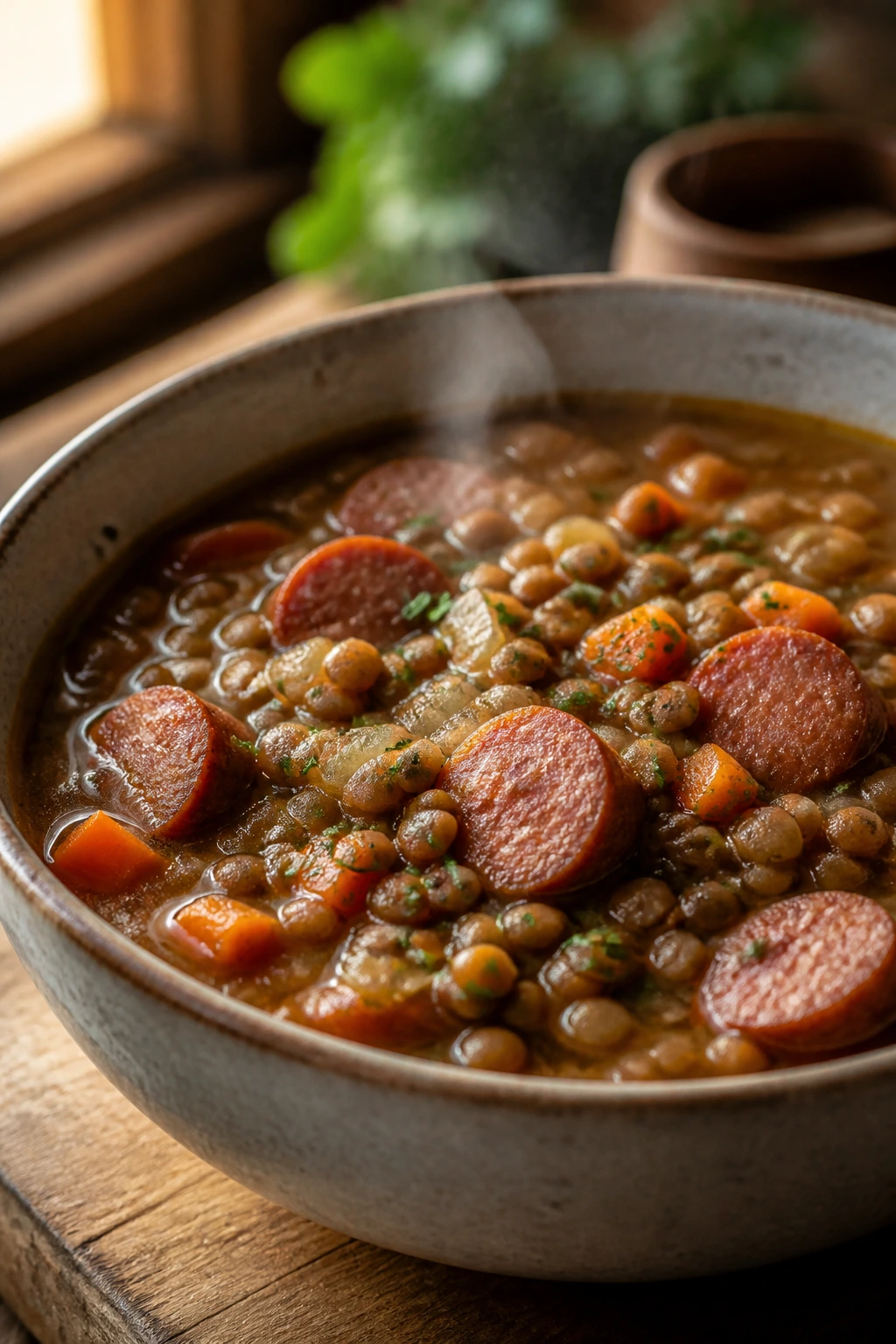
This soup smells like smoked sausage, garlic, and carrots doing the kind of work that makes dinner feel complete. Lentils bring body without needing cream, and the whole bowl ends up hearty enough to count as a proper meal.
I like this one on nights when people want seconds without acting like they asked for seconds. It’s filling in a quiet, sturdy way.
Why It Works:
Lentils cook fast, hold their shape, and thicken the broth naturally as they simmer. Smoked sausage gives the pot a built-in savory base, while tomatoes and vinegar keep the soup from getting muddy. Unlike beans, lentils don’t need soaking, which makes this a strong pantry dinner.
Key Ingredients:
- 1 tablespoon olive oil
- 1 pound smoked sausage, sliced into half-moons
- 1 medium onion, diced
- 2 carrots, diced
- 2 celery stalks, diced
- 3 cloves garlic, minced
- 1 1/2 cups brown or green lentils, rinsed
- 1 can (14.5 ounces) diced tomatoes
- 6 cups low-sodium chicken broth
- 1 teaspoon dried thyme
- 1 bay leaf
- 1 tablespoon red wine vinegar
- 2 tablespoons chopped parsley
Quick Steps:
-
Brown the Sausage: Warm the oil in a soup pot over medium heat. Cook the sausage for 3 to 4 minutes until lightly browned, then leave it in the pot.
-
Cook the Vegetables: Add the onion, carrots, and celery. Cook for 6 to 8 minutes, until the onion softens and the carrots start to lose their raw crunch. Stir in the garlic for 30 seconds.
-
Add Lentils and Liquid: Stir in the lentils, tomatoes, broth, thyme, and bay leaf. Bring to a boil, then reduce the heat and simmer partially covered for 30 to 35 minutes.
-
Check the Texture: The lentils should be tender but still hold their shape. If they’re hard in the center, simmer 5 more minutes and check again.
-
Finish with Acidity: Remove the bay leaf and stir in the vinegar and parsley. That small splash of vinegar matters; it keeps the soup from tasting flat.
-
Serve Hot: Taste for salt and pepper, then ladle into bowls.
Tips and Variations:
- Green lentils stay a little firmer; brown lentils soften more quickly.
- Add chopped spinach in the last 2 minutes if you want more greens.
- A crusty loaf on the side turns this into a proper cold-night dinner.
7. Ground Beef and Potato Skillet
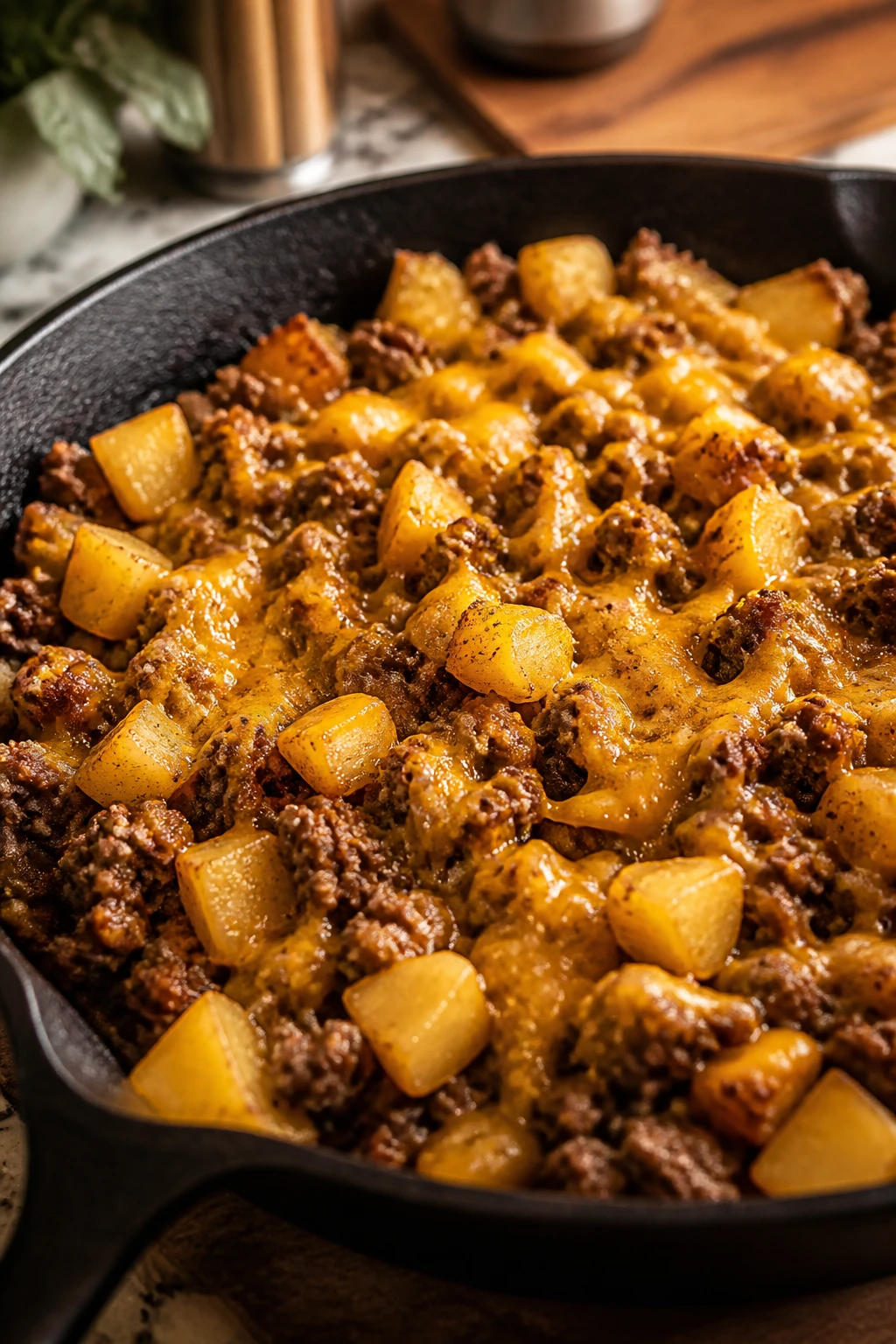
This is the skillet dinner that smells like onions, beef, and melted cheese before it’s even halfway done. The potatoes soak up the beefy broth and turn tender at the edges, which is half the fun.
It’s budget-friendly, filling, and easy to stretch. Honestly, it does a lot without acting like it.
Why It Works:
Potatoes and ground beef are both forgiving, which makes them a strong match for one-pot cooking. The beef seasons the broth, the potatoes thicken the pan as they cook, and the cheese gives the whole thing a baked-casserole feeling without turning on the oven. Cutting the potatoes small matters; big chunks take too long and leave the beef overcooked by the time they soften.
Key Ingredients:
- 1 tablespoon olive oil
- 1 1/2 pounds ground beef
- 1 medium onion, chopped
- 3 cloves garlic, minced
- 2 pounds Yukon Gold potatoes, cut into 1/2-inch cubes
- 2 tablespoons tomato paste
- 1 teaspoon paprika
- 1 tablespoon Worcestershire sauce
- 3 cups low-sodium beef broth
- 1 cup frozen corn or peas
- 1 cup shredded cheddar
- 2 tablespoons chopped chives or parsley
Quick Steps:
-
Brown the Beef: Heat the oil in a large skillet or Dutch oven over medium-high heat. Cook the beef until browned, about 6 minutes, and spoon off excess fat if needed.
-
Build Flavor: Add the onion and cook for 3 minutes, then add the garlic, tomato paste, paprika, Worcestershire sauce, salt, and pepper. Stir for 1 minute.
-
Add the Potatoes: Stir in the potatoes and broth. Bring the mixture to a simmer, cover, and cook for 18 to 20 minutes, stirring once or twice, until the potatoes are fork-tender.
-
Add the Vegetables: Stir in the corn or peas and cook uncovered for 2 minutes.
-
Melt the Cheese: Turn off the heat and scatter the cheddar over the top. Cover for 2 minutes until the cheese melts.
-
Finish and Serve: Sprinkle with chives or parsley and serve while the skillet is still hot.
Tips and Variations:
- Cut the potatoes evenly or they’ll finish at different times.
- A little hot sauce on top helps if you want more bite.
- Leftovers reheat well in a skillet with a spoonful of broth.
8. Tuscan White Bean Gnocchi
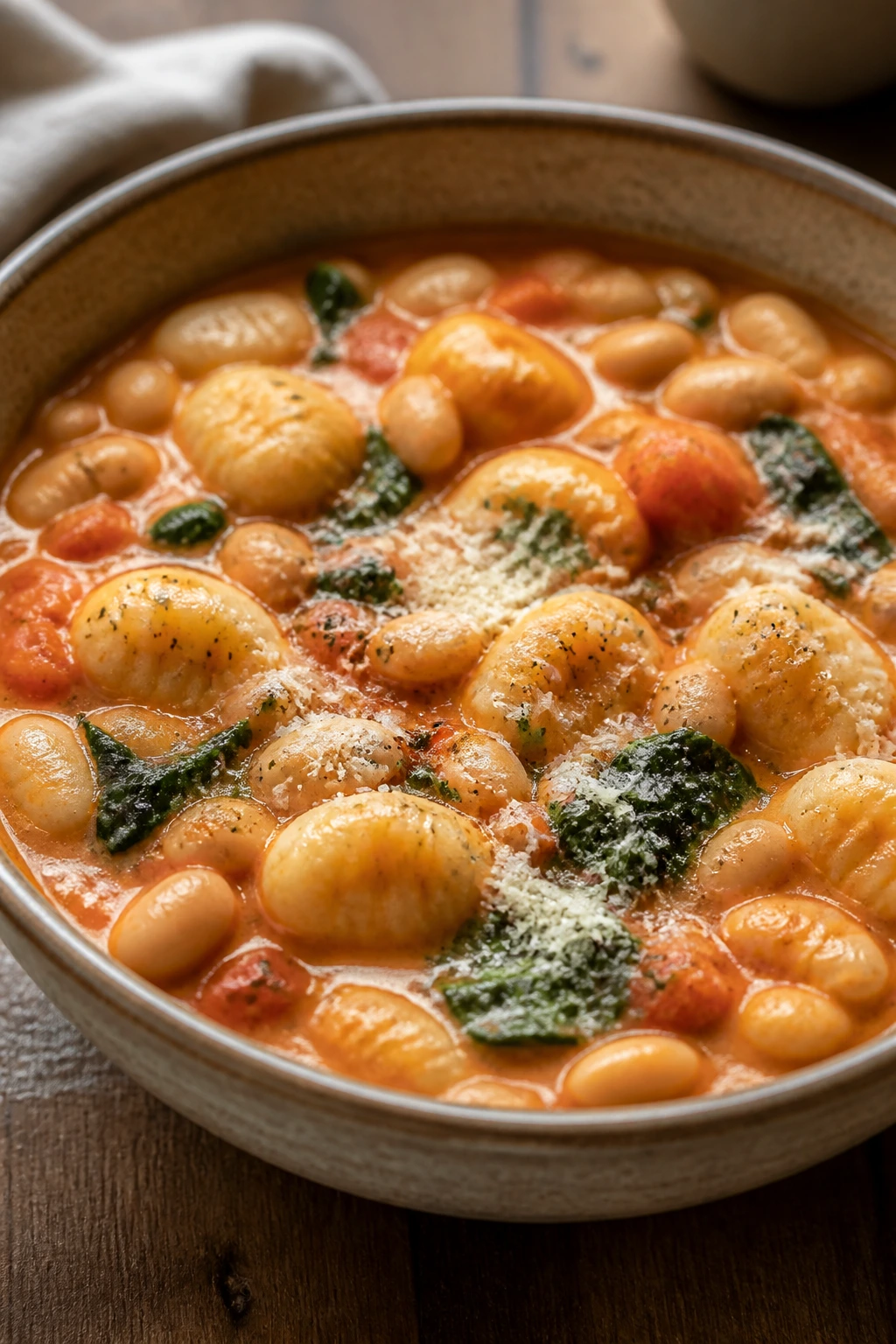
Soft gnocchi in a creamy tomato broth is the kind of thing that looks fancier than it is. The beans make it filling, the spinach gives it some lift, and the sundried tomatoes bring a chewy, concentrated bite.
This one is fast. Fast in a good way, not in a rushed way.
Why It Works:
Shelf-stable gnocchi cooks right in the broth and turns pleasantly tender in minutes. Cannellini beans add creaminess and body, which means you don’t need a huge amount of dairy to get a rich sauce. Sundried tomatoes, rosemary, and Parmesan give the dish a Tuscan-style flavor profile that feels cozy rather than heavy.
Key Ingredients:
- 2 tablespoons olive oil
- 1 small onion, diced
- 3 cloves garlic, minced
- 2 cans (15 ounces each) cannellini beans, drained and rinsed
- 1 package (16 ounces) shelf-stable gnocchi
- 4 cups low-sodium vegetable or chicken broth
- 1 cup chopped sundried tomatoes
- 1 cup half-and-half
- 5 ounces baby spinach
- 1 teaspoon chopped rosemary
- 1/2 cup grated Parmesan
Quick Steps:
-
Start the Base: Heat the oil in a deep skillet over medium heat. Cook the onion for 4 minutes, then add the garlic and rosemary for 30 seconds.
-
Add the Beans and Broth: Stir in the beans, gnocchi, broth, and sundried tomatoes. Bring to a simmer.
-
Cook the Gnocchi: Simmer uncovered for 4 to 6 minutes, stirring gently, until the gnocchi is tender and floats near the top.
-
Make It Creamy: Stir in the half-and-half and spinach. Cook for 1 to 2 minutes until the spinach wilts.
-
Finish with Cheese: Add the Parmesan and stir until the sauce looks silky. Taste and adjust salt and pepper.
-
Serve Right Away: This one is best hot, when the gnocchi still has a soft bite.
Tips and Variations:
- Fresh gnocchi works too, but it can cook a little faster.
- Add white beans and kale for a sturdier version.
- A drizzle of olive oil at the end makes the bowl feel more polished.
9. Beef Stroganoff with Egg Noodles
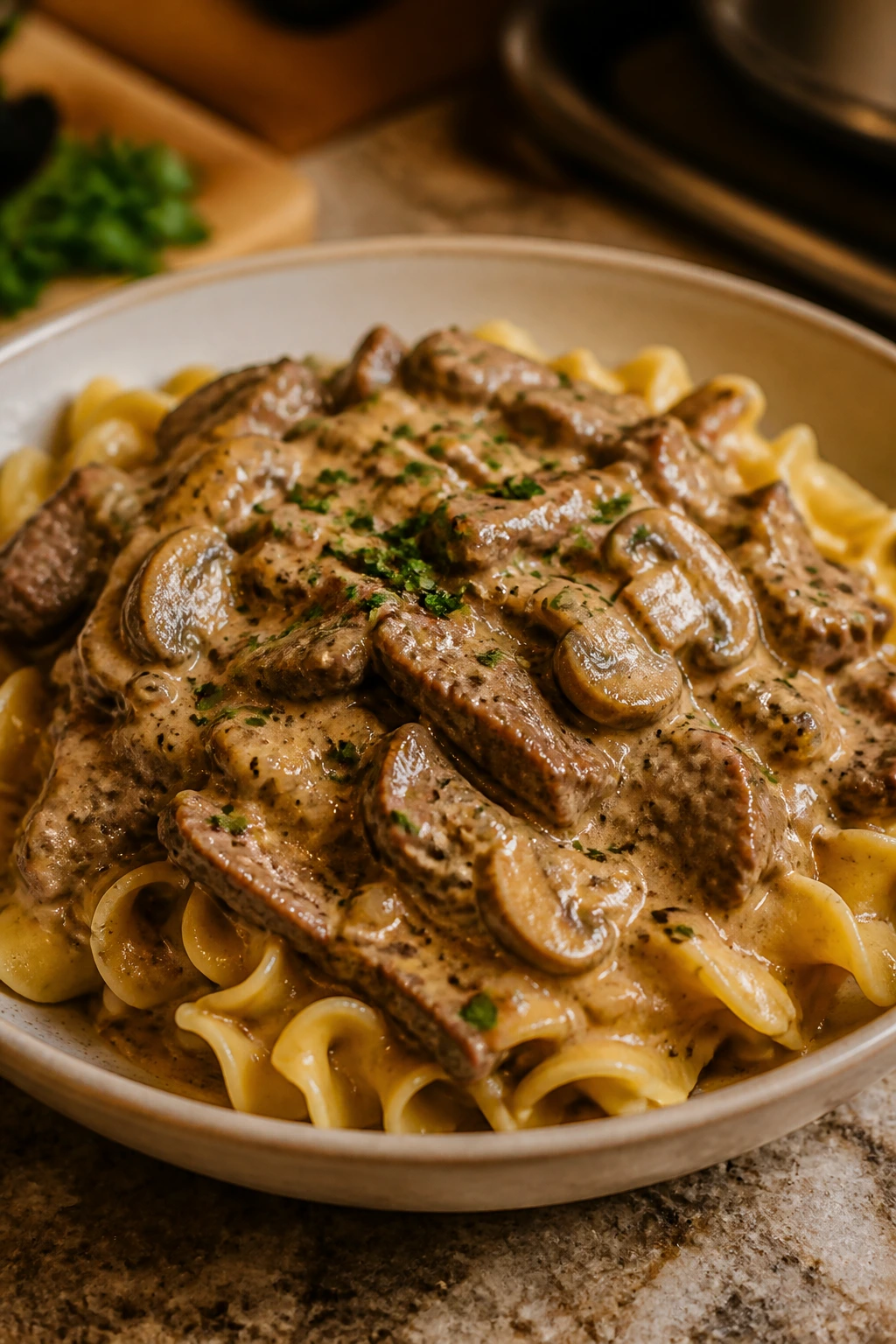
Beef stroganoff is one of those meals people recognize before they even sit down. Mushrooms, beef, noodles, and sour cream make a sauce that feels old-fashioned in the best way.
It’s rich, but not clumsy. There’s a reason it has stuck around.
Why It Works:
Egg noodles cook directly in the beef broth, which means they absorb flavor instead of just sitting under sauce. Sour cream goes in off the heat so it stays smooth and tangy instead of breaking. Mushrooms are not optional here in my book; they give the sauce the kind of savory depth that makes stroganoff taste like itself.
Key Ingredients:
- 1 1/2 pounds sirloin steak, thinly sliced against the grain, or 1 1/2 pounds ground beef
- 2 tablespoons butter
- 1 medium onion, sliced
- 8 ounces cremini mushrooms, sliced
- 3 cloves garlic, minced
- 2 tablespoons all-purpose flour
- 4 cups low-sodium beef broth
- 12 ounces egg noodles
- 1 tablespoon Worcestershire sauce
- 1 teaspoon Dijon mustard
- 1/2 cup sour cream
- 2 tablespoons chopped parsley
Quick Steps:
-
Brown the Beef: Melt the butter in a wide pot over medium-high heat. Cook the beef until browned on the outside, then transfer it to a plate if you’re using steak slices. Ground beef can stay in the pot.
-
Cook the Vegetables: Add the onion and mushrooms and cook for 6 to 7 minutes, until the mushrooms soften and the pan smells deeply savory. Stir in the garlic for 30 seconds.
-
Build the Sauce: Sprinkle in the flour and stir for 1 minute. Add the broth, scraping the bottom as you go, then stir in the Worcestershire and Dijon.
-
Cook the Noodles: Add the egg noodles and simmer uncovered for 8 to 10 minutes, stirring often, until the noodles are tender and the sauce thickens.
-
Return the Beef: If you used steak, add it back in for the last 2 minutes, just until warmed through.
-
Finish Off Heat: Turn off the heat and stir in the sour cream until smooth. Do not let the pot boil after the sour cream goes in, or the sauce can split.
Tips and Variations:
- Ground beef makes this weeknight-easy, while sirloin feels a little more special.
- A splash of lemon juice at the end sharpens the sauce.
- Serve over mashed potatoes if you want a heavier, old-school take.
10. Chicken Tortilla Soup
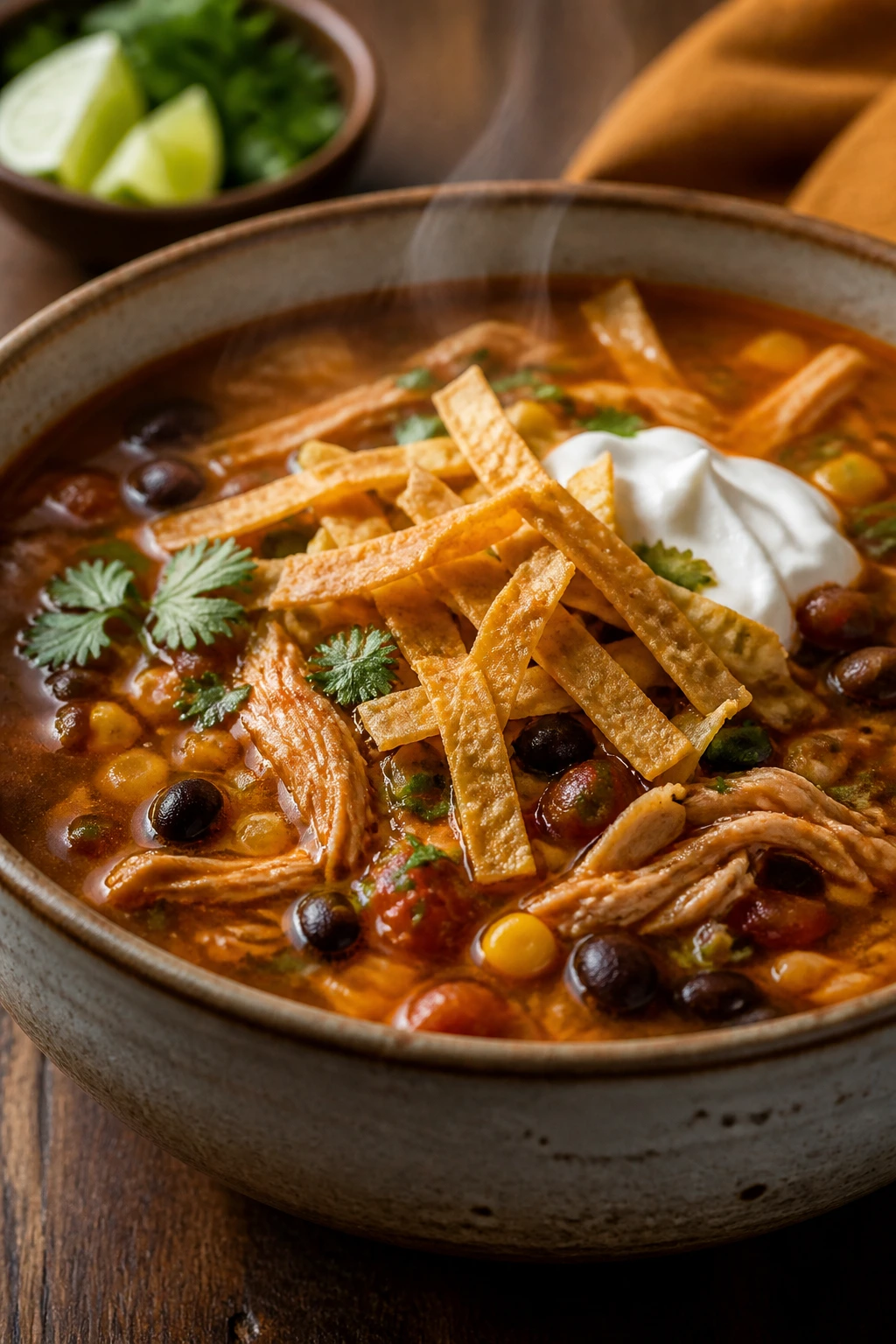
Chicken tortilla soup has a smoky, lively smell that pulls people into the kitchen before dinner is even done. The broth is brothy but not thin, the beans make it filling, and the toppings give every bowl a little crunch.
I like this one because it invites customization. Nobody has to eat the same bowl twice.
Why It Works:
Chicken thighs simmer well in broth and shred easily, which keeps the soup juicy. Black beans and corn add body and sweetness, while cumin and chili powder give the broth a warm, rounded flavor without making it too hot. Crunchy tortilla strips on top are not decoration; they’re part of the texture.
Key Ingredients:
- 1 tablespoon olive oil
- 1 medium onion, diced
- 3 cloves garlic, minced
- 1 tablespoon ground cumin
- 1 teaspoon chili powder
- 1 can (14.5 ounces) diced tomatoes
- 1 can (15 ounces) black beans, drained and rinsed
- 1 cup frozen or canned corn
- 6 cups low-sodium chicken broth
- 1 1/2 pounds boneless, skinless chicken thighs
- 1 lime, cut into wedges
- 2 cups tortilla strips or crushed tortilla chips
- 1 avocado, sliced
- 1/4 cup chopped cilantro
Quick Steps:
-
Sauté the Base: Heat the oil in a soup pot over medium heat. Cook the onion for 4 minutes, then add the garlic, cumin, and chili powder for 30 seconds.
-
Add the Soup Ingredients: Stir in the tomatoes, beans, corn, broth, and chicken thighs. Bring to a gentle boil.
-
Simmer the Chicken: Lower the heat and cook uncovered for 18 to 20 minutes, until the chicken is cooked through and easy to shred.
-
Shred and Return: Remove the chicken, shred it with two forks, and stir it back into the pot.
-
Adjust the Broth: Simmer for 3 minutes more so the flavors come together. Taste and add salt, pepper, or a little lime juice.
-
Serve with Toppings: Ladle into bowls and top with tortilla strips, avocado, cilantro, and more lime. Add the chips at the last second so they stay crunchy.
Tips and Variations:
- Rotisserie chicken can stand in if you want a faster version.
- Monterey Jack or cheddar melts well over the top.
- If you like heat, add diced jalapeño with the onion.
11. Veggie Minestrone with Parmesan Rind
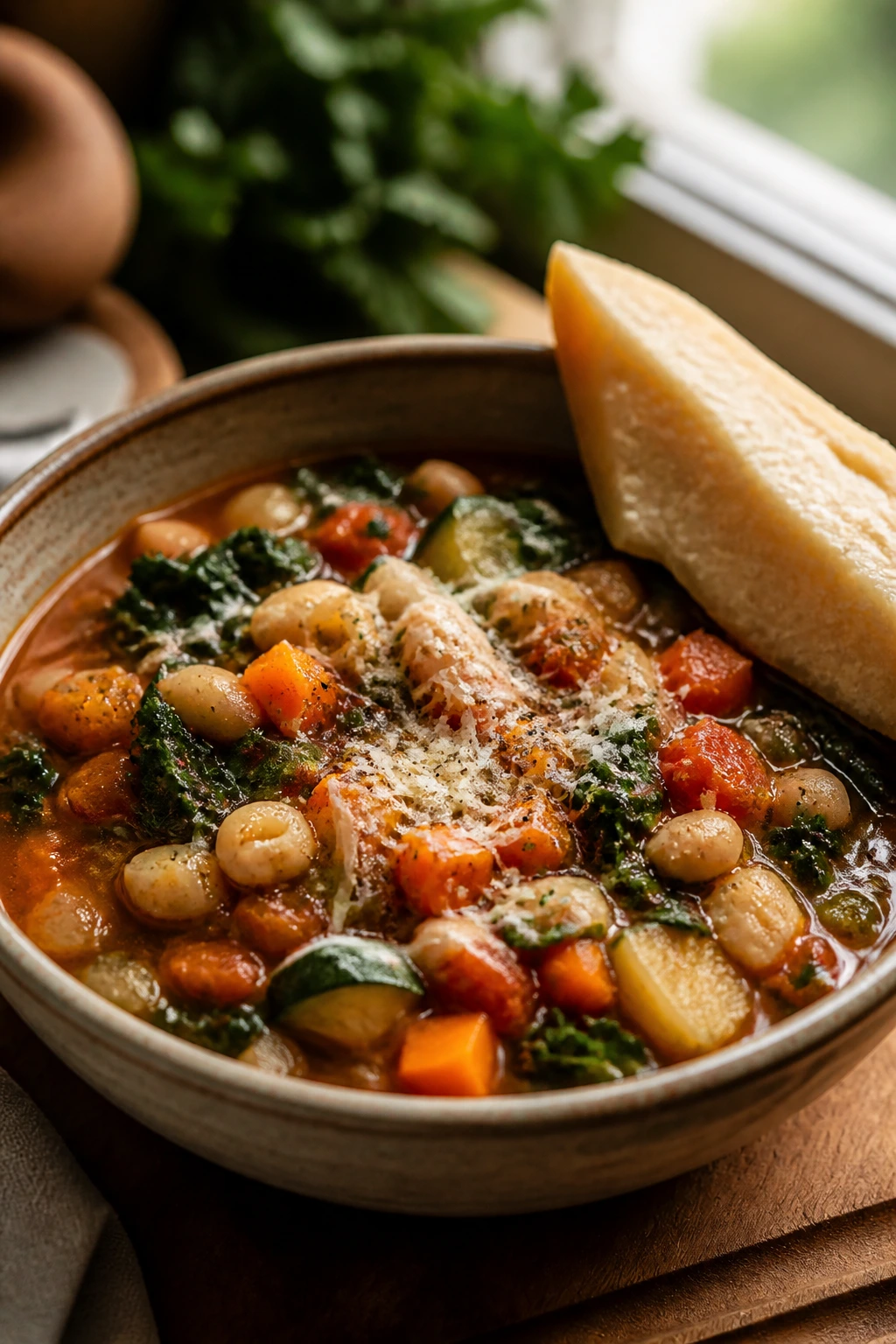
This is the pot you make when the fridge has odds and ends but you still want dinner to feel intentional. The vegetables soften into the broth, the pasta gives it weight, and the Parmesan rind adds a quiet depth that plain broth never manages.
Minestrone is humble. It also never feels like an afterthought when it’s done well.
Why It Works:
The soup builds flavor in layers: onion, carrot, celery, tomato, beans, pasta, greens. A Parmesan rind tucked into the pot adds a long-cooked cheese note without making the broth heavy, and that’s the part people notice even if they can’t name it. Small pasta shapes, like ditalini, finish quickly and make every spoonful feel complete.
Key Ingredients:
- 2 tablespoons olive oil
- 1 medium onion, diced
- 2 carrots, diced
- 2 celery stalks, diced
- 1 zucchini, diced
- 3 cloves garlic, minced
- 1 can (14.5 ounces) diced tomatoes
- 1 can (15 ounces) cannellini beans, drained and rinsed
- 4 cups low-sodium vegetable broth
- 2 cups water
- 1 Parmesan rind
- 3/4 cup ditalini or small shells
- 2 cups chopped kale or spinach
- 2 tablespoons chopped basil
- Grated Parmesan, for serving
Quick Steps:
-
Cook the Vegetables: Heat the oil over medium heat and cook the onion, carrots, and celery for 6 to 7 minutes until softened. Add the zucchini and garlic for 2 minutes.
-
Build the Broth: Stir in the tomatoes, beans, broth, water, and Parmesan rind. Bring to a simmer.
-
Add the Pasta: Stir in the ditalini and cook uncovered for 8 to 10 minutes, until tender.
-
Add the Greens: Stir in the kale or spinach and cook for 2 minutes until wilted.
-
Finish the Soup: Remove the Parmesan rind, add the basil, and taste for salt and pepper.
-
Serve Warm: Top each bowl with grated Parmesan. If you don’t have a rind, a Parmesan-heavy garnish helps, but the rind is the deeper move.
Tips and Variations:
- A chopped potato makes the soup even heartier.
- Use whatever sturdy vegetable needs using up: green beans, cabbage, or peas.
- The pasta will keep drinking broth, so add a splash of water when reheating.
12. Meatballs and Tomato Rice
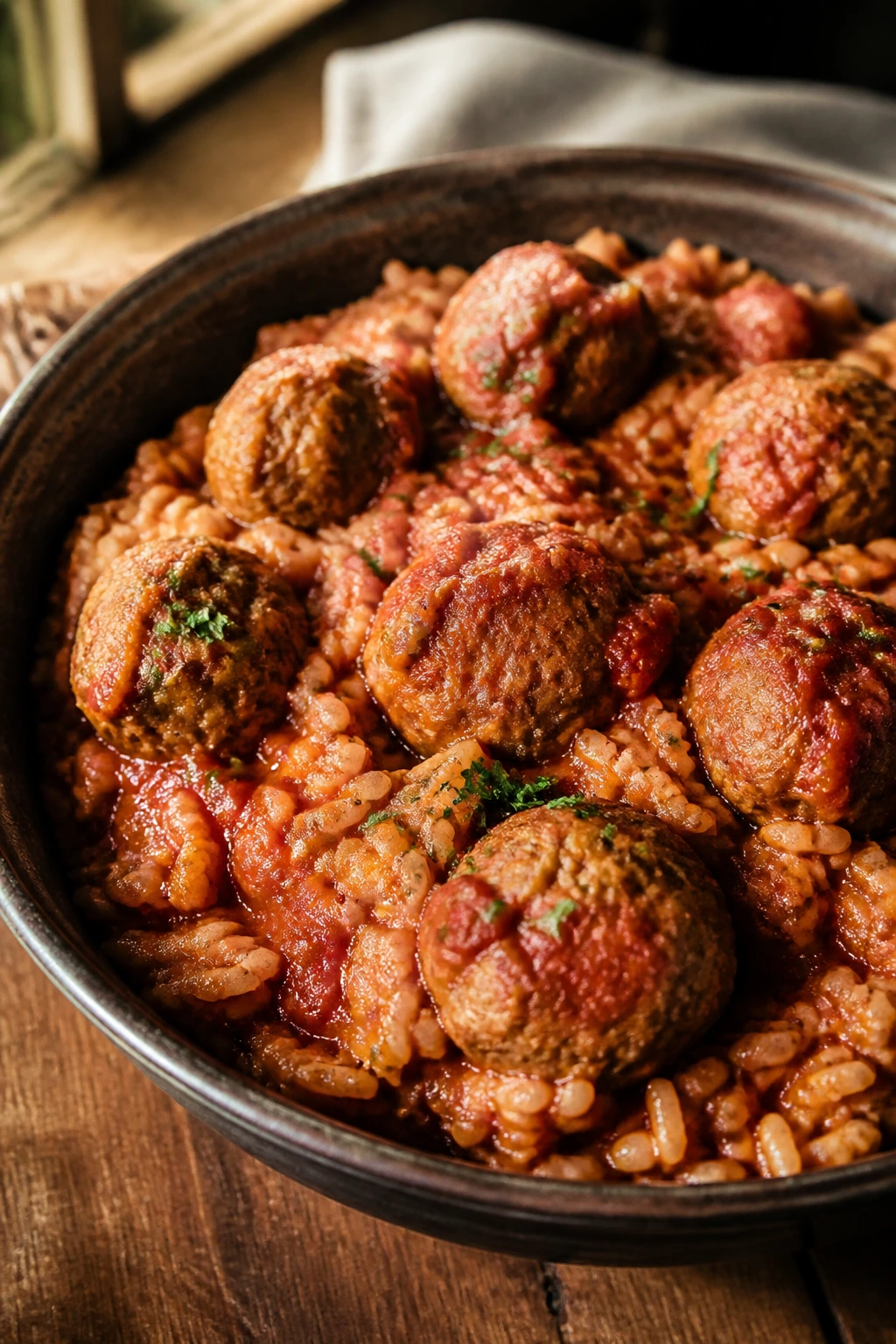
Meatballs simmered in tomato rice have a way of feeling like a weeknight win and a Sunday dinner at the same time. The rice goes soft and savory, the meatballs stay juicy, and the sauce turns deeply red and comforting.
It’s a smart use for frozen meatballs, but homemade ones are worth the effort when you’ve got it in you.
Why It Works:
Rice cooks in the tomato broth, so every grain picks up the flavor of the sauce instead of tasting separate from it. Meatballs add protein and richness, and a lid traps enough steam to finish the rice evenly. The trick is to keep the liquid level generous at the start and then leave it alone.
Key Ingredients:
- 1 tablespoon olive oil
- 1 medium onion, finely chopped
- 3 cloves garlic, minced
- 1 1/2 cups long-grain white rice, rinsed
- 1 can (28 ounces) crushed tomatoes
- 3 cups low-sodium chicken or beef broth
- 1 1/2 pounds cooked meatballs, homemade or frozen
- 1 teaspoon dried oregano
- 1 teaspoon dried basil
- 1 cup shredded mozzarella
- 2 tablespoons chopped parsley
Quick Steps:
-
Start the Sauce Base: Heat the oil in a wide pot over medium heat. Cook the onion for 4 minutes, then add the garlic for 30 seconds.
-
Toast the Rice: Stir in the rinsed rice and cook for 1 minute.
-
Add Tomatoes and Broth: Pour in the crushed tomatoes and broth, then stir in oregano, basil, salt, and pepper.
-
Nestle in the Meatballs: Add the meatballs and press them halfway into the liquid. Bring to a simmer, cover, and cook on low for 18 minutes.
-
Check the Rice: Lift the lid and see whether the rice is tender. If needed, add 1/4 cup water and cook 3 to 5 minutes more.
-
Finish with Cheese: Sprinkle mozzarella over the top, cover for 2 minutes, then finish with parsley. Frozen meatballs should be heated through to steaming hot in the center.
Tips and Variations:
- Use beef, turkey, or chicken meatballs depending on what the family likes.
- A pinch of red pepper flakes makes the sauce more interesting.
- This one reheats best with a splash of broth to loosen the rice.
13. Coconut Chickpea Curry with Rice
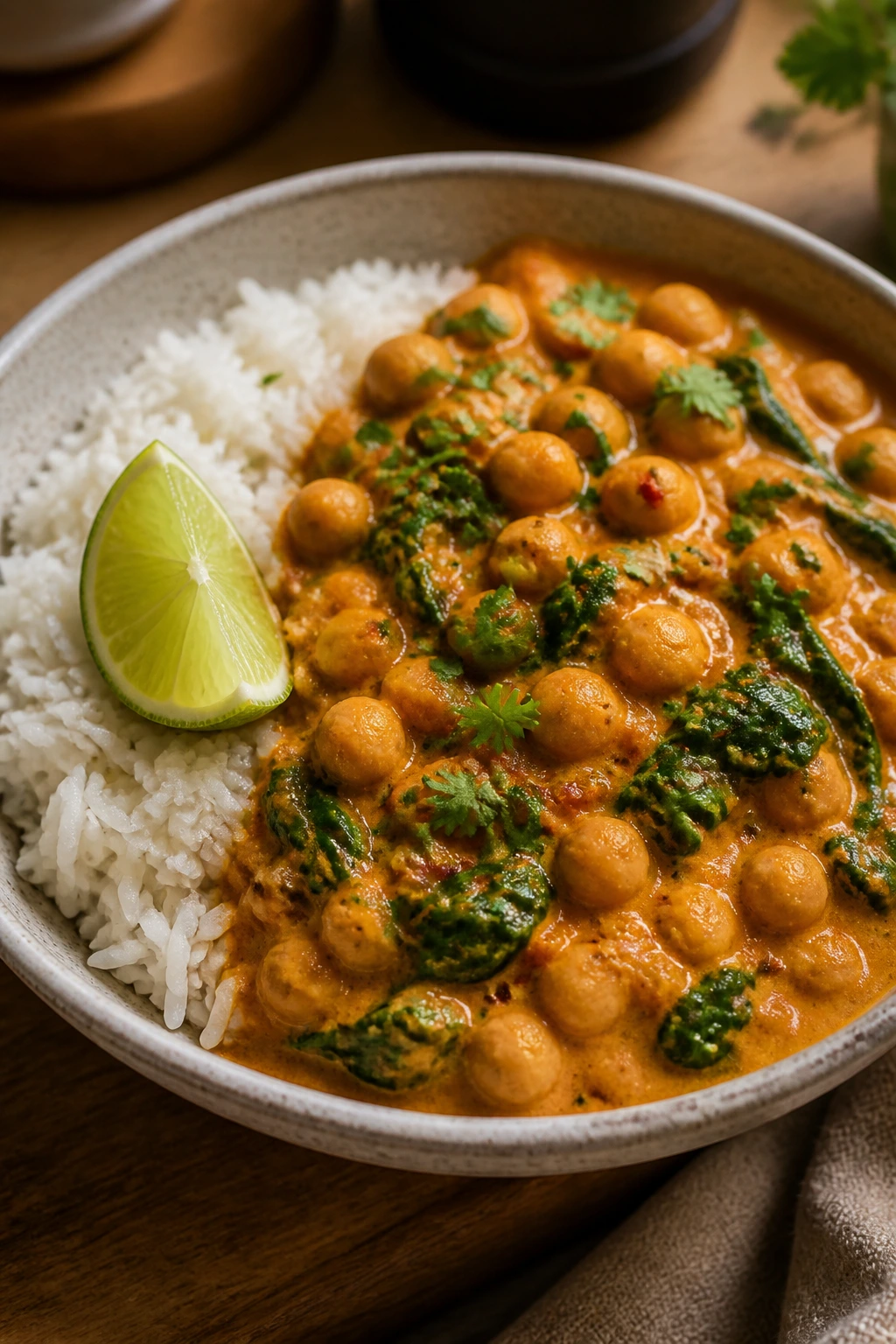
This curry is creamy, fragrant, and calm in the best possible way. The rice cooks right in the coconut broth, the chickpeas add heft, and the spinach slides in at the end like it knows its place.
It’s a solid vegetarian dinner that still feels substantial. No one leaves the table looking for a backup snack.
Why It Works:
Basmati rice stays fluffy if you don’t stir it too aggressively, and the coconut milk gives the liquid enough fat to taste rich without needing dairy. Chickpeas hold their shape and soak up spice well, while ginger, garlic, and curry powder keep the pot aromatic from the first minute. A squeeze of lime at the end lifts the whole thing.
Key Ingredients:
- 2 tablespoons coconut oil or olive oil
- 1 medium onion, chopped
- 3 cloves garlic, minced
- 1 tablespoon grated fresh ginger
- 1 tablespoon curry powder
- 1/2 teaspoon ground turmeric
- 1 1/2 cups basmati rice, rinsed
- 1 can (15 ounces) chickpeas, drained and rinsed
- 1 can (13.5 ounces) coconut milk
- 2 cups low-sodium vegetable broth
- 3 cups baby spinach
- 1 lime, juiced
- 2 tablespoons chopped cilantro
Quick Steps:
-
Bloom the Spices: Heat the oil in a pot over medium heat. Cook the onion for 4 minutes, then add garlic and ginger for 30 seconds. Stir in the curry powder and turmeric for another 30 seconds.
-
Add the Rice: Stir in the rinsed rice and coat it with the spice mixture for 1 minute.
-
Build the Curry: Pour in the coconut milk and broth, then add the chickpeas. Bring to a gentle boil.
-
Simmer Covered: Lower the heat, cover, and cook for 15 minutes without stirring. The rice should be mostly tender and the liquid should be nearly absorbed.
-
Finish the Pot: Stir in the spinach and cook for 1 to 2 minutes until wilted. Add lime juice and cilantro.
-
Fluff and Serve: Taste for salt. If you stir too much while the rice cooks, it can turn dense instead of fluffy.
Tips and Variations:
- Add diced sweet potato with the onion if you want more body.
- A spoonful of plain yogurt on top softens the spice.
- Cauliflower florets can replace some of the chickpeas for a lighter bowl.
14. Pork, Cabbage, and Apple Skillet
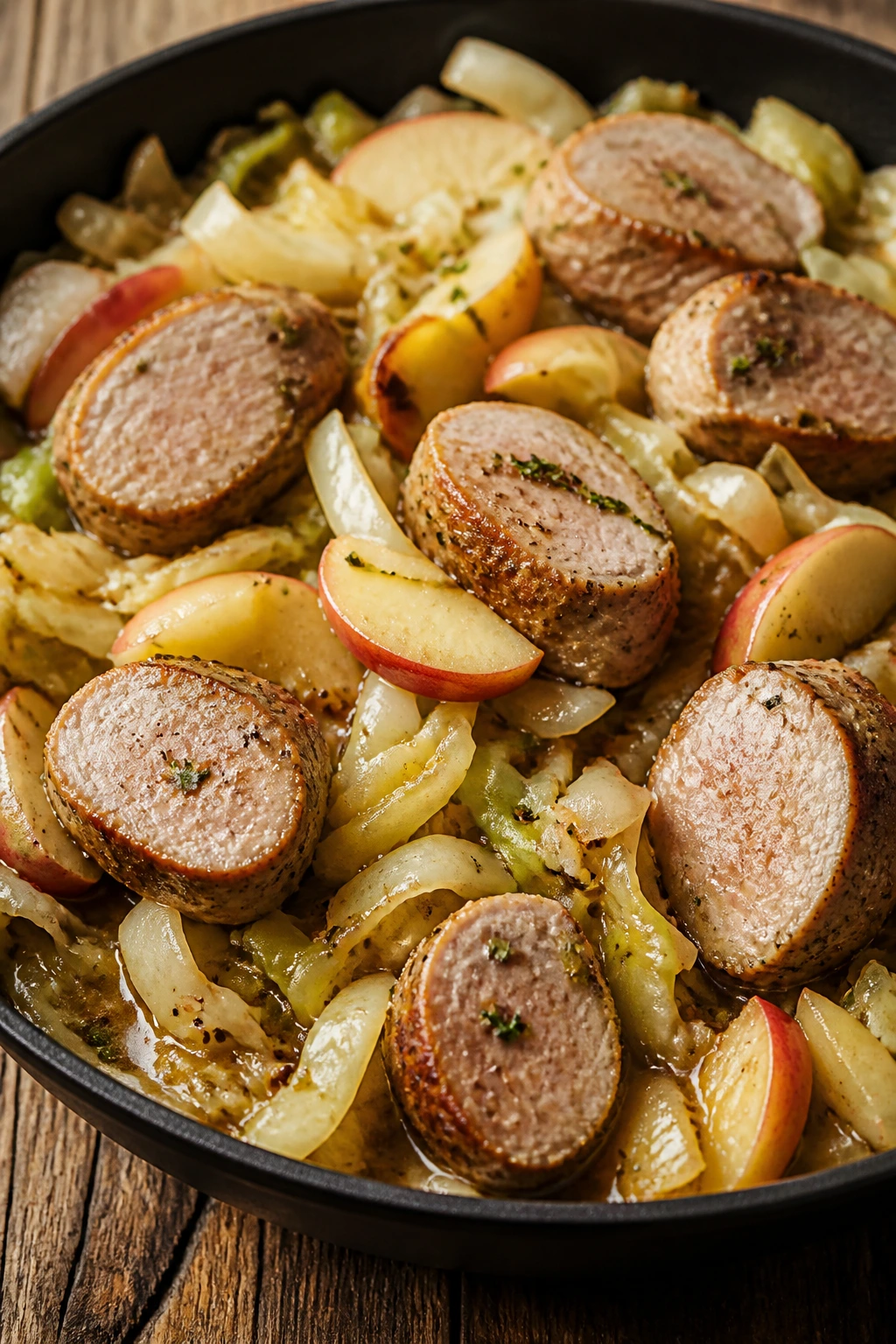
This skillet hits a sweet-savory balance that a lot of people don’t expect from a weeknight dinner. The cabbage softens into silky ribbons, the apples add a little brightness, and the pork brings the whole thing back to savory ground.
It’s a little rustic, a little sharp, and more comforting than it looks on paper. I’d call that a win.
Why It Works:
Pork tenderloin cooks fast and stays tender if you pull it before it goes dry. Cabbage loves being cooked with fat and a little steam, which gives it a buttery texture without butter. Apples and Dijon add sweetness and bite, keeping the skillet from tasting one-note.
Key Ingredients:
- 1 1/2 pounds pork tenderloin, cut into 1-inch medallions
- 1 tablespoon olive oil
- 1 medium onion, sliced
- 1 small green cabbage, cored and sliced into thin ribbons
- 2 apples, peeled if you like, sliced
- 2 cloves garlic, minced
- 1 teaspoon dried thyme
- 1 tablespoon Dijon mustard
- 1/2 cup low-sodium chicken broth
- 1 tablespoon apple cider vinegar
- 2 tablespoons chopped parsley
Quick Steps:
-
Brown the Pork: Heat the oil in a large skillet over medium-high heat. Season the pork with salt and pepper, then sear for 2 minutes per side until lightly browned. Transfer to a plate.
-
Cook the Onion and Cabbage: Add the onion and cabbage to the skillet. Cook for 6 to 8 minutes, stirring often, until the cabbage softens and starts to turn golden in places.
-
Add the Apples and Garlic: Stir in the apples, garlic, and thyme, and cook for 2 minutes until the apples begin to soften at the edges.
-
Build the Pan Sauce: Stir in the Dijon and broth, scraping up the browned bits from the bottom of the pan.
-
Finish the Pork: Return the pork and any juices to the skillet. Cover and cook on low for 4 to 5 minutes, just until the pork is cooked through.
-
Brighten and Serve: Stir in the vinegar and parsley, then taste and adjust salt. Pull the pork as soon as it reaches 145°F; overcooked tenderloin goes dry in a hurry.
Tips and Variations:
- Use tart apples if you want a sharper finish.
- A spoonful of sour cream on top makes the skillet richer.
- Thinly sliced Brussels sprouts can stand in for some of the cabbage.
15. Shrimp, Corn, and Tomato Orzo
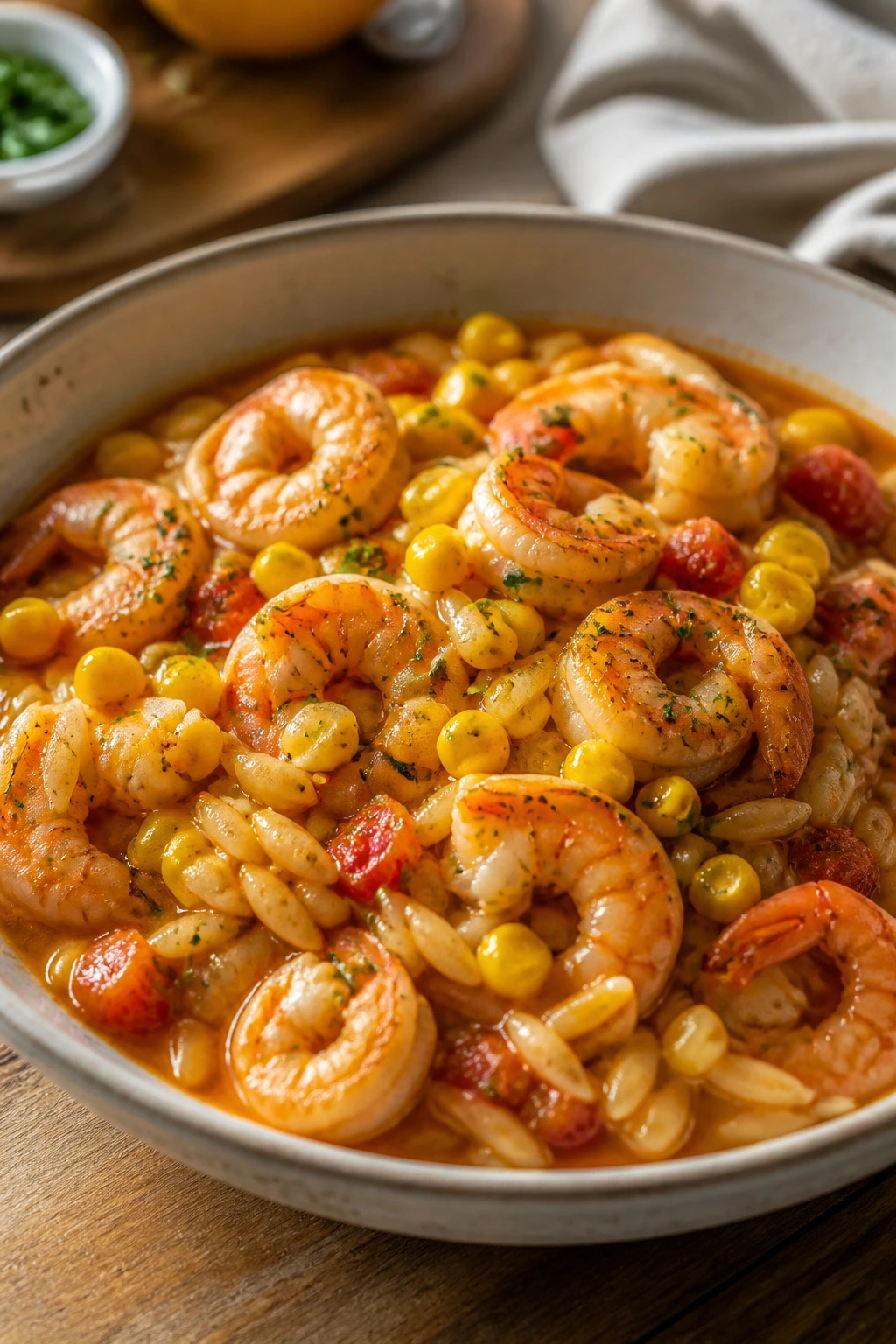
Shrimp cooks fast enough to feel a little magical when it lands in a one-pot dinner. The corn brings sweetness, the tomatoes break down into a light sauce, and the orzo turns the whole thing into something spoonable and rich.
This is one of the lightest dinners in the group, but it still feels cozy. Creamy enough to comfort, bright enough to keep eating.
Why It Works:
Orzo behaves like pasta but eats a little like rice, which makes it perfect for soaking up broth and tomato juices. Shrimp should go in near the end so it stays tender and just opaque, not rubbery. A small amount of butter at the finish gives the sauce a glossy, round feel that olive oil alone doesn’t quite deliver.
Key Ingredients:
- 1 tablespoon olive oil
- 1 tablespoon butter
- 1 medium onion, diced
- 3 cloves garlic, minced
- 1 1/2 cups orzo
- 1 pint cherry tomatoes, halved
- 1 1/2 cups corn kernels, fresh or frozen
- 3 cups low-sodium seafood, chicken, or vegetable broth
- 1 1/2 pounds shrimp, peeled and deveined
- 1 teaspoon Old Bay seasoning or paprika
- 1 lemon, zested and juiced
- 2 tablespoons chopped parsley
Quick Steps:
-
Cook the Onion: Warm the oil and butter in a wide pot over medium heat. Cook the onion for 4 minutes until soft, then add the garlic for 30 seconds.
-
Toast the Orzo: Stir in the orzo and cook for 1 minute so it picks up some color and flavor.
-
Build the Sauce: Add the tomatoes, corn, broth, and Old Bay or paprika. Bring to a simmer and cook uncovered for 8 to 10 minutes, stirring often.
-
Add the Shrimp: Stir in the shrimp and cook for 3 to 4 minutes, just until they turn pink and opaque.
-
Finish with Citrus: Add lemon zest, lemon juice, and parsley. Taste and adjust salt and pepper.
-
Serve Right Away: Spoon into shallow bowls. Shrimp overcooks fast, so pull the pot the moment the centers turn opaque.
Tips and Variations:
- Add a splash of cream if you want a richer sauce.
- Spinach or arugula can go in at the very end.
- A little hot sauce on the table works well here.
Why One Pot Tastes Like More Than One Pot
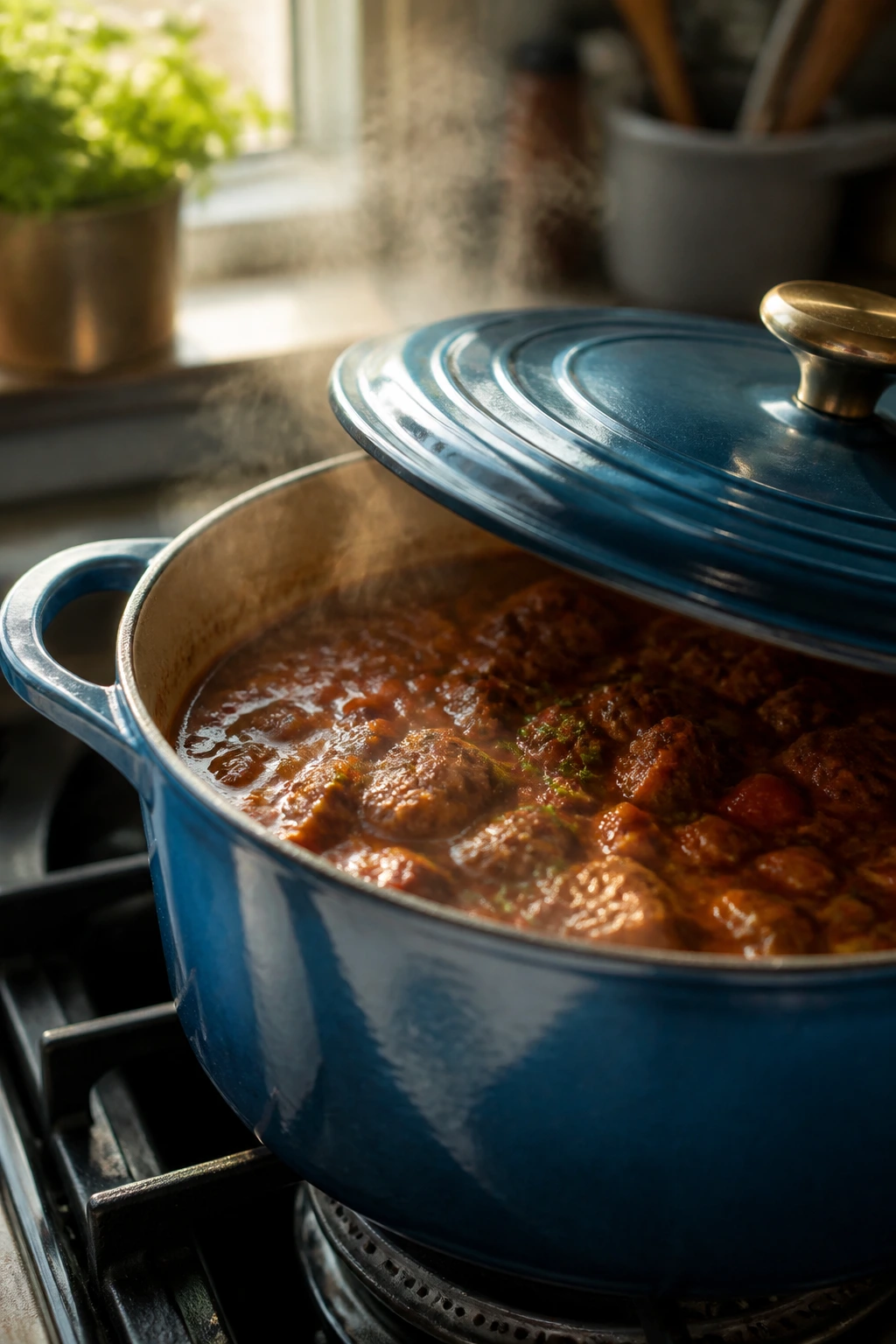
The real magic of one-pot dinners is not only fewer dishes. It’s the way the ingredients meet each other while they cook. Meat leaves fond behind. Onions soften into the fat. Rice, pasta, barley, or potatoes absorb broth instead of sitting beside it. That gives the final dish a layered taste that’s hard to fake with a plain skillet on the side and a saucepan full of sauce.
There’s also a practical side people sometimes miss. A pot with a lid lets you manage heat and moisture in a way that keeps dinner steadier. Broths reduce, starches thicken, and everything feels tied together by one cooking rhythm. You can walk away for a few minutes without breaking the whole dish.
I prefer a Dutch oven for the heavier meals and a deep skillet for pasta-heavy dinners. Both work. The deeper the vessel, the easier it is to stir without tossing food onto the stove, which is a tiny detail until you’ve had to wipe tomato sauce off a burner.
Essential Equipment for These Recipes
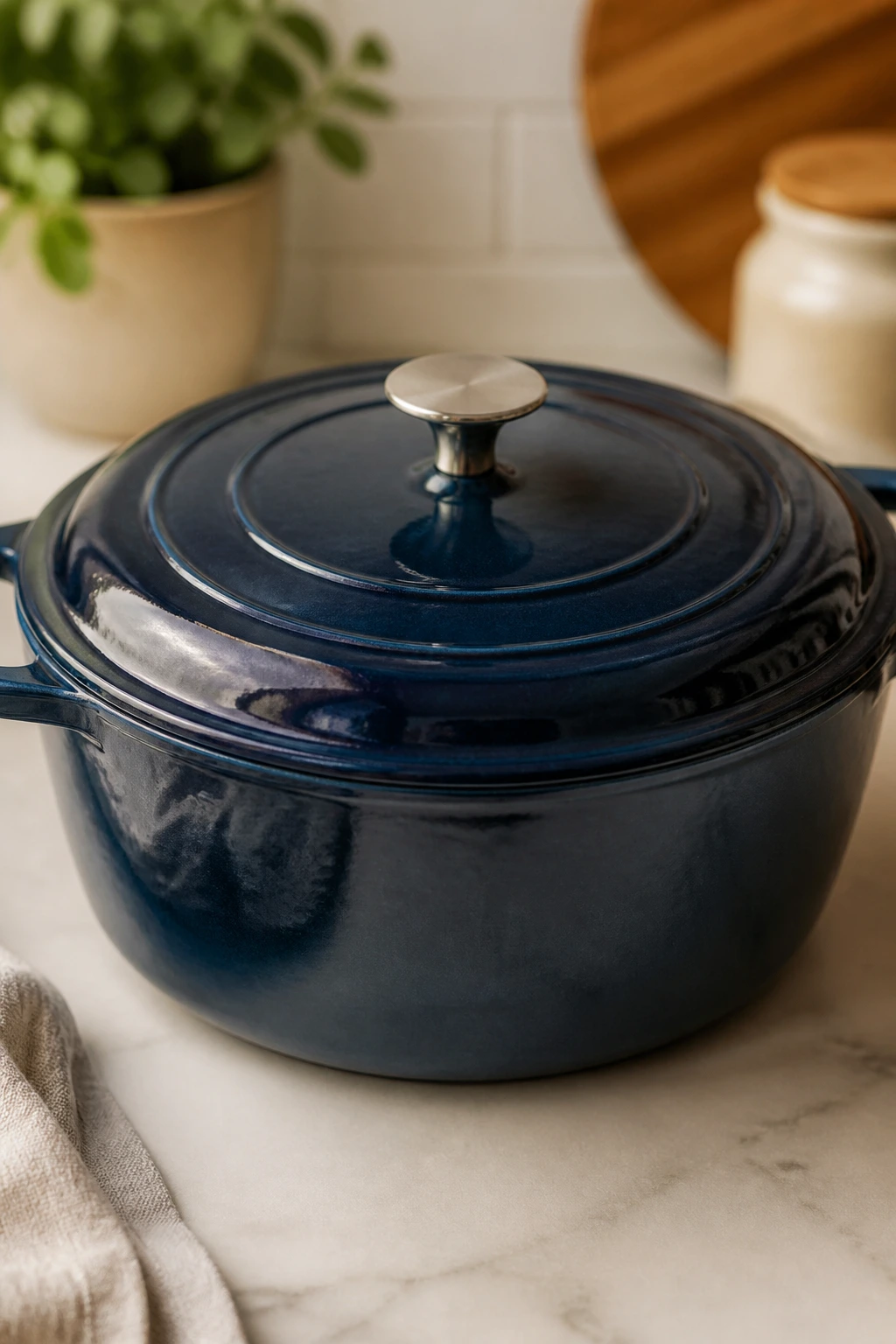
- Dutch oven, 5 to 7 quarts: Best for stews, soups, and rice dishes that need space and steady heat.
- Deep skillet with a lid: Ideal for quick pasta, gnocchi, and skillet dinners that finish fast.
- Wooden spoon or spatula: Gentle on the pot and useful for scraping browned bits from the bottom.
- Chef’s knife: A sharp knife makes onion, carrot, celery, and herb prep less annoying.
- Cutting board: Use one sturdy board for vegetables and another for raw meat if you can.
- Measuring cups and spoons: One-pot cooking still depends on liquid balance, especially for rice and pasta.
- Ladle: Useful for soups, stews, and serving without making a mess.
- Instant-read thermometer: Handy for chicken, pork, and meatballs when you want to know the center is done.
- Fine grater or microplane: Best for Parmesan, lemon zest, and garlic if you want finer texture.
- Airtight storage containers: Choose containers that seal well; these dishes keep their best texture when cooled quickly and stored flat.
Smart Shopping for Broth, Beans, Grain, and Meat
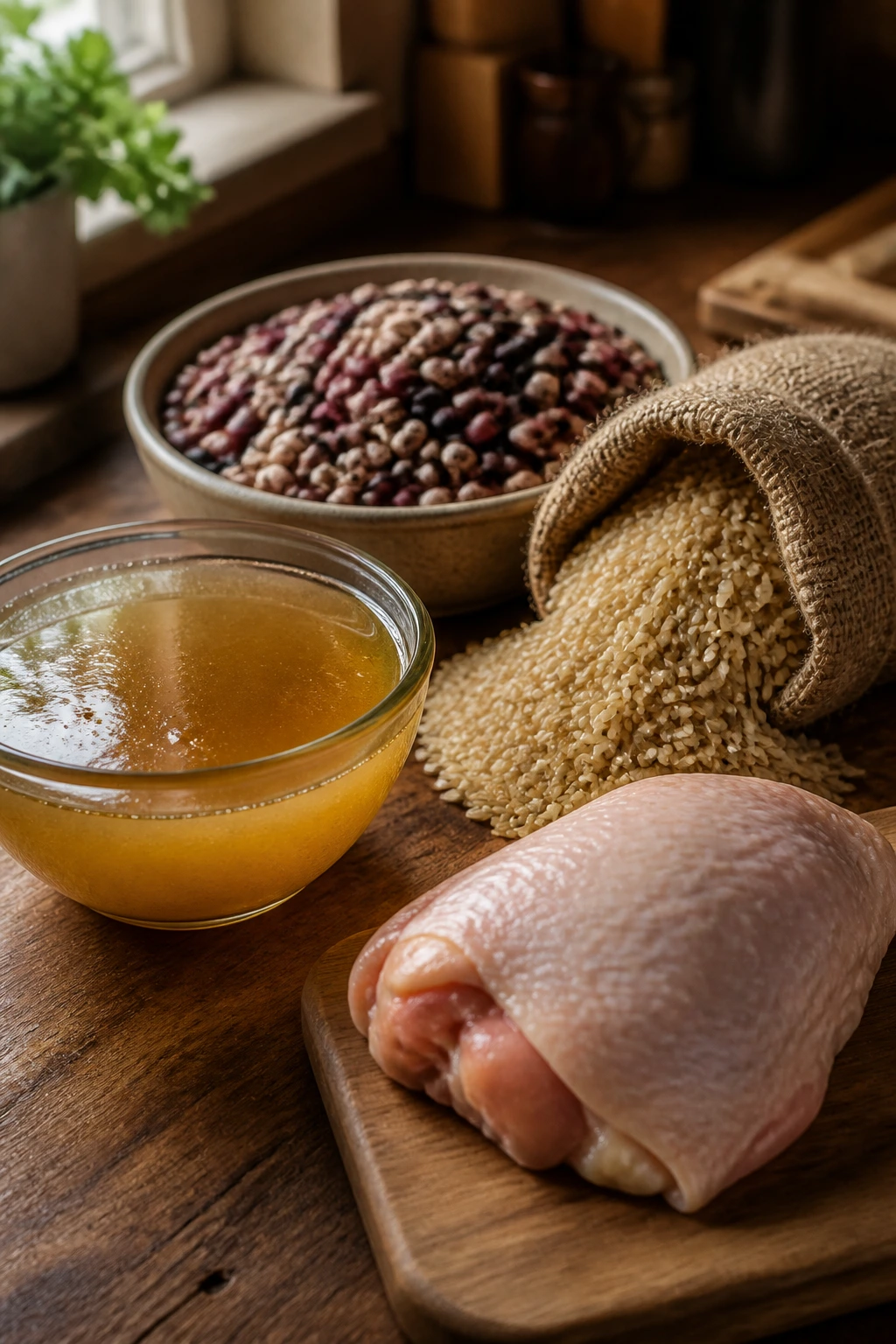
A few good shopping choices make these one-pot dinner ideas taste better before they even hit the stove. Start with broth. Low-sodium broth gives you control, which matters because cheese, sausage, canned tomatoes, and sausage all bring their own salt. A pot can go from balanced to briny faster than you’d think.
For grains and pasta, pick the right shape for the job. Long-grain rice stays separate, while arborio or short-grain rice turns creamier. Orzo cooks quickly and works well in skillet dinners; egg noodles hold up in stroganoff; ditalini and small shells are smart for soup because they fit on a spoon. Pearl barley is the barley you want for stew. Quick-cooking versions tend to go soft in a hurry.
Meat choices matter just as much. Chicken thighs handle simmering better than breasts. Chuck roast suits stew because of its connective tissue. Ground turkey needs bold seasoning, so don’t use it in a whisper-thin sauce. Shrimp should smell clean, not fishy, and it should be firm, not mushy. If you’re using sausage, choose one with enough fat that it browns well but doesn’t flood the pot.
Beans, tomatoes, and frozen vegetables are not the back-up plan here. They’re smart pantry tools. Canned tomatoes should taste bright and clean, not metallic. Frozen peas, spinach, and corn are often better than limp fresh versions for these dishes because they go straight into the pot at the right moment and don’t need any fuss.
How to Serve a Cozy One-Pot Supper
Presentation:
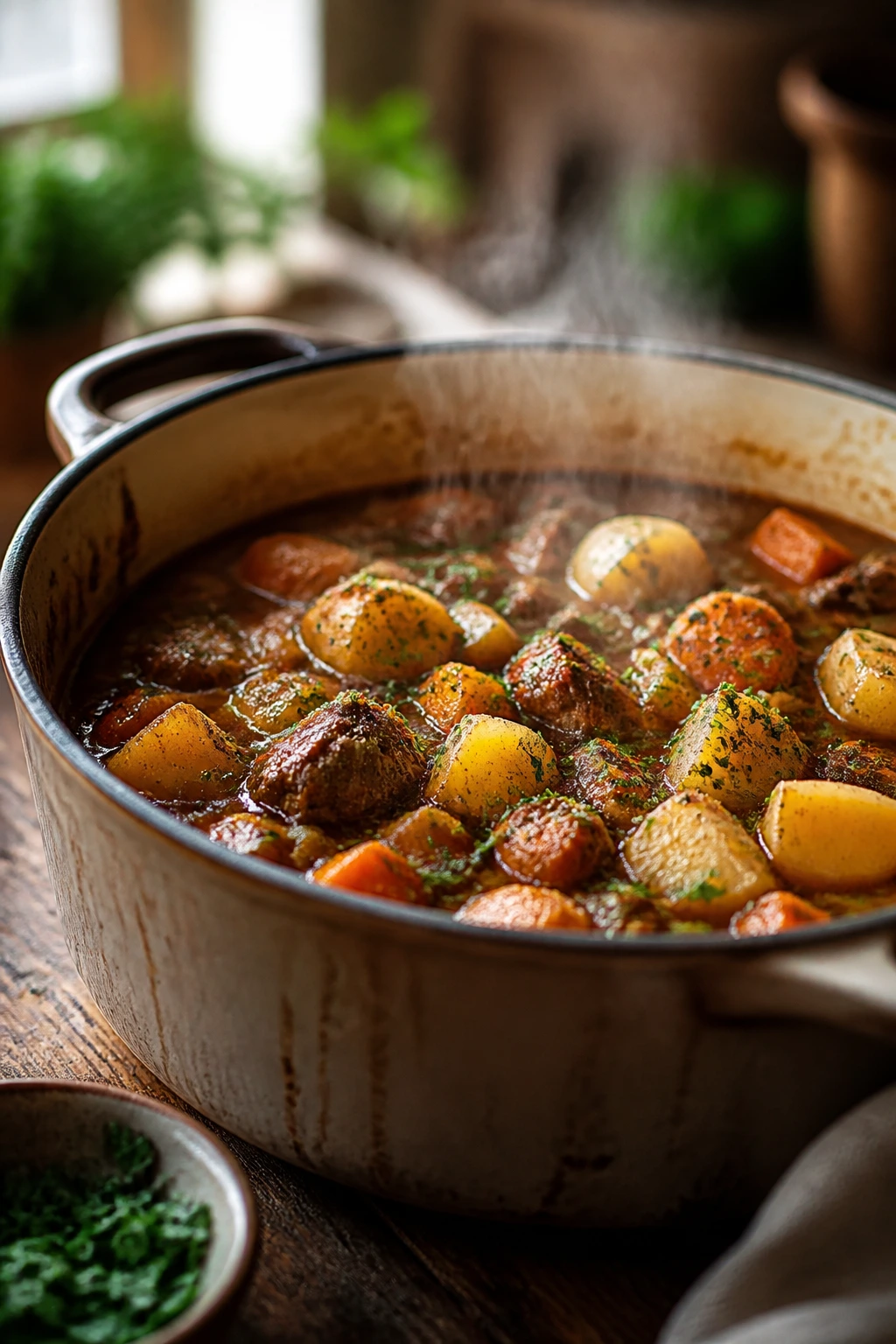
Serve stews and soups in shallow bowls so the broth doesn’t disappear under the solids. Skillet meals look best when they go from stove to table in the pot, with a quick scatter of herbs or grated cheese on top. A final garnish of parsley, scallions, lemon zest, or cracked pepper gives the dish a finished look without adding work.
Accompaniments:
Crusty bread, garlic toast, buttered rolls, or warm tortillas all make sense with these dinners. A crisp green salad with a sharp vinaigrette is the smartest side for richer pots like stroganoff or creamy chicken and rice. For chili mac and tortilla soup, keep the sides simple; the pot already has a lot going on.
Portions:
Most of these recipes feed 4 to 6 people generously. For hungrier eaters, plan on about 2 cups per adult for stew or soup and a slightly smaller bowl for richer pasta dishes. If you’re feeding kids, bread on the side often makes the meal feel bigger without changing the recipe.
Beverage Pairing:
Iced tea, sparkling water with lemon, or ginger ale works across the board. A light red wine suits the beefy dishes, while chicken and veggie pots are happy with something simple and cold. If the meal is spicy, keep the drink crisp and not too sweet.
Easy Flavor Boosts That Don’t Add Another Pan
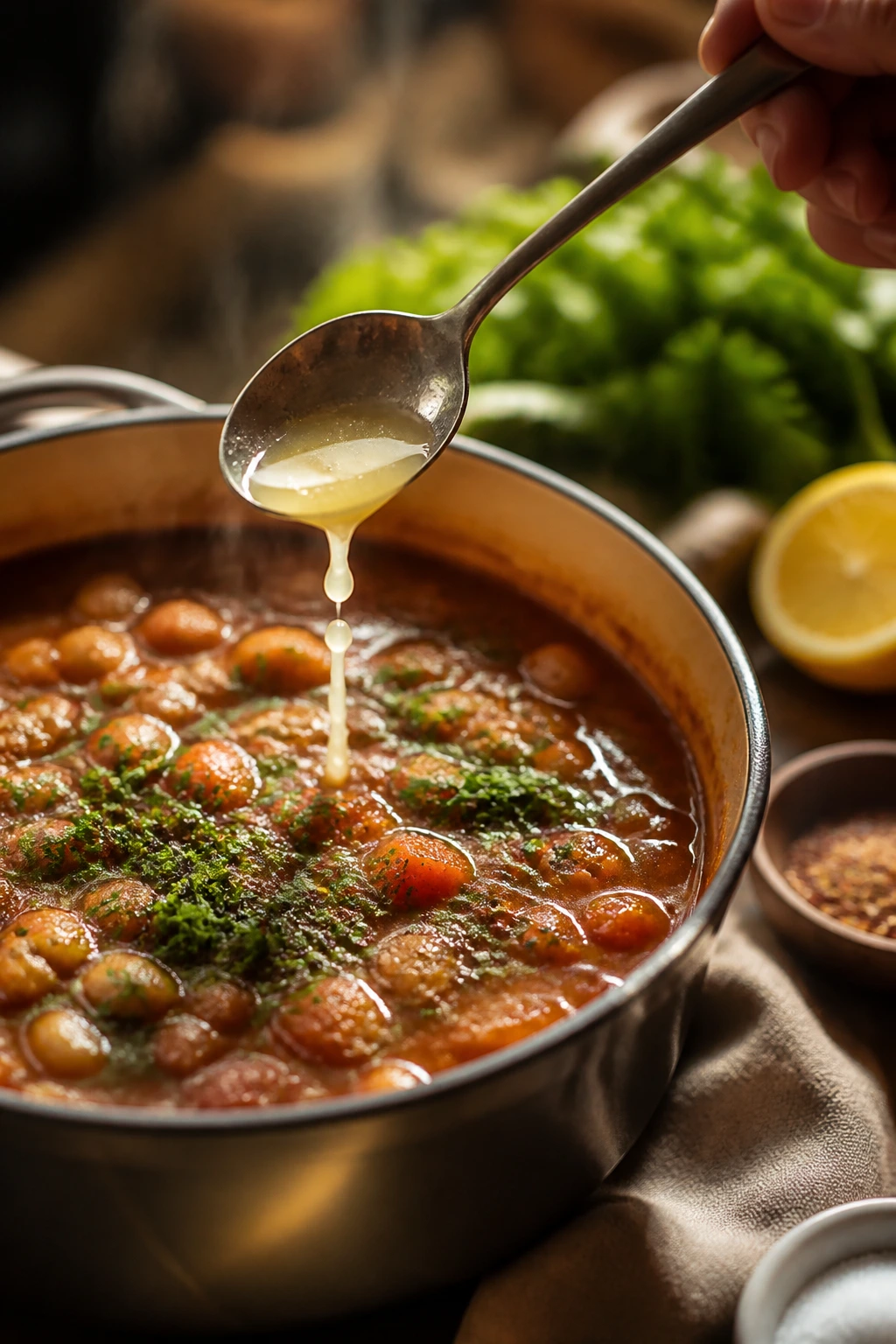
Flavor Enhancement:
A little acid at the end changes everything. Lemon juice, red wine vinegar, or a splash of cider vinegar can wake up a bland pot in ten seconds flat. I also like finishing creamy dishes with a pinch of black pepper and a small handful of fresh herbs; it keeps the flavor from feeling sleepy.
Customization:
Add spinach, kale, peas, corn, or diced zucchini to stretch a pot farther. Swap rice for barley, orzo for small shells, or potatoes for pasta when you want a different kind of comfort. A spoonful of Dijon or a dab of tomato paste can deepen the flavor without making the dish feel altered beyond recognition.
Serving Suggestions:
Top soups with crunchy tortilla strips, toasted breadcrumbs, or a handful of grated cheese. Finish creamy skillets with parsley, basil, or chives. If the dish is rich, a small side salad with lemon dressing keeps the meal from feeling too heavy.
Make-It-Yours:
For dairy-free cooking, use olive oil, coconut milk, or broth-based sauces instead of cream. For gluten-free meals, choose rice, potatoes, or certified gluten-free pasta. For spice-sensitive kids, keep the heat out of the pot and put hot sauce on the table where it belongs.
Make-Ahead, Storage, and Reheating Notes
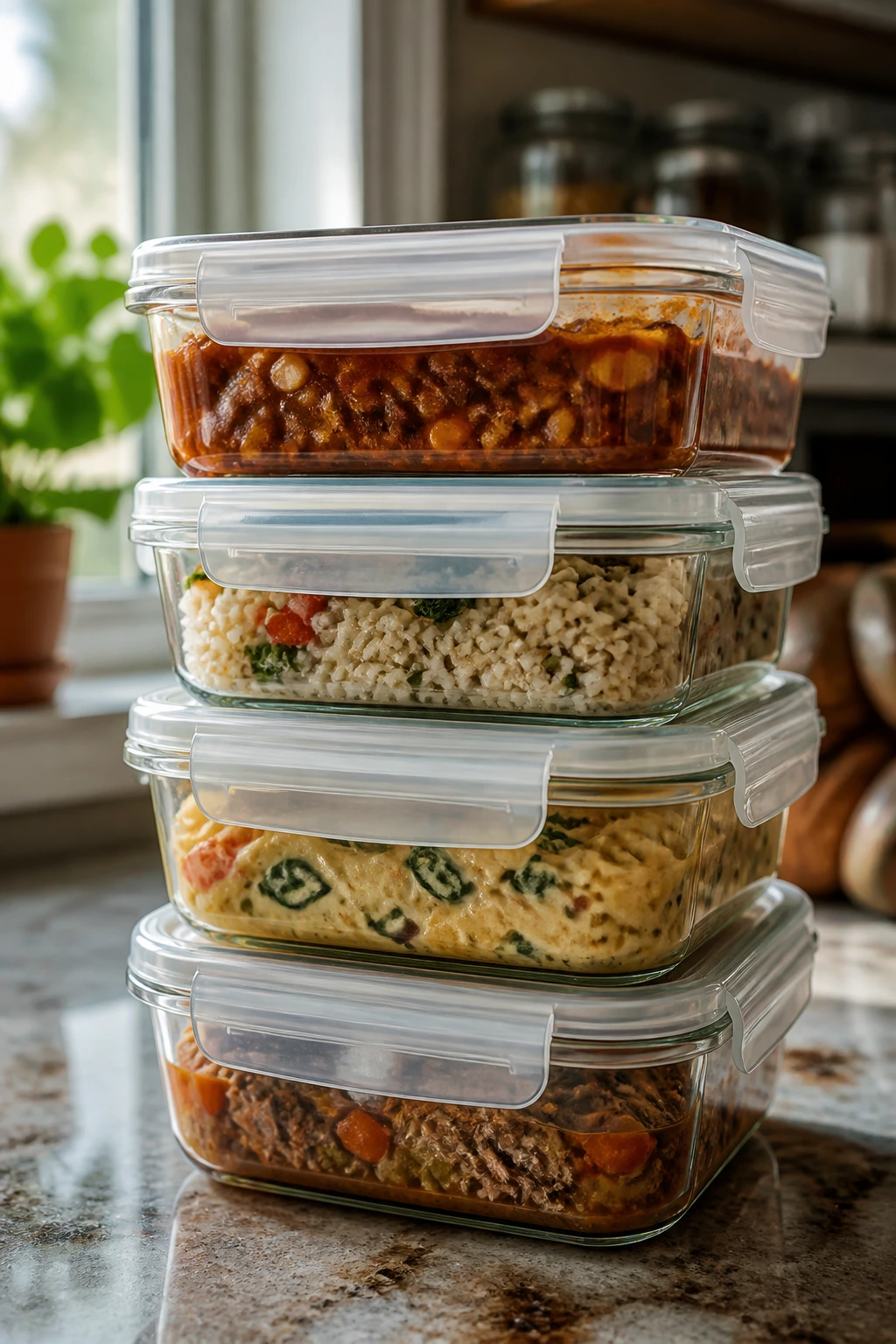
Most of these dinners keep well for 3 to 4 days in the refrigerator if you cool them promptly and store them in shallow airtight containers. Soups and stews usually freeze best, and many of them will hold for up to 2 to 3 months in the freezer. Creamy pasta dishes and gnocchi can still freeze, but the texture is a little less graceful after thawing, so I prefer to eat those within a month.
Reheat soups and stews gently on the stovetop over medium-low heat, adding a splash of broth or water if they’ve tightened up. Pasta and rice dishes need lower heat and a little liquid to loosen the starch. Microwave reheating works too, but stop and stir every minute so the edges don’t dry out while the center stays cold.
Chicken, pork, and meatball dishes are best reheated until steaming hot all the way through. Shrimp is the exception; it doesn’t like a second long cook. For shrimp orzo, reheat only until warm and add the shrimp just at the end if you can.
A smart move with these dinners is to make the base ahead and finish the dairy, herbs, or fresh greens later. That keeps cream from splitting and leaves spinach, parsley, and lemon tasting fresh instead of tired.
Variations and Adaptations to Try
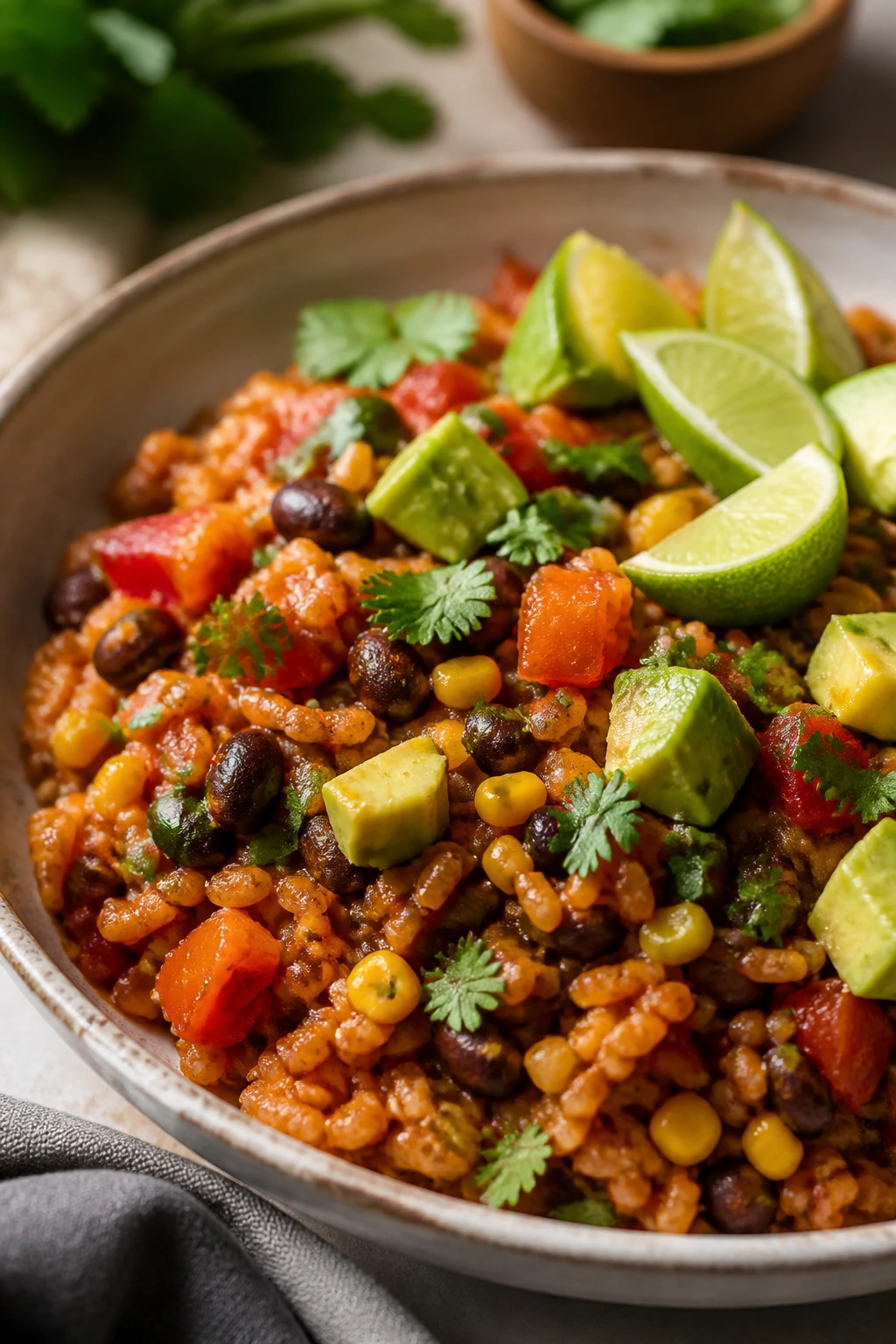
The Pantry-Only Night:
Use canned beans, frozen vegetables, shelf-stable pasta, rice, and broth when the fridge is bare. Chili mac, minestrone, and coconut curry all handle pantry swaps well. A little tomato paste, soy sauce, or mustard can replace some of the missing depth when fresh ingredients are thin on the ground.
The Dairy-Light Bowl:
Skip half-and-half and sour cream, then lean on olive oil, broth, or coconut milk for richness. This works especially well in the chicken and rice, Tuscan gnocchi, and curry recipes. A squeeze of lemon or a spoonful of vinegar can replace the brightness that dairy sometimes brings.
The Gluten-Free Route:
Rice, potatoes, lentils, and beans are the easiest base for gluten-free one-pot dinners. Use certified gluten-free pasta if you want stroganoff or chili mac to stay in the rotation. Just watch the liquid; some gluten-free pastas need a little more broth and a little less stirring.
The Mild Kid Version:
Keep chili powder, pepper flakes, and extra hot sausage out of the pot. Then set out pickles, hot sauce, cheese, and chopped herbs at the table so adults can season their own bowls. This keeps one dinner from becoming two separate cooking jobs.
The Extra-Green Finish:
Spinach, kale, parsley, dill, or basil can go in at the very end and make even a heavy pot taste fresher. I like this move in stroganoff, chicken pasta, minestrone, and shrimp orzo. It doesn’t change the identity of the dish, which is the whole point.
Common Mistakes to Avoid
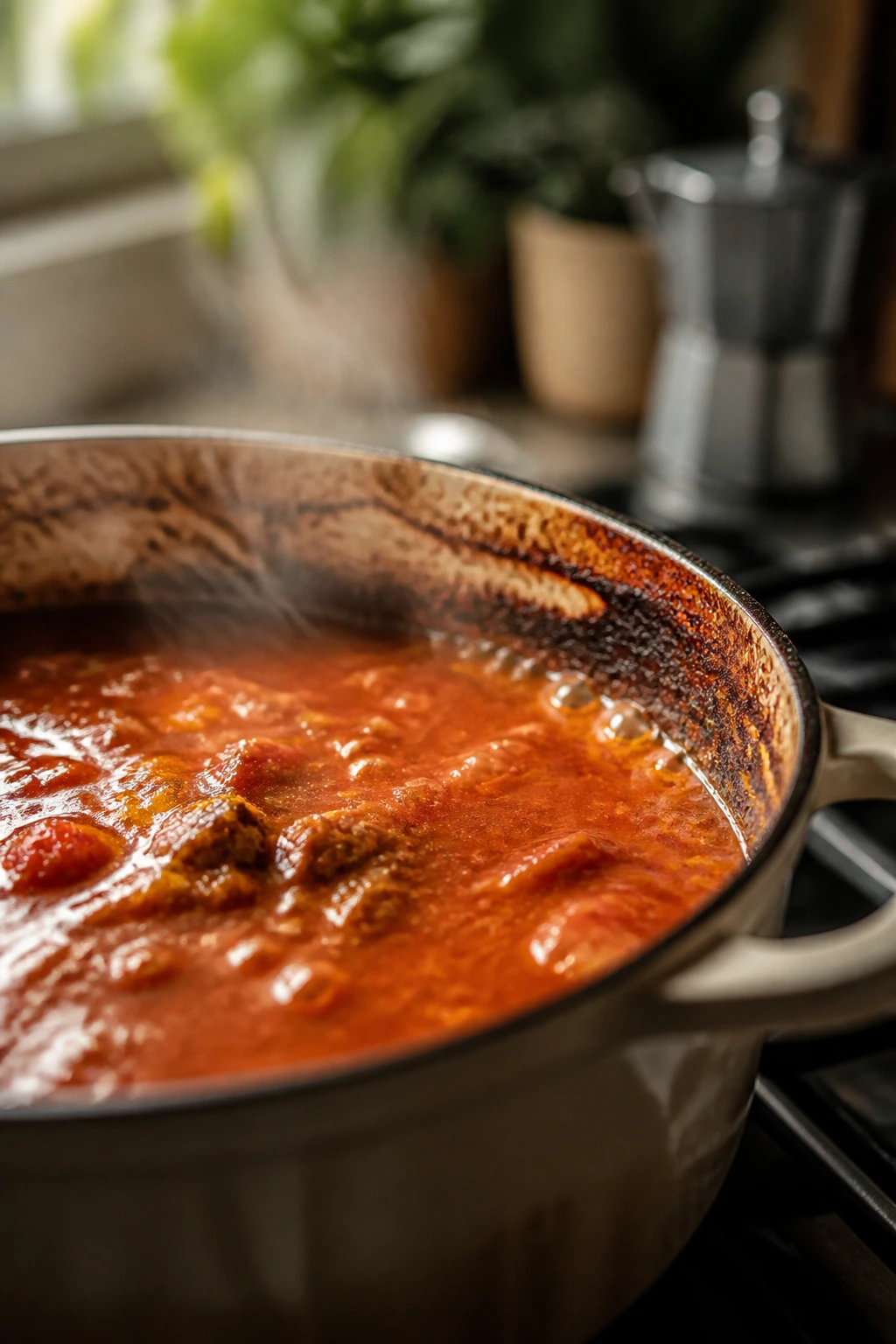
Crowding the pan at the start:
If you stuff too much chicken, beef, or sausage into the pot, it steams instead of browning. The fix is simple: sear in batches and give the meat room. Browning is what gives the final dish depth, and skipping it leaves the whole pot a little flat.
Cooking starches on high heat to “speed things up”:
Rice and pasta punish impatience. Boiling hard can split grains, break noodles, or leave the outside soft before the center is done. Keep the simmer gentle and stir enough to prevent sticking, not enough to beat the starch to death.
Adding all the dairy too early:
Cream, sour cream, and milk can split or scorch if they spend too long over heat. Stir them in at the end, then keep the pot at a low temperature. If a sauce looks grainy, it usually means the heat was too aggressive.
Underseasoning the base:
A lot of home cooks taste once at the end and hope for the best. Better to season the meat, then taste the broth, then taste again before serving. Salt, pepper, and acid all matter here because one-pot meals concentrate flavor as they cook.
Using the wrong grain or pasta shape:
Quick-cooking rice can turn sticky in stew; hulled barley won’t finish in time; giant pasta shapes hog liquid and stay underdone. Pick a grain or noodle that matches the cooking time of the rest of the pot. That one choice saves a lot of frustration.
Leaving no room for final brightness:
Rich dinners need an ending. Lemon, vinegar, herbs, scallions, or a small spoonful of mustard can pull the pot into focus. Without that last small lift, even a well-made meal can taste oddly sleepy.
Questions People Ask Before Cooking These Dinners

Can I make these in a slow cooker instead of on the stove?
Some of them, yes. Beef and barley stew, sausage and lentil soup, and chicken tortilla soup adapt well to a slow cooker if you still brown the meat first. Pasta and gnocchi dishes are better on the stove because they need close timing.
Which of these recipes freezes best?
Stews, chili mac, lentil soup, tortilla soup, and minestrone hold up well in the freezer. Creamy pasta, gnocchi, and shrimp dishes are less freezer-friendly because their texture changes after thawing. If freezing is a big priority, lean toward the bean, broth, or stew-based recipes.
What if my rice turns mushy?
Usually the heat was too high, the lid stayed on too long, or the liquid ratio was off. Next time, use long-grain rice, keep the simmer low, and check early rather than late. Mushy rice is annoying, but it’s usually a timing problem, not a total loss.
How do I keep pasta from soaking up all the broth?
Use the amount of liquid listed and stir often so the noodles don’t clump at the bottom. If the pot tightens before the pasta is done, add hot broth in small splashes. A final tablespoon or two of broth right before serving can bring the sauce back to life.
Can I swap chicken breasts for thighs?
Yes, but breasts need a gentler hand. They cook faster and dry out sooner, especially in rice or pasta dishes that simmer for a while. If you use breasts, cut them larger and check them early.
Do I really need low-sodium broth?
I think you do, unless you enjoy guessing at the salt level while cheese, sausage, beans, and canned tomatoes all join the party. Low-sodium broth gives you room to adjust at the end instead of locking yourself into an over-salted pot.
How do I make these dinners more kid-friendly?
Keep the heat low, use mild sausage or mild chili powder, and serve toppings separately. Kids usually like the creamy, cheesy, tomato-heavy versions best, especially chicken and rice, chili mac, meatballs and tomato rice, and ground beef and potatoes. A little shredded cheese on top goes a long way.
Can I double these recipes for a crowd?
Most of them double well if your pot is big enough and you don’t crowd the browning step. Use a wider vessel if possible, because steam builds fast in a full pot. For rice and pasta dishes, check the liquid and timing more often once you scale up.
What should I do if the pot tastes bland at the end?
Add salt first, then a little acid, then fresh herbs if you have them. Bland one-pot food usually needs a sharper edge, not more volume. A squeeze of lemon or a spoonful of vinegar can change a sleepy pot in seconds.
A Cozy Dinner Habit Worth Keeping

The nice thing about these one-pot dinner ideas is that they don’t ask for a perfect evening. They work with a full fridge, a half-empty fridge, or the kind of fridge where you keep finding one carrot and a sad wedge of cheese. That’s real cooking territory, and it’s where these recipes earn their keep.
If you start with good browning, steady heat, and a final hit of acid or herbs, the pot will do more than feed people. It will feel like a proper meal, which is honestly the part that matters most when everyone is hungry and the kitchen is already tired.